Advertisement

Xiaomi’s new Mijia Lightweight Commuter Backpack weighs under 600 grams and costs just $14

You might be aware that Xiaomi launches all kinds of lifestyle products under its Mijia brand, and backpacks are one of them. The company today introduced a new bag for daily commuters that is light on the back as well as in the pocket. 

The Mijia Lightweight Commuter Backpack weighs just 570 grams and is priced at 99 yuan (around $14). 

Xiaomi Mijia Lightweight Commuter Backpack Launch Specs Price

Xiaomi Mijia Lightweight Commuter Backpack Overview

Despite its light heft, the backpack has an 18-liter capacity. Xiaomi gets there by trimming material in the non-load-bearing sections while keeping the stress points reinforced, so the bag stays sturdy where it counts. 

The whole thing is made from polyester fiber, and it comes in black, gray, and beige, all with a unisex design that measures 280×150×430mm. 

🔌 You’ll NeedThe main compartment fits a 16-inch laptop but has no padding of its own — a sleeve adds real protection. Check laptop sleeve price on Amazon →

Inside, you get a double-layer main compartment. One layer holds a laptop up to 16 inches, and the other is open for clothes and everyday items. There’s also a zippered front pocket for small essentials, plus two side pockets sized for a 500mL water bottle or an umbrella.

Xiaomi Mijia Lightweight Commuter Backpack Specs

As for comfort, the shoulder straps curve slightly on the inside to match your body, and Xiaomi says it has adjusted the angle where they connect at the top to cut down on neck friction and armpit pressure during long wear.

On durability, the fabric meets a Level 4 water-repellent rating, so light rain beads off instead of soaking in, and everyday stains wipe away easily. A trolley strap on the back lets you slide it over a suitcase handle; there’s a high-density handle on top for quick grabs, and Xiaomi says the zippers got extra work to keep them quiet when you open and close them. 

For more daily updates, please visit our News Section.

Stay ahead in tech! Join our Telegram community and sign up for our daily newsletter of top stories!
(Via)

Your next Boat earbuds may support smarter AI real-time conversations

Boat could be preparing a significant shift in how its audio products interact with users. The company is reportedly exploring an AI-powered experience that could bring more natural conversations directly to its audio lineup.

Boat is reportedly working on conversational AI

Boat

Boat is reportedly working on an AI experience that goes beyond conventional voice assistants. Instead of relying mainly on fixed commands, the system is said to be designed around real-time conversations, allowing users to interact with it through more natural back-and-forth exchanges.

The reported AI experience could also be designed with India’s diverse languages in mind. Some sources have suggested that it may better understand regional accents and dialects, although this aspect has not been confirmed. If implemented, such support could make the feature more useful for a wider range of users across the country.

It remains unclear whether Boat plans to bring the AI experience to its existing audio products through a software or firmware update, or whether it will debut as part of a completely new product lineup. The information available so far points to both possibilities, with the company yet to clarify its plans.

The reported development comes as AI-powered features are becoming increasingly common across consumer electronics. Voice interaction is emerging as an important way for users to access AI, and audio devices could provide a natural platform for these experiences without requiring users to constantly look at a screen.

Boat has not officially confirmed the AI project or revealed when it could be announced. However, sources tracking the development suggest that an announcement may not be too far away. If Boat manages to bring genuinely conversational AI to its audio products, it could give the homegrown brand a new way to differentiate itself in an increasingly competitive market.

For more daily updates, please visit our News Section.

Stay ahead in tech! Join our Telegram community and sign up for our daily newsletter of top stories!
iQOO Buds launches with 50-hour battery life and Bluetooth 6.1

The iQOO Buds have arrived in India alongside the iQOO Z11 5G, giving users a new affordable wireless audio option. The earbuds focus on long battery life, low gaming latency, and convenient connectivity features. Here’s everything you need to know about the iQOO Buds.

iQOO Buds specifications and features

iQOO Buds
iQOO Buds

The iQOO Buds feature a 10mm high-resolution moving coil driver with a 20Hz to 20kHz frequency range and DeepX sound effects. They use the BES2710IUC3 audio chip and support AAC and SBC audio codecs. The earbuds have dual microphones with beamforming-based ENC for clearer voice calls, but there is no Active Noise Cancellation support.

Each earbud packs a 51mAh minimum-rated battery, while the charging case has a 513mAh rated capacity. The earbuds can deliver up to 12 hours of playback on a single charge, with the case extending total battery life to up to 50 hours. The earbuds take around 60 minutes to charge, while charging the complete setup takes approximately 120 minutes.

Connectivity includes Bluetooth 6.1 and dual-device support, allowing the earbuds to remain connected to two devices and switch between them. Gaming latency is rated at 42ms. The iQOO Buds also support instant pairing and touch controls, including double-tap, triple-tap and touch-and-hold gestures.

The earbuds have an in-ear design with ear handles and weigh around 3.8g each, while the complete setup weighs approximately 41.3g. They carry an IP54 rating for protection against dust and splashes.

Other features include remote camera control with compatible iQOO and Vivo smartphones, allowing users to capture photos remotely. The earbuds also support DeepX sound effects and come with three pairs of ear tips in S, M and L sizes.

iQOO Buds price and availability

The iQOO Buds are available in the Flame Yellow color and are priced at Rs 1,899 in India. They will go on sale from August 24 at 12 PM through Amazon.in. As part of the launch offer, buyers can get a flat Rs 200 instant discount across all bank cards, bringing the net effective price down to Rs 1,699.

For more daily updates, please visit our News Section.

Stay ahead in tech! Join our Telegram community and sign up for our daily newsletter of top stories!

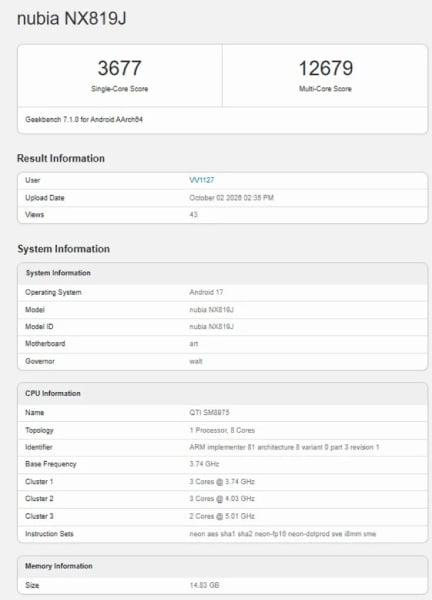
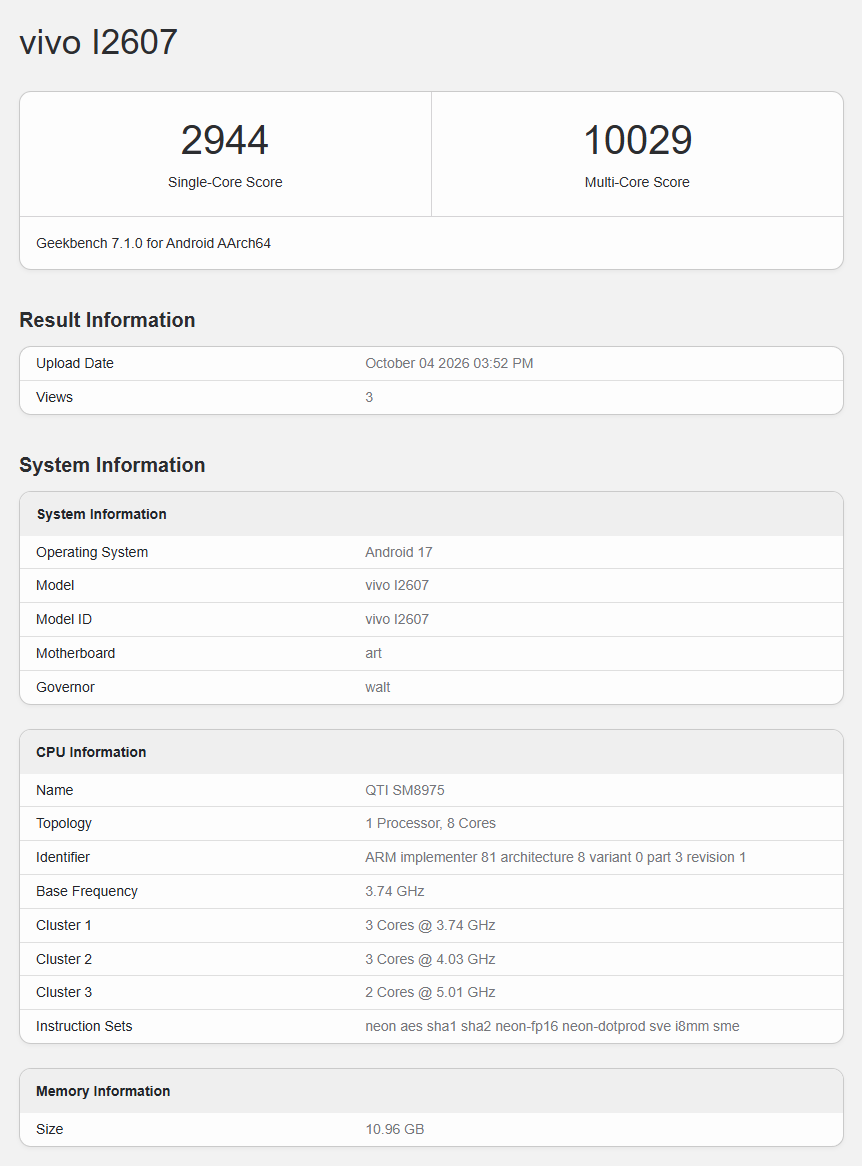
Qualcomm confirms “Dual 8 Elites” are launching on September 22

Qualcomm is doing something different this year with its next flagship chip announcement. The company has confirmed that Snapdragon Summit 2026 will introduce a pair of 8 Elite chips.

In a teaser posted on X, Qualcomm used the taglines “Dual 8 Elites” and “When Two Changes the Game,” promising “twice the options” for the smartphone market. The post frames it as the “next chapter” in Qualcomm’s “agentic AI era” and includes a short video showing two unnamed chips alongside gameplay footage from Neverness to Everness (NTE).

Both chips are said to bring better connectivity, stronger camera features, and a more powerful GPU aimed at immersive gaming. Qualcomm hasn’t named them yet and is holding the full details for the Summit.

The event is set for September 22–24, 2026, in Maui, Hawaii. Industry rumors consistently point to the pairing as the Snapdragon 8 Elite Gen 6 and a higher-tier Snapdragon 8 Elite Gen 6 Pro. The Pro version is expected to target “Ultra”-level phones, think devices like Samsung’s Galaxy S27 Ultra and the top flagships from iQOO, OnePlus, and Xiaomi.

Early speculation suggests the Pro chip could be built on TSMC’s 2nm process and feature an Adreno 850 GPU, while the standard version would power a wider range of premium but slightly more affordable flagships. None of this is confirmed yet, of course, and everything will be clarified at the Summit.

This dual-chip approach is a clear change for Qualcomm, which has usually launched just one main flagship SoC each year. By offering two options, the company seems to be creating clearer performance tiers at the top end, giving phone makers more flexibility when designing devices for different price points and feature levels. Detailed specs, performance claims, and partner device details should arrive when the chips are officially revealed on September 22, or sooner.

Don’t miss a thing! Join our Telegram community for instant updates and grab our free daily newsletter for the best tech stories!

For more daily updates, please visit our News Section.

(Source: Qualcomm)

CMF Buds Neo for Rs 1,999 (~$21) brings 35dB ANC and 52-hour battery life

CMF has added a new pair of affordable wireless earbuds to its lineup, focusing on everyday listening with active noise cancellation, long battery life and a distinctive design. The Buds Neo also bring several customisation options through the Nothing X app.

CMF Buds Neo focuses on sound, ANC and battery life

CMF BUds Neo
CMF Buds Neo

The CMF Buds Neo feature 12.4mm dynamic drivers with titanium-coated PET domes and PEEK + PU surrounds. The earbuds support static spatial audio for a wider soundstage and come with six EQ presets covering options such as Pop, Rock, Electronic, Classical and Enhance Vocals. Users can also create a custom EQ profile through the Nothing X app, while Bass Enhancement offers two additional levels for stronger low-end output.

For noise cancellation, the earbuds offer up to 35dB of Active Noise Cancellation (ANC) across three levels. Adaptive ANC can automatically adjust the level based on the surrounding environment. For calls, four HD microphones, with two on each earbud, work with Clear Voice Technology to improve voice clarity in different environments.

Battery life reaches up to 52 hours with ANC turned off, including the charging case. Each earbud can provide up to 11 hours of playback, while total listening time drops to 30 hours with ANC enabled. A 10-minute charge can provide up to 5.5 hours of playback, while the earbuds and case feature 45mAh and 460mAh batteries, respectively.

The earbuds feature a square charging case with a tactile circular dial and a dual-tone design. A built-in lanyard hole allows the case to be attached to a strap. The Buds Neo also support Bluetooth 6.0, Google Fast Pair, Microsoft Swift Pair, dual-device connectivity and a 120ms low-latency gaming mode. Touch controls can be customised through the Nothing X app, while the earbuds are compatible with Android 6.0 and above and iOS 13 and above.

CMF Buds Neo price and availability

CMF Buds Neo are available in Black, White and Dark Blue. They carry an exclusive launch price of Rs 1,999 (~$21) and will go on sale in India from August 26 through Flipkart, Croma, Reliance Digital and Vijay Sales.

For more daily updates, please visit our News Section.

Stay ahead in tech! Join our Telegram community and sign up for our daily newsletter of top stories!

🔌 You’ll NeedDaily wear loosens the silicone seal — fresh ear tips keep ANC and bass performance tight. Check silicone ear tips replacement price on Amazon →

iQOO Z11’s India version brings a surprise that other markets don’t get

The iQOO Z11 has now reached India in a version tailored specifically for the local market. It joins the Chinese and Malaysian variants with a different chipset and hardware configuration. Here’s everything you need to know about the India-exclusive Z11 variant.

iQOO Z11 specifications and features

iQOO Z11
iQOO Z11

Unlike the Chinese version with the Dimensity 8500 and the Malaysian model with the Snapdragon 7s Gen 4, the Indian iQOO Z11 is the first smartphone in the country to feature the MediaTek Dimensity 7500 Turbo. It pairs the 4nm chipset with up to 12GB of LPDDR4X RAM and up to 256GB of UFS 3.1 storage.

The phone features a 6.83-inch 3D curved AMOLED display with a 2800×1260-pixel resolution, 144Hz refresh rate and up to 2,000 nits of brightness in High Brightness Mode. It also supports HDR10+. The device runs Android 16 with OriginOS 6 and includes an in-display optical fingerprint sensor. It is promised to receive three Android OS upgrades and five years of security updates.

iQOO Z11
iQOO Z11

The iQOO Z11 also brings a set of AI-powered tools aimed at productivity and everyday use. Its AI Captions feature can transcribe and translate speech in real time, with support for languages including Hindi and Urdu, while automatically detecting the source language. The multi-engine system combines Google Gemini and Microsoft Azure to improve transcription accuracy and preserve pauses, rhythm and emphasis. AI Creation can help with tasks such as summarising, refining assignments, brainstorming and creating content, while Gemini-based tools can provide real-time responses based on the task.

🔌 You’ll NeedThe 7,050mAh battery supports 44W charging, so a compatible fast charger avoids an overnight top-up. Check 44W fast charger USB-C price on Amazon →

Powering the iQOO Z11 is a 7,050mAh battery with support for 44W fast charging. On the imaging front, it has a 50-megapixel Sony IMX882 main camera with OIS, an 8-megapixel ultra-wide camera and a 32-megapixel front camera. It also packs features such as an in-display fingerprint sensor, dual speakers, 5G, Wi-Fi 6, Bluetooth 5.4, GPS and a USB-C port. To recall, neither the Chinese nor Malaysian variants feature an 8-megapixel ultra-wide camera.

The handset measures 164.42 x 75.25 x 7.99mm and weighs 199g. It supports IP68 and IP69 ratings for dust and water resistance, making it better suited to challenging conditions.

iQOO Z11 price and availability

The iQOO Z11 comes in Celestial Blue and Aurora Green. The 6GB+128GB model costs Rs 34,999 (~$365), while the 8GB+128GB, 8GB+256GB and 12GB+256GB variants are priced at Rs 39,999 (~$420), Rs 44,999 (~$470), and Rs 49,999 (~$525), respectively. Sales will begin in India on August 25 through Amazon, iQOO’s website and offline retail stores.

For more daily updates, please visit our News Section.

Stay ahead in tech! Join our Telegram community and sign up for our daily newsletter of top stories!

Oppo Reno 18 series may sport 68MP 1:1 selfie camera

It was reported back in May that Oppo is testing a square 1:1 selfie camera. Available on the iPhone 17 series, a 1:1 front camera sensor offers more flexible framing and portrait or landscape selfies without rotating the phone. Rumors suggest that the Find X10 Ultra could be Oppo’s first smartphone to feature such a selfie camera. A new rumor suggests that an upcoming Reno series phone may also come equipped with it.

Oppo’s 68MP 1:1 selfie camera phone in works

Tipster Digital Chat Station has revealed that Oppo has another 68-megapixel 1:1 square front camera in development. While he did not specify which exact model will feature it, he said that the sensor could reportedly be used in a slim, camera-focused smartphone expected to launch next year, although the specific model or brand has not been disclosed.

Recent reports have claimed that the Find X10 Ultra, which is expected to break cover in the first half of 2027, will be equipped with a 100-megapixel 1:1 square front camera. So, it appears that an Oppo phone launching after the X10 Ultra would be the likely candidate to feature it.

Therefore, the likely candidate to feature the 68-megapixel 1:1 selfie camera appears to be the Reno 18 series, which is expected to debut in May 2027. Since the expected launch is several months away, it is advised to wait for further reports to learn more about the Reno 18 lineup.

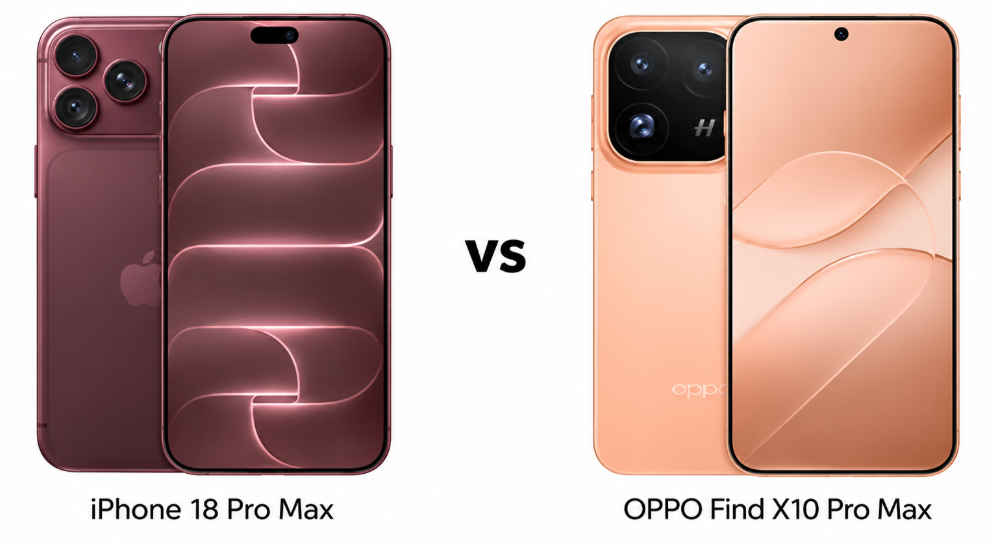
In related news, Oppo is reportedly working on the Find X10 lineup, and it might be aiming for a September launch in China. The series is expected to include three models, such as the Find X10, X10 Pro, and X10 Pro Max. After the X-series, the company is expected to announce the Reno 17 lineup in November.

For more daily updates, please visit our News Section.

Stay ahead in tech! Join our Telegram community and sign up for our daily newsletter of top stories!
Fossil Machine X-1 brings racing-inspired design and exposed mechanics to the wrist

Fossil has added a new premium model to its Machine collection, bringing together an industrial design and mechanical watchmaking. The Machine X-1 is positioned as a sportier take on the series, with a design inspired by racing culture.

Fossil Machine X-1 brings exposed mechanics to the Machine collection

Fossil Machine X-1
Fossil Machine X-1

The Machine X-1 features a 42mm stainless steel case with a multi-piece construction and industrial knurling. Its fully skeletonized black dial exposes the internal mechanical components, while a sapphire crystal provides a clear view of the movement. The watch also gets an exhibition case back, giving users a look at the mechanics from both sides.

Inside, the timepiece uses a Japanese automatic movement with 24 jewels and a 41-hour power reserve. The tonneau-shaped stainless steel case is paired with a black silicone strap designed to give the watch a sporty character. An oversized crown takes inspiration from the shape of a crosshead screwdriver, adding another mechanical-inspired element to the design.

The watch measures 18mm at the strap width and comes with a single-prong buckle. Fossil is offering the Machine X-1 in black, black with gold-tone accents, and blue variants. The collection is priced at Rs 40,995 (~$430) in India.

The new model continues the industrial styling associated with Fossil’s Machine family while taking the exposed-mechanics approach further. The skeletonized dial, sapphire crystal and exhibition case back put the automatic movement at the center of the design, while the silicone strap and tonneau case give it a more contemporary, sporty appearance.

Varun Dhawan, Fossil India’s brand ambassador, has also highlighted the watch’s combination of racing-inspired details, mechanical elements and architectural styling. With its automatic movement and premium construction, the Machine X-1 is aimed at buyers looking for a statement mechanical watch rather than a conventional everyday timepiece.

What do you think of the Fossil Machine X-1’s exposed mechanical design?

For more daily updates, please visit our News Section.

Stay ahead in tech! Join our Telegram community and sign up for our daily newsletter of top stories!

Nothing OS 5.0 update: List of unsupported phones

Nothing OS 5.0 update ineligible devices

Nothing is preparing to release the Nothing OS 5.0 update, which is based on Android 17. The beta program is already live on select devices, and the stable rollout should be here in a few weeks.

Most Nothing phones are eligible for the Nothing OS 5.0 upgrade, except for three. The brand has already fulfilled the major OS updates promised to these three devices at launch, so they are no longer eligible for OS updates.

These Nothing phones won’t get the Nothing OS 5.0 update

  • Nothing Phone 1 (Last OS: Android 15)
  • Nothing Phone 2 (Last OS: Android 16)
  • CMF Phone 1 (Last OS: Android 16)

While these three Nothing phones aren’t eligible for Android 17, the Nothing Phone 2 and CMF Phone 1 will continue to receive security patches until mid-2027. The first-gen Nothing Phone 1, however, has already reached the end of its life.

If you’re still using the Nothing Phone 1, it’s advised to upgrade to a newer model. Not only are you missing the latest features, but also the latest security patches that protect your device from various security threats.

Nothing Phone 2 and CMF Phone 1 users should also consider upgrading the hardware to ensure they continue to receive Nothing OS updates, which usually bring exciting visual upgrades and new features.

We’ll keep you updated with the latest details in the Nothing section. Visit the page regularly or join our Telegram channel to stay updated.

iQOO 16’s display officially confirmed to be a major upgrade over its predecessor

iQOO appears to be preparing another major display upgrade for its next flagship smartphone. A company executive has hinted at what to expect from the iQOO 16, while earlier information has already pointed to a high-end panel.

iQOO 16 display could push brightness and endurance further

iQOO Flagship Series Product Manager Wang Ken has highlighted the importance of display brightness in everyday smartphone use, particularly across different viewing conditions. He explained that balancing brightness, power consumption and long-term endurance has traditionally been difficult, but the company addressed this with the 2K LEAD OLED panels used on the iQOO 15 and iQOO 15 Ultra.

According to the executive, the technology has managed to strike a strong balance between these factors and continues to remain ahead of competing display solutions. He then teased that the iQOO 16 will take things even further, although the exact details were intentionally left undisclosed.

The iQOO 15 introduced Samsung Display’s 2K LEAD OLED technology alongside M14 luminous material. Its panel supports a 144Hz refresh rate, up to 2,600 nits of global peak brightness, up to 1,000 nits of manual brightness and a minimum brightness of 1 nit. The iQOO 15 Ultra takes the local peak brightness figure up to 8,000 nits while retaining the same display technology.

A recent leak by reliable tipster Digital Chat STation revealed that the iQOO 16 is being tested with a 6.85-inch display featuring 2K resolution and a 165Hz refresh rate. The panel is reportedly supplied by Samsung Display, which would put the upcoming phone in line with the company’s focus on high-end display hardware.

The iQOO Neo 12 is also expected to receive a 2K panel, with testing reportedly involving a 6.83-inch Visionox display. Its refresh rate could reach either 165Hz or 185Hz, giving iQOO’s upcoming lineup a strong focus on smooth visuals. With the iQOO 16 expected to launch in China alongside the Neo 12 by late September or early October, more display details could emerge soon.

What kind of display upgrade would you like to see on the iQOO 16?

For more daily updates, please visit our News Section.

Stay ahead in tech! Join our Telegram community and sign up for our daily newsletter of top stories!
Upcoming iQOO compact gaming tablet to pack built-in fan, Snapdragon 8 Elite Gen 6 Pro

A new leak has shed some light on iQOO’s long-rumored compact tablet, suggesting that the company could be preparing a performance-focused gaming tablet. The device is still in the engineering stage, but its reported hardware could make it an interesting addition to iQOO’s upcoming lineup.

iQOO compact tablet tipped with active cooling

According to tipster Digital Chat Station, iQOO’s compact tablet engineering prototype is being tested with the 2nm Snapdragon 8 Elite Gen 6 Pro chipset. The tipster also claims that the device features a large fan capable of moving a high volume of air, pointing to an aggressive approach toward sustained performance and thermal management. The post hints that this could be one of the most powerful compact tablets in its category.

The leak aligns with an earlier report about an iQOO tablet carrying model number iPA2691. The device received SRRC certification in China last month and was tipped to feature a compact form factor, a 2nm Snapdragon 8 Elite Gen 6-series chipset, and Wi-Fi-only connectivity without cellular support. It is also expected to focus on gaming, with an OLED display, slim bezels, and a high refresh rate among the rumored features.

iQOO has yet to confirm the tablet or reveal its specifications. However, the latest information suggests that the active cooling system could be one of its defining features, especially if the tablet is designed to maintain high performance during extended gaming sessions.

iQOO is reportedly preparing to launch the iQOO 16 and iQOO Neo 12 in China by late September or early October. The iQOO 16 is expected to use the Snapdragon 8 Elite Gen 6 Pro, while the Neo 12 is tipped to feature the Snapdragon 8 Elite Gen 5.

The compact gaming tablet could therefore make its debut alongside these smartphones, although there is no official confirmation yet.

What do you think about iQOO developing a compact gaming tablet with active cooling?

For more daily updates, please visit our News Section.

Stay ahead in tech! Join our Telegram community and sign up for our daily newsletter of top stories!
Samsung Galaxy S26 FE launch date is set, here’s what to expect

Samsung has scheduled another Galaxy event for August 27, adding to an already busy year for its smartphone lineup. The company has not revealed the product launching at the event, but the Galaxy S26 FE is widely expected to make its debut.

Samsung Galaxy Event set for August 27

Samsung Galaxy S26 FE launch event date confirmed

Samsung’s upcoming Galaxy Event will take place on August 27 at 12pm UTC. The event will be streamed live through Samsung’s official website and YouTube channel. The company’s announcement does not mention the Galaxy S26 FE by name, although recent leaks and certification listings strongly point toward the Fan Edition model.

According to leaked renders and specifications, the Galaxy S26 FE could feature a redesigned rear camera module inspired by the rest of the Galaxy S26 lineup. The phone is expected to measure 7.4mm in thickness, weigh around 193 grams, and carry an IP68 rating. It could be offered in Blueberry, Graphite, and Pistachio colors, with a flat aluminum frame and flat rear panel.

Samsung Galaxy S26 FE specifications (rumored)

Samsung Galaxy S26 FE

The Galaxy S26 FE is rumored to feature a 6.7-inch FHD+ Dynamic AMOLED display with a 120Hz refresh rate and up to 1,900 nits peak brightness. Gorilla Glass Victus+ protection could also be included. The phone may run on Samsung’s Exynos 2500 chipset, paired with up to 8GB of RAM and 128GB or 256GB of storage.

For cameras, the phone is expected to have a 50-megapixel primary sensor with OIS, a 12-megapixel ultra-wide camera and an 8-megapixel telephoto camera with OIS and 3x optical zoom. A 12-megapixel front camera could handle selfies and video calls.

The Galaxy S26 FE may pack a 4,900mAh battery with 45W wired charging, 15W wireless charging and wireless power sharing. It is also expected to ship with Android 17 and One UI 9, along with Samsung’s latest AI features and up to seven years of OS updates. A leaked US price of $799, roughly Rs 76,000, has also been reported, compared with the Galaxy S25 FE’s $649 starting price.

For more daily updates, please visit our News Section.

Stay ahead in tech! Join our Telegram community and sign up for our daily newsletter of top stories!
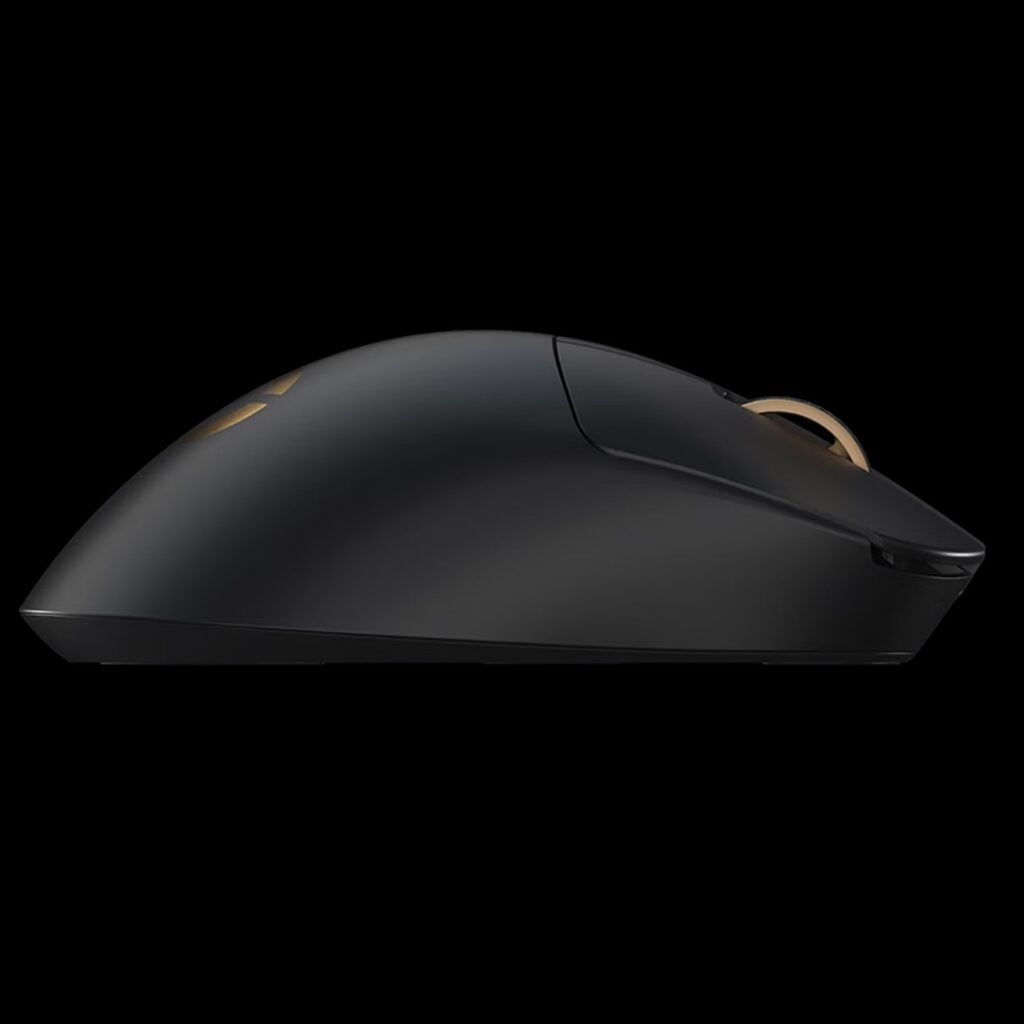
Timex launches new Snoopy watch with a tiny 25mm case and vintage-inspired design

Timex has officially launched its latest collaborative timepiece, the Peanuts x Timex Legacy Mini Heart watch, which is now available for purchase in the United States. The new model combines the established architecture of the Timex Legacy collection with licensed Peanuts character artwork, specifically highlighting Snoopy on the dial.

Timex Peanuts x Timex Legacy Mini Heart watch

Design Details

The watch has a compact 25mm case with a 30mm lug-to-lug distance and 8.5mm thickness. It uses a low-lead brass case with a brushed and polished gold-tone finish, complemented by a fluted bezel.

On the dial, Timex uses a gold-tone sunray finish. The layout includes applied indices for the hours and luminant material on the hands to provide basic visibility in low-light environments. The center of the dial features a graphic of Snoopy.

Internally, the watch relies on a standard quartz analog movement powered by an SR626SW battery. This provides the typical timekeeping accuracy expected from modern quartz hardware. The dial is protected by a mineral crystal, which offers standard scratch and heat resistance suitable for daily wear.

For water resistance, the Legacy Mini Heart is rated to 50 meters. Timex indicates this is sufficient for light swimming and accidental splashes, though the company explicitly advises against using the watch for snorkeling or poolside diving.

The watch is fitted with a 12mm stainless steel bracelet that matches the gold-tone finish of the case. It secures to the wrist using a standard deployant clasp. According to the sizing guidelines provided by Timex, the bracelet can be adjusted to accommodate wrist circumferences ranging from 135mm to 190mm, or roughly 5.3 to 7.5 inches.

Pricing and Availability

The Peanuts x Timex Legacy Mini Heart watch is priced at $229 and currently available for purchase directly through the Timex US online store.

In related news, Timex launches three new 36mm chronographs with 1970s-inspired racing designs, along with two new motorsport-inspired watches in the US.

For more daily updates, please visit our News Section.

Stay ahead in tech! Join our Telegram community and sign up for our daily newsletter of top stories!

(Timex)

🔌 You’ll NeedThe mineral crystal offers only standard scratch resistance, so a protective film helps keep the dial clear on daily wear. Check watch crystal screen protector film price on Amazon →

Galaxy S26 FE launch date confirmed for August 27

Samsung has just announced its next Galaxy Event for August 27. The company says the Galaxy S26 series has set a new benchmark with its biggest imaging and AI upgrades yet, making shooting, creating, and staying connected simpler. A new device is designed for people who mainly care about the core experiences, bringing over key Galaxy S26 features from imaging to AI, along with the latest version of One UI.

The event will stream live on Samsung’s website and YouTube channel starting at 9 PM KST (12:00 PM UTC). The invitation doesn’t name a specific model, but industry reports and recent leaks strongly point to the Galaxy S26 FE.

According to leaked promotional materials shared by tech media, the Galaxy S26 FE is expected to come in three colors: Blueberry, Graphite, and Pistachio. It’s said to have a triple rear camera setup arranged vertically, featuring a 50MP main sensor, a 12MP ultrawide, and an 8MP telephoto, plus a 12MP front camera.

The phone runs on Samsung’s in-house Exynos 2500, built on a 3nm process with a 10-core design. The battery is listed at 4,900mAh with support for 45W wired charging and Samsung Super Fast Charging 2.0. The screen is a 6.7-inch panel with Full HD+ resolution and a max 120Hz refresh rate. It also carries an IP68 rating for water and dust resistance, and measures around 161.6 × 76.9 × 7.4 mm.

Compared with the regular Galaxy S26, the upcoming S26 FE is expected to take a few clear trade-offs. The standard S26 sticks with a more compact 6.3-inch screen, a smaller 4,300mAh battery, and a higher-end processor (Snapdragon 8 Elite Gen 5 or Exynos 2600 depending on the region). On pricing, the base Galaxy S26 currently starts at around $899 while early leaks put the S26 FE at a lower expected starting price of roughly €799 / $699–$799, positioning it as the more affordable way into the S26 family.

Don’t miss a thing! Join our Telegram community for instant updates and grab our free daily newsletter for the best tech stories!

For more daily updates, please visit our News Section.

(Source: Samsung)

Citizen launches stylish new Addysen Eco-Drive dress watches with rectangular cases in the US

Citizen has expanded its US lineup with the release of two new Addysen watches. Following a launch in the UK earlier this month, the rectangular dress watches are now available stateside. The Addysen line sits within the company’s Dress Classic collection, focusing on traditional proportions and Citizen’s standard solar-powered hardware.

Citizen Addysen Eco-Drive watches

Design Details

The physical design of the watch leans into the ongoing market trend of rectangular cases, offering a direct alternative to standard circular dials. The Addysen measures 36mm tall by 26.5mm wide.

These dimensions make it a relatively compact, mid-sized watch that is designed to fit easily under a shirt cuff. The case features a 20mm lug width and comes equipped with a matching seven-link stainless steel bracelet, which secures to the wrist using a standard fold-over clasp with push buttons.

Citizen Addysen Eco-Drive watches

Citizen is offering two specific configurations for the US market. The first model (BJ6574-59E) features a two-tone stainless steel case paired with a sunray gray dial. The second model (BJ6572-54X) uses a yellow gold-tone stainless steel case with a sunray red dial. Both versions use applied Roman numerals for the hour markers.

Internally, both watches run on Citizen’s E037 Eco-Drive movement. The Eco-Drive system is a practical inclusion for a watch in this category; it uses a solar panel under the dial to charge the internal cell using any natural or artificial light. This means the watch does not require regular battery replacements and will maintain its charge as long as it gets occasional ambient light exposure.

Citizen Addysen Eco-Drive watches

For durability, Citizen opted for a sapphire crystal over the dial, which provides better scratch resistance than standard mineral glass. The watches also carry a water resistance rating of 50 meters (5 Bar). While the company says this is rated for still water swimming, a 50-meter rating on a dress watch is generally best suited for surviving daily splashes, hand washing, or rain.

Pricing and Availability

Both the two-tone and gold-tone Addysen models are priced at $495. They are currently available to order directly from the Citizen US website.

In related news, Citizen has recently launched a new Star Wars Eco-Drive watch featuring a glowing green lightsaber, while also releasing two limited-edition Eco-Drive Photon watches.

For more daily updates, please visit our News Section.

Stay ahead in tech! Join our Telegram community and sign up for our daily newsletter of top stories!

(Citizen 1,2)

Xiaomi launches Mijia Pressurized Steam Iron with 500kPa pressure and 135°C steam

Xiaomi has added a new garment care appliance to its smart home lineup: the Mijia Pressurized Steam Iron. The floor-standing unit is currently listed on JD.com for 587.05 yuan ($87).

Xiaomi Mijia Pressurized Steam Iron

Mijia Pressurized Steam Iron Specs

The device features a 500kPa electromagnetic pump, a built-in boiler, and a 2,200W heating system that delivers 135°C steam and a steady 40g/min output. Xiaomi says the pressurized steam can penetrate up to eight layers of silk, helping soften fabric fibers and remove wrinkles from thicker garments.

Xiaomi Mijia Pressurized Steam Iron

To address the common issue of clothes getting damp during steaming, the Mijia iron uses a secondary heating system and ceramic-glazed soleplate to reduce condensation and water marks. Xiaomi also claims its 135°C steam achieves a 99.99% sterilization rate.

The physical design is built around an integrated ironing board that adjusts from 0 to 90 degrees. You can lock it vertically for standard steaming, tilt it to 45 degrees, or lay it completely flat. To save you from bending down to the base station, all power and steam controls are located on the handle. It also features a grip sensor; the steam automatically pauses when you let go of the handle and shuts down entirely if left idle for 30 minutes.

Xiaomi Mijia Pressurized Steam Iron

You get three steam settings tailored for different fabric weights, plus a burst-steam mode for flat ironing and formal wear. The base houses a 2-liter water tank, which provides over 40 minutes of continuous use. Xiaomi estimates a full tank can handle about 17 shirts or 14 suit jackets.

The unit weighs 7.5kg and comes in a white finish. It includes a telescopic aluminum rod, shoulder-shaped hanger, wool-cleaning brush, and anti-scald glove, along with a thermal fuse, NTC temperature sensor, and tip-over protection.

In related news, Xiaomi has recently launched a new 600L refrigerator with an automatic ice maker and dual cooling system, along with a multi-head massage gun offering 25kg of thrust, 4mm massage depth, and up to 31 days of battery life.

For more daily updates, please visit our News Section.

Stay ahead in tech! Join our Telegram community and sign up for our daily newsletter of top stories!

(Xiaomi Youpin)

Realme P4s 5G launch date, key specifications confirmed: Dimensity 7400 Ultra, 144Hz display, 8,000mAh battery

Realme is expanding its P-series lineup in India with a new mid-range 5G phone that’s set to arrive later this month. The company has officially confirmed that the Realme P4s 5G will launch on August 26. Ahead of the event, Realme has already shared some key specs, putting the focus on gaming performance, battery life, and durability.

Under the hood, the P4s 5G runs on the MediaTek Dimensity 7400 Ultra chipset paired with a dedicated HyperVision+ AI chip. Realme says this dual-chip setup can deliver up to 144fps in supported games. To dissipate heat during long gaming sessions, there’s a 7,000 mm² vapor chamber.

The screen is a Samsung M14 LTPS OLED panel measuring around 6.78 inches. It has a 144Hz refresh rate, a 1,272 × 2,772 resolution, and peak brightness that can hit 6,500 nits. It supports HDR10+ and Netflix HDR, and Realme claims 26% better luminous efficiency, 50% longer lifespan, and near-lossless 2K video playback.

Battery capacity is a big 8,000 mAh, paired with 80W fast charging. On the camera side, you get a 50MP main sensor with optical image stabilization (OIS) and an 8MP ultrawide lens. Durability looks solid too, with IP69, IP68, and IP66 ratings for dust and water resistance.

Other highlights include an “AI Gaming Partner” feature and a design that was co-created with Pearl Academy. Teasers so far have shown the phone in green and beige-brown colour options.

Pricing and the exact RAM/storage configurations haven’t been announced yet. Once it launches, the Realme P4s 5G will be available on Realme’s official website, Flipkart, and other major e-commerce platforms. It joins the existing P4 series models and is being positioned as a high-endurance option for people who want strong battery life in the mid-range segment.

Don’t miss a thing! Join our Telegram community for instant updates and grab our free daily newsletter for the best tech stories!

For more daily updates, please visit our News Section.

(Source: Realme)

Nokia 125 4G 2nd Edition revealed: 2.4-inch LCD, S30+ operating system

HMD looks to be preparing another refresh of its classic Nokia feature-phone lineup, with a new model quietly showing up online. According to tipster smashx_60, the HMD Nokia 125 4G 2nd Edition is on the way. Its specs are very close to the earlier Nokia 210 4G.

It’ll come in two colors: dark blue and silver. Up front is a 2.4-inch LCD screen with a basic 320 × 240 resolution. Both the front and rear cameras are listed at 0.3 MP (300,000 pixels), and the rear one has an LED flash. They’re nothing fancy by today’s standards; they are designed for simple photos or the occasional video call on a feature phone.

Inside, you get 64 MB of RAM and 128 MB of storage, which can be expanded with a microSD card. It runs the lightweight S30+ operating system that powers a lot of recent Nokia and HMD feature phones. Power comes from a 1450 mAh battery, the kind that usually lasts several days on standby in this class of device.

No official price, launch date, or full connectivity details have been shared yet. The leak just confirms that HMD is still iterating on its durable, affordable 4G feature phones under the Nokia brand. These phones remain popular in markets where people mainly want reliable calling, messaging, and basic multimedia without the complexity or cost of a full smartphone.

The Nokia 125 4G 2nd Edition sticks to the same simple formula that has kept HMD’s feature-phone range relevant: compact design, essential 4G support, long-lasting battery, and a focus on doing the basics well. Once more details come out, it’ll be clearer exactly where this model sits in HMD’s growing lineup of 4G-enabled feature phones.

Don’t miss a thing! Join our Telegram community for instant updates and grab our free daily newsletter for the best tech stories!

For more daily updates, please visit our News Section.

(Source: @smashx_60)

LG RONi vs Roborock S9 MaxV Ultra: Which robot vacuum should you buy?

Robot vacuums have become far more capable than the simple floor-cleaning machines they once were. Today’s premium models can map your home, recognize objects, avoid obstacles, vacuum and mop at the same time, and even wash and dry their own mops when they’re done. The latest LG RONi and Roborock S9 MaxV Ultra take that hands-free approach even further, but they focus on different parts of the cleaning experience.

LG RONi vs Roborock S9 MaxV Ultra(1)

LG RONi puts its biggest bet on 100°C steam cleaning, with the robot and its dock designed to use high-temperature steam to tackle dirt and keep the mops clean. Roborock’s S9 MaxV Ultra is built for performance, combining 22,000Pa suction, advanced obstacle avoidance, and a more aggressive mopping system. 

Both are built to handle most of the work on their own, but the better choice depends on whether you care more about deep mopping and hygiene or all-around cleaning performance.

1. Design

LG Roni
LG RONi

The biggest difference between the two is their design. 

LG designed RONi to disappear when it’s not in use. The company offers two versions of it. One with a Hidden Station that fits under a kitchen sink cabinet and stands just 15cm tall. It also supports automatic water supply and drainage, so you don’t need to make major changes to your kitchen.

And another Object Station version, which looks more like a small side table and can be placed anywhere in the home.

Both stations have a front door that opens when the robot enters or leaves. When cleaning is complete, the door closes, hiding the robot and its camera. The RONi also has a Privacy by Design certification, and the camera stays behind the closed station door when the robot is not in use.

Meanwhile, the Roborock S9 MaxV Ultra doesn’t try to hide its hardware. Its RockDock Ultra sits openly in the room and handles tasks such as emptying the dustbin, washing the mop, and drying by itself.

Roborock S9 MaxV Ultra

The robot measures 350 x 353 x 79.8mm, allowing it to get under most furniture. The dock can also be connected directly to water and drainage systems for automatic refilling and draining.

2. Cleaning

The two robots also take different cleaning approaches. The RONi has 30W of suction, mop pads that spin at up to 180rpm, and a side brush that extends around 46mm to reach corners. But suction isn’t its biggest selling point. LG is focusing heavily on hygiene instead. 

The RONi is the first robot vacuum to use 100°C steam to clean both the robot and its station. LG says the steam system can eliminate 99.99% of four types of bacteria from the mop pads and station.

Roborock takes a more traditional performance-focused approach with the S9 MaxV Ultra. It offers up to 22,000Pa of suction, more than twice the suction power of the company’s S8 MaxV Ultra. Its VibraRise 4.0 mopping system vibrates 4,000 times per minute and uses 80°C hot water to wash the mop. The dock then dries it after cleaning.

The robot can lift its brush by 18mm when it detects carpet and can climb thresholds up to 4cm. The dock is also 7.98cm tall, which Roborock says makes it the shortest in its class.

If you care most about suction and picking up dirt from floors, the S9 MaxV Ultra has the stronger numbers. But if keeping the mop and dock clean is a greater concern, the RONi’s 100°C steam system offers an alternative.

3. Navigation and obstacle detection

Both robots use AI to navigate around the home and avoid objects. LG’s RONi uses eight sensors and can recognize more than 120 types of objects, including cables, flower pots and pet waste. If something blocks its path, the robot can notify you through the LG ThinQ app. It can then return to the area and clean it once the obstacle has been removed.

The RONi can also change its cleaning settings depending on the room. For example, it can use stronger cleaning settings in areas such as the kitchen.

Roborock’s S9 MaxV Ultra uses Reactive AI 3.0 and can identify 108 types of objects. It also uses LiDAR to map the home and plan cleaning routes.

Roborock has an advantage when it comes to remote monitoring. Features such as Pet Snap and Video Cruise allow owners to check on pets remotely. The RONi doesn’t offer the same kind of pet-monitoring features.

4. Price and availability

LG launched the RONi in South Korea for 2.19 million won, or around $1,420. Both the Hidden Station and Objet Station versions have the same starting price.

The company has not yet confirmed plans to bring the RONi to other markets. LG also offers an optional appliance subscription that includes service visits, regular steam maintenance, and replacement parts such as mop pads and batteries.

The Roborock S9 MaxV Ultra is more widely available. It is listed at $1,799.99 in the US and is also sold in markets such as the UAE and Egypt. In South Korea, it costs around 1.41 million won, making it cheaper than the RONi at local prices.

5. Which one should you choose?

The LG RONi makes more sense if you don’t want a large robot vacuum dock sitting in the middle of your kitchen or living room. Its hidden design and steam-cleaning system also make it a better fit if hygiene is more important to you than maximum suction power.

The Roborock S9 MaxV Ultra is the better choice if you want strong suction, advanced navigation, and more mature smart features. Its wider availability and pet-monitoring tools are also useful advantages.

Neither robot is clearly better than the other. They are built around different ideas. LG is trying to make the robot vacuum disappear into your home. Roborock is trying to make it as powerful and capable as possible. Which approach works better depends on whether you care more about keeping the hardware out of sight or getting the most cleaning power and smart features from your robot vacuum.

For more daily updates, please visit our News Section.

Stay ahead in tech! Join our Telegram community and sign up for our daily newsletter of top stories!
AOC launches new 49-inch 240Hz QD-OLED ultrawide curved monitor with 90W USB-C charging

AOC has released the AGON 7 Max AGP497UCZD, a 49-inch curved ultrawide monitor aimed at PC gaming and productivity setups. The display is currently available in China through JD.com for 6,999 yuan ($1,038).

AOC AGON 7 Max AGP497UCZD

AOC AGON 7 Max AGP497UCZD Specs

The monitor is built around a QD-OLED panel with a 5120 x 1440 DQHD resolution, a 32:9 aspect ratio, and an 1800R curve. Because it uses OLED technology, the panel provides a 1,500,000:1 contrast ratio and deep black levels without the backlight blooming typical of LCD monitors. To help with ambient room lighting, AOC applied a Black AR mirror anti-reflection coating.

The display supports DisplayHDR True Black 400 and can reach a peak brightness of 1,000 nits. It also covers 99% of the DCI-P3 color gamut and 98% of Adobe RGB, and ships with a factory calibration targeting a Delta E of less than 1.

AOC AGON 7 Max AGP497UCZD

For gaming, the AGP497UCZD features a 240Hz refresh rate and a 0.03ms gray-to-gray response time. It carries VESA’s ClearMR 13000 certification, a metric used to indicate low motion blur during fast-moving scenes. If a 32:9 aspect ratio is too wide for certain competitive games, the monitor’s built-in controller allows users to scale the display down to a standard 27-inch 2560 x 1440 format or a 4:3 ratio.

To mitigate the risk of OLED burn-in from static UI elements, AOC is using a graphene cooling solution to pull heat away from the panel. The monitor also includes standard OLED maintenance software features, such as pixel orbiting, pixel refresh cycles, and an automatic taskbar dimmer.

AOC AGON 7 Max AGP497UCZD

In terms of ports, it features DisplayPort 2.1 with UHBR20 and up to 80Gbps bandwidth, two HDMI 2.1 ports with 4K/120Hz support, a USB-C port with DisplayPort Alt Mode and 90W power delivery, a secondary 15W USB-C port, three USB 3.2 Gen 1 Type-A ports, and a built-in KVM switch.

🔌 You’ll NeedThe monitor’s USB-C port delivers 90W to charge a laptop, but many stock cables cap out well below that. Check 100W USB-C PD cable price on Amazon →

The monitor also features dual 8W speakers with DTS Virtual:X support, a height-adjustable ergonomic stand, and a retractable headphone hanger. It supports Windows 11 Dynamic Lighting, allowing users to synchronize the rear RGB lighting directly through the operating system without requiring third-party software.

In related news, BenQ has recently launched a new 240Hz gaming monitor with a 27-inch 1440p QD-OLED panel, while Lenovo has launched an affordable 34-inch curved gaming monitor with a 240Hz WQHD VA panel.

For more daily updates, please visit our News Section.

Stay ahead in tech! Join our Telegram community and sign up for our daily newsletter of top stories!

(JD)