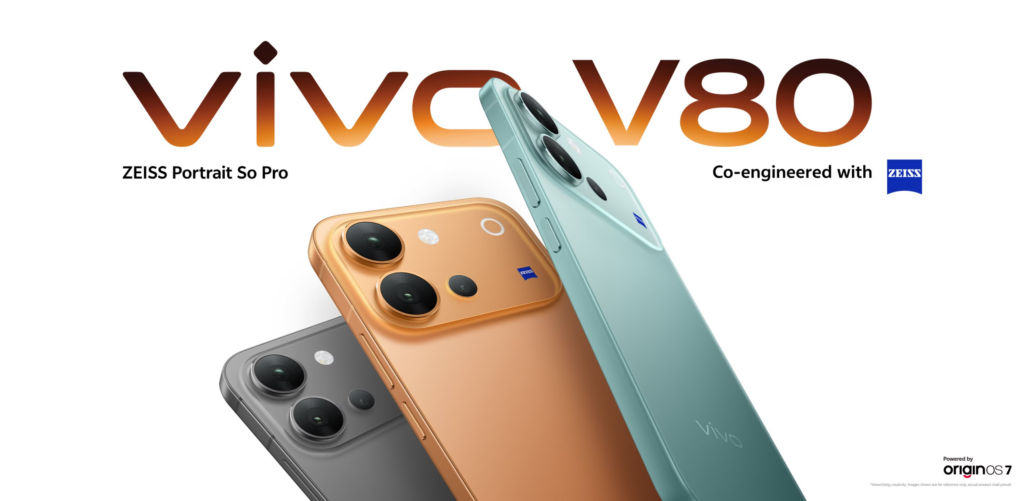
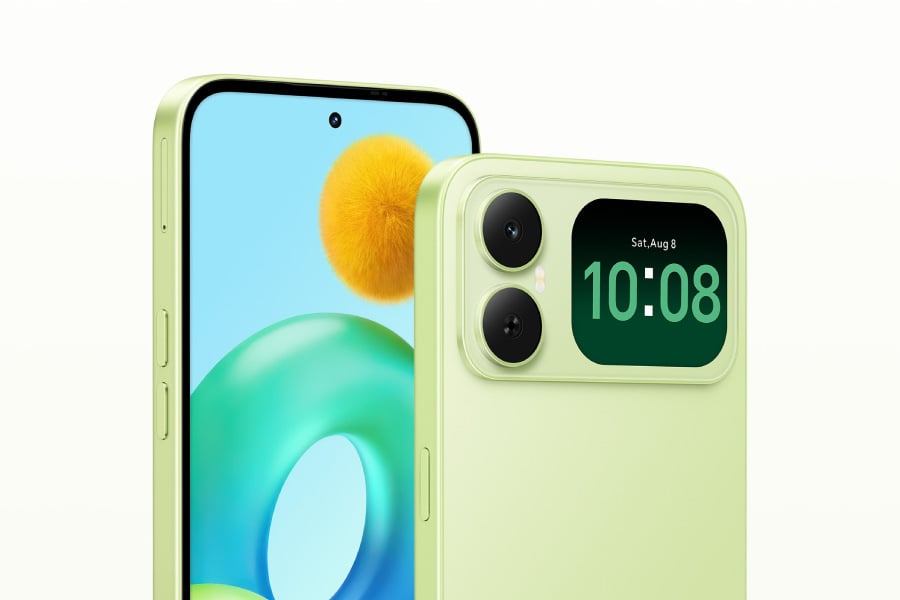
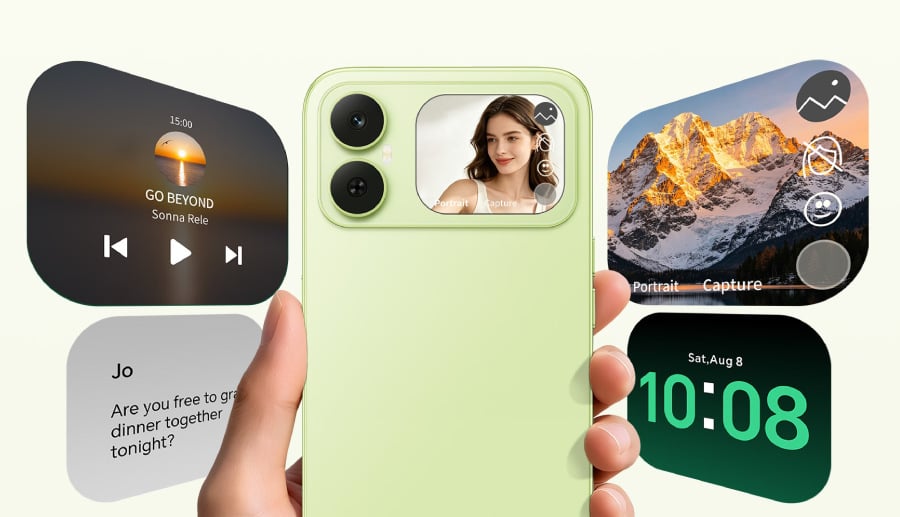
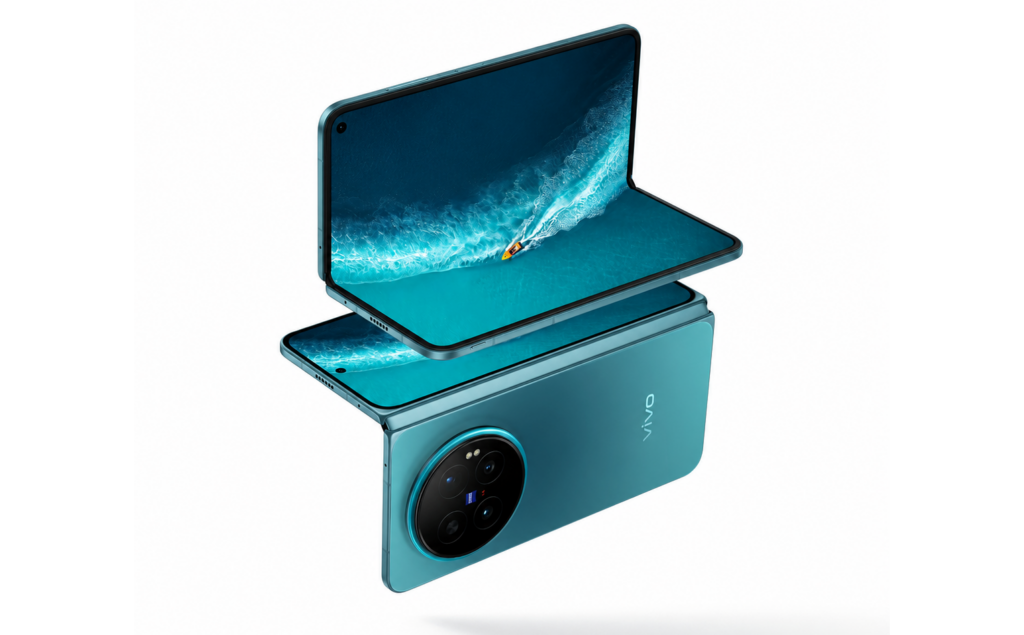
Vivo held its NEXT 2026 event in India, where it showcased the Vision Discovery Edition MR headset and this year’s foldable edition, the Vivo X Fold6. The same event also saw the arrival of the Vivo V80 and Vivo S2 FE. Like the X Fold6, the V80 is among the first Vivo phones in India to ship with the new OriginOS 7, bringing the latest software experience to the V Series.
Vivo V80 specifications and features
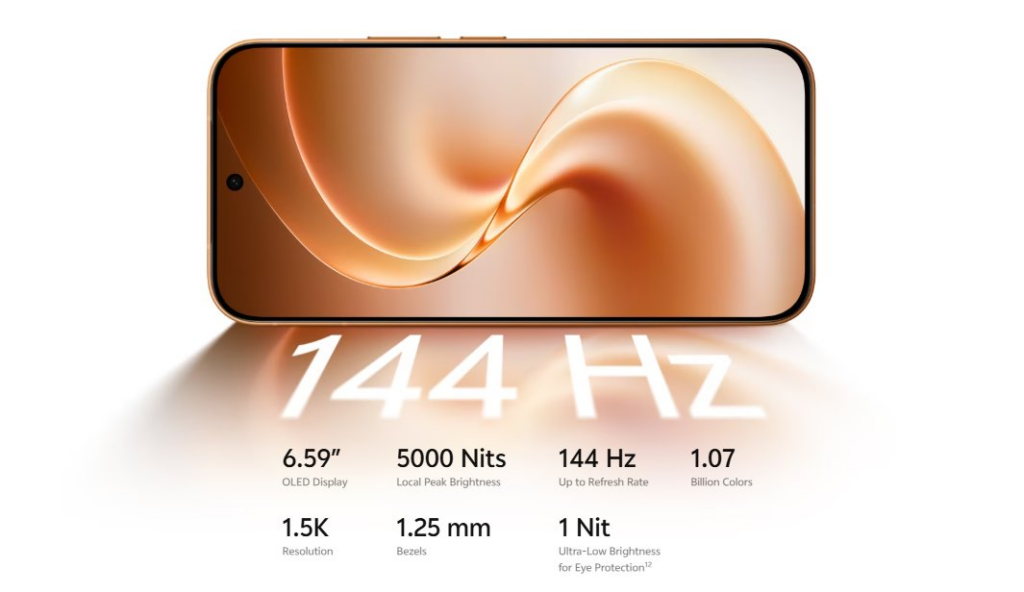
The Vivo V80 features a 6.59-inch 1.5K AMOLED display with a 144Hz refresh rate, HDR10+ support and up to 5,000 nits of local peak brightness. It also supports 4320Hz high-frequency PWM dimming and has slim bezels. The phone is powered by Qualcomm’s 4nm Snapdragon 7 Gen 4 chipset, paired with 8GB of LPDDR4X RAM and up to 512GB of UFS 3.1 storage.
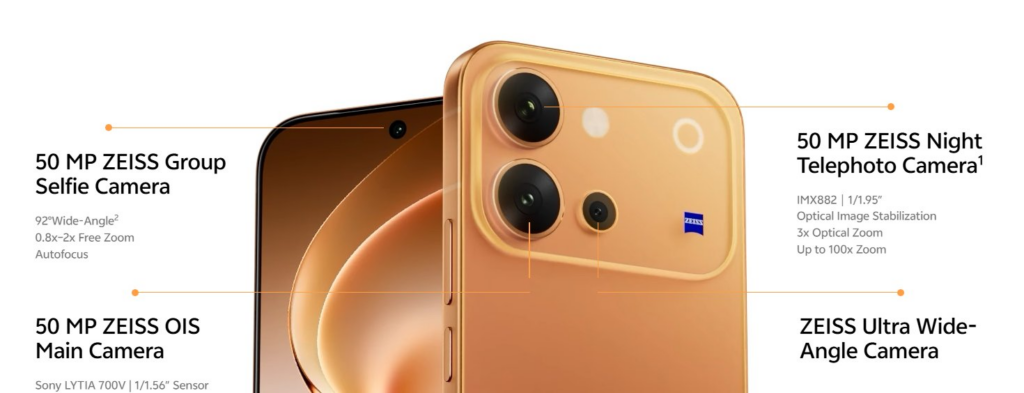
Photography is a major focus, with the triple rear camera system co-engineered with ZEISS. It includes a 50MP main camera with OIS, an 8MP ultrawide camera and a 50MP ZEISS telephoto camera based on the Sony IMX882 sensor, offering 3x optical zoom and up to 100x digital zoom. The 50MP front camera has autofocus and a 92-degree field of view, while video recording supports up to 4K at 60fps. The phone also offers multiple portrait focal lengths and ZEISS bokeh effects.
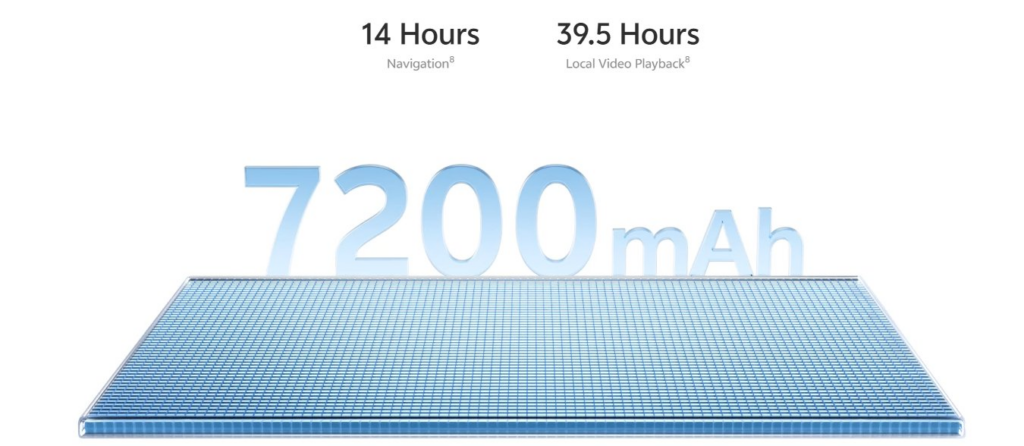
A 7,200mAh battery powers the V80, making it the largest battery in the V Series so far. It supports 90W wired charging, while the phone also gets IP68 and IP69 ratings for dust and water resistance. The handset measures 157.52 x 74.33 x 7.69mm and weighs 203g, with a 3D ultrasonic in-display fingerprint sensor and stereo speakers.
Vivo V80 price and availability
Vivo V80 color options
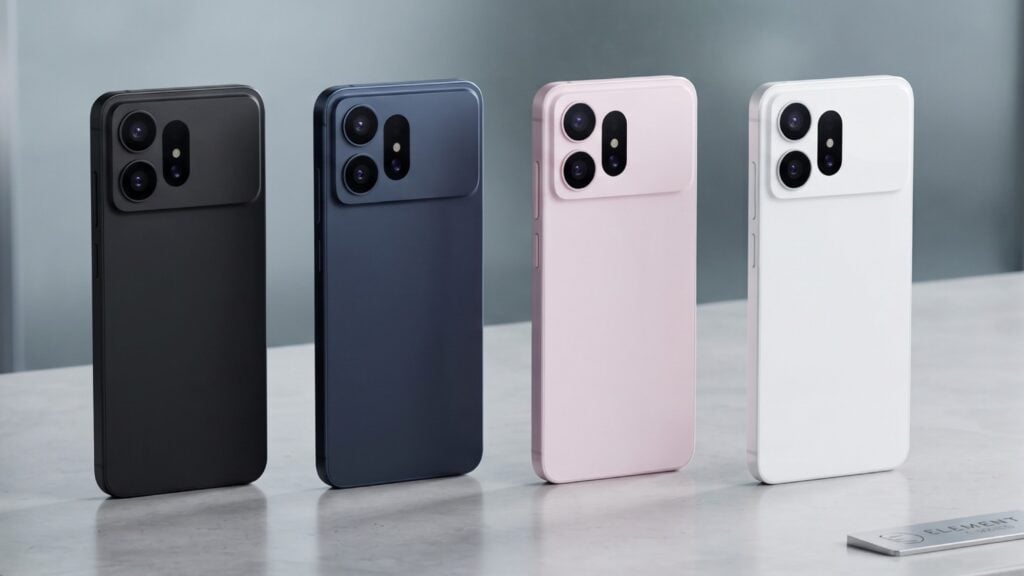
The Vivo V80 comes in Sunrise Anthem, Horizon Blue and Stellar Black color options. The 8GB+128GB model costs Rs 62,999 (~$654), while the 8GB+256GB version is priced at Rs 69,999 (~$726). The top-end 8GB+512GB variant costs Rs 79,999 (~$830). Pre-orders are now open, with sales starting October 13 through Vivo’s online store, Amazon, Flipkart and authorized retail stores.
Where to buyVivo V80Latest price on AmazonCheck price →
Launch offers include up to 10% instant cashback or an exchange bonus, depending on the purchase channel and eligible payment method. Buyers can also get Google One cloud storage at no additional cost, while other benefits include discounted V-Shield protection and extended warranty plans. What do you think of the Vivo V80 and its combination of a large battery, ZEISS cameras and 144
Honor has another budget phone with a rear screen. The Honor Play20C looks like the global version of the Honor X5ds that we covered a few days ago. The two phones share the same hardware, and only the name and a couple of details differ.
The main difference is the chipset. If you pick the Honor Play20C with 4GB of RAM and 128GB of storage, you get a Unisoc T615. The other storage trims use the Unisoc T610, the same chip as the X5d s.
The second difference is color. The Honor Play20C comes in Forest Green and Midnight Black, and it also offers Sunrise Gold, which the X5d s doesn’t.
Specs you get
Everything else matches the X5d s. The front has a 6.78-inch IPS LCD with an HD+ resolution and a 90Hz refresh rate. On the back, a 2-inch touchscreen sits next to the 50MP main camera. You can use that small screen to frame selfies with the rear camera, and it also shows basic information like notifications and media controls.
Where to buyHonor Play20CLatest price on AmazonCheck price →
Power comes from a 6,000mAh battery with 15W charging. That charging speed is slow for a battery this size, so expect a long wait to fully charge.
This is also the second budget Honor phone to carry a rear display in recent weeks. Honor launched the Play 20A with a secondary screen in August, and the company seems to be spreading the idea across its cheaper lineup. Xiaomi introduced the feature on its premium phones, so Honor is taking the opposite route by putting it on entry-level models.
Price and availability
Honor has already listed the Honor Play20C on its global website. You can also find it in Nigeria, where the 4GB + 64GB trim starts at NGN 149,900, which is about $113. We haven’t seen pricing for the other trims yet, including the 4GB + 128GB version with the Unisoc T615.
Honor hasn’t said which other markets will get the phone. Since the Honor X5d s is already on sale in South Africa and the Honor Play20C is showing up in Nigeria, more African markets look like the likely next stops. We’ll update this story when Honor confirms a wider rollout.
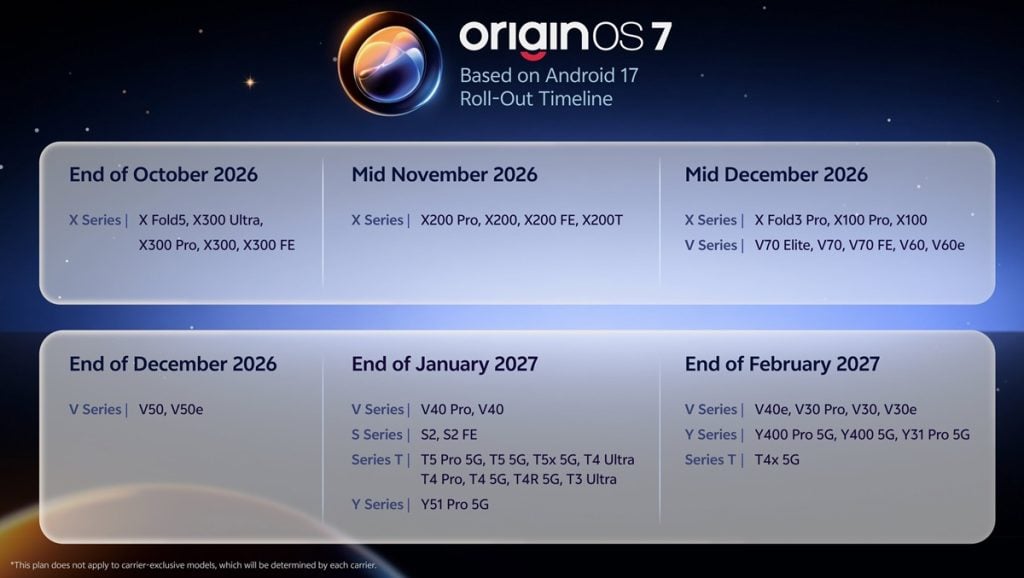
Vivo has announced its latest custom skin, OriginOS 7, in India. The Android 17-based software brings upgrades across the user interface, animations, productivity, connectivity, and security. Alongside that, the company has revealed the OriginOS 7 rollout plan in India, which kicks off later this month.
OriginOS 7 eligible devices and rollout timeline
Vivo will begin rolling out OriginOS 7 in India towards the end of October, starting with high-end flagships like the Vivo X Fold 5 and Vivo X300 series.
More Vivo X series phones will receive the update in November, while the V series phones will join the party in mid December. Vivo is aiming to conclude the rollout by February 2026.
End of October 2026
Vivo X Fold 5
Vivo X300 Ultra
Vivo X300 Pro
Vivo X300
Vivo X300 FE
Mid November 2026
Vivo X200 Pro
Vivo X200
Vivo X200 FE
Vivo X200T
Mid December 2026
Vivo X Fold 3 Pro
Vivo X100 Pro
Vivo X100
Vivo V70 Elite
Vivo V70
Vivo V70 FE
Vivo V60
Vivo V60e
End of December 2026
Vivo V50
Vivo V50e
End of January 2027
Vivo V40 Pro
Vivo V40
Vivo S2
Vivo S2 FE
Vivo T5 Pro 5G
Vivo T5 5G
Vivo T5x 5G
Vivo T4 Ultra
Vivo T4 Pro
Vivo T4 5G
Vivo T4R 5G
Vivo T3 Ultra
Vivo Y51 Pro 5G
End of February 2027
Vivo V40e
Vivo V30 Pro
Vivo V30
Vivo V30e
Vivo Y400 Pro 5G
Vivo Y400 5G
Vivo Y31 Pro 5G
Vivo T4x 5G
Surprisingly, there are no iQOO models on the list. Vivo usually includes them alongside Vivo devices in the timeline, but not this time. So, we can expect a separate timeline for iQOO devices pretty soon.
This rollout timeline is applicable to the Indian market, but other markets are likely to receive the update around the same time.
OriginOS 7: All the new features and major upgrades
Design and personalisation
OriginOS 7 introduces Fluid Motion to make interface interactions feel elastic, tactile, and natural. The UI elements stretch, deform, and spring back with gestures across more than 200 scenarios, while Spring Animation dictates how the interface reacts dynamically to physical touch gestures. The update also brings Seamless Interaction that improves transitions between horizontal scrolling and vertical scrolling.
In terms of personalisation, OriginOS 7 adds Dynamic Glow that responds to interactions with lighting effects, promising to deliver an interface that feels alive. Dynamic Translucent Material adapts to the background in three styles: Realistic, Natural, and Soft. Immersive Home makes changes to icons and widgets between daytime and nighttime.
Vivo has added several new features to make the lock screen more fun and engaging. The Wiggle Theme feature enables wallpapers to wobble, spring, or ripple when the phone is shaken, and the AOD screen now displays information such as deliveries and flights.
Pat Pals Theme adds interactive companions, and Glint Theme changes iridescence, glitter, patterns, and light effects according to the viewing angle. OriginOS 7 also adds system-level stickers across supported experiences.
Essential AI upgrades
OriginOS 7 brings a powerful AI assistant, Jovi, for compatible Vivo phones and PCs. It can help you find information, read files, and distill key points. You can give commands on your phone to perform a task on your PC. It can also gather relevant news, compile reports on schedule, and save them to Notes.
Jovi has skills for document handling, content creation, and office assistance, which you can enable or disable anytime. You can also add custom skills and use the API of your preferred provider such as OpenAI or Anthropic.
Here’s a list of other AI upgrades to OriginOS 7:
AI Recorder: Separates each speaker, generates highlights, provides AI insights, and multi-template summaries.
Snap Note: Converts photos of whiteboard, paper notes, slides, and mind maps into editable notes. It can also help you arrange multiple captured pages in the correct sequence.
Smart Call Assistant: It includes AI Call Answering that can answer calls and convert conversations into text, while Call Overview provides an AI-generated summary in the call log.
AI Reader Mode: Makes text auto-fit your screen with more comfortable sizing and page transitions.
AI Search: Searches across File Manager and Origin Notes using natural text description instead of exact file names.
Snap & Go: Screenshot a flight, train, or bus details to add them to Google Calendar through Origin Island.
Performance, multitasking, and battery
OriginOS 7 adds a Snap-Up Engine that detects ticket-grabbing scenarios and tunes network and performance resources, so critical actions like tapping and paying run smoother to help you grab the ticket faster.
Vivo has adopted a new memory allocation and reclamation strategy, targeted optimisation for high-frequency scenarios in daily use, system-wide aging management, and reduced fragmentation. The company has validated sustained smoothness through a 72-month anti-aging test.
Key performance upgrades include:
10% shorter app cold start time
11% faster app page switching
60% faster memory reclamation
14.4% improved rendering efficiency
Origin Workbench enables seamless multi-tasking, allowing you to open multiple windows at once, with the ability to switch between tasks in a tap. The feature will be available on specific models with 12GB RAM or more, while compatibility depends on the app.
OriginOs 7 adds Battery Life Estimate that shows remaining usage time and estimated charging time. BlueVolt Smart Engine reduces power consumption by up to 25% during high-resolution Microsoft Teams video calls, while AI-based usage learning can extend battery life by up to 4% in the same scenarios.
When the device is standby and connected to a network, the device automatically switches to a more power-efficient mode to offer up to 26% longer connected standby. For gamers, Heterogeneous Computing reduces the graphics rendering power consumption by up to 20%.
Cross-ecosystem connectivity
OriginOS 7 integrates deeper support for select Apple products. For instance, select Apple Watch can display notifications and messages, with fitness and health data available through Origin Health. AirPods can now use Vivo’s Spatial Audio, while battery and connection status now appear on Origin Island. iCloud for web can now be accessed through Vivo File Manager.
Shake & Share supports one-to-many and cross-brand transfers of high-resolution, lossless photos without mobile data. And the Office Kit now supports Camera Sharing, Task Handoff, notes, file transfer, and cross-system file access.
The upcoming HMD Slate Tab 5G seems to borrow design cues from the classic Nokia Lumia 2520. It’s got a 10.6″ IPS LCD screen running at 2000 × 1200 with a 90Hz refresh rate, protected by Gorilla Glass 3. There’s an 8MP front camera for video calls and a 13MP sensor on the back.
Recent renders floating around show it in blue and orange color options, a single rear camera with the HMD logo, and a set of expansion contacts along the bottom edge. Those pins suggest keyboard or other accessory support, giving the tablet a bit of a Surface-style 2-in-1 feel rather than just a pure entertainment slate.
Inside you’ll find a Snapdragon 7s Gen 2 chip paired with 8GB of RAM and 128GB of UFS 2.2 storage. The battery is a chunky 9,250mAh unit that supports 30W wired charging, so endurance should be pretty solid for everyday work or study sessions. Connectivity is surprisingly complete for this price class: 5G, Bluetooth 5.2, Wi-Fi 6E, and even NFC. Practical extras include the POGO pins for accessories and a 3.5mm headphone jack, still a welcome sight for anyone who prefers wired audio or works in noisy environments.
The tablet has reportedly been in the works for about two years and could show up alongside other HMD devices, including a possible Skyline 2 phone. Pricing and official confirmation are still missing, but the mix of a smooth 90Hz display, decent mid-range performance, big battery, and accessory-friendly design points to HMD aiming at people who want something reliable and a little nostalgic without jumping into premium territory.
If the details hold up, the Slate Tab 5G could be positioned as a more versatile tablet that balances portability, connectivity, and expandability.
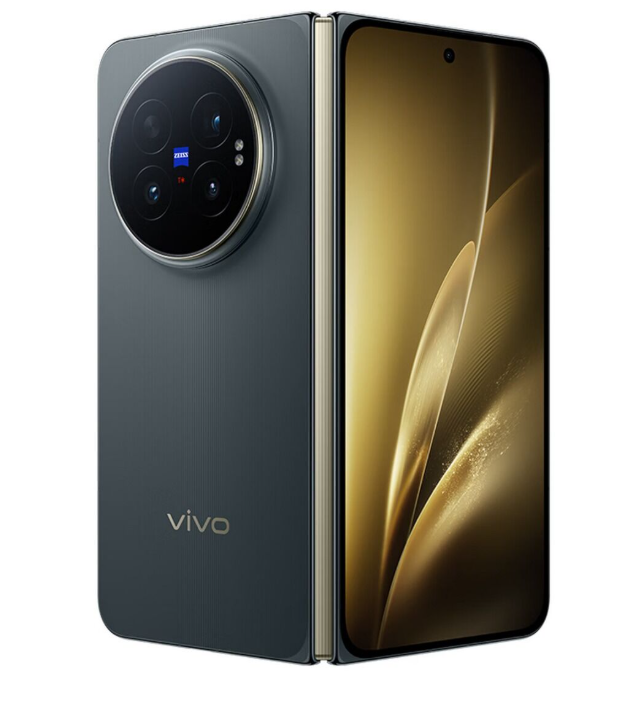
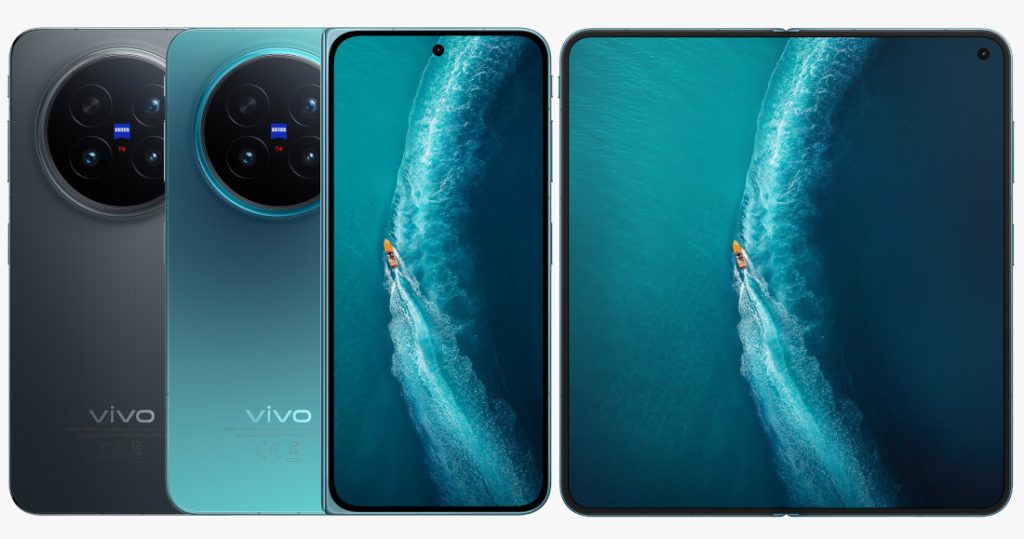
Vivo has launched the Vivo X Fold 6 in India, just days after introducing the global version. It costs Rs 2,19,999 for the sole 12GB RAM and 512GB storage configuration, which, if you were to compare, is Rs 70,000 more than the Rs 1,49,999 launch price of the Vivo X Fold5 in India last year.
The higher price gets you an 8.02-inch foldable display, a 6.51-inch cover screen, MediaTek’s Dimensity 9500 Super Edition chip, a 200MP main camera, and a battery with a rated capacity equivalent to 6,900mAh. Vivo is also bundling three months of Google AI Pro with 5TB of cloud storage.
Display and design
The Vivo X Fold 6 has an 8.02-inch inner display and a 6.51-inch cover screen, both carrying Vivo’s ZEISS Master Color branding. The company lists a local peak brightness of 5,000 nits, an LTPO 8T backplane, a 1–120Hz adaptive refresh rate, and 424 PPI. The main screen uses SDC M14 light-emitting material, while both displays can lower their brightness to 1 nit for use in dark environments.
The phone has a 2.5D metal frame with rounded corners, along with a circular camera module surrounded by a colour-matched Deco ring. Vivo’s India page shows the phone in a Nebula Teal finish.
It also comes with IPX8 and IPX9 water resistance and IP5X dust resistance. Vivo says the X Fold 6 can even be folded underwater, based on testing that involved folding it 1,000 times in still fresh water at a depth of 1 metre. The phone is rated to remain usable at temperatures as low as –20°C, although Vivo notes that it is not a professional waterproof device and liquid damage is not covered by the warranty.
Performance and battery
The X Fold 6 uses a Dimensity 9500 Super Edition chip that Vivo developed with MediaTek for AI tasks and multitasking. It has a concurrency engine built for Origin Workbench, and Vivo says this reduces power consumption by 10% during heavy multitasking compared with the X Fold5.
Where to buyVivo X Fold 6Latest price on AmazonCheck price →
The battery uses a dual-cell design, with Vivo giving its combined capacity as equivalent to a single 6,900mAh cell. The two cells are rated at 2,845mAh and 3,915mAh, which works out to a rated equivalent of 6,760mAh and 25.56Wh. The battery also uses fifth-generation silicon-anode technology and a third-generation semi-solid-state design. Vivo says it can maintain steady discharge in extreme cold.
Vivo X Fold 6
According to Vivo’s lab tests, the phone can handle 7.43 hours of Microsoft Teams meetings on a full charge with the camera on and shared content displayed full screen. That is 47% longer than the X Fold5 under the same test. Origin Workbench multitasking lasted 9.37 hours in testing, or 23% longer than the previous model. These are Vivo’s own figures, so actual battery life will depend on how the phone is used.
Other battery features include a predictive charging time display, a low-power hotspot mode and longer connected standby.
The main camera uses a 200MP Samsung HPB sensor with a 1/1.4-inch size, f/1.68 aperture, OIS and CIPA 4.5 stabilisation. It is joined by a 50MP Sony LYT-602 telephoto sensor with a 1/1.95-inch size, f/2.57 aperture, and a 3x periscope lens. The telephoto camera has a 70mm equivalent focal length, OIS, and up to 100x zoom, while macro shots can go up to 20x.
The third camera is a 50MP ultra-wide sensor with a 1/2.76-inch size, f/2.05 aperture, autofocus, and a 15mm equivalent focal length. All three cameras have ZEISS T* coating, and Vivo has added a multi-focal zoom flash.
Vivo X Fold 6
Vivo’s Imaging Chip V3+ handles video processing and supports features such as 4K 60fps portrait video. Portrait shooting is available in 200MP and 50MP modes across 23mm, 35mm, 50mm, 85mm and 100mm focal lengths. Other camera features include Night Flash Portrait, several film styles, and an AI Creative Camera for changing image styles.
The foldable form factor also adds a few camera-specific features. Split-screen preview can show captured shots in two columns while you continue shooting. The cover screen can display animations to attract children or pets, and it can also act as a teleprompter when recording with the rear cameras.
Other features
The Vivo X Fold 6 has stereo speakers with Dolby Atmos, a four-mic array, and an X-axis linear motor. It supports Bluetooth earphones and digital USB Type-C earphones, but analog USB Type-C earphones are not supported. The bundled Google AI Pro subscription can be claimed until September 4, 2027.
Well-known tipster Ice Universe says the standard color options will be black, blue, light pink, and white. These are the everyday finishes you’d normally find in stores and with carriers. He also mentioned a special violet shade, though it’s still unclear if that one will be limited or online-only.
For comparison, the current S26 Ultra sticks with black, cobalt violet, sky blue, and white as the main options, plus online exclusives like pink gold and silver shadow. Adding light pink as a regular color is a bit of a change of pace.
The whole Galaxy S27 lineup is expected to grow to four models this time: a 6.27″ Galaxy S27, a 6.66″ S27+, a new 6.47″ S27 Pro, and the big 6.89″ S27 Ultra. Both the Pro and Ultra are tipped to come with Privacy Display tech. The entire series has already cleared China’s CCC certification, and those filings show the Pro and Ultra supporting 60W wired charging (20V at 3A).
Battery is another point of interest. Earlier leaks and the CCC data point to the S27 Ultra packing roughly 5,700mAh (rated around 5,534mAh). That would make it Samsung’s highest-capacity flagship yet and a proper step up from the long-running ~5,000mAh Ultra batteries. On the camera side, the chatter is about warmer, more natural color tones and better control over highlights.
The steady stream of certification filings and tipster reports is starting to paint a clearer picture: a refreshed Ultra with wider color choices, a bigger battery, privacy screens on the higher models, and some iterative camera tweaks. The S27 series looks like it’ll keep Samsung’s usual annual evolution going.
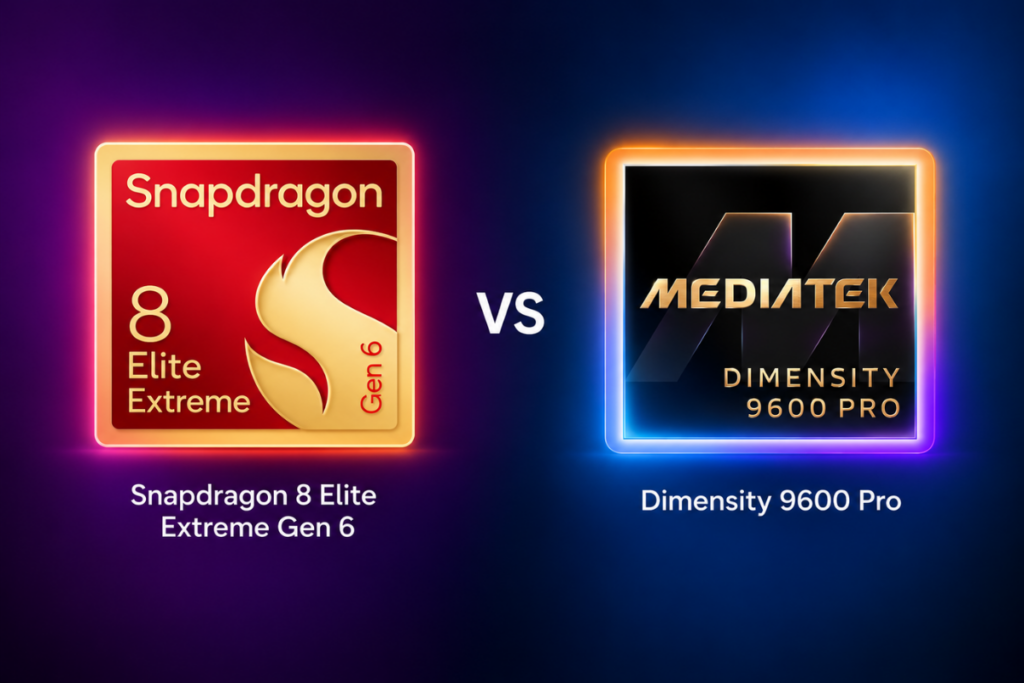
Qualcomm and MediaTek have unveiled their most powerful smartphone chipsets, and they actually bring major upgrades. The switch to a 2nm node is itself a big deal, as the last three years have been on 3nm. This should deliver huge gains across the board, and the hardware-level upgrades make them a lot more promising.
What we weren’t ready for was another name change from Qualcomm, as the new chip is called Snapdragon 8 Elite Extreme Gen 5. Perhaps Qualcomm thought adding “Extreme” would make it sound a lot more premium. MediaTek didn’t go as far as Qualcomm with the name scheme, but it also introduced a Pro moniker, the Dimensity 9600 Pro.
Let’s look at what the latest Qualcomm and MediaTek chips have to offer, and how they stack up against each other.
Here’s the spec sheet to begin with:
Snapdragon 8 Elite Extreme Gen 6
Dimensity 9600 Pro
Announced
September 2026
September 2026
Process node
TSMC’s 2nm (N2P)
TSMC’s 2nm (N2P)
CPU cores
8-core
8-core
CPU cores
2 x 5.0 GHz — Prime 6 x 4.0 GHz — Performance
2 x 4.55 GHz — C2-Ultra 3 x 4.35 GHz — C2-Pro 3 x 3.1 GHz — C2-Pro
GPU
Adreno 850 with AI matrix cores Adreno Neural Fusion 18MB of Adreno HPM
Dual NPU architecture MediaTek NPU 1090 + Super Efficient NPU 2.0 Up to 30 billion parameters
Memory
LPDDR5x, LPDDR6 up to 5300 MHz
LPDDR6 up to 5333 MHz
Storage
UFS 4.1, UFS 5.0
UFS 4.1, UFS 5.0
Camera
Qualcomm Spectra Triple AI-ISP (20-bit) Up to 320MP single camera 8K/60fps video recording 4K/240fps slow-mo video recording Advanced Professional Video (APV) codec
MediaTek Imagiq 1290 ISP Up to 200MP single camera 8K/60fps video recording 4K/60fps HDR recording with content-aware semantic processing 4K/120fps with EIS 4K/240fps slow-mo recording
3GPP Release-17 5G modem Download speed: more than 7.4 Gbps Wi-Fi 7 (peak speed: 7.3 Gbps) Bluetooth 6.2
Snapdragon 8 Elite Extreme Gen 6 Extreme vs Dimensity 9600 Pro: Benchmark numbers
Note: The benchmark tests were carried out using the Xiaomi 18 Pro Max (powered by the Snapdragon 8 Elite Extreme Gen 6) and Vivo X500 Pro Max (powered by the Dimensity 9600 Pro).
Geekbench score
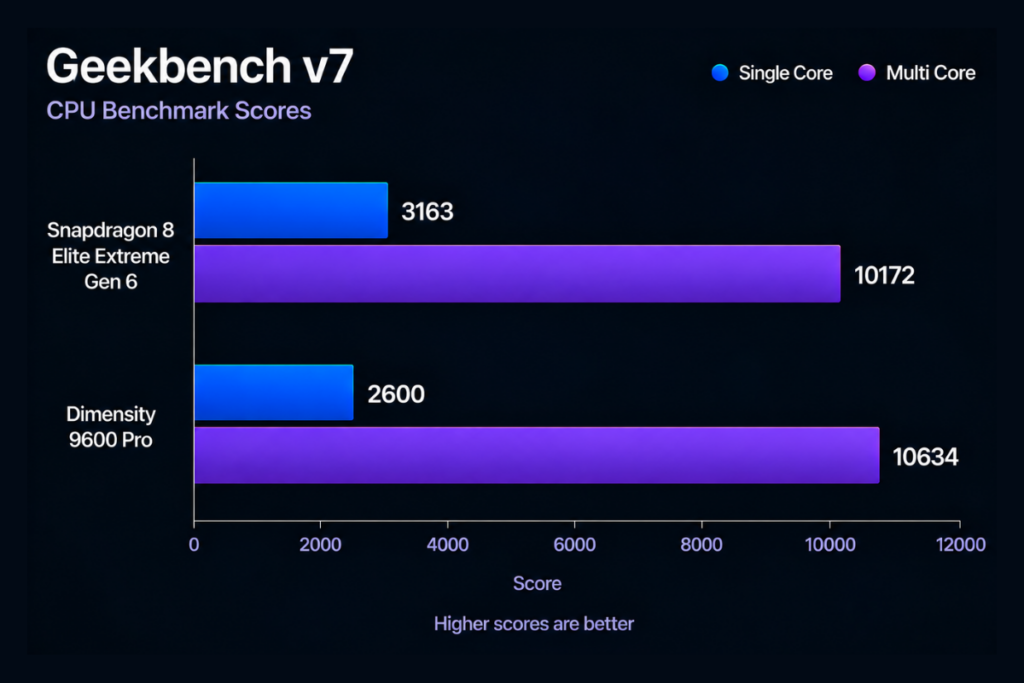
In the CPU testing on Geekbench 7, the Xiaomi 18 Pro Max, powered by the Snapdragon 8 Elite Extreme Gen 6 SoC, pulled off 3,163 single-core points, while the Dimensity 9600 Pro-powered Vivo X500 Pro could only reach 2600. That’s a solid 21% gain for the Snapdragon chipset.
The Dimensity chip bounces back in multi-core performance, posting a total score of 10,634. This is about 4% higher than the Snapdragon 8 Elite Extreme Gen 6’s 10,172 points.
The multi-core difference isn’t huge, but what little advantage exists favors the Dimensity chip. However, the Snapdragon chip delivers a solid advantage in multi-core performance, which should deliver a much bigger impact.
Snapdragon 8 Elite Extreme Gen 6
Dimensity 9600 Pro
Single core
3,163
2,600
Multi core
10,172
10,634
AnTuTu score
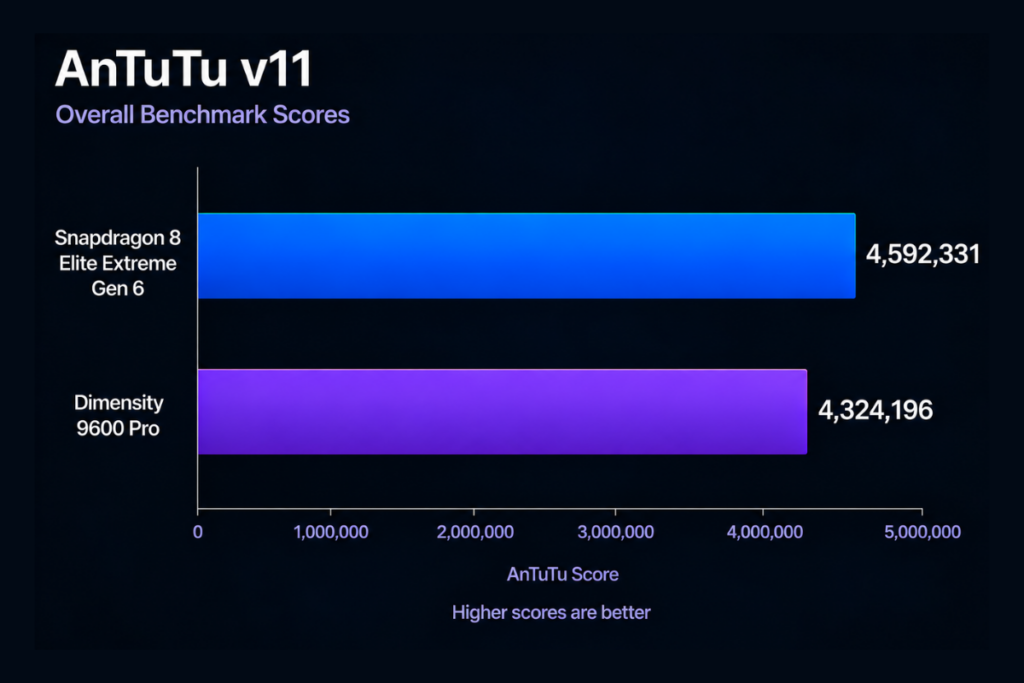
The Snapdragon 8 Elite Extreme Gen 6 is still ahead of the Dimensity 9600 Pro on AnTuTu, but the lead is just 6%. The Snapdragon chip pulls off nearly 4.6 million AnTuTu scores, while the Dimensity chip has scored about 4.32 million.
The breakdown of the AnTuTu score reveals a rather clearer picture.
The Snapdragon 8 Elite Extreme Gen 6 posts a 7% lead in the CPU score, but the GPU test leans more towards the Dimensity 9600 Pro with a 5% higher score. The memory and UX performance, though, strongly backs the Snapdragon chip.
Snapdragon 8 Elite Extreme Gen 6
Dimensity 9600 Pro
AnTuTu score
4,592,331
4,324,196
CPU
1,226,866
1,138,784
GPU
1,762,900
1,858,369
Memory
627,667
494,845
UX
974,898
832,198
The real upgrades these 2nm flagships have to offer
The CPU deliver massive efficiency gains
The Snapdragon 8 Elite Extreme Gen 6 and Dimensity 9600 Pro are the first 2nm chips from their respective brands, and that’s a massive upgrade. It brings huge power efficiency gains, allowing Qualcomm to push the peak clock speed to 5 GHz for the first time on a mobile chipset.
Qualcomm uses the same 2+6 core configuration, with six performance cores now running at up to 4.0 GHz. The chipmaker claims a massive 37% gain in power efficiency, along with a 13% better CPU performance.
MediaTek continues to use ARM’s latest cores, but it’s making a major shift in the CPU configuration to reach higher peak performance. The latest chip trades one low-performance core with a prime core, now featuring a 2+3+3 setup. The two C2-Ultra prime cores clock at up to 4.55 GHz. The remaining six C2-Pro performance cores are split into two groups, with three of them running at up to 4.35 GHz and the other three at up to 3.1 GHz.
MediaTek touts a 17% faster single-core and a 15% faster multi-core performance, alongside a 37% more efficient single-core and a massive 61% uplift in multi-core power usage.
The GPU gets dedicated neural cores
The Snapdragon 8 Elite Extreme Gen 6 introduces a fundamental shift by moving AI processing directly onto the GPU silicon. Previous generation chips must move the data out of the Adreno GPU and travel through high-speed interconnect to the Hexagon NPU for data processing and return to the graphics pipeline.
The latest Snapdragon flagship has dedicated AI blocks directly inside the GPU slices. So, the AI workloads no longer need to be routed to the NPU. Real-time neural rendering is executed completely on the Adreno 850 GPU, dramatically lowering the visual processing latency. Qualcomm claims a 44% improvement in GPU performance and a 40% increase in GPU power efficiency.
MediaTek’s approach is different. The Dimensity 9600 Pro retains ARM’s standard graphics pipeline and instead upgrades the interconnected bus and cache coherence across the whole SoC. It treats the NPU 1090 as a centralized hub that feeds real-time AI assistance to the GPU, CPU, and ISP simultaneously.
MediaTek says the new flagship SoC delivers 27% higher peak performance and 24% improved power efficiency at peak performance. Plus, it offers 18% faster raytracing performance and natively supports 185+ fps gaming.
Imaging capabilities get a major boost
Both 2nm flagships introduce major generational upgrades to their image signal processors (ISPs). The Snapdragon 8 Elite Extreme Gen 6 features a new 20-bit ISP that, for the first time, supports triple 64MP cameras with zero shutter simultaneously.
The chip pushes mobile videography to the next level by adding support for 8K/60fps recording and ultra slow-motion 4K/240 fps recording. It adds native hardware acceleration for the Advanced Professional Video (APV) codec.
MediaTek has also been making consistent upgrades to the imaging capability of Dimensity chips. The latest flagship enables 8K/60fps recording and 4K/240fps slow-motion recording just like the Qualcomm chip. Plus, it boasts a massive 17EV (exposure value) imaging range.
Smartphones like the Xiaomi 18 Pro Max and Vivo X500 Pro Max are already flaunting the 2nm flagships from Qualcomm and MediaTek, but those are currently limited to China. In the coming days, some of them will go global, and the next year should bring dozens of phones powered by these chipsets.
After launching in China earlier this year, Xgimi is bringing its latest ultra-short throw (UST) projectors to the US market. The new Aura 3 series, which includes the Aura 3 Max and Aura 3 Pro, focuses on high brightness, gaming-friendly refresh rates, and built-in Google TV.
Xgimi Aura 3 Series Specifications
The company is using a crowdfunding model to handle the initial rollout. The projectors will officially launch on Kickstarter on October 20th, with the company currently taking $50 refundable deposits on its website to lock in early-bird pricing.
Hardware-wise, both models utilize an RGB triple-laser light source and a 0.47-inch DMD chip to output a 4K UHD image. The primary difference between the two lies in brightness and contrast.
The higher-end Aura 3 Max outputs 5,700 ISO lumens and features an 8,000:1 native contrast ratio, aided by a dual dynamic iris system that physically adjusts to control light output based on the scene.
The step-down Aura 3 Pro drops the brightness to 4,100 ISO lumens and offers a 7,000:1 contrast ratio. Both models cover 110% of the BT.2020 color gamut and support Dolby Vision, HDR10+, and IMAX Enhanced formats.
This generation adds 4K 120Hz playback support, giving the projectors stronger gaming credentials for current-generation consoles. Xgimi provides two HDMI ports capable of handling 4K at 120Hz, with one also supporting eARC. The projectors also support Variable Refresh Rate (VRR), Auto Low Latency Mode (ALLM), and AMD FreeSync Premium for smoother gameplay.
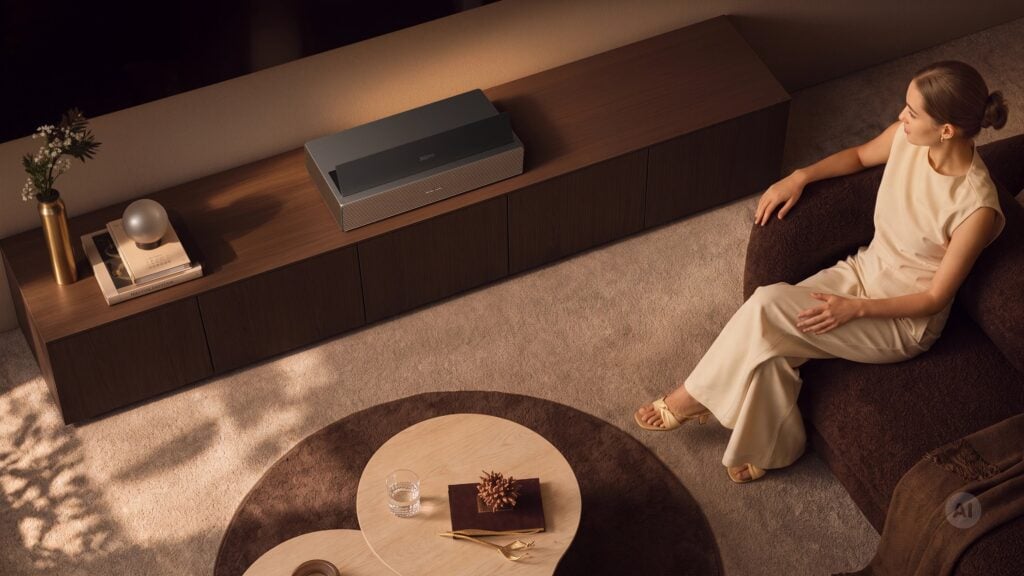
Because they are ultra-short throw projectors, the Aura 3 series features a 0.163:1 throw ratio. In practical terms, this means you can place the projector just eight inches away from a wall or screen to get a 120-inch image. For audio, the units are equipped with an 80W 2.0 channel Harman Kardon speaker system.
They also run Google TV natively, which means you won’t need to plug in a separate streaming dongle to access standard apps like Netflix or YouTube.
Pricing and Availability
The pricing structure relies heavily on early adoption. The Aura 3 Max has a stated retail price of $4,999, but Xgimi is offering it for $2,199 to users who put down the $50 deposit before the Kickstarter campaign begins.
Where to buyXgimi Aura projectorsBrowse the range on AmazonShop now →
The Aura 3 Pro has an MSRP of $3,999, with an early-bird price of $1,999. According to Xgimi, the projectors are expected to begin shipping to backers in December.
In related news, Hisense has recently launched a new 4K triple-laser projector with 1,800 CVIA lumens, 240Hz gaming, and a 360-degree gimbal, while Dangbei has introduced the X9 Ultra with 6,100 ISO lumens and 1ms gaming.
For more daily updates, please visit our News Section.
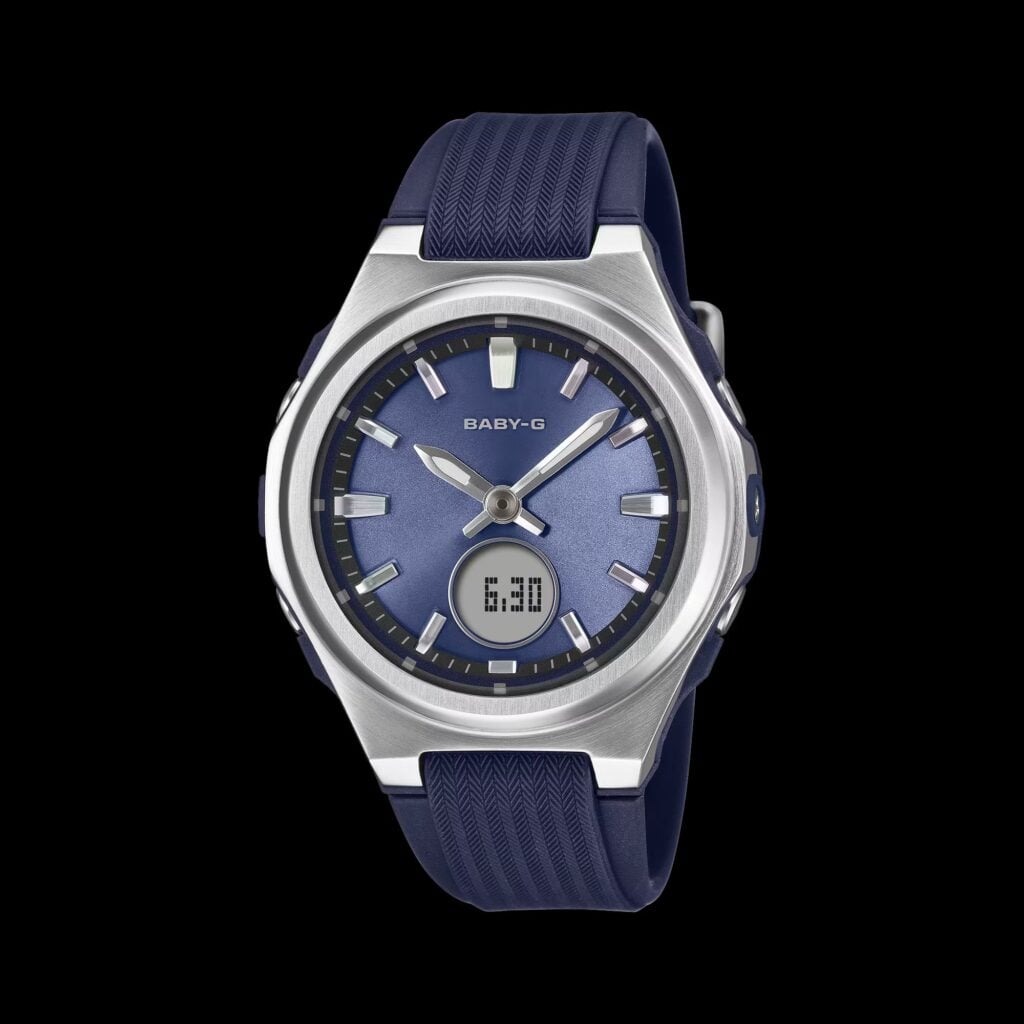
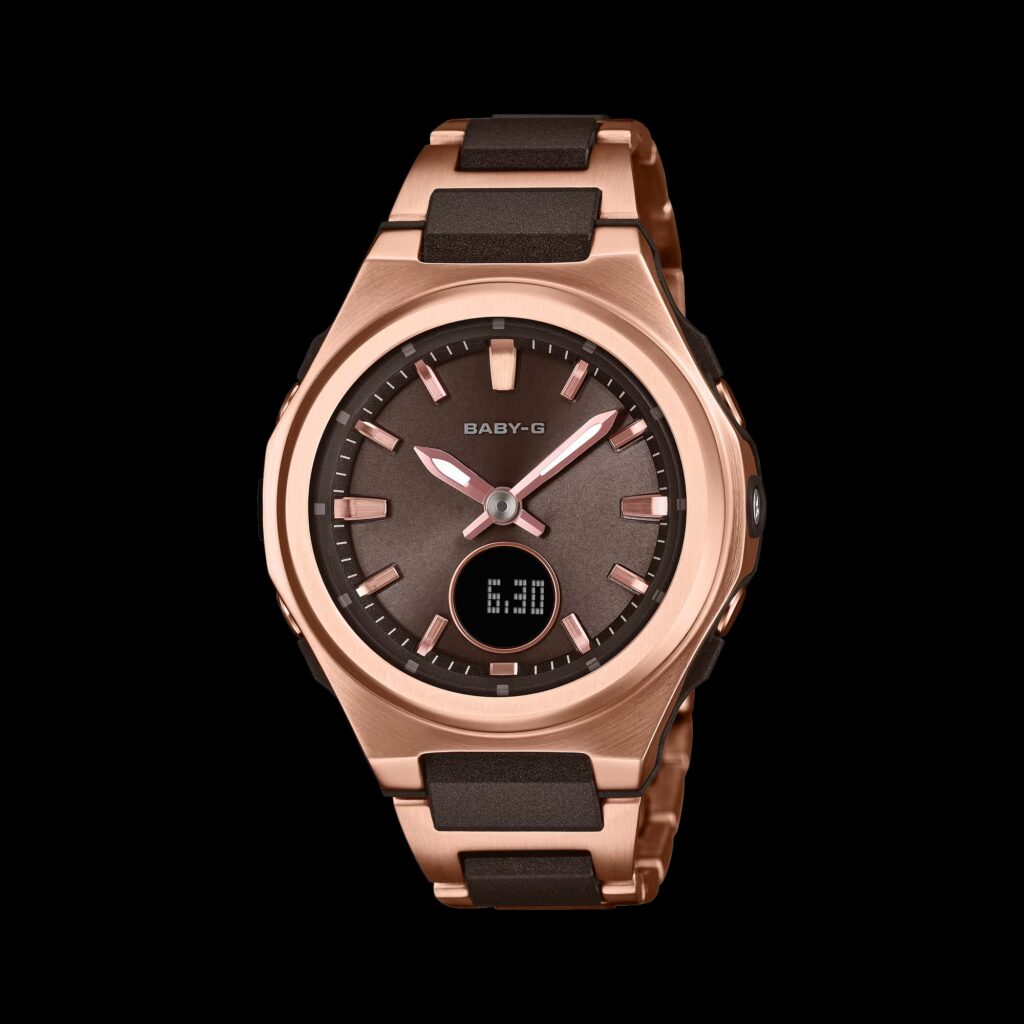
If you are looking for a wearable that doubles as a standalone accessory, Casio has announced a new addition to its Baby-G lineup that might catch your eye.
The BABY-G + PLUS BGA-20K series, which includes the BGA-20K-1A, BGA-20K-4A, and BGA-20K-7A variants, is currently available for you to pre-order on the Casio Japan website for ¥12,100 (~$76). The watches are scheduled to begin shipping this month.
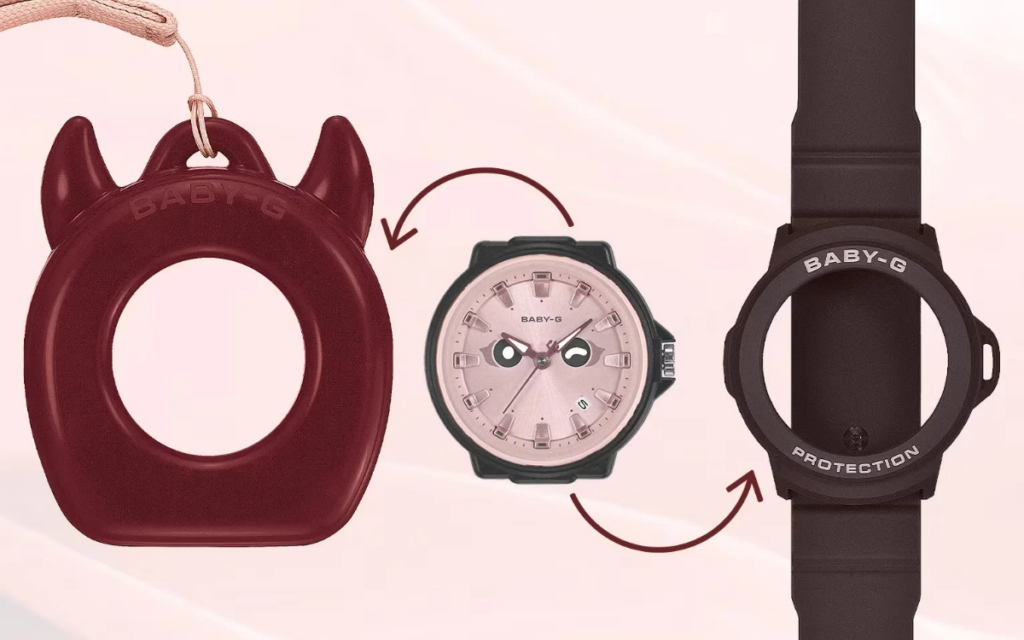
The BGA-20K comes with a two-way design. Instead of keeping the watch permanently fixed to a wristband, you can pop the center module out of the standard resin strap and insert it into an included silicone-style holder.
This secondary holder features an ear-shaped hood and a lanyard strap, allowing you to attach the watch to your backpack as a charm or simply set it up as a small desk clock. Casio says the design is aimed at giving you a personalized, kawaii aesthetic that works both as a traditional timepiece and a decorative item.
You will also notice a mechanical quirk on the watch face itself. While the dial uses a standard three-hand analog layout, it is designed to look like a face. Near the top of the dial, you get two small cutout windows framed by printed details resembling eyeliner.
Where to buyCasio Baby-G BGA-20KBrowse the range on AmazonShop now →
Behind these windows, a rotating disc changes the shape of the eyes every day when the date rolls over, cycling through different emoticon-style expressions for you to check each morning.
As for the hardware, you can expect standard Casio specifications. The watch module measures 43.5 x 42.4 x 11.5 mm and weighs just 36 grams, so it won’t weigh down your wrist or your bag. It features a resin case and bezel, G-Shock-style shock resistance, and 100 meters of water resistance.
The display is covered by mineral glass. It runs on a standard battery rated to give you about three years of life and includes a low-battery warning function, alongside a timekeeping accuracy of ±20 seconds per month.
Casio does include a few practical warnings regarding the modular holder. You will want to keep the holder out of direct sunlight and high temperatures or humidity to prevent the material from degrading over time. The company also warns you against using third-party metal straps with the holder, as doing so could tear the strap hole, and they note that the glossy finish might show minor manufacturing lines out of the box.
Right now, the BGA-20K series is only confirmed for the Japanese market, so you will have to wait and see if Casio announces a broader international release.
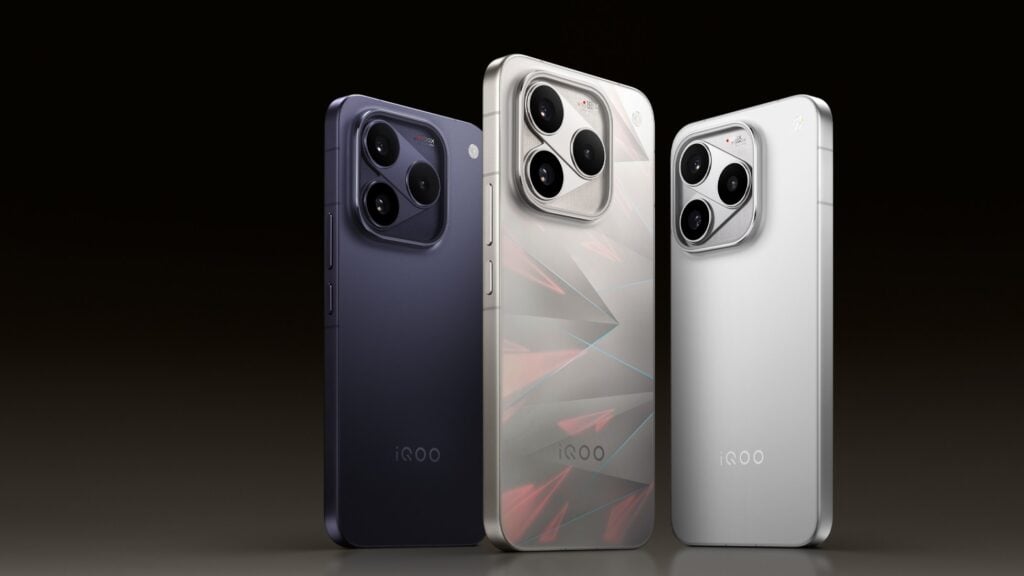
Looks like the iQOO 16 is making moves toward India, but the price might be the real story. The phone just launched in China a few days ago (late September 2026) starting at CNY 5,999. That’s roughly ₹86,000 or about $894 for the base model.
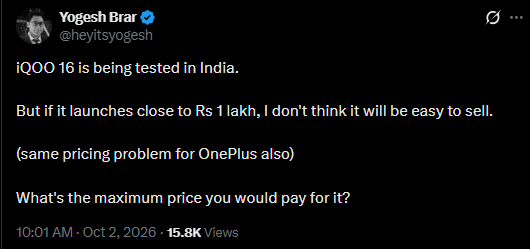
Now a tipster on X says the device has already started testing in India, which usually means a local launch is on the cards in the next few weeks. The same source reckons the Indian price could climb closer to ₹1,00,000 (around $1,039). That’s a pretty big jump from the iQOO 15, which opened at ₹72,999 last year, and it might stretch the brand’s “premium but still good value” reputation.
On paper the phone is stacked. You’re looking at a 6.85″ Samsung M16 AMOLED panel with 1440×3168 resolution, 165Hz refresh rate, and peak brightness that hits 10,000 nits. Inside sits Qualcomm’s Snapdragon 8 Elite Extreme Gen 6, with 12GB or 16GB of RAM and storage options of 256GB, 512GB or a full 1TB.
The camera trio is all 50MP: main with OIS, periscope telephoto with OIS and 3x optical zoom, and an ultrawide with autofocus, plus a 32MP selfie camera. Battery is a hefty 8,400mAh that supports 100W wired and 40W wireless charging. Software side it’s Android 17 running OriginOS 7.
From the China launch we already know it has IP68/IP69 dust and water resistance and an ultrasonic in-display fingerprint sensor. Multiple colours and configs are available, and the higher storage versions push the Chinese price up further.
For Indian buyers the mix of top-tier performance, a seriously bright high-refresh screen, strong battery life and a capable camera setup is tempting. But if it really lands near the one-lakh mark, expectations (and the competition) will be a lot higher than what previous iQOO phones had to deal with.
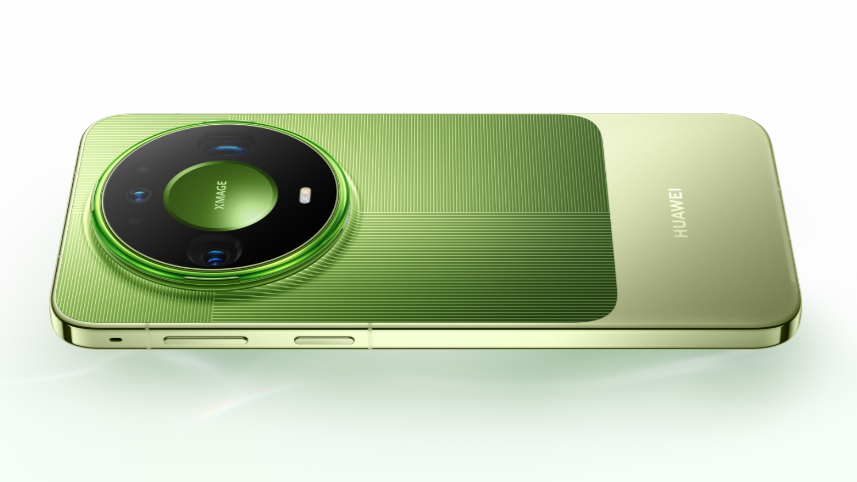
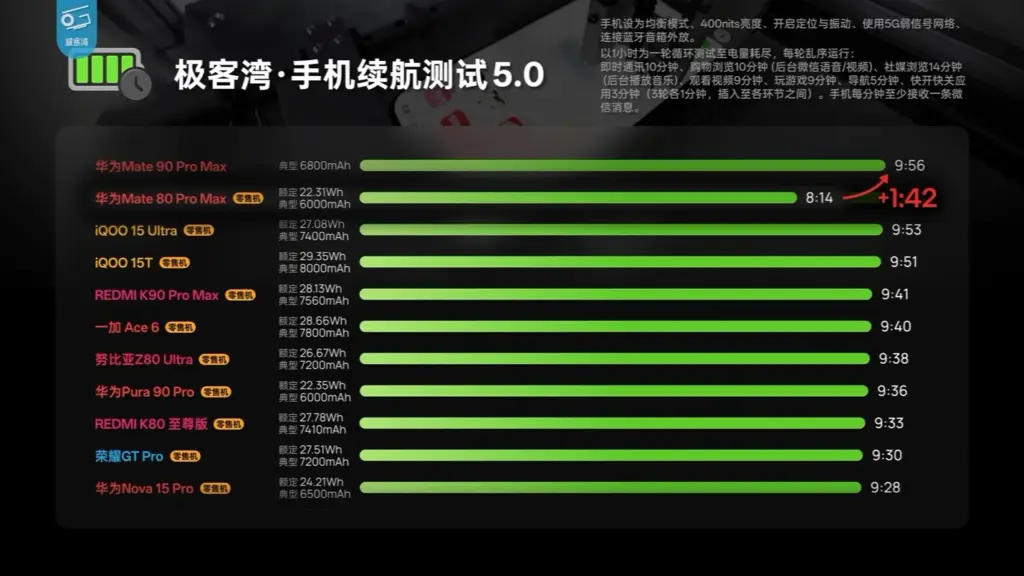
Huawei’s new Mate 90 Pro Max is turning heads for a pretty interesting reason: its Kirin 9050 Pro chip is surprisingly efficient in the real world, especially when you’re gaming.
This is the first phone to ship with Huawei’s LogicFolding design, kind of like a stacked dual-layer processor. At the October 1 launch, the company said the whole system delivers a 31% overall performance boost compared with the previous generation. The CPU is a nine-core, four-cluster setup: one prime core, two big performance cores, four efficiency cores, and two tiny ultra-low-power cores. Official numbers put multi-core gains at around 23%, GPU rendering up 40%, and the NPU jumping a massive 140%.
The LogicFolding trick stacks two layers of logic circuits and connects them with dense hybrid bonding. That lets Huawei pack more transistors into the same space and push higher frequencies than a normal flat design. The regular Mate 90 and Mate 90 Pro use related (but non-stacked) Kirin 9030 and 9035 chips. Those still share the same core architecture and HarmonyOS optimizations, and Huawei claims roughly 27% and 20% gains respectively over the last Mate series.
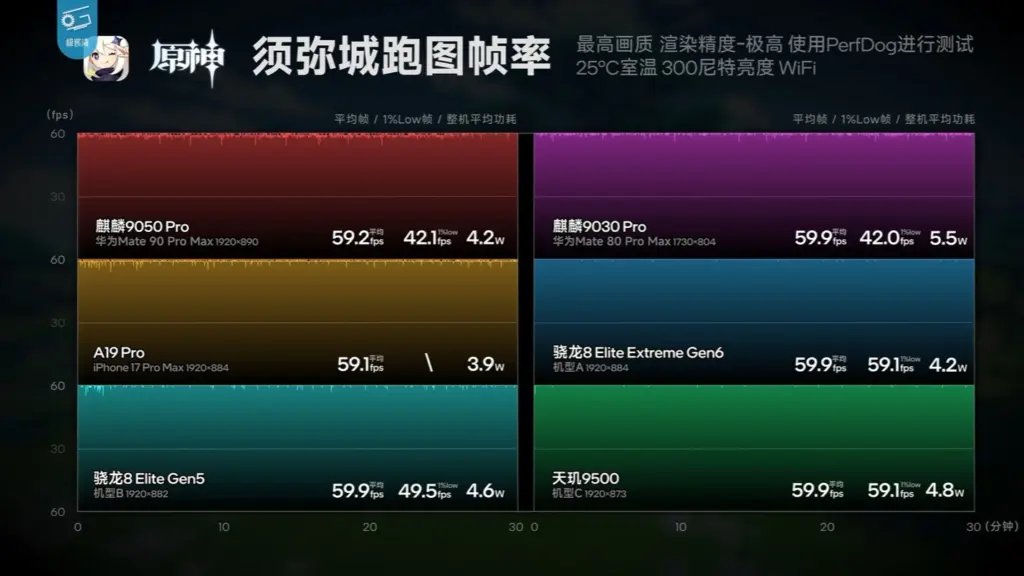
Early independent testing, including teardowns and numbers from Geekerwan, backs up the stacked design and shows the Pro Max is especially strong on efficiency in native HarmonyOS games. In Genshin Impact running at 890P, the phone held full frame rates while drawing only about 4.2 W system power. That’s better than some Snapdragon 8 Elite Gen 5 devices and sits right next to the iPhone 17 Pro Max (A19 Pro) and the higher-end Snapdragon 8 Elite Extreme Gen 6 configs.
You see similar behavior in Wuthering Waves (still locked to lower resolution on the Huawei for now) and a few other titles. The catch? These results are with native ports. Games that have to go through translation layers still run fine, but the efficiency edge shrinks a bit.
Pure synthetic CPU scores still trail the absolute top Snapdragon and Apple chips; manufacturing limits are still a thing, but the combination of the new architecture, deep system-level tuning, and the measured gaming efficiency is a clear step forward for Huawei’s in-house silicon.
If you care more about sustained performance and battery life in well-optimised native games than about topping every benchmark chart, the Mate 90 Pro Max makes a pretty strong case for what the Kirin 9050 Pro can do.
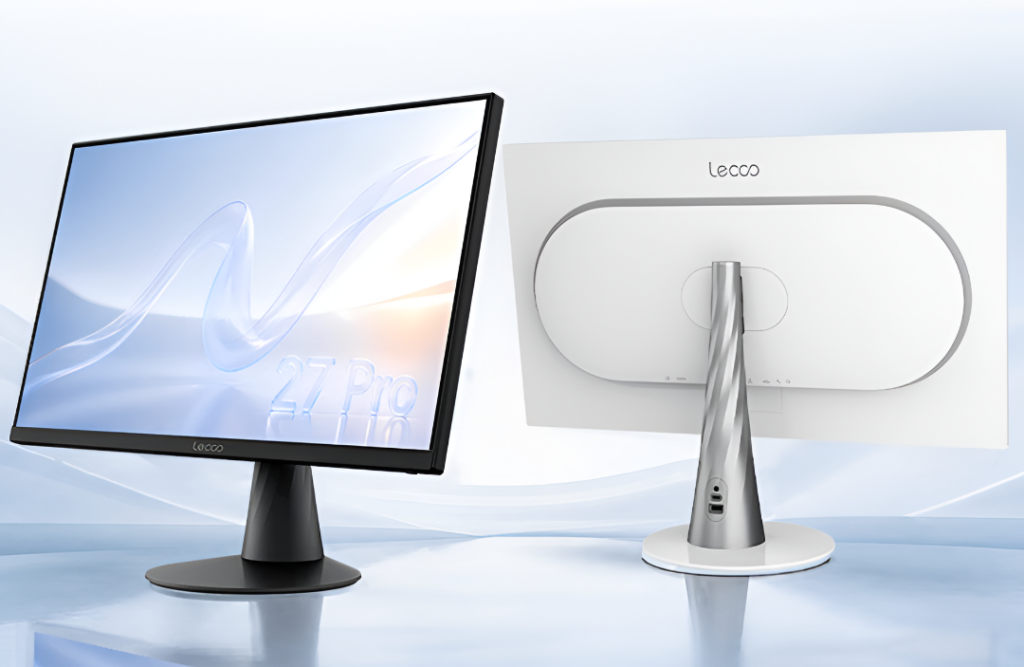
Lenovo has released a new all-in-one desktop in China called the Lecoo N27 Pro. It is a straightforward, mid-range PC designed mostly for standard office work, studying, and basic daily tasks rather than heavy computing.
Lenovo N27 Pro AIO Specifications
The N27 Pro features a 27-inch display with a 2560 x 1440 resolution. It also supports a 100Hz refresh rate, which should make scrolling and everyday navigation feel noticeably smoother.
The monitor covers 99% of the sRGB color space and sits on a stand that only adjusts for tilt (between -5 and 15 degrees), meaning you won’t get any height adjustment. It comes in two colors: Cloud Feather Black and Snow Feather White.
Inside, the computer runs on an Intel Core i5-13420H processor. This is a 13th Gen chip with eight cores (four performance, four efficiency) and integrated Intel UHD graphics. Lenovo includes 16GB of RAM by default, and you can choose between a 512GB or 1TB SSD. It uses a standard heat pipe and fan cooling system to keep temperatures down during your regular use.
For ports, you’ll find the N27 Pro has plenty of connections, though it relies heavily on older standards. You get five USB-A ports (three of which are USB 2.0, and two are USB 3.0), one USB-C port, an HDMI port, and Gigabit Ethernet. It also has built-in Wi-Fi and comes with a basic 2.4GHz wireless keyboard and mouse in the box, so you don’t need to buy separate peripherals to get started.
Pricing and Availability
The Lenovo Lecoo N27 Pro is available now. If you decide to pick one up, the 16GB RAM and 512GB storage model costs 4,499 yuan ($671), and the 1TB storage version costs 4,999 yuan ($745).
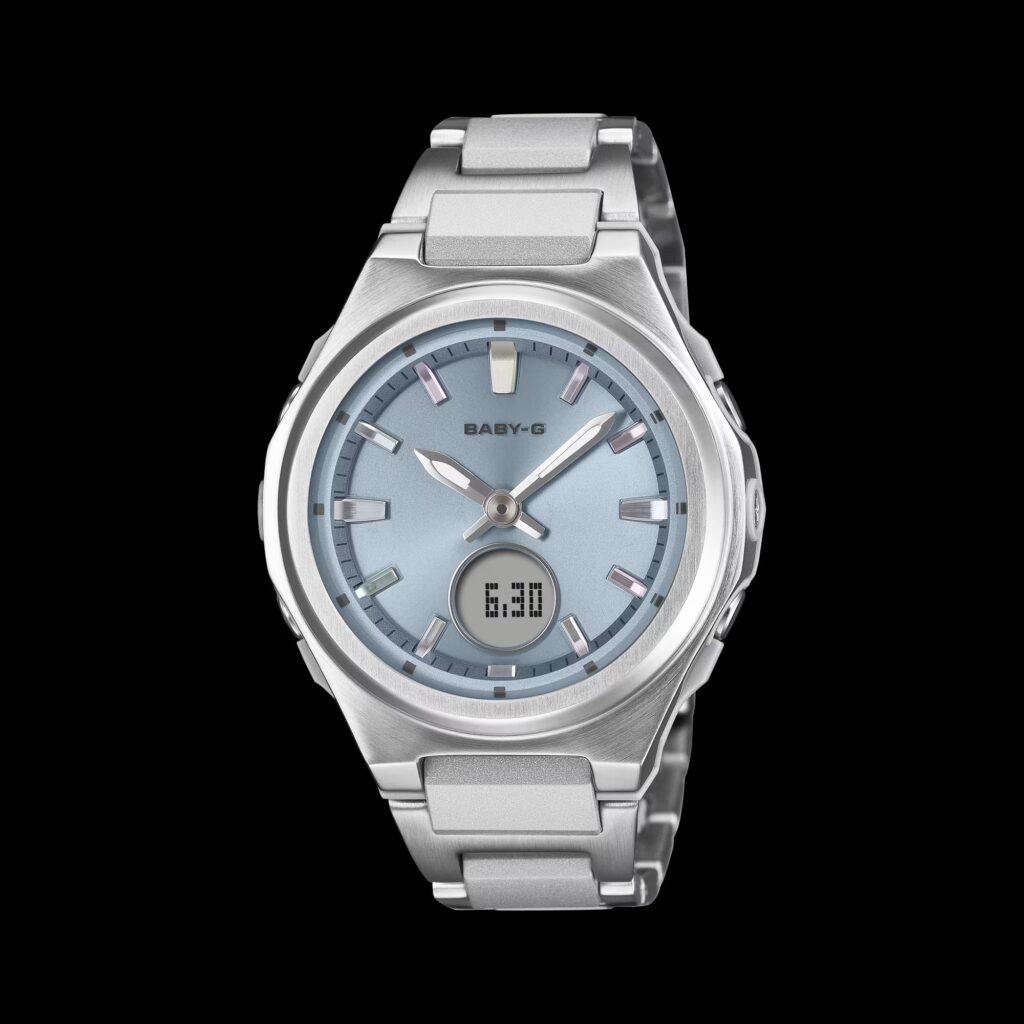
Casio has announced a new lineup of five BGA-3000 watches in Japan. The new models are currently available for pre-order and combine a slimmer, more wearable design with Casio’s established Tough Solar and radio-controlled timekeeping technologies.
Design Details and Pricing
The design of the new BGA-3000 series is built around a stainless steel bezel attached to a resin case. Casio applied a mix of hairline brushing and mirror polishing to the metal, giving the hardware a standard, clean finish.
On the analog-digital dial, you’ll notice fine concentric grooves that add some texture and catch the light, but the overall layout remains minimal. Measuring 40.8 by 36.1 mm, the case is 11.2 mm thick. That is relatively thin for a shock-resistant watch, making it a practical size for your daily use without getting caught on your sleeves.
When choosing a model, you have two main options based on the type of band included. If you go with the standard models, the BGA-3000-5A, BGA-3000-7A, and BGA-3000-2A, you get a standard resin band. These versions weigh just 32 grams and are priced at ¥33,000 ($208).
If you prefer a heavier, more traditional watch feel, the BGA-3000C-2A features a composite band made of both metal and resin, securing with a one-push three-fold clasp. This model costs ¥39,050 ($247) and weighs 50 grams. The most expensive model in the lineup is the BGA-3000CG-5A, which gives you the same composite band but adds a pink-gold ion plating to the case and hardware for ¥42,350 ($268).
Internally, these watches provide you with low-maintenance timekeeping rather than smartwatch connectivity. They are powered by the Tough Solar system, which gives you about eight months of battery life on a full charge, or up to 20 months if you turn on the display’s power-saving mode.
They also include Multiband 6 technology. This allows your watch to automatically calibrate the time up to six times a day by receiving radio signals from transmitters.
You’ll find all the standard Casio features here as well. The watches are shock-resistant, water-resistant up to 100 meters, and include a 48-city world time function, a 1/100-second stopwatch, a countdown timer, daily alarms, and a white LED backlight.
Availability
If you’re looking to pick one up, the BGA-3000 series is currently available for pre-order on the Casio Japanese online store.
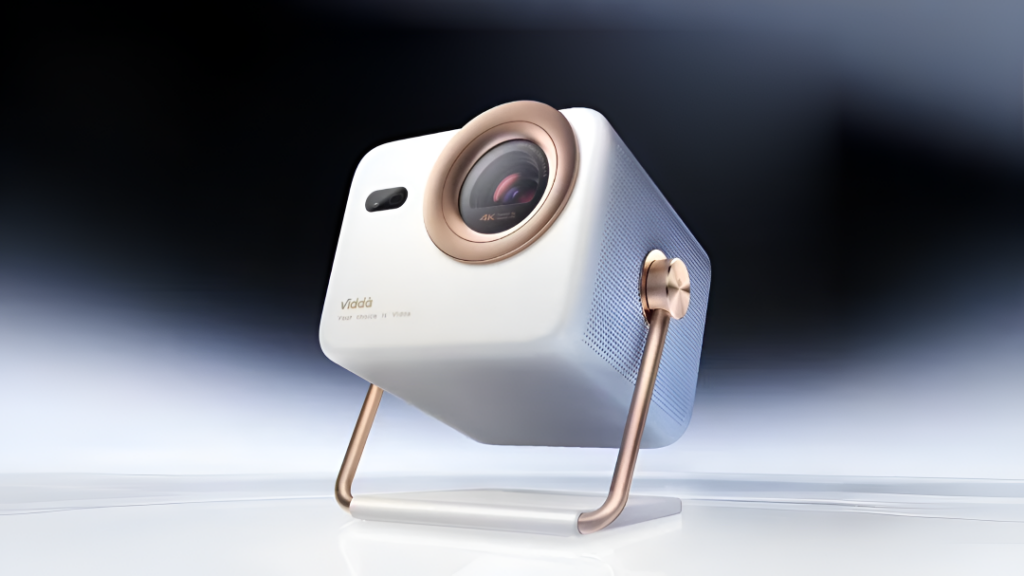
Hisense’s sub-brand Vidda has launched the Big Eye M2 Pro projector in China. It is priced at 5,499 yuan ($820), with a limited-time promotional price of 4,949 yuan ($738). The projector features a triple-color laser light source and an integrated 360-degree gimbal. If you have ever struggled to position a display in your living room, the built-in stand is a practical addition. It lets you point the projector directly at the ceiling or adjust the angle on a wall without needing to buy a separate mount or prop the unit up with books.
Hisense Vidda Big Eye M2 Pro Specifications
Inside, you will find a 0.47-inch DMD imaging chip. This is a step up in size from the 0.39-inch chips often found in consumer projectors in this price bracket, which Hisense says will help with heat resistance and brightness handling.
The projector is powered by the company’s QuaLas42 laser engine, providing you with a rated 1,800 CVIA lumens of brightness. You also get 110% coverage of the BT.2020 color space, a 40,000:1 dynamic contrast ratio, and support for both HDR10+ and HLG formats.
The optical setup includes a glass lens system with a 1.3x optical zoom and a throw ratio of 1.0:1 to 1.3:1. In practical terms, you need about 2.2 meters of distance from your wall to get a 100-inch image, and you can scale that up to 150 inches if you have 3.3 meters of space.
You won’t have to do much manual tweaking, as setup is handled automatically by a CMOS sensor that manages auto-focus, keystone correction, screen alignment, and obstacle avoidance. It also includes a safety feature that dims the laser if it detects you or someone else walking in front of the lens.
Vidda has also included hardware aimed at console and PC players. The projector runs on a MediaTek MT9679 processor with 3GB of RAM and includes an HDMI 2.1 port. It supports Variable Refresh Rate (VRR) and Auto Low Latency Mode (ALLM).
Where to buyHisense 4K laser projectorBrowse the range on AmazonShop now →
While standard 4K video is capped at 60Hz, you can drop the resolution to 1080p to push refresh rates up to 240Hz. The software includes specific picture presets for your PlayStation, Xbox, and Nintendo Switch, alongside standard gaming monitor features like on-screen crosshairs and dark-area enhancement.
For audio, the unit features a 20W four-speaker system, two full-range drivers and two tweeters, with support for Dolby Audio and DTS:X, meaning you can likely skip plugging in an external soundbar for casual viewing.
The M2 Pro runs Vidda’s JUOS operating system, which includes a voice assistant and AI search tools for finding shows or identifying on-screen content. The projector weighs 3.5kg and is available in Moonlight White and Space Silver colorways.
In related news, Hisense has recently launched the E7S Pro+ RGB-Mini LED TVs with 4K 180Hz displays and up to 6,000 nits of peak brightness. The company also introduced the U7T Pro RGB-Mini LED TVs with 4K 180Hz panels and a powerful 330W Devialet audio system.
For more daily updates, please visit our News Section.
JBL’s latest PartyBox lineup brings more choice to India’s party speaker market, with models designed for everything from living rooms to outdoor gatherings. The new range combines high-power audio with portable designs and karaoke features. JBL is also introducing its EasySing AI technology to make singing along to music easier.
JBL PartyBox lineup and features
JBL party speakers
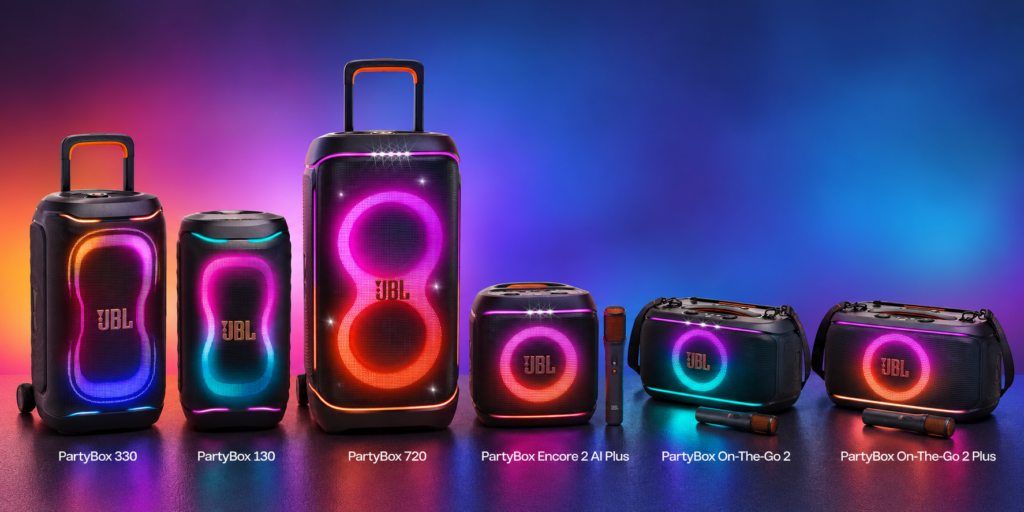
The new range includes the PartyBox 720, PartyBox 330, PartyBox 130, PartyBox On-The-Go 2 AI Plus, PartyBox On-The-Go 2 and PartyBox Encore 2 AI Plus. At the top of the lineup, the JBL PartyBox 720 delivers 800W RMS through dual 9-inch woofers and 30mm dome tweeters.
It offers up to 15 hours of playback, built-in wheels, an ergonomic handle, IPX4 splash resistance and two XLR inputs for microphones, guitars or DJ equipment. AI Sound Boost dynamically adjusts the audio output to help maintain clarity at high volume levels.
The PartyBox 330 delivers 280W RMS through dual 6.5-inch woofers and offers up to 18 hours of playback. The smaller PartyBox 130 produces 200W RMS through dual 5.25-inch woofers and runs for up to 15 hours. Both models support optical TV input, USB-C lossless audio, Auracast multi-speaker pairing, dual microphone and guitar inputs, and IPX4 protection.
Where to buyJBL PartyBox 720Latest price on AmazonCheck price →
For portability, the PartyBox On-The-Go 2 models deliver 100W RMS output and up to 15 hours of playback. The AI Plus version adds EasySing AI Vocal Removal, pitch support and natural reverb, and includes an EasySing microphone.
The standard version comes with a wireless microphone. JBL is also offering EasySing Mics separately as a pair, with AI Vocal Removal, Voice Boost, natural reverb, echo control and AI noise suppression. They offer up to 10 hours of battery life and a wireless range of up to 30 meters.
JBL PartyBox price and availability
The JBL PartyBox 720 is priced at Rs 99,999, while the PartyBox 330 and PartyBox 130 cost Rs 64,999 and Rs 46,999, respectively. The PartyBox On-The-Go 2 AI Plus and PartyBox Encore 2 AI Plus are priced at Rs 44,999 and Rs 39,999, while the standard PartyBox On-The-Go 2 costs Rs 39,999. The new products are available through JBL’s website, major retailers and e-commerce platforms in India.
Primebook has expanded its laptop portfolio with a new model aimed at users looking for more capable everyday computing. The company has paired its latest hardware with a broader software ecosystem designed to cover productivity, development, and AI-assisted tasks. The launch also marks another step in Primebook’s collaboration with MediaTek.
Primebook 3 Max specifications and features
Primebook 3 Max
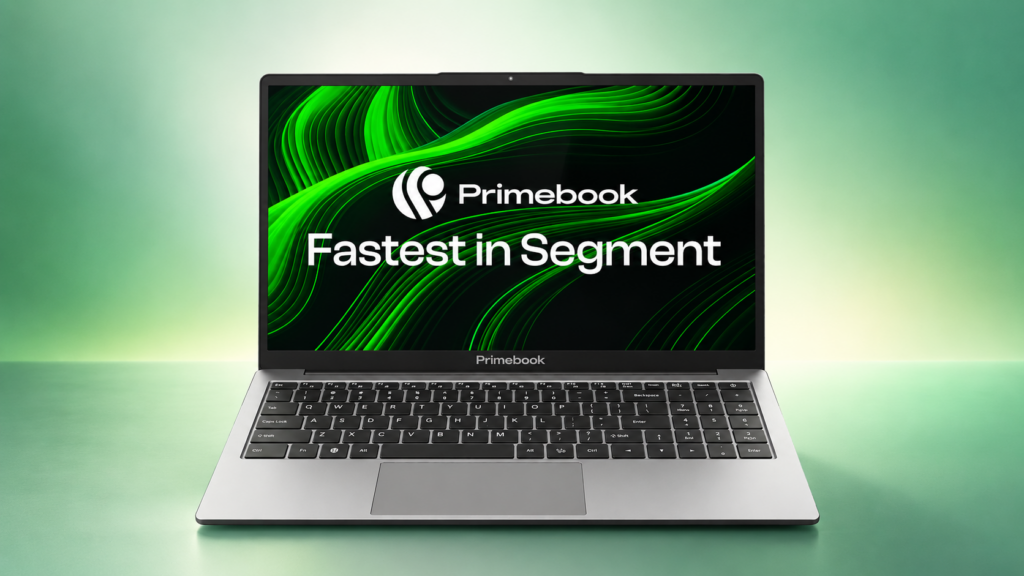
The Primebook 3 Max is the first model in the company’s third-generation laptop lineup. It runs on the MediaTek Genio 720, an octa-core chipset with two Cortex-A78 cores clocked at up to 2.6GHz and six Cortex-A55 cores reaching 2.0GHz. Graphics are handled by the Mali-G57 MC2 GPU at 1.1GHz, while the system includes 8GB of LPDDR5 RAM and 128GB of UFS storage, with support for expansion up to 1TB. Primebook says the new configuration delivers up to 40% higher performance than its previous generation.
The laptop features a 15.6-inch Full HD IPS display with a 1920 x 1080 resolution, anti-glare treatment and up to 250 nits of brightness. It has a metallic body with a matte finish and weighs 1.597kg.
Primebook 3 Max
The 60.3Wh battery is rated for up to 12 hours of use and supports 36W fast charging over USB Type-C. The laptop also features a backlit keyboard, a multi-finger touchpad and dual stereo speakers. For video calls, there is a 5MP webcam capable of recording 1440p video at 30fps, accompanied by dual microphones and software-based noise cancellation.
Primebook 3 Max
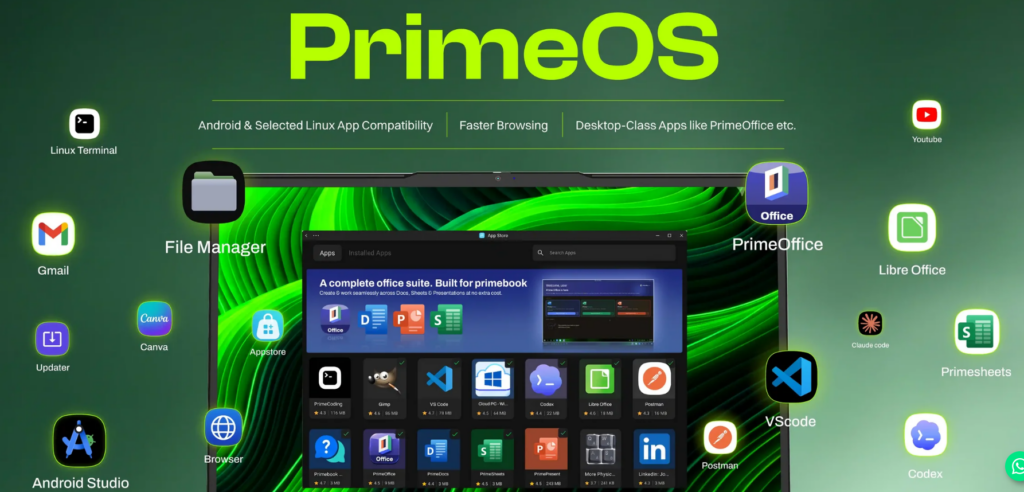
PrimeOS adds several software features to the hardware package. PrimeOffice includes PrimeDocs, PrimeSheets and PrimePresent as an offline-first alternative for document, spreadsheet and presentation work. Users can also access Linux applications such as VS Code, GIMP, LibreOffice, Firefox, Arduino IDE, DBeaver CE, TablePlus and Postman, along with a Linux terminal. PrimeSecurity and Task Manager provide tools for monitoring system resources, managing startup applications and identifying potentially harmful or resource-heavy apps. The laptop also includes PrimeAGNT, an AI agent designed to understand tasks across applications and perform actions on the device, along with PrimeX Cloud PC.
Primebook 3 Max
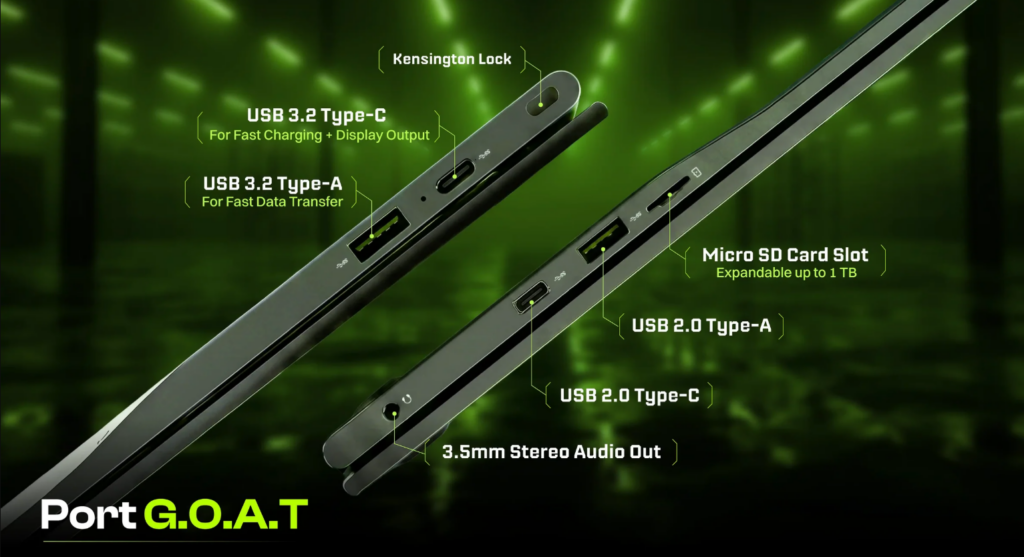
Connectivity features includes Wi-Fi 6 and Bluetooth 5.3, while the port selection consists of a USB 3.2 Type-C port with charging, OTG and display output support, a USB 3.2 Type-A port, a USB 2.0 Type-A port, a second USB 2.0 Type-C port, a 3.5mm audio jack and a microSD card slot.
Where to buyPrimebook 3 MaxLatest price on AmazonCheck price →
Primebook 3 Max price and availability
The Primebook 3 Max starts at Rs 35,990 and is available through Amazon, Flipkart and Primebook’s own online store. During the Flipkart Big Billion Days and Amazon Great Indian Festival 2026, the laptop will be available with discounts of around Rs 2,000 to Rs 2,500, potentially bringing the effective price down to Rs 33,490 to Rs 33,990. Bank discounts will also be offered on both platforms, and the laptop comes with a one-year warranty.
The Primebook 3 Max is available in Space Grey and Black, while retail availability through partners such as Bajaj Electronics, Sangeetha Mobiles and Pai International will follow.
Baseus has released a new pair of wireless earbuds in China, the MC2 NC, which combine an open-ear clip-on design with active noise cancellation. They are currently available for 783 yuan ($116). The new model follows the non-NC version of the MC2, which debuted in China earlier this year in April before launching globally in August.
Baseus MC2 NC Earbuds Specifications
Instead of sitting inside your ear canal, the MC2 NC uses a C-shaped bridge that attaches to the side of your ear. To keep you comfortable, Baseus uses a four-point support structure and a hollowed-out internal frame, keeping the weight of each earbud down to just 5.9 grams.
You also get removable and washable silicone cushions that rest against your ear, with four different sizes included in the box to help you find the right fit. The hardware gives you an IP67 rating for dust and water resistance, and you can choose between two colors: Interstellar Black and Star Moon Beige.
Inside, your audio is powered by 12mm carbon-fiber dynamic drivers. You get support for the LDAC codec, along with Hi-Res Audio Wireless certification. For equalization, Baseus has integrated Mimi’s hearing technology, which tests your hearing sensitivity across different frequencies to create a custom sound profile tailored to you.
Active noise cancellation is unusual for clip-on earbuds since they don’t physically seal your ear canal, but Baseus claims you can achieve up to -50dB of noise reduction. This works by combining the physical blocking of the silicone cushions with an adaptive ANC system that adjusts to your ear shape and your ambient environment. When you’re on phone calls, a six-microphone array blocks out wind noise, while directional audio technology prevents your music from leaking out to people sitting nearby.
Where to buyBaseus MC2 NCLatest price on AmazonCheck price →
You will also find several software features powered by AI models from DeepSeek, Alibaba (Qwen), and Doubao. Through the Baseus companion app, you can access tools like voice recording transcription, a real-time assistant, and face-to-face translation that supports 21 languages.
The earbuds connect using Bluetooth 6.0 and support multipoint pairing, allowing you to connect to two devices at once. Baseus opted for physical buttons rather than touch controls, which helps you avoid accidental inputs when adjusting the earbuds on your ear.
For battery life, you can expect up to 60 hours of total playback with the USB-C charging case when ANC is disabled, and up to 42 hours with ANC turned on. If you are in a rush, a 10-minute charge gives you roughly three hours of playback.
In related news, QCY has recently launched the Crossky C70 clip-on earbuds with dual drivers, LDAC, 54dB ENC, and up to 50 hours of battery life. Vivo also introduced its first clip-on earbuds, featuring 12mm drivers, Hi-Res audio support, and up to 42 hours of battery life.
For more daily updates, please visit our News Section.
Oppo has launched the Oppo F35 5G and Oppo F35 Pro 5G in India, as it confirmed earlier. Both phones come with an 8,000mAh battery, 80W SuperVOOC charging, a 50MP main camera, and a 50MP selfie camera. The Oppo F35 5G starts at Rs 38,999, while the Oppo F35 Pro 5G starts at Rs 45,999.
Oppo F35 5G specifications
The Oppo F35 5G has a 6.57-inch AMOLED display with FHD+ resolution, a 120Hz adaptive refresh rate, and up to 1,400 nits of HBM brightness. The panel covers 100% of the DCI-P3 colour gamut and supports a 1,000Hz touch sampling rate.
The phone is powered by the MediaTek Dimensity 6360 Max, paired with LPDDR4X RAM and UFS 2.2 storage. It runs ColorOS 16 and has a 50MP main camera alongside a 2MP monochrome camera on the back.
The F35 5G measures 15.91 x 7.58 x 0.88cm and weighs around 205g. It also has an IP69K rating for dust and water resistance, along with military-grade shock resistance. Cooling is handled by a SuperCool vapour chamber measuring 4,300 mm².
Other features include an under-screen fingerprint sensor, face unlock, dual SIM support, USB Type-C, Bluetooth 5.4, Wi-Fi 5, 8GB of virtual RAM, reverse wired charging, and dual-link network acceleration.
Oppo F35 Pro 5G specifications
The Pro model moves to a larger 6.77-inch AMOLED display with FHD+ resolution, a 144Hz refresh rate, and up to 1,800 nits of HBM brightness. It also has a higher 4,000Hz touch sampling rate while covering 100% of the DCI-P3 colour gamut. Storage is upgraded to UFS 3.1, and the phone runs ColorOS 16.5.
Where to buyOppo F35 5GLatest price on AmazonCheck price →
On the back, the main camera gets OIS and is joined by an 8MP ultra-wide camera. The phone also supports dual-view video. It measures 16.26 x 7.76 x 0.84cm and weighs around 210g.
The F35 Pro 5G has IP69K, IP69, IP68, and IP66 protection ratings, along with Rainstorm touch support and one-touch water ejection. Its vapour chamber is also larger at 5,000 mm².
Connectivity includes Wi-Fi 6 and Bluetooth 5.4, along with USB Type-C and dual SIM support. The phone also has an under-screen fingerprint sensor, face unlock, a 360-degree Armour body, Hunter Antenna architecture, and Smart Communication 3.0.
Oppo F35 5G and F35 Pro 5G price in India
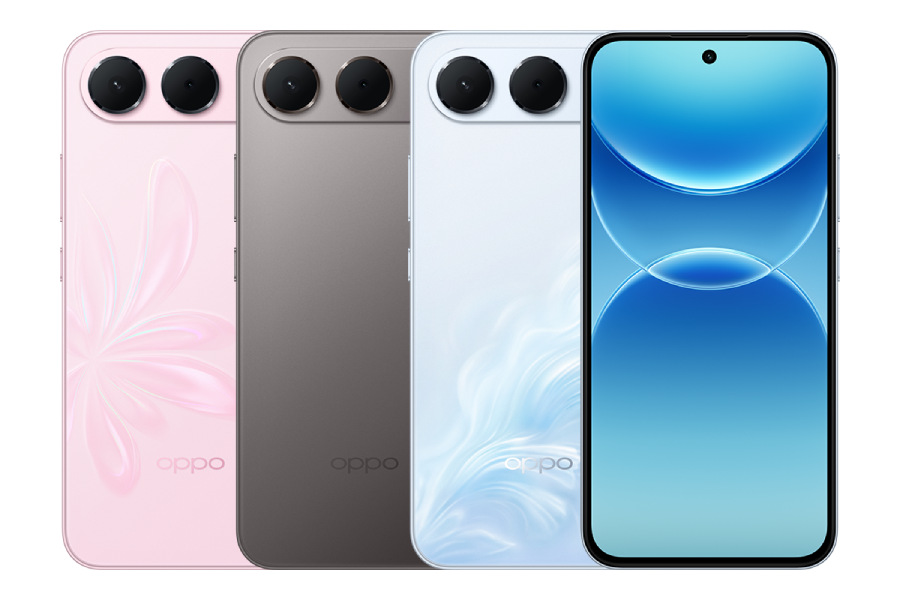
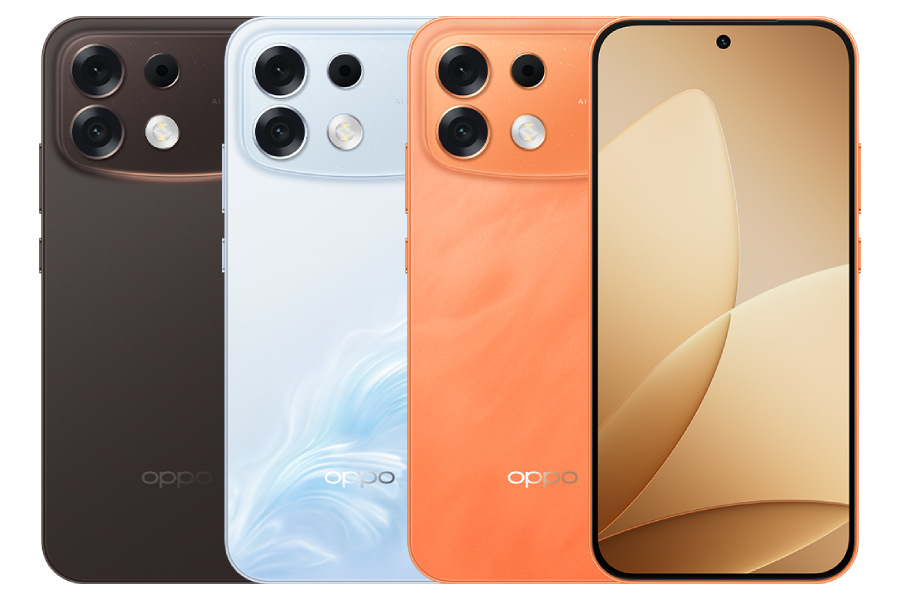
The Oppo F35 5G is available in Wave Blue, Mist Pink, and Titanium Grey. The F35 Pro 5G comes in Sunrise Orange, Wave Blue, and Twilight Brown.
Oppo F35 5G
6GB + 128GB: Rs 38,999
8GB + 128GB: Rs 42,999
Oppo F35 Pro 5G
6GB + 128GB: Rs 45,999
8GB + 128GB: Rs 49,999
8GB + 256GB: Rs 54,999
Pre-orders are now open through the Oppo India website, Amazon, and Flipkart.
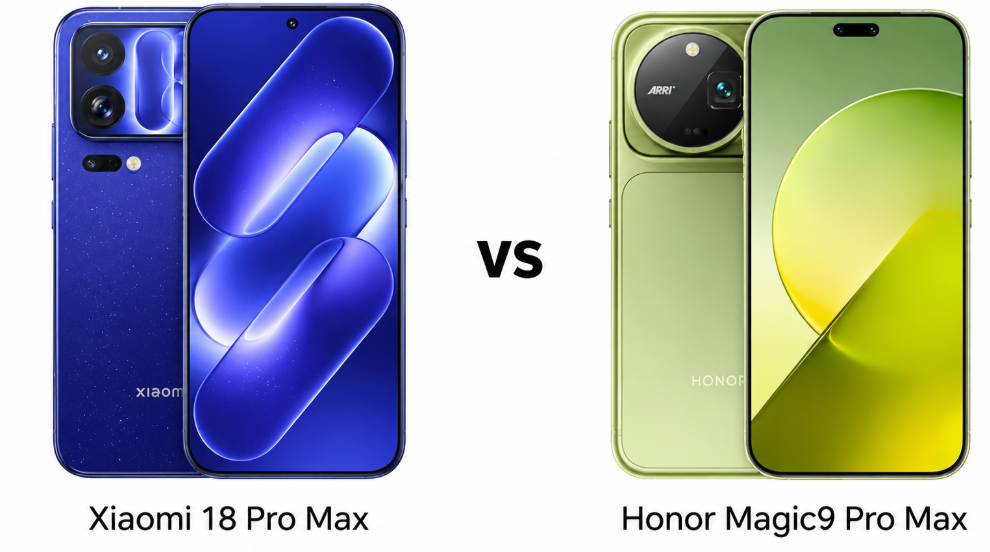
Xiaomi 18 Pro Max and Honor Magic9 Pro Max bring flagship power, advanced cameras, and huge batteries, but take very different approaches. Xiaomi stands out with Leica cameras and a unique rear display, while Honor counters with a brighter display, faster wireless charging, and a lower price. So, which premium flagship offers the better overall package?
Both phones deliver premium construction with glass surfaces, aluminum frames, and IP68 protection. Xiaomi adds Dragon Crystal Glass 3 and a more distinctive rear secondary display, giving the 18 Pro Max a stronger identity. Honor takes a more conventional flagship approach, while its IP68/IP69K rating provides additional protection against high-pressure water exposure.
Xiaomi feels more adventurous because its rear display creates extra functionality beyond conventional flagship design. Honor, however, offers broader SIM flexibility with dual Nano-SIM and eSIM support. For buyers who prefer a familiar flagship experience with stronger environmental protection and connectivity flexibility, Honor has the more practical design philosophy overall.
Display Quality
Xiaomi features a 6.9-inch LTPO AMOLED panel with 120Hz refresh rate, Dolby Vision, HDR10+, HDR Vivid, BT.2020, and up to 4,000 nits peak brightness. Its 2.9-inch rear display adds another useful viewing surface for selfies, notifications, and quick interactions.
Honor counters with a 6.8-inch LTPO OLED display offering 120Hz, Dolby Vision, 4,320Hz PWM, anti-reflective coating, and an impressive claimed 10,000-nit peak brightness. Its higher resolution also gives it a sharper presentation.
Honor’s display is arguably the stronger choice for outdoor visibility and eye-friendly viewing, while Xiaomi wins for versatility.
Verdict
Honor wins for display quality thanks to its sharper panel, anti-reflective coating, higher PWM frequency, and exceptional peak brightness. Xiaomi remains more innovative with its useful secondary rear display.
2. Specifications Including Battery
Performance
Both phones use the same Snapdragon 8 Elite Extreme Gen 6 chipset, Adreno 850 GPU, and UFS 4.1 storage, so headline performance is closely matched. Configurations extend up to 16GB RAM and 1TB storage, giving both models enough headroom for demanding gaming, multitasking, and AI workloads.
Software separates them slightly. Xiaomi runs Android 17 with HyperOS 4, while Honor ships Android 17 with MagicOS 11 and promises up to seven major OS updates. Honor therefore has the stronger long-term software commitment, while Xiaomi’s ecosystem may appeal more to users already invested in HyperOS devices. Neither phone lacks flagship-level performance.
Battery and Charging
Xiaomi packs an 8,500mAh silicon-carbon battery with 100W wired, 50W wireless, and 27W reverse wireless charging. Honor goes further with an 8,800mAh silicon-carbon battery, 100W wired charging, 80W wireless charging, and reverse charging support. Both should deliver excellent endurance under demanding use.
Honor has the clear charging advantage because its wireless charging is substantially faster. Xiaomi still offers a particularly useful reverse wireless mode, making it better suited to topping up compatible accessories. For users prioritizing maximum battery capacity and fast wireless charging, Honor feels more complete.
Verdict
Honor wins for battery versatility with its larger 8,800mAh cell and 80W wireless charging. Xiaomi remains highly competitive, especially with 27W reverse wireless charging and equally fast 100W wired charging.
3. Camera
Main and Secondary Lenses
Xiaomi uses a Leica-backed triple-camera system led by a 200MP main sensor with OIS, a 200MP periscope telephoto with 3.2x optical zoom, and a 50MP ultrawide. Its camera system supports 8K recording, 4K at 120fps, Dolby Vision HDR, and 10-bit LOG, making it particularly attractive for serious mobile photography and video.
Honor also uses a 200MP main camera with OIS and a larger 200MP periscope telephoto sensor offering 3.5x optical zoom. Its 50MP ultrawide reaches a wider 122-degree field of view. ARRI LogC3 and Wide Gamut support add professional video capabilities. Honor’s larger telephoto sensor looks especially promising for zoom photography, while Xiaomi offers stronger headline video flexibility.
Selfie Camera
Xiaomi uses a 50MP autofocus selfie camera capable of 4K recording at 60fps, with HDR10+ and gyro-EIS. That combination makes it a strong choice for creators who frequently shoot front-facing video, especially when stabilization and high-resolution capture matter.
Honor takes a more ambitious approach with a 55MP multi-aspect selfie camera paired with a TOF 3D depth and biometric sensor. It also records 4K at 60fps and adds gyro-EIS. The additional depth hardware gives Honor a more sophisticated front-camera system, while Xiaomi’s PDAF implementation offers dependable focusing. Honor has the more feature-rich selfie setup overall.
Verdict
Honor narrowly wins the camera category with its larger telephoto sensor, wider ultrawide camera, advanced ARRI video tools, and 55MP TOF-equipped selfie system. Xiaomi remains excellent for Leica-driven photography and high-resolution video.
4. Pricing
The Xiaomi 18 Pro Max is priced around $1,200 or ₹1,50,000, placing it firmly in the ultra-premium flagship category. Honor takes a more aggressive approach, with the Magic9 Pro Max priced around $950 or ₹95,000, creating a substantial difference between the two.
Despite the lower price, Honor does not compromise on core hardware. It carries the same Snapdragon chipset, comparable memory options, a larger battery, and a highly competitive camera system. Xiaomi justifies part of its premium through Leica branding, the rear secondary display, and more extensive video recording capabilities. For most buyers, Honor’s pricing makes the comparison considerably more difficult for Xiaomi.
Is the price justified?
Xiaomi’s premium is difficult to justify purely through performance because both phones share the same processor, GPU, storage technology, and maximum memory configuration. Its strongest differentiators are the Leica camera experience, secondary display, and broader cinematic video capabilities.
Honor offers considerably more value because it undercuts Xiaomi while delivering a flagship-grade display, larger battery, faster wireless charging, and strong camera hardware. The Magic9 Pro Max therefore feels like the smarter purchase for buyers focused on hardware-per-rupee value. Xiaomi becomes easier to justify only for users who specifically want its unique camera and rear-display experience.
Verdict
Honor wins decisively on value. Its significantly lower price delivers comparable flagship performance while adding a larger battery, faster wireless charging, and an impressive display and camera package.
Disclaimer: Prices are approximate and may vary based on country, region, launch timing, and applicable taxes. Always check whether the listed price is for a China unit or a global/international variant when purchasing.
5. Conclusion
The Xiaomi 18 Pro Max stands out with its Leica camera system, 8K and Dolby Vision video capabilities, 27W reverse wireless charging, and unusual secondary rear display. It feels like the more experimental flagship, particularly for photography enthusiasts and users who enjoy distinctive hardware features.
Honor’s Magic9 Pro Max takes a more balanced approach. Its 10,000-nit display claim, 4,320Hz PWM, anti-reflective coating, 80W wireless charging, eSIM support, larger telephoto sensor, ARRI video features, and TOF-equipped selfie camera create an unusually complete flagship package. It also promises up to seven major OS updates, strengthening its long-term appeal.
Verdict
Honor Magic9 Pro Max is the overall winner. It matches Xiaomi’s core performance, offers stronger display and battery features, has a versatile camera setup, and costs substantially less, making it the better all-round flagship.
FAQs
1. Which phone has the better camera for photography? Honor Magic9 Pro Max offers a more versatile setup, especially for telephoto photography and wider ultrawide shots.
2. Which phone is faster for gaming and multitasking? Both deliver essentially identical flagship performance because they use the same Snapdragon 8 Elite Extreme Gen 6 chipset.
3. Which phone has better battery life? Honor Magic9 Pro Max has the larger battery, making it the stronger choice for demanding all-day usage.
4. Which phone offers better value for money? Honor Magic9 Pro Max offers stronger value thanks to its lower price and similarly high-end hardware.
5. Which phone should you buy overall? Honor Magic9 Pro Max is the better all-round choice for buyers prioritizing features, battery, cameras, and value.
Disclaimer: Prices, specifications, and availability may vary by region and retailer. Recommendations in this article are based on editorial opinion, feature-based value, and market positioning at the time of writing. Readers are advised to do their own research before making a purchase.
It was rumored back in August that Xiaomi decided to cancel the Xiaomi 18 Ultra from its latest flagship lineup. Today, we have a new claim from a prolific tipster to corroborate the old news.
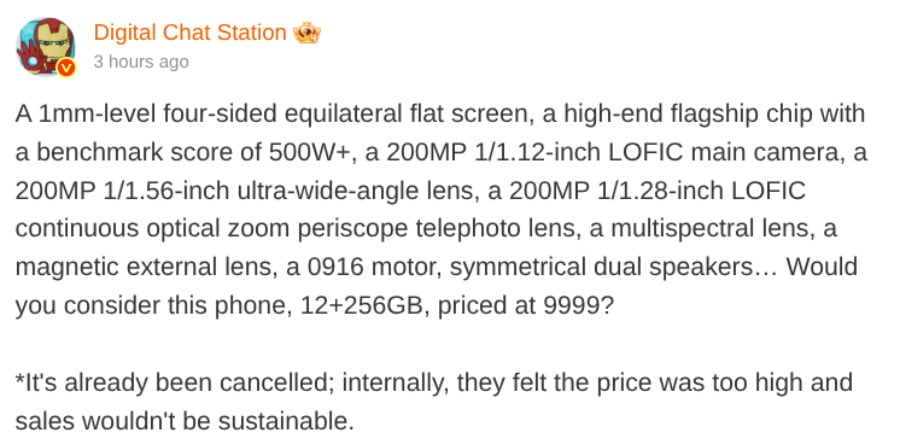
Tipster Digital Chat Station (DCS) shared details about what Xiaomi reportedly had planned for the Xiaomi 18 Ultra, along with a possible reason for the cancellation—the phone was expected to be too expensive.
If it wasn’t for the cancellation, the 18 Ultra would have had a flat display with around 1mm bezels on all four sides. It was also expected to use a flagship chip that could score more than 5 million points (500W+) in a benchmark, although DCS did not name the chip or specify the benchmark. We can still guess that it’s likely to be the Snapdragon 8 Elite Extreme Gen 6.
The camera setup would have been the biggest part of the phone. It was reportedly going to have three 200MP cameras: a main camera with a 1/1.12-inch LOFIC sensor, an ultra-wide camera with a 1/1.56-inch sensor, and a periscope telephoto camera with a 1/1.28-inch LOFIC sensor and continuous optical zoom. Rounding out the setup will be a multispectral lens and a magnetic external lens.
Other details include a 0916 motor and symmetrical dual speakers. The reported configuration was 12GB of RAM and 256GB of storage, with a price of 9,999 yuan, or roughly $1,490.
Why the Xiaomi 18 Ultra was reportedly cancelled
DCS ends the post by asking whether buyers would be willing to pay that much for the phone, followed by a note saying the device has already been cancelled. Xiaomi reportedly decided internally that the price was too high and that sales would not be strong enough.
This lines up with earlier reports, which blamed rising memory costs for the decision to shelve the Ultra. Those reports also claimed the Ultra branding could return with the Xiaomi 19 Ultra in late 2027 or early 2028, when component prices are expected to settle.
We use cookies on our website to give you the most relevant experience by remembering your preferences and repeat visits. By clicking “Accept”, you consent to the use of ALL the cookies.
This website uses cookies to improve your experience while you navigate through the website. Out of these, the cookies that are categorized as necessary are stored on your browser as they are essential for the working of basic functionalities of the website. We also use third-party cookies that help us analyze and understand how you use this website. These cookies will be stored in your browser only with your consent. You also have the option to opt-out of these cookies. But opting out of some of these cookies may affect your browsing experience.
Necessary cookies are absolutely essential for the website to function properly. This category only includes cookies that ensures basic functionalities and security features of the website. These cookies do not store any personal information.
Any cookies that may not be particularly necessary for the website to function and is used specifically to collect user personal data via analytics, ads, other embedded contents are termed as non-necessary cookies. It is mandatory to procure user consent prior to running these cookies on your website.