Advertisement

iPhone Air 2: 4 Massive Upgrades Over the First-Generation iPhone Air

Apple’s ultra-slim iPhone Air captured widespread attention with its remarkably thin profile, yet early buyers frequently criticized its limited battery life and basic camera capabilities. Fortunately, recent supply chain leaks indicate that the technology giant is planning a major hardware overhaul for its successor. According to industry insider Digital Chat Station, the second-generation model will introduce several internal re-engineering feats to address these major complaints. Here are the four key improvements arriving on the upcoming device.

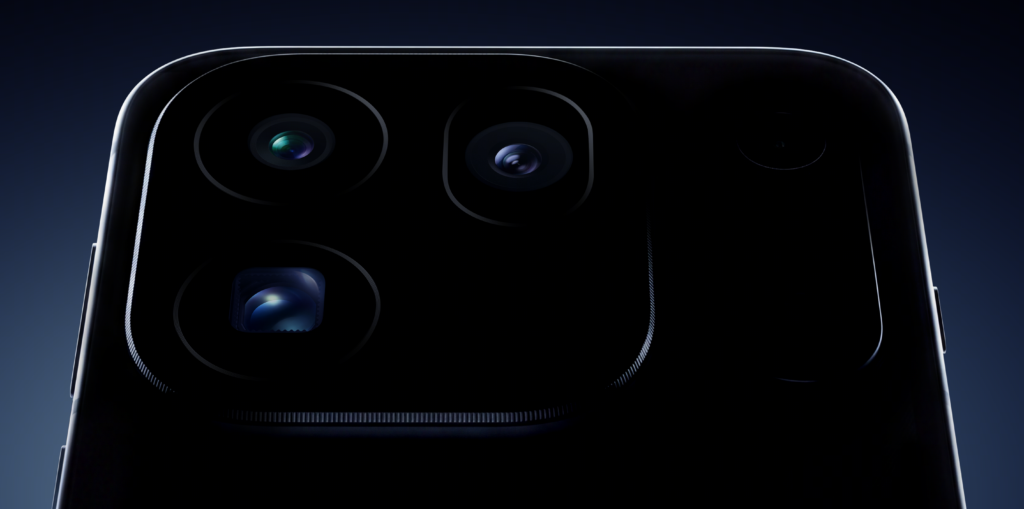
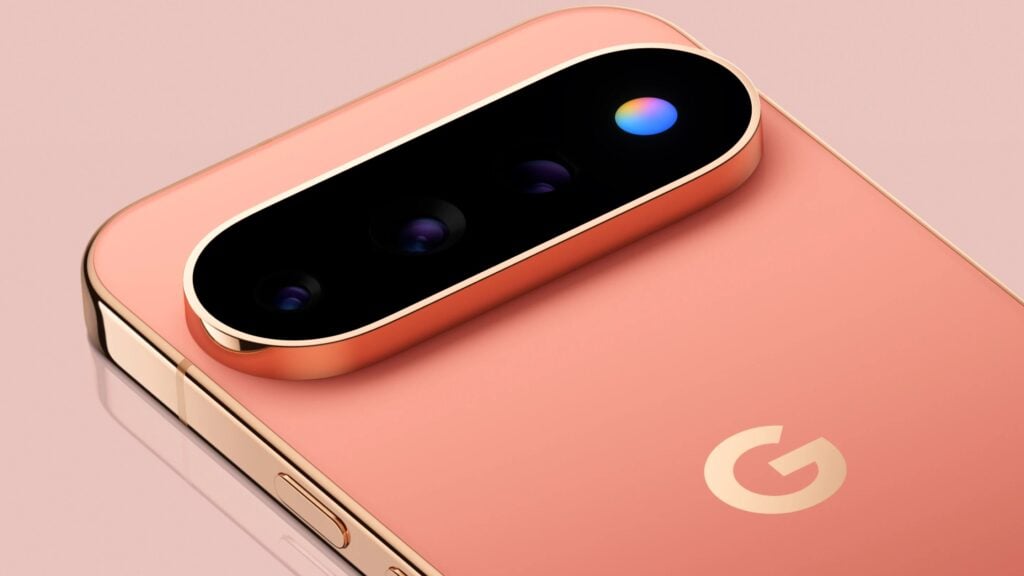
iPhone Air 2 mock render
iPhone Air 2

4Thinner Display Packaging

Fitting these hardware additions into an ultra-slim phone requires clever space optimization. Reports indicate Apple is implementing Samsung’s CoE (Color Filter on Encapsulation) OLED technology. By printing the color filters directly onto the encapsulation film, the entire screen assembly becomes significantly thinner, clearing the necessary internal depth to house the larger battery.

Launch Timeline

By fixing previous bottlenecks, Apple is poised to deliver a thin smartphone that doesn’t compromise on utility. The device is slated to go official alongside the standard iPhone 18 in spring 2027.


For more daily updates, please visit our News Section.

Stay ahead in tech! Join our Telegram community and sign up for our daily newsletter of top stories!
Next

REDMI Note 17 spotted on Geekbench with Snapdragon 6s Gen 4 chip

The REDMI Note 17 series is set to launch on July 14 in China, but leaks around the chipsets of the base and Pro models have been all over the place. According to a recent report covering a 3C listing, the Xiaomi 2607DRA18C is expected to be the Pro model. It is tipped to use the Dimensity 7500 and the Snapdragon 6 Gen 5 in separate instances.

Now the Xiaomi 2607DRA18C has appeared on Geekbench, revealing some solid details about the chipset. The silicon, as per Geekbench, has a 4+4 core architecture with clock speeds of 1.8GHz and 2.4GHz. Both the Dimensity 7500 and the Snapdragon 6 Gen 5 hit higher clock speeds, while these numbers match those of the Snapdragon 6s Gen 4. This will be a small upgrade over the Snapdragon 6 Gen 3 used in the REDMI Note 15 last year.

While the Geekbench listing does not confirm the exact model name of the Xiaomi 2607DRA18C, the chipset strongly suggests it could be the standard REDMI Note 17.

As for performance, don’t expect any major improvement over the predecessor. The test unit scored 1,027 points in the single-core test and 3,002 points in the multi-core test, which is very similar to the scores of the predecessor. That said, the Snapdragon 6s Gen 4 is positioned as a capable mid-range 4nm processor, and the Geekbench numbers suggest it should be sufficient for most day-to-day tasks, including some light gaming.

The company has already revealed the design of the Note 17 series, and there are some significant changes. The rounded square camera island (a shift from last year’s squircle design) has moved to the left. One of the two models showcased includes two camera cutouts alongside a smaller one for the flash, while the other one (possibly the base model) includes only one camera cutout and a flash.

Upon closer inspection of the high-resolution official render, multiple lens openings are visible inside the larger camera cutouts. However, a low-resolution auxiliary lens seems more likely to sit alongside the main sensor instead of an ultrawide on the base model. And yes, the base model has ditched the curved design of the Note 15 and now looks more similar to the Pro.

Don’t miss a thing! Join our Telegram community for instant updates and grab our free daily newsletter for the best tech stories!

For more daily updates, please visit our News Section.

(Geekbench | Lu Weibing on Weibo)

Samsung Galaxy M67 could be pack a flagship Exynos chip, reveals early listing

Samsung recently unveiled the Galaxy M47 5G, equipped with the Snapdragon 6 Gen 3 chip, in India. A new Geekbench listing suggests that the South Korean tech giant could be gearing up to launch a more powerful M-series phone, tentatively dubbed the Galaxy M67. The listing reveals the first details about the device.

Samsung Galaxy M67 spotted on Geekbench

As seen above, a new Samsung phone with the model number SM-M676K has appeared in Geekbench’s database. While the official name has not been confirmed, it is speculated, based on the model number, that the device could launch as the Galaxy M67.

It is powered by the Exynos 2200, identified by its model code S5E9925. The chipset features a prime core clocked at 2.80GHz, three performance cores running at 2.52GHz, and four efficiency cores operating at 1.82GHz. For graphics, it includes the Samsung Xclipse 920 GPU. Samsung has previously used this flagship chip to power the likes of the Galaxy S22 series and the Galaxy S23 FE.

The device is also listed with 8GB of RAM and Android 17. It achieved 1,435 points in the single-core test and 3,744 points in the multi-core test. At present, there is no information available about the rest of the device’s specifications.

The letter “K” in the model number indicates that this is likely the South Korean variant. It remains to be seen whether Samsung will introduce additional variants for other markets.

For more daily updates, please visit our News Section.

Stay ahead in tech! Join our Telegram community and sign up for our daily newsletter of top stories!

Nubia to launch world’s first AI agent smartphone

Nubia has confirmed that it is preparing to introduce a new kind of AI smartphone later this month. Instead of simply adding AI features, the company says its upcoming flagship will bring a system-level AI agent capable of handling complex tasks on behalf of users.

Nubia’s AI agent phone to debut at WAIC 2026

Ni Fei, Senior Vice President of ZTE and President of the company’s Mobile Devices division, has announced that Nubia’s upcoming flagship will be the world’s first AI agent smartphone. The device will make its public debut at the 2026 World Artificial Intelligence Conference (WAIC), scheduled to take place in Shanghai from July 17 to July 20.

Industry speculation suggests the handset could be the commercial version of Nubia’s second-generation Doubao smartphone, developed in partnership with ByteDance. Its predecessor, the Nubia M153, was previously introduced as a technology preview and reportedly sold out its initial batch of 30,000 units on the first day. Earlier announcements from Shanghai officials also indicated that the new phone would be among the major product launches at this year’s event.

Nubia M153
Nubia M153

Unlike today’s AI-powered smartphones, which primarily answer questions or generate content, Nubia says its AI agent is deeply integrated into the operating system. The company claims it can understand natural language requests and independently complete multi-step actions across different apps.

For example, if a user asks the phone to book the cheapest flight to Beijing, the AI agent is expected to open the required apps, compare fares, fill in booking details, and complete the payment process without requiring manual interaction.

This is made possible through a GUI agent architecture and an on-device large language model that can visually understand and operate the phone’s interface instead of relying only on app APIs. ZTE also says its in-house CoClaw intelligent scheduling technology enables seamless collaboration across apps and ecosystems for more advanced automation.

For more daily updates, please visit our News Section.

Stay ahead in tech! Join our Telegram community and sign up for our daily newsletter of top stories!
Xiaomi may be preparing to release Android 17-based HyperOS 3.3 beta next week

Xiaomi HyperOS 3.3 update

Last week, we reported that Xiaomi is developing a new HyperOS 3.3 build, based on Android 17, for select high-end smartphones. Well, it now appears that the beta release could be around the corner, giving users an early taste of Android 17 weeks ahead of the much-anticipated HyperOS 4 release.

While Xiaomi has yet to confirm the existence of a HyperOS 3.3 build, relevant firmware versions have been spotted in multiple regions, suggesting a beta release may go live as soon as next week.

Here’s a list of devices spotted with HyperOS 3.3 build so far:

  • Xiaomi 17 (China, EEA, India, Global variants)
  • Xiaomi 17 Ultra (China, EEA, India, Global variants)
  • Xiaomi 15T Pro (Global, EEA, Russia variants)

Unlike the upcoming HyperOS 4, the HyperOS 3.3 build won’t bring major changes or groundbreaking features. Instead, it will serve as an interim upgrade, offering minor stability and other improvements. It will primarily focus on integrating the Android 17 API while maintaining the feature set of HyperOS 3.1.

Also read:
1. Find out if your Xiaomi device is eligible for the HyperOS 4 update
2. Xiaomi HyperOS 4 tipped to launch next month with major performance upgrade

Even though we’re not expecting new features, visual changes, or major upgrades with HyperOS 3.3, it’s likely to offer performance and stability improvements, along with other system-level changes. More importantly, it lays the important groundwork to support advanced features and upgrades coming with HyperOS 4 later this year.

According to recent leaks, Xiaomi may launch HyperOS 4 in China as early as next month, with the global announcement likely to follow in September. The new software skin is expected to debut with the upcoming Xiaomi 18 series around October, and the rollout to older devices could begin the same month.

We’ll keep you posted as we receive fresh details. You can visit the Xiaomi section on this website to stay updated, or simply join our Telegram channel to receive instant notifications when we publish new stories.

Vivo X500 Pro / Pro Mini leak reveals a massive battery size along with premium camera hardware

While many brands are working on offering 200-megapixel cameras on their next-generation flagship phones, Vivo seems to be taking a different approach with its X500 series. While the X500 Pro Max is said to be equipped with a 200-megapixel camera, the other models in the lineup are not expected to feature one. A new leak, courtesy of tipster Digital Chat Station, reveals details about the camera and other specifications of the Vivo X500 Pro (or Pro Mini).

Vivo X500 Pro (or Pro Mini) key specifications tipped

According to DCS, Vivo is testing a compact flagship smartphone powered by MediaTek’s upcoming 2nm Dimensity chipset, which is expected to debut in the Vivo X500 Pro or Vivo X500 Pro Mini. While the official name of the chip is not yet known, it is expected to be called the Dimensity 9600 Pro. The tipster also claims that the standard Dimensity 9600 will be a 3nm chip and essentially an upgraded version of the Dimensity 9500. This chipset is likely to power the standard Vivo X500.

Coming back to the X500 Pro, it is currently said to feature a battery in the 6,500mAh to 6,600mAh range, although the final capacity has not yet been decided. Vivo is reportedly aiming to push it closer to the 7,000mAh mark.

DCS adds that fitting a larger battery has been challenging because the phone is expected to pack premium camera hardware, including a 64-megapixel 85mm periscope telephoto camera and a large LOFIC primary sensor.

A previous leak revealed that the X500 Pro will feature a 50-megapixel 1/1.28-inch main sensor and a 50-megapixel ultra-wide camera. This suggests that the device will not include a 200-megapixel camera. The tipster added that accommodating these imaging components while increasing battery capacity has created significant internal space constraints.

Previous reports have revealed that the Vivo X500 Pro will feature a 6.37-inch OLED LTPO display with a 1.5K resolution and possibly a 144Hz refresh rate. It is expected to ship with OriginOS 7 based on Android 17. As for the launch timeline, the Vivo X500 Pro Max, X500 Pro, and X500 are expected to debut in China in September this year.

For more daily updates, please visit our News Section.

Stay ahead in tech! Join our Telegram community and sign up for our daily newsletter of top stories!

Moto G77 Power is here with a 7,000mAh battery and Sony LYT-600 camera for under Rs 26,000

The Moto G77 Power has gone official in India, bringing a combination of a large battery, AI-powered camera features and a high refresh rate display to the mid-range segment. Here’s a look at the specifications, features, price, and availability of the device.

Moto G77 Power specifications and features

Moto G77 Power
Moto G77 Power

The Moto G77 Power features a 6.72-inch Full HD+ display with a 120Hz refresh rate, up to 1,050 nits peak brightness, Display Color Boost technology, and Water Touch support for improved responsiveness with wet hands. For audio, it features stereo speakers with Dolby Atmos and Hi-Res Audio support.

Under the hood, the phone is powered by the MediaTek Dimensity 6400 chipset, paired with 8GB of LPDDR4X RAM and up to 24GB RAM Boost. It also offers 128GB of storage, expandable up to 1TB via a microSD card.

The G77 Power has a 50-megapixel Sony LYTIA 600 primary camera with Quad Pixel technology, accompanied by an 8-megapixel ultrawide camera. On the front, Motorola has equipped the phone with a 32-megapixel selfie camera. The phone packs a 7,000mAh battery with 30W TurboPower charging and 6W wired reverse charging.

Moto G77 Power
Moto G77 Power

The G77 Power also comes with Corning Gorilla Glass 7i protection, SGS-certified MIL-STD-810H durability, an IP64 rating, Android 16, one Android OS upgrade, three years of security updates, Moto Secure, and ThinkShield.

Moto G77 Power price and availability

The Moto G77 Power comes in a single 8GB+128GB configuration with Pantone Nautical Blue, Pantone Fuchsia Red, and Pantone Impenetrable color options. It is priced at Rs 25,999 (~$275), while buyers can get it at an effective price of Rs 23,999 (~$250) with eligible launch offers. Sales begin on July 13 via Flipkart, Motorola India’s website, and leading retail stores across the country.


For more daily updates, please visit our News Section.

Stay ahead in tech! Join our Telegram community and sign up for our daily newsletter of top stories!
Samsung’s next Galaxy foldables arrive on July 22, but early reservation perks are already here

Samsung has officially locked in the date for its next Galaxy Unpacked event, ending months of speculation around its upcoming flagship announcements. Alongside the confirmation, the company has also opened early registrations, giving interested buyers access to exclusive pre-order benefits before the event begins.

Galaxy Unpacked heads to London on July

samsung Galaxy Unpacked-

Samsung has confirmed that Galaxy Unpacked will take place in London on July 22. The event is scheduled to begin at 2:00pm BST and will be streamed live through Samsung’s official website, Samsung Newsroom, and YouTube channel. The company says the presentation will introduce the latest additions to the Galaxy portfolio, with a strong focus on foldable smartphones and AI-powered experiences designed to deliver more personalized interactions.

Ahead of the launch, Samsung has started accepting reservations in several markets. Customers who register before the keynote can receive $30 Samsung Credit during the pre-order period, depending on regional availability. The company is also running a promotional sweepstake where a limited number of participants can win one of ten $500 Samsung gift cards. Registration requires basic details such as a name and email address, while submitting a mobile number remains optional.

Although Samsung has not officially confirmed the product lineup, industry rumours suggest the event could introduce the Galaxy Z Fold 8, Galaxy Z Fold 8 Ultra, and Galaxy Z Flip 8. Reports also indicate that Samsung may unveil new Galaxy Watch models and offer an early look at its first smart glasses, which are expected to bring Galaxy AI features into a wearable form factor.

Samsung’s invitation highlights “A New Shape Unfolds”, hinting at further advancements in foldable hardware. Earlier leaks have suggested refinements such as a wider foldable design and a less noticeable display crease, though these details remain unofficial until the launch event.

For more daily updates, please visit our News Section.

Stay ahead in tech! Join our Telegram community and sign up for our daily newsletter of top stories!

Xiaomi officially unveils “Sky Nomad” as its new automotive series for EREVs

Xiaomi Auto has finally put a name to its long-rumored new vehicle lineup. The company officially announced “Sky Nomad” as a new brand that will go in China with the name Xiaomi Pengcheng (小米澎程).

The announcement came this morning through Xiaomi’s newly launched WeChat page for the brand, though no content had been posted there at press time. Xiaomi has also started teasing the brand through city screen advertising in China.

Xiaomi Sky Nomad Series Launch

Xiaomi’s Sky Nomad is an EREV series

With Sky Nomad, Xiaomi is expected to tap into the extended-range electric vehicles (EREVs) market. The existing Xiaomi SU7 and YU7 SUV are an SUV and a sedan, respectively. The first model for the new brand is said to be the N90, a full-size SUV powered by an EREV powertrain.

According to earlier reports, the N90 uses a 1.5-liter turbocharged range extender that doesn’t send power directly to the wheels, instead charges the battery and powering electric motors. The car is expected to get a battery pack over 70 kWh, good for 400-500 km of pure-EV range, with combined range exceeding 1,500 km.

The N90 is a genuinely big vehicle too, measuring 5.3 meters long with a 3.1-meter wheelbase, and expected in both five-seat and seven-seat layouts. Spy shots have previously shown the larger variant sporting a roof-mounted tent setup. 

In terms of design, the N90 features blocky headlights, a trapeze-shaped air intake, side bumper air inlets, a high bonnet line, roof-mounted LiDAR, and electric doorsteps. More details are expected closer to launch.

Xiaomi delivered 32,759 units domestically in May 2026 alone, and currently sells the SU7 sedan, SU7 Ultra, and YU7 SUV lineup. With Sky Nomad now official, Xiaomi looks set to take on family-focused SUVs like the Li Auto L9 and AITO M9 later this year.

For more daily updates, please visit our News Section.

Stay ahead in tech! Join our Telegram community and sign up for our daily newsletter of top stories!

(Source 1, 2)

Redmi Note 17 series gets July 14 launch date as design, battery and key details surface

Redmi has confirmed that the Note 17 series will make its debut in China on July 14. Alongside the launch date, the company has also revealed the first look at the upcoming smartphones, while additional official announcements and industry leaks have painted a clearer picture of what buyers can expect from the new lineup.

Redmi Note 17 series design revealed

Redmi Note 17 series launch date

The company says the Redmi Note 17 series follows its “upgrade without a price tier jump” approach, aiming to retain strong value in the mid-range segment despite rising component costs. Redmi believes many features that were once common in affordable smartphones, including premium waterproofing and stronger protective glass, have gradually disappeared, and the Note 17 series is designed to address that gap.

Xiaomi Group President Lu Weibing also highlighted that memory price increases have made it more challenging to deliver feature-rich budget smartphones. Official images show a redesigned rear panel with flat sides and a rectangular camera island positioned in the top-left corner.

The first Redmi Note 17 Pro color, called Sky Blue, features a blue sky and white cloud-inspired finish rather than a standard solid or gradient design. The series is also expected to be available in a purple option inspired by a starry night sky.

Reports suggest that Redmi will launch only the standard Note 17 and Note 17 Pro, dropping the Pro+ variant that has been part of the lineup for several generations. The standard model is tipped to feature the Snapdragon 6 Gen 5 chipset, a 1.5K OLED display, a 9,000mAh battery, a 50-megapixel primary camera, stereo speakers, and advanced dust and water resistance.

The Redmi Note 17 Pro is expected to switch to the MediaTek Dimensity 7500 processor while increasing battery capacity to 10,000mAh. It is also tipped to include a 1.5K display, a 200-megapixel primary camera, and the same focus on durability with enhanced drop resistance and waterproofing.

Redmi says the Note family has crossed 500 million global sales over the past 12 years, and the Note 17 series aims to continue that legacy with improvements in display, endurance and long-term reliability.

For more daily updates, please visit our News Section.

Stay ahead in tech! Join our Telegram community and sign up for our daily newsletter of top stories!

Xiaomi launches Mijia Wireless Floor Scrubber 5 with 18,000Pa suction & 45-minute runtime

Xiaomi has introduced the Mijia Wireless Floor Scrubber 5 in China, expanding its growing portfolio of smart home cleaning appliances. The new wet-and-dry floor cleaner is now available for pre-order on JD.com at 1,645 yuan (around $242).

Xiaomi Mijia Wireless Floor Scrubber 5

Xiaomi Mijia Floor Scrubber 5 Specifications

The Floor Scrubber 5 is powered by a motor that provides 18,000Pa of suction. Its main roller brush spins at 400rpm and applies 22.3N of downward pressure, which provides the mechanical friction needed to scrub floors rather than just wiping them.

The device features three distinct cleaning modes and utilizes a real-time fresh-water system that continuously washes the roller brush during operation to prevent spreading dirty water across the floor.

To handle hair wrap, Xiaomi has implemented a four-layer anti-tangle system. The company says that the system has passed TÜV SÜD testing and is capable of processing up to 3,000 strands of wet hair without jamming the brush.

In terms of physical design, Xiaomi placed the 1,000mL clean water tank lower on the device. This shifts the center of gravity downward, which the company says reduces hand strain by 25% while increasing the brush’s natural pressure on the floor by 10%. The device also features a 70-degree steering angle and forward traction assistance to make it easier to push around the house.

The washer supports a 180-degree flat-lay mode, allowing it to reach up to 104cm under low furniture like beds and cabinets. For water management, the device uses five specific control mechanisms, including precision dispensing and a TPE wastewater scraper to limit the amount of moisture left behind. The 700mL wastewater tank utilizes a solid-liquid separation design to keep physical debris separate from dirty water, which helps limit odors.

The Floor Scrubber 5 runs for up to 45 minutes on a single charge, covering an estimated 334 square meters. When placed in its charging base, it features a one-touch self-cleaning cycle that washes the roller and uses 100°C hot air to dry both the brush and the filter. The drying process operates at 45dB(A), keeping noise levels relatively low during post-clean maintenance.

In related news, Xiaomi has recently introduced the Mijia Handheld Fan in a new green color option, while the company has also launched a 5L smart kettle with app controls, 1°C temperature adjustment, and water circulation technology.

For more daily updates, please visit our News Section.

Stay ahead in tech! Join our Telegram community and sign up for our daily newsletter of top stories!

(JD)

Casio launches new affordable digital watches with a surprisingly futuristic retro design

Casio has added the A130WE series to its Vintage lineup, introducing a new range of digital watches that recreate the analog-LCD hybrid designs popular in the 1980s. The company is set to launch the series in Japan later this month, with the A130WE-3AJF and A130WE-9AJF priced at ¥8,800 ($54). The watches are now available for pre-order.

Casio A130WE watches

Design Details

The LCD splits into separate digital and analog-style sections. The upper left quadrant features a digital rendering of an analog clock with moving hands to display the local time.

The upper right section contains a graphic indicator that tracks the progress of the watch’s active functions, such as the timer or stopwatch. The bottom half of the screen functions as a standard digital display, showing the hour, minute, second, date, and day of the week.

For the exterior hardware, Casio is using an angular case made from chrome-plated resin. The watch measures 40.5 x 33.9 x 9 mm and weighs 54 grams. It comes paired with a self-adjustable stainless steel band and a resin glass cover over the display.

The series is available in standard metallic finishes, including silver, gold, and gunmetal. Casio is also using tinted LCD panels on certain variations to contrast with the cases; the A130WE-7A features a blue display, while the A130WEGG-1A uses an orange screen.

Internally, the watch runs on a standard CR1616 battery, which is rated to last approximately three years. It includes basic water resistance for daily wear and an amber LED backlight with a selectable duration of either 1.5 or 3 seconds.

The software includes standard digital watch functions. It supports world time across 31 time zones and 48 cities, with a multi-time feature that lets users save four specific cities for quick access. It also includes a 1/100-second stopwatch, a 24-hour countdown timer, five daily alarms, and a full auto-calendar.

In related news, Casio has recently launched two modular Baby-G watches that combine a detachable design with retro Y2K-inspired styling. The company has also introduced four Luxe Black G-Shock 2100 models in the US, featuring a sleek all-black aesthetic.


For more daily updates, please visit our News Section.

Stay ahead in tech! Join our Telegram community and sign up for our daily newsletter of top stories!

(Casio 1,2)

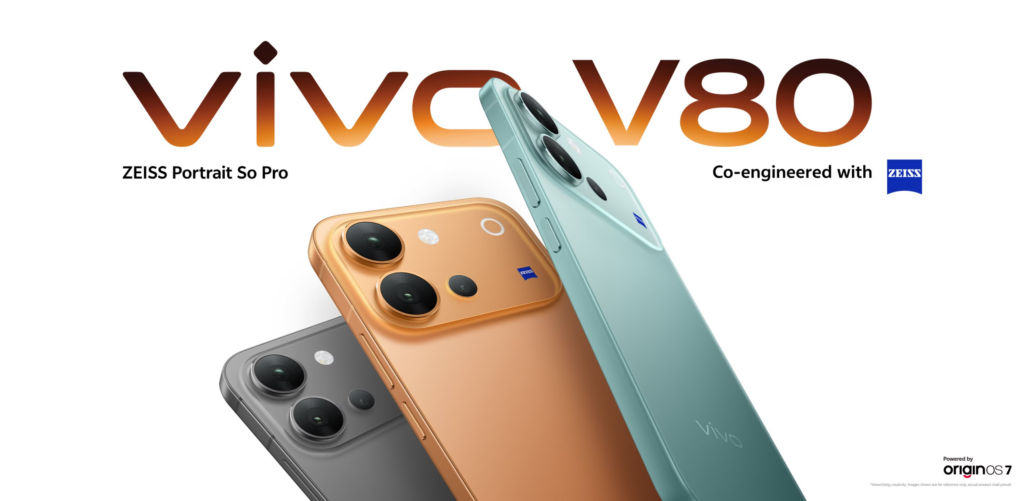
Vivo V80 tipped to launch next month with 7,200mAh battery, 144Hz display

Vivo refreshes its premium mid-range V series lineup twice every year, and the upcoming Vivo V80 appears to be no exception. According to a new leak, the phone is scheduled to launch in mid-August.

Vivo V70 smartphone

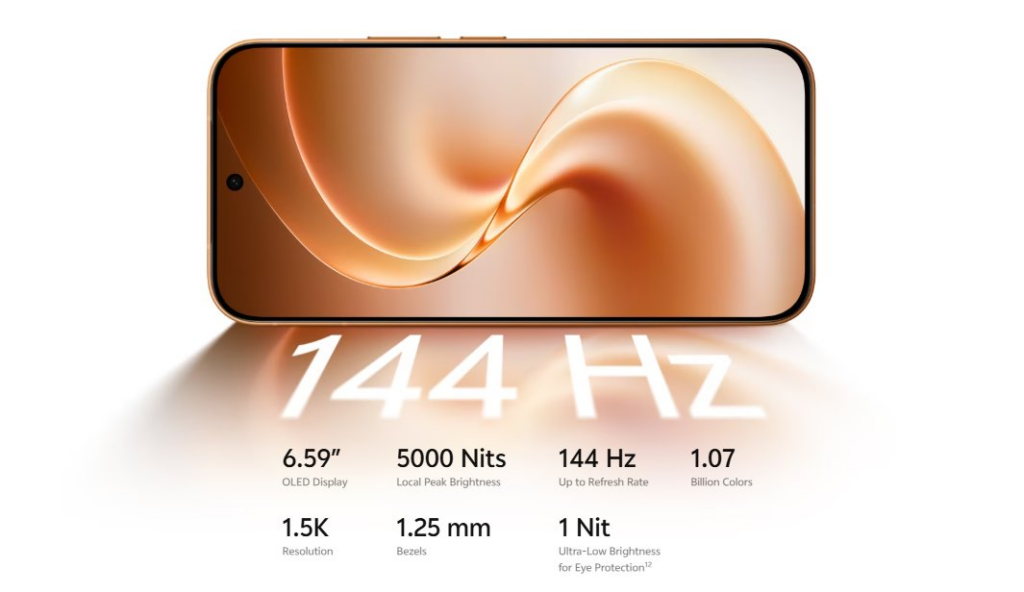
The leak comes from X tipster Sanju Choudhary, who also shared some of the key specifications. The device reportedly packs a 6.59″ flat AMOLED panel, the same as last year, but with the refresh rate bumped up to 144Hz from 120Hz on the V70. That should enable 144fps gameplay in supported titles.

On the performance side, the V80 apparently retains the Snapdragon 7 Gen 4 chipset that powered the last two generations. The V70 offered a modest improvement over its predecessor, with Geekbench tests showing roughly a 14% increase in multi-core scores while single-core performance remained almost unchanged. It will be interesting to see how Vivo positions the V80 and makes use of the higher refresh rate.

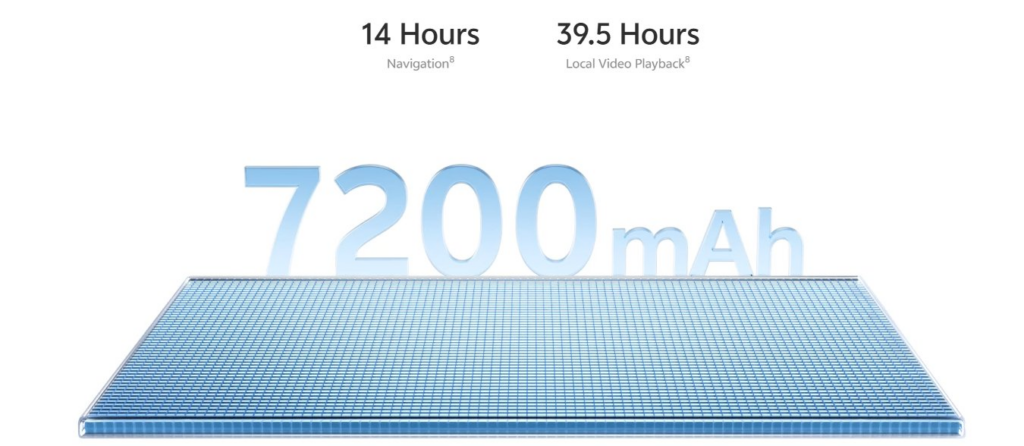
One of the highlights this year is expected to be a significant battery upgrade: 7,200mAh on the V80 compared to 6,500mAh on its predecessor. It could be paired with 90W wired fast charging, and bypass charging support is also anticipated.

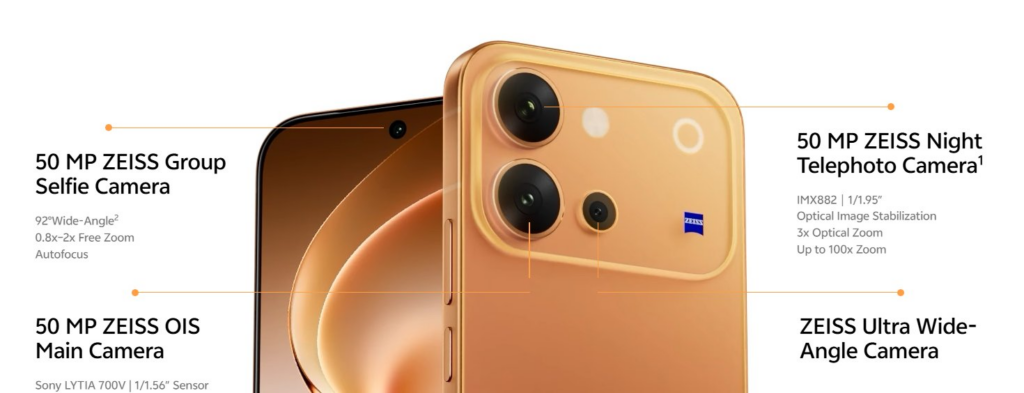
The camera setup reportedly includes a 50MP main sensor, a 50MP 3x telephoto, an 8MP ultrawide, and a 50MP selfie shooter. These resolution numbers match those of the predecessor, though the leak does not reveal further details such as sensor sizes or aperture values.

The Vivo V80 is rumored to be a rebrand of the China-exclusive Vivo S60 released earlier this year. The specifications match except for the chipset, as the latter is powered by the Snapdragon 8s Gen 3. Other expected features include IP68/IP69 dust and water resistance and a 3D ultrasonic fingerprint scanner.

Don’t miss a thing! Join our Telegram community for instant updates and grab our free daily newsletter for the best tech stories!

For more daily updates, please visit our News Section.

(Source)

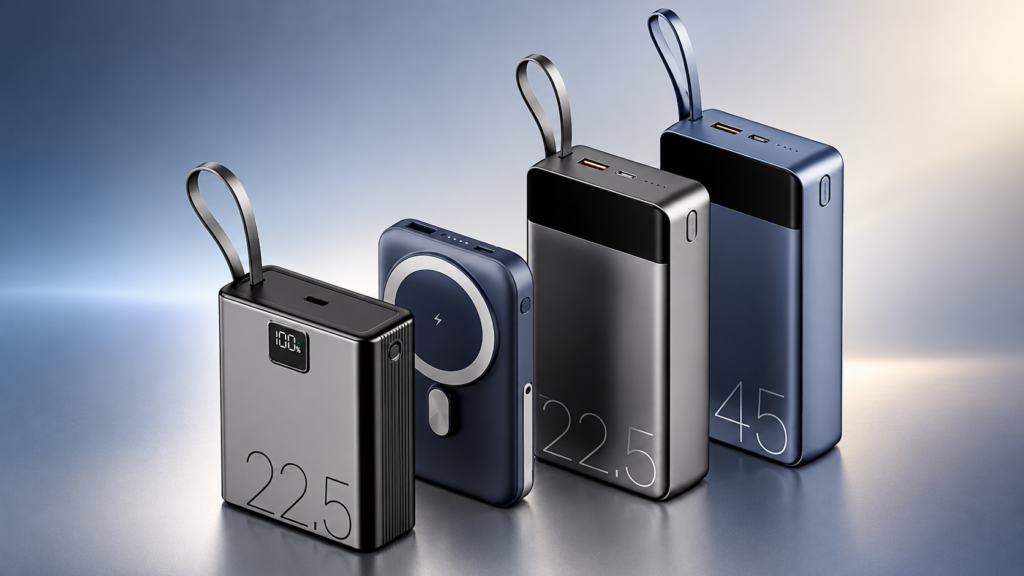
Baseus launches 5000mAh ultra-thin magnetic power bank with 22.5W wired & 15W wireless charging

Baseus has launched its latest magnetic power bank, the Picogo Air AM71, to the global market after initially launching it in China earlier this year. The main selling point of this 5000mAh battery pack is its size.

Baseus Picogo Air AM71 Power Bank

Baseus Picogo Air AM71 Specifications

The power bank measures 0.27 inches thick and weighs just 3.7 oz. To get the size down, Baseus used thinner internal components, including a 0.35mm charging coil and a 0.15mm NFC module, alongside a high-density battery cell. The outer shell is made of aluminum, while the surface that rests against the phone is covered in glass fiber to prevent scratching the device’s back panel.

Baseus Picogo Air AM71 Power Bank

Wireless charging naturally generates heat, and thinner batteries often struggle with thermal management. To address this, the Picogo Air AM71 includes a few cooling measures. The internal structure uses an aerogel layer and a graphene sheet to move heat away from the battery, while the exterior has a grooved design to help with passive airflow.

Inside, the 5000mAh (19.4Wh) capacity translates to an actual output of roughly 2,750 to 3,250mAh once you account for normal energy conversion loss. This means it is built for partial top-ups rather than full recharges.

According to Baseus, it will charge a standard iPhone to about 68%, or a Pro Max model to 60%. It supports up to 15W for wireless charging. If you need faster speeds, you can plug a device directly into the USB-C port for up to 22.5W of wired output. Recharging the power bank itself maxes out at 20W through that same port.

Baseus Picogo Air AM71 Power Bank

The power bank comes with a built-in NFC tag. Tapping your phone against the power bank opens the Baseus app, which displays the battery pack’s remaining charge, current temperature, and overall battery health. The software also manages a trickle charging feature that lowers the power output when your phone reaches 80% to reduce wear on the battery.

The device has standard safety protections against overcharging and short circuits, and carries CCC certification. Baseus says it has passed standard durability tests, including temperature extremes and crush resistance.

Pricing and Availability

The Picogo Air AM71 is available in silver and black. It comes with a 60W USB-C cable and costs $69.99 on Amazon in the US. In Europe and the UK, it is priced at €69.99 and £69.99, respectively, through the Baseus store.

In related news, Belkin has recently launched a new 10,000mAh power bank featuring 45W fast charging, a built-in USB-C cable, and an integrated LED display.

For more daily updates, please visit our News Section.

Stay ahead in tech! Join our Telegram community and sign up for our daily newsletter of top stories!
TECNO Wants AI to Represent Everyone Fairly—Here’s How ‘100 Portraits of Becoming’ Works

TECNO has partnered with internationally acclaimed Brazilian-Spanish visual artist Angélica Dass to launch “100 Portraits of Becoming,” a global initiative designed to celebrate authentic human identity and encourage fair representation in the age of artificial intelligence. The project was officially launched on July 4, 2026, in Nairobi, Kenya, and will run for two years across Kenya, the Philippines, Saudi Arabia, Türkiye, and Brazil.

A Global Initiative Celebrating Identity

The initiative aims to create a living digital archive featuring 100 portraits and personal stories from people of different backgrounds, cultures, professions, and life experiences. By combining photography, storytelling, and AI-powered imaging technology, TECNO hopes to encourage a broader conversation about identity, dignity, and representation.

Addressing AI Bias Through Authentic Storytelling

As AI continues to influence photography and digital imaging, concerns have grown over how people are represented. Existing AI imaging systems have often been criticized for favoring narrow beauty standards or inaccurately reproducing certain skin tones, especially darker complexions.

Through “100 Portraits of Becoming,” TECNO wants to show that technology should help people be seen truthfully rather than fit into predefined categories. The company believes representation goes beyond technical accuracy and that recognition, authenticity, and human understanding should remain at the center of AI-powered imaging.

TECNO General Manager Jack Guo said every image contributes to shaping public perception, making fair representation increasingly important in the AI era. According to the company, the project is intended to reduce bias, challenge stereotypes, and encourage greater understanding between people.

Building a Living Archive of Human Experiences

Participants can register through a dedicated global website before taking part in the project. Each portrait is captured in natural light without beauty filters, allowing individuals to wear clothing of their own choice and present themselves authentically.

Alongside their portraits, participants share personal stories about their life journeys, cultural influences, growth experiences, and the moments that have shaped their identities. These stories will become part of an online Living Archive, preserving diverse human experiences while encouraging discussions around identity, representation, dignity, and AI ethics. The first collection of portraits is expected to be released online in early August 2026.

Angélica Dass Brings Her Humanæ Philosophy

Angélica Dass is best known for her internationally recognized Humanæ portrait project, which challenges traditional ideas about race by presenting skin tones as a continuous spectrum rather than fixed categories. Her work encourages people to be seen as individuals instead of being defined by labels.

According to Dass, photography should give people the opportunity to communicate their own stories, as identity is open, layered, and constantly evolving. She believes that being visible is not the same as being truly understood. Her work has been featured at global institutions including UNESCO and the World Economic Forum, while her 2016 TED Talk has received more than two million views.

Technology Supporting Fairer Portrait Photography

All portraits in the project are captured using the TECNO CAMON 50 Ultra, powered by the company’s Universal Tone imaging technology. Introduced in 2023, Universal Tone uses AI-powered full-spectrum skin tone imaging and supports the accurate reproduction of 372 skin tones using one of the industry’s largest skin tone databases. The technology is designed to deliver more natural portrait photography by reducing issues such as over-brightening or underexposure across different complexions.

Kenya Marks the Beginning of a Global Journey

TECNO selected Kenya as the project’s first destination because of its young population, thriving technology ecosystem, and reputation as the “Silicon Savannah.” The first portraits feature entrepreneurs, farmers, artists, dancers, and everyday creators, highlighting that no individual should be reduced to stereotypes.

Among the first participants is Alexander Odhiambo, co-founder of Solutech Limited, who believes people should have the freedom to write their own stories rather than allow others to define their identity.

Following Kenya, the initiative will expand to the Philippines, Saudi Arabia, Türkiye, and Brazil, with the long-term goal of building a global archive that presents 100 unique journeys and demonstrates how technology can help people be understood, not just seen.

Asus launches affordable 10W Bluetooth speaker with Bluetooth 6.0, TWS pairing & 10h battery life

Asus has released a new budget-tier Bluetooth speaker in China under its Adol branding. The Adol SP103 is currently listed on JD.com for 239 yuan, which converts to roughly $35.

Asus Adol SP103 Speaker

Asus Adol SP103 Specifications

The SP103 is designed as a portable unit, measuring 180 x 180 x 49 millimeters and weighing 575 grams. Asus is selling the device in three pastel color options: Iris Purple, Rose Gold Pink, and Sage Green.

Asus Adol SP103 Speaker

The physical design consists of a high-density fabric grille on the front and a matte metal housing on the back. There is also a raised anti-slip stand built into the rear to keep the speaker steady on flat surfaces like desks or tables.

For audio, the Adol SP103 features a 10W dual-speaker system equipped with full-frequency magnetic drivers and a racetrack-style diaphragm. The speaker covers a frequency response range of 50Hz to 20kHz, allowing it to reproduce both low and high-frequency sounds across a wide range of content.

Asus Adol SP103 Speaker

In terms of connectivity, the speaker equips Bluetooth 6.0 for wireless audio streaming with a transmission range of up to 10 meters. It supports Bluetooth calling, TWS stereo pairing between two speakers, and multi-speaker linking for broader audio coverage during gatherings and events.

If you prefer to bypass wireless connections entirely, the SP103 includes an AUX input for a direct wired connection to laptops, desktop PCs, or projectors. There is also a TF card slot for playing audio files directly from local memory cards.

Asus Adol SP103 Speaker

The device runs on a 2,600mAh lithium battery. Asus says this capacity yields up to 10 hours of continuous playback, provided the volume is kept at 70%. At maximum volume, the battery life drops to about four hours. It charges via a standard USB-C port.

The speaker features physical buttons for power, Bluetooth pairing, playback controls, and volume adjustment.

In related news, Creative has recently unveiled the XF1 desktop speakers, featuring a built-in DAC, Bluetooth 6.0 connectivity, and up to 72W RMS audio output.

For more daily updates, please visit our News Section.

Stay ahead in tech! Join our Telegram community and sign up for our daily newsletter of top stories!
(JD)

QCY launches MeloBuds N65 with 60dB ANC, head-tracking spatial audio, LDAC & 50h battery life

QCY has introduced a new pair of wireless earbuds in China, the Melobuds N65. These are priced at 259 yuan ($38) on JD.com and include several hardware features usually reserved for more expensive models.

QCY Melobuds N65

QCY Melobuds N65 Specifications

For noise management, the N65 uses an eight-microphone array that QCY refers to as the SkyDome Noise-Canceling Matrix V8+. As per QCY, this setup provides up to 60dB of active noise cancellation.

The earbuds feature an adaptive ANC system that adjusts to your immediate environment, alongside six manual modes available in the companion app, including transparency, commute, and wind noise reduction.

During voice calls, the microphones work with AI algorithms to isolate your voice and reduce background noise, which includes suppressing wind interference at speeds up to 35km/h.

QCY Melobuds N65

For audio, these feature QCY’s SQ3+ dynamic drivers, which utilize a composite diaphragm made of natural wool fiber and paper. The earbuds support the LDAC codec for high-resolution audio streaming and hold a Hi-Res Audio Wireless certification.

Additionally, the N65 includes dynamic spatial audio. Using a built-in six-axis gyroscope, the earbuds track head movements to adjust the audio positioning, simulating a 360-degree sound environment.

Talking about battery life, the QCY MeloBuds N65 offers up to 11 hours of playback on a single charge with ANC disabled, or 6 hours with ANC enabled. The charging case extends total battery life to 50 hours without ANC and 27 hours with ANC turned on.

When using the LDAC codec, playback drops to 6 hours per charge without ANC, and the earbuds also support fast charging, with a 10-minute charge delivering up to 2.5 hours of listening time.

QCY Melobuds N65

For connectivity, the N65 uses Bluetooth 6.0 and supports multipoint pairing for up to three devices simultaneously. There is also a 45ms low-latency mode for gaming and video watching.

The earbuds have an IPX5 water-resistance rating and come in Moonlight White, Midnight Black, and Glacier Blue. Through the QCY Audio app, you can access extra software tools, including meeting transcription, dynamic EQ settings, head gesture controls, and a translation feature that supports over 30 languages.


In related news, QCY has recently launched the affordable Crossky C50i clip-on earbuds, featuring Hi-Res Audio support, LDAC connectivity, and up to 40 hours of battery life.

For more daily updates, please visit our News Section.

Stay ahead in tech! Join our Telegram community and sign up for our daily newsletter of top stories!

(JD)

Nothing Ear (3a) launched with Audio Snapshot, call recording and 42-hour battery

Apart from unveiling the Nothing Phone (4b), Nothing has also introduced the new Nothing Ear (3a), expanding its affordable audio lineup. The latest true wireless earbuds retain the same price as their predecessor while bringing several notable upgrades, including onboard storage, a new Audio Snapshot feature, built-in call recording, and improved active noise cancellation.

Nothing Ear (3a) specifications and features

Nothing Ear (3a)
Nothing Ear (3a)

One of the biggest additions is Audio Snapshot, which allows users to save short clips of what they are listening to directly from the earbuds. Powered by 32MB of onboard flash storage, the feature can be activated with a pinch gesture and saves the recording to the Nothing X app, where it can be replayed, edited, shared and transcribed. The earbuds also support call and meeting recording for up to two hours, with an audible notification informing all participants whenever recording starts.

For audio, the Ear (3a) features 12mm dynamic drivers with Hi-Res Audio Wireless, LDAC support and an advanced 8-band equaliser for sound customisation. Nothing says the upgraded 45dB Active Noise Cancellation covers a wider frequency range and delivers around 17 percent better noise cancellation than the previous generation.

Nothing Ear (3a)
Nothing Ear (3a)

The earbuds are also equipped with Bluetooth 6.0, dual-device connectivity, IP54 dust and splash resistance, and come with an extra-small ear tip for improved comfort.

Nothing claims the earbuds can deliver up to 10 hours of playback on a single charge, while the charging case extends the total playback time to 42 hours with ANC disabled. With ANC enabled, users can expect up to 25 hours of combined battery life. A quick five-minute charge is said to provide up to one hour of listening time. The charging case also features a three-stage LED indicator to display the remaining battery level.

Nothing Ear (3a) price and availability

Nothing Ear (3a)
Nothing Ear (3a)

The Nothing Ear (3a) is priced at $99 and is available in Black, White, Yellow and the new Pink colour option through Nothing’s official channels.


For more daily updates, please visit our News Section.

Stay ahead in tech! Join our Telegram community and sign up for our daily newsletter of top stories!
Motorola Edge 70 Max teasers begin in Flipkart, expected to pack Snapdragon 8 Gen 5

Motorola has started teasing a new smartphone for the Indian market, with a dedicated Flipkart microsite now live ahead of its official debut. While the company has not revealed the device’s name, the teaser images and previously surfaced certifications strongly suggest that it could be the Motorola Edge 70 Max, which has been making appearances online over the past few weeks.

Motorola Edge 70 Max teasers emerge

The Flipkart teaser offers a glimpse of the phone’s design, revealing a flat-frame body and a square rear camera module with four circular cutouts. Motorola is also highlighting the handset’s AI capabilities, claiming a 46 percent improvement in NPU performance for AI tasks.

Another teaser confirms support for magnetic wireless charging, with the tagline “effortlessly fast” indicating compatibility with magnetic charging accessories. These teasers point to the arrival of a premium smartphone with a strong focus on AI and wireless charging convenience.

Previous reports have already revealed several key details about the alleged Edge 70 Max. Earlier this month, the device appeared in the Wireless Power Consortium (WPC) database with support for the Qi 2.2.1 standard and the MPP25 Magnetic Power Profile, confirming 25W wireless charging along with built-in magnets.

Unlike most Android smartphones that require a magnetic case for Qi2 accessories, the Edge 70 Max is expected to feature integrated magnets, allowing direct compatibility with magnetic chargers, wallets, car mounts and other accessories.

Rumors also suggest that the Motorola Edge 70 Max will be powered by the Snapdragon 8 Gen 5 chipset. It is tipped to feature a 50-megapixel Sony LYT-710 primary camera with a 1/1.56-inch sensor, along with a flat display and premium design. The handset is expected to be available in Green, Light Blue and Black colour options. With the official teasers now underway, it appears that Motorola could unveil the Edge 70 Max in the next few days. Apart from India, the device is also expected to release in other global markets.

For more daily updates, please visit our News Section.

Stay ahead in tech! Join our Telegram community and sign up for our daily newsletter of top stories!

Nothing Phone (4b) arrives with a 120Hz AMOLED display, 50MP dual cameras, and 6,000mAh battery

Nothing has unveiled its first 4b-series smartphone, the Nothing Phone (4b), which is positioned below the Phone (4a) lineup. The new handset retains the company’s signature transparent-inspired design language while offering capable hardware and a large battery at a more accessible price point. Here’s everything you need to know about Nothing’s latest smartphone.

Nothing Phone (4b) specifications and features

Nothing Phone (4b)-
Nothing Phone (4b)-

The Nothing Phone (4b) features a 6.77-inch Super AMOLED display with a 1080 x 2344 resolution, 120Hz adaptive refresh rate, up to 2,000 nits peak brightness, 1,200 nits outdoor brightness, and Dragontail Pro Glass protection. It is powered by the Snapdragon 6 Gen 4 chipset, paired with 8GB of LPDDR4X RAM and up to 256GB of UFS 2.2 storage. The phone runs Nothing OS 4.1 based on Android 16, and Nothing has committed to three Android OS upgrades and six years of security updates.

For photography, the device includes a 50-megapixel main camera with OIS and EIS, along with an 8-megapixel ultra-wide camera featuring a 119.5-degree field of view. Selfies are handled by a 16-megapixel front camera, while video recording is supported at up to 4K at 30fps.

The India variant packs a 6,000mAh battery, while global models receive a 5,200mAh battery. The phone supports 33W wired charging and 7.5W reverse wired charging. Other highlights include dual stereo speakers, Bluetooth 6.0, Wi-Fi 6, an in-display optical fingerprint scanner, IP64-rated dust and water resistance, and support for dual Nano-SIM connectivity.

Nothing Phone (4b) price and availability

The Nothing Phone (4b) is available in White, Black and Blue colour options. It comes in 8GB + 128GB and 8GB + 256GB configurations, with the higher storage variant exclusive to India. These variants are priced at Rs 34,999 and Rs 38,999, respectively.

Nothing Phone (4b) RCB
Nothing Phone (4b) RCB edition

Alongside the standard model, Nothing has also introduced the Nothing Phone (4b) RCB Edition, created in collaboration with the Royal Challengers Bengaluru (RCB) to commemorate the team’s second IPL championship. The special edition features an exclusive red finish, custom RCB-themed branding, collector’s edition packaging, and exclusive wallpapers, making it the brand’s first official smartphone partnership with the cricket franchise. It will go on sale exclusively at the Nothing Bengaluru Store on July 7, 2026, starting at 4:00 PM IST. The one-day sale will follow a first-come, first-served model.

For more daily updates, please visit our News Section.

Stay ahead in tech! Join our Telegram community and sign up for our daily newsletter of top stories!