Motorola unveiled the razr+ Paris Hilton Limited Edition smartphone in the U.S., which will be available to buy starting tomorrow (February 13).
Drenched in custom “Paris Pink” vegan leather, the foldable phone features Hilton’s engraved autograph and her iconic “That’s Hot” tagline. The limited-edition package includes a vegan leather case with her autograph, two wrist straps (“Pink Sparkle” and “Pink Vegan Leather”), and exclusive pre-loaded content: 13 wallpapers, remixed “Hello Moto” ringtones, and Hilton-themed notifications like “That’s Hot” soundbites. The box includes a personalized message from Hilton.
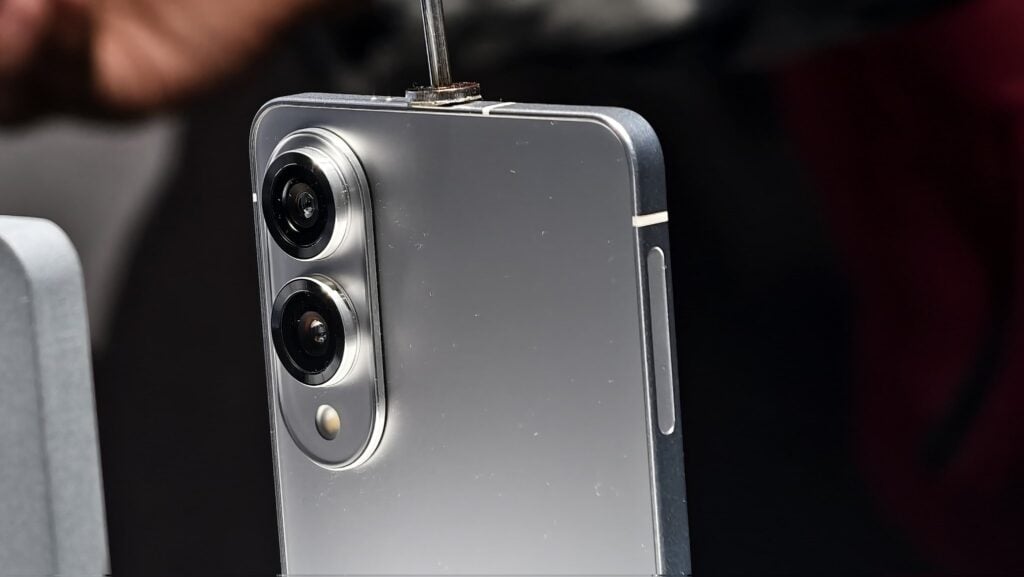
Under the aesthetic overhaul, the device retains the standard razr+’s specs. Its 6.9-inch foldable LTPO AMOLED main display (165Hz, 3,000-nit brightness) pairs with a 1272 x 1080 external screen for app access, messaging, and photos without unfolding.
Powered by a Snapdragon 8s Gen 3 chip and 12GB RAM, it runs Android 14 and includes a 50MP dual rear camera (main + 2x telephoto), 32MP internal front camera, and 12.6MP external selfie lens. It has a 4,000mAh battery that supports 45W wired, 15W wireless, and 5W reverse charging. It has IPX8 water resistance, Gorilla Glass Victus, and an aluminum frame.
Pricing & availability
The Motorola Razr+ Paris Hilton Edition is priced at USD 1,199.99 and will be available in limited quantities exclusively on motorola.com starting February 13. Motorola does not plan to restock, anticipating a quick sellout.
In other news, Motorola appears to be preparing a successor to the Razr 50 Ultra, as revealed by multiple certifications and a recent Geekbench listing. Notably, the device is named the Motorola Razr Ultra 2025, deviating from Motorola’s usual naming pattern.
For more daily updates, please visit our News Section.
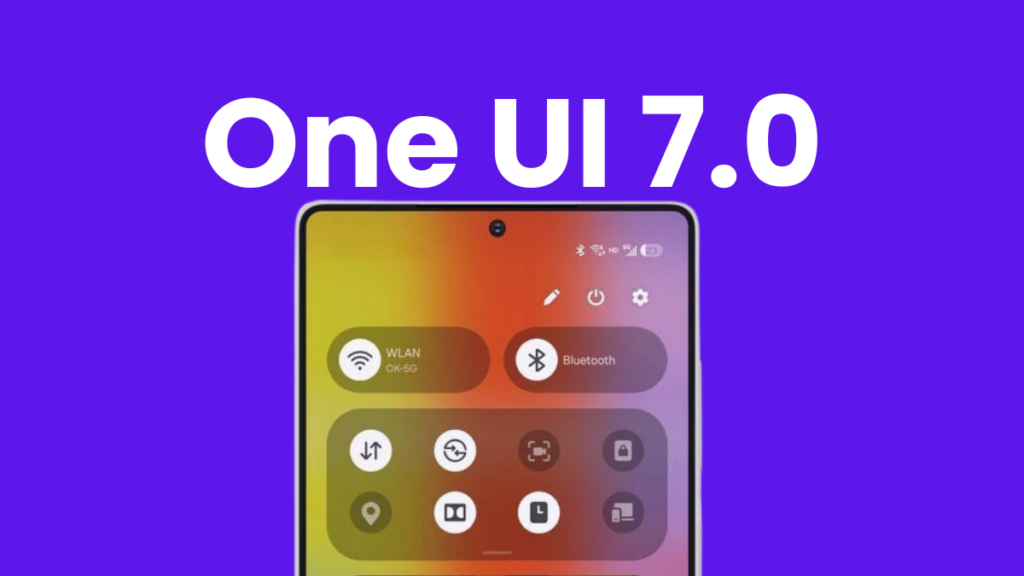
One UI 7, based on Android 15, is the biggest upgrade in recent years, but its rollout has been majorly disappointing so far. Only the Galaxy S25 series has access to stable One UI 7.0, while other users have been left waiting. Samsung, however, is expected to kick off the stable One UI 7.0 rollout sometime this month.
If you are also waiting for the One UI 7.0 update, the first step is to ensure that your Galaxy device hasn’t run out of major updates quota. To make it easier, we have compiled a list of Galaxy phones and tablets that are eligible for the One UI 7.0 update below.
Samsung One UI 7.0 eligible devices list
(Galaxy S series)
Galaxy S24 Ultra
Galaxy S24+
Galaxy S24
Galaxy S24 FE
Galaxy S23 Ultra
Galaxy S23+
Galaxy S23
Galaxy S23 FE
Galaxy S22 Ultra
Galaxy S22+
Galaxy S22
Galaxy S21 Ultra
Galaxy S21+
Galaxy S21
Galaxy S21 FE
(Galaxy Z series)
Galaxy Z Fold Special Edition
Galaxy Z Fold 6
Galaxy Z Flip 6
Galaxy Z Fold 5
Galaxy Z Flip 5
Galaxy Z Fold 4
Galaxy Z Flip 4
Galaxy Z Fold 3
Galaxy Z Flip 3
(Galaxy A series)
Galaxy A73
Galaxy A55
Galaxy A54
Galaxy A35
Galaxy A34
Galaxy A33
Galaxy A25
Galaxy A24
Galaxy A23
Galaxy A16 (LTE)
Galaxy A16 (5G)
Galaxy A15 (LTE)
Galaxy A15 (5G)
Galaxy A14 (LTE)
Galaxy A14 (5G)
Galaxy A06
Galaxy A05s
(Galaxy M series)
Galaxy M55s
Galaxy M55
Galaxy M54
Galaxy M53
Galaxy M35
Galaxy M34
Galaxy M33
Galaxy M15
Galaxy M14 (LTE)
Galaxy M14 (5G)
Galaxy M05
(Galaxy F series)
Galaxy F55
Galaxy F54
Galaxy F34
Galaxy F15
Galaxy F05
(Galaxy Tab series)
Galaxy Tab S10 Ultra
Galaxy Tab S10+
Galaxy Tab S9 Ultra
Galaxy Tab S9+
Galaxy Tab S9
Galaxy Tab S9 FE+
Galaxy Tab S9 FE
Galaxy Tab S8 Ultra
Galaxy Tab S8+
Galaxy Tab S8
Galaxy Tab S6 Lite (2024)
Galaxy Tab A9+
Galaxy Tab A9
Galaxy Tab Active 5
Galaxy Tab Active 4 Pro
(Other devices)
Galaxy XCover 7
Galaxy XCover 6 Pro
Galaxy C55
We have prepared this list after reviewing the software update policy for all Galaxy phones and tablets.
If your device isn’t on the list, it may have already received the promised number of OS upgrades. However, I recommend waiting until the One UI 7.0 rollout is complete, as Samsung occasionally surprises outdated devices with extra major updates.
When will your Samsung Galaxy get the One UI 7.0 update?
Samsung is usually quicker than most Android brands with new OS releases, and its rollout pace has always been commendable. However, Android 15 has been a different story for the brand. It still hasn’t updated a single Galaxy device to Android 15, while many other brands started rolling it out to their devices back in November.
Only Galaxy S25 users have access to Android 15-based One UI 7.0, which is based on Android 15. Other users have been waiting for their turn for weeks without any clue about the rollout plans.
While Samsung is silent about the One UI 7.0 release plans, it has revealed that the Galaxy S24 series will get the fourth One UI 7.0 beta in the coming days. This is expected to be the final beta build before the stable update starts rolling out later this month. The flagship models will be the first in line to receive the much-awaited One UI 7.0 update, and then it’ll expand to mid-range and cheaper Galaxy phones and tablets.
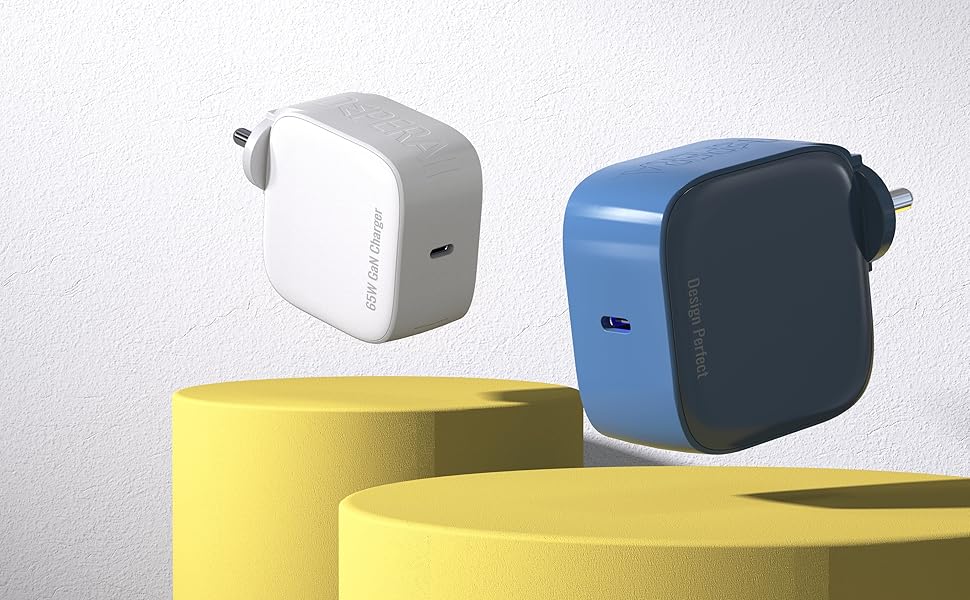
DeperAI, the tech startup founded by former OnePlus executive Jim Zhang, is expanding its presence in India with an offline retail push. The company has partnered with Reliance Digital to bring its Superpower 65W Single Type-C Adapter to over 9,000 stores nationwide.
This marks a major milestone for DeperAI, which had previously sold its products exclusively online via Amazon. The adapter is priced at Rs. 2,499 and will be available starting February 12.
The Superpower 65W Single C Adapter uses UFCS (Universal Fast Charging Specification) Fusion Fast Charging Technology, which streamlines fast-charging protocols across brands.
UFCS enables seamless compatibility between various fast-charging standards, such as Qualcomm Quick Charge and USB Power Delivery (PD), and proprietary protocols from brands like Oppo, Vivo, and Huawei. This means the charger can intelligently adjust its power output based on the connected device, ensuring fast and safe charging for smartphones, tablets, and even laptops. The charger is also MFI-certified for Apple devices and works seamlessly with the latest iPhones, iPads, and MacBooks.
Why UFCS Matters
Fast charging has long been a fragmented experience, with each brand pushing its own proprietary standard. UFCS aims to unify these technologies, allowing cross-brand compatibility without compromising speed or safety. With more manufacturers adopting the standard, chargers like DeperAI’s Superpower 65W Adapter could become the go-to option for users who want a single, high-performance charger that works across multiple devices.
The Superpower 65W Adapter is built with advanced GaN III technology, making it more compact and energy-efficient while preventing overheating. It weighs just 170 grams and features a fireproof PC material for durability and safety.
It is designed for convenience and features an Indian-standard wall mount and universal input voltage (200-240V, 50/60Hz), making it an ideal travel companion. It also includes built-in safety protections against over-voltage, over-current, and short circuits, ensuring reliable power delivery without the risk of damage.
Manufactured at the Caria Factory in Noida, which also produces chargers for OnePlus, Oppo, and Vivo, DeperAI’s latest release promises premium quality at an accessible price.
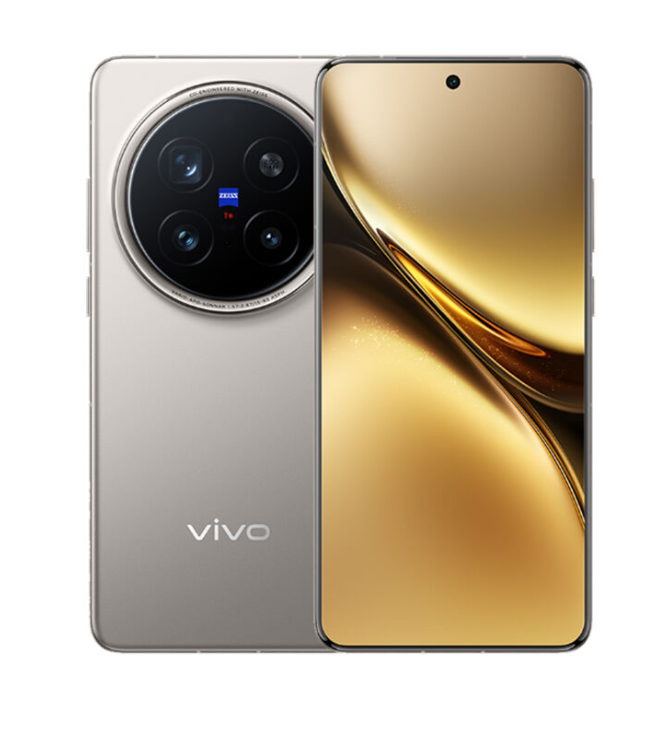
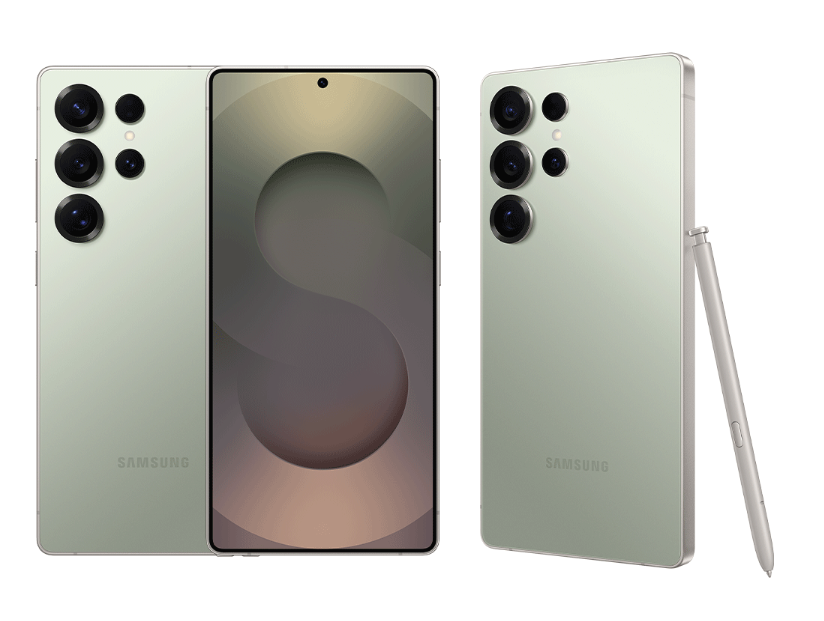
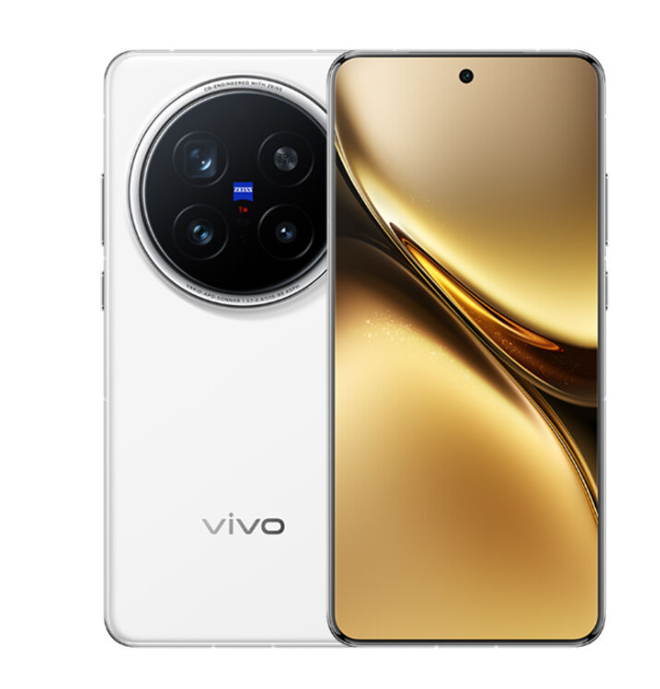
Samsung Galaxy S25 Ultra and Vivo X200 Pro represent two of the most compelling flagship smartphones of 2025, each catering to different user needs. Samsung focuses on a premium experience with long-term software support, powerful cameras, and the S Pen, while Vivo pushes boundaries with ultra-fast charging, a high-brightness display, and an advanced periscope lens. This comparison is essential for buyers weighing Samsung’s ecosystem against Vivo’s high-value offering, especially when considering display quality, battery performance, and photography.
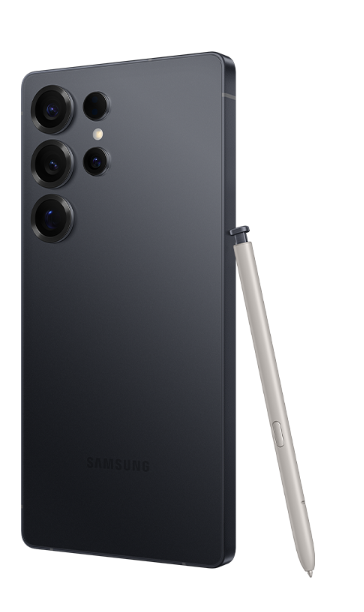
The Samsung Galaxy S25 Ultra boasts a premium titanium frame with Corning Gorilla Armor 2 on both the front and back, making it extremely durable. It also retains the signature S Pen, which adds extra functionality. The Vivo X200 Pro, on the other hand, features an aluminum alloy frame and offers a glass or glass fiber back. While both devices are IP68-rated, the Vivo goes a step further with IP69 certification, making it resistant to high-pressure water jets.
When it comes to display, the Galaxy S25 Ultra features a massive 6.9-inch Dynamic LTPO AMOLED 2X screen with a peak brightness of 2600 nits, making it one of the brightest in the industry. The Vivo X200 Pro sports a slightly smaller 6.78-inch LTPO AMOLED panel with an incredible 4500-nit peak brightness, which is exceptional for outdoor visibility.
However, Samsung’s higher resolution (1440p vs. 1260p) and its smoother software optimizations make it the better choice for those who prioritize sharpness and UI fluidity. Vivo’s Ultra HDR support and Dolby Vision, however, make it an excellent choice for media consumption.
Please Note: When you buy something using the links in our articles, we may earn a small commission at no cost to you.
2. Specifications
Vivo X200 Pro
Samsung powers the S25 Ultra with the Snapdragon 8 Elite, while Vivo opts for the Dimensity 9400. Both chipsets are cutting-edge, but Qualcomm’s GPU tends to have better gaming optimizations. Samsung also provides seven years of Android updates, significantly longer than Vivo’s four years, making it the better choice for long-term use.
Battery-wise, the Vivo X200 Pro leads with a 6000mAh (global variant) compared to Samsung’s 5000mAh. Vivo also offers much faster charging at 90W wired and 30W wireless, whereas Samsung lags behind with 45W wired and 15W wireless.
If longevity and fast charging are priorities, the Vivo is the winner. However, Samsung’s efficiency, better software updates, and overall ecosystem may make up for the smaller battery.
3. Camera
Galaxy S25 Ultra
The Galaxy S25 Ultra continues Samsung’s tradition of offering a powerful quad-camera system, headlined by a 200MP main sensor, a 50MP periscope (5x optical zoom), a 10MP telephoto (3x zoom), and a 50MP ultrawide. Vivo counters with a 50MP primary sensor, a 200MP periscope (3.7x zoom with macro), and a 50MP ultrawide. Samsung’s periscope telephoto reaches 5x optical zoom, while Vivo’s 200MP periscope can deliver incredible detail, but at a slightly lower zoom range.
For selfies, Vivo offers a 32MP ultrawide sensor, whereas Samsung sticks with a 12MP shooter. Samsung’s image processing, 8K video recording, and superior HDR optimizations give it an edge in photography versatility, but Vivo’s Zeiss partnership and advanced color tuning could be preferable for professional-grade shots.
If zoom and AI processing matter, Samsung wins, but for natural color accuracy and portrait photography, Vivo is a strong contender.
4. Pricing
The Samsung Galaxy S25 Ultra starts at $1,249, while the Vivo X200 Pro comes in significantly cheaper at $799. This makes the Vivo a compelling option for those who want flagship performance at a lower price. However, Samsung justifies its premium price with better build quality, long-term software support, and a more refined ecosystem.
If you want the best of the best and are willing to pay for it, the Galaxy S25 Ultra is the way to go. But for those who prioritize value for money, the Vivo X200 Pro is an unbeatable deal.
The S25 Ultra stands out with its S Pen, offering productivity-focused features that no other mainstream flagship provides. It also has better long-term software support, making it a more future-proof purchase. Vivo, however, brings a more affordable flagship experience with an exceptionally bright display, faster charging, and an advanced periscope camera. Additionally, Vivo offers optional satellite connectivity in some regions, which could be a lifesaver in emergencies.
Overall, Samsung remains the best choice for power users who want longevity, software reliability, and premium features like the S Pen. Meanwhile, Vivo is ideal for users who want cutting-edge hardware, incredible battery life, and flagship-level cameras without breaking the bank.
The Snapdragon 8 Elite is Qualcomm’s fastest mobile chipset, promising significant upgrades to efficiency and performance over its predecessors. This is, in fact, the first mobile chipset to use Qualcomm’s in-house Oryon CPU cores, which were previously exclusive to Snapdragon X Elite chips for laptops. But how big of a leap is it over the older yet still powerful Snapdragon 8 Gen 2? We’ll run them down through multiple benchmarks and break down the differences to find out.
Let’s quickly go through the spec sheet first:
SD 8 Elite
SD 8 Gen 2
Announced
October 2024
November 2022
Process node
3nm
4nm
Manufacturer
TSMC
TSMC
CPU
2 x 4.32GHz — Oryon 6 x 3.53GHz — Oryon
1 x 3.2GHz — Cortex-X3 2 x 2.8GHz — Cortex-A715 2 x 2.8GHz — Cortex-A710 3 x 2GHz — Cortex-A510
GPU
Adreno 830 GPU Unreal Engine 5.3 running Nanite on smartphones Hardware accelerated ray tacing Snapdragon Elite Gaming features
Adreno 740 GPU Hardware accelerated ray tacing Snapdragon Elite Gaming features
NPU
Qualcomm Hexagon NPU Multimodal Gen AI support
Qualcomm Hexagon NPU
Memory
LPDDR5x, up to 5.3GHz
LPDDR5x, up to 4.2GHz
Storage
UFS 4.0
UFS 4.0
USB
USB Type-C version 3.1 Gen 2
USB Type-C version 3.1
Camera
Spectra triple 18-bit AI ISPs Up to 320MP single camera Up to 108MP single camera with zero shutter lag Up to 48MP triple cameras with zero shutter lag Limitless real-time semantic segmentation Up to 8K/30fps or 4K/120fps video recording
Spectra triple 18-bit ISPs Up to 200MP single camera Up to 108MP single camera with zero shutter lag Up to 8K/30fps or 4K/120fps video recording
Connectivity
Snapdragon X80 5G modem Downlink: 10Gbps Uplink: 3.5Gbps Wi-Fi 7 (peak speed: 5.8Gbps) Bluetooth 6.0 Ultra Wideband (UWB) support
[Note: The following benchmark tests have been conducted on the iQOO 13 (powered by Snapdragon 8 Elite) and iQOO 11 (powered by Snapdragon 8 Gen 2).]
AnTuTu (v10) results
AnTuTu is a popular benchmarking tool for measuring different aspects of a device, such as CPU, GPU, memory, and UX performance. The total AnTuTu score represents the overall strength of a device.
Here’s how the two chips have performed:
The iQOO 13, powered by Snapdragon 8 Elite, has almost double the AnTuTu score of the Snapdragon 8 Gen 2-powered iQOO 11. The former gets 2.8 million AnTuTu points, while the latter only manages 1.4 million AnTuTu points.
The AnTuTu score breakdown below reveals that the GPU received the biggest upgrade, with a more than 110% increase, while the CPU score is 71% higher.
SD 8 Elite
SD 8 Gen 2
AnTuTu score
2,802,747
1,425,565
CPU
631,482
367,645
GPU
1,208,815
575,107
Memory
505,708
264,141
UX
456,742
218,672
AnTuTu score shows a massive performance gap between the Snapdragon 8 Elite and Snapdragon 8 Gen 2, with the former leading the race. Let’s now look at the Geekbench scores that’s more popular for measuring CPU performance.
Geekbench (v6) results
Geekbench evaluates a device’s CPU performance through a series of tests designed around practical scenarios. The tests include image processing, compression (text and image), speech recognition, and PDF rendering.
Here’s how the two chips have performed:
The Snapdragon 8 Elite-powered iQOO 13 received over 3,000 points in the single-core test and 9,702 points in the multi-core test. The iQOO 11, driven by Snapdragon 8 Gen 2, achieved 1,986 single-core and 5,470 multi-core points.
SD 8 Elite
SD 8 Gen 2
Single core
3,056
1,986
Multi core
9,702
5,470
The single-core score represents the CPU strength of a device when executing tasks using a single core. In contrast, the multi-core score evaluates how well a CPU can handle tasks when multiple cores are at work.
Geekbench also highlights a big gap in the CPU performance between the Snapdragon 8 Elite and 8 Gen 2, with the former leading the chart.
3DMark Wild Life Stress Test results
This popular gaming test evaluates sustained GPU performance under heavy workloads. The lowest loop score indicates the lowest level of performance, and the best loop score indicates the highest level of performance during the extended testing period.
Here’s how the two chips have performed:
SD 8 Elite
SD 8 Gen 2
Best loop score
19,617
12,638
Lowest loop score
11,782
7,123
Stability
60.1%
56.2%
The Snapdragon 8 Elite-powered iQOO 13 has over 55% higher best loop score and 65% higher lowest loop score than the iQOO 12, powered by Snapdragon 8 Gen 2. The stability is also better with the Elite chip.
Snapdragon 8 Elite vs 8 Gen 2: Key differences
CPU:
The Snapdragon 8 Elite and the 8 Gen 2 have eight CPU cores. However, the core configurations differ. The former chip has two Oryon cores clocked at 4.32GHz and the remaining six Oryon cores at 3.53GHz.
The Snapdragon 8 Gen 2 has one Cortex-X3 prime core at 3.2GHz, four performance cores (2 x Cortex-A715 at 2.8GHz, 2 x Cortex-A710 at 2.8GHz), and three Cortex-A510 power-efficiency cores at 2GHz. So, the Snapdragon 8 Elite has a much higher peak CPU frequency of 4.32GHz (vs. 3.2GHz on the 8 Gen 2). It also has all big CPU cores, giving additional performance boost.
GPU:
The Snapdragon 8 Elite chip has an Adreno 830 GPU, which is much superior to the Adreno 740 that comes with Snapdragon 8 Gen 2. The newer GPU features sliced architecture that significantly improves performance and efficiency. The chip also has many gaming advancements, making gaming more immersive and enjoyable with the Snapdragon 8 Elite.
The Elite chip brings better ray-tracing capabilities and improvements to Snapdragon Elite Gaming features such as Qualcomm Adaptive Performance Engine, Snapdragon Game Super Resolution, Adreno Frame Motion Engine, and more.
NPU:
While both chips have hexagon NPUs, the Snapdragon 8 Elite has an improved NPU with higher performance. The Elite’s NPU also features on-device personalization and multimodal support.
Camera:
The Snapdragon 8 Elite supports a maximum of 320MP single camera, which is 200MP for the 8 Gen 2. Well, that’s not the most interesting part, as we don’t even see 200MP in many phones. What’s more important is the limitless semantic segmentation on the Snapdragon 8 Elite. This means the new chip can identify far more objects in a frame and can accurately apply blur, bokeh effects, color adjustments, and other variables that can drastically improve the accuracy and quality of images and videos.
The Snapdragon 8 Elite features on-device video object eraser to remove unwanted elements from videos. Qualcomm has also added Insight AI to the chip that provides real-time skin and sky adjustments to create more natural color and lighting in uncertain conditions.
Connectivity
The Snapdragon 8 Gen 2 uses the Snapdragon X70 5G modem, while the 8 Elite has a newer Snapdragon X80 5G modem, although the download/upload speeds are the same. The peak download speed is 10Gbps, and the peak upload speed is 3.5Gbps.
The newer modem has a dedicated AI tensor accelerator that achieves multi-gigabit 5G speeds in more places with the first 4×6 MIMO solution and features more accurate location positioning.
The Snapdragon 8 Elite has a Qualcomm FastConnect 7900 mobile connectivity system with a peak speed of up to 5.8Gbps. The FastConnect 7800 on the 8 Gen 2 also offers the same peak speed, but the newer one brings several advantages. The FastConnect 7900 supports Bluetooth 6.0 (vs. 5.3 on FastConnect 7800) and is more efficient. It’s also the first to integrate Wi-Fi ranging, Bluetooth wireless technology, and UWB proximity technologies for object tracking, building access control, and more.
With the Samsung Galaxy S25 and Xiaomi 15 both featuring top-tier hardware and the latest Snapdragon chipset, choosing between them comes down to brand preference, software experience, and value for money. Samsung promises long-term software support and durability, while Xiaomi offers better hardware at a lower price. This comparison is crucial for those deciding between a refined, premium flagship experience and a feature-packed, cost-effective alternative. Whether you prioritize software longevity, camera performance, or battery life, understanding their differences will help you pick the right flagship for your needs.
Both phones have premium glass and aluminum builds with IP68 water and dust resistance, making them durable for daily use. The Galaxy S25 features Gorilla Glass Victus 2 on both the front and back, while the Xiaomi 15 comes with shatterproof glass, which could offer better drop protection. Samsung uses its Armor Aluminum 2 frame, making it more resistant to bends, whereas Xiaomi opts for a lighter aluminum alloy frame.
The display technology differs as well. Samsung’s 6.2-inch Dynamic LTPO AMOLED 2X panel offers 2600 nits peak brightness, while Xiaomi’s 6.36-inch LTPO OLED screen goes up to 3200 nits, making it superior for outdoor visibility. Xiaomi also supports Dolby Vision, which enhances HDR content. Samsung has a slightly smaller screen but thinner bezels and an Always-on Display.
If you prioritize brighter and more vibrant colors, Xiaomi’s 3200-nit panel is a great option. However, if you prefer a slightly more compact phone with strong durability, the Samsung S25 is the better pick.
Please Note: When you buy something using the links in our articles, we may earn a small commission at no cost to you.
2. Specifications
Galaxy S25
Both phones run on Qualcomm’s Snapdragon 8 Elite chipset (3nm), ensuring top-tier performance. However, Samsung has a slightly higher clock speed (4.47 GHz) compared to Xiaomi’s 4.32 GHz, which could mean better peak performance. Both devices use UFS 4.0 storage, but Xiaomi offers up to 1TB and 16GB RAM, whereas Samsung maxes out at 512GB with 12GB RAM.
Battery-wise, Xiaomi clearly leads with a 5400mAh battery compared to Samsung’s 4000mAh. Charging is also much faster on Xiaomi, offering 90W wired, 50W wireless, and 10W reverse wireless. In contrast, Samsung has 25W wired, 15W wireless, and 4.5W reverse wireless charging. This means Xiaomi can charge significantly faster and last much longer.
The Xiaomi 15 is the winner here, with a bigger battery and faster charging. However, Samsung’s efficiency in One UI may optimize battery life better over time.
3. Camera
Xiaomi 15
Samsung sticks to a triple-camera setup (50MP main, 10MP telephoto, 12MP ultrawide), while Xiaomi pushes all three sensors to 50MP. The Xiaomi 15’s primary sensor is larger (1/1.31″) than Samsung’s (1/1.56″), meaning it should capture better low-light photos. Xiaomi also has a superior 50MP 3x telephoto lens, while Samsung’s is 10MP with the same zoom level.
For video, both shoot 8K at 30fps and 4K HDR10+, but Xiaomi adds 10-bit Dolby Vision HDR and LOG recording, making it a better choice for videographers. The selfie camera is also sharper on Xiaomi at 32MP vs. Samsung’s 12MP.
Xiaomi takes the lead with more detailed photos, better telephoto, and enhanced video capabilities. However, Samsung’s Best Face feature and Super Steady video make it more reliable for casual users.
4. Pricing
The Samsung Galaxy S25 is priced at around $799.99, while the Xiaomi 15 costs approximately $640. This makes Xiaomi significantly more affordable, offering better cameras, a larger battery, and faster charging at a lower price. However, Samsung justifies its premium pricing with 7 years of software updates, a more durable build, and a refined One UI experience. If you’re looking for long-term reliability and software support, the Galaxy S25 may be worth the extra cost. On the other hand, if you want the best value in hardware for your money, the Xiaomi 15 is a strong contender.
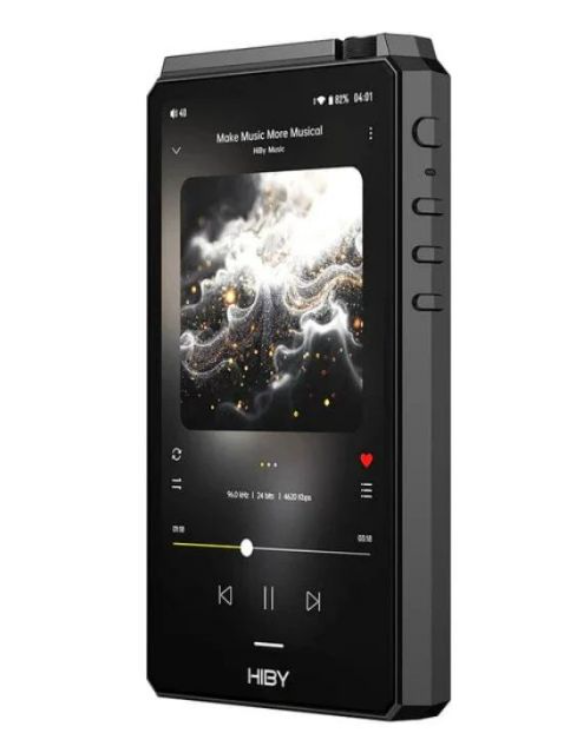
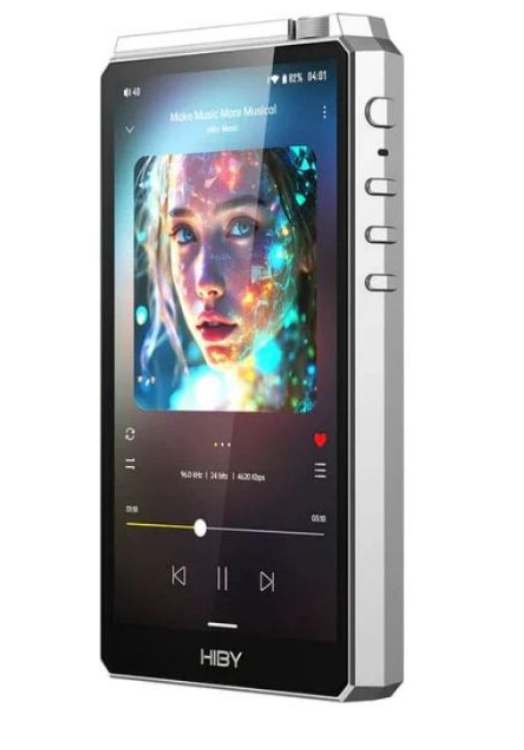
The HiBy R6 III 2025 is a premium digital audio player designed for music lovers who seek top-quality sound. With advanced hardware and high-end DAC chips, it delivers exceptional audio performance. Whether you are an audiophile or a casual listener, this device ensures a superior music experience.
You can buy HiBy R6 III 2025 for $439 at Geekwills. The device comes in black and silver color variants.
Compact Display for Better User Experience
The HiBy R6 III 2025 features a 5.0-inch LCD display from Sharp. With a resolution of 720 x 1280 pixels, the screen provides clear visuals and a smooth user interface. This compact yet high-quality display enhances the usability of the player, making navigation easy and enjoyable.
Superior Audio Performance with 4 CS43198 DAC Chips
One of the key highlights of the HiBy R6 III 2025 is its four high-end CS43198 DAC chips. These digital-to-analog converters ensure crystal-clear sound output, making every note sound richer and more detailed. The device supports high-resolution 32-bit/768kHz PCM, native DSD512, and 16x MQA audio signals. This means you can enjoy studio-quality sound on the go, experiencing music as the artist intended.
Powerful Snapdragon 665 Chipset and Android 12 OS
For smooth performance, the HiBy R6 III 2025 is powered by the Snapdragon 665 Octa-Core chipset. Combined with an open Android 12 OS, the player offers a seamless and user-friendly experience. The device comes with 4GB of RAM and 64GB of internal storage, ensuring fast operation and sufficient space for music files. Additionally, users can expand storage up to 2TB using a microSD card, making it ideal for storing a vast music library.
Wireless Connectivity with Bluetooth 5.0
The HiBy R6 III 2025 supports two-way Bluetooth 5.0, allowing seamless wireless playback. This feature ensures stable connections with headphones, speakers, and other Bluetooth-enabled devices. Whether you prefer wired or wireless listening, this player gives you the flexibility to enjoy music your way.
Dual Gain Levels and Audio Output Options
To cater to different listening needs, the HiBy R6 III 2025 is equipped with dual gain levels. It features both 3.5mm single-ended and 4.4mm balanced audio output interfaces. This provides users with options for various types of headphones and audio equipment, ensuring compatibility with a wide range of devices.
Long Battery Life with Fast Charging Support
A 4500mAh battery powers the HiBy R6 III 2025, allowing up to 13 hours of continuous playback. Additionally, the device supports 18W Quick Charge (QC) and Power Delivery (PD2.0) for rapid recharging. This means you can enjoy extended listening sessions without worrying about running out of battery.
RAM & Storage: 4GB RAM, 64GB storage (expandable up to 2TB)
Bluetooth: Two-way Bluetooth 5.0
Audio Output: 3.5mm single-ended, 4.4mm balanced
Battery Life: 4500mAh, up to 13 hours playback
Charging: 18W Quick Charge (QC) & Power Delivery (PD2.0)
Operating System: Android 12
The HiBy R6 III 2025 is a powerful and feature-rich music player that combines high-end components with an easy-to-use interface. Whether you’re a serious audiophile or just love high-quality sound, this device is designed to elevate your music experience.
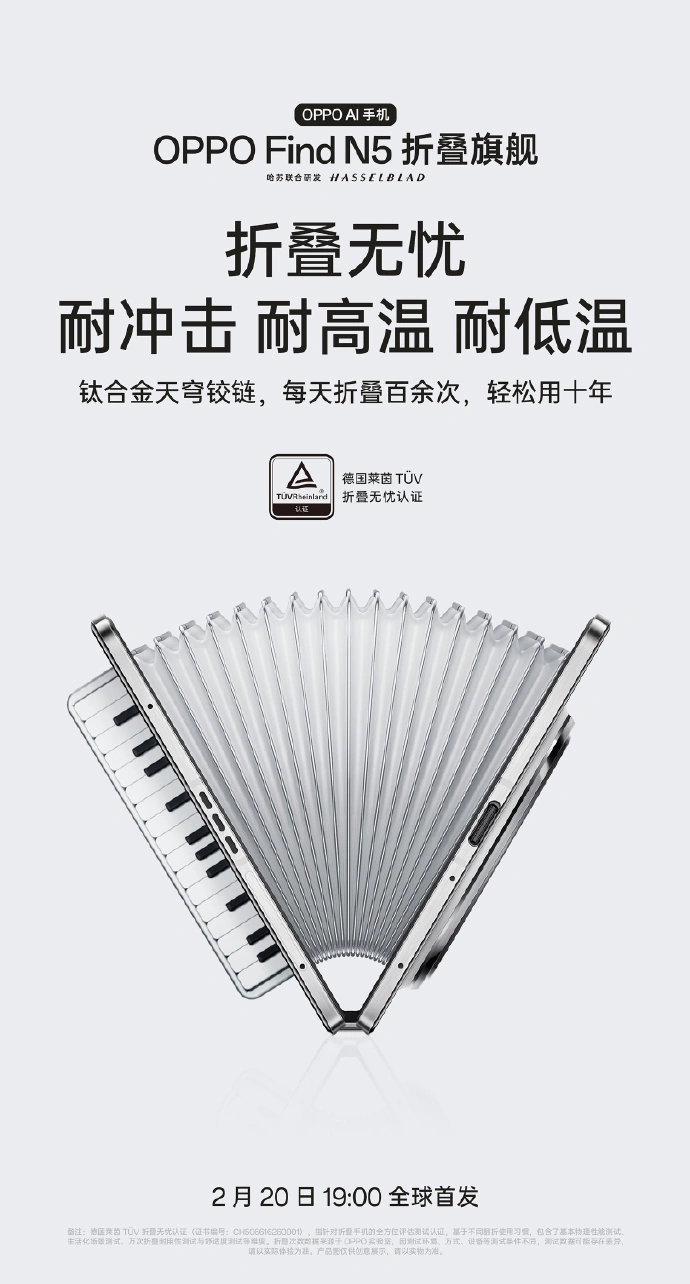
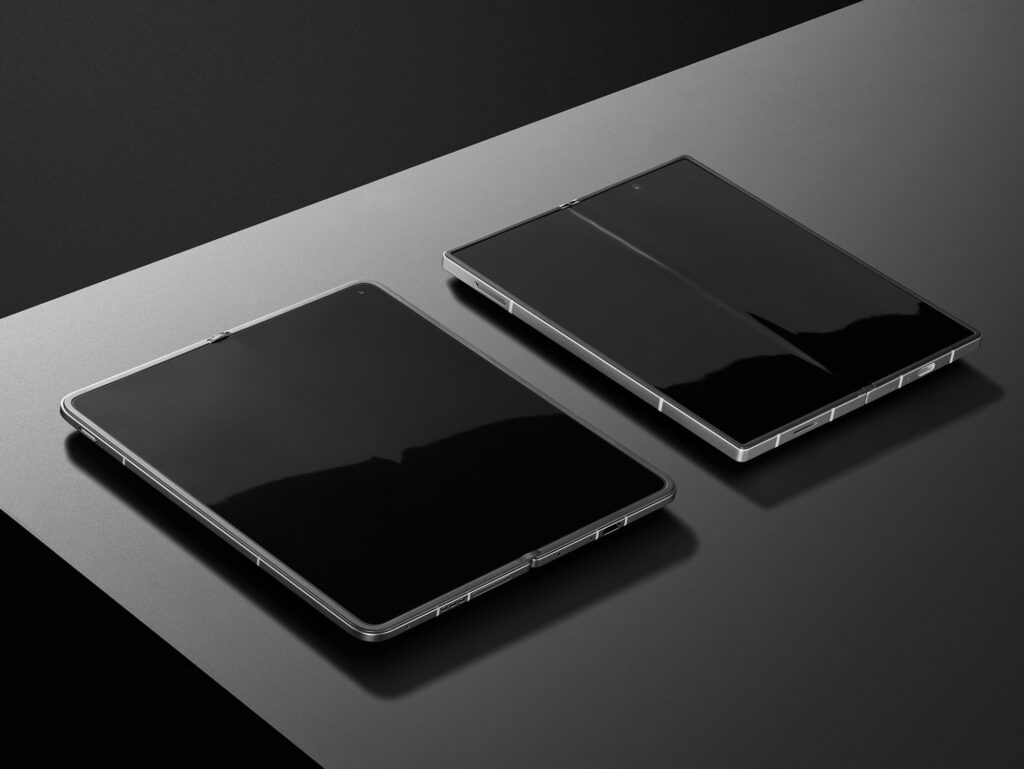
The Oppo Find N5 is confirmed to launch globally on February 20. Now the phone has bagged the TUV Rheinland worry-free folding certification
The hinge is reportedly made of a titanium alloy, which has passed the German Rhine TÜV “worry-free folding” and the newly added “imperceptible crease” certification.
The phone has achieved a new milestone in ingress protection with an IPX9 rating, meaning it can withstand immersion in water and even how water jets. Not to mention, it adds to the durability of this super thin book-style foldable.
A breakthrough in durability
According to an Oppo official, the phone uses the company’s fourth-generation water drop screen structure, UTG glass, and other screen materials and technologies—built to reduce the crease depth and width. As revealed by a previous teaser, the crease has indeed improved—it was almost nonexistent when compared side-by-side with the Galaxy Z Fold 6. This has to be a major breakthrough for the brand when it comes to the hinge mechanism.
It’s good to see Oppo has managed to reduce the crease, make the hinge IPX9 sealed, and just 4.2mm thick at the same time.
The phone has passed all tests including high temperature and humidity, low-temperature folding, sharp object impact, and unfolding flatness test. As per ITHome, this is the industry’s first foldable phone to pass the TÜV dual certification.
As for the internals, the Find N5 will be the world’s first foldable to equip the 7-core Snapdragon 8 Elite chip. It will be powered by a considerably large 5,600mAh battery. For context, the predecessor—Oppo Find N3—runs on the Snapdragon 8 Gen 2 chip and has a 4805 mAh battery.
Before Oppo unveiled the Find X9 series and Reno 13 lineup in China, the teasers released by the brand were compared with the iPhone 16 series in a bid to attract iPhone users to switch to Oppo phones. This year too, the next-generation Reno and Find series smartphones are expected to follow a similar strategy, aiming to draw attention from iPhone users. A new leak reveals that the upcoming Find X9 series will include four models, each likely to rival a corresponding model in the iPhone 17 series.
Oppo Find X8 Mini is not the official name
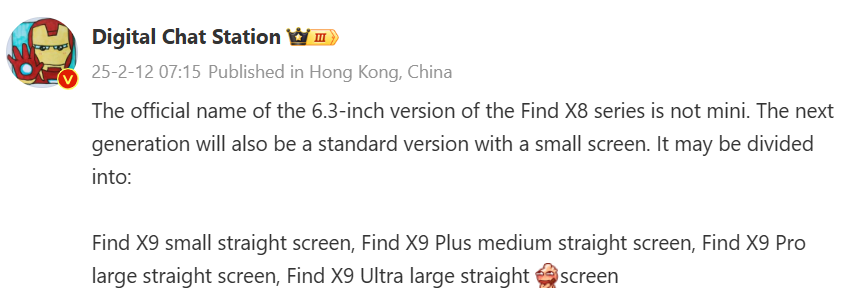
The above leak by tipster Digital Chat Station talks about the upcoming Find X8 Mini and Find X9 series phones. He has claimed that the “Find X8 Mini” is not the final moniker of the so-called mini model, which is expected to launch alongside the Find X8 Ultra in March in China. While he did not reveal the actual name of the device, some early leaks have suggested that it could be called the Find X8 Next. It is advisable to wait for further reports to confirm the official name and details of the device.
As per as specs are concerned, the Find X8 Next is expected to feature a 6.31-inch flat OLED screen that offers a 1.5K resolution, a 120Hz refresh rate, and an optical-type in-screen fingerprint sensor. Under the hood, the device may feature the Dimensity 9400 chipset and pack a large battery with wireless charging support. It may feature a 50-megapixel main camera with OIS support, a 50-megapixel ultra-wide lens, and a 50-megapixel periscope telephoto camera. The phone is also expected to feature a new push-type Alert Slider.
The above leak reveals that the Find X9 series will include four models, namely the Find X9, Find X9 Plus, Find X9 Pro, and Find X9 Ultra. Probably, these devices will be targeted against the iPhone 17, 17 Plus, 17 Pro, and 17 Pro Max.
While he did not reveal any concrete information about the Find X9 series’ specs, he claimed that all four models will have a flat display. The X9 could be a compact offering featuring a screen size of around 6.3 inches. The previous generation Ultra models from the X7 series and X8 series feature dual periscope cameras. A recent leak revealed that the company may feature a single 200-megapixel periscope telephoto camera instead of the dual periscope sensors.
There is a possibility that the Find X9 Ultra will feature the Snapdragon 8 Elite 2 chip, whereas the other models could be equipped with the Dimensity 9500 SoC. The X9 series is expected to debut in October of this year.
For more daily updates, please visit our News Section.
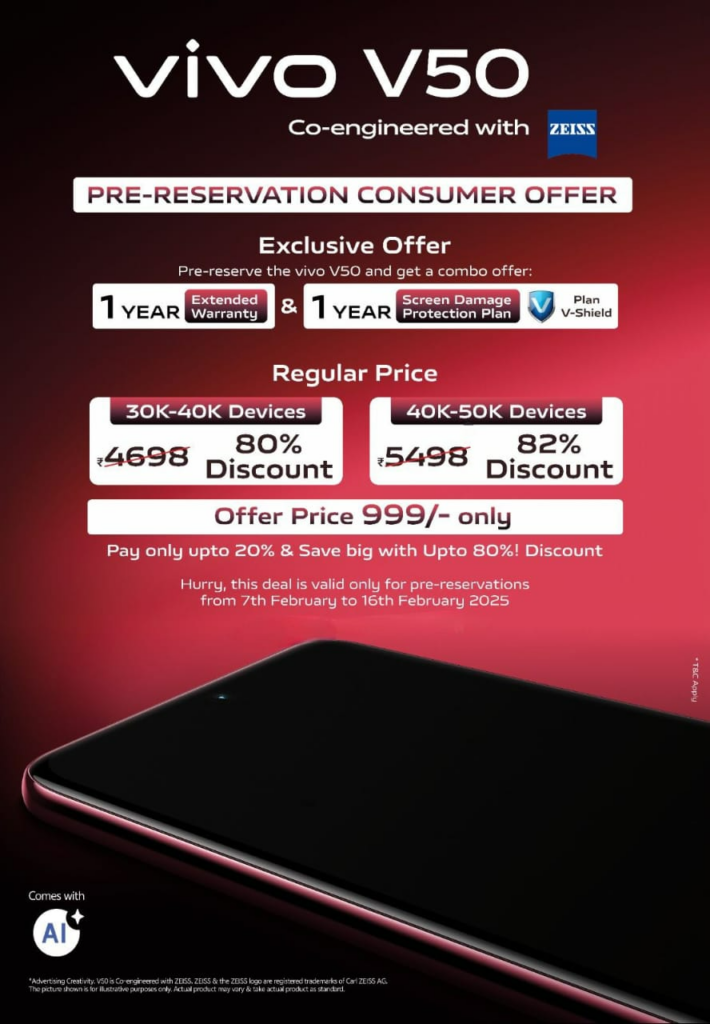
The Vivo V50 is all set to launch on Feb. 17 in India. Ahead of its official launch, Vivo has announced a special pre-reservation consumer offer, valid from Feb. 7 to Feb. 16 in India. Here is a look at the benefits of this offer.
Vivo V50 pre-order details
Vivo V50 pre-order info
Customers who pre-reserve the Vivo V50 will receive an exclusive combo offer, including a 1-year extended warranty and 1-year screen damage protection plan (V-Shield) at a significantly discounted price.
The regular price for the protection plan is Rs 4,698 for devices priced between Rs 30,000 to Rs 40,000, and Rs 5,498 for devices priced between Rs 40,000 to Rs 50,000.
However, with the pre-reservation offer, customers can avail an 80 percent discount on the lower-tier plan and an 82 percent discount on the higher-tier plan, bringing the offer price down to just Rs 999. This allows buyers to pay only up to 20 percent of the actual plan price, ensuring significant savings. Vivo is encouraging customers to take advantage of this limited-time deal before the V50 officially goes on sale.
Vivo V50 specifications
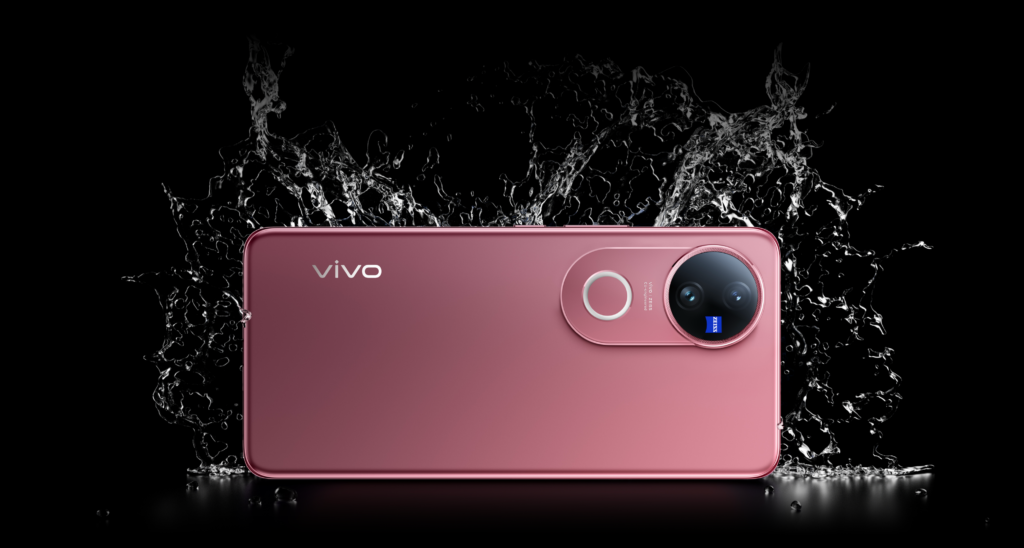
Vivo V50
The Vivo V50 features a 6.78-inch quad-curved AMOLED display with a 1.5K resolution and a 120Hz refresh rate for smooth visuals. For selfies, it is equipped with a 50-megapixel front camera with autofocus, while the rear houses a triple camera setup, including a 50-megapixel primary sensor with OIS and a 50-megapixel ultra-wide lens.
Powering the device is the Snapdragon 7 Gen 3 chipset, paired with up to 12GB of RAM and up to 512GB of storage. It packs a 6,000mAh battery that supports 80W fast charging. The Vivo V50 runs on Funtouch OS 15 based on Android 15. Additionally, it features an IP68/IP69-rated chassis, ensuring high durability against dust and water. It will come in colors like Rose Red, Starry Blue, and Titanium Grey, and is expected to arrive with a sub-Rs 40,000 pricing.
For more daily updates, please visit our News Section.
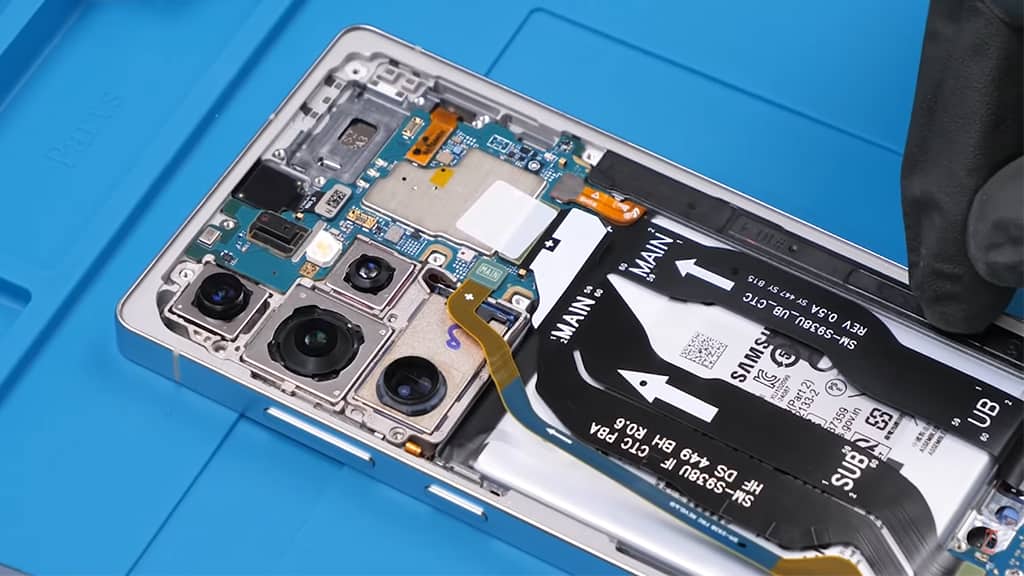
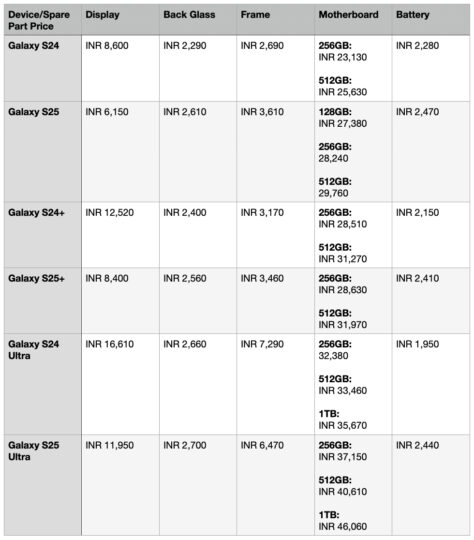
Samsung launched the Galaxy S25 Ultra with the Corning Gorilla Armor 2, which is reportedly more drop-resistant than the Armor glass of the S24 Ultra. But that’s not all: the spare parts for a display repair also cost significantly lower than that of its predecessors, at least in India. Check out the prices in the image below.
Samsung is using the same display panel as last year in all three models, which probably helps the company reduce the costs and also makes the repair more affordable. The back glass repair still sees a slight increase in price. It suggests that the glass doesn’t have to do much with the price cut, rather it’s the display panel that’s making it more affordable.
Motherboard, middle frame, and battery replacements are more expensive
The motherboard also sees a price increase of over Rs. 4000, which is most likely due to the Snapdragon 8 Elite chip. Surprisingly, the battery replacement for all S25 models also cost slightly more than their predecessors, even though neither the capacity nor the internal design has changed this year.
Samsung Galaxy S26 Ultra mockup (modified image of S25 Ultra)
The same goes for the middle frame of the base and plus models. The redesigned middle frame of the Galaxy S25 Ultra—one of the few hardware changes—now costs less than that of the S24 Ultra. Was this a cost-cutting move? Just kidding—the main purpose is likely to differentiate it from its predecessor.
In other aspects, the Gorilla Armor 2 of the S25 Ultra has a better anti-reflective coating, which, despite the same peak brightness and HBM, improves outdoor visibility. The new chip offers a higher peak performance and a more capable NPU for faster and more efficient AI processing.
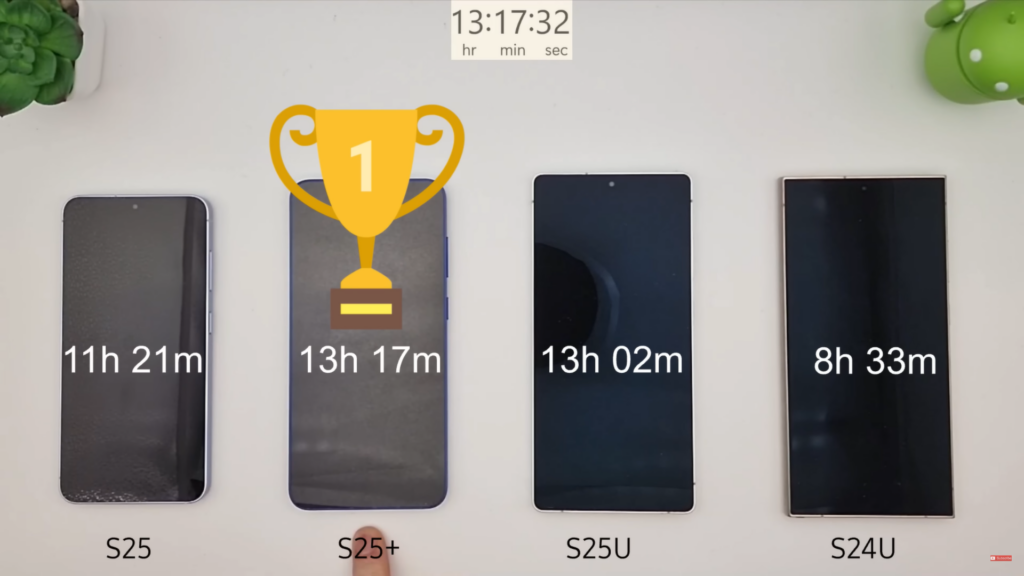
While the battery capacity remains the same, with the more efficient chip and One UI 7’s improved performance optimization, all S25 models offer a decent jump in battery life over their predecessors.
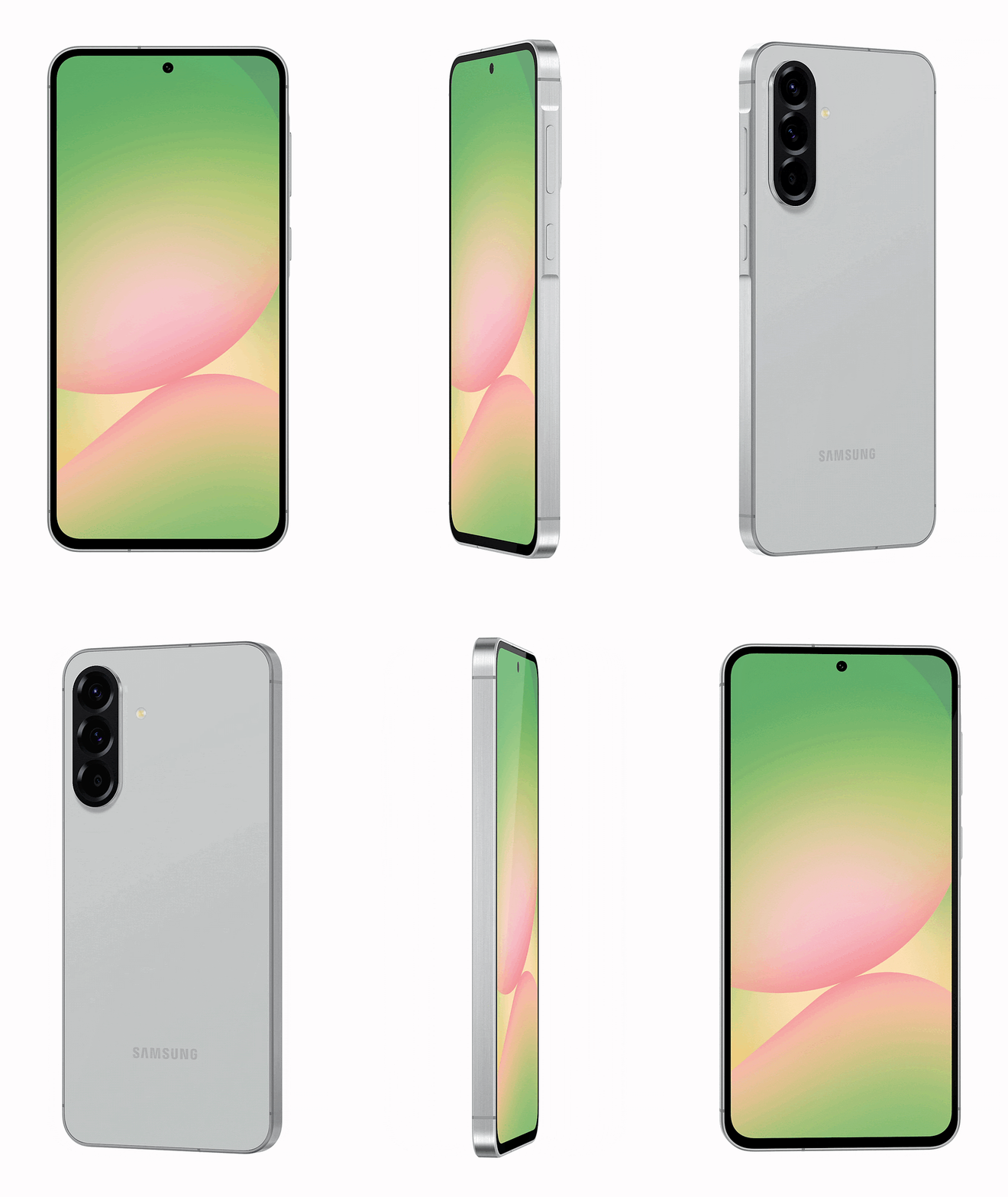
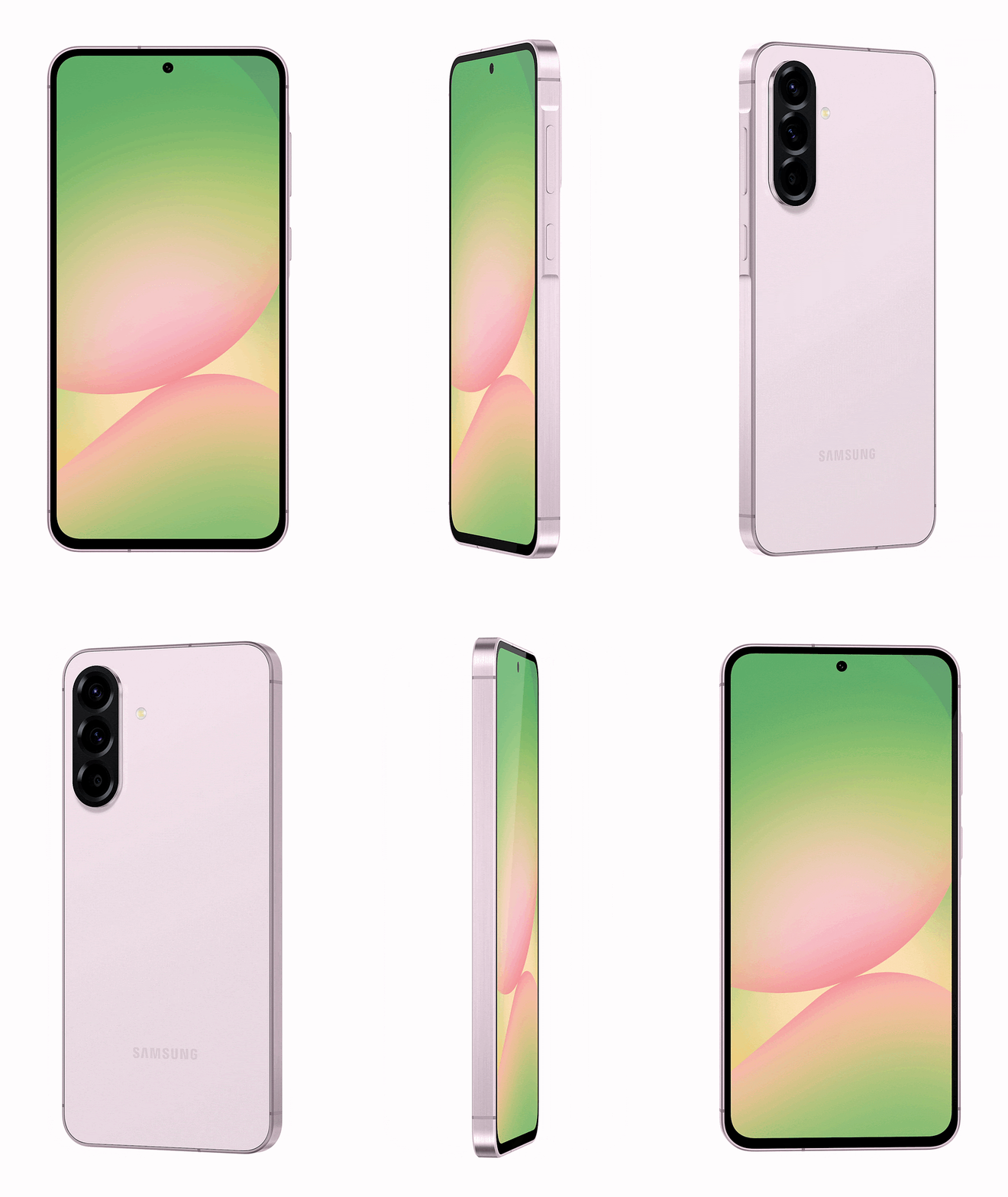
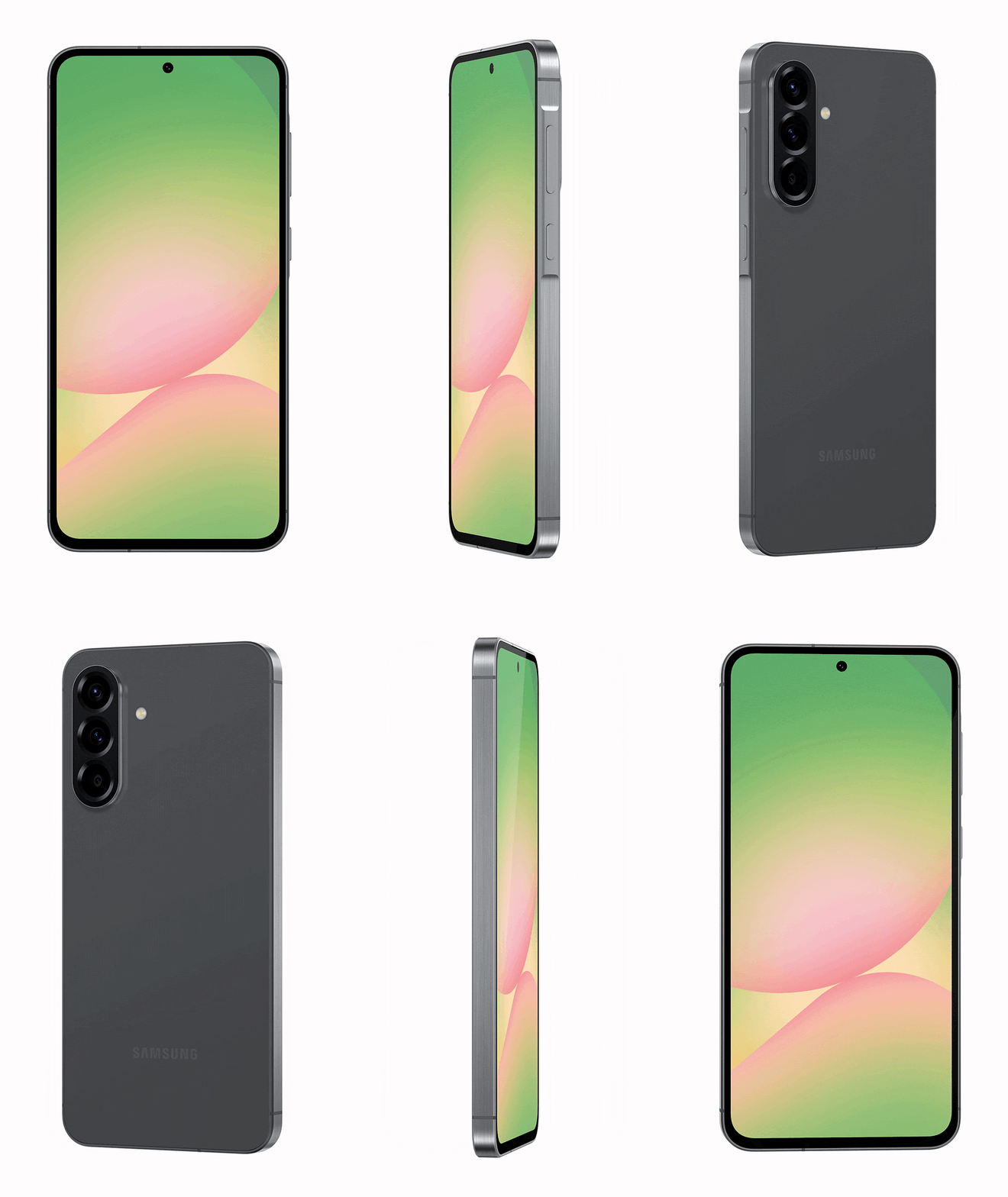
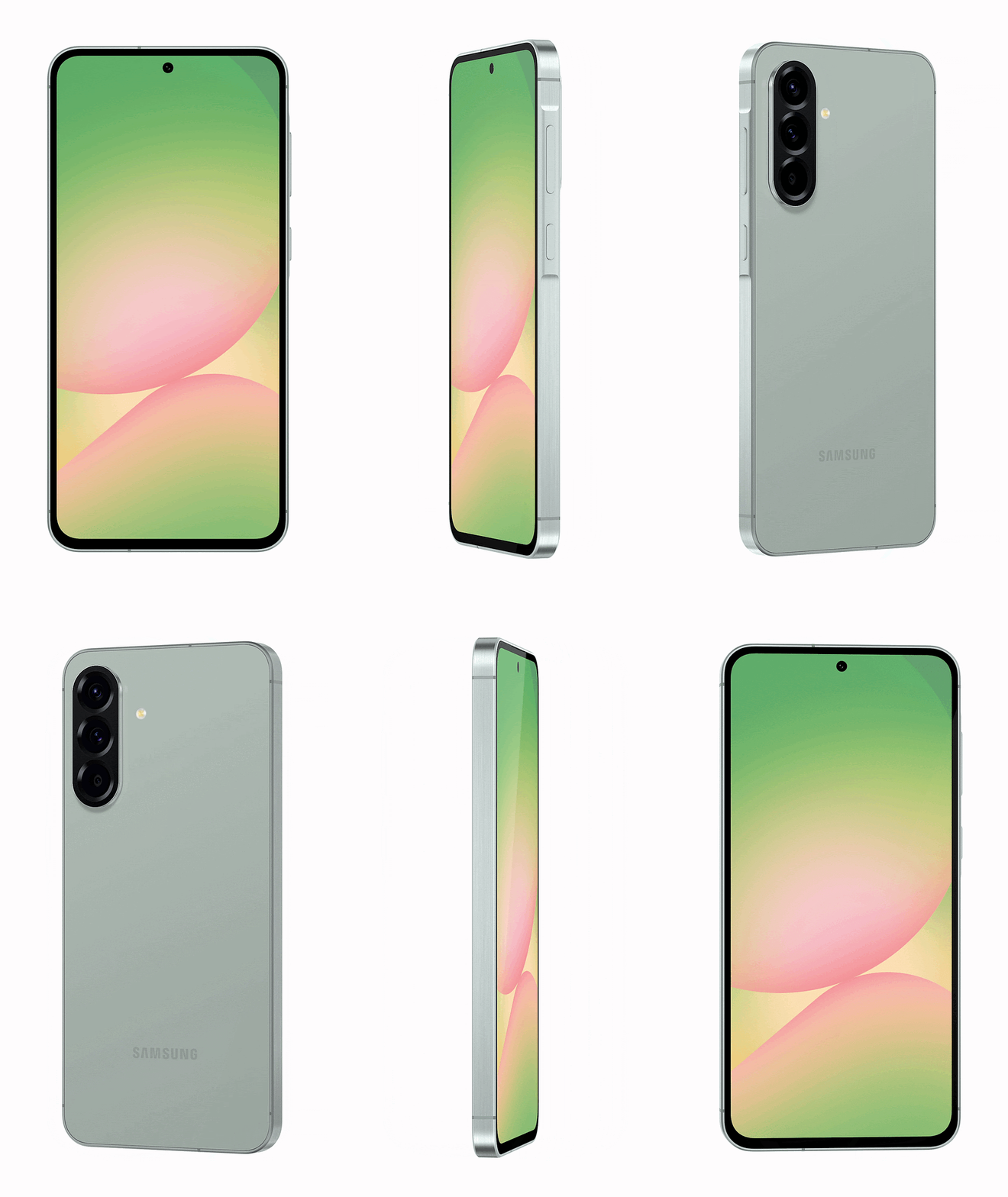
Last month, Samsung unveiled the Galaxy S25 series of flagship phones. This month, the brand is expected to launch a couple of budget-friendly phone, such as the Galaxy F06 and A06. Just as the brand unveiled the Galaxy A55 and A35 in March 2024, the South Korean tech giant is expected to take off covers from the Galaxy A56 and A36 in March. Ahead of the expected launch, prominent leaker Evan Blass has shared 360-degree images of the Galaxy A56 to showcase its design and color options.
Samsung Galaxy A56 design, color options
Samsung Galaxy A56Samsung Galaxy A56
The Galaxy A56’s 360-degree images show that it will be available in at least four colors: grey, pink, black, and green. The CAD renders of the phone that emerged in November 2024 revealed a redesigned look. The new images corroborate the CAD renders, revealing a redesigned camera module.
As can be seen, the Galaxy A56’s rear camera module has a single protruding unit, which houses three camera sensors, with the LED flash unit alongside. The phone continues to sport “Key Island,” which was introduced with the predecessor model last year. It features a noticeable bump on the right edge where the power button and volume rocker are present. The back panel of the phone is said to be made from glass.
Samsung Galaxy A56Samsung Galaxy A56
As far as build is concerned, the Galaxy A56 is said to have an aluminium frame and a glass back. On the front, it has a punch-hole AMOLED panel surrounded by thin bezels, except for the bottom bezel, which is noticeably thick.
Samsung Galaxy A56 specifications (rumored)
The Galaxy A56 is expected to feature a 6.7-inch Dynamic AMOLED panel with an FHD+ resolution, a 120Hz refresh rate, and an in-screen fingerprint scanner. The device will be powered by the all-new Exynos 1580 chipset, paired with up to 12GB of RAM and up to 256GB of storage. It may house a 5,000mAh battery with support for 45W fast charging.
For optics, the A56 may come with a 12-megapixel front camera and a triple camera setup on the rear, consisting of a 50-megapixel (OIS) primary sensor, a 12-megapixel ultra-wide lens, and a 5-megapixel macro lens. The device is expected to run One UI 7, based on Android 15, out of the box. It may arrive with support for up to six years of Android OS upgrades.
For more daily updates, please visit our News Section.
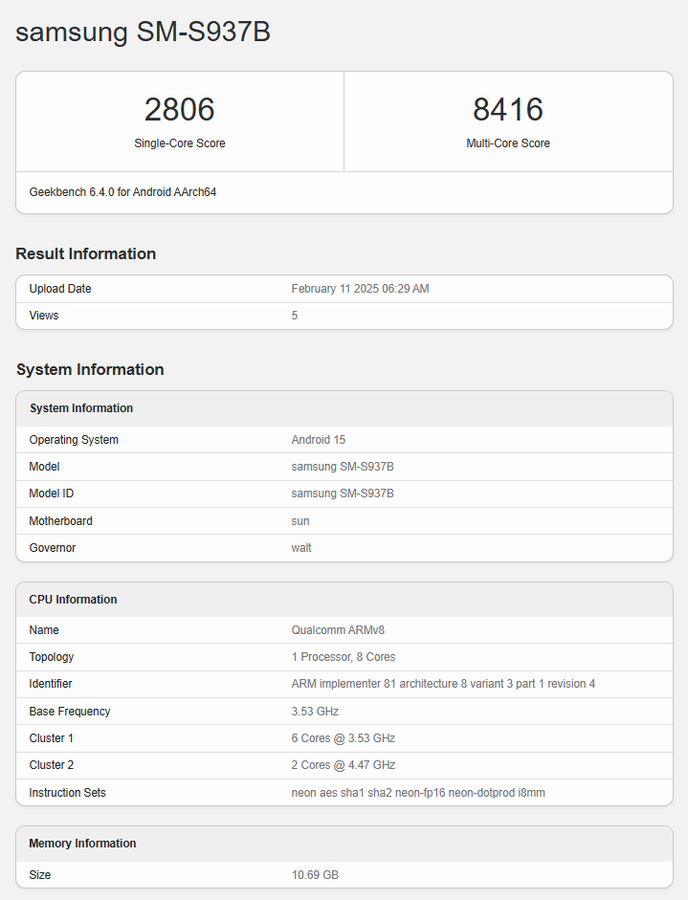
Last month, Samsung launched the Galaxy S25, S25 Plus, and S25 Ultra in multiple global markets. At the event, the South Korean tech giant also teased the arrival of a new phone called the Galaxy S25 Edge, which will be announced at a later date. The device has the SM-S937 model number, and its country variant heading to the US has the SM-S937U model number, whereas its Chinese edition has the SM-S9370 model number. Now, the European edition of the device with the SM-S937B model number has emerged on Geekbench, reiterating some of the specs that are already known.
Samsung Galaxy S25 Edge Geekbench listing
Samsung Galaxy S25 Edge Geekbench – European variant
The Geekbench listing of the SM-S937B reveals that it is powered by the Snapdragon 8 Elite for Galaxy. Although the chip’s name is not explicitly mentioned, it is evident through the CPU and GPU (via. source code) details available in the listing.
Therefore, it appears that apart from the US, the European audience will also be treated with the Snapdragon variant of the S25 Edge. Like the other S25 phones, there may not be any Exynos version of the device.
The Galaxy S25 Edge’s European version has 12 GB of RAM and runs on Android 15. It has scored 2806 points in the single-core test and 8416 points in the multi-core test.
As per recent reports, the Galaxy S25 Edge will be an ultra-thin phone measuring only 5.84mm in thickness. The device is likely to feature a 6.7-inch S-AMOLED LTPO screen that offers a 120Hz refresh rate and up to 2,600 nits of brightness. It is expected to pack a 3,900mAh battery with 25W wired and wireless charging support.
Samsung Galaxy S25 Edge
The S25 Edge is expected to run on One UI 7-based Android 15. It may ship with 12 GB of RAM and 512 GB of built-in storage. The rear-facing camera system may include a 200-megapixel Samsung HP2 primary sensor and a 12-megapixel ultra-wide snapper. As far as launch is concerned, the S25 Edge is expected to break cover in April or May 2025.
For more daily updates, please visit our News Section.
Valentine’s Day is just around the corner, and while classic gifts like chocolates and flowers are great, they don’t exactly last. If you’re looking for something that blends style, function, and everyday usefulness, a smartwatch might just be the perfect pick.
But with so many options on the market, picking the right smartwatch can be overwhelming. To make things easier, we’ve rounded up some of the best choices available right now. From Apple and Samsung’s premium offerings to rugged Amazfit and Huawei alternatives, here’s what you should consider when buying a smartwatch as a Valentine’s Day gift.
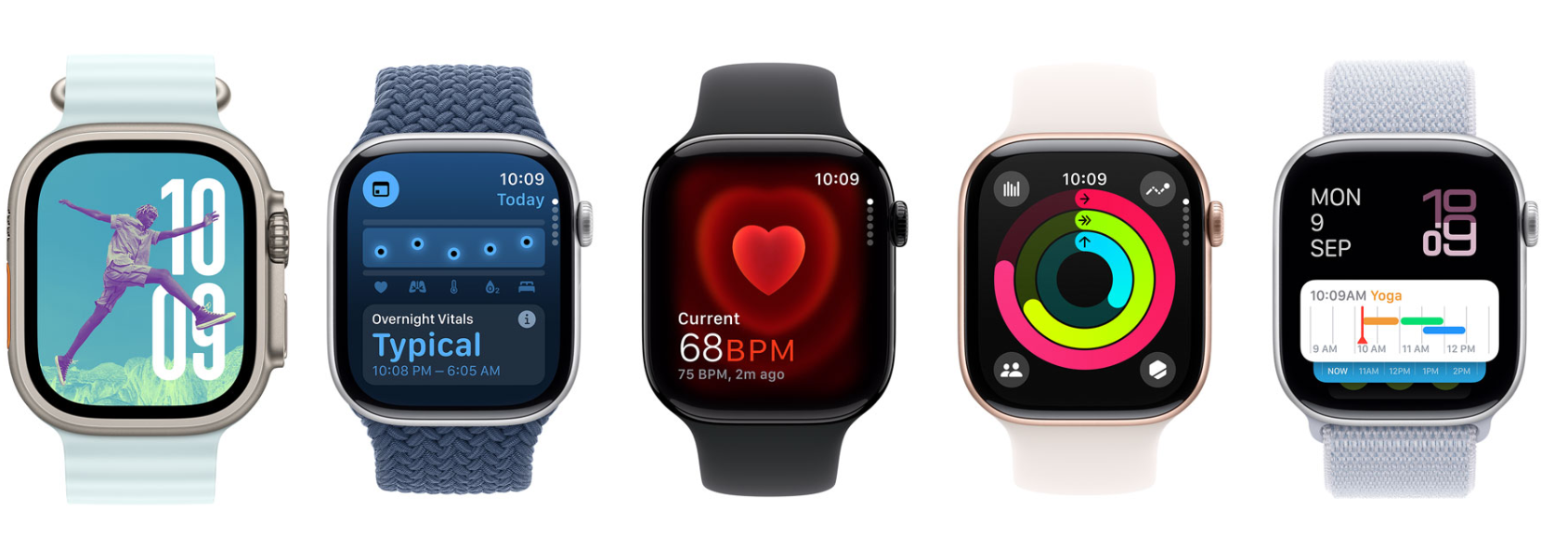
If your partner owns an iPhone, an Apple Watch is probably the safest choice. And the Watch Series 10 is Apple’s latest and greatest.
It comes with a faster S10 chip, improved battery efficiency, and the biggest screen on any Apple Watch yet. It also keeps all the features Apple Watches is known for—detailed health tracking, tight iPhone integration, and one of the best smartwatch displays out there. It’s available in two new sizes; a 46-millimeter and a 42-millimeter option.
If you’re looking to save a little, the Apple Watch Series 9 is still a fantastic option. It shares most of the Series 10’s health-tracking features, including temperature sensing and ECG functionality.
That said, there are a few key differences. Both models are water-resistant and swim-proof, but the Series 10 steps it up with a depth gauge rated for six meters and a water temperature sensor—features missing on the Series 9. It also comes with the Oceanic Plus app for snorkeling, which you won’t get on the older model.
You’ll sacrifice a bit of screen real estate, the latest processor, and a few new features, but at a lower price, the Series 9 is still a solid buy. Both models come in an aluminum case, so you can go sleek or more premium. Just make sure your partner is comfortable with daily charging—Apple Watches generally last about a day and a half on a full charge.
Please Note: When you buy something using the links in our articles, we may earn a small commission at no cost to you.
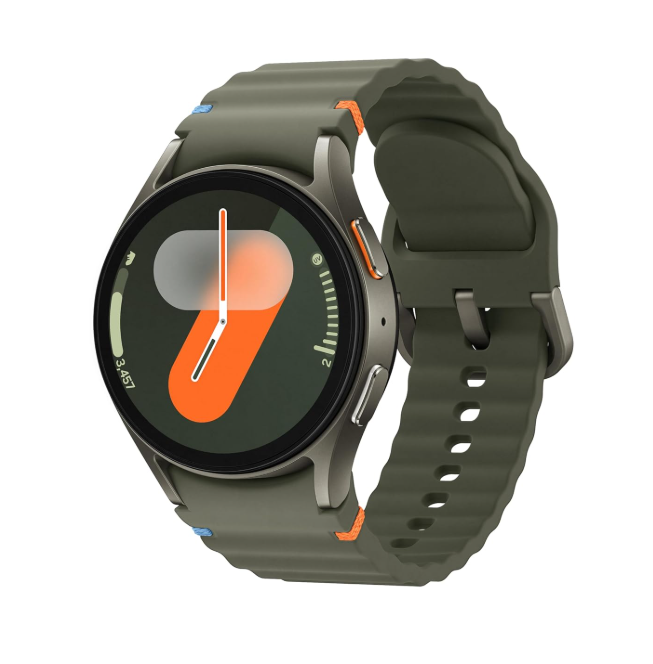
2. Samsung Galaxy Watch 7 & Galaxy Watch 6
For Android users, the Samsung Galaxy Watch 7 is one of the best options. It runs on Google’s Wear OS, meaning it has access to Play Store apps, Google Assistant, and a more seamless experience with Android phones. It has a bright AMOLED display and great health-tracking features. Battery life is also decent lasting around 40 hours depending on usage.
If you want something similar at a lower price, the Galaxy Watch 6 is still a great pick. It even has a rotating bezel (on the Classic model) and offers nearly the same experience otherwise. It’s slightly more affordable now that the Watch 7 is out, so it could be a perfect value-for-money smartwatch if you’re looking for one.
For Samsung phone users, we think even the Watch 5 could be a good buy as it integrates best with Galaxy smartphones.
Please Note: When you buy something using the links in our articles, we may earn a small commission at no cost to you.
3. Amazfit T-Rex 3
If your Valentine is the adventurous type—someone who hikes, bikes, or goes on rugged outdoor excursions—the Amazfit T-Rex 3is worth considering. It features a 1.5-inch AMOLED display with a hight brightness of up to 2000 nits for easy visibility outdoors.
The watch is built using military-grade materials, as a result, can endure temperatures ranging from -30°C to 70°C, resist shocks, and is water-resistant up to 100 meters.
And stuffed with over 170 workout modes, automatic detection for 25 strength exercises, and additional tools like a compass, barometric altimeter, storm alerts, and altitude assistant, it’s well-equipped for outdoor enthusiasts.
The T-Rex 3 can last up to 27 days under typical use, 13 days with intensive use, and up to 42 hours with precise GPS tracking. It also supports offline maps, turn-by-turn navigation, compatibility with six satellite systems, and the ability to download topographic and ski resort maps.
Please Note: When you buy something using the links in our articles, we may earn a small commission at no cost to you.
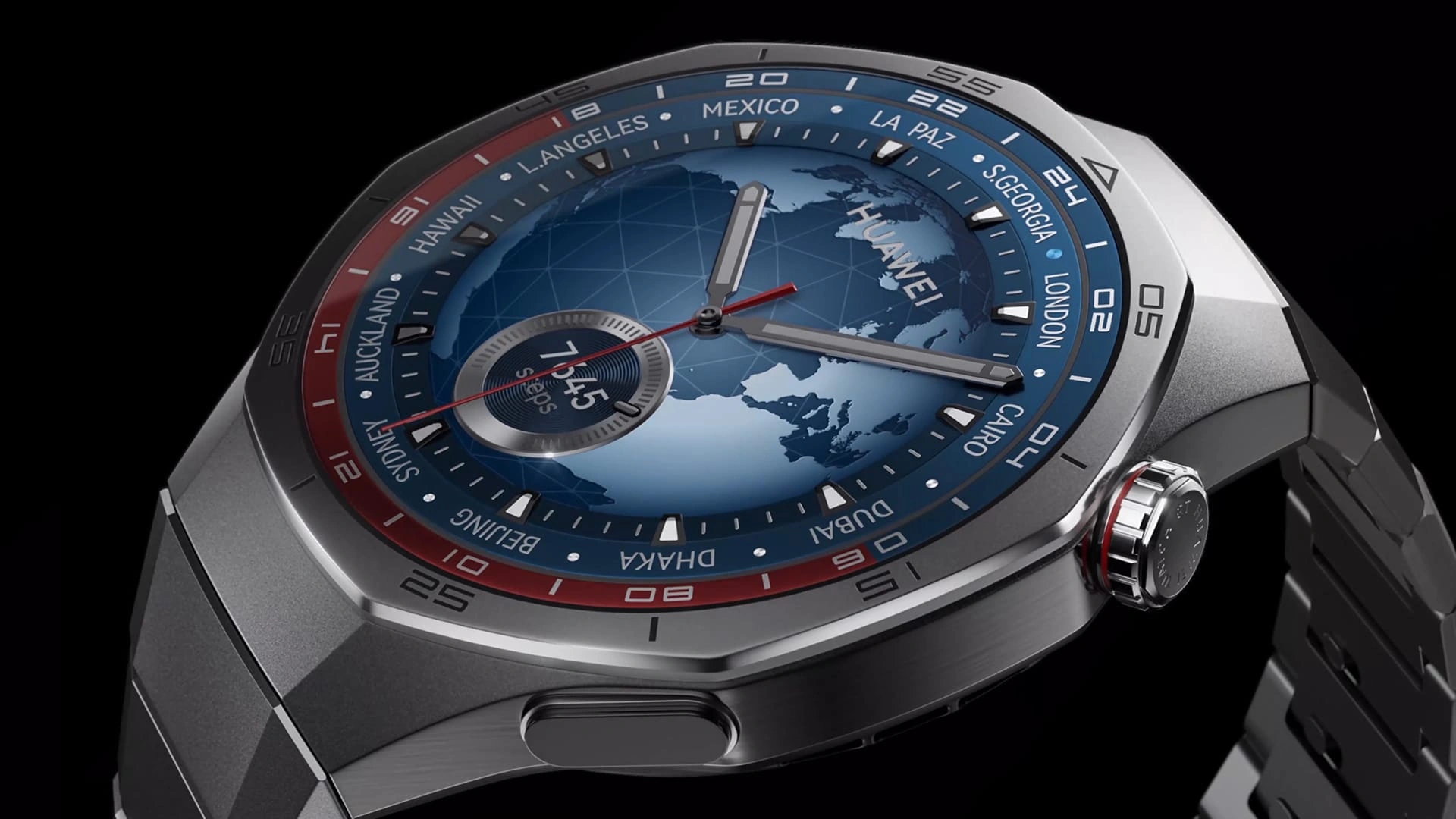
4. Huawei Watch GT 5 Pro
The Huawei Watch GT 5 Pro is a solid choice if your partner prefers a more premium-looking smartwatch with long battery life. It comes with a sapphire glass screen and a titanium or ceramic body, and honestly, it doesn’t look like a tech gadget at first glance. Rather the watch feels more like a traditional high-end watch.
It runs on Huawei’s own software rather than Wear OS, so you won’t get as many third-party apps, but it excels at fitness tracking, heart rate monitoring, and sleep tracking.
The company claims the smartwatch can offer up to 14 days of battery life. If charging every day is a hassle, this is a great alternative to Apple and Samsung’s watches.
One drawback is that while it works with both Android and iOS, features like replying to notifications or answering calls work best when paired with a Huawei phone. So keep that in mind before gifting it to your partner.
Please Note: When you buy something using the links in our articles, we may earn a small commission at no cost to you.
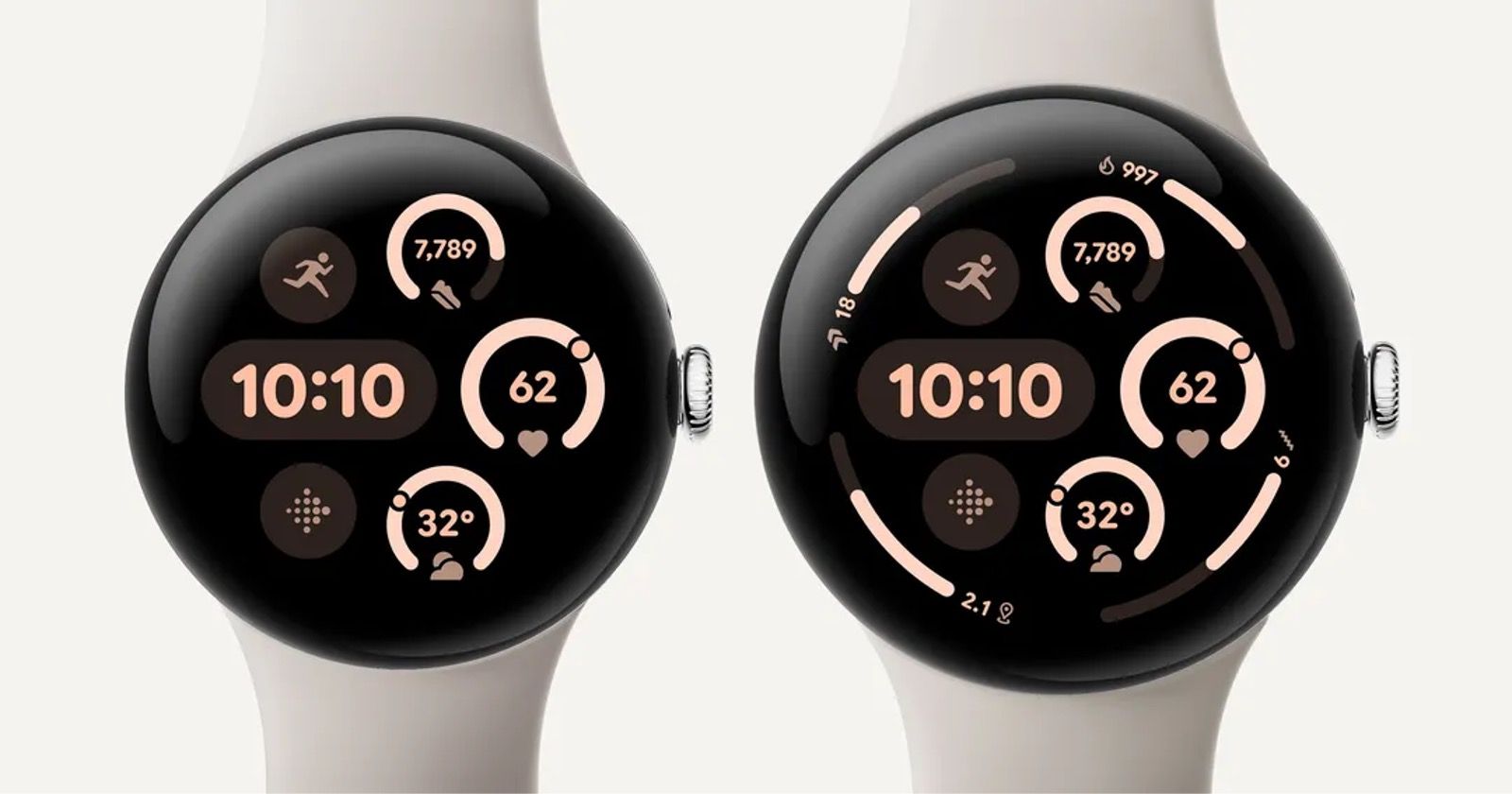
5. Google Pixel Watch 3
For those deep into the Google ecosystem, the Pixel Watch 3 is a stylish and functional smartwatch to consider. It features a clean, minimal design, Fitbit-powered health tracking, and deep integration with Google services like Assistant, Google Wallet, and Maps.
The big upgrade this year is size. While the Pixel Watch 2 was limited to 41mm, the Pixel Watch 3 comes in both 41mm and a larger 45mm option—a welcome change for those with bigger wrists. The 45mm model also boasts a 40% larger screen which should make it easier to navigate apps and reply to messages.
It also has IP68 and 5ATM ratings to keep you safe from dust and water. And Google claims about 24 hours of battery life in the new models thanks to the new Cortex-M33 coprocessor inside the Pixel Watch 3.
The main SoC is the Snapdragon W5 chip that runs apps, turn-by-turn navigation, and other intensive tasks, while the M33 chip handles background duties such as ongoing health/activity tracking.
If your partner uses a Pixel phone or heavily relies on Google services, the Pixel Watch 2 is a great smartwatch to get. It may not have the rotating bezel of a Galaxy Watch, but it offers a more streamlined Wear OS experience without the Samsung-specific features.
Please Note: When you buy something using the links in our articles, we may earn a small commission at no cost to you.
6. Which One Should You Get?
If your partner has an iPhone, go for the Apple Watch Series 10 (or Series 9 for a more budget-friendly option).
For Samsung users, the Galaxy Watch 7 (or Watch 6 / 5) is the best pick.
If battery life and ruggedness matter, the Amazfit T-Rex Ultra is ideal for outdoor lovers.
If premium design and good enough battery life are a priority, the Huawei Watch GT 5 Pro is a great choice.
For those who love Google services and use a Pixel phone, the Pixel Watch 3 is the way to go.
No matter which one you pick, a smartwatch is a thoughtful, practical Valentine’s Day gift that lasts far beyond February 14th. Just make sure to check if your partner prefers a specific brand or ecosystem before making a choice—because no one wants to be stuck with a smartwatch that doesn’t fully work with their phone. Happy gifting!
For more daily updates, please visit our News Section.
Beats has introduced the Powerbeats Pro 2, designed for athletes and fitness enthusiasts. The latest iteration offers improved fit, enhanced sound quality, and heart rate monitoring to track performance during workouts. It also features Active Noise Cancellation (ANC) and Transparency mode for an immersive yet adaptable listening experience.
Powerbeats Pro 2 key features
Powerbeats Pro 2
The Powerbeats Pro 2 is engineered for stability and comfort, featuring a redesigned earhook reinforced with a nickel-titanium alloy. The earbuds are 20% lighter than the previous version and come with five ear tip sizes, including an extra-small option. With an IPX4 rating, they are resistant to sweat and water, making them suitable for intense training sessions.
For audio performance, Beats has implemented Personalized Spatial Audio with dynamic head tracking, adaptive EQ, and an upgraded acoustic architecture. These enhancements deliver a well-balanced sound profile with clear highs, rich mids, and deep bass. ANC minimizes external noise, while Transparency mode allows ambient sounds when needed.
Powerbeats Pro 2
Heart rate monitoring is a key addition, as LED optical sensors are used to track real-time data. This feature is compatible with several fitness apps, including Runna, Nike Run Club, and Slopes. Connectivity is seamless, thanks to Class 1 Bluetooth technology. Apple users benefit from one-touch pairing, hands-free Siri, and Find My support, while Android users can customize settings via the Beats app.
Powerbeats Pro 2
Battery life is another highlight, offering up to 10 hours of playback per charge, extending to 45 hours with the charging case. Fast Fuel charging provides 90 minutes of playback from just a five-minute charge. The case is 33% smaller than its predecessor and supports wireless charging.
Powerbeats Pro 2 price in India and availability
Available in Jet Black, Quick Sand, Hyper Purple, and Electric Orange, the Powerbeats Pro 2 is priced at Rs 29,900. It can be ordered from Apple’s official website, with retail availability starting on Feb. 13.
For more daily updates, please visit our News Section.
For years, Qualcomm has dominated the mobile chipset industry, delivering powerful and efficient processors that power some of the most popular smartphones globally. While MediaTek has made significant strides in recent years, Snapdragon processors continue to be the go-to choice for premium and mid-range smartphones. However, Qualcomm’s diverse lineup can be a bit confusing, with different series catering to various performance levels and price points.
If you’re unsure about Qualcomm’s chipset naming conventions and capabilities, this guide will help you navigate through the Snapdragon lineup and understand what each series brings to the table.
The Snapdragon 8 Series represents Qualcomm’s premier lineup of mobile processors, engineered to deliver top-tier performance for flagship smartphones. These chipsets integrate advanced CPU and GPU architectures, enhanced AI capabilities, and cutting-edge modem technologies to ensure high-speed 5G connectivity.
The latest lineup includes:
Snapdragon 8 Elite: Announced in October 2024, this flagship chipset introduces Qualcomm’s Oryon CPU, replacing the previous Kryo architecture. The CPU configuration comprises two prime cores and six performance cores, delivering performance approaching desktop levels. The Adreno GPU features a new sliced architecture with dedicated memory slices, enhancing graphics rendering. The upgraded Hexagon NPU supports on-device multimodal AI assistants and introduces an AI-powered video object eraser tool. Collectively, these advancements cater to extreme AI and gaming capabilities.
Snapdragon 8 Gen 3: Announced in October 2023, this model boasts significant enhancements over its predecessor. The CPU architecture includes a prime core (ARM Cortex-X4) clocked up to 3.3GHz, three high-performance cores (ARM Cortex-A720) up to 3.2GHz, two performance cores (ARM Cortex-A720) up to 3.0GHz, and two efficiency cores (ARM Cortex-A520) up to 2.3GHz. These improvements result in a 30% performance uplift and a 20% power efficiency improvement. The Adreno 750 GPU offers 25% faster graphics rendering and 25% more power efficiency. The Hexagon NPU delivers 98% faster performance and a 40% improvement in performance-per-watt for sustained AI inferencing.
Snapdragon 8s Gen 3: Introduced in March 2024, this variant provides flagship-like performance at a more accessible price point. The CPU configuration includes one prime core (ARM Cortex-X4) at 3.0GHz, four high-performance cores (ARM Cortex-A720) at 2.8GHz, and three efficiency cores (ARM Cortex-A520) at 2.0GHz. The Adreno 735 GPU, clocked at 1100MHz, ensures robust graphics performance. This model supports LPDDR5X memory up to 4200MHz and integrates the X70 5G modem for high-speed connectivity.
Snapdragon 8 Gen 2: Launched in November 2022, this previous-generation flagship remains relevant in premium smartphones. It features a CPU setup with one prime core (ARM Cortex-X3) up to 3.36GHz, two high-performance cores (ARM Cortex-A715) up to 2.8GHz, two performance cores (ARM Cortex-A710) up to 2.8GHz, and three efficiency cores (ARM Cortex-A510) up to 2.0GHz. The Adreno 740 GPU supports real-time hardware-accelerated ray tracing, and the Hexagon DSP includes a Fused AI Accelerator for enhanced AI tasks.
Here’s a detailed table for an overview and comparison of Qualcomm’s Snapdragon 8 series lineup:
Feature
Snapdragon 8 Elite
Snapdragon 8 Gen 3
Snapdragon 8s Gen 3
Snapdragon 8 Gen 2
CPU Configuration
2x Oryon Prime cores at 4.32GHz (Prime) 6x Oryon Performance cores at 3.53GHz (Performance)
1x Cortex-X4 at 3.3GHz (Prime) 3x Cortex-A720 at 3.2GHz (High Performance) 2x Cortex-A720 at 3.0GHz (Performance) 2x Cortex-A520 at 2.3GHz (Efficiency)
1x Cortex-X4 at 3.0GHz (Prime) 4x Cortex-A720 at 2.8GHz (Performance) 3x Cortex-A520 at 2.0GHz (Efficiency)
1x Cortex-X3 at 3.19GHz (Prime) 2x Cortex-A715 at 2.8GHz (Performance) 2x Cortex-A710 at 2.8GHz (Performance) 3x Cortex-A510 at 2.0GHz (Efficiency)
GPU
Adreno 830 (40% faster than predecessor)
Adreno 750 (25% faster than predecessor)
Adreno 735
Adreno 740 (25% faster than predecessor)
AI Capabilities
Hexagon NPU (45% performance improvement)
Hexagon NPU (98% faster performance)
Hexagon NPU
Hexagon with Fused AI Accelerator
Memory Support
LPDDR5X up to 5333.5MHz
LPDDR5X up to 4800MHz
LPDDR5X up to 4200MHz
LPDDR5X up to 4200MHz
Process Technology
3nm (TSMC N3E)
4nm (TSMC N4P)
4nm (TSMC N4)
4nm (TSMC N4)
Release Date
October 2024
October 2023
March 2024
November 2022
2. Snapdragon 7 Series (Upper Mid-Range)
The Snapdragon 7 Series by Qualcomm strikes a balance between performance and efficiency, catering to upper mid-range smartphones. These chipsets offer premium features such as high refresh rate displays, AI-driven enhancements, and efficient power management, presenting a cost-effective alternative to the Snapdragon 8 Series.
The latest lineup includes:
Snapdragon 7+ Gen 3: Introduced in March 2024, this is the most powerful chipset in the 7 Series, delivering near-flagship performance. It offers a 15% increase in processor performance and a 45% boost in GPU performance compared to its predecessor.
Snapdragon 7 Gen 3: Launched in November 2023, this chipset provides a balanced performance suitable for everyday tasks and moderate gaming. It features a combination of Cortex-A715 and Cortex-A510 cores, making it ideal for reliable performance in mid-range devices.
Snapdragon 7s Gen 3: Announced in August 2024, this budget-friendly variant offers essential features with some performance compromises. It includes a Kryo CPU with a prime core clocked at up to 2.5 GHz, three performance cores up to 2.4 GHz, and four efficiency cores up to 1.8 GHz. This configuration provides adequate performance for cost-effective devices.
Here’s a detailed table for an overview and comparison of Qualcomm’s Snapdragon 7 series lineup:
Feature
Snapdragon 7+ Gen 3
Snapdragon 7 Gen 3
Snapdragon 7s Gen 3
CPU Configuration
1x Cortex-X4 at 2.8GHz (Prime) 4x Cortex-A720 at 2.6GHz (Performance) 3x Cortex-A520 at 1.9GHz (Efficiency)
1x Cortex-A715 at 2.63GHz (Prime) 3x Cortex-A715 at 2.4GHz (Performance) 4x Cortex-A510 at 1.8GHz (Efficiency)
1x Cortex-A720 at 2.5GHz (Prime) 3x Cortex-A720 at 2.4GHz (Performance) 4x Cortex-A520 at 1.8GHz (Efficiency)
GPU
Adreno 732
Adreno 720
Adreno 810
AI Capabilities
Hexagon NPU
Hexagon NPU
Hexagon NPU
Memory Support
LPDDR5X up to 4200MHz
LPDDR5 up to 3200MHz
LPDDR5 up to 3200MHz
Process Technology
4nm (TSMC N4P)
4nm (TSMC N4P)
4nm
Release Date
March 2024
November 2023
August 2024
3. Snapdragon 6 Series (Mid-Range)
The Snapdragon 6 Series by Qualcomm is designed to power mid-range smartphones, offering a harmonious blend of efficiency, performance, and battery longevity. These chipsets enable affordable 5G connectivity while maintaining commendable AI and gaming capabilities.
The latest lineup includes:
Snapdragon 6 Gen 3: Announced in September 2024, this chipset provides solid performance for mid-range devices. It features an octa-core CPU with a combination of Cortex-A78 and Cortex-A55 cores, delivering up to a 10% improvement in CPU performance and a 30% boost in GPU performance compared to its predecessor. The chipset also supports advanced AI capabilities and efficient power management.
Snapdragon 6s Gen 3: Introduced in June 2024, this variant offers a more budget-friendly option with some feature reductions. It is designed to provide adequate performance for cost-effective devices, balancing essential features with affordability.
Snapdragon 6 Gen 1: Launched in September 2022, this chipset delivers balanced performance for mid-range smartphones. It supports 5G connectivity and offers a combination of efficiency and performance suitable for everyday tasks and moderate gaming.
Here’s a detailed table for an overview and comparison of Qualcomm’s Snapdragon 6 series lineup:
Feature
Snapdragon 6 Gen 1
Snapdragon 6 Gen 3
Snapdragon 6s Gen 3
CPU Configuration
4x Cortex-A78 at 2.2GHz (Performance) 4x Cortex-A55 at 1.8GHz (Efficiency)
4x Cortex-A78 at 2.4GHz (Performance) 4x Cortex-A55 at 1.8GHz (Efficiency)
2x Cortex-A78 at 2.3GHz (Performance) 6x Cortex-A55 at 2.0GHz (Efficiency)
GPU
Adreno 710
Adreno 710
Adreno 619
AI Capabilities
Hexagon NPU
Hexagon NPU
Hexagon NPU
Memory Support
LPDDR5 up to 2750MHz
LPDDR4X up to 2133MHz or LPDDR5 up to 3200MHz
LPDDR4X up to 2133MHz
Process Technology
4nm (Samsung 4LPX)
4nm (Samsung 4LPX)
6nm (TSMC N6)
Release Date
September 2022
September 2024
June 2024
4. Snapdragon 4 Series (Entry-Level)
The Snapdragon 4 Series by Qualcomm is tailored for budget-friendly smartphones, emphasizing essential functionalities such as social media engagement, video playback, and casual gaming. These chipsets facilitate affordable 5G connectivity while ensuring commendable battery efficiency.
The latest lineup includes:
Snapdragon 4s Gen 2: Announced in July 2024, this chipset is optimized for power efficiency, featuring an octa-core CPU with two performance cores at 2.0 GHz and six efficiency cores at 1.8 GHz. Manufactured using a 4nm process, it supports LPDDR4X memory and is designed to deliver essential performance for entry-level devices.
Snapdragon 4 Gen 2: Introduced in June 2023, this standard entry-level option offers a balanced performance with a 10% improvement over its predecessor. It supports Full HD+ displays at 120Hz and features Qualcomm’s Spectra dual 12-bit ISPs, capable of capturing up to 108-megapixel photos.
Snapdragon 4 Gen 1: Launched in September 2022, this earlier model remains relevant for budget devices, providing adequate performance for basic smartphone tasks and supporting 5G connectivity.
Here’s a detailed table for an overview and comparison of Qualcomm’s Snapdragon 4 series lineup:
Feature
Snapdragon 4 Gen 1
Snapdragon 4 Gen 2
Snapdragon 4s Gen 2
CPU Configuration
2x Cortex-A78 at 2.0GHz (Performance) 6x Cortex-A55 at 1.8GHz (Efficiency)
2x Cortex-A78 at 2.2GHz (Performance) 6x Cortex-A55 at 2.0GHz (Efficiency)
2x Cortex-A78 at 2.0GHz (Performance) 6x Cortex-A55 at 1.8GHz (Efficiency)
DeepSeek is a Chinese AI company that has shaken up the industry with its efficiency claims. The company claims training their V3 model, the predecessor of the R1 model that everyone is using, costs just $5.576 million to train.
Since the release of the R1 model, DeepSeek has achieved widespread adoption all over the world and now Arm CEO predicts that the US government could soon ban the Chinese AI company. National security? Let’s explore what could be the reason.
According to a previous report, NASA has already blocked DeepSeek from its systems, and the U.S. Navy has warned personnel against using the AI service.
DeepSeek is reportedly 50-75% more efficient than its competitors. Despite requiring less power and compute, it has outperformed the OpenAI’s o1 model in different tests. Additionally, it’s free and open source, meaning anyone can build their AI application on top of it.
Privacy? One can download the model and run it locally on their own system. The 7b or 8b parameter model (both are less than 5GB in size) can be installed and operated on a consumer grade device.
A possible reason behind the prediction
DeepSeek has achieved a widespread adoption throughout the world (including the US) and triggered a major selloff in AI-related stocks, with Nvidia losing $600 billion in market value over fears that lower-cost AI models could reduce the demand for expensive AI chips.
It not only achieved the top position in Apple’s app store but also convinced US-based giants like Microsoft to adopt it—companies that would have otherwise stuck with OpenAI for its AI needs. Perplexity has also integrated DeepSeek R1 for better reasoning capabilities and overall smarter responses, which they are running on their servers.
We will need to see if the prediction turns out to be true and how the US companies that are already using or working on it navigate the situation.
Not to mention a lot of the Chinese smartphone makers such as Huawei, Honor, Oppo, and ZTE have also introduced the collaboration with DeepSeek and are working on distilled versions of the R1 model for their on-device AI needs.
Most of the Chinese smartphone makers have shifted to silicon-carbon batteries recently to meet the power requirements of the flagship chips and improve battery life on top while maintaining a slim form factor. The shift started with the book-style foldables such as the 4.7mm Honor Magic V2. Finally, Samsung seems to be adopting the new battery tech.
Samsung was previously rumored to be working on the Si/C battery tech. In the latest news, South Korean publication FNNews reports that the Galaxy S26 Ultra could pack a capacity of up to 7,000mAh—higher than most of its Chinese competitors.
Increased competition among brands will ultimately benefit all users
For example, the Nubia Red Magic 10 Pro packs a 7050mAh battery, and the upcoming mid-range Redmi Turbo 4 Pro is expected to come with a 7500mAh battery. While Samsung doesn’t directly compete with Chinese OEMs, we hope this rumor turns out to be true and pushes Apple to adopt the new technology. Increased competition among brands will ultimately benefit all users.
Thanks to Samsung’s battery optimization in One UI 7, the latest Galaxy flagships already offer incredible battery life despite having the same battery capacity as their predecessors. So if the rumor around Si/C battery turns out to be true, we will likely see a massive jump in battery life with the Galaxy S26 series.
The Galaxy S26 series is also expected to support 65W fast charging, which will be required to at least maintain the downtime if not reduce it, given the speculated increase in battery capacity. Nonetheless, these are still rumors, and the numbers may not be entirely accurate since the devices are in early development. It’s ultimately up to Samsung to make changes before finalizing everything.
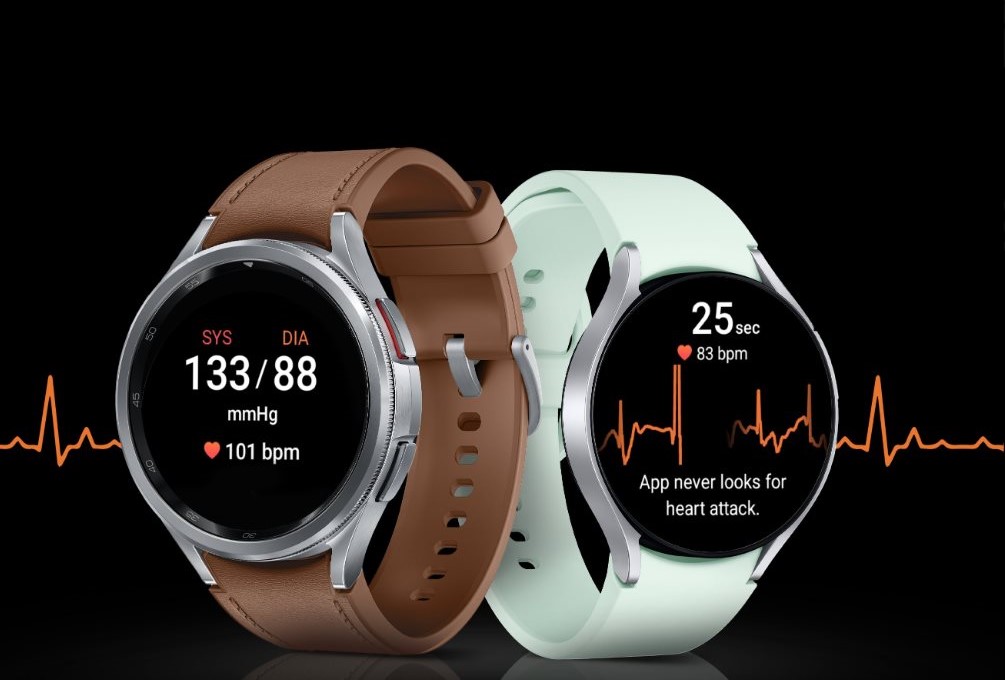
Samsung added the irregular heart rhythm notification functionality to Galaxy watches starting with the Galaxy Watch 6 series back in 2023. Since then, Galaxy Watches have been reported multiple times to detect heart disease in users, helping them get medical care in time.
In the latest news, a 61-year-old woman shared that her Galaxy Watch detected atrial fibrillation. This is a heart disease in which the upper chambers of the heart beat irregularly and often rapidly. While It is not a direct threat to life, if not treated in time, it can cause a stroke.
The user was indeed diagnosed with atrial fibrillation and was reported to be taking medication
The user didn’t pay much attention to the notification at first. But after receiving a total of four notifications regarding the condition, she considered seeking medical help. She was indeed diagnosed with atrial fibrillation and was reported to be taking medication. “After confirming that the electrocardiogram results showed atrial fibrillation, I called the health insurance counseling nurse, and around this time, I felt a slight pain from the left side of my neck down to my shoulder,” she noted.
It’s great to see a small device equipped with the technology to detect serious health conditions before the user does.
The user posted on reddit: “Around midnight on Saturday, I received a notification from the Galaxy Watch saying that an irregular heart rhythm was detected,” and “I measured an electrocardiogram (ECG) according to the UI guide displayed on the Galaxy Watch screen and received the results of an atrial fibrillation (Afib) diagnosis,” (machine translated from Korean).
Samsung has also added the BP and ECG features to the Galaxy Watch 5 and Watch 4 series in India. According to a previous report, a Galaxy Watch 5 series user discovered pericarditis – a disease in which the membrane surrounding the heart becomes inflamed – through an electrocardiogram test.
AOC has launched the all-new 27-inch Q27G41XMN gaming monitor in the Chinese market. It is priced at 1,599 yuan ($218) and is now available on JD.com. Let’s check out its key specs.
AOC Q27G41XMN Specifications
The monitor packs a 27-inch Fast VA panel with a 2560×1440 (2K QHD) resolution, delivering crisp visuals with deep contrast. It supports an ultra-high refresh rate of 180Hz, ensuring fluid motion and reducing motion blur. With a rapid 1ms GTG response time, it minimizes ghosting and enhances clarity in fast-paced gameplay. The panel delivers a high static contrast ratio of 5000:1, significantly improving image depth and detail.
It comes loaded with QD-Mini LED tech, cramming 4608 precision-controlled LED lights into 1152 dimming zones. That means better contrast, richer colors, and deeper blacks. It also throws in a quantum dot nano-coating for extra color vibrancy, covering 100% of the sRGB gamut and 97% of DCI-P3. And since it’s factory-calibrated to DeltaE<2, expect pro-level accuracy right out of the box.
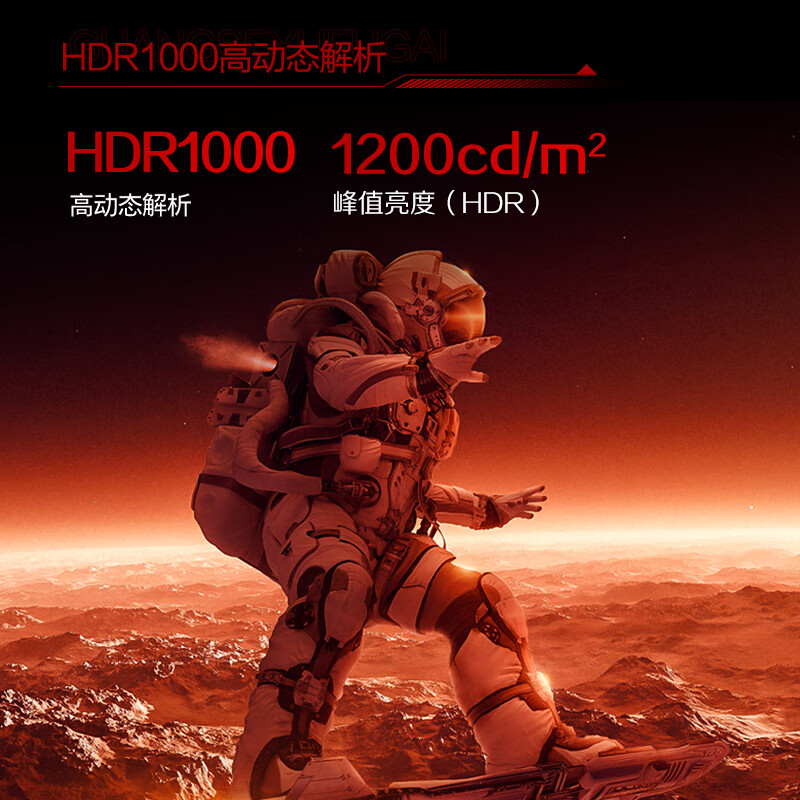
HDR1000 certification and a peak brightness of 1200 nits make high dynamic range content shine. Adaptive Sync (FreeSync) support smooths out frame drops and screen tearing, while DSC (Display Stream Compression) ensures that 2K resolution and 180Hz refresh rates play nicely over a single connection—no compromises on image quality.
For long gaming sessions, it’s got your eyes covered. DC dimming eliminates screen flicker, and a low blue light mode offers four presets tuned for media, browsing, office work, and reading. The monitor also integrates hardware-based anti-glare protection to enhance eye comfort.
For gamers, it equips smart FPS features, including a dynamic assist crosshair and a sniper scope magnifier with three zoom levels for precise targeting. The Game Mode settings allow customized visual profiles tailored for different genres, while a real-time FPS counter displays the refresh rate for performance tracking. It also comes with shadow enhancement features that reveal details in dark areas, making hidden enemies more visible.
On the connectivity side, it packs HDMI 2.0, DisplayPort 1.4, and an audio output. It’s also VESA 100×100mm compatible and comes with an adjustable stand that tilts from -5° to 23°. At 6.35kg with the stand (5.38kg without), it’s built for both gaming and creative workloads.
In related news, AOC recently launched a new 27-inch 2K 180Hz Fast IPS gaming monitor with 1ms GTG response time and HDR10, alongside the CQ32G4E, a 31.5-inch 2K 180Hz curved gaming monitor, both now available in China.
For more daily updates, please visit our News Section.
We use cookies on our website to give you the most relevant experience by remembering your preferences and repeat visits. By clicking “Accept”, you consent to the use of ALL the cookies.
This website uses cookies to improve your experience while you navigate through the website. Out of these, the cookies that are categorized as necessary are stored on your browser as they are essential for the working of basic functionalities of the website. We also use third-party cookies that help us analyze and understand how you use this website. These cookies will be stored in your browser only with your consent. You also have the option to opt-out of these cookies. But opting out of some of these cookies may affect your browsing experience.
Necessary cookies are absolutely essential for the website to function properly. This category only includes cookies that ensures basic functionalities and security features of the website. These cookies do not store any personal information.
Any cookies that may not be particularly necessary for the website to function and is used specifically to collect user personal data via analytics, ads, other embedded contents are termed as non-necessary cookies. It is mandatory to procure user consent prior to running these cookies on your website.










![Apple Watch Series 9 [GPS + Cellular 45mm] Smartwatch with Silver Stainless steel Case with Storm Blue Sport Band M/L. Fitness Tracker, Blood Oxygen & ECG Apps,Always-On Retina Display,Water Resistant](https://www.gizmochina.com/wp-content/plugins/aawp/public/image.php?url=YUhSMGNITTZMeTl0TG0xbFpHbGhMV0Z0WVhwdmJpNWpiMjB2YVcxaFoyVnpMMGt2TkRGSVNUbEtlRFl5Tmt3dVgxTk1NVFl3WHk1cWNHYz18MTc4MjE4NDQxMA=)