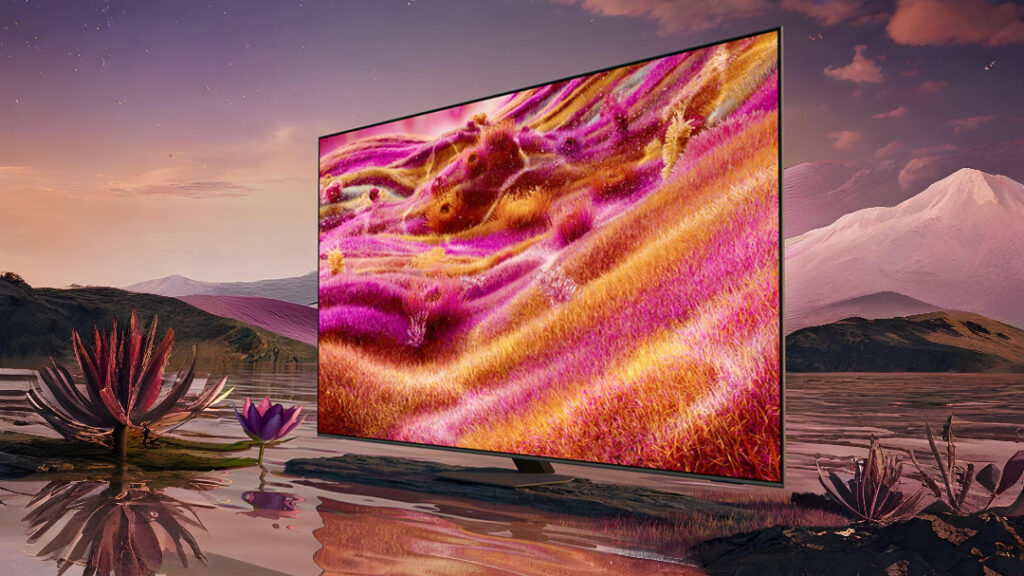
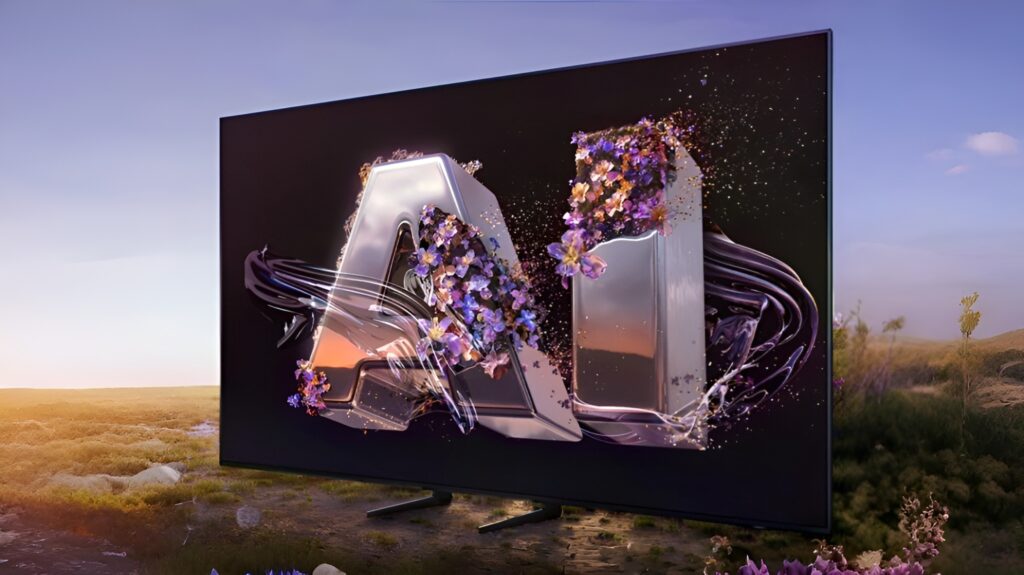
Samsung is stepping up its 2025 TV lineup with the launch of the QN90F and QN80F Mini LED 4K series in China. Available in sizes ranging from 65 to 98 inches, these new models combine premium hardware with smarter AI features, gamer-focused specs, and sustainable design—all while keeping the aesthetics sleek and modern.
Samsung QN90F Specifications
The QN90F series features 75-inch, 85-inch, and 98-inch models priced at 25,699 yuan ($3,524), 39,999 yuan ($5,485), and 110,999 yuan (~$15,221) respectively. It comes with Samsung’s latest NQ4 AI Gen3 processor, equipped with 128 neural networks for advanced real-time processing. The chip delivers a 17% boost in CPU power, 2.1x GPU performance, and doubles the NPU efficiency over the Gen2 chip.
The display sports a QD-Mini LED panel backed by Quantum Matrix Technology Plus, allowing ultra-precise backlight control and improved contrast. It supports 4K resolution and offers a dynamic refresh rate of up to 165Hz. For gamers, the TV equips FreeSync Premium Pro, VRR, and ALLM for reduced latency and smooth motion.
It also includes 4K AI Picture Pro for intelligent upscaling, Glare-Free tech to reduce reflections, and Pantone certification for 2,140 color tones and 110 skin tones. Audio is powered by a 60W 4.2.2-channel system with Dolby Atmos, Adaptive Sound Pro, and Object Tracking Sound+ for an immersive experience.
The TV runs on One UI Tizen OS with support for over 300 apps, comes with seven years of updates, and integrates SmartThings with Matter protocol support. It also ships with a solar-powered remote that eliminates disposable batteries.
Samsung QN80F Specifications
The QN80F lineup offers 65-inch, 75-inch, and 85-inch models priced at 8,999 yuan ($1,232), 12,999 yuan ($1,782), and 16,999 yuan ($2,331) respectively. It features the NQ4 AI Gen2 chip with 20 neural networks, delivering a 40% increase in CPU and 2x GPU improvement over its predecessor.
It sports a Quantum Dot Mini LED display with 4K resolution, supports 144Hz refresh rate, and includes MEMC motion compensation for clearer action scenes. It comes with 4K AI Picture Enhancement, AI Viewing Mode, and AI Color Enhancer Pro to fine-tune contrast and brightness.
The panel is Pantone-certified, supports HDR10+ and HDR Vivid, and includes Game Bar 5.0 with FPS optimization, ultra-wide ratios (21:9 and 32:9), and mini-map zoom for a tailored gaming experience.
Audio is handled by a Dolby Atmos system with AI Sound Pro, Object Tracking Sound, and Q-Symphony Pro. The design measures just 4.8cm at its thickest point and includes the same solar-powered remote.
The QN80F also runs on One UI Tizen with seven years of OS upgrades, Matter protocol integration, and Smart View with a 3D home control map, positioning it as a capable smart hub for connected homes.
Earlier today, Samsung also introduced its X8F QD-Mini LED TV lineup featuring 4K resolution with a 144Hz refresh rate, AI-powered upscaling, DeepSeek-R1 integration, and a clean interface with zero boot-time ads.
For more daily updates, please visit our News Section.
In a world dominated by smartphones, feature phones are quietly making a comeback. Whether you’re looking for a minimalist backup device, a distraction-free primary phone, or something with days-long battery life, HMD continues to release solid, no-frills feature phones under the Nokia brand and even its own HMD branding. So now, we’ve rounded up a list of some of the best HMD feature phones currently available in the US market.
Back in August 2024, HMD hopped on the Barbie bandwagon and announced the new Barbie Phone. As one would expect, the Barbie Phone features the iconic bright pink design inspired by Mattel’s popular Barbie series of toys. It is a flip phone that arrived with feature phone specs like a 2.8-inch QVGA display on the inside, complemented by a smaller 1.77-inch cover screen on the outer panel.
It is powered by a Unisoc T107 processor, coupled with 64MB of RAM and 128MB of internal storage. Users can expand the storage by up to 32GB via a microSD card slot. It is powered by a 1,450mAh battery pack, with the brand promising up to 9 hours of talk time. For photography, there is a VGA camera on the rear. This model also has a mirror like on the cover panel and carries a $129.99 price tag.
2. Nokia 2780 Flip
Nokia 2780 Flip
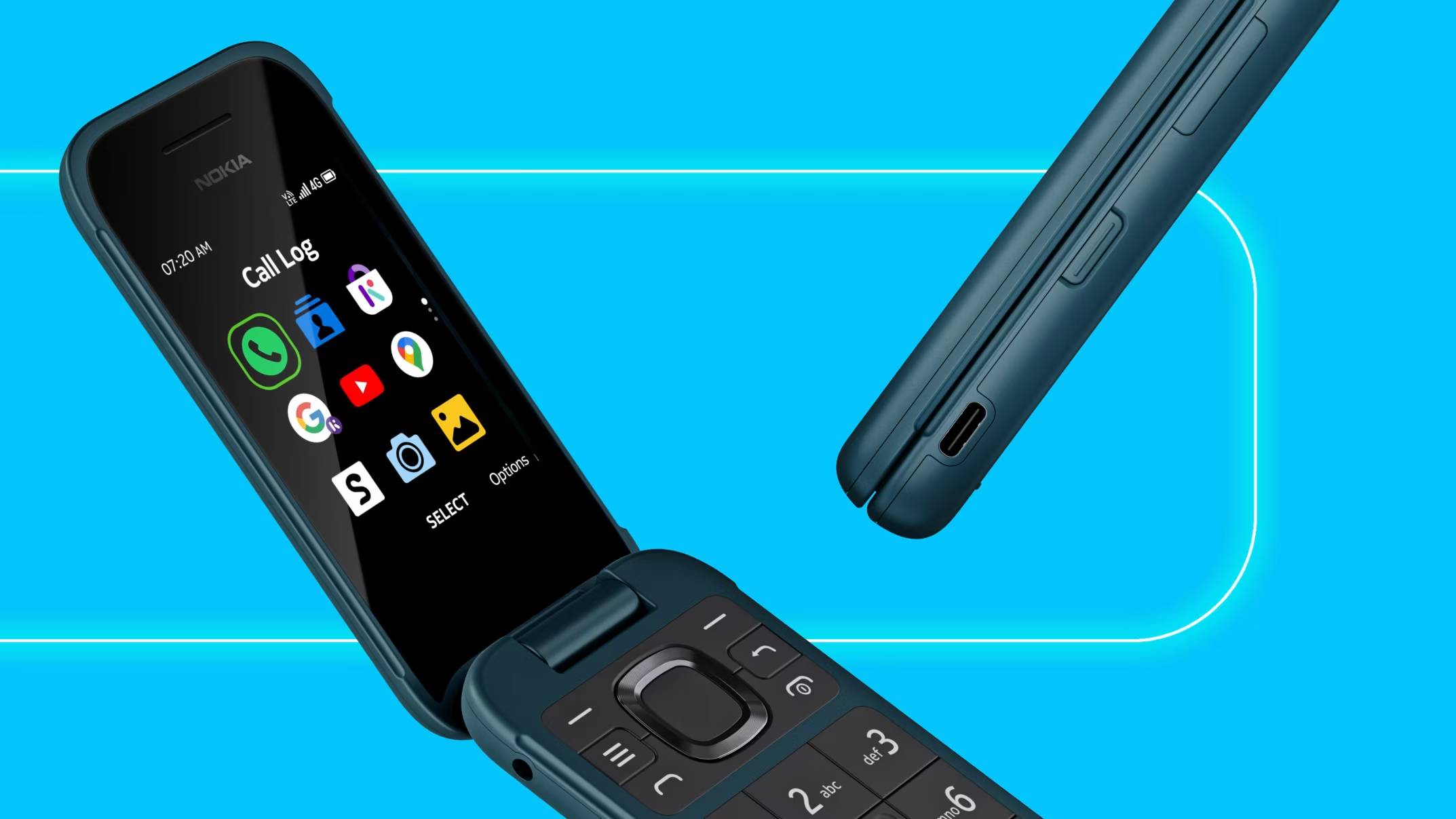
HMD is also known for launching phones under the Nokia branding, and the Nokia 2780 Flip is one such model. It was announced a couple of years back and is still a great feature phone for under $100. It sports a 2.7-inch TFT primary display and a 1.77-inch cover screen display. This model is powered by a Qualcomm 125 chipset along with 4GB of storage and 512MB of RAM.
It packs a 1,450mAh battery pack as well, and runs on the KaiOS 3.1 out of the box. The back has a 5MP camera with an LED flash along with a T9 keyboard, Google Maps, YouTube, MP3, and FM Radio. You can get your hands on this model for $89.99.
3. Nokia 2760 Flip
Nokia 2760 Flip
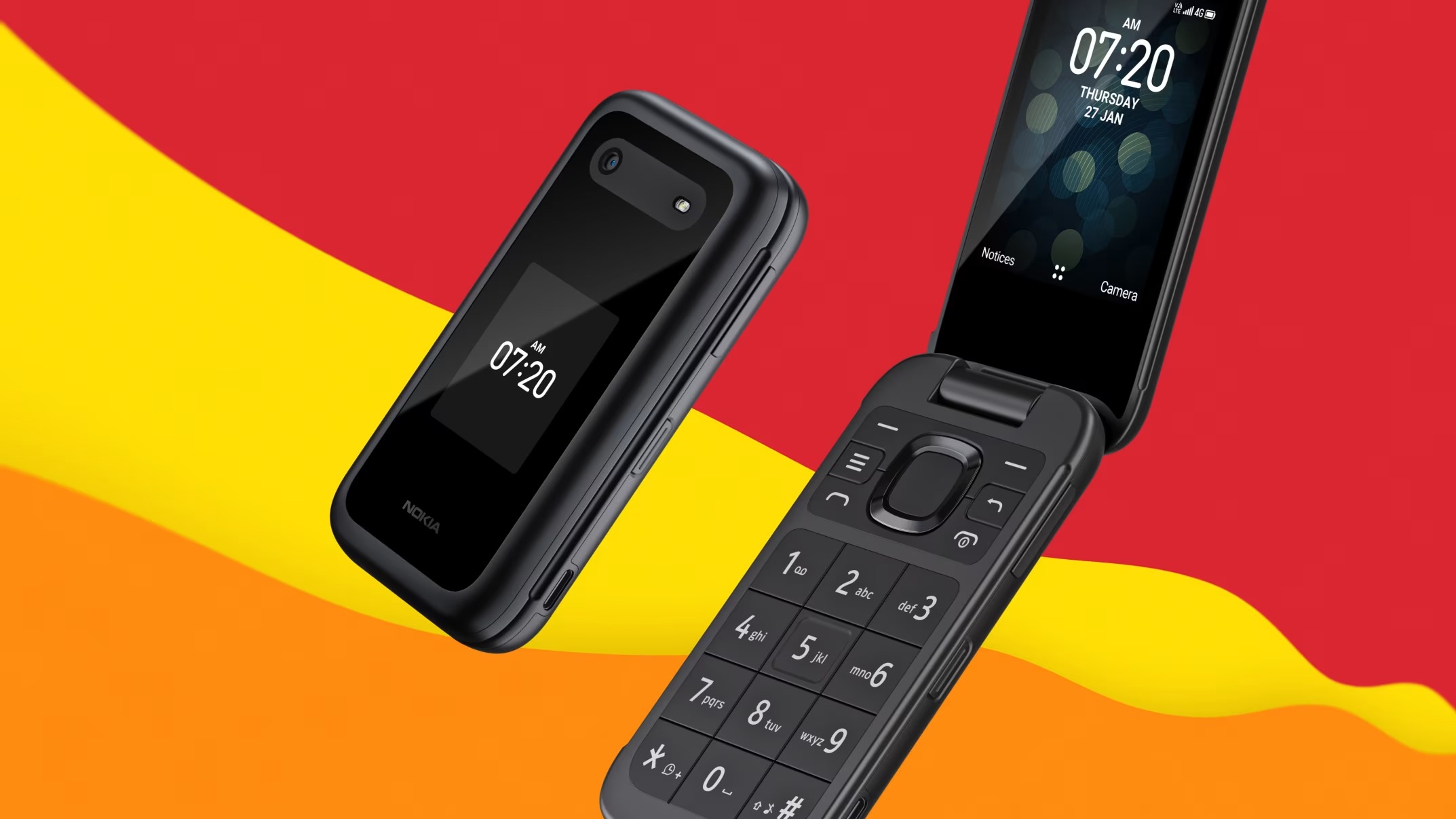
For those on a tighter budget, HMD’s Nokia 2760 Flip is a great option for a feature phone. This is another flip phone that features a 2.83-inch internal display and has a 1.77-inch external panel. It is equipped with a quad core 1.3GHz chip and has 4GB of storage.
This model also offers a 5MP camera and promises a talk time of up to 3.8 hours. Other notable features include web browsing, emails, and big keypad buttons for senior users. The Nokia 2760 Flip was announced for around $19 in the US market.
4. Nokia/HMD 225
Nokia 225
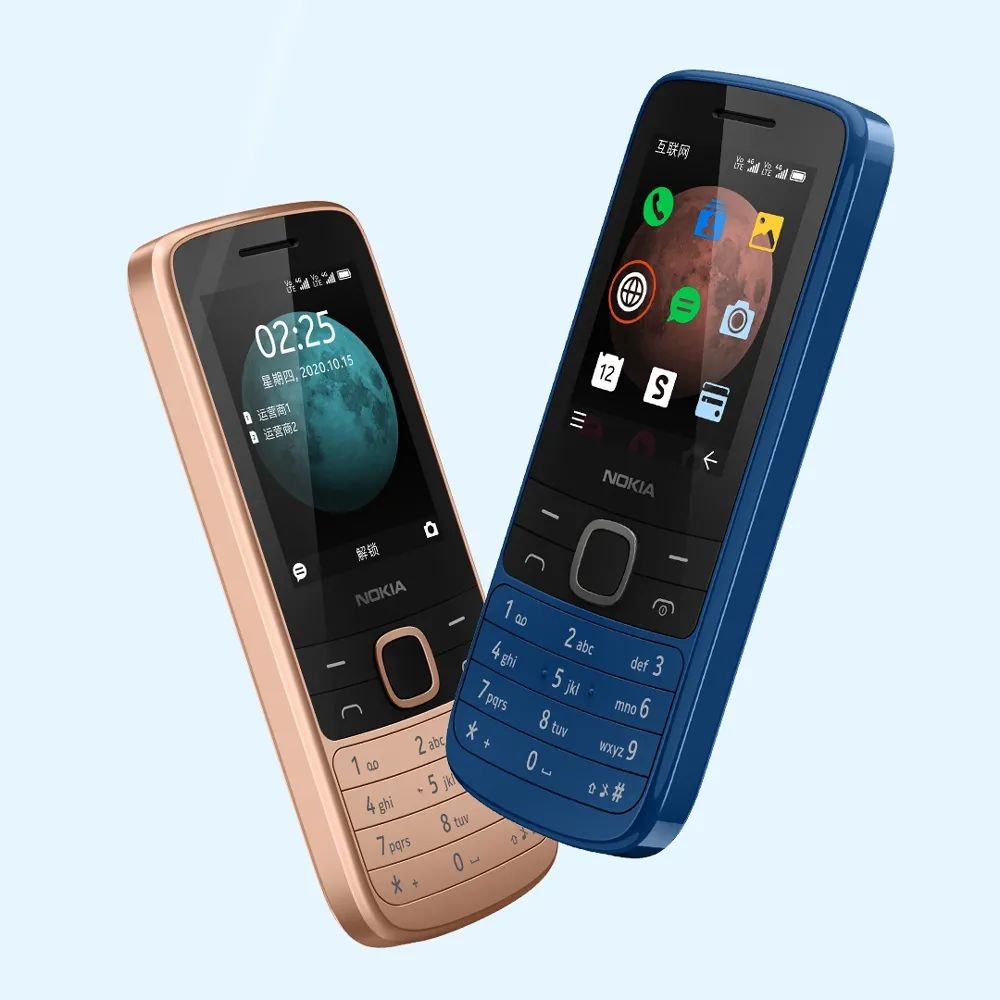
Last on the list is the Nokia 225, which was later rebranded as the HMD 225 for the global market. But in the US, it is still listed as the Nokia 225, which brings support for 4G networking. It has a 2.4-inch QVGA display on the front and a 0.3MP camera on the rear. On a single full charge, the Nokia 225 can last for up to 19 hours on GSM (6 hours with 4G).
Other notable features include a 1,150mAh removable battery pack, Bluetooth 5.0, a 3.5mm headphone jack, 128MB of internal storage, 64MB RAM, expandable storage up to 32GB via a MicroSD card slot, and Unisoc T117 chipset. It is currently listed for $49.99.
For more daily updates, please visit our News Section.
Elista has just announced 6 new air conditioners in the Indian market, expanding its home appliance portfolio in the region. The new AC models are a part of the brand’s latest EL-SAC series, which is designed to meet the rising demands over the upcoming summer season in India.
Elista EL-SAC Series Announced
The company just unveiled 6 new air conditioners that are Made in India and are designed for the Indian market. In other words, these are high performance ACs that are built for the intense summer seasons. The lineup consists of both fixed speed and inverter models, so let’s check them out:
EL-SAC18-3FSBNC (1.5 Ton, Fixed Speed)
EL-SAC24-3INVBP (2 Ton, Inverter)
EL-SAC18-5INVBP5 (1.5 Ton, Inverter, 5-star rated)
EL-SAC18-3INBNC (1.5 Ton, Inverter)
EL-SAC18-3INVBP48 (1.5 Ton, Inverter)
EL-SAC12-3INVBPN (1 Ton, Inverter)
Elista EL-SAC18-5INVBP5
The top of the line model is the EL-SAC18-5INVBP5, which arrives with a 5 star energy rating and has a 1.5 Ton capacity. It is suitable for Indian households as it offers cooling even as Indian summers cross 45 degrees Celsius while also being very power efficient. Based on official notes, the entire lineup promises long lasting operations, better heat transfer, and improved resistance against corrosion thanks to 100 percent copper condenser.
Other notable features include a HealthMAX tech (a 3-in-1 Anti-Virus HD Filter), Hidden LED Display, Sleep Mode, Quiet Operation, few protection, a fireproof electrical box, self diagnosis, and more. The new Elista inverter variants also arrive with 10 year compressor warranty, with the fixed speed model offering a 5 year warranty on the compressor. So here are its pricing:
EL-SAC18-3FSBNC – Rs 52,990
EL-SAC24-3INVBP – Rs 65,900
EL-SAC18-5INVBP5 – Rs 57,000
EL-SAC18-3INBNC – Rs 49,990
EL-SAC18-3INVBP48 – Rs 47,990
EL-SAC12-3INVBPN – Rs 44,490
For more daily updates, please visit our News Section.
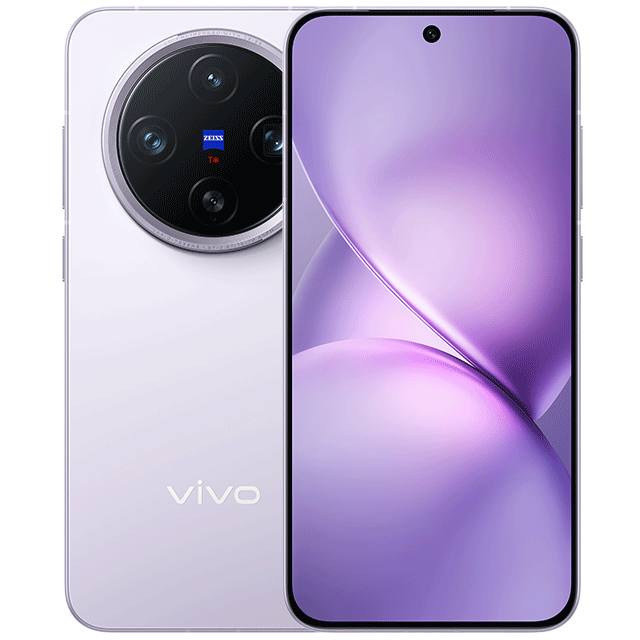
Vivo has launched a new Light Purple version of the X200 Pro Mini in China. The new color comes with the same hardware and features as the earlier models. It has debuted alongside the Vivo X200 Ultra and the X200s smartphones.
Vivo X200 Pro Mini
The Vivo X200 Pro Mini has a 6.31-inch flat OLED display with a resolution of 2640×1216, supports a 1-120Hz LTPO refresh rate, full brightness 2160Hz PWM dimming, and reaches up to 4500 nits peak brightness. The screen supports 1 billion colors and uses Zeiss Natural Color tuning.
The phone runs on MediaTek’s Dimensity 9400 processor and uses vivo’s Blue Crystal chip technology. It includes LPDDR5X RAM and UFS 4.0 storage. It runs Origin OS 5 and supports Live Photo. The phone is 8.15mm thick, weighs about 187 grams, and carries a high-end camera system with Zeiss optics.
On the front, it has a 32MP camera using the Samsung S5KKD1 sensor. The rear camera setup includes a 50MP main camera with Sony’s LYT-818 sensor, optical image stabilization, and VCS Bionic Spectrum 2.0. There’s also a 50MP ultra-wide camera with a Samsung S5KJN1 sensor, and a 50MP periscope telephoto lens with a Sony LYT-600 sensor and OIS. The system also includes laser autofocus with dToF and an upgraded night mode that now supports landscape photography.
It is powered by a 5700mAh Blue Ocean battery with 90W wired charging and 30W wireless charging. The phone also features stereo dual speakers, NFC, an infrared remote, a compact X-axis linear motor, and IP68 and IP69 ratings for dust and water resistance.
Pricing details
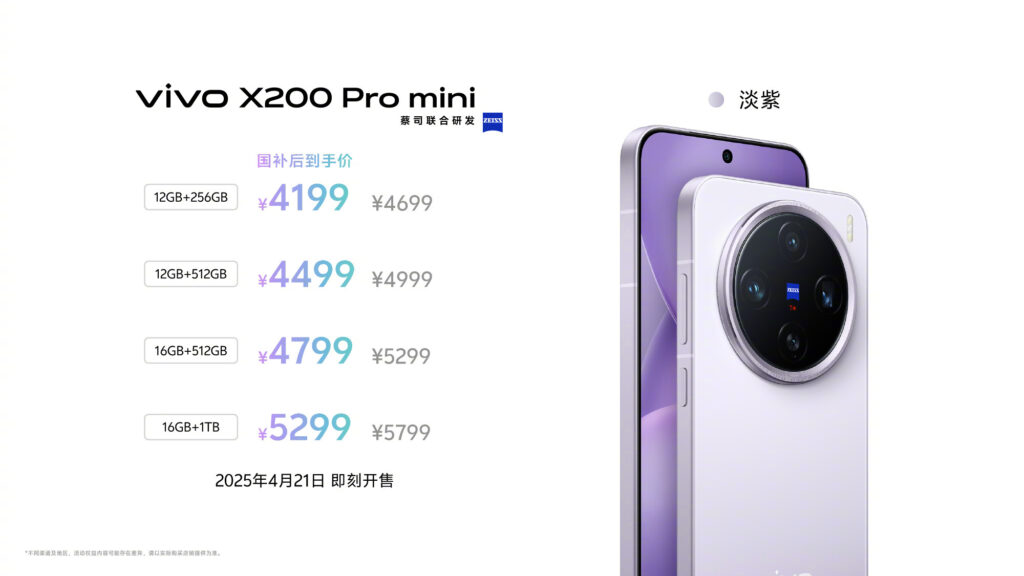
There are four memory and storage variants of the X200 Pro mini. The 12GB RAM with 256GB storage version is priced at 4699 yuan (USD 643), with a discounted price of 4199 yuan (USD 575). The 12GB + 512GB model is 4999 yuan (USD 684), or 4499 yuan (USD 616) with a discount. The 16GB + 512GB version costs 5299 yuan (USD 725), or 4799 yuan (USD 657) with a discount. The top variant, with 16GB RAM and 1TB storage, is priced at 5799 yuan (USD 793), or 5299 yuan (USD 725) with a discount.
For more daily updates, please visit our News Section.
Vivo X200s and Vivo X200 Ultra are two of Vivo’s latest flagships, aimed at users with different priorities but similar expectations for high-end features. Both models promise sleek design, advanced cameras, and strong performance, but the gap between their price tags raises an important question: which one offers better value for your needs? This comparison breaks down their key differences to help buyers choose wisely.
Build and Feel: Vivo X200 Ultra comes with a more substantial and premium design, thanks to its aluminum alloy frame and slightly larger, heavier body. This gives it a solid, high-end feel in hand, especially compared to the lighter, slightly slimmer Vivo X200s, which uses a more conventional frame material. While the X200s is more comfortable for one-handed use, the Ultra’s weight and bulk feel intentional, adding a touch of luxury. The Ultra is better suited for users who prioritize craftsmanship and durability over lightness, while the X200s is easier to handle day to day.
Display Quality: Vivo X200 Ultra edges ahead with its 6.82-inch 3168×1440 AMOLED display, delivering sharper details and superior clarity compared to the X200s’ 6.67-inch 2800×1260 screen. The Ultra also offers adaptive refresh from 1-120Hz, boosting battery savings and fluid visuals in gaming and scrolling, while the X200s is locked at 120Hz. The Ultra’s higher resolution, 510 PPI density, and better dynamic refresh make it a smarter pick for media lovers and gamers seeking crisp, smooth output.
Verdict: The X200 Ultra outclasses the X200s in display resolution and adaptive technology while offering a more refined, substantial build. Users seeking a premium display and feel will get more value from the Ultra, while the X200s focuses on comfort and balanced design for everyday use.
2. Specifications
Vivo X200 Ultra
Performance: The Vivo X200 Ultra is powered by the Snapdragon 8 Extreme Edition, which offers higher clock speeds (up to 4.32GHz) compared to the Dimensity 9400+ in the X200s (maxing at 3.73GHz). The Adreno 830 GPU also surpasses the Immortalis-G925 in graphical output, especially in high-load games and AI tasks. The Ultra’s setup is engineered for flagship performance, ideal for demanding apps and future-proofing. The X200s remains capable but is more balanced for mid to heavy everyday use rather than raw performance dominance.
Battery and Charging: Both phones sport near-identical fast charging and wireless support, 90W wired and 40W wireless, but the Ultra houses a slightly smaller 6000mAh typical capacity versus the X200s’ larger 6200mAh. In exchange, the Ultra’s adaptive refresh and Snapdragon optimization balance out the smaller size, so real-world endurance stays competitive. The X200s edges slightly ahead in sheer battery life on paper, making it more appealing for users who prioritize longevity over absolute speed.
Verdict: In raw power, the X200 Ultra has a clear advantage, making it better suited for high-performance workloads, games, and long-term use. The X200s, however, offers better battery capacity, which is attractive for endurance-focused buyers. Performance seekers will lean toward Ultra, while battery-conscious users might prefer the X200s.
3. Camera
Vivo X200 Ultra
Main and Secondary Lenses: The X200 Ultra leads in camera hardware, featuring a 200MP periscope lens and a more refined triple-camera array versus the X200s’ triple 50MP setup. Optical zoom also goes deeper on the Ultra, offering 105x digital zoom and 3.7x optical, compared to the X200s’ 100x digital and 3x optical. This makes the Ultra an excellent choice for photography enthusiasts who need maximum versatility, while the X200s still offer solid performance for everyday shots but lack the same telephoto depth.
Selfie Camera: The Ultra once again raises the bar with a 50MP front-facing camera versus the 32MP sensor on the X200s. For social media users, vloggers, or anyone focused on selfie quality, the Ultra’s higher resolution and f/2.45 aperture deliver sharper images, especially in daylight. The X200s does an admirable job, but the Ultra’s selfies show finer detail and better light handling.
Verdict: For users who prioritize photography, especially zoom and crisp selfies, the X200 Ultra is the stronger choice. The X200s is no slouch but takes a backseat to the Ultra’s advanced camera system, especially in long-distance and selfie scenarios.
4. Pricing
Vivo X200s
The Vivo X200s is positioned as the more affordable flagship, priced around €510, while the X200 Ultra comes in at €780. This price gap reflects their hardware difference, especially the camera, display, and chipset upgrades found in the Ultra. Verdict: For budget-conscious buyers looking for flagship essentials, the X200s offers excellent value without too many compromises. On the other hand, the Ultra is better suited for those willing to invest in performance, premium design, and camera excellence. The Ultra justifies its price with noticeable feature upgrades, but the X200s holds strong as a value leader.
5. Conclusion
Vivo X200 Ultra
The Ultra stands out for its advanced Snapdragon chipset, higher-resolution display, and professional-grade camera setup, especially the 200MP periscope lens and 105x digital zoom. It also supports more refined optical stabilization across all lenses, which benefits videographers.
The X200s’ major strengths lie in its lighter form factor, larger battery capacity, and more approachable price, making it a reliable all-rounder. Both share the same fast charging, Android base, and wireless capabilities, but the Ultra clearly leans toward users seeking cutting-edge photography and processing power.
Final Verdict: The Vivo X200 Ultra is the clear winner for those seeking the absolute best in display sharpness, camera versatility, and processor performance. It justifies its higher price with real-world benefits, especially for gamers, content creators, and tech enthusiasts.
Meanwhile, the Vivo X200s offers outstanding value, balancing flagship-level specs with a more affordable price and better battery endurance. The X200 Ultra is the smarter pick for users wanting no compromise, while the X200s is great for those who prioritize value and practical daily performance.
Apple‘s next generation iPhone 17 Pro series has just surfaced in yet another leak. This time around, the upcoming iPhone had its case renders leaked that showcased its new rear design with dual tone colors and a new camera bar. So let’s have a look.
Apple iPhone 17 Pro with Camera Bar Spotted in Case Leak
The Cupertino based giant’s iPhone 17 Pro had its redesigned back revealed in fresh case leaks that was shared by known tipster Majin Bu. Looking at the pictures, we can see an iPhone 17 Pro model with a case on, with the main highlight being a large cutout for the camera island on the rear. This includes three image sensors, a LiDAR sensor, and a flash module.
The camera bar like design seems like an exaggerated version of the visor style bar module on the recent Google Pixel series. The protective covers are available in multiple color options, which include light blue, light green, gray, light purple, and an off-white option. There were two color variants of the iPhone 17 Pro with these cases as well, one had a dark gray color while the other was white.
This leak arrives days after Mark Gurman’s recent Power On newsletter, where he claimed that the dual tone design with a camera block is not an accurate representation. It seems like the camera layout would remain the same, but the dual tone design of a dark black camera in a silver iPhone is not in Apple’s plan. This is all the information we have at the moment, so stick around for more.
For more daily updates, please visit our News Section.
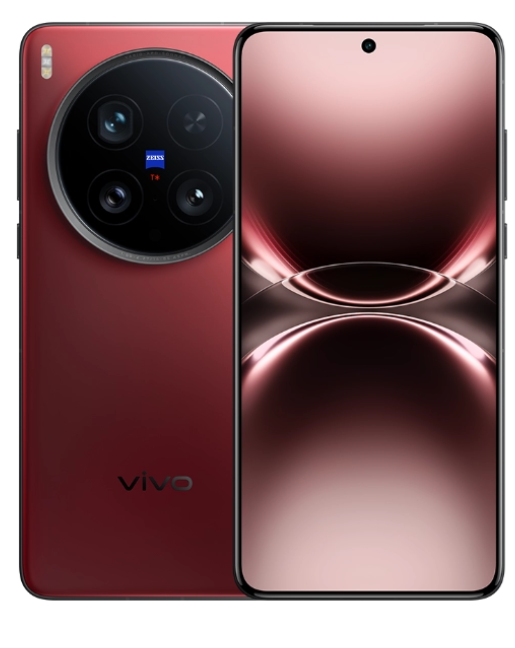
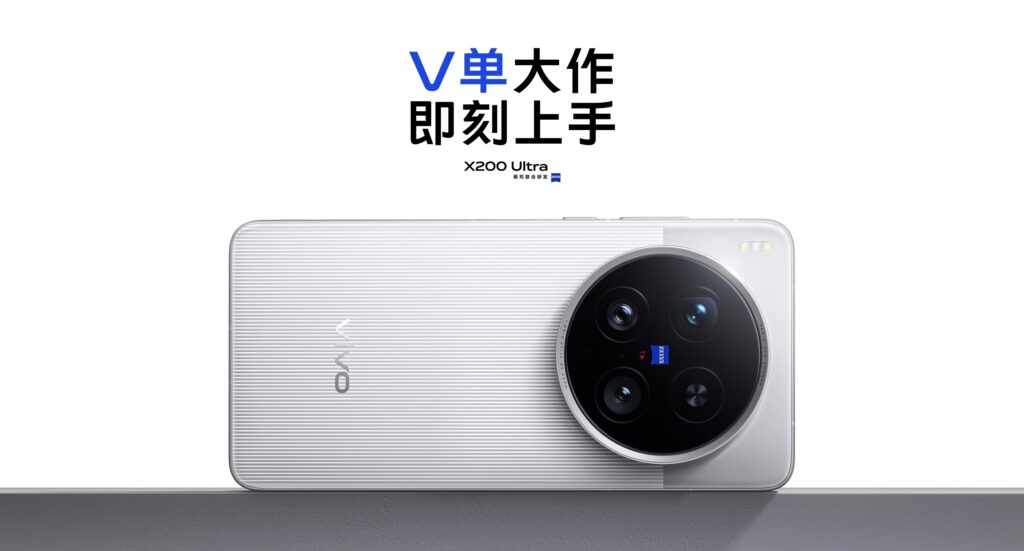
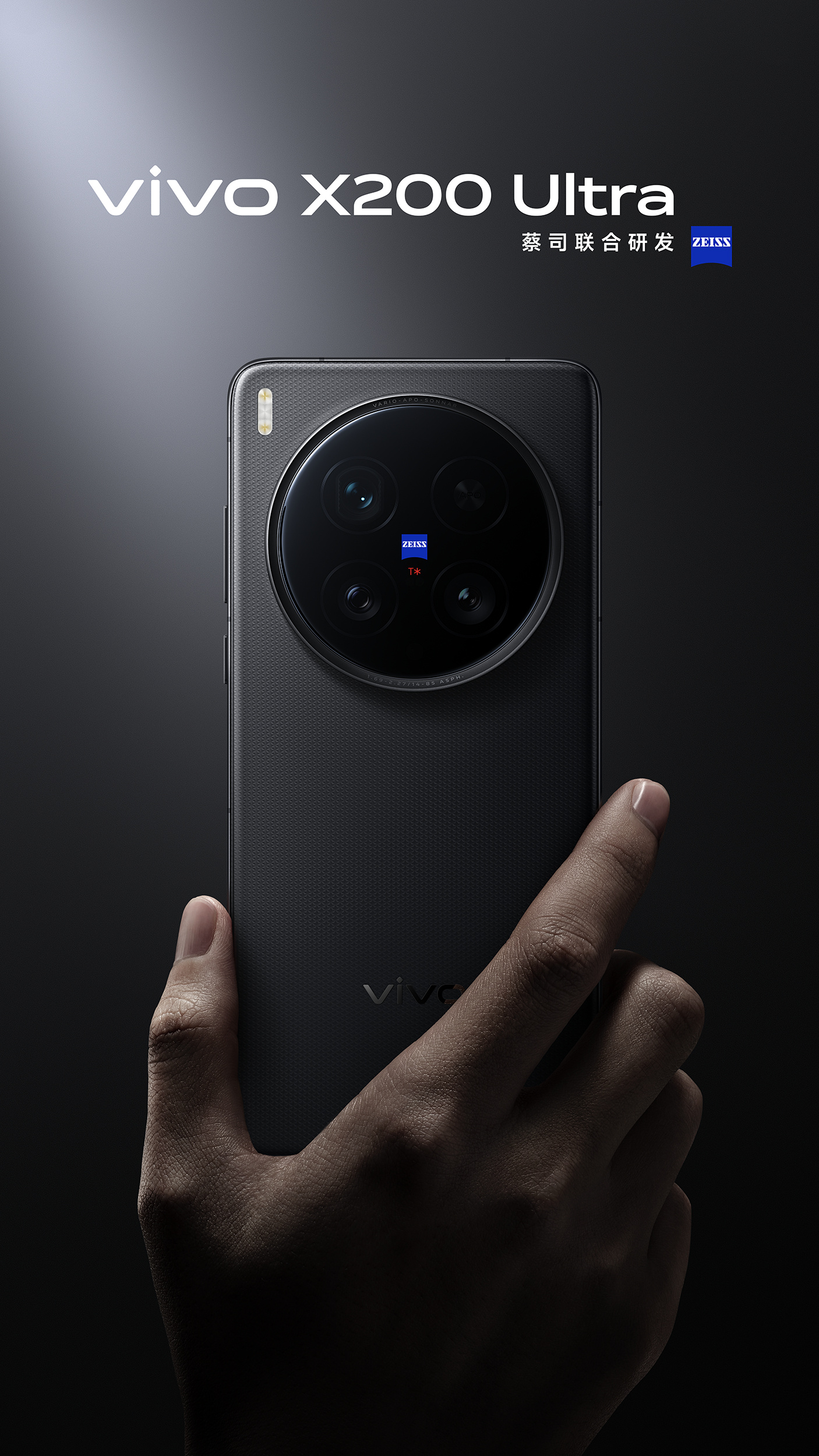
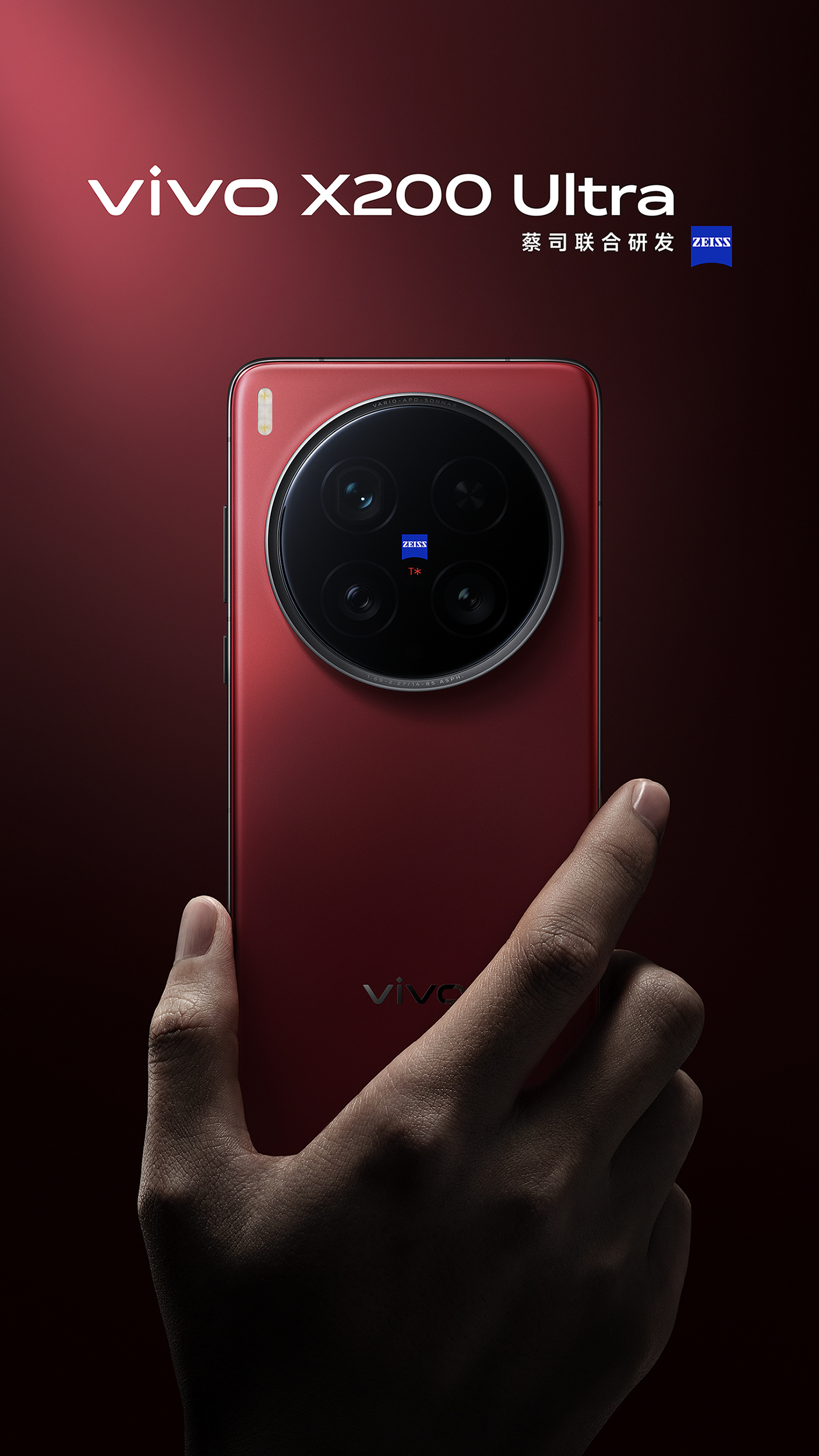
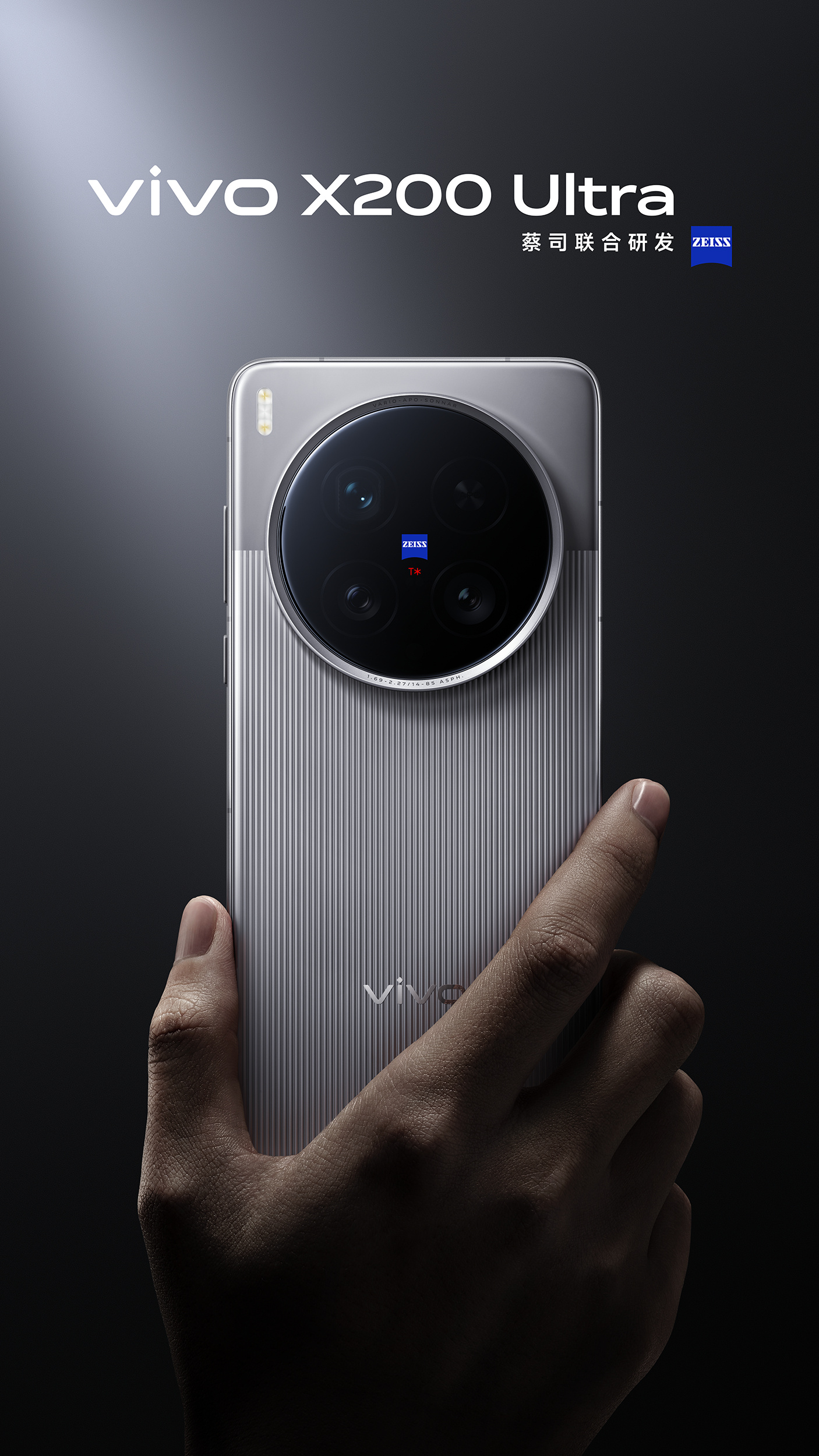
Vivo has launched the X200 Ultra flagship smartphone in China, alongside the X200s, offering a top-end display, strong performance, and advanced camera hardware. The phone is now available for pre-order and will go on sale on April 29.
Vivo X200 Ultra
Vivo X200 Ultra features
The X200 Ultra comes with a 6.82-inch 2K LTPO AMOLED curved screen that supports a 1–120Hz refresh rate, HDR10+, 2160Hz PWM dimming, DC-like dimming, and Armor Glass protection. The screen has a resolution of 3168 x 1440 pixels and covers 93.3% of the front.
Vivo X200 Ultra
The device has Qualcomm’s Snapdragon 8 Elite 3nm chipset, with an Adreno 830 GPU. It supports 12GB or 16GB of LPDDR5X RAM and storage options of 256GB, 512GB, or 1TB using UFS 4.1. It runs OriginOS 5 based on Android 15. The CPU is an 8-core setup with a peak clock of 4.32GHz. It includes two dedicated imaging chips—VS1 for pre-processing and V3+ for post-processing image data—to reduce load on the main chipset and improve photo and video quality.
The rear camera system includes a 50MP main sensor, a 50MP ultra-wide sensor (both Sony LYT-818), and a 200MP Samsung HP9 periscope telephoto lens (85mm) with Zeiss APO design, 3.7x optical zoom, OIS, and Zeiss T* coating. The camera setup supports 8K video, 4K at 60fps 10-bit Log, 4K at 120fps for slow motion, and 4K time-lapse. The front camera is a 50MP unit with an f/2.45 aperture.
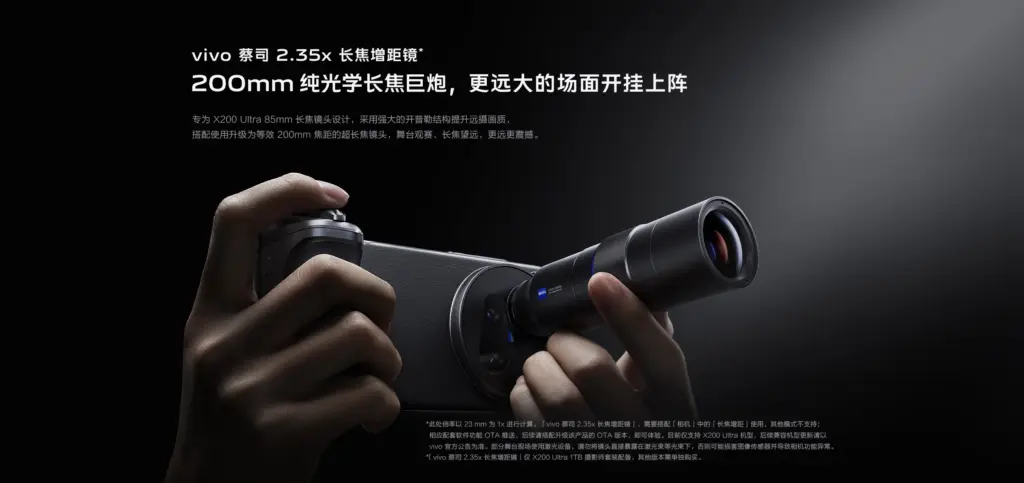
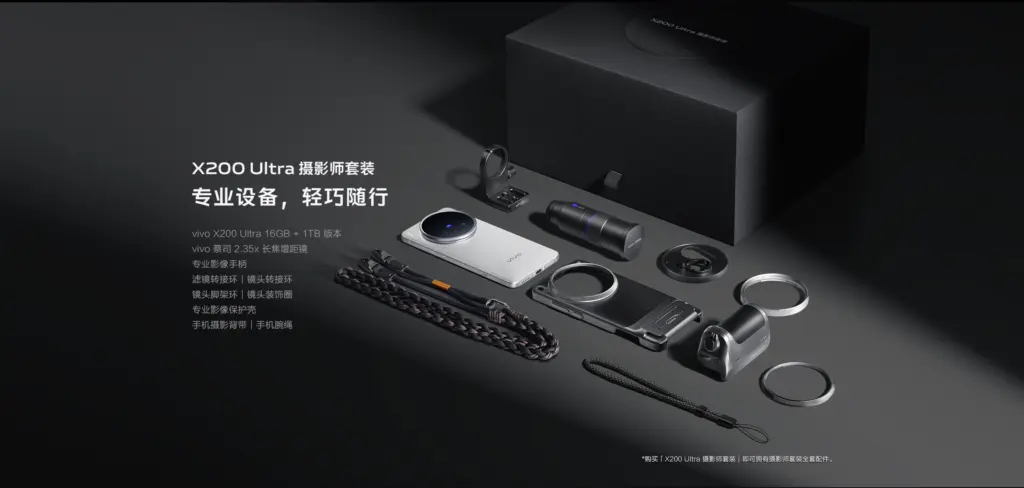
The phone features a physical camera control key for quick access, zoom control, and shutter adjustments. Vivo is also selling a Zeiss 2.35x telephoto kit with a 200mm F2.3 lens and a pro photography kit that includes a grip with shutter and zoom lever, a 2300mAh battery, and a 67mm filter adapter.
It has a 6000mAh battery that supports 90W wired charging, 40W wireless charging, and reverse wireless charging. Vivo claims a talk time of up to 23.4 hours on 4G VoLTE and a standby of up to 18.3 days. It uses a single-cell lithium-ion battery design.
Vivo X200 Ultra Vivo X200 Ultra Vivo X200 Ultra
The phone has an in-display 3D ultrasonic fingerprint sensor and supports facial recognition. It includes stereo speakers, USB Type-C, an infrared sensor, and supports USB 3.2 Gen1. Connectivity options include dual 5G, Wi-Fi 7, Bluetooth 5.4, NFC, and full satellite navigation support including GPS, Beidou, Galileo, GLONASS, QZSS, and NavIC. The 16GB + 1TB version also supports Beidou satellite messaging through China Mobile.
The phone is IP68 and IP69 rated for dust and water resistance. It measures 163.14 x 76.76 x 8.69mm and weighs 229g (Silver) or 232g (Black and Red).
Pricing & availability
Prices are set at 6499 yuan (~USD 890) for the 12GB + 256GB model, 6999 yuan (~USD 959) for the 16GB + 512GB, and 7999 yuan (~USD 1095) for the 16GB + 1TB Satellite Edition. The 16GB + 1TB version with the Photographer Kit costs 9699 yuan (~USD 1329). The Zeiss telephoto kit is priced at 1299 yuan (~USD 178), the photographer kit at 699 yuan (~USD 96), and the combo at 1699 yuan (~USD 233). The accessory kits will be available in May.
For more daily updates, please visit our News Section.
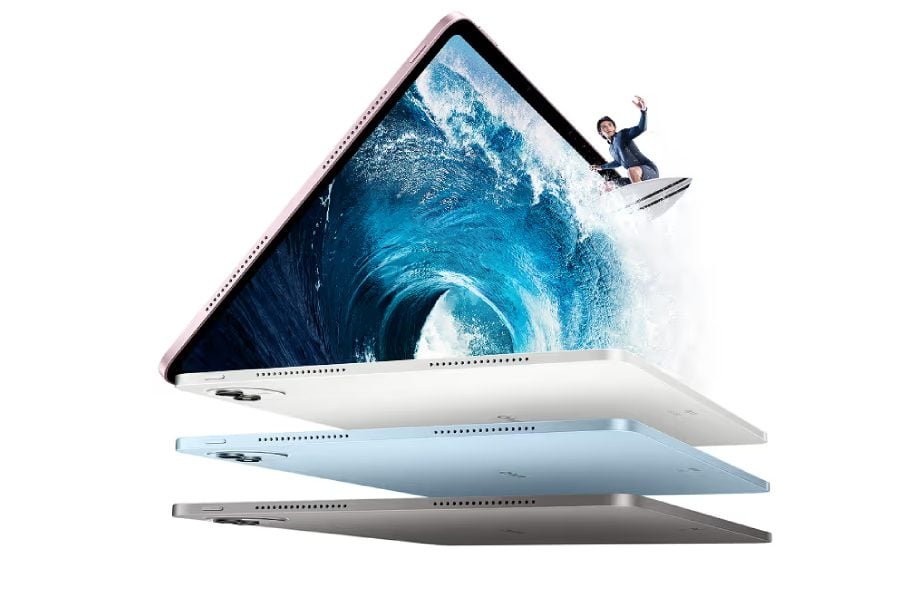
Vivo has officially added two new tablets to its lineup, the Pad SE and Pad 5 Pro. Both tablets target different audiences. The Pad SE is an affordable model geared toward learning. Meanwhile, the Pad 5 Pro is a high-end option for those who want a large slate for things like gaming and more.
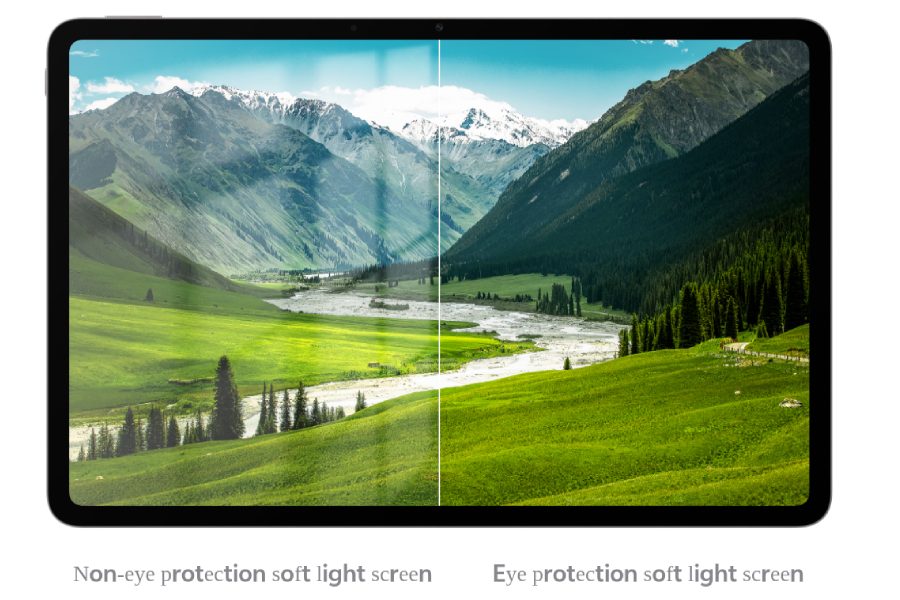
The Pad SE features a 12.3-inch 2.5K display with a 3:2 aspect ratio and a 90Hz refresh rate. Vivo is also offering the tablet in two screen options: a standard version and a Soft Light Edition that’s designed to reduce eye strain.
The Soft Light Edition includes what Vivo calls a nano-etching AG technology. It is supposed to cut down on reflections and glare by up to 97 percent. This version is also TÜV Rheinland certified for both anti-reflective properties and hardware-level low blue light.
Not to worry, though, the regular display also includes the hardware-level low blue light protection. Both screens come with DC dimming, a sleep mode that’s meant to align with melatonin secretion patterns, intelligent color temperature adjustment, and bionic brightness control, which adapts to your environment to avoid blasting your eyes in dark rooms.
Under the hood, the Pad SE is powered by Qualcomm’s Snapdragon 4 Gen 2 chipset. This is an entry-level SoC that’s good enough for basic tasks like browsing, watching videos, and light productivity. It comes with up to 8GB of RAM and 256GB of storage, and there’s a quad-speaker setup onboard for media playback.
The device houses an 8,500mAh battery, which Vivo claims will retain over 80 percent health after 1,500 charging cycles, or roughly 50 months of regular use.
Vivo is marketing this one heavily toward students and younger users. And for that, the Pad SE includes an exclusive Learning Center app featuring AI-assisted study tools, textbook access, and video lessons.
Vivo Pad SE Price and Availability
The Pad SE comes in two finishes, Blue and Dark Gray, and in three configurations:
6GB + 128GB: 999 yuan
8GB + 128GB: 1,299 yuan
8GB + 256GB: 1,599 yuan
The Soft Light Edition comes in Titanium and Dark Gray and in same configurations but at slightly higher prices:
6GB + 128GB: 1,199 yuan
8GB + 128GB: 1,499 yuan
8GB + 256GB: 1,799 yuan
There’s no official word yet on global availability.
2. Vivo Pad 5 Pro
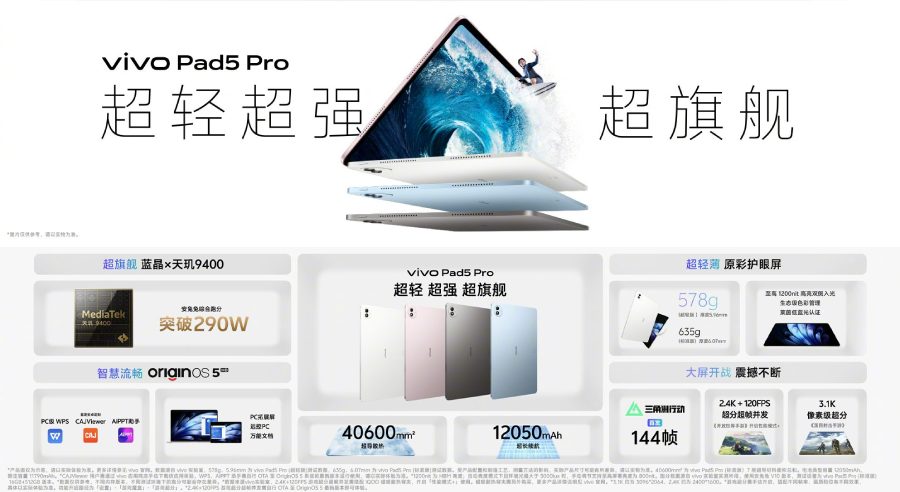
The Pad 5 Pro is a flagship tablet powered by a MediaTek Dimensity 9400 processor. It features a 13-inch panel with a 3.1K resolution (roughly 3096×2064), HDR10 support, and a 144Hz refresh rate.
The screen is color accurate with ∆E≈0.8 and hits 1200 nits peak brightness. It also has hardware-level low blue light certification and over 10 layers of eye protection technologies. It’s designed to be easier on the eyes, whether you’re binge-watching or reading PDFs for hours.
As a flagship tablet, you can easily run a variety of games on it. According to Vivo, standard shooters can run at the full 3.1K resolution. Whereas, you can go up to 2.4K resolution with 120FPS frame concurrency in open-world games with a special Performance Mode+ (provided you pair it with Vivo’s magnetic heat dissipation back clip).
If you’re not trying to turn this into a mobile gaming rig, the system still stays cool thanks to a 40600mm² superconducting heat dissipation setup.
Software-wise, it runs OriginOS 5 HD, which is tuned to give users PC-level flexibility for document editing, file management, or the ability to act as a secondary display.
Vivo’s Xiao V assistant can help you write speeches, resumes, and more, directly in apps like Atom Notes and Vivo Docs. There’s even an AiPPT Assistant for those moments when you need to throw together a last-minute deck.
For multitasking, you get features like multi-device sync, universal clipboard, and support for connecting to Windows or macOS machines.
Audio is handled by an 8-speaker panoramic acoustic system with symmetrical layout. And on the visual side, Vivo has custom-built SDR-to-HDR and HDR enhancement engines to give a quality boost to older content.
The tablet houses a 12,050mAh battery, which is rated for 16 hours of video streaming.
On the accessories side, the Vivo Pencil 3 supports 10,000+ levels of pressure, low-latency input, and gesture controls. The Smart Keyboard 5 Pro includes AI-trigger buttons, and the Smart Double-Sided Clip 5 Pro offers flexible positioning and wake/sleep functionality.
Vivo Pad 5 Pro Price and Availability
The Vivo Pad 5 Pro will be available in China starting April 25, with the base 12GB + 128GB (UFS 3.1) model priced at 2549 yuan. Here’s the complete pricing breakdown:
12GB +128GB (UFS 3.1) : 2549 yuan
12GB + 256GB (UFS 4.1) : 2634 yuan
16GB + 512GB (UFS 4.1) : 3399 yuan
The sole 16/512GB WiFi model will go on sale from April 29 for 3199 yuan. Accessories are sold separately, with the new Vivo Pencil 3 priced at 499 yuan, the Smart Touch Keyboard at 699 yuan, and a basic keyboard option at 199 yuan.
For more daily updates, please visit our News Section.
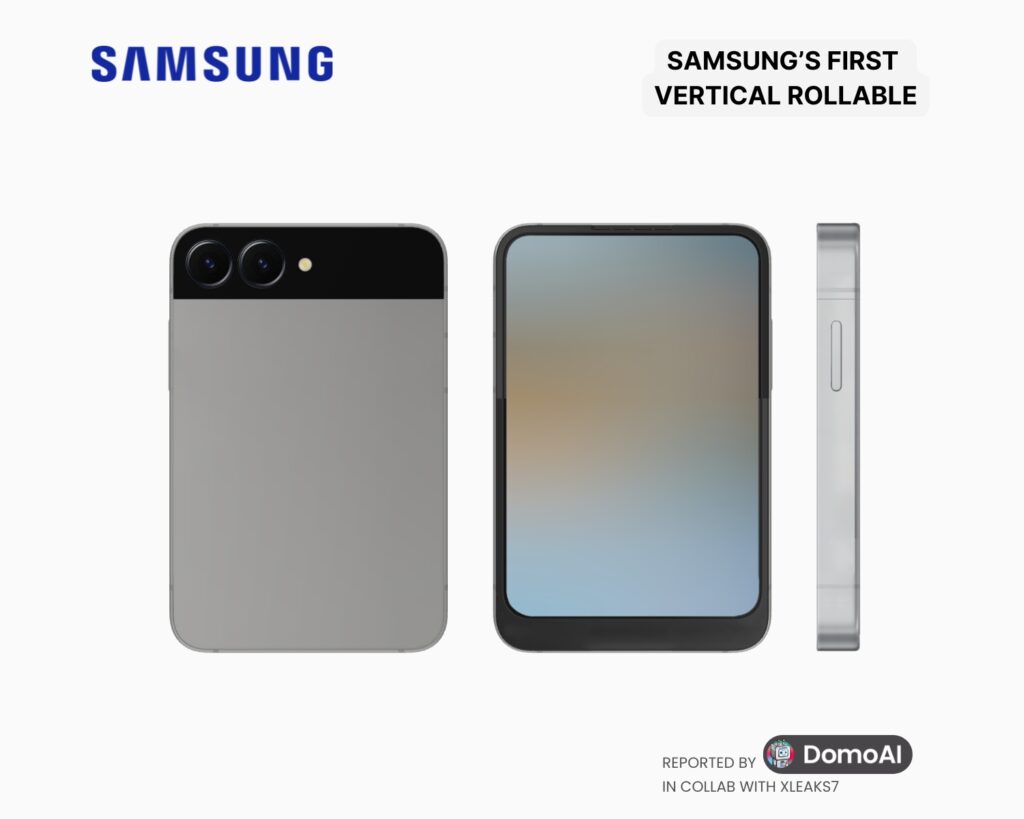
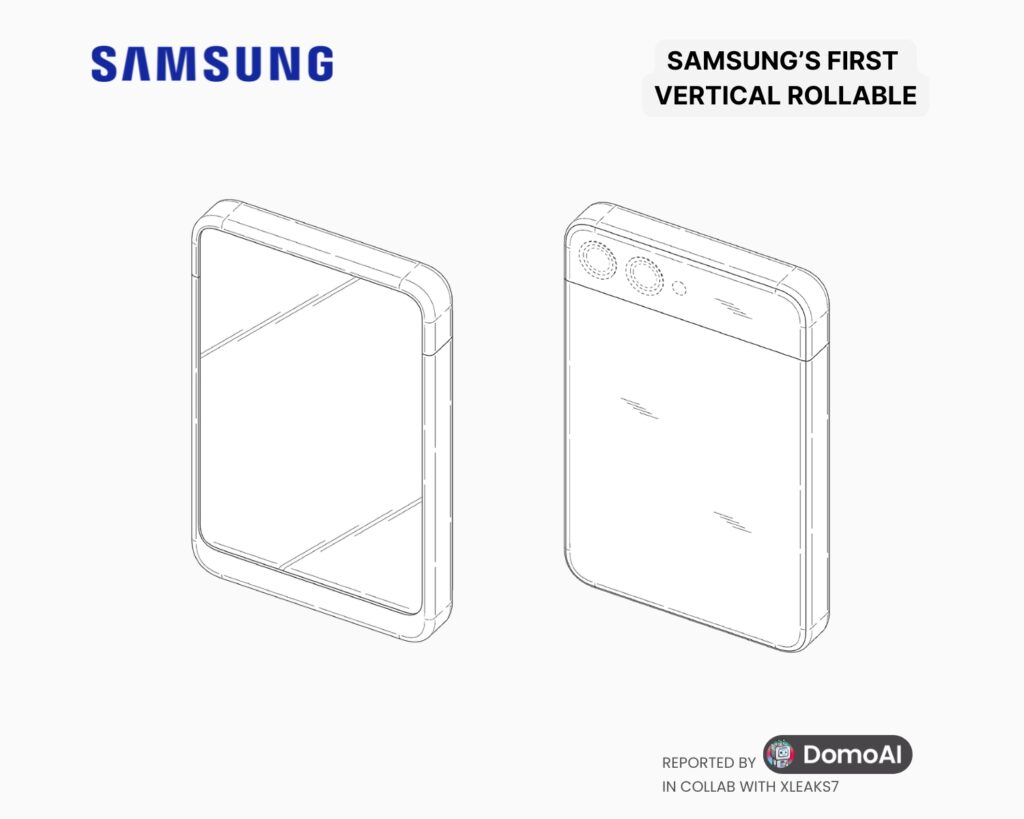
Samsung is once again exploring the future of mobile design, and this time it’s rolling upward. According to a recently uncovered patent, spotted by DomoAI in collaboration with tipster David from @xleaks7, the sketches reveal what could be Samsung’s first vertical rollable smartphone. The concept hints at a bold new direction that might change the way users interact with their devices.
Unlike previous rollable concepts that extend sideways, Samsung’s design reveals a vertically expanding display. This allows the device to remain compact in your pocket while offering a taller, more immersive screen when needed. From the sketches, the front panel includes slim bezels with a slightly pronounced chin, while the body is thicker than usual, most likely to house the rolling mechanism. On the back, the camera layout mirrors the dual-lens system seen on the Galaxy Z Flip 6.
The patent does not reveal the device in its fully unrolled state, so the maximum screen size remains unclear. Still, the form factor hints at smoother transitions between casual use and extended productivity or entertainment. It holds the potential to offer a new kind of hybrid between a traditional phone and a media device.
According to DomoAI, Samsung could be planning to use on-device AI to enhance how users interact with the rollable smartphone. What sets this concept apart isn’t just the presence of AI, but how those features might take advantage of the adaptable screen space. Real-time translation, for example, could display two languages simultaneously in a split view, with the screen expanding vertically to make room. That kind of layout would be difficult to pull off cleanly on a traditional phone without feeling cramped.
The system might also manage daily tasks more efficiently by combining AI smarts with the flexible display. Picture reading a long message or article, AI could summarize the content, while the screen expands to show more of it without constant scrolling. Editing photos could become more fluid too. Instead of making tiny tweaks on a small display, the phone could unroll just enough to give a larger, more comfortable view, making it easier to remove distractions or fine-tune lighting with precision.
This concept stands out because it doesn’t rely on the wow factor of the rollable screen alone. If done right, it could finally make rollables feel less like a novelty and more like a practical upgrade. The vertical expansion seems more natural for how we scroll, read, or multitask, and pairing that with smart software could unlock fresh possibilities for productivity and play.
While nothing is confirmed yet, and we’ve only seen patent sketches so far, this vertical rollable hints at a future where hardware flexibility could reshape how we use smartphones.
Btw, this isn’t the only design Samsung might be testing. According to a newly approved US patent, the company is also exploring a foldable phone with a 360-degree hinge that can bend both inward and outward, potentially removing the need for a separate cover screen. The design features ultra-thin flexible glass and a small rear display strip for notifications when the device is closed.
For more daily updates, please visit our News Section.
LG Electronics and Samsung have filed lawsuits against the Indian government, challenging the “minimum recycling payment standard” clause in the E-Waste Management Amendment Regulations 2024. This regulation mandates electronics manufacturers to pay a minimum of ₹22 per kilogram for recycling consumer electronics and ₹34 per kilogram for smartphones.
Both companies claim the new rates sharply raise their recycling costs. Samsung says the fees are five to fifteen times higher than before. LG argues that the policy puts an unfair financial load on manufacturers while mostly benefiting recyclers. They also say the regulation ignores the informal sector, which still handles around 80% of India’s e-waste.
India produced 3.8 million metric tons of e-waste in 2024, making it the third-largest generator globally. But only 43% of that waste was formally recycled. The rest is processed by unregulated recyclers who often use harmful methods. To shift this balance, the government introduced the fixed payment system to draw more formal players into the market and push investment in better infrastructure.
Other companies, including Daikin, Havells, Voltas, and Blue Star, have also challenged the regulation in court, citing increased compliance costs and potential impacts on product pricing. The Delhi High Court is scheduled to hear these cases on Tuesday.
The outcome of these legal challenges could have significant implications for India’s e-waste management policies and the electronics industry’s operational costs.
For more daily updates, please visit our News Section.
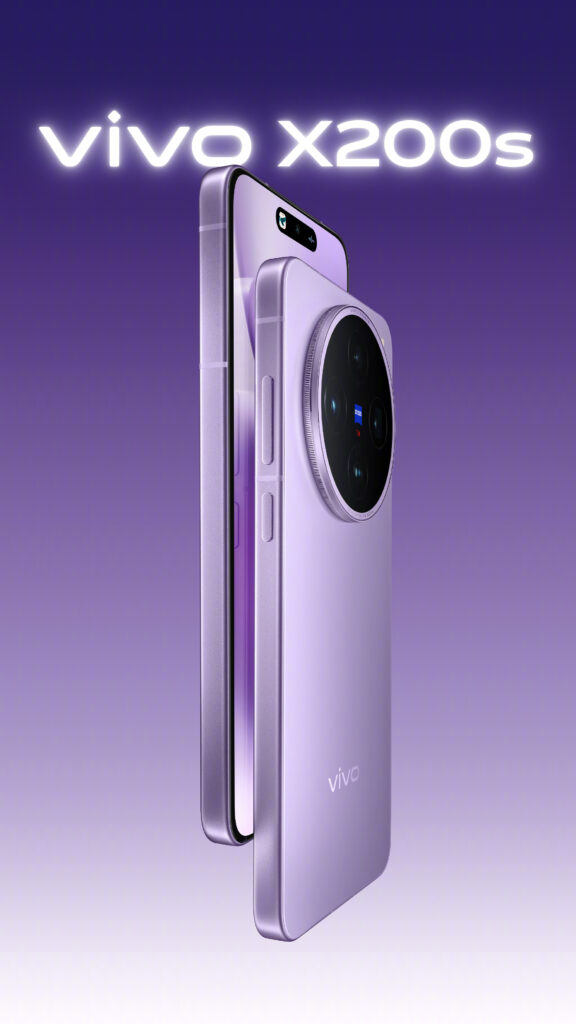
Vivo today unveiled its latest flagship-tier device, the X200s, in China. The phone is powered by MediaTek’s freshly unveiled Dimensity 9400 Plus chip and offers a spec sheet that ticks the boxes for a flagship phone in 2025.
Vivo X200s Overview
The front of the X200s is a 6.67-inch flat OLED panel sourced from BOE (Q10 substrate). It’s a 1.5K screen (2800 x 1260) which refreshes at 120Hz, has 2160Hz PWM dimming, and a peak brightness of 4500 nits. The panel remains flat with minimal bezels all around.
Vivo X200s – Soft Purple
Internally, the X200s is one of the first phones to ship with MediaTek’s Dimensity 9400 Plus. It’s an overclocked version of the regular Dimensity 9400 with 20% improvement in Agentic AI performance. This is paired with LPDDR5x RAM and UFS 4.1 storage, and available in up to 16GB RAM and 1TB configurations.
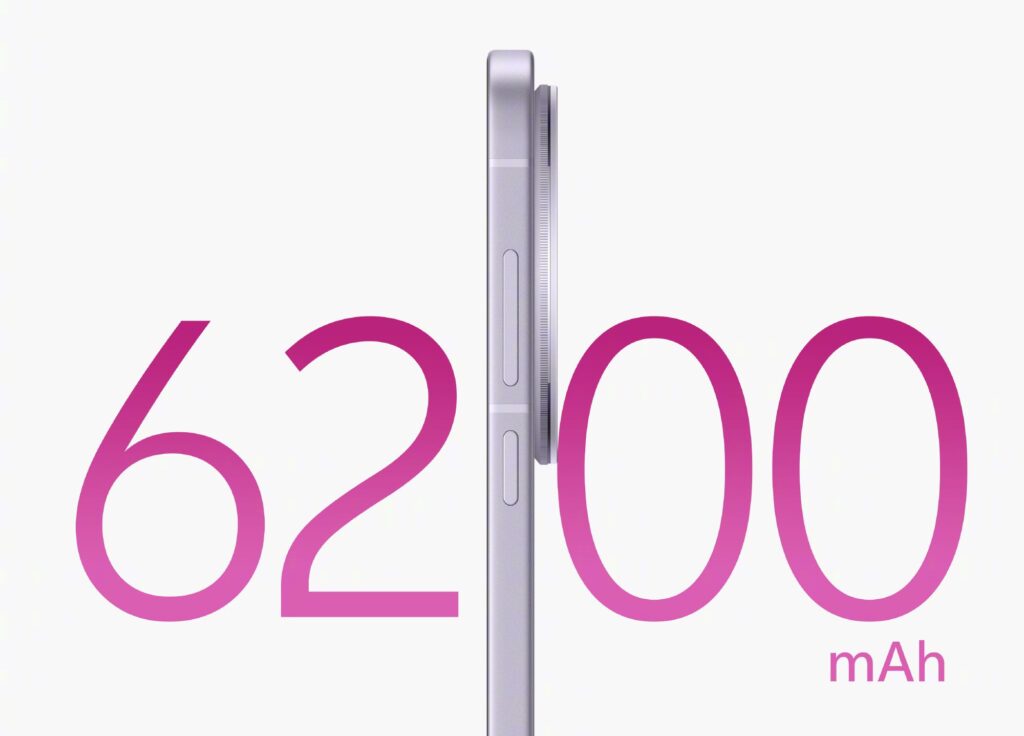
As for the battery, it comes with a 6,200mAh cell supported by 90W wired and 40W wireless charging. Vivo is still using its dual-cell charging architecture here, like the other X200 series phones.
The camera setup is also familiar here. On the back, there’s a 50MP Sony IMX921 sensor with OIS and Vivo’s in-house VCS 2.0 color system. That’s joined by a 50MP ultrawide (Samsung JN1) and a 50MP periscope telephoto (IMX882) offering 3x optical zoom and OIS. The front camera is a 32MP unit (Samsung S5KKD1), which is standard fare for Vivo’s upper-end lineup.
VIvo X200s battery-
Out of the box, the X200s runs Android 15 with OriginOS 5 layered on top. The fingerprint sensor is ultrasonic and embedded under the display, while other extras include laser autofocus, a flicker sensor for camera stability, dual speakers, and IP68/IP69 ratings for water and dust resistance.
Connectivity is about as complete as it gets. The phone includes Wi-Fi 7, Bluetooth 5.4, NFC, an IR blaster, and an x-axis linear motor for haptics. Vivo is also touting its “kilometer-level network-free communication” for X200s. It’s a network-free innovation that allows users to connect over several kilometers without relying on the mobile network, though that’s likely to be a China-specific feature.
As for the dimensions, the X200s measures 160.1 x 74.29 x 7.99mm and weighs either 203g or 205g, depending on color. Speaking of which, Vivo is offering the phone in four options: Light Purple, Mint, White, and Black.
Vivo X200s Price and Availability
Vivo X200s is available in five storage variants starting at CNY 4,199. Here’s the pricing breakdown:
12GB + 256GB: CNY 4,199 (~Rs 49,110 | ~$575)
16GB + 256GB: CNY 4,399 (~Rs 51,490 | ~$600)
12GB + 512GB: CNY 4,699 (~Rs 54,960 | ~$645)
16GB + 512GB: CNY 4,999 (~Rs 58,410 | ~$685)
16GB + 1TB: CNY 5,499 (~Rs 64,270 | ~$755)
The X200s is currently limited to the Chinese market, and there’s no word yet on whether it’ll launch globally. Based on Vivo’s recent patterns, an international version may not be guaranteed.
Vivo X200s Specifications
Vivo X200s
Specification
Display
6.67-inch flat OLED (BOE Q10)
1.5K resolution (2800 x 1260)
120Hz refresh rate
4500 nits peak brightness
2160Hz PWM dimming
Processor
MediaTek Dimensity 9400 Plus
RAM
12GB / 16GB LPDDR5x
Storage
256GB / 512GB / 1TB UFS 4.1
Battery
6,200mAh
Charging
90W wired, 40W wireless
Front Camera
32MP (Samsung S5KKD1)
Rear Cameras
– 50MP (Sony IMX921, OIS, VCS 2.0) – Main
– 50MP (Samsung JN1) – Ultrawide
– 50MP (IMX882, OIS) – 3x Periscope Telephoto
OS
Android 15 with OriginOS 5
Fingerprint Sensor
Ultrasonic in-screen
Audio
Dual stereo speakers
Other Sensors
Laser autofocus, flicker sensor
Connectivity
Wi-Fi 7, Bluetooth 5.4, NFC, IR blaster
Kilometer-level network-free communication
Haptics
X-axis linear motor
Dimensions
160.1 x 74.29 x 7.99 mm
Weight
203g / 205g (Black variant)
Water/Dust Resistance
IP68 / IP69
Colors
Light Purple, Mint Green, Straightforward (White), Simple Black
Pricing (China)
12GB + 256GB: ¥4,199 (~$575)
16GB + 256GB: ¥4,399 (~$600)
12GB + 512GB: ¥4,699 (~$645)
16GB + 512GB: ¥4,999 (~$685)
16GB + 1TB: ¥5,499 (~$755)
For more daily updates, please visit our News Section.
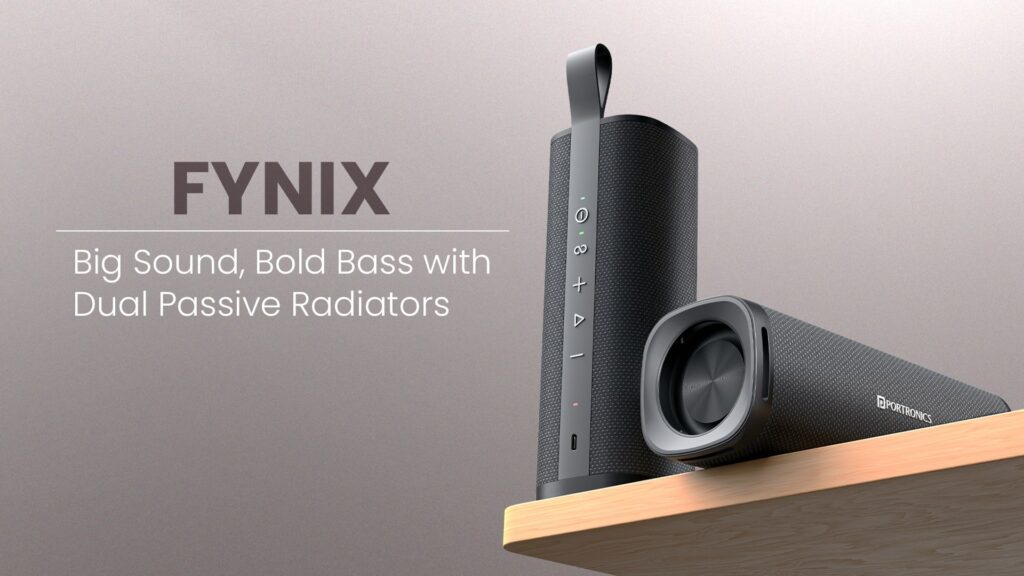
Portronics has introduced a new portable Bluetooth speaker in India named Fynix, designed for users who want a compact speaker with strong sound output and essential modern features. Let’s check out its key specs.
Portronics Fynix Specifications
The Fynix is equipped with a dual-driver configuration that delivers a total output of 30W. It also uses passive radiators to enhance low-end performance, enabling fuller bass without requiring a larger enclosure. The speaker is suitable for indoor and outdoor use, offering clear highs and mids along with boosted lows, making it versatile across different music genres.
It comes with Bluetooth 5.3, which ensures faster device pairing, a more stable connection, and improved energy efficiency. The speaker also supports True Wireless Stereo (TWS) mode, allowing users to pair two Fynix units for a more immersive stereo sound experience. This makes it a practical choice for casual gatherings, outdoor picnics, or movie sessions at home.
The battery offers up to 6 hours of playback time on a single charge, and the speaker uses a USB Type-C port for fast charging. Other features include a built-in microphone for hands-free calling and voice assistant support for controlling playback, setting reminders, or checking the weather through connected devices.
The design features a fabric mesh outer shell for a stylish appearance and splash resistance. On one side, a rubberized strip holds tactile buttons for power, pairing, volume, playback, and TWS activation. This strip extends into a loop strap, allowing the speaker to be carried or hung easily.
Pricing and Availability
Portronics has priced the Fynix at an introductory Rs. 2,599 ($30), and it comes with a 12-month warranty. The speaker is available on Portronics.com, Amazon.in, and through other major retail channels across India.
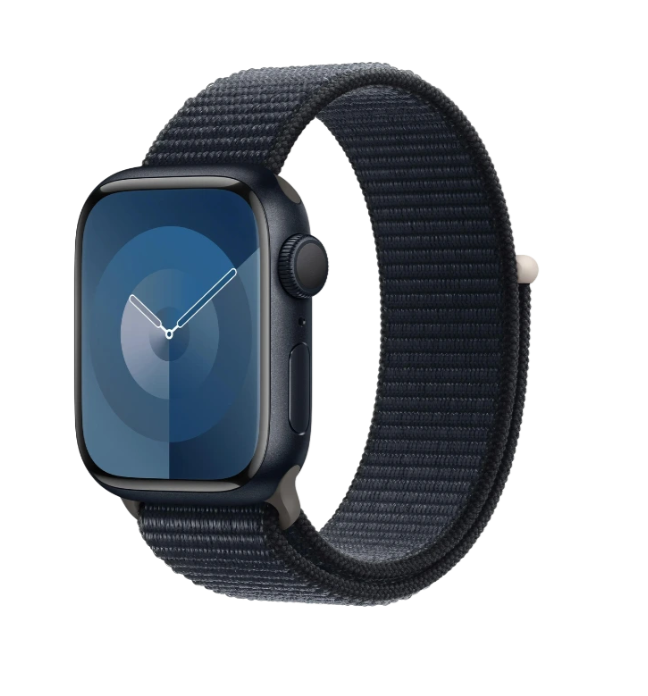
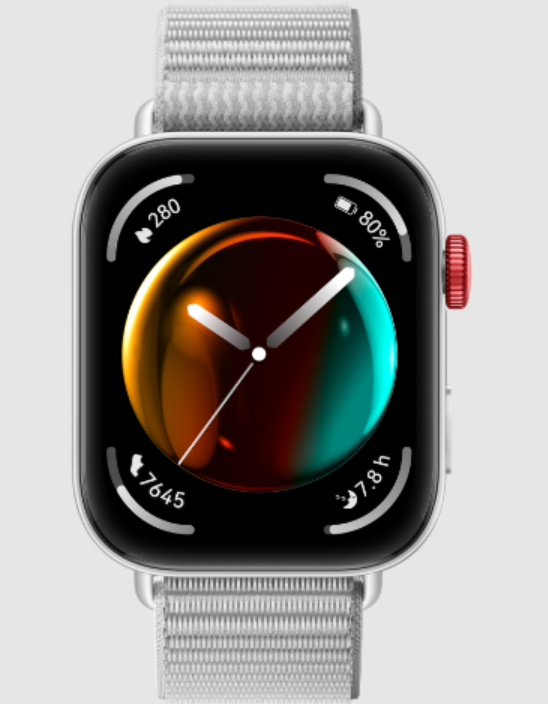
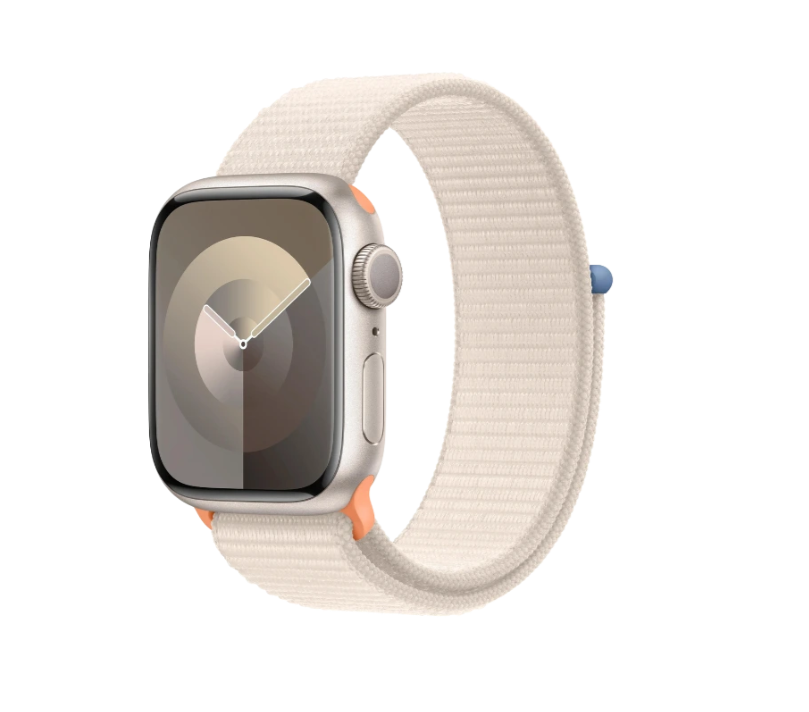
Choosing between the Huawei Watch Fit 3 and Apple Watch Series 9 highlights the classic debate of value versus premium experience. Both watches aim to balance health tracking, smart features, and style, but they target different users. Whether you want an affordable fitness companion or a full-featured smartwatch, this comparison helps uncover which one offers the best fit for your lifestyle and budget.
Display Quality Huawei Watch Fit 3 uses a 1.82-inch AMOLED display with crisp resolution and good brightness for indoor and outdoor use. Apple Watch Series 9, however, edges ahead with a 1.9-inch LTPO OLED screen that peaks at 2000 nits, making it far easier to read in strong sunlight. The Apple Watch also has an always-on mode, while Huawei offers this but at the cost of shorter battery life.
Build and Comfort Huawei focuses on lightweight comfort, using an aluminum alloy case that feels almost weightless on the wrist, especially suited for fitness lovers. Apple goes for a premium touch with stainless steel and sapphire glass, offering both durability and a more upscale feel, though it’s noticeably heavier.
Verdict For sheer display sharpness and sunlight visibility, the Apple Watch Series 9 wins. But if lightness and day-long comfort matter more, Huawei Watch Fit 3 is the smarter, more wearable choice.
2. Performance, Battery Life, and Connectivity
Apple Watch 9
Processing Power and Sensors Apple Watch Series 9 is equipped with the S9 chip, offering smooth performance and rich health tools like ECG, VO2max, and temperature sensing. Huawei Watch Fit 3 focuses on essentials, offering heart rate, SpO2, and stress monitoring but lacks advanced features like ECG and UWB.
Battery Life Huawei takes a clear lead here, with up to 10 days of typical usage. Apple Watch Series 9, while powerful, usually needs daily charging, especially with heavy use and the always-on display active.
Connectivity Options Apple supports Wi-Fi, GPS, UWB, and advanced Bluetooth 5.3, while Huawei sticks to Bluetooth 5.2 and limited NFC support depending on the model.
Verdict Apple is the better smartwatch for advanced health tracking and smart connectivity, but Huawei is unbeatable for battery life and dependable day-to-day fitness tracking.
3. Price, Customization, and Ecosystem
Huawei Watch Fit 3
Price and Value Huawei Watch Fit 3 is priced around $150, which is very competitive for the features it offers. Apple Watch Series 9, starting around $300, commands a premium for its advanced tech and ecosystem.
Customization Options Apple gives users wide flexibility with strap styles, materials, and finishes, suiting different tastes and occasions. Huawei offers fewer choices but still enough variety for casual users, especially for sports or daily wear.
Ecosystem Integration Apple Watch Series 9 is fully locked into the Apple ecosystem, offering deep integration with iPhone, Apple Pay, and apps. Huawei’s Watch Fit 3 is more neutral, working with both Android and iOS but without the same level of ecosystem depth.
Verdict Huawei is the clear choice for those seeking affordability and basic smartwatch features. But if budget isn’t a concern and seamless iPhone integration matters, Apple Watch Series 9 justifies its higher price.
4. Conclusion
Apple Watch 9
Practical Value Huawei Watch Fit 3 is designed for fitness enthusiasts and budget-minded users who want long battery life and essential features without overspending.
Smart Features and Integration Apple Watch Series 9 offers unmatched smart capabilities, advanced health monitoring, and polished ecosystem support, especially if you’re an iPhone user.
Verdict If you want a feature-rich daily companion with pro-grade health tools, Apple wins. If you prioritize battery, comfort, and affordability, Huawei is the better all-around deal.
Xiaomi has launched the Redmi Watch Move in India. It comes with a 1.85-inch AMOLED screen with a 390 × 450 resolution, 600 nits peak brightness, and 322 PPI. The display supports Always-On Display (AOD) and has a 74% screen-to-body ratio.
The watch uses HyperOS and packs a 300mAh battery. It lasts up to 14 days on typical use and 5 days with AOD. A 10-minute charge gives up to 2 days of battery. Charging is through a magnetic cable.
It weighs 25g without the strap and 39g with it. The strap is made of TPU and has a quick-release design. The watch includes a functional crown that supports tap, scroll, and press actions.
It tracks sleep, heart rate, SpO₂, stress, and female health. It also has breathing exercises. For fitness, there are 140+ workout modes, and it auto-detects 7 activities—outdoor run, treadmill, walking, cycling, rower, elliptical, and jump rope.
Bluetooth calling is supported with features like call history, quick replies, and a dial pad. Other features include music control, camera control, stopwatch, alarm, and find phone. The watch is IP68 rated, so it can handle dust and water up to 1.5 meters for 30 minutes.
You can customize it with 5 editable layouts and over 200 watch faces through the Mi Fitness app. It includes options in Hindi and has India-themed and festive faces.
Price and Availability
The Redmi Watch Move is priced at Rs. 1,999 (~$23). Pre-orders start April 24 at 12 PM on mi.com and Flipkart. It comes in Silver Sprint, Black Drift, Blue Blaze, and Gold Rush.
For more daily updates, please visit our News Section.
Samsung is going all-in on its next-gen smart TVs with the launch of the X8F Quantum Dot Mini LED lineup in China. Available in 55, 65, 75, and 85 inches, the X8F starts at 5,299 yuan (roughly $730) and tops out at 10,499 yuan (~$1,450). These TVs aren’t just about size, they’re packed with AI tricks, a high-performance display, and a sleek profile.
Samsung X8F Mini LED TV Specifications
The X8F is powered by Samsung’s latest NQ4 AI Gen2 processor. It comes with real-time upscaling that doesn’t just sharpen visuals to 4K, but also refines color, clarity, and motion. Samsung claims the chip delivers 40% more CPU performance and twice the GPU power compared to its predecessor, which translates to smoother visuals and quicker processing across the board, whether you’re binge-watching or gaming.
It equips a Quantum Dot Mini LED panel that ticks all the boxes for flagship visual performance. The display is Pantone-validated for 2,140 colors and 110 skin tones, and supports HDR10+ and HDR Vivid. This makes the TV a strong contender not just for movie lovers, but also for creators who demand precise color accuracy.
The design is equally impressive. The X8F sports a super-slim Mini LED profile, just 2.7cm at its thickest point. It features an edge-to-edge panel and AirSlim form factor that blends seamlessly into any wall setup. It also includes a solar-powered remote, reducing battery waste in favor of a more sustainable alternative.
For voice and smart home interaction, it features support for DeepSeek-R1, an upgraded AI assistant that understands regional accents, controls IoT devices, and even identifies actors on screen in real time. The TV also functions as a Matter-compatible smart hub through SmartThings and comes with a 3D map interface for managing connected devices.
Gamers will find plenty to like. It supports 4K 144Hz refresh rate, FreeSync Premium VRR, MEMC, and an AI-enhanced Game Mode. There’s also a mini-map zoom, virtual crosshair, and 32:9 ultra-wide aspect ratio support. The TV includes four HDMI 2.1 ports, ready for next-gen consoles and high-performance gaming PCs.
On the software side, the X8F runs on Samsung’s One UI Tizen OS. It promises an ad-free boot experience, compatibility with over 300 apps, and a 7-year update commitment, something rarely seen in the smart TV space.
The sales of the OPPO Find X7 Ultra last year were not great – just not as high as we had hoped. So, with the Find X8 Ultra, the brand seems to shift its upgrade strategy: abandoning the camera specs race, and instead, focusing on better everyday usability.
Among all the Ultra-level phones with increasingly larger and more protruding cameras, the Find X8 Ultra is the one that feels the most like a ‘normal phone’. Its predecessor, Find X7 Ultra was truly impressive for the ‘Ultra-like’ camera specs. So accordingly, this also means the camera upgrades are relatively modest.
You’re probably worried about whether its camera system is outdated, right? I was, too, at first. But after a full day of testing, all those concerns disappeared. In fact, I’ve even grown to like this phone a little.
3x & Multispectral Camera
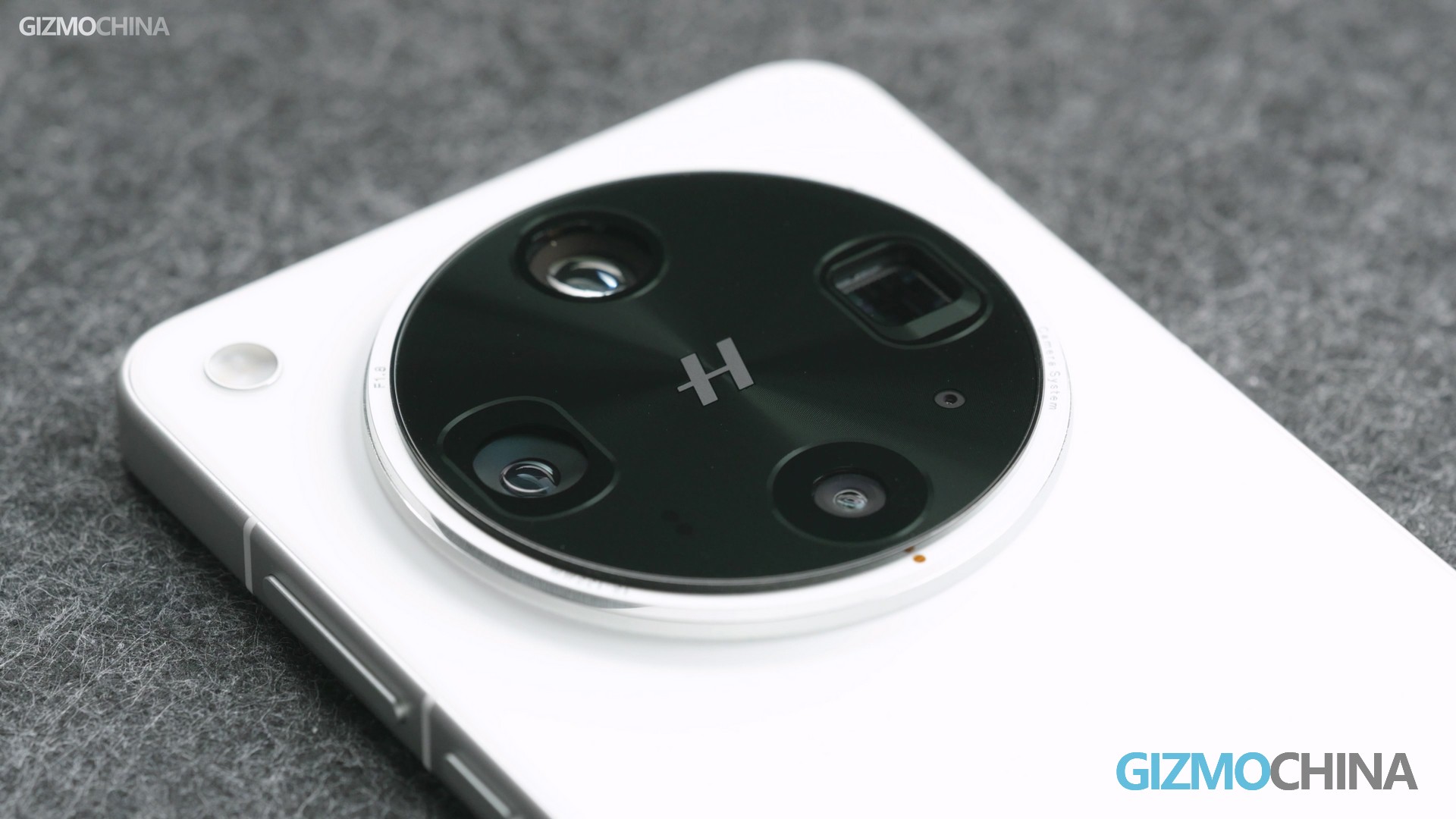
Compared to the Find X7 Ultra’s quad-camera setup, the Find X8 Ultra has two cameras upgraded, one unchanged, one downgraded, and a brand-new addition. Let’s start with the 3x telephoto camera, which OPPO takes great pride in. This lens has a true 3x optical focal length, which is 70mm, meaning it fully utilizes all the sensor’s pixels. On paper, this should be the second-best 70mm camera in the world.
Since the focal length is neither too long nor too short, it’s just perfect for street photography and everyday shots. Macro capability is also present. You can still get a lot of stunning shots with it. Honestly, I can hardly find any flaws with this camera. No matter the time or lighting, it delivers razor-sharp photos.
If I had to nitpick, the large sensor with a fixed large aperture creates an extremely shallow depth of field. For example, in a shot of a cat, the head and legs might be sharp, but the belly could be blurred. Excessive bokeh isn’t always ideal.
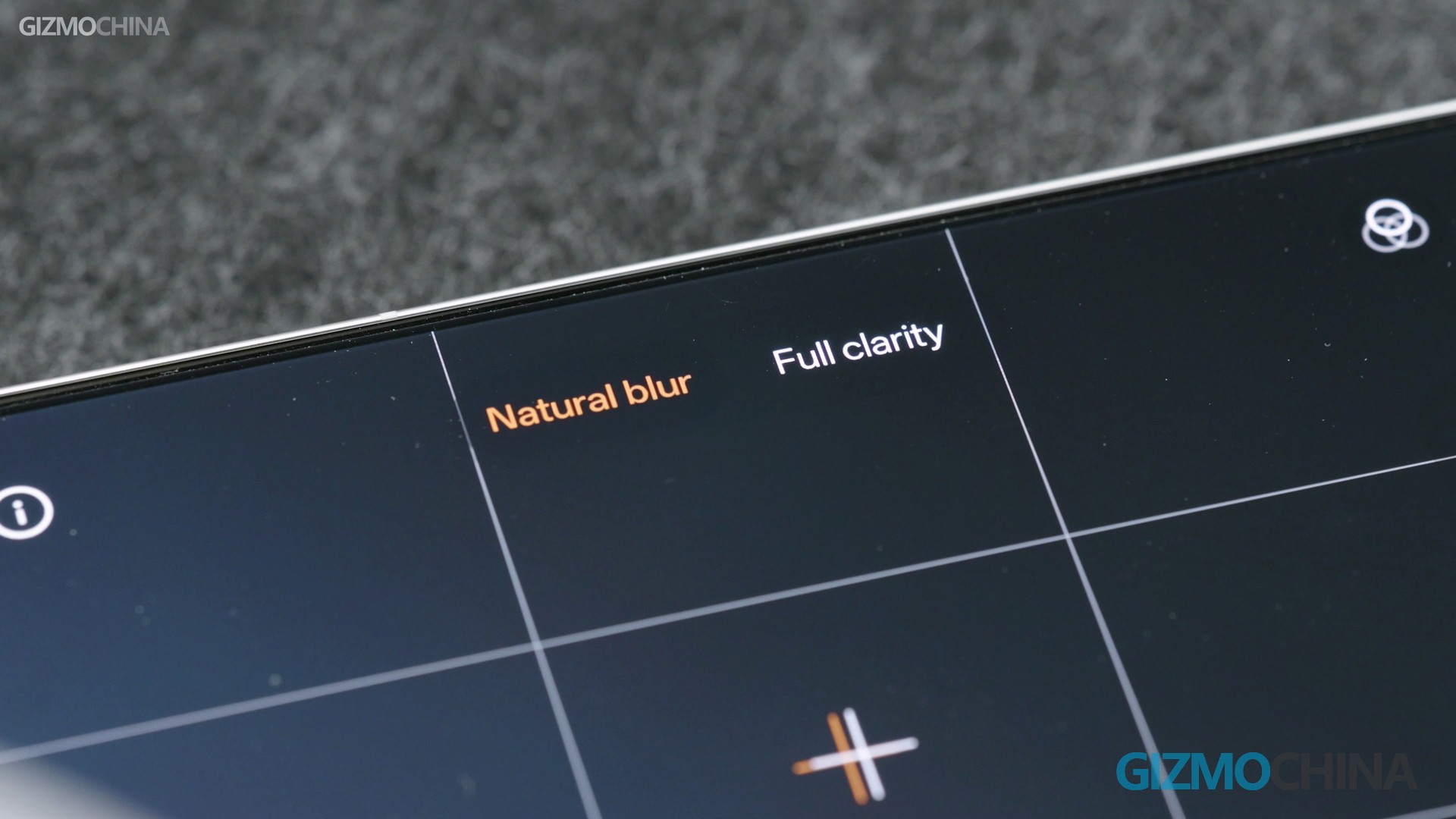
OPPO includes an option to reduce background blur via multi-frame processing, but honestly, the effect isn’t always noticeable. Still, this minor drawback doesn’t overshadow its strengths—this camera has undoubtedly helped me capture countless stunning shots.
Portraits & Multispectral Camera
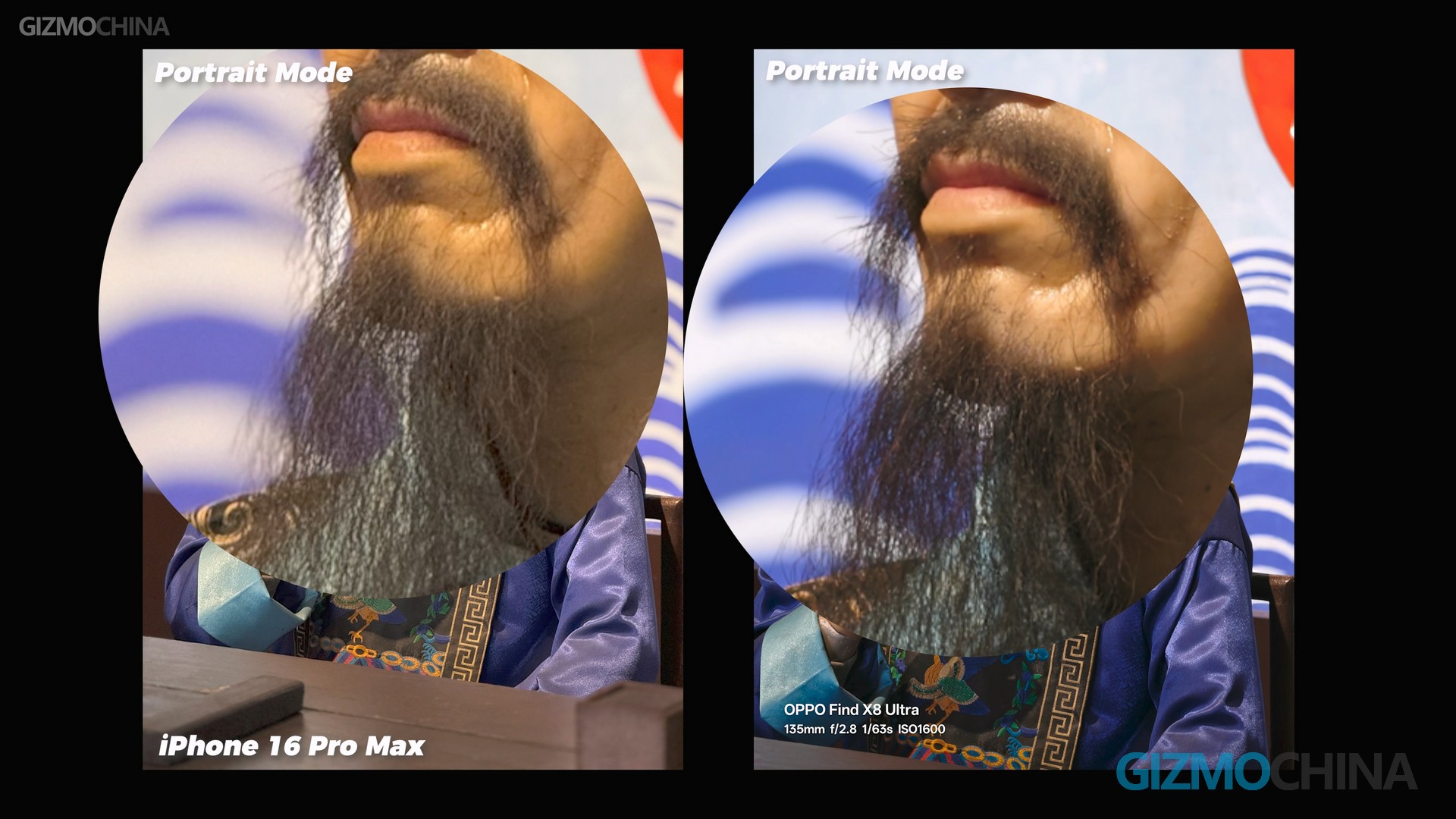
A great lens needs equally great software to truly shine. And I have to say, the portrait mode on the Find X8 Ultra is in a league of its own. Look at the edges of the beard—every single strand of hair is cleanly separated from the background. Even the iPhone can’t compete with the X8 Ultra in this regard.
This is thanks to OPPO’s AI-powered segmentation algorithm, which delivers bokeh so natural it looks like optical blur. The newly added multispectral camera plays a key role here—it identifies the color temperature of different areas in a scene, allowing the phone to adjust each zone individually.
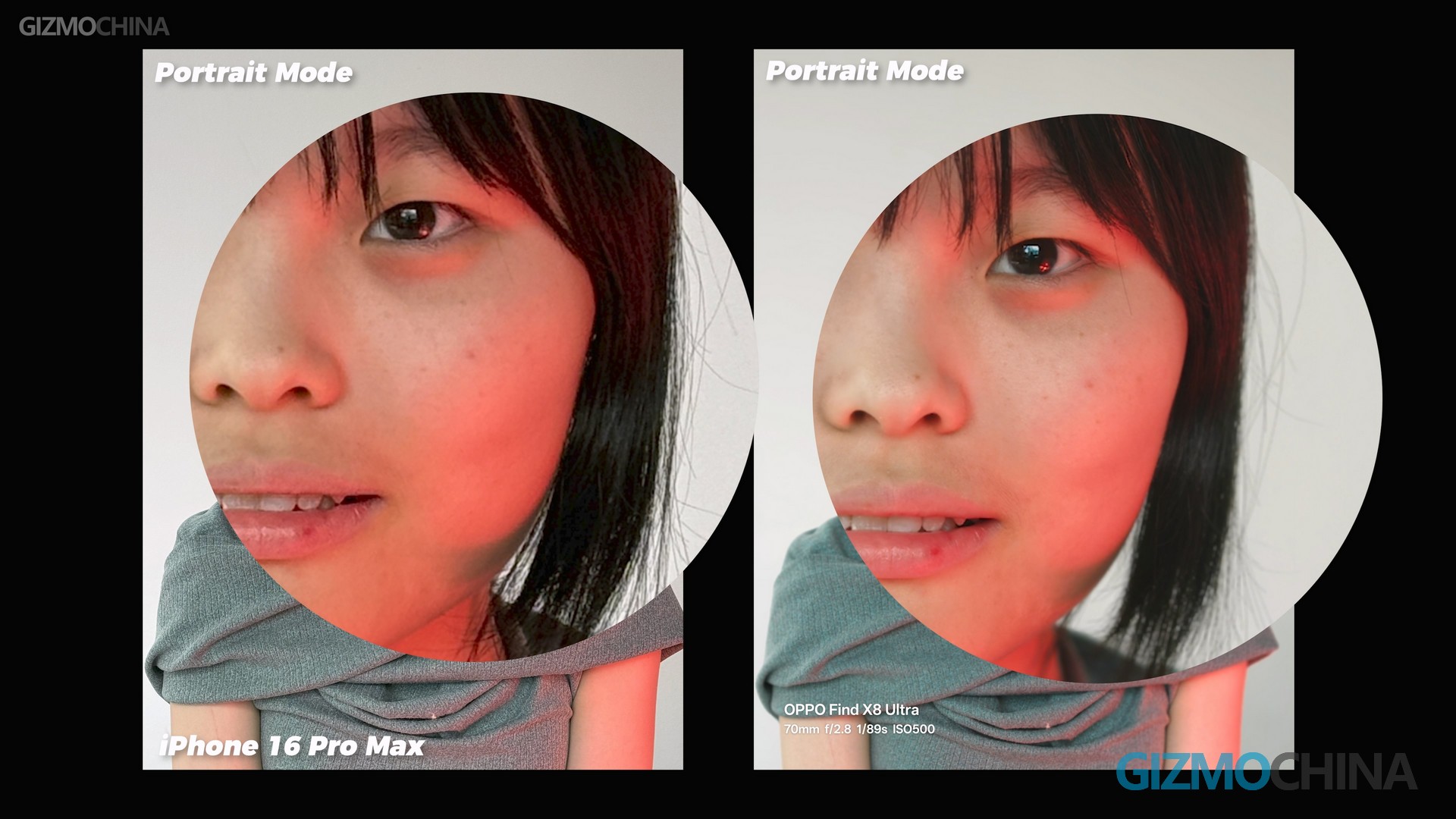
Take this photo, for example: even ignoring image quality, since the iPhone 16 Pro Max lacks a 3x telephoto, the X8 Ultra’s shot renders skin tones more lifelike.
This phone excels at color correction for people, but for scenes without human subjects, the difference from the iPhone becomes negligible.
To sum up, this camera might not be as revolutionary as you’d expect—it doesn’t perfectly replicate real-world color temperature in every scenario. But in extremely tricky lighting conditions, it could be a lifesaver. After all, your girlfriend won’t kill you for ruining her photos.
6x Telephoto
On paper, the 6x periscope camera sees the most significant improvements—larger sensor, wider aperture, yet minimal size increase, thanks to a new prism design. But why “on paper”? Isn’t the actual performance good?
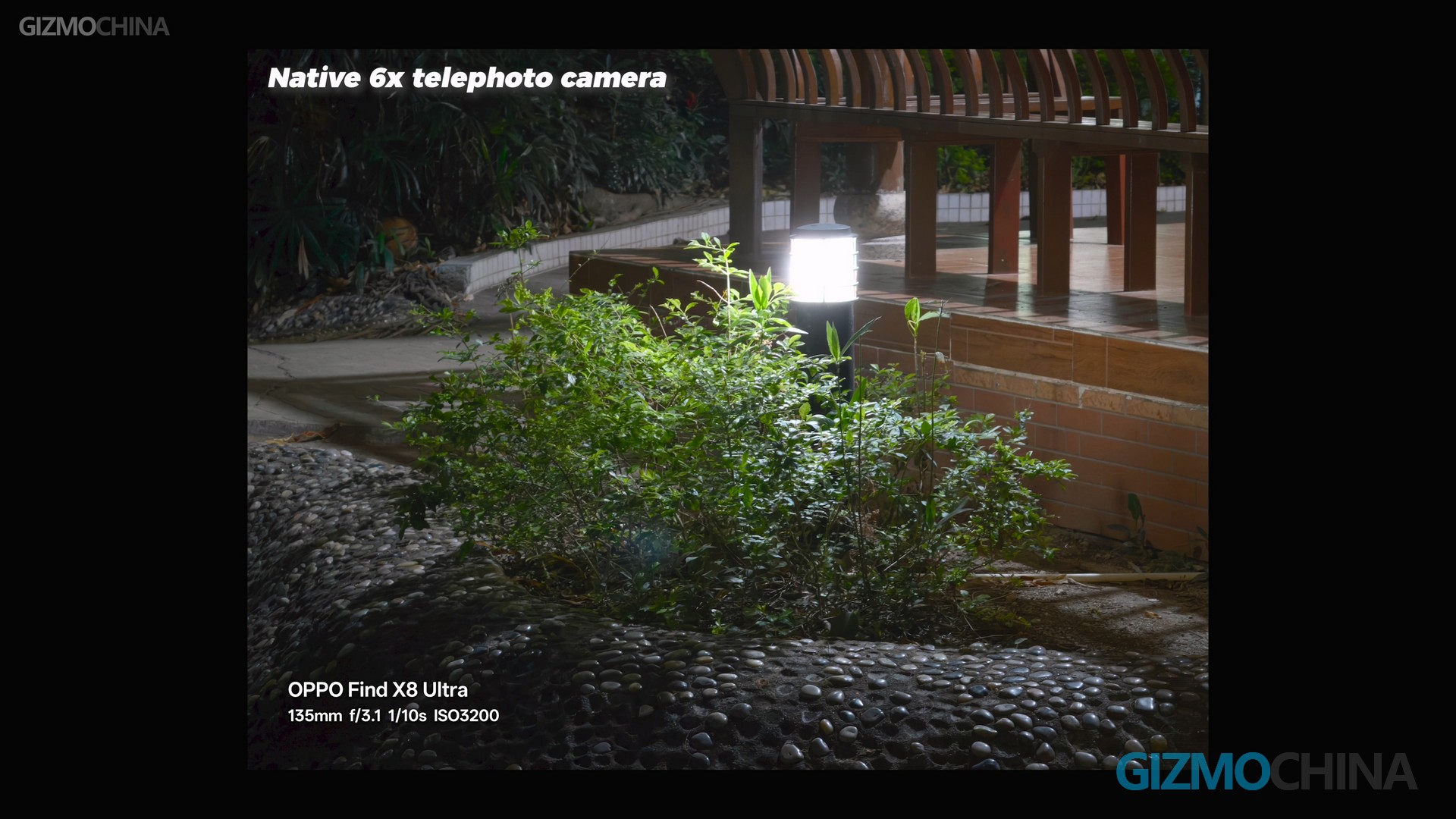
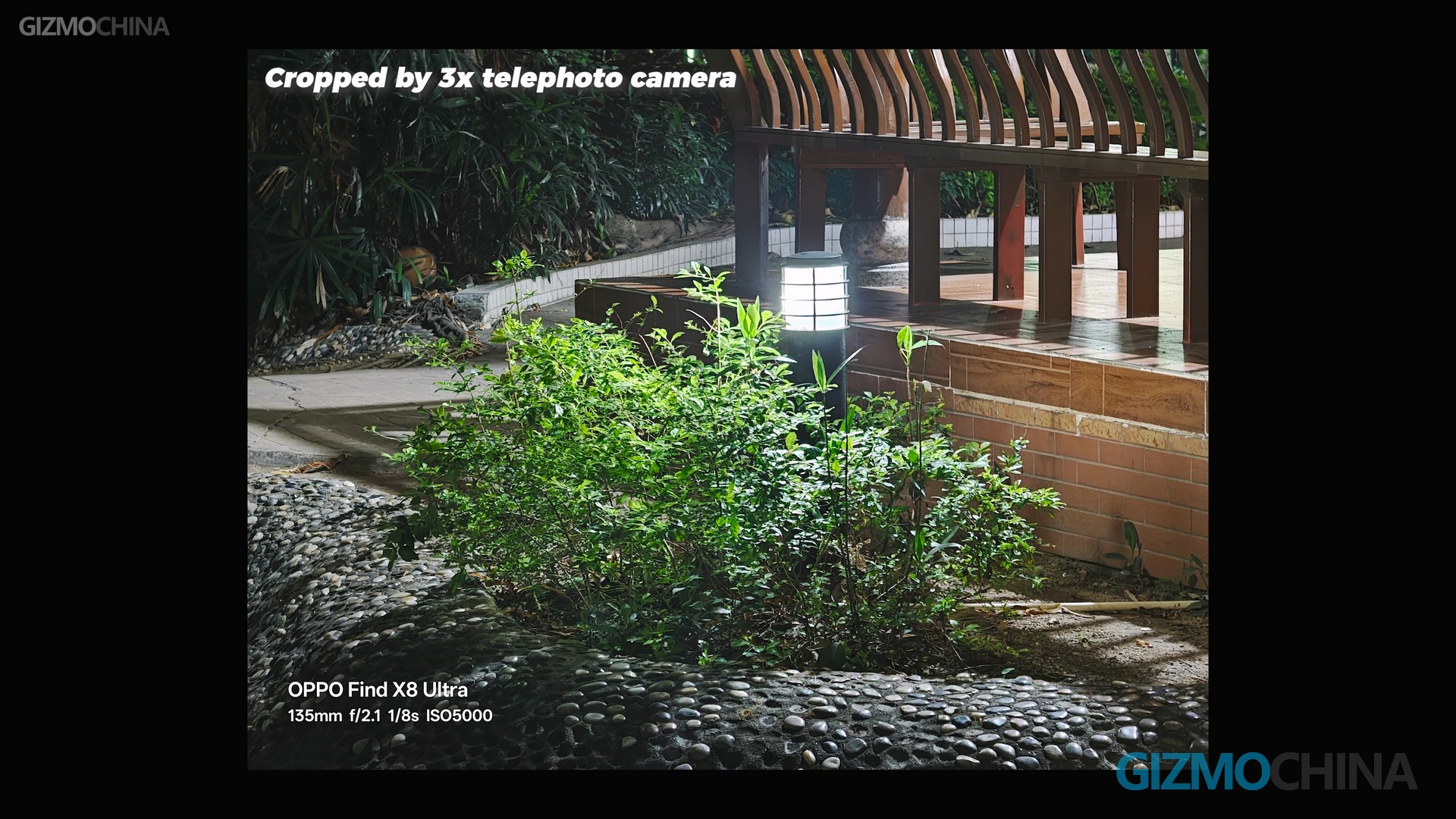
Well, the triple-refracting prism causes light loss at each bend, so its low-light performance doesn’t deliver a “Wow” moment. Compared to the last gen, it feels almost the same.
In fact, in dim lighting, the X8 Ultra often defaults to cropping the 3x telephoto to 6x instead of using this native 135mm lens—proof that its night capabilities aren’t stellar.
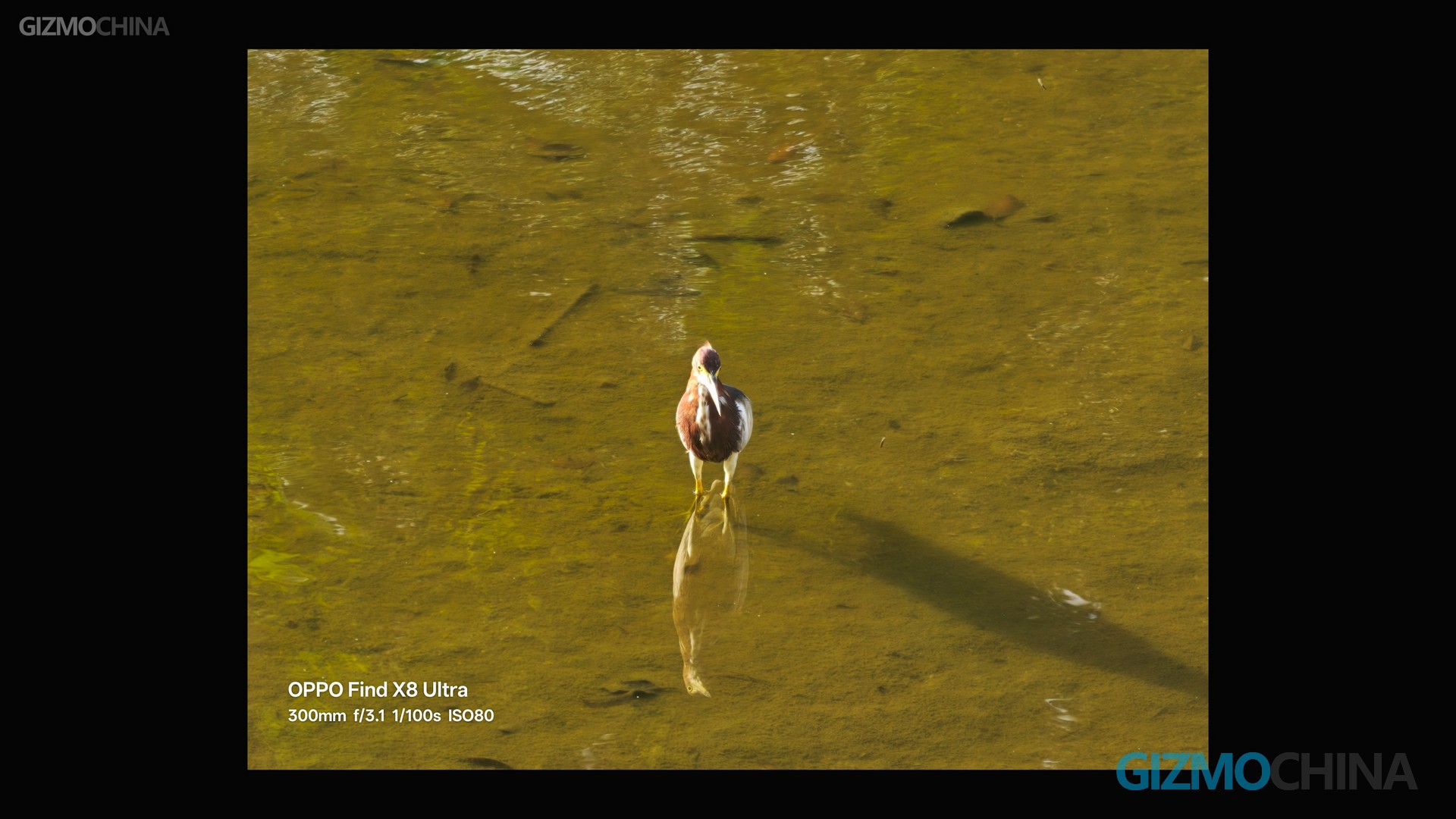
Another downside? The prism makes its minimum focus distance absurdly long, over 90cm, ruling out close-up shots entirely. But it’s not all bad. As the longest native focal length among Ultra phones, it shines in good lighting—with some creativity, you can still capture great shots. And if that’s not enough? There’s always AI Zoom to save the day.
0.6x Ultra-Wide
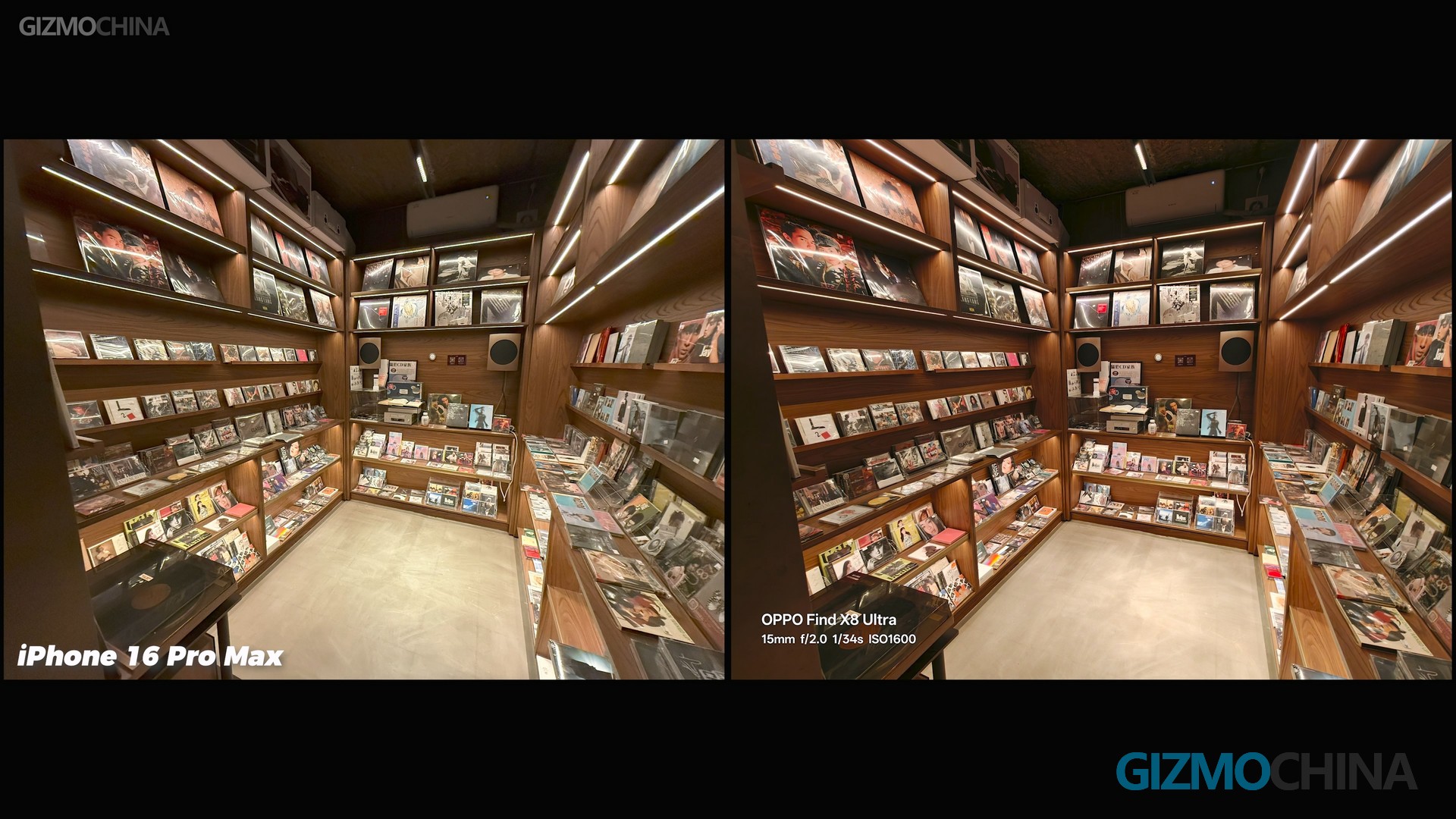
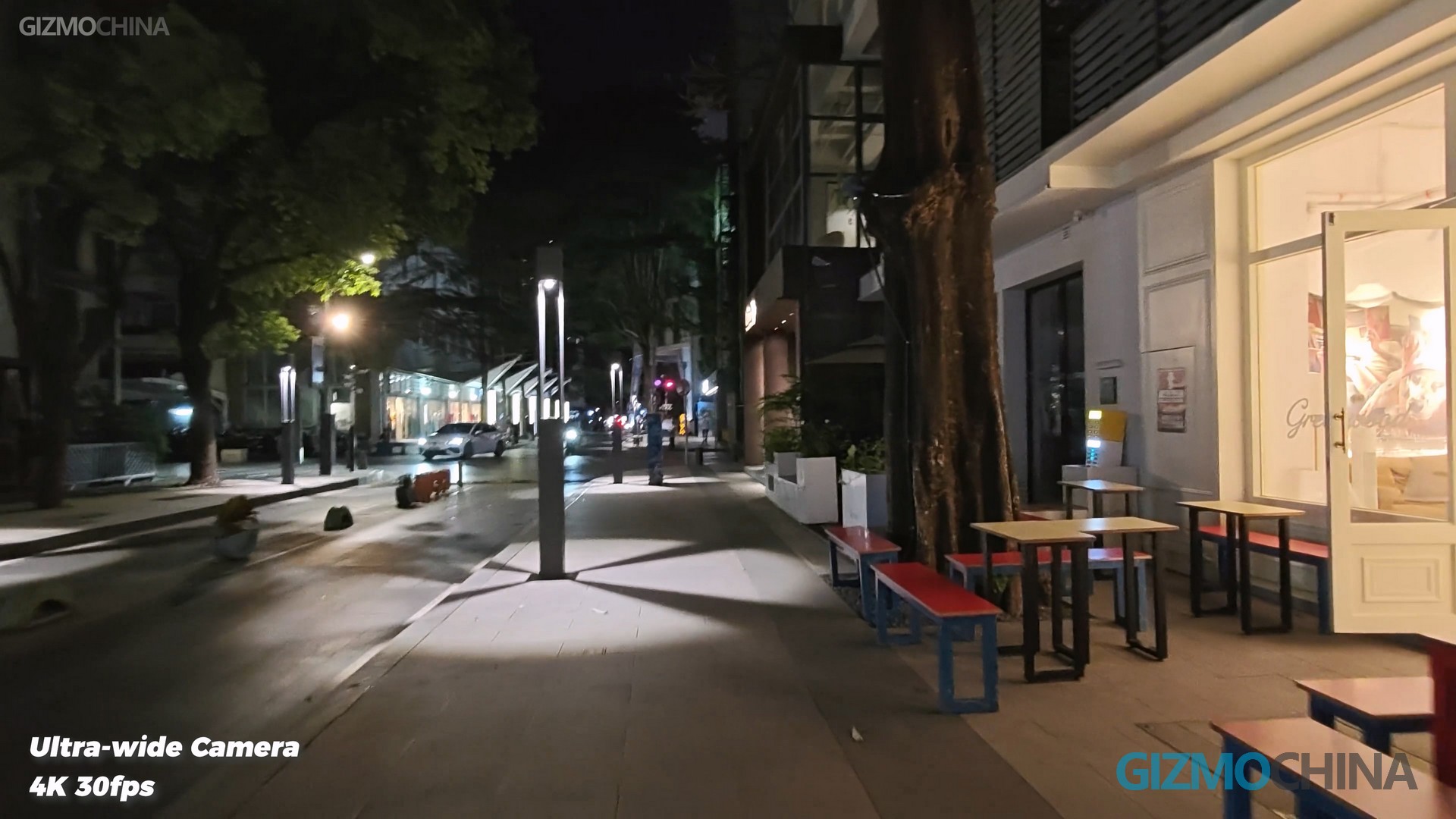
The ultra-wide camera on the Find X7 Ultra was already mediocre, and the X8 Ultra made it worse—it now uses the same sensor as the $180-cheaper Find X8s. Ouch. If you love shooting ultra-wide photos or videos, you might want to wait for the vivo X200 Ultra instead.
I get it—both Xiaomi and OPPO chose to shrink the ultra-wide camera to prioritize telephoto performance, since most people rarely use it. Unless you’re into hiking or vlogging, you probably won’t care much about its quality. And without direct comparisons, many won’t even notice how much worse it is. But as a consumer, spending $1,000 only to get a weaker ultra-wide cam feels hard to swallow.
That said, if you can live with a 10%, or maybe 20% drop in image quality, this lens still gets the job done. I’ve even managed to take some decent shots with it. However, video recording is where this camera truly struggles.
Video Recording
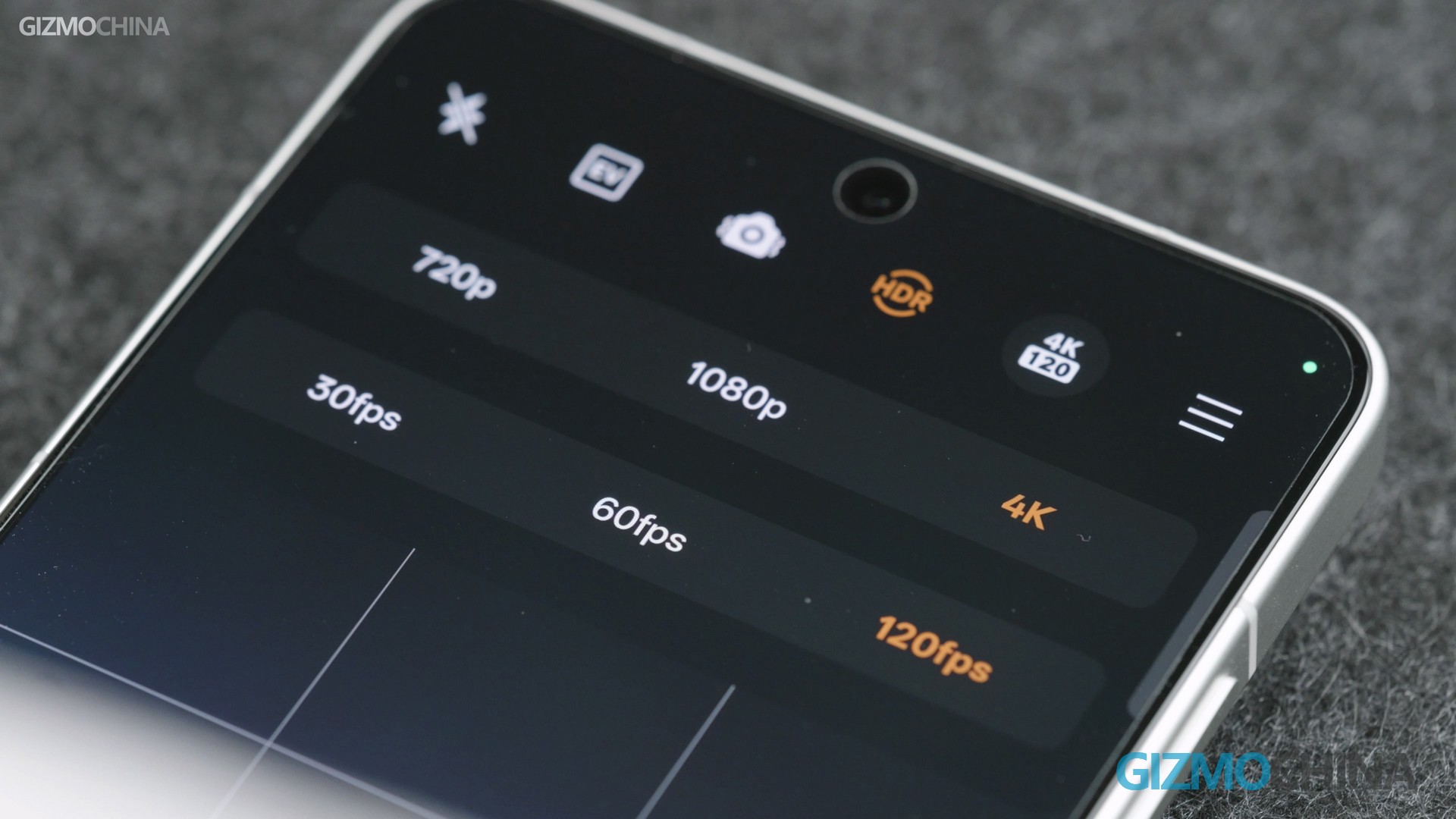
The Find X8 Ultra supports recording up to 4K 120fps with Dolby Vision, though only the main camera and 3x telephoto actually work at this setting. All four cameras can shoot 4K 60fps with Dolby Vision, but OPPO still hasn’t added 8K or LOG recording, which is not a good message for those professionals.
The footage itself? Nothing groundbreaking. In fact, with the downgraded ultra-wide sensor, low-light video quality is outright disappointing for its price tag. Like many mid-range Android phones, it suffers from muddy details, noise, and aggressive focus hunting in motion shots. One other thing to note: there is no way to adjust video settings such as shutter speed, ISO, or anything else in Master mode. To have full control over recording options, you’ll have to go to movie mode, which is very counterintuitive.
For samples, click on the video at the beginning of the article
If video recording is your priority, wait for vivo’s flagship. The X8 Ultra just doesn’t cut it perfectly.
1x Main Camera
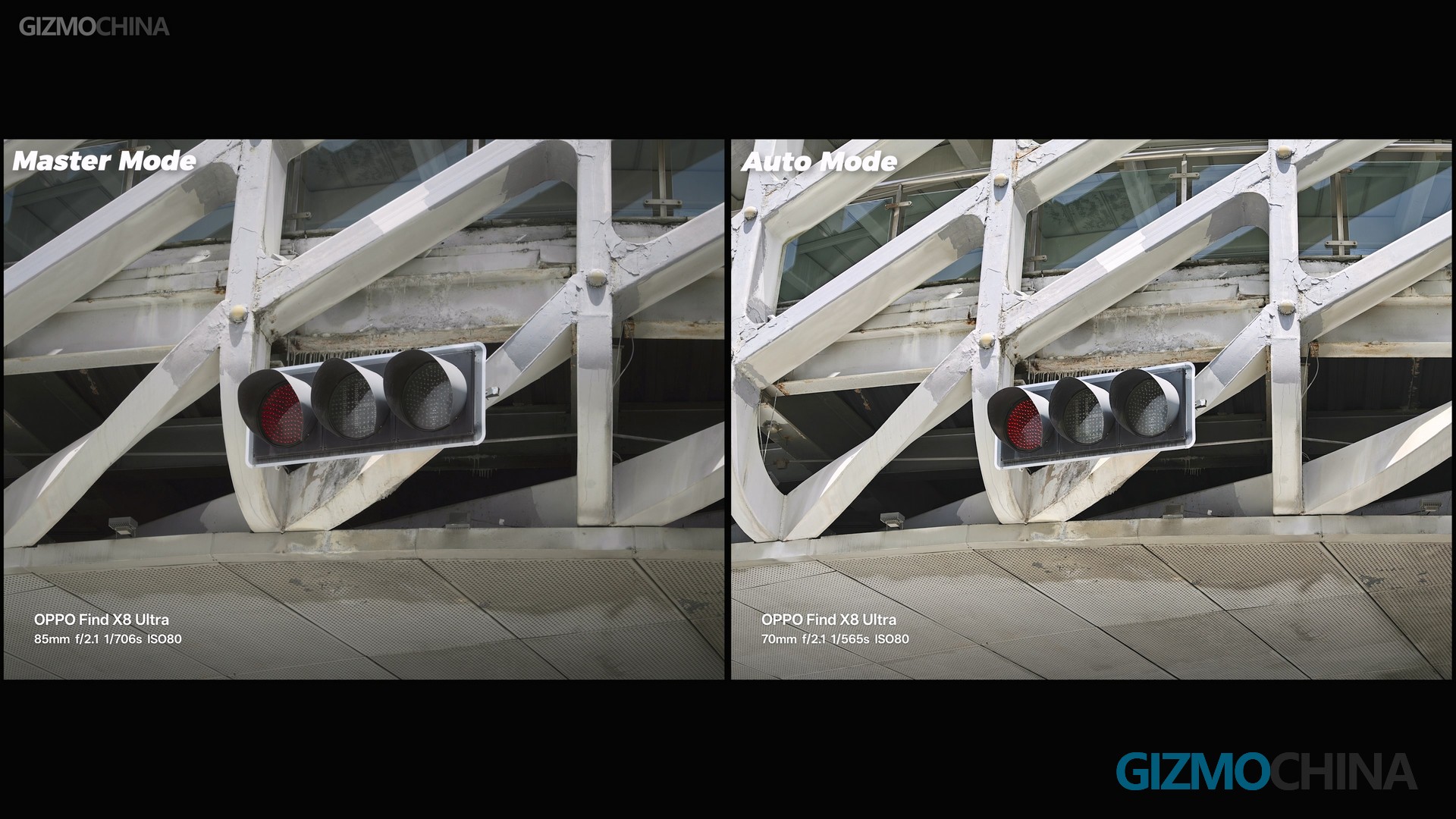
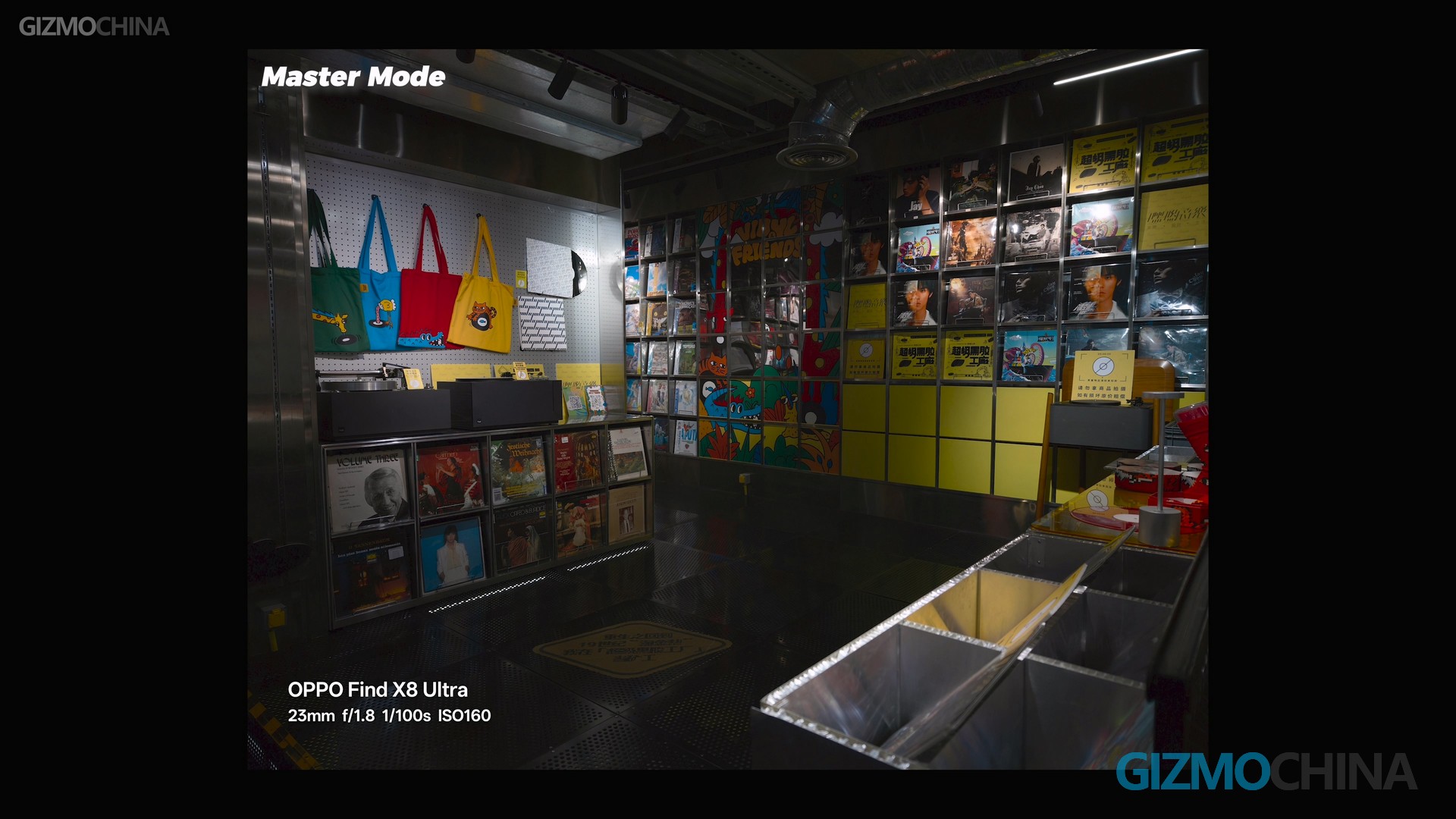
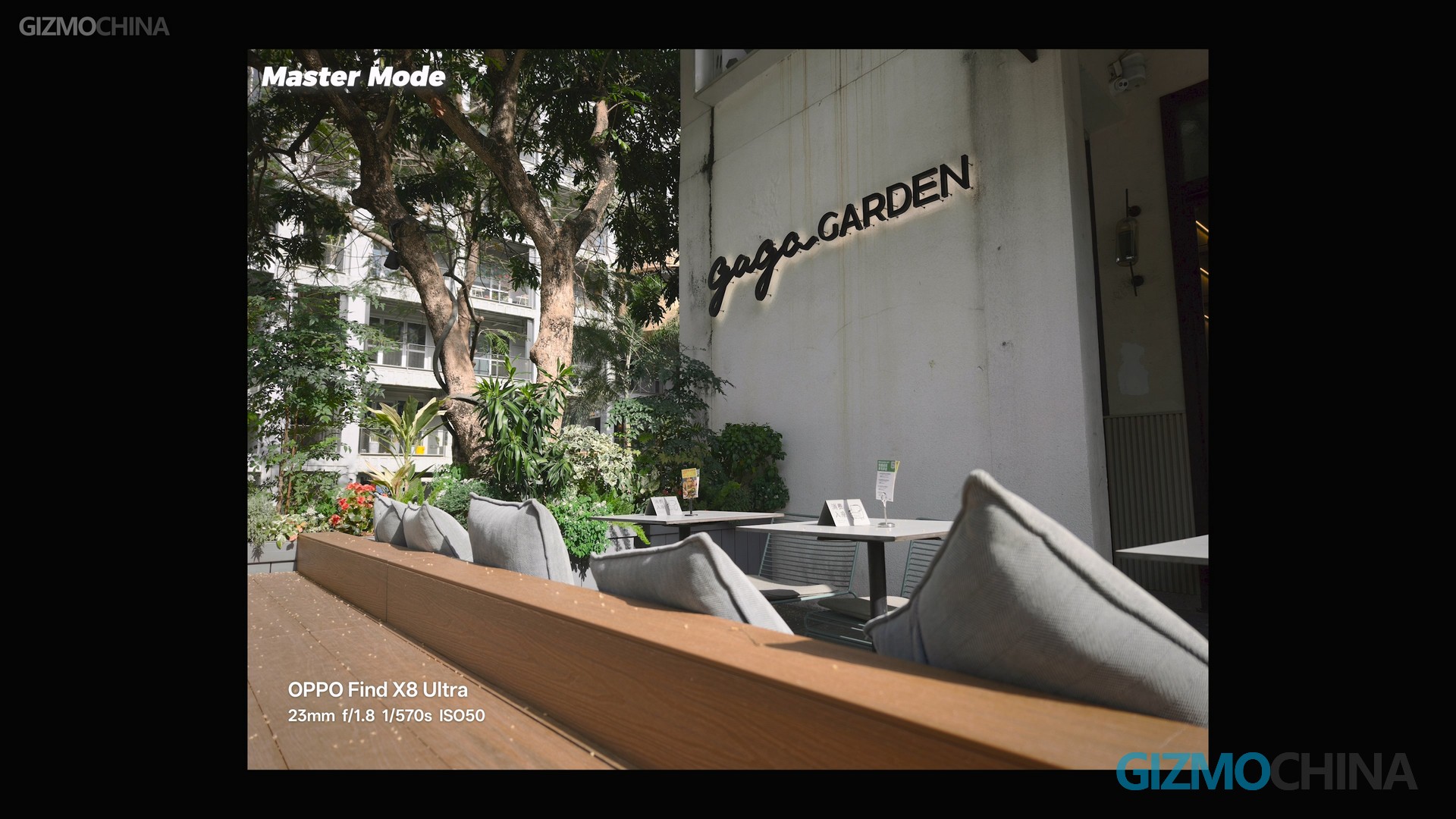
The 1-inch LYT-900 sensor is an old friend we’ve seen many times before—no surprises here. It’s the only unchanged camera on the Find X8 Ultra, and its capabilities are already well-known: stellar dynamic range, crisp details, and excellent low-light performance. I won’t dwell on it too much—just enjoy the samples.
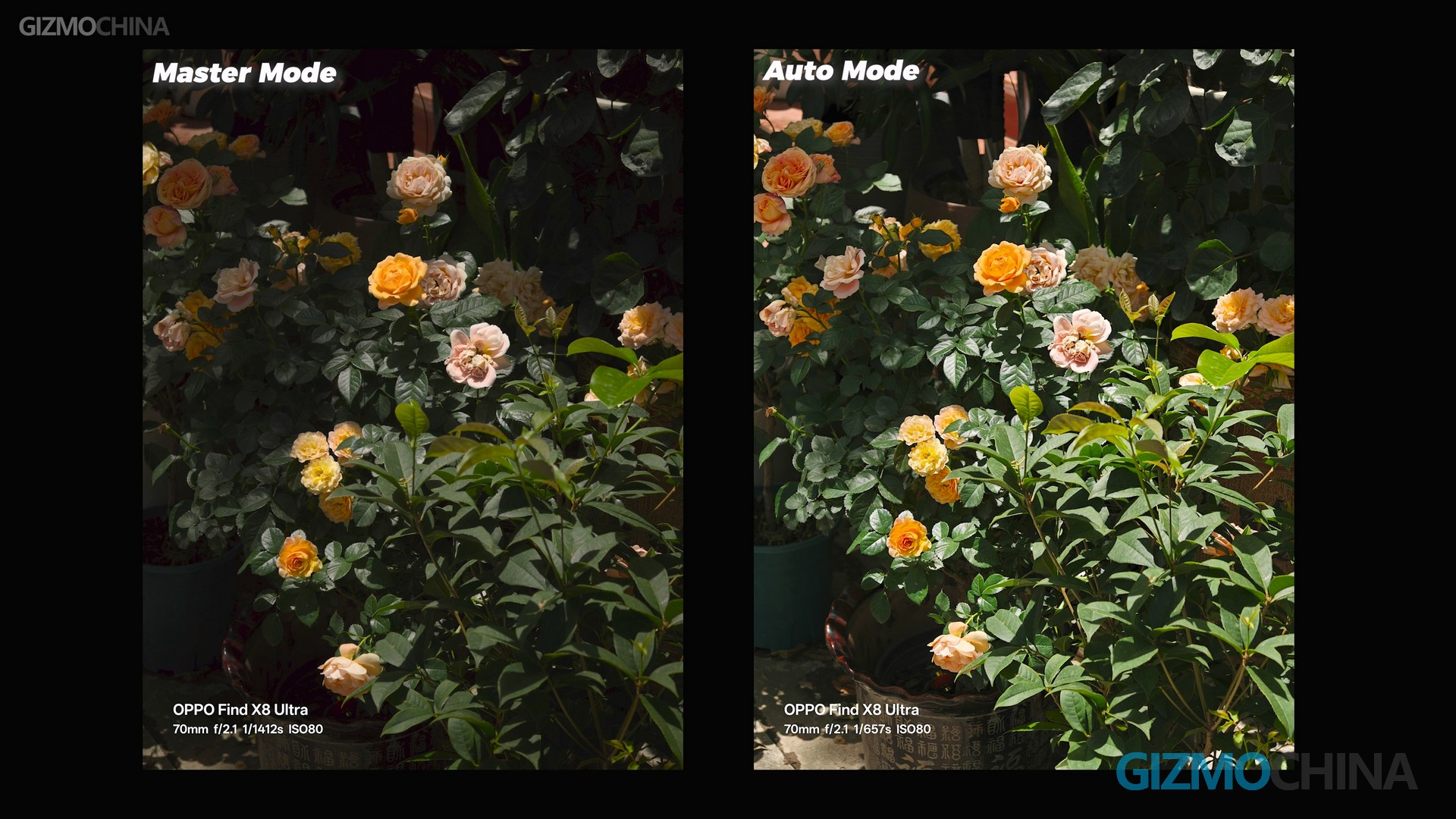
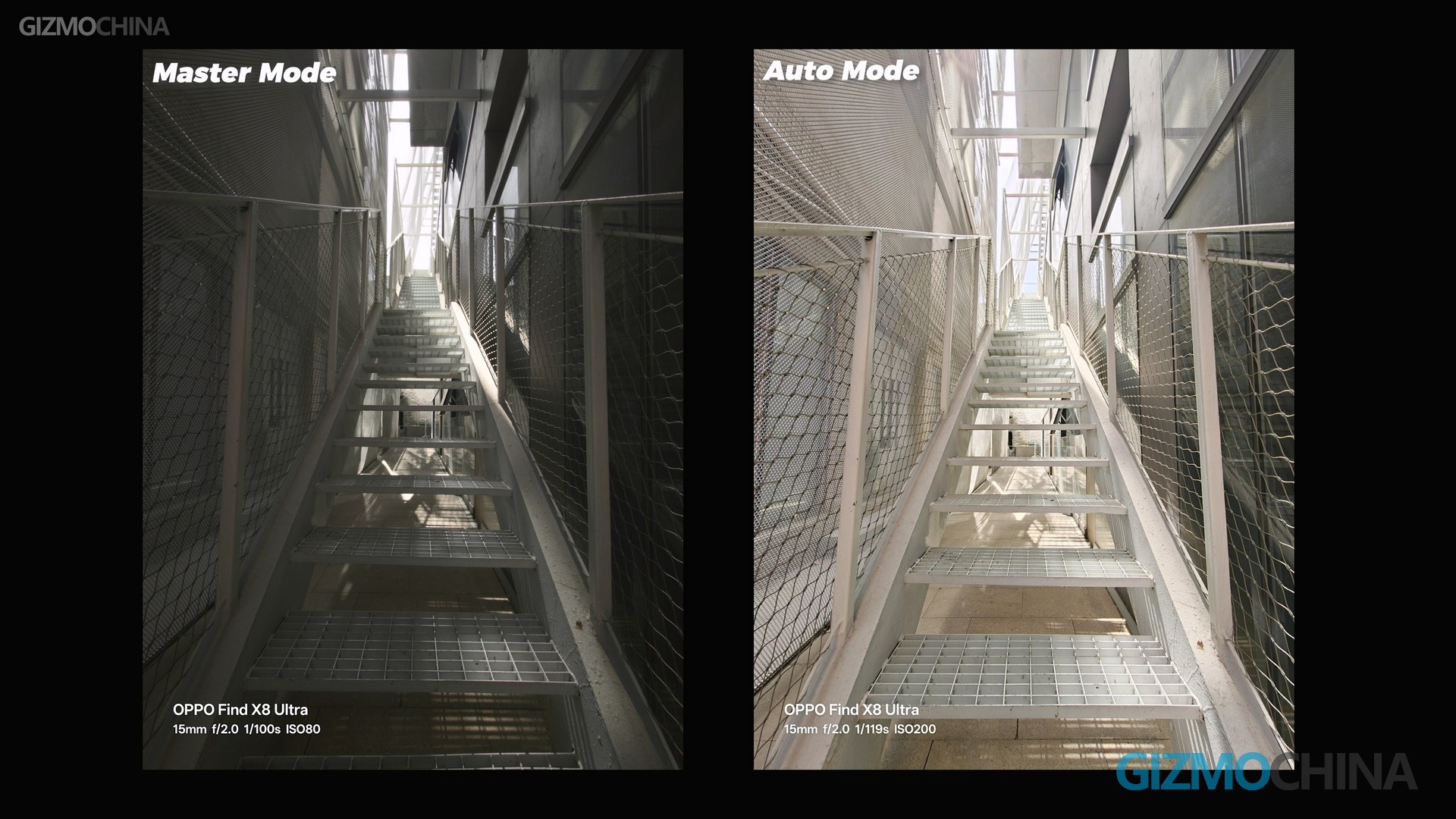
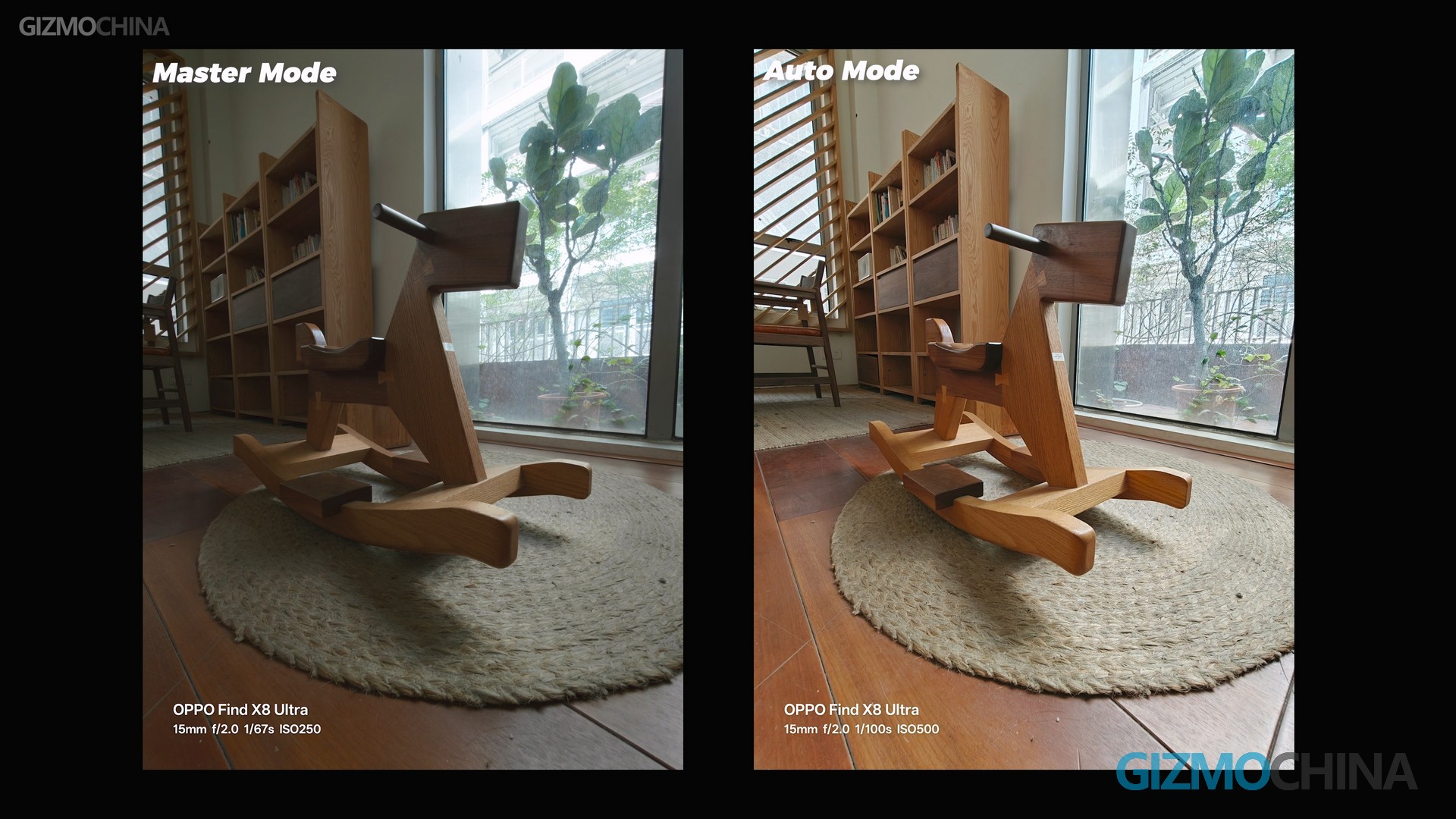
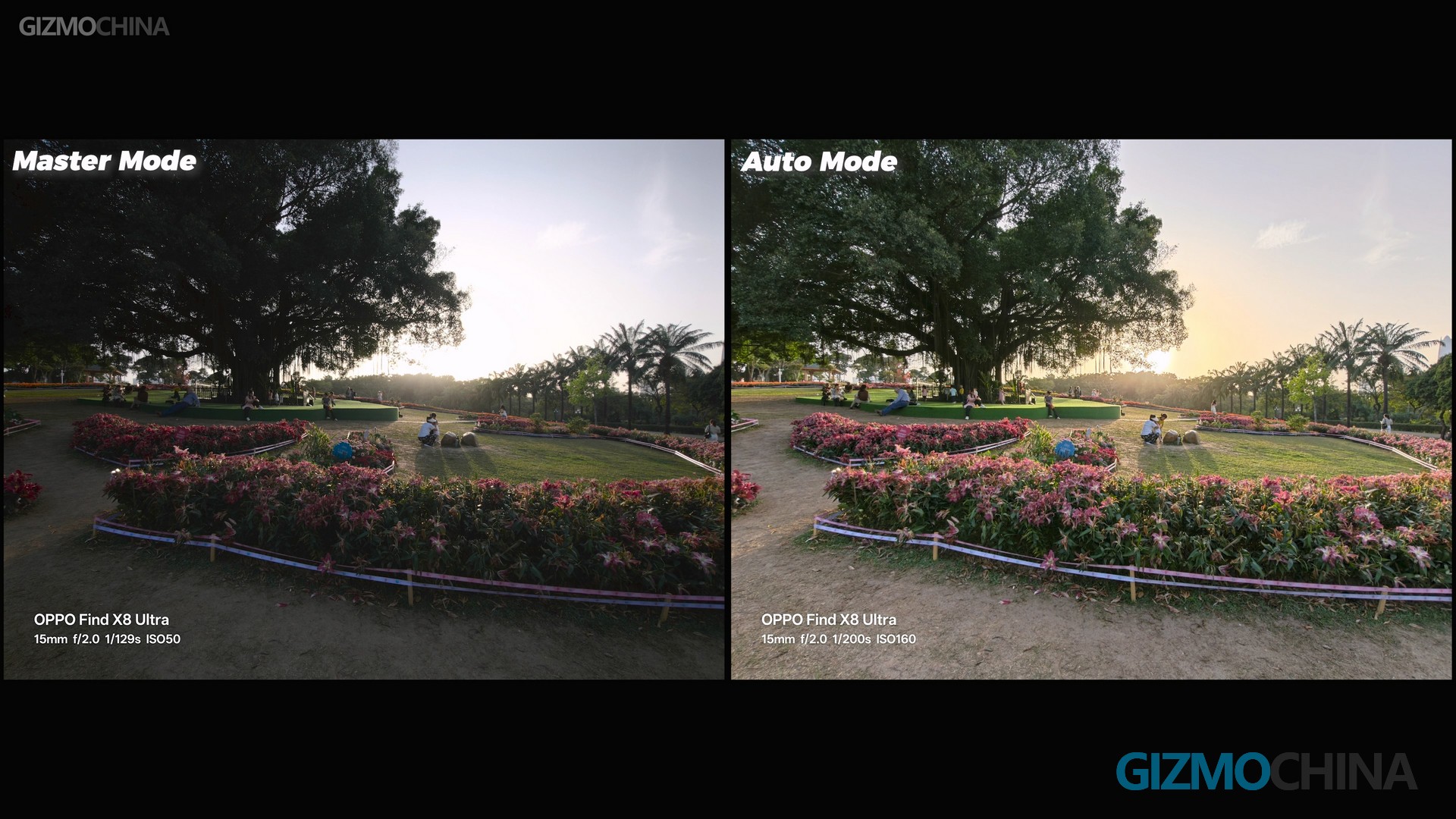
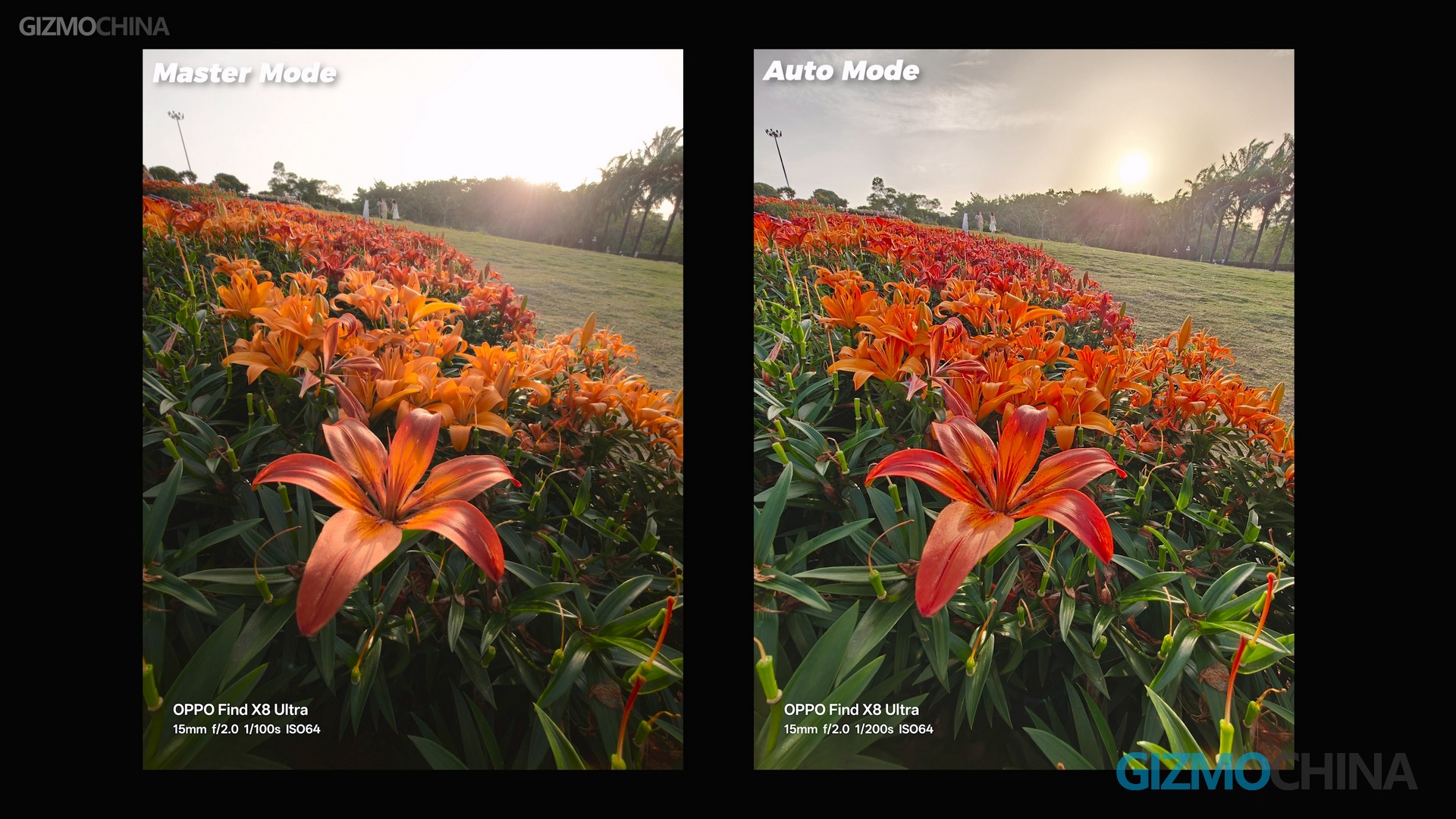
By the way, play with the “Master Mode” settings to capture photos with more of that “Hasselblad-like” tonal richness. Personally, I often prefer shooting in this mode.
Front Camera
The front camera got an unexpected upgrade—but again, it’s just on paper. Real-world performance isn’t much different from before. Since it lacks the multispectral sensor, the portrait mode algorithms don’t seem to match the rear cameras, so you don’t get the same precise edge detection or color accuracy.
The surprise is in video recording. Like rear cameras, it can also shoot Dolby Vision at up to 4K 60fps.
Camera Experience
Like the iPhone 16 series, there’s a camera control button on the shoulder. It’s also just as shitty of an experience as the iPhone. Positioned too close to the center – kind of awkward to reach. Since it’s not a physical button, the haptic feedback feels sluggish. The lag when swiping to switch focal lengths makes it hard to select the desired zoom quickly. Honestly, aside from double-tapping to launch the camera instantly, I barely use it.
You might not know this, but the Xiaomi 15 Ultra’s Pro Mode no longer lets you adjust the Leica toning intensity, which honestly makes me furious, since most of my best shots relied on tweaking that setting. Thankfully, OPPO hasn’t followed suit: the Master Mode still allows full control over Hasselblad toning. Just don’t know why you can’t adjust the contrast here. One minor bug popped up during testing, but other than that, I really don’t have much to complain about.
My time with the Find X8 Ultra has been brief, but it’s already won me over. While it has its flaws, they’re all within acceptable limits for me. The comprehensive focal lengths, Hasselblad color science, and the least bumping-up camera module among Ultra flagships have made me see OPPO in a new light this year. That 70mm lens in particular has stolen my heart. Barring any surprises, the Find X8 Ultra might just be my favorite flagship camera phone of the year.
Over the last couple of weeks, we have covered a bunch of leaks, rumors, and teasers of the upcoming OnePlus compact flagship smartphone. The OnePlus 13T is set to debut with a small form factor and cutting edge specs. But despite its compact build, the smartphone has just been confirmed to pack a huge battery pack. So here’s what we know.
OnePlus 13T teased with a battery that beats premium flagships
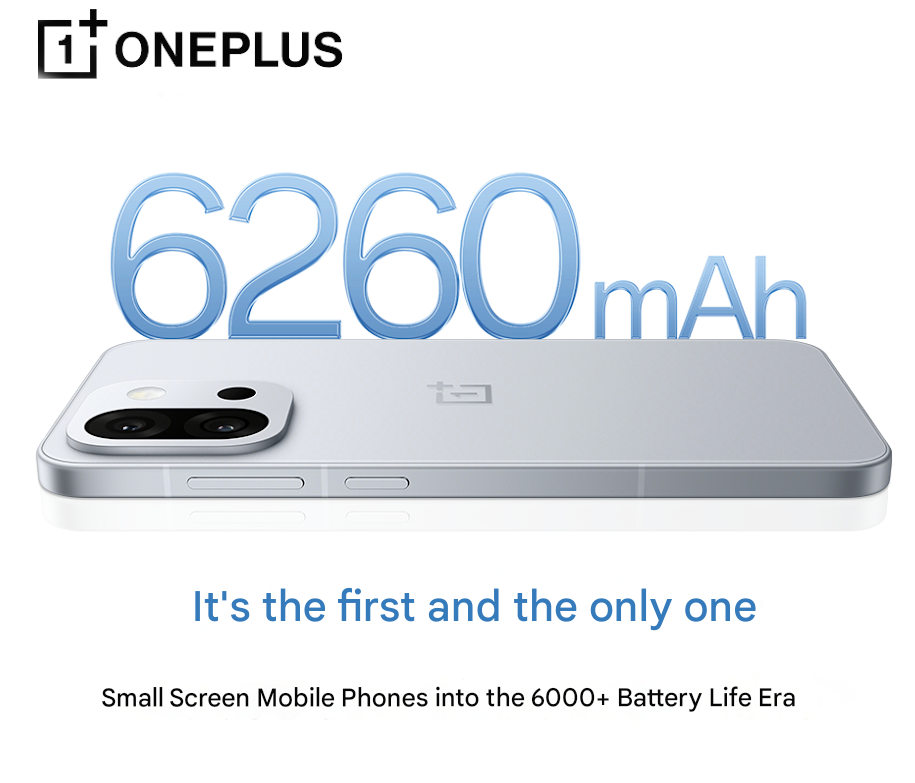
The Chinese brand recently shared the camera samples and specifications of the image sensors on the OnePlus 13T. This device is set to feature a 50MP Sony IMX906 main sensor and a 50MP telephoto shooter with a 2x optical zoom. Now, the company has confirmed the large battery capacity of this model. The OnePlus 13T is powered by a massive 6,260mAh cell that supports fast charging (80W based on a recent certification sighting).
In other words, the OnePlus 13T has the largest battery for a smartphone with a screen size of just 6.32 inches. The official teaser poster also states that “It’s the first and the only one”. It further adds that the upcoming smartphone only needs to be charged once for daily use. The company claims that users can even play with their friends for at least 7 hours.
Despite its hefty specs and a large battery, the OnePlus 13T measures just 185 grams in weight. In a recent hands on leak, the OnePlus 13T was even compared to a couple of other devices, which included the OnePlus 13, Oppo Find X8s, and Vivo X200 Pro Mini. You can also click here to check out our roundup.
For more daily updates, please visit our News Section.
Redmi’s playbook in the mid-premium smartphone space has always been fairly straightforward. To keep the specifications as close to flagships as possible while keeping the price low enough for the majority of people to afford.
The upcoming Redmi Turbo 4 Pro doesn’t seem to break from that formula. If anything, it doubles down.
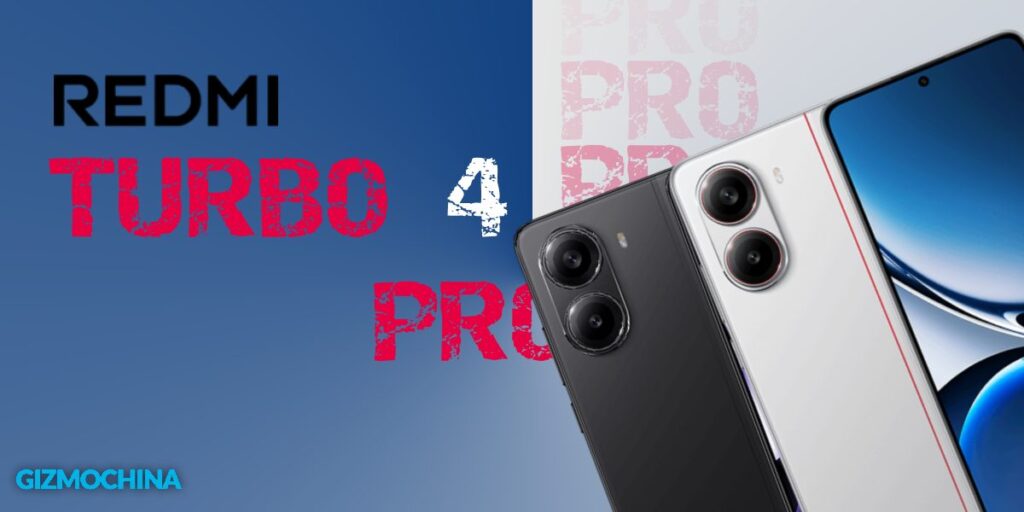
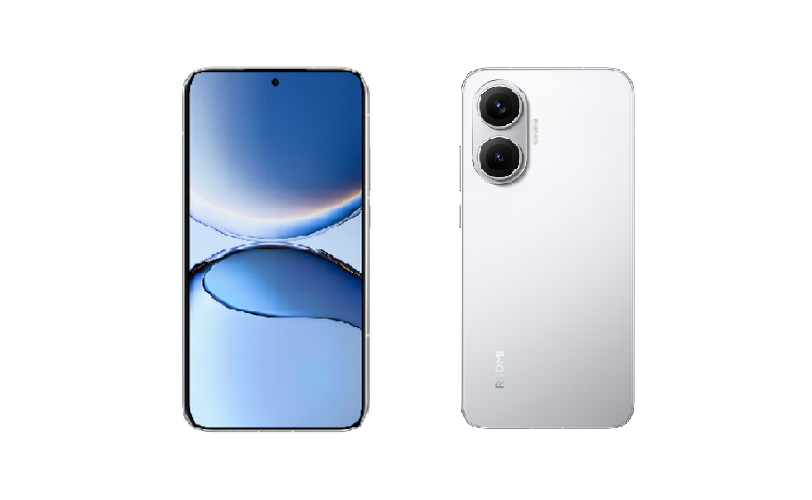
Set to launch in China on April 24, the Redmi Turbo 4 Pro has leaked in full thanks to a China Telecom listing. We now have a pretty complete picture of what the phone is going to look like, how it’s specced, and where it’s likely headed next, both in terms of pricing and international branding.
Redmi Turbo 4 Pro is the first to launch with Snapdragon 8s Gen 4
Probably the most important footnote here is that the Turbo 4 Pro will be the first device to ship with Qualcomm’s Snapdragon 8s Gen 4 chip.
This new processor has a Cortex-X4 prime core clocked at 3.2GHz along with seven Cortex-A720 cores—three running at 3.0GHz, two at 2.80GHz, and two at 2.02GHz. For graphics, it uses the Adreno 825 GPU, which sits just under the flagship-tier Adreno 830 of the Snapdragon 8 Elite.
In practice, this should give the Turbo 4 Pro a noticeable leg up on performance. Wang Teng, Xiaomi’s General Manager for China Marketing, says that the Turbo 4 Pro will outperform competing devices from rival series like OnePlus’s Ace and iQOO’s Neo lines.
2. Specifications
Redmi Turbo 4 Pro images from the China Telecom listing
Design-wise, the Redmi Turbo 4 Pro looks eerily similar to the standard Redmi Turbo 4 (aka the Poco X7 Pro internationally). The phone will have a fairly flat 6.83-inch OLED display, metal mid-frame, and a slim 7.98mm profile.
The display is a 1.5K LTPS OLED panel (2800 x 1280 pixels) with a 120Hz refresh rate, and it houses a 20MP front-facing camera. On the back, there’s a dual-camera setup headlined by a 50MP OIS-assisted main sensor and an 8MP secondary lens (presumably ultra-wide).
Powering the device is a massive 7,550mAh battery. No prize for guessing, this is a silicon-carbon battery that will be paired with 90W fast charging.
There’s also an in-display fingerprint sensor, an IR blaster, and an IP68/IP69 rating for water and dust resistance. On the software side, the Turbo 4 Pro will ship with HyperOS 2 based on Android 15.
3. Storage-heavy, pricing-light
Thanks to the China Telecom listing, we also have the pricing details for the upcoming smartphone. Redmi will offer the Turbo 4 Pro in four configurations:
12GB + 256GB for 2,099 Yuan (~$288)
16GB + 256GB for 2,399 Yuan (~$328)
16GB + 512GB for 2,799 Yuan (~$384)
16GB + 1TB for 2,999 Yuan (~$410)
All variants will reportedly ship with UFS 4.0 storage and LPDDR5X RAM. Color options will include white, black, and green shades.
4. Global release under the Poco F7 name?
As usual, Redmi Turbo 4 Pro will likely be a China-exclusive phone. It is expected to launch globally under a different name. The standard Turbo 4 launched internationally as the Poco X7 Pro, and everything suggests the Turbo 4 Pro will follow suit as the Poco F7.
That makes sense when you look at Poco’s recent portfolio. The F series has always been the brand’s performance-focused line, and the Turbo 4 Pro easily fits that mold.
If Xiaomi sticks to its typical launch cadence, we might see the global variant announced in a month or two, depending on how fast it clears regional certifications.
5. What’s it up against
The Turbo 4 Pro is launching into an increasingly saturated space. There’s intense competition from Chinese brands themselves. Realme GT Neo 7, OnePlus Ace 5, and iQOO Neo 10 all fall under the same price bracket.
But Redmi has a couple of strategic advantages here. It will be the first to launch with Snapdragon 8s Gen 4, and the battery size is also big enough to attract users.
For more daily updates, please visit our News Section.
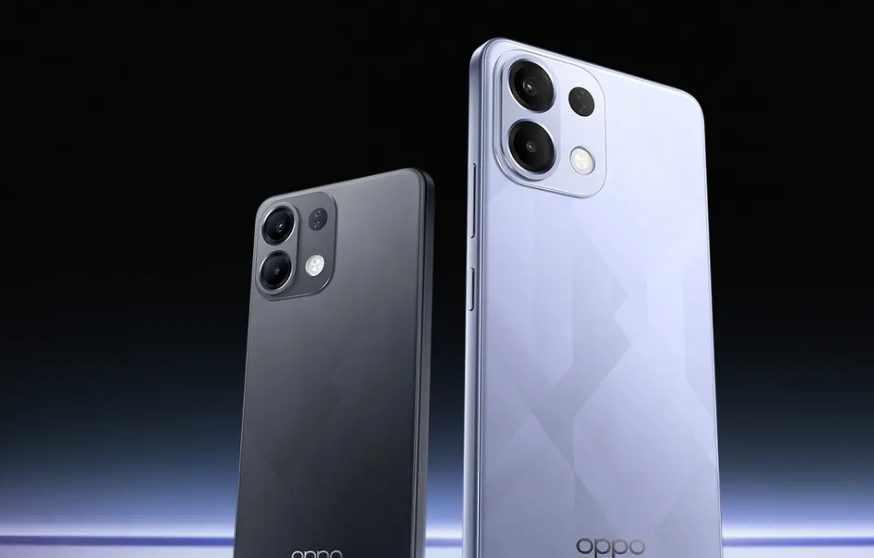
Oppo has just announced a new mid range smartphone with new and improved specs and features but for a budget price tag. The Oppo K13 brings the latest Snapdragon 6 series chip and a humongous battery pack for better battery life. So let’s check it out.
Oppo K13: What does it offer?
The Chinese tech giant unveiled the Oppo K13 with a 6.67-inch AMOLED display with a 1.5K resolution, a 120Hz refresh rate, and up to 1200 nits of peak brightness. Under the hood, the device is equipped with the Snapdragon 6 Gen 4 SoC along with Adreno 810 GPU. This chipset is coupled with 8GB of LPDDR4X RAM and up to 256GB of UFS 3.1 internal storage.
Oppo K13 featured
A monstrous 7,000mAh battery pack powers this model, which supports 80W wired fast charging. The Oppo K13 runs on the Android 15 OS based ColorOS 15 custom skin out of the box. For photography, the rear features a 50MP + 2MP dual camera setup, while the front has a 16MP selfie shooter. Other notable features include an in display fingerprint scanner, Bluetooth 5.3, IP65 water and dust resistance, dual SIM support, stereo speakers, and an infrared sensor.
Pricing and Availability
The Oppo K13 was released in the Indian market in two color options, namely Prism Black and Icy Purple. It arrives in two storage configuration that include 8GB + 128GB and 8GB + 256GB variants. The base model starts from 17,999 INR, while the higher end option costs 19,999 INR. Oppo is also offering an instant bank discount of 1,000 INR with HDFC, ICICI, and SBI bank cards. There is also an exchange bonus of up to 1000 INR. First sale of the Oppo K13 kicks off on 25th April 2025 via the brand’s official website, offline stores, and Flipkart.
For more daily updates, please visit our News Section.
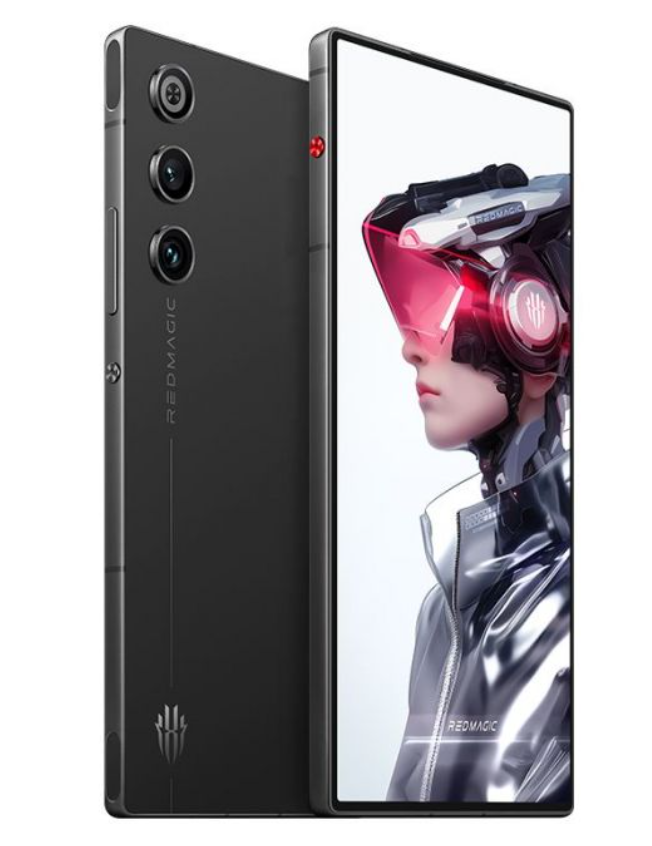
The Red Magic 10 Air is built for users who want fast performance, smooth visuals, and strong gaming features. Whether you’re playing games, watching videos, or browsing the web, this phone is designed to deliver a powerful and smooth experience. It runs on the Red Magic OS 10.0, which is specially designed to offer gamers more control, better graphics settings, and helpful tools during play. You can now purchase the Red Magic 10 Air at Geekwills, starting at just $599.
Blazing Performance with Snapdragon 8 Gen 3, 16GB RAM
At the heart of the Red Magic 10 Air is the Qualcomm Snapdragon 8 Gen 3 processor. This octa-core chip runs at 4.32GHz and is paired with the Adreno 830 GPU. Combined with up to 16GB of LPDDR5X RAM, the device handles gaming, multitasking, and heavy apps without slowing down. The phone also uses UFS 4.0 Pro flash memory, which makes loading and saving files much faster. Users can choose between 256GB and 512GB of storage, enough for all your apps, games, photos, and videos.
Immersive 6.85-inch AMOLED Display
The Red Magic 10 Air comes with a large 6.85-inch AMOLED FHD+ display. This screen supports a 120Hz refresh rate for smooth animations and a 960Hz touch sampling rate for super-quick response during gaming. With 2000 nits of peak brightness, 10-bit color depth, and full DCI-P3 color coverage, the display looks bright and colorful even under sunlight.
Capture Stunning Photos with Dual 50MP Cameras and Under-Display Selfie Lens
The phone features two rear cameras — both 50MP sensors. One is a Samsung GN5 main camera and the other is a Samsung JN1 ultrawide camera. This setup lets users take detailed, wide, and clear photos. On the front, it uses a 16MP under-display camera, which keeps the screen clear for gaming and media while still offering good selfies.
Advanced Cooling System
To keep the phone cool during long gaming sessions, Red Magic 10 Air is equipped with ICE 13.5 cooling technology. This system uses a 10-layer design, a vapor chamber plate, cooling gel, and a high-speed fan spinning at 22,000 rpm. This keeps the phone from overheating even under heavy load.
Long Battery Life and Fast Charging
The Red Magic 10 Air features a large 6000mAh battery, which can easily last a full day. When you need to recharge, the 80W fast charger powers the device to full in just about 35 minutes. This makes it perfect for gamers and heavy users who don’t want long charging breaks.
Built for Gaming Comfort
The Red Magic 10 Air has 520Hz touch-sensitive shoulder keys, making it easier to control games. Each shoulder button has its own IC, which ensures smooth and accurate response even in multi-finger gameplay.
Dual Stereo Speaker and Snapdragon Sound
With dual stereo speakers supporting Snapdragon sound and 96kHz lossless audio, the Red Magic 10 Air offers loud, clear, and immersive sound. Whether you’re gaming or listening to music, the audio quality is designed to match the high-end performance.
We use cookies on our website to give you the most relevant experience by remembering your preferences and repeat visits. By clicking “Accept”, you consent to the use of ALL the cookies.
This website uses cookies to improve your experience while you navigate through the website. Out of these, the cookies that are categorized as necessary are stored on your browser as they are essential for the working of basic functionalities of the website. We also use third-party cookies that help us analyze and understand how you use this website. These cookies will be stored in your browser only with your consent. You also have the option to opt-out of these cookies. But opting out of some of these cookies may affect your browsing experience.
Necessary cookies are absolutely essential for the website to function properly. This category only includes cookies that ensures basic functionalities and security features of the website. These cookies do not store any personal information.
Any cookies that may not be particularly necessary for the website to function and is used specifically to collect user personal data via analytics, ads, other embedded contents are termed as non-necessary cookies. It is mandatory to procure user consent prior to running these cookies on your website.