Casio has unveiled a new G-Shock GA-2100 collaboration designed with Mumbai-based graffiti artist Mooze, also known as Mooz Grafitti. The design, revealed through Casio’s social media, pays homage to Indian truck art.
The GA-2100 features a black resin case paired with a black dial accented with subtle red, blue, and yellow highlights. The strap stands out with a bold black and red pattern. One side of the strap reads “Shock Ok Please” against a tiger-stripe backdrop, a playful nod to the iconic “Horn OK Please” seen on Indian trucks. The other side displays Mooze’s signature tag alongside a fierce tiger illustration.
The design elements connect back to G-Shock’s original colors: red for passion and challenges, blue for water resistance, and yellow for shock resistance. The tiger artwork symbolizes power and fearless energy, tying into G-Shock’s rugged brand image.
The new GA-2100 model keeps the core G-Shock features. It is shock-resistant and water-resistant up to 20 bar. There is a small digital display that shows the time in another city, and a dial on the left side shows the day of the week. The watch also includes a 1/100-second stopwatch, a countdown timer, multiple daily alarms, and an LED backlight.
Casio has not yet shared the model number, price, or release date. The watch will be showcased first at the G-Shock store in Connaught Place, Delhi. It is expected to be exclusive to the Indian market, with no international launch announced.
In other news, Casio is launching limited-edition G-Shock GA-B2100 watches to celebrate the 10th anniversary of the anime Haikyu!!. The two models are inspired by rival teams Karasuno and Nekoma, featuring team colors, jersey numbers, and special slogans. Both watches come with Bluetooth, Tough Solar, and world time features.
For more daily updates, please visit our News Section.
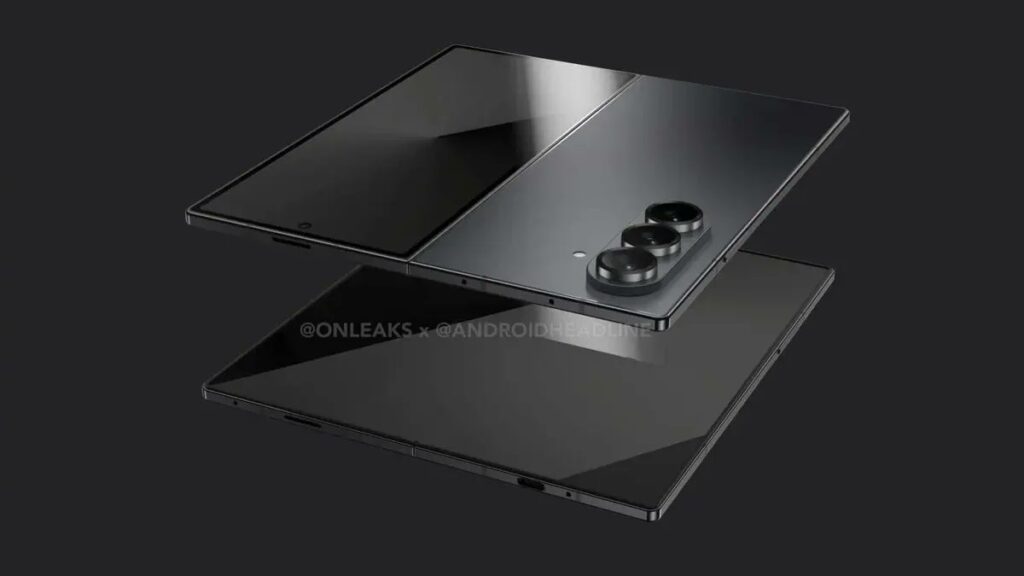
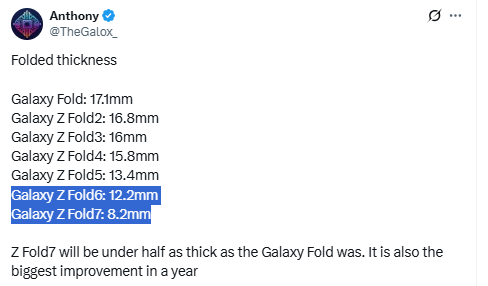
Samsung’s Galaxy Z Fold 7, set to launch in July 2025, might steal the crown as the world’s thinnest foldable smartphone. X tipster @TheGalox_ suggests it could measure just 8.2mm when folded, outslimming the Oppo Find N5 and slashing over 30% off the Z Fold 6’s thickness. This aligns with a previous rumor from February of this year. If true, this dramatic shift in thickness could be a game-changer for Samsung’s foldable lineup.
Z Fold 7 could be less than half as thick as the original Galaxy Fold
After the Galaxy Z Fold 6’s modest upgrades, Galaxy fans are banking on the Z Fold 7 and Z Flip 7 to bring big changes. As per the latest leak, the Z Fold 7 could hit a folded thickness of 8.2mm, edging out the Oppo Find N5’s 8.9mm to become the thinnest book-style foldable ever sold. As the tipster points out, the Z Fold 7 is less than half as thick as the original Galaxy Fold and 4mm thinner than its predecessor, the Z Fold 6.
However, this rumor clashes with some earlier reports of a 9.5mm thickness, which seemed more realistic. How Samsung might achieve such a slim profile without removing key features remains unclear. According to previous reports, Samsung may be changing how the S Pen works — potentially moving away from the digitizer approach in favor of a more Apple Pencil–like interaction.
The Z Fold 7 is expected to pack the Snapdragon 8 Elite chip. If Samsung pulls this off, it could reinvigorate the Z Fold series, which faces stiff competition from slimmer rivals like the Honor Magic V3 or the Oppo Find N5. A thinner design might justify the rumored $1,900+ price tag. But until the July Unpacked event, take this 8.2mm claim with a grain of salt—it’s a bold promise that could redefine foldables if it pans out.
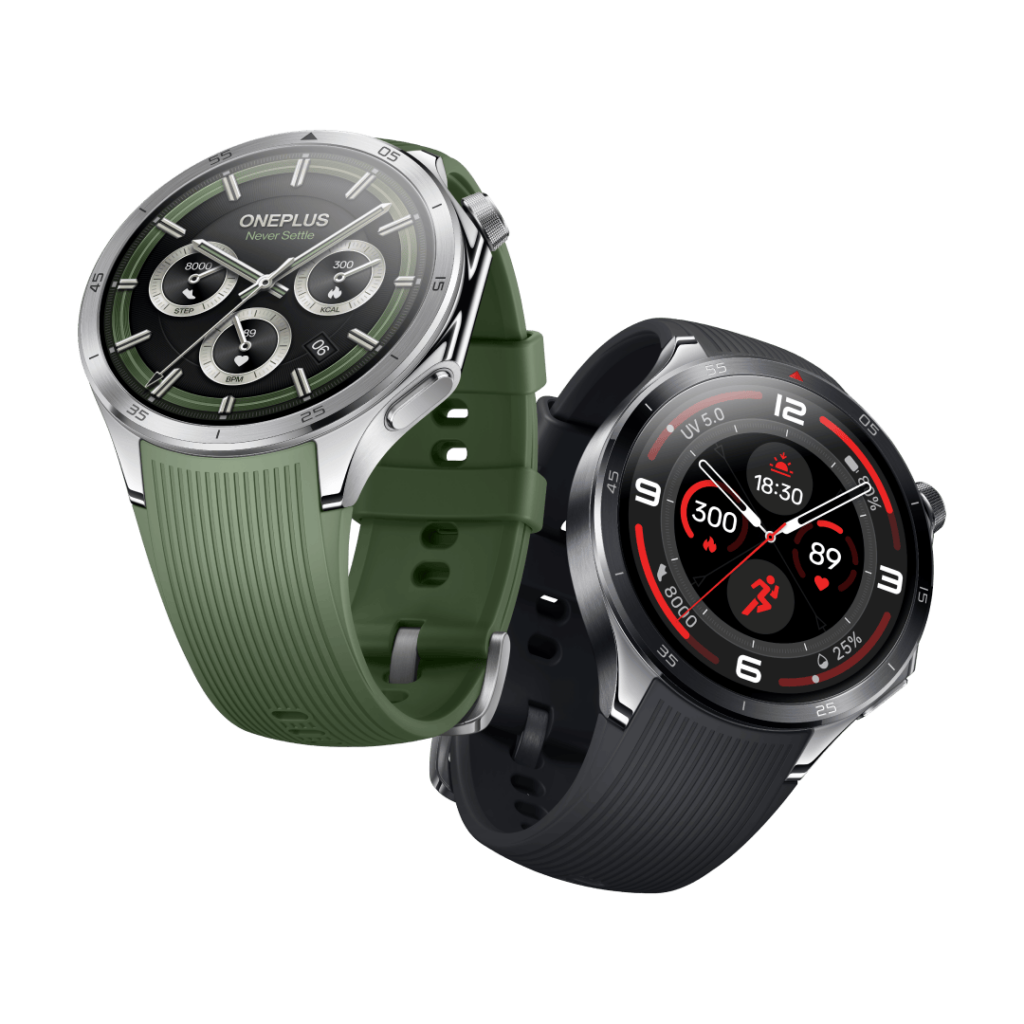
OnePlus has dropped the price of the Watch 3 in the U.S. from $499.99 to $349.99, just weeks after launch. The smartwatch is now listed at a lower price on the OnePlus U.S. website.
At launch, the OnePlus Watch 3 was priced higher in the U.S. compared to other regions. OnePlus said the higher price was because of “current market conditions.” After re-evaluating and adjusting its supply chain, OnePlus has now made $349.99 the final price. The company confirmed there are no plans for more price changes.
OnePlus also said it will refund $150 to customers who bought the Watch 3 at the original $499.99 price. Refunds will go back to the original payment method. Affected buyers will be contacted directly by OnePlus customer support.
The company said the price correction is based on supply chain improvements and aims to keep things fair for early customers.
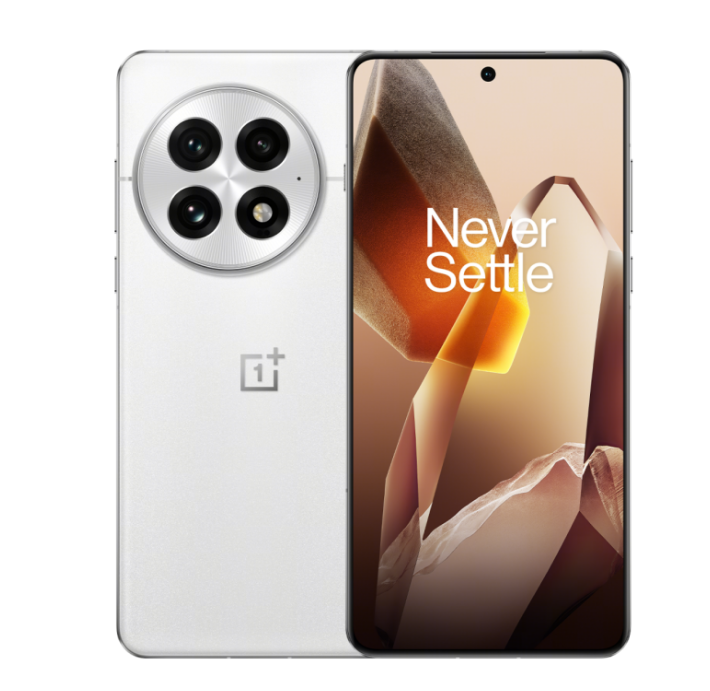
In other news, OnePlus has officially confirmed the OnePlus 13s, revealing its design, display, and chipset. The phone will come in Black Velvet and Pink Satin colors, with a 6.32-inch AMOLED display and a Snapdragon 8 Elite chipset.
For more daily updates, please visit our News Section.
ASUS has confirmed that its 2025 lineup of ROG gaming laptops will launch soon in India. A dedicated landing page is now live on Amazon, and pre-orders will open on May 2, 2025.
The lineup will include the new Zephyrus G14/G16, Strix G16/G18, and Flow Z13 models. Customers who pre-order can get limited-time benefits worth up to INR 34,498. These include two extra years of warranty, three years of local damage protection, and an ROG BP4701 gaming backpack, all for INR 99.
The laptops will be equipped with the latest NVIDIA GeForce RTX 5000 series GPUs, offering NVIDIA DLSS 4, up to 1824 TOPS performance, and a 175W maximum TGP. Buyers can choose between models powered by Intel Core Ultra 9 processors or AMD Ryzen AI 300 series chips. ASUS will also feature ROG Nebula displays across the lineup, with higher refresh rates, faster response times, and better color accuracy.
Cooling has been upgraded with the new ROG Intelligent Cooling system, which uses Vapor Chambers, Arc Flow Fans, and Tri-Fan technology to improve thermal performance across all models. ASUS is expected to reveal full specifications and pricing details at the time of the official launch.
In other news, ASUS has launched the RT-BE82U Wi-Fi 7 router, priced at 1,499 yuan (~$206), with sales starting April 30. It offers dual-band Wi-Fi 7 speeds up to 6500Mbps, Multi-Link Operation (MLO), and 4K QAM for 20% faster data rates.
For more daily updates, please visit our News Section.
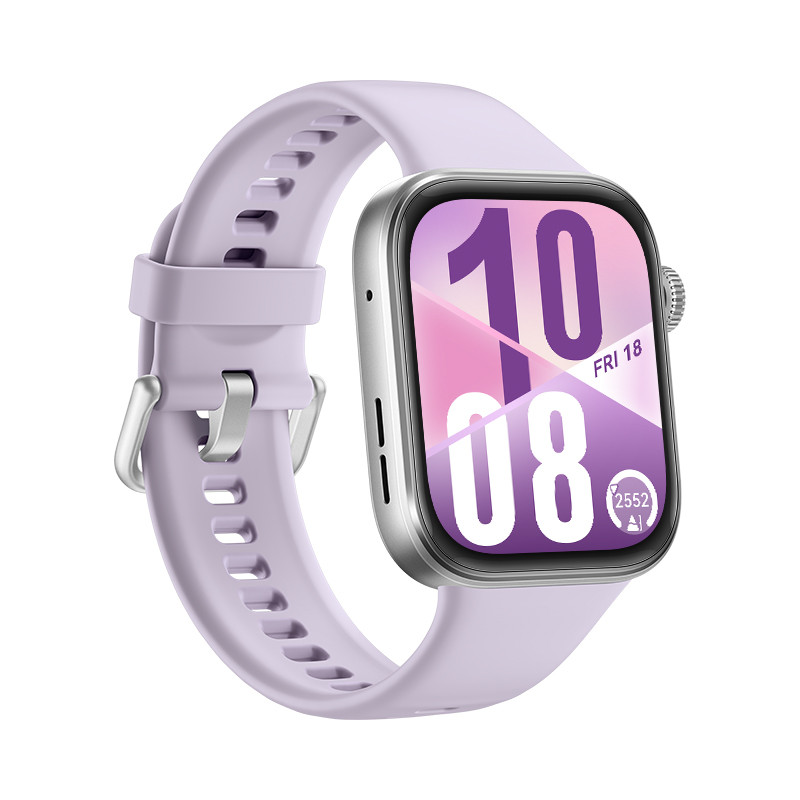
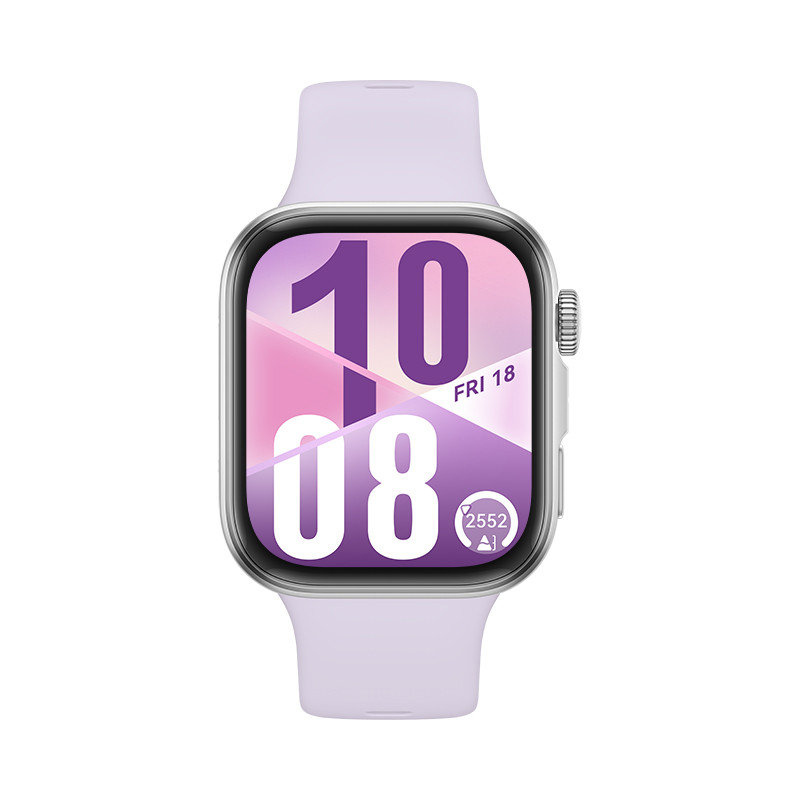
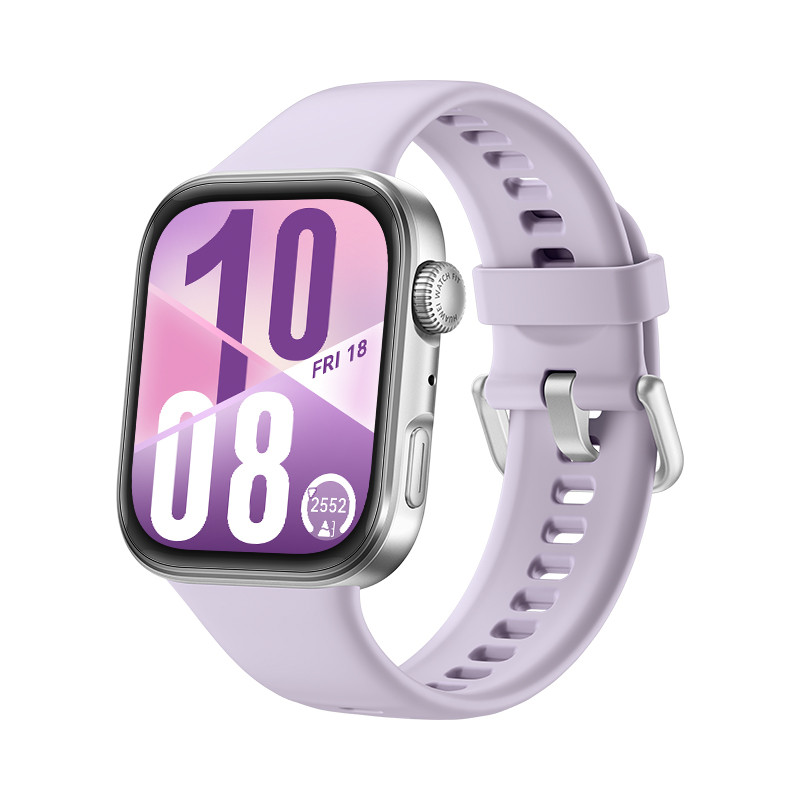
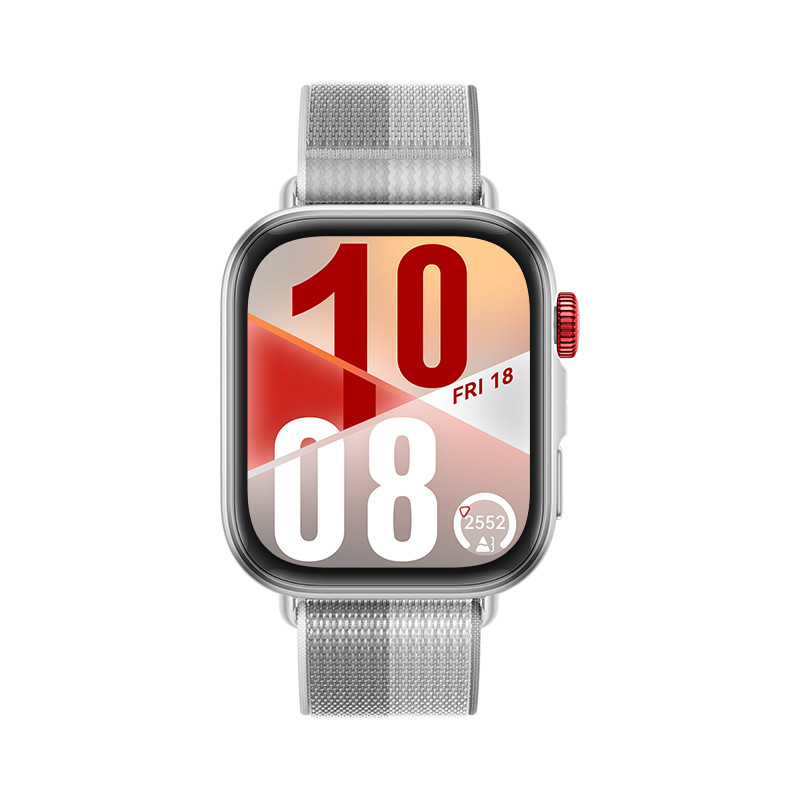
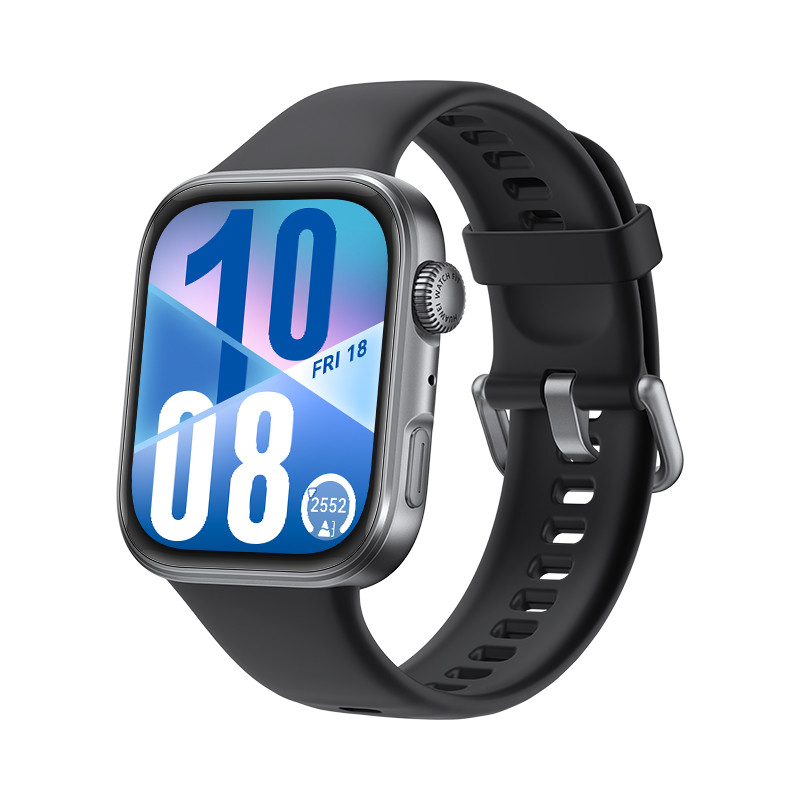
Huawei will launch the Watch Fit 4 and Watch Fit 4 Pro smartwatches on May 15. Ahead of the event, Lithuanian retailer Bigbox listed both models online, revealing their features and prices.
Huawei Watch Fit 4 Pro
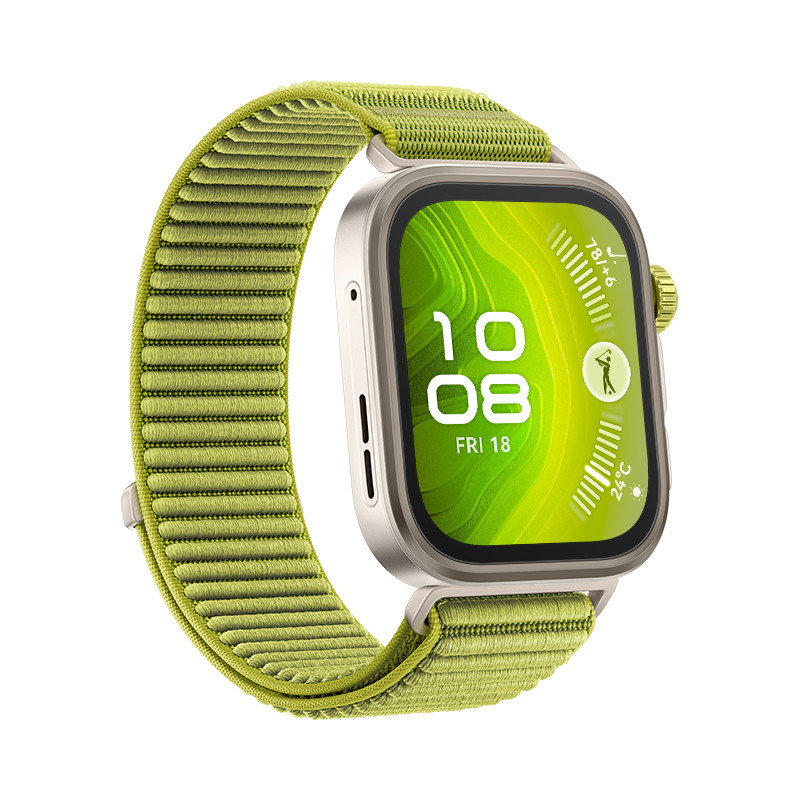
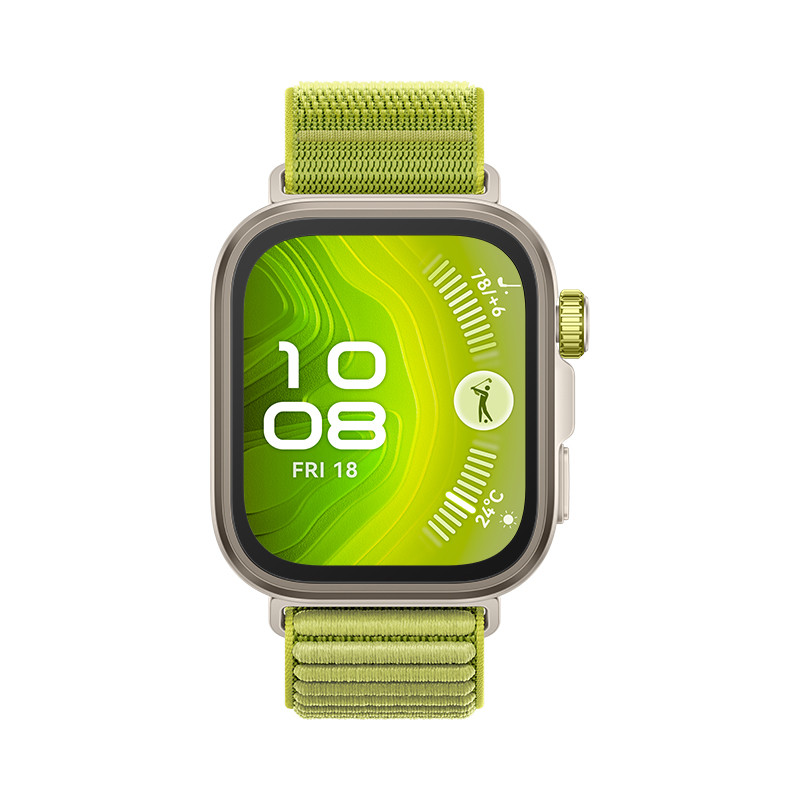
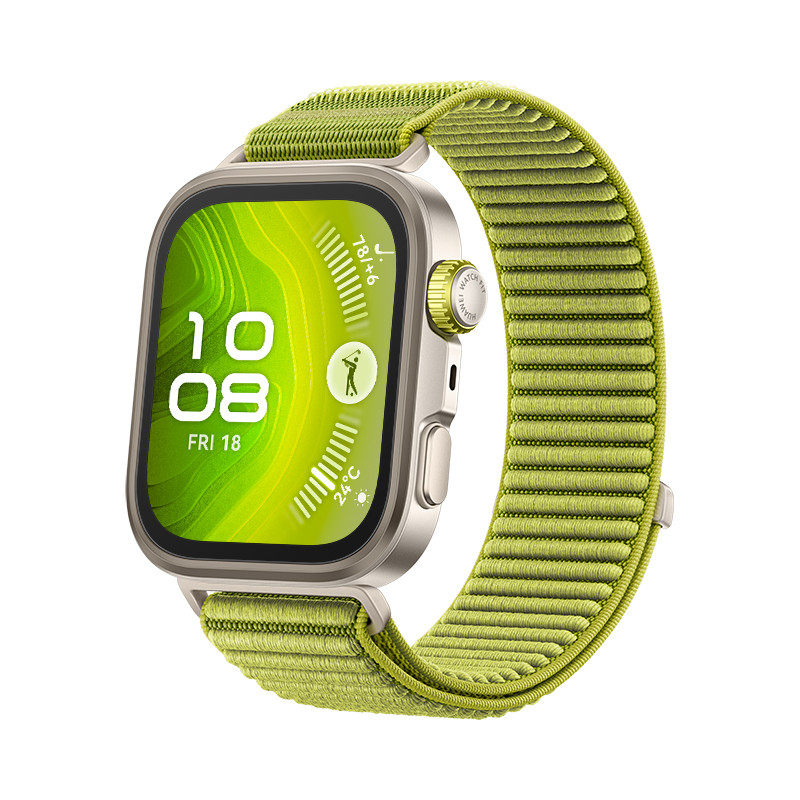
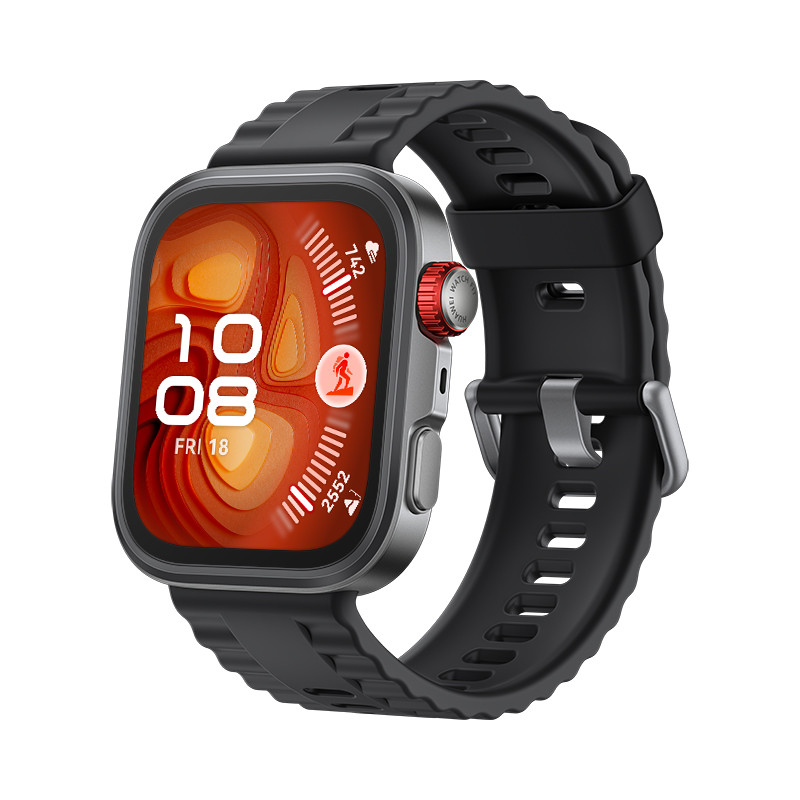
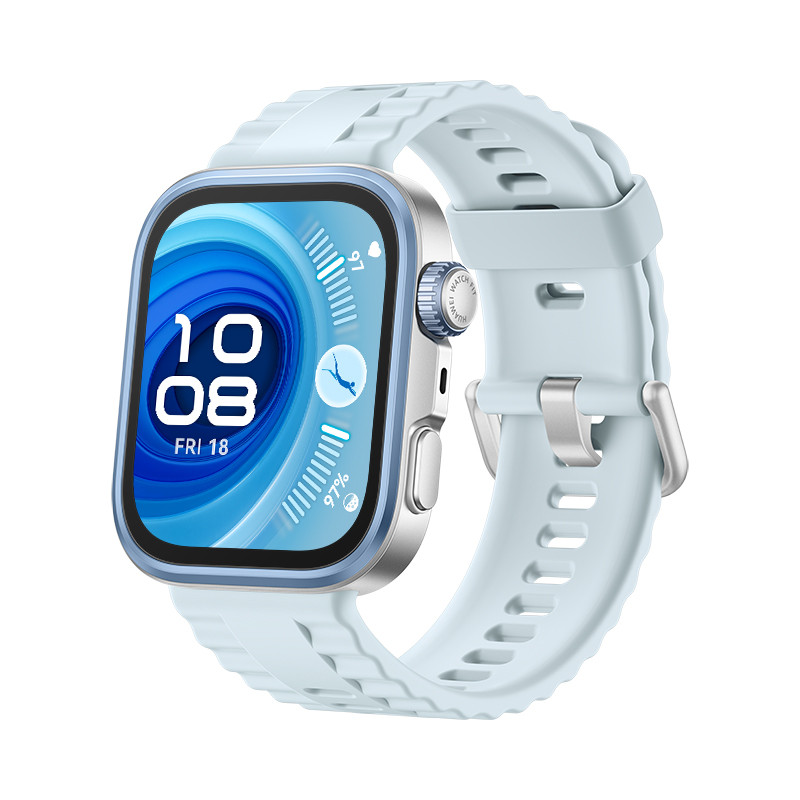
The Huawei Watch Fit 4 Pro is the higher-end model. It has a 1.82-inch AMOLED display with a 480 × 408 pixel resolution and a rectangular design. It includes built-in GPS, 5ATM water resistance, Bluetooth calling, heart rate monitoring, sleep tracking, stress measurement, and menstrual cycle tracking. Huawei says the Watch Fit 4 Pro can last up to 10 days on a single charge and supports wireless charging. It will be available in black, blue, and green, with the green version featuring a sporty fabric strap. The listed price is 279 euros.
Huawei Watch Fit 4
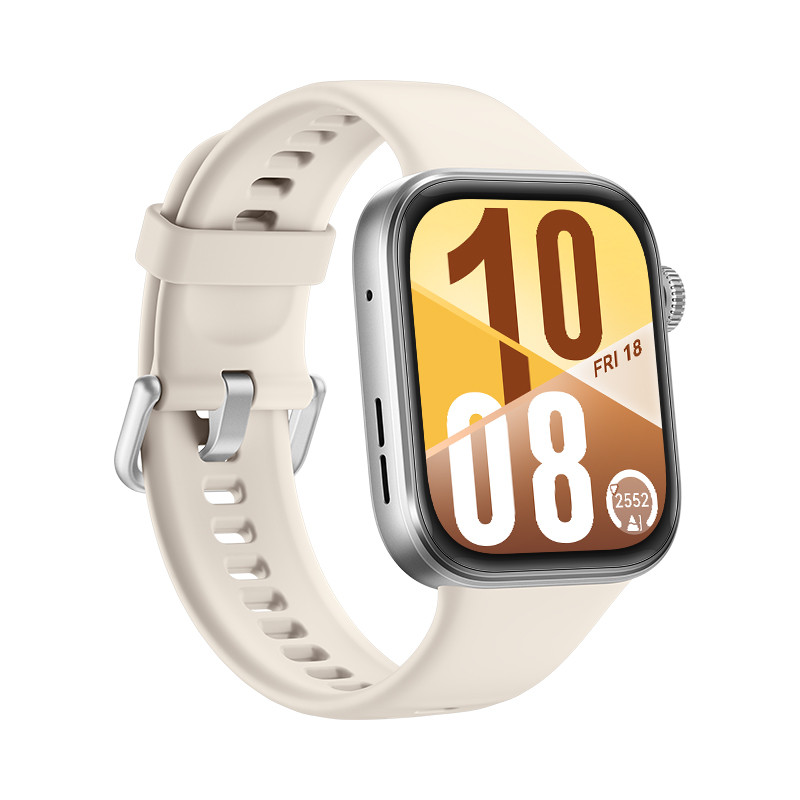
The Huawei Watch Fit 4 is a more affordable and lighter version. It has the same 1.82-inch AMOLED display as the Pro model and offers built-in GPS, 5ATM water resistance, Bluetooth calling, and the same wellness features. It also promises up to 10 days of battery life. Color options for the Watch Fit 4 include purple, black, gray, and white. It is priced at 169 euros.
Both watches have a rectangular body, focus on lightweight comfort, and use high-quality materials. They offer full sleep quality analysis, stress tracking, and menstrual cycle tracking.
Huawei will also announce the Watch 5 for the European market at the same May 15 event. It will come in two sizes—42mm and 46mm—and color options like Blue, Green, Brown, Black, White, and Beige/Gold, with strap choices including steel, silicone, and fabric. The design features a circular dial, narrow bezels, a rotating crown, a side button, and heart rate sensors with magnetic charging pins.
For more daily updates, please visit our News Section.
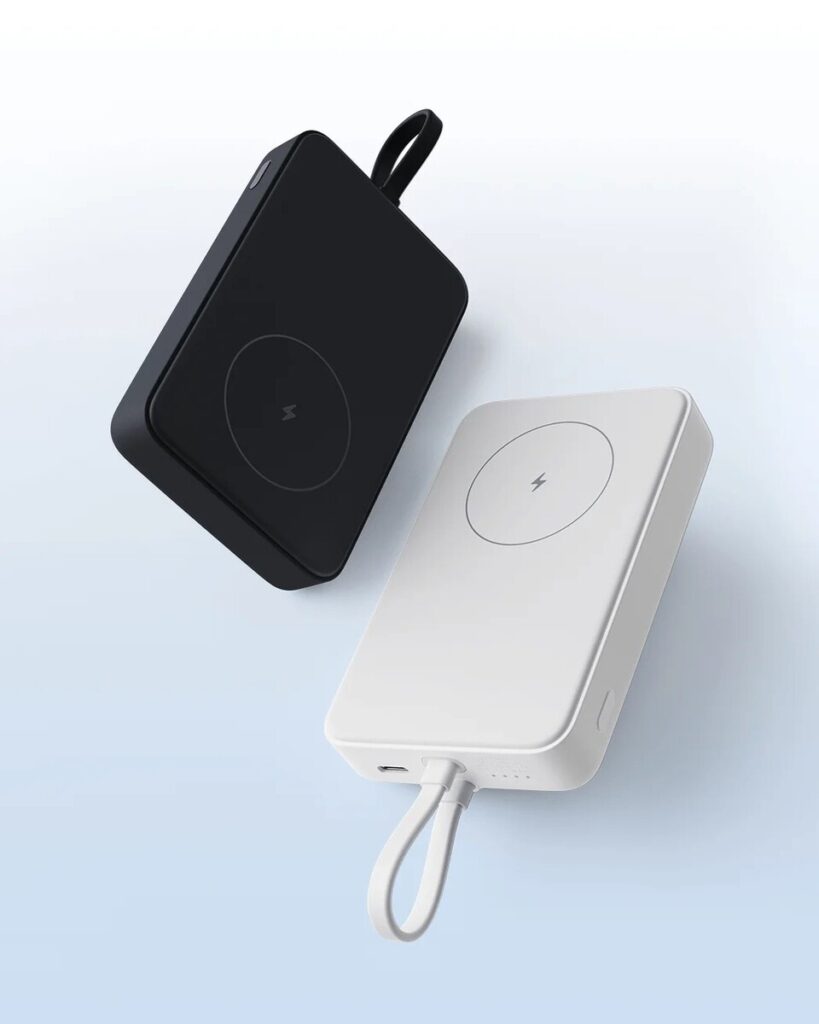
Xiaomi‘s 33W Magnetic Power Bank 10000 (Integrated Cable) is now available globally, after first launching in China in December 2024. You can find it listed on Xiaomi’s international website, suggesting it will be sold in more countries soon.
This new power bank is different from the older 33W Power Bank 10000 (Integrated Cable) because it has magnetic wireless charging. It offers up to 7.5W wirelessly and uses a 13N magnet to stick firmly to compatible devices.
The 10,000mAh battery lets you charge three things at once: using the wireless charging pad, the built-in USB-C cable, and the USB-C port. If you charge just one device, the USB-C cable or port can put out up to 33W of power. If you use both USB-C connections at the same time, they share 15W. Xiaomi says this power bank can charge an iPhone 16 Pro to 58% in half an hour.
To recharge the power bank itself takes about 140 minutes with a 30W charger. It’s 109 mm long, 68.5 mm wide, and 19.8 mm thick, weighing 238g. It’s made to be small and easy to carry. You can get it in black or white.
Even though it’s listed globally, Xiaomi hasn’t said exactly which countries will sell it or how much it will cost.
In other news, Xiaomi has launched the Mijia Refrigerator Pro 508L with HyperOS, 508L storage capacity, and 360° frost-free cooling. The company also introduced the Mijia Wireless Floor Washer 4 Pro, which offers 21,000Pa suction power and an anti-tangle system.
For more daily updates, please visit our News Section.
Pixel Watch 2 is on sale with major discounts of up to $100 on the WiFi variant. The smartwatch currently retails for the price of $149 on Amazon.com, and is available in four color options. However, the LTE variant is available for the price of $199.
Featuring a new heart rate sensor and Google AI prowess, the Pixel Watch 2 is a full package at such a great price. In terms of specifications, the Google Pixel Watch 2 bundles a 1.2-inch AMOLED screen with 320 PPI and up to 1,000 nits brightness. It is made out of a lightweight aluminum case made from recycled materials. It uses a powerful Snapdragon W5 Gen 1 processor and a Cortex-M33 co-processor.
The watch runs on Wear OS 4.0, giving you smooth performance and access to apps. The battery lasts up to 24 hours, even with the always-on display, and charges to 50% in just 30 minutes. You can choose from different colors and bands to match your style. Connectivity options include Bluetooth 5.0, Wi-Fi, NFC, GPS, and optional 4G LTE via eSIM.
This watch is great for tracking your health and fitness. The heart rate sensor is up to 40% more accurate during intense activities like running or cycling. Additional sensors include blood oxygen, skin temperature, and continuous electrodermal activity (cEDA) for stress monitoring. Safety features like Fall Detection, Emergency SOS, and Safety Check can alert your contacts or emergency services if you need help. With the Pixel Watch 2, you get a reliable companion for your health and safety.
The Pixel Watch 2 is available in various color combinations, including Matte Black with Obsidian band and Champagne Gold with Hazel band.
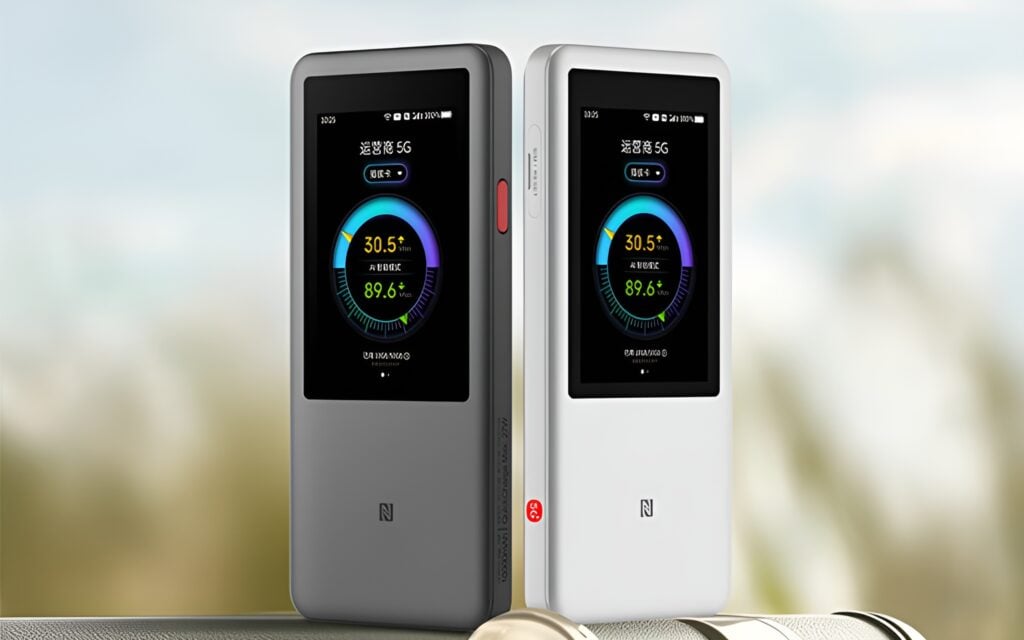
ZTE has officially launched the 5G Mobile WiFi U60 Pro in China. The device, first showcased at MWC, features flagship-grade connectivity in a compact design. It is powered by Qualcomm’s Snapdragon X75 modem platform and supports high-speed 5G-A networks. Pre-orders are now open on JD.com, with prices starting at 1899 yuan (around $260).
ZTE U60 Pro Specifications
The U60 Pro features a durable body measuring 158mm × 73mm × 16mm and comes with a 3.5-inch HD touchscreen that introduces a minimalist UI, making it easier to monitor battery status, signal strength, and data usage at a glance.
It equips a 10,000mAh battery, delivering up to 29 hours of continuous use or 53 days of standby time. It supports 27W fast charging and 18W reverse charging, allowing the device to double as a power bank for smartphones and other accessories.
Connectivity is where the U60 Pro stands out. It runs on the Snapdragon X75 platform and supports 5G-A networks with download speeds up to 4.29Gbps, enhanced by 3CC carrier aggregation. It also supports the N79 frequency band for better coverage in dense environments like concerts and exhibitions.
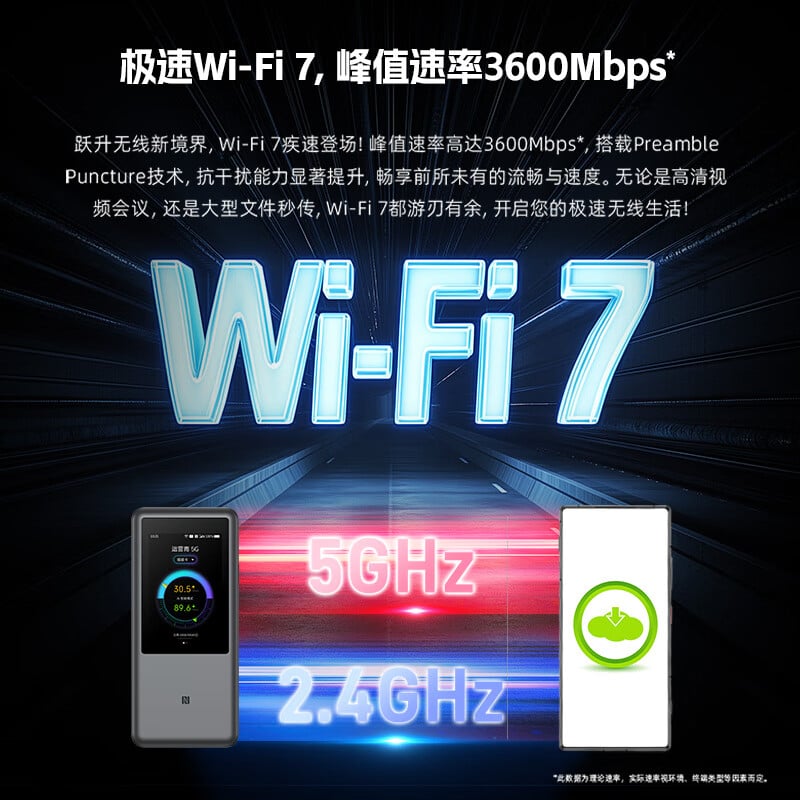
For Wi-Fi, the U60 Pro sports Wi-Fi 7 technology, with dual-band (2.4GHz and 5GHz) support and peak wireless speeds up to 3600Mbps. It uses Preamble Puncture technology to improve reliability in congested network conditions and allows up to 64 devices to connect simultaneously.
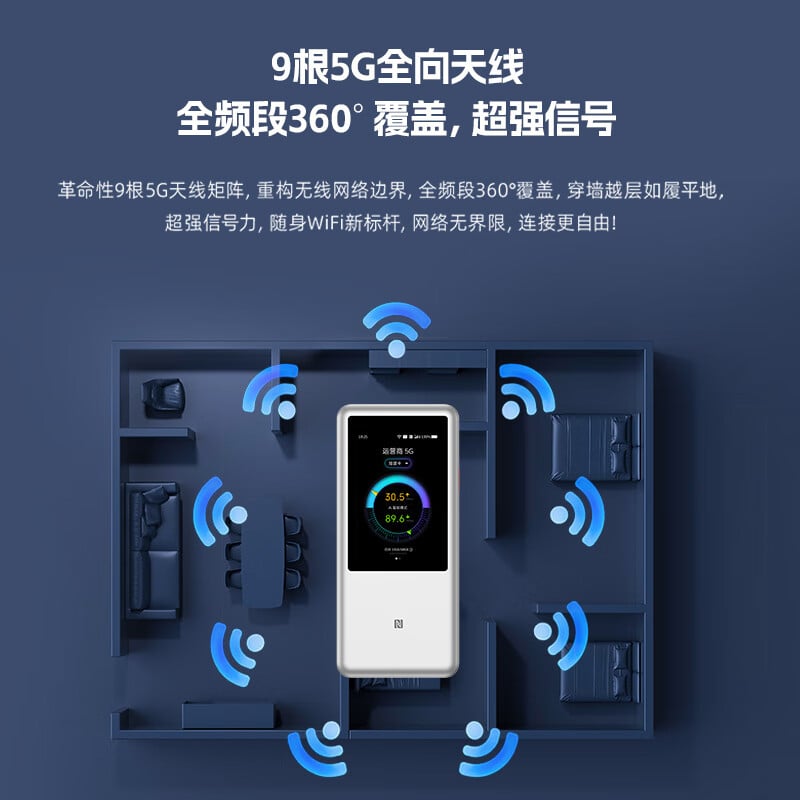
The device comes with nine omnidirectional 5G antennas, delivering full 360-degree coverage and strong wall penetration. It also introduces AI-driven features like intelligent bandwidth prioritization, a children’s protection mode, and a 30 percent reduction in packet loss for smoother performance.
The U60 Pro also features the NFC tap-to-connect function for easy Wi-Fi access with Android phones and built-in support for NetEase’s UU Game Accelerator to minimize latency during gaming.
The device comes with access to the ZTE Smart Life app for remote management and AI voice controls. It features a flowing light design that adds visual flair to the compact form factor, blending style with technology. For travelers, the U60 Pro supports a wide range of 5G and 4G bands across NR Sub-6GHz, FDD-LTE, TDD-LTE, and UMTS standards, ensuring broad global coverage.
In related news, Lenovo has launched a 5G router featuring dual SIM support and Wi-Fi 6 connectivity, priced at just $86. Asus has also introduced the RT-BE82U Wi-Fi 7 router, offering speeds up to 6500Mbps along with AiMesh support and advanced security features.
For more daily updates, please visit our News Section.
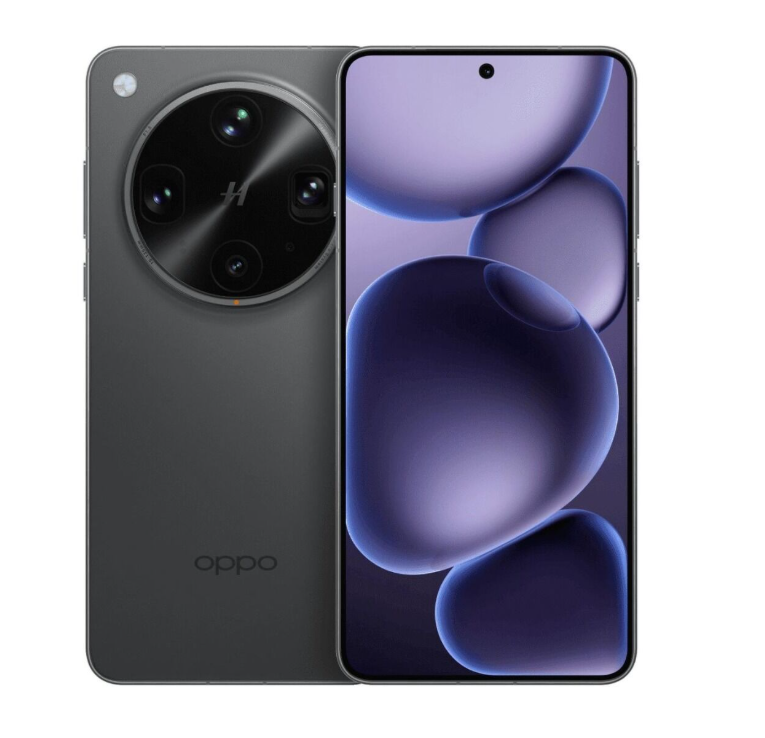
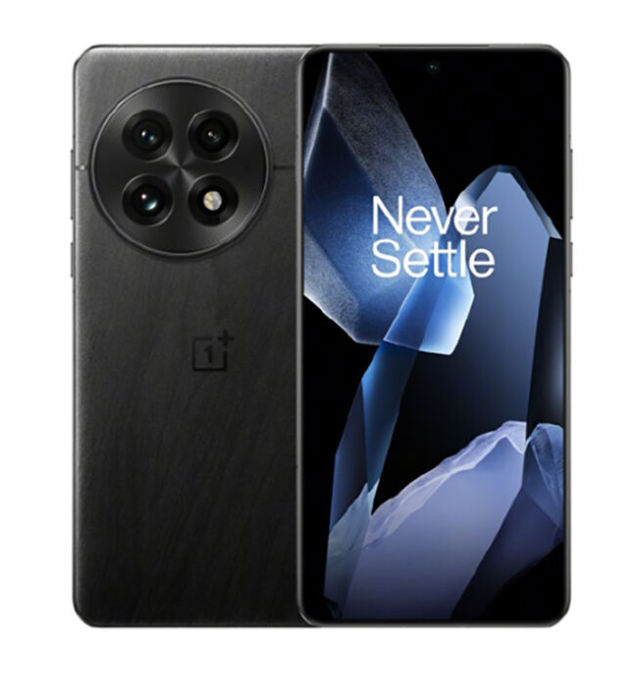
In the competitive world of 2025 flagships, the OPPO Find X8 Ultra and OnePlus 13 represent two of the most advanced Android smartphones available. Both offer top-tier performance, cutting-edge displays, and premium designs, but they target slightly different user needs. This comparison highlights how even the best phones differ in priorities, whether it’s camera excellence, future-proof performance, or overall value for money.
Design and Display
Oppo Find X8 Ultra
Build and Feel:
The OPPO Find X8 Ultra comes with a premium feel, boasting a solid aluminum frame, curved glass front, and IP68/IP69 water resistance. It’s slightly heavier at 226g, giving it a dense, luxurious hand feel. OnePlus 13, on the other hand, also features an aluminum frame with options for a glass back or eco-leather finish, balancing elegance with a touch of eco-friendliness. It is lighter at around 210-213g, which makes it a bit more comfortable for prolonged use.
Both phones offer excellent durability, but OnePlus 13’s availability of eco-leather makes it slightly more versatile for different tastes. In terms of ruggedness, both phones stand equal with IP69 certification, but OnePlus 13’s slightly lighter frame gives it a small edge for daily handling.
Display Quality:
Both phones boast large 6.82-inch LTPO AMOLED displays with 1440 x 3168 resolution and 120Hz refresh rates. However, OnePlus 13 pushes ahead with a peak brightness of 4500 nits compared to OPPO’s 2500 nits, making it much easier to view outdoors under direct sunlight.
Both support Dolby Vision, HDR10+, and Ultra HDR, but OnePlus 13 uses the newer LTPO 4.1 technology, offering better efficiency and smoother adaptive refresh rates. Although OPPO’s display is impressive for multimedia and color vibrancy, OnePlus 13’s extreme brightness and display technology make it the superior choice for visual clarity.
Verdict:
While the OPPO Find X8 Ultra is beautifully crafted and luxurious, the OnePlus 13 feels slightly more refined for everyday use thanks to its lighter design and newer display tech. In terms of display performance and handling comfort, the OnePlus 13 edges out the win.
Specifications
OnePlus 13
Performance:
Both devices are powered by the Snapdragon 8 Gen 3 Elite chipset with the same CPU and GPU configurations, ensuring top-tier performance. Storage and RAM types are UFS 4.0 across both phones, but the OnePlus 13 offers a version with up to 24GB RAM, providing more headroom for multitasking compared to OPPO’s 16GB maximum. Both devices run Android 15 with ColorOS or OxygenOS, ensuring a fast and responsive software experience.
OnePlus 13 promises four major Android upgrades, giving it a better long-term software support advantage. While daily tasks and gaming are similarly smooth, the higher RAM variant and longer update cycle make the OnePlus 13 better prepared for future demands.
Battery and Charging:
OPPO Find X8 Ultra packs a larger 6100mAh battery, slightly edging over the OnePlus 13’s 6000mAh capacity. Both support 100W wired charging and 50W wireless, with OPPO also offering 10W reverse wireless. However, OnePlus includes an additional 5W reverse wired charging, enhancing its versatility. Charging speeds are almost identical. Although the OPPO battery is technically larger, the practical difference is minimal, and OnePlus’s slightly faster and more flexible charging options provide a slight advantage in real-world use.
Verdict:
In terms of raw performance, both are extremely powerful, but the OnePlus 13’s higher RAM ceiling and better future-proofing through extended software support make it a smarter choice for power users. Battery life is nearly identical, but OnePlus’s extra flexibility in charging edges it ahead slightly.
Camera
OnePlus 13
Main and Secondary Lenses:
OPPO Find X8 Ultra is clearly camera-focused with four 50MP sensors, including two periscope telephoto lenses with 3x and 6x optical zoom. The main sensor is massive at 1-inch, ensuring outstanding light capture and detail. The OnePlus 13, while strong with its triple 50MP setup, has a smaller main sensor (1/1.43″) and only one periscope telephoto lens offering 3x zoom. Both devices carry Hasselblad Color Calibration and laser autofocus, but OPPO’s setup is more versatile for pro-level zoom, clarity, and depth. OPPO easily wins for those prioritizing advanced photography, especially telephoto and low-light capabilities.
Selfie Camera:
Both the Find X8 Ultra and OnePlus 13 feature a 32MP front camera, with similar sensor size and features like HDR, panorama, and 4K recording. Both are excellent for selfies, vlogging, and video calls, offering crisp detail and great dynamic range. However, OPPO’s selfie camera includes PDAF (Phase Detection Autofocus), making it faster and sharper for focusing in different lighting conditions. This slight hardware improvement gives the Find X8 Ultra a small advantage for selfie enthusiasts or professional use.
Verdict:
OPPO Find X8 Ultra dominates the main camera department with superior hardware, making it the ideal choice for photographers or content creators. It also edges slightly ahead in selfie performance thanks to its faster autofocus.
Pricing
Oppo Find X8 Ultra
OPPO Find X8 Ultra is priced around $1000, making it a strong value considering its advanced quad-camera setup, large battery, and premium build. The OnePlus 13 is significantly more expensive at around $1500, targeting those who want more RAM options, better brightness, and longer software support. Given the price gap of about $500, OPPO offers tremendous value for camera-centric users, while OnePlus aims for a niche audience demanding the absolute best display and future-proofing.
Verdict:
From a pricing perspective, the OPPO Find X8 Ultra provides much more bang for the buck. Unless extreme brightness, extended updates, or 24GB RAM are critical, most users would find better value in OPPO’s offering.
Conclusion
OPPO Find X8 Ultra
Both phones come packed with features like IP69 resistance, Dolby Vision support, and premium AMOLED panels. Unique to the OPPO Find X8 Ultra is its dual periscope telephoto lenses, offering 3x and 6x optical zoom, which is rare even among flagships. OPPO also includes satellite emergency messaging in a special variant, a life-saving feature for travelers.
On the other hand, the OnePlus 13 shines with 4500 nits peak brightness, Circle to Search integration, and a 24GB RAM option, which is the highest currently available in mainstream phones. Each brand targets a specific niche: OPPO for camera and survival features, OnePlus for future-proof performance and display brilliance.
Final Verdict:
Both the OPPO Find X8 Ultra and the OnePlus 13 are exceptional flagships, but they cater to slightly different priorities. The OPPO Find X8 Ultra is unbeatable for photography enthusiasts and users seeking maximum value at a more accessible price. Its superior camera hardware and emergency features make it stand out.
OnePlus 13, while much more expensive, appeals to those who want the absolute brightest display, cutting-edge RAM capabilities, and long-term software assurance. For most users balancing features and cost, the OPPO Find X8 Ultra emerges as the smarter overall choice.
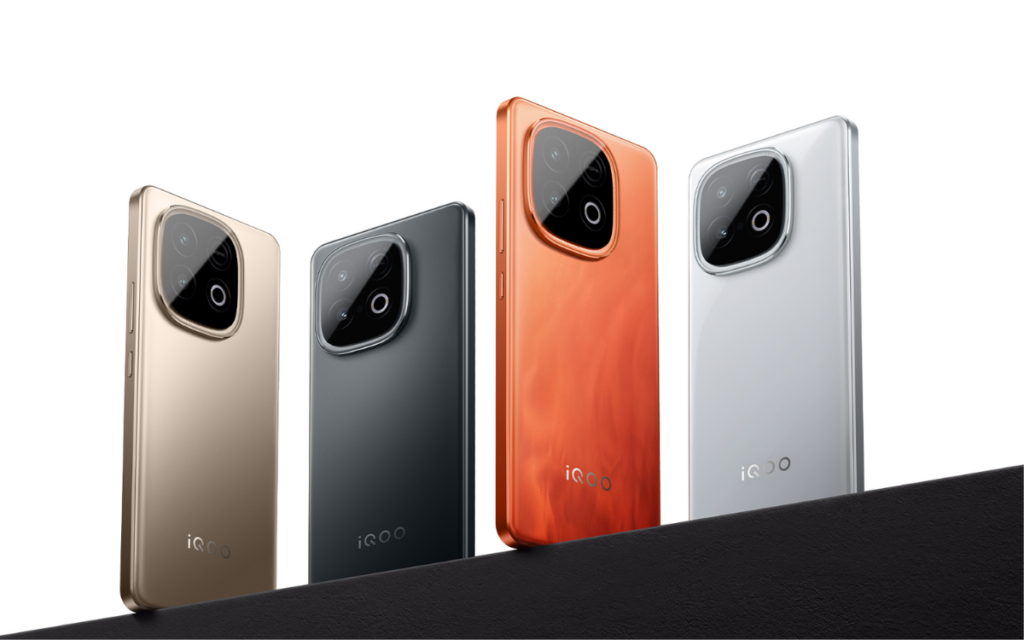
iQOO has officially launched the Z10x in China, a lower mid-range smartphone that offers strong performance, an eye-protective display, and long battery life. iQOO also introduced its new Turbo series alongside the Z10x, expanding its lineup with more performance-focused smartphones.
iQOO Z10x Specifications
The iQOO Z10x features a 6.72-inch LCD display with a resolution of 2408×1080 pixels. It supports a 120Hz refresh rate for smoother scrolling and gaming, along with a peak full-screen brightness of 1050 nits. The display comes with TÜV Rheinland low blue light certification and supports hardware-level DC dimming to deliver a truly flicker-free viewing experience, emphasizing genuine eye protection.
The phone comes equipped with the MediaTek Dimensity 7300 processor, paired with UFS 3.1 storage for faster data access. It achieves an AnTuTu benchmark score of around 750,000 points, promising solid performance across daily tasks and gaming. To maintain thermal stability, the device sports an Ice-sealed 3D cooling system. The Z10x runs on OriginOS, offering a smooth, clean interface optimized for efficiency and multitasking.
On the back, the iQOO Z10x sports a 50MP main camera capable of capturing detailed stills and dynamic Live Photos. The camera module follows a matrix-style dual-camera layout and is accented by a halo breathing light that provides visual notifications for calls, messages, and alerts.
The device comes with a 6500mAh battery, supporting 44W fast charging. It can charge from 1% to 50% in about 40 minutes. It also supports direct bypass charging and reverse charging, along with a five-year battery health guarantee aimed at ensuring long-term reliability.
The iQOO Z10x measures 8.09mm thick and weighs 204g. It features a Rock Solid shock-absorbing structure and has passed MIL-STD-810H military-grade durability certification. It equips an IP64 rating for dust and water resistance. Additional features include dual stereo speakers with 400% boosted volume, Wi-Fi 6, Bluetooth 5.4, an infrared remote control function, and a side-mounted fingerprint scanner for quick unlocking.
Pricing and Availability
The iQOO Z10x is available in four variants:
8GB+128GB for 1099 yuan (~$153)
8GB+256GB for 1199 yuan (~$167)
12GB+256GB for 1399 yuan (~$195)
12GB+512GB for 1599 yuan (~$223)
It comes in three color options: Wind Feather Green, Moonrock Titanium, and Starry Black. The device is now available across major sales channels in China.
For more daily updates, please visit our News Section.
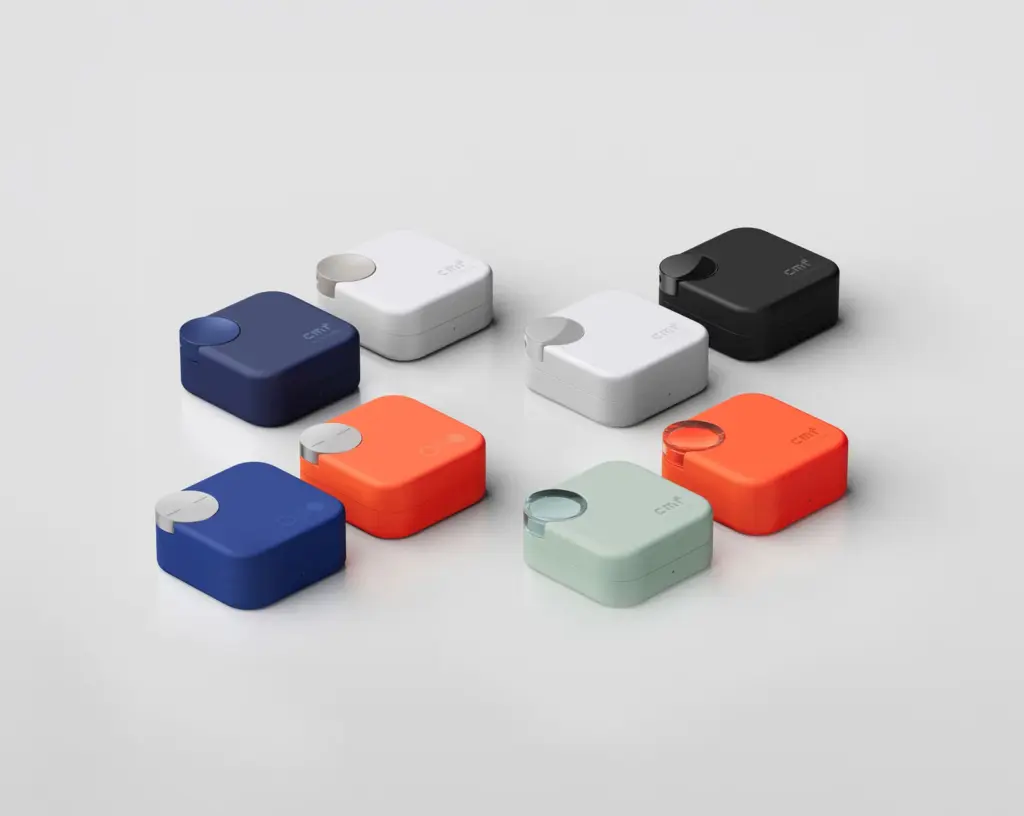
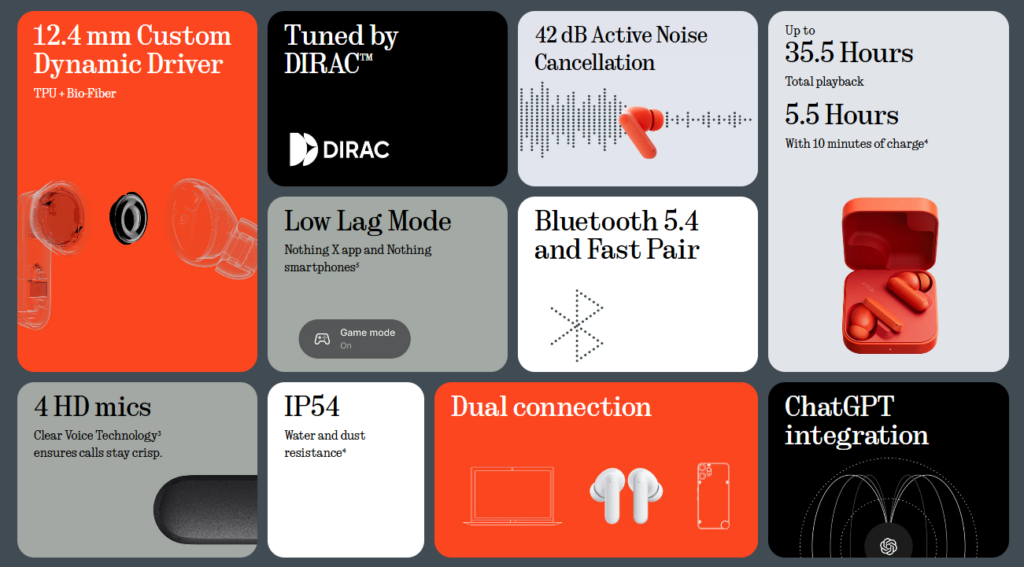
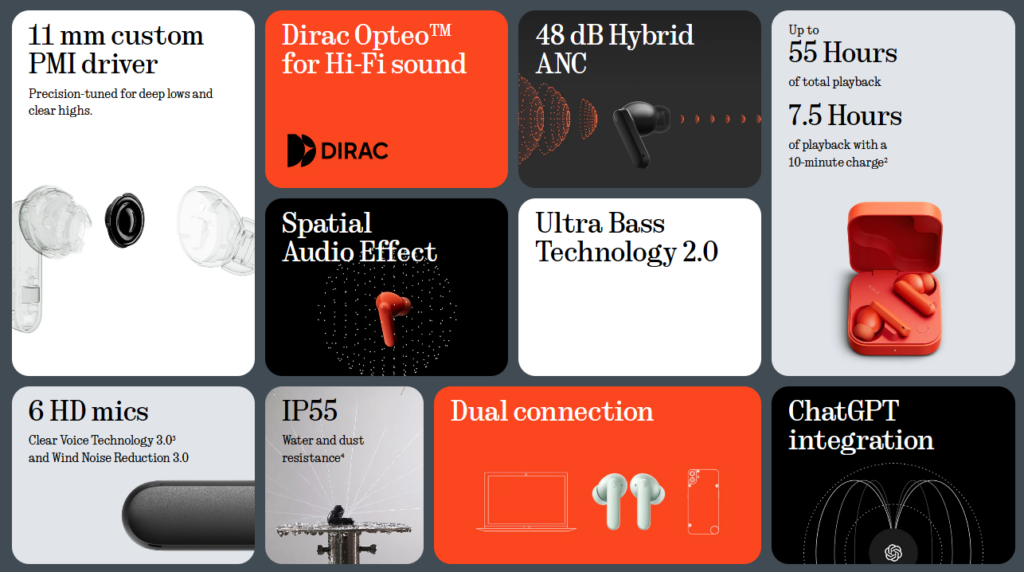
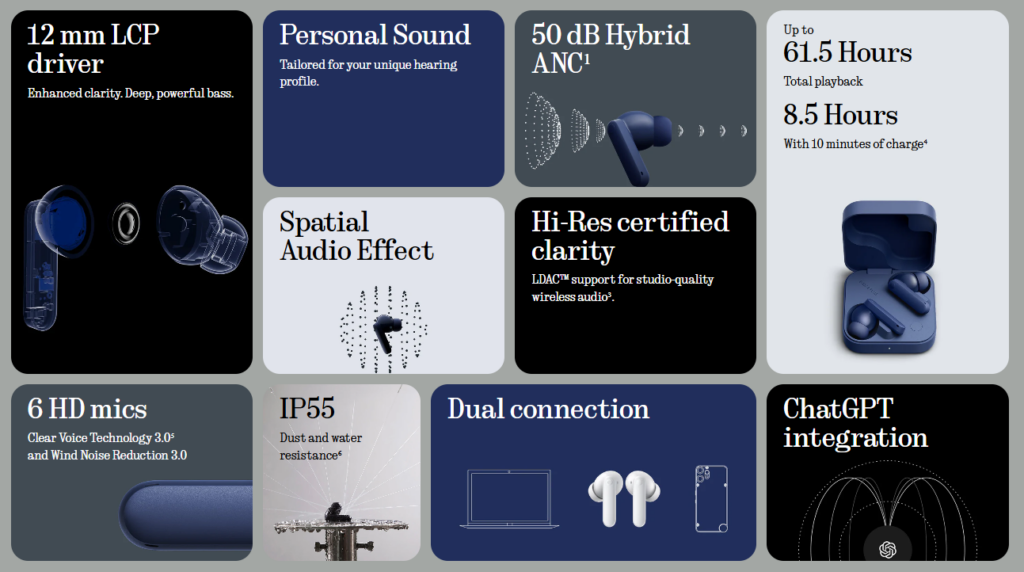
CMF has officially launched its latest true wireless stereo (TWS) lineup in India: the Buds 2a, Buds 2, and Buds 2 Plus — expanding its CMF Buds 2 series as promised. Each model targets a different segment of the market with varying features.
CMF Buds 2a
The CMF Buds 2a is the entry-level offering. It features a lightweight design, 42dB Active Noise Cancellation (ANC), a large 12.4mm bio-fibre driver, and enhanced bass performance. It houses 4 HD microphones with Clear Voice Technology and Wind Noise Reduction 2.0 for improved call clarity. Battery life stands at 35.5 hours without ANC and up to 23 hours with ANC active. The Buds 2a are IP54 rated for dust and water resistance and support Bluetooth 5.4 with dual device connectivity.
CMF Buds 2
The CMF Buds 2 positions itself as a mid-range model. It incorporates an 11mm dynamic driver with PMI and PU diaphragm material, Dirac Opteo tuning, Spatial Audio Effect, and Ultra Bass Technology. It offers up to 48dB hybrid ANC and features 6 HD microphones with Clear Voice Technology 3.0 and Wind Noise Reduction 3.0. Battery life peaks at 55 hours without ANC and 32 hours with ANC. It also supports adaptive ANC, transparency mode, and touch controls, alongside an IP55 rating for the earbuds.
CMF Buds 2 Pro
At the top end, the CMF Buds 2 Plus includes Hi-Res LDAC audio codec support, a 12mm dynamic driver with LCP and PU diaphragm, Personal Sound Profile, Ultra Bass Technology 2.0, and Spatial Audio Effect. It offers up to 50dB hybrid ANC and hearing compensation. The Buds 2 Plus features 6 HD microphones with Clear Voice Technology 3.0 and Wind Noise Reduction 3.0. Battery life reaches 61.5 hours without ANC and 33 hours with ANC. It also supports low-latency Game Mode (under 105 ms with Nothing Phones), in-ear detection, and fast charging.
All three models feature Bluetooth 5.4, dual connection support, Google Fast Pair, Microsoft Swift Pair, and touch controls. Users can customize settings via the Nothing X app, including integration with ChatGPT for voice command features. However, unlike the Buds Pro series, these models do not include a Smart Dial control on the case.
Pricing, availability, and color options
Color options vary across models:
Buds 2a: Dark Grey, Light Grey, and Orange
Buds 2: Dark Grey, Light Green, and Orange
Buds 2 Plus: Blue and Light Grey
The CMF Buds 2a is priced at Rs. 2,199, the Buds 2 at Rs. 2,699, and the Buds 2 Plus at Rs. 3,299. They are available for purchase through Flipkart and select retail partners across India.
Alongside these new earbuds, CMF has also launched the CMF Phone 2 Pro, positioned as an affordable mid-range smartphone with a modular, sealed back for better water resistance. It features a MediaTek Dimensity 7300 Pro 5G processor, 8GB RAM, up to 256GB storage, and a 120Hz refresh rate AMOLED display. The phone will be available to buy starting May 5, 2025, with some interesting launch offers.
For more daily updates, please visit our News Section.
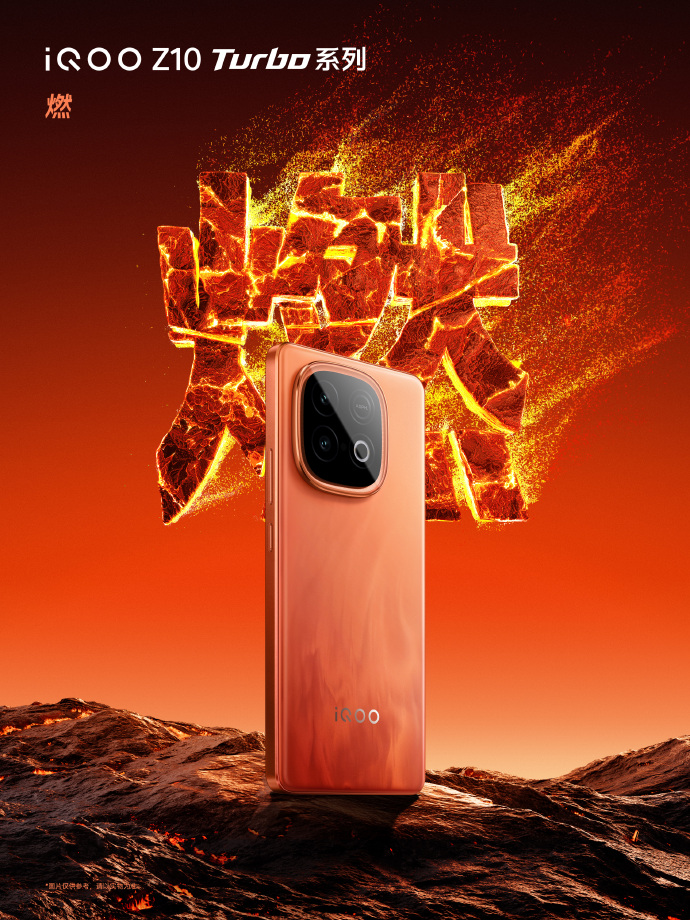
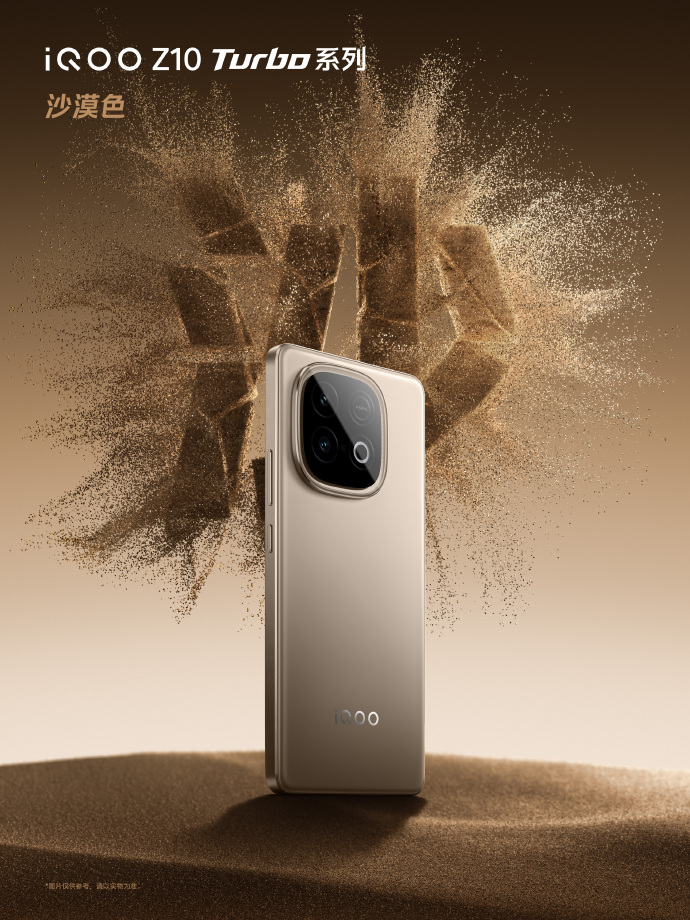
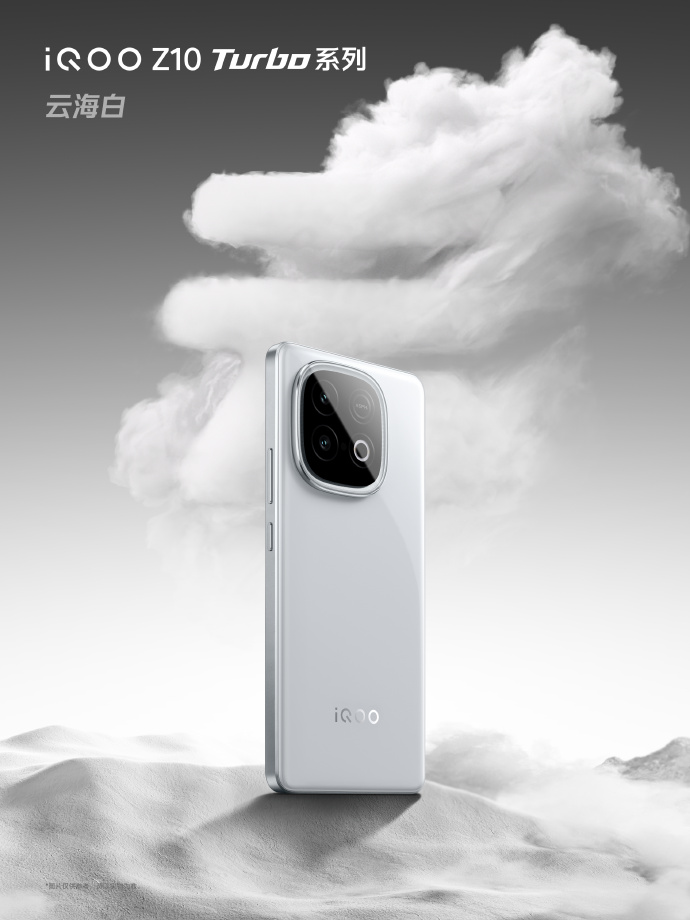
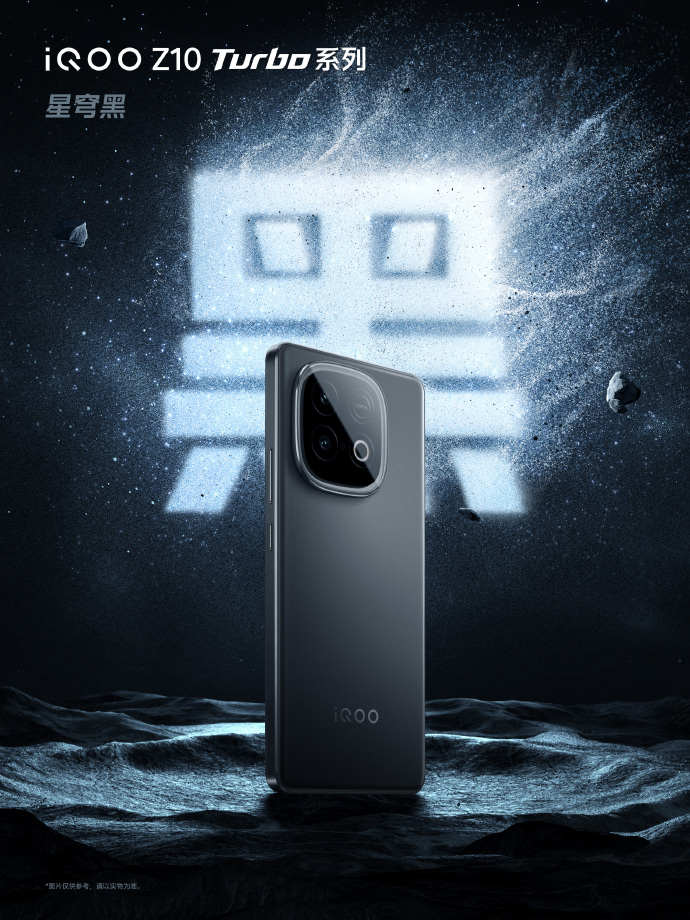
iQOO has officially launched the iQOO Z10 Turbo and Z10 Turbo Pro smartphones in China, strengthening its position in the mid-range segment with powerful specifications, massive batteries, and flagship-grade displays. Both models are already available for sale across major online and offline channels.
iQOO Z10 Turbo/Turbo Pro Specifications
Both the iQOO Z10 Turbo and Z10 Turbo Pro feature a flagship-level 144Hz “Optical Eye Protection” display. The screen uses TCL’s latest C9+ luminous material, offering impressive brightness levels, reaching up to 2000 nits across the full screen and a peak local brightness of 5500 nits.
It supports 4320Hz PWM high-frequency dimming and full-brightness DC dimming to reduce eye strain, alongside SGS certifications for low blue light and low flicker. The Z10 Turbo Pro introduces a reinforced “Diamond Shield” glass, boasting 150% higher drop resistance, surviving steel plate drops from up to 1.2 meters, and enduring rigorous rain exposure tests.
The iQOO Z10 Turbo is powered by the MediaTek Dimensity 8400 chipset, built on TSMC’s 4nm process. It features an all-big-core ARM Cortex-A725 architecture, promising a 41% improvement in multi-core performance while reducing power consumption by 44%.
Meanwhile, the Z10 Turbo Pro steps up with the Qualcomm Snapdragon 8s Gen 4 processor, paired with LPDDR5X Ultra RAM and UFS 4.1 storage. Both devices also integrate iQOO’s in-house Q1 gaming display chip and the brand’s largest-ever 7K Icefield VC liquid cooling system.
Both smartphones ship with OriginOS 5 based on Android, offering a refreshed user interface and interaction experience. OriginOS 5 introduces colorful photo filters, dynamic wallpapers, frosted glass effects, text stickers, and new smart features like the Blue Core AI model and Fast Purchase Engine for faster ticket booking. The Z10 Turbo Pro also supports cross-device Live Photo sharing between Android and iPhone devices.
The iQOO Z10 Turbo and Z10 Turbo Pro share a 50MP Sony LYT-600 main camera with OIS support, accompanied by a 2MP depth sensor. On the front, a 16MP camera handles selfies and video calls. The Z10 Turbo Pro enhances its photography experience with four flagship-level self-developed imaging algorithms and adds a new 1.5x portrait zoom option. Night portrait performance has been fine-tuned to maintain accurate skin tones and achieve better background separation even in complex lighting conditions.
The iQOO Z10 Turbo houses a massive 7620mAh third-generation silicon anode Blue Ocean battery with 90W fast charging support, reaching 60% in just 34 minutes. It maintains a slim 8.09mm profile despite the large battery. The Z10 Turbo Pro, slightly slimmer at 206g, carries a 7000mAh third-generation semi-solid silicon ultra-thin Blue Ocean battery. It supports blazing-fast 120W charging, achieving 50% charge in just 15 minutes and full charge in 33 minutes. Both models support direct power drive, PD/PPS fast charging standards, and UFCS protocol.
Additional features on both models include IP65-rated dust and water resistance, military-grade shock resistance, X-axis linear motors, symmetrical stereo speakers, full-function NFC, infrared remote control, and in-display fingerprint sensors. Connectivity has been improved with support for Wi-Fi 7, Bluetooth 6.0, dual-frequency GPS, triple-frequency BeiDou, and a new 24-antenna “Cosmic Esports Signal System” for better mobile gaming performance on the Z10 Turbo Pro.
Pricing and Availability
The iQOO Z10 Turbo is available in four variants:
12GB+256GB priced at 1799 yuan (around $250)
16GB+256GB priced at 1999 yuan (around $278)
12GB+512GB priced at 2199 yuan (around $305)
16GB+512GB priced at 2399 yuan (around $332)
Meanwhile, the iQOO Z10 Turbo Pro also comes in four variants:
12GB+256GB priced at 1999 yuan (around $278)
16GB+256GB priced at 2199 yuan (around $305)
12GB+512GB priced at 2399 yuan (around $332)
16GB+512GB priced at 2599 yuan (around $360)
Both devices are available in “Fuel,” “Desert,” “Cloud Sea White,” and “Starry Black” color options, and sales have already begun across all major Chinese retail platforms.
For more daily updates, please visit our News Section.
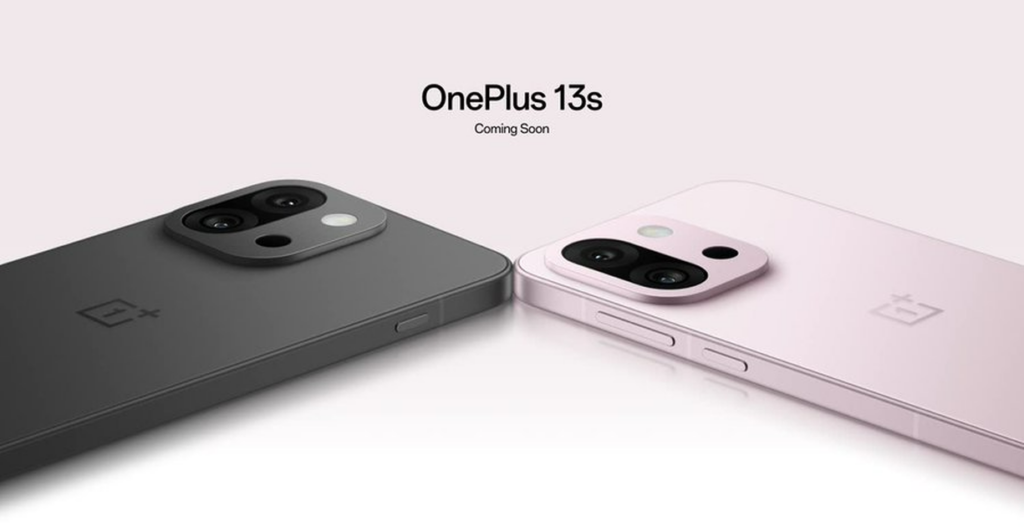
OnePlus just announced the OnePlus 13T last week. Now, it seems like the brand is planning on bringing this model in the global market soon. But it won’t launch as the OnePlus 13T, rather, it will get a rebranding ahead of its Indian release. A recent teaser confirmed the OnePlus 13s moniker, so here’s everything you need to know about this compact flagship.
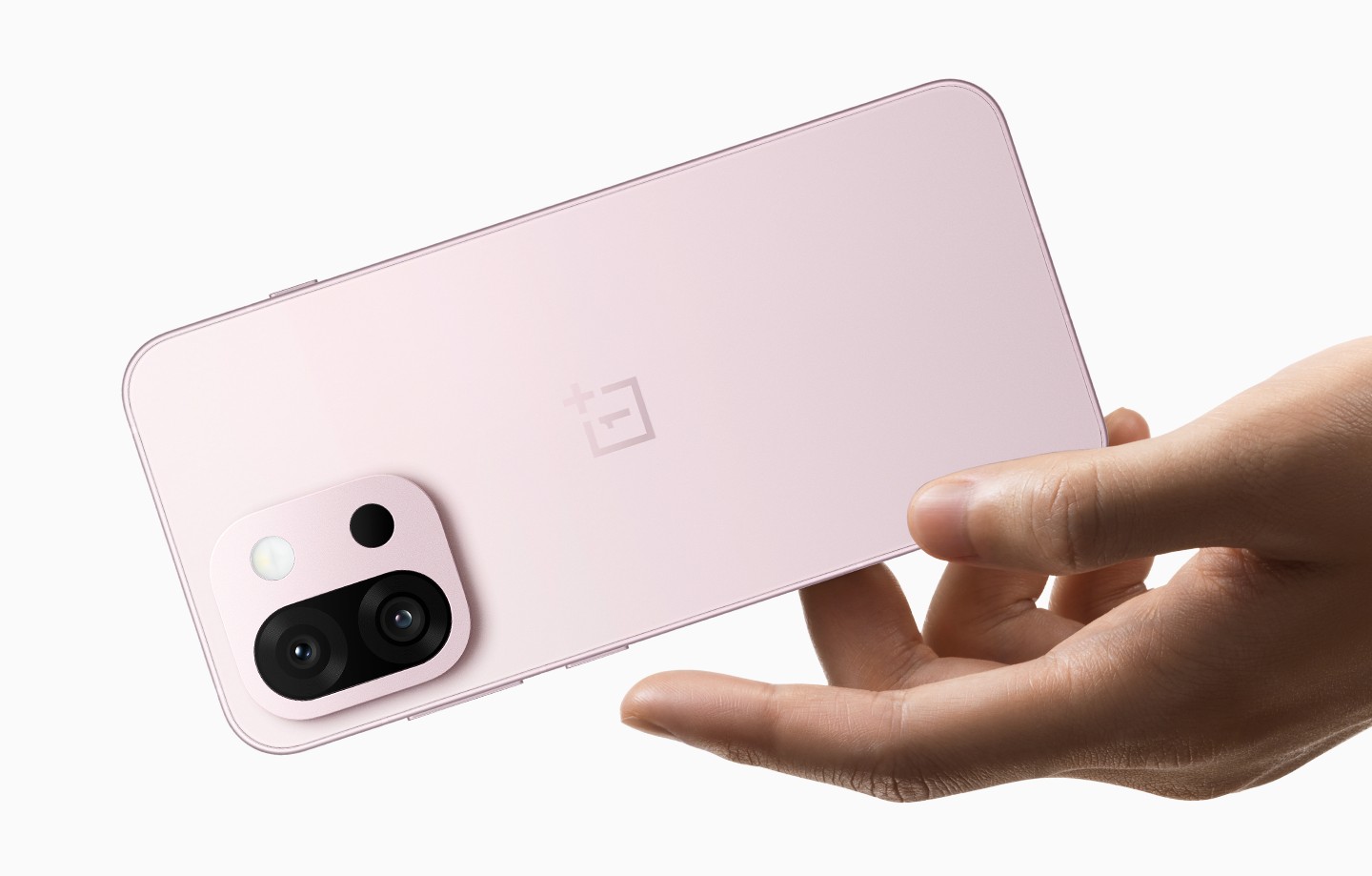
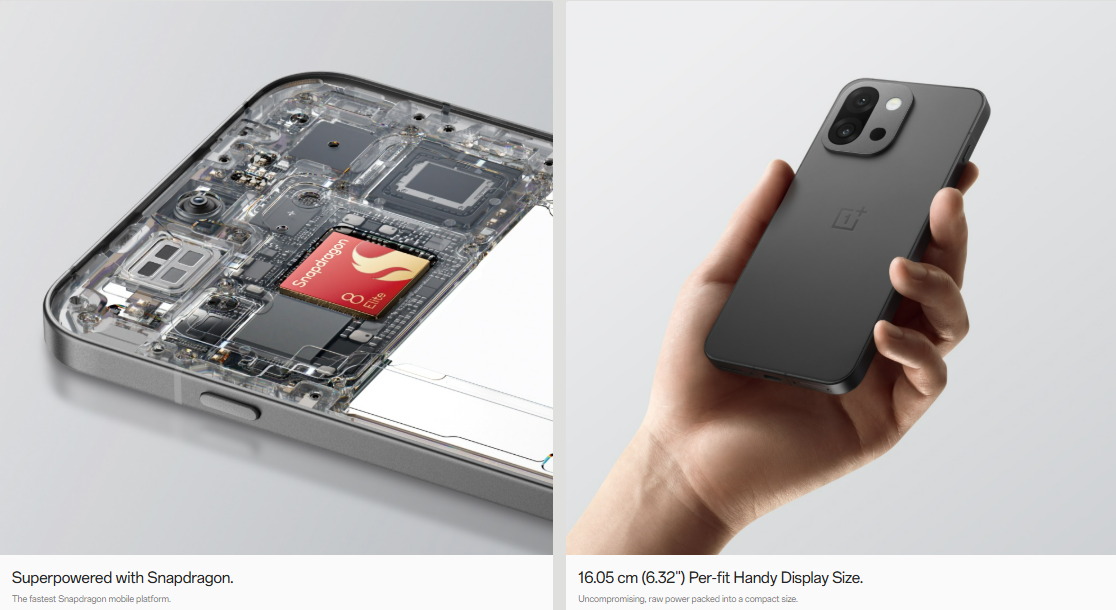
The OnePlus 13s features a compact yet striking design, measuring just 8.15mm in terms of thickness and weighing 185 grams. You get a premium glass body on the rear and a metallic middle frame on the sides. On the front, it sports a 6.32-inch 8T LTPO AMOLED display with a 1.5K resolution and a 1-120Hz variable refresh rate.
This panel has a peak brightness of up to 1600 nits, along with Oppo Crystal Shield Glass for protection and Dolby Vision for vibrant HDR support. The OnePlus 13T was announced with an IP65 rating for water and dust resistance, so the OnePlus 13s should also come with a similar rating.
2. Performance
OnePlus 13s
Under the hood, the OnePlus 13s is powered by the latest Snapdragon 8 Elite 4nm chipset. This is one of the fastest processors that powers high end Android devices and is paired with up to 16GB of LPDDR5X RAM and 1TB of UFS 4.0 storage. Despite its small form factor, the OnePlus 13s could be powered by a massive 6260mAh battery pack like the 13T, which supports 80W wired fast charging.
Out of the box, the smartphone likely runs on the Android 15 OS based ColorOS 15 custom skin out of the box. Other notable features include WiFi 7, Bluetooth 5.4, NFC, stereo speakers with Dolby Atmos support, infrared sensor, and an in-display fingerprint scanner.
3. Camera
The OnePlus 13s was announced with a dual camera setup on the rear, which consists of a 50MP Sony IMX906 main camera that supports OIS (Optical Image Stabilization) and a 50MP telephoto shooter that offers 2x optical zoom and OIS. The brand promises video recording at 4K 60fps. For selfies and video calls, the front houses a 16MP shooter that offers up to 1080p 30fps recording.
4. Pricing
Unfortunately, the pricing details and global launch date for the OnePlus 13s is still unknown. But the official teaser states that the device will be “Coming Soon”. But based on its earlier China launch, we can assume its pricing. The OnePlus 13T debuted with a starting price tag of 3,399 Yuan, which is around 446 US Dollars. So while this is a sub-500 US Dollar device, it will likely be priced at under 600 US Dollars in the global market.
For more daily updates, please visit our News Section.
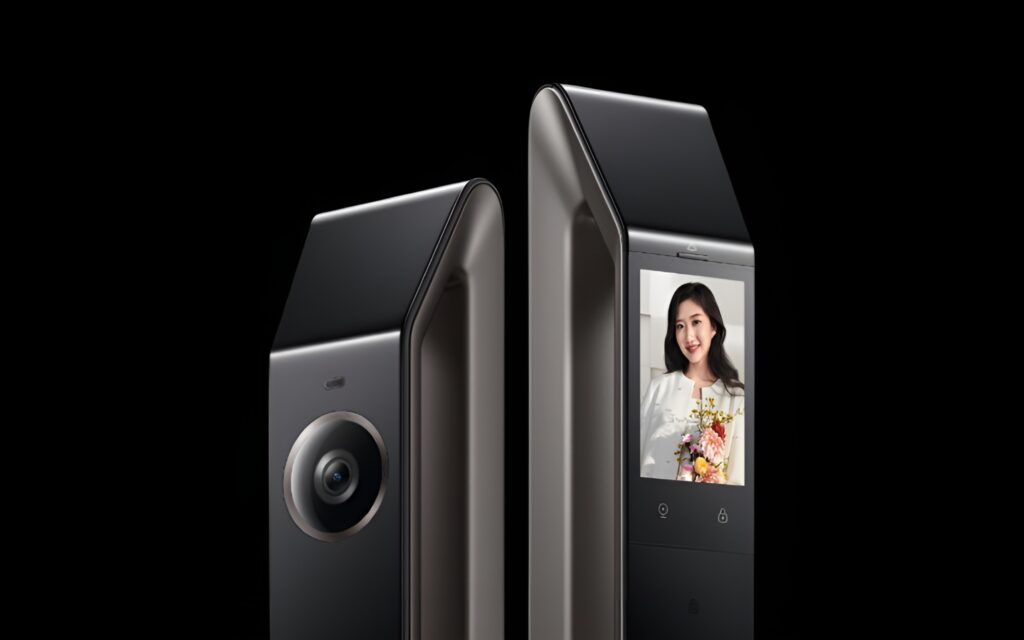
Huawei has launched the Smart Door Lock 2 in China, priced at 2,499 yuan (around $345) and now available through JD.com. The new smart lock focuses on stronger biometric security, better camera capabilities, and improved smart home integration.
Huawei Smart Door Lock 2 Specifications
The Smart Door Lock 2 features Huawei’s new AI palm vein recognition system. The system uses near-infrared light to scan vein patterns beneath the skin, providing a higher level of security compared to fingerprint or facial recognition. It remains effective even if the user’s skin is dirty, wet, or slightly injured. Huawei also enables contactless unlocking through an “air swipe” gesture.
Huawei equips the device with an upgraded AI chip that delivers 1.5 times faster processing compared to earlier models. It includes a new-generation NPU offering 25T of computing power to ensure fast and stable unlocking. The lock supports multiple authentication methods, including palm vein scanning, fingerprint unlocking, smartphone app control, numeric passwords, guest codes, and mechanical keys.
The Smart Door Lock 2 comes with an upgraded 2K ultra-clear cat eye camera with a 161° field of view. Huawei improves the camera’s exposure and distortion correction, expanding the capture range by 28% compared to the previous generation. Users can monitor visitors in real-time through Huawei smartphones, tablets, smart displays, and other HarmonyOS 5 devices with two-way intercom functionality.
Huawei adds a built-in emergency red button for unlocking during power failures. The device runs on a 10,000mAh lithium battery that supports three to five months of normal use. It automatically switches to four AA batteries if the main battery depletes. It also features a USB Type-C port for emergency charging.
The lock features a die-cast integrated body that improves structural strength and resists humidity. Huawei also includes a noise-reducing locking mechanism to minimize disturbance when locking or unlocking doors.
On the security side, the Smart Door Lock 2 includes AI human detection, cloud video storage, and full data encryption. It meets EAL5+ certification for both software and hardware encryption. The lock uses a C-level direct-insertion cylinder for added physical security. It also links with HarmonyOS smart home scenes to automate devices like lights and air conditioners based on door lock activity.
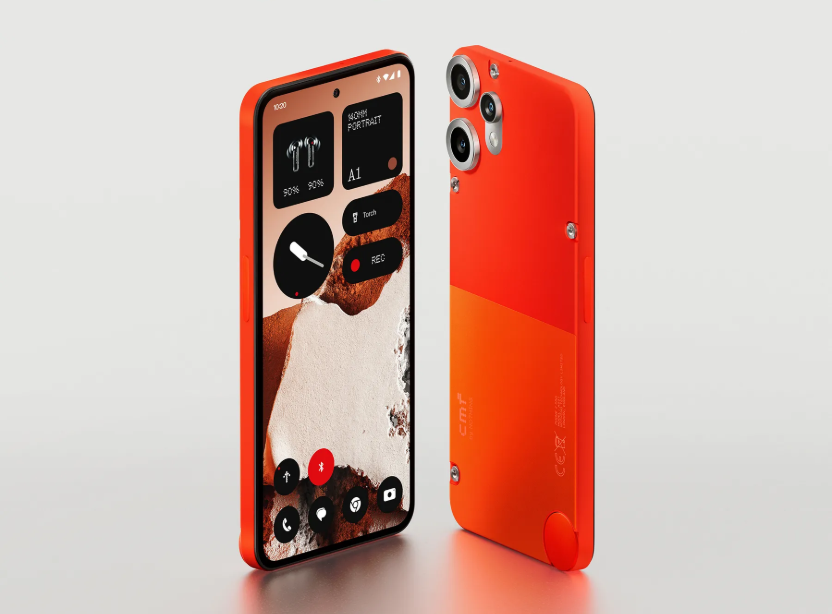
Nothing’s sub-brand CMF has officially launched the CMF Phone 2 Pro globally, with a major event held in India. Designed as a budget-friendly mid-range smartphone, the CMF Phone 2 Pro builds on its predecessor with several improvements, focusing on delivering better value and features.
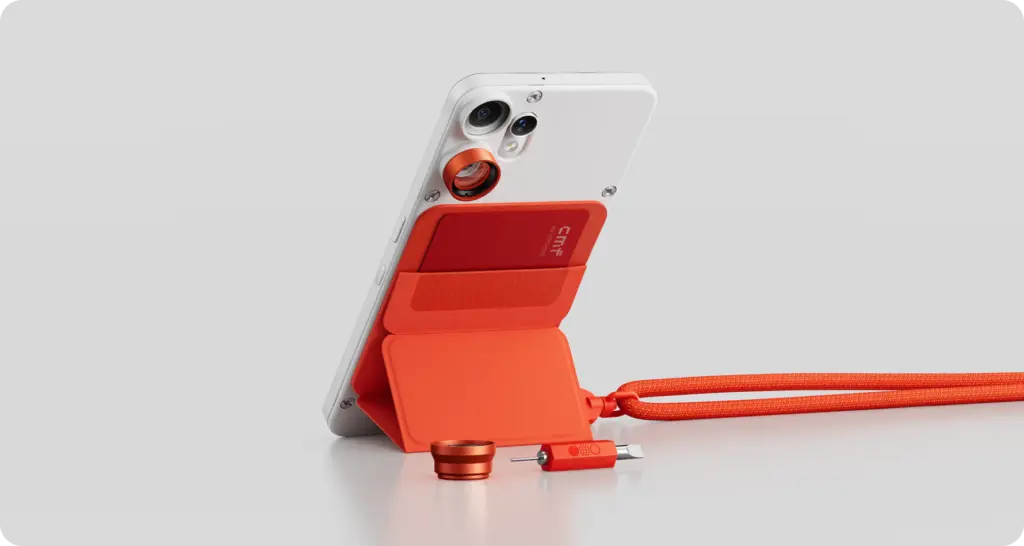
The CMF Phone 2 Pro features a modular back design, but this time the back is fully sealed to make the phone slimmer and more water-resistant. Accessories can still be attached directly onto the phone or through the universal back cover, which screws onto the device.
CMF Phone 2 Pro features
The phone runs on the MediaTek Dimensity 7300 Pro 5G processor, built on a 4nm process, with an 8-core CPU clocked up to 2.5GHz. It comes in two variants: 8GB RAM with 128GB storage and 8GB RAM with 256GB storage. Storage can be expanded up to 2TB. The phone supports 120 FPS high frame rate mode in BGMI and 90 FPS high frame rate mode in PUBG.
The display is a 6.77-inch flexible AMOLED panel with Panda Glass protection. It has a resolution of 1080 x 2392 pixels (387 PPI), a 120Hz adaptive refresh rate, a 1000Hz touch sampling rate, 2160Hz PWM frequency, 3000 nits peak brightness, and supports HDR10+.
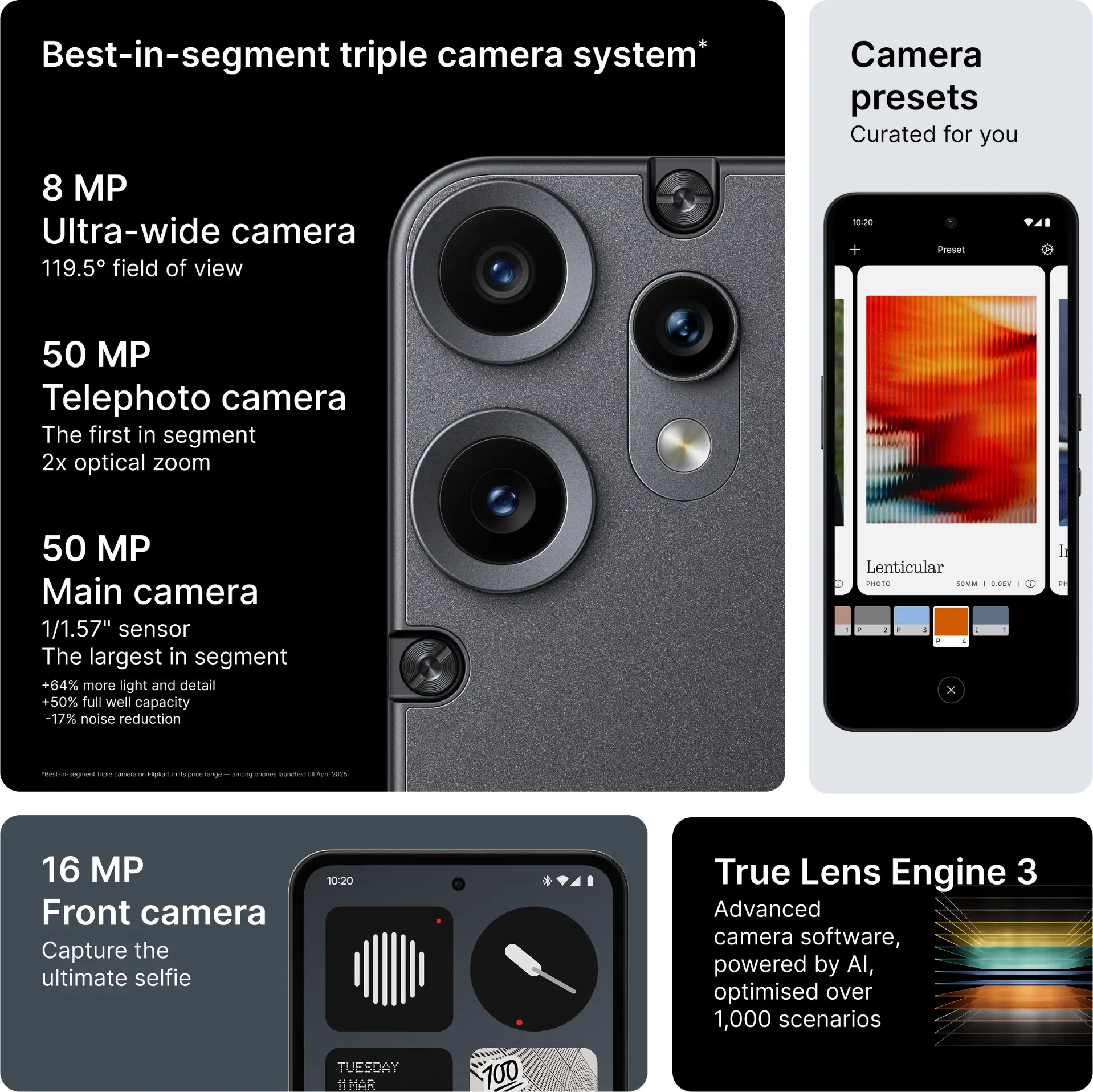
The camera setup includes a 50MP main sensor with f/1.88 aperture, EIS, and Phase Detection Autofocus, a 50MP telephoto sensor with f/1.85 aperture, 2x optical zoom, and 20x digital zoom, and an 8MP ultra-wide camera with a 119.5° field of view. The front camera is 16MP with an f/2.45 aperture. Features include TrueLens Engine 3.0, Ultra XDR, Auto Tone, Portrait Optimizer, Motion Photo, and Night Mode. Video recording is supported at 4K 30FPS, 1080p at 30/60FPS, and slow motion at 120FPS. Camera accessories include interchangeable lenses for Macro shots and Wide-angle shots with a fish-eye effect.
The phone has a 5000mAh battery with 33W wired charging and 5W reverse wired charging. It supports dual SIM, NFC, Wi-Fi 6, Bluetooth 5.3, and a full range of 5G bands. It is IP54 rated for water and dust resistance. Sensors include an under-display fingerprint sensor, accelerometer, compass, ambient light sensor, gyroscope, proximity sensor, and an X-axis linear vibrator.It runs Nothing OS 3.2 based on Android 15. The company promises three years of Android updates and six years of security patches.
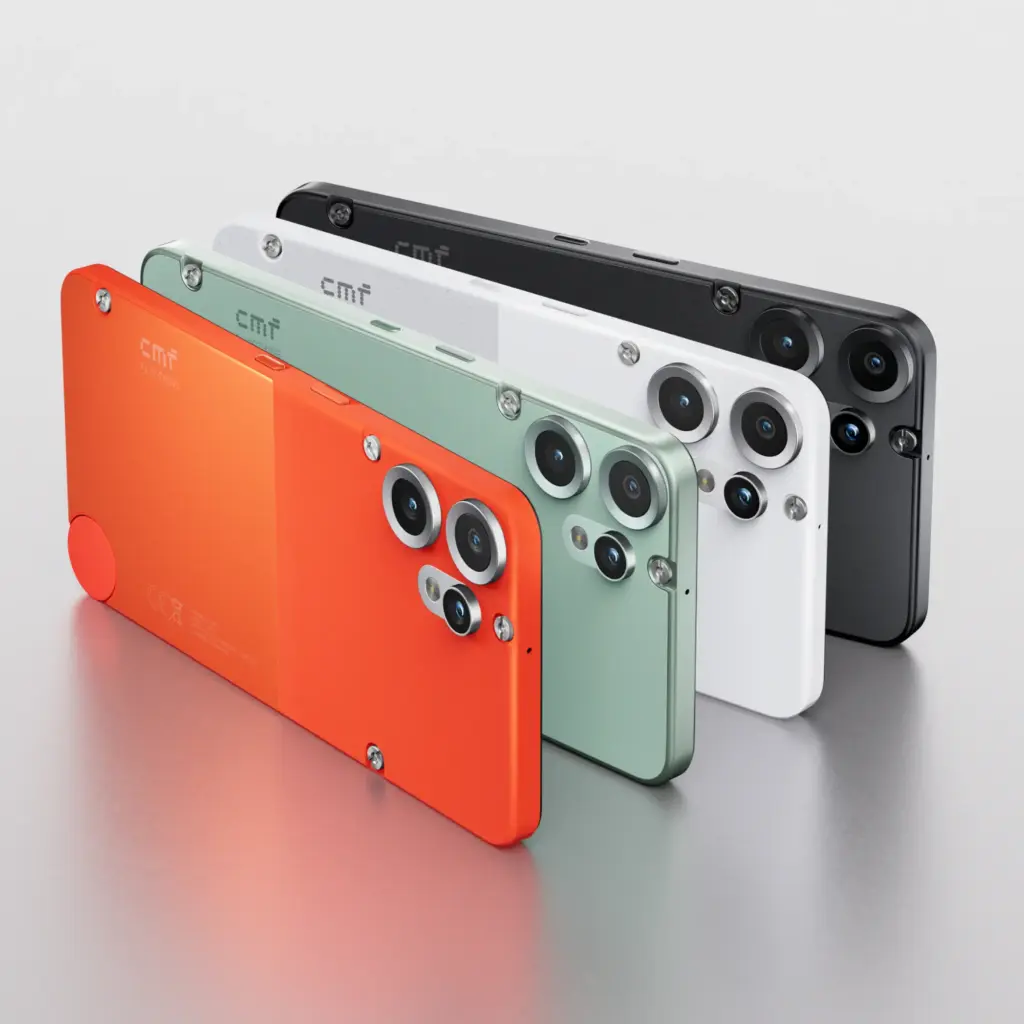
The box includes the CMF Phone 2 Pro, a Type-C cable, a phone case, a SIM tray ejector, a screen protector (pre-applied), a 33W PD charger, and warranty information. The phone is offered in four colors: Orange, Light Green, Black, and White. The Green and Black models feature a glass back, the Orange variant comes with a two-tone metallic back, and the White version has a two-tone sandstone finish.
US: $249 for the 8GB + 256GB variant under the US Beta Program
The sale will kick off starting May 5, but could vary depending on regions. In India, the phone will be launching on May 5, with a discounted launch price of ₹17,999 (8GB + 128GB), ₹19,999 (8GB + 256GB). Bank discounts will knock its price down by ₹1,000. That said, it is worth noting that this reduced price will only be available on May 5 through Flipkart.
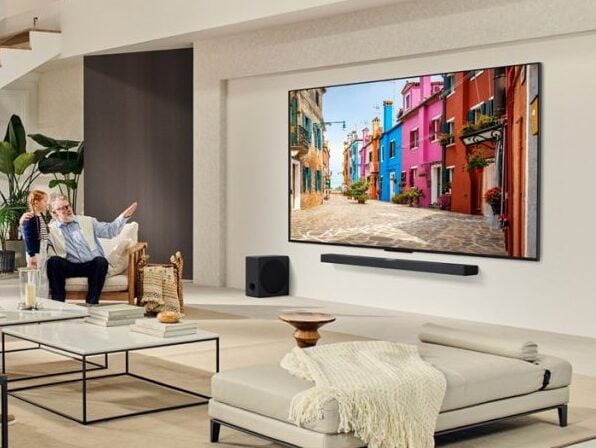
The LG 2025 QNED Evo lineup of smart TVs debuts globally with its sales set to kick off soon. These are the brand’s cutting edge smart TVs that bring high resolution, improved picture quality, and AI powered features. So let’s check out their specs, features, pricing, and more.
LG 2025 QNED Evo Lineup Global Roll Out Confirmed
The South Korean tech giant’s 2025 QNED Evo series feature the brand’s nanoparticle-based Dynamic QNED Color technology that replaces quantum dot and promises to offer improved visuals and true to life colors. The latest lineup consists of the QNED9MA, QNED85, and QNED92 models that sport Mini LED panels and the Alpha 8 AI processor. So you’re getting a 70 percent better AI performance that allows for improved contrast and sharp pictures.
LG 2025 QNED Evo Series 4K TV
The latest AI features include AI Magic Remote, AI Conceirge, AI Search, and much more. All three LG 2025 QNED Evo lineup runs on the WebOS 25 platform and can also double as a smart hub for LG ThinQ, Google Home, Apple AirPlay, and more. These are high resolution smart TVs that feature 4K (UHD) and up to a 144Hz refresh rate, which makes them great for gamers. The flagship QNED89A is the top of the line model that arrives with a massive 100-inch screen for a cinema experience. Meanwhile, the QNED87 and QNED86 are available in 100, 86, 75, 65, 55, 50, and 43-inch sizes.
Pricing and Availability
The LG 2025 QNED Evo lineup is set to go on sale in South Korea in early May 2025 and North America, with a European launch and global availability kicking off later on. So here are the pricing details:
LG QNED Evo AI QNED9MA – Starting price tag of 1,799.99 US Dollars (goes up to 3,499.99 US Dollars)
LG QNED Evo AI QNED92A – Starting price tag of 2,299.99 US Dollars (goes up to 3,499.99 US Dollars)
LG QNED Evo AI QNED85A – Starting price tag of 899 US Dollars (goes up to 4,999.99 US Dollars)
Notably, this release arrives soon after the brand announced the LG Smart Monitor Swing.
For more daily updates, please visit our News Section.
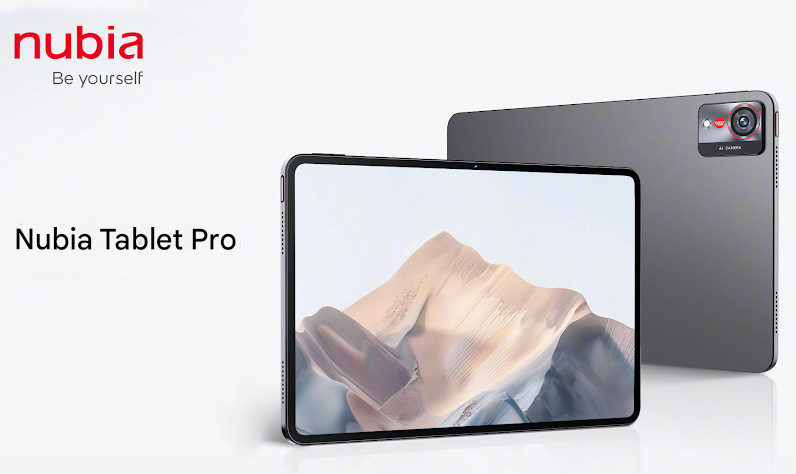
Nubia just announced the Z70S Ultra Photographer Edition as its latest flagship smartphone. But apart from this cutting edge camera smartphone, the company also unveiled the Nubia Tablet Pro as a budget flagship tablet. So now, here’s everything you need to know.
Nubia Tablet Pro: Specs and Features
The brand launched the Nubia Tablet Pro in the Chinese market with a tall 10.9-inch LCD panel with a 2.8K resolution and a 144Hz refresh rate. Under the hood, it is equipped with the Snapdragon 8 Gen 3 SoC, which is paired with up to 16GB of LPDDR5 RAM and up to 1TB of UFS 4.0 storage. Nubia claims that the tablet achieved a 2.32 million points on AnTuTu thanks to these specs.
Nubia Tablet Pro
A massive 10,100mAh battery pack powers this device, which supports 66 wired fast charging. Despite these hefty hardware, the tablet measures just 7.3mm in thickness and weighs 525 grams. It is also a premium tablet with an all metal body. Other notable features includes a quad speaker setup with DTS X sound effects, and AI powered features.
Pricing and Availability
The company announced the Nubia Tablet Pro in multiple storage configurations, so here are the prices:
8GB + 256GB – 2,799 Yuan (roughly 384 US Dollars)
12GB + 256GB – 2,999 Yuan (roughly 411 US Dollars)
16GB + 512GB – 3,399 Yuan (roughly 466 US Dollars)
16GB + 1TB – 3,999 Yuan (roughly 548US Dollars)
This tablet is also being sold along with a detachable magnetic keyboard that has a 1.3mm key travel for 499 Yuan. The Nubia Tablet Pro is set to go on sale in China on 6th May 2025.
For more daily updates, please visit our News Section.
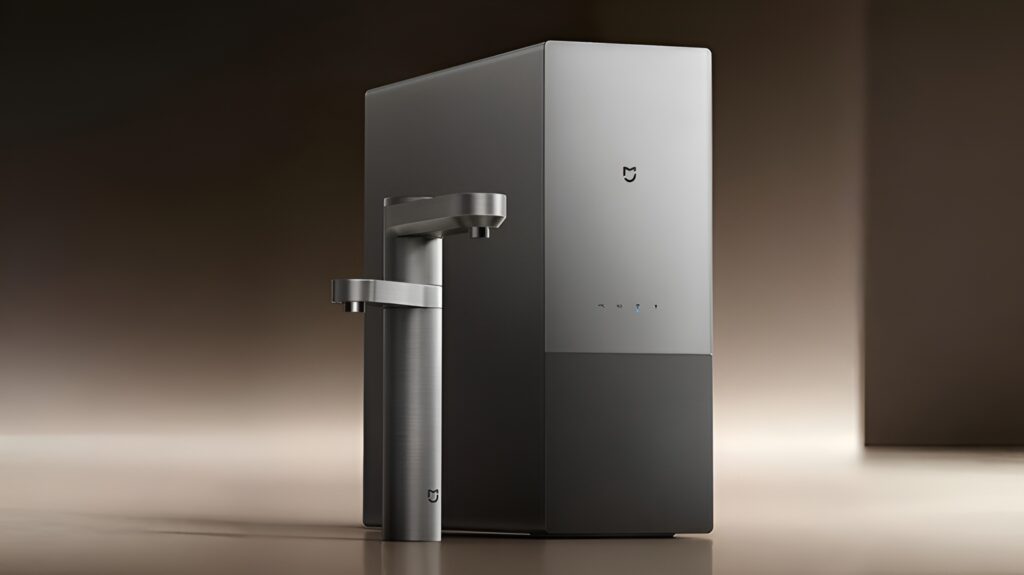
Xiaomi is expanding its smart home ecosystem yet again, this time targeting the essential category of clean water. Today, the company officially launched two new models under its Dual-Effect Water Purifier Pro lineup: the Mijia Water Purifier Pro Dual-Outlet 1200G and 1600G.
Pre-sales have already kicked off, with shipments scheduled to begin on May 8. Pricing starts at 2599 yuan (around $360) for the 1200G model and 2999 yuan (around $415) for the more powerful 1600G variant.
Xiaomi Mijia Water Purifier Pro Specifications
Both purifiers share Xiaomi’s new “Dual Faucet, Dual Waterway” design, splitting drinking water and domestic water into two completely separate pipelines. That means users no longer have to compromise between high-quality drinking water and filtered household water for tasks like washing vegetables or rice. It’s a health-first design approach that fits seamlessly into Xiaomi’s broader HyperConnect smart home ecosystem.
The 1200G model features an imported RO membrane and high-grade Sri Lankan coconut shell activated carbon, pushing out a pure water flow rate of 3.2L/min. Xiaomi claims it can fill a 150mL cup in just 2.5 seconds, while still maintaining domestic water flow comparable to traditional taps at 5-8L/min. It also comes with an oversized PPC filter, 32% larger than previous generations, for faster flow rates and better long-term performance.
Meanwhile, the more premium 1600G model steps things up even further. It integrates a high-end Toray RO membrane from Japan, delivering a 4.71L/min initial flow rate and 98% desalination efficiency. In practical terms, it fills a 150mL bottle in just 1.9 seconds. It also sports a smart, touch-sensitive faucet with IPX7 waterproofing and a sophisticated 10-level electroplated finish, giving users a more premium hands-on experience.
Both models come equipped with Xiaomi’s latest Zero Stale Water 3.0 technology, ensuring that the pipes flush daily with fresh water. Through the Mi Home app, users can monitor TDS levels, track filter life, check water consumption, and customize dispensing volumes between 300mL and 20.9L. The RO filters on both units are rated for up to six years of use, aiming to minimize maintenance hassle over time.
On the efficiency front, the 1200G achieves a first-class water efficiency rating of 72.7%, while the 1600G reaches 67.6%. Both systems also feature a 6-chamber low-noise pump, certified for “Green Sound” operation, making them ideal for quiet environments like kitchens or home offices.
Xiaomi backs the new Mijia Water Purifier Pro lineup with a five-year warranty on core components, alongside free nationwide installation.
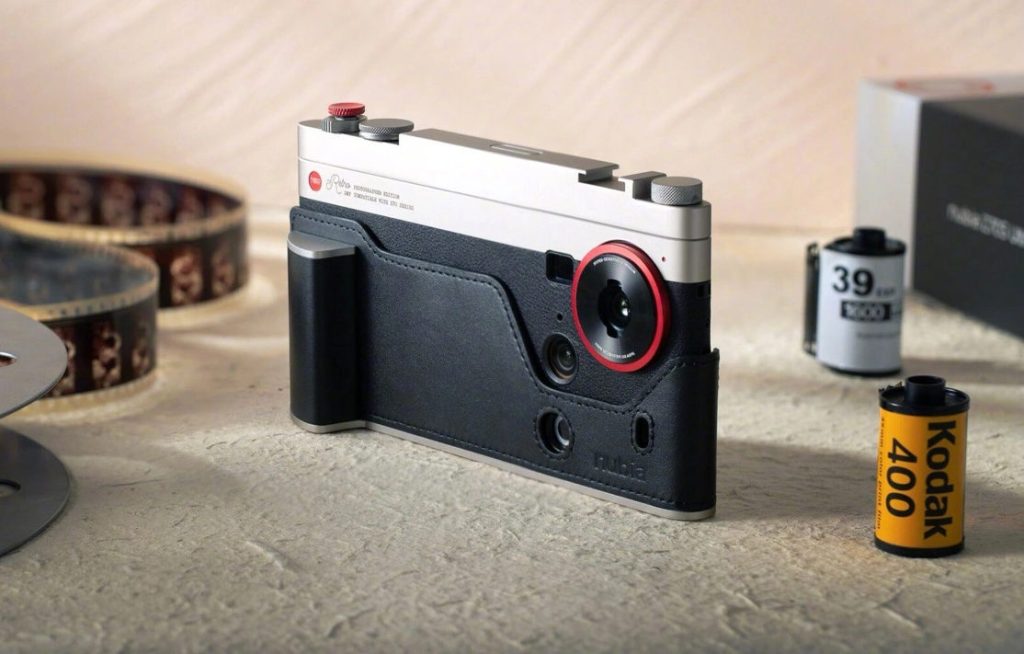
Nubia has officially announced a next gen flagship camera smartphone. The Nubia Z70S Ultra Photographer Edition arrives as a premium smartphone with cutting edge specs and features. You’re getting one of the fastest chips in the market, advanced camera hardware, and much more. So let’s check it out.
Nubia Z70S Ultra Photographer Edition: Specs & Features
Nubia Z70S Ultra Photographer Edition
The Nubia Z70S Ultra Photographer Edition has officially been introduced with a tall 6.85-inch BOE Q9+ OLED display with a 1.5K resolution, a 144Hz refresh rate, 100 percent DCI P3 color gamut, and up to 2000 nits of peak brightness. Under the hood, it is equipped with the Qualcomm Snapdragon 8 Elite, which is one of the fastest Android chips on the market. This processor is paired with up to 24GB of LPDDR5X RAM and 1TB of UFS 4.0 storage.
A massive 6,600mAh battery pack powers this model, which supports 80W wired fast charging. But arriving at the highlight, there is a triple camera setup on the rear. It consists of a 50MP custom Light and Shadow Master 990 Omnivision 1/1.3-inch main camera, 50MP ultra wide angle Omnivision OV50D lens, and a 64MP OmniVision OV64B periscopre telephoto 1/2 inch shooter. Meanwhile, the front houses a 16MP OmniVision OV16A1Q under-display selfie camera.
Photography Kit
But what makes this even more special is a customized professional photography kit. This includes a T-mount adapter and an adapter ring that supports 67mm filters. This allows users to add NF filters or polarizers to their phone lenses as well. For a true camera experience, the photography kit also has a shoulder strap and magnetic suction function. Other notable features include dual speakers with DTS:X ULTRA, IP68 + IP69 rating for water and dust resistance, WiFi 7, Bluetooth 5.4, and NFC.
Pricing and Availability
The Nubia Z70S Ultra Photographer Edition was just announced in China in multiple storage configurations, so here are all the details:
12GB + 256GB – 4,599 Yuan (roughly 631 US Dollars)
16GB + 512GB – 4,999 Yuan (roughly 685 US Dollars)
16GB + 1TB – 5,599 Yuan (roughly 768 US Dollars)
24GB + 1TB – 6,299 Yuan (roughly 864 US Dollars)
Photography kit – 899 Yuan (roughly 123 US Dollars)
For more daily updates, please visit our News Section.
Back in December 2024, Lenovo unveiled the ThinkCentre Neo Ultra Mini PC with 14th Gen Intel Core processors and Nvidia RTX 4000 series GPUs. Now, the brand has officially announced a refreshed model that arrives with the new Intel Core Ultra CPUs and RTX 5000 series GPUs.
Lenovo ThinkCentre Neo Ultra Mini PC: What does it offer?
The Chinese tech giant has officially announced a Windows powered mini PC, which is Lenovo’s Apple Mac Mini lineup. Lenovo has officially launched the ThinkCentre Neo Ultra Mini PC with cutting edge hardware, which includes Intel Core Ultra 5, Ultra 7, and Ultra 9 (Series 2) and either an Nvidia RTX 5060 or RTX 5060 Ti GPU. All three variants are paired with 32GB of RAM and 1TB of SSD storage.
Lenovo ThinkCentre Neo Ultra Mini PC
In other words, you’re getting a powerful CPU and GPU combo that can handle intensive workloads for creative professionals. These specs could allow for 4K video editing, gaming, and much more. Thanks to the new Core Ultra chips, the Lenovo ThinkCentre Neo Ultra Mini PC is also AI enabled. The new Mini PCs are powered by a 300W PSU and are designed for both office and home use.
Pricing and Availability
The brand announced the Lenovo ThinkCentre Neo Ultra Mini PC in three variants, so here are its pricing:
We use cookies on our website to give you the most relevant experience by remembering your preferences and repeat visits. By clicking “Accept”, you consent to the use of ALL the cookies.
This website uses cookies to improve your experience while you navigate through the website. Out of these, the cookies that are categorized as necessary are stored on your browser as they are essential for the working of basic functionalities of the website. We also use third-party cookies that help us analyze and understand how you use this website. These cookies will be stored in your browser only with your consent. You also have the option to opt-out of these cookies. But opting out of some of these cookies may affect your browsing experience.
Necessary cookies are absolutely essential for the website to function properly. This category only includes cookies that ensures basic functionalities and security features of the website. These cookies do not store any personal information.
Any cookies that may not be particularly necessary for the website to function and is used specifically to collect user personal data via analytics, ads, other embedded contents are termed as non-necessary cookies. It is mandatory to procure user consent prior to running these cookies on your website.