Advertisement

Best TVs at CES 2025

At CES 2025, a variety of groundbreaking televisions were showcased, each bringing unique innovations to the market. Here’s a detailed look at four standout models: the TCL QM6K Mini LED TV, Hisense 116UX TriChroma LED TV, LG G5 OLED, and Samsung The Frame Pro.

1. TCL QM6K Mini LED TV

TCL QM6K TV series
TCL QM6K Mini LED TV

The TCL QM6K 50-inch TV has been making waves as an impressive entry-level option that doesn’t compromise on quality. Featuring Mini LED technology, this TV offers significant brightness improvements over its predecessors, with a 53% brighter output and a 10% increase in light efficiency. This results in superior backlight uniformity and a 67% reduction in blooming artifacts, ensuring a crisp, vivid viewing experience. It supports a static contrast ratio of 7,000:1 and covers 98% of the DCI-P3 color gamut, which is remarkable for its price point.

The QM6K also offers a 144Hz native refresh rate, which, with TCL’s Game Accelerator, can reach up to 288Hz, making it a formidable choice for gamers. With Dolby Vision IQ, Dolby Atmos, and a 2.1-channel Onkyo speaker system, this TV is not just about visuals but also about immersive audio. Running on Google TV, it provides a user-friendly interface for streaming services.

The 50-inch model is priced at $749.99, the 55-inch at $799.99, the 65-inch at $999.99, the 75-inch at $1,299.99, the 85-inch at $1,999.99, and the largest 98-inch screen at $3,499.99 MSRP. Pre-orders for the 65″, 75″, and 85″ models are currently open on TCL’s website, and each comes with a free TCL Q75H sound bar.

2. Hisense 116UX TriChroma LED TV

Hisense 116UX TriChroma LED TV

Hisense’s 116UX stands out for its sheer size and technological prowess. This 116-inch monster introduces RGB Local Dimming, an innovation where red, green, and blue LEDs work in clusters for unparalleled color accuracy, covering 97% of the BT.2020 color space, which is a landmark achievement for LED TVs. The TV’s peak brightness can reach up to 10,000 nits, making it one of the brightest displays at the show. It employs black nanocrystals to reduce reflectivity, ensuring that even in bright environments, the display remains clear and vibrant.

The integration of Dolby Vision IQ, HDR10+, Dolby Atmos, and DTS Virtual X, along with a 6.2.2 multi-channel surround sound system, creates an enveloping theater-like experience. Running on Hisense’s proprietary VIDAA OS, this TV aims at both the cinephile and the tech enthusiast, earning multiple accolades at CES 2025.

The pricing and availability of the Hisense 116UX TriChroma LED TV have not been disclosed.

3. LG G5 OLED

LG G5 OLED
LG G5 OLED

LG’sv G5 OLED has been noted for its brightness without the use of Micro Lens Array (MLA) technology, instead leveraging what LG calls “Brightness Booster Ultimate”. This innovation claims to triple the brightness compared to conventional OLEDs, making the G5 one of the brightest OLED TVs showcased.

With a new four-stack OLED panel, the G5 not only competes on brightness but also on color accuracy and contrast. Available in sizes from 55 to 97 inches, it’s versatile for different room sizes. It supports Dolby Vision IQ and Dolby Atmos, with an integrated Onkyo 2.1-channel system, enhancing its appeal for both video and audio enthusiasts. The G5 also introduces AI-driven features, making it a smart choice for those seeking the latest in display technology.

Pricing is anticipated to start from around $3,000 for the smaller models, with larger sizes like the 83 and 97-inch models expected to exceed $5,000, though specific prices are yet to be confirmed. Availability details have not been disclosed, following its announcement at CES 2025.

4. Samsung The Frame Pro

Samsung Frame Pro
Samsung Frame Pro

Samsung’s The Frame TV has always been favored for its dual functionality as both a television and an art display. The Frame Pro elevates this concept with Mini LED technology, offering enhanced brightness and contrast while maintaining the matte screen finish that reduces glare.

A key highlight is the introduction of a wireless connection to its breakout box, simplifying installation and eliminating the need for multiple cables. This model not only continues to blend seamlessly into home decor but also provides an exceptional viewing experience with its advanced display capabilities, making it a favorite for those who value aesthetics alongside performance.

The pricing and availability for the Samsung The Frame Pro have not been disclosed. Given its positioning as a premium version of the existing model, it is expected to be priced higher than standard The Frame TVs. Following typical product release patterns, The Frame Pro should become available for purchase soon after its CES reveal, likely within the first half of 2025.

Each of these TVs from CES 2025 showcases a blend of innovation, practical features, and design, catering to different consumer priorities, whether it’s price, size, picture quality, or integration into home aesthetics. They represent the pinnacle of TV technology at the start of 2025, setting new standards for what consumers can expect from their home entertainment systems.

Don’t miss a thing! Join our Telegram community for instant updates and grab our free daily newsletter for the best tech stories! 🚀

Vivo X200S, Vivo X200 Ultra color options leaked, first Vivo X300 series leak reveals no Pro Mini variant

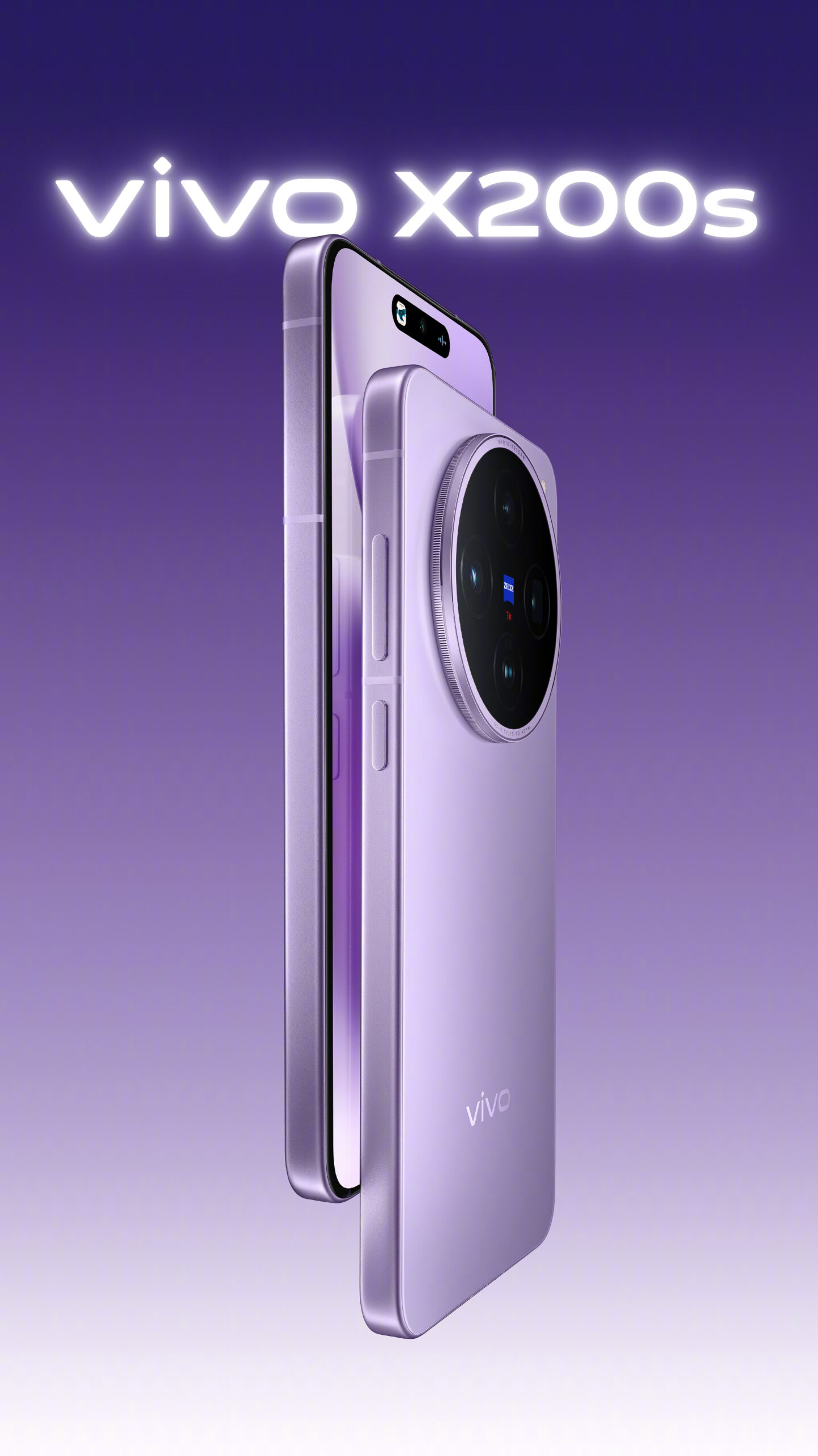
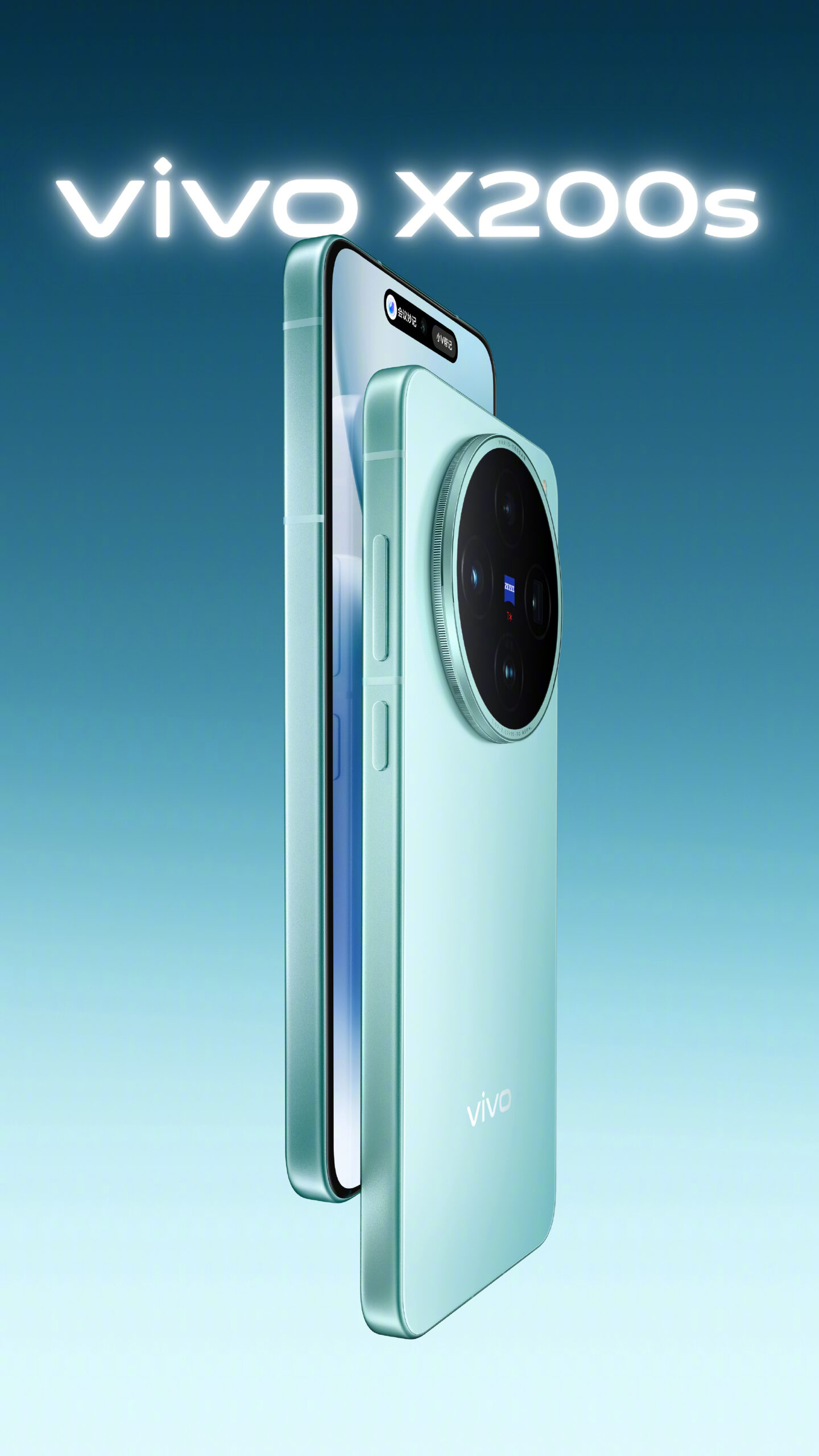
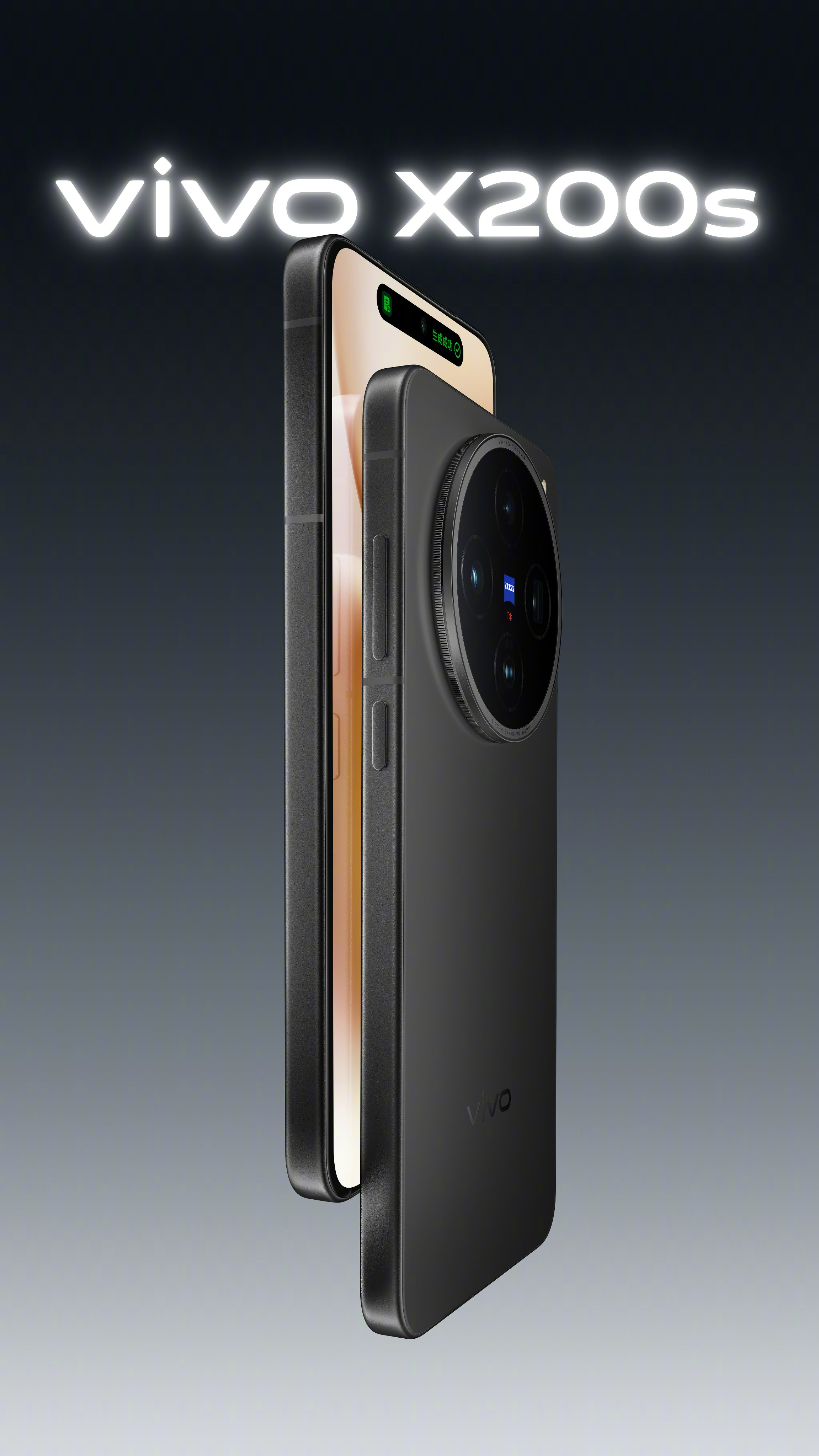
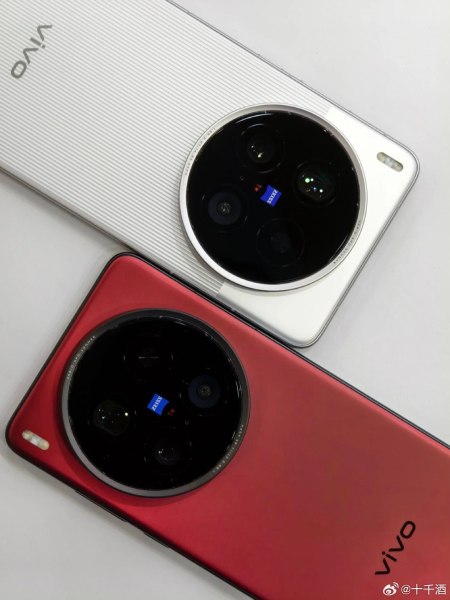
Reports have revealed that Vivo is working on a new X-series phone called the Vivo X200S for the Chinese market. The “S” branded device will be an incremental upgrade over the existing Vivo X200, which went official in October 2024 in China. The X200S is expected to debut alongside the X200 Ultra in the second quarter of this year. Well before the launch, tipster Panda is Bald leaked the color variants of both smartphones.

Vivo X200S, Vivo X200 Ultra color options (rumored)

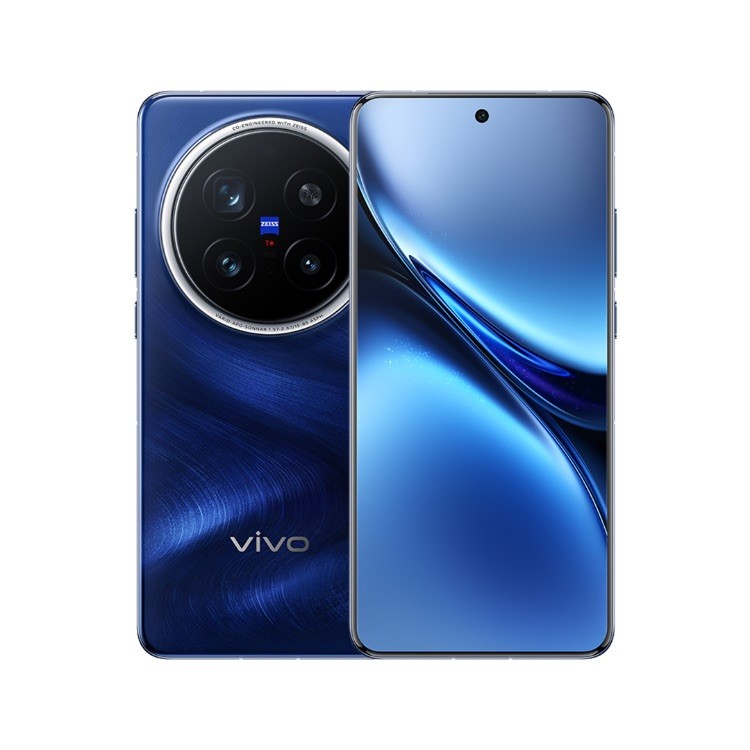
The Vivo X200 has been available in the Chinese market in multiple colors, such as black, white, titanium, and blue. The new leak reveals that the Vivo X200S will arrive in shades, such as black and silver.

The X200 Ultra will be available in black and a new shade. To recall, last year’s X100 Ultra was sold in shades like titanium, white, and grey.

The Chinese tipster has also revealed that Vivo plans to launch the Vivo Watch 4 smartwatch alongside the X200S and X200 Ultra. However, there won’t be S-branded versions of the Vivo X200 Pro Mini and X200 Pro.

The leaker did not share any information about the Vivo Watch 4. This watch will be the successor to the Watch 3, which was announced in November 2023. The Watch 3 came with a round dial, but the Watch GT, which went official in 2024, was Vivo’s first smartwatch with a square dial. It appears that the Watch 4 will continue to house a round dial.

Vivo X300 to sport a compact design like Pro Mini

In related news, a recent Weibo post by tipster Digital Chat Station hints at initial details about the Vivo X3000, which is expected to launch in Q4 2025 in China. The current X200 series includes three models: the X200, X200 Pro, and X200 Pro Mini. It appears that this year the company will return to launching dual flagship phones, suggesting the lineup will include the X300 and X300 Pro, and there won’t be a Pro Mini offering. As for the X300 Ultra, it may launch in the first half of 2026.

The above leak suggests that the launch of the Vivo X200 Pro Mini was a test to gauge market response for a mini phone with a 6.31-inch screen. DCS has boldly speculated that the X300 will feature a similar-sized screen instead of the 6.6-inch display seen on the X200. Therefore, it is likely that the X300 with a mini display will be marketed as the standard Vivo X300. Hopefully, it will address the shortcomings of the Vivo X200 by offering features such as better cameras and wireless charging.

Don’t miss a thing! Join our Telegram community for instant updates and grab our free daily newsletter for the best tech stories! 🚀

Redmi K80 Ultra tipped to feature the largest battery in Redmi’s history

This year, Redmi plans to expand its K80 series with the upcoming launch of the Redmi K80 Ultra. Reports suggest that it could be the first Redmi flagship to launch in the second half of this year. The rumor mill has already started leaking details about the K80 Ultra. A recent leak revealed that the Ultra model will arrive with a significantly improved battery. Now, a new leak, courtesy of tipster Smart Pikachu, has revealed key details about the K80 Ultra.

Redmi K80 Ultra key details tipped

The above leak reveals that the Redmi K80 Ultra will have a glass body and a metal middle frame. While the Redmi K70 Ultra featured an optical-type fingerprint sensor, the K80 Ultra is tipped to feature an ultrasonic in-screen fingerprint sensor.

The leak reveals that the Redmi K80 Ultra will lack a periscope camera, which is unsurprising given that it is designed as a performance-driven phone rather than one focused on photography. Upon questioning the leaker about the K80 Ultra’s battery size, he revealed that it will pack the largest battery ever seen on a Redmi phone. As per a recent report, the K80 Ultra’s battery size will not be less than 6,500mAh, suggesting that the battery life may exceed 7,000mAh. As far as the design is concerned, it is likely to be similar to the existing Redmi K80 series models.

The Redmi K70 Ultra went official in July 2024. When asked if the K80 Ultra’s launch timeframe would be the same as the K70 Ultra, Smart Pikachu responded, saying that its launch will be slightly advanced, which indicates it may launch in June or early July this year.

In terms of the chipset, the Redmi K80 Ultra is expected to debut as one of the first phones to feature the Dimensity 9400 Plus chip, an overclocked version of the D9400. The leak also claims that there will be a high-end version, although it does not specify what this entails. There is a possibility that this could refer to a special edition or a 24GB+1TB variant, like the Redmi K70 Ultra. Other reports have revealed that the K80 Ultra will feature a flat OLED panel with super-thin bezels and 1.5K resolution support.

Don’t miss a thing! Join our Telegram community for instant updates and grab our free daily newsletter for the best tech stories! 🚀

Snapdragon X vs Snapdragon X Plus: What’s the difference?

Qualcomm has recently expanded its Snapdragon X lineup, introducing the Snapdragon X as an entry-level SoC alongside its already popular Snapdragon X Plus. With these two processors, Qualcomm is aiming to capture a wide spectrum of the laptop market from budget-friendly models to mid-range options, while also challenging traditional x86 players like Intel and AMD. But how do these two Snapdragon chips stack up against each other? Let’s dive into the details and explore their differences, strengths, and use cases.

Qualcomm Snapdragon X

1. Core Architecture and Performance

Both the Snapdragon X and Snapdragon X Plus are based on Qualcomm’s custom Oryon CPU cores, which are designed to deliver high efficiency and competitive performance using the ARM architecture. The Snapdragon X features eight CPU cores clocked at up to 3.0 GHz, whereas the Snapdragon X Plus comes in two configurations: a 10-core variant clocked at up to 3.4 GHz and an 8-core version clocked at up to 3.2 GHz.

The additional cores and higher clock speeds in the Snapdragon X Plus allow it to handle more demanding workloads, making it better suited for professional users and multitasking-heavy scenarios.

In terms of cache, the Snapdragon X offers 30 MB of total cache, while the Snapdragon X Plus configurations boast 42 MB. This difference contributes to the X Plus’s superior performance in applications that rely on high memory bandwidth, such as content creation and software development.

2. Graphics and GPU Capabilities

Both processors are equipped with an Adreno GPU, but their performance levels vary significantly. The Snapdragon X features a GPU capable of delivering up to 1.7 TFLOPS, which is sufficient for light gaming, older titles, and casual media editing.

On the other hand, the Snapdragon X Plus has a more powerful GPU with a performance capability of up to 3.8 TFLOPS in its 10-core version, making it ideal for more graphics-intensive tasks like 3D rendering and gaming at higher resolutions.

Both chips support DirectX 12 and hardware acceleration for modern video codecs such as AV1, HEVC, and H.264, ensuring smooth video streaming and multimedia playback.

3. AI and NPU Performance

The Snapdragon X series integrates Qualcomm’s Hexagon NPU, delivering 45 TOPS (trillion operations per second) of AI performance. This advanced NPU powers both the Snapdragon X and Snapdragon X Plus, enabling features such as real-time voice transcription, image enhancement, and AI-based productivity tools like Microsoft‘s Copilot+ features. With identical NPU performance, both processors offer exceptional AI-driven capabilities while maintaining affordability.

4. Memory, Connectivity, and Battery Life

Memory configurations are identical across both chips, with support for LPDDR5x RAM running at up to 8448 MT/s, delivering bandwidths of 135 GB/s. This ensures efficient multitasking and seamless AI processing, regardless of the chosen processor.

Connectivity features are also consistent, with both processors supporting Wi-Fi 7, Bluetooth 5.4, and Snapdragon X65 5G modems for ultra-fast wireless communication.

However, due to its higher performance ceiling, the Snapdragon X Plus is slightly more power-hungry, operating between 15W and 35W, compared to the Snapdragon X’s range of 15W to 30W. This translates to a minor trade-off in battery life for the X Plus in exchange for its superior performance.

5. Use Cases and Target Markets

The Snapdragon X is tailored for entry-level laptops priced around $600. It is ideal for students, freelance workers, and budget-conscious consumers who prioritize battery life and basic computing tasks over raw power. Its 8-core design and efficient power consumption make it a compelling option for thin-and-light laptops with long battery life.

Conversely, the Snapdragon X Plus is aimed at mid-range laptops and ultraportable professional devices priced between $800 and $1,000. It’s better suited for users who need more performance for productivity applications, creative workflows, and occasional gaming. The 10-core variant, in particular, caters to professionals looking for a balance of performance and efficiency without stepping into the premium Snapdragon X Elite territory.

We recently reviewed the compact Zaopin Z2 Mini 4K Gaming Mouse, featuring a lightweight design, hot-swappable functionality, and affordability—check it out!

Stay ahead in tech! Join our Telegram community and sign up for our daily newsletter of top stories! 💡

Oppo Find N5 official teasers to begin this week as February launch draws near

There have been reports that Oppo will unveil the Oppo Find N5 foldable phone next month (February) in China. While the N5 is expected to launch this month, competing foldable phones from other brands are expected to launch in the second half of this year. This suggests that the N5 will have a significant advantage over its competitors. A new development reveals that Oppo will release the first teasers of the N5.

Oppo Find N5 first teasers to be out soon

As can be seen above, Oppo Find Product Manager Zhou Yibao has revealed that the Find N5’s first teasers will be out this week. With the first details of the highly anticipated foldable coming out this week, it appears that it may debut soon after the upcoming Chinese Spring Festival, which will be expected to end in the third week of February. Therefore, the Find N5 will likely launch in the second half of February.

Apart from China, the Find N5 is also expected to be released in Southeast Asian markets. The global launch of the N5 is rapidly approaching, as the device has already received certification in multiple markets.

Oppo Find N5 specifications (rumored)

As per reports, the Oppo Find N5 will be a thinner and lighter device with a titanium build. Despite housing an improved form factor than the Find N3 from 2023, the N5 may house a larger battery of nearly 6,000mAh capacity. It is also expected to support 50W wireless charging apart from wired fast charging. It will debut as the world’s first foldable phone powered by the Snapdragon 8 Elite chipset.

The Find N5 is expected to arrive with a 2K resolution internal foldable screen. On the back, it will have a round camera module featuring a 50-megapixel main camera, a 50-megapixel ultra-wide lens, and a 50-megapixel periscope telephoto camera with 3x optical zoom. It is expected to run on ColorOS 15, based on Android 15.

Don’t miss a thing! Join our Telegram community for instant updates and grab our free daily newsletter for the best tech stories! 🚀

Tipster shares list of foldable and flip phones confirmed to launch in 2025

Reports in 2024 suggested major brands might pause foldable phone development due to declining sales. While it’s too early to confirm how this will unfold, one thing is clear—foldable phones are not going extinct just yet.

A reliable tipster, Digital Chat Station (DCS), has shared a list of foldable and clamshell flip-style devices we can expect to see in 2025.

Clamshell Flips in 2025

If you’re looking for a foldable phone that offers a more compact design, 2025 appears to be a promising year. According to DCS, we can expect to see the Huawei Pocket 3, Xiaomi Mix Flip 2, and Honor Magic V Flip 2 launch this year. 

These phones will sport a clamshell design that unfolds to reveal a larger tablet-sized display, making them ideal for multitasking or consuming media on the go.

Foldables in 2025

The foldable phone market isn’t just about reliving the flip phone era. The competition for larger, tablet-like foldables is heating up as well. The tipster suggests that Oppo, Honor, Vivo, and Huawei will all be upgrading their existing foldable offerings in 2025. 

Foldables in 2025

Specifically, we can expect to see the Oppo Find N5, Honor Magic V4, Vivo X Fold 4, and Huawei Mate X7. The Find N5 is likely to be launched in international markets as the OnePlus Open 2. Additionally, we expect all the other foldables to be released globally in 2025.

It’s important to remember that this is based on information from a tipster, and official announcements from the brands themselves may vary. 

However, it does provide some insight into what we might see from the foldable phone market in 2025. With several major brands expected to release new models, it seems like foldable isn’t going anywhere just yet. 

Tech enthusiast? Get the latest news first! Follow our Telegram channel and subscribe to our free newsletter for your daily tech fix!

OnePlus 13 vs Oppo Find X8: Which 2025 flagship stands out?

As we step into 2025, smartphone manufacturers have begun unveiling their flagship devices for the year. Among them, Oppo and OnePlus have also introduced their latest flagship models.

For Oppo, it’s the Find X8, while OnePlus has launched the OnePlus 13. It’s no surprise that Oppo and OnePlus operate under the same umbrella, and the similarities between their devices are evident—such as the Hasselblad-tuned cameras featured on both. However, there are some key differences that set them apart.

So, which smartphone is worth your money? Let’s dive into a quick comparison.

Oppo Find X8 vs OnePlus 13

1. Design and Build Quality

Both the Oppo Find X8 and the OnePlus 13 exude premium craftsmanship, but they do so in their own unique ways. The Find X8 is a sleek and lightweight device, measuring 157.4 x 74.3 x 7.9 mm and weighing 193g. Its combination of Gorilla Glass 7i on both the front and back, framed by aluminum, ensures durability while maintaining an elegant feel. 

Meanwhile, the OnePlus 13 is slightly larger and heavier, measuring 162.9 x 76.5 x 8.5 mm and weighing up to 213g. It offers a choice between a glass back or eco-leather finish, while its front is protected by Ceramic Guard glass. Both phones boast IP68/IP69 ratings for dust and water resistance.

Please Note: When you buy something using the links in our articles, we may earn a small commission at no cost to you.


2. Display

Displays are one of the standout features of flagship smartphones, and these two don’t disappoint. The Oppo Find X8 features a 6.59-inch AMOLED panel with a resolution of 1256 x 2760 pixels, and 460 ppi pixel density. It supports Dolby Vision, and HDR10+, and boasts an incredible peak brightness of 4500 nits.

The OnePlus 13 takes it a notch further with a 6.82-inch LTPO 4.1 AMOLED display at a higher resolution of 1440 x 3168 pixels and a pixel density of 510 ppi. 

The phone’s peak brightness matches that of Oppo and they also share the 120Hz refresh rate support. But unlike the OnePlus, the Find X8 uses regular LTPS tech rather than LTPO. As a result, if you prefer a larger screen equipped with the latest tech, the OnePlus 13 is undoubtedly the better choice.


3. Performance

Under the hood, the Oppo Find X8 is powered by MediaTek’s Dimensity 9400 chipset, built on a 3nm process. Its octa-core CPU configuration includes ARM’s latest Cortex-X925 prime core clocked at 3.63 GHz. 

The OnePlus 13, on the other hand, features Qualcomm’s Snapdragon 8 Elite processor, also fabricated at 3nm. It boasts innovative Oryon core architecture, with its highest-performing cores running at 4.32 GHz.

Although the Snapdragon 8 Elite’s higher clock speed might suggest greater raw power compared to the Dimensity 9400, note that both are flagship SoCs of 2025. So you can expect a smooth and seamless experience on either device, whether for everyday tasks or intense gaming.


4. Camera Systems

The smartphones have much in common when it comes to cameras. The Oppo Find X8 Pro features a triple 50MP setup, consisting of a wide-angle lens, a periscope telephoto lens with 3x optical zoom, and an ultrawide lens. 

The cameras come with the expected Hasselblad Color Calibration and can record up to 4K videos at 60fps, along with Dolby Vision and 10-bit HDR for enhanced video quality.

OnePlus essentially has the same camera setup with a 50MP triple-camera system, also co-engineered with Hasselblad. The OnePlus 13 matches the Find X8 in optical zoom and ultrawide capabilities but adds 8K video recording at 30fps. It also offers higher slow-motion recording at 480fps in 1080p.

On the selfie front, both devices sport 32MP front cameras with gyro-EIS for stable videos. The competition is close here, and the better camera experience ultimately depends on each device’s optimization and post-processing capabilities. We suggest you check detailed comparisons and reviews instead of relying solely on specifications.


5. Software

Both phones ship with Android 15 out of the box. The Find X8 runs on ColorOS 15, while the OnePlus 13 features OxygenOS 15. These Android skins share a common codebase, so they are quite similar in terms of features and functionality.

However, there’s an interesting difference when it comes to software support. Oppo is offering five major Android updates for the Find X8 Pro, while OnePlus, for some reason, guarantees only four updates for the OnePlus 13.


6. Battery and Charging

The Oppo Find X8 packs a 5630mAh battery with support for 80W wired and 50W wireless charging. It also offers reverse wireless charging at 10W.

The OnePlus 13 steps it up with a larger 6000mAh battery. Its 100W wired charging can take the device from 0 to 50% in just 13 minutes, with a full charge in 36 minutes. Both smartphones have 50W wireless charging and OnePlus also supports reverse wired charging at 5W.


7. Connectivity and Extras

Both devices support the latest connectivity standards, including Wi-Fi 7, Bluetooth 5.4, NFC, and GPS with dual-band support. The Find X8 includes USB 3.0 (global), while the OnePlus 13 features the faster USB 3.2 standard. Both also include stereo speakers but lack a headphone jack.

Unique to OnePlus is a barometer sensor, which could be useful for outdoor enthusiasts. Oppo, however, may win over fans of a lighter and more compact device.


8. Pricing and Availability

  • Oppo Find X8: ₹62,999
  • OnePlus 13: ₹69,999

At these prices, the Find X8 provides excellent value with comparable features, while the OnePlus 13 justifies its higher cost with better performance and a larger battery.


9. Conclusion

The Oppo Find X8 and OnePlus 13 are two of the best flagship smartphones for 2025. If you value sleek design, long-term software support, and a strong camera system, the Find X8 is an excellent choice. However, if you need leading performance, a larger battery, and better video capabilities, the OnePlus 13 could be worth the extra money.

Tech enthusiast? Get the latest news first! Follow our Telegram channel and subscribe to our free newsletter for your daily tech fix!

Lenovo Yoga Tab Plus & Idea Tab Pro Released with 12.7″ Displays, 144Hz Refresh Rates, and Powerful SoCs

Lenovo has announced two new Android tablets for 2025: the Yoga Tab Plus and the Idea Tab Pro, both featuring 12.7-inch displays with a 2944 x 1840 resolution and a 144Hz refresh rate. The Yoga Tab Plus is a high-end device aimed at power users, while the Idea Tab Pro offers a more affordable option with balanced features.

Lenovo Yoga Tab Plus: Premium Features

Priced at $700, the Yoga Tab Plus is powered by a Snapdragon 8 Gen 3 processor, 16GB of LPDDR5x RAM, and 512GB of UFS 4.0 storage. Its 12.7-inch display includes anti-reflective technology, 3K resolution, and a brightness of up to 900 nits, making it suitable for various lighting conditions.

Lenovo Yoga Tab Plus

The tablet introduces AI capabilities through its Snapdragon processor, delivering up to 20 TOPS of AI performance. Key features include the Lenovo AI Note writing assistant and AI Transcript for multilingual voice-to-text conversion.

Lenovo Yoga Tab Plus

Other highlights include a dual-camera setup (13MP front and rear), six Harman Kardon speakers for high-quality audio, and Wi-Fi 7 support. The tablet runs Android 15 and is backed by a 10,200mAh battery with 45W fast charging. Weighing 1.41 lbs (0.64 kg) and measuring 6.69mm thick, it is portable and well-suited for demanding tasks.

Lenovo Idea Tab Pro: Affordable and Functional

Starting at $350, the Idea Tab Pro is equipped with a MediaTek Dimensity 8300 processor, up to 8GB of LPDDR4x RAM, and 256GB of UFS 4.0 storage. It has the same 12.7-inch, 3K resolution display with a 144Hz refresh rate but offers a lower brightness of 400 nits.

Lenovo Idea Tab Pro

The tablet features an 8MP front camera, a 13MP rear camera, and four JBL speakers with Dolby Atmos. It supports Wi-Fi 6E, runs Android 14, and includes a 10,200mAh battery with 45W fast charging. Optional accessories like a pen and keyboard add versatility.

Availability and Design

The Yoga Tab Plus is available in Tidal Teal and Seashell and launches this month. The Idea Tab Pro, available in Luna Grey and Seafoam Green, will be released in April 2025.

Tech enthusiast? Get the latest news first! Follow our Telegram channel and subscribe to our free newsletter for your daily tech fix!

(Source)

Lenovo TWS Earbuds (X9 Edition) and Legion H410 Headset Unveiled at CES 2025

At CES 2025, Lenovo announced two new audio products: the Lenovo TWS Earbuds (X9 Edition) and the Lenovo Legion H410 Wireless Gaming Headset.

Lenovo TWS Earbuds (X9 Edition)

The Lenovo TWS Earbuds (X9 Edition) are designed to pair with the ThinkPad X9 laptops. They feature a lightweight, stem-style design intended for extended wear. The earbuds offer active noise cancellation (ANC) with up to 40dB of noise reduction, providing decent performance for their $69.99 price.

Lenovo TWS Earbuds (X9 Edition)

The earbuds include “voiceprint noise-canceling technology,” which uses beamforming microphones to reduce background noise during calls. Additional features include Dolby Atmos support, automatic call answering, multi-point connectivity, and Bluetooth 5.3 compatibility.

Lenovo states the earbuds integrate seamlessly with the ThinkPad X9 laptops but has not specified any exclusive features. Information on battery life, water resistance, codec support, and driver setup has not yet been released.

Lenovo Legion H410 Wireless Gaming Headset

The Lenovo Legion H410 Wireless Gaming Headset is built for gamers, offering 40mm drivers and a closed-back design for clear and immersive audio. The headset is lightweight and ergonomically designed to provide comfort during extended use.

Lenovo Legion H410 Wireless Gaming Headset

A flip-to-mute microphone allows for quick and simple control, while dual connectivity options—2.4GHz USB-A for low latency and Bluetooth 5.2 for versatility—make it suitable for various gaming setups. Priced at $99, the headset focuses on functionality without unnecessary extras.

Availability

The Lenovo TWS Earbuds (X9 Edition) are available now for $69.99, while the Legion H410 Wireless Gaming Headset will launch in April 2025 with a starting price of $99.

Don’t miss a thing! Join our Telegram community for instant updates and grab our free daily newsletter for the best tech stories!

(Source)

Cooler Master CH351 Wireless Gaming Headsets with 3D sound, Detachable Mic & 30-hour battery life unveiled

Cooler Master has introduced the CH351 wireless gaming headset, offering a range of features suited for gaming and multitasking. It includes three connectivity options—Bluetooth, low-latency 2.4GHz wireless, and a wired 3.5mm jack—allowing users to switch between platforms with ease. Its low-latency performance is suitable for extended gaming sessions.

Cooler Master CH351 headphones

The CH351 features 50mm drivers for clear audio quality and a frequency response range of 20-20,000Hz. Its built-in 3D surround sound provides an immersive listening experience for gaming or entertainment. The unidirectional, detachable microphone is designed to reduce background noise, ensuring clear communication during calls or team-based gameplay. An adjustable boom allows precise positioning for voice clarity.

The CH351 headphones are available in classic Black and vibrant Macaron color options. The steel and plastic headband, cushioned with PU leather and foam, offers comfort during prolonged use. It also has protein leather ear cushions that add durability and softness.

The headset allows Bluetooth connections with up to three devices, enabling quick toggling via a single button. The wireless range extends to 20 meters, and the battery lasts up to 30 hours at 50% volume, making it ideal for long gaming sessions, movie nights, or multitasking without frequent recharging.

Key specifications include a headphone impedance of 32Ω, sidetone functionality, <20ms latency in 2.4GHz mode, and USB Type-C charging. Weighing approximately 404g, the CH351 is lightweight yet durable. It also comes with a two-year warranty. Pricing and availability details of these new headphones are still under wraps.

Don’t miss a thing! Join our Telegram community for instant updates and grab our free daily newsletter for the best tech stories!

(Source)

HKC launches new 27-inch 2K 200Hz gaming monitor with Fast IPS panel, 1ms response & 95% DCI-P3

HKC has launched a new gaming monitor called G27H2 Pro in the Chinese market. The monitor is priced at 1,049 yuan ($143) and is now available on JD.com. Let’s check out its key specs.

HKC-G27H2-Pro

HKC G27H2 Pro Specifications

The G27H2 Pro features a 27-inch flat Fast IPS display with a 2K resolution (2560×1440) and a pixel density of 109 PPI, delivering exceptional clarity and vivid visuals. It comes with a wide 178° viewing angle, maintaining consistent visuals across different perspectives.

It equips a 200Hz refresh rate (overclocked) and a 1ms response time for ultra-smooth transitions, ideal for competitive gaming. The monitor also supports 10-bit color (8-bit + FRC) and HDR400 certification, improving contrast and color depth to deliver realistic lighting and shadow effects.

The G27H2 Pro sports 95% DCI-P3 wide color gamut coverage, 125% sRGB volume, and 102% AdobeRGB volume for professional-grade color accuracy. It comes with advanced color calibration, achieving an average Delta E<2, making it perfect for gamers and creators who demand true-to-life colors. It equips HKC’s proprietary DIC technology to eliminate motion blur, ensuring precise and clear visuals during fast movements.

Designed with user comfort in mind, it comes with hardware-level low-blue light technology that reduces harmful emissions without compromising image quality, making it perfect for extended gaming sessions. Additionally, it features a fully ergonomic stand with height adjustment, tilt, and 90° rotation, allowing users to customize their viewing experience. The monitor is also compatible with VESA wall mounts for added flexibility.

In terms of connectivity, it comes with two HDMI 2.0 ports, one DP 1.4 port, and a 3.5mm audio output. The monitor comes with a compact hexagonal base that is ideal for limited desk spaces, such as dorm rooms, offering stability and space optimization.

It supports multiple gaming modes, including FPS, RPG, and RTS presets, along with features like a gaming crosshair, dark field enhancement, and FreeSync for tear-free gaming.

Earlier this month, Alienware unveiled a stunning 27-inch 4K 240Hz QD-OLED gaming monitor with Dolby Vision support. Around the same time, TCL introduced the Thunderbird U6, a 27-inch 4K QD-MiniLED monitor featuring 98% DCI-P3 color coverage and a peak brightness of 600 nits.

Don’t miss a thing! Join our Telegram community for instant updates and grab our free daily newsletter for the best tech stories! 🚀

Redmi Watch 5 debuts globally with a Bright 2.07″ AMOLED display & features like 24-hour heart rate monitoring

Xiaomi has introduced the Redmi Watch 5 to international markets after its launch in China last November. The smartwatch comes with a larger display, impressive health tracking features, and longer battery life, making it a strong contender in its price range.

Redmi Watch 5

Large Display and Improved Brightness
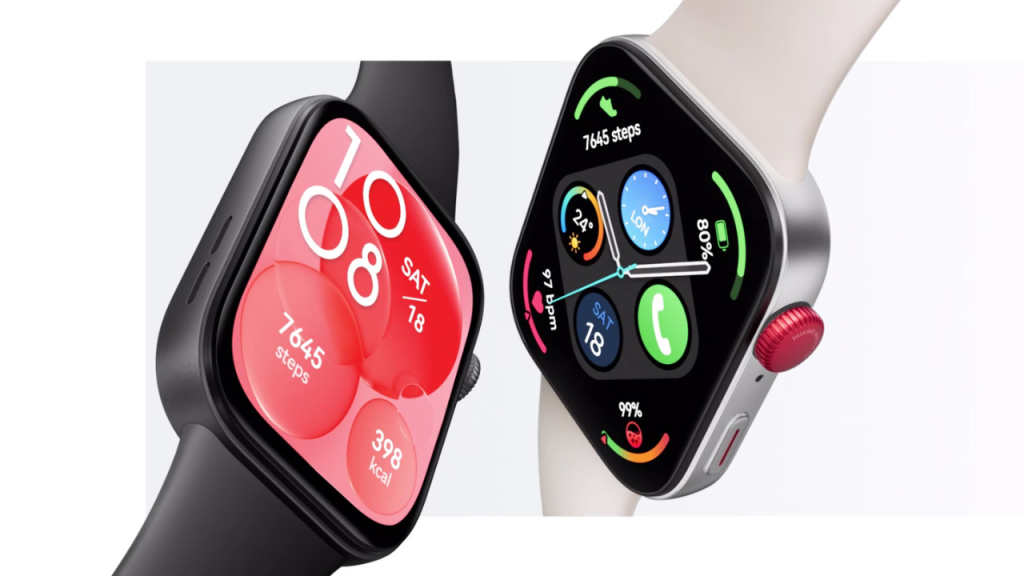
The Redmi Watch 5 features a 2.07-inch AMOLED curved display with a resolution of 432 × 514 pixels, a 60Hz refresh rate, and an impressive brightness of 1500 nits. Its 82% screen-to-body ratio and ultra-slim 2mm bezels contribute to its modern, sleek design. The watch has a premium aluminum alloy frame and a stainless steel rotating crown.

Redmi Watch 5

Advanced Health and Fitness Tracking
Health tracking is a central focus of the Redmi Watch 5. The device provides 24-hour heart rate monitoring, SpO2 tracking, sleep analysis, and stress management. Xiaomi’s proprietary algorithms power these features, while an advanced AFE chip enhances heart rate accuracy. It also supports over 150 sports modes, GNSS-based activity tracking, and 5ATM water resistance, making it ideal for outdoor enthusiasts and swimmers alike.

Additional Features
The Redmi Watch 5 offers local music playback and a dual-microphone setup with noise reduction for clear calls. An improved linear motor ensures precise and quiet haptic feedback. The battery lasts up to 24 days, delivering reliable performance even with frequent use.

Pricing and Availability
The Redmi Watch 5 will be available globally starting January 15. In the UK, it is priced at £89.99 (~$110), providing a competitive feature set at an affordable price.

Don’t miss a thing! Join our Telegram community for instant updates and grab our free daily newsletter for the best tech stories!

(Source)

Dreame launches Mova G30 Ultra robot vacuum with 13000Pa suction, AI obstacle avoidance & more

Dreame has launched its latest all-in-one robot vacuum mop called Mova G30 Ultra in the Chinese market. The product is priced at 5,599 yuan ($764) and is now available on JD.com. Let’s check out its key specs.

Dreame Mova G30 Ultra

Dreame Mova G30 Ultra Specifications

The Mova G30 Ultra equips a 13000Pa ultra-powerful suction capability, which can easily handle dust, debris, pet hair, and even deep-seated dirt in carpets. Its V-shaped soft rubber roller brush is specially designed to prevent hair tangles, with an active hair-cutting mechanism that tackles pet or long hair effortlessly.

It sports an AI-driven millimeter-level obstacle avoidance cleaning strategy, utilizing advanced Al Sage algorithms and 360° laser navigation. These allow it to recognize room types, furniture, and flooring materials while dynamically adjusting its cleaning mode for optimal results. It also includes a pet-friendly mode that ensures messes like spilled food or cat litter are thoroughly cleaned without disturbing pets.

Dreame Mova G30 Ultra

The G30 Ultra features a hot water circulation system that utilizes 36°C warm water spray and 60°C hot water cleaning to tackle tough stains like oil and coffee effectively. Its all-in-one cleaning station supports multiple functions, including 60°C hot water mop washing, self-drying, automatic water refilling, waste water discharge, and dust collection with a 4L antibacterial dust bag.

It boasts a 99.99% antibacterial air path and comes standard with a 99% silver ion sterilization module and cleaning solution. This advanced system minimizes maintenance and enables a hands-free cleaning experience for up to 120 days.

Dreame Mova G30 Ultra

Designed for versatility, it supports multiple cleaning modes such as pure sweeping, pure mopping, or simultaneous sweep-and-mop operations. With its smart carpet detection, it can lift the mop to avoid wetting carpets and adjust suction strength based on the type of surface.

The G30 Ultra also features DreameGPT technology, an AI-powered assistant that offers personalized cleaning recommendations, voice-command functionality, and even remote video monitoring.

You must also check out the top 10 coolest tech announcements from CES 2025 in our Best of CES roundup.

Stay ahead in tech! Join our Telegram community and sign up for our daily newsletter of top stories! 💡

Huawei MatePad Pro 13.2 2025 model picks up key certification ahead of global launch

Huawei’s MatePad Pro 13.2, unveiled in China in November 2025, is now set to make its global debut. The global variant of the tablet has been spotted on Indonesia’s SDPPI certification website, listed under model number WEB-W09 and certificate number 106940/SDPPI/2025. While the database does not reveal new details, it indicates that the international launch is imminent.

Huawei MatePad Pro 13.2 2025 SDPPI certification

Key Specifications of the MatePad Pro 13.2 (Chinese Variant)

The MatePad Pro 13.2 2025 model features a 13.2-inch OLED display with a 2880×1920 resolution, 144Hz refresh rate, and P3 wide color gamut. It boasts a peak brightness of 1000 nits and includes anti-reflection and anti-large-screen technologies, enhancing visual performance.

Huawei MatePad Pro 13.2

The tablet is equipped with a dual-camera setup on the rear, featuring a 50MP main sensor and an 8MP ultra-wide lens. The front-facing 16MP camera supports high-quality selfies and video calls. It also includes a fingerprint scanner for secure unlocking.

Weighing 580g and measuring 5.5mm in thickness, the MatePad Pro 13.2 is lightweight and ultra-slim. It supports multi-window functionality, allowing users to multitask efficiently. It offers up to 16GB of RAM and 1TB of internal storage, catering to heavy users. The device is powered by a dual-cell 5050mAh battery and runs on HarmonyOS 4.3.

Connectivity options include Bluetooth 5.2, dual-band WiFi, and a USB Type-C port. The tablet also features stereo speakers with Huawei Sound technology for an enhanced audio experience.

Color Options and Availability

The MatePad Pro 13.2 is available in Black, White, and Gold. While no official date has been announced for its global launch, the SDPPI certification suggests it will be soon.

Don’t miss a thing! Join our Telegram community for instant updates and grab our free daily newsletter for the best tech stories!

HMD Global discontinues all “Nokia” smartphones

In a significant development that marks the end of an iconic chapter in mobile history, HMD Global has officially discontinued all Nokia-branded smartphones. The once-revered brand, synonymous with durability and innovation, has now exited the smartphone space entirely under HMD’s stewardship. Even the Nokia XR21, lauded for its rugged build and reliability, has been quietly retired. The Nokia smartphones have been moved to a separate category on HMD’s website, symbolizing their formal departure from HMD’s active product portfolio.

Nokia company logo

HMD Bids Farewell to Nokia Smartphones

Nokia was once a titan in the mobile phone industry, dominating the market with its feature phones and innovative devices. However, the rise of iOS and Android smartphones in the late 2000s saw Nokia’s fortunes decline. In 2017, HMD Global acquired the rights to manufacture and market Nokia-branded phones, fueling hopes of a resurgence. The company launched devices like the Nokia 6, which garnered attention for its build quality and stock Android experience.

Over the years, despite valiant efforts to compete with industry giants like Apple, Samsung, and Google, Nokia-branded smartphones struggled to regain their former glory. While the devices offered unique features, like the infamous nine-camera Nokia 9 PureView, the brand failed to keep pace with rapidly evolving consumer expectations and aggressive competition.

The writing was on the wall when HMD announced its multi-brand strategy in 2024, focusing on developing its own line of devices. The slow phase-out of Nokia smartphones was inevitable, with their absence from major announcements and dwindling presence on HMD’s global website. Now, the discontinuation of all Nokia-branded smartphones signals HMD’s complete pivot to its in-house brand.

While Nokia-branded smartphones are now a thing of the past, the Nokia name endures in the feature phone segment. HMD continues to sell Nokia-branded dumb phones, which are still popular in certain markets. Moreover, Nokia, as a company, has successfully transitioned into the network infrastructure and telecommunications space. Today, it is a leader in 5G technology, cloud computing, and the Internet of Things, proving its resilience and ability to adapt.

Nokia’s departure from the smartphone market is a bittersweet moment. While it may no longer grace our hands as a smartphone, its legacy as a pioneer in the mobile industry remains etched in history. The Nokia brand, synonymous with reliability and innovation, will forever hold a special place in the hearts of tech enthusiasts worldwide.

Stay ahead in tech! Join our Telegram community and sign up for our daily newsletter of top stories! 💡

(Via)

Zaopin Z2 Mini 4K Gaming Mouse Review: Lightweight, Hot-Swappable & Affordable

When it comes to finding the right gaming mouse, size, performance, and comfort are key factors. After testing a variety of options last year, I finally landed on the Zaopin Z2 Mini.

This compact gaming mouse is tailored for small to medium hands and offers a range of features designed to enhance gaming performance without breaking the bank. Here’s my detailed take on the Zaopin Z2 Mini, covering everything from unboxing to overall experience.

Zaopin Z2 Mini 4K Gaming Mouse Review

1. What’s In the Box?

Well, before diving into the actual review let’s check out what we will get inside the box.

  • Zaopin Z2 Mini 4K Gaming Mouse
  • 4K Dongle
  • USB Type-C Cable
  • Replacement Skates and Grip Tapes
  • A Pouch for Carrying the Mouse
  • Quick-Start Guide
Zaopin Z2 Mini 4K Gaming Mouse Review

2. Design and Build Quality

Zaopin-Z2-Mini-Review

The Zaopin Z2 Mini stands out with its compact dimensions of 116.5x62x37.8mm and lightweight design, weighing just about 56 grams. The mouse feels sturdy and well-built, with no loose parts or creaky joints. Its shape caters specifically to small to medium hands, making it comfortable to use for extended gaming sessions.

The surface is coated with BZ Protein Membrane Coating, which feels smooth to the touch and does an excellent job of resisting dust and oil stains. This coating adds a premium touch and reduces the need for constant cleaning. The mouse features two side buttons on the left, the standard left and right-click buttons, a scroll wheel, and a DPI button at the back. There’s also a Bluetooth/2.4GHz mode switch and a compartment to store the dongle.

The design leans on simplicity rather than over-the-top aesthetics. It’s not overly flashy but still has a modern look that fits well on any gaming desk.

3. Features and Performance

The Z2 Mini 4K comes equipped with the PAW3395 sensor, a high-end optical sensor designed for gaming enthusiasts. It features a maximum DPI of 26,000 with six preset DPI levels (400, 800, 1600, 2400, 3200, and 6400), more than sufficient for any gaming scenario. While I didn’t max out its DPI settings, I found the tracking to be highly accurate and consistent, especially during intense FPS sessions.

This mouse sports a 4K dongle, enabling a 4000Hz polling rate for ultra-responsive performance. Although it will not match the 8000Hz polling rate of the Z2 Mini Max, the snappiness and reliability during gameplay were impressive and felt lag-free.

The mouse also features hot-swappable switches. The default switches, Huano Green Transparent White Dot, offer a crisp click with a soft sound profile. They’re rated for 100 million clicks, which speaks to their durability. Although I haven’t swapped the switches yet, the design makes it straightforward with a bit of unscrewing. This level of customizability is rare in this price range.

The Z2 Mini 4K supports three connection modes: Bluetooth 5.1, 2.4GHz wireless, and wired via the included Type-C cable. Switching between these modes was seamless in my experience, and I didn’t encounter any lag or connection drops. The 2.4GHz wireless mode, paired with the dongle, delivers the most responsiveness, making it ideal for gaming, while Bluetooth is perfect for everyday use.

Zaopin Z2 Mini 4K Gaming Mouse Review

It features high-quality skates that ensure smooth and effortless gliding across surfaces. Plus, the inclusion of replacement skates guarantees long-term functionality. The grip tapes, another thoughtful addition, provide a more tactile feel for those who prefer extra grip during their gaming sessions.

4. Software and Battery Life

Zaopin-Z2-Mini-Review

The Z2 Mini 4K comes with software support that allows for customization of DPI levels, polling rates, key mappings, macros, and lighting effects. While the software is functional and gets the job done, I couldn’t help but notice that the interface feels a bit outdated and could benefit from a modern redesign. That said, setting up custom profiles and tweaking the settings was straightforward, even if it lacked the polish I’ve seen in software from other major brands.

Battery life is impressive, thanks to the Nordic 52840 chipset, which is known for its low power consumption. With moderate use in 2.4GHz mode, I went several days without needing to charge the 500mAh battery. Wired mode is always an option if you run out of charge mid-session.

5. Verdict

After spending weeks with the Zaopin Z2 Mini, it has become my go-to gaming mouse. Its compact design and lightweight build make it ideal for users with small to medium hands, while the inclusion of high-performance features like the PAW3395 sensor and 4K polling rate ensures it doesn’t compromise on gaming performance. The addition of swappable switches, high-quality skates, and three connectivity options make it versatile and customizable.

The only real drawback is the software’s dated UI, which could use an upgrade to match the mouse’s overall quality. However, given its performance and affordability, the Zaopin Z2 Mini offers excellent value for money. It’s a solid choice for gamers looking for a compact, feature-packed mouse that delivers without unnecessary frills.

6. Pricing and Availability

The Zaopin Z2 Mini mouse is available in various colors, including White (Black Bottom), White (Grey Bottom), Black, Purple, Blue, Yellow, Red, Orange, and White (Orange Bottom). Priced at $59.99, it comes with a 4K dongle and is now available for pre-order on Mechkeys.com.

You must also check out the top 10 coolest tech announcements from CES 2025 in our Best of CES roundup.

Stay ahead in tech! Join our Telegram community and sign up for our daily newsletter of top stories! 💡

iPhone Shipments Drop 12% in China, Analyst Predicts Further Decline

Apple‘s grip on the Chinese market, once a major growth engine for the iPhone giant, seems to be loosening. According to Ming-Chi Kuo, a prominent industry analyst, the iPhone has seen a significant decline in sales in the mainland, and Kuo’s insights suggest the trend might not reverse anytime soon.

Kuo’s report reveals that iPhone shipments in China fell by 10-12% year-over-year in December 2024, even as the overall smartphone market in the country remained stable. 

iPhone 16 Pro Max
iPhone 16 Pro Max

The decline is likely due to the perceived lack of innovation in Apple’s latest models. The iPhone 16 series introduced only minor changes, such as a slightly modified camera lens bump that left consumers in China and beyond unimpressed. 

“In December 2024, overall smartphone shipments in China were about flat, iPhone shipments dropped by about 10-12% YoY, reflecting a continued slide in Apple’s Chinese market share.” – says Ming-Chi Kuo.

Apple’s planning for 2025

As a result, Kuo says that Apple has taken a cautious approach toward 2025 production planning for iPhones. Projections for the first half of 2025 (1H25) indicate a year-on-year (YoY) shipment decline of about 6%. 

This follows a relatively flat shipment performance in the first quarter of 2025 (1Q25), which Kuo attributes to preemptive stocking in January ahead of anticipated tariffs under the Trump administration. The second quarter (2Q25), however, is expected to see a noticeable dip.

Looking ahead, Apple’s rumored ultra-thin iPhone 17 and foldable iPhone models, slated for the second half of 2025, could face additional hurdles. Both devices are expected to feature eSIM-only designs, a challenge in China, where carrier support for eSIM remains limited. Kuo notes that unless Apple adjusts the designs to accommodate physical SIM cards, these models may struggle to gain traction.

Even the launch of the iPhone SE4 in mid-2025 might not turn the tide. Kuo suggests it’s unlikely to offset broader shipment declines due to its limited impact on the overall lineup.

For 2024, Kuo estimates iPhone shipments will total approximately 220 million units, with a slight increase to 220–225 million in 2025—both figures falling short of market expectations of over 240 million units annually. 

Tech enthusiast? Get the latest news first! Follow our Telegram channel and subscribe to our free newsletter for your daily tech fix! ⚡
(Source)

Samsung One UI 8 Leak Hints at Nostalgic Return of Decal Shader

Samsung has yet to roll out One UI 7, based on Android 15, while Google has already released the Android 16 Developer Preview and reportedly plans to launch Android 16 much sooner than expected.

However, it seems that Samsung isn’t far behind in software development for One UI based on Android 16. SmartPrix has reportedly found references to One UI 8 (One_UI_8_0) based on Android 16 in various places in Samsung’s software ecosystem. 

It’s actually typical for a smartphone manufacturer to start testing future updates early. And these references to One UI 8 means the software is right on track with the development of Android 16. 

One UI 8 may come with Decal Shader

Interestingly, the report suggests Samsung could include a feature called “Decal Shader,” marking the return of elements reminiscent of Samsung’s TouchWiz era. Decal Shader, largely absent since the transition to One UI, is speculated to enhance visual transitions on the home screen compared to the current One UI 7.

The exact implementation of the feature, however, remains unclear. Well-known leaker Ice Universe suggests it might function as a new lock screen animation with a ripple effect, offering a modern twist on older design principles.

If true, the feature could introduce smoother and more visually engaging animations to Samsung’s interface, complementing its existing focus on customization and fluidity.

Despite these early leaks, One UI 8 is still far from release. Samsung is set to launch the Galaxy S25 series with One UI 7 on January 22, and the company may reserve the One UI 8 update for a mid-cycle software rollout, giving it ample time to refine the feature.

Tech enthusiast? Get the latest news first! Follow our Telegram channel and subscribe to our free newsletter for your daily tech fix! ⚡

(Source)

Oppo Find X8 series gets ‘Powered Off Finding’ feature: What it is and why it matters

Oppo’s latest flagship lineup, the Find X8 series, has reportedly added an impressive new feature that’s sure to grab attention—“Powered Off Finding.” As the name suggests, this innovative functionality allows users to locate their phone even if it’s turned off.

Introduced with the Pixel 8 series by Google, this feature is now expanding to other flagships. Back in November last year, the feature was discovered in OnePlus’ Android 15-based OxygenOS 15 custom skin. Now it’s rolling out to Oppo’s Find X8 and Find X8 Pro. Here’s everything you need to know about it.

Oppo Find X8 Pro

The Oppo Find X8 and X8 Pro, which were launched in India last November featuring MediaTek’s Dimensity 9400 chipset, are reportedly the first Oppo phones to adopt Google’s new Find My Device Network feature.

Credit: Smartprix

The Power Menu on the Find X8 series now displays a message stating, “You can locate this phone with ‘Find My Device’ even when powered off.” Similarly, the ‘Find My Device’ section in the settings adds, “Find My Device can also use the network to help locate this device when it’s powered off or out of battery.” This ensures that users have an extra layer of security to locate their lost or stolen phones, even under challenging circumstances.

How does the feature work?

Powered Off Finding feature tackles one of the biggest limitations in Android—a phone’s inability to broadcast its location when turned off or dead. Here’s how it works:

The feature lets the phone store pre-computed Bluetooth beacons. This is how the phone continues to transmit encrypted location data even when its turned off. The data is then processed via the Find My Device Network and relayed to the device’s owner.

For this to function, the phone reportedly relies on a reserve battery system that powers essential components like Bluetooth and ultra-wideband chips, even after the main battery is depleted.

(Source)

Xiaomi Launches Redmi Buds 6 and 6 Pro in Global Market: Features, Pricing, and Availability

Xiaomi has introduced the Redmi Buds 6 and Redmi Buds 6 Pro to the global market, providing two wireless earbud options to suit different user needs. Both models come with advanced features and competitive pricing, making them appealing to a wide range of users.

Redmi Buds 6

Redmi Buds 6: Budget-Friendly with Key Features

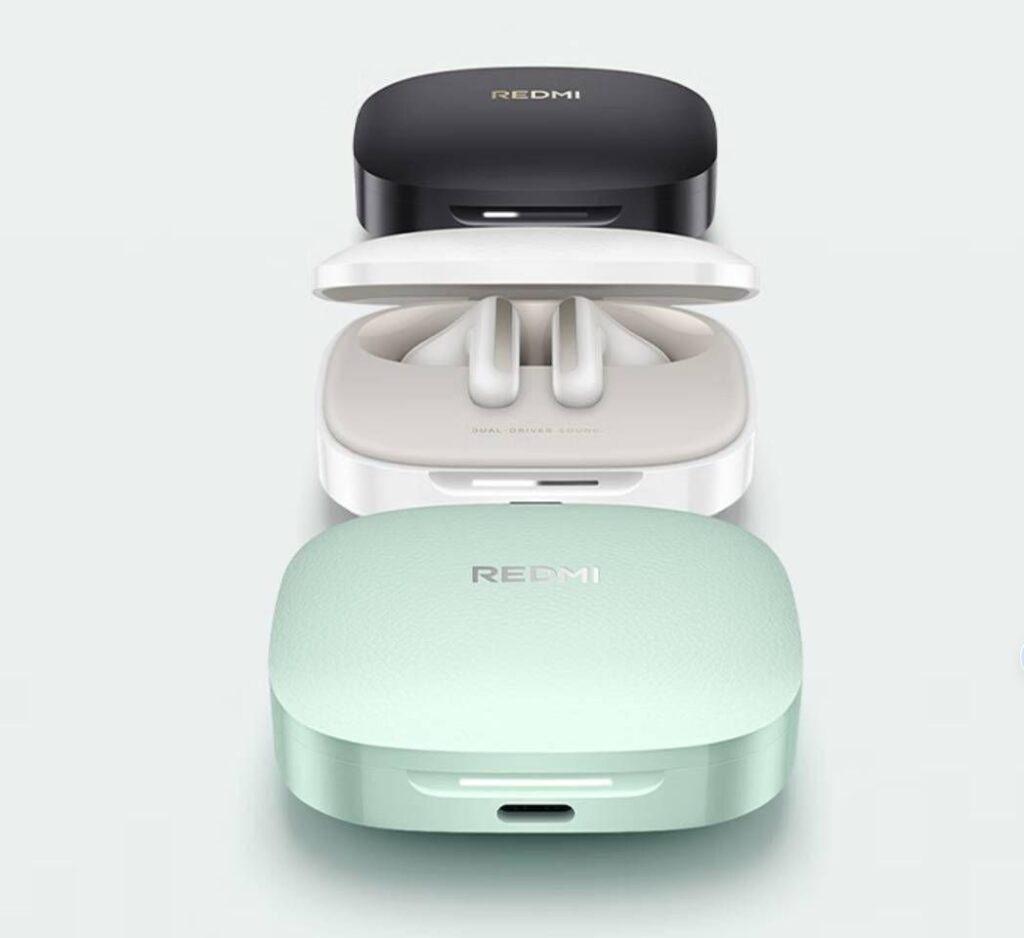
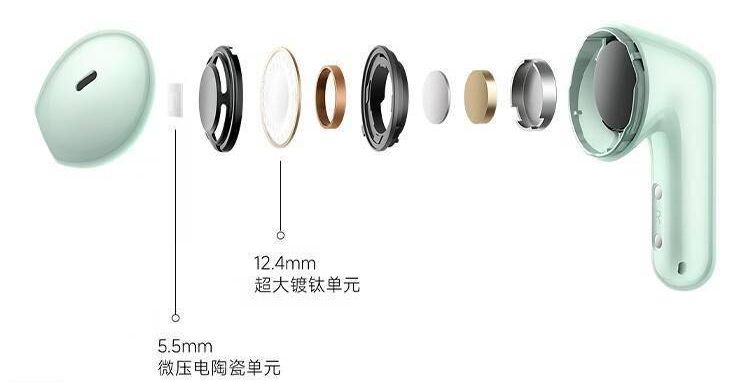
The Redmi Buds 6 are priced at £34.99 (~$43) and focus on delivering reliable audio performance. They use a dual-driver setup with a 12.4 mm titanium-coated dynamic driver and a 5.5 mm piezoelectric tweeter for clear and balanced sound.

Redmi Buds 6

These earbuds feature Active Noise Cancellation (ANC) that reduces noise by up to 49 dB, making them suitable for noisy environments like traffic or offices. The adaptive transparency mode adjusts noise cancellation levels based on the surroundings, and 360-degree spatial audio adds a layer of immersion for movies and games.

The Redmi Buds 6 supports Bluetooth 5.4 and comes with a dual-mic setup that uses AI noise cancellation for clear calls. They offer up to 42 hours of total playback time when used with the charging case, ensuring long-lasting usage.

Redmi Buds 6 Pro: Premium Audio and Features

The Redmi Buds 6 Pro are priced at £64.99 (~$81) and are designed for users seeking more advanced audio options. They use a triple-driver system, including dual PZT tweeters and an 11 mm titanium diaphragm driver, to provide sharp highs and deep bass.

Redmi Buds 6 Pro

The Pro model offers ANC that reduces noise by up to 55 dB, handling mid-to-high frequency noise effectively. It supports hi-res audio codecs like LDAC and LC3, and features dimensional audio with head tracking for an immersive experience.

Redmi Buds 6 Pro

The battery life of the Buds 6 Pro is rated at 9.5 hours on a single charge, with a total of 36 hours when paired with the charging case. An AI-powered three-microphone setup ensures clear calls, while customizable EQ modes allow users to adjust the sound to their preferences.

Availability

Both models will be available starting January 15 through Xiaomi’s official channels and authorized retailers.