POCO recently hosted a launch event for its mid-range X7 and X7 Pro smartphones. Alongside these models, the brand has also launched a special variant of the Pro model called the POCO X7 Pro Iron Man Limited Edition. This follows last year’s India-exclusive POCO F6 Deadpool Limited Edition.
The Iron Man Edition boasts a distinctive design inspired by the Marvel superhero. The rear panel features iconic Iron Man elements, including the arc reactor, complemented by a red, black, and gold color scheme. A red power button and a Tony Stark signature on the phone’s protective case add exclusive touches. The package also includes a themed custom UI, a red charging cable, and a unique SIM ejector tool.
POCO X7 Pro Iron Man Limited Edition Pricing & availability
Priced at USD 399 for the 12GB + 512GB configuration, the device has an early bird offer of USD 369. Availability begins today, January 9, 2025, in select global markets.
Specification-wise, the device is identical to the regular POCO X7 Pro. It features a 6.67-inch 1.5K OLED display with a resolution of 2712 × 1220 pixels, a 120Hz refresh rate, and touch sampling rates of up to 480Hz and 2560Hz instant touch. The display supports HDR10+, Dolby Vision, and 1920Hz PWM dimming, reaching a peak brightness of up to 3200 nits, and is protected by Corning Gorilla Glass 7i.
Under the hood, the phone is powered by MediaTek’s Dimensity 8400 Ultra octa-core processor, paired with LPDDR5X RAM and UFS 4.0 storage. On the software front, the phone runs on Android 15 with Xiaomi’s HyperOS 2. As for optics, it includes a 50MP main camera with a 1/1.95″ Sony LTY-600 sensor, an f/1.5 aperture, OIS, and EIS, accompanied by an 8MP ultra-wide camera with an f/2.2 aperture, and support for 4K 60fps video recording. The front camera is a 20MP shooter with a 1/4″ OV20B sensor and an f/2.2 aperture.
Additional features include an in-display fingerprint sensor, an infrared sensor, USB Type-C audio, stereo speakers, and dust and water resistance rated at IP66, IP68, and IP69. The battery onboard has a massive 6550mAh capacity and is backed by 90W fast charging.
CES 2025 is abuzz with innovation, and TCL has joined the spotlight with a fascinating addition to its product lineup, the PlayCube. This ultra-portable projector made a brief yet striking appearance during TCL’s presentation, hinting at its potential to redefine compact home entertainment solutions.
True to its name, the PlayCube features a cubical form factor with a novel twist. Its standout design includes two rectangular sections, one of which rotates to adjust the projection angle. This “magic cube” design isn’t just for show, it provides flexibility for users to achieve the perfect viewing experience, whether on a wall, ceiling, or any other surface.
While TCL has remained tight-lipped on exact dimensions, the PlayCube is rumored to be small enough to fit comfortably on a nightstand. Its compact size, paired with a built-in rechargeable battery, emphasizes portability, making it an excellent companion for outdoor movie nights or on-the-go entertainment.
2. Powered by Google TV
TCL has confirmed that the PlayCube will feature Google TV, providing access to a plethora of streaming apps and services. This inclusion ensures a seamless viewing experience, mirroring the smart TV features found in TCL’s more extensive lineup. Whether you’re catching up on Netflix, YouTube, or Disney+, the PlayCube promises versatility in a compact package.
3. Expected Specs
As of now, TCL hasn’t disclosed specifics such as resolution, peak brightness, or the maximum projection size. Speculation suggests the PlayCube could match or slightly surpass the capabilities of TCL’s 2024 Projector A1, which delivered 1080p resolution and 360 ISO lumens brightness. However, the PlayCube’s unique design and portability may position it in a class of its own.
4. Pricing and Availability
Pricing details are still under wraps, but TCL’s reputation for competitive pricing hints at an aggressive entry point. The Projector A1 retailed for $499, so the PlayCube could fall within a similar range, depending on its specs.
With its bold design, portability, and Google TV integration, the TCL PlayCube is poised to stand out in the crowded portable projector market. Whether it will challenge industry favorites like Samsung’s Freestyle or Xgimi’s Mogo 3 Pro remains to be seen, but the PlayCube’s debut has certainly captured attention.
Earlier this week, TCL also revealed its QM6K Mini LED TV series at CES 2025 which brings premium Mini LED technology to an affordable price range, offering advanced features like precise dimming, quantum dot color accuracy, and HDR support.
Philips Hue just announced an expansion to its subscription service. The Philips Hue Sync TV app subscription was initially supported on Samsung smart TVs (Tizen) but it’s now also arriving on LG (WebOS) branded smart TVs. So let’s see whether the subscription is worth it or just an unnecessary way of monetization.
1. Philips Hue Sync TV Subscription: What does it offer?
Philips Hue’s popular Hue Sync TV app is expanding beyond Samsung TV. To recall, it allows users to synchronize up to 10 Hue lights with the movies or games they have running on their TV. This creates a more immersive ambient lighting effect without needing an external bridge or box. While this was limited to Samsung, LG is also receiving support for this app starting in Spring 2025.
2. So how do you get it?
Well, this is where the first issue starts. People who own an LG WebOS powered smart TV do get access to this subscription, but the app will basically have you spend around $130. For $100, the pretty lighting is already quite expensive.
If you don’t want to pay outright, you can also opt for the $3 monthly subscription service. This is identical to the service model offered via Samsung TVs. John Smith, Business Leader Philips Hue at Signify stated that they are “making it easier than ever for our users to enjoy immersive entertainment lighting direct from their TV”, however, this doesn’t really make sense to me.
3. The Nitpick
Philips Hue as a brand is known for smart home products especially smart lighting products like smart LED lights and others. These gadgets by design are meant to offer an additional layer of intuitive control or customizability over traditional lighting. While individual interaction is still there, the advantages of these smart IoTs only shine when paired together. Asking your customers to pay for a feature like this just makes it unnecessary monetization.
So who is it for?
Not everybody has the time, patience, or know-how to set up their own hub for light controls. Most people just want a quick and efficient solution to improve the aesthetic of their homes. In that regard, Philips Hue is most definitely offering a good answer.
The subscription isn’t surprising either considering the amount of subscription services that are in the market right now. This ranges from your new cars, apps, streaming platforms, and whatnot.
Nintendo’s next-generation console, widely referred to as the “Nintendo Switch 2,” has been the center of rumors and leaks for months. While the company has remained tight-lipped, a series of leaks continue to paint an increasingly detailed picture of what fans can expect. The latest buzz? A leaked logo for the highly-anticipated console, which has sparked significant conversation online.
Leaked Logo Hints at Iterative Design for Nintendo Switch 2
According to Universo Nintendo’s editor-in-chief Felipe Lima, the alleged Nintendo Switch 2 logo bears a striking resemblance to the original Nintendo Switch branding. Shared via a recreated image on social media, the logo features the iconic stylized Joy-Con design but includes a bold “2” beside it. This design decision seemingly aligns with the console being marketed as an iterative upgrade rather than a complete departure from its predecessor.
Lima claims his recreation is based on a real-life image of the Switch 2 console, which was shared by a reliable source. To avoid potential copyright strikes, Lima opted to recreate the design rather than share the original image. While the logo has not been officially verified, its similarity to prior leaks about Nintendo’s branding strategy lends some credibility to his claims.
This isn’t the first time information about the Nintendo Switch 2 has surfaced. Just days ago, detailed mockups of the console, reportedly created by accessory maker Genki, were showcased at CES 2025. These models hint at a larger OLED display and new magnetic Joy-Con controllers. Meanwhile, leaked photos of the console’s controller have circulated widely on social media, further fueling the excitement.
Nintendo’s apparent decision to carry over much of the original Switch branding signals a more cautious strategy for its next-generation console. At the same time, it may reflect Nintendo’s desire to preserve the Switch’s identity, building on its tremendous success since its 2017 debut.
Despite the leaks, Nintendo has yet to officially confirm the name, logo, or design of the console. With its fiscal year ending on March 31, 2025, and rumors of a release in April 2025, fans are bracing for an official reveal soon. Until then, the gaming community will be watching Nintendo’s social channels closely for confirmation and to see if the leaks live up to the hype.
Stay tuned as more details emerge about what could be Nintendo’s biggest launch in years.
F6, F6 Pro, M6, M6 Pro, X6, X6 Pro – POCO has already run out of codename ‘6’ already, so it’s time to release the ‘Agent 7’: The first is the POCO X7 series. The first article is all about the POCO X7 Pro, while the standard X7 will be settled in another review. So let’s check out all important facts about the Pro variant, the coolest model ever of the POCO X series.
Actually, it looks familiar but have to say, it is still a new look. Yes, it’s the re-branding model of the REDMI Turbo 4, and has almost the same debut timeline as the REDMI Turbo 4. The Turbo 4 is limitedly available in mainland Chinese for now, but you can definitely look forward to the POCO X7 Pro in your market.
Design
The X7 Pro we got is the yellow-black vegan leather version, the one POCO wants everyone to buy. They have really done a great job with the new design. The color is impressive, and the recessed line texture looks and feels awesome. It’s no slouch compared to the Turbo 4’s best-looking white variant. I’d recommend you get this X7 Pro with the stunning color-crashing, as the other two models are likely offering less with their plastic back covers.
Sadly, the LED light strip from the Turbo 4 camera isn’t heritaged on the X7 Pro. However, the weight of the body got also well controlled, with none of the three color variants weighing over 200g. NFC and IR blaster are there too, just missing the headphone jack and TF card expansion. Furthermore, both phones of the X7 series impressively get IP68-rated water and dustproof. Considering the X7 and X7 Pro are positioned as mid-rangers, ignoring the progress it made is unacceptable to us. Good job, POCO.
Display
What exactly is ‘Pro’ about the X7 Pro? One of another Pro-like upgrades is the screen. The main upgrade over the standard version is that it’s brighter, though it’s not an LTPO panel, and like the non-Pro version, the minimum refresh rate is only 60Hz. But the completely flat screen, ultra-narrow bezels, and flagship-level brightness are excellent enough for such a mid-range phone in early 2025. Except that the resolution isn’t as high as the one on the REDMI K80 Pro, and the low brightness isn’t DC dimming, all the other specs are almost the same. So POCO has actually tried its best to give us the best screen possible, after all, it’s not priced that high.
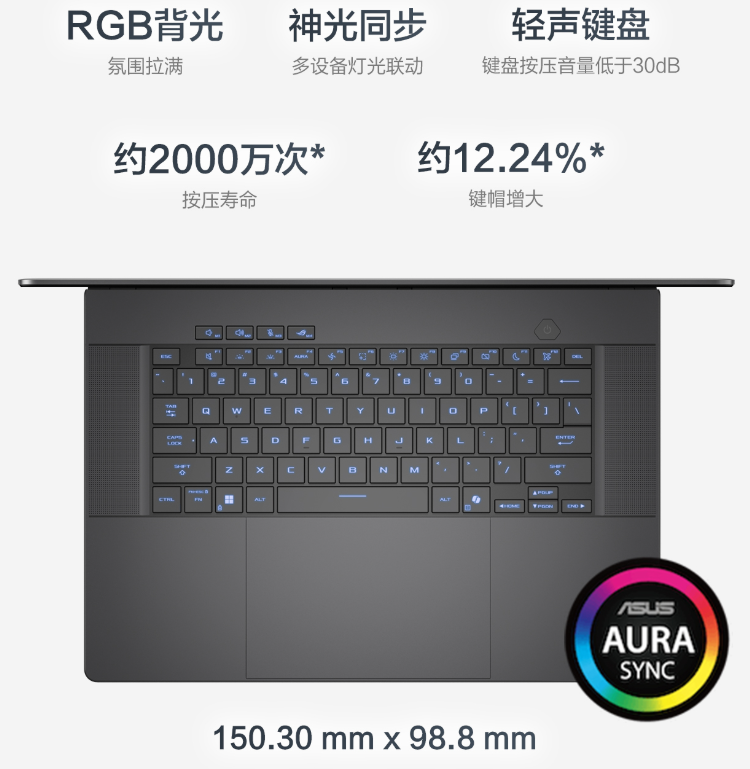
The only thing we can complain about is that the cover glass uses Corning Gorilla 7i. and the non-Pro version uses Victus 2, which is even better than the Pro version.
So exactly where did POCO spend the cost? The answer is: performance.
Performance
The biggest selling point of the X7 Pro, and the most intriguing, is the heart inside: the MTK Dimensity 8400-Ultra. This is MTK’s latest mid-range processor, tasked with beating the Snapdragon 8s Gen 3. Judging by the benchmark scores, it does fulfill its mission. Except for the single-core performance which lags behind the 8s Gen 3 a bit, it wins in every aspect.
The main reason for this result is its unique ALL P-Core design. all 8 cores are A725, with only the frequency difference. Coupled with the TSMC 4nm process, this processor promises to be the best mid-range processor of 2025.
As usual, gaming tests were still focusing on the Genshin Impact. With the 5.0 version of the graphics upgrade, the X7 Pro also performed well. Of course, there is a gap with a newly flagship processor like Dimensity 9400, after all, the GPU performance is only half of it. But meanwhile, the X7 Pro trades higher power consumption for higher frame rates. The cooling system seems to have been enhanced as well. It consumes a lot of power under high-load games, as long as you’re playing games that don’t require a lot of performance, such as PUBG Mobile. then it’s almost as good as the flagships, both in terms of power consumption and frame rate.
Overall, like the scores, the gaming experience is improved, but not by much. It’s hard to say that this is a phone designed for gamers, but it performs well for most apps that most people use. Because of the excellent power efficiency at low to medium loads, the X7 Pro will definitely last much longer than those mid or low-end phones.
Camera
I’m glad to see that the X7 Pro has only two cameras. Removing that 2 MP macro camera was the best decision POCO ever made. The main camera is an IMX882, just like the standard version. The ultra-wide camera is again 8 MP, so you guys shouldn’t expect too much from the X7 Pro’s camera system. Just… It can fulfill the basic needs, you know.
Because the main camera has the help of In-sensor-zoom, it can hold the scene within 50mm. The color style is more on the realistic side and the clarity is good. Even if there is no macro camera, you can still get good macro photos after 2x zoom. Anyway, the main camera is pretty good, the camera you really need to worry about should be that 8 MP ultra-wide camera.
Yes, this camera is as bad as you think it is. I’m not going to repeat what flaws it has, because as you can see by looking at these photos, it has exactly the same flaws as any other mid-ranger. If you must take pictures with it, then use your photo skills to make up for the hardware flaws.
There’s not much to say about video recording. Thanks to the power of the processor, you can also enjoy the stabilized footage from EIS in 4K 60fps video recording. The front camera should satisfy most people if they just take selfies. Just recording video still supports up to 1080P 30fps.
Battery & Charging
The X7 Pro comes with 90W wired charging. Ten minutes to charge up to 38% and 37 minutes to fully charge. There’s no wireless charging, but the good thing is that it charges pretty fast.
It also has a huge 6000mAh battery. It’s pretty impressive that you can put such a large battery in a phone that’s less than 200g, to say the least. Except for the Genshin Impact which consumes more power, all the other segments are very power efficient. Compared to the Turbo 3, also known as the POCO F6, the improvement in battery life is very obvious.
Verdict
In my opinion, there are two most important things about mid-range phones: performance and battery life. As long as you get these two core sections well, the phone will be with you for a very, very long time, without being laggy. As it happens, the POCO X7 Pro does a great job of both. And it even offers more than what we expected: bonus features such as IP67-rating water and dustproofness and a decent display. If you don’t have high demands on its imaging quality, then it is the best New Year’s gift from POCO to us.
Motorola has started improving the worst part about its devices, and that is software updates. Last year, it started offering five years of Android upgrades to some models, which is a big jump from its previous update policy. The brand has also been struggling with timely update rollouts, which seems to have improved this year with Android 15.
Motorola was quick enough to bring Android 15 beta to some models, including the Edge 50 Fusion. It began the stable rollout in December, starting with Edge 50 models, which has now expanded to more devices. For easy rollout tracking, I’ve created a list of Motorola phones below that are getting the stable Android 15 update.
Motorola phones getting the Android 15 update
Motorola Edge 50 Fusion
Motorola Edge 50 Ultra
Motorola Edge 50 Pro
Motorola Edge 50 Neo
Motorola Moto G Power 5G (2024)
The list will grow as Motorola pushes the Android 15 update to more devices. We’ll periodically update the list when new devices receive the update.
If you have any of the devices on the list and are still waiting for Android 15, you can manually check for updates by going to Settings > System updates and tapping on Check for updates. Please note that the updates are rolled out in batches, so they may take a few days to reach your device.
If you are unsure about the Android 15 eligibility for your Motorola phone, check the list below.
Motorola phones that are eligible for Android 15 update
While the official rollout has begun, Motorola still hasn’t released a list of devices that will be upgraded to Android 15. However, thanks to Android Spotlight for digging deeper into the support pages to find this valuable information.
Motorola may bring the Android 15 to even more devices. However, as of writing this post, the official support pages only confirm the update eligibility for these devices.
Which Motorola device do you have, and what are your expectations from Android 15? Share your thoughts in the comments below.
Audio-Technica just unveiled a brand new TWS earbuds at the CES 2025. Seeing features like hybrid ANC, water resistance, or more aren’t exciting or new in the hearables market anymore. Premium models typically focus on spatial audio or improving the sound quality overall. But the Audio-Technica ATH-CKS50TW2 TWS earbuds takes a different approach in innovation with an impressive audio playback.
All-Day Music with Audio-Technica ATH-CKS50TW2
We have already seen long battery life when you include the charging case, but the Audio-Technica ATH-CKS50TW2 offers a standalone playback that can last for more than a day. To put things simply, most earbuds offer up to 6 to 7 hours of audio playback from the buds and more with the case, while the ATH-CKS50TW2 brings up to 25 hours from the buds themselves. Pairing it with the charging case, you get up to 65 hours.
Audio-Technica ATH-CKS50TW2 TWS Earbuds
With ANC enabled, the total standalone playback drops to around 15 hours, or 40 hours with the charging case. These earbuds also support Qi wireless charging along with Type C charging. The Audio-Technica ATH-CKS50TW2 has a pebble shaped design that offers a snug fit and houses 9mm Dynamic drivers. You get support for magnetic switch technology that can automatically turn off earbuds when the magnets connect like wireless earphones.
It comes with advanced hybrid active noise cancellation technology for improved situation awareness. To enhance the calling experience, the ATH-CKS50TW2 has dual MEMS microphones along with beamforming tech. Other notable features include multipoint connection, Bluetooth 5.3, Siri and Google Assistant support. It is available for purchase two colors options, namely Black and Beige. You can buy these earbuds for 149 US Dollars.
Consumer Electronics Show (CES) 2025, held on January 7, 2025, embraced the theme “Powerful Esports Momentum,” drawing in gaming enthusiasts, technology fans, and industry experts from around the globe. Among the standout exhibitors was THUNDEROBOT, a high-performance computing brand incubated by Haier Group, renowned for its innovative approach to esports equipment. At the event, THUNDEROBOT showcased its latest advancements, reaffirming its commitment to shaping the future of esports.
ZERO Series: Next-Generation Esports Gear
THUNDEROBOT unveiled its highly anticipated ZERO Series, a range of flagship esports products spanning gaming laptops, desktops, monitors, peripherals, and smart glasses. This lineup represents the brand’s dedication to offering high-performance, user-centric solutions that cater to the evolving demands of gamers.
Revolutionary Gaming Controllers
Two standout products caught significant attention:
MACHENIKE G6 Pro: Heralded as the world’s first gaming controller with a hot-swappable joystick structure, the MACHENIKE G6 Pro introduces groundbreaking features such as the JH20 Hall joystick, co-developed by MACHENIKE and K-silver. Users can adjust damping settings—light, medium, standard, or heavy—tailoring the controller to diverse gaming genres like precision shooting and action games. With customizable joystick dead zone settings and enhanced wireless performance, including a 2000Hz refresh rate, this controller promises unmatched precision and responsiveness.
THUNDEROBOT G80 Flagship Edition: Designed with versatility in mind, the THUNDEROBOT G80 supports PC, Switch, and Xbox platforms. Its modular design enables easy adjustments to joystick force and customization settings. A wireless charging dock with integrated RGB lighting adds both efficiency and aesthetics, making it a standout addition to any gamer’s setup.
User-Centric Development Philosophy
THUNDEROBOT’s innovative principles are grounded in its “fan-driven development” approach. By involving users in the design and improvement process, the brand ensures its products meet the real-world needs of players. Community interactions play a pivotal role in capturing demands, enabling THUNDEROBOT to address rising standards for accuracy, comfort, and adaptability in esports equipment.
Expanding the Esports Ecosystem
In addition to its product launches, THUNDEROBOT emphasized its commitment to creating a comprehensive esports ecosystem. Originally focused on gaming laptops, the brand has progressively expanded to desktops, monitors, and peripherals. This ecosystem is designed to seamlessly integrate hardware devices and deliver an unparalleled user experience.
THUNDEROBOT aims to continue its role as a leader in the esports industry by aligning its product development with user requirements and industry trends. With a focus on technological advancements and a holistic approach to esports, the brand is poised to drive innovation and transformation within the sector.
itel recently unveiled the budget-friendly itel A80 smartphone in India and now it has introduced its first Zeno-series phone, dubbed the Zeno 10 in the country. It is an entry-level device that brings impressive specifications at an unbeatable price. The Zeno 10 is built to cater to first-time smartphone buyers and Gen Z users seeking value for money. Here is a look at the specifications, features, and price of the device.
itel Zeno 10 specifications and features
itel Zeno 10
The Zeno 10 sports a 6.56-inch HD+ display, delivering crisp visuals and an immersive viewing experience. The phone runs on Android 14 Go and with itel OS UI, it brings the Dynamic Bar feature that is reminiscent of the iPhone’s Dynamic Island functionality. For photography enthusiasts, the smartphone is equipped with an 8-megapixel rear camera and a 5-megapixel front camera.
The phone is powered by an octa-core chipset, ensuring reliable performance for daily tasks. It is available in two RAM variants: 3GB (expandable to 8GB with virtual RAM) and 4GB (expandable to 12GB with virtual RAM), paired with 64GB of internal storage. For additional storage, it features a microSD card slot.
itel Zeno 10’s case
The Zeno 10 packs a 5,000mAh battery that supports charging via a USB-C port. For security, it offers features like face unlock and a side-mounted fingerprint sensor.
itel Zeno 10 price in India, availability
The itel Zeno 10 has arrived in India in two variants: the 3GB RAM model is priced at Rs 5,699 (~$65), while the 4GB RAM version costs Rs 5,999 (~$70), including bank offers. Buyers of this phone will get a specially designed back cover. The smartphone is available exclusively online, with Itel collaborating with Amazon for its launch. It can be purchased in two shades, such as Phantom Crystal and Opal Purple.
THUNDEROBOT showcased its comprehensive innovation capabilities in high-performance esports equipment under the theme “Powerful Esports Momentum” at the Consumer Electronics Show (CES) on January 7th, 2025. As a high-performance computing ecosystem brand incubated by Haier Group, THUNDEROBOT unveiled its new-generation flagship ZERO series and other star products like gaming laptops, monitors, desktops, peripherals, and smart glasses, attracting the keen attention of players, science and technology enthusiasts, and industry experts alike.
It is known that THUNDEROBOT upholds the principles of “fan-driven development” and “verified by interaction” all the time, fostering an innovative model where users can participate in the design and functional improvement processes. The demands of players can accurately be captured by THUNDEROBOT through interactions with the game community, ensuring that its products can fulfill the current market demand and adapt to future trends. As the demands of game players diversify, the standards for accuracy, comfort, and adaptability of esports products have escalated. By tuning into the insights of players and integrating latest technological innovations, THUNDEROBOT has created a series of next-gen esports products that align with user requirements. This approach not only allows fans to connect with the essence of brand, but also further strengthens THUNDEROBOT’s pivotal role in esports.
Guided by in-depth research of user feedback and experience enhancement, THUNDEROBOT unveiled the world’s first MACHENIKE G6 Pro gaming controller with the hot swappable structure of joysticks and the THUNDEROBOT G80 gaming controller, representing a significant leap forward in the realm of gaming peripherals. These two flagship products not only exemplify THUNDEROBOT’s commitment to innovation but also highlight its formidable strength in developing the esports ecosystem.
The MACHENIKE G6 Pro gaming controller, as an upgraded version, embraces the JH20 hot-swappable Hall joystick co-developed by MACHENIKE and K-silver. It not only facilitates the adjustment of damping settings (light, medium, standard, and heavy) for joystick modules but also enables the customization of the joystick’s dead zone size and shape via shortcut keys and Apps. With this versatile design, the controller can be applied in diverse game genres, from precision-demanding shooting games to action games that require flexible movement. Additionally, the built-in Star Flash technology of G6 Pro can significantly enhance wireless signal stability with a 2000Hz wireless refresh rate, outperforming its market contemporaries to deliver millisecond-level response times for players.
The design of the THUNDEROBOT G80 Flagship Edition controller is also a feast for the eyes. In addition to its compatibility with multiple platforms like PC, Switch, and Xbox, this controller features a force-switching joystick trigger function. Players can tailor the trigger force feature of controllers based on game genres for better manipulation precision. Additionally, its wireless charging dock with impressive RGB lighting not only enhances charging efficiency but also adds a distinctive technological flair to the gaming environment. The modular design imparts the G80 controller with remarkable versatility and ease of maintenance, allowing players to seamlessly adjust the joystick force or enjoy customization settings based on their preferences, thereby injecting more fun into the gaming experience.
At this event, THUNDEROBOT was not merely showcasing innovative esports products. Instead, it aims to enlarge its hardware-based ecosystem as it has progressively expanded from its laptop category to include desktops, monitors, and other peripherals, creating an all-encompassing esports ecosystem step by step. By taking demands of players into product design and ecosystem development, THUNDEROBOT has reached flawless integration between hardware devices and user experience across the esports business chain.
Looking to the future, boosted by the demands of its fans, THUNDEROBOT will nurture the esports ecosystem by developing a range of hardware products that closely align with user requirements and promote a holistic transformation of the esports industry.
YEEDI, a pioneer in home cleaning technology, has made waves at CES 2025 by winning the prestigious Indoor Cleaning Technology Innovation Gold Award. Presented by Global Top Brands, this accolade highlights YEEDI’s dedication to redefining home cleaning with cutting-edge robotic solutions.
YEEDI’s Innovation and Excellence
The award recognizes YEEDI’s significant strides in advancing home cleaning technology. By focusing on efficiency, simplicity, and consumer convenience, YEEDI has emerged as a leader in the industry. The brand’s commitment to addressing challenges in traditional cleaning devices has culminated in groundbreaking products that are reshaping the market.
Technological Breakthroughs in 2024
In 2024, YEEDI introduced a range of innovative products designed to solve the limitations of conventional floor washers and robotic vacuums. The launch of the M12 PRO+ and C12 COMBO marked milestones in home cleaning, garnering widespread acclaim from customers and the media.
The C12 COMBO revolutionized home cleaning by offering the first all-in-one whole-house cleaning system. Its features include:
A powerful 95AW vacuum for tackling large particles and stubborn dirt.
Tools like the ZeroTangle Floor Brush, Crevice Tool, and 2-in-1 Dusting Brush for versatile cleaning on delicate surfaces and hard-to-reach areas.
Precise corner cleaning and effective handling of soft surfaces.
Introducing the YEEDI S14 PLUS
The spotlight at CES 2025 was on YEEDI’s newest innovation, the S14 PLUS, which promises to transform robotic vacuum technology.
Key Features and Technologies
OZMO Roller Mopping System
This system provides instant self-washing mopping technology, effectively tackling tough stains.
With ultra-high pressure and speed, it ensures minimal water residue and faster drying for spotless floors.
TruEdge 2.0 & ZeroTangle 2.0
TruEdge 2.0: Advanced 3D edge sensors and algorithms for seamless cleaning along edges and corners.
ZeroTangle 2.0: Prevents hair and debris buildup for smooth, uninterrupted cleaning.
AIVI 3D 3.0 Technology
Equipped with advanced obstacle identification and real-time navigation, enhancing cleaning efficiency and providing professional carpet care.
Availability
The YEEDI S14 PLUS will be available starting March 2025. Consumers can find it on YEEDI’s Amazon store or visit the S14 PLUS product page for more details.
With the philosophy of “Live Smart. Enjoy Life,” YEEDI remains committed to innovation in service robotics. The brand’s vision is to enhance modern lifestyles through cutting-edge home cleaning solutions. With products like the S14 PLUS, YEEDI continues to set new standards for smart home cleaning, making life easier and more efficient for households worldwide.
The Redmi Note series has been steadily climbing the value ladder, offering features once reserved for higher-end phones.
From AMOLED displays and fast charging to IP-rated dust and water resistance and under-screen fingerprint scanners, Redmi Note devices have gradually redefined what mid-range phones can offer. Now, it seems the next frontier is metal frames.
Redmi Note 15 series could feature metal frames
According to a recent post by tipster Digital Chat Station, the upcoming Redmi Note series might feature metal frames. This likely refers to the Redmi Note 15 series, which is expected to debut in China this fall before launching globally in early 2026.
While a metal frame would undoubtedly enhance the durability and aesthetic appeal of the Redmi Note lineup, it’s worth noting that this upgrade could come with a price increase.
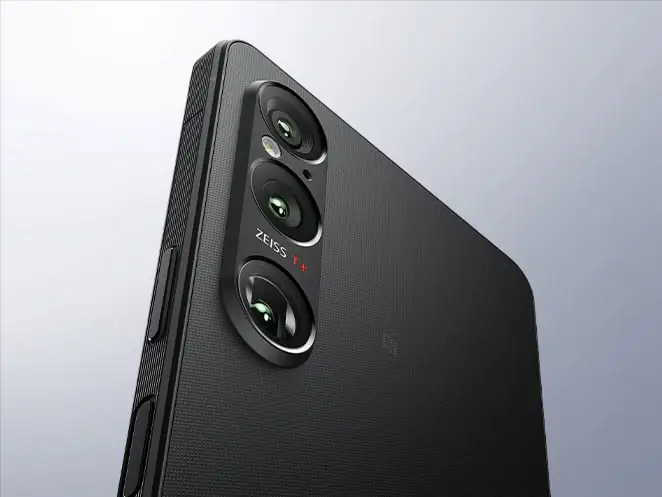
The Redmi Note series has already seen a steady rise in prices, particularly in markets like India, which has somewhat diminished its original charm as a value-for-money option. The inclusion of metal frames could make the Redmi Note 15 series feel even more premium—but potentially at the cost of its affordability.
Redmi Note 14 series global launch
In related news, Xiaomi has a major event lined up for this Friday, January 10th, where it is set to unveil new Redmi products for the global market.
And as usual with Xiaomi launch events, the phones will be joined by several smart accessories including the Redmi Buds 6 Pro and Redmi Watch 5 wearables.
On Jan. 16, Realme is set to unveil the Realme 14 Pro and Realme 14 Pro+ smartphones in India. In addition to these devices, the brand has officially confirmed the launch of a new audio product, the Realme Buds Wireless 5 ANC, which will debut alongside the Realme 14 Pro series.
Realme Buds Wireless 5 ANC: An overview
Realme Buds Wireless 5 ANC
The Realme Buds Wireless 5 ANC is a new Bluetooth-enabled neckband from the brand, succeeding last year’s Buds Wireless 3 ANC. Interestingly, Realme has skipped the “Buds Wireless 4” moniker, likely due to the number “4” being considered inauspicious in many Asian cultures. The Buds Wireless 5 ANC will be available for purchase on Realme India’s website, Flipkart, and Amazon.
The Buds Wireless 5 ANC comes packed with impressive features designed to enhance the user experience. It offers a remarkable battery life of up to 38 hours on a single charge, making it ideal for extended use. The neckband supports 50dB hybrid active noise cancellation with adaptive 3-level noise reduction, ENC for clear call quality, and 400Hz ultra-wideband noise cancellation for a distraction-free listening experience. Additionally, it features an IP55-rated dust and water-resistant design, ensuring durability and reliability in various environments.
A recent report revealed that the Buds Wireless 5 ANC will be available in three shades, such as Midnight Black, Dawn Sliver, and Twilight Purple. The same report revealed that the Buds Wireless 5 Lite, Buds Air 7, and Buds T02 are in the works. It is unclear whether some of these other products will also debut alongside the Realme 14 Pro series.
Last month, Realme launched the Realme Neo 7 in China, and the same device is expected to arrive in India in February. However, it remains unclear whether it will retain the Neo 7 name or be rebranded as the Realme GT 7T for the Indian market. Additionally, some of the aforementioned audio products are expected to debut alongside the Realme Neo 7 / GT 7T.
The Consumer Electronics Show (CES) 2025 event has just kicked off and Noise took the stage to showcase its cutting edge wearable products. Noise unveiled the new Luna Ring Gen 2.0 and the ColorFit Pro 6 series of smartwatches. So let’s check them out.
Noise at CES 2025
Noise Luna Ring Gen 2.0
One of the flagship products unveiled at the CES 2025 is the Luna Ring Gen 2.0. To recall, it is the official successor to the Noise Luna Ring that was first announced back in July 2023. This is the world’s first AI powered smart ring, which is built using fighter jet grade titanium. The Luna Ring integrates advanced AI features to help improve bio monitoring systems that can track users’ stress, heart health, sleep, blood oxygen, and women’s health.
Noise Luna Ring Gen 2.0
The Luna Ring 2.0 offers AI powered workout and can even last for up to 30 days on a single full charge. Noise kicked off pre-bookings for the Luna Ring 2.0 earlier today (9th January 2025) while deliveries are expected to start in March 2025. The pricing and availability details are still at large.
Noise ColorFit Pro 6 Series
Alongside the cutting edge smart ring, the company announced the ColorFit Pro 6 series. The brand dubs these smartwatches as the ‘Pro for Pros’. The wearable also integrates Artificial Intelligence, while the ColorFit Pro 6 models promise high performance packed in a sleep design.
Noise ColorFit Pro 6 Max
It was built to offer high precision tracking, new innovations, and seamless accessibility. Noise claims that the ColorFit Pro 6 series aims to take the smartwatch experience to the next level thanks to its cutting edge technology.
A few days ago, I decided to purchase a new trimmer. As a frequent shopper on Flipkart, I naturally turned to the platform to browse their options. After exploring several products, I finalized on a Philips trimmer that seemed perfect for my needs. Without much thought, I proceeded to order it, completely unaware that this product was part of their “open box delivery” policy.
The Risks of Buying Personal Care Items Online
Fast forward a few days, and the delivery date arrived. The delivery boy called me to hand over the product. I was in a bit of a hurry and went outside to collect it. The first thing I noticed was that the delivery box was almost torn. Even the delivery boy acknowledged the poor condition of the packaging. Brushing it off as a minor inconvenience, I didn’t give it much thought.
When the delivery boy started opening the box, I asked if it was an open-box delivery product, and he confirmed it was. It was only then that I realized this. It is an important detail because the return policies change the moment you go for open box delivery.
As he took out the trimmer and its attachments for photographs, I observed that most of the accessories were not in their usual sealed plastic packaging. Everything looked open, and the trimmer itself was covered in dust. I assumed it might be due to the dusty box it came in and, in my rush, decided to accept the product, providing the OTP as required. While I didn’t personally inspect the product and accessories one by one, it looked fine when the delivery boy was taking pictures.
Later, after finishing my work, I finally sat down to inspect the product properly. That’s when doubts began creeping in. The thought struck me: could this trimmer be a used product? Personal care items like these should always be new and untouched.
I decided to investigate further by checking under the trimmer’s blade attachment. From my previous experience with trimmers, I knew they come with a white lubricating grease inside, which should remain in place unless disturbed. And if the product had been used, there would likely be traces of hair and the grease would be smeared.
Sure enough, the moment I opened the trimmer’s blade attachment, I was horrified. The trimmer had hair inside, and the grease was spread out unevenly, clear signs that it had been used. My shock turned to disgust as I realized the potential health risks this posed. What if someone had used it for trimming pubic hair? The very thought was nauseating. I immediately sanitized my hands, cleaned the area, and sealed the product in a secure place to avoid further contamination.
I contacted Flipkart’s customer support and explained the situation in detail. However, their response was disappointing. The representative informed me that their policy doesn’t allow returns for open-box delivery products.
I argued that this wasn’t about dissatisfaction but a blatant violation of health and safety standards. They told me that the product wasn’t Flipkart Assured, again something I hadn’t noticed during purchase. This left me even more frustrated. Why would a company allow non-assured sellers to deliver open-box products, especially personal care items? Isn’t this an open invitation for scams?
In Case of Open Box Delivery, Inspect Every Single Item Thoroughly!
This experience has made me seriously question the safety of open-box delivery policies, especially when it comes to personal care products. Receiving a used trimmer was both shocking and unsettling, and it made me realize how little oversight there seems to be from sellers. Personal hygiene products, of all things, should have the highest standards of cleanliness and safety, but this incident showed how easily those standards can be ignored. While I admit I didn’t carefully check the box during delivery, it’s alarming that such products can be sent out in this condition at all.
From now on, I’ll be far more cautious when buying personal care items online, and I urge others to do the same. Always inspect the product thoroughly during delivery and stick to reputable, assured sellers whenever possible. This experience has taught me that sellers aren’t always ensuring customer safety, and it’s up to us as consumers to stay vigilant and protect ourselves from potential health hazards.
With both Flipkart and Amazon already under scrutiny by the Indian government for their business practices, I believe the Competition Commission of India (CCI) should also investigate such delivery policies. No consumer should have to go through what I did. Open box delivery for non-assured sellers, especially for personal care products, is a disaster waiting to happen. Companies must prioritize the health and safety of their customers over questionable seller practices.
This incident has left me deeply disappointed, and I hope my experience serves as a warning to others. Always double-check delivery policies and be cautious when ordering personal care items online. As for Flipkart, they need to take responsibility and implement stricter quality control measures to regain customer trust.
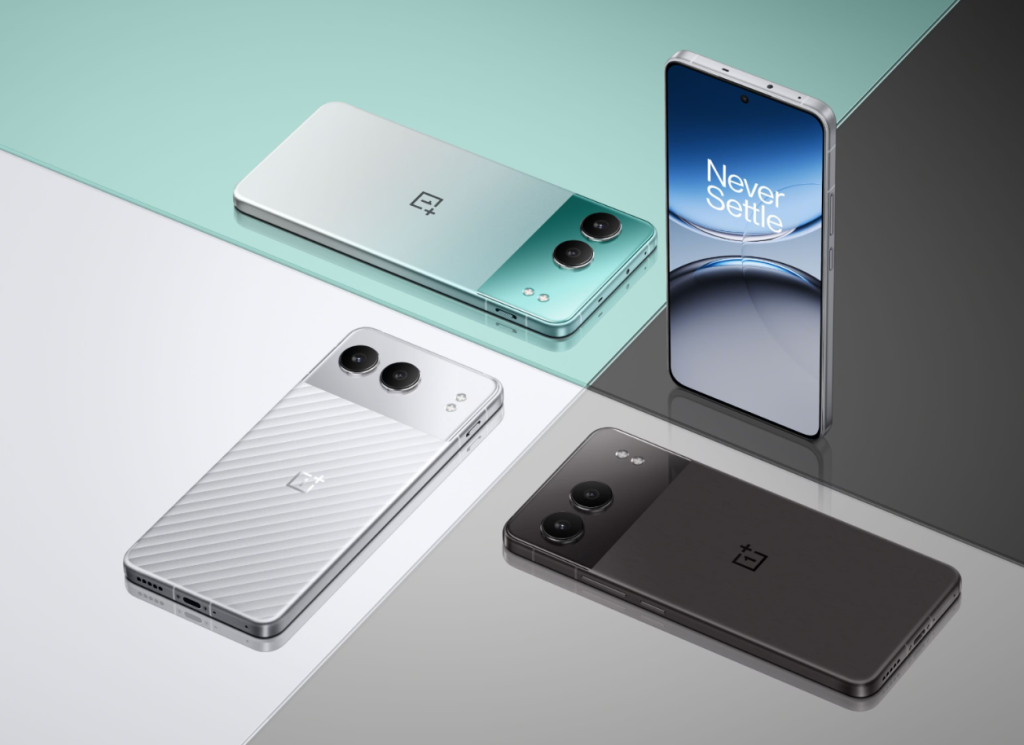
Realme has launched the Realme 14 Pro+ in its home country today. At first glance, the phone stands out with its narrower, symmetrical bezels on the front and a redesigned camera module on the back, featuring three distinct flash units. However, the upgrades go beyond just the design. Let’s take a closer look!
Specifications and features:
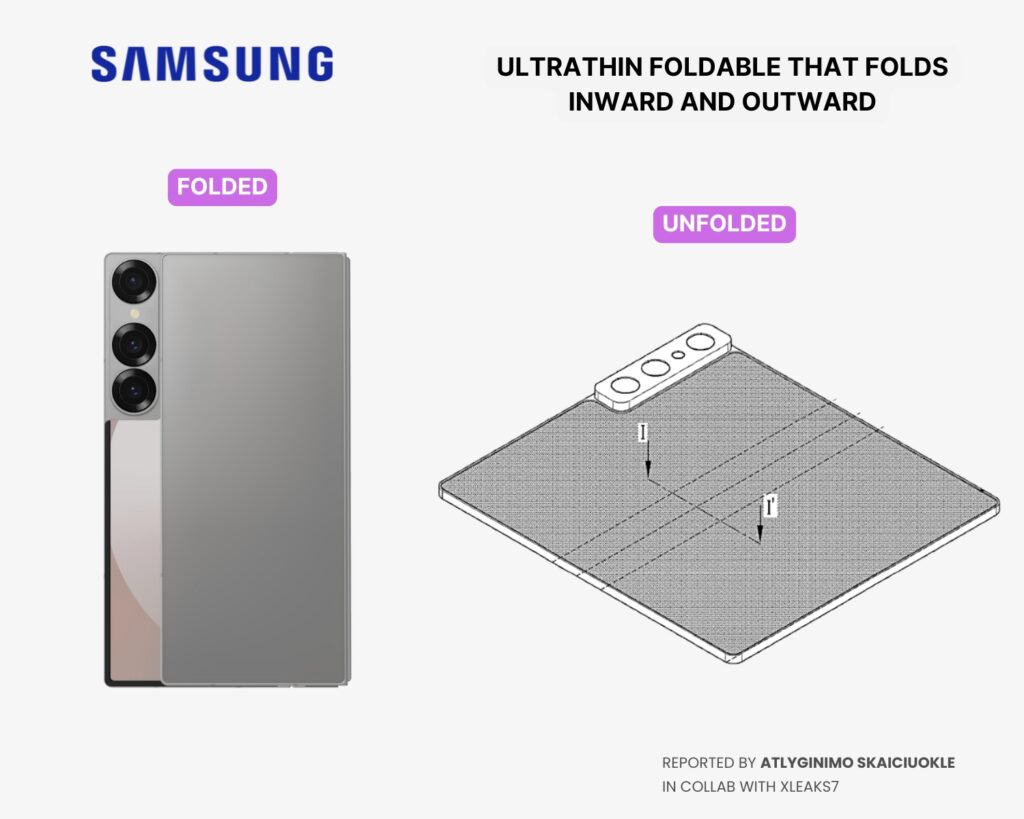
The camera system includes a total of three sensors on the back – 50MP Sony IMX896 main + 50MP Sony IMX882 periscope telephoto with 3x magnification + 8MP ultrawide (16mm). For those curious, the main sensor measures 1/1.56″ in size. On the front, there is a 32MP shooter.
This camera system is powered by Realme’s HYPERIMAGE+ imaging system. Based on the image samples the company shared on its website, the imaging system of the Realme 14 Pro+ appears to be a significant upgrade over that of its predecessor. The 3x telephoto is holding up quite well up to 30x, which is impressive.

PortraitPortrait
On the front, the phone packs a flat 6.83″ OLED display with 1.5K resolution and 1.6mm narrow bezels on all four sides. It offers a peak brightness of 1500 nits.
On the inside, the phone equips the Snapdragon 7s Gen 3 (vs Dimensity 7200) chip, upgraded from the Snapdragon 7s Gen 2 of the predecessor. The new chip offers 15% higher single-core and 12% higher multi-core performance as compared to the Snapdragon 7s Gen 2. According to the company, the Realme 14 Pro+ supports national-level MOBA mobile games at 120 FPS, and offers a stable frame with controlled temperature. This is made possible thanks to the 6000mm² VC cooling chamber.
Selfie
To power the system, Realme is using its 6000mAh Titan battery that supports 80W fast charging. According to the company’s tests, the phone charges 50% in just 24 minutes. The phone can offer 16.6 hours of video playback on a single charge. The battery has an energy density of 804Wh/L, which is what enables the phone to be only 7.99mm thick despite packing a large capacity.
All of it is protected inside an IP68 + IP69 body, meaning it’s safe from accidental dips in fresh water—and even a hot water jet, in case you feel like testing its limits. The phone comes with Android 15-based realme UI 6.0 out of the box and has a visual feature similar to Apple’s Dynamic Island.
Price and availability:
The phone is available in two color options—Grey and White—and is currently on sale through the company’s official website in its home country. The 12GB+256GB and 12GB + 512GB versions are priced at 2599 Yuan (~Rs. 30,400) and 2,799 Yuan (~Rs. 32,800) respectively.
In December 2024, Realme unveiled the Realme Neo 7 SE, equipped with the Dimensity 9300+ and a 7,000mAh battery. Rumor has it that Realme will launch the Realme Neo 7 SE with the Dimensity 8400-Max in the domestic market in February. Like the Neo 7, the SE edition is expected to pack a 7,000mAh battery. A new leak suggests that the Neo 7 series may include a couple of more models. Rumors suggest that one of them may likely carry the Realme Neo 7 Pro moniker.
Key specifications of upcoming Realme Neo 7 series phones leaked
In a recent Weibo post, reliable leaker Digital Chat Station revealed the specifications of two upcoming Realme phones that may launch following the Neo 7 SE. According to the leak, one of these devices will feature a quad-curved OLED panel with equal-sized bezels and a 1.5K resolution. It is expected to be powered by the Snapdragon 8 Elite chipset. It is likely to pack a 6,500mAh battery with 120W fast charging support.
The second phone appears to be a larger device equipped with a flat OLED screen with support for a 1.5K resolution. Under the hood, it will house the Dimensity 9400 Plus chipset, 7 series models. While both phones are expected to be part of the Neo 7 lineup, one of them is likely to carry the “Neo 7 Pro” moniker. These devices are likely to debut in the second quarter of this year.
In related news, Realme is gearing up to launch the Realme 14 Pro series on Jan. 16 in India. However, the brand has already launched the Realme 14 Pro+ without any fanfare in China. Priced at 2,599 Yuan (~$350), the 14 Pro+ offers key specifications, such as a 6.83-inch OLED panel with a 1.5K resolution and a 120Hz refresh rate, a Snapdragon 7s Gen 3 chip, a 6,000mAh battery with 80W fast charging, a 32-megapixel front-facing camera, and a 50-megapixel (Sony IMX896, OIS) + 8-megapixel + 50-megapixel (3x periscope, OIS) triple camera system.
Xiaomi unveiled its first clamshell foldable, the Mix Flip, in July 2024. Its successor has been making headlines in the rumor mill and has also appeared on multiple certification sites, confirming that the device is on its way.
Now, a report by XiaomiTime has revealed the camera specs of the upcoming flip phone. Unfortunately, the news isn’t as exciting as we had hoped.
Xiaomi Mix Flip 2 camera specs
The Xiaomi Mix Flip 2 will reportedly feature the same OV8000 50MP main sensor and 32MP OV32B40 front camera as the Mix Flip. However, it seems the device is ditching the 50MP telephoto lens of its predecessor in favor of a 50MP Samsung S5KJN5 ultra-wide-angle camera.
What led Xiaomi to make this decision remains unclear, but for me personally, a telephoto camera is far more useful. Whether it’s for portraits or capturing crisp zoom shots, I find telephoto lenses more versatile than ultra-wide lenses.
A recent leak from Weibo tipster Experience More corroborates these camera details and adds that the Mix Flip 2 will come with an IPX8 rating and wireless charging support—features that were absent in its predecessor.
The tipster also mentions a larger battery, and a report earlier this week suggests it could house either a 5,600mAh or 5,700mAh cell. Considering the original Flip had a 4,780mAh battery, this would be a notable improvement, especially given the limited space clamshell folding phones have to accommodate larger batteries.
What else do we know
In addition to the camera and battery details, a few previous reports have shed light on other specifications of the phone. The Mix Flip 2 is said to be powered by the Snapdragon 8 Elite processor and will reportedly be thinner than its predecessor. For context, the Xiaomi Mix Flip is already quite slim at just 7.6mm.
Moreover, back in August, the Xiaomi Mix Flip 2 was reportedly spotted with the model numbers 2505APX7BC and 2505APX7BG in the GSMA IMEI database. The former is believed to represent the Chinese model, while the latter is likely the global variant. The prefix “2505” likely hints that the foldable could launch in May 2025 (the fifth month of the year).
As usual, Samsung has a busy first month of the year. It is unveiling its new products at this week’s CES, while the Galaxy S25 series launch is set for later in January.
After the flagship launch, the Korean smartphone manufacturer will likely shift its focus to refreshing its mid-range Galaxy A-series smartphones. One of the models we have been hearing a lot about has now surfaced on China’s TENAA certification site, revealing the phone’s design and specs.
Samsung Galaxy A56 TENAA Certification
The device in question is the Galaxy A56. The certification shows that the phone will ditch its predecessor’s long-running design, which housed the rear cameras individually. Instead, the A56 features a protruding camera bar that houses the wide, ultrawide, and macro cameras.
At first glance, the setup looks similar to the Galaxy Z Fold 6‘s rear camera layout, complete with an LED flash placed to the right.
From the front, the device appears identical to its predecessor, with curved edges, equally thin bezels, and a punch-hole selfie shooter at the top. However, a closer look reveals a subtle change.
The device seems to sport flat sides all around, except for the top-right side, which features a raised “Key Island.”
The TENAA listing doesn’t reveal much about the device’s specifications. It confirms the phone will be powered by a 5,000mAh battery and will have four cameras—three at the rear and one at the front.
What Can We Expect?
While the listing provides limited information, previous reports suggest the Galaxy A56 will be powered by the Exynos 1580 chip. The phone has appeared on Geekbench with the same chip, scoring 1,341 (single-core) and 3,836 (multi-core).
It will ship with Android 15 and come in two storage variants: 8GB/128GB and 12GB/256GB.
On the camera front, the Galaxy A56 will reportedly retain the same rear camera setup as its predecessor, comprising a 50MP primary sensor, a 12MP ultra-wide lens, and a 5MP depth sensor.
However, the front camera may see a downgrade to a 12MP sensor from the 32MP found on the Galaxy A55. The display will feature an FHD+ 120Hz Dynamic AMOLED screen. Additionally, its 5,000mAh battery will reportedly support 45W fast charging, an improvement over the 25W on its predecessors.
Realme recently confirmed that it will be soon launching a new phone dubbed the Realme Neo 7 SE in the Chinese market. Equipped with the Dimensity 8400-Max chip, it will be positioned lower than the Dimensity 9300+-powered Realme Neo 7. While Realme is yet to reveal anything else about the SE model, the alleged device has appeared in the database of China’s MIIT certification platform. The images that have surfaced through the certification has revealed its design.
Realme Neo 7 SE design revealed
Realme Neo 7 SE TENAA images
As can be seen, the Realme Neo 7 SE, which bears the RMX5080 model number, has a flat OLED panel on the front. On the back, it has a dual-camera setup accompanied by an LED flash unit. The MIIT certification has also revealed that the device is backed by a 6,850mAh (rated value) battery.
Realme Neo 7 SE specifications (rumored)
As per reports, the Realme Neo 7 SE will feature an OLEDD panel that supports a 1.5K resolution. Like the Neo 7, the SE edition is also expected to support a 120Hz refresh rate. For security, it is expected to feature an optical-type short-focus in-screen fingerprint sensor.
With the Dimensity 8400-Max chip onboard, it is expected to rival the Redmi Turbo 4, which features the Dimensity 8400-Ultra SoC. Probably, the device will ship with up to 16 GB of LPDDR5x RAM and up to 512 GB of UFS 4.0 storage.
The Neo 7 SE is expected to run on Realme UI 6-based Android 14. For photography, is expected to feature a Sony IMX882 50-megapixel main camera and an 8-megapixel ultra-wide snapper. It will have a 7,000mAh (typical value) battery and support 80W fast charging.
As far as launch is concerned, it is expected to debut in February in China. Some reports suggest that the device may get rebranded as the Realme GT 7T in the global market.
We use cookies on our website to give you the most relevant experience by remembering your preferences and repeat visits. By clicking “Accept”, you consent to the use of ALL the cookies.
This website uses cookies to improve your experience while you navigate through the website. Out of these, the cookies that are categorized as necessary are stored on your browser as they are essential for the working of basic functionalities of the website. We also use third-party cookies that help us analyze and understand how you use this website. These cookies will be stored in your browser only with your consent. You also have the option to opt-out of these cookies. But opting out of some of these cookies may affect your browsing experience.
Necessary cookies are absolutely essential for the website to function properly. This category only includes cookies that ensures basic functionalities and security features of the website. These cookies do not store any personal information.
Any cookies that may not be particularly necessary for the website to function and is used specifically to collect user personal data via analytics, ads, other embedded contents are termed as non-necessary cookies. It is mandatory to procure user consent prior to running these cookies on your website.