Advertisement

OnePlus Ace 5V tipped to pack massive 7000mAh battery, new Dimensity 9350 chipset

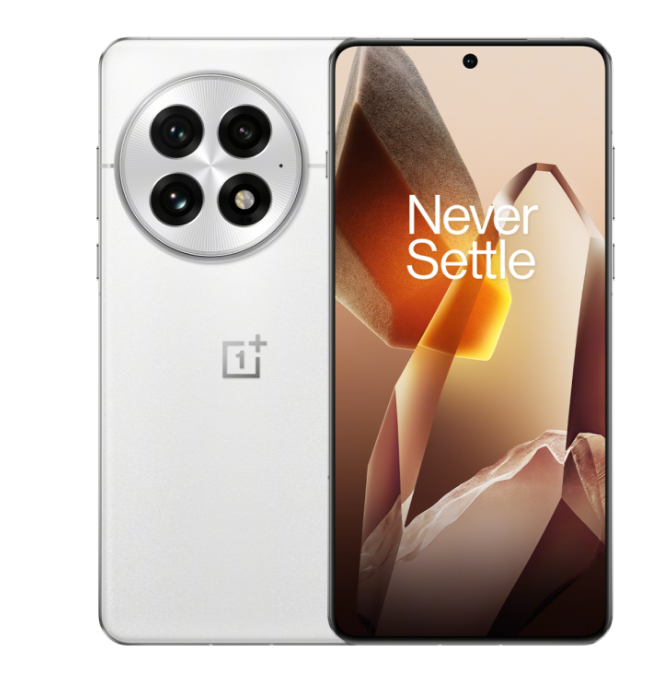
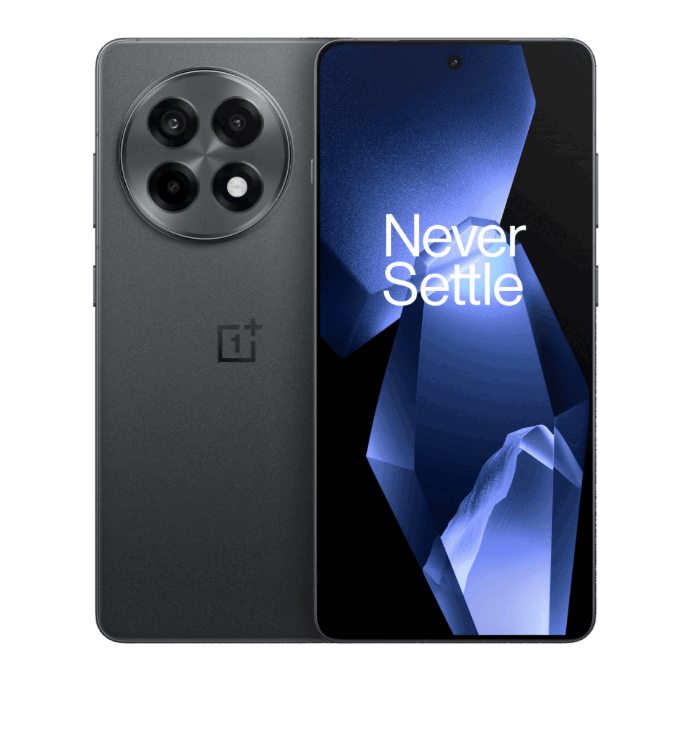
OnePlus seems ready to expand its Ace 5 lineup with the introduction of the Ace 5V. As the successor to the Ace 3V launched earlier this year in March, the Ace 5V promises notable upgrades in hardware and performance. Leaks have revealed its chipset and massive battery capacity, hinting at a power-packed offering.

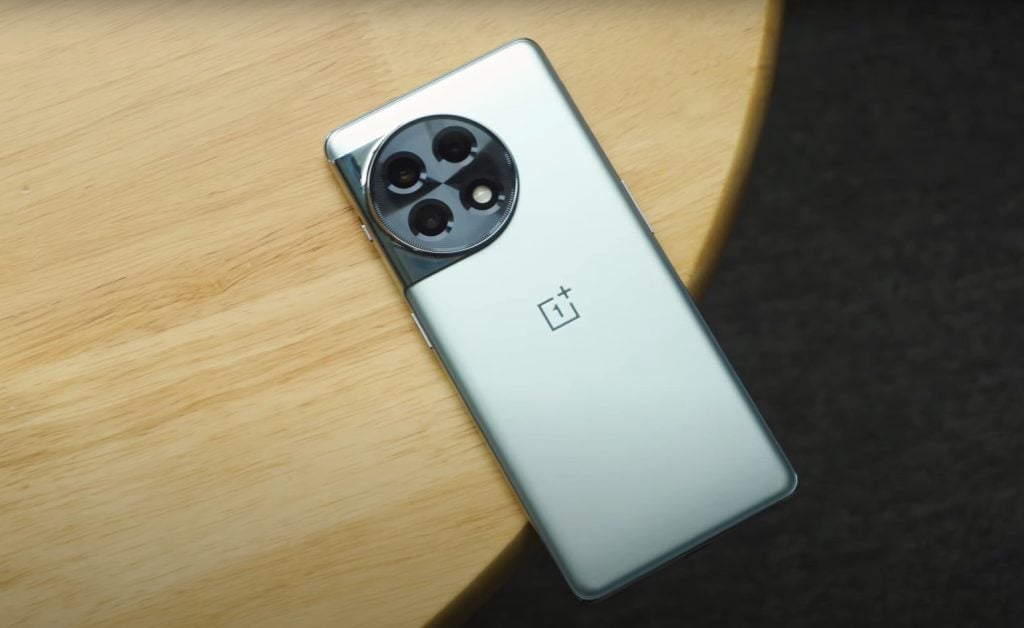
OnePlus Ace 3V
OnePlus Ace 3V

The Ace 5V will reportedly be powered by MediaTek’s upcoming Dimensity 9350 SoC. According to a prominent leaker on Weibo, Digital Chat Station, this chipset can be considered an enhanced version of the Dimensity 9300, dubbed “Dimensity 9300++.” The new SoC is expected to bring minor performance boosts along with improved power efficiency compared to its predecessor.

MediaTek’s Dimensity 9350 will compete directly with Qualcomm’s Snapdragon 8s Elite, the successor to the Snapdragon 8s Gen 3. For further reference about the performance, the Snapdragon 8s Elite has previously been tipped to have better performance than 8 Gen 2. This competition signals that OnePlus intends to position the Ace 5V as a high-performance mid-range smartphone with flagship-level processing power.

Apart from its impressive chipset, the Ace 5V will sport a “1.5K” flat display with slim bezels, ensuring a premium viewing experience. One of its standout features is its massive 7,000mAh battery, which surpasses the 6,400mAh battery on the recently launched Ace 5.

For context, the Ace 3V, which the Ace 5V will replace, featured a 5,500mAh battery and supported 100W fast charging. It was powered by the Snapdragon 7+ Gen 3 chipset and equipped with a dual rear camera setup, including a 50MP primary sensor and an 8MP secondary lens. While camera details for the Ace 5V remain unclear, it is likely to follow or improve upon its predecessor’s setup.

OnePlus Nord 4
OnePlus Nord 4

Potential global launch as Nord 5

Interestingly, the OnePlus Ace 3V was rebranded (with external redesign) as the Nord 4 for global markets. This trend suggests that the Ace 5V could similarly launch internationally as the OnePlus Nord 5, with slight modifications. This strategy allows OnePlus to cater to both the Chinese and global markets efficiently. OnePlus hasn’t revealed an official launch date for the Ace 5V, but it’s expected to debut in the coming weeks.
Don’t miss a thing! Join our Telegram community for instant updates and grab our free daily newsletter for the best tech stories! 🚀

(Source)

Redmi Note 14 4G appears on Geekbench: could use MediaTek Helio G99 Ultra

Xiaomi appears to be gearing up to launch the Redmi Note 14 4G after the release of its 5G counterparts. The phone recently surfaced on Geekbench, providing insights into its key hardware specifications.

The phone, with the model number 24117RN76G, has appeared on Geekbench, scoring 732 in the single-core and 1976 in the multi-core tests. The ‘G’ in the model number likely indicates a global variant. The phone runs on Android 14 and features 8GB of RAM, though additional variants might be available at launch.

Under the hood, the phone is powered by an octa-core processor with six cores clocked at 2.0GHz and two at 2.20GHz. The chipset is rumored to be the MediaTek Helio G99 Ultra, which is a step up from the Snapdragon 680 SoC used in the Redmi Note 13 4G.

What we know so far:

Based on earlier renders, the Redmi Note 14 4G will sport a square camera module housing three sensors and an LED flash on the back. The front features a center punch-hole cutout for the selfie camera and noticeable bezels around the display. The phone will be available in green, blue, and purple color options.

Redmi Note 14 4G render

Leaks suggest that the phone will feature a 120Hz eye-care display protected by Corning Gorilla Glass 5. It will also include an in-display fingerprint sensor, which adds a premium touch to the mid-range device.

The Redmi Note 14 4G is expected to offer two storage configurations: 6GB + 128GB and 8GB + 256GB. The phone may house a 5,500mAh battery with 33W fast charging, a slight upgrade from the 5,000mAh battery on its predecessor. For photography, the handset is rumored to include a 108MP AI main camera, similar to the Redmi Note 13 4G.

Launch timeline

The Redmi Note 13 4G debuted globally in January, so its successor could follow a similar timeline. While Xiaomi hasn’t confirmed details yet, more information about the Redmi Note 14 4G is likely to emerge in the coming weeks.

Tech enthusiast? Get the latest news first! Follow our Telegram channel and subscribe to our free newsletter for your daily tech fix! ⚡

(Via)

Vivo X200s to arrive with major design changes, pack Dimensity 9400 Plus

In October 2024, Vivo unveiled the X200 series in China. The lineup comprises the Vivo X200Vivo X200 Pro, and Vivo X200 Pro Mini. While these models feature the Dimensity 9400 chip, the upcoming Vivo X200 Ultra will have the Snapdragon 8 Elite chip onboard. Recent reports have revealed that the brand is also working on the Vivo X200sv, which appears to be an incremental update over the X200 lineup. Today, reliable tipster Digital Chat Station seemingly shared key details about the Vivo X200s smartphone.

Vivo X200s key details tipped

Vivo X200s’ leak

According to DCS, an upcoming Vivo smartphone will feature the Dimensity 9400 Plus chipset and a 6.67-inch flat OLED LTPS panel with support for a 1.5K resolution. The Dimensity 9400 Plus, which is expected to launch after a couple of months, will most likely be an overclocked version of the existing D9400 chip. The other specs of the phone are likely to remain the same as the X200.

While he has not specified the name of the device, it appears that he could be talking about the Vivo X200s. The new leak also suggests that the design of the X200s could undergo significant improvements. Its display will be flanked by extremely narrow bezels on three sides. Although the rear large round lens and the triple-camera periscope arrangement will remain the same, the lens ring will be redesigned to be extremely narrow.

As per a previous leak by the same source, the Vivo X200s will come equipped with an ultrasonic in-screen fingerprint scanner. To sum up, the Vivo X200s appear to be very similar to the X200s, with noticeable changes in design and the inclusion of the Dimensity 9400+ chip.

DCS did not reveal anything about the Vivo X200s’ launch timeframe. It is likely that the phone will debut six months after the X200, which was announced in October 2024. Therefore, it is expected to be officially released in April 2025 in China. The company may unveil the Vivo X200 Ultra alongside it. However, there is no clarity on whether the brand has plans to launch “S” versions of the X200 Pro and X200 Pro Mini.

Don’t miss a thing! Join our Telegram community for instant updates and grab our free daily newsletter for the best tech stories!

Realme 14 Pro+ to feature Sony IMX896 50MP main camera, 50MP IMX882 periscope zoom lens

Realme is set to unveil the Realme 14 Pro series of smartphones later this month in India. Recently, the brand confirmed key details about its front and rear design. Today, the brand confirmed the camera specifications of the Realme 14 Pro series.

Realme 14 Pro series camera specifications confirmed

Realme 14 Pro Plus

According to the brand, the Realme 14 Pro+ will feature a Sony IMX896 50-megapixel main camera with a large aperture of f/1.88, delivering impeccable image quality with OIS for stabilized and sharp photos even in low light. The main camera will be complemented by an 8-megapixel ultra-wide lens and a Sony IMX882 50-megapixel periscope telephoto lens with support for OIS, 3x optical zoom, 6x lossless zoom, and 120x super zoom. The periscope lens ensures 182 percent higher light intake than traditional telephoto lenses and features a large 1/2-inch sensor for DSLR-level clarity across various lighting conditions.

For selfies, the Realme 14 Pro+ will be equipped with an autofocus-assisted 32-megapixel front camera. Some of the above camera specs are expected to be available on the Realme 14 Pro.

The Realme 14 Pro series’ camera setup will be accompanied by the MagicGlow flash system, which is the world’s first triple flash system with adjustable brightness and color temperature, making it ideal for capturing vibrant low-light shots and flawless portraits.

Realme 14 Pro Plus

When it comes to AI-driven features, the Realme 14 Pro series will arrive with AI Ultra Clarity 2.0, designed to deliver ultra-clear imaging across various scenarios. Using AI large-scale models, the system dramatically reduces blurriness in telephoto shots and internet images.

The AI HyperRAW Algorithm enhances imaging by reconstructing light and shadow relationships through advanced HDR processing, ensuring realistic depth and visually engaging results. This algorithm incorporates RAW domain AI noise reduction, improving clarity and brightness while preserving intricate details. The AI Snap Mode, adapted from the Realme GT7 Pro, excels in capturing fast-moving subjects with precision and vibrancy, from dynamic sports to playful pets.

Don’t miss a thing! Join our Telegram community for instant updates and grab our free daily newsletter for the best tech stories!

Realme Neo 7 SE with Dimensity 8400-Ultra, 7,000mAh battery arriving soon to rival Redmi Turbo 4

Redmi will announce the Redmi Turbo 4 later today as the world’s first Dimensity 8400-Ultra powered smartphone. A couple of days ago, Realme revealed that it will unveil a Dimensity 8400-Ultra powered phone in the coming days. Today, the brand released an official confirmation that this phone will be called the Realme Neo 7 SE.

Realme Neo 7 SE launch timeframe confirmed

Realme Neo 7 SE poster
Realme Neo 7 SE to arrive with Dimensity 8400-Ultra

The Realme Neo 7 SE moniker suggests it will be positioned lower than the Realme Neo 7, which debuted with the Dimensity 9300+ chip and a 7,000mAh battery last month. The Neo 7 is available with a starting price of 2,199 Yuan (~$300), which suggests that the Neo 7 SE may arrive with a starting price of around 1,899 Yuan (~$260).

Realme has also confirmed that the Realme Neo 7 SE will debut in February 2025 in China. This phone will be the successor to the Realme GT Neo 6 SE. To recall, the GT Neo 6 SE was rebranded as the Realme GT 6T in markets outside China. Therefore, there’s a possibility that the Realme Neo 7 SE may get rebadged as the Realme GT 7T in the global market.

According to tipster Digital Chat Station, the Realme Neo 7 SE will also pack a 7,000mAh battery and offer an impressive heat dissipation unit. The other details of the phone are under wraps.

As mentioned above, the Redmi Turbo 4 will be one of the major rivals for the Realme Neo 7 SE. The Turbo 4 will pack a 6.67-inch AMOLED 1.5K 120Hz screen, a Dimensity 8400-Ultra chip, up to 16 GB of LPDDR5x RAM, up to 512 GB of UFS 4.0 storage, a 6,550mAh battery with 90W fast charging, a 20-megapixel front camera, and a 50-megapixel + 8-megapixel dual-camera system.

Don’t miss a thing! Join our Telegram community for instant updates and grab our free daily newsletter for the best tech stories!

Do Physical Keyboards Still Matter in Smartphones?

In an age dominated by touchscreen smartphones, the physical keyboard seems like a relic of the past, yet it still holds a certain allure for a niche audience. Physical keyboards on smartphones, popularized by brands like BlackBerry and Palm, evoke nostalgia and promise unparalleled typing precision.

But are they worth revisiting in the current era of sleek and versatile touch interfaces? Let’s evaluate whether physical keyboards deserve a place in modern smartphones.

Clicks keyboard case for iPhone
Clicks Keyboard for iPhone

1. Advantages of Physical Keyboards

Tactile Feedback and Typing Accuracy: Physical keyboards provide tactile feedback through mechanical key presses, enabling users to type with greater accuracy. This haptic response reduces the likelihood of typographical errors, a common issue with touchscreens where the absence of physical keys can lead to mistypes. For professionals who rely on extensive typing, such as emails or document editing, this precision is invaluable.

Unobstructed Screen View: With a physical keyboard, the entire screen remains available for content display, as typing does not require an on-screen keyboard that occupies a portion of the display. This is particularly beneficial for tasks that demand full-screen visibility, enhancing user experience in activities like reading, gaming, or watching videos.

Keyboard Shortcuts and Productivity: Physical keyboards often support customizable shortcuts, allowing users to execute commands swiftly without navigating through multiple menus. This feature enhances productivity, especially in professional settings where time efficiency is crucial. For instance, the Clicks keyboard case for iPhones enables users to utilize keyboard shortcuts for various functions, streamlining workflow.

2. Technical Considerations

Design and Ergonomics: Integrating a physical keyboard into a smartphone necessitates design modifications, often resulting in increased device thickness and weight. Manufacturers must balance ergonomic comfort with portability, ensuring that the keyboard is user-friendly without compromising the device’s sleekness. The Clicks keyboard case, for example, adds length to the iPhone, which may affect handling and storage.

Durability and Maintenance: Physical keyboards are susceptible to wear and tear, including key degradation and potential mechanical failures. Regular maintenance, such as cleaning to prevent debris accumulation, is essential to maintain functionality.

Software Integration: Effective utilization of a physical keyboard requires seamless integration with the smartphone’s operating system. This includes support for keyboard shortcuts, language options, and compatibility with various applications. Inadequate software support can hinder the user experience, making the physical keyboard more of a hindrance than a benefit.

3. Limitations and Challenges

Market Demand and Device Availability: The rise of touchscreens has diminished the presence of smartphones with physical keyboards. This decline has narrowed consumer options, with physical keyboards now largely confined to niche markets or available only as aftermarket accessories. The Clicks keyboard case is one such accessory, designed for users who prefer a tactile typing experience while using iPhones.

Adaptation and Learning Curve: Users accustomed to touchscreens may find transitioning to a physical keyboard challenging. The learning curve associated with mastering key placement and typing techniques can deter users from adopting devices with physical keyboards, especially if they perceive no significant advantage.

Technological Redundancy: Bigger screens and advancements in touchscreen technology, including haptic feedback and predictive text, have mitigated most of the advantages traditionally associated with physical keyboards. As touchscreens have now become super responsive and accurate, the necessity for physical keyboards diminishes.

4. Is a Physical Keyboard Worth It on Smartphones?

The physical keyboard era for smartphones is essentially over and now only appeals to a niche market of enthusiasts who specifically seek the tactile experience of physical keys. For the majority of smartphone users, there is no practical need for a physical keyboard. Modern smartphones with larger displays have eliminated typing issues, and advancements in haptic feedback have effectively addressed the need for tactile response.

When it comes to tablets, however, the scenario is different. Physical keyboards play a crucial role in enhancing productivity on tablets, making them a necessary accessory for typing-intensive tasks. But for smartphones, there’s little justification for the inclusion of a physical keyboard in today’s touch-centric world.

If you are still adamant about having a physical keyboard, there are options available. Accessories like the Clicks keyboard case provide a way to enjoy the tactile typing experience on modern smartphones, albeit with some trade-offs in portability. Alternatively, smart feature phones with physical keyboards remain a viable choice for those who prioritize traditional typing experiences over the convenience of touchscreen interfaces.

In related news, don’t miss our roundup of the best book-style foldable smartphones of 2024 and the best affordable flagship smartphones of 2024.

Stay ahead in tech! Join our Telegram community and sign up for our daily newsletter of top stories! 💡

POCO X7 Pro Iron Man Edition launching globally on January 9

Poco will launch the Poco X7 Pro Iron Man Edition on January 9, 2025, alongside the global rollout of the Poco X7 Series. This edition offers an Iron Man-inspired design and themed customizations.

Poco X7 Pro Iron Man Edition

The Iron Man Edition features a golden Poco logo on the top-right of the rear panel, the Iron Man logo in the center, and the Marvel Avengers logo at the bottom. The power button is red, and the volume rocker is black. Its specifications match the standard Poco X7 Pro, differing only in design and software theme.

Poco X7 Pro Iron Man Edition
Poco X7 Pro Iron Man Edition Thailand teaser

The Poco X7 Pro, a rebranded Redmi Turbo 4, includes the Dimensity 8400 Ultra chipset with architecture similar to the Dimensity 9400 and a 1.7 million+ AnTuTu score. It features LPDDR5x RAM, UFS 4.0 storage, and Xiaomi HyperOS 2.0. Cooling is handled by the 3D IceLoop System, integrating a 5000 mm² stainless steel vapor chamber and dual-channel diffusion path, managed by AI for efficient temperature control during gaming.

The device is powered by a 6550 mAh battery in the Indian variant (6000 mAh globally) with 90W Turbocharging. Surge P2 and G1 chipsets enable smart charging features, including extended battery health, low-temperature charging, and heavy load optimization.

While Poco has yet to reveal the full specifications of the X7 Pro, rumors hint at a 6.67-inch 120Hz OLED display with 1.5K resolution, a 50-megapixel dual-camera setup, and a large battery supporting 90W fast charging. Speculation suggests that the X7 Pro could be a modified or rebranded version of the Redmi Turbo 4, set to launch in China tomorrow.

Don’t miss a thing! Join our Telegram community for instant updates and grab our free daily newsletter for the best tech stories!

(Source 1, 2)

ASRock launches 520Hz PG27FFX2A & PG27FFX1B gaming monitors with IPS panel, integrated Wi-Fi 7

ASRock has officially launched two new high-performance Phantom Gaming series monitors, the PG27FFX2A and PG27FFX1B, pushing the boundaries of refresh rates with an astounding 520Hz capability. These 27-inch displays combine this ultra-fast refresh rate with the superior image quality of IPS panels, catering to competitive gamers and enthusiasts seeking the ultimate immersive experience.

ASRock PG27FFX2A PG27FFX1B gaming monitors

Specifications

Both monitors boast a 1920×1080 (FHD) resolution, a choice ASRock justifies by citing its continued popularity among Steam gamers. While some might consider 1080p less cutting-edge, it allows for achieving such extreme refresh rates and remains a practical choice for maximizing frame rates in demanding titles. The monitors also feature a 1ms (GtG) response time, minimizing ghosting and blur for smooth, responsive gameplay.

The key differentiator between the two models is the inclusion of integrated Wi-Fi 7 support in the PG27FFX2A. ASRock has ingeniously incorporated a high-gain (7dBi) antenna directly into the monitor stand, promising enhanced network stability and reduced latency for online gaming. This built-in connectivity supports older Wi-Fi standards (4/5/6/6E) as well, ensuring broad compatibility. The PG27FFX1B omits this feature.

ASRock PG27FFX2A PG27FFX1B gaming monitors

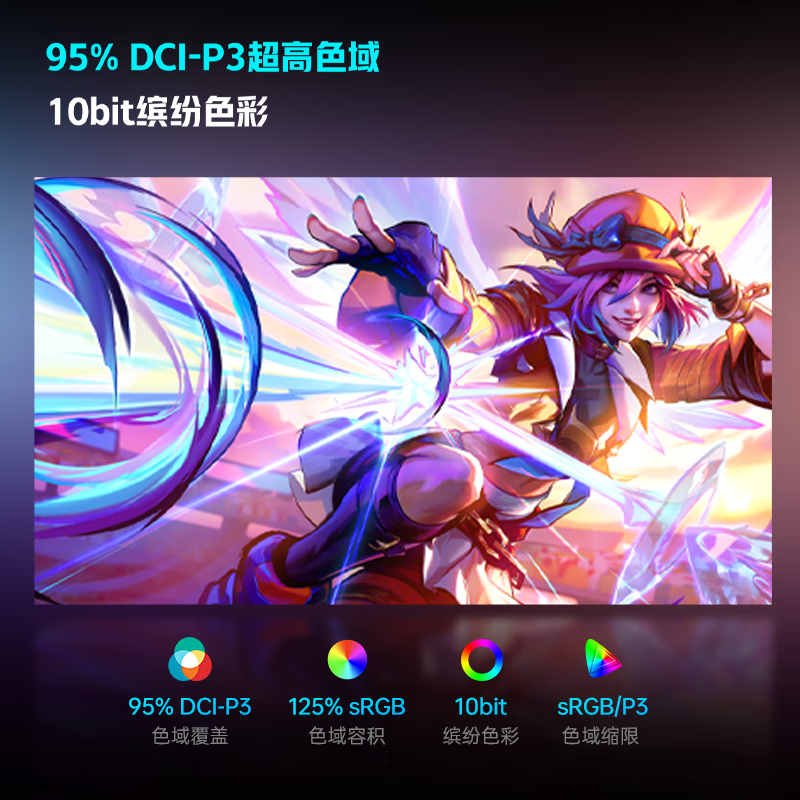
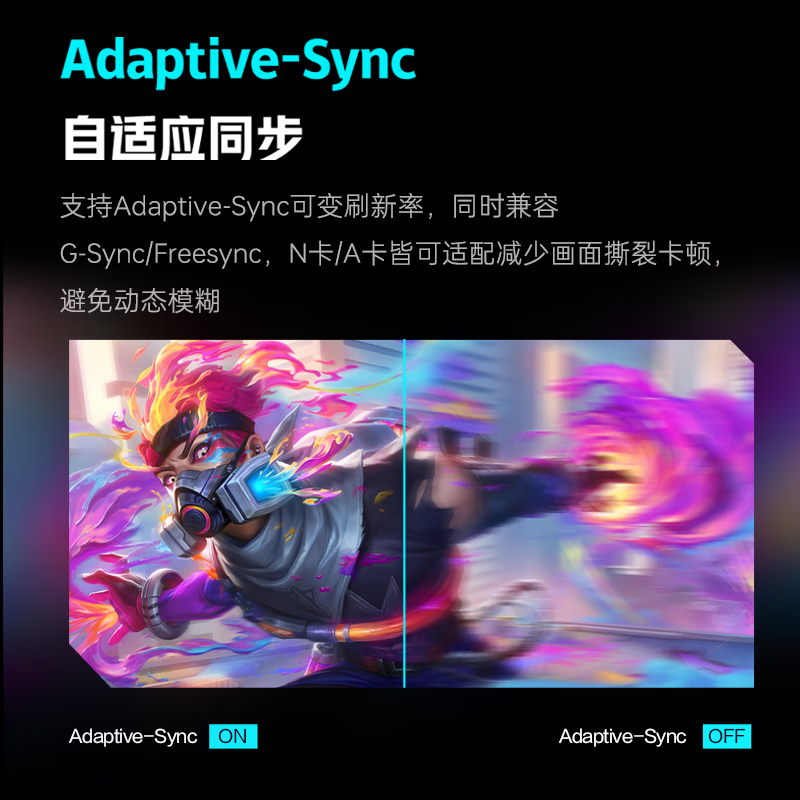
Both monitors share a common core set of specifications, including a 94% DCI-P3 and 123% sRGB color gamut for vibrant and accurate color reproduction. They also meet VESA DisplayHDR 400 certification, providing improved contrast and brightness for a more dynamic visual experience. AMD FreeSync Premium adaptive sync technology is on board to eliminate screen tearing and stuttering, ensuring smooth gameplay even when frame rates fluctuate.

Unlike many high refresh rate monitors that utilize TN or VA panels, ASRock has opted for IPS technology. This decision prioritizes image quality, offering wider viewing angles and more accurate color reproduction compared to the other panel types. This ensures that while gamers enjoy the benefits of ultra-fast refresh rates, they don’t have to compromise on visual fidelity.

ASRock PG27FFX2A PG27FFX1B gaming monitors

In terms of connectivity, both monitors offer a comprehensive selection of ports, including two HDMI 2.1 ports, one DisplayPort 1.4, two USB 3.2 Gen1 Type-A ports, one USB 3.2 Gen1 Type-B port, and a headphone jack. Ergonomic adjustments also differ between the models, with the PG27FFX2A offering height, swivel, and tilt adjustments, while the PG27FFX1B only supports tilt.

ASRock has yet to announce pricing and availability details, but with the products now listed on their website, it is expected that they will be available for purchase soon.

Last month, AOC introduced the AG276QSG, a 27-inch 2K gaming monitor featuring a 360Hz refresh rate, 600-nit brightness, and a 1ms GTG response time. Meanwhile, Titan Army launched a 24-inch 1080P monitor with an impressive 540Hz refresh rate, 96% DCI-P3 color coverage, and a peak brightness of 500 nits.

Stay ahead in tech! Join our Telegram community and sign up for our daily newsletter of top stories! 💡

Lenovo ThinkBook 14+ 2025 officially teased with Intel Core 7-250H processor

Lenovo has officially announced the upcoming ThinkBook 14+ 2025, teasing its arrival with a teaser video. This latest iteration of the popular ThinkBook line promises a significant performance boost, driven by Intel’s cutting-edge Core 7-250H processor. The device is poised to deliver a compelling blend of power and portability, catering to professionals and power users alike.

Lenovo ThinkBook 14+ 2025

According to Intel‘s official specifications, this processor boasts an impressive 6 performance cores (P-cores) and 8 efficient cores (E-cores), delivering a total of 20 threads with Hyper-Threading. It sports impressive clock speeds, reaching up to 5.4 GHz on the P-cores and 4 GHz on the E-cores for seamless multitasking and powerful performance.

It comes with support for DDR5-5600 memory and equips PCIe 5.0 x8 for GPUs and PCIe 4.0 x4 for SSDs, enhancing compatibility with the latest technologies. The CPU features advanced AI capabilities through GNA 3.0 and DL Boost, while Quick Sync 8 supports efficient media decoding and encoding.

Its base power consumption is rated at 45W, but Lenovo’s announcement suggests the ThinkBook 14+ 2025 will be configured to allow the processor to reach approximately 55W of performance output, unlocking even greater potential for demanding tasks.

The teaser also reveals a design that retains the ThinkBook’s signature sleek and robust aesthetics. While details remain limited, glimpses of the device showcase a comprehensive selection of ports on one side, including USB-4, 3.5mm audio port, USB-A, and USB-C, ensuring versatile connectivity for various peripherals and accessories. The exact launch date remains unknown, it is expected to debut soon.

Last year in February, Lenovo launched the ThinkBook 14+ and 16+ 2024 Ryzen Edition laptops in China. Both models are powered by the AMD Ryzen 7 8845H processor with Radeon 780M iGPU, offering up to 65W performance in max mode. They support up to 32GB LPDDR5x RAM and feature 1TB storage across all configurations.

Both laptops pack an 85 Whr battery, capable of charging to 50% in just 30 minutes, and include connectivity options such as USB4, Thunderbolt 4, HDMI, Ethernet, and a microSD card reader.

The ThinkBook 14+ features a 14.5-inch 2.5K display with a 90 Hz refresh rate in its base model, while higher configurations offer a 3K display with a 120 Hz refresh rate and high DCI-P3 coverage. The ThinkBook 16+ comes with a 16-inch 2.5K screen with a 120 Hz refresh rate in all configurations. All displays include TÜV Low Bluelight and Eyesafe certifications for comfortable prolonged use.

Just yesterday, LG also unveiled the LG Gram 2025 Series, a lineup of lightweight laptops featuring AI-driven capabilities and next-generation processors.

Stay ahead in tech! Join our Telegram community and sign up for our daily newsletter of top stories! 💡

Xiaomi launches MK71 Pro mechanical keyboard with 71-key layout, triple-mode & 7800mAh battery

Xiaomi has launched the MK71 Pro mechanical keyboard in the Chinese market. Crowdfunding begins today at 10 AM on Xiaomi Youpin, with a starting price of 449 yuan ($61). Let’s check out its key specs.

Xiaomi MK71 Pro Keyboard

Xiaomi MK71 Pro Keyboard Specifications

The MK71 Pro features a compact and functional 71-key layout, designed to save desk space while providing all necessary functions and shortcuts. The keys are arranged with standard sizes and spacing, ensuring efficient and comfortable typing, even on a smaller footprint.

It comes with TTC custom linear switches, known as Xiaomi’s “First Gen Switches,” which offer a smooth and responsive typing experience. The keyboard is equipped with PORON material and GASKET soundproofing, ensuring soft keystrokes and reduced noise for a satisfying tactile feel. The large keys are stabilized with a precision satellite axis design, providing consistent feedback whether pressed at the edges or center.

Xiaomi MK71 Pro Keyboard

The keyboard sports a hot-swappable design, allowing users to easily replace switches to customize their typing or gaming experience. It features three connectivity options: Bluetooth, 2.4GHz wireless, and wired, making it versatile for multi-device use. It boasts a 1000Hz polling rate in wired mode for ultra-responsive performance during gaming sessions.

The keyboard comes with a 1-inch LCD display that provides quick access to connection status, time, and customizable settings. It features a metallic rotary knob for easy adjustment of volume and RGB lighting. Additionally, the RGB backlighting system is fully customizable, enabling users to create unique and dynamic lighting effects to suit their style.

The keyboard is powered by a large 7800mAh battery, which features long-lasting endurance. The battery provides up to 70 hours of usage with RGB lighting or 140 hours with the lights turned off, eliminating frequent recharging concerns.

The keyboard sports a premium build with a fine matte finish and durable ABS keycaps. It features dual-color schemes, including Glacier White and Lunar Grey, adding a stylish and modern touch. It also equips a hidden receiver storage compartment and adjustable feet for ergonomic use.

Last month, we reviewed the Feker Alice 98 Pro, a keyboard that combines typing comfort with extensive customization options. Additionally, we covered the launch of the Portronics PadMate, a versatile keyboard case designed specifically for the iPad 10th Generation.

Stay ahead in tech! Join our Telegram community and sign up for our daily newsletter of top stories! 💡

Vivo X200 Ultra render and detailed specifications revealed ahead of launch

Vivo‘s next flagship phone, the Vivo X200 Ultra, is already making headlines months ahead of its expected debut in March or April 2025. The latest leak reveals an alleged render and key specifications of the device, giving a glimpse of what could be one of Vivo’s most premium offerings.

Vivo-X200-Ultra-Render

The leaked render, shared by an X user, showcases the Vivo X200 Ultra’s complete design. It features a large circular camera module on the back, housing triple camera sensors, along with the Zeiss logo in the center. An LED flash sits in the top-right corner of the module. The back panel has a textured finish, adding a premium touch to the phone’s aesthetics.

On the right edge, the device has the volume rocker and power button. The front display appears to have micro quad-curved edges, narrow bezels, and a center-aligned punch-hole cutout for the selfie camera. However, as this render comes months ahead of the official launch, it’s advisable to treat the leak with caution until Vivo provides official details.

Vivo X200 Ultra specifications (leaked):

The Vivo X200 Ultra is rumored to feature a 6.82-inch 2K OLED quad-curved display with a 120Hz refresh rate and an impressive peak brightness of 5000 nits. It could be powered by the Qualcomm Snapdragon 8 Elite (vs Snapdragon 8 Gen 3) chipset, coupled with up to 24GB of LPDDR5X RAM and 2TB of UFS 4.0 storage.

For power, the phone may house a 6000mAh battery, supporting 90W wired and 50W wireless charging. This is a slight upgrade over the Vivo X100 Ultra, which had a smaller 5500mAh battery with 80W wired and 30W wireless charging.

The camera setup is expected to include a 50MP Sony LYT818 primary camera, a 200MP telephoto lens with an 85mm focal length, and a 50MP macro telephoto lens. The selfie camera could be a 50MP shooter.

Other rumored features include IP68/IP69 dust and water resistance, NFC, an ultrasonic fingerprint sensor, satellite communication, Bluetooth 5.4, and infrared remote control.

Launch timeline and availability

The Vivo X200 Ultra is likely to launch around March or April 2025, succeeding the Vivo X100 Ultra. However, there’s speculation that, like its predecessor, the X200 Ultra may remain exclusive to select global markets and not launch in India.

With an impressive design and powerful specifications, the Vivo X200 Ultra is shaping up to be a compelling flagship option for next year. Fans and industry watchers will be eager to see how Vivo continues to innovate in the premium smartphone segment.

Tech enthusiast? Get the latest news first! Follow our Telegram channel and subscribe to our free newsletter for your daily tech fix! ⚡

(Source)

7 Reasons why Chinese phones are better than Samsung and Apple

While Samsung and Apple have long dominated the smartphone market, Chinese phone manufacturers have emerged as serious contenders, often surpassing the established giants in several key areas. Here’s a look at how Chinese phones are pushing the boundaries of technology and offering compelling advantages:

Oppo-Find-X8-Pro-1
Oppo Find X8 Pro

1. Innovative Battery Technology

Beyond just charging speed, Chinese manufacturers are also pioneering new battery technologies. They’ve been at the forefront of adopting silicon-carbon batteries, which offer higher capacity while maintaining a slim profile. This means longer battery life without adding bulk to the device, a crucial factor for users who rely heavily on their phones. 

2. Blazing-Fast Charging Speeds

Chinese phone makers have been leading the charge (pun intended!) when it comes to fast charging technology. Brands like Xiaomi, Oppo, and Vivo offer phones with charging speeds that dwarf those of Samsung and Apple. Imagine fully charging your phone in under 30 minutes – that’s the reality with many Chinese phones. This rapid charging capability significantly minimizes downtime and keeps users connected throughout the day.  

3. Cutting-Edge Displays

Chinese phones often feature displays with higher refresh rates and resolutions compared to their Samsung and Apple counterparts. This translates to smoother scrolling, more immersive gaming experiences, and sharper visuals overall. Some Chinese manufacturers are also pushing the boundaries with foldable phone technology, offering innovative designs and features.  

4. Camera Prowess

Chinese brands have made significant strides in camera technology, often rivaling or even surpassing the camera quality of Samsung and Apple flagships. They’ve invested heavily in research and development, incorporating advanced features like larger sensors, improved image stabilization, and powerful zoom capabilities. Partnerships with renowned camera brands like Leica (Xiaomi) further enhance their imaging prowess.  

5. Feature-Rich Software

Chinese phone makers often equip their devices with highly customizable Android-based operating systems that offer a plethora of features and customization options. These software enhancements provide users with greater control over their phone’s functionality and allow for a more personalized experience.

6. Rapid Technological Advancements

Chinese companies are known for their agility and speed in adopting new technologies. They often introduce innovative features and design elements ahead of the competition, pushing the boundaries of smartphone development. This rapid pace of innovation gives them an edge in offering the latest and greatest technology to consumers.  

7. Value for Money

One of the most compelling advantages of Chinese phones is their competitive pricing. They often offer similar or even superior specs compared to Samsung and Apple devices at a significantly lower price point. This makes them an attractive option for budget-conscious consumers who don’t want to compromise on features or performance.  

Final Thoughts

While Samsung and Apple remain formidable players in the smartphone market, Chinese phone manufacturers, such as Huawei, Honor, Oppo, Vivo, OnePlus, and so on, have undoubtedly raised the bar. Their focus on fast charging, battery innovation, display quality, camera technology, competitive pricing, and feature-rich software makes them a compelling choice for consumers worldwide. As they continue to push the boundaries of innovation, Chinese phones are poised to reshape the future of the mobile industry.

 Don’t miss a thing! Join our Telegram community for instant updates and grab our free daily newsletter for the best tech stories!

Redmi 14C 5G price leaked well before launch

Redmi 14C is all set to go official on Jan. 6 in India. It will be a budget-friendly 5G offering, which will be positioned above the Redmi A4 5G that debuted with a price tag of Rs 8,499 (~$100) in Q4 2024 in India. A new leak, courtesy of tipster Abhishek Yadav, has revealed the price of the device before its official announcement.

Redmi 14C 5G price in India (rumored)

As per the leak, the 4GB+128GB variant of the Redmi 14C 5G will have an MRP of Rs 13,999 (~$165). This indicates that it may launch a price tag of Rs 10,999 (~$130) or Rs 11,999 (~$140).

Redmi 14C 5G key details

The landing page for the Redmi 14C 5G, available on Mi.com, Flipkart, and Amazon, has revealed limited details about the phone.  The device will come with a 6.88-inch HD+ LCD screen that offers a 120Hz refresh rate.

The brand has also confirmed that the Snapdragon 4 Gen 2 chipset powers the Redmi 14C 5G. It will be available in three shades, such as black, white, and blue. As can be seen, the overall design of the Redmi 14C 5G’s design is almost identical to the Redmi A4 5G, which features the Snapdragon 4s Gen 2 chipset. The official images confirm the device’s 50-megapixel primary camera.

The Redmi A4 5G’s rebranded version is being sold as the Poco C75 5G in India. There’s a possibility that the Redmi 14C 5G may also have a Poco variant. Poco has recently launched the Poco M7 Pro 5G. There’s a possibility that the 14C may get rebranded as the Poco M7.

 Don’t miss a thing! Join our Telegram community for instant updates and grab our free daily newsletter for the best tech stories!

(via)

Poco X7 Pro price range, AnTuTu score revealed, confirmed to run HyperOS 2

On Jan. 9, the Poco X7 Pro will make its debut alongside the Poco X7 in multiple markets, including India. The Flipkart page of the Pro variant has now been updated with some of its key specifications. Here’s a look at the details that have been officially confirmed by the brand.

Poco X7 Pro price range

According to the brand, the Poco X7 Pro, which features the powerful Dimensity 8400-Ultra, will be priced under Rs 30,000 in India. This is not surprising, as the Poco X6 Pro, which featured the Dimensity 8300-Ultra, was priced at Rs 26,999 at launch.

Poco X7 Pro: Performance-driven features revealed

The Dimensity 8400-Ultra, which shares the same CPU architecture as the Dimensity 9400 flagship chipset, has managed to achieve a 1.7 million score on AnTuTu benchmarks, according to the brand. The SoC is coupled with LPDDR5x RAM and UFS 4.0 storage. 

The Poco X7 Pro features an advanced cooling system known as the “Ultra-Thin 3D IceLoop System.” This system uses a large 5,000mm² stainless steel vapor chamber and a dual-channel diffusion path to efficiently dissipate heat, keeping the phone cool even under intense use.

Powered by the D8400Ul chip and HyperOS 2, the Poco X7 Pro features “WildBoost Optimization 3.0.” This technology enhances overall performance, graphics, connectivity, and in-game audio. The phone also has an upgraded user interface for a smoother and more powerful user experience. This translates to high-quality image rendering and the ability to maintain high frame rates and refresh rates during demanding tasks like gaming.

Although Poco hasn’t disclosed the X7 Pro’s other specifications, rumors suggest that it will include a 6.67-inch 120Hz OLED display that supports 1.5K resolution, a 50-megapixel dual-camera setup, and a large battery that supports 90W fast charging. it is speculated that the X7 Pro will be a tweaked or rebranded version of the Redmi Turbo 4, which will launch tomorrow in China.

Don’t miss a thing! Join our Telegram community for instant updates and grab our free daily newsletter for the best tech stories!

Galaxy Z Flip FE is under the works, and here’s one way Samsung is planning to cut costs

Samsung appears to be shifting gears in its foldable phone strategy, and the upcoming Galaxy Z Flip FE is a significant part of this change. The “FE” series has always been about offering a more budget-friendly alternative to flagship models, and the Galaxy Z Flip FE will reportedly follow the same principle.

Samsung has traditionally released new iterations of its Flip and Fold series every year. However, the success of the recently launched Galaxy Z Fold6 Special Edition has encouraged the company to explore fresh ideas. The Galaxy Z Flip FE is rumored to be the first FE foldable phone, sparking curiosity about how Samsung plans to strike a balance between affordability and functionality.

Display details of Galaxy Z Flip FE

Early leaks suggested the Galaxy Z Flip FE might share the same display as the upcoming Galaxy Z Flip 7, but recent reports say otherwise. Display analyst Ross Young revealed that the Flip FE will instead use the display panel from the Galaxy Z Flip6. This approach makes sense as it helps Samsung reduce production costs, allowing them to price the Flip FE more competitively.

The use of last-generation hardware could make the Galaxy Z Flip FE an appealing option for buyers who want a foldable phone without breaking the bank. However, this cost-saving measure has raised questions about other aspects of the device, particularly its processor and camera specifications, which remain unknown.

What else to expect from the phone?

While details are still scarce, the FE lineup typically targets consumers looking for flagship features at a lower price point. The Galaxy Z Flip FE could maintain Samsung’s foldable design language while offering slightly toned-down hardware to keep costs in check.

Samsung’s next Unpacked event is expected in late January, though the Galaxy Z Flip FE might not be officially revealed until later in 2025. If the rumors are true, the Flip FE could mark Samsung’s most affordable entry into the foldable phone market, making foldables more accessible to a wider audience.

Don’t miss a thing! Join our Telegram community for instant updates and grab our free daily newsletter for the best tech stories! 🚀

(Via)

Redmi Turbo 4 showcased in real by Xiaomi CEO Lei Jun

Last night, Xiaomi Corp. co-founder, chairman, and CEO Lei Jun held a New Year’s Eve livestream in China, celebrating the transition from 2024 to 2025 with viewers. During the live stream, Lei Jun shared various product and company updates and even showcased the upcoming Redmi Turbo 4. Launching on Jan. 2 in the home market, the Turbo 4 will debut as the first phone of the year 2025.

Lei Jun unveils Redmi Turbo 4

Redmi Turbo 4 real
Redmi Turbo 4

The Redmi Turbo 4’s design is no secret, as the brand has already released some images of its Cloud White variant. The same edition appeared in real life during Lei Jun’s livestream. To sum up, the Turbo’s design is sleek and clean, featuring a vertical dual-camera setup. The back cover boasts a distinctive red waistline design that runs through the frosted matte glass back, giving it a unique touch.

In terms of specifications, the brand has confirmed that the Redmi Turbo 4 will feature the Dimensity 8400-Ultra chip, a massive 6,550mAh battery, and an IP69-rated chassis. The first sale includes a five-year battery warranty. While it is being touted as a toned-down version of the Redmi K80, the company is yet to share other details about the Turbo 4.

Redmi Tubro 4 Cloud White
Redmi Tubro 4 in Cloud White

According to rumors, the Redmi Turbo 4 will feature a 6.67-inch flat-screen display that offers a 1.5K resolution and a 120Hz high refresh rate. It is expected to ship with HyperOS 2-based Android 15, up to 16 GB of LPDDR5x RAM, and up to 512 GB of UFS 4.0 storage.

The Turbo 4 will have a 20-megapixel camera on the front and an OIS-assisted 50-megapixel + 8-megapixel dual-camera system on the rear. The device will come with other features, such as 90W rapid charging, an IR blaster, dual speakers, and an in-screen fingerprint sensor. It will be available in black, white, and blue shades.

Don’t miss a thing! Join our Telegram community for instant updates and grab our free daily newsletter for the best tech stories!

Vivo’s rumored sub-brand ‘Jovi’ and its affordable 5G smartphone appear on Geekbench

Vivo might be gearing up to launch a new sub-brand called Jovi, aimed at the entry-level and affordable smartphone market. A recent Geekbench listing has added fuel to the rumors, revealing details about a potential new phone under this sub-brand, possibly named the Jovi Y39 5G.

The Geekbench listing

A Vivo device with the model number V2444A has appeared on Geekbench, hinting at its specifications. The listing shows the phone is powered by an octa-core processor with a maximum clock speed of 2.21GHz. The GPU listed is the Adreno 613, indicating the device could feature the Qualcomm Snapdragon 4 Gen 2 chipset. This processor supports 5G connectivity, making it an attractive option for budget-conscious buyers looking for next-gen network capabilities.

The phone is running on Android 15, suggesting it will come with the latest software enhancements. However, no additional hardware details have been revealed so far.

Could this be Vivo’s Jovi Y39 5G?

Speculation suggests the Vivo V2444A could debut as the Jovi Y39 5G, part of Vivo’s rumored sub-brand targeting the budget segment. A previous report hinted that Jovi could focus on mid-range and entry-level devices, making this listing align with those expectations.

For now, Vivo hasn’t officially announced the Jovi sub-brand or its plans. Reports suggest that Jovi devices might initially launch in China and remain exclusive to the market for a few months. If successful, the brand could expand to other regions. However, Vivo could also cancel or postpone this new lineup entirely.

While details remain scarce, Jovi appears to be a move by Vivo to strengthen its position in the affordable smartphone market. The sub-brand may cater to consumers looking for budget-friendly options with modern features like 5G connectivity.

The Jovi Y39 5G, if real, could pave the way for Vivo to tap into the growing demand for affordable 5G devices. However, until Vivo makes an official announcement, these rumors should be taken with caution.

  1. Tech enthusiast? Get the latest news first! Follow our Telegram channel and subscribe to our free newsletter for your daily tech fix! ⚡

(Via)

Should You Consider Buying a Feature Phone in 2025?

The world of mobile technology continues to advance at an incredible pace, with smartphones becoming increasingly sophisticated. Yet, amidst this technological revolution, feature phones have carved out a niche market that still generates significant revenue. Globally, the feature phone market is projected to reach $10.6 billion in revenue by 2024, despite an anticipated 24.48% decrease in volume between 2024 and 2029.

India, a major market for feature phones, is expected to contribute $2.2 billion to this revenue in 2024. This highlights the enduring relevance of feature phones, particularly in regions where affordability, long battery life, and ease of use remain top priorities for consumers. As user preferences shift and technology evolves, the question arises: should you consider buying a feature phone in 2025? The answer depends on your unique needs and priorities.

Nokia-5310-2024

1. Simplicity and Reliability

Feature phones, characterized by their basic design and functionality, prioritize simplicity. Unlike smartphones, which are loaded with apps, notifications, and constant updates, feature phones focus on core utilities like calling, texting, and basic multimedia functions. This simplicity makes them appealing to users who are overwhelmed by the complexities of modern smartphones or simply don’t need their vast array of features.

Moreover, feature phones are celebrated for their reliability. With fewer apps and no dependency on complex operating systems, they are less prone to crashes and malfunctions. Their hardware is typically built to last, offering durability that surpasses many contemporary smartphones. This reliability extends to their exceptional battery life, often lasting days on a single charge, making them ideal for users in remote areas or those who prioritize long standby times.

2. Technical Advantages

Though feature phones are often associated with outdated technology, they have evolved significantly. Many modern feature phones now include advanced features like Wi-Fi and 4G connectivity, allowing users to enjoy faster network speeds. This makes them suitable for basic internet browsing, voice-over-LTE (VoLTE) calls, and even mobile hotspot functionality.

Additionally, these devices often boast physical keypads, which are preferred by some users for their tactile feedback and reliability, particularly in harsh environments. Furthermore, feature phones are lightweight and compact, making them easy to carry and use. Their minimalist software often ensures quicker navigation and faster boot times, without the lag or bloatware common in budget smartphones.

3. Cost-Effectiveness

The most compelling reason to consider a feature phone in 2025 is affordability. These devices are typically far cheaper than smartphones, both in terms of initial purchase cost and ongoing expenses. They consume less data and often come with plans tailored for minimal usage, significantly reducing monthly costs. For individuals or families on tight budgets, this cost-effectiveness makes feature phones an attractive option.

Additionally, feature phones are less susceptible to obsolescence. Unlike smartphones that may lose support for updates within a few years, feature phones rely on simpler software that remains functional for extended periods. This longevity ensures that your investment lasts longer, providing consistent value over time.

4. Target Users

Feature phones are particularly appealing to specific groups of users. For seniors or technophobic individuals, these devices offer a user-friendly interface and straightforward functionality. They’re also an excellent choice for children or teenagers as a first phone, enabling communication while limiting distractions and screen time.

Moreover, professionals who work in rugged environments may prefer the durability and reliability of feature phones over fragile smartphones. Even urban professionals might consider them as secondary devices for emergencies or when traveling to areas with unreliable electricity or connectivity.

5. Final Thoughts

In 2025, the decision to buy a feature phone ultimately depends on individual needs. While smartphones dominate the market with their versatility and advanced capabilities, feature phones continue to serve a unique purpose. Their simplicity, reliability, and cost-effectiveness make them an excellent choice for users seeking a distraction-free communication device or a durable alternative to smartphones.

As technology evolves, so do feature phones, blending traditional functionality with modern features like high-speed connectivity and improved security. Whether you’re looking for a backup device, a minimalist lifestyle, or a practical solution for specific use cases, feature phones remain a relevant and viable option in the digital age.

Since you also might be interested in smartphones, check out our recent articles on the best affordable flagship smartphones of 2024 and the best book-style foldable smartphones of 2024.

Stay ahead in tech! Join our Telegram community and sign up for our daily newsletter of top stories! 💡

iPhone SE: Best Value iPhone in 2025

The iPhone SE has always been a popular choice for budget-minded consumers who want a taste of the Apple ecosystem without breaking the bank. In 2025, the rumored iPhone SE 4 is poised to continue this tradition, offering a compelling combination of features, performance, and affordability.

Apple
Apple iPhone 14

1. A Familiar Yet Distinct Design

Forget the dated design of previous SE models. The iPhone SE 4 is expected to take strong design cues from the iPhone 14, embracing a modern aesthetic with slim bezels and a sleek profile. This means saying goodbye to the home button and embracing the notch, bringing Face ID to the SE line for the first time.

But don’t expect a carbon copy of the iPhone 14. The SE 4 will have its own distinct touches, particularly when it comes to the rear camera system. Rumors suggest a single, powerful lens that sits flush with the back, offering a clean and minimalist look. And in keeping with the times, the Lightning port will likely be replaced by the more versatile USB-C.

2. Power and Performance: Beyond Expectations

Apple isn’t known for skimping on performance, even in its budget offerings. The iPhone SE 4 is rumored to be powered by the A18 Bionic chip, the same processor found in the iPhone 16. This is a significant leap forward, bringing flagship-level performance to a more affordable device.

With the A18 chip, the SE 4 will be able to handle demanding tasks, run graphics-intensive games, and support Apple’s latest AI features, including Apple Intelligence. This means you’ll have access to the same cutting-edge AI capabilities as the flagship models, enabling seamless integration with advanced language models and generative tools.

3. A Streamlined iPhone Experience

While the SE 4 might not have all the bells and whistles of the Pro models, it’s expected to deliver a solid and refined iPhone experience. The focus is on the essentials: a smooth and responsive operating system, a capable camera system, and long-lasting battery life.

The camera, in particular, is rumored to get a significant upgrade. Some suggest a 48MP sensor, similar to the one found in the iPhone 15, which would bring impressive image quality and advanced computational photography features to the SE line.

And of course, the SE 4 wouldn’t be a modern iPhone without support for MagSafe and Qi2 wireless charging. This means you can enjoy the convenience of cable-free power and a growing ecosystem of MagSafe accessories.

4. A Long-Term Investment

By equipping the SE 4 with the A18 chip, Apple is not only ensuring impressive performance but also future-proofing the device. This powerful processor will be able to handle software updates and new features for years to come, making the SE 4 a wise long-term investment.

This is particularly important for budget-conscious consumers who tend to hold onto their devices for longer periods. The SE 4’s combination of powerful hardware and long-term software support ensures that it will remain a relevant and capable device for years to come.

5. Release Date and Price: The Sweet Spot

Supply chain whispers suggest an early 2025 launch for the iPhone SE 4, possibly in March, alongside new iPads and MacBooks. To recall, the iPhone SE, which debuted in 2022, was priced at $429. A new report claims that the iPhone SE 4 will be priced under $500, making $300 cheaper than the iPhone 16.

This aggressive pricing strategy would make the SE 4 an incredibly compelling option for a wide range of consumers. Students, first-time iPhone buyers, and anyone looking for a powerful and modern iPhone without the premium price tag will find a lot to love in the SE 4.

Don’t miss a thing! Join our Telegram community for instant updates and grab our free daily newsletter for the best tech stories!

TCL C11K Lingxi QD-MiniLED TV with 3000nits brightness, 288Hz refresh & AI features launched

TCL has officially launched C11K Lingxi QD-MiniLED TV, a flagship television series combining cutting-edge technology with sophisticated design. Available in 65-inch and 75-inch models, the TVs are priced at 11,999 yuan ($1,644) and 15,999 yuan ($2,192), respectively.

TCL C11K Lingxi QD-MiniLED TV

TCL C11K Lingxi Specifications

The TV sports QD-MiniLED technology, which combines the advantages of Mini LED and Quantum Dot for breathtaking visuals. It features the butterfly wing starry screen, enhancing contrast and reducing reflections, making it suitable for any lighting condition.

It equips advanced technologies like WVA light control, dynamic light-shadow algorithms, and super-focused micro-lens technology, further improving clarity, minimizing halo effects, and ensuring uniform backlighting. This display comes with a Huaxing HVA panel and equips stunning XDR brightness of up to 3000 nits.

The Quantum Dot Pro 2025 technology offers a remarkable 25% brightness boost and long-lasting color accuracy. The TV achieves a color accuracy of ΔE<0.99 and supports a 157% BT.709 color gamut, ensuring vibrant, lifelike visuals.

It features local dimming capabilities as a highlight, with the 65-inch model offering 1008 zones and the 75-inch model equipping 1248 zones. This is powered by dual 23-bit technology, enabling precise backlight control and hybrid dimming, resulting in over 10 billion levels of light control.

The TV comes powered by a dual-core A73 processor (A732 + A732), coupled with 4GB of RAM and 64GB of storage. It features connectivity options including four HDMI 2.1 ports, USB 2.0, USB 3.0, Bluetooth, Wi-Fi, and a network interface.

TCL C11K Lingxi QD-MiniLED TV

The TCL C11K Lingxi QD-MiniLED TV comes powered by Lingkong OS 3.0, offering a customizable interface and seamless navigation. It supports FTP, SMB, NFS, WebDAV, and other NAS protocols. It features the integration of the “Fuxi AI Large Model,” delivering 16 AI-powered functionalities, including dynamic upscaling, noise reduction, and adaptive scene recognition for optimized visuals.

The TV equips features tailored for gamers, including a 288Hz refresh rate with VRR (Variable Refresh Rate) and T-HRR technology, ensuring smooth, responsive visuals. It features custom themes for Xbox, Switch, and PlayStation, enhancing the gaming experience.

The TV comes with Bang & Olufsen-tuned Hi-END speakers, delivering cinema-grade audio with exceptional clarity. It supports Dolby Vision IQ, IMAX Enhanced, and HDR10+, offering a premium entertainment experience.

The C11K Lingxi TV sports an ultra-slim body design just 60mm thick. It features micro OD optical technology for a sleek profile and comes with a custom magnetic wall mount for a flush finish.

Earlier this month, TCL expanded its offerings with the launch of the award-winning Hisense 110UX MiniLED TV in the Middle East and Africa, as well as the T6L 4K QD-Mini LED TVs, boasting Fuxi AI, a 288Hz refresh rate, and XDR 1300 nits brightness.

We recently also covered an article outlining important things to consider when buying a 4K Smart TV. Be sure to check it out!

Stay ahead in tech! Join our Telegram community and sign up for our daily newsletter of top stories! 💡