Advertisement

Oppo is quietly working on Pad 3 Ultra and Pad 3 Mini, key spec leaks

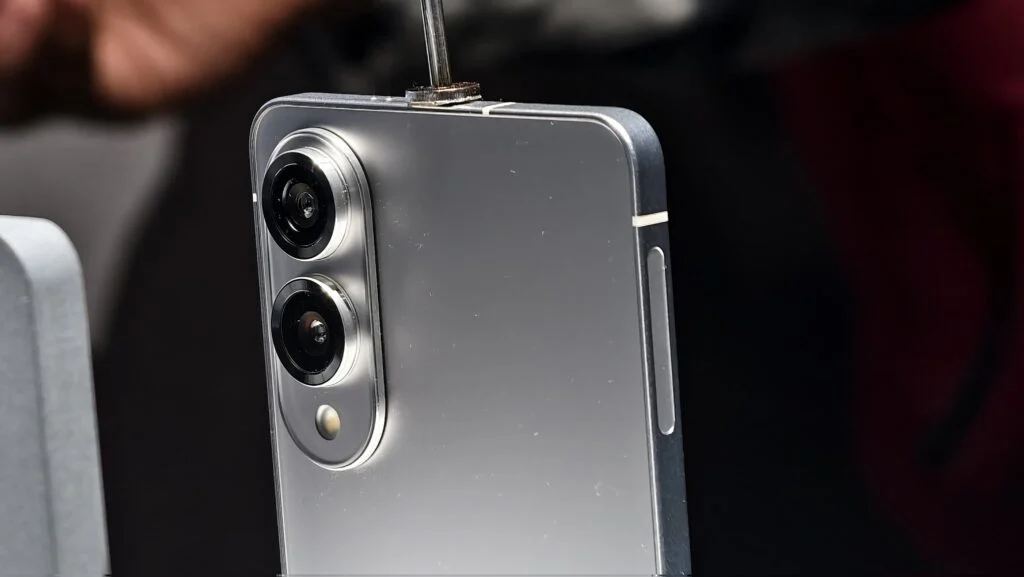
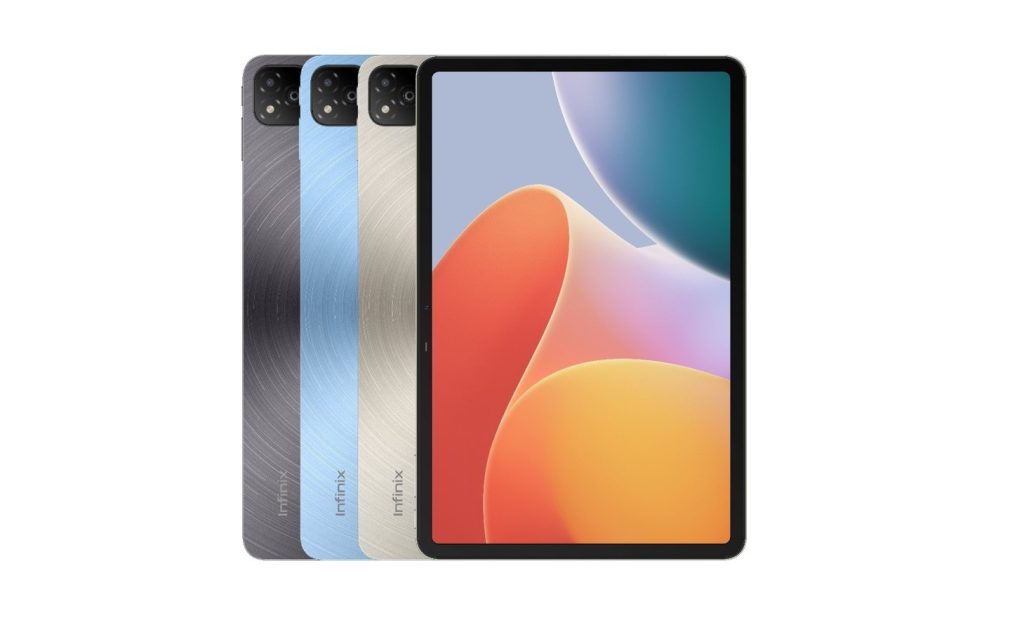
Following the launch of the Pad 3 and Pad 3 Pro tablets, Chinese tech giant Oppo appears to be prepping an even wider range of options under the Pad 3 series. According to a Weibo post by reliable tipster Digital Chat Station, there are two new models of the Pad 3 in the works – the Pad 3 Ultra and Pad 3 mini.

Oppo Pad 3 Ultra / Pad 3 Mini in works

The leak suggests that the Pad 3 Ultra will be a true flagship offering in the large-screen category. It’s rumored to boast a flexible OLED display with minimal bezels.

Additionally, the Pad 3 Ultra is said to come equipped with a side-mounted fingerprint scanner for secure access and a sizeable 10,000 mAh battery, backed by impressive 100W fast charging technology.

On the other end of the spectrum, the Pad 3 mini will cater to those seeking a powerful device in a compact form factor. It is tipped to feature a customized LCD display with a high refresh rate and rounded corners. 

Under the hood, Oppo is expected to use a MediaTek Dimensity 9-series SoC. While the exact chipset remains under wrap, it will be a flagship-grade, even if not necessarily the latest. The tipster also mentions that the Pad 3 Mini will not support 100W fast charging.

While the specs look promising, these tablets are unlikely to hit shelves anytime soon. The leak points to a tentative launch window in Q2 or Q3 of 2025.

Of course, leaks are just leaks. Until Oppo officially confirms these devices, take these specs with a grain of salt. Still, if you’re in the market for a new tablet and the current Pad 3 series doesn’t quite hit the mark, the Pad 3 Ultra and Pad 3 mini could be worth keeping an eye on in the coming year.

(Source)

Vivo to launch a compact mid-range with Dimensity 9 series chip next year; claims DCS

Vivo is reportedly preparing to launch a new compact mid-range smartphone next year that will feature a powerful Dimensity 9 series chip, a 6.31″ display, and impressive camera capabilities. The news comes from Weibo tipster Digital Chat Station. This model is speculated to be part of Vivo’s S series, which is known for offering a blend of style and performance in the mid-range segment. This move aims to cater to users who prefer compact smartphones without sacrificing top-tier specs.

According to DCS, the phone is expected to feature an 8T LTPO screen, which will have a 1.5K resolution. It will translate to nearly 460ppi pixel density, which can offer crisp and clean visuals for text and images.

As for the cameras, the device is likely to be equipped with a large-bottom 50-megapixel main sensor. A telephoto lens will also reportedly be included, offering users greater versatility in their photo-taking experience. For context, this year’s S20 Pro includes a 50MP 3x periscope telephoto. Moreover, the phone will feature a new silicon anode battery, which ensures a large capacity despite the smaller form factor.

Vivo X200 Pro mini launch specifications price
vivo X200 Pro mini

This compact phone could fill a gap in the mid-range segment

The upcoming Vivo phone shares several key specifications with the recently launched Vivo X200 Pro Mini, which gained attention for its compact size and high-end features. Launched in October, the X200 Pro Mini features a 6.31-inch 1.5K screen, a camera system that includes a 50-megapixel Zeiss main camera, a 50-megapixel super telephoto lens, and a 50-megapixel ultra-wide-angle lens. The X200 Pro Mini is powered by the Dimensity 9400 chip and boasts a massive 5700mAh battery.

The tipster also revealed that the new phone could launch sometime in the second quarter of next year, between April and June. As Vivo continues to expand its product offerings, this new compact model may fill a gap in the mid-range segment, offering a balance of performance, design, and battery life.

The S20 Pro, for instance, features the Dimensity 9300+ chip and a 5500mAh battery, all packed into a slim 7.19mm body. Vivo’s new compact mid-range phone is likely to build upon this trend, delivering a device that strikes the right balance between performance, camera quality, and battery life in a compact form factor.

The specifics of the naming and pricing are yet to be revealed, but it’s clear that Vivo is aiming to appeal to users who want a smaller phone without sacrificing features.

Tech enthusiast? Get the latest news first! Follow our Telegram channel and subscribe to our free newsletter for your daily tech fix! ⚡

(Source)

New Xiaomi Civi 5 Pro Leak Hints at its Price & Key Features

Xiaomi is expected to launch the Civi 5 Pro model in China soon. The device has already surfaced in multiple, and now, the latest report has revealed its possible pricing along with a few key specifications and features. So here’s what we know so far.

Xiaomi Civi 5 Pro: Leaked Price & Specs

Just a couple of days ago, we reported that the Xiaomi Civi 5 Pro and Redmi K80 Ultra possibly feature an ultrasonic fingerprint scanner. Last week, the Civi 5 Pro had its key specs leaked with the Snapdragon 8s Elite SoC, big 5,000mAh battery pack, and more. Now we have more details from known tipster Smart Pikachu. The Chinese brand is expected to unveil the Civi 5 Pro with a premium glass body with a metal frame. Similar to the Civi 4 Pro, the Xiaomi Civi 5 Pro may also offer a circular camera module in the upper left corner, which will house a portrait telephoto shooter.

Xiaomi Civi 4 Pro
Xiaomi Civi 4 Pro

Meanwhile, the front is expected to house dual cameras on the front just like its predecessor. The tipster claims that Xiaomi will launch the Civi 5 Pro for a price tag of around 3,000 Yuan (roughly 411 US Dollars). Based on what we know so far, this model is a flagship killer smartphone, which might be the first to feature the Snapdragon 8s Elite processor.

We can expect the smartphone to launch with a sleek design in multiple color options. Apart from this, the company would likely continue the Leica optimizations for the camera system. Unfortunately, this is all the information we have at the moment. Xiaomi unveiled the Civi 4 Pro back in March 2024, so we can expect a similar Q1 2025 release timeline for its successor.

Tech enthusiast? Get the latest news first! Follow our Telegram channel and subscribe to our free newsletter for your daily tech fix! ⚡

Honor Pad V9 launched with IMAX enhanced display, 8 speakers, & premium metal body

The Honor GT was just announced in China with some high end specs. Alongside this new gaming smartphone, the brand has also unveiled the Honor Pad V9 in its home market, which is a premium tablet that features an all-metal body, IMAX enhanced display, and much more. So let’s check it out.

Honor Pad V9: Everything you need to know

Honor launched the Pad V9 with an ultra slim 6.1mm body, which weighs just 475 grams. It has a premium metallic body, which arrives with SGS Gold Five Star certification for durability. On the front, you get a tall 11.5-inch display that offers 2.8K resolution, 500 nits of peak brightness, 144Hz refresh rate, and an IMAX Enhanced display. Thanks to the IMAX optimizations, you get an improved visual experience from its screen.

Honor Pad V9
Honor Pad V9

Another way brand enhances the audio is with the 8 speakers, which are also IMAX enhanced along with support for Spatial Audio and Hi Res Audio. Under the hood, it is equipped with the MediaTek Dimensity 8350 Extreme Edition SoC. A massive 10,100mAh battery pack, which supports 66W wired fast charging. For photography, the rear has a 13MP camera, while the front has an 8MP selfie shooter. Other notable features include WiFi 6, Bluetooth 5.2, YOYO AI assistant, and Android 15 OS based Magic OS 9.0 custom skin.

Pricing and Availability

The Honor Pad V9 was announced by the brand in multiple color options, namely Yulong Snow, Cangshan Gray, and Luyan Purple. It is available in multiple storage options:

  • 8GB+128GB – 2,099 Yuan (roughly 288 US Dollars)
  • 8GB+256GB – 2,299 Yuan (roughly 315 US Dollars)
  • 12GB+256GB – 2,499 Yuan (roughly 343 US Dollars)
  • 12GB+512GB – 2,799 Yuan (roughly 384 US Dollars)

There is also a Soft Light variant, which starts from 2,399 Yuan (roughly 329 US Dollars). Users can also get the Honor Pad V9 with the Magic Pencil 3 (499 yuan) and Tablet V9 Smart Bluetooth Keyboard (449 Yuan). The tablets are currently available for pre-orders, with first sales to go live in China on 24th December 2024.

Don’t miss a thing! Join our Telegram community for instant updates and grab our free daily newsletter for the best tech stories!

OnePlus Ace 5, Ace 5 Pro design, color options, key details emerge via leaked promo material

OnePlus is expected to unveil the OnePlus Ace 5 and Ace 5 Pro smartphones on December 26 in China. Reports suggest that these two phones will compete with the Redmi K80 series, iQOO Neo 10 lineup, and Realme Neo 7 in the domestic market. Over the past few days, numerous leaks have provided details about the Ace 5 duo. Today, a new poster showcasing key features and the design of the Ace 5 series has surfaced on Weibo. Here’s a look at the details revealed by the latest leak.

OnePlus Ace 5 series leaked promo material

OnePlus Ace 5 series offline images
OnePlus Ace 5 series promo material leak

The leaked promotional material shows the OnePlus Ace 5 Pro in shades like white, purple, and black, while the Ace 5 will be available in colors such as light green, black, and white. According to the poster, the Snapdragon 8 Elite chip powers the Ace 5 Pro. Earlier this month, the brand confirmed that the Ace 5 would be powered by the Snapdragon 8 Gen 3 SoC.

The series will sport a stunning 120Hz OLED panel with support for up to 4,500 nits of peak brightness and DC dimming. For an enhanced gaming experience, the Ace 5 series will offer features like support for 120fps gaming with 1.5K resolution.

The OnePlus Ace 5 series will come equipped with an advanced Wi-Fi chip G1 and an e-sports antenna system, ensuring a robust network connection. The Wi-Fi system promises a powerful network-grabbing ability, capable of easily penetrating load-bearing walls. With 13 antennas strategically distributed in a 360° configuration, the Ace 5 series maintains a strong signal whether held horizontally or vertically, providing an uninterrupted gaming experience.

Don’t miss a thing! Join our Telegram community for instant updates and grab our free daily newsletter for the best tech stories! 🚀

(via)

OnePlus 13 series to launch on this date globally, OnePlus 13R front, rear design revealed

OnePlus recently confirmed that the OnePlus 13 series will be announced globally in January 2025. Today, the brand has seemingly confirmed that the “OnePlus 13 Series Winter Launch Event” will be held on Jan. 7. The event will see the arrival of two smartphones: the OnePlus 13R and OnePlus 13.

OnePlus 13 series launch date

OnePlus 13 launch event date
OnePlus 13 series launch event date

The OnePlus 13R and 13 will succeed the OnePlus 12R and 12, which debuted at the beginning of this year in multiple markets. While the OnePlus 13 is a flagship phone powered by the Snapdragon 8 Elite, the 13R will be a sub-flagship offering equipped with the Snapdragon 8 Gen 3. Both phones will run on the latest Android 15, flanked by ColorOS 15 UI.

Since the OnePlus 13 has already launched in China in October of this year, its specifications are already known. The company has revealed that, like the Chinese market, the OP13 will be available in blue, black, and white shades globally.

OnePlus 13R design
OnePlus 13R design

Coming to the design of the OnePlus 13R, it can be seen sporting a round camera module, which does not fuse with the frame of the device like the OnePlus 12R. The 12R featured a curved-edge screen, whereas the 13R can be seen sporting a flat screen. It is expected to support a 1.5K resolution and an optical in-screen fingerprint sensor.

In comparison, the OnePlus 13 is equipped with a quad-curved OLED panel that offers a 2K resolution and an ultrasonic in-screen fingerprint reader. The Chinese variant of the OnePlus 13 has a 6,000mAh battery. On the other hand, the 13R is expected to house a larger 6,400mAh battery.

With several days remaining for the launch, OnePlus is expected to reveal more details about the OnePlus 13 and 13R through upcoming teasers. Therefore, stay tuned for more updates as the launch date approaches.

Don’t miss a thing! Join our Telegram community for instant updates and grab our free daily newsletter for the best tech stories! 🚀

(via)

Redmi Turbo 4 surfaces in render with dual-camera cutout

News from China suggests Redmi’s performance-focused phone, the Turbo 4, has been delayed from its expected December launch. So while we may have to wait a bit longer, an image circulating on China’s social media platform Weibo claims to reveal the design of the phone. 

The image shows the alleged Turbo 4 featuring slim, symmetrical screen bezels, squared-off edges, and a dual rear camera setup. The punch-hole cutout for the front camera also appears small.  

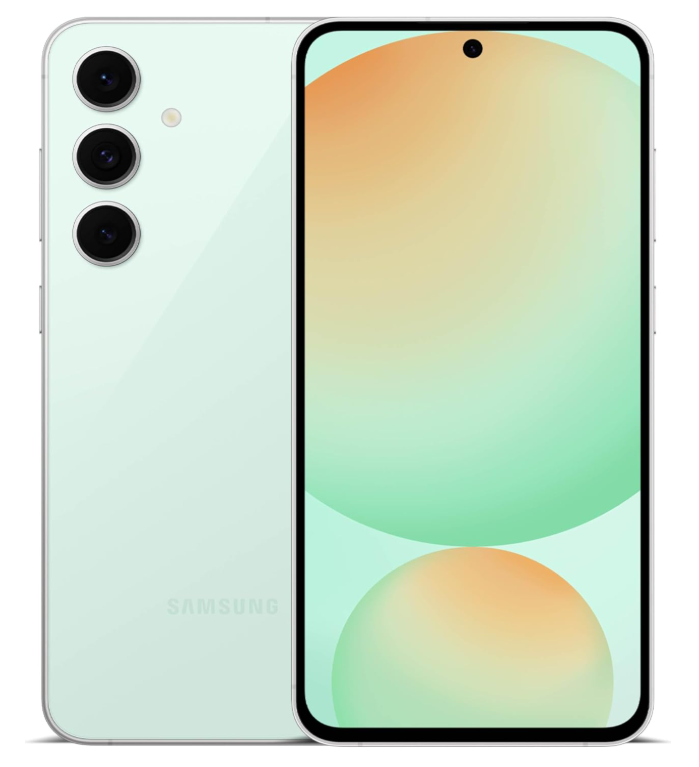
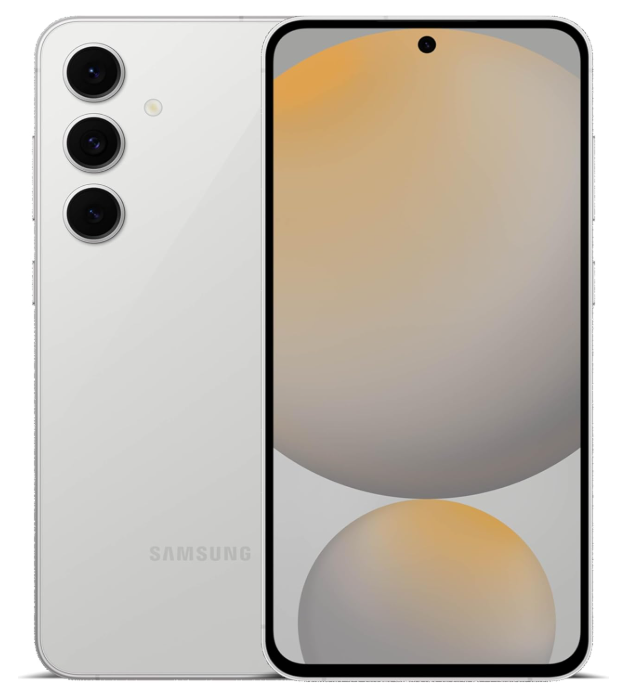
However, if you take a closer look, doesn’t it resemble the Samsung Galaxy S24? Even the wallpaper looks similar. Since the leak doesn’t come from a reliable source, the accuracy of these details is uncertain. So, take this information with a grain of salt.

What we know so far

According to reports, the Redmi Turbo 4 will have a flat OLED panel that offers a 1.5K resolution. The 3C certification of the device has revealed that it may support 90W fast charging.

Powering the phone will be Dimensity 8400 chip, which is expected to include 1 x 3.25GHz Cortex-A725, 3 x 3.0GHz Cortex-A725, and 4 x 2.1GHz Cortex-A725 CPU cores. The SoC is rumored to launch on December 23. In terms of pricing, the device is likely to be priced between 1,500 Yuan (~$205) and 2,000 Yuan (~$275).

As for global availability, Redmi’s “Turbo” line has so far remained exclusive to China. But here’s where things get interesting. The Poco F6, a phone released earlier this year, was essentially a rebranded Redmi Turbo 3. This pattern suggests a strong possibility of the Redmi Turbo 4 finding its way to international markets under the Poco F7 moniker.

Reports have also revealed that Redmi may also announce the Redmi Turbo 4 Pro in the coming year. This phone is likely to feature the Snapdragon 8s Elite chipset.

Don’t miss a thing! Join our Telegram community for instant updates and grab our free daily newsletter for the best tech stories! 🚀

(Source)

Galaxy S24 Ultra’s unique anti-reflective display coating is peeling off within one year of normal usage

The Samsung Galaxy S24 Ultra, praised for its impressive anti-reflective display, is now facing issues with the anti-reflective coating. Less than a year after the phone’s release, the layer is beginning to peel off, particularly in areas most used for scrolling, and in some cases, around the edges of the screen.

S24 Ultra’s anti-reflective coating wearing out

The complaints from users primarily highlight that the anti-reflective coating, which contributes to the phone’s sharp and glare-free display, is deteriorating far sooner than expected. One X user, @xeetechcare, posted images showing peeling at the right edge of the screen, and spots all over the surface.

He confirmed that the phone was not exposed to any external factors like keys or coins in his pocket, ruling out common causes of screen damage. However, the scuff marks were still visible, and other users chimed in with similar stories, indicating that the issue could be widespread.

Several other users shared images of their devices showing permanent marks caused by the worn coating, which appears to be susceptible to tiny scratches due to its relatively softer nature compared to the glass beneath. Hannes Brecher from Notebookcheck highlighted that the coating might be too delicate to withstand regular wear and tear, which could explain why so many users are encountering this issue so soon after purchasing the device.

No official response yet from Samsung

As of writing, Samsung has yet to comment on the issue, leaving users uncertain about whether the display damage is covered under warranty or if it’s a design flaw that might affect a larger number of Galaxy S24 Ultra units. There have been reports in the Samsung Community about the ‘oleophobic coating coming off.’ However, the company has refused to cover this under warranty, citing it as natural wear and tear.

In the meantime, users are advised to take extra care of the display. It is recommended to clean the screen only with a microfiber cloth, avoiding any cleaning solutions that could potentially damage the coating further. While using a screen protector might help prevent damage, it will also render the anti-reflective coating beneath the protector ineffective, leaving the user with a trade-off between protection and display quality.

Don’t miss a thing! Join our Telegram community for instant updates and grab our free daily newsletter for the best tech stories! 🚀

Sources: 1, 2, 3, 4 | Via

Realme P3 Ultra could launch as soon as in January in India; RAM, storage, color option revealed

Realme is set to expand its P-series lineup in India with the upcoming release of the Realme P3 Ultra. The company is already preparing to unveil this new device at the end of January 2025, just after the dust settles from the recent Realme GT 7 Pro (review) launch. According to exclusive information from industry sources, the Realme P3 Ultra will be a key addition to the P-series, and there are already some exciting details about the device’s design, storage options, and color variants.

Realme P3 Ultra details (rumored):

The Realme P3 Ultra will feature a glossy back panel, and it will be available in at least one color variant: gray. The model number of the device is RMX5030. In terms of storage, it will offer up to 12GB of RAM and 256GB of internal storage.

Although the exact launch date has not been confirmed, the device is expected to arrive in India by the end of January 2025. While no additional details about the hardware specifications or pricing have been disclosed, it is clear that Realme is aiming to create a device that delivers premium features and performance.

Realme launched the P2 Pro back in September this year, which was the only model in the P2 series. This P3 Ultra rumor suggests that there will be two models in the P3 series, with the P3 Ultra pushing the boundaries for the mid-range segment. The 12GB + 256GB version of the P2 Pro is currently available on Flipkart for Rs 24,999.

To give you an idea of what to expect, the Realme P2 Pro boasts a 6.7-inch curved AMOLED display, offering FHD+ resolution and a 120Hz refresh rate, along with 2,000 nits peak brightness. In terms of photography, the P2 Pro housed a 50MP Sony LYT-600 main sensor with OIS and an 8MP ultra-wide-angle lens. On the front, it featured a 32MP camera for high-quality selfies. Powered by the Snapdragon 7s Gen 2 chipset, the device also offered up to 12GB of RAM and 512GB of storage.

Tech enthusiast? Get the latest news first! Follow our Telegram channel and subscribe to our free newsletter for your daily tech fix! ⚡

(Via)

Oppo A5 Pro set to launch on December 24, specifications emerge via TENAA certification

Oppo has officially announced that the Oppo A5 Pro will be launched on Dec. 24 in China. This announcement follows the legacy of its predecessor, the Oppo A3 Pro, which was renowned for its durability. The A3 Pro was the first in the industry to pass IP69, IP68, and IP66 dust and water resistance tests, achieving the highest level of water resistance.

Oppo A5 Pro: What to expect?

Oppo A5 Pro launch dateOppo A5 Pro launch date
Oppo A5 Pro launch date

The Oppo A3 Pro was exceptionally durable. Apart from offering an IP69 level of dust and water resistance, the device also came equipped with featured Oppo’s Crystal Shield glass, which enhanced its drop resistance by 160% compared to regular glass. It also received the SGS Golden Five-Star certification for comprehensive drop and impact resistance.

The Oppo A5 Pro, as an iterative model, is expected to build on this foundation, taking durability to the next level, making it highly anticipated. The A5 Pro, which bears the PKP110 model number, has already received TENAA certification in China. As expected, the certification has revealed almost everything about the device.

Oppo A5 Pro specifications (rumored)

As per the TENAA listing, the Oppo A5 Pro will sport a 6.7-inch flat OLED screen with a resolution of 2412 x 1080 pixels, possibly supporting a 120Hz refresh rate and 10-bit color depth. The screen will come integrated with an in-display fingerprint sensor.

The A5 Pro will be powered by a 2.5GHz octa-core processor and comes with either 8 GB or 12 GB of RAM. It offers storage options of 256 GB or 512 GB. The device lacks support for external storage.

For photography, the Oppo A5 Pro is equipped with a 16-megapixel front camera and a dual rear camera setup consisting of a 50-megapixel primary sensor and a 2-megapixel secondary sensor. The phone is powered by a 5840mAh (rated value) battery. At present, there is no information about the fast charging capabilities of the A5 Pro. The device will measure 161.5 x 74.85 x 7.67mm and weigh around 186 grams. 

Don’t miss a thing! Join our Telegram community for instant updates and grab our free daily newsletter for the best tech stories! 🚀

This could be Samsung’s perfect strategy to reshape your perception of Exynos without adding much cost

Samsung’s System LSI division is reportedly considering forming alliances with TSMC to secure the future of its Exynos chips. This move comes amid challenges with Samsung’s in-house chip manufacturing processes, particularly the underwhelming yields of its 3nm Gate-All-Around (GAA) process.

Samsung Foundry

The Exynos 2500, originally slated to be used in the Galaxy S25, has faced delays due to the low yields from Samsung’s 3nm process, which has left the company’s flagship chips struggling to meet the high demands of the market. The failure to resolve these issues has led many to believe that Samsung’s Exynos lineup could be in jeopardy unless it seeks external support. TSMC, the industry leader in advanced chip manufacturing, is the most likely partner to help Samsung recover its competitiveness.

As reported by The Bell, Samsung’s LSI division is exploring the option of forming a strategic alliance with TSMC. TSMC, which has long been the primary foundry for chips from major players like Apple and Qualcomm, has reportedly reached its production limits. It raises questions about how feasible a collaboration between Samsung and TSMC might be. Despite the challenges, Samsung is looking for ways to stabilize its chip production by potentially diversifying its foundry partnerships.

Samsung might only manufacture the flagship Exynos chips from TSMC

We previously noted that sourcing production to TSMC could make the end product more expensive. Now we have a clearer idea of how Samsung will manage the cost. An anonymous semiconductor industry insider highlighted the situation: “Even if the System LSI division signs a contract with TSMC, Exynos will not immediately leave the hands of the Foundry Division. Having multiple foundries is advantageous in terms of both price and supply stability.”

Samsung Exynos 1580 chip

Samsung Foundry’s 4nm and older process nodes are manageable, allowing it to continue manufacturing mid-range and entry-level chips on its own. Meanwhile, the flagship Exynos chips could finally match Qualcomm’s performance and efficiency, a goal Samsung has been striving for in recent years. This dual-sourcing strategy could change how people perceive Exynos, while Samsung keeps manufacturing costs low for the rest of its Galaxy devices.

Tech enthusiast? Get the latest news first! Follow our Telegram channel and subscribe to our free newsletter for your daily tech fix! ⚡

(Source)

7 reasons why you shouldn’t buy an expensive phone

Premium smartphones are getting more expensive every year, with brands like Apple, Samsung, and Google now asking upwards of $1,000 for their flagship models. At that price, you’d expect cutting-edge technology, better durability, and features that justify the cost. But here’s the catch: most people don’t need them, and the premium tag rarely delivers proportional value for the price.

If you’re considering spending that much on a smartphone, it’s worth questioning what you’re really paying for—and whether it’s worth it. Here’s why holding off on premium smartphones might be a smarter move.


1. The “Flagship Features” Are Overkill for Most Users

Qualcomm-Snapdragon-8-Elite-launched-specs-1

Premium phones boast top-tier specs: the latest Snapdragon chipsets, insane amounts of RAM, and displays with refresh rates hitting 120Hz or higher. These features sound impressive, but in day-to-day use, they don’t make a huge difference for the average user.

If you’re someone who spends time scrolling Instagram, browsing Twitter, or watching Netflix, you won’t see meaningful improvements over mid-range phones that cost half the price. Modern mid-range devices already offer great performance for casual use. They come with smooth displays, good processors, and enough RAM to multitask without any noticeable lag.

For instance, Samsung’s Galaxy A series and Google’s Pixel 8a offer 90Hz OLED screens, strong cameras, and reliable performance for $500 to $600. Unless you’re gaming at the highest settings or editing 4K videos, a flagship phone’s extreme power is unnecessary.


2. Camera Improvements Are Marginal at Best

Camera systems are often the main selling point for premium phones. Flagships like the iPhone 16 Pro Max or Galaxy S24 Ultra pack multiple lenses, bigger sensors, and fancy computational photography tricks. But how much better are they, really?

For most users, the difference between a $1,200 flagship and a $600 mid-range phone isn’t as significant as marketing suggests. Flagship cameras excel in specific areas—low-light performance, optical zoom, and detailed portraits—but these improvements cater to niche needs. Casual users taking pictures for social media won’t see night-and-day differences.

In fact, phones like the Google Pixel 8a and Samsung Galaxy A55 deliver solid cameras that handle everyday photography extremely well. These mid-range devices capture sharp, colorful images in good lighting and even perform decently in low light thanks to software optimization. You’re paying a premium for diminishing returns when you jump to flagship models.


3. Software Updates Are No Longer Exclusive to Flagships

One argument for buying premium smartphones used to be longer software support. Flagships often received OS updates and security patches for more years than mid-range devices. However, that’s changing.

Companies like Samsung and Google now promise four major OS updates and five years of security patches for many of their mid-range phones. The Pixel 8a, for instance, gets the same software support as the Pixel 8 Pro. Samsung’s Galaxy A-series phones also benefit from extended update policies.

This means you no longer need to pay flagship prices to enjoy long-term software support. Mid-range devices are catching up, giving you better longevity without the premium price tag.


4. Premium Design Isn’t Practical

Flagship phones often prioritize aesthetics, featuring glass backs, stainless steel frames, and ultra-thin bezels. While these materials look great, they come with practical downsides. Glass-backed phones are more prone to shattering when dropped, and repairing a flagship device can cost hundreds of dollars.

On the other hand, mid-range phones often use plastic builds that are more durable in real-world use. Plastic can withstand falls better than glass, and it’s also cheaper to replace if damaged. Sure, a premium phone might feel more “luxurious” in your hand, but that doesn’t mean it’s better for daily use.


5. Battery Life Isn’t Always Better

You’d think spending $1,000 or more would get you a phone with unbeatable battery life, but that’s not always the case. Flagship devices often include high-resolution displays and power-hungry processors, which drain the battery faster. Manufacturers might include fast charging as compensation, but that doesn’t change the fact that a bigger, brighter display impacts endurance.

Mid-range phones, on the other hand, strike a better balance. Devices like the Samsung Galaxy A56 and OnePlus Nord series come with large batteries and efficient processors, offering all-day battery life without cutting corners. You might even get better longevity than some premium models.


6. If You Want a Flagship, Buy an Older Model or Pre-Owned

If you really want that flagship experience, you don’t need to buy the latest $1,200 phone. Older flagship models often drop in price significantly after a year or two, offering the same premium experience at a fraction of the cost. You can also consider buying a pre-owned flagship device, which can deliver excellent value if you shop carefully.

I did the same for myself—I bought a Galaxy S22 Ultra second-hand, and the device is still going strong. It handles everything I throw at it, from multitasking to photography, without breaking a sweat. I wrote a review of it after using it for a year and a half later, which you can check out here.


7. Mid-Range Phones Are Better Than Ever

The biggest reason to skip premium smartphones is that mid-range options have become incredibly capable. Devices priced between $400 and $700 now offer fast performance, solid cameras, long software support, and durable designs.

Take Google’s Pixel 8a as an example: it delivers flagship-level software experience, a great camera, and smooth performance for $400. Samsung’s Galaxy A55 offers a stunning display, reliable battery life, and long-term software support for a similar price.

When you can get all the essentials—and then some—at half the cost, spending $1,000 on a premium phone doesn’t make financial sense.


8. The Bottom Line

Premium smartphones might be the best that tech companies have to offer, but they’re not the best value for most people. The improvements they bring—whether it’s a slightly faster processor, marginally better cameras, or a glass-backed design—rarely justify their skyrocketing price tags.

Unless you’re a power user who needs the absolute best specs and features, a mid-range phone will meet your needs just fine. You’ll save hundreds of dollars, and you won’t miss out on much.

So before you rush to buy the latest flagship, take a closer look at what mid-range phones offer. You might find that they’re all you really need—and more.

Don’t miss a thing! Join our Telegram community for instant updates and grab our free daily newsletter for the best tech stories! 🚀

Vivo Y300 5G Featuring 50MP Camera, Dimensity 6300, 44W Fast Charging, and Triple Speaker Audio launched

Vivo has launched its latest budget smartphone, the Vivo Y300 5G, focusing on strong audio performance, a vibrant display, and solid durability. The phone stands out with features that are not commonly seen in this price range, making it a good choice for users looking for both entertainment and reliability.

Vivo Y300

Vivo Y300 features

The Y300 features a 6.77-inch FHD AMOLED display with a 120Hz refresh rate for smooth visuals. With a peak brightness of 1800 nits, the screen remains bright and clear even under direct sunlight. To add durability, Vivo has used Diamond Shield glass to protect the screen from scratches and drops, offering extra peace of mind for everyday use.

One of the key highlights of the Y300 is its three-speaker system, which delivers audio that is 600% louder than regular smartphones. The addition of 3D panoramic audio ensures clear and immersive sound for watching videos, playing games, or listening to music without the need for headphones. This focus on audio sets the Y300 apart from many other phones in its category.

Vivo Y300

The phone runs on the MediaTek Dimensity 6300 processor, which can handle everyday tasks, browsing, and light gaming with ease. The Y300 comes with options for up to 12GB of RAM and 512GB of storage, giving users plenty of space for apps, photos, and videos without slowing down the phone.

The camera setup includes a 50MP main camera with OIS (Optical Image Stabilization), ensuring sharp and clear photos, even in low-light settings. A 2MP depth sensor helps with portrait shots. On the front, there’s an 8MP selfie camera that works well for video calls and casual selfies.

The Y300 comes with a 6500mAh battery that supports 44W fast charging. For durability, the phone has an IP64 rating, making it resistant to dust and water splashes. It also has SGS five-star certification for drop and fall resistance, making it tough enough for daily use.

Price and Availability

The vivo Y300 starts at 1399 yuan (around $192) in China. Global availability has not yet been announced.

(Source)

Why you should wait for the Poco M7 Pro 5G?

If you are in the market for a budget-friendly smartphone with premium features, the Poco M7 Pro 5G is shaping up to be one of the most exciting options in its segment. Set to launch in India today (December 17), the Poco M7 Pro 5G combines powerful hardware, cutting-edge display technology, and advanced photography features, making it worth waiting for. Here’s why you should consider holding off on your smartphone purchase for this device.

Poco M7 Pro 5G
Poco M7 Pro 5G

1. Display

The Poco M7 Pro 5G is expected to feature a 6.67-inch Full HD+ AMOLED display with a 120Hz refresh rate and an impressive peak brightness of 2100 nits. This would make it one of the brightest screens in its segment, ensuring excellent outdoor visibility and a vibrant visual experience. The display is anticipated to support HDR10+ for superior contrast and color reproduction, making it ideal for video streaming and gaming. It is also expected to come with Corning Gorilla Glass 5 protection and a 92.02% screen-to-body ratio with ultra-slim bezels.

Poco is likely to include TUV triple certification and an SGS eye care display, designed to reduce blue light emissions for comfortable prolonged usage. The high screen-to-body ratio and narrow bezels are expected to enhance the immersive experience further.

2. Performance

Under the hood, the Poco M7 Pro 5G is expected to be powered by the MediaTek Dimensity 7025 Ultra SoC. This processor is anticipated to deliver smooth performance for everyday tasks and gaming, making it a promising choice for budget-conscious users seeking reliability.

The device is rumored to come with up to 8GB of RAM and an additional 8GB of virtual RAM, ensuring seamless multitasking. It is likely to run on Android 14-based HyperOS, which is expected to be optimized for speed and efficiency.

Poco is also expected to commit to two major OS updates and four years of security updates, ensuring the device remains relevant and secure for years to come.

3. Camera

For photography enthusiasts, the Poco M7 Pro 5G is expected to be a compelling option. It is rumored to feature a 50MP Sony LYT-600 primary camera with Optical Image Stabilization (OIS) and a wide f/1.5 aperture, potentially making it one of the most capable cameras in its segment for low-light photography.

The camera setup is likely to be complemented by AI-powered features such as AI Night Mode and AI Zoom, aimed at ensuring detailed and vibrant photos with ease. On the front, the device is anticipated to include a 20MP sensor, promising sharp and clear selfies.

4. Battery

Poco M7 Pro 5G is expected to feature a 5110mAh battery. It is also rumored to support 45W fast charging, allowing for quick recharges and minimal downtime.

5. Additional Features

The phone is also expected to come equipped with a range of additional features to enhance the overall experience. It is rumored to include stereo speakers with Dolby Atmos support, a 3.5mm headphone jack to cater to audiophiles, and an in-display fingerprint sensor for added security.

6. Should You Wait?

If you’re looking for a budget smartphone that delivers great features, the Poco M7 Pro 5G is a strong contender. Its combination of stunning display, powerful performance, advanced camera system, and long-lasting battery makes it a well-rounded device that’s hard to beat in its segment. With Poco’s history of offering great value, the M7 Pro 5G is expected to redefine what users can expect from a mid-range smartphone.

The Poco M7 Pro 5G will be available on Flipkart starting December 17th, and it is likely to be priced competitively. If you’re planning to buy a new smartphone, it’s worth waiting a few more days to see what this device has to offer. Don’t miss out on a phone that combines cutting-edge features with exceptional value.

If you are into fitness, you might want to check out why the Xiaomi Smart Band 9 is better than cheap smartwatches.

Stay ahead in tech! Join our Telegram community and sign up for our daily newsletter of top stories! 💡

Honor GT gaming smartphone launched with Snapdragon 8 Gen 3 SoC, 6.7″ AMOLED display & Robust Cooling

Chinese smartphone brand Honor has just entered the hardcore gaming smartphone market with the launch of the Honor GT. As the name suggests, the device comes with aggressive aesthetics and is powered by a flagship-tier Snapdragon processor. It also has AI capabilities, and a stunning display, making it a compelling option for tech enthusiasts and mobile gamers alike.

Honor GT

1. Display & design

Honor GT

The Honor GT is a sleek and lightweight smartphone, measuring 161mm in length, 74.2mm in width, and 7.7mm in thickness, with a weight of 196g. The device opts for a flat design with rounded corners, offering a rectangular camera island on the back with two lens cutouts and an LED flash alongside a “GT” branding.

It features a 6.7-inch 120Hz AMOLED display with a 2664 x 1200 FHD+ resolution and support for 1.07 billion colors and the DCI-P3 wide color gamut. The screen delivers up to 4000 nits of local peak brightness and 1200 nits of global peak brightness, ensuring vibrant visuals. With eye protection features like 3840Hz PWM zero-risk dimming, low blue light, and adaptive dimming, the Honor GT prioritizes user comfort.

2. Performance & specifications

Honor GT

At the heart of the HONOR GT lies the powerful Snapdragon 8 Gen 3 processor, ensuring lightning-fast performance and seamless multitasking. Paired with up to 16GB of LPDDR5X RAM and 1TB of UFS 4.0 storage, the device offers ample capacity for demanding applications and media-rich content. To keep temperatures in check, HONOR has implemented a sophisticated 3D Natural Circulation Cooling System, ensuring optimal performance even during extended gaming sessions.

On the software front, the device is powered by HONOR’s MagicOS 9.0, based on Android 15, which offers a user-friendly interface with a host of AI-powered features. The YOYO Intelligent Body provides personalized recommendations and optimizations, while the Glory Phantom Engine enhances AI rendering, display separation, and power efficiency. It also has features like AI face recognition, AI photography, smart multi-window, and multi-screen collaboration.

Honor GT

The phone is powered by a robust 5300mAh battery, supported by 100W Honor Super Fast Charge technology for quick charging. The device is dust and water-resistant with an IP65 rating and supports dual 5G, 4G, 3G, and 2G networks across major carriers. Connectivity options include Wi-Fi 7, Bluetooth 5.3, NFC, and USB Type-C for both charging and audio output. The Honor GT also has stereo speakers, an X-axis linear motor, and an infrared remote control.

3. Camera

In the camera department, the HONOR GT includes a 50MP wide-angle camera with optical image stabilization (OIS) and a 12MP ultra-wide macro camera with autofocus, supporting video recording up to 4K resolution. The front camera features a 16MP wide-angle lens with a maximum photo resolution of 4608×3456 pixels and supports 1080P video recording with EIS video stabilization. Camera features include AI photography, night mode, portrait mode, time-lapse, slow motion, and more.

4. Pricing & availability

The HONOR GT is available in Phantom Black, Ice Crystal White, and Aurora Green color options. The pricing is as follows: 12GB + 256GB for 2,199 yuan (USD 301), 16GB + 256GB for 2,399 yuan (USD 329), 12GB + 512GB for 2,599 yuan (USD 356), 16GB + 512GB for 2,899 yuan (USD 398), and 16GB + 1TB for 3,299 yuan (USD 452). The phone is now available for pre-order and will officially go on sale in China starting December 24th.

(Source)

Xgimi launches MoGo 3 Pro Christmas collection bundled with cool accessories

Xgimi has introduced the MoGo 3 Pro Christmas Collection, just in time for the festive season. Priced at $549, the special holiday bundle combines the versatile MoGo 3 Pro projector with a set of exclusive accessories, all packaged in a festive design for added charm.

Xgimi MoGo 3 Pro Christmas Bundle

At the heart of the collection is the MoGo 3 Pro (check out our full review of MoGo 3 Pro), a compact and lightweight portable projector weighing just 1.1 kg. It features a stunning 1080p resolution paired with a 90% DCI-P3 color gamut, delivering vibrant and clear visuals perfect for holiday classics, family movies, or live sports. The projector also boasts 450 ISO lumens of brightness, ensuring a rich and immersive viewing experience, even in low-light settings.

Xgimi MoGo 3 Pro Christmas Bundle

The MoGo 3 Pro Christmas Collection includes additional accessories that enhance portability and functionality. Alongside the projector, the package features the PowerBase Stand, a Creative Optical Filter, and an Exclusive Nail to support the PowerBase Stand.

The package also includes a remote control, power adapter, and USB-C charging cable. Designed with durability in mind, the bundle offers an IP5X-certified dustproof zipper, and drop protection for up to 1 meter, making it adventure-ready for all your holiday trips.

Xgimi MoGo 3 Pro Christmas Bundle

The projector also integrates advanced features for seamless entertainment. Running on Google TV, it supports popular streaming platforms, including Netflix, allowing users to stream content effortlessly. The MoGo 3 Pro includes automatic keystone correction, auto-focus, and intelligent obstacle avoidance, ensuring a hassle-free setup. It also includes an ambient light feature where the projector’s light moves with the music, adding dynamic colors that enhance the immersive audio-visual experience.

For audio, the MoGo 3 Pro comes equipped with Harman/Kardon 5W speakers and Dolby Audio, ensuring crisp sound quality for a more immersive viewing experience. It also features a USB Type-C port for charging and power bank support, enhancing its portability for on-the-go entertainment.

In related news, Portronics has launched the Beem 500 Smart Projector recently, featuring 8K upscaling and voice control, while Xiaomi has unveiled the Smart Projector L1, offering 1080p HD resolution, 4K playback, and auto-focus for effortless home theater setup.

Stay ahead in tech! Join our Telegram community and sign up for our daily newsletter of top stories! 💡

Leaked Details on Nintendo Switch 2: New Joy-Cons, Dock Design, and Mario Kart 9

Launched in March 2017, the Nintendo Switch established Nintendo‘s dominance in handheld gaming. In July 2021, the Switch OLED model brought minor upgrades but wasn’t a true successor. Now, leaks suggest the brand is preparing to reveal its next-gen console, the Nintendo Switch 2, with intriguing details emerging online.

Nintendo Switch 2

A recent leak on Reddit has shed light on the highly anticipated Nintendo Switch 2. User NextHandheld, who claims to have seen the final iteration of the console, has shared a wealth of information, including design details, release window, and potential launch title.

Nintendo Switch 2

The upcoming Nintendo Switch is rumored to feature a redesigned, magnetically attached Joy-Con system using Hall effect technology. It will reportedly support existing game cartridges, ensuring backward compatibility. Leaked images from @deckwizardyt showcase an updated dock with a larger, curved design and expanded connectivity options. Additionally, the console’s buttons appear larger than those of its predecessor.

The leaks also suggest the console will launch with an LCD display, with an OLED version likely to follow later. Excitingly, Mario Kart 9 is rumored to be the launch title, marking the franchise’s first major entry since Mario Kart 8 debuted in 2014. A special Mario Kart 9 Edition console also appears to be on the cards other than the rumored

According to earlier reports, the Nintendo Switch 2 is expected to feature an 8-inch display, noticeably larger than the original model’s 6.2-inch screen. It is also rumored to include 12GB of RAM—three times the memory of its predecessor—and a new CPU/GPU capable of delivering 1080p resolution at 60fps in docked mode.

While these details remain unconfirmed, the growing number of leaks suggests that the Nintendo Switch 2 is nearing its official announcement, which is rumored to take place in late March or early April.

If you’re into retro gaming, check out the best retro gaming handheld consoles of 2024.

(Source 1, 2)

Hisense Brings Award-Winning 110UX MiniLED TV to the Middle East and Africa

Hisense has introduced its groundbreaking 110-inch MiniLED TV, the 110UX, to the Middle East and Africa (MEA) region. This premium television, honored with a CES 2024 Innovation Award, was launched in other markets like Europe and North America a couple of months back.

Hisense 110UX Mini LED TV

Hisense 110UX Mini LED TV features

The 110UX boasts a stunning 4K resolution and a 144Hz refresh rate, ensuring smooth visuals and crystal-clear details. Its advanced MiniLED technology, featuring up to 40,000 local dimming zones, delivers exceptional brightness and contrast, making it ideal for both daytime and nighttime viewing.

To further enhance the viewing experience, Hisense has integrated AI-powered features into the 110UX. The Hi-View AI Engine X intelligently optimizes picture quality, adjusting settings in real time to deliver sharper images, richer colors, and deeper blacks. The AI Scenario Sound Optimizer fine-tunes audio output, ensuring clear dialogue and dynamic sound effects.

Key features of the Hisense 110UX include:

  • True-to-Life Colors: The 110UX’s advanced technology delivers 25% richer colors compared to Quantum Dot TVs, offering a wider color gamut and more accurate color representation.
  • Wide Viewing Angle: The TV’s anti-glare screen and wide viewing angle ensure clear and consistent image quality from any seat in the room.
  • Immersive Sound: The built-in subwoofer delivers powerful bass and rich audio, creating a cinematic sound experience.
  • Gaming Excellence: With a 144Hz refresh rate and AMD FreeSync Premium Pro, the 110UX provides smooth and responsive gaming performance.

Pricing & availability

The Hisense 110UX is now available in the MEA region, including the United Arab Emirates, where it is priced at AED 79,999 (~$21,780). The TV is also available to order in the US via Amazon for $14,998 at the time of writing.

In other news, TCL has launched its T6L QD-Mini LED TV series in China, available in 55-inch, 65-inch, 75-inch, and 85-inch models, starting at 2,899 yuan ($398) on JD.com. These 4K TVs feature advanced QD-Mini LED technology, up to 420 local dimming zones, peak brightness of 1300 nits, and a 96% DCI-P3 color gamut for vibrant visuals.

Stay ahead in tech! Join our Telegram community and sign up for our daily newsletter of top stories!
(Source)

Lava launches Blaze Duo 5G with dual AMOLED display, Dimensity 7025

Indian smartphone maker Lava has unveiled its latest offering, the Blaze Duo 5G, featuring a unique secondary display on the rear panel. Following the Agni 3 launched in October, the Blaze Duo 5G joins the small pool of devices sporting this unconventional design.  

Lava blaze duo 5g specs launch

Lava Blaze Duo 5G Specs

The phone packs a mid-range punch with a 6nm MediaTek Dimensity 7025 processor, paired with up to 8GB of RAM and 128GB of storage. The highlight, however, is the dual display setup. The primary display measures 6.67 inches and utilizes a curved 3D AMOLED panel with a 120Hz refresh rate.

There’s a smaller 1.58-inch AMOLED display on the rear that you can use for tasks like checking notifications, controlling music, or viewing the time without needing to unlock the phone.  

The Blaze Duo 5G runs on the latest Android 14 out of the box, with Lava promising a future upgrade to Android 15. In terms of cameras, the phone features a 64-megapixel primary rear sensor paired with an unspecified 2-megapixel secondary sensor. A 16-megapixel front-facing camera handles selfies and video calls.

Connectivity options include 5G support, Wi-Fi, Bluetooth 5.2, and a USB Type-C port. Powering the device is a 5,000mAh battery with support for 33W fast charging. Security features include an in-display fingerprint scanner, and the phone boasts an IP64 rating for dust and water resistance.  

Price and Availability

The Lava Blaze Duo 5G comes in two variants: a base model with 6GB RAM priced at Rs. 18,999 (around $230 USD) and an 8GB RAM variant priced at Rs. 20,499 (around $248 USD). Both variants offer 128GB of storage. 

However, customers can avail of introductory launch offers on Amazon India starting December 20th. These offers bring the price down to Rs. 16,999 (around $206 USD) for the 6GB variant and Rs. 17,999 (around $217 USD) for the 8GB variant. Additionally, HDFC Bank debit and credit cardholders can enjoy a further Rs. 2,000 (around $24 USD) discount between December 20th and 22nd.

Stay ahead in tech! Join our Telegram community and sign up for our daily newsletter of top stories! 💡
Xiaomi launches Mijia Dictionary Pen C1 with 3.02″ screen, advanced OCR, scientific learning & more

Xiaomi has expanded its Mijia product lineup with the launch of the Dictionary Pen C1, an innovative educational tool designed to enhance vocabulary learning and word recognition. Priced at an affordable 349 yuan ($48), the dictionary pen is now available for pre-order on Xiaomi’s Youpin platform and is set to begin shipping on December 26.

Xiaomi Mijia Dictionary Pen C1

Xiaomi Mijia Dictionary Pen C1 Specifications

The dictionary pen features a large built-in database of over 26 million word entries, including essential vocabulary for elementary, middle, and high school levels. It offers quick and precise scanning capabilities, achieving a remarkable 0.3-second word recognition speed, thanks to its high-frame-rate imaging technology and advanced OCR capabilities with an accuracy rate exceeding 98%.

This smart device supports offline word searches, allowing users to utilize its functionalities in environments without Wi-Fi, such as libraries and classrooms. Additionally, it features voice search, enabling users to speak queries for instant translation and learning, making it a versatile tool for dynamic educational scenarios.

The pen is equipped with advanced AI technology, providing detailed explanations, sentence usage examples, and grammar insights. It offers learning strategies based on proven methods like the Ebbinghaus Forgetting Curve and SuperMemo techniques to improve word retention. The pen also integrates phonics, mnemonics, and practice exercises, catering to a comprehensive learning approach.

For personalized learning, the pen allows users to select different educational levels by setting their grade level in the system, ensuring targeted explanations and study material. Parents can monitor their child’s progress remotely using a dedicated app, which tracks learning data and enables the export and printing of customized vocabulary lists.

The Mijia Dictionary Pen C1 sports a 3.02-inch high-definition screen for easy reading and navigation. It supports bilingual content aligned with school curricula from grades 1 through 9, offering synchronized word learning with textbooks. This ensures students have access to curriculum-specific vocabulary and examples for exams.

Lightweight and ergonomically designed, the pen is easy to hold, even during extended use. It features long-lasting battery life, with a standby time of up to 100 days, and 32GB of onboard storage to accommodate vast word banks and updates. It also sports a durable build crafted from eco-friendly materials, ensuring safety and longevity for all users.

Earlier this year, Xiaomi introduced the Mijia Smart Safe 30cm, featuring a sturdy build, six unlocking methods, and app control. The company also unveiled a mini washing machine with a 1kg capacity, smart dosing, and sterilization features.

Stay ahead in tech! Join our Telegram community and sign up for our daily newsletter of top stories! 💡