Advertisement

Poco C75 5G launched in India with 6.88″ 120Hz display, Snapdragon 4s Gen 2 & 5160mAh battery

Poco has launched its latest budget 5G smartphone, the C75 5G, in India, alongside the Poco M7 Pro 5G. With competitive pricing and powerful features, the Poco C75 5G is designed to provide a reliable 5G experience in the affordable smartphone segment. Let’s take a detailed look at what the phone offers.

Poco C75 5G

Poco C75 5G Specifications

Poco C75 5G features a 6.88-inch HD+ display with a resolution of 1600 x 720 pixels and a 20:9 aspect ratio. It comes with a 120Hz refresh rate, delivering smooth scrolling and improved responsiveness for an enhanced user experience. The display sports up to 600 nits of peak brightness. The front camera is housed inside a notch at the top of the display.

Under the hood, the Poco C75 5G is powered by the 4nm Qualcomm Snapdragon 4s Gen 2 SoC with Adreno 611 GPU. The phone comes with 4GB LPDDR4X RAM and 64GB of UFS 2.2 storage. Users can expand the storage up to 1TB via a dedicated microSD card slot.

The smartphone runs on Android 14 out of the box, with Xiaomi’s HyperOS on top. Poco promises 2 years of software updates and 4 years of security updates, ensuring users will receive continued support and improvements over time.

On the camera front, the C75 5G features a 50MP primary rear camera with an f/1.8 aperture, allowing for clear and detailed shots. The main sensor is accompanied by a secondary camera for depth or additional features. For selfies, the device houses a 5MP front camera with an f/2.2 aperture.

The phone is equipped with a robust 5160mAh battery, which should easily last a full day of usage. It supports 18W fast charging, but POCO includes a 33W charger in the box, which is a nice addition for faster top-ups.

Other features include a side-mounted fingerprint sensor, a 3.5mm audio jack, 5G SA, and FM Radio support. The phone is also IP52-rated, making it resistant to dust and light splashes.

Pricing and Availability

The Poco C75 5G is priced at Rs. 7,999 for the 4GB + 64GB variant. It comes in Enchanted Green, Aqua Blue, and Silver Stardust color options. The smartphone will be available for purchase starting December 19th at 12 PM exclusively on Flipkart.

Don’t miss a thing! Join our Telegram community for instant updates and grab our free daily newsletter for the best tech stories! 🚀

Poco M7 Pro 5G launched in India with Dimensity 7025-Ultra, 6.67″ 120Hz gOLED display & 50MP camera

As expected, Poco has officially unveiled the M7 Pro 5G smartphone in India, introducing a feature-rich device at an affordable price point. The smartphone delivers a premium display, powerful performance, and AI-driven features, making it an attractive option in the mid-range segment. Let’s delve into its specifications.

Poco M7 Pro 5G

Poco M7 Pro 5G Specifications

The M7 Pro 5G features a 6.67-inch FHD+ gOLED display with a resolution of 1080×2400 pixels. It supports a 120Hz refresh rate for smooth visuals and up to 2160Hz instant touch sampling rate, enhancing responsiveness.

The display also offers 10-bit color depth for vibrant visuals, high-frequency PWM dimming, and a peak brightness of 2100 nits, ensuring excellent clarity even in bright outdoor conditions. For durability, the screen is protected by Corning Gorilla Glass 5.

Under the hood, the smartphone is powered by the MediaTek Dimensity 7025-Ultra chipset. The device comes with 6GB/8GB LPDDR4X RAM, and users can also leverage up to 8GB of virtual RAM for smoother multitasking. Storage options include 128GB/256GB UFS 2.2, with support for expandable storage via microSD.

The M7 Pro 5G runs on Android 14 with Xiaomi HyperOS on top, delivering a smooth and customizable software experience. The company promises 2 years of Android OS updates and 4 years of security updates. The phone comes with AI-powered features like AI Erase, AI Magic Sky, and AI Album to enhance user experience.

Poco M7 Pro 5G

In the camera department, the Poco M7 Pro 5G sports a 50MP main camera with a Sony LYT-600 sensor, f/1.7 aperture, and OIS (Optical Image Stabilization) for sharp and stable shots. Accompanying it is a 2MP depth sensor for portrait effects. On the front, it houses a 20MP camera, ideal for selfies and video calls. The camera setup is further supported by AI enhancements for improved image processing.

The device is equipped with a 5110mAh battery, ensuring all-day usage on a single charge. It supports 45W fast charging, which quickly powers up the device, reducing downtime for users.

The M7 Pro 5G also includes an in-display fingerprint sensor, infrared sensor, and stereo speakers with Dolby Atmos and Hi-Res Audio certification for an immersive audio experience. It also features a 3.5mm audio jack for wired audio lovers. The smartphone has IP64 dust and water resistance, adding durability to its sleek 7.99mm body weighing just 190 grams.

Pricing and Availability

Poco M7 Pro 5G is priced at Rs. 14,999 for the 6GB + 128GB variant, while the 8GB + 256GB model costs Rs. 16,999. The phone comes in Lunar Dust, Lavender Frost, and Olive Twilight colors and it will be available for purchase starting December 20th at 12 PM, exclusively on Flipkart.

Don’t miss a thing! Join our Telegram community for instant updates and grab our free daily newsletter for the best tech stories! 🚀

How does the Huawei Mate 70 Pro compare to the Oppo Find X8 Pro & Vivo X200 Pro

We just put up our Unboxing and Hands on video of the Huawei Mate 70 Pro. This smartphone is the brand’s latest flagship smartphone. But how does it compare to some other premium phones from China, which recently had their global debut? Here’s a quick comparison of the Mate 70 Pro with the Oppo Find X8 Pro and Vivo X200 Pro.

1. Design & Display

Huawei-Mate-70-Pro-back-design-2
Huawei Mate 70 Pro

All three models are flagship grade smartphone models, which offer a premium feel. The form factor and screen are subjective, so it’s harder to find an objectively better phone here. The Mate 70 Pro, Find X8 Pro, and X200 Pro feature an aluminum frame and glass body. The smartphones support an IP68 and IP69 rating for water and dust resistance. These devices have a large circular camera module on the rear.

Although there’s a slight difference in screen size. None of these are compact flagship phones, but the Find X8 Pro and X200 Pro have a 6.78-inch LTPO AMOLED display with an FHD+ resolution, a 120Hz refresh rate, and 4500 nits of peak brightness. Meanwhile, the Mate 70 Pro packs a taller 6.9-inch LTPO OLED panel with a 120Hz refresh rate, FHD+ resolution, and 2500 nits of peak brightness. So while the other two are brighter, one has a slightly taller display panel.

2. Specifications

Oppo-Find-X8-Pro-3
Oppo Find X8 Pro

Both the Vivo X200 Pro and Oppo Find X8 Pro are premium smartphones with cutting edge specs. The duo are equipped with the MediaTek Dimensity 9400 SoC. These make it one of the fastest Android phones. However, the Mate 70 Pro is powered by a Kirin 9020 chipset. This processor isn’t bringing a major upgrade in performance. So the Mate 70 Pro still trails behind in this regard.

With the release of the HarmonyOS Next, Huawei is finally moving away from Android. A massive 6,000mAh battery pack powers the X200 Pro, while the Find X8 Pro has a 5,910mAh cell. Once again, the Mate 70 Pro lags behind with the smallest but still respectable 5,500mAh battery pack. But Huawei leads the pack with a 100W wired and 80W wireless fast charging. Oppo’s Find X8 Pro supports 80W wired and 50W wireless while Vivo X200 Pro offers 90W wired and 30W wireless fast charging.

3. Camera

vivo x200 pro hands on 11
Vivo X200 Pro

Photography is one area where Huawei is renowned. But in recent years, many Chinese brands have started catching up. The Vivo X200 Pro and Oppo Find X8 Pro placed an emphasis on camera performance, with the former’s Zeiss APO Telephoto lens offering impressive zoom photography on a smartphone. For the main sensor, the Sony LYT808 on the Find X8 Pro and X200 Pro should offer similar levels of performance. But without a doubt, these are two flagship level camera phones.

Huawei isn’t bringing similar levels of ground breaking camera tech upgrades on the Mate 70 Pro. But it seems to be refining the overall experience. Its telephoto lens isn’t as versatile as its competitors, but the 50MP main sensor with a variable aperture gives it an edge in still shots in varying lighting scenarios.

4. Pricing

Last but not least, we have the pricing of these three phones. Huawei’s Mate 70 Pro is the most expensive out of the lot with a 6,499 Yuan (roughly 892 US Dollars) starting price. However, the Find X8 Pro and X200 Pro have an identical starting price of 5,299 Yuan (roughly 727 US Dollars).

So depending on your preference, your choice between the three might differ. If you want a true flagship experience with a display, camera, and more, the Mate 70 Pro could be for you in China. Although, the X200 Pro and Find X8 Pro are more affordable but still offer impressive performance, bigger batteries, better zoom, and much more.

Stay ahead in tech! Join our Telegram community and sign up for our daily newsletter of top stories!

Our first look at OnePlus Ace 5 Pro’s Bypass Charging feature

OnePlus is set to unveil its highly anticipated Ace 5 series next week, with two models launching simultaneously: the OnePlus Ace 5 and OnePlus Ace 5 Pro. Both devices are designed with performance and gaming enthusiasts in mind, and they will debut with an exciting new feature—bypass charging. This feature is expected to enhance the gaming experience by optimizing battery usage and reducing heat during high-intensity tasks. You can check out the gaming performance of the OnePlus Ace 5 here.

Oneplus Ace 3 Pro gaming

Bypass charging: what and why?

Bypass charging allows the device to draw power directly from the power adapter, bypassing the battery entirely while the phone is under heavy load. This is especially useful for gaming, which involves significant power consumption. By not using the battery during gameplay, the phone not only preserves battery health but also reduces heat generation, ensuring smoother gameplay.

Tipster Digital Chat Station recently shared an image that includes OnePlus’s official description of this feature. The text, when translated, reads: “Bypass power supply supplies shunt power directly to the game, which can reduce the heat of the device. The bypass power supply stops after exiting the game.”

This confirms that bypass charging is aimed at improving thermal management and sustaining high performance during gaming without overloading the battery. Significant in context, gameplay test of the OnePlus Ace 5 has also showcased better than expected performance from the Snapdragon 8 Gen 3 chip.

Additionally, users will have the option to set the effective bypass charging value at 20%, 40%, 60%, or 80%. Once the battery falls below the selected threshold, the phone will switch to regular charging. It ensures that users aren’t caught off guard when their battery is low, even if they decide to play with that.

Key specifications of the OnePlus Ace 5 series

The OnePlus Ace 5 and Ace 5 Pro are largely identical in design and features. Both models come with a sleek 6.78-inch 1.5K resolution display, featuring an 8T LTPO panel protected by Crystal Shield glass. The phones are also equipped with a metal middle frame and OnePlus’s signature three-stage alert slider.

While the designs are consistent across both models, the key differences lie in their chips, batteries, and charging capabilities. The standard OnePlus Ace 5 is powered by the Snapdragon 8 Gen 3 chipset, paired with a 6415mAh battery and 80W fast charging support. On the other hand, the OnePlus Ace 5 Pro features the more powerful Snapdragon 8 Elite, a slightly smaller 6100mAh battery, but it supports an impressive 100W fast charging speed.

Interestingly, Google has implemented a similar bypass charging feature in its Pixel devices, which switches to direct power from the adapter once the battery reaches 80%.

Don’t miss a thing! Join our Telegram community for instant updates and grab our free daily newsletter for the best tech stories! 🚀

(Source)

BenQ launches 31.5″ 4K IPS programming monitor with 98% DCI-P3, KVM support & more

BenQ has introduced its new 31.5-inch programming monitor, the RD320U, to the Chinese market. Originally launched globally earlier this year, the monitor is now available on JD.com at a price of 5,299 yuan ($727). Let’s check out its key specs.

BenQ RD320U Monitor

BenQ RD320U Specifications

The BenQ RD320U sports a 4K IPS panel with a resolution of 3840×2160 and a 16:9 aspect ratio. It comes with a pixel density (PPI) of 140, ensuring sharp and crisp visuals that make it easier to identify and work with code.

The display equips a VESA DisplayHDR 400 panel with a contrast ratio of 2000:1, supporting HDR10 for deeper blacks and brighter highlights. It offers 400 nits of typical brightness (HDR mode included) and a 10-bit color depth, enabling a vivid and lifelike color experience. It supports 98% of the DCI-P3 color gamut, ensuring exceptional color accuracy suitable for professional programming and content creation.

Designed with programmers in mind, the monitor includes dedicated coding modes with light and dark themes that intelligently adjust screen parameters to make code more legible and reduce eye strain. The anti-reflective panel minimizes glare, ensuring clarity in all lighting conditions, while the “Owl Mode” provides comfortable viewing during late-night coding sessions.

The RD320U sports multiple ergonomic adjustments, including 110mm height adjustment, tilt from -5° to 20°, swivel, and a 90° pivot rotation, allowing users to easily switch between portrait and landscape orientations. This adaptability makes it ideal for coding, reviewing documents, or multitasking.

It features a KVM switch for seamless control of two devices with a single keyboard and mouse, along with PIP/PBP (Picture-in-Picture and Picture-by-Picture) support for simultaneous dual-source display. It comes with DualView Plus mode, allowing different color profiles to be applied to split-screen sections, enabling multitasking with tailored visuals for each workspace.

The RD320U equips a USB-C port with 90W power delivery, offering efficient charging and data transfer for laptops and peripherals. It features a range of connectivity options, including two HDMI 2.0 ports, one DP 1.4 port, two USB 3.2 Gen2 Type-C ports, one USB 3.2 Gen1 Type-A port, and one Type-B port.

The monitor also features hardware-level blue light filtering with Eyesafe 2.0 certification, flicker-free technology, and smart dimming that adjusts brightness based on ambient light. It comes with Night Mode and eye comfort functions, ensuring all-day eye protection.

The monitor sports an eco-friendly design, constructed with 85% post-consumer recycled materials, and equips energy-saving features to reduce environmental impact.

Earlier this month, BenQ also launched a new 27-inch 4K HDR400 monitor featuring 95% DCI-P3 color coverage, eye-care technology, and dual speakers. Additionally, AOC introduced a new 34-inch ultrawide monitor with a VA panel, 1500R curvature, and a 180Hz refresh rate.

Tech enthusiast? Get the latest news first! Follow our Telegram channel and subscribe to our free newsletter for your daily tech fix! ⚡

Realme Narzo 80 Ultra memory, color options and launch timeframe leaks

While Realme is gearing up for the launch of the Realme 14 series in India tomorrow, a new leak suggests the company is also preparing to expand its Narzo lineup with a premium offering — the Narzo 80 Ultra. 

The leak comes from a report by 91Mobiles which details the storage variant, color options, and launch timeline for the smartphone. 

Realme Narzo 80 Ultra detail leaks

The Narzo 80 Ultra will be the first phone in the Narzo series to carry the “Ultra” branding. Naturally, we are expecting it to be a more premium device compared to previous Narzo models. 

The phone reportedly carries model number, RMX5033, and is said to come in at least one color option – white gold. The base storage configuration is rumored to be 8GB RAM and 128GB storage, though additional RAM and storage variants might be revealed closer to launch. 

Last but not least, the leak suggests a late January 2025 launch timeframe for the Narxo 80 Ultra in India. 

Realme Narzo 70 Turbo
Realme Narzo 70

The Narzo 80 Ultra isn’t the only upcoming “Ultra” phone from Realme. Alongside the Narzo 80 Ultra, a separate report by 91mobiles suggests a new Realme P3 Ultra is also in the works

The P-series phone is expected to arrive in India around the same timeframe as the Narzo 80 Ultra. It will be available in a grey color option and a higher-end 12GB RAM and 256GB storage configuration.

Adding to the speculation, a new Realme phone with the model number RMX5032 (sequentially close to the Narzo 80 Ultra’s RMX5033) recently surfaced on the BIS certification website, hinting at an imminent Indian launch.  

The phone’s marketing name remains unclear, leaving room for speculation. It could belong to the Narzo 80 series, but there’s also a chance it might be an entirely different model altogether. We’ll share more details as they emerge.

Don’t miss a thing! Join our Telegram community for instant updates and grab our free daily newsletter for the best tech stories! 🚀

(Source)

Oppo is quietly working on Pad 3 Ultra and Pad 3 Mini, key spec leaks

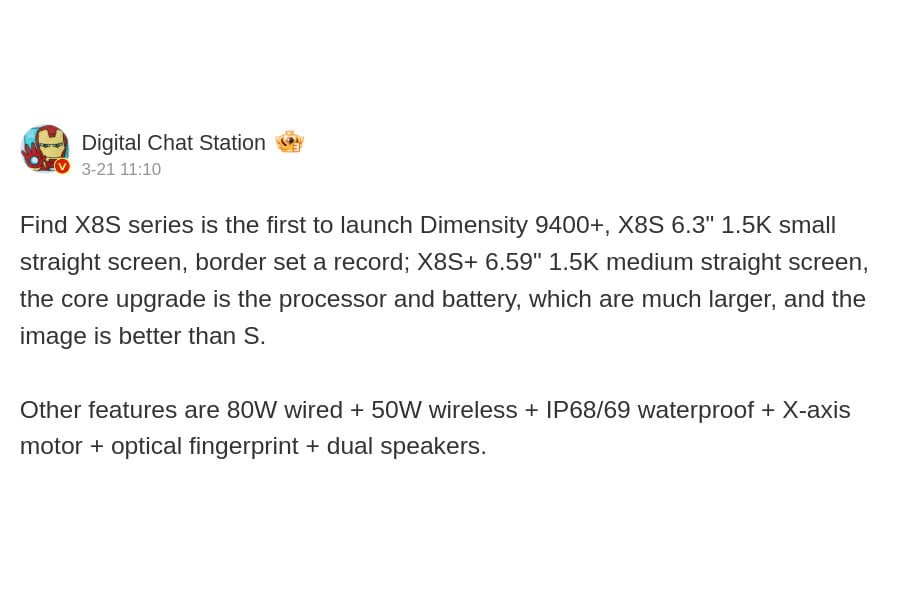
Following the launch of the Pad 3 and Pad 3 Pro tablets, Chinese tech giant Oppo appears to be prepping an even wider range of options under the Pad 3 series. According to a Weibo post by reliable tipster Digital Chat Station, there are two new models of the Pad 3 in the works – the Pad 3 Ultra and Pad 3 mini.

Oppo Pad 3 Ultra / Pad 3 Mini in works

The leak suggests that the Pad 3 Ultra will be a true flagship offering in the large-screen category. It’s rumored to boast a flexible OLED display with minimal bezels.

Additionally, the Pad 3 Ultra is said to come equipped with a side-mounted fingerprint scanner for secure access and a sizeable 10,000 mAh battery, backed by impressive 100W fast charging technology.

On the other end of the spectrum, the Pad 3 mini will cater to those seeking a powerful device in a compact form factor. It is tipped to feature a customized LCD display with a high refresh rate and rounded corners. 

Under the hood, Oppo is expected to use a MediaTek Dimensity 9-series SoC. While the exact chipset remains under wrap, it will be a flagship-grade, even if not necessarily the latest. The tipster also mentions that the Pad 3 Mini will not support 100W fast charging.

While the specs look promising, these tablets are unlikely to hit shelves anytime soon. The leak points to a tentative launch window in Q2 or Q3 of 2025.

Of course, leaks are just leaks. Until Oppo officially confirms these devices, take these specs with a grain of salt. Still, if you’re in the market for a new tablet and the current Pad 3 series doesn’t quite hit the mark, the Pad 3 Ultra and Pad 3 mini could be worth keeping an eye on in the coming year.

(Source)

Vivo to launch a compact mid-range with Dimensity 9 series chip next year; claims DCS

Vivo is reportedly preparing to launch a new compact mid-range smartphone next year that will feature a powerful Dimensity 9 series chip, a 6.31″ display, and impressive camera capabilities. The news comes from Weibo tipster Digital Chat Station. This model is speculated to be part of Vivo’s S series, which is known for offering a blend of style and performance in the mid-range segment. This move aims to cater to users who prefer compact smartphones without sacrificing top-tier specs.

According to DCS, the phone is expected to feature an 8T LTPO screen, which will have a 1.5K resolution. It will translate to nearly 460ppi pixel density, which can offer crisp and clean visuals for text and images.

As for the cameras, the device is likely to be equipped with a large-bottom 50-megapixel main sensor. A telephoto lens will also reportedly be included, offering users greater versatility in their photo-taking experience. For context, this year’s S20 Pro includes a 50MP 3x periscope telephoto. Moreover, the phone will feature a new silicon anode battery, which ensures a large capacity despite the smaller form factor.

Vivo X200 Pro mini launch specifications price
vivo X200 Pro mini

This compact phone could fill a gap in the mid-range segment

The upcoming Vivo phone shares several key specifications with the recently launched Vivo X200 Pro Mini, which gained attention for its compact size and high-end features. Launched in October, the X200 Pro Mini features a 6.31-inch 1.5K screen, a camera system that includes a 50-megapixel Zeiss main camera, a 50-megapixel super telephoto lens, and a 50-megapixel ultra-wide-angle lens. The X200 Pro Mini is powered by the Dimensity 9400 chip and boasts a massive 5700mAh battery.

The tipster also revealed that the new phone could launch sometime in the second quarter of next year, between April and June. As Vivo continues to expand its product offerings, this new compact model may fill a gap in the mid-range segment, offering a balance of performance, design, and battery life.

The S20 Pro, for instance, features the Dimensity 9300+ chip and a 5500mAh battery, all packed into a slim 7.19mm body. Vivo’s new compact mid-range phone is likely to build upon this trend, delivering a device that strikes the right balance between performance, camera quality, and battery life in a compact form factor.

The specifics of the naming and pricing are yet to be revealed, but it’s clear that Vivo is aiming to appeal to users who want a smaller phone without sacrificing features.

Tech enthusiast? Get the latest news first! Follow our Telegram channel and subscribe to our free newsletter for your daily tech fix! ⚡

(Source)

New Xiaomi Civi 5 Pro Leak Hints at its Price & Key Features

Xiaomi is expected to launch the Civi 5 Pro model in China soon. The device has already surfaced in multiple, and now, the latest report has revealed its possible pricing along with a few key specifications and features. So here’s what we know so far.

Xiaomi Civi 5 Pro: Leaked Price & Specs

Just a couple of days ago, we reported that the Xiaomi Civi 5 Pro and Redmi K80 Ultra possibly feature an ultrasonic fingerprint scanner. Last week, the Civi 5 Pro had its key specs leaked with the Snapdragon 8s Elite SoC, big 5,000mAh battery pack, and more. Now we have more details from known tipster Smart Pikachu. The Chinese brand is expected to unveil the Civi 5 Pro with a premium glass body with a metal frame. Similar to the Civi 4 Pro, the Xiaomi Civi 5 Pro may also offer a circular camera module in the upper left corner, which will house a portrait telephoto shooter.

Xiaomi Civi 4 Pro
Xiaomi Civi 4 Pro

Meanwhile, the front is expected to house dual cameras on the front just like its predecessor. The tipster claims that Xiaomi will launch the Civi 5 Pro for a price tag of around 3,000 Yuan (roughly 411 US Dollars). Based on what we know so far, this model is a flagship killer smartphone, which might be the first to feature the Snapdragon 8s Elite processor.

We can expect the smartphone to launch with a sleek design in multiple color options. Apart from this, the company would likely continue the Leica optimizations for the camera system. Unfortunately, this is all the information we have at the moment. Xiaomi unveiled the Civi 4 Pro back in March 2024, so we can expect a similar Q1 2025 release timeline for its successor.

Tech enthusiast? Get the latest news first! Follow our Telegram channel and subscribe to our free newsletter for your daily tech fix! ⚡

Honor Pad V9 launched with IMAX enhanced display, 8 speakers, & premium metal body

The Honor GT was just announced in China with some high end specs. Alongside this new gaming smartphone, the brand has also unveiled the Honor Pad V9 in its home market, which is a premium tablet that features an all-metal body, IMAX enhanced display, and much more. So let’s check it out.

Honor Pad V9: Everything you need to know

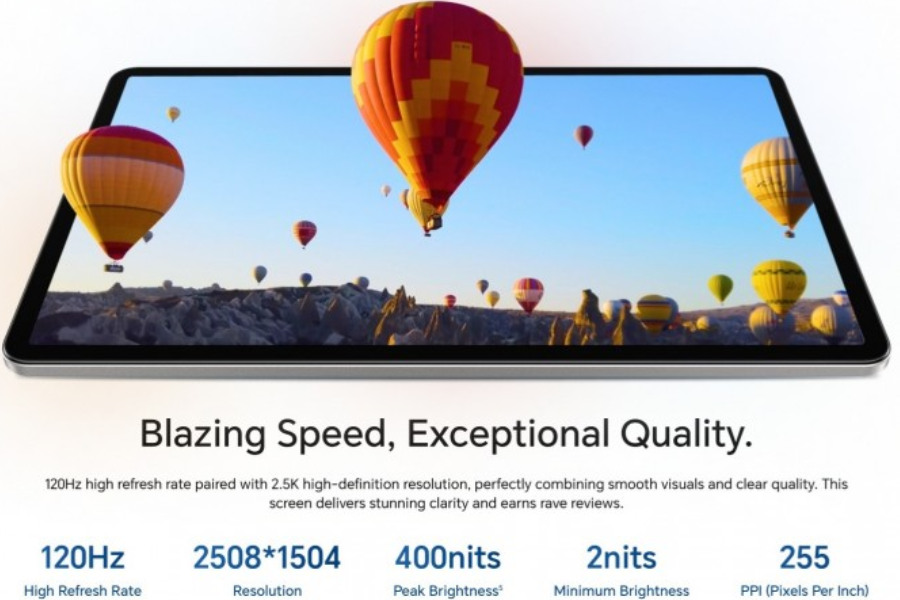
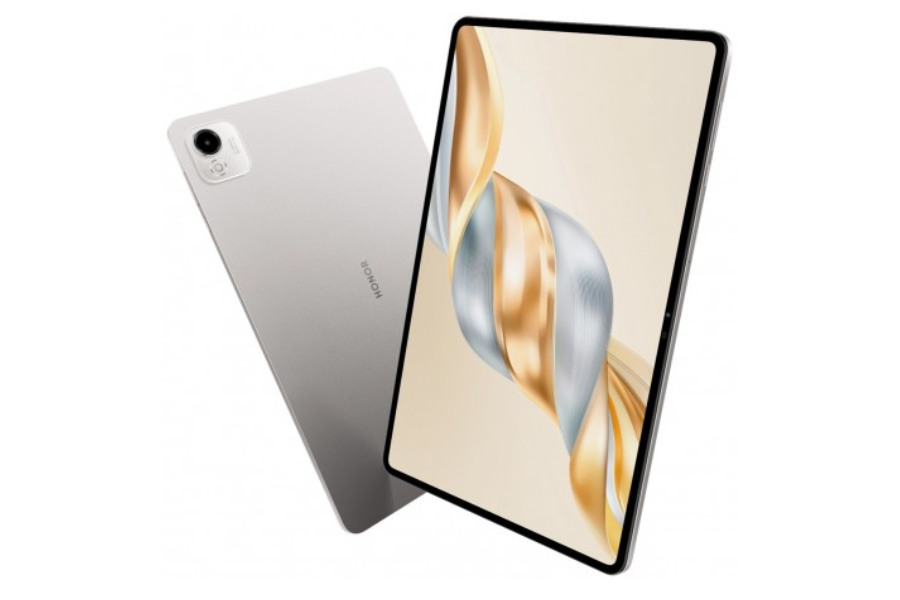
Honor launched the Pad V9 with an ultra slim 6.1mm body, which weighs just 475 grams. It has a premium metallic body, which arrives with SGS Gold Five Star certification for durability. On the front, you get a tall 11.5-inch display that offers 2.8K resolution, 500 nits of peak brightness, 144Hz refresh rate, and an IMAX Enhanced display. Thanks to the IMAX optimizations, you get an improved visual experience from its screen.

Honor Pad V9
Honor Pad V9

Another way brand enhances the audio is with the 8 speakers, which are also IMAX enhanced along with support for Spatial Audio and Hi Res Audio. Under the hood, it is equipped with the MediaTek Dimensity 8350 Extreme Edition SoC. A massive 10,100mAh battery pack, which supports 66W wired fast charging. For photography, the rear has a 13MP camera, while the front has an 8MP selfie shooter. Other notable features include WiFi 6, Bluetooth 5.2, YOYO AI assistant, and Android 15 OS based Magic OS 9.0 custom skin.

Pricing and Availability

The Honor Pad V9 was announced by the brand in multiple color options, namely Yulong Snow, Cangshan Gray, and Luyan Purple. It is available in multiple storage options:

  • 8GB+128GB – 2,099 Yuan (roughly 288 US Dollars)
  • 8GB+256GB – 2,299 Yuan (roughly 315 US Dollars)
  • 12GB+256GB – 2,499 Yuan (roughly 343 US Dollars)
  • 12GB+512GB – 2,799 Yuan (roughly 384 US Dollars)

There is also a Soft Light variant, which starts from 2,399 Yuan (roughly 329 US Dollars). Users can also get the Honor Pad V9 with the Magic Pencil 3 (499 yuan) and Tablet V9 Smart Bluetooth Keyboard (449 Yuan). The tablets are currently available for pre-orders, with first sales to go live in China on 24th December 2024.

Don’t miss a thing! Join our Telegram community for instant updates and grab our free daily newsletter for the best tech stories!

OnePlus Ace 5, Ace 5 Pro design, color options, key details emerge via leaked promo material

OnePlus is expected to unveil the OnePlus Ace 5 and Ace 5 Pro smartphones on December 26 in China. Reports suggest that these two phones will compete with the Redmi K80 series, iQOO Neo 10 lineup, and Realme Neo 7 in the domestic market. Over the past few days, numerous leaks have provided details about the Ace 5 duo. Today, a new poster showcasing key features and the design of the Ace 5 series has surfaced on Weibo. Here’s a look at the details revealed by the latest leak.

OnePlus Ace 5 series leaked promo material

OnePlus Ace 5 series offline images
OnePlus Ace 5 series promo material leak

The leaked promotional material shows the OnePlus Ace 5 Pro in shades like white, purple, and black, while the Ace 5 will be available in colors such as light green, black, and white. According to the poster, the Snapdragon 8 Elite chip powers the Ace 5 Pro. Earlier this month, the brand confirmed that the Ace 5 would be powered by the Snapdragon 8 Gen 3 SoC.

The series will sport a stunning 120Hz OLED panel with support for up to 4,500 nits of peak brightness and DC dimming. For an enhanced gaming experience, the Ace 5 series will offer features like support for 120fps gaming with 1.5K resolution.

The OnePlus Ace 5 series will come equipped with an advanced Wi-Fi chip G1 and an e-sports antenna system, ensuring a robust network connection. The Wi-Fi system promises a powerful network-grabbing ability, capable of easily penetrating load-bearing walls. With 13 antennas strategically distributed in a 360° configuration, the Ace 5 series maintains a strong signal whether held horizontally or vertically, providing an uninterrupted gaming experience.

Don’t miss a thing! Join our Telegram community for instant updates and grab our free daily newsletter for the best tech stories! 🚀

(via)

OnePlus 13 series to launch on this date globally, OnePlus 13R front, rear design revealed

OnePlus recently confirmed that the OnePlus 13 series will be announced globally in January 2025. Today, the brand has seemingly confirmed that the “OnePlus 13 Series Winter Launch Event” will be held on Jan. 7. The event will see the arrival of two smartphones: the OnePlus 13R and OnePlus 13.

OnePlus 13 series launch date

OnePlus 13 launch event date
OnePlus 13 series launch event date

The OnePlus 13R and 13 will succeed the OnePlus 12R and 12, which debuted at the beginning of this year in multiple markets. While the OnePlus 13 is a flagship phone powered by the Snapdragon 8 Elite, the 13R will be a sub-flagship offering equipped with the Snapdragon 8 Gen 3. Both phones will run on the latest Android 15, flanked by ColorOS 15 UI.

Since the OnePlus 13 has already launched in China in October of this year, its specifications are already known. The company has revealed that, like the Chinese market, the OP13 will be available in blue, black, and white shades globally.

OnePlus 13R design
OnePlus 13R design

Coming to the design of the OnePlus 13R, it can be seen sporting a round camera module, which does not fuse with the frame of the device like the OnePlus 12R. The 12R featured a curved-edge screen, whereas the 13R can be seen sporting a flat screen. It is expected to support a 1.5K resolution and an optical in-screen fingerprint sensor.

In comparison, the OnePlus 13 is equipped with a quad-curved OLED panel that offers a 2K resolution and an ultrasonic in-screen fingerprint reader. The Chinese variant of the OnePlus 13 has a 6,000mAh battery. On the other hand, the 13R is expected to house a larger 6,400mAh battery.

With several days remaining for the launch, OnePlus is expected to reveal more details about the OnePlus 13 and 13R through upcoming teasers. Therefore, stay tuned for more updates as the launch date approaches.

Don’t miss a thing! Join our Telegram community for instant updates and grab our free daily newsletter for the best tech stories! 🚀

(via)

Redmi Turbo 4 surfaces in render with dual-camera cutout

News from China suggests Redmi’s performance-focused phone, the Turbo 4, has been delayed from its expected December launch. So while we may have to wait a bit longer, an image circulating on China’s social media platform Weibo claims to reveal the design of the phone. 

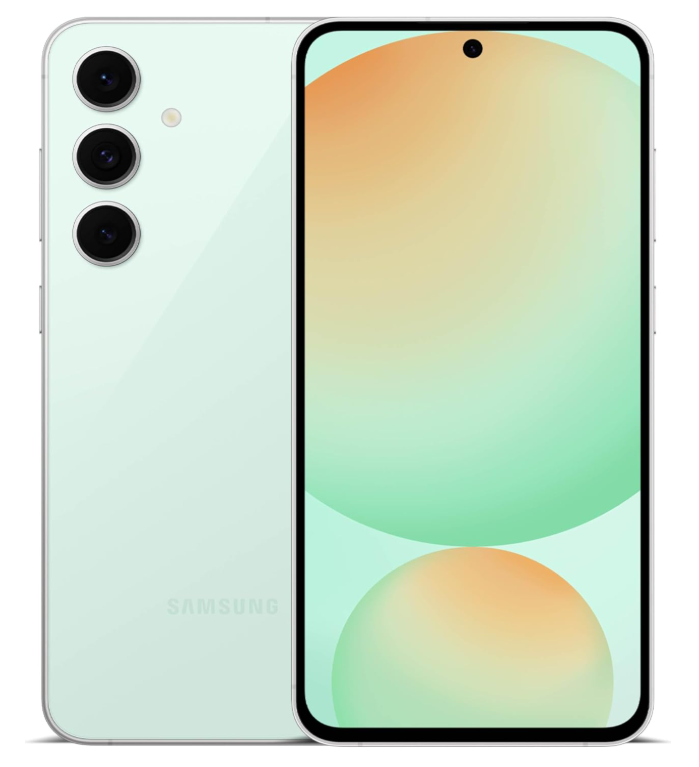
The image shows the alleged Turbo 4 featuring slim, symmetrical screen bezels, squared-off edges, and a dual rear camera setup. The punch-hole cutout for the front camera also appears small.  

However, if you take a closer look, doesn’t it resemble the Samsung Galaxy S24? Even the wallpaper looks similar. Since the leak doesn’t come from a reliable source, the accuracy of these details is uncertain. So, take this information with a grain of salt.

What we know so far

According to reports, the Redmi Turbo 4 will have a flat OLED panel that offers a 1.5K resolution. The 3C certification of the device has revealed that it may support 90W fast charging.

Powering the phone will be Dimensity 8400 chip, which is expected to include 1 x 3.25GHz Cortex-A725, 3 x 3.0GHz Cortex-A725, and 4 x 2.1GHz Cortex-A725 CPU cores. The SoC is rumored to launch on December 23. In terms of pricing, the device is likely to be priced between 1,500 Yuan (~$205) and 2,000 Yuan (~$275).

As for global availability, Redmi’s “Turbo” line has so far remained exclusive to China. But here’s where things get interesting. The Poco F6, a phone released earlier this year, was essentially a rebranded Redmi Turbo 3. This pattern suggests a strong possibility of the Redmi Turbo 4 finding its way to international markets under the Poco F7 moniker.

Reports have also revealed that Redmi may also announce the Redmi Turbo 4 Pro in the coming year. This phone is likely to feature the Snapdragon 8s Elite chipset.

Don’t miss a thing! Join our Telegram community for instant updates and grab our free daily newsletter for the best tech stories! 🚀

(Source)

Galaxy S24 Ultra’s unique anti-reflective display coating is peeling off within one year of normal usage

The Samsung Galaxy S24 Ultra, praised for its impressive anti-reflective display, is now facing issues with the anti-reflective coating. Less than a year after the phone’s release, the layer is beginning to peel off, particularly in areas most used for scrolling, and in some cases, around the edges of the screen.

S24 Ultra’s anti-reflective coating wearing out

The complaints from users primarily highlight that the anti-reflective coating, which contributes to the phone’s sharp and glare-free display, is deteriorating far sooner than expected. One X user, @xeetechcare, posted images showing peeling at the right edge of the screen, and spots all over the surface.

He confirmed that the phone was not exposed to any external factors like keys or coins in his pocket, ruling out common causes of screen damage. However, the scuff marks were still visible, and other users chimed in with similar stories, indicating that the issue could be widespread.

Several other users shared images of their devices showing permanent marks caused by the worn coating, which appears to be susceptible to tiny scratches due to its relatively softer nature compared to the glass beneath. Hannes Brecher from Notebookcheck highlighted that the coating might be too delicate to withstand regular wear and tear, which could explain why so many users are encountering this issue so soon after purchasing the device.

No official response yet from Samsung

As of writing, Samsung has yet to comment on the issue, leaving users uncertain about whether the display damage is covered under warranty or if it’s a design flaw that might affect a larger number of Galaxy S24 Ultra units. There have been reports in the Samsung Community about the ‘oleophobic coating coming off.’ However, the company has refused to cover this under warranty, citing it as natural wear and tear.

In the meantime, users are advised to take extra care of the display. It is recommended to clean the screen only with a microfiber cloth, avoiding any cleaning solutions that could potentially damage the coating further. While using a screen protector might help prevent damage, it will also render the anti-reflective coating beneath the protector ineffective, leaving the user with a trade-off between protection and display quality.

Don’t miss a thing! Join our Telegram community for instant updates and grab our free daily newsletter for the best tech stories! 🚀

Sources: 1, 2, 3, 4 | Via

Realme P3 Ultra could launch as soon as in January in India; RAM, storage, color option revealed

Realme is set to expand its P-series lineup in India with the upcoming release of the Realme P3 Ultra. The company is already preparing to unveil this new device at the end of January 2025, just after the dust settles from the recent Realme GT 7 Pro (review) launch. According to exclusive information from industry sources, the Realme P3 Ultra will be a key addition to the P-series, and there are already some exciting details about the device’s design, storage options, and color variants.

Realme P3 Ultra details (rumored):

The Realme P3 Ultra will feature a glossy back panel, and it will be available in at least one color variant: gray. The model number of the device is RMX5030. In terms of storage, it will offer up to 12GB of RAM and 256GB of internal storage.

Although the exact launch date has not been confirmed, the device is expected to arrive in India by the end of January 2025. While no additional details about the hardware specifications or pricing have been disclosed, it is clear that Realme is aiming to create a device that delivers premium features and performance.

Realme launched the P2 Pro back in September this year, which was the only model in the P2 series. This P3 Ultra rumor suggests that there will be two models in the P3 series, with the P3 Ultra pushing the boundaries for the mid-range segment. The 12GB + 256GB version of the P2 Pro is currently available on Flipkart for Rs 24,999.

To give you an idea of what to expect, the Realme P2 Pro boasts a 6.7-inch curved AMOLED display, offering FHD+ resolution and a 120Hz refresh rate, along with 2,000 nits peak brightness. In terms of photography, the P2 Pro housed a 50MP Sony LYT-600 main sensor with OIS and an 8MP ultra-wide-angle lens. On the front, it featured a 32MP camera for high-quality selfies. Powered by the Snapdragon 7s Gen 2 chipset, the device also offered up to 12GB of RAM and 512GB of storage.

Tech enthusiast? Get the latest news first! Follow our Telegram channel and subscribe to our free newsletter for your daily tech fix! ⚡

(Via)

Oppo A5 Pro set to launch on December 24, specifications emerge via TENAA certification

Oppo has officially announced that the Oppo A5 Pro will be launched on Dec. 24 in China. This announcement follows the legacy of its predecessor, the Oppo A3 Pro, which was renowned for its durability. The A3 Pro was the first in the industry to pass IP69, IP68, and IP66 dust and water resistance tests, achieving the highest level of water resistance.

Oppo A5 Pro: What to expect?

Oppo A5 Pro launch dateOppo A5 Pro launch date
Oppo A5 Pro launch date

The Oppo A3 Pro was exceptionally durable. Apart from offering an IP69 level of dust and water resistance, the device also came equipped with featured Oppo’s Crystal Shield glass, which enhanced its drop resistance by 160% compared to regular glass. It also received the SGS Golden Five-Star certification for comprehensive drop and impact resistance.

The Oppo A5 Pro, as an iterative model, is expected to build on this foundation, taking durability to the next level, making it highly anticipated. The A5 Pro, which bears the PKP110 model number, has already received TENAA certification in China. As expected, the certification has revealed almost everything about the device.

Oppo A5 Pro specifications (rumored)

As per the TENAA listing, the Oppo A5 Pro will sport a 6.7-inch flat OLED screen with a resolution of 2412 x 1080 pixels, possibly supporting a 120Hz refresh rate and 10-bit color depth. The screen will come integrated with an in-display fingerprint sensor.

The A5 Pro will be powered by a 2.5GHz octa-core processor and comes with either 8 GB or 12 GB of RAM. It offers storage options of 256 GB or 512 GB. The device lacks support for external storage.

For photography, the Oppo A5 Pro is equipped with a 16-megapixel front camera and a dual rear camera setup consisting of a 50-megapixel primary sensor and a 2-megapixel secondary sensor. The phone is powered by a 5840mAh (rated value) battery. At present, there is no information about the fast charging capabilities of the A5 Pro. The device will measure 161.5 x 74.85 x 7.67mm and weigh around 186 grams. 

Don’t miss a thing! Join our Telegram community for instant updates and grab our free daily newsletter for the best tech stories! 🚀

This could be Samsung’s perfect strategy to reshape your perception of Exynos without adding much cost

Samsung’s System LSI division is reportedly considering forming alliances with TSMC to secure the future of its Exynos chips. This move comes amid challenges with Samsung’s in-house chip manufacturing processes, particularly the underwhelming yields of its 3nm Gate-All-Around (GAA) process.

Samsung Foundry

The Exynos 2500, originally slated to be used in the Galaxy S25, has faced delays due to the low yields from Samsung’s 3nm process, which has left the company’s flagship chips struggling to meet the high demands of the market. The failure to resolve these issues has led many to believe that Samsung’s Exynos lineup could be in jeopardy unless it seeks external support. TSMC, the industry leader in advanced chip manufacturing, is the most likely partner to help Samsung recover its competitiveness.

As reported by The Bell, Samsung’s LSI division is exploring the option of forming a strategic alliance with TSMC. TSMC, which has long been the primary foundry for chips from major players like Apple and Qualcomm, has reportedly reached its production limits. It raises questions about how feasible a collaboration between Samsung and TSMC might be. Despite the challenges, Samsung is looking for ways to stabilize its chip production by potentially diversifying its foundry partnerships.

Samsung might only manufacture the flagship Exynos chips from TSMC

We previously noted that sourcing production to TSMC could make the end product more expensive. Now we have a clearer idea of how Samsung will manage the cost. An anonymous semiconductor industry insider highlighted the situation: “Even if the System LSI division signs a contract with TSMC, Exynos will not immediately leave the hands of the Foundry Division. Having multiple foundries is advantageous in terms of both price and supply stability.”

Samsung Exynos 1580 chip

Samsung Foundry’s 4nm and older process nodes are manageable, allowing it to continue manufacturing mid-range and entry-level chips on its own. Meanwhile, the flagship Exynos chips could finally match Qualcomm’s performance and efficiency, a goal Samsung has been striving for in recent years. This dual-sourcing strategy could change how people perceive Exynos, while Samsung keeps manufacturing costs low for the rest of its Galaxy devices.

Tech enthusiast? Get the latest news first! Follow our Telegram channel and subscribe to our free newsletter for your daily tech fix! ⚡

(Source)

7 reasons why you shouldn’t buy an expensive phone

Premium smartphones are getting more expensive every year, with brands like Apple, Samsung, and Google now asking upwards of $1,000 for their flagship models. At that price, you’d expect cutting-edge technology, better durability, and features that justify the cost. But here’s the catch: most people don’t need them, and the premium tag rarely delivers proportional value for the price.

If you’re considering spending that much on a smartphone, it’s worth questioning what you’re really paying for—and whether it’s worth it. Here’s why holding off on premium smartphones might be a smarter move.


1. The “Flagship Features” Are Overkill for Most Users

Qualcomm-Snapdragon-8-Elite-launched-specs-1

Premium phones boast top-tier specs: the latest Snapdragon chipsets, insane amounts of RAM, and displays with refresh rates hitting 120Hz or higher. These features sound impressive, but in day-to-day use, they don’t make a huge difference for the average user.

If you’re someone who spends time scrolling Instagram, browsing Twitter, or watching Netflix, you won’t see meaningful improvements over mid-range phones that cost half the price. Modern mid-range devices already offer great performance for casual use. They come with smooth displays, good processors, and enough RAM to multitask without any noticeable lag.

For instance, Samsung’s Galaxy A series and Google’s Pixel 8a offer 90Hz OLED screens, strong cameras, and reliable performance for $500 to $600. Unless you’re gaming at the highest settings or editing 4K videos, a flagship phone’s extreme power is unnecessary.


2. Camera Improvements Are Marginal at Best

Camera systems are often the main selling point for premium phones. Flagships like the iPhone 16 Pro Max or Galaxy S24 Ultra pack multiple lenses, bigger sensors, and fancy computational photography tricks. But how much better are they, really?

For most users, the difference between a $1,200 flagship and a $600 mid-range phone isn’t as significant as marketing suggests. Flagship cameras excel in specific areas—low-light performance, optical zoom, and detailed portraits—but these improvements cater to niche needs. Casual users taking pictures for social media won’t see night-and-day differences.

In fact, phones like the Google Pixel 8a and Samsung Galaxy A55 deliver solid cameras that handle everyday photography extremely well. These mid-range devices capture sharp, colorful images in good lighting and even perform decently in low light thanks to software optimization. You’re paying a premium for diminishing returns when you jump to flagship models.


3. Software Updates Are No Longer Exclusive to Flagships

One argument for buying premium smartphones used to be longer software support. Flagships often received OS updates and security patches for more years than mid-range devices. However, that’s changing.

Companies like Samsung and Google now promise four major OS updates and five years of security patches for many of their mid-range phones. The Pixel 8a, for instance, gets the same software support as the Pixel 8 Pro. Samsung’s Galaxy A-series phones also benefit from extended update policies.

This means you no longer need to pay flagship prices to enjoy long-term software support. Mid-range devices are catching up, giving you better longevity without the premium price tag.


4. Premium Design Isn’t Practical

Flagship phones often prioritize aesthetics, featuring glass backs, stainless steel frames, and ultra-thin bezels. While these materials look great, they come with practical downsides. Glass-backed phones are more prone to shattering when dropped, and repairing a flagship device can cost hundreds of dollars.

On the other hand, mid-range phones often use plastic builds that are more durable in real-world use. Plastic can withstand falls better than glass, and it’s also cheaper to replace if damaged. Sure, a premium phone might feel more “luxurious” in your hand, but that doesn’t mean it’s better for daily use.


5. Battery Life Isn’t Always Better

You’d think spending $1,000 or more would get you a phone with unbeatable battery life, but that’s not always the case. Flagship devices often include high-resolution displays and power-hungry processors, which drain the battery faster. Manufacturers might include fast charging as compensation, but that doesn’t change the fact that a bigger, brighter display impacts endurance.

Mid-range phones, on the other hand, strike a better balance. Devices like the Samsung Galaxy A56 and OnePlus Nord series come with large batteries and efficient processors, offering all-day battery life without cutting corners. You might even get better longevity than some premium models.


6. If You Want a Flagship, Buy an Older Model or Pre-Owned

If you really want that flagship experience, you don’t need to buy the latest $1,200 phone. Older flagship models often drop in price significantly after a year or two, offering the same premium experience at a fraction of the cost. You can also consider buying a pre-owned flagship device, which can deliver excellent value if you shop carefully.

I did the same for myself—I bought a Galaxy S22 Ultra second-hand, and the device is still going strong. It handles everything I throw at it, from multitasking to photography, without breaking a sweat. I wrote a review of it after using it for a year and a half later, which you can check out here.


7. Mid-Range Phones Are Better Than Ever

The biggest reason to skip premium smartphones is that mid-range options have become incredibly capable. Devices priced between $400 and $700 now offer fast performance, solid cameras, long software support, and durable designs.

Take Google’s Pixel 8a as an example: it delivers flagship-level software experience, a great camera, and smooth performance for $400. Samsung’s Galaxy A55 offers a stunning display, reliable battery life, and long-term software support for a similar price.

When you can get all the essentials—and then some—at half the cost, spending $1,000 on a premium phone doesn’t make financial sense.


8. The Bottom Line

Premium smartphones might be the best that tech companies have to offer, but they’re not the best value for most people. The improvements they bring—whether it’s a slightly faster processor, marginally better cameras, or a glass-backed design—rarely justify their skyrocketing price tags.

Unless you’re a power user who needs the absolute best specs and features, a mid-range phone will meet your needs just fine. You’ll save hundreds of dollars, and you won’t miss out on much.

So before you rush to buy the latest flagship, take a closer look at what mid-range phones offer. You might find that they’re all you really need—and more.

Don’t miss a thing! Join our Telegram community for instant updates and grab our free daily newsletter for the best tech stories! 🚀

Vivo Y300 5G Featuring 50MP Camera, Dimensity 6300, 44W Fast Charging, and Triple Speaker Audio launched

Vivo has launched its latest budget smartphone, the Vivo Y300 5G, focusing on strong audio performance, a vibrant display, and solid durability. The phone stands out with features that are not commonly seen in this price range, making it a good choice for users looking for both entertainment and reliability.

Vivo Y300

Vivo Y300 features

The Y300 features a 6.77-inch FHD AMOLED display with a 120Hz refresh rate for smooth visuals. With a peak brightness of 1800 nits, the screen remains bright and clear even under direct sunlight. To add durability, Vivo has used Diamond Shield glass to protect the screen from scratches and drops, offering extra peace of mind for everyday use.

One of the key highlights of the Y300 is its three-speaker system, which delivers audio that is 600% louder than regular smartphones. The addition of 3D panoramic audio ensures clear and immersive sound for watching videos, playing games, or listening to music without the need for headphones. This focus on audio sets the Y300 apart from many other phones in its category.

Vivo Y300

The phone runs on the MediaTek Dimensity 6300 processor, which can handle everyday tasks, browsing, and light gaming with ease. The Y300 comes with options for up to 12GB of RAM and 512GB of storage, giving users plenty of space for apps, photos, and videos without slowing down the phone.

The camera setup includes a 50MP main camera with OIS (Optical Image Stabilization), ensuring sharp and clear photos, even in low-light settings. A 2MP depth sensor helps with portrait shots. On the front, there’s an 8MP selfie camera that works well for video calls and casual selfies.

The Y300 comes with a 6500mAh battery that supports 44W fast charging. For durability, the phone has an IP64 rating, making it resistant to dust and water splashes. It also has SGS five-star certification for drop and fall resistance, making it tough enough for daily use.

Price and Availability

The vivo Y300 starts at 1399 yuan (around $192) in China. Global availability has not yet been announced.

(Source)

Why you should wait for the Poco M7 Pro 5G?

If you are in the market for a budget-friendly smartphone with premium features, the Poco M7 Pro 5G is shaping up to be one of the most exciting options in its segment. Set to launch in India today (December 17), the Poco M7 Pro 5G combines powerful hardware, cutting-edge display technology, and advanced photography features, making it worth waiting for. Here’s why you should consider holding off on your smartphone purchase for this device.

Poco M7 Pro 5G
Poco M7 Pro 5G

1. Display

The Poco M7 Pro 5G is expected to feature a 6.67-inch Full HD+ AMOLED display with a 120Hz refresh rate and an impressive peak brightness of 2100 nits. This would make it one of the brightest screens in its segment, ensuring excellent outdoor visibility and a vibrant visual experience. The display is anticipated to support HDR10+ for superior contrast and color reproduction, making it ideal for video streaming and gaming. It is also expected to come with Corning Gorilla Glass 5 protection and a 92.02% screen-to-body ratio with ultra-slim bezels.

Poco is likely to include TUV triple certification and an SGS eye care display, designed to reduce blue light emissions for comfortable prolonged usage. The high screen-to-body ratio and narrow bezels are expected to enhance the immersive experience further.

2. Performance

Under the hood, the Poco M7 Pro 5G is expected to be powered by the MediaTek Dimensity 7025 Ultra SoC. This processor is anticipated to deliver smooth performance for everyday tasks and gaming, making it a promising choice for budget-conscious users seeking reliability.

The device is rumored to come with up to 8GB of RAM and an additional 8GB of virtual RAM, ensuring seamless multitasking. It is likely to run on Android 14-based HyperOS, which is expected to be optimized for speed and efficiency.

Poco is also expected to commit to two major OS updates and four years of security updates, ensuring the device remains relevant and secure for years to come.

3. Camera

For photography enthusiasts, the Poco M7 Pro 5G is expected to be a compelling option. It is rumored to feature a 50MP Sony LYT-600 primary camera with Optical Image Stabilization (OIS) and a wide f/1.5 aperture, potentially making it one of the most capable cameras in its segment for low-light photography.

The camera setup is likely to be complemented by AI-powered features such as AI Night Mode and AI Zoom, aimed at ensuring detailed and vibrant photos with ease. On the front, the device is anticipated to include a 20MP sensor, promising sharp and clear selfies.

4. Battery

Poco M7 Pro 5G is expected to feature a 5110mAh battery. It is also rumored to support 45W fast charging, allowing for quick recharges and minimal downtime.

5. Additional Features

The phone is also expected to come equipped with a range of additional features to enhance the overall experience. It is rumored to include stereo speakers with Dolby Atmos support, a 3.5mm headphone jack to cater to audiophiles, and an in-display fingerprint sensor for added security.

6. Should You Wait?

If you’re looking for a budget smartphone that delivers great features, the Poco M7 Pro 5G is a strong contender. Its combination of stunning display, powerful performance, advanced camera system, and long-lasting battery makes it a well-rounded device that’s hard to beat in its segment. With Poco’s history of offering great value, the M7 Pro 5G is expected to redefine what users can expect from a mid-range smartphone.

The Poco M7 Pro 5G will be available on Flipkart starting December 17th, and it is likely to be priced competitively. If you’re planning to buy a new smartphone, it’s worth waiting a few more days to see what this device has to offer. Don’t miss out on a phone that combines cutting-edge features with exceptional value.

If you are into fitness, you might want to check out why the Xiaomi Smart Band 9 is better than cheap smartwatches.

Stay ahead in tech! Join our Telegram community and sign up for our daily newsletter of top stories! 💡