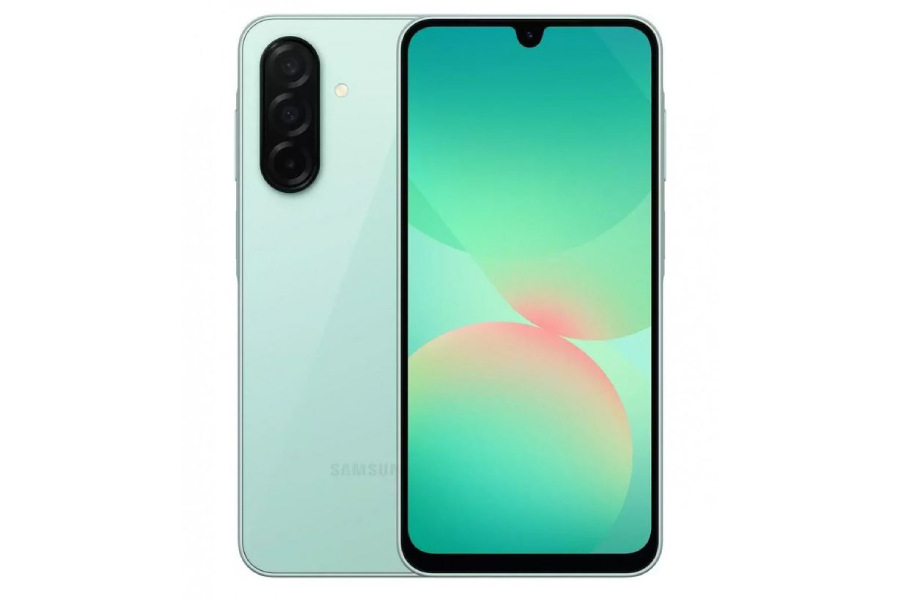
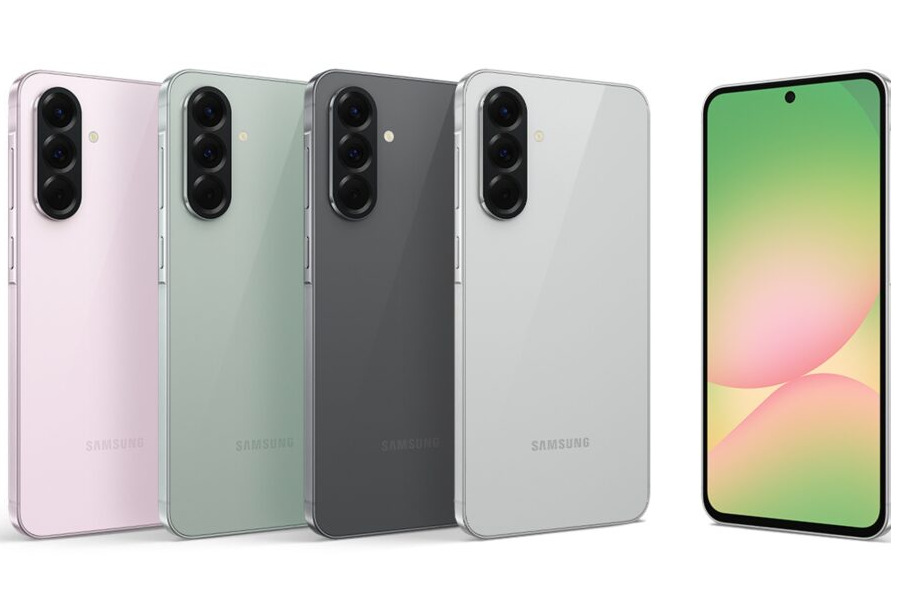
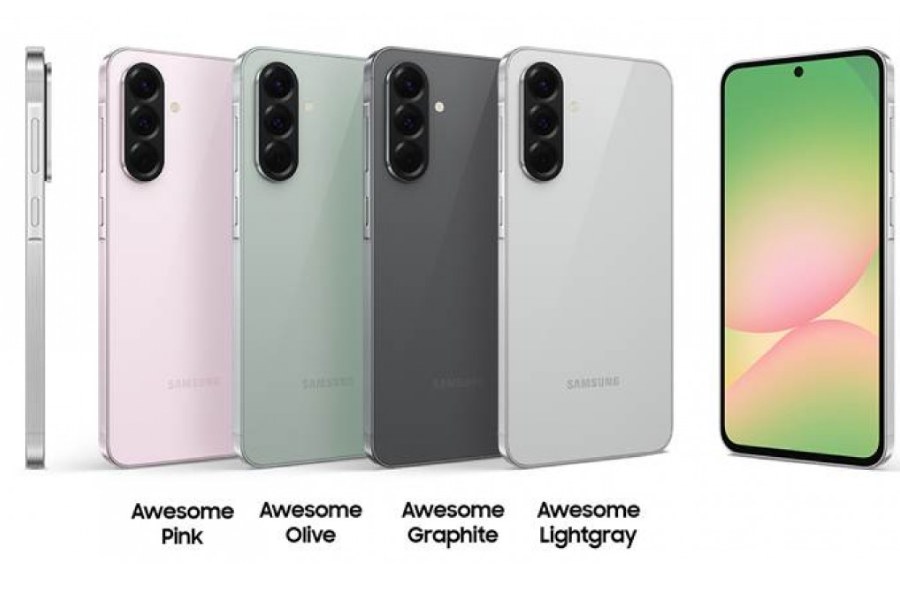
Samsung is expected to unveil the Galaxy S25 series of smartphones in January 2025. With few weeks remaining for the launch, the S25 models are expected to surface in different certification platforms across the globe. In a new development, the Galaxy S25 Ultra has emerged in the database of the NBTC certification platform of Thailand. At the same time, a reliable leaker has revealed the configurations of the S25, S25+, and S25 Ultra.
Samsung Galaxy S25 Ultra NBTC certified
Samsung Galaxy S25 Ultra NBTC certified in Thailand
As can be seen above, the Galaxy S25 Ultra has emerged with model number SM-S938B/DS in NBTC’s database (via. stufflistings). To recall, the Galaxy S24 Ultra appeared in NBTC’s database in November 2023 before debuting in January 2025. Therefore, it is very likely that S25 Ultra may break cover in January 2025.
In related news, leaker Arsène Lupin has revealed that the Galaxy S25 will be available in 128 GB and 256 GB storage choices, and the S25+ will arrive in 256 GB and 512 GB variants. The S25 Ultra is tipped to come in three storage choices, such as 256 GB, 512 GB, and 1 TB. The leak does not specify the RAM details for these phones. However, it appears that the entire lineup may offer 12 GB of RAM.
Another source, Jukanlosreve, has claimed that the 256 GB variant of the S25 Ultra will have 12 GB of RAM. On the other hand, the 512 GB and 1 TB variants will have 16 GB of RAM. The S25 Ultra is expected to feature the Snapdragon 8 Elite chipset. There have been reports that the S25 and S25+ will also have the Snapdragon 8 Elite, but there’s a possibility that both phones may arrive with the Exynos 2500 chip in some markets or all regions.
The long wait finally comes to an end as Samsung has already begun distributing the first One UI 7 beta, based on Android 15. There are very few recipients now, but the list should be longer in the coming days and weeks.
One of the most exciting features of One UI 7 is the new live activity pill “Now Bar” on a revamped lock screen. There are also new app icons, a new camera interface, smoother animations, and more flexibility in widgets. One UI 7 beta separates the notifications and quick panel, depending on which part of the status bar you’re swiping down from — left of the selfie camera for notifications and right for quick settings. A host of Galaxy AI features are also there. Plus, there is improved PC integration with the ability to use your phone as a webcam, among many other changes.
One UI 7 is an exciting upgrade, but the stable rollout isn’t happening until early 2025. However, the One UI 7 beta program lets you enjoy the newest software ahead of the public release. Here, we’ve shared two ways to get One UI 7 beta on your Samsung Galaxy.
The One UI 7 beta program is currently live for the Galaxy S24 series (excluding the S24 FE). So, ensure that you have one of the following eligible models:
The next step is to check if you currently belong to a region where the beta program is live: Germany, India, Korea, Poland, the UK, and the US. If yes, you can use the Samsung Members to get One UI 7 beta (check method #1); otherwise, you may have to sideload it (check method #2).
[Note: Remember to back up your important data on a PC, external drive, or cloud to save yourself from accidental data loss.]
2. Open the app and log into your Samsung account.
3. Look for the One UI Beta Program banner and tap on it. If it isn’t showing, tap the announcement icon, and under the Notices section, click on Registration for One UI 7 Beta Program.
4. Tap on the One UI 7 Beta Program image and click Join Now to enroll in the beta program.
5. Tap Enroll to agree to terms and conditions and hit Agree.
6. Open the Settings app and navigate to Software update > Download and install.
7. You’ll see the One UI 7 beta update, which you need to download and install.
Now, explore the new features and improvements in One UI 7.
Method 2: Install One UI 7 beta by sideloading it
If the first method isn’t working (in other words, the Members app doesn’t show the One UI 7 beta banner), you can manually download the update package and flash it on your Galaxy S24 using ADB.
Before proceeding, ensure that your Galaxy S24 runs on the build number ending with “AXK4” and that you own international, Korean, US, or Chinese Galaxy S24 units. To see the build number, navigate to Settings > About phone > Software information.
Now, follow these steps:
1. Connect your phone and PC using a USB cable.
2. On your phone, tap 7 times on the build number to enable Developer options.
3. Toggle on USB debugging. If greyed out, turn off Auto blocker in Settings and then enable USB debugging.
6. Download the correct One UI 7 beta update package for your device using this link.
7. Rename this file to “update” (make sure it’s still a ZIP file) and copy it to platform-tools-latest-windows > platform-tools folder.
8. Type “CMD” in the address bar and hit Enter to open Command Prompt here.
9. Type in the following command and hit Enter to check if your phone is connected to the PC:
adb devices
If you see a random string of characters below the list of devices attached, it means the ADB connection is successful, and you’re good to go. If not, unplug the USB cable and connect it again.
10. Run this command to boot your phone into recovery:
adb reboot recovery
11. Using the volume down button on your phone, navigate to Apple update from ADB and press the side/power button.
12. Run the following command to sideload One UI 7 beta ZIP:
adb sideload update.zip
13. Wait for the process to finish.
Your Samsung Galaxy S24 should boot into One UI 7 beta within a few minutes.
So, these are two ways to install One UI 7 beta on the Galaxy S24 series. If you face any trouble during the installation, share your query in the comments below. We’ll try to respond at the earliest.
The much-anticipated Huawei Mate 70 Pro has officially arrived, and we’ve got the unboxing and hands-on video ready for you! A year after the release of the highly successful Mate 60 Pro, Huawei has once again pushed the boundaries with its latest flagship. With refined features and a fresh design, the Mate 70 Pro aims to establish itself as one of the best smartphones in Huawei’s history.
Here’s a closer look at what we discovered during the unboxing and our initial hands-on experience.
The Mate 70 Pro comes in a well-organized box, containing the essential accessories: a SIM card pin, manual, clear PC case, USB-C to USB-C cable, and a 100W charger. As you can see, the charger still uses Huawei’s unique two-in-one port. The contents are neatly packed, and overall, the unboxing experience sets the tone for the premium device that lies ahead.
2. Design and build
The Mate 70 Pro continues Huawei’s legacy of excellent design. While the device’s rear camera module bumps up slightly more than expected, the overall design is sleek and harmonious. notably, the phone has a rounded frame that’s comfortable to hold.
The Mate 70 Pro has also earned IP69 certification, offering both high-temperature and high-pressure waterproofing.
The phone’s battery capacity has increased to 5,500mAh, and the wireless and wired charging capabilities have been slightly upgraded from the Mate 60 Pro. However, the fingerprint sensor has been relocated from under the display to the power button. While this may seem like a downgrade, the 3D TOF face unlock feature remains intact, providing another reliable unlocking option that most Android devices lack.
3. Performance: the new Kirin 9020 chipset
The Kirin 9020 chipset is an upgrade in both CPU and GPU frequencies. While the overall boost isn’t groundbreaking, it delivers a smooth experience for day-to-day tasks. Gaming performance still lags behind other flagship devices, though you may benefit from the frame interpolation tech with compatible games. Overall, the Mate 70 Pro is a reliable choice for everyday users. Here’s everything you need to know about the new chip.
4. HarmonyOS NEXT:
The HarmonyOS NEXT update marks a significant shift in Huawei’s ecosystem, with the operating system now resembling iOS in many ways and being independent of Android. However, it comes at the cost of some freedom, as AOSP apps cannot be installed. Huawei users outside of China can rest easy, though, as the EMUI version (for global markets) will continue to be used globally, ensuring full compatibility. Here’s more about how HarmonyOS NEXT is different from Android.
5. Display and camera:
Telephoto macro shot
The Mate 70 Pro features a quad-curved display with support for 600 nits of manual peak brightness and up to 1,600 nits in high-brightness mode. The screen provides vibrant colors, fitting nicely into the flagship category.
On the photography front, Huawei has made significant upgrades. The Mate 70 Pro now includes an ultra-wide camera with higher resolution, a telephoto camera with a larger aperture, and an ultra-chroma camera for more accurate white balance. In our tests, the camera performed exceptionally well, producing stunning macro shots thanks to its telephoto lens. The added detail and color accuracy make the Mate 70 Pro one of the best camera phones on the market.
6. Conclusion: big upgrades with small changes
In conclusion, the Huawei Mate 70 Pro brings major upgrades in areas like camera performance and system enhancements, while other aspects, such as the design and display, see minor tweaks.
Watch our full unboxing and hands-on video for a more detailed look at the Mate 70 Pro in action. If you’re considering a Huawei smartphone, the Mate 70 Pro may just be the phone to beat.
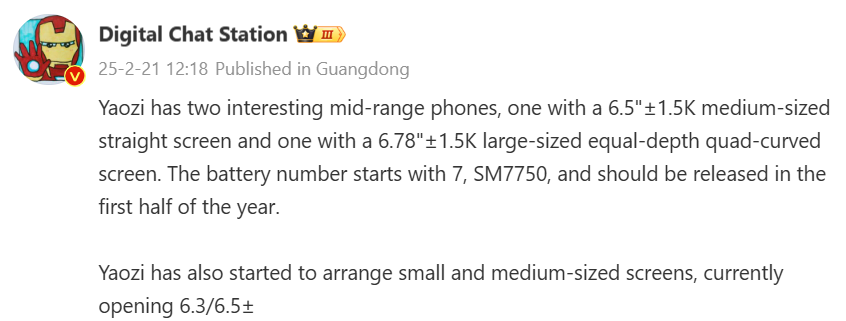
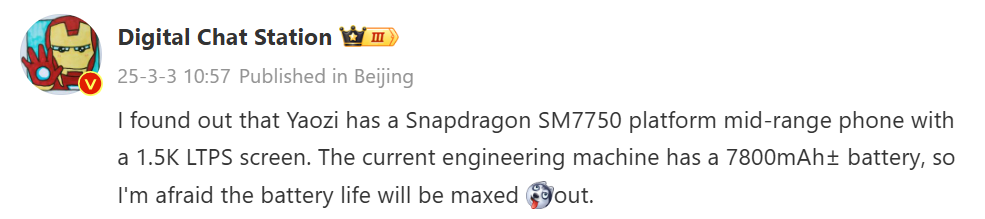
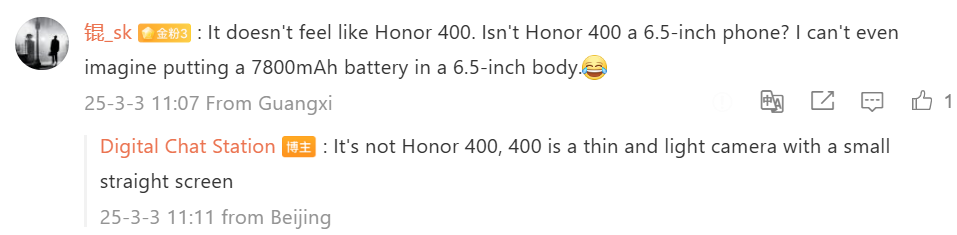
Later this week, Realme will launch the Realme Neo 7, an affordable flagship phone, in China. The major attraction of this device is that it packs a massive 7,000mAh battery. New leaks by well-known tipster Digital Chat Station reveal that multiple brands are planning to launch 7,000mAh battery phones in China. He has also revealed that one of the brands is considering launching an 8,000mAh battery phone.
Realme considers launching 8,000mAh battery phone
As can be seen above, DCS has revealed that Realme may launch a phone with an 8,000mAh battery in the future. Currently, it is still in the verification phase and might not be finalized. He also revealed that iQOO, Redmi, and OnePlus are gearing up to launch 7,000mAh battery phones.
Based on information sourced from the supply chain, DCS revealed that an upcoming iQOO phone will come with a battery of around 7,000mAh capacity. Additionally, it will sport a high-resolution 2K LTPS Samsung flat display equipped with an ultrasonic fingerprint sensor. Unfortunately, the tipster did not reveal the name of the device. The mysterious phone is expected to launch in 2025 in China. At present, there is no information about the 7,000mAh battery phones from Redmi and OnePlus.
Recently, iQOO launched the iQOO 13 with a 6,000mAh battery, and Realme unveiled the Realme GT 7 Pro with a 5,800mAh battery in India and some other markets. These phones have slightly smaller batteries compared to their Chinese counterparts. The iQOO 13, available in China, packs a 6,150mAh battery, whereas the Realme GT 7 Pro features a larger 6,500mAh battery. It is unclear whether the reduction in battery size outside China could be due to regulatory constraints.
The Realme Neo 7 and other phones with 7,000mAh batteries are expected to launch in markets outside of China. It remains to be seen whether their global versions will arrive with the same battery size or if it will be reduced due to various factors.
We recently had the chance to test the AEKE Smart Home Gym K1, an AI-powered fitness device that promises a personalized workout experience in the comfort of your own home.
This AI-powered gym boasts a 43-inch touchscreen display and utilizes camera technology to assess your fitness level and monitor your form throughout your workout.
Unlike many fitness devices, the K1 doesn’t require a monthly subscription. You pay once and gain lifetime access to all its features.
The K1 arrives in a cleverly designed box that unfolds like a paper racket. The machine itself is constructed from lightweight, durable aluminum and features a comfortable eco-leather bench with 12 adjustment levels.
The included accessories, such as the barbell, smart grips, and heart rate band, connect wirelessly for a seamless workout experience.
A personalized approach to fitness
One standout feature of the K1 is its comprehensive body assessment. It uses the built-in camera and AI to evaluate your body composition, flexibility, and strength based on ACSM standards. From this assessment, it creates a personalized workout plan tailored to your fitness goals and abilities.
This plan evolves with your progress. The K1 tracks your form in real-time with AI-powered motion analysis and offers visual and audio cues to ensure safe and effective exercise. Its built-in motor dynamically adjusts resistance levels to simulate the feel of free weights.
The K1 boasts several smart features designed to enhance your workout experience. The AI-powered motion analysis system tracks your movements and provides real-time feedback on form and technique. This virtual coaching not only ensures you’re performing exercises correctly but also helps prevent injuries.
Unsurprisingly, the K1 also has a variety of workout programs, including weight training, cardio, yoga, and even Pilates. Many of these programs incorporate AI support, with adjustments made to the resistance levels based on your performance.
The K1’s compact design allows for easy storage when not in use. When folded, it occupies a mere 0.3 square meters of space, making it ideal for apartments or homes with limited space.
The AEKE Smart Home Gym K1 is currently in the crowdfunding stage and is close to reaching its $48,000 goal. You can join the campaign here. And for a detailed overview of the K1’s features and functionality, watch our full video review below.
Edifier has introduced its latest over-ear headphones, the Evo Space, in the Chinese market. Priced at 509 yuan (approximately $70), the headphones are now available on JD.com. This launch follows the earlier release of the higher-end Halo Space headphones. Here’s a closer look at the key specifications.
Edifier Evo Space Specifications
The Evo Space headphones feature a stylish and lightweight design, weighing approximately 260 grams, ensuring comfortable long-term wear without adding pressure on the head.
It comes with high-quality protein leather ear cushions that provide a breathable and soft feel, making them ideal for extended use. The ergonomic design also includes an adjustable aluminum support arm and a foldable structure for easy portability.
The headphones equip 40mm titanium-coated composite diaphragms that deliver powerful bass and crystal-clear highs, supporting a wide frequency response range of 20Hz to 40kHz. It sports dual Hi-Res Gold Audio certifications, including Hi-Res Wireless and LHDC5.0 support, ensuring high-definition sound quality with up to 192kHz/24-bit lossless audio transmission.
These headphones also feature -45dB deep noise cancellation with five adjustable noise-cancellation modes, such as depth noise reduction, wind noise resistance, and ambient sound mode, ensuring a tailored listening experience. They come with a DNN intelligent noise cancellation system for crystal-clear calls.
Evo Space features a 93-hour battery life without noise cancellation and 53 hours with it. They come with fast charging, providing 7.5 hours of playback in 15 minutes, and fully charging in 2.5 hours.
They also support Bluetooth v5.4 for fast and stable connections and dual-device pairing, allowing seamless switching between devices. Additionally, the headphones can operate in wired mode with a USB cable, providing flexible connectivity options.
Users can personalize their experience through the Edifier Connect App or PC client, which supports functions like scene switching, sound effect customization, noise cancellation mode adjustments, and firmware updates.
Evo Space comes with three audio presets (music, gaming, and spatial audio), and a low latency mode (0.08s) enhances gaming experiences. It sports an intuitive touch control system for play/pause, volume adjustment, and noise cancellation toggles. The headphones are available in four stylish colors Pearl White, Misty Pink, Midnight Blue, and Earth Brownthe Evo Space.
In related news, Blaupunkt launched the BH61 Moksha earlier this year, offering affordable ANC headphones with a 50-hour battery life. Additionally, Baseus introduced the GoPlay 1 Max gaming headset, featuring 40mm dual drivers, an adjustable microphone, and low-latency performance.
1. OnePlus Nord 4: The Best Mid-Range Phone of 2024
OnePlus Nord 4
GizmoChina crowned the OnePlus 12 as the best affordable flagship smartphone in India for 2024. But another model from the Chinese brand has managed to take the top spot in one of our other categories as well. The OnePlus Nord 4 is the best mid-range phone that was released in the region. This model can be purchased right now for just Rs 27,999 (roughly 330 US Dollars).
At this price, buyers get a tall 6.74 inch 120Hz AMOLED display with 1.5K resolution, Snapdragon 7+ Gen 3 SoC, 50MP dual camera setup, and a massive 5,500mAh battery pack. This phone also supports 100W wired fast charging. All of these capable specs are housed in a premium glass body with an aluminum frame. So you get a great package of performance, design, and more without breaking the bank.
Please Note: When you buy something using the links in our articles, we may earn a small commission at no cost to you.
2. Vivo T3 Ultra
Vivo T3 Ultra
The Vivo T3 Ultra is another great option in the mid-range category, which is why it’s the runner-up in our list. While it typically retails for Rs 31,999 INR, it does go on sale for around Rs 28,999 as well. This makes it slightly more expensive than the Nord 4. But for a few thousand rupees more, the Vivo T3 Ultra packs the powerful Dimensity 9200+ chipset.
There is also a tall 6.78-inch 120Hz AMOLED display with a 1.5K resolution on the front, while the rear has a 50MP dual Zeiss camera module. A huge 5,500mAh battery pack powers the T3 Ultra that supports 80W wired fast charging. So this phone offers a glass body, Zeiss cameras, older flagship level performance, and more.
Please Note: When you buy something using the links in our articles, we may earn a small commission at no cost to you.
3. Poco F6
POCO F6
In our review of the POCO F6, we mentioned how it offers unbeatable performance and value in the affordable flagship segment. The company made various compromises like a plastic body and a 50MP dual camera setup to keep the cost low, but it packs the Snapdragon 8s Gen 3 for flagship grade performance. For just Rs 24,999, this is by far one of the cheapest phone with such capable hardware.
There was also a POCO F6 Deadpool Limited Edition that went on sale in India for Rs 29,999. It sports a 6.67-inch AMOLED display with a 120Hz refresh rate and 1.5K resolution. A sizeable 5,000mAh battery pack, which supports 90W wired fast charging. Other notable features include 50MP dual cameras, an IP64 rating for protection, and more.
Please Note: When you buy something using the links in our articles, we may earn a small commission at no cost to you.
4. Realme GT 6T
Realme GT 6T
The Realme GT 6T launched in India as a great mid-range option in India a couple of months ago. It arrives with the Snapdragon 7+ Gen 3 chip, which is the same processor as the OnePlus Nord 4. This model is listed for around Rs 29,999 but did go on sale a few weeks ago.
Realme packs one of the brightest screens in this segment, with a 6,000 nits peak on its 6.78-inch 120Hz AMOLED display. The Realme GT 6T houses a big 5,500mAh cell that supports 120W wired fast charging, making it the fastest on this list. The 50MP dual cameras for photography make a return on this model as well.
Earlier today, Xiaomi hosted a launch event in India for the Redmi Note 14 series smartphones, the Redmi Buds 6, and the Xiaomi Sound Outdoor speaker. Alongside these gadgets, the brand has also introduced the Xiaomi Ultra Slim Power Bank in India, combining portability with advanced charging features.
Xiaomi Ultra Power Bank features
The Ultra Slim Power Bank has a capacity of 4900mAh battery, weighing just 93g and measuring 10mm in thickness (dimensions: 113 x 53 x 10 mm), fitting easily into pockets or bags. It provides a 20W maximum output, compatible with both Android and iOS devices.
The power bank supports 18W fast input for recharging, ensuring minimal downtime. Its USB Type-C port allows for two-way charging, functioning as both an input and output port, eliminating the need for separate ports for charging the power bank and other devices. It also supports a wide range of charging protocols, including PD3.0, PPS, QC3.5, AFC, and FCP, ensuring compatibility with various devices.
Xiaomi has prioritized safety with 12 built-in layers of protection, offering safeguards against overcharging, overheating, and short circuits. The power bank also includes a convenient carry pouch for added portability and protection. It charges in approximately 1 hour and 32 minutes with a 33W charger and slightly longer with a 22.5W charger.
Pricing & availability
Crowdfunding has begun today on mi.com, with a crowdfunding price of ₹1,799 and an early bird offer of ₹1,499 for the first 1,000 units. Sales will start on December 13th, 2024, at 12 PM. It is available in a single Space Grey color.
Xiaomi has introduced its latest offering, the Mijia Air Purifier 5 Pro, in the Chinese market. This follows the earlier launch of the Mijia Air Purifier 5 earlier this year. The purifier is now available for purchase at an introductory price of 2,499 yuan ($344). Let’s check out the key specs.
Xiaomi Mijia Air Purifier 5 Pro Specifications
The Mijia Air Purifier 5 Pro is equipped with a dual-fan system that delivers powerful purification, outputting 13,333 liters of clean air per minute. It boasts a 3-minute air renewal capability, making it ideal for large spaces like new homes, offices, shops, and kindergartens.
It is capable of delivering 1050 m³/h CADR for particles, effectively covering areas between 56-96 m². The device comes equipped with a six-layer composite filtration system, capable of removing bacteria, formaldehyde, dust, and allergens.
It sports a formaldehyde CADR of 720 m³/h, delivering an 8x better performance than national standards (China). This ensures rapid elimination of harmful gases like formaldehyde and TVOC, making it ideal for newly renovated spaces. The purifier comes with powerful antibacterial and deodorizing filters, offering 99.99% removal efficiency for the H1N1 flu virus, EV71 intestinal virus, and other airborne bacteria and viruses.
The air purifier equips six advanced sensors to detect indoor pollutants like formaldehyde, pollen, and particulate matter, providing real-time monitoring for air quality. It also features UV-C sterilization technology and an antibacterial coating to ensure a hygienic environment, especially during flu seasons.
The Mijia Air Purifier 5 Pro supports smart connectivity through the Mijia App and XiaoAI voice assistant, allowing users to control the device remotely, set automation scenarios, and adjust modes effortlessly. It also supports HyperOS Connect and comes with a large LCD screen that displays air quality and device status clearly.
It sports a low-noise operation, with a sleep mode generating just 33 dB(A), making it suitable for bedrooms. Additionally, its hidden caster wheels make it easy to move between rooms, while the elegant design with a sealed top cover ensures internal cleanliness.
The device also features an energy-efficient long-lasting filter with a lifespan of up to 12 months, costing approximately 1.23 yuan per day for maintenance. It equips a snap-in filter compartment door for easy filter replacement, enhancing user convenience.
In related news, Xiaomi also recently unveiled a mini washing machine with a 1kg capacity, featuring smart dosing and sterilization capabilities. Additionally, the company introduced the new Mijia floor scrubber, offering 15,000Pa suction, triple anti-hair technology, and a 30-minute runtime.
Xiaomi has launched the Xiaomi Sound Outdoor Speaker in India, alongside the Redmi Note 14 series and the Redmi Buds 6, offering a feature-packed audio solution at an accessible price. These speakers were recently launched in the UK, after their global unveiling back in April.
Key Features and Design
The Xiaomi Sound Outdoor Speaker delivers 30W output with dual subwoofer radiators for rich and dynamic sound, suitable for various settings. It is fine-tuned for balanced audio, ensuring bold bass, clear vocals, and sharp treble, catering to diverse music preferences.
The speaker weighs 597 grams and supports both vertical and horizontal placement. Its sleek black design with orange accents includes a rubber lanyard in vibrant colors for portability and a silicone anti-slip pad for stability.
Built for Durability
The speaker’s IP67 rating makes it waterproof and dustproof, capable of withstanding immersion in water up to one meter for 30 minutes. This durability ensures reliable performance in outdoor environments like beaches and hiking trails.
Battery and Connectivity
A 2600mAh battery powers the speaker for up to 12 hours of playback at moderate volumes. It supports 15W Type-C fast charging, fully recharging in 2.5 hours. The speaker uses Bluetooth v5.4, offering a range of up to 25 meters, TWS stereo pairing, and a Multi-Speaker Pair function for connecting up to 100 speakers. Hands-free calling and tap controls enhance convenience.
Pricing & available
The Xiaomi Sound Outdoor Speaker is priced at ₹3999, with an introductory offer of ₹3499 for those purchasing from December 13th. It will be available through Xiaomi’s website, Flipkart, and the company’s offline retail stores.
Oppo Reno 13 Pro and Vivo S20 Pro are two flagship contenders offering cutting-edge features in design, performance, and cameras. While both excel in delivering premium experiences with AMOLED displays, powerful MediaTek chipsets, and advanced photography capabilities, they cater to slightly different user preferences. Oppo emphasizes durability, wireless charging, and optical zoom, whereas Vivo focuses on superior brightness, performance, and ultrawide versatility. This comparison breaks down their differences and unique highlights to help you decide which device suits your needs better.
The Oppo Reno 13 Pro features a premium glass-aluminum design with IP68/IP69 resistance, making it more robust against water and dust compared to the Vivo S20 Pro’s IP64 rating. Its 6.83-inch AMOLED display boasts a slightly larger size and higher peak brightness at 1200 nits. In contrast, the Vivo S20 Pro’s 6.67-inch AMOLED panel offers superior peak brightness at an astonishing 5000 nits, ensuring unmatched outdoor visibility.
Both phones deliver vibrant, fluid visuals with 120Hz refresh rates and HDR10+ support, but Vivo’s compact size makes it slightly easier to handle. The Reno 13 Pro’s design feels more durable and sophisticated, while the Vivo S20 Pro’s display may appeal more to those who prioritize brightness and clarity.
If durability and elegance are key for you, the Oppo Reno 13 Pro leads. For display brilliance, Vivo takes the crown.
2. Specifications
Vivo S20 Pro
The Reno 13 Pro is powered by the MediaTek Dimensity 8350 chip, while the Vivo S20 Pro houses the more advanced Dimensity 9300+ chip, offering enhanced performance and efficiency. Both devices run Android 15 but have unique UIs: ColorOS for Oppo and OriginOS for Vivo. Storage options are plentiful in both, reaching up to 1TB for Oppo and 512GB for Vivo.
The Oppo Reno 13 Pro has a larger 5800 mAh battery with 80W wired and 50W wireless charging. Vivo’s 5500 mAh Si/C battery supports faster 90W wired charging but lacks wireless charging.
Oppo excels with wireless charging and a larger battery, making it ideal for heavy users. Vivo is a great choice for faster wired charging enthusiasts.
3. Camera
OPPO Reno 13 Pro
The Reno 13 Pro and Vivo S20 Pro both offer excellent 50 MP triple-camera setups, but they excel in different areas. Oppo’s telephoto lens provides 3.5x optical zoom, which is better for capturing distant subjects, while Vivo’s periscope telephoto lens supports 3x optical zoom with enhanced depth and detail. Vivo stands out with an ultrawide camera that includes autofocus, allowing macro shots. Both devices have stellar 50 MP selfie cameras with 4K recording.
For zoom flexibility and diverse shooting, Oppo edges ahead.
4. Pricing
The Oppo Reno 13 Pro is priced at around €440, slightly cheaper than Vivo’s €450. While the price difference is minimal, the Reno 13 Pro offers a larger battery and wireless charging, potentially providing better value for money. However, Vivo’s cutting-edge performance might justify the slight premium.
Budget-conscious buyers might favor Oppo, but Vivo’s futuristic chipset makes it a worthy contender for power users.
Oppo Reno 13 Pro: Stands out with IP68/IP69 durability, a larger battery, wireless charging, and better optical zoom.
Vivo S20 Pro: Leads in display brightness, performance, and ultrawide camera versatility.
Oppo’s highlights suit those valuing durability and long-lasting usage, while Vivo caters to enthusiasts of cutting-edge tech and superior display performance.
In the fiercely competitive budget smartphone segment, brands have continued to push the envelope in terms of features, performance, and design. Among the numerous contenders, three devices stood out in 2024 in the Indian market: the CMF Phone 1, Realme Narzo 70 Turbo 5G, and Poco X6 Neo.
After analyzing the specifications, features, and pricing, we have crowned the CMF Phone 1 as the winner, while Realme Narzo 70 Turbo 5G and Poco X6 Neo come as close runner-ups. Let’s dive into what makes these smartphones exceptional choices for budget-conscious consumers.
The CMF Phone 1 stands out as the best budget smartphone of 2024 for several reasons. It offers a premium experience with its 6.67-inch FHD+ Super AMOLED display featuring a 120Hz refresh rate and a peak brightness of 2000 nits. The display ensures vivid visuals, perfect for media consumption and gaming.
Powered by the MediaTek Dimensity 7300 SoC, the phone delivers smooth performance with up to 8GB of RAM and an additional 8GB of virtual RAM. It runs on Android 14 with Nothing OS 2.6, offering a clean and bloat-free experience. The device will also get 2 Android updates and 3 years of security patches.
The CMF Phone 1 also brings unique customization options, with a removable vegan leather back cover available in Light Green, Blue, and Orange. Its 50MP Sony IMX882 main camera captures stunning images, supported by a 2MP portrait sensor. It also comes with a big 5000mAh battery with 33W fast charging ensuring lasting power, though it lacks wireless charging.
Despite its tragic association with a recent battery explosion incident in Maharashtra, the CMF Phone 1 remains a value-packed smartphone that caters to both performance and aesthetic preferences.
Please Note: When you buy something using the links in our articles, we may earn a small commission at no cost to you.
2. Runner-Up: Realme Narzo 70 Turbo 5G
The Realme Narzo 70 Turbo 5G impresses with its gaming-oriented features and efficient performance. Its 6.67-inch FHD+ AMOLED display with a 120Hz refresh rate and 2000 nits peak brightness offers a premium viewing experience. Powered by the MediaTek Dimensity 7300-Energy SoC, it is optimized for gaming and multitasking, with support for 90 fps in popular games like BGMI and COD.
One standout feature is its Stainless Steel Vapor Cooling System, which keeps the device cool during intense gaming sessions. With up to 12GB of RAM and 256GB of storage, the Narzo 70 Turbo 5G caters to power users. Its 5000mAh battery supports 45W fast charging, which charges 50% in just 30 minutes.
While the 50MP rear camera and 16MP front camera are decent, the phone’s IP65 dust and water resistance and slim 7.6mm profile give it a stylish and durable edge. However, its slightly higher price for comparable specifications keeps it in the runner-up position.
Please Note: When you buy something using the links in our articles, we may earn a small commission at no cost to you.
3. Runner-Up: Poco X6 Neo
The Poco X6 Neo is another excellent option in the budget segment. Featuring a 6.67-inch FHD+ AMOLED display with a 120Hz refresh rate, it offers smooth scrolling and gaming. While its 1000 nits peak brightness is lower than its competitors, the inclusion of Corning Gorilla Glass 5 for protection is a welcome addition.
The phone is powered by the MediaTek Dimensity 6080 SoC, a reliable chipset for day-to-day tasks and moderate gaming. Its 108MP primary camera, paired with a 2MP macro sensor, stands out in the budget segment, offering detailed photography. The 5000mAh battery with 33W fast charging ensures it stays powered throughout the day.
Despite its slightly dated UFS 2.2 storage and IP54 dust and water resistance, the Poco X6 Neo remains a solid choice for those prioritizing photography and affordability.
Please Note: When you buy something using the links in our articles, we may earn a small commission at no cost to you.
4. Verdict
While all three smartphones offer excellent value for money, the CMF Phone 1 emerges as the winner for its unique blend of display quality, performance, and customization. The Realme Narzo 70 Turbo excels in gaming and durability, while the Poco X6 Neo impresses with its camera capabilities. No matter which device you choose, 2024’s budget smartphone segment has something exceptional for every user.
Xiaomi has officially launched its Redmi Note 14 series in India, offering a new lineup of smartphones packed with new features and competitive pricing. The series includes three models: Redmi Note 14, Note 14 Pro, and Note 14 Pro+. You can check out the standard version here.
Redmi Note 14 Pro:
The Redmi Note 14 Pro features a 6.67-inch 1.5K curved AMOLED display with Corning Gorilla Victus 2 protection.
Powered by the MediaTek Dimensity 7300 Ultra chipset (up from Note 14’s Dimensity 7025 Ultra), the Pro model is set to offer slightly better performance than the base model, making it suitable for more demanding apps and multitasking. All of this is paired with 18+ AI features including AI Cutout, AI Erase Pro, AI Clear Capture, and more.
In terms of cameras, the phone is equipped with the same 50-megapixel Sony LYT-600 primary sensor, an 8-megapixel ultra-wide lens, and a 2-megapixel macro lens. It also comes with a 20-megapixel front camera for high-quality selfies. This pro model also packs a slightly larger 5,500mAh battery with the same 45W fast charging support. The phone also packs a flagship-level IP68 dust and water-resistant rating, meaning it can survive accidental submersion in water.
The 8GB RAM + 128GB storage model is priced at Rs 23,999, with the 256GB storage model priced at Rs 25,999.
Redmi Note 14 Pro+:
The Redmi Note 14 Pro+ is the flagship of the series, offering premium features and performance. It sports a 6.67-inch 1.5K curved AMOLED display and is powered by the Qualcomm Snapdragon 7s Gen 3 chipset, ensuring top-tier performance for a mid-range device. This model also offers 20+ AI features including the “AI Smart Clip” feature that can quickly generate a reel from images.
The camera setup on the Redmi Note 14 Pro+ includes the flagship-grade 50-megapixel Light Hunter 800 primary sensor. This is paired with an 8-megapixel ultra-wide lens and a 50-megapixel telephoto lens. For selfies, it comes with a 20-megapixel front camera.
The device is backed by a large 6,200mAh battery, supporting 90W fast charging, allowing for rapid recharges. The phone is protected by an IP68 + IP69 dust and water-resistant body, meaning it can withstand submersion as well as hot water jets.
The 8GB RAM + 128GB storage variant of the Redmi Note 14 Pro+ is priced at Rs 29,999, including offers for ICICI and HDFC bank cardholders.
In summary, the Redmi Note 14 series offers a range of options to suit different needs and budgets. With advanced features like AI capabilities, these devices promise to be great value for money in the mid-range smartphone segment. The series will hit the shelves on December 13, 2024.
Xiaomi has officially launched its Redmi Note 14 series in India, offering a new lineup of smartphones packed with new features and competitive pricing. The series includes three models: Redmi Note 14, Redmi Note 14 Pro, and Redmi Note 14 Pro+. The series runs on HyperOS, based on Android 14, and comes with advanced AI features and AI-enhanced imaging capabilities.
Redmi Note 14 specs and features:
It sports a 6.67-inch flat FHD+ AMOLED display with a 120Hz refresh rate. The display reaches a peak brightness of 2,100 nits and features an in-display fingerprint sensor, an upgrade over Redmi Note 13’s side-mounted sensor.
Overall, the phone comes with a refreshed design with with slightly curved back panel for a more comfortable grip, which is paired with a redesigned camera module for a modern look. The device comes in three different color options: Phantom Purple, Mystique While, and Titan Black.
Powered by the MediaTek Dimensity 7025 Ultra chipset, the Note 14 promises efficient performance for daily tasks and moderate gaming. With this chipset, the phone can also remove objects from images, which makes this device an interesting option in its price segment.
The camera setup includes a 50-megapixel Sony LYT-600 primary sensor and a 2-megapixel secondary lens. For selfies, it houses a 16-megapixel front camera.
The device is backed by a 5,110mAh battery that supports 45W fast charging (up from 33W), ensuring long-lasting performance and quick recharges.
All of this is protected inside an IP64 ingress protection-rated body (upgraded from IP54 on its predecessor), which means the phone can withstand water splashes just fine. In addition to that, the phone also includes the HydroTouch function, which means the touch screen will function normally even in the presence of water on the surface.
Pricing and availability
The 6GB RAM + 128GB storage model of the Redmi Note 14 is priced at Rs 17,999 (original price Rs 18,999), which includes discounts on ICICI and HDFC bank cards. The device will go on sale starting December 13, 2024.
When you hear “flagship killer,” you likely think of phones that offer top-tier specs and performance at a fraction of the cost of premium models like Samsung’s Galaxy S24 Ultra or Apple’s iPhone 16 Pro Max. These phones challenge big-name flagships and make you wonder why you should pay more when you can get nearly everything for less.
In 2024, competition in this space is fierce. Phones are getting better, but so are the demands. People now want strong performance, stunning screens, premium designs, and reliable cameras—all without overspending. While compromises are inevitable, some brands have really figured out how to strike the right balance.
Here we will go through the list of best flagship killers you can buy in India.
The Vivo V40 Pro makes a strong case as the more style-conscious sibling in the flagship-killer category. Its design feels premium, with a slim profile and a curved display that gives it a more expensive look and feel.
Under the hood, it packs the MediaTek’s flagship Dimensity 9200+ chipset that can handle everything you throw at it with ease. The display is another high point—a vibrant AMOLED panel with a 120Hz refresh rate, though it doesn’t reach the QHD+ resolution we have in another option in this list.
The camera system is the major highlight of the V40 Pro. It has a trio of 50MP sensors for wide, telephoto, and ultrawide shots. All the sensors use Zeiss lenses and the camera app offers numerous Zeiss portrait presets, similar to what you get on Vivo’s X-series.
Despite, its slim 7.6mm body, Vivo has managed to fit in a big 5500mAh cell here. Charging comes at 80W, though it does not support wireless charging.
2. Motorola Edge 50 Ultra
Motorola has been quietly crafting excellent phones, and the Edge 50 Ultra is a shining example of that effort. It’s a well-rounded flagship killer that doesn’t necessarily excel in one area but delivers solid performance across the board.
It’s powered by a near flagship Snapdragon 8s Gen 3 chip and delivers a near-stock Android experience that feels light, fast, and refreshingly simple compared to the bloatware-laden alternatives.
The Edge 50 Ultra’s display is a 6.7-inch OLED panel with a 144Hz refresh rate—the fastest of the bunch. Gamers and anyone who loves ultra-smooth scrolling will appreciate this detail.
The phone has a comparatively smaller 4800mAh cell but makes up for its with 125W fast charging. There’s even support for 50W wireless charging. It won’t outlast the Vivo V40 Pro, but it won’t leave you scrambling for a charger midday either.
As for the cameras, you get a 50MP wide, 64MP periscope telephoto and a 50MP ultrawide camera on the back, and a 50MP selfie camera on the front.
Please Note: When you buy something using the links in our articles, we may earn a small commission at no cost to you.
3. Xiaomi 14 Civi
Xiaomi is no stranger to the flagship-killer category, and the 14 Civi is its latest contender. As always, Xiaomi’s strength lies in offering impressive hardware at competitive prices.
The 14 Civi boasts a gorgeous 1.5K AMOLED display with a 120Hz refresh rate. It’s sharp, colorful, and plenty bright for outdoor use. The Snapdragon 8s Gen 3 processor keeps everything running smoothly, whether you’re gaming or multitasking.
Where the 14 Civi stands out is its design and build quality. It’s slim, lightweight, and looks more premium than its price tag suggests. Xiaomi also focuses heavily on its selfie camera, with a 32MP front shooter that’s perfect for social media enthusiasts.
The rear cameras are solid too, though not as versatile as the iQOO or Vivo. Battery life is good, and 67W fast charging gets the job done quickly.
The Xiaomi 14 Civi is a great pick for anyone who wants a stylish, well-rounded phone without spending flagship money. It just lacks that final push to take the top spot.
Please Note: When you buy something using the links in our articles, we may earn a small commission at no cost to you.
4. iQOO 12
The iQOO 12 is the most well-rounded flagship killer this year. It has the brains, the looks, and a surprisingly competent camera system—all for a price that significantly undercuts big-name flagships.
Let’s talk performance first. iQOO didn’t hold back here. The phone is powered by the Qualcomm Snapdragon 8 Gen 3, the same processor you’ll find in devices that cost almost twice as much. Whether you’re gaming, multitasking, or jumping between demanding apps, the iQOO 12 keeps up without breaking a sweat. It’s snappy, smooth, and offers the kind of performance that most people actually notice.
The 6.78-inch AMOLED display is another standout feature. It’s sharp, bright, and boasts a 144Hz refresh rate. You won’t see many mid-range phones with this level of smoothness, and it makes everything—scrolling, gaming, or just browsing Instagram—feel ultra-responsive.
On the design side, iQOO 12 feels premium without trying too hard. The build quality is excellent, with glass on both sides and an aluminum frame. It looks and feels like it belongs in the flagship league.
Its camera setup includes a 50MP main, 64MP periscope telephoto with 3x zoom, a 50MP ultrawide lens on the rear, and a 16MP sensor on the front.
Finally, it will offer a dependable battery life. Fueling the phone is a 5,000mAh cell that should last a full day, even with some heavy usage. And it has 120W fast charging support. You can go from zero to 100% in under 30 minutes.
At its price, the iQOO 12 doesn’t just look like a flagship—it performs like one too. And that’s why it’s our top pick.
Please Note: When you buy something using the links in our articles, we may earn a small commission at no cost to you.
5. The Verdict
If you’re looking for a flagship killer in 2024, the iQOO 12 is the phone to beat. It offers flagship-level performance, a stunning display, a versatile camera setup, and fast charging—all for a considerably lower asking price.
The Vivo V40 Pro, Motorola Edge 50 Ultra, and Xiaomi 14 Civi are excellent alternatives, each with its own strengths. Vivo wins on design and portraits, Motorola offers a clean and stylish experience, and Xiaomi packs value into a sleek form factor.
At the end of the day, it’s a great time to shop for a phone. The flagship killer segment is thriving, and you no longer have to settle for “good enough.” Phones like the iQOO 12 are proving that you can get top-tier performance and features without emptying your wallet.
Xiaomi might be bringing an enhanced security system to two of its upcoming budget flagship smartphones. The brand might be bringing a fingerprint sensor technology that is typically reserved for premium smartphones, so here’s everything we know so far.
Xiaomi Civi 5 Pro & Redmi K80 Ultra Leak
The latest information arrives from the known tipster Smart Pikachu (Via TechOutlook). In the Weibo post, the Redmi K80 Ultra and the Xiaom Civi 5 Pro will house an ultrasonic fingerprint sensor under the display. Apparently, the Chinese tech giant is currently testing this sensor for the Civi 5 Pro and K80 Ultra models. So you’re getting a better sensor for fingerprint security over the predecessors, which are the Civi 4 and K70 series.
Back in October, we covered a list of reasons why the ultrasonic fingerprint scanner is better for smartphone security. These sensors can create 3D images of your fingerprints, over the 2D mapping of optical scanners. These are also faster and can read through wet, oily, or dirty fingers as well. Recently, a bunch of smartphones that are not from the ultra premium segment have started featuring this technology, so it won’t be surprising that the Civi 5 Pro and K80 Ultra also ship with this feature.
The Redmi K80 series has already broken records with over 1 million units selling in just 10 days. We recently unboxed the new Redmi K80 and K80 Pro as well. Both models launched a couple of weeks ago in China and saw impressive sales on day one. However, Xiaomi’s new Civi lineup and the K80 Ultra model have yet to be announced. Rumors have hinted at the next gen Civi 5 series to be equipped with the Dimensity 9400, which is a flagship grade processor. This is all the information we have at the moment, so stick around for more updates.
Xiaomi has launched the Redmi Buds 6 alongside their Redmi Note 14 5G series in India. The true wireless earbuds boast impressive specs, targeting budget-conscious audiophiles.
Redmi Buds 6 features
The highlight is the dual-driver system: a 12.4mm titanium diaphragm driver for powerful bass and a 5.5mm micro-piezoelectric ceramic unit for crisp highs. This combo, along with active noise cancellation (ANC) reaching 49dB, promises an immersive listening experience. The earbuds also offer a transparency mode with three levels: Regular, Enhance Voice, and Ambient Sound.
Connectivity features are plentiful. Redmi Buds 6 supports multi-device connection, Bluetooth 5.4 for low latency, and seamless pairing with Xiaomi phones via HyperOS. The earbuds even offer a remote shutter function for camera control.
Battery life is another strong point. With ANC off, users can expect up to 10 hours per charge from the earbuds and an additional 32 hours from the case. With ANC on, playtime drops to 6.5 hours per charge, but the case still provides a respectable 19.5 hours. Fast charging delivers 4 hours of playback with just a 10-minute charge.
The Redmi Buds 6 are IP54 rated for dust and water resistance, making them suitable for workouts. It also has AI-powered environmental noise cancellation which ensures clear calls even in windy conditions.
Pricing & availability
Available in three colors (Titan White, Ivy Green, Spectre Black), the Redmi Buds 6 are priced at Rs. 2,799 (discounted from Rs. 2,999) until December 19th. Afterward, they will cost Rs. 2,999. Xiaomi offers a unique “Lost Worry-Free” service: a half-price replacement for a lost earbud within two years. The earbuds will be available on Amazon, Flipkart, Mi.com, and Xiaomi stores starting December 13th.
In other news, India-based electronics brand Noise has launched its open-ear clip-on headphones, the Air Clips for Rs 2,999. Available in Pearl Black, White, and Purple, they feature 12mm drivers, Bluetooth v5.4, AirWave Technology, dual-device pairing, and IPX5 water resistance.
Samsung Black Friday Deals are still live, and the buyers can save big with the massive discounts on the Samsung Storage products and devices. There is around a $34 discount on the 512GB SDXC Pro Plus card. Further, the Portable 8TB T5 EVO SSD is down with a $105 discount, and you’ll even get a free Pro Ultmate Full Size SDXC 128GB card. Moreover, there’s a $195 off on the purchase of a 4TB 990 Pro 4.0 NVMe SSD.
The discounts are extended across the whole storage lineup of the Korean giant. Precisely, Samsung 128GB UFS Memory Card 128GB storage is retailing for the price of $30, while the 256GB storage is retailing for the price of $60. Samsung EVO Plus 128GB microSD memory card is retailing for the price of $50; whole microSDXC memory is also up for grabs at the same price.
Samsung Evo Plus+ Adapter microSDXC cards are also discounted. Meanwhile, the portable T5 SSDs of varied sizes are available at significant discounts. The interested folks can pick these up in different colors and storage sizes. Portable SSD T7 Shield USB 3.2 external SSDs can be yours at a discounted price.
It is one of those times when you should not think twice before grabbing the products, especially electronics.
To tackle the competition and offer value for money to the end buyers, the Korean giant has dropped the prices across its brochure of storage devices.
Please Note: When you buy something using the links in our articles, we may earn a small commission at no cost to you.
Realme has just teased the launch of a new mid-range series of smartphones in India. The Realme 14 Pro series recently had some of its specs revealed via new image posters, confirming its camera and chipset details. So let’s check it out.
Realme 14 Pro Series India Launch Near
The Chinese brand teased the Realme 14 Pro series in India. Looking at the posters, we can see that the Snapdragon 7s Gen 3 powers the lineup. The company also claimed that it is two generations ahead in terms of camera as well. The Snapdragon 7s Gen 3 basically makes it an upper mid-range model. Meanwhile, the teasers confirmed features for a periscope telephoto shooter.
Realme stated that the Realme 14 Pro will feature an AI Ultra Clarity 2.0 feature. This helps massively improve the quality of original low resolution photos. The periscope telephoto shooter would help offer better zoomed shots on the Realme 14 Pro+. Just last week, the Realme 14 Pro model was spotted on 3C and Camera FV 5 databases. This confirms its RMX5056 model number, 50MP main rear camera, and a 16MP sensor on the front for selfies and video calls.
Based on what we know so far, the Realme 14 Pro may launch in three storage configurations, namely 8GB RAM with 128GB of storage, 8GB RAM with 256GB of storage, and 12GB RAM with 512GB of storage. This model will also launch in two color variants, which includes Pearl White and Suede Grey. A recent report also claimed that a new variant is also in the works, which could be dubbed the Realme 14 Pro Lite. This model may arrive in three color options like Emerald Green, Monet Purple, and Monet Gold.
OnePlus has released the V20P01 December update, which brings a range of improvements and new features to a wide range of its smartphones and tablets. This update is being rolled out gradually, starting from December 2nd, 2024, and will reach all eligible devices by January 2nd, 2025.
The V20P01 update is designed to improve functionality, aesthetics, and performance. It introduces a variety of new features, refines existing tools, and improves system stability, ensuring users have a smoother and more enjoyable experience.
Notable changes include redesigned Weather and Clock widgets, which improve layout and usability on the Home screen. New styles for Clock widgets offer more customization options.
In the Photos app, the update adds a filtered view to help users better organize their photos, videos, and favorite content. A slider now shows photo dates while browsing, making it easier to navigate. Users can also lock entire photo albums, providing greater privacy and convenience. Another feature, ProXDR, ensures that high-dynamic-range photos retain their quality even after editing with watermarks. Additionally, the update integrates a new boarding pass recognition feature, enabling users to scan and save passes directly to Google Wallet. You can check the complete changelog below for more details:
OnePlus V20P01 update changelog
Photos (Only available on OxygenOS15)
• Adds a filtered view of photos, videos, and favorites to Photos.
• Now you can see the date of photos when dragging the side slider.
• Now you can lock a whole photo/video album for efficiency.
• ProXDR can now be kept after editing photos with watermarks.
• Boarding passes can now be recognized and added to Google Wallet.
Weather
• Optimizes the widgets of Weather on the Home screen for better style and layout.
Clock (Only available on OxygenOS15)
• Optimizes the widgets of Clock on the Home screen and adds various styles.
System
• Improves system stability.
Eligible Devices:
The V20P01 update is compatible with a wide range of OnePlus devices running OxygenOS 14 and 15. Specific models include:
OnePlus 12 Series
OnePlus Nord CE4 5G
OnePlus Open
OnePlus 11 Series
OnePlus 10 Series
OnePlus 9 Series
OnePlus 8T
OnePlus Nord 4 5G / OnePlus Nord 3 5G / OnePlus Nord 2T 5G
OnePlus Nord CE3 5G / OnePlus Nord CE 3 Lite 5G / OnePlus Nord CE 2 Lite 5G
OnePlus Pad / OnePlus Pad Go
OnePlus 8 / OnePlus 8 Pro
OnePlus Nord 2 5G
OnePlus Nord CE 2 5G
OnePlus Nord CE 5G
Important Notes:
The update rollout is gradual, and not all users will receive the notification immediately. Users can check for the update by navigating to Settings > About device and selecting the OxygenOS card to check for updates. To view the current version, users can go to Settings > About device > Version > SOTA version.
The update log displayed on the device may differ slightly from the one published in the community, as the latter consolidates changelogs across multiple models and certain features may vary depending on device hardware and software support. The update has been rolled out to users in several Asia-Pacific countries, including Hong Kong, India, Malaysia, and Singapore, as well as in Middle Eastern countries like Saudi Arabia and the UAE. OnePlus is working to expand the deployment to other regions.
We use cookies on our website to give you the most relevant experience by remembering your preferences and repeat visits. By clicking “Accept”, you consent to the use of ALL the cookies.
This website uses cookies to improve your experience while you navigate through the website. Out of these, the cookies that are categorized as necessary are stored on your browser as they are essential for the working of basic functionalities of the website. We also use third-party cookies that help us analyze and understand how you use this website. These cookies will be stored in your browser only with your consent. You also have the option to opt-out of these cookies. But opting out of some of these cookies may affect your browsing experience.
Necessary cookies are absolutely essential for the website to function properly. This category only includes cookies that ensures basic functionalities and security features of the website. These cookies do not store any personal information.
Any cookies that may not be particularly necessary for the website to function and is used specifically to collect user personal data via analytics, ads, other embedded contents are termed as non-necessary cookies. It is mandatory to procure user consent prior to running these cookies on your website.