Advertisement

Vivo Y18t launched in India: Affordable phone with the brightest display under Rs 10,000

Vivo has just released a brand new affordable smartphone in India. The device is dubbed the Vivo Y18t, which features impressive specs for its budget price tag. It has the brightest display for under Rs 10,000, so here’s everything you need to know about this model.

Vivo Y18t: What makes it special?

The Chinese brand unveiled the Vivo Y18t was announced with a 6.56-inch LCD display that offers 840 nits of peak brightness, 90Hz refresh rate, HD+ resolution, 2.5D glass, TUBU Rheinland Blue Light certification, and a water drop notch, which houses an 8-megapixel selfie shooter. On the rear, it features a 50-megapixel dual camera setup. Under the hood, the smartphone is equipped with the UNISOC T612 SoC, which is paired with the Mali-G67 MP1 GPU, 4GB of RAM, and 128GB of internal storage.

Vivo Y18t
Vivo Y18t

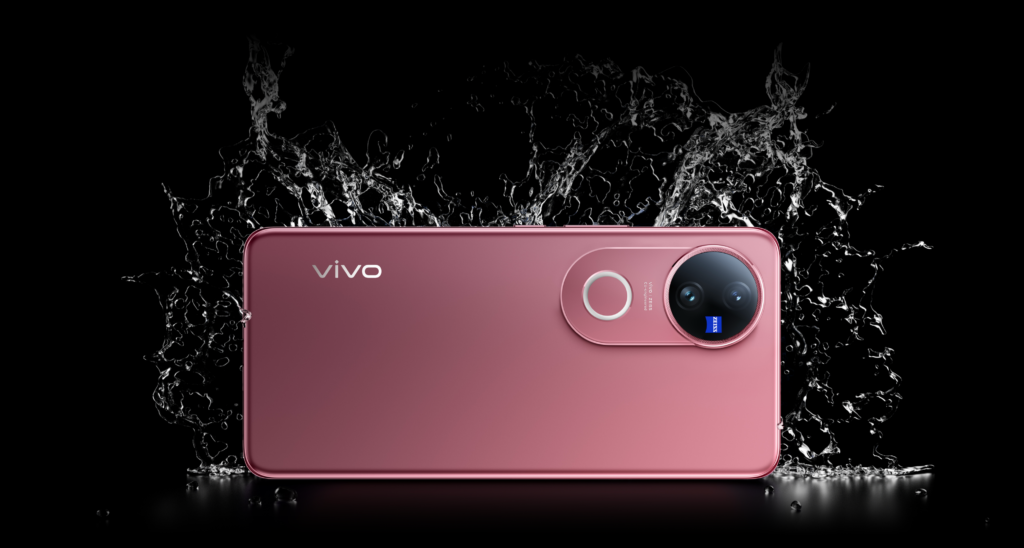
Apart from the bright screen, the Vivo Y18t debuted in India with a sleek body that has a gradient like finish and flat edges. Even the camera lenses are surrounded by a gold colored ring. It measures just 8.3mm in thickness and weighs 185 grams in weight. A massive 5,000mAh battery pack powers this device, which supports 15W wired fast charging.

Other notable features include 4G LTE support, 2.5D glass, Android 14 OS based FunTouchOS 14 custom skin out of the box, Bluetooth 5.2, FM Radio, and users can even expand storage via a dedicated MicroSD card slot. There is also a side mounted fingerprint scanner, a 3.5mm headphone jack, and an IP54 rating for water and dust resistance.

Pricing and Availability

Vivo was announced in India for just Rs 9,499 (roughly 113 US Dollars). It arrives in a single storage configuration but can be purchased in two color options. This includes a Space Black and Gem Green color variant. The company is selling the Vivo Y18t in India from its official website and offline retail stores.

Xiaomi reportedly working on AI Glasses with Goertek, set for release in Q2 2025

Xiaomi is reportedly gearing up to enter the AI glasses market, partnering with Goertek for its upcoming wearable, which is expected to debut in the second quarter of 2025. This product launch is speculated to coincide with the Mi Fan Festival in April.

According to sources, Xiaomi CEO Lei Jun has set an ambitious goal for the glasses, with expected shipment volumes reaching at least 300,000 units. The new AI glasses reportedly aim to rival Meta’s Ray-Ban models, integrating both AI capabilities and advanced hardware features.

Key features and market positioning

According to the report from “Intelligent Emergence,” Xiaomi’s AI glasses will feature an array of cutting-edge technology-driven modules, including AI integration, audio headphone components, and camera modules, all designed to compete directly with Meta’s high-tech eyewear lineup.

Notably, the new device is likely to fall under the company’s primary brand, marking a significant step in Xiaomi’s expansion within the wearable tech industry.

Other companies such as OPPO, Vivo, Huawei, Tencent, and ByteDance are also exploring possibilities in the AI glasses market, although sources indicate their projects currently remain in earlier developmental stages. Many industry experts expect that these other tech giants will begin launching their AI glasses closer to late 2025.

The competitive landscape in AI and AR glasses

Xiaomi’s move comes as competition in the smart glasses sector heats up, both globally and domestically in China. Meta’s recent AR offering, the Meta Orion, launched in September 2024, boasts cutting-edge AR capabilities and will reportedly enter mass production by 2027.

Meanwhile, other Chinese companies are pushing forward with innovative glasses products of their own. Meizu, for instance, has released multiple smart glasses, while Baidu’s recently introduced “Xiaodu AI Glasses” will hit the market in early 2025 launch.

Xiaomi isn’t new to the smart glasses market though. Earlier this year, the brand introduced its Mijia Smart Audio Glasses, focused primarily on delivering an audio experience through air conduction technology. Priced at a budget-friendly $63, these glasses deliver sound through ultrasonic speakers embedded in the frame, creating a unique audio experience without bulky headphone attachments. You can learn more about the Mijia Smart Audio Glasses here.

As Xiaomi continues to invest in the wearable tech market, its upcoming AI glasses are likely to offer an affordable alternative to premium offerings from Meta and other competitors.

(Via)

Comparing Xiaomi 15 vs Xiaomi 15 Pro: Which is better?

Xiaomi’s latest releases, the Xiaomi 15 and 15 Pro, bring powerful specs and sleek designs to the table, each tailored to unique user preferences. While the Xiaomi 15 focuses on delivering core essentials in a compact build, the 15 Pro offers enhanced features like a superior display, upgraded camera system, and extended battery life. This comparison explores each model’s design, specs, and standout features to help you decide which best meets your needs.

1. Design and Display

Xiaomi 15 vs Xiaomi 15 Pro

The Xiaomi 15 and Xiaomi 15 Pro both offer premium design with IP68 water and dust resistance, but the Pro’s larger 6.73-inch screen and higher 1440 x 3200 resolution provide a more immersive experience. The Xiaomi 15’s compact 6.36-inch display, with a 90% screen-to-body ratio, is more comfortable for one-handed use. However, the Pro’s LTPO AMOLED display supports 68 billion colors versus the 1 billion on the Xiaomi 15, giving it richer and more vibrant colors, which enhances media consumption and overall visual appeal. The Pro’s display stands out as the better choice for users who prioritize exceptional visual quality, making it ideal for video streaming, gaming, or photography.

2. Specifications

Xiaomi 15 vs Xiaomi 15 Pro
Xiaomi 15

Both models are powered by the Snapdragon 8 Elite chipset, delivering strong performance for multitasking and gaming. The Xiaomi 15 Pro, with its larger 6100 mAh battery compared to the Xiaomi 15’s 5400 mAh, offers more power for extended usage, a key benefit for users frequently on the go. Both support 90W wired and 50W wireless charging, providing equally rapid recharge times. Additionally, the Pro’s two-way satellite communication adds emergency connectivity, which is useful for remote or challenging environments. The Pro is better suited for users needing a longer-lasting device with added connectivity options in diverse conditions.

3. Camera

Xiaomi 15 vs Xiaomi 15 Pro
Xiaomi 15 Pro

The Xiaomi 15 and 15 Pro both feature impressive triple 50 MP rear cameras with Leica optics, yet the Pro takes it further with a periscope telephoto lens that offers 5x optical zoom—a major upgrade over the Xiaomi 15’s standard telephoto. This zoom range enables sharper close-ups, which is ideal for capturing distant details. The Pro’s main wide camera also has a brighter f/1.4 aperture compared to the f/1.6 on the Xiaomi 15, significantly improving low-light performance. For photography enthusiasts or those who take photos in various lighting conditions, the Pro’s flexibility with the periscope lens and brighter aperture make it the superior choice in camera quality.

4. Pricing

With the Xiaomi 15 priced around €590 and the Xiaomi 15 Pro starting at approximately €690, there’s a €100 difference. Both offer strong value for their specs, but the Pro’s additional features—such as the enhanced display, advanced camera capabilities, larger battery, and satellite communication—justify the higher price. For users focused on top-tier visuals, robust camera performance, and added connectivity, the Pro’s price difference is worth it. Meanwhile, the Xiaomi 15 serves those who want strong performance and essential features at a more budget-friendly rate, making it an excellent balance of functionality and cost.

5. Conclusion

Xiaomi 15 vs Xiaomi 15 Pro
Xiaomi 15 Pro

The Xiaomi 15 Pro shines with unique features like 5x optical periscope zoom, two-way satellite communication, and an expanded color range on the display, making it a more versatile and future-ready device. For power users or frequent travelers, the Pro’s combination of high-end performance, connectivity, and camera improvements make it the better choice. The Xiaomi 15, however, remains a high-quality option that combines core functionality and affordability, appealing to users who don’t need every advanced feature. The Pro is ideal for those seeking top-tier specs, while the Xiaomi 15 excels as a premium, well-rounded smartphone that delivers value without the added frills.

Boult AmpVault V20, AmpVault V10 power banks with up to 20,000mAh capacity launched in India, starts at Rs 1,099 (~$13)

Boult has introduced two new power banks, the AmpVault V10 and AmpVault V20, designed to cater to high-capacity charging needs with advanced protection features. These power banks are designed for users who are always on the go, offering reliability and sleek design.

Boult AmpVault V20, AmpVault V10 key features

Boult AmpVault V20, AmpVault V10 key features

The AmpVault V20 boasts a 20,000 mAh capacity with 22.5W fast charging, making it capable of charging an iPhone 15 up to 4.9 times and a Samsung Galaxy S24 up to 4.1 times. It features multiple ports, including micro-USB, Type-C (both input and output), and USB, allowing for the simultaneous charging of multiple devices such as smartphones, tablets, smartwatches, and wireless earbuds. The power bank comes in Teal, Red, and Pure Black with a premium metallic finish, combining elegance with functionality. Additionally, it is equipped with a digital LED display and multiple protection layers, including overcurrent protection, short circuit protection, and smart shutdown, ensuring the safety of your devices during fast charging.

For those who prefer a more compact option, the AmpVault V10 offers a 10,000 mAh capacity with the same 22.5W boosted speed charging and multilayer protection as the V20. This model is ideal for quick charging needs without compromising performance, making it a convenient portable power source.

Varun Gupta, Co-Founder of Boult, emphasized the importance of power banks in daily life, whether for office use or general travel. He highlighted that the AmpVault V10 and V20 not only deliver fast and efficient charging but also incorporate essential safety features and sophisticated design that Boult customers expect. He expressed confidence in the new power bank category, anticipating strong performance in the coming years.

Boult AmpVault V20, AmpVault V10 pricing for India

The AmpVault V10 and V20 are now available exclusively on Flipkart, Amazon, and Boult India’s official website, priced at Rs 1,099 (~$13) for the V10 and Rs 1,499 (~$17) for the V20.

iQOO Neo10 series’ design and display specifications leaked

While the iQOO 13 is yet to make its global debut, iQOO is already preparing for the launch of its next-generation Neo10 series in China. Although the exact launch date remains under wraps, the iQOO Neo10 series is already generating buzz, especially among gaming enthusiasts. Now tipster DCS has shared the schematic of the iQOO Neo10 series along with the display specifications.

Schematic shows a redesigned camera module and more

According to DCS, the Neo10 series will sport a 6.78-inch flat display with a smaller punch-hole for the front camera and thinner bezels, providing a clean and immersive display experience. The design of the rear camera module has been slightly modified, incorporating a more textured decorative finish, adding a premium feel to the device.

Additionally, the Neo10 series has reportedly inherited software features from iQOO 13, which may include optimizations for display quality and touch responsiveness alongside the new animation and other visual enhancements of the Android 15-based OriginOS 5 skin.

Key specifications and features of the iQOO Neo10 series

In terms of internal specs, the iQOO Neo10 series has recently passed its 3C certification, marking a significant step toward its release. Reports suggest that the standard Neo10 model will be powered by the Snapdragon 8 Gen 3, while the Pro variant may come equipped with the Dimensity 9400 processor. This is also a reasonable upgrade from the Snapdragon 8 Gen2/Dimensity 9300 chips of the Neo9 series. Both models are expected to support 120W super flash charging.

The fast charging is rumored to be paired with a larger 6100mAh battery, a noticeable upgrade from the 5160mAh capacity of the previous generation. This increase in battery size, combined with efficient power management of the more efficient chips should significantly improve battery life, which will be beneficial for intense gaming sessions.

Additionally, the device is rumored to come with a Goodix ultrasonic fingerprint scanner, offering faster and more reliable unlocking.

On the camera front, the iQOO Neo10 series is rumored to feature a 16MP front camera, alongside a dual rear setup consisting of a 50MP primary sensor and an additional 50MP lens. The primary sensor is anticipated to be 1/1.56” in size, slightly smaller than the 1/1.49″ main sensor of the Neo9 Pro. However, both the chips come with improved ISPs. So we cannot classify the camera segment as a downgrade yet.

As pricing remains a concern, Digital Chat Station reassured users that the Neo10 series will be positioned competitively. With the iQOO 13 rumored to start at 3,999 yuan, the Neo10 series could offer a high-value alternative for users seeking flagship-level features (such as iQOO 13’s SuperComputing Chip Q2) without the premium price.

Overall, the iQOO Neo10 series appears to bring a couple of enticing features and improvements, especially for mobile gamers and performance-focused users.

(Source)

Samsung’s tri-fold patent provides a peek at its design and folding mechanism

Samsung’s tri-fold smartphone project has taken a significant step forward with a recent patent approval, offering a glimpse into what could be an innovative new addition to the foldable market.

Although the company remains quiet about the project, this patent—filed with the United States Patent and Trademark Office (USPTO)—gives some clues as to Samsung’s vision for this next-generation foldable. While a patent doesn’t guarantee a product release, it often hints at a company’s development direction.

Samsung’s tri-fold appears to follow Huawei’s footsteps for the Mate XT

This particular patent filed more than three years ago but only approved in early November this year, describes a tri-fold design that resembles the Huawei Mate XT. Samsung appears focused on perfecting the tri-fold design, prioritizing functionality and quality over rushing to be first to market, a shift from its pioneering role with the original Galaxy Fold.

The patent outlines a Z-shaped folding mechanism, something we have already seen with the Huawei Mate XT. It remains unclear when Samsung might introduce its tri-fold.

What to expect from Samsung’s tri-fold

While Samsung’s tri-fold is still in early development, Huawei’s Mate XT (review) offers some insight into what consumers might expect from this form factor. The Mate XT’s unique Z-shaped fold opens to reveal a spacious 10.2-inch 3K display, transforming the device into a tablet. This design adds versatility, with the Mate XT unfolding into a fully functional tablet experience, enhanced by an optional keyboard accessory.

Samsung

The Mate XT’s design also helps us imagine the engineering challenges Samsung may face. Huawei’s tri-fold folds with one side inward and the other side outward, creating a thin, 12.8mm profile when closed. While this design minimizes bulk, it introduces a noticeable crease, which could become more prominent over time. Samsung’s approach may involve innovations to address such creasing, ensuring longevity and smooth usability.

Samsung has opted for the latest Snapdragon flagship chips for its foldables so far. Given the possibility of multitasking, the upcoming Samsung tri-fold could also boast the latest and best Snapdragon chipset. While there’s still time for details about the Samsung tri-fold to surface, readers can check out the leaked renders of the next top-of-the-line bar flagship, the Galaxy S25 Ultra.

(Source | Via)

Why shouldn’t you buy the Galaxy S24 Ultra now?

The Samsung Galaxy S24 Ultra is undoubtedly a powerful and feature-packed flagship smartphone. But with the rumor mill churning out exciting leaks about its successor, the Galaxy S25 Ultra, and other upcoming ultra-flagships, you might want to hold off on that purchase. Here’s why:

Samsung Galaxy S24 Ultra

1. Galaxy S25 Ultra: A New and Improved Ultra

Early leaks and rumors suggest that the Galaxy S25 Ultra could bring some significant upgrades that might make your Galaxy S24 Ultra feel a tad outdated. Here’s what we’ve gathered so far:

Camera Overhaul: The Galaxy S25 Ultra’s rear camera setup is expected to continue to feature the same 200-megapixel primary camera from the previous generation. However, the setup is expected to include a new 50-megapixel ultra-wide snapper coupled with a 10-megapixel telephoto camera with 3x optical zoom and a 50-megapixel periscope telephoto camera with 5x optical zoom. This could translate to significantly better image quality, especially in low-light conditions and at high zoom levels.

Enhanced Display: While the S24 Ultra’s display is already impressive, the S25 Ultra might take it up a notch with even higher peak brightness and improved color accuracy.

Next-Gen Processor: Samsung typically equips its Ultra models with the latest and greatest processors. The S25 Ultra is expected to pack the latest Snapdragon 8 Elite chipset, promising a noticeable performance boost over the S24 Ultra.

New OS Experience: The Galaxy S25 Ultra will be the first Samsung phone to come preloaded with the latest One UI 7-based Android 15. Apart from an updated Galaxy AI experience, the new One UI 7 will new features, such as a redesigned control centre, new animations and icons, and better background blur effects. Like the S24 series, the S25 lineup may arrive with up to seven years of OS upgrade support.

If these rumored upgrades turn out to be true, the Galaxy S25 Ultra could offer a significantly better user experience compared to the S24 Ultra. Reports suggest that the S25 series will be announced by early January.

2. The Competition is Heating Up

Samsung isn’t the only player in the ultra-flagship game. Several other brands are gearing up to launch their contenders, each with its unique strengths and features. Here’s a quick look at what we can expect:

  • Oppo Find X8 Ultra: Oppo is known for its innovative camera technology and fast charging solutions. The Snapdragon 8 Elite-powered Find X8 Ultra is expected to feature dual periscope telephoto like the Find X8 Pro.
  • Honor Magic 7 Ultimate: Honor has been making a strong comeback in the premium smartphone segment. The Magic 7 Ultimate is rumored to feature a cutting-edge camera system with advanced AI capabilities and a unique design language.
  • Xiaomi 15 Ultra: Xiaomi’s Ultra models are known for their impressive camera performance and aggressive pricing. The Xiaomi 15 Ultra is expected to feature a large Sony sensor and Leica-branded lenses.
  • Vivo X200 Ultra: Vivo has been pushing the boundaries of smartphone photography with its X-series. The X200 Ultra with its advanced camera setup will be a strong contender for mobile photography enthusiasts.

Among the above-mentioned devices, only the Xiaomi 15 Ultra is expected to be released globally. The rest of the flagships are likely to remain confined to the Chinese market.

3. Should You Wait?

Ultimately, the decision of whether to buy the Galaxy S24 Ultra now or wait depends on your individual needs and priorities. If you need a new phone urgently and can’t wait for the S25 Ultra or other upcoming flagships, the S24 Ultra is still an excellent choice. However, if you’re willing to be patient and want the latest and greatest technology, waiting a few months might be worth it.

Keep in mind that these are just rumors and leaks, and the final specifications and features of the S25 Ultra and other upcoming flagships may vary. It’s always best to wait for official announcements before making a purchase decision.

4. Why the S24 Ultra Might Still Be the One for You

Despite the exciting prospects of the S25 Ultra and its competitors, the current S24 Ultra still holds its own as a top-tier flagship. The S24 Ultra is readily available, both online and in stores. You can often find attractive deals, discounts, and trade-in offers, making it a more affordable option compared to waiting for the newer models. Furthermore, with the arrival of the S25 Ultra and other flagships, Samsung is expected to slash the S24 Ultra’s price.

The S24 Ultra has already been thoroughly tested and reviewed, and it consistently receives high praise for its performance, camera quality, and overall user experience. You can be confident that you’re getting a reliable and capable device. Additionally, Samsung is confirmed to receive seven years of Android updates and security patches. It will be one of the first Samsung phones to get treated with the upcoming One UI 7-based Android 15.

Is OnePlus 13 really better than Xiaomi 15 Pro?

When comparing the Xiaomi 15 Pro and the OnePlus 13, two flagship smartphones launched in China, we see that both devices deliver top-of-the-line specifications, aiming to appeal to tech enthusiasts with their advanced displays, powerful processors, high-resolution cameras, and fast charging capabilities.

Let’s break down the differences and similarities between these two premium smartphones to help potential buyers make an informed decision.

Xiaomi 15 Pro

1. Display and Design

The Xiaomi 15 Pro boasts a quad-curved 6.73-inch 2K M9 OLED LTPO display with a peak brightness of 3200 nits and a dynamic refresh rate of 1-120Hz. It supports HDR10+ and Dolby Vision and features 1920Hz PWM dimming.

In contrast, the OnePlus 13 offers a slightly larger 6.82-inch BOE X2 2K+ LTPO flat AMOLED screen with an impressive 4500 nits peak brightness, achieving the first-ever DisplayMate A++ rating. It also supports a 1-120Hz refresh rate and is protected by Crystal Shield super ceramic glass, giving it an advantage in brightness.

The Xiaomi 15 Pro’s design includes a rounded, one-piece aluminum frame with a ceramic finish and is available in Rock Ash, White, Spruce Green, and Bright Silver. The OnePlus 13 features an ultra-narrow middle frame with an integrated antenna and the signature Alert Slider, available in unique finishes: Obsidian Ebony Wood Grain Glass, Velvet Leather in Blue, and Silk Glass in White, catering to diverse style preferences.

2. Performance

Both devices are powered by the latest Snapdragon 8 Elite SoC. However, OnePlus has optimized performance further, promising 3.18 million points on AnTuTu, a metric it attributes to improved heat management.

OnePlus employs a 9925mm² VC cooling area and the AAC CSA+ 0916 X-axis linear motor, enhancing haptic feedback with 4D gaming vibration effects. Xiaomi, on the other hand, utilizes a wing-shaped cold pump cooling system with a vapor-liquid separation design for efficient heat dissipation, covering a 4053mm² area.

Both devices offer up to 1TB of UFS 4.0 storage, with the OnePlus 13 providing up to 24GB of LPPDDR5x RAM, while the Xiaomi 15 supports up to 16GB. For those seeking future-proof, high-performance options, choosing the OnePlus 13’s highest variant is recommended.

3. Camera

On the camera front, Xiaomi and OnePlus both offer triple 50MP rear setups, but with some differences. The Xiaomi 15 Pro includes a 50MP main camera with a large 1/1.31-inch sensor, a 50MP ultra-wide camera, and a 50MP 5x periscope telephoto camera – all with Leica Summilux lenses and supported by Xiaomi’s AISP 2.0 computational photography platform.

OnePlus has its 50MP Sony LYT-808 main sensor, a 50MP 3x periscope telephoto lens, and a 50MP ultra-wide camera, leveraging Hasselblad’s camera system and a unique multi-prism reflection structure for sharper telephoto shots. On the front, both devices have a 32MP lens to take care of the selfies.

The Xiaomi 15 Pro supports 8K video recording, 10x lossless zoom, and has an ultrasonic fingerprint scanner. The OnePlus 13 also enables 8K video recording, features a 120x digital zoom, and includes an in-display ultrasonic fingerprint sensor.

4. Battery and Charging

Xiaomi 15 Pro comes with a 6100mAh battery and supports 90W wired charging, along with 50W wireless and magnetic charging. The battery boasts an energy density of 850Wh/L, enhancing capacity without increasing size significantly.

In contrast, the OnePlus 13 has a slightly smaller 6000mAh dual-cell battery, which supports 100W SuperVOOC fast charging and promises a full charge in just 36 minutes. This device also supports 50W wireless charging and magnetic charging, providing comparable flexibility to the Xiaomi 15 Pro. However, the OnePlus 13’s charging speed gives it a slight edge for users who need rapid power-ups.

5. Software

The Xiaomi 15 Pro runs on Xiaomi’s HyperOS 2.0, while the OnePlus 13 operates with ColorOS 15 in China and OxygenOS 15 for global markets. Both brands are offering four years of OS updates and five years of security patches.

6. Special Features and Durability

The Xiaomi 15 Pro introduces the Xiaomi Surge T1S signal enhancement chip, which allows it to support Xiaomi Xingchen networkless communication, enabling two-way calls up to 3.5km away without a network. OnePlus has also integrated a proprietary antenna solution that enhances signal performance, particularly during gaming.

OnePlus also offers superior protection with IP68 + IP69 ratings, providing enhanced dust and water resistance compared to Xiaomi’s IP68-only certification. Both devices offer comprehensive 5G support, Wi-Fi 7, Bluetooth 5.4, and NFC.

7. Price and Availability

Price-wise, both phones target the high-end market. The Xiaomi 15 Pro starts at 5299 yuan ($732) for the base 12GB + 256GB model, going up to 6499 yuan ($898) for the 16GB + 1TB model. Meanwhile, the OnePlus 13 starts at 4499 yuan ($622) and tops out at 5999 yuan ($830) for the 24GB + 1TB model. This makes the OnePlus 13 slightly more affordable across configurations, particularly with its 24GB RAM option.

8. Conclusion

Both the Xiaomi 15 Pro and the OnePlus 13 (check out the unboxing & quick review of OnePlus 13) are excellent choices with flagship specifications. The Xiaomi 15 Pro may appeal to those who prioritize camera versatility and advanced computational photography features, alongside Xiaomi’s unique networkless communication tech.

Meanwhile, the OnePlus 13 excels in display brightness, faster charging, and durability with IP69 protection. The choice will ultimately come down to personal preference, as both phones offer powerful and competitive features for 2024’s high-end smartphone market.

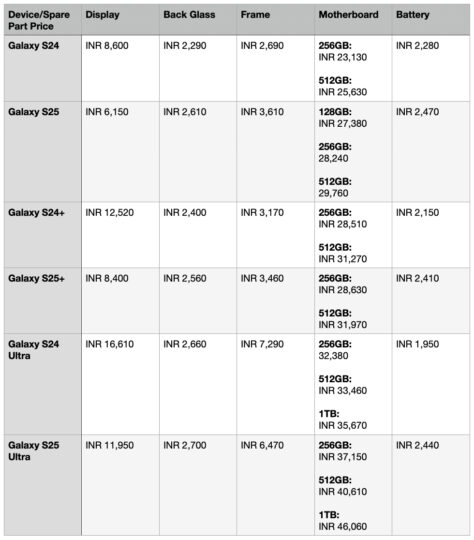
If you’re considering upgrading to the OnePlus 13, you can also check out this article detailing the repair costs for its display, cameras, battery, and other parts.

Galaxy S25 series could launch earlier than expected

Samsung launched its Galaxy S24 series in the second half of January this year, marking a highly anticipated release. Now, based on new evidence, it appears the Galaxy S25 series could arrive even earlier—potentially within the first week of January 2025. If correct, Samsung may be targeting a pre-CES 2025 premiere, an unusual move that could give it a strategic advantage in the competitive smartphone market.

Galaxy-S25-Ultra-render-3

Vietnamese retailer’s survey suggests the early release

A Vietnamese retailer’s survey recently surfaced online, suggesting that pre-orders for the Galaxy S25 lineup could open as early as January 5. This survey, which was machine-translated and shared widely, hints that Samsung may release its new flagship series, including the Galaxy S25, Galaxy S25 Plus, and Galaxy S25 Ultra, sooner than last year’s models.

In contrast, the Galaxy S24 series was announced on January 17 and hit shelves a week later. The retailer’s survey also includes discount vouchers for the S25 models, adding weight to the likelihood of an early January debut. Notably, according to a recent rumor, the Galaxy S25 Slim will be released later in the year.

However, it’s worth noting that the date listed in the survey does not guarantee a January 5 launch, and Samsung may choose to formally announce the exact date later.

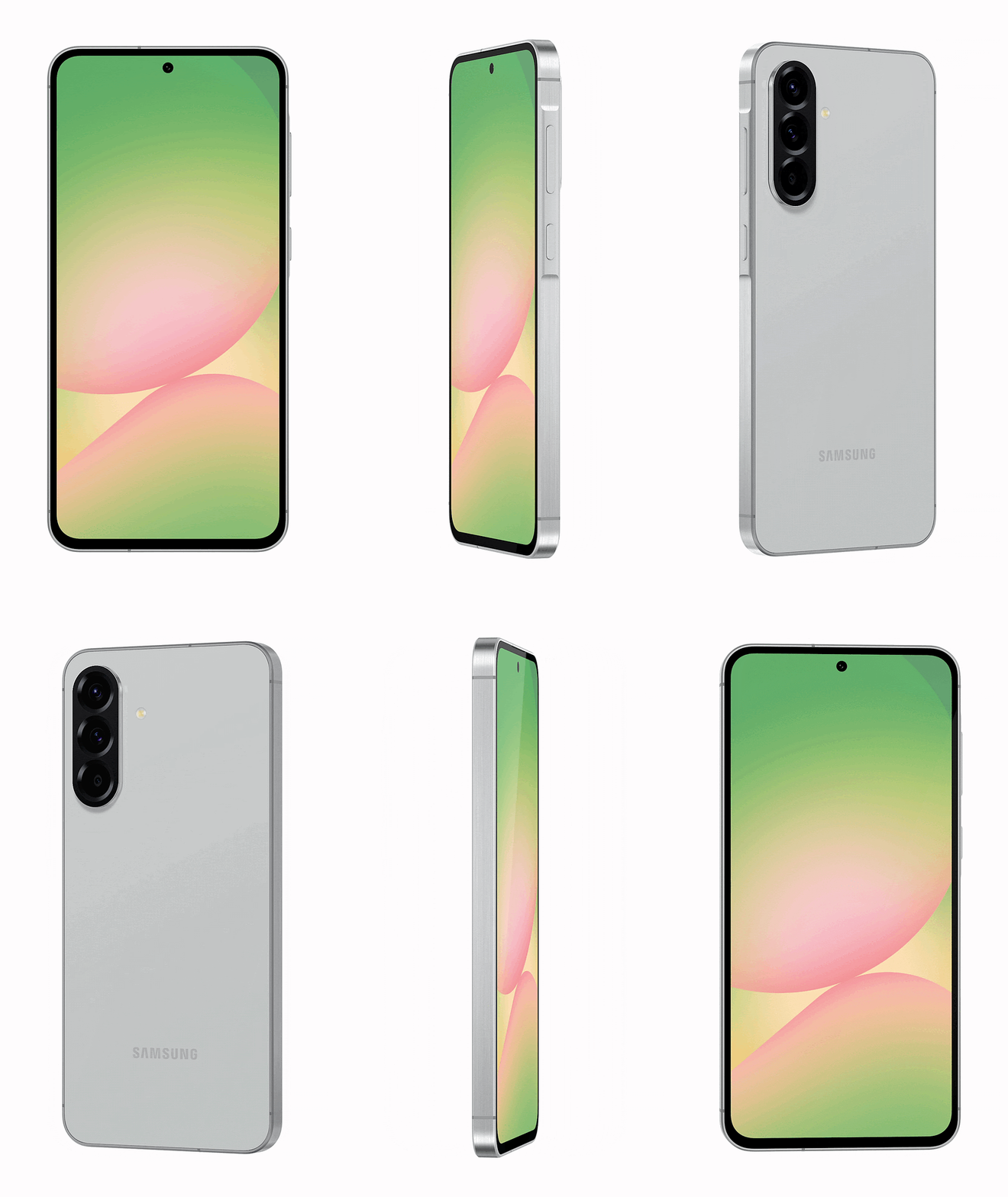
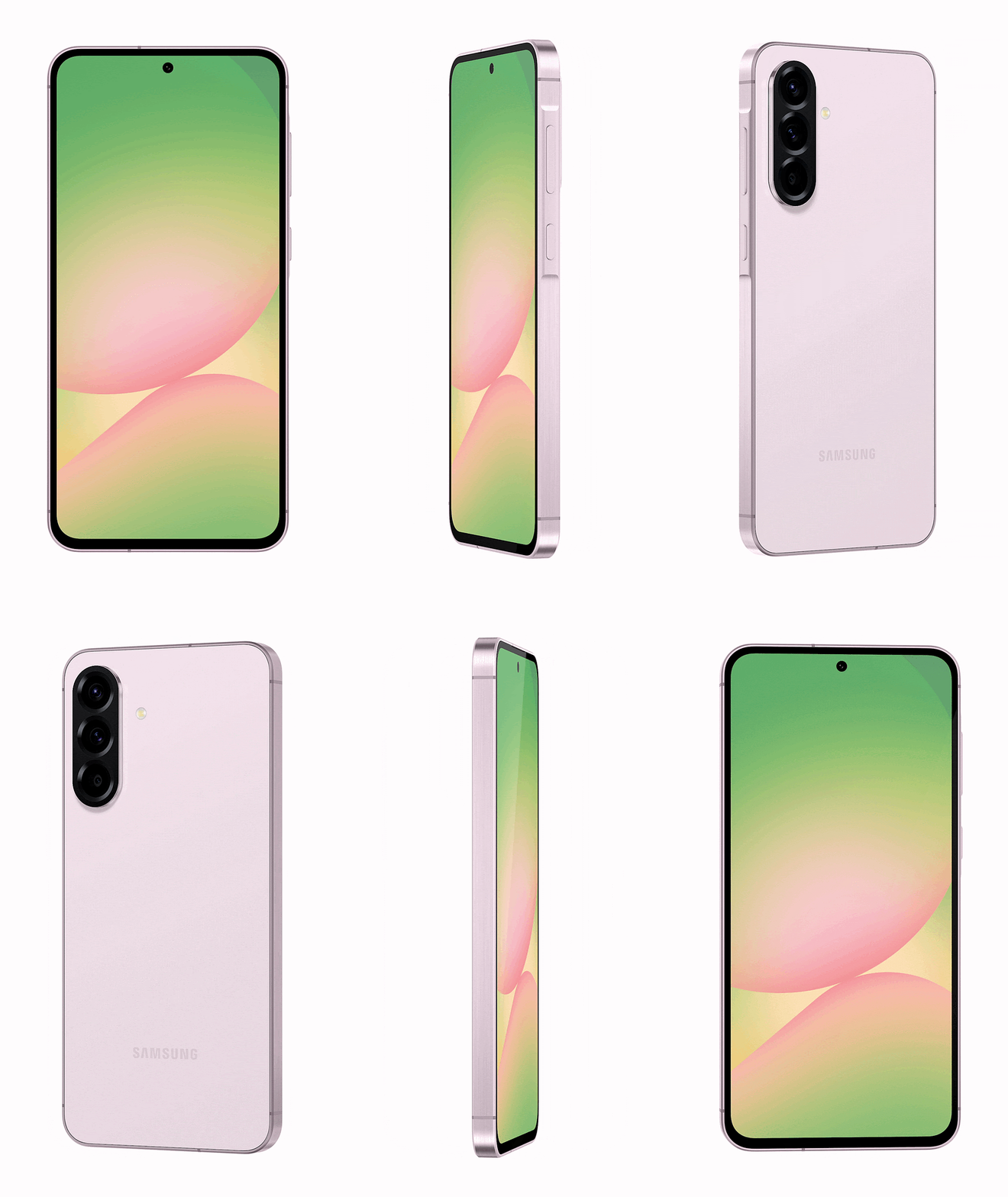
For consumers interested in what’s new, leaked information has already provided insights into the S25 series’ design and performance improvements. Aluminum dummy units reveal slimmer profiles for each model in the series. You can read more about the dimensions here. Closeup renders of the Ultra model also showcase the new design and reveal possible color options.

On the performance side, the Galaxy S25 Ultra is expected to house Qualcomm’s Snapdragon 8 Elite chipset worldwide, bringing significant improvements. Early benchmarks for this chipset show a 45% boost in peak CPU performance, a 44% gain in power efficiency, and a 40% improvement in both GPU performance and power efficiency. Notably, Samsung will likely include a “For Galaxy” version of this chip, optimized specifically for the Ultra model. Meanwhile, the Galaxy S25 and S25+ are rumored to carry Samsung’s Exynos 2500/MediaTek Dimensity 9400 processor.

With these anticipated upgrades in design and power, the Galaxy S25 series is set to offer a streamlined look and robust performance improvement. Samsung fans can expect more information soon, with the potential of an official reveal just around the corner.

(Via)

Oppo Reno 13’s first image leaked, reveals iPhone-like design

Oppo recently unveiled the Find X8 and Find X8 Pro smartphones in China. While the brand is currently preparing for the global launch of the Find X8 series, its Chinese division is reportedly preparing to introduce the Reno 13 series for the domestic market. Reliable leaker Digital Chat Station recently claimed that the next-generation Reno models may go official on Nov. 25. Today, the leaker is back with the first image of the series, revealing its design.

Oppo Reno 13 design revealed

Oppo Reno 13 series real-image

The above image shared by DCS seems to showcase the iPhone 15 series phone on the left and the Reno 13 on the right. The image reveals that the Reno 13 series will have an iPhone-inspired design.

Similar to the iPhone, the Reno 13’s camera island features integrated cold-craved glass, contributing to its seamless and sleek appearance. The lens’s smooth, one-piece construction adds a refined, high-quality feel, closely mirroring the sophisticated aesthetic of iPhones. The Reno 13 model can be seen sporting a triple camera setup.

The tipster previously claimed that the Reno 13 has a metal middle frame. WHY LAB, another source, has clarified that the series features an aluminum alloy metal middle frame.

Oppo Reno 13 series specifications (rumored)

According to reports, the Reno 13 and Reno 13 Pro will feature micro-quad-curved displays measuring 6.59-inch and 6.83-inch, respectively. Both phones are expected to support a 1.5K resolution, a 120Hz refresh rate, and an optical in-screen fingerprint sensor.

The Reno 13 Pro will be powered by the forthcoming Dimensity 8350. However, there is no accurate information about the Reno 13’s chipset. It is likely that the Reno 13 may pack a 5,600mAh battery, whereas the Pro variant may feature a larger 5,900mAh battery. Both devices may fast wired and wireless charging.

The Reno 13 and 13 Pro are expected to feature a 50-megapixel front camera. At present, there is no information about the standard model’s rear camera setup. As far as the Pro model is concerned, it is expected to feature an OIS-enabled 50-megapixel main camera, an 8-megapixel ultra-wide snapper, and a 50-megapixel telephoto or periscope telephoto camera.

The Reno 13 series will run on Android 15 and ColorOS 15. When it comes to durability, both devices are expected to offer a high standard of dust and water resistance. Additionally, the lineup will offer dual speakers, an x-axis linear motor, and a thin and lightweight design.

As far as global launch is concerned, a new report has revealed that the Reno 13 series will be announced in January 2025 in India.

Vivo X200 series global launch date leaks, Pro mini to remain exclusive to China

The Vivo X200 series is set to make its global debut soon. Vivo has begun teasing the launch in Malaysia, though it hasn’t confirmed an exact date.

However, tipster Paras Gugalni on X (formerly Twitter) shared an image revealing that the X200 series will launch in Malaysia on November 19. That’s just around the corner—next Tuesday—so we can expect official confirmation from Vivo itself, within a day or two.

Additionally, the leak suggests that Vivo will launch its new flagships in Thailand on November 28.

No Pro mini for global

The Vivo X200 series includes three models: the Vivo X200, X200 Pro, and X200 Pro mini. While some reports speculated that Vivo might launch the Pro Mini globally, especially since the official teaser featured a green color exclusive to the Pro Mini in China, it turns out the Pro Mini won’t be available in global markets.

In another post, tipster Paras Guglani shared the global color options for these phones. Vivo will release the standard X200 in Copper Green instead, alongside Moonlight White, Cobalt Blue, and Carbon Black. Meanwhile, the X200 Pro will come in Titanium Grey, Carbon Black, and Cobalt Blue. 

Specifications

The Vivo X200 sports a 6.67-inch OLED display with a smooth 120Hz refresh rate and a remarkable peak brightness of 4,500 nits. The Pro model offers a slightly larger 6.78-inch display with similar specs, adding an ultrasonic fingerprint sensor beneath the screen for added security.

Both models are powered by the MediaTek Dimensity 9400 chipset, paired with LPDDR5x RAM and UFS 4.0 storage. 

The standard X200 features a triple-camera setup with three 50MP lenses for wide, ultrawide, and 3x zoom shots. The Pro model upgrades the telephoto lens to a 200MP sensor that offers a longer 3.7x zoom for more detailed shots.

Fueling the X200 is a 5,800mAh battery and the Pro model goes further with a 6,000mAh capacity. Both models support 90W wired charging, while the Pro adds 30W wireless charging for added convenience.

(Source)

Global Vivo X200, X200 Pro official renders, color options, key specifications revealed

Vivo announced the Vivo X200, X200 Pro, and X200 Pro Mini in China in October. The new X-series phones are expected to hit multiple markets in the coming weeks. The company’s Malaysian division has already started teasing the arrival of the X200 lineup. The official listings that have now surfaced on the Vivo Malaysia website have revealed the official renders, color options, and key specifications of the X200 series.

Vivo X200 series configuration, color options

The official listings show that the Vivo X200 and X200 Pro will be in a single 16GB+512GB configuration. The X200 will be available in two shades, such as Aurora Green and Midnight Black. On the other hand, the X200 Pro will be available in colors like Titanium Grey and Midnight Black.

Vivo X200 series key features

The official listing reveals that the Vivo X200 and X200 Pro feature the Dimensity 9400 chipset. Both phones also feature 16 GB of virtual RAM, NFC, and 90W fast charging.

The X200 offers key features, such as a Zeiss telephoto camera, a Vivo V2 chip, a 5,800mAh BlueVolt battery, and an IP68/69 rated dust and water-resistant chassis. On the other hand, the Vivo X200 Pro will arrive with a 200-megapixel APO telephoto camera, support for 4K cinematic portrait video recording, a Vivo V3+ chip, and a 6,000mAh BlueVolt battery.

The rest of the specifications of the global Vivo X200 and X200 Pro are still under wraps, but it appears that they will be identical to their Chinese counterparts. While the Vivo Malaysian website confirms the arrival of the X200 and X200 Pro, there is no listing for the X200 Pro Mini. This suggests that the Pro Mini model may remain exclusive to the Chinese market.

Oppo Reno 13 series India launch timeline leaks before Chinese release

Oppo is set to launch its Find X8 series smartphones globally and in India on November 21, following their recent debut in China. Shortly after, the brand is likely to release the mid-range Reno 13 series in China. 

However, according to a report by 91mobiles, the Reno 13 series won’t see an immediate release outside of China.

The report suggests that Oppo may bring the Reno 13 series to India in January 2025, creating a two-month gap between its Chinese launch. This schedule aligns with Oppo’s usual strategy for the Reno series, where devices typically reach global markets a few months after their initial release in China.

Oppo Reno 13 Series: Expected Specifications

Based on recent leaks, the Reno 13 series appears to offer compelling features for the mid-range segment. Both the Reno 13 and Reno 13 Pro are expected to include a 1.5K resolution display, a premium metal build, and MediaTek’s Dimensity 8350 processor paired with up to 16GB RAM and 1TB of storage.

The standard Reno 13 is rumored to have a 6.59-inch display, while the Pro model could feature a larger 6.83-inch quad-micro-curved display. Both devices are likely to come with high dust and water resistance (IP68/IP69 ratings), X-axis linear vibration motors, and stereo speakers to enhance user experience.

Oppo Reno 12 Pro 5G Sunset Gold

Battery life also appears promising, with the Reno 13 expected to have a 5600mAh battery and the Pro model possibly stepping up to a 5900mAh capacity. The Pro version might also support magnetic wireless charging for added convenience.

The Reno 13 Pro’s camera setup could also be another highlight. It reportedly features a 50MP main sensor, an 8MP ultrawide lens, and an impressive 50MP periscope telephoto lens. The front camera is also expected to be 50MP. We will keep you updated on other details of the phone as they emerge. 

(Via)

iQOO Neo 10, Neo 10 Pro tipped to pack 6,100mAh battery, alleged render appears

Several reports have claimed that iQOO may unveil the iQOO Neo 10 and Neo 10 Pro by the end of this month (November) in China. So far, the rumor mill has leaked a lot of information about the specifications of both phones. The only things unclear about the Neo 10 series are its battery size and design.

iQOO Neo 10, Neo 10 Pro battery size tipped

iQOO Neo 10 series leak

According to tipster DCS, the iQOO Neo 10 and Neo 10 Pro are packed with a 6,100mAh silicon battery with 120 fast charging support. He disclosed that the Neo 10 series maintains the same weight as its predecessor. To recall, last year’s Neo 9 weighs 190 grams, whereas its Pro version weighs 198 grams.

iQOO Neo 10 series leak

He further said that the main difference between the Neo 10 and Neo 10 Pro is the processor; most of the other features are the same on both models. Previous leaks by DCS have revealed that the Neo 10 will feature the Snapdragon 8 Gen 3 chipset, while the Neo 10 Pro will come with the Dimensity 9400 chipset.

Previous leaks by the same source have revealed that the Neo 10 and Neo 10 Pro will also differ in departments like the rear camera configuration and fingerprint sensor. The Neo 10 is expected to feature a 50-megapixel + 8-megapixel dual-camera system and optical-type in-screen fingerprint sensor. On the other hand, the Neo 10 Pro may arrive with a 50-megapixel + 50-megapixel dual-camera unit and an ultrasonic in-display fingerprint sensor.

The iQOO Neo 10 duo is expected to feature a 6.78-inch flat OLED screen with support for a 1.5K resolution, a 144Hz refresh rate, and eye protection dimming. Both phones may arrive with a 16-megapixel front-facing camera and run on OriginOS 5-based Android 15. The series may offer up to 16 GB of LPDDR5x RAM and up to 1 TB of UFS 4.0 storage.

A render of an upcoming phone shared by DCS

Interestingly, DCS has shared the above render of an upcoming phone, which sports an iPhone 16-like rear camera setup. Unfortunately, he did not reveal the name of the device. With a dual camera system onboard, it is likely that the render belongs to the Neo 10 series. What seems amiss is the placement of the volume rocker on the left edge instead of the right side. Therefore, it is advisable to await further reports to learn more about the design of the Neo 10 series.

Our Review of the Ulefone Armor Mini 20T Pro is up!

If you’re looking to step away from the usual smartphone designs, the Ulefone Armor Mini 20T Pro might just catch your interest. This rugged phone brings durability and unique features packed into a small, sturdy frame, perfect for outdoor use or users needing a robust device.

1. Compact but durable design

Armor-Mini-20T-Pro-design

The Armor Mini 20T Pro stands out with its compact 4.7-inch display, encased in a thick, rubberized frame that’s much smaller than typical rugged phones. Despite its size, it retains features like NFC, an IR emitter, a headphone jack, and expandable storage. Ulefone designed the back cover with a large chamfer, allowing it to fit comfortably in the hand, avoiding the “wobble” common with almost all mainstream phones.

The only trade-off is the weight, which is noticeable but justified by the large battery.

2. Unique features: thermal imaging, and a bright flashlight

Armor Mini 20T Pro thermal imaging (3)

The phone has a 50MP main camera that performs well in most lighting conditions, including night shots and 2x digital zoom. The Armor Mini 20T Pro also includes a thermal camera, ideal for practical applications like detecting electrical issues or just checking temperature you might not want to touch.

The LED light ring around the camera is another highlight, serving as a powerful flashlight with red and blue emergency lights for outdoor situations.

3. Long battery life

Equipped with a hefty 6,200mAh battery, the Armor Mini 20T Pro is built to last. It can go 24 hours on a single charge with typical use, and the Ultra Power Saving mode extends battery life up to 26 days. It also supports 33W wired and 15W wireless charging, which is quite impressive for a rugged phone.

Additionally, it can charge other devices acting like a power bank, a handy feature for outdoor enthusiasts who may need to top up their gadgets on the go.

4. Rugged specs and display

Armor-Mini-20T-Pro-display-2

With a 90Hz LCD display and 700 nits of brightness, the screen is adequate for most outdoor environments. Powered by the MediaTek Dimensity 6300 processor, the device performs capably for everyday tasks, though it may not be ideal for heavy-duty gaming or demanding apps. The phone is rated IP68/IP69K for water and dust resistance and is protected with Corning Gorilla Glass Victus, ensuring its durability.

5. Final thoughts

While the Armor Mini 20T Pro may not boast flagship specs, its compact size, long battery life, and specialized rugged features make it a solid option for users who value durability and functionality over raw power. Whether you need a secondary outdoor phone or just want something different, the Armor Mini 20T Pro is worth checking out.

Honor MagicBook Art 14 Featuring Snapdragon X Elite Processor Hits Chinese Market, Global Launch Pending

Honor has officially launched the MagicBook Art 14 Snapdragon, a premium laptop powered by Qualcomm’s Snapdragon X Elite X1E-80-100 chipset. First introduced at IFA 2024 in Berlin, this laptop showcases the brand’s commitment to AI-driven, power-efficient devices designed for both professionals and everyday users.

Honor MagicBook Art 14 Snapdragon

The MagicBook Art 14 Snapdragon features a 14.6-inch OLED display with a 3.1K resolution (3120 x 2080 pixels) and a 97% screen-to-body ratio, thanks to its minimal bezels. The laptop is thin at 10mm and lightweight at 1 kilogram, with a durable magnesium and aluminum alloy build that gives it a premium feel.

Inside, the MagicBook Art 14 Snapdragon runs on the Qualcomm Snapdragon X Elite chipset with 12 cores and a top speed of 4.0GHz. It offers up to 32GB of RAM and 1TB of storage, providing ample power for multitasking and handling demanding applications. The laptop’s AI-enhanced NPU delivers up to 45 TOPS of AI computing power, helping it tackle complex tasks efficiently.

Honor’s OS Turbo 3.0 technology optimizes battery life, allowing for up to 15.22 hours of 1080p video playback on a single charge.

For privacy, the laptop includes a detachable magnetic webcam. Users can remove and store the webcam when it’s not needed and easily reattach it to the side of the laptop when ready for video calls or content creation.

Honor’s MagicOS system enables seamless collaboration across Honor devices, with MagicRing allowing multi-device control through a single set of peripherals. The laptop also includes the AI Eraser tool, initially introduced on the Magic V3 smartphone, which allows users to remove unwanted elements from images.

Pricing & availability

Currently available only in China, the MagicBook Art 14 Snapdragon is priced at CNY 8,499 (~$1,179) for the 32GB RAM and 1TB SSD model. With Honor’s growing global presence, the laptop is expected to reach other markets in the future.

Snapdragon 8 Elite 2 and Dimensity 9500 expected to offer 25% performance boost

The dust hasn’t even settled on Qualcomm‘s current flagship chip, the Snapdragon 8 Elite, but rumors are already circulating about its successor. The Snapdragon 8 Elite offers a notable performance boost over its predecessor, thanks to the switch to Oryon cores. Now, a new leak suggests Qualcomm might aim even higher with the Snapdragon 8 Elite 2.

According to leaker Jukanlosreve, citing sources in Korea, both the Snapdragon 8 Elite 2 and MediaTek’s upcoming Dimensity 9500 could hit single-core scores around 4,000 on Geekbench 6.

For context, the Snapdragon 8 Elite currently scores about 3,200 on the same benchmark. So if the leak happens to be true, it would be a 25% performance increase for the 8 Elite 2—a solid upgrade, particularly given the 8 Elite’s already impressive performance.

Performance at what cost?

However, Qualcomm has a history of balancing raw performance with thermal management, and the 8 Elite is no exception. While it pushes the limits in terms of speed, it also tends to run hotter than its predecessors due to its 4.32 GHz clock speed. 

Therefore, a key question for the 8 Elite 2 will be how Qualcomm will manage these anticipated performance gains while controlling temperatures.

Qualcomm-Snapdragon-8-Elite-launched-specs-1

Earlier rumors suggested the Snapdragon 8 Elite 2 might be manufactured by both TSMC and Samsung, but another leak by Jukanlosreve claims that TSMC will be the sole manufacturer of Qualcomm’s upcoming flagship SoC.

TSMC’s N3P process is said to offer improved performance and better power efficiency than the N3 node used in the 8 Elite. Whether these improvements will mitigate the thermal issues that could accompany a performance jump remains uncertain.

It’s still early days, and these are just leaks. With the current generation still fresh on the market, it’s likely to be some time before more concrete details emerge. We’ll keep you updated as new information becomes available.

(Source, Via)

MSI launches new 49″ QD-OLED curved gaming monitor with 240Hz refresh, 0.03ms GTG & more

MSI has launched the MPG 491CQPX QD-OLED monitor, a 49-inch ultra-wide, curved display designed for both professional and casual gamers. The pricing of the monitor is not revealed yet but according to reports it is expected to be around $1000. Let’s check out its key specs.

MSI MPG 491CQPX QD-OLED

MSI MPG 491CQPX QD-OLED Specifications

The MPG 491CQPX sports a 49-inch curved screen with an 1800R curvature, providing a cinematic view that enhances immersion. It comes with DualQHD (5120 x 1440) resolution, producing vibrant and sharp visuals across the ultra-wide aspect ratio.

It features a Samsung QD-OLED panel that brings out lifelike colors, covering 98% of the Adobe RGB, 99% of the DCI-P3, and 146% of the sRGB color gamuts. With a peak brightness of up to 1,000 nits in HDR, the monitor supports VESA DisplayHDR True Black 400, ensuring deep blacks and striking contrasts, essential for HDR content.

It comes with a 240Hz refresh rate and an impressive 0.03ms GTG response time, making it an ideal choice for fast-paced, competitive gaming. The MPG 491CQPX also comes with Adaptive Sync, which synchronizes with the GPU to prevent screen tearing and stuttering.

For extra protection, MSI has included OLED Care 2.0, featuring Pixel Shift, Panel Protect, and Static Screen Detection technologies to minimize the risk of burn-in and prolong the panel’s lifespan.

In terms of connectivity, the monitor sports one DisplayPort 1.4a, two HDMI 2.1 ports, and a USB Type-C port with 98W Power Delivery support, providing versatility for connecting multiple devices. It also comes with a headphone jack for added audio convenience.

Ergonomically, it allows for tilt adjustments from -5° to 20°, swivels 30° left and right, and has a height adjustment range of up to 100mm. It’s compatible with VESA 100x100mm mounts, allowing users to customize the setup to suit their space. For ease of use, it comes with a 5-way joystick navigator which is located at the bottom center of the back panel.

Earlier this year, MSI also introduced the MAG 255PXF gaming monitor, featuring a 300Hz refresh rate.

No more being locked into the Apple ecosystem! Xiaomi HyperConnect enables screen sharing, file sharing, and Apple Keynote support

Xiaomi’s latest HyperOS 2, launched with the Xiaomi 15 and 15 Pro, brings an innovative new feature called HyperConnect. This functionality enables seamless file sharing between Xiaomi’s Android devices and Apple products, including iPhones, iPads, and MacBooks. Alongside file transfers, HyperConnect supports screen mirroring and Apple Keynote file compatibility, making Xiaomi’s offerings more versatile and appealing to users within mixed-device environments.

Xiaomi HyperConnect makes it possible for Apple users to adopt Android without hesitation

Xiaomi CEO Lei Jun recently showcased HyperConnect in action, posting a video on X (formerly Twitter) that demonstrated effortless file transfers from a Xiaomi 15 Pro to various Apple devices.

In the video, the Apple products appeared directly in the share menu of the Xiaomi phone, allowing for single-tap transfers. Lei Jun was seen transferring a photo to an iPhone, iPad, and MacBook, with no additional app required—a step forward from similar solutions by other brands. For example, OnePlus recently introduced a file-sharing feature via OxygenOS 15, but it requires Apple users to download the “O+ Connect” app for compatibility with OnePlus devices.

The feature is currently exclusive to China

The HyperConnect feature is exclusive to Xiaomi’s China-only HyperOS 2 for now, with no official announcement on global availability. However, the fact that the video was shared on X instead of just Weibo hints that the CEO may be signaling broader plans for the feature, potentially letting global audiences know about it in advance.

Xiaomi’s implementation of versatile cross-device connectivity only requires the devices to be connected to the same network. This level of interoperability, especially without needing external apps, is rare between Android and Apple ecosystems and provides a valuable tool for Xiaomi users who work across multiple operating systems.

HyperOS 2

According to Lei Jun, the inspiration for HyperConnect came from Xiaomi SU7 EV owners, the majority of whom also use Apple products. This insight led to a renewed focus on interoperability, ensuring that Xiaomi users could easily integrate their devices into Apple-centric workflows.

For users, HyperConnect represents the freedom to choose products based on their unique needs, without feeling locked into a single ecosystem, which has to be a major achievement from Xiaomi and a valuable feature for people around the world. This development could encourage more users to consider Xiaomi products even if they are already embedded in Apple’s ecosystem, offering them the best of both worlds.

(Source)

Baidu unveils Xiaodu AI glasses: World’s first AI glasses with native Chinese model support

At the 2024 Baidu World Conference, Baidu officially launched its Xiaodu AI Glasses, presenting them as the “world’s first AI glasses equipped with a native Chinese language model.”

Designed by Baidu’s hardware division, Xiaodu Technology, these glasses showcase Baidu’s advanced Ernie language model and are geared towards integrating AI into wearable technology for the Chinese-speaking audience and challenge the popularity of Meta’s Ray-Bans.

Specifications

The Xiaodu AI Glasses weigh just 45 grams and come equipped with a 16MP ultra-wide-angle camera with AI stabilization, enabling smooth and stable first-person perspective photography. These glasses also feature a four-microphone array to effectively capture sound and open-ear anti-leakage speakers that deliver clear audio, allowing users to engage in an immersive, hands-free experience.

The glasses support six core functionalities: real-time Q&A through walk-and-ask queries, calorie recognition, object identification through an encyclopedia feature, audio-visual translation, and intelligent reminders. They are also equipped with AI anti-shake technology for photos and videos, enabling users to document their experiences seamlessly.

Baidu Xiaodu AI Glasses

In terms of battery life, the Xiaodu AI Glasses offer up to 56 hours on standby and can run over 5 hours of continuous audio playback. The glasses are equipped with rapid-charging technology, enabling a full charge in just 30 minutes, making them a practical option for daily use.

The Xiaodu AI Glasses run on the DuerOS AI native operating system and are anticipated to support seamless integration with popular Baidu applications like Baidu Maps and Baike, further enhancing the user experience with Baidu’s services.

Pricing & Availability

Baidu has confirmed that the Xiaodu AI Glasses will officially launch in the first half of 2025, with an expected retail price of under 2,100 yuan (approximately $290).

In related news, Apple has begun work on a smart glasses project, codenamed “Atlas,” aiming to reshape wearable tech with a true AR experience. The project, led by Apple’s Product Systems Quality team, is currently in the research phase, gathering insights from internal focus groups. Apple aims to launch a lightweight, stylish model that initially integrates with the iPhone, leveraging its processing power, with a long-term goal of fully standalone smart glasses. However, high-quality standards mean the release maybe five years away. Meanwhile, Apple plans to release the Vision Pro 2 by 2025 or early 2026, featuring an upgraded M5 chip for improved AR capabilities.