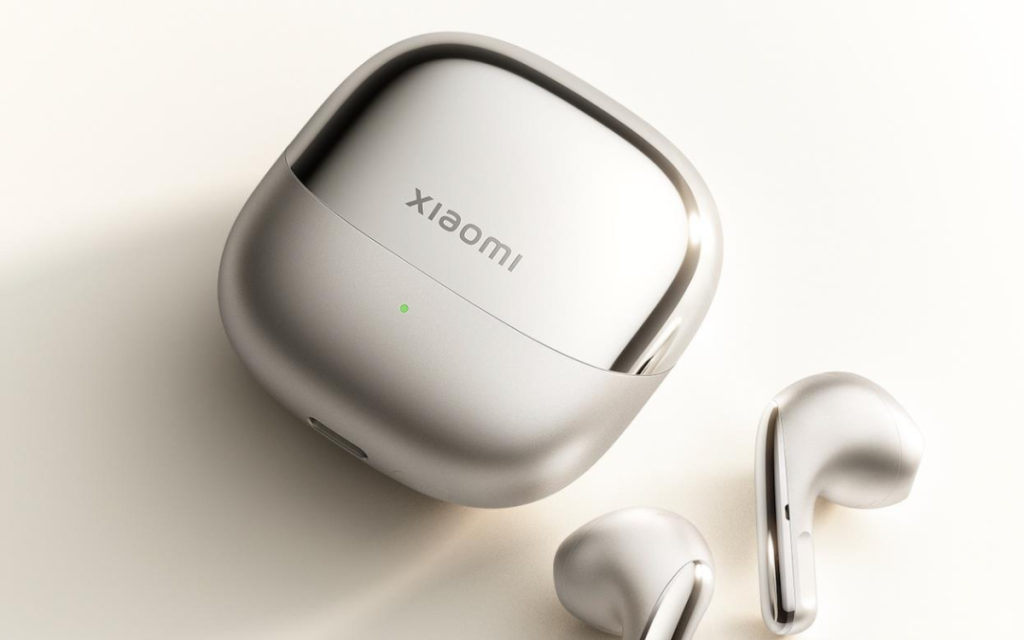
Xiaomi introduced the Buds 5 TWS earbuds in China in July 2024, followed by a global launch. Now, a new leak from tipster Digital Chat Station suggests that the company is working on the Buds 5 Pro series. The upcoming flagship earbuds are expected to bring several improvements, including new connectivity options and interactive controls.
Xiaomi Buds 5 Pro series key details tipped
Xiaomi Buds 5 Pro series leak by DCS
According to the leak, the Xiaomi Buds 5 Pro will feature an in-ear design with active noise cancellation. One of the biggest upgrades is the introduction of a Wi-Fi-enabled variant, which could enhance connectivity and audio streaming capabilities. Additionally, the earbuds are said to support pinch-based gesture controls, making interactions more intuitive.
Another highlight of the Buds 5 Pro is real-time translation, which could allow users to translate conversations on the go. Wireless charging support is also expected, making them more convenient for everyday use.
Apart from these improvements, the rest of the specifications and features could be identical to the existing Xiaomi Buds 5. While Xiaomi has yet to confirm any details about the Buds 5 Pro series, the new leak suggests that it could set a new benchmark in the premium TWS earbuds segment. As far as the launch is concerned, it may go official with the Xiaomi 15 Ultra and Xiaomi SU7 car later this month in China.
Xiaomi Buds 5 features and price
Xiaomi Buds 5
The Xiaomi Buds 5, which launched globally after their China debut, comes with 11mm super-sensitive dual-magnet drivers tuned by Harman AudioEFX for rich, immersive sound quality. These semi-in-ear earbuds support Hi-Res Audio and Qualcomm aptX Lossless, ensuring a premium listening experience.
For noise reduction, the Buds 5 feature adaptive active noise cancellation (ANC) with multiple modes, including an AI-driven adaptive setting that adjusts based on environmental noise levels. The triple-microphone setup with AI noise reduction allows for crystal-clear calls even in windy conditions up to 12m/s.
Designed for all-day use, the Buds 5 offers up to 6.5 hours of playback per charge (ANC off) and up to 39 hours with the charging case. A quick 10-minute charge provides 2.5 hours of playback, making them ideal for users on the go. It also supports 73ms low-latency gaming mode on Xiaomi and Poco devices.
The Buds 5 is priced at 99 euros globally and comes in shades like black, white, and gray. On the other hand, it costs 699 Yuan in China and comes in options like white, gold, black, and blue.
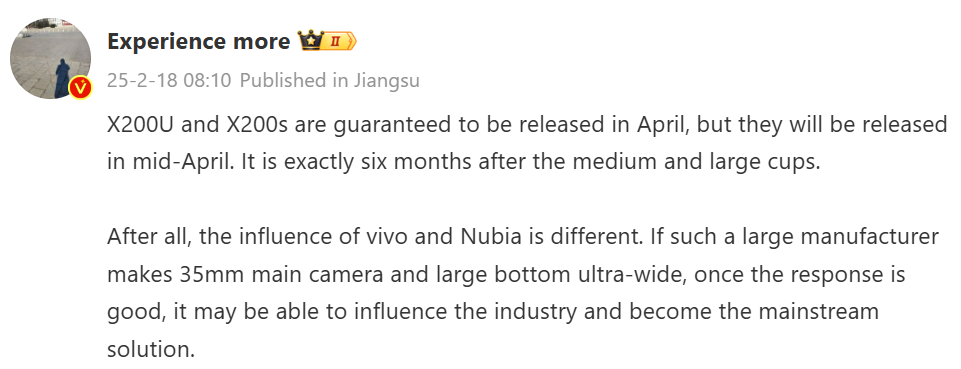
Samsung has recently launched the Galaxy S25 Ultra in multiple markets, including China. In the coming days, a slew of “Ultra”-branded phones from other competing companies will also debut in China. Xiaomi is expected to unveil the Xiaomi 15 Ultra by the end of this month, whereas Oppo’s Find X8 Ultra may launch in March. A new leak by tipster Experience More has not only revealed the launch timeframe for the Vivo X200 Ultra and X200S. Additionally, it hints at a key detail about the Ultra’s primary camera.
Vivo X200 Ultra and X200S launch timeframe (rumored)
Vivo X200 Ultra, Vivo X200S launch timeframe
The leak suggests that the Vivo X200 Ultra and Vivo X200S will likely be released in mid-to-late April in China. This timing places their launch exactly six months after the Vivo X200 and X200 Pro, which were introduced in October 2024.
Additionally, the post discusses the impact of Vivo and Nubia on the smartphone market. For those who don’t know, Nubia has been offering a 35mm camera on its flagship phones for the past few years. The Nubia Z50 Ultra, launched in 2023, features a customized 64-megapixel Sony IMX787 primary camera with a 35mm equivalent focal length.
While Nubia’s influence is relatively limited, Vivo, as a larger brand, has the potential to popularize certain camera innovations. Recent leaks suggest that the Vivo X200 Ultra will not feature a 1-inch primary camera like its predecessor. Instead, it may come with a smaller 1/1.28-inch 50-megapixel primary camera that supports 1.5x zoom (35mm equivalent) by default.
If Vivo successfully implements a 35mm main camera and a large sensor ultra-wide camera in its flagship devices and receives positive feedback, these features could eventually trickle down to the Pro models. This, in turn, might set a new industry trend and encourage other manufacturers to adopt similar camera solutions.
The Vivo X200 Ultra will be the first phone in the X200 lineup to feature the Snapdragon 8 Elite, as the existing X200 and X200 Pro are powered by the Dimensity 9400 chip. The X200S, on the other hand, is expected to arrive with a newer Dimensity 9400 Plus chipset. Apart from the X200 Ultra and X200S, the April event is also likely to see a new purple edition of the Vivo X200 Pro Mini.
For more daily updates, please visit our News Section.
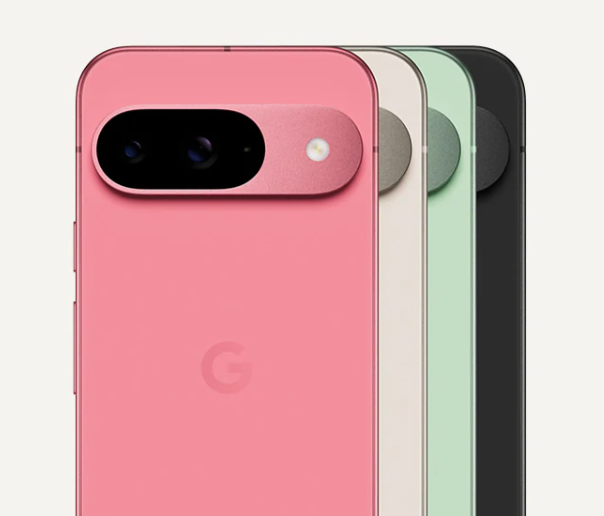
Galaxy S25 and Pixel 9 are two of the most anticipated flagship phones of 2025, offering distinct experiences. Samsung focuses on power, premium design, and versatility, while Google leans into AI-driven enhancements, affordability, and camera software.
With both phones promising 7 years of updates, choosing the right one comes down to performance, features, and value. This comparison breaks down their design, specifications, camera capabilities, pricing, and standout features to help you decide which smartphone suits your needs best. Whether you prioritize raw power or AI smarts, there’s a clear winner for every user.
The Galaxy S25 and Pixel 9 both feature a premium build with Gorilla Glass Victus 2 on the front and back, along with an aluminum frame, ensuring durability. They also share IP68 water and dust resistance. However, Samsung edges ahead with its Armor Aluminum 2 frame, making it more resilient.
The display is where the differences become clearer as Samsung’s 6.2-inch Dynamic LTPO AMOLED 2X panel offers a 120Hz refresh rate and an incredible 2600 nits peak brightness, making it more visible in direct sunlight. In contrast, the 6.3-inch OLED panel on the Pixel 9 also supports 120Hz but peaks at 2700 nits, slightly surpassing Samsung in brightness. However, Samsung’s LTPO tech ensures better power efficiency when dynamically adjusting refresh rates.
Overall, the Galaxy S25’s display is more refined and more efficient, while the Pixel 9 focuses on peak brightness.
2. Specifications
The Galaxy S25 is powered by the Snapdragon 8 Elite (3nm), while the Pixel 9 runs on the Google Tensor G4 (4nm). Qualcomm’s chipset is known for better efficiency and raw power, making the S25 more reliable for demanding tasks like gaming. The Pixel 9’s Google Tensor G4, while optimized for AI-based functions, still lags in GPU performance compared to the Adreno 830 in the Galaxy S25.
Battery-wise, the Pixel 9 has a 4700mAh battery versus the S25’s 4000mAh, giving it a slight advantage in longevity. It also supports 27W wired and 15W wireless charging, whereas Samsung has 25W wired and the same 15W wireless charging. However, Pixel’s bypass charging (limiting to 80%) enhances battery lifespan, which is a neat feature.
If you want raw power, the S25 is better, but for battery efficiency and longevity, the Pixel 9 takes the lead.
3. Camera
Pixel 9
Samsung’s triple-camera setup includes a 50MP wide, 10MP telephoto (3x zoom), and 12MP ultrawide lens. The Pixel 9, on the other hand, has a dual-camera system with a 50MP wide and a 48MP ultrawide sensor. While Samsung offers optical zoom for better portrait shots and distant photography, Google’s Pixel processing and Ultra-HDR ensure top-tier AI enhancements. The Pixel 9 is also better in low-light scenarios, thanks to its larger 1/1.31-inch sensor versus Samsung’s 1/1.56-inch sensor.
Video-wise, Samsung supports 8K recording, which is useful for high-detail content, whereas Pixel maxes out at 4K but offers superior stabilization with its gyro-EIS and OIS combo.
Samsung wins in versatility, but Google’s computational photography makes it the better choice for effortless point-and-shoot performance.
4. Pricing
The Galaxy S25 is priced at $799, while the Pixel 9 starts at $524, making Google’s phone significantly more affordable. At this price, the Pixel 9 offers excellent AI-powered features, a great camera, and a solid battery. However, the S25 justifies its higher price with a more powerful chipset, superior display technology, and telephoto zoom.
If you want the best value, the Pixel 9 is the clear winner, but if you prefer performance and an overall premium experience, the S25 is worth the extra cost.
5. Conclusion
Galaxy S25
Samsung has a stronger processor, better GPU, and a telephoto lens, while Pixel 9 stands out in AI processing, battery features, and affordability. The Pixel 9 also introduces Satellite SOS for emergency communications, a feature missing on the S25.
On the other hand, Samsung supports DeX mode, turning the phone into a desktop-like experience, something Google does not offer. Additionally, the S25 uses UFS 4.0 storage for faster read/write speeds, while the Pixel 9 is still on UFS 3.1.
If gaming and performance matter, Samsung wins, but if AI smarts and long-term battery health are a priority, the Pixel 9 is more future-proof.
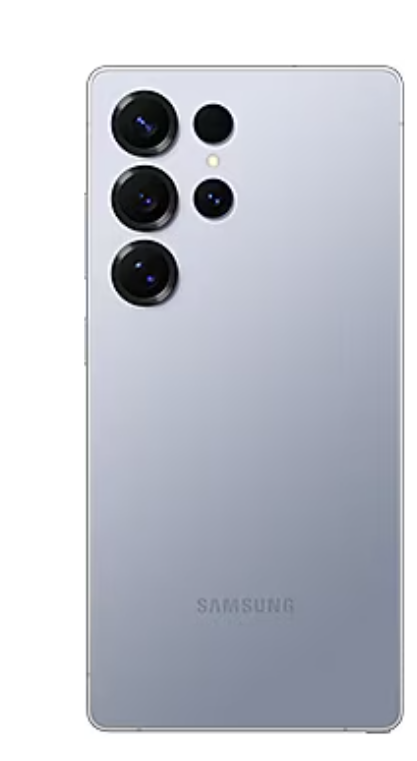
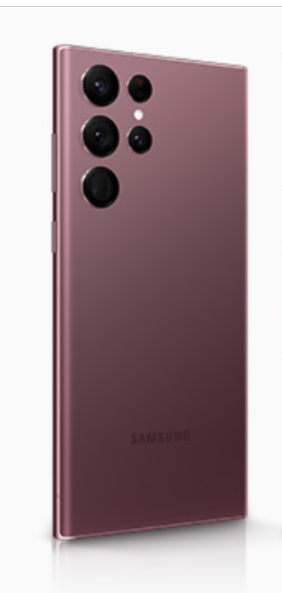
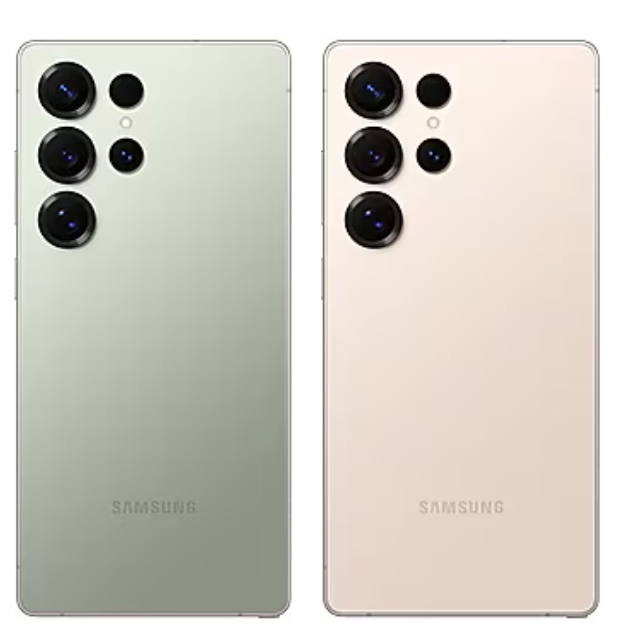
Samsung’s Ultra lineup has always pushed the boundaries of smartphone technology, and the Galaxy S25 Ultra and S22 Ultra are no exceptions. With the S25 Ultra bringing major upgrades in performance, display, and camera technology, many are wondering if it’s worth the premium price or if the S22 Ultra still holds strong as a flagship contender. This comparison highlights the key differences, upgrades, and unique features to help you decide whether the latest model is a must-have or if the older flagship still delivers great value in 2025.
The Galaxy S25 Ultra takes a significant step forward in durability with a titanium frame, making it stronger and more premium than the aluminum frame of the S22 Ultra. The glass is also upgraded to Corning Gorilla Armor 2, which offers better resistance to scratches and drops compared to the Gorilla Glass Victus+ on the S22 Ultra. Both phones have IP68 water and dust resistance, so durability remains a strong suit for both.
When it comes to the display, the S25 Ultra edges ahead with a slightly larger 6.9-inch Dynamic LTPO AMOLED 2X panel compared to the 6.8-inch screen on the S22 Ultra. The biggest improvement is in brightness—2600 nits peak brightness on the S25 Ultra versus 1750 nits on the S22 Ultra—making it far more visible outdoors. Both displays support a 120Hz refresh rate and HDR10+, ensuring smooth scrolling and vibrant colors. The S25 Ultra’s enhancements make it a better choice for those who consume a lot of media or work in bright conditions. While the S22 Ultra still offers an impressive display, the S25 Ultra refines it to an even higher level.
2. Specifications
Galaxy S22 Ultra
The S25 Ultra runs on the latest Snapdragon 8 Elite (3nm), offering a significant performance boost over the Snapdragon 8 Gen 1 (4nm) and Exynos 2200 in the S22 Ultra. The new CPU and GPU provide better power efficiency, faster processing, and improved thermal management, which means less overheating during intensive tasks like gaming and video editing. The S25 Ultra also has longer software support, promising seven years of updates compared to just four for the S22 Ultra, making it a future-proof device.
Both phones have a 5000mAh battery, but the S25 Ultra benefits from a more power-efficient chip, likely leading to better battery life. The wired charging speed remains at 45W, but the S25 Ultra introduces Qi2-ready wireless charging, allowing for improved wireless power transfer efficiency. If longevity and future-proofing are priorities, the S25 Ultra is the clear winner.
3. Camera
Galaxy S25 Ultra
Samsung has made some notable upgrades in the S25 Ultra’s camera system. The 200MP main sensor is retained but now benefits from better processing and low-light improvements. While the S22 Ultra had a strong zoom capability with its 10x periscope lens, the S25 Ultra takes a different approach, using a 50MP periscope telephoto lens with a 5x optical zoom. This may seem like a downgrade, but the larger sensor captures more detail and improves zoom quality at mid-range distances. The ultrawide and standard telephoto lenses are also improved, making the S25 Ultra a more well-rounded camera phone overall.
However, the S22 Ultra still holds its own, particularly for those who prioritize extreme zoom distances with its 10x periscope lens. The S25 Ultra does better with portrait shots, night photography, and video quality, making it more versatile. If zooming in on distant objects is crucial, the S22 Ultra might still be a strong choice, but for overall imaging quality, the S25 Ultra is a superior option.
4. Pricing
The Galaxy S25 Ultra launches at $1,249, while the S22 Ultra is now available at a massive discount, often around $349. This price difference is substantial, making the S22 Ultra a fantastic budget flagship even in 2025. However, the S25 Ultra brings long-term software support, a better chipset, an improved display, and a refined camera experience, justifying the higher price.
If you’re looking for the best cutting-edge features and plan to keep your phone for years, the S25 Ultra is worth the premium. But if you want a powerful device at a fraction of the cost, the S22 Ultra remains an excellent deal.
5. Conclusion
Galaxy S22 Ultra
The S25 Ultra’s biggest strength lies in its performance and future-proofing, with seven years of Android updates compared to the S22 Ultra’s four. The titanium frame makes it more durable, and the Gorilla Armor 2 provides superior scratch resistance. Its display is brighter, making outdoor usage much better, and its new periscope telephoto lens improves zoom quality at mid-range distances. Additionally, the S25 Ultra’s chipset is significantly faster and more power-efficient.
The S22 Ultra, however, remains a great value option, especially for those who need extreme 10x zoom capabilities. It still has a strong display, solid performance, and S-Pen support, making it a great choice at its lower price. If budget is not a concern, the S25 Ultra is undoubtedly the better phone, but for those looking to save money while still getting flagship performance, the S22 Ultra is unbeatable for the price.
Last month, Realme revealed that it will launch the Realme Neo 7 SE equipped with the Dimensity 8400-Max in February in China. However, it is only today that the brand has confirmed that the Neo 7 SE will be unveiled on Feb. 25 in its home country. Another phone named the Neo 7x is also confirmed to launch alongside the SE model.
Realme Neo 7 SE
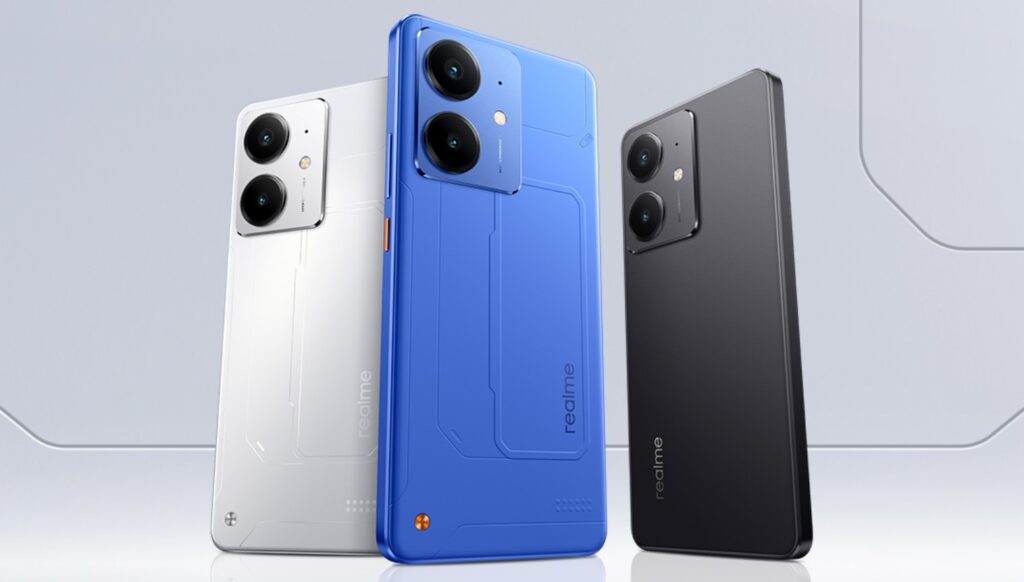
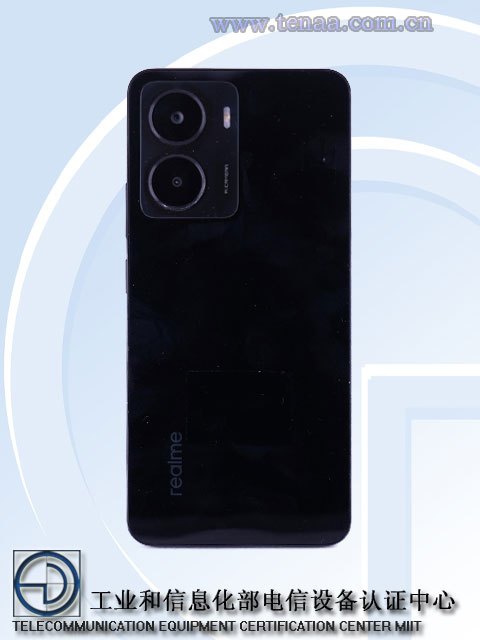
The Realme Neo 7 SE’s first teaser released by the brand reveals that it has a flat display on the front. The back panel of the phone features a dual-camera setup, an LED flash, and a microphone. The Mecha Blue edition of the device has a red-coloured power button, which accentuates its appeal. Apart from blue, it will be available in a silver and black options.
In terms of specifications, the Realme Neo 7 SE is expected to feature the Dimensity 8400-Max chip, and its other specifications are said to be identical to the Neo 7, which features the Dimensity 9300+ chip. Therefore, it is expected to arrive with a 6.78-inch flat OLED panel that offers a 1.5K resolution and a 120Hz refresh rate.
Realme Neo 7 SE
The Neo 7 SE may ship with a 16-megapixel front camera and a 50-megapixel + 8-megapixel dual-camera system. It may also arrive with other specs, such as up to 16 GB of RAM, up to 1 TB of storage, and a 7,000mAh battery with 80W fast charging. It will have a starting price of sub-2,000 Yuan (~$275).
Realme Neo 7x
Realme Neo 7x Realme Neo 7x
The Realme Neo 7x is expected to debut as the world’s first smartphone featuring the Snapdragon 6 Gen 4 chipset. It may feature a 6.67-inch OLED panel that offers an FHD+ resolution, a 16-megapixel front camera, a 50-megapixel + 2-megapixel dual-camera system, and a 6,000mAh battery with 45W rapid charging support. The company is currently receiving its pre-orders, indicating that it will launch alongside the Neo 7 SE.
For more daily updates, please visit our News Section.
For years, small phones have had a dedicated fanbase—those who crave a compact, one-handed device that doesn’t stretch their pockets or fingers. But in 2025, small phones no longer make sense. Not because people don’t want them, but because the trade-offs are simply too big. From battery life and thermal management to app optimization and network efficiency, small phones are fighting a losing battle against modern technology.
1. Battery Life: The Biggest Compromise
The biggest reason small phones struggle today is battery life. Smartphone batteries rely on physical size, and a smaller chassis inherently means less room for a high-capacity cell. Even with advancements in battery chemistry and efficiency gains from 3nm chipsets, compact phones still can’t match the endurance of their larger counterparts.
Take the iPhone 13 Mini, for example. Even with Apple’s tight hardware-software integration, it still couldn’t compete with the battery life of its larger siblings. The simple truth is that users expect their phones to last all day, and with power-hungry apps, 5G connectivity, and high-refresh-rate displays, small phones just can’t deliver the same level of reliability.
2. Thermal Constraints and Performance Bottlenecks
Size also affects performance. In 2025, flagship chips are faster than ever, but they generate heat. Larger devices have more surface area and better internal layouts for heat dissipation, allowing sustained peak performance. Small phones, however, struggle with thermal constraints. Processors throttle quickly in compact enclosures, leading to performance dips during gaming, video rendering, or even heavy multitasking.
Cooling systems like vapor chambers and graphite heat spreaders have become standard in premium smartphones, but they require space. Small phones either lack these systems or implement smaller versions that aren’t as effective, making them prone to overheating under sustained loads. As a result, while a small phone might pack the same processor as its larger counterpart on paper, real-world performance is often compromised.
3. The 5G and Connectivity Challenge
The shift to 5G has also made small phones less practical. Modern smartphones house multiple antennas for improved signal reception, faster speeds, and lower latency. Larger phones can accommodate these antennas more efficiently, ensuring stable connectivity in congested areas. Small phones, on the other hand, often sacrifice antenna placement, leading to weaker reception, slower speeds, and increased battery drain as the device works harder to maintain a connection.
Additionally, new wireless technologies like Wi-Fi 7 and mmWave 5G demand optimal placement of internal components, something that’s much harder to achieve in a compact frame. This means small phones may struggle to match the connectivity experience of larger flagships, making them less appealing for users who rely on fast and stable networks.
4. Software and App Design Have Moved On
Apps have evolved alongside hardware, and today’s mobile experiences are designed with larger screens in mind. Social media apps, productivity tools, and even streaming services assume a certain display real estate, with UI elements spaced accordingly. Small phones often force cramped layouts, smaller touch targets, and reduced usability.
Developers prioritize mainstream devices, and in 2025, that means optimizing for 6-inch-and-larger screens. While some apps offer scaling options, the overall experience on a compact phone feels less refined, whether it’s text getting cut off, UI elements feeling too tight, or split-screen multitasking becoming impractical. The result? Small phones feel like an afterthought in a world designed for bigger screens.
5. Consumer Trends Have Shifted
There’s also a simple reality: most people don’t want small phones anymore. While the demand for compact devices exists, it’s a niche market, not a mainstream one. Manufacturers prioritize mass appeal, and sales numbers consistently show that people prefer larger screens. The rise of foldable phones also complicates the case for small devices—if users want a compact form factor, they can get a foldable that expands into a larger screen when needed.
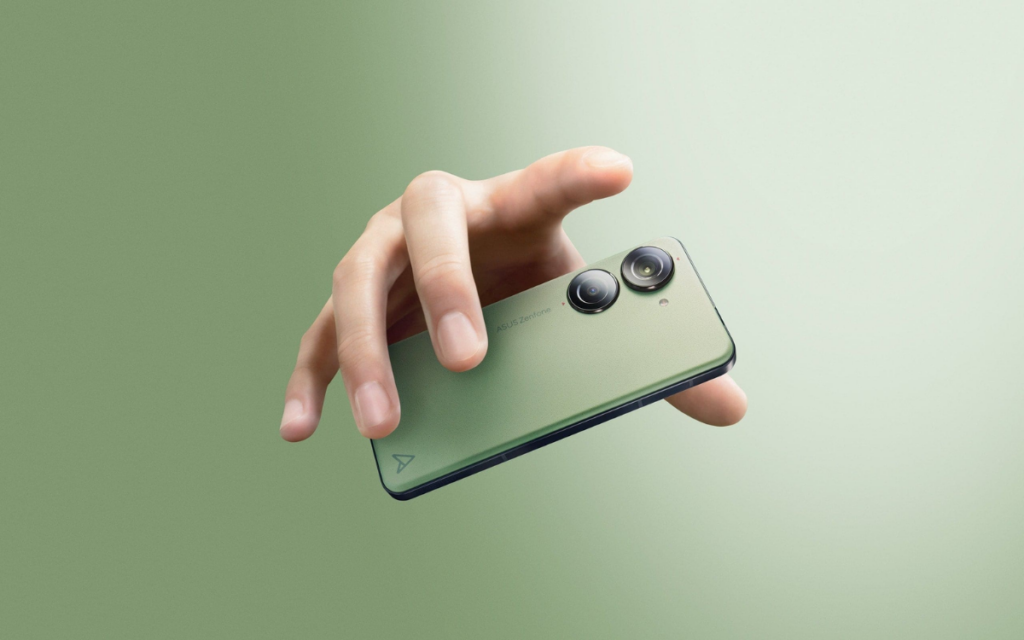
Even Apple, which once championed small phones with the iPhone SE and Mini series, has moved on. Asus, another brand known for making compact flagships, is also phasing out small phones, with the Zenfone 10 being the last true compact phone in its lineup. The iPhone 13 mini was the last of its kind, and even iPhone’s upcoming SE series, currently the iPhone SE 4, is expected to launch today and it is getting a big 6.1-inch screen compared to the 4.7-inch screen of the SE 3. Other brands have also abandoned the compact flagship space, favoring devices that offer better battery life, performance, and user experience.
Small Phones Are Evolving, Not Disappearing
Small phones had their time, but in 2025, they are evolving rather than disappearing. Battery life, performance, connectivity, and app optimization still favor larger devices, but brands are adjusting to the demand for more compact options.
The definition of a small phone is shifting—what was once a large device at 6 inches is now considered compact. As more brands move toward launching a compact phone alongside their bigger counterparts, the standard size has grown from the 5-inch segment to the 6-inch segment. A few years ago, 6-inch phones were considered large, but today, they are the new small phones.
It hasn’t been long since Redmi unveiled the K80 series in China. And their global counterparts—likely launching as the Poco F7 lineup—have yet to make their debut internationally. However, the leak mill has already moved on to spilling details about the Redmi K90 series.
A leak from last week hinted that the vanilla Redmi K90 could feature a custom-designed 3nm+ chip, developed in collaboration between Qualcomm and Redmi. The processor is rumored to have a fully custom architecture and is expected to deliver benchmark scores comparable to the Snapdragon 8 Elite.
Now, a new leak from reliable industry tipster Digital Chat Station has revealed the launch details of the upcoming phones. According to the leak, the Redmi K90 series will launch earlier than its predecessors—possibly in October. For comparison, the K80 series made its debut in late November.
What we know so far
Even if the Redmi K90 series launches earlier than expected, there’s still plenty of time before we get official details. Based on current leaks, the Redmi K90 Pro is expected to feature the Snapdragon 8 Elite 2 chip and a 50-megapixel periscope telephoto camera. On the front, it will retain a flat OLED panel with 2K resolution, similar to the K80 Pro.
One of the most significant rumors so far is that Redmi is planning yet another price hike for the K90 series. A report suggests that Redmi might push the K90 Pro into the 5,000-yuan price bracket.
The K90 Pro will reportedly cost between 4,000 and 5,000 yuan. And even if we take the lower end of that range, the K90 Pro would see a price increase of around 9% compared to the K80 Pro and 22% compared to the K70 Pro.
For more daily updates, please visit our News Section.
Lenovo has never been shy about experimenting with rollable and foldable laptops. One of its best-known products on this idea is the ThinkPad X1 Fold—a laptop that folds in half, letting you carry it around like a tablet. The company has also teased prototypes of a rollable device that extends vertically to give users more screen real estate to work with.
Now, it looks like Lenovo is gearing up to unveil another device built around a similar concept at this year’s MWC. Allegedly called the ThinkBook Flip AI PC, the device has surfaced in leaked renders, thanks to the seasoned leaker Evan Blass on X (formerly Twitter).
ThinkBook Flip doesn’t sacrifice the keyboard for extra canvas
The ThinkBook Flip technically features two displays connected by a hinge in the middle, much like a foldable smartphone. But unlike the ThinkPad X1 Fold or Lenovo’s rollable display concept, the Flip keeps part of its screen visible even when closed.
Open it up, and the top screen flips around to the back, leaving the bottom screen as your primary workspace. Or, you can pull the top screen straight up to extend it vertically, creating an ultra-tall display.
The best part of ThinkBook Flip is that it doesn’t sacrifice a physical keyboard to make room for extra screen space. Devices like the ThinkBook X1 Fold or Asus ZenBook Duo, for instance, fold like a book, so the keyboard is a separate accessory for them.
That’s one way to make a foldable laptop, but now you’ve got an extra piece of hardware to carry around—and I’m not a fan of the whole keyboard-as-an-accessory idea. The ThinkBook Flip’s approach just feels more practical as the keypad is built-in.
MWC is right around the corner, so it won’t be long before we get the full picture. But based on what we’ve seen so far, the ThinkBook Flip could be one of Lenovo’s most interesting experiments in foldable computing yet.
For more daily updates, please visit our News Section.
Nothing is set to launch the Phone (3a) series on March 4, and ahead of the announcement, fresh leaks have surfaced detailing the camera setups of both models.
The lineup is expected to include two phones: the Nothing Phone (3a) and the Nothing Phone (3a) Pro, both of which will share a lot of common hardware but differ in their camera configurations.
Both models are expected to share a lot of the same core specs. That includes the Snapdragon 7s Gen 3 processor, a 6.72-inch AMOLED display with a 120 Hz refresh rate, an IP64 rating for dust and splash resistance, and a 5,000 mAh battery. The primary camera setup will consist of a 50 MP main sensor and an 8 MP ultrawide, keeping things in line with previous Nothing phones.
The real difference, according to reports, will be in the third camera. For the first time, Nothing is adding a dedicated telephoto lens, but the implementation will vary across the two models.
The standard Phone (3a) will reportedly have a 2x telephoto camera, while the Pro version is said to equip a more capable 3x optical zoom using Sony’s Lytia LYT-600 sensor—a 1/1.95″ type sensor that recently appeared in the Realme 13 Pro+. This could give the Pro model a noticeable advantage in zoom shots and portrait photography.
Meanwhile, Nothing may have just teased the camera design for the Phone (3a) series. In a cryptic tweet yesterday, the company shared images of dots arranged in two distinct layouts—one in a horizontal setup and another forming an L-shaped pattern. We’re not sure which design belongs to the Phone (3a) or the (3a) Pro, but the teaser suggests they won’t look identical.
The Phone (3a) pricing in India is rumored to start at around INR 25,000 (approximately $288), while the Phone (3a) Pro could be priced at INR 30,000 ($345).
For more daily updates, please visit our News Section.
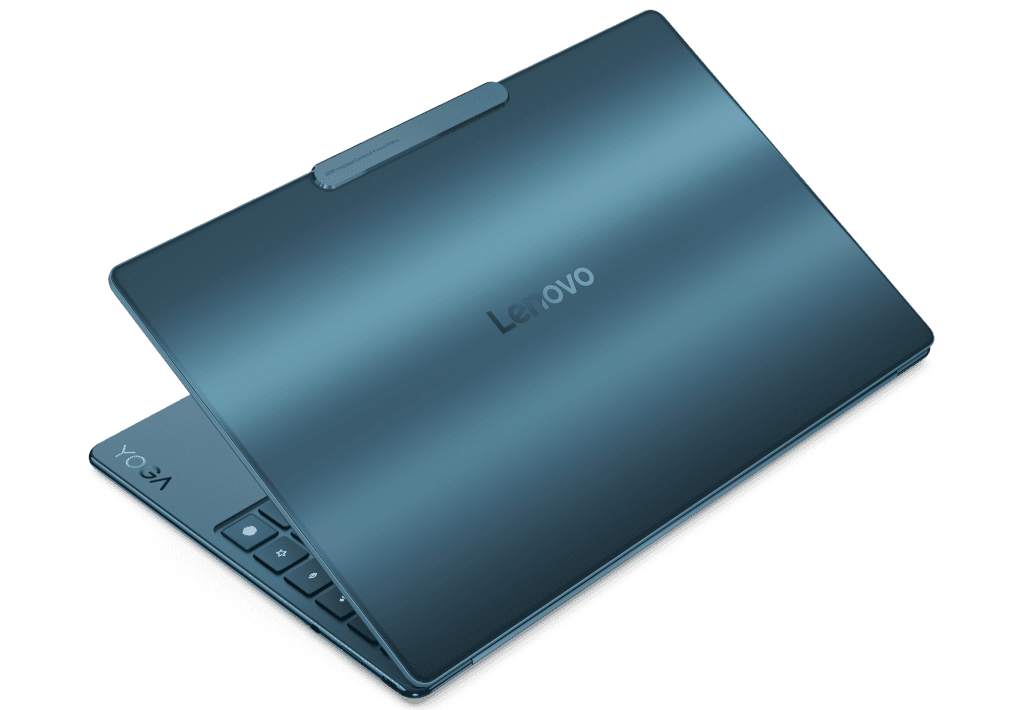
Lenovo has officially started shipping the Yoga Slim 9i worldwide, following its CES 2025 debut. This premium 14-inch OLED laptop features Intel’s Lunar Lake platform and a 32 MP under-display webcam, achieving a 98% screen-to-body ratio for an almost borderless display experience.
Key Features and Performance
The Yoga Slim 9i sports a 4K OLED PureSight Pro display with 120Hz refresh rate, 600 nits peak brightness, and Delta E<1 color accuracy. It supports 100% sRGB, P3, and Adobe RGB color gamuts and is TÜV Low Blue Light certified. The display is protected by impact-resistant glass to prevent scratches and pressure damage.
Powered by Intel Core Ultra 7 256V or 258V processors, the Yoga Slim 9i integrates a 48 TOPS NPU for AI-driven optimizations in creative applications and battery efficiency. Lenovo claims up to 17 hours of battery life from its 75Wh battery.
Despite its hardware, the laptop weighs just 1.25kg. It includes two Thunderbolt 4 ports, enhancing connectivity for professional workflows.
Pricing and Availability
The Yoga Slim 9i starts at $1,759.99 in the US, while the same configuration costs £1,800 in the UK and €2,199 in Europe.
Asus has launched the ZenBook 14 Air Snapdragon Edition, now available for pre-order on JD.com in China, with sales beginning on February 14th. Weighing 960g, this ultra-light laptop is powered by a Qualcomm Snapdragon X processor and features a durable ceramic aluminum build.
For more daily updates, please visit our News Section.
Motorola is known for its foldable devices, particularly its flip phones. Recently, there have been various rumors and reports surfacing online regarding the Motorola Razr+ (2025)/ Motorola Razr 60 Ultra, which have confirmed a bunch of key details. With the hype building up behind the next gen Razr foldable phone, here’s a detailed rumor roundup that talks about its specs, design, and much more.
Motorola Razr Plus 2025 renders by AndroidHeadlines
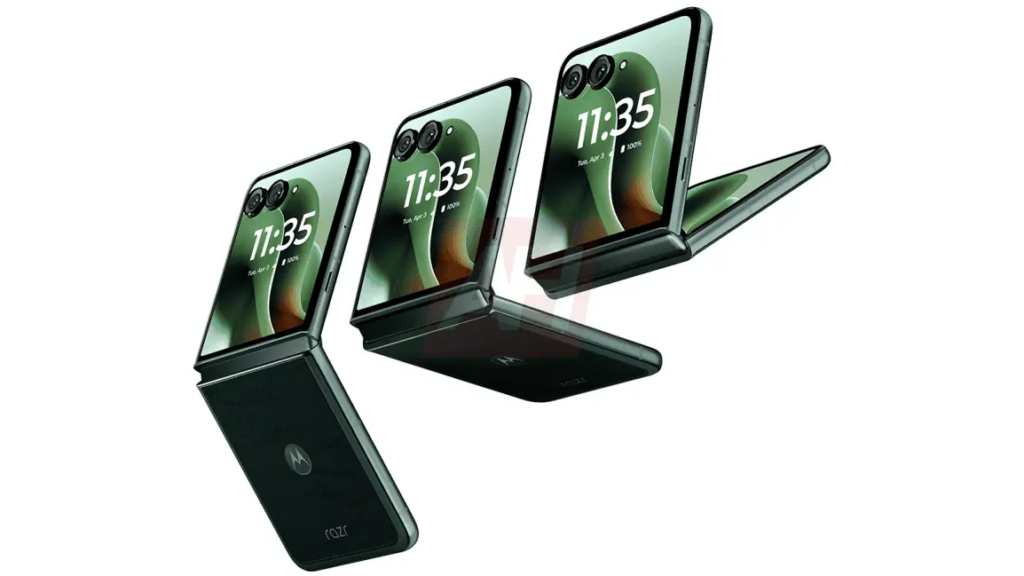
For those unaware, the device is expected to launch as the Razr+ 2025 in the US market, while the global variant could be dubbed the Razr 60 Ultra. One of the latest leaks shared renders of the new flip phone, which reveals its entire design. The device can be seen in a dark green color option, with the body featuring stitched faux leather for the rear panel. We can see the volume rockers and a side facing fingerprint scanner as well on the frame, which seems to use a metallic alloy.
You can also see a large cover screen that takes up most of the space on the top half of the flip phone, which also houses the dual camera setup. Other notable design details include a USB Type-C port, a SIM slot, and speaker grilles. This is likely a 4-inch OLED panel. Meanwhile, the front is expected to sport a 6.9-inch foldable pOLED display that supports a high refresh rate and possibly FHD+ resolution.
2. Specifications
Since this is a premium flip phone, the Razr+ (2025)/ Razr 60 Ultra is expected to feature the Qualcomm Snapdragon 8 Elite under the hood. To recall, the predecessor carried the Snapdragon 8s Gen 3, so there’s a chance that Motorola uses the 7-core variant of the Snapdragon 8 Elite like the Oppo Find N5. A 4,000mAh battery pack might power this device, which likely offers fast charging support. While the exact camera details are unclear, the main sensor could be a 50MP camera that is paired with an ultra wide angle lens.
3. Rumored Launch Timeline
Unfortunately, Motorola has yet to confirm the launch of the new Motorola Razr+ 2025. However, a previous report had claimed that the device could launch in the second quarter of this year. So the Razr 60 Ultra could make its US and global debut sometime in the middle of this year.
For more daily updates, please visit our News Section.
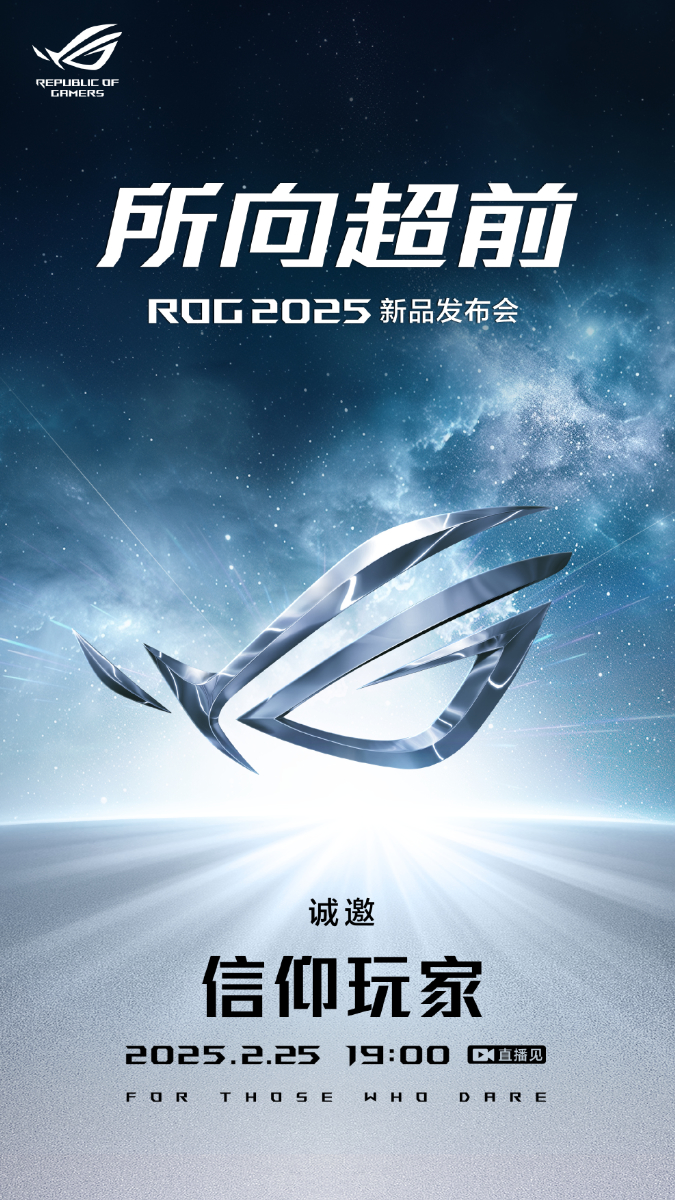
At CES 2025, Asus showcased its powerful ROG Flow Z13 gaming laptop-cum-tablet, powered by AMD’s Strix Halo APUs. The laptop finally has a launch date, at least for China.
As per teasers, the ROG Flow Z13 (2025) will launch in China on February 25 at 11:00 UTC (19:00 CST). While the Chinese pricing has not been revealed, the ROG Flow Z13 models headed to the US market have been disclosed to cost between $1,999 to $2,699.
ROG Flow Z13 (2025): Specs and Features
The ROG Flow Z13 (2025) is powered by AMD’s Ryzen AI Max+ 395 processor, featuring 16 Zen 5 CPU cores and 40 RDNA 3.5 GPU cores. The integrated GPU is expected to rival discrete gaming laptops in performance, marking a shift away from weaker handheld gaming chips.
It includes 50 TOPS of NPU performance, making it a Windows Copilot PC with AI-driven productivity features. Paired with up to 128GB LPDDR5X-8000 RAM, it dynamically allocates resources between system RAM and VRAM.
It has a redesigned cooling system that includes a vapor chamber made of lightweight stainless steel and copper, 54% larger than the previous model, Dual Arc Flow fans, and ultra-thin heatsink fins for efficient heat dissipation.
Display and Build
The 13-inch ROG Nebula Display offers 2.5K resolution, 180Hz refresh rate, 100% DCI-P3 color coverage, and Corning Gorilla Glass 5. Its 16:10 aspect ratio and touchscreen functionality make it ideal for gaming and creative tasks.
The Z13 weighs 1.2kg (without the keyboard) and features a detachable keyboard and kickstand, allowing it to function as a tablet, laptop, or gaming station.
Ports and Expandability
The Flow Z13 includes:
Dual USB4 Type-C ports
USB Type-A port
HDMI 2.1
MicroSD card reader
3.5mm audio jack
It also supports Asus’ ROG XG Mobile eGPU, which can house up to an NVIDIA RTX 5090, transforming it into a desktop-level gaming machine.
Samsung’s upcoming foldable, the Galaxy Z Flip 7, might not be a major overhaul, but a new leak suggests at least one meaningful upgrade — a refined hinge mechanism that could make the display crease less visible.
A tipster going by the name @PandaFlashPro on X claims that Samsung has improved the hinge design on its next clamshell which should reduce the crease that runs across the middle of the foldable screen.
Z Flip 7 Confirmed.
Improve Hing Durability due to New Internal Structure | Less Visible Crease | Display High Efficiency | All New Flexible Glass | ProScaler | Bigger Vapor Chamber | Next Generation of ProVisual Engine | bit Faster charging speed with same 25w | Thinner body.
While it’s not the first time we’ve heard about hinge refinements, any improvement in this area is welcome—especially since the crease remains one of the biggest pain points of foldable phones. The Galaxy Z Flip 6 has already made some progress in this area, and if this rumor holds up, the Z Flip 7 might push things even further.
That’s pretty much it
That said, not all the leaks surrounding Samsung’s upcoming flip have been promising. For one, it might not bring a major upgrade in terms of performance.
The Z Flip 7 is rumored to launch with an in-house Exynos 2500 chip instead of Qualcomm’s latest Snapdragon. We will have to wait to see how it stacks up against the competition, but given Samsung’s mixed track record with Exynos chips, there’s reason to be cautious.
Samsung Galaxy Z Flip 6
Moreover, it is also said to retain the same 25W wired charging speed as its predecessor, which feels a bit outdated compared to some of the faster-charging foldables on the market. The design may also stay largely the same, aside from a potentially slimmer profile.
Of course, AI-powered features will likely be a big part of the experience, just as they were with Samsung’s recent flagship devices. Whether these will be genuinely useful or just more of the same remains to be seen.
With Samsung’s Summer Unpacked still months away, there’s plenty of time for more leaks and details to surface. But based on what we know so far, the Galaxy Z Flip 7 looks to be yet another incremental upgrade rather than a major upgrade. Hopefully, Samsung has a few surprises up its sleeve.
For more daily updates, please visit our News Section.
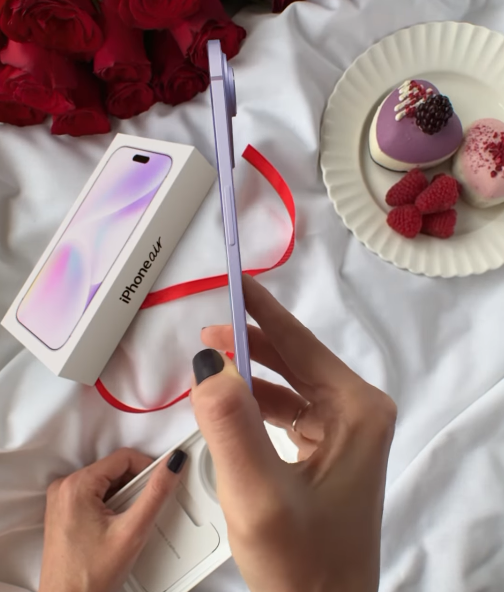
Apple is reportedly making changes to its iPhone lineup with the introduction of the iPhone 17 Air, which is expected to focus on a thinner design rather than high-end specifications. It is also expected to replace the Plus model. Rumors suggest the iPhone 17 Air will have a different rear design from previous models. WEIS Studio has created a concept based on these rumors, providing a possible look at Apple’s upcoming slim device.
The concept render, based on leaked details, showcases a remarkably thin 5.5mm profile, even surpassing the iPad Pro in thinness. On the back, the render has a vertical camera visor with a single camera lens and a flash module. The visor design resembles the design found on the Google Pixel 9. This design-centric approach could be Apple’s strategy to attract buyers even if the phone does not have the top-of-the-line features of the Pro models.
The Air is rumored to feature a 6.6-inch display, positioning it between the standard and Pro Max models. Leaks suggest that the alleged pill-shaped camera module will host a single 48-megapixel rear camera sensor.
A recent image leak of a purported iPhone 17 Air case further supports this camera module design. The case image also shows a USB-C port, speaker grilles, and three buttons on the side.
Currently, the iPhone 17 Air is expected to include a 120Hz ProMotion display, Apple’s 5G modem, the A19 chip, Wi-Fi 7, and a more durable display glass. While specifics are scarce, reports indicate 8GB of RAM and a battery of around 3000 mAh. Compromises on battery life may be necessary to achieve the ultra-thin design. Notably, wireless charging and a physical SIM card slot may be absent.
The Air’s pricing is expected to be lower than the iPhone 17 Pro, which starts at $999. The iPhone 17 series, including the Air, 17 Pro, and 17 Pro Max, is anticipated for release in September or October 2025.
Honor is gearing up for Mobile World Congress 2025, and it’s bringing something bigger than just a new device. The company has announced its keynote event for March 2 in Barcelona, where it will unveil the “Honor Alpha Plan,” a broad corporate vision that emphasizes AI innovation and ecosystem expansion.
Despite the grand branding, the details remain vague. Honor describes “Alpha” as a symbol of leadership, peak performance, and market dominance. The company sees itself as a key player in the AI-driven future of consumer tech. According to Honor, the plan represents its commitment to pushing boundaries in artificial intelligence, though it’s still unclear what that actually means in terms of tangible products.
AI, but what about hardware?
Honor has made AI a recurring theme in its recent launches, and the Alpha Plan seems to take that a step further. The company is positioning itself as a driving force in AI-powered consumer devices, aiming to build an “open and collaborative AI ecosystem” with global partners. This suggests a push beyond just smartphones, likely into wearables, smart home products, and other IoT devices.
However, one thing notably absent from Honor’s announcement is any mention of new flagship phones. Given that major smartphone launches typically get a bigger buildup, it’s possible Honor is saving those for a later event or focusing this keynote on software, AI-driven features, and ecosystem integration instead.
Honor’s event will take place at the Hyatt Regency Barcelona Tower on March 2 at 16:30 CET. For those attending MWC, the company will also have a presence at Stand 3H10 in Hall 3 at Fira Gran Via, where attendees can explore its latest products.
Whether the Alpha Plan is a game-changing strategy or just another marketing slogan remains to be seen. What’s clear is that Honor wants to position itself as a serious player in AI. Now it just has to prove it with real-world innovation.
For more daily updates, please visit our News Section.
South Korea has temporarily halted new downloads of the Chinese AI chatbot DeepSeek, citing concerns over data privacy violations. The decision, announced by the Personal Information Protection Commission (PIPC), took effect on February 15, 2025, at 6:00 p.m. local time. While the mobile app downloads have been suspended, the web version remains accessible as the company works on meeting regulatory requirements.
South Korea Cracks Down on DeepSeek AI
The PIPC revealed that its analysis of DeepSeek, conducted soon after the chatbot’s launch, uncovered flaws in its communication features and policies regarding the handling of personal information with third-party service providers. The commission emphasized that until these issues are resolved in compliance with South Korea’s Personal Information Protection Act, the app will remain unavailable for new downloads. Existing users have been advised to refrain from inputting personal data into the chatbot’s prompts until further notice.
DeepSeek has acknowledged that it failed to fully consider South Korean data protection laws before launching and has since appointed a local representative to facilitate regulatory compliance. The government aims to use this case as a precedent to strengthen guidance and oversight, ensuring that similar lapses do not occur in the future.
The suspension follows heightened scrutiny from South Korea’s National Intelligence Service (NIS), which previously warned that DeepSeek was excessively collecting user data and potentially using it to train its AI models. Additionally, security experts discovered that the app’s Android and iOS versions transmitted certain user data to its servers in an unencrypted format, raising further concerns.
This is not an isolated case, as global apprehension over DeepSeek’s data practices has been growing. The United States, Italy, Australia, and Taiwan have already imposed restrictions on the AI service for government use, citing security risks. NASA blocked DeepSeek from its systems, and the U.S. Navy warned personnel against using the app due to potential data vulnerabilities.
Amid these mounting concerns, Beijing maintains that it allows international internet companies to operate in China under local laws and insists that it does not compel firms to collect or store data unlawfully. However, as regulatory scrutiny intensifies worldwide, DeepSeek now faces an uphill battle to regain trust and compliance across multiple jurisdictions.
For more daily updates, please visit our News Section.
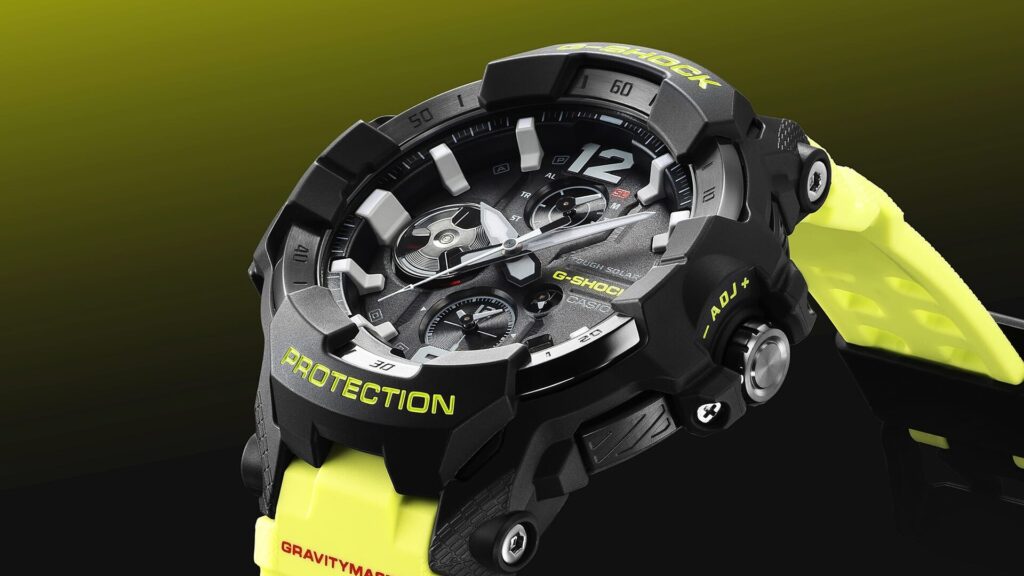
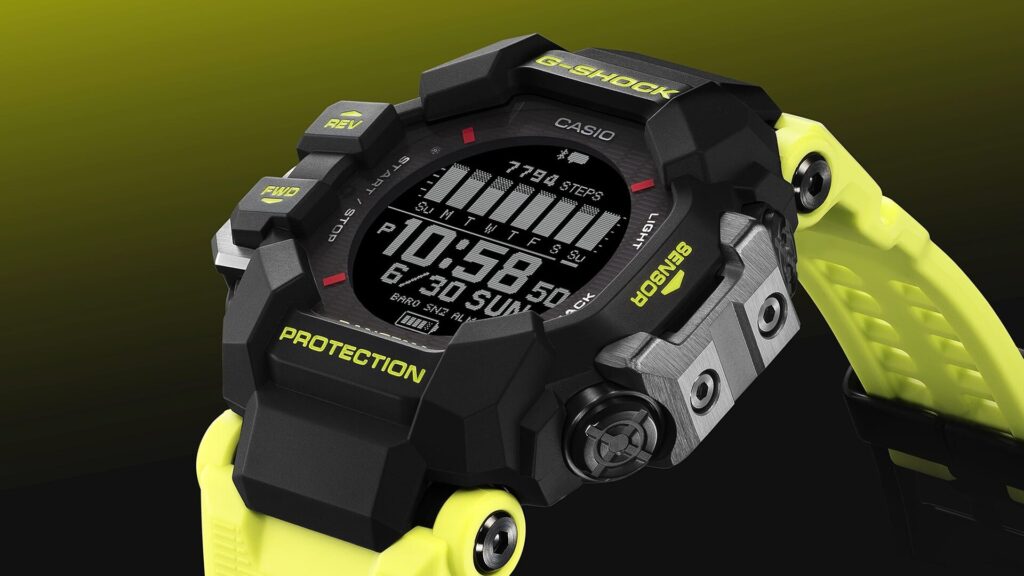
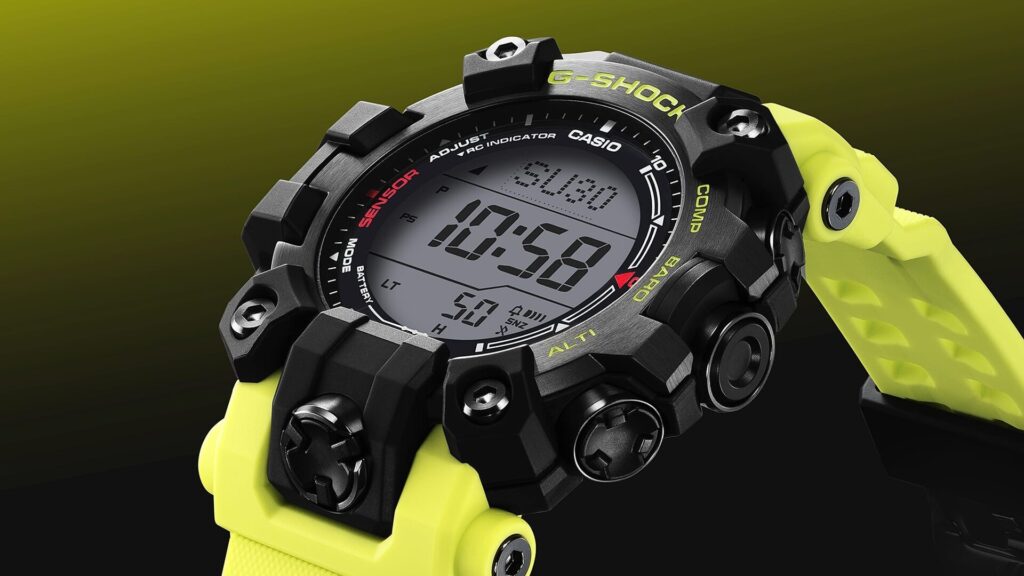
Casio has introduced three new Master of G series watches in Japan, each designed for different outdoor and professional settings. The Gravitymaster GR-B300RY-1A9JF, Mudman GW-9500MRY-1A9JF, and Rangeman GPR-H1000RY-1A9JR come in a “Caution Yellow” color scheme and are built for durability and functionality.
Aviation, Exploration, and Survival: Different Watches for Different Needs
Each watch is made for a specific purpose. The Gravitymaster GR-B300RY-1A9JF (¥44,550/~$297) is intended for aviation and travel. It includes Bluetooth connectivity for time synchronization, dual-time display, and solar charging for long-term use. The resin bezel keeps it lightweight, while its shock-resistant structure and high-visibility LED backlight help in low-light conditions.
The Rangeman GPR-H1000RY-1A9JR (¥66,330/~$442) includes advanced tracking and monitoring features. It has GPS, a heart rate monitor, and VO2 max measurement. Its six-sensor system tracks altitude, air pressure, acceleration, and temperature. The MIP LCD display improves readability outdoors, and solar-assisted charging helps extend battery life.
The Mudman GW-9500MRY-1A9JF (¥58,410/~$389) is made for rugged environments. It has a mud-resistant design and features Triple Sensor technology, including an altimeter, barometer, and compass. It also has a dual-layer LCD display for better readability and radio-controlled timekeeping for accuracy.
Availability and Expected Release in Other Markets
These watches are available in Japan through Yahoo! Shopping, Amazon Japan, and Rakuten. A release in other markets, including the US and UK, is expected in the coming months.
In other news, Casio is set to launch the Vintage A130WE series this month, featuring four watches with a retro 1980s LC analog-digital design and metallic finishes. These timepieces offer World Time for 48 cities, a stopwatch, timer, alarms, and a three-year battery life.
For more daily updates, please visit our News Section.
Xiaomi has introduced a new gadget for smart home enthusiasts: the Mijia Smart Temperature and Humidity Sensor 3 Mini. The compact climate tracker is now available for crowdfunding on Xiaomi Mall and Xiaomi Youpin, with the campaign starting on February 19. While the suggested retail price is 34.9 yuan (~$5), backers can get it at a discounted 29.9 yuan (~$4) during the campaign.
Mijia Smart Temperature and Humidity Sensor 3 Mini Specs
At just 43 × 43 × 12.5mm, the Mijia 3 Mini is compact and lightweight, making it easy to place anywhere. Compared to its predecessor, the Mijia Bluetooth Temperature and Humidity Sensor 2, this model features a larger 2.1-inch LCD screen with a slimmer 5.1mm bezel. The upgraded design offers more screen space for better visibility, making temperature and humidity readings easier to check at a glance.
The sensor delivers 0.1°C accuracy for temperature and 1%RH precision for humidity, with real-time data refreshes every six seconds. Xiaomi says this level of precision helps users maintain a comfortable indoor climate, ideally between 19-27°C and 20%-85%RH.
Beyond basic monitoring, the Mijia 3 Mini connects to Xiaomi’s smart home ecosystem through Bluetooth Mesh. It can be paired with a Mijia Bluetooth gateway to automate home appliances via the Mijia app. Users can set up triggers for their air conditioners or humidifiers to activate automatically based on temperature changes.
It also supports voice control via Xiao Ai, Xiaomi’s smart assistant, allowing hands-free access to real-time temperature and humidity updates.
Battery performance is another highlight. The sensor runs on a CR2450 button battery, offering up to three years of battery life in long-lasting mode or two years in standard mode. The longer endurance setting increases battery life by about 50%, but at the cost of slightly slower automation response times.
Xiaomi has included a visual comfort indicator using emoji symbols. A smiley face appears when conditions are ideal, while a frowning face signals discomfort.
For users who want to track environmental changes over time, the sensor supports three months of on-device data storage and six months of cloud storage via the Mijia app. This makes it easier to analyze trends and adjust home conditions accordingly.
The Mijia 3 Mini is designed to fit seamlessly into any space. It comes with double-sided adhesive stickers for easy wall mounting, making it suitable for bedrooms, living rooms, offices, or even bathrooms, as long as it is kept away from direct water exposure. Its small size also makes it a convenient travel companion for monitoring hotel room conditions.
Built from high-quality ABS materials, the sensor is durable and resistant to wear. However, it is not waterproof, so users should avoid excessive moisture or submersion in water.
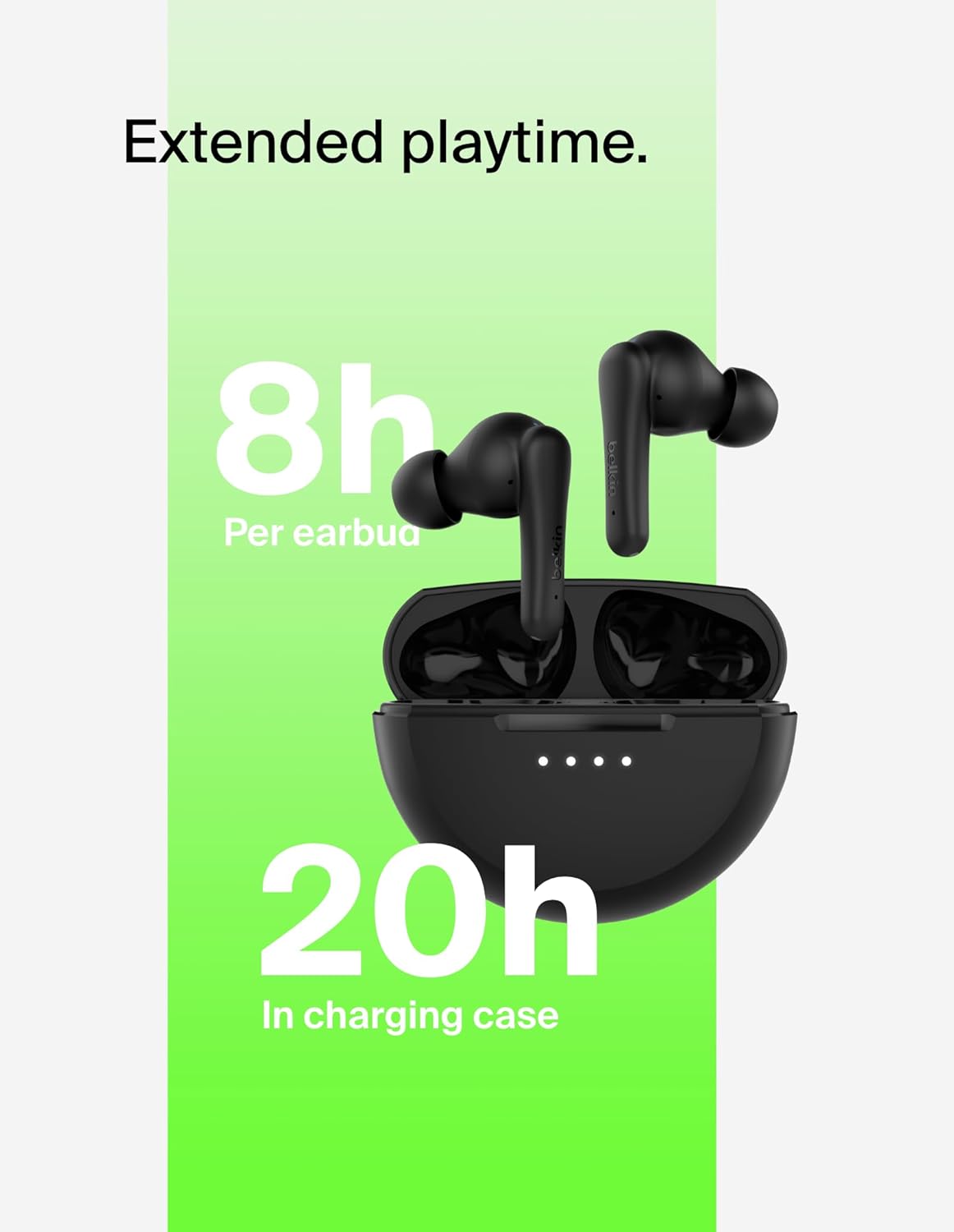
Belkin has launched the SoundForm Rhythm True Wireless earbuds in India. The earbuds come with a compact charging case and are made with 75% recycled plastic. They are packaged in 100% plastic-free materials.
The earbuds use Belkin’s signature audio technology to deliver clear and balanced sound. They include Active Environmental Noise Cancellation (ENC) to reduce background noise for better call quality. Bluetooth v5.3 with Multipoint support allows connection to two devices at the same time.
Battery life lasts up to 28 hours, with 8 hours of playback per charge and an additional 20 hours from the case. USB-C fast charging provides 90 minutes of use with just 10 minutes of charging.
The earbuds have an IPX5 rating for sweat and splash resistance. They come with a two-year warranty.
Pricing and Availability
The introductory price is Rs. 2,499. The earbuds are available on Amazon India and at stores such as Lulu Mall, My G, and Chennai Mobiles.
Indian electronics brand Noise has partnered with renowned audio brand Bose to introduce the Noise Master Buds TWS earbuds in India. These earbuds boast a sleek design, 12.4mm dynamic drivers (PEEK & Titanium), Spatial Audio, and 49dB ANC with transparency mode. They also support the LHDC codec, dual-device connectivity, Google Fast Pairing, and ENC with six microphones.
For more daily updates, please visit our News Section.
Oppo and Realme could be gearing up to launch new truly wireless earbuds soon. A fresh certification sighting has revealed that both brands are working on new wireless earbuds, which could be the Realme Buds Air 7 Pro and Oppo Enco Buds 3 Pro. So here’s what we know.
Realme Buds Air 7 Pro & Oppo Enco Buds 3 Pro Visit Bluetooth SIG
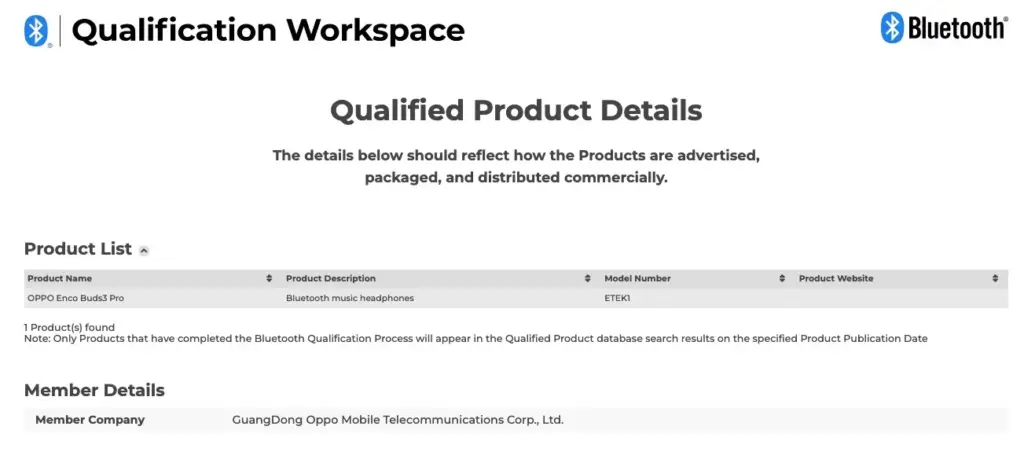
Oppo Enco Buds 3 Pro on Bluetooth SIG
The two Chinese brands are apparently planning on launching the Realme Buds Air 7 Pro and Oppo Enco Buds 3 Pro TWS earbuds soon, as both models surfaced on the Bluetooth SIG certification (Via MySmartPrice). The Realme Buds Air 7 Pro has been spotted with the RMX2407 model number, while the Oppo Enco Buds 3 Pro was seen carrying the ETEK1 model number.
Realme Buds Air 7 Pro on Bluetooth SIG
Unfortunately, this database does not reveal any finer details like the specifications, features, or design. But it does confirm that both TWS earbuds would likely launch soon. Since both companies are planning on launching new smartphones in the coming weeks, we can expect these truly wireless earbuds to be announced alongside these devices. For those unaware, the base Realme 14 model is also in the works, with the Realme P3x set to launch tomorrow.
Realme Buds Air 6 in Royal Violet
But these earbuds are unlikely to debut so early and could be arriving for a smartphone like the Realme GT 7T. In related news, the Oppo Find N5 is launching soon with new teasers showcasing some key features. A Realme Neo 7 SE and Realme Neo 7x were also teased recently, hinting at their imminent release in China. This is all the information we have at the moment, so stay tuned for more.
For more daily updates, please visit our News Section.
We use cookies on our website to give you the most relevant experience by remembering your preferences and repeat visits. By clicking “Accept”, you consent to the use of ALL the cookies.
This website uses cookies to improve your experience while you navigate through the website. Out of these, the cookies that are categorized as necessary are stored on your browser as they are essential for the working of basic functionalities of the website. We also use third-party cookies that help us analyze and understand how you use this website. These cookies will be stored in your browser only with your consent. You also have the option to opt-out of these cookies. But opting out of some of these cookies may affect your browsing experience.
Necessary cookies are absolutely essential for the website to function properly. This category only includes cookies that ensures basic functionalities and security features of the website. These cookies do not store any personal information.
Any cookies that may not be particularly necessary for the website to function and is used specifically to collect user personal data via analytics, ads, other embedded contents are termed as non-necessary cookies. It is mandatory to procure user consent prior to running these cookies on your website.