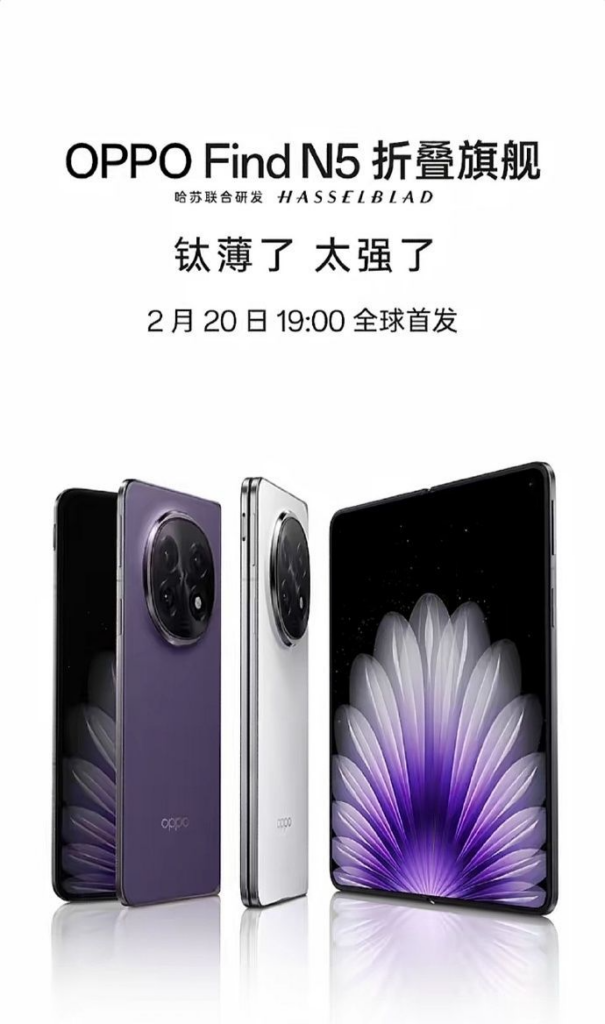
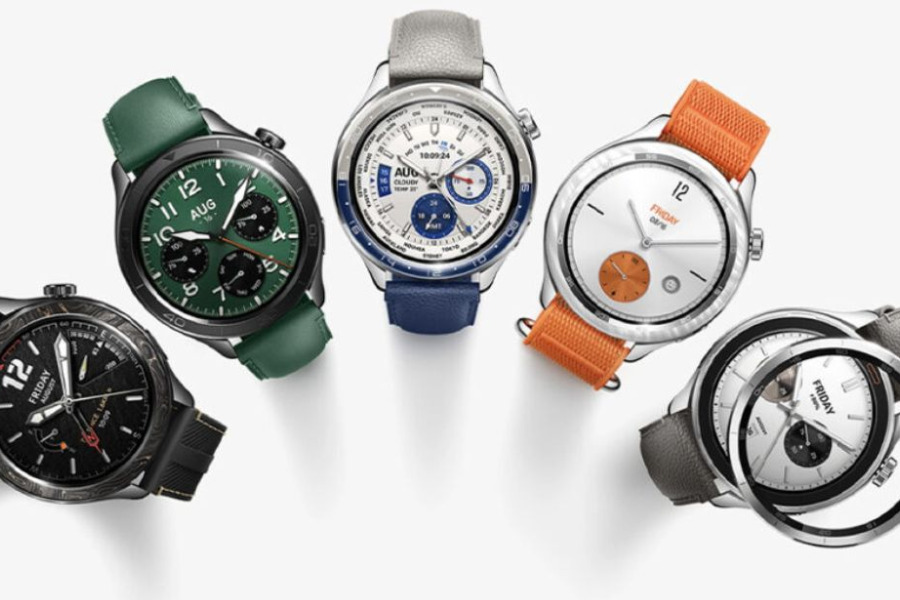
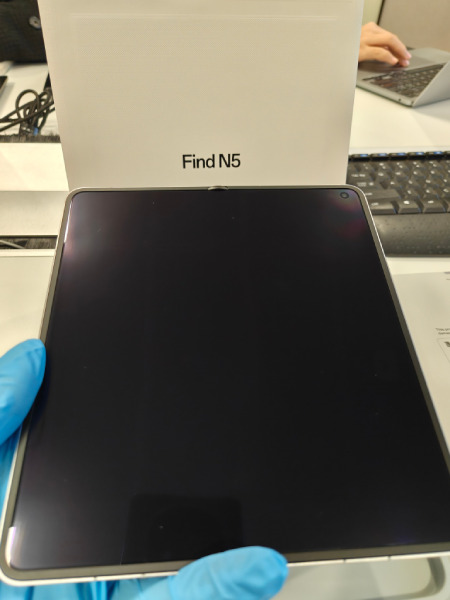
After weeks of teasing, Oppo has finally confirmed the Oppo Find N5 launch date. The brand has confirmed that it will hold a launch event at 7 pm (local time) on Feb. 20 in China. Apart from the Find N5, the company will also unveil the Watch X2 smartwatch. Besides revealing the launch date, the official images of the foldable phone have also been released to confirm its design.
Oppo Find N5 design, color options
Oppo Find N5 launch date
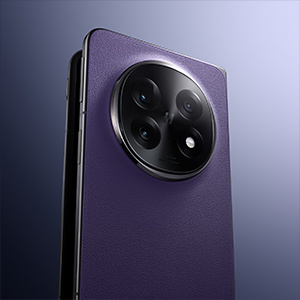
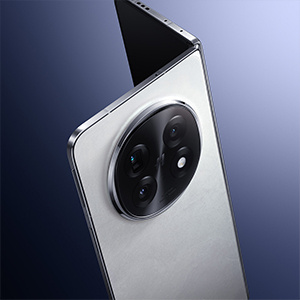
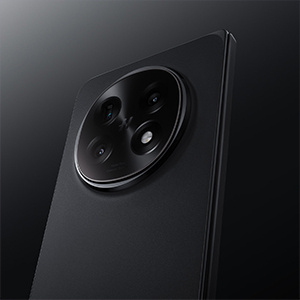
The images below show that the Oppo Find N5 will arrive in three colour options: Dusk Purple, Jade White, and Satin Black. As can be seen in the images above, the Find N5 sports a redesigned camera module compared to the Find N3.
The round camera module houses three cameras and an LED flash, with a Hasselblad logo in the centre. The images also confirm the presence of an alert slider and a side-facing fingerprint sensor. Apart from the official renders, two real-life images of the phone are also being circulated on Chinese social media platforms.
As per reports, the Find N5 sports a slim profile of 9.2mm in its folded state. Under the hood, the device features the Snapdragon 8 Elite chipset and is likely to pack a 5,700mAh battery. It is expected to support 80W wired and 50W wireless charging. The phone is likely to ship with up to 16GB of LPDDR5x RAM and up to 1TB of UFS 4.0 storage.
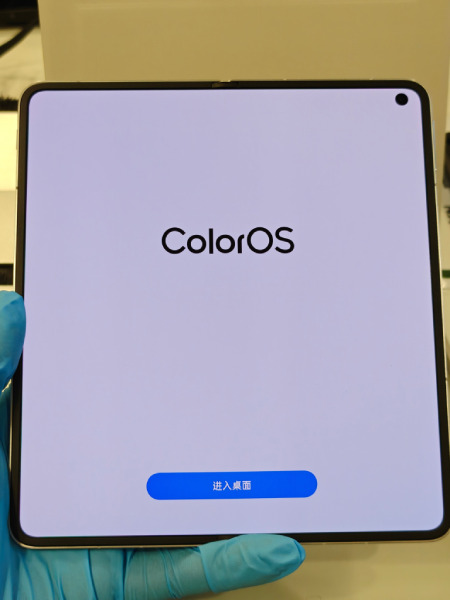
The Find N5 is expected to run on ColorOS 15-based Android 15 and offer DeepSeek-R1 integration. For photography, it is expected to feature an OIS-enabled 50-megapixel main camera, a 50-megapixel ultra-wide lens, and a 50-megapixel periscope telephoto camera with 3x optical zoom. In terms of durability, the Find N5 is confirmed to offer up to IPX9-level water resistance.
For more daily updates, please visit our News Section.
Apple might finally be launching its very own foldable device soon. A new rumor has hinted that the brand’s first ever foldable iPhone or foldable iPad might be arriving as early as next year. So here is everything you need to know.
Apple may finally launch a foldable device in 2026
While various popular Android competitors like Samsung have already released multiple generations of foldable smartphones, the Cupertino based giant has yet to make any announcement for a similar device. But in the news shared by Bloomberg’s Mark Gurman on his recent Power On newsletter, Apple could be planning on launching its first foldable model as early as next year.
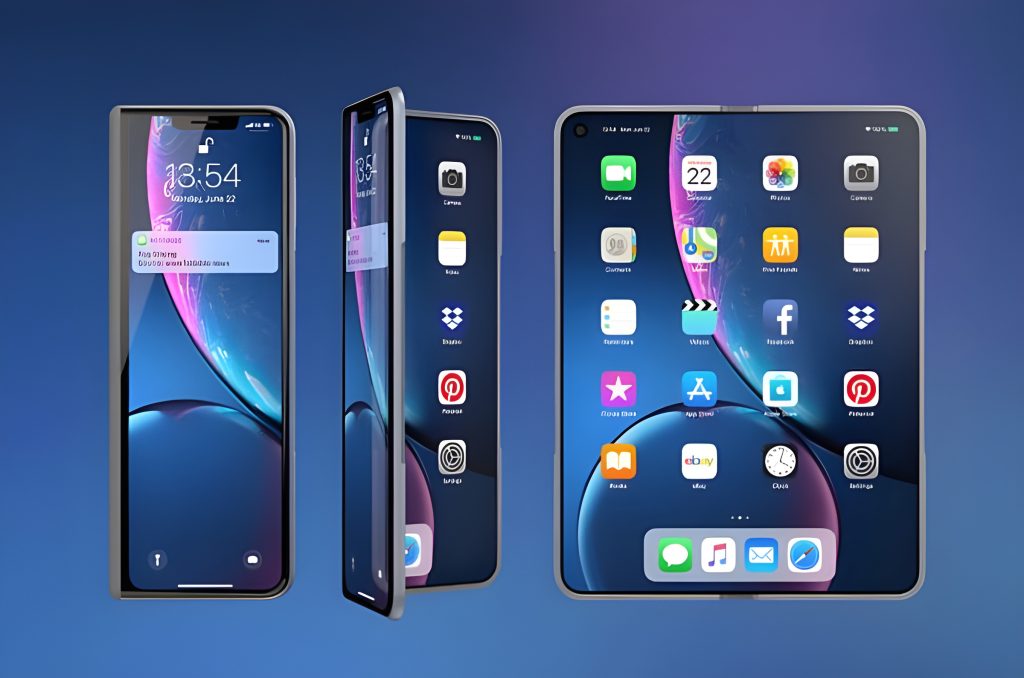
Foldable iPhone Concept Render
It is still unclear what form this upcoming flexible device will take and whether it will be a foldable iPhone or a foldable iPad. The company might also announce a brand new product line of foldable gadgets as well. There are also rumors that point at the Mac lineup getting a foldable model as well. However, Gurman adds that these foldable Macs are still more than a couple of years away. Meanwhile, even the foldable iPhone is reportedly facing quality control issues.
In other words, the foldable iPhone is the most likely to debut in 2026. Back in December 2024, we also covered a report regarding how Apple’s first foldable iPhone might be a notebook style “Fold” rather than a clamshell folding “Flip” model. Known analysts also claimed that Apple may unveil a foldable MacBook sometime in 2026, but Gurman’s latest report hints otherwise. Keep in mind that this all just speculation still, so take this news with a pinch of salt and stick around for more.
For more daily updates, please visit our News Section.
Sony PlayStation Network (PSN) was just hit with a massive outage that was only recently resolved. This caused members of the PlayStation Plus, a service that lets PlayStation console owners to game online, to lose access to any online games. While initially there was no official response from the company, Sony has now come forward with a compensation plan for everyone that was affected.
Sony offers extra days to PS Plus members
In an official tweet from the official Ask PlayStation support account on X (formerly Twitter), the Japanese tech giant apologized for the outage faced by the users. The official statement reads “Network services have fully recovered from an operational issue. We apologize for the inconvenience and thank the community for their patience.”
Sony PS Plus
But that’s not all as the brand also seeks to compensate the user for their grievances by offering free extra 5 days of PS Plus service. Sony stated that “All PlayStation Plus members will automatically receive” these additional days on their accounts. For those unaware, many gamer encountered an issue while trying to access their online multiplayer title like Marvel Rivals, Helldivers 2, Call of Duty, and others.
Initially, it was believed that the issue was a server problem being faced by the respective publishers of these games. However, a later confirmation revealed that the issue was from Sony’s PlayStation Network. The PSN outage slowly began appearing around the evening of Friday (ET), which was only solved around a whole day later. Some users still had access to their digital libraries, but the multiplayer side faces the brunt of it.
In related news, Sony announced that it was stopping the production of recordable media like Blu-ray discs, which marked the end of an era.
For more daily updates, please visit our News Section.
Creating Artificial Intelligence like ChatGPT is not a cheap investment, with estimates suggesting hundreds of millions to billions of dollars being sunk into AI for building and training it. However, money doesn’t seem like an object to Amazon which might be planning on spending a ludicrous amount of money on AI this year.
Amazon to invest $100 billion in AI this year
DeepSeek recently took the world by storm with an alleged budget cost of development, but Amazon is going big on AI and is spending top dollar. According to a TechRadar report, the American tech giant aims to spend $100 billion on AI this year. In comparison, DeepSeek claimed that it only took a few million dollars to train its R1 model, which may or may not be true.
Amazon Bedrock AI
However, AI is still a hefty business as companies like Google and Microsoft are sinking tens of billions of dollars in their respective projects. The big names in tech have already been readily adopting AI in recent years, with Amazon being an outlier. So it seems quite surprising that the company is becoming one of the highest spenders in artificial intelligence. One could argue that it was only a matter of time.
During its latest earnings call, Andy Jassy, the CEO of Amazon hinted that the brand could be planning on spending more than $100 billion on AI in 2025. So Alexa might be getting a new evolution soon. Unfortunately, this is all the information we have at the moment, so stick around for more. In related news, India is also working on its own AI model to compete with the likes of ChatGPT and DeepSeek. The latter is also seeing some trouble in the global market as some governments see it as a Chinese threat.
For more daily updates, please visit our News Section.
After unveiling the new LG DualCool AI Air (AI powered air purifier) in India, the company has just introduced another compact air purifier called the PuriCare AeroHit model. This model features an ultra slim design with improved air purification tech. So here’s everything you need to know.
LG PuriCare AeroHit Air Purifier Specs
The South Korean tech giant’s latest air purifier was just announced with a compact cylindrical bin shaped design. It arrives in a full white body that was designed to be seamlessly integrate in your home. The LG PuriCare AeroHit doesn’t take up much space in the room and helps improve the indoor air quality. On the very top, there is also an integrated LED display that carries both intuitive controls and crucial information.
LG PuriCare AeroHit Air Purifier
Under the hood, this air purifier is equipped with the Aero Series H Filter, which is a multi-layer 360 degree filtration system that can lower dust particles, odors, viruses, and allergens while even absorbing airborne pollutants as well. Thanks to the Particulate Matter (PM) 1.0 sensor, the PuriCare AeroHit can detect ultra fine dust particles that are as well as 0.01 micrometers. This means you get real time air quality monitoring as well.
Users can also connect this air purifier with their smartphones o get remote access to its purification metrics or look at the integrated display. Although, the PuriCare AeroHit can function automatically and make adjustments or tweaks to its purification performance for an optimal condition. Back in CES 2025, the company even unveiled the LG AeroCatTower Air Purifier for pet owners, which you can also check out.
For more daily updates, please visit our News Section.
Samsung recently debuted its flagship Galaxy S25 series of smartphones in the global market. These devices bring cutting-edge specs and a premium design. The Galaxy S25 models have just gone on sale recently, with the brand even revealing the pre-order numbers in India after these devices officially went on sale. Samsung is seeing a strong demand in the region, so here are all the details.
Samsung Galaxy S25 series pre-orders break records
To recall, the South Korean tech giant’s Galaxy S25 series went on pre-orders last month. In the official announcement, the company revealed that the Galaxy S25 series saw record high pre-orders, with the figures reaching 430,000 this is a third of the pre-orders it saw in the home market, but it is still an impressive number. Samsung achieved these pre-orders between the period of January 23 and February 6, which is around two weeks.
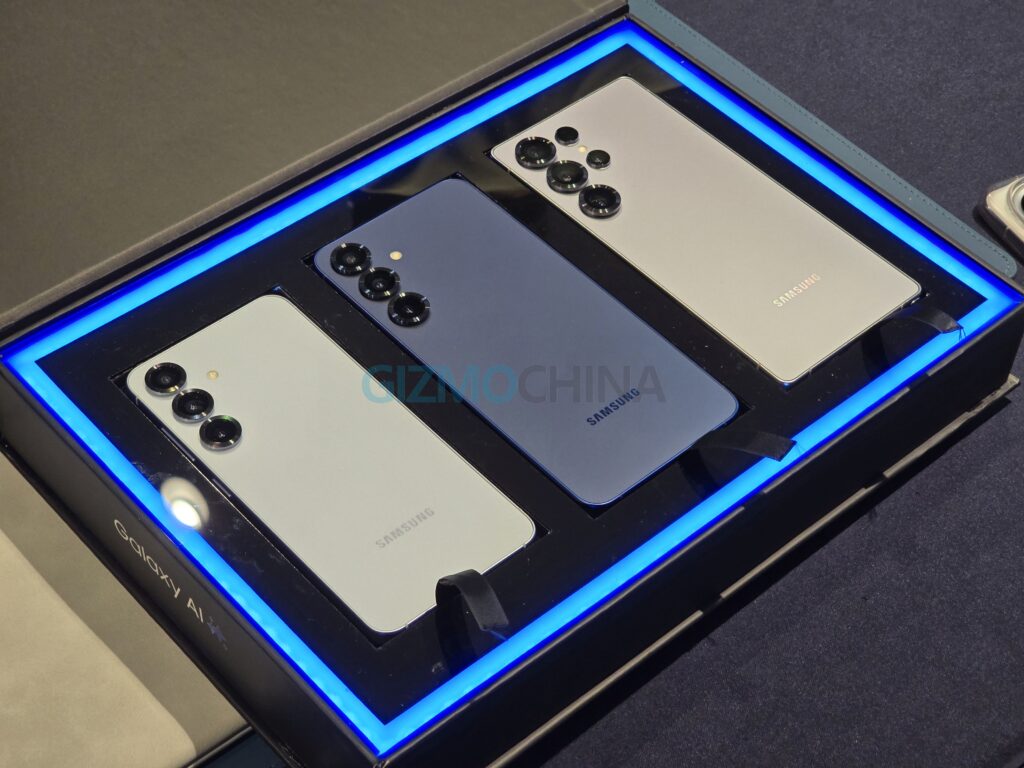
Samsung Galaxy S25, Galaxy S25+, and Galaxy S25 Ultra
As per official notes, this marks a 20 percent increase over the pre-orders the Galaxy 24 received back in 2024. According to Raju Pullan, Samsung India MX Division’s Senior VP, the company has even widened the flagship distribution network to 17,000 outlets. This makes it more accessible in smaller cities in India. Notably, Samsung is manufacturing the Galaxy S25 series at the Noida facility for its Indian customers.
Talking about the Galaxy S25 series pricing, the base Galaxy S25 model starts from 73,999 INR for the new 128GB variant. On the other hand, the Galaxy S25+ is on sale for 99,999 INR for the 256GB configuration. Similarly, the Galaxy S25 Ultra’s 256GB version is listed for 129,999 INR.
Xiaomi’s Watch S4, which debuted in China last October alongside the Xiaomi 15 and Xiaomi 15 Pro, appears to be heading for a global release. Leaker Sudhanshu Ambhore has shared details and renders alongside its price for the European version. And as expected, almost everything is similar except for the price.
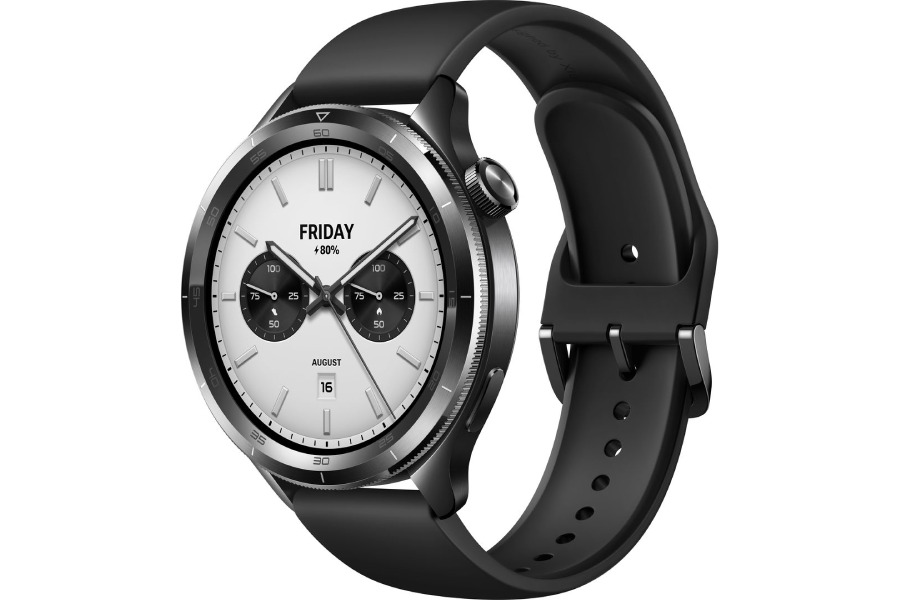
Xiaomi Watch S4 Specifications
The leak reveals that the smartwatch will be available in silver, black, and rainbow color options. It sports a 1.43-inch AMOLED display with a 466 x 466-pixel resolution and boasts a peak brightness of 2,220 nits.
Connectivity will include Wi-Fi and Bluetooth 5.3, with Bluetooth calling support thanks to integrated microphones and speakers.
Health and fitness tracking features are standard which will include a heart rate monitor, accelerometer, and barometric altimeter. For navigation, it will support GPS, Beidou, Galileo, and GLONASS. Additionally, the Watch S4 will support NFC functionality and is rated 5 ATM for water resistance, making it suitable for brief swims.
The wearable will be powered by a 486 mAh Li-Po battery, which reportedly offers up to 15 days of usage. It is said to be compatible with smartphones running Android 8.0 and above or iOS 12.0 and higher. However, Ambhore’s leak does not mention the wrist gesture controls found in the Chinese version.
Pricing and Availability
Ambhore suggests the European retail price for the base Bluetooth model will be around €159, approximately €10 higher than the launch price of the Xiaomi Watch S3, which currently retails for around €115 on Amazon DE. Pricing for an LTE version remains under wraps, though.
According to rumors, Xiaomi might launch the Watch S4 alongside the Xiaomi 15 and Xiaomi 15 Ultra. And while it’s not confirmed yet, it’s likely the launch event will be scheduled in March, coinciding with MWC 2025.
For more daily updates, please visit our News Section.
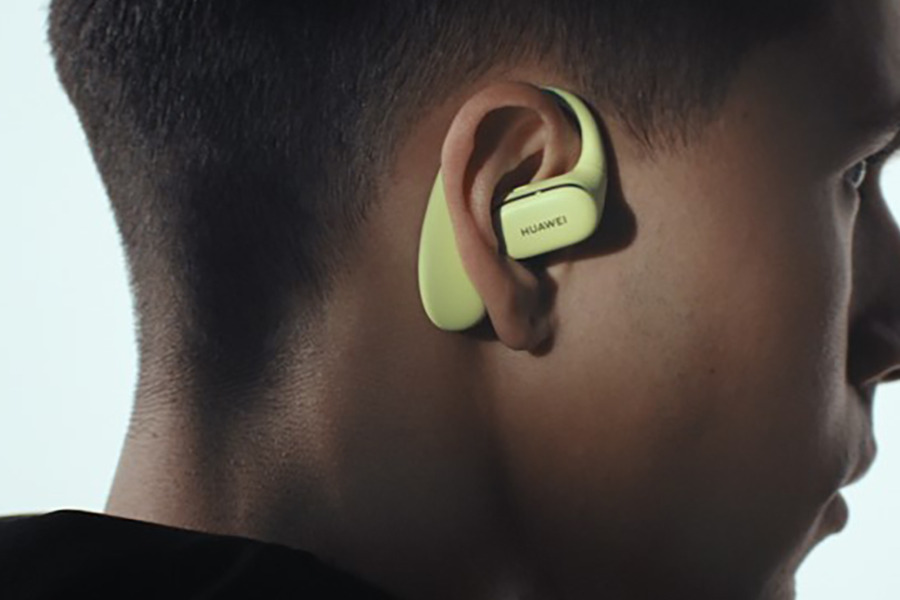
Huawei might be planning on releasing a new pair of truly wireless earbuds in the global market soon. An upcoming hearable model was just spotted in a European certification, which revealed its charging and battery specifications. So here is everything we know.
New Huawei TWS earbuds in the works
The Chinese tech giant’s new audio gadget was spotted on the Eurofins database carrying the T0020 model number for the earbuds and the T0020C model number for the charging case (via TheTechoutlook). These were listed in the certification with the ‘Wireless Earphones’ classification. Unfortunately, finer details like the key specifications, name, or even design weren’t revealed on the platform. However, it did reveal information regarding its battery capacity and charging speeds.
The new Huawei TWS earbuds will pack a 39.5mAh battery pack, while the charging case houses a large 510mAh cell. So we can expect support for multiple charging cycles from the charging case on a single full charge. Furthermore, the charging case is also listed with support for 10W wired charging. This is all the information that was revealed on the Eurofins database, although, these earbuds could be one of the brand’s recent TWS announcements.
Huawei FreeArc TWS
For those unaware, the brand unveiled the new Huawei FreeBuds Pro 4 along with the FreeArc. While the former carries a traditional in-ear and stem design, the latter has a unique hook body. Keep in mind that this is just speculation, but the company does plan on releasing the FreeArc models outside of its home market of China. So stick around for more regarding this matter.
For more daily updates, please visit our News Section.
The Samsung Galaxy S25 series offers some impressive photo editing features, and two that often get compared are the Galaxy AI Eraser and the Object Eraser. Both aim to remove unwanted elements from your photos, but they approach the task differently. So, which one is better? After spending considerable time experimenting with both, I’m here to share my insights and help you decide which tool is right for you.
Understanding the tools
Galaxy AIObject Eraser
Both the Galaxy AI Eraser and the Object Eraser can produce good results. However, the key difference lies in how they achieve those results. The Object Eraser, a more traditional approach, essentially tries to patch or clone pixels from the surrounding area to fill in the gap left by the removed object. It’s like a digital version of using the clone stamp tool in Photoshop.
The Galaxy AI Eraser, on the other hand, leverages the power of generative AI. It doesn’t just copy pixels; it understands the context of the image and generates new content to seamlessly replace the removed object. This makes a significant difference, especially when dealing with complex backgrounds or objects.
Comparing the results
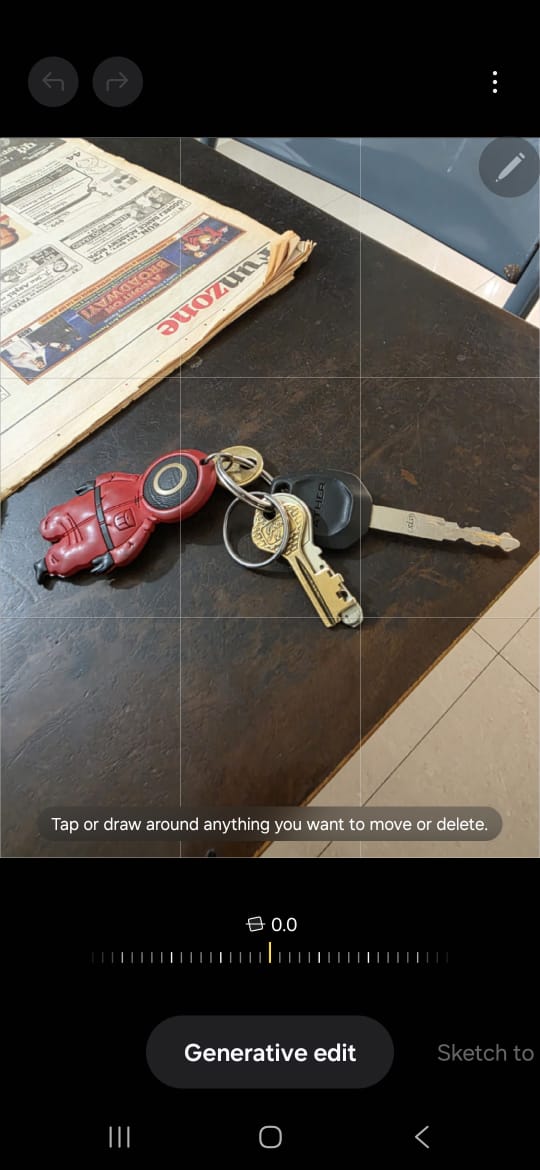
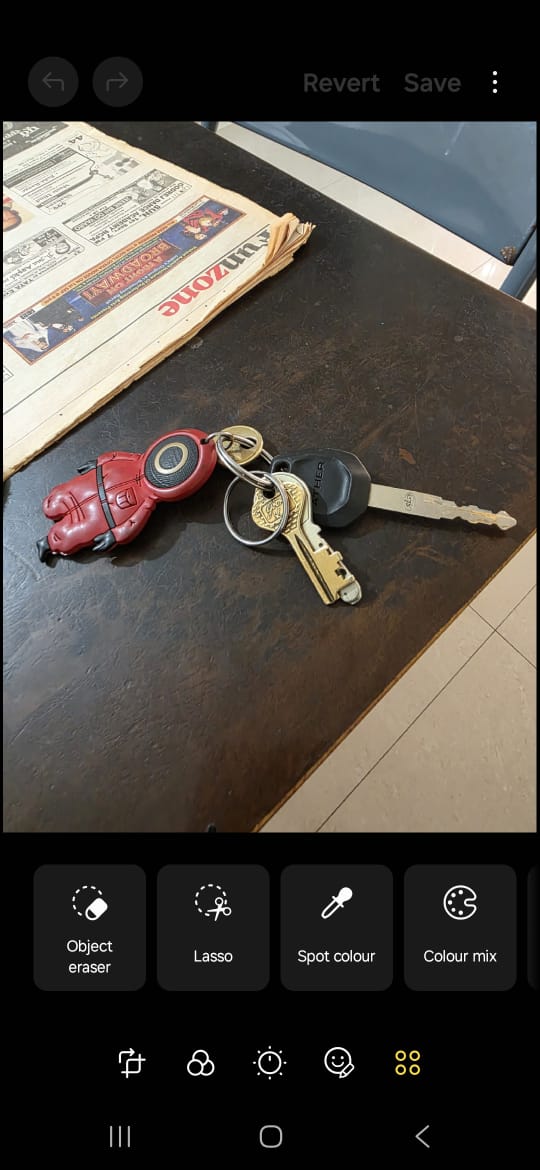
Original ImageEdited with Galaxy AI EraserEdited with Object Eraser
To illustrate the difference between the Galaxy AI Eraser and the Object Eraser, I’ve included three images above. The first is the original photo. The second demonstrates the result achieved with the Galaxy AI Eraser, and the third shows the image after using the Object Eraser. As you can see, the AI Eraser typically achieves a clean removal in just one or two attempts, while the Object Eraser often requires a few more steps to reach a comparable result. This efficiency highlights the power of generative AI.
The AI Eraser “understands” the image context in a way traditional object removal tools simply can’t, allowing it to seamlessly reconstruct the missing areas. It’s also important to note that because the AI Eraser generates new content, the resulting image is marked with a watermark indicating “AI-generated content.”
How to access Galaxy AI Eraser and Object Eraser
To access the Galaxy AI Eraser, open an image in the Gallery and tap the Galaxy AI icon. Then, draw a lasso around the area you want to edit. Once selected, you can move or delete it as needed. As can be seen in the first image of this post, it provides the “Sketch to Image” option, which can be used to leverage the power of generative AI to add new elements to the image.
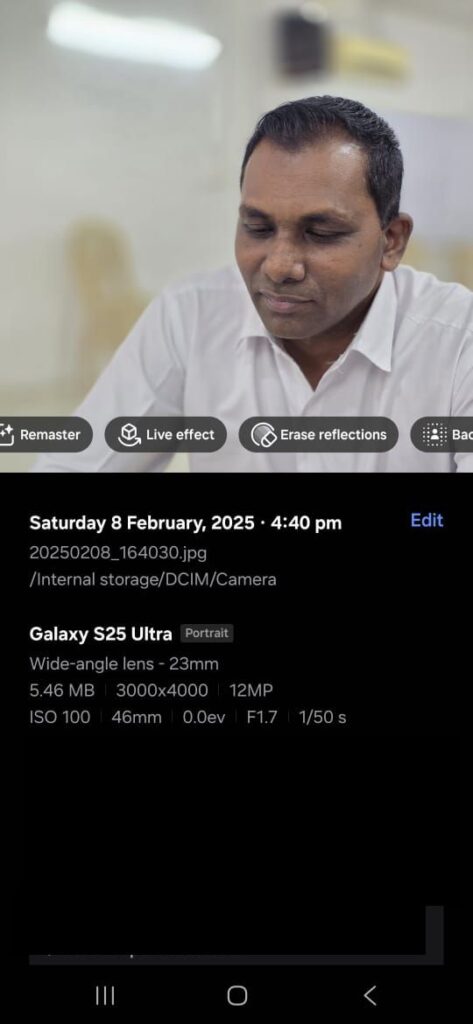
Galaxy AI can also be used in a couple of other ways to enhance the image. When you open an image within the Gallery and swipe up, it will suggest some AI-driven options to modify the image. For instance, swiping up on the above image brought up four options:
Remaster: Enhances the overall quality of the image, often improving brightness, contrast, and sharpness.
Live Effect: Adds dynamic effects to the image, such as light trails or motion blur.
Erase Reflections: Specifically targets and removes unwanted reflections from the image.
Background Effect: Allows you to change or blur the background of the image.
Accessing the Object Eraser
The Object Eraser can be accessed by opening an image from the Gallery and hitting the four dots icon. Apart from erasing certain portions of the image, it provides some other options like Erase Shadows and Erase Reflections.
Tips for Best Results
Original imageModified with Erase Relections (Galaxy AI)
Here are a few tips to maximize your success with both the AI Eraser and Object Eraser:
For complex removals, start with the AI Eraser. If the result isn’t perfect, you can then use the Object Eraser for fine-tuning.
Zoom in for precise selections, especially when using the Object Eraser. Accurate selections are key for seamless results.
Don’t be afraid to experiment! Both tools are forgiving—if you’re not happy with the result, you can undo the changes or save a copy. If you’ve made multiple edits to the same image, you can always tap “Revert to original” from the three-dot menu at the top-right corner to restore the original version.
Remember that the AI Eraser generates new content, so the results might sometimes be unpredictable. Always review the edited image carefully.
For more daily updates, please visit our News Section.
What do you look for when picking out a new smartphone? Is it the design, the cameras, the software (Android vs. iOS), battery life, or sheer performance? Everyone has their own priorities, and no two users are exactly alike.
For me, though, it’s simple—I choose my smartphone based on three key factors:
Performance
Camera
Battery
Honestly, it becomes much easier to find a phone that suits my needs when I focus on these aspects.
Performance comes first because, honestly, it’s the one factor that makes or breaks your experience. Whether you’re gaming, multitasking, or just want a smooth, lag-free device that holds up over time, a phone’s power matters more than anything else.
So, which brands actually deliver on performance? If you’re looking for speed, power, and long-term reliability, these are the smartphone makers you should be paying attention to.
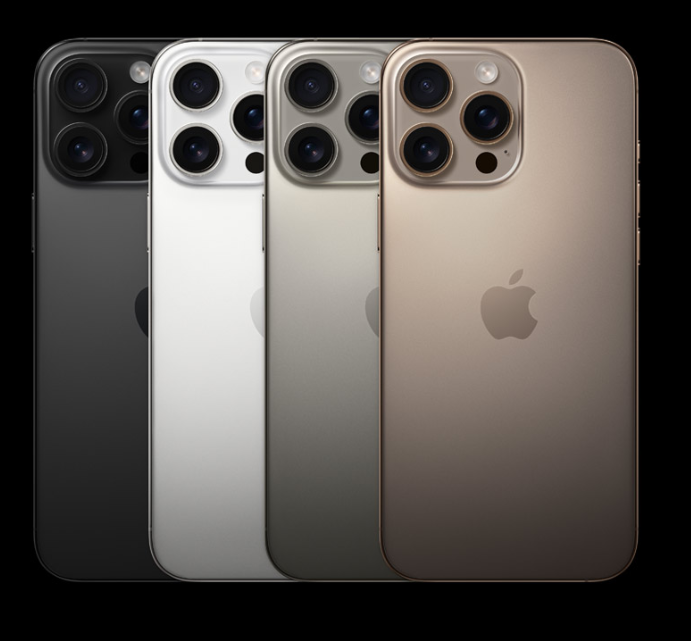
Apple’s iPhone lineup has long been the gold standard for performance—not necessarily because of raw specs, but because of optimization. Every year, the company releases new iPhones powered by its in-house A-series chips, and year after year, those chips outperform the competition in real-world use.
Take the iPhone 16 Pro Max, for example. It runs on the A18 Pro chip, which isn’t just about fast benchmarks—it’s also about efficiency. Apple’s control over both hardware and software means iOS remains smooth even after years of updates, something few Android phones can match.
The integration of hardware-accelerated ray tracing in mobile games and an industry-leading GPU make iPhones the preferred choice for gaming, despite Apple never marketing them as gaming phones.
That being said, iPhones are not for everyone. Apple’s ecosystem locks users into its services, and customization is limited compared to Android. But if you care about long-term performance and software support, Apple remains a top choice.
Please Note: When you buy something using the links in our articles, we may earn a small commission at no cost to you.
2. ASUS ROG is built for gamers
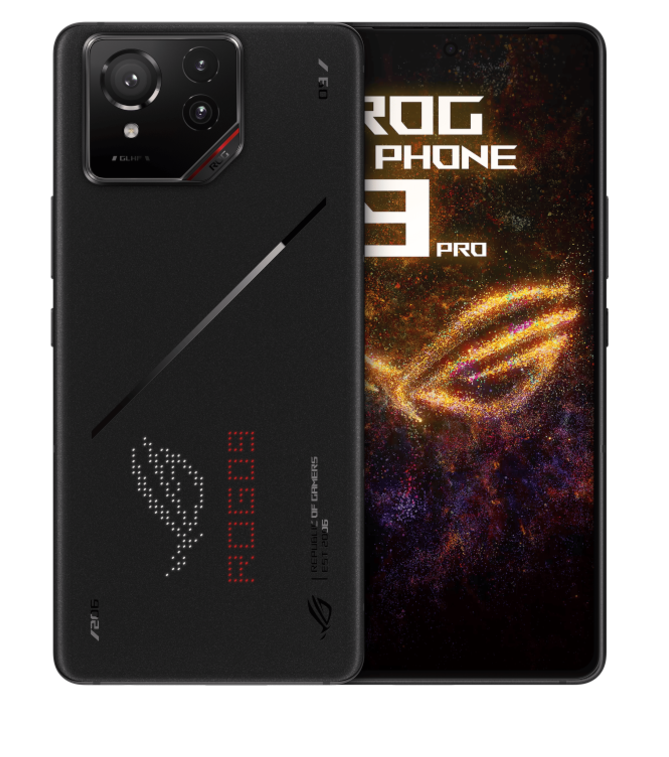
ASUS has made a name for itself in the gaming world, and its ROG Phone series is built entirely around performance. Unlike Apple and Samsung, which balance performance with other priorities, ASUS focuses almost exclusively on speed, thermal management, and gaming features.
The ROG Phone 9 Pro, for instance, packs the Snapdragon 8 Elite chip with active cooling mechanisms and a 185Hz high-refresh-rate display designed for serious gaming. It also includes dedicated gaming triggers, customizable RGB lighting, and a massive battery to sustain long sessions.
The downside? ASUS phones aren’t as polished in the software department. They receive fewer updates than mainstream brands, and their cameras aren’t competitive with Samsung or Apple. But if gaming is your priority, there’s no better option.
Please Note: When you buy something using the links in our articles, we may earn a small commission at no cost to you.
3. Performance on a budget means Xiaomi
While Xiaomi is now a familiar name in the smartphone world, its sub-brand Poco has carved out its own niche—delivering impressive performance at prices that undercut the competition. And when it comes to performance-focused devices, the Poco X-series has been leading the charge.
Take the Poco X7 Pro, for instance. It’s powered by the Dimensity 8400 Ultra—a chipset based on the same architecture as the Dimensity 9400, offering flagship-tier power at a fraction of the cost. The phone also packs LPDDR5X RAM, UFS 4.0 storage, and a 3D IceLoop cooling system with a 5,000mm² stainless steel vapor chamber to keep thermals in check during intense tasks.
And the kicker is all of this comes in at around $350—making Poco’s X-series one of the best performance-centric options in its price range.
4. OnePlus is an affordable flagship
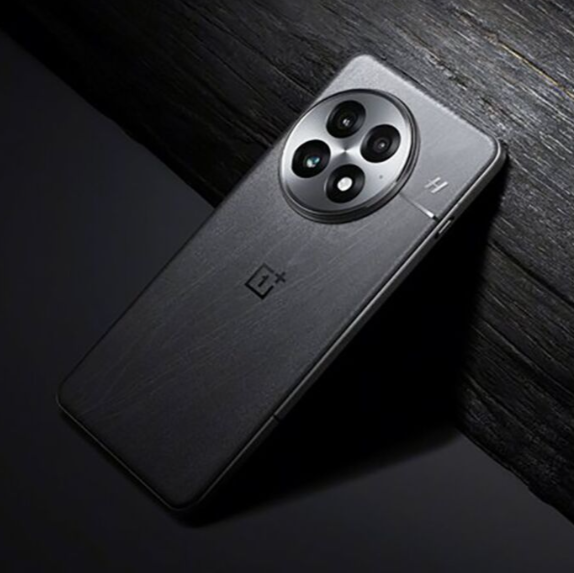
OnePlus has built its reputation on offering fast and smooth performance, and despite some missteps over the years, it remains a strong player in 2025. The OnePlus 13 powered by the flagship Snapdragon 8 Elite chip delivers excellent speed with its lightweight OxygenOS software for half the price of flagships from Samsung and Apple.
OxygenOS has long been praised for its near-stock Android feel with added optimizations that make animations and transitions feel snappier. The brand also focuses on high-refresh-rate displays and fast charging to deliver an overall fluid experience.
Please Note: When you buy something using the links in our articles, we may earn a small commission at no cost to you.
5. Samsung is a reliable Android alternative
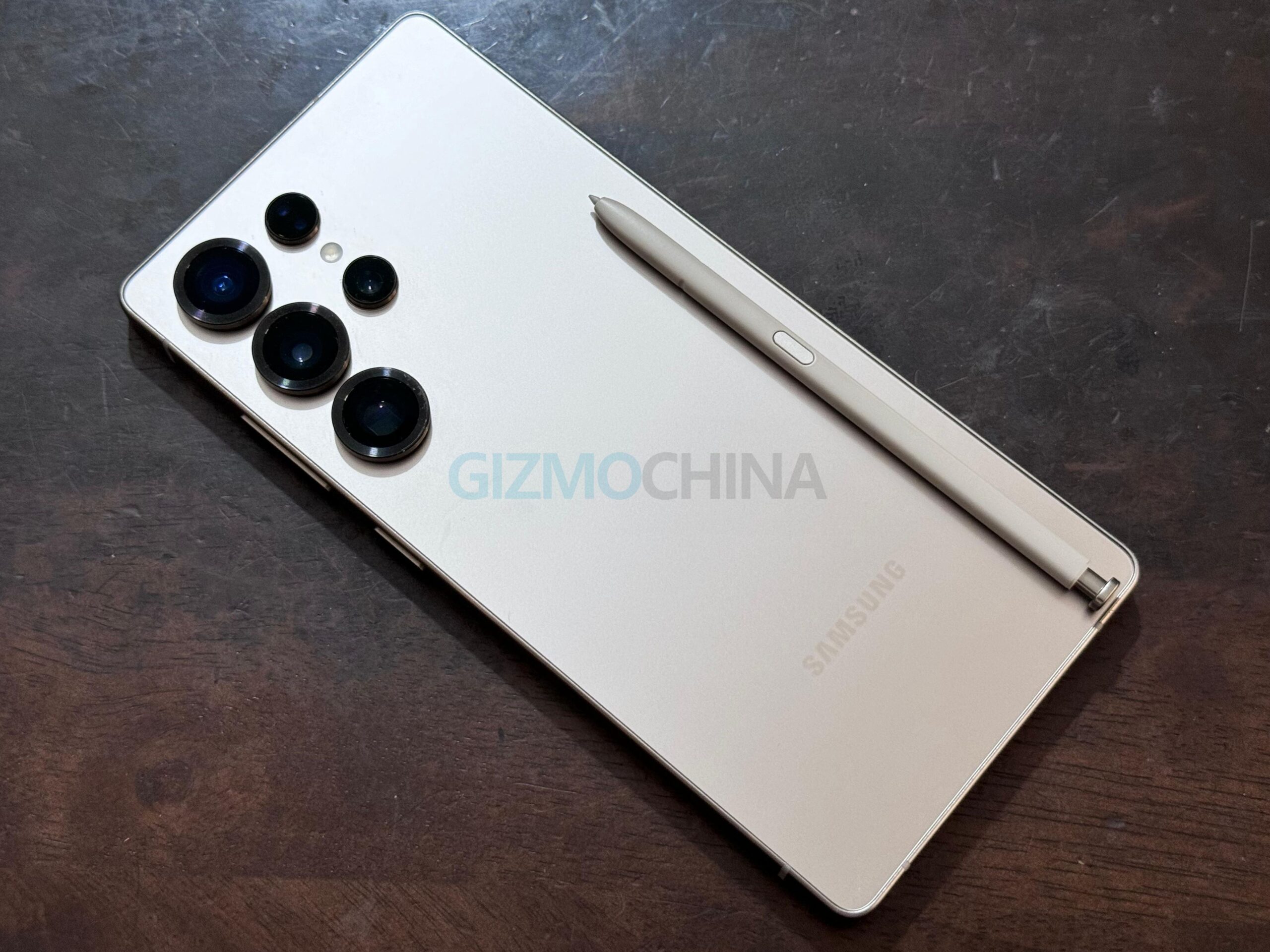
Samsung Galaxy S25 Ultra – S Pen
Samsung might not be the first brand that comes to mind when you think of performance-centric Android phones. Unlike some competitors, it doesn’t release devices explicitly built for gaming. Instead, much like Apple, Samsung focuses on delivering a well-rounded experience across its lineup, from budget models to premium flagships.
That said, the Galaxy S series could become a solid choice for those prioritizing top-tier performance. Samsung consistently equips these phones with the latest SoCs, and in recent years, it has stepped up its game in thermal management—a crucial factor for sustained performance. As a result, these phones can easily handle demanding games without breaking a sweat.
More importantly, what sets Samsung apart is its long-term software support commitment. The company has significantly improved optimization over the years and now promises up to seven years of software updates—a level of longevity that few Android brands can match. And let’s be real: performance isn’t just about raw power; it’s about how well the software and hardware work together over time.
Please Note: When you buy something using the links in our articles, we may earn a small commission at no cost to you.
6. Honorable Mentions: RedMagic and iQOO
Some lesser-known brands also cater specifically to performance enthusiasts. RedMagic, for instance, builds gaming phones that rival ASUS ROG, with built-in cooling fans and dedicated gaming features. iQOO, a sub-brand of Vivo, offers flagship-level performance at a mid-range price, making it a solid choice for those who want power without breaking the bank.
7. The Verdict: Which Brand Should You Choose?
There’s no single “best” performance brand—only the best choice for your needs.
For long-term performance and reliability: Apple
For gaming: ASUS ROG
For fast and fluid everyday use: the OnePlus
For versatility and longevity: Samsung
For affordability without sacrificing performance: Poco by Xiaomi
Ultimately, the best-performance phone is the one that matches your priorities. Whether it’s gaming, multitasking, or just a phone that doesn’t slow down after a year, there’s an option for everyone in 2025.
For more daily updates, please visit our News Section.
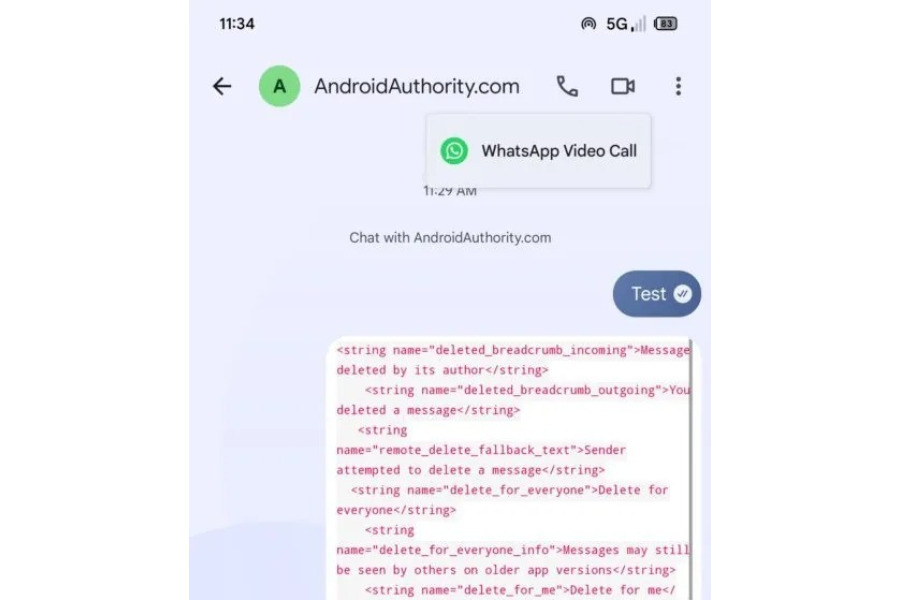
Google seems to be exploring ways to simplify communication by integrating third-party video calls directly into its Messages app.
A recent report by Android Authority reveals that the company is testing a feature that will allow users to initiate WhatsApp video calls without leaving the messaging platform.
Assemble Debug from Android Authority managed to activate and test the feature during an APK teardown of Google Messages version 20250131. And from the looks of it, the process seems pretty straightforward.
Video call on WhatsApp through Google Messages
If both users have WhatsApp installed and configured, tapping the video call button in Google Messages will initiate a WhatsApp call. If the recipient doesn’t have WhatsApp, the call will likely default back to Google Meet.
For now, the feature seems limited to private chats, but the report suggests it will likely extend to group conversations when the stable version rolls out.
Currently, initiating a video call in Google Messages defaults to Google Meet. This requires both participants to have Meet installed, be logged into their Google accounts on both Messages and Meet and have a phone number that supports LTE-based calling. While functional, this setup isn’t always the most seamless, particularly given the widespread use of other video calling apps.
While Google is testing this WhatsApp integration, there’s no official word on when it might be rolled out. It’s possible that Google may trial it in beta versions first to gather feedback before pushing it to a broader audience.
It’s also unclear what the exact requirements will be for WhatsApp to become the default video call option. Will users get to choose between WhatsApp and Google Meet before a call? Google hasn’t confirmed this yet.
Beyond video calls, it would be useful if Google expanded this integration to include regular voice calls over the internet, not just video.
For more daily updates, please visit our News Section.
The Asus Zenbook S14 OLED, launched in India in September 2024, aims to redefine the ultraportable laptop experience. I had the pleasure of reviewing the Scandinavian White version, and it’s clear that Asus has poured considerable effort into crafting a device that excels in both aesthetics and performance.
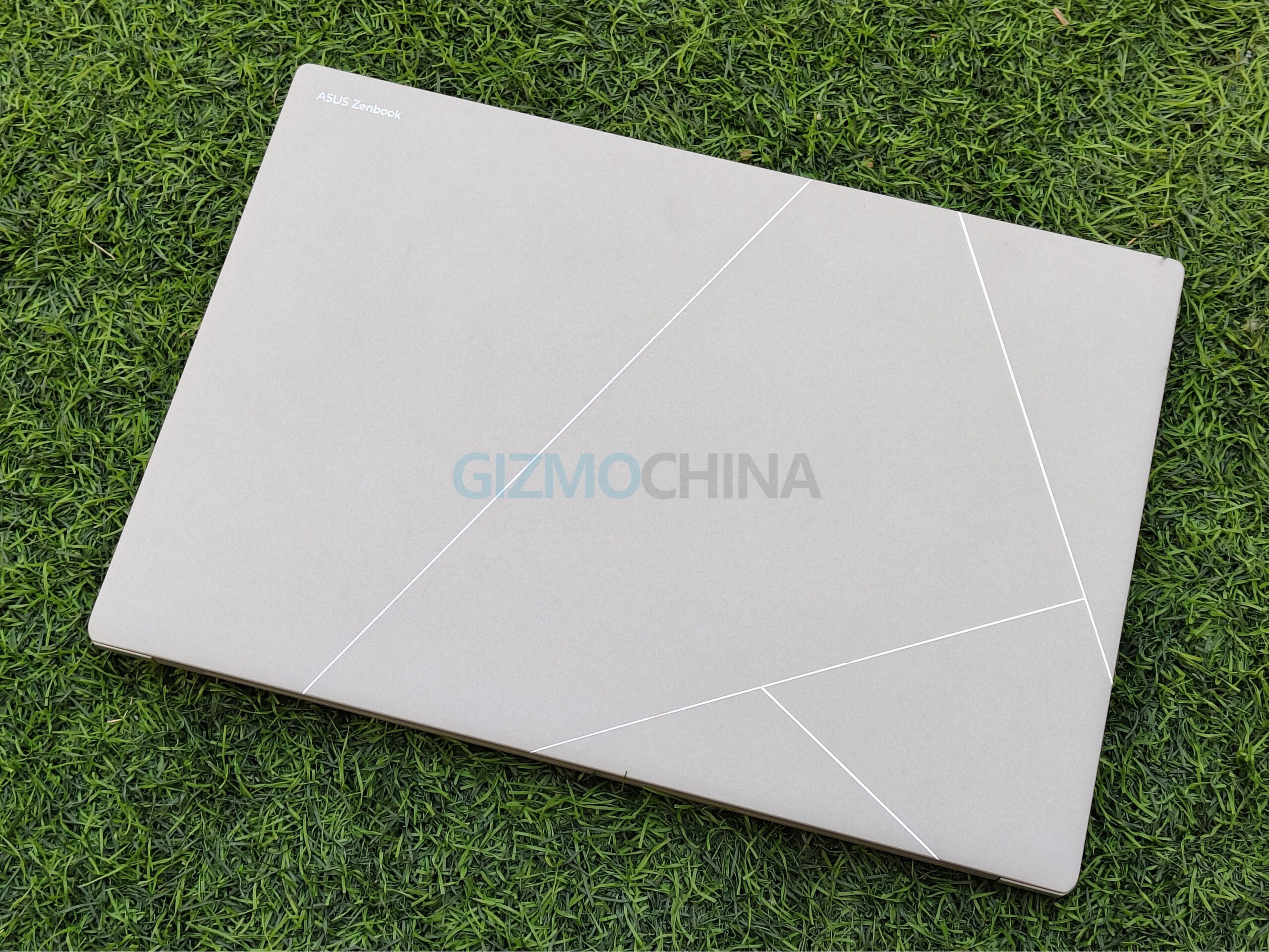
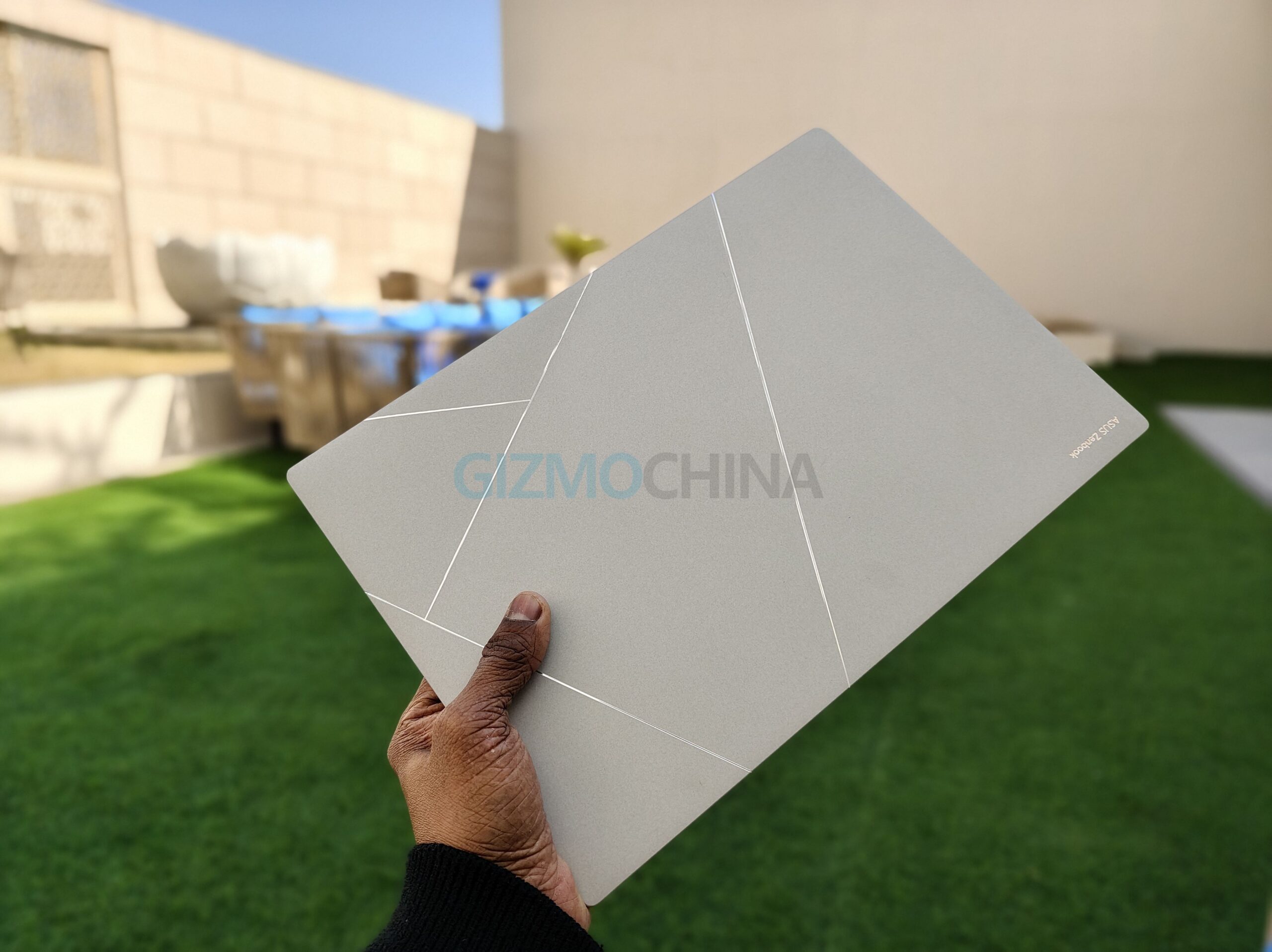
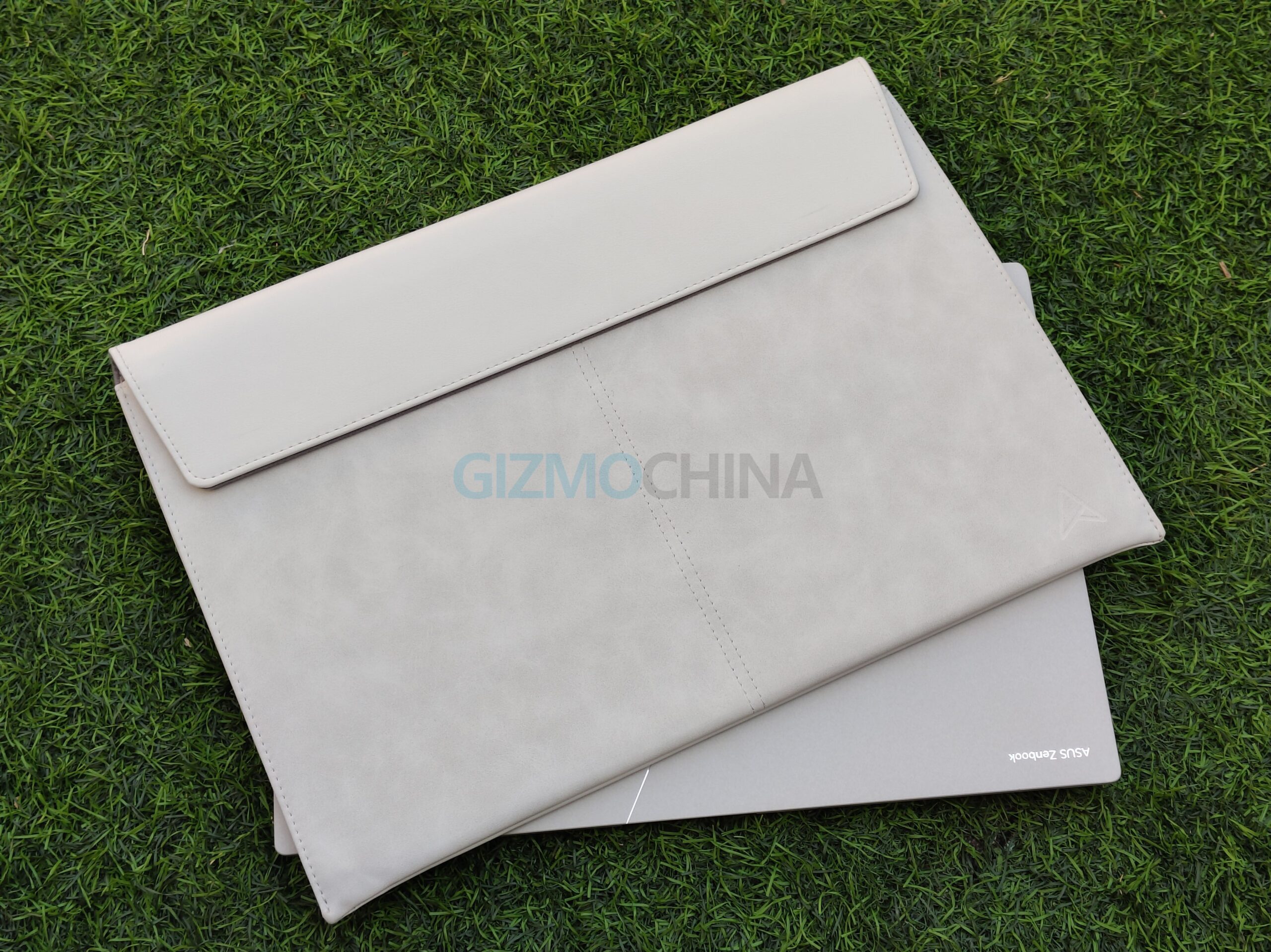
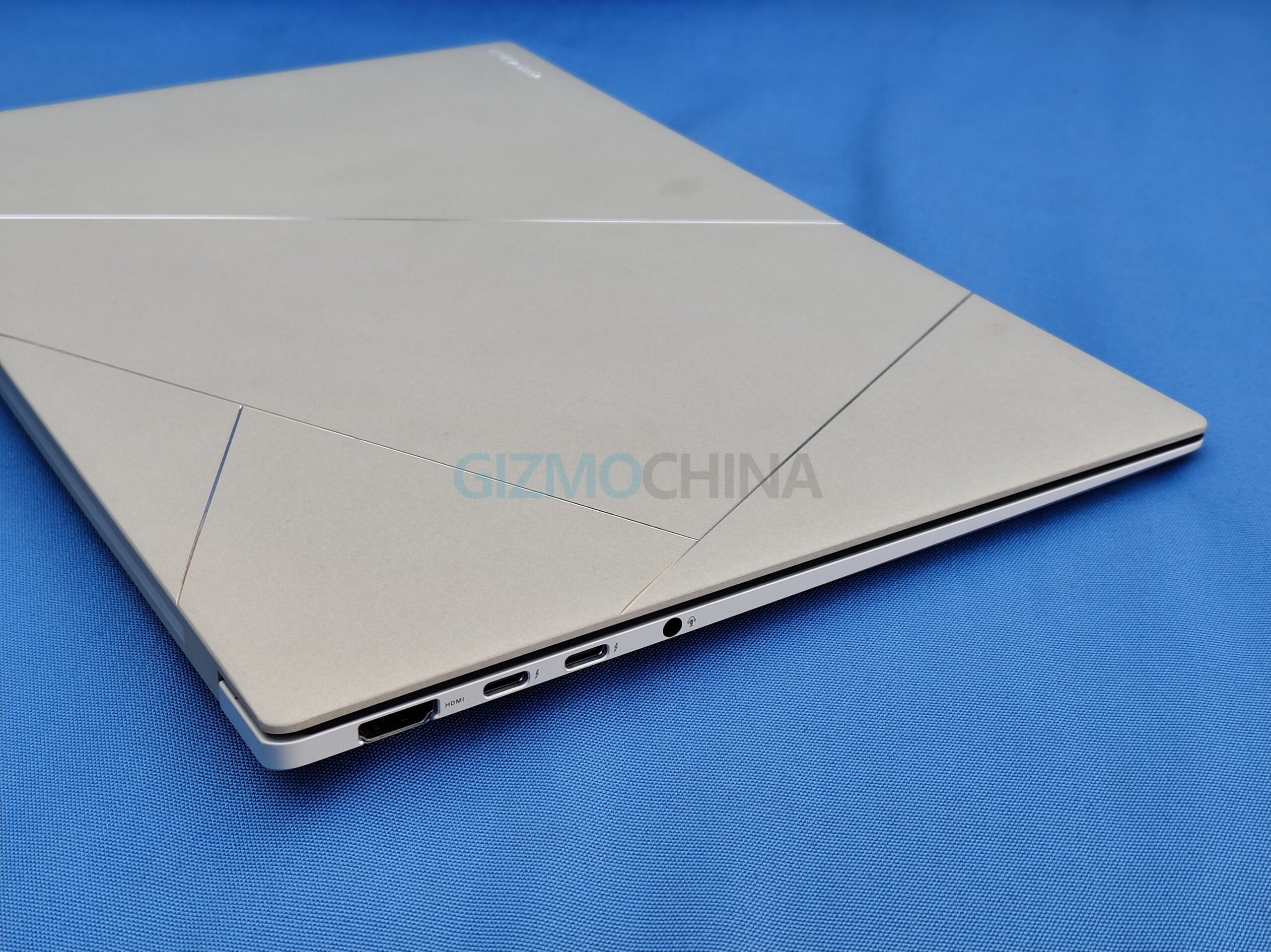
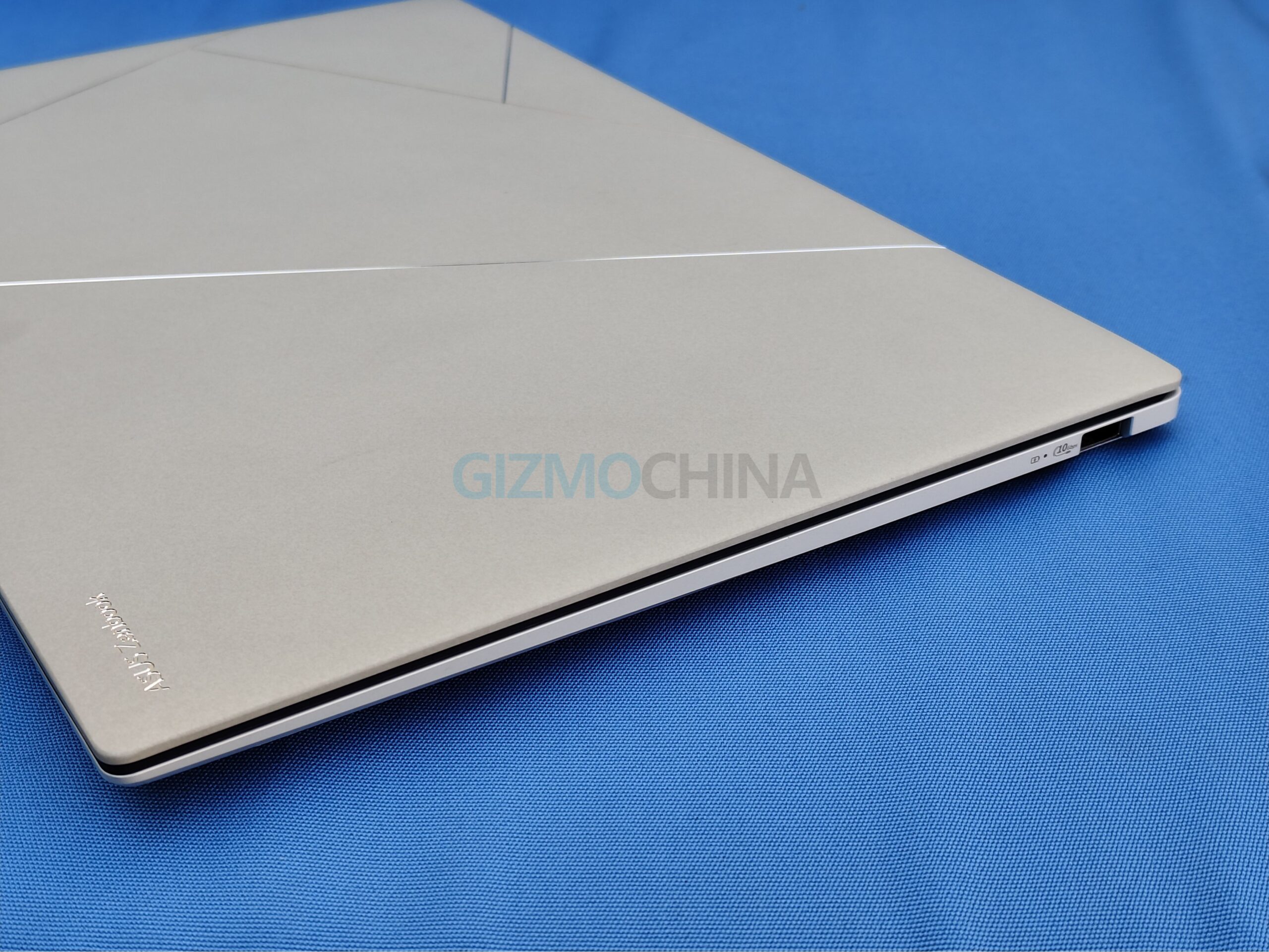
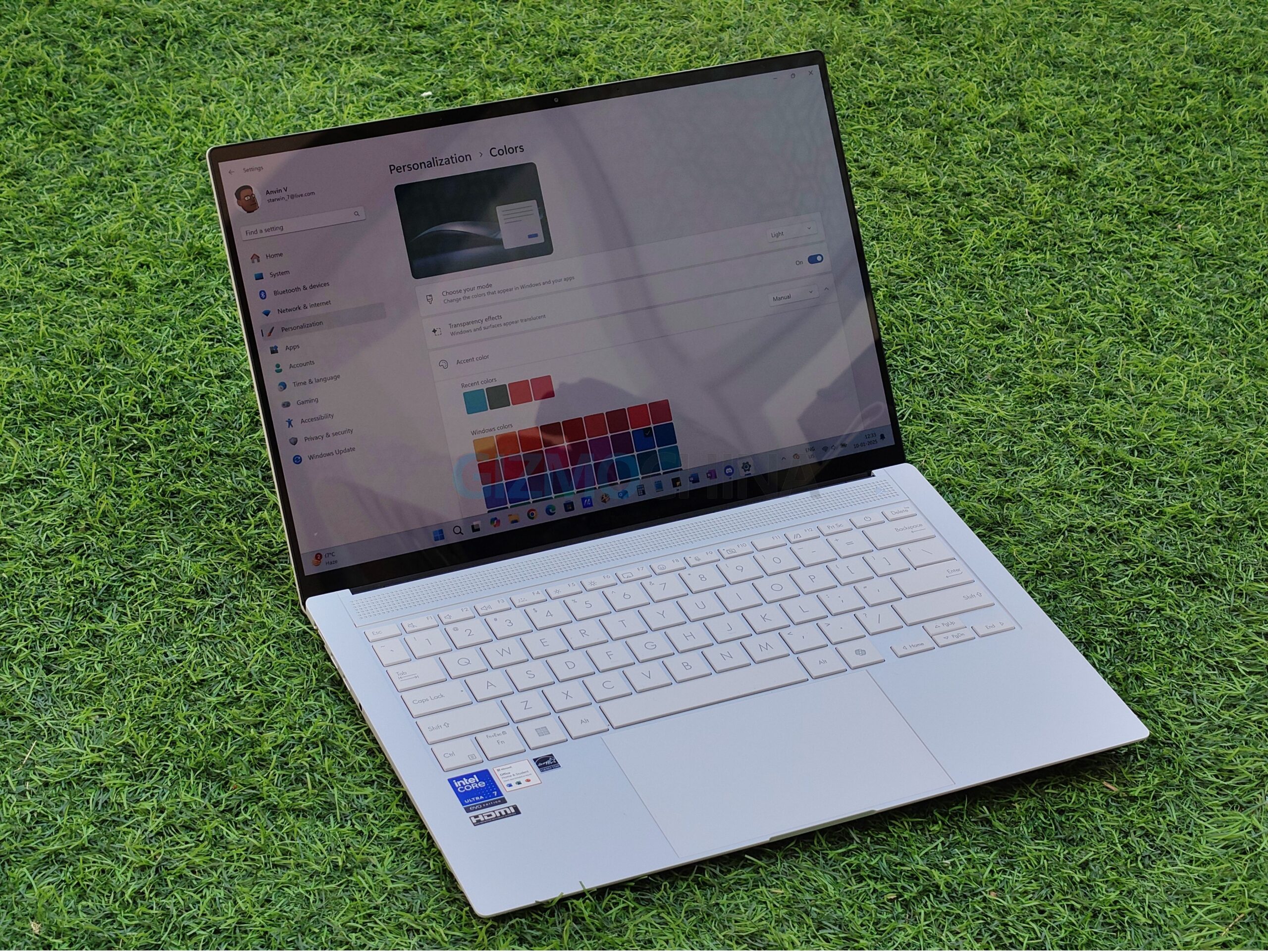
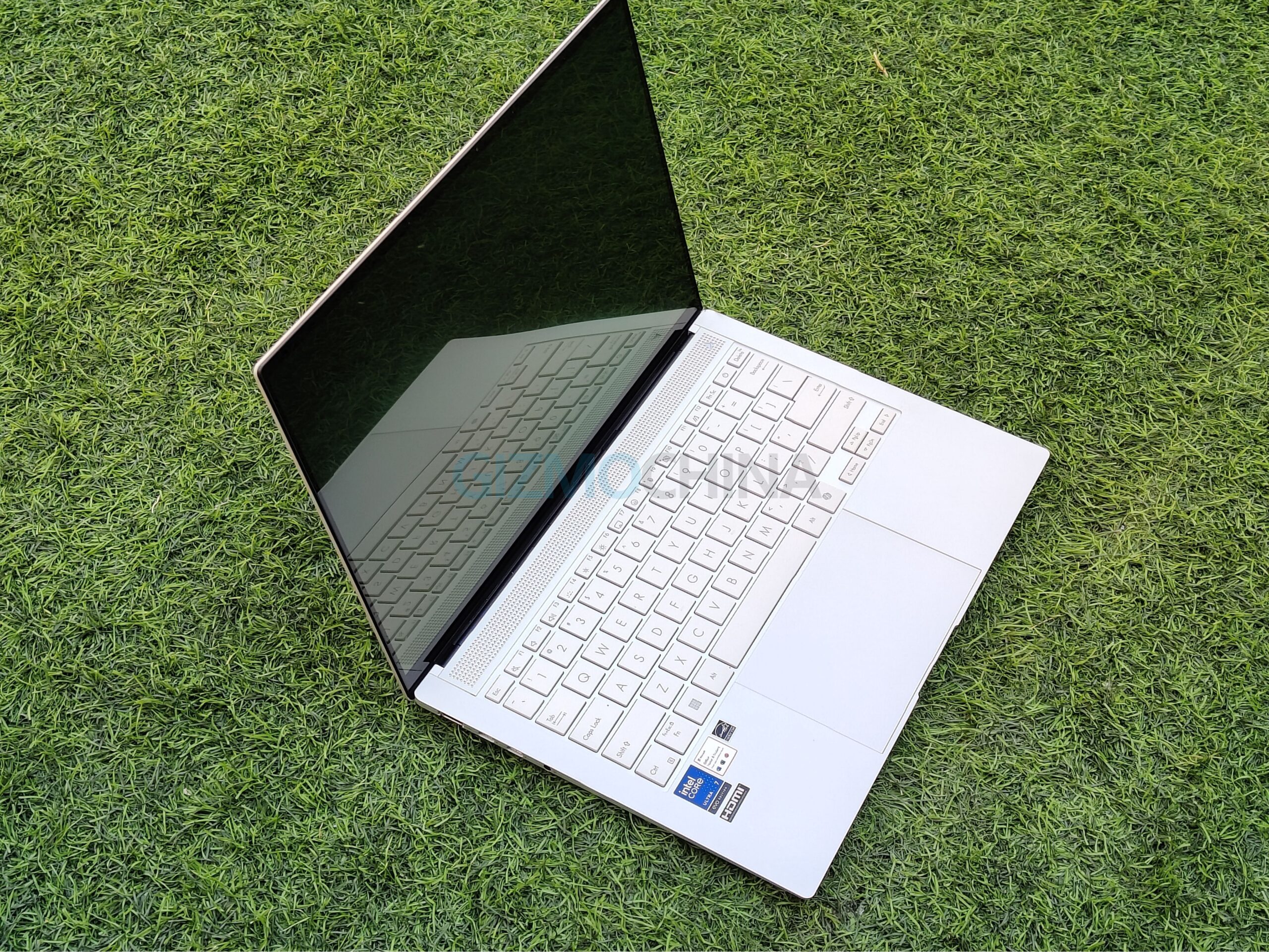
The Zenbook S14 OLED (2024) is a visual treat. The Scandinavian White colorway exudes a clean, minimalist aesthetic, while the Ceraluminum lid adds a touch of premium sophistication. This isn’t just about looks, though. The laptop feels incredibly solid and well-built, a testament to its MIL-STD 810H military-grade certification. Despite its robust construction, the laptop weighs in at just 1.2kg, making it a true travel companion. It’s so convenient to slip into a bag that you barely feel its weight. The retail package even includes a nice cover, making it feel like you’re carrying a slightly heavy file – a perfect disguise for your powerful machine.
Aus Zenbook S14 OLED (2024)Aus Zenbook S14 OLED (2024)
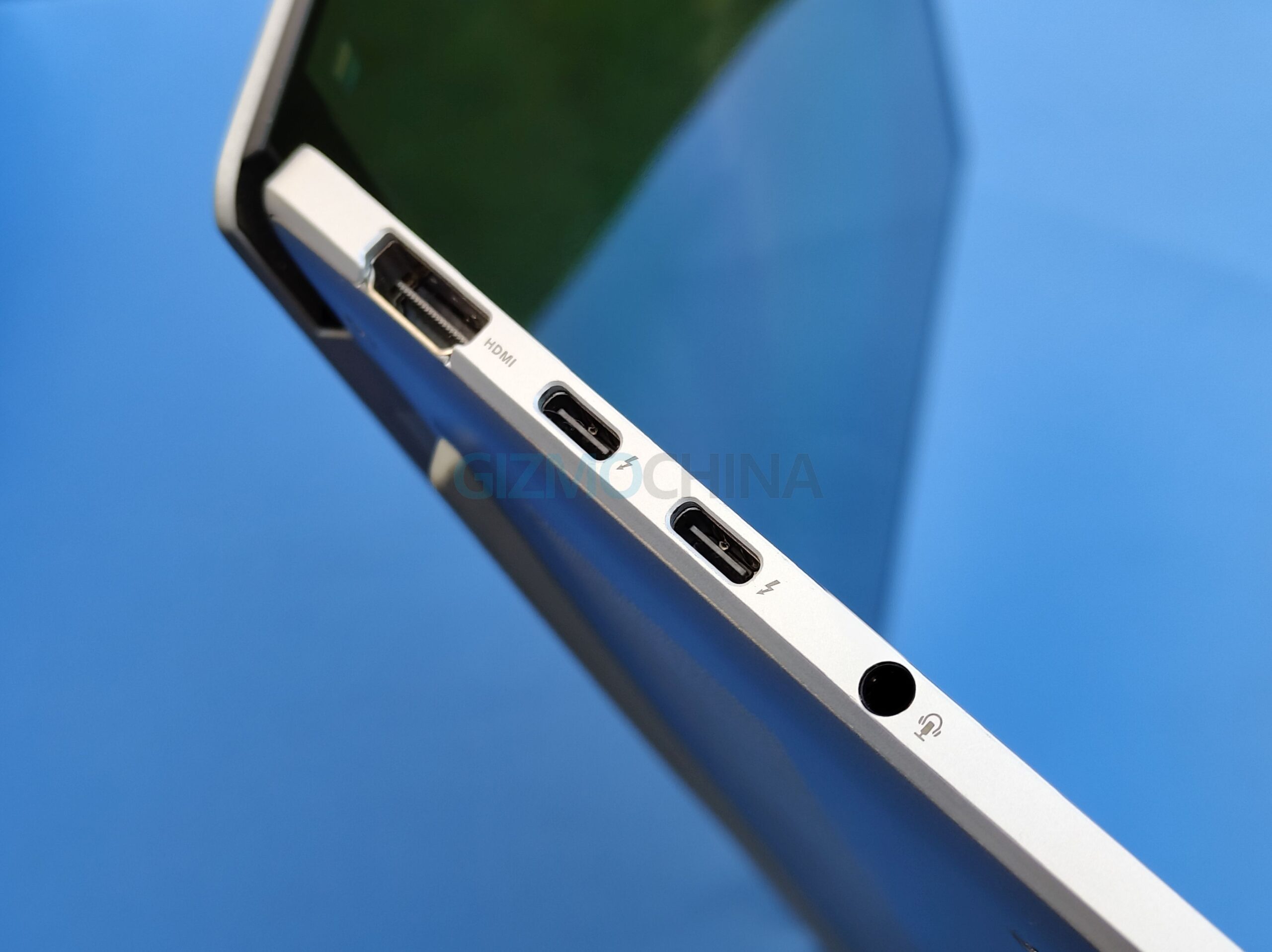
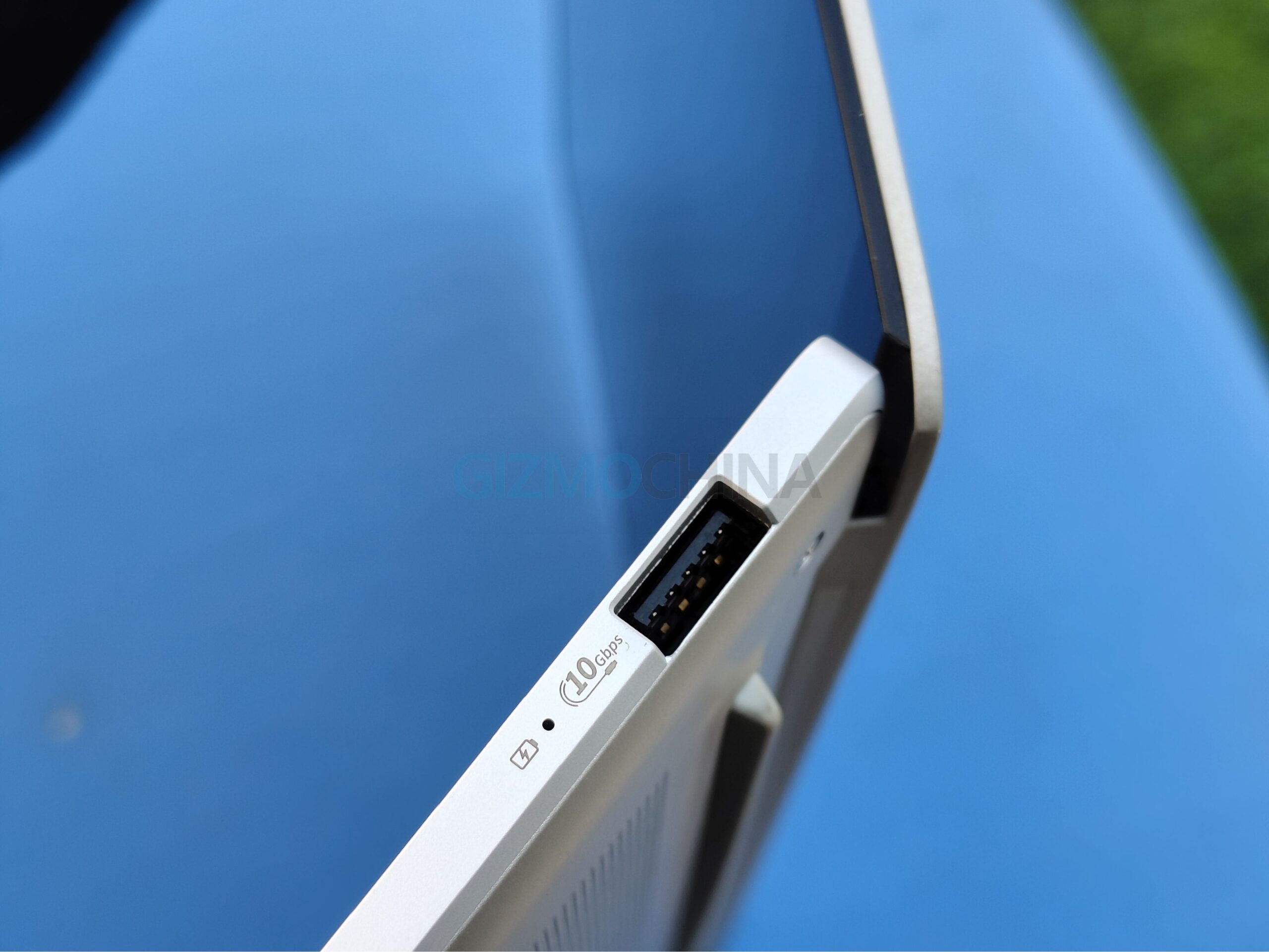
When it comes to connectivity, the Zenbook S14 OLED offers a generous selection of ports. You’ll find a USB 3.2 Gen 2 Type-A port, two Thunderbolt 4 ports (supporting display and power delivery), an HDMI 2.1 port, and a 3.5mm combo audio jack. Wireless connectivity is equally impressive, with support for the latest Wi-Fi 7 (802.11be) and Bluetooth 5.4. This ensures fast and reliable connections for both work and play.
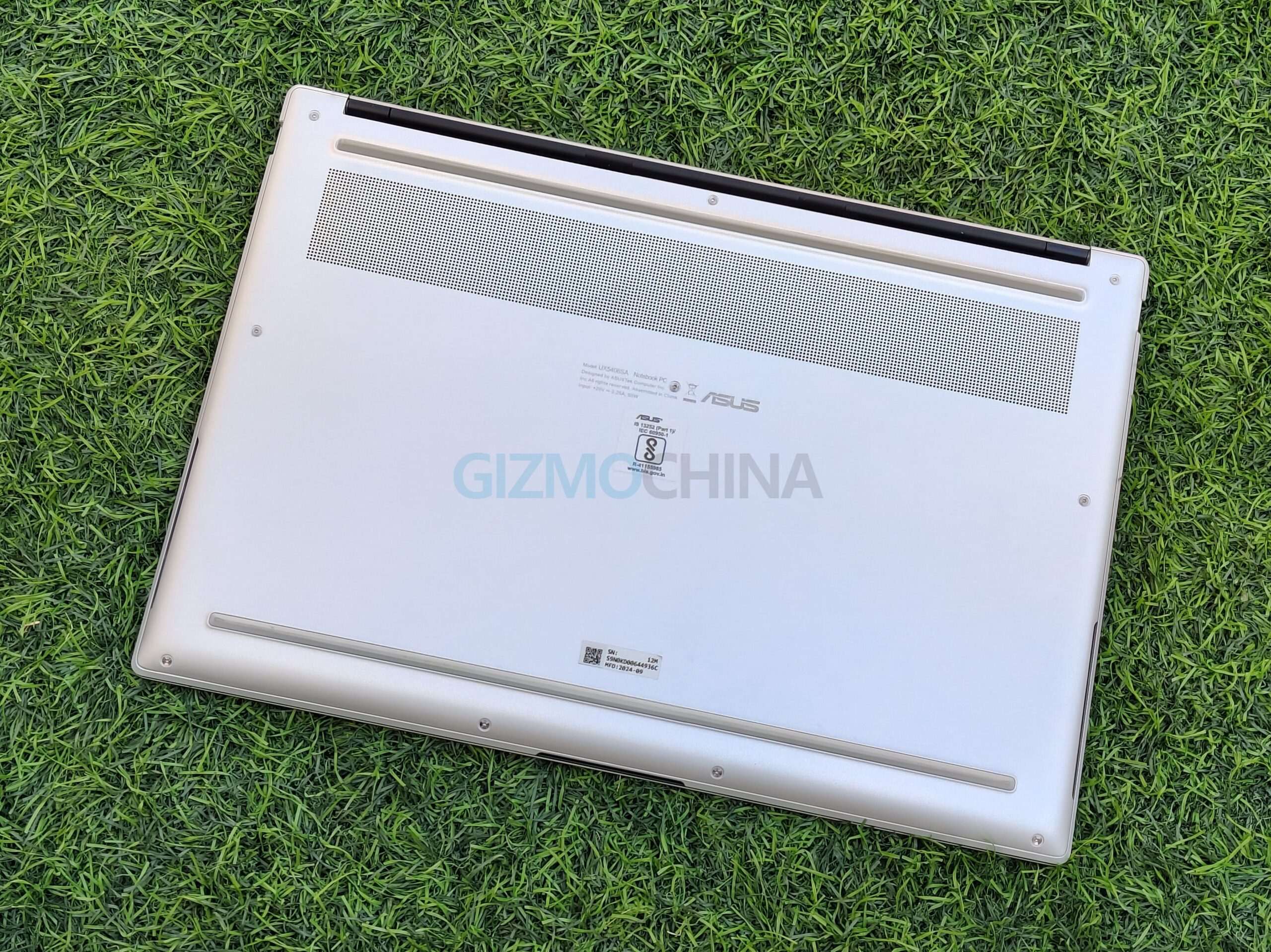
Aus Zenbook S14 OLED (2024) – Left EdgeAus Zenbook S14 OLED (2024) – Right EdgeAus Zenbook S14 OLED (2024)Aus Zenbook S14 OLED (2024)Aus Zenbook S14 OLED (2024)
Please Note: When you buy something using the links in our articles, we may earn a small commission at no cost to you.
2. Display, Keyboard, Audio, and Webcam
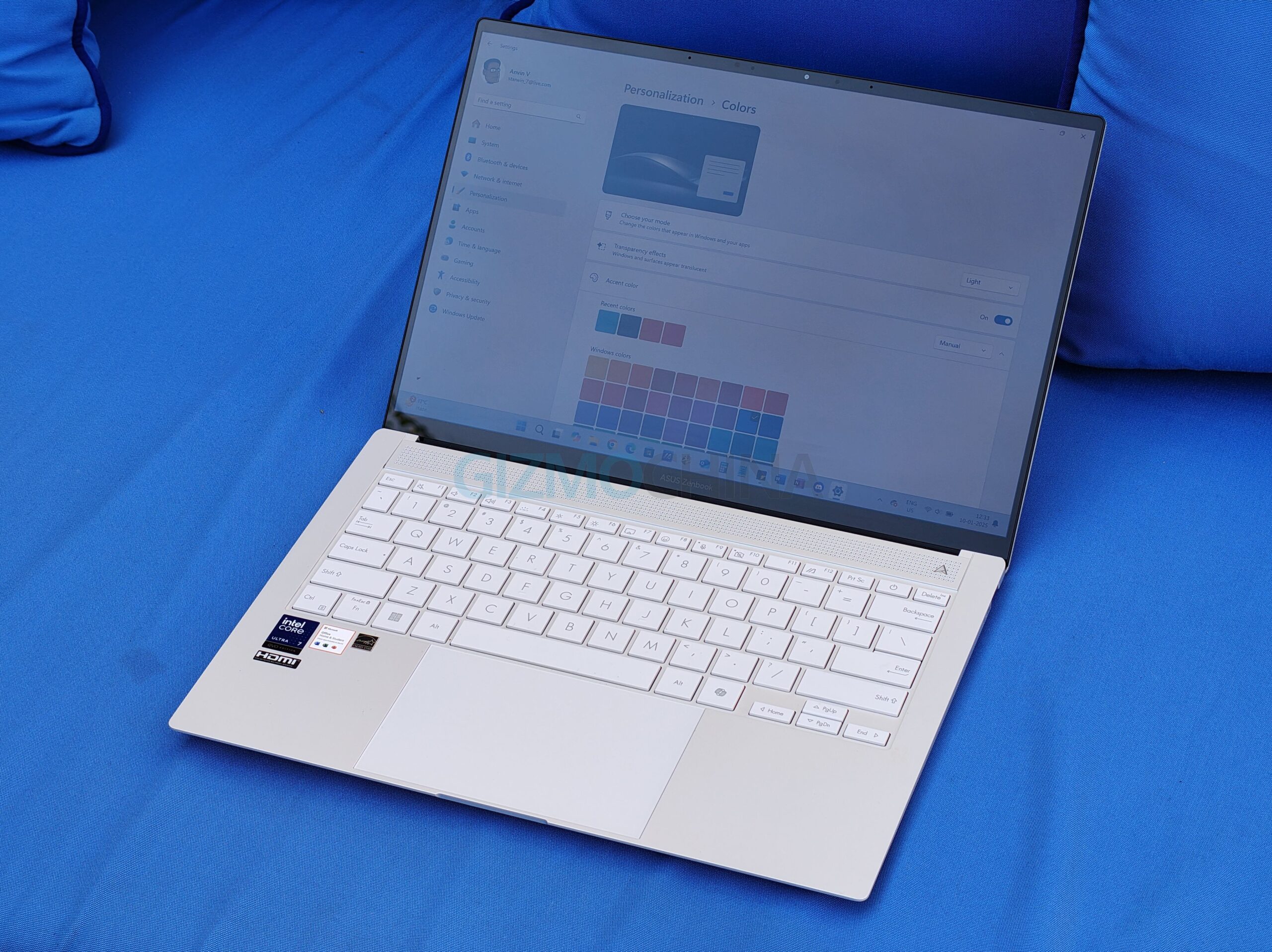
Aus Zenbook S14 OLED (2024) – Light mode
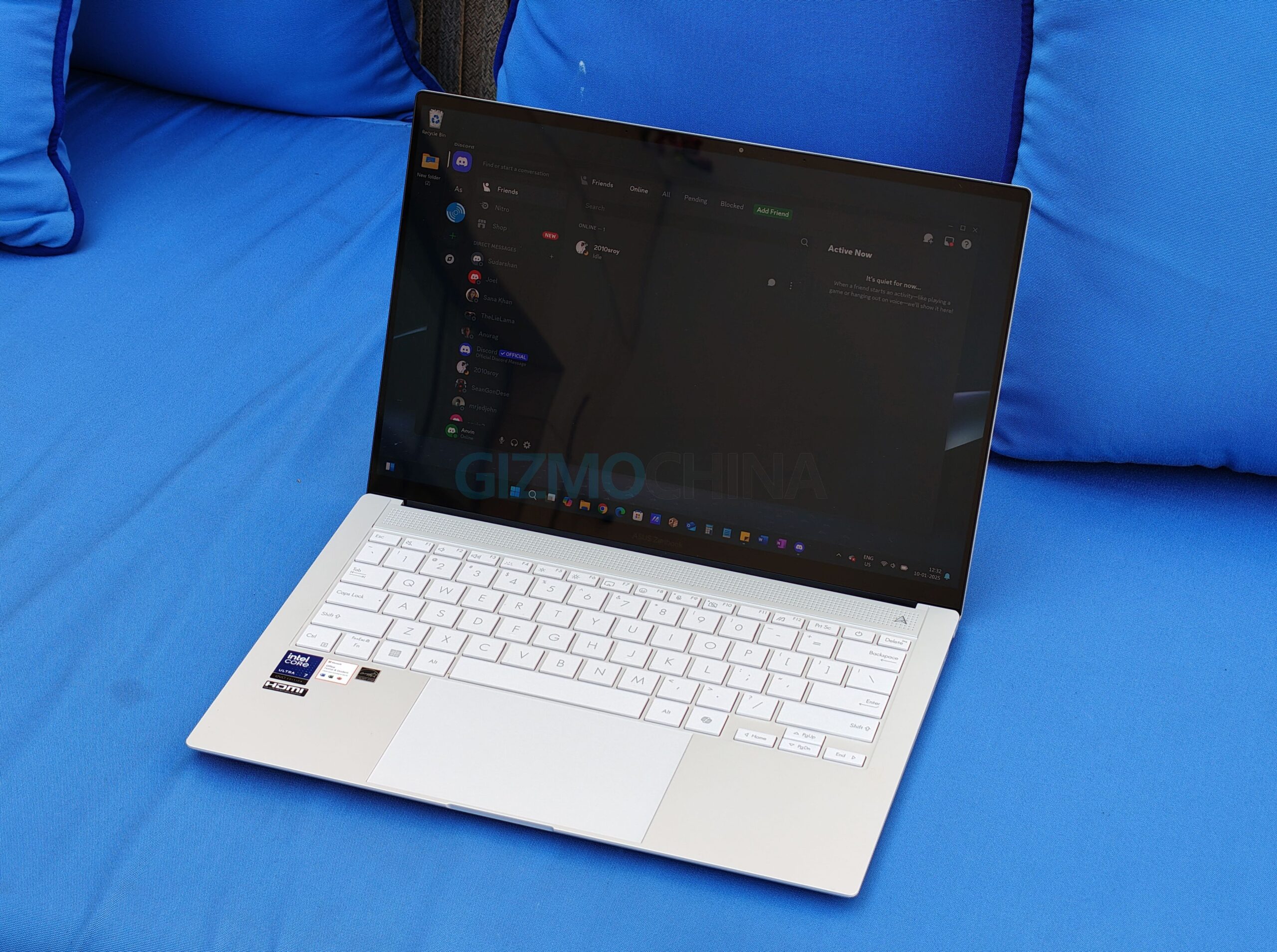
Aus Zenbook S14 OLED (2024) – Dark Mode
The star of the show is undoubtedly the 3K (2880 x 1800) OLED display. This translates to a crisp pixel density, ideal for both productivity and media consumption. The 120Hz refresh rate makes scrolling and animations incredibly smooth, while the deep blacks and vibrant colors of OLED technology create a truly immersive viewing experience. Asus calls this their Lumina OLED display, and it certainly lives up to the name. It offers a 1,000,000:1 contrast ratio, ensuring inky blacks and bright whites, and covers 100% of the DCI-P3 color gamut, making it suitable for colour-sensitive work. The display also has a 0.2ms response time, minimizing ghosting and blur. It’s VESA DisplayHDR True Black 500 certified, meaning it can achieve a peak brightness of 500nits in HDR mode, though the typical brightness is around 400 nits. It’s also Pantone-validated, assuring color accuracy.
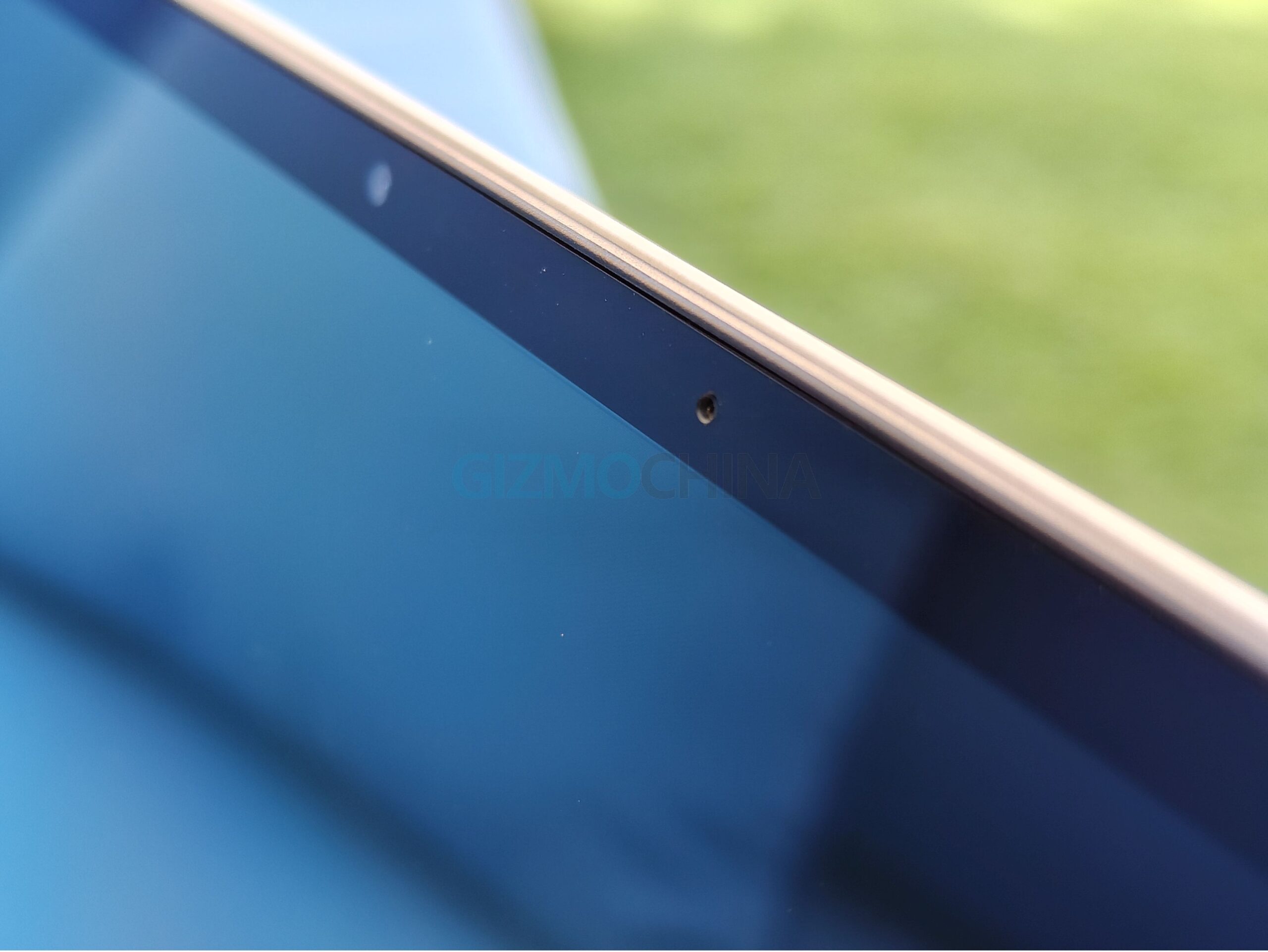
The bezels are slim, which allows you a larger screen space in a compact body. However, this slimness can be a double-edged sword. While holding the laptop and touching the screen from the left or right side, I occasionally found myself accidentally scrolling. It’s something to be mindful of.
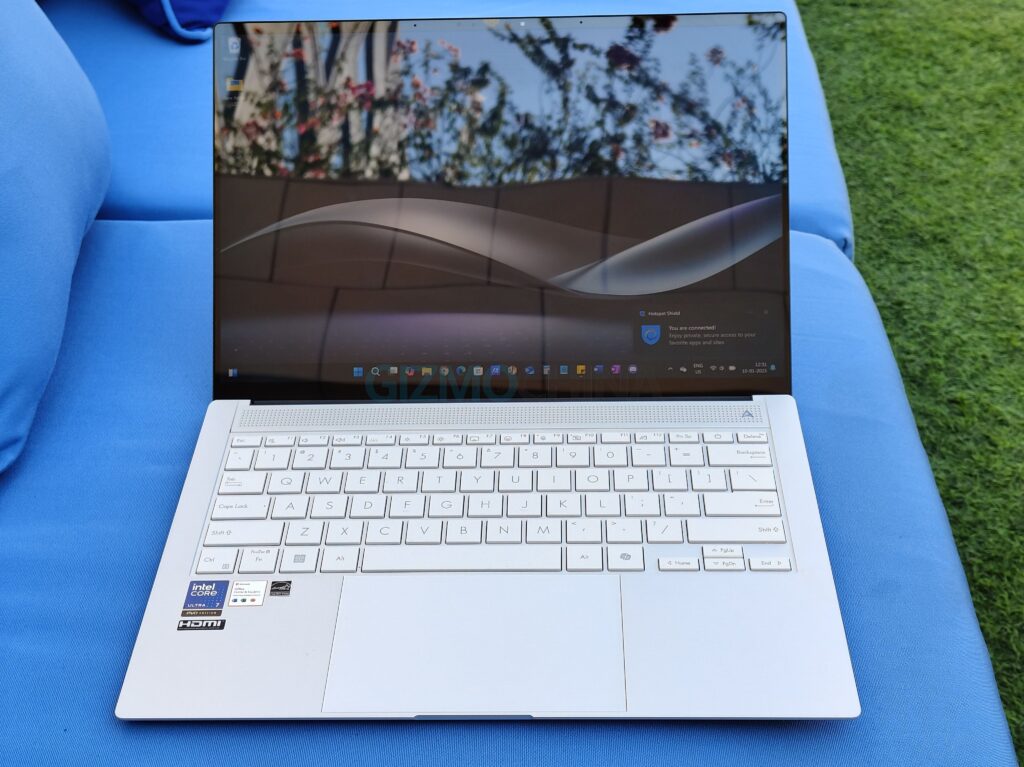
Aus Zenbook S14 OLED (2024)
Another factor to consider is the screen’s reflectivity. While it looks stunning indoors, I found it quite reflective outdoors, making it difficult to focus, especially under harsh sunlight. Increasing the brightness to the maximum and switching to Light mode instead of Dark mode helped to some extent, but it wasn’t a perfect fix. If you’re using the device while travelling in a cab or bus, you might face similar visibility issues.
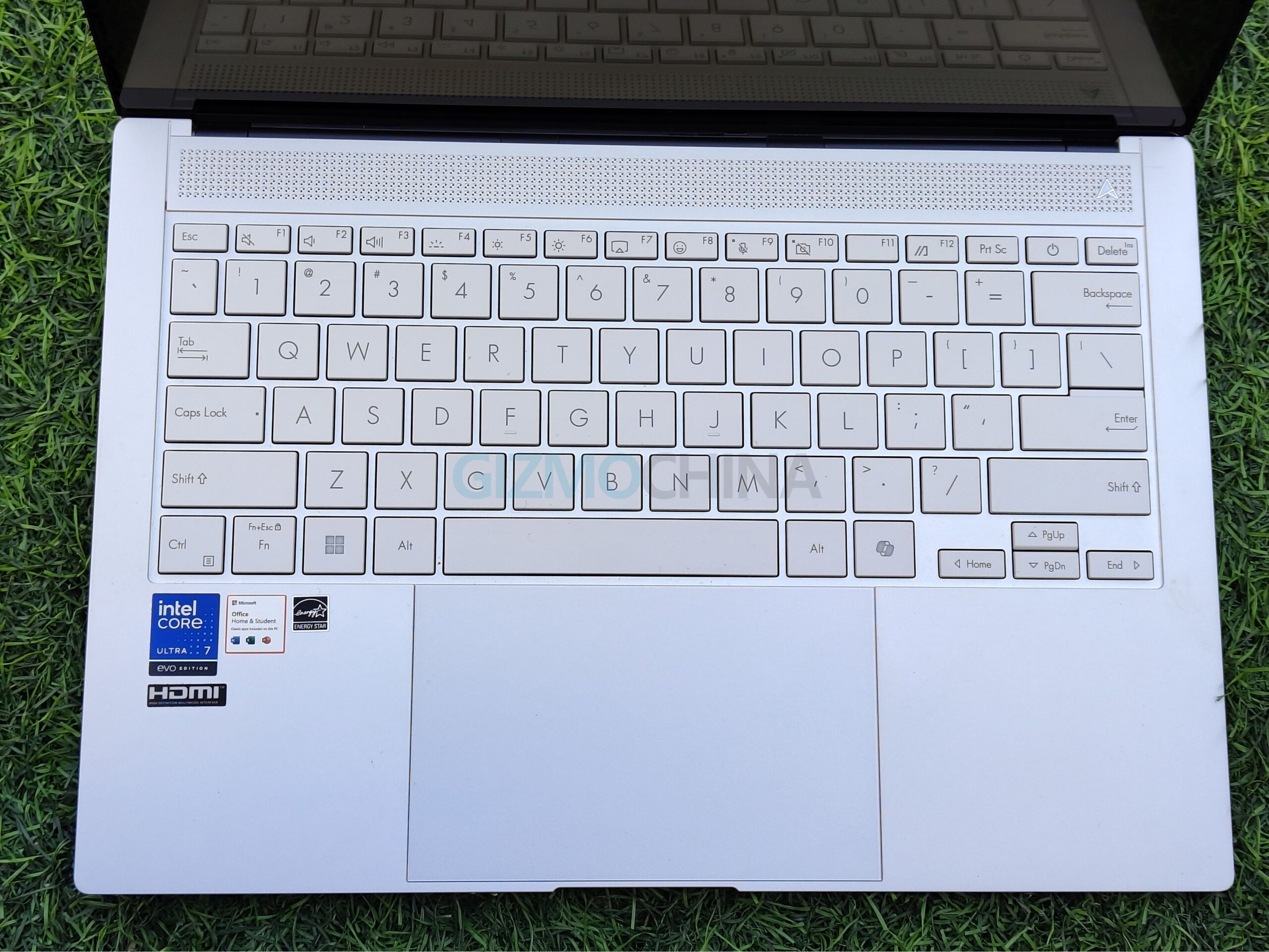
The keyboard is comfortable to type on, with good key travel and spacing. The backlighting is a welcome addition for working in low-light conditions. However, the placement of the Delete button right next to the Power button is truly annoying. Deleting text is a frequent action while writing, and accidentally hitting the power button results in a screen lock, requiring a face scan and unlock, disrupting the workflow. Asus should reconsider this button placement. The enlarged touchpad is a plus, providing ample space for gestures and navigation. It’s smooth and responsive, making tasks like scrolling and multi-touch gestures feel intuitive. The size also makes it comfortable to use for extended periods, reducing wrist strain.
Aus Zenbook S14 OLED (2024)Aus Zenbook S14 OLED (2024)
The audio quality is surprisingly good for a laptop of this size. The Harman Kardon-tuned speakers deliver clear and balanced sound with decent bass response. The FHD webcam with IR support for Windows Hello facial recognition is excellent. It also has a smart privacy feature: the camera dims when you are not looking at the screen and turns off the screen entirely when you step away from the laptop, enhancing both privacy and energy efficiency.
3. Performance
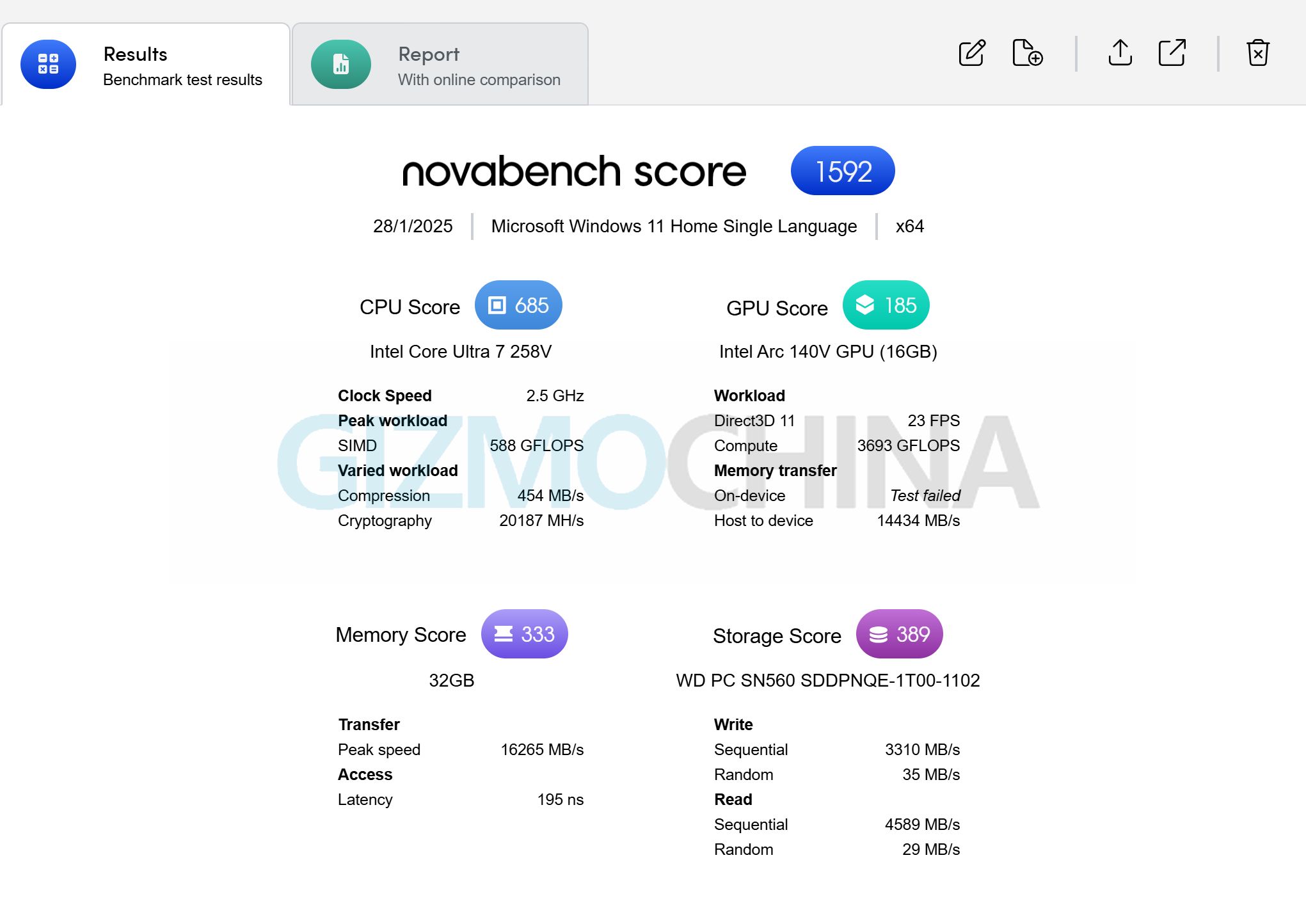
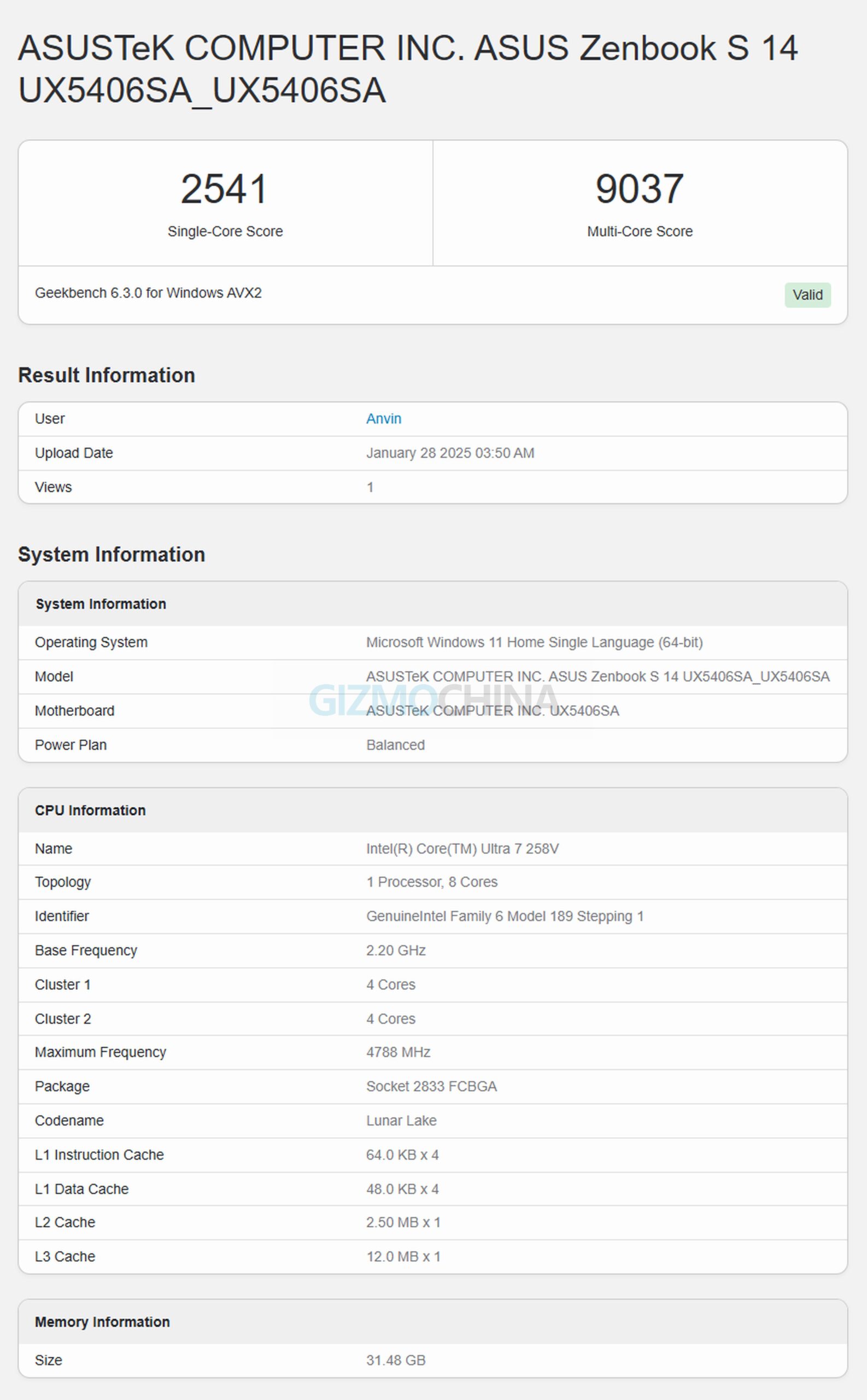
The Zenbook S14 OLED packs a punch when it comes to performance. Powered by an Intel Core Ultra 7 258V processor and 32GB of LPDDR5X RAM, the laptop handles demanding tasks with ease. The 1TB NVMe PCIe 4.0 SSD provides ample storage and blazing-fast read and write speeds.
The Intel Core Ultra 7 258V processor is a significant step forward, designed to compete with offerings from Qualcomm and AMD. Intel launched the Ultra series to address the growing demand for power-efficient yet high-performing processors, especially in the thin-and-light laptop segment. The “258V” designation likely indicates a specific power and performance profile within the Ultra 7 lineup. Intel’s Ultra series includes various variants like U (ultra-low power), V (balanced performance), and H (high performance), catering to different needs.
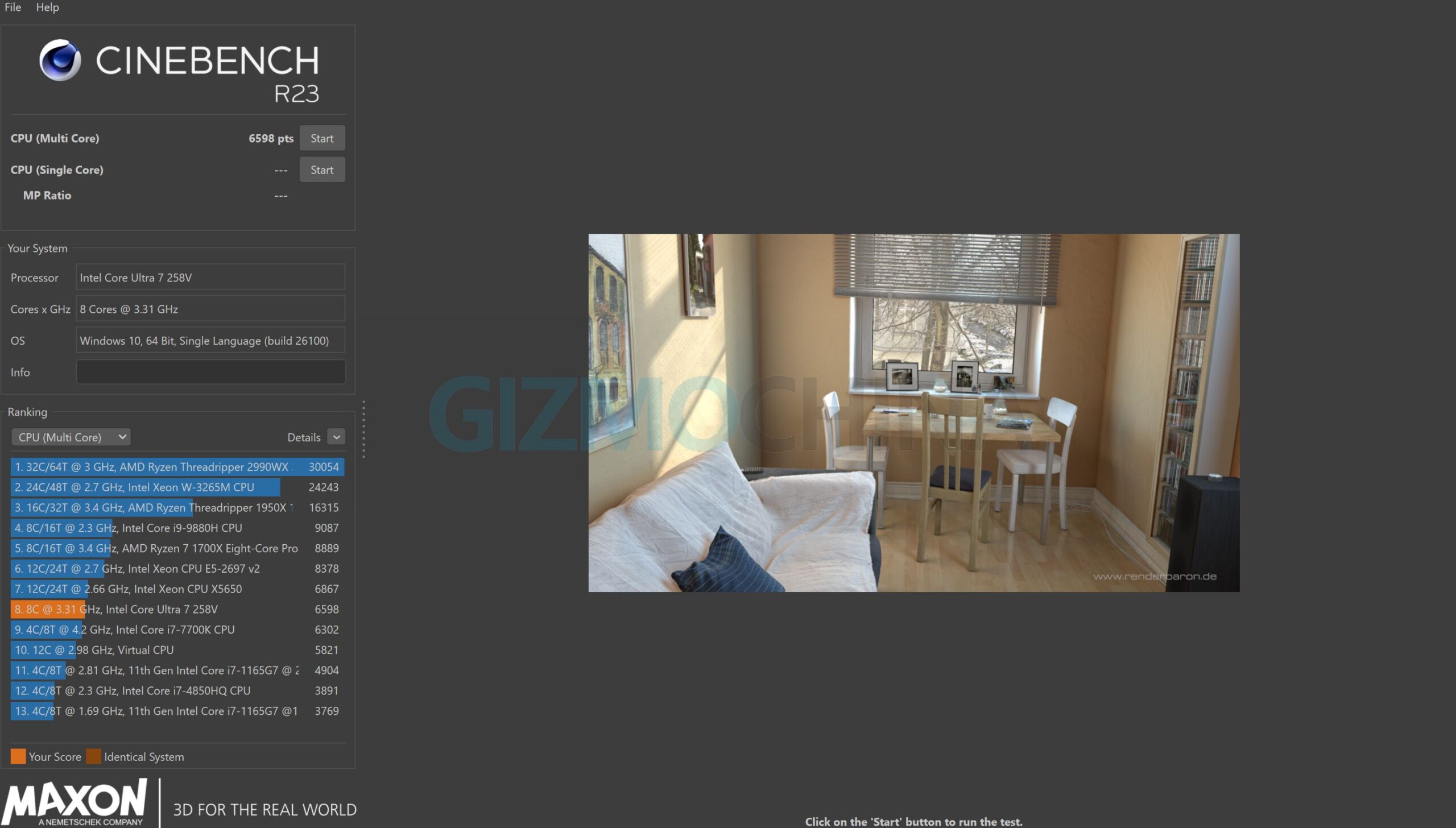
The Zenbook S14 OLED performs well in benchmarks, demonstrating its strong performance across various tasks. In Geekbench 6, it achieved a single-core score of 2541 and a multi-core score of 9037, showcasing its ability to handle both everyday tasks and demanding workloads. In Cinebench R23, it scored 1709 pts in single-core and 6598 pts in multi-core tests, further emphasizing its processing capabilities.
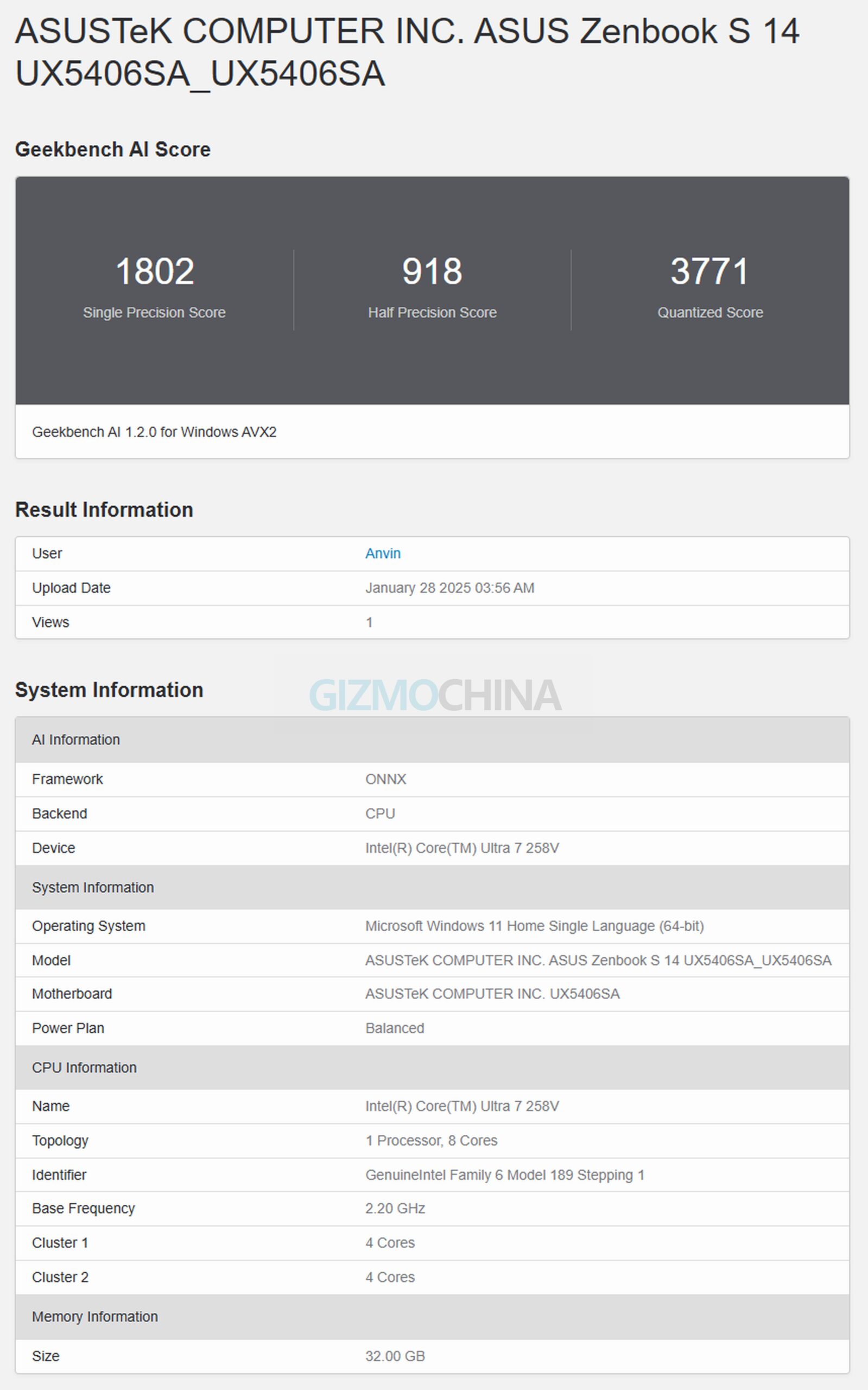
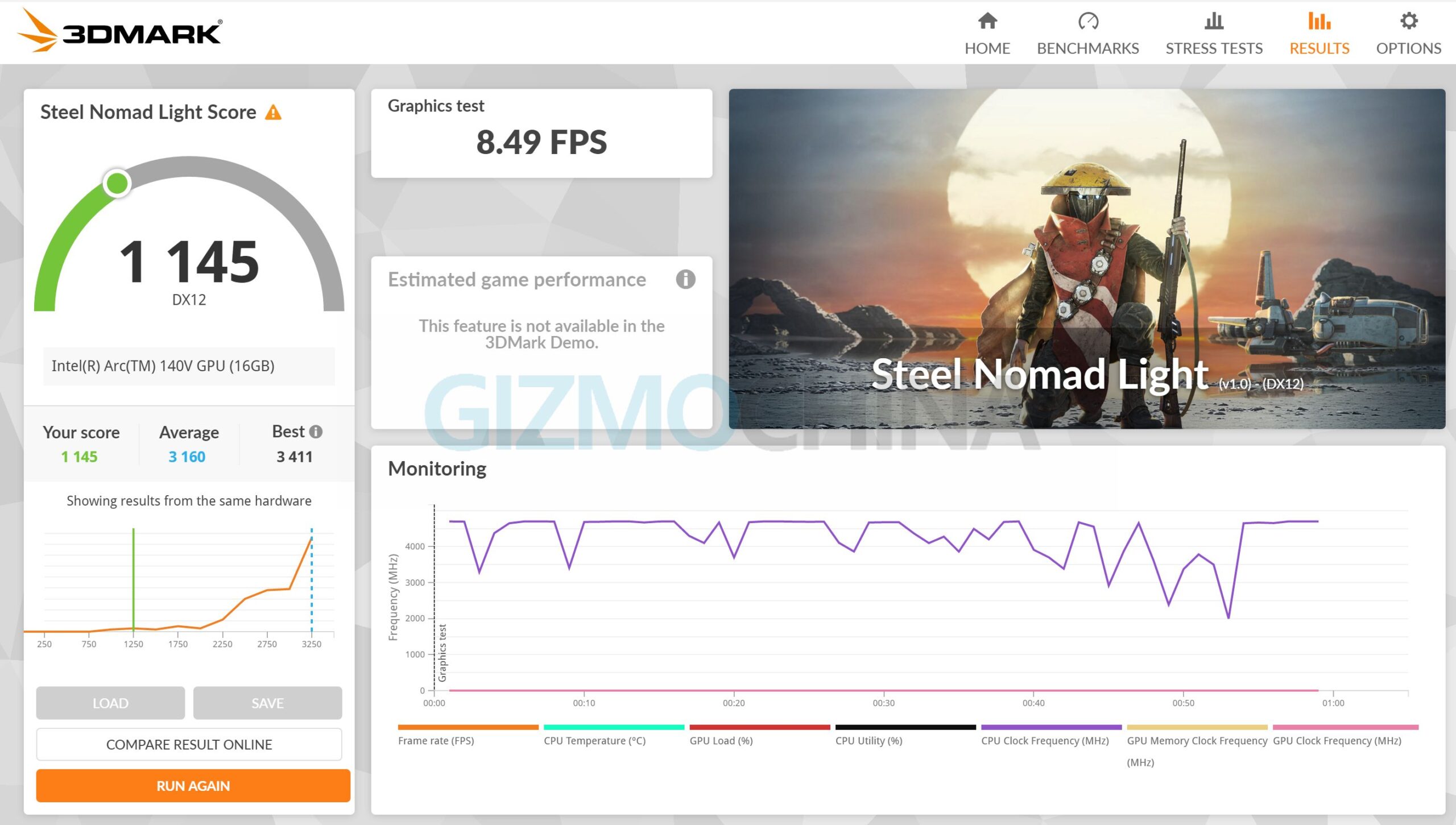
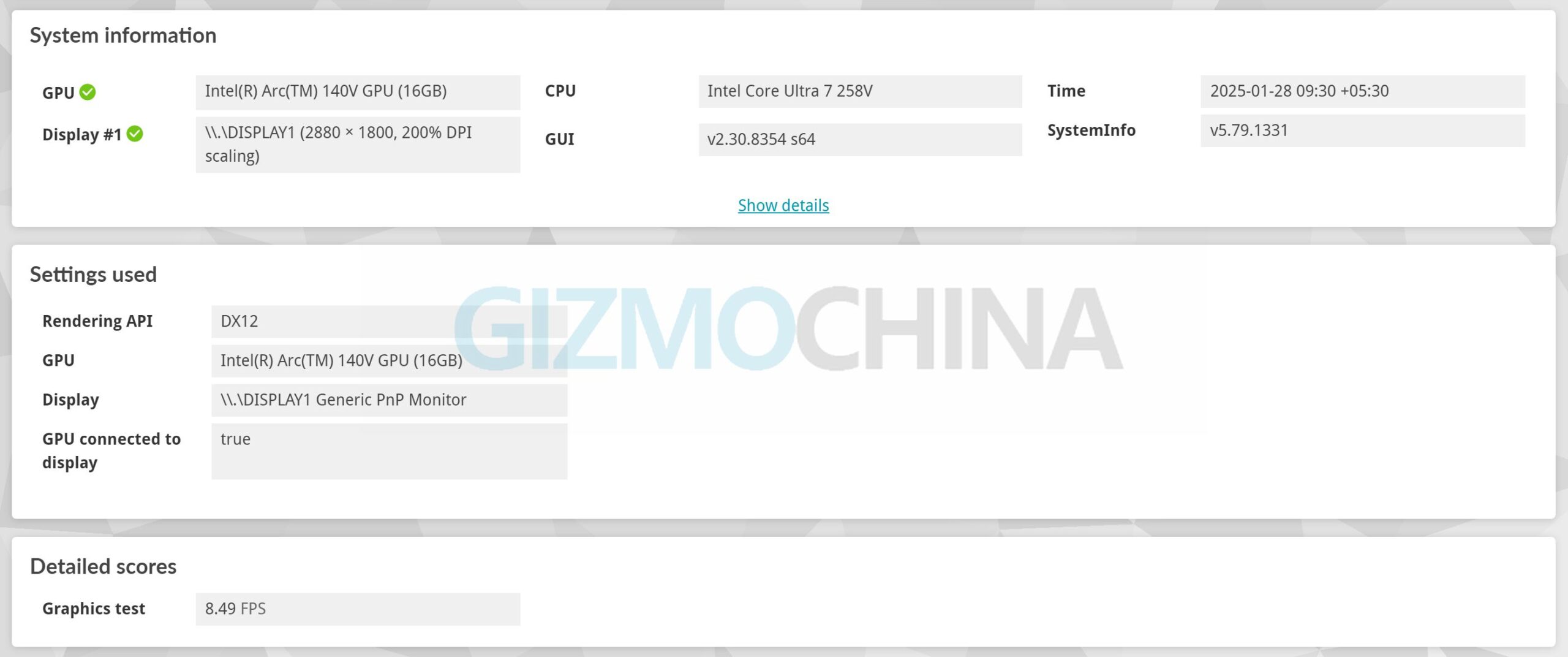
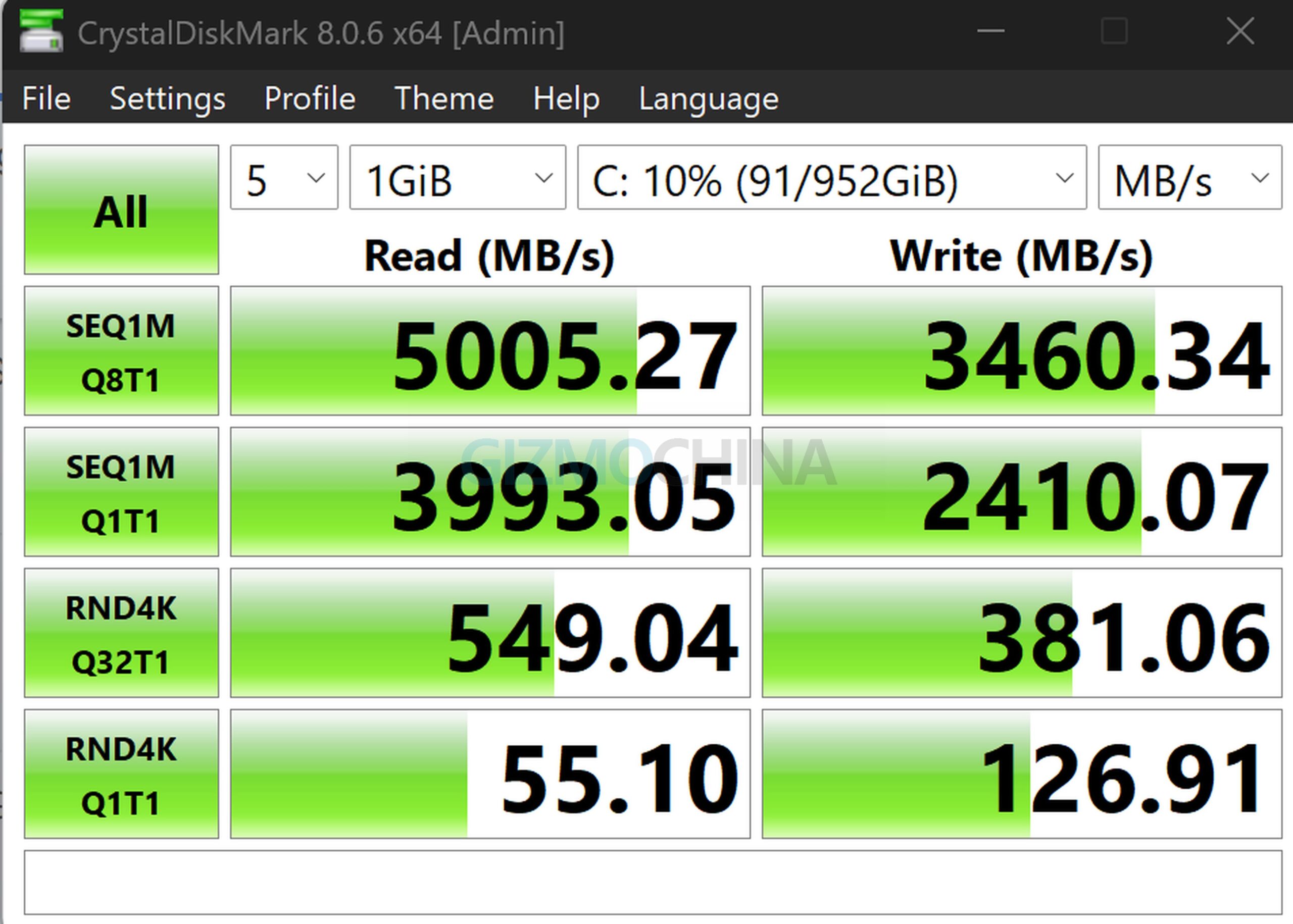
Beyond processing power, the Zenbook S14 OLED delivers impressive storage and AI capabilities. CrystalDiskMark revealed fast read and write speeds, with sequential reads reaching 5005.27 MB/s and sequential writes reaching 3460.34 MB/s. In Geekbench AI, the device secured a strong overall AI score of 1802, highlighting its proficiency in AI tasks. While not a gaming-centric machine, its integrated Intel Arc 140V GPU achieved a 3DMark Time Spy graphics score of 1145, demonstrating its competence in lighter graphical workloads.
4. Performance (Contd.)
Aus Zenbook S14 OLED (2024)
The Zenbook S14 OLED’s integrated Intel Arc 140V GPU allows for casual gaming, smooth streaming, and content creation tasks like photo and video editing. It can also handle AI-powered image generation and accelerate performance in applications that utilize graphics processing. While not a replacement for a dedicated graphics card, it strikes a balance between performance and portability for everyday computing and lighter graphics workloads. The AI performance is equally impressive. In AI image generation benchmarks using Stable Diffusion, the Intel Lunar Lake chip leveraged its GPU prowess to achieve significantly faster results compared to its competitors.
The Zenbook S14 houses a 72WHr battery, providing excellent battery life. I consistently achieved 9 to 10 hours of use on a single charge, which is impressive for a laptop this thin and light. In my real-world usage, including a trip to Mumbai and Delhi for my work, I found the battery life to be more than sufficient. Even with a full day of work and travel, I comfortably returned home with power to spare, eliminating the need to carry the charger and further reducing the weight of my backpack. The included 65W USB-C charger allows for fast charging and it does a full charge in under two hours. It’s a compact and convenient charger to carry around.
5. Verdict
Aus Zenbook S14 OLED (2024)
The Asus Zenbook S14 (2024) is a truly impressive laptop. It combines stunning design, a gorgeous display (despite its reflectivity), powerful performance, and long battery life into a sleek and portable package. The keyboard is comfortable, but the button placement needs rethinking. While the price may be a bit steep for some, the overall package justifies the cost. The bundled 65W USB-C charger is a convenient addition.
Asus Zenbook S14 (2024) price in India
The Asus Zenbook S14 OLED (2024) is available in two options in India:
The Zenbook S14 OLED is a great choice for professionals, creatives, and anyone who needs a powerful and portable laptop that can keep up with their demanding lifestyle.
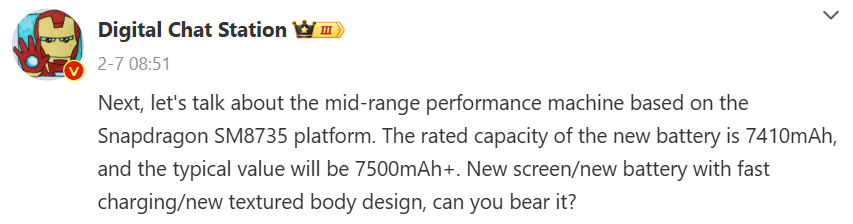
Redmi unveiled the Redmi Turbo 4 with Dimensity 8400-Ultra onboard last month in China. The brand is now reportedly working on the Turbo 4 Pro featuring a more Snapdragon chip and a bigger battery. In a recent leak, well-known tipster Digital Chat Station has highlighted the key specs of the Turbo 4 Pro.
Redmi Turbo 4 Pro chipset, battery details leaked again
The above leak, which seemingly pertains to the Redmi Turbo 4 Pro, reveals that it will feature the Snapdragon 8s Elite (SM8735), a new chipset from Qualcomm expected to debut in the second quarter. Positioned between the Snapdragon 8 Gen 2 and Snapdragon 8 Gen 3, this processor features an advanced CPU architecture and Adreno GPU. Benchmarks indicate strong multi-core performance, making it a powerful option in the mid-to-high-end segment.
One of the most significant upgrades in the Redmi Turbo 4 Pro is its 7410mAh rated battery (with a typical capacity of around 7500mAh). If accurate, this would make it the largest battery in a Redmi mid-range phone. The device will likely support 90W fast charging.
As per other reports, the Redmi Turbo 4 Pro is said to feature a 6.67-inch 1.5K OLED display, equipped with a short-focus optical-type fingerprint scanner. For photography, it may feature an OIS-enabled 50-megapixel main camera and an 8-megapixel ultra-wide lens. It could also come with an IP68-rated metal frame, improving durability.
Reports have revealed that sibling brand Poco will launch the Poco F7 in the second quarter of this year for the global market. It is likely that the F7 may arrive as a tweaked version of the Turbo 4 Pro.
For more daily updates, please visit our News Section.
Xiaomi launched the Xiaomi Mix Flip last year as its first-ever flip-style foldable phone. Since it has received good reception from the market, the brand is reportedly planning the Mix Flip 2. However, there are reports that Xiaomi will skip the Mix Fold 5 this year. While it will be skipped, the brand will reportedly remain committed to launching large foldables.
Xiaomi Mix Fold 5 may not launch this year
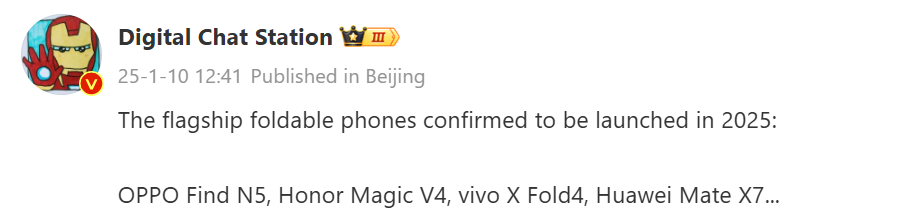
DCS reveals upcoming foldable phones for Chinese market
In January, tipster Digital Chat Station revealed the names of the upcoming foldable phones from Chinese brands this year. These include the Oppo Find N5, Honor Magic V4, Vivo X Fold 4, and Huawei Mate X7. As can be seen, DCS did not mention the Xiaomi Mix Fold 5.
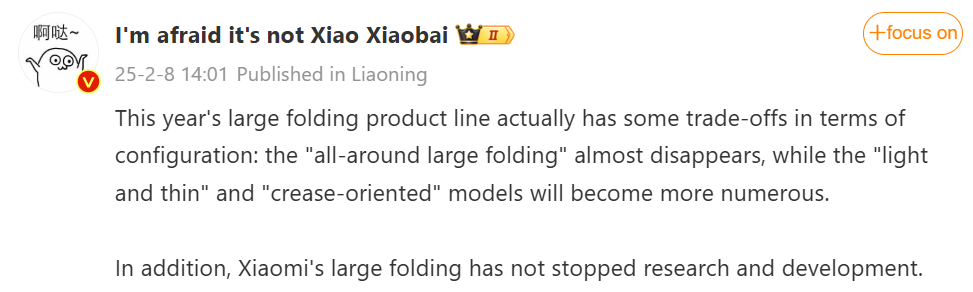
The above Weibo post gave birth to rumours that Xiaomi will quit launching book-style foldables going forward. As can be seen below, another tech blogger from China has claimed that Xiaomi has not stopped research and development of large foldables, hinting that while it may get skipped this year, the brand may return to launching large foldables in 2026.
He added that this year’s large foldable product lineup has seen some trade-offs in terms of specifications: the “all-rounder large foldable” has almost disappeared, while “lightweight-focused” and “crease-optimized” models are becoming more common. Here, the term “all-rounder large foldable” likely refers to a flagship-grade foldable smartphone that excels in all key areas, including performance, camera, battery life, durability, and display quality, without compromising on any aspect.
This could be the reason why there are rumours that Vivo is said to skip the Vivo X Fold 4 Pro and only launch the X Fold 4 instead of launching two foldable phones like last year. For those who don’t know, last year the brand unveiled the Vivo X Fold 3 and X Fold 3 Pro, powered by the Snapdragon 8 Gen 2 and 8 Gen 3 chipsets, respectively.
For more daily updates, please visit our News Section.
Before the Samsung Galaxy S25 launch event, SmartPrix and OnLeaks shared CAD renders of the rumoured S25 Slim. However, when Samsung teased the device at Unpacked, it became clear that the renders were inaccurate, and even the “Slim” moniker was incorrect—though Samsung had never officially confirmed the name. Now, SmartPrix, in collaboration with OnLeaks, has published a follow-up post explaining what went wrong with the early renders and providing new insights into the Galaxy S25 Edge.
What went wrong with the early leaks?
Samsung Galaxy S25 Edge
According to the new report, Samsung had two prototypes of the Galaxy S25 Edge in testing. The leaked renders were based on an early prototype that featured three cameras and a slightly thicker design. However, Samsung ultimately chose a different version—the slimmer prototype B—with only two cameras and a more compact form factor. This decision made the previous renders inaccurate, as the final design differs in both thickness and camera setup.
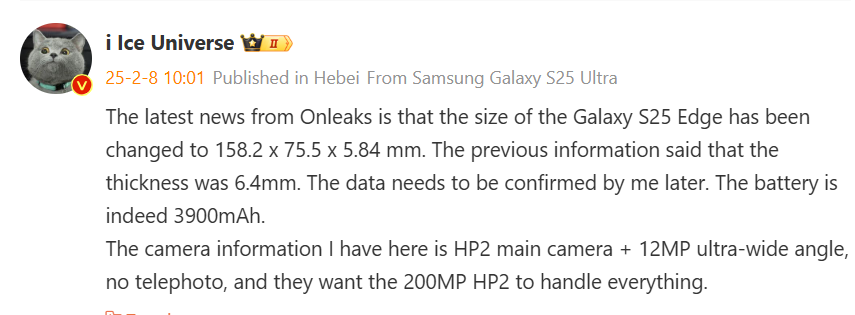
Previously, the publication claimed that the S25 Slim will measure 159 x 76 x 6.4mm. However, the new report states that the Galaxy S25 Edge will measure 158.2 x 75.5 x 5.84 mm, making it one of the slimmest flagship smartphones ever.
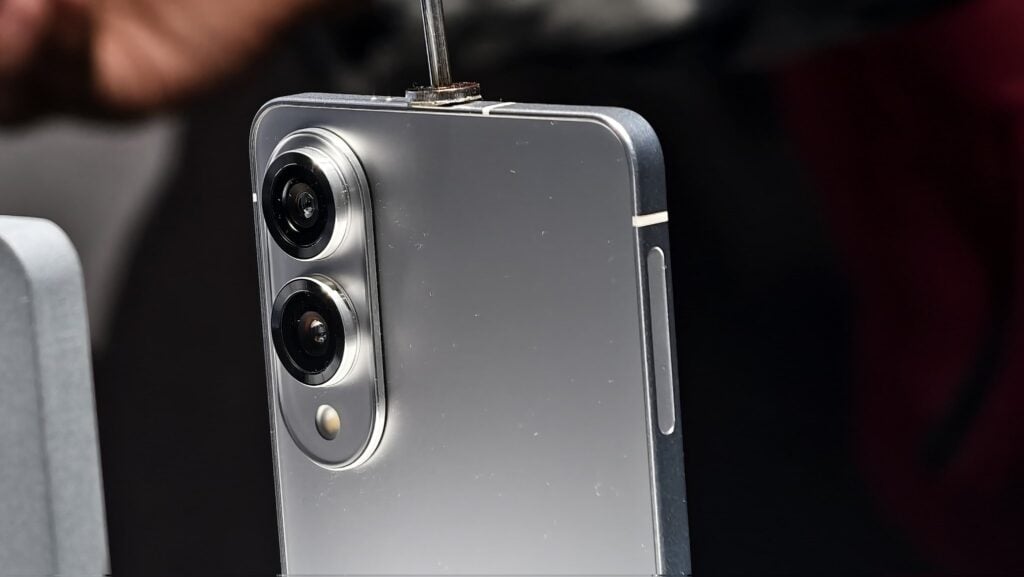
The publication added that thinner phones come with trade-offs, and the S25 Edge’s slim body results in a significant camera bump, bringing the total thickness to 10mm. To counter this, Samsung has used a clever design trick—the elongated camera module creates a visual illusion, making the bump appear less pronounced and blending it seamlessly with the frame.
Reliable tipster Ice Universe has stated that he is yet to confirm these exact dimensions but claims that the phone is indeed backed by a 3,900mAh battery. He also added that the camera setup includes a 200-megapixel HP2 primary sensor and a 12-megapixel ultra-wide lens, with no dedicated telephoto camera. It appears that Samsung is relying on the 200MP HP2 sensor to handle all zoom requirements.
Samsung Galaxy S25 Edge specifications (rumored)
According to reports, the Galaxy S25 Edge packs high-end specifications, including an LTPO OLED display with a 120Hz refresh rate and 2,600 nits peak brightness. It retains Samsung’s Armor Aluminium frame and Gorilla Glass Victus 2 protection.
While Samsung has not confirmed the processor, the S25 Edge is expected to feature the Snapdragon 8 Elite, like the rest of the S25 lineup. It is expected to come with other specs, such as 12GB RAM, 512GB of storage, One UI 7-based Android 15, 25W wired charging, and wireless charging.
Expected launch timeline
Samsung is likely to unveil the Galaxy S25 Edge in April or May 2025. As leaks continue to surface, more details about the final specifications and potential trade-offs will emerge.
For more daily updates, please visit our News Section.
Oppo launched the Find N3 in 2023 and took a year-long break before unveiling its successor. That gap wasn’t for nothing—Oppo has clearly been refining its foldable formula, and the results are finally coming to light.
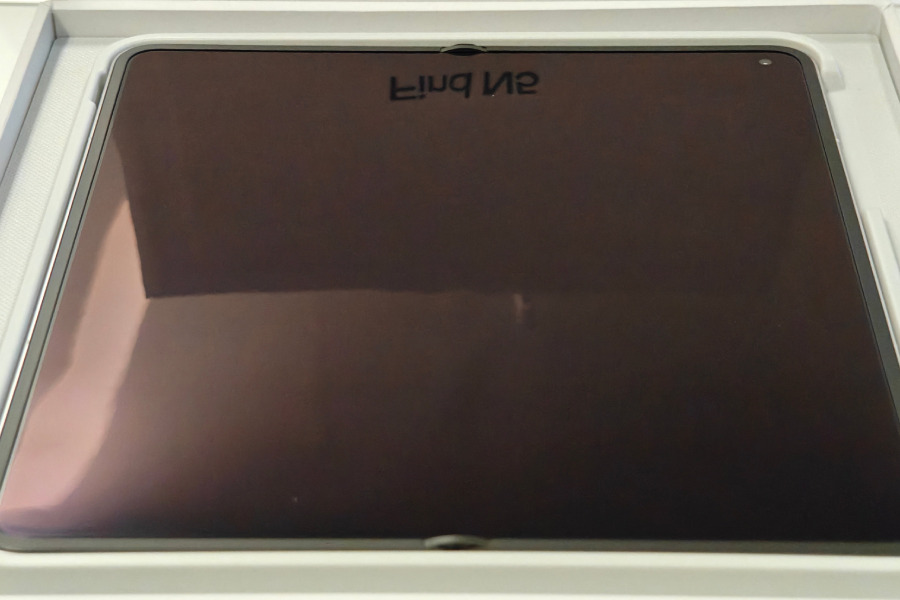
But the most ambitious claim from the Chinese brand is that its next foldable will have no visible crease when unfolded. The company already teased this in a side-by-side comparison against Samsung’s latest Galaxy Z Fold. Now, real-world images are backing up that claim.
The Find N5 has no crease
Leaked photos circulating on Weibo show the Find N5’s inner display with no crease in sight. And no, it’s not a case of clever angles or strategic lighting — another shot of the device inside its retail box still shows a completely smooth screen. That’s impressive, especially since foldable creases tend to be most visible when the display is off.
If Oppo has truly cracked the crease-free foldable, it would be a major achievement—especially for a company that’s still relatively new to the foldable game.
As for specs, the Find N5 is expected to feature Qualcomm’s Snapdragon 8 Elite (7-core) chip, a 6.85-inch LTPO main display with 1.5K resolution, and a large cover screen.
The camera setup includes a 50MP main sensor, a 50MP ultra-wide lens, and a periscope telephoto camera. It will also support 80W wired and 50W wireless fast charging, reverse charging, NFC, and a side-mounted fingerprint scanner.
Oppo has confirmed that the Find N5 will launch simultaneously in China and global markets, with an official debut expected within the next two weeks. If it really delivers a crease-free experience, this could be foldable to beat in 2025.
For more daily updates, please visit our News Section.
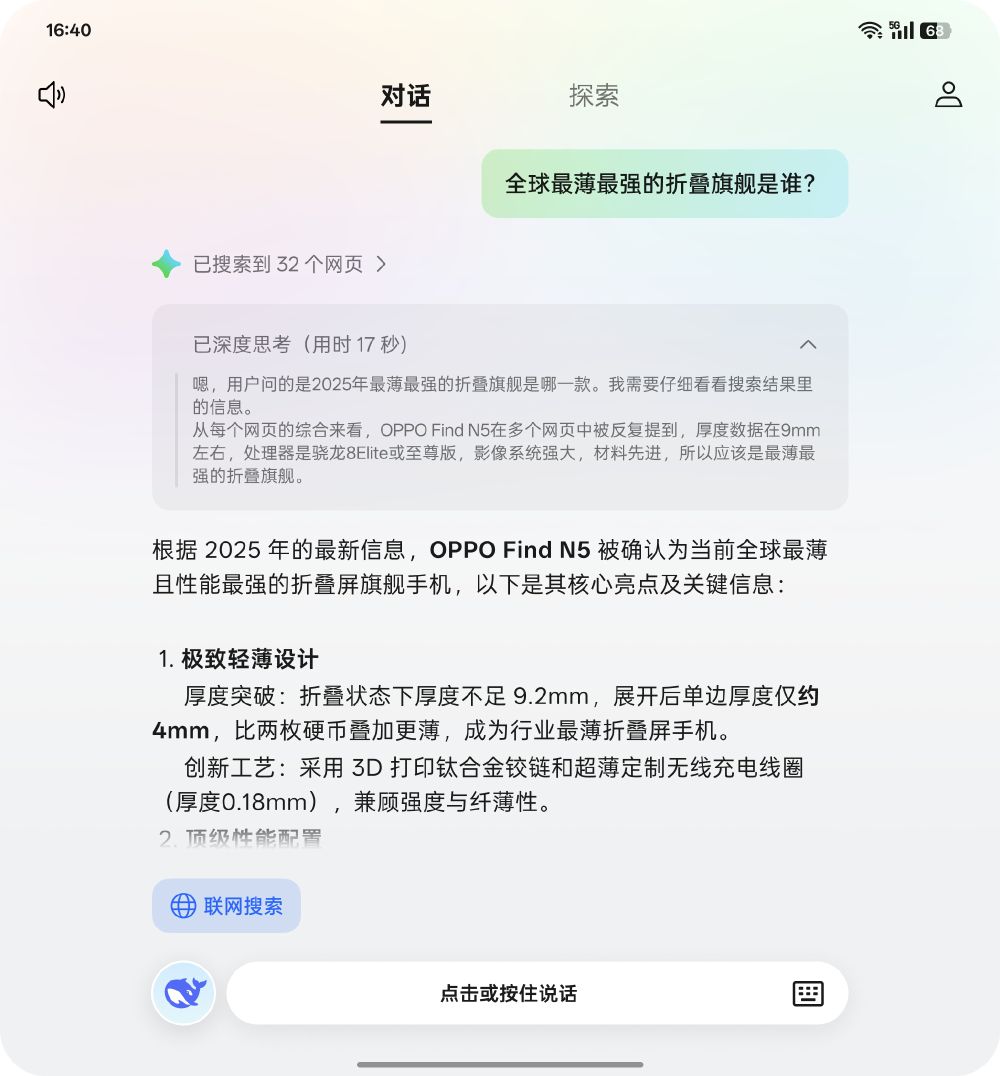
Oppo’s upcoming foldable smartphone, the Find N5, is set to receive a significant AI upgrade. According to the brand, the device will integrate DeepSeek-R1, an advanced AI model, enabling seamless voice activation and smart functionalities. This makes the Find N5 one of the first Oppo devices to support this AI assistant, offering users a more intuitive experience.
Oppo Find N5: DeepSeek-R1 integration
The Oppo Find N5 will come with built-in DeepSeek-R1 support, allowing users to activate and interact with the AI assistant through voice commands. This functionality will be accessible via Oppo’s Xiaobu Assistant, eliminating the need for additional downloads or complex setup processes. By integrating DeepSeek-R1, OPPO aims to enhance the hands-free experience, making AI assistance more accessible and efficient.
Beyond basic AI functions, DeepSeek-R1 on the Find N5 will also enable online search capabilities, allowing users to retrieve real-time information without manual input. Furthermore, the AI model can generate and export results as local files, making it easier for users to store and reference information when needed.
The Find N5 is poised to be the world’s thinnest foldable smartphone, combining cutting-edge hardware with advanced AI features. Its integration with DeepSeek-R1 positions it as a pioneering device in Oppo’s lineup, setting a new standard for foldable phones. First-batch buyers will be among the earliest to experience these AI-driven enhancements, marking a significant leap in smart device interactions.
Oppo is expected to unveil the Oppo Find N5 in the next week. The device will come with key features, such as the Snapdragon 8 Elite chipset, around 5,700mAh battery, 80W wired charging, 50W wireless charging, and up to IXP9-level water resistance. It will come in three shades, such as black, white, and purple. The device is said to have an ultra-thin profile of 9.2mm in the folded state.
Oppo is yet to confirm the Find N5 launch date. Most likely, the foldable phone and the company’s next flagship smartwatch, the Watch X2, will be announced in the next week. Currently, both devices are available for pre-orders in China.
For more daily updates, please visit our News Section.
It’s been almost two years now, and the trend of AI seems far from settling down just yet. The bandwagon was technically started by OpenAI with ChatGPT but has now been joined by several competitors, including Google, Meta, and Claude, to name a few.
But the biggest shake-up in AI since OpenAI’s launch might just be coming from China. DeepSeek, a relatively new player in the space, made waves last month with its R1 model—a reasoning-focused AI that outperforms GPT-4o in benchmarks and is open source.
DeepSeek-R1 is available under the MIT license, meaning it can be used freely for both commercial and academic purposes. And that freedom is already making an impact, it seems.
Major smartphone brands are reportedly looking to integrate DeepSeek-R1 into their AI assistants. Huawei has already jumped on board, and now Honor is following suit.
Honor x DeepSeek R1
The company officially announced that an upgraded version of its in-house assistant, YOYO—currently exclusive to the Chinese market—will be powered by DeepSeek-R1.
According to Honor, YOYO has a user base of over 130 million monthly active users. Now, with the integration of DeepSeek-R1, the company is promising a major leap in performance.
Honor is focusing on improvements in natural language processing, aiming to make YOYO more responsive and context-aware. Logical reasoning and deeper contextual understanding are also key areas where DeepSeek-R1 is expected to make a difference.
Essentially, Honor wants its assistant to feel more intuitive, handle complex tasks more efficiently, and deliver a smarter, more personalized experience.
The company’s approach is all about seamless interaction. Users in China can use the updated version of YOYO by navigating to the “AI agent” section through a swipe up from the bottom of their device, and selecting “DeepSeek-R1.”
The rollout kicks off on February 8th and will be available to Honor smartphone users in China running MagicOS 8.0 or later. And not to forget, to enable the DeepSeek-powered upgrade, users will need to update the YOYO app to version 80.0.1.503 or higher. For now, the upgrade is exclusive to China, but whether Honor plans to bring it to global markets remains to be seen.
For more daily updates, please visit our News Section.
Like it or not, Bluetooth earbuds have largely taken over the wired earphone market in recent years. A big part of that shift comes down to smartphone brands as it is rare for a 2025 to have a headphone jack. This makes wireless audio the default option for most users.
That doesn’t mean Bluetooth earbuds are a bad product—far from it. In fact, they’ve become an essential accessory that offers the convenience of wireless freedom for listening to music, taking calls, and watching videos on the go.
But there’s a common frustration many users run into: battery life that drains faster than expected. One of the less obvious factors contributing to this problem is the distance between the earbuds and the connected device. Here’s a breakdown of how distance impacts battery life in wireless earbuds and what you can do to manage it.
Bluetooth technology operates using short-range radio waves to transmit data between devices. In the context of earbuds, the process involves pairing them with a smartphone, tablet, or computer to stream audio. The Bluetooth standard is designed to work efficiently within a certain range—typically around 10 meters (33 feet) for most consumer devices.
However, the quality and strength of the connection can vary based on several factors, including interference from other devices, physical obstacles like walls, and the specific Bluetooth version your device uses.
2. Why Distance Matters
As the distance between your Bluetooth earbuds and the connected device increases, the signal strength weakens. When the connection weakens, your earbuds have to work harder to maintain a stable link, which requires more power.
Bluetooth operates on adaptive transmission power, meaning it adjusts the signal strength based on the proximity of the connected device. When the device is nearby, the earbuds can maintain the connection using minimal power. But as you move further away, they boost their transmission power to keep the audio stream uninterrupted. This increase in power consumption directly affects battery life.
3. Real-World Scenarios
Consider these everyday situations:
Home Use: If you’re listening to music on your earbuds while cleaning your house, you may frequently move in and out of the Bluetooth range of your phone or laptop. Each time the connection weakens and strengthens, your earbuds expend more energy.
Office Environment: In an office with multiple Bluetooth devices and potential physical obstructions, your earbuds might need to work harder to maintain a stable connection, especially if your phone is left at your desk while you move around.
Outdoor Activities: When jogging or walking, the position of your phone—whether it’s in your pocket, armband, or bag—can affect the distance and signal quality. If the connection intermittently drops or weakens, the earbuds will consume more power to reconnect.
4. Impact on Battery Life
The extent to which distance affects battery life varies based on the specific model of earbuds and their Bluetooth technology. Newer versions, such as Bluetooth 5.0 and above, are more power-efficient and offer longer ranges compared to older versions.
Nevertheless, even with advancements in Bluetooth technology, increasing the transmission power to maintain a connection over longer distances will inevitably drain the battery faster. This can be particularly noticeable if your earbuds already have a modest battery capacity.
Several other factors can exacerbate battery drain due to distance:
Audio Quality: High-quality audio streams require more data, which in turn demands a stronger and more stable Bluetooth connection. Lossless audio formats, for example, can significantly impact battery life when paired with long distances.
Interference: Wi-Fi networks, microwave ovens, and other wireless devices can interfere with Bluetooth signals, causing your earbuds to increase their transmission power.
Obstructions: Walls, furniture, and even your body can block or weaken Bluetooth signals, leading to increased power consumption.
6. Tips to Optimize Battery Life
While you can’t always control the distance between your earbuds and the connected device, there are steps you can take to minimize battery drain:
Keep Devices Close: Whenever possible, keep your phone or other connected device nearby. This reduces the need for your earbuds to boost their signal strength.
Update Firmware: Manufacturers often release firmware updates that optimize battery performance and connection stability.
Optimize Audio Settings: Lowering the audio quality can reduce the amount of data transmitted, which can help conserve battery life over longer distances.
Avoid Interference: Stay away from areas with high wireless interference to maintain a stable and efficient Bluetooth connection.
7. The Role of Bluetooth Versions
It’s worth noting that newer Bluetooth versions are designed to address some of these issues. Bluetooth 5.0 and later versions offer extended range, faster data transfer, and improved power efficiency. Devices equipped with these versions can maintain stable connections over longer distances with less power consumption.
However, both your earbuds and the connected device need to support the same Bluetooth version to fully benefit from these improvements.
8. Conclusion
Distance is a subtle but significant factor that can affect the battery life of your Bluetooth earbuds. While advancements in Bluetooth technology have improved power efficiency, maintaining a stable connection over longer distances still comes at a cost.
By understanding how distance impacts battery life and taking practical steps to minimize its effects, you can get the most out of your earbuds and enjoy a better listening experience.
For more daily updates, please visit our News Section.
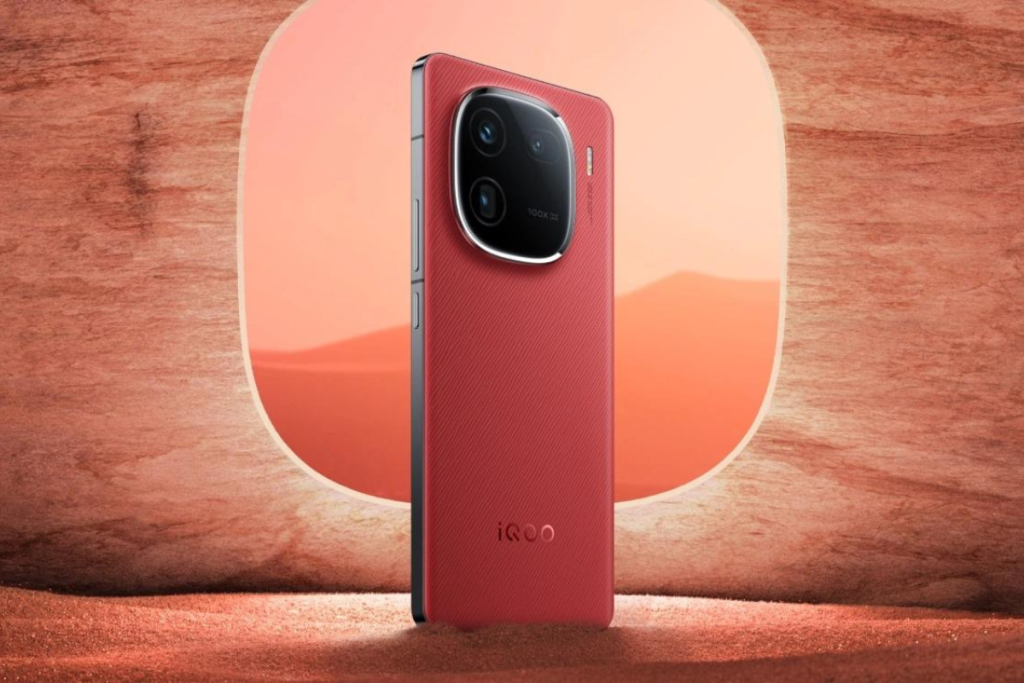
iQOO has just announced that it is extending the longevity of its flagship smartphone from last year. The iQOO 12 is getting a longer software support cycle with the new extension upgrading the Android updates and security patches by another year. So here are all the details.
iQOO 12 is getting 4 major Android OS updates with 5 years of security patches
The Chinese smartphone maker just announced that it will now extend the Android and security updates by 1 year. To recall, the original support to last till 2028 but it will not last till 2029. This is thanks to 4 guaranteed Android OS updates along with 5 years of security patches. In other words, the iQOO 12 is now in line with the iQOO 13 in terms of longer software support.
iQOO 12
In an official statement, the brand stated “At iQOO, we are committed to delivering cutting-edge performance, seamless experiences, and long-term value for our users. This updated policy reflects our dedication to keeping your device secure, up-to-date, and running smoothly for years to come.”
Talking about the smartphone itself, the device is an affordable flagship model that sports a tall 6.78-inch LTPO AMOLED display with a 144Hz refresh rate, HDR10+, 3000 nits of peak brightness, and FHD+ resolution. Under the hood, it is equipped with the Snapdragon 8 Gen 3 SoC. A large 5,000mAh battery pack powers the iQOO 12, which also supports 120W wired fast charging as well. Other notable features include a 50MP triple camera setup, stereo speakers, glass and aluminum build, in-display fingerprint scanner, Android 14 OS out of the box, and up to 16GB RAM with 1TB storage configurations.
For more daily updates, please visit our News Section.
We use cookies on our website to give you the most relevant experience by remembering your preferences and repeat visits. By clicking “Accept”, you consent to the use of ALL the cookies.
This website uses cookies to improve your experience while you navigate through the website. Out of these, the cookies that are categorized as necessary are stored on your browser as they are essential for the working of basic functionalities of the website. We also use third-party cookies that help us analyze and understand how you use this website. These cookies will be stored in your browser only with your consent. You also have the option to opt-out of these cookies. But opting out of some of these cookies may affect your browsing experience.
Necessary cookies are absolutely essential for the website to function properly. This category only includes cookies that ensures basic functionalities and security features of the website. These cookies do not store any personal information.
Any cookies that may not be particularly necessary for the website to function and is used specifically to collect user personal data via analytics, ads, other embedded contents are termed as non-necessary cookies. It is mandatory to procure user consent prior to running these cookies on your website.