Honor is gearing up to launch a bunch of new smartphones soon, with a recent benchmark sighting revealing the chipsets of two upcoming models. One Honor 300 series phone just visited GeekBench along with the Magic 7 Lite. So let’s check it out.
Honor 300 & Honor Magic 7 Lite Chip Reveal
The brand is set to unveil the Honor 300 series of premium devices in China on 2nd December 2024. This lineup consists of the base Honor 300, Honor 300 Pro, Honor 300 Pro+, and Honor 300 Ultra. The higher end Pros and Ultra models are expected to feature the Snapdragon 8 Gen 3 SoC, which is a flagship grade processor. On GeekBench, an Honor 300 series model (Honor AMP-AN00) was spotted with this same chipset along with 16GB of RAM (Via 91Mobiles).
Honor 300
It was also listed running on the Android 15 OS out of the box. Earlier this month, the Honor 300 Pro+ was seen on the 3C certification as well, with satellite connectivity and more. Alongside this premium device, the Chinese brand is also working on a mid-range Magic 7 series model as well. The upcoming model is the Honor Magic 7 Lite (Honor BRP-NX1M). Unlike the Honor 300, the Magic 7 Lite was listed with 8GB of RAM and Android 14 OS out of the box. It is a more affordable phone since it packs the Snapdragon 6 Gen 1 SoC.
Looking at the GeekBench database, the Honor 300 series model achieved a score of 2133 points in the single core test and 6,655 points in the multi core test. Meanwhile, the Magic 7 Lite scored 934 points and 2768 points respectively. A couple of weeks ago, the latter was even seen on the Google Play Console platform as well. So stick around for more as we will be covering the launch of both phones.
Both Honor and Huawei have recently launched their highly anticipated flagship smartphones for 2024, with both brands boasting improved specs, new features, and revamped designs. Honor, under the leadership of CEO Zhao Ming, has made bold statements about the competition, especially in light of Huawei’s latest Mate 70 series. Speaking during a live broadcast on Weibo, Zhao Ming expressed confidence in Honor’s ability to not only compete with Huawei but to surpass its innovations in certain areas.
Zhao Ming’s confidence in Honor’s growth
Zhao Ming highlighted Honor’s recognition of Huawei’s technological prowess, particularly in the Mate 70 series, which was unveiled just a day before the broadcast. However, he emphasized that Honor has taken a “completely different path” since its independence, with a strong focus on establishing its own identity. Zhao Ming expressed that Honor can “compete” with Huawei, and in some areas, it can even outperform its former parent company.
The Honor CEO mentioned a friendly rivalry between the brands, alluding to Huawei’s recent claims about the Mate 70 series being the most powerful Mate yet. This is good news because the “friendly collision” between the two brands should be beneficial for end users.
One of the standout features of the Mate 70 series is its antenna technology. The Mate 70 is the first smartphone in the industry to feature a smart multi-antenna design on the back, increasing signal strength by 3dB compared to its predecessor. The 5G peak rate has also been boosted by 68%, providing faster and more stable connectivity. Additionally, the Mate 70 series is Huawei’s first Wi-Fi 7 smartphone, supporting the latest wireless technology for better performance and reliability. You can read more about the offerings of the Magic 7 series and Mate 70 series here.
Mate 70 series comes with a higher price tag
Mate 70 12GB+256GB comes for 5499 yuan, while the same configuration of the Honor Magic 7 is priced a lot cheaper, at 4499 Yuan.
Mate 70 Pro 12GB+256GB for 6499 yuan, while the same configuration of the Honor Magic 7 Pro is also a lot cheaper – 5699 Yuan.
While Huawei has achieved some improvements with the “Kirin 9020” chip, the Snapdragon 8 Elite chip on the Honor Magic 7 series is still a lot more capable. For instance, the Mate 70 Pro+ scored 1,248,520 in AnTuTu while the 8 Elite chip surpassed 3,000,000 points in the test.
This week, MediaTek expanded its mid-range chipset lineup with the inclusion of Dimensity 8350. It’s a high-performance smartphone chip that powers the upcoming Oppo Reno 13 series and many mid-range phones in the future.
The Dimensity 8350 specs are largely similar to the Dimensity 8300, which raises an important question: Does the new chip offer any improvements, or is it just a new name with minor tweaks? Let’s compare the two chips and see how they stack up against each other.
Dimensity 8350 vs Dimensity 8300: breaking down the differences
The new Dimensity 8350 has a Cortex-A715 core with a maximum clock speed of 3.35GHz, and so does the Dimensity 8300. In fact, the remaining seven cores are also unchanged: three Cortex-A715 cores at 3.2GHz speed and four Cortex-A510 cores at 2.2GHz. Both chips have been cooked into TSMC’s facility using their 4nm process.
So, the bottom line is that the two chips have no CPU differences. Even the GPUs are the same, but there is a slight improvement in the gaming technology. The Dimensity 8350 and 8300 rock the Mali-G615 MC6 GPU, which has performance comparable to the Adreno 642 in Qualcomm chips. It can handle popular titles such as Genshin Impact and PUBG Mobile.
Despite having the same GPUs, the newer Dimensity 8350 offers better gaming performance, thanks to the new StarSpeed Engine. Its older chip has HyperEngine for gaming. MediaTek says the new gaming engine reduces power consumption by up to 10%. At high frame and full frame, the power consumption is reduced by up to 24%. The speed of scene transition is up to 24% better, and the touch response speed is 5% improved.
Camera capabilities are also unchanged. Both have the same 14-bit MediaTek’s Imagiq 980 HDR ISPs, which support up to 320MP camera resolution and 4K video recording. Among the camera features are video HDR, video bokeh, video EIS, video NR, and AI color for capture.
Both chips have the same AI engine, MediaTek NPU 780. It supports advanced generative AI tasks and is capable of running large language models (LLMs) with up to 10 billion parameters. The similarities also include memory and storage features, as the Dimensity 8350 and 8300 support LPDDR5X RAM and UFS 4.0 + MCQ storage.
They also have the same connectivity features: Wi-Fi 6E, Bluetooth 5.4, and location services (GPS, Beidou, GLONASS, Galileo, NavIC, QZSS). The peak download speed is capped at 5.17 Gbps.
Dimensity 8350
Dimensity 8300
Release date
November 2024
November 2023
Process node
4nm
4nm
Manufacturer
TSMC
TSMC
Cores
8
8
CPU architecture
1 x Cortex-A715 @ 3.35 GHz 3 x Cortex-A715 @ 3.2 GHz 4 x Cortex-A510 @ 2.2 GHz
GPU
ARM Mali-G615 MC6 MediaTek StarSpeed Engine
ARM Mali-G615 MC6 MediaTek HyperEngine
NPU
MediaTek NPU 780
MediaTek NPU 780
Camera
MediaTek 14-bit Imagiq 980 ISP 320MP single camera 32MP+32MP+32MP triple cameras
Memory
LPDDR5X RAM UFS 4.0 + MCQ storage
Media decode
H.264, H.265, AV1, VP9
Connectivity
MediaTek 5G modem Downlink: 5.17 Gbps Wi-Fi 6E Bluetooth 5.4
MediaTek 5G modem Downlink: 5.17 Gbps Wi-Fi 6E support Bluetooth 5.4
Dimensity 8350 vs Dimensity 8300: Which is better?
The Dimensity 8350 and Dimensity 8300 are high-performance midrange chips. However, they are essentially the same, except for an improved gaming engine on the newer chip. Ultimately, it comes down to price — go for the more affordable option.
Samsung is gearing up for the release of its next gen flagship smartphones. But ahead of the global announcement, the Galaxy S25 series surfaced on a major certification that confirmed some details. Unfortunately, these premium phones are still pretty disappointing in this one area.
Samsung Galaxy S25 Series: No Faster Charging in Sight
Samsung Galaxy S25 Ultra
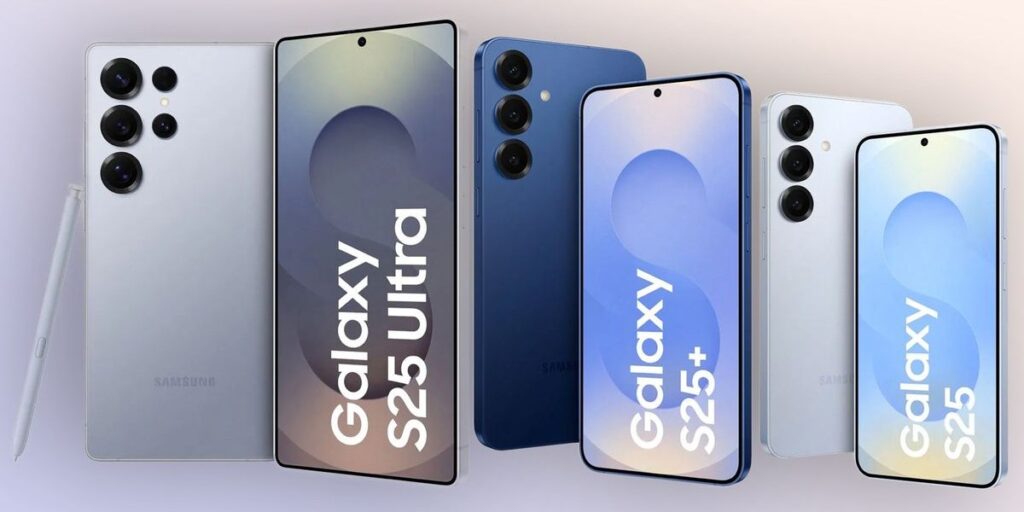
The Galaxy S25, Galaxy S25+, and Galaxy S25 Ultra were spotted on the FCC certification (Via 91Mobiles), which hints at an imminent launch. Considering how the South Korean tech giant released the Galaxy S24 series back in January this year, the successor will likely have a similar launch timeline. Apart from these models, the company is also rumored to be working on a Galaxy S25 Slim model that could rival the iPhone 17 Air.
But leaving that new model aside, the lineup as a whole is still lagging behind in the charging department. The FCC database listed the main trio with the SM-931U, SM-936U, and SM-938U model numbers respectively with support for 5G, Bluetooth, NFC, GNSS, and dual band WiFi. But sadly enough, the Galaxy S25 model was listed with the EP-TA800 charging adapter, which only supports 25W fast charging. This is generations behind its Android competitors. In contrast, even the Apple iPhones have caught up to Samsung in terms of charging speeds.
Samsung Galaxy S25 on FCC
On the other hand, the Galaxy S25+ and Galaxy S25 Ultra were listed as having a 45W fast charging adapter. The latter of which will even house an S-Pen. Samsung might actually be downgrading on the wireless charging side as well. The Galaxy S25 was listed with just 9W wireless charging, which is lower than the 15W on its predecessor. So we aren’t just getting outdated tech but possibly downgrading one as well. We will have to wait for the official launch to know for sure, but maybe 2026 is when we finally get better charging.
Xiaomi Youpin has launched two new TV speakers, the Xiaomi TV Speaker 2.1 and the Xiaomi TV Speaker 2.0, both now available for purchase in China. These models provide up to 120W of powerful sound with features like NFC fast pairing and a built-in display.
Xiaomi TV Speaker 2.1
Priced at 599 yuan (approximately $85 USD) with a 15% government subsidy, the 2.1 speaker system boasts a peak power of 120W. It features 2 mid-high-range drivers, 2 tweeters, and a dedicated subwoofer, offering a robust audio experience.
Xiaomi TV Speaker 2.0
The more affordable Xiaomi TV Speaker 2.0, priced at 399 yuan ($57 USD) with a 15% subsidy, delivers 84W of peak power. Equipped with 2 built-in subwoofers and 2 tweeters, it offers a balanced sound profile.
Key Features of Both Models:
NFC Fast Pairing: Conveniently connect your devices with a simple tap.
Built-in Display: Easily view information and settings.
Multiple Connection Options: HDMI (ARC), optical, coaxial, and Bluetooth connectivity.
Six Sound Modes: Optimize audio for movies, games, music, and more.
Sleek Design: Modern aesthetics complement your home decor.
These models are currently only available in China, and there are no details about their global availability. That said, Xiaomi recently launched its Soundbar 2.0ch 15W speakers in the global market, and it also sells the Soundbar 3.1ch with 430 W of output power for around $199.
In other news, Xiaomi’s sub-brand recently held a major launch event in China for its K80 series smartphones, where it also debuted new gadgets like the Redmi Watch 5 and the Redmi Buds 6 Pro earbuds. These devices are expected to debut globally in the coming months.
Honor has been steadily teasing the arrival of its new Honor 300 series smartphones in China. The lineup, which is expected to include three models—the Honor 300, 300 Pro, and 300 Ultra—has generated plenty of excitement among tech enthusiasts. After revealing the designs for the standard and Pro model, Honor has now officially unveiled the design of its flagship Honor 300 Ultra model.
The new device is available for pre-order on the official website, showcasing a sleek and modern design, and is set to come in two stylish color options: Camellia White and Ink Rock Black. The Honor 300 series is set for launch on December 2.
Honor 300 Ultra design
The Honor 300 Ultra draws heavy design inspiration from the Pro version, with a focus on sleek aesthetics and premium build quality. On the front, the device features a curved screen with a centered punch-hole camera (just like the Pro model) that enhances the visual appeal and provides a more immersive display.
On the rear, the Ultra model sports a triple-camera setup. While the Pro model also packs a similar lens setup, the lens deco is highlighted by a distinctive red branding, giving it a unique and high-end look. This design language signals that the Honor 300 Ultra will cater to users who prioritize both performance and style.
Key specifications and what to expect
In terms of performance, the Honor 300 Ultra is equipped with the powerful Qualcomm Snapdragon 8 Gen3 processor, ensuring smooth and efficient performance for demanding tasks, gaming, and multitasking. The device also supports advanced biometric security with 3D ultrasonic fingerprint unlocking, adding an extra layer of convenience for users.
The screen is a 1.5K curved display made from durable Juxiong glass. It is available in two memory configurations: 12GB RAM with 512GB storage and 16GB RAM with 1TB of storage, catering to both casual users and those who need extensive storage for apps, media, and files.
For photography enthusiasts, the Honor 300 Ultra is equipped with a rear triple-camera setup, including a 50-megapixel periscope telephoto lens, designed to offer advanced features like “SLR-level elegant portrait” photography and AI-driven image enhancements such as AI free image expansion.
Available now for pre-order, this flagship model is expected to draw attention both for its sleek design and powerful functionality.
Huawei has recently unveiled the highly anticipated Huawei Mate X6 series in China during the Mate Brand Ceremony. The foldable Mate X6 models, featuring cutting-edge technology, are now available for purchase, with the base model starting at 12,999 yuan. Along with the launch, Huawei has also revealed the prices for repair spare parts, giving potential buyers and existing users a clearer idea of the costs involved in maintaining or repairing the device.
The official Huawei website has listed the prices for various repair spare parts for the Mate X6 and the Mate X6 Collector’s Edition. Here’s a breakdown of the prices:
Mate X6 Spare parts:
External screen: 999 yuan
Inner screen components: 3699 yuan
Screen assembly (discount price): 5199 yuan
Screen components: 5999 yuan
Battery: 299 yuan
Back shell: 579 yuan
Front camera (external screen): 379 yuan
Front camera (internal screen): 379 yuan
Rear camera A (main): 759 yuan
Rear camera B (wide angle): 369 yuan
Rear camera C (telephoto): 809 yuan
Rear camera D (Red Maple primary color camera): 299 yuan
Data cable: 69 yuan
Adapter: 139 yuan
Fingerprint component: 91 yuan
Camera lens: 120 yuan
Charging port: 242 yuan
Mate X6 Collector’s Edition Spare Parts: Prices for spare parts for the Collector’s Edition are largely identical to those for the regular Mate X6, with only the external screen priced higher at 1399 yuan.
These prices offer users transparency on the potential repair costs, whether they need to replace a damaged screen or a malfunctioning camera. The relatively affordable pricing for parts like the battery (299 yuan) and fingerprint component (91 yuan) is also a positive aspect for users concerned about maintenance costs.
Expectations from the Mate X6 series:
The Huawei Mate X6 series is packed with impressive features that set it apart from other foldable smartphones. The device measures just 4.6mm in thickness when unfolded, making it one of the thinnest book-style foldables on the market. Even when folded, the device’s thickness is only 9.9mm. The phone weighs only 239 grams, which is around the same weight as the Galaxy S24 Ultra, and is light for a foldable device.
The back panel of the Mate X6 comes in two premium finishes: leather and nylon fiber, both of which provide extra durability and make the phone less prone to damage if dropped. The Mate X6 is also IPX8-rated, meaning it is resistant to water immersion, a key feature for foldables often vulnerable to environmental conditions.
Furthermore, the external display is protected by Huawei’s self-developed second-generation Kunlun Glass, offering enhanced protection against scratches and impacts. Read more about the key upgrades from its predecessor here.
OnePlus has officially confirmed the launch of its OnePlus Ace 5 series in the Chinese market next month. The series will include two models: the OnePlus Ace 5 and the OnePlus Ace 5 Pro, both powered by Qualcomm’s Snapdragon chipsets.
OnePlus Ace 5
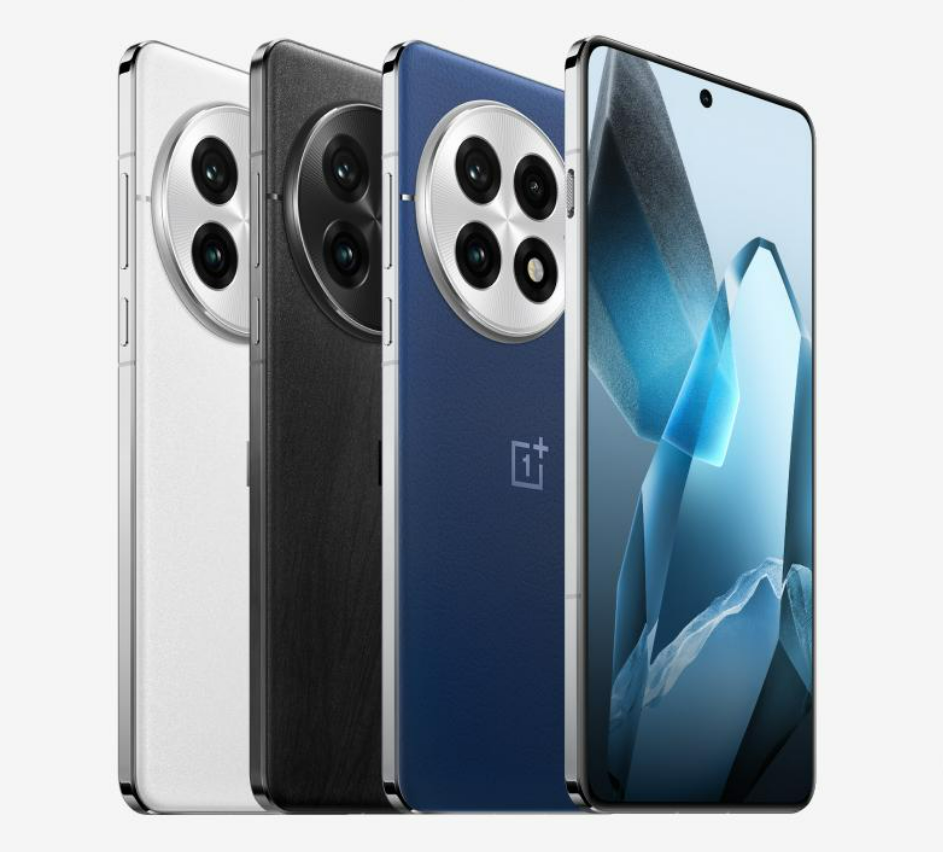
Tipster Digital Chat Station has shared a render of the OnePlus Ace 5, revealing its design aesthetics. The device will feature a punch-hole display for the selfie camera, a traditional alert slider on the left side, and a circular rear camera module housing three sensors and an LED flash.
The tipster also mentioned that the device will sport a pure straight screen, protected by Crystal Shield glass, and will be encased in a metal middle frame and a ceramic body. The smartphone is expected to come in a Sky Blue color variant with a unique painted pottery finish, utilizing advanced craftsmanship.
As for the specifications, the Ace 5 is set to feature the Snapdragon 8 Gen 3 processor, while the higher-end Ace 5 Pro could include the more advanced Snapdragon 8 Elite chip.
Reports indicate that the Ace 5 will sport a 1.5K resolution OLED flat display from BOE, moving away from the curved screen design of the Ace 3. It will support 100W wired fast charging but will not offer wireless charging. The Ace 5 Pro is expected to use BOE’s X2 flat screen, also with a 1.5K resolution.
The Ace 5 Pro’s camera system is anticipated to see significant improvements, incorporating a Sony IMX906 main sensor and an ISOCELL JN1 telephoto sensor, both offering 50-megapixel resolution. It may also utilize advanced image processing technology akin to that in the Find X8 series.
While the Ace 3 Pro launched at CNY 3,199, the Ace 5 Pro’s starting price might increase due to its earlier release and the higher cost of the Snapdragon 8 Elite chip.
Xiaomi’s latest additions to the Redmi K series, the Redmi K80 and Redmi K80 Pro offer impressive specifications but cater to slightly different user preferences. Both devices come packed with premium features, but the Pro variant stands out with enhancements in display, performance, camera capabilities, and charging technologies.
Both the Redmi K80 and K80 Pro boast a 6.67-inch 2K AMOLED flat screen, developed in collaboration with TCL. This screen uses the innovative M9 luminescent material, delivering a peak brightness of up to 3200 nits, and supports a 120Hz refresh rate.
The display also supports HDR10+, Dolby Vision, full brightness DC dimming, and a high 2560Hz instantaneous touch sampling rate, rendering an expansive color range of 12-bit 68.7 billion colors. However, the K80 Pro features an ultra-narrow bottom frame, which is 21% narrower than its predecessor, providing a more immersive viewing experience.
2. Performance
The core difference between the K80 and the K80 Pro lies in their processing power. The K80 is powered by the Snapdragon 8 Gen 3 chipset, which is a robust processor suitable for everyday tasks and moderate gaming. On the other hand, the K80 Pro steps up the game with the Snapdragon 8 Elite chipset combined with a dedicated D1 gaming chip and Rage Engine 4.0 for enhanced gaming performance.
Additionally, the K80 Pro includes an upgraded dual-loop 3D ice-sealed cooling system with a vapor-liquid separation design that efficiently manages temperature control, making it ideal for intense gaming sessions.
3. Camera
In terms of photography, both phones offer powerful setups, but the K80 Pro has a slight edge with its triple camera system. The Pro version comes with a 50MP 1/1.55″ Light Fusion 800 sensor with OIS, a 32MP ultra-wide camera, and a 50MP 2.5x telephoto camera with a 10cm macro option, facilitating high-quality photos and versatility in shooting modes.
In contrast, the K80 maintains the same main camera but sports a downgraded 8MP ultra-wide camera and does not include a telephoto lens, which might be a dealbreaker for those who desire more flexibility in their photography.
4. Battery & Charging
The K80 Pro is equipped with a 6000mAh silicon-carbon battery supporting 120W fast charging and 50W wireless charging, ensuring quick power-ups and convenience.
The K80, while lacking wireless charging, boasts a larger 6550mAh battery with 90W fast charging, which promises prolonged usage and faster wired charging times.
5. Additional Features
Both devices support Xiaomi HyperOS 2.0 and include advanced features like 3D ultrasonic fingerprint sensors, stereo speakers with Dolby Atmos, and IP68/IP69 ratings for dust and water resistance.
The K80 Pro, however, includes a T1S signal enhancement chip and Xiaomi Xingchen Communication technology with support for 19 5G frequency bands, ensuring superior connectivity. These features are not available in the K80.
The K80 Pro comes in Snow Rock White, Mountain Green, and Mysterious Night Black, while the K80 adds an extra Twilight Moon Blue color.
6. Pricing and Availability
The Redmi K80 Pro starts at 3699 yuan ($510) for the 12GB + 256GB variant, going up to 4799 yuan ($662) for the 16GB + 1TB model. The special Lamborghini Champion Edition is priced at 4999 yuan ($690).
The Redmi K80 is more affordable, starting at 2499 yuan ($344) for the 12GB + 256GB version and reaching 3599 yuan ($496) for the top-tier 16GB + 1TB variant.
7. Special Edition
An exciting highlight of the K80 Pro is the introduction of a special edition model named Automobili Lamborghini Squadra Corse. This edition features a unique design, is available in two distinct colors, and comes in a customized gift box, exclusively offered in the 16GB RAM + 1TB storage configuration. This edition not only enhances the visual appeal but also caters to enthusiasts looking for exclusivity in their devices.
8. Conclusion
The Redmi K80 and K80 Pro cater to different audiences. The K80 Pro stands out with its superior performance, advanced camera setup, faster charging, and additional features like wireless charging and enhanced connectivity. On the other hand, the Redmi K80 provides a compelling package at a more affordable price, making it suitable for users who prioritize battery life and essential features.
Ultimately, the choice between the two depends on individual preferences and budget. For gaming enthusiasts and photography buffs, the K80 Pro is the obvious choice, while the K80 serves as a great option for value-conscious buyers.
At the event, Xiaomi also unveiled the Xiaomi Redmi Watch 5, featuring a 2.07-inch AMOLED display, HyperOS, up to 24 days of battery life, and an optional eSIM feature. Alongside the watch, the company introduced the Redmi Buds 6 Pro, which comes with Spatial Audio, Noise Cancellation, and an impressive 36-hour battery life.
ZTE is reportedly working on the successor to its first foldable phone, the Nubia Flip 5G, which debuted earlier this year. This new device, expected to be called the Nubia Flip II, has surfaced in the IMEI database in August, and more recently, it has been spotted in the China Ministry of Industry and Information Technology (MIIT) certification.
This new appearance in the certification reveals more details about the phone’s specs and design, providing us with a clearer picture of what to expect from the upcoming foldable device.
According to the MIIT certification, the Nubia Flip II will come with a 4,225 mAh battery, a slight downgrade from the 4,310 mAh battery in its predecessor. The phone will run on Android 14. In terms of connectivity, the phone will support 5G NR NSA/NR, TD-LTE, LTE FDD, as well as dual-SIM dual-standby mode, along with Bluetooth and GPS, AGPS, and GLONASS navigation.
A much larger rectangular outer display
One of the standout changes in the Nubia Flip II is its larger secondary screen, which has shifted from a round design in the first-generation model to a rectangular design that now extends vertically. This move is likely to provide a more usable interface for quick interactions and notifications, a welcome addition. The secondary screen will measure 3 inches and sport an AMOLED panel with a resolution of 422 x 682 pixels.
On the inside, the Nubia Flip II will feature a 6.85-inch AMOLED main display with a high resolution of 1,188 x 2,970 pixels. The camera layout has also undergone a redesign. Unlike the first generation, which placed the cameras in a circular frame around the secondary screen, the new Nubia Flip II will have two cameras and an LED flash arranged vertically next to the cover screen.
The frame of the phone also appears to have a more rounded design, with the volume buttons located on the right side, while the power button doubles as a fingerprint scanner for added security.
A recap of the predecessor for context
The Nubia Flip 5G, launched earlier in 2024, had a 6.9-inch main screen with an FHD+ resolution, 120Hz refresh rate, and a 1.43-inch circular OLED secondary screen. The Flip 5G was equipped with a Snapdragon 7 Gen 1 chipset, up to 12 GB of RAM, and 512 GB of internal storage, alongside a dual-camera setup with a 50 MP main sensor. It also offered stereo speakers and 33W fast charging.
Though the official launch date has not been confirmed, based on the February launch of the Nubia Flip, the Flip II is expected to launch sometime in Q1 2025.
Flipkart launches an exciting Black Friday sale. The online shopping giant currently offers the Apple AirPods (2nd generation) for an affordable price of₹7499. The AirPods generally retail for approximately ₹10,499, offering a savings of at least ₹3,000. Moreover, you can get Rs. 1500 more discount on EMI transactions with Axis Bank Credit Card.
The Apple AirPods 2nd generation, released in 2019, are truly wireless earbuds that offer a seamless audio experience with a focus on convenience and performance. Powered by the Apple H1 chip, they provide faster connectivity, improved battery life, and support for “Hey Siri” voice activation. With a sleek, minimalistic design, the AirPods offer up to 5 hours of listening time on a single charge and can be charged quickly in the included charging case, which also provides up to 24 hours of total battery life.
The AirPods 2nd generation offers robust integration with Apple devices, such as iPhones, iPads, and Macs, making them ideal for users within the Apple ecosystem. They feature a dual beamforming microphone, dual optical sensors, motion-detecting accelerometer, and speech-detecting accelerometer, which combine for clear calls, stable connectivity, and improved sound quality.
Compared to competitors, such as the Samsung Galaxy Buds 2 and Jabra Elite 75t, the AirPods 2nd generation performs well in terms of ease of use and integration with Apple devices. The Galaxy Buds 2 has superior sound quality and active noise cancellation at a similar price point, while the Jabra Elite 75t offers a more customizable fit and better passive noise isolation. However, the AirPods 2 shine in their hands-free “Hey Siri” feature and effortless pairing with Apple devices, making them the preferred choice for Apple-centric users, though they lack advanced features like noise cancellation found in newer competitors.
Aoostar GODX Gaming Mini PC combines high-end performance and portability, making it a powerhouse for gamers, creators, and professionals. Packed with advanced hardware and thoughtful design, this mini PC is ideal for intensive tasks like gaming, content creation, and multi-screen workflows. You can now pre-order the Aoostar GODX Gaming Mini PC for a starting price of $529 at Geekwills.
Powerful CPU and GPU for Gaming and Productivity
At the heart of the Aoostar GODX is the AMD Ryzen 9 6900HX processor, a high-performance CPU built for demanding tasks. Paired with the AMD Radeon RX 6600LE dedicated graphics card featuring 8GB of VRAM, it provides smooth and reliable performance for gaming, video editing, 3D rendering, and more. This combination ensures fast processing speeds and excellent graphical output, making it a versatile choice for professionals and gamers alike.
Expandable Memory and Storage
The GODX Mini PC supports up to 32GB of DDR5 RAM running at 4800MHz, delivering fast and efficient multitasking capabilities. Storage is equally impressive, with options for up to a 1TB PCIe 4.0 NVMe SSD, allowing for quick data access and ample space for games, files, and software.
Triple 4K Display Support
This mini PC supports up to three 4K displays at 120Hz, providing crisp visuals and an immersive experience. Whether you’re live-streaming, designing graphics, or editing videos, the multi-screen setup enhances productivity and creativity. The versatile ports make it compatible with a wide range of monitors and devices.
High-Speed Connectivity
The Aoostar GODX is equipped with dual 2.5Gbps LAN ports, providing fast and reliable wired internet connections. It also features WiFi 6, ensuring seamless wireless connectivity for online gaming, streaming, and file transfers.
Compact and Portable Design
Measuring just 20cm x 8cm x 19.3cm and weighing only 0.5kg, the Aoostar GODX Mini PC is highly portable. Despite its small size, it delivers top-tier performance and includes a wide range of connectivity options.
Comprehensive Ports for Versatility
With an array of ports, the Aoostar GODX allows you to connect various peripherals and devices. It includes USB 3.2 Gen 1 and Gen 2 ports, USB4, Type-C, DisplayPort, HDMI, LAN ports, and more, ensuring flexibility for all your needs.
The Aoostar GODX Gaming Mini PC offers excellent performance in a compact form, making it an ideal choice for those seeking a portable yet powerful computing solution.
Earlier today, Xiaomi hosted a launch event in China, unveiling its Redmi K80 series smartphones along with a few new gadgets, including the Redmi Watch 5 and the Redmi Buds 6 Pro earbuds. While we’ve already discussed the watch in a separate article, this piece will focus on the details of the Redmi Buds 6 Pro.
Redmi Buds 6 Pro features
The Buds 6 Pro has a triple-driver setup designed to improve audio quality. The earbuds include a 6.7mm piezoelectric ceramic dual driver and an 11mm titanium-coated dynamic driver, offering clear treble, balanced midrange, and deep bass. The sound profile is fine-tuned using Xiaomi’s “Golden Ears” acoustic optimization, with a 10% increase in high-frequency loudness compared to the previous model.
The Buds 6 Pro supports spatial audio for a more immersive listening experience and is compatible with advanced audio codecs like MIHC, LDHC 5.0, and LC3. They feature Deep Space Noise Reduction 2.0, which reduces noise levels by up to 55dB, along with a 3-mic AI ENC system for minimizing wind noise during calls, even in winds up to 12m/s.
The earbuds offer up to 36 hours of total playback time, and fast charging allows for 2 hours of use with just 5 minutes of charging.
Xiaomi has also launched a gaming edition of the Redmi Buds 6 Pro, designed specifically for gamers. This version includes a low-latency flash connector 2.0, built-in storage for quick operations and an ultra-low latency of 20ms. It also supports the high-fidelity LHDC Lossless audio codec and introduces Xiaomi’s first wireless microphone function, which can transmit audio over a distance of up to 130 meters.
Pricing & availability
The standard Redmi Buds 6 Pro is available in Jade Green, White, and Black, priced at 399 yuan (~$55), and is currently on sale in China. The gaming edition is priced at 499 yuan (~$69) and will be available in China starting December 3rd.
Asus ROG Phone 9 Pro is a gaming powerhouse designed for enthusiasts who demand top-notch performance and innovative features. This smartphone combines cutting-edge hardware, software optimizations, and gaming-specific features to deliver an unmatched experience. You can now get the Asus ROG Phone 9 Pro for a starting price of $999 at Giztop.
Stunning 6.78-inch AMOLED Display
The ROG Phone 9 Pro boasts a 6.78-inch Full HD+ LTPO AMOLED display that offers a super-smooth 185Hz refresh rate and an incredible 720Hz touch sampling rate for ultra-responsive gaming. With HDR10+ support, 111% DCI-P3 color gamut, and Corning Gorilla Glass Victus protection, the display ensures vivid visuals and durability. An in-display fingerprint scanner adds to the convenience.
Performance-Driven Snapdragon 8 Elite Processor
At its core, the ROG Phone 9 Pro is powered by the Qualcomm Snapdragon 8 Elite Octa-core processor, clocked at an impressive 4.3GHz. Paired with the Adreno 830 GPU, 16GB/24GB LPDDR5X RAM, and 512GB/1TB UFS 4.0 storage, it ensures seamless multitasking, blazing-fast app launches, and unbeatable gaming performance. The CPU is optimized for 25% better performance, making it one of the fastest processors in the market.
Advanced Gaming Features
The phone runs on Android 15 with ROG Gaming X mode UI 5.0, a gaming-focused interface designed to enhance your gaming sessions. The AirTrigger 5 system introduces motion sensor controls, allowing you to interact intuitively by tilting the phone. This feature is a game-changer for competitive gamers.
Impressive Camera System
The triple-camera setup includes a 50MP Sony Lytia 700 sensor for bright and detailed photos, a 13MP ultra-wide lens, and a 32MP telephoto lens with 3x optical zoom and optical image stabilization. The 32MP front camera ensures sharp selfies and video calls.
Long-Lasting Battery with Fast Charging
The ROG Phone 9 Pro is equipped with a massive 5,800mAh battery, offering all-day usage. The 65W fast charging supports Quick Charge 5.0 and PD protocols, ensuring your phone is ready to go in no time.
Superior Audio Experience
The GameFX audio system features 7-magnet symmetrical dual speakers for immersive stereo sound. A 3.5mm headphone jack with a high-quality ESS DAC enhances audio clarity, making it perfect for gaming and entertainment.
Software: Android 15 with ROG Gaming X mode UI 5.0
Audio: Dual speakers, 3.5mm headphone jack with ESS DAC
Special Features: AirTrigger 5, in-display fingerprint sensor
The Asus ROG Phone 9 Pro is the ultimate gaming smartphone that also doubles as a productivity beast, making it ideal for gamers and power users alike.
The foldable phone market might be experiencing a slight wobble, but Huawei isn’t letting that stop its momentum.
According to a recent report by Counterpoint Research, the Chinese tech giant saw a 23% year-over-year (YoY) jump in global foldable phone shipments during Q3 2024, even as the overall market declined by 1% compared to the same period last year.
Mate X6
The news comes amidst the recent launch of Huawei’s flagship Mate 70 series and Mate X6 foldable.
Huawei is second to Samsung now
The Chinese tech giant now holds 15% of the global foldable market share, a 2% increase from the same period last year.
The research firm attributes this growth largely to the continued success of the Mate X5 and Pocket 2 in China. These models have propelled Huawei’s foldable sales to new heights.
The company has also introduced some experimental foldable models in the Chinese market. The Nova Flip, for example, targets budget-conscious buyers seeking an affordable foldable option.
Additionally, Huawei is the only brand to release a tri-fold phone for mass. However, Counterpoint notes that these experimental devices have seen lower shipments than its more established models.
Lo and behold, Samsung remains the global leader in foldables, despite experiencing a 21% decline in Q3 shipments. Huawei, with its 23% growth, sits comfortably in second, followed by Honor with a substantial 121% YoY increase in sales. Rounding out the top four is Motorola, which also saw a significant rise of 164% YoY.
Among all competitors, Xiaomi achieved the highest YoY shipment growth (185%) due to the global launch of its first foldable, the Mix Flip.
While the global market for foldable phones experienced a slight setback in Q3, Huawei’s strategic approach and innovative offerings have positioned them for continued success in this growing space. As the year progresses, it will be interesting to see how the newly launched Mate X6 performs.
Realme launched the GT 7 Pro smartphone in India this week, featuring Qualcomm’s latest Snapdragon 8 Elite chip. It is the country’s first device with this chip and includes a 1,480mm² VC cooling system to improve sustained performance.
The phone sports a flagship AMOLED display from Samsung, offering a peak brightness of 6,500 nits. Its camera setup includes a 50MP periscope portrait lens with a Sony IMX882 sensor, a 50MP Sony IMX906 main camera with OIS, an 8MP ultra-wide lens, and a 16MP front-facing camera.
The GT 7 Pro is powered by a 5,800mAh battery that supports 120W charging. Realme has priced the base 12/256GB variant of GT 7 Pro at Rs 59,999, while the 16/512GB model costs Rs 62,999.
Given these features, is the Realme GT 7 Pro worth the price, or should you wait for the upcoming Snapdragon 8 Elite-powered iQOO 13? Let’s take a look at their specs one by one.
Both the Realme GT 7 Pro and the upcoming iQOO 13 are powered by the recently announced Snapdragon 8 Elite chip. Built on a 3nm process, the processor uses Qualcomm’s in-house Oryon core CPU and is claimed to deliver a 45% increase in CPU performance and a 44% boost in power efficiency. In this case, however, neither phone will have an edge in raw processing power.
2. Display
The Realme GT 7 Pro sports a 6.78-inch LTPO AMOLED display with a 120Hz refresh rate and a peak brightness of 6500 nits. The iQOO 13 counters with a slightly larger 6.82-inch LTPO AMOLED display boasting a higher 144Hz refresh rate and a matching 6500 nits peak brightness. While both offers smooth visuals and excellent HDR experiences, gamers might favor the iQOO 13’s smoother refresh rate for fast-paced action
3. Camera
The GT 7 Pro features a quad-camera setup with a 50MP main sensor, a 50MP periscope lens, an 8MP ultrawide lens, and a 16MP front-facing camera.
The iQOO 13 also boasts a triple-camera system but with three 50MP sensors – a main wide, a telephoto with 2x optical zoom, and an ultrawide lens. Additionally, the iQOO 13 ups the ante with a 32MP front-facing camera. On paper, the iQOO 13 appears to offer more versatility with its triple 50MP rear cameras, potentially capturing better detail and low-light performance
4. Battery and Charging
Both phones come equipped with sizable batteries – the GT 7 Pro with a 5800mAh battery and the iQOO 13 with a 6000mAh battery. Both phones support 120W fast charging, with Realme claiming a 30-minute charge to 100% in the Indian variant. iQOO hasn’t revealed its specific charging times for India yet.
5. Price and Avilability
The GT 7 Pro starts at Rs 59,999 for the 12GB/256GB variant, while the 16GB/512GB model is priced at Rs 62,999. iQOO has yet to reveal the pricing for the iQOO 13, but the brand’s history suggests it will likely be competitively priced.
A rumor on social media platform X hints that the iQOO 13 may cost around the same as the GT 7 Pro. If this turns out to be true, the iQOO 13 could be the better choice, given the upgrades it has over the GT 7 Pro.
iQOO will unveil the smartphone inIndia on December 3rd, and we’ll keep you updated with more details.
Realme is preparing to launch the Neo7, the first phone in its newly separated Neo lineup (previously part of the GT Neo series). While the official release date is still unknown, the company has shared some new details about the phone’s pricing and key features.
Realme confirms that the Neo7 will debut in China at a price below CNY 2,499 (approximately $345, €330, or INR 29,100). This places the phone firmly in the competitive mid-range segment. However, the Neo7 may stand out in terms of its performance and battery life.
Realme claims that the Neo7 will offer the “strongest performance, battery life, and quality” in its price range. Supporting this, the phone reportedly scores over 2 million on AnTuTu and features a battery capacity of more than 6,500 mAh.
Durability seems to be another area of focus for the Neo7. Although Realme hasn’t confirmed the exact IP rating, they’ve hinted it will exceed IP68. So it’s likely the IP69 certification that offers protection against high-pressure, high-temperature sprays.
Expected Specifications
According to rumors, the Neo 7 will be powered by the MediaTek Dimensity 9300+ chipset and a 7,000mAh battery. Previously, a listing on China’s 3C certification site suggested that the Realme Neo 7 will likely launch with support for 80W wired SuperVOOC charging. And the handset could get a large 1.5K resolution display.
In comparison, the current Realme GT Neo 6 comes with a Snapdragon 8s Gen 3 SoC, a 5,500mAh battery with 120W charging, and a 6.78-inch 1.5K 8T LTPO AMOLED display. It starts at CNY 2,099 (approximately ₹22,000) for the 12GB + 256GB variant in China.
The last Neo-branded device to launch in India was the GT Neo 3 in 2022. Whether Realme plans to bring its Neo lineup back to the Indian market remains uncertain. Just yesterday, Realme introduced the GT 7 Pro in India.
At the Redmi K80 series launch event, Xiaomi officially unveiled the Redmi Watch 5 smartwatch, a feature-packed device that blends premium design, advanced technology, and practical functionality. Let’s check out the pricing and specifications.
Redmi Watch 5 sports a 2.07-inch AMOLED curved display (432×514 pixels) with a 60Hz refresh rate, and 1500 nits of brightness, offering vibrant visuals and readability even under bright sunlight. The display features an 82% screen-to-body ratio and ultra-slim 2mm bezels enhance its sleek look.
The watch features a premium aluminum alloy frame with a stainless steel rotating crown for added elegance and intuitive control. Additionally, it supports seven quick-release strap options, including the new Kona Leather Magnetic Strap.
Powered by Xiaomi’s HyperOS 2, the Redmi Watch 5 provides a seamless user experience with support for third-party apps and nine built-in popular apps. The smartwatch enables features like smart home control, focus notifications, and smart vehicle management. It also offers NFC for payments, smart car key functionality, and multi-device connectivity for an enhanced lifestyle experience.
For health enthusiasts, the watch includes 24-hour heart rate monitoring, SpO2 tracking, stress management, and sleep analysis, powered by self-developed algorithms. It supports over 150 sports modes, including outdoor activities, with independent GNSS positioning for precise tracking. Additionally, a new AFE chip ensures improved heart rate accuracy. The watch is 5ATM water-resistant, making it suitable for swimming and water sports.
The Redmi Watch 5 boasts a 550mAh battery, delivering up to 24 days of battery life in typical usage on the Bluetooth version. The eSIM version provides 12 days of battery life in normal use, with advanced power optimization ensuring extended usage. The eSIM variant also supports standalone calls, messaging, and 25 hours of continuous walkie-talkie functionality.
2. Pricing & Availability
Redmi Watch 5 starts at 599 yuan ($82) for the Bluetooth version. The eSIM model, which adds dual-mode communication and independent functionality, is priced at 799 yuan ($110).
Additionally, users can customize their style with optional accessories, such as the Kona Leather Magnetic Strap, priced at 169 yuan ($23). The smartwatch is now officially available for purchase.
Looking for a feature phone under $100 to help with a digital detox? Check out this article to explore the top options designed for a simpler, distraction-free lifestyle.
Xiaomi has unveiled the highly anticipated Redmi K80 smartphone alongside the K80 Pro, setting new benchmarks for the K series with its robust features and competitive pricing. Equipped with Xiaomi’s largest-ever battery and the latest Snapdragon chipset, the device promises to deliver exceptional performance across all fronts.
The Redmi K80 features a 6.67-inch 2K display with a resolution of 3200 x 1440, offering peak brightness of 3,200 nits and 1,800 nits global brightness for excellent visibility. It supports a 120Hz refresh rate, 480Hz touch sampling, and up to 2560Hz touch sampling in select games. The display also includes HDR10+, Dolby Vision, HDR Vivid, and Xiaomi Qingshan Eye Protection 2.0 for superior visuals and eye comfort.
Under the hood, the device is powered by Snapdragon 8 Gen 3 chipset, built on TSMC’s 4nm process. It comes with an octa-core CPU clocked up to 3.3GHz and equips Adreno 750 for seamless performance. It sports Qualcomm’s AI Engine for enhanced multitasking and gaming and includes a dual-loop 3D cooling system for efficient heat management.
The phone runs on HyperOS 2 with enhanced performance, faster app launches, and reduced latency. It comes with up to 16GB LPDDR5x RAM along with up to 1TB UFS 4.0 storage.
The Redmi K80 features a versatile triple rear camera setup, led by a 50MP Light Fusion 800 main camera with a large f/1.6 aperture and optical image stabilization (OIS).
It comes with an 8MP ultra-wide-angle lens offering a 120° field of view and a 2MP macro sensor for detailed close-ups. The camera system supports advanced functionalities like Super Night Mode, Dynamic Photos, and 8K video recording. On the front, it sports a 20MP selfie camera designed to deliver crisp and vibrant portrait shots.
The Redmi K80 features a massive 6,550mAh battery, marking Xiaomi’s largest battery to date. It comes with 90W wired fast charging, ensuring extended usage with minimal downtime. It equips the Surge P3 charging chip and Surge G1 battery management chip for optimized power efficiency and safe charging.
The smartphone is IP68 and IP69-rated for dust and water resistance, ensuring durability. It also includes an ultrasonic fingerprint sensor that works seamlessly even with wet hands, infrared remote control, NFC, and stereo speakers for a complete flagship experience.
2. Pricing & Availability
Redmi K80 is available in four elegant colors: Obsidian Black, Snow White, Mountain Green, and Moonlight Blue. It is available in five configurations:
12GB + 256GB: 2,499 yuan ($346)
16GB + 256GB: 2,699 yuan ($372)
12GB + 512GB: 2,899 yuan ($400)
16GB + 512GB: 3,199 yuan ($441)
16GB + 1TB: 3,599 yuan ($496)
The device is available for purchase in China and is expected to roll out to global markets soon.
In 2025, Apple might be bringing some exciting new changes to the iPhone 17 series. These next generation Apple flagships, especially the Pro models notable changes in design. But the highlight of the iPhones from next year might be a new model. The iPhone 17 Air has been making the rounds online, so here’s everything you need to know.
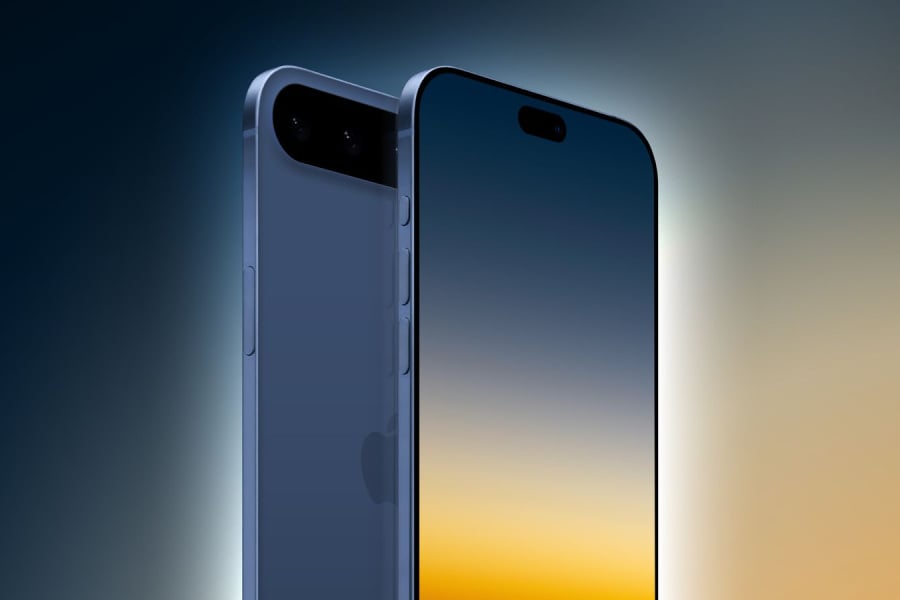
When rumors of a thin new iPhone first surfaced, the initial reports mentioned the device as the iPhone 17 Slim. It is unclear whether Apple is bringing the Air branding to the iPhone, but we can expect the iPhone 17 Air or iPhone 17 Slim to be the same models. As the name suggests, the iPhone 17 Air is bringing a major redesign to Apple’s smartphone lineup. The company is rumored to be the slimmest iPhone ever made. It is expected to boast ground breaking thinness, with leaks hinting at the iPhone 17 Air being just 5 to 6mm thick.
The iPhone 16 is already considered slim at 7.8 mm, so this makes the iPhone 17 Air around 35% thinner. The brand-new model will be replacing the iPhone 16 Plus, the same way how the Plus had previously replaced the Mini. One of the aspects that is helping make these devices slimmer is a thinner new OLED display, which is being made from a lesser known Taiwanese brand. The screen integrates TDDI technology, which combines the touch sensor and display driver into a single layer to make it thinner.
2. ProMotion 120Hz Display
While the OLED panel is getting thinner, the entire iPhone 17 Air along with the entire iPhone 17 series is finally getting the ProMotion display technology. So even the base iPhone 17 is getting smoother LTPO displays. The higher end iPhone 17 Pro and iPhone 17 Pro Max are rumored to receive more upgrades to the displays, with an under-display Face ID system. However, this might be skipped on the iPhone 17 and iPhone 17 Air.
3. Dual Central Cameras or Lone Camera
According to known Apple analyst Ming-Chi Kuo, the iPhone 17 Air will have a single camera sensor on the rear. The exact details were left out, but the design would’ve resembled the older iPhone 8. But a recent major leak of the iPhone 17 Air teased a bold design overhaul. Leaked renders showed a major change in the rear design with a dual central camera placement, which resembles old LG smartphones. We can assume that Apple will introduce a more compact camera module.
4. No Physical SIM
A recent report revealed that Apple might be sacrificing a standard feature to achieve the impressive thinness of the iPhone 17 Air. The brand might remove physical SIM support on the upcoming slim iPhone entirely, so there wouldn’t be a removable SIM card slot. This is a bold move, which could potentially impact its sales in markets like China as well
We use cookies on our website to give you the most relevant experience by remembering your preferences and repeat visits. By clicking “Accept”, you consent to the use of ALL the cookies.
This website uses cookies to improve your experience while you navigate through the website. Out of these, the cookies that are categorized as necessary are stored on your browser as they are essential for the working of basic functionalities of the website. We also use third-party cookies that help us analyze and understand how you use this website. These cookies will be stored in your browser only with your consent. You also have the option to opt-out of these cookies. But opting out of some of these cookies may affect your browsing experience.
Necessary cookies are absolutely essential for the website to function properly. This category only includes cookies that ensures basic functionalities and security features of the website. These cookies do not store any personal information.
Any cookies that may not be particularly necessary for the website to function and is used specifically to collect user personal data via analytics, ads, other embedded contents are termed as non-necessary cookies. It is mandatory to procure user consent prior to running these cookies on your website.