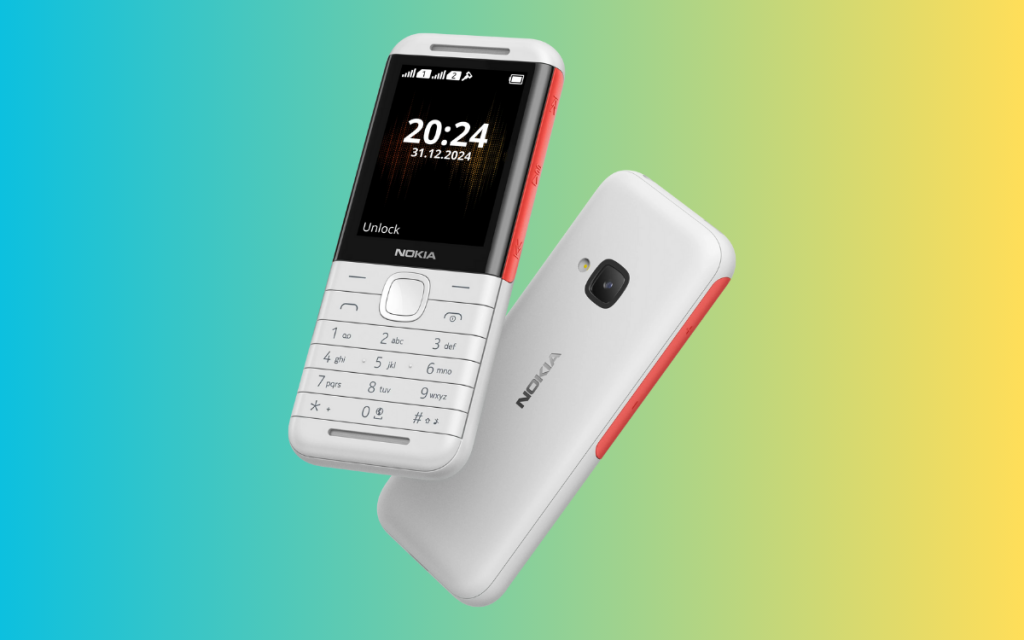
The world of mobile technology continues to advance at an incredible pace, with smartphones becoming increasingly sophisticated. Yet, amidst this technological revolution, feature phones have carved out a niche market that still generates significant revenue. Globally, the feature phone market is projected to reach $10.6 billion in revenue by 2024, despite an anticipated 24.48% decrease in volume between 2024 and 2029.
India, a major market for feature phones, is expected to contribute $2.2 billion to this revenue in 2024. This highlights the enduring relevance of feature phones, particularly in regions where affordability, long battery life, and ease of use remain top priorities for consumers. As user preferences shift and technology evolves, the question arises: should you consider buying a feature phone in 2025? The answer depends on your unique needs and priorities.
Feature phones, characterized by their basic design and functionality, prioritize simplicity. Unlike smartphones, which are loaded with apps, notifications, and constant updates, feature phones focus on core utilities like calling, texting, and basic multimedia functions. This simplicity makes them appealing to users who are overwhelmed by the complexities of modern smartphones or simply don’t need their vast array of features.
Moreover, feature phones are celebrated for their reliability. With fewer apps and no dependency on complex operating systems, they are less prone to crashes and malfunctions. Their hardware is typically built to last, offering durability that surpasses many contemporary smartphones. This reliability extends to their exceptional battery life, often lasting days on a single charge, making them ideal for users in remote areas or those who prioritize long standby times.
2. Technical Advantages
Though feature phones are often associated with outdated technology, they have evolved significantly. Many modern feature phones now include advanced features like Wi-Fi and 4G connectivity, allowing users to enjoy faster network speeds. This makes them suitable for basic internet browsing, voice-over-LTE (VoLTE) calls, and even mobile hotspot functionality.
Additionally, these devices often boast physical keypads, which are preferred by some users for their tactile feedback and reliability, particularly in harsh environments. Furthermore, feature phones are lightweight and compact, making them easy to carry and use. Their minimalist software often ensures quicker navigation and faster boot times, without the lag or bloatware common in budget smartphones.
3. Cost-Effectiveness
The most compelling reason to consider a feature phone in 2025 is affordability. These devices are typically far cheaper than smartphones, both in terms of initial purchase cost and ongoing expenses. They consume less data and often come with plans tailored for minimal usage, significantly reducing monthly costs. For individuals or families on tight budgets, this cost-effectiveness makes feature phones an attractive option.
Additionally, feature phones are less susceptible to obsolescence. Unlike smartphones that may lose support for updates within a few years, feature phones rely on simpler software that remains functional for extended periods. This longevity ensures that your investment lasts longer, providing consistent value over time.
4. Target Users
Feature phones are particularly appealing to specific groups of users. For seniors or technophobic individuals, these devices offer a user-friendly interface and straightforward functionality. They’re also an excellent choice for children or teenagers as a first phone, enabling communication while limiting distractions and screen time.
Moreover, professionals who work in rugged environments may prefer the durability and reliability of feature phones over fragile smartphones. Even urban professionals might consider them as secondary devices for emergencies or when traveling to areas with unreliable electricity or connectivity.
5. Final Thoughts
In 2025, the decision to buy a feature phone ultimately depends on individual needs. While smartphones dominate the market with their versatility and advanced capabilities, feature phones continue to serve a unique purpose. Their simplicity, reliability, and cost-effectiveness make them an excellent choice for users seeking a distraction-free communication device or a durable alternative to smartphones.
As technology evolves, so do feature phones, blending traditional functionality with modern features like high-speed connectivity and improved security. Whether you’re looking for a backup device, a minimalist lifestyle, or a practical solution for specific use cases, feature phones remain a relevant and viable option in the digital age.
The iPhone SE has always been a popular choice for budget-minded consumers who want a taste of the Apple ecosystem without breaking the bank. In 2025, the rumored iPhone SE 4 is poised to continue this tradition, offering a compelling combination of features, performance, and affordability.
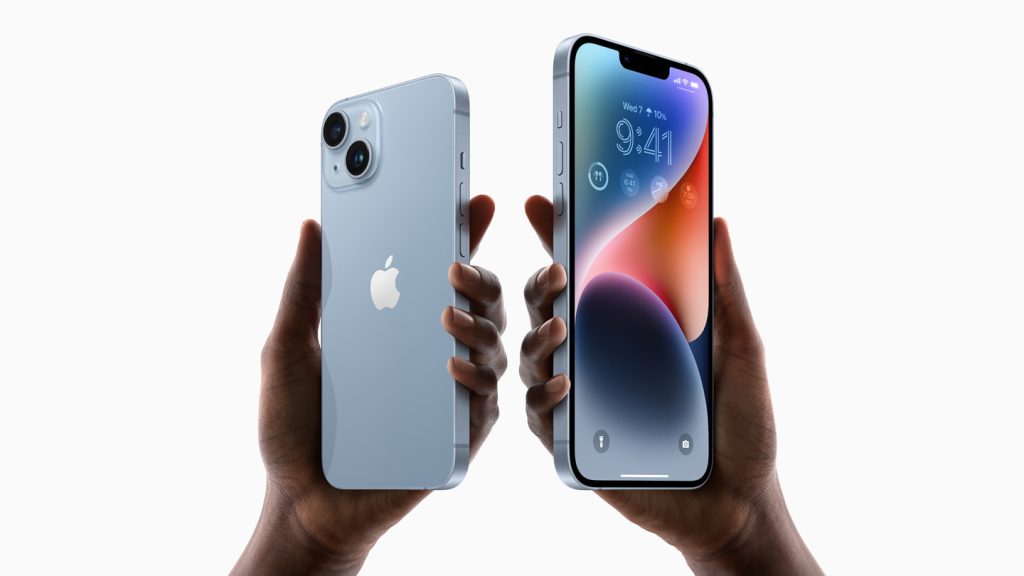
Forget the dated design of previous SE models. The iPhone SE 4 is expected to take strong design cues from the iPhone 14, embracing a modern aesthetic with slim bezels and a sleek profile. This means saying goodbye to the home button and embracing the notch, bringing Face ID to the SE line for the first time.
But don’t expect a carbon copy of the iPhone 14. The SE 4 will have its own distinct touches, particularly when it comes to the rear camera system. Rumors suggest a single, powerful lens that sits flush with the back, offering a clean and minimalist look. And in keeping with the times, the Lightning port will likely be replaced by the more versatile USB-C.
2. Power and Performance: Beyond Expectations
Apple isn’t known for skimping on performance, even in its budget offerings. The iPhone SE 4 is rumored to be powered by the A18 Bionic chip, the same processor found in the iPhone 16. This is a significant leap forward, bringing flagship-level performance to a more affordable device.
With the A18 chip, the SE 4 will be able to handle demanding tasks, run graphics-intensive games, and support Apple’s latest AI features, including Apple Intelligence. This means you’ll have access to the same cutting-edge AI capabilities as the flagship models, enabling seamless integration with advanced language models and generative tools.
3. A Streamlined iPhone Experience
While the SE 4 might not have all the bells and whistles of the Pro models, it’s expected to deliver a solid and refined iPhone experience. The focus is on the essentials: a smooth and responsive operating system, a capable camera system, and long-lasting battery life.
The camera, in particular, is rumored to get a significant upgrade. Some suggest a 48MP sensor, similar to the one found in the iPhone 15, which would bring impressive image quality and advanced computational photography features to the SE line.
And of course, the SE 4 wouldn’t be a modern iPhone without support for MagSafe and Qi2 wireless charging. This means you can enjoy the convenience of cable-free power and a growing ecosystem of MagSafe accessories.
4. A Long-Term Investment
By equipping the SE 4 with the A18 chip, Apple is not only ensuring impressive performance but also future-proofing the device. This powerful processor will be able to handle software updates and new features for years to come, making the SE 4 a wise long-term investment.
This is particularly important for budget-conscious consumers who tend to hold onto their devices for longer periods. The SE 4’s combination of powerful hardware and long-term software support ensures that it will remain a relevant and capable device for years to come.
5. Release Date and Price: The Sweet Spot
Supply chain whispers suggest an early 2025 launch for the iPhone SE 4, possibly in March, alongside new iPads and MacBooks. To recall, the iPhone SE, which debuted in 2022, was priced at $429. A new report claims that the iPhone SE 4 will be priced under $500, making $300 cheaper than the iPhone 16.
This aggressive pricing strategy would make the SE 4 an incredibly compelling option for a wide range of consumers. Students, first-time iPhone buyers, and anyone looking for a powerful and modern iPhone without the premium price tag will find a lot to love in the SE 4.
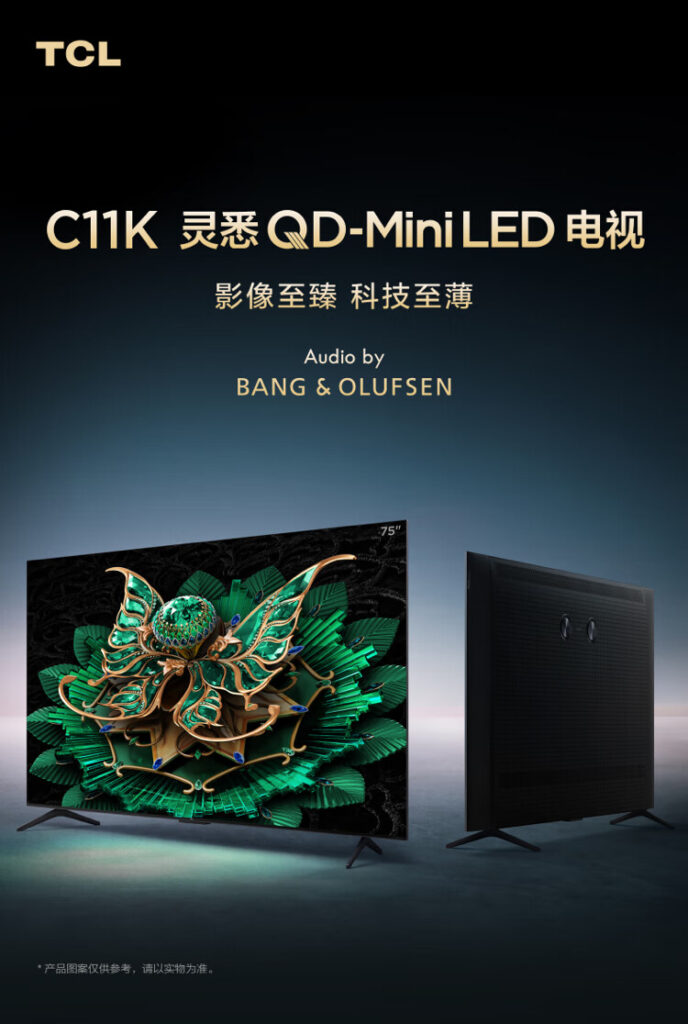
TCL has officially launched C11K Lingxi QD-MiniLED TV, a flagship television series combining cutting-edge technology with sophisticated design. Available in 65-inch and 75-inch models, the TVs are priced at 11,999 yuan ($1,644) and 15,999 yuan ($2,192), respectively.
TCL C11K Lingxi Specifications
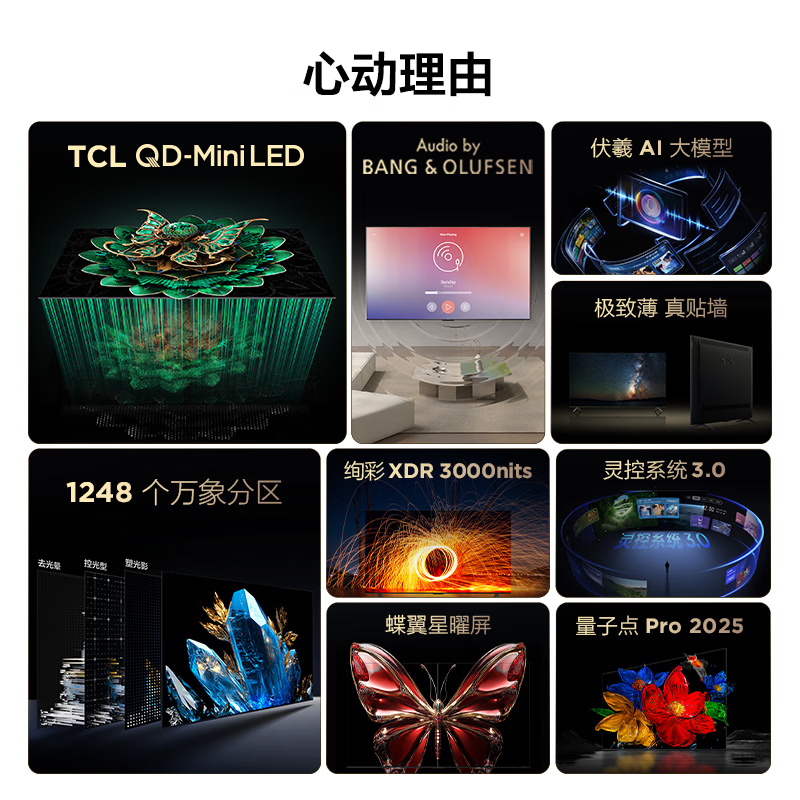
The TV sports QD-MiniLED technology, which combines the advantages of Mini LED and Quantum Dot for breathtaking visuals. It features the butterfly wing starry screen, enhancing contrast and reducing reflections, making it suitable for any lighting condition.
It equips advanced technologies like WVA light control, dynamic light-shadow algorithms, and super-focused micro-lens technology, further improving clarity, minimizing halo effects, and ensuring uniform backlighting. This display comes with a Huaxing HVA panel and equips stunning XDR brightness of up to 3000 nits.
The Quantum Dot Pro 2025 technology offers a remarkable 25% brightness boost and long-lasting color accuracy. The TV achieves a color accuracy of ΔE<0.99 and supports a 157% BT.709 color gamut, ensuring vibrant, lifelike visuals.
It features local dimming capabilities as a highlight, with the 65-inch model offering 1008 zones and the 75-inch model equipping 1248 zones. This is powered by dual 23-bit technology, enabling precise backlight control and hybrid dimming, resulting in over 10 billion levels of light control.
The TV comes powered by a dual-core A73 processor (A732 + A732), coupled with 4GB of RAM and 64GB of storage. It features connectivity options including four HDMI 2.1 ports, USB 2.0, USB 3.0, Bluetooth, Wi-Fi, and a network interface.
The TCL C11K Lingxi QD-MiniLED TV comes powered by Lingkong OS 3.0, offering a customizable interface and seamless navigation. It supports FTP, SMB, NFS, WebDAV, and other NAS protocols. It features the integration of the “Fuxi AI Large Model,” delivering 16 AI-powered functionalities, including dynamic upscaling, noise reduction, and adaptive scene recognition for optimized visuals.
The TV equips features tailored for gamers, including a 288Hz refresh rate with VRR (Variable Refresh Rate) and T-HRR technology, ensuring smooth, responsive visuals. It features custom themes for Xbox, Switch, and PlayStation, enhancing the gaming experience.
The TV comes with Bang & Olufsen-tuned Hi-END speakers, delivering cinema-grade audio with exceptional clarity. It supports Dolby Vision IQ, IMAX Enhanced, and HDR10+, offering a premium entertainment experience.
The C11K Lingxi TV sports an ultra-slim body design just 60mm thick. It features micro OD optical technology for a sleek profile and comes with a custom magnetic wall mount for a flush finish.
Earlier this month, TCL expanded its offerings with the launch of the award-winning Hisense 110UX MiniLED TV in the Middle East and Africa, as well as the T6L 4K QD-Mini LED TVs, boasting Fuxi AI, a 288Hz refresh rate, and XDR 1300 nits brightness.
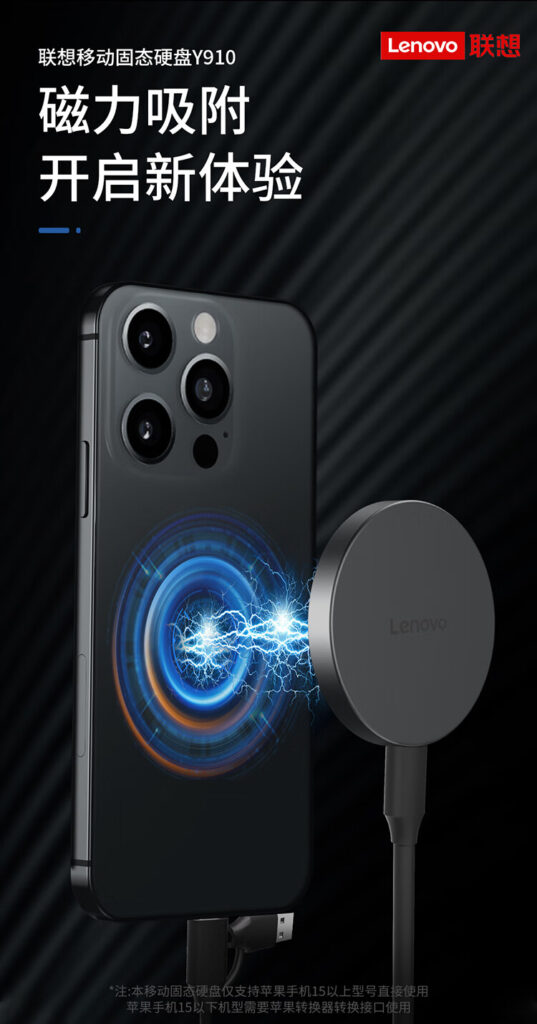
Lenovo has introduced the Y910 magnetic portable solid-state drive (PSSD) in the Chinese market. The device boasts a claimed read speed of 2000MB/s and is now available on JD.com.
Sales will officially begin at 8 PM on January 2. The pricing is set at 559 yuan ($76) for the 1TB model and 899 yuan ($123) for the 2TB model. Let’s check out the key specs.
Lenovo Y910 Portable SSD Specifications
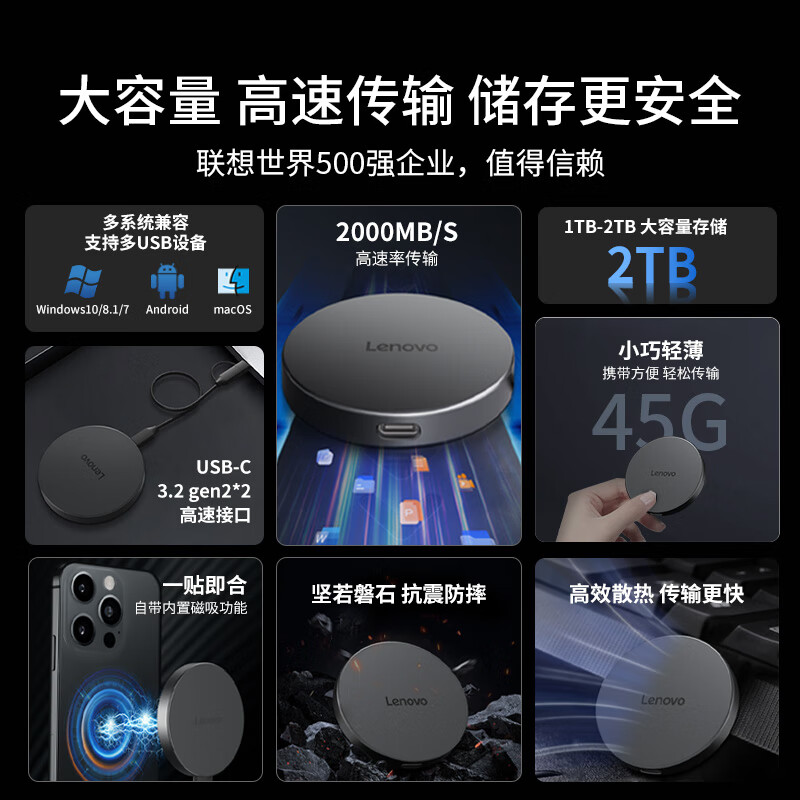
The Y910 features a compact, lightweight design weighing approximately 45 grams, making it easy to carry in your pocket or bag. Its unique circular aesthetic adds a stylish touch, moving away from traditional rectangular designs.
This SSD comes with advanced storage capacities of 1TB or 2TB, offering ample space for storing a wide range of data, including photos, 4K videos, music, games, and important documents. It equips a high-speed USB-C 3.2 Gen2x2 interface, enabling transfer speeds of up to 2000MB/s for seamless data handling. With such impressive speeds, it can transfer approximately 1GB of data in just a second.
The Lenovo Y910 sports cross-platform compatibility, supporting multiple operating systems such as Windows (10/8.1/7), macOS, and Android. It is plug-and-play, requiring no additional drivers for installation. For Apple users, it directly supports iPhone 15 models and above, while older models can use it with an Apple adapter.
This SSD is designed with durability in mind. It features a robust zinc alloy casing with a unibody design, making it shockproof and drop-resistant. The metal body enhances heat dissipation, ensuring efficient performance and durability over time. Additionally, the finely textured surface provides a comfortable grip and resists fingerprints.
The Y910 equips a magnetic attachment feature, allowing it to adhere securely to compatible devices, including smartphones with built-in magnets. This makes it convenient for one-handed operations like video recording while directly storing data on the drive. It also supports real-time recording and data saving, freeing up device storage.
LG Electronics will introduce its 2025 LG Gram laptop lineup at CES 2025 in January. The lineup includes the gram Pro, gram Pro 2-in-1, gram, and gram Book. These models feature on-device AI capabilities powered by LG’s gram AI technology, offering improved performance and productivity while maintaining the lightweight design the series is known for.
New AI Features with Gram AI
The 2025 LG Gram laptops include Gram Chat On-Device, which processes data locally using a compact AI model. This ensures quick and secure performance without requiring an internet connection. Key features include Time Travel, which allows users to revisit previously accessed web pages, documents, and multimedia files.
The laptops also feature Gram chat Cloud, powered by GPT-4o, to provide cloud-based AI services. This includes access to a wide knowledge base and integration with calendar and email systems for managing schedules and communication. The cloud service is free for the first year.
By combining local and cloud-based AI, the laptops provide a personalized experience that adapts to user needs.
Performance Upgrades with Intel Processors
The new gram laptops are powered by Intel’s latest processors. The Intel Core Ultra H-Series (Arrow Lake) focuses on traditional PC performance, while the Intel Core Ultra V-Series (Lunar Lake) enhances AI-based features.
Arrow Lake models deliver improved processing and graphics performance, while Lunar Lake models include Microsoft’s “Copilot+” tools for features such as real-time video subtitle translation and AI image generation.
Highlights from the 2025 Lineup
LG Gram Pro (17Z90TR)
This model pairs an Arrow Lake CPU with an NVIDIA GeForce RTX™ 4050 GPU, making it suitable for demanding tasks like video editing and 3D rendering. It retains a slim and lightweight design.
I/O Ports: 2x USB 4 Gen3x2 Type-C (with Power Delivery, DisplayPort, Thunderbolt 4), HDMI 2.1 (4K@60Hz)
LG Gram Pro (16Z90TS)
At 0.49 inches thick and weighing 2.73 pounds, this model is the first in the series to include Copilot+, providing productivity tools in a portable package.
Display: 16-inch WQXGA (2,560 x 1,600) LCD
Brightness: 400 nits (typical)
Refresh Rate: 31–144 Hz (VRR)
Weight: 2.73 lb (1,239 g)
Dimensions: 357.7 x 251.6 x 12.8 mm
Battery: 77 Wh
Thermal System: Mega dual cooling system
Processor: Intel Core Ultra 9, Ultra 7, or Ultra 5
Graphics: Intel Arc graphics
Memory: Up to 32 GB LPDDR5X (8,533 MHz, Dual Channel)
I/O Ports: 2x USB 4 Gen3x2 Type-C (with Power Delivery, DisplayPort, Thunderbolt 4), HDMI 2.1 (4K@60Hz)
LG Gram Pro (16Z90TR)
Weighing just 2.64 pounds, this model is the lightest in the lineup, offering strong performance with maximum portability.
LG Gram Pro 2-in-1 (16T90TP)
This versatile model features a convertible design and a wirelessly chargeable stylus, making it suitable for creative tasks. It has received a CES 2025 Innovation Award for its design.
LG Gram Book (15U50T)
This entry-level model provides essential features at an affordable price. It includes a 15.6-inch Full HD display, expandable storage, and a privacy-focused HD webcam.
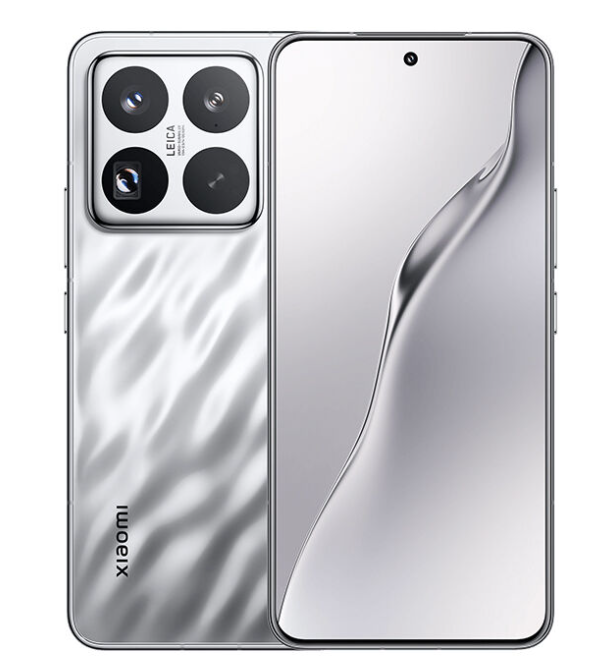
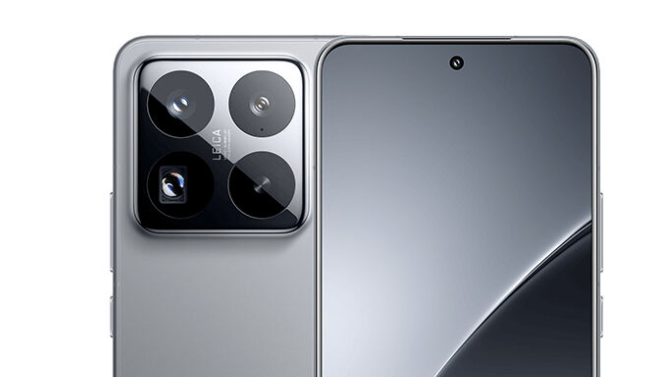
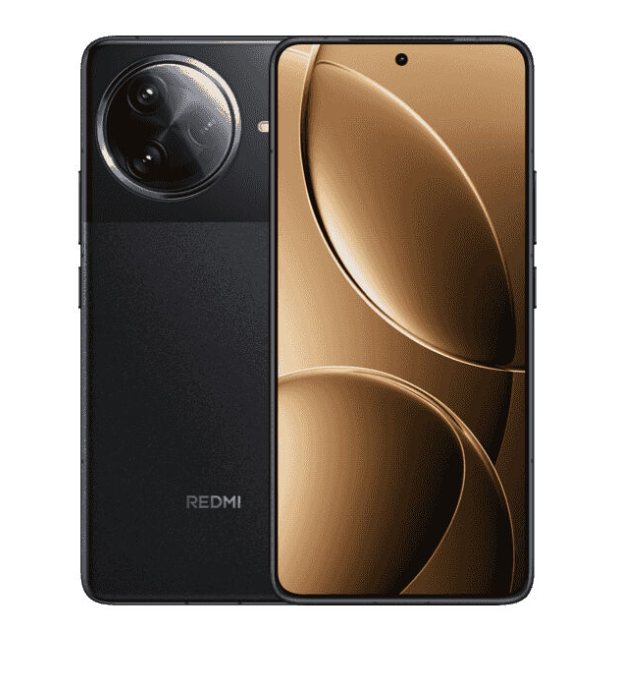
Xiaomi 15 Pro and Redmi K80 Pro are two flagship contenders redefining premium smartphone experiences. While both cater to tech enthusiasts with cutting-edge features, they target slightly different audiences one emphasizing luxury and innovation, the other offering exceptional value. This comparison explores their key differences across design, performance, and cameras, helping you decide which aligns better with your needs and budget. With advancements in display technology, battery life, and camera capabilities, choosing the right flagship has never been more crucial for modern users.
The Xiaomi 15 Pro and Redmi K80 Pro both offer sleek designs, prioritizing premium materials and durability. The Xiaomi 15 Pro features a slightly larger 6.73-inch LTPO AMOLED display with shatterproof glass (2024 gen), delivering an industry-leading peak brightness of 3200 nits. Its ~89.7% screen-to-body ratio and 1440 x 3200 resolution make it immersive for media consumption.
In contrast, the Redmi K80 Pro’s 6.67-inch OLED display, protected by Longjing Glass 2, also offers 3200 nits of peak brightness. While marginally smaller, it boasts sharper pixel density due to its compact size. The Redmi’s IP68 resistance is slightly superior, withstanding up to 2.5m depth, compared to the Xiaomi’s 1.5m.
The Xiaomi 15 Pro edges out in design refinement with its shatterproof glass and enhanced LTPO technology for fluid transitions. However, the Redmi K80 Pro’s superior durability and slightly sharper display make it a strong contender for the price-conscious buyer.
2. Specifications
Xiaomi 15 pro
Both devices are powered by the Snapdragon 8 Elite chip, offering top-tier performance. However, Xiaomi 15 Pro provides a larger 6100mAh Si/C battery, complemented by 90W wired and 50W wireless charging. In comparison, Redmi K80 Pro’s 6000mAh battery charges faster with 120W wired charging, reaching full capacity in 28 minutes.
Storage and RAM configurations are nearly identical, with up to 1TB UFS 4.0 and 16GB RAM. Neither supports expandable storage. Both phones feature the latest Android 15 with HyperOS 2, ensuring fluid software experiences.
The Xiaomi 15 Pro’s larger battery provides a slight edge for heavy users, while the Redmi K80 Pro’s faster charging makes it ideal for those always on the go.
3. Camera
Xiaomi 15 Pro
The Xiaomi 15 Pro boasts three 50 MP cameras, including a 23mm wide lens with advanced OIS, a periscope telephoto lens with 5x optical zoom, and an ultrawide lens with AF. Its 32 MP selfie camera captures 4K videos, a rarity among flagships.
Meanwhile, the Redmi K80 Pro’s 50 MP wide and 32 MP ultrawide cameras offer competitive quality. However, its telephoto zoom caps at 2.5x, limiting versatility. The 20 MP selfie camera supports 1080p, falling short of Xiaomi’s 4K capability.
Xiaomi 15 Pro stands out for professional-level photography, particularly with its 5x optical zoom and advanced video recording. Redmi K80 Pro offers impressive versatility but lacks the finesse for serious creators.
4. Pricing
The Xiaomi 15 Pro is priced at around $740, while the Redmi K80 Pro is more affordable at approximately $540. This $200 difference reflects Xiaomi’s focus on premium features, such as better cameras, build quality, and battery capacity.
The Redmi K80 Pro’s aggressive pricing makes it the better value for casual users, while the Xiaomi 15 Pro justifies its higher cost with standout flagship features.
Unique to the Xiaomi 15 Pro are its shatterproof glass, 5x periscope zoom, and 4K selfie video capabilities. Redmi K80 Pro’s standout features include superior IP68 water resistance and blazing-fast 120W charging.
The Xiaomi 15 Pro’s features cater to photography enthusiasts and power users. Conversely, the Redmi K80 Pro’s durability and charging speeds appeal to those prioritizing practicality.
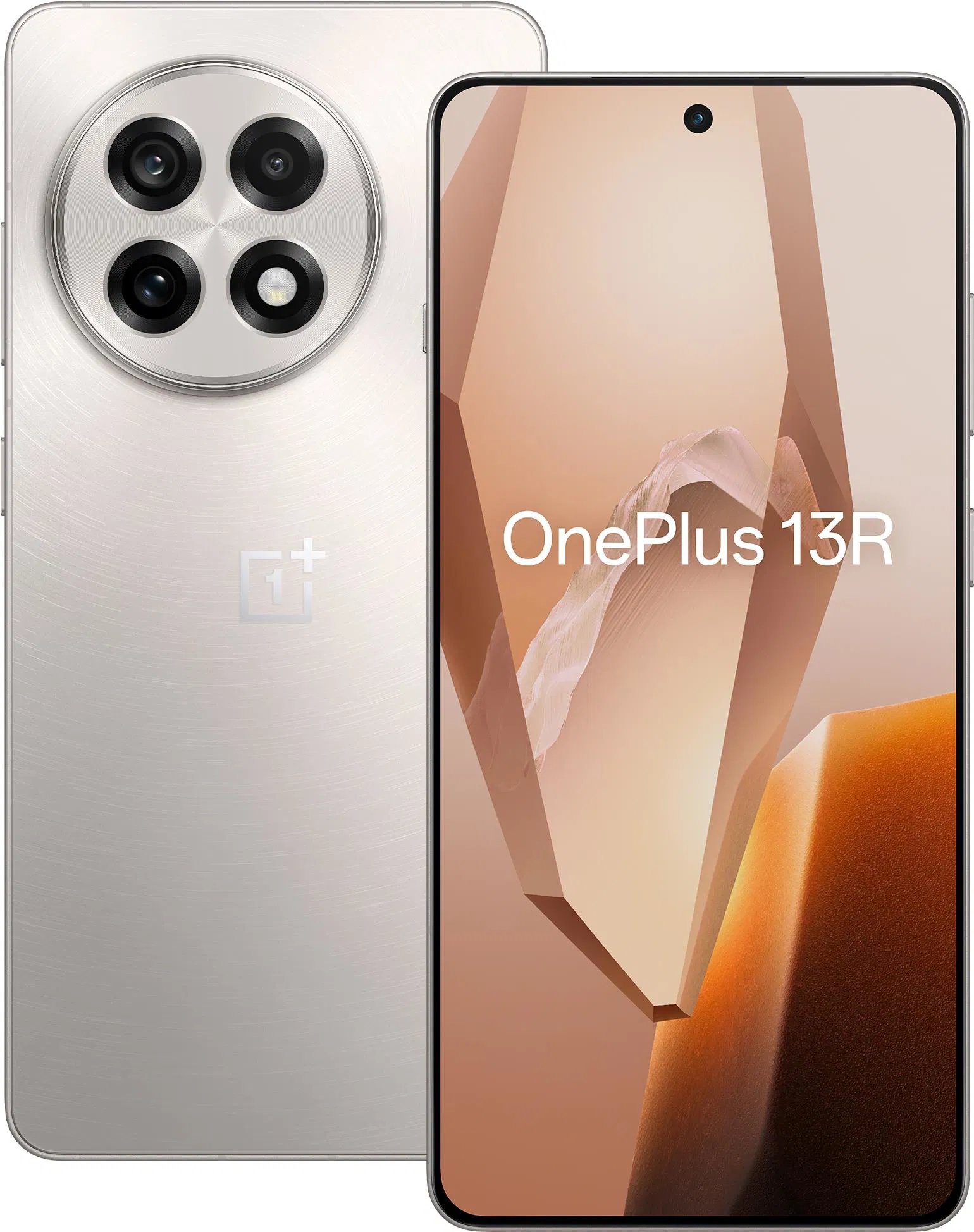
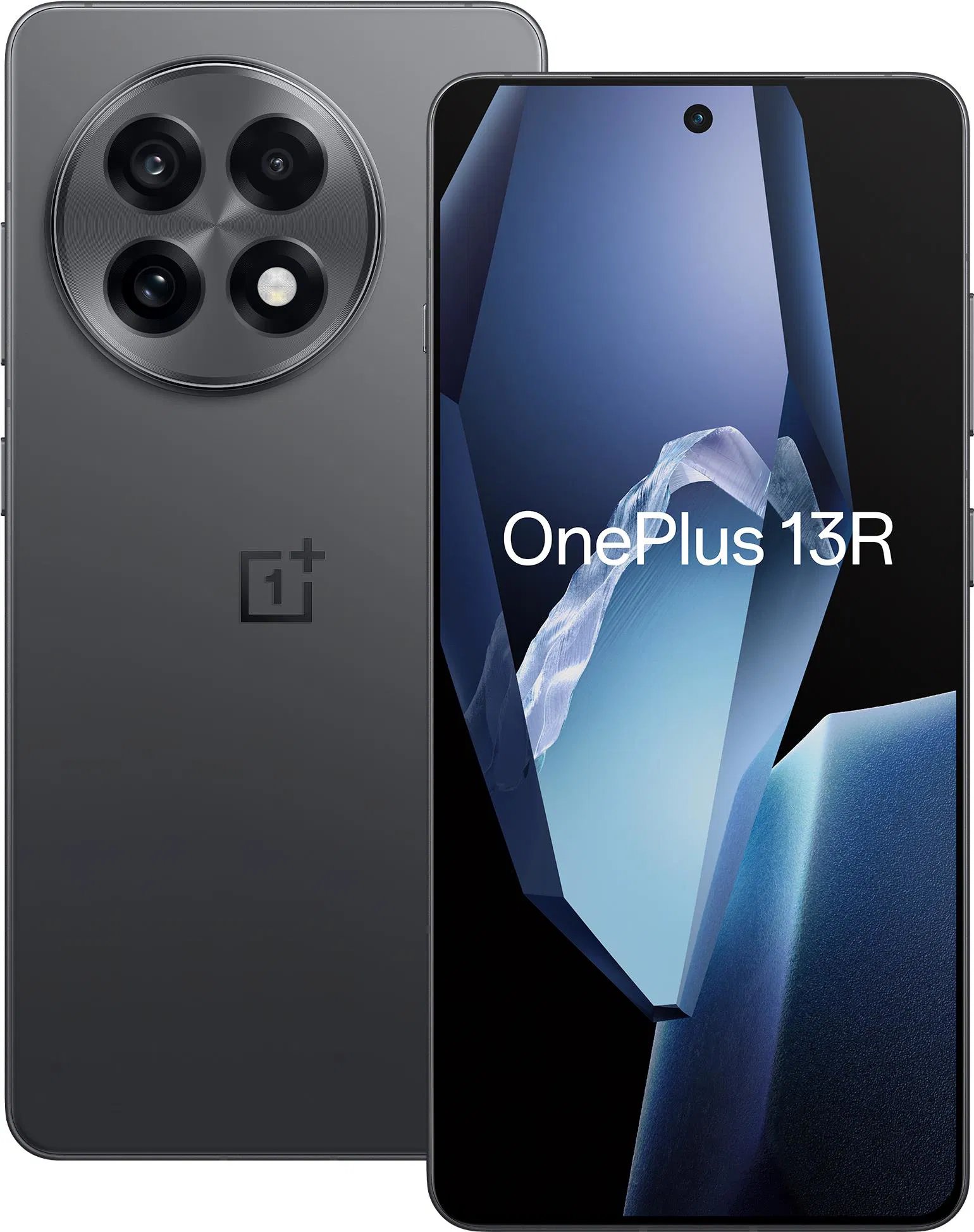
The OnePlus 13R is set to launch in India on January 7th, alongside the OnePlus 13 and a new color variant of the OnePlus Buds Pro 3. Ahead of the official debut, leaked renders have surfaced online, showcasing the complete design of the OnePlus 13R in two stunning color options: Astral Trial and Nebula Noir.
Design and color options
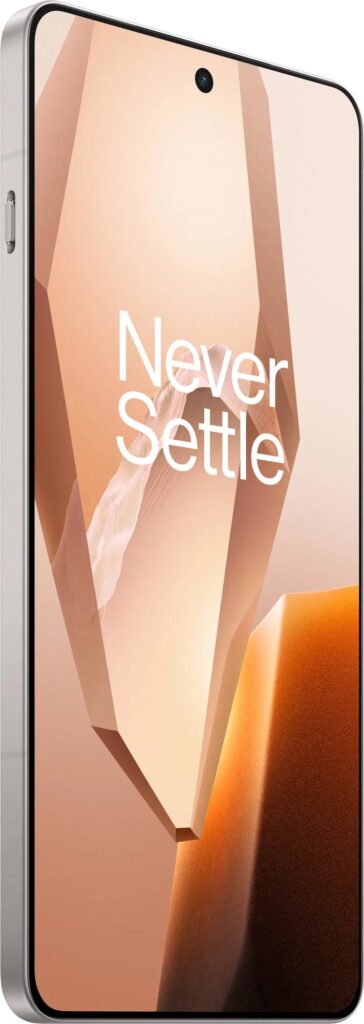
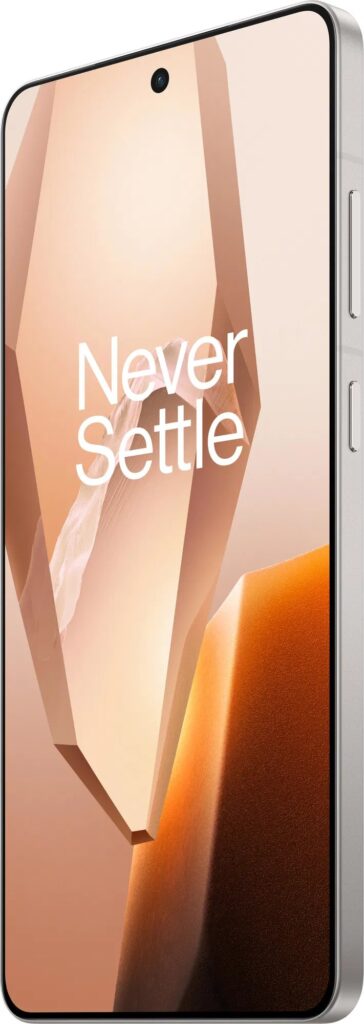
The OnePlus 13R features a sleek design, identical to the recently launched OnePlus Ace 5. The renders, shared by Arsene Lupin on X (formerly Twitter), reveal a flat display with narrow bezels and a center-aligned punch-hole cutout for the selfie camera. The volume rocker and power button are on the right edge, while the alert slider is on the left, staying true to OnePlus’ signature layout.
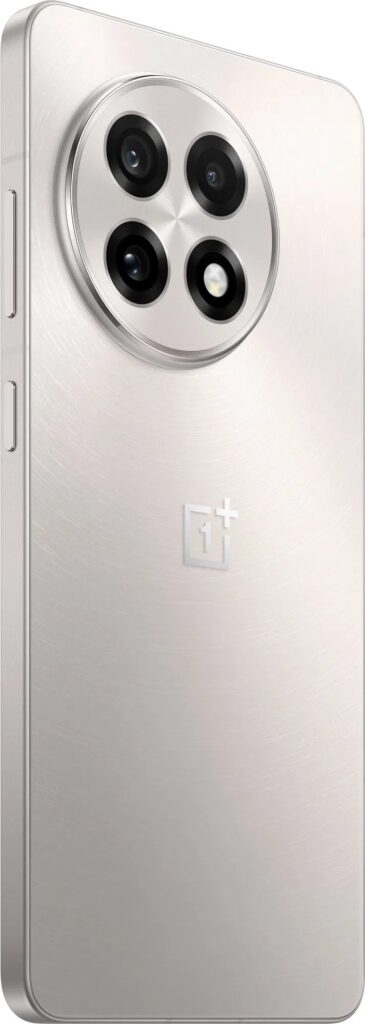
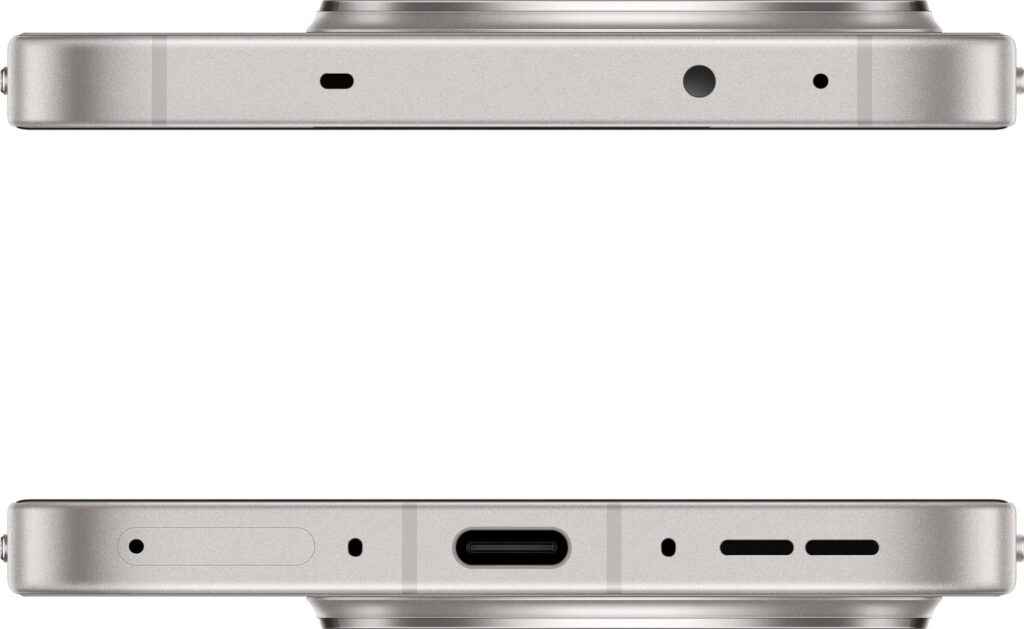
On the rear, the phone sports a large circular camera module on the left side, housing triple sensors and an LED flash. The iconic OnePlus logo is placed below the camera setup. The bottom edge includes the SIM tray, USB Type-C port, speaker vents, and microphone. The OnePlus 13R’s boxy chassis features rounded corners for a comfortable grip, and its metal body ensures durability.
Key specifications
The OnePlus 13R is confirmed to be powered by the Snapdragon 8 Gen 3 (vs Snapdragon 8 Elite) chipset and a robust 6000mAh battery. It supports 80W fast charging, promising quick power-ups. The phone boasts a 6.78-inch 1.5K display and comes equipped with a triple-camera setup consisting of 50MP+50MP+8MP sensors. For selfies, a 16MP front camera is provided.
The OnePlus 13R will also include AI features, enhancing its usability and performance. As the global variant of the OnePlus Ace 5, it shares the same specifications as its Chinese counterpart, which debuted recently.
The OnePlus 13R will be available in India via Amazon and the OnePlus website. Pricing and availability details will be revealed during the official launch. For context, the OnePlus 12R was launched in India earlier this year at a starting price of Rs 39,999. The OnePlus 13R is expected to fall within a similar price range, offering excellent value for money.
Congratulations to HUAWEI fans, the Mate X6 global version has finally been launched. Now you can buy it all over the world, except the US. When Mate X5 was a big seller in China, it made HUAWEI the brand that sold the most foldable phones for a while. I’m sure Mate X6 will continue to lead the world in sales, with maybe a little bit of your help.
So in this article, we want to go over three major performance leaps of the Mate X6, watching some of the clips together, should be interesting.
00:00 – 00:53
So, the part you just saw simply means that the location of the signal chip was re-arranged, to make the signal stronger. Maybe you guys don’t quite understand why the signal would be stronger if the location changes. I’ll explain it briefly: first of all, increasing the distance between the components will benefit heat dissipation.
After all, no matter what kind of chip it is, it will not work the best at high temperatures. Then, the closer the radio frequency units are to the antenna, the better the signal. This reduces the electromagnetic interference and energy loss. So the signal of the antenna on the right side will be better than before.
This design is said to increase the total area of the RF units by nearly 1400mm, and the utilization of the sub-frame space increases by 32%. The antenna length is increased by 81%, signal strength is increased by 60%.
00:53 – 01:23
Vapor Chambers are nothing new on phones. The thermal conduction principle of a VC relies on two-phase heat transfer, utilizing the evaporation and condensation of a working fluid to efficiently transfer heat. But the VC on this Mate X6 looks very large and should be made of copper. Thermal conductivity should be much better than other foldable phones that have smaller and stainless steel components.
01:23 – 02:05
As you can see, graphene is also a very good material for thermal conductivity. Together with VC, it makes up the Mate X6’s cooling system. Since graphene has such a strong thermal conductivity, so why not replace the VC with graphene as well?
First of all, that piece of graphene in your phone isn’t big and hard like in the video. Without the help of VC, your phone’s mechanical strength might be insufficient. Graphene is also more conductive than copper, and to avoid the risk of short circuits and interference, it can’t all be used as a heat sink. Lastly, there is the cost issue, as graphene is much more expensive to make than VC.
In fact, as you can see, the cooling system is very effective at spreading the heat evenly throughout the phone, and a reduction of 3.1 degrees Celsius is actually a very impressive result. So for now, copper VC with graphene should be the best answer for heat dissipation.
02:05 – 02:14
I have some things to say about this hinge. If you’ve ever used a foldable phone, you’ll know that there’s usually a limit to the angle at which they can hover. Hovering at too much or too little of an angle can cause it to just unfold or close, but that doesn’t happen with the Mate X6.
You see. Even opened to this angle it stops. It won’t close that way either. Although no one would use a phone this way, it indirectly proves that the hinge has been upgraded once again.
02:14 – 02:47
This test showcases the strength of the middle frame. The new frame uses aviation-grade aluminum with a yield strength of 550MPa. Compared to the 6000 series aluminum, the material strength has increased by 37%.
Here’s an obscure piece of knowledge: To have a better signal, the middle frame isn’t made entirely of metal. The lines that divide the antennae are usually made of PC and are the weakest part of the frame. So you can see that the fracture on the other phone is exactly at this spot.
02:47 – 03:14
Actually, I’m not surprised that carbon fiber plates can lift a motorcycle. Carbon fiber itself is a material with tensile strength stronger than steel. Combined with its low density and ability to absorb shock and vibration, it’s perfect to support the inner screen.
Recently, many other foldable phones have also started using this material extensively, which is one of the secrets behind their lighter weight. HUAWEI, just like them, has simply used the right material in the right places.
Well, the video ends here. I finally figured out what improvements they made to the Mate X6 structure. As the chapter says, they are Super signal, Super cooling, and Super durable, these are the three major performance leaps of the Mate X6. Normally we don’t take our phones apart, so it’s great to have a video like this to explain what upgrades from the inside.
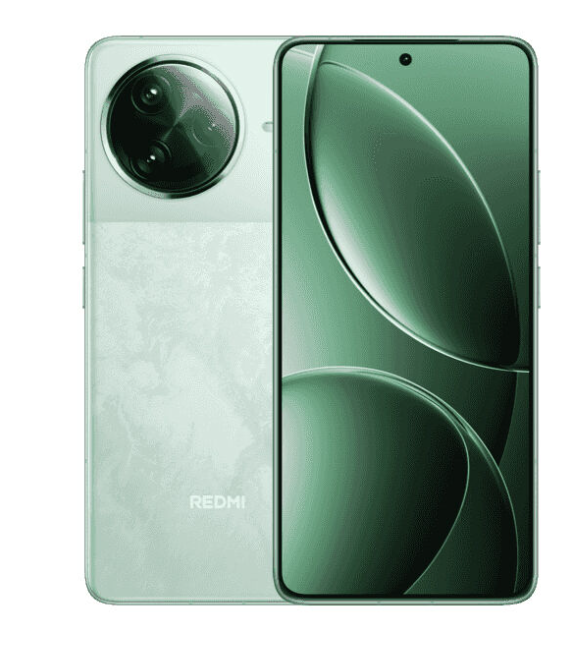
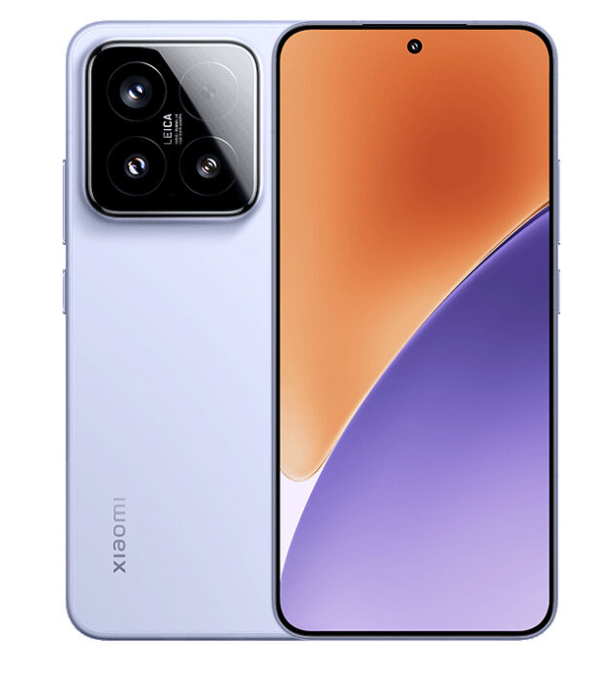
Comparing the Redmi K80 and Xiaomi 15 highlights the growing competition between affordable flagship devices and premium all-rounders. Both phones cater to different segments of users, with the K80 offering incredible value and the Xiaomi 15 boasting cutting-edge features. This comparison is essential to help users identify the best device for their needs, whether they prioritize performance, design, or value for money. With each device excelling in distinct areas, understanding their differences can guide you toward the perfect choice in an increasingly crowded smartphone market.
The Redmi K80 and Xiaomi 15 both feature sleek, premium designs with IP68 water and dust resistance. The K80 sports a slightly larger 6.67-inch OLED screen with a higher resolution (1440 x 3200) and a peak brightness of 3200 nits, making it ideal for immersive viewing. In contrast, the Xiaomi 15 opts for a more compact 6.36-inch LTPO OLED display, which is equally bright but has a slightly lower resolution (1200 x 2670). Both screens offer 120Hz refresh rates, Dolby Vision, and HDR10+ support, but the K80 edges out with higher pixel density and screen real estate.
The Xiaomi 15, however, has an edge in design durability with shatterproof glass and an aluminum alloy frame, enhancing its build quality. Its more compact form factor also makes it more comfortable for single-hand use.
While the K80 offers a more vivid and immersive display, the Xiaomi 15 impresses with superior durability and portability, catering to different user preferences.
2. Specifications
Xiaomi 15
The Redmi K80 is powered by the Snapdragon 8 Gen 3 chipset (4 nm), while the Xiaomi 15 boasts the more advanced Snapdragon 8 Elite (3 nm). The Xiaomi 15’s chip delivers faster clock speeds, with a significant boost in efficiency and performance, making it ideal for gaming and multitasking. Both phones come with similar storage options, but Xiaomi 15 supports slightly better memory management due to its more refined platform.
In terms of battery, the K80 packs a massive 6550mAh battery with 90W wired charging. The Xiaomi 15 has a smaller 5400mAh capacity but compensates with 50W wireless and 10W reverse wireless charging capabilities.
The Redmi K80 offers excellent battery life, but the Xiaomi 15’s faster processor and versatile charging methods make it more adaptable for modern needs.
3. Camera
Xiaomi 15
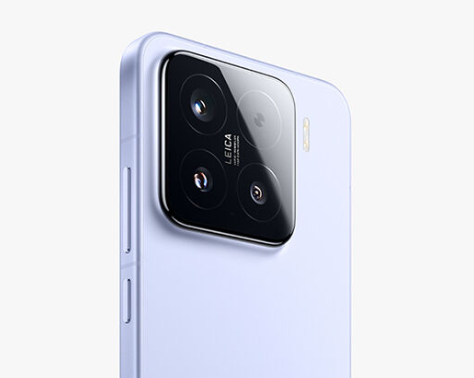
The Redmi K80 features a dual-camera system with a 50MP main sensor and an 8MP ultrawide lens. It supports 8K video recording and advanced stabilization features. Xiaomi 15, however, steps up with a triple-camera setup: a 50MP main lens with better light capture, a 50MP telephoto lens with 3x optical zoom, and a 50MP ultrawide sensor. Its video capabilities include Dolby Vision HDR and Leica lens enhancements, elevating its photography to a professional level.
Selfie-wise, the Xiaomi 15 offers a 32MP front camera with 4K recording, while the Redmi K80 provides a respectable 20MP camera with 1080p capabilities.
Xiaomi 15 stands out as the clear winner for photography enthusiasts, offering a more versatile and high-end imaging experience.
4. Pricing
The Redmi K80 is priced at approximately $380, making it a budget-friendly option for flagship specs. Meanwhile, the Xiaomi 15 starts at $640, reflecting its premium features and advanced hardware.
While the K80 offers exceptional value for its price, the Xiaomi 15 justifies its higher cost with cutting-edge features, appealing to users seeking premium quality.
The Redmi K80 shines with its exceptional battery capacity, slightly larger and higher-resolution display, and competitive pricing. On the other hand, the Xiaomi 15 stands out with its advanced camera system, superior Snapdragon 8 Elite chipset, and versatile charging options.
The choice boils down to user priorities. For affordability and battery life, the K80 is a great pick, but for cutting-edge technology and imaging, the Xiaomi 15 is worth the investment.
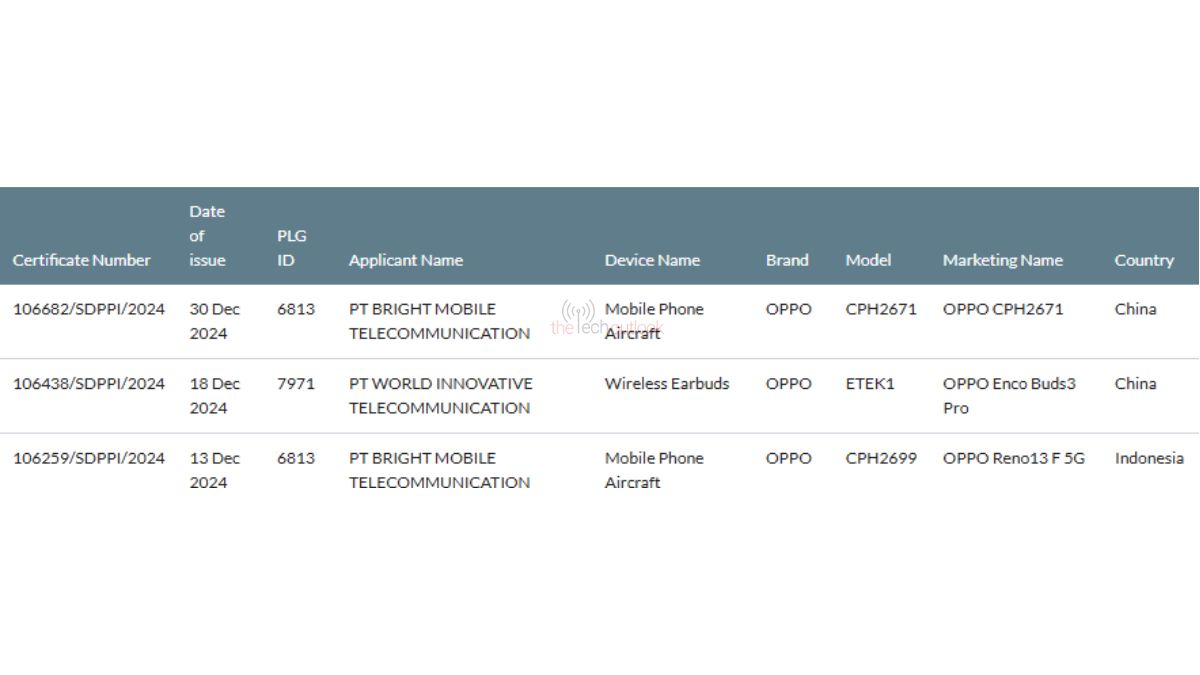
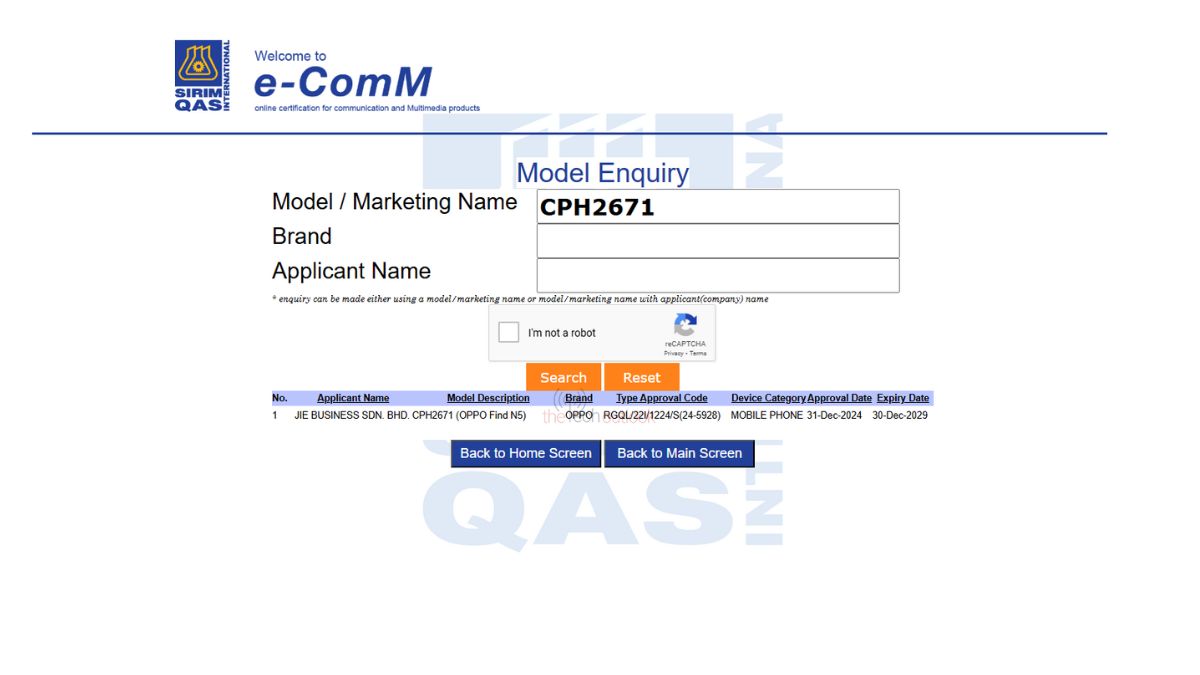
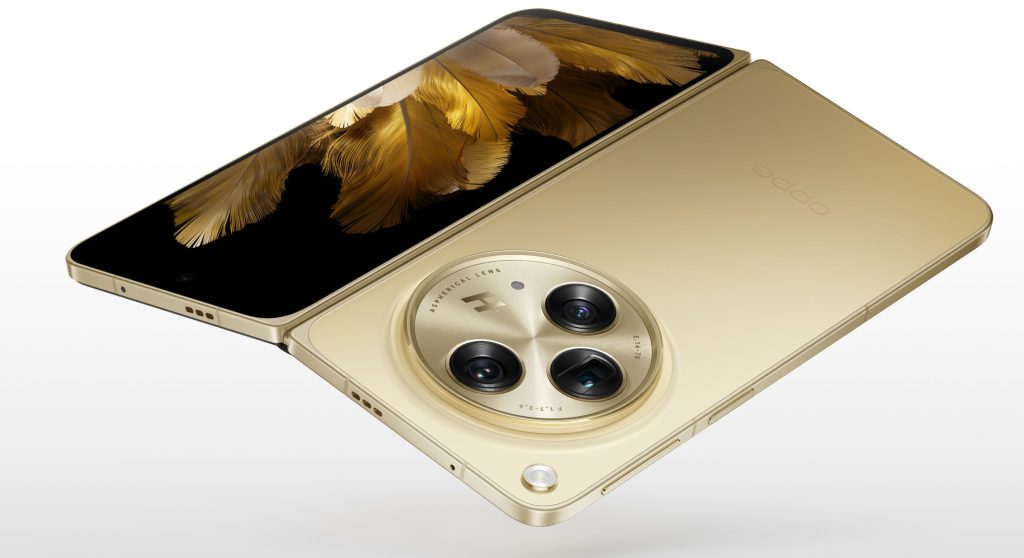
The OPPO Find N5, the brand’s next flagship foldable smartphone, has cleared key global certifications, indicating its imminent launch. Expected to be unveiled in early 2025, the device has made its way into Malaysia’s SIRIM database, Indonesia’s SDPPI registry, and the Camera FV-5 certification list (spotted by Thetechoutlook).
The Malaysian SIRIM certification lists the device under the mobile phone category with a type approval code of ‘RGQL/22I/1224/S(24-5928),’ valid until December 2029. Similarly, in Indonesia, the SDPPI database approves the device under certificate number ‘106682/SDPPI/2024,’ confirming its classification as a mobile phone and its production in China.
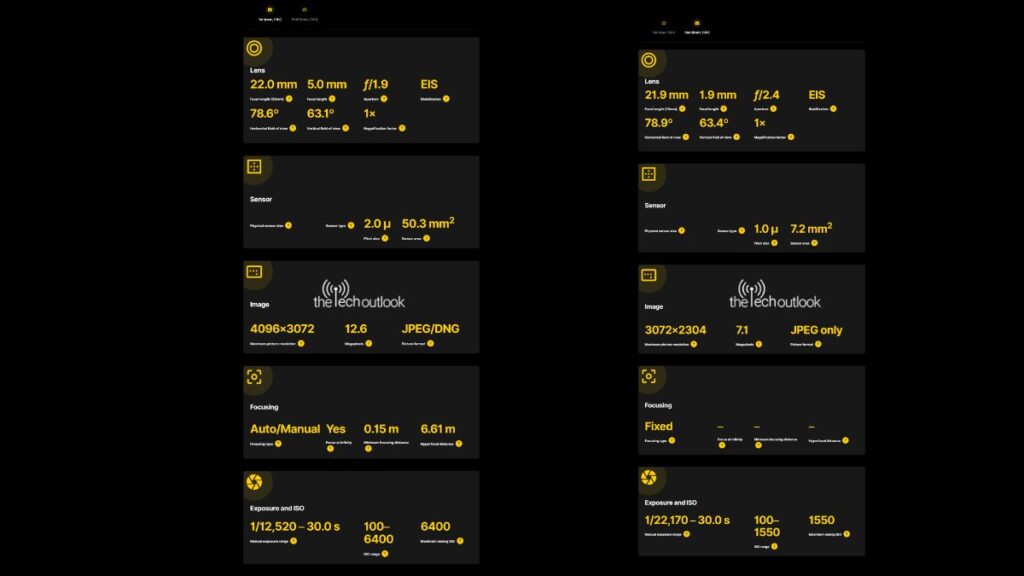
Camera FV-5 listings reveal advanced imaging capabilities, including a rear camera rated at 12.6MP (50MP with Pixel Binning) and a front camera rated at 7.1MP (28MP with Pixel Binning). Both cameras support electronic image stabilization (EIS). The rear camera features a 5.0mm focal length with an f/1.9 aperture, while the front camera has a 1.9mm focal length with an f/2.4 aperture.
Oppo Find N3
Building on the success of its predecessor, the Find N3, the Find N5 is expected to bring significant upgrades. It will reportedly feature the Qualcomm Snapdragon 8 Elite chipset, Android 15 with ColorOS 15, and enhanced displays. The main and cover displays are expected to measure 8 inches, offering 2K resolution at a 120Hz refresh rate and offering an ultra-flat design.
A triple rear camera system, featuring three 50MP lenses, including a wide, ultrawide, and periscope telephoto lens with 3x optical zoom, will anchor the device’s photography capabilities. The phone is also rumored to include a 5700mAh battery, 50W wireless charging, 80W wired charging, an IPX8 waterproof body, a zero-crease hinge, and compatibility with Apple’s ecosystem.
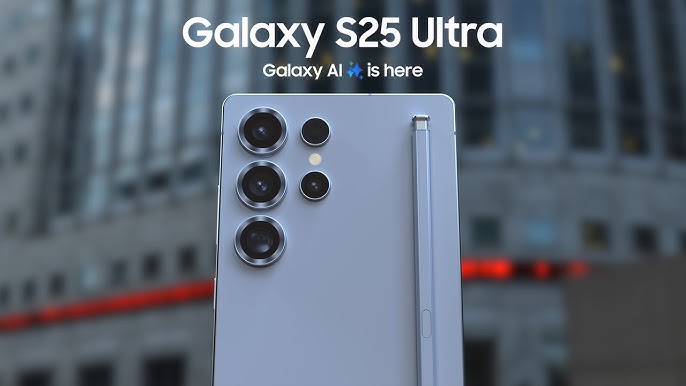
With the launch of the Galaxy S25 Ultra just around the corner, scheduled for January 22, leaks are coming in thick and fast. The latest leak provides a detailed look at the camera setup for the upcoming flagship, offering the most comprehensive breakdown of its image sensors yet.
Camera details (leaked)
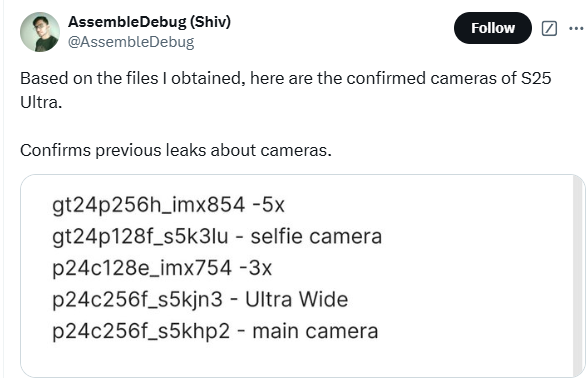
According to the leak, the Galaxy S25 Ultra will feature a quad-camera setup that is nearly identical to the S24 Ultra, with only one notable upgrade in the ultrawide lens. The main camera will once again house a 200MP Samsung ISOCELL HP2 sensor with a 1/1.3″ optical size, 0.6µm-2.4µm pixel size, f/1.7 aperture, and 23mm focal length. This powerhouse sensor is designed for high-resolution photography and excellent low-light performance.
The setup also includes a 12MP Sony IMX754 sensor for 3x telephoto shots, featuring a 1/3.52″ optical size, 1.12µm pixel size, f/2.4 aperture, and 67mm focal length. For 5x telephoto zoom, Samsung is reportedly using a 50MP Sony IMX854 sensor with a 1/2.52″ optical size, 0.7-1.4µm pixel size, and f/3.4 aperture. The front camera for selfies is said to be a 12MP Samsung ISOCELL S5K3LU sensor with a 1/3.2″ optical size, 1.12µm pixels, and an f/2.2 aperture.
The one significant change lies in the ultrawide lens, which is expected to use a new 50MP Samsung ISOCELL S5KJN3 sensor. Known as the GN3, it boasts a 1/1.57″ optical size and 1.0µm individual pixels. This should offer enhanced wide-angle shots with improved clarity and light sensitivity.
Rumors also suggest that Samsung might debut its innovative ALoP (All Lenses on Prism) telephoto design. While this technology may feature in the Galaxy S25 Slim variant, it remains unclear if it will make its way to the S25 Ultra.
What else to expect?
The entire Galaxy S25 series is expected to be powered by Qualcomm’s Snapdragon 8 Elite (vs Snapdragon 8 Gen 3) chipset. This next-generation processor promises significant performance and efficiency improvements over its predecessors, ensuring smoother multitasking, better gaming, and enhanced AI capabilities.
Unfortunately, the Ultra model will stick to the 5,000mAh battery, as recently confirmed by a certification listing. The series is also rumored to see a price hike, which we have discussed in detail here.
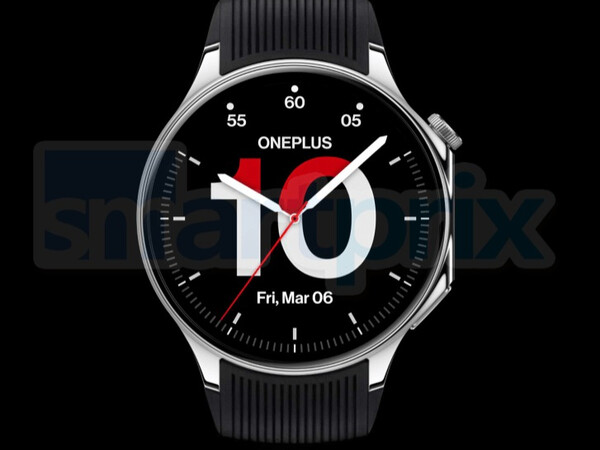
The OnePlus Watch 3, expected to launch on January 7 alongside the OnePlus 13, introduces significant upgrades aimed at competing with premium smartwatches. Leaks from Android Authority and AssembleDebug provide a clear view of its features and specifications.
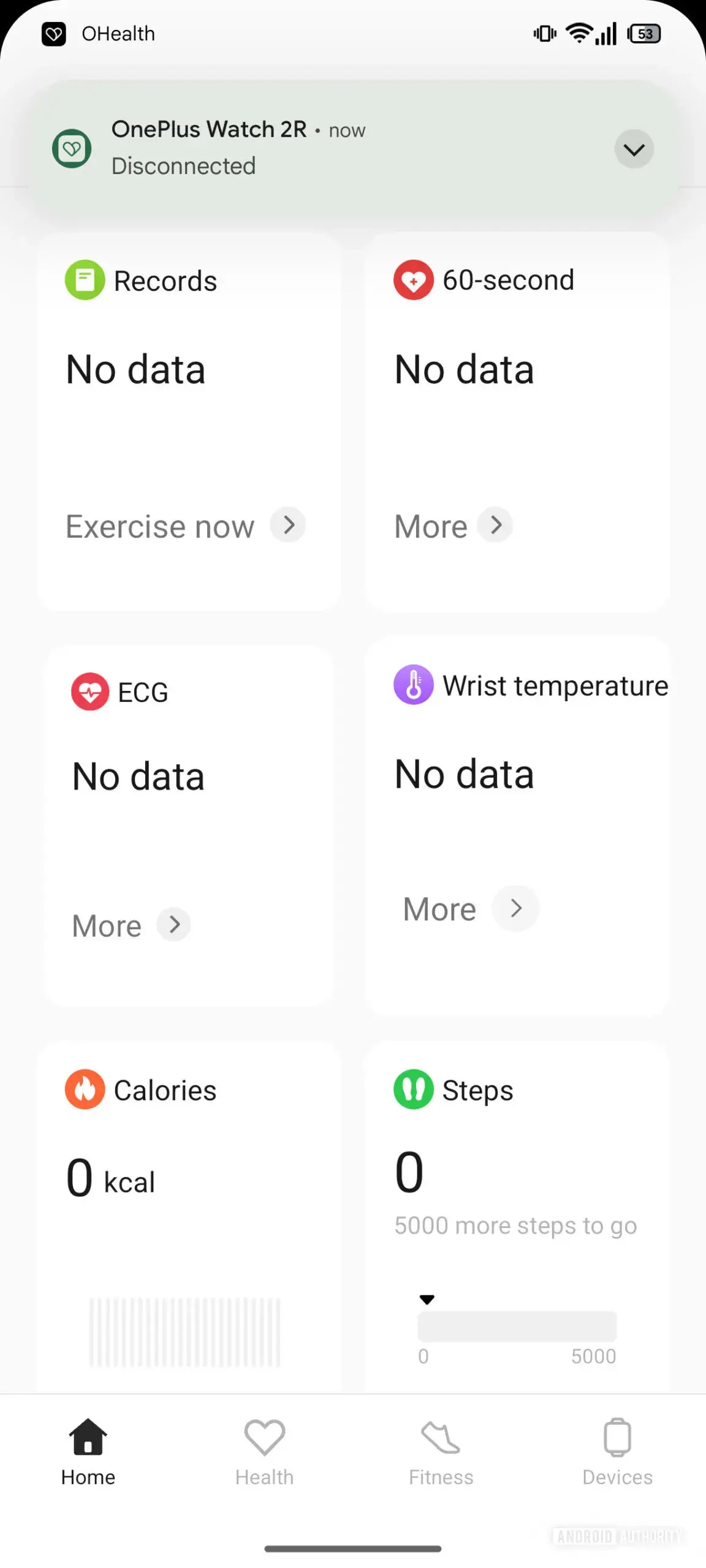
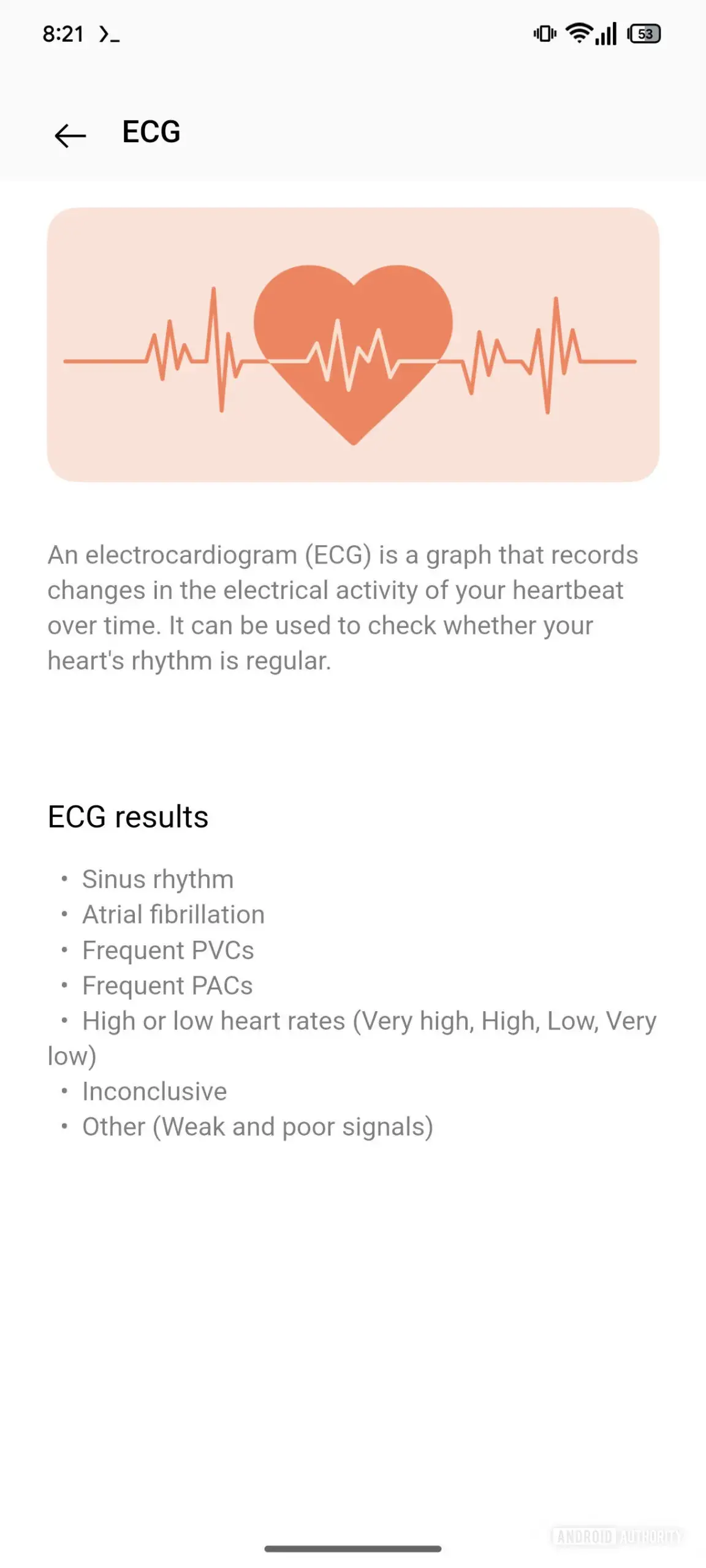
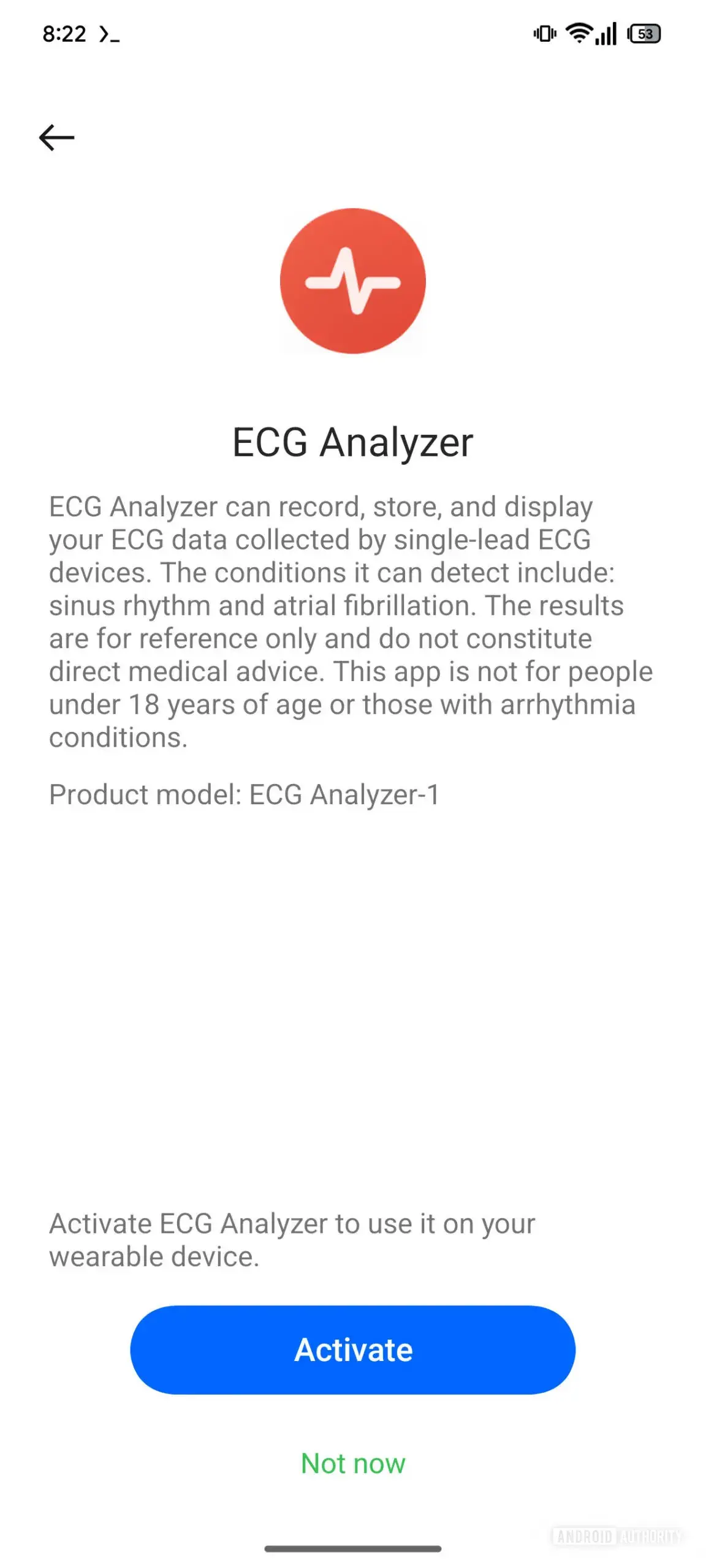
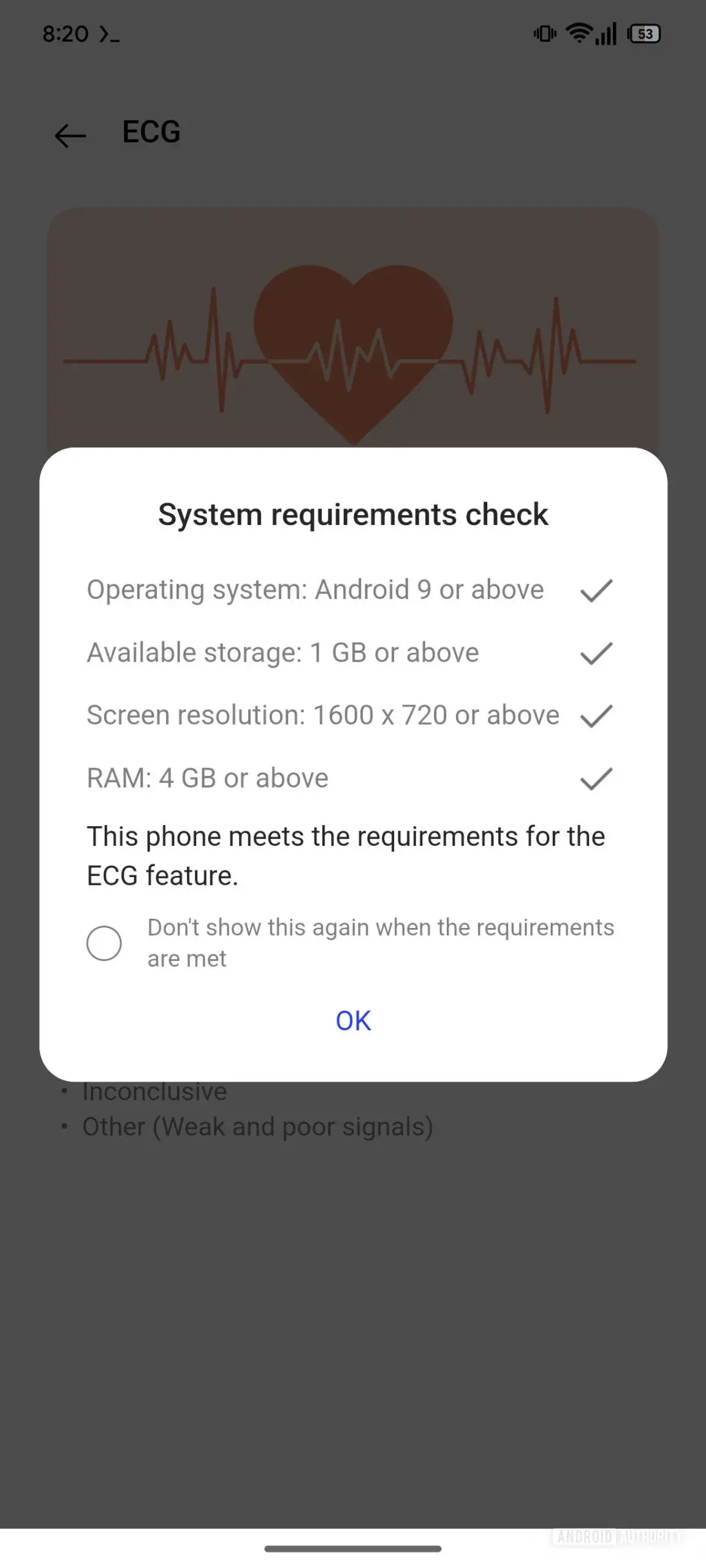
The OHealth app update indicates the addition of ECG functionality, allowing the watch to detect atrial fibrillation, frequent PVCs, and abnormal heart rates. This positions the Watch 3 to compete with Apple and Samsung’s premium offerings.
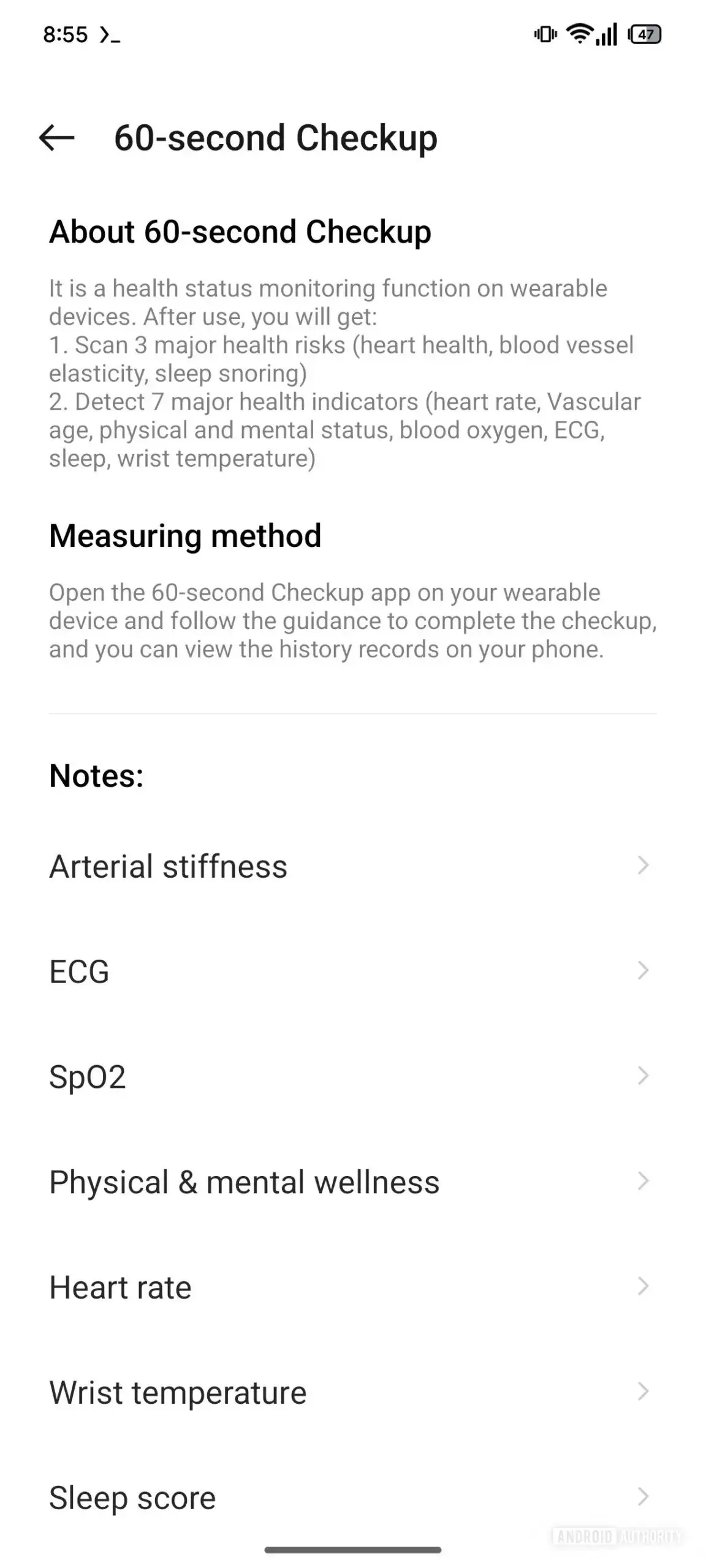
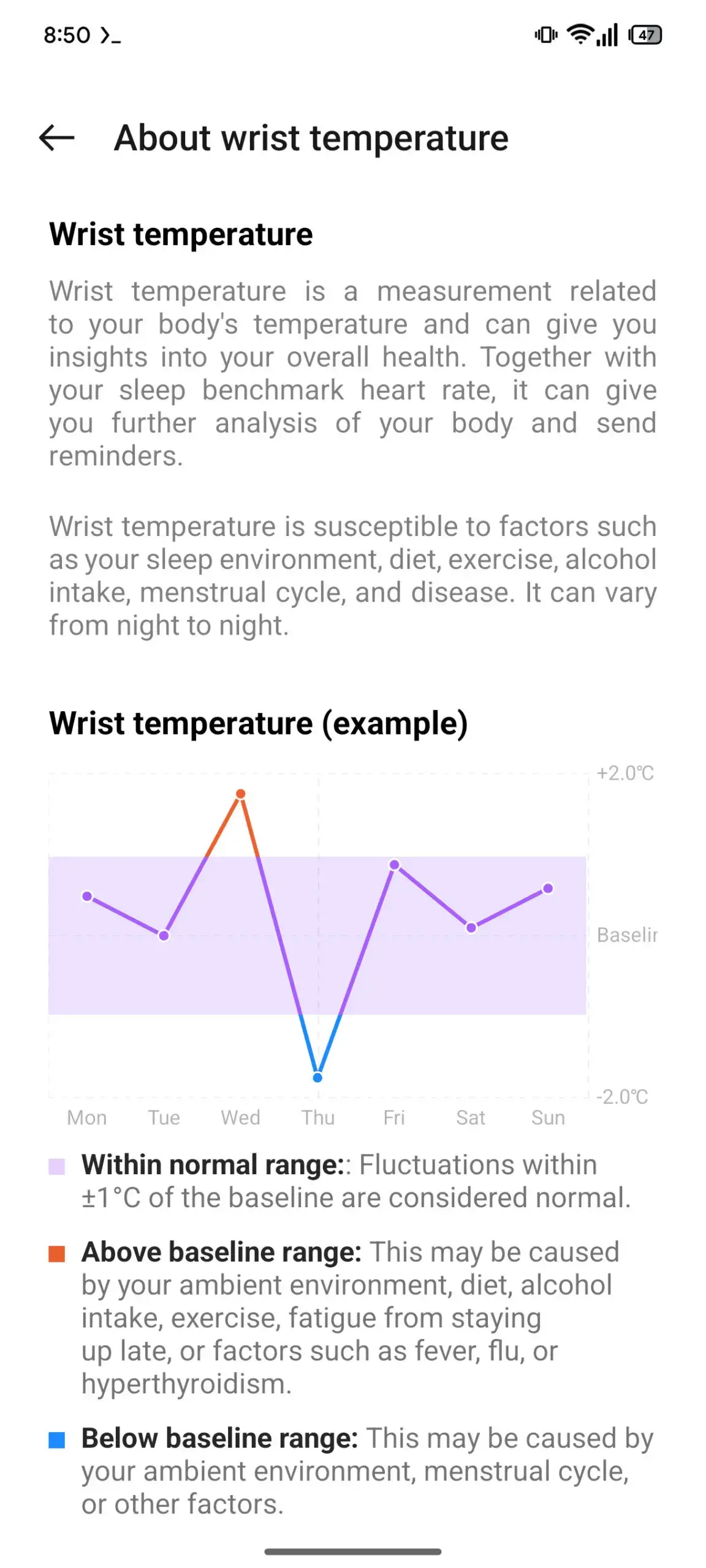
A new Wrist Temperature feature will establish a baseline after five nights of data, while the 60-second Checkup uses seven health indicators, including blood oxygen levels, ECG data, and sleep analysis, to assess heart health and snoring risks. The updated app also includes Health Insights and Health Journey features for tracking wellness trends over time.
As per previous reports, the watch is expected to feature a Snapdragon W5 chip, 2GB of RAM, and 32GB of storage. Battery capacity may exceed 500mAh, though some reports suggest a larger 631mAh battery, offering extended use for health tracking and daily activities. The device’s design retains its predecessor’s sleek aesthetic but introduces a rotary dial for improved navigation, particularly in conditions where touchscreen use is challenging.
LTE connectivity is also expected to be present, allowing the watch to function independently of a smartphone, supporting calls, notifications, and music streaming. However, this feature may initially be limited to specific markets, with China likely to be the first. More details about the watch are expected to arrive in the coming days, so stay tuned.
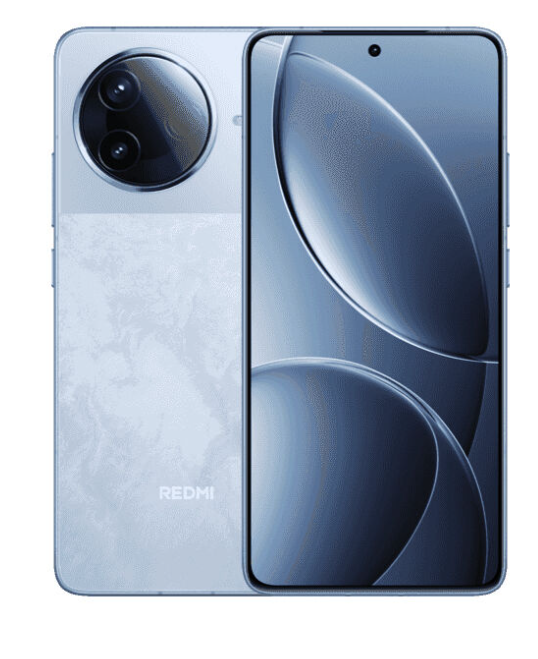
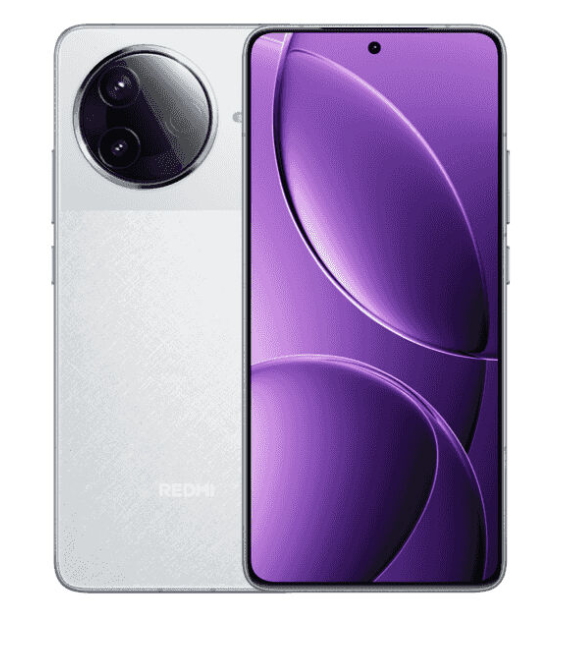
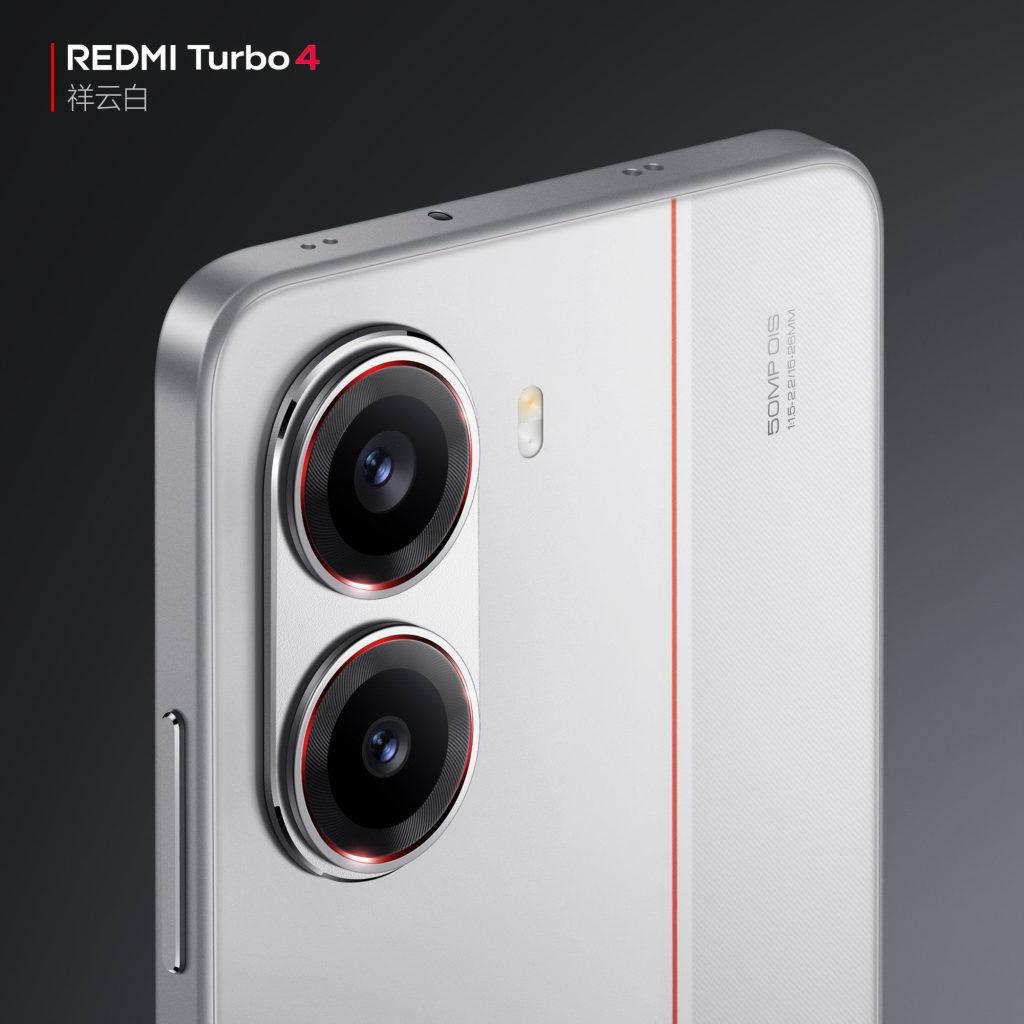
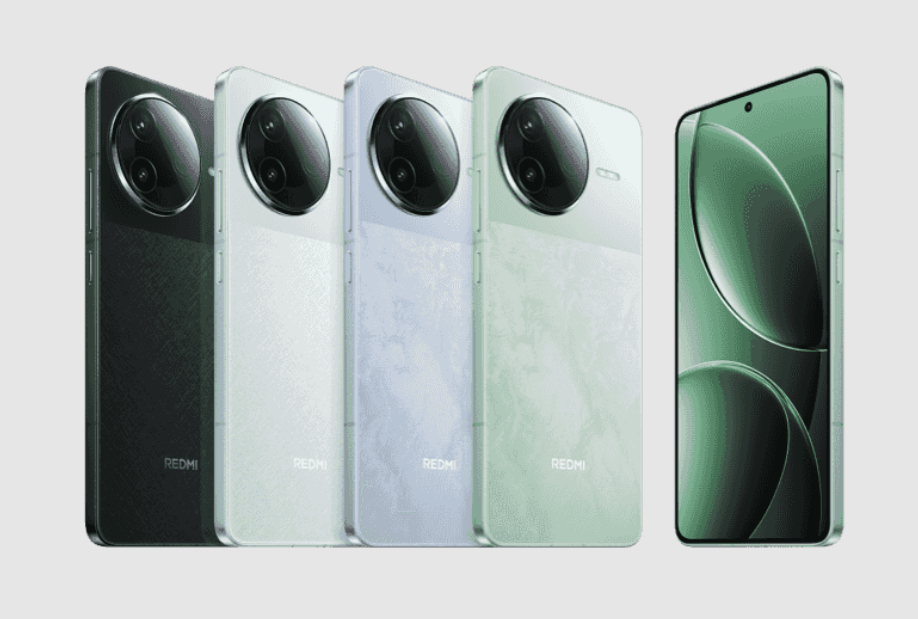
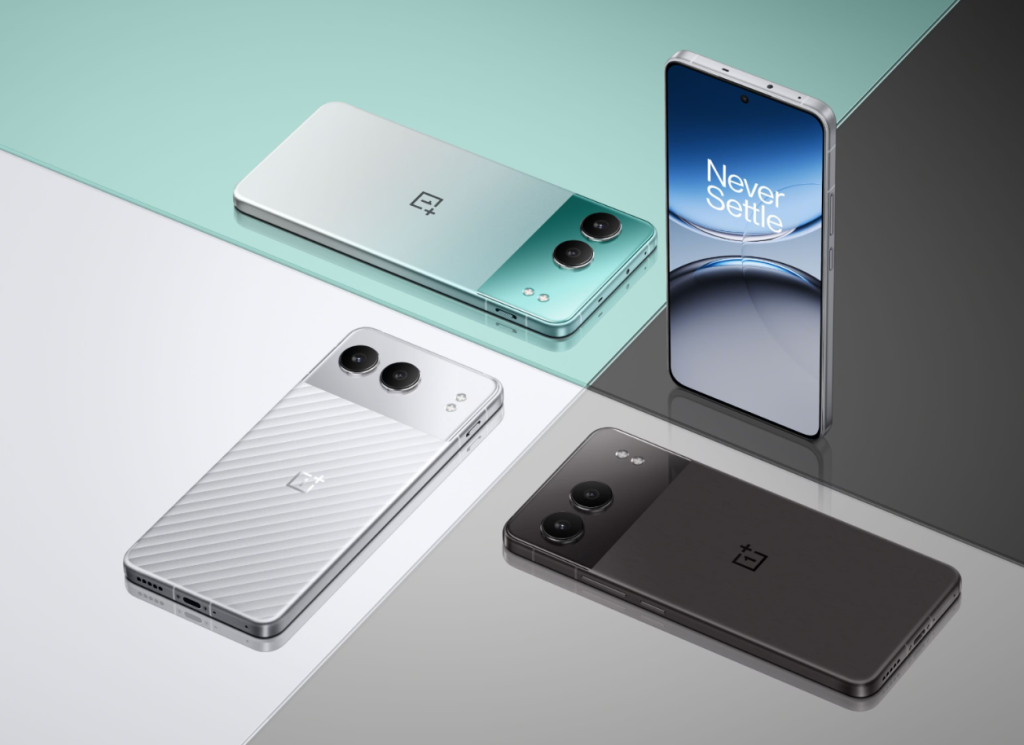
Xiaomi is set to launch the Redmi Turbo 4 in its home market of China on 2nd January 2025. But recent leaks and teasers have already given us an idea about its specs, features, and design. One look at the upcoming device and we see how its design seems to be inspired by the Apple iPhone 16. So here’s how the Redmi Turbo 4 looks similar to the 2024 iPhone.
In recent years, Android smartphone manufacturers shifted away from using curved panels on the front display or even the rear panel in favor of a simple flat design. This is also a design element that modern iPhones are known for. So when the teaser of the Redmi Turbo 4 was shared online, it seemed quite similar to this trend of a flat back on the back and a flat display on the rear. So it doesn’t just look like an iPhone 16, it might feel the same in your hands as well. The only rounded part is the corners, which is another aspect that iPhones offer.
2. The Camera Module
The Cupertino based giant takes its time before implementing any major design changes or overhauls to its successful lineup of products, especially the iPhone. But the iPhone 16 lineup brought a bunch of minor yet notable changes. just like the more expensive variants, it also included a dedicated camera button along with a slight change in its rear camera layout.
Moving away from a slanted module, the iPhone 16 now houses its dual cameras in a vertically stacked oval module. Just looking at the Redmi Turbo 4 from the back, the exact same placement and camera module can be seen here as well. To be fair, this isn’t entirely an Apple exclusive look and variations of this have surfaced before. But one can’t help but draw comparisons when the inspiration seems too similar.
3. Premium Glass Build
Xiaomi often builds sleek and attractive smartphones with a premium body outside of its more expensive or flagship lineups. The Redmi Turbo 4 is also getting a similar treatment with a glass rear panel. iPhones are seen as a true premium brand, which is thanks to its attention to the design of the iPhone.
Always blending glass with metal, and it seems like the iPhone 16 may have the metallic frame as well. But one area where the Redmi Turbo 4 takes things a step further is the dual tone design. You can see a dual tone finish with a forstel matte glass running from the top to the bottom. Some aspects regarding the Turbo 4’s designs are still unconfirmed to take this last bit with a grain of salt. Stick around for more as we will be covering the smartphone’s launch next year.
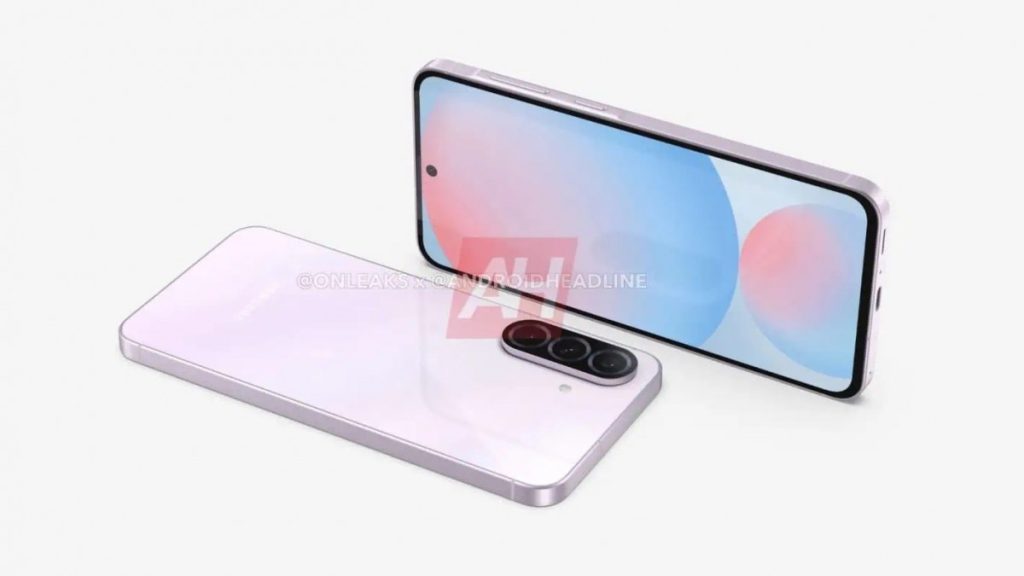
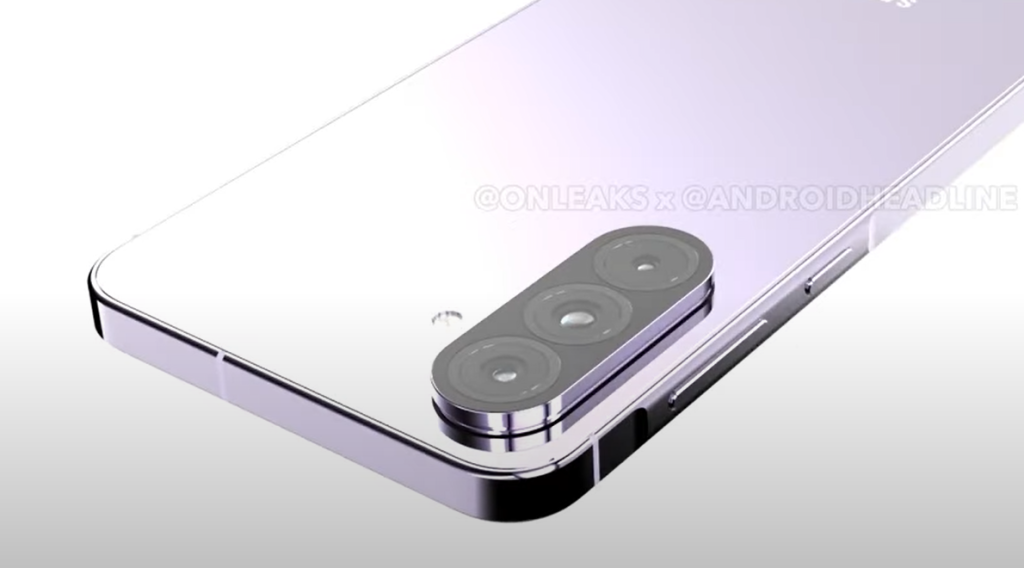
Samsung’s Galaxy A-series is known for delivering a premium mid-range experience with sleek designs, solid hardware, and reliable software. A recent leak has revealed key specifications and pricing for the upcoming Samsung Galaxy A56, which is expected to launch globally in the first quarter of 2025.
Key specifications (leaked)
Leaked details of the Samsung Galaxy A56, shared by tipster @TheGalox_ on X (formerly Twitter), suggest that Samsung is introducing significant improvements in both hardware and design.
A major upgrade lies in the charging department. The Galaxy A56 is said to pack a 5,000mAh battery with support for 45W fast charging—a significant improvement over the 25W charging on the Galaxy A55. This enhancement, confirmed via 3C certification, should offer faster recharging times.
The Galaxy A56 is tipped to feature an FHD+ 120Hz Dynamic AMOLED display, an upgrade from the Super AMOLED screen on the Galaxy A55. This promises a smoother and more visually appealing experience for users. The successor will continue to feature aluminum frame and a glass back, giving it a more premium feel compared to most of its competitors.
Under the hood, the Galaxy A56 is expected to be powered by the in-house Exynos 1580 chipset, succeeding the Exynos 1480 found in the Galaxy A55. Early Geekbench scores of 1,341 (single-core) and 3,836 (multi-core) suggest a noticeable boost in performance. The phone is also rumored to ship with Android 15 and come in two storage variants: 8GB/128GB and 12GB/256GB, catering to different user needs.
On the camera front, the Galaxy A56 will reportedly retain the same rear camera setup as its predecessor, comprising a 50MP primary sensor, a 12MP ultra-wide lens, and a 5MP depth sensor. However, the front camera may see a downgrade to a 12MP sensor from the 32MP on the Galaxy A55, which could be a potential point of contention for selfie enthusiasts.
Leaked pricing
The leaked price for the Samsung Galaxy A56 is around £439 (approximately Rs 47,200) for the base model. For context, the Galaxy A55 launched in India on March 2024 at Rs 39,999. With its enhancements, the Galaxy A56’s pricing aligns with expectations for the premium mid-range segment.
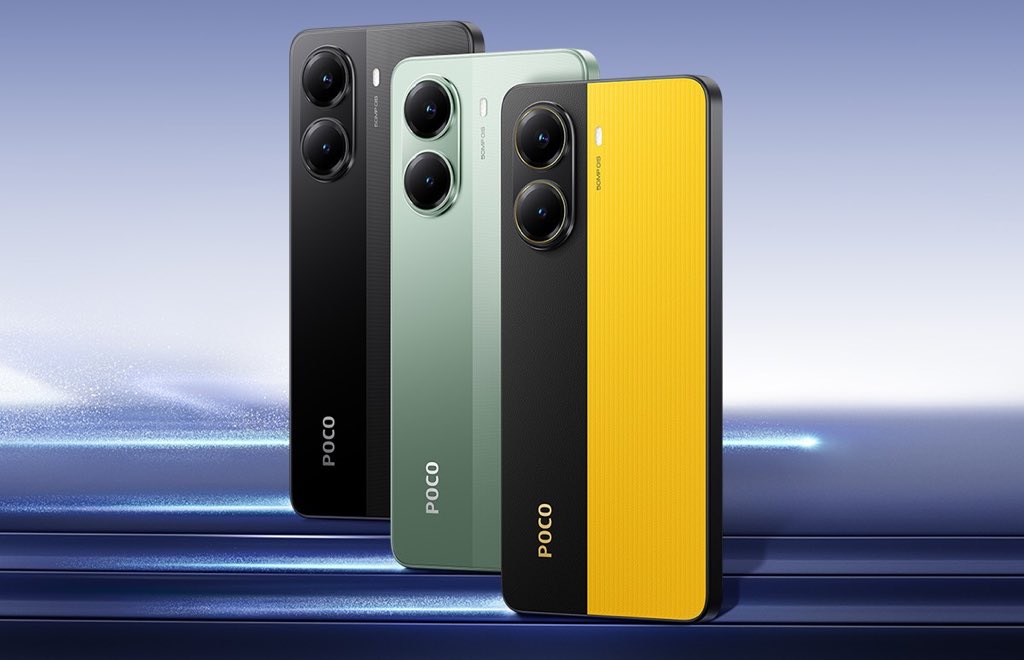
POCO just announced the launch date for the X7 series in India. But we already have plenty of information regarding the upcoming POCO X7 and POCO X7 Pro. So here’s everything that you can expect from these new mid-range smartphones from the Chinese brand.
The Chinese brand’s appear to be rebranded models of existing Xiaomi smartphones. The POCO X7 might be a rebranded Redmi Note 14 Pro with a smaller battery, while the POCO X7 Pro could be a renamed version of the Redmi Turbo 4.
POCO X7 may sport a 6.67-inch flat AMOLED display with a 1.5K resolution and a 120Hz refresh rate, while the X7 Pro is also expected feature a 6.67-inch AMOLED panel with 1.5K resolution and a 120Hz refresh rate. But rumors have also pointed at an impressive peak brightness of 3200 nits and HDR10+. This screen will reportedly be protected by Corning’s Gorilla Glass 7i.
2. Performance
POCO X7
Under the hood, the higher end Pro model is will be popwered by the MediaTek Dimensity 8400 Ultra chipset, which could offer up to 12GB of LPDDR4X RAM and up to 512GB of internal storage. A massive 6,000mAh battery pack is believed to power this model, which could also support 90W wired fast charging. Other notable features include Dolby Atmos powered speakers, Blutooth 5.4, in-display fingerprint scanner, and more.
On the other hand, the base X7 is rumored to be equipped with the Dimensity 7300 Ultra SoC along with up to 12GB of RAM and 512GB of storage as well. Although, there are also reports of Xiaomi’s virtual RAM expansion technology, which let’s you boost the RAM for a total of a whopping 24GB. The POCO X7 houses a sizeable 5,110mAh cell that may bring 45W wired fast charging.
Some of the other key specs include TÜV Rheinland eye care certification, IP68 water and dust resistance, and more. Both models will likely launch with Xiaomi’s HyperOS 2 out of the box, which will bring support for avarious AI related features like AI Image Expansion, AI Film, and AI Erase Pro.
3. Camera
For photography, the POCO X7 could offer a 50MP main camera on the rear alongside an 8MP ultra wide angle lens, and a 2MP macro shooter. Meanwhile, the POCO X7 Pro is expected to feature a 50MP main camera that brings OIS and EIS support with 4K 60FPS video recording and an 8MP ultra wide angle lens. The brand may bring a 20MP camera for selfies and video calls on the X7 duo.
4. Launch Date
POCO has just confirmed that the POCO X7 series will make its global debut on 9th January 2024. This includes the Indian market as well. To recall, the Poco X7 Neo is an entry level model, which is also a part of this lineup. But it is unclear whether it will launch alongside the POCO X7 and POCO X7 Pro.
The mid-range smartphone segment offers a compelling blend of affordability and features. These devices often provide excellent value, delivering impressive performance, capable cameras, and long-lasting batteries without the premium price tag of flagship models. Here are some of the best mid-range smartphones currently available:
The Redmi K80 offers exceptional value with its powerful Snapdragon 8-series processor, a vibrant 6.67-inch AMOLED display with a 120Hz refresh rate, a HyperOS UI experience, and a dual camera system featuring a 50MP main sensor with OIS. While the Redmi K80 is expected to remain exclusive to the Chinese market, it is speculated to get rebranded as the Poco F7 Pro for the global market next year.
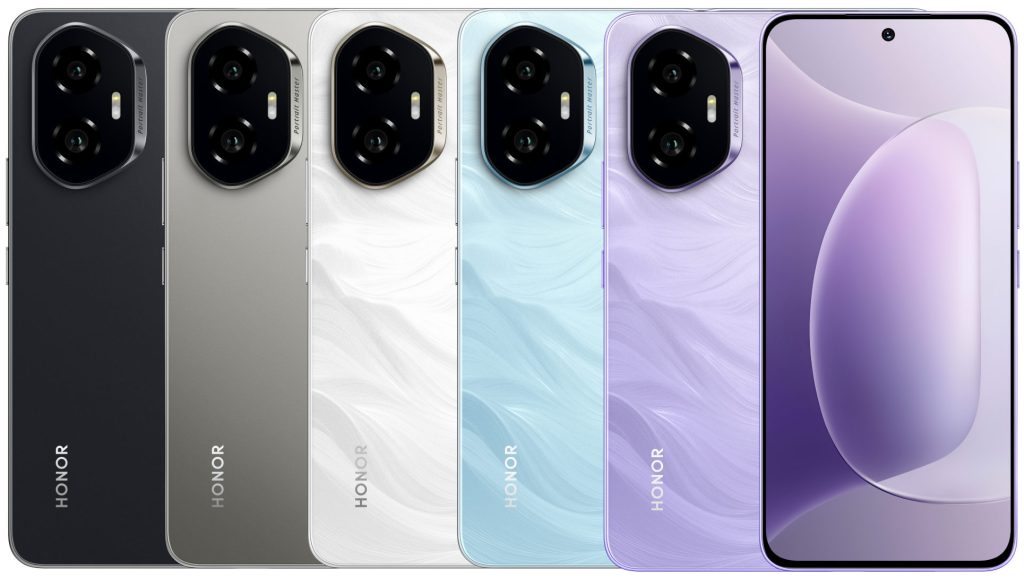
The Honor 300 stands out with its stylish design with a dual camera system headlined by a 50MP main sensor. It also packs a smooth 6.7-inch AMOLED display with a 120Hz refresh rate and a capable Snapdragon 7-series chip and a large battery.
Camera: 50MP main camera, 12MP ultra-wide lens | 50MP selfie camera
Battery: 5,300 mAh with 100W fast charging
IP rating: IP65
3. Huawei Nova 13
Huawei Nova 13
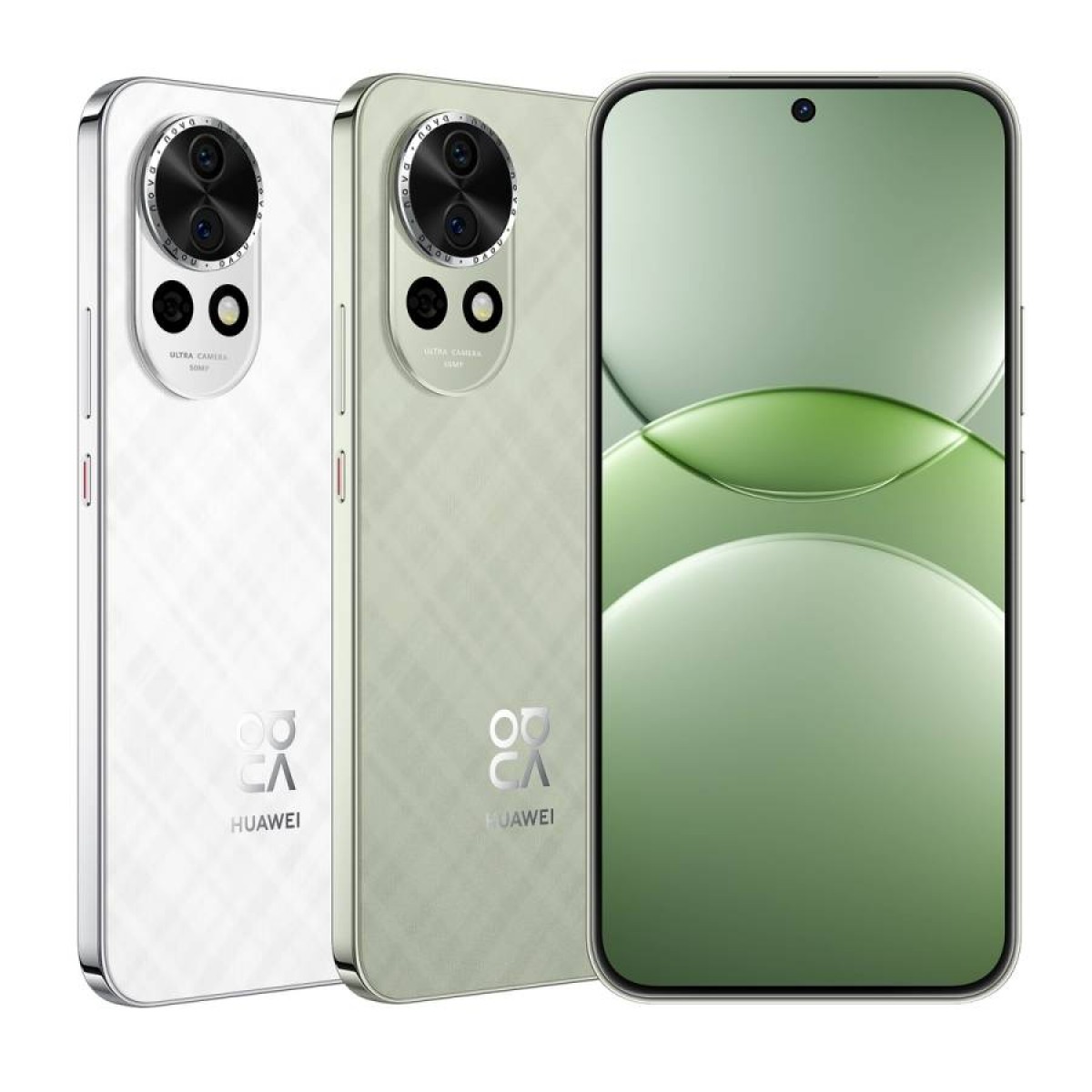
The Huawei Nova 13 offers a compelling combination of style, performance, and affordability. It features a sleek design, a vibrant 6.7-inch OLED display with a 120Hz refresh rate, an in-house Kirin chipset, and a 50MP dual-camera system. There’s no clarity on whether the Nova 13 series will be released in markets outside of China.
Camera: 50MP main camera, 8MP ultra-wide lens | 60MP selfie camera
Battery: 4500 mAh with 66W fast charging
IP rating: Only splash resistance
4. Google Pixel 8a
Google Pixel 8a
The Google Pixel 8a is an excellent choice for those who prioritize camera quality and software experience. It features Google’s renowned camera system, led by a 12.2MP main sensor. While it offers a stock Android experience, it is promised to receive seven years of OS upgrades, security updates, and PIxel Drop features.
OnePlus has started rolling out the OxygenOS 15.0.0.401 update for Nord 4 users, beginning in India. The update introduces AI-powered features, system optimizations, and new tools to enhance usability and performance. Here’s a breakdown of the key changes.
AI Features for Better Usability
The update includes several new AI tools to streamline communication and writing. The AI Reply feature suggests chat responses based on context, with support for different language styles. The AI Check tool helps with grammar, spelling, punctuation, and typos, improving writing accuracy.
Another addition, AI Rewrite, allows users to modify text by extending, shortening, or editing it to suit different styles, making writing tasks easier and more flexible.
New Apps and Features
Nord 4 users gain access to new apps and features. The Clone Phone app now supports migrating live photos from iOS devices, making it simpler for new users to transition. The Voice Translate app offers live translation, text translation, and multilingual support, useful for everyday and travel purposes.
The update also lets the Photos app recognize boarding passes and add them directly to Google Wallet for quick access.
System and User Interface Updates
System updates include Live Alerts enhancements, which now show flashlight status and charging information. Floating windows can be easily switched to full-screen mode for improved multitasking.
UI updates include smoother animations for app interactions, swiping, and page transitions, along with new settings for animation fluency. Battery life, system stability, and wireless connectivity have also been improved.
Camera and Security Enhancements
The camera’s performance has been optimized for better photography. Additionally, the update includes the December 2024 Android security patch, ensuring improved device protection. Interested readers can also check out the official update changelog attached below.
OxygenOS 15.0.0.401 Official Changelog
Integrated AI features
Introduces the AI Reply feature to recommend replies based on the chat context with support for diverse language styles, making the responses more natural.
Introduces the AI check feature to check grammar, spelling, typos, punctuation, and more, for effortless and accurate writing.
Introduces the AI rewrite feature to extend, shorten, expand, and edit your text and modify the style for more efficient and inspired writing.
Apps
Now you can migrate live photos from iOS devices with Clone Phone.
Adds the Voice Translate app that supports live translation, text translation, and multilingual translation.
Boarding passes can now be recognized in Photos and added to Google Wallet.
Communication
Improves the stability and expands the compatibility of wireless connections.
System
Now you can see the status of the flashlight on Live Alerts.
Now you can see the charging information on Live Alerts.
Now you can drag a floating window to change it to full screen.
Fixes a display issue with existing icons on the status bar when a Live Alerts capsule is displayed.
Improves the layout of Spotify on Live Alerts and adds smart recommendations.
Improves the animations when opening or exiting apps, swiping, flipping pages, and more, as well as adds animation settings for fluency.
Improves system stability for some scenarios.
Fixes a lag issue that might occur in some scenarios.
Extends battery life in some scenarios.
Integrates the December 2024 Android security patch to enhance system security.
Fixes an issue that might affect the Gaussian blur effect of the background when using live wallpapers in Theme Store and then swiping up to Recent tasks.
Fixes an issue where AI Voice does not disappear after ending voice calls in some app clones.
Fixes a display issue with some icons on the Home screen.
Camera
Improves Camera performance for a better photography experience.
Rollout Status
The update is being released in batches in India, with wider availability expected soon. Nord 4 users can look forward to practical new features and overall system enhancements with this rollout.
The Samsung Galaxy S25 series is set to make its global debut next month. While we have already covered various rumors regarding its specifications, the latest report claims that a pretty useful software feature will finally be making its way to the brand’s next gen flagships.
Samsung Galaxy S25 could bring support for car crash detection
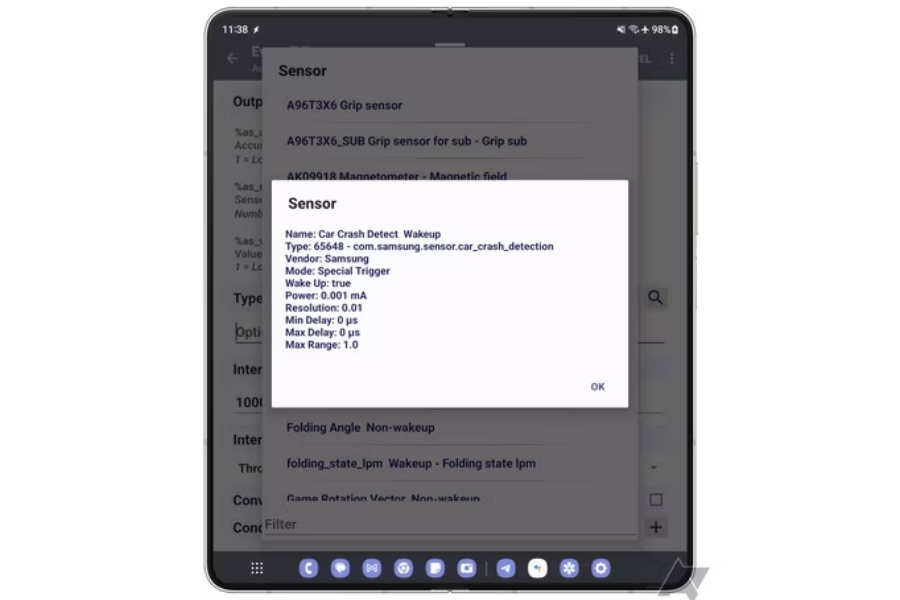
According to an AndroidAuthority report, leaked files have revealed that Samsung is working on a car crash detection feature, which is similar to what Apple iPhones and Google Pixels offer. Back in January 2024, we covered a report regarding the Galaxy S24 and Z Fold 5 bringing this potentially life-saving feature. But it appears that this might finally roll out on the Galaxy S25 series.
The initial leak of the car crash detection feature
The leaked files confirms the presence of a new sensor in the Galaxy S25 Ultra model. Although Samsung has yet to activate this feature. So while the sensor code exists, there is still no concrete information about this feature being live or accessible even in Samsung smartphones that are already in the market. Looking at the leaked files, we can see that the function works via a “composite” sensor, which takes data from multiple physical sensors to help detect a car crash.
Samsung seemingly brought this feature to last year’s Galaxy S24 series and Galaxy Galaxy Z Fol 5, but there is no user interface or active function related to this feature. A car crash detection technology would also be clearly advertised by the brand and it is not available in the One UI 7 iteration either. But all of this hints that the feature could launch soon. It may debut with the Galaxy S25 series, or arrive in a major update later on.
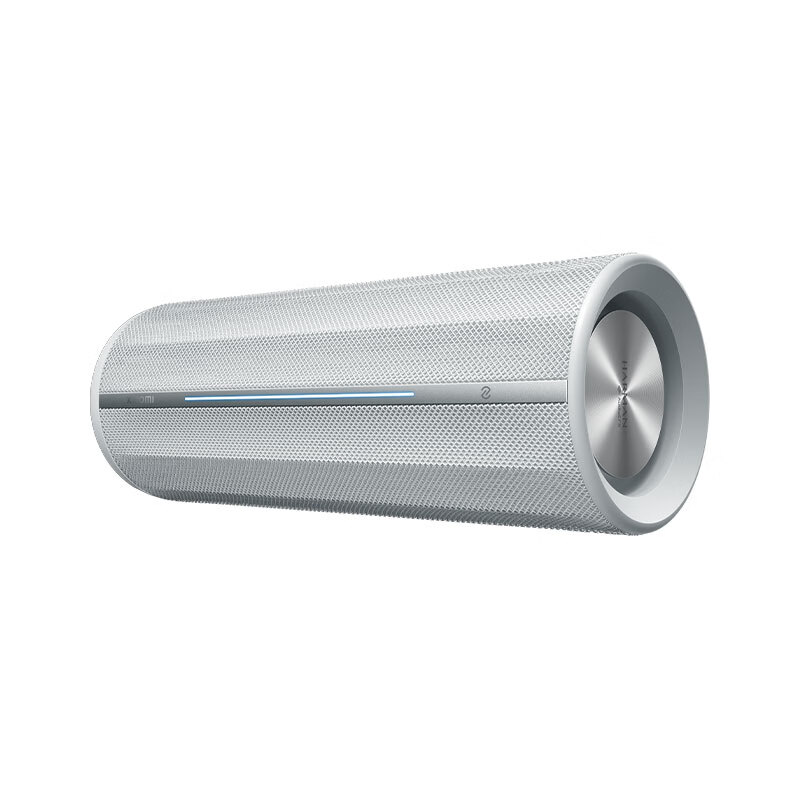
Xiaomi has expanded the availability of its Bluetooth Speaker to Germany and Italy. After its initial listing on Xiaomi’s global website in July, the speaker was launched in the UK and France and is now accessible in additional European markets. It is priced at £49.99 or €79.99.
Specifications
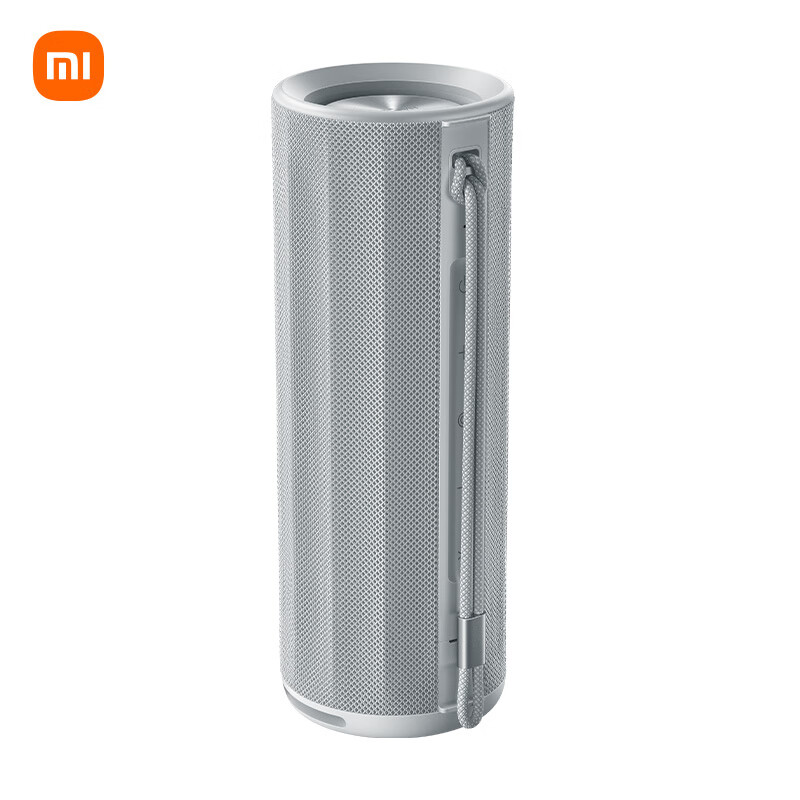
The Xiaomi Bluetooth Speaker features a 5-unit acoustic system, delivering 360° omnidirectional audio with a peak output of 93dB. Its low-frequency passive units enhance bass, making it suitable for both indoor and outdoor use.
The device includes a 4800mAh battery, offering up to 17 hours of playback on a single charge. It supports 22.5W fast charging via USB Type-C for quick recharges.
The speaker is tuned with Harman AudioEFX and Xiaomi’s Nightingale Algorithm for balanced and clear sound. Users can further adjust the audio profile using Xiaomi Audio ID.
It supports dual-device pairing and can connect two speakers for stereo sound or up to eight speakers for larger setups. Bluetooth 5.3 ensures a stable connection, and the LHDC 5.0 protocol provides high-quality audio transmission.
The speaker has an IP67 rating for water and dust resistance, making it suitable for outdoor activities. Its scratch-resistant fabric body and rubberized base add to its durability. A hydrophobic coating protects it during light rain, ensuring reliable performance in various conditions.
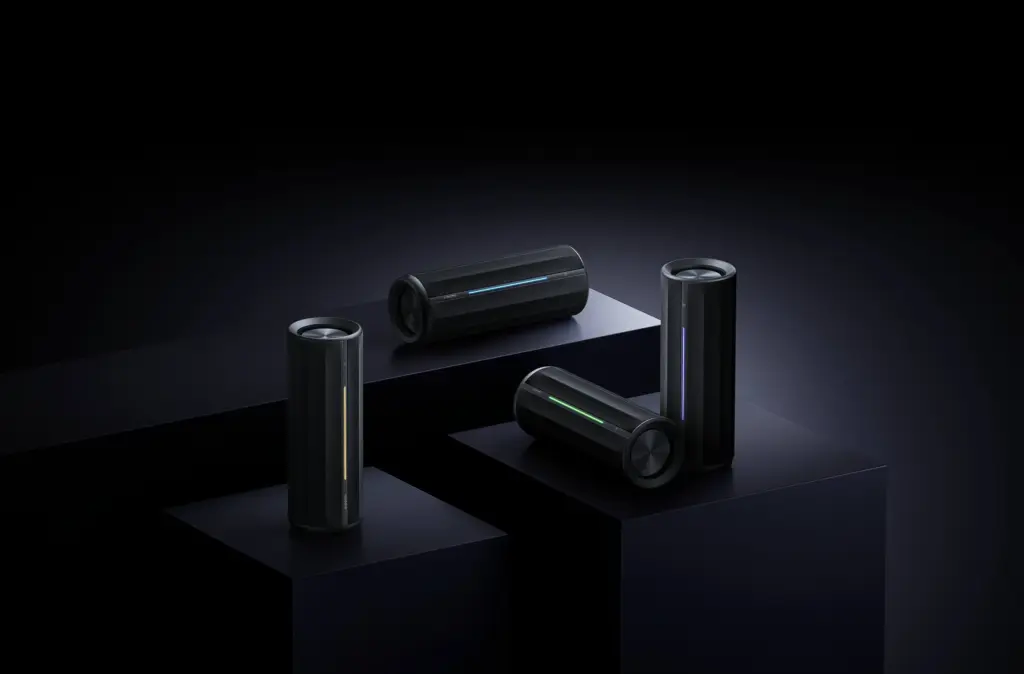
The Xiaomi Bluetooth Speaker includes a 12-LED RGB strip with four preset lighting modes. These can be customized through the Mi Home app, offering a visual element to complement audio playback.
With HyperOS Connect, the speaker integrates seamlessly with other Xiaomi devices, making it a practical option for users within the Xiaomi ecosystem.
In other news, Xiaomi has also introduced the Smart Projector L1 Pro, offering 400 ISO lumens brightness, 1080p resolution, and 4K playback support. It offers flexible screen sizes (40–120 inches), a sealed optical engine for lasting quality, and easy setup with autofocus, keystone correction, and obstacle avoidance.
OPPO has announced that it will soon release the Reno 13 5G smartphone, Pad 3 Matte Display Edition tablet, and Enco Air 4 earbuds in Malaysia. The confirmation came through the brand’s Malaysian X handle, hinting at the upcoming launch with the message “Three new arrivals, coming your way.”
Reno 13 5G: Key Features
The Reno 13 5G is powered by the MediaTek Dimensity 8350 chipset and runs Android 15 with the ColorOS 15 interface. It comes with up to 16GB of RAM and offers storage options ranging from 256GB to 1TB. The smartphone has a 6.59-inch AMOLED display with a resolution of 1256 x 2760 pixels, a 120Hz refresh rate, and a peak brightness of 1200 nits.
The device includes a dual rear camera system featuring a 50MP wide lens and an 8MP ultrawide lens, alongside a 50MP front camera for selfies. It has a 5600mAh battery that supports 80W wired fast charging and reverse wired charging.
Enco Air 4: Details
The Enco Air 4 earbuds are equipped with 12.4mm dynamic drivers, dual microphones, and up to 32dB active noise cancellation. They support AAC and SBC audio codecs as well as spatial sound effects. The earbuds, combined with their charging case, provide up to 43 hours of playback time, with 10 minutes of charging offering up to 4 hours of use.
Pad 3 Matte Display Edition: Specifications
The Oppo Pad 3 tablet uses the Dimensity 8350 chipset, paired with ColorOS 15 on the software front. It offers up to 12GB of RAM and up to 512GB of storage. The device has an 11.61-inch IPS LCD display with a resolution of 2000 x 2800 pixels and a 144Hz refresh rate.
The tablet features 8MP cameras on both the front and back, making it suitable for general photography and video calls. It includes a 9520mAh battery that supports 67W fast charging.
We use cookies on our website to give you the most relevant experience by remembering your preferences and repeat visits. By clicking “Accept”, you consent to the use of ALL the cookies.
This website uses cookies to improve your experience while you navigate through the website. Out of these, the cookies that are categorized as necessary are stored on your browser as they are essential for the working of basic functionalities of the website. We also use third-party cookies that help us analyze and understand how you use this website. These cookies will be stored in your browser only with your consent. You also have the option to opt-out of these cookies. But opting out of some of these cookies may affect your browsing experience.
Necessary cookies are absolutely essential for the website to function properly. This category only includes cookies that ensures basic functionalities and security features of the website. These cookies do not store any personal information.
Any cookies that may not be particularly necessary for the website to function and is used specifically to collect user personal data via analytics, ads, other embedded contents are termed as non-necessary cookies. It is mandatory to procure user consent prior to running these cookies on your website.