Advertisement

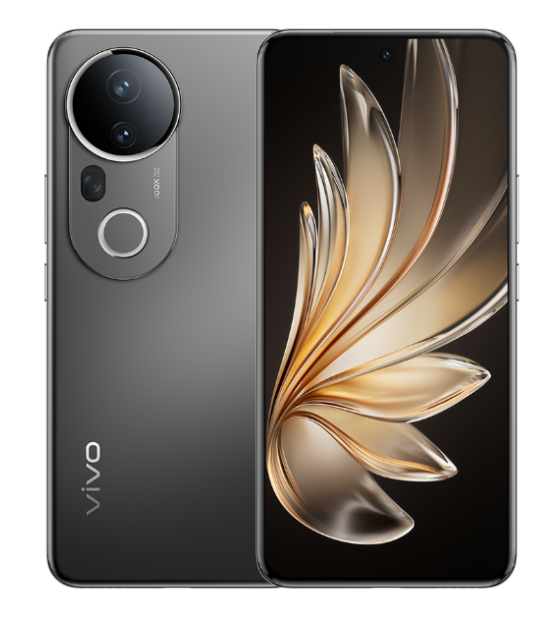
iQOO Z9 Turbo+ with 144Hz AMOLED and 80W Fast Charging now shipping globally on Geekwills

iQOO Z9 Turbo+ offers a powerful, smooth, and dynamic experience for users seeking top-notch performance, gaming capabilities, and high-speed multitasking. You can get this smartphone for a starting price of $389 only on Geekwills.

At the heart of the Z9 Turbo+ is the MTK Dimensity 9300+ chipset, paired with iQOO’s self-developed Q1 gaming chip. This combination ensures seamless gameplay, fast app launches, and a smooth user interface. With two RAM variants available—12GB and 16GB LPDDR5X—you can expect excellent performance whether you are gaming, streaming, or working. The device also offers 256GB and 512GB UFS 4.0 storage options, providing ample space for apps, photos, and videos.

The Z9 Turbo+ boasts a 6.78-inch FHD+ AMOLED display, providing crisp visuals with a 1.5K resolution and an ultra-smooth 144Hz refresh rate. This makes it ideal for gaming and media consumption, offering vivid colors and fluid transitions.

In terms of photography, the phone features a dual rear camera setup, with a 50MP main sensor and an 8MP macro lens for close-up shots. The 16MP front camera captures sharp selfies and supports video calls with excellent clarity.

The Z9 Turbo+ is powered by a massive 6400mAh battery, ensuring long-lasting usage throughout the day. It also supports 80W fast charging, meaning you can recharge your phone quickly and get back to your tasks without long interruptions.

Running on OriginOS Ocean based on Android 14, the iQOO Z9 Turbo+ delivers a user-friendly experience with smooth navigation and a range of features for enhanced productivity. Whether you’re a gamer or a multitasker, the iQOO Z9 Turbo+ is built to handle it all.

Vivo X200 Pro Mini is Thinner than the iPhone 16 Pro and Packs a Much Larger Battery

Han Boxiao, product manager of vivo Communication Technology Co., Ltd., shared an image of the upcoming vivo X200 Pro Mini and the iPhone 16 Pro on Weibo, comparing the thickness of the two devices.

As can be seen, the phone on top is the iPhone 16 Pro, and the one below that is the unreleased vivo X200 Pro Mini. Although the company official didn’t share a specific number, a significant difference in thickness is evident from the images. The image also confirms the earlier rumor about the X200 Pro Mini’s display size, which is 6.3 inches—the same as the iPhone 16 Pro.

The Vivo X200 Pro Mini (and all the models scheduled to launch on October 14) features a completely flat design. This marks a major shift, as the vivo X100 series models had slightly rounded front, back, and middle frames.

vivo X200 Pro Mini thickness

vivo X200 Mini isn’t only thinner, but also focuses on camera

Unfortunately, upon closer inspection, you’ll notice that the device at the bottom also has a camera module protrusion similar to the iPhone 16 Pro. This may cause noticeable wobbling when placed on a flat surface, as shown in the image. However, it also indicates the presence of larger sensors and enhanced imaging capabilities. Han Boxiao has suggested that one of the key highlights of this new compact flagship is its camera system.

Notably, both the vivo X200 Pro and X200 Pro Mini are rumored to be the first devices equipped with the newly announced 50MP 1/1.28″ Sony LYT 818 sensor, which is said to offer improved dynamic range and a higher signal-to-noise ratio.

Vivo X200 Mini comes with a battery larger than that of the iPhone 16 Pro Max

Although Han Boxiao didn’t reveal the exact battery capacity, he mentioned that the new compact flagship has a battery ‘much larger than that of the Pro Max,’ which has a 4,685 mAh capacity. In terms of performance, all the devices in the X200 series (except for the vivo X200 Ultra) equips the Dimensity 9400, MediaTek’s flagship chipset for this year.

According to previous reports, the X200 Pro Mini is just a compact version of the X200 Pro, with many of the Pro features.

(Source)

Sony Unveils INZONE M10S & M9 II: High-Performance Gaming Monitors for Esports and AAA Games

Sony has recently introduced two new INZONE Gaming Monitors, the M10S and M9 II. These premium monitors are designed for both e-sports and AAA gaming, offering high refresh rates and top-tier performance.

Sony Inzone M10S:

The M10S is a 27-inch, 1440p OLED gaming monitor designed for competitive esports players, offering a 480Hz refresh rate and a rapid 0.03ms response time. Developed in collaboration with Fnatic, the M10S includes a 24.5-inch mode with 1:1 resolution and specialized FPS Pro picture modes to help players maintain focus on their opponents. The monitor also allows for adjustments to the display position and supports lower resolutions preferred by esports professionals.

Optimized for Competitive Play

The M10S is designed with a space-saving base and adjustable stand, allowing users to set it up comfortably on their desks. With a peak brightness of 1300 nits and HDR technology, the monitor delivers vivid visuals. Its wide color range and high contrast bring out the details of in-game environments. Sony has also partnered with the Apex Legends Global Series, making the M10S the official monitor for this major esports tournament.

Sony INZONE M9 II:

The M9 II is a 4K gaming monitor featuring a 160Hz refresh rate and a 1 ms response time. It uses backlight scanning technology to reduce motion blur, providing a smoother gaming experience. The monitor also includes a full array of local dimming for improved contrast, a feature commonly found in Sony’s BRAVIA TVs. The M9 II works well with both PCs and consoles like the PlayStation 5 with a peak brightness of 750 nits and HDR support.

Pricing and Availability

The M10S is priced at $1,099.99 USD, and the M9 II is available for $799.99 USD. Both models can be purchased through Sony.com, major retailers, and authorized dealers.

(Source)

Meizu launches StarV Ring 2 featuring tap-to-swipe short videos, health tracking & more

Meizu has unveiled the StarV Ring 2 smart ring during the Meizu AI Ecosystem Launch Event, positioning it as an innovative health and lifestyle gadget.

Combining health monitoring capabilities with smart interaction features, this smart ring offers a glimpse into the future of wearable technology. Priced at 1,099 yuan ($156) for its launch, the StarV Ring 2 promises to bring both functionality and convenience to users, wrapped in a sleek design.

Meizu StarV Ring 2

1. Meizu StarV Ring 2 Specifications

The Meizu StarV Ring 2 is designed for health-conscious users who need constant monitoring of their physical well-being. It supports high blood sugar risk assessment, boasting a trend accuracy rate of 80%. Alongside this, the ring monitors various health metrics, including heart rate, blood oxygen levels, and body temperature, making it a valuable tool for maintaining health on a daily basis.

The ring also includes health index and vitality tracking features, which allow users to keep a close eye on their activity levels and overall health status. Additionally, the Ring 2 has a built-in activity tracking system, perfect for those looking to stay fit and monitor their physical progress over time.

The device is available in a sleek Meteor Black color option.

2. Special Features

Meizu StarV Ring 2 integrates seamlessly with other devices in the Meizu ecosystem, offering smart touch interaction. By simply tapping the ring, users can interact with StarV Air 2 smart glasses. It can also interact with the apps, swipe through short videos, or even remotely control the phone’s camera for hands-free photography.

Furthermore, the Ring 2 is designed with connectivity in mind, extending its functionality beyond health tracking. It supports car unlocking through proximity sensors, enabling users to unlock doors and start the engine without having to reach for the keys.

3. Pricing & Availability

The Meizu StarV Ring 2 is available at an introductory price of 1,099 yuan ($156), with a suggested retail price of 1,299 yuan ($184). The device will be available for purchase soon. There’s no update on the global availability yet.

(Via)

Samsung Galaxy S25: What to Expect from Upcoming Compact Flagship Phone

As we get closer to the end of the year, we’re nearing the release of Samsung‘s next generation of flagship smartphones. The Galaxy S25 lineup is the brand’s new premium device, with the Galaxy S25 being the newest compact flagship. It is expected to pack some high-end specs and features, so here’s a detailed breakdown of the base Galaxy S25 model.

Samsung Galaxy S25
Samsung Galaxy S25

1. Samsung Galaxy S25: Design and Display

Just recently, we covered leaked renders that offered us a proper look at the Galaxy S25’s design. The full body of the phone is visible from the front and sides. Its overall design appears similar to its predecessor, the Galaxy S24. The back seems to retain the flat glass panel along with a vertically stacked triple camera setup. Samsung is expected to launch this device with the Armor Aluminum frame. The same report adds that it measures 146.9 x 70.4 x 7.2mm in dimensions, making it slightly slimmer than the S24.

On the other hand, the Galaxy S25 is expected to house a 6.2-inch display that is surrounded by minimal bezels and center aligned punch cutout. Samsung released the Galaxy S24 with a 6.2-inch Dynamic LPTO AMOLED 2X display that offered a 120Hz refresh rate, DHR10+, and 2600 nits of peak brightness. This screen also has a Corning Gorilla Glass Victus 2 panel for protection. So this might be a similar case again.

2. Hardware

Being a next-gen flagship phone, Samsung would likely equip the Galaxy S25 with Qualcomm’s Snapdragon 8 Gen 4 SoC in South Korea and the US. Although, the rest of the world would likely receive this model with a new Exynos chipset. This has been the routine for the brand, but there are reports hinting at a Snapdragon exclusive Galaxy S25. Rumors have hinted that the base model would pack higher RAM. Apparently, it is getting a 4GB bump so the Galaxy S25 may launch with 12GB of RAM.

Under the hood, the new compact flagship isn’t receiving a larger battery and is expected to house the same 4,000mAh battery pack once again. This model would likely support 25W wired fast charging along with 15W wireless fast charging and reverse wireless charging support. Out of the box, it would run on the Android 15 OS based One UI 7 custom skin.

3. Camera

While the Galaxy S22, Galaxy S23, and Galaxy S24 packed Samsung’s ISOCELL GN5 50MP cameras, the Galaxy S25 might be ditching ISOCELL for a Sony sensor. The specific details of the other two cameras are still unclear, but they will likely include an ultra wide angle lens and a telephoto shooter for zoomed shots.

4. Launch Date

The South Korean tech giant has yet to confirm an official launch date for the Galaxy S25 series. But considering how the Galaxy S24 lineup launched at the start of this year, its successor should likely follow a similar release timeline. Meaning, the launch might be set for the middle of January 2025. This is all the information we have at the moment, so stick around for more updates.

Exclusive: Qualcomm Snapdragon 8s Gen 4 appears out of nowhere in Xiaomi’s HyperOS software

Qualcomm is getting ready to introduce the Snapdragon 8 Gen 4, while also working on different SoCs. Expected to be Snapdragon 8s Gen 4, the processor with model number SM8735 is currently being tested by brands such as Xiaomi. We obtained information from HyperOS software, and confirmed that the processor is being actively tested. We are curious to see how the Snapdragon 8s Gen 4 will perform.

Qualcomm Snapdragon 8s Gen 4 revealed

While Qualcomm hasn’t even unveiled the Snapdragon 8 Gen 4 yet, the appearance of the Snapdragon 8s Gen 4 took everyone by surprise. We previously reported that the Redmi Turbo 4 has been added to the IMEI database. The previous Redmi Turbo 3 used the Snapdragon 8s Gen 3 chip. This processor had the model number SM8635. Now, in Xiaomi HyperOS software, we see a new processor with the model number “SM8735”. SM8735 may be the processor to be used in Redmi Turbo 4 detected in the IMEI database.

The Redmi Turbo 4 is also expected to be sold in the global market as POCO. Right now, it might be premature to talk about this. Because the POCO F6 series was introduced in June, and it should not be forgotten that the brand’s plans may change. Xiaomi may also use the Snapdragon 8s Gen 4 in a different smartphone. This year, the Snapdragon 8s Gen 3 was first used in the Xiaomi CIVI 4 Pro, and later the Redmi Turbo 3 was added to the list of devices using this processor. Qualcomm and Xiaomi are actively testing the Snapdragon 8s Gen 4. Snapdragon 8s Gen 4 is expected to debut next year.

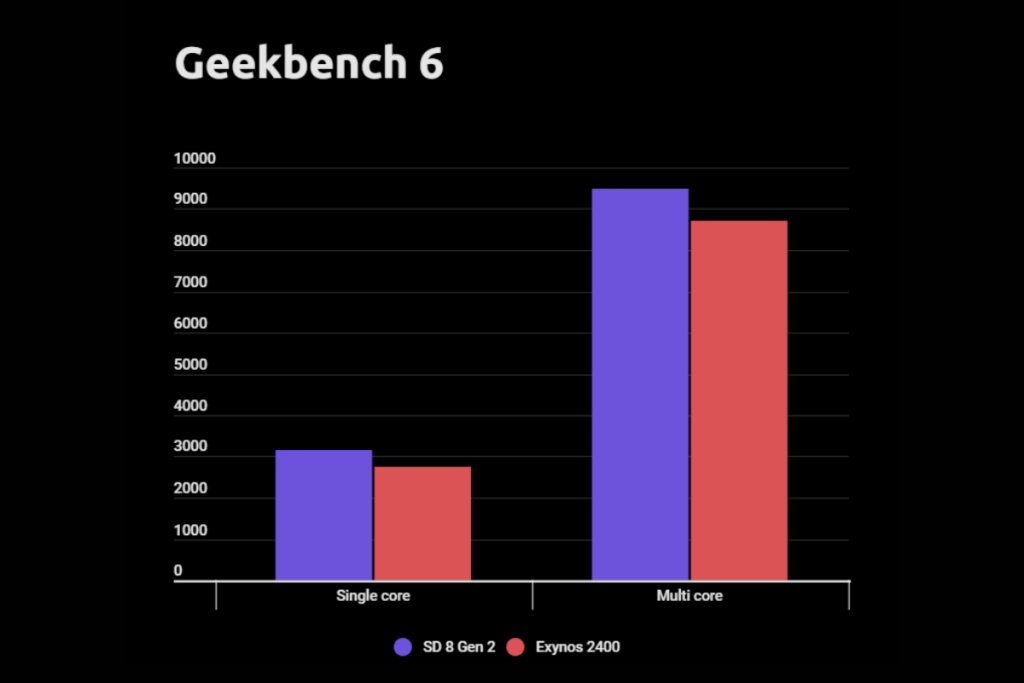
We don’t know what changes Qualcomm will make with Snapdragon 8s Gen 4. The previous Snapdragon 8s Gen 3 performed similarly to the Snapdragon 8 Gen 2. The new SoC will likely perform similarly to the current flagship Snapdragon 8 Gen 3. These are our own guesses, it’s not yet clear what Qualcomm will do. The only confirmed information is that the processor with model number SM8735 is being actively tested.

MKBHD Wallpaper App Drama Explained

Marques Brownlee, widely recognized as MKBHD, is facing backlash over the launch of his new wallpaper app, Panels. Introduced during his much-anticipated iPhone 16 review, the app quickly became a topic of controversy due to its subscription model and privacy concerns. Panels offers high-resolution wallpapers curated from digital artists, but the price – $49.99 per year or $11.99 per month – has left many fans disgruntled, calling it a “cash grab.”

MKBHD Wallpapers

1. Pricing Controversy

While the app promises stunning wallpapers, many users expressed disappointment that someone like Brownlee, known for his consumer-focused and quality-driven reviews, would charge such a high fee for something as simple as wallpapers. Critics highlighted that similar content is readily available online for free, making the premium model difficult to justify.

Brownlee’s comment sections were flooded with reactions, with one particularly harsh user on social media sarcastically suggesting to just “download a jpeg from the internet.” In a notable turn of events, one frustrated user even reverse-engineered the app and wrote a script to download all the wallpapers for free, sharing it publicly on GitHub within hours of the app’s release.

2. Data Collection Concerns

In addition to the cost, users voiced concerns about data collection. The app asks for various permissions, including location data and other personal identifiers, prompting worries over privacy. Screenshots showing the app’s data disclosures quickly circulated online, further fueling the outrage. For someone with a reputation like Brownlee, this move seemed out of step with his previous recommendations of straightforward, user-focused products.

3. Brownlee’s Response to Criticism

Facing this wave of criticism, Brownlee responded publicly on X (formerly Twitter), acknowledging the feedback. He assured users that his team is working to address the privacy concerns, clarifying that the data disclosures were likely too broad and largely influenced by ad networks. He emphasized that they would never actually request sensitive information like location or internet history, and adjustments were already in progress to fix the issue.

Brownlee also promised to reduce the frequency of ads in the free version of the app and to continue delivering value to those subscribing to the premium model. He highlighted that the app is a collaborative effort with digital artists, with revenue being split 50/50, and that Panels is only starting as a wallpaper app, with more features likely to come.

Despite the backlash, Panels has already gained significant traction, with over 50,000+ downloads on Android and a strong showing in Apple’s App Store. Brownlee, undeterred by the initial criticism, remains committed to improving the app and its user experience, but it’s clear that his audience expects more from the tech influencer who built his brand on trust and quality reviews.

Motorola ThinkPhone 2025: Who’s this Business Smartphone for and What does it offer?

Lenovo with its ThinkPad series of laptops targets business professionals and corporate offices. Since it owns Motorola, it has expanded this lineup to include smartphones as well. We recently spotted the Motorola ThinkPhone 2025 in rumors and reports. But why build such a phone? Who is it for and what features does it offer? Let’s check it out.

Motorola ThinkPhone 2025

1. Motorola ThinkPhone 2025: An Essential Business Partner?

Motorola had announced the ThinkPhone for the enterprise market back in 2023. Similar to the ThinkPad, it was built for working professionals, which is reflected in its design. While brands are making their phones’ designs even more attractive, the ThinkPhone has a more minimalistic aesthetic. Last year’s ThinkPhone also came with an IP68 rating for water and dust resistance along with MIL-STD 810H military grade durability rating, making it quite durable. We can expect a similar body with its 2025 successor.

But that’s not all, the ThinkPhone came with seamless integration with ThinkPad laptops. This allowed users to transform files, text, photos, documents, and more by simply dragging and dropping them between the devices. The smartphone could even be used as a webcam on the ThinkPad. In other words, the ThinkPhone facilitated efficiency, making it perfect fit in a professional setting. Motorola partnered with Microsoft last year to bring Windows 365 to the ThinkPhone last year, so we can expect this support to return.

2. First Look at the Business Phone

In a recent report, the renders of the 2025 Motorola ThinkPhone were leaked, offering us the first proper look at the upcoming business smartphone. However, it has a redesigned camera module with its overall form factor being closer to Motorola’s Edge series. The back seems to have a kevlar/carbon fiber styled textured rear panel, while the front has slimmer bezels compares to its predecessor and center aligned punch hole cutout for the selfie camera.

3. What Specs Does the ThinkPhone 2025 Offer?

Motorola will reportedly launch the next gen ThinkPhone with a 6.36-inch LTPO pOLED display that supports a high refresh rate, 2670 x 1200 resolution (460ppi), which is higher than the 399ppi pixel density on the FHD+ panel of the older model. The dimensions of the new ThinkPhone were also shared in this same report, measuring 154.1 x 71.2 x 8.1mm.

Under the hood, the smartphone is rumored to be equipped with the MediaTek Dimensity 7300 SoC, which is paired with 8GB of LPDDR4X RAM and 256GB of internal storage. The company could be planning to launch this device in a single storage configuration. The ThinkPhone 2025 might pack a 4,310mAh battery pack that supports 68W wired fast charging, which is surprising since last year’s model had a larger cell.

For optics, the rear packs a triple camera setup that consists of a 50MP primary sensor, a 10MP ultra wide angle lens, and a 10MP telephoto shooter with 3x optical zoom. As of right now, this is all the information we have at the moment. So stick around for more as we will be covering any future updates.

Casio G-Shock Master of G limited edition watches arrive in the US market

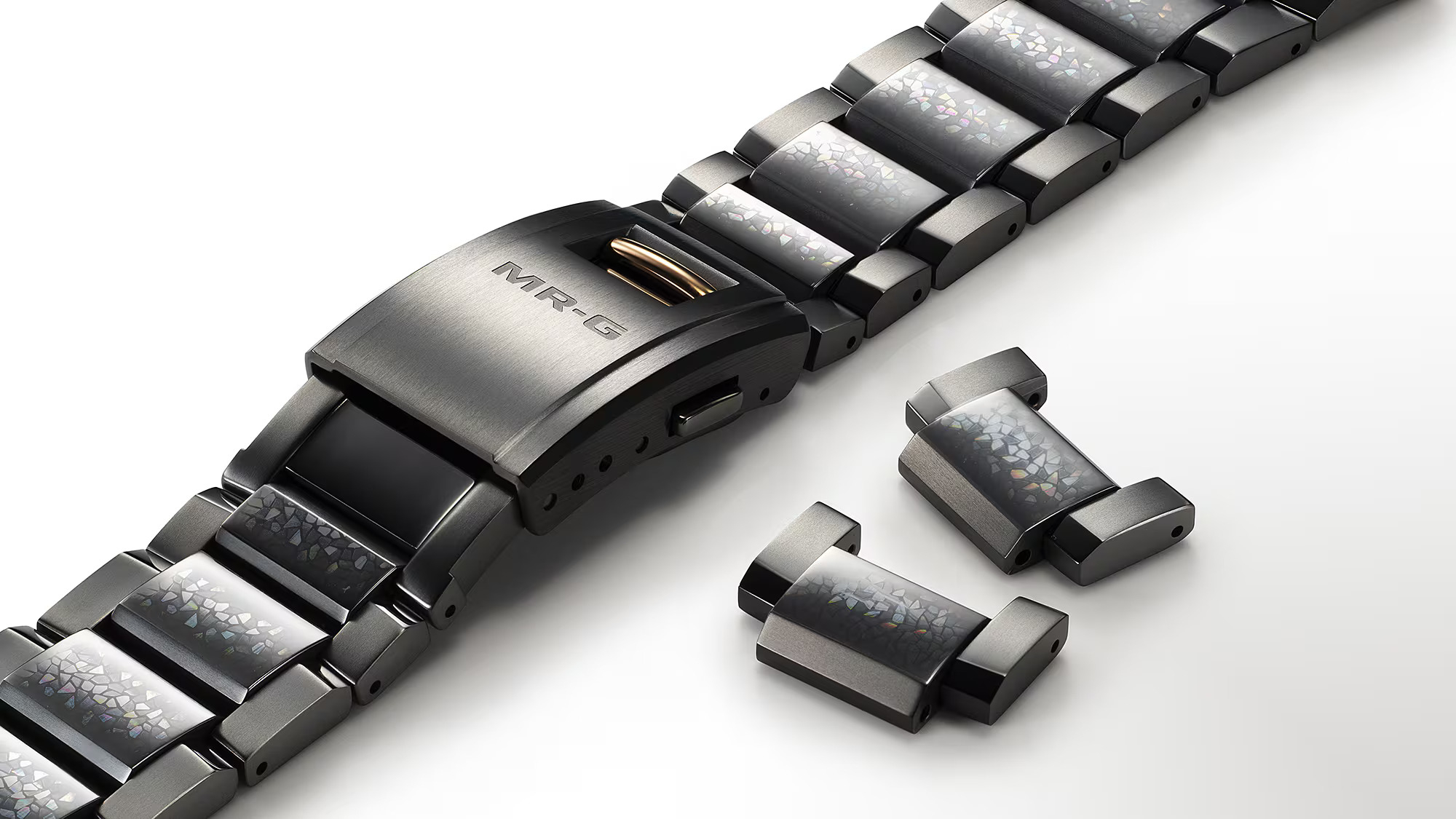
Casio has introduced its limited edition Master of G Emergency Colors Series watches to the U.S. market, following their initial release in Europe in August. The series includes the Gravitymaster GR-B300EC-1a, the Mudman GW-9500MEC-1, and the Mudmaster GWG-B1000EC-1A.

Casio G-Shock
From left: MUDMAN GW-9500MEC-1, MUDMASTER GWG-B1000EC-1A, GRAVITYMASTER GR-B300EC-1A

The Master of G series is designed for professionals in rescue operations and other demanding fields, offering durability and functionality. The black cases feature bright emergency color accents, perfect for challenging environments.

The Gravitymaster GR-B300EC-1a has a modern design inspired by advanced aircraft and includes useful features like dual-time, a flight log memory, and a carbon core guard structure for added durability.

The Mudmaster GWG-B1000EC-1A is built to endure tough conditions, with protection against dust, mud, vibration, and shock. It offers solar-powered timekeeping, Bluetooth connectivity, radio control, and a triple sensor for direction, pressure, and altitude measurements.

The Mudman GW-9500MEC-1 is another rugged model, with a mud-resistant structure and a digital compass display. It also includes radio-controlled, solar-powered functionality and a stainless steel bezel. All three models use solar-powered timekeeping for extended battery life.

Pricing & availability

The Casio Gravitymaster GR-B300EC-1a is priced at $300, the Mudman GW-9500MEC-1 at $400, and the Mudmaster GWG-B1000EC-1A at $800.

In other news, Casio America has introduced two new G-SHOCK series: the GD010 and GA010. Both series offer durability and style, with a 10-year battery life, shock resistance, 200M water resistance, and an LED light. The GD010 series features digital watches with a strong carbon core guard structure, while the GA010 series combines analog and digital displays for a more refined look.

(Source)

Vivo X200 Pro/Pro Mini equips a new 1/1.28″ main sensor from Sony

Vivo has confirmed that it launch the X200 series on October 14, which includes several models such as the vivo X200, X200+, X200 Pro, and X200 Pro Mini. The vivo X200 Ultra will be released separately next year.

Vivo X100 Pro
Vivo X100 Pro

Now tipster Digital Chat Station claims that the X200 Pro and X200 Pro Mini will be the first to equip the just-announced Sony LYT-818 main sensor. It comes with a 50MP resolution and a large 1/1.28″ sensor size, which should offer bright and detailed shots.

He also reveals that the main camera will have an f/1.57 aperture, which is significantly wider than last year’s f/1.8. For those unfamiliar, a wider aperture better low-light performance and bokeh effect. However, a shallow depth of field sometimes leads to the subject being partially out of focus.

The LYT-818 sensor supports real time HDR preview, 86dB HDR dynamic range per frame, and 0.95e signal-to-noise ratio, which should contribute to the overall imaging performance of both phones. According to Sony, the sensor can significantly reduce noise in low-light situations, which means cleaner images.

Vivo X200 Pro/Pro Mini specifications:

The vivo X200 Pro is rumored to come with a larger 6.7/6.8-inch micro-curved LTPO display that has 1.5K resolution. Under the hood, it boasts the Dimensity 9400 chipset, which is said to have a major improvement in graphics capability. It also packs a massive 6000 mAh battery.

Jia Jingdong, Vivo’s Vice President, has officially confirmed the Vivo X200 Pro Mini moniker today. According to reports, this device packs a much smaller 6.3″ AMOLED display and runs on the same Dimensity 9400 chipset. In fact, all models except the vivo X200 Ultra, pack the same chipset.

While there’s not much information about the X200 Pro Mini yet, it is rumored to be a more compact version of the vivo X200 Pro.

The X200 Pro is rumored to pack a 50MP ultrawide and a 200 MP periscope telephoto alongside the new main camera. In terms of UI experience, the vivo X200 series is expected to come pre-installed with OriginOS 5, which brings a deeper integration with AI alongside other visual improvements.

HyperX Debuts Cloud Mix 2 Wireless Headset with 110-Hour Playtime & 20ms Low-Latency

HyperX has recently introduced the Cloud Mix 2, a revamped version of its popular wireless gaming headset. This new model boasts multiple improvements over its predecessor, including improved battery life, noise cancellation, connectivity, and audio quality.

HyperX Cloud MIX 2

The HyperX Cloud Mix 2 offers an extended battery life, delivering up to 110 hours of playtime on a single charge, making it ideal for long gaming sessions. Additionally, the headset has hybrid active noise cancellation technology, which effectively blocks out external noise.

The headset also features 40 mm drivers that deliver customizable audio profiles through HyperX’s NGENUITY software. The built-in microphones come with AI noise-reduction technology, making for crisp and clear communication during online gaming.

In terms of connectivity, the Cloud Mix 2 offers both Bluetooth 5.3 LE along with 2.4 GHz connection, which was absent from its predecessor. The Bluetooth connection provides low latency, better battery efficiency, and improved audio quality, while the 2.4 GHz connection further reduces latency to 20 ms for competitive gaming.

Pricing & availability

The HyperX Cloud Mix 2 has a price tag of $199 in the US market. Pricing for other regions is expected to be revealed soon.

In other news, Sony has released a Smoky Pink color option for its 1000XM5 noise-canceling headphones. This new color is available for both the WH-1000XM5 over-ear headphones and the WF-1000XM5 earbuds, which feature top-tier noise-cancellation technology.

Redmi Watch 5 Lite Smartwatch launched in India: Tall AMOLED display, Budget Price, 18 Days Battery

Xiaomi just unveiled the Redmi Watch 5 Lite after recent teasers. The company’s latest smartwatch launched with notable specs and features, a familiar design, and a budget friendly price tag. So here is everything you need to know like its pricing.

Redmi Watch 5 Lite Specs

The Redmi Watch 5 Lite was announced with a tall 1.96-inch AMOLED display that offers 410 x 502 pixel resolution, up to 600 nits of peak brightness, Always on Display, and support for more than 200 watch faces. This model packs various health related sensors for heart rate tracking, blood oxygen mapping, and more (stress and sleep monitoring). It also has dedicated accelerometer and gyroscope sensors as well. Xiaomi unveiled the Redmi Watch 5 Lite with HyperOS for seamless connectivity to the brand’s HyperOS products. There is also support for Amazon Alexa AI voice assistant built in.

Redmi Watch 5 Lite
Redmi Watch 5 Lite

This device connects via Bluetooth 5.3 LE and supports GPS. It houses a built in microphone and speakers, which enables it to take calls with support for 2-mic ENC. There are more than 50 widget customizations along with a Theatre mode, water clearing mode, find your phone, shutter camera, stopwatch, alarm, Water clearing mode, timer, and much more. There are over 160 sports modes and a 5ATM rating for water resistance of up to 50 meters. It can even record each of your strokes and laps as you swim. A 470mAh battery pack powers this device, which promises up to 18 days of battery life with regular use and 12 days with heavy use.

Pricing and Availability

Xiaomi’s new Redmi Watch 5 Lite was announced with a Black and Light Gold color option. It has an official price tag of 3,999 INR (roughly 48 US Dollars), although, the new budget smartwatch will be available for an introductory price tag of 3,499 INR (roughly 42 US Dollars) today at midnight via Xiaomi’s official website.

Vivo V40e With Dimensity 7300, Three OS Updates Launched In India

Vivo has added a new device to its V40 series that comprises of the standard and pro models. The latest offering is the Vivo V40e. It arrives as the successor to the last year’s V30e. The V40e is the base model in the lineup. It packs the same design and some of the specifications as its elder siblings. Read on to know what the device offers out of the box. 

Vivo V40e specifications 

The Vivo V40e comes with a curved AMOLED display measuring 6.77-inches. It offers an FHD+ resolution, a 120Hz refresh rate, and HDR10 support. The screen is equipped with a fingerprint scanner. In terms of design, the smartphone has a slim profile and a pill-shaped island that accommodates two oblong-shaped modules. 
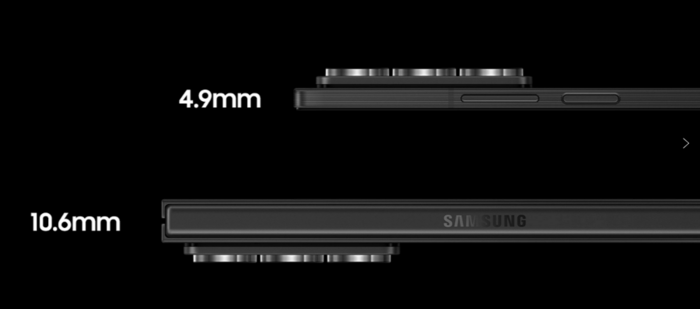
On the imaging front, the Vivo V40e’s dual camera setup comprises a 50MP Sony IMX882 primary sensor paired with an 8MP ultra-wide-angle lens. There is Aura Light LED flash that can be used to adjust the color temperature while clicking low-light images. There is a 50MP front-facing selfie camera. The device packs features like OIS + EIS support, AI eraser, AI portrait enhancer, etc. 

The Vivo V40e is powered by a MediaTek Dimensity 7300 processor. It packs 8GB RAM and up to 256GB storage. There is a heat dissipation system onboard. The device is backed by a 5,500mAh battery unit with support for 80W charging. Software-wise, the smartphone ships with Android 14 OS and is eligible to receive three years of updates. 

The Vivo V40e is priced at Rs 28,999 and Rs 30,999 for the 8GB + 128GB and 8GB + 256GB variants respectively. It is up for pre-orders from Flipkart and the brand’s website with sales commencing October 2. 

Lenovo’s new Legion gaming tablet with Snapdragon 8 Gen 3, 165Hz refresh rate launching next week

Following weeks of speculation, Lenovo has officially confirmed the launch date and some key specifications for its next-generation gaming tablet, the Legion Y700 (2024).

The tablet is launching on September 29 in China — this Sunday. It retains the familiar 8.8-inch LCD display with a 2560 x 1600 resolution, translating to a sharp 343 pixels per inch (PPI) experience. 

Lenovo Legion Y700 (2024) launch date

The display boasts features like 500 nits peak brightness, full-zone DC dimming for smooth visuals, DCI-P3 color space, Rhine hardware low blue light certification for reduced eye strain during extended gaming sessions, and, most importantly, a speedy 165Hz refresh rate. 

At the heart of the Legion Y700 will be the Qualcomm Snapdragon 8 Gen 3 processor. Lenovo also confirmed that the new tablet will sport a sleek matte black finish and, more importantly, a large 10,004 mm-square vapor chamber (VC) cooling system. 

The company claims this cooling solution is “bigger than a mobile phone screen.” With such a cooling setup, the tablet should offer a stable performance under intensive usage like gaming. 

Apart from this, the company confirmed the tablet will feature the same camera setup as the 2023 counterpart. So we’re likely looking at a 13MP dual rear camera with an LED flash on the back and an 8MP front camera for selfies. 

Lenovo-Legion-Y700-2024-gaming-tablet

One of the highlights of last year’s Legion Y700 was its dual USB Type-C ports. Two ports let you charge the tablet and use headphones simultaneously and also enables bypass charging. 

For those unaware, bypass charging allows a device to be powered directly by an external power source without using the battery. 

This is especially useful during high-performance activities, like gaming, as it helps maintain optimal performance while preserving the battery’s lifespan and preventing overheating. 

Last but not least, the tablet might also retain the same 6550mAh battery as last year’s model. 

With the launch date just around the corner, we won’t have to wait long to discover the full suite of features offered by the new Lenovo Legion Y700.

(Source)

OriginOS 5 internal beta testing begins; list of eligible devices

Vivo is set to officially release the OriginOS 5 custom skin at the 2024 Vivo Developer Conference in Shenzhen on October 10. Today the company has initiated the internal beta testing for the upcoming version of its custom skin. The registration period is from 11:00 AM CST on September 25th to 11:59 PM CST on October 6th.

OriginOS 5 improvements:

OriginOS 5 brings various detailed dynamic effects with improved fluency, wallpapers that reportedly have a depth of field, customized lock screen widgets, new lock screen wallpapers, a centered Dynamic Island-like interface, and finally, a deeper integration of AI.

The new OriginOS 5 reportedly offers a “system-level” and “scenario-based” experience with a self-developed large language model, which reportedly is multimodal and covers multiple dimensions such as language, voice, vision, and terminal side.

Vivo devices that are eligible for OriginOS 5 internal beta testing:

  • vivo X100
  • vivo X100s
  • vivo X100 Pro
  • vivo X100s Pro
  • vivo X100 Ultra
  • vivo X Fold3
  • vivo X Fold3 Pro

Eligible iQOO devices:

  • iQOO 12
  • iQOO 12 Pro
  • iQOO Neo9
  • iQOO Neo9 Pro
  • iQOO Neo9S Pro
  • iQOO Neo9S Pro+

Notably, a preliminary setting of 2,000 people will participate in the internal testing for each model, of which 300 will have Log-in enabled by default and 1,700 will not. However, the final number of places will be appropriately allocated based on multiple dimensions such as the registration and the degree of completion of information filled in. It’s reported that the beta test list will be announced before 10:00 PM CST on October 8, and the deadline for joining the beta program is 8:00 PM CST on October 9.

Users looking to join the internal beta program should note that they will need to update their device to the specified version or later version to ensure that the internal test version can be detected. Then they will be able to find the corresponding registration entrance through System Upgrade-Internal Test Registration to apply. Also, users aren’t recommended to create a backup of their data and proceed with caution as the software is still in its internal beta phase.

Here’s the complete list of vivo and iQOO devices eligible for the Android 15 update.

Samsung Galaxy S24 FE pre-order listing spotted with $649 price tag, official images, key specifications

Samsung Galaxy S24 FE is expected to go official on Sept. 26, but a pre-order listing has already surfaced on Samsung US’ regional website. The premature listing, which has already been taken down, has revealed the pricing, color options, and key specifications of the smartphone.

Samsung Galaxy S24 FE price

Samsung Galaxy S24 FE pre-order listing

The Samsung Galaxy S24 FE was found to be listed with a price tag of $649 for the 8GB+128GB base model. It appears that it will be available in Gray, Graphite, Mint, and Blue color options in the US. A Yellow variant is also rumored to launch in some markets. According to a recent leak, the 8GB+256GB variant will cost $709.

Samsung Galaxy S24 FE specifications

The premature listing revealed that the Samsung Galaxy S24 FE features a larger 6.7-inch Super AMOLED display with full HD resolution, a refresh rate of up to 120 Hz, and significantly improved maximum brightness, ensuring readability even in bright outdoor conditions.

Samsung Galaxy S24 FE

Under the hood, the device is powered by the Samsung Exynos 2400e chipset, which appears to be an underclocked version of the Exynos 2400 that powers the Galaxy S24 and S24+. The Exynos 2400e operates at a maximum clock speed of 3.1 GHz.

The Galaxy S24 FE has 8 GB of RAM and provides two storage options: 128 GB and 256 GB. While the listing did not reveal anything about the battery, previous leaks suggest it will feature a 4600mAh battery, with Samsung claiming the device can support up to 28 hours of video playback. Likely, it will support 25W wired charging and 15W wireless charging.

Samsung Galaxy S24 FE

The camera system includes a 50-megapixel main camera with an optical image stabilizer and an aperture of f/1.8, a 12-megapixel ultra-wide-angle camera, and an 8-megapixel telephoto camera with 3x optical zoom. For selfies, there’s a 10-megapixel front-facing camera.

(source|via)

Redmi Note 14 Pro+ gets clearance for launch in India

Redmi is gearing up for the China launch of the Redmi Note 14 Pro series on September 26th. And now a new development suggests the higher-end Note 14 Pro+ could be making its way to India soon after. 

The phone’s model number, 24115RABEI, has popped up on the Bureau of Indian Standards (BIS) certification website. The number shares similarities with the Chinese (24115RA8EC) and global (24115RA8EG) variants, confirming it’s indeed the Note 14 Pro+. 

As usual, the BIS listing doesn’t reveal any specifics about the phone. The news follows the previous sighting of the standard Redmi Note 14 Pro (model number 24090RA29I) on the same platform. 

Redmi Note 14 Pro+ Specifications

Specs-wise, the phone features a curved 1.5K OLED display with Corning Gorilla Glass 2 protection and a smooth 120Hz refresh rate. The exact screen measurement is still under wraps, but rumors suggest it will be a 6.67-inch panel.

Performance-wise, the Redmi Note 14 Pro+ packs a Snapdragon 7s Gen 3 chipset. It is paired with a hefty 6,200mAh battery that should easily last a full day on a single charge. Backing this up is a speedy 90W fast charging. 

The camera department seems promising as well. The primary sensor is a 50-megapixel OmniVision Light Fusion 800 (OmniVision OV50H) with OIS, a 13.2 EV native dynamic range, and an f/1.6 aperture. 

Accompanying this is another 50-megapixel telephoto camera with a 60mm focal length, f/2.0 aperture, and 2.5x optical zoom. Details of the third, likely an ultrawide sensor are under wraps. 

With the official China launch just around the corner, it shouldn’t be long before we get more details about the Indian variant of the Redmi Note 14 Pro+. The BIS certification hints at a possible launch shortly after its debut in China. Keep an eye out for further developments in the coming weeks.

How is iQOO Z9 Turbo Plus different from iQOO Z9 Turbo? A breakdown of 5 major differences

In April, iQOO unveiled the iQOO Z9 Turbo in China alongside other models, such as the Z9 and Z9x. The Snapdragon 8s Gen 3 powers the Turbo model. The Z9 Turbo+, which has just gone official in China, is the latest and fourth member of the Z9 series for the Chinese market. This model comes with the Dimensity 9300 Plus chipset and commands a higher price as compared to the Z9 Turbo.

There are a couple of differences between the Z9 Turbo+ and the Z9 Turbo. Among these differences, two are particularly significant and have a substantial impact on performance and user experience. Continue reading to learn what sets these two models apart.

iQOO Z9 Turbo Plus vs iQOO Z9 Turbo

1. Dimensity 9300+ vs. Snapdragon 8s Gen 3

The Snapdragon 8s Gen 3, an underclocked version of the Snapdragon 8 Gen 3 flagship chipset, powers the iQOO Z9 Turbo. The SoC is coupled with a dedicated graphics chip. In comparison, the Z9 Turbo+ is equipped with the Dimensity 9300 Plus, which is currently the most powerful chip from MediaTek.

The iQOO Z9 Turbo+ promises superior performance compared to the Z9 Turbo, thanks to its Dimensity 9300 Plus chipset, which features higher clock speeds and advanced architecture. With its configuration of 3.4GHz1 + 2.85GHz3 + 2.0GHz*4 and the Immortalis-G720 GPU, the Z9 Turbo+ not only delivers faster processing but also enhances graphics performance, particularly during demanding gaming sessions. Additionally, the inclusion of a Q1 supercomputing chip in the Z9 Turbo+ further optimizes graphics rendering, ensuring a smoother and more immersive gaming experience.

2. 6,400mAh battery vs 6,000mAh battery

The iQOO Z9 Turbo packs a 6,000mAh battery, whereas the Z9 Turbo+ features a larger 6,400mAh silicon-carbon battery. This advanced battery technology enhances energy density without increasing the device’s thickness, allowing users to enjoy longer usage times while maintaining a sleek design. Both devices also support 80W rapid charging.

3. Sleek design

The iQOO Z9 Turbo measures 163.7 x 75.9 x 8 mm and weighs 194.9 grams. On the other hand, despite housing a larger 6,400mAh battery, the Z9 Turbo+ maintains the same dimensions and weighs 196 grams. The IP64 rating of the Z9 Turbo indicates that it is dust-tight and can withstand water splashes from any direction. On the other hand, the Z9 Turbo+, with its IP65 rating, not only maintains dust-tightness but also provides superior water resistance, safeguarding against low-pressure water jets from any direction.

The iQOO Z9 Turbo comes in Mountain Green, Starlight White, and Midnight Black shades. The Z9 Turbo+ also comes in white and black options. However, the green option is replaced by the Moon Shadow Titanium variant.

4. Other differences

The iQOO Z9 Turbo supports WLAN frequencies of 2.4G, 5.1G, and 5.8G, along with Wi-Fi 6, Wi-Fi Display, and 2×2 MIMO technology. For GPS, it utilizes L1, Beidou (B1C + B1I), GLONASS (G1), Galileo (E1), and QZSS (L1) for navigation.

In contrast, the iQOO Z9 Turbo+ offers broader connectivity options with support for WLAN frequencies of 2.4G, 5.1G, and 5.8G, as well as Wi-Fi 6 and the latest Wi-Fi 7. It also includes advanced features like Wi-Fi Display, 2×2 MIMO, MU-MIMO, and dual-channel concurrent connectivity for both 2.4G and 5G. The GPS capabilities are enhanced, supporting L1 and L5 frequencies, along with an expanded Beidou system (B1C + B1I + B2a + B2b), GLONASS (G1), Galileo (E1 + E5a + E5b), QZSS (L1 + L5), and NavIC (L5).

The Z9 Turbo+ offers faster data transfer and better performance with multiple devices due to Wi-Fi 7 and MU-MIMO technology. Its dual-channel feature ensures more stable connections, while enhanced GPS capabilities provide improved accuracy and quicker location fixes, resulting in a more robust connectivity experience overall.

5. Price

The iQOO Z9 Turbo and Z9 Turbo+ come in four variants, such as 12GB+256GB, 16GB+256GB, 12GB+512GB, and 16GB+512GB. The Z9 Turbo starts at 1,999 Yuan (~$285), whereas the Plus model commands a slightly higher price tag of 2,299 Yuan (~$330) than the base model.

6. Where to buy

Buy iQOO Z9 Turbo Plus at Geekwills.

7. Common specifications

The rest of the specifications are identical on the Z9 Turbo and Z9 Turbo+. Both phones have a 6.78-inch flat OLED screen that offers a 1.5K resolution, a 144Hz refresh rate, and an in-screen fingerprint sensor. Both devices have a 16-megapixel front camera, and a 50-megapixel (Sony LYT-600, OIS) + 8-megapixel (ultra-wide) dual-camera system on the back. Other common specs include OriginOS 4-based Android 14, a 6043mm² VC liquid cooling unit, dual speakers, NFC, an x-axis linear motor, and an IR blaster.
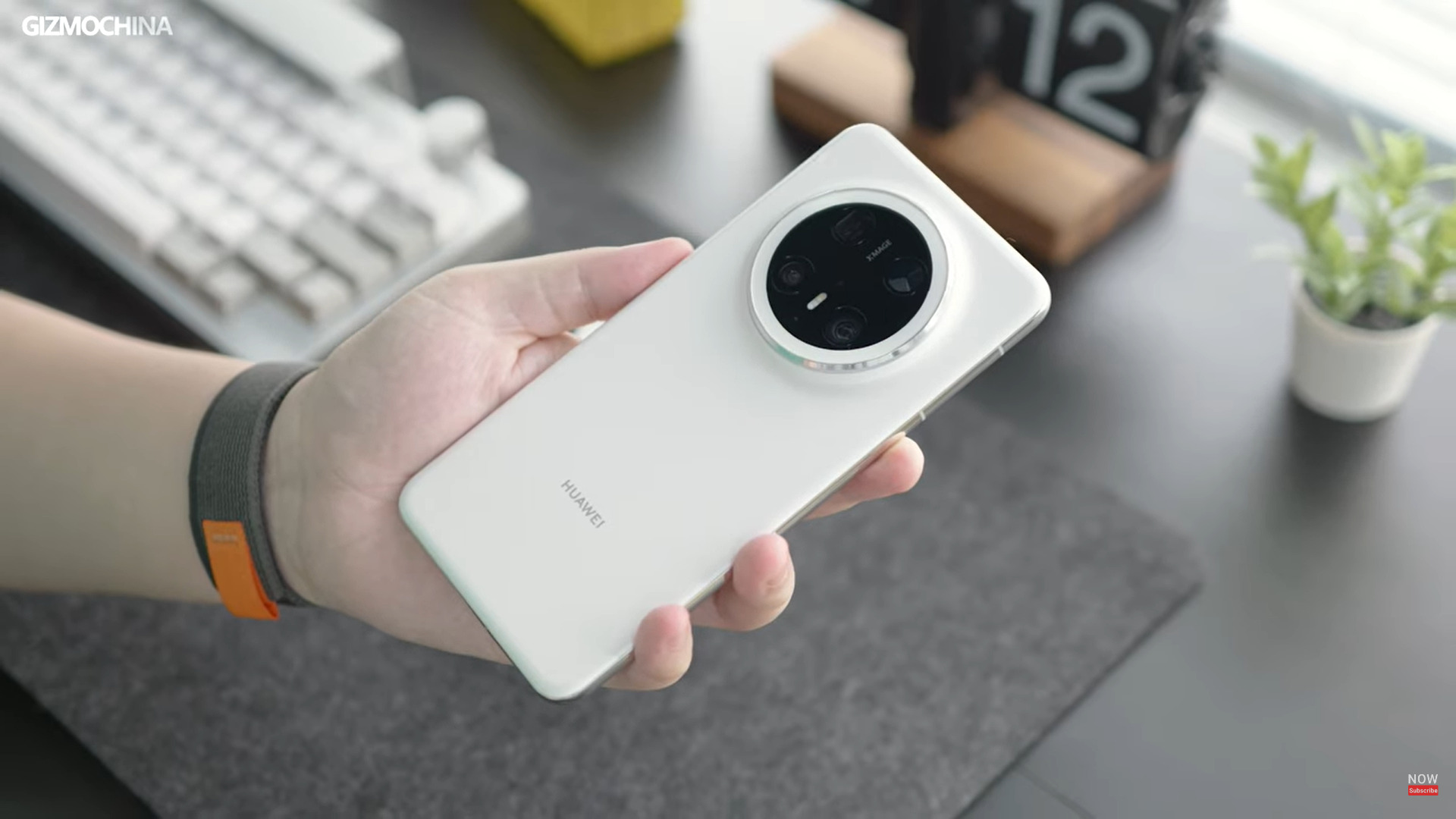
At present, there is no clarity on whether the Z9 Turbo or its Plus variant will be launched outside of China.

How is Google TV Streamer Different From Google’s Previous Streaming Devices

Google has been a significant player in the streaming device market, and its latest offering, the Google TV Streamer, marks a notable shift from previous models like Chromecast. Released on September 24, 2024, the Google TV Streamer is more than just an upgrade in design; it introduces several key features and improvements that set it apart from Google’s earlier streaming devices. Here’s a detailed look at how it differs.

google-tv-streamer

1. Set-Top Box Design

Unlike previous Chromecast devices, which used a dongle design that plugged directly into a TV’s HDMI port, the Google TV Streamer adopts a sleek set-top box form factor. This means the device now rests on your entertainment console, connecting to your TV via a separate HDMI cable. While this might require more space, it provides a more stable and durable setup, particularly in environments where the hanging dongle design could be less ideal.

Buy Google TV Streamer (4K) – Porcelain 

2. Increased Performance and Storage

The Google TV Streamer comes with a faster processor, boasting a 22% increase in performance over previous Chromecast models. This results in faster app loading times and smoother navigation. Additionally, the device has doubled its memory to 32GB, allowing for more apps to be installed without running into storage limitations. This is a significant improvement, particularly for those who want to keep several streaming services and apps installed simultaneously.

3. 4K HDR and Dolby Atmos Support

While the Chromecast with Google TV supported 4K streaming, the Google TV Streamer takes it a step further by enhancing its visual and audio capabilities. It supports 4K HDR, Dolby Vision, and Dolby Atmos for immersive sound and visuals. This brings it in line with high-end streaming devices like the Apple TV 4K and Roku Ultra, ensuring top-tier performance in both picture quality and audio.

4. AI-Powered Features

One of the most exciting new features of the Google TV Streamer is its AI integration through Google’s Gemini technology. This AI enhances the viewing experience by providing AI-generated overviews of movies and TV shows, season-by-season breakdowns, and personalized recommendations based on your preferences. It can also generate custom screensaver art for your TV using AI, making the device not just functional but also aesthetically appealing when not in use.

5. Smart Home Integration

A major step forward with the Google TV Streamer is its role as a smart home hub. It supports the Matter protocol and comes with an integrated Thread border router, enabling seamless control of smart home devices like lights, thermostats, and security cameras. Through the new Google Home Panel, users can monitor and manage their connected devices directly from their TV, making it easier to interact with your smart home without leaving the couch.

6. Redesigned Remote with “Find My Remote” Feature

The Google TV Streamer introduces an improved remote design, which is larger and more ergonomic than its predecessor. The remote now includes a customizable shortcut button, allowing users to program it to launch their favorite apps or smart home controls. Additionally, the device comes with a “Find My Remote” feature, a much-welcomed addition for anyone who frequently misplaces their remotes. By pressing a button on the streamer or using voice commands through Google Assistant, the remote emits a chime, making it easy to locate.

7. Conclusion

The Google TV Streamer is more than just a streaming device – it’s a smart home hub, a personalized entertainment assistant, and a step up in performance and design from Google’s previous devices. With improved AI features, better smart home integration, and enhanced video and audio quality, it is a worthy upgrade for users looking to streamline their smart home and entertainment experiences in one device.

OnePlus, Oppo team up with Spotify for in-app gaming overlay

Music and mobile gaming often go hand-in-hand, but switching between apps to control playback can disrupt the flow. In a move to streamline this experience, OnePlus and Oppo have partnered with Spotify to introduce a new in-app gaming overlay.

According to a recent X post (formerly Twitter) by Pete Lau, chief product officer at OPPO and founder of OnePlus, select users will now have access to a special overlay within the Spotify app. This overlay allows you to play games on your phone while simultaneously controlling your music playback.

Essentially, you won’t have to constantly switch between the Spotify app and your game to adjust volume, skip tracks, or pause your music. This could be a major convenience for those who enjoy jamming out while grinding away at their favorite mobile titles.

The focus here seems to be on streamlining the experience for users who like to game with music in the background. Both companies are hoping that by integrating these functionalities within a single interface, they can make things a bit more seamless.

However, there’s a slight catch: for now, it’s unclear exactly which regions will get access to this new feature. The rollout appears to be limited at the moment, and more details about availability in different markets are expected to be revealed soon.

This collaboration between OnePlus, OPPO, and Spotify does mark a somewhat novel approach to merging music streaming with mobile gaming. It could set a new trend in terms of smartphone feature development and cross-app functionality.

If you’re rocking a OnePlus or OPPO device and reside in a region that gets this update, keep an eye out for the new overlay option within your Spotify app. Once available, you can explore the gaming tools and music control features it offers and see if they enhance your on-the-go entertainment experience.