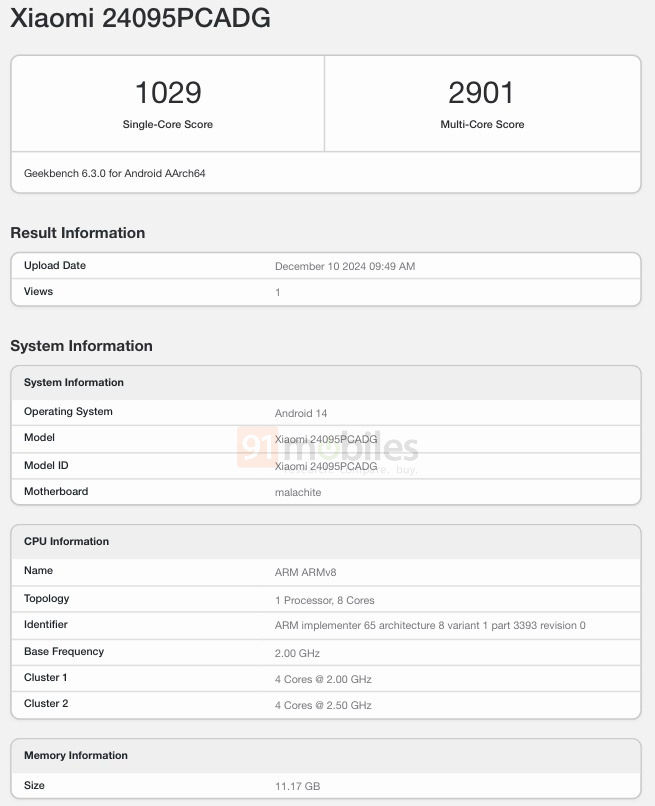
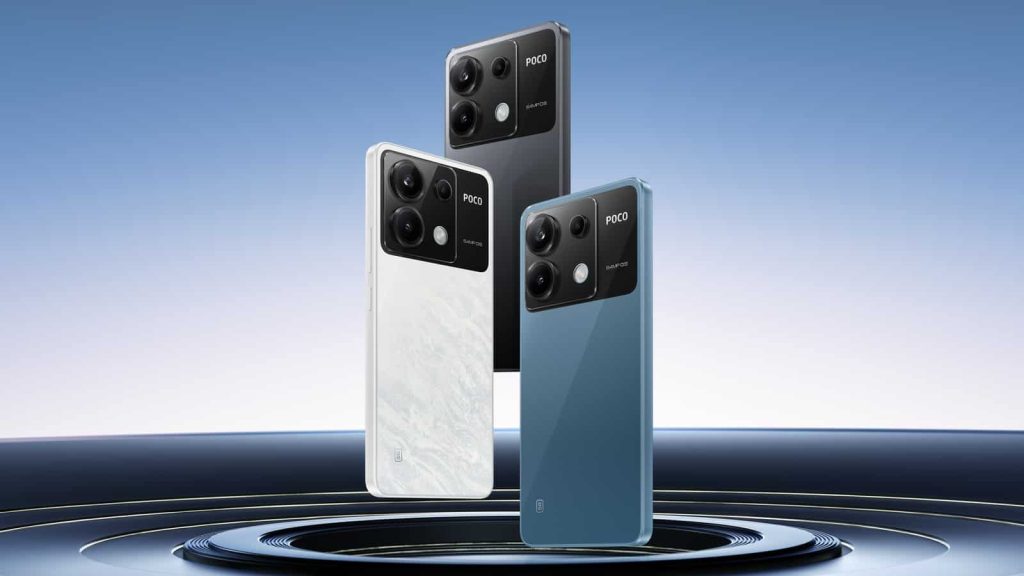
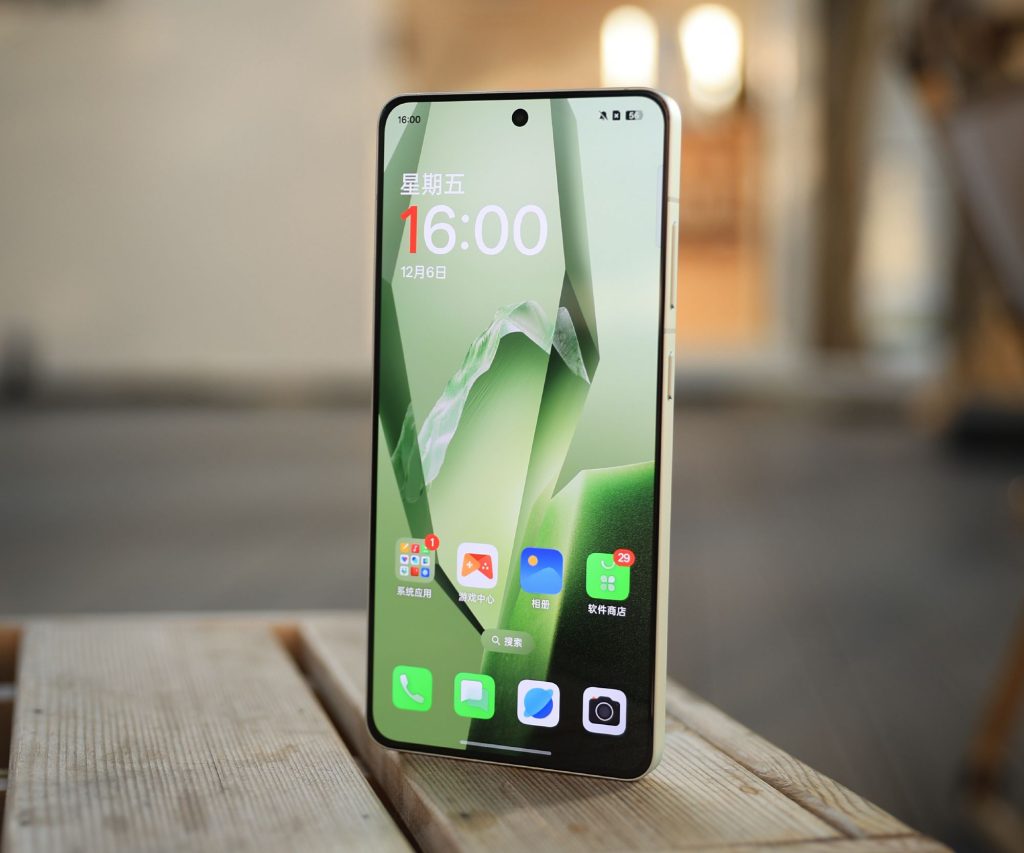
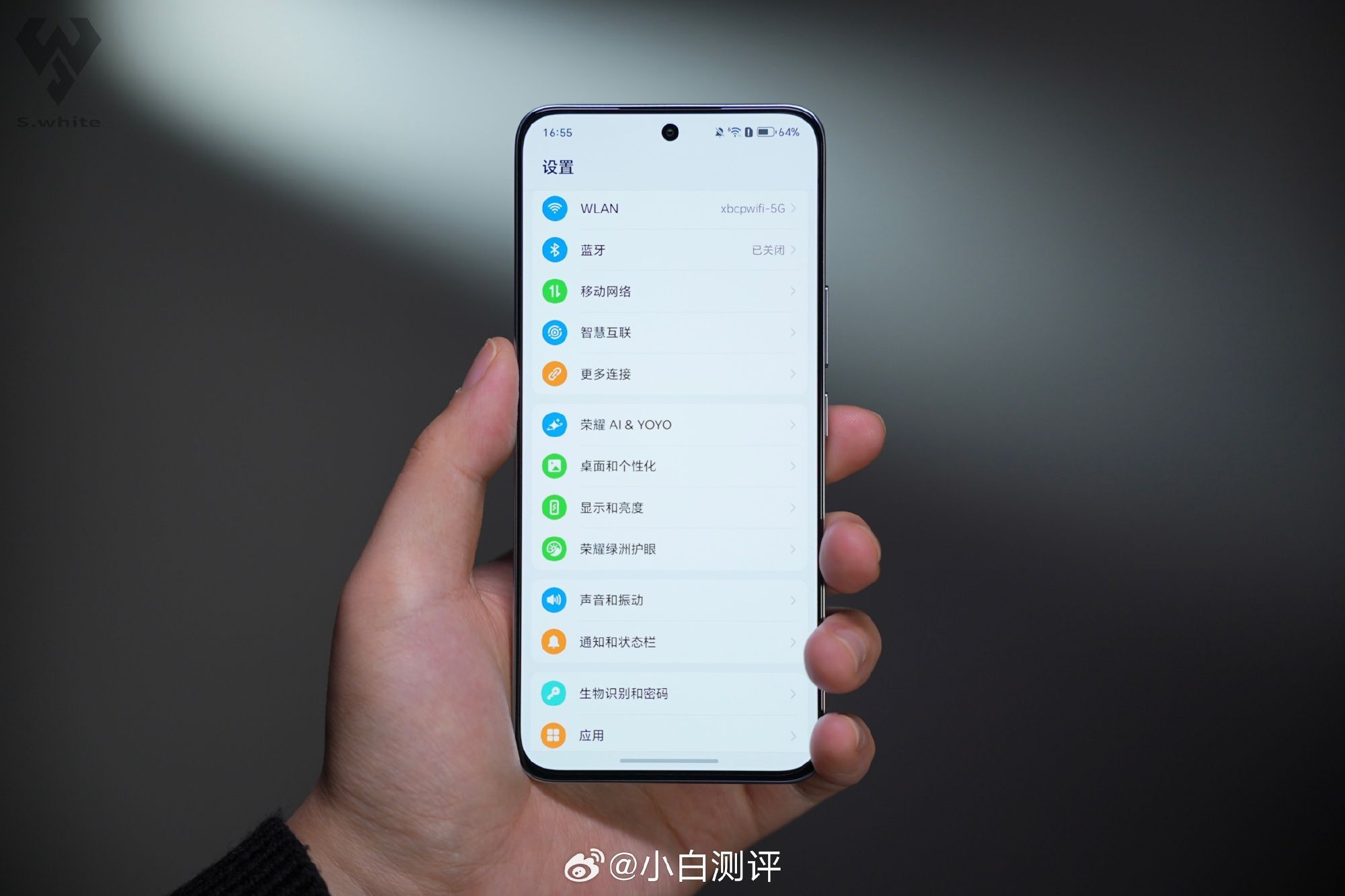
Infinix has teased the launch of its first flip phone, the Zero Flip, but hasn’t announced a release date yet. However, leaks have been trickling details about it every now and then. In the most reliable leak so far, tipster Paras Guglani has revealed the phone’s key specs.
According to the leak, the phone will feature a 3.6-inch AMOLED cover screen with a 120Hz refresh rate and a resolution of 1056 x 1066 pixels.
Flipping it open will reveal a 6.9-inch AMOLED panel with 1080 x 2640 pixel resolution, 120Hz refresh rate, and also support for LTPO technology.
Unfolded, the Zero Flip is shown to be slim at just 7.64mm thick. However, in its folded state, it will not be as slim of a device as it measures 16.04mm—about 4mm thicker than the Samsung Z Fold 6.
The extra thickness allows to accommodate a larger battery, though. The Infinix Zero Flip is revealed to house a 4720mAh cell. It will be powered by a MediaTek Dimensity 8020 processor, paired with 8GB of RAM and 512GB of storage. Software-wise, it will run XOS 14.5 based on Android 14.
For cameras, the phone will feature a 50MP main lens and a 50MP ultrawide lens on the cover screen. There’s also a 50MP selfie camera on the main display. Colors for the Zero Flip include a Rock Black and a Blossom Glow (more like Pink) option. When it comes to connectivity, it will include 5G, Wi-Fi 6, Bluetooth 5.3, NFC, and a USB-C port.
Infinix Zero Flip image
Although this leak doesn’t confirm it, previous ones suggest the Zero Flip 5G will also feature stereo speakers, dual high-quality microphones, and support for DTS, Hi-Res Audio, and TUV certification. For security, it will be equipped with a side-facing fingerprint sensor.
Apple‘s latest iPhone 16 lineup arrived with a focus on incremental improvements rather than revolutionary leaps. The main highlight this year was “Apple Intelligence”, but that feature is in MIA. Besides this, the company touted improved battery life across the lineup.
The company claimed the iPhone 16 Pro Max delivers four extra hours of video playback compared to its predecessor, with the base iPhone 16 offering two additional hours. However, a recent test by popular tech YouTuber MrWhosetheboss sheds light on real-world battery performance.
The YouTuber put the new iPhones to the test, pitting them against their predecessors and the ever-present Android competitor, the Samsung Galaxy S24 Ultra. And the results are a mixed bag.
The test mimicked real-life scenarios, cycling through popular apps like social media, YouTube, and Slack. The Galaxy S24 Ultra, wielding a hefty 5,000 mAh battery, emerged the clear winner here, lasting a whopping 12 hours and 31 minutes.
The iPhone 16 Pro Max came in second with a respectable 11 hours and 22 minutes, a noticeable improvement over the iPhone 15 Pro Max’s 9 hours and 35 minutes.
The rest of the iPhone 16 lineup displayed a similar pattern. Both the Plus and Pro clocked in at 8 hours and 19 minutes, while the standard iPhone 16 matched that time. All the iPhone 16 models surpassed their iPhone 15 counterparts, but none quite reached the heights of the Galaxy S24 Ultra.
Here are the results:
Samsung Galaxy S24 Ultra: 12 hours 31 minutes
iPhone 16 Pro Max: 11 hours 22 minutes
iPhone 15 Pro Max: 9 hours 35 minutes
iPhone 16 Plus: 8 hours 45 minutes
iPhone 16 Pro: 8 hours 19 minutes
iPhone 16: 8 hours 19 minutes
iPhone 15: 7 hours 45 minutes
While the iPhone 16 series does offer better battery life, it still falls short of surpassing the S24 Ultra, despite Apple’s use of a second-gen 3nm chip, which is more efficient than the S24 Ultra’s 4nm chip.
The results are interesting to see, but note that the battery life can vary depending on individual usage patterns.
Apple has reportedly added a graphene thermal system to the iPhone 16 Pro models which helps dissipate the heat better and in turn, offers a more stable performance. The A18 Pro chipset is also more capable than last year’s chipset. But how do its performance and stability compare to flagship Android devices with superior heat dissipation systems?”
To test it out, the YouTube channel ‘极客湾Geekerwan’ ran Genshin Impact and similar heavy titles on the iPhone 16 Pro Max, some previous iPhones, and some Android flagships with last year’s Snapdragon 8 Gen 3 and Dimensity 9300+ chip.
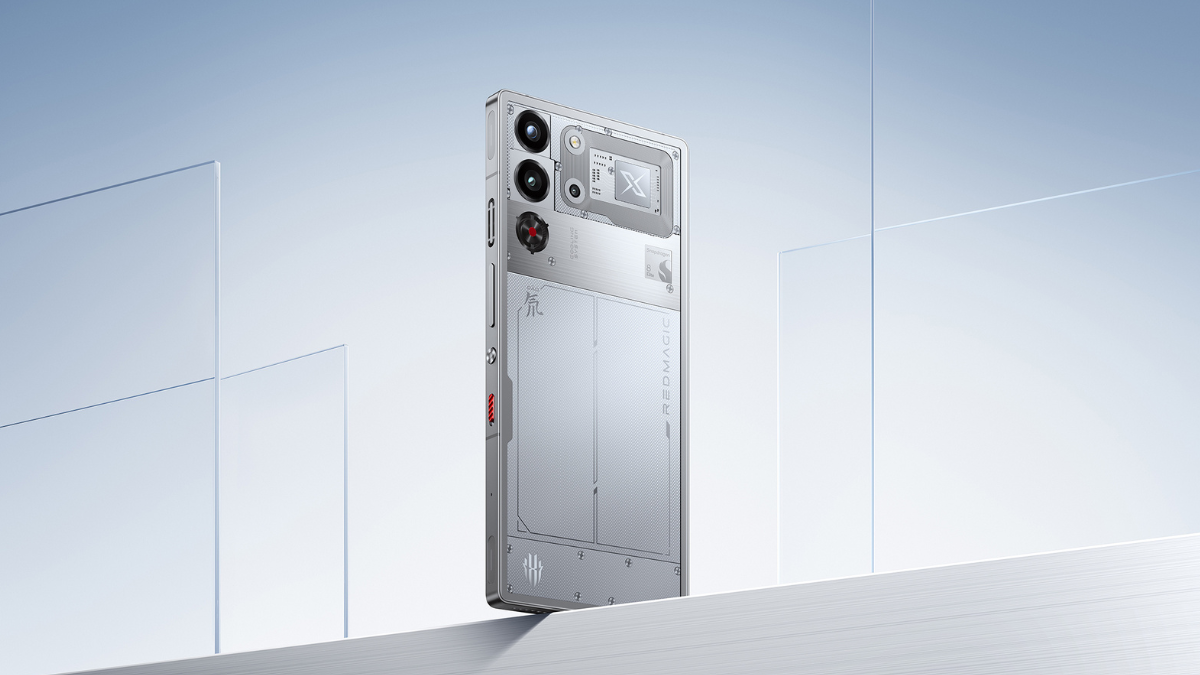
The iPhone 16 Pro Max obtained a decent lead over the iPhone 15 Pro Max. However, the Red Magic 9S Pro, which was launched in July this year with the Snapdragon 8 Gen 3 managed to outperform Apple’s latest iPhone 16 Pro Max in the game. It’s important to mention that the Red Magic 9S Pro equips an active cooling system, which likely enable it use more power.
The A18 Pro running in the iPhone 16 Pro Max maintains a framerate of 55.5FPS in Genshin Impact, while the Snapdragon 8 Gen 3-powered Android flagship offered an average frame rate of 59.9fps. While the difference might not seem reasonably big, the gameplay was significantly more stable in the Red Magic 9S Pro.
It is also interesting to see that the same SoC powering the smaller iPhone 16 Pro managed to achieve only 49.5fps, and offered a significantly less stable performance as compared to the larger model. This is probably because of a relatively inferior heat dissipation system on the Pro model. However, the story is strangely different with the iPhone 16 and iPhone 16 Plus, as the A18 running in the smaller 6.1-inch handset obtains a higher framerate than its bigger 6.7-inch brother.
Notably, not all Android devices with the Snapdragon 8 Gen 3 performed the same. The Xiaomi 14 Pro, which also packs the Snapdragon 8 Gen 3 chip only managed to score an average frame rate of 38.9fps. It also hints at a difference in the heat dissipation system and performance tuning.
Motorola officially launched its highly anticipated foldable phone, the Razr 50, in India earlier this month. After its initial pre-order window, the Motorola Razr 50 is now live for sale in the country with a starting price as low as Rs. 49,999.
Motorola Razr 50 offer:
The Motorola Razr 50 is currently selling in a single 8GB + 256GB model in India ₹64,999. The brand is offering a special festival discount of ₹5000 on Motorola’s Indian website. Alongside the festive offer, the brand is also offering an instant discount of ₹10,000 for Axis and IDFC First Bank Credit Card users on both direct and EMI purchases. All these offers combined knock the effective price of the device down to ₹49,999.
Alternatively, Amazon India has a ₹5,000 coupon on the device along with a ₹8,750 Instant discount for SBI credit card users, bringing the effective price down to ₹51,249.
Motorola Razr 50 specs:
The Razr 50 is equipped with a 6.9-inch FlexView FHD+ pOLED display with a smooth 120Hz refresh rate, alongside a 3.6-inch external pOLED screen for quick notifications and essential functions. Powered by the MediaTek Dimensity 7300X processor, it pairs with 8GB of RAM and 256GB of internal storage, running on Android 14 with a guarantee of 3 years of updates.
For photography, the Razr 50 features a dual rear camera setup, including a 50MP main sensor and a 13MP ultra-wide lens, while a 32MP front camera handles selfies and video calls. The phone supports 5G connectivity, Wi-Fi 6, and Bluetooth 5.4, and is powered by a 4200mAh battery that supports 33W fast charging and 15W wireless charging. The foldable has an IPX8 water-resistant rating, ensuring protection against accidental splashes.
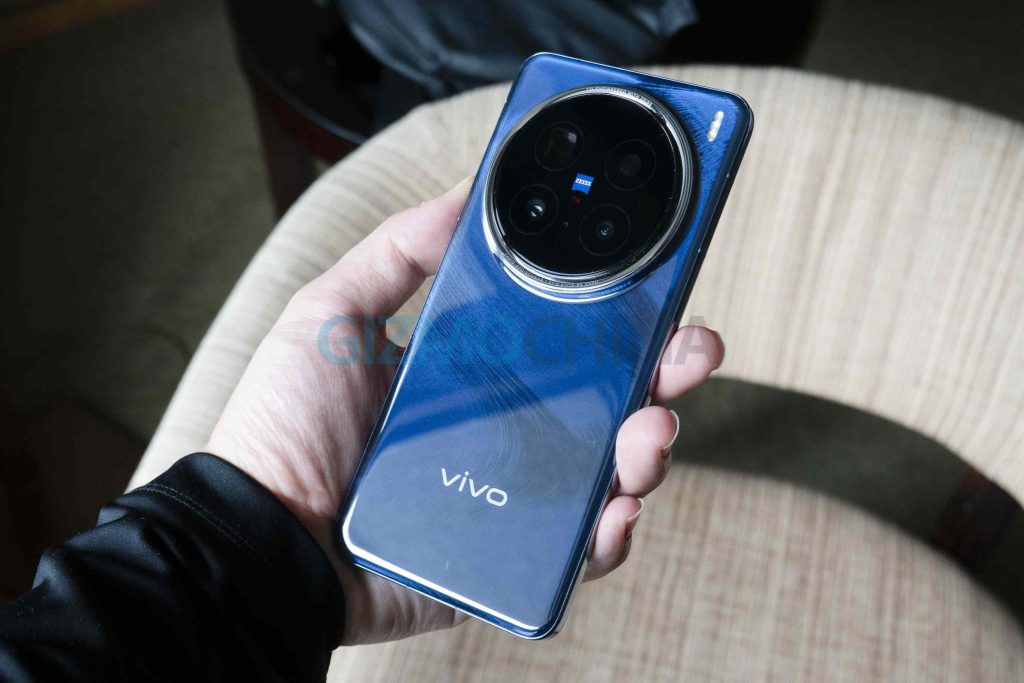
Vivo has officially launched the T3 Ultra smartphone in India, offering powerful performance and premium features at an attractive price point. The phone is now available for purchase on Flipkart, the vivo India e-store, and partner retail stores.
The Vivo T3 Ultra comes in three variants:
8GB RAM + 128GB storage: Rs. 31,999
8GB RAM + 256GB storage: Rs. 33,999
12GB RAM + 256GB storage: Rs. 35,999
HDFC Bank cardholders can enjoy a flat discount of Rs. 3,000, bringing down the effective prices to:
8GB RAM + 128GB storage: Rs. 28,999
8GB RAM + 256GB storage: Rs. 30,999
12GB RAM + 256GB storage: Rs. 32,999
Additionally, customers can avail up to 6 months of no-cost EMI.
Vivo T3 Ultra specs:
The Vivo T3 Ultra boasts a stunning 6.78-inch AMOLED display with a 120Hz refresh rate and a peak brightness of up to 4500 nits. Under the hood, the powerful Dimensity 9200+ processor delivers exceptional performance. With up to 12GB of RAM and 256GB of storage, the T3 Ultra offers ample space and a lag-free experience.
The T3 Ultra has a 50MP main camera with Optical Image Stabilization (OIS) and ZEISS optics for better image quality, an 8MP ultra-wide camera, and a 50MP front camera for selfies and video calls.
It has a 5500mAh battery, providing enough power for a full day’s use, and supports 80W fast charging. The phone is also IP68 rated for dust and water resistance and includes features like an in-display fingerprint sensor, USB Type-C audio, and stereo speakers.
In other news, Samsung is offering a significant discount on the Galaxy S23 during the festive season, pricing it at Rs 39,999—around 55% off its original launch price. This offer is available on Amazon and Flipkart, with additional discounts for HDFC and SBI cardholders.
Vivo has launched the Vivo Watch 3 globally, following its initial release in China. The global version, which is currently available in the Philippines keeps the same sleek design but offers improved battery life. Weighing 36g, the Vivo Watch 3 features a stylish design with a rotating crown and a large 3D curved glass display.
The AMOLED display of the watch measures 1.43 inches with a resolution of 466 x 466 pixels. It runs on BlueOS, providing a simple user interface with an Always On display feature.
Health tracking is a key feature, with multi-channel monitoring including 8-channel heart rate and 16-channel blood oxygen tracking. The watch also monitors stress levels, detects noise, and tracks sleep, with a Silent mode to aid rest. Fitness enthusiasts can take advantage of over 100 sports modes.
For connectivity, the Vivo Watch 3 offers Bluetooth calling, music control, and NFC access card support. Motion gestures can be used to answer calls or silence alarms. The battery lasts up to 16 days in Bluetooth mode, providing extended use.
Pricing & availability
The watch comes in two versions: Moon White with a leather strap for PhP 14,999, and Asteroid Black with a rubber strap for PhP 13,999. It is available for purchase on Vivo’s official website.
In other news, Xiaomi has teased the upcoming Redmi Buds 6 wireless earbuds, now available for pre-order ahead of their official launch on September 25 alongside the Redmi Note 14 series. The earbuds feature an in-ear design and come in green and white. Key upgrades include dual ceramic dynamic drivers for improved sound quality, advanced noise cancellation with a reduction depth of 49dB, and up to 42 hours of battery life. Global launch details of these earbuds are currently under wraps.
Longer Nano Pro 12W, launched on September 17th, 2024, is making waves in the world of laser engraving. This compact powerhouse is designed to meet the needs of both hobbyists and professionals, offering a perfect blend of portability and performance. Whether you’re a DIY enthusiast working on home projects or a professional artist creating intricate designs, this laser engraver is set to revolutionize your creative process.
One of the standout features of the Longer Nano Pro 12W is its incredible portability. This laser engraver is a breeze to carry around, weighing just 1.2 kg, about the same as a pair of football shoes. Its lightweight design means you’re no longer tied to a fixed workspace. You can easily take it to craft fairs, and workshops, or even use it in different rooms of your house. This flexibility is a game-changer for creators who love to work in various settings or those who don’t have a dedicated workspace at home.
Despite its small size, the Longer Nano Pro 12W doesn’t compromise on power. Available in both 6W and 12W models, this engraver packs a punch that rivals much larger machines. The 12W version, in particular, offers professional-grade engraving capabilities, allowing you to work on a wide range of materials with ease. Whether you’re etching intricate patterns on wood or cutting through acrylic for your latest project, this engraver has the power to bring your ideas to life.
Speed and precision are at the heart of the Longer Nano Pro 12W’s design. It features an advanced Galvo system that enables engraving speeds of up to 5000mm/s. This high-speed capability is paired with an impressive accuracy of 0.01mm, ensuring that even the tiniest details in your designs are captured perfectly. For artists and craftspeople who work on detailed projects, this level of precision is invaluable, allowing you to create complex designs with confidence.
One of the best things about the Longer Nano Pro 12W is its easy use. It’s compatible with popular engraving software like LightBurn and LaserGRBL, making it accessible for users of all skill levels. Beginners will appreciate the straightforward setup process, while experienced users will love the advanced features these software options provide. Additionally, LONGER has developed the LaserBurn app, which allows you to control the engraver directly from your smartphone. This user-friendly approach means you can start creating amazing projects right out of the box, regardless of your technical expertise.
The versatility of the Longer Nano Pro 12W makes it an excellent choice for a wide range of users. DIY enthusiasts will love its ability to handle various materials and project types. Small business owners can use it to create custom products or personalized gifts. Professional artists will appreciate its precision for creating detailed artwork. Even educators might find it useful for teaching design and manufacturing concepts in a hands-on way.
Longer Nano Pro 12W Portable Laser Engraver is a remarkable tool that brings professional-grade engraving capabilities to a portable package. Its power, precision, and ease of use make it stand out in the crowded field of laser engravers. Whether you’re looking to start a new hobby, expand your small business offerings, or take your professional designs to the next level, this engraver offers the flexibility and performance you need.
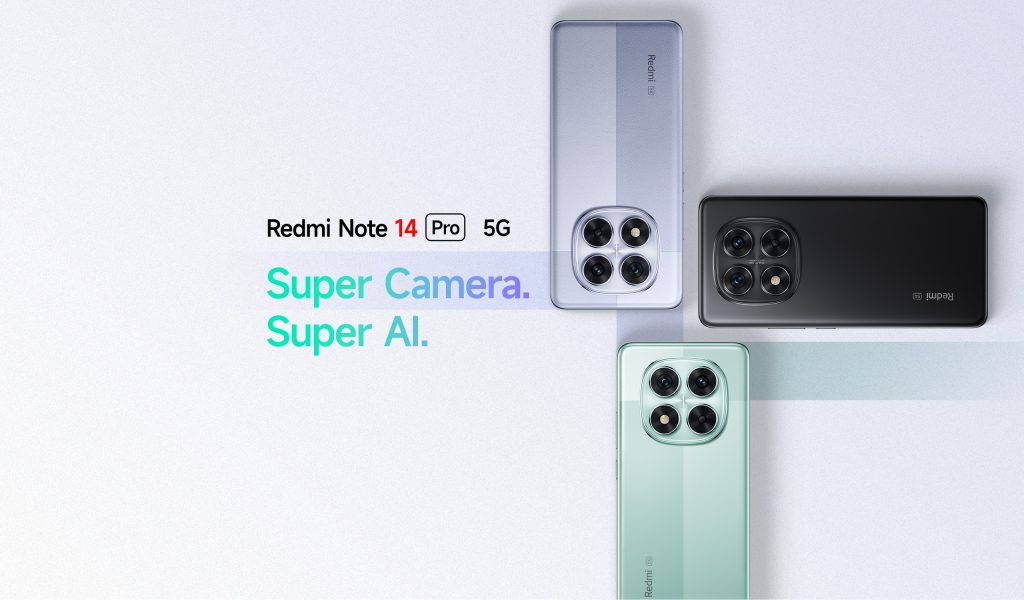
Redmi is playing its cards close to its chest regarding the exact launch date for the Note 14 series, but they’re happy to give us a glimpse of what’s to come in the color department. The company officially confirmed the color options for the Pro models, the Redmi Note 14 Pro and 14 Pro Plus.
The Note 14 Pro will be available in four flavors: Phantom Green, Twilight Purple, Mirror Porcelain White, and Midnight Black. The green and purple options lean into a two-tone finish, while the white has a more shiny finish. The black sticks to the classic matte look.
Redmi Note 14 Pro color options
The Note 14 Pro Plus keeps things a little more subdued, offering Sand Star Green, Mirror Porcelain White, and again, Midnight Black. Both Pro models share a sleek curved back design and a distinctive squircle camera island.
Redmi Note 14 Pro Plus color options
However, there’s a subtle difference in the camera layout. The Note 14 Pro has its lenses nestled discreetly within a glass panel, while the Pro Plus features more pronounced individual camera rings.
While these color options are confirmed, the full specifications for the Redmi Note 14 series remain a bit of a mystery. Rumors suggest there might be a vanilla Note 14 alongside the Pro and Pro Plus, offering a more affordable entry point.
The standard Note 14 is expected to sport a 1.5K AMOLED display, a step up from the Full HD panel on its predecessor. On the back, a 50MP triple camera system is rumored, along with a MediaTek Dimensity 6100+ chipset at the helm.
Stepping up to the Pro and Pro Plus models, things get a bit more exciting. Both are expected to boast a curved 1.5K OLED display with a smooth 120Hz refresh rate. The camera department is also rumored to be identical, featuring a 50-megapixel triple camera setup.
For processing power, the Pro might run on the recently announced Snapdragon 7s Gen 3 chip, while the Pro Plus could leverage the MediaTek Dimensity 7350 SoC.
With the official launch just around the corner, we shouldn’t have to wait much longer for the full picture of the Redmi Note 14 series. Stay tuned for the official specs and pricing details, which are expected to arrive next week.
Samsung has announced a price drop for its flagship Galaxy S24 smartphone, just in time for the festive season. Originally priced at Rs. 74,999, the device is now available at Rs. 59,999.
Samsung Galaxy S24 discount deal:
The Galaxy S24 is currently listed on Samsung’s website for Rs 62,999, down from its original starting price of Rs. 74,999. The offer includes a Rs. 12,000 cashback, with additional benefits like a Rs. 3,000 upgrade bonus or bank cashback, and No-Cost EMI options for up to 24 months. With the offers included you can get the device at Rs. 59,999.
The Galaxy S24 is available at a discounted price through the Samsung India online store, Samsung retail outlets, and online retailers like Amazon.in. The bank offer is expected to be available during the upcoming festive sale, which starts next week.
Samsung Galaxy S24 specs:
The Galaxy S24 comes with a 6.2-inch Dynamic AMOLED display, featuring a 1-120Hz adaptive refresh rate and a resolution of 2340×1080 pixels. The screen is bright, durable, and protected by Corning Gorilla Glass Victus 2.
Powered by Samsung’s Exynos 2400 processor with 8GB of RAM, the phone is available with storage options from 128GB to 512GB. For photography, it includes a 50MP main camera with optical image stabilization, a 12MP ultra-wide lens, and a 10MP telephoto lens with 3x optical zoom. The front camera is a 12MP sensor.
Running on OneUI 6.1, based on Android 14, the device offers seven years of software support. It also has a 4,000mAh battery with 25W fast charging, Qi wireless charging, and wireless PowerShare.
In related news, Samsung is also offering a massive discount on the Galaxy S23 this festive season, selling it at a discounted price of Rs 39,999, about 55% off its launch price. This deal is available through Amazon and Flipkart, with additional discounts on HDFC and SBI cards.
Foldable smartphones are shaping the future of mobile devices, and the competition between Google’s Pixel 9 Pro Fold and Samsung’s Galaxy Z Fold 6 marks a milestone in innovation. Both devices offer cutting-edge technology, but which is the better buy? In this article, we’ll compare these two devices across several key parameters like design, display, performance, cameras, and battery life, to help you make an informed decision.
Design: Build, Durability, and Usability
Features
Both the Pixel 9 Pro Fold and Galaxy Z Fold 6 follow a similar blueprint with foldable form factors, combining Gorilla Glass Victus 2 on the front and back, with an aluminum frame for enhanced durability. These materials ensure the phones can handle everyday use without getting damaged easily. However, Samsung’s Galaxy Z Fold 6 comes with an Enhanced Armor Aluminum frame that promises tougher resistance to drops and scratches, which gives it an edge in durability.
Both devices have IPX8 water resistance, protecting them from submersion in water for short periods. The Pixel 9 Pro Fold has eSIM and Nano-SIM support, while the Galaxy Z Fold 6 offers more flexibility by supporting up to two Nano-SIMs and multi eSIM, which is ideal for frequent travelers.
Similarities
Foldable design with glass and aluminum build.
Both are IPX8 water-resistant.
No support for expandable memory cards.
Differences
The Pixel 9 Pro Fold lacks stylus support, while the Galaxy Z Fold 6 supports the S Pen, offering more versatility for tasks like note-taking or drawing.
The Galaxy Z Fold 6 has a slight edge in terms of build robustness, thanks to its Armor Aluminum frame.
Which is Better?
While both phones are premium in terms of design, Samsung’s Galaxy Z Fold 6 offers more durability and versatility (thanks to stylus support and its dual SIM capability). If you’re looking for a foldable phone that you can use for both work and creative tasks, the Z Fold 6 may be more practical.
Display, Media, and Software
Features
When it comes to displays, both phones push boundaries with 120Hz foldable OLED screens. The Pixel 9 Pro Fold features a larger 8.0-inch LTPO OLED main display with a resolution of 2076 x 2152 pixels and a peak brightness of 2700 nits, making it perfect for outdoor visibility and high-quality HDR content. The cover display is also impressive, measuring 6.3 inches with a 1080 x 2424 resolution and similar brightness levels.
The Galaxy Z Fold 6 has a slightly smaller 7.6-inch Dynamic AMOLED 2X main screen, with a resolution of 1856 x 2160 pixels and a peak brightness of 2600 nits. The cover screen is also 6.3 inches, but its resolution is lower at 968 x 2376 pixels. However, the Z Fold 6’s 91% screen-to-body ratio makes the design feel sleeker and more immersive.
On the software front, both devices run Android 14, but Samsung’s One UI 6.1.1 offers extra customization features and a more refined multitasking experience, supported by Samsung’s DeX desktop experience, which turns the phone into a workstation.
Similarities
Foldable OLED displays with 120Hz refresh rates.
HDR10+ support for immersive media.
Both run on Android 14.
Differences
The Pixel 9 Pro Fold offers a larger main display and higher peak brightness.
Samsung offers the DeX desktop experience for multitasking and productivity, which Google lacks.
Pixel 9 Pro Fold provides 7 major Android updates, while the Galaxy Z Fold 6 offers 4 years of updates.
Which is Better?
For sheer display quality, the Pixel 9 Pro Fold takes the lead with its larger and brighter main screen. However, for software features and multitasking, the Galaxy Z Fold 6 is a better choice, particularly for users who need a productivity-oriented device.
Performance and Battery
Features
The Pixel 9 Pro Fold is powered by the Google Tensor G4 chipset with an octa-core CPU and Mali-G715 MC7 GPU. This chipset is optimized for Google’s software, ensuring seamless performance, especially in AI-driven tasks. The phone comes with 16GB of RAM and UFS 3.1 storage, ensuring quick read and write speeds.
The Galaxy Z Fold 6 sports the newer Qualcomm Snapdragon 8 Gen 3 chipset, paired with 12GB of RAM and UFS 4.0 storage. Qualcomm’s Gen 3 processor offers superior performance, especially in graphics-intensive tasks and power efficiency. This means faster processing for gaming, multitasking, and rendering compared to Google’s Tensor G4.
Battery life differs slightly: the Pixel 9 Pro Fold has a 4650 mAh battery with 21W wired charging and 7.5W wireless charging, while the Galaxy Z Fold 6 has a slightly smaller 4400 mAh battery, but faster charging speeds with 25W wired and 15W wireless charging. The Z Fold 6 also supports reverse wireless charging.
Similarities
Both phones feature octa-core CPUs with high-end performance.
No expandable memory card support.
Differences
Galaxy Z Fold 6 has a more advanced Snapdragon 8 Gen 3 processor with superior power efficiency.
The Pixel 9 Pro Fold offers a larger battery, but the Z Fold 6 has faster charging speeds and reverse wireless charging.
Which is Better?
In terms of performance, the Galaxy Z Fold 6 edges out the Pixel due to its more powerful Snapdragon chipset and faster storage. However, the Pixel 9 Pro Fold offers a slightly longer battery life, making it better for users who prioritize endurance over raw power.
Cameras
Features
The Pixel 9 Pro Fold is equipped with a 48 MP wide lens, a 10.8 MP telephoto lens with 5x optical zoom, and a 10.5 MP ultrawide lens. Google’s camera software has long been a selling point, and the Zoom Enhance and Best Take features ensure that you capture high-quality, AI-optimized images. Video capabilities are strong, with support for 4K@60fps and 10-bit HDR.
The Galaxy Z Fold 6 has a slightly more versatile camera setup: a 50 MP wide lens, a 10 MP telephoto lens with 3x optical zoom, and a 12 MP ultrawide lens. It shines in video recording with support for 8K@30fps video, something the Pixel lacks. The Z Fold 6 also boasts under-display selfie cameras, which help reduce distractions on the large screen.
Similarities
Triple-camera setups with telephoto, wide, and ultrawide lenses.
Both support 4K video recording and offer excellent photography features.
Differences
The Galaxy Z Fold 6 supports 8K video recording, while the Pixel does not.
Pixel 9 Pro Fold offers better optical zoom (5x vs. 3x).
Samsung has an under-display selfie camera, which is more innovative but delivers slightly lower-quality images than traditional lenses.
Which is Better?
If zoom and AI-powered photography are important, the Pixel 9 Pro Fold takes the crown. However, if you’re into video recording, the Galaxy Z Fold 6 offers a better experience, especially with its 8K video and under-display camera.
Conclusion: Which is the Better Buy?
Both the Pixel 9 Pro Fold and the Galaxy Z Fold 6 are impressive foldable phones, but they serve slightly different audiences.
If you prioritize display quality, AI-powered cameras, and software updates, the Pixel 9 Pro Fold is the better choice. It’s ideal for users who are heavily integrated into Google’s ecosystem and value photography features like enhanced zoom and photo optimization.
On the other hand, if you value performance, multitasking, and flexibility (thanks to the S Pen and DeX features), the Galaxy Z Fold 6 is the better pick. Its superior chipset, better video recording capabilities, and more robust design make it perfect for power users and professionals.
In the end, your choice should depend on your specific needs, whether it’s creativity and photography with the Pixel or productivity and performance with the Galaxy Z Fold 6.
Sony India has expanded its truly wireless earbuds lineup with the launch of the WF-C510.
Sony WF-C510 specs:
The WF-C510 promises to deliver high-quality sound with Sony’s DSEE (Digital Sound Enhancement Engine) technology, improving audio across frequencies. They also support 360 Reality Audio, providing a more immersive sound experience. The earbuds offer up to 22 hours of playback, including the charging case, with just a 5-minute charge providing an additional hour of listening.
Useful features include Ambient Sound Mode to help users stay aware of their surroundings, and “Voice Focus,” which enhances call clarity. The earbuds can be customized through the Sony | Headphones Connect app, allowing users to adjust EQ settings. They also support multipoint pairing with two devices at the same time and offer Quick Access to Spotify. With an IPX4 rating, they are resistant to water splashes, and each earbud can be used independently.
Pricing & availability
Available in Blue, Yellow, Black, and White, the WF-C510 is priced at Rs. 3,990. A cashback offer of Rs. 1,000 is available on select credit cards until October 31, 2024. They will be available in India from September 26 across Sony stores and other major retailers.
In related news, Sony’s WF-C500 earbuds, originally launched in 2022, are now available at a discounted price of Rs. 2,289 on Amazon India. This offer includes a Rs. 1,500 discount when paying with a debit/credit card, down from the current list price of Rs. 4,489. The earbuds were originally priced at Rs. 5,990.
Oppo seems to be working on its next generation of upper mid range smartphones. The new devices are expected to be a part of the brand’s popular K series and could be dubbed the Oppo K13 lineup. So here’s what we can expect from the new phones.
To recall, the Oppo K12 was launched as the rebranded version of the OnePlus Nord CE 4. Meanwhile, the Oppo K12x was a rebadged version of the Nord CE 4 Lite. Since OnePlus and Oppo are essentially sister companies, it would make sense that its successor also follows a similar strategy with the renaming. This would mean that the OnePlus Nord CE 5 lineup launch as a rebranded Oppo K13 series.
2. Oppo K13 with Snapdragon Chip?
In one of our recent reports, we covered a leak from known tipster Digital Chat Station who shared some key information regarding an upcoming K series smartphone. Apparently, the K13 may carry the Oppo PKS110 model number and features Qualcomm’s Snapdragon 7 Gen 3 SoC.
For those unaware, this is the same chipset as the Oppo K12. So Oppo might not be planning a big upgrade with this model and is sticking with a refresh that has minor upgrades. K12x launched in two variants that featured either a Snapdragon 695 (China) or a Dimensity 6300 (Global). It is unclear if it will also retain the same chipsets.
3. Tall OLED display
The same report adds that the Oppo K13 will sport an OLED display with an FHD+ resolution. Both the Oppo K12 and K12x in China sport a tall 6.7-inch OLED panel. In other words, the newer models could have a similar sized display as well. The global variant of the K12x released with an IPS LCD panel, so there’s a chance for an upgrade here.
4. Massive Battery Pack
We still have no idea whether the Chinese brand has plans for multiple models in the Oppo K13 series. But the base K13 has a sizeable upgrade in mind. The Oppo K12 housed a large 5,500mAh battery pack that supports 100W wired fast charging. However, the K13 could take things to the next level with a massive 6,500mAh cell.
But rumors have hinted at the fast charging being reduced to 80W wired, which is still pretty respectable. Despite this huge battery, Oppo is expected to launch the K13 with a relatively slim and lightweight design thanks to a high strength polymer composite frame. Unfortunately, this is all the information we have at the moment so stick around for more updates.
ASUS has launched its latest laptop, the Zenbook S 14, in India, available for pre-orders from September 19th to 24th, and for sale from September 25th.
The laptop is powered by the Intel Core Ultra 7 processor, featuring an NPU with up to 47 TOPS for AI tasks such as real-time captions, background removal, and media generation. The processor is paired with Intel Arc graphics For cooling, it has a 3D Vapor chamber.
It sports a 14-inch 3K OLED touch display with a 120Hz refresh rate, 16:10 aspect ratio, and 500 nits HDR peak brightness. The laptop supports up to 32GB of LPDDR5X RAM, 1TB PCIe 4.0 SSD storage, and a 4 speakers audio setup tuned by Harman Kardon.
The Zenbook S 14 is designed with a slim, 1.1cm body, weighs just 1.2kg, and includes military-grade durability (MIL-STD 810H) thanks to its Ceraluminum construction. For security, it offers face authentication via an IR camera and Microsoft Pluton, which is a hardware-level solution that isolates sensitive operations from the rest of the system and protects sensitive data like encryption keys, credentials, and personal information. The laptop offers multiple connectivity options, including Thunderbolt 4, HDMI 2.1, USB 3.2, and WiFi 7.
Pricing & availability
Currently, the Zenbook S 14 with Core Ultra 7 CPU, 32GB RAM, and 1TB SSD is available for pre-order with a price tag of ₹1,49,990. As mentioned above, shipping will start from September 25th. Customers who pre-order will get a 2-year additional warranty, 3 years of accidental damage protection alongside premium earbuds just for ₹1.
In other news, ASUS has launched the ZenBook 14 Air in China, featuring a CNC-milled metal body in Snow White or Mountain Gray. It has a 14-inch 2.8K 120Hz Lumina OLED display, paired with an Intel Core Ultra 7-258V processor and a 72Wh battery that provides up to 22 hours of use. It is currently unknown when this model will be arriving in markets outside of China.
With the Indian festive season sale nearing, Samsung has already started offering big discounts on some of its products. The 2023 flagship Galaxy S23 Ultra is one such model, which is getting an attractive price cut. But is it worth buying with this new price tag? Read on to find out.
Samsung Galaxy S23 Ultra for Under Rs 80,000: A Good Deal?
Samsung’s Galaxy S23 Ultra is rumored to go on sale for under Rs 80,000 during the Amazon Great Indian Festival sale. This would mark a significant price drop from its Rs 124,999 launch price. As of right now, the 12GB + 256GB option is listed for 79,999 INR on Amazon, with buyers also getting an additional 5 percent cashback via Amazon ICICI credit card.
Samsung Galaxy S23 Ultra
So in total, there is a sizeable Rs 45,000 discount. The Galaxy S23 Ultra is available in multiple color options, namely Cream, Green, and Phantom Black. Despite being over a year old, the Galaxy S23 Ultra is still a top tier flagship phone. You get a premium design, great cameras, and top notch performance. Under the hood, it is equipped with the Snapdragon 8 Gen 2 SoC, which means it’s perfect for gamers.
The rear cameras include a great telephoto shooter as well. Samsung is known for its display and the Galaxy S23 Ultra’s display is arguably one of the best in the market. Other notable features include S Pen support, long software support, and solid battery life. But, I’d still suggest to hold off till the Amazon Great Indian Festival Sale to kick off as you might get an even better deal. Back in July 2024, the Galaxy S23 Ultra sold for around Rs 75,000, which means we can expect a similar of even a better deal in the coming days.
OnePlus 12 was released earlier this year as a premium smartphone. It boasts high-end specs such as Snapdragon 8 Gen 3, a high-resolution display, and a powerful camera setup made in collaboration with Hasselblad. The device also has a big battery with 100W fast charging support.
The smartphone is currently priced at Rs. 64,999 for the 12GB + 256GB variant and Rs. 69,999 for the 16GB + 512GB option. Although the OnePlus 12 is a pretty solid phone at this price point, there are alternatives from other brands that are better than this device in many ways.
Let’s quickly look at the OnePlus 12 spec sheet, then move on to the top alternatives.
OnePlus 12 Specs
Body
164.3 x 75.8 x 9.2mm 220g
Display
6.82″ 120Hz LTPO AMOLED 1440 x 3168 pixels resolution HDR10+, Dolby Vision, 4500nits (peak) Corning Gorilla Glass Victus 2
5G/4G/3G/2G Wi-Fi 7/Wi-Fi 6E/Wi-Fi 6 Bluetooth 5.4 NFC (supported) USB Type-C 3.2
Xiaomi 14 (review) is a compact flagship phone driven by the same chip, Snapdragon 8 Gen 3. So, you’re getting a performance similar to that of the OnePlus 12.
Being a compact phone, the Xiaomi 14 has a slightly smaller screen, although both have HDR10+ and Dolby Vision support. The OnePlus 12 has a higher peak brightness, although both are greatly visible outdoors.
The OnePlus device has slightly better Gorilla Glass protection. However, the Xiaomi 14 has a better IP rating for dust/water protection and can produce 68 times more colors. Overall, both have excellent displays with minor differences.
OnePlus 12 has a circular camera module that blends with the edges, whereas Xiaomi 14 has a rectangular one. The latter features three 50MP sensors — one is a primary sensor with OIS, the second is a telephoto shooter with OIS and 3.2 optical zoom, and the third is for ultrawide shots.
Both devices can record up to 8K videos using their rear cameras and 4K videos using their 32MP selfie camera.
Both smartphones have the same connectivity features. However, the OnePlus device has an edge when it comes to battery and charging. The Xiaomi 14 features a smaller battery with a 4,610mAh capacity and supports 90W charging, which is good but slightly slower than 100W on the OnePlus 12.
Both devices come with Android 14 out of the box and have the same software policy — four Android updates and five years of security patches.
5G/4G/3G/2G Wi-Fi 6E Bluetooth 5.3 NFC (supported) USB Type-C 3.2 Gen 1
The Galaxy S24 is slightly cheaper than the OnePlus 12 and offers good value for money. It has the Snapdragon 8 Gen 3 Chip, though there’s also an Exynos 2400 variant, which we don’t recommend.
It’s also a compact flagship phone featuring a Dynamic AMOLED 2X screen with LTPO technology for variable refresh rate support. The OnePlus 12 has more pixels and a higher peak brightness. However, the Galaxy S24 has the advantage of a better IP rating and an Armour aluminum frame for tougher drop and scratch resistance.
The Galaxy S24 has a cleaner and minimalist camera module than the OnePlus 12. It has a 50MP OIS-enabled primary sensor with OIS, a 10MP OIS-enabled telephoto camera with 3x optical zoom, and a 12MP ultrawide camera. For selfies, there’s a 12MP camera sensor.
Both Galaxy S24 and OnePlus 12 allow recording up to 8K videos using their rear cameras and 4K videos using their selfie camera.
Although both phones have similar connectivity features, the OnePlus 12 has a slight edge because of its Wi-Fi 7 and Bluetooth 5.4 support. It is also ahead in terms of battery capacity and charging speed. For a higher battery capacity and charging speed, you can get the Galaxy S24 Plus.
One key area where the Galaxy S24 leaves the OnePlus 12 in the dust is its unmatched software experience. The OnePlus phone only promises four Android updates, while the Galaxy S24 will get seven — the best on any Android smartphone. On top of this, the Samsung device has many exciting AI features, such as Circle to Search, instant slow-motion, real-time translation to talk with others in their language, and many more.
5G/4G/3G/2G Wi-Fi 7/Wi-Fi 6 Bluetooth 5.4 NFC supported
Vivo X100 is another solid flagship phone that will save you a few thousand compared to the OnePlus 12. While both have a similar screen size, the OnePlus phone is slightly ahead with a higher resolution and peak brightness. However, the Vivo X100 stands out with its curved display, making it a good choice if you prefer that type of display.
The Dimensity 9300 chipset powers the Vivo X100, which performs similarly to the Snapdragon 8 Gen 3 inside the OnePlus 12. While both come with Android 14 out of the box, the OnePlus phone is guaranteed an extra year of software updates.
Cameras are the key selling point of the Vivo X100, which outputs stunning photos and videos. The device has a massive circular rear camera module featuring three sensors — a 50MP OIS-enabled primary camera, a 64MP OIS-enabled periscope telephoto camera with 3x optical zoom, and a 50MP ultrawide camera.
The Vivo X100’s 32MP selfie camera can also record 4K videos, like its rear cameras. In contrast, the OnePlus 12 can record 8K videos using its rear camera. But let’s be honest: We rarely record 8K videos.
Its 5,000mAh battery is slightly lower than that of the OnePlus 12, but it compensates by offering faster wired charging. However, it lacks wireless and reverse wireless charging, available on the Vivo X100 Pro.
5G/4G/3G/2G Wi-Fi 7/Wi-Fi 6 Bluetooth 5.4 NFC (supported) USB Type-C 2.0
The iQOO 12 has a similar spec sheet to the Vivo X100. The smartphone features the same display—a 6.78-inch LTPO AMOLED with a resolution of 1260 x 2800 pixels and 3000 nits of peak brightness. Though it has a Snapdragon 8 Gen 3 chipset, the same chip powers the OnePlus 12.
Both iQOO 12 and OnePlus 12 ship with Android 14. However, the OnePlus 12 will get an extra Android update and an additional year of security updates.
Regarding optics, the iQOO 12 has a square(ish) camera module on the back. It brings a 50MP primary camera with OIS, a 64MP OIS-enabled periscope telephoto lens with 3x optical zoom, and a 50MP ultrawide camera. The rear cameras can record up to 8K video. However, the 16MP selfie camera can only record up to 1080p videos.
The battery and charging specs are also similar to those of the Vivo X100 — a 5,000mAh battery and 120W wired charging support. However, the iQOO 12 doesn’t support wireless and reverse wireless charging. You can spend some extra and get the Pro model for a bigger battery, faster wired charging, and support for wireless and reverse wireless charging.
5G/4G/3G/2G Wi-Fi 7 Bluetooth 5.3 NFC supported Satellite SOS service
The Pixel 9 is a compact flagship phone with a 6.3-inch screen and a peak resolution of 2700 nits. It has Gorilla Glass Victus 2 protection on both sides and features an IP68 rating, which is better than the OnePlus 12.
Google’s in-house Tensor G4 powers the smartphone. This chip isn’t designed for high-end gaming. So, if you’re much into that, the OnePlus 12 is a better option. The Tensor chip has better machine learning capabilities though.
The Pixel 9 gets a dual camera setup on the back — a 50MP primary sensor with OIS and a 48MP ultrawide camera. This might not sound great on the spec sheet compared to the OnePlus 12, but the Pixel 9 takes really great photos and videos, all thanks to software processing. The device can record up to 4K videos with its rear and front cameras.
Although the connectivity features are similar to those of the OnePlus 12, the Pixel 9 is a step ahead because of the satellite SOS feature. This feature lets you text someone even when there are no cellular networks.
The Pixel 9 packs a 4,700mAh battery and supports 27W fast charging over a USB type-C cable. It also supports 15W wireless and 12W reverse wireless charging.
One of the key advantages of the Pixel 9 is its software. The device offers a host of impressive AI features, such as Add Me, Gemini Live, Circle to Search, AI weather summaries, and Call Notes, to name a few. You’re also getting seven years of Android updates and security patches (vs. four years of Android updates and five years of security patches on the OnePlus 12).
The OnePlus 12 is a solid flagship phone, but there are many alternatives that are better in one way or another. Based on your priorities, pick the one that fulfills your needs.
Now that Android 15 is out, phone manufacturers are busy making it ready for their devices. OnePlus, unsurprisingly, is also preparing OxygenOS 15, its version of the OS based on Android 15. However, not much has been revealed about it.
Until now.
A recent leak from the tech outletSmartPrix has revealed new details about OxygenOS 15. According to the report, OnePlus may draw UI design inspiration from Apple’s iOS.
The most notable among all could be the changes in the control center. OxygenOS 15 is said to replace the familiar unified notification shade and quick settings menu with separate control centers, similar to iOS.
OnePlus will apparently offer users the option to keep the current layout, but the change could be met with mixed reactions, considering the established user experience in the Android ecosystem.
Interestingly, rumors suggest that Android 16 itself might be heading in this direction, so maybe OnePlus is just getting ahead of the curve – or copying Apple’s homework a little early.
The iOS influence might not end there. Leaks suggest OxygenOS 15 might adopt a volume control style similar to iOS, with a large slider that shrinks after pressing the volume button.
There’s also talk of a “Dynamic Island-style feature,” which sounds very much like iPhone’s notch integration. Another rumored feature, “Living Images,” could take its inspiration from Apple’s Live Photos.
The leak also points to extensive lock screen customization in OxygenOS 15. Users will be able to create a 3D lock screen with a depth effect, adjust the clock’s appearance, and choose from pre-made presets.
Lastly, the report suggests that there will be a hidden “Never Settle” Easter egg which you should be able to access by tapping “1+” in the calculator app and hitting “=”.
Most of these features sound strikingly similar to what’s expected in OPPO’s upcoming ColorOS 15. Given that OnePlus and OPPO now operate under the same parent company, it’s not surprising that the two UIs might share many similarities.
Back in July 2024, Xiaomi unveiled its first ever flip phone, dubbed the MIX Flip. We even had the chance to review the MIX Flip, calling it a powerful first entry but with a few compromises. But outside of China and a select few regions in Europe, the device hadn’t made a true global debut. This is set to change soon as Xiaomi’s CEO Lei Jun has just shared some exciting news.
Xiaomi MIX Flip Global Launch
The senior executive announced on X (formerly Twitter) that the MIX Flip foldable phone will be arriving in the global market this month. Lei Jun had teased the wider release a couple of months prior, and now, it seems like the launch is right around the corner. Considering the fact that September only has 10 days left, the MIX Flip could be dropping across the globe as early as next week.
Xiaomi MIX Flip
So we can expect more information to surface in the coming days. To recall, the MIX Flip features a tall 6.9-inch OLED main screen with a 120Hz refresh rate, 3,000 nits of peak brightness, and 1.5K resolution. Meanwhile, the cover screen is a 4-inch panel that also offers a 120Hz refresh rate and 3000 nits of peak brightness. Under the hood, it is equipped with the Snapdragon 8 Gen 3 SoC that is coupled with up to 16GB LPDDR5 RAM and 1TB UFS 4.0 storage.
A 4,780mAh battery pack powers this model, which supports 67W wired fast charging. Xiaomi MIX Flip runs on the Android 14 OS based HyperOS custom skin out of the box. For optics, the rear has two 50MP cameras, while the front has a 32MP selfie shooter. It was announced for a starting price tag of 5,999 Yuan or roughly 825 US Dollars, so the global price tag could be around this figure. India is also a key region for the brand so it is likely that an Indian release is near as well. This is still just an unconfirmed report, so stick around for more updates.
Just ahead of the anticipated reveal of the Insta360 Ace Pro 2 action camera, leaks have emerged detailing two new webcams from the company – the Link 2 and Link 2C.
The leaks suggest the Insta360 Link 2 is the more feature-packed option among the two. It will have an Auto Framing feature, which utilizes a built-in gimbal and AI to keep you (or your colleagues) in the center of the frame during calls.
Additionally, Link 2 is said to have a Whiteboard Mode that leverages AI to optimize the visibility of whiteboard content. With the growing popularity of remote collaboration, this feature could be a boon for educators and business professionals.
The leaks further detail features like Portrait Mode and uncropped 4K vertical video feature for the growing popularity mobile-first content creation. Security-conscious users will likely appreciate the Privacy Mode, which automatically tilts the gimbal down after 10 seconds of inactivity or allows for manual control.
Notably, Link 2 also offers a DeskView Mode for capturing desk content, potentially useful for product demos or showcasing physical materials during presentations.
Moreover, you will get an AI Noise Cancellation is another feature highlighted in the leaks to improve voice clarity by filtering out unwanted background sounds. Additionally, the leaks suggest that Link 2 utilizes a 2-axis gimbal with AI Tracking to keep subjects in focus even while moving around.
The Link 2C, on the other hand, prioritizes compactness while still packing a punch. Leaks suggest it will boast 4K UHD Resolution with Auto-Adjust Framing, ensuring users remain in the shot. An HDR Mode is also rumored, offering improved dynamic range in various lighting conditions.
Fast and accurate focusing seems likely with the inclusion of a PDAF (Phase Detection Auto Focus) system. The Link 2C reportedly adds a layer of interactivity with Gesture Control, allowing users to control settings with hand movements.
Unlike the Link 2’s gimbal-based privacy solution, the Link 2C features a built-in privacy shutter for a more traditional approach. Both versions are expected to offer USB-C connectivity and come with a magnetic mount for easy placement.
Samsung is expected to launch the Galaxy S24 FE and Galaxy Tab S10 series soon. But while these products are highly anticipated, the company hasn’t revealed an official launch date, until now. The company appears to have finally confirmed the launch date for its upcoming budget flagship phone and premium tablets. So let’s have a look.
Samsung Galaxy S24 FE and Galaxy Tab S10 launching next week?
Samsung Galaxy S24 FE
Samsung Vietnam recent shared a video teaser on its official YouTube channel that referred to the Galaxy Unpacked event in September 2024. In this video, a smartphone with a triple camera setup on the rear, metal frame, and rounded corners can be seen. The teaser confirms that it will feature Galaxy Ai, so it is likely the Galaxy S24 FE. Pre-registrations for this model are already live in Vietnam.
At the end of the video, we can see this smartphone alongside the date 26th September 2024. Samsung is rumored to launch the Galaxy Tab S10+ and Galaxy Tab S10 Ultra with the Galaxy S24 FE. So the new phone and tablets likely have a global launch date for next week. It is worth noting that this date is also in line with some of our previous reports as well.
Samsung Galaxy Tab S10
The South Korean tech giant had started taking pre reservations for the Galaxy Tab S10 in India as well. In other words, the tablets should start shipping out to early buyers next week as well. As of right now, this is all the information we have about this matter. But this does imply that the global roll out in several other countries during the same period. So stick around for more as we will be providing more updates and covering the launch event next week.
Sony unveiled the PS5 Pro globally last week. The Japanese brand is celebrating the 30th anniversary of the PlayStation brand this year. And to commemorate the occasion, the company has announced a 30th Anniversary limited edition of the PS5 consoles as well as accessories. The USP is that it pays homage to the original PS 1 console.
The 30th Anniversary Edition includes the digital version of the PS5, newly announced PS5 Pro, DualSense, DualSense Edge controllers, disk drive cover, and the PlayStation Portal. Both the consoles and accessories feature an iconic Grey color and the multicolored PS logo. There’s also 30th Anniversary logo embossed on the devices. The brand is offering the original controller-style cable housing, a sticker, a limited edition PlayStation poster, four PlayStation shaped cable ties, and a Paperclip.
The 30th Anniversary Edition invokes nostalgia for those who owned the first PlayStation that debuted in 1994. All devices will ship with a special packaging with a design that looks similar to the original offering.
The 30th Anniversary Edition comes in PS5 Pro bundle which comprises of console, two controllers, a controller charging station, a console stand, and a matching cover if you purchase the separate disc drive. Sony says that it will be made available in limited quantities of 12,300 units only. Meanwhile, the PS5 digital version comes with a single controller and same other accessories as the Pro. PS5 owners can also get the standalone DualSense and DualSense Edge controllers in the 30th Anniversary Edition.
Sony hasn’t revealed the pricing of the PS5 30th Anniversary Edition console and accessories. We can expect it be slightly priced higher than the regular version. The brand is taking pre-orders starting September 26.
We use cookies on our website to give you the most relevant experience by remembering your preferences and repeat visits. By clicking “Accept”, you consent to the use of ALL the cookies.
This website uses cookies to improve your experience while you navigate through the website. Out of these, the cookies that are categorized as necessary are stored on your browser as they are essential for the working of basic functionalities of the website. We also use third-party cookies that help us analyze and understand how you use this website. These cookies will be stored in your browser only with your consent. You also have the option to opt-out of these cookies. But opting out of some of these cookies may affect your browsing experience.
Necessary cookies are absolutely essential for the website to function properly. This category only includes cookies that ensures basic functionalities and security features of the website. These cookies do not store any personal information.
Any cookies that may not be particularly necessary for the website to function and is used specifically to collect user personal data via analytics, ads, other embedded contents are termed as non-necessary cookies. It is mandatory to procure user consent prior to running these cookies on your website.