Compared to 2022 or, say, 2023, Samsung‘s tablet lineup is a lot less confusing now, and that’s a good thing. Instead of having several models that feel almost the same, the current lineup has only two flagship tablets, the Galaxy Tab S11 Ultra and the Galaxy Tab S11.
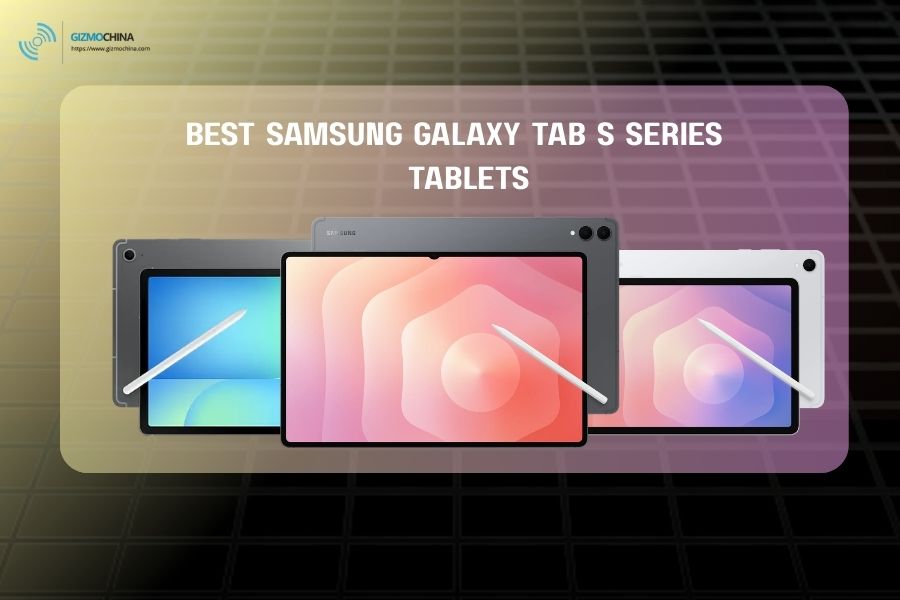
Picking between the two mainly comes down to how big a screen you want, how portable you need the tablet to be, and how much you’re willing to spend. The two share the same Dimensity 9400+ chip, and many of the same features, but their sizes and a few key specs are quite different. And if neither fits your budget, Samsung’s Galaxy Tab S10 FE series offers a couple of cheaper alternatives worth considering. Here’s how they compare.
1. Galaxy Tab S11 Ultra
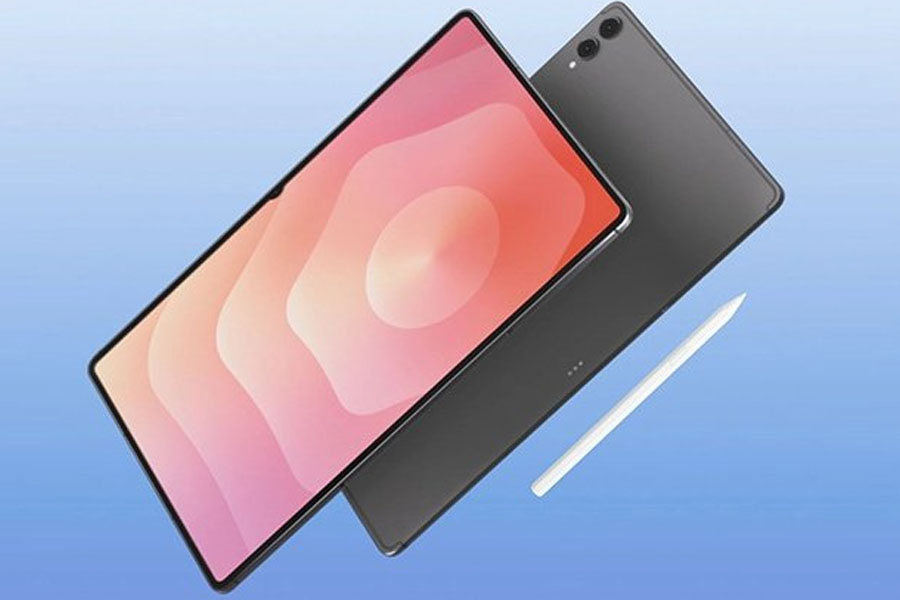
The Galaxy Tab S11 Ultra is Samsung’s biggest and most powerful tablet. It has a huge 14.6-inch Dynamic AMOLED 2X display with a 120Hz refresh rate and up to 1,600 nits of peak brightness. That makes the screen smooth, bright, and easy to see outdoors.
Despite the large display, Samsung has made the tablet just 5.1mm thick. That makes it the thinnest Galaxy Tab yet. Inside, the Tab S11 Ultra uses MediaTek’s Dimensity 9400+ chipset with up to 16GB of RAM. It has enough power for demanding tasks such as video editing in LumaFusion, drawing in Clip Studio Paint, and heavy multitasking.
The battery has also grown to 11,600mAh, up from 11,200mAh on the previous model. Samsung says it can deliver around 23 hours of video playback. Charging is limited to 45W, which isn’t especially fast for such a large battery.
The included S Pen has also been redesigned. It now has a hexagonal body and a cone-shaped tip, which should make it more comfortable to use for long writing and drawing sessions.
If you want a more laptop-like setup, Samsung also offers a Pro Keyboard accessory that connects through the Pogo Pin interface.
The Galaxy Tab S11 Ultra starts at $1,299.99 for the 256GB model and goes up to $1,899.99 for the 1TB version.
2. Galaxy Tab S11
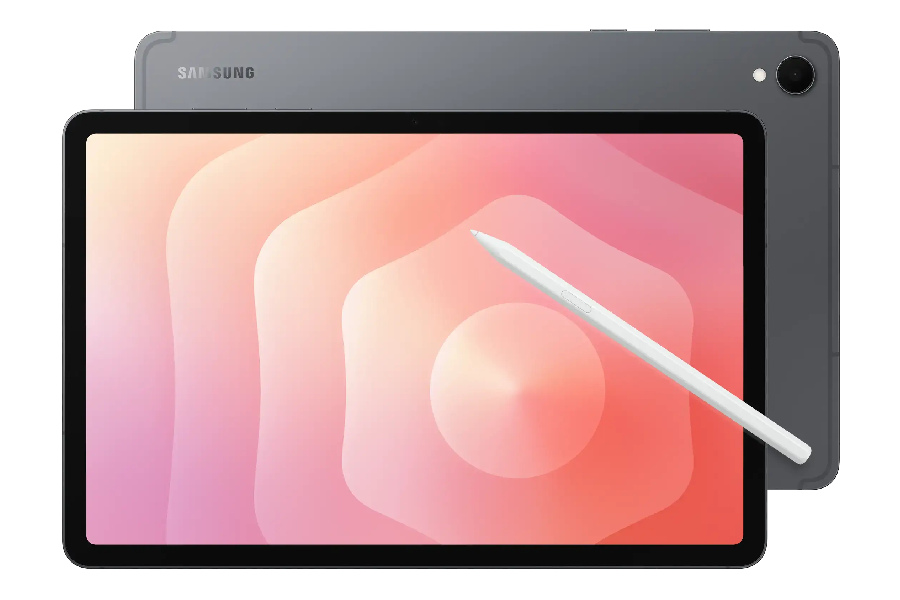
Not everyone wants to carry around a 14.6-inch tablet. That’s where the standard Galaxy Tab S11 makes more sense. It has an 11-inch Dynamic AMOLED 2X display with a 120Hz refresh rate and uses the same Dimensity 9400+ chipset as the Ultra. You also get up to 12GB of RAM.
The tablet retains the same IP68 rating as the Ultra model. There are a few compromises, though. The battery is smaller at 8,400mAh, and the rear camera setup is much simpler. Instead of the Ultra’s ultra-wide camera, the Tab S11 has a single 13MP rear camera.
Aside from those differences, the experience is very similar. It runs One UI 8, supports the S Pen, and gets seven years of OS and security updates from Samsung.
So if you don’t need a huge screen, the Tab S11 gives you most of the Ultra’s performance in a much smaller body. The Galaxy Tab S11 starts at $899.99 for the 128GB model.
3. Honorable mentions: Galaxy Tab S10 FE and FE+
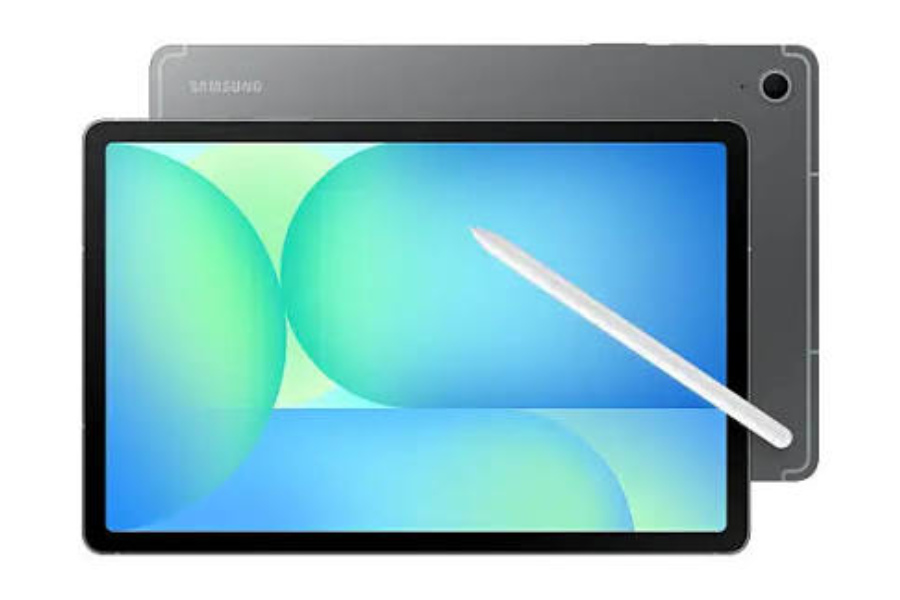
If flagship pricing is out of the question, Samsung’s FE lineup is worth a look too. The Galaxy Tab S10 FE+ packs a 13.1-inch LCD at 90Hz with a 2880 x 1800 resolution, making it the largest screen on any non-Ultra Samsung tablet, while the standard Galaxy Tab S10 FE keeps things compact with a 10.9-inch panel at the same refresh rate.
Both run Samsung’s own Exynos 1580 chip, come with an S Pen in the box, and carry an IP68 rating for water and dust resistance, so the core experience still feels close to the flagship line even with a step down in internals.
The FE+ even has a bigger battery than the vanilla S11 at 10,090mAh, while the smaller FE gets an 8,000mAh battery that’s still enough for a full day of typical use. Just know that Samsung’s update policy for the FE series wasn’t spelled out clearly at launch, though the company later confirmed seven years of coverage, matching what the S11 series launched with.
4. How to choose the right Galaxy Tab
The biggest differences between these four tablets are screen size and budget.
If you want the biggest and most powerful Samsung tablet available, the Galaxy Tab S11 Ultra is the obvious choice. It’s the best option for creators, designers, and people who want to use their tablet as a laptop replacement.
The Galaxy Tab S11 makes more sense if you want flagship performance but prefer something smaller and easier to carry. You still get the AMOLED display, powerful processor, S Pen support, IP68 protection, and long software support.
If screen size matters more than raw performance, the Galaxy Tab S10 FE+ offers a large 13.1-inch display at a much lower price. It’s a particularly good choice for students and anyone who mainly needs a tablet for entertainment, studying, and everyday tasks.
Finally, the Galaxy Tab S10 FE is the simplest choice for buyers on a tighter budget. It is smaller and less powerful than the S11 models, but it still includes the S Pen, a 90Hz display, IP68 protection, and a capable processor.
All four tablets support Samsung’s software features, including DeX and Galaxy AI, while the S11 series runs Android 16 with One UI 8. The FE models offer many of the same everyday features at a lower price. So, if you know how much screen you need and how much you’re willing to spend, choosing between these four tablets shouldn’t be a hassle.
Don’t miss a thing! Join our Telegram community for instant updates and grab our free daily newsletter for the best tech stories!
For more daily updates, please visit our News Section.














 The 4,240mAh battery is the argument. LandAirSea rates it at three to four times the runtime of their own 54, and because the unit sleeps when it hasn’t moved for a while, a trailer parked for three weeks isn’t burning through anything. IP67, strong internal magnet, roughly six feet of positional accuracy. There’s an unconditional lifetime warranty on defects, which almost nobody in this category offers.
Plans start at $9.95 a month, but only if you prepay two years up front. Month-to-month is $19.95. Here’s the thing about that spread: the cheap rate is $119 a year and the flexible rate is $239, so the prepay decision costs more than the tracker does. Work out whether you’ll still want this in 2028 before you pick.
 This one does something the others don’t. It can remotely cut the starter circuit so a stolen vehicle doesn’t restart once it’s switched off. For a work van or anything left at a job site overnight, thats a genuinely different proposition from knowing where your van went.
The drawback: the kill switch means hardwiring, and hardwiring means a proper installation. This isnt the magnetic-box-under-the-bumper experience.
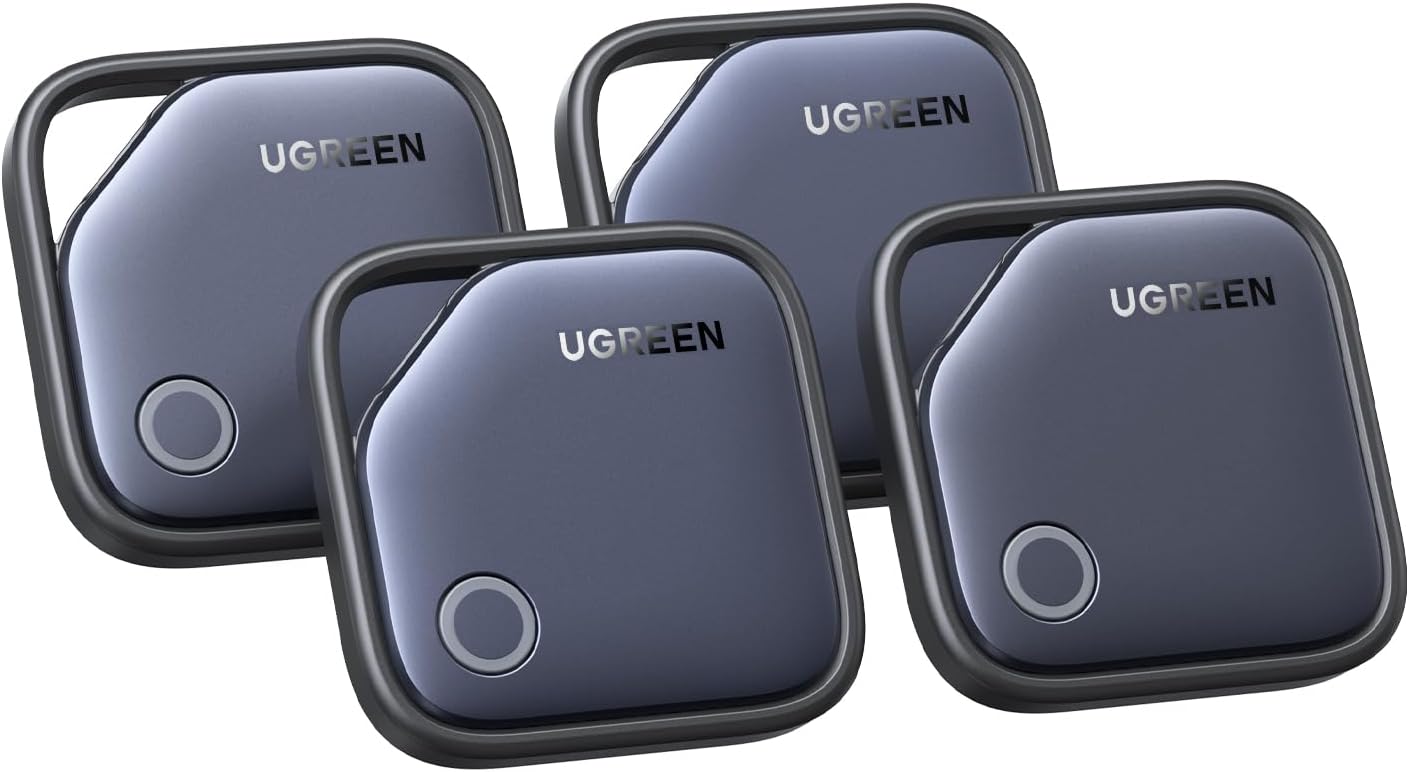 Apple opened the Find My network to other manufacturers, and UGREEN’s FineTrack Air tags sit on it exactly the way an AirTag does. They come in packs of four, the cell is userreplaceable and rated at 2 years, and the per tag cost undercuts Apple by a wide margin. If you want a tag on every suitcase rather than one on the bag you care about, this is the cheaper route to the same map.
We covered the wallet-card version of the FineTrack line
 $29.99 for one, $99.99 for four. It has UWB precision finding like the AirTag, a metal loop moulded into the body so you don’t need to buy a case for it, and SmartThings Find behind it at over 300 million Galaxy devices.
Network density is strongest across Asia, where Galaxy share is highest, and that’s a real advantage if you fly those routes.
The drawback: Samsung phones only. Not Android generally. A Pixel or a OnePlus can’t use it as a daily tracker, which makes it a poor gift unless you know exactly what the recipient carries.
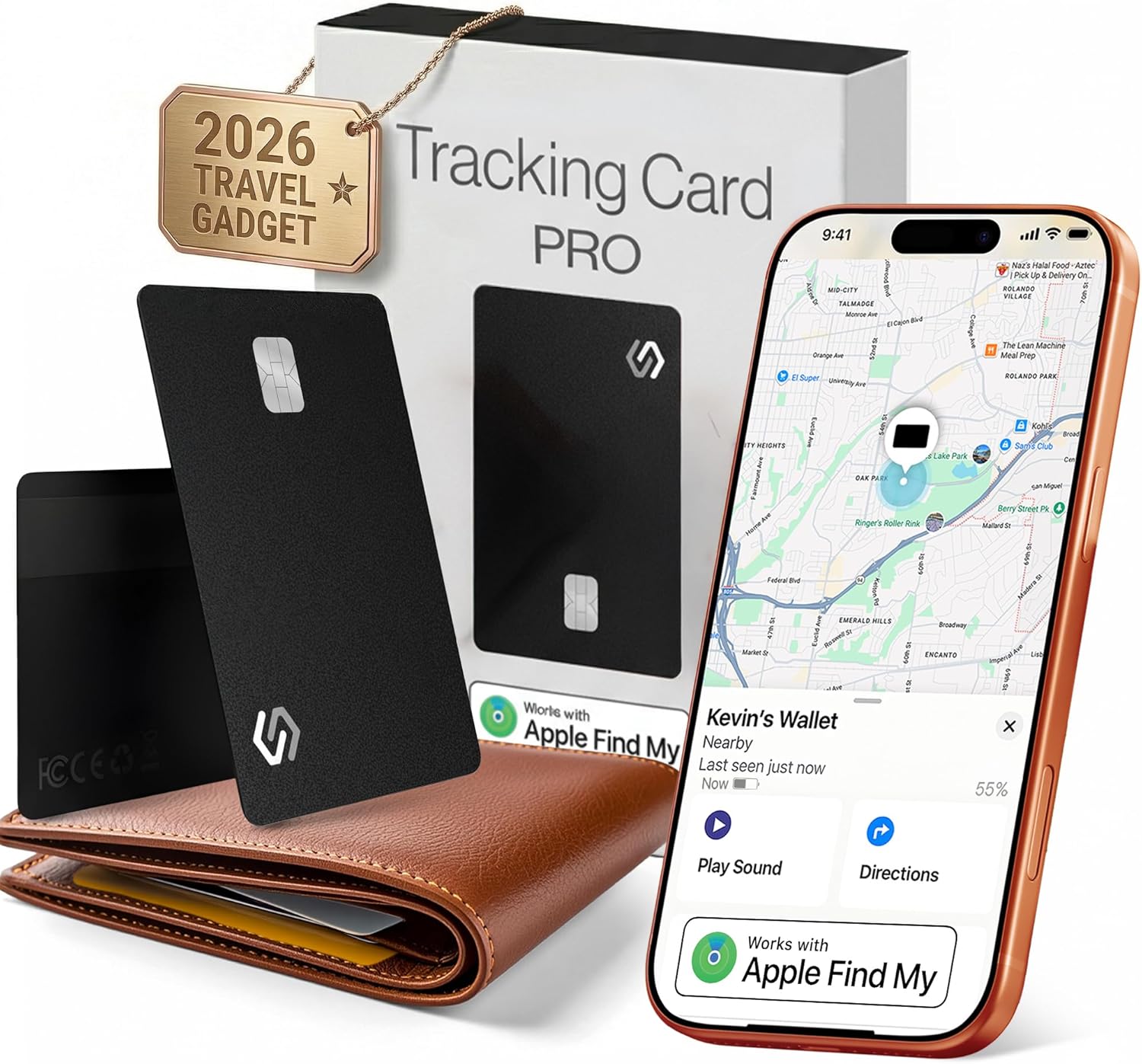 A wallet needs something card-shaped. The
 Around $50 for the hardware and $5 a month if you commit annually, rising to about $10 if you don’t. Live tracking updates every two to three seconds and it clips onto a collar you already own rather than replacing it.
Over three years the total cost lands well under the premium collar systems, which is the comparison most buyers never actually run.
The drawback: it’s a lump on the collar. On a cat or a very small dog it’s noticeable in a way the collar-integrated options aren’t.