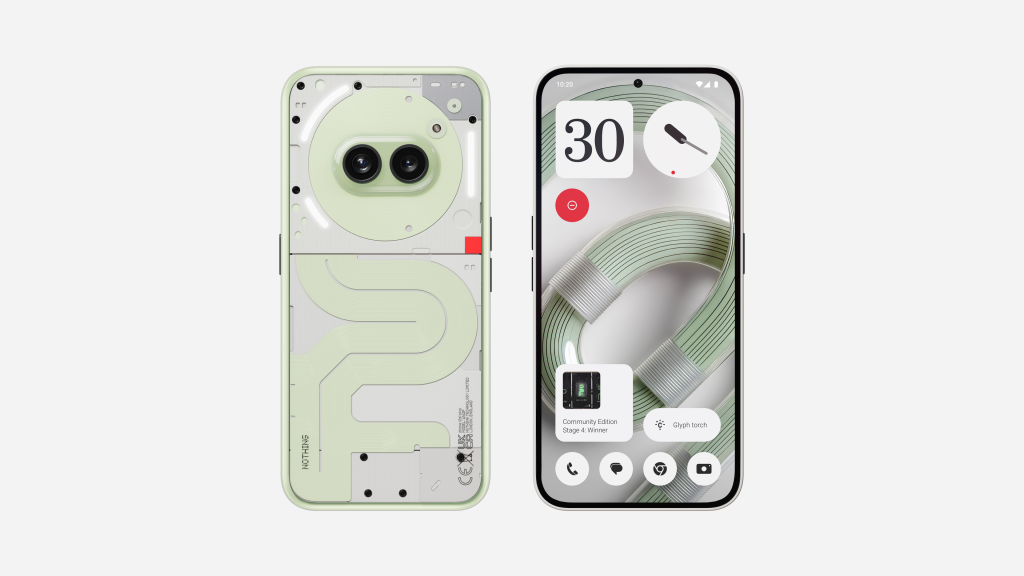
Nothing Phone (2a) just got the Nothing OS 3.0 stable update, bringing the Android 15 OS. But soon after this major update, reports of the Nothing Phone (3a) surfaced online, hinting that it might be arriving soon. So should you wait for the upcoming Phone (3a) or buy the Phone (2a) right now?
Nothing unveiled the Phone (2a) back in March 2024. It was its latest mid-range model, which was later followed by the Phone (2a) Plus. The Phone (2a) came equipped with the MediaTek Dimensity 7200 Pro under the hood. On the front, it sports a tall 6.7-inch 120Hz AMOLED display with FHD+ resolution and a 32MP selfie shooter, while the rear offers two 50MP cameras.
A large 5,000mAh battery pack powers this device, which supports 45W wired fast charging. Pair this with the Android 15 update, the Nothing Phone (2a) is still a great deal for under $300. You get decent performance, a good display, a unique transparent design with a Glyph LED interface, and much more. However, there are plenty of upgrades arriving on its successor, the Phone (3a), so let’s check it out.
2. Nothing Phone (3a): All the rumored upgrades
Earlier this week, the code on Nothing OS 3.0 revealed various details regarding three upcoming Nothing smartphones. This includes the “Phone (3a)”, “Phone (3a) Plus”, and “CMF Phone (2)”. Apart from their codenames, the codenames confirmed a bunch of key upgrades in the Phone (3a) series. The brand is apparently planning on moving away from MediaTek’s Dimensity lineup with Qualcomm’s Snapdragon 7s Gen 3 SoC.
Notably, this is the same chipset that may power the upcoming Nothing Phone (3). So we can expect an improvement in terms of performance. These devices should get eSIM support as well. Nothing typically releases its smartphones with a dual camera setup, which consists of a main and ultra wide angle lens. However, the Phone (3a) might be getting a periscope telephoto shooter on the rear.
3. But is the Nothing Phone (3a) worth the wait?
As of right now, there isn’t any official word regarding the Phone (3a). But these sightings hints that the release ain’t that far off. If you are in the market for an affordable phone with some decent specs, the Phone (2a) won’t disappoint. Although, since the Phone (3a) is expected to offer major upgrades, it might be worth the wait if you’re not in a hurry to buy a new phone.
The development of OpenAI‘s highly anticipated GPT-5 model has hit significant roadblocks, delaying its release and raising concerns over the future of advanced AI. Codenamed “Orion,” the model was expected to deliver groundbreaking improvements in reasoning, factual accuracy, and bias mitigation. However, OpenAI is now grappling with complex challenges that threaten to slow its progress.
The setback comes as a surprise to many, particularly given the high expectations set by GPT-4, released in March 2023. While GPT-5 is still under development, the difficulties surrounding its training process and the associated financial strain have become increasingly apparent.
Key issues in GPT-5 development
According to The Wall Street Journal, one of the major challenges for GPT-5 lies in the availability of high-quality training data. OpenAI researchers have determined that the public internet no longer provides the diverse datasets needed for meaningful improvements. To address this, the company has resorted to generating synthetic data, enlisting experts like software engineers, mathematicians, and physicists to create original content.
The training process for GPT-5 is also immensely resource-intensive, with each training run costing approximately $500 million. Despite these significant investments, the improvements achieved so far have not met expectations. While there are advancements in certain areas, they fall short of the revolutionary leaps that would justify such enormous expenses.
Broader implications for AI
The challenges faced by OpenAI are emblematic of larger trends in the AI industry. As companies aim to push the boundaries of artificial intelligence, they are increasingly confronted with ethical, technical, and financial obstacles. The delay in GPT-5’s release reflects the difficulty of balancing innovation with these constraints.
Earlier reports had speculated that GPT-5 could debut by December 2024. However, the setbacks have left the launch date uncertain. OpenAI’s ability to overcome these hurdles will not only determine the future of GPT-5 but also influence its position as a leader in the rapidly evolving AI landscape.
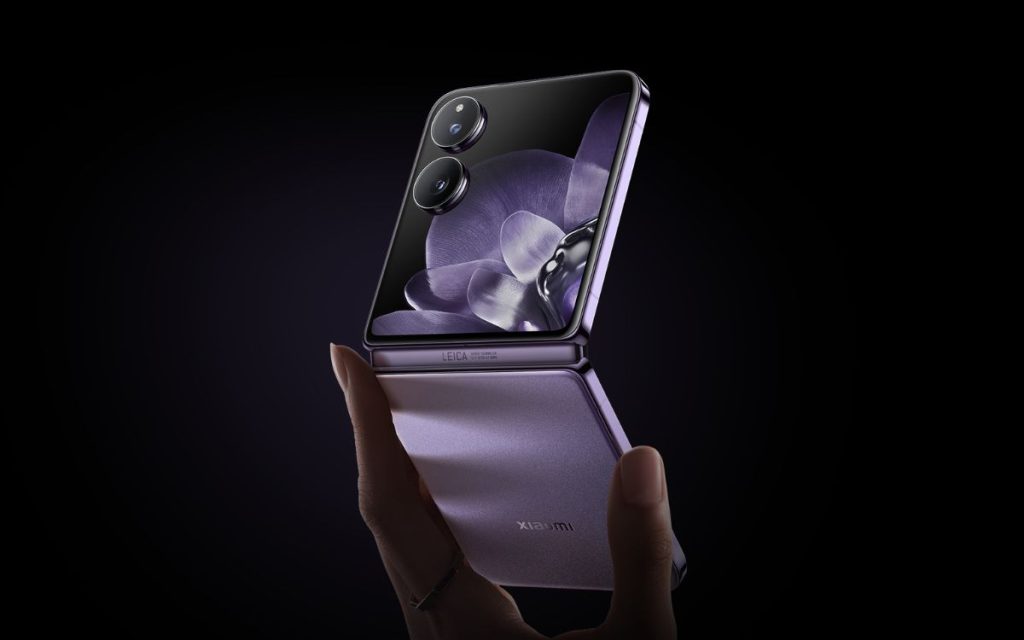
The Xiaomi Mix Flip 2 has taken another step toward its global release, as its international model, bearing the number “2505APX7BG,” has received certification from the EEC (spotted by TheTechOutlook).
This follows earlier reports of both the Chinese and global models being listed on the GSMA IMEI database, hinting at a launch expected around May 2025. The Chinese variant carries the model number “2505APX7BC.” While specific details about the Mix Flip 2 remain unknown, its EEC certification solidifies its entry into European markets.
For context, the 2024 Xiaomi Mix Flip, the predecessor, set high expectations with premium features. It showcased a 6.9-inch OLED main screen with a 120Hz refresh rate, 3,000 nits peak brightness, and a 1.5K resolution. The secondary 4-inch cover screen also offered 120Hz refresh and similar brightness levels.
Powered by the Snapdragon 8 Gen 3 SoC, the Mix Flip featured up to 16GB of LPDDR5 RAM and 1TB of UFS 4.0 storage. A 4,780mAh battery with 67W wired fast charging kept it running, while it operated on Android 14-based HyperOS. The camera setup included two 50MP rear sensors and a 32MP front-facing camera.
In other news, it looks like the Xiaomi 15 Ultra might be arriving sooner than expected, as a recent report suggests the device could launch at the Mobile World Congress (MWC) in Barcelona, which is scheduled to take place in February. Rumored specifications include a 6.73-inch micro-quad-curved AMOLED display with 2K resolution, a Snapdragon 8 Elite chipset, a 6,000mAh battery with 100W wired and 50W wireless charging, and a capable camera system with 50MP Sony LYT-900 primary sensor.
iQOO is gearing up to launch the Z9 Turbo Endurance Edition in January next year, introducing a smartphone with an ultra-thin design, extended battery life, and upgraded features.
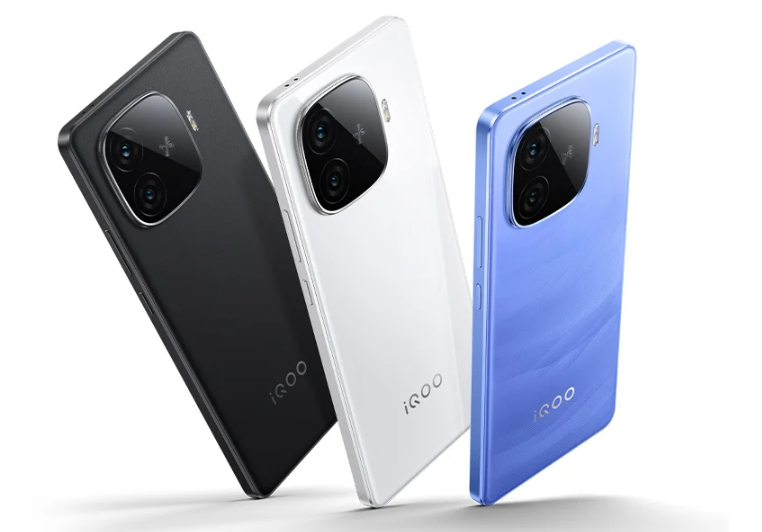
The iQOO Z9 Turbo Endurance Edition is designed to balance a slim profile and a robust battery. The phone measures just 7.98mm thick and weighs 196g while housing a 6,400mAh “ultra-thin blue ocean” battery. Despite its larger battery compared to the original Z9 Turbo, iQOO claims the device maintains the same thickness, offering users extended usability without compromising on portability.
According to official claims, the phone can continuously play videos for an impressive 22.7 hours, making it ideal for heavy multimedia usage.
The new model will debut in an exclusive “Flying Blue” color variant, which features a textured back cover with a wavy pattern. Its rear dual-camera setup includes a 50MP primary sensor with OIS stabilization and an 8MP secondary lens, all housed in a distinctive family-style porthole module with the flash positioned outside.
What else we know about the Endurance Edition
Under the hood, the phone is powered by the Qualcomm Snapdragon 8s Gen 3 chipset, delivering efficient and powerful performance. A 6.78-inch flat OLED display with a 1.5K resolution and 144Hz refresh rate promises vivid visuals and smooth scrolling. For selfies, the device is equipped with a 16MP front camera, while the rear camera setup remains unchanged from the standard Z9 Turbo.
iQOO Z9 Turbo Endurance Edition
The Endurance Edition will support up to 16GB of RAM and offer 90W fast charging, ensuring quick power-ups despite its massive battery. These specifications position the Z9 Turbo Long-Life Edition as a strong competitor to the upcoming Redmi Turbo 4, which is rumored to feature a Dimensity 8400 processor and a 6,550mAh battery.
With its sleek design, extended battery life, and premium features, the iQOO Z9 Turbo Long-Life Edition is shaping up to be an exciting addition to the mid-range smartphone market. iQOO’s focus on enhancing battery capacity without increasing thickness highlights its commitment to delivering a user-friendly experience. The phone is expected to launch in early January.
Samsung plans to release a new smart wearable gadget soon. Back in July 2024, the highly anticipated Galaxy Ring was finally launched in the global market. Now, its successor was spotted online as well. The brand might be gearing up for an imminent launch for the Galaxy Ring 2. So here’s what we know.
Samsung Galaxy Ring 2 Support Page Live
The new Galaxy Ring model was just spotted on the official Samsung website. The support pages of the smart ring are on Samsung’s official UK and Switzerland (Via MySmartPrice). These websites list the Galaxy Ring 2 with the SM-Q514 and SM-Q515 model numbers. While finer details weren’t revealed online, it did confirm that the next gen Galaxy Ring will launch in two size variants.
Samsung Galaxy Ring
This includes a Size 14 and a Size 15. Apart from these regions, the support page for the new Galaxy Ring 2 has surfaced in other regions as well. This includes UAE, Canada, Australia, the Czech Republic, France, Ireland, and New Zealand. In other words, Samsung plans on releasing this smart ring across the globe. These sightings arrives just a couple of months after the brand unveiled the Galaxy Ring in the Indian market.
Just last month, we covered a report regarding the Galaxy Ring 2 being expected to launch sooner than expected. Samsung probably won’t release this wearable product along with the Galaxy S25 series of flagship smartphones. But it might be earlier than the July launch timeline of the last Galaxy Ring. Based on what we know so far, the Galaxy S25 is expected to launch with a slimmer design and improved battery life. There are rumors of new features, but exact details are still at large.
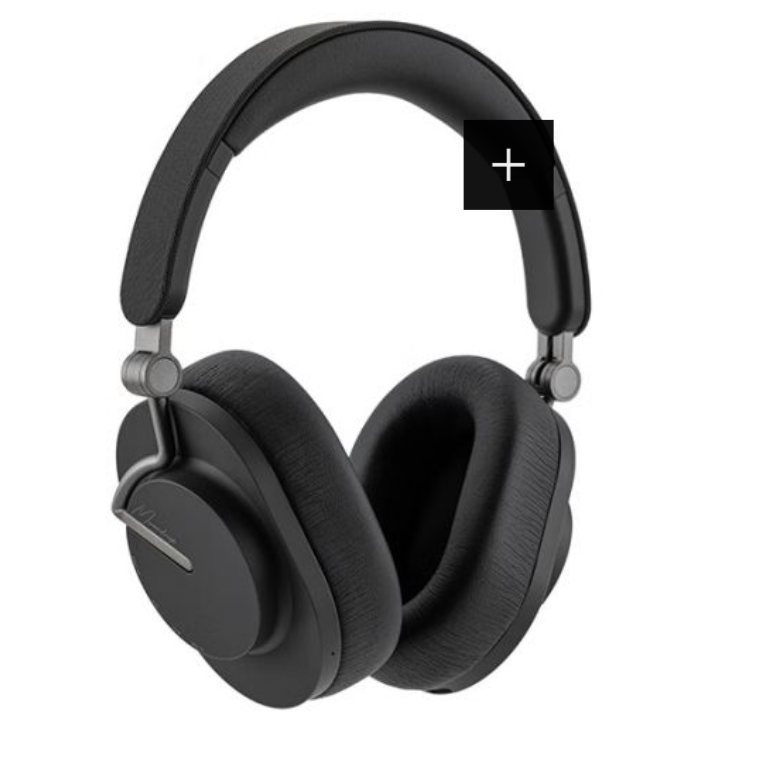
MOONDROP EDGE Portable Wireless ANC Headphone offers exceptional sound quality and innovative features for music enthusiasts and professionals. Designed to deliver a superior listening experience, the MOONDROP EDGE combines cutting-edge audio technology with a stylish and ergonomic design. You can now buy Moondrop Edge for $79.99 only at Geekwills.
Large 40mm Low-Distortion Dynamic Driver
At the heart of the MOONDROP EDGE is its high-performance 40mm low-distortion dynamic driver. The beryllium-plated dome and flexible surround composite diaphragm ensure high-resolution audio output with outstanding clarity and precision. Whether you’re listening to music or watching a movie, these headphones provide immersive sound with minimal distortion.
Advanced Active Noise Cancellation
The MOONDROP EDGE features hybrid active noise cancellation technology powered by four highly sensitive microphones. This setup delivers ultra-wideband deep noise cancellation, effectively minimizing background noise in any environment. The adjustable noise cancellation levels allow you to customize your experience for optimal comfort and focus.
High-Resolution Wireless Audio
Supporting LDAC, a widely-used high-resolution audio protocol in Android devices, the MOONDROP EDGE ensures superior wireless audio transmission. With its larger dynamic range and wider bandwidth, you can enjoy crystal-clear sound quality without the hassle of wires.
Ergonomic and Durable Design
Comfort and portability are key elements of the MOONDROP EDGE design. The aluminum alloy rotating shaft and folding hinge make the headphones easy to store and carry. Meticulously crafted with repeated fine processing and careful polishing, these headphones offer both aesthetic appeal and long-lasting durability.
Exceptional Battery Life
The MOONDROP EDGE boasts an impressive 48-hour battery life, ensuring extended listening sessions without interruption. Even with just a quick 5-minute charge, you can enjoy up to 4 hours of playback, making it perfect for on-the-go use.
Dual Mode Connectivity
With Bluetooth 5.4 wireless connectivity and an option for wired usage, the MOONDROP EDGE offers versatile connection options. Its large onboard antenna ensures stable long-distance audio transmission, even in complex environments.
OnePlus has officially unveiled the Ace 5 series in China, introducing two models: the Ace 5 and the Ace 5 Pro. These smartphones bring premium features, powerful performance, and cutting-edge gaming technologies at competitive price points. Equipped with Qualcomm’s latest Snapdragon processors, flagship-level cameras, advanced cooling systems, and impressively large batteries, the Ace 5 series aims to set a new benchmark for performance-centric smartphones.
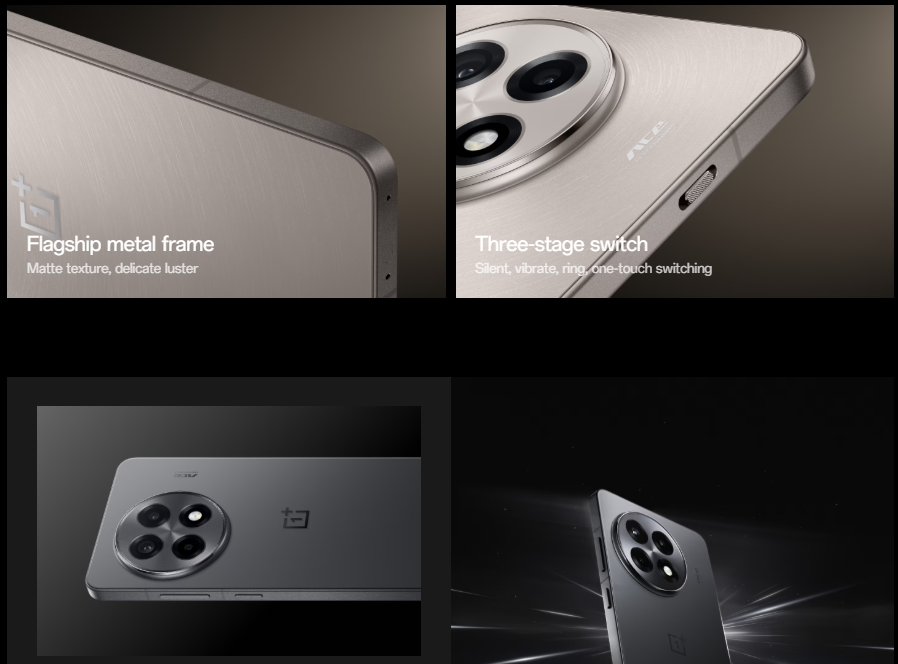
Metal middle frame with flat design (both models)
Performance and cooling innovations
The OnePlus Ace 5 and Ace 5 Pro feature Qualcomm’s Snapdragon 8 Gen 3 (vs 8 Elite)and Snapdragon 8 Extreme Edition processors, respectively. The Pro model has an impressive AnTuTu score of 3,218,978, promising top-tier performance for gamers and power users alike. Both devices leverage chip-level gaming technology to deliver a seamless 120fps gaming experience, with improved cooling systems ensuring sustained performance.
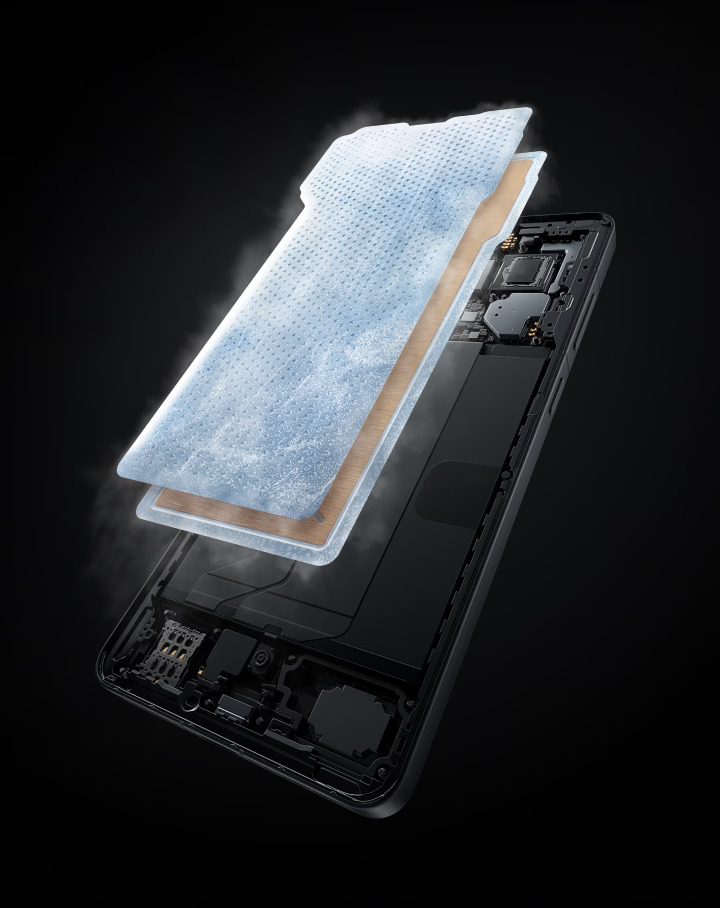
Ace 5 Pro 3D ice core heat dissipation
The Ace 5 Pro introduces the “double ice core VC” cooling system, complemented by a unique chip air duct design, aerospace-grade aluminum framing, and under-screen graphite heat dissipation. These features allow for efficient heat management, ensuring the phones remain cool to the touch even during intense gaming sessions. The standard model also benefits from a 70% improvement in thermal conductivity, making it a solid choice for gamers on a budget.
Other specifications:
Both models boast a second-generation 1.5K Oriental screen with BOE X2 luminous material. This 6.78″ flat screen design supports “sun display” technology, Bright Eye Protection 2.0, and TÜV Rheinland Intelligent Eye Protection 4.0 certification. Additionally, the screen offers “glove touch” functionality, allowing users to operate the phone with gloves on during cold weather.
Both models feature a 50MP Sony IMX906 main sensor with OIS (optical image stabilization). This is paired with 8MP ultrawide, 2MP macro, and 16MP selfie. Enhanced camera capabilities include “Live Photos” 2.0, shadowless snapshot mode, and seamless compatibility with popular editing apps and social media platforms.
The Ace 5 is powered by a 6,400mAh battery with 80W fast charging, while the Pro model houses a slightly smaller 6,100mAh battery but supports 100W flash charging. Both phones promise excellent battery life, with features tailored to gamers and heavy users.
The series runs on ColorOS 15, offering a refined UI with features like AI photo editing, a super assistant, and enhanced iPhone compatibility for transferring files and images. The Pro model also introduces gaming-specific features like the industry-first e-sports Wi-Fi chip G1, an e-sports antenna system, and ultra-long-range Bluetooth connectivity up to 400 meters.
Pricing and color options:
The OnePlus Ace 5 series comes in various storage and RAM configurations, with prices starting at 2,299 yuan (~$314) for the base Ace 5 model (12GB+256GB) and 3,399 yuan (~$465) for the base Ace 5 Pro model. Color options include Cyan, Titanium, and Black for the standard edition, while the Pro version offers Purple, White, and Black.
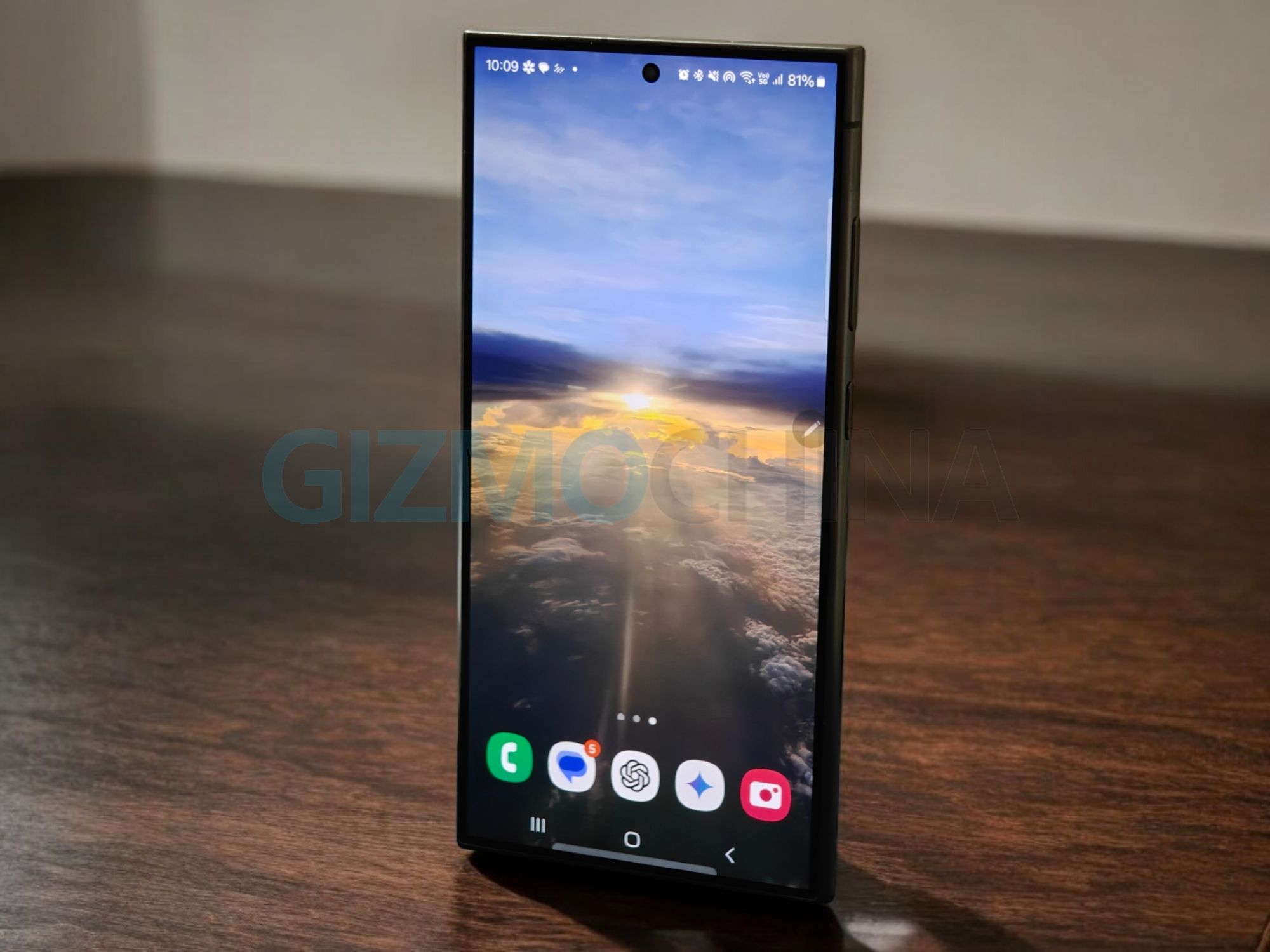
Despite fierce competition from the likes of the Apple iPhone 16 Pro Max and other Snapdragon 8 Elite-powered flagships such as the Oppo Find X8 Pro and Vivo X200 Pro, the Samsung Galaxy S24 Ultra continues to reign supreme as the ultimate all-rounder considering the fact that it is widely available in many regions. Here’s a look at why this phone remains a compelling choice for discerning users.
The Galaxy S24 Ultra packs a magnificent 6.8-inch Dynamic AMOLED 2X display with a 120Hz adaptive refresh rate. This translates to an incredibly smooth and responsive user experience, whether you’re scrolling through social media, playing graphics-intensive games, or watching your favorite movies. The display’s peak brightness of 2600 nits ensures exceptional visibility even under direct sunlight, while the vibrant colors and deep blacks make every image and video come to life.
2. Performance That Pushes Boundaries
Samsung Galaxy S24 Ultra
While other flagships have caught up in terms of raw processing power with the Snapdragon 8 Elite, the Galaxy S24 Ultra, powered by the Snapdragon 8 Gen 3 for Galaxy, still delivers a blazing-fast and seamless performance. This specialized chip, optimized for Samsung devices, ensures smooth multitasking, lag-free gaming, and effortless handling of demanding applications. Coupled with ample RAM and storage options, the S24 Ultra can handle anything you throw at it.
3. A Camera System That Captures Every Detail
Samsung Galaxy S24 Ultra
The S24 Ultra’s camera system is a true marvel of engineering, offering unparalleled versatility and image quality. The 200-megapixel primary sensor captures stunningly detailed photos, while the 50-megapixel 5x periscope telephoto lens brings distant subjects closer than ever before. The ultrawide lens expands your creative possibilities, and the selfie camera ensures you always look your best. Samsung’s advanced AI features further enhance the photography experience, optimizing settings for various scenes and subjects.
4. S Pen: The Productivity Powerhouse
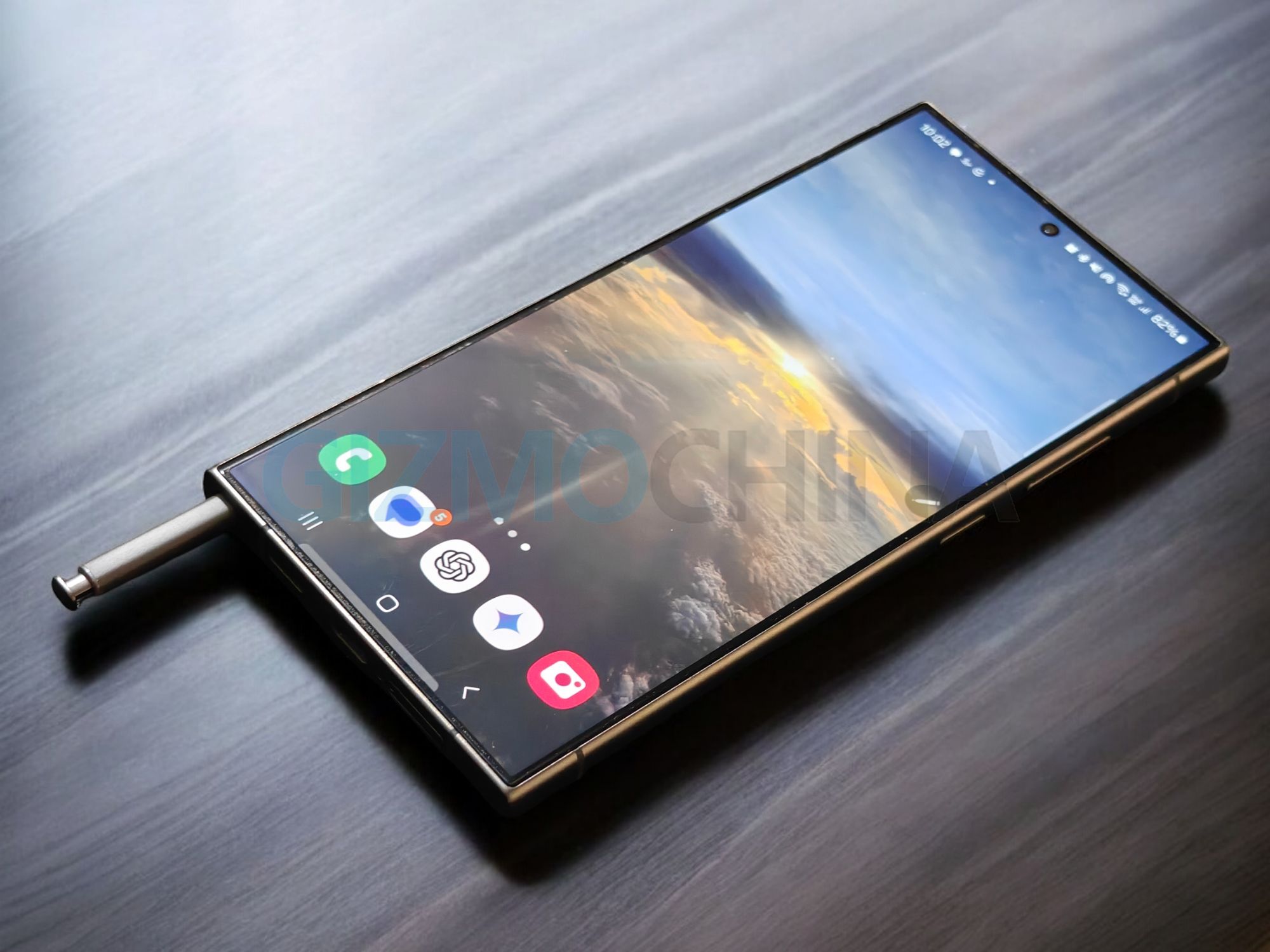
One of the S24 Ultra’s standout features is the integrated S Pen. This versatile stylus unlocks a world of productivity and creativity, allowing you to jot down notes, sketch ideas, and precisely control your phone. The S Pen’s low latency and pressure sensitivity make it feel incredibly natural to use, whether you’re a seasoned artist or just need a quick way to annotate documents.
5. Software That Enhances the Experience
The S24 Ultra ships with One UI 6-based Android 1 and thankfully, it promises an impressive seven years of OS upgrades and seven years of security updates, ensuring your device stays current and secure for the long haul. Furthermore, the Galaxy S24 series is Samsung’s first flagship line to feature its Galaxy AI suite of AI-driven features that elevate the user experience with intelligent features that streamline tasks and enhance productivity.
6. Why the S24 Ultra Stands Out
Samsung Galaxy S24 Ultra
While the competition is fierce, the Galaxy S24 Ultra continues to differentiate itself in several key areas:
Display Quality: Samsung’s display technology remains unmatched, offering superior brightness, color accuracy, and refresh rate compared to most rivals.
Camera Versatility: The S24 Ultra’s camera system provides a wider range of focal lengths and shooting modes, making it ideal for capturing any moment.
S Pen Integration: The S Pen remains a unique and powerful tool for productivity and creativity, setting the S24 Ultra apart from other flagships.
Software Experience: Samsung’s One UI offers a refined and customizable software experience with a strong focus on user-friendliness. Additionally, it comes with longer software support and the Galaxy AI suite of features.
Brand Reputation: Samsung’s long-standing reputation for quality and innovation gives many users confidence in the S24 Ultra’s durability and performance.
Samsung is preparing for the launch of its next gen flagship smartphones. The company’s upcoming Galaxy S25 series is set to launch on 22nd January 2025. But ahead of this official release, the sale date of these premium device have finally been revealed. So let’s check it out.
Samsung Galaxy S25 series sale & pre-order date
The news arrives from a FNNews report, which claims that the Galaxy Unpacked event will kick off on 23rd January 2025 at 3 AM Korean Standard Time. This is basically has it match the January 22 launch date in the United States. The South Korean tech giant plans to start the pre-orders for the Samsung Galaxy S25 series on January 24, which will go on till February 3.
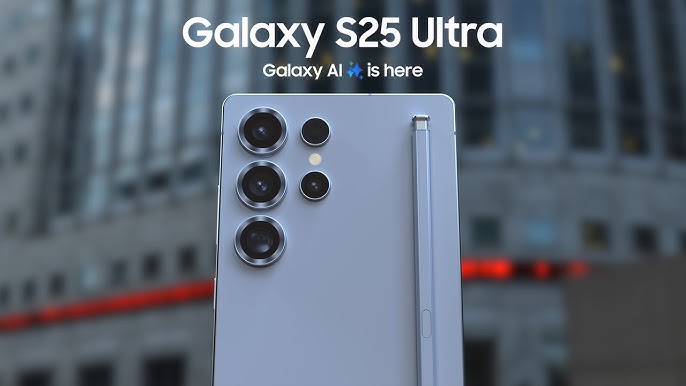
Samsung Galaxy S25 Ultra
Samsung plans to start early access for reservations on 4th February 2024, meanwhile, the official sales in South Korea will go live on February 7. The global launch timeline would likely vary between different markets. Based on recent rumors, the company is reportedly working on the Galaxy S25 Slim model as well, which might be launching in February. But despite its slim form factor, it may still house the same battery as the Galaxy S24 Ultra.
iQOO is also set to launch the iQOO Z9 Turbo Endurance Edition in China. After its arrival, the company will shift its focus to the Z10 series. To recall, the brand unveiled the iQOO Z9x, iQOO Z9, and iQOO Z9 Turbo in April of this year. The Z10 lineup will likely debut around the same time next year. New details of the Z10 series have appeared to reveal key specs and launch timeframe.
iQOO Z10 series leak
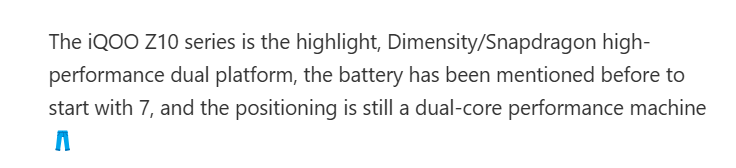
The new leak suggests that the iQOO Z10 series will include at least two models. These will be powered by Dimensity and Snapdragon chipsets and pack a battery of around 7,000mAh capacity.
The Snapdragon model that the tipster seems to be talking about could be the iQOO Z10 Turbo. The same source previously revealed that the upcoming Snapdragon 8s Elite will power it. Another source, Smark Pikachu, has also recently claimed that the Z10 Turbo will feature the S8SElite chip. He has also claimed that the Z10 Turbo will be announced by the end of April in China, which indicates that other Z10 models will also debut around the same time.
The Z10 Turbo is expected to feature a flat OLED panel that offers a 1.5K resolution and a 144Hz refresh rate. For photography, it will feature a dual-camera setup headlined by a 50-megapixel camera.
The company is reportedly testing a single-cell silicon battery of around 7,000mAh capacity for the Z10 Turbo. When it comes to charging capabilities, it is expected to support 80W or 90W fast charging.
The Z10 Turbo is expected to rival the Redmi Turbo 4 Pro, which is also expected to feature the Snapdragon 8s Elite chip. The other phone that is expected to pack the same chip is the Xiaomi Civi 5 Pro. While the Z10 Turbo and Turbo 4 Pro are performance-driven phones, the Civi 5 Pro will be a female-focused and selfie-centric phone.
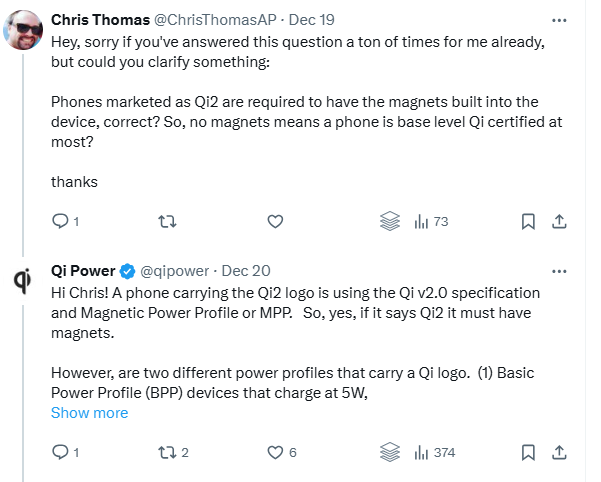
Recent reports highlight an unexpected limitation for the Galaxy S25 series. While the phones will support the latest Qi2 magnetic wireless charging standard, users may need to purchase an official magnetic case to unlock its full capabilities.
Users will still need to buy magnetic cases for easier alignment
The Qi2 standard, confirmed by the Wireless Power Consortium (WPC), allows devices to achieve better alignment and efficiency during wireless charging. However, Samsung’s implementation seems to rely on an external accessory rather than embedding the technology into the phones themselves. It seems to be a way to maintain the price tag of the phone as much as possible amidst higher price tags of some other components such as the chipset. Users with a desire for easier alignment of the charging coils will need to spend more.
Leaked accessory lists for the Galaxy S25 series include a “Magnet Case,” suggesting the phone itself lacks the hardware to natively support Qi2’s magnetic features. This accessory is expected to bear the Qi2 logo and fully enable MPP, ensuring compatibility with other Qi2 wireless chargers and accessories.
Beyond wireless charging, the Galaxy S25 series has faced some criticism regarding its battery specifications. According to a listing on China’s Compulsory Certification (CCC) database, the Galaxy S25 Ultra will feature a 4,885mAh battery—likely marketed as 5,000mAh—the same capacity as its predecessor, the S24 Ultra. Charging speeds are also expected to remain unchanged, marking no advancements in this area.
This conservative approach contrasts with Samsung’s Chinese competitors, such as OnePlus, OPPO, and Xiaomi, who are equipping their flagships with larger 6,000mAh batteries and adopting cutting-edge Silicon Carbide battery technology. This innovative material allows for either higher energy density or slimmer devices, giving these brands a competitive edge in battery performance.
As for the outer surface, rumors suggest a redesigned body with rounded corners, a similar camera setup headlined by a 200MP primary sensor. The entire series will be powered by the Snapdragon 8 Elite chip.
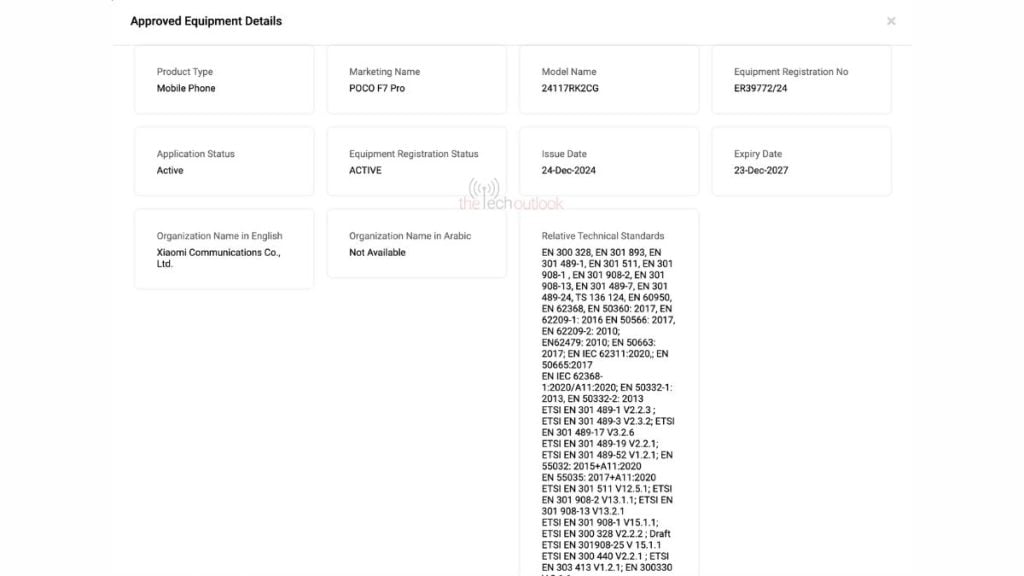
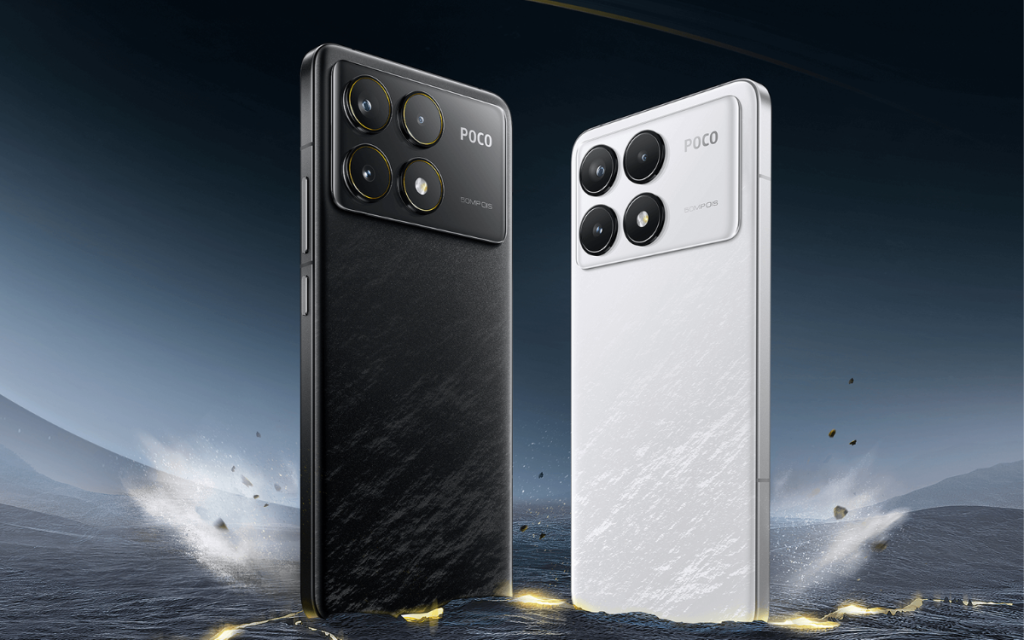
POCO is preparing to launch its new smartphones globally, the POCO F7 and POCO F7 Pro, both of which have secured multiple certifications. Most recently, the POCO F7 Pro received approval from UAE’s TDRA certification authority (spotted by Thetechoutlook).
Listed under the model number “24117RK2CG,” the device has been officially categorized as a mobile phone with a certification valid until December 23, 2027. This follows previous sightings of the POCO F7 Pro on Singapore’s IMDA certification platform and the IMEI database. Rumors suggest that there will also be a third device in the lineup called the POCO F7 Ultra.
POCO F6 Pro
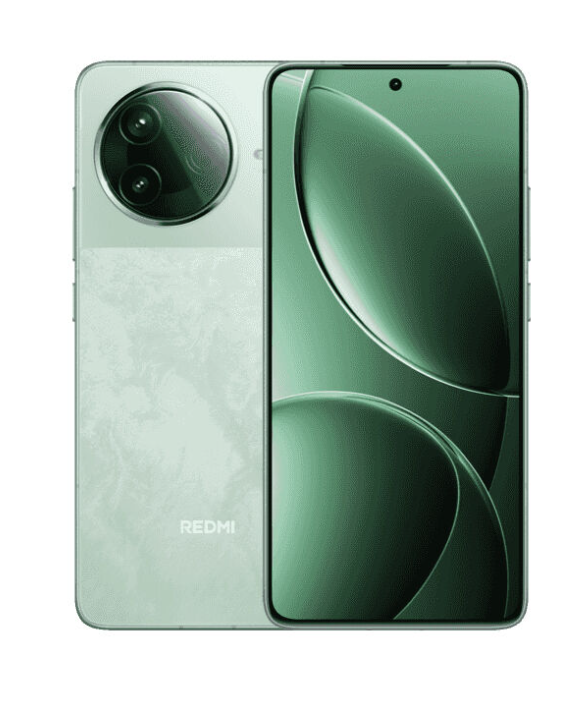
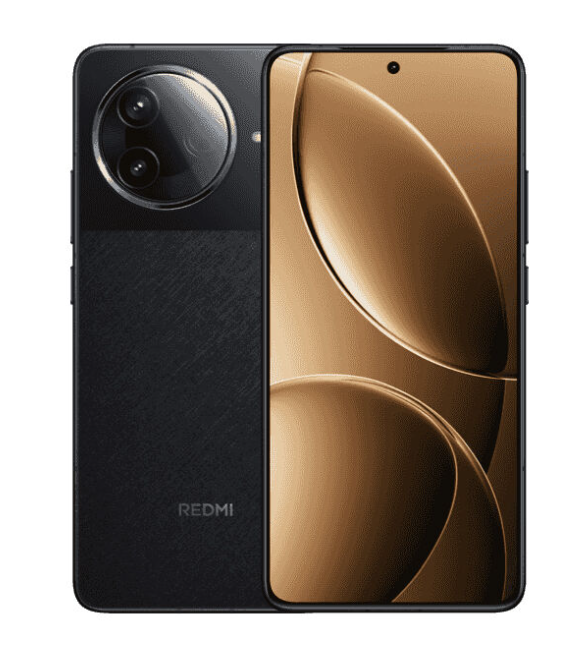
Reports suggest the POCO F7 series will feature rebranded versions of Redmi smartphones for the global market. The POCO F7 and F7 Ultra are expected to be rebrands of the Redmi Turbo 4 Pro and the Redmi K80, respectively. As for the F7 Ultra, it is likely to be a rebranded version of the Redmi K80 Pro, which uses the flagship Snapdragon 8 Elite chipset.
Further updates on the POCO F7 series, including detailed specifications, pricing, and launch timelines, are anticipated in the coming days. In the meantime, we can take a look at the specifications of the Redmi K80 to get a better idea of what to expect from the POCO F7 Pro.
Redmi K80 features
The Redmi K80 features a 6.67-inch 2K AMOLED display with a 120Hz refresh rate, 3200 nits peak brightness, Dolby Vision, HDR10+, and support for 68.7 billion colors. It is powered by the Snapdragon 8 Gen 3 chipset, paired with 16GB of LPDDR5X RAM and storage options up to 1TB with UFS 4.0.
Redmi K80
The phone has a dual rear camera including a 50MP main sensor with OIS and Light Fusion 800 technology, paired with an 8MP ultra-wide lens. On the front, it has a 20MP front camera. The phone has a large 6550mAh battery supported by 90W fast charging. As for cooling, the device uses a dual-loop 3D cooling system.
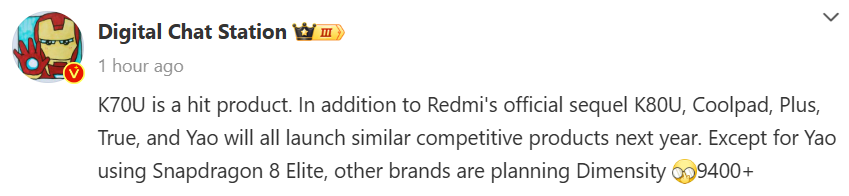
In November, Redmi unveiled the Redmi K80 and K80 Pro smartphones in China. The brand is expected to expand the K80 lineup by adding the K80 Ultra before introducing the Redmi K90 series by the end of 2025. Today, tipster Digital Chat Station revealed the chipset that will power the K80 Ultra. Additionally, he shared details about the rival devices for the K80 Ultra from different brands.
Redmi K80 Ultra chipset revealed
MediaTek unveiled the Dimensity 9400 chipset in October. The Vivo X200 series and Oppo Find X8 lineup that debuted in the same month are the first phones to feature the new chip. According to a recent leak, Oppo might introduce the Find X8S phone, which will feature the upcoming Dimensity 9400+, in April or May 2025. While detailed information about the new chip is not known, it is believed to be an overclocked version of the existing D9400 SoC.
The above leak reveals that the Redmi K80 Ultra will also feature the Dimensity 9400 Plus. Performance-focused flagship phones from other brands, such as iQOO, OnePlus, Realme, and Honor, will rival the K80U, according to the leak.
While Honor’s offering will have the Snapdragon 8 Elite chip onboard, the other flagships are expected to feature the D9400+ chip. Given that the brand recently launched the Honor GT with the Snapdragon 8 Gen 3 onboard, the official name of this device could be the Honor GT Pro.
iQOO is expected to unveil the iQOO Neo 10S Pro, which will come equipped with the Dimensity 9400+ chip. OnePlus’ D9400+ offering could be an Ace 5-series phone. As of this writing, it is difficult to deduce whether the Realme’s D9400+ offering will be a GT-series or a Neo-series phone.
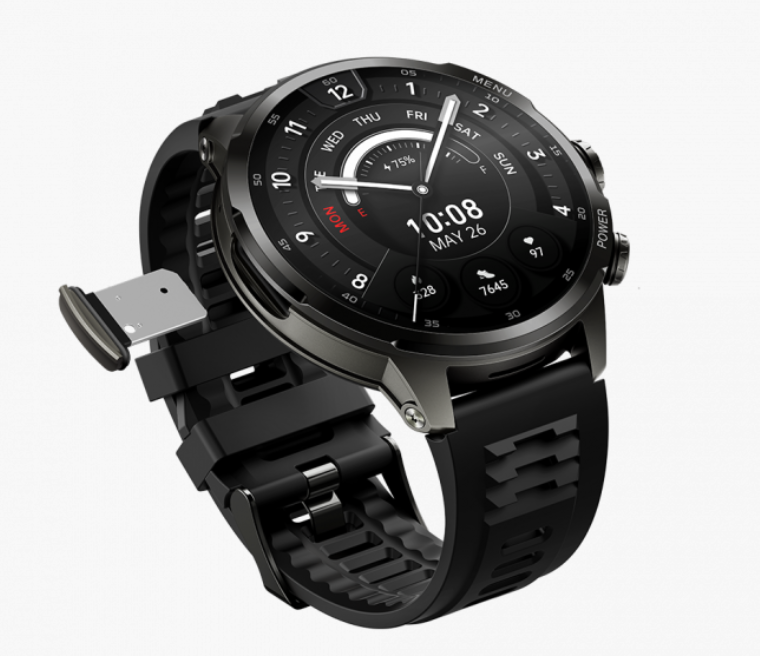
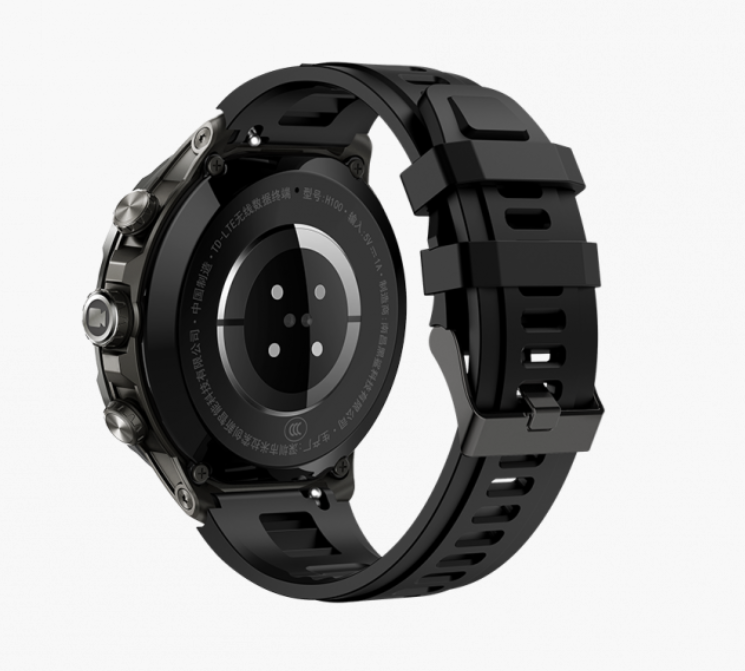
The Black Shark Watch X Pro is a cutting-edge smartwatch combining sleek design, advanced functionality, and impressive performance. It is perfect for tech-savvy users who want a stylish yet highly capable wearable for fitness tracking, communication, and everyday convenience. You can now get the Black Shark Watch X Pro for $169.99 at Geekwills.
Ultra-Slim Design with Stunning Display
The Black Shark Watch X Pro features a 1.75-inch AMOLED display with a resolution of 466 x 466 pixels and a peak brightness of 700 nits, offering sharp visuals and excellent readability, even under bright sunlight. The aluminum alloy body is lightweight, weighing only 33.5g (excluding the wrist strap), ensuring comfort for all-day wear.
Customized Android-Based Operating System
Running on a customized Android-based operating system, this smartwatch seamlessly integrates with Xiaomi’s fitness apps. Users can easily track their progress and view detailed workout data across all their Xiaomi wearables and smartphones.
Comprehensive Health Tracking
Equipped with a heart-rate monitor, SpO2 sensor, and sleep tracker, the Black Shark Watch X Pro ensures comprehensive health management. The watch also monitors stress levels and provides alerts in case of abnormal fluctuations in heart rate or oxygen levels, helping you stay on top of your health.
Revolutionary Rotating Camera
A standout feature of the Watch X Pro is its 2MP 180-degree rotating camera, hidden within the crown. This camera enables high-definition photo and video capture and supports video calling, adding utility beyond traditional smartwatch functions.
Versatile Connectivity and Network Support
The Black Shark Watch X Pro supports eSIM calling and features a NANO-SIM slot, enabling independent cellular connectivity with support for 4G/3G/2G networks. With Bluetooth 5.2, NFC, and Wi-Fi, the watch ensures seamless communication and device connectivity.
Fitness and Activity Tracking
With support for 150+ workout modes and independent GNSS positioning, the Watch X Pro caters to a wide range of activities, from cycling and swimming to mountaineering and rock climbing. Customized exercise plans and precise tracking help users achieve their fitness goals.
Long-Lasting Battery and Durability
The Black Shark Watch X Pro is powered by a 900mAh battery, offering up to 75 hours of normal use and extended standby mode. Its 5ATM waterproof rating ensures durability, making it suitable for swimming and outdoor activities.
Key Specs:
Display: 1.75-inch AMOLED, 466 x 466 pixels, 700 nits brightness
Body Material: Aluminum alloy
Camera: 2MP 180-degree rotating camera
Health Tracking: Heart rate, SpO2, sleep, and stress monitoring
Network Support: 4G/3G/2G with eSIM and NANO-SIM slot
Connectivity: Bluetooth 5.2, NFC, Wi-Fi
Battery: 900mAh, up to 75 hours of normal use
Waterproof Rating: 5ATM
Workout Modes: 150+ modes with independent GNSS positioning
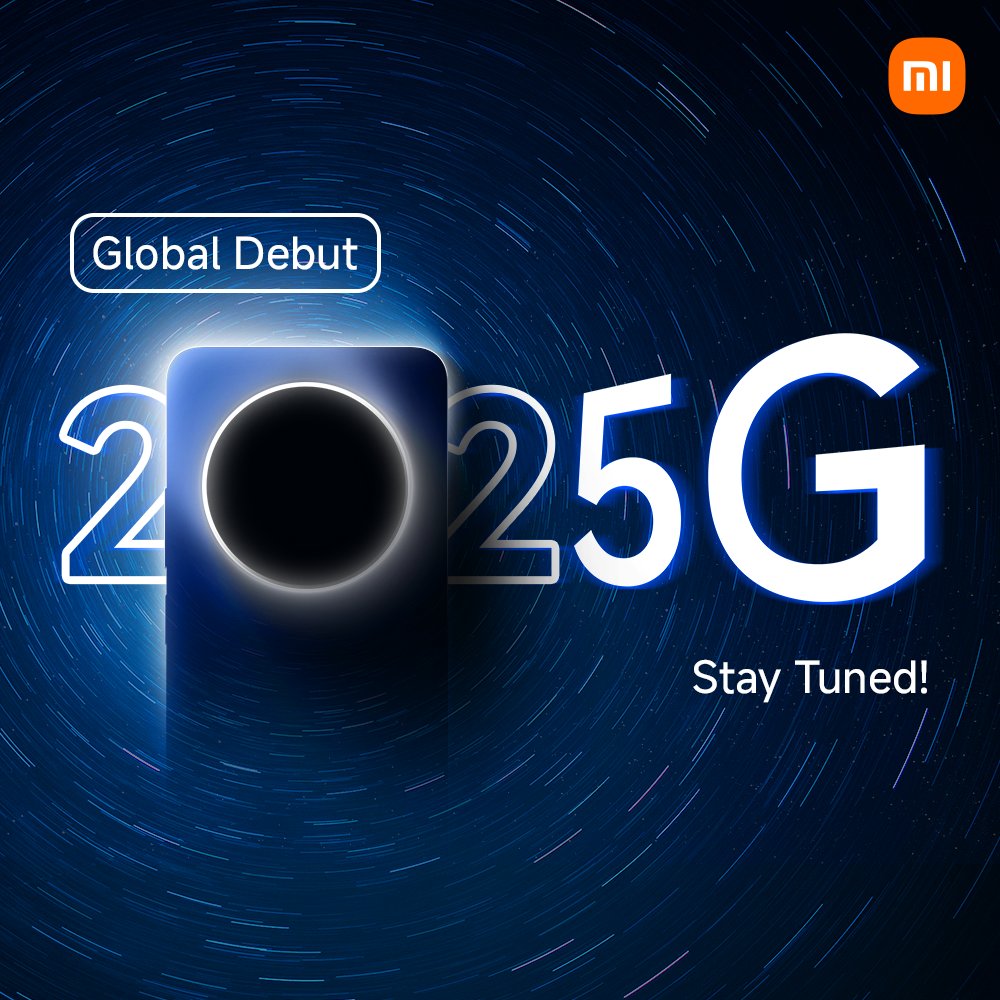
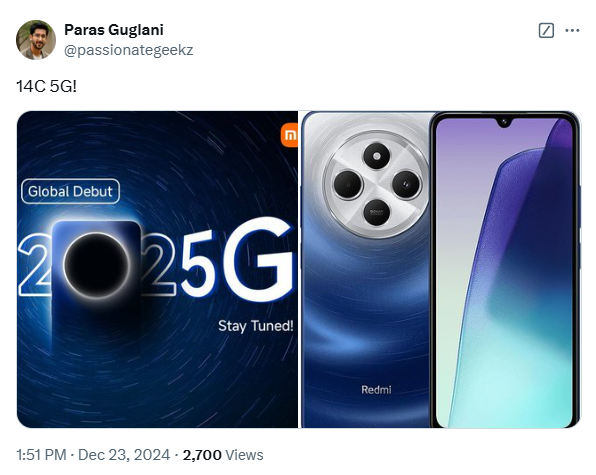
Redmi is planning to launch a new smartphone in the Indian market soon. The official X account (formerly Twitter) of the brand has teased a new device tagged “2025G,” hints at an upcoming smartphone launch early next year.
While the company has not officially named the device, tipster Paras Guglani suggests it will be the Redmi 14C 5G, targeting global and Indian markets. The Redmi 14C 5G, expected to be a global iteration of the Chinese Redmi 14R 5G, was spotted on Geekbench in October. The listing confirmed a Snapdragon 4 Gen 2 processor.
The Redmi 14R 5G’s specifications provide insights into the expected features of the 14C 5G. The device features a 6.88-inch display with a resolution of 1640 × 720 pixels, 600 nits peak brightness, and a 240Hz touch sampling rate. It supports DC dimming, eye protection, and functionality with wet hands.
Powered by the Snapdragon 4 Gen 2 chipset, the phone offers up to 8GB RAM and 256GB storage. It is equipped with a 13MP rear camera and a 5MP front camera. The device includes a 5160mAh battery with 18W charging support and measures 171.88mm x 77.8mm x 8.22mm.
While the global version will likely retain these core features, regional adjustments could differentiate the Redmi 14C 5G. Details about pricing, specific features, and the official launch date remain unconfirmed, as Redmi has yet to make a formal announcement. All that said, it is possible that the brand will debut the device in India on January 10, alongside the launch of the Xiaomi Pad 7.
In other news, Xiaomi is preparing to debut the Redmi Turbo 4 in its domestic market, featuring the newly unveiled Dimensity 8400 processor. The phone is expected to feature a 1.5K resolution 6.67-inch LTPS OLED display, a massive 6,550mAh battery, and a plastic frame with a glass back finish. This device is expected to be rebranded as the POCO F7 in the global market.
As technology advances, older devices often find it difficult to keep up with new software updates. WhatsApp, one of the most popular messaging apps in the world, is no exception. Starting January 1, 2025, WhatsApp will no longer support several older Android phones, marking the end of an era for devices released more than a decade ago.
WhatsApp to drop support for legacy Android devices
WhatsApp has officially announced the list of Android phones that will no longer be supported from January 1, 2025. The primary reason for this move is the app’s continuous evolution. With the recent integration of innovative features, such as Meta AI—allowing users to ask questions, generate images, and design content directly within the app—it has become increasingly difficult to maintain compatibility with older versions of Android.
Devices running Android KitKat (4.4), which was released in 2013, will lose access to WhatsApp. While the app will remain installed, users will be unable to connect to Meta’s servers, rendering it unusable for messaging and other features.
Motorola: Moto G (1st Gen), Razr HD, Moto E (2014)
HTC: One X, One X Plus, Desire 500, Desire 601
LG: Optimus G, Nexus 4, G2 Mini, L90
Sony: Xperia Z, Xperia SP, Xperia T, Xperia V
The full list includes devices released between 2012 and 2014, all of which are now considered outdated for WhatsApp’s evolving requirements.
WhatsApp regularly rolls out new features to improve user experience, but older Android versions pose limitations that hinder innovation. Continuing to support legacy devices would require WhatsApp to tailor its features to the constraints of outdated hardware, slowing down the app’s progress.
For users still relying on these older devices, the only solution is to upgrade to a newer Android phone capable of running modern software and supporting WhatsApp’s latest features.
Maybe it is finally time to upgrade
Given that these devices were released over 10 years ago, it’s highly likely that most users have already transitioned to newer phones. However, for those still using these devices as daily drivers, upgrading is essential to continue using WhatsApp and other modern applications seamlessly.
This move by WhatsApp highlights the importance of keeping up with technology to enjoy an uninterrupted user experience. If your phone is on the list, now is the perfect time to consider an upgrade to a more current Android device.
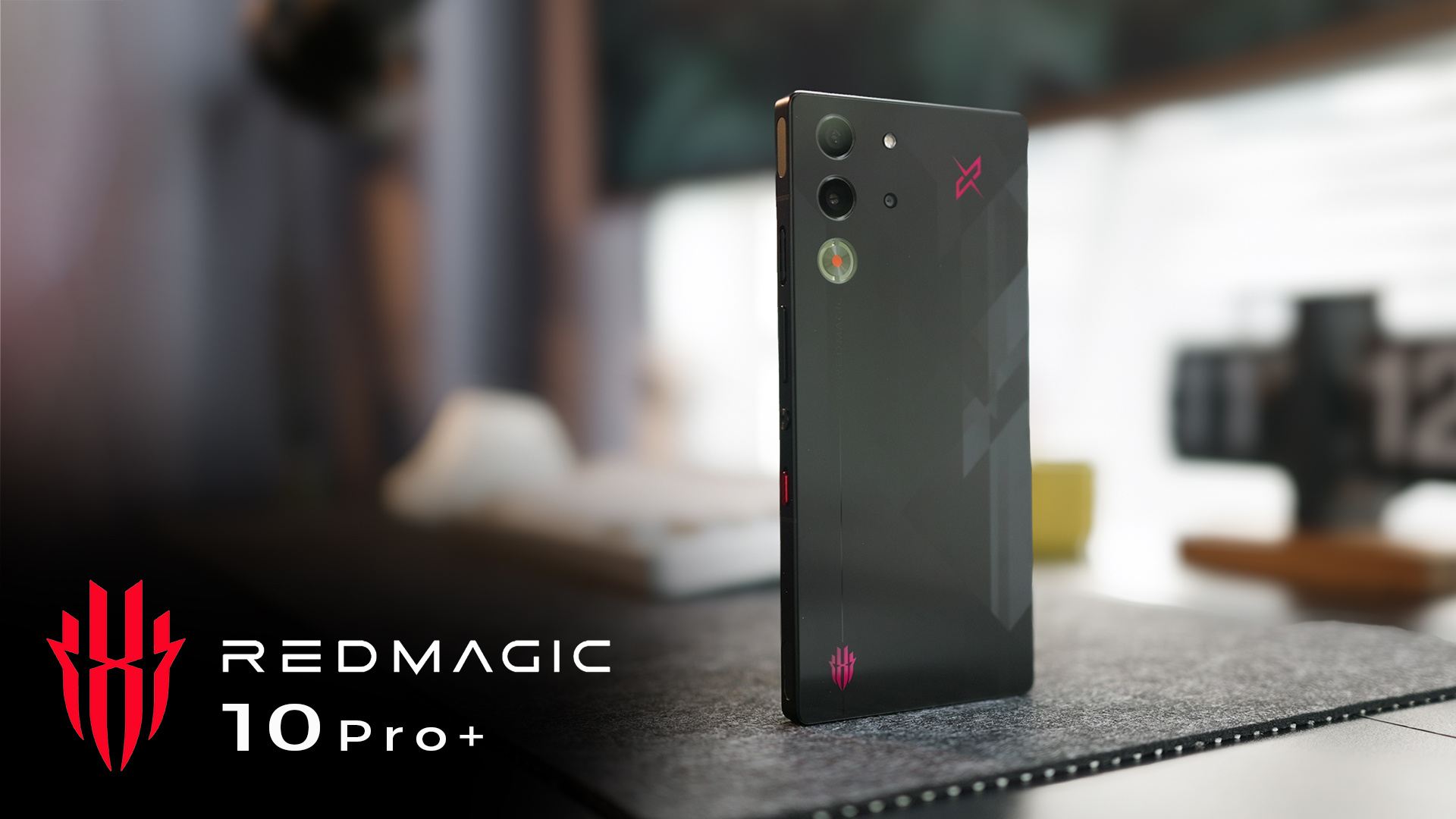
Gaming on smartphones has gotten better with each passing year, with several devices bringing cutting edge performance. Among the standout devices, theRed Magic 10 Pro+, ASUS ROG Phone 9 Pro, and Apple iPhone 16 Pro Max lead the pack as some of the best gaming smartphones of 2024. So here’s a quick breakdown of why these models dominate the gaming landscape this year.
The Red Magic 10 Pro+ is easily one of the best smartphones for mobile gaming fans. From the ground up, this smartphone is built specifically for gaming. There are various ways in which it has an advantage over its competitors thanks to the brand’s choices for its design and specs. It has a starting price tag of 5,999 Yuan (roughly 832 US Dollars). On the front, you get a tall 6.85-inch OLED display that offers a 1.5K resolution, a 144Hz refresh rate, and a 960Hz touch sampling rate. The screen has no punch hole cutout, so you’re also getting a seamless gaming experience on the big display.
Under the hood, the Red Magic 10 Pro+ is equipped with the Snapdragon 8 Elite, which makes it one of the fastest Android smartphones in the market. Performance is key, but so is the battery life. And the Red Magic 10 Pro+ doesn’t disappoint with its massive 7,050mAh battery pack, which supports 120W wired fast charging. For a better experience, the smartphone features 520Hz gaming shoulder keys. Cooling is key in high-end devices, and the phone optimizes gaming performance with composite liquid metal cooling along with a physical fan to avoid performance throttling in long gaming hours.
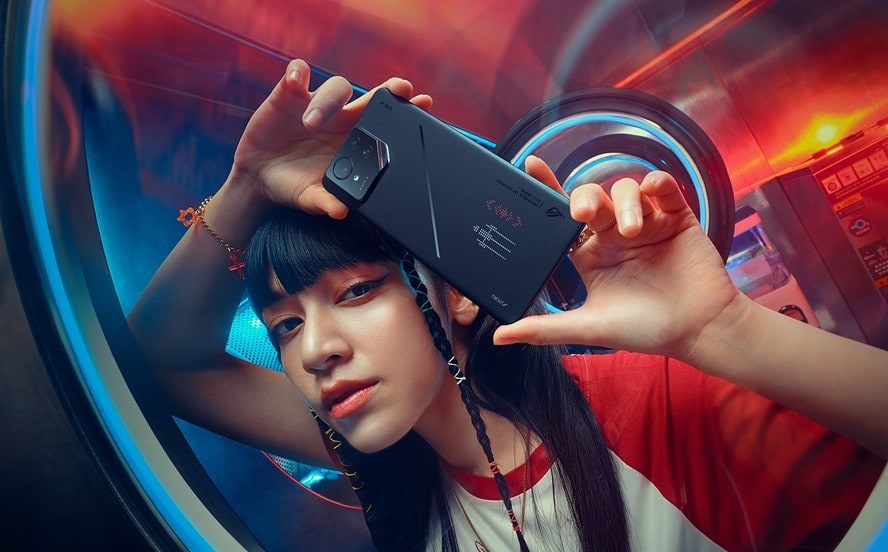
Soon after the Red Magic launch, ASUS also unveiled the ROG Phone 9 Pro. This model is a flagship-grade gaming phone that houses top-notch hardware. It packs a 6.78-inch AMOLED panel with up to 185Hz refresh rate and FHD+ resolution. But what makes it one of the best phones for gaming is its processor. Just like the Red Magic 10 Pro+, the ROG Phone 9 Pro also features the Snapdragon 8 Elite, which offers impressive upgrades in performance.
Gaming phones need to have a robust cooling system, and the ROG Phone 9 Pro features a 360° SoC Cooling System Gen 3 design for enhanced heat dissipation. For enhanced gameplay, this phone houses a subwoofer for 2.1 stereo surround and also packs hardware shoulder buttons. Since a smartphone isn’t as big as a controller, the shoulder buttons just give you an edge when gaming on a phone. This model has a starting price tag of 1,199 US dollars.
The other two models on this list were dedicated gaming smartphones, but the last on this list is a great all-rounder. Apple is one of the popular brands for professional mobile gamers, be it an iPhone or iPad. So this year’s iPhone 16 Pro Max is easily one of the best smartphones for gaming. It packs the A18 Pro Bionic chipset, which offers impressive performance. Keeping the experience ultra smooth, the iPhone 16 Pro Max sports a 6.9-inch LTPO Super Retina XDR OLED that offers a 120Hz refresh rate.
You miss out on the shoulder buttons, dedicated cooling mechanisms, super fast charging, and much more. But Apple makes up for it with flagship-grade camera performance, good battery life, and even Artificial Intelligence powered features. So if you’re not looking for a phone that screams gaming even from its design, prefer a versatile device, and want good cameras, the iPhone 16 Pro Max is a great pick. This model was first announced for a starting price of 1,199 US Dollars.
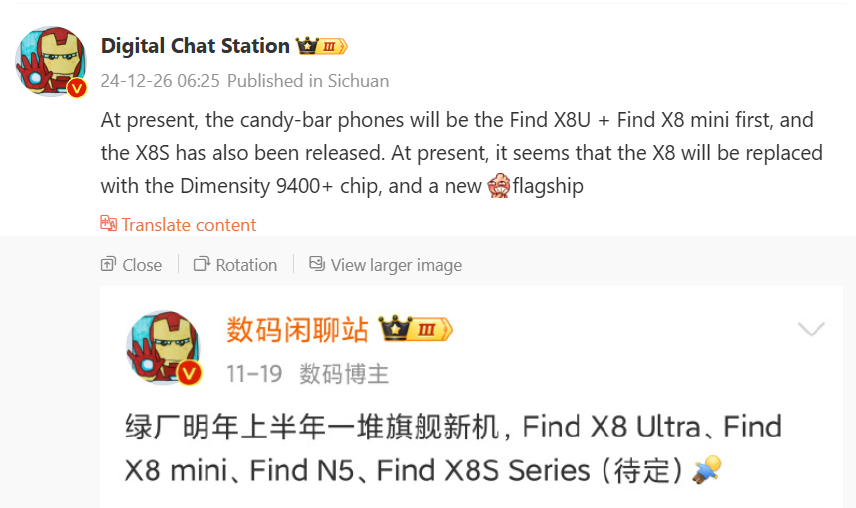
Tipster Digital Chat Station claimed in November that Oppo will launch several new flagship phones in China in the first half of 2025. These include the Find X8 Ultra, Find X8 Mini, Find N5, and Find X8S series. A new Weibo post from the same source has revealed new details about these devices.
In the latest leak, the tipster claims the initial launch will include the Find X8 Ultra and Find X8 mini, with the X8S in the pipeline. The X8S, which is said to be equipped with the upcoming Dimensity 9400+ chip, will replace the Find X8. There’s no clarity on whether the company plans to launch the Find X8S Pro.
The leak concludes by predicting the release of three new flagship models in the first half of the next year, each with a different screen size: 6.3 inches, 6.6 inches, and 6.8 inches. The leak suggests that the Find X8 Mini will feature a 6.3-inch screen, the Find X8S will sport a 6.6-inch display similar to the Find X8, and the Find X8 Ultra, a larger model, will sport a 6.8-inch screen.
According to recent leaks by DCS, the Find N5 foldable phone will break cover in February 2025. A launch event will follow, marking the arrival of the Find X8 Ultra and Find X8 Mini (also known as Find X8 Next). This event is likely to be held in March.
The Find X8 was announced in October. Given that incremental updates typically follow a biannual release cycle, it is expected that the Find X8s will arrive at least six months after the initial release of the Find X8. Therefore, it is likely that the Find X8S will be unveiled in April or May 2025.
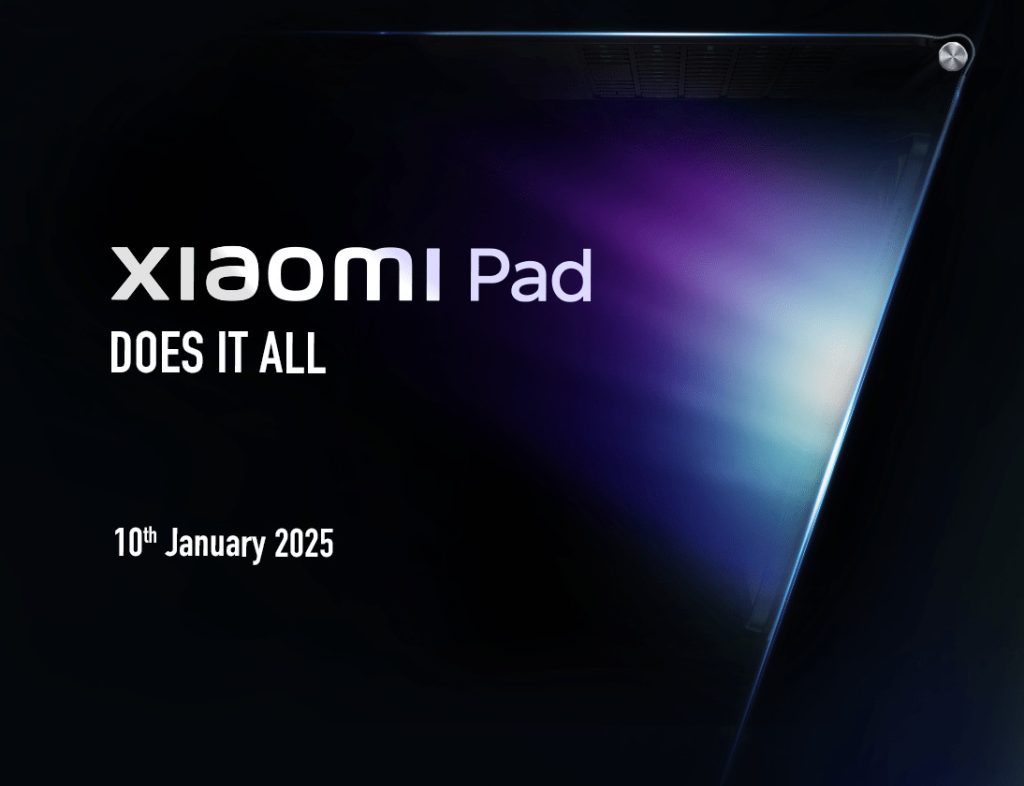
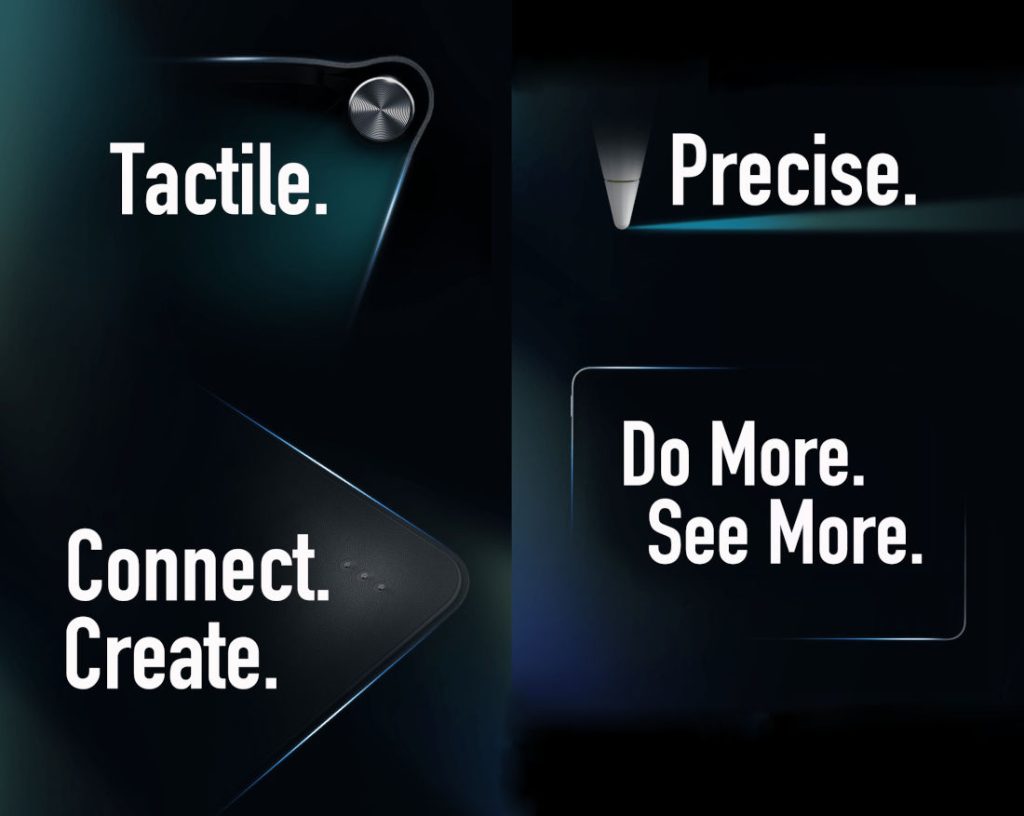
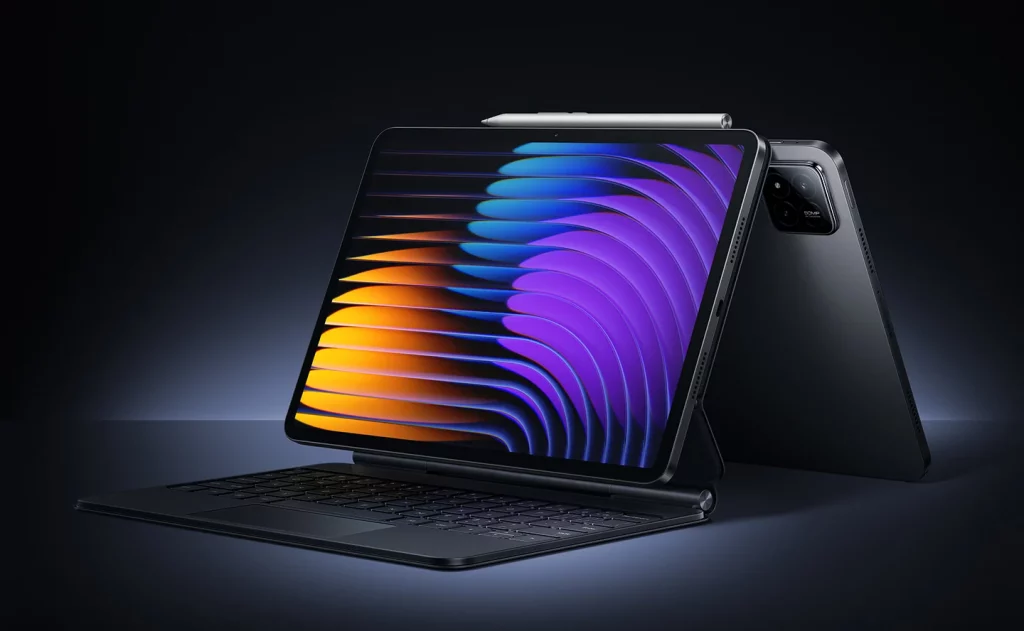
Xiaomi is set to launch its latest tablet, the Xiaomi Pad 7, in India on January 10, 2025. An Amazon India landing page confirms the launch date and teases features like magnetic floating keyboard compatibility via POGO Pins and stylus support, emphasizing its productivity-focused design.
The Xiaomi Pad 7, unveiled in China in October 2024, comes equipped with the Qualcomm Snapdragon 7+ Gen 3 chipset. A recent Geekbench listing has confirmed that the Indian variant will also feature the Snapdragon 7+ Gen 3 chipset along with 12GB of RAM The device scored 1877 points in single-core and 5106 points in multi-core tests, reflecting its upper mid-range capabilities. It will run Android 15 out of the box, offering a modern software experience.
The tablet features an 11.2-inch display with a 144Hz refresh rate, HDR10, a 240Hz touch sampling rate, and Dolby Vision for a premium visual experience. It includes a 13MP rear camera, while the Pro model offers a 50MP sensor. Powering the device is an 8,850mAh battery supporting 45W wired fast charging, ensuring longevity and quick recharges.
The Xiaomi Pad 7 and its Pro variant have received certification from several authorities worldwide, including the FCC and UAE databases. However, it remains uncertain whether the brand intends to release the Xiaomi Pad 7 Pro, featuring the Snapdragon 8s Gen 3 processor, in the global market. For a detailed look at the upgrades in the Xiaomi Pad 7 compared to its predecessor, the Xiaomi Pad 6, check out our comparison.
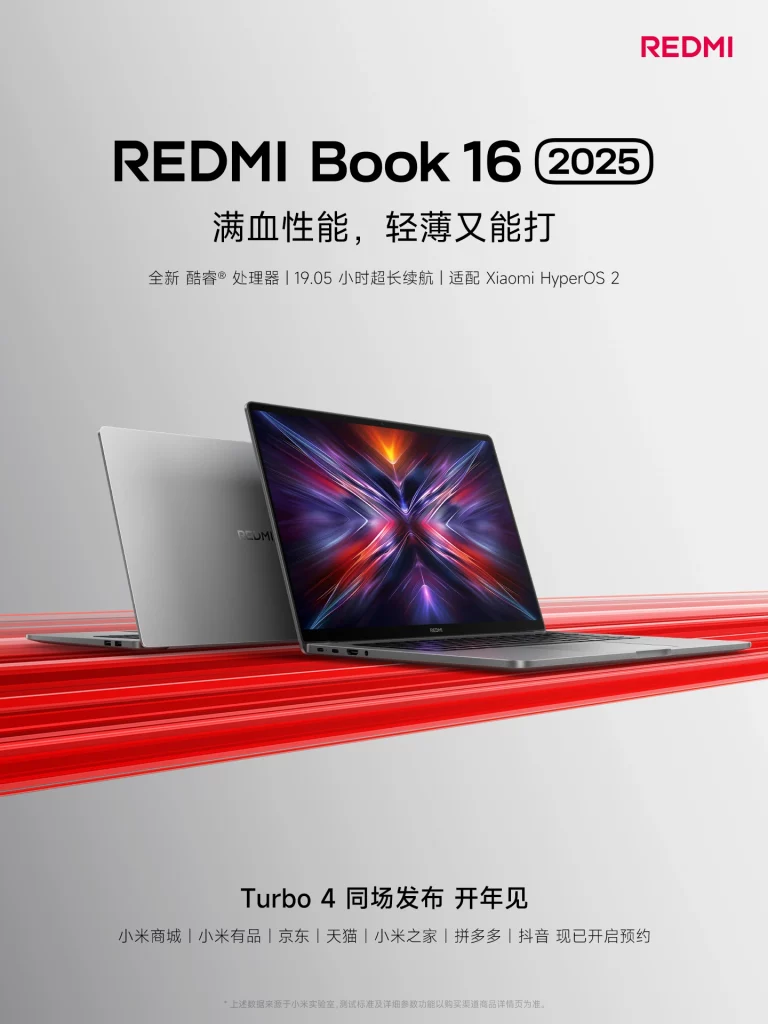
Redmi has unveiled the Redmi Book 16 2025 notebook, now available for pre-order ahead of its official debut at the Redmi Turbo 4, which is set to launch on January 1, 2025. Designed to balance lightness, performance, and battery life, the notebook features the latest Intel Core processor and boasts an impressive 19.05-hour battery life with AI scheduling for energy efficiency.
The device runs Xiaomi’s HyperOS 2 and integrates seamlessly with the Xiaomi Pengpai Zhilian ecosystem, enhancing compatibility with other Xiaomi smart devices. Other specifications are currently under wraps, however, we can expect incremental improvements over the last-gen Redmi Book 16 2024 model, which debuted in November 2023.
Redmi Book 16 2024 features
The Redmi Book 16 2024 laptop features a 16-inch 2.5K display with a 120Hz refresh rate, 100% sRGB color gamut, and 400 nits brightness. Its slim, lightweight metal body weighs 1.68kg and measures 15.9mm in thickness. The laptop is powered by the i5-13500H processor and includes dual fans with dual 8mm heat pipes. It comes with 16GB LPDDR5-6400 RAM and storage options include up to 1TB SSD, with an additional M.2 SSD slot for expansion.
The laptop has a 72Wh battery, with multiple connectivity options, including Thunderbolt 4, USB-A ports, HDMI, and a 3.5mm audio jack. The Redmi Book 2024 series includes a 100W GaN adapter for fast charging. The compact adapter supports bi-directional USB-C cables and PD fast charging, charging devices to 50% in 35 minutes.
As mentioned above, the event will also showcase the Redmi Turbo 4 smartphone, set to be the world’s first device powered by MediaTek’s Dimensity 8400-Ultra processor. The new chipset features eight Cortex-A725 large cores, achieving a maximum frequency of 3.25GHz. Compared to its predecessor, the Dimensity 8400-Ultra offers a 10% increase in single-core performance while reducing power consumption by 35%.
We use cookies on our website to give you the most relevant experience by remembering your preferences and repeat visits. By clicking “Accept”, you consent to the use of ALL the cookies.
This website uses cookies to improve your experience while you navigate through the website. Out of these, the cookies that are categorized as necessary are stored on your browser as they are essential for the working of basic functionalities of the website. We also use third-party cookies that help us analyze and understand how you use this website. These cookies will be stored in your browser only with your consent. You also have the option to opt-out of these cookies. But opting out of some of these cookies may affect your browsing experience.
Necessary cookies are absolutely essential for the website to function properly. This category only includes cookies that ensures basic functionalities and security features of the website. These cookies do not store any personal information.
Any cookies that may not be particularly necessary for the website to function and is used specifically to collect user personal data via analytics, ads, other embedded contents are termed as non-necessary cookies. It is mandatory to procure user consent prior to running these cookies on your website.