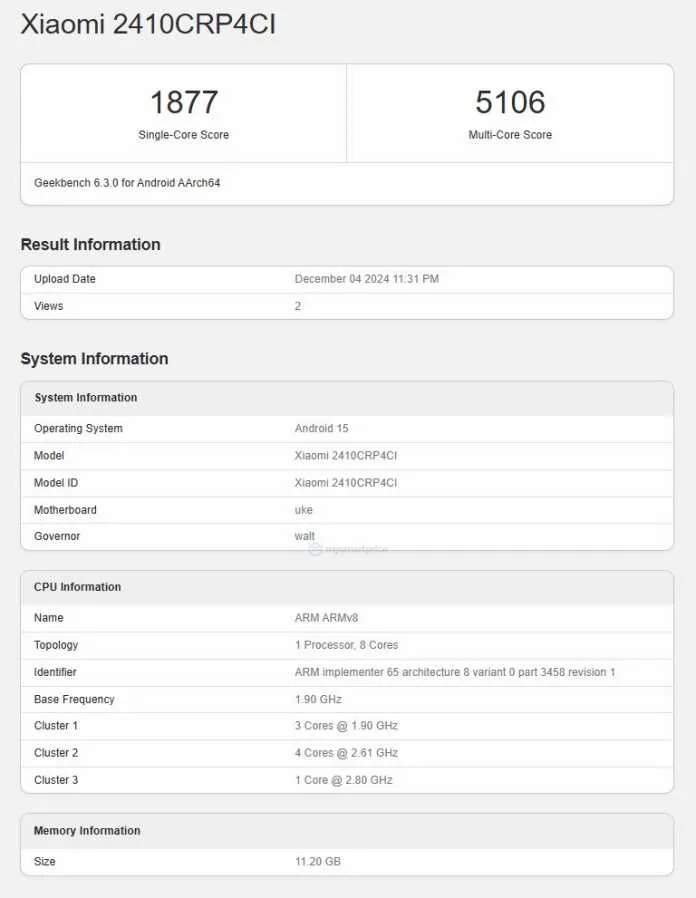
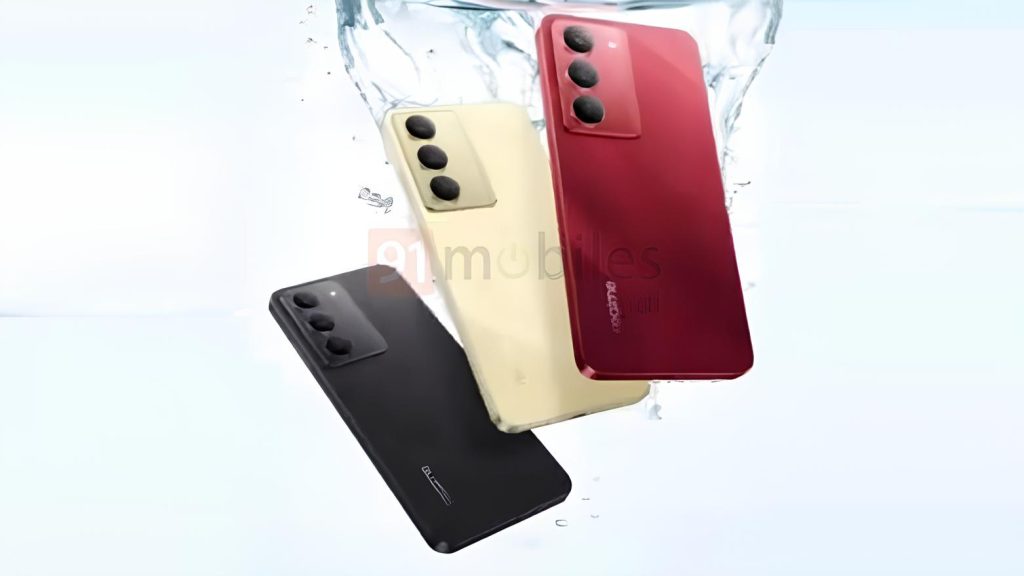
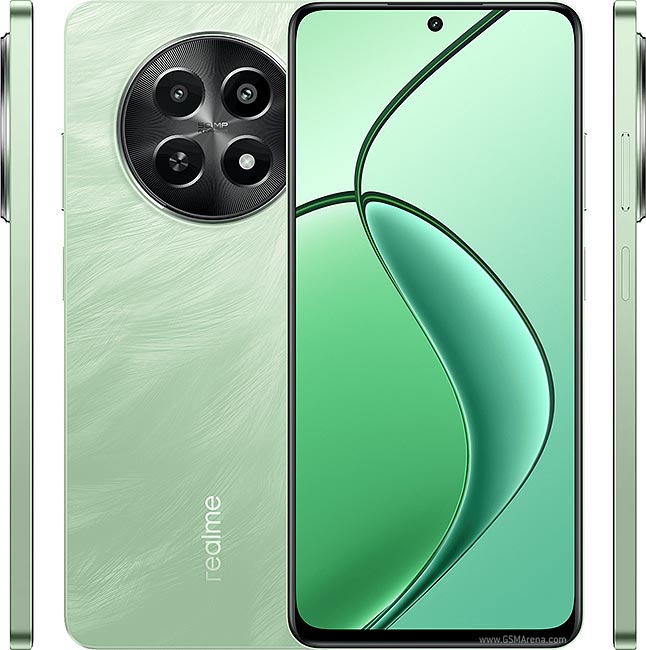
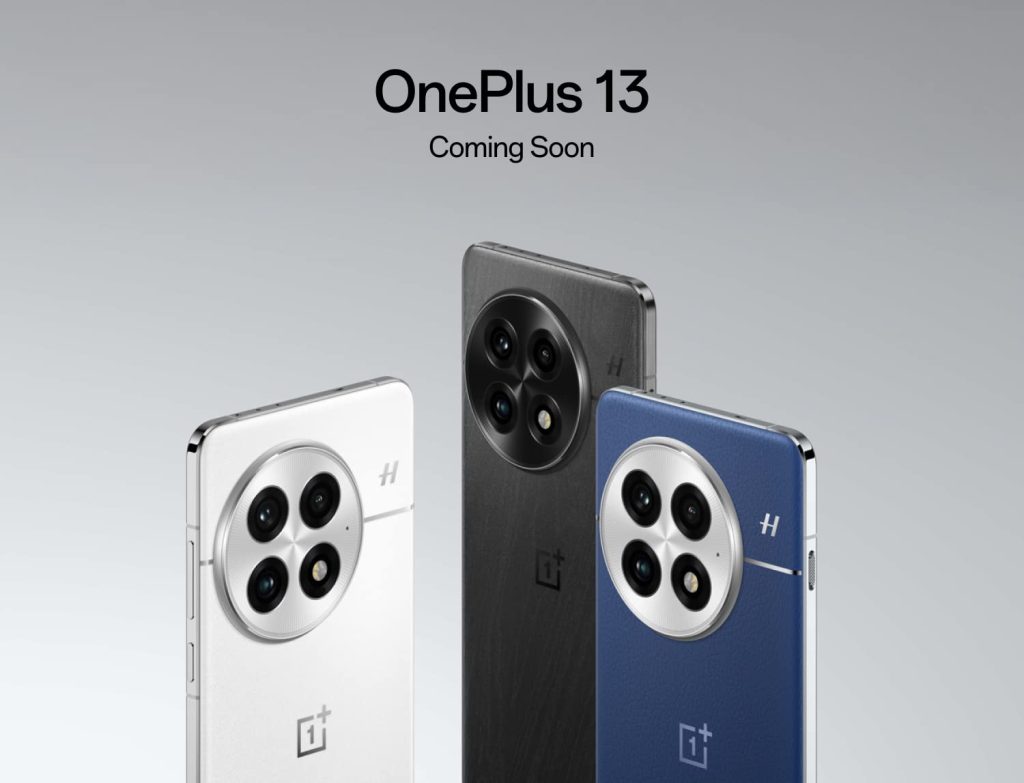
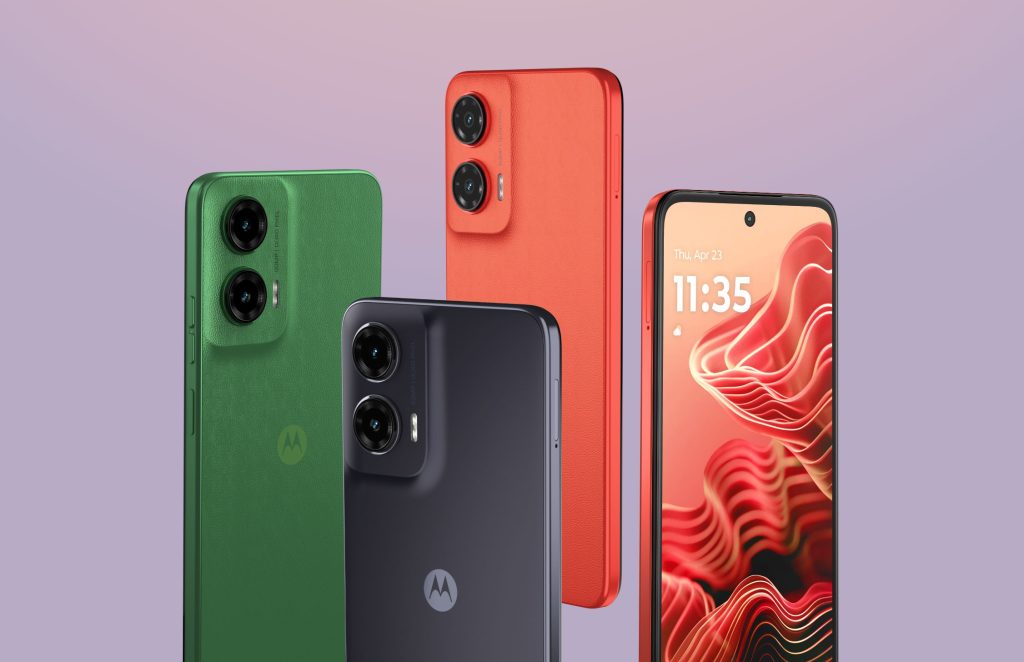
Motorola has silently unveiled two new G-series phones dubbed the Moto G55 5G and the Moto G35 5G for the global market. The G35 represents the brand’s entry-level 5G phone, while the G55 joins Motorola’s lineup of mid-range 5G phones. Here is a look at the specifications, features, and price of both smartphones.
Moto G55 5G specifications, price
Moto G55
The Moto G55 5G has a 6.5-inch IPS LCD panel that produces an FHD+ resolution and a 120Hz refresh rate. Under the hood is the Dimensity 7025, which the brand has previously used to power the Moto G64. It ships with 4 GB / 8 GB / 12 GB of RAM and 128 GB / 256 GB of built-in storage. It packs a 5,000mAh battery with 30W rapid charging support.
For selfies, the Moto G55 has a 16-megapixel front-facing camera. Its rear camera setup features an OIS-assisted 50-megapixel primary camera and an 8-megapixel ultra-wide lens. Available for €249 in Europe, the Moto G55 comes in shades, such as Twilight Purple (vegan leather), Smoky Green (vegan leather), and Forest Grey.
Moto G35 5G specifications, price
Moto G35
Priced at €199, the Moto G35 5G has a larger 6.72-inch LCD panel that offers an HD+ resolution and a 120Hz refresh rate. It draws power from the Unisoc T760 chipset, 4 GB of RAM, and 128 GB / 256 GB of internal storage. It features a 5,000mAh battery with 18W charging support.
The Moto G35 has a 16-megapixel selfie camera and a 50-megapixel (main) + 8-megapixel (ultrawide) dual-camera setup on the back. The G35 comes in colors like Leaf Green (vegan leather), Guava Red, and Midnight Black.

Both devices come preloaded with Hello UI flavored Android 14. These phones also have Dolby Atmos-powered dual speakers, a 3.5mm headphone jack, a microSD card slot, a side-facing fingerprint sensor, and an IP52-rated chassis.
The foldable smartphone market has seen significant advancements over the past few years, with manufacturers constantly pushing the boundaries of design and functionality.
Tecno, a brand known for its innovative approach to mobile technology, has now entered the tri-fold smartphone arena with its latest concept, the Tecno Phantom Ultimate 2. This device, with its ultra-thin profile and advanced features, has the potential to revolutionize the way we think about foldable smartphones.
According to the company, the Tecno Phantom Ultimate 2 stands out as the world’s thinnest tri-fold smartphone, with a folded thickness of just 11mm. This slim design is achieved through an advanced hinge mechanism and the use of Titan Advanced Fiber material for the battery cover, which is only 0.25mm thick, making it the thinnest in the industry.
When unfolded, the Phantom Ultimate 2 transforms into a 10-inch tablet with a 4:3 aspect ratio, offering a large, immersive display. This smooth transition from smartphone to tablet makes it a versatile device for both work and entertainment.
2. Advanced Display Technology
One of the standout features of the Phantom Ultimate 2 is its display technology. The device is equipped with a 3K LTPO screen that boasts a resolution of 392ppi, ensuring sharp and vibrant visuals.
The device also uses Touch and Display Driver Integration (TDDI) technology, which combines the touch sensor and display driver into a single chip. This results in a thinner, brighter screen with improved touch responsiveness.
Not only is the display impressive, but it’s also durable. The Phantom Ultimate 2’s hinge has a strength rating of 2100MPa and can withstand over 300,000 folds without affecting the display’s quality. This combination of durability and innovation ensures a crease-free, long-lasting screen.
3. Functionality
As per the company, they have optimized the software and user interface (UI) to fully utilize the tri-fold design. For example, the device supports a screen hovering feature, allowing users to type on a keyboard while the screen is upright, like a laptop.
The Phantom Ultimate 2 also offers a “tent mode,” which is perfect for face-to-face AI translation. The multi-window mode further enhances multitasking capabilities, allowing users to manage multiple applications simultaneously.
4. Tecno’s Vision
The Phantom Ultimate 2 demonstrates Tecno’s commitment to pushing the boundaries of foldable technology. This device follows the company’s previous concept, the Phantom Ultimate rolling screen phone, which also showcased Tecno’s innovative approach to mobile design. Although the Phantom Ultimate 2 is still a concept and has no release date, it signals Tecno’s ambition to be a major player in the foldable market.
5. Future of Foldable Tech
While Tecno’s Phantom Ultimate 2 is an impressive concept, it is important to note that Huawei is poised to make history as the first brand to launch a consumer-ready tri-fold smartphone. According to reports, the tri-fold device will be unveiled in September, and it is expected to feature cutting-edge technology and a design that could potentially surpass the Phantom Ultimate 2.
The competition between Tecno and Huawei in the tri-fold segment will likely drive further innovation in the foldable market. As consumers, we can expect to see more advanced, feature-rich foldable devices that cater to a wide range of needs and preferences. Tecno’s Phantom Ultimate 2 is a promising start, but the race to dominate the foldable market is far from over.
Moondrop UltraSonic earphones are designed with a dual-driver hybrid setup, that features an FRA Lithium-Magnesium Alloy Balanced Armature driver for crisp highs and a 13mm Sapphire Diaphragm Dynamic driver that delivers robust, full-frequency sound. This combination ensures that every note is reproduced with clarity and power, providing an immersive audio experience. You can now get the Moondrop UltraSonic earphones for $74.99 only at GeekWills.
Advanced Connectivity and Lossless Audio
With the support of LDAC lossless transmission protocol, the Moondrop UltraSonic allows for seamless streaming of 24-Bit/96kHz audio signals, ensuring you enjoy high-resolution sound without compromise. Paired with Bluetooth 5.3 technology, these earphones offer a stable, low-latency connection, making them ideal for listening to music, watching movies, or gaming. The low 55ms latency ensures that the audio syncs perfectly with the visuals, providing an immersive experience.
Active Noise Cancellation and Long Battery Life
The Moondrop UltraSonic is equipped with single-feedforward Active Noise Cancellation (ANC) technology, effectively reducing ambient noise and letting you focus on your music. The advanced SOC chipset and superior acoustic design ensure that even with ANC enabled, the sound quality remains pristine. Additionally, the earphones provide up to 6 hours of continuous playback, with the charging case extending the total battery life to 24 hours, making them perfect for long listening sessions.
Key Features:
Dual-driver hybrid setup with FRA Balanced Armature and 13mm Sapphire Diaphragm Dynamic driver.
LDAC lossless transmission for 24-bit/96kHz audio streaming.
Single-feedforward ANC technology with flagship SOC chipset.
Bluetooth 5.3 for stable, low-latency connectivity.
Up to 6 hours of battery life, with an additional 18 hours from the charging case.
The FiiO BTR13 Bluetooth DAC and Headphone Amplifier is a newly launched device that promises an exceptional audio experience with its advanced features and versatility. At the heart of the BTR13 is the CS43131 Dual DAC Chipset, a high-end Cirrus Logic DAC that minimizes crosstalk and delivers purer, high-quality sound. This makes the BTR13 an ideal choice for audiophiles looking for a premium audio experience. You can now buy FiiO BTR13 for $69.99 only on GeekWills.
Multi-Functional Modes for Various Uses
One of the standout features of the FiiO BTR13 is its ability to switch between different modes—PC, Bluetooth, and Phone—using a simple three-position toggle switch. In PC mode, the BTR13 functions as a USB DAC and headphone amplifier, powered entirely by your computer. In Bluetooth mode, it operates as a wireless Bluetooth decoder and headphone amplifier, utilizing an advanced QCC5125 Bluetooth 5.1 chip that supports various codecs including LDAC, aptX adaptive, and AAC. In Phone mode, it acts as a USB DAC audio dongle for your phone, powered by its internal battery.
High-Resolution Display and Powerful Output
The BTR13 is equipped with a 0.96-inch IPS Display with 80*160 pixels resolution, providing clear and concise information about your audio settings. The device also boasts a powerful 220mW output, thanks to its independent power supply system designed specifically for the built-in amplifier. This enhances the balanced output power by 282% compared to its predecessor, the BTR3K, making it suitable for driving a wide range of headphones.
Connectivity and Battery Life
For connectivity, the FiiO BTR13 features both 3.5mm single-ended and 4.4mm balanced headphone outputs, offering compatibility with various headphones. The device has a battery life of up to 8 hours and charges fully in just 2 hours. Whether you’re at home or on the go, the BTR13 is a versatile audio solution that meets all your portable audio needs.
Vivo has launched the Y36c smartphone in China for a starting price of 899 yuan (~$126). The phone comes in three different color options – Moon Shadow Black, Distant Mountain Green, and Diamond Purple.
Being an entry-level device, it packs a water drop notch on the front for the selfie camera and a thicker chin as compared to the side bezels. However, the phone adopts a modern design with a flat middle frame. The back of the phone houses a large rectangular camera island. The phone is 8.53mm thick and weighs only 185g.
Speaking of cameras, the phone packs a 50 MP main sensor (0.64μm single pixel size, f/1.8) on the back, which is paired with a 5 MP sensor on the front.
On the front, the phone packs a 6.56-inch 90Hz LCD screen which reaches a peak brightness of 840 nits in bright lighting conditions. It also comes with low blue light eye protection certification.
In terms of performance, this phone packs the MediaTek Dimensity 6300 processor which is built based on TSMC’s 6nm process. it adopts a “2+6” core architecture: 2×2.4GHz Cortex-A76 cores + 6×2.0GHz Cortex-A55 cores, and the GPU is Arm Mali-G57 MC2. This chipset scores around 800 and 2000 in Geekbench single and multi-core tests respectively.
To power the system, the phone packs a 5000 mAh battery. It also comes with an IP54 dust and water resistance rating, which means it should handle light splashes of fresh water and rain.
Pricing and availability:
This phone comes in four different storage and memory configurations: 6GB+128GB, 8GB+128GB, 8GB+256GB, and 12GB+256GB and is available for sale in the company’s website. The prices are listed below:
While the Oppo Find X7 series remained exclusive to China, the Find X8 and Find X8 Pro are expected to be launched globally sometime in October this year. In the latest news, tipster i冰宇宙 has shared a rendering of the Oppo Find X8.
As can be seen, the Find X8 is expected to come with flat sides, which is a major shift in design as compared to the curved design of the Oppo Find X7. In addition to the flat design, the render also shows an additional button at the bottom right of the device. It is reported to be a capacitive button called ‘Quick Button’ which will function similarly to the Capture button in the upcoming iPhone 16 lineup. Notably, this Quick Button doesn’t have any protrusion like the power and volume buttons.
The large camera island seems to have a similar protrusion as its predecessor. We have already seen the base model in real life, with the flat back panel and a rounded square camera island. Speaking of cameras, the Find X8 houses a 50 MP main sensor from Sony, a 50 MP ultrawide, and a 3x periscope telephoto. The Pro model is rumored to come with an additional 10x periscope telephoto lens, which makes it a quad-camera setup.
You can see a real-life image of the Find X8 and Find X8 Pro below, which reveals a redesigned camera island. As you can see, the “H” logo is now moved to the center, which makes the design more symmetrical. Notably, this change in camera placement is in line with the base model where we could see two lenses on both sides.
Find X8Find X8 Pro
While the Pro model still houses a circular camera, one or both of them could be prototype models where the company was experimenting with different designs, and both phones are expected to adopt the same camera island design.
It was previously rumored that the base model would switch to a flat design, while the Pro model would continue using a curved display like its predecessor. The recently revealed render reaffirms this.
Vivo has announced its latest addition to the wireless earbuds market, the Vivo TWS 3i, which is set to officially launch on September 5 in China, coinciding with the release of the Vivo Y300 Pro smartphone.
These TWS earbuds are already available for pre-order on Vivo’s official website, where potential buyers can choose from a “White” color option.
As per the official poster, the standout feature of the Vivo TWS 3i is its impressive battery life. The standard version offers up to 45 hours of continuous use, while a “Long Battery Life Version” pushes this to an even more substantial 50 hours, catering to those who require longer-lasting performance.
The earbuds are equipped with Bluetooth 5.3 for reliable connectivity and feature AI call noise reduction to enhance the clarity of phone calls by minimizing background interference.
In terms of design, the Vivo TWS 3i closely resembles the Vivo TWS 3e, which was launched last year in China. While the appearance may be familiar, the new model brings some improvements, particularly in battery life.
Further details about the earbuds’ specifications and features will be disclosed at the official launch event, providing a complete picture of what users can expect from this new offering.
If we look at the TWS 3e specs, it offers 11mm dynamic drivers with DeepX 3.0 and 3D Panoramic Audio, featuring Intelligent active noise cancellation and AI call noise reduction for clear sound and voice quality.
They support Bluetooth 5.3 with 55ms low latency, voice assistant connectivity, and a Find My Earbuds feature. The earbuds provide up to 9 hours of battery life with noise reduction on and 11 hours with it off, totaling 36 to 44 hours with the charging case. Weighing 4.4 grams each, they are available in blue and white.
Apple Intelligence was announced at this year’s WWDC in June. Although the exact release timeline for the public remains unclear, a host of AI features are expected to debut in the next year on the company’s iPhones, iPads, and Macs. The Cupertino-based tech giant has been releasing beta versions. The Developer Beta 3 of the latest iOS and iPadOS 18.1 and macOS 15.1 Sequoia bring an AI-powered ‘Clean Up’ tool in the Photos app. This is Apple’s answer to Google’s Magic Eraser and Samsung’s Object Eraser.
Apple’s ‘Clean Up’ AI feature takes on Magic and Object Eraser
Before we get into the details, It’s worth noting that the beta version is unstable. Hence, it is not recommended to download and install on a device device that is your daily driver. The feature is released only on devices that support Apple Intelligence. These include the iPhone 15 Pro models and the M-powered Macs and iPads.
The Clean Up tool as the name suggests can identify and remove distracting objects and strangers. It also comes with the ability to heal blemishes and pixelate people’s faces to conceal their identity. Although it intelligently detects and removes unwanted elements, users get the option to tap, brush, and circle if they don’t want something in the image. You can also zoom in to fix minute details. It is also capable of removing unwanted shadows and reflections.
The Clean Up feature is accessible when editing a picture in the Photos app. It appears as an eraser-style icon in the bottom toolbar. Images edited using the tool will be labelled as ‘Modified with Clean Up’ and added to the EXIF data. It works with all images even if they were captured by another phone or a DSLR.
The AI-powered Clean Up feature is not entirely flawless. We can expect it to be polished till the release of a stable version.
OnePlus has had its fair share of criticism for its products like any other major brand. However, in just a couple of years, the growing number of issues on its smartphones might be creating long term issues for the brand. OnePlus finally broke the silence regarding its latest motherboard failing issue, but is it enough? What more can the company do to retain customer trust?
Before we get into their recent fiasco, let’s first check out their entire track record. OnePlus users over the years have faced multiple problems with the brand’s products. These issues include chargers and smartphones. One of the company’s smartphones exploded a couple of years ago, while some of the newer models have also suffered from a green line issue as well. Now, the latest issue affects the motherboards of OnePlus smartphones.
2. OnePlus Motherboard Dying Crisis
OnePlus Nord 2 after exploding
Unlike some of the previous issues, the latest problems are plaguing various people. Users of the OnePlus 10 Pro 5G described their experience of facing lags and heating issues in their smartphones. Some models persisted with this issue, while others reported a completely dead motherboard to service centers. The motherboard is one of the key components of phones, housing the processor and memory chips. So these were quite an expensive repair (42,000 INR or 500 US Dollars for one affected user).
Some of these people were long standing loyal customers of the brand who expressed their disappointment and loss of faith. These cases aren’t isolated incidents and have raised questions regarding the build quality. Such problems could also hint at potential hardware issues.
3. OnePlus Responds
OnePlus reached out to us and finally addressed the motherboard issues affection its users. The company acknowledged the problem with their OnePlus 9 and OnePlus 10 Pro and has kicked off an investigation. They are working on resolving it as quickly as possible. The company also understood that motherboard repairs are costly and is working on making them cheaper as well. OnePlus urges that people facing this problem reach out to customer service to resolve the issue for the time being.
4. What more can OnePlus do?
Officially acknowledging the issue is a start but it’s just the first step. OnePlus can help reassure its customers, especially those who paid for their premium devices. Providing extended warranties and free repairs are a few good options if OnePlus finds critical issues with the hardware. A prompt software update if it could help would be a great start as well. Even if extending warranties and free repairs is not possible, making repairs more affordable can at least cushion the blow. Spending 500 US Dollars to repair a phone is harder to justify than buying a decent new phone.
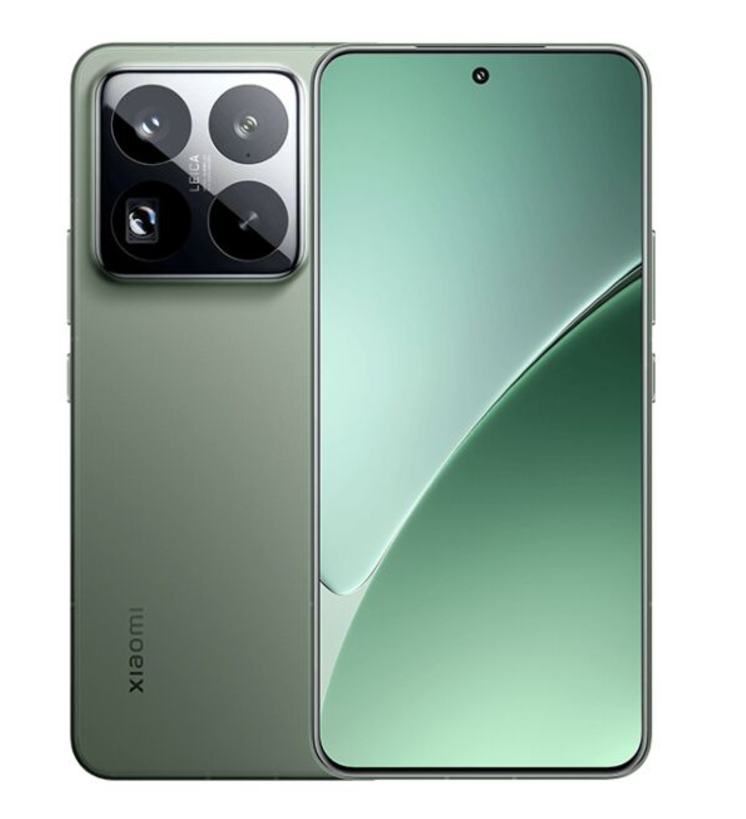
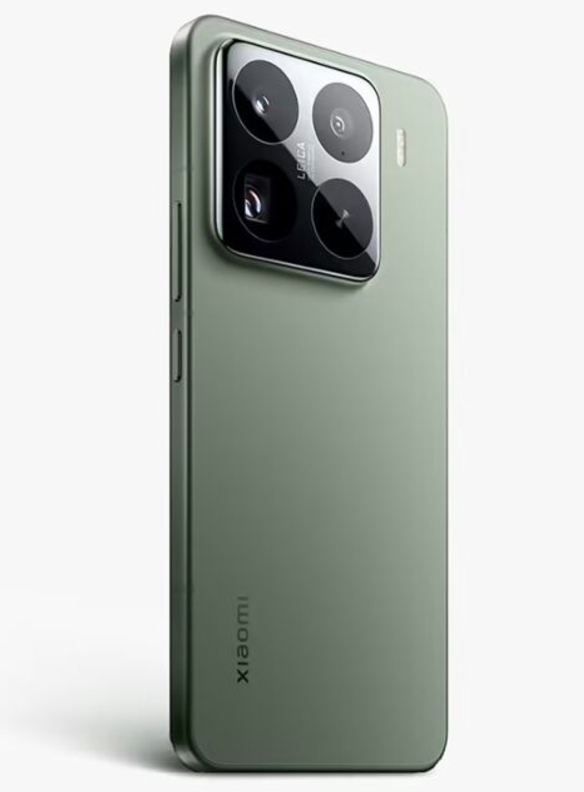
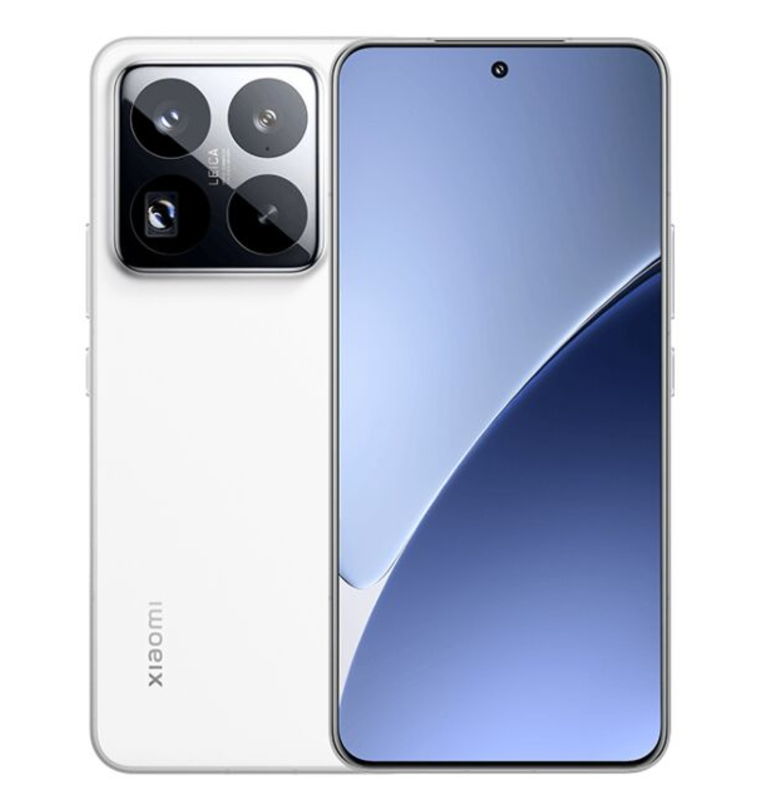
Xiaomi 14 was released in India in March this year. It is one of the best compact flagship phones available on the market. The smartphone boasts a solid set of specifications. However, it lags behind its competitors in some key areas.
If you plan to upgrade to the Xiaomi 14 (full review), don’t forget to check out its best alternatives, which will help you make a better decision. Before we move on to the alternatives, let’s quickly recall the device via the spec sheet below.
5G/4G/3G/2G Wi-Fi 7/Wi-Fi 6 Bluetooth 5.4 NFC supported
Unlike Xiaomi 14, the Vivo X100 has a curved display that’s around 6.6% bigger in size. The Xiaomi 14 uses an OLED panel, while the rest of the display specifications are almost similar.
Both smartphones are IP68 certified for dust & water resistance. However, the Vivo X100 lacks protection, whereas the Xiaomi 14 uses Corning Gorilla Glass 5.
The Vivo X100 rocks a big circular camera module that’s easily distinguishable from the crowd, whereas the Xiaomi 14 features a rectangular camera module.
Both smartphones have a 50MP primary camera with OIS and a 50MP ultrawide camera (the Vivo X100 has a larger field of view). The periscope telephoto lens on the Vivo phone supports 3x optical zoom, while it is 3.2x on the Xiaomi 14).
Both smartphones take stunning photos and videos using the main camera in varying lighting conditions with fine details, sharpness, and colour accuracy. However, the dynamic range could have been better on the Vivo X100.
The Vivo phone takes good shots with its ultrawide cameras in various lighting conditions. It also takes good macro shots. However, the selfies and videos using the front camera are pretty decent, with some sort of skin smoothing.
Notably, the Vivo X100 supports up to 4K video recording using the rear camera, but only 1080p with its selfie camera. In contrast, the Xiaomi 14 can record up to 8K videos using its rear camera and 4K with its selfie camera.
Both smartphones take excellent photos and videos. However, in most cases, the Xiaomi 14 produces better shots, particularly with its rear camera setup. The Vivo X100 might have an edge when it comes to portrait selfies.
The Vivo X100 is powered by a Dimensity 9300 chip, whereas the Xiaomi 14 uses Snapdragon 8 Gen 3. Both are the fastest mobile CPUs from their respective manufacturers and have similar benchmark results. They deliver excellent performance, but the Snapdragon 8 Gen 3 has slightly better gaming stability. Check out the Snapdragon 8 Gen 3 vs. Dimensity 9300 for more details.
The Xiaomi 14 and Vivo X100 have similar connectivity features, except the former has a faster USB data transfer rate.
The Vivo X100 has a larger battery capacity and supports much faster wired charging compared to Xiaomi 14. This means you’ll benefit from more screen time and quicker battery filling on the Vivo phone. However, the Vivo phone lacks wireless and reverse wireless charging.
5G/4G/3G/2G Wi-Fi 6E Bluetooth 5.3 NFC (supported) USB Type-C 3.2 Gen 1
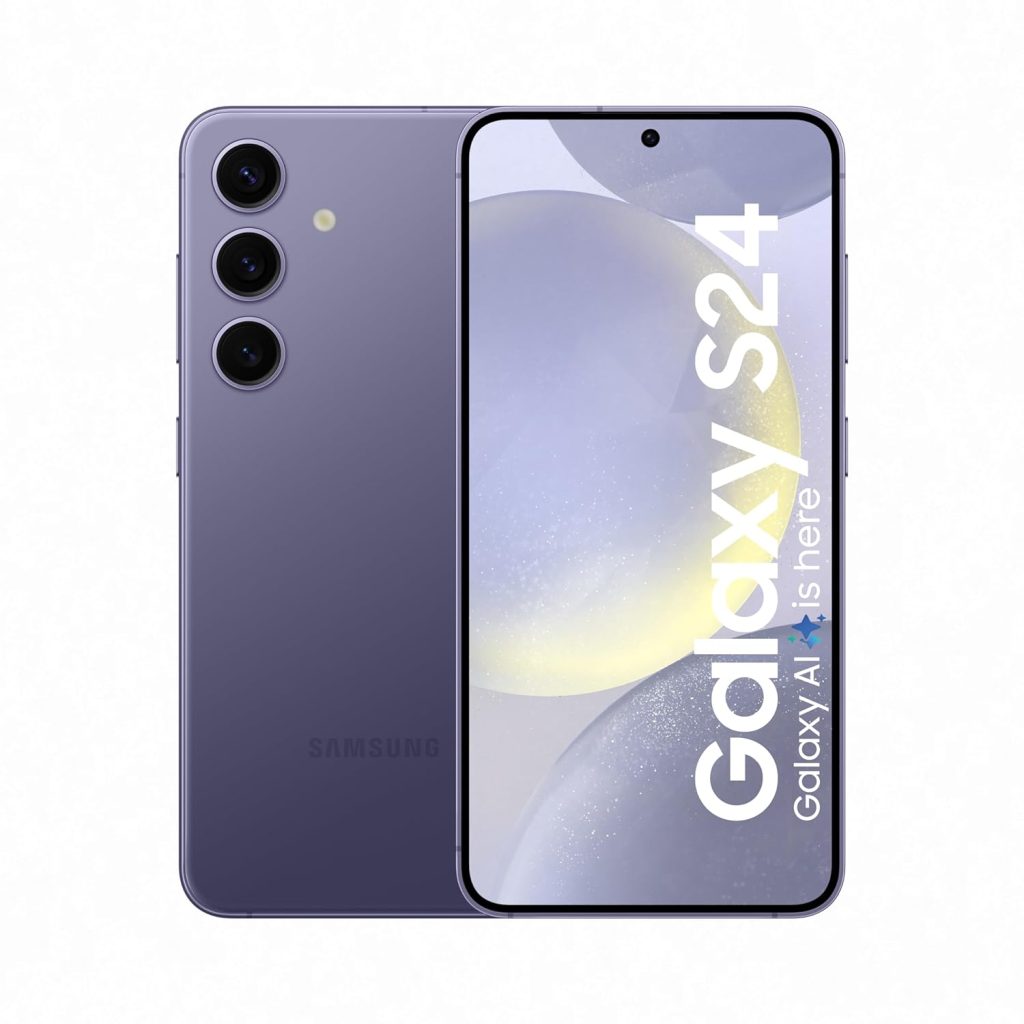
The Galaxy S24 (Snapdragon version) is another good alternative to the Xiaomi 14. It’s more compact and lightweight than the Xiaomi 14 and features a 6.2-inch Dynamic LTPO AMOLED 2X screen — the brightness peaks at 2600nits (slightly lower than Xiaomi 14).
The Galaxy S24 uses the second-generation Gorilla Glass Victus, while the Xiaomi 14 has the first-generation Gorilla Glass Victus protection. Both devices are powered by the same Snapdragon 8 Gen 3 chip. There’s also an Exynos version, but it’s difficult to recommend because of Exynos problems.
While the Xiaomi 14 features a rectangular camera module, the Galaxy S24 has a vertical camera arrangement that looks a lot cleaner. The two phones have similar performance in daylight, but Xiaomi 14 shots are usually more detailed and sharper. However, the opposite is true for the ultrawide camera, where the Galaxy S24 edges out the Xiaomi 14 in daylight shots.
The Xiaomi 14 takes better photos with its telephoto camera, and the low-light images are also better. The Galaxy S24 wins at selfies, while the Xiaomi 14 only manages to produce less contrasty selfies with pale colours.
It isn’t easy to pick one for video recording, as both do an excellent job. For regular videos using the primary camera, the Xiaomi 14 often performs better. However, it’s a different story when using a telephoto or ultrawide camera. In some aspects, the Xiaomi 14 videos look better, while in others, the Galaxy S24 videos look impressive.
The Galaxy S24 packs a lesser battery capacity than the Xiaomi 14, and as you may already know, Samsung is not a fan of superfast charging. Hence, you only get 25W charging support, while the Xiaomi 14 supports 90W fast charging. Both devices support wireless and reverse wireless charging, although they are faster on the Xiaomi phone.
Samsung phones are better known for software updates. The Galaxy S24 is promised seven years of Android and security updates, while the Xiaomi 14 will only get 4 Android updates and five years of security patches.
5G/4G/3G/2G Wi-Fi 7/Wi-Fi 6E Bluetooth 5.4 NFC (supported) USB Type-C 3.2 Gen 1
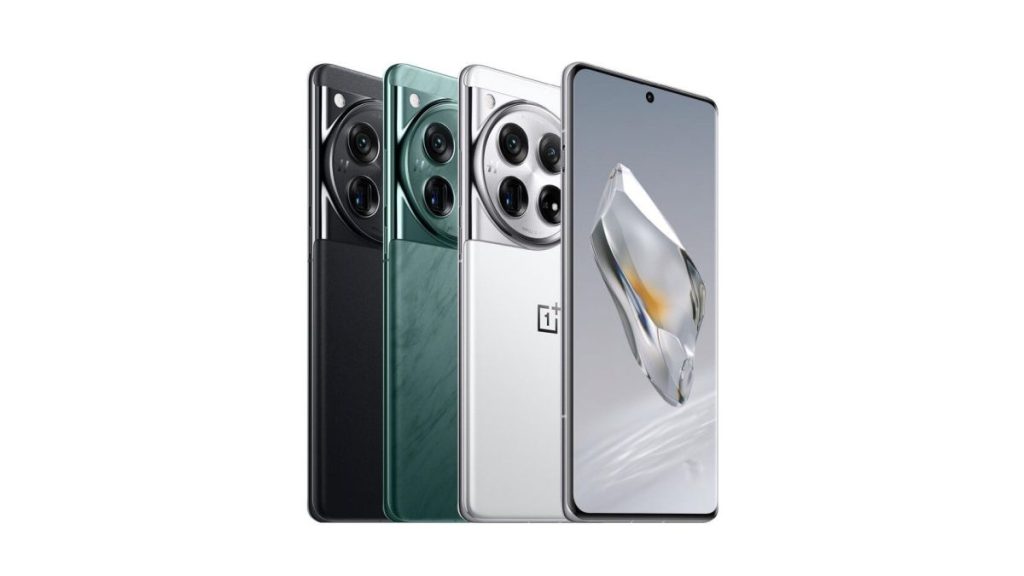
The OnePlus 12 (full review) is another solid alternative to the Xiaomi 14. It’s slightly bigger and bulkier and has an IP65 rating for dust and water resistance. Both smartphones have the same Snapdragon 8 Gen 3 chip, which delivers superior performance.
The OnePlus 12 has a 6.82-inch LTPO AMOLED screen with 120Hz refresh rate, Dolby Vision support, and 4500nits of peak brightness. Compared to Xiaomi 14, it has a bigger display with more pixels and higher peak brightness for better outdoor visibility. Also, it is protected by a Gorilla Glass Victus 2, while the Xiaomi 14 uses first-gen protection.
Both smartphones come with Android 14 out of the box and have been promised four years of Android updates from their respective brands.
The OnePlus 12 boasts a circular camera module featuring a 50MP primary sensor with OIS, a 64MP periscope telephoto lens with OIS, 3x optical zoom, and a 48MP ultrawide lens with 114-degree field of view (FOV). The camera setup is made in collaboration with Hasselblad to achieve better colour accuracy. There’s a 32MP camera for selfies.
Both smartphones capture stunning shots with their primary cameras. However, the Xiaomi 14 produces more natural shots, whereas the OnePlus 12 tends to be slightly more saturated. The Xiaomi 14 also does well with its ultrawide camera.
The OnePlus 12 offers up to 120x zoom, while the Xiaomi 14 only goes up to 60x. Due to high resolution, the OnePlus phone produces sharper images. However, as the zoom level increases, both phones output comparable shots with little to no difference.
When it comes to selfie images, the OnePlus 12 produces more natural shots, whereas Xiaomi 14 appears to enhance the exposure. The Xiaomi phone has skin smoothening turned on by default, which can be disabled for a more natural appearance.
The OnePlus 12 generally produces better videos, while Xiaomi 14 tends to display more contrast, making some videos look underexposed. However, in low-light conditions, Xiaomi does well. Overall, the OnePlus 12 produces better videos than the Xiaomi 14.
The OnePlus 12 has a larger battery capacity of 5,400mAh (vs. 4,610mAh on the Xiaomi 14) and supports faster charging over a USB cable. However, both support the same wireless and reverse wireless charging.
5G/4G/3G/2G Wi-Fi 7/Wi-Fi 6 Bluetooth 5.4 NFC (supported) USB Type-C 2.0
iQOO 12 was released last year with a strong spec sheet. It boasts a slightly larger LTPO AMOLED screen than the Xiaomi 14 with a higher refresh rate and a peak brightness of 3000nits.
The iQOO device is fueled by the Snapdragon 8 Gen 3, the same chip inside the Xiaomi 14. It’s the most powerful chip for Android phones, ensuring superior performance and efficiency.
Let’s get to the cameras. The iQOO 12’s main camera takes detailed, sharp daylight images with excellent dynamic range. The overall image processing is sound, but sometimes, you may observe various imperfections due to weak processing.
The telephoto cameras are excellent, offering great details, colours, right sharpness, and less noise. The dynamic range and overall contrast are also impressive. The 64MP high-res zoomed images are okay(ish) with a good amount of details, accurate colours and good dynamic range, but they are pretty noisy.
With iQOO 12, you can get as close as 5cm from a subject for macro shots, and the output is good. The macro shots from the telephoto camera at 3x zoom are also great. They have natural bokeh, better colour reproduction, and sharpness with a good amount of detail. The smartphone also takes excellent portrait and low-light photos.
All three rear cameras on the iQOO 12 can shoot up to 4K videos, while the main camera also supports 8K recording at 30fps. The 4K video recording using the main camera is average, as the picture looks washed out. Otherwise, it has good colours, contrast, and a wide dynamic range.
The low-light 4K footage is also mediocre. But the 4K 30fps Night Mode video is impressive – it’s bright and detailed with punchy colours and a wide dynamic range. Footage coming from the telephoto camera at 3x zoom is impressive – they have great details, sharpness, accurate colours, high contrast, and wide dynamic range. The device also takes good ultrawide videos in daylight.
The selfie camera isn’t impressive, though. It doesn’t support electronic stabilisation, although the colours are accurate, and the dynamic range is good. However, the end result is average.
The iQOO 12 packs a larger battery, and its charging speed is also better than that of the Xiaomi 14.
5G/4G/3G/2G Wi-Fi 6 Bluetooth 5.3 NFC (supported) USB Type-C 3.2
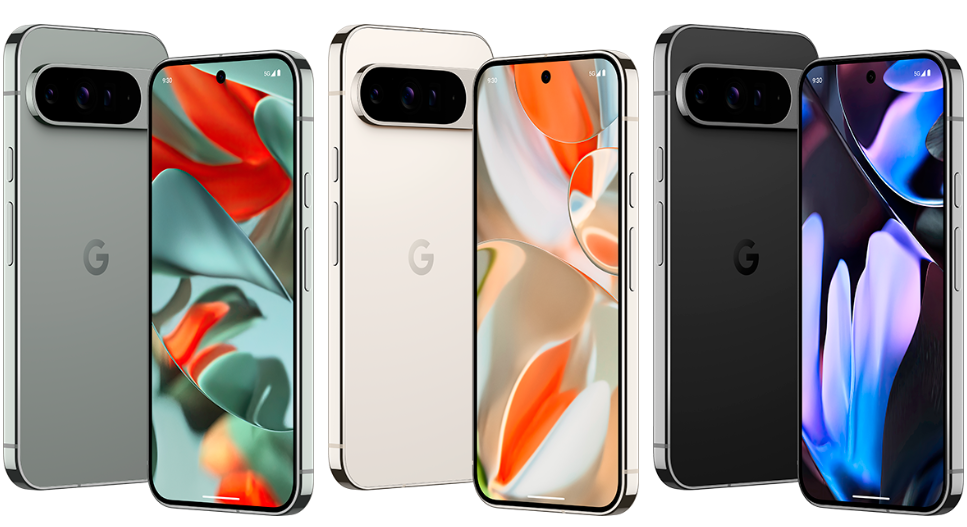
The Pixel 8 has similar pricing to the Xiaomi 14 and offers good value for money. Hence, it is an alternative to the Xiaomi 14 worth exploring.
The Pixel 8 is a compact flagship phone featuring a 6.2-inch OLED screen, although it’s not an LTPO panel and has a lower peak brightness than the Xiaomi 14.
The smartphone is powered by an in-house Tensor G3 chip, which isn’t as powerful as the Snapdragon 8 Gen 3 on the benchmarks. That doesn’t make it a bad choice for high-end phones. The chip can still deliver great performance.
The Pixel 8 has only two camera sensors on the back — a 50MP primary camera with OIS and a 12MP ultrawide camera with a 126-degree FOV. It is also equipped with a 10.5MP camera for selfies.
The smartphone takes good daylight shots with nicer details, consistent white balance, and good saturation. The ultrawide camera also shoots great images. It also has an autofocus that enables both general close-up shots and macro shots.
The Pixel 8 does an impressive job in low-light conditions, all thanks to good image processing. However, the portrait shots are just acceptable. The device takes nice selfies with good details. The video quality of the Pixel 8’s main camera is impressive. The ultrawide camera outputs an average video quality at night but does a fantastic job in daylight.
The Pixel 8 has a slightly lesser battery capacity than the Xiaomi 14, but the difference in changing speeds is big — 27W on the Pixel 8 and 90W on the Xiaomi 14.
The impressive software update policy is one aspect where the Pixel 8 leaves the Xiaomi 14 in the dust. The Pixel 8 will get seven years of Android updates, while the Xiaomi 14 will only get four.
Please Note: When you buy something using the links in our articles, we may earn a small commission at no cost to you.
The Xiaomi 14 is a solid flagship phone. However, these five phones are better than that in one or more key areas. Would you pick Xiaomi 14 or any of these alternatives? Share your thoughts in the comment section below.
Xiaomi has launched a new foot massager set called Mijia Smart Airbag Foot Bath Gift Set in the Chinese market. It is now available on Xiaomi Youpin through a crowdfunding campaign. The set is priced at 949 yuan ($134) for crowdfunding, which is lower than its retail price of 1299 yuan ($182). Let’s check out its key specs.
Xiaomi Mijia Smart Airbag Foot Bath Set Specifications:
This foot bath set is designed to provide an immersive massage experience, featuring an airbag wraparound massage system that mimics hand-push kneading. The system delivers a three-dimensional massage that targets acupoints on the instep and sole through cyclic kneading and pressing motions.
The device also includes a constant temperature foot bath function, with the water being heated using DPS water circulation technology. This ensures a stable, warm soak at a user-selected temperature range between 35°C and 48°C, with an adjustable timing range of 5 to 60 minutes. The bucket is designed with a height of 40.6 cm, allowing for deep soaking up to the calves.
For hygiene, the foot bath incorporates a UV sterilization feature, which claims a sterilization rate of up to 99.9% against common bacteria like E. coli, Candida albicans, and Staphylococcus aureus. This sterilization process occurs during the foot soak, ensuring that the water remains clean and safe for repeated use.
The foot bath can be used with or without water, offering versatility for different types of massages. It supports dry use for a foot massage and wet use for a full foot soak and massage experience. The device is equipped with multiple safety features, including over-temperature protection and a leakage protection switch that cuts off power within 0.1 seconds if a fault is detected.
The Mijia Smart Airbag Foot Bath is controlled via a smart panel and can also be connected to the Mijia app, allowing users to customize and control their foot bath settings remotely.
The device also comes with 60 packs of herbal foot bath packs, adding to the overall experience. It is designed to accommodate foot sizes ranging from 37 to 45, and the foot bath’s portable design includes a retractable handle and omnidirectional wheels for easy movement.
Ahead of its September 5th launch, Honor‘s marketing campaign for the Magic V3 foldable phone has been nothing if not aggressive. From a Guinness World Record attempt to thinly veiled digs at Samsung’s Galaxy Z Fold 6, the company hasn’t shied away from a bit of controversy.
In their latest effort, Honor printed a message directly on the hinge of the Magic V3 as an “apology” to Samsung Galaxy Z Fold 6 owners. To add to the spectacle, they are calling it the “world’s smallest apology to Samsung owners on the world’s thinnest foldable phone.”
We’ve included an image above that shows the message on the Magic V3’s hinge. It’s unsurprisingly not easy to read, so here’s the full text:
“Dear Samsung Galaxy Z Fold owners, we’re sorry. We know you were excited to buy a phone that folds in half and fits in your pocket, awkwardly. You were promised the future, a technical marvel, a world of boundless multitasking and performance.
And now, you’re probably looking at the new HONOR Magic V3 and feeling a little… betrayed. Size matters, and we feel your pain. Like being tipped for a gold medal and then coming last in the race, the knowledge that a thinner, lighter, and more durable foldable exists is enough to make anyone question their choices.
We get it. You were an early adopter, a pioneer bravely venturing into the uncharted territory of foldable screens with questionable durability. You deserve better. In fact, you deserve a gold medal.”
Well, what do you think of Honor’s approach to taking continuous jabs at Samsung? While it might grab headlines, it could also alienate potential customers who might be put off by the aggressive marketing.
Apple is all set to unveil its next generation of iPhones soon. And as we edge closer to its release, a new video leak offers us a look at the upcoming iPhone 16. But is it actually the iPhone 16 or just a fake model that looks similar?
iPhone 16 with a new redesign?
The leak was shared by known tipster Majin Bu on X (formerly Twitter). While there have been plenty of rumors regarding Apple possibly bringing changes to the 2024 iPhone lineup. The video shared online showcases these in a real life video. We can see the iPhone 16 in the wild covered with splashes from the rain. We can clearly see the redesigned camera module on the rear.
Unlike the diagonal placements of the image sensors in the older models, the iPhone 16 now has a vertical alignment. Repositioning the cameras on the back might allow non-Pro iPhone models to capture spatial videos and photos, which was previously exclusive to the more expensive variants. The iPhone 16 in the video is the Black variant, which is among the upcoming rumored colors. For those unaware, the base model may launch in Black, Green, Pink, Blue, and White or Yellow.
Seeing the iPhone 16 brave the rain, so there is likely some form of water resistance on it. Apart from the changes to the back, the iPhone 16 and iPhone 16 Plus are expected to launch with Action Button as well. This isn’t surprising since Apple often trickles down high end features from older iPhone Pros to the newer affordable options. The company is expected to raise the RAM capacity on the new devices and make them compatible with new AI features. Unfortunately, that’s all we know at the moment, so stick around for more updates.
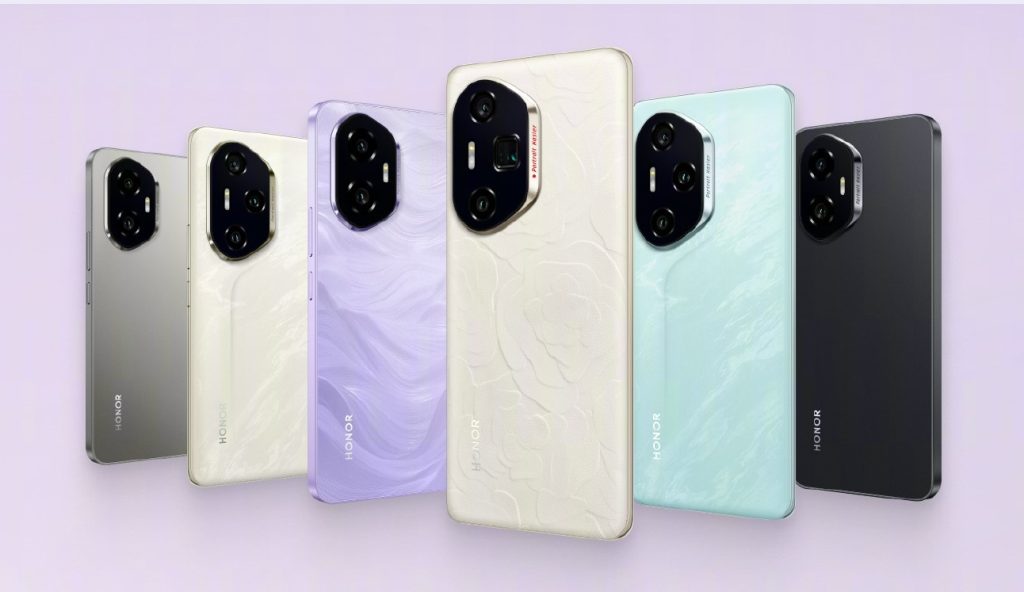
Midnight Black, Aurora Purple (Coral Purple), Ocean Teal, Arctic White
Nothing Phone 2a vs Redmi Note 13 Pro comparison table
Can the Redmi Note 13 Pro go up against the Nothing Phone 2a? Which of these devices is the better choice for you when shopping for a new Android smartphone? This comparison article will provide answers to these questions and more!
Despite launching a few months before the Nothing Phone 2a’s arrival, the Note 13 Pro is still a good competitor to this device. Those out shopping for a new mid-range Android device might have these devices in mind before making a purchase. Let’s now assist you in making a well-informed choice when looking out to purchase a new mid-range Android device.
Please Note: When you buy something using the links in our articles, we may earn a small commission at no cost to you.
Nothing Phone 2a vs Redmi Note 13 Pro: Design and colours
Nothing Phone 2a:
Ever since the brand’s inception, Nothing has taken a different turn with the designs of their smartphone. This device, the Nothing Phone 2a, follows this design path featuring the Glyph interface, a glass see-through design revealing some screws and patterns in the device. On its rear sits a horizontal rear camera setup with a flash that suits towards the top right-hand side of this cutout. The volume rocker keys on this device sit on the left-hand side, while the power button sits on the right-hand side of the device. At the base of the device sits the USB-C port, microphone, speaker, and the SIM tray.
Redmi Note 13 Pro:
The Redmi Note 13 Pro features a very simple design that is not only clean but also very user-friendly. With a right corner mounted square rear camera cutout, Redmi is able to house the triple rear cameras and flash of this device. All round, this device comes with flat sides which is loved by some but hated by others, but the flat edges compliment the device’s overall design. This device’s power button and volume rocker buttons are located on the right frame, while the charging port, SIM tray, speakers, and microphone sit at the base of the device. Available colour options are Midnight Black, Aurora Purple (Coral Purple), Ocean Teal, and Arctic White.
Major differences:
Impressive and sleek finish on the Redmi Note 13 Pro.
Glyph interface lighting on the Nothing Phone 2a.
Nothing Phone 2a vs Redmi Note 13 Pro: Display
Nothing Phone 2a:
This device uses a 6.7-inch AMOLED panel that supports 120Hz refresh rate to ensure snappy response. This display supports HDR10+ technology, helping it attain a peak brightness of 1300 nits peak brightness. All round this display are sleek bezels, making this device give off a flagship feel. For protection, this display comes with Corning Gorilla Glass 5 technology.
Redmi Note 13 Pro:
The 6.67-inch AMOLED screen display of this device supports, 120Hz refresh rate as well as 1800 nits peak brightness. Compared to the Nothing Phone 2a, this device features slimmer bezels all round and Dolby Vision technology. For protection against water, drops, and dirts, this device comes with Corning Gorilla Glass Victus and an IP54 rating.
Major differences:
Brighter display on the Redmi Note 13 Pro.
Slimmer bezels on the Redmi Note 13 Pro.
Nothing Phone 2a vs Redmi Note 13 Pro: Cameras
Nothing Phone 2a:
For midrange devices, photography isn’t a strong point, but that’s not the case with the Nothing Phone 2a. This device comes with a dual rear camera setup housing two 50MP sensors. Up front sits a 32MP selfie camera which is up to the task of taking crisp clear photos in different lighting conditions.
Redmi Note 13 Pro:
When it comes to the camera abilities, this device comes with a triple rear camera setup. The main camera on this device is a 200MP sensor, and supporting it is an 8MP sensor and a 2MP sensor. Redmi adds a 16MP selfie camera to this device, and it brings panorama mode for capturing.
Major differences:
Dual 50MP cameras on the Nothing Phone 2a.
200MP main camera on the Poco X6 Neo.
4x lossless zoom on the Redmi Note 13 Pro.
32MP selfie camera on the Nothing Phone 2a.
Nothing Phone 2a vs Redmi Note 13 Pro: Performance
Nothing Phone 2a:
Nothing powers this device with the MediaTek Dimensity 7200 Pro processor. Joining this is up to 12GB RAM and 256GB worth of storage capacity. This makes this device an impressive mid-range Android device that retails at an affordable price tag.
Redmi Note 13 Pro:
Being a mid-range device, we can expect impressive performance from this device, and it sure delivers in this area. Redmi slaps the Snapdragon 7s Gen 2 on this device, joining this processor with up to 16GB worth of RAM and 512GB worth of storage. But if you think 16GB is too much, then you should also note that this device also offers users 12GB memory expansion for a much smoother experience.
Major upgrades & differences:
Expandable 12GB RAM on the Redmi Note 13 Pro.
Up to 16GB RAM on the Redmi Note 13 Pro.
Nothing Phone 2a vs Redmi Note 13 Pro: Software
Nothing Phone 2a:
This device runs on Android 14 and Nothing OS 2.5.4 out of the box. Users are getting 3 years of Android OS upgrades.
Redmi Note 13 Pro:
The Redmi Note 13 Pro Neo runs on Android 13 out of the box, and extra customization from the HyperOS system that this device runs on as well. There is also availability of OS upgrades on this device for up to 3 years from launch.
Major differences:
Nothing OS on the Nothing Phone 2a.
HyperOS on the Redmi Note 13 Pro.
Nothing Phone 2a vs Redmi Note 13 Pro: Battery life and charging
Nothing Phone 2a:
For its battery capacity, this device comes with 5000mAh which is more than enough for a day usage. Charging speed on this device is 45W as standard.
Redmi Note 13 Pro:
This device features a 5100mAh battery capacity, more than that on the Nothing Phone 2a. For its charging, it features a 67W fast charging, which will still get users enough battery for the go in no time.
Major differences:
Faster charging on the Redmi Note 13 Pro.
Slightly larger battery on the Redmi Note 13 Pro.
Nothing Phone 2a vs Redmi Note 13 Pro: Final Verdict
For simplicity and style, the Redmi Note 13 Pro wins this battle. Not everyone appreciates the busy design of the Nothing Phone 2a. The Redmi Note 13 Pro is also a more affordable option that offers as much as the more expensive competition from Nothing. While both devices are impressive options, the Redmi Note 13 Pro stands out as being the more affordable option which packs impressive features.
Tecno’s latest announcement is an exciting collaboration that has it teamed up with the Autobots from the Transformers series. The partnership with Hasbro’s Transformers franchise brings new Special Edition variants of the Tecno Spark 30 smartphone lineup.
More Than Meets the Eye: Tecno’s Spark 30 Gets a Transformers Makeover
Tecno is set to launch the Spark 30 Transformers Special Edition in September 2024. The collaboration has resulted in a unique smartphone redesign inspired by iconic Transformers characters. Looking at the teaser images, Optimus Prime and Bumblebee from the Autobots are being used for the external and UI designs. In other words, it’s not just a physical makeover but would also include a special customized User Interface.
The version with Optimus Prime as its inspiration can be seen with angular design and the iconic Blue and Red hue. On the other hand, the Bumblebee option has recognizable Black and Yellow colors with the racing strip in the middle. With this partnership, Tecno aims to capture the hearts of Gen Z and young consumers, as well as Transformers enthusiasts, by offering a smartphone that combines cutting-edge technology with nostalgic appeal.”
It also coincides with the release of the upcoming movie Transformers One. Tecno has yet to unveil the Spark 30 series, but its limited edition models have been confirmed. We also get a glimpse of these devices with this announcement. As Jack Guo, GM of Tecno stated “We are delighted to join forces with the powerhouse TRANSFORMERS franchise. This collaboration is a testament to TECNO’s relentless pursuit of modern design and technological innovation, reflecting our continuous endeavors to forge strategic partnerships that resonate with the passions of young consumers worldwide in order to strengthen our bond with them.”
Oppo is expected to launch its next flagship smartphones, the Find X8 and X8 Pro in October. It turns out, that the phones will be accompanied by two additional products if a rumor by usually reliable tipster Digital Chat Station is to be believed.
The tipster took to his Weibo to reveal that Oppo will be launching Pad 3 Pro tablet and Enco X3 earbuds alongside the Find X8 phones. There’s no mention of a specific launch date or timeframe, though.
These are all top-of-the-line products from the Chinese brand. For instance, the Find X8 and X8 Pro will come with MediaTek’s upcoming Dimensity 9400 processor. Both of them will have an OLED display, but the former is expected to have a flat 6.7-inch panel while the latter may come with a 6.8-inch curved display.
Their camera setup is said to include a 50MP main, 50MP ultrawide, and a 3x telephoto lens. The Pro model will add a 10x periscope telephoto to complete the setup.
Likewise, the duo will share 100W wired charging support. It will fuel a 5600mAh cell in the X8 and a 5700mAh battery on the X8 Pro.
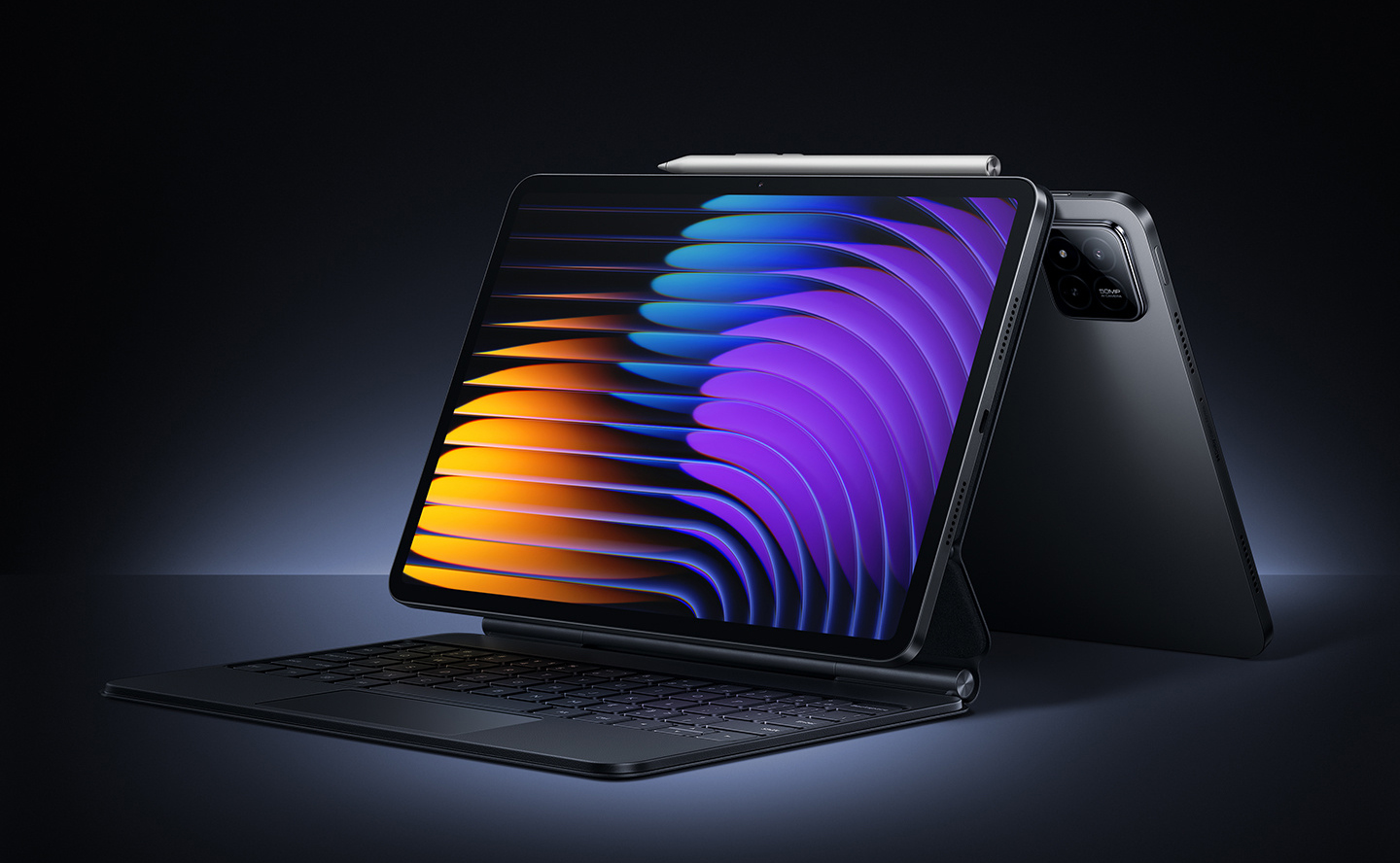
The Oppo Pad 3 Pro, on the other hand, is said to feature a Snapdragon 8 Gen 3 Leading Edition processor, 16GB of RAM, and 1TB of storage that will run Android 15-based ColorOS 15 environment.
Moving on, almost complete details of the Enco X3 have been revealed in a leak yesterday. For a quick recap, it is expected to have a dual-driver design consisting of 11mm bass and a 6mm tweeter. The noise cancellation will be up to 50dB while the buds will be IP55 rated for protection against dust and water.
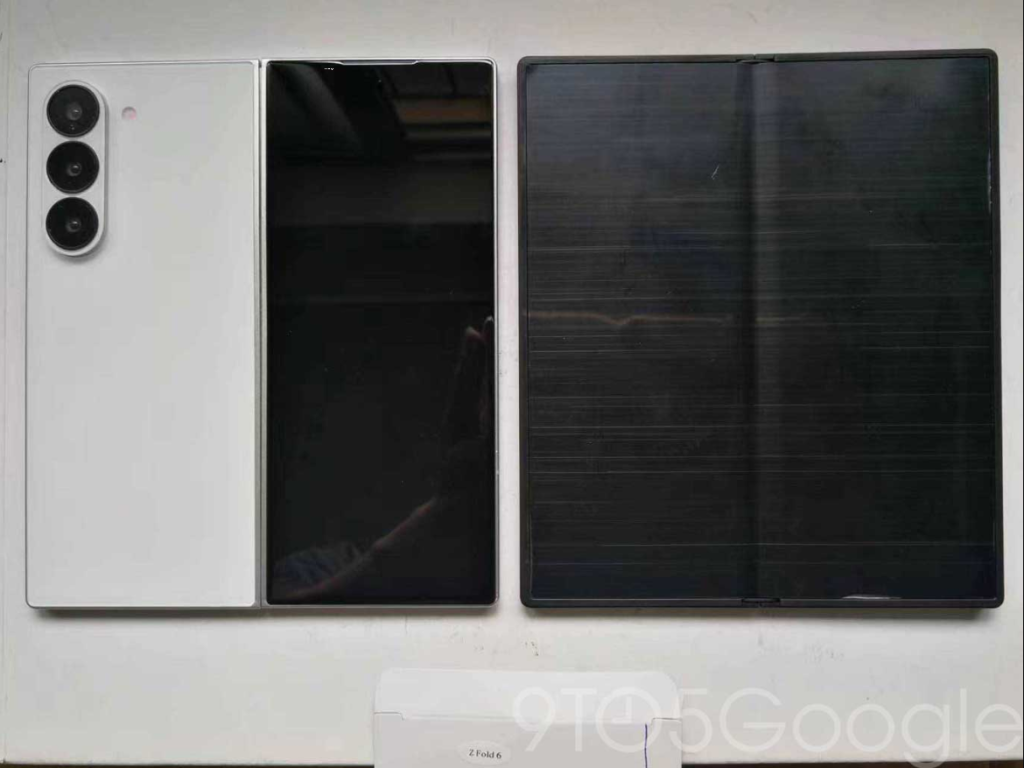
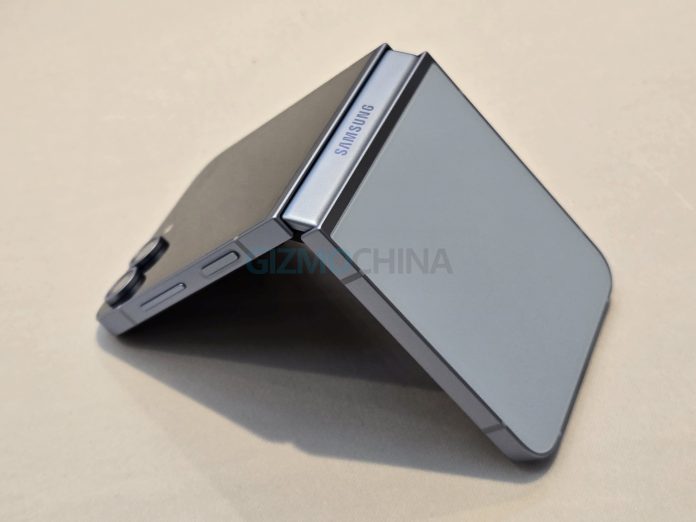
Samsung’s Galaxy Z Fold 6 saw a rocky launch as many had problems with the lack of upgrades in its latest foldable phone offering. But the issues didn’t stop there, as early buyers soon found that the paint on the expensive phone has already started peeling off. Samsung has finally responded to this issue and guess who’s fault it is? According to the company, it’s the user’s fault since you might have been using a third party charger.
1. Samsung Galaxy Z Fold 6: What’s the Paint Peel Issue?
To recall, some owners of the Galaxy Z Fold 6 found that the paint on their new phones was chipping off. These complaints made the rounds online and many believed it was due to inferior build quality. However, Samsung finally took to its official website in Canada, UAE, and the UK to say it’s not their fault.
2. 3rd Party Chargers are the problem
In the official statement, the brand claimed that the issues with Galaxy Z Fold 6’s paint job are due to third party chargers. Samsung claims that the high speed on these unofficial chargers causes this issue since they are not properly grounded. This can affect the anodized finish of the Galaxy Z Fold 6, which delaminates the paint.
Samsung adds that the current leak when holding the phone while using third party chargers is the problem, not the foldable phone’s build quality. Furthermore, it claims that the EMS (Electrical Muscle Stimulation) massagers powered by a phone can lead to paint related issues as well. This is demonstrated in diagrams on the official website.
3. So what can the Galaxy Z Fold 6 owners do?
Samsung is suggesting that users should only stick to the official Samsung charger or a Qi wireless charger from a recognized brand. However, this paint peeling issue because of chargers doesn’t come as a shock since Samsung stopped shipping its chargers in most of its smartphones from mid to flagship ranges.
The entire point of removing chargers was to save on electric waste, so some users might simply be using older chargers from different phones. Plus, this problem only affected the Galaxy Z Fold 6 and none of the older Z series models. This is the first time Samsung has used a matte finish on its foldable phone. But because it even mentions Qi wireless chargers as well, there might be more to this issue.
Realme announced the Realme 13 5G series today in India. Alongside the brand also launched a new TWS earphone. They are called the Realme Buds T01. The audio device is an affordable offering priced under the Rs 1,500 segment. The earphones pack decent specifications and features. To recall, the company had released the Buds T310 last month. Read on to learn all the details about the latest offering below.
Realme Buds T01 announced in India
The Realme Buds T01 has an AirPods-like design with a stem and matte finish. They are IPX4-rated water-resistant. The earbuds are said to be lightweight and offer a comfortable fit. The audio device features intelligent touch controls including music playback, answering and rejecting calls.
On the audio front, the Realme Buds T01 is equipped with a 13mm dynamic bass driver unit and PET diaphragm for delivering a crystal clear sound and rich bass. The TWS earphones come with AI environmental noise cancellation that mutes background noise in crowded environments for clear quality on calls. With the ‘volume enhancer’ in the Realme Link app, users can instantly increase the volume intensity from 97dB to 102 dB. There is an 88ms low latency mode.
Each earbud of the Realme Buds T01 is backed by a 40mAh cell that is claimed to offer 7 hours of usage. The battery life extends to 28 hours with the 400mAh storage case. A 10-minute charge provides 120 hours of playback. The audio device comes with Bluetooth 5.4 and supports Google Fast Pair for a fast and instant connection.
The Realme Buds T01 are priced at Rs 1,299 and offered in Black and White colors. They can be purchased from Flipkart and the brand’s website from today.
In the fast-paced world of technology, there’s an undeniable allure to being among the first to own the latest gadget. Whether it’s a groundbreaking smartphone, a revolutionary wearable, or an innovative home device, the excitement of owning something entirely new can be compelling.
However, there’s a strong case to be made against buying a first-generation gadget. While the thrill of cutting-edge tech is enticing, the risks often outweigh the rewards. Here’s why you should think twice before jumping on the first-gen bandwagon.
First-generation gadgets are, in many ways, the beta versions of what their successors will become. Even with rigorous testing, it’s impossible for companies to foresee every potential issue that real-world usage will uncover. These devices are often released with a promise of groundbreaking features, but the reality is that many of these features may not be fully refined. The early adopters, while enjoying the novelty, often end up as unofficial beta testers, dealing with bugs, glitches, and performance issues that are ironed out in later iterations.
For instance, the first generation of foldable smartphones, like the Samsung Galaxy Fold, faced significant issues upon release. Early units were plagued with screen failures, hinge problems, and durability concerns that left many users frustrated. While Samsung eventually addressed these issues in subsequent models, those who bought the first-gen devices paid a premium to experience these shortcomings firsthand.
2. Cost of Innovation
Innovation comes at a price, and first-generation gadgets often come with a hefty one. Companies invest significant resources into research, development, and marketing to bring something entirely new to market. To recoup these costs, first-gen devices are usually priced at a premium. However, this premium price doesn’t always equate to premium performance.
Take, for example, the first generation of virtual reality headsets. Early adopters of devices like the Oculus Rift paid a high price for a product that, while innovative, had a range of issues from a lack of content to uncomfortable designs and motion sickness-inducing performance. As the technology matured, prices dropped, content libraries expanded, and the overall experience improved significantly, leaving first-gen buyers with an outdated, overpriced product.
3. Risk of Obsolescence
The tech industry is notorious for its rapid evolution, and nowhere is this more evident than in the lifecycle of gadgets. First-generation devices often become obsolete quickly, as manufacturers learn from their mistakes and release improved versions within a year or two. The first-gen buyers are left with a device that may no longer receive software updates, has limited support, or is overshadowed by a superior successor.
Consider the first-generation Apple Watch. While it was a pioneer in the smartwatch market, it quickly became outdated as newer versions were released with better processors, more features, and improved battery life. Those who bought the first-gen model found themselves with a device that was soon incompatible with the latest watchOS updates (got update up to watchOS 4.3.2), limiting its functionality and lifespan.
4. Incomplete Ecosystems and Accessories
First-generation gadgets often launch with incomplete ecosystems. This means that the accessories, apps, and services designed to complement the device may not be fully developed or even available at launch. For instance, when the first-generation iPhone was released, it lacked essential features like third-party apps, video recording, and even the ability to send picture messages. It took several iterations before the iPhone ecosystem became as robust as we know it today.
Moreover, the accessory market for first-gen devices can be hit or miss. Manufacturers of third-party accessories often wait to see how a new device performs in the market before investing in the development of complementary products. This can leave first-gen users with limited choices, or worse, investing in accessories that quickly become incompatible with newer models.
5. Waiting Dilemma
While it can be tempting to be among the first to own a new gadget, patience often pays off. Waiting for the second or third generation of a device allows you to benefit from the lessons learned during the first generation’s release. Manufacturers refine the design, fix bugs, enhance performance, and often lower the price. Additionally, by waiting, you can gain access to a more mature ecosystem of apps, accessories, and services.
For example, the second-generation Apple AirPods Pro addressed many of the complaints users had with the first version, including improved sound quality, better noise cancellation, and more secure fit. By waiting, users were able to get a superior product at a similar price point, without the frustrations that early adopters faced.
6. Conclusion
Buying a first-generation gadget is like walking on a tightrope. While the excitement of owning something new and innovative is undeniable, the risks involved can often outweigh the benefits. From dealing with bugs and glitches to paying a premium price for what may quickly become an obsolete product, the downsides are significant.
Instead of succumbing to the allure of first-gen devices, consider waiting for the technology to mature. The benefits of a more refined, reliable, and affordable product far outweigh the temporary thrill of being an early adopter. In the end, patience is not just a virtue; it’s a smart consumer strategy in the ever-evolving world of tech.
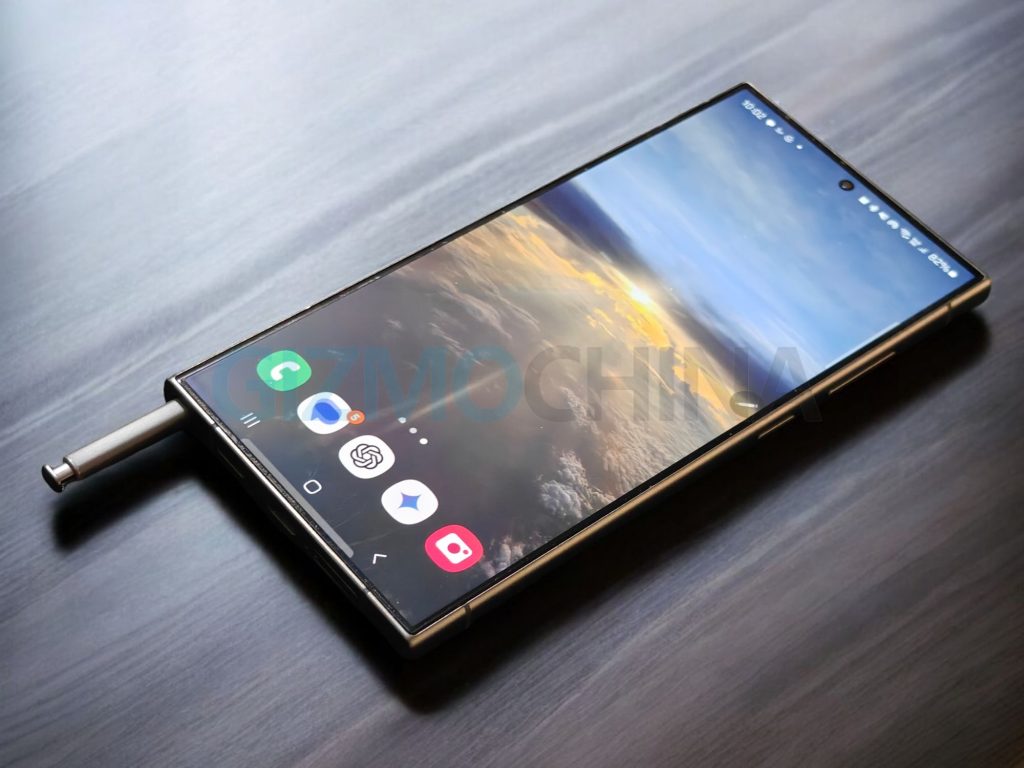
Samsung’s upcoming flagship, the Galaxy S25 Ultra, has been a hot topic in the rumor mill lately. Following earlier reports of a redesigned frame with rounded corners for improved ergonomics, a new leak now suggests the phone could be the thinnest and lightest Ultra model yet.
Words for it come from usually reliable tipster Ice Universe. The insider claims that the Galaxy S25 Ultra will be slimmer and lighter than both the Google Pixel 9 Pro XL and the upcoming iPhone 16 Pro Max.
We will get to know the 16 Pro Max’s dimensions when it launches on September 9. For a point of comparison, though, the Pixel 9 Pro XL measures 8.5mm thick and weighs 221 grams.
The S25 Ultra will be the thinnest and lightest of all Ultra flagship phones to be released soon, including iPhone 16 Pro Max and Pixel 9 Pro XL.
Based on this, we can expect the upcoming Galaxy flagship to be around 8.4mm thick and weigh less than 220 grams. This isn’t considerably slim from S24 Ultra which measures 8.6mm, but it would be lighter, as the latter weighs 233 grams.
The tipster further suggests that the S25 Ultra will be the lightest of all upcoming “Ultra” flagships. That is to say, lightest among the Oppo Find X8 Ultra, Xiaomi 15 Ultra, and Vivo X200 Ultra, we suppose.
With the rumored design changes and thinner profile, the S25 Ultra should be a more manageable option for users who find current Ultra models a bit bulky.
Of course, there are chances of trade-offs from these changes. For instance, for a thinner profile, Samsung may pack a smaller battery. Or, outfitting the next-generation Snapdragon processor into a thinner frame could raise thermal management concerns.
While this information is based on leaks, the tipster has a strong track record of accuracy, so it’s worth considering. But we’ll still have to wait for the official announcement in early 2025 to get the full details on the phone’s design, specs, and pricing.
We use cookies on our website to give you the most relevant experience by remembering your preferences and repeat visits. By clicking “Accept”, you consent to the use of ALL the cookies.
This website uses cookies to improve your experience while you navigate through the website. Out of these, the cookies that are categorized as necessary are stored on your browser as they are essential for the working of basic functionalities of the website. We also use third-party cookies that help us analyze and understand how you use this website. These cookies will be stored in your browser only with your consent. You also have the option to opt-out of these cookies. But opting out of some of these cookies may affect your browsing experience.
Necessary cookies are absolutely essential for the website to function properly. This category only includes cookies that ensures basic functionalities and security features of the website. These cookies do not store any personal information.
Any cookies that may not be particularly necessary for the website to function and is used specifically to collect user personal data via analytics, ads, other embedded contents are termed as non-necessary cookies. It is mandatory to procure user consent prior to running these cookies on your website.