We just shared a list of the Best PlayStation Black Friday Game Deals. Now, here are some of the best game deals for the Xbox during the Black Friday sales. There are a bunch of great titles like Sekiro, Cyberpunk 2077, and much more. So let’s check it out.
Star Wars Outlaws
Star Wars Outlaws
Star Wars Outlaws is a third person action adventure game from the same universe as the popular Star Wars series. It brings a new spin to the video game series by transitioning the campaign in this Star Wars game into an open world format. In this game you take on the role of Kay Vess, who is seeking a new life. Despite being the newest game in this list, it is still on sale for 52.49 US Dollars for a 25 percent discount, down from its 70 US Dollar price tag.
Cyberpunk 2077 Ultimate Edition
Cyberpunk 2077
Despite a rocky launch, Cyberpunk 2077 managed to pull things around and become a beloved game in recent years. Now, the Ultimate Edition of Cyberpunk 2077 is on sale, bringing you the base game with the Phantom Liberty DLC. It is on a 40 percent sale. The bundle originally costs 79.99 US Dollars, but it is now listed for 47.99 US Dollars. In the Ultimate Edition, gamers can immerse themselves in this story set in the dark future. Create your own character and become a legend in Night City.
Red Dead Redemption 2
Red Dead Redemption 2
Rockstar launched Red Dead Redemption 2 back in 2018, but it is still held as one of the best open word games of all time. The action packed game tells a compelling story set in 1899 in the United States, during the time of outlaws in the Wild West. So get ready for intense shootouts, robberies, hinting, and moral choices. Red Dead Redemption 2 includes not just the impressive story mode, but also Red Dead Online. You can get your hands on this game for just 19.79 US Dollars for a 67 percent discount.
Sekiro Shadow Die Twice GOTY Edition
Sekiro Shadwo Die Twice
We also have a FromSoftware game on this list. Sekiro Shadow Die Twice is on a massive 50 percent discount for its Game of The Year Edition. For just 29.99 US Dollars, gamers get an intense and thrilling action packed gamed. While it cutdowns some of the role playing elements and character creation, it consolidates the experience with a named protagonist and new gameplay mechanics. This title pairs an intense and engaging combat system that relies on precise parrying along with new skills and a prosthetic arm with a grapple hook for improved mobility.
Hogwarts Legacy
Hogwarts Legacy
Expanding on the magical world first introduced from the Harry Potter franchise, we have Hogwarts Legacy. In this third person action RPG, players creaters their own wizard or witch, who is entering the Hogwarts School of Witchcraft and Wizardry. As the player progresses, you learn new skills, spells, become better at brewing potions, and master combat abilities. Gamers take on in-game challenges and builds relationships with various NPCs. It is available right now for 20.99 US Dollars, marking a 70 percent discount.
With Black Friday sales nearing, festive sales are already warming up in the US. Stepping away from our usual tech deals, here are some of the best PlayStation game deals during the Black Friday sales. We got titles from the popular Resident Evil series to the fighting genre with Tekken. So read on to find out.
There is also an Xbox Black Friday Game sale going on right now, which you can click here and check out.
First on the list, we have Capcom’s Resident Evil 4 Gold Edition. In the Gold Edition, gamers get the remastered Resident Evil 4 along with two additional items of content. This includes the Separate Ways DLC, which has you play as Ada Wong, and the Extra DLC pack which contains new character outfits and useful items and weapons. While it was first released for 49.99 US Dollars, the game is currently available for 29.99 US Dollars for a 40 percent discount.
2. Dragon’s Dogma 2
Dragon’s Dogma 2
Dragon’s Dogma 2 is a narrative driver action single player RPG. It is set in an alternative world parallel to the first game, following up one of the greatest RPGs with a next gen entry. The game is listed for 39.89 US Dollars in the US, marking a 43 percent discount from its original 70 US Dollar price tag. Players can fully customize their character and choose their own experience. So get ready to immersive yourself in a fantasy world with unique party members.
3. Tekken 8
Tekken 8
Tekken 8 is the latest entry in the iconic fighting game franchise. There are 32 new generation characters and vivid environments packaged in updated graphics. This title continues Tekken’s storyline, which is one of the longest running video game stories to date. Tekken 8 is on a flat 50 percent discount on the PlayStation, so it now costs 34.99 US Dollars instead of 69.99 US Dollars.
4. EA Sports FC 25 Standard Edition
EA Sports FC 25
Continuing the legacy of the massively successful FIFA series, we get EA’s Sports FC 25. The football game is the franchise’s latest game and it offers new gaming mechanics as well. You can team up with friends for your preferred modes with the new 5v5 rush and manage your own clubs. Just like Tekken 8, EA Sports FC 25 is also on a 50 percent discount for just 34.99 US Dollars, down from the 69.99 US Dollars launch price.
5. Monster Hunter Rise
Monster Hunter Rise
Monster Hunter Rise can be a great starting point for those looking to get into the Monster Hunter franchise. The game was first released back in 2021 but it is currently on a massive 75 percent discount. This title still has a healthy playerbase, which can be a great start for those looking to play upcoming Monster Hunter instalments. As the name suggests, the player takes on giant monsters in a varying environment and chooses their own weapon playstyles. You can buy this game right now for the PlayStation for just 9.99 US Dollars.
After months of waiting, the first details of the Redmi K80 series are finally out. The company has confirmed that this year, the series will include only two models: the Redmi K80 and K80 Pro. There will be no Redmi K80e.
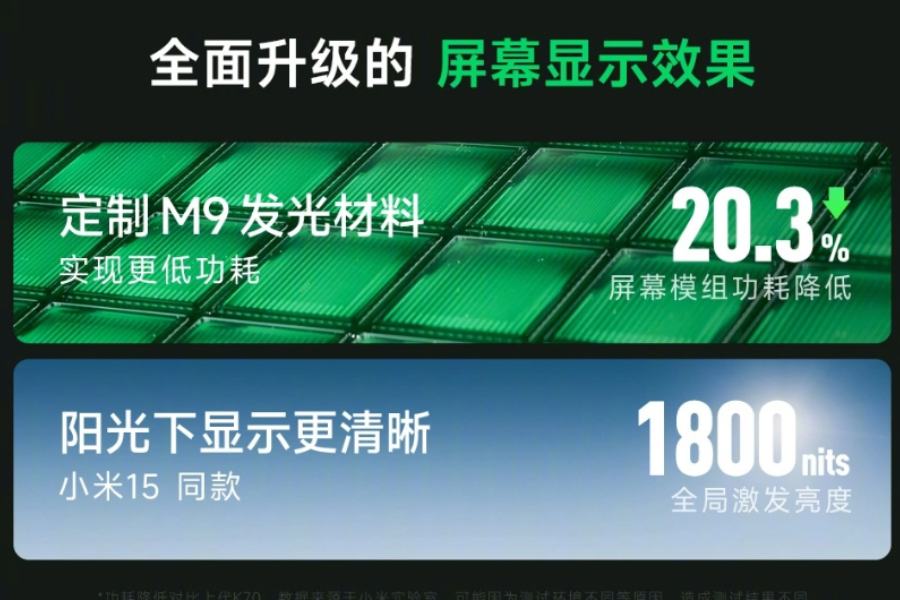
Additionally, the brand has officially confirmed that all phones in the series will feature a 2K resolution screen developed by TCL Huaxing.
The screen reportedly uses customized M9 Luminescent material to reduce power consumption by 20.3%. It has 1800 nits of global peak brightness, which is the maximum brightness the display can reach across the entire screen.
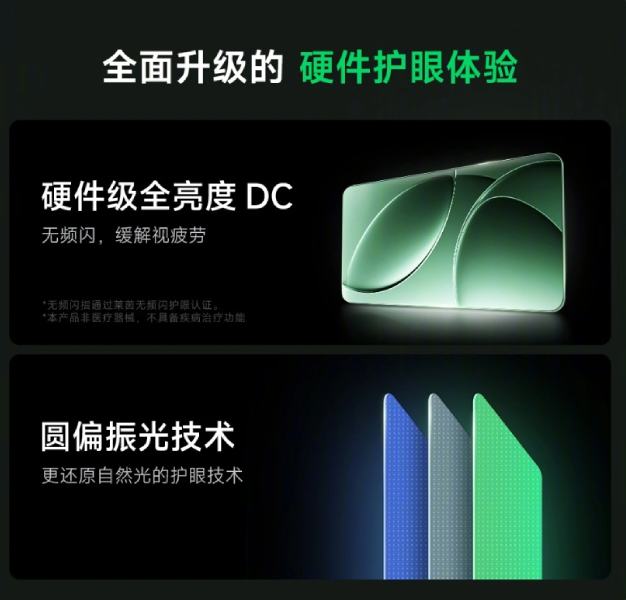
Both devices in the series feature DC Dimming, polarized light technology for eye protection, and three TUV Rheinland certifications for eye-friendly use. The latter includes a hardware-level blue light filter with no flicker and has received clinical approval from Sun Yat-sen University’s Zhongshan Eye Center.
It seems that Redmi is placing a strong emphasis on user health with this year’s K80 series. Additionally, both the Redmi K80 and K80 Pro will feature an ultrasonic fingerprint scanner.
While details are emerging, Redmi has yet to reveal the official launch date for the K80 series. The brand has, however, confirmed that the phones will launch next week.
What to expect
In terms of specifications, the Redmi K80 is expected to feature a Snapdragon 8 Gen 3 chipset, a 50MP triple camera setup with an 8MP ultrawide and a 2MP macro lens, and a 20MP front camera. The device could be powered by a 6500mAh battery with 90W fast charging.
The Redmi K80 Pro, on the other hand, will come with a Snapdragon 8 Elite processor, a 50MP main, a 32MP ultrawide, and a 50MP telephoto lens on the back. The front camera remains the same 20MP sensor as the standard K80.
Regarding the battery, the Redmi K80 Pro is rumored to have a 6000mAh capacity. However, it compensates with 120W wired fast charging and 50W wireless charging.
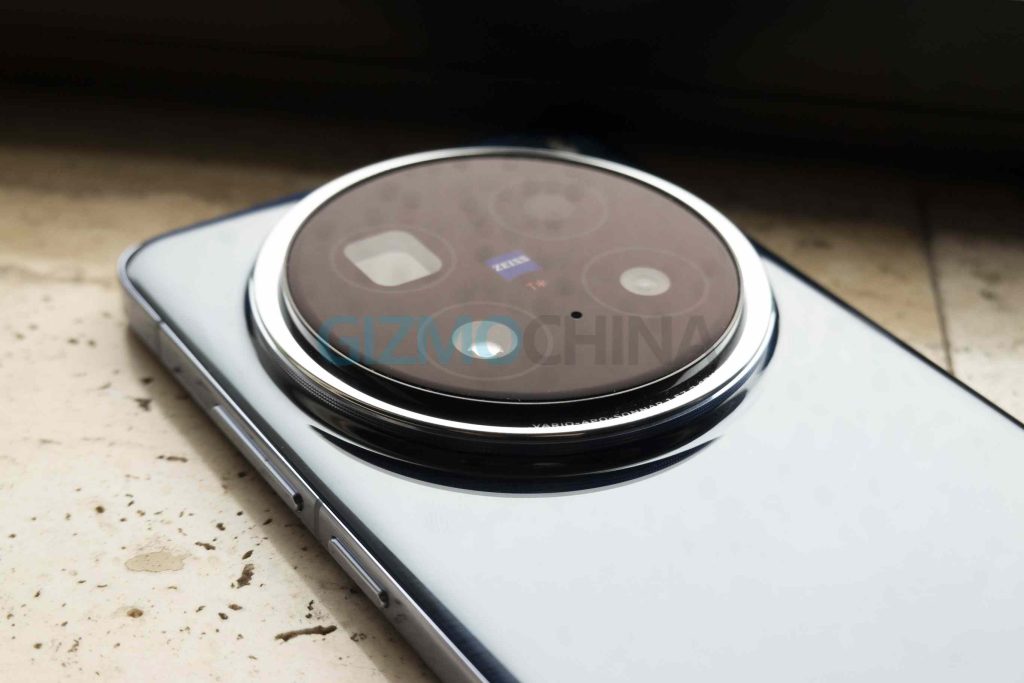
Ever been annoyed by the increasingly bulky camera bumps on modern smartphones? Just take a look at the vivo X200 Pro or the Oppo Find X8 Pro for reference. While these flagship devices offer incredible clarity and long-range zoom, achieving these features necessitates hardware that protrudes awkwardly from the phone’s sleek design. This not only affects aesthetics but sometimes also introduces usability issues, like an unstable wobble when the device is placed on a flat surface.
Fortunately, Samsung has unveiled a game-changing solution: the ISOCELL ALoP (All Lenses on Prism) technology, which promises to combine high-quality photography with a slimmer, more ergonomic camera design.
Samsung’s ALoP Solution
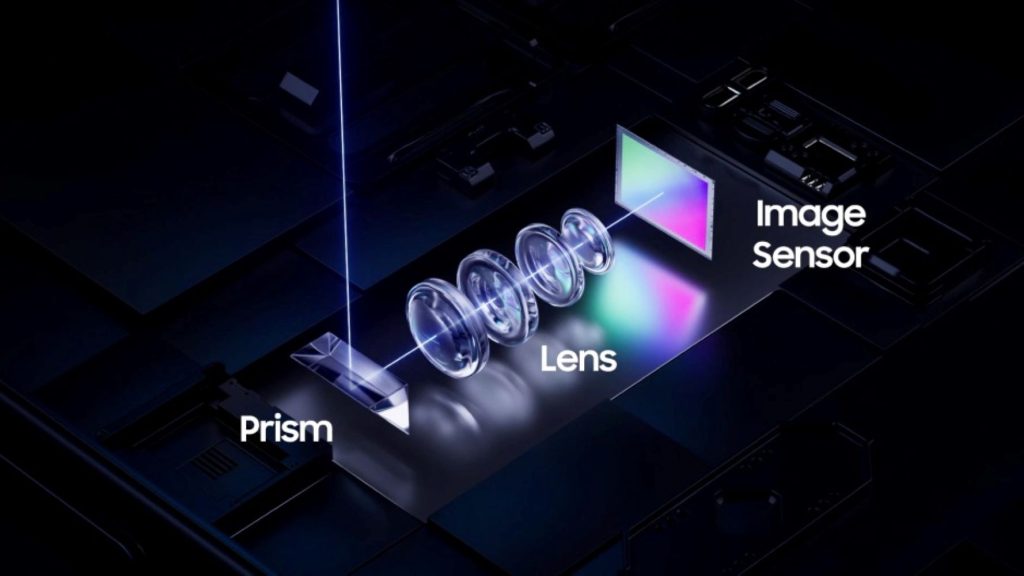
Samsung’s ALoP technology reimagines the telephoto camera structure by placing the lenses horizontally within the smartphone body. Instead of stacking the lens vertically between the prism and image sensor, ALoP arranges the lenses flat in the same plane as the phone. This innovation allows for a larger effective pupil diameter (EPD), enabling a brighter lens aperture without increasing the camera bump’s height.
By employing a 40°-tilted prism and a 10°-angled sensor assembly, ALoP reduces the overall height and length of the telephoto camera module by 22% compared to traditional designs. The result is a slimmer, less obtrusive camera bump that maintains the sleek profile consumers expect from premium smartphones.
Similar to Apple, Samsung is reportedly planning a ‘Slim’ model as part of its S25 lineup, anticipated for a separate release in 2025. It’s possible that Samsung could debut this new camera technology with the Slim model, refining it further for the S26 series.
Key Benefits of Samsung ALoP
ALoP’s novel lens arrangement supports an f/2.58 aperture at an 80mm focal length, offering brighter and low-noise images, even in low-light conditions. Unlike conventional telephoto optics, ALoP positions a large aperture lens in front of the prism, enhancing night photography performance.
The ALoP design not only minimizes the camera module’s footprint but also introduces a circular lens appearance, replacing the less attractive rectangular prism shape of folded optics. This improvement makes the camera bump less noticeable and more in harmony with the phone’s design.
A flatter, smaller camera bump means smartphones lie more stably on flat surfaces, improving ergonomics. Users no longer have to deal with the wobble issues caused by overly thick camera modules.
Huawei, from today, kicked off pre-orders for its upcoming Mate 70 series smartphones, exactly a week ahead of their official launch on November 26. And within the first 10 hours, the pre-order window has attracted over 130,000 registrations. The number is expected to rise further in the coming days leading up to the launch.
Meanwhile, the company’s online store, Vmall, has now revealed details on the three models in the line — the Mate 70, Mate 70 Pro, and Mate 70 Pro+.
Huawei Mate 70 series design revealed
Vmall’s listing reveals the configuration options for the Mate 70 series. Users will have a choice of five memory variants and eight color options across the three models.
For instance, the Mate 70 and Mate 70 Pro will come in Black, White, Green, and Purple, all featuring 12 GB of RAM. Storage options for these models range from 256 GB to 1 TB.
The Mate 70 Pro+, on the other hand, will offer a distinct color palette of Black, White (potentially with different finishes), Gold, and Sky Blue. Its top-tier model has 16 GB of RAM and storage choices will be limited to 512 GB and 1 TB.
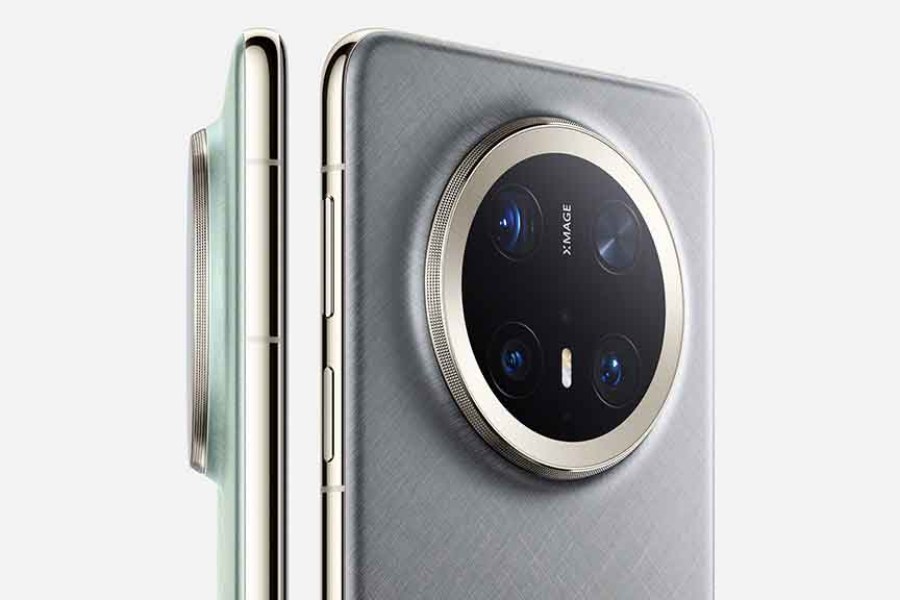
More importantly, Vmall gives us the first look at the Mate 70 series design. The phone features a large circular camera bump on the rear, accented by a faint gold-finished ring.
It includes four camera openings, likely housing a main camera, an ultra-wide, and a telephoto lens, while the fourth may serve as a depth sensor for improved bokeh shots.
Huawei opens pre-orders for Mate 70 series, reveals designCompared to the Mate 60, the camera bump appears noticeably thicker. The image also reveals a side profile with familiar rounded edges and a curved back panel, seemingly contradicting earlier rumors about a shift to a flat-frame design. The rear panel also seems to have a textured finish.
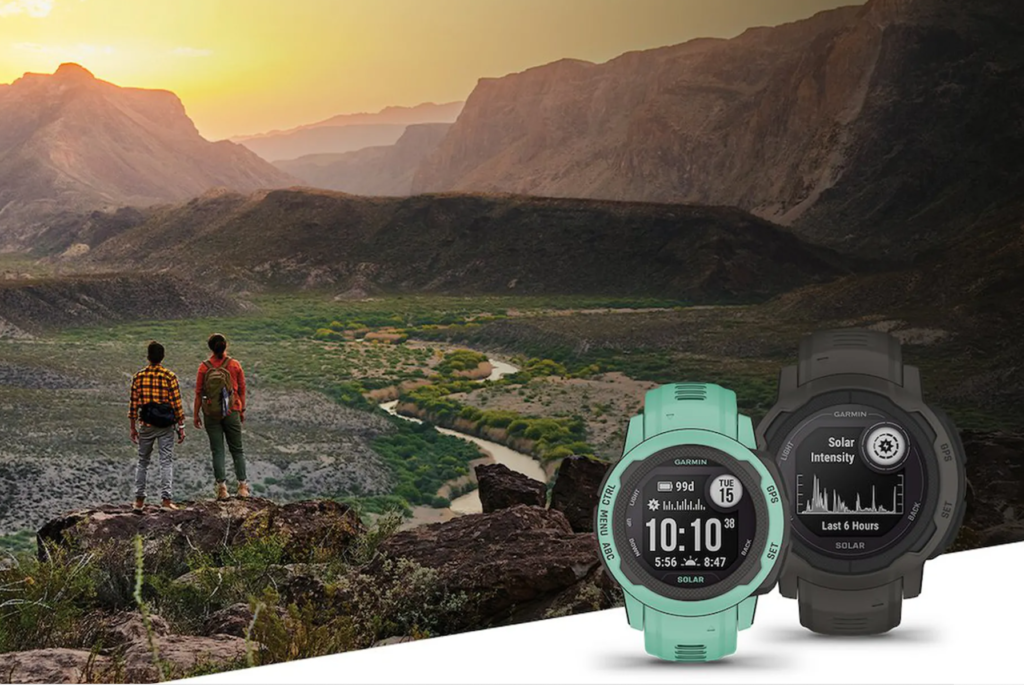
Garmin is apparently gearing up to launch a new smartwatch from its Instinct lineup. The Garmin Instinct 3 was just spotted in a new leak, confirming details like solar fast charging and repair costs. So here’s everything you need to know about this new smart wearable.
Garmin Instinct 3: What’s special about this smartwatch?
Garming’s upcoming Instinct 3 smartwatch recently surfaced on a support page on the brand’s website. This listing revealed its repair costs as well. The leak also confirms that the solar charging feature is returning on one version of the wearable. To recall, the Instinct 2 launched back in 2022 with this same feature on its Solar variant. The Instinct Solar 3 was spotted on the Garmin website in Spain, which listed it on a support page (Via NotebookCheck).
Garmin Instinct 2 Solar
Based on what we know so far, there is a 45mm variant that will launch in black with the model number 010-02934-00. This variant also has a repair cost of 133.33 Euros. To recall, the Instinct 2 Solar had a repair cost of 128.57 Euros. In other words, the next gen Garmin Instinct 3 is likely getting a price hike. Last year’s Instinct 2 cost 449.99 US Dollars on launch, so the Instinct 3 might be hitting the 500 US Dollar price mark.
Unfortunately, the exact size variants of the Garmin Instinct 3 is still at large. But there might be a 40mm, 45mm, and 50mm opinion as well. Garmin could also launch a non solar variant alongside the solar charging version. The upcoming smartwatch will likely launch in early 2025 in multiple color options. Keep in mind that this is still just speculation at the moment, so take the release timeline with a pinch of salt and stick around for more updates.
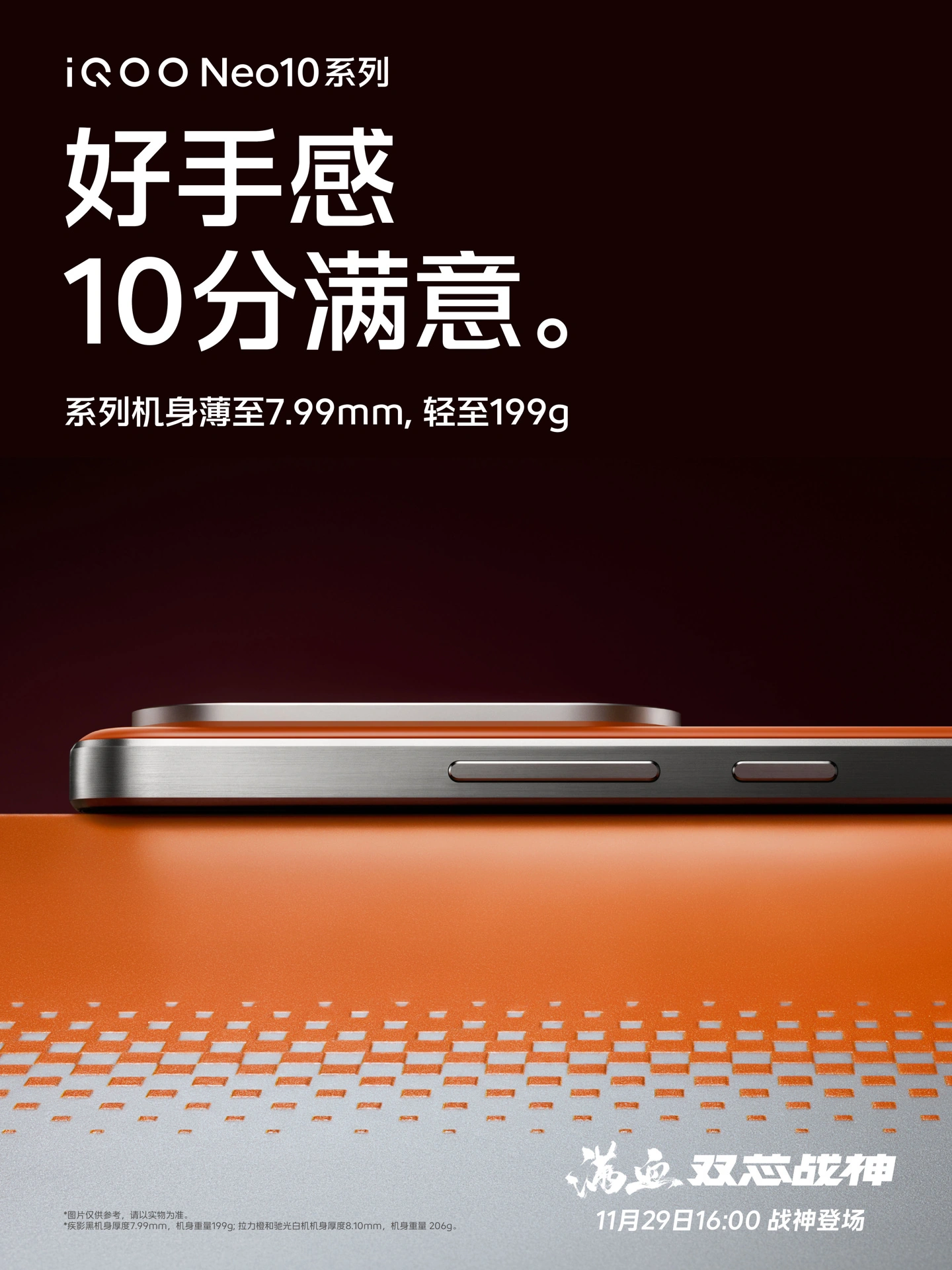
iQOO is set to launch its Neo10 series on November 29 in China, pushing boundaries in design and performance within the mid-range segment. Ahead of the launch, the company has revealed key details about the devices, including their chipset and color options. The latest teaser highlights the design and in-hand experience.
Slim yet powerful: Neo10 series design and features
The iQOO Neo10 series achieves an impressive balance between design and functionality. With a thickness starting from 7.99mm and a weight of 199g, the iQOO Neo10 series manages to be slimmer than its predecessor while accommodating a larger 6,100mAh battery. For context, the Neo9 series measured 8.0mm or 8.3mm thick and weighed 190g or 196g, depending on the back material.
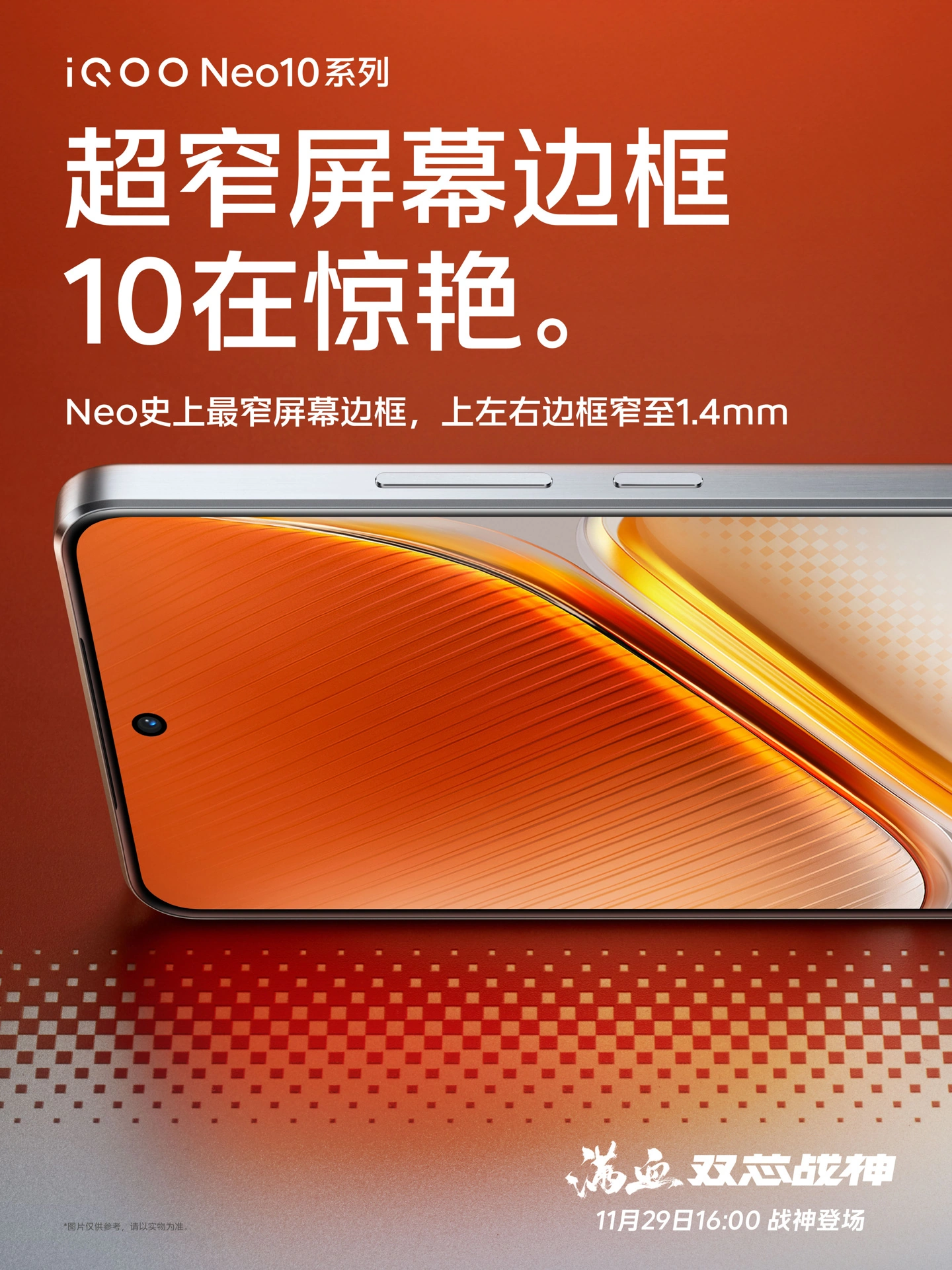
The Neo10 series introduces a new “floating window” design for its camera lenses, further enhancing its sleek aesthetics. Additionally, the Neo10 features a bezel width of just 1.4mm on the left and right, giving it the slimmest borders in the Neo lineup. Most notably, these design improvements are achieved without sacrificing performance or battery life, likely thanks to the silicon carbon anode battery technology.
The Neo10 Pro features the MediaTek Dimensity 9400 chipset while the Neo10 equips Qualcomm’s Snapdragon 8 Gen 3. Both models are paired with iQOO’s self-developed Q2 gaming chip, ensuring exceptional gaming performance and efficiency. The series also supports 120W private protocol flash charging, 100W PPS protocol fast charging, and a direct-drive power supply. These advancements allow the larger battery to charge quickly without adding bulk, offering an ideal balance of power and portability.
As for the display, both models come with 8T LTPO panels for efficient visuals and feature ultrasonic fingerprint scanners for “one-swipe unlocking”. This is also an upgrade from the optical fingerprint scanner of the iQOO Neo9 series.
Compared to last year’s Neo9 series, which featured the Snapdragon 8 Gen 2 and Dimensity 9300 chipsets, the Neo10 lineup offers significant upgrades in performance and efficiency.
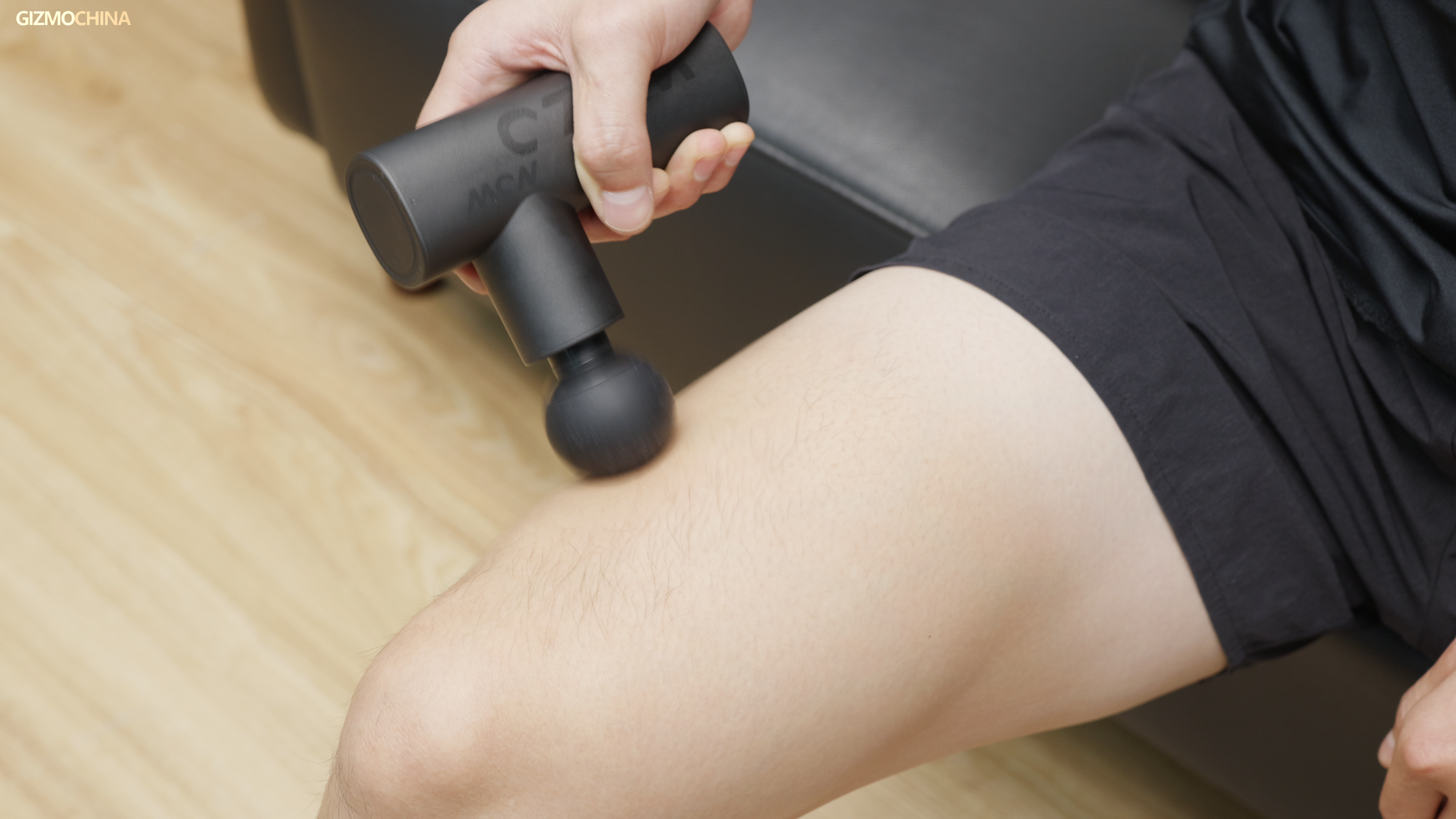
I did a body assessment one week ago, it says my body fat rate was about 20%, not something I am proud of, and I guess I need to workout more. Anyway, when it comes to increasing workout intensity or frequency, it also comes with a higher risk of damaging your body, so we need to do warm-up and post-workout recovery. That’s why I have a massage gun and a baseball, to release pain or soreness post-workout.
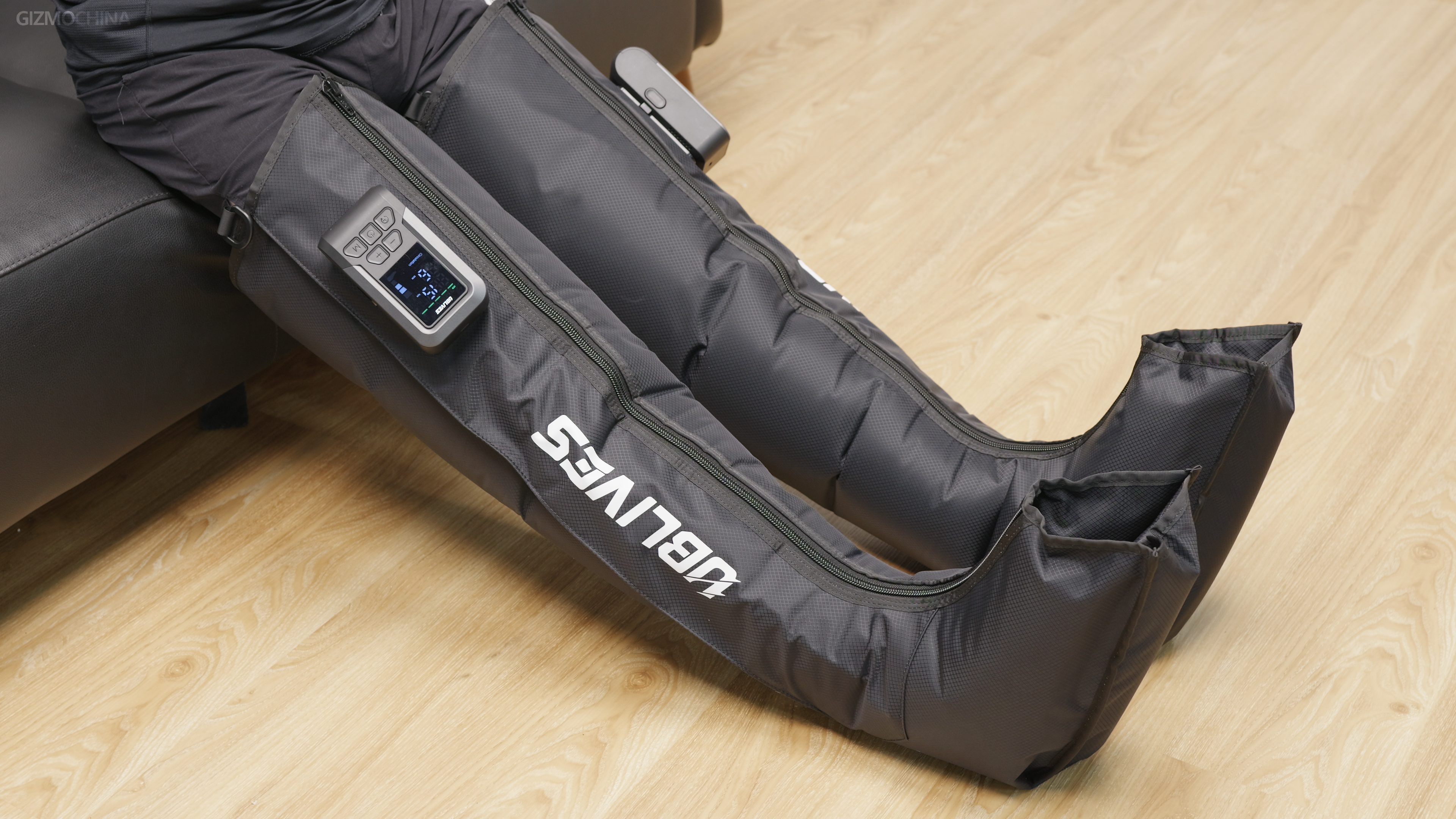
In this review, we are going to talk about the UBLIVES air compression boots. This kind of product is not new, you might have seen pro athletes using them, I still had doubts about how well they work, but after using them a couple of times, I think they are awesome! After reading this review, if you like them, you can head to their website for your purchase, there is a certain discount and free Hyperbag for Gizmochina fans.
How It Works
To be honest, this is the first time that I have used them. So how does it work anyway? I am no sports scientist or anything, correct me if I am wrong. You know blood tends to stick longer in the areas, where they have been used a lot during workouts, to help cure wear and tear, or take the free radicals and lactate away with the blood flow. That’s why the body swells, and tends to get a bit warmer. If you don’t understand it, you can try to put your ring on your finger after a workout, it may become a bit harder to, and that’s the sign of this.
Now we use a massage gun, a roller, or a ball to put pressure on the muscles, to make the process faster, therefore you can recover faster. This theory applies to the compression boots here, air is used to create pressure, then push the bad stuff to go with the blood flow faster. Theoretically it can work, right? Not let’s check out the packaging stuff first, then I will tell you why they really work.
Unboxing
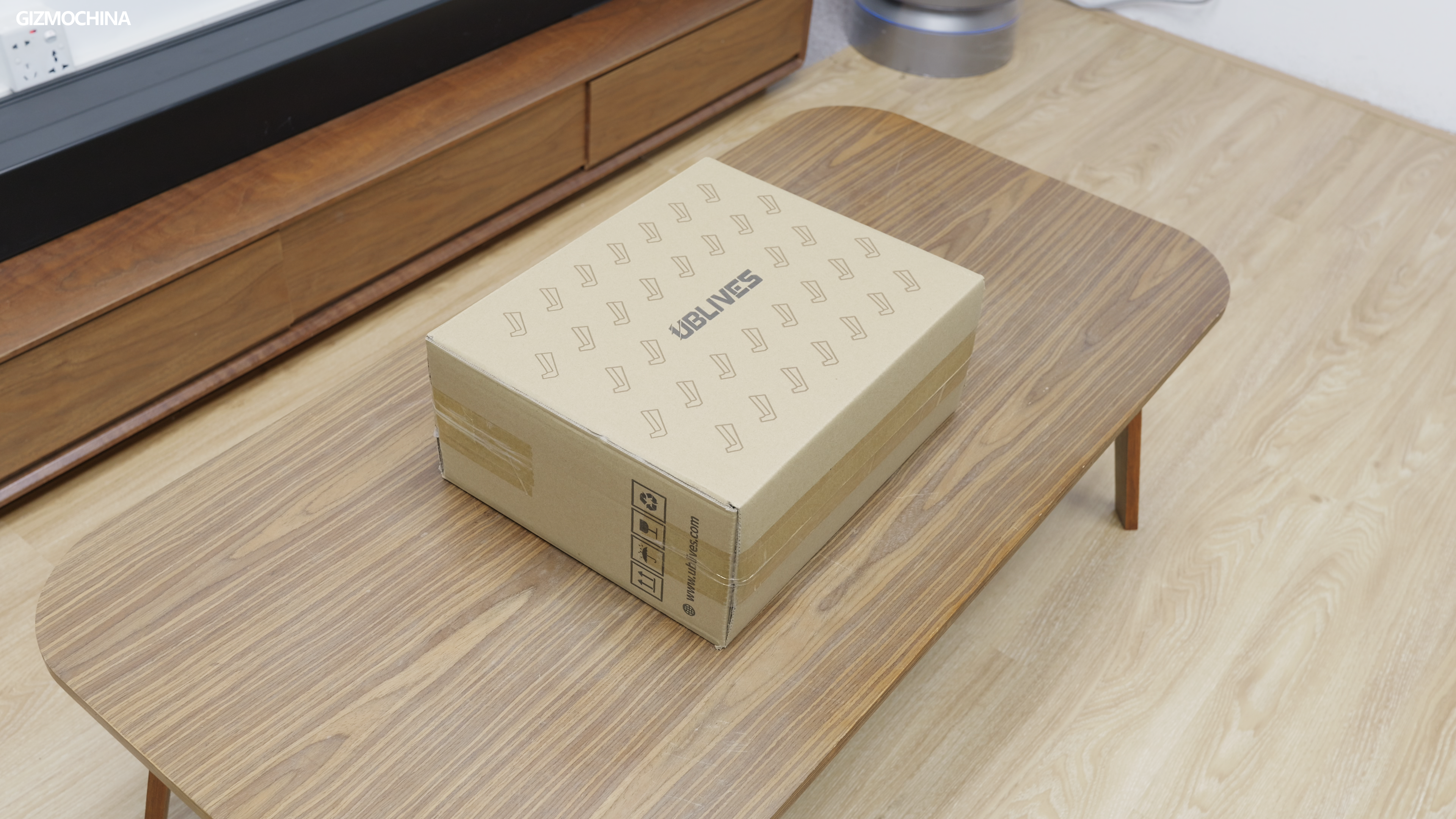
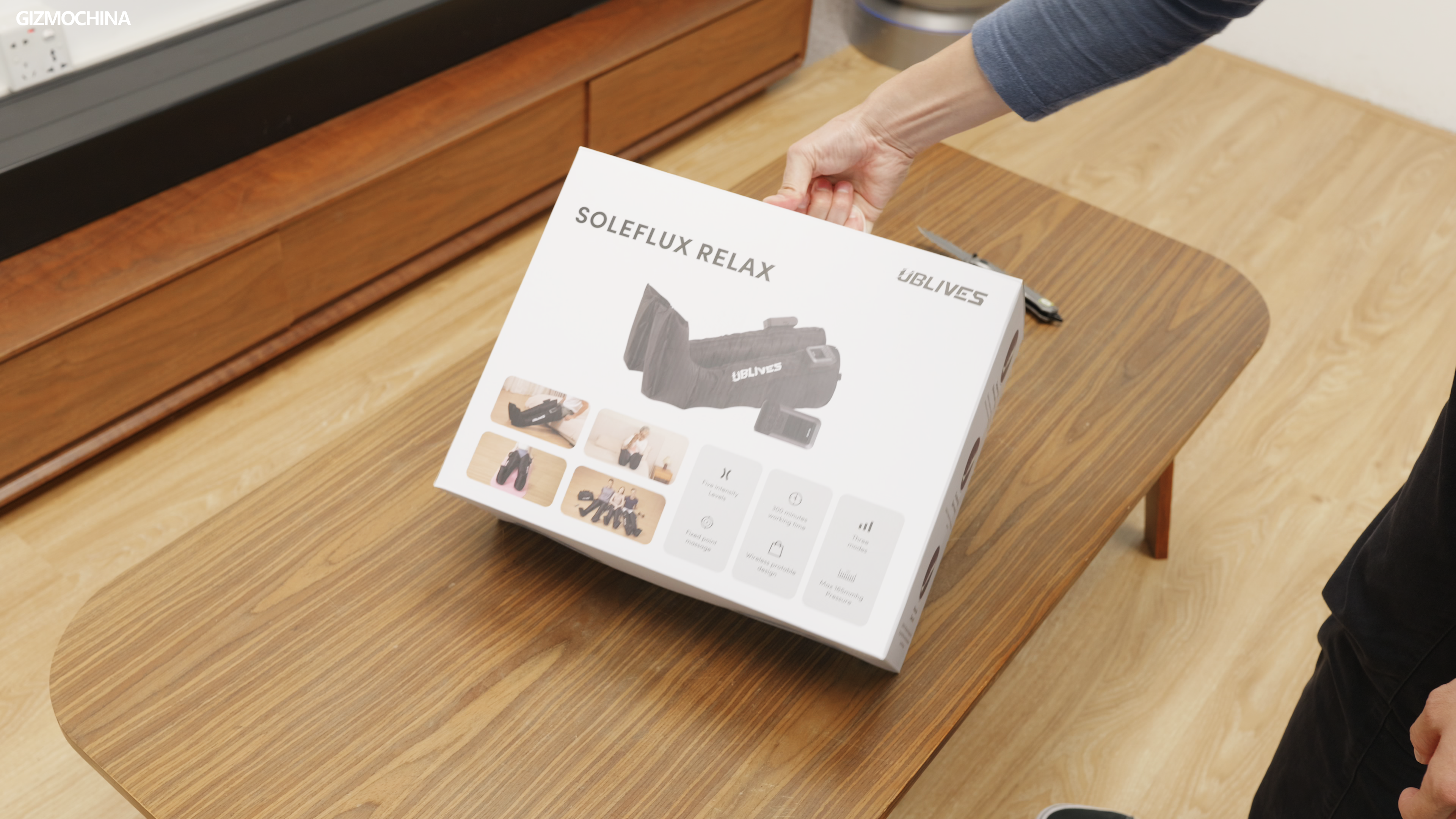
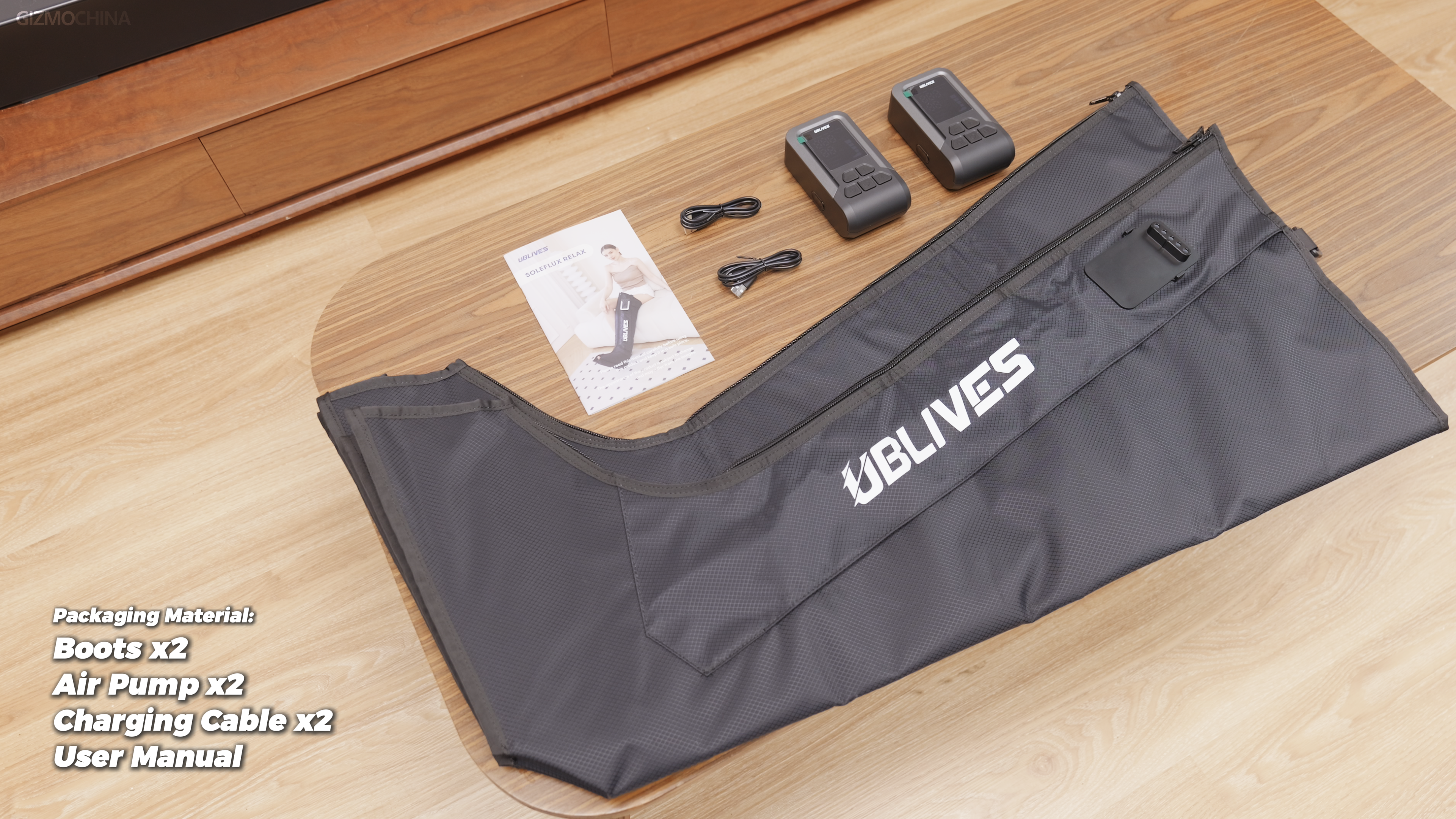
As you can see, they come in this regular shoe box size packaging, and I like the little boot art on it. Open the box, there is another nice white box, so I guess it could be a good gift for your family and friends, especially for your parents. Now back to the products, the boots and two air pump units are there. When I take the air pump unit out, I know this one is actually wireless, which means you can use these boots wherever you want, very convenient. As a FDA-approved class II medical device, I think it is still important to read the manual before using them, so we all should do it.
Design and Material
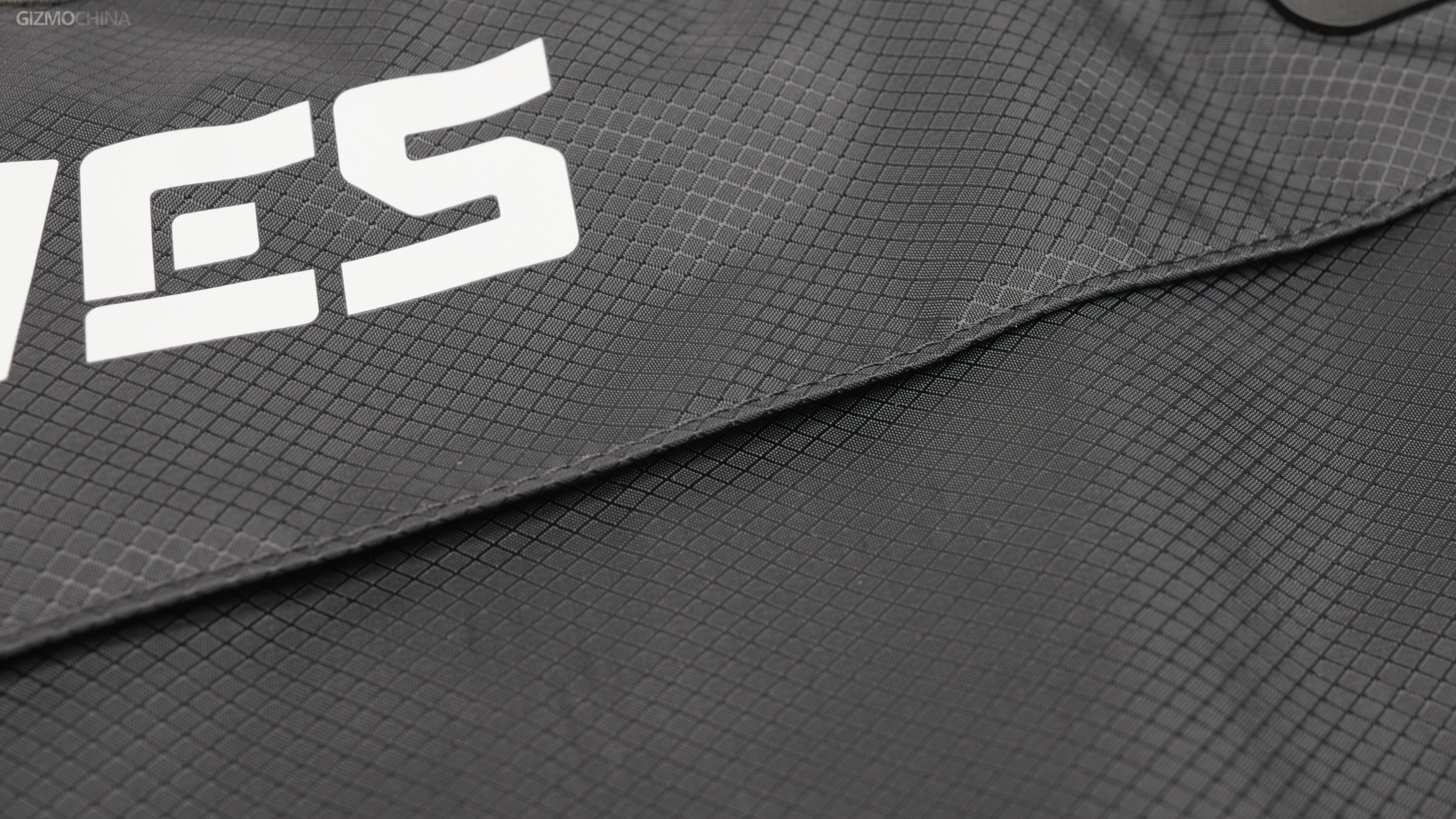
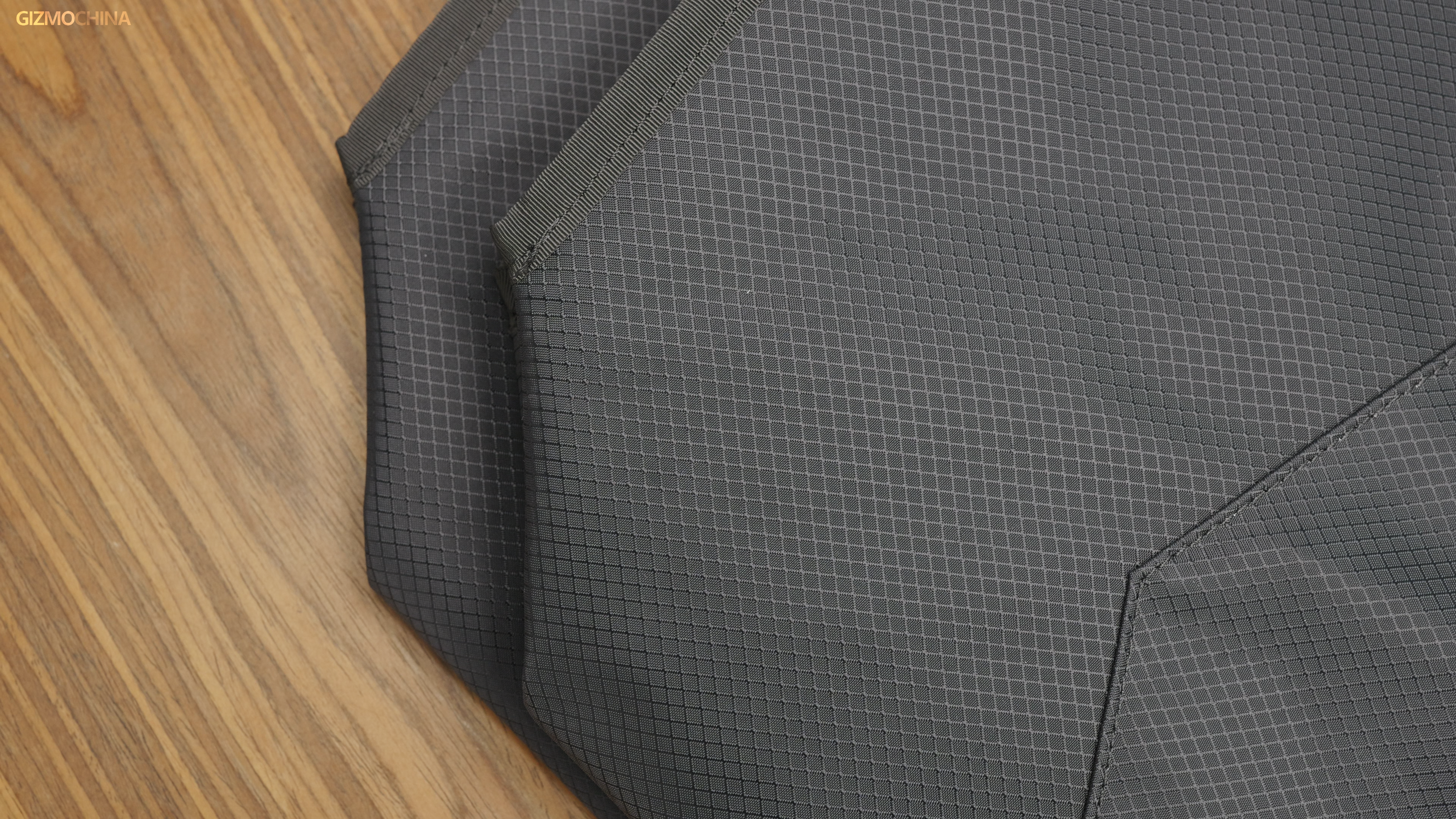
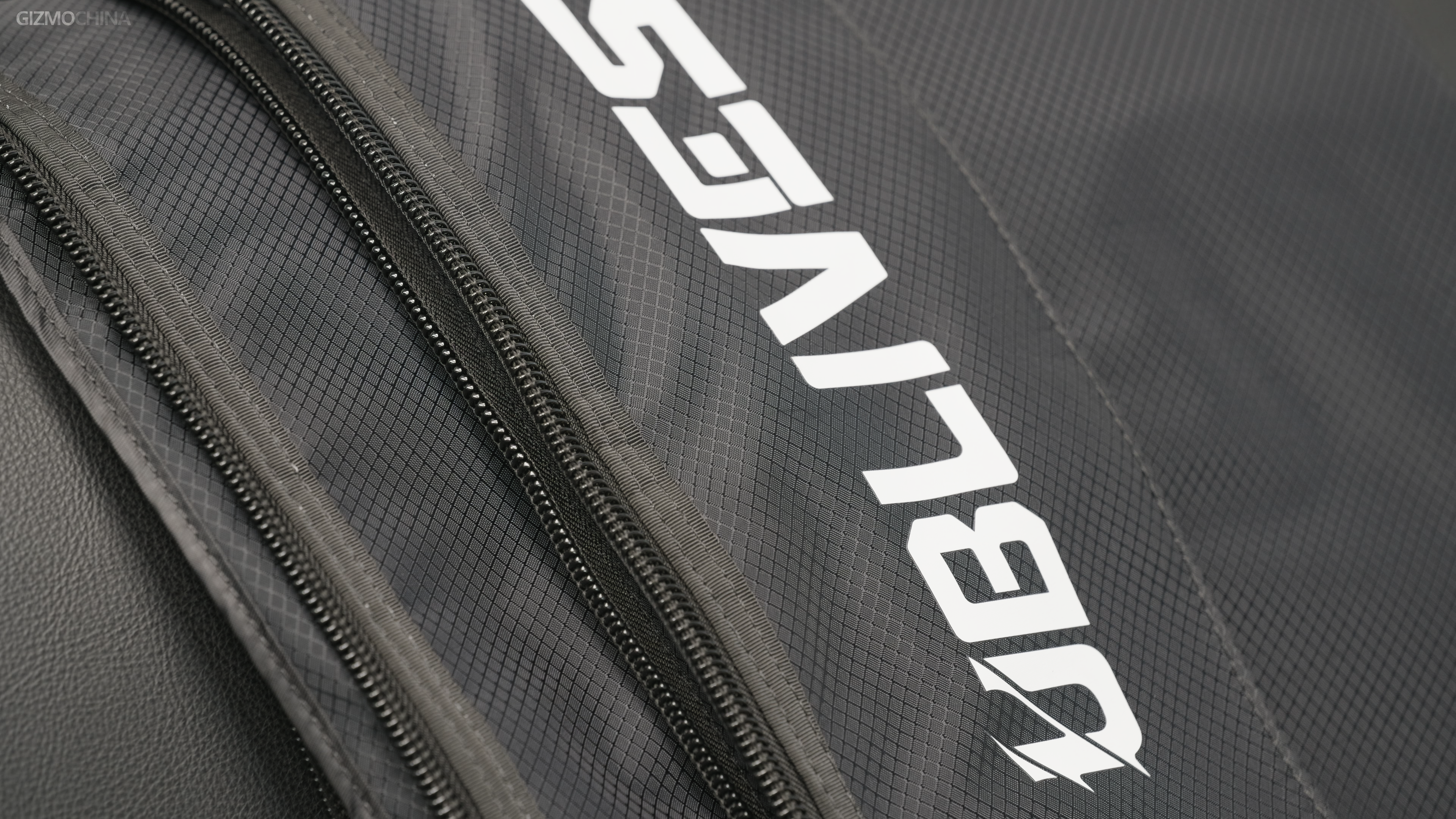
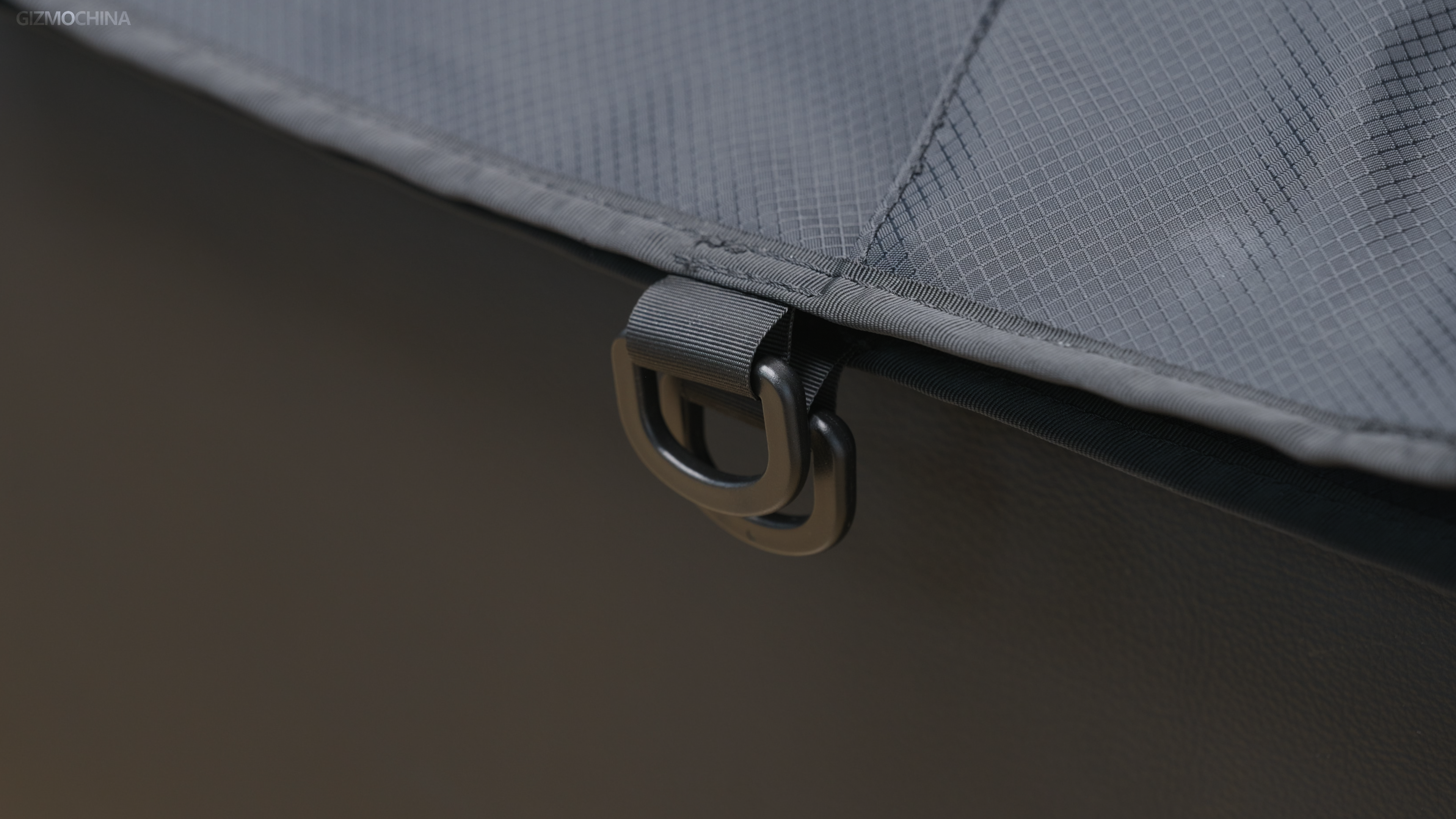
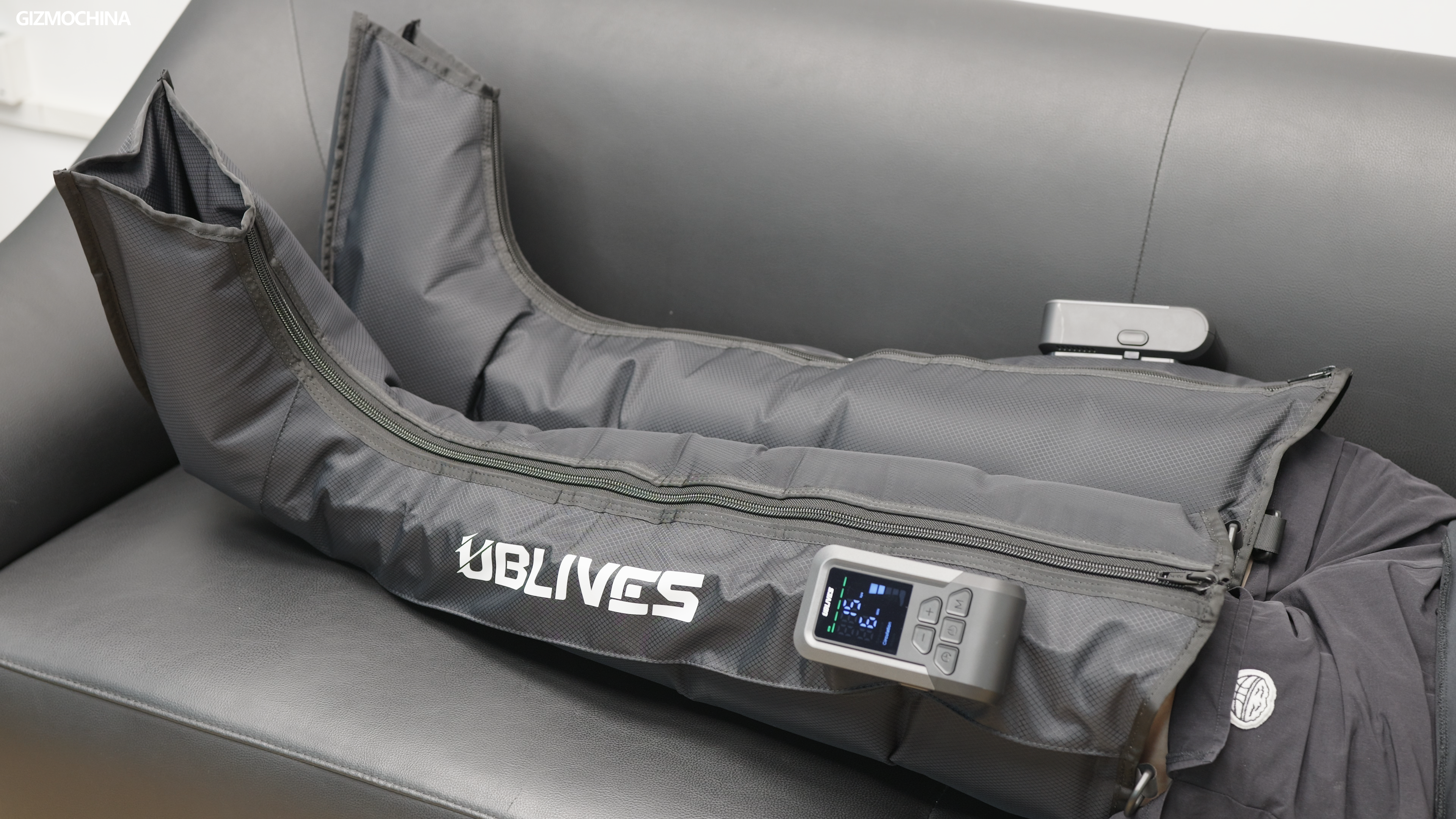
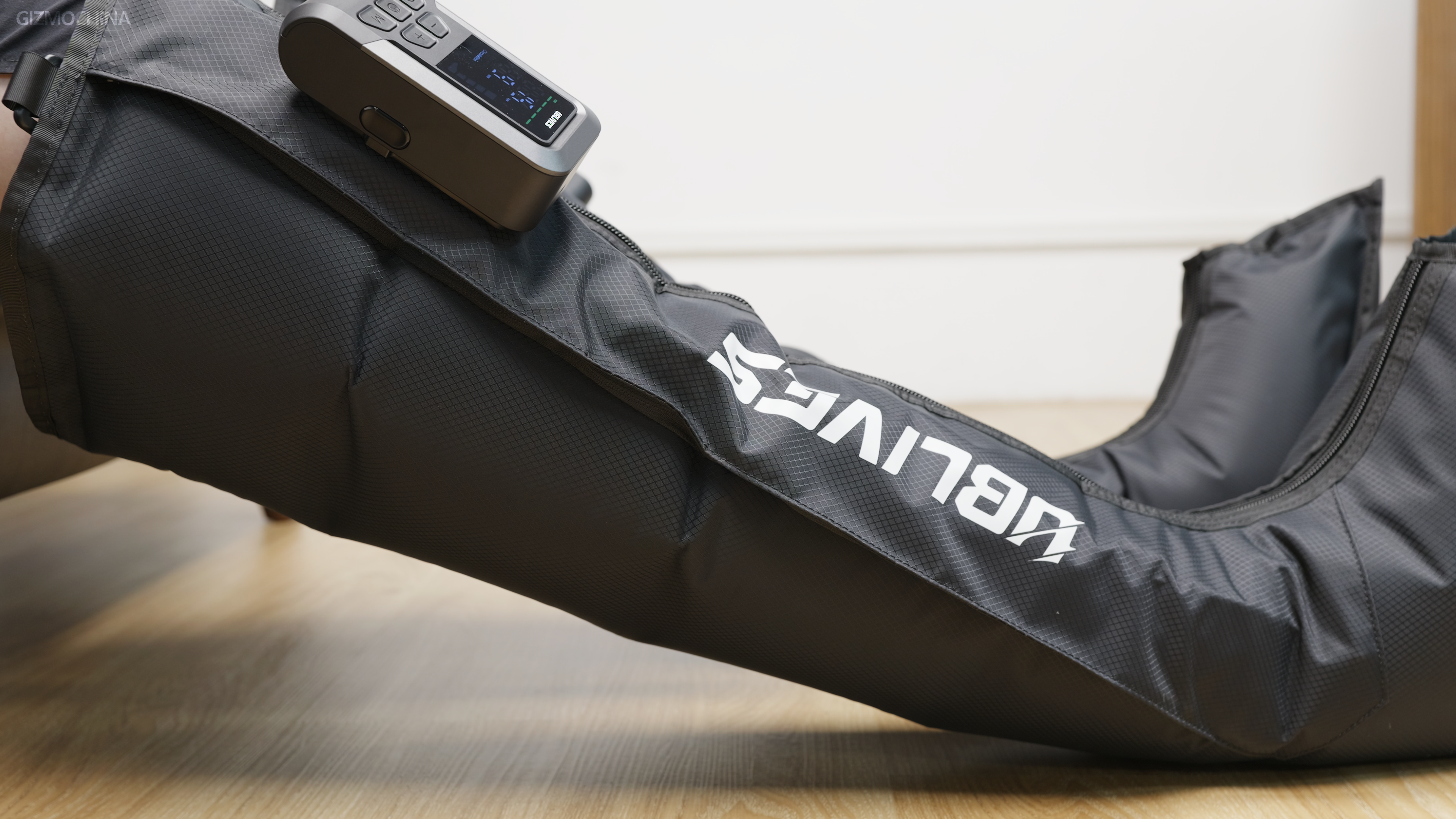
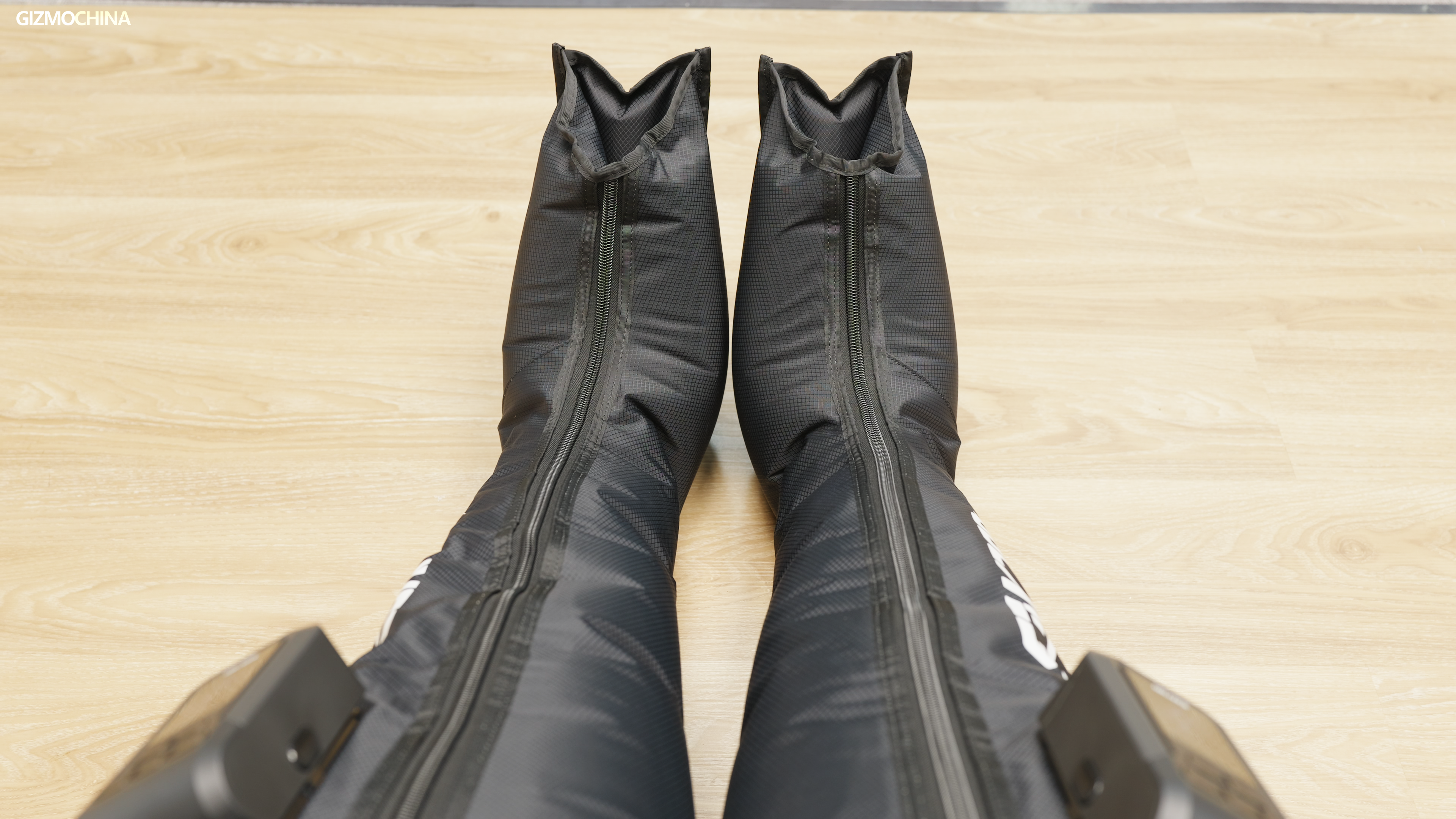
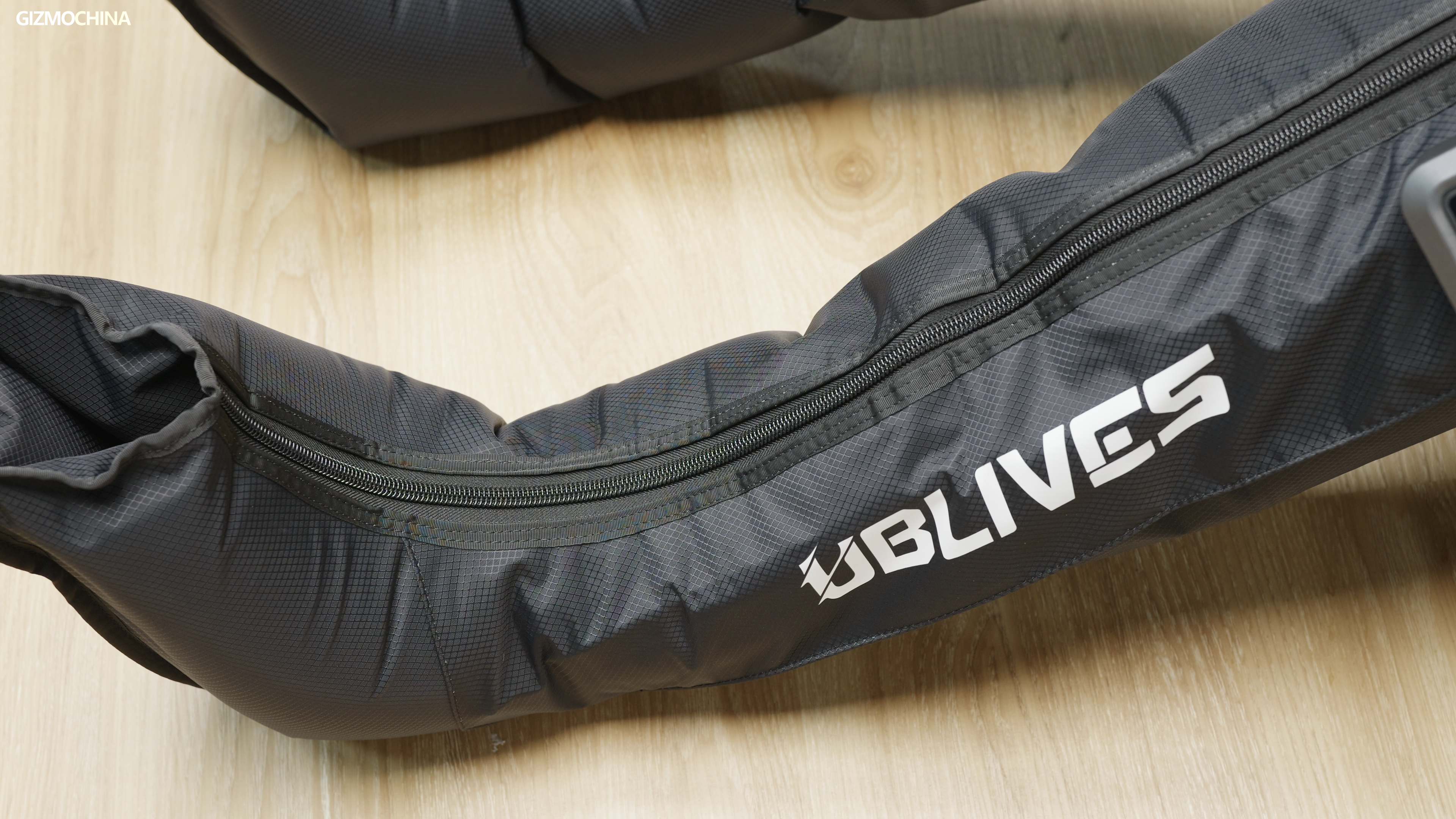
The boots are made of this reinforced material on the outside, and the stitches are doubled at some corners, so I think it is very durable. I can’t see the airbags inside, but based on my experience, there was no leak at all, so they are also well-made. I can feel some pipes running through the boots, and connect each section to the unit separately. There are also hooks on the upper side, so you can hang them on the wall.
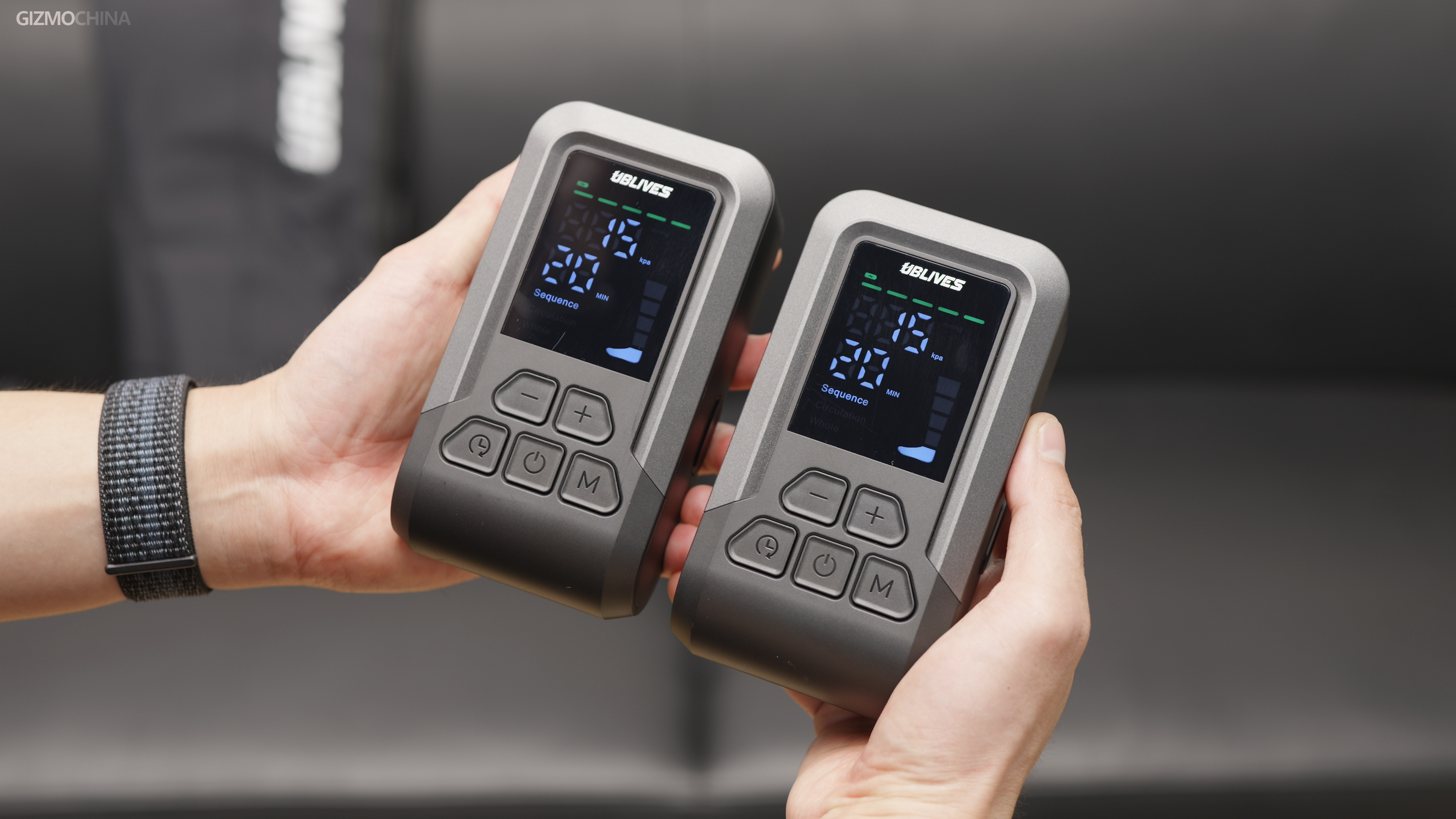
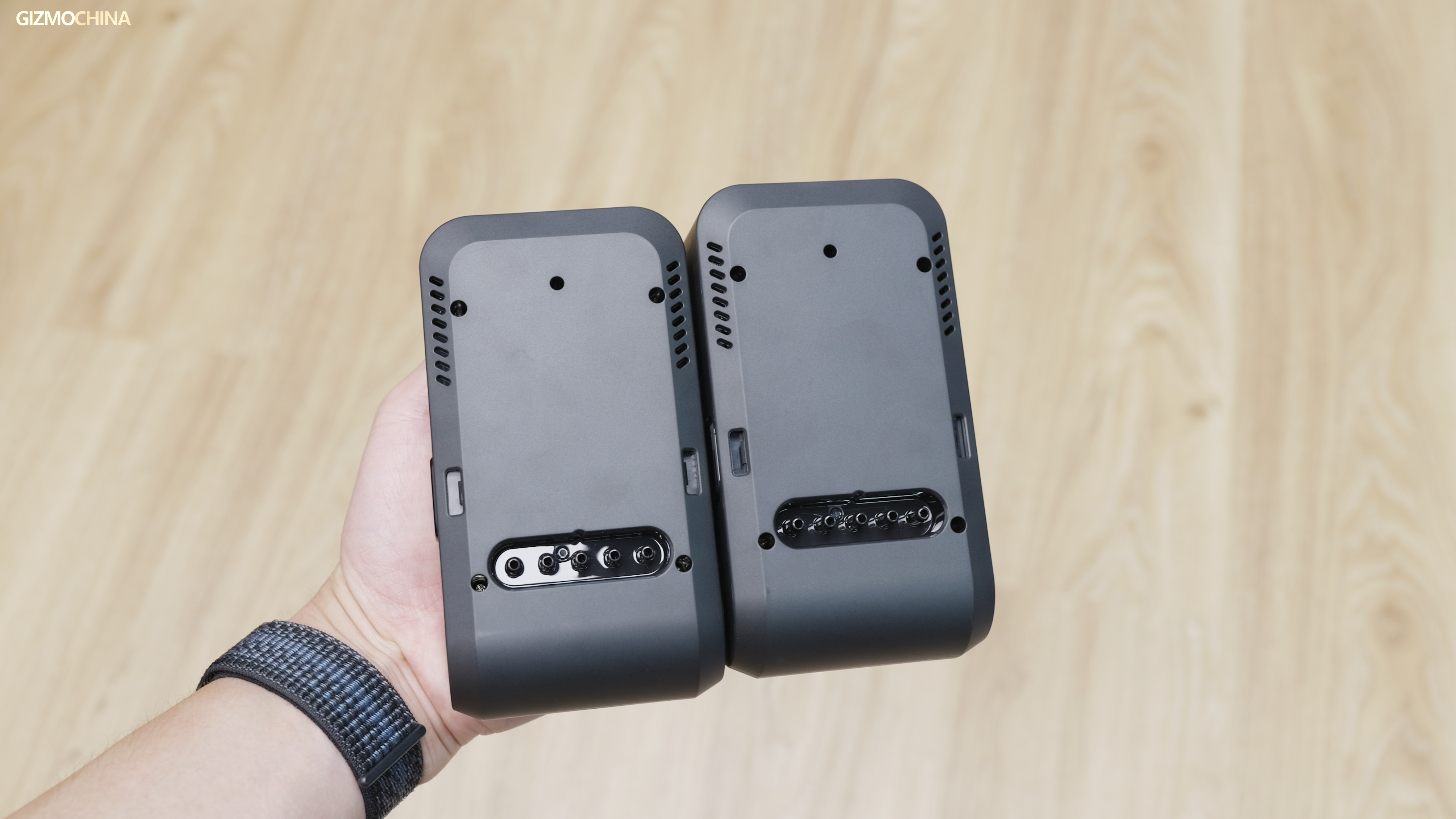
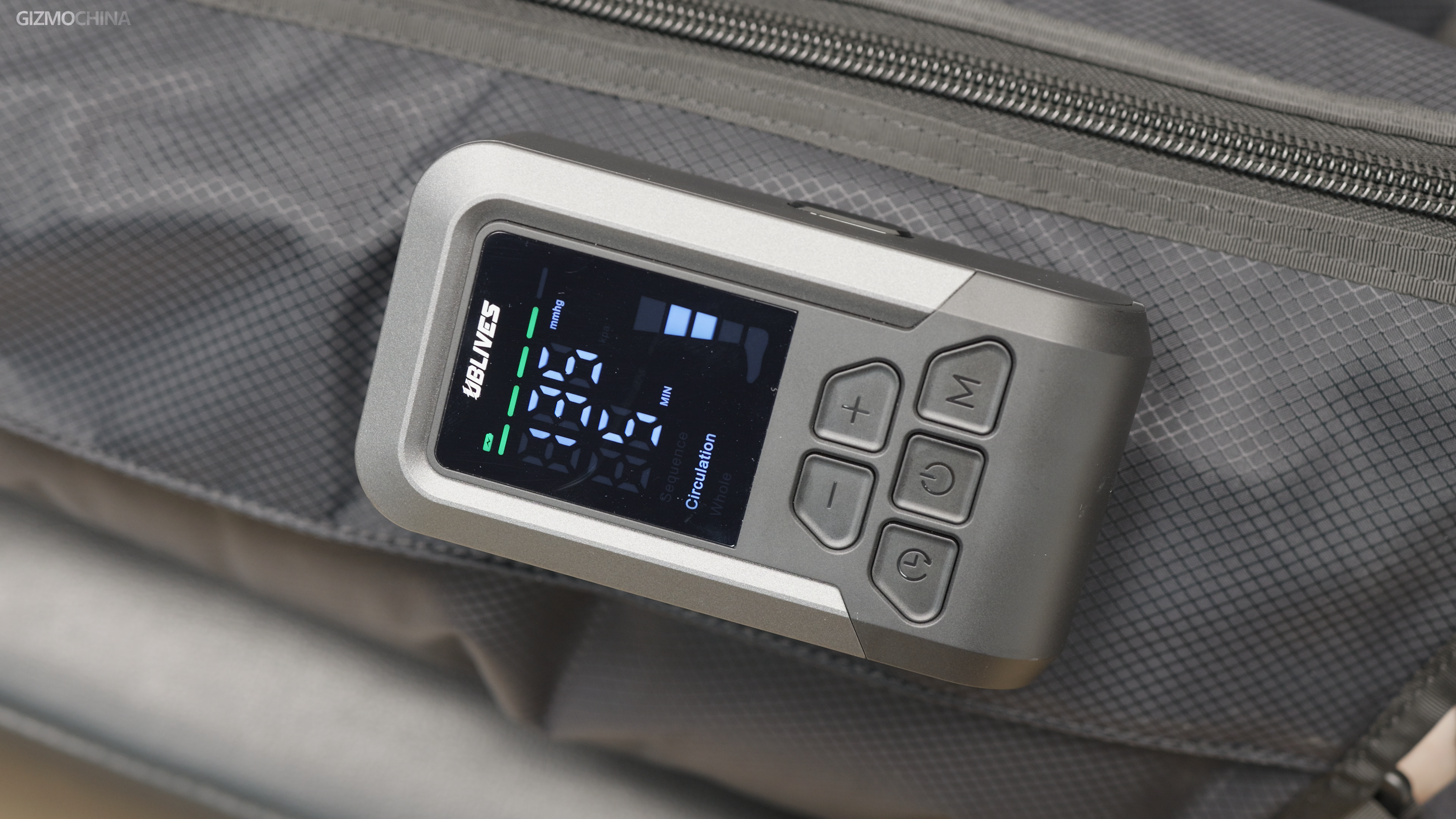
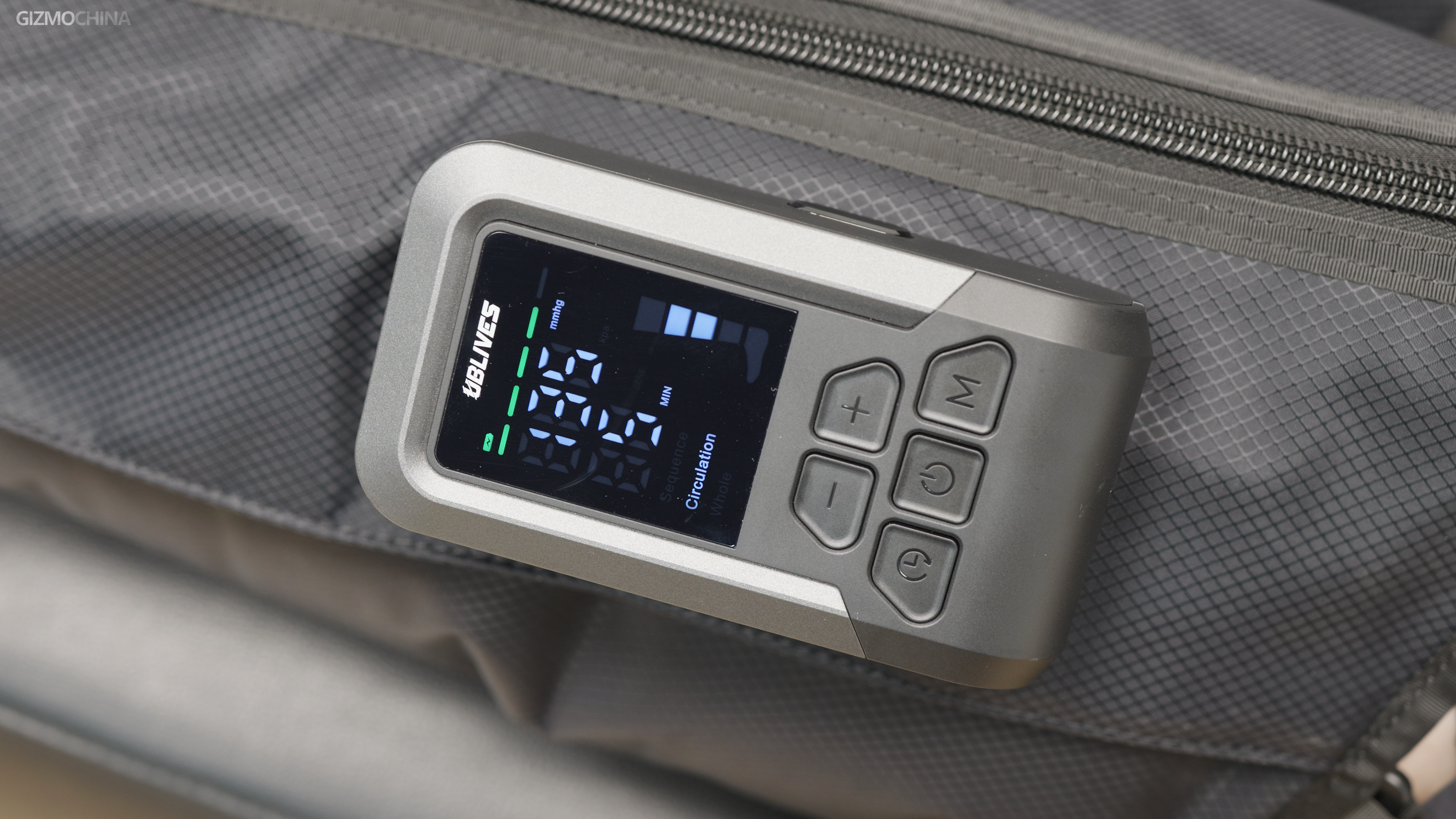
The air pump unit is a solid piece, the screen and the buttons are simple and very functional. At the back, those holes are supposed to get the air into the boots. The mechanism that locks the unit on is very clever, a simple click or press at both sides will put them on and off. And the unit charges itself through a USB-C port. Overall, the design is neat and flawless.
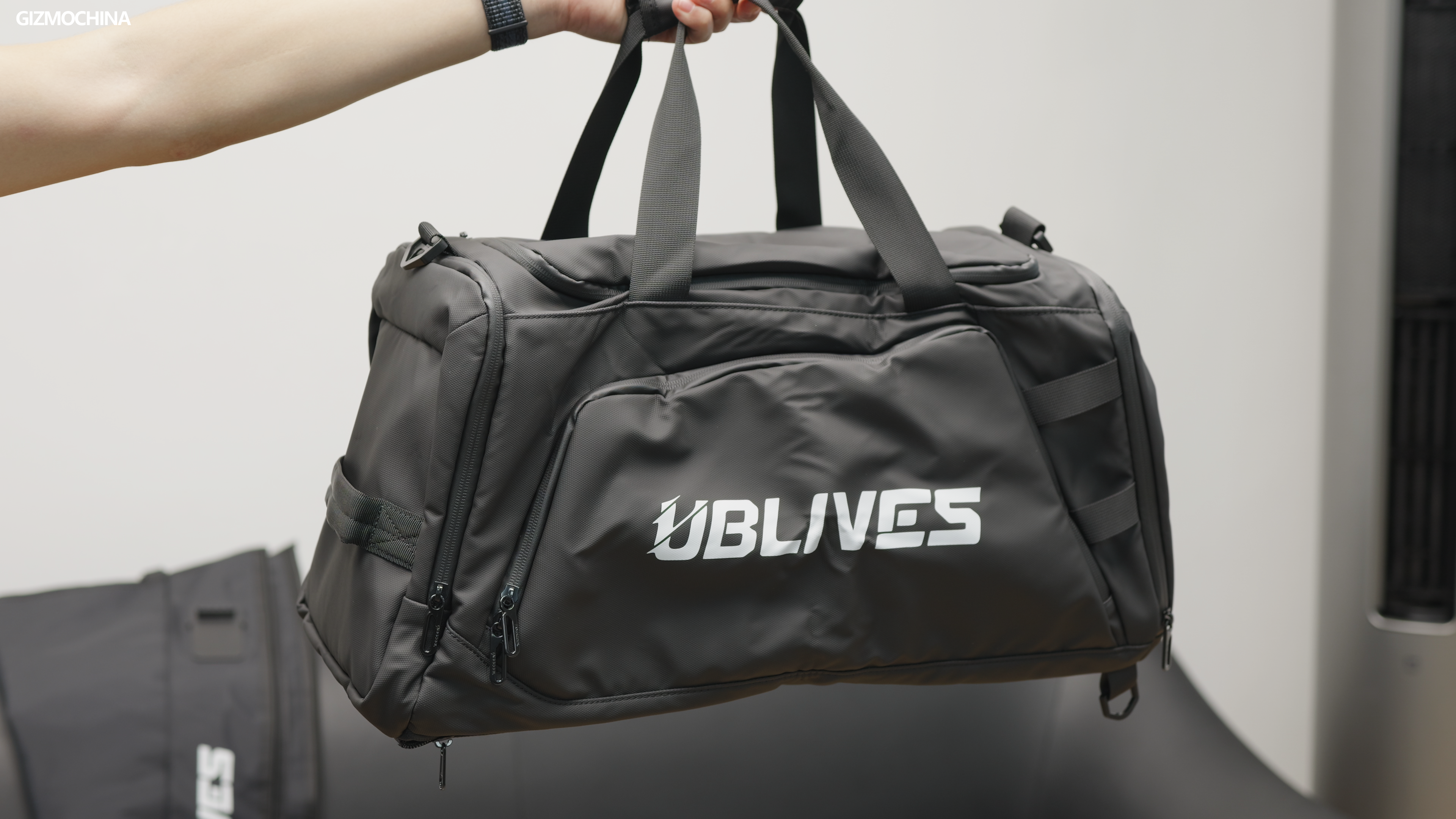
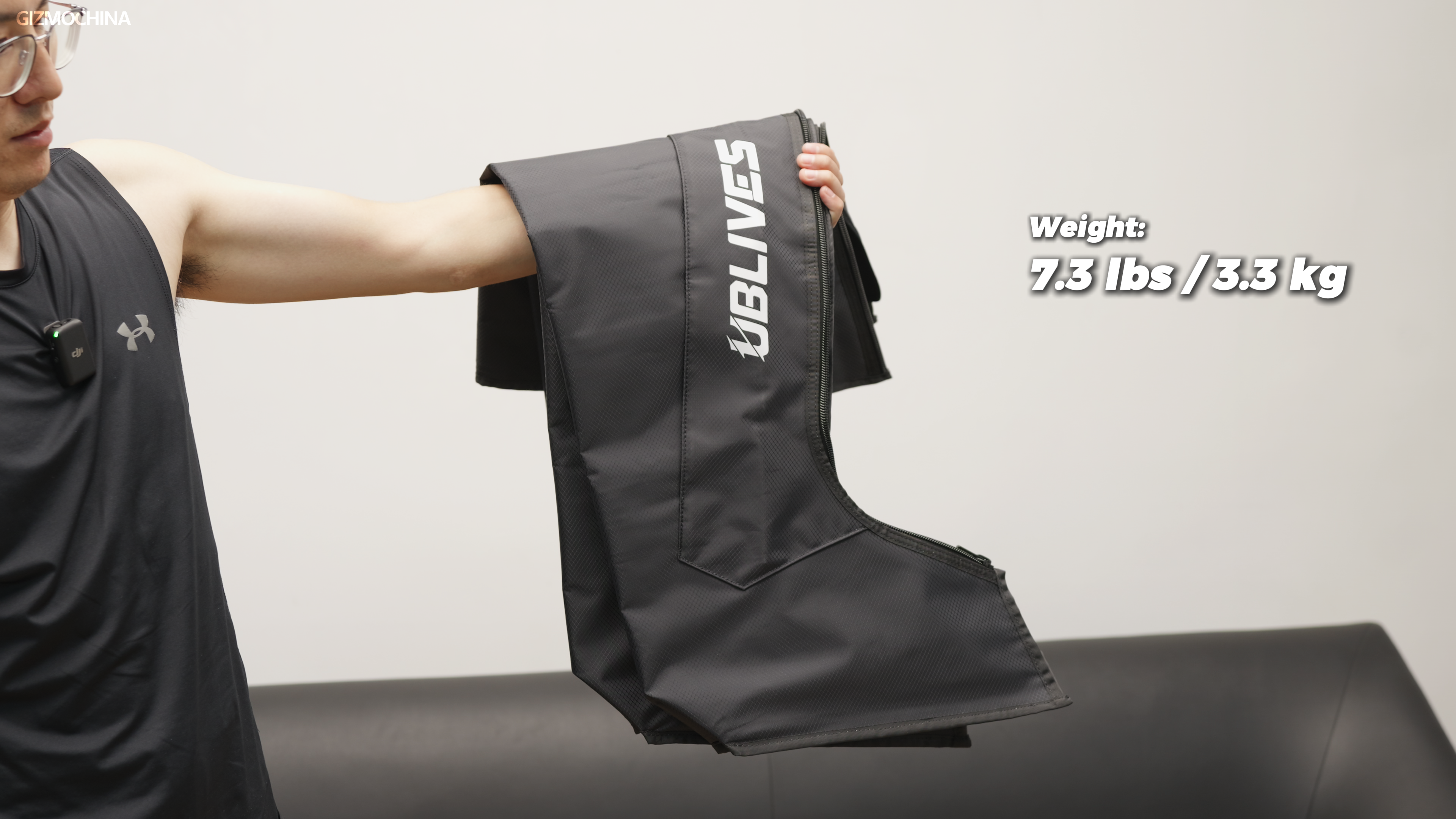
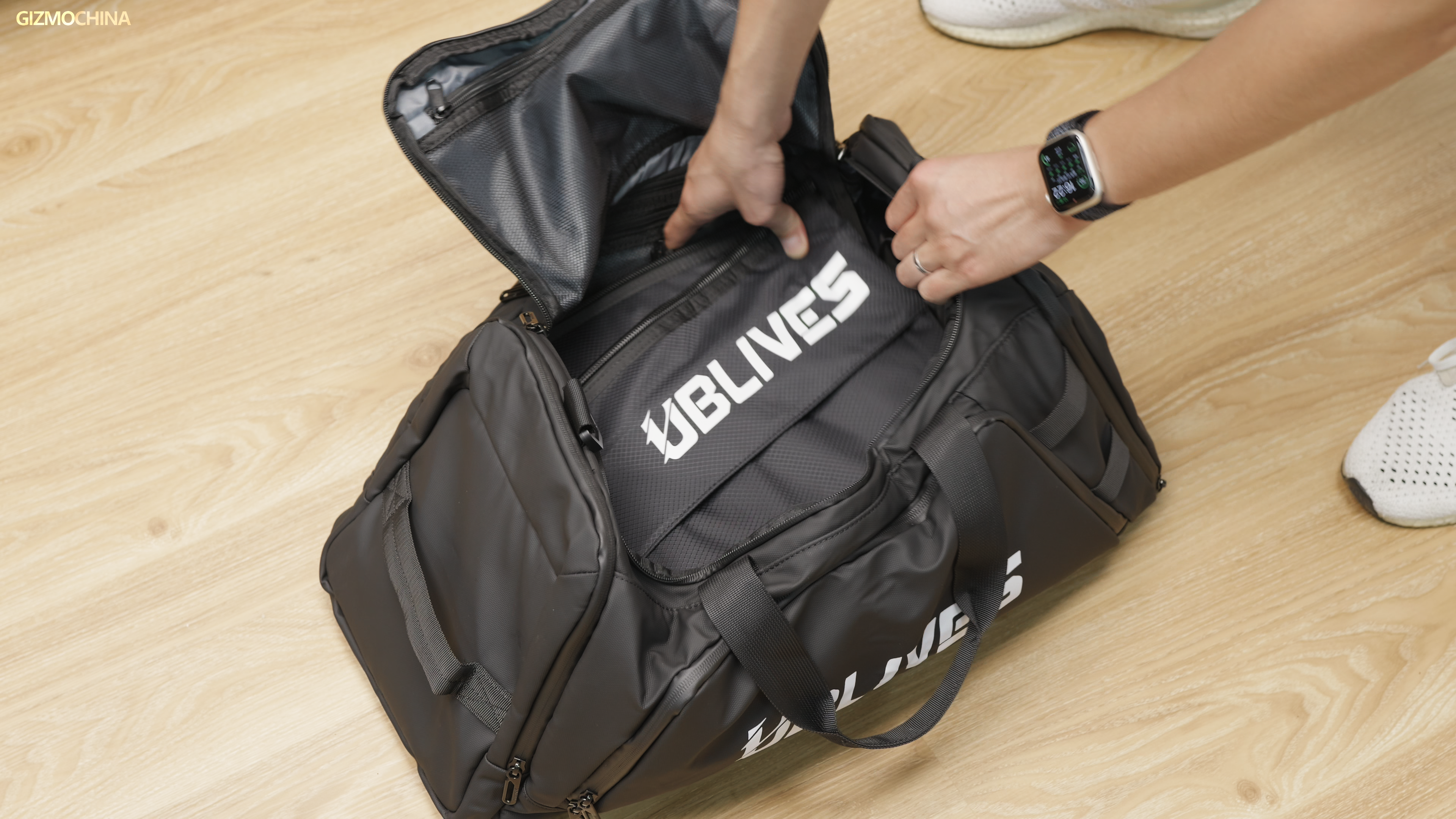
The whole set weighs about 7.3 lbs or 3.3 kg, they are definitely lighter than I imagined, and certainly won’t add too much weight to your backpack. If you do workout a lot, there won’t be any problem taking them with you, I would also suggest you get this dedicated bag for them, to make carrying them easier.
Test
Now I haven’t tortured my legs for a long time, and since we are testing these boots, I thought it would be a perfect time to see if they can save my legs post-workout, so I hit the gym in the morning again.
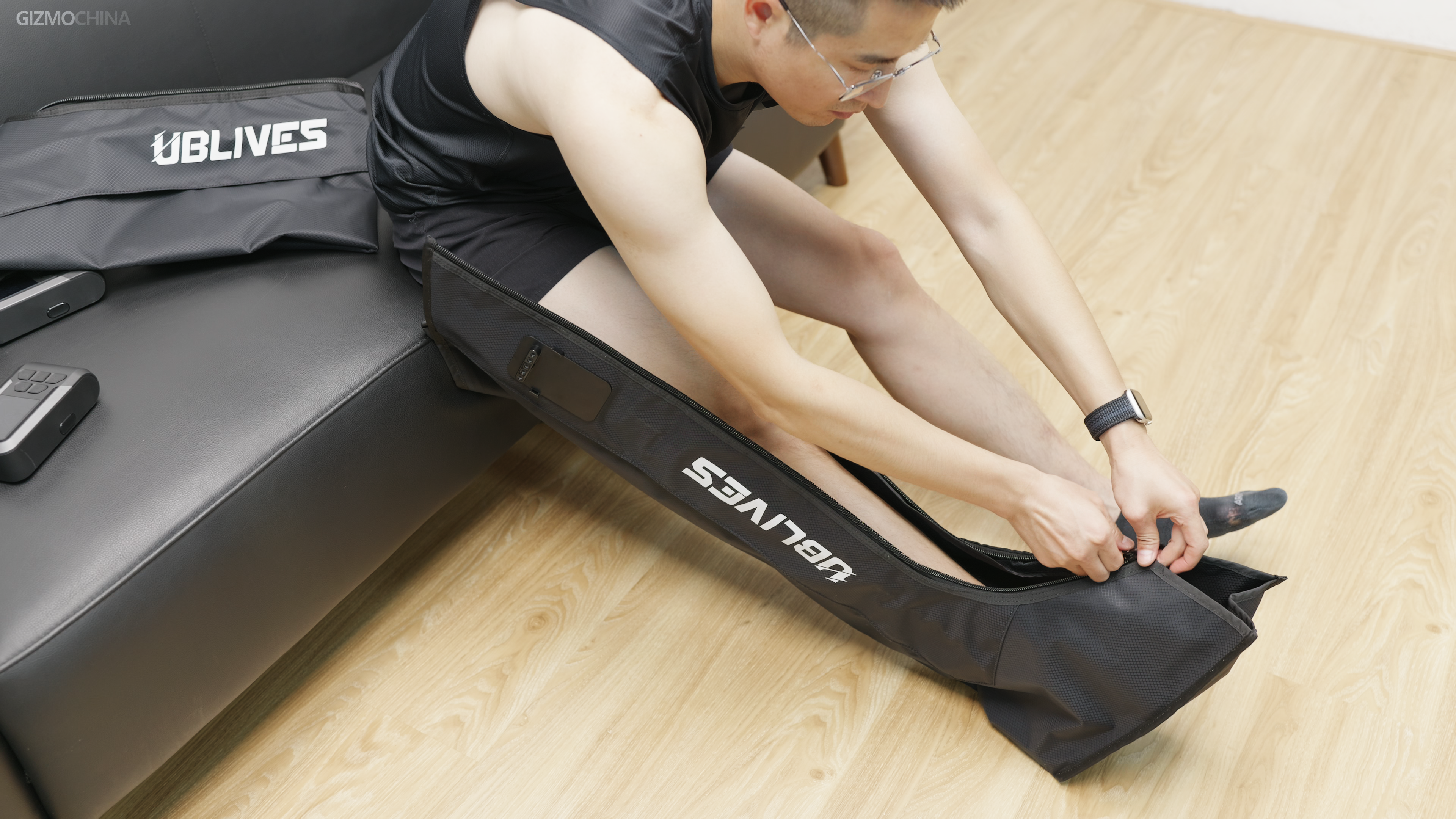
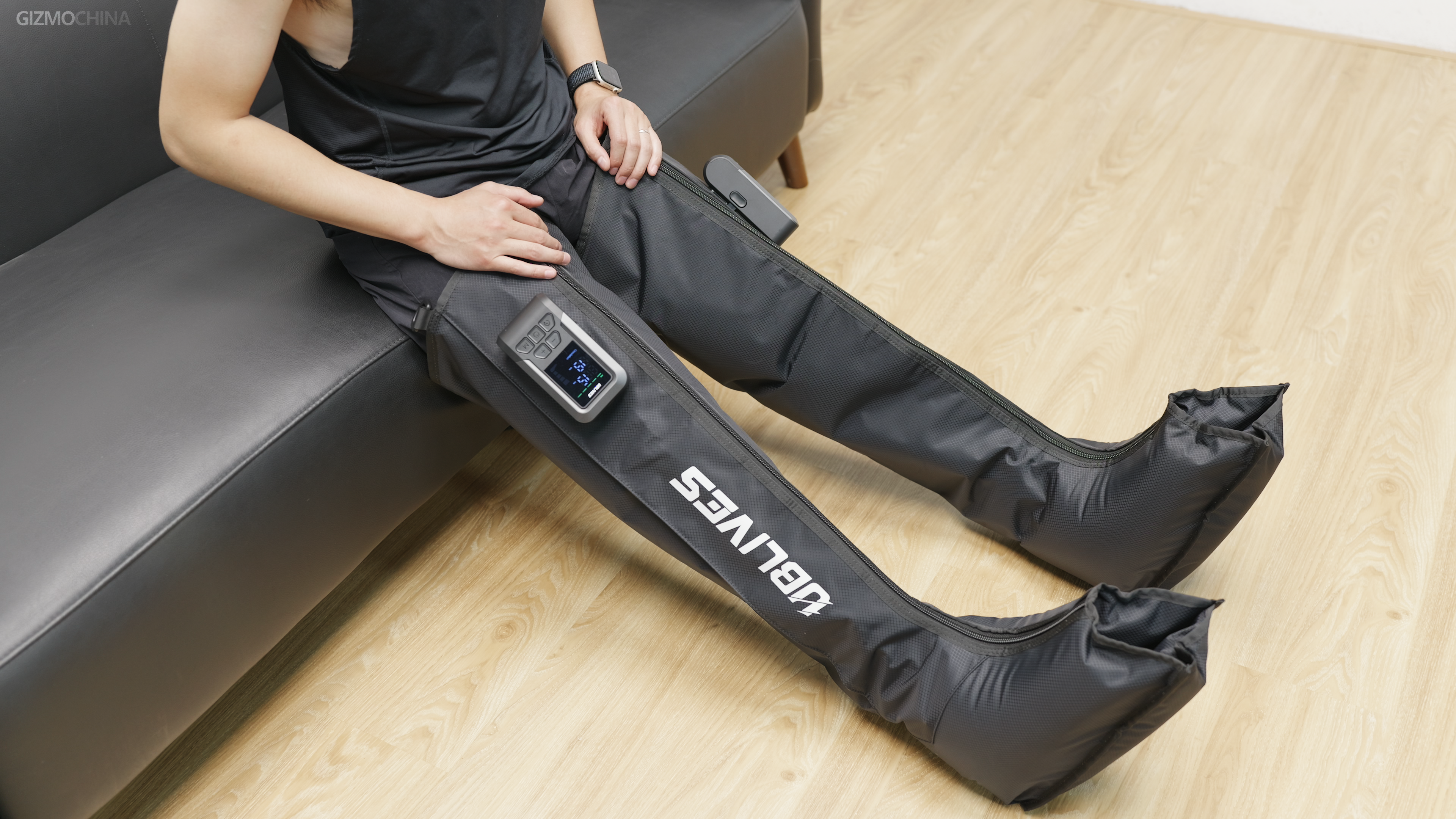
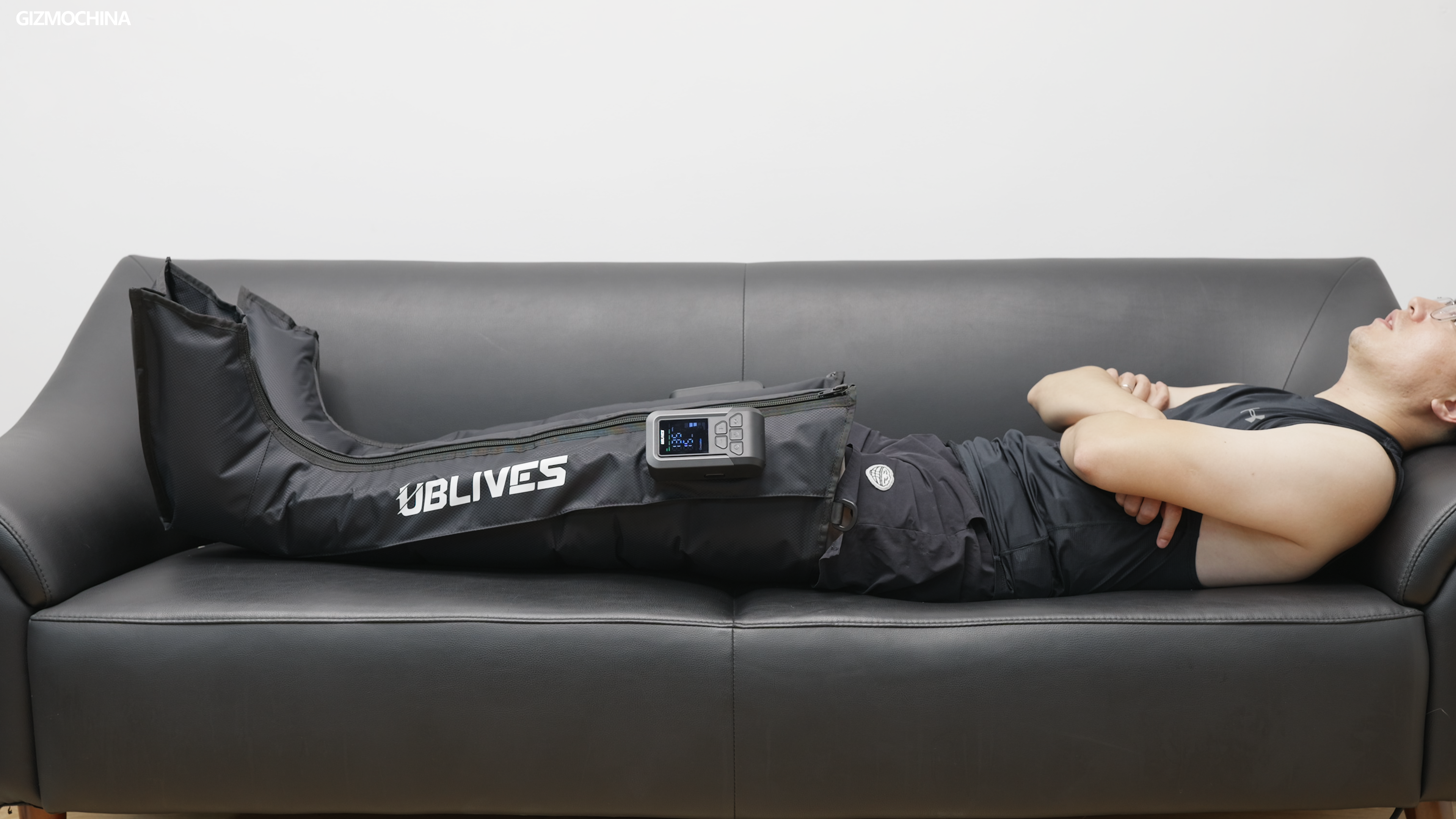
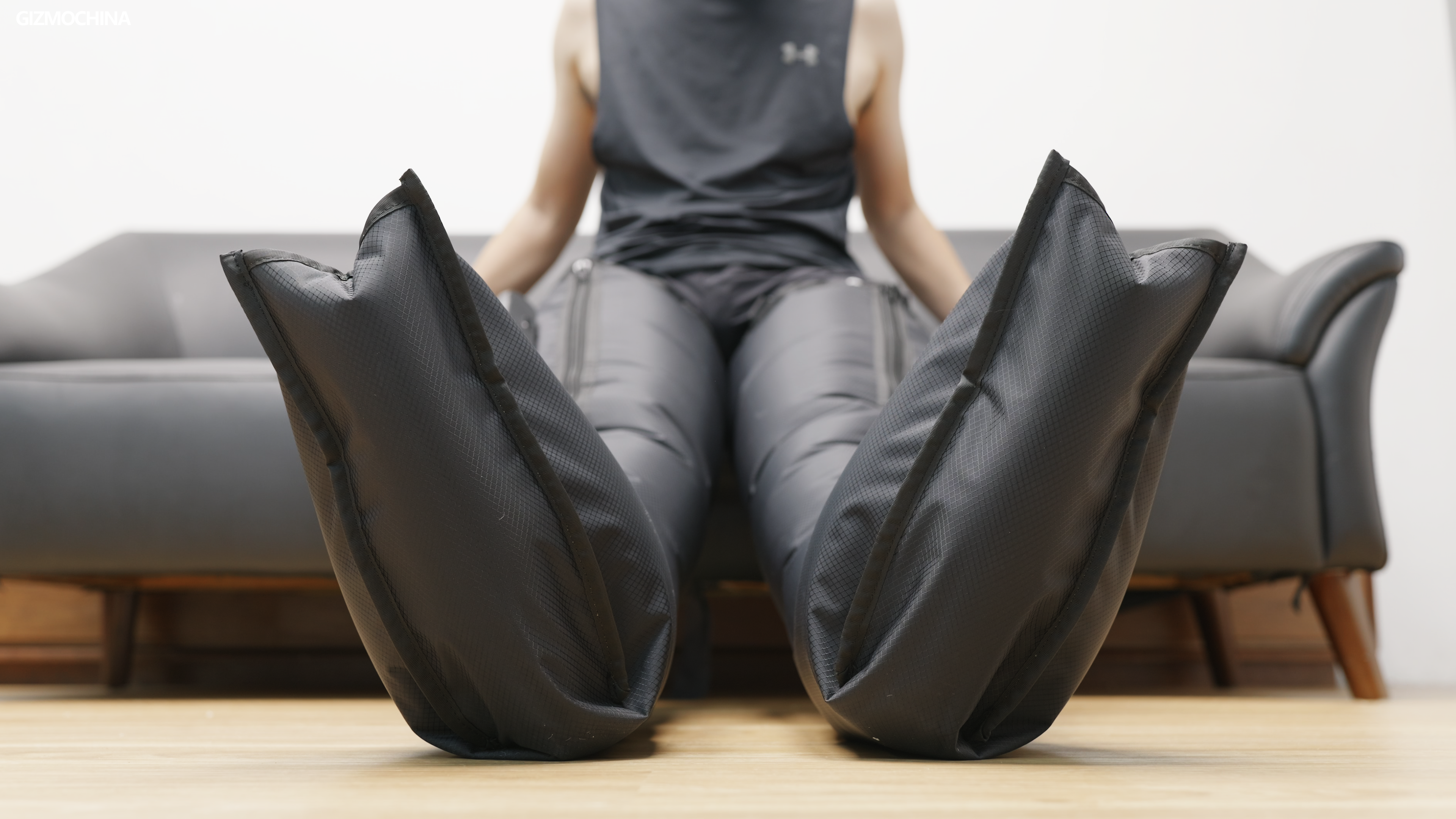
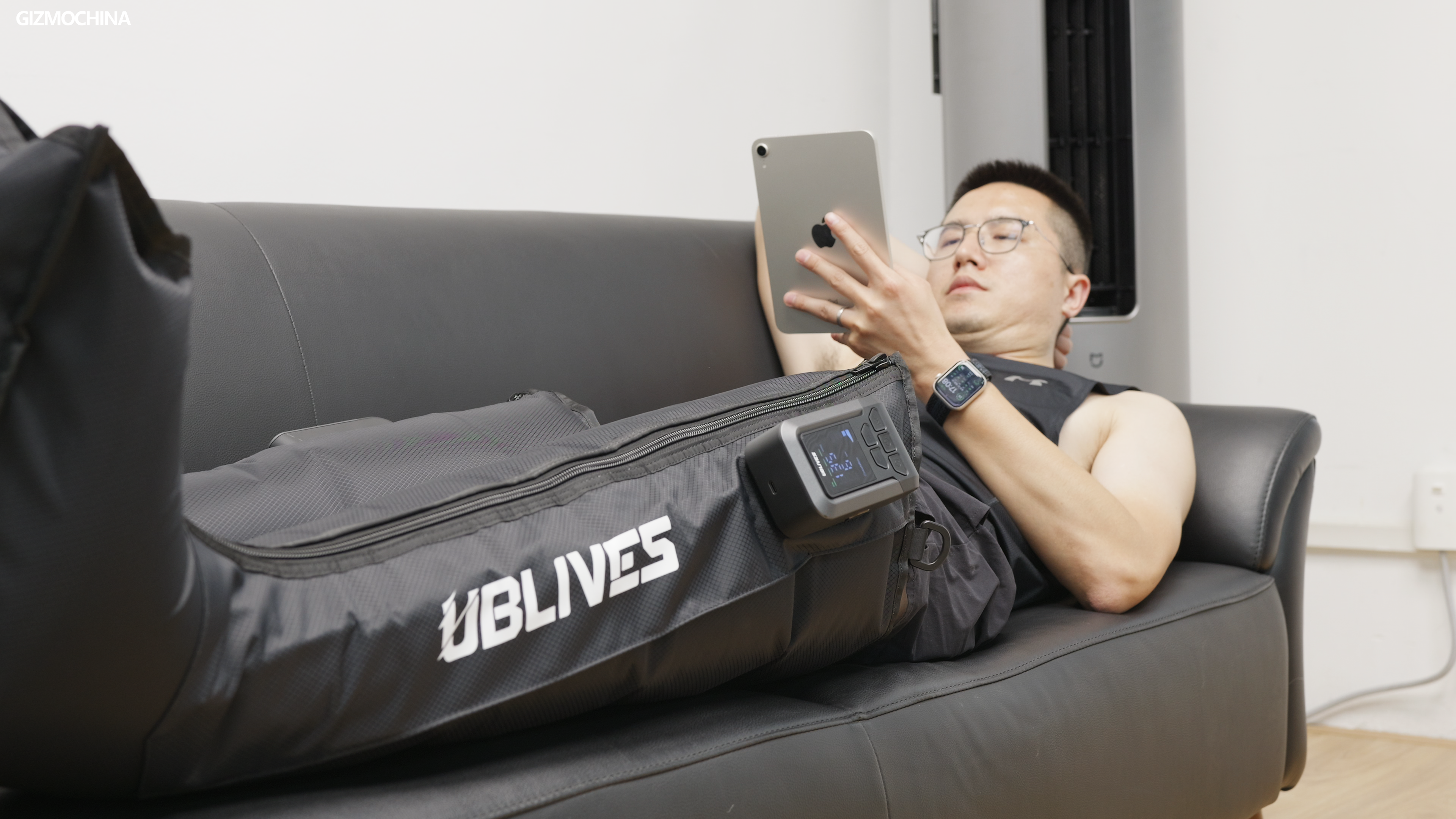
As you can see, it’s pretty easy to put them on, either you slide your legs in, or unzip them to make it easier. Now there are five sections in total, which cover your thigh, knee, upper calf, lower calf, and foot.
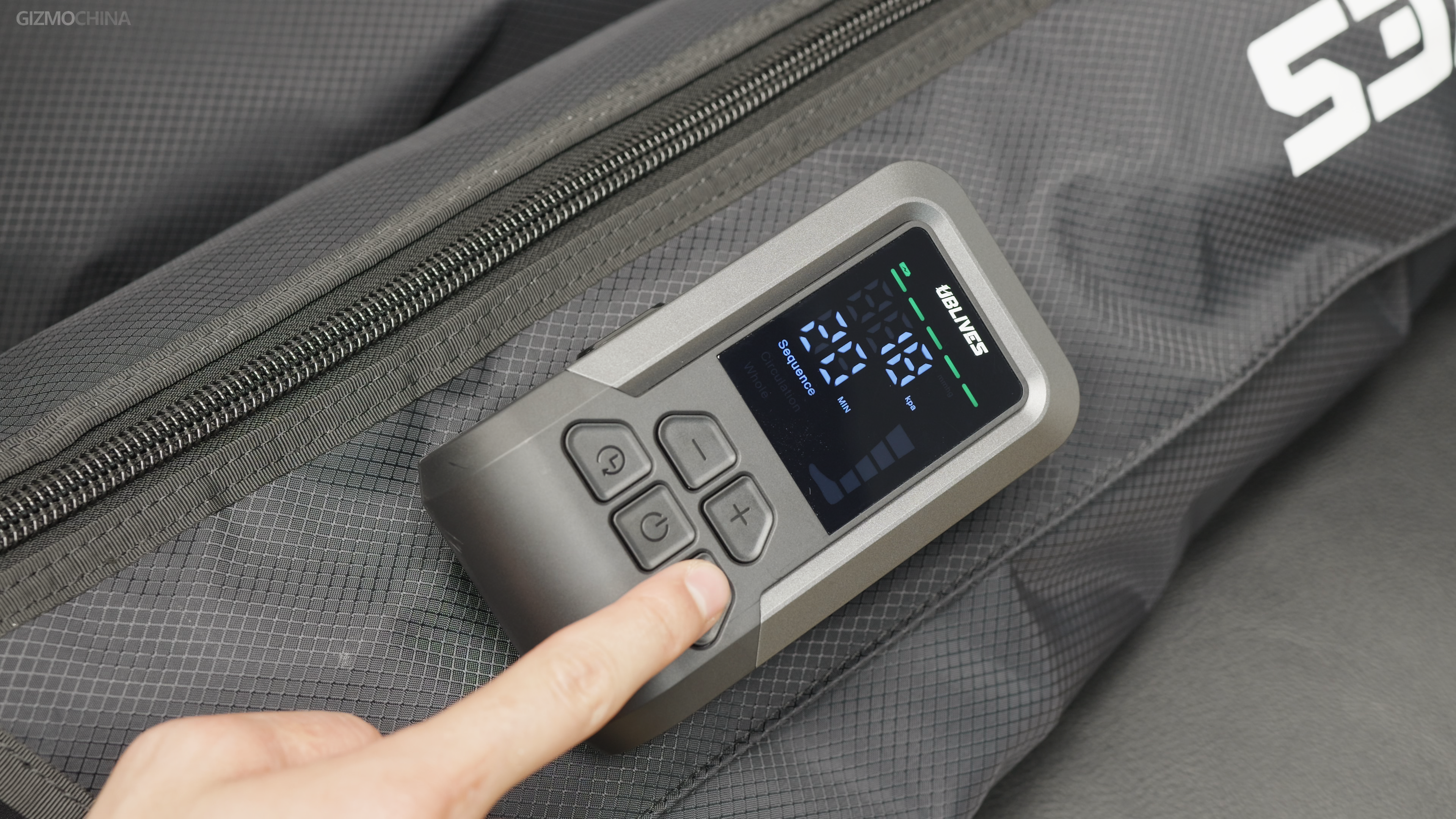
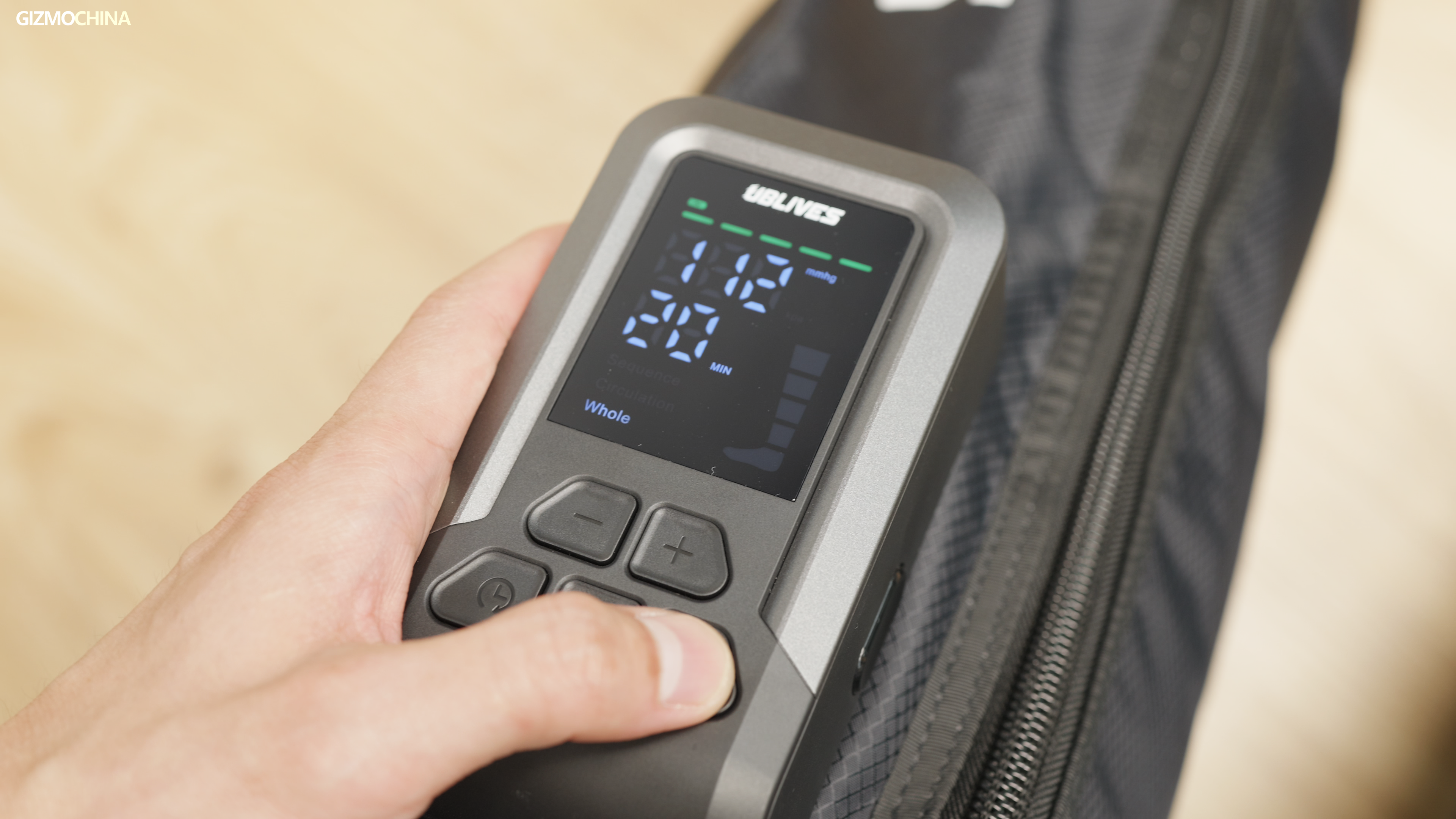
There isn’t any left and right difference about the air pump units, as long as you can see the buttons and screen. The buttons are very clearly designed, including the pressure up and down, timer, power on and off, and mode change. The screen is bright and simple, so everybody including the elderly can read them correctly.
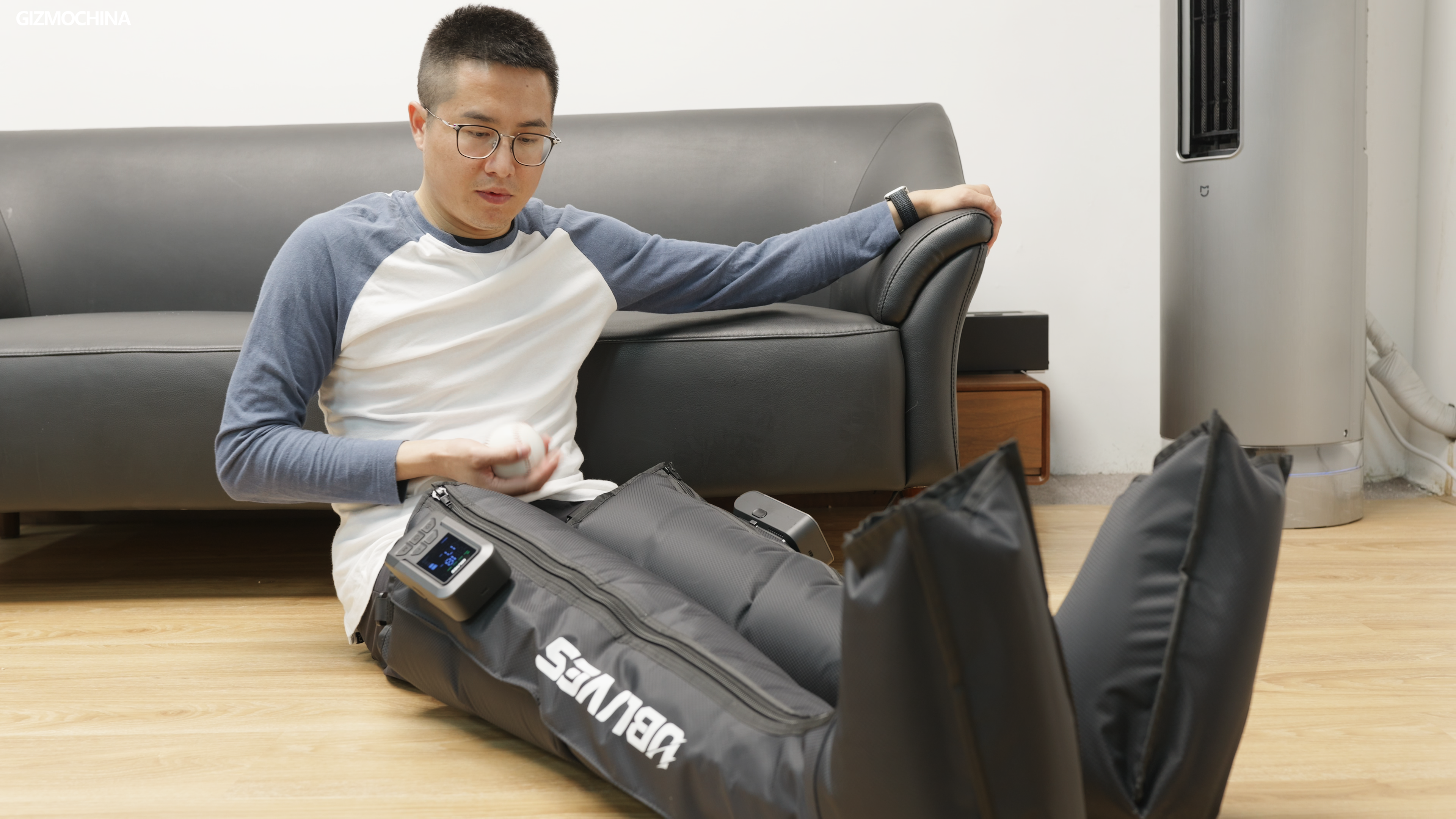
Now the length of the boots is actually perfect for me, I am 5’7, and the boots cover my entire legs and maybe even a bit more room to spare. So for the sports recovery purpose, according to the user manual, it’s recommended to use the Circulation Mode, which will inflate two sections at the same time, then rotate in between, I think it makes a lot of sense. And the pressure I chose was the 4th mode, pressure level 135mmgH. I tried the 5th mode, which provides 165mmgH pressure, it creates a bit of a pinching feel to my legs, which I am not sure if it is right, so 4th level is good for me.
During the whole process, I feel the massage force the most in the knee and thigh area, and it feels really good. Compared to the recovery tools I mentioned earlier, these boots are more consistent in massaging force, and they cover more areas at the same time. Also just to quickly mention that, there isn’t an App for this product, which is fine with me, as I don’t need to deal with those if something serves a purpose like this, and you can do them all by pressing the buttons.
After a 20mins of use, I felt really relieved, the soreness and burning were pretty much gone. Although I know that those will not disappear so soon, so I used them another two times.
So how do I feel after 3 times of use in two days? The results are surprisingly good. Usually the pain kicks in the next day after the workout, but it was really not that intolerable this time, I can pretty much walk properly, and I can even walk up and down the stairs much easier than before.
The battery life in the air pump units are also very long, based on my experience, I think they can support at least a week of use, and you can charge them with any USB-C cable you have.
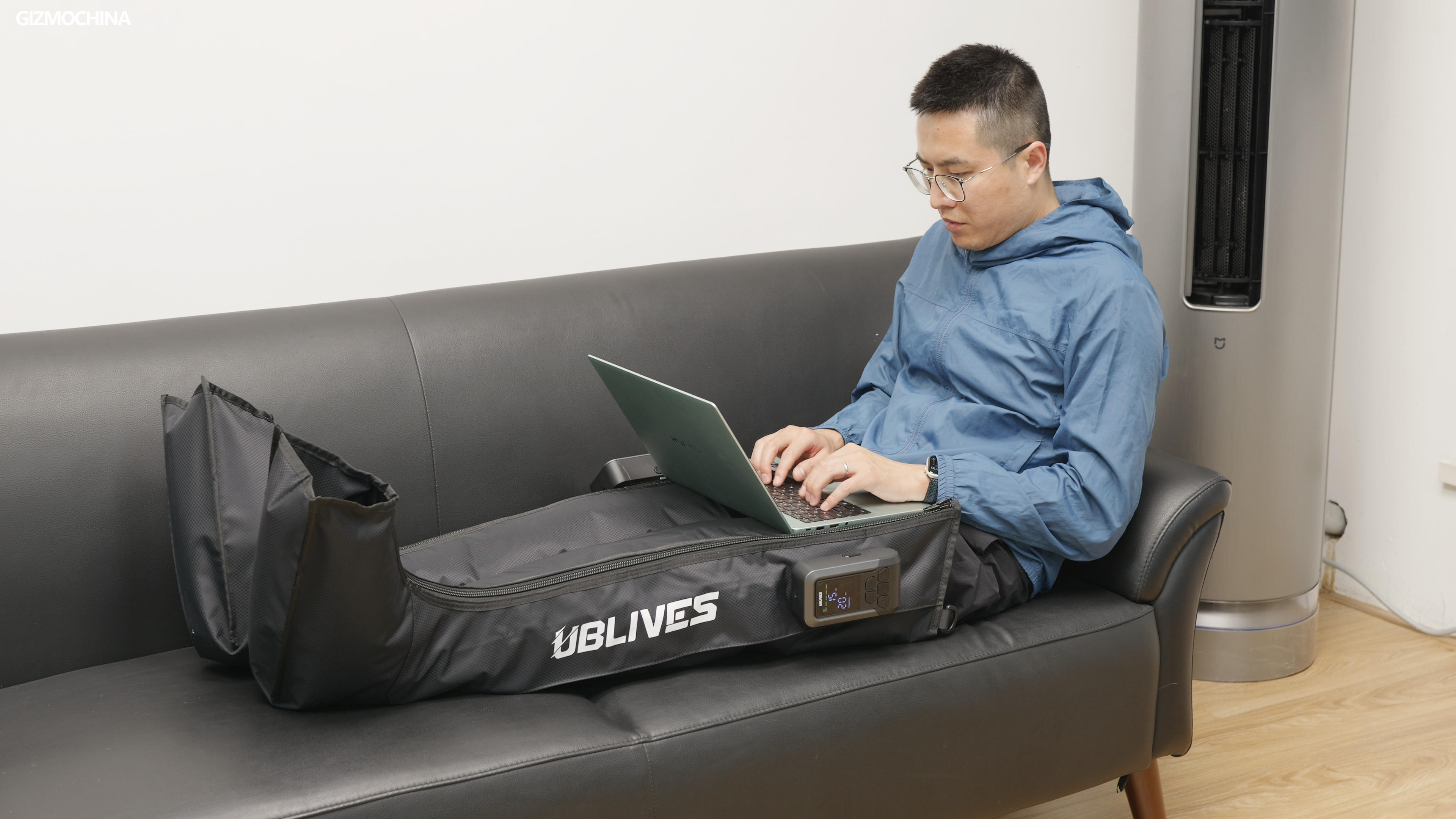
Here I also have some advice for some of you who want to get these. First, I would recommend using them while you are lying on the couch or bed, as once the devices are inflated, you won’t be able to move, especially if you use them while sitting on a chair, your hip will feel numb after use. Second, keep the air pump units facing outwards, so the buttons won’t bump into each other to cause the device to stop or any other changes.
Besides the circulation mode, I also tried the Sequence Mode and Whole Mode, they are more for daily relaxation, but they can also be good after you go on hiking, or just a quick 20mins massage after work. In those two modes, the air pressure is also very strong and it works fast. It is just like stretching, which increase blood flow and release soreness, but they covers more areas at the same time. Also it is very quiet, you can’t really hear anything when it’s working. Even for elderly people, who often feel tired, or even have varicosity issues, it will help with the blood flow a lot, so it is a good gift for them.
Verdict
So after using these compression boots for a week, I would say these are genuinely great products. They helped me with the pain and soreness after workouts, and also it released the stiffness from sitting for a long day at work. You don’t need to really schedule for it, a quick 20mins of use during tea break will fuel your day a lot. So it is definitely a worthy health investment. To be honest, after some research, these UBLIVES boots are a lot cheaper than other brands, while the build quality and functionalities are even better than most. If you want to purchase these, there is a link here, they are also offering some discounts and carrying bags for Gizmochina fans, so don’t miss out!
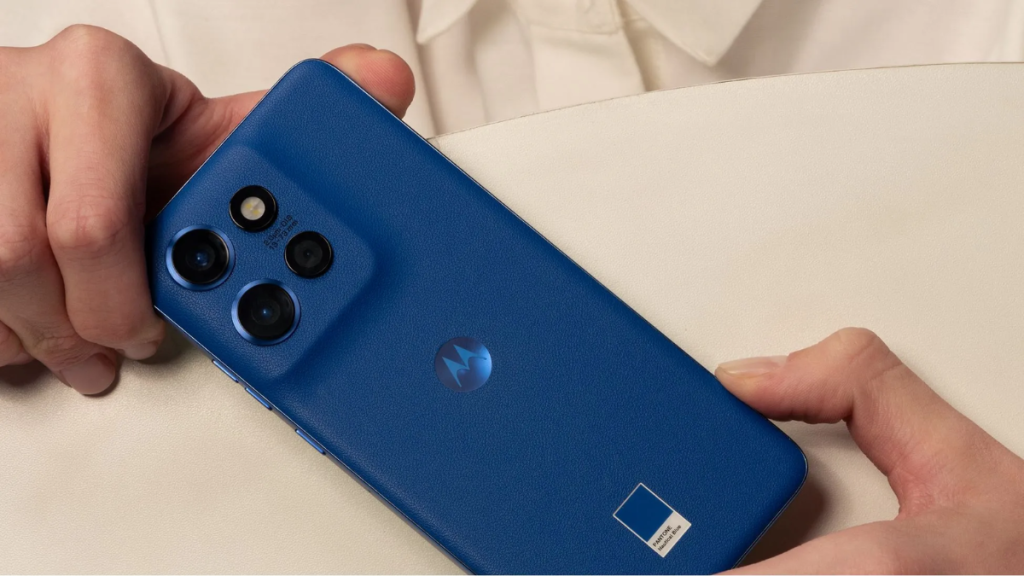
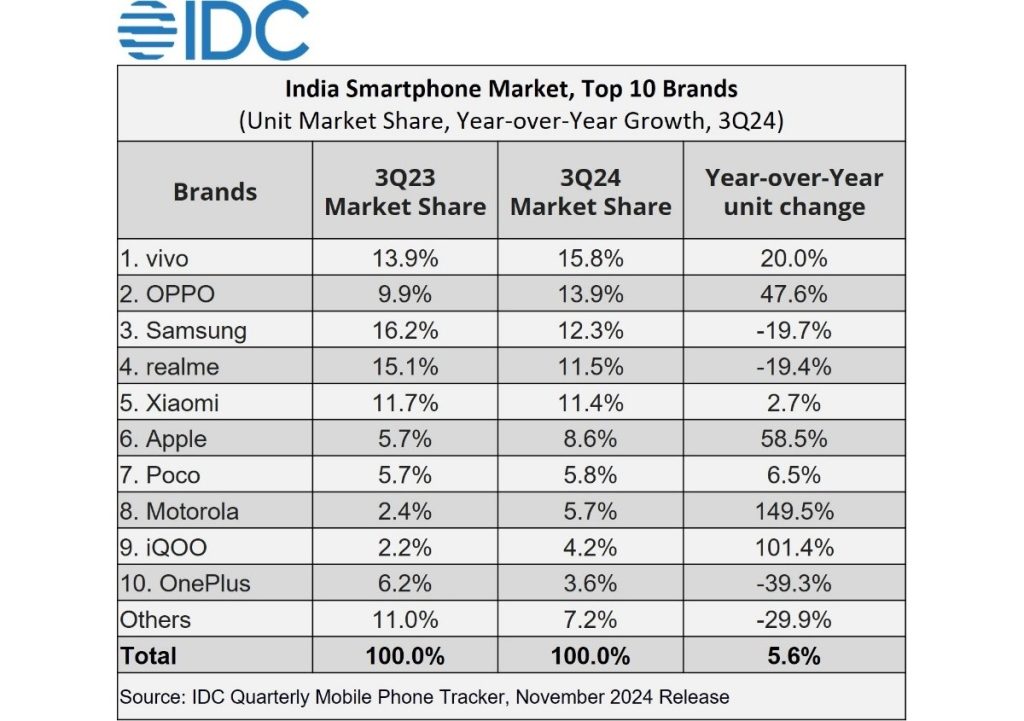
Motorola is gaining momentum in the Indian smartphone market. According to the latest data from IDC, the American company had a 5.7% share in the third quarter of 2024 in the Indian smartphone market. Last year, it was 2.4% for the same quarter. That’s a massive 149.5% growth, which no other smartphone brand had in the same period.
Vivo currently leads the Indian smartphone market with a 15.8% share in the third quarter of 2024, followed by Oppo with a 13.9% market share, and Samsung with a 12.3% market share. Apple is at 6th position with an 8.6% market share.
After Motorola, iQOO had the biggest jump of 101.4% in 3Q 2024 (compared to 3Q 2023) with a market share of 4.2%, but it is still behind Motorola. OnePlus is having a tough time, though. It declined from 6.2% to 3.6%, registering a 39.3% loss. OnePlus has also fallen behind Motorola in the Indian smartphone market.
Earlier this year, Prashanth Mani, executive director, mobile business group at Lenovo Asia Pacific, revealed that the company grew 100% by volume, the same in 2023, and is expected to continue the streak this year as well. The company had a 5% market share in 2023, and it’s projecting to double that to 8-10% this year. Even though it seems difficult at this point, its growth in the last few quarters has been impressive.
Motorola has recently fixed one of its biggest problems holding people back from getting a Motorola phone. It had a terrible software update policy. The brand offered only three Android upgrades, and that too, was only limited to high-end phones. The entry-level phones were hardly getting a single Android update.
Three Android upgrades are just unacceptable at a time when Google and Samsung are offering up to seven Android updates to their phones. Motorola has learned its lessons, though, and has recently started offering five Android upgrades to its new phones. First was the Motorola Edge Neo launched in September, and then this new software policy expanded to multiple phones launched thereafter.
Motorola is eyeing a top-three spot in India. While that’s a long way to go, the brand should be happy with the impressive growth it’s witnessing, and new buyers should be pleased with the extended software support.
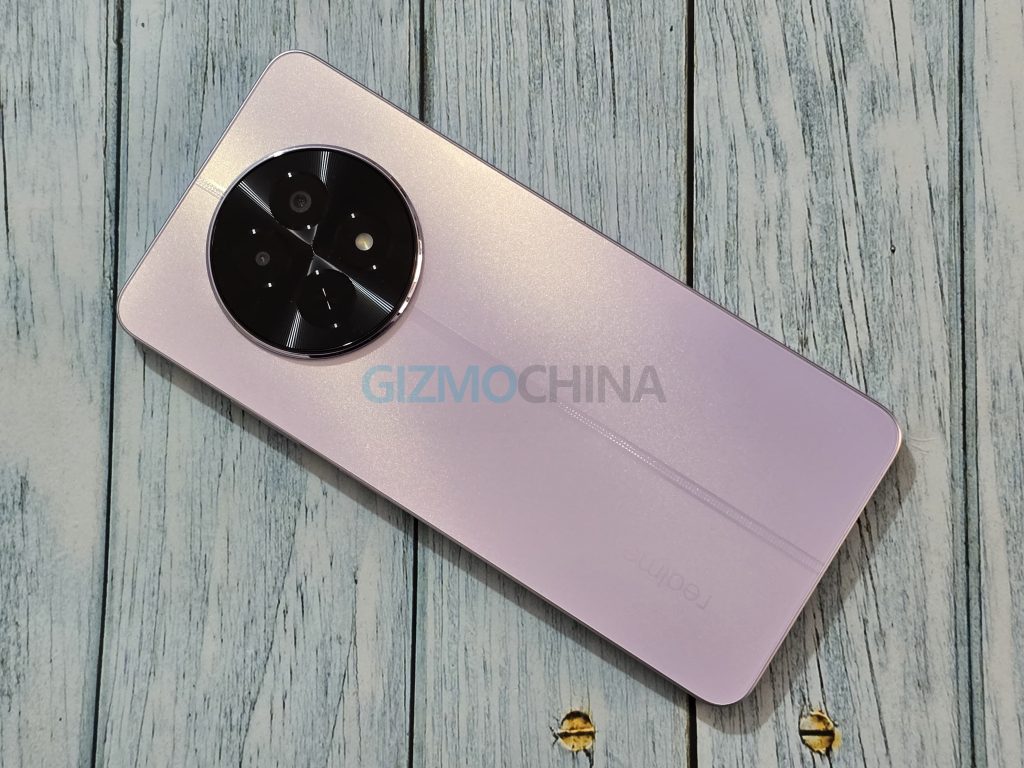
Realme is working on a new model from its popular number series. The device in question is the Realme 14x, which is likely an affordable mid range smartphone. But ahead of its official announcement, a new leak has revealed its storage and RAM options.
Realme 14x India Launch: What’s coming?
The Chinese brand is expected to launch the Realme 14x in the Indian market soon. According to a 91Mobiles report, the Realme 14x will be the most affordable model from the Realme 14 series. The company is planning on launching this model in early December. So could be just a couple of weeks away. In the new report, the Realme 14x will apparently launch in three RAM and storage configurations. As per sources close to the matter, the base model is the 6GB + 128GB model, while the higher end options include an 8GB + 128GB and 8GB + 256GB variant.
Realme 12x 5G
Apart from the storage options, the rumor has even revealed the color options of the Realme 14x. It will reportedly launch in Crystal Black, Jewel Red, and Golden Glow. A massive 6,000mAh battery pack may power this device, which will likely offer fast charging. Moving away from the large circular camera island, the Realme 14x may pack a square shaped camera module. To recall, the Realme 13 series did not get an “x” model. So this model marks the return of the “x” since the Realme 12x, which launched in India back in April 2024.
This was a budget phone with a Rs 11,999 starting price tag. For those unaware, it sports a tall 6.72-inch LCD display with an FHD+ resolution, a 120Hz refresh rate, and 950 nits of peak brightness. Under the hood, the Realme 12x is equipped with the MediaTek Dimensity 6100+ SoC. For optics, the rear has a 50MP dual camera setup, with the front housing an 8MP selfie shooter. A sizeable 5,000mAh battery pack powers this device, which supports 45W wired fast charging.
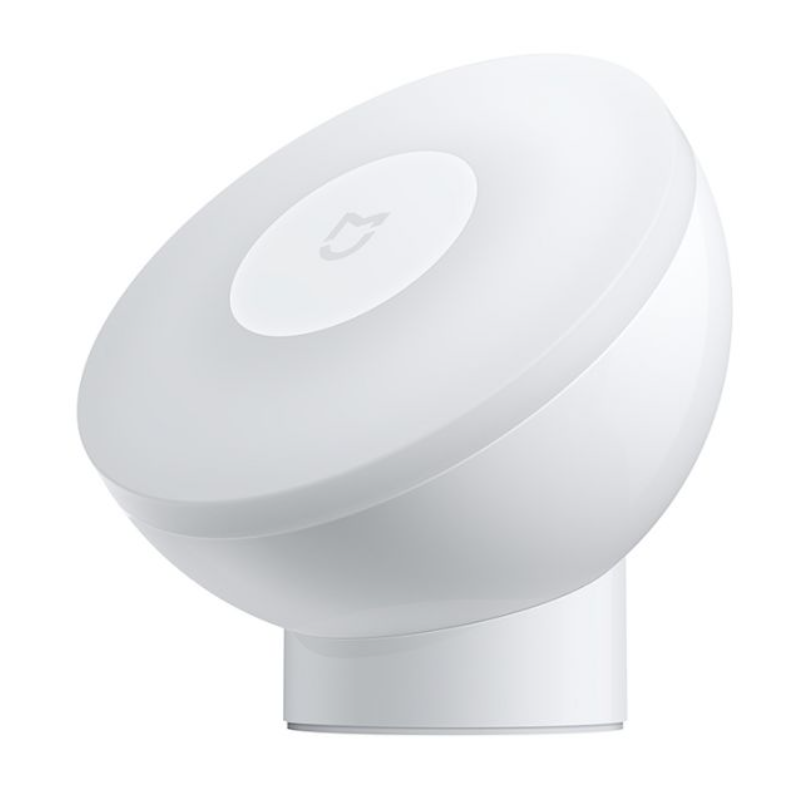
Xiaomi Motion Sensor Night Light 2 is a versatile, smart lighting solution that makes your nighttime navigation safe and comfortable. Its innovative features, combined with a user-friendly design, ensure that you always have the right amount of light exactly where you need it. You can now get this light for $15.99 only at Geekwills.
Innovative Magnetic Structure Design
The standout feature of the Xiaomi Motion Sensor Night Light 2 is its magnetic mount design. The light is connected to its base with a clever magnetic structure, allowing the lamp body to be securely attached when placed gently. With a slight pull, it detaches easily for portability or repositioning. This flexibility ensures effortless installation and adaptability to different lighting needs around your home.
360° Rotation for Custom Lighting
Thanks to the magnetic mount, the lamp body offers 360° rotation, making it simple to adjust the light to any angle you desire. Whether it’s mounted on the wall, placed on a table, or held in your hand, the light can be directed precisely where it’s needed. This design ensures optimal illumination in a variety of scenarios.
Motion-Activated Convenience
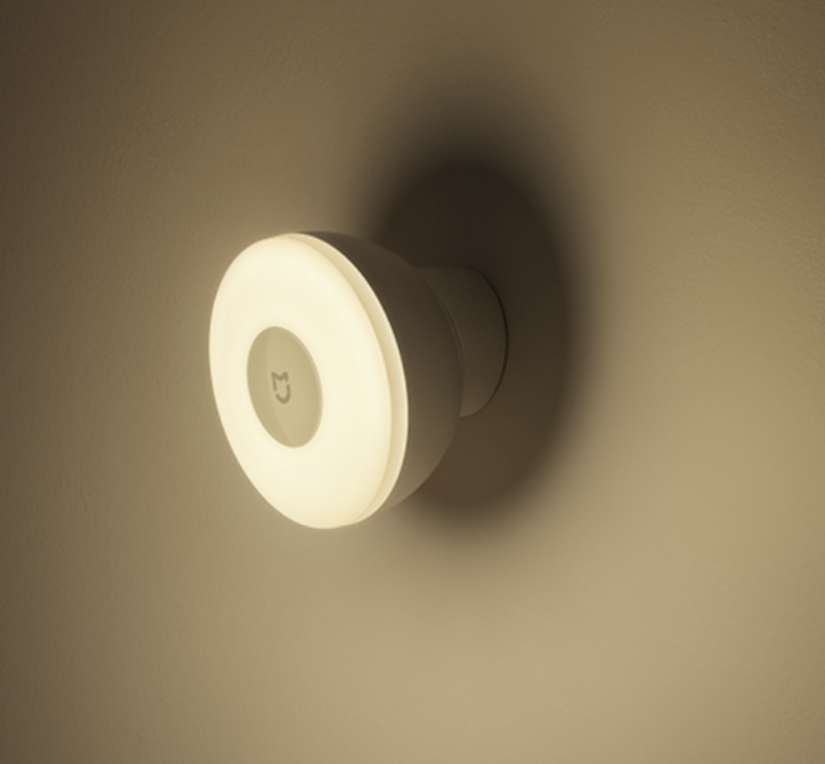
The night light is equipped with a motion sensor that detects human movement in the dark within a 120° wide detection range. Once motion is detected, the light automatically turns on, offering hands-free convenience and ensuring safety in dim environments. It’s perfect for bedrooms, hallways, closets, or bathrooms where light is essential but often absent.
Dual Brightness Levels
The Xiaomi Motion Sensor Night Light 2 allows you to choose between two brightness levels:
Low Brightness: Ideal for getting up at night, providing a soft and non-dazzling light that ensures minimal disturbance.
High Brightness: Designed for darker spaces, it delivers sufficient illumination to brighten your surroundings effectively.
Warm and Cozy Light
With a 2800K warm light color temperature, the night light creates a soothing ambiance while still being functional. This soft light enhances comfort and prevents strain on the eyes, making it ideal for night use.
Key Specs:
Magnetic Mount Design: Detachable lamp body with secure magnetic attachment.
360° Rotation: Easily adjustable for varied lighting needs.
Motion Detection: Detects movement in the dark with a 120° sensor range.
Dual Brightness Levels: Low for soft lighting; high for bright illumination.
2800K Warm Light: Soft, eye-friendly lighting.
Wide Detection Area: Covers up to 120° for efficient motion activation.
The Xiaomi Motion Sensor Night Light 2 is a practical and stylish lighting solution that combines innovation with functionality. Whether it’s guiding you safely at night or enhancing your home’s lighting, this smart light offers exceptional value.
Samsung is gearing up to expand its presence in the extended reality (XR) space, with its highly anticipated XR glasses slated for a Q3 2025 release.
Developed in collaboration with Google, the smart glasses are expected to share specifications with Ray-Ban Meta glasses while introducing advanced AI capabilities. With plans to produce 500,000 units initially, Samsung is aiming to make a significant impact in the wearable tech market.
Ray-Ban Meta Headliner
Key details about Samsung’s XR glasses
According to a research report by Wellsen XR and details from Maeil Business Newspaper, Samsung’s upcoming XR glasses will feature the Qualcomm AR1 chipset, the same processor powering the Ray-Ban Meta glasses. The device will also include a 12MP camera and a 155mAh battery, closely mirroring the battery capacity of the Meta product. At 50 grams, the Samsung glasses will be slightly heavier than their Meta counterpart.
Interestingly, the report suggests that Samsung’s XR glasses will not include a display. This design choice seems driven by the challenge of maintaining a lightweight and compact form factor similar to Ray-Ban Meta glasses. Instead, the focus shifts to other features, with Google’s Gemini AI assistant handling tasks like payments, QR code recognition, gesture recognition, and face recognition.
This advanced AI integration sets the Samsung XR glasses apart, potentially offering a more powerful feature set than the Meta counterpart. For example, while Meta glasses utilize AI for multimodal analysis, QR code scanning, reminders, and translation previews, Samsung appears poised to expand on these functionalities, enhancing usability and interactivity.
There will also be a headset with more compute, more sensors, and high-resolution displays
Alongside these glasses, Samsung is reportedly developing a high-performance XR device akin to the Apple Vision Pro. This premium headset, rumored to run on Qualcomm’s XR2+ Gen 2 platform, is expected to feature high-resolution displays and significantly higher computing power. While the glasses aim to cater to lightweight, everyday use, the XR headset could target immersive applications, providing a balanced portfolio for various user needs.
Xiaomi has been at the forefront of innovative and affordable tech products, catering to diverse needs across smart homes, personal gadgets, and mobility solutions.
2024 saw the launch of several impressive devices that highlight Xiaomi’s dedication to blending functionality, design, and affordability. Here’s a detailed look at the top Xiaomi gadgets of 2024 that you must know about.
The first one on the list is a portable printer. It brings instant physical copies of your favorite digital moments. This compact device utilizes ZINK zero-ink printing technology, eliminating the need for messy ink cartridges. The printer uses heat to activate color crystals embedded within the special ZINK paper, producing photos with a built-in adhesive backing for creative projects.
The printer connects to the Mi Home app, where users can access various editing tools and features. The app offers filters, collages, and even personalized watermarks with avatars and signatures. It also introduces “AR photos,” where you can embed videos or short audio clips within the Mi Home app. When you scan the printed photo with the app, the video or audio comes to life, adding another layer of interactivity to your cherished memories.
Price: 399 yuan (~$55)
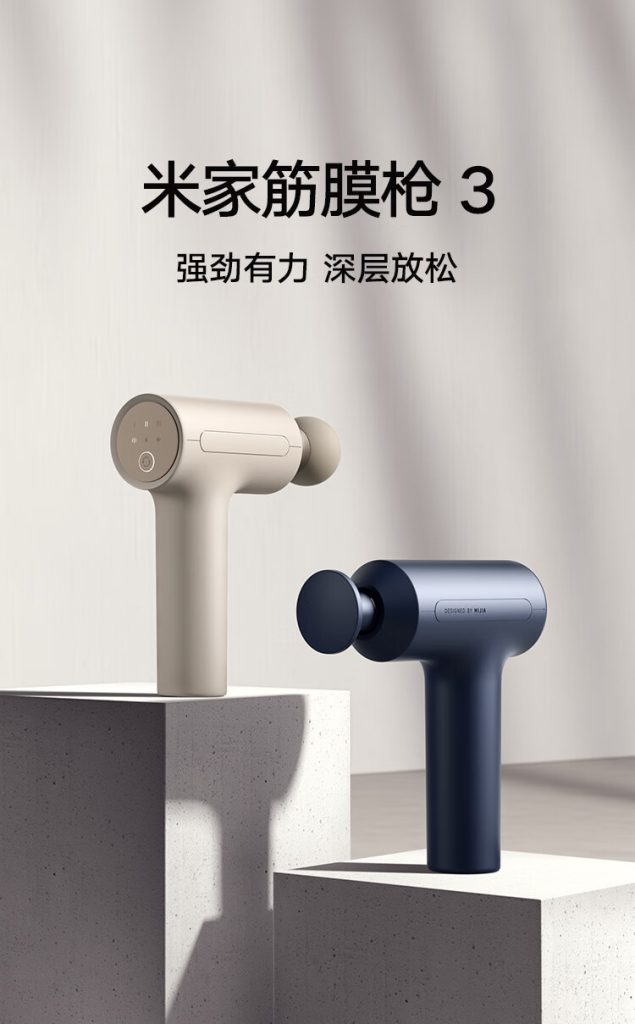
2. Xiaomi Mijia Massage Gun 3
This is a powerful and budget-friendly solution for athletes, fitness enthusiasts, and anyone in need of muscle relaxation. This massager boasts a 38% increase in maximum thrust compared to its predecessor, reaching up to 25kg. This translates to deeper muscle penetration, effectively breaking down lactic acid and promoting faster relief from soreness and fatigue.
The device offers two operational modes: fixed and variable frequency. The fixed mode provides consistent speeds for pre and post-workout relaxation, while the variable mode mimics professional massage techniques for daily muscle recovery. Users can personalize their experience further with multiple massage heads tailored for different muscle groups and needs.
Price: 399 yuan (~$55)
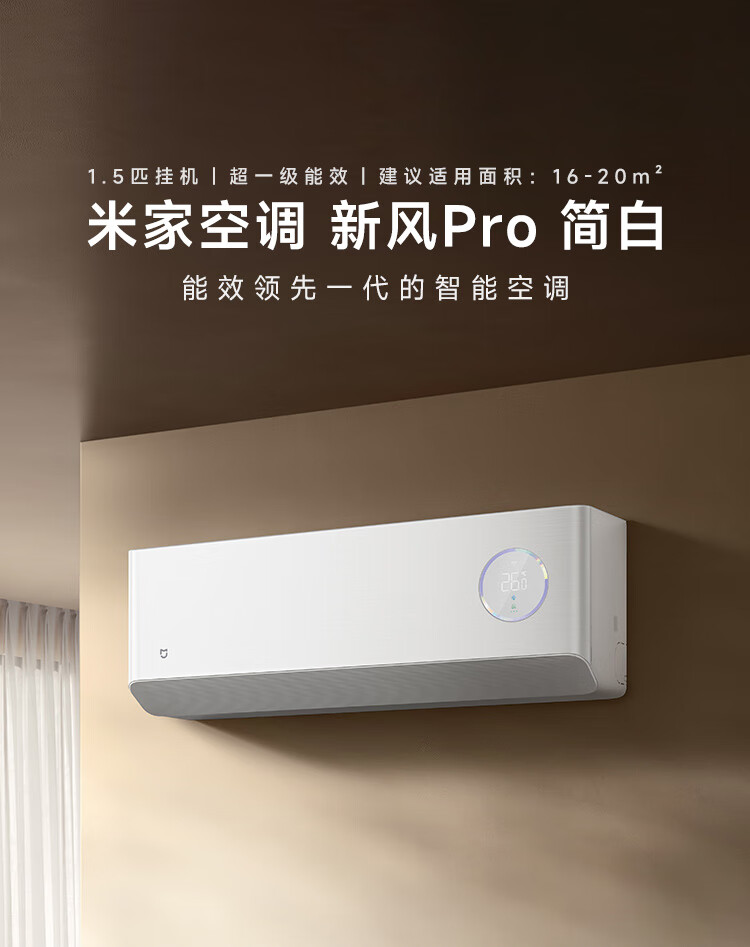
3. Xiaomi Mijia Fresh Air Pro AC
For those looking to stay cool in the summer or warm in the winter, the Mijia Fresh Air Pro AC is a game-changer. This 1.5 HP split unit supports both cooling and heating, with a fast cooling time of just 30 seconds and heating time of only 60 seconds. Its variable frequency drive ensures optimal energy efficiency, making it an eco-friendly option with an APF of 5.65.
With a cooling capacity of 3,520W and a heating capacity of 5,110W, it’s perfect for medium-sized rooms. The Fresh Air Pro also includes a four-layer HEPA filtration system, removing up to 99% of bacteria, viruses, and pollutants. Integrated with Xiaomi’s smart ecosystem, you can control it remotely via the Mi Home app or through voice commands, ensuring a comfortable home environment no matter the weather.
Price: 3,999 yuan ($562)
4. Xiaomi Mijia All-Effect Air Purifier Ultra
When it comes to purifying the air in your home, the Mijia All-Effect Air Purifier Ultra Enhanced Edition is an impressive gadget. This air purifier is built to tackle a wide range of pollutants, from formaldehyde to secondhand smoke, odors, and pet dander. Equipped with a 10-level composite deep purification system and a unique oxygen dissolution layer, it effectively breaks down harmful substances and purifies the air, making it especially beneficial for those living in high-pollution areas.
The purifier also integrates UV sterilization and features a pet-specific filter, making it a great choice for pet owners. Additionally, it seamlessly connects to Xiaomi’s smart ecosystem, allowing you to control it through the Mi Home app and even integrates it with other Xiaomi devices for automated scenarios. With an estimated running cost as low as 0.68 yuan per day, this device is both efficient and cost-effective.
Price: 5799 yuan (~$797)
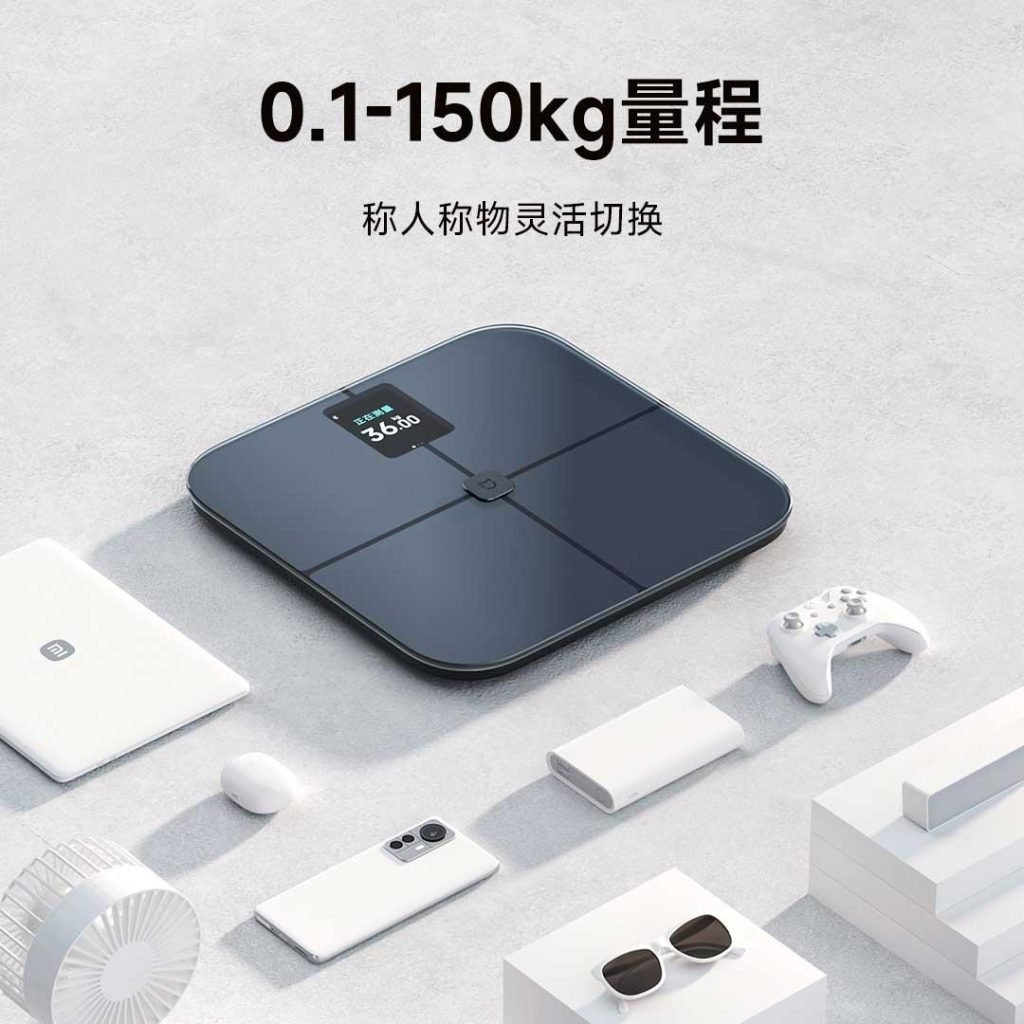
5. Mijia Body Fat Scale S400 Pro
Keep an eye on your health with the Xiaomi Mijia Body Fat Scale S400 Pro. This smart scale utilizes ITO-coated tempered glass instead of the traditional electrode sheet design, offering a larger and more comfortable weighing surface. It measures various body composition metrics, including weight, body fat percentage, heart rate, body water content, protein content, visceral fat level, muscle mass, and more.
The S400 Pro features a 3.5″ color screen for easy data visualization. It connects with the Xiaomi Home app, allowing users to customize settings, track body changes, and receive guidance for healthy weight loss. The scale uses 50kHz and 250kHz high and low dual-frequency bioimpedance measurement technology for accurate results. Powered by 4 AA batteries, it offers a battery life of 150 days with regular use.
Price: 249 yuan ($35)
6. Xiaomi Smart Door Lock M30 Pro
This advanced door lock offers multiple unlocking methods, including 3D structured light face recognition, AI fingerprint recognition, and palmar vein biometrics technology. It features an AI dual-camera panoramic cateye that provides a wide real-time view of outside activities, enhancing your home’s security.
The M30 Pro is designed for convenience, with features like automatic locking and a quiet motor. It also integrates with Xiaomi’s smart home ecosystem, allowing you to control it remotely and set up smart scenarios.
Price: 3,299 yuan ($456)
7. Xiaomi Electric Scooter 4 Pro Max
For those seeking an eco-friendly and convenient way to get around, the Xiaomi Electric Scooter 4 Pro Max is a great option. This foldable scooter features a 400W motor, offering a top speed of 25 kph (16 mph). It also boasts a dual-cylinder suspension, making it ideal for handling uneven terrain, providing a smooth ride.
With a 10.2 Ah battery, the scooter has a range of up to 60 km (37 miles) on a single charge, making it perfect for longer commutes. The scooter’s compact design and foldability ensure that it’s easy to store when not in use, and with safety features like E-ABS and drum brakes, it provides a safe and comfortable ride.
Price: €599.99
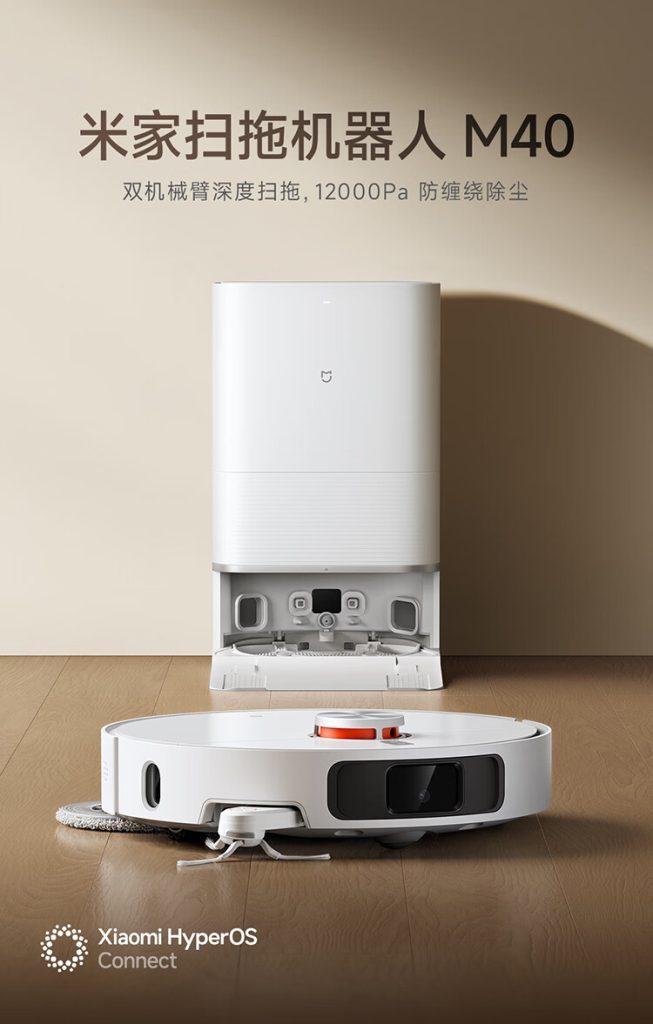
8. Xiaomi Mijia M40 Robot Vacuum
The Mijia M40 is an all-in-one cleaning robot that can sweep, mop, wash, and dry. It’s equipped with a powerful 12,000Pa suction system and features LDS panoramic laser navigation, allowing it to plan its cleaning path efficiently. The robot can handle obstacles up to 20mm in height, making it suitable for all kinds of floors.
It also includes a self-cleaning base with hot water cleaning for the mop, making it more hygienic. The M40 integrates with the Mi Home app, allowing you to schedule cleaning sessions, control the robot remotely, and even customize cleaning preferences for different types of floors.
Price: Standard version: 2999 yuan ($427)
9. Xiaomi Mijia No-Fog Humidifier 3
Dry air can be uncomfortable, especially during winter, but the Mijia No-Fog Humidifier 3 solves that problem with ease. It uses natural evaporation to provide efficient humidification without the visible mist or residue that some other humidifiers leave behind. With a capacity of 6L, it can run for up to 18 hours continuously and is capable of covering large areas.
In addition to its large capacity, the humidifier operates quietly, making it perfect for use during sleep. It also integrates with Xiaomi’s smart ecosystem, allowing you to control it remotely using the Mi Home app or voice commands through Xiao Ai. The antibacterial water tank ensures that the air remains clean, adding to its appeal as a health-conscious device.
Price: 799 yuan ($112)
10. Xiaomi Mijia Smart Blender P1
The Mijia Smart Blender P1 brings high performance and smart technology to your kitchen. With a 35,000 rpm motor and 13-layer noise reduction, this blender is capable of handling everything from smoothies to soups with ease. It integrates with Xiaomi’s smart home ecosystem, allowing you to control it via the Mi Home app.
The blender is compact, making it a space-saver in the kitchen, yet powerful enough to handle tough ingredients. It’s a great addition to any smart home, allowing you to prepare healthy meals with minimal effort.
Price: 279 yuan ($39)
11. Conclusion
Xiaomi’s 2024 lineup brings an exciting range of smart gadgets that cater to various aspects of daily life, from fitness and health tracking to home automation and security. Whether you’re looking for a powerful massage gun, a smart air purifier, or a high-tech home appliance, Xiaomi has something that promises to enhance your lifestyle. With competitive pricing and cutting-edge features, these gadgets are shaping the future of smart living.
Oppo is gearing up to shake up the sub-flagship segment with its upcoming K13 Pro, which is expected to debut sometime in 2025. The smartphone is rumored to feature Qualcomm’s powerful Snapdragon 8 Gen 3 processor, positioning it as a strong contender against competitors like the OnePlus Ace 5 (expected globally as the OnePlus 13R) and Realme GT Neo7. With a super-sized battery and premium upgrades, the “K13 Pro” could redefine Oppo’s K-series lineup.
Oppo K12
Oppo K13 shaping up to be a new contender in the sub-flagship segment
The Oppo K12 series, featuring the mid-range Snapdragon 7 Gen 3 chipset. Now, the K13 Pro is expected to take a significant leap with last year’s flagship Snapdragon 8 Gen 3 chipset, as revealed by renowned leaker Digital Chat Station. The tipster also hints that one of the sub-flagship devices will boast a customized version of the 8 Gen 3 chip.
Beyond raw power, the K13 Pro could also introduce a 6,500mAh battery, a step up from the K12 Plus’s already impressive 6,400mAh capacity. Additionally, it might support wired charging speeds comparable to Oppo’s high-end Find X8 series, which ensures the device remains competitive in the fast-charging race.
With a fierce competition brewing among the Oppo K13 Pro, OnePlus Ace 5, and Realme GT Neo7, the sub-flagship “war” is expected to rival the intensity seen in higher-end models like the OnePlus 13 and Oppo Find X8 Ultra. However, the OnePlus Ace 5 is expected to be the first to make its way to the global market.
The Oppo K13 Pro seems to be a significant improvement over this year’s K12 Plus
The Oppo K12 offers a 5,500mAh battery with 100W charging, a 50MP main camera, an 8MP ultra-wide lens, and a 6.7-inch FHD+ display with 1,100 nits peak brightness. The K12 Plus further refined the formula with a larger 6,400mAh battery, maintaining the same display and processor while adding a slightly heavier build.
However, for those unwilling to wait, the iQOO Neo10 series is set to debut on November 29. The standard and Pro models feature the Snapdragon 8 Gen 3 and Dimensity 9400 chipsets, respectively, paired with the company’s self-developed Q2 gaming chip.
iQOO will debut the Neo10 series on November 29 in China, showcasing an exciting blend of performance and style. Dubbed the “dual-core war god,” the lineup will feature three striking color options: Extreme Shadow Black, Rally Orange, and Chi Guang White. The phones are now open for reservations across all channels.
iQOO has confirmed that the Neo10 Pro model will be powered by MediaTek’s Dimensity 9400 processor, while the standard model will power the Snapdragon 8 Gen 3 chip. Both the phones will also boast the brand’s self-developed Q2 gaming chip. This dual-core approach promises an enhanced gaming experience, delivering features like super-resolution and frame-rate interpolation for smoother visuals.
Reservations are already open
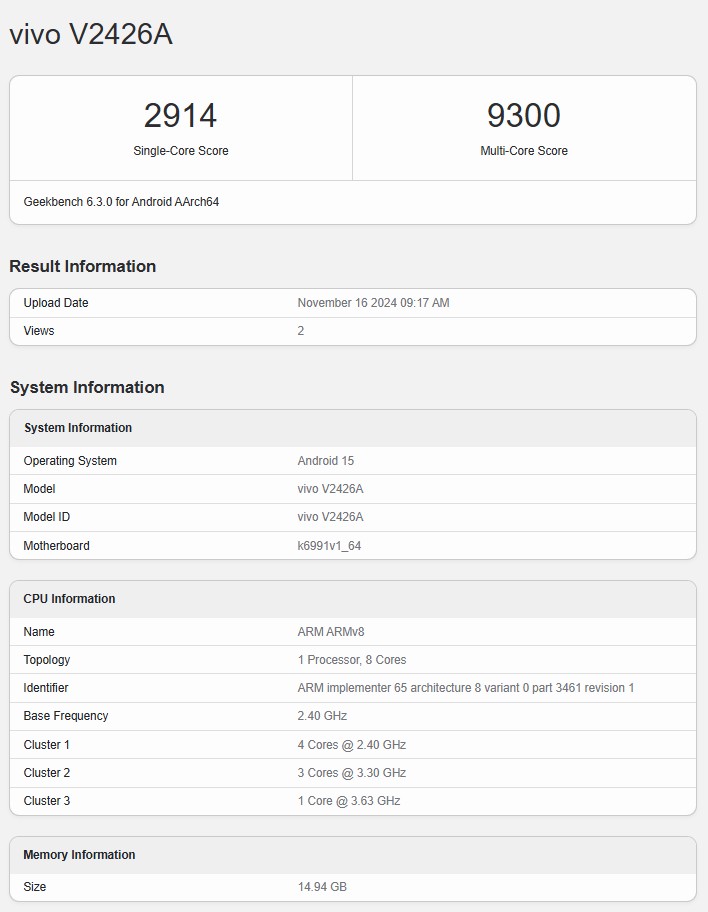
On Geekbench, the Pro variant scored over 2900 in single-core and 9000 in multi-core benchmarks, placing it just below the performance levels of 2024’s flagship devices. The standard model also delivers impressive results, which you can explore in more detail here.
Charging technology also sees a leap forward with support for 120W ultra-fast flash charging. The series includes a 100W PD-compatible charger and adds support for the 100W PPS protocol, ensuring versatility and rapid power delivery. The phones are equipped with a 6100mAh third-generation silicon battery, combining substantial capacity with a sleek 7.99mm body.
Software-wise, the Neo10 series will be the first to run Origin OS 5, which introduces unique gaming features. For instance, its game companion tool provides tactical suggestions based on the user’s lineup, identifies laning heroes, and offers real-time strategic advice during gameplay.
Both the Neo10 and Neo10 Pro models boast 8T LTPO displays, ensuring smooth visuals with adaptive refresh rates. The series is equipped with ultrasonic fingerprint scanners, allowing for a seamless one-swipe entry.
These specifications, combined with a sleek design, cutting-edge software, and a focus on gaming, make the iQOO Neo10 series a compelling option for gamers and tech enthusiasts alike.
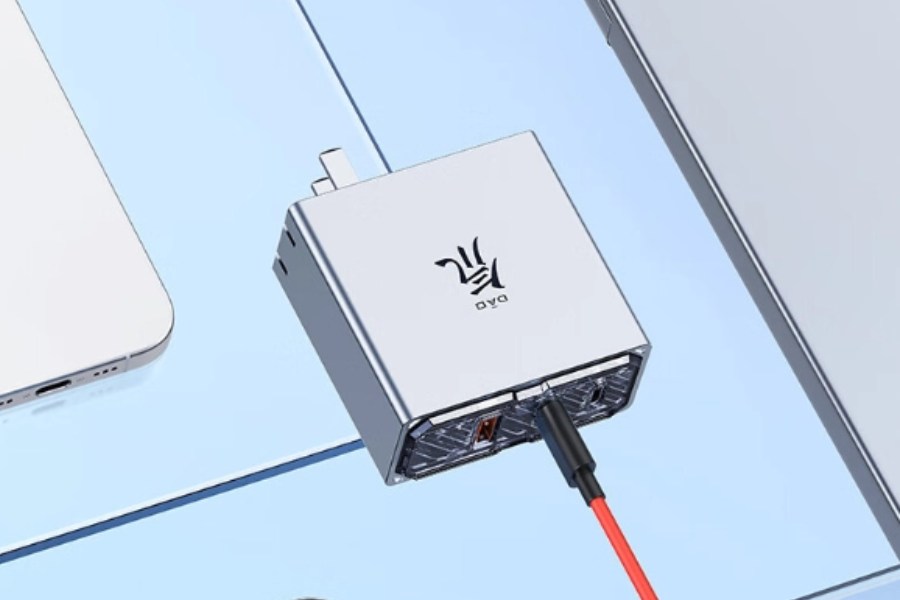
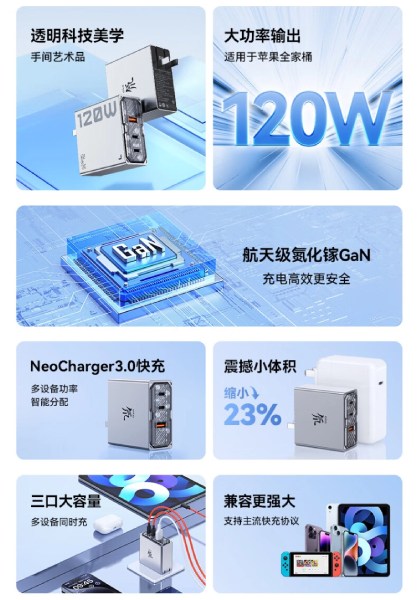
Red Magic, the gaming smartphone brand known for its high-performance devices, has launched a new fast charger, dubbed the Red Magic Deuterium Front Energy Block in China.
It is a three-port gallium nitride (GaN) charger that boasts a maximum power output of 120W and caters not just to Red Magic phones but also the “entire Apple family bucket,” as the company phrased it. So let’s go through its specifications, features, and price in this article.
Red Magic Deuterium Front Energy 120W charger specifications
The Red Magic Deuterium Front Energy Block features a foldable two-pin connector with a sleek silver finish. Red Magic states that this charger is 23% smaller than standard models. Its single USB-C port delivers up to 100W of power, while Red Magic devices can tap into the full 120W capacity.
With its advanced Neocharger 3.0 technology, the charger intelligently distributes power. It identifies connected devices and adjusts output for efficient charging, ensuring optimal performance across smartphones, tablets, and laptops.
Here’s a breakdown of the charger’s power distribution capabilities:
Dual Port (C1+C2): 60W+60W or 45W+45W (total max 120W)
Dual Port (C1/C2) + USB-A: 65W+18W (total max 83W)
Triple Port (C1+C2+USB-A): 60W+40W+18W or 60W+20W+18W (total max 118W)
The USB-A port provides 18W of power, which is ideal for topping up accessories or older devices. The set includes a 6A 120W dual Type-C data cable for convenience. The charger has a polycarbonate build, weighs 230g, and has dimensions of 68mm x 68mm x 31mm.
Price and Availability
The Red Magic Deuterium Front Energy Block offers competitive pricing. It costs 149 yuan (around USD 21.40), with an introductory price of 139 yuan (about USD 20.10). The pricing places it as a mid-range option in the growing GaN charger market.
Just ahead of its official unveiling, the Nubia Z70 Ultra has surfaced on Geekbench, flexing some impressive benchmark scores. The phone, which will join the ranks of other Snapdragon 8 Elite flagships, achieves some of the highest scores in its category.
The Geekbench listing, with the model number “NX736J,” shows the Z70 Ultra scoring 3203 in single-core and 10260 in multi-core performance. It also features 16GB of RAM and runs Android 15 straight out of the box.
Nubia has not confirmed if the Z70 Ultra includes a stronger cooling system than its predecessor. However, the company recently teased that its Snapdragon 8 Elite is optimized for “supreme performance.” Beyond the processor, confirmed features also include LPDDR5X RAM and UFS 4.0 storage.
What we know so far
The Z70 Ultra appears to be an evolution of the Z60 Ultra Leading Version, with some notable tweaks. The primary camera gets a new spot at the top left corner, with the ultra-wide sensor taking the former telephoto lens position.
Speaking of the telephoto lens, its housing appears significantly slimmer despite boasting a periscope lens and a whopping 100x digital zoom.
It’s not just about the looks, though. Nubia has been heavily teasing the phone’s software features. AI is apparently at the forefront, with tools like time management aids, keyboard-free interaction, and a seemingly industry-first real-time translation for WeChat calls.
The phone also hints at a more integrated future with “vehicle-machine interaction” and advanced algorithms inspired by tech giants such as Tesla and Apple. It even teases touch-based interaction features, though details remain under wraps.
The display is another highlight. The Z70 Ultra boasts a 1.5K resolution with a generous 6.85-inch size, a smooth 144Hz refresh rate, and a peak brightness of 2000 nits. Add to that a pixel density of 430 PPI and ultra-thin 1.25mm bezels for an immersive viewing experience.
There’s also an Independent Pixel Driver and AI Transparency Algorithm 7.0, supposedly to improve light transmittance for a clearer view. Durability-wise, the phone is expected to be IP68 and IP69 water and dust-resistant.
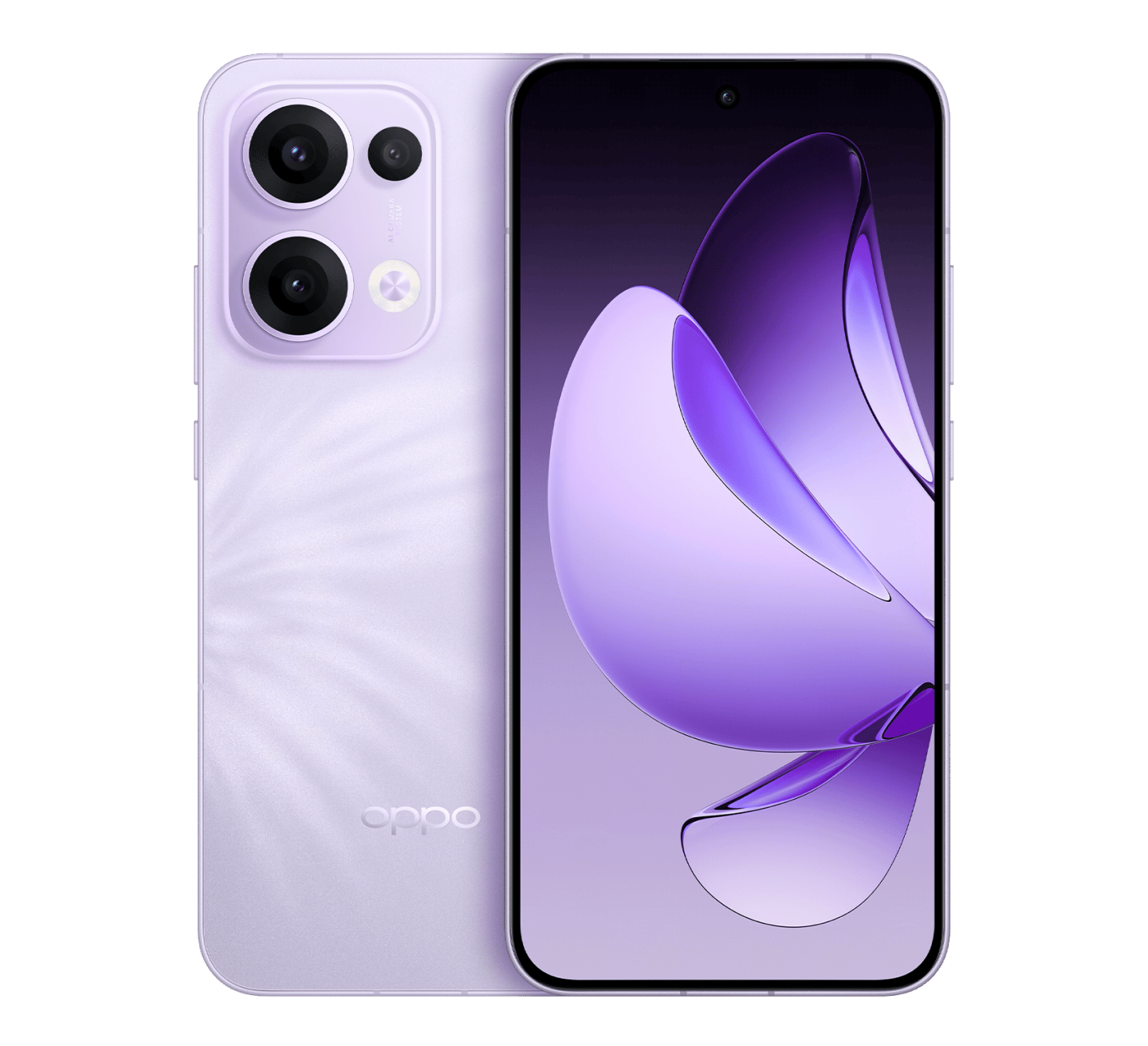
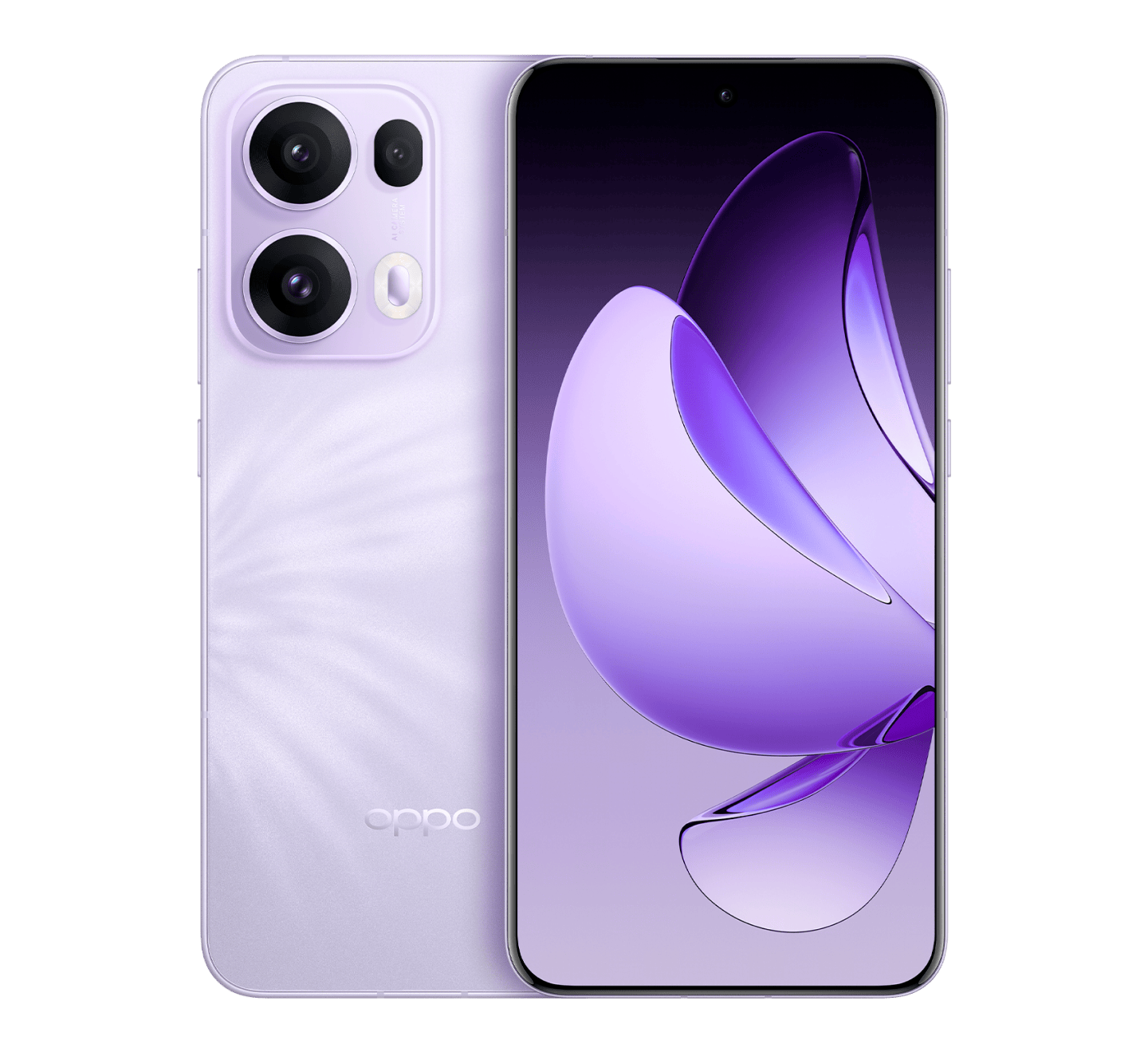
Oppo recently confirmed that the Reno 13 series of smartphones will be unveiled on Nov. 25 in China. The Reno 13 lineup has been available for pre-orders through Oppo China’s website and other online channels. However, the official listings did not reveal anything about the Reno 13 or the Reno 13 Pro. The updated listings of both phones have confirmed the design and configurations of both smartphones.
Oppo Reno 13, Reno 13 Pro design, key details confirmed
Shown above is the Butterfly Purple color variant of the Reno 13 and Reno 13 Pro. Both phones feature a display with slim bezels on the front. To be precise, the Reno 13 Pro has a micro-quad-curved display with slimmer bezels, whereas the standard version has a completely flat screen with compartively thicker bezels. According to reports, the Reno 13 will feature a 6.59-inch screen, while the Pro model will boast a larger 6.83-inch display.
The rear designs of the Reno 13 and 13 Pro are almost identical. The Pro edition features an oblong design for the third camera and the LED flash unit. According to reports, the Reno 13 Pro will come with a 50-megapixel main camera, an 8-megapixel ultra-wide lens, and a 50-megapixel telephoto or periscope telephoto camera. The camera configurations of the standard model are not known yet. However, both phones are expected to feature a 50-megapixel front-facing camera.
The Reno 13 Pro has already appeared on Geekbench with the Dimensity 8300. However, reports have claimed that the device will be equipped with the newer Dimensity 8350 chipset, which will have the same core architecture as the D8300 with some other changes. There is no information about the chipset that powers the Reno 13.
Reno 13 series color options
The Reno 13 and 13 Pro will be available in multiple configurations, such as 12GB+256GB, 12GB+512GB, 16GB+512GB, and 16GB+1TB. The standard model will also come in 16GB+256GB edition. Both phones will come in Midnight Black and Butterfly Purple shades. The Reno 13 will also come in Galaxy Blue, whereas the Reno 13 Pro will be available in Starlight Pink.
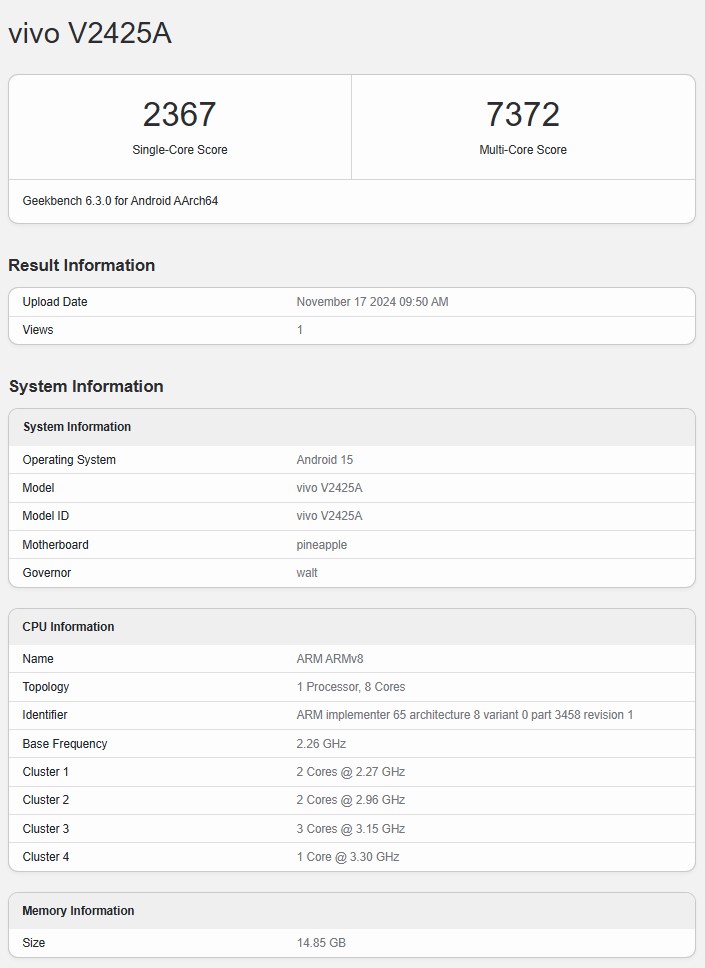
Recently, two Vivo phones with model numbers V2425A and V2426A were approved by Chinese certification platforms, such as 3C and MIIT. According to reports, the two devices are part of the iQOO Neo 10 series, set to make its debut by the end of this month. Both devices have also appeared on Geekbench to confirm the chipsets and other specs. Here’s a look at the details that have emerged through the Geekbench listings.
iQOO Neo 10, Neo 10 Pro Geekbench listings spotted
iQOO Neo 10 Geekbench listingiQOO Neo 10 Pro Geekbench listing
The screenshots above reveal no explicit names for the chipsets powering the V2425A and V2426A. However, the available CPU and GPU details are sufficient to confirm that the V2425A features the Snapdragon 8 Gen 3 chipset, whereas the V2426A has the Dimensity 9400.
Therefore, it can be said that the V2425A is the iQOO Neo 10, whereas the V2426 is its Pro sibling. Both devices have 16 GB of RAM and Android 15, as per their Geekbench listings. While the Snapdragon 8 Gen 3 is the chipset from last year, the D9400 is a brand-new chip that was previously seen powering the Vivo X200 series, which made its debut in October in China.
iQOO Neo 10 series
According to rumors, the iQOO Neo 10 will feature a 50-megapixel + 8-megapixel dual-camera system, while the Pro model will flaunt a 50-megapixel + 50-megapixel dual-camera setup. For security, the standard model is expected to feature an optical in-screen fingerprint sensor, whereas the Pro edition is expected to arrive with an ultrasonic in-display fingerprint sensor.
The iQOO Neo 10 and Neo 10 Pro will have a 6.78-inch OLED panel that offers a 1.5K resolution, a 144Hz refresh rate, and the Q2 supercomputing chip for an enhanced gaming experience. Both phones will have a 6,100mAh battery with 120W fast charging support. The series is expected to arrive with up to 16 GB of LPDDR5x RAM and up to 1 TB of UFS 4.0 storage.
Earlier this month, three new Xiaomi phones with model numbers were spotted in the database of China’s 3C certification platform. These include 24122RKC7C, 24127RK2CC, and 24127RK2CC. The third model’s moniker remains unknown, but the Redmi K80 series is believed to include the remaining two. In a new development, the 24122RKC7C device has emerged in Geekbench’s database, revealing its chipset, RAM, and OS version.
Redmi K80 Pro appears with Snapdragon 8 Elite on Geekbench
Redmi K80 Pro Geekbench listing
The Snapdragon 8 Elite chipset powers the 24122RKC7C phone, as confirmed by the CPU and GPU details mentioned in the Geekbench listing. Thus, it is likely the Redmi K80 Pro. The Geekbench listing further reveals that the device has 16 GB of RAM and runs Android 15. The company has already revealed that the has secured a whopping score of over 3 million on AnTuTu benchmarks.
Last year, the Realme GT 5 Pro and Redmi K70 Pro came equipped with the Snapdragon 8 Gen 3 chipset. The base model of both phones offered 12 GB of RAM and 256 GB of storage. The GT 5 Pro retailed for 3,499 Yuan (~$485), while the Redmi K70 Pro cost 3,299 Yuan (~$456).
Redmi K80 Pro – Most affordable Snapdragon 8 Elite phone?
At present, the Realme GT 7 Pro, with a starting price of 3,699 Yuan (~$510) is the most affordable Snapdragon 8 Elite phone. The K80 Pro may undercut the GT 7 Pro by arriving with a starting price of around 3,499 Yuan (~$485). Therefore, the K80 Pro could become the most affordable Snapdragon 8 Elite phone. Like its predecessor, the K80 Pro is likely to remain confined to the Chinese market. However, speculation suggests it will be rebranded as the Poco F7 Ultra for the global market in the first half of 2025.
Redmi K80 Pro specifications (rumored)
As far as other specs are concerned, the Redmi K80 Pro is expected to arrive with a 2K OLED panel that offers a 2K resolution, a 120Hz refresh rate, and an ultrasonic in-screen fingerprint scanner. The device may arrive with up to 16 GB of RAM and 1 TB of storage. It may pack a 6,000mAh battery with 120W wired and 50W wireless charging support. For photography, it may feature a 20-megapixel front camera, and a 50-megapixel (main, OIS) + 32-megapixel (ultrawide) + 50-megapixel (telephoto, 2.6x zoom) triple camera setup. It is expected to come with other features, such as Hyper OS 2, Dragon Crystal Glass build, a metal middle frame, and an IP68-rated chassis.
We use cookies on our website to give you the most relevant experience by remembering your preferences and repeat visits. By clicking “Accept”, you consent to the use of ALL the cookies.
This website uses cookies to improve your experience while you navigate through the website. Out of these, the cookies that are categorized as necessary are stored on your browser as they are essential for the working of basic functionalities of the website. We also use third-party cookies that help us analyze and understand how you use this website. These cookies will be stored in your browser only with your consent. You also have the option to opt-out of these cookies. But opting out of some of these cookies may affect your browsing experience.
Necessary cookies are absolutely essential for the website to function properly. This category only includes cookies that ensures basic functionalities and security features of the website. These cookies do not store any personal information.
Any cookies that may not be particularly necessary for the website to function and is used specifically to collect user personal data via analytics, ads, other embedded contents are termed as non-necessary cookies. It is mandatory to procure user consent prior to running these cookies on your website.