Advertisement

Tecno Spark 50 5G teaser shows off a refreshed design

Tecno seems ready to update its budget lineup again. The company has shared a teaser for the Spark 50 5G on Instagram, giving a small preview of the phone while hinting that the launch isn’t too far away.

The teaser doesn’t show the full device, just a corner of the back, but it’s enough to suggest a design shift. The camera module appears to be laid out horizontally on a slightly raised platform. It’s a small change, but it does make the phone look a bit more refined than the earlier Spark models.

What stands out more, though, is the move to 5G. The Spark 40 series mostly stayed in the 4G space, using Helio G-series chips. Only the Tecno Spark Go, sold globally as the Spark 40 5G, offered faster connectivity with the Dimensity 6400 chip. With the Spark 50 5G, Tecno seems to be taking a more direct step into that space. For buyers in India and similar markets, where 5G is slowly becoming standard even in cheaper phones, that shift actually matters.

Some early details have already started floating around. The phone is expected to come with a fairly large battery, somewhere between 6,150mAh and 6,500mAh depending on the version. It should translate to solid, all-day usage.

Memory options are said to range from 4GB to 8GB RAM, with storage going up to 256GB. Nothing unusual there, but it does give buyers a bit of flexibility depending on budget.

The chipset is still unclear, which is probably the one missing piece right now. That will ultimately decide how well the phone handles everyday tasks.

For now, the Spark 50 5G looks like a straightforward upgrade over last year’s Spark 40 4G. Not a huge leap, but the kind of update that makes sense. The launch is expected around March 27, so we shouldn’t have to wait long for the full picture.

Don’t miss a thing! Join our Telegram community for instant updates and grab our free daily newsletter for the best tech stories!

For more daily updates, please visit our News Section.

(Source)

HyperOS 3.1 global beta rollout begins for these Xiaomi devices

Xiaomi HyperOS 3.1 global beta rollout

Xiaomi is already rolling out the stable version of HyperOS 3.1 in China, and now the focus is shifting to the global market as the company has just begun rolling out the HyperOS 3.1 global beta for the initial batch of devices.

The initial Mi Pilot rollout of HyperOS 3.1 is currently restricted to the latest flagship smartphones, as reported by Xiaomi Time. Here’s the list of those devices and the firmware versions:

  • Xiaomi 17 Ultra (EEA): OS3.0.301.3.WPAEUXM
  • Xiaomi 17 (Global): OS3.0.300.7.WPCMIXM

The list is too short for now, as the global beta rollout has just gone live. However, it will keep getting bigger as Xiaomi pushes the beta to more devices over the coming days and weeks.

If your device is on the list and you belong to a beta-supported region, sign up to become a beta tester to get early access to the latest features and upgrades. We’ve included all the steps towards the end of the article.

Unlike HyperOS 3.0, there’s no Android 15 version of HyperOS 3.1. That means it’ll only reach Xiaomi, Redmi, and POCO devices that are already running Android 16. You can check the complete list of eligible devices and new features here.

How to sign up to become a HyperOS Mi Pilot tester?

Keep in mind that beta builds are prone to having bugs and unfinished features. Hence, it’s best to back up your important data before installing a beta build. The best route is to install them on a secondary device.

Step 1: Download the Mi Community app and create an account.

Step 2: Make sure the region is set to “Global”. To change the current region, tap ME in the bottom-right corner and go to Set up > Change region.

Step 3: Select the beta program available for your device and click the Apply button.

Step 4: Tap the Answer button and submit your responses. Aim for at least 60 points for greater chances of being selected for the beta program.

Step 5: Click Apply and then Apply again to submit your application.

Step 6: Wait for the approval (it may take up to seven days). Go to the Mi Community app > ME > Beta testing to check the status.

Step 7: Once your application is approved, go to Settings > About phone and tap the HyperOS version to check for updates.

To ensure you don’t miss out on the latest HyperOS stories, remember to visit the Xiaomi section on this website regularly. Alternatively, you can join us on Telegram to get instant notifications about the latest HyperOS updates, along with the biggest tech headlines.

Oppo Find X9 Ultra will support native 10x “optical” zoom, here are first camera samples

Oppo is gearing up to unveil the Find X9 Ultra next month, and the phone has already entered its pre-launch phase. As part of the buildup, the company has started sharing early details about its hardware.

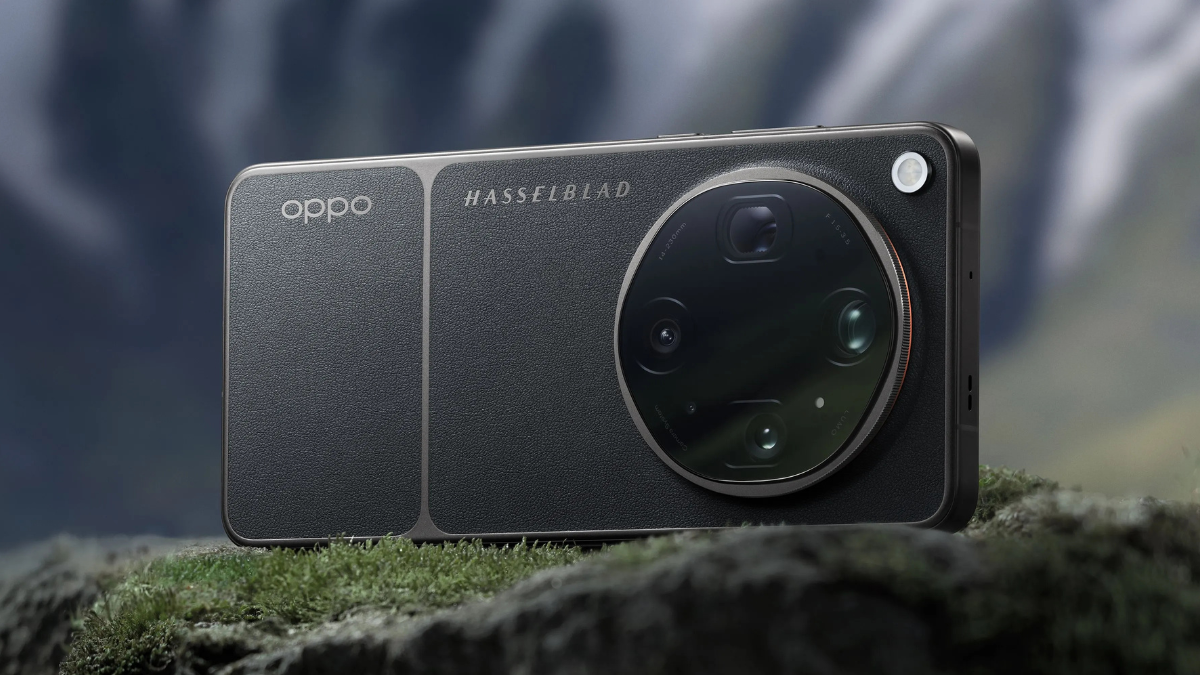
The latest reveal focuses on the camera. Oppo confirmed today that the Find X9 Ultra will feature a new Hasselblad-branded 10x optical telephoto lens. The company describes the setup in unusually direct terms, comparing it to “putting a teleconverter inside a smartphone.

On paper, the system supports native 10x optical zoom, 20x “optical quality” zoom, and up to 120x digital zoom. 

Zhuo Shijie, who leads the Find series, says this is a technical milestone. He says that while smartphone makers have steadily improved zoom over the years, fitting a true 10x optical system into a thin and light body hasn’t really been done before. 

Oppo is crossing that line with Find X9 Ultra.

How Oppo is fitting a 10x optical zoom telephoto in Find X9 Ultra?

To make this possible, the company is using a new periscope design built around what it calls a five-reflection architecture. Oppo says this architecture helps achieve an equivalent focal length of 460mm, while still keeping the phone relatively slim. 

There’s also a fair amount of engineering behind the scenes. Oppo says it developed a way to precisely cut the internal prism at a nanometer scale, creating an “ultra-high purity air aperture.” This lets cleaner light pass through while reducing stray light that can degrade image quality.

On the manufacturing side, Oppo is using something called Active Optical Alignment (AOA). This process dynamically adjusts the position of the lens and sensor during production, followed by multiple rounds of calibration. This way, each unit performs closer to lab conditions rather than varying from device to device.

The camera system is paired with a custom 50-megapixel sensor and Oppo’s LUMO imaging engine. Together, they’re meant to handle high-resolution shots at long distances, while also improving dynamic range. The company also says it has tuned the microlens and color filters specifically for telephoto use.

Don’t miss a thing! Join our Telegram community for instant updates and grab our free daily newsletter for the best tech stories!

For more daily updates, please visit our News Section.

Galaxy Z Fold 8 specs summarized: combination of upgrades and refinement fans would appreciate

Samsung’s next book-style foldable is already starting to show up in leaks. A new tip from a known source on X gives us an early look at what Samsung might be planning for its 2026 foldable refresh.

Galaxy Z Fold 7

If the timeline holds, the Galaxy Z Fold 8 is expected to launch around July 2026, roughly a year after the Fold 7. The device is said to feature an 8-inch inner folding display paired with a 6.5-inch cover screen, both supporting 120Hz refresh rates. Samsung is also reportedly working on improving durability this time.

The main screen could use a dual-layer ultra-thin glass design, along with a laser-drilled metal support plate underneath. In simple terms, that should help with strength and possibly reduce the visibility of the crease. The design itself might get some attention too. Early details suggest the Fold 8 will be thinner and lighter than before.

On the performance side, Samsung is tipped to use the Snapdragon 8 Elite Gen 5 for Galaxy chipset. Memory options could go up to 16GB RAM, with storage ranging from 256GB to 1TB. There’s also mention of a vapor chamber cooling system, something the Galaxy Z Fold 7 lacks. Paired with the new chipset, this should help improve sustained performance compared to the Fold 7.

Camera details are a bit mixed, but the latest leak points to a 200MP main sensor, backed by a 50MP ultrawide and a 10MP telephoto with 3x zoom. That setup sounds solid on paper, though it doesn’t fully line up with some earlier reports about a telephoto upgrade.

Battery life might see a noticeable boost. The Fold 8 is finally expected to move beyond the 4,400mAh mark and has also appeared in the 3C certification database, hinting at a charging upgrade.

Of course, these are still early leaks, so things can change. But if this direction holds, Samsung seems focused on refining the experience rather than reinventing it this year.

Don’t miss a thing! Join our Telegram community for instant updates and grab our free daily newsletter for the best tech stories!

For more daily updates, please visit our News Section.

(Source)

OnePlus is working on a gaming handheld console with a different take on controls

While OnePlus is preparing to unveil the OnePlus 15T at an event today, a separate leak suggests the company may already be thinking beyond smartphones and into handheld gaming.

According to tipster Digital Chat Station, a major smartphone manufacturer is currently working on an “Android handheld console.” The leak doesn’t explicitly name the brand, but online discussions and context suggest OnePlus could be behind the project.

OnePlus’ rumored handheld console will be touchscreen first

What makes this rumored device interesting is how it reportedly rethinks the idea of a handheld console. Instead of relying on physical buttons, joysticks, or controller layouts, the rumored product is said to focus on a new kind of interaction system. 

The device is said to be touchscreen first, in a way that improves multi-finger responsiveness, touch accuracy, and latency, especially for fast-paced first-person shooter (FPS) games.

AYANEO Air handheld console
Ayaneo Air

It’s certainly an innovative way of thinking about how a handheld can be built. Rather than simply attaching controls to a phone or building a console with Android, the device may try to merge the strengths of both.

The leak also mentions system-level optimization, flagship-grade performance tuning, and a high refresh rate display support for games like Delta Force and PUBG Mobile. 

It’s worth noting that the related reports mention that, given the continued rise in storage costs, many manufacturers are trying to expand into new product lines to find growth opportunities. For example, Vivo is said to be working on a gimbal camera like the DJI Osmo Pocket.

Currently, details regarding the specific configuration and release date of this “Android handheld console” are under wraps. However, judging from its direction, this product may become an important attempt for mobile phone manufacturers to enter the gaming hardware field.

For more daily updates, please visit our News Section.

Don’t miss a thing! Join our Telegram community for instant updates and grab our free daily newsletter for the best tech stories!

(Source)

Apple confirms WWDC 2026 dates, focus on iOS 27 and Apple Intelligence

Apple has officially confirmed the dates for its next Worldwide Developers Conference, or WWDC 2026, and it’s shaping up to be a packed week for software announcements. The company shared the details on March 23, setting expectations for updates across its entire ecosystem, with a strong focus on AI this time.

WWDC 2026 will run from Monday, June 8 to Friday, June 12. Like recent years, it will follow a hybrid format. Most of the event will be free to stream online, so developers anywhere can tune in without paying. Apple will also host a smaller in-person experience at Apple Park in Cupertino for selected developers and Swift Student Challenge winners.

The keynote, where all the big announcements happen, is scheduled for June 8 at 10:00 am PT, which is 10:30 pm IST. It will be streamed across Apple’s website, YouTube, and the Apple Developer app.

As expected, the spotlight is on software. Apple is preparing to unveil iOS 27, iPadOS 27, macOS 27, watchOS 27, tvOS 27, and visionOS 27. Alongside these, the company will host more than 100 sessions, labs, and developer-focused events throughout the week.

One of the biggest talking points is Apple Intelligence. Apple is expected to push deeper into on-device AI, with improvements to Siri being a key highlight. The assistant is rumored to become more context-aware and better integrated across apps. There are also reports suggesting Apple may lean on Google’s Gemini models to power some of these upgrades.

iOS 27 might not be about flashy changes. According to Bloomberg’s Mark Gurman, Apple is taking a more stability-focused approach this year. That likely means fewer visual changes and more effort on bug fixes and overall reliability.

So while there’s no new hardware expected, WWDC 2026 could still be important. If Apple gets the balance right, this might be the update cycle where things simply start working better again.

Don’t miss a thing! Join our Telegram community for instant updates and grab our free daily newsletter for the best tech stories!

For more daily updates, please visit our News Section.

(Source: Apple)

Galaxy S27 Ultra could skip AES-based S Pen upgrade after all

Samsung’s S Pen has been a core part of its flagship identity for well over a decade, especially on the Galaxy Ultra lineup. Previously, expectations were high that the Galaxy S27 Ultra might finally bring a major upgrade to the stylus. But if a new report is anything to go by, that upgrade isn’t happening just yet.

According to Korean outlet ETNews, Samsung had been testing a completely new S Pen technology for the S27 Ultra. However, the company has decided to hold it back for now. That means the phone is likely to stick with the same Electromagnetic Resonance (EMR) system it has used for years.

For context, EMR is what allows the S Pen to work without a battery. The phone’s display includes a dedicated digitizer layer that tracks the pen with impressive precision. However, this system relies on a magnetic field, which can be affected by built-in magnets or even magnetic accessories.

The alternative, Active Electrostatic (AES), takes a different approach. It removes the digitizer layer and instead relies on a battery-powered stylus interacting directly with the touchscreen, a method also used by Apple Pencil. Since AES doesn’t rely on magnetism for tracking, strong alignment magnets inside the phone should not significantly affect its performance.

This could finally allow Samsung to build magnets directly into the phone without interfering with S Pen functionality, something older Galaxy S flagships have struggled with when used alongside magnetic cases.

Interestingly, Samsung was reportedly working on a hybrid solution that aimed to combine both approaches. The idea was to remove the digitizer layer while still keeping the pen battery-free.

For now, it looks like Samsung is playing it safe. The S27 Ultra may not bring a big S Pen overhaul, but a more meaningful upgrade is clearly in the works, just not ready yet.

Don’t miss a thing! Join our Telegram community for instant updates and grab our free daily newsletter for the best tech stories!

For more daily updates, please visit our News Section.

(Source)

Huawei Mate 80 Pro Max Wind Edition launched with built-in cooling fan and 1200 tiny ventilation holes

Huawei has introduced the Mate 80 Pro Max Wind Edition, a variant of its top-end model that adds active cooling into the mix. Instead of relying only on passive heat dissipation, this version includes a small built-in fan aimed at keeping performance stable during longer gaming sessions or heavy workloads.

The fan itself sits inside a redesigned camera module. The circular bump is larger than the standard version, and Huawei has added over 1200 tiny ventilation holes along the lower half. Inside, there are thermal bending fins that help guide airflow more efficiently. It’s not just a fixed-speed system either. The fan adjusts based on what you’re doing, spinning up during demanding tasks and easing off when things are lighter, so it doesn’t stay noisy all the time.

Apart from that, the phone is mostly familiar. You still get the same premium metal build, paired with second-gen Kunlun glass for durability. The display is a 6.9-inch dual-layer OLED with LTPO support, scaling from 1Hz to 120Hz, along with 144Hz PWM dimming and a 300Hz touch sampling rate. Peak brightness goes up to 8000 nits in HDR, which sounds excessive, but should help outdoors.

Under the hood, it runs on the Kirin 9030 Pro, tuned for HarmonyOS 6. Day-to-day performance should feel fast, and Huawei is also highlighting features like satellite messaging and improved network speeds.

There’s a 50MP main sensor with variable aperture, a 40MP ultra-wide, and a 50MP telephoto with macro support. On the front, a 13MP ultra-wide camera is paired with a 3D depth sensor.

The phone packs a 6000mAh battery with 100W charging, and it comes with 16GB RAM as standard. Pricing in China starts at 8499 yuan for the 512GB model and goes up to 9499 yuan for 1TB.

It’s a niche idea, but not a pointless one. If Huawei can keep thermals in check without adding too much bulk or noise, this could actually make a difference in sustained performance, which is where most phones still struggle a bit.

Don’t miss a thing! Join our Telegram community for instant updates and grab our free daily newsletter for the best tech stories!

For more daily updates, please visit our News Section.

(Image)

ASUS ExpertCenter PN55 Mini PC Announced with Ryzen AI 400 Series CPUs and 96GB RAM

ASUS has introduced the ExpertCenter PN55 Mini PC, a compact desktop focused on AI workloads and business use. It is positioned as a Copilot+ PC and runs on AMD’s Ryzen AI 400 Series processors with an XDNA 2 NPU delivering up to 55 AI TOPS.

ASUS ExpertCenter PN55 Mini PC

The lineup includes multiple processor options. At the top is the Ryzen AI 9 HX 470 with a 45W cTDP. Other options include Ryzen AI 9 465, Ryzen AI 7 PRO 450, Ryzen AI 7 450, Ryzen AI 7 445, Ryzen AI 5 PRO 440, Ryzen AI 5 435, and Ryzen AI 5 430, most with a 40W cTDP. Graphics are integrated and vary by configuration. The Ryzen AI 9 HX 470 uses Radeon 890M, the Ryzen AI 9 465 uses Radeon 880M, the Ryzen AI 7 PRO 450 and Ryzen AI 7 450 use Radeon 860M, and the remaining models use Radeon 840M graphics.

The system supports up to 96GB of DDR5 memory through two SO-DIMM slots running at 5600MHz, with configurations starting at 8GB, 16GB, or 32GB. Storage is handled by two M.2 2280 PCIe Gen4x4 slots, supporting NVMe SSDs from 256GB to 2TB. ASUS will also offer a kit version without pre-installed memory or storage.

ASUS is focusing on AI-assisted features supported by the NPU and CPU. These include live captions for multilingual meetings, AI-based image and content generation, and system-level recall for searching previously accessed files. A Copilot key and voice command support are included for interacting with these features.

Connectivity includes Wi-Fi 7 with the MT7925 module or Wi-Fi 6E with the MT7922 module, along with Bluetooth 5.4. Wired networking is handled by dual 2.5G LAN ports using the RTL8125BG controller. The system can drive up to four 4K displays through HDMI 2.1, two DisplayPort 1.4 outputs, and USB4 with DisplayPort 2.1 support and 40Gbps bandwidth.

Port selection is spread across the chassis. The front includes a power button, one USB 3.2 Gen2 Type-C port at 10Gbps, two USB 3.2 Gen2 Type-A ports at 10Gbps, and a 3.5mm audio jack. The rear includes one USB4 port with 100W power delivery input, one USB 3.2 Gen2 Type-A port, one USB 2.0 Type-A port, HDMI 2.1, two DisplayPort 1.4 ports, two 2.5G LAN ports, and a DC-in connector. A Kensington lock slot is placed on the side.

Security features include a fingerprint sensor on the chassis and support for fTPM 2.0 or an onboard TPM module. Select models also include AMD PRO technologies for hardware-level security and remote management.

The PN55 uses an aluminum chassis with a tool-less design for easy upgrades. It measures 130 x 130 x 34mm and weighs 530g. It also supports VESA mounting for fixed installations.

ASUS says the system meets MIL-STD-810H durability standards and is designed for continuous use in office setups, digital signage, and general workstation tasks.

MAINGEAR Unveils Crimson Desert Gaming PC with Ryzen 9 9850X3D, Limited to 30 Units

MAINGEAR has announced a limited-run desktop tied to the release of Crimson Desert, the upcoming open-world title from Pearl Abyss. The system, called the Rush Crimson Desert Limited Edition PC, will be produced in 30 units. Orders will remain open until April 2 or until all units are sold.

Maingear Crimson Desert prebuilt PC

The PC is built around MAINGEAR’s RUSH mid-tower chassis, which features custom artwork based on the game’s setting and characters, including Kliff and the Greymanes. The design reflects the visual style of the game’s world, Pywel.

In terms of hardware, the system uses AMD’s Ryzen 9 9850X3D processor along with a Sapphire Nitro+ edition Radeon RX 9070 XT graphics card. The GPU carries a custom design created for this collaboration. The configuration targets high-end gaming workloads such as large environments, dynamic lighting, and heavy combat scenes.

The rest of the specifications include 64GB of DDR5 memory at 6000MT/s in a 2x32GB setup and a 2TB T-Force A440 Gen4 M.2 NVMe SSD. The system is built on an ASRock Phantom Gaming X870E Nova WiFi motherboard and uses an MSI 850W power supply.

Cooling is handled by a 360mm AIO liquid cooler from MAINGEAR, supported by three 120mm RGB intake fans. The system also includes Wi-Fi 7 support and ships with Windows 11 Home pre-installed.

MAINGEAR says each unit is assembled by a single technician at its facility in Warren, New Jersey, and undergoes thermal and stability testing before shipping. The system also includes a Crimson Desert Deluxe Edition game code.

The Rush Crimson Desert Limited Edition PC is priced at $4,499 and will be available exclusively through MAINGEAR’s website. Only 30 units are planned, with no additional production expected after the initial batch sells out.

For more daily updates, please visit our News Section.

Stay ahead in tech! Join our Telegram community and sign up for our daily newsletter of top stories!

Edifier launches Hecate G3 Max gaming headset with THX Spatial Audio & 227h battery

Edifier has launched the Hecate G3 Max, a wireless over-ear gaming headset priced at 299 yuan (approximately $43). The headset focuses on delivering high-quality audio, ergonomic comfort, and versatile connectivity options. It is available in black, white, green, and pink color options.

Edifier Hecate G3 Max

Edifier Hecate G3 Max Specifications

The Hecate G3 Max headset is designed for gaming with THX Spatial Audio, providing immersive 360-degree sound and enhanced directional accuracy. It is Hi-Res Audio certified with a frequency range of 20Hz to 40kHz and features a 53mm driver and PEN diaphragm for clear, low-distortion audio, fast response, and superior sound separation.

Edifier partnered with professional esports teams to fine-tune the audio, enhancing clarity of footsteps, balancing gunfire sounds, and improving positional accuracy in FPS games. The headset features a 3D pivot ergonomic design for multi-angle adjustments and weighs 280 grams. It uses hydrolysis-resistant leather and high-elastic foam for comfort, with ear cushions and a headband that evenly distribute pressure, making it suitable for glasses wearers.

Edifier Hecate G3 Max

The G3 Max includes a detachable noise-canceling microphone with AI algorithms to reduce background noise. The microphone provides a signal-to-noise ratio of 65dB for clear voice communication.

The headset supports 2.4GHz wireless, Bluetooth 6.0, and wired USB connections, with Flash Speed wireless technology for stable, low-latency performance. It is compatible with PCs, laptops, smartphones, tablets, and gaming consoles like the PS5 and Nintendo Switch.

The G3 Max offers a 2000mAh battery with up to 227 hours of playback in Bluetooth mode and 137 hours in 2.4GHz mode, supporting charging during use. It also includes customizable RGB lighting and a companion app for adjusting sound and lighting settings.

In related news, QCY has recently launched the VT200 gaming headset featuring 53mm drivers, 7.1 surround sound, and up to 130 hours of battery life.

For more daily updates, please visit our News Section.

Stay ahead in tech! Join our Telegram community and sign up for our daily newsletter of top stories! 💡

(JD)

HP launches Star Studio Pro 27 AIO PC with Intel Core 5 210H, 27″ 120Hz FHD display & 16GB DDR5 RAM

HP has launched the Star Studio Pro 27 All-in-One desktop in China, targeting the mid-range market. It is priced at 5,299 yuan ($770) and is now available on JD.com.

HP Star Studio Pro 27

HP Star Studio Pro 27 Specifications

The Star Studio Pro 27 is powered by an Intel Core 5 210H processor. The processor uses a hybrid architecture that includes 4 performance cores and 4 efficiency cores, providing a total of 8 cores and 12 threads. It reaches a maximum turbo frequency of 4.8GHz and supports a performance release of up to 60W.

HP has equipped the system with 16GB of DDR5 memory running at 5200MT/s. The device offers an additional slot for future upgrades. For storage, the Star Studio Pro 27 comes with a 1TB PCIe 4.0 SSD.

The system features a 27-inch Full HD IPS display with a 120Hz refresh rate, 100% sRGB color gamut coverage, and 350 nits peak brightness. It includes TÜV Rheinland low blue light certification to reduce eye strain and has a three-sided narrow bezel design with a 94% screen-to-body ratio.

The Star Studio Pro 27 features a fully adjustable stand with 100mm height adjustment and tilt adjustments from -6° to 16°. It also includes a rear cable management system for a tidy workspace.

HP provides a wide range of connectivity options, including two 20Gbps USB-C ports, one 10Gbps USB-A port, two standard USB-A ports, an HDMI 2.0b output, a Gigabit Ethernet port, and a 3.5mm audio jack. The device supports Wi-Fi 6 and Bluetooth 5.4 for wireless connectivity.

The desktop features dual 3W speakers tuned with Poly audio technology for better sound quality. It includes a Full HD IR camera with facial recognition login and a physical privacy shutter for added security. HP also bundles a wireless keyboard and mouse set with the system.

In related news, Acer has recently launched the Predator Orion 7000, featuring an Ultra 9 285K CPU and RTX 5080 GPU.

For more daily updates, please visit our News Section.

Stay ahead in tech! Join our Telegram community and sign up for our daily newsletter of top stories! 💡

(JD)

JMGO launches N1 Air 4th Gen 1080p projector with Dolby Audio & Xiaomi smart home integration

JMGO has launched the N1 Air 4th Gen projector, now available for pre-order on JD.com. The projector features the latest QuaLas 32 laser light source and supports integration with Xiaomi’s Mijia smart home ecosystem. JMGO has priced the projector at 3058 yuan (approximately $444).

JMGO N1 Air 4th Gen projector

JMGO N1 Air 4th Gen Specifications

The N1 Air 4th Gen projector uses a MALC eye-care pure triple-color laser light source, paired with the QuaLas 32 laser system. It delivers a CVIA-rated brightness of 1350 lumens and achieves a FOFO contrast ratio of 15,000:1.

The projector supports HDR10 decoding and covers 110% of the BT.2020 color gamut, which produces vibrant colors and deeper contrast. It offers a native resolution of 1920 x 1080 (1080p) and includes MEMC motion compensation for smooth playback during high-speed scenes.

JMGO N1 Air 4th Gen projector

JMGO has equipped the projector with an integrated smart gimbal design. This allows users to adjust projection angles easily, including ceiling projection. The system features real-time automatic keystone correction and autofocus, ensuring precise alignment and sharp visuals without manual adjustments. The projector also includes a large-screen mode to expand the image size for more immersive viewing.

The audio setup includes dual 5W speakers with Dolby Audio certification and DTS-X decoding. The speakers provide a balanced sound profile with bass frequencies reaching as low as 55Hz.

JMGO N1 Air 4th Gen projector

The projector runs on Bonfire OS 7 and supports Xiaomi HyperConnect for smart home integration through the Mijia app. It also includes Super XiaoAI voice control for hands-free operation. The system integrates DeepSeek and iFlytek Spark AI models, enabling voice search, content recommendations, and intelligent interaction. JMGO has equipped the device with 2GB of RAM and 64GB of internal storage for apps and media.

The N1 Air includes Wi-Fi 6 and Bluetooth for wireless connectivity. It features one HDMI 2.1 port, one USB 2.0 port, DC input, and infrared support. The projector uses a flagship MT9 chipset and operates at a low noise level of 26dB. It consumes 100W of power and measures 187 x 165 x 191 mm, with a weight of 1.8 kg.

In related news, we recently covered the best home theater projectors of 2026. Do check it out as well.

For more daily updates, please visit our News Section.

Stay ahead in tech! Join our Telegram community and sign up for our daily newsletter of top stories! 💡

(JD)

Xiaomi launches affordable 6.5L smart air fryer with steam, bake and fry modes

Xiaomi has introduced the Mijia Smart Air Fryer Pro Steam & Bake Edition 6.5L on its Youpin platform. The new appliance is priced at 559 yuan ($80) and aims to combine convenience, versatility, and smart functionality for home cooking.

Xiaomi Mijia Smart Air Fryer Pro 6.5L

Xiaomi Mijia Smart Air Fryer Pro Specs

The air fryer features a large 6.5-liter capacity, which allows it to handle family-sized meals in one go. Xiaomi designed it with a dual-layer rack, enabling users to cook multiple dishes simultaneously. The horizontal interior measures 234mm, making it spacious enough to accommodate a whole chicken, 24 chicken wings, 800 grams of fries, or nine steamed buns.

Xiaomi used a 304 stainless steel inner cavity for better durability and hygiene. The cooking basket has a fluorine-free non-stick coating, which simplifies cleaning and ensures safe cooking. The appliance includes a 1.5-liter water tank, allowing for extended steaming sessions and the ability to cook up to seven dishes continuously without refilling.

The device includes a 900W steam generator reaching 130°C for 30% faster cooking than traditional steamers. It offers 11 cooking modes, such as steam, steam-fry, and low-temperature cooking, along with 31 preset recipes and over 100 cloud-based recipes through the Mi Home app.

Xiaomi Mijia Smart Air Fryer Pro 6.5L

The air fryer features precise temperature control (30°C to 230°C) and a 360-degree hot air system with dynamic steam injection for crispy, moist results. It can be operated using a rotary knob or the Mi Home app, supports HyperOS Connect, and integrates with XiaoAI voice assistants.

Xiaomi added features like a visible cooking window, automatic power-off when the basket is removed, a drying mode, a deodorization function, and a 30-minute keep-warm option.

In related news, Xiaomi has recently launched the Mijia Mite Remover 3 Pro with 17,000Pa suction, a 1.7kg cordless design, and UV sterilization, and also introduced a new purple variant of the Mijia Colorful Suitcase.

For more daily updates, please visit our News Section.

Stay ahead in tech! Join our Telegram community and sign up for our daily newsletter of top stories! 💡

(Xiaomi Youpin)

Honor 600 Pro looks like an iPhone 17 Pro clone in renders

If you’ve ever liked the look of an iPhone but hesitated at the price, Honor seems ready with an alternative. Images of the upcoming Honor 600 and Honor 600 Pro have just surfaced online, and yes, they look more like iPhones than Honor phones.

The back panel features a full-width horizontal bar that houses the camera system, LED flash, and laser autofocus. Like an iPhone 17 Pro. Its color options are also said to include black, gold, and an orange finish. Like an iPhone 17 Pro.

Honor 600 / 600 Pro Expected Specifications 

On the front, both devices are expected to feature a 6.57-inch OLED display with a 120Hz refresh rate and a 1.5K resolution.

Under the hood, things are still a bit unclear. Reports suggest the phones will use a high-end Qualcomm Snapdragon 8 series chipset, though it’s not confirmed whether that means last year’s flagship silicon or a newer, slightly toned-down “s” variant.

As for cameras, Honor is reportedly using a 200-megapixel main sensor with built-in hardware image stabilization. The Pro model is expected to expand on that with additional ultrawide and zoom cameras.

More impressively, Honor is expected to use a silicon-based battery with a massive 9000mAh capacity. The Honor 500 and Honor 500 Pro, in comparison, has 8000mAh cell with 80W charging. 

Both models are also expected to feature a metal frame and glass panels. Other reported features include wireless charging support and a 3D ultrasonic fingerprint sensor. The ultrasonic scanner, in particular, would be a step up from the optical in-display sensor on the Honor 500.

There’s still no official word on when the Honor 600 series will launch or how much it will cost. We will keep you updated if any new information emerges.

For more daily updates, please visit our News Section.

Stay ahead in tech! Join our Telegram community and sign up for our daily newsletter of top stories.

(Source)

Redmi Note 17 series could feature 10,000mAh battery, 200MP camera

Update: Recent IMEI sightings have suggested that the next-generation Redmi Note series will carry Redmi Note 17 branding, meaning the brand may skip the Note 16 series entirely. The title of this post has been modified accordingly.

Original story continues…

Xiaomi’s Redmi Note series follows a known, predictable rhythm. The company refreshes the lineup roughly once a year. It introduced the Redmi Note 15 lineup in China in August, so a successor should arrive in August 2026 or sometime close to it.

Months ahead of that launch, a new leak may have just revealed what the Redmi Note 16 series could bring in terms of hardware specs.

Redmi Note 16 Series Expected Specs

According to a recent tip from Digital Chat Station, a new device currently in testing features a massive 10,000mAh battery paired with 100W fast charging, along with a 200-megapixel main camera.

The leak doesn’t explicitly name the device, but discussion around it points toward the upcoming Redmi Note 16 series. That lines up with an earlier rumor from November, which also suggests the Redmi Note 16 series has a 200MP sensor.

In comparison, even last year’s top-end Redmi Note 15 Pro+ doesn’t have a 200MP sensor. Instead, it features a triple-camera setup led by a 50MP main sensor, alongside a 50MP telephoto lens with 2.5x optical zoom and an 8MP ultrawide camera.

The rumored battery capacity is just as attention-grabbing. The device could pack a 10,000mAh cell, which, if true, would be the largest in any Redmi or Xiaomi phone. Currently, that title belongs to the Redmi Turbo 5 Max with its 9,000mAh battery. Charging is said to come in at 100W.

Redmi-Note-15-Pro-Plus
Redmi Note 15 Pro Plus

Of course, leaks like this are early and often incomplete. There’s no confirmation on how Xiaomi plans to balance size, weight, and thermals if these specs make it into the final product. It’s also unclear whether these features would be limited to a single model in the lineup or spread across multiple variants.

We’ll keep you updated as new details emerge, so stay tuned.

For more daily updates, please visit our News Section.

Stay ahead in tech! Join our Telegram community and sign up for our daily newsletter of top stories! 💡

Huawei launches MateView GT 2026 monitors with 27-inch 2K/4K displays & 200Hz/160Hz refresh rates

Huawei has officially launched the MateView GT 2026 monitor series in China, aimed at professionals, gamers, and entertainment enthusiasts.

Huawei MateView GT 2026

Huawei MateView GT 2026 Specifications

The series is offered in four configurations, including the Smooth version (Standard and Sound variants) and the Ultra HD version (Standard and Sound variants), each designed to cater to different usage needs ranging from office work to immersive entertainment and gaming.

The monitor features a 27-inch display across all variants, with a high 91% screen-to-body ratio. The Ultra HD Sound edition stands out as it comes with Huawei’s Cloud Clear Soft Light screen technology, which focuses on reducing glare and reflections while improving eye comfort. The remaining models sport a standard full-screen panel but still retain TÜV Rheinland certifications for low blue light and flicker-free performance.

Huawei MateView GT 2026

In terms of resolution and refresh rate, the Ultra HD variants offer a 4K resolution paired with a 160Hz refresh rate. These models also support a dual-mode system, allowing users to switch to 1080p at up to 320Hz. The Smooth variants, on the other hand, come with a 2K resolution and support up to a 200Hz refresh rate.

Huawei MateView GT 2026

For colors, Huawei has equipped the monitors with 95% DCI-P3 and 100% sRGB color gamut coverage. Each monitor comes factory-calibrated to achieve a color accuracy of ΔE < 2. Brightness levels differ between models. The Ultra HD versions offer a peak brightness of 450 nits, while the Smooth variants provide up to 350 nits.

Huawei MateView GT 2026

The Sound editions equip a built-in 4.1-channel speaker system tuned with Huawei Sound. This setup includes multiple drivers that handle low, mid, and high frequencies separately, creating a more immersive and layered audio experience. The Standard versions do not include built-in speakers.

Connectivity options vary slightly depending on the variant. The Ultra HD models feature dual HDMI 2.1 ports, a DisplayPort 1.4 interface, and, in the Sound edition, a USB-C port that supports video transmission and 100W reverse charging. The Smooth Sound variant also includes USB-C, while the standard Smooth model comes with a single HDMI 2.1 port and DisplayPort.

The monitors also feature an ergonomic stand that supports tilt adjustment and vertical rotation, allowing users to customize viewing angles.

Pricing and Availability

The Huawei MateView GT starts at 1099 yuan (~$165) for the 27-inch Smooth Standard version, while the 27-inch Ultra HD Standard model is priced at 1999 yuan (~$300).

The Smooth Sound Edition is priced at 1,499 yuan (~$225), while the Ultra HD Sound Edition is priced at 2,599 yuan (~$390).

These will be available through Huawei Mall, authorized e-commerce platforms, and offline experience stores starting March 23 at 16:08.

For more daily updates, please visit our News Section.

Stay ahead in tech! Join our Telegram community and sign up for our daily newsletter of top stories! 💡

(Huawei)

Galaxy Z Fold 8 pairs faster charging with long awaited battery upgrade; confirms 3C listing

New entries on China’s 3C certification platform have revealed two book-style models, SM-F9760 (likely the Galaxy Z Fold 8) and SM-F9710 (rumored as the Galaxy Z Wide Fold). Both are listed with 45W wired charging support (15V/3A). That might not sound like a big deal at first, but Samsung has kept its Fold lineup at 25W since 2020, so this is actually a meaningful change.

It also lines up with earlier reports suggesting internal design adjustments, likely to handle heat and higher power delivery a bit better. Foldables already have tight internal layouts, so upgrades like this usually mean something has shifted inside.

There’s also talk of a battery upgrade. The Fold 8 could finally move past the familiar 4,400mAh limit, with some leaks pointing to 5,000mAh. If that happens, combined with faster charging, it should make day-to-day use a bit more forgiving.

The Galaxy Z Flip 8 (SM-F7760), though, seems to be sticking to the same formula. Its certification still shows 25W charging, and battery capacity is expected to remain largely unchanged. Not surprising, but it does make the Flip feel a bit static next to the Fold updates.

Galaxy Z Fold 8, Galaxy Z Wide Fold 3C

Then there’s the Galaxy Z Wide Fold, which might end up being the more interesting addition. Early details suggest a wider outer display with an 18:9 aspect ratio, unfolding into a more square inner screen. There’s also some talk of S Pen support returning here, which would be notable after being dropped in the thinner Fold 7.

Nothing here is officially confirmed yet, and 3C listings only tell part of the story. Still, this round of upgrades feels a bit more practical than flashy, the kind you notice after using the phone for a few days, not just on launch day.

Don’t miss a thing! Join our Telegram community for instant updates and grab our free daily newsletter for the best tech stories!

For more daily updates, please visit our News Section.

(Source | Via)

Vivo V70 FE to Hit India in April With 200MP Camera, 7,000mAh battery and 1.5K AMOLED Display

Vivo has confirmed that the V70 FE will launch in India soon as the successor to the V60e. The phone has already been introduced in Indonesia, and teasers along with microsites are now live in India. The launch is expected in early April, and the device will be available through Amazon India, Flipkart, and vivo’s official retail channels.

Vivo V70 FE

The V70 FE stands out for its large 7,000mAh battery. It supports 90W wired fast charging. The phone also includes an under-display optical fingerprint scanner, dual SIM support, dual-band Wi-Fi, Bluetooth 5.4, GPS, and an IR blaster.

It is powered by MediaTek’s Dimensity 7360-Turbo chipset, built on a 4nm process. On the software side, the phone runs OriginOS 6 based on Android 16. vivo says it will provide up to six years of security updates, but has not confirmed how many Android version upgrades the device will receive.

Vivo V70 FE

For cameras, the V70 FE uses a dual rear setup. The main camera has a 200MP sensor with an f/1.88 aperture and optical image stabilization. It is paired with an 8MP ultra-wide camera. On the front, there is a 32MP camera for selfies and video calls. The rear also includes an Aura Light to improve lighting for portrait shots.

The phone features a 6.83-inch AMOLED display. It is a 10-bit Q10+ panel with a 1.5K resolution. The display supports a 120Hz refresh rate and can reach a peak brightness of 1,900 nits. It also supports HDR10+ playback.

The device comes with IP68 and IP69 ratings for water and dust resistance. With its large battery, high-resolution main camera, and long-term security update support, the V70 FE is positioned as a feature-focused mid-range smartphone in vivo’s lineup.

For more daily updates, please visit our News Section.

Stay ahead in tech! Join our Telegram community and sign up for our daily newsletter of top stories!

iQOO 15 Ultra vs Galaxy S26 Ultra: Is Samsung Still Worth the Premium?

Choosing between the iQOO 15 Ultra and the Galaxy S26 Ultra isn’t just about specs; it’s about deciding what kind of flagship experience actually matters. One pushes boundaries with raw power, massive battery, and aggressive hardware, while the other refines every detail with premium features, smarter software, and a more complete ecosystem. For buyers stuck between performance-driven value and polished flagship excellence, this comparison highlights which direction truly makes more sense.

Major Features:

FeatureiQOO 15 UltraSamsung Galaxy S26 UltraWinner
Display6.85″ AMOLED, 144Hz, 2K, 8000 nits peak6.9″ LTPO AMOLED 2X, 120Hz, 2K, 2600 nitsiQOO – Higher refresh rate & brightness
ChipsetSnapdragon 8 Elite Gen 5Snapdragon 8 Elite Gen 5Tie – Same flagship chip
RAM & StorageUp to 24GB RAM, UFS 4.1Up to 16GB RAM, UFS 4.XiQOO – More RAM options
CoolingBuilt-in cooling fanNo active coolingiQOO – Better sustained performance
OS Support5 Android updates7 Android updatesSamsung – Longer software support
Main CameraTriple 50MP (wide + 3x + ultrawide)200MP + 10MP (3x) + 50MP (5x) + 50MP UWSamsung – More versatile setup
Zoom3x optical zoom3x + 5x optical zoomSamsung – Better zoom range
Selfie Camera32MP12MP (Dual Pixel AF)iQOO – Higher resolution
Video8K, 4K up to 60fps8K, 4K up to 120fps, HDR10+Samsung – Better video features
Battery7400mAh5000mAhiQOO – Much larger battery
Charging100W wired, 40W wireless60W wired, 25W wirelessiQOO – Faster charging
Build FeaturesGaming triggers, cooling fanS Pen, DeX, UWBSamsung – More premium features
ConnectivityWi-Fi 7, BT 5.4Wi-Fi 7, BT 6.0Samsung – Newer Bluetooth
Price~$850 / ₹74,000~$1300 / ₹1,40,000iQOO – Much better value

Please Note: When you buy something using the links in our articles, we may earn a small commission at no cost to you.

1. Design and Display

Build and Feel

The iQOO 15 Ultra focuses on a performance-first design with aggressive elements like pressure-sensitive zones and a built-in cooling fan, giving it a gaming-centric identity. It feels engineered for sustained performance rather than pure elegance. In contrast, the Galaxy S26 Ultra leans toward a refined flagship aesthetic with premium materials, stylus support, and a cleaner, more professional finish. The inclusion of S Pen functionality adds practical versatility that goes beyond typical smartphone usage. One feels like a powerhouse tool, while the other feels like a polished everyday flagship.

Display Quality

iQOO pushes boundaries with a 144Hz AMOLED panel, extremely high peak brightness, and support for multiple HDR formats, making it visually striking and fluid. The Galaxy S26 Ultra counters with a Dynamic LTPO AMOLED panel that is more adaptive and efficient, paired with an anti-reflective coating and excellent color tuning. While iQOO impresses with sheer numbers, Samsung delivers a more balanced, eye-friendly viewing experience.

Verdict

The iQOO 15 Ultra is built for speed and immersion, but the Galaxy S26 Ultra offers a more premium, versatile design with a display that feels more refined in daily use.

2. Specifications Including Battery

Performance

Both devices run on the Snapdragon 8 Elite Gen 5, but the iQOO 15 Ultra is tuned more aggressively with higher RAM options and a dedicated cooling system. This allows it to sustain peak performance longer, especially during gaming or heavy workloads. The Galaxy S26 Ultra still delivers flagship-level speed but focuses more on stability and long-term optimization through One UI and extended software support. Performance feels similar in bursts, but iQOO holds an edge under stress.

Battery and Charging

This is where iQOO dominates. A massive 7400mAh battery combined with 100W wired and 40W wireless charging creates a clear advantage for power users. The Galaxy S26 Ultra’s 5000mAh battery is reliable and efficient, but feels conservative in comparison. Charging speeds also lag, making it less exciting for users who value quick top-ups.

Verdict

iQOO 15 Ultra is the clear winner for raw performance and battery endurance, while Samsung focuses on balance and long-term reliability.

3. Camera

Main and Secondary Lenses

Samsung takes a clear lead with its versatile quad-camera setup, including a 200MP main sensor and dual telephoto lenses offering 3x and 5x zoom. This creates a more flexible photography system capable of handling varied scenarios with consistency. The iQOO 15 Ultra uses a triple 50MP setup, which is strong and balanced but lacks the same zoom versatility. Samsung’s processing also tends to produce more refined and reliable results across lighting conditions.

Selfie Camera

The iQOO 15 Ultra offers a higher-resolution 32MP front camera, delivering sharper detail on paper. However, Samsung’s 12MP sensor with dual pixel autofocus often produces more consistent skin tones and better video stabilization. It feels more optimized for real-world usage rather than just numbers.

Verdict

Galaxy S26 Ultra wins with superior versatility and processing, while iQOO delivers solid performance but lacks flagship-level camera depth.

4. Pricing

The iQOO 15 Ultra is priced at around $850 (₹74,000), while the Galaxy S26 Ultra sits significantly higher at $1300 (₹1,40,000). This creates a major gap, positioning iQOO as a high-performance value flagship and Samsung as a premium-tier device.

Is the Price Justified?

iQOO offers exceptional value with top-tier performance, a massive battery, and advanced display features at a much lower price. It feels like a device built to deliver maximum hardware for the money. On the other hand, Samsung justifies its pricing through brand value, superior camera system, longer software support, and features like S Pen and DeX. The experience feels more complete, but the premium is substantial.

Verdict

iQOO 15 Ultra is clearly the better value-for-money option, while Galaxy S26 Ultra is justified only for users who prioritize ecosystem, camera, and premium experience.

5. Conclusion

iQOO 15 Ultra stands out with its built-in cooling fan, pressure-sensitive gaming controls, massive battery, and ultra-fast charging, making it a performance beast tailored for enthusiasts. Meanwhile, the Galaxy S26 Ultra differentiates itself with S Pen support, Samsung DeX, longer software support, and a more versatile camera system. These features make it feel like more than just a smartphone; it becomes a productivity tool.

Final Verdict 

If only one device has to be chosen, the Galaxy S26 Ultra stands out as the smarter overall pick thanks to its more complete flagship experience, better cameras, longer software support, and added features like S Pen and DeX that enhance everyday usability. It feels more future-proof and reliable for long-term use. However, the iQOO 15 Ultra remains a strong alternative for those who prioritize raw performance, massive battery life, and value for money, offering top-tier hardware at a significantly lower price.

Read More: