Along with the OnePlus, Oppo, and other major smartphone manufacturers, Samsung has some exciting discounts for the festive season in India. The Korean giant offers splendid offers on the Galaxy M and Galaxy F series smartphones. Interested users can grab the Galaxy M35, at a Rs 6,000 discount, while the Galaxy F05 retails for Rs 6499. Let’s dive in for more details:
Amazon Great Indian Festival Deals for Galaxy M and Galaxy F Series Smartphones
Samsung is offering hefty discounts on the mid-range M Series and Galaxy F series smartphones. Precisely, the Galaxy M35 5G smartphone, which usually retails for the price of Rs 19,999, is now retailing for the price of Rs 13,999. It is an affordable smartphone that packs a 6.6-inch 120Hz Super AMOLED display, a triple camera module consisting of a 50MP primary camera, an 8MP ultrawide sensor, and a 2MP macro lens. Further, there’s a 13MP selfie camera. It is powered with the Samsung Exynos 1380 Octa Core chipset.
Furthermore, there’s a Galaxy M05, which is now available for Rs 6,499, and usually, it is up for grabs at Rs 7,999. The smartphone bundles a 5000 mAh battery and comes in a 4GB RAM and 64GB storage model.
Interested users can also grab the Samsung Galaxy F05 for the price of Rs 6,499, with a slight design and specs change in comparison with the Samsung Galaxy M05.
The sale will begin this weekend for all the users, and a few hours prior for the Prime users.
Following the release of One UI 6.1.1, some Galaxy S23 Ultra users complained about the camera taking blurry photos. When you took photos with a zoom between 16x and 19.9x, the images were rendered in a blurry manner. This is a problem that shouldn’t exist for a flagship as important as the S23 Ultra. Samsung subsequently rolled back the One UI 6.1.1 update and the brand is now working on a new update.
A new test build on the Samsung OTA server spotted for Galaxy S23 Ultra
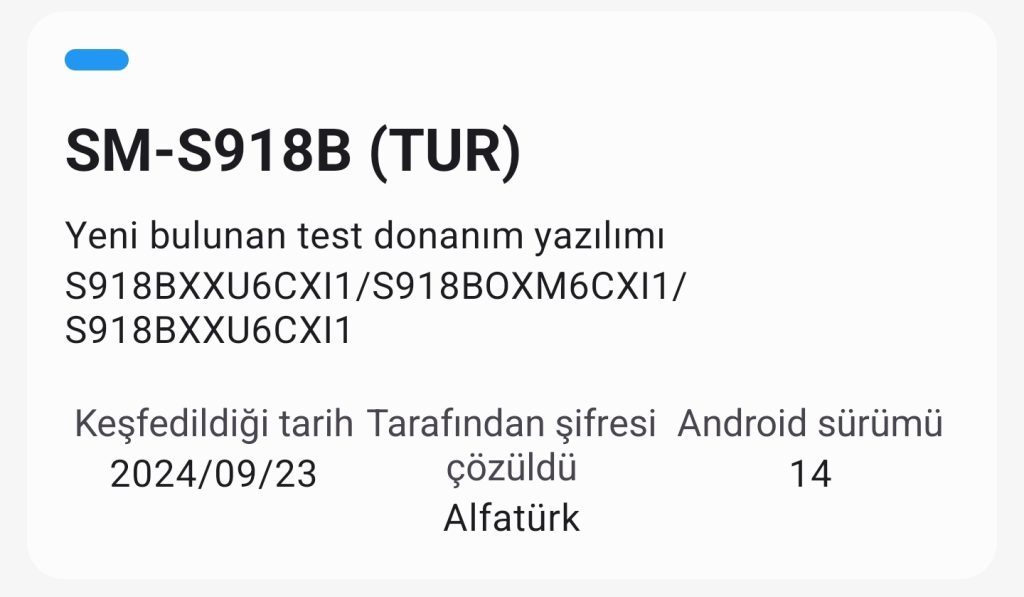
Following the camera bugs in Samsung’s One UI 6.1.1 update, a moderator on the Samsung forum said that a new camera update is being prepared for the Galaxy S23 Ultra. Immediately after this announcement, a new test build was spotted on the Samsung OTA server. The version of this test build is S918BXXU6CXI1. S918 indicates the Galaxy S23 Ultra, XI indicates September 2024 and 1 indicates the first test build. Samsung is expected to fix bugs in the camera with the new update.
Someone with the username Alfatürk has revealed that Samsung is testing the new update for the Galaxy S23 Ultra. A few days after the Galaxy S23 Ultra received One UI 6.1.1, the update was rolled back. I’m currently running the One UI 6.1.1 update on my personal device and haven’t experienced any major problems other than the camera issue. We can expect Samsung to release the new camera update shortly, probably next month.
Unfortunately, the brand does not provide official release dates for the update, but it’s good news that the test build has been revealed. The Galaxy S23 Ultra was launched in 2023 and was one of the best Snapdragon 8 Gen 2 SoC smartphones. It came with a 200MP high-resolution rear camera on the back. Although this camera bug is upsetting users, Samsung is working quickly to fix the problem.
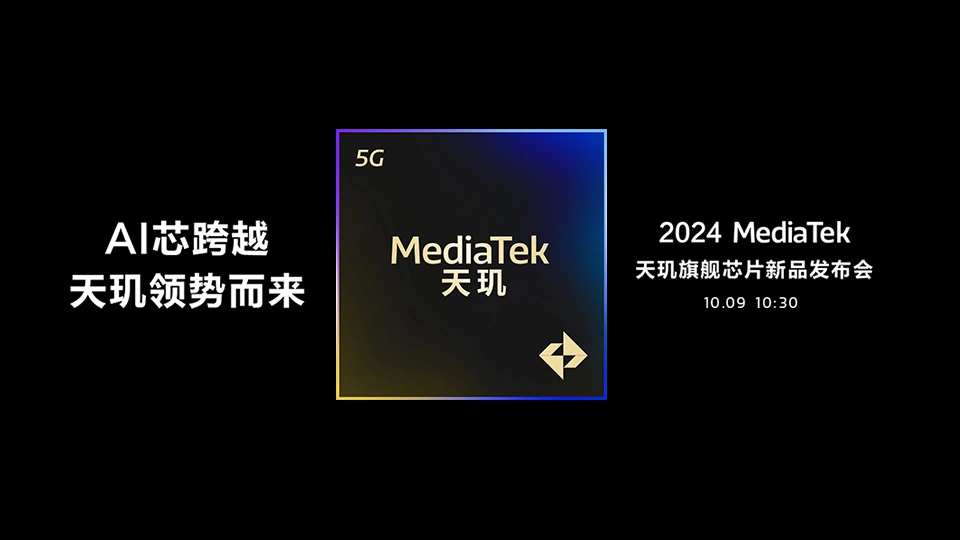
MediaTek has officially announced that its Dimensity 9400 flagship chipset will be launched on October 9. The “AI Chip Leap” slogan for the chipset suggests that it will enable upcoming flagships such as the Oppo Find X8 and Find X8 Pro to offer more demanding AI features.
The Dimensity 9400 will continue the all-large-core CPU design of its predecessor and adopt the ARM ‘BlackHawk’ CPU architecture, which reportedly offers improved performance. For fabrication, Mediatek is using TSMC’s N3E (3nm) process node.
The Dimensity 9400 uses a 3.63 GHz Cortex-X925 super core, 3 2.80 GHz X4 large cores, and 4 2.10 GHz A725 cores. For graphics, it uses the Mali-G925-Immortalis MC12. The chipset also reportedly supports the industry’s fastest 10.7Gbps LPDDR5X memory, which should enable smartphones to offer faster loading times for heavy apps and games.
According to NanoReview, the chipset scores 2874 and 8969 in Geekbench single and multi-core tests respectively. Speaking of graphics, the chipset reached 134fps in the GFX Aztec 1440P off-screen Vulkan test, which is 86% higher than the Apple A18 Pro that powers the iPhone 16 Pro and iPhone 16 Pro Max. It suggests that the upcoming chipset from MediaTek has the potential to offer a major improvement in gaming performance.
It’s worth mentioning that the score was also 41% higher than last year’s Snapdragon 8 Gen 3 chip. Weibo tipster Digital Chat Station also previously revealed that the GPU performance was 30% higher than the Snapdragon 8 Gen 3 in the 3D Mark test while the power consumption was 40% lower.
The ray tracing performance has been improved by nearly 20% compared with the previous generation. MediaTek offered a strong graphics performance last year and this year seems to be no different. The company is also working on a new ray tracing technology for its smartphone chips, which is reportedly comparable to the top ray tracing technology OMM (ray tracing accelerator) on PC. Not to mention, it has the potential to enable smartphone makers to take the graphics quality in games to the next level.
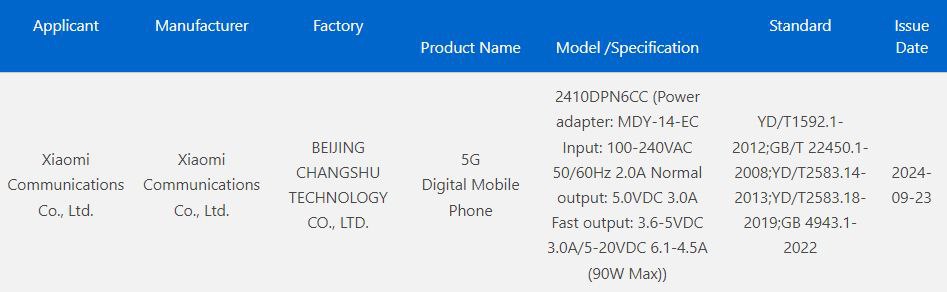
Following the Xiaomi 15, the Xiaomi 15 Pro has also passed the 3C certification, indicating that the devices will be introduced soon. The Xiaomi 15 series will be launched in October. This will happen right after Qualcomm unveils the Snapdragon 8 Gen 4.
Snapdragon 8 Gen 4 is Qualcomm’s flagship SoC and Xiaomi will be the first to use this chip. Meanwhile, the Xiaomi 15 series comes with 90W fast charging support. This is a significant drop compared to the Xiaomi 14 Pro’s 120W fast charging support. But we think that the brand can reduce charging time with some optimizations.
Xiaomi 15 series, HyperOS 2, and more to come
Xiaomi is working on more than one thing. These include the Xiaomi 15 series, HyperOS 2, and new tri-fold smartphones. While the brand is working on so many things, it never avoids conducting quality control tests of its devices on a regular basis. Now, the Xiaomi 15 Pro has successfully passed the 3C certification and the model number is exactly the same as the previous leaked model number: 2410DPN6CC.
We see that the Xiaomi 15 Pro has 90W fast charging support like the Redmi Note 14 Pro+. The Chinese manufacturer has reduced the fast charging level for some reason in its new generation devices. The previous Xiaomi 14 Pro had 120W fast charging support.
Apart from these, Xiaomi 15 series will come with HyperOS 2.0 pre-installed. HyperOS 2.0 will be based on Android 15. Currently, Xiaomi has released HyperOS Enhanced Beta, and this version is actually a preview of HyperOS 2.0. HyperOS 2 is highly anticipated by Xiaomi users and its official launch in October is not long away.
Xiaomi has released the new HyperOS Enhanced Beta and there are signs that the current beta is an early look at HyperOS 2.0. This software update is called HyperOS Enhanced Beta and contains files that hint at the next major release. One of the files in the update is called “MiLinkOS2CN.apk” and the “OS2” part of the name indicates that it is related to HyperOS 2.0. This suggests that we are extremely close to HyperOS 2.0.
HyperOS Enhanced Beta is actually a preview of HyperOS 2
HyperOS 2.0 is expected to be announced in October, but this beta seems to be a preview of the upcoming HyperOS 2. It looks like Xiaomi is using this update to test some new features that will be included in the final release. Many users believe that this beta is not just a minor update, but a preview of the next major release of Xiaomi’s software. This means that those who use the Enhanced Beta get an early look at the new changes before anyone else.
You must be seeing the photos above. These photos show the applications in the system part of HyperOS Enhanced Beta. The “OS2” in the package names of the applications points to HyperOS 2.0, indicating that a new HyperOS version is coming in the near future.
HyperOS is being seen as a big step forward from Xiaomi’s older software, MIUI. MIUI has been the user interface on Xiaomi devices for many years, but now it looks like Xiaomi is ready to introduce something more advanced. HyperOS is expected to be more polished, with better performance and new features that work more smoothly across different Xiaomi devices. Xiaomi wants to create an ecosystem where all its products, like smartphones, tablets, and other smart devices, work well together. HyperOS 2.0 could be the key to making this happen.
While this beta release is already exciting for some users, it is a preview and not the full release of HyperOS 2.0. More features and improvements are expected when HyperOS 2 is officially released in October. But the current beta is already raising expectations. People are excited about the new optimizations and improvements that could come with the final release. This could mean better speed, smoother user experience, and new tools to make Xiaomi devices more enjoyable to use.
Currently, the HyperOS Enhanced Beta is only available for Xiaomi 14. However, Xiaomi has announced that the new beta will soon be available for more devices. This includes the Xiaomi Pad 6S Pro 12.4” tablet and the Redmi K60 Ultra. Once the beta is available for these devices, more users will be able to test the new version and experience the new features for themselves.
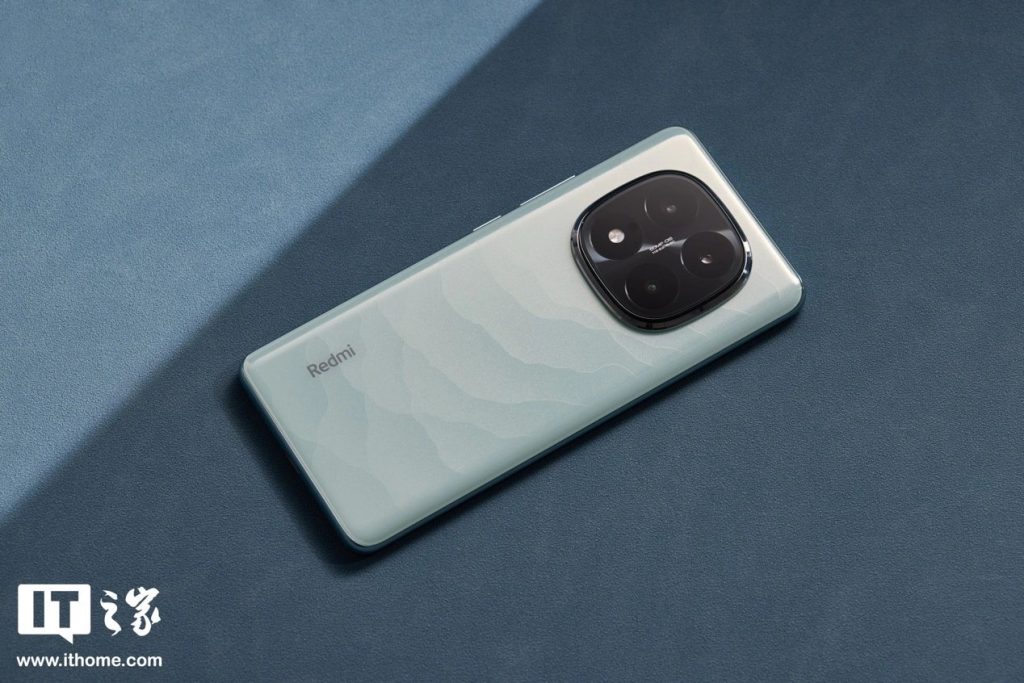
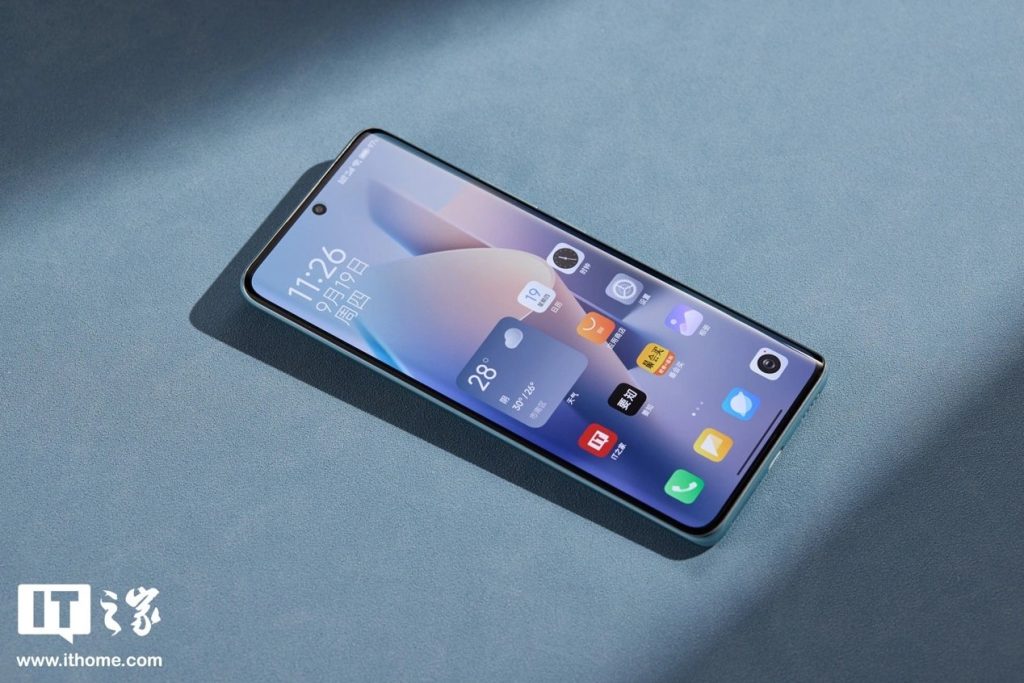
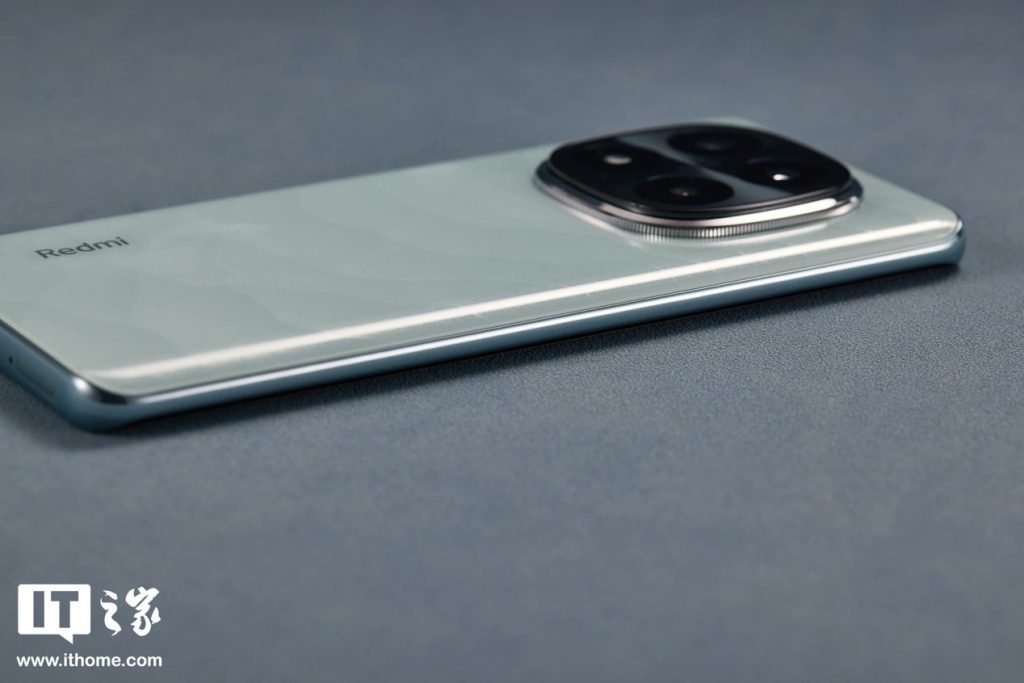
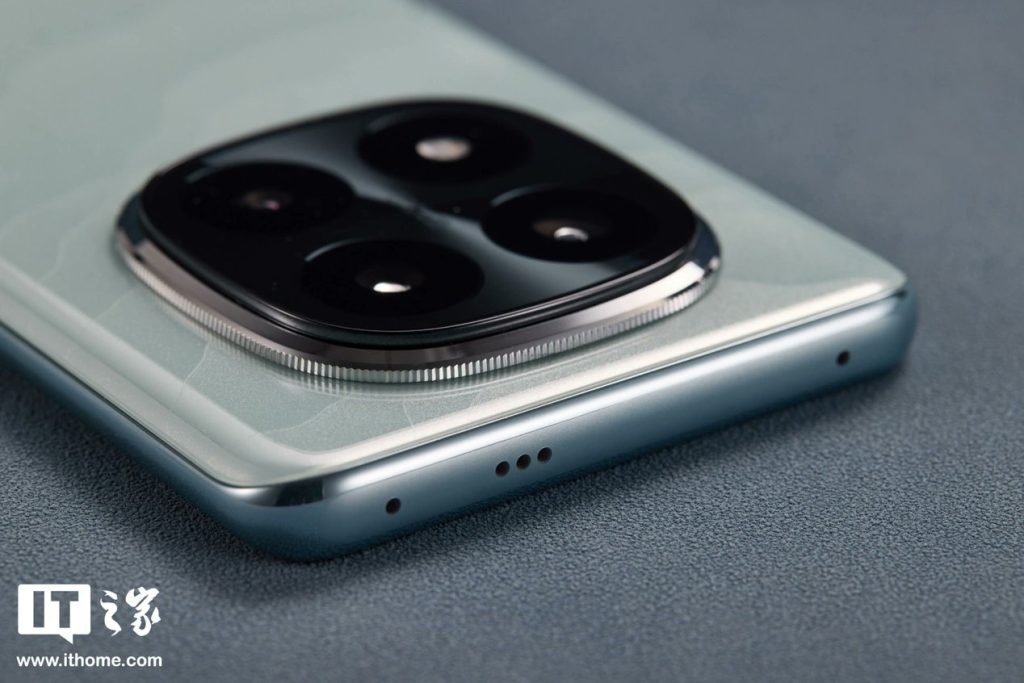
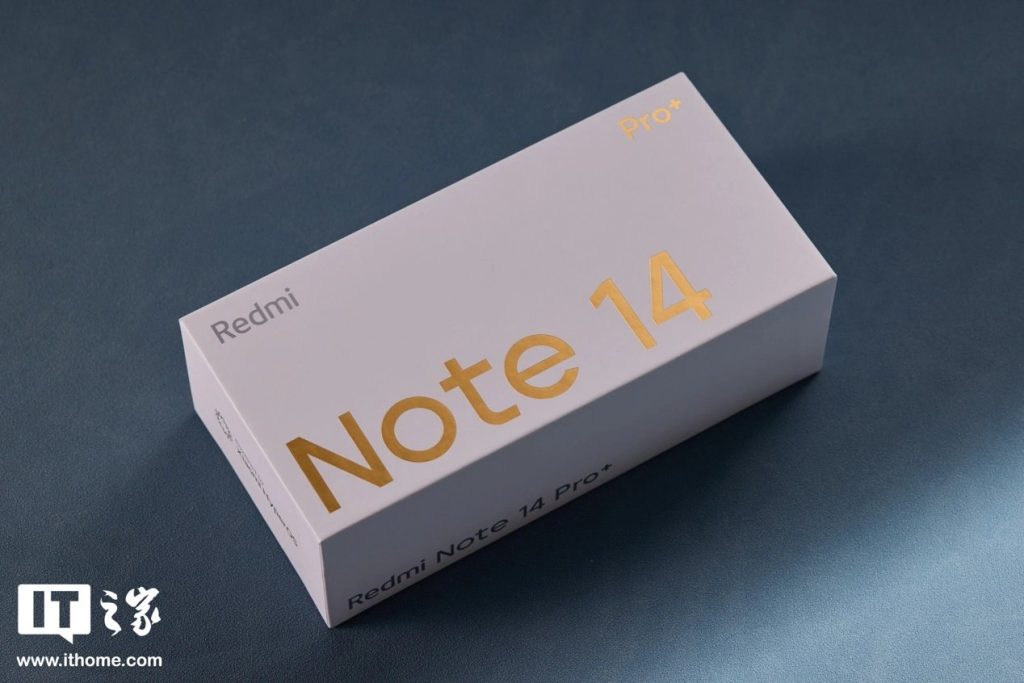
Ahead of the Sept. 26 launch event, Redmi has been gradually revealing key details about the Redmi Note 14 series of smartphones. Surprisingly, the Chinese publication ITHome published an article on the unboxing of the Redmi Note 14 Pro+. The report revealed some details about the device that the company has not yet confirmed. However, the report has since been taken down. Here’s a look at the images and details mentioned in the report.
Redmi Note 14 Pro+ unboxed
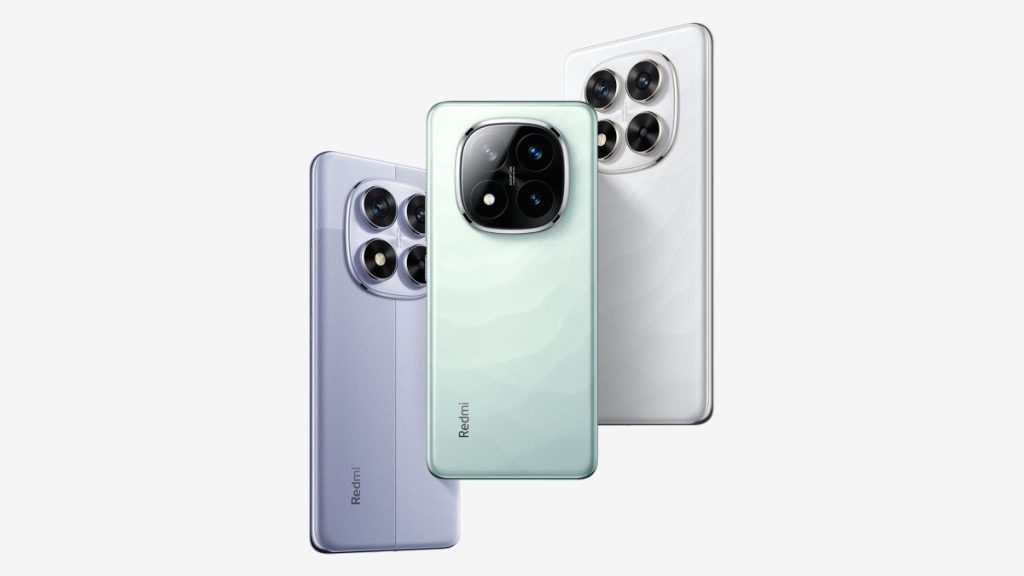
The Star Sand Green color variant of the Redmi Note 14 Pro+ is shown in the real-life images in this post. The overall design of the device deviates from the company’s K series of smartphones. The back of the phone has a sparkling texture under light, made from curved Corning Gorilla Glass, which is said to be twice as strong as the previous generation. The camera island has a squircle design adorned with polished metal, enhancing its texture.
The Note 14 Pro+ sports a 6.67-inch 1.5K OLED screen with Corning Gorilla Glass Victus 2 protection. While the bottom bezel is slightly thick, the top and side bezels are narrow and appear to be of equal width, with a center-hole front camera. The curved screen and backplate, along with the middle frame, create a comfortable hand feel and a thinner visual appearance.
The report states that the Note 14 Pro+ packs a 6,200mAh battery and supports 90W rapid charging. Finally, the phone measures 162.53 x 74.67 x 9.36mm in thickness (excluding the camera module), and weighs 212 grams.
The images also suggest that the Redmi Note 14 Pro+ is equipped with an OIS-enabled 50-megapixel triple camera setup, dual speakers, an IR blaster, and an in-screen fingerprint scanner. The brand has already confirmed it will offer up to IP69-level dust and water resistance. Apart from the green variant, the Note 14 Pro+ will also be available in Moon Porcelain White and Midnight Black. According to reports, the device may come equipped with the Dimensity 7350 chipset.
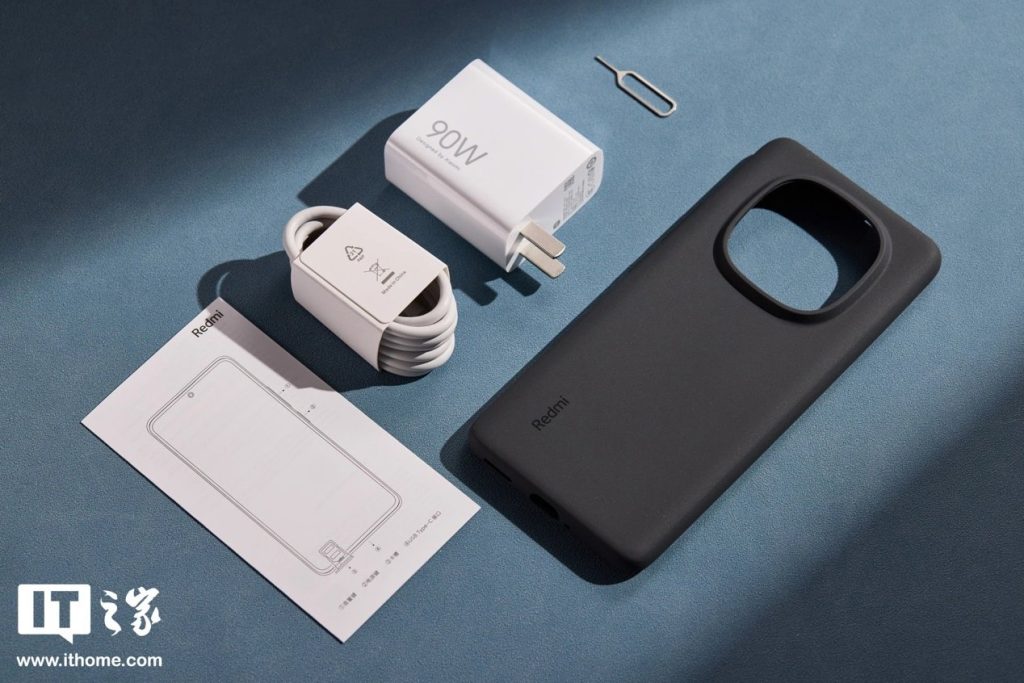
The white-colored retail package of the device includes the handset, a silicone protective case, a SIM ejector pin, a charging cable, and a 90W fast charger.
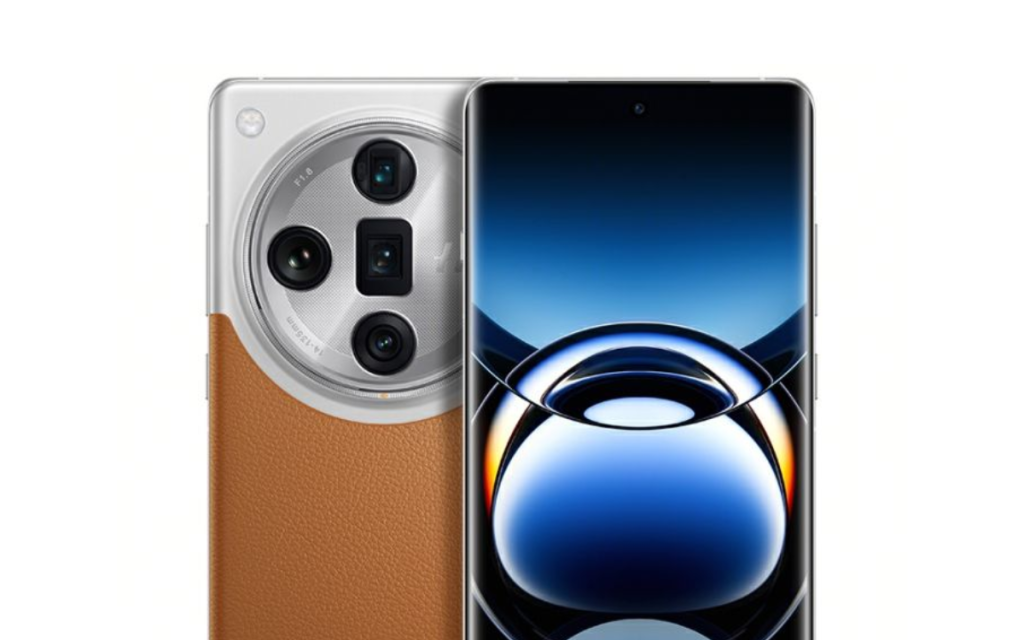
At the beginning of this year, Oppo unveiled the Find X7 and Find X7 Ultra in China. However, the company did not release them in the global market. There have been speculations that the Find X8 series will be released in the global market. The Find X8, which bears the CPH2651 model number, has already been certified in Thailand, Singapore, Indonesia, and Europe. A fresh development reveals that the Find X8 Pro will also be released in multiple markets, including India.
Global Oppo Find X8 Pro receives multiple certifications
Oppo Find X8 Pro BIS certified in India
An Oppo phone with model number CPH2659 has been spotted in the databases of certification platforms such as Europe’s ECC, Singapore’s IMDA, Indonesia’s TKDN, and India’s BIS. While the device has not yet appeared on Thailand’s NBTC platform, it has been listed on another Indonesian certification platform, SDPPI.
Oppo Find X8 Pro certified by Indonesia’s SDPPI
The SDPPI listing confirms that the CPH2659 will be marketed as the Oppo Find X8 Pro when it arrives in the market. These certifications clearly hint that the Find X8 and Find X8 Pro will be released in multiple markets across the globe. Both devices will come equipped with the Dimensity 9400, which is MediaTek’s next-generation flagship chipset.
The Chinese variants of the Find X8 and Find X8 Pro have PKB110 and PKC110 model numbers. The Find X8 Pro Satellite Communication Version, which is expected to support two-way satellite connectivity, has the PKC130 model number. The satellite connectivity may not launch outside of China.
The Find X8 lineup is expected to debut on Oct. 21 in China. With multiple certifications under their belts, it appears that the Find X8 and X8 Pro may make their global market debut in the next few months.
The Find X8 series also includes another model named the Find X8 Ultra. Unlike other models, the Ultra variant is expected to feature the Snapdragon 8 Gen 4 chipset. This model is expected to break cover in the first quarter of 2025.
Earlier this month, OnePlus China President Louis Lee hinted at the launch timeframe for the OnePlus 13. In a new Weibo post, Lee again alluded to the smartphone’s release schedule. Additionally, the OnePlus 13, identified by the PJZ110 model number, has received approval from the 3C authority, suggesting an imminent launch.
OnePlus 13 October launch confirmed
OnePlus’ Louis Lee confirms October launch for next flagship
In an interaction with a OnePlus fan, Louis Lee confirmed that OnePlus will launch its next flagship product in October. While he did not specify the name of the device, it appears that the OnePlus 13 will be announced, most likely towards the end of the said month. Reports have claimed that the company could be aiming to make it available for purchase during China’s Singles’ Day (Nov. 11) shopping festival.
OnePlus 13 3C certified
OnePlus 13 3C certified
Multiple reports have revealed that the OnePlus 13’s Chinese variant has the PJZ110 model number. Previously, the device was spotted in the databases of Geekbench and China’s MIIT certification. Now, the OP13 has received approval from the 3C regulatory body in China. The 3C listing reveals that the device may ship with a 100W fast charger.
Reports have claimed that the OnePlus 13 will house a 6,000mAh battery and support 50W wireless charging. The Snapdragon 8 Gen 4-powered smartphone is expected to ship with 24 GB of LPDDR5x RAM, up 1 TB of UFS 4.0 storage, and ColorOS 15-based Android 15. It may feature a 6.8-inch OLED 8T LTPO BOE X2 display with a quad-micro-curved design. The screen is expected to offer a 2K resolution, a 120z refresh rate, and an ultrasonic in-screen fingerprint sensor.
The OP13 will have a 32-megapixel front camera, and a 50-megapixel (LYT-808, OIS) + 50-megapixel (LYT-600, ultra-wide) + 50-megapixel (LYT-600, 3x periscope) triple camera setup on the back. It is also expected to feature an IP69-rated body, an alert slider, a metallic frame, and a 0916 Turbo haptic motor.
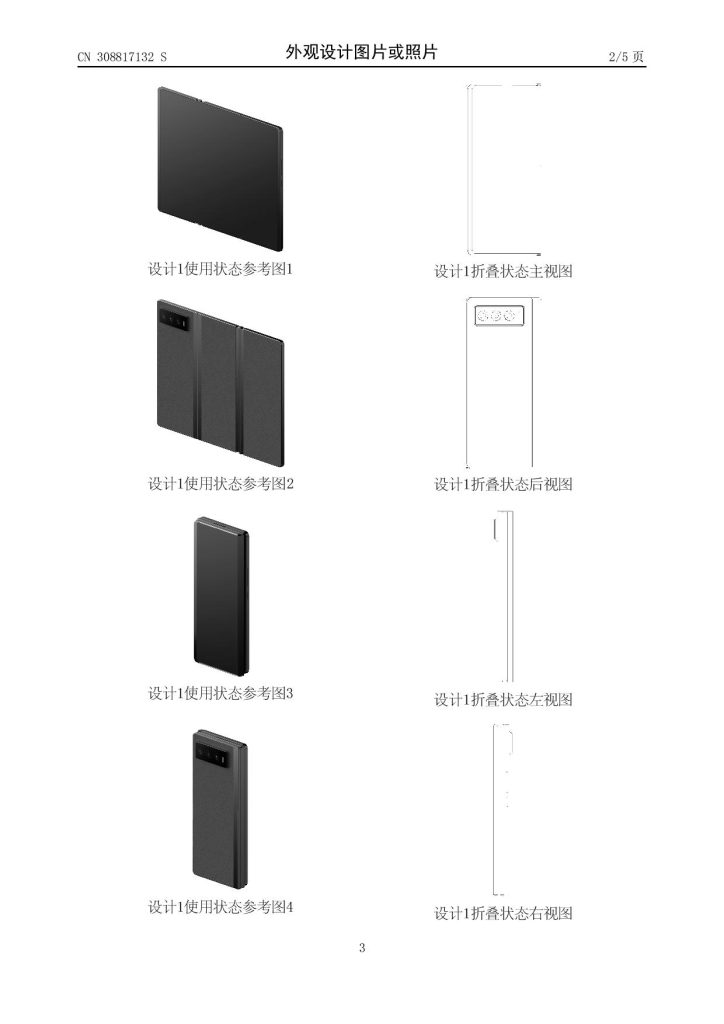
Xiaomi is working on two new tri-fold smartphones. A different Xiaomi tri-fold model has been identified in the IMEI database that will be introduced in 2026. While this is still about 1.5 years away, we now know that Xiaomi is developing these exciting new devices. We expect the first Xiaomi tri-fold model to be unveiled in Q1 2025.
Xiaomi’s First Tri-Fold Smartphone, “Zhuque,” Coming in 2025
The first tri-foldable smartphone is code-named “zhuque” and is expected to launch in 2025. This phone will be special because it will have a tri-fold design, meaning it can fold in three parts. Also, this phone will not have any buttons, making it the first buttonless smartphone from Xiaomi.
Another Tri-Fold Smartphone Planned for 2026
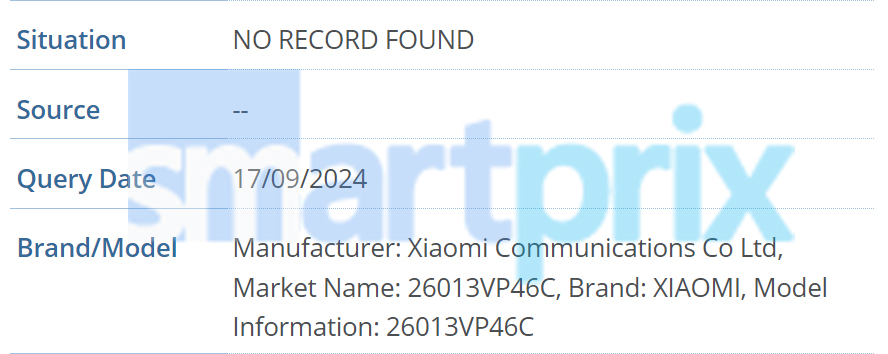
In 2026, Xiaomi is expected to launch another tri-fold foldable phone. The model number for this tri-fold phone is “26013VP46C,” and it is likely to be released in the first quarter of 2026. The “2601” in the model number points to January 2026, and the “C” means it will be exclusive to the Chinese market.
This new phone will probably be powered by Snapdragon 8 Gen 5. While there is no information about this processor yet, we can expect that it will offer strong performance, as Snapdragon processors are known for their high power.
“Zhuque” Could Affect the Future of Xiaomi’s Tri-Foldable Phones
The success of the “zhuque” model is crucial. If it doesn’t meet Xiaomi’s expectations, the company might not release it at all, or it could be launched as a limited edition. This could also impact the 2026 tri-fold model and may cause Xiaomi to cancel the project altogether. The MIX Alpha, another experimental Xiaomi device, faced similar challenges. It was introduced with a lot of excitement but only sold in limited quantities and didn’t get further updates.
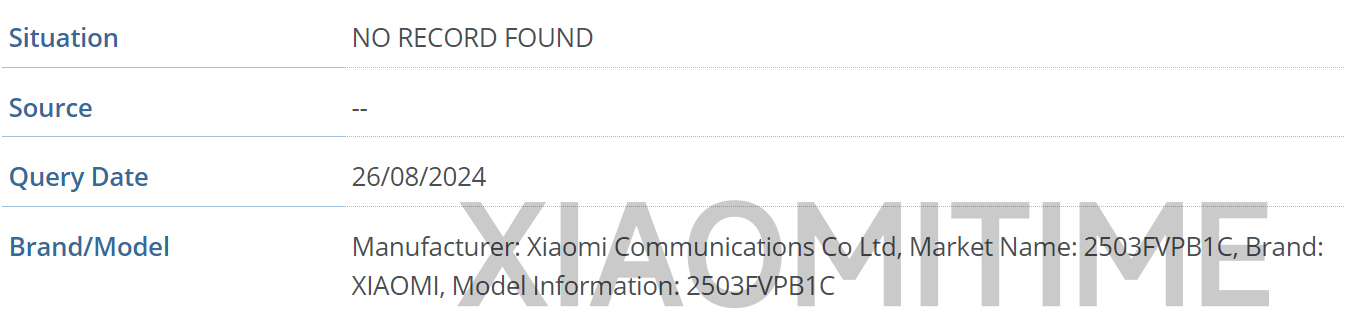
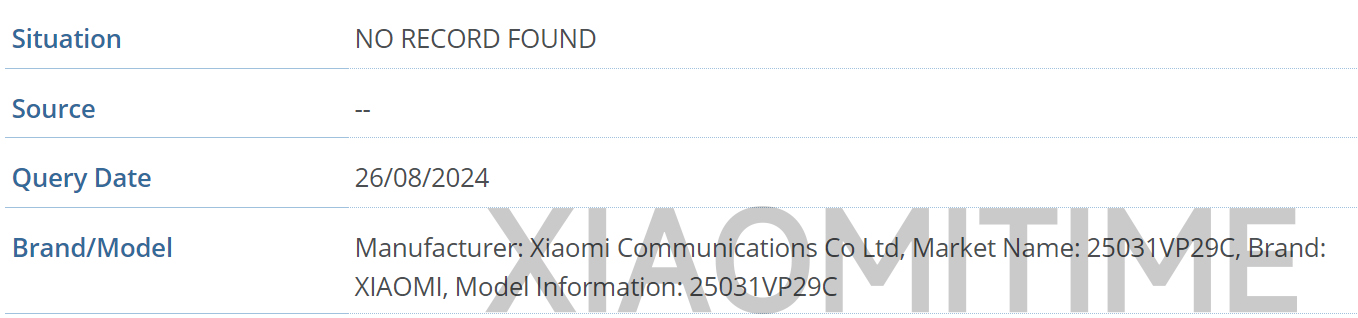
The “zhuque” smartphone has already appeared in the IMEI database, and there are two versions: one with satellite communication (model number 2503FVPB1C) and one without satellite communication (model number 25031VP29C). Like the other tri-fold models, “zhuque” will only be sold in China.
Xiaomi has tried experimental phones before, like the MIX Alpha, but those devices often face software issues. The MIX Alpha, for example, didn’t receive many updates after its release, which made it hard to use in the long term. If the “zhuque” is not fully ready for mass production, it may face similar problems. If you do buy it, you might need to order it from China, as it won’t be sold globally.
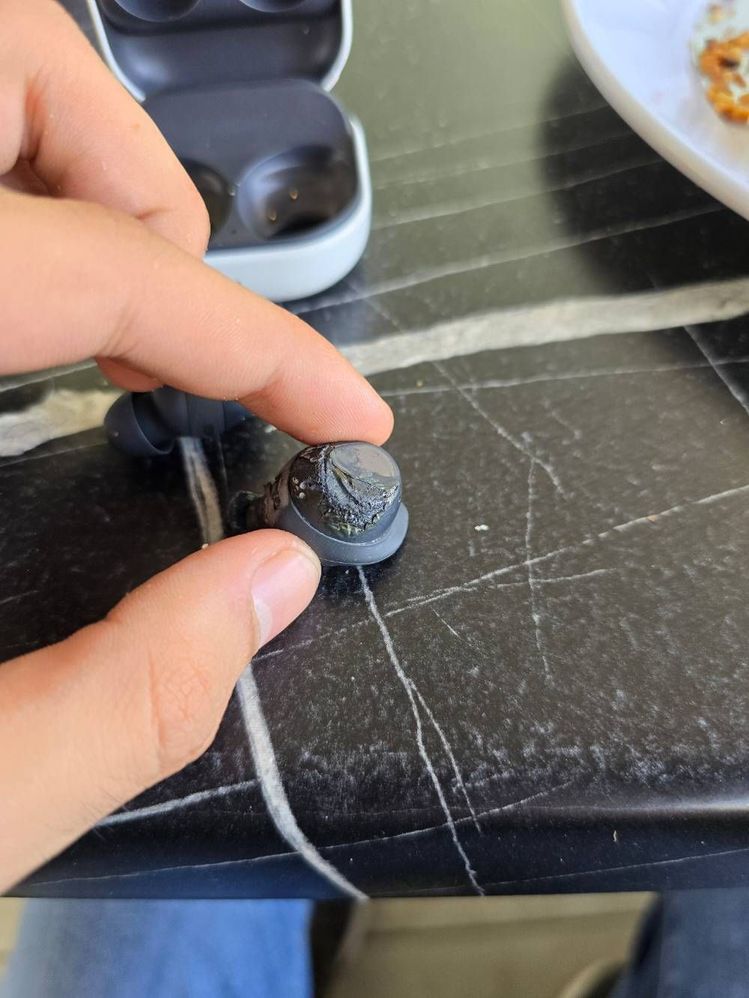
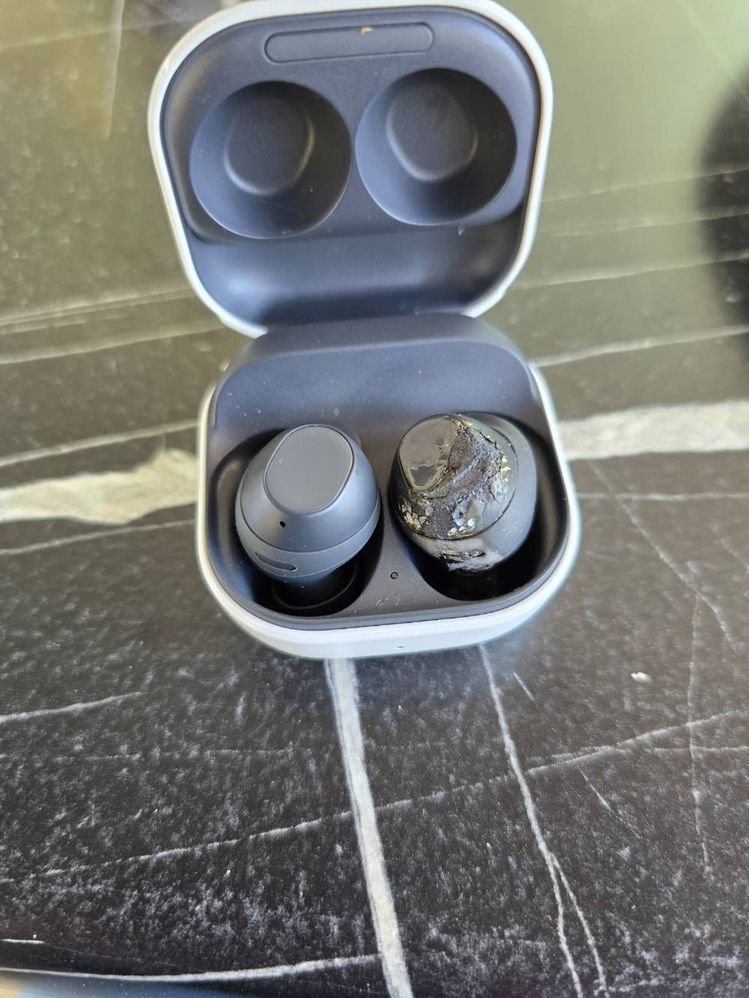
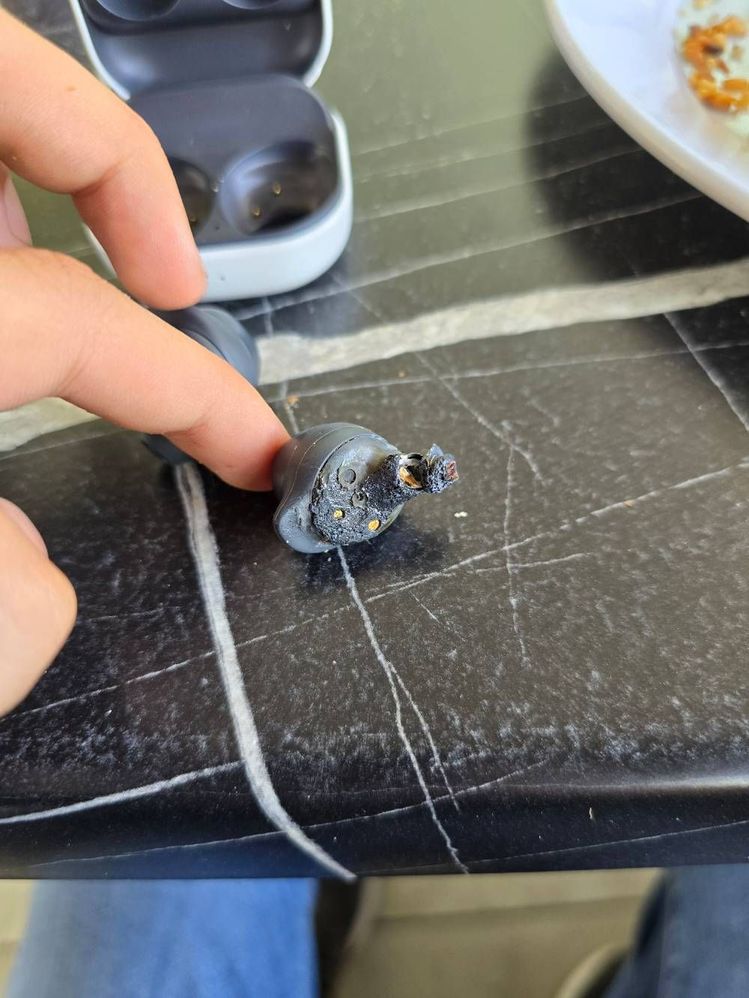
Samsung’s Galaxy Buds FE suddenly exploded in the ear of a Turkish user, causing that user to suffer permanent hearing loss. This is very sad news, as permanent hearing damage means that the person in question will never be able to hear sound again. So how is Samsung going to fix this? It won’t. On top of that, the user who took the headphones to the technical service received negative responses.
The only thing Samsung offered was “a new earbuds”. For a product that harms a person’s health, this offer is nothing but nonsense. When the brand examined the headset, they could not understand why the problem occurred. But this suggests that more people who bought the same headset may also will be experiencing an explosion.
Samsung Galaxy Buds FE explodes
News emerged yesterday that the Galaxy Buds FE exploded in a Turkish user. The user says that he gave the Galaxy Buds FE to his girlfriend and the earbuds suddenly exploded. The brand is expected to conduct a detailed investigation about the incident that emerged on Samsung’s Turkey forum. We don’t want a new Galaxy Note 7 disaster.
The user says that he took the earbuds to Samsung technical service after it exploded, but Samsung did not respond positively. They only offered to give the user a new earbuds. Is a person’s life so worthless? The user says that he will complain to Samsung and will not let this incident go. He is absolutely right. We don’t want another Galaxy Note 7 disaster to happen again. It’s too bad that Samsung’s Galaxy Buds FE harmed a person’s health, and after this incident, the brand needs to put its products through a detailed quality control test.
Oppo‘s highly anticipated Find X8 Ultra, the flagship model of the upcoming Find X8 series, is expected to debut in the first quarter of 2025. According to tipster Smart Pikachu, this top-tier smartphone will come packed with cutting-edge features, setting it apart from its siblings, the Find X8 and Find X8 Pro.
The standout feature of the Oppo Find X8 Ultra is going to be its brand-new 2K OLED display. This premium screen technology will offer a sharper resolution compared to the 1.5K OLED displays rumored for the other models in the lineup. This will distinguish the Ultra model from the other variants in the lineup.
Currently, there is no info on the exact display size, but the previous Find X7 Ultra featured a 6.82-inch screen, so the size is expected to be similar. The Pro variant is anticipated to have a 6.7-inch display, suggesting the Ultra could offer a slightly larger screen. As per previous leaks, the device is also expected to feature slim bezels, IP69-rated durability, and a Dynamic Island-style UI for improved navigation.
Under the hood, the Find X8 Ultra is likely to be powered by Qualcomm’s upcoming Snapdragon 8 Gen 4 SoC, a shift away from MediaTek’s Dimensity 9400 chipset, which is expected to feature in the Find X8 and Find X8 Pro. This Snapdragon chip is rumored to offer enhanced AI capabilities, better power efficiency, and improved multitasking performance, giving the Ultra model a noticeable performance edge.
On the camera front, the Find X8 Ultra is expected to boast a 1-inch primary sensor for superior low-light photography and detailed shots. Additionally, it is rumored to feature two periscope telephoto lenses, making it a strong contender for zoom photography and providing greater flexibility when framing distant subjects.
Battery life is another area where the Find X8 Ultra is expected to shine, with reports suggesting a massive 6000mAh battery. Even with the power-hungry 2K OLED display, this should ensure long-lasting performance. It is also expected to support 100W wired and 50W wireless charging.
While the Find X8 Ultra is set for a Q1 2024 release, potentially in January, Oppo might unveil the Dimensity 9400-powered Find X8 and Find X8 Pro as soon as October 20, 2023. MediaTek is set to announce the Dimensity 9400 chipset on October 9, making the Find X8 series one of the first to feature this new processor.
Tecno’s new smartphone Tecno Spark Go 1S is coming. The brand unveiled the Spark Go 1 in August and is now getting ready to unveil the Spark Go 1S. Gizmochina has spotted Tecno’s new smartphone in the IMEI database. So what does this smartphone have to offer? We don’t have an answer for that yet. But we can say that the Tecno Spark Go 1S is aimed at low-budget users and we are sure that the device will not offer any significant improvements.
Tecno Spark Go 1S is coming
The Tecno Spark Go 1 is a lower-segment smartphone featuring the Unisoc T615. It has a 6.67-inch 720×1600 HD+ resolution and a 120Hz screen refresh rate. The Spark Go 1, comes with a 5000mAh battery and 15W fast charging support, and also features a 13MP rear camera. This smartphone stands out for its affordability and users also need budget products. Now Tecno is preparing to announce the Spark Go 1S model. It’s not yet known what the new Spark Go 1S model will offer.
The Tecno Spark Go 1S has been spotted in the IMEI database with model number KL4h. This smartphone could be officially launched in the coming months. The Spark Go 1S is expected to offer similar features to the previous Spark Go 1. However, we can’t say anything for sure. The brand is known for its affordable smartphones and attracts the attention of users. Tecno started working on the Spark Go 1S right after the Spark Go 1 and it remains to be seen what the new smartphone will offer.
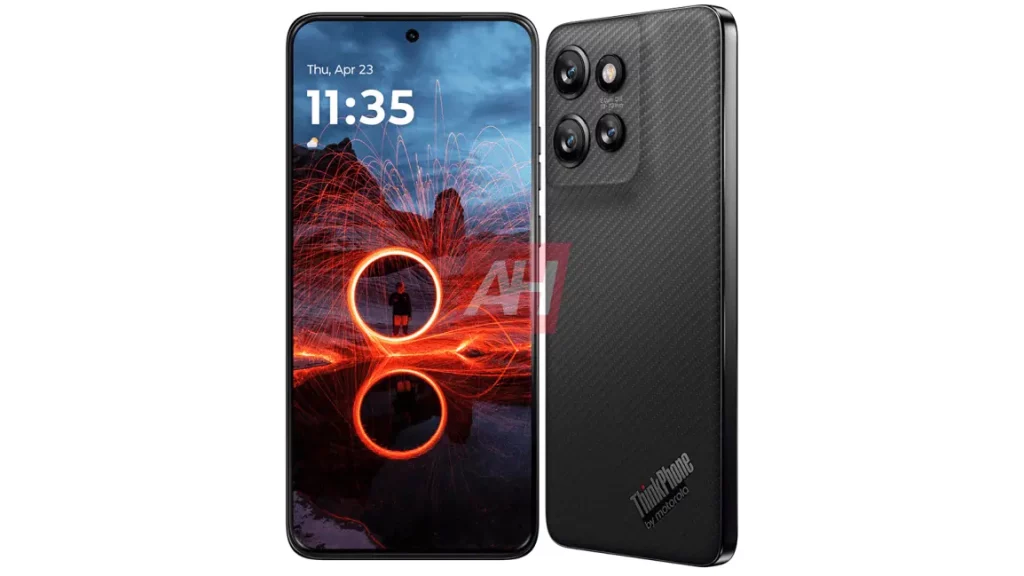
Motorola launched the ThinkPhone for the enterprise market last year, which uses one of Lenovo’s most popular brands, ThinkPad. Although it was a business-oriented device, it was a very good alternative for anyone. In the latest news, Android Headlines claims that the Motorola ThinkPhone 2025 is on its way.
As can be seen from the leaked render, the phone comes with flat sides and a redesigned camera module, similar to the recent Edge series devices. Upon closer inspection, you can see that the bezels are slightly slimmer than the original Motorola ThinkPhone. Other than that, the back also has the same textures as its predecessor.
Motorola ThinkPhone 2025 specifications
According to the report the phone has a 6.36″ LTPO pOLED display. This means the successor will be slightly more compact as compared to the 6.6″ original Motorola ThinkPhone. The successor is measured at 154.1 x 71.2 x 8.1mm and weighs 171g. The display panel of the successor also boasts a higher 2670 x 1200 resolution (460ppi) as compared to the FHD+ panel (399 ppi)of the predecessor.
In terms of performance, the ThinkPhone 2025 packs the MediaTek Dimensity 7300 chipset, which is paired with 8GB of LPDDR4X RAM and 256GB of storage onboard. It’s also reported that, unlike the original ThinkPhone, this new model will only come with one RAM/Storage variant.
The ThinkPhone 2025 packs a 4310mAh battery and supports 68W fast charging. For context, the battery capacity is comparable to this year’s Moto Edge 50 Pro.
While the ThinkPhone 2025 packs a smaller battery than its predecessor, it offers an upgraded camera system. According to the report, the phone ditches the 2 MP depth camera for a 10MP 3x telephoto. Other than that the phone will use a 50MP main and a 13MP ultrawide, which was also the case for its predecessor. So while the back design and camera system get an enhancement similar to the Motorola Edge 50 lineup, the flat design on the front ensures fewer accidental touches.
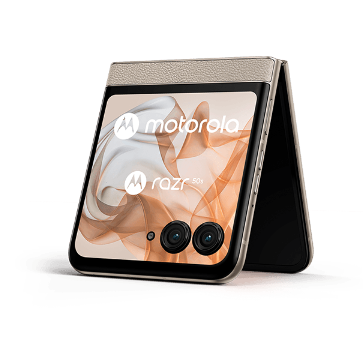
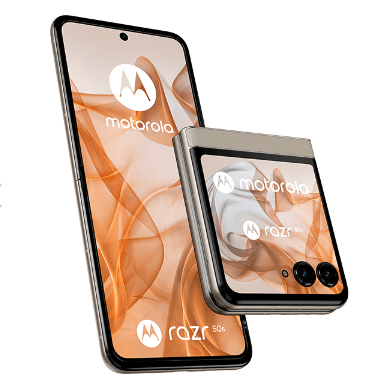
Motorola launched the Razr 50 and Razr 50 Ultra back in June this year. Now the company is expanding the Razr 50 lineup with a new model called the Razr 50s. This model is scheduled to be released on September 27 and is already available for reservation on Softbank. The Moto Razr 50s will arrive in three different color options – Koala Grey, Sand Cream, and Spritz Orange.
Judging from the images, the Razr 50s comes with very similar bezels on both the inner and outer display as compared to the Razr 50. The aspect ratio of the outer display is also very similar to the predecessor.
Motorola Razr 50s has also been spotted on Geekbench
While the listing does not reveal much about the internals of the device, the recently spotted (via 91mobiles) Geekbench listing does. As can be seen, the phone scores 1040 and 1003 in single and multi-core tests respectively. The listing further reveals that the chipset has a base frequency of 2.00 GHz and a (4+4) core architecture, which is paired with 8GB RAM.
For context, the Motorola Razr 50 scores around 1033 and 2751 in the same tests. it suggests that the Razr 50s will not be a downgrade at least in terms of performance. The Geekbench listing also reveals that the phone will come with Android 14. This is all the information the Geekbench listing reveals.
The Moto Razr 50s has already received HDR10+ certification, which means that the device will come with an HDR10+ compatible display.
Notably, the Razr 40 series includes only two models: the Razr 40 and Razr 40 Ultra.
To give you an idea of what to expect, the standard Motorola Razr 50 packs a 6.9″ foldable AMOLED panel for the inner display and a 3.6″ AMOLED panel for the outer display. The phone is powered by the Dimensity 7300X chipset, which also has a base clock speed of 2.00 GHz. This is paired with an optional 256GB or 512GB of UFS 2.2 storage and 8GB or 12GB RAM. The outer screen on the Razr 50 has three cutouts for a 50 MP main, a 13MP ultrawide, and a flash module.
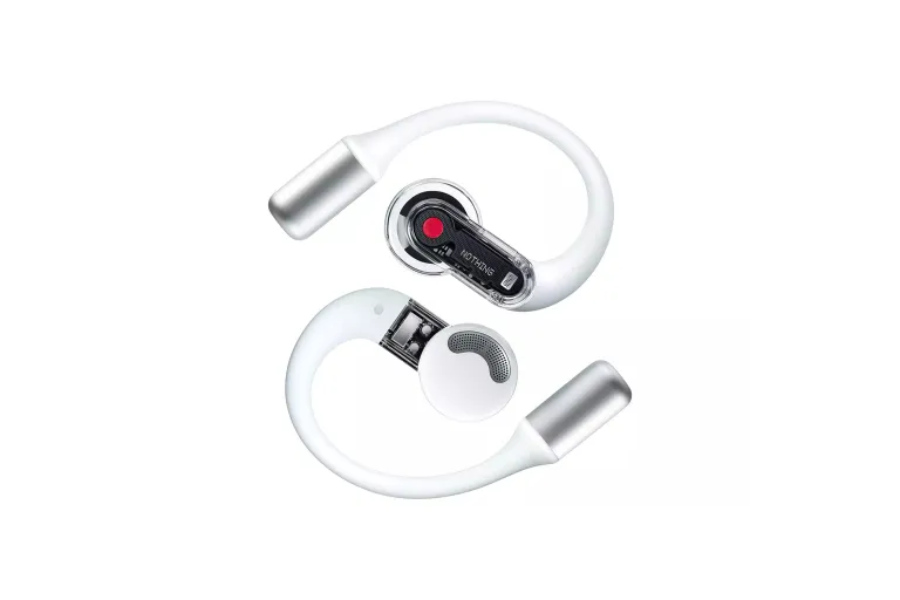
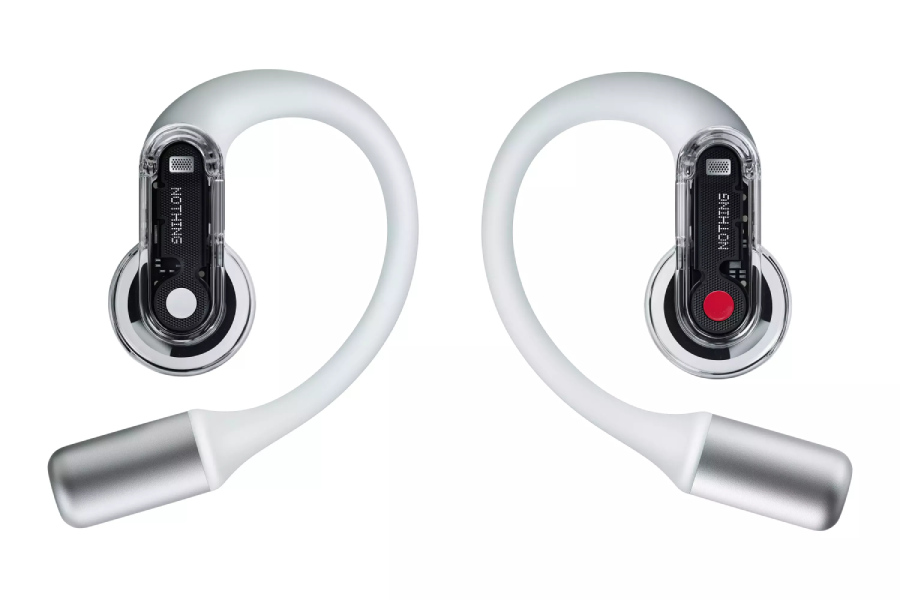
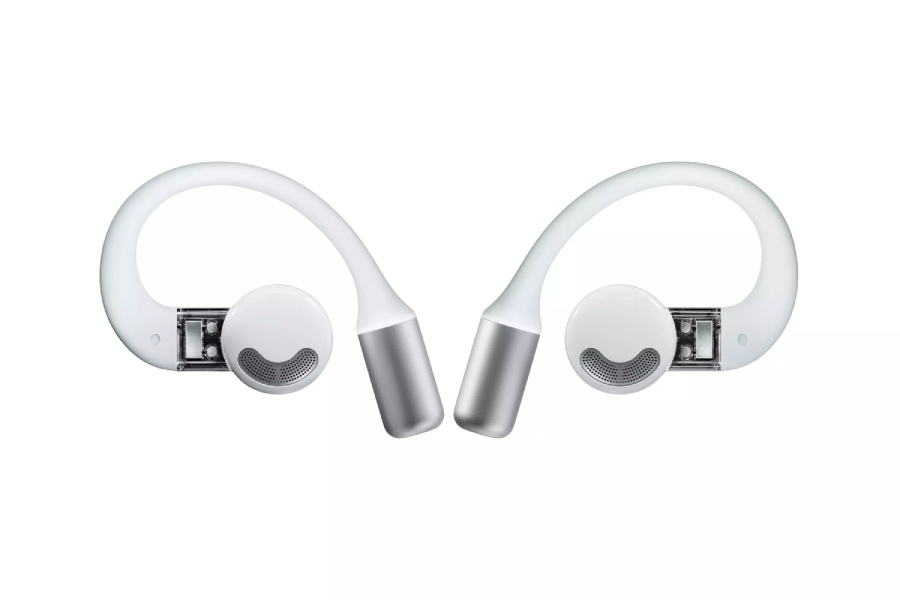
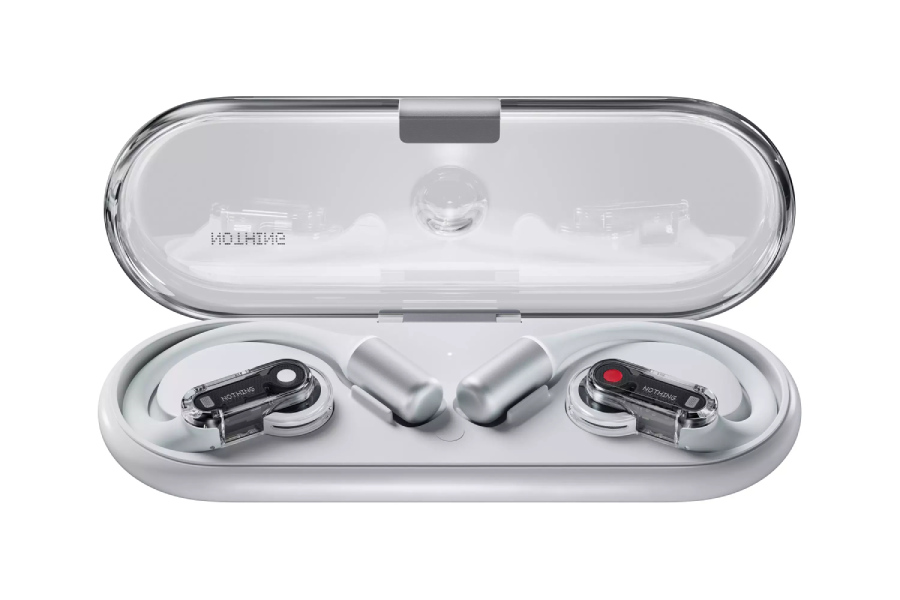
Nothing‘s next entrant in the earbud market is indeed open-air earbuds. This has now been confirmed via a report by WinFuture that accompanies a fresh batch of images revealing the design of TWS.
The Nothing Ear (Open), set to be officially unveiled tomorrow — September 24th — are the company’s first open-ear buds. They take a slightly different approach compared to the company’s previous offerings in terms of design.
The leaked images show a design that’s familiar in the open-ear space. A wraparound band presumably fits around the back of the ear, with the speaker itself – rumored to be a sizeable 14.2mm driver – positioned for optimal sound delivery. This design is similar to what we’ve seen from brands like SoundCore and JBL.
Battery life is also decent, with the leak suggesting the earbuds themselves will offer 8 hours of playback on a single charge. Combined with the charging case, that figure supposedly jumps to 30 hours.
It’s worth noting that this is a slight downgrade compared to the standard Nothing Ear 2. They can offer up to 36 hours of playback time.
Being an open-ear earbud, it’s unlikely that the new Nothing TWS will have Active Noise Cancellation or ANC support. It’s because open-ear earbuds sit outside or just partially in the ear canal, leaving the ear canal open. This allows ambient sound to flow in freely.
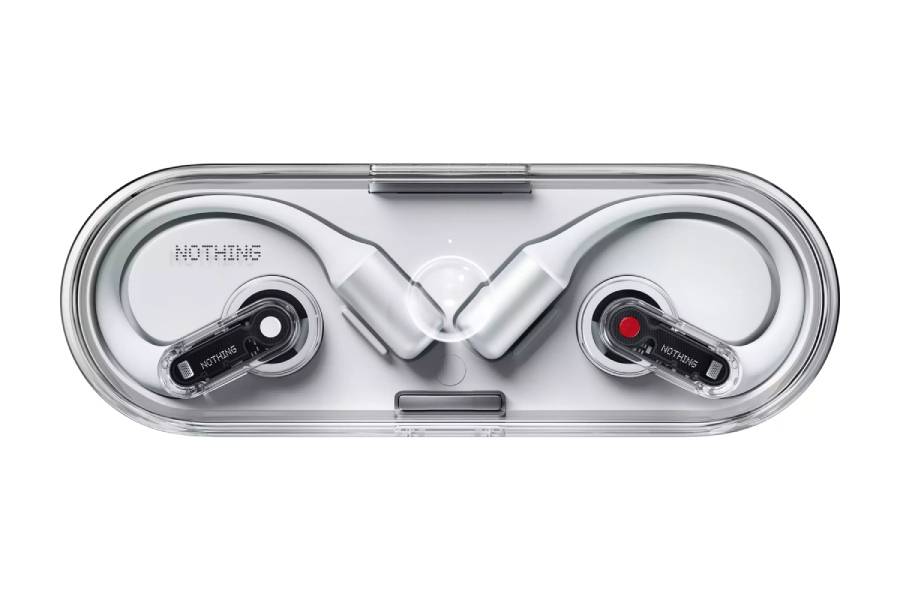
As for the case of the buds, the images depict a design that’s thin but quite wide. The leak also throws in some additional details. Each earbud is said to weigh a mere 8.1 grams, and both the buds and the case boast an IP54 splash-proof rating.
An interesting tidbit is the continued support for ChatGPT when paired with a Nothing Phone. Additionally, the leak mentions a “Bass Enhance” mode, which could appeal to bass-heavy music lovers.
The price for the earbuds is still under wraps. But with the launch tomorrow, the wait won’t be long.
A young woman from Jiangsu Province in China gained online attention after sharing her ten-year effort to unlock an iPhone 4s. In a video shared on Chinese social media, she explained how she finally regained access to the phone, which had been locked for 80,000 hours — about ten years.
“I have no idea who locked it in 2015,” she said. At that time, the iPhone displayed a message saying it would unlock in 80,000 hours. “It told me it would unlock after 80,000 hours. I thought, isn’t that ten years? So I switched my phone at that time. But recently, I remembered it.”
So to power up the phone, she bought a new charging cable and charged it, hoping the wait was over. But when she checked, it still showed “288 minutes.” We, as well, can clearly see the message.
She exclaimed, “There are still four hours before I can unlock this phone that has been locked for ten years! Is this true? You are not lying to me! We’ll know in another four hours.”
Four hours later, she posted a follow-up video showing that the wait time was finally over. Lucky enough, she remembered the passcode and, after entering it, the phone unlocked.
In the video, she explained why she didn’t reset the phone. A video of her deceased cat was saved on it. “The reason I never wiped it and waited this long is because I couldn’t bear to lose that data. Ten years! Oh my god!”
She then shared glimpses of the phone in use, showing the familiar charging sound of the 4s and its outdated app layout. The phone ran iOS 6 and had 16GB of storage.
If you’re wondering whether this situation is unusual, let us clarify—it can happen with older iPhones. On the Apple Support community, one user reported their iPhone had been locked for 50 years.
Similarly, a post on 9to5Mac’s forum mentioned an iPhone disabled for “23614974 minutes”—about 45 years. In such cases, the only solution is to erase all the phone’s data and perform a factory reset, unless you’re willing to wait it out.
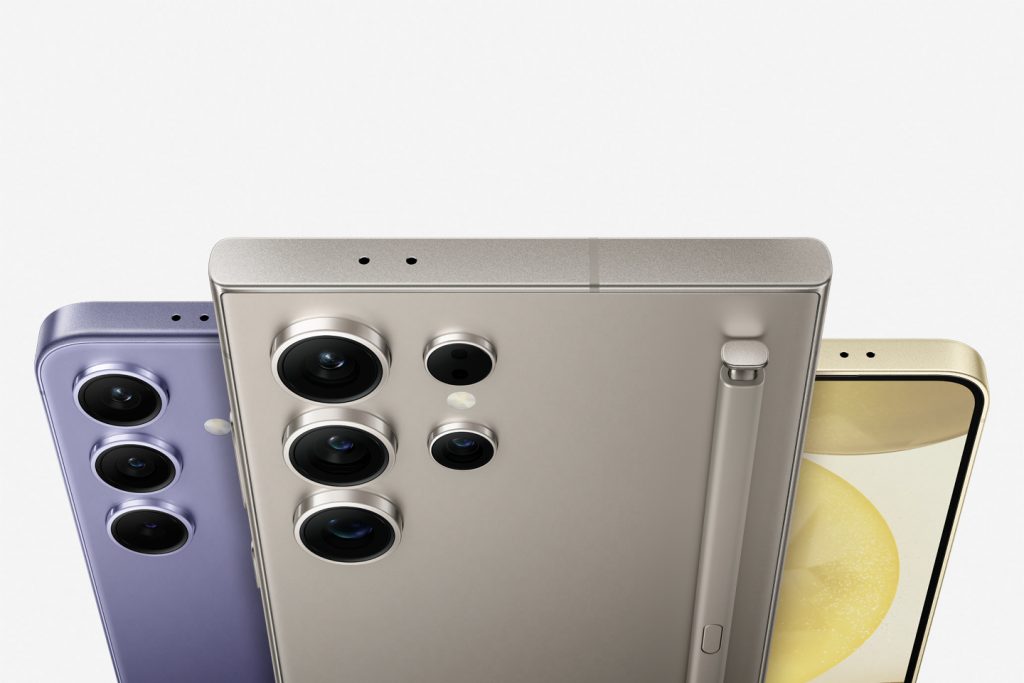
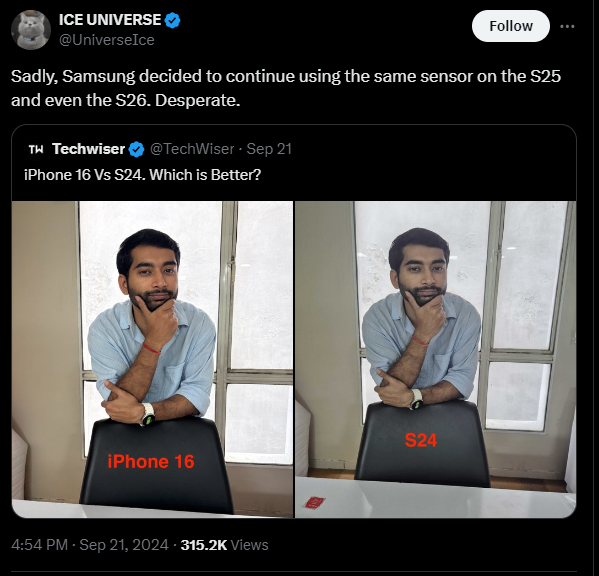
Samsung has used the same main sensor in the base Galaxy S22, S23, and S24. In the latest news tipster Ice Universe claims that Samsung will use the same main sensor on the Galaxy S25 and possibly even in the S26.
The news comes after another X user Techwiser compared the main camera performance of the Galaxy S24 and the recently released iPhone 16. The iPhone 16 not only captured the skin tone right but also managed to offer an overall brighter image.
Of course, smartphone photography these days significantly relies on clever software tricks alongside the optical hardware. However, an upgrade in the sensor or the lenses is always beneficial for the image processing algorithms as it offers more accurate information to process. That being said, it might not be ideal to stick to the same sensor for 4-5 years straight, especially considering Samsung is one of the largest manufacturers of smartphone camera sensors.
For those curious, the Galaxy S24 uses the Samsung ISOCELL (S5K)GN3 main sensor, which according to Samsung, has an optical format of 1/1.57″. This 50MP sensor packs a Dual Tetrapixel RGB bayer pattern and supports 30fps @8K, 120fps @4K, and 240fps @FHD video recording. Samsung has implemented 8K@24/30fps, 4K@30/60fps, 1080p@30/60/240fps with the Galaxy S24.
While the S24 and S24 Plus still use the old sensor, competitors like Google, OnePlus, and Xiaomi all are using much larger main sensors. For context, both the Pixel 9 and Xiaomi 14 (review) uses 1/1.31″ main sensor, which certainly benefits the camera system on those devices. The OnePlus 12 uses a 1/1.43″ main sensor, which is also larger than the one on the recent base and plus models of the Galaxy flagships.
Not to mention, if paired with the right optical hardware, the base and plus models will be able to offer much better end results than what we are seeing here. Notably, an upgraded larger main sensor will be especially beneficial for low light scenarios, where the images will not only be brighter but will also have less noise.
Xiaomi took the mid-range smartphone segment by storm with its Redmi Note series years back. These phones were one of the most popular offerings thanks to the cost-to-value ratio. The Redmi Note 13 was the last that continued this legacy, so what improvements does the upcoming Redmi Note 14 bring? Is it a worthy successor? What are the new changes? Let’s find out.
Right off the bat, the immediate change one would notice between the two generations is the design. The biggest difference is with the camera module. While the Redmi Note 13 series features image sensors on the top left corner, the company is shifting it into the middle with the Note 14 lineup. The newer models are expected to feature both glass and vegan leather options and we can expect limited edition models as well, like the Redmi Note 13 Pro+ World Champions Edition and the Note 13 Pro New Year special Edition.
2. Newer & Faster Specs
Xiaomi is refreshing the chipsets on the entire Note 14 series. So we’re not getting the same chips again, but the newer and more powerful versions of them. To recall, the base Redmi Note 13 launched with the MediaTek Dimensityu 6080 SoC, while the Note 13 Pro and Note 13 Pro+ packed the Snapdragon 7s Gen 2 and Dimensity 7200 Ultra respectively.
With the Note 14 lineup, the base model will reportedly be equipped with the Dimensity 6100+. The higher end models feature the Snapdragon 7s Gen 3 on the Redmi Note 14 Pro and Dimensity 7350 chipset on the Note 14 Pro+. All of these are straight improvements over the old phones. The Redmi Note 14 Pro is expected to house a massive 5,500mAh battery pack, which is larger than the Note 13 Pro’s 5,100mAh cell. So the Pro+ might also get a bigger battery. The charging rates are expected to be similar between generations.
3. Cameras
There are also changes in the camera department. The main sensor on the Redmi Note 13 is a 108MP camera, but the Redmi Note 14 is getting a new 50MP primary shooter. It would likely retain the ultra-wide-angle lens. The shift to a 50MP sensor for the main rear camera is also coming to the Note 14 Pro models as well. The Note 13 Pro series offered a 200MP triple camera setup, while the Note 14 Pros may offer a 50MP + 12MP + 2MP configuration.
BOULT, a significant player in the Indian audio market, introduced two new Bluetooth speaker models in the country: the RetroAmp X60 and RetroAmp X40. These speakers offer a vintage look combined with modern technology.
RetroAmp X60 specs:
The RetroAmp X60, the larger model, has a leather body with gold accents for a classic look. It provides 60W of sound through dual dynamic drivers and supports various input options, including Bluetooth 5.3, AUX, USB, and TF card, making it compatible with devices like smartphones, TVs, and computers.
BOULT RetroAmp X60
The X60 is built for long listening sessions, with up to 14 hours of battery life. It also includes a karaoke mode for added fun during gatherings. The control panel allows easy access to functions like play/pause and track selection.
RetroAmp X40 specs:
BOULT RetroAmp X40
The smaller RetroAmp X40 offers 40W of sound through dual drivers and has a similar leather design with copper accents. It supports Bluetooth 5.3, FM playback, and AUX, USB, and TF card inputs. The X40 has a battery life of up to 10 hours.
Pricing & availability
Both models are available on Flipkart and boultaudio.com at introductory prices: Rs. 3,999 for the X40 and Rs. 5,999 for the X60.
In other news, Sony India has launched the WF-C510, expanding its range of truly wireless earbuds. Key features include Sony’s DSEE technology for enhanced audio, 360 Reality Audio for immersive sound, and up to 22 hours of playback with the charging case. A 5-minute charge provides an additional hour of listening.
The earbuds include Ambient Sound Mode for environmental awareness, “Voice Focus” for clearer calls, and customizable EQ settings via the Sony | Headphones Connect app. They support multipoint pairing, Quick Access to Spotify, and have an IPX4 water resistance rating.
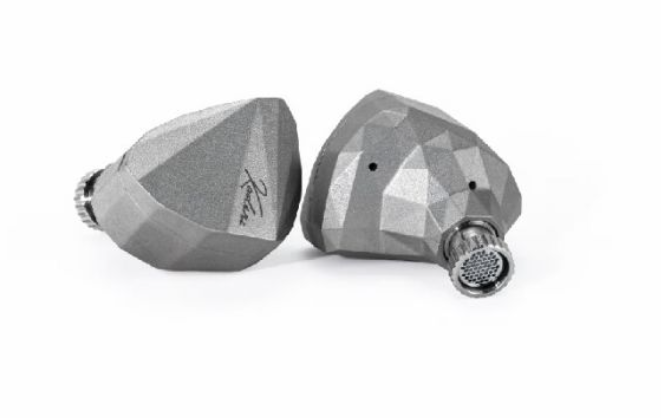
Moondrop KADENZ is an advanced in-ear earphone designed for audiophiles and music lovers alike. It comes equipped with a powerful 10mm ULT-Gen2 dynamic driver, offering a refined and effective audio experience. The earphones feature cutting-edge technology and attention to detail to provide high-quality sound and an excellent user experience. You can get the earphones for $189.99 only on GeekWills.
Powerful 10mm ULT-Gen2 Dynamic Driver
At the heart of the Moondrop KADENZ is the second-generation ULT-Gen2 10mm dynamic driver, a patented ultra-linear moving coil unit. The driver’s irregular magnetic circuit design, simulated using FEA (finite element analysis) technology, ensures precise sound reproduction. For optimized performance, air pressure balance channels are incorporated into the magnetic circuit structure to handle different vibration areas. Additionally, the unique vault-type venting device reduces treble standing waves inside the diaphragm while protecting the coil during intense dynamics. This sophisticated design ensures a rich, balanced audio experience with remarkable clarity and detail.
Well-Balanced Acoustic Tone
The Moondrop KADENZ delivers a well-balanced tone, thanks to its optimized cavity structure. Through extensive testing, including directional simulations, 3D printing, and mold adjustments, the internal structure was fine-tuned to enhance the acoustic volume. This attention to detail allows the KADENZ to reproduce sound across a wide range of frequencies, ensuring a balanced and natural tone, whether listening to soft vocals or powerful bass-heavy tracks.
Third-Generation Anti-Clogging Sound Filter
Moondrop has equipped the KADENZ with a third-generation patented anti-clogging sound filter, ensuring the best possible sound quality. This new design effectively prevents earwax and debris from clogging the sound filter, a common issue with in-ear earphones. The improved filter is especially beneficial for maintaining clear mid and high-frequency audio, ensuring consistent performance over time.
Interchangeable 0.78mm 2-Pin Cable Design
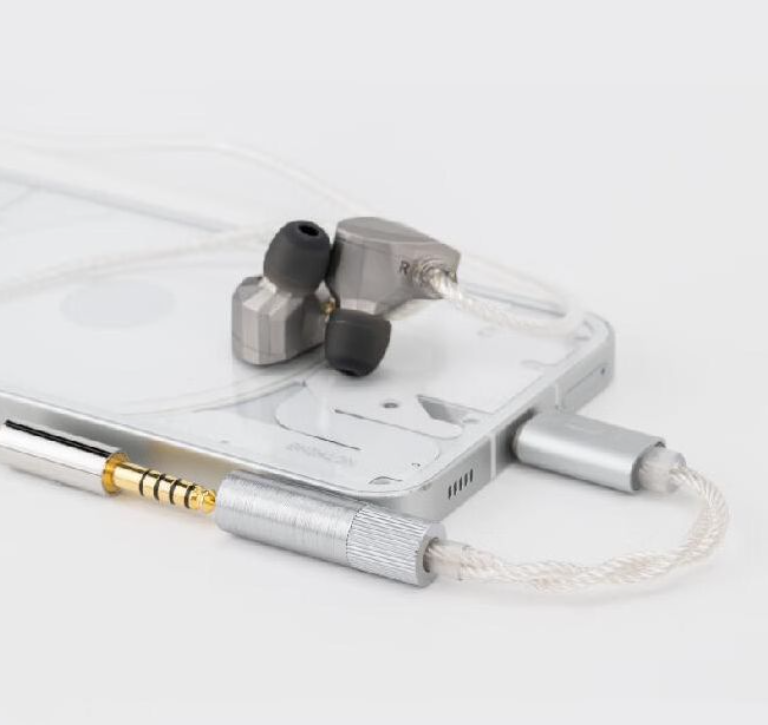
For enhanced versatility, the Moondrop KADENZ features a universal 0.78mm 2-pin interchangeable cable. This allows users to swap out the cable depending on their needs or preferences. The earphones come with both a 3.5mm analog cable and a USB-C cable, making it compatible with a wide range of devices, including PCs, Android phones, and iOS devices. This adaptability makes the KADENZ ideal for different streaming scenarios and use cases.
USB-C Cable with Five DSP Tunings
Moondrop KADENZ also comes with a USB-C high-definition decoding cable featuring DSP (digital signal processing) technology. Created by the renowned audio reviewer Crinacle, this cable offers five unique tunings, allowing users to customize their listening experience. The USB-C cable supports high-resolution audio, decoding PCM signals up to 32bit/384kHz, with a dynamic range of 120dB and a low total harmonic distortion of just 0.003%. This results in crisp, clear audio for a premium listening experience.
Key Specifications:
Driver: 10mm ULT-Gen2 dynamic driver
Sensitivity: 122dB/Vrms (@1kHz)
Impedance: 35Ω ± 15% (@1kHz)
Frequency Response: 8Hz-21kHz
Cable: 0.78mm 2-pin (includes 3.5mm analog and USB-C cables)
THD: ≤0.03% (@1kHz, 94dB)
With its flagship-level 10mm ULT-Gen2 dynamic driver, well-balanced acoustics, and versatile design, the Moondrop KADENZ stands out as a top-tier option for anyone seeking high-quality, immersive audio.
We use cookies on our website to give you the most relevant experience by remembering your preferences and repeat visits. By clicking “Accept”, you consent to the use of ALL the cookies.
This website uses cookies to improve your experience while you navigate through the website. Out of these, the cookies that are categorized as necessary are stored on your browser as they are essential for the working of basic functionalities of the website. We also use third-party cookies that help us analyze and understand how you use this website. These cookies will be stored in your browser only with your consent. You also have the option to opt-out of these cookies. But opting out of some of these cookies may affect your browsing experience.
Necessary cookies are absolutely essential for the website to function properly. This category only includes cookies that ensures basic functionalities and security features of the website. These cookies do not store any personal information.
Any cookies that may not be particularly necessary for the website to function and is used specifically to collect user personal data via analytics, ads, other embedded contents are termed as non-necessary cookies. It is mandatory to procure user consent prior to running these cookies on your website.