OnePlusSummer Launch Event is set to take place on July 16 where the company will unveil the Nord 4 smartphone globally. Ahead of this, the device has now appeared on the Geekbench benchmarking site showing its performance prowess.
The Nord 4 appeared on the benchmark with model number CPH2661, which as per X tipster Sanju Choudhary is the Indian variant of the phone. It scored 1866 points in single-core and 4216 points in multi-core tests. The listing reveals the phone will have an octa-core processor with a prime core clocked at 2.80GHz, two mid-cores at 2.61GHz, and three efficiency cores at 1.90GHz.
The setup confirms this is the Snapdragon 7+ Gen 3 SoC which is further confirmed by the motherboard id “pineapple.” The Geekbench listing also shows 8GB of RAM and Android 14 OS pre-installed on the device.
We’ve already seen the Nord 4’s design. It has flat frames and a dual-tone finish on the back. The upper section housing the vertical camera rings has a glass finish, while the lower back is metallic.
Speaking of cameras, the rear setup is said to have a combo of a Sony IMX882 50MP primary sensor and a Sony IMX335 8MP ultra-wide lens.
The front of the phone has narrow bezels with a punch-hole cutout in the center that will likely house a 16MP sensor. The display is said to be a 6.74-inch OLED display with a 1.5K resolution, a 120Hz refresh rate, and 2150nits peak brightness.
The Snapdragon 7+ Gen 3-powered phone may ship with up to 16 GB of LPDDR5x RAM, and up to 512 GB of UFS 4.0 storage. The battery is said to be a substantial 5500mAh cell which will support 100W fast charging.
Additional features of the Nord 4 might include dual speakers for audio, an IR blaster to control home appliances, and an alert slider to quickly turn notifications on and off.
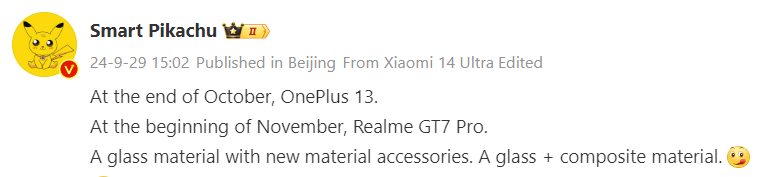
Later this month, in China, Redmi will announce the Redmi K70 Ultra as the last Redmi K70 series device. After the K70 Ultra, the company is expected to unveil the Redmi Note 14 series of smartphones in August or September, followed by the Redmi K80 lineup in November. A recent report revealed the model numbers of the Redmi K80 and K80 Pro. Tipster Smart Pikachu’s recent Weibo post has shed information about the K80 series.
Redmi K80 series design details (rumored)
According to the tipster, the design of the Redmi K80 Pro, powered by the Snapdragon 8 Gen 4, has been significantly improved. He added that the K80 series will likely include a new glossy material and composite glass, with ceramic under evaluation. It appears that one of the design options the company is reportedly considering is to relocate the camera module to the upper left corner. The same leaker previously claimed that the K80 series would have a Champion Edition like the K70 series.
The IMEI database listings of the Redmi K80 and K80 Pro have revealed that these devices have 24122RKC7C and 24127RK2CC model numbers, respectively. The two phones are expected to feature the Snapdragon 8 Gen 3 and the Snapdragon 8 Gen 4 chipsets, respectively. At present, there is no clarity about the existence of the Redmi K80e.
At present, there are no concrete leaks about the Redmi K80’s specifications. It is speculated that the K80 and K80 Pro may get rebranded as the Poco F7 and F7 Pro in the global market in 2025.
Redmi is expected to unveil the Redmi K70 Ultra, a performance-focused flagship phone, later this month in China. Today, Wang Teng Thomas, who is the Deputy General Manager of the Xiaomi China Marketing Department and the General Manager of the Redmi brand, released a Weibo post to confirm the display of the K70 Ultra.
Redmi K70 Ultra will feature C8+ screen
In his Weibo post, Wang Teng Thomas mentioned that he recently attended the launch ceremony of the C8+ luminous display panel in Wuhan, a collaborative effort between Xiaomi and TCL Huaxing. He emphasized two major improvements in the C8+ material: the pixel life has experienced an extraordinary breakthrough, increasing by over 100%, and the luminous efficiency has reached the highest level in the industry.
The Redmi K70 Ultra will debut this new C8+ display, which offers a 1.5K resolution. Reports have claimed that it will be a flat screen that supports up to a 144Hz refresh rate. It is expected to be powered by the PixelWorks X7 display chip for an enhanced gaming experience. For security, it will feature an in-screen fingerprint sensor.
The K70 Ultra will have a 20-megapixel front camera and an OIS-enabled 50-megapixel (main) + 8-megapixel (ultrawide) + 2-megapixel (macro) triple camera unit. Other anticipated features include a metal frame, a capable VC heat dissipation unit, and an IP68-rated chassis.
Honor Magic Vs 3 is all set to debut with other Honor devices, such as the Magic V3, the MagicPad 2, and the MagicBook Art 14, on July 12 in China. Ahead of the launch, the company has started receiving reservations for the Magic Vs3. The official listing of the device revealed its design, color options, and storage variants before the official announcement.
Honor Magic Vs3 design
The official images of the Honor Magic Vs3 show that it will have a different design for its camera module as compared to the Magic V3. The V3 has an octagonal camera module placed at the centre of the top half. It will be available in four shades, such as brown, black, green, and white.
On the other hand, the Magic Vs3 has a rectangular camera module positioned at the top-left corner. The device seems to have a side-facing fingerprint scanner and a metal frame. It will be available in three colors, such as black, white, and green.
Honor Magic Vs3 key specifications (rumored)
Unfortunately, there is not much known about the specifications of the Honor Magic Vs3. The official listing confirms that it will be available in 256 GB, 512 GB, and 1 TB storage editions.
There is a possibility that the Magic Vs3 may arrive with the Snapdragon 8s Gen 3 or 8 Gen 2 chipset onboard. A closer look at the device’s camera module reveals that it has a periscope telephoto camera. However, there is no information about the camera configuration of the device.
The Snapdragon 8 Gen 3 chipset will power the Magic V3, according to reports. Other expected features include an IPX8 rating, a 50-megapixel main camera with OIS support, a 3.5x periscope telephoto camera, a 5,200mAh battery, 66W fast charging, and wireless charging. It will have a slim profile of 9.7mm and weigh only 226 grams.
Amazon India is finally ready for Prime Day 2024, which is scheduled for July 20 and 21. The deals and discounts are already live on Amazon.in for Prime users and will commence on July 20 at midnight and last until 11:59 PM on July 21. This time, the shopping giant has announced some exciting deals on its entire inventory and special discounts on the Fire and either self-owned brand. There will be additional offers on consumer electronics, clothes, home appliances, and other items.
What is Amazon Prime Day?
Starting in 2015, Amazon started the Prime Day extravaganza, where they partnered with major manufacturers and small retailers to offer extraordinary discounts and deals. It’s been eight years, and this year will be the ninth iteration of Amazon Prime Day. In the previous iterations, we have already seen the scale of deals, and Amazon is going to repeat the same success this year, as they have dropped the curtains on Amazon Prime Day 2024 deals and other details. Let’s see what items we can expect discounts on this year:
Amazon Prime Day 2024 India Deals
New Product Launches
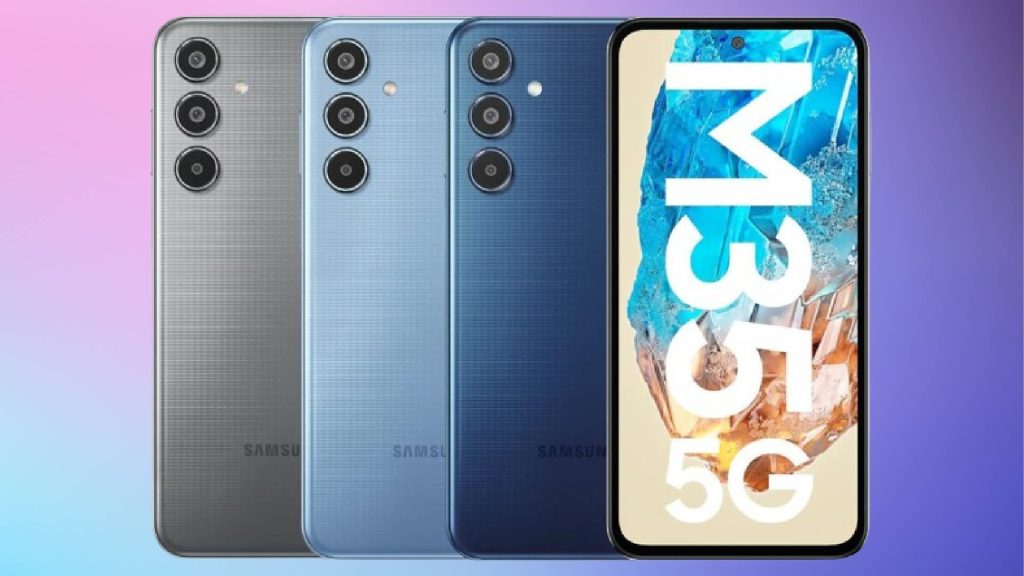
Along with the discounts on the popular items, there will be over 450 new product launches on the eve of Amazon Prime Day 2024. Several new smartphones from major OEMs like Samsung, OnePlus, Honor, iQOO, Sony, ITC, and Motorola are scheduled to launch on July 20. Precisely, the new Samsung Galaxy M35, Motorola Razr 50 Ultra, OnePlus Nord CE 4 Lite (Ultra Orange), Redmi 13 5G, Honor 200 Series, Lava Blaze X, Realme GT 6T, and a new variant of the OnePlus 12R 5G are making their debuts. Moreover, there will be continuous product launches from small businesses.
Bank Discounts:
To further enrich the ongoing discounts, several Indian banks, like ICICI and SBI, have partnered with Amazon to offer additional discounts like instant cashback. Details below:
ICICI Bank
Upto 10% cashback with ICICI Bank credit or debit cards
EMI Transactions on ICICI Bank Cards
Amazon ICICI Cards will get 5% cashback
SBI Bank
Upto 10% instant cashback with SBI Cards
EMI transactions
Amazon is also offering 5% additional instant cashback, which will be 4% Uber credit and 1% Amazon Pay cashback.
Moreover, there will be additional discounts for the new Amazon Pay and ICICI Bank Credit Card users. The new users will get welcome rewards up to Rs 2500.
Major discounts unveiled:
Several major items will retail at their lowest price. Some of the deals are listed below:
There are over 14 new shows and movies across 5 languages that will be available during the Prime Video sale this season. At the same time, music lovers will also get certain hits from their favorite artists in India. There will be exciting new additions to the Amazon Music library, which already has over 100 million songs in 20 languages.
Favorite items are already live, and users can add those to their wishlists. There’s also an option to start shopping for items where you left them last evening.
You can stay connected with us for more deals and details in the coming days. However, if you’re residing in the US, then make sure to check our Prime Day Deals 2024 deals and other information.
Several reports have claimed that the Redmi K70 Ultra equipped with the Dimensity 9300 Plus chipset, will debut this month (July) in China. Today, the brand officially confirmed that Xiaomi’s new foldable phones, such as the Mix Fold 4 and Mix Flip, will also launch this month. It appears that these devices will break cover during the same launch event later this month.
Xiaomi Mix Fold 4, Mix Flip July launch confirmed
Xiaomi MIx Fold 4, MIx Flip July launch confirmed
Xiaomi’s Weibo post released today states that its new factory has officially commenced full-scale production. This industry-leading, fully digitalized smart factory achieves 100% automation of critical processes through in-depth self-research and development of manufacturing equipment. By establishing an industry-leading “full-chain industrial big data” foundation, the factory attains 100% digitalization of industrial production. This new facility will manufacture the upcoming Xiaomi Mix Fold 4 and Mix Flip foldables.
Reports have revealed that the Xiaomi Mix Fold 4 and Mix Flip will feature the Snapdragon 8 Gen 3 chipset. For those who don’t know, the Mix Flip will be Xiaomi’s first flip-style foldable phone.
Recent reports have revealed that the Xiaomi Mix Flip will be available in four options, such as 12GB+256GB, 12GB+512GB, 16GB+512GB, and 16GB+1TB. It is expected to feature a 4-inch outer display and an OIS-enabled 50-megapixel + 60-megapixel (2x telephoto) dual camera setup. The device is expected to support 67W rapid charging.
Xiaomi Mix Fold 4 leaked image by Evan Blass
On the other hand, the Xiaomi Mix Fold 4 (shown in the leaked render above) will have a 50-megapixel main camera with OIS support, a 12-megapixel ultrawide lens, a 60-megapixel telephoto camera with 2x optical zoom, and a 10-megapixel periscope telephoto camera with 5x optical zoom. The battery size of the Mix Fold 4 will exceed 5,000mAh battery and it is expected to support 67W fast charging and wireless charging.
Realme will unveil the Realme GT 6 tomorrow (July 9) in China. Ahead of the launch, the company seems to have confirmed the starting price of the phone. A screengrab of Taobao (e-commerce platform) listing of the phone that is now doing the rounds on Weibo reveals that it will start at 3,199 Yuan (~$440).
Realme GT 6 price
The Realme GT 6’s starting price suggests that it will compete with the OnePlus Ace 3 Pro, which debuted last month for the same price. The Ace 3 Pro is available in three configurations, such as 12GB+256GB, 16GB+256GB, and 24GB+1TB in China.
At present, there is no information about the configuration of the base variant of the GT 6. However, rumors have claimed that the GT 6 will come equipped with 24 GB of RAM and 1 TB of storage. There is currently no word on the release of the GT 6 and Ace 3 Pro in markets outside of China.
Realme GT 6 specifications (rumored)
Recent reports have revealed that the Realme GT 6 will have a 6.78-inch BOE S1+ screen that offers a 1.5K resolution, a 144Hz refresh rate, and up to 6,000 nits of brightness. Under the hood, the device will have the Snapdragon 8 Gen 3 chipset and a 5,800mAh battery with 120W fast charging support.
The rear camera setup of the Realme GT 6 will have an OIS-assisted 50-megapixel Sony IMX890 primary camera and an 8-megapixel ultrawide lens. For selfies, the device will have a 16-megapixel selfie camera. The GT 6 also supports the new Sky communication system, which comprises support for 5.5G networks and Wi-Fi 7 protocols. In terms of design, the GT 6 will have a glass back and a metal frame. It will be available in three shades, black, green, and purple.
Mechrevo has announced a new configuration for its Yilong 15 Pro gaming laptop. Earlier this year the laptop was launched with RTX 4060 graphics card, now the upgrade features an improved GeForce RTX 4070 graphics card, a larger 99Wh battery, and an IR face recognition camera. The laptop is now available for pre-sale on Tmall starting at 8499 Yuan (around $1,169).
Mechrevo Yilong 15 Pro Specifications:
The new generation Yilong 15 Pro features a 15.3-inch 16:10 aspect ratio wide-angle LCD panel with a 2560×1600 QHD resolution, 91.8% screen-to-body ratio, 100% sRGB color gamut coverage, and a 240Hz high refresh rate. The display is claimed to have a brightness of 500 nits (typical).
Under the hood, the Mechrevo Yilong 15 Pro is powered by the latest AMD Ryzen 7 8845H processor along with the RTX 4070 GPU that supports up to 140W power. The GPU utilizes Ada Lovelace architecture for robust gaming and creative work, supporting features like DLSS 3 for improved frame rates and visual fidelity.
For cooling, Mechrevo equips the Yilong 15 Pro with an upgraded cooling system that includes 5 pure copper heat pipes, four pure copper fins, dual fans with four air outlets, and upgraded thermal grease. This setup promises effective cooling while keeping noise levels to a manageable 46dB, ensuring the laptop performs optimally without disruptive noise, even under load.
The Yilong 15 Pro comes standard with 32GB of dual-channel DDR5 memory clocked at 5600MHz and a 1TB PCIe 4.0 solid-state drive. The laptop retains the one-key flip screen function, and the webcam above the screen supports both physical and software-based shut-off methods. The new addition is the IR face recognition camera, which supports Windows Hello for quick password-free system login.
For connectivity, the laptop supports 100W PD charging and includes a slim mobile adapter that has been redesigned for better portability. It also boasts a full array of ports including HDMI 2.1, USB 3.2, and a Type-C charging port among others. Battery life is a significant upgrade, with a 99Wh battery providing up to 18 hours of usage.
In a surprising turn of events, Google‘s enigmatic Fuchsia operating system might be making its way onto Android devices, not as a full-fledged replacement, but as a virtualized inhabitant.
Fuchsia OS was first introduced in 2016 and appeared on its first commercial device in 2021 with the launch of the first-generation Nest Hub. But its reach hasn’t extended beyond the Nest Hub so far. However, a recent report suggests Fuchsia OS might run as a virtual machine on Android devices.
What Fuchsia does offer is a distinct foundation compared to Android and ChromeOS. It ditches the modified Linux kernel approach and is built from the ground up using a microkernel named Zircon. This microkernel architecture promises benefits in efficiency, flexibility, and security by minimizing the amount of trusted code in the system.
The new twist comes in the form of a project dubbed “microfuchsjia.” This project is reportedly aimed to enable Fuchsia to run on existing devices through virtualization.
Virtualization creates a software-based replica of a physical device, allowing it to operate in a separate computing environment. This isolation ensures that programs running on the primary OS and within the virtual machine do not interfere with each other.
Reports from the Fuchsia Gerrit code repository suggest that microfuchsia will use virtualization software like QEMU and pKVM. The latter, developed by Google, focuses on layered security for isolated workload execution. Interestingly, Google also created a lightweight Android variant called “microdroid” for this purpose.
The potential functionality of microfuchsia on Android devices remains unclear at the moment. However, similarities to microdroid suggest it might be used for running tasks that demand heightened security.
Also, the reason for a separate Fuchsia solution, given microdroid’s existence, is yet to be revealed. It is possible that Google views Fuchsia as a more secure and performant option for virtualized workloads within the Android ecosystem.
Chinese electric vehicle (EV) manufacturer Nio is reportedly exploring the potential of humanoid robots in its production lines. A recent report by China Star Market revealed that Nio is testing the Kuavo robot, developed by Leju Robotics, at its factories.
What’s particularly noteworthy is that Kuavo is the first HarmonyOS-powered robot unveiled by Huawei at the HDC 2024 developer conference in June.
Nio is not the only car manufacturer exploring the use of humanoid robots in assembly lines. However, it appears to be at the forefront of this development.
Prior to the testing of Kuavo, another humanoid robot, the Walker S from UBTech Robotics, underwent training at a Nio factory in February 2024. This marked the first instance of real-world training for the Walker S robot within a new energy vehicle (NEV) factory setting.
During the training, the Walker S utilized its image capture and transmission capabilities for quality control tasks like inspecting door locks, seat belts, and headlight covers. Additionally, the robot was able to affix vehicle logos as shown in a video shared by UBTech Robotics.
Nio’s interest in humanoid robotics extends beyond individual robots. In April 2024, Yi Peng, Nio’s head of humanoid robots for intellectual engineering, revealed the formation of a “squad” of humanoid robots at the China Humanoid Robot Ecology Conference. Yi also outlined two key areas of focus for Nio’s humanoid robotics endeavors:
Nio itself established a dedicated “squad” of humanoid robots in 2023, focusing on two key areas:
Fixing humanoid robotic arms in tight spaces and multitasking with 5G and vision algorithms.
Using humanoid robots in some quality control processes.
While the extent of Nio’s collaboration with Huawei and Leju Robotics remains unclear, the testing of the HarmonyOS-powered Kuavo robot is a significant step in the company’s efforts to incorporate humanoid robots into its manufacturing processes.
The next iteration of Qualcomm‘s Snapdragon 8 Gen 3 processor – the Snapdragon 8 Gen 4 Soc has been the subject of speculations and rumors for a while now, especially concerning its price. Tipster Yogesh Brar is the latest to speculate that the new chipset will be priced higher than its predecessor. It is reported that the new chipset will be priced between $220 and $240, indicating a price increase between 25% and 30% above the Snapdragon 8 Gen 3. The Snapdragon 8 Gen 4 is scheduled for its official unveiling at the Snapdragon Summit later this year in October. The chipset is however expected to be released in models in 2025.
Qualcomm will use the TSMC 3nm N3E process in the Snapdragon 8 Gen 4, as per rumors. The ARM core from the Snapdragon 8 Gen 3 will be replaced by the Oryon self-developed core. It is believed that the switch to the Oryon core is a major factor in the significantly higher price of the chipset. The third-generation Snapdragon 8 chipset is currently priced between $190 and $200. It has been previously rumored that Qualcomm is redesigning the Snapdragon 8 Gen 4 processor with a new target frequency of 4.26GHz. This improvement was allegedly designed to cope with Apple’s M4/ A18/ Pro processors and also seems to support the rumored price increase.
There is no official Qualcomm statement to ascertain the quality of the rumored changes and pricing of the next-gen Snapdragon 8 chipset. The missing details about the upcoming Qualcomm Snapdragon 8 Gen 4 processor will be revealed as we inch towards the October unveiling of the chipset.
OKPad, a new dual-screen tablet from Bluegen, has launched its crowdfunding campaign on Kickstarter. This unique device boasts an 8.9-inch IPS LCD display alongside a 7.8-inch E Ink screen, offering users the best of both worlds for entertainment and productivity.
OKPad Specifications:
The IPS LCD screen caters to regular tablet usage, while the E-Ink display, known for its paper-like feel and minimal eye strain, is ideal for reading, note-taking, and sketching. Both screens are touch-enabled, with the E-Ink display offering 4096 levels of pressure sensitivity for a natural writing experience with the included Wacom stylus.
The tablet also features a 360-degree hinge that allows for seamless switching between various modes. Fold it like a traditional laptop for work or presentations, use it in tent mode for comfortable reading, or flip the screens for a pure E-Reader experience.
The OKPad boasts a long-lasting 7000mAh battery, expandable storage, and a dedicated button for effortless switching between displays. Under the hood, it runs on a Qualcomm Snapdragon 600 series processor, 4GB of RAM, and 64GB of storage, which might raise a few eyebrows considering the year is 2024.
The tablet also features an 8MP rear camera and a 2MP front camera for basic photo and video needs. The OKPad runs on Android 10, a slightly older version of the operating system. This choice might be due to software optimization for the E-Ink display, as similar eReaders often lag behind in terms of the latest Android releases. The processor’s age could also limit future software updates.
In terms of connectivity, the OKPad offers WiFi 5 and Bluetooth 4.2. Additionally, the tablet comes with a robust aluminum alloy body along with stereo speakers and a 3.5mm audio jack.
Pricing and Availability
Bluegen’s Kickstarter campaign for the OKPad offers multiple pricing tiers: the Super Early Bird special at $199 for the first 100 backers (50% off), followed by the Early Bird price of $249 for the next 200 backers (approximately 38% off), and a Kickstarter Special at $299 (about 25% off). Each tier provides substantial savings off the regular price of $399. The company is expected to start shipping from August 2024.
The ASUS ROG Ally X handheld gaming console will launch in China on July 13. This was revealed by an official statement by ASUS of its upcoming product launch event. The ROG Ally X was unveiled for the global market in June, equipped with the AMD Ryzen Z1 Extreme CPU with an impressive 80Wh battery capacity. The gaming handheld comes with several improvements above its predecessor. It has a memory capacity of 24GB and its solid-state drive slot is the M.2 2280 model.
The ASUS ROG Handheld X was announced last month and is a successor to the first-generation ASUS ROG Handheld. It has a doubled battery capacity over its predecessor while the hard drive capacity is doubled to 1TB from its first iteration. The memory was also upgraded to 24GB LPDDR5X-7500. The new ASUS handheld game console has a joystick module with an upgraded lifetime of 5 million times from the original 2 million times. The spring feel is a bit tighter and can be easily replaced. The D-Pad cross-key design provides greater feedback clarity unlike previously.
The ASUS ROG Handheld X features two Type-C interfaces on the top (replacing the XG Mobile graphics card in the original model). One of the USB-C ports supports USB4 while the other is rated USB 3.2 Gen 2. Both USB-C interfaces support PD 3.0 charging and DisplayPort 1.4 connection support. The ROG Handheld X has an upgraded zero-gravity cooling system that achieves up to 30W of heat dissipation capacity. The fan size of the heat dissipation system is reduced while the air volume is increased. The ASUS ROG Handheld X gaming console is priced at $799.
Samsung has recently dropped the price of the Galaxy S23 Ultra, the brand’s flagship smartphone from 2023. The Galaxy S23 Ultra is currently available on Amazon India for Rs 89,999. So is it still worth buying at this price? Keep reading to find out.
Samsung Galaxy S23 Ultra offer:
The Galaxy S23 Ultra made its debut in February last year with a starting price of Rs 1,24,999 (12GB RAM and 256GB storage). As mentioned above, the device has recently received a massive price cut on Amazon India, retailing for Rs 89,999.
All that said, is the Galaxy S23 Ultra worth buying? The answer is yet. While the Galaxy S23 Ultra features the Snapdragon 8 Gen 2 chip and not the cutting-edge Snapdragon 8 Gen 3, it is still capable of providing flagship-tier performance. More than that, the camera hardware is almost the same as that on the Galaxy S24 Ultra. Buyers don’t need to worry about the software side as well since the device will keep getting updates even in 2027, with Android 17 being its final version. You can check out the detailed specifications below.
Samsung Galaxy S23 Ultra specs:
The Samsung Galaxy S23 Ultra features a 6.8-inch Quad HD+ Dynamic AMOLED 2X Infinity-O display with a variable refresh rate ranging from 1 to 120Hz and a peak brightness of 1750 nits. It is powered by the Snapdragon 8 Gen 2 for Galaxy and includes vapor chamber cooling for improved heat dissipation.
The device is built with an Armor Aluminum frame and Corning Gorilla Glass Victus 2 for durability. It features an in-display Ultrasonic Fingerprint Scanner and operates on Android 13 with Samsung’s OneUI 5.1 out of the box. The device has already received the Android 14-based One UI 6.1.
The rear camera system includes a 200MP primary sensor with OIS, super HDR, and pixel enhancer, a 12MP Ultra Wide lens, a 10MP Telephoto lens with 3x zoom, a 10MP Periscope lens with 10x zoom, and a 3D ToF sensor. The front camera has a 12MP Dual Pixel sensor with AI object awareness. The phone supports 8K video recording at 30 fps with VDIS technology.
Additional features include UWB capabilities, an IP68 rating, a 5000mAh battery with 45W fast charging, wireless charging, and a built-in S Pen Stylus.
Realme‘s Narzo 70 Pro 5G is currently among the best smartphone offerings in the Indian sub-20K segment due to its stacked spec sheet and clean design. Realme is offering a massive discount on the device to make the deal even sweeter, dropping its starting price by Rs 4,000.
The Narzo 70 Pro 5G 8GB RAM + 128 GB storage model, which usually retails for Rs 19,999 is currently going for just Rs 15,999, thanks to an Amazon coupon discount of Rs 4,000. The 8 GB RAM + 256GB storage variant of the device is being offered at an even bigger discount of Rs. 5,000, dropping its price down to Rs 16,999 from the usual 21,999.
Realme Narzo 70 Pro 5G specs:
The Narzo 70 Pro features a 6.67-inch FHD+ AMOLED display with a 120 Hz refresh rate and is powered by the MediaTek Dimensity 7050 SoC. It includes LPDDR4x RAM, UFS 3.1 storage, and a VC liquid cooling system. The device runs on Realme UI 5.0 based on Android 14, supports air gestures, and has a 5,000mAh battery with 67W wired fast charging.
The phone has a triple rear camera setup with a 50 MP OIS-assisted Sony IMX890 sensor, an 8 MP ultrawide lens, and a 2 MP macro lens. The front camera is 16 MP. It does not have a 3.5mm headphone jack or a MicroSD card slot but includes Dolby Atmos-supported dual stereo speakers. Connectivity options include dual SIM, 5G, WiFi 6, Bluetooth 5.2, GNSS, and USB Type-C.
Chinese peripheral maker ATK has unveiled a new mechanical keyboard, the ATK Z87 Pro, boasting a feature set that caters to both budget-conscious and performance-oriented users. Let’s check out its key specs.
ATK Z87 Pro Keyboard Specifications:
The Z87 Pro comes in a compact 87-key layout, ditching the num pad for a space-saving design favored by gamers and minimalists alike. The keyboard boasts a sleek semi-aluminum shell with a CNC anodized metal top cover, offering a blend of durability and premium aesthetics. The keyboard also features built-in PVD decorative light strips that illuminate alongside the keyboard’s backlighting.
Under the hood, the Z87 Pro offers a choice between two different switch options: Kailh Blueberry Ice Cream switches and Aniya switches. Both are linear switches, known for their smooth keypress and focus on speed. The keyboard also boasts multiple keycap profile options, including MDA and OEM profile high-quality PBT keycaps, ensuring a comfortable typing experience.
The Z87 Pro has a Gasket structure that utilizes silicone pads to isolate the plate from the keyboard’s base, dampening typing noise and creating a softer, more satisfying keystroke feel. This feature is typically found on higher-end keyboards and contributes to a more premium typing experience.
Beyond its build quality, the Z87 Pro boasts impressive specs. It features a 1ms response time, ideal for competitive gamers, and a long-lasting battery life thanks to its 8000mAh battery. The keyboard also supports three connection modes: wired, 2.4G wireless, and Bluetooth 5.0, offering flexibility for different setups.
The keyboard is equipped with a 16.7 million color ARGB lighting system, allowing for extensive customization of the keyboard’s aesthetics. ATK also includes its ATK HUB software, which provides users with granular control over lighting effects, keyboard performance, and sensitivity parameters.
Pricing and Availability
The ATK Z87 Pro comes in three color options: Silver, Ambient Side-Engraved, and Black. The starting price for the keyboard is a budget-friendly 279 yuan (around $38) for the base model with Aniya switches. Opting for the Silver Blueberry Ice Cream switches bumps the price to 369 yuan (around $50). The keyboard is now available on JD.com.
Microsoft recently launched the Surface Laptop 7 and Surface Pro 11, powered by Snapdragon X processors, globally. These devices appear to be making their way to the Indian market, as a user on X (formerly Twitter) revealed the prices for all configurations in which they will be available in the country. The user claimed to have obtained this information from a retailer in Chennai.
The leaked list shows multiple configurations for both the Surface Laptop 7 and Surface Pro 11, with various storage options and RAM capacities. The base model for both devices is equipped with a Snapdragon X Plus chip, 16GB RAM, and 256GB storage and starts at Rs 113,999.
Here’s a breakdown of the leaked prices for Surface Laptop 7 in the 13.8-inch display:
Plus with 16GB RAM and 256GB storage: ₹113,990
Plus with 16GB RAM and 512GB storage: ₹131,990
Elite with 16GB RAM and 512GB storage: ₹150,990
Elite with 16GB RAM and 1TB storage: ₹170,990
Elite with 32GB RAM and 1TB storage: ₹202,990
The leak also includes prices for a larger 15-inch Surface Laptop 7, but only in the Elite configuration:
Elite with 16GB RAM and 256GB storage: ₹139,990
Elite with 16GB RAM and 512GB storage: ₹159,990
Elite with 16GB RAM and 1TB storage: ₹178,990
To note, the Surface Laptop 7 will be available in Platinum and Graphite color options in India.
The Surface Pro 11, on the other hand, is only available with a 13.8-inch screen and in Black and Platinum color options.
Samsung‘s Galaxy Unpacked event on July 10th is set to unveil the latest foldable phone, the Galaxy Z Fold 6. However, there’s also rumors about a slimmer, higher-end variant of the Fold 6. While that device won’t be making an appearance next week, a new report suggests it’s not entirely out of the picture.
According to TheElec, Samsung is indeed working on a slimmer version of the Z Fold 6, featuring larger screens. The report claims the phone will boast a 6.5-inch cover display and an expansive 8-inch internal screen – up from the standard Z Fold 6’s rumored 6.3-inch and 7.6-inch displays respectively.
This slimmer Z Fold 6 is reportedly scheduled for a fourth-quarter 2024 launch, with a limited production run of 400,000 to 500,000 units. Availability will also be restricted, with China being one of the few rumored markets.
Samsung’s goal appears to be demonstrating the ability to create a thinner foldable phone compared to its current models. However, achieving this slimmer profile has reportedly come at the cost of S Pen support, as the digitizer needed for stylus functionality has been omitted.
TheElec’s report also mentions higher-end specs for this variant, but specifics remain undisclosed. Earlier rumors suggested a possible camera upgrade for the slimmer Z Fold 6 compared to the standard Fold 6. However, the report does not confirm this.
A source within Samsung’s supply chain indicates that development for the slimmer Z Fold 6 began in Q1 2024. Considering Samsung’s typical year-long development cycle for high-end phones, a delayed launch compared to the standard Z Fold 6 aligns with this information.
With larger screens and potentially more powerful specs, the slimmer Z Fold 6 is expected to carry a higher price tag than its standard counterpart. Samsung’s strategy seems to target a premium foldable experience for a select market, while the standard Z Fold 6 caters to a broader audience.
The Xiaomi MIJIA All-Effect Air Purifier Ultra Enhanced Edition has just been unveiled in China. This is the latest smart home product from MIJIA and it is feature-packed to ensure the removal of various air pollutants. Pre-orders for this air purifier will go live soon, arriving just days after MIJIA Anti-Blue Light Glasses Pro with Beta-titanium temples.
Xiaomi MIJIA All-Effect Air Purifier Ultra Enhanced Edition
As per the official marketing material, the new MIJIA air purifier can remove 95 types of air pollutants to offer ’10 level composite deep purification’. It employs a special oxygen dissolution layer, a high precision PM1 filter layer, a microporous high-quality activated carbon layer, a full-width light curtain, a formaldehyde catalytic filter element, a second generation carbon array, a high energy sterilization ion field, an antibacterial, an anti-allergic filter layer, and PET washable filter layer.
Xiaomi MIJIA All-Effect Air Purifier Ultra Enhanced Edition
All of these combined help to not only clean the air but also get rid of strong odors. So secondhand smoke, kitchen waste, and others can be filtered out. The Xiaomi MIJIA All-Effect Air Purifier Ultra Enhanced Edition has even received the Swiss SGS Deodorization certification for this as well as medical grade air purifier certification. Sterilization is done using traditional UV lamp beads and other tech to eliminate bacteria and viruses.
Being a smart air purifier, the product supports Mi Home app pairing. This brings access to various modes like allergy friendly mode, pet enhancement, dirt purification, and more. It arrives with Xiaomi Smart Connection, allowing you to connect it to multiple smart home devices. The Xiaomi MIJIA All-Effect Air Purifier Ultra Enhanced Edition is currently listed on JD.com with a price tag of 5,799 Yuan (roughly 800 US Dollars) with its pre-order set to kick off on 9th July 2024 in China.
Xiaomi has quietly added two Bluetooth speakers to its global website. Dubbed the Xiaomi Bluetooth Speaker and Bluetooth Speaker Mini, they were previously available only for purchase in China.
Although the speakers are listed on the official site, specific pricing details remain under wraps. However, you can estimate their prices based on their Chinese counterparts.
In China, the larger Xiaomi Bluetooth Speaker is priced at approximately $80, while the Bluetooth Speaker Mini is priced at around $30. Here’s a look at what each speaker offers for its respective price point.
Xiaomi Bluetooth Speaker
The larger Xiaomi Bluetooth Speaker boasts 40W of power and boasts a 360-degree sound experience with a maximum volume of 93 dB. It achieves this through a combination of two tweeters, a mid-frequency driver, and dual passive radiators.
The speaker boasts an IP67 water resistance rating, making it suitable for poolside or beach use. It also supports HyperOS Connect for multi-device pairing and stereo playback, with customizable RGB lighting adding a touch of flair. The speaker has a run-time of up to 17 hours of battery life on a single charge.
Xiaomi Bluetooth Speaker Mini
The Xiaomi Bluetooth Speaker Mini offers a more compact and portable option. Roughly half the size and weight of its larger sibling, the Mini comes in at around 10 x 7 x 7 cm and weighs just 330g.
It utilizes two full-range speakers and a passive radiator to deliver 360° omnidirectional sound output. The battery life is a more modest 8 hours. However, it retains many of the other features, including Bluetooth connectivity, HyperOS Connect, and IP67 dust and water resistance. There’s also ambient RGB lighting on the top for asthetics.
For those impatient for Xiaomi’s official launch, the company’s existing offerings, like the Xiaomi Mi Portable Bluetooth Speaker, are still available through retailers like Amazon.
These existing models might offer a comparable alternative until Xiaomi officially unveils its latest Bluetooth speaker lineup for the global market.
We use cookies on our website to give you the most relevant experience by remembering your preferences and repeat visits. By clicking “Accept”, you consent to the use of ALL the cookies.
This website uses cookies to improve your experience while you navigate through the website. Out of these, the cookies that are categorized as necessary are stored on your browser as they are essential for the working of basic functionalities of the website. We also use third-party cookies that help us analyze and understand how you use this website. These cookies will be stored in your browser only with your consent. You also have the option to opt-out of these cookies. But opting out of some of these cookies may affect your browsing experience.
Necessary cookies are absolutely essential for the website to function properly. This category only includes cookies that ensures basic functionalities and security features of the website. These cookies do not store any personal information.
Any cookies that may not be particularly necessary for the website to function and is used specifically to collect user personal data via analytics, ads, other embedded contents are termed as non-necessary cookies. It is mandatory to procure user consent prior to running these cookies on your website.