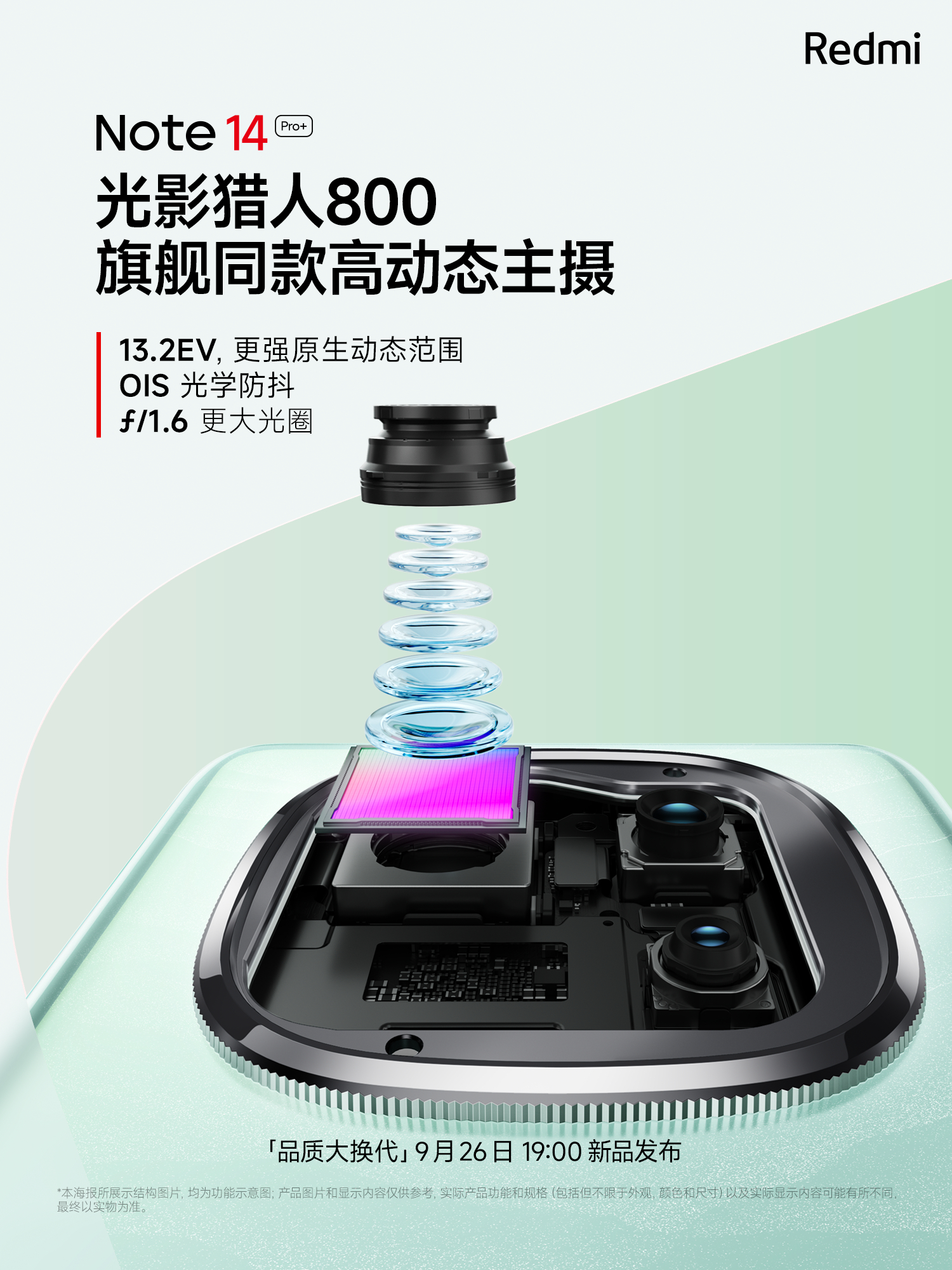
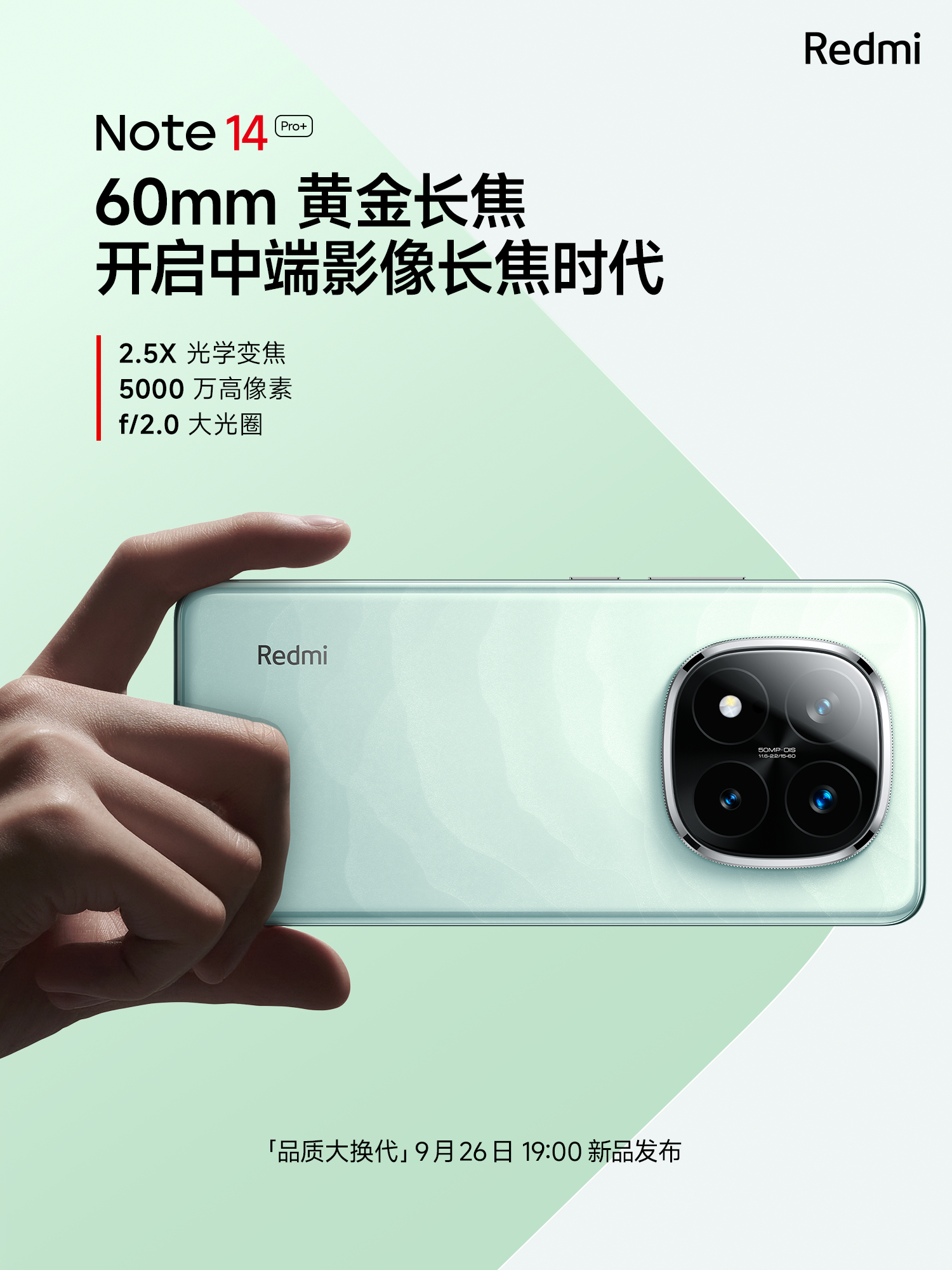
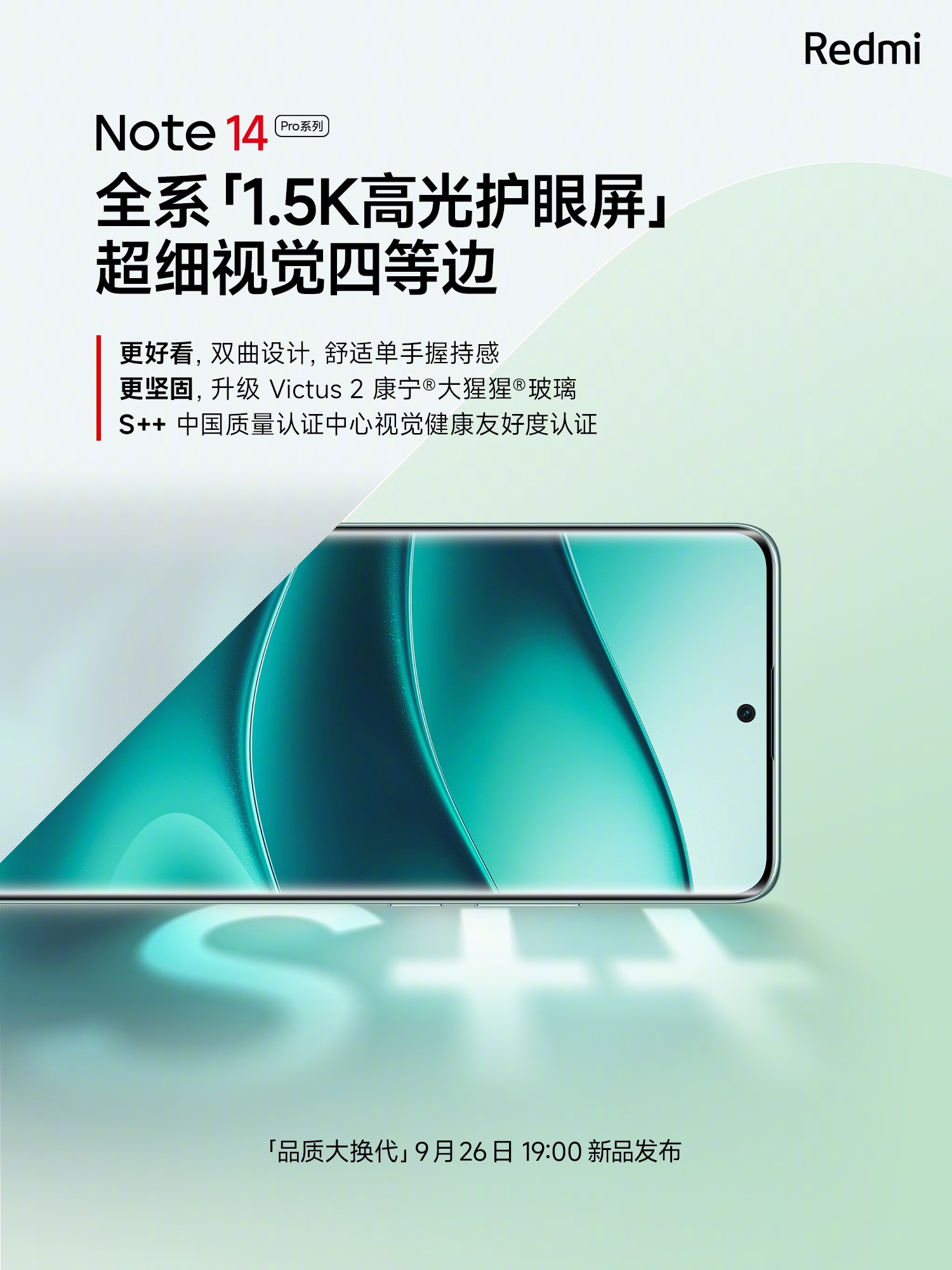
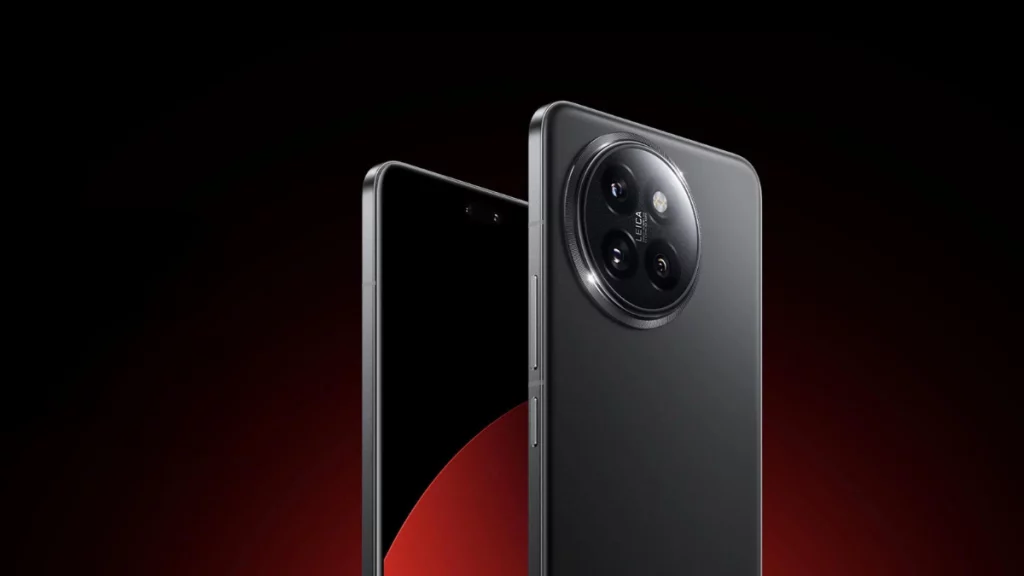
Yesterday, Redmi released posters to confirm the chipset and battery details of the Redmi Note 14 Pro+. Today, it rolled out new posters to confirm the camera specifications of the Redmi Note 14 Pro+. For the first time, a Note-branded phone will come equipped with a telephoto camera.
The above posters confirm that the Redmi Note 14 Pro+ will have a 50-megapixel OmniVision Light Fusion 800 camera, which is nothing but the OmniVision OV50H camera sensor. Apart from OIS support, it will come with a 13.2 EV native dynamic range and an f/1.6 aperture. The same primary camera is also available on the Xiaomi 14 Civi (aka Xiaomi Civi 4 Pro in China).
Additionally, the Note 14 Pro+’s camera setup will include a 50-megapixel telephoto camera with a 60mm focal length. It will have an f/2.0 aperture and support 2.5x optical zoom. The details of the ultra-wide lens, which might be part of the camera setup, are still unknown.
The Redmi Note 14 Pro+ is also confirmed to feature a 1.5K OLED display with a curved-edge design. The screen will come with Corning Gorilla Glass 2 protection. For enhanced durability, the device will offer up to IP69-level dust and water resistance. While the screen size has not been revealed, it appears that it will be a 6.67-inch panel with support for up to 120Hz refresh rate.
Under the hood, it will feature the Snapdragon 7s Gen 3 chipset and a 6,200mAh battery with 90W fast charging support. It is expected to arrive in multiple LPDDR5 + UFS 3.1 configurations, such as 12GB+256GB, 12GB+512GB, and 16GB+512GB. The device will run on HyperOS-based Android 14. It will be available in multiple shades, such as Star Sand Green, Mirror Porcelain White, and Midnight Black.
When it comes to flagship smartphones, few names carry the weight that Apple and Samsung do. The latest in their iconic series, the Apple iPhone 16 and the Samsung Galaxy S24 represent the pinnacle of mobile technology, offering premium features and cutting-edge advancements. However, choosing between these two devices can be challenging.
In this comparison, we’ll evaluate the two phones based on design, display, media, software, performance, battery, and cameras, highlighting their similarities, differences, and unique advantages to help you decide which is the better buy.
Design:
Both the iPhone 16 and the Galaxy S24 boast sleek designs, but they cater to slightly different aesthetics and practical needs.
Features The iPhone 16 sports a glass front and back made from Corning glass and an aluminum frame. It’s available in a variety of finishes, maintaining Apple’s minimalist and premium look. Apple has focused on durability, offering IP68 water and dust resistance that protects the device in up to 6 meters of water for 30 minutes.
On the other hand, the Galaxy S24 is built with Gorilla Glass Victus 2 on both the front and back, which provides excellent scratch and drop resistance. Samsung claims an extra layer of protection with its Armor Aluminum 2 frame, also rated IP68, but with resistance for 1.5 meters for 30 minutes.
Similarities Both devices feature premium glass and aluminum constructions and are certified IP68 for water and dust resistance. They are designed to survive everyday wear and tear, though Samsung’s Armor Aluminum provides extra peace of mind for durability.
Differences While both phones have premium builds, the iPhone 16’s design emphasizes simplicity and refined materials, whereas the Galaxy S24 leans into durability with its extra-protective materials and more resistant glass. The iPhone 16 offers deeper water resistance (6m vs. 1.5m), which could be an essential factor for users with more exposure to wet environments.
Advantages The iPhone 16’s design feels luxurious and refined, with better water resistance for extreme conditions. However, the Galaxy S24 wins in durability, making it better suited for users seeking a rugged device.
Unique Design Features
The iPhone 16 features a recognizable notch design housing the Face ID sensors.
The Galaxy S24 likely has a punch-hole camera design (based on previous models), offering a potentially more immersive display experience.
Some users prefer the clean look of a punch-hole camera, while others appreciate the advanced facial recognition capabilities enabled by the iPhone’s notch.
Better Design Choice: iPhone 16 for its minimalist luxury and better water resistance; Galaxy S24 for enhanced durability.
Display, Media, and Software:
The screen is one of the most significant elements of any smartphone, and both the iPhone 16 and Galaxy S24 excel in this area.
Features The iPhone 16 comes with a 6.1-inch Super Retina XDR OLED display with HDR10 and Dolby Vision support, peaking at an impressive 2000 nits of brightness. This ensures vibrant colors, sharp contrast, and excellent outdoor visibility. It is protected by Ceramic Shield glass, which offers additional durability.
The Galaxy S24 ups the ante with a slightly larger 6.2-inch Dynamic LTPO AMOLED 2X display, featuring a 120Hz adaptive refresh rate, HDR10+, and a peak brightness of 2600 nits. This screen offers buttery-smooth scrolling, ideal for gaming or high-refresh activities, along with superior brightness for bright sunlight conditions.
Similarities Both phones deliver OLED panels that support high dynamic range formats (HDR10), ensuring vivid and immersive visuals. They also provide excellent brightness, sharp contrast, and vibrant colors for media consumption and outdoor use.
Differences The iPhone 16’s display has a fixed 60Hz refresh rate, which may feel less smooth compared to the 120Hz adaptive refresh rate on the Galaxy S24, especially when scrolling or playing games. However, Apple’s Dolby Vision support can offer slightly better HDR performance in supported content, whereas Samsung focuses more on brightness and gaming fluidity with its LTPO AMOLED technology.
Advantages The Galaxy S24 offers a larger screen, higher peak brightness, and a 120Hz refresh rate, making it better for users who prioritize gaming or multimedia consumption. On the other hand, the iPhone 16 excels in color accuracy and HDR content with Dolby Vision support, appealing to users who care about visual precision.
Better Display Choice: Galaxy S24 for gaming and multimedia consumption; iPhone 16 for those focused on HDR content and precision.
Performance and Battery:
Both Apple and Samsung have outfitted their latest phones with powerful chipsets, but each takes a different approach to delivering performance and battery life.
Features The iPhone 16 is powered by the Apple A18 chip, built on a 3nm process, delivering superb efficiency and performance across a wide range of tasks. Paired with 8GB of RAM, the iPhone 16 is fast, smooth, and power-efficient. It does not support external storage but offers up to 512GB of internal storage.
The Galaxy S24 comes with either the Qualcomm Snapdragon 8 Gen 3 or the Exynos 2400, depending on the region. Both are built on 4nm technology and paired with up to 12GB of RAM, offering excellent multitasking performance and high-end gaming capabilities. The Galaxy S24 also features UFS 4.0 storage for faster read/write speeds.
In terms of battery, the iPhone 16 has a Li-Ion non-removable battery, though the exact capacity is undisclosed. It supports fast wired and wireless charging and reverse wired charging. Meanwhile, the Galaxy S24 is equipped with a 4000 mAh battery, supporting 25W wired and 15W wireless charging, with 4.5W reverse wireless charging.
Similarities Both phones deliver flagship performance with efficient chipsets and 8GB RAM as the standard. They also support fast charging, wireless charging, and reverse wireless charging.
Differences The iPhone 16’s A18 chip is more efficient due to its 3nm architecture, potentially offering better battery life in regular use. The Galaxy S24, however, has the advantage of more RAM options and UFS 4.0 storage, which translates to better multitasking and faster app loading. Samsung also provides region-specific processors, which can result in slight performance variations based on where you buy the phone.
Advantages In terms of pure performance, the iPhone 16 excels in power efficiency and sustained performance across various tasks. The Galaxy S24 provides more RAM and UFS 4.0 storage, giving it the edge for power users and gamers who need faster storage and multitasking capabilities.
Better Performance and Battery Choice: iPhone 16 for efficiency and battery longevity; Galaxy S24 for multitasking and gaming performance.
Cameras:
Cameras are one of the most important features for today’s users, and both phones come with impressive setups.
Features The iPhone 16 features a dual-camera setup, consisting of a 48MP main camera and a 12MP ultrawide lens. It offers advanced sensor-shift optical image stabilization (OIS), Dolby Vision HDR video recording, and up to 4K resolution at 60fps.
The Galaxy S24 packs a triple-camera system, with a 50MP main camera, 10MP telephoto lens with 3x optical zoom, and 12MP ultrawide lens. It also supports 8K video recording at 24fps and 4K recording at 60fps.
Similarities Both phones offer high-quality wide and ultrawide cameras, capable of delivering excellent image quality in diverse conditions. They also support 4K video recording at multiple frame rates and offer stereo sound recording.
Differences The Galaxy S24’s inclusion of a 10MP telephoto lens with 3x optical zoom sets it apart for zoom photography. Additionally, its ability to shoot in 8K video is a significant advantage for videographers. The iPhone 16 does not have a telephoto lens or 8K video recording, but its sensor-shift stabilization is more advanced, especially for low-light photography and handheld shooting.
Advantages If zoom photography and 8K video are important to you, the Galaxy S24 is the clear winner. However, the iPhone 16 delivers superior stabilization and seamless Dolby Vision HDR for photo and video enthusiasts who prioritize detail and clarity.
Better Camera Choice: Galaxy S24 for zoom and videography; iPhone 16 for stabilization and HDR quality.
Which is the Better Buy?
Choosing between the iPhone 16 and the Galaxy S24 largely depends on your preferences and how you plan to use your phone.
iPhone 16 stands out with its minimalist design, Dolby Vision display, power-efficient A18 chip, and excellent image stabilization for photography.
Galaxy S24 shines in durability, high-refresh-rate display, multitasking performance, and 8K video recording.
Please Note: When you buy something using the links in our articles, we may earn a small commission at no cost to you.
For most users seeking an all-around experience with superior efficiency and HDR quality, the iPhone 16 may be the better buy. However, if you value gaming, multitasking, zoom photography, or videography, the Galaxy S24 offers more in those areas.
Amazon is hosting the Great Indian Festival to celebrate the festive season in India. On occasion, the e-commerce giant is offering up to 50% discounts on smartphones from major OEMs like Samsung, OnePlus, and other manufacturers. iQOO is not far behind, the manufacturers have published details about the upcoming deals on the iQOO 12, iQOO Neo 9s Pro, iQOO Z9s Series, and other smartphones on Amazon India. Below are the discount details for each smartphone:
Deals on iQOO smartphones at Amazon Great Indian Festival
The discounts on the iQOO smartphones will be live from September 26th for Prime users, and from September 27th for all on Amazon India. iQOO has detailed the discounts on each of its smartphones.
Starting with the iQOO Z9 Lite, which was launched for Rs 10,499 and will be on sale for Rs 9,499. Meanwhile, the iQOO Z9x and iQOO Z9s, which were launched for Rs 12,499 and Rs 9,999, will retail for Rs 10,749, and Rs 17,499, respectively. Further, the iQOO Z9s Pro will be on sale for Rs 21,999, which includes a direct discount of Rs 3,000. Further, the iQOO Neo 9s Pro will be available for the effective price of Rs 31,999. The flagship, iQOO 12 will be up for grabs at Rs 47,999.
There are going to be exclusive discounts for the iQOO wearables. iQOO TWS 1e will be available for Rs 1,599.
Apart from the price, there will be an additional Rs 15000 exchange bonus applicable for the iQOO Z9s Pro, and Rs 2000 if you purchase the iQOO Neo 9s Pro and iQOO 12. There’s also up to 9 months of no-cost EMI option.
Please Note: When you buy something using the links in our articles, we may earn a small commission at no cost to you.
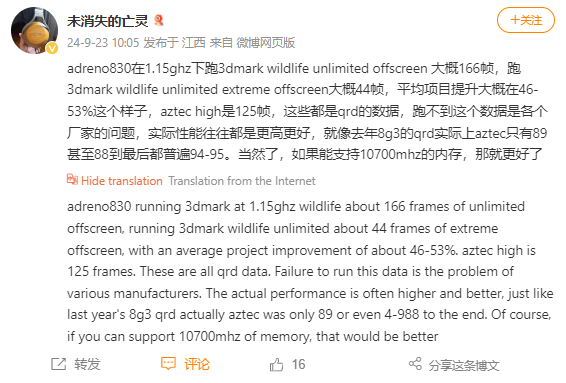
We have already seen some interesting numbers about the Snapdragon 8 Gen 4 chipset, which will power many of 2025’s Ultra flagships including the Galaxy S25 Ultra, Xiaomi 15 series, Oppo Find X8 Ultra, and vivo X200 Ultra. The latest news is that the chipset is claimed to reach a GPU clock speed of 1.15GHz. For context, the Snapdragon 8 Gen 3 chipset features the Adreno 750 GPU, which is clocked at 770 MHz, much lower than that of the upcoming chipset.
Snapdragon 8 Gen 4’s Adreno 830 benchmarked with a clock speed of 1.15GHz
The leak comes from Weibo (Chinese microblogging site) user “Undying Spirits” (translated), who cites a 3D Mark Wildlife test result of the Snapdragon 8 Gen 4. It reveals a GPU clock speed of 1.15GHz. The chipset offers 166 frames in 3DMark’s Wild Life offscreen test and about 44fps in Wild Life Extreme Unlimited. This is about a 46-53% improvement over the Snapdragon 8 Gen 3.
In GFX Bench’s Aztec Ruins High, the upcoming chipset manages to offer 125fps, while the Adreno 750 inside the 8 Gen 3 only manages to achieve around 96fps.
It’s important to mention that the results we are seeing are from a QRD (Qualcomm Reference Device), which typically uses early runs of new chips. These are smartphones built by Qualcomm for the purpose of silicon evaluation and don’t necessarily aim at the best performance or heat dissipation. So the chipsets don’t usually hit the same clock speeds as the retail version. The GPU’s clock speed and performance could be even higher on the retail units from different smartphone makers.
Tipster Ice Universe previously reported the clock speed to hit as high as 1.25GHz, which is still possible.
Speaking of the CPU, the chipset has already made its appearance on Geekbench, with a single and multi-core score of 2884 and 8840 respectively. The “For Galaxy” edition of the chipset has also surfaced on the platform with a slightly higher performance of 3060 and 9080 on single and multi-core tests respectively.
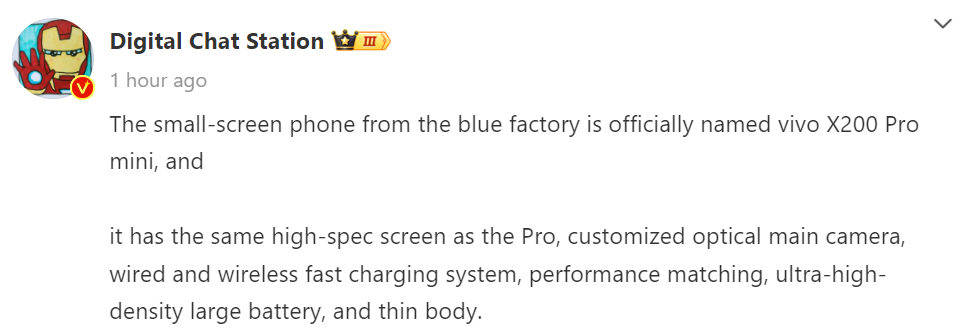
Several reports have claimed the upcoming Vivo X200 series will include a “mini” branded model. Now, Jia Jingdong, Vivo’s Vice President and General Manager of Brand and Product Strategy, has officially confirmed the Vivo X200 Pro Mini moniker. Today, he released the following Weibo post to introduce Olympic champion Zheng Qinwen as the new brand ambassador for the X200 series. For those who don’t know, the X200 series is expected to debut on Oct. 14 in China.
Vivo X200 Pro Mini: What to expect?
While the above Weibo post confirms the existence of the Vivo X200 Pro Mini, the company is yet to share details on its technical specifications. Its existence suggests that the X200 series includes multiple models, such as the Vivo X200, Vivo X200 Pro, Vivo X200 Pro Mini, and the Vivo X200 Ultra.
Expected to launch early next year, the Ultra model will feature the Snapdragon 8 Gen 4 chipset. All the other devices are said to feature the Dimensity 9400 SoC, which is scheduled to launch on Oct. 9 in China.
As per reports, the Vivo X200 Pro Mini will be a compact device equipped with a 6.3-inch OLED display. Tipster Digital Chat Station has released a new Weibo post revealing that the X200 Pro Mini will be a smaller version of the larger Vivo X200 Pro model. It is expected to feature a high-spec screen, a custom optical main camera, fast wired and wireless charging systems, robust performance, a high-density battery, and a lightweight design.
Users who prefer a compact form factor without compromising on premium features appear to be the target audience for the X200 Pro Mini. The name “Pro” suggests it won’t be the cheapest model in the series, but it will have flagship specs.
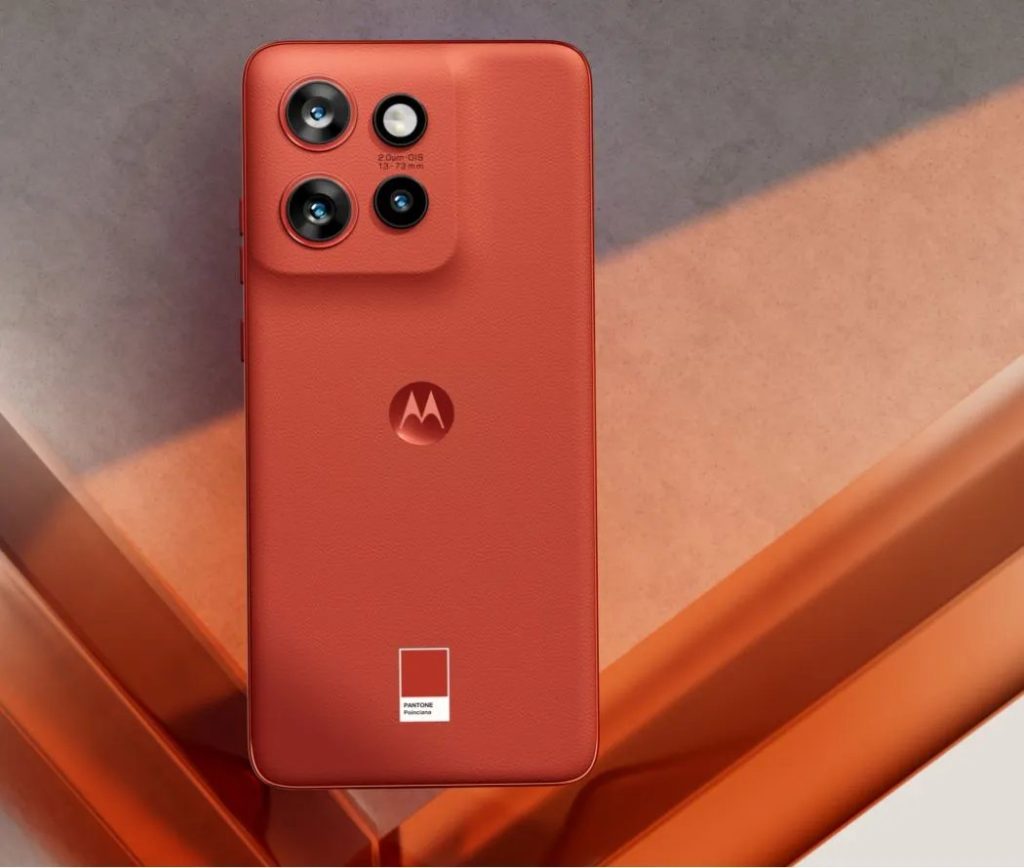
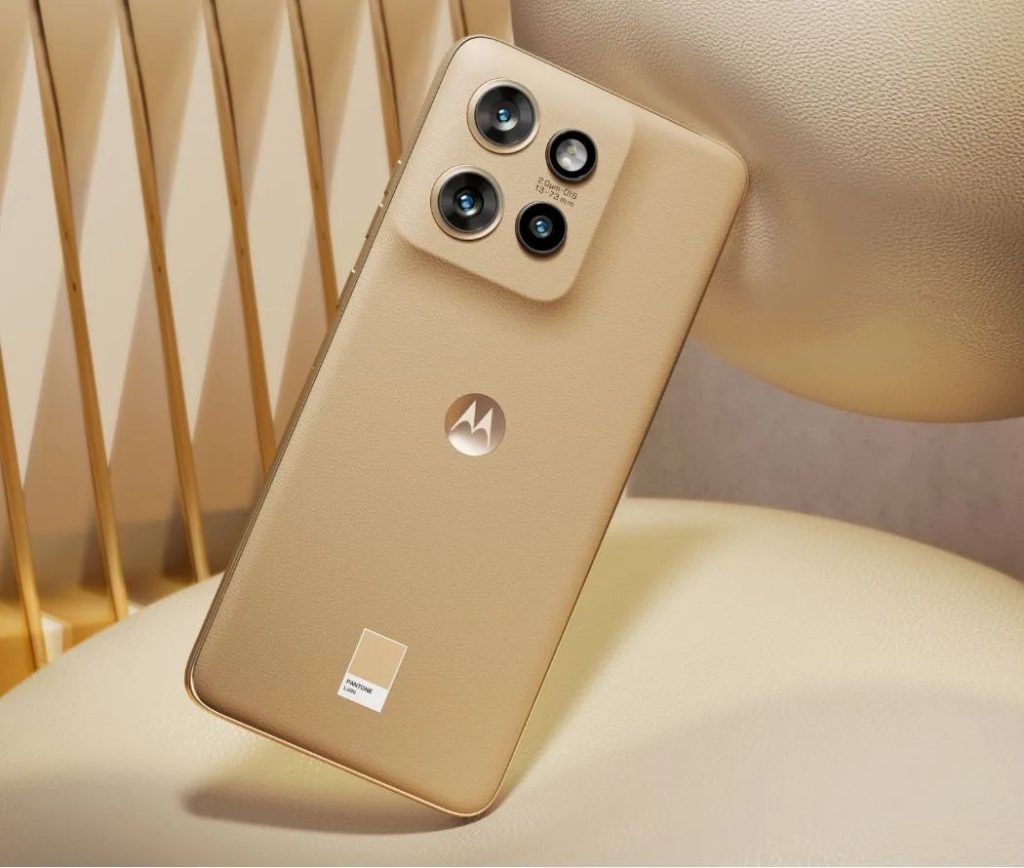
Last week, Motorola unveiled the Edge 50 Neo smartphone in the Indian market. The device features a military-grade build, a high-resolution display, and a powerful camera setup. The smartphone has now hit store shelves in India, available through Motorola’s Indian website, Flipkart, and retail stores across the country.
Motorola Edge 50 Neo
Motorola Edge 50 Neo specs:
Motorola has just launched the Edge 50 Neo, featuring a 6.4-inch pOLED display with a 1.5K resolution, a 120Hz refresh rate, up to 3,000 nits of peak brightness, and Corning Gorilla Glass 3 protection. The device is powered by the MediaTek Dimensity 7300 SoC, paired with 8GB of LPDDR4X RAM and 256GB of internal storage.
The Edge 50 Neo comes with a triple rear camera setup, which includes a 50-megapixel Sony LYT700C primary sensor, a 13-megapixel ultra-wide lens, and a 10-megapixel 3x telephoto shooter. For selfies and video calls, there’s a 32-megapixel front camera.
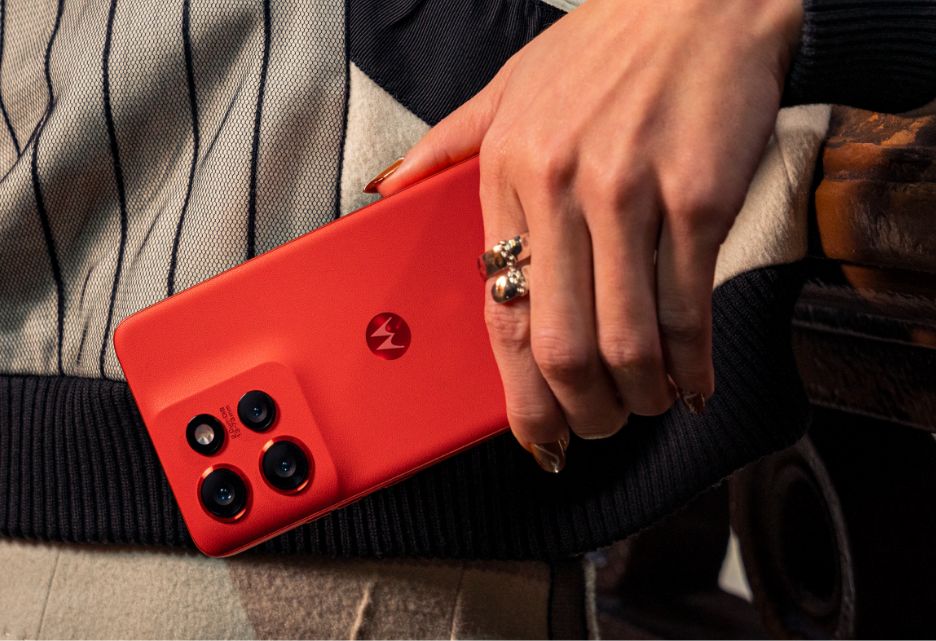
Motorola Edge 50 Neo
It is equipped with a 4,310mAh battery that supports 68W wired fast charging and 15W wireless fast charging. Running on Android 14, the device also offers dual SIM support, an in-display fingerprint scanner, IP68 water and dust resistance, MIL-STD 810H certification, a vegan leather back, Bluetooth 5.3, and stereo speakers with Dolby Atmos.
Pricing and Availability
The Motorola Edge 50 Neo is available in three colors: Latte, Nautical Blue, Grisaille, and Poinciana. It is priced at Rs 23,999 (~US$286) for its single storage variant. Buyers can also avail of a 1,000 INR flat bank discount, a 1,000 INR exchange bonus, no-cost EMI options, and benefits worth 10,000 INR from Reliance Jio.
Just as the wraps are coming off the upcoming Snapdragon 8 Gen 4, a leak from a prominent Weibo source has already started shedding light on its successor, the Snapdragon 8 Gen 5.
The leak claims that the Snapdragon 8 Gen 5 will have a core configuration the same as the 8 Gen 4. That is, there will be 2 performance cores and 6 efficiency cores, but the leak suggests a significant jump in clock speeds.
According to the leak, the performance cores, which is rumored to bear the codename Pegasus, will be clocked at a staggering 5.0 GHz. Even the efficiency cores have a 4.0 GHz running frequency, according to the leak. If true, this is remarkably higher compared to the expected 4.32 GHz and 3.53 GHz of the Snapdragon 8 Gen 4 performance and efficiency core, respectively.
However, there might be a catch. The leak, although not directly, hints that these impressive clock speeds might only apply to the Snapdragon 8 Gen 5 variant manufactured on TSMC’s N3P production node.
Qualcomm has previously hinted at a dual-sourcing strategy for the Snapdragon 8 Gen 5, utilizing both TSMC and Samsung Foundry. This means another version of the chip, likely destined for Samsung’s Galaxy devices, could be built using Samsung’s SF2 node.
The clock speeds for the Samsung-made version remain unknown, but rumors suggest that Samsung’s SF2 node could be equally powerful. As a result, the Samsung-made Snapdragon 8 Gen 5 might also match or even surpass the performance of the TSMC-built chip.
It’s still too early to discuss the Snapdragon 8 Gen 5, as Qualcomm is currently focused on finalizing its flagship SoC for 2025, the Snapdragon 8 Gen 4. This means there’s ample time for the details of its successor to change. However, if the leak turns out to be accurate, the Qualcomm Snapdragon 8 Gen 5 will deliver a significant performance boost over its predecessor.
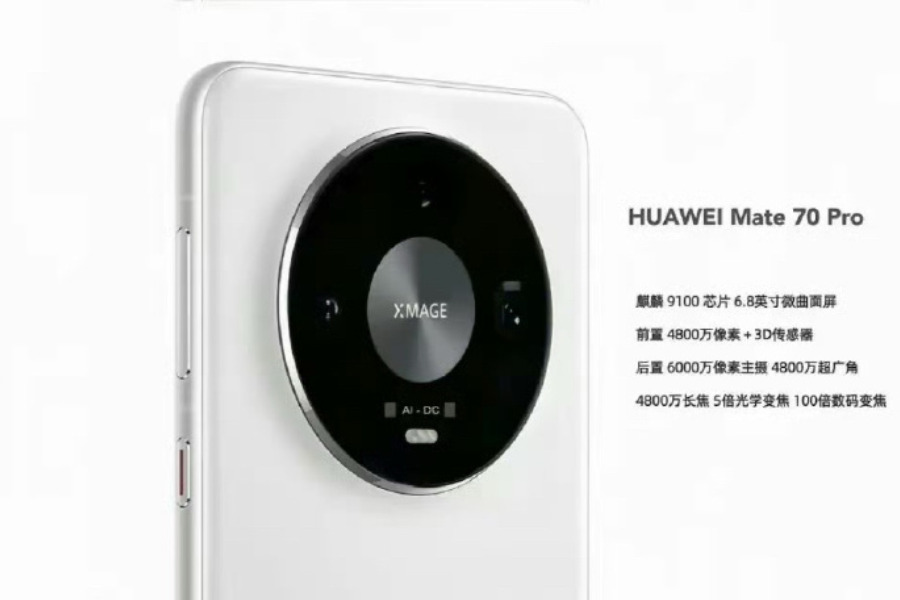
Richard Yu, Huawei‘s chairman of the Board of Directors of the Consumer BG, has already announced that the public beta version of the company’s HarmonyOS NEXT operating system will start rolling out on October 8. Now the supply chain hints that the company may launch the Huawei Mate 70 series in November this year. However, a specific launch date is yet to be revealed.
The news comes from a report from Yicai Global that claims that many of the components of the Mate 70 series have already been supplied to Huawei. It suggests the phone is nearing mass production, if it hasn’t already begun. The report further notes that the mass production is expected to start before the Mid-Autumn Festival in China, which typically corresponds to mid-September to early October. According to industry sources, the Mate 70 series will likely launch in November this year.
For context, the Huawei Mate 60 series was launched towards the end of August and was released in early September of last year. It was previously speculated that the delayed launch of this year’s flagship is related to the development of the HarmonyOS NEXT operating system.
To recap, the Huawei Mate 60 and Mate 60 Pro were the first devices to make headlines for featuring the company’s self-developed 7nm chipset. Since then, Huawei has launched several devices with enhanced versions of the chipset. It is rumored that the Mate 70 series will be powered by a Kirin 9100 chipset, which is expected to offer an upgraded performance as compared to its predecessor. It will be interesting to see what the Mate 70 series can achieve when paired with the new operating system. The company’s President of Mobile Cloud, Zhu Yonggang, claims that HarmonyOS NEXT has accomplished in a year what took Android and iOS “17 years.”
According to a recent leak from tipster DCS, a prototype of the Huawei Mate 70 features a centered 3D facial recognition system on a quad-curved screen. While previous leaks hint at an ultrasonic fingerprint scanner, DCS claims that the series integrates the fingerprint sensor into the power button and shifts to a flat design for the metal middle frame. As this design information contradicts earlier rumors, it’s best to take it with a grain of salt.
Huawei has launched its largest smart TV to date in the Chinese market, the Smart TV V5 Max 110-inch, which is equipped with HarmonyOS 4.5. Aimed at providing a luxurious and immersive viewing experience, this new addition to Huawei’s lineup combines cutting-edge display technologies with powerful hardware to deliver a high-end cinematic experience right at home.
The Huawei Smart TV V5 Max features a 110-inch SuperMiniLED display with Ultra HD 4K resolution (3840 × 2160 pixels) and a 120Hz refresh rate. Designed for large, luxurious spaces, it has a sleek look with a 12mm ultra-narrow bezel. The TV measures 2467.88mm × 1417.42mm × 69mm (without base) and weighs 95kg.
The display panel features a peak brightness of 5000 nits, ensuring clear and vibrant visuals even in bright environments. It comes with an impressive 8,000,000:1 contrast ratio, a 178-degree wide viewing angle, and a 16:9 aspect ratio, delivering enhanced color depth and dynamic range. The TV sports a Black Diamond Energy screen with polycrystalline quantum dot film, reducing glare and improving light diffusion for more vivid and eye-friendly images.
The Huawei Smart TV V5 Max features Honghu AI image quality technology, which enhances 1080P images for richer detail and clarity. It comes with clear light control, adjusting brightness based on ambient lighting for optimal visuals. The TV also sports Honghu AI HDR enhancement, improving the viewing experience in both darker and brighter scenes.
Powered by Huawei’s Honghu Swan 900 chipset, the TV integrates 8 Cortex A73 cores, improving CPU performance by 200%, along with a G52 MC6 GPU for 160% improved graphical performance. It includes 6GB of RAM and 128GB of internal storage, ensuring smooth performance and ample space for apps and content.
2. Special Features
The Huawei Smart TV V5 Max stands out with several advanced features, thanks to its integration with HarmonyOS 4.5. The platform offers an upgraded Smart Care feature that monitors your child’s activity and posture while watching TV, ensuring healthy viewing habits. It comes with Family Connect feature that allows up to 12 users to make ultra-high-definition video calls, while the Smart Entertainment section turns your TV into a hub for gaming, fitness, karaoke, and home theater experiences.
In addition to these features, the TV features remote assistance, allowing users to manage the TV from their Huawei smartphones anywhere. It comes with Huawei Sound technology, incorporating 5 carbon fiber dual-driver speakers, 2 natural silk dome tweeters, and 2 passive radiators, delivering an immersive audio experience to complement its visual quality.
The V5 Max also features a wireless remote control, enabling users to interact through gestures like dragging and circling without touching the remote. It sports an AI-powered camera on the smart bar, allowing for video calls and additional smart functions.
3. Pricing & Availability
The Huawei Smart TV V5 Max 110-inch is currently available for pre-sale on Huawei’s official store, priced at 69,999 yuan ($9,954). The product is set to hit the market on September 30, 2024, offering customers the ultimate smart TV experience designed for spacious living rooms and home theaters.
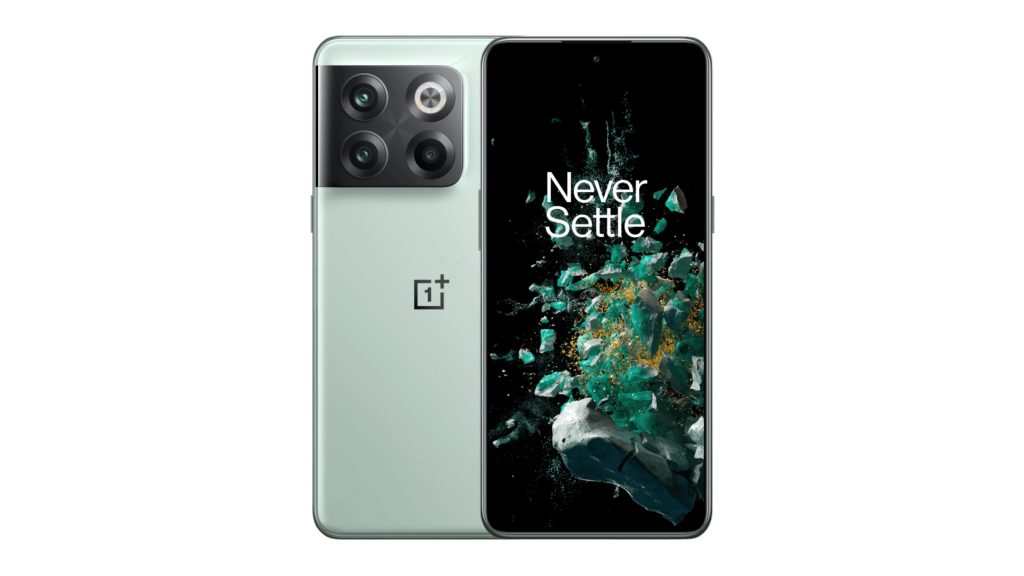
OnePlus has started rolling out OxygenOS 14.0.0.712 to the OnePlus 10T in India, Europe, and North America. This update brings the September 2024 security patch and various system improvements.
The update is being released gradually, with a small percentage of users receiving it initially. A wider rollout is expected in the coming days.
OnePlus 10T OxygenOS 14.0.0.712 specs:
System
Improves the user experience of scrolling screenshots. Notifications and Live Alerts messages won’t pop up and floating windows won’t be displayed when you take a scrolling screenshot.
Integrates the September 2024 Android security patch to enhance system security.
Fixes an issue where the “Uninstall updates” button may be unavailable after an app update.
Fixes an issue where the background of Quick Launch settings may appear black after a global theme is applied.
Security
Adds a “Deny only when app launches” option to the Device motion & orientation permission in “Settings” for refined control of application jumps.
While there have been reports of motherboard issues with previous updates for OnePlus 9 and 10 series devices, no such problems have been reported with the OnePlus 10T update. The update is rolling out gradually, so it may not be available to all users right away. To check for it, open “Settings,” go to “About Phone,” and check for the update option. If it’s available, you can download and install it directly from there.
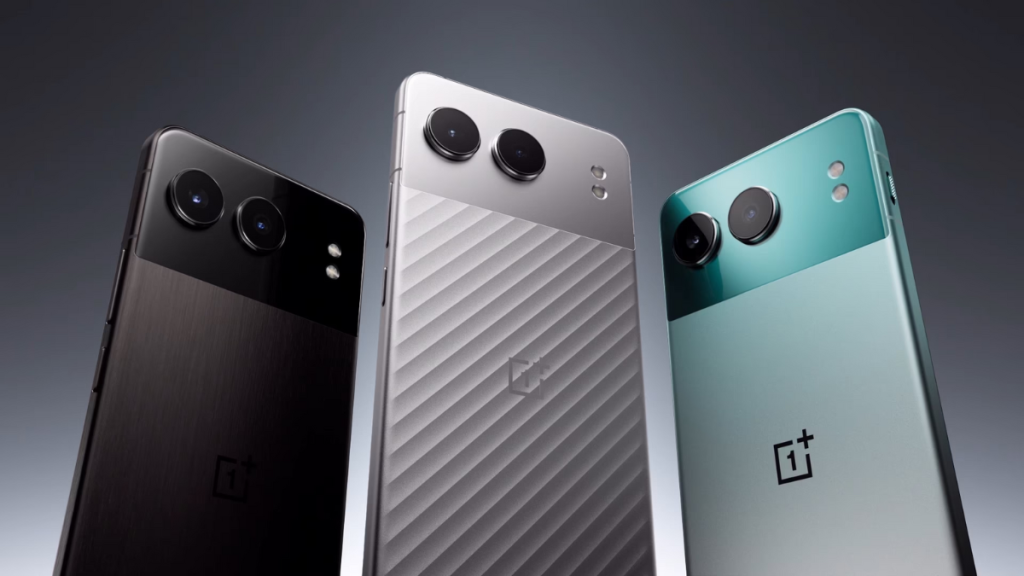
In other news, OnePlus is expected to launch its next flagship, the OnePlus 13, in late October, as hinted by OnePlus China President Louis Lee. The device, identified by model number PJZ110, has received 3C certification, suggesting an imminent release. Reports indicate the OnePlus 13 will feature a Snapdragon 8 Gen 4 processor, 24GB of RAM, up to 1TB of storage, and a 6,000mAh battery with 100W fast charging and 50W wireless charging.
OnePlus Nord 4 is a solid mid-range phone featuring a powerful Qualcomm Snapdragon chipset, a 50MP dual rear camera setup, and a massive 5,000mAh battery — the highest ever on a OnePlus phone — with 100W superfast charging.
The base variant of the OnePlus Nord 4 with 8GB RAM and 128GB storage smartphone currently sells for Rs. 29,999, while the 8GB + 256GB variant costs Rs. 32,999. The top-of-the-line 12GB + 256GB variant is priced at Rs. 35,999. While the OnePlus Nord offers solid value, there are alternatives in the same price range that provide even more features and better performance.
I have curated a list of 7 phones that are better than the OnePlus Nord 4 in one or many aspects. Check them out before you plan your next smartphone upgrade.
Let’s quickly go through the OnePlus Nord 4 spec sheet first:
5G/4G/3G/2G Bluetooth 5.4 Wi-Fi 6, NFC USB Type-C 2.0
Xiaomi 14 Civi (review) stands out as a premium mid-range option, and arguably the best alternative to the OnePlus Nord 4.
It’s a 6.55-inch compact phone with a higher resolution and peak brightness. Unlike the OnePlus Nord 4, the Xiaomi 14 Civi comes with the added durability of Corning Gorilla Glass Victus 2 protection.
The Snapdragon 8s Gen 3 drives the Xiaomi 14 Civi, a faster and more efficient chip than the Snapdragon 7+ Gen 3 inside the OnePlus Nord (see SD 8s Gen 3 vs 7+ Gen 3). So, you’ll have a better gaming experience on the Xiaomi phone.
When it comes to cameras, the Xiaomi 14 Civi is miles ahead of the Nord 4. The circular camera module on the Xiaomi phone has three sensors — a 50MP primary camera with OIS, a 50MP telephoto camera with 2x optical zoom, and a 12MP ultrawide lens. Although both phones are capable of 4K recording, the output quality is a lot better on the Xiaomi 14 Civi.
The Xiaomi 14 Civi has dual selfie cameras — a 32MP primary sensor and a 32MP ultrawide sensor, while the Nord 4 has a single 16MP camera. You can record 4K selfie videos on the Xiaomi phone but not on the Nord 4.
The battery and charging specs are better on the OnePlus Nord 4, though. Another plus point for this phone is the software support. While Xiaomi promises 3 Android upgrades and 4 years of security updates, the OnePlus Nord 4 guarantees an additional Android upgrade and 2 extra years of security updates.
5G/4G/3G/2G Bluetooth 5.3 Wi-Fi 802.11 a/b/g/n/ac USB Type-C 2.0
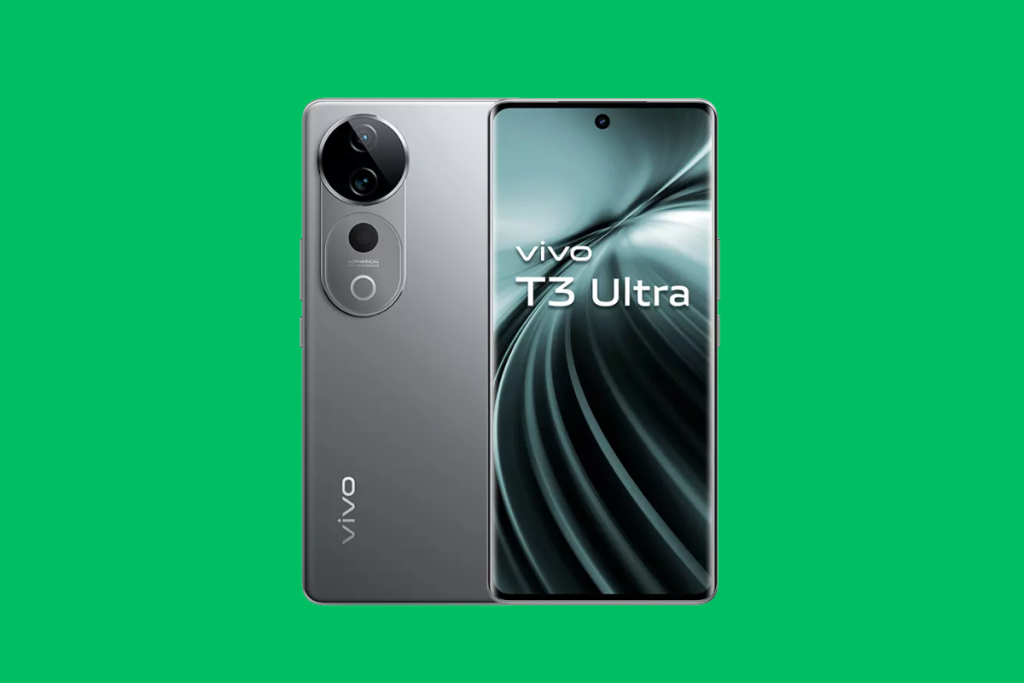
This Vivo phone has a slightly bigger screen, more resolutions, and a higher peak brightness than the OnePlus Nord 4. It also has Schott Xensation Alpha protection and a better IP rating, so you’ll have a good experience with the Vivo T3 Ultra’s display, even outdoors.
Although both smartphones run Android 14 out of the box, the Vivo phone has a disappointing update policy. The OnePlus Nord 4 will get four Android updates and six years of security updates, while the Vivo T3 Ultra only promises two Android upgrades and three years of security patches.
Thanks to the Dimensity 9200+ chip, the Vivo T3 Ultra offers better performance than the Snapdragon 7+ Gen 3-powered Nord 4, and the 4023 sq. mm. VC cooling system keeps it cool during gaming.
Both smartphones feature a dual rear camera setup, which includes a 50MP primary sensor with OIS and an 8MP ultrawide sensor, though the Vivo phone has a larger field of view.
The selfie cameras have different resolutions, though. The Nord 4 features a 16MP sensor, while the T3 Ultra boasts a 50MP selfie camera. Additionally, the Vivo phone supports 4K video recording with its rear and front cameras, whereas the Nord 4’s selfie camera lacks this capability.
Both phones have a maximum battery capacity of 5,000mAh. However, the Nord 4 supports a faster charging of 100W (vs. 80W on the Vivo T3 Ultra).
3. Poco F6
Poco F6
Body
160.5 x 74.4 x 7.8mm 179g
Display
6.67″ 120Hz AMOLED screen 1220 x 2712 pixels resolution HDR10+, Dolby Vision, 2400nits (peak) Corning Gorilla Glass Victus
5G/4G/3G/2G Wi-Fi 802.11 a/b/g/n/ac/6 Bluetooth 5.4 NFC supported USB Type-C 2.0
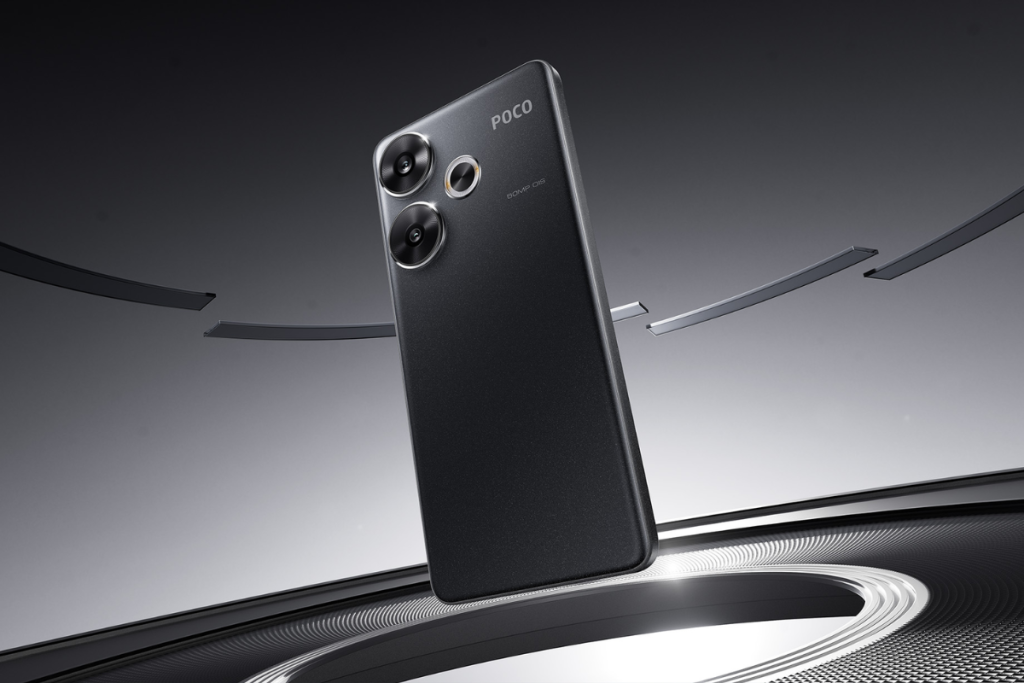
The Poco F6 (review) might be an excellent buy if you prioritize performance over anything else. It has a screen size and resolution similar to the Nord 4 but a higher peak brightness. OnePlus Nord 4, however, has a better IP rating, but the Poco F6 gives you additional protection using Gorilla Glass Victus. Overall, both have excellent displays with minor differences.
You start noticing the difference when you perform tasks that require a lot of processing, such as gaming or video editing. The Snapdragon 7+ Gen 3 powering the OnePlus Nord 4 is a sound chip but can’t match the performance level of the Snapdragon 8s Gen 3.
Both smartphones come with Android 14 out of the box, but the OnePlus Nord 4 gets an extra Android OS upgrade. Both have a dual rear camera setup, which includes a 50MP primary camera and an 8MP ultrawide lens. On the front, you get a 20MP camera (vs. 16MP on the Nord 4).
Both OnePlus Nord 4 and Poco F6 support 4K video recording, though selfie recording is limited to 1080p. However, the Nord 4 has the edge when it comes to battery capacity and charging speed.
5G/4G/3G/2G Bluetooth 5.4 Wi-Fi 6, NFC USB Type-C 2.0
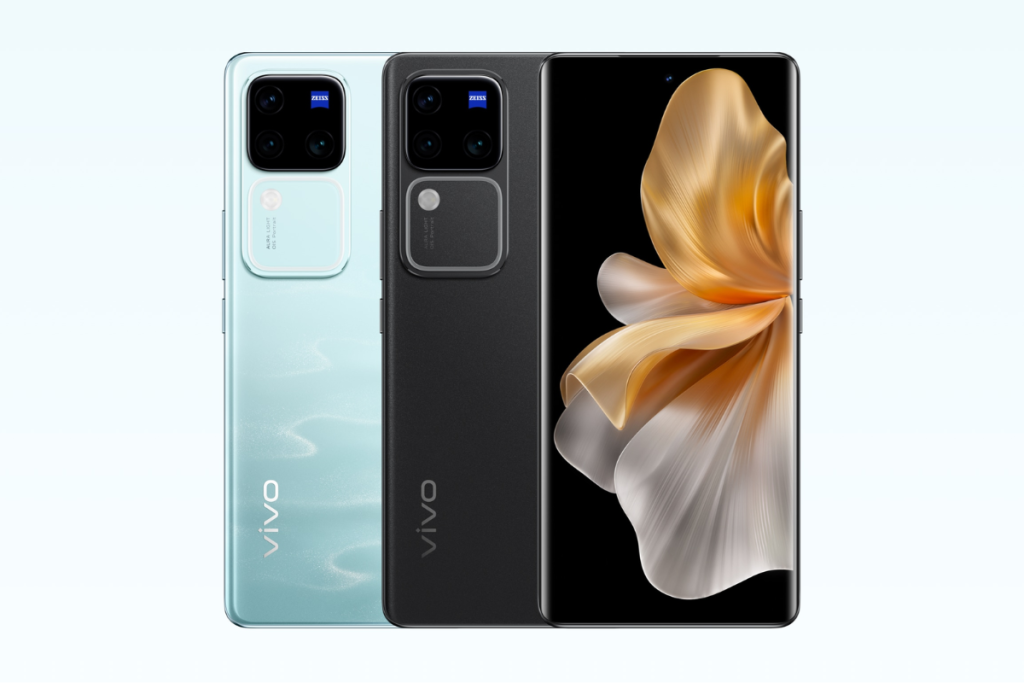
For those seeking good camera performance, the Vivo V30 Pro might be a good option. It has a powerful rear camera setup that includes three sensors: a 50MP primary sensor with OIS, a 50MP telephoto lens with 2x optical zoom, and a 50MP ultrawide lens with a 119-degree field of view.
The selfie camera on the V30 Pro also has 50MP resolution. The device can record up to 4K videos using the rear and selfie cameras. The camera performance is excellent that the Nord 4 can’t match.
Further, the Vivo phone features a Dimensity 8200 chip, which isn’t as good as the Snapdragon 7+ Gen 3, but handles tasks pretty well. You can do casual gaming as well.
Both phones have similar connectivity features. However, the OnePlus Nord 4 has slightly better battery and charging specs.
5G/4G/3G/2G Bluetooth 5.4 Wi-Fi 6, NFC USB Type-C 2.0
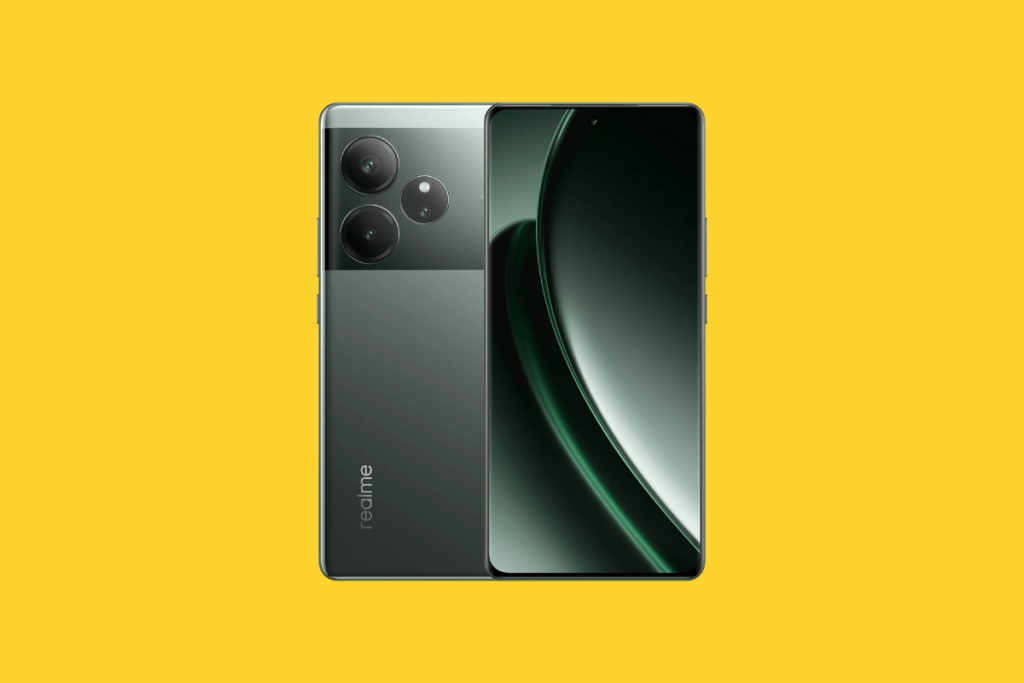
It’s a solid alternative to the OnePlus Nord 4, but you’ll have to loosen your pocket a little more. The Realme GT 6 has a bigger display with more pixels and significantly higher peak brightness. It also has Gorilla Glass Victus 2 protection, which is lacking on the Nord 4.
The Realme device is powered by a Snapdragon 8s Gen 3 chip, which is more powerful and efficient than the Snapdragon 7+ Gen 3 chip inside the OnePlus Nord.
Both devices ship with Android 14 out of the box, but the OnePlus phone will get an extra Android upgrade.
While both the Realme GT 6 and Nord 4 feature a 50MP main and 8MP ultrawide camera, the former also has a 50MP telephoto lens for better zoom shots. On the front, you get a 32MP selfie shooter. The Realme device lets you record 4K videos using both rear and front cameras.
Both devices share the same 5,500mAh battery capacity, though Realme GT 6 offers a faster wired charging of 120W (vs. 100W on the Nord 4).
5G/4G/3G/2G Wi-Fi 7 NFC Bluetooth 5.3 USB Type-C 2.0
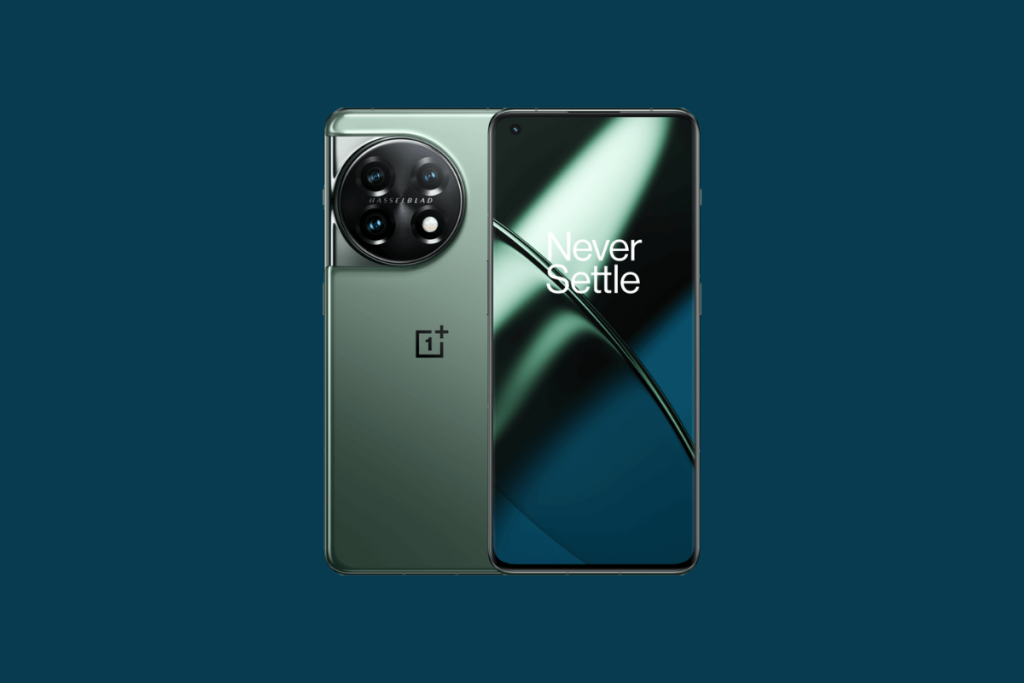
Rather than the Nord 4, you can grab the OnePlus 11 (review) for a better display, performance, and camera quality.
The OnePlus 11 has an LTPO3 AMOLED panel, which supports variable refresh rates. It has a higher resolution and features Gorilla Glass Victus protection, although the peak brightness is better on the Nord 4.
The Snapdragon 8 Gen 2 fuels the OnePlus 11, which offers better performance and stability than the Snapdragon 7+ Gen 3-powered Nord 4. So, you’ll have a better gaming experience on the OnePlus 11.
As for the software updates, both smartphones are promised four Android upgrades, though the OnePlus Nord 4 gets an additional year of security updates.
The OnePlus 11 has a better camera setup than the Nord 4, which takes good photos and videos. It features a triple camera setup on the back, which includes a 50MP primary sensor with OIS, a 32MP telephoto sensor with 2x optical zoom, and a 48MP ultrawide sensor. The device can record videos at up to 8K resolution, which is limited to 4K on the Nord 4.
Both smartphones have a selfie camera of 16MP resolution and let you record up to 1080p videos.
The OnePlus Nord 4 lacks Wi-Fi 7 support but has a bigger battery than the OnePlus 11, although the charging speeds are the same.
5G/4G/3G/2G Wi-Fi 6 NFC Bluetooth 5.3 USB Type-C 2.0
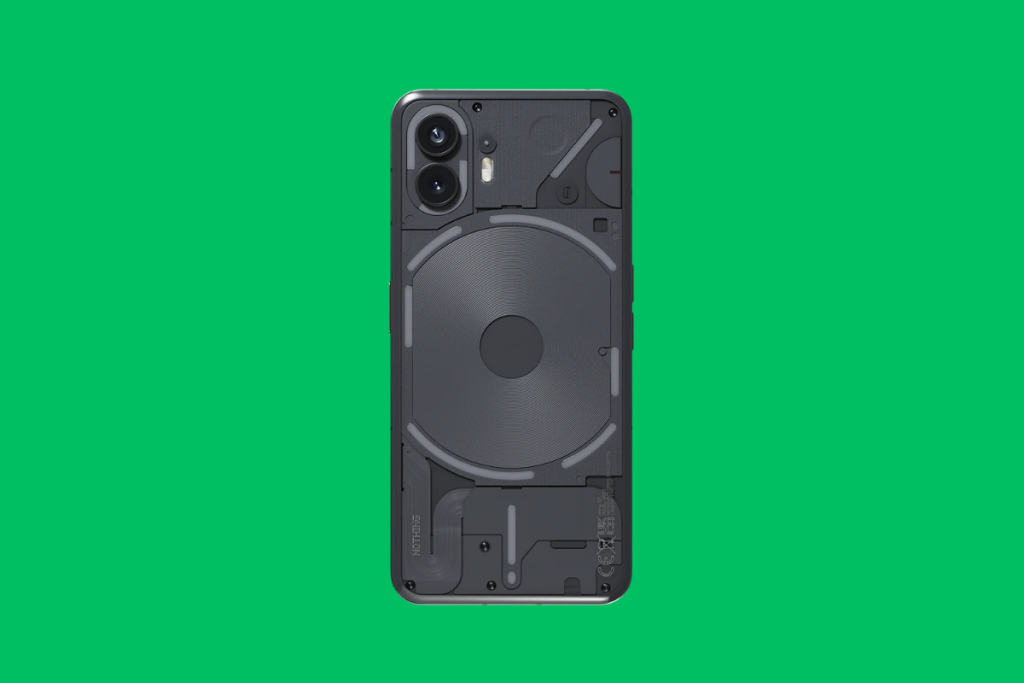
Nothing Phone 2 stands out from the crowd because of its design, mainly the Glyph UI. If you want to test out some innovation in an otherwise boring market, the Phone 2 could be a good option.
The smartphone uses an LTPO OLED panel but has a lower resolution and peak brightness than the OnePlus Nord 4. It’s protected using Gorilla Glass 5, which is lacking on the other phone.
The high-end Snapdragon 8+ Gen 1 chip fuels the Nothing Phone 2, which can deliver a smooth experience, including gaming. It comes with Android 13, whereas the Nord 4 boots Android 14 out of the box. Another plus point for the Nord device is an extra Android upgrade and two additional years of security patches.
The Nothing Phone 2 has a dual rear camera setup, including a 50MP primary sensor with OIS and a 50MP ultrawide sensor. It lets you record up to 4K videos. However, with the selfie camera, you can only record up to 1080p videos, like the Nord 4.
While the OnePlus Nord 4 offers a larger battery capacity and faster wired charging, it does miss out on wireless and reverse wireless charging, features that the Nothing Phone 2 includes.
If high-end gaming isn’t your priority, opting for the Nothing Phone 2a Plus lets you save money while gaining a better selfie camera and a bigger battery.
Please Note: When you buy something using the links in our articles, we may earn a small commission at no cost to you.
So, these are 7 best alternatives to the OnePlus Nord 4. Would you still go for the Nord 4 or pick any of these alternatives for your next smartphone upgrade? Share your thoughts in the comments below.
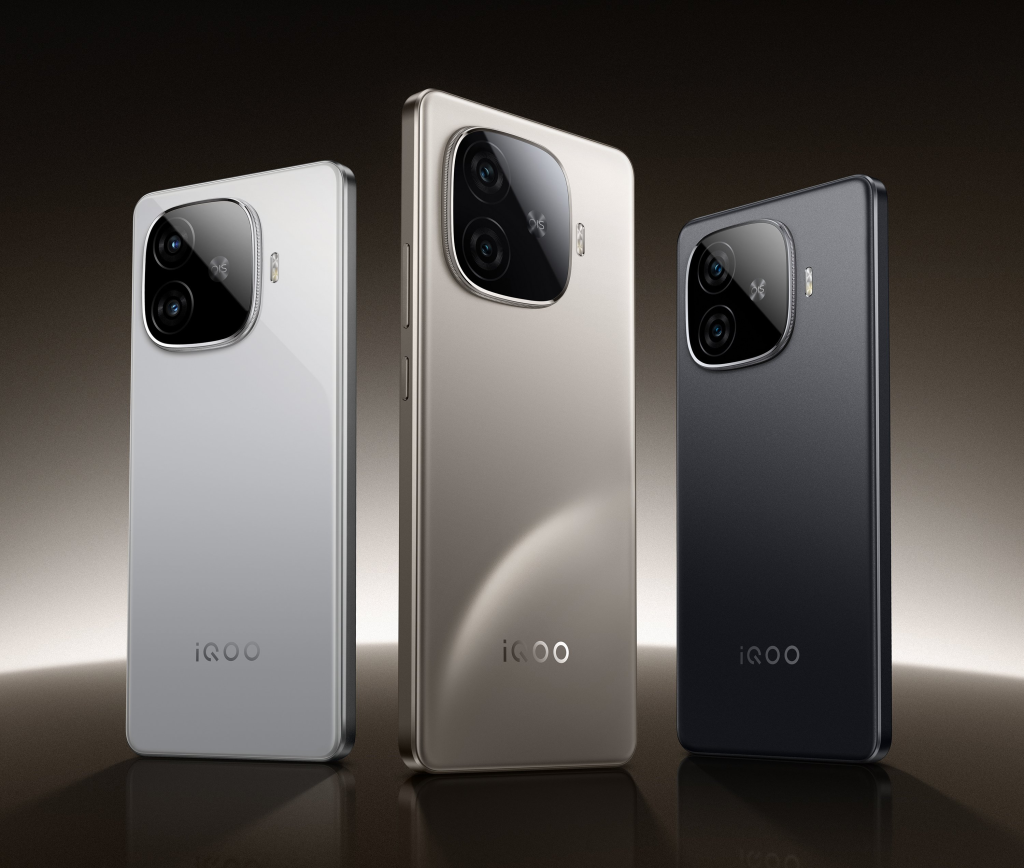
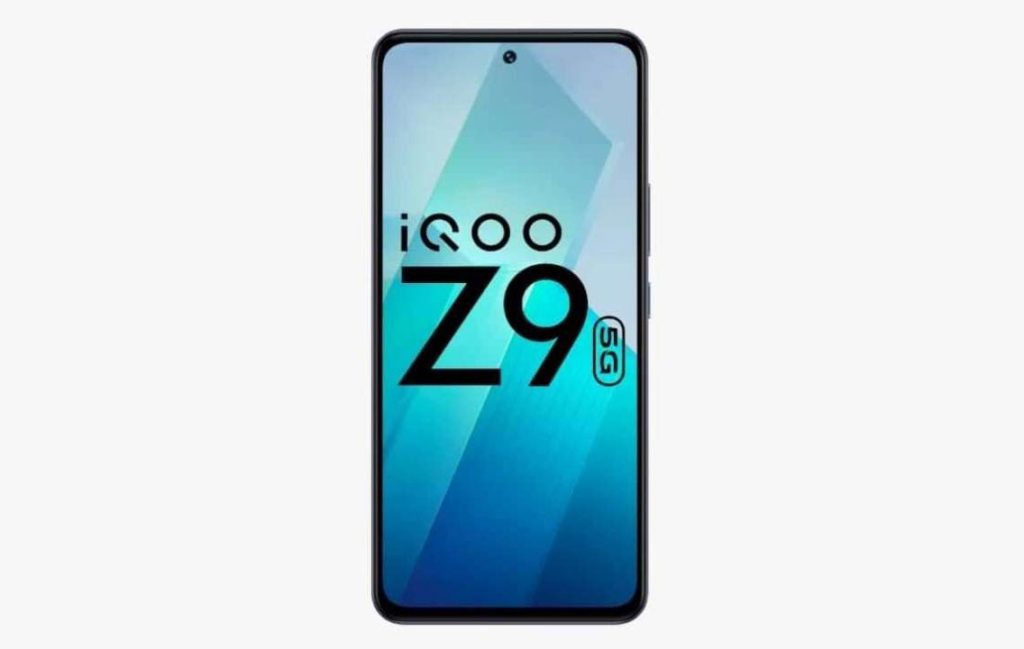
iQOO has introduced a new device in its Z9 series in China. The lineup comprises of the Z9, Z9x, and Z9 Turbo. The latest offering from the Vivo sub-brand is the iQOO Z9 Turbo+. It is the top-most model in the series although the device only packs a different processor and a larger battery cell. The rest of the specifications and design is the same as the other Z9 series devices.
iQOO Z9 Turbo+ Specifications
iQOO Z9 Turbo+ colors-
The iQOO Z9 Turbo+ features a 6.78-inch Huaxing C8 OLED display. It bears a 1.5K resolution with a 144Hz refresh rate and 4,500 nits peak brightness. This ensures a clear, smooth, and bright viewing experience. The screen is integrated with a fingerprint scanner. Design-wise, the smartphone has a flat frame and a squircle camera island on the back panel. It also packs IP65 certification.
On the optics front, the dual camera setup on the iQOO Z9 Turbo+ consists of a 50MP Sony LYT-600 sensor with OIS support and an 8MP ultra-wide-angle lens. There is a 16MP front-facing selfie snapper.
Under the hood, the iQOO Z9 Turbo+ houses the MediaTek Dimensity 9300+ processor. It packs up to 16GB LPDDR5 RAM and 512GB UFS 4.0 storage. There is the brand’s self-developed Q1 chipset for enhanced performance. The device is also equipped with a large 6K VC liquid cooling system onboard. The smartphone is powered by a 6,400mAh battery unit with support for 80W fast charging. It ships with OriginOS 4-based on Android 14 out of the box.
The iQOO Z9 Turbo+ packs 5G, WiFi-7, Bluetooth 5.4, IR Blaster, NFC, and USB-C port.
The iQOO Z9 Turbo+ is offered in Moon Shadow Titanium, Starlight White, Midnight Black colors. It starts at CNY 2,299 (~$330) for the base 12GB + 26GB option whereas the 16GB + 256GB variant costs CNY 2,499 (~$355). The 12GB + 512GB and 16GB + 512GB configurations are priced at CNY 2,699 (~$385) and CNY 2,899 (~$410) respectively.
Nothing has expanded its range of audio products. This time it is not a TWS earphone. The London-based brand has joined the open earbuds bandwagon. The company’s latest offering is the Nothing Ear (Open). It goes up against the likes of the Sony Linkbuds, Bose Ultra Open, Huawei FreeClip etc. This is Nothing’s third audio product this year after the Ear and Ear (a) that debuted earlier this year.
Nothing Ear (open) launches
As the name suggests, the Nothing Ear (open) have an open-ear design. This means that they don’t completely block the ear canal so that the user can stay aware of the surroundings. The audio device features a curved headband that wraps around the outer part of the ear. This ensures a comfortable and secure fit. The stem of the open earbuds has the brand’s signature transparent design. There are no silicone ear tips.
The Nothing Ear (open) come in a pill-shaped transparent storage case that is slimmer but also wider. The earbuds are IP54-rated dust and splash resistant.
In terms of audio, the Nothing Ear (open) are equipped with a 14.2mm titanium-coated drivers. They feature a ‘Bass Enhance’ algorithm. The audio device comes with two mics and also offers AI-powered Clear Voice 3.0 tech for clear audio quality during calls. The Ear (open) feature a Sound Seal System and directional speakers that is said to keep audio private and prevent it from being leaked. Being an open earbuds, they lack active noise cancellation. There is low latency mode.
The Nothing Ear (open) are rated to last up to eight hours on a single charge with the 64mAh cell and with the 635mAh case, the battery life goes up to 30 hours. The earbuds support Bluetooth 5.3 and can be connected to two devices simultaneously. The Ear (open) are also compatible with ChatGPT integration for an easier and quick access to the AI chatbot. Other features of the earbuds include pinch controls, find earbuds, fast pair, and more.
The Nothing Ear (open) carries a price tag of $149/€149/£129/Rs 17,999. Pre-orders begin today with sales commencing from October 1.
Lenovo has recently unveiled the 2024 ThinkBook 16+ Ryzen laptop in China, powered by a Ryzen 8000 series processor and a highly durable frame.
The ThinkBook 16+ is designed to withstand the rigors of everyday use, features durable metal construction, and meets MIL-STD-810H military-grade testing standards. The 16-inch IPS display offers a high resolution of 2560×1600 pixels and a refresh rate of 120Hz. The display is also certified for low blue light emission and covers 100% of the sRGB color gamut, making it suitable for creative professionals.
Powered by an AMD Ryzen 7 8745H processor, the ThinkBook 16+ offers impressive performance for demanding tasks. The processor is paired with 24GB of LPDDR5x RAM and a 512GB PCIe Gen 4 SSD, ensuring smooth multitasking and rapid data transfer. The laptop also includes dual fans for efficient cooling, ensuring optimal performance even under heavy workloads.
In terms of connectivity, the ThinkBook 16+ offers a variety of ports, including USB-C, USB-A, HDMI 2.1, USB4, Ethernet, a microSD card reader, and a headphone jack. This ensures compatibility with a wide range of peripherals and devices.
Pricing & availability
The 2024 ThinkBook 16+ Ryzen laptop is now available for purchase in China. Priced at 5,299 yuan (approximately $753 USD) in China through JD.com.
In other news, ASUS has launched the A-Bean 14 Air Fragrance Edition laptop, powered by the AMD Ryzen AI 9 365 processor. It features a unique built-in “fragrance box” for customizable scents and a “Golden Pink” design. The 14-inch OLED display supports 2.8K resolution and 120Hz refresh rate, while the AMD Radeon 880M graphics, 32GB RAM, and 1TB SSD provide strong performance. The laptop also includes advanced AI capabilities, a dual-fan cooling system, and a 75Wh battery with fast charging.
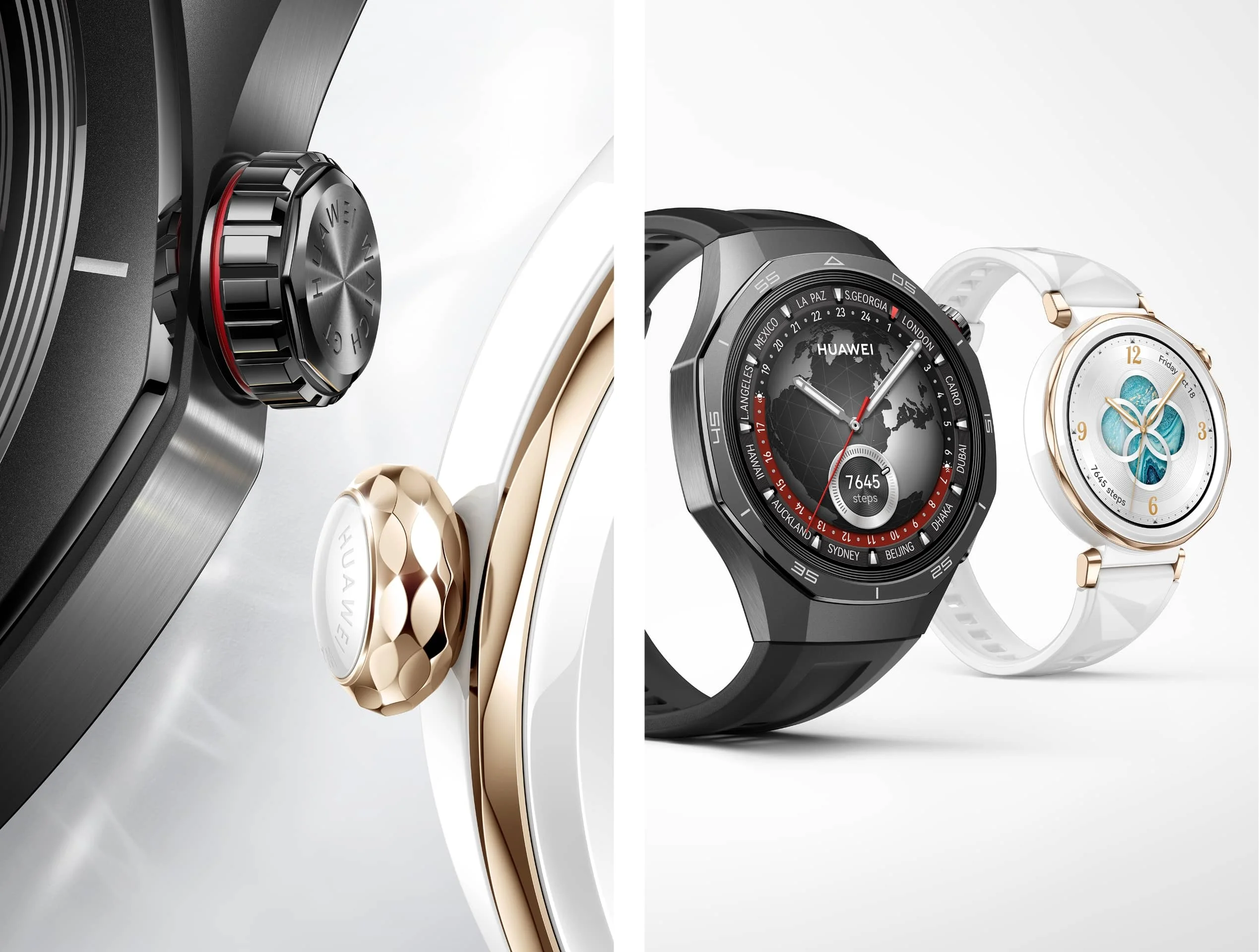
Huawei has officially launched the Watch GT 5 series in China, following its recent global debut. The series includes two models: the Huawei Watch GT 5 and the premium Huawei Watch GT 5 Pro, each available in multiple sizes. These smartwatches bring significant upgrades in health tracking, fitness features, and build quality, making them ideal for both casual users and fitness enthusiasts.
The Huawei Watch GT 5 is available in two sizes, 41mm and 46mm, with the smaller model featuring a 1.32-inch AMOLED display and the larger model a 1.43-inch display. Both watches come with 316L stainless steel bodies, making them durable yet lightweight, and offer various strap options, including metal, leather, and woven materials.
In terms of health features, the Watch GT 5 includes Huawei’s TruSense system, which supports heart rate monitoring, blood-oxygen measurement, and sleep tracking. The watch also introduces enhanced sleep apnea detection and women’s health tracking. It also comes with several health tracking modes, including the new emotion monitoring feature, which allows them to record their emotional well-being. However, this feature will be exclusive to China.
The Watch GT 5 includes upgraded GPS functionality, with a 40% improvement in route accuracy, a 30% increase in distance precision, and a 20% improvement in pace measurements. This enhanced positioning system makes the watch especially suitable for outdoor activities such as running, cycling, and hiking.
The 46mm version offers up to 14 days of battery life under regular use, and 9 days with Always-On Display (AOD) enabled. The 41mm version provides 7 days of regular use or 5 days with AOD enabled. Both models support wireless charging and can be fully charged within 60 minutes.
2. Huawei Watch GT 5 Pro Specifications
The Huawei Watch GT 5 Pro takes the core features of the GT 5 and elevates them with more premium materials and advanced functionality. Available in 42mm and 46mm sizes, the Pro model is built with a titanium body and sapphire glass display, while the 42mm version also incorporates ceramics. The materials provide added durability, making the watch water-resistant up to 40 meters, allowing users to use it for activities like free diving.
One of the key additions in the Pro model is the inclusion of an ECG sensor, which provides accurate health readings in just 30 seconds. The Pro model also includes topographic maps, real-time route navigation, and support for offline maps, making it an excellent choice for trail runners and outdoor enthusiasts. The watch can guide users through complex terrains and provide detailed running form analysis by measuring metrics such as ground contact time and vertical oscillation.
For athletes, the Pro model offers over 100 workout modes, including a special golf mode with access to 15,000 3D golf course maps. The Pro model is rated IP69K for resistance to hot water jets and salt spray, ensuring it can withstand harsh conditions.
The Pro model’s battery life remains impressive, with the 46mm version lasting up to 14 days and the 42mm version lasting up to 7 days under regular use. Both versions also support wireless charging.
3. Pricing and Availability
In China, the Huawei Watch GT 5 series is offered at various price points depending on the model and strap combinations. The Huawei Watch GT 5 41mm starts at 1,488 Yuan ($211), while the 46mm version is priced up to 2,088 Yuan ($296) for the top-tier variant.
The Huawei Watch GT 5 Pro starts at 2,488 Yuan ($354) for the Obsidian Black model with a fluororubber strap and goes up to 4,688 Yuan ($666) for the Ceramic White edition.
Huawei Care+ plans are also available for the GT 5 series, with prices starting at 99 Yuan ($14) for a one-year plan and 199 Yuan ($28) for a two-year plan.
The iQOO Z9 5G is available on Amazon India for just ₹16,998 (effective price). It’s a mid-range smartphone launched in March 2024. The biggest sales of the season from all the primary online retailers like Amazon, Flipkart, and Tata Cliq are just a few days away, and the pre-sale offers are already maximizing the buyer’s savings.
iQOO Z9 5G is available with a discount on both storage variants, which are 128GB/256GB. At the time of launch, iQOO Z9 5G was priced at ₹19,999 for 8GB of RAM and 128GB of storage. Now, the company listed the iQOO Z9 on Amazon for ₹18,498. If you are buying it via the SBI credit card, you will get a ₹1500 instant discount. This makes the final price drop to ₹16,998, making it the lowest price since its launch.
Please Note: When you buy something using the links in our articles, we may earn a small commission at no cost to you.
iQOO Z9 5G Specification and features
The smartphone is powered by a MediaTek Dimensity 7200 SoC, which is paired with LPDDR4x RAM and UFS 2.2 storage. In India, it comes with 8GB RAM and two storage variants that are 128GB and 256GB. It features a 6.67-inch 120Hz Full HD+ AMOLED Display with 1800 nits peak brightness. The smartphone also has an in-screen fingerprint sensor.
Talking about the camera system, the iQOO Z9 5G has a dual camera setup, which includes a 50MP primary sensor with OIS support and a 2MP depth sensor. There’s a 16MP front camera for video calls and selfies. In connectivity options, the smartphone comes with WiFi 6, a USB type-C port, and Bluetooth 5.3 support. iQOO Z9 has a 5000 mAh battery with 44W fast wired charging support. The phone runs on Funtouch 14 based on Android 14 out of the box.
As the festive season is here, there are many deals out there worth considering. We list the best ones in our deals section.
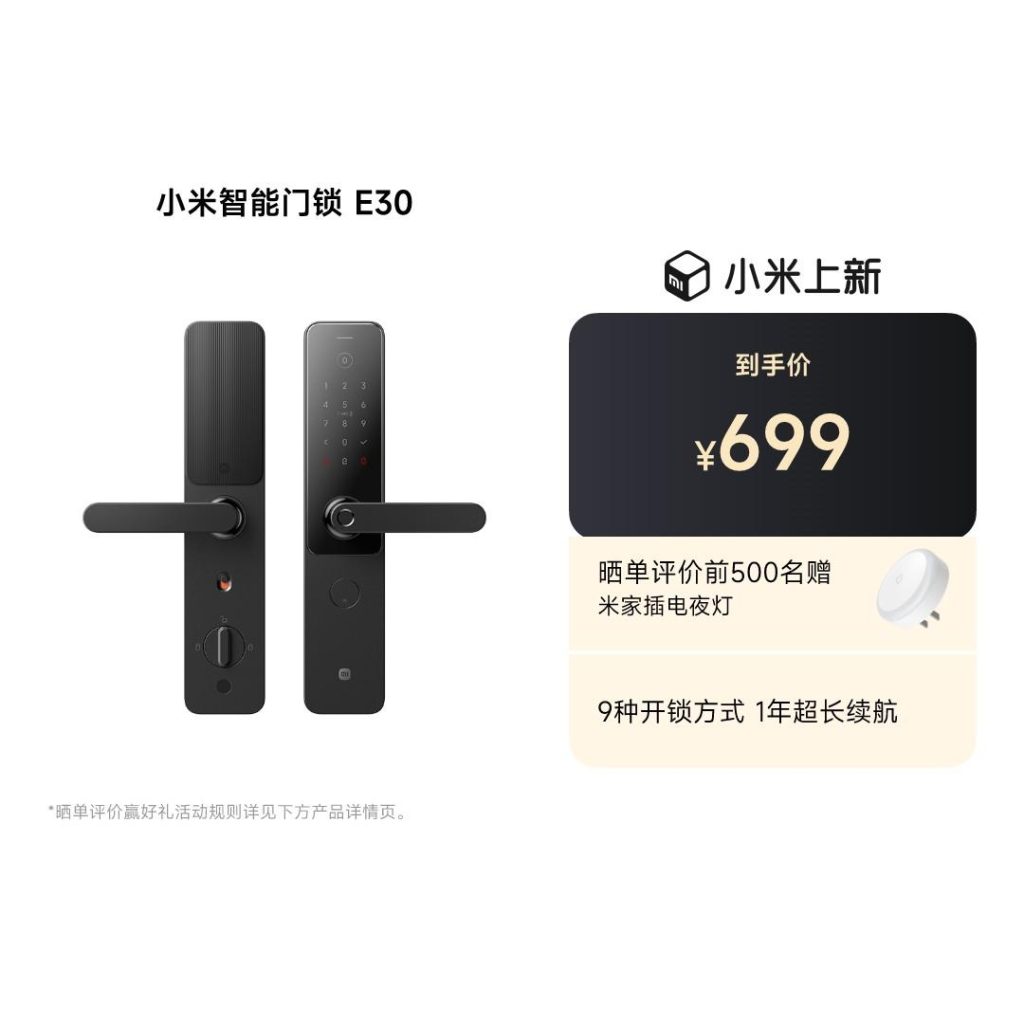
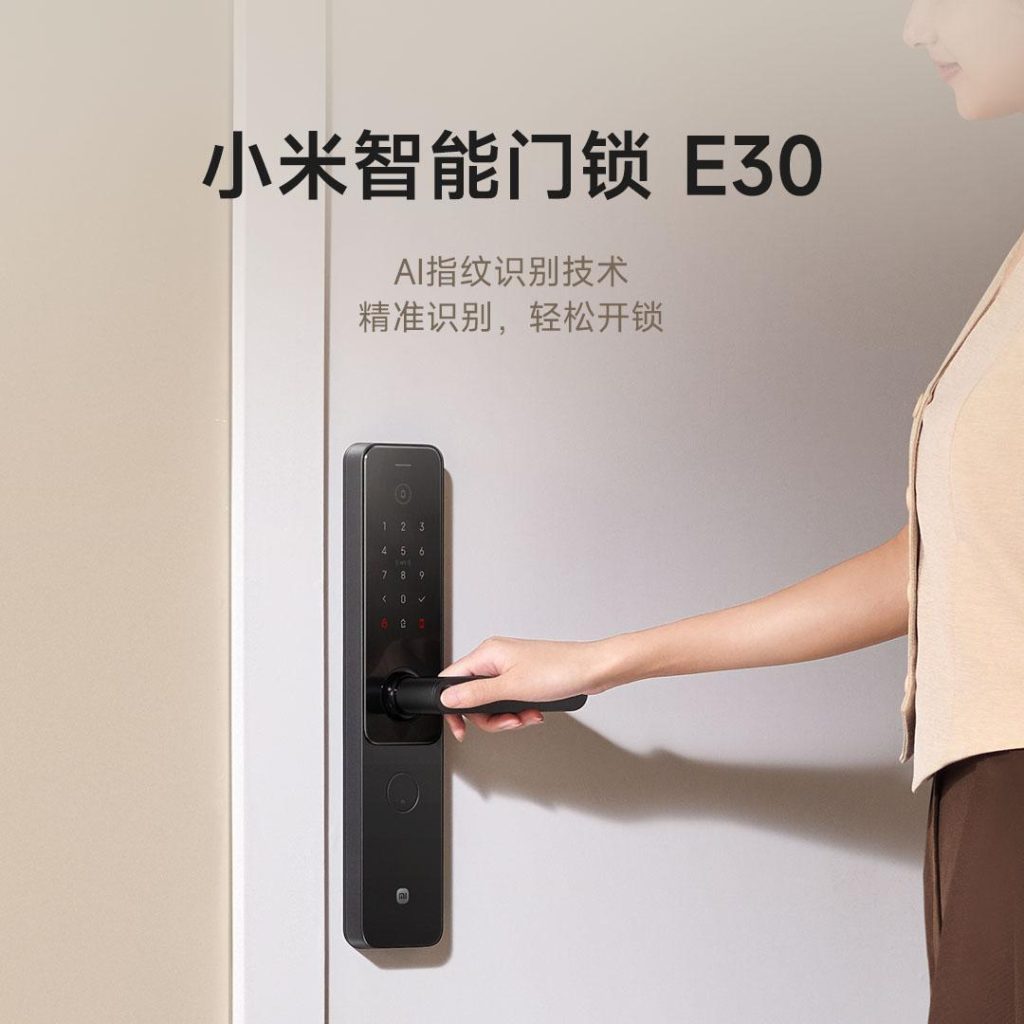
Xiaomi has launched the Smart Door Lock E30 with free on-site installation for the first time and 3 years of free warranty. It enables you to say goodbye to the keys and make your life a bit easier.
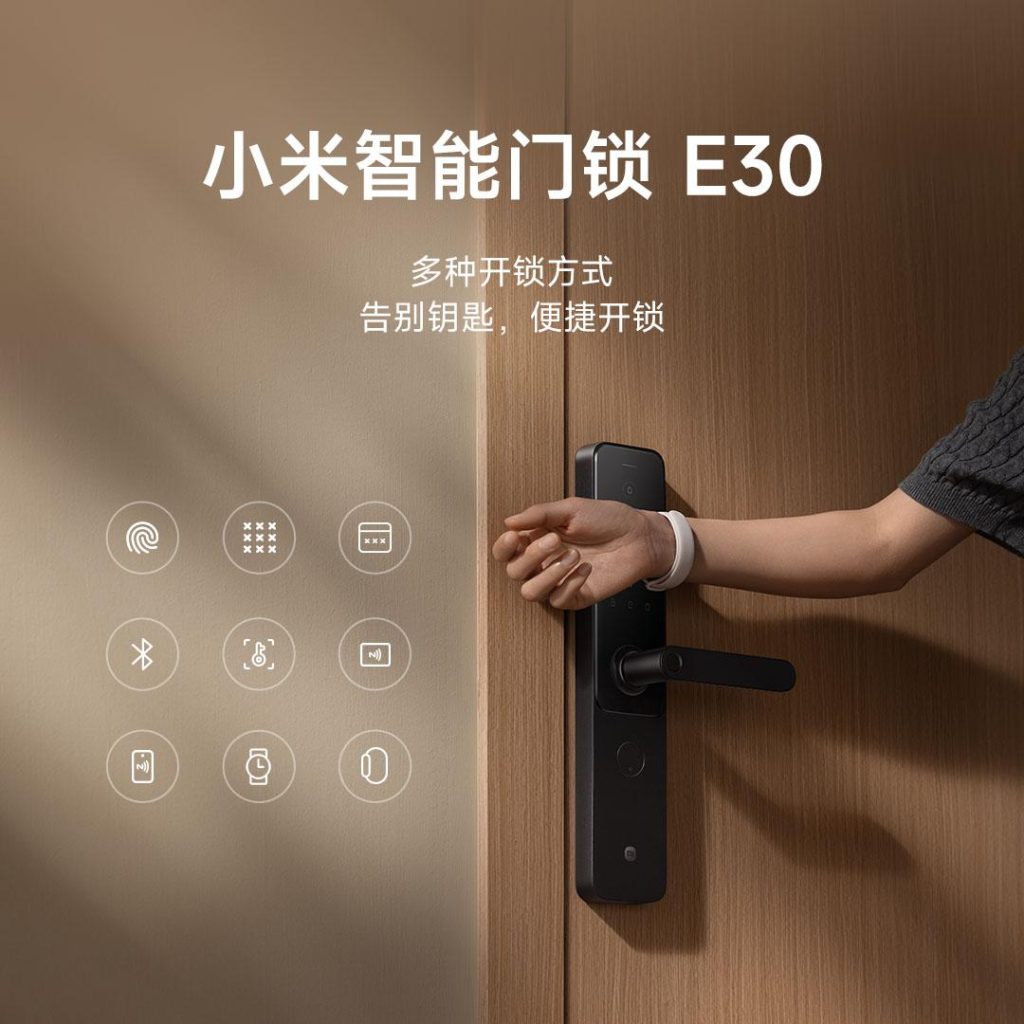
It offers multiple unlocking methods to meet the needs of all users
The Smart Door Lock E30 comes with a total of 9 unlocking methods. It includes AI-powered fingerprint recognition, long-term password, period/one-time password, mobile phone Bluetooth unlocking, emergency mechanical key, Xiaomi Smart Door Lock NFC Door Card (needs to be purchased separately), a Xiaomi smartphone, Xiaomi smartwatch, and Xiaomi smart band.
Notably, the fingerprint recognition takes less than 0.5 seconds and has a recognition rate of 99.29%. It equips safer and more intelligent anti-tampering, anti-prying, and anti-door opening technologies and packs a built-in false opening detection sensor. The connectivity with the Xiaomi Home app makes it more convenient to use with the ability to control the door anytime from anywhere.
Xiaomi says that the different unlocking methods provided offer a convenient choice and a more versatile user experience. With all the unlocking methods combined, the product can meet various scenarios and can be suitable for all kinds of people,
This smart door lock also uses a C-level lock cylinder and offers an ultra-long battery life of 1 year. But when the battery eventually runs out, users can connect Type-C external power banks for emergency power supply.
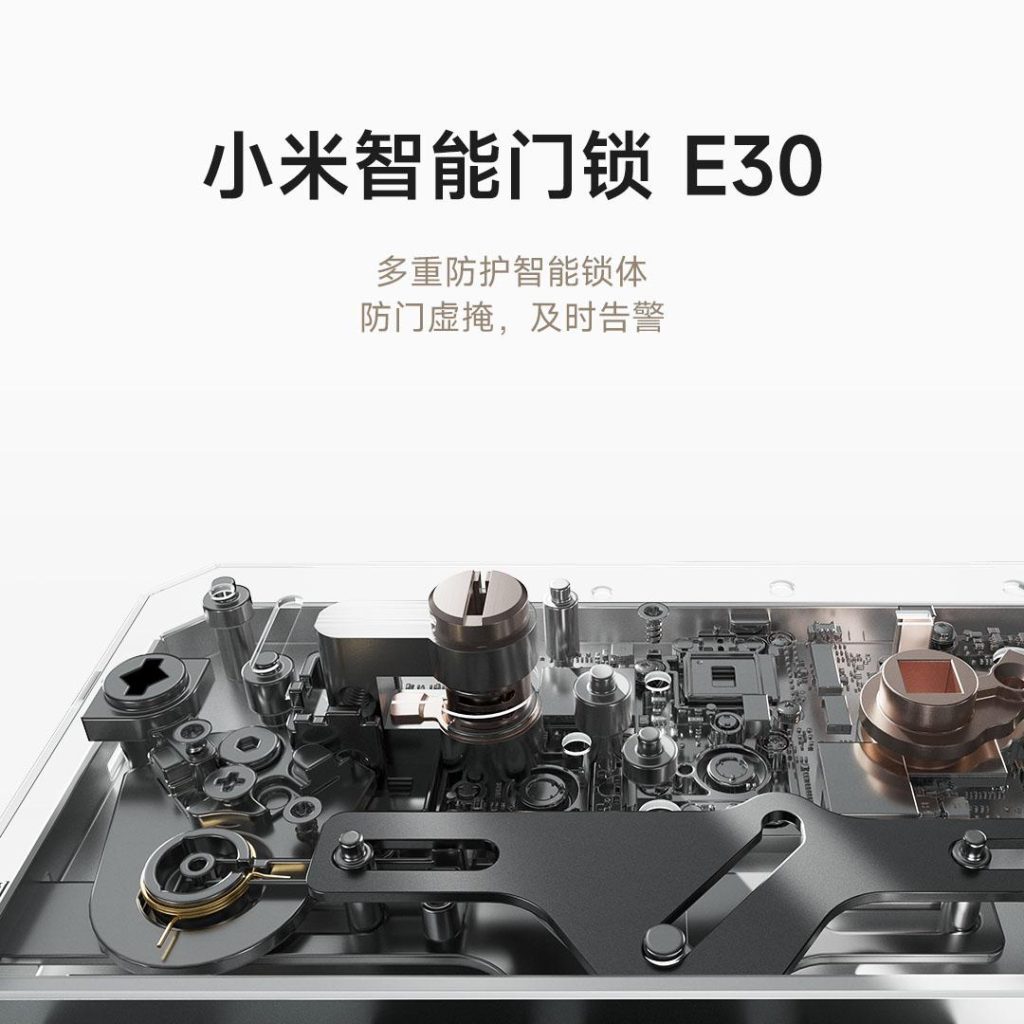
According to the company, this door lock uses a triple-proof smart lock body, where the clutch is built into it. With the C-level lock cylinder that runs through the lock body structure, it can more effectively prevent the door from being opened directly even if the outer panel is dismantled by external force.
The smart door lock also comes with a built-in half-open detection sensor to prevent the door from being half-opened and an alarm feature to notify the user about possible threats in time. Users will get the alarm notification through the Xiaomi Home app when away from home. Not to mention this smart door lock from Xiaomi also supports HyperOS connectivity alongside the Xiaomi Home app.
Pricing and availability:
The initial price of the Xiaomi Smart Door Lock E30 is 699 yuan, which is equivalent to US$99. The product is currently available for sale in Xiaomi Youpin.
While the official launch of the Redmi Note 14 Pro series is just a couple of days away, details about the phone continue to surface online. We just don’t have the pricing, except that, leaks have already spilled the beans on its specs and we’ve also seen it in some real-life images.
Adding to the hype, a Weibo reviewer has now shared battery life test results for the Note 14 Pro+, and they’re looking quite impressive.
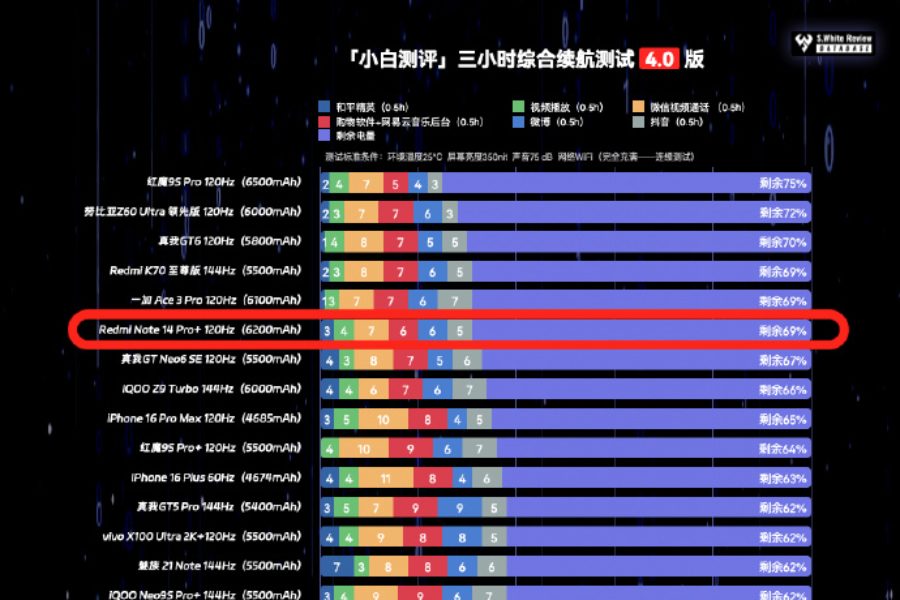
Packing a hefty 6200mAh battery, the Note 14 Pro+ seems to excel in endurance, based on these early tests. The reviewer appears to have put the phone through three scenarios: normal usage, gaming, and a mixed-use stress test.
Normal Usage
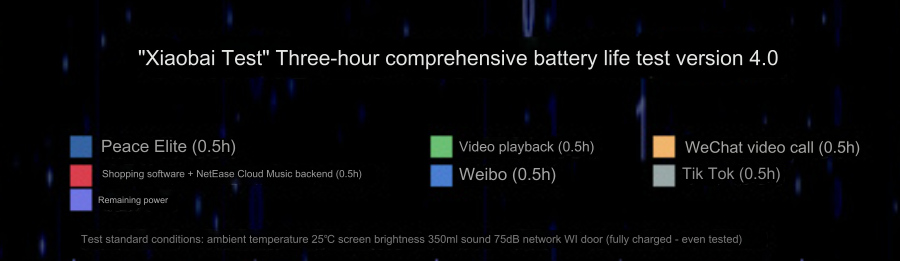
The first test mimicked regular usage with a mix of activities spread over 3 hours. This included video playback for 30 minutes, a 30-minute WeChat video call, a similar amount of time on TikTok, and other everyday tasks.
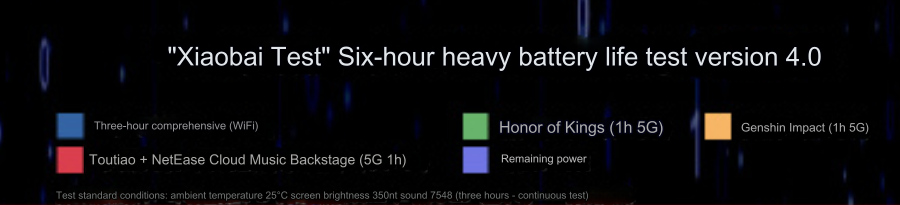
Activities involved in the three-hour test (machine translated).
The Redmi Note 14 Pro+ emerged from this with a respectable 69% battery remaining, putting it in the same ballpark as competitors like the OnePlus Ace 3 Pro and the Redmi K70 Ultra. The only phone to edge it out slightly was the Realme GT 6, which managed to hold onto 70% battery after this round.
Gaming
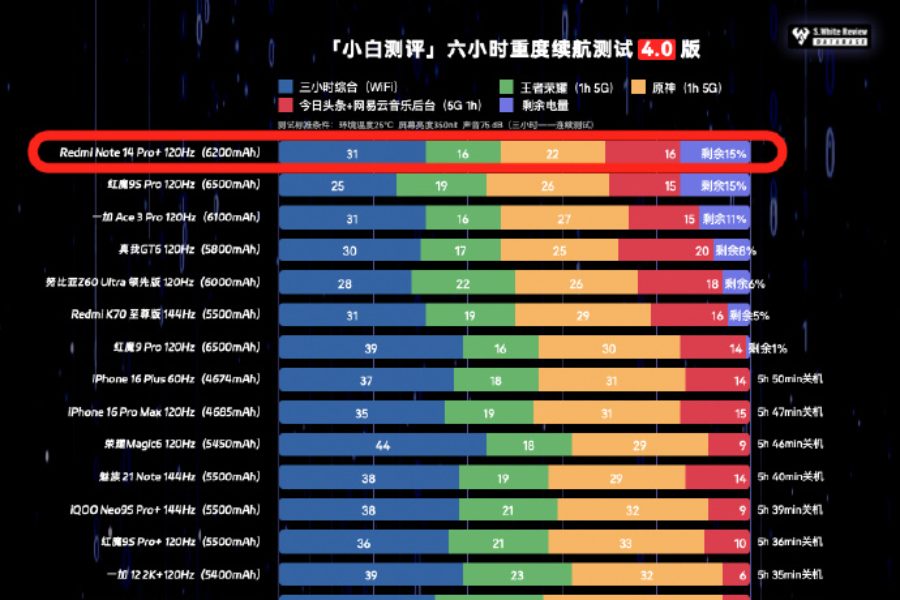
The second round got more intense, with the reviewer subjecting the phone to 6 hours of intensive work, including gaming in popular titles like Genshin Impact and Honor of Kings for an hour each.
Activities involved in the six-hour test (machine translated).
Here, the Redmi Note 14 Pro+ actually took the lead. It ended the test with 15% battery remaining, which surprisingly matched the performance of the RedMagic 9s Pro despite its larger 6500mAh battery.
Overall Extreme battery test
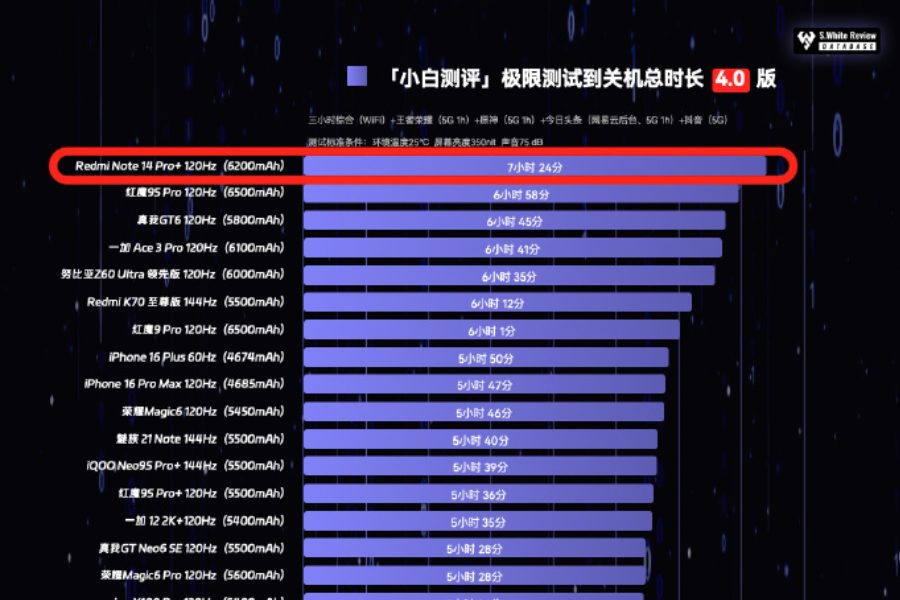
Finally, the reviewer put the phone through an overall battery drain test without a set time limit. This involved a mix of WiFi usage, gaming, and other tasks.
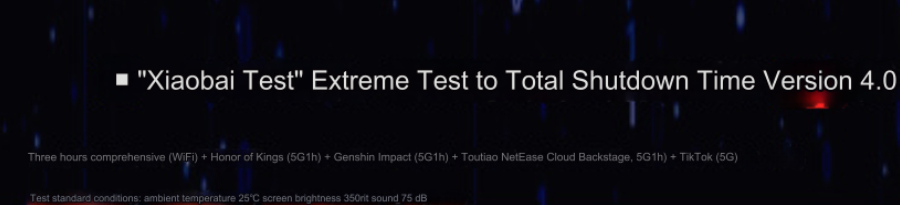
Activities involved in the extreme test (machine translated).
The Redmi Note 14 Pro+ managed a commendable 7 hours and 24 minutes of screen-on time before shutting down.
This figure puts the Note 14 Pro+ at the top of the reviewer’s battery life test chart, even surpassing the RedMagic 9s Pro, which managed 6 hours and 58 minutes of screen-on time despite having a larger battery.
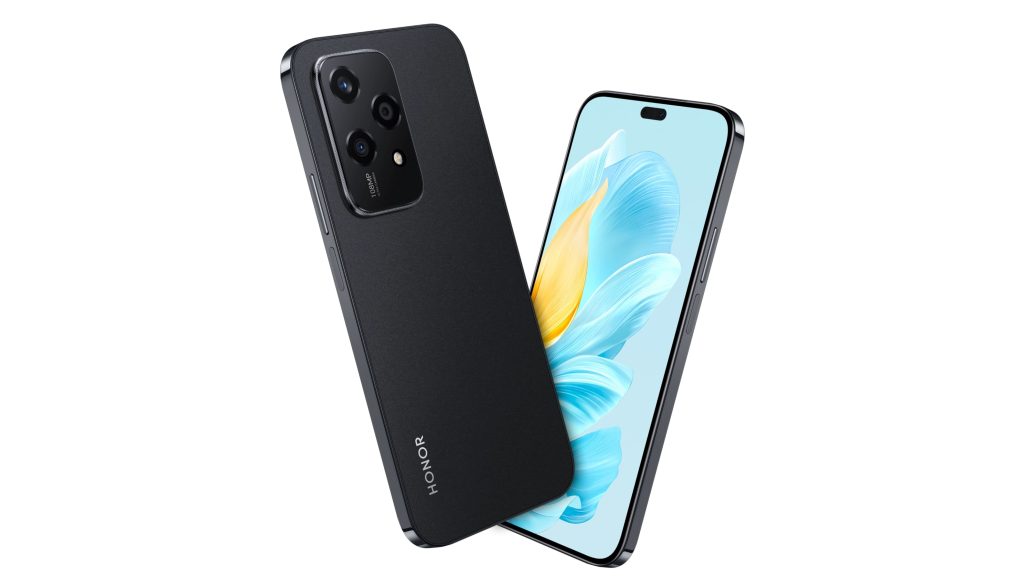
The Honor 200 Lite is unlike any other phone in its segment in terms of looks. Its design is a fusion of old and new.
The device resembles a chocolate bar due to its boxy shape. It has a flat frame and measures 6.8mm in thickness. Also, it is light at just 166g.
Despite being this thin and light, the smartphone houses a 4,500mAh battery. It comes in three colors, namely Midnight Black, Cyan Lake, and Starry Blue.
Further, the handset has a rectangular camera island, which is no longer used by newer phones. Also, the sensors themselves are placed in a rectangular manner.
Whereas, on the front, the display has a modern iPhone-inspired pill cutout with software features built around it. The Honor 200 Lite is the only budget smartphone to offer this type of display design.
2. Eye-friendly Display
Almost all Honor products are now known for their eye-friendly displays. The Honor 200 Lite is no different.
The device flaunts a 6.7-inch flat AMOLED display with almost equivalent bezels all around (93.7% screen-to-body ratio). This 20.1:9 screen with a pill cutout offers a resolution of 2412 x 1080 pixels and a 90Hz refresh rate.
The panel can reach a peak brightness level of 2000 nits and can cover 100% of the DCI-P3 color gamut. Most importantly, it supports 3240Hz high-frequency PWM dimming, which makes the handset certified for TÜV Rheinland Flicker-Free.
The device comes with a hardware-level low blue light mode, DC dimming, and 4096 levels of brightness adjustment. All of these features ensure an eye-friendly experience.
3. Something New
Honor was absent in India for over 3 years before its re-entry in 2023. So general consumers have been out of touch with the brand for a long time.
Honor’s hardware and software designs evolved over the years. So the experience is now different from what you got from the company when it was owned by Huawei.
Thus, Honor’s Magic OS could offer a different experience to consumers who are accustomed to other brands and want to try something new.
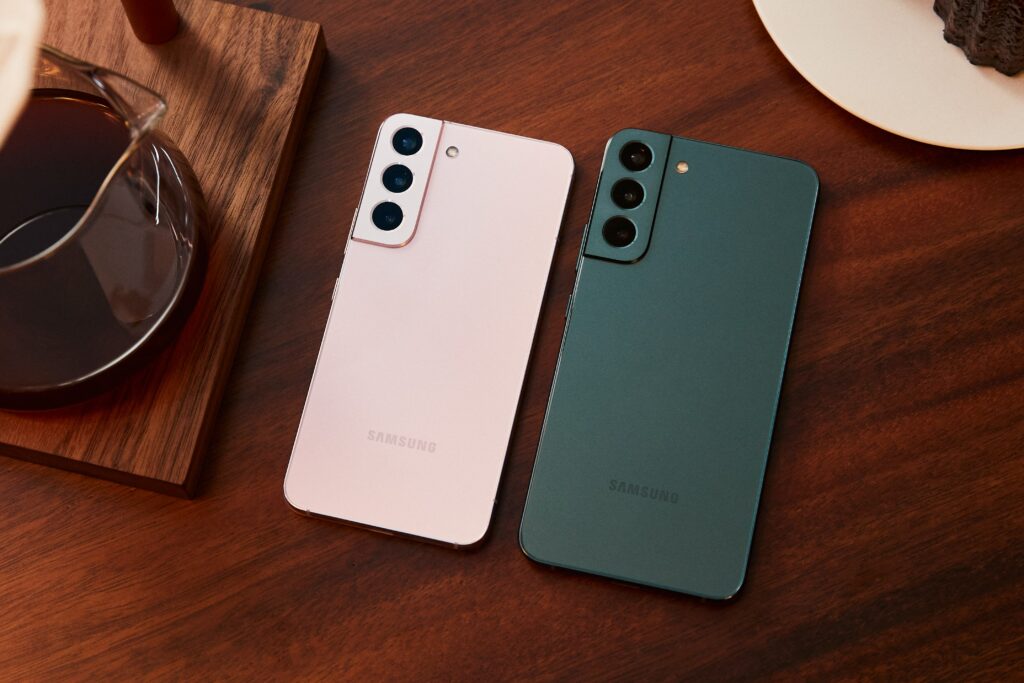
Samsung‘s One UI 6.1.1 update is now rolling out to Galaxy S22 series devices in India. The 2.8GB update introduces a significant number of new features and enhancements to the Galaxy S22, Galaxy S22+, and Galaxy S22 Ultra, particularly in the areas of artificial intelligence and language translation.
What’s New in One UI 6.1.1?
Sketch to Image: AI and machine learning transform simple sketches into impressive artwork. This feature integrates with Samsung Notes, Photo Editor, Air command, Smart Select, and Edge panels.
Portrait Studio: Generate AI-enhanced portraits from photos with various styles like sketch, 3D cartoon, watercolor, and comic.
Composer: A new Samsung Keyboard feature that drafts texts, emails, or social media posts based on a few keywords, allowing users to select the tone of the message.
Interpreter’s New Listening Mode: The real-time translation tool now includes a dual-screen mode for foldable phones and a new Listening Mode for one-way translations.
Suggested Replies: Galaxy AI offers quick response suggestions on the cover screen of Galaxy Z Flip phones, tailored by analyzing previous chat conversations.
Samsung Notes: The app now supports transcribing, translating, and summarizing voice notes.
PDF Translation and Summarization: Note Assist can now translate and summarize PDF files directly without needing to convert them to notes.
Instant Slow-Mo Clips: Users can save the slow-motion portion of a video as a separate clip instantly.
Expanded Live Translation: Live Translate now works in more apps, including Google Meet and WhatsApp, in addition to the Samsung Phone app.
Samsung Health Update: The app now provides an energy score, reflecting physical and mental conditions based on sleep and activity. Users can also share their health data with others.
In addition to these features, the update also introduces the September 2024 security patch, getting rid of 67 security vulnerabilities. The update is being pushed in batches, however, you can manually check for its availability on your device by heading to Settings > Software update > Download and install
We use cookies on our website to give you the most relevant experience by remembering your preferences and repeat visits. By clicking “Accept”, you consent to the use of ALL the cookies.
This website uses cookies to improve your experience while you navigate through the website. Out of these, the cookies that are categorized as necessary are stored on your browser as they are essential for the working of basic functionalities of the website. We also use third-party cookies that help us analyze and understand how you use this website. These cookies will be stored in your browser only with your consent. You also have the option to opt-out of these cookies. But opting out of some of these cookies may affect your browsing experience.
Necessary cookies are absolutely essential for the website to function properly. This category only includes cookies that ensures basic functionalities and security features of the website. These cookies do not store any personal information.
Any cookies that may not be particularly necessary for the website to function and is used specifically to collect user personal data via analytics, ads, other embedded contents are termed as non-necessary cookies. It is mandatory to procure user consent prior to running these cookies on your website.