Advertisement

Xiaomi launches new multi-head massage gun with 25kg thrust, 4mm massage depth & 31-day battery

Xiaomi has launched the Mijia Multi-Head Massage Gun 3 in China, with pre-sales starting at an introductory price of 369 yuan ($54). It uses wider, multi-node massage heads instead of the typical single-point design to cover a larger area at once.

Xiaomi Mijia Multi-Head Massage Gun 3

Mijia Multi-Head Massage Gun 3 Specifications

The massage gun comes with three interchangeable attachments built for different parts of the body, such as the back, legs, waist, and hips. The largest of the three is the leg massage head, which has an 18,300mm² contact area for general tapping.

Xiaomi Mijia Multi-Head Massage Gun 3

There is also a spherical head with four contact points covering 6,300mm² for moderate kneading, and a pressure-point head with six raised nodes over a 2,700mm² area for deeper pressure. To make it easier to use around the back, the attachments are designed with a physical gap in the middle to avoid making direct contact with the spine.

Inside, the device runs on a dual-axis brushless motor that delivers up to 25kg of maximum thrust and a massage depth of 4mm. It features fixed and variable frequency modes with three intensity levels, offering speeds from 800 to 2,000 RPM. It also includes a memory function that restores the last-used mode and intensity setting.

For handling, the massage gun features a dual-sided grip to help users reach different angles. The shape also allows for hands-free positioning; users can lean the device against a surface like a bed or sofa to keep it pressed against their body without having to hold it continuously.

The unit is powered by a 2,450mAh battery. According to Xiaomi’s testing, it can run for about 310 minutes on the lowest fixed-frequency setting with a 3kg load. For someone operating the device for 10 minutes a day, this works out to roughly 31 days of battery life between charges.

In related news, Xiaomi has launched a new portable ice maker with 6-8 minute ice-making and UV cleaning, along with the Mijia Wireless Floor Scrubber 5 Pro Foam Edition with active foam cleaning.

For more daily updates, please visit our News Section.

Stay ahead in tech! Join our Telegram community and sign up for our daily newsletter of top stories!

(JD)

iQOO Z11 Hands-On: Testing Its AI Features, Curved AMOLED Display and 7,050mAh Battery

I have been spending some time with the upcoming iQOO Z11 ahead of its India launch, and the phone makes a strong first impression with its combination of a large curved display, a massive battery, and a new focus on AI features. iQOO is positioning the Z11 in the under-Rs 40,000 segment, with the phone set to launch in India on August 20.

iQOO claims that the Z11 is designed with students in mind, especially because its AI features can help with studying, taking notes, summarizing information, writing assignments, and handling everyday academic tasks. After trying some of these features, I can see why the company is emphasizing practical AI use cases rather than treating AI as just another specification.

5Aurora Green has a subtle color-changing effect

iQOO Z11
iQOO Z11

I have been using the Aurora Green version, and it is arguably the more interesting of the two colors. The phone is also available in Celestial Blue, which can attract fingerprint marks

The green rear panel has a liquid-crystal-inspired finish. As you move the phone under light, a pale blue sheen appears across the surface, giving the back a subtle color-changing effect. The horizontal camera module houses a 50-megapixel main camera, and thankfully, it is accompanied by an ultra-wide-angle lens. Here are some shots captured using the Z11.

The iQOO Z11 launches in India on August 20 and will be positioned in the under-Rs 40,000 segment. This is only my initial hands-on experience, with the full review to follow after more extensive testing.

For more daily updates, please visit our News Section.

Stay ahead in tech! Join our Telegram community and sign up for our daily newsletter of top stories!

Next

Amazfit Balance Ultra vs Garmin fēnix 8: Display, Battery, GPS & Health Compared

Amazfit Balance Ultra and Garmin fēnix 8 are premium multisport smartwatches built for fitness enthusiasts, outdoor adventurers, and endurance athletes. Both feature titanium construction, sapphire crystal protection, AMOLED displays, dual-band GPS, advanced health tracking, and long battery life. However, they target different users. The Balance Ultra focuses on delivering flagship hardware and smart features at a more accessible price, while the fēnix 8 is designed for users who need professional-grade navigation, training tools, and Garmin’s mature sports ecosystem.

Major Features:

CategoryAmazfit Balance UltraGarmin fēnix 8Winner
Build QualityGrade 5 titanium bezel, frame, buttons & back, sapphire glass, 10 ATMTitanium bezel, sapphire crystal, 10 ATM, 40m dive rating, military testedGarmin – Better durability and dive certification
Weight57g (without strap)92gAmazfit – Much lighter and more comfortable
Display1.5-inch AMOLED, 480×480, up to 3,000 nits1.4-inch AMOLED, 454×454, Always-On DisplayAmazfit – Larger and significantly brighter display
Battery LifeUp to 30 days, 97-hour GPS (power saving)Up to 29 days, 145-hour Max Battery GPS, 31-day Expedition ModeGarmin – Better GPS endurance and expedition battery modes
GPS & NavigationDual-band GNSS, offline maps, route import, turn-by-turn navigationMulti-band GNSS, TopoActive Maps, ClimbPro, SatIQ, TracBack, NextForkGarmin – Industry-leading navigation features
Health TrackingHeart rate, SpO₂, HRV, sleep, stress, temperature, BioTracker 6.0, Zepp CoachHeart rate, SpO₂, HRV, Body Battery, Health Snapshot, Sleep Coach, Skin TemperatureGarmin – More comprehensive health insights
Training Features180+ sports modes, HYROX, Zepp Coach, Running Power, Lactate ThresholdTraining Readiness, Training Status, Endurance Score, Hill Score, PacePro, VO₂ Max, Garmin CoachGarmin – Advanced performance and recovery analytics
External Sensor SupportHeart rate belts, cycling power, cadence & speed sensorsExtensive ANT+ and Bluetooth sensor ecosystemGarmin – Wider compatibility and support
Outdoor FeaturesOffline maps, weather tools, dual-color LED flashlightExpedition Mode, Dive Mode, Storm Alerts, Ski Maps, Golf Maps, LED FlashlightGarmin – More complete outdoor toolkit
Storage64GB32GBAmazfit – Double the internal storage
Smart FeaturesBluetooth calling, voice assistant, music storage, Wi-FiBluetooth calling, Garmin Pay, Connect IQ, Garmin Messenger, Wi-FiGarmin – Richer smartwatch ecosystem
Companion AppZepp AppGarmin ConnectGarmin – Best-in-class fitness platform
Water Resistance10 ATM10 ATM + EN13319 40m dive ratingGarmin – Better for diving
Price & ValuePremium features at a lower pricePremium pricing with professional sports featuresAmazfit – Better overall value

1. Design and Build

Both watches are built with premium materials and are designed for rugged outdoor use. The Amazfit Balance Ultra uses a Grade 5 titanium bezel, frame, buttons, and back cover with a fiber-reinforced polymer case, while the Garmin fēnix 8 combines a titanium bezel with a fiber-reinforced polymer body and titanium rear cover. Both include sapphire crystal protection, 10 ATM water resistance, and military-grade durability testing.

The biggest difference is weight. The Balance Ultra weighs just 57g without the strap, making it much more comfortable for daily wear, while the fēnix 8 weighs 92g and feels more rugged. Garmin also adds leakproof buttons and 40-meter dive certification.

Winner: Garmin fēnix 8 – Better suited for extreme outdoor use and diving.

2. Display

Both watches feature premium AMOLED displays with excellent color reproduction and touchscreen support. Garmin offers a 1.4-inch AMOLED display with a 454 × 454 resolution, while Amazfit uses a slightly larger 1.5-inch AMOLED panel with a 480 × 480 resolution and an impressive peak brightness of up to 3,000 nits.

Both displays remain highly visible outdoors, but Amazfit’s brighter panel offers better readability in direct sunlight.

Winner: Amazfit Balance Ultra – Larger, brighter display with excellent outdoor visibility.

3. Battery Life

Battery life is excellent on both devices. Amazfit rates the Balance Ultra for up to 30 days of typical use, up to 97 hours in GPS power-saving mode, and 50 hours with high-accuracy GPS.

The Garmin fēnix 8 offers up to 29 days in smartwatch mode, 84 hours in GPS mode, 145 hours in Max Battery GPS mode, and 31 days in Expedition GPS mode. Its specialized battery profiles make it a better choice for long-distance adventures.

Winner: Garmin fēnix 8 – Better battery management for endurance activities and expeditions.

4. Health Tracking

Both watches include continuous heart rate monitoring, blood oxygen tracking, sleep analysis, stress monitoring, HRV measurements, temperature tracking, and recovery insights.

The Balance Ultra uses Amazfit’s BioTracker 6.0 sensor with AI-powered Zepp Coach and Readiness analysis. Garmin expands on these features with Body Battery, Health Snapshot, Sleep Coach, HRV Status, Skin Temperature tracking, Jet Lag Adviser, and more advanced recovery metrics.

Garmin’s health ecosystem offers deeper long-term analysis, particularly for athletes.

Winner: Garmin fēnix 8 – More advanced health and recovery analytics.

5. GPS and Navigation

Both watches support dual-band GNSS, multiple satellite systems, offline maps, turn-by-turn navigation, route import, and barometric altitude tracking.

Garmin goes further with TopoActive maps, ski maps, golf maps, ClimbPro, SatIQ technology, NextFork guidance, TracBack routing, and dynamic round-trip routing. These features make navigation more reliable during hiking, trail running, mountaineering, and other outdoor activities.

Winner: Garmin fēnix 8 – The best navigation system for serious outdoor adventures.

6. Sports and Training Features

The Balance Ultra supports over 180 sports modes, automatic workout recognition, HYROX training, running power, lactate threshold estimation, virtual pacing, Zepp Coach AI, and support for external sensors such as heart-rate straps and cycling power meters.

Garmin includes an even more comprehensive training platform with Training Readiness, Training Status, Training Load Focus, Endurance Score, Hill Score, PacePro, Real-Time Stamina, VO2 Max, Race Predictor, Recovery Time, Garmin Coach, and advanced running dynamics.

While Amazfit offers excellent fitness tracking, Garmin remains the benchmark for serious endurance athletes.

Winner: Garmin fēnix 8 – Industry-leading training metrics and performance analysis.

7. Smart Features

Both smartwatches include Bluetooth calling, built-in speakers and microphones, smart notifications, Wi-Fi, music storage, and voice features.

The Balance Ultra offers 64GB of internal storage, giving users more room for offline music and maps. Garmin counters with Garmin Pay, Garmin Messenger, Connect IQ app support, Garmin Share, and one of the most mature smartwatch ecosystems for athletes.

Winner: Tie – Amazfit provides more storage, while Garmin offers a richer software ecosystem.

8. Outdoor Features

The Balance Ultra includes a compass, barometric altimeter, offline maps, weather tools, and a dual-color LED flashlight.

Garmin adds expedition mode, altitude acclimation, storm alerts, dive support, fishing forecasts, hunt/fish calendars, and advanced outdoor navigation tools that appeal to hikers, mountaineers, and divers.

Winner: Garmin fēnix 8 – More complete outdoor and adventure feature set.

9. Which One Should You Buy?

Choose the Amazfit Balance Ultra if you want a lightweight titanium smartwatch with a brilliant AMOLED display, long battery life, offline maps, AI-powered coaching, and premium features at a more affordable price. It delivers exceptional value for everyday fitness users and outdoor enthusiasts.

Choose the Garmin fēnix 8 if you regularly participate in endurance sports, hiking, mountaineering, triathlons, diving, or other demanding outdoor activities. Its navigation, training tools, recovery metrics, and Garmin Connect ecosystem remain among the best in the smartwatch industry.

Final Verdict

Amazfit Balance Ultra is an outstanding premium smartwatch that delivers flagship hardware, a brighter display, excellent battery life, and strong health tracking, while offering excellent value.

The Garmin fēnix 8 remains the more capable multisport watch. Its superior navigation, advanced training metrics, comprehensive health insights, dive features, and highly refined Garmin Connect platform make it the better choice for athletes and outdoor professionals who need the most complete smartwatch experience.


FAQs

1. Which smartwatch has more accurate GPS tracking?
Garmin fēnix 8 offers more advanced navigation with superior mapping and outdoor GPS features.

2. Is Amazfit Balance Ultra good for fitness tracking?
Yes. It provides excellent health tracking, AI coaching, and over 180 sports modes for most users.

3. Which smartwatch lasts longer on a single charge?
Garmin fēnix 8 delivers better endurance during GPS-intensive activities, while Amazfit excels in everyday smartwatch battery life.

4. Which smartwatch offers better value for money?
Amazfit Balance Ultra delivers premium features at a lower price, making it the better value option.

5. Who should buy the Garmin fēnix 8?
It’s ideal for endurance athletes, hikers, divers, and users needing advanced navigation and training analytics.

Read More:

JBL Pulse 6 vs JBL Pulse 5: Is the New One Really Better?

The JBL Pulse lineup has always occupied a very specific niche in the Bluetooth speaker market. It’s essentially a portable lava lamp that plays your music. For a few years, the JBL Pulse 5 has been a reliable recommendation for anyone who wants a speaker that doubles as a visual centerpiece. Now, JBL has released the Pulse 6.

At first glance, the two speakers look quite similar, and you might assume JBL just tweaked the LEDs. However, looking at the spec sheet shows that the Pulse 6 brings a few practical updates to both sound and connectivity. If you’re trying to decide between the two, here is how they actually compare in everyday use.

JBL Pulse 6

1. Design

The Pulse 5 has a transparent outer shell that displays a 360-degree light show, and it uses a basic, rugged fabric strap for carrying. The Pulse 6 changes this approach.

Instead of a fabric strap, the Pulse 6 has an integrated handle. What’s interesting is that the handle itself is illuminated, allowing the light show to extend across the entire top of the device. It makes the speaker look a bit more like a modern lantern.

JBL also added some features for when you aren’t actively listening to music. The Pulse 6 includes a Sunset Mode in the JBL One app, which slowly dims the lights into a warm orange fade to help you wind down.

There is also a built-in sensor that lets you double-tap the speaker to turn on a soft nightlight. It’s a small addition, but it makes the speaker useful even when the music is off.

2. Sound Quality

On paper, both speakers have the same power output: a 30W RMS woofer and a 10W RMS tweeter. However, the acoustic design has been updated.

The Pulse 5 has a frequency response of 58 Hz to 20 kHz. The Pulse 6 lowers that bass floor to 42 Hz. In a portable speaker, that 16 Hz difference is noticeable. It means the Pulse 6 can produce deeper low-end frequencies, making bass-heavy tracks sound a bit fuller.

To manage that extra bass, the Pulse 6 uses a feature JBL calls AI Sound Boost. While the name sounds like marketing jargon, it essentially functions as a dynamic equalizer. It analyzes the audio in real-time to adjust the output, which helps prevent the bass from distorting when you turn the volume up to higher levels.

3. Connectivity

The connectivity update is probably the most practical difference between the two models. The Pulse 5 uses Bluetooth 5.3 and relies on JBL’s PartyBoost feature to link with other speakers. It works well, but it only connects with other PartyBoost-compatible JBL devices.

The Pulse 6 moves to Bluetooth 6.0 and adopts Auracast. Auracast is becoming the new industry standard for broadcasting audio to multiple devices. Instead of being locked into PartyBoost, the Pulse 6 can sync with any Auracast-enabled speaker, including newer JBL models like the PartyBox line. It’s a more flexible system that will likely age better as you buy new audio gear.

4. Final Thoughts

Both speakers offer the same 12 hours of battery life, and both are highly durable. The Pulse 6 gets a minor bump to an IP68 rating (dust and waterproof) compared to the Pulse 5’s IP67 rating, though both will easily survive a trip to the beach or pool.

If you already own a Pulse 5, it’s still a very capable speaker, and there isn’t a pressing need to upgrade. However, if you are buying one today, the Pulse 6 is the more logical choice.

The improved bass response, the shift to the more universal Auracast standard, and the subtle quality-of-life additions like the nightlight feature make it a more well-rounded device for daily use.

Although it isn’t widely available yet, the JBL Pulse 6 is expected to launch in more global markets soon, following its debut in China and its listing on the JBL Cambodia website.

For more daily updates, please visit our News Section.

Stay ahead in tech! Join our Telegram community and sign up for our daily newsletter of top stories!

Honor Robot Phone With Dual 200MP Cameras and 7060mAh Battery Now Available at Giztop

Honor Robot Phone is a new premium smartphone that combines flagship performance, advanced cameras, and a large battery. It comes with a 6.31-inch LTPO AMOLED display supporting a 1-120Hz adaptive refresh rate. The phone runs MagicOS 10 and supports full-screen gestures, offering a fast and modern software experience for everyday use.

Display and Performance

The Honor Robot Phone features a 6.31-inch display with up to 6800 nits peak HDR brightness, making the screen easier to view in bright outdoor conditions. It also supports 4320Hz high-frequency PWM dimming and Honor Oasis Eye Comfort technology with AI defocus and hardware-level low blue light features. The phone is powered by the 3nm Snapdragon 8 Elite Gen 5 processor with an octa-core CPU reaching up to 4.6GHz. It comes with 12GB or 16GB of LPDDR5X RAM.

Storage and Cameras

The phone offers 512GB or 1TB of storage, providing plenty of space for apps, games, photos, videos, and other files. Its camera system is one of its major highlights. The rear setup includes a 200MP Agile Gimbal main camera with 3-axis mechanical stabilization, a 1/1.28-inch sensor, f/1.6 aperture, and OIS. A 200MP periscope telephoto camera adds a 1/1.4-inch sensor, 2.7x optical zoom, OIS, and up to 200x digital zoom. A 50MP ultra-wide camera offers a 122-degree field of view and 2.5cm macro photography. A 50MP front camera handles selfies and video calls.

Battery and Connectivity

The Honor Robot Phone packs a 7060mAh battery with support for 120W wired fast charging and 50W wireless charging. It also features an in-display fingerprint scanner for convenient unlocking. For connectivity, the phone supports 5G and Wi-Fi 7, offering faster wireless performance and improved network capabilities.

Price and Availability

Honor Robot Phone is now available with global shipping through Giztop, with prices starting at $1,999. With its Snapdragon 8 Elite Gen 5 processor, dual 200MP camera system, 1-120Hz display, 7060mAh battery, and 120W charging, it arrives as a premium flagship smartphone aimed at users who want high-end performance and advanced photography features.


Read More:

Redmi K100 Pro Max With 185Hz OLED Display and 9070mAh Battery Now Available at Giztop

Redmi K100 Pro Max is a high-end smartphone designed for users who want strong performance, a high-refresh-rate display, advanced cameras, and a large battery. It features a 6.9-inch 1.5K+ OLED display with an impressive 185Hz refresh rate and up to 4500 nits peak brightness. The phone runs on Xiaomi HyperOS and supports English and Chinese languages.

Performance and Storage

The smartphone is powered by the Qualcomm Snapdragon 8 Elite Gen 5 processor, paired with up to 16GB of LPDDR5X Ultra RAM. It is available with 256GB, 512GB, or 1TB of UFS 4.1 storage, giving users plenty of space for apps, games, photos, videos, and other files. Xiaomi also includes its D2 dedicated display chip to support the phone’s advanced display features.

Display and Cameras

The Redmi K100 Pro Max has a 6.9-inch AMOLED display with a 185Hz refresh rate, P3 color gamut, and full-range DC dimming. Its camera system includes a 200MP main camera with OIS, a 50MP periscope telephoto camera with 5x optical zoom, and a 50MP ultra-wide camera with a 102-degree field of view. The phone can record video at up to 8K resolution at 30fps, while slow-motion recording is supported at several frame rates. A 32MP front camera handles selfies and video calls.

Battery and Charging

A large 9070mAh battery powers the Redmi K100 Pro Max. It supports 100W wired fast charging and 50W wireless charging. The phone also supports 22.5W reverse wired charging, allowing it to charge compatible accessories and other devices.

Price and Availability

Redmi K100 Pro Max is now available with global shipping options through Giztop. Pricing starts at $799, depending on the selected configuration. With its Snapdragon 8 Elite Gen 5 processor, 185Hz OLED display, 200MP camera system, and 9070mAh battery, the phone is positioned as a premium option for users looking for powerful hardware and long battery life.


Read More:

Xiaomi launches HyperOS 4 beta program, check eligible devices and rollout schedule

Xiaomi HyperOS 4 beta

Xiaomi has officially announced its HyperOS 4 beta plans, including the list of eligible devices and the rollout schedule. The beta program is split into three batches, with the rollout to the first batch scheduled to begin on August 14.

HyperOS 4 beta eligible devices and rollout schedule

Note that this beta rollout schedule only applies to Xiaomi users in China. Hopefully, the brand will soon announce its beta plans for global users.

Starting August 14

Smartphones

  • Xiaomi 17 Ultra
  • Xiaomi 17 Ultra Leica Edition
  • Xiaomi 17 Pro Max
  • Xiaomi 17 Pro
  • Xiaomi 17
  • Redmi K90 Pro Max
  • Redmi K90 Pro Max Champion Edition
  • Redmi K90

Tablets

  • Xiaomi Pad 8 Pro
  • Xiaomi Pad 8

Starting August 27

Smartphones

  • Xiaomi 17 Max
  • Xiaomi 17T Pro
  • Xiaomi 17T
  • Xiaomi 15 Ultra
  • Xiaomi 15 Ultra Dual Satellite Edition
  • Xiaomi 15S Pro
  • Xiaomi 15 Pro
  • Xiaomi 15
  • Redmi K90 Max
  • Redmi K90 Supreme Edition

Tablets

  • Redmi K Pad 2

Starting September 17

Smartphones

  • Redmi K100 Pro Max
  • Redmi K100 Pro
  • Redmi K80 Pro
  • Redmi K80 Supreme Edition
  • Redmi K80
  • Xiaomi Mix Flip 2

Tablets

  • Xiaomi Pad 7 Ultra
  • Xiaomi Pad 7S Pro 12.5

Eligible users can apply for the HyperOS 4 beta program via the beta testing center inside the Xiaomi Community app. We have a step-by-step guide on the same that you can follow here.

We’ll keep you updated when Xiaomi launches the HyperOS 4 beta program globally. You can visit our Xiaomi section regularly or simply join our Telegram channel to receive instant alerts.

Belkin’s Thunderbolt 5 Dock vs Asus’s 11-Port USB-C Dock: Which One Actually Fits Your Desk?

If you’ve been thinking of shopping for a docking station lately, you’ve probably noticed the category has split into two different segments. On one side, there are flagship Thunderbolt 5 docks built for people who edit video, run multiple 4K monitors, and need as much bandwidth as possible. On the other hand, there are small, low-cost USB-C hubs meant to connect a laptop to a monitor and a few accessories at minimal expense. 

The Belkin Connect Thunderbolt 5 Dock and Asus’s Adol HC112 sit on opposite ends of that split. We will compare the two models in this article.

1. What the Belkin Connect Thunderbolt 5 Dock offers

The Belkin Connect Thunderbolt 5 Dock is built for people who use their laptop as a desktop replacement. It packs 14 ports into one aluminum body and connects to your laptop through a single Thunderbolt 5 cable, which Belkin includes in the box along with an 180W power adapter. 

The Thunderbolt 5 dock offers 80Gbps of standard throughput, and can boost that to 120Gbps when it senses you’re pushing high-resolution or high-refresh displays. For video, you get one DisplayPort 2.1 port and one HDMI 2.1 port, both capable of 8K at 60Hz or 4K at 240Hz. Plug into a Thunderbolt 5 Windows laptop, and you can run three external 4K displays at 144Hz each, or mix and match up to four screens total. 

As for MacBooks, those powered by M1 through M3 chips are capped at one external display, while M1 Pro and newer chips support two.

Moreover, the dock can send up to 140W back to your laptop for top-ups, and the two downstream Thunderbolt 5 ports each supply 15W for smaller accessories. You also get 2.5Gb Ethernet, so wired networking doesn’t eat into your USB bandwidth. 

Belkin has priced the dock around $338 to $358 depending on the market. A thing to note is that it’s not backward compatible with Thunderbolt 3. It works with Thunderbolt 4, USB4, and standard USB-C laptops, but bandwidth and display capability drop as you step down the standards ladder, and Thunderbolt 3 gear is locked out entirely.

2. What you get with the Asus dock

Unlike Belkin, the Adol HC112 dock from Asus is built for a different purpose. The company designed it as a laptop bag accessory rather than a workstation anchor. It measures 116 x 48 x 15mm and weighs just 81 grams, small enough to fit into a laptop sleeve without adding noticeable bulk. The aluminum alloy shell also functions as a heat sink, and the cable is braided for added durability.

Despite the tiny footprint, Asus crammed 11 ports in here. You get HDMI and DisplayPort 1.4 for video with resolutions as high as 8K at 30Hz or 4K at 120Hz over HDMI. There’s even a 1080p mode that runs at 240Hz for anyone gaming off an external monitor. 

The data transfer speed reaches up to 10Gbps thanks to a USB 3.2 port, and the dock also includes SD and microSD card readers. You also get a 3.5mm audio jack and a dedicated USB-C PD input that passes through up to 100W to keep your laptop charged while everything else stays plugged in.

The HC112 works without drivers across Windows, macOS, Linux, Android, and iPadOS, as long as your device has a full-function USB-C port. 

The dock launched for 329 yuan, or around $48. That’s a fraction of what Belkin charges, and it puts the HC112 closer to accessory pricing than dock pricing.

3. So which one should you buy?

These two docks aren’t really competing for the same buyer. The Belkin Connect Thunderbolt 5 Dock suits someone who has a Thunderbolt 5 laptop and wants to turn it into a full workstation. It costs more, but it also handles serious creative or engineering workloads without becoming a bottleneck.

The Asus dock suits someone who just needs their laptop to reach a couple of monitors and a handful of peripherals without carrying a pile of adapters. It won’t match Thunderbolt speeds, and its charging output tops out well below what a high-power laptop needs under heavy load, but for everyday use, it covers the basics at a fraction of the price and bulk.

For more daily updates, please visit our News Section.

Stay ahead in tech! Join our Telegram community and sign up for our daily newsletter of top stories!

Honor 700 may feature a 1.7-inch rear display; 12,000mAh phone also in the works

Honor has just launched the futuristic Robot Phone in China and is scheduled to launch its next flagship, the Magic 9 series, on September 28 in the country. Apart from the Magic 9 lineup, the brand is said to be working on several other smartphones, and recent Weibo posts by reliable tipster Digital Chat Station give an idea of what to expect from them.

Honor phone with rear display in the making

According to DCS, Honor is reportedly evaluating a native rear-display design for a slim, camera-focused smartphone. The secondary screen is said to measure around 1.7 inches, while the flagship line is currently not expected to adopt this design.

While he has not specified the name of the device, the upcoming Honor 700 series may feature this rear display. Based on previous release patterns, the 700 lineup may break cover in November or December this year in China.

In a separate Weibo post, DCS mentioned that Honor is said to have started trial production of a new battery with a rated capacity of 11,790mAh and a rated energy of 43.86Wh. Its typical capacity is expected to be around 12,000mAh, making it another ultra-large battery being tested by the company.

The tipster has not revealed which upcoming Honor phone will use it, but there is a possibility that it may power the upcoming Honor Power 3, which may break cover by early 2027. This phone is expected to feature the next-generation 3nm Dimensity 8600 chip.

Honor’s wide foldable phone in the works

DCS also claims that Honor is exploring a wide-screen foldable, although the project has reportedly not entered formal development yet. If approved, the company is considering a larger-screen version, as the two existing wide foldable phones on the market reportedly feature displays in the 6.3- to 6.4-inch range. Previous reports have claimed that it will pack a 20-megapixel main camera, a Snapdragon 8 Elite Gen 6 chip, and a 7,000mAh battery.

Apart from these devices, Honor is said to be accelerating the launch of the Win 2 series of gaming-focused phones. It is speculated that the Win 2 models may debut as early as October in China.

For more daily updates, please visit our News Section.

Stay ahead in tech! Join our Telegram community and sign up for our daily newsletter of top stories!
Vivo S50t Vitality Edition launches with Snapdragon 8s Gen 3, 6,500mAh battery, 50MP periscope camera

Vivo unveiled the S60 and S60 Vitality Edition in May, but the company has now unexpectedly launched a device from the previous S50 generation. The new Vivo S50t Vitality Edition joins an already expanded S50 lineup, which comprises of models, such as the Vivo S50, S50t, and S50 Pro Mini. Read on to know what the new model offers.

Vivo S50t Vitality Edition specifications and features

Vivo S50 Vitality Edition-
Vivo S50 Vitality Edition

The Vivo S50t Vitality Edition features a 6.59-inch AMOLED display with a 2750 x 1260-pixel resolution, 120Hz refresh rate and support for a 2000Hz instantaneous touch sampling rate. It is powered by the Snapdragon 8s Gen 3 chipset, paired with 12GB of and up to 512GB of storage.

For photography, the phone has a 50-megapixel front camera with autofocus. The rear setup consists of a 50-megapixel primary camera with OIS, an 8-megapixel ultra-wide camera and a 50-megapixel periscope telephoto camera with OIS. The telephoto camera supports up to 100x digital zoom.

Vivo S50t Vitality Edition

The phone packs a 6,500mAh battery with support for 90W wired charging. It does not support wireless charging, while reverse charging is available through USB Type-C. The device runs OriginOS 6 based on Android 16 and features an ultrasonic fingerprint recognition and face unlock.

It measures 157.52 x 74.33mm, while its thickness ranges from 7.49mm to 7.59mm depending on the color. The phone weighs up to 197 grams.

Vivo S50t Vitality Edition price and availability

Vivo S50t Vitality Edition

The Vivo S50t Vitality Edition is available in Space Black, Inspiration Purple, Confession White and Serene Blue. The 12GB+256GB model is priced at 3,299 Yuan (~$490), while the 12GB+512GB version costs 3,599 Yuan (~$535).

To recall, the Vivo S50t was almost identical to the Vivo S50, with the main storage difference being UFS 3.1 instead of UFS 4.1. The new S50t Vitality Edition takes things a step further with LPDDR5 RAM instead of the LPDDR5X memory used on both the S50 and S50t, while retaining the rest of the core specifications.

For more daily updates, please visit our News Section.

Stay ahead in tech! Join our Telegram community and sign up for our daily newsletter of top stories!

Vivo X500 Pro Max’s fast charging speed revealed via 3C certification

Last month, the Vivo X500 Pro Max’s global version bearing the model number V2610 was spotted on Indonesia’s TKDN certification platform. In a new development, its Chinese edition has also bagged an important certification, suggesting that it could be scheduled for a launch in September.

Vivo X500 Pro Max 3C certified

Vivo X500 Pro Max 3C certified

The above image reveals that a new Vivo phone with model number V2602DA has been approved by China’s 3C authority. The 3C listing reveals three things about the device, including support for the n79 band, BeiDou satellite communication, and 90W fast charging.

Vivo X500 Pro Max specifications (rurmoed)

As per other reports, the Vivo X500 Pro Max is said to house a 6.85-inch OLED 2K LTPO display with support for a 144Hz refresh rate. It will be powered by the 2nm Dimensity 9600 Pro chip and a massive 8,000mAh battery. Apart from 90W charging, it is expected to support 40W or 50W wireless charging.

On the front, it may feature a 50-megapixel selfie camera with autofocus support. Its back panel could be equipped with a 50-megapixel Sony LYT-838 primary camera with a large 1/1.28-inch sensor and LOFIC technology, a new 50-megapixel Sony IMX8-series ultra-wide camera, and a 200-megapixel periscope telephoto camera with a 1/1.4-inch sensor and an 85mm focal length.

It is expected to arrive with other features, such as OriginOS 7-based Android 16, an ultrasonic in-screen fingerprint sensor, and an IP68/69-rated body.

In related news, the 3C authority has also approved two more Vivo phones with model numbers V2606A and V2609A. These are believed to be the iQOO 16 and Vivo X500 Pro, respectively.

For more daily updates, please visit our News Section.

Stay ahead in tech! Join our Telegram community and sign up for our daily newsletter of top stories!

Honor Magic 9 series officially set to launch on September 28, 2nm chip, ARRI imaging expected

Honor has confirmed the launch date for its next flagship smartphone series, with the Honor Magic 9 lineup scheduled to arrive in September. The company has also teased major upgrades in performance, imaging and AI. Here is what to expect from the upcoming flagship series.

Honor Magic 9 series: 2nm chip and ARRI imaging           

Honor CEO Li Jian confirms Magic 9 series launch date

After the Robot Phone launch event, Honor CEO Li Jian confirmed that the Magic 9 series will officially debut on September 28 in Beijing. The company has also opened early reservations for the upcoming flagship lineup.

The Magic 9 series is expected to be among the first smartphones powered by Qualcomm’s next-generation Snapdragon 8 Elite Gen 6 flagship platform based on a 2nm manufacturing process. This could make the series one of the earliest Android flagships to enter the 2nm era, with improvements expected in performance, power efficiency and on-device AI capabilities.

According to Digital Chat Station, the Magic 9 series is tipped to feature a 200-megapixel primary camera with a 1/1.28-inch sensor, an f/1.57 aperture and 3-degree optical image stabilization. It is also expected to carry a 200-megapixel periscope telephoto camera with a 1/1.4-inch sensor and f/2.6 aperture.

Honor has partnered with German professional imaging company ARRI for the series. The collaboration is expected to bring features such as ARRI LogC3, ARRI Look and an ARRI movie mode, with the focus extending to both photography and video recording.

Honor Magic 9 camera module
Honor Magic 9 series’ official teaser

The Magic 9 series is expected to feature a 6.8-inch 1.5K LTPO 2.5D flat display. Other reported specifications include a large battery with a capacity expected to start with an 8, alongside fast wireless charging, 3D facial recognition and 3D ultrasonic fingerprint scanning.

Finally, the lineup is expected to include at least three models, namely the Magic 9, Magic 9 Pro, and Magic 9 Pro Max.

For more daily updates, please visit our News Section.

Stay ahead in tech! Join our Telegram community and sign up for our daily newsletter of top stories!

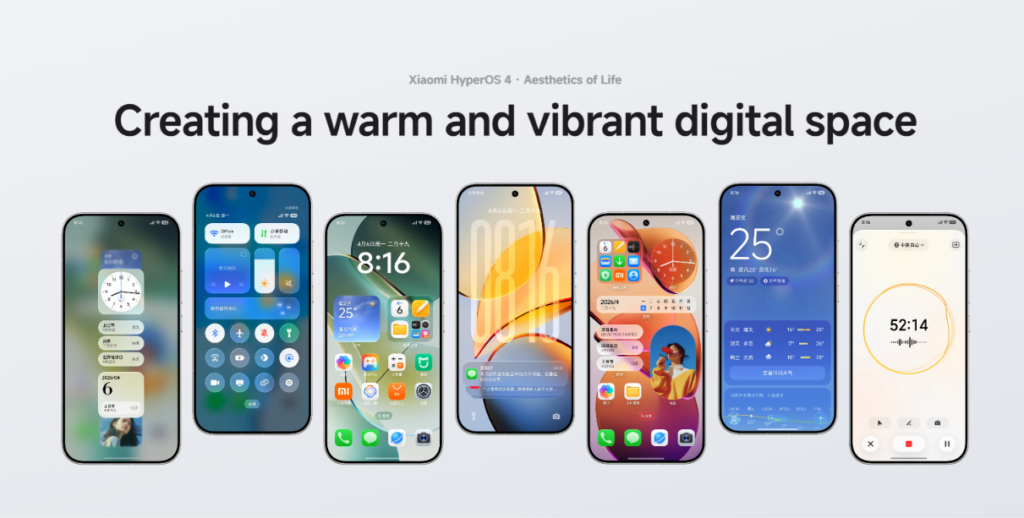
Xiaomi officially hints at wide foldable as HyperOS 4 beta rolls out to first devices

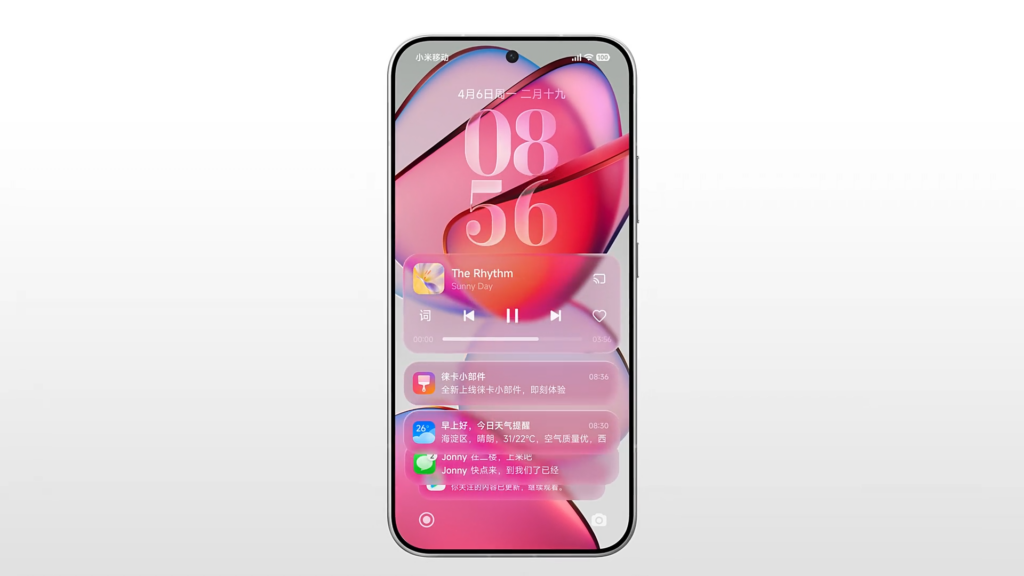
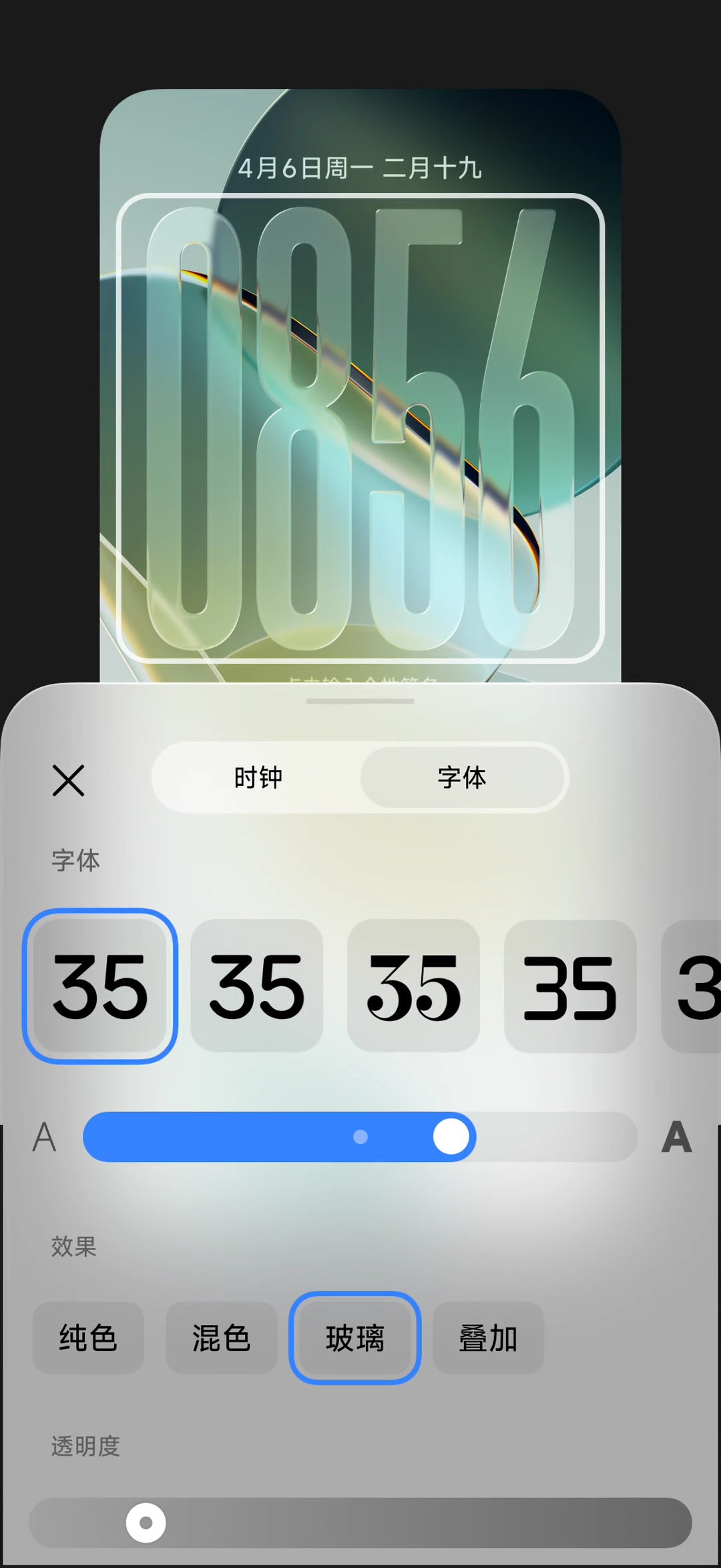
Xiaomi has started rolling out the first beta version of HyperOS 4, bringing improvements focused on system performance, usability and artificial intelligence. The update also offers an early glimpse of Xiaomi’s much-rumoured wide foldable phone, which appeared in the company’s HyperOS 4 interface showcase. Continue reading ahead to know more in detail.

Xiaomi HyperOS 4: Performance and AI upgrades

XIaomi HyperOS 4
XIaomi HyperOS 4

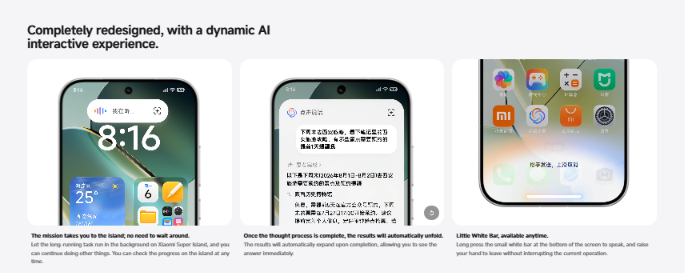
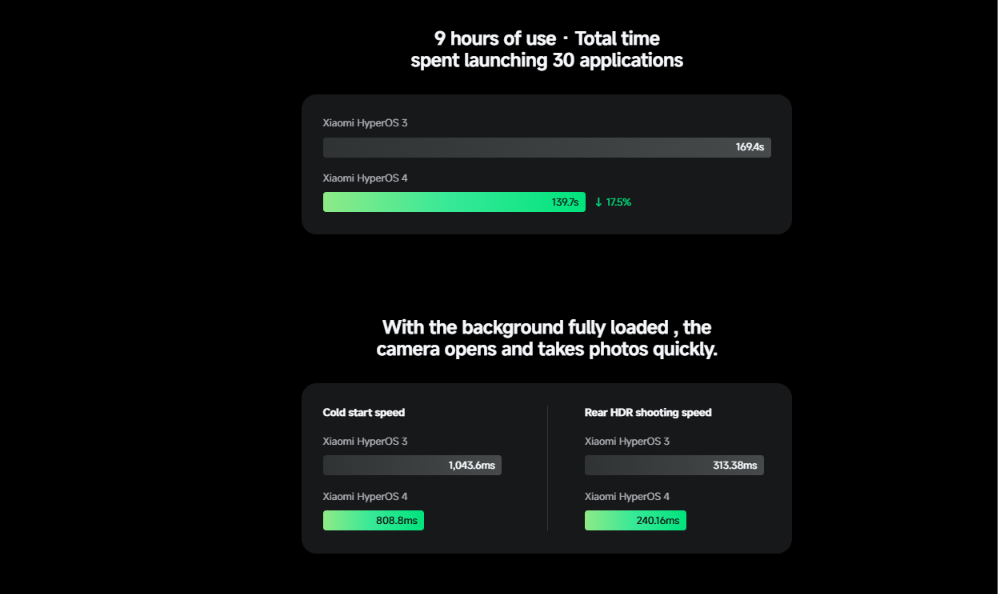
HyperOS 4 is built around two main areas, with Xiaomi focusing on smoother everyday operation and more useful AI features. The company has added two technologies to its Xiaomi HyperCore architecture, namely load calculation and memory preloading. These changes are designed to manage system resources more efficiently and reduce the workload associated with frequently used functions.

Xiaomi has also created a new HyperOS application runtime environment. The company says optimization has been carried out across both the core system and application layers, particularly for the desktop and some frequently used applications. The changes are aimed at improving animation performance and making everyday interactions feel more responsive.

AI is another major part of HyperOS 4. Xiaomi has introduced Super XiaoAi 2.0, which integrates the company’s Xiaomi MiMo large language model. The upgraded assistant gets improved task planning and content generation capabilities, along with optimisation for scenarios involving multiple applications and devices.

Xiaomi HyperOS 4: Beta devices and rollout

Xiaomi wide foldable hint-

The first HyperOS 4 beta recruitment has opened for the following devices:

  • Xiaomi 17 Ultra
  • Xiaomi 17 Ultra Leica Edition
  • Xiaomi 17 Pro Max
  • Xiaomi 17 Pro
  • Xiaomi 17
  • Redmi K90 Pro Max
  • Redmi K90 Pro Max Champion Edition
  • Redmi K90
  • Xiaomi Pad 8 Pro
  • Xiaomi Pad 8
Xiaomi wide foldable hint

Xiaomi has also showcased an unannounced wide foldable phone while demonstrating HyperOS 4’s interface across different screen formats. The device appears to have a wider inner display and dedicated software optimisation for its foldable design.

What do you think about Xiaomi HyperOS 4 and which of its new features interests you the most?

For more daily updates, please visit our News Section.

Stay ahead in tech! Join our Telegram community and sign up for our daily newsletter of top stories!

Portronics launches Toad Fold wireless mouse that folds down for easy travel

Indian accessories brand Portronics has released a new wireless mouse aimed at people who frequently work on the go. The Toad Fold is a rechargeable mouse that collapses into a flatter shape, making it easier to pack into a laptop sleeve or backpack without creating an awkward bulge.

Portronics Toad Fold

Portronics Toad Fold Specifications

Travel mice usually force buyers to choose between a flat design that fits easily in a bag but is uncomfortable to use for long periods, or a standard curved shape that is comfortable but bulky to carry. The Toad Fold addresses this by using a hinged design.

It’s a familiar concept, similar to what Microsoft has done with its Arc mice in the past, but Portronics is bringing the idea to a much lower price point. When in use, the Toad Fold snaps open into a standard curved profile with a matte black finish to support the palm. When you are done working, it folds down to significantly reduce its vertical height.

Portronics Toad Fold

For connectivity, the mouse supports both Bluetooth and a 2.4GHz wireless connection via a standard USB dongle. It also features multi-device pairing. This means you can connect it to a laptop, a desktop, and a tablet, and switch between them without needing to re-pair the device each time. Portronics says that it is compatible with Windows, macOS, and Android.

The optical sensor includes an adjustable DPI switch located on the mouse. You can toggle between 1200, 1600, 2400, and 3200 DPI. That range is standard for this category and is entirely adequate for general office work, web browsing, and basic photo editing, though it isn’t intended for precision tasks like competitive gaming.

The Toad Fold has a built-in battery that charges over USB-C. It also includes an auto-sleep feature that powers down the mouse after a period of inactivity to preserve battery life.

Portronics Toad Fold

Pricing and Availability

The Portronics Toad Fold is available now in India. While it carries a maximum retail price of Rs. 1,999 ($20), it is currently selling for an introductory launch price of Rs. 899 ($9). It can be purchased directly from the Portronics website, as well as through Amazon India, Flipkart, and standard offline retail stores.

In related news, Lenovo has recently launched a new budget tablet with an 8-inch IPS display, 4G, and a 5,000mAh battery, while Xgimi has launched the Z9X 4K High Brightness Edition projector with an RGB laser, 120Hz mode, and 1ms latency.

For more daily updates, please visit our News Section.

Stay ahead in tech! Join our Telegram community and sign up for our daily newsletter of top stories!
Google launches Pixel Watch 5 with Gemini AI and new health tracking features

Google has introduced the Pixel Watch 5. This year, the smartwatch is available in two sizes: the standard 41mm and a new 45mm option. The device runs on Wear OS 7 and incorporates Gemini Intelligence for on-device processing, daily tasks, and health tracking.

Google Pixel Watch 5

Google Pixel Watch 5 Specifications

The watch uses a Qualcomm Snapdragon W5 Gen 2 Accelerated processor and a Cortex-M55 co-processor. Google increased the RAM by 50%, which the company says provides a 20% performance increase over the previous generation. The display is an AMOLED LTPO panel with a 1-60Hz adaptive refresh rate.

It has a peak brightness of 3,000 nits for outdoor visibility and a minimum brightness of 1 nit for the always-on display. The casing is made from recycled aluminum, and the screen uses custom 3D Corning Gorilla Glass 5. Base storage is set at 64GB, and the device includes Gen 3 Premium haptics, NFC, and a built-in microphone and speaker.

🔌 You’ll NeedThe Pixel Watch 5 uses swappable bands, so a spare band lets you switch styles without buying a new watch. Check Pixel Watch 5 replacement band price on Amazon →
Google Pixel Watch 5

Gemini is integrated directly into Wear OS 7. You can activate the assistant by lifting your wrist using the Raise to Talk feature. Basic commands like setting timers, pulling up emails, or starting workouts are processed on the watch. This allows you to work without an internet connection and reduces response times. The watch also uses Gemini to surface contextual information, such as flight boarding passes or upcoming calendar events, directly on the watch face.

Health and fitness tracking includes several updates. Along with standard features like an ECG app for AFib detection, SpO2 monitoring, and heart rate variability, Google added a body-response feature to help identify physical signs of stress.

Google Pixel Watch 5

For location tracking, the Pixel Watch 5 includes dual-frequency GPS. It uses 3D building models and local weather data to maintain a signal in cities and wooded areas. Google plans to release software updates in September 2026 that will track blood pressure trends and monitor for signs of insulin resistance using the watch’s sensors.

Additionally, a new Breathing Emergency Detection tool, launching first in Europe, will monitor for severe drops in blood oxygen and automatically contact emergency services if the wearer becomes unresponsive.

The 41mm model has a 332mAh battery, which Google estimates will last up to 30 hours with the always-on display turned on. The 45mm model has a 465mAh battery, estimated at up to 40 hours. Both versions can charge to 50% in about 15 minutes using the included dock.

Google Pixel Watch 5

Pricing and Availability

The Pixel Watch 5 is available for pre-order today and will hit store shelves on August 20. In the US, the 41mm model starts at $399 for the Wi-Fi version and $499 for LTE, while the 45mm model is priced at $429 for Wi-Fi and $529 for LTE. In India, the 41mm model is priced at Rs. 42,990, and the 45mm model costs Rs. 45,990.

At the event, the company has also launched the Pixel 11, Pixel 11 Pro, Pixel 11 Pro XL, and Pixel 11 Pro Fold.

For more daily updates, please visit our News Section.

Stay ahead in tech! Join our Telegram community and sign up for our daily newsletter of top stories!

(Google)

iQOO Z11S teaser confirms 2K 144Hz display with 2,000-nit full-screen brightness

The iQOO Z11S is being positioned as a practical device focused on visual experience and long battery life. The full reveal is set for August 18 in China.

Latest teasers confirm the phone will come with a 2K 144Hz panel with support for 2160Hz high-frequency PWM dimming and full-brightness DC dimming. These eye-protection features are aimed at reducing fatigue during long reading, video or gaming sessions. The phone has reportedly earned SGS eye-comfort certification for low blue light and low flicker.

For gamers, the company has also added its own touch optimisations to cut motion blur and improve responsiveness. The display hits 2000 nits of peak brightness across the whole panel, which should help outdoors.

The other big talking point is the battery. The Z11S will pack a 10,000mAh battery, the largest iQOO has ever put in a phone. It’s a single-cell design developed together with CATL. Previously reported endurance numbers look strong: around 17 hours of continuous navigation, 32 hours of WeChat voice calls, 29 hours of short-video playback, and about 14.6 hours of mainstream mobile gaming.

In a simulated full-day intensive student-style use case (daytime messaging, standby and music, then evening gaming, video and calls for a total of 16 hours), the battery reportedly had 57% left. That should comfortably support multi-day use under normal loads. Charging is expected to support 44W with common protocols, though the full official confirmation is still pending the launch event.

A Geekbench listing for a related model (V2603A) suggest a MediaTek Dimensity 7500-series chipset running Android 16 with at least 12GB of RAM, which points to solid mid-range performance that should pair well with the large battery. Colour options and a dual rear-camera setup (including a 50MP main sensor in some reports) have also shown up in promotional material. The Z11S is expected to launch alongside the higher-positioned Neo 11 Ultra series in China.

Don’t miss a thing! Join our Telegram community for instant updates and grab our free daily newsletter for the best tech stories!

For more daily updates, please visit our News Section.

Sources: iQOO on Weibo (1), (2)

Google’s Pixel Tag is here, and it finally gives Android a real AirTag rival

Google used tonight’s Made by Google event to launch its first item tracker, the Pixel Tag, alongside the new Pixel 11 series. If you’ve been waiting for an official Google-made alternative to Apple’s AirTag, this is it.

The Pixel Tag comes in a single color, Fog, with a metal front and a polycarbonate back. It measures 28 x 46.1 x 5.4 mm and weighs 11.8 grams with the battery installed and 8.8 grams without it. The front carries the Google G logo, with a small speaker sitting just below it.

Google Pixel Tag Launch Specs Price

Flip it over, and you’ll find a plastic back cover that pops open to reveal the battery compartment. Google went with a user-replaceable CR2032 button battery, so you won’t need to buy a whole new tag once it runs low. One battery should last you more than a year before you have to swap it out.

🔌 You’ll NeedThe Pixel Tag uses a user-replaceable CR2032 battery, so a spare pack saves a mid-year swap scramble. Check CR2032 battery 4-pack price on Amazon →

What’s inside Pixel Tag?

Inside, the Pixel Tag packs a built-in accelerometer and supports ultra-wideband (UWB) tracking. The built-in speaker also lets you trigger an audible alert to help you zero in on the tag once you’re close. For durability, the Pixel Tag carries an IP67 rating, so it can survive a dunk in up to 1 meter of water for 30 minutes without issue.

Google Pixel Tag Connectivity

You’ll need a phone running Android 9 or later just to use the Pixel Tag. But if you want Bluetooth Channel Sounding, your phone needs Android 16 or later and Bluetooth 6.0 support. Bluetooth Channel Sounding does a similar job to UWB but trades some precision for lower power use: UWB gets you within centimeters, while Bluetooth Channel Sounding lands you within roughly 0.3 to 0.5 meters.

The Google Pixel Tag costs $29 for a single tracker or $99 for a four-pack. The company says it’s coming to markets across Asia, Europe, North America, and the Middle East. 

Google isn’t the first to chase this category. Xiaomi launched its own cross-platform tracker back in February, built to work with both Apple’s and Google’s networks.

For more daily updates, please visit our News Section.

Stay ahead in tech! Join our Telegram community and sign up for our daily newsletter of top stories!
How to Download Instagram Videos, Reels and Stories Without Any App on Android & iPhone

Instagram is one of the most popular platforms for sharing videos, Reels, Stories and photos, but downloading content from other users is not always straightforward. While Instagram provides official download options for some content uploaded by your own account, it does not offer a universal download button for every public post.

For publicly accessible content, browser-based Instagram downloaders offer an alternative without requiring users to install another app. These services generally work by processing a public Instagram URL and providing the available media file for download.

How to Download Instagram Videos and Reels Without an App

The process is similar on Android and iPhone. You only need the Instagram link, a web browser and a browser-based downloader to save Insta content.

Android and iPhone Step-by-Step Guide

Step 1: Open Instagram

Launch Instagram on your Android phone or iPhone and find the video, Reel, photo or post you want to save.

Step 2: Copy the Instagram Link

Tap the three-dot menu on the post and select Copy Link. For supported Stories, use the sharing options to copy the available link.

Step 3: Open Your Browser

Open Chrome on Android or Safari or Chrome on iPhone. You do not need to install a separate downloader app.

Step 4: Open the Instagram Downloader

Open a browser-based Instagram downloader such as SaveFromIns.

Step 5: Paste the Link

Paste the Instagram URL into the downloader’s input field.

Step 6: Tap Download

Select Download and wait for the service to process the public Instagram link.

Step 7: Choose the Quality

If multiple quality options are available, select the resolution you want. Higher-resolution files will generally take up more storage space.

Step 8: Save the File

On Android, the downloaded file will normally appear in the Downloads folder or file manager.

On iPhone, the file may initially be saved through the Files app. For compatible videos, you can use Share > Save Video to move the file to the Photos app.

How to Download Instagram Stories

Instagram Stories are designed to disappear after 24 hours, but publicly accessible Stories can generally be processed by browser-based tools while they are still available.

Open the Story you want to save and use the available sharing options to copy its link. Paste the link into the downloader and select the download option once the content has been processed.

The resulting video or image can then be saved to your device.

This method is intended for publicly accessible content. Private-account content should not be treated as publicly downloadable simply because an approved follower can view it.

How to Download Instagram Photos and Carousel Posts

The same browser-based method can be used for publicly accessible Instagram photos. Depending on the service, images are generally provided as JPG files that can be saved directly to the device.

Carousel posts can contain several photos and videos. These items may need to be downloaded individually rather than as one combined file.

The available quality depends on what Instagram makes accessible, so the downloaded file may not have the same quality as the creator’s original image or video.

How to Download Instagram Content on Windows and Mac

The process is also straightforward on a desktop computer.

Step 1: Open Instagram

Open Instagram in Chrome, Safari, Edge or another desktop browser.

Step 2: Find the Content

Open the video, Reel, photo or post you want to save.

Step 3: Copy the URL

Copy the URL directly from the browser’s address bar.

Step 4: Open the Downloader

Open the Instagram video download page in another tab.

Step 5: Paste the URL

Paste the Instagram URL into the download field.

Step 6: Download the File

Click Download and wait for the content to be processed.

Step 7: Choose the Quality

If different quality options are available, select the preferred resolution.

Step 8: Find the File

The downloaded file will normally appear in the computer’s Downloads folder.

Videos are generally provided as MP4 files, while images are commonly available as JPG files.

Instagram’s Official Download Options

Before using a third-party downloader, it is worth checking Instagram’s own download features.

Instagram provides options for downloading certain content uploaded by the account owner. Users can also save their own Stories before they expire.

Instagram also provides an account data-export feature that can provide an archive containing account information and media.

These official options are primarily designed for your own content. They do not provide a universal method for downloading content posted by other public accounts.

Content Type Support at a Glance

The table below provides a quick look at which Instagram content can be downloaded officially and which types may be accessible through a browser-based downloader.

Content TypeOfficial Instagram DownloadBrowser-Based ToolOffline UseWatermark
VideosNoYesYesNo
ReelsNoYesYesNo
StoriesOwn contentYes, public contentYesNo
PhotosOwn contentYesYesNo
IGTV / Long VideosNoYesYesNo
CarouselsNoYes, individual itemsYesNo

Availability can vary depending on the Instagram post, account privacy settings and the downloader being used.

Download Quality and File Formats

Instagram videos are generally downloaded as MP4 files, while photos are commonly provided as JPG files. These formats work with most Android, iPhone, Windows and Mac devices.

However, downloading a file does not restore the original quality uploaded by the creator. Instagram compresses media, so the available download may be lower quality than the creator’s original file.

The quality offered by a browser-based service can also depend on what Instagram makes available at the time of download.

Can You Download Private Instagram Content?

Private-account content is not publicly accessible, so browser-based downloaders generally cannot legitimately retrieve it.

Users should be especially cautious about websites claiming to bypass Instagram’s private-account restrictions. Never provide your Instagram password to an unofficial downloader.

A service that processes a public Instagram link should not need your Instagram login credentials.

Is a Browser-Based Instagram Downloader Safe?

Third-party downloaders can be convenient, but users should remember that these services are not operated by Instagram.

Avoid websites that ask for your Instagram username or password, request unnecessary personal information, require unknown applications or browser extensions, or repeatedly redirect you to unrelated websites.

Users should also watch for misleading download buttons. A safer approach is to use a service that requires only the public Instagram URL and provides a normal media file for download.

Downloading Does Not Give You Copyright Ownership

Saving a publicly accessible Instagram video, photo or Reel does not automatically give you permission to republish it.

Personal offline viewing is different from uploading the content elsewhere, using it commercially or presenting it as your own. If you plan to reuse downloaded material, respect the creator’s copyright, attribution and usage rights.


Instagram does not provide a universal download button for every video, Reel, Story or photo posted by other users. For publicly accessible content, browser-based downloaders can offer a simple alternative without requiring users to install a separate app.

The basic process is simple: copy the Instagram link, open the downloader, paste the link, select the available quality and save the file.

The method can be used on Android, iPhone, Windows and Mac, although available options may vary depending on the type of content.

For your own Instagram content, Instagram’s built-in download and data-export features remain the preferred options. When saving content from other creators, users should also respect privacy, copyright and the creator’s rights.

Chinese memory maker closes gap with Samsung on DDR5 DRAM

Chinese memory maker ChangXin Memory Technologies (CXMT) is reportedly closing the manufacturing gap with Samsung on DDR5 DRAM. A recent Chinese media report says the company has pushed yields on its 17nm-class DDR5 process past 90%. That would put it just a couple of percentage points behind Samsung’s reported 92–93% on similar-generation chips.

Yield rate is basically the percentage of good, usable chips that come out of each production run. Higher yields mean lower costs and more reliable supply, so if the number holds up, it’s a solid step forward for CXMT. Earlier reports suggested the company was struggling with lower yields on DDR5, and some people in the industry even thought it had skipped the 17nm node entirely and gone straight to 16nm. The latest claims could mean either better results on an existing process or just some difference in how the nodes are being described.

CXMT’s chips have already started showing up in a few commercial products. Acer and Asus are using the memory in select notebook models, mostly ones sold in China and other emerging markets. HP is reportedly using CXMT DRAM exclusively for units headed to the Chinese market, while Dell has apparently steered clear so far. The overall volumes and number of models are still pretty limited. Most big PC brands are still cautious about moving significant volume away from the established suppliers.

Samsung, SK hynix and Micron still dominate the global DRAM market, controlling more than 90 percent of revenue according to recent Counterpoint data. CXMT’s share is much smaller, even though its revenue has been growing quickly. Its process technology also still lags the denser nodes used by the top three, which give better bit density and power efficiency. That said, getting mature yields on a mainstream DDR5 node would make it easier for CXMT to supply the domestic market and handle some selective export volumes.

This is happening while the global memory market remains tight, largely because of heavy AI-related demand. CXMT isn’t in a position to challenge the leaders at scale yet, or on the most advanced products like high-bandwidth memory. But better manufacturing efficiency is still a meaningful move toward becoming a more consistent supplier. The real test will be whether these reported yields hold up once production ramps to higher volumes.

Don’t miss a thing! Join our Telegram community for instant updates and grab our free daily newsletter for the best tech stories!
For more daily updates, please visit our News Section.

(Source | Image)

Rogbid launches VisionW smart glasses with open-ear audio, interchangeable frames & AI support

Smart glasses usually force you to make a choice between sunglasses or clear lenses, which can be frustrating if you want to use them both at your desk and outside. Rogbid is trying to solve that with its new VisionW smart glasses. The glasses come with a modular design that lets you detach the electronic arms and snap them onto different frame styles depending on where you are.

Rogbid VisionW smart glasses

Rogbid VisionW Specifications

Instead of buying multiple pairs of audio glasses, the VisionW system comes with three interchangeable front frames. There is a metal aviator style with dark UV lenses, a standard square half-rim frame for indoor office use, and a thicker vintage-style acetate frame for heavier sun protection. The arms, which house all the actual technology and batteries, are made from TR90 plastic to keep the overall weight down.

Rogbid VisionW smart glasses

As for what the glasses actually do, they function similarly to most other audio frames on the market right now. They use open-ear speakers built into the stems to direct sound into your ears without blocking out the physical world around you. There is also a single microphone setup for taking phone calls, which you can answer by tapping the side of the frames.

Rogbid is also pushing AI integration. The glasses connect to your phone over Bluetooth and allow you to use voice commands to talk to large language models like ChatGPT, DeepSeek, and Grok. Essentially, you can ask the glasses questions, get directions, or control audio playback without needing to pull out your phone.

To power the audio and Bluetooth connection, the VisionW relies on dual 200mAh batteries split between the two arms. Rogbid claims this setup will get you about nine hours of continuous audio playback and up to 30 days of standby time. When the battery dies, the glasses recharge via a magnetic pin connector located on the bottom of the stems.

Pricing and Availability

The Rogbid VisionW is priced at $69.99 and is now available to purchase on the official Rogbid store.

In related news, Rogbid has launched the Breeze handheld fan with a metal unibody, cooling plate, and LED light, alongside the Loop Air, a screenless fitness band with ECG and GPS.

For more daily updates, please visit our News Section.

Stay ahead in tech! Join our Telegram community and sign up for our daily newsletter of top stories!