Advertisement

Google Fitbit Edge vs WHOOP 4.0: Which Fitness Band Is Better for Everyday Health and Training?

Google Fitbit Edge and WHOOP 4.0 approach fitness tracking from two very different perspectives. Fitbit Edge is a feature-rich fitness band that combines health monitoring, workout tracking, built-in GPS, and smartwatch-like conveniences, making it suitable for both exercise and everyday use. WHOOP 4.0, on the other hand, is primarily a continuous health, sleep, and recovery tracker designed to monitor physiological data with minimal distractions. This distinction directly affects the user experience: Fitbit offers more on-wrist functionality, while WHOOP prioritizes understanding the body’s response to training, sleep, and daily activity. 

Google Fitbit Edge vs WHOOP 4.0: Which Fitness Band Is Better?

1. Major Features

CategoryGoogle Fitbit EdgeWHOOP 4.0Winner
DesignAluminum housing, conventional fitness bandCompact screenless sensorFitbit – Display-equipped design
Housing100% recycled aluminumCompact sensor constructionFitbit – Aluminum housing
Display1.3-inch AMOLEDNo displayFitbit – AMOLED screen
Display ProtectionGorilla Glass 3No displayFitbit – Screen protection
Weight17.7g without bandNot confirmedFitbit – Lightweight confirmed design
Heart RateContinuous trackingContinuous optical trackingTie – 24/7 heart rate
HRV–YesWHOOP – HRV insights
Resting Heart RateYesYesTie – Resting heart rate
Blood OxygenSpO₂SpO₂Tie – Blood oxygen tracking
Skin TemperatureAmbient-compensated skin temperatureSkin temperature trackingFitbit – Ambient compensation
Sleep TrackingAdvanced sleep trackingSleep stages, performance, insightsWHOOP – Sleep analysis
RecoveryReadiness, Cardio LoadRecovery metrics and insightsWHOOP – Recovery-focused analytics
GPSBuilt-in GPS, Galileo, Dynamic GPSConnected phone GPSFitbit – Built-in GPS
NavigationGoogle Maps turn-by-turnNo on-device navigationFitbit – Wrist-based navigation
Workout Modes50+ exercise modesActivity and workout trackingFitbit – More exercise modes
Training MetricsVO2 Max, pace, distance, Active Zone MinutesStrain, heart rate zones, physiological effortFitbit – More workout metrics
Smart FeaturesNotifications, quick replies, media controls, MapsHaptic alarm, app-based insightsFitbit – Everyday smart features
Battery LifeUp to 7 daysUp to 5 daysFitbit – Longer battery life
ChargingUSB-C fast charging cableWireless Battery Pack 4.0Fitbit – Faster conventional charging
Water Resistance5 ATM, IP68IP68Tie – IP68 protection
CompatibilityAndroid 11+, iOS 16.4+Android and iOSTie – Cross-platform support
SubscriptionGoogle Health features, some advanced features require PremiumMembership requiredFitbit – More standalone flexibility
PriceApprox. $200 / ₹23,000Approx. $200 / ₹19,000*WHOOP – Lower estimated entry price
*WHOOP pricing is membership-dependent, and the hardware price should not be considered the total long-term cost.

Disclaimer: Specs are based on available data. Actual performance may vary. Verify details from official sources before buying.
Comparison
Side by side comparison of the Google Fitbit Edge and Pixel Watch 3.
The Fitbit Edge costs $179.99, against about $350 for the Pixel Watch 3.
Here is what the Pixel Watch 3 gives you for the extra money →

2. Design & Build

Fitbit Edge features a conventional fitness-band design with an aluminum housing, silicone Active Band, and a compact profile suited to continuous wear. Its tracker weighs 17.7g without the band and 32g with it, with small and large band sizes included in the box. WHOOP 4.0 takes a more discreet approach with its screenless sensor, SuperKnit band, and Fast Link slider mechanism. It is 33% smaller than WHOOP 3.0 and can be worn on the wrist or with compatible WHOOP Body apparel through Any-Wear technology, allowing users to track their activity beyond the wrist.

Winner: Fitbit – Lightweight aluminum construction and a more conventional fitness-band design.

3. Display & Interaction

The display is one of the most significant differences between these wearables. Fitbit Edge features a 1.3-inch AMOLED color display with always-on functionality, adjustable brightness, backlighting, and Gorilla Glass 3 protection. Users can check workout metrics, notifications, time, and other information directly from their wrist. WHOOP 4.0 has no display, deliberately keeping the device focused on uninterrupted tracking rather than on-wrist interaction. Its health statistics, workout information, sleep analysis, and recovery insights are accessed through the WHOOP smartphone app, making it more dependent on the phone for reviewing data.

Winner: Fitbit – Offers a full AMOLED display and convenient on-wrist access to information.

4. Battery Life & Charging

Fitbit Edge provides up to seven days of battery life from its 65mAh rechargeable lithium-ion battery, making it better suited to users who want fewer charging interruptions. It charges to 100% in approximately 90 minutes, while a five-minute charge can provide up to a day of use. WHOOP 4.0 offers up to five days of battery life and uses a wireless Battery Pack 4.0 that can recharge the tracker while it is being worn. This allows users to charge the device without interrupting sleep or activity tracking, which is particularly useful for people who want continuous health data collection.

Winner: Fitbit – Longer battery life and faster conventional charging.

5. Health Tracking

Both fitness bands monitor important health indicators, including heart rate, blood oxygen, sleep, and temperature-related metrics, but their approach to health analysis differs. Fitbit Edge combines continuous heart rate tracking with resting heart rate, ECG, AFib detection, irregular heart rate notifications, and high and low heart rate alerts. It also tracks skin temperature while accounting for ambient temperature changes. WHOOP 4.0 focuses on HRV, resting heart rate, respiratory rate, sleep stages, and recovery patterns, helping users understand changes in their body and how lifestyle and exercise affect their recovery.

Winner: Fitbit – More dedicated heart-health monitoring and alerts.

6. GPS & Navigation

Fitbit Edge has built-in GPS and Galileo positioning, allowing users to record outdoor running, walking, hiking, and cycling routes without carrying their phones. It can also use Dynamic GPS to select the appropriate GPS source. WHOOP 4.0 lacks onboard GPS and instead relies on a connected smartphone to record routes, pace, and distance during GPS-enabled workouts. This means WHOOP users need to carry their phones when they want mapped outdoor activity records. Fitbit also offers Google Maps turn-by-turn navigation on the wrist when connected to a phone.

Winner: Fitbit – Independent GPS tracking and wrist-based navigation.

7. Sports & Training Features

Fitbit Edge offers more than 50 exercise modes, live workout metrics, automatic activity recognition, cardio load, readiness, VO2 Max, Active Zone Minutes, elevation tracking, and real-time coaching cues. Its workout-focused interface makes it practical for following exercise sessions and monitoring progress in real time. WHOOP 4.0 concentrates on training strain, heart rate zones, cardiovascular effort, and recovery, helping users understand how demanding their workouts are and whether their body is prepared for additional exercise. Its approach is particularly useful for balancing hard training sessions with rest and recovery.

Winner: Fitbit – More exercise modes and practical on-device workout guidance.

8. Smart Features & Everyday Use

Fitbit Edge functions as a more versatile everyday wearable with mobile notifications, quick replies, media controls, alarms, timers, Google Maps, weather, customizable watch faces, and direct access to health and activity information. These features reduce the need to frequently reach for a phone. WHOOP 4.0 keeps interaction minimal, offering a haptic motor, smart wake alarm, and app-based access to health information. It is designed to stay in the background throughout the day rather than function as a notification-focused wearable, making it better suited to users who prefer a distraction-free experience.

Winner: Fitbit – More everyday functionality and convenient on-wrist controls.

9. Durability & Water Resistance

Fitbit Edge combines an aluminum housing, Gorilla Glass 3 display protection, and 5 ATM and IP68 water-resistance ratings. This makes it suited to everyday wear, workouts, and exposure to water while offering additional protection for its screen. WHOOP 4.0 features IP68 protection and is designed for continuous wear during daily activities and workouts. Its compact, screenless construction removes the risk of display damage, although its interchangeable band remains an important part of its overall wearability. Both devices are designed for users who want to keep their fitness tracker on throughout the day and night.

Winner: Tie – Both offer IP68-rated protection for everyday wear.

10. Which One Should You Buy?

Fitbit Edge is the better option for users who want a fitness band that combines health tracking with practical workout tools, GPS, navigation, notifications, and a display. It works well for everyday activity monitoring, outdoor workouts, and users who want information directly on their wrist.

WHOOP 4.0 is more appropriate for fitness enthusiasts who prioritize sleep, recovery, HRV, resting heart rate, training strain, and long-term health patterns. Its screenless design suits people who want to wear a tracker continuously without the distractions of a smartwatch-style interface.

Final Verdict

Google Fitbit Edge is the better everyday choice if you want a screen, built-in GPS, and lower long-term cost without a mandatory subscription, as its core health and workout tracking work indefinitely after a one-time purchase. However, WHOOP 4.0 is better for serious athletic training and recovery, offering deeper strain analytics (including muscular load for weightlifting), faster 1-second heart rate sampling for high-intensity workouts, a 5-day battery that charges right on your wrist via a wireless PowerPack, a lifetime hardware warranty, and a screenless design you can wear on your bicep or alongside a regular watch.

Overall Winner: Fitbit – More complete hardware, fitness tracking, GPS, and everyday features.

Disclaimer: Prices, specifications, and availability may vary by region and retailer. Recommendations in this article are based on editorial opinion, feature-based value, and market positioning at the time of writing. Readers are advised to do their own research before making a purchase.

11. FAQs

1. Which is better for health tracking, Fitbit Edge or WHOOP 4.0?

Fitbit Edge offers ECG-related features and heart alerts, while WHOOP focuses more on recovery, HRV, sleep, and physiological trends.

2. Does Fitbit Edge have GPS without a phone?

Yes. Fitbit Edge has built-in GPS, allowing it to track outdoor routes without your smartphone.

3. Can WHOOP 4.0 track running without a phone?

No. WHOOP 4.0 relies on your phone’s GPS for route tracking during compatible outdoor workouts.

4. Which fitness band offers better battery life?

Fitbit Edge lasts up to seven days, compared with up to five days for WHOOP 4.0.

5. Is WHOOP 4.0 worth buying for gym users?

Yes, particularly if you value workout strain, sleep analysis, recovery tracking, HRV, and training-load insights.

Read More:
Galaxy S27 Pro’s Geekbench listing reveals its chipset, RAM well before launch

The biggest change in the upcoming Galaxy S27 lineup is the inclusion of a new model called the Galaxy S27 Pro. While Samsung has not confirmed this moniker, it has already appeared in the IMEI database a couple of months ago. So, that means the lineup has four models, the S27, S27 Plus, S27 Pro, and S27 Ultra. The Pro is expected to sit between the Plus and the Ultra, bringing much of the Ultra’s hardware to a smaller phone without an S Pen. Rumors suggest that the S27 series will be announced in January 2027. Well before this, the S27 Pro has surfaced on Geekbench, revealing its key specifications.

Galaxy S27 Pro Geekbench listing

Tipster Abhishek Yadav spotted the Galaxy S27 Pro on Geekbench for the first time. The listing is for model SM-S957B, the Indian and European variant. Samsung’s B suffix usually marks global or international models, including units sold in India and Europe.

Leak
Side by side comparison of the Samsung Galaxy S27 Ultra and S26 Ultra smartphones.
The Galaxy S27 Ultra is tipped to use a 2nm Snapdragon 8 Elite Gen 6 Pro, replacing the 3nm chip in the S26 Ultra.
Here is every leaked upgrade over the Galaxy S26 Ultra →

It identifies the chip as Samsung’s s5e9975, the Exynos 2700, with 10 cores running at up to 4.24GHz and an Xclipse 970 GPU. The tested unit had 12GB of RAM, ran Android 17, and scored 3,061 in single-core and 10,967 in multi-core.

Galaxy S27 Pro specifications (rumored)

The Galaxy S27 Pro is tipped to use a 6.47-inch M16 OLED panel with Privacy Display, in a smaller body than the Ultra and without an S Pen. Leaked CAD models also show a raised camera plateau similar to the one expected on the Ultra.

For photography, it is rumored to pack a 200-megapixel main sensor, a 50-megapixel ultrawide, and a 16-megapixel front camera. The telephoto is less settled, with later reports citing a 12-megapixel 3x lens and earlier ones a 50-megapixel unit with around 3.5x zoom.

TUV filings list the Pro’s cell at a 5,087mAh rated capacity and a 5,240mAh typical capacity, and China’s 3C certification points to 60W wired charging. Wireless and reverse wireless charging are also expected across the series. Earlier reports had already suggested a Snapdragon chip in some regions and the Exynos 2700 in others, which this global listing supports.

For daily updates, please visit our News Section.

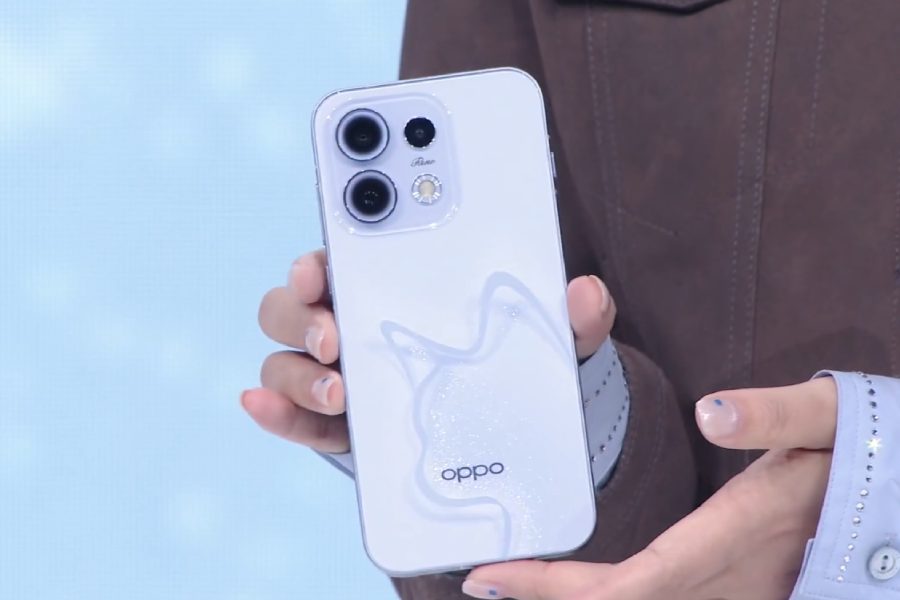
Oppo Reno 17 and Reno 17 Pro on first sale with 8000mAh battery, 200MP camera

The Oppo Reno17 and Reno17 Pro have gone on sale in China today, following their announcement on November 16. Both phones have been available for pre-order since launch. The standard Reno17 starts at 3,599 yuan (about $532).

The new models arrive roughly six months after the Oppo Reno 16 series launched in China. This time, Oppo has made camera capabilities a major part of the lineup, with both phones supporting 4K video recording across all focal lengths.

Oppo Reno17 and Reno17 Pro Price 

Oppo Reno17

Comparison
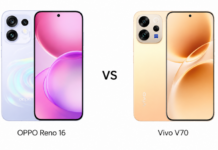
Side by side comparison of the Oppo Reno 16 and Vivo V70 smartphones.
The OPPO Reno16 and vivo V70 both run the Snapdragon 7 Gen 4, but the V70 has the brighter, larger display.
Here is which one wins on cameras, battery and value →
  • 8GB + 256GB: 3,599 yuan (about $532)
  • 12GB + 256GB: 3,799 yuan (about $561)
  • 12GB + 512GB: 3,999 yuan (about $591)
  • 12GB + 1TB: 4,899 yuan (about $724)

Oppo Reno17 Pro

  • 8GB + 256GB: 4,199 yuan (about $620)
  • 12GB + 256GB: 4,599 yuan (about $679)
  • 12GB + 512GB: 4,999 yuan (about $738)

Both phones have flat 1.5K LTPS displays, but the Pro model is actually smaller this year. It has a 6.32-inch panel, compared to the 6.56-inch screen on the standard Reno17. Under the hood, the Reno17 Pro runs on the Dimensity 8550 Super, while the regular model gets Qualcomm’s Snapdragon 7 Gen 4.

Oppo Reno 17 and Reno 17 Pro Launch Specs Price

As for the battery, the Reno17 packs an 8,000mAh battery, while the Reno17 Pro has a 7,250mAh unit. Both support 80W wired charging. The camera setups share a similar configuration, although the main sensor is different. 

The Reno17 Pro has a 200MP main camera alongside a 50MP ultrawide and a 50MP periscope telephoto camera with 3.5x optical zoom. The standard Reno17 swaps the main sensor for a 50MP unit but keeps the other two cameras. Both phones also have a 50MP front camera.

Both models also come with IP69K-rated protection, metal frames, and optical fingerprint sensors. Buyers can choose from four color options: Qiyu Miao, Ice Moon White, Cocoa Brown, and First Snow White.

The Qiyu Miao edition gets a different treatment with the 3D Ice Transparent Floating Process 2.0 finish. Its camera module is also made from a single piece of glass. Singer Song Yuqi serves as the face of the Reno17 series.

Lenovo Legion Go Beam leaks, cheaper handheld with lime-green design, fixed controllers

Lenovo has spent the past year expanding its handheld lineup, from the Legion Go 2 and a later SteamOS version to more experimental designs. Those devices have stayed in premium territory, and rising memory prices have made flagships harder to recommend. A new leak points to a simpler model that could change that.

Leaked images show a simpler Legion Go Beam with fixed controllers

Windows Latest has exclusively reported that Lenovo is working on a new handheld called the Legion Go Beam, and published three photos of a white unit with lime-green accents around the thumbsticks and along the bottom edge.

Lenovo Legion Go Beam

The layout looks a lot like the Legion Go S, with the left stick above the D-pad, the right stick below the ABXY buttons, and front-facing speakers on each grip. The bezels are thicker than those on the Legion Go 2 and leave room for a Legion logo under the screen. The photos suggest the controllers are fixed, unlike the Go 2’s detachable grips, and there is no touchpad under the right stick. Windows Latest shows textured rear grips, Y1 and Y2 buttons, one USB-C port, a 3.5mm jack, and a top microSD slot. The Go S has two USB-C ports.

A cheaper handheld would be well timed for buyers

Lenovo has not confirmed the leak, and the specs, price, and operating system remain unknown, though the company already sells the Go S and a later SteamOS Legion Go 2. Windows Latest notes that the Legion Go 2 started at $1,099.99 and has since reached $1,999.99 at Best Buy as RAM prices rose, well above earlier Legion Go models.

Fixed controllers, thicker bezels, and one USB-C port all look like cost-cutting, though a lower price is still an assumption. Talk of a low-end Intel Panther Lake chip, an AMD Ryzen Z3, or an older Ryzen Z2 part is speculation only. The Verge has wondered if the Beam name hints at cloud streaming, a path Lenovo already took with the Legion C700, though there is no link.

Windows Latest says it could appear at Lenovo’s Tech World event at CES 2027 on January 6, but Lenovo has not mentioned gaming.

For daily updates, please visit our News Section.

Samsung Galaxy Z Fold 9 and Galaxy Z Fold 9 Ultra appear on IMEI database, launch inching closer

Samsung is expected to unveil the Galaxy S27 series of flagship phones in January 2027. While there is no official word from the South Korean tech giant, the lineup seems to have been confirmed thanks to the early appearance of all four S27 models in the IMEI database a couple of months ago. Now, in a new development, the Galaxy Z Fold 9, which is around nine months away from launch, has made its appearance in the IMEI database, indicating that it is on track.

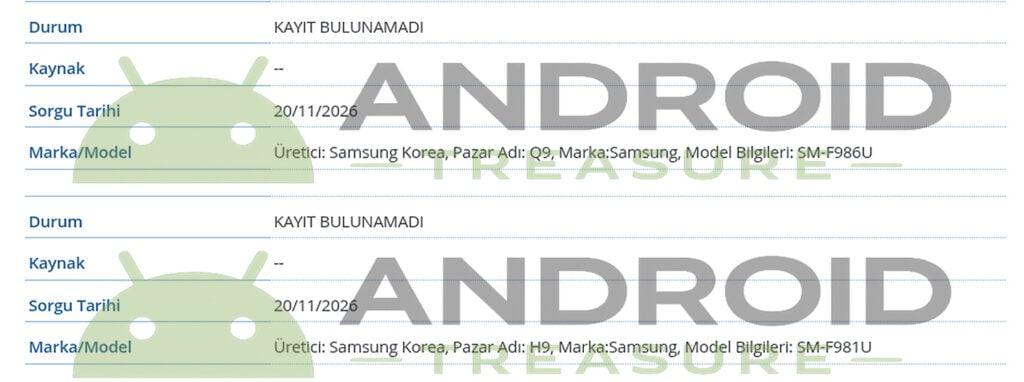
Two Galaxy Z Fold 9 models appear in the IMEI database

Samsung Galaxy Z Fold 9

The listings identify two devices: SM-F986U under the Q9 codename and SM-F981U under the H9 codename. Both carry the U suffix that Samsung usually assigns to US carrier models, which suggests a US release is already being prepared. The entries do not include specifications, pricing, or a confirmed launch date.

Comparison
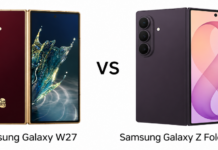
Side by side comparison of the Samsung Galaxy W27 and Galaxy Z Fold8.
The Galaxy W27 and Galaxy Z Fold8 Ultra both use the Snapdragon 8 Elite Gen 5 for Galaxy processor and Adreno 840 GPU.
Here is what actually differs between the two Samsung foldables →

Samsung’s recent Fold numbers help decode those codes. The Galaxy Z Fold 8 adopted a wider foldable design, while the regular, taller design was reserved for the Galaxy Z Fold 8 Ultra. The wide Fold 8 used SM-F971 and H8, and the Ultra used SM-F976 and Q8. That sequence makes SM-F981U (H9) the likely Galaxy Z Fold 9 and SM-F986U (Q9) the possible Galaxy Z Fold 9 Ultra, which may launch alongside it.

Likely, the same strategy will apply again, with a wide Fold 9 and a regular-shaped Fold 9 Ultra. Earlier leaks tied Q9 to both a Fold 9 Ultra and a possible TriFold successor, so that reading is not confirmed yet.

An IMEI listing is not a launch announcement. It usually means a manufacturer has reserved identifiers as units move into certification, testing, or carrier checks. Samsung foldables typically debut at a July Unpacked event, so the Fold 9 still has a long road ahead. For buyers, it is a timing clue and little else. Other rumors, including a thinner body and cameras that stay close to today’s models, remain unofficial. Reports also still point to a wider 2027 family that could add a Galaxy Z Flip 9, a second-generation TriFold, and another wide model, though Samsung has not confirmed that set.

For daily updates, please visit our News Section.

(via)

Honor is working on a 7-inch phone with 13,500mAh battery

Honor seems to be making a case for bigger phones, and it isn’t just about battery capacity anymore. The Honor Power 2 arrived in January with a 10,080mAh battery, and the company has since been linked to even larger cells. Now, a new leak suggests it is also preparing to move beyond the 6.9-inch displays common on today’s flagship phones.

Weibo tipster Digital Chat Station says Honor is planning to launch a new X-series phone before Chinese New Year. It will reportedly have a 6.96-inch or roughly 7-inch display paired with a battery of around 13,500mAh. 

Honor 13500mAh phone leak

The reported capacity is close to an earlier 13,500mAh Honor battery that entered trial production. Before that, another leak mentioned a 15,000mAh battery being tested for a 7-inch mid-range phone.

Explained
A person holds a smartphone displaying a golden abstract wallpaper and the time.
The Honor Power was set to pack an 8000mAh battery and a Snapdragon 7 Gen 3 chip.
Here is everything we knew before the Honor Power launched →

The Power 3 is another phone getting a sizable upgrade. Honor is reportedly speeding up its development, with a new 7-inch screen, a large battery, and a more powerful processor. 

Reportedly, the phone could have a 12,000mAh battery and a Dimensity 8600 chip, though those details haven’t been repeated in the latest post. Considering the Power 2 already packs a 10,080mAh cell, the next model will need a bigger battery to make the upgrade worthwhile.

Honor is also preparing wider phones

There are two more devices in the leak, although neither is a typical smartphone. According to the leak, Honor’s wide foldable will launch after the Spring Festival. It’s said to have a 200MP camera, a 7,000mAh battery, and Snapdragon 8 Elite Gen 6.

Honor is also working on a wide phone with a regular, non-folding display. Its launch is tentatively scheduled for the first half of the year, but Digital Chat Station hasn’t shared any specifications yet.

Tensor G6 vs. Snapdragon 8 Gen 5: Benchmark score, spec sheet, and more

Google Tensor G6 vs Snapdragon 8 Gen 5

The Tensor G6 is Google’s latest and most powerful smartphone chipset that debuted with the Pixel 11 series. It introduces some serious upgrades, such as ARM’s latest C1-Ultra and C1-Pro cores running at higher speeds, a significantly upgraded Tensor Processing Unit (TPU), and advanced imaging pipelines. Still, those weren’t enough to beat the much more powerful Snapdragon 8 Elite Gen 6.

In our testing, the Tensor G6 lagged behind the Snapdragon 8 Elite Gen 5 significantly in terms of performance. So, we’ve now decided to put it against a step-down Qualcomm chipset, the Snapdragon 8 Gen 5, to see if the last-gen Snapdragon chip can still deliver better performance than the latest Tensor chip.

Let’s take a quick look at the spec sheet before we jump to the benchmark numbers.

Tensor G6Snapdragon 8 Gen 5
AnnouncedAugust 2026November 2025
Process node3 nm (TSMC)3 nm (TSMC)
CPU1x 4.11 GHz (C1-Ultra)
4x 3.38 GHz (C1-Pro)
2x 2.65 GHz (C1-Pro)
2× 3.8 GHz (Oryon Gen 3 – Prime)
6× 3.32 GHz (Oryon Gen 3 – Performance)
GPUPowerVR CXTP-48-1536Adreno 829
Ray tracing support
Snapdragon Elite Gaming features
NPU5th-gen Tensor Processing Unit (TPU)Qualcomm Hexagon NPU
Agentic AI support
MemoryLPDDR5x
Up to 4.2 GHz
LPDDR5x
Up to 4.8 GHz
StorageUFS 4.0, UFS 4.1UFS 4.0, UFS 4.1
CameraUp to 200 MP single camera
4K portrait video support
Up to 8K video recording at 30 fps
Up to 4K video recording at 120 fps
120x Pro Zoom support
Real-time semantic segmentation
Qualcomm Spectra triple AI ISP (20-bit)
Up to 320 MP single camera
Up to 108 MP single camera with zero shutter lag at 30fps
Up to 48 MP triple cameras with zero shutter lag at 30fps
Up to 4K video recording at 120 fps
Real-time semantic segmentation
ConnectivityMediaTek M90 5G modem
Download speed: 12 Gbps (peak)
Wi-Fi 7
Bluetooth 6.0
Snapdragon X80 5G modem
Download speed: 10 Gbps (peak)
Upload speed: 3.5 Gbps (peak)
Wi-Fi 7 (peak speed: 5.8 Gbps)
Bluetooth 6.0

Tensor G6 vs Snapdragon 8 Gen 5: Benchmark score

Note: The benchmark tests were carried out using the Pixel 11 Pro XL (powered by the Tensor G6) and the OnePlus 15R (powered by the Snapdragon 8 Gen 5).

Geekbench performance (v6)

Tensor G6 vs Snapdragon 8 Gen 5 - Geekbench score

The Tensor G6 almost matches the Snapdragon 8 Gen 5 in single-core performance. The Snapdragon chip is still ahead with about 4% higher score. However, the gap widens to a staggering 23% in the multi-core test.

Tensor G6Snapdragon 8 Gen 5
Single core2,7312,837
Multi core7,5599,352

Geekbench 6 results suggest the two chips will deliver similar performance in everyday tasks. However, Snapdragon 8 Gen 5-powered devices will deliver much better performance during high CPU workloads like video editing, rendering, streaming, and heavy multitasking.

AnTuTu performance (v11)

Tensor G6 vs Snapdragon 8 Gen 5 - AnTuTu score

On the AnTuTu benchmark (v11), the Tensor G6 stays below the 2 million mark, but the Snapdragon 8 Gen 5 almost touches 3 million. That’s a solid 53% gain for the Snapdragon chip.

Tensor G6Snapdragon 8 Gen 5
AnTuTu score1,932,7042,961,236
CPU819,662914,878
GPU450,458974,402
Memory290,635382,729
UX371,949689,228

The breakdown of the AnTuTu score shows the Snapdragon 8 Gen 5 gets 11% higher CPU score and a massive 116% higher GPU score. Qualcomm’s chips have always been absolutely dominant with GPU performance over Tensor chips, and nothing changes with the newest Tensor G6.

The memory and user experience (UX) performance results also go into Snapdragon’s favor, achieving 31% and 85% higher scores, respectively.

3DMark performance

Wild Life Extreme Stress Test

Tensor G6 vs Snapdragon 8 Gen 5 - 3DMark Wild Life Extreme score

We also ran the chips through the popular gaming benchmark, 3DMark Wild Life Extreme Stress Test, to better understand how they perform during extensive gaming sessions.

Tensor G6Snapdragon 8 Gen 5
High score3,4135,011
Low score2,4503,324
Stability71.7%66.3%

The Snapdragon 8 Gen 5 delivers solid numbers, again. The high score is 46% better and the low score is 35% better than the Tensor G6.

If you take a close look at the scores, the low score of the Snapdragon 8 Gen 5 is actually much closer to the high score of the Tensor G6. That itself shows how superior the Snapdragon 8 Gen 5 is.

Performance-wise, the Snapdragon 8 Gen 5 is much better than the Tensor G6. But there are other factors as well, such as camera capabilities, connectivity, and NPU capabilities, you need to consider before making a conclusion.

Tensor G6 vs Snapdragon 8 Gen 5: Key differences that matter
Tensor G6 has a higher peak CPU speed, but less capable CPU setup

Unlike most smartphone chipsets, the Tensor G6 has a 7-core CPU, featuring ARM’s C1-series cores. The Snapdragon 8 Gen 5, on the other hand, uses an 8-core CPU setup, with all cores designed by Qualcomm itself.

The Snapdragon chip features a ‘2+6’ CPU cluster, which is optimized towards performance compared to the Tensor G6 with ‘1+4+2’ configuration, which aims to offer a balanced performance and power efficiency, even though it has a higher peak frequency of 4.11 GHz (vs. 3.8 GHz).

Tensor G6 is a big NO for gamers, but the Snapdragon 8 Gen 5 shines

For gaming and graphics rendering-related tasks, the Tensor G6 is equipped with a PowerVR CXTP-48–1536 GPU, which isn’t well optimized for high-end gaming. Casual gaming sessions should be fine though.

This is where the Snapdragon 8 Gen 5 shines. It features a powerful Adreno 829 GPU with deeper gaming optimizations and Snapdragon Elite Gaming features to deliver an excellent gaming experience, even during long sessions. Game developers also put some extra effort optimizing popular titles primarily for Qualcomm Adreno GPUs.

Tensor G6 has a tighter NPU integration

Google has put more focus on delivering a far better on-device AI experience. The new 5th-gen Tensor Processing Unit (TPU) delivers 50% more compute power and twice the memory bandwidth over the Tensor G5.

The TPU enables Google to offer features such as Instant Night Sight , 4K Portrait Video, Magic Capture, 120x Pro Zoom, Proactive Assistance, and Live Media Translate on Pixel devices without relying on cloud servers.

Qualcomm, on the other hand, takes a different approach with NPUs integrated into their Snapdragon chips. Their chips feature developer-friendly AI engines designed for flexible third-party models and always-on sensing. The Snapdragon 8 Gen 5 features a Qualcomm Hexagon NPU with agentic AI support.

Snapdragon 8 Gen 5 prioritizes raw bandwidth, while Tensor G6 focuses on strong ISP-TPU integration

The Snapdragon 8 Gen 5 packs a Spectra Triple 20-bit AI-ISP, built to handle massive data streams simultaneously across multiple high-resolution sensors. It supports up to 320MP camera sensor and 8K video recording at 60 fps.

The Tensor G6 supports a lower peak resolution of 200MP, but prioritizes a tighter ISP integration with TPU to offer up to 4.5x faster Night Shots capture and 120x Pro Zoom support. The chip has a dedicated hardware accelerator directly into the ISP that unlocks 4K Portrait Video on Pixel phones without overheating or dropping frames. The 8K video recording, though, is limited to 30 fps.

Best smartphones with these chipsets

Tensor G6

Snapdragon 8 Gen 5

Xiaomi 18 reservations begin, here’s what to expect

The Xiaomi 18 Pro models are already on the global stage, and a first live look at the standard Xiaomi 18 recently appeared in Lei Jun’s hand. Offline retailers in China also started taking early deposits last week. The base phone is still waiting for its own launch, which is expected next month. A new teaser poster now points to reservations opening, and here is what buyers can expect.

Xiaomi 18 reservations are now open in China

Xiaomi 18
Xiaomi 18

A teaser poster circulating in China shows a white box under a red drape, the Xiaomi 18 logo, and a Leica co-engineered badge. The Chinese line on the artwork invites people to reserve the phone for a chance to win gifts.

Reports in China say Xiaomi Home stores have started taking reservations, with a refundable 100 yuan deposit. Perks mentioned with those bookings include a 365-day replacement-only warranty and interest-free installments. According to previous reports, the standard model is still expected in China in December, following last week’s dealer blind orders and a 3C listing that showed 100W charging.

What to expect from the Xiaomi 18

Leaks have revealed that the Xiaomi 18 will house a 6.4-inch flat 1.5K display, a Snapdragon 8 Elite Gen 6 chip, and a triple camera with a 200-megapixel main sensor, a 50-megapixel ultra-wide, and a 200-megapixel 3x telephoto. Reports also tip a 7,200mAh battery with 100W wired charging, plus HyperOS 4 based on Android 17. A top configuration is rumored to include 16GB of RAM and 1TB of storage.

Unlike the Xiaomi 18 Pro and Xiaomi 18 Pro Max, it is not expected to include a rear display. Lei Jun was photographed holding a white unit with a black camera island at APEC, which matches that simpler design.

For international buyers, the picture is less clear. The Pro models are already on sale globally, and a global Xiaomi 18 variant has shown up in certification databases, but Xiaomi has not confirmed a worldwide launch or date for the vanilla phone.

For daily updates, please visit our News Section.

Xiaomi puts an 8,500rpm motor and a 60-day battery in its new shaver

Xiaomi has launched the Mijia Portable Electric Shaver Pro Straight Handle Multi-Effect Edition in China. The shaver is listed on Xiaomi Youpin for crowdfunding, set to begin on December 2 at 10 AM. It will be available for 329 yuan (around $47) during the campaign.

The new model costs more than the 249 yuan Mijia Electric Shaver, but is considerably cheaper than the 699 yuan Mijia Electric Shaver Pro Set, which is also available on the platform.

Xiaomi Mijia Portable Electric Shaver Pro Straight Handle Edition Launch Specs Price

Unlike those models, the new shaver has a slim, straight handle with an alloy body. The body is precision-cast, went through 15 manufacturing processes, and comes in Glacier Silver and Twilight Gray.

Explained
The Xiaomi Mijia Electric Shaver Pro Set includes a shaver, charging dock, and accessories.
The Xiaomi Mijia Electric Shaver Pro Set offers up to 95 days of battery life.
Here is what the set includes and how the shaver works →

On top, the shaving head uses a metal injection molding (MIM) mesh with a corrugated surface. Curved grooves guide beard hair toward concave blades, which hold each strand in place before cutting. Xiaomi has patented this wraparound beard-locking structure, though MIM blades are common in Mijia shavers like the Mijia Electric Shaver S101 Cloud Pattern Blade Edition.

Shaving system and features

Behind the shaving head is an 8,500rpm motor, paired with a smart chip that monitors beard density while you shave. It adjusts the motor’s power and speed in real time, so the shaver can respond to thicker patches of facial hair rather than running at the same speed throughout.

The handle itself can tilt 10 degrees in either direction. This gives the shaving head some room to follow the curves around your jawline and lips, rather than requiring you to adjust your hand as much. Xiaomi has also covered the surface with high-density microbeads to create a smooth, water-like finish that reduces friction and skin pulling. The mesh uses low-nickel steel, which should help keep irritation down during shaving.

Xiaomi Mijia Portable Electric Shaver Pro Straight Handle

You can use the shaver for both wet and dry shaving, and its IPX8 rating means you can rinse the whole device under running water when you’re finished. The magnetic connections between the protective cover, shaving head and main body also make taking it apart for cleaning fairly simple.

One less thing to worry about is charging. The built-in battery is rated for up to 60 days of use, with a full recharge taking around two hours through the Type-C port. You can even keep shaving while it’s plugged in, so there’s no need to wait for a recharge if the battery runs out.

Xiaomi is also including a portable storage bag with separate spaces for a sideburn trimmer and a nose hair trimmer. 

(Source)

Ugreen announces first 60W AVS display charger for iPhone 18 Pro and Pro Max

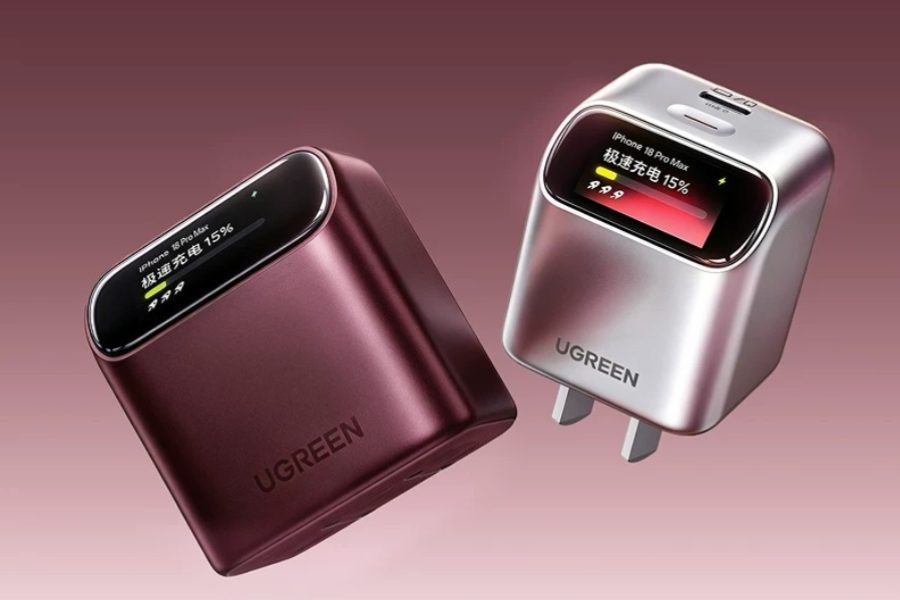
Ugreen is following its 45W USB-C GaN Fast Charger with an angled display with a 60W version. The new model comes six months after the 45W version and retails for 109 yuan (~ $16) on a Chinese commerce platform. 

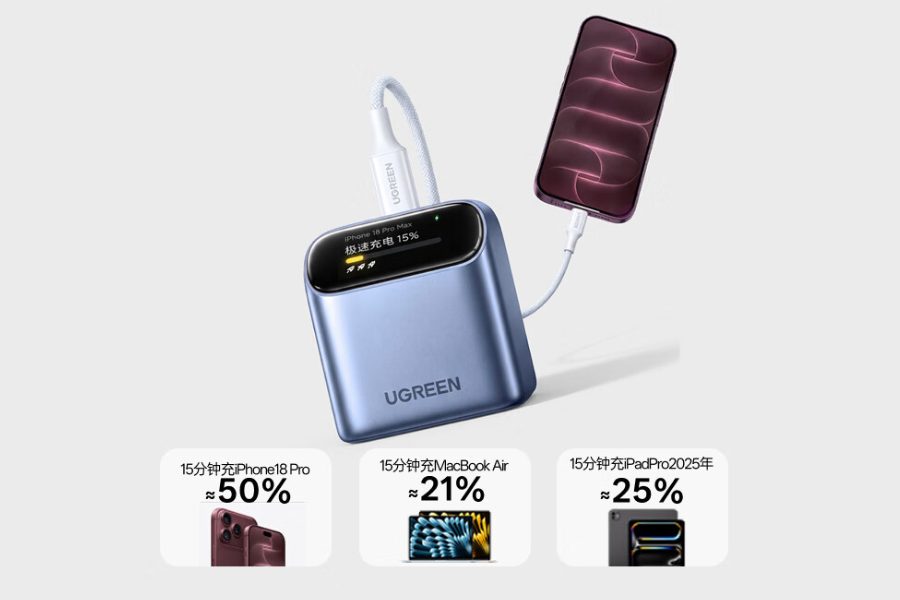
The charger carrying the model X740 is Ugreen’s first 60W AVS display charger. Introduced with the iPhone 18 Pro and Pro Max, AVS allows the phones to reach 50% charge in about 15 minutes when paired with a compatible 60W adapter. Ugreen claims its new charger can deliver the same charging speed.

Ugreen 60W AVS GaN charger

It also supports other Apple devices, and with obvious difference in changing speed. Ugreen says 15 minutes of charging adds around 21% to a MacBook Air and 25% to a 2025 iPad Pro.

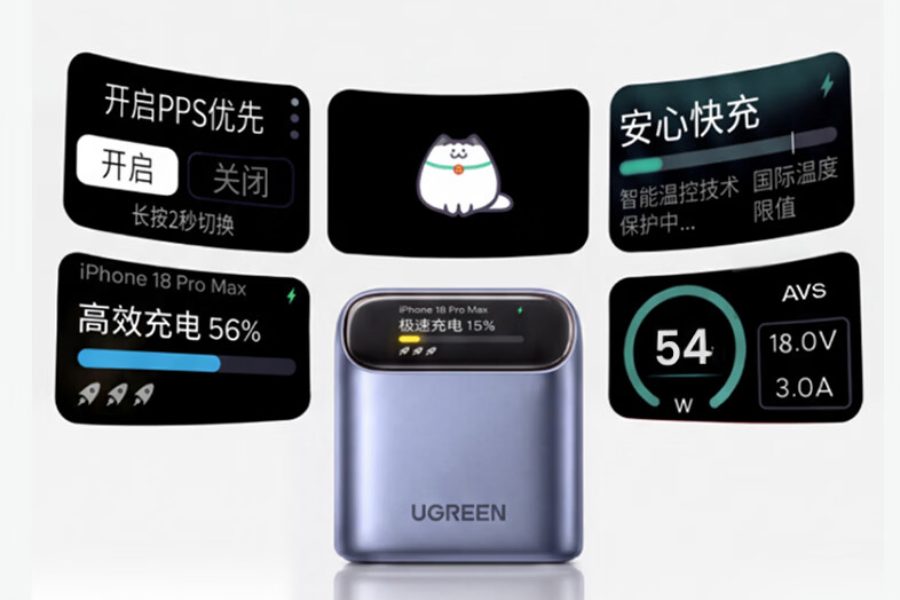
The charger can also recognize connected devices, including the iPhone 18 Pro, iPhone 18 Pro Max, iPhone Duo, iPhone 17, 16 and 15 series, iPads, and MacBook Air models. The screen shows the device name once you plug it in. 

Screen, heat and specs

The X740 monitors the connected device’s power requirements throughout the charging process and adjusts voltage in 100mV steps. You can choose between ultra-fast, high-efficiency and gentle modes. 

Aside from the device name, the front display also shows real-time information such as output power, charging protocol, voltage, current, temperature and charging status. 

For Android users, you can enable PPS priority directly from the charger by holding its control for two seconds. The adapter is compatible with Huawei, Xiaomi, Samsung and iQOO phones. 

Under the hood, the charger uses seventh-generation GaN technology alongside Ugreen’s Thermal Guard system. This combines graphite sheets with potting compounds for heat management. 

The company claims the system takes 10.8 million temperature readings per day. It also says the charger’s surface temperature stays around 23.5°C below the national standard during a two-hour load test.

The X740 has a single USB-C port with a maximum output of 60W. It supports 5V, 9V, 12V, 15V, and 20V outputs, each at up to 3A. The charger weighs around 96g and measures 44 x 40 x 38mm. It has received 3C certification and passed 10 safety tests. Ugreen also provides an 18-month warranty.

Casio launches G-Shock GM2110HDN-8A with Hidden NY, inspired by New York street culture

Casio has announced the release of the GM2110HDN-8A, a new G-Shock watch designed in partnership with the New York-based design collective and digital archive brand, Hidden.

Casio G-Shock GM2110HDN-8A watch

Design Details

Built on the framework of the GM2110 series, a line recognized for its octagonal metal bezel, the new model pairs a stainless steel and resin case with a matching metal band.

Hidden, originally known for curating 1990s and 2000s streetwear, tech, and design imagery on social media, brings a specific visual identity to the hardware. The watch features a predominantly silver colorway, which is broken up by Hidden’s signature green at the 3, 6, 9, and 12 o’clock index markers.

Casio G-Shock GM2110HDN-8A

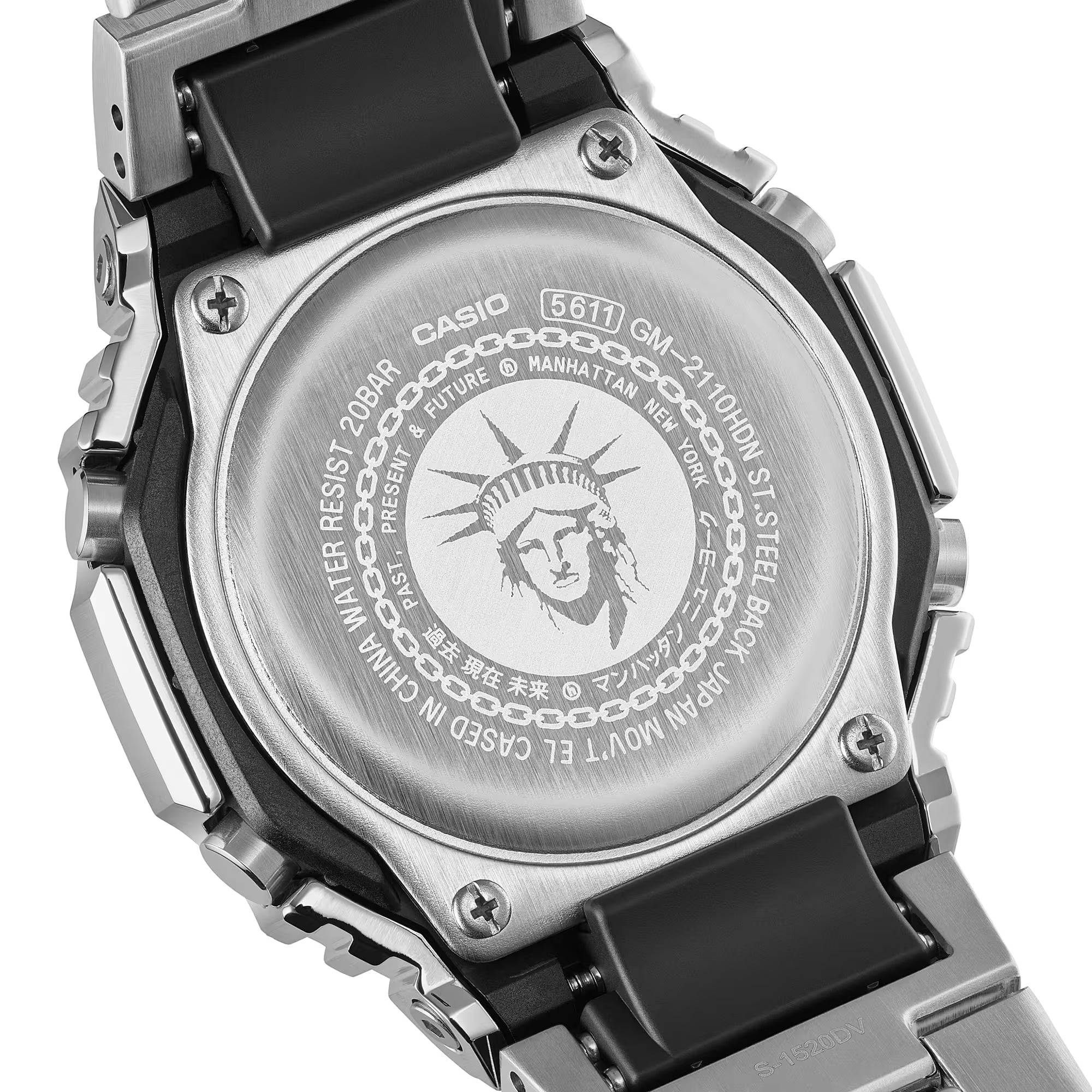
Casio has integrated several custom details into the GM2110HDN-8A to mark the collaboration. The 9 o’clock inset dial features the lowercase Hidden “h” logo, while the case back and the clasp of the stainless steel band are both engraved with the Statue of Liberty. The packaging also leans into the New York theme, designed to mimic the look of items found in Canal Street tourist shops.

On the technical side, the watch maintains the standard durability metrics expected from the G-Shock lineup. It measures 49.3 x 44.4 x 11.8 mm and weighs 146 grams. It offers shock resistance and 200 meters of water resistance, and the dial is protected by mineral glass.

The analog-digital display is illuminated by a double LED setup for visibility in the dark, and the watch runs on two SR726W batteries, which Casio estimates will provide about three years of battery life.

Standard digital features like world time across 31 time zones, a 1/100-second stopwatch, a countdown timer, a hand-shift feature to view the digital display, and five daily alarms are all present.

Casio G-Shock GM2110HDN-8A watch

Pricing and Availability

The GM2110HDN-8A carries a price tag of $385 and is scheduled to go on sale on November 25. It will be available directly through the Casio G-Shock website, at the G-Shock SoHo store in New York, and through select third-party retailers.

In related news, Casio has recently introduced its trio of sushi-inspired G-Shock watches in the US, alongside the Bluetooth-enabled Mudman GDG-B100 series.

(Casio)

Xiaomi launches new affordable electric toothbrush with an LED ring that detects missed brushing spots

Xiaomi has launched a new electric toothbrush in China, the Mijia Sonic Sweep Electric Toothbrush 2. It is priced at 199 yuan ($30), with an introductory price of 175 yuan ($26).

Xiaomi Mijia Sonic Sweep Electric Toothbrush 2

Mijia Sonic Sweep Electric Toothbrush 2 Specs

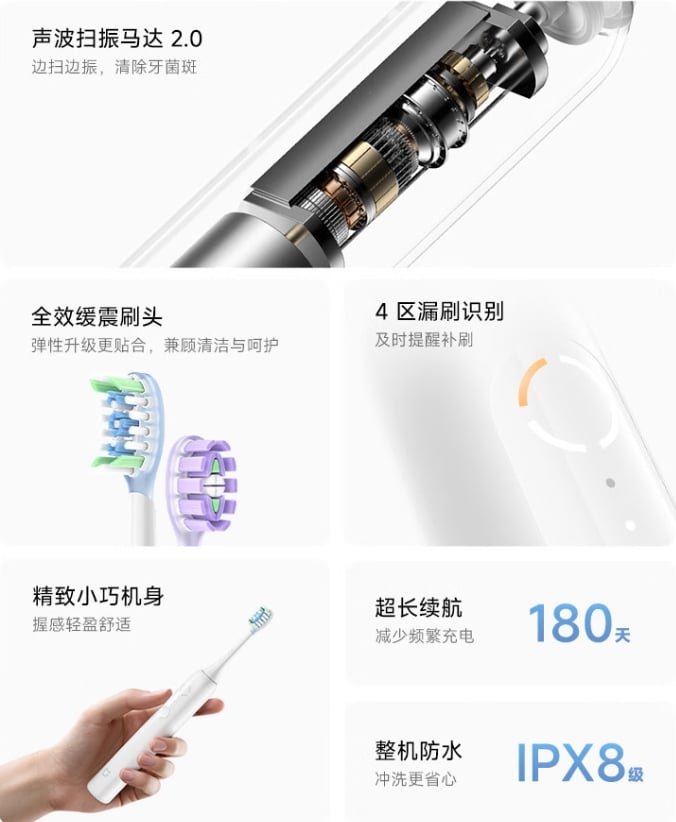
Inside, the toothbrush uses a motor that operates at 24,000 vibrations per minute. Instead of just vibrating in place, the brush head uses wide-angle sweeping motions to mimic the Bass brushing technique, which is what most dentists recommend for removing plaque.

It has three basic settings: Gentle, Cleaning, and Whitening. It remembers your last used mode and features a three-second fade-in when you turn it on, which stops toothpaste from flying off the bristles before the brush is actually in your mouth.

The most useful feature is a built-in three-axis sensor that tracks how you brush. Instead of making you open a companion app on your phone to see your brushing data, a common annoyance with smart toothbrushes, the device gives you feedback right on the handle using an LED ring. As you brush, white lights show the areas you have adequately covered, while orange lights point out the spots you missed. It also includes the standard 30-second haptic buzz to remind you to move to the next section of your mouth.

Xiaomi Mijia Sonic Sweep Electric Toothbrush 2

The toothbrush comes with two different brush heads. One is for standard cleaning with diamond-shaped bristles, and the other is for sensitive gums, using thinner 0.02mm bristles. Xiaomi added a soft rubber coating to the back of the brush heads so it doesn’t clatter uncomfortably if you accidentally bump it against your teeth. The bristles are copper-free to prevent rust and will fade in color after about three months to remind you to swap them out.

Physically, the device is slightly smaller than the previous version, measuring 236mm long, and comes in white, pink, green, and blue. For charging, it uses a standard USB-C port.

Xiaomi says the battery lasts up to 180 days on the Gentle setting or 100 days on the standard Cleaning mode, assuming you brush twice a day for two minutes. It takes about six hours to fully charge and has an IPX8 water resistance rating.

In related news, Xiaomi has recently launched a new Sand Gold variant of its 1,000-lumen flashlight for just $14, along with the Mijia ergonomic cushion featuring lumbar heating and smart sitting reminders.

(JD)

Xiaomi Walkie Talkie 2S gets a new orange colorway

Xiaomi has released a new orange color option for its Walkie Talkie 2S in China. The device is priced at 299 yuan (roughly $45), keeping the same price tag and internal hardware as the original gray model, but swapping in a brighter shell that is easier to spot outdoors or in a gear bag.

Xiaomi Walkie Talkie 2S Orange Color

Xiaomi Walkie Talkie 2S Specifications

It’s a relatively compact two-way radio, weighing just 130 grams with a 15mm-thick body. It features a 1.77-inch color LCD screen, a 36mm speaker driver, a top-mounted power button, and a side-mounted push-to-talk button. The device also comes with a flame-retardant plastic shell and an IP54 rating for protection against dust and water splashes.

As a radio, the Walkie Talkie 2S operates on the 430-440MHz frequency band with 4W transmission power, offering a claimed communication range of 1-5 kilometers depending on terrain and interference. You get 100 channels, including 20 standard long-distance channels and 80 customizable ones, along with 258 privacy codes to help reduce unwanted interference.

Xiaomi Walkie Talkie 2S Orange Color

The device includes a few modern quality-of-life features that bridge the gap between standard analog radios and smartphones. It charges via USB-C, has a 3.5mm headphone jack, and supports Bluetooth so you can pair wireless earbuds.

You can program frequencies directly on the screen, but it also connects to a companion smartphone app. The app lets you manage channels, copy configurations to multiple radios at once, and share your location with other users on your channel even if you don’t have cell service.

For power, the Walkie Talkie 2S packs a 2,190mAh battery that delivers up to 15 hours of continuous use and 120 hours of standby time. It also supports charging via a power bank while in use and features a built-in FM radio for listening to broadcasts when you’re not using it for communication.

In related news, Xiaomi has recently launched the Watch S5 41mm globally with a 3,000-nit AMOLED display and up to 14 days of battery life, alongside the Smart Band 11, which features a 1.72-inch AMOLED display and heart rate monitoring.

(JD)

Motorola’s next Razr Ultra appears in FCC database ahead of 2027 launch

An unannounced phone carrying the model number XT2765-1 has received FCC certification. Spotted in the database, the listing confirms support for Wi-Fi 6E, 5G, Bluetooth, NFC and wireless charging. While those features are standard for a modern flagship, the model number itself is more revealing.

Motorola Razr Ultra 2026

Motorola’s recent Razr generations have followed a clear pattern. The 2025 models used XT255x designations, while the 2026 series moved to XT265x. The Razr Ultra 2026, for example, carries the XT2655 model number, and the 2025 Ultra used XT2551. An XT276x series therefore aligns with a 2027 release, making the XT2765-1 a strong candidate for the flagship Razr Ultra 2027.

The same model has appeared before. In September, a list of upcoming Motorola codenames linked Raptor27 to multiple XT2765 variants, with the “-x” suffix likely indicating region-specific versions. The Raptor27 codename also showed up earlier in Australian carrier records. This FCC appearance is the latest confirmation that development is progressing.

Separate rumors have pointed to a different foldable, sometimes referred to as the Razr Flex 27, that could challenge devices such as Samsung’s Galaxy Z Fold series. The XT2765-1, however, fits the flip-phone Ultra line rather than that broader form factor. Motorola has not commented on the filing or confirmed any names or launch plans.

Based on the company’s recent schedule, a full 2027 Razr lineup could arrive around April. For now, the FCC documents provide only connectivity details and the model-number clue. Photos and deeper specifications remain under confidentiality, but the appearance of XT2765-1 suggests Motorola is steadily preparing its next generation of clamshell foldables.

(Sources: 1, 2)

XElectron launches CineLux 4K projector in India with 4,000 ANSI lumens & 20W Dolby Audio speakers

XElectron has launched the CineLux 4K, a new smart projector in India, expanding its home entertainment lineup. It is priced at ₹49,990 ($535) and offers native 4K resolution, built-in speakers, and an Android operating system. The projector is now available for purchase through Amazon India, Flipkart, and XElectron’s official website.

XElectron CineLux 4K Flagship Smart Projector

XElectron CineLux 4K Specifications

The projector uses LTPS display technology to output a native 4K Ultra HD (2160p) image. According to XElectron, the CineLux 4K can reach a brightness of 4,000 ANSI lumens.

Our picks
The XElectron CineLux 4K projector casts a bright beam against an orange background.
Many portable projectors now include built-in batteries, auto-focus and native Google TV with Netflix support.
Here are the budget projectors under $500 we picked for home or outdoor use →

For a projector in the sub-₹50,000 price range, this is a relatively high brightness rating, which should make the projection visible even in living rooms that are not completely dark. The device supports projection sizes up to 300 inches and includes standard HDR support alongside a 10,000:1 dynamic contrast ratio.

As a smart projector, the CineLux 4K functions independently without requiring an external streaming stick. It runs on Android 13 and is powered by a 64-bit A55 quad-core processor, paired with 2GB of RAM and 32GB of internal storage.

XElectron CineLux 4K Flagship Smart Projector

To simplify the setup process, XElectron has included several automated adjustment features. The projector handles focus, keystone correction, obstacle avoidance, tilt correction, and screen fit automatically, reducing the need to align the image to a wall or screen manually.

The company also says that the projector features a dust-proof optical engine, which is intended to prevent debris from accumulating inside the unit and help it reach its rated 50,000-hour lamp life.

For audio, the CineLux 4K features dual 10W speakers delivering a combined 20W output, along with support for Dolby Audio and DTS decoding. Connectivity options include Wi-Fi 6 and Bluetooth 5.0, while the port selection consists of two HDMI inputs, including one with HDMI ARC support for external audio devices, a USB port, a LAN port, and a 3.5mm audio jack.

The projector also supports AirPlay and Miracast, allowing users to wirelessly cast content from compatible smartphones and tablets.

In related news, check out our picks for the best 4K triple-laser projectors for living rooms and gaming in 2026.

(XElectron)

Here’s a first look at Nothing’s AI-native device

Swedish House Mafia member and DJ Sebastian Ingrosso shared a dimly lit image of a compact rectangular device on social media, tagging Nothing. The photo aligns with earlier teases from Nothing CEO Carl Pei and has been confirmed by leaker Yogesh Brar as the upcoming AI product. The gadget appears screenless and features multiple physical buttons, marking a deliberate step away from traditional smartphone-centric designs.

First look at Nothing's first AI-native device

In the image, the small device shows a split design. One side displays the red and green status lights and a record button previously glimpsed in Pei’s teaser. A large button labelled “Talk” is also visible, along with what may be a pogo-pin connection on the underside, though any accompanying accessories remain unknown. The overall form is compact enough to sit easily on a desk or fit in a pocket.

Very little official information has been released. What is known points to a voice-first experience focused on recording, with potential support for live translation and note-taking. Pei previously described the product as an “AI-native” tool that “couldn’t have been an app” and emphasised that it has no screen. The December shipping window was confirmed in his earlier posts, positioning the device as Nothing’s entry into the growing category of dedicated AI hardware.

The absence of a display and the presence of dedicated physical controls suggest the company is prioritising always-available, low-friction interaction over screen-based interfaces. This approach aims to capture real-world context more seamlessly than a phone app could. While exact features, pricing and availability details are still under wraps, the first visual confirmation has intensified interest just weeks before the planned reveal.

Nothing has framed the product as a purposeful tool rather than a general-purpose companion, distinguishing it from earlier attempts in the space.

(Source: Sebastian Ingrosso)

Casio brings its three sushi-themed G-Shock watches to the US

Casio has released a trio of sushi-themed G-Shock watches in the US, following their initial launch in Japan last month. The collection takes three of the company’s standard watch silhouettes and updates them with colorways and design elements based on salmon, tuna, and ikura (salmon roe).

Casio sushi-inspired G-Shock watches

Pricing and Design Details

Rather than just changing the colors of the resin bands, Casio incorporated specific food motifs into the hardware. All three models feature a case back engraved with a yunomi teacup pattern, which is a reference to the hot tea typically served at the end of a sushi meal.

The watches also ship in custom paper packaging designed to resemble folded takeaway containers. Inside the box, there is a hidden wasabi graphic that changes depending on the watch: a small amount for the salmon model, extra for the tuna, and none for the ikura.

Casio sushi-inspired G-Shock watches

The first model in the lineup is the GA2100SSH-4A, which is priced at $145 and based on salmon nigiri. It is an analog-digital watch featuring an orange, marbled texture across its bio-based resin band and bezel. The dial includes hour and minute hands shaped like sushi knives, along with a small inset dial molded into the shape of a piece of nigiri. It uses Casio’s Carbon Core Guard structure and runs on two SR726W batteries that provide an estimated three years of battery life.

Casio sushi-inspired G-Shock watches

The second watch is the DW5600SSH-4, priced at $155. Based on the standard square 5600 series, this model is designed to look like lean tuna. It uses a translucent red bio-based resin, and the dial features a pattern meant to replicate the cut of the fish. It includes wasabi green text accents and a small tuna silhouette on the display. It is powered by a CR2016 battery with an estimated five-year lifespan.

Casio sushi-inspired G-Shock watches

The final model is the $165 DW6900SSH-1, which takes its design from ikura gunkan-maki. The watch uses a standard black resin bezel to represent the nori (seaweed) wrap, while the underside of the watch band is white to mimic sushi rice. The digital display is surrounded by a translucent section printed with salmon roe graphics. Like the 5600 model, it has a five-year battery life.

All three watches include standard G-Shock specifications, such as shock resistance, 200-meter water resistance, a 1/100-second stopwatch, a countdown timer, and multi-function alarms. The collection is currently available for purchase through Casio’s US website.

In related news, Casio has recently launched the G-Shock GD350S-1 in the US, offering an attractive $60 pre-order deal.

(Casio 1,2,3)

Obsbot launches Tail Air 2 with 1-inch CMOS sensor, AI Tracking 2.0 & rotating lens for vertical video

Obsbot just announced the Tail Air 2, the next version of its automated tracking camera. It’s mainly aimed at solo creators and streamers who need a camera that can follow them around while they work. The two main updates this time around are a larger 1-inch sensor and a new roll axis on the gimbal.

Obsbot Tail Air 2

Obsbot Tail Air 2 Specifications

The 1-inch sensor (paired with an f/1.9 aperture) should help out in lower light compared to older models. It shoots 4K video at up to 60 frames per second, or 1080p at up to 120 fps if you need slow motion.

For people who like to color grade their footage, it now includes an 8-bit log profile and lets you load custom LUTs so you can preview the look in the app. It also uses phase-detection autofocus and has an LOFIC HDR mode for dealing with tricky lighting.

The new roll axis is a practical addition. In the past, if you wanted vertical video for platforms like TikTok or Instagram, the camera would just crop the horizontal image, which lowers the resolution. Now, the camera lens can physically rotate 90 degrees to shoot full 4K vertical video. Because of this new axis, the camera can also automatically level the horizon if you happen to set it down on a slanted surface.

The tracking software has been updated as well to AI Tracking 2.0. Obsbot says it can now track humans, over 30 animal species, and more than 200 object categories. The companion app also lets you set up preset camera movements and framing, so the camera can handle the camera work while you just focus on recording.

For connectivity, the Tail Air 2 includes dual USB-C ports, a welcome addition that separates data and power, alongside a Micro HDMI output, a microSD slot, and Wi-Fi 6. It supports streaming protocols like SRT, RTSP, and RTMP.

Obsbot Tail Air 2

For multi-camera productions, the camera now features built-in timecode support and Precision Time Protocol (PTP) network synchronization, making it easier to align footage from multiple angles in post-production software.

Pricing and Availability

The standard Tail Air 2 costs $799 and is expected to ship on December 8, 2026. If you need NDI HX3 for network video setups, there’s a version with that feature pre-activated for $999 (though it’s $899 if you catch the pre-order window).

In related news, we have recently reviewed the Obsbot Meet Flip 4K webcam, which delivers impressive performance in a compact, foldable design.

Galaxy S26 Ultra gets a new 5x Portrait mode option with One UI 9.5 Beta

The One UI 9.5 Beta introduces a 5x magnification option in Portrait mode, expanding beyond the previous 1x, 2x and 3x limits available in One UI 9.0. Galaxy S26 Ultra owners now gain an extra framing choice that makes fuller use of the phone’s existing dedicated 50MP telephoto camera with 5x optical zoom.

Samsung Galaxy S26 Ultra

This addition is useful for tighter compositions. Photographers can stand farther from their subjects while still filling the frame, which helps with candid shots or situations where moving closer is impractical. Samsung has kept the original 1x, 2x and 3x options intact, so users who prefer more conventional portrait framing lose nothing.

Galaxy S26 Ultra new 5x Portrait mode

The update also refreshes parts of the Camera app interface with a new circular toggle design across its tools. The change gives controls a cleaner look and alters the overall feel of the photography experience without requiring users to relearn core functions.

Because the 5x Portrait mode relies on hardware already present in the Galaxy S26 Ultra, it demonstrates how software can unlock additional value from current sensors and lenses. Camera improvements do not always demand a new module or an entirely new device; targeted updates can make existing capabilities more accessible and flexible.

The One UI 9.5 Beta is currently available to Galaxy S26 series owners in select markets including the US, UK, Germany, India, South Korea and Poland. While image quality still depends on processing, sensor performance and subject separation algorithms, the expanded portrait options strengthen the S26 Ultra’s camera feature set as Samsung continues to refine its software after the phone’s launch. For current owners, the update is a practical reminder that meaningful photography enhancements can arrive long after the hardware ships.

DJI raises prices on several products, including Osmo Pocket cameras

DJI announced the change in an official statement, noting that sustained significant increases in the cost of key components such as semiconductors and storage had prompted a careful evaluation. The new prices took effect from 00:00 on November 18, 2026. Multiple kits of the Osmo Pocket 4, Osmo Pocket 4P and Osmo Nano saw increases, with the largest reaching 560 yuan, which roughly translates to $83.

DJI Osmo Pocket 4P

For the Osmo Pocket 4P, the standard kit rose from 3,799 yuan to 4,099 yuan (~$615), while the Vlog kit climbed from 4,299 yuan to 4,859 yuan (~$730).

The Osmo Pocket 4 standard kit increased from 2,999 yuan to 3,199 yuan. Its all-inclusive kit moved from 3,799 yuan to 4,299 yuan and the Meipai package from 4,098 yuan to 4,598 yuan. The Enjoy Shooting package rose more modestly from 3,498 yuan to 3,638 yuan.

On the Osmo Nano standard kit, the 64 GB version stayed at 1,998 yuan, but the 128 GB version went from 2,298 yuan to 2,498 yuan.

DJI Osmo Nano

These models remain among DJI’s recent flagship offerings in the compact camera category. The Osmo Pocket 4, launched in April 2026, features a one-inch CMOS sensor, 14 stops of dynamic range and 10-bit D-Log support, with an original starting price of 2,999 yuan.

Comparison
Side-by-side comparison of the Insta360 Luna Ultra and DJI Osmo Pocket 4 gimbal cameras.
The DJI Osmo Pocket 4 launched at around £445 in the UK.
Here is how the Insta360 Luna Ultra stacks up against it →

The higher-end Osmo Pocket 4P followed in June, adding a 60 mm mid-telephoto lens alongside the main camera, 17 stops of dynamic range, D-Log 2 colour accuracy and up to 4K/240 fps slow-motion recording; it originally started at 3,799 yuan.

The Osmo Nano, a split-type action camera released in September 2025, uses a magnetic dual-sided design that switches quickly between selfie and outward shooting and launched from 1,998 yuan.

DJI’s notice did not list every affected product in advance, directing customers to official store pages for the exact figures. The adjustments apply to the Chinese market’s suggested retail prices; reports indicate other regions had not immediately followed with matching changes at the time of the announcement. The move reflects broader pressure on electronics makers from elevated semiconductor and memory costs.