Mechrevo has launched a new gaming laptop called Jiaolong 15 Pro in the Chinese market. The laptop is now available for purchase on JD.com, starting at a price of 5499 Yuan ($767).
Mechrevo Jiaolong 15 Pro Specifications:
The laptop features a 16.0-inch display with a 16:10 aspect ratio, providing a resolution of 1920×1200 and a 165Hz refresh rate. The screen also supports a 100% sRGB color gamut, ensuring vibrant and accurate color reproduction, which is ideal for both gaming and content creation.
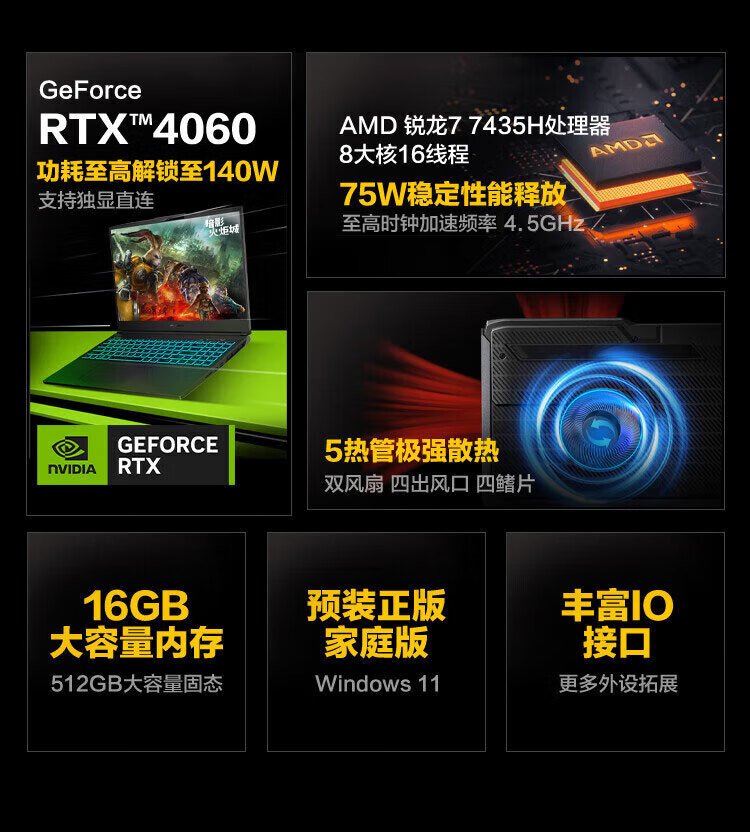
The laptop is powered by an AMD Ryzen 7 7435H processor (mistakenly listed as 7453H on the official page) with 8 cores, 16 threads, and a maximum clock boost of 4.5GHz, delivering stable performance up to 75W. It runs on Windows 11.
The graphics are handled by a 140W NVIDIA GeForce RTX 4060, which utilizes the NVIDIA Ada Lovelace architecture, supports DLSS 3 technology for enhanced frame rates, and features 8GB of GDDR6 VRAM.
To manage the heat generated during intensive tasks, the Jiaolong 15 Pro is equipped with an advanced cooling system that includes dual fans, four air outlets, and five copper heat pipes. This cooling architecture is designed to ensure maximum efficiency and prevent overheating during extended gaming sessions.
The Jiaolong 15 Pro comes with 16GB DDR5 4800MHz RAM and a 512GB PCIe NVMe SSD, with options for up to 32GB of RAM and 1TB of storage in higher configurations to meet different user needs.
The laptop features a 5052 aluminum alloy chassis and weighs around 2.1kg, making it relatively portable for a gaming laptop. It also offers robust connectivity options, including Type-C 3.2 Gen2, RJ45 Ethernet, Mini-DP, HDMI 2.1, an SD card slot, and multiple USB ports.
The Anker Prime 250W 6-port Gallium Nitride (GaN) charger has been launched. The new Anker GaN charger is now available in selected markets such as the US and the UK. The model is unveiled as part of Anker’s extensive Prime product lineup.
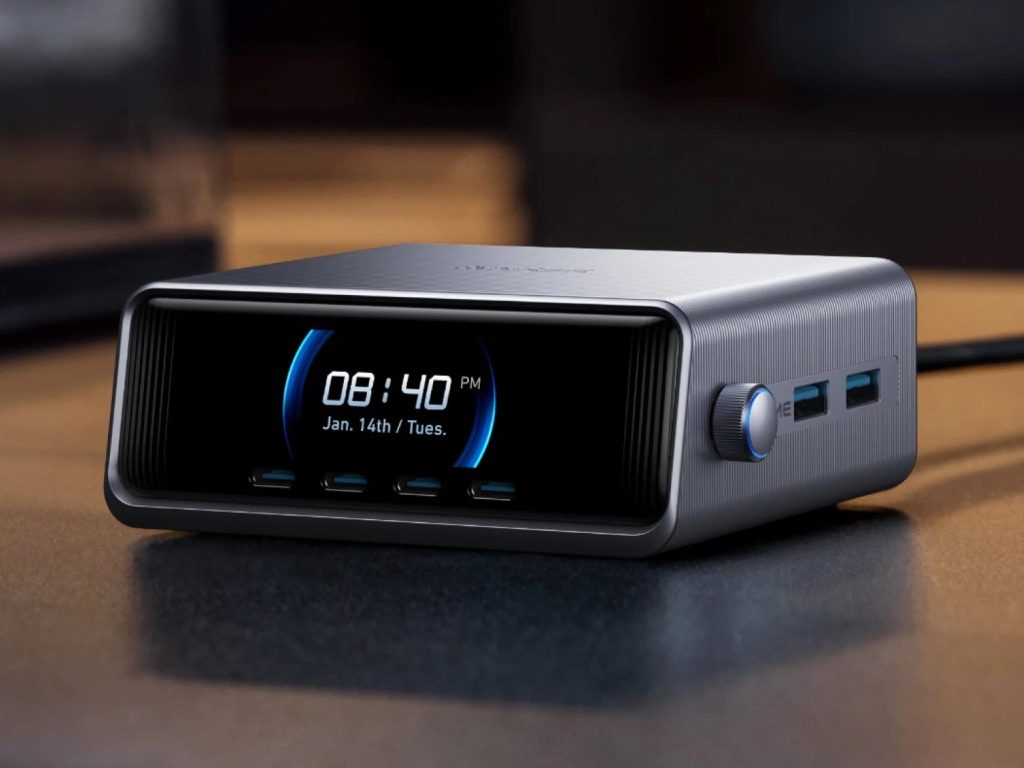
The Anker Prime Charger (250W, 6 Ports, GaNPrime) has four USB-C ports and two USB-A. The first USB-C port can deliver a power output of 140W. The top USB-C port can charge a MacBook Pro 16 by up to 50% in 25 minutes. It can also fully charge the MacBook Pro 16 in 1.5 hours. The other USB-C ports offer up to 100W power while the USB-A ports deliver up to 22.5W power.
The new Anker Prime GaN charger has a 2.26-inch LCD that shows the charging status and speed. The LCD can also display the time and date. There is a control dial on the side of the charger that allows the user to customize the charging speeds between four modes. The four charging speed modes include AI Power, Low Current, Port Priority, and Dual-Laptop. The AI Power mode offers intelligent adjustments based on the detected power requirements. The Low Current mode is used for overnight charging while the Port Priority mode ensures 100W output for the USB-C1 port. The Dual-Laptop mode delivers 70W power via two USB-C outputs.
Pricing & Availability
The Anker app is the companion app for the new Anker Prime 250W GaN charger. The desktop accessory is originally priced at $169.99 or equivalently £169.99 in the UK and €159.99 in the EU. Anker is offering an introductory discount that cuts off up to $30 from its original price. The discount is equivalent to about 15% off its value but there is no indication of how long the offer will last. The GaN charger will be available in the US, the UK, and the EU starting from August 25.
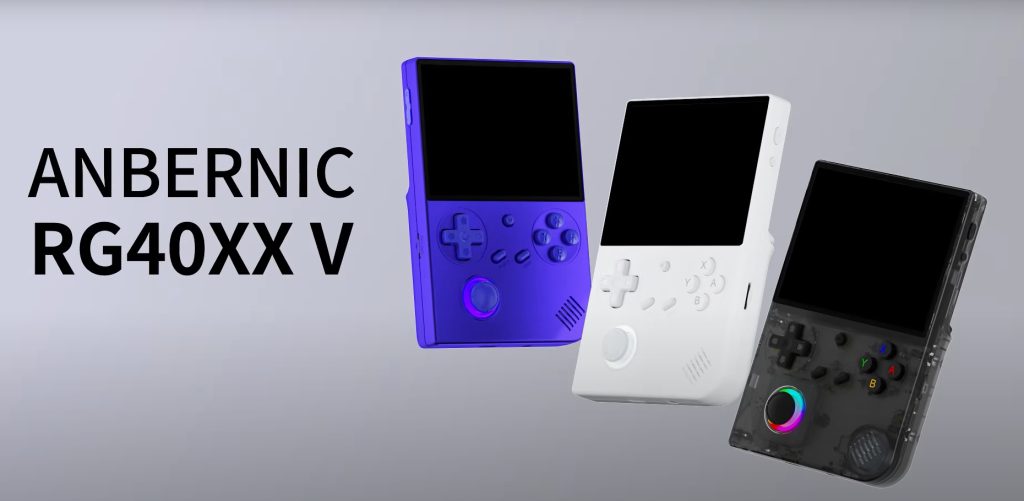
Anbernic is preparing to launch the RG40XX V retro gaming handheld. The RG40XX V comes with a 4-inch display and it is a departure from the slew of horizontal devices released by the brand in recent times. The vertical handheld retro gaming device has a design similar to the AYANEO Pocket DMG.
The Anbernic RG40XX V will be coming on the heels of the earlier launch of a new version of the K101 Plus. The model seems to be an expansion of the RG40XX H currently available on Amazon. It is a vertical version of the RG40XX H. It has an IPS display with a resolution of 640 x 480 pixels. It comes with an unspecified chipset claimed to be powerful enough to emulate retro games such as Dreamcast, Nintendo 64, and PlayStation 1 games. The chipset could be the Allwinner H700 common with Anbernic’s popular gaming handhelds.
The RG40XX V retains a 3,200mAh battery that is also featured in the RG40XX H. Anbernic omitted one joystick on the RG404XX V, making it draw design comparisons with the AYANEO Pocket DMG. It features a pair of shoulder buttons as well as a MicroSD card reader. Anbernic will be offering the RG40XX V retro gaming handheld in white, and black translucent colorways. All the color options come with RGB backlighting which enhances the overall gaming experience.
There are no pricing and release date information available at this time. It is however speculated that the RG40XX V will be released later this month. To put in perspective as per its projected pricing, the Anbernic RG40XX H currently retails for $94.99.
Lenovo launched a 27-inch curved monitor “R27qc-30” in the home country today. It comes with a 2K resolution panel and supports up to 180Hz high refresh rate, which makes it suitable for gaming.
A curved monitor with adjustable stand and high refresh rate
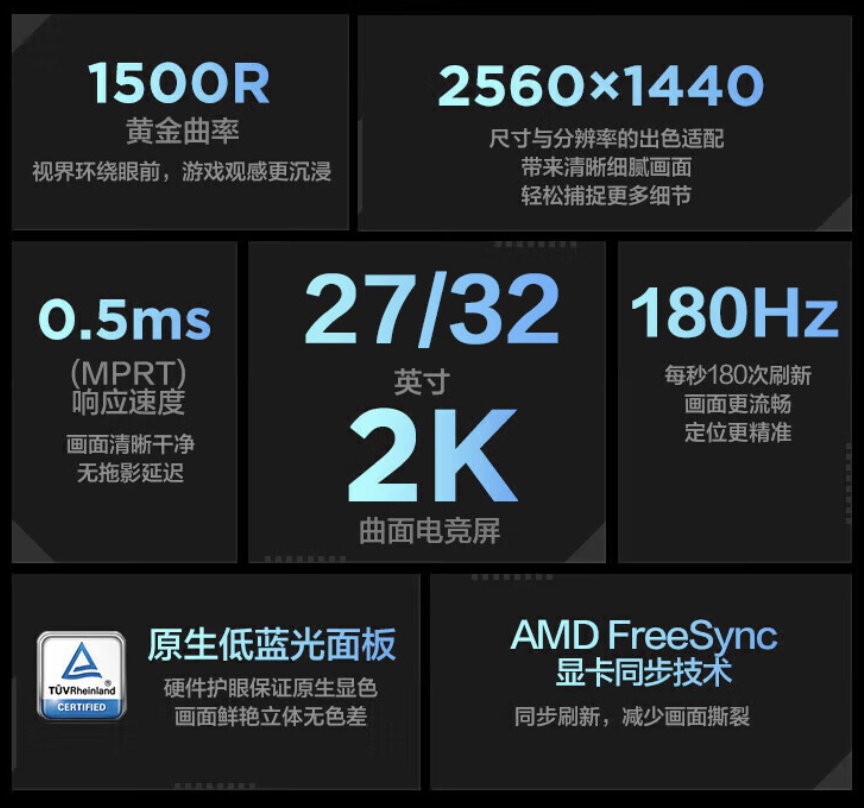
As you can see from the image this is a curved panel and it has a curvature of 1500R. According to the company, the curvature is in line with the viewing angle of the human eye. In addition to that, it is a VA wide viewing angle panel, which brings an immersive and distortion-free picture experience. It comes with a dimension of 258.8 mm x 385.0 mm x 610.4 mm and offers an aspect ratio of 16:9.
The panel offers a resolution of 2560×1440. Over HDMI the monitor offers a refresh rate of 144Hz for the max resolution while it goes up to 180Hz when connected to DisplayPort. The company offers both the DP and HDMI cables in the box. The monitor offers a response time of 0.5ms, offers a static contrast ratio of 1000:1, and covers 99% of the sRGB color gamut. The panel is also certified by TÜV Rheinland for low blue light emissions.
The stand supports a tilt of -5° to 22°, a swivel of -30° to 30°, a pivot of -90° to 90°, and a height adjustment of 120mm. The product weighs 6.1 kg (13.4 lbs) with the stand assembly included and 4.2 kg (9.3 lbs) without that (for wall mount or VESA mount considerations). It supports VESA 100x100mm wall mounting.
According to the company, this gaming monitor typically consumes less than 26W, with a maximum power consumption of less than 65W.
Speaking of ports, this monitor comes with two HDMI ports, 1 DisplayPort, and a 3.5mm audio port.
Pricing and availability:
The Lenovo R27qc-30 curved monitor is now on sale on JD.com with an initial price of 1,399 yuan, which is currently equivalent to $195.
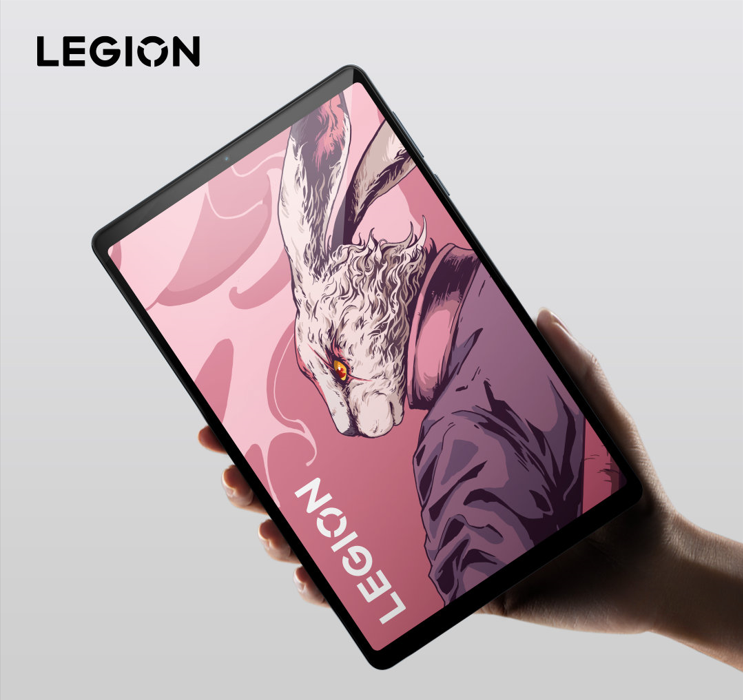
Lenovo launched the Legion Y700 2023 gaming tablet with 8.8″ 144Hz display, and 16GB RAM in July last year in China. The company introduced a rebadged version of the device in the global markets in March this year, dubbed as the Lenovo Legion Tab.
Now the company has released the ZUI 16.0.336 update for the Lenovo Legion Y700 2023, which is based on Android 14. It adds support for the Xiaoxin Wireless Keyboard Air.
The update offers a couple of new features and system optimizations for an improved user experience. Here are the changes or improvements:
Additions:

Enhanced visual experience with brand-new color design
Optimized Gaussian blur effect

New video call assistant: during a video call, the video call assistant can help users quickly enable/disable the portrait effect and change sound settings

Support Lenovo Xiaoxin Wireless Keyboard Air: Support fast keyboard pairing and multiple shortcut keys

System optimization:

Optimize the user experience of game freezes and screen recording freezes in some game scenes

Optimize the animation effect in the AI scanning function

Ability to use handwriting function when the keyboard is connected

Security patch updates
The company suggests some precautions before installing the update such as creating a backup of important files to avoid any chance of data loss and not switching the computer mode during the upgrade process to avoid abnormal displays during the system update.
For those unfamiliar, this device comes with an 8.8-inch display bearing a 2.5K resolution, a 144Hz refresh rate, and 500 nits peak brightness. The inside of the tablet is equipped with a Snapdragon 8+ Gen 1 processor. It packs 12GB soldered RAM that is not upgradeable. There is 256GB onboard storage expandable via microSD card slot.
Being a gaming-focused device, it also features a heat dissipation system onboard. On the back of the tablet, there is a 13MP main sensor paired with a 2MP macro lens, while the front equips an 8MP selfie camera.
OnePlus is rolling out a major ColorOS update, version PJD110_14.0.0.840, in China. This update, sized at approximately 1.31GB, introduces new features and optimizations designed to improve user experience and system performance.
What’s new in this update?
This update comes with two key features: NFC Do Not Disturb mode, which allows users to prevent interruptions with a single click, and a control switch for displaying audio playback information directly in the status bar, enhancing user convenience and control.
The update also brings improvements to the screenshot functionality. The long screenshot feature has been optimized to prevent interruptions caused by notifications, Fluid Cloud, and other elements, ensuring a more seamless and immersive screenshot experience. Additionally, the WeChat QR code scanning speed has been enhanced for quicker and more efficient recognition, which is particularly useful for users who frequently use this feature.
NFC smart card selection has also been enhanced, improving the accuracy of access card and transportation card selection. This update also includes the Android security patch for August 2024.
In terms of security enhancements, the update adds support for selecting “Not allowed when screen is on” for device motion and direction permissions, providing users with more precise control over app transitions.
Furthermore, several bug fixes have been included, addressing issues such as occasional stuttering during gaming and problems with the private gallery where photos could not be removed.
Earlier in the year, OnePlus had introduced several AI-powered features through a previous ColorOS update. These features included an AI Summarizer for generating phone call summaries, an AIGC Remover for photo editing, and an Article Summarizer for quick overviews of articles.
OnePlus 12, launched in December last year, features a 6.82-inch Quad HD+ curved AMOLED display with 4500 nits peak brightness and Gorilla Glass Victus 2 protection. It is powered by the Snapdragon 8 Gen 3, comes with up to 24GB of RAM, and offers up to 1TB of UFS 4.0 storage. The device has a triple camera setup with a 50MP main sensor, 48MP ultra-wide, and 64MP periscope telephoto, along with Hasselblad integration. It also includes a 32MP front camera, an in-display fingerprint sensor, an IP65 rating, and a 5400mAh battery with 100W SuperVOOC and 50W wireless charging.
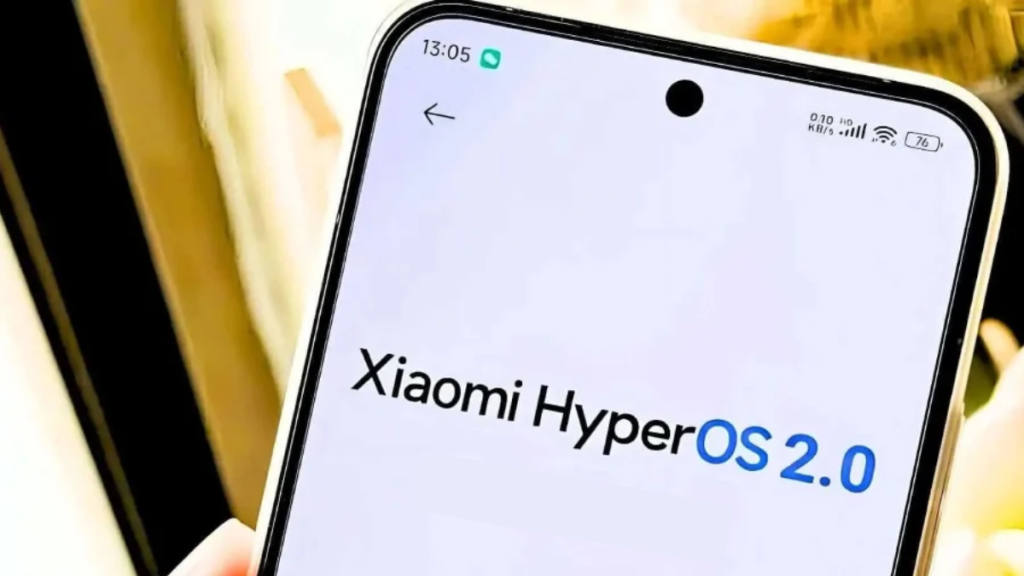
Android 15 release is around the corner, and brands are already preparing for it. Xiaomi is one of them and is reportedly working on a new version of its custom skin — HyperOS 2.0. It is expected to be based on Android 15 and is said to bring plenty of upgrades, UI changes, and new features.
Thanks to past leaks, we already have information about what HyperOS 2.0 will offer and the changes it’ll bring. In addition to that, you’ll also learn about the potential release date and eligible devices in this post.
What’s New in HyperOS 2.0?
HyperOS was released last year, and it was quite clear that the company’s focus is on giving a minimalistic experience and a deeply connected ecosystem to manage all your Xiaomi devices. Naturally, you can expect improvements in these areas. But there’ll be a lot to look forward to in HyperOS 2.0.
According to a recent leak, Xiaomi might be adding a new feature to HyperOS 2.0 that will allow users to scan for hidden cameras. It is said to use WLAN signals to detect cameras nearby. No such feature is currently offered by any smartphone brand. If this feature actually comes to HyperOS, it’ll be a big boost to user privacy.
Another leak revealed that Xiaomi will offer increased virtual RAM (Memory Extension) up to 16GB, while it will be 6GB by default. More virtual RAM means more space for active apps, hence better multitasking.
It’s unlikely that all Xiaomi devices will get up to 16GB Memory Extension because of storage and hardware limitations. Hence, I assume that’ll only come to high-end and select mid-range phones.
Xiaomi is also reportedly working on a redesigned Settings homepage. Leaked screenshots (see below) reveal that HyperOS 2.0 could offer a card-like experience instead of the thin line-separated segments Xiaomi has been using for years.
The new Settings homepage in leaked images looks modern. It will not just provide better aesthetics but also ensure smoother navigation and fluency.
Xiaomi is also said to be working on bringing a ripple effect to the upcoming version of HyperOS. It shows up when a user presses any volume keys, adding to a better user experience. This visual effect was introduced in the iOS 18 beta and could make its way to Xiaomi phones with the HyperOS 2.0 update.
A small but helpful feature that might come to HyperOS 2.0 is the ability to turn off the lock screen editor. You might already know that the lock screen editor comes up when you tap and hold the empty location on the lock screen. If this happens to you accidentally multiple times every day, it can be annoying. Hence, it’s a good move to let users decide if they want to keep it or not.
These are leaked features that might come to HyperOS 2.0. I’m sure Xiaomi has more in store, which will be unveiled at the HyperOS 2.0 release. Besides those HyperOS-exclusive features, there will be new features and enhancements from Android 15, such as satellite messaging, theft detection lock, app archiving, app pairs, and more. You can read about the best Android 15 features in this article.
HyperOS 2.0: When Is It Coming?
Xiaomi hasn’t yet revealed a release date or timeline for HyperOS 2.0. However, a recent leak suggests it will be released around October, the same month HyperOS 1.0 was released in the previous year.
Thankfully, not everyone has to wait until the official release to get a taste of Android 15, as the beta program is already out for several devices, including Xiaomi 14, Xiaomi 13T Pro, and Xiaomi Pad 6S Pro 12.4. If you have any of these Xiaomi devices, you can participate in the Android 15 beta program and test new features ahead of the public release.
Android 15 is currently going through the platform stability phase. It’s the final phase of development, in which Google removes bugs and adds final touches to the new OS before the stable release.
The stable version of Android 15 is expected to be released in October; the same month, we might see Xiaomi releasing HyperOS 2.0.
All exciting upgrades are just a few weeks away, but is your Xiaomi device eligible for that? Check out the next section for more details.
Xiaomi Android 15 Eligible Devices
(Xiaomi)
Xiaomi 14
Xiaomi 14 Pro
Xiaomi 14 Ultra
Xiaomi 13
Xiaomi 13 Lite
Xiaomi 13 Pro
Xiaomi 13 Ultra
Xiaomi 13T
Xiaomi 13T Pro
Xiaomi 12
Xiaomi 12 Lite
Xiaomi 12 Pro
Xiaomi 12T
Xiaomi 12T Pro
Xiaomi 12S
Xiaomi 12S Pro
Xiaomi 12S Ultra
Xiaomi Civi 4 Pro
Xiaomi Civi 3
Xiaomi Civi 2
Xiaomi Civi 1S
Xiaomi Mix Fold 3
Xiaomi Mix Fold 2
Xiaomi Pad 6
Xiaomi Pad 6 Pro
Xiaomi Pad 6 Max 14
Xiaomi Pad 6S Pro 12.4
Xiaomi Pad 5 Pro 12.4
(Redmi)
Redmi Note 13 4G
Redmi Note 13 5G
Redmi Note 13 Pro 4G
Redmi Note 13 Pro 5G
Redmi Note 13 Pro+ 5G
Redmi Note 13R
Redmi Note 13R Pro
Redmi Note 12 4G
Redmi Note 12 Turbo
Redmi Note 12 Pro 4G
Redmi Note 12 Pro Speed
Redmi Note 12R
Redmi Note 12R Pro
Redmi Note 12T Pro
Redmi Note 12S
Redmi K70
Redmi K70E
Redmi K70 Pro
Redmi K60
Redmi K60 Pro
Redmi K60 Ultra
Redmi 13R
Redmi 13C
Redmi 13C 5G
Redmi 12
Redmi 12 5G
Redmi Pad Pro
Redmi Pad Pro 5G
Redmi Pad SE
Redmi Turbo 3
Redmi A3
Redmi A3x
(Poco)
Poco F6
Poco F6 Pro
Poco F5
Poco F5 Pro
Poco X6
Poco X6 Neo
Poco X6 Pro
Poco M6
Poco M6 Pro
Poco M6 Pro 5G
Poco Pad
Poco C65
Poco C61
Poco C51
Xiaomi hasn’t published a list of devices that will get the Android 15 update. The above list is based on the current software update policy and past track records. If your device isn’t mentioned there, wait for the official list to come out. You can keep an eye on our Android 15 section for the latest information.
What are your expectations with the upcoming version of HyperOS? Share your thoughts in the comments below.
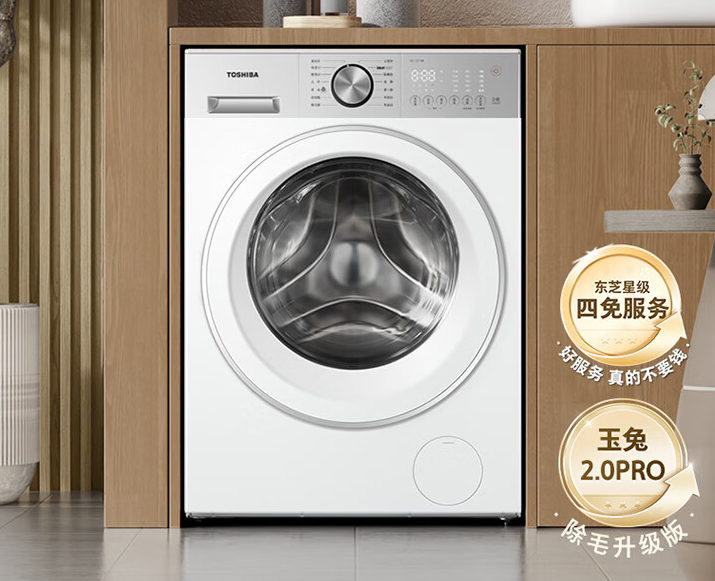
Toshiba‘s Yutu 2.0 Pro washing machine is now available on JD.com with a pre-sale price of 4,099 yuan, which is equivalent to US$570. This product can fit into a 600mm regular cabinet.
I uses BLDC motor and ensures effective cleaning even with cold water
As you can see from the image above, the washing machine comes with a circular rotating knob. The body adopts an 8-layer composite structure and uses PCM steel plates. It is claimed that the washing machine can prevent erosion and rusting due to moisture.
It uses a BLDC variable frequency motor, has a 10KG capacity, and comes with a 535mm barrel diameter. It also equips an upgraded multi-dimensional structural support that provides better shock absorption and enhances the stability of the machine body. According to the company, the machine can stay “as stable as a rock” even in high-speed washing mode.
Speaking of the cleaning process, this product uses UFB ultra-fine bubble technology, which according to a company official, can generate billions of microbubbles. The machine removes stubborn stains through bubble explosion and uses silver ions for secondary sterilization. It is reported that the machine offers an effective cleaning even with cold water.
The newly upgraded inner drum and front drum structure is reportedly designed to simulate an environment with sufficient cleaning force to remove dirt all while not damaging the delicate fibers, which ensures a longer life for the cloths. This product is also reportedly designed to remove pet hairs from clothing.
This machine automatically senses the weight and water volume of the inner drum and intelligently measures the amount that needs to be used. You can also control the cleaning process for different types of clothing from the smartphone app.
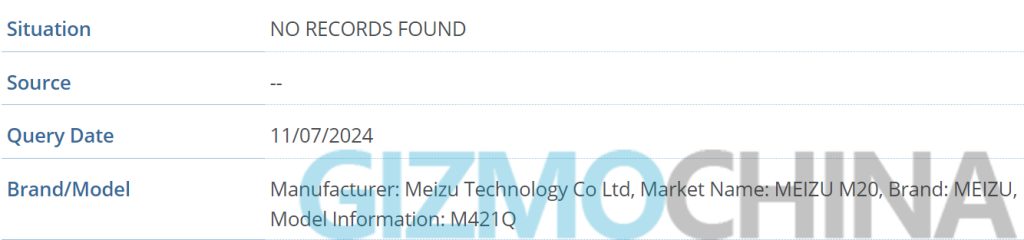
Meizu is working on a new smartphone. This is a new M series device. We officially confirm that after 5 years of hiatus, once again the Meizu M series will be announced. Gizmochina has spotted the Meizu M20 in the IMEI Database. We are curious to see what Meizu has to offer with this new smartphone.
Meet the Meizu M20
Meizu is trying to increase the competition among low-budget smartphones. The new Meizu M20 has been spotted in the IMEI database with model number M421Q. Unfortunately, we don’t have any information about the specifications of the device. However, we can say that the Meizu M20 is an affordable smartphone.
Meizu has not introduced a new M series smartphone for the last 5 years, but after 5 years, we see that the brand has decided to introduce an M series smartphone again. The last smartphone of the Meizu M series, the Meizu M10, was introduced in 2019. Let’s take a look at the features of the Meizu M10 to get an idea about the Meizu M20:
Meizu M10 features an IPS LCD display with an HD+ resolution of 720×1600 pixels, a refresh rate of 60Hz, and a pixel density of 270 PPI. The smartphone is powered by a 4000 mAh battery, providing a long battery life throughout the day. Also, the device is powered by the MediaTek Helio P25. It comes with up to 3GB RAM and 32GB storage options. The smartphone runs Android 9 and has a fingerprint sensor on the back cover. It has a micro-USB port and dual SIM support.
The Meizu M20’s official launch date is not yet known, but more information is likely to emerge in the near future. We are looking forward to the features that Meizu’s new M-series smartphone will offer after 5 years.
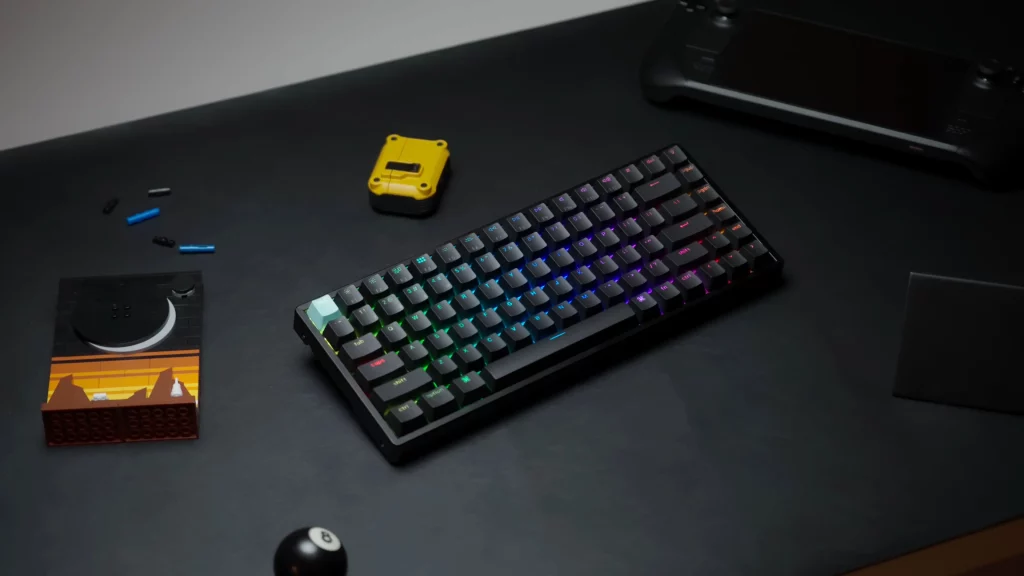
Keychron has launched the K2 HE, a mechanical keyboard featuring Hall effect switches with an adjustable actuation point. The keyboard supports three modes of connectivity and is priced at $125. It is currently available for crowdfunding on Kickstarter, with shipments expected to start in October 2024.
Keychron K2 HE Keyboard Specifications:
The Keychron K2 HE features Hall effect switches that use magnetic sensors to detect keystrokes, allowing users to customize the actuation point from 0.1mm to 3.8mm for a tailored typing and gaming experience. Additionally, the keyboard supports hot-swapping, enabling easy switch replacement without soldering.
The keyboard uses pre-lubricated Gateron double-rail magnetic switches that offer a soft tactile feel with a 40g actuation force and a 60g bottom-out force. These durable switches have a lifespan of up to 150 million keystrokes. The keyboard also features a 1KHz polling rate for responsive performance.
In addition to its advanced switch technology, the K2 HE offers a variety of connectivity options, including USB Type-C (wired), Bluetooth 5.1, and 2.4 GHz wireless. It supports multi-device pairing and allows users to switch between devices seamlessly. The keyboard is equipped with a 4000mAh rechargeable battery, providing extended usage between charges.
The Keychron K2 HE includes RGB backlighting with 22 modes, durable double-shot PBT keycaps, and screw-in PCB stabilizers for better typing stability.
It also features dynamic keystrokes, allowing multiple actions to be assigned to a single key based on press depth. Users can fine-tune settings like actuation points, macros, and RGB patterns using the Keychron Launcher Web Configurator.
The K2 HE follows the design language of the K2 series, featuring a compact 75% layout that measures 320.5mm x 126.2mm x 40.7mm and weighs approximately 965 grams. The keyboard comes in a sleek Black and White color scheme with natural rosewood accents, giving it a minimalistic yet stylish appearance.
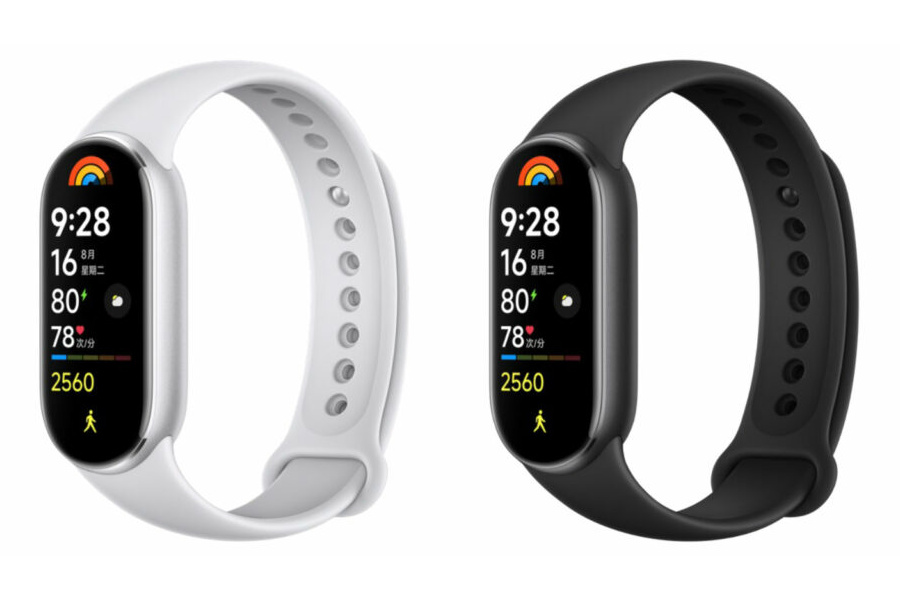
Xiaomi launched the Smart Band 9 last month alongside the Xiaomi Mix Fold 4 and Xiaomi Mix Flip in China. Now it is speculated that the Smart Band 9 will hit the global market “soon”. You can see the different color options in the images below.
The news comes from tipster Arsène Lupin. Although, he couldn’t share an exact launch date for the global markets. Previously the Smart Band 9 surfaced on an Amazon Italy listing with an August 19 release date. However, it didn’t reveal the pricing of the product. This potential early global release differs from Xiaomi’s usual pattern of delayed international launches for its wearable products.
The smart band was launched in China with a starting price of 249 yuan, which is equivalent to US$35. Notably, there are two other models – one that supports NFC and another noted as Ceramic Special Edition. These two are priced at 299 yuan (~US$41) and 349 yuan (~US$48) respectively.
According to a report from Gadgets & Wearables, this product may come with a starting price of €39.99 (~US$ 47) on Amazon Italy, which is a slight increase from the €36.99 price tag of its predecessor.
That being said, the pricing for the global markets are yet to be officially revealed and can vary from the speculations.
Xiaomi Smart Band 9 specifications:
The Xiaomi Smart Band 9 equips a 1.62-inch AMOLED display that reaches a brightness of 1200 nits. The display comes with a resolution of 192 x 490 and has a pixel density of 326ppi.
It reportedly supports over 200 watch faces. As mentioned above, some models come with an NFC coil and support contactless payment. It equips a 3-axis accelerometer, gyroscope, PPG, and ambient light sensor for health tracking and other features.
Speaking of health tracking, it is claimed to be 16% more accurate as compared to the Xiaomi Smart Band 8. It supports over 150 workout modes, including guided running courses. This product can also suggest optimal sleep cycles for better recovery.
There is a 233mAh battery inside that reportedly offers up to 21 days of battery life when AOD is turned off. With AOD on, it lasts about 9 days on a single charge. Speaking of charging, it takes about 1 hour to reach 100%. It can also survive 50 meters underwater. For connectivity, it supports Bluetooth 5.4 and offers basic features like music control, message replies, and weather updates.
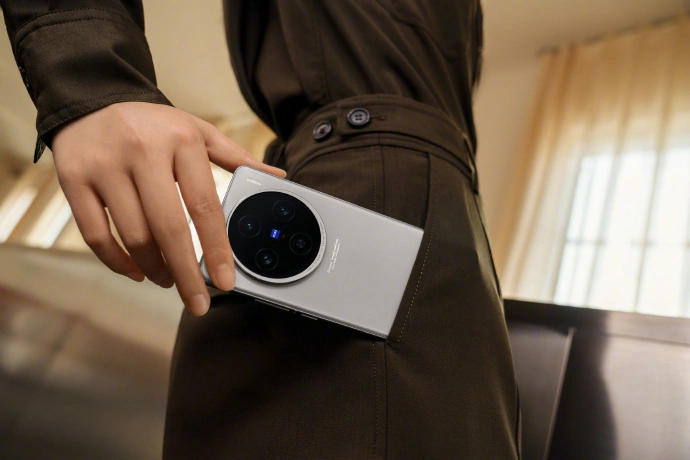
vivo launched the vivo X100s in May this year with the Dimensity 9300+ chipset for a starting price (12GB +256GB) of 3,999 Yuan (~US$ 560). Currently, the phone is on sale on JD.com and starts from 3491 yuan. In addition to that, members can also get an instant discount of 8.73 yuan, and a 50 yuan red envelope can be returned after posting an order. So the final discounted price becomes 3432 yuan, which is equivalent to US$478.
The vivo X100s offer a solid build with a glass back and aluminum frame. It is only 7.8 mm thick and weighs 203g. It is also one of the first phones to come with an IP69 dust and water-resistant rating.
vivo X100s specifications:
This phone uses a 6.78-inch 2800×1260 flat OLED panel, which supports a 1-120Hz variable refresh rate. The display panel offers a local peak brightness of 3000 nits, a 2160Hz high-frequency PWM dimming, and customized eye protection which is reportedly based on Dimensity chip hardware. There is an under-display optical fingerprint scanner.
It is the world’s first device to launch with the 4nm Dimensity 9300+ chip, which scores around 2.3 million on the AnTuTu benchmark. To power the system, the phone packs a 5100mAh battery and supports 100W fast wired charging. The phone runs on OriginOS 4 in China, which is based on Android 14.
Speaking of cameras, the phone packs a 50 MP 1/1.49″ main sensor (with f/1.6), a 50 MP 15mm ultrawide (15mm), and a 64 MP 70mm periscope telephoto (f/2.6) with 3x optical zoom. The camera system features Zeiss optics with Zeiss T* lens coating. On the front, there is a 32 MP centered hole-punch selfie camera.
For wireless connectivity, this phone supports WiFi 7 and Bluetooth 5.4. While vivo offers 256GB + 12GB configuration as the base model, the phone also comes with 16GB RAM and up to 1TB storage.
Are you looking for an incredible smartphone at a great price? The Samsung Galaxy S24 5G, Realme GT 6T 5G, and OnePlus 12R are all available at huge discounts on Amazon. These top-tier devices offer cutting-edge features, from powerful processors to stunning displays and innovative camera systems. Whether you’re a gamer, a content creator, or need a reliable and stylish phone, these options provide excellent value and performance. Don’t miss out on this opportunity to upgrade at a discounted price.
Samsung Galaxy S24 5G
Discounted Price: ₹56,499
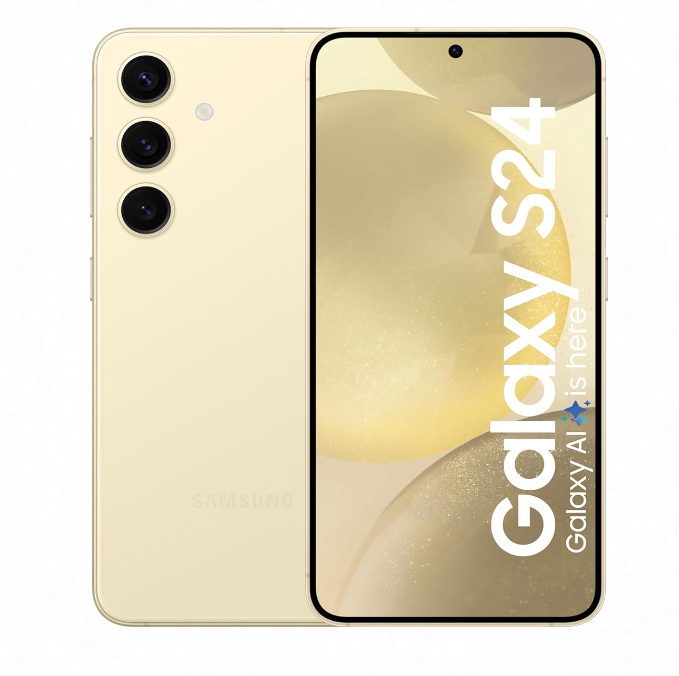
The Samsung Galaxy S24 5G in Amber Yellow offers a perfect blend of elegance and power, making it a must-have for those who demand the best in smartphone technology. With its sleek design, powerful performance, and innovative features, the Galaxy S24 5G is designed to enhance every aspect of your mobile experience.
Sleek Design and Stunning Display
The Galaxy S24 5G features a unified design with a satin finish, giving it a smooth and premium feel. Its 6.2-inch Dynamic LTPO AMOLED 2X display delivers vibrant colors and sharp details, with a 120Hz refresh rate and peak brightness of 2600 nits. Whether streaming, gaming, or browsing, the display provides an immersive visual experience in any lighting condition.
Powerful Performance with Snapdragon 8 Gen 3
Powered by the Qualcomm Snapdragon 8 Gen 3 (or Exynos 2400 for international models), the Galaxy S24 5G delivers top-tier performance. With an advanced CPU and GPU configuration, this phone ensures lightning-fast processing and smooth multitasking, making it ideal for gaming, content creation, and everyday use.
Professional-Grade Photography
Capture every moment in stunning detail with the Galaxy S24 5G’s triple camera system. The 50 MP main camera, 10 MP telephoto lens with 3x optical zoom, and 12 MP ultrawide lens allow for versatile photography, from high-resolution photos to 8K video recording. The 12 MP front camera ensures your selfies are crisp and clear, with dual video call and HDR10+ support.
Innovative AI Features
The Galaxy S24 5G is equipped with AI-driven innovations like Circle to Search, which lets you trace objects on your screen to instantly get Google Search results. Additionally, the AI-powered real-time language translation feature enhances communication by allowing you to converse in different languages during phone calls and messaging.
Why Choose the Samsung Galaxy S24 5G?
Sleek Design and Display: 6.2-inch Dynamic AMOLED 2X with 120Hz refresh rate.
Snapdragon 8 Gen 3/Exynos 2400: Unmatched performance for multitasking and gaming.
Triple Camera System: 50 MP main camera, 8K video recording, 12 MP front camera.
AI-Powered Features: Circle to Search and real-time language translation.
IP68 Durability: Dust and water resistance for everyday protection.
Discounted Price: ₹30,998 – (Additional ₹4000 Coupon available on Amazon)
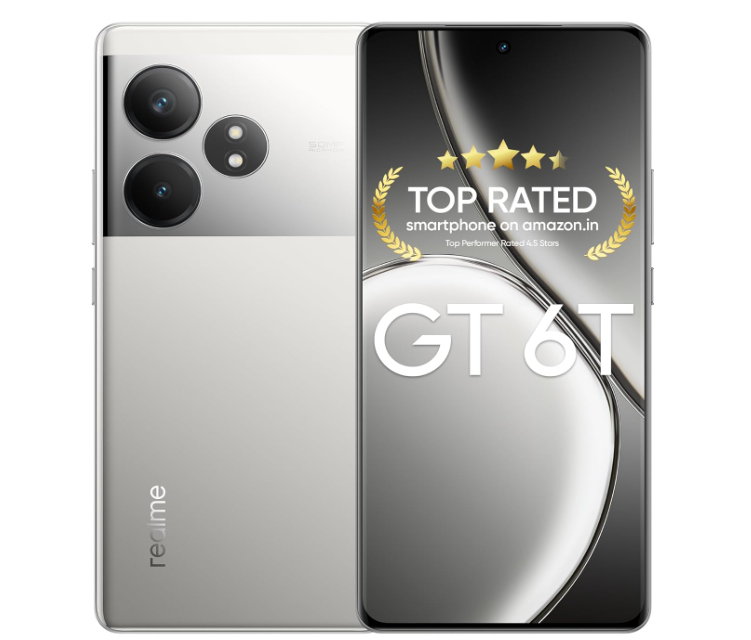
The Realme GT 6T 5G in Fluid Silver is packed with cutting-edge technology, making it the perfect choice for those who demand power, speed, and innovation. Featuring India’s first Snapdragon 7+ Gen 3 Flagship Chipset, this smartphone offers unbeatable performance, whether gaming, multitasking, or creating content.
Unmatched Performance with Snapdragon 7+ Gen 3
The Realme GT 6T 5G is powered by the Snapdragon 7+ Gen 3, delivering a 15% boost in CPU performance and a 45% increase in GPU performance compared to its predecessor. With an AnTuTu score exceeding 1.5 million, this phone ensures smooth and responsive performance, no matter how demanding the task.
Massive Battery with 120W Fast Charging
Stay powered throughout the day with the Realme GT 6T 5G’s 5500mAh battery. Thanks to the 120W Gallium Nitride Charger, you can charge up to 50% in 10 minutes. This compact and efficient charger also ensures quick heat dissipation, making it ideal for on-the-go use.
Advanced Cooling System for Gaming
Experience superior gaming with India’s largest cooling system. The Realme GT 6T 5G’s advanced cooling design optimizes the layout of heat-generating components, reducing the temperature rise by 2 degrees on the side frame. This keeps the phone cooler and more comfortable to hold during extended gaming sessions.
World’s Brightest Flagship Display
Enjoy crystal-clear visuals with the world’s brightest flagship display. The 8T LTPO technology offers adaptive frequency adjustment, reducing power consumption and ensuring smooth frame rate transitions. The display also provides comprehensive eye protection with smart features like sleep mode and ambient color adaptation, reducing eye strain during extended use.
Why Choose the Realme GT 6T 5G?
Snapdragon 7+ Gen 3: 15% CPU and 45% GPU performance boost.
5500mAh Battery with 120W Fast Charging: 50% charge in 10 minutes.
Advanced Cooling System: Optimized thermal management for better gaming.
8T LTPO Display: Adaptive refresh rate with eye protection features.
AI Eye-Protection: Smart adjustments for reduced eye strain.
The OnePlus 12R in Iron Gray is designed for those who demand speed, power, and elegance in their smartphone. Equipped with the Snapdragon 8 Gen 2 Mobile Platform, this device ensures a fast and smooth experience. With up to 16GB of LPDDR5X RAM and RAM-Vita technology, the OnePlus 12R is built to handle everything from intensive gaming to seamless multitasking.
Superior Performance and Cooling
Powered by the Snapdragon 8 Gen 2, the OnePlus 12R delivers unparalleled performance. Paired with the Dual Cryo-velocity VC Cooling System, it maintains optimal temperature even during heavy usage, ensuring your device runs smoothly at all times. This combination has earned it a TÜV SÜD 48-Month Fluency Rating A, guaranteeing long-term performance.
Stunning Display with Aqua Touch
The OnePlus 12R features a 1.5K LTPO ProXDR Display with Dolby Vision, providing vibrant and true-to-life visuals. With a peak brightness of 4500 nits, this display remains crystal clear even in bright sunlight. The Aqua Touch feature ensures responsive swiping, even with wet hands, making it perfect for any environment. Plus, it’s certified by TÜV Rheinland for Intelligent Eye Care, reducing eye strain during extended use.
Incomparable Photography
Capture stunning photos with the OnePlus 12R’s 50MP Sony IMX890 main camera, enhanced by the RAW HDR Algorithm. The ultra-wide camera with a 112° field of view allows you to capture expansive landscapes in incredible detail. Whether you’re shooting in daylight or low light, the OnePlus 12R ensures ultra-clear image quality every time.
Long-lasting battery with Fast Charging
With a 5500mAh battery, the OnePlus 12R is built to last all day. The 100W SUPERVOOC fast charging technology ensures you’re back up and running in no time, while the advanced Battery Health Engine ensures longevity, so your battery performs optimally for years.
Stable and Fast Connectivity
The OnePlus 12R is WiFi 7 ready, offering enhanced Wi-Fi performance with lower gaming latency and reduced network recovery time. Whether you’re streaming, gaming, or browsing, you’ll enjoy a smoother, more stable connection.
Why Choose the OnePlus 12R?
Snapdragon 8 Gen 2 Mobile Platform: Fast, smooth performance.
16GB LPDDR5X RAM: Seamless multitasking and gaming.
1.5K LTPO ProXDR Display: Vibrant visuals with Aqua Touch.
50MP Camera with RAW HDR: Stunning, ultra-clear photos.
5500mAh Battery with 100W SUPERVOOC: Long-lasting and fast charging.
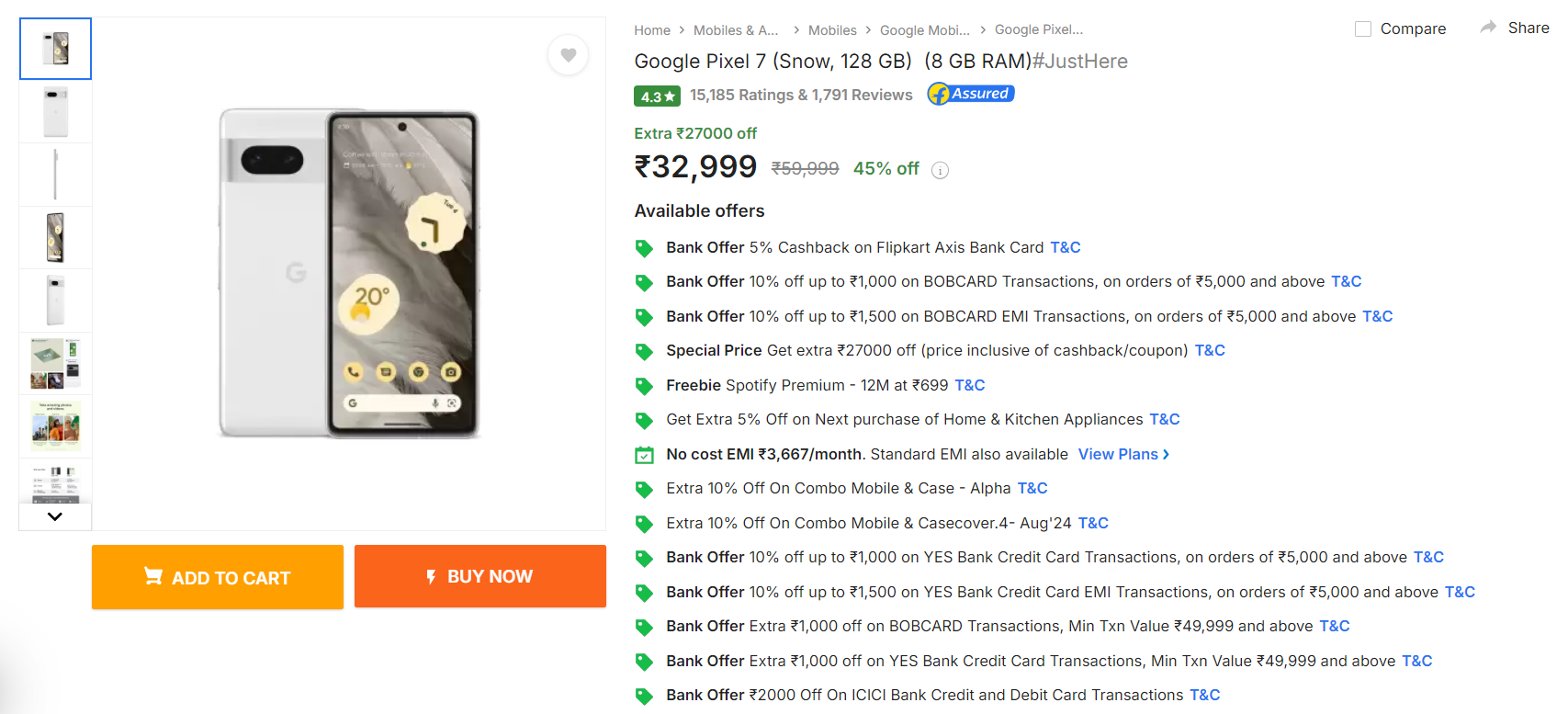
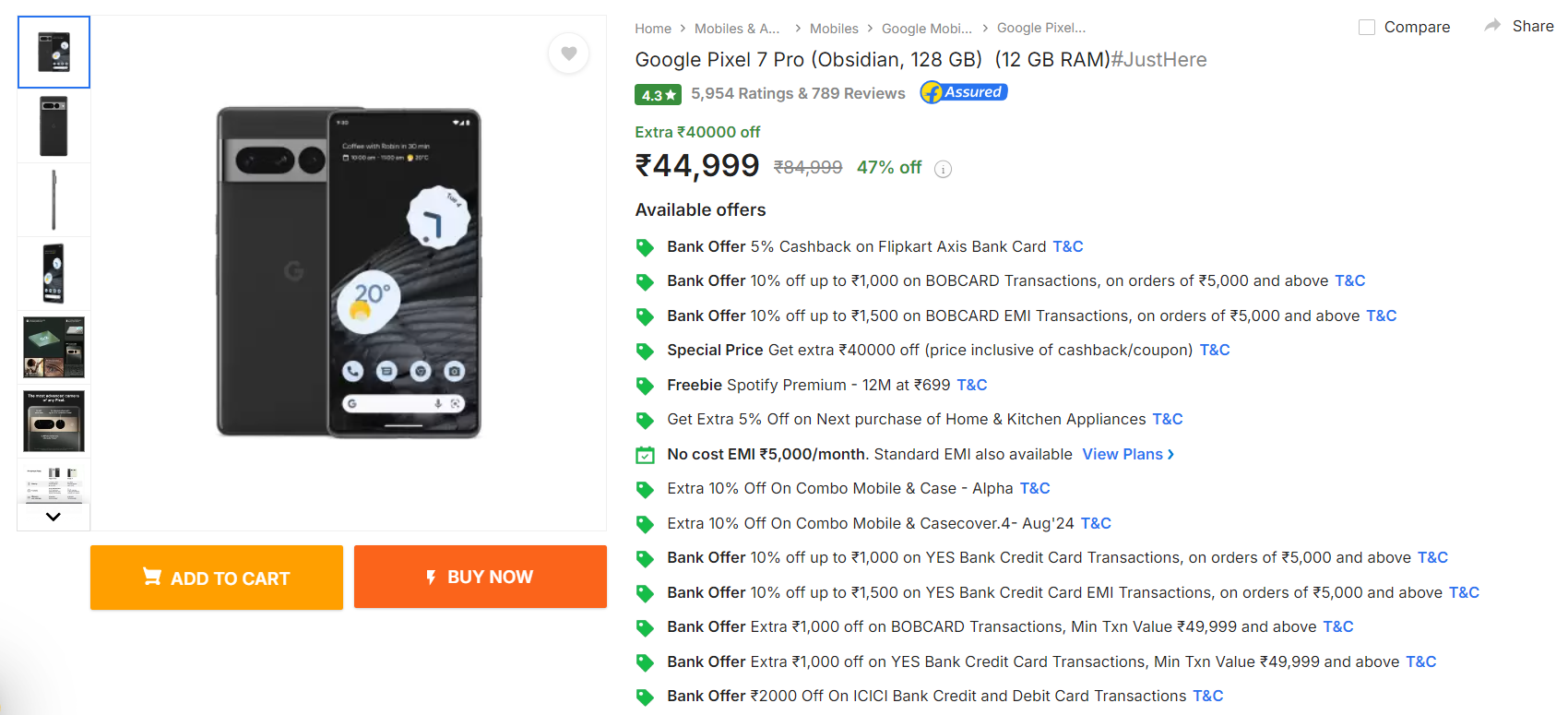
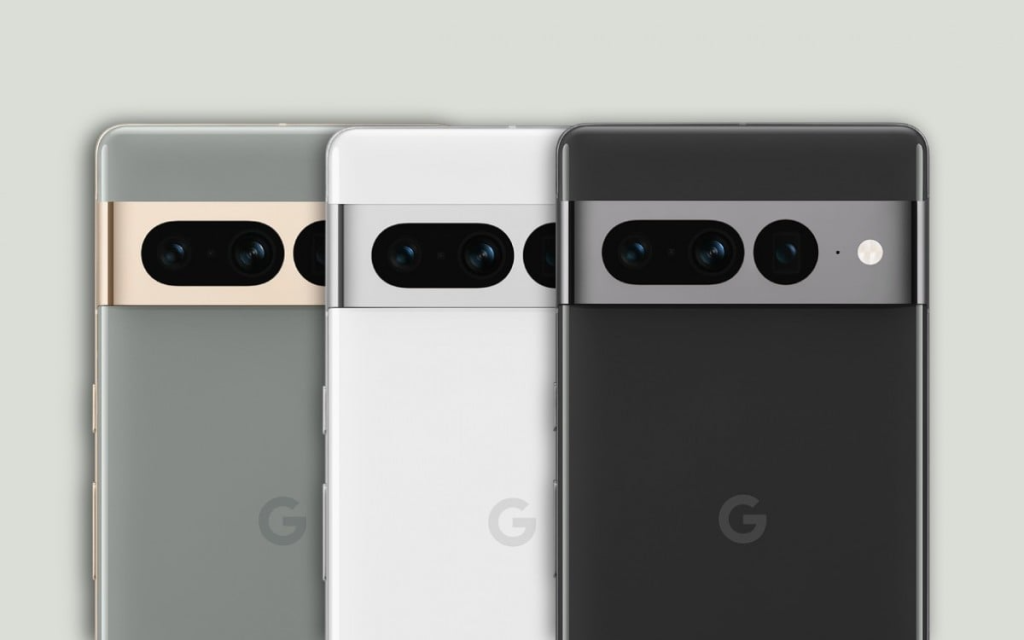
Google’s Pixel 7 and Pixel 7 Pro smartphones have received significant price cuts on Flipkart ahead of the anticipated Pixel 9 series launch. The Pixel 7 is now available for under Rs. 32,000, while the Pixel 7 Pro can be purchased for less than Rs. 43,000.
Pixel 7/7 Pro discount details:
The Pixel 7 is priced at Rs. 32,999 on Flipkart, with additional discounts of up to Rs 2,000 available for ICICI and Axis Bank cardholders. Customers can also avail exchange offers and no-cost EMI options.
The Pixel 7 Pro is priced at Rs. 44,999 on the platform, with similar bank discounts and exchange offers.
Are they still worth buying?
Despite being the older models, the Pixel 7 and 7 Pro are still a good choice because of their top-of-the-line features, including high-resolution 120Hz OLED displays, Tensor G2 processor, capable camera system with fancy features, and AI-powered improvements.
Google Pixel 7 & Pixel 7 Pro specs:
The Google Pixel 7 features a 6.3-inch FHD+ AMOLED display with a 90Hz refresh rate. It has a 50MP primary camera, a 12MP ultra-wide lens, and an 11MP front-facing camera. Powered by the Google Tensor G2 processor, the Pixel 7 includes 8GB of RAM and offers 128GB or 256GB of storage. The device is equipped with a 4,700mAh battery supporting 30W fast charging and wireless charging. Running on Android 13, it also includes a Titan Security Chip and an in-display fingerprint sensor for added security. Connectivity options include 5G, 4G LTE, Bluetooth, GPS, and a USB Type-C port.
The Google Pixel 7 Pro has a 6.7-inch Quad HD+ AMOLED display with a 120Hz refresh rate and Gorilla Glass Victus protection. Its camera setup includes a 50MP wide lens, a 12MP ultra-wide lens with macro autofocus, and a 48MP telephoto lens. The Pixel 7 Pro is also powered by the Google Tensor G2 processor, accompanied by 12GB of RAM, and comes with storage options of 128GB, 256GB, or 512GB. It features a 5,000mAh battery with fast charging capabilities. Running on Android 13, the Pixel 7 Pro includes the Titan M2 security chip and an in-display fingerprint sensor for enhanced security.
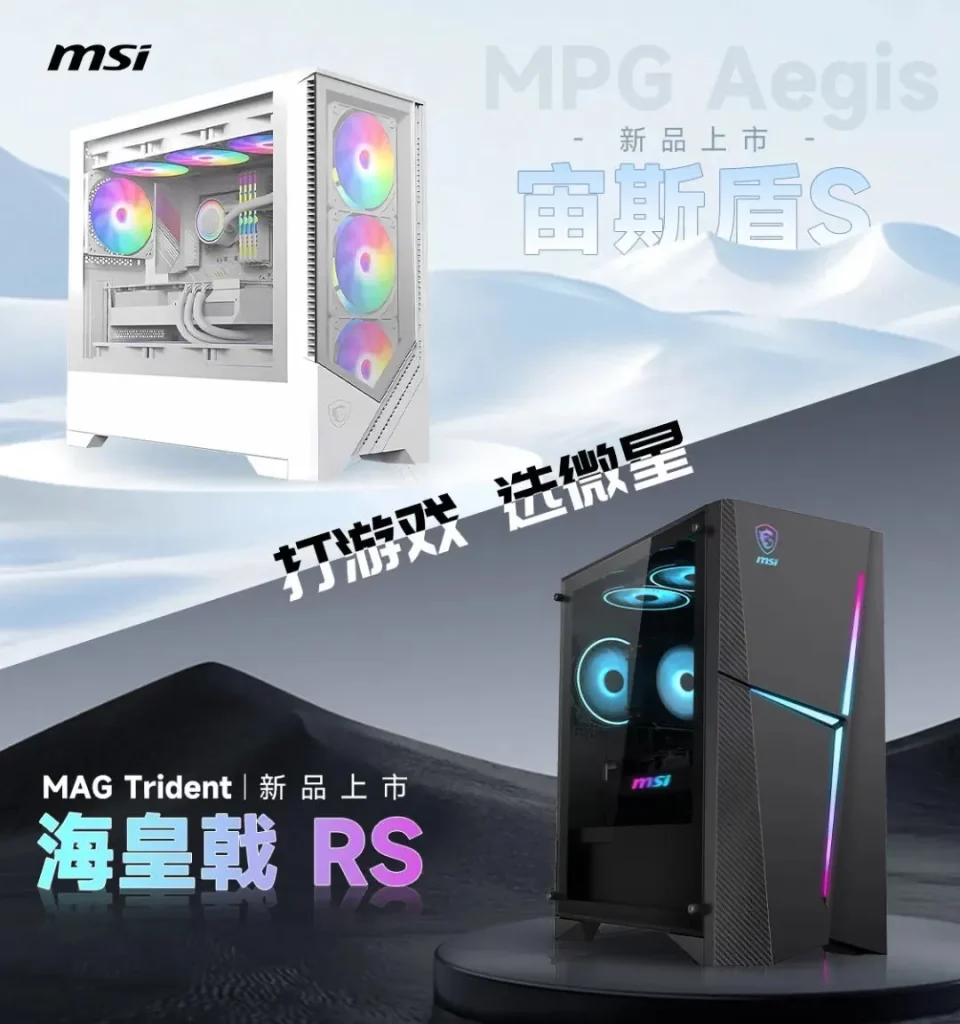
MSI launches its latest gaming desktops, Aegis S and Trident RS, with Intel and AMD processor configurations. The system was designed to fully meet different gamers’ needs from mainstream to high-performance configurations.
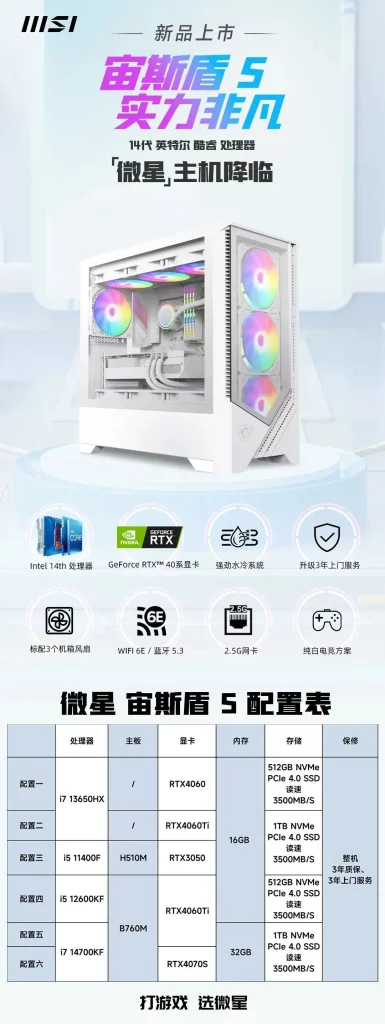
Aegis S Series
The Aegis S series has various configurations using Intel’s 11th through 14th generation Core processors. Entry-level options are available, such as the i5-11400F paired with an RTX 3050 for ¥3,699, keeping it quite friendly on the budget. The high-end part is the i9-14900KF, and this one comes with an RTX 4090D. The product sells at ¥26,999, with other configurations of an i7-13650HX and an RTX 4060 going for ¥7,299, while the i7-14700KF retails with an RTX 4070Ti S.
All Aegis S models boast advanced water cooling, Wi-Fi 6E, Bluetooth 5.3, and 2.5G Ethernet for quality performance and connectivity. MSI also offers a three-year warranty with on-site service.
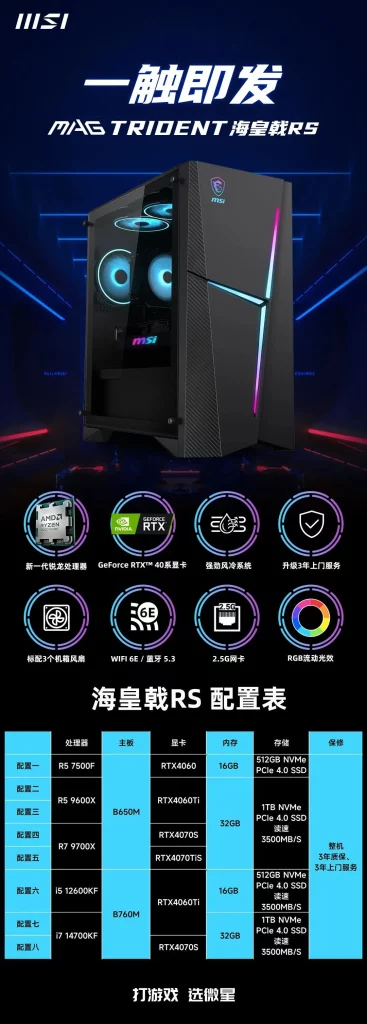
Trident RS Series
The Trident RS series provides options for mainstream and high-performance users, supporting the two most popular platforms from AMD and Intel processors. AMD setups range from the ¥4,999 Ryzen 5 9600X without discrete GPU to the ¥18,999 Ryzen 9 9900X with an RTX 4080S.
The one that takes the sweet spot between performance and cost is this Ryzen 7 9700X variant with an RTX 4070Ti S, which retails at ¥13,499. Currently out of stock, the Trident RS series with i5-12600KF plus RTX 4060Ti for ¥8,099, or i7-14700KF plus RTX 4070S for ¥14,199; however, this is expected to cater to the gamers who are somewhat on a budget but still want good performance.
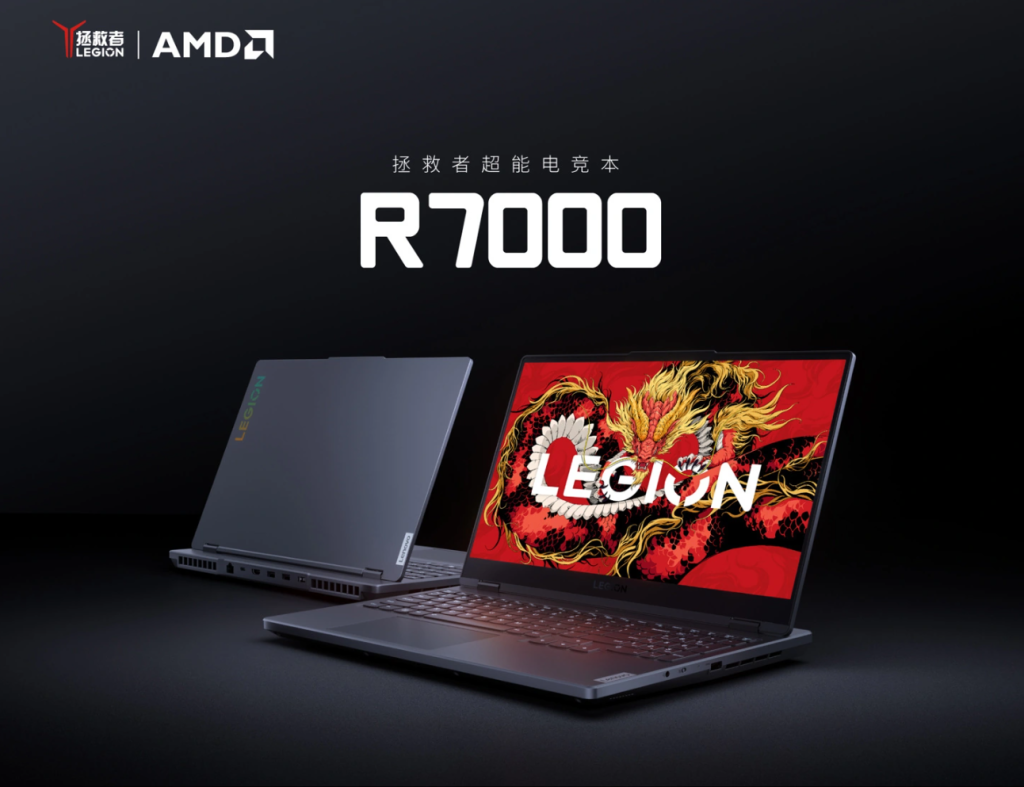
Lenovo’s Legion R7000, that launched on July 29th is now available for purchase via JD.com. This iteration features the AMD Ryzen 7 8745H processor, paired with 16GB of RAM and 512GB of storage.
The laptop comes with two GPU options, the RTX 4050 and the 4060
The Ryzen 7 8745H is described as a slightly downclocked version of the 8845H, lacking the Neural Processing Unit (NPU). Nevertheless, it promises strong performance for gamers. Users can choose between two graphics card options: the Nvidia RTX 4050 and the RTX 4060.
The RTX 4060 configuration boasts a maximum power output of 125W and is cooled by a four-heat-pipe, dual-fan system. Both configurations come with a 230W power adapter and support additional charging options via 140W USB-C fast charging and 100W PD charging.
The Lenovo Legion R7000 features a 1080p resolution display with a 144Hz refresh rate, offering smooth visuals for fast-paced games. The display also boasts 100% sRGB color gamut and 300 nits of brightness for a vivid viewing experience.
The laptop provides a comprehensive selection of ports, including:
Left side: USB-C 3.2 Gen 2
Right side: USB-A 3.2 Gen 1, 3.5mm audio jack
Rear: RJ45 ethernet, two USB-A 3.2 Gen 1, USB-C 3.2 Gen 2, HDMI 2.1
The Lenovo Legion R7000 with Ryzen 7 8745H is available for purchase on JD.com in China. The RTX 4050 version starts at an initial price of 6689 yuan (around $973 USD), while the RTX 4060 variant starts at 6989 yuan (around $1023 USD). Both models benefit from a limited-time introductory discount.
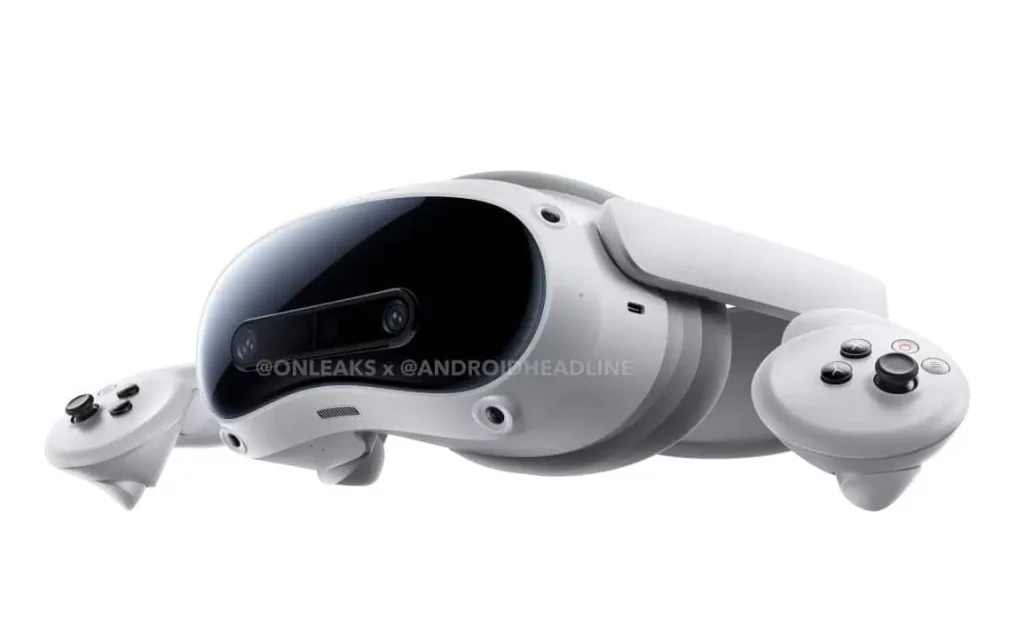
Pico, a subsidiary of ByteDance, is preparing to launch its next-generation mixed reality headset, the Pico 4S. Info about this headset was previously leaked back in July 2024. Building upon the success of its predecessor, the Pico 4, the 4S model has a fair number of upgrades.
The Pico 4S has an upgraded strap design with detachable wrist straps for controllers
A key upgrade is the integration of the Snapdragon XR2 Gen 2 chipset, previously seen in the Meta Quest 3. This powerful processor, featuring two 2.05GHz cores and four 2.36GHz cores, combined with 12GB of RAM, is expected to deliver superior performance compared to its competitors.
The Pico 4S is designed to offer a seamless blend of virtual and real worlds. While the front panel may resemble a display, it primarily houses cameras essential for mixed reality experiences. These cameras enable users to interact with both virtual and physical environments simultaneously.
Comfort and user experience remain a priority for Pico. The Pico 4S features an improved head strap design, building upon the comfort offered by its predecessor. Additionally, the headset includes detachable wrist straps for its controllers, enhancing user safety and preventing accidental loss.
The headset is expected to launch in the near future, likely coinciding with the upcoming holiday season.
Xiaomi has expanded the capabilities of its Mi Band series by introducing a new health data sharing feature. Users can now share their activity, sleep, heart rate, and other health metrics with friends and family members for added motivation and support.
Users can invite their friends and family to share the health data within the Sports Health app
To enable this feature, users can invite friends and family to share their health data within the Sports Health app. The shared data includes exercise details, heart rate, sleep patterns, blood pressure, steps, standing time, activity intensity, weight, and blood oxygen saturation levels.
The Mi Band 9, Xiaomi’s latest fitness tracker, offers a robust platform for tracking these metrics. Featuring a 1.62-inch AMOLED display with a peak brightness of 1200 nits and a 60Hz refresh rate, the Mi Band 9 provides clear and responsive visuals.
This new health data sharing feature enhances the overall user experience by fostering a sense of community and encouraging healthy competition among friends and family.
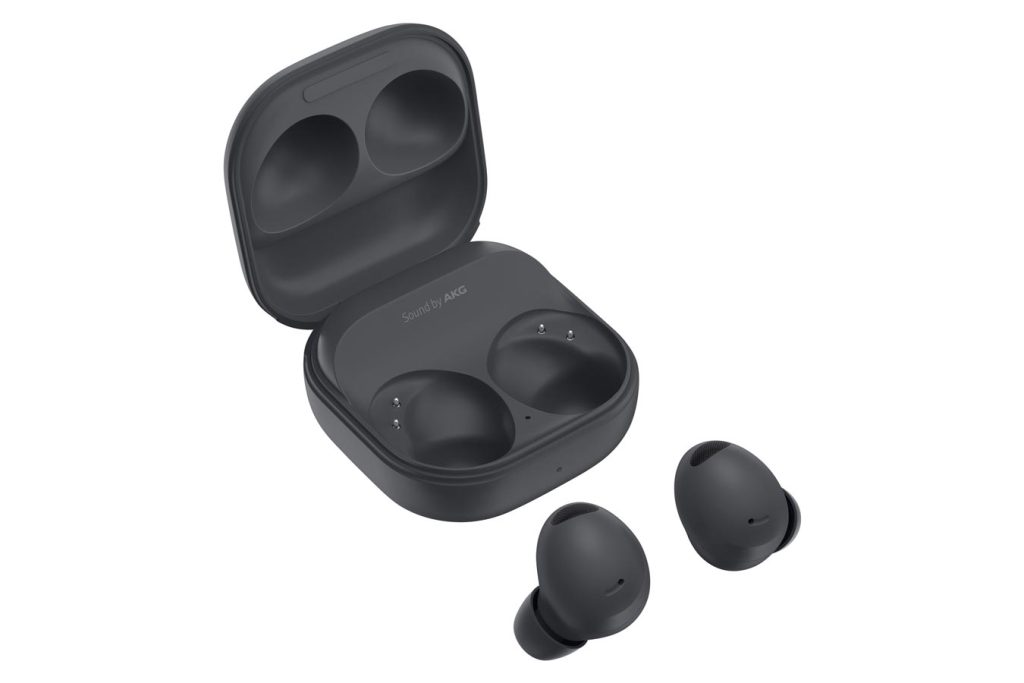
In the Amazon Great Freedom Sale today, the Galaxy Buds 2 Pro is available at an all-time lowest price of Rs. 8100 (effectively). The Samsung Galaxy Buds 2 Pro was launched back in 2022, along with the Galaxy Z Fold 4 and Z Filp 4 smartphones. The primary highlight of the Galaxy Buds 2 Pro is its ANC mode and ambient mode, which you can switch between easily.
Discount Details
You will get a 10% instant discount on purchasing the Samsung Galaxy Buds 2 Pro with SBI credit cards. There will be a Rs. 899 discount, which will further decrease the effective price of the Galaxy Buds 2 Pro to Rs. 8,100. However, the earbuds were launched for Rs. 17,999 ($229). So, if you’re looking for good earbuds, do consider these Samsung Galaxy Buds 2 Pro; at this price point, they are worth grabbing.
Please Note: When you buy something using the links in our articles, we may earn a small commission at no cost to you.
Samsung Galaxy Buds 2 Pro Specifications and Features
Samsung Galaxy Buds 2 Pro has an in-ear design with a 10mm driver. It has 24-bit Hi-Fi sound for high-quality sound during processing for clearer and richer audio. It supports 360-degree audio for a more realistic experience and employs Dolby Head technology to simulate a cinematic sound experience.
The Galaxy Buds 2 Pro offers a voice detection feature that adjusts the sound as soon as you start talking to someone around, so you can hear their response. This feature also switches the Buds 2 Pro from ANC Mode to Ambient Mode. The earbuds support Bluetooth 5.3, and they also have an IPX7 water-resistant rating. The company claims that the Galaxy Buds 2 Pro can last up to 8 hours (ANC OFF) with a single charge. The Samsung Galaxy Buds 2 Pro is charged via a USB-C port, and it also supports wireless charging.
You can find more interesting offers and deals at the Amazon Great Freedom sale and locate them here in the GizmoChina Deals section.
Dell is offering some lucrative deals on the Dell Inspiron 15 3520 laptop. The discount offers have slashed the price of the laptop to Rs 54,880. Additionally, there are exclusive coupons below, which can further slash the price to Rs 52136. Dell Inspiron 15 3520 is available in two processor options: the 12th Generation Intel i5-1235U and the Intel i3-1215U, with clock speeds of up to 4.40 GHz. Available in 8/16GB DDR4 2666MT/s RAM options and 512GB M.2 PCIe NVMe SSD. Let’s dive into the deal details:
Dell Inspiron 15 3520 Laptop Deal Detailed
Apart from the discount price of Rs 52136, interested buyers can opt for the 6-month or 3-month no-cost EMI from HDFC and IndusInd banks. Buyers can grab Dell accessories like the Wired Headset, Wireless Keyboard, and Mouse combo at a discounted price. Dell is bringing a second year of extended hardware support for the buyers at Rs 1299.
Dell has partnered with Cashify to offer PC exchange offers for buyers. Below are one-time-use 5% exclusive coupons that you can use on the checkout page.
2MW2GL58JQ$?PW
S7C66M5F$95J?7
HW6BH$CFZNT1X9
MD0JFB?ZD0PX8L
RK1M$9SWB5CGXP
Dell Inspiron 15 3520 Laptop Specifications and Features
Dell Inspiron 15 3520 laptop offers users the choice between two powerful processors: the 12th Gen Intel i3-1215U with a 10 MB cache and 6 cores and the 12th Gen Intel Core i5-1235U with a 12 MB cache and 10 cores, both capable of reaching up to 4.40 GHz Turbo. Depending on the chipset, the laptop will feature either Intel UHD Graphics or the more advanced Intel Iris Xe Graphics, depending on their requirements. Memory options include 8 GB or 16 GB of DDR4 RAM, with a 512 GB M.2 PCIe NVMe SSD for fast and reliable storage.
The Dell Inspiron 15 3520 offers a 15.6-inch FHD display that boasts a 1920×1080 resolution, 120Hz refresh rate, WVA, IPS technology, and an anti-glare coating, all encased in a narrow border for an immersive viewing experience. Additional features include a backlit keyboard, USB 3.2 Gen 1 Type-A ports, 1x USB 2.0 port, and WiFi 5, making it a worth-considering choice.
In optics, the laptop features a 720p HD camera for excellent video calling. It features a 3-cell, 41Wh integrated battery, which can withstand 5–6 hours of battery standby time upon normal use. The 65W AC adapter ensures quick recharge within just a few minutes.
Featuring Windows 11 Home Single Language pre-installed, users can enjoy the modern and user-friendly operating system.
Additionally, the laptop comes with Microsoft Office Home and Student 2021 and a 1-year subscription to McAfee LiveSafe for comprehensive security across five devices. Dell’s 1-Year Basic Onsite Service after remote diagnosis ensures reliable support for hardware issues.
It is worth considering the laptop device with such a discount and no-cost EMI offers.
We use cookies on our website to give you the most relevant experience by remembering your preferences and repeat visits. By clicking “Accept”, you consent to the use of ALL the cookies.
This website uses cookies to improve your experience while you navigate through the website. Out of these, the cookies that are categorized as necessary are stored on your browser as they are essential for the working of basic functionalities of the website. We also use third-party cookies that help us analyze and understand how you use this website. These cookies will be stored in your browser only with your consent. You also have the option to opt-out of these cookies. But opting out of some of these cookies may affect your browsing experience.
Necessary cookies are absolutely essential for the website to function properly. This category only includes cookies that ensures basic functionalities and security features of the website. These cookies do not store any personal information.
Any cookies that may not be particularly necessary for the website to function and is used specifically to collect user personal data via analytics, ads, other embedded contents are termed as non-necessary cookies. It is mandatory to procure user consent prior to running these cookies on your website.