Advertisement

Oppo Find N6 debuts with zero-feel crease, SD 8 Elite Gen 5, 200MP camera & 6000mAh battery

Oppo has launched the Find N6, claiming it to be the “world’s flattest foldable smartphone.” It combines advanced technology, sleek design, and high performance, setting a new standard in the foldable smartphone market. Here’s a detailed look at its features, specifications, and pricing.

Oppo Find N6

Oppo Find N6 Specifications

The Find N6 features an 8.12-inch QXGA+ foldable OLED inner screen and a 6.62-inch FHD+ AMOLED outer display, both supporting 1.07 billion colors, 1-120Hz adaptive refresh rates, and 240Hz touch sampling. The inner screen peaks at 2,500 nits brightness, while the outer display reaches 3,600 nits.

For eye comfort, the screens include a 1-nit ultra-low brightness mode. The bezels on the outer screen are reduced by 30%. Both displays are TÜV Rheinland certified for eye protection.

Now, let’s talk about the Zero-Feel Crease tech a bit. Oppo has focused on making the foldable display look and feel as flat as possible, even after long-term use. The system combines a new hinge with advanced memory glass to minimize crease visibility.

The hinge uses a bionic four-axis structure built with chip-level polymer 3D printing technology, reducing surface unevenness from 0.18mm to just 0.1mm. Alongside this, the memory glass delivers over three times the rigidity of conventional flexible glass and can restore up to 99.9% of its flatness after folding.

Together, these technologies help maintain a smoother display surface over time, offering a more seamless and immersive viewing experience. The device is also TÜV Rheinland certified for up to 600,000 folds, ensuring durability alongside improved flatness.

Oppo Find N6

Under the hood, the device features the Snapdragon 8 Elite Gen 5 processor paired with LPDDR5X RAM and UFS 4.1 storage. It integrates Oppo’s Tidal Engine optimization system to enhance CPU and GPU performance while reducing power consumption.

The Find N6 runs on ColorOS 16, offering enhanced multitasking and productivity features like multi-window mode for running up to four apps simultaneously. It also includes AI-powered tools such as smart note-taking, voice transcription, image editing, and stylus support with the optional Oppo AI Pen. Oppo guarantees 5 years of Android OS updates and 6 years of security patches.

In terms of photography, The Find N6 features a Hasselblad-engineered quad-camera system, headlined by a 200MP wide-angle main sensor with dual-axis OIS and an f/1.8 aperture. It is paired with a 50MP ultra-wide camera offering a 120° field of view, a 50MP telephoto lens with 3x optical zoom and dual-axis OIS, and a Danxia color calibration lens for enhanced color accuracy.

Oppo Find N6

The cameras support up to 120x digital zoom, 8K photography, and 4K 120fps Dolby Vision video recording, alongside advanced portrait and cinematic features like XPAN mode for wide-angle shots. Front-facing cameras include 20MP sensors on both the main and cover screens.

The Find N6 packs a massive 6000mAh silicon-carbon battery. It supports 80W wired fast charging and 50W wireless charging. The device is also compatible with various fast-charging standards like UFCS, PPS, and QC.

Oppo Find N6

For connectivity, the device supports dual SIM cards with 5G connectivity across 66 global network bands. It features Wi-Fi 7, Bluetooth 6.0, and NFC for seamless connectivity. The phone includes a side-mounted fingerprint sensor, satellite communication (on select variants), and a USB Type-C 3.2 port for fast data transfer.

The device weighs just 225g and measures 8.93mm when folded. It has an IP56, IP58, and IP59 rating.

Pricing and Availability

The Oppo Find N6 starts at 9,999 yuan ($1,400) for the 12GB + 256GB variant. The 16GB + 512GB model is available for 10,999 yuan ($1,540), while the top-tier 16GB + 1TB satellite communication version costs 11,999 yuan ($1,680).

The phone is available in three colors: Deep Black, Original Titanium, and Gold Orange. Global sales begin on March 20.

For more daily updates, please visit our News Section.

Stay ahead in tech! Join our Telegram community and sign up for our daily newsletter of top stories! 💡

Galaxy Z Fold 8 battery upgrade revealed in new leak

Samsung hasn’t exactly been aggressive with battery upgrades on its smartphones. The Galaxy Z Fold series, in particular, has been sitting on the same 4,400mAh capacity for years now, even as competitors have been pushing much higher numbers for some time. That might finally be about to change.

A new report from GalaxyClub suggests the upcoming Galaxy Z Fold 8 could see a noticeable bump. The device is said to use a dual-battery setup with a combined rated capacity of around 4,854mAh, split between two cells (2,369mAh and 2,485mAh). As usual, Samsung will likely market that as a 5,000mAh battery, which would be roughly a 13% increase over previous models.

The Fold 8 is expected to launch in July, alongside the Galaxy Z Flip 8. Interestingly, the Flip doesn’t seem to be getting the same treatment this time, with leaks suggesting its battery will remain unchanged. So the focus, at least for now, is clearly on the Fold.

Even then, Samsung still isn’t leading the pack. Some competitors are already pushing 6000mAh+ capacities. So while this is progress, it’s more of a catch-up move than a leap ahead.

There’s also a small twist in the leak. Another battery, rated at 2,393mAh, has reportedly been spotted in testing. It’s not confirmed what it belongs to, but speculation points to a possible “Galaxy Wide Fold”, a different take on the Fold design that could launch around the same time.

If that turns out to be real, it might come with a combined capacity somewhere near 4,900mAh. Slightly below the Fold 8, but still better than what Samsung has been offering so far. The idea seems to be a wider form factor, possibly making the device feel more tablet-like when opened up.

All of this points to Samsung slowly responding to pressure in the foldables space. It’s not a dramatic overhaul, but the battery upgrade alone could make the Fold 8 a bit more practical for everyday use.

There’s still a lot we don’t know, but with the expected July 2026 launch window getting closer, more details should start to surface soon.

Don’t miss a thing! Join our Telegram community for instant updates and grab our free daily newsletter for the best tech stories!

For more daily updates, please visit our News Section.

(Source)

Honor Magic V6 vs Samsung Galaxy Z Fold 7: Is Samsung Still Worth the Premium?

Foldable phones are no longer just futuristic experiments; they’re now serious flagship contenders. But with brands pushing innovation in different directions, choosing the right one has become more complicated than ever. This comparison between the Honor Magic V6 and Samsung Galaxy Z Fold 7 matters for buyers who want the best blend of performance, durability, and real-world usability in a foldable. One focuses on cutting-edge hardware and aggressive value, while the other leans on refinement and ecosystem strength, making this a true battle of innovation vs experience.

Major Features:

FeatureHonor Magic V6Samsung Galaxy Z Fold 7Winner
Main Display7.95″ LTPO AMOLED, 120Hz, 2172×2352, ~403 ppi, 5000 nits8.0″ LTPO AMOLED 2X, 120Hz, 1968×2184, ~368 ppi, 2600 nitsHonor – higher resolution + brighter
Cover Display6.52″, 120Hz, 1080×2420, 6000 nits6.5″, 120Hz, 1080×2520Honor – much brighter
ProcessorSnapdragon 8 Elite Gen 5 (3nm)Snapdragon 8 Elite (3nm)Honor – newer chipset
GPUAdreno 840Adreno 830Honor – more powerful GPU
RAM & StorageUp to 16GB / 1TB, UFS 4.1Up to 16GB / 1TB, UFS 4.0Honor – faster storage
Battery6660–7150 mAh4400 mAhHonor – significantly bigger
Wired Charging80W25WHonor – much faster
Wireless Charging66W15WHonor – much faster
Main Camera50MP200MPSamsung – higher resolution sensor
Telephoto64MP, 3x periscope10MP, 3xHonor – stronger zoom hardware
Ultrawide50MP12MPHonor – higher resolution
Selfie Cameras20MP (inner + cover)10MP (inner + cover)Honor – sharper selfies
Video Recording4K up to 60fps8K 30fps, 4K 60fpsSamsung – 8K support
DurabilityIP68/IP69IP48Honor – better protection
Special FeaturesStylus support (both displays), IR blasterSamsung DeX, UWBTie – different advantages
Price~$1300 / ₹1,10,000~$1900 / ₹1,75,000Honor – far better value

Please Note: When you buy something using the links in our articles, we may earn a small commission at no cost to you.

1. Design and Display

Build and Feel

The Honor Magic V6 focuses on durability and refinement with IP68/IP69 protection and stylus support on both displays, making it feel more versatile and future-ready. The Samsung Galaxy Z Fold 7, meanwhile, leans into premium craftsmanship with its Armor aluminum frame and Gorilla Glass protection, plus added productivity perks like DeX. Samsung’s approach feels more polished, but Honor’s ruggedness and added functionality quietly stand out in real-world use.

Display Quality

Honor delivers a brighter and more eye-friendly experience with higher peak brightness and advanced PWM dimming, making long usage more comfortable. The cover screen also pushes brightness further, which is noticeable outdoors. Samsung counters with a slightly larger inner display and HDR10+ tuning, giving it an edge in media consumption. However, Honor’s sharper panel and brightness advantage make it feel more cutting-edge overall.

Verdict

Honor Magic V6 wins for display innovation and durability, while Samsung feels more refined but slightly conservative.

2. Specifications Including Battery

Performance

Both devices run top-tier Snapdragon 8 Elite chips, but the Magic V6 uses a newer Gen 5 variant with a more powerful GPU, giving it a slight edge in sustained performance and gaming. Samsung still delivers extremely smooth performance with better software optimization and ecosystem features. In daily use, both feel flagship-fast, but Honor has the raw power advantage on paper.

Battery and Charging

This is where Honor clearly dominates. The Magic V6 packs a significantly larger battery with blazing-fast wired and wireless charging, making it far more reliable for heavy users. Samsung’s battery is comparatively smaller with slower charging speeds, which feels outdated for a premium foldable. Over time, Honor’s battery setup feels more practical and less restrictive.

Verdict

Honor Magic V6 wins convincingly thanks to stronger performance hardware and vastly superior battery and charging.

3. Camera

Main and Secondary Lenses

Samsung pushes ahead with a massive 200MP primary sensor and 8K video support, delivering more detail and flexibility, especially for creators. Honor’s triple 50MP + 64MP setup is more balanced, offering strong color consistency and a capable periscope zoom. While Samsung wins on raw power and video, Honor feels more reliable across different shooting scenarios.

Selfie Camera

Honor offers higher-resolution selfie cameras on both inner and cover displays, making it more suitable for video calls and content creation. Samsung’s cameras are decent but feel less impressive in comparison, especially considering the premium price.

Verdict

Samsung Galaxy Z Fold 7 wins for camera power and video, but Honor holds its ground with balanced and practical performance.

4. Pricing

The Honor Magic V6 is priced around ₹1,10,000 ($1300), while the Samsung Galaxy Z Fold 7 comes in significantly higher at ₹1,75,000 ($1900). This creates a massive price gap, especially considering that both target the same premium foldable segment.

Is the price justified? 

Samsung justifies its pricing with brand value, software polish, and ecosystem features like DeX. However, the hardware differences do not fully explain the steep premium. Honor, on the other hand, delivers better battery, brighter displays, and comparable performance at a much lower price, making it feel like a smarter purchase. The value proposition clearly leans toward Honor in practical terms.

Verdict

Honor Magic V6 is the clear winner for value, offering flagship-level innovation at a far more reasonable price.

Disclaimer:
Prices are approximate and may vary based on country, region, and applicable taxes.

5. Conclusion

The Honor Magic V6 stands out with its massive battery, ultra-bright displays, stylus support on both screens, and stronger durability ratings. Samsung Galaxy Z Fold 7 counters with premium build quality, DeX desktop mode, superior video capabilities, and a more mature software ecosystem. Samsung feels like a productivity powerhouse, while Honor feels like a next-gen hardware showcase.

Verdict

Honor Magic V6 emerges as the better overall foldable for most users, thanks to its superior battery, display, and value. Samsung Galaxy Z Fold 7 remains a strong choice for those deeply invested in Samsung’s ecosystem and productivity features, but it feels harder to justify at its premium price.

Read More:

Samsung is discontinuing the Galaxy Z TriFold

Samsung is reportedly preparing to wind down one of its more experimental foldables just months after introducing it. The company’s first tri-fold device, the Samsung Galaxy Z TriFold, is expected to be discontinued following a final round of restocks in its home market of South Korea.

To be honest, the TriFold was never positioned as a mainstream device. Samsung wanted to test whether such a device could gain traction, which explains why it was limited to just a few markets.

Samsung Galaxy Z TriFold images
Samsung Galaxy Z TriFold

According to reports, Samsung will restock one last batch of the Galaxy Z TriFold before discontinuing it. We haven’t heard from leaks or rumors about any immediate plans for a follow-up model either.

What the Galaxy Z TriFold offers

The Galaxy Z TriFold uses a G-shaped folding mechanism, unlike the S-shaped mechanism of the Huawei Mate XTs. Samsung’s mechanism folds the display inward on both sides, protecting the inner display while offering a larger usable screen when fully opened.

It has a 6.5-inch external display for regular phone use and a much larger 10-inch internal screen that turns the device into something closer to a tablet when unfolded.

Samsung Galaxy Z TriFold how is it different

Under the hood, the phone runs on the Qualcomm Snapdragon 8 Elite platform and supports dual SIM functionality. It also packs a 5600mAh battery. Despite that complexity, Samsung has managed to keep the weight at 309 grams.

The physical design is arguably the most impressive part. The device measures just 4.2mm thick when unfolded and 12.9mm when folded, which is thin considering the multiple layers of folding components inside.

Even so, the TriFold’s use cases were fairly narrow. You either used it fully opened for a large-screen experience or relied on the outer display when closed. There wasn’t much middle ground, which may have limited its appeal beyond enthusiasts and early adopters.

Don’t miss a thing! Join our Telegram community for instant updates and grab our free daily newsletter for the best tech stories!

For more daily updates, please visit our News Section.
(Source)

Vivo T5x launched in India with Dimensity 7400 Turbo, massive 7200mAh battery, IP68 and IP69 protection

Vivo is expanding its budget 5G lineup in India once again, this time with the new T5x 5G. It follows last year’s T4x 5G, but on paper at least, this looks like a fairly meaningful upgrade.

Up front, the phone gets a 6.76-inch FHD+ LCD display with a 120Hz refresh rate. It’s a flat panel with a punch-hole cutout, and while it’s not AMOLED, it should still be more than fine for basic tasks like texting, scrolling through social media, and watching videos on YouTube.

The bigger change is under the hood. Vivo has moved to the MediaTek Dimensity 7400 Turbo, replacing the Dimensity 7300. The company claims it can cross the 1 million mark on AnTuTu, which, if it holds up in real use, should translate to smoother multitasking and slightly better gaming performance. It runs Android 16 with Origin OS 6.0, and Vivo is promising 2 years of OS updates along with 4 years of security patches.

Battery is clearly one of the main highlights here. The T5x packs a 7200mAh battery and supports 44W fast charging. On top of that, the phone is IP68 and IP69 dust and water-resistant. It seems durability is a bigger focus of this phone.

On the camera side, things are more straightforward. There’s a 50MP Sony main sensor paired with a 2MP depth sensor, while the front gets an 8MP selfie camera. Nothing too ambitious, but likely good enough for daylight shots and video calls.

The phone comes in Star Silver and Cyber Green, with pricing starting at Rs. 18,999 for the 6GB + 128GB variant. The 8GB + 128GB model is priced at Rs. 20,999, while the 8GB + 256GB version goes up to Rs. 22,999, factoring in launch offers.

Sales are set to begin March 24, via Flipkart, Vivo’s online store, and offline retail channels. Launch offers include up to Rs. 2,000 instant discount on select bank cards, no-cost EMI options, and bundled OTT access for eligible Jio users.

It’s not trying to do everything, but for budget-conscious buyers who care about practical features and reliability, it could land as an appealing option.

Don’t miss a thing! Join our Telegram community for instant updates and grab our free daily newsletter for the best tech stories!

For more daily updates, please visit our News Section.
AirPods Max 2 vs AirPods Max: What has changed in Apple’s flagship headphones

Apple’s AirPods Max headphones have long been positioned as the company’s most premium audio product. With the arrival of the AirPods Max 2, Apple has introduced several upgrades while retaining many of the core design elements that defined the original model. The newer version continues to target users who want high-end audio performance combined with deep integration within the Apple ecosystem.

While the two models share similarities in design and battery performance, the newer version introduces a more advanced chip, improved noise cancellation, and support for newer audio technologies. Here is a closer look at how the AirPods Max 2 compares with the first-generation AirPods Max.

AirPods Max 2 vs AirPods Max

6Final thoughts

The AirPods Max 2 builds on the foundation of the original model rather than redesigning it entirely. The improvements mainly focus on the internal hardware and audio processing capabilities. Features such as the H2 chip, stronger noise cancellation, Adaptive Audio, and lossless audio support represent the most notable upgrades.

For existing AirPods Max users, the decision to upgrade may depend on whether these newer audio features and connectivity improvements are important. For new buyers entering Apple’s premium headphone segment, the AirPods Max 2 represents the more advanced option while maintaining the familiar design and comfort of the original model.

For more daily updates, please visit our News Section.

Stay ahead in tech! Join our Telegram community and sign up for our daily newsletter of top stories.

Next

Snapdragon 8 Elite Gen 5 vs Dimensity 9500 vs Exynos 2600: Benchmark score, spec sheet, and key differences

Snapdragon 8 Elite Gen 5 vs Dimensity 9500 vs Exynos 2600 comparison

Samsung has just released the Exynos 2600 with the Galaxy S26 series, and it feels like a real upgrade rather than just an annual refresh. The CPU now features all big cores, the GPU’s performance has improved dramatically, and the connectivity speed is just unmatched.

While the Exynos 2600 brings serious upgrades over the Exynos 2500, the real question is: how does it perform against its biggest rivals, the Snapdragon 8 Elite Gen 5 and Dimensity 9500? We’ll look at the spec sheet, benchmark numbers, and important differences to figure it out.

Here’s the spec sheet to begin with:

Snapdragon 8 Elite Gen 5Dimensity 9500Exynos 2600
AnnouncedSeptember 2025September 2025December 2025
Process node3nm (TSMC)3nm (TSMC)2nm (Samsung)
CPU cores8-core8-core10-core
CPU configuration2 x 4.6 GHz (Oryon Gen 3 – Prime)
6 x 3.62 GHz (Oryon Gen 3 – Performance)
1 x 4.21 GHz (C1-Ultra)
3 x 3.5 GHz (C1-Premium)
4 x 2.7 GHz (C1-Pro)
1 x 3.8 GHz (C1-Ultra)
3 x 3.25 GHz (C1-Pro)
6 x 2.75 GHz (C1-Pro)
GPUAdreno 840
ray tracing support
Snapdragon Elite Gaming features
Immortalis Mali-G1 Ultra MP12
ray tracing support
MediaTek HyperEngine Gaming Technology
Exynos Xclipse 960 GPU
ray tracing support
Exynos Neural Super Sampling
Heat Path Block (HPB)
NPUQualcomm Hexagon NPUMediaTek NPU 990AI engine with 32K MAC NPU
MemoryLPDDR5X, up to 5.3 GHzLPDDR5X, up to 5.3 GHzLPDDR5X
StorageUFS 4.1UFS 4.1UFS 4.1
CameraQualcomm Spectra Triple ISP (20-bit)
up to 320MP single camera
up to 108MP single camera (MFNR, ZSL, 30fps)
up to 48MP triple cameras (MFNR, ZSL, 30fps)
up to 4K/120fps video recording
real-time semantic segmentation support
MediaTek Imagiq 1190 ISP
up to 320MP single camera
up to 8K video recording
real-time semantic segmentation support
up to 320MP single camera
up to 108MP single camera (30fps)
up to 64MP+32MP dual cameras (30fps)
up to 8K video recording
real-time semantic segmentation support
ConnectivitySnapdragon X85 5G modem
download speed: up to 12.5 Gbps
upload speed: up to 3.7 Gbps
Wi-Fi 7 (peak speed: 5.8 Gbps)
Bluetooth 6.0
integrated 5G modem (3GPP R17)
download speed: up to 7.4 Gbps
Wi-Fi 7 (peak speed: 7.3 Gbps)
Bluetooth 6.0
Exynos 5410 modem
download speed: up to 14.79 Gbps
upload speed: up to 4.9 Gbps
Wi-Fi 7
Bluetooth 6.0

Quick verdict:

Choose Snapdragon 8 Elite Gen 5 if you want the best overall performance, stronger gaming power, and the most complete flagship experience.
Choose Dimensity 9500 if you care more about better gaming stability under heavy load and strong Wi-Fi 7 performance.
Choose Exynos 2600 if you want a more balanced chip with solid everyday performance, strong memory results, and promising efficiency and connectivity upgrades.

Snapdragon 8 Elite Gen 5 vs Dimensity 9500 vs Exynos 2600: Benchmark numbers

Note: To obtain the benchmark results, the tests were performed using these devices:
– Galaxy S26 Ultra (Snapdragon 8 Elite Gen 5)
– Vivo X300 Pro (Dimensity 9500)
– Galaxy S26 Plus (Exynos 2600)

Geekbench score

Snapdragon 8 Elite Gen 5 vs Dimensity 9500 vs Exynos 2600 - Geekbench score

The Snapdragon 8 Elite Gen 5 delivers the best result in the Geekbench CPU test. It scored 3725 points in the single-core test, which is about 7% higher than the Dimensity 9500 (3452 points) and about 22% higher than the Exynos 2600 (3040 points).

Snapdragon 8 Elite Gen 5Dimensity 9500Exynos 2600
Single core3,7253,4523,040
Multi core11,31810,12810,290

In multi-core performance, however, the Exynos 2600 delivers a noticeably better score than the Dimensity 9500, scoring 10,290 points (vs. 10,128). The Snapdragon 8 Elite Gen 5 is miles ahead of them with a total score of 11,318 points.

AnTuTu score

Snapdragon 8 Elite Gen 5 vs Dimensity 9500 vs Exynos 2600 - AnTuTu score

On the AnTuTu platform, the Snapdragon 8 Elite Gen 5 has scored close to 3.9 million points, putting it well ahead of the other two. The Dimensity 9500 scored 3.5 million, and the Exynos 2600 scored 3.2 million.

More important is the breakdown of the total score, which offers clearer insights. It shows a stronger CPU for the Snapdragon 8 Elite Gen 5, which scored 1.16 million points, followed by the Exynos 2600 (1.06 million points) and the Dimensity 9500 (1.03 million points).

Snapdragon 8 Elite Gen 5Dimensity 9500Exynos 2600
AnTuTu score3,893,7813,548,4263,210,573
CPU1,162,7841,028,6941,065,772
GPU1,568,9411,413,6591,212,568
Memory411,037385,723413,700
UX751,019720,349518,533

The Snapdragon chip also scores the highest in the GPU test among the three chips, with a total of 1.56 million. The Dimensity 9500 is just behind it with 1.41 million score, while the gap widens with Exynos 2600, which has scored just 1.21 million points. Memory performance, however, favors the Exynos chip over the other two.

3DMark score

Wild Life Extreme performance

Snapdragon 8 Elite Gen 5 vs Dimensity 9500 vs Exynos 2600 - 3DMark Wild Life Extreme score

The Snapdragon 8 Elite Gen 5 takes the top spot here as well with the best score of 7786. The Dimensity 9500 sits below it with 7,163 points, and then comes the Exynos 2600  with 7,061 points. However, the order changes in the low score.

The Dimensity 9500 surprises with the best low score of 4,092 points. The Snapdragon 8 Elite Gen 5 and Exynos 2600 achieve a low score of 3,753 and 3,280, respectively. This results in better stability on Dimensity 9500.

Snapdragon 8 Elite Gen 5Dimensity 9500Exynos 2600
Best loop score7,7867,1637,061
Lowest loop score3,7534,0923,280
Stability48.2%57%46.4%

According to benchmark results we’ve seen so far, the Snapdragon 8 Elite Gen 5 offers much more promising CPU and GPU performance than the other two, while the competition between the Dimensity 9500 and Exynos 2600 is closer.

The benchmarks alone do not tell the full story; therefore, we’ve included a section below that discusses the camera, connectivity, and other important aspects.

Snapdragon 8 Elite Gen 5 vs Dimensity 9500 vs Exynos 2600: The differences you should know

The Snapdragon 8 Elite Gen 5 and Dimensity 9500 were announced in September 2025, built using TSMC’s advanced 3nm process node. Three months later, the Exynos 2600 arrived as the world’s first mobile chipset to use the 2nm GAA process, offering enhanced efficiency and thermals.

Performance

The Snapdragon 8 Elite Gen 5 offers an 8-core CPU, featuring third-generation Oryon cores, while the Dimensity’s 8-core CPU includes ARM’s C1-Ultra, C1-Premium, and C1-Pro cores. Unlike them, the Exynos 2600 features a 10-core CPU comprising C1-Ultra and C1-Pro cores.

The Snapdragon chip offers the highest peak clocked speed of 4.6 GHz, while the Dimensity 9500 peaks at 4.21 GHz and the Exynos 2600 peaks at 3.8 GHz. This helps the Snapdragon 8 Elite Gen 5 achieve better performance during demanding tasks.

For graphics-intensive workloads, the Snapdragon 8 Elite Gen 5 relies on the Adreno 840 GPU, which delivers excellent gaming performance and ray tracing capabilities. Plus, it comes with a full suite of Snapdragon Elite Gaming features to further enhance the gaming performance, stability, and battery efficiency.

The other two chips, the Dimensity 9500 and Exynos 2600, also deliver smooth gaming performance and support ray tracing. Plus, they integrate a range of features to improve the frame rate and the overall performance. Notably, the Exynos 2600 features Heat Path Block (HPB) for the first time on a mobile chipset, while the Snapdragon 8 Elite Gen 5 and Dimensity 9500 rely on phone-level passing cooling solutions, such as vapor chambers and graphite sheets.

AI and NPU

The Snapdragon 8 Elite Gen 5 features a hexagon NPU with agentic AI capabilities, enabling a proactive, on-device AI assistant for a personalised experience. The Dimensity 9500 with MediaTek NPU 990 NPU also supports agentic AI, but it isn’t explicitly mentioned on the Exynos 2600 official page. However, the latter, with 32K MAC NPU, offers on-device inference, Visual Perception System for proactive camera AI, and Nota AI integration for enhanced offline processing.

Camera and connectivity

All three chips feature advanced triple ISPs with support for up to 320MP single camera, real-time semantic segmentation, and 8K video recording. The Snapdragon and Exynos chips also offer Advanced Professional Video (APV) codec for lossless pro-level video capture and editing on smartphones.

On the connectivity side, there are several crucial differences. The Snapdragon 8 Elite Gen 5 and Exynos 2600 have integrated 5G modems, while the Exynos 2600 uses an external modem for better manufacturing yields and improved power efficiency. Furthermore, the Exynos chip excels at peak upload and download speeds over a 5G connection, while the Dimensity 9500 offers the highest Wi-Fi 7 speeds. The Snapdragon chip benefits from a mature modem with superior carrier integration.

Google Pixel 10 Pro vs Galaxy S26 Ultra: Which AI Flagship Wins in 2026?

Choosing between the Google Pixel 10 Pro and Samsung Galaxy S26 Ultra isn’t just about specs; it’s about how smart a smartphone can really feel in daily life. One leans heavily into AI-driven simplicity and photography magic, while the other pushes raw power, versatility, and productivity to the limit. For buyers spending flagship-level money, this comparison matters more than ever, because both phones represent two very different visions of the “future smartphone.”

Please Note: When you buy something using the links in our articles, we may earn a small commission at no cost to you.

Major Features:

FeatureGoogle Pixel 10 ProSamsung Galaxy S26 UltraWinner
Display6.3″ LTPO OLED, 120Hz, 3300 nits peak6.9″ Dynamic AMOLED 2X, 120Hz, 2600 nitsSamsung – bigger, more immersive
Resolution1280 × 2856, ~495 ppi1440 × 3120, ~500 ppiSamsung – sharper panel
BuildGorilla Glass Victus 2, aluminum frameGorilla Armor 2, Armor aluminumSamsung – stronger protection
ChipsetGoogle Tensor G5 (3nm)Snapdragon 8 Elite Gen 5 (3nm)Samsung – more powerful
RAM16GB across variants12GB / 16GBPixel – higher base RAM
Storage128GB–1TB256GB–1TBSamsung – higher base storage
Rear Camera50MP + 48MP + 48MP200MP + 10MP + 50MP + 50MPSamsung – more versatile setup
Zoom5x optical3x + 5x opticalSamsung – more zoom flexibility
Selfie Camera42MP12MPPixel – higher resolution
Video8K (AI upscaled), 4K 60fpsNative 8K, 4K 120fpsSamsung – better video power
Battery4870 mAh5000 mAhSamsung – slightly bigger
Charging30W wired, 15W wireless60W wired, 25W wirelessSamsung – much faster
OS Support7 years updates7 years updatesTie – equal support
Extra FeaturesAI tools, Satellite SOSS Pen, DeX, UWBSamsung – more features
Price~$1000 / ₹1,10,000~$1300 / ₹1,40,000Pixel – better value

Please Note: When you buy something using the links in our articles, we may earn a small commission at no cost to you.

1. Design and Display 

Build and Feel

The Pixel 10 Pro keeps things minimal with a clean glass-and-aluminum design that feels compact and refined. Its understated finish gives it a premium yet subtle identity. On the other hand, the Galaxy S26 Ultra goes bold with a more industrial look, reinforced by Armor aluminum and the integrated S Pen. It feels more like a productivity tool than just a phone, which naturally appeals to power users.

Display Quality

Pixel offers a sharp LTPO OLED panel with excellent brightness and color accuracy, making it ideal for everyday usage and HDR content. However, Samsung’s larger Dynamic AMOLED display takes immersion further with higher resolution, anti-reflective coating, and a more expansive canvas. It simply feels more cinematic and easier on the eyes outdoors.

Verdict

The Pixel 10 Pro feels cleaner and more ergonomic, while the S26 Ultra delivers a more feature-rich and immersive display experience. Samsung edges ahead for media lovers.

2. Specifications Including Battery 

Performance

The Pixel 10 Pro’s Tensor G5 focuses heavily on AI-driven tasks, delivering smooth real-world performance with smart optimizations. It feels fluid in daily use, especially with Google’s software integration. Meanwhile, the Snapdragon 8 Elite Gen 5 inside the S26 Ultra is built for raw power, offering superior gaming, multitasking, and sustained performance under load.

Battery and Charging

Pixel’s battery is reliable and optimized for efficiency, comfortably lasting a full day with moderate usage. Charging is decent but not particularly fast. Samsung pushes ahead with faster wired and wireless charging, making it more convenient for quick top-ups. The larger battery also helps in handling heavy workloads more confidently.

Verdict

Pixel focuses on smart efficiency, but Samsung clearly wins on raw power and faster charging. The S26 Ultra feels more future-proof for demanding users.

3. Camera 

Main and Secondary Lenses

Pixel continues its legacy of computational photography, delivering highly consistent shots with excellent dynamic range and natural tones. Features like Best Take and AI enhancements elevate everyday photography. Samsung counters with sheer hardware power, a 200MP main sensor, dual telephoto lenses, and versatile zoom capabilities. It excels in detail, long-range zoom, and video flexibility.

Selfie Camera

Pixel’s high-resolution selfie camera captures sharper and more detailed images, especially useful for group shots and social content. Samsung’s selfie shooter is reliable but leans more toward balanced output rather than extreme detail.

Verdict

Pixel is still the king of smart, effortless photography, while Samsung dominates in versatility and zoom. Those who prefer point-and-shoot perfection may lean toward Pixel, but Samsung offers more creative control.

4. Pricing 

The Pixel 10 Pro starts at around $1000 (₹1,10,000), while the Galaxy S26 Ultra sits higher at approximately $1300 (₹1,40,000). The price gap is noticeable and immediately positions Samsung as a premium-tier investment.

Value for Money

Pixel delivers strong value with its AI features, excellent cameras, and long-term software support, making it a smart choice for most users. Samsung, however, justifies its higher price with top-tier hardware, S Pen functionality, superior display, and stronger performance. It feels like a complete package for those who want everything in one device.

Verdict

Pixel 10 Pro offers better value for money, but the S26 Ultra justifies its premium with added power and versatility. The choice depends on whether those extras truly matter.

Disclaimer:
Prices are approximate and may vary based on country, region, and applicable taxes.

5. Conclusion 

Pixel stands out with its AI-first approach; features like Best Take, Zoom Enhance, and deep Google integration make it feel smarter and more intuitive. Samsung differentiates itself with the S Pen, DeX desktop experience, and a more powerful hardware ecosystem. It feels less like a phone and more like a productivity device.

Verdict

The Pixel 10 Pro is ideal for users who prioritize simplicity, AI features, and camera consistency. It delivers a polished experience without overwhelming complexity. The Galaxy S26 Ultra, however, is built for power users who want maximum performance, versatility, and premium extras.

Overall, the Pixel feels smarter, while the Samsung feels stronger. The better choice ultimately depends on whether intelligence or raw capability matters more in daily use.

Read More:

Oppo Find X9 Ultra’s massive leak reveals full specifications well befor launch

In April, Oppo is expected to announce the Oppo Find X9 Ultra and Find X9s Pro in China. It is also being said that there could be a dedicated launch event in Q2 for the Find X9 Ultra’s global debut. Well ahead of the launch, a new report from Nixanbal has revealed almost everything about the X9 Ultra.

Oppo Find X9 Ultra specifications (rumored)

Oppo Find X9 Ultra real-life images
Oppo Find X9 Ultra real-life image

According to the report, the Oppo Find X9 Ultra will feature a larger display than the Find X9 Pro model. The device is expected to include a 6.82-inch LTPO AMOLED ProXDR panel with a resolution of 3120 x 1440 pixels. The screen is tipped to support up to a 144Hz refresh rate and may reach a peak brightness of 3600 nits. It is also expected to be protected by Oppo’s NanoCrystal Glass.

The smartphone is likely to be powered by the Snapdragon 8 Elite Gen 5 chipset. The processor will be paired with Oppo’s Trinity Engine for performance optimisation. The report suggests that the handset could ship with 16GB of RAM and 512GB of internal storage.

One of the most notable aspects of the Find X9 Ultra could be its camera hardware. The rear camera setup is said to include four primary sensors, led by a 200-megapixel main camera. It may also feature a 200-megapixel periscope camera with 3x optical zoom, along with another 50-megapixel periscope lens offering 10x optical zoom. A 50-megapixel ultra-wide camera is also expected to be part of the system.

In addition to these sensors, the device may include a dedicated True Color Camera designed to improve colour accuracy. Oppo is expected to continue its collaboration with Hasselblad, and the smartphone could include an upgraded Hasselblad Master Mode along with other photography features inspired by professional cameras.

For selfies, the Find X9 Ultra is tipped to feature a 50-megapixel front camera. The device may pack a 7050mAh battery with support for up to 100W wired charging and 50W wireless charging.

The design is said to include a metal frame combined with elements of artificial leather on the back panel. It may measure between 8.65mm and 9.1mm in thickness depending on the version, while the weight could range between 235 grams and 236 grams. The phone is also expected to carry IP66, IP68, and IP69 ratings for dust and water resistance.

For more daily updates, please visit our News Section.

Stay ahead in tech! Join our Telegram community and sign up for our daily newsletter of top stories.

(source)

iPhone 17 Pro vs OnePlus 15R: $1100 vs $700 — Is the Premium Worth It?

Premium phones are no longer just about specs; they’re about how much extra you’re willing to pay for refinement. The iPhone 17 Pro and OnePlus 15R sit on opposite sides of that debate, with a massive $400 gap separating them despite both offering flagship-level performance. One leans into ecosystem, camera power, and polish, while the other focuses on raw specs, battery, and value. This comparison matters for buyers deciding whether the “premium experience” is truly worth the extra money, or if smart value delivers more where it counts.

Please Note: When you buy something using the links in our articles, we may earn a small commission at no cost to you.

Major Features:

FeatureiPhone 17 ProOnePlus 15RWinner
Display6.3″ LTPO OLED, 120Hz, Dolby Vision, 3000 nits peak6.83″ AMOLED, 165Hz, Dolby Vision, 3600 nits peakOnePlus – Higher refresh rate + brighter
ChipsetApple A19 Pro (3nm)Snapdragon 8 Gen 5 (3nm)iPhone – Better optimization & stability
RAM & Storage12GB + NVMe (256GB–1TB)12GB + UFS 4.1 (256GB–512GB)iPhone – Faster storage & higher max
Rear Camera48MP + 48MP telephoto + 48MP ultrawide + LiDAR50MP + 8MP ultrawideiPhone – More versatile setup
Selfie Camera18MP + 3D depth32MP AFOnePlus – Higher resolution + AF
Video Recording4K up to 120fps, ProRes, Dolby Vision4K up to 120fpsiPhone – Pro-level video features
Battery~4000–4250mAh7400mAhOnePlus – Massive capacity advantage
ChargingWired + 25W wireless (MagSafe)80W wiredOnePlus – Much faster charging
Build & ProtectionCeramic Shield 2, IP68Gorilla Glass 7i, IP68/IP69KiPhone – More premium materials
ConnectivityWi-Fi 7, USB 3.2, UWB, satelliteWi-Fi 7, USB 2.0, IR blasteriPhone – More advanced tech
BiometricsFace IDUltrasonic fingerprintTie – Preference-based
Price$1100 / ₹135,000$700 / ₹47,998OnePlus – Much better value

Please Note: When you buy something using the links in our articles, we may earn a small commission at no cost to you.

1. Design and Display

Build and Feel

iPhone 17 Pro continues Apple’s premium design philosophy with a Ceramic Shield front, metal frame, and refined glass construction. The materials feel dense and polished, giving the device a clearly flagship-level finish. Apple’s ecosystem integration and durability features also reinforce the sense that this phone is built for long-term ownership.

OnePlus 15R uses Gorilla Glass protection with an aluminum frame and an optional composite back panel. While it may not feel quite as luxurious as Apple’s approach, the design still looks modern and durable. The added IP68/IP69K water resistance also brings strong real-world durability. Overall, OnePlus prioritizes practicality and toughness rather than ultra-premium polish.

Display Quality

Apple equips the iPhone 17 Pro with a 120Hz LTPO Super Retina XDR OLED panel featuring Dolby Vision, excellent brightness, and strong color calibration. The screen is tuned for accuracy, which often makes photos and videos appear more natural.

The OnePlus 15R counters with a 165Hz AMOLED display supporting HDR10+, Dolby Vision, and significantly higher peak brightness. The smoother refresh rate can make scrolling and gaming feel noticeably faster, giving the panel a more energetic character.

Verdict

Apple offers superior color tuning and a premium finish, while OnePlus pushes refresh rate and brightness. The choice largely depends on whether refinement or raw visual punch matters more.

2. Specifications Including Battery

Performance

The Apple A19 Pro chipset inside the iPhone 17 Pro represents one of the most powerful mobile processors available. Combined with Apple’s tight hardware-software optimization, everyday performance feels extremely fluid. Tasks like video editing, gaming, and multitasking tend to run with remarkable efficiency. Apple’s chip design also typically maintains performance stability over long periods, which benefits demanding workloads.

The Snapdragon 8 Gen 5 powering the OnePlus 15R is also a flagship-grade processor built on a modern 3nm architecture. With its Oryon CPU cores and Adreno GPU, the phone targets top-tier Android performance. In raw multitasking and high-refresh gaming scenarios, the device feels fast and aggressive, reflecting OnePlus’ performance-focused identity.

Battery and Charging

Battery capacity is where the OnePlus 15R becomes difficult to ignore. Its 7400mAh battery paired with 80W fast charging promises exceptional endurance and dramatically quicker refueling.

The iPhone 17 Pro relies more on efficiency than capacity. While Apple’s optimization often delivers strong daily usage, charging speeds remain relatively conservative compared to modern Android rivals.

Verdict

Apple leads in efficiency and optimized performance, but OnePlus clearly dominates battery capacity and charging speed. For power users, the difference is difficult to overlook.

3. Camera

Main and Secondary Lenses

The iPhone 17 Pro features a triple-camera system built around three 48MP sensors, including a periscope telephoto and an ultrawide lens. Apple also integrates advanced technologies such as sensor-shift stabilization, LiDAR depth sensing, and professional video features like ProRes and Dolby Vision HDR recording. The camera system focuses heavily on consistency, reliable color science, and strong low-light performance.

The OnePlus 15R adopts a simpler dual-camera setup with a 50MP primary sensor and an ultrawide lens. While the main camera can capture detailed images with good dynamic range, the absence of a dedicated telephoto lens limits versatility. The system feels optimized for everyday photography rather than professional-level imaging.

Selfie Camera

Apple includes an advanced front camera with depth sensors that support biometric security and improved portrait effects. Video recording quality also remains among the strongest in the industry.

The OnePlus 15R uses a 32MP selfie camera with autofocus, delivering sharper front-facing photos and decent video capabilities.

Verdict

Apple delivers a far more versatile and professional camera system. OnePlus performs well for casual photography but lacks the range and advanced imaging tools.

4. Pricing

The iPhone 17 Pro costs roughly $1100 (around ₹135,000), positioning it firmly in the ultra-premium flagship category. Apple’s pricing reflects its brand value, ecosystem integration, long-term software support, and high-end camera capabilities. For many buyers, the iPhone experience itself is part of the justification.

The OnePlus 15R, priced around $700 (approximately ₹47,998), sits in a dramatically different value segment. Despite costing hundreds less, it still offers a flagship-class chipset, a high-refresh-rate display, and an enormous battery. From a pure specification perspective, the price gap is surprisingly difficult to rationalize.

Is the Price Justified?

Apple’s premium largely pays for ecosystem advantages, camera leadership, and long-term optimization. Those factors remain meaningful for users already invested in Apple services.

However, the OnePlus 15R arguably offers one of the strongest price-to-performance ratios among modern Android phones.

Verdict

The iPhone justifies its price through ecosystem strength and camera performance, while OnePlus clearly wins on raw value.

Disclaimer:
Prices are approximate and may vary based on country, region, and applicable taxes.

5. Conclusion

The iPhone 17 Pro distinguishes itself with features such as Apple’s A19 Pro chipset, LiDAR-assisted photography, ProRes video recording, satellite connectivity, and deep integration with the Apple ecosystem. These capabilities create a polished flagship experience that often feels cohesive and refined.

The OnePlus 15R, meanwhile, focuses on power and practicality. Its enormous battery, extremely fast charging, high-refresh-rate display, and Snapdragon flagship chipset make it feel like a performance-focused device designed for heavy daily use. The inclusion of an infrared sensor and high-brightness display also adds useful everyday convenience.

Verdict

iPhone 17 Pro justifies its premium with a more versatile camera system, advanced video features, and tight integration with Apple’s ecosystem, making it appealing for users who prioritize photography, long-term optimization, and a polished flagship experience. 

However, the OnePlus 15R delivers flagship performance, a smoother high-refresh display, and a massive battery with much faster charging at a significantly lower price. For most buyers focused on hardware value and endurance, the OnePlus 15R offers better value for money, while the iPhone 17 Pro makes sense mainly for those who specifically want Apple’s ecosystem and camera advantages.

Read More:

OnePlus Pad 3 Pro, OnePlus Pad Mini key specifications tipped well before launch

Last year, OnePlus launched the Snapdragon 8 Elite-powered OnePlus Pad 2 Pro in China. Now, a new leak reveals that its successor edition may not be far away. The same leak also reveals that the brand could be working on a compact flagship tablet.

OnePlus Pad 3 Pro specifications (rumored)

According to tipster Digital Chat Station, the OnePlus Pad 3 Pro is expected to feature a large 13.2-inch customized display powered by the Snapdragon 8 Elite Gen 5 chipset. It is also said to offer a high-end configuration with 16GB LPDDR5X RAM and 512GB UFS 4.1 storage.

The Pad 3 Pro is tipped to pack a battery capacity exceeding 10,000mAh and may arrive in Titanium and Green color options.

Just as last year’s OnePlus Pad 2 Pro was based on the Oppo Pad 4 Pro, it is likely that the OnePlus Pad 3 Pro may bear similarities with the upcoming Oppo Pad 5 Pro, which is said to feature a 13.2-inch display, a Snapdragon 8 Elite Gen 5 chip, a 13,000mAh battery with 67W fast charging, up to 16GB of RAM, up to 512GB of storage, a 13-megapixel rear camera, and an 8-megapixel front camera.

OnePlus Pad Mini key details tipped

The same leak also mentions a smaller tablet currently in development. While DCS did not mention its name, it could be called the OnePlus Pad Mini.

Its engineering prototype is said to feature an 8.8-inch display and could run on the Snapdragon 8 Gen 5 processor. This compact model may also include a matte or soft-light display option and is expected to focus on a balanced, all-around experience. As per the current schedule suggested by the tipster, the larger tablet could launch first, followed later by the smaller model.

This device may bear similarities with the rumored Oppo Pad Mini, which is said to have the OPD2511 model number. The OnePlus variant is said to have the model number OPD2513. The Oppo offering may arrive in configurations such as 8GB+256GB, 12GB+256GB, 12GB+512GB, and 16GB+512GB. It may come in shades like Monet Purple, Dawn Gold, and Mocha Brown.

For more daily updates, please visit our News Section.

Stay ahead in tech! Join our Telegram community and sign up for our daily newsletter of top stories.

Galaxy Tab S12+ rumored to pack larger battery than its predecessor

Samsung’s next wave of premium tablets is starting to leak, and the latest details around the Galaxy Tab S12+ suggest a small but useful upgrade.

According to reports from SamMobile, the Tab S12+ is expected to carry batteries with model numbers EB-BX846AAE and EB-BX846AAY, both rated at 10,392mAh. As usual, Samsung will likely market a slightly higher “typical” capacity, which could land somewhere between 10,500mAh and 10,600mAh. That’s only about a 4–5% bump over the Galaxy Tab S10+.

The overall design doesn’t seem to be changing much. The tablet is expected to stick with the familiar 12.4-inch form factor, paired with an OLED display, QHD+ resolution, and a 120Hz refresh rate. That combination has worked well for Samsung’s Plus models so far.

On the performance side, early information points to MediaTek’s Dimensity 9500+ chipset. If that holds, the Tab S12+ should offer a decent balance between power and efficiency. Memory and storage options are expected to start at 12GB RAM and 256GB storage, with support for microSD expansion still likely.

Other features sound pretty in line with what you’d expect from Samsung’s high-end tablets. There’s mention of a quad-speaker setup with Dolby Atmos, IP68 dust and water resistance, and a bundled S Pen, which should again be water-resistant as well. Fast charging is expected to top out at around 45W, similar to previous models.

Camera details are still unclear, but as usual, that’s not really the focus here. Samsung seems to be doubling down on the basics: display, battery, performance, and overall usability.

As for timing, the Galaxy Tab S12 series, including the S12+ and the larger Ultra model, is rumored to launch sometime in Q3 2026. That would line up with Samsung’s usual release cycle for its flagship tablets.

It’s not a major overhaul, at least on paper, but a slightly bigger battery combined with a newer chipset could still translate to better real-world endurance.

Don’t miss a thing! Join our Telegram community for instant updates and grab our free daily newsletter for the best tech stories!

For more daily updates, please visit our News Section.

(Source)

Oppo K14 Turbo series to launch in April with Dimensity 9500s, built-in cooling fan, and more

Oppo is launching the Find N6 foldable phone along with the Watch X3 smartwatch today in China. Next month, the brand will hold a major launch event to announce the Find X9 Ultra, Find X9s Pro, and new Oppo tablets. A new update coming from an official Oppo source has revealed that April will also see the arrival of the company’s K-series performance smartphones.

Oppo K14 Turbo series launch timeframe

According to Oppo product manager SaSai, the upcoming K14 lineup is expected to debut in early April. He added that the entire lineup will include an integrated active cooling fan. s.

The active cooling design introduces a compact high-speed fan inside the device, allowing hot air to be pushed out of the internal structure while cooler air circulates inside. This shorter heat dissipation path can help the processor maintain more stable performance during extended gaming sessions and other demanding tasks.

Oppo K14 Turbo series specifications (rumored)

Reports suggest that the Oppo K14 Turbo series may consist of two models, the K14 Turbo and the Oppo K14 Turbo Pro. The Pro version is tipped to feature a 6.79-inch OLED display and may run on the Dimensity 9500s chipset, placing it among the most powerful phones in its segment. The standard model could offer a slightly smaller 6.59-inch OLED display and may be powered by the Snapdragon 8s Gen 4 processor.

Engineering units of the Pro model are said to exist in several configurations, including 12GB+256GB, 12GB+512GB, and 16GB+512GB. The device could weigh about 201 grams and may arrive in colour options such as white, grey, pink, and a forged carbon finish.

Previous leaks have also indicated that the Pro variant may include a large 8,000mAh battery. Both models are expected to feature a 50-megapixel primary rear camera, while the integrated cooling fan system is likely to remain the defining hardware feature of the series.

For more daily updates, please visit our News Section.

Stay ahead in tech! Join our Telegram community and sign up for our daily newsletter of top stories.

(via)

Apple could finally bring 120Hz ProMotion display to affordable iPhones with iPhone 19e

Apple’s more affordable “e” series iPhones have always played it a bit safe with features, especially when it comes to displays. While many Android phones in the same price range already offer 120Hz panels, Apple has stuck with 60Hz so far. That might finally change.

A new report from ZDNet Korea suggests that Apple is planning to bring a high refresh rate display to the lineup with the iPhone 19e, expected around spring 2028. If that timeline holds, it means at least a couple more generations of the “e” series will continue without the upgrade.

The current iPhone 17e, which recently launched as a more accessible option in Apple’s lineup, still uses a 60Hz OLED panel. It also sticks to a single rear camera and a relatively modest battery, making it feel a bit behind compared to similarly priced Android devices. It gets the basics right, but it’s not exactly pushing hardware boundaries.

The reported upgrade for the iPhone 19e is more significant. Apple is said to be planning a 120Hz LTPO OLED display, which would allow the refresh rate to dynamically adjust between 1Hz and 120Hz depending on what’s on screen. That’s the same general idea behind ProMotion on higher-end iPhones, and it could make scrolling, animations, and overall responsiveness feel noticeably smoother.

As usual, Apple is expected to reuse parts from earlier flagship models to keep costs down. In this case, the panel could be borrowed from the iPhone 17 series: a 6.3-inch display with a resolution of 2,622 × 1,206, along with high brightness levels for HDR content. The shift from LTPS to LTPO would also help with power efficiency, which should translate to better battery life in everyday use.

Another likely addition is support for an always-on display, something that’s been limited to more expensive iPhones so far. With LTPO, the screen can drop to very low refresh rates, allowing it to show basic information without draining much power.

It’s still early, and plans could change, but the move suggests Apple is gradually bringing more premium features to its lower-cost models.

Don’t miss a thing! Join our Telegram community for instant updates and grab our free daily newsletter for the best tech stories!

For more daily updates, please visit our News Section.

(Source)

Huawei Mate 80 Pro Goes Global, Starting with Malaysia Launch

Last month, Huawei revealed its plans to bring the Mate 80 Pro to the global market. The company has now officially made the device available outside China, beginning with Malaysia. Originally unveiled in China in November 2025 alongside other Mate 80 series models, the Pro variant is currently the only version being offered internationally.

Huawei-Mate-80-Pro-Design

The Mate 80 Pro comes with a 6.75-inch LTPO OLED display with a resolution of 2832 × 1280 pixels. It supports a 120Hz refresh rate and reaches up to 3,000 nits peak brightness. The display also includes 1440Hz PWM dimming and a 300Hz touch sampling rate. It is protected by second-generation Kunlun Glass.

Huawei-Mate-80-Pro-color-options-globally

Huawei has not confirmed the chipset for the global model. In China, the 16GB RAM and 512GB storage variant uses the Kirin 9030 Pro processor, which is also used in the Mate 80 Pro Max and Mate 80 RS Ultimate Design.

For cameras, the phone has a 13MP front camera that supports 4K video recording. On the back, it features a triple camera setup with a 50MP ultra lighting main camera with a variable aperture from F1.4 to F4.0, a 40MP ultra-wide camera, and a 48MP ultra lighting macro telephoto camera. The phone supports 4x optical zoom, up to 100x digital zoom, and can record videos in 8K.

HUAWEI Mate 80 Pro

The device comes with IP68 and IP69 ratings for dust and water resistance. It supports dual SIM with 4G connectivity, along with WiFi 7, Bluetooth 6.0, NFC, 3D face unlock, a fingerprint scanner, and an infrared sensor. It is powered by a 5,750mAh battery with support for 100W wired fast charging and 80W wireless fast charging.

Pricing & availability

The Mate 80 Pro is available in a single configuration with 16GB RAM and 512GB storage. Buyers can choose from Black, Green, and Gold color options. It is priced at RM 3,999, which is about $1,017, €888, or £765.

Don’t miss a thing! Join our Telegram community for instant updates and grab our free daily newsletter for the best tech stories!

For more daily updates, please visit our News Section.

Galaxy A57 teardown shows larger vapor chamber than A56, hinting at better sustained performance

Samsung’s upcoming Galaxy A57 is starting to take shape through leaks, and the latest one points to a change that might actually matter in day-to-day use. While recent unboxing clips have focused on design, a new image suggests Samsung may be putting more effort into thermal performance this time.

A tipster on X, @Alfaturk16, shared what looks like a side-by-side comparison of the internals of the Galaxy A55, Galaxy A56, and the unreleased Galaxy A57. The image appears to be pulled from a teardown or assembly clip, showing the phones with their backs and batteries removed. What stands out is the vapor chamber: the A57’s looks noticeably larger than the ones used in the previous two models.

That might not sound like a big deal at first, but cooling plays a bigger role than most people notice. A larger vapor chamber helps move heat away from the chipset more efficiently, which can keep performance stable during longer gaming sessions or heavier multitasking. In simpler terms, it should help the phone avoid slowing down when things get demanding.

This lines up with what we’ve been seeing from other recent leaks. The Galaxy A57 has already shown up in hands-on and unboxing videos, reportedly from retail units in Thailand, suggesting launch isn’t too far off. It also reveals a price of 17,999 THB for the 12GB + 256GB variant, roughly 2,000 THB higher than the same model of the Galaxy A56.

Of course, the internal image itself hasn’t been independently verified, so it’s worth taking with some caution. Still, the timing fits. The A57 has moved pretty quickly from early leaks to real-world sightings, which usually means an official announcement isn’t far away.

Samsung’s A-series tends to focus on steady, incremental upgrades rather than big headline features. If this larger cooling system is real, it could be one of those changes that doesn’t look flashy on paper but ends up making a noticeable difference over time.

Don’t miss a thing! Join our Telegram community for instant updates and grab our free daily newsletter for the best tech stories!

For more daily updates, please visit our News Section.
(Source)

Xiaomi 18 Pro tipped with two 200MP cameras, 7000mAh battery in a 6.3-inch body

A new leak is adding to the growing pile of early details around Xiaomi’s next flagship lineup. According to frequent tipster Digital Chat Station, the upcoming Xiaomi 18 Pro will feature two 200MP cameras alongside a big battery.

In particular, this “small-screen” flagship is said to feature a 200-megapixel main camera paired with a 200-megapixel periscope telephoto lens. Both these lenses are an upgrade from Xiaomi 17 Pro’s 50MP main and telephoto setup. 

The successor is also expected to feature a 7000mAh battery, a slight improvement over the 17 Pro’s 6300mAh cell. And of course, for a flagship, wireless charging is a must. 

Apart from this, the leaked prototype is said to include features like IP68/IP69-rated water and dust resistance, and a 3D ultrasonic in-display fingerprint sensor.

Xiaomi 18 Pro could also retain the rear screen

Perhaps more interesting is the fact that the Xiaomi 18 Pro is also rumored to retain the rear display alongside the cameras. This would be impressive, if true, given that the company is also using larger camera sensors and a bigger battery. And mind you, this is a 6.3-inch flagship, not your regular 7-inch slab.

xiaomi 17 pro
Xiaomi 17 Pro

Previous leaks have also indicated that the Xiaomi 18 series could be powered by Qualcomm’s next-generation flagship chipset, widely expected to be the Snapdragon 8 Elite Gen 6. The lineup may launch in China around September next year, while an Ultra variant could arrive later.

For now, these details remain early and subject to change. But if Xiaomi does move forward with a dual 200MP camera setup and a 7,000mAh-class battery, the Xiaomi 18 Pro could end up being more about refining extremes. We’ll keep you in the loop as more details emerge.

For more daily updates, please visit our News Section.

Stay ahead in tech! Join our Telegram community and sign up for our daily newsletter of top stories.

Xiaomi Book Pro 14 and Xiaomi Watch S5 confirmed to launch on March 19, read the specs

Xiaomi is preparing for a multi-product launch event in China, where it will unveil a new laptop, a smartwatch, and an electric vehicle. The event is scheduled for March 19 at 7 PM Beijing time, and ahead of that, the company has started sharing early details about what to expect.

Xiaomi Book Pro 14

At the center of the announcement is the Xiaomi Book Pro 14. The device is confirmed to feature a 14.6-inch OLED panel with a 3.1K resolution, a 120Hz refresh rate, and 1600 nits of brightness. 

The Book Pro 14 is light at just 1.08kg and is paired with a thin chassis design. Powering it is Intel’s third-generation Core Ultra X7 358H processor. And storage option goes up to 4TB via multiple drive slots and an additional M.2 SSD slot.

Xiaomi-Book-Pro-14-in-Blue

Moreover, the laptop has a large pressure-sensitive touchpad designed to support gesture controls. Its port options include Thunderbolt 4, USB Type-C, USB Type-A, HDMI 2.1, and a 3.5mm headphone jack. 

For cooling, Xiaomi is using a vapor chamber system with dual fans and a triple air-duct setup. The company says it can sustain up to 50W of performance under load.

Xiaomi Watch S5

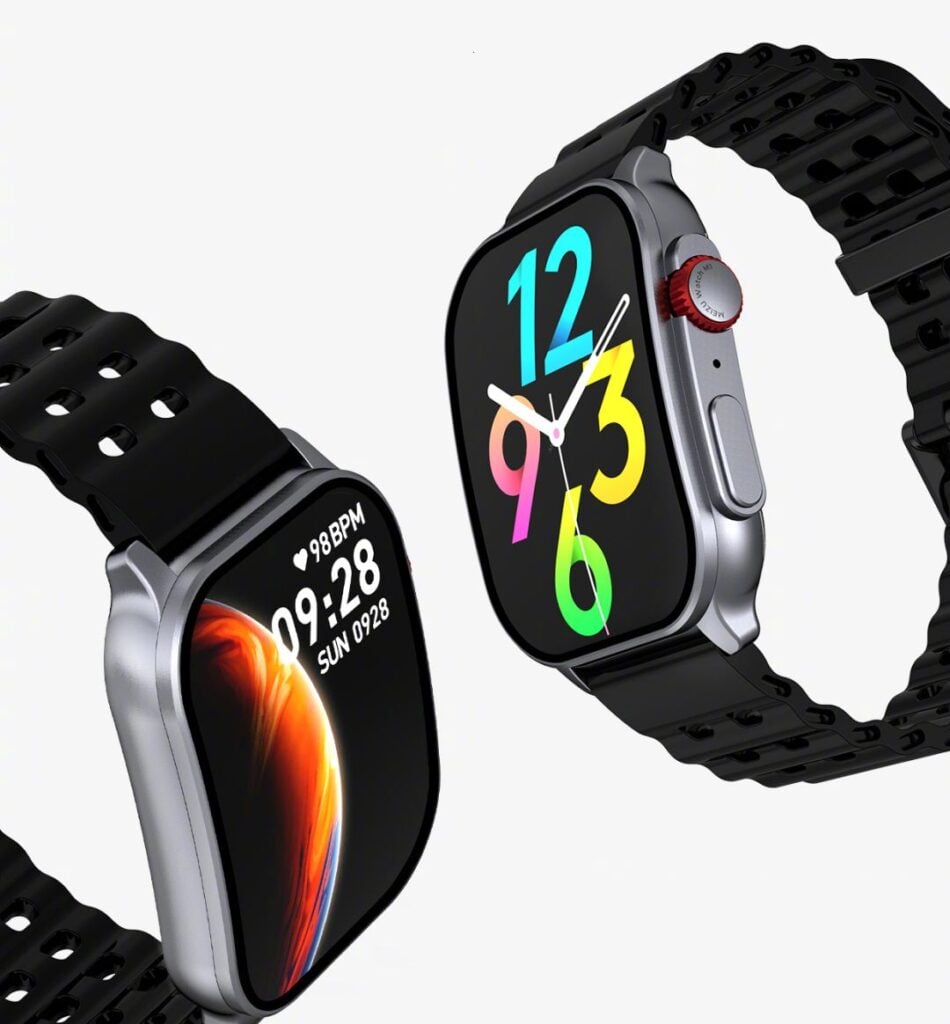
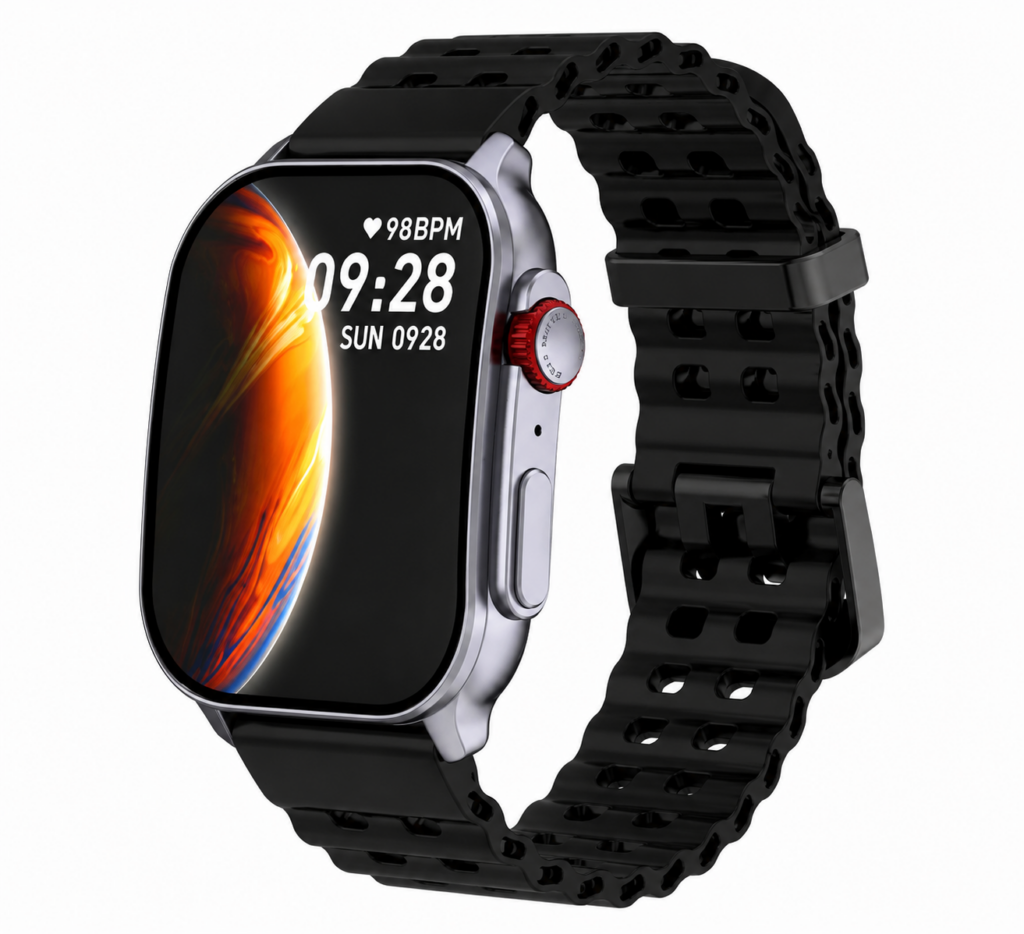
Alongside the laptop, Xiaomi will introduce the Xiaomi Watch S5. The wearable features a redesigned sensor system that uses multiple light sources and photodiodes to improve biometric readings. Xiaomi claims its updated heart rate algorithm can achieve up to 94 percent accuracy.

Xiaomi Watch S5

Sleep tracking is done via a new algorithm designed to better detect when users fall asleep and wake up. On the fitness side, the watch supports over 150 sports modes and uses a dual-frequency GNSS chip for more accurate location tracking across multiple satellite systems, including GPS and Galileo.

Xiaomi says the Watch S5 can last up to 21 days in Bluetooth mode, or around 14 days when using eSIM connectivity, thanks to a large 815mAh battery.

The March 19 event will also include the debut of the next version of the Xiaomi SU7 electric car.

For more daily updates, please visit our News Section.

Stay ahead in tech! Join our Telegram community and sign up for our daily newsletter of top stories.

OnePlus teases next Nord phone ahead of expected Nord 6 launch

OnePlus appears to be gearing up for the next chapter of its Nord lineup. The company’s India account recently posted a short teaser on X (formerly Twitter), hinting that a new Nord device could be on the way soon.

The post carries the line “Entering the Nord era soon” alongside the hashtag #OnePlusNord. The image itself is fairly cryptic. It shows an X-ray-style view of a bag containing everyday items like earbuds, keys, a charger, and a smartphone. The phone’s design is mostly hidden, though the OnePlus logo and a large battery silhouette stand out. It’s clearly meant to spark curiosity rather than reveal much about the device.

While OnePlus hasn’t confirmed the model name yet, many signs point to the upcoming OnePlus Nord 6. A device believed to be the Nord 6 (model CPH2795) previously appeared on Geekbench, where it was listed with the Qualcomm Snapdragon 8s Gen 4 chipset. If accurate, that would mark a major performance jump for the series, bringing near-flagship levels of power for gaming, multitasking, and AI features.

There’s also speculation that the Nord 6 could be closely related to the OnePlus Turbo 6, a phone already launched in China. OnePlus has followed a similar strategy before, releasing slightly modified versions of its China-only models for global markets like India and Europe.

If the connection holds, the Nord 6 could inherit several of the Turbo 6’s key specs. Leaks suggest a 6.78-inch AMOLED display with a 1.5K resolution and possibly a 165Hz refresh rate. Another headline feature could be a massive 9,000mAh battery paired with 80W fast charging.

Alongside the Nord 6, OnePlus may also introduce the Nord CE 6, which recently appeared in India’s BIS certification database. That model is expected to target a more affordable segment.

While OnePlus hasn’t confirmed a launch date yet, early reports suggest the Nord 6 series could debut globally around April 2026, with India likely among the first markets. For now, the teaser campaign suggests the company is just getting started.

Don’t miss a thing! Join our Telegram community for instant updates and grab our free daily newsletter for the best tech stories!

For more daily updates, please visit our News Section.
(Source: OnePlus)

Anker Soundcore Liberty 5 Pro, Pro Max leak with touchscreen and Anker Thus AI chip for audio enhancement

Anker appears to be preparing another expansion of its Soundcore audio lineup, with leaks pointing to two upcoming TWS earbuds: the Soundcore Liberty 5 Pro and Liberty 5 Pro Max. The details come from known tipster AnkerInsider, who shared early information about the models that could soon sit above the Liberty 5 from last year.

Both earbuds reportedly build on the standard Soundcore Liberty 5, which currently sells for around $100. One of the more notable upgrades is a new AI-focused chip called Anker Thus, a compute-in-memory processor designed to enable features like AI audio upscaling that aims to improve clarity and detail in music playback.

The Soundcore Liberty 5 Pro (model D1203) appears to focus on improved everyday listening. It’s said to feature Adaptive Active Noise Cancellation 4.0, an upgrade over the ANC 3.0 system found in the regular Liberty 5. Other highlights reportedly include Dolby Atmos spatial audio, Bluetooth 6.1 with multipoint connectivity, and IP55 dust and water resistance.

One of the more unusual additions is the charging case with a built-in touchscreen. According to the leak, users will be able to control playback, switch ANC modes, check battery levels, and manage connected devices directly from the case. Battery life is listed at 6.5 hours with ANC enabled (up to 28 hours total with the case) or 10 hours without ANC for a combined 45 hours. Charging options include USB-C, fast charging, and wireless charging. The Liberty 5 Pro is expected to launch at $170 in Black and White.

The Liberty 5 Pro Max (model D1204) reportedly keeps most of those features but adds a few extra tricks. Its charging case doubles as a portable voice recorder, using a system that could include up to eight microphones for capturing audio. The earbuds may also support voiceprint recognition, allowing the case to identify the owner’s voice.

Pricing for the Pro Max is expected to land around $230, with color options listed as Black and Gold.

Don’t miss a thing! Join our Telegram community for instant updates and grab our free daily newsletter for the best tech stories!

For more daily updates, please visit our News Section.

(Source)