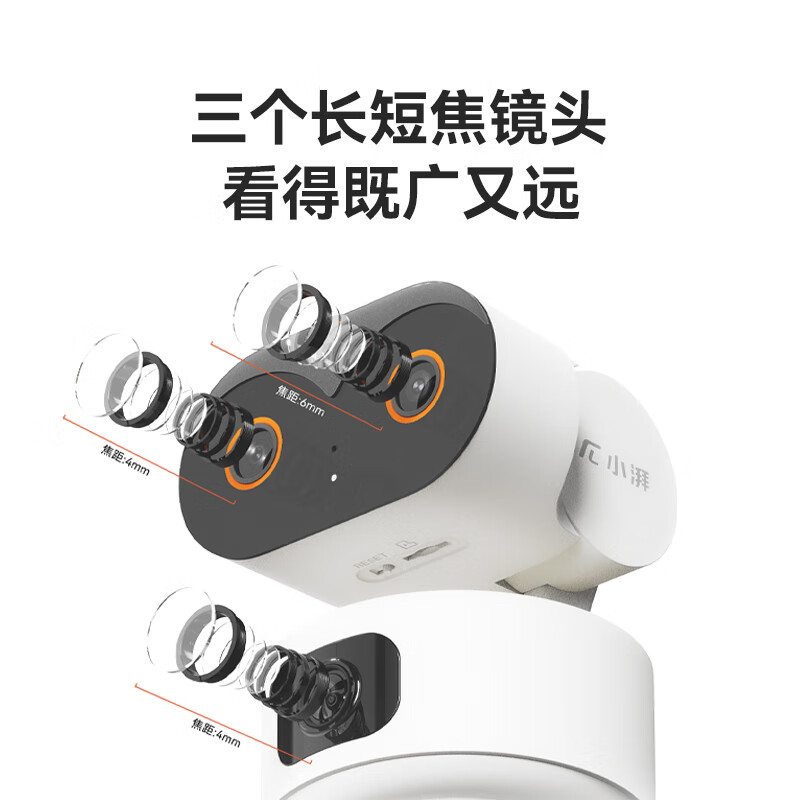
Honor has unveiled the Xiaopai Smart Camera Pro, a new home security device equipped with advanced features. The camera boasts a triple-lens system featuring 4MP sensors, allowing for detailed and clear video capture. A standout feature is its 20x super zoom capability, enabling users to magnify distant objects for closer inspection. Additionally, the camera supports real-time dual-screen monitoring, providing a comprehensive view of the monitored area.
The Smart Camera Pro has full-colour and infrared night vision modes
To enhance nighttime surveillance, the Xiaopai Smart Camera Pro offers intelligent, full-color, and infrared night vision modes. The camera also incorporates intelligent tracking technology, automatically zooming in and following human or pet movement. For added convenience, two-way communication is facilitated through the camera button or mobile app, allowing users to interact with individuals within the camera’s range.
The Xiaopai Smart Camera Pro is currently available for pre-order on JD.com at a price of 249 yuan, with official sales commencing on August 1. While the camera’s features appear promising, its overall performance and image quality will be crucial factors in determining its success in the competitive smart home camera market.
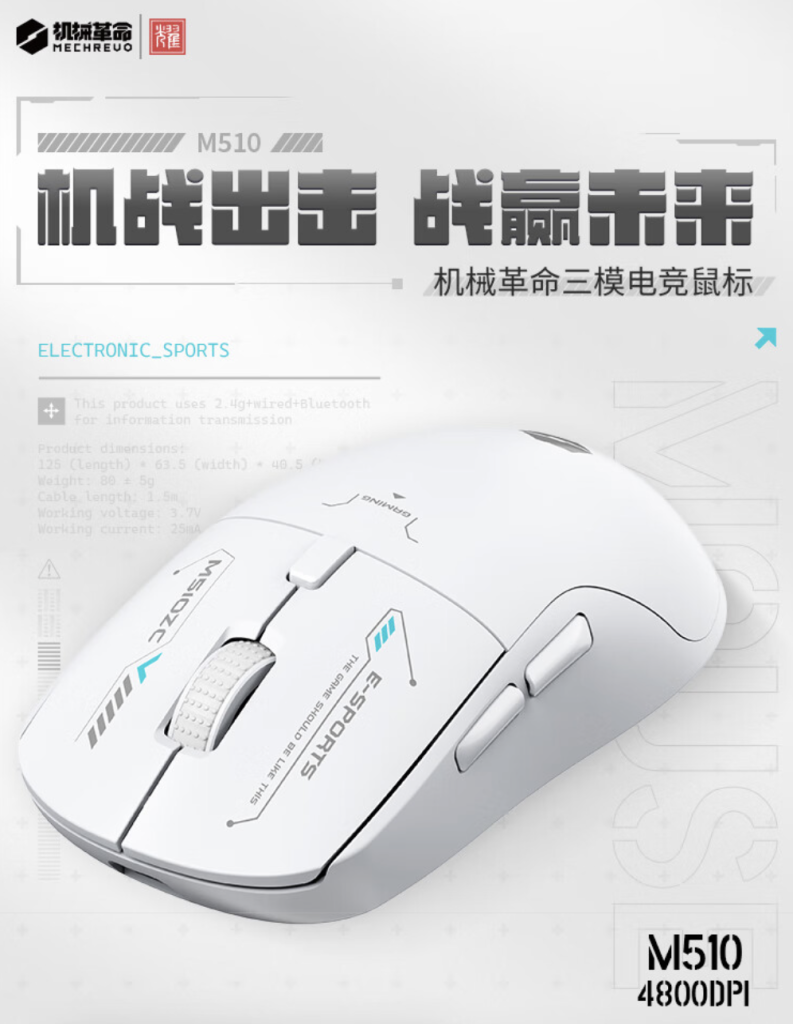
Mechanical Revolution has unveiled the Yao M510, a new wireless mouse designed for both left and right-handed users. This ambidextrous mouse offers six adjustable DPI levels, allowing users to customize sensitivity to their preference. The Yao M510 will be available for purchase on JD.com starting tomorrow at 0:30 for an introductory price of 69 yuan.
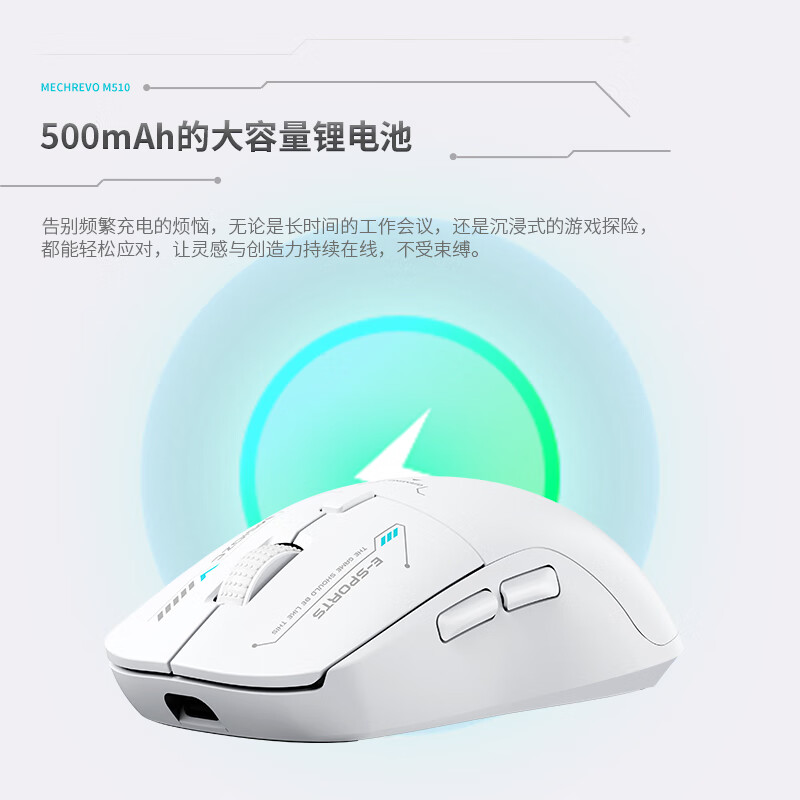
The mouse weighs 80 grams, and is powered by a 500mAh battery
Weighing approximately 80 grams, the Yao M510 features a symmetrical design intended to provide comfort for all users. With dimensions of 125 x 63.5 x 40.5mm, the mouse aims to strike a balance between ergonomic fit and portability. Powered by a 500mAh battery, the Yao M510 supports DPI adjustments ranging from 1000 to 4800, catering to various user needs and gaming styles.
The Yao M510 is positioned as a versatile wireless mouse option that prioritizes comfort and customization. While details about additional features or technologies are limited in the available information, the mouse’s ambidextrous design and adjustable DPI levels suggest a focus on user adaptability.
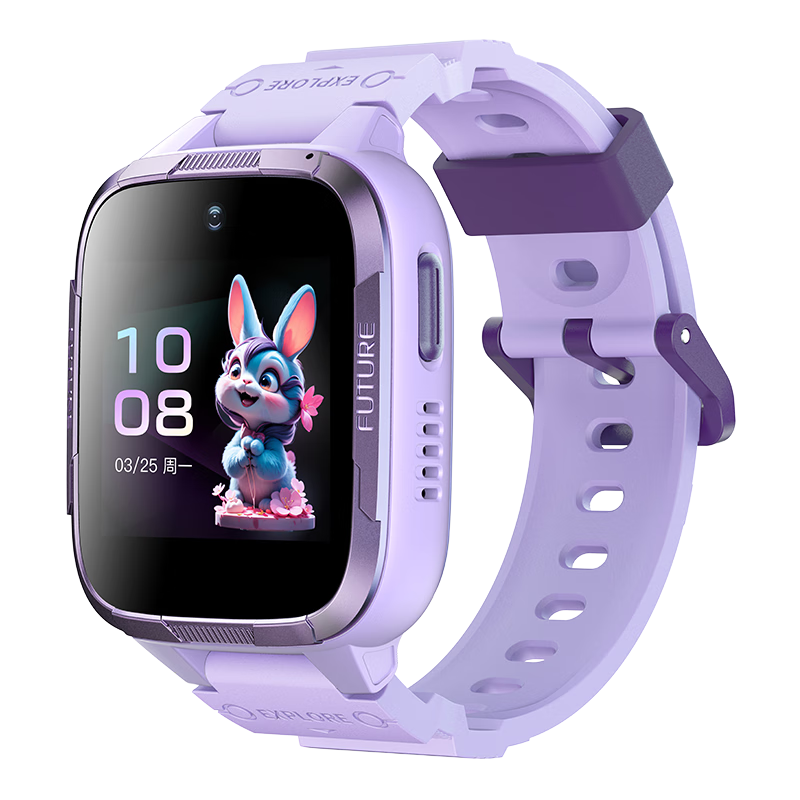
Honor under its label Honor Choice has unveiled its latest children’s smartwatch, the WhizKid 2i, boasting “10-fold precision positioning” and 4G connectivity. The smartwatch is priced at 299 yuan ($41) and it is now available on JD.com. It comes in Fairyland Purple and Dawn Blue colors. Let’s check out its key specs.
Honor WhizKid 2i Children’s Watch Specifications:
The WhizKid 2i comes with a 10-fold precision positioning system. This combines GPS, Beidou (China’s satellite navigation system), base station positioning, AGPS (Assisted GPS), Wi-Fi, and indoor positioning technology.
This multi-layered approach along with AI positioning ensures accurate location tracking, even within buildings or crowded areas. Additionally, the watch supports 4G connectivity on all major Chinese carriers, enabling nationwide video calls and real-time location updates.
The watch includes features like historical trajectory, allowing parents to view their child’s movements over the past 30 days. Safe zones can be set to receive alerts when children leave designated areas. In case of emergencies, a one-touch SOS button triggers an immediate call to pre-defined contacts.
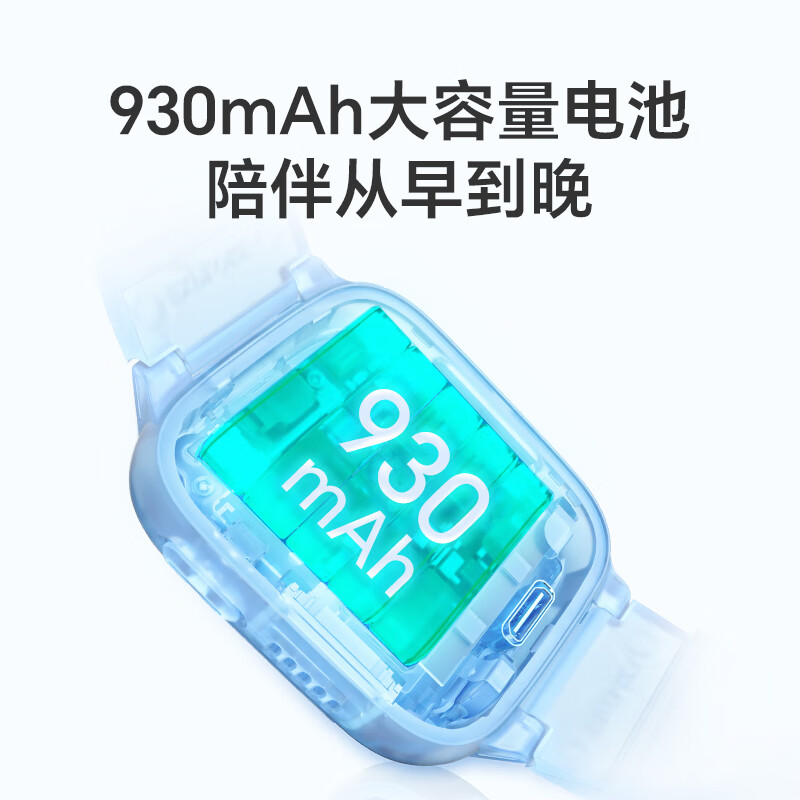
The smartwatch boasts a 930mAh battery for extended use throughout the day. The built-in camera allows for video calls, while the XiaoDu voice assistant provides access to a vast knowledge base, perfect for answering children’s questions.
The watch even supports Alipay payment codes, allowing children to make small purchases with parental controls and spending limits.
The WhizKid 2i also encourages healthy habits by recording daily steps and supporting various sports modes. The watch is also built to withstand everyday wear and tear. It boasts an IPX8 waterproof rating, making it resistant to rain, sweat, and even accidental submersion. Additionally, the watch has undergone rigorous durability testing, ensuring it can handle drops, bumps, and everyday use.
Amazon is hosting another iteration of Prime Day in India from July 20 to July 21. There will be enticing discounts on consumer electronics, accessories, and gadgets. Overall, there will be unmatched discounts on each electronic item, including the Amazon Alexa and Fire TV Stick lineups and others. All details about Amazon Prime Day 2024 India are already live, and users can sneak into the upcoming deals.
Just before the commencement of Prime Day, consumers can add existing and new Amazfit smartwatches to their wishlist to save the most. Amazfit is offering some exciting discounts and offers of up to 50%.
Amazfit Deals for Amazon Prime Day 2024 India
Amazfit Active Edge
Amazfit Active Edge watch will be on sale for the price of Rs 8,999, down from Rs 19,999, an effective 55% discount. The watch offers GPS support, 16 days of battery life, 10ATM water resistance, and a PPG biometric sensor. There are over 100 watch faces that help to easily customize the Active Edge Watch.
Please Note: When you buy something using the links in our articles, we may earn a small commission at no cost to you.
Amazfit Active Smartwatch
The Amazfit Active smartwatch will be up for grabs at half the price, i.e., Rs 9,999, down from Rs 19,999. It is a good price for a smartwatch that offers highly reliable fitness and health features. The smartwatch bundles a 1.75-inch HD AMOLED display with GPS, and the ability to track more than 12 types of exercises.
Please Note: When you buy something using the links in our articles, we may earn a small commission at no cost to you.
Amazfit Balance
Amazfit Balance will retail with a 29% discount over its original price of Rs 30,999. The smartwatch is currently retailing for Rs 21,999 and offers features like dual-LED and an 8-PD BioTracker 5.0 PPG biometric optical sensor. It offers effortless BMI measurement and basal metabolism from the wrist.
Please Note: When you buy something using the links in our articles, we may earn a small commission at no cost to you.
Amazfit BIP 5 Unity
Amazofit BIP Unity will become available at the price of Rs 4,999, which is down from its original MRP of Rs 7,999. The affordable smartwatch is now available with a 1.91″ display, runs ZEPP OS 3.0, and enhances user interaction. It also supports mini-apps, games, and watch faces.
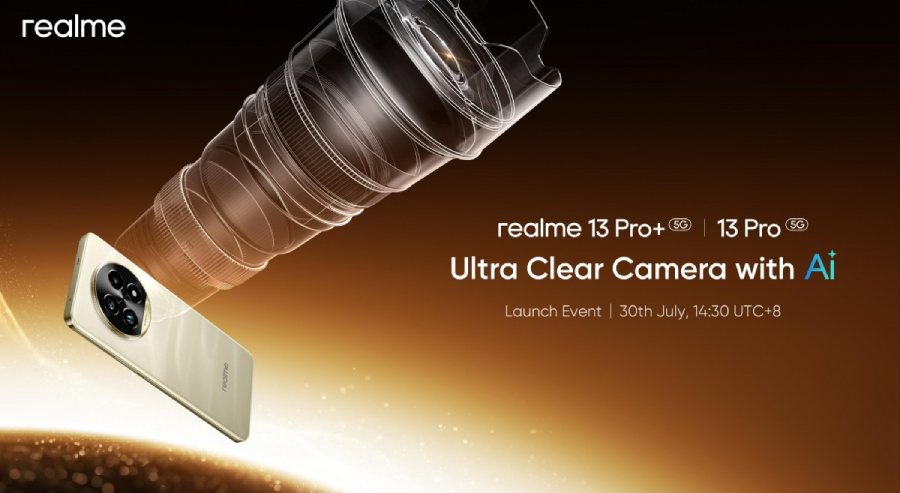
Realme has been keeping fans on their toes with teasers about the upcoming Realme 13 Pro series. While the company itself has remained tight-lipped on the launch date, a recent publication snafu may have accidentally spilled the beans.
GSMArena published an article that revealed the launch date of the smartphones, but it appears the publication went live prematurely. While the article now redirects to a different story, we were quick to capture the details from the initial post, including a launch date poster.
Based on the poster, the Realme 13 Pro and 13 Pro+ will be officially launched during an event scheduled for July 30th at 14:30 UTC+8.
Realme has officially confirmed some details regarding the phones’ aesthetics. Both models will be available in three color options: Emerald Green (vegan leather), Monet Gold (glass back), and Monet Purple (glass back).
Likewise, leaks suggest that potential buyers will have a choice of four configurations for each phone: 8GB RAM with 128GB storage, 8GB RAM with 256GB storage, 12GB RAM with 256GB storage, and 12GB RAM with 512GB storage. Aside from these options, most other specifications remain under wraps.
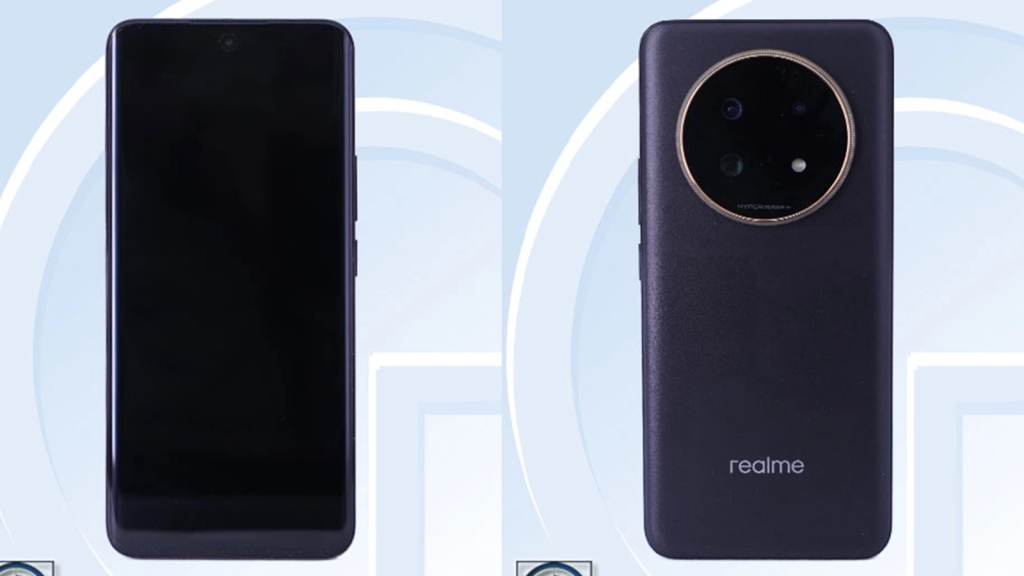
TENAA certification hints at some features of the Realme 13 Pro+. The phone is expected to sport a 6.7-inch curved AMOLED display with FHD+ resolution and an in-screen fingerprint sensor. The processor might be either the Snapdragon 7s Gen 2 or 7s Gen 3, paired with up to a whopping 16GB of RAM and a staggering 1TB of storage.
Realme 13 Pro+ TENAA
A 5,050mAh battery (likely offering a typical capacity of around 5,150mAh or 5,200mAh) is believed to power the Realme 13 Pro+. The phone will likely run Realme UI 5 based on Android 14.
On the imaging front, a 32-megapixel front camera is anticipated. The rear camera system is rumored to boast a 50-megapixel Sony LYT-701 primary sensor with optical image stabilization (OIS), an 8-megapixel ultrawide lens, and a 50-megapixel LYT-600 periscope telephoto lens with 3x optical zoom. AI-powered photography features are also expected to be part of the package.
With the official launch date seemingly revealed, hopefully, Realme will be officially confirming more details about the Realme 13 Pro series soon.
The Bose QuietComfort Ultra earbuds and the Bose Ultra Open earbuds are being upgraded to feature Bluetooth multipoint connectivity. The rollout of the latest software update to the models has already commenced. Bluetooth multipoint pairing means that the two wireless earbuds can now connect simultaneously to two devices.
The absence of Bluetooth multipoint connectivity in the Bose QuietComfort Ultra and Ultra Open earbuds was seen as a drawback for the models when they were launched. Bluetooth multipoint connectivity is seen as a standard feature of premium wireless earbuds. Apart from Bluetooth multipoint functionality, the new software update comes with a couple of bug fixes for the Ultra Open earbuds. The bug fixes include improved connection stability and voice pickup optimizations.
The Bluetooth multipoint upgrade enables the QuietComfort Ultra and Ultra Open earbuds to be suited for multitasking when the user is working on two devices. The rollout of the Bluetooth upgrade began on July 10 but it is unclear whether all the devices have received the upgrade. Users can check whether the update is available on their wireless earbuds via the Bose app.
The procedure entails connecting the wireless buds to your phone and clicking the Settings menu to navigate to the Product Update option. After tapping Product Update and downloading the update, you can then install which will make the earbuds reboot and reconnect with the phone. The Multipoint Connection is available in the Source tap and you can turn it on when you want to connect the earbuds to two devices at the same time.
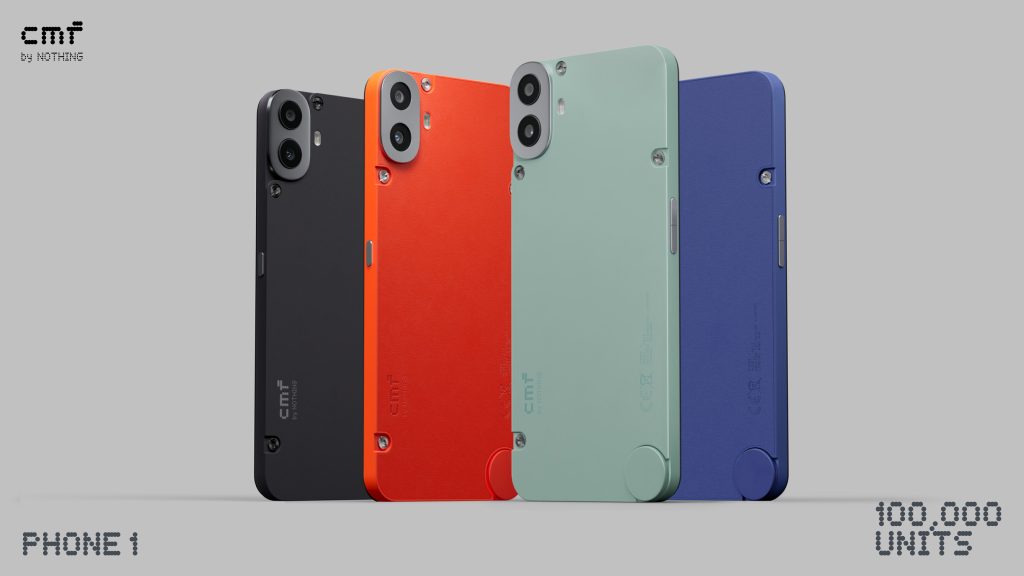
Nothing has announced that its just-released CMF Phone 1 sold out within three hours of going on sale. The Nothing CMF Phone 1 is a less expensive model than the traditional Nothing phones. It however comes with several advanced features including unique 3D-printable back covers, The Nothing CMF Phone 1 was launched on July 8 and it was released to the market on July 12.
The latest demand optics for the Nothing CMF Phone 1 places its popularity 8 times more popular than the Nothing Phone 2a. Nothing’s co-founder Akis Evangelidis stated that following the incredible success of the Nothing Phone 2a in March, the CMF Phone 1 is a breath of fresh air in the stagnating value segment which had been neglected previously. He says the CMF Phone 1 leverages on Nothing’s innovation and strength in design to bring a unique, fun, and functional smartphone with a great user experience. Akidis stated that Nothing couldn’t be more grateful for the market reception and its remarkable record-breaking achievement within 3 hours of going on sale.
The Nothing CMF Phone 1 has a 120Hz LTPS Super AMOLED screen with up to 2,000 nits of brightness. You can replace the customizable back cover of the CMF Phone 1 and attach accessories to it. Nothing has also remarkably released documentation allowing anyone with a 3D printer to create their own custom back covers. Therefore the full bouquet of personalization options available with the CMF Phone 1 can only be imagined. The CMF Phone 1 has a RAM capacity of either 6GB or 8GB and its screen measures 6.67 inches across. It runs on Android 14 out of the box and features a 50MP Sony sensor as its main camera.
Nothing will certainly be impressed with the record-breaking performance of the CMF Phone 1. It is expected that its fine sales trajectory will continue with its affordable price tag. The CMF Phone 1 with 8GB of RAM is priced at about $258 and is less expensive than the Phone 2a.
Honor under its label Honor Choice has unveiled a new home security camera, the Xiaopai Smart Camera Pro, boasting up to 20x super zoom capability. The camera is now available for pre-order on JD.com and is priced at 249 yuan (around $34). It will hit store shelves on August 1st.
Honor Xiaopai Smart Camera Pro Specifications:
The Xiaopai Smart Camera Pro boasts a triple-lens setup, which includes telephoto and wide-angle lenses (4MP f/1.6 lenses). The wide-angle lens offers a broader field of view, while the telephoto lens provides detailed and distant views, working together to deliver a comprehensive monitoring experience. The camera supports a 20x hybrid optical zoom, allowing users to magnify details clearly up to 20 times.
For real-time monitoring, the camera provides dual-screen synchronous live broadcasts and recordings, allowing a wider monitoring range. It has a horizontal visual range of 360° and a vertical visual range of 125°, making it capable of panoramic surveillance. Additionally, the guard lens is fixed and monitors key areas.
The Xiaopai Smart Camera Pro offers intelligent dual-light full-color night vision, which includes infrared fill light and high-power warm fill light. Users can choose between intelligent night vision, full-color night vision, and infrared night vision modes. Intelligent night vision defaults to infrared, switching to full-color upon detecting human shapes. Full-color night vision keeps the white light on at night, while infrared night vision maintains a black-and-white picture.
The camera features local AI capabilities for human and pet intelligent tracking, automatically capturing and recording movements. It also supports cross-border/area detection, triggering alarms when something or someone enters the detection area. The camera can emit a high-decibel alarm to deter criminals, either manually or automatically upon event detection.
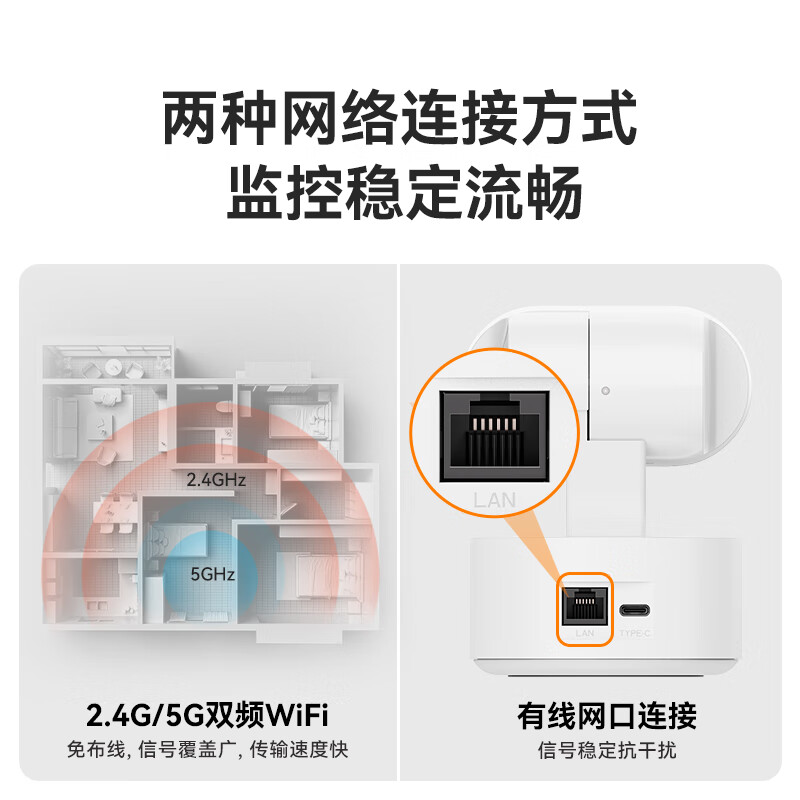
The camera supports two-way calling, making it convenient for the elderly and children to contact family members directly. It also offers dual network connection methods, including 2.4GHz, 5GHz, and a wired network port, ensuring stable and smooth monitoring with strong anti-interference capabilities.
The camera offers local storage via microSD cards up to 512GB and cloud storage through the Honor Smart Space App (available for purchase). The app allows for real-time monitoring, playback of recorded footage, and device management.
Mechrevo has launched a new wireless gaming mouse, the Yao M510, in the Chinese market. Let’s check out its key specs.
Mechrevo Yao M510 Specifications:
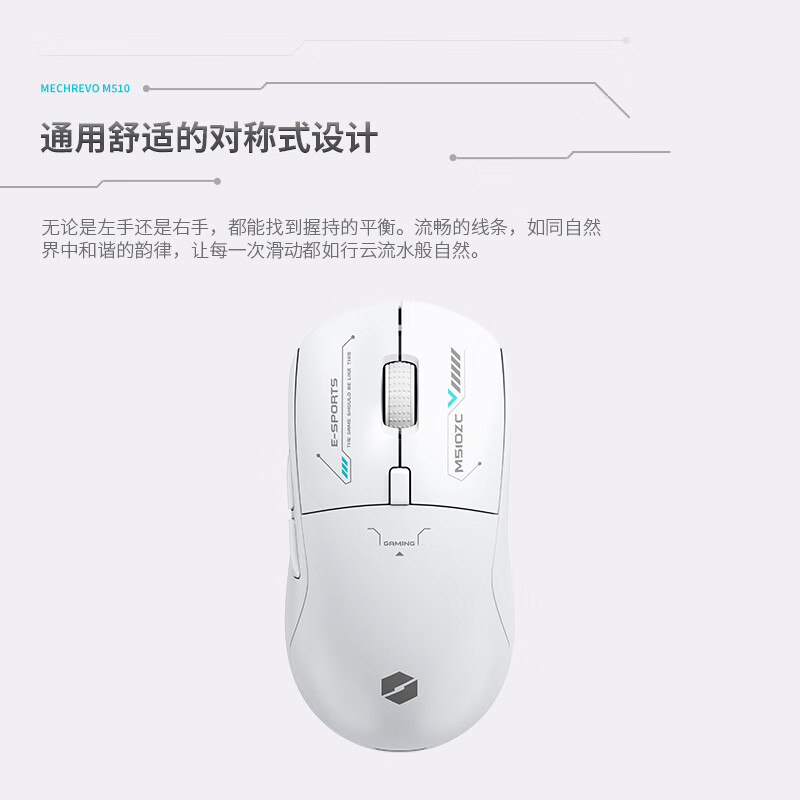
The Yao M510 features a lightweight design, weighing in at approximately 80 grams (including the receiver). The overall design adopts a clean white aesthetic with smooth lines, ensuring a comfortable grip for both left-handed and right-handed users.
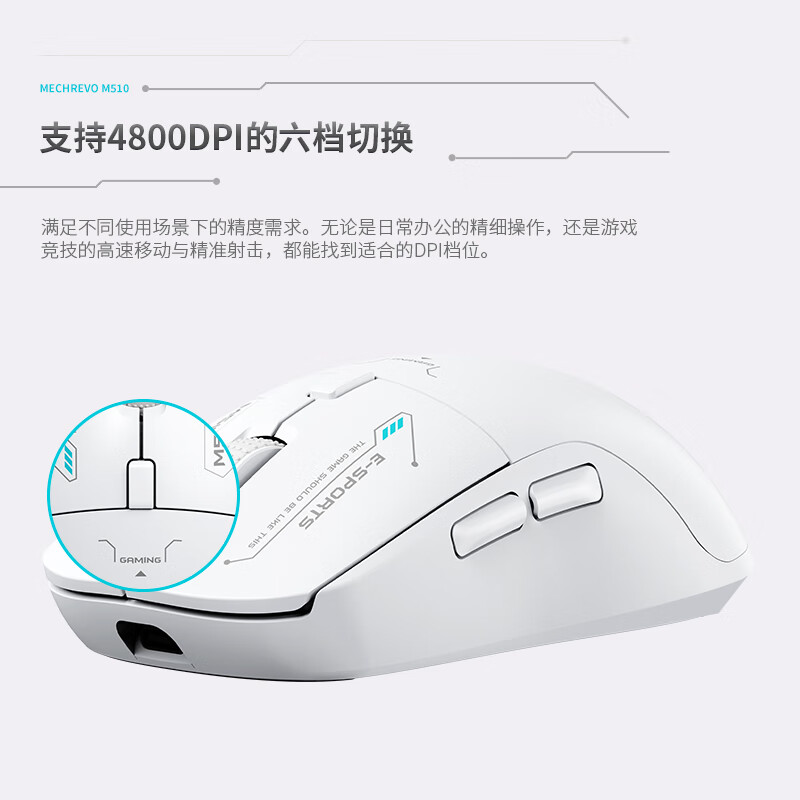
The Yao M510 is equipped with a professional-grade gaming sensor, supporting up to 4800 DPI, a common DPI range for budget gaming mice. This DPI is adjustable through six levels (800, 1200, 1600, 2400, 3200, and 4800), allowing users to find the optimal balance between precision for everyday tasks and responsiveness for fast-paced games.
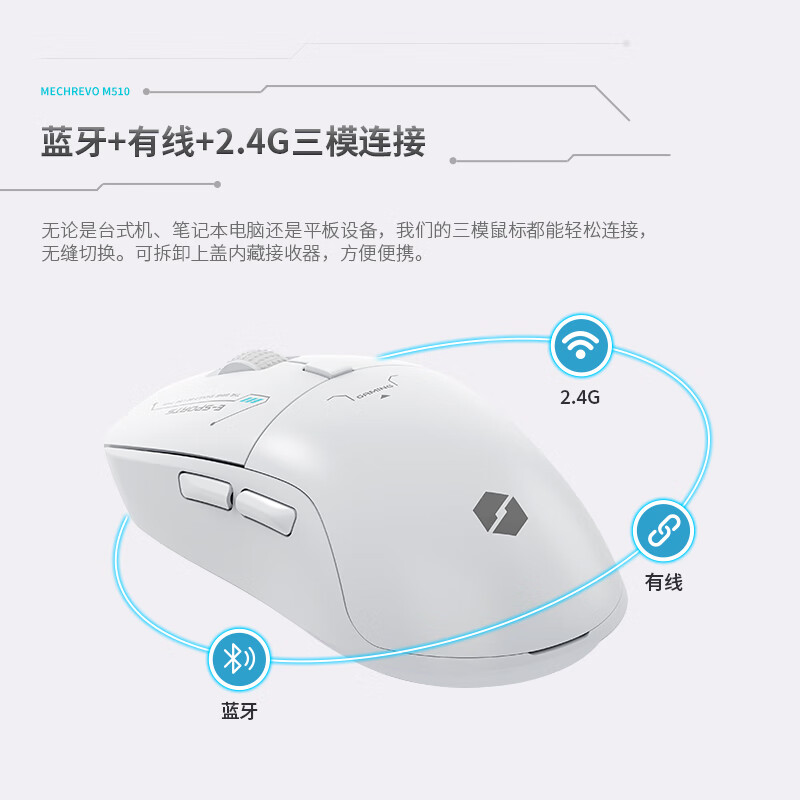
In terms of functionality, the Yao M510 offers three connection modes: Bluetooth, 2.4GHz wireless via a USB receiver stored conveniently within the detachable top cover, and a wired USB connection. This versatility allows users to seamlessly switch between devices, be it a desktop PC, laptop, or tablet.
Powering the Yao M510 is a 500mAh lithium battery, which Mechrevo claims offers long-lasting endurance. The exact battery life expectancy on a single charge remains unspecified.
In terms of dimensions, the mouse measures 125mm in length, 63.5mm in width, and 40.5mm in height.
Pricing and Availability
Mechrevo has listed the Yao M510 on JD.com at an introductory price of 69 yuan (approximately $10), making it a highly affordable option for casual gamers seeking a comfortable and feature-rich wireless mouse. Sales are set to begin at 0:30 AM (CST) tomorrow.
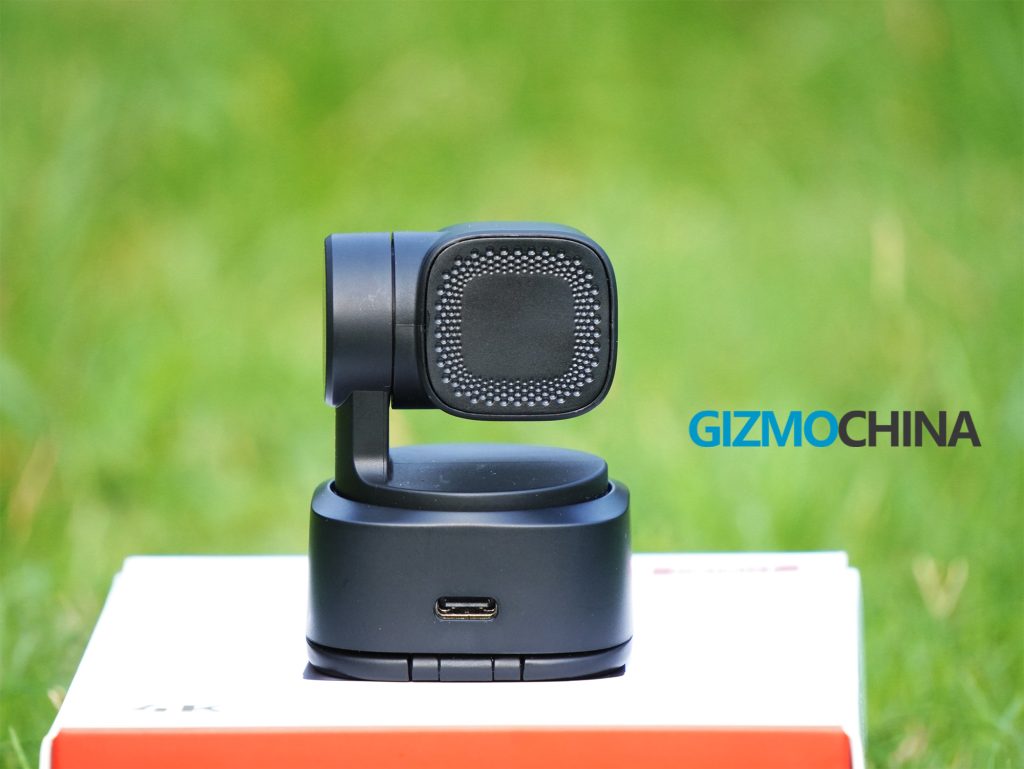
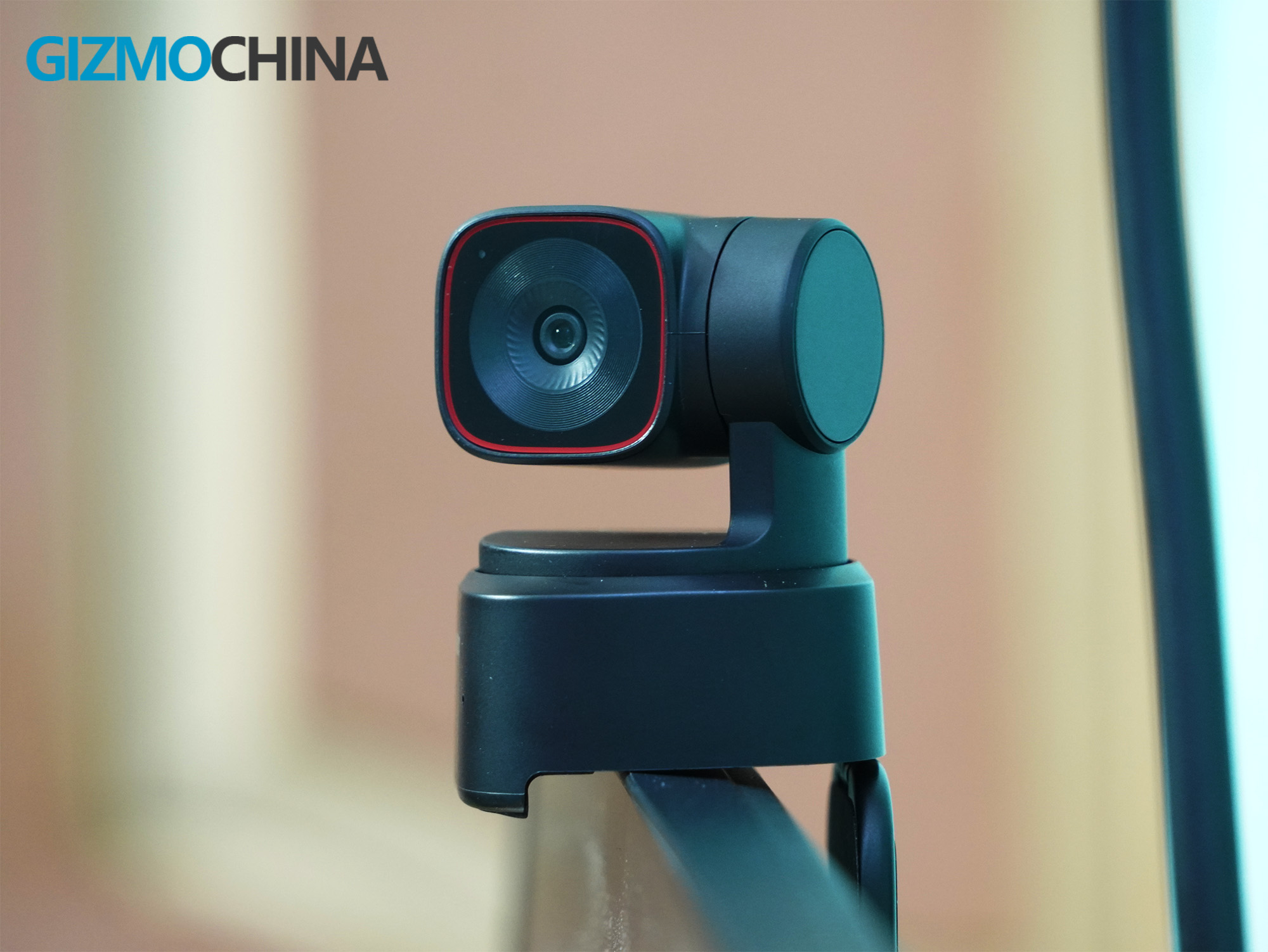
The Obsbot Tiny 2 Lite is the latest addition to Obsbot‘s lineup of AI-powered webcams, designed to cater to users who want high-quality video without breaking the bank. As a more budget-friendly alternative to the flagship Tiny 2, the Tiny 2 Lite offers an impressive set of features, including 4K resolution, AI tracking, and gesture control. In this review, we’ll take a deep dive into the Tiny 2 Lite, exploring its design, setup, performance, software, and how it stacks up against its more expensive sibling.
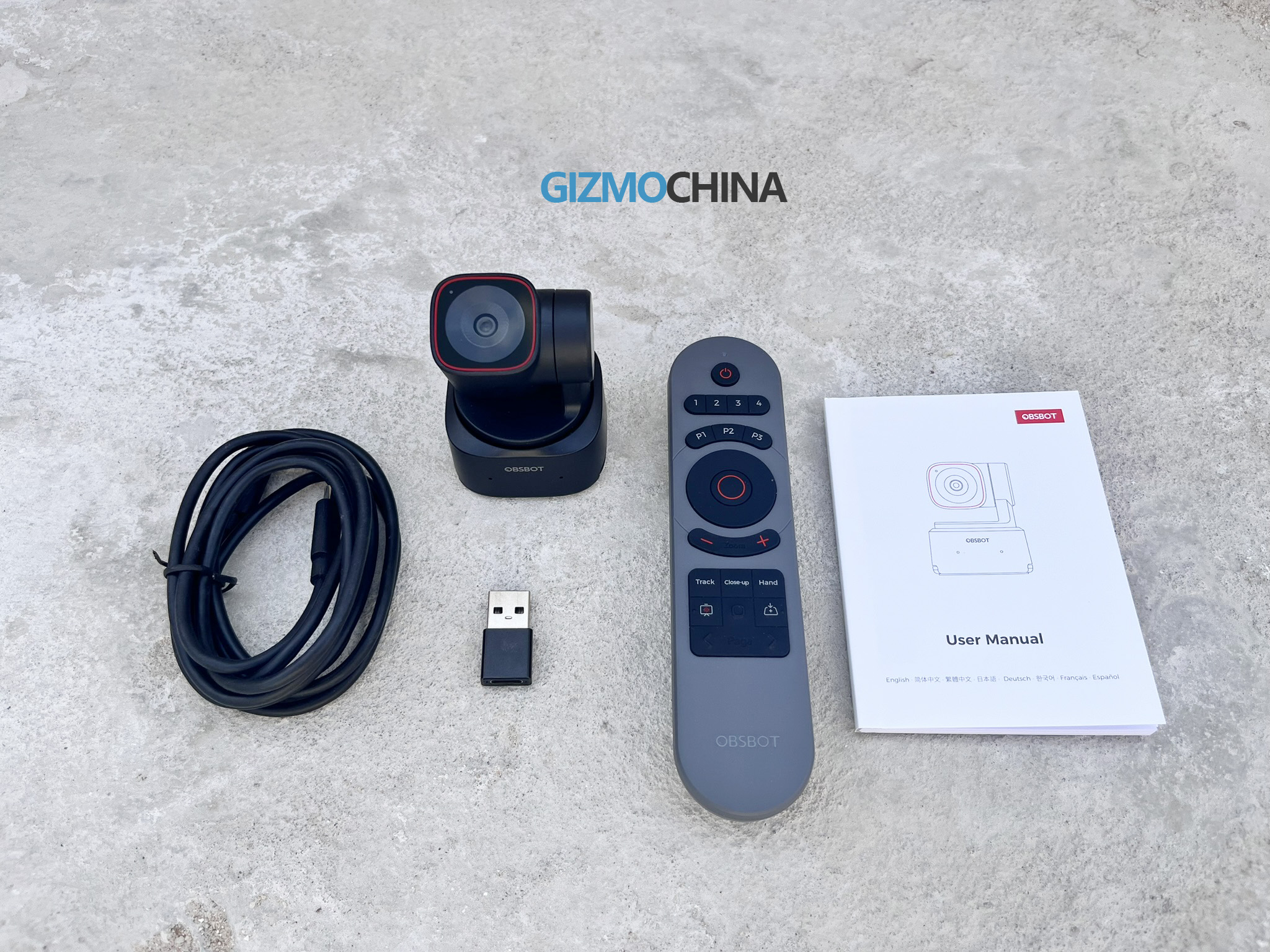
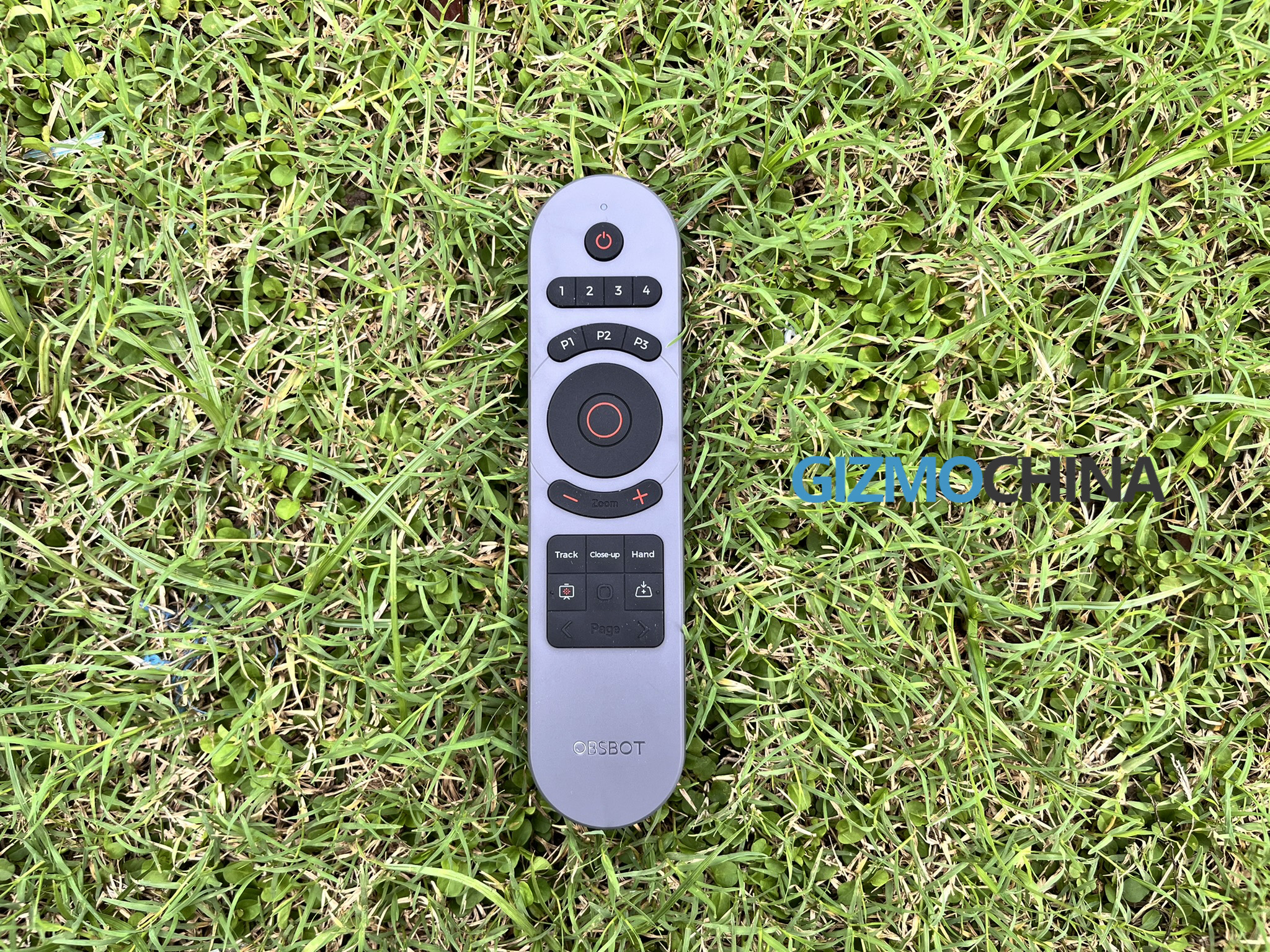
The Obsbot Tiny 2 Lite comes neatly packaged with everything you need for basic setup and usage. Inside the box, you’ll find the Tiny 2 Lite webcam itself, a USB-C to USB-A adapter, and a USB-C to C cable. We also got another package containing the Smart Remote 2, which is available as a separate, optional purchase.
2. Design and Build Quality
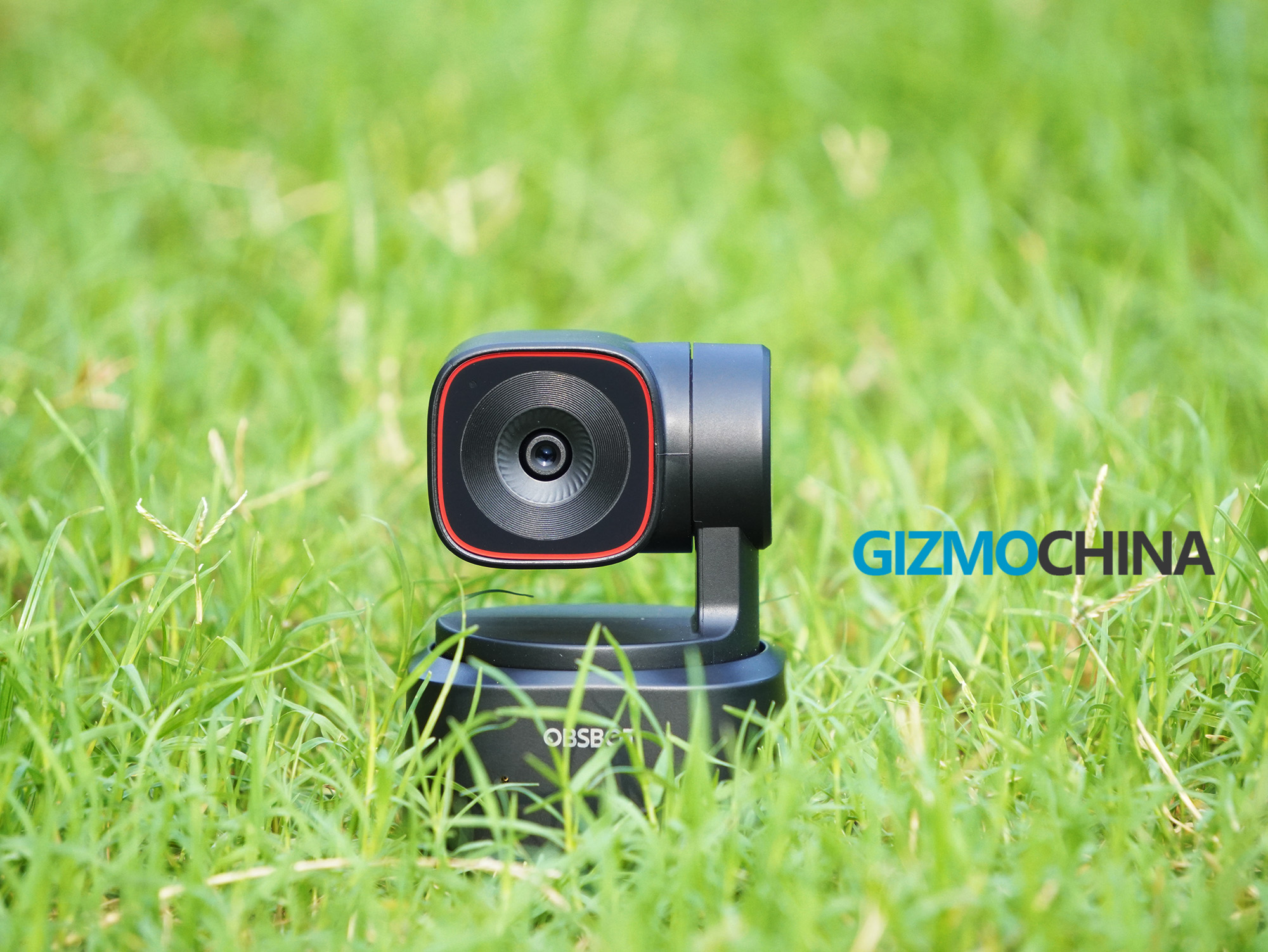
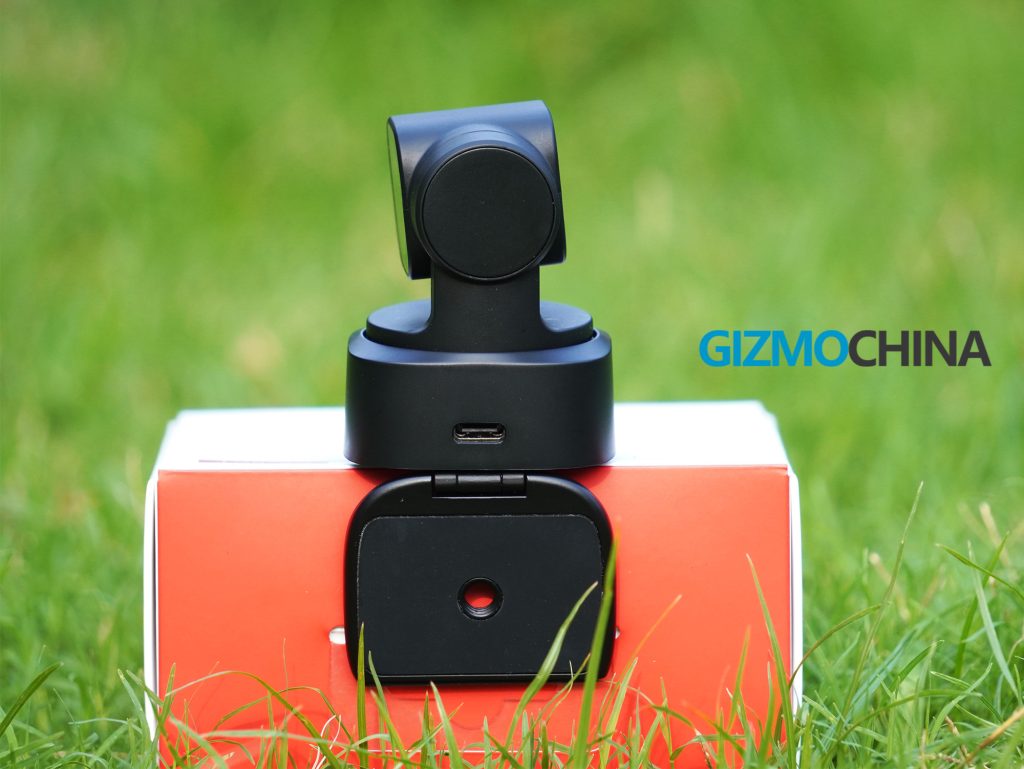
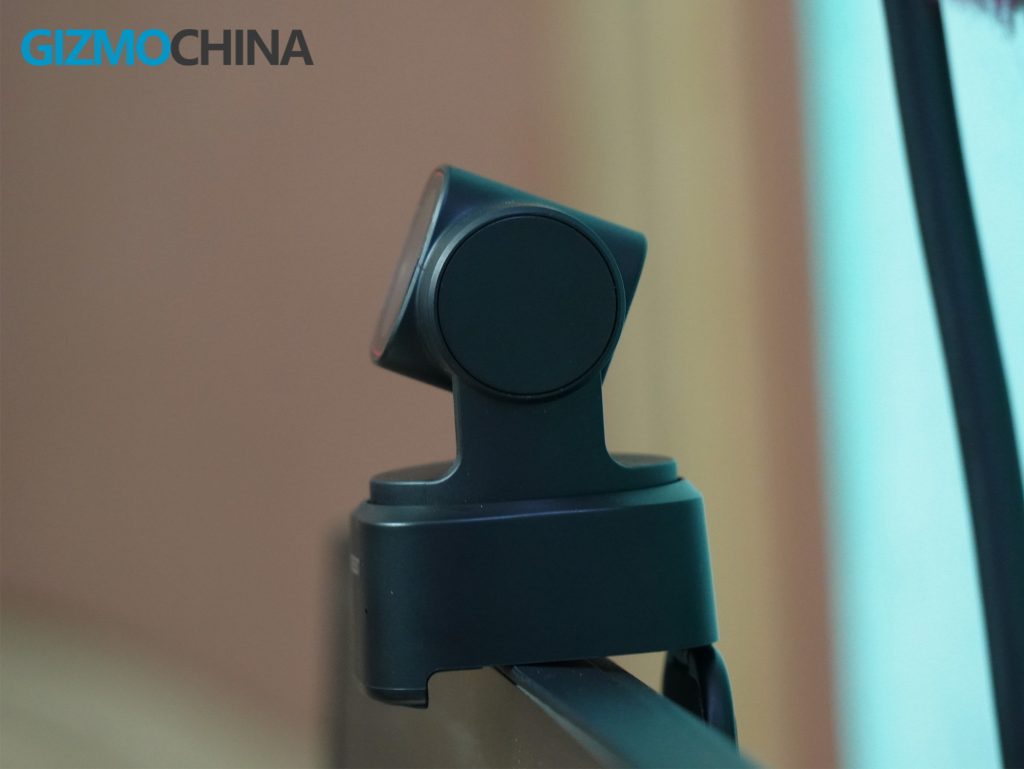
Following the minimalist design of its predecessor, the Tiny 2 Lite is impressively small and lightweight at only 48.37 x 46.46 x 64.2mm and weighs just 91.4g. This makes it highly portable and ideal for users who travel frequently or have limited desk space. The camera itself is constructed from a seemingly durable plastic material, and while it might not feel as premium as some metal-bodied options, it feels sturdy enough for everyday use.
The Tiny 2 Lite features a built-in stand with a 2-axis gimbal for smooth panning and tilting. The gimbal offers a controllable range of ±140° pan and 30° to -70° tilt, allowing you to stay centered in the frame during video calls or presentations. The stand provides a good level of stability, but if you require more adjustability, the camera also includes a standard 1/4-inch screw mount for tripods or other mounting solutions.
3. Setup
Setting up the Tiny 2 Lite is remarkably simple. It’s a plug-and-play device that connects to your computer (Windows 10 or later, macOS 11 or later) via USB-C, requiring no additional drivers or software for basic functionality. However, to unlock the full potential of its AI-powered features and customize settings, the Obsbot Center software is recommended. The software is intuitive and user-friendly, making it easy to adjust video parameters, control PTZ movements, and configure AI tracking.
4. Performance
Wide View
The Tiny 2 Lite boasts a 1/2-inch CMOS sensor capable of capturing 4K resolution at 30 fps and 1080p at 60 fps. In well-lit environments, the video quality is excellent, with sharp details and accurate colors. The HDR mode helps balance highlights and shadows, making it suitable for situations with contrasting lighting. However, low-light performance is decent but not outstanding. While the sensor and noise reduction algorithms improve low-light performance compared to some webcams, there can be some visible noise in dimly lit rooms.
Medium ViewNarrow ViewZoomed In
The Tiny 2 Lite utilizes PDAF (Phase Detection Auto Focus) for fast and accurate focusing. In our testing, autofocus worked well under most lighting conditions, keeping the subject sharp and in focus during video calls and presentations. Although the autofocus isn’t very sharp, it’s sufficient for a webcam. You can also adjust the focus manually using the settings in the app.
The built-in dual omnidirectional microphones with noise cancellation offer decent audio quality. Your voice will be clear and audible during video calls, even in moderately noisy environments. However, if you require crystal-clear audio for professional recordings, an external microphone might be a better option.
5. Software and AI Features
The Obsbot Center software offers additional control over the Tiny 2 Lite’s functionalities. You can adjust settings like exposure, white balance, and even create presets with specific camera positions, tracking modes, and image settings. This can be particularly helpful for streamers and content creators who frequently switch between different shooting scenarios.
The Tiny 2 Lite also comes with built-in AI capabilities that power several impressive features:
AI Auto Tracking with Auto Zoom: This is a game-changer for video calls and presentations. The camera intelligently tracks your movements and adjusts the zoom automatically to keep you in frame. It eliminates the need to constantly adjust your position or manually zoom, making your experience more hands-free and professional.
Body Part Tracking: The AI has been refined to focus primarily on upper body and close-up tracking, offering improved accuracy and smoothness compared to previous versions. This ensures the camera stays focused on your face during calls.
Gesture Control 2.0: This allows you to control the Tiny 2 Lite with simple hand gestures, like raising your palm to activate tracking or swiping left/right to zoom in/out. While a fun feature, its usefulness might depend on your personal preference and setup.
6. Comparison with Tiny 2
The Tiny 2 Lite positions itself as a more affordable alternative to the flagship Tiny 2. The key differences lie in the sensor (1/1.5” on Tiny 2 vs 1/2″ on Lite) and zoom (4x optical and digital on Tiny 2 vs digital only on Lite). The Tiny 2 also records up to 60fps in 4K, while the Tiny 2 Lite offers up to 30fps. The Tiny 2 offers additional streaming features like zone tracking, a higher maximum controllable speed for the gimbal, and USB 3.0 connectivity.
While the Tiny 2 boasts superior low-light performance and zoom range, it comes at a higher price point. If you prioritize affordability and value AI auto-tracking and good video quality, the Tiny 2 Lite is a compelling option.
7. Tiny Smart Remote 2
The Obsbot Tiny 2 Lite’s functionality can be further enhanced with the optional Smart Remote 2. Designed specifically for the Obsbot Tiny series, the remote boasts an elegant design and intuitive button layout, allowing for effortless camera control. It seamlessly integrates with the Tiny 2 Lite, enabling users to activate AI features like Close-up and Desk Mode with a single press. The remote also doubles as a presentation clicker, offering added convenience for users who frequently give presentations or lectures.
8. Pricing
The Obsbot Tiny 2 Lite is priced at a competitive $179, making it a great option for budget-conscious users who want a feature-rich PTZ webcam. This is a significant price difference compared to the Tiny 2, which costs around $329.
9. Verdict
The Obsbot Tiny 2 Lite 4K PTZ Webcam is a remarkable device that delivers exceptional performance, intelligent features, and professional-grade video quality at a budget-friendly price. Its compact and sleek design, simple setup, and powerful software make it an ideal choice for various applications, from video conferencing and online education to live streaming and content creation.
While it lacks some of the advanced features of the Tiny 2, the Lite version maintains the core functionalities that matter most, making it an excellent value proposition for most users. If you’re seeking a high-quality webcam with intelligent features without breaking the bank, the Obsbot Tiny 2 Lite is undoubtedly worth considering.
The CMF Phone 1, lauded for being a quirky and budget-friendly Android option, has a surprising party trick – its depth sensor can see through objects. It’s an unexpected feature that users cannot access via the default camera app, they rather need a third-party app. However, due to privacy concerns, Nothing has confirmed they will disable this feature via a software update.
To achieve its attractive price point, the CMF Phone 1 sacrificed a dedicated secondary camera for a 50MP main sensor and an undisclosed depth sensor. While the depth sensor remains inaccessible through standard means, a resourceful user managed to unlock its potential using a third-party app in developer mode.
Source – YouTuber @purely_maxwell
The user’s initial findings revealed a low-resolution monochrome feed. However, things took a turn when he pointed the camera at a TV remote. The depth sensor, defying expectations, displayed the remote’s internal battery layout – cover intact.
This video quickly gained attention among users on X (formerly Twitter) and Akis Evangelidis, co-founder of Nothing, had to jump in to explain the situation.
The culprit, according to Evangelidis, is the depth sensor’s lack of an infrared light filter. This missing filter allows infrared light to pass through, which can, in certain situations, “reveal the internal structure of thin or semi-transparent objects,” particularly those made of black acrylic.
While some saw this as a quirky bonus for a phone priced at $200, some users are expressing privacy concerns. In response, Evangelidis announced the company will restrict third-party apps to access the depth sensor’s output “within a week” through a software update.
Some users in the comments also said why to remove this “cool feature”. Evangelidis acknowledged its appeal but responded cryptically: “Some people are trying to come at us from every angle, my man. They aren’t comfortable with our success. Therefore, we have to play it safe.”
Back in January, Android Authority uncovered hints of a new feature in development for Google Photos called “My Week”. Recently, the publication was also able to enable it through an APK teardown which shows the feature to be strikingly similar to the core functionality of photo-sharing app Retro.
My Week, though not yet live, seems to be designed to let users share curated weekly photo highlights with a select group of friends and family. The invite-only feature aims to keep loved ones updated on your life through automatic, weekly photo compilations.
However, this concept has a strong resemblance to the core function of Retro. Not only does the purpose align, but an early glimpse of My Week suggests the feature will have a similar user interface.
Retro co-founder Ryan Olson took to X (formerly Twitter) to express his observations, stating “feel like I’ve seen this somewhere…” alongside a monocle emoji. Olson in another post shared a side-by-side comparison highlighting the parallels between Retro’s app and My Week.
While imitation might be considered flattery in some circles, it’s unlikely Retro is thrilled about a tech giant seemingly replicating its core idea.
Speaking to TechCrunch, Retro CEO Nathan Sharp expressed cautious optimism. He acknowledges the initial frustration of seeing features seemingly “lifted one to one,” but remains hopeful that Google’s My Week will evolve before its public release.
Sharp emphasizes that he doesn’t believe Google’s final product will be judged based on its current, pre-release state: “This isn’t what they’re shipping. They aren’t asking to be judged on what’s on Twitter today.”
However, Sharp doesn’t discount the competitive threat Google poses if My Week remains largely unchanged. But he seems confident about Retro’s focus and its user base, “I think Retro users appreciate that we have a very specific purpose.” Only time will tell how closely My Week resembles Retro’s core offering upon its official release.
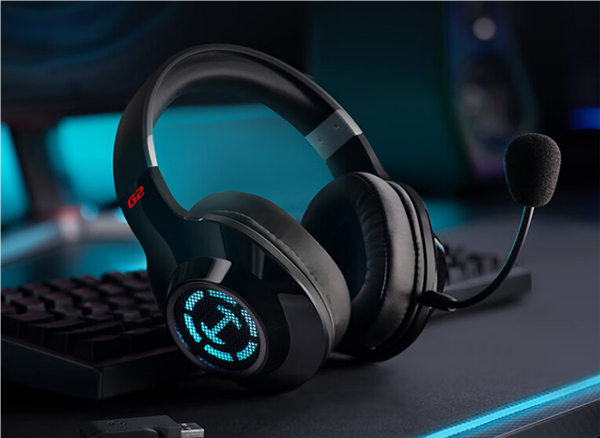
Edifier has launched the HECATE G2 wireless earphones in China. The HECATE G2 supports charging and playing simultaneously. It is equipped with Flash Speed wireless transmission technology and features a three-mode connection function based on the original HECATE G2 headset.
The Edifier HECATE G2 wireless version is equipped with a 50mm dynamic setup that delivers high performance over a wide frequency response. It combines a 70dB high-sensitivity microphone with advanced noise-reduction technology. This is further enhanced by an AI noise reduction algorithm that is driver-free. The wireless headset achieves all-round accurate sound pickup, effectively isolating ambient noise for greater clarity when making calls. The sound quality is also evident when the device is used in-game voice communications, delivering clarity and a more natural output.
The HECATE G2 wireless earphones weigh 252 grams and have a built-in 2,000mAh battery that delivers up to 247 hours of playtime. The battery can also be recharged while the headset is playing audio, helping to deliver uninterrupted entertainment to the user at any time.
The headband of the Edifier HECATE G2 wireless is made of high-strength torsion-resistant polypropylene material that ensures comfortable wearing and greater durability. It can also be worn for extended periods without the user being fatigued due to its lightweight design and comfortable materials. The ear shells of the wireless earphones are made using a high-gloss spray paint process and offer scratch and wear resistance.
Pricing & Availability
The Edifier HECATE G2 Wireless Edition earphones can be purchased from retail platforms such as JD.com for 199 yuan ($27). They are available in white and black color options. There are no global availability and pricing details yet for the new Edifier headphones.
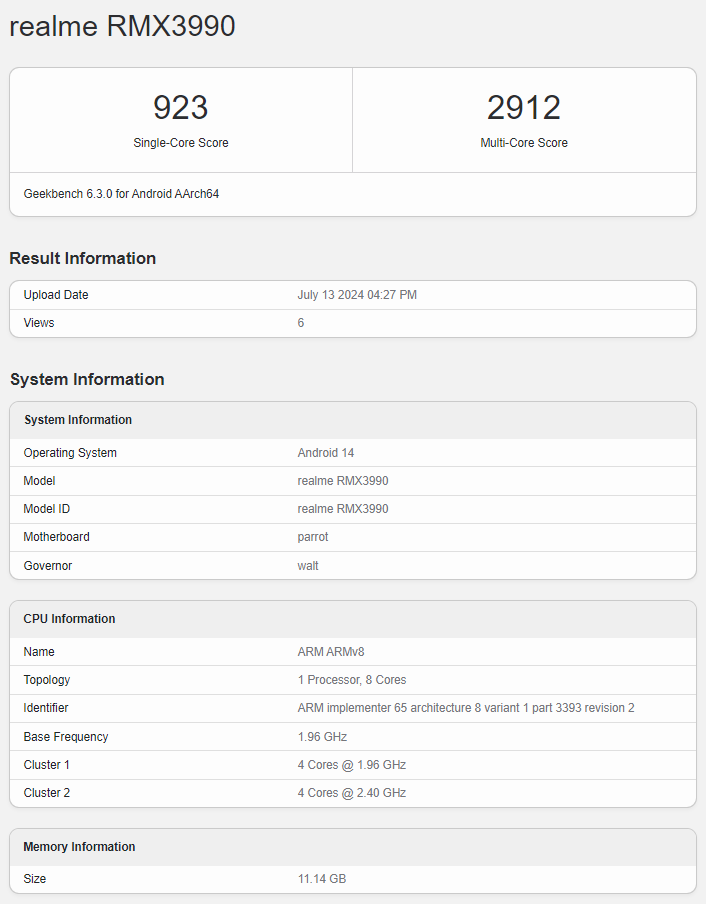
Realme is expected to unveil the Realme 13 Pro series of smartphones later this month in India. Reports have revealed that the upcoming Realme 13 Pro and 13 Pro+ have RMX3990 and RMX3921 model numbers. These devices will succeed the Realme 12 Pro and 12 Pro+, which came equipped with the Snapdragon 6 Gen 1 and Snapdragon 7s Gen 2 chipsets, respectively. Recently, Geekbench spotted the Realme 13 Pro+, sporting the same chip as its predecessor. Now, the alleged Realme 13 Pro has surfaced on Geekbench, revealing its chipset, RAM, and Android version.
Realme 13 Pro Geekbench listing (rumored)
The Realme 13 Pro’s Geekbench listing reveals a Qualcomm chip powering it, with 4 CPU cores clocking at 1.96GHz and 4 cores ticking at 2.40GHz. The listing’s source code indicates that it has an Adreno 710 GPU onboard. These specifications suggest that the 13 Pro could be equipped with the Snapdragon 7s Gen 2 SoC like its Pro+ variant.
The Realme 13 Pro’s Geekbench listing also reveals that it will have a 12 GB RAM variant and run on Android 14. The image shows that the device achieved scores of 923 and 2912 points in the single-core and multi-core tests of Geekbench 6.
So far, the brand has officially confirmed that the Realme 13 Pro and 13 Pro will both be available in colors like Emerald Green (vegan leather), Monet Gold (glass back), and Monet Purple (glass back). Reports have claimed that the Realme 13 Pro and 13 Pro+ will both arrive in four options, such as 8 GB RAM + 128 GB storage, 8 GB RAM + 256 GB storage, 12 GB RAM + 256 GB storage, and 12 GB RAM + 512 GB storage. The other details of the Realme 13 Pro series are yet to be revealed.
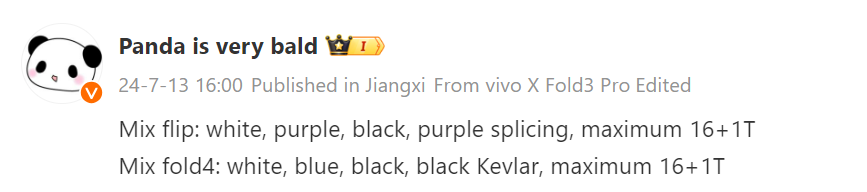
As we reach the midpoint of July, Xiaomi is gearing up to release three new flagship phones, namely the Mix Fold 4, the Mix Flip, and the Redmi K70 Ultra, in the Chinese market. The company has revealed the design of the Redmi K70 Ultra. It appears that the first teasers revealing the design of Xiaomi’s next-generation foldable phones will be rolled out this week. Meanwhile, tipster Panda is Bald, has tipped the color options and few other details about the Mix Fold 4 and Mix Flip.
Xiaomi Mix Fold 4, Mix Flip color options (rumored)
According to the tech blogger, the Mix Fold 4 will be available in white, black, blue, and a black Kevlar version. On the other hand, the Xiaomi Mix Flip will come in white, purple, black, and a purple splicing design. The topmost configuration of both models will have 16 GB of RAM and 1 TB of storage.
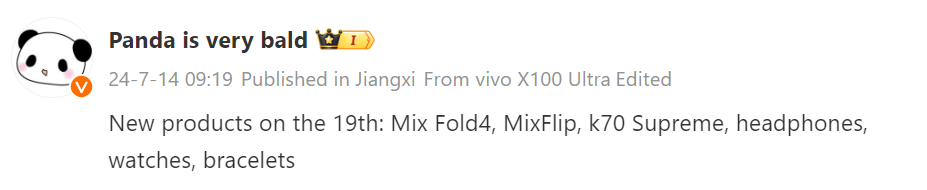
Xiaomi is yet to confirm the date for its next launch event. However, the other Weibo post from the leaker suggests that it will be held on July 19. Apart from the above-mentioned devices, the event will also see the arrival of new smartwatches, fitness bands, and headphones.
As per other reports, the Mix Fold 4 and Mix Flip will be powered by the Snapdragon 8 Gen 3 chip and support 67W flash charging. The Mix Fold 4 will also feature two-way satellite communication and an IPX8 waterproof rating. The Mix Fold 4 will also come with support for wireless charging, as per reports.
It is said that the Mix Flip will pack a 4,700mAh battery with 67W fast charging. Hence, the battery life of the phone is likely to be similar to other non-foldable flagship phones. Additionally, the MIX Flip will support Leica imaging for an enhanced photography experience. It is said to feature a 50-megapixel primary camera and a 60-megapixel telephoto camera with 2x optical zoom on the back.
On the other hand, the Xiaomi Mix Fold 4 will have a 50-megapixel main camera with OIS support. The primary camera is likely to be accompanied by a 12-megapixel ultrawide lens, a 60-megapixel telephoto camera with 2x optical zoom, and a 10-megapixel periscope telephoto camera with 5x optical zoom.
Samsung recently held the second edition of its exciting gaming event, the #PlayGalaxy Cup, showcasing the new Galaxy Z Fold 6 in India. According to the brand, this year’s event was one of the largest gaming competitions in India, engaging over 150 million users.
Samsung #PlayGalaxy Cup 2.0 showcases India’s top gaming talent
Samsung #PlayGalaxy Cup 2.0
Samsung has introduced several enhancements to highlight the Galaxy Z Fold 6’s gaming capabilities. The new foldable sports an improved screen, superior processing power, increased battery efficiency, and advanced cooling systems, ensuring a top-notch gaming experience.
Samsung’s official website and various popular gaming platforms streamed the #PlayGalaxy Cup live from 1:00 PM to 8:00 PM (IST) on July 11. Additionally, over 100 Samsung-exclusive stores across India hosted live streams of the event.
The #PlayGalaxy Cup 2.0 featured some of India’s top gaming talents, including 9 Hero gamers and 40 elite gamers from the Samsung #PlayGalaxy community. Notable participants included Naman Mathur AKA Mortal, Payal Dhare, Mythpat AKA Mithilesh Pathankar, and Gamerfleet AKA Anshu Bisht, all well-known for their contributions to the esports scene.
The event saw 12 teams, made up of 48 gamers, competing for the prestigious #PlayGalaxy Season 2.0 Cup. The competition involved intense play on five different maps of Battlegrounds Mobile India (BGMI), lasting six hours in one day. The team accumulating the most points after five matches, “Delhi AI Legends,” emerged victorious, claiming the coveted title.
The Snapdragon 8 Gen 3 for Galaxy powers the recently announced Galaxy Z Fold 6 and Flip 6 devices. The aforementioned chip, which also powers the Galaxy S24 series, is an enhanced Snapdragon 8 Gen 3 version. Both phones are now available on pre-orders in India, and they are scheduled to go on sale on July 24. Readers can visit these posts to learn about the variants, prices, and offers of both smartphones as well as the new watches and earbuds (Watch 7, Watch Ultra, and Buds 3 series).
Aditya Babbar, Vice President of MX Business at Samsung India, commented, “Samsung is dedicated to delivering powerful devices capable of handling graphically intense scenarios. The Galaxy Z Fold 6 offers an unparalleled experience for gaming enthusiasts. Through the #PlayGalaxy Cup, we aimed to showcase the capabilities of the Galaxy Z Fold6 and bring together the gaming community on a significant platform.”
mTap is a digital business card that can be shared with a tap of a smartphone or by scanning a QR code. It allows you to share your contact information and other digital assets, such as your website, social media profiles, and payment information. mTap eliminates the need for paper business cards.
There are several advantages of having a digital business card like mTap. Firstly, mTap cards are digital, so they cannot be lost or run out. Secondly, they can hold more information than a paper business card, including links to social media profiles and payment apps. Thirdly, mTap cards are more environmentally friendly because they do not require paper. Finally, mTap cards are easier to share than paper business cards because they can be shared electronically.
mTap and companion app
mTap has a companion app available on Google Play Store and Apple App Store. The app allows users to access all the features and functionalities offered by mTap directly from their smartphones. This includes browsing menus, placing orders, making payments, providing feedback, and interacting with venues seamlessly. The companion app enhances convenience for both customers and venue operators, facilitating a smooth and efficient dining or shopping experience.
What impressed me most was mTap’s ability to customize NFC-enabled digital cards. By sharing QR codes or links, I could include bios, YouTube videos, and other custom links, enhancing my networking capabilities and demonstrating professionalism.
Integration, analytics, and insights
mTap seamlessly integrates with popular CRM systems like HubSpot and Salesforce, empowering users to effectively manage leads and contacts. This integration ensures streamlined operations and enhances customer relationship management.
For Pro users, mTap offers advanced analytics and immediate follow-up capabilities. Users can track link clicks, manage contacts comprehensively, and gain valuable insights into customer behavior and preferences. These features enable data-driven decision-making and strategic planning.
Team collaboration
In addition to individual benefits, mTap offers a team version that facilitates seamless collaboration across departments. Features such as lead management and real-time analytics empower organizations to optimize teamwork and enhance productivity.
mTap prioritizes data security, storing information in encrypted databases and adhering to ISO 27001 standards. This commitment ensures the confidentiality and integrity of user data, providing peace of mind to both businesses and customers.
Looking ahead, mTap continues to innovate with upcoming developments such as voice notes, AI enhancements for enriching contact details, and expanded integrations with additional systems and services. These advancements underscore mTap’s commitment to evolving with the needs of its users and staying at the forefront of technology.
mTap offers various pricing tiers tailored to individual users (Pro and Free) and teams (Business Pro), with flexible monthly or annual subscription options. The free version allows users to set up a profile, add unlimited links, share cards via QR code, view collected leads via dashboard, and more.
mTap lets you effortlessly create and share dynamic digital business cards that enhance networking capabilities and showcase professionalism, whether you’re an individual, a small business, a small cafe, or a large restaurant chain.
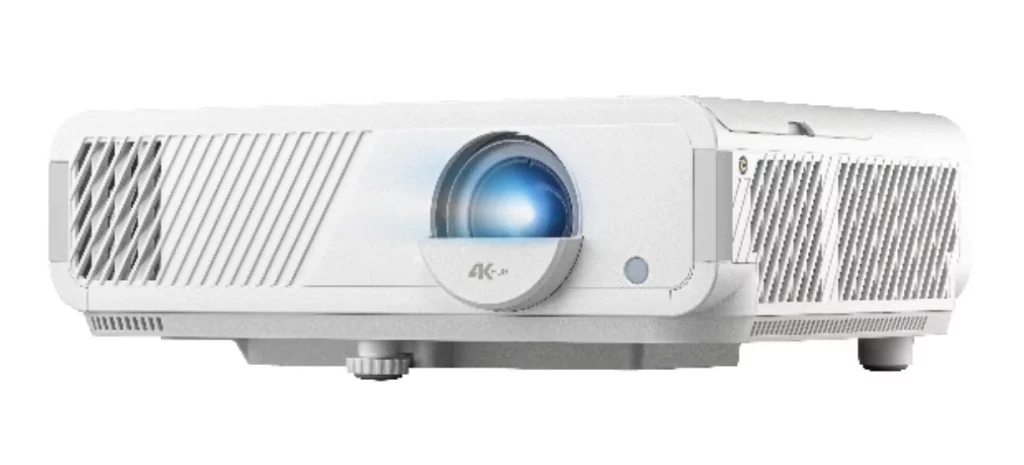
ViewSonic has introduced a new projector model, the PJB716K, featuring a 4K 240Hz display. The projector boasts an impressive 3700 lumens brightness, 4.2ms latency, and a 12000:1 contrast ratio. It supports HDR10 and HLG formats, and utilizes ViewSonic’s SuperColor technology for enhanced color accuracy.
The projector supports HDR10 and HLG formats.
The PJB716K includes automatic keystone correction and surface adjustment, along with support for frame packing and frame sequential 3D content. Automatic keystone correction is a feature in projectors that automatically adjusts the projected image to correct any distortion that occurs when the projector is not perfectly aligned with the screen. This distortion often results in a trapezoidal shape instead of a rectangle.
A built-in 10W speaker and two HDMI 2.0 ports are also included. While specific pricing has not been announced, the projector is expected to cater to users seeking high-performance visual experiences.
Samsung is releasing a limited-edition Doraemon Galaxy Z Flip 6 in Hong Kong to celebrate the “100% DORAEMON & FRIENDS” exhibition. Only 800 sets will be available, making them a collector’s item for fans of the popular anime series.
The phone itself boasts a light blue color reminiscent of Doraemon and comes pre-loaded with a special Doraemon theme. This theme includes unique boot animations, lock screens, home screens, and even customized app icons.
The bundle doesn’t stop there. It also includes a Doraemon-themed phone stand featuring a magnetic design to hold the phone securely. To complete the package, a Doraemon-themed flipsuit case protects the phone in style.
Pricing & availability
Pre-orders are open now, with the phone priced at HKD 10,698 (around US$1370) for the 12GB RAM and 512GB storage configuration. Pre-order customers will also receive a free Doraemon tote bag. The Doraemon Galaxy Theme will be downloadable until July 14, 2024, so even non-bundle buyers can get a taste of the Doraemon experience.
Specification-wise, the device will be the same as a regular Galaxy Z Flip 6, featuring a 6.7-inch FHD+ Dynamic AMOLED main screen with a 120Hz refresh rate, and a 3.4-inch outer cover AMOLED screen with a 720 x 748 resolution and 60Hz refresh rate.
The phone has a side-mounted fingerprint scanner, dual rail hinge, Armor Aluminum, Gorilla Glass Victus 2, and is IP48 dust and water-resistant. It boasts a 50MP main sensor (f/1.8, OIS) and a 12MP ultra-wide-angle lens, while the 10MP selfie camera remains unchanged.
It is powered by a Snapdragon 8 Gen 3 processor, coupled with up to 12GB RAM and 512GB storage. It also includes a vapor chamber for heat dissipation, a 4,000mAh battery with 25W charging, and runs on OneUI 6.1-based Android 14, with 7 years of software support.
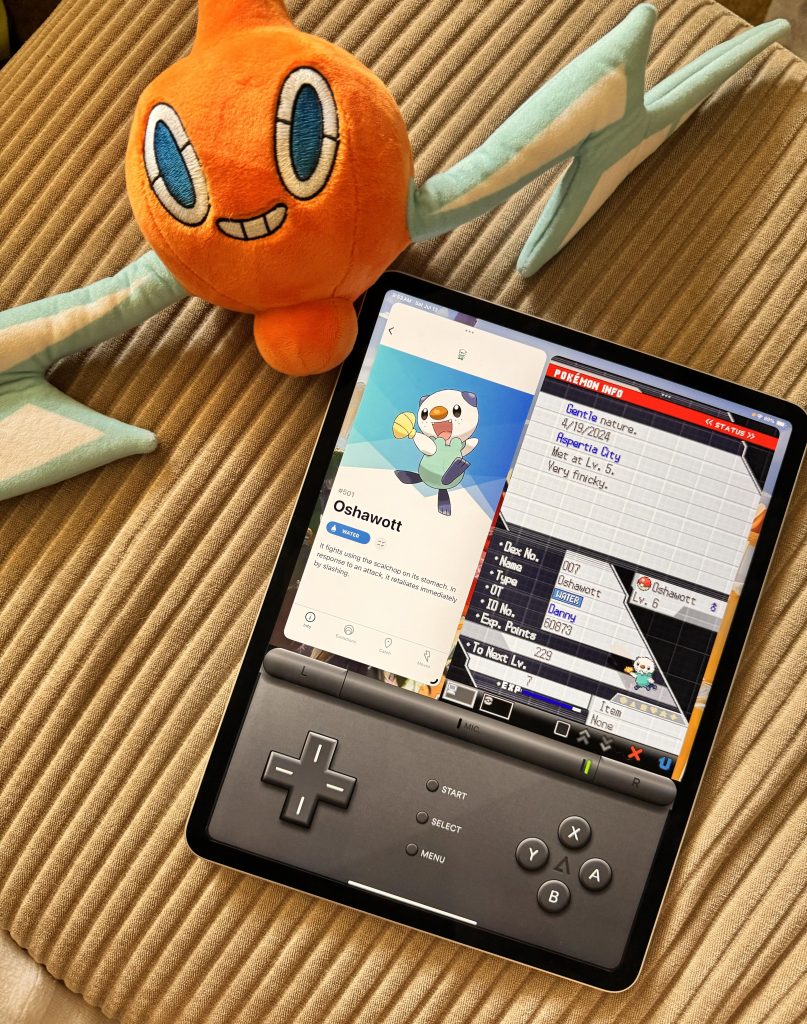
Delta, a popular Nintendo game emulator, has introduced key upgrades with its version 1.6 release. The company has been doing pretty well for a while now, building a strong reputation for quality emulation. The primary focus is enhanced iPad compatibility, allowing users to seamlessly switch between iPhone and iPad devices. The update also includes improvements to DS game compatibility, fresh skin and menu options, and a new logo necessitated by legal concerns.
Image credit: u/dannyleemg on Reddit
The update, available on both the App Store and AltStorePAL, fulfills a promise made by Delta creator Riley Testut just three months ago. iPad users can now enjoy full-screen gameplay and utilize Stage Manager and Split View for multitasking. However, the developers have warned users about potential DS save state issues, recommending in-game saving before updating and offering a dedicated app, Delta Legacy, to assist with save state migration.
We use cookies on our website to give you the most relevant experience by remembering your preferences and repeat visits. By clicking “Accept”, you consent to the use of ALL the cookies.
This website uses cookies to improve your experience while you navigate through the website. Out of these, the cookies that are categorized as necessary are stored on your browser as they are essential for the working of basic functionalities of the website. We also use third-party cookies that help us analyze and understand how you use this website. These cookies will be stored in your browser only with your consent. You also have the option to opt-out of these cookies. But opting out of some of these cookies may affect your browsing experience.
Necessary cookies are absolutely essential for the website to function properly. This category only includes cookies that ensures basic functionalities and security features of the website. These cookies do not store any personal information.
Any cookies that may not be particularly necessary for the website to function and is used specifically to collect user personal data via analytics, ads, other embedded contents are termed as non-necessary cookies. It is mandatory to procure user consent prior to running these cookies on your website.