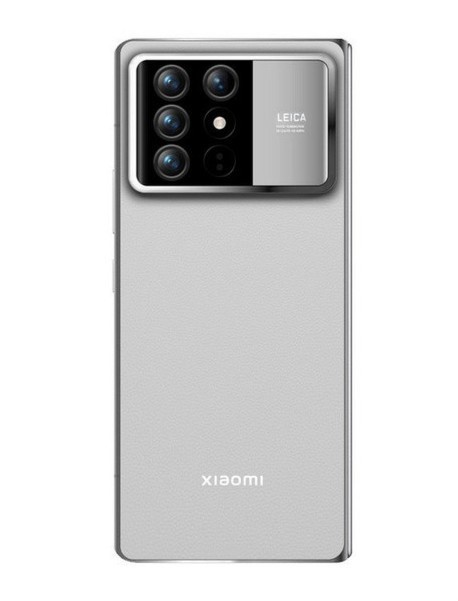
Xiaomi‘s upcoming book-style foldable, the Xiaomi Mix Fold 4 is reportedly scheduled to launch on July 19. Ahead of the launch, concept renders of the phone have surfaced on the internet thanks to a new leak from “Fixed Focus Digital”. You can check out the concept render below.
The latest render shows a triple camera setup with a periscope
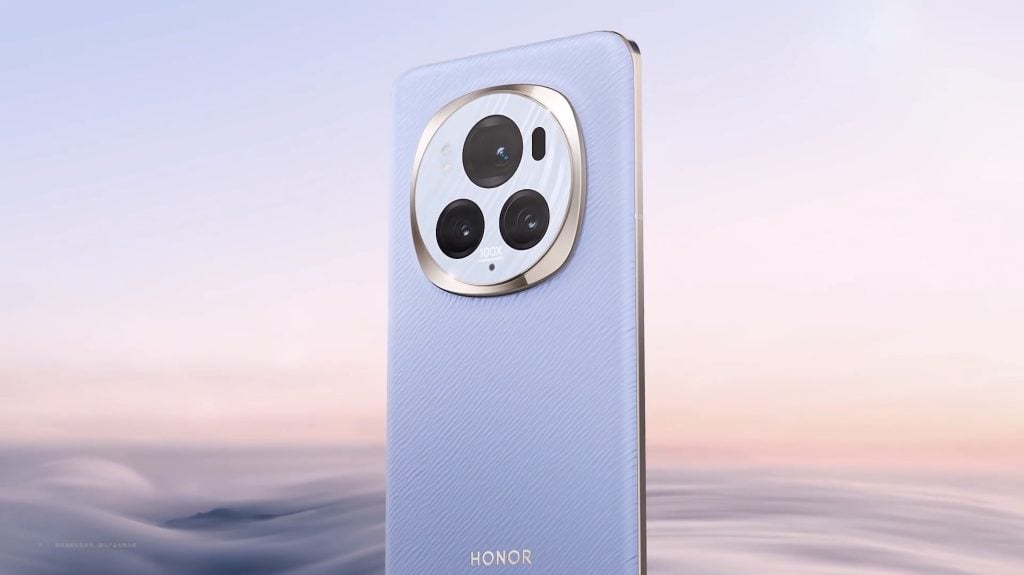
As you can see, the render of the phone shows a triple camera setup on the back that includes a periscope telephoto. The camera system will apparently support 100X zoom. However, it is worth pointing out that the camera system includes one less camera as compared to the Mix Fold 3, which packed two telephoto cameras with 3.2x and 5x optical zoom. The rectangular camera module is also relatively slightly wider as compared to the predecessor.
The outer screen comes with the same hole-punch cutout for the selfie camera and slightly slimmer bezels. According to this concept render, the camera system will also include the Leica color science. The Leica branding and the flash module are located in the same position inside the large rectangular camera island. The render also hints at a light grey color option for the Xiaomi Mix Fold 4.
Previously revealed render of Xiaomi Mix Fold 4
However, it’s important to mention that the latest render is not completely in line with the same as the previously exposed render of Xiaomi MIX Fold 4. On the one hand, the previous render shows four cameras with a dual vertical layout, and the flash module is relocated near the cameras, where the Leica branding is placed in the middle.
On the other hand, the camera island itself has a slightly different design. Additionally, the previous render does not show a periscope camera. That being said, the renders are from unofficial sources and can be inspired by different prototypes Xiaomi has worked on during the testing phase. So the actual product may come with a slightly different design than what the renders show.
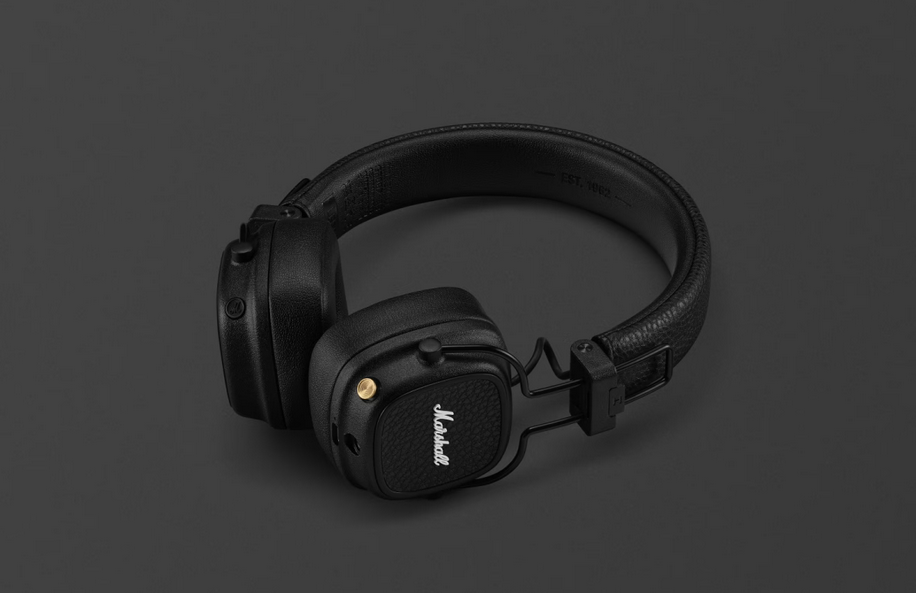
Marshall has just unveiled a brand-new wireless headphones in India. The Major V headphones were first announced in the global market. These are the company’s latest hearable products and feature an impressive battery life. So here’s how much it costs in India and all its specs and features.
Marshall Major V: Pricing and Availability
The known audio brand has released the Marshall Major V wireless headphones in India in a black color option. It is listed for a price tag of 14,000 INR (roughly 168 US Dollars), which is also in line with its global pricing. You can purchase this device on the company’s official website.
Marshall Major V wireless headphones launched in India
Specs and Features
These new wireless headphones pack custom tuned 40mm dynamic drivers that bring Marshall’s signature sound profile. The company promises to offer clear audio and minimal distortion. It is built using a durable yet lightweight body that weighs just 186 grams. These headphones are foldable as well, making it easier to carry around. You can connect the Major V with Bluetooth 5.3 support, although it also supports Bluetooth LE Audio, SBS, AAC, LC3, and MPEG-2 AAC. Other connectivity options include multipoint support and wired connectivity via a 3.5mm audio jack. The brand also has a dedicated Marshall Bluetooth app.
One of the most notable aspects of the new Marshall headphones is its battery life. On a single full charge, the Major V can offer an impressive 100 hours of battery life. It supports fast charging as well, with just 15 minutes of charging offering 15 hours of audio playback. There is support for USB-C charging and even wireless charging. Marshall has a dedicated M-button that can be customized for Spotify Tap, EQ presets, or even the voice assistant, along with a control knob.
Vivo, the Chinese smartphone giant, has introduced a new feature for its OriginOS software that streams videos from your phone to a car display. However, users outside China may not be able to access this functionality due to the limited availability of OriginOS.
The “vivo smart car” feature allows users to stream videos directly to their car’s display through specific apps on their Vivo phones. Currently, it supports seven popular Chinese video platforms: iQiyi, Tencent Video, Youku Video, Bilibili, Douyin (the Chinese equivalent of TikTok), Kuaishou (another short-form video app), and Xigua Video (owned by ByteDance, TikTok’s parent company).
There’s one limitation to this new feature — Tencent Video and Youku Video require phones running Android 14 or higher. On the other hand, for short-form video apps like Douyin and Kuaishou, Vivo is thoughtful enough to include a feature called “page-turning” (translated from Chinese) which, by the name of it, appears to allow users to navigate short-form videos easily.
But the thing you should be aware of is that you can only use this feature when the car is parked and not while driving. The company is prioritizing users’ safety and adhering to traffic regulations by avoiding video applications while operating a vehicle.
While the in-car video app may seem like a convenient addition, it’s important to note OriginOS’ restricted availability. Unlike Vivo’s standard Funtouch OS found on global phones, OriginOS is currently exclusive to the Chinese market. Unless Vivo decides to offer similar functionality on its global software or expand OriginOS more broadly, international users won’t be able to access this feature.
For global Vivo users who might be envious of this in-car video addition, existing options like Android Auto and Apple CarPlay offer similar functionalities. These platforms integrate with various streaming services, allowing users to access their favorite content while their phones are safely tucked away.
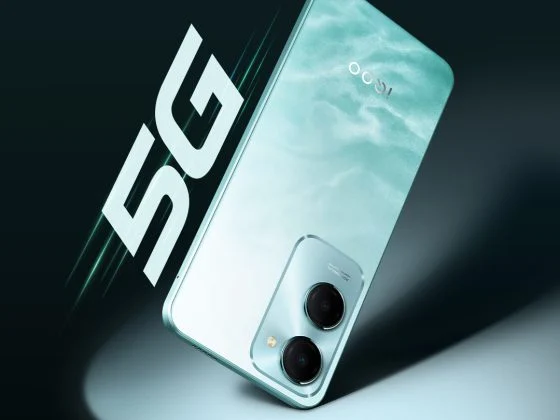
iQOO has launched the iQOO Z9 Lite 5G in India, targeting budget-conscious 5G smartphone users. The phone features a large display, a capable processor, and a long-lasting battery, but cuts corners on some features to achieve its competitive price point. Here’s a look at the features and pricing of the iQOO Z9 Lite 5G in India.
Specifications
The iQOO Z9 Lite 5G comes with a 6.56-inch IPS LCD display that offers HD+ resolution and a 90Hz refresh rate. It is powered by the MediaTek Dimensity 6300 chipset, LPDDR4x RAM, and eMMC 5.1 storage. Users can choose between 4GB or 6GB of RAM, paired with 128GB of storage.
On the camera front, the Z9 Lite 5G sports a dual rear camera system consisting of a 50MP main sensor and a 2MP secondary sensor. The front-facing camera for selfies and video calls comes in at 8MP. The phone packs a 5,000mAh battery with support for 15W fast charging.
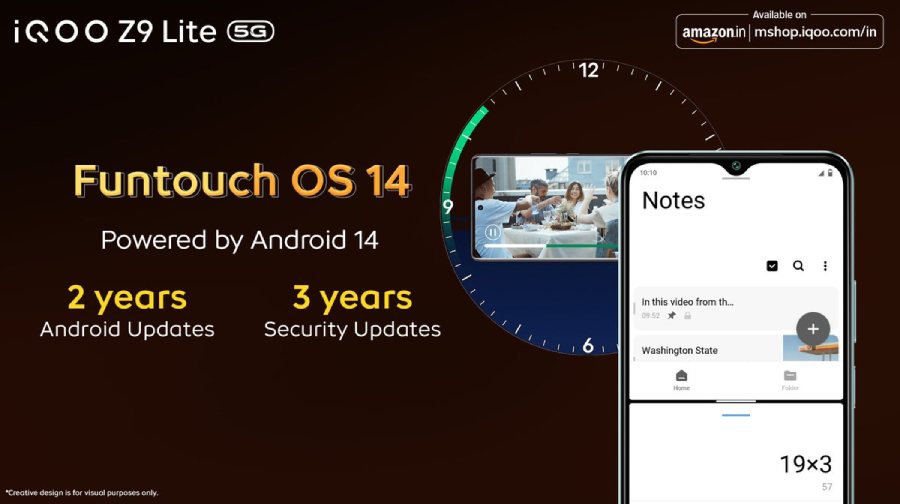
Software-wise, you get Android 14 with iQOO’s FunTouchOS 14 on top. iQOO is offering two years of Android OS upgrades and three years of security updates, ensuring the phone stays up-to-date for a reasonable amount of time.
The iQOO Z9 Lite 5G comes in two color options —Aqua Flow and Mocha Brown. It features a side-mounted fingerprint scanner for biometrics, a 3.5mm headphone jack for audio, a microSD card slot for storage expansion, and an IP64 dust and water resistance rating.
Price and Availability
The phone starts at Rs 10,499 for the 4GB RAM + 128GB storage variant and goes up to Rs 11,499 for the 6GB RAM + 128GB storage option. It will be available for purchase in India starting July 20th via Amazon and iQOO India’s online store.
Moreover, as part of the launch offers, the company is providing a Rs 500 instant discount for purchases made with select credit and debit cards and EMI transactions until July 31st.
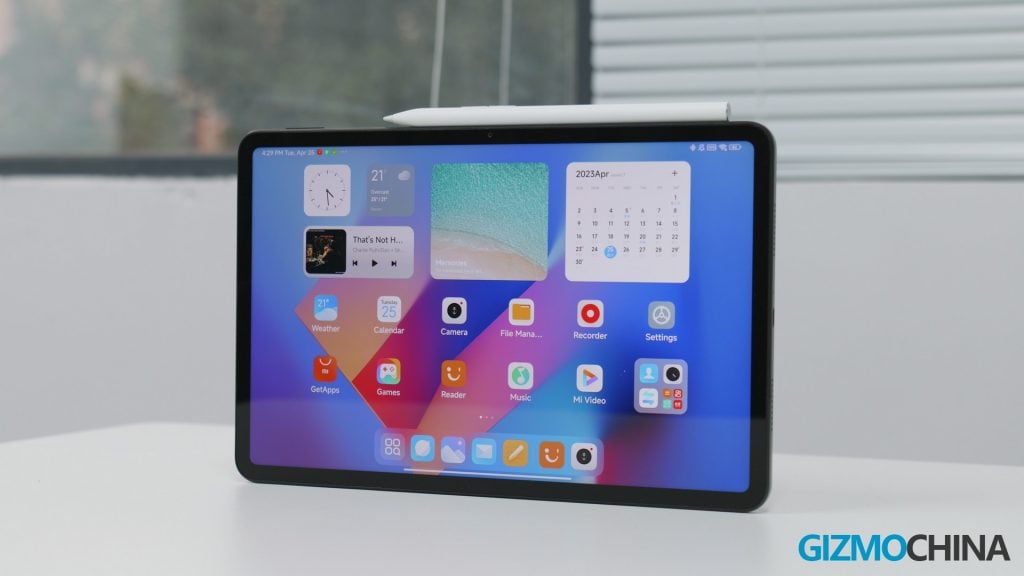
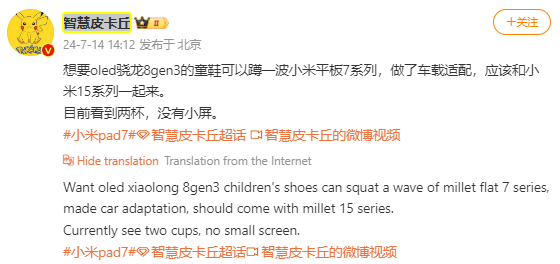
Xiaomi released the Pad 6 in April last year with the Snapdragon 870 chipset. However, a recent leak claims that the upcoming Xiaomi Pad is going to be far more capable, and will be powered by the latest Snapdragon 8 Gen 3 chipset. According to a previous report, the tablet is expected to launch in September.
Xiaomi Pad Pro
The chipset information comes from Weibo tipster 智慧皮卡丘. The tipster suggests that the tablet should launch with the Xiaomi 15 series. he also adds that the Xiaomi Pad 7 series could primarily offer two different versions, likely the Xiaomi Pad 7 and Pad 7 Pro. The company also had a similar strategy with its predecessor, where the Pad 6 Max 14 and the Pad 6S Pro were launched later.
He also hinted that the Pad 7 series will come equipped with large displays. The product will be optimized for car scenes, and adopt a metal body. In terms of design, the Xiaomi Pad 7 series may continue the classic design language of its predecessors. Pad 7 will reportedly retain the square camera island design with the lines separating the camera modules. However, this is also one of the few parameters that makes the lineup stand out from the rest.
The Xiaomi Pad 7 series is expected to come equipped with HyperOS and establish seamless connectivity between the tablet and other devices with HyperOS.
The company has already completed the certification process for two devices in the Eurasian Economic Union (EEC), model numbers “24091RPADG” and “2410CRP4CG”. According to reports, these two devices should be the Xiaomi Pad 7 and Pad 7 Pro.
Huawei is set to challenge the foldable phone market yet again, with rumors swirling about the imminent release of the world’s first triple-folding phone. According to tipsterFixed Focus Digitalin a Weibo post today, the device is expected to launch within two months.
The source also notes that this upcoming foldable will be expensive and manufactured in limited quantities. However, the leak suggests that Huawei’s tri-fold device might be more of a “show muscle” rather than achieving immediate market dominance.
New and innovative products often come with a hefty price tag, but the expectation is that as the technology matures and production scales up, the price will naturally come down.
The source further speculates that this tri-folding phone might eventually replace both the iPad and current foldable phones in the market. Whether this ambition translates into reality remains to be seen.
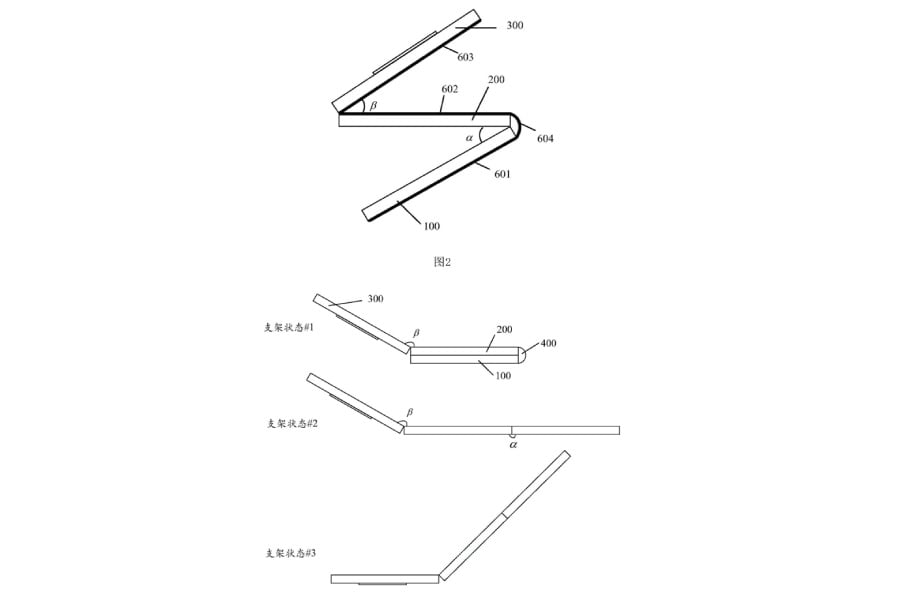
There’s not much the tipster revealed of the phone’s specs, but a report earlier this month suggests a total screen size of around 10 inches. The phone’s design is rumored to incorporate a unique dual-hinge system, creating three separate screen sections.
One section is said to fold inwards on both sides, while the other folds outwards. The report also suggests that crease control, a persistent issue with foldable displays, might be well improved on this device.
Huawei tri-fold patent
Beyond this, we don’t know much about the features of the upcoming tri-fold device. However, Huawei’s pursuit of a triple-folding phone has been a long one. They started filing patents for this technology back in 2021, with more filings in 2022. Another patent filed in February 2023 shows a triple-folding phone with two hinges and a flexible screen that folds outwards — like the one we mentioned before.
Apple plans to use advanced 3D chip stacking technology in its upcoming MacBook series which is scheduled to be launched in 2025, which is said to be a breakthrough in chip packaging technology. The new packaging technology is capable of stacking multiple chips vertically making it more compact.
The industry is transitioning to glass substrates for chip packaging
However, the industry is transitioning to glass substrates to replace existing 2.5D and 3D packaging technologies. Giants like AMD, Intel, and Samsung have attracted much attention in the field of chip glass substrate supply. Samsung is actively investing resources in the research and development of glass substrates in chip manufacturing. The company reportedly has plans to use the technology in its products by 2026.
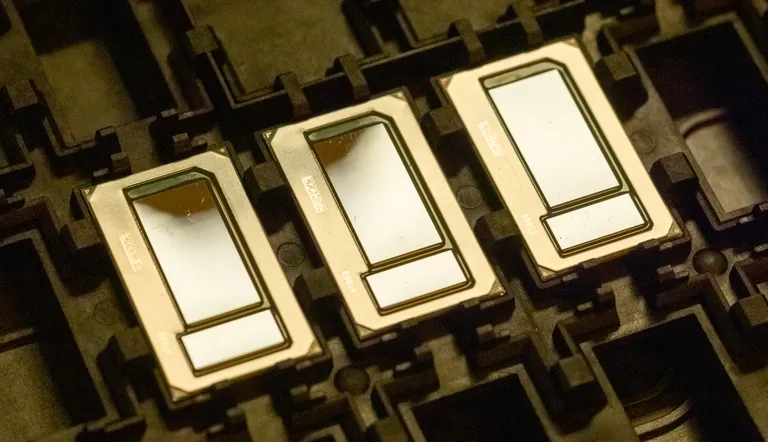
However, it is worth noting that TSMC is not absent in this field. Industry analysts have noticed signs that the company is developing similar solutions. The company is exploring new paths in the field of advanced chip packaging in an innovative way – turning to rectangular chip substrates.
According to a report, TSMC plans to switch from traditional round wafers to rectangular substrates. This move aims to improve the efficiency of the chip layout on each wafer, which significantly increases the number of chips that can be placed. Currently, this rectangular substrate is in the trial stage, with a size of 510 mm x 515 mm. It reportedly offers more than three times the usable area of traditional round wafers. Also, the rectangular design significantly reduces the waste of edge space, further improving material utilization.
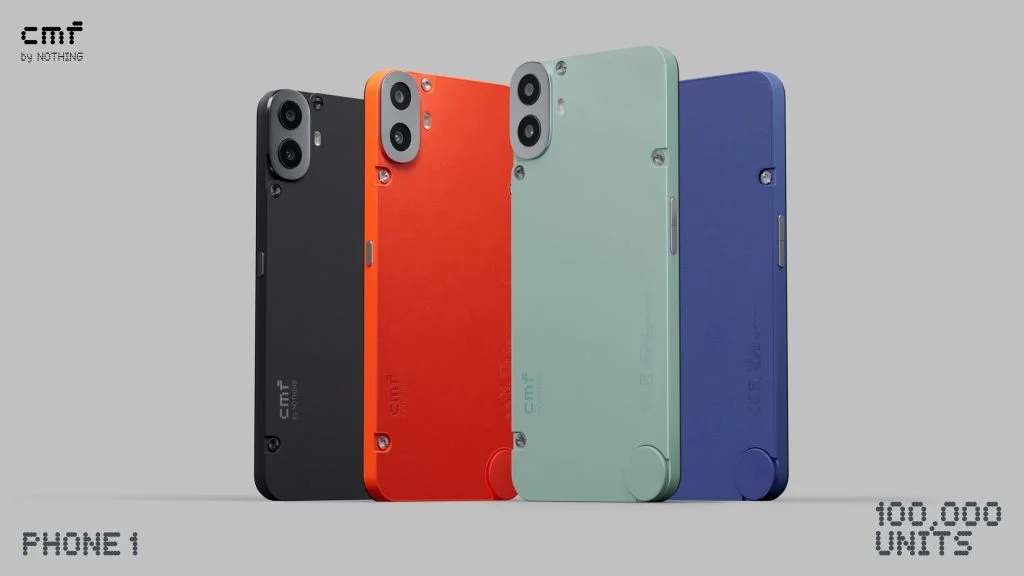
First up today, the CMF Phone 1 is packing a secret superpower that’s straight out of a spy movie. Its depth sensor can see through thin objects! But don’t get too excited – this accidental X-ray vision is about to disappear faster than you can say “privacy concerns.” We’ll dive into the details and why Nothing is pulling the plug on this unexpected feature.
Meanwhile, Google’s caught in a game of “who wore it better” with their upcoming Photos feature. Is it innovation or imitation? We’ve got the scoop on the controversy that’s got a plucky startup crying foul.
And for all you Nokia fans feeling nostalgic, HMD’s got a treat in store. They’re bringing back the Lumia look, and we’ve got the leaked renders to prove it. Is this the comeback Nokia needs to reclaim its throne?
More details on the above stories are in today’s newsletter below.
The CMF Phone 1, lauded for being a quirky and budget-friendly Android option, has a surprising party trick – its depth sensor can see through objects. It’s an unexpected feature that users cannot access via the default camera app, they rather need a third-party app. However, due to privacy concerns, Nothing has confirmed they will disable this feature via a software update.
Back in January, there was a report thatuncovered hints of a new feature in development for Google Photos called “My Week”. Recently, the publication was also able to enable it through an APK teardown, which shows the feature to be strikingly similar to the core functionality of the photo-sharing app Retro.
HMD Global has been rumored to be working on a phone inspired by the classic Nokia Lumia 920. Now, a listing from a Belgian retailer appears to have given us the clearest look yet at this device called the HMD Skyline.
Four companies have scheduled smartphone launches for next week. Out of these, three of them will take place in India, while the last one is meant for all markets.
The three brands that will debut phones in India are iQOO, Samsung, and Honor. The handsets they will announce are already official in other markets or under a different name.
Honor has just launched the Magic V3 and Magic Vs 3 book-style foldables in China. The company launched the Honor Magic 6 in January this year. Nonetheless, the Honor Magic 7 series has already entered the rumor mill. The series is rumored to come with a “billion-pixel camera” (which is 1000MP). The news comes from Weibo tipster 智慧皮卡丘.
The tipster also adds that the series will also equip a variable aperture technology and the company’s self-developed imaging architecture. In terms of battery life, it is expected to be equipped with a large-capacity battery of about 6000mAh.
To get an idea of the development, we can refer to the camera system of the predecessor, which also offered a reasonably good imaging performance. The Magic 6 Pro also offers f/1.4-2.0 variable aperture for the main camera. Both the Magic 6 and Magic 6 Pro come with 50 MP 1/1.3″ main sensors. The OmniVision sensor used in the main camera is said to have the highest dynamic range in the industry, which helps it adapt to shooting environments with adverse brightness and contrast conditions. The sensor supports ultra-dynamic HDR shooting, which can increase the dynamic range by 800%.
However, the telephoto between the two are different. While both the regular and the Pro versions come with a 2.5x telephoto, the phone model equips a periscope module and also boasts a 180MP high-resolution sensor as compared to the 32MP one of the standard models. Notably, the 1/1.49″ telephoto sensor of the pro model supports 16-in-1 pixel binning to simulate 2.24μm large pixels. The periscope module has an aperture of f/2.6. With all this, the Magic 6 Pro offers up to 100 digital zoom. In contrast, the Magic 6 offers 50x digital zoom.
Both the phones equip the same 50MP sensor for the ultrawide camera with a field of view of 122°.
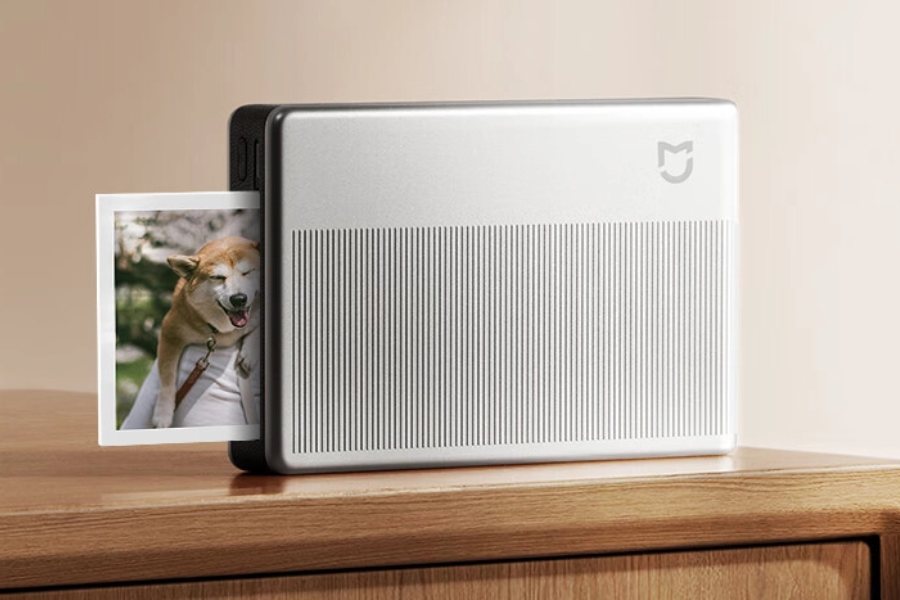
Xiaomi has unveiled an update to its Mijia Pocket Photo Printer, the 1S, which brings a handful of new features focused on personalization and augmented reality (AR) experiences.
The Mijia Pocket Photo Printer 1S launched today on JD.com and other Chinese platforms for a pre-sale price of 399 yuan (roughly USD 53), with wider availability starting July 19th.
The core functionality remains the same: a portable printer for creating physical photos from your smartphone. However, the 1S has a wide range of customization options through the Mi Home app. Users can now choose from various built-in border styles for their prints, add custom avatars, and even include signature watermarks.
The printer also has eight different filters, allowing users to adjust the overall look and feel of their photos before printing. Notably, the 1S ditches Wi-Fi dependence entirely, opting for Bluetooth connectivity. This enables multiple users to connect to the printer simultaneously for a more social printing experience.
Beyond static prints, the 1S embraces augmented reality (AR) to add a new layer to photo memories. The “AR video photo” function lets users associate videos or audio clips with their photos within the Mi Home app.
When you scan the photo within the app, these photos come alive, allowing users to relive moments with a burst of sight and sound. Videos can be up to 15 seconds long, while audio recordings can stretch to 60 seconds.
The Mijia Pocket Photo Printer 1S utilizes ZINK zero-ink printing technology. This means the printer relies on special ZINK photo paper that has color crystals embedded within.
The printer heats these crystals to form the image, eliminating the need for messy ink cartridges. While the printer itself is relatively affordable, refills come at a premium. The price for a 50-sheet pack of ZINK paper is 99 yuan (roughly USD 15), translating to a per-sheet cost of around 2 yuan (USD 0.30).
Vivo has officially launched its latest smartphones, the Y37 and Y37m, in China, offering a range of impressive features at competitive prices. The new devices are now available for pre-order, with the Y37 priced between 1,199 yuan and 2,099 yuan, and the Y37m starting at 999 yuan.
Vivo Y37 & Y37m specs:
Both the Vivo Y37 and Y37m share several key specifications. The smartphones feature a 6.56-inch display with a 20.15:9 aspect ratio and an 89.64% screen-to-body ratio. The resolution stands at 1612×720 with refresh rates of 90Hz.
Both models are powered by the Dimensity 6300 processor, featuring an octa-core CPU (2.4GHz for the performance cores and 2.0GHz for the efficiency cores) and a Mali-G57 GPU. They come in configurations with 4GB, 6GB, or 8GB of RAM, along with either 128GB or 256GB of internal storage, utilizing LPDDR4X dual-channel RAM and eMMC5.1 ROM. The Y37 also offers a 12GB RAM variant.
Both models are equipped with a 5000mAh battery, support 15W charging, and come with OriginOS 14 based on Android 14. Camera capabilities for both devices include a 13MP rear camera with an f/2.2 aperture and a 5MP front camera with an f/2.2 aperture.
They support 5G and 4G networks with dual nano SIM slots, 2.4G/5G WiFi, and Bluetooth 5.4. Additional features include side-mounted fingerprint sensors, USB Type-C, and a 3.5mm headphone jack.
Pricing
The Vivo Y37 is available in multiple configurations:
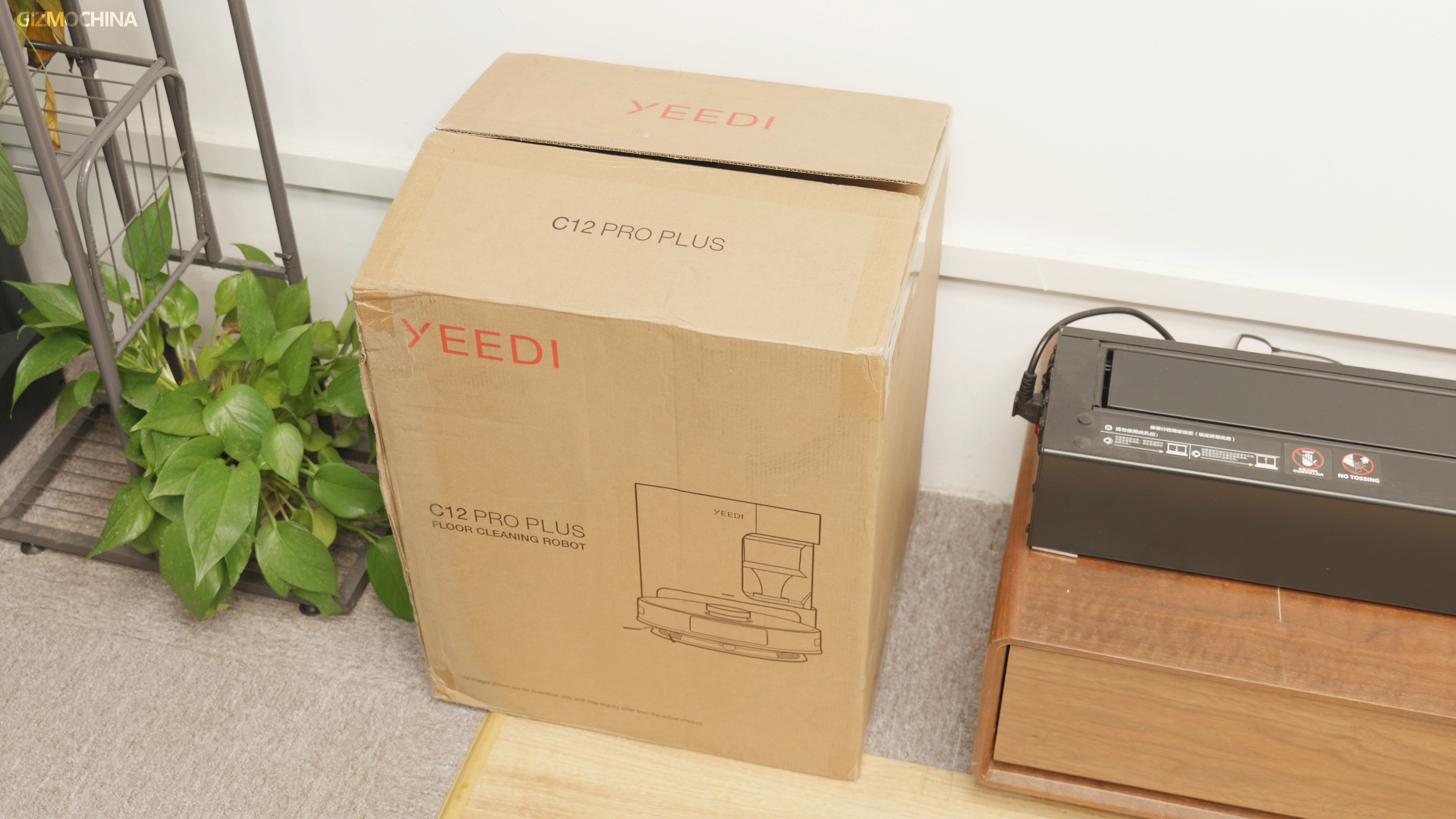
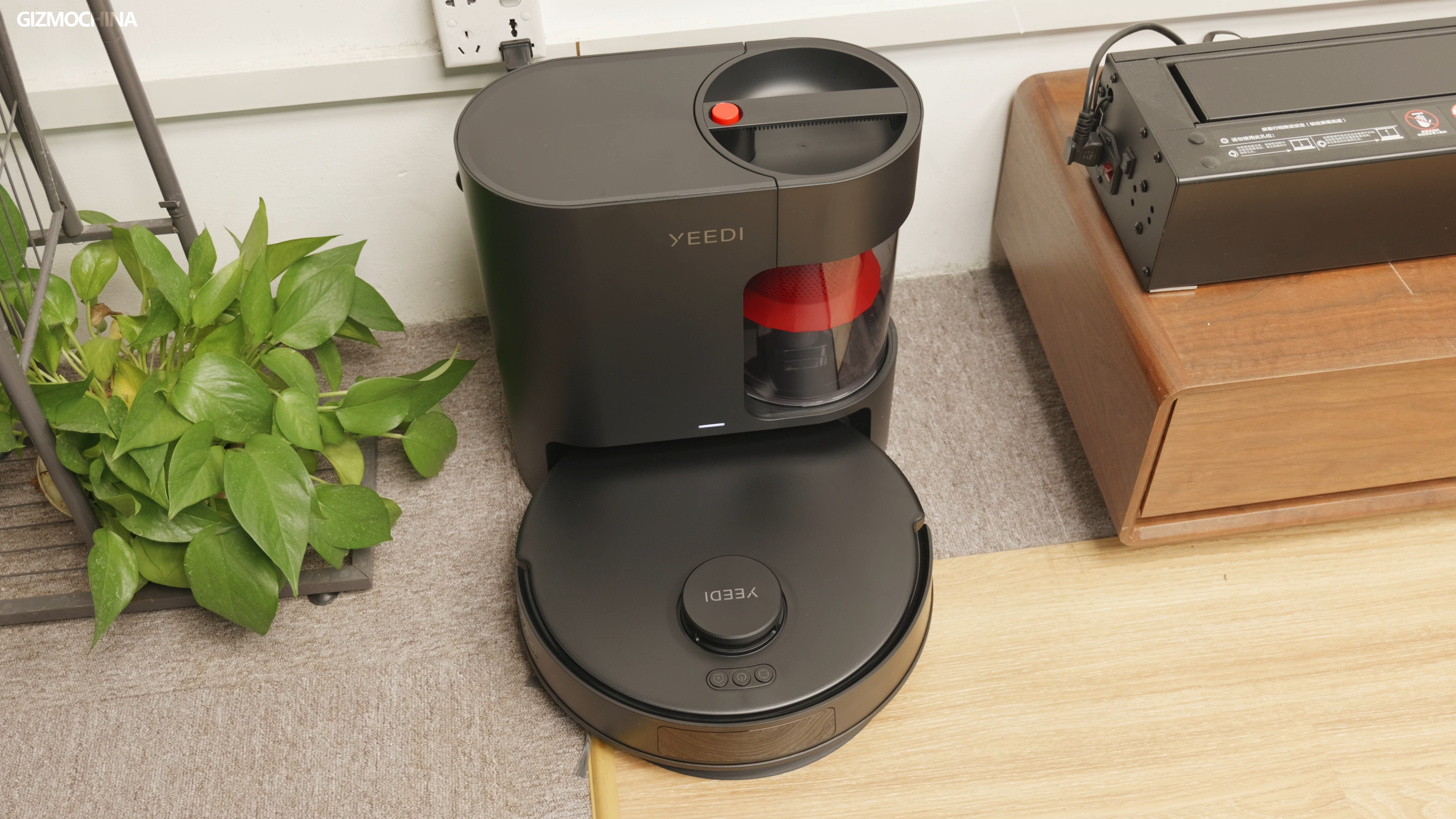
Robot Vacuum Cleaners are evolving faster than you might think, so it is important to choose one that suits you the best because they have to be in your household for a longer period of time. And this time we have a new one from YEEDI, the C12 Pro Plus. There are also C12 and C12 Plus in the series, and the C12 Pro Plus is the premium one. This one has two major upgrades, which are the Sophisticated Vibrative Mop and Auto-Empty Omni Station. If your floor often gets really dirty or has hairs everywhere, and you want to get an affordable robot vacuum, then this review will help you a lot.
Yeedi C12 Pro+ full review video:
Design
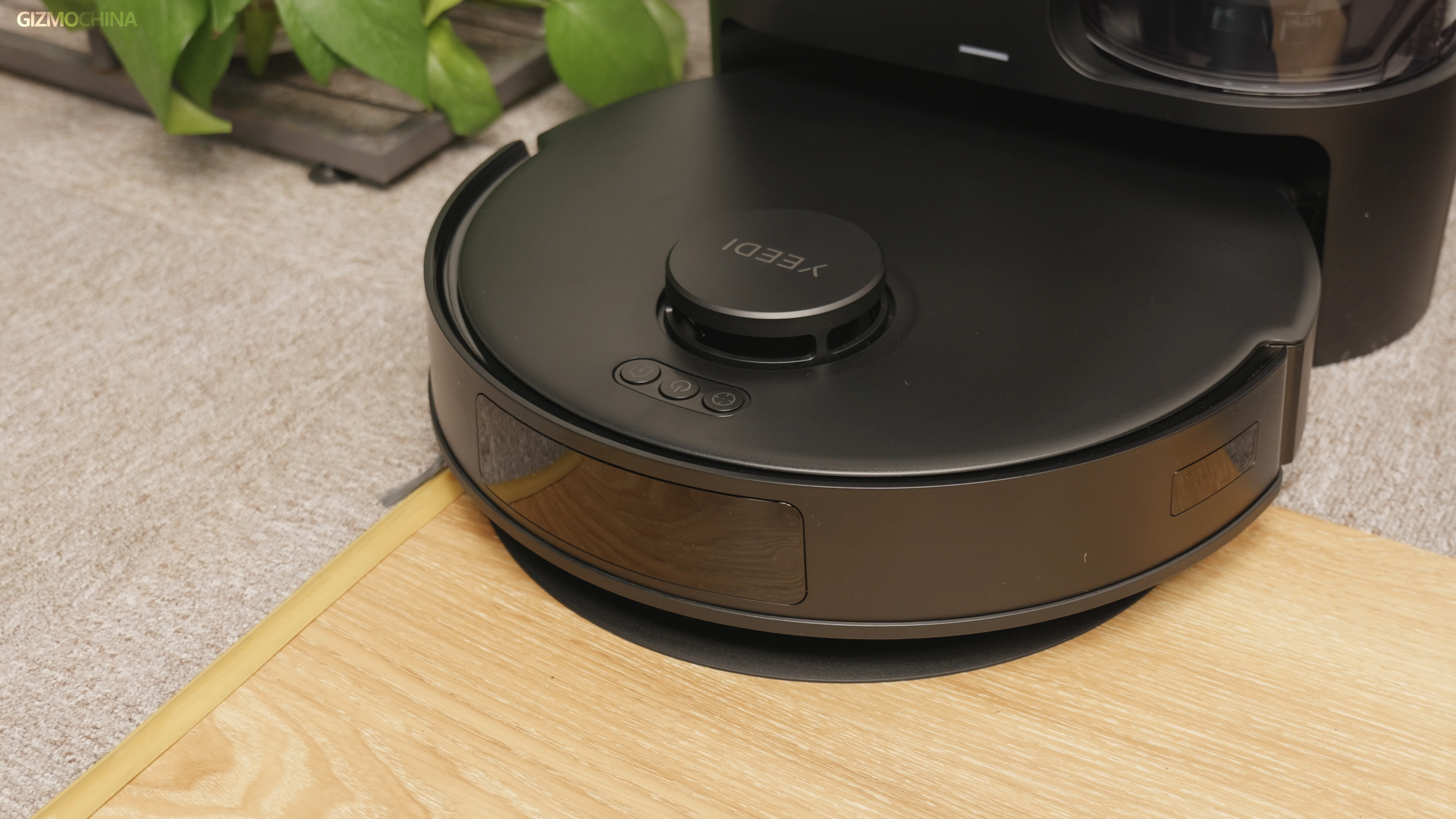
When we received the robot vacuum, I was still surprised by how small the box was. I mean the box tells that the machine will be mighty as well, and it can help you clean the house while still requiring less space at your home.
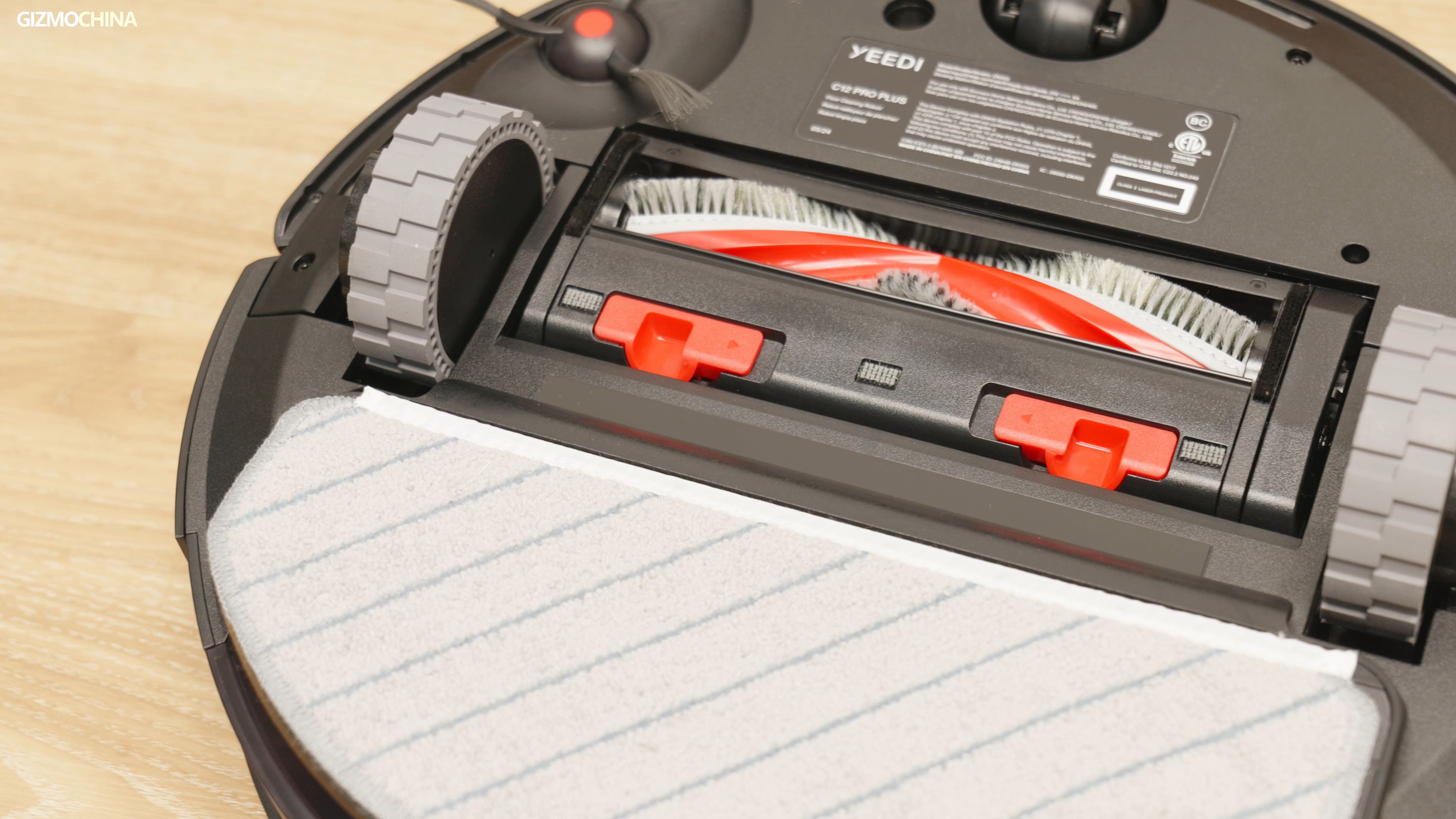
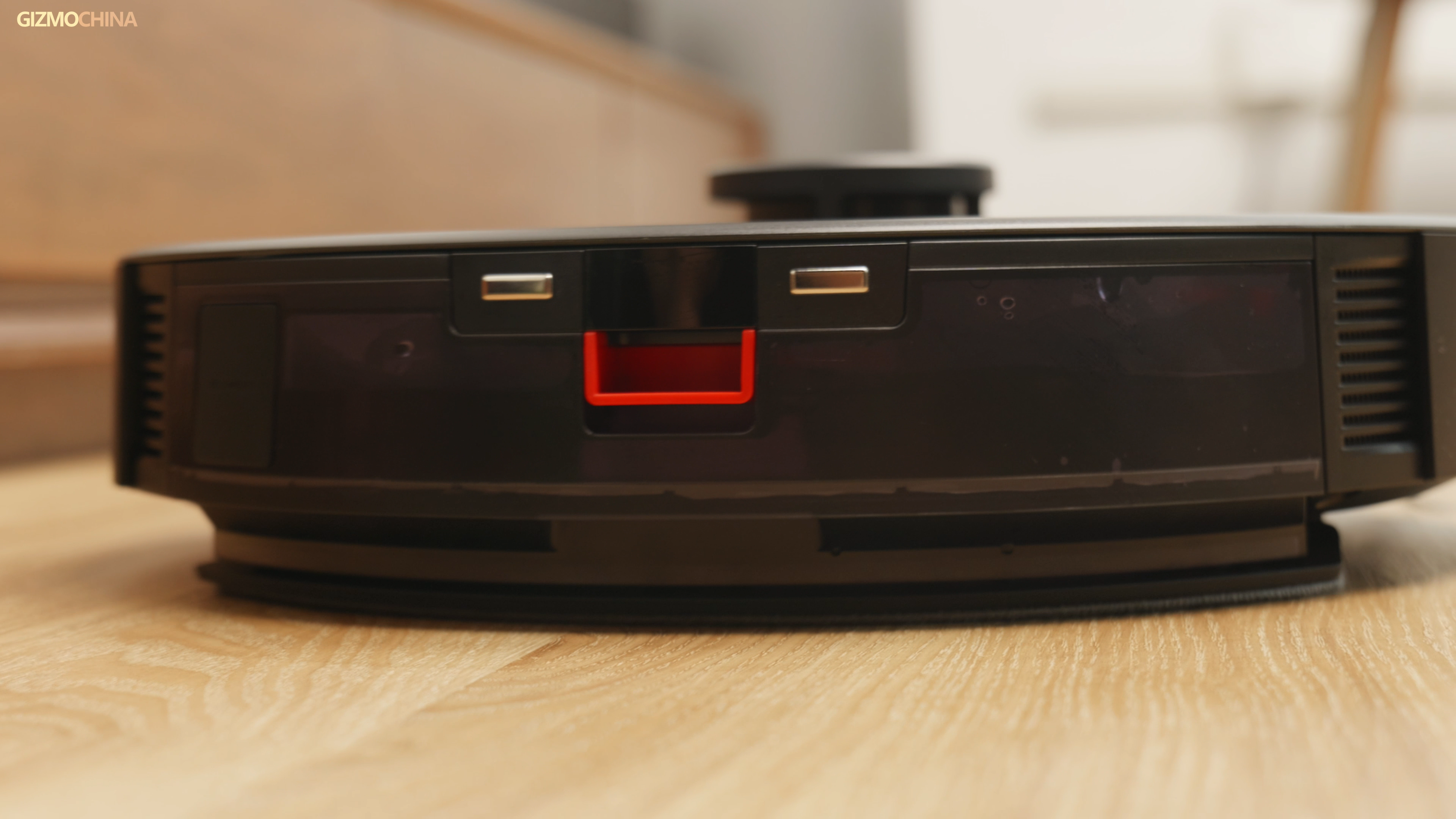
So about the design, there isn’t much difference on the top of the robot, when compared to the last one from YEEDI. But at the bottom, you can see the mop has been upgraded, basically it is vibrative and it mops back and forth, so it will have better cleaning capability, let’s talk about that next.
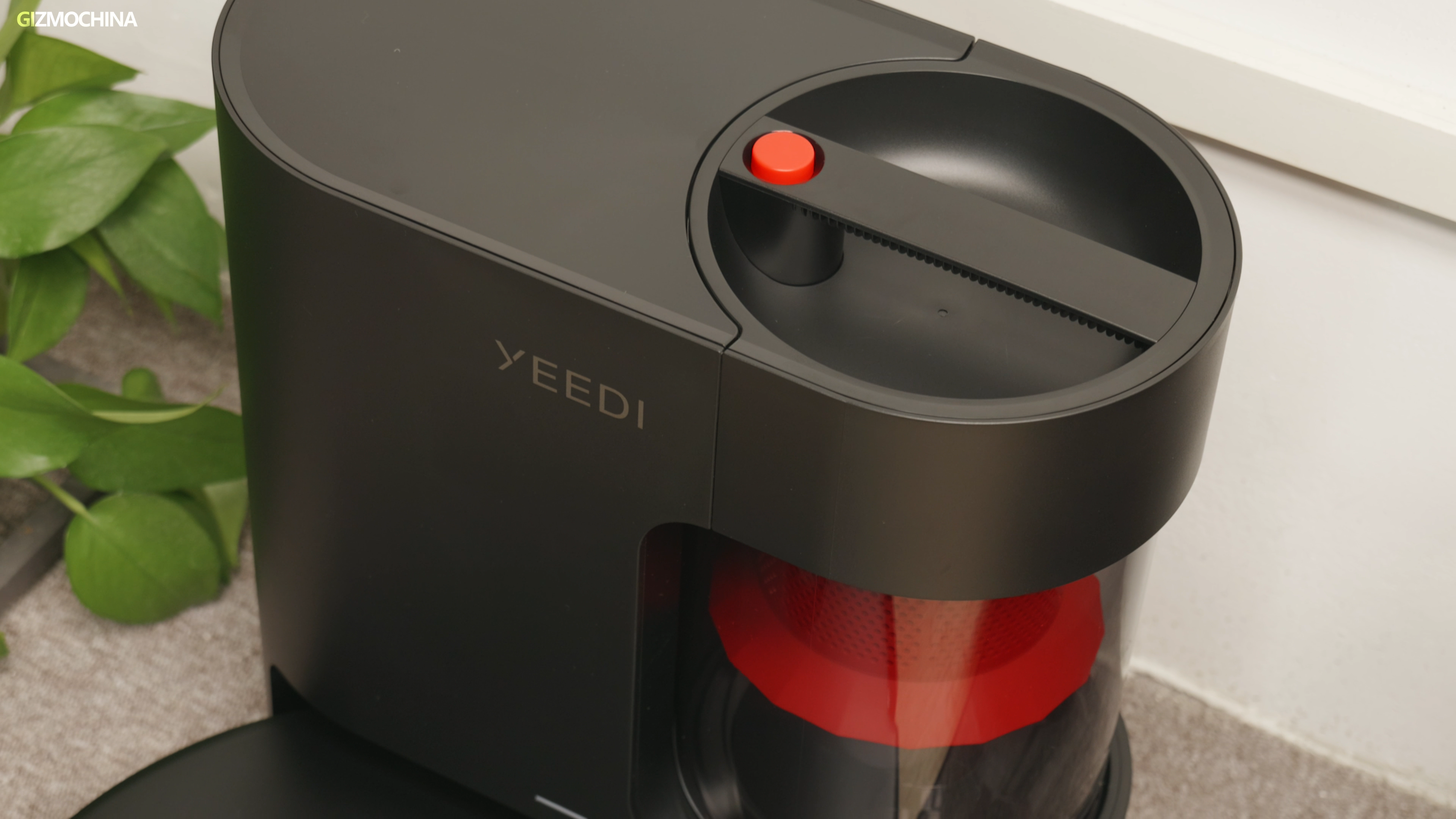
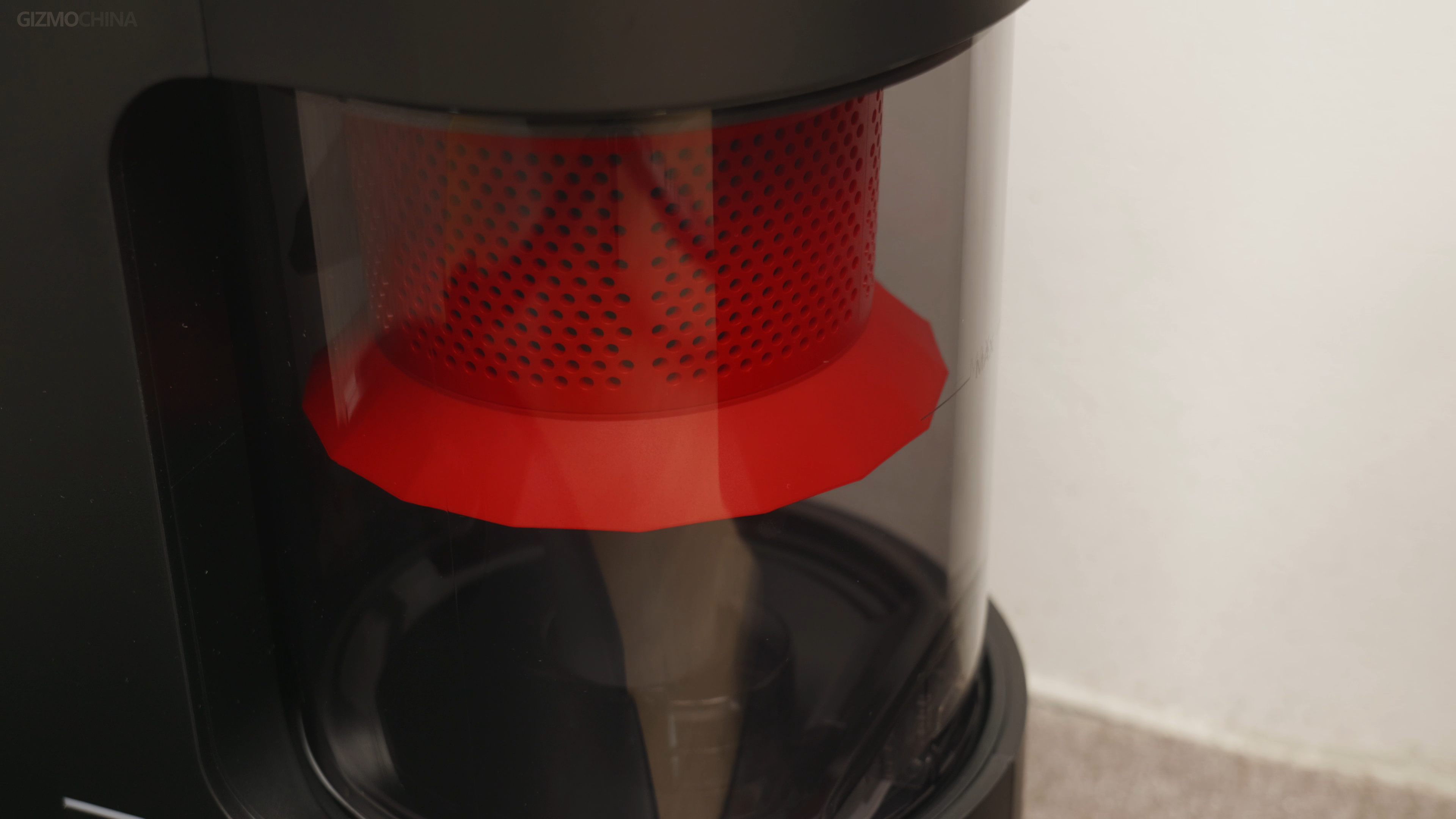
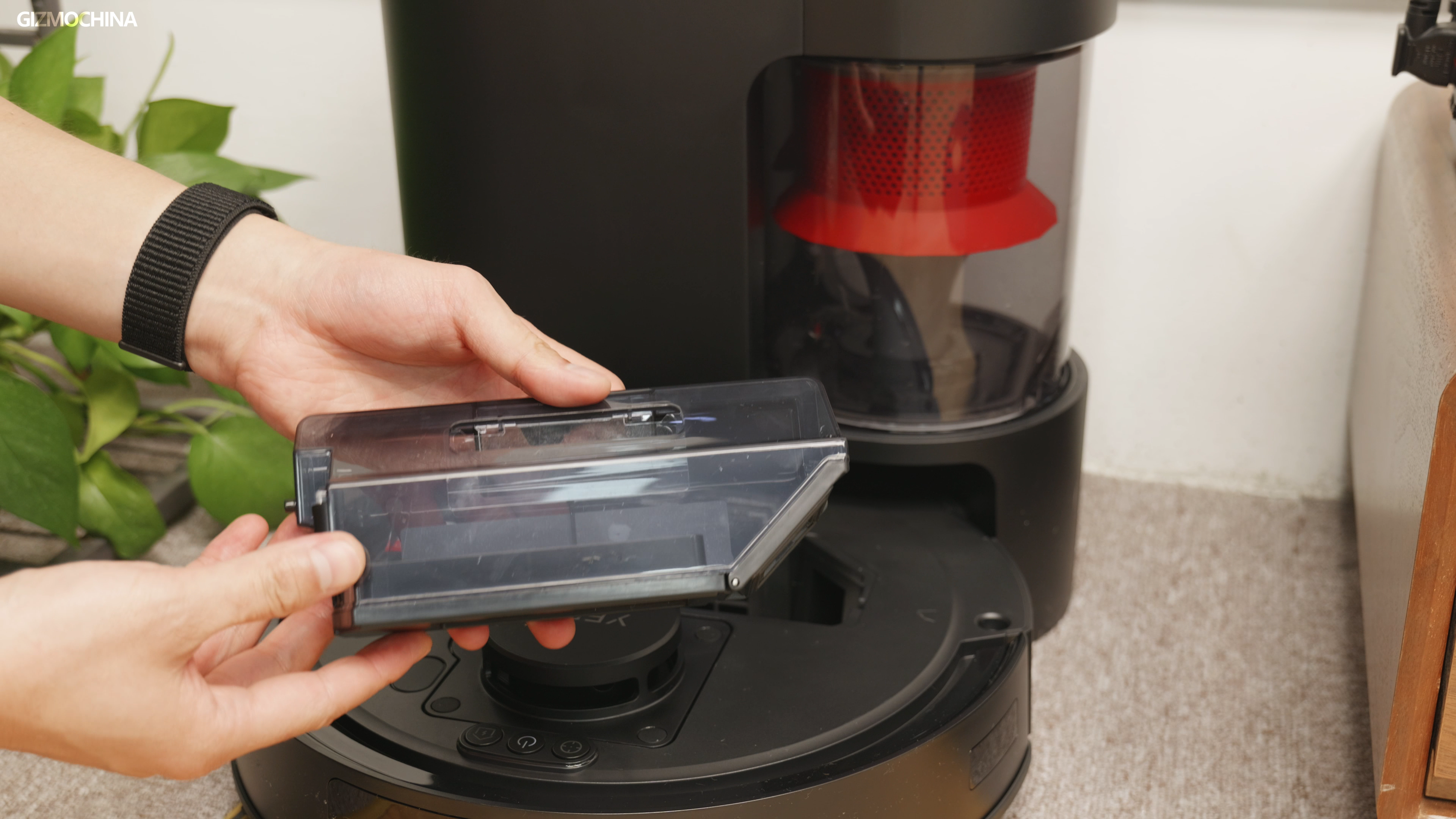
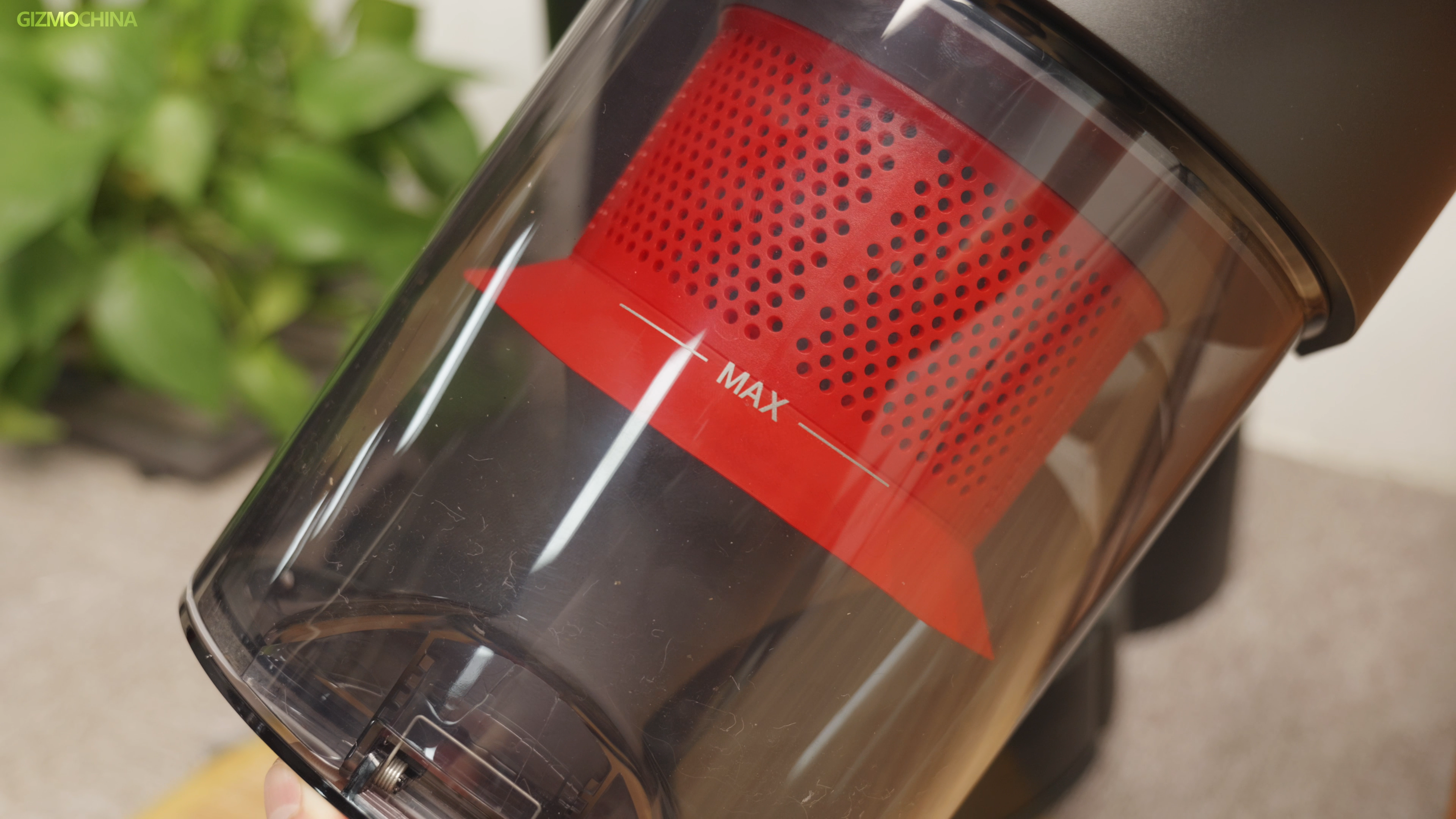
And for the station, it has been renewed as you can see. There is a transparent dustbin built in, the purpose of it is to collect and filter the trash from the robot, then potentially store them for 7 weeks without you doing anything. Now you have an extra minute to enjoy your favorite movie at weekends.
Highlights
Since we have just reviewed one robot vacuum from YEEDI two months ago, and the new one shares some of the same features, so in this review, we will mainly focus on the special features it has.
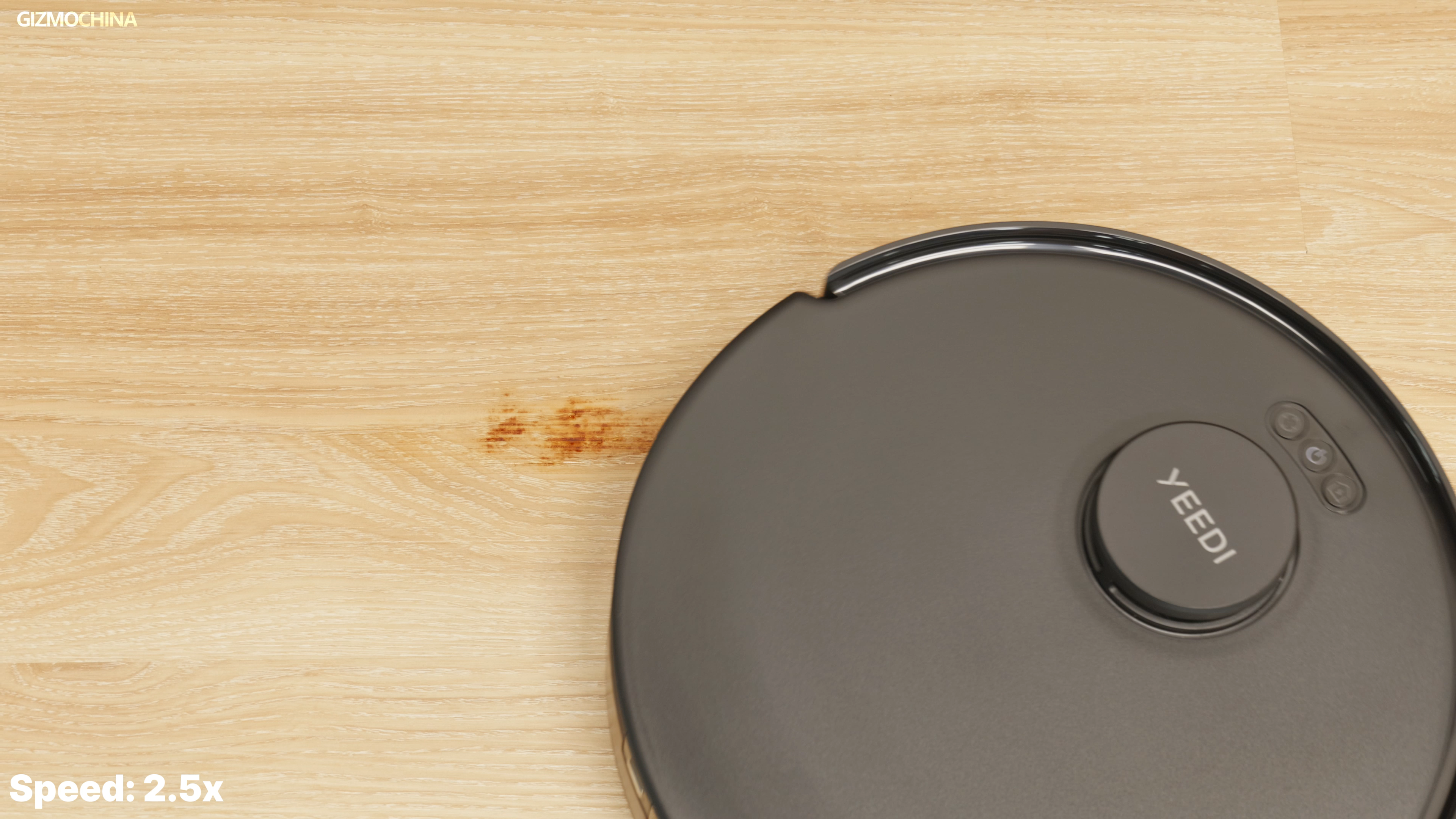
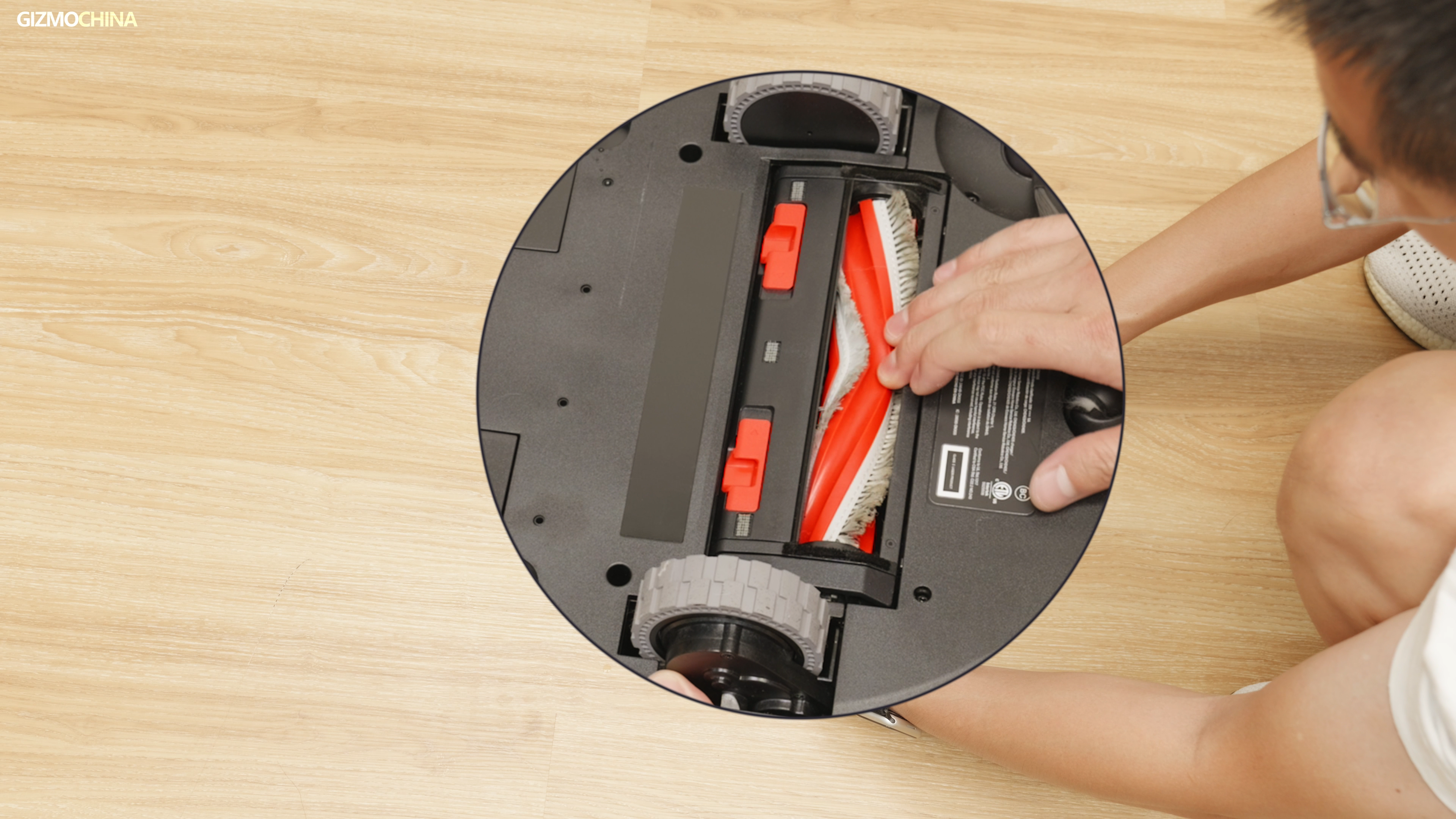
First up, let’s talk about the mop. Instead of just putting the mop against the floor with some downward pressure, the mop is built by a so-called OZMO Mega Mopping System. So basically there are three major highlights. First of all, the mop is big, it is not like the ones on the market that are just two rounded pieces, which always leave a gap in between, this one is one complete mop, so it covers the entire route the robot goes. Secondly, the mop vibrates. the dirt would come off the ground after being whipped, and the best thing is that the vibration is on the entire mop, sure it helps with the clean a lot. Lastly, the mop moves back and forth, which means every area can be cleaned multiple times, and the built-in water tank will keep rinsing the mop, to make sure the mop works fine. So it’s safe to say that, this is the first time that we see triple functions packed on a mop, and in the real-world test, it does the cleaning more thoroughly.
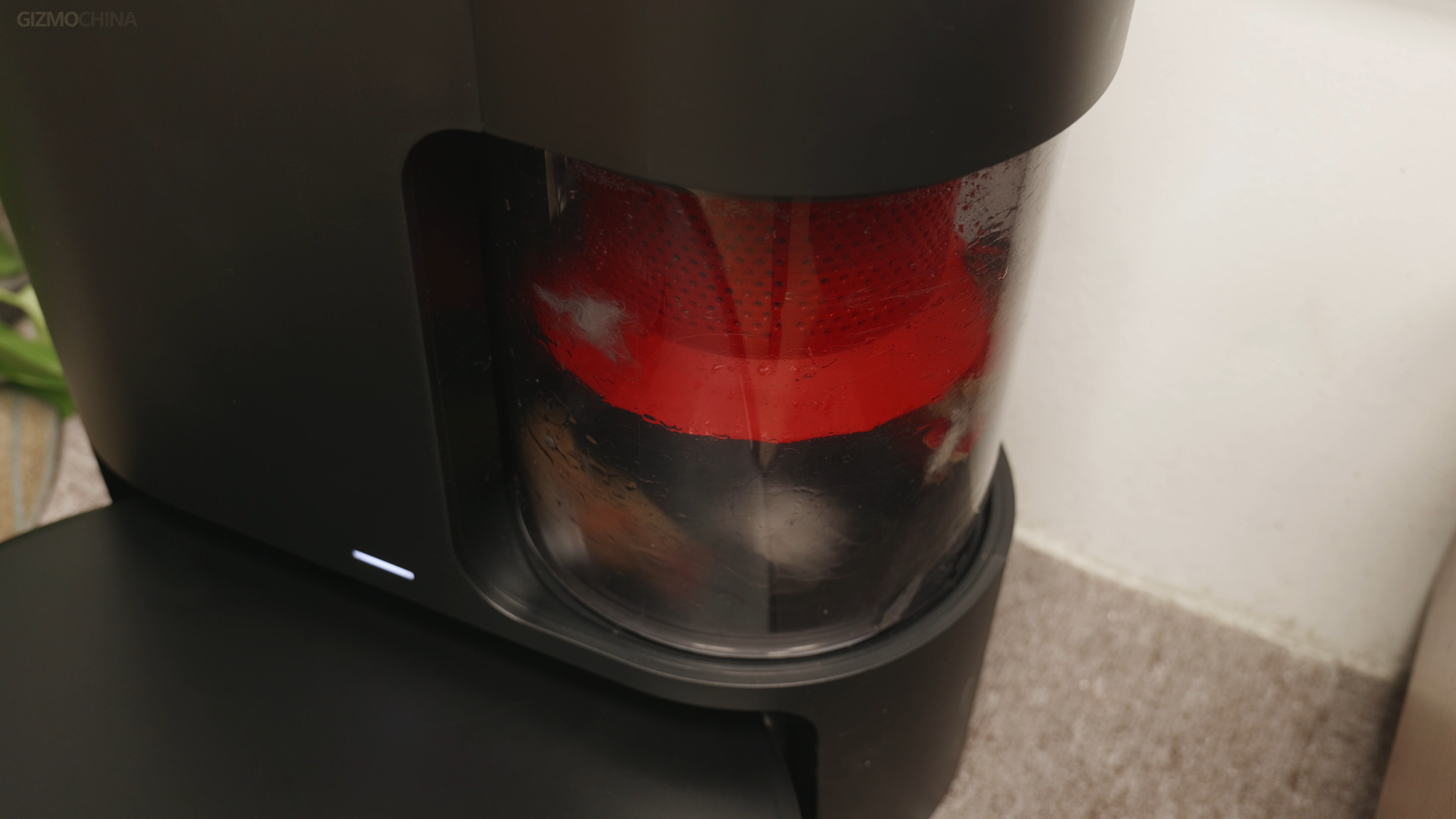
Now the station is another highlight, because it processes the dirt and debris in a whole new way. Before this, you know the station collects the dirt from the robot, and then stores it in the dust bag, there isn’t any filtration involved and you need to change the dust bag every now and then. Some may experience allergies, and it adds more cost when buying dust bags. With this C12 Pro Plus, it pretty much handles everything for you. As you can see, when the robot comes back to the station, it will start the dust collection right away. And through the transparent shell, you can have a clear visual of the Cyclone filtration system, quite unique, isn’t it? The final result is also satisfying, all the dirt is collected from the robot to the station very quickly.
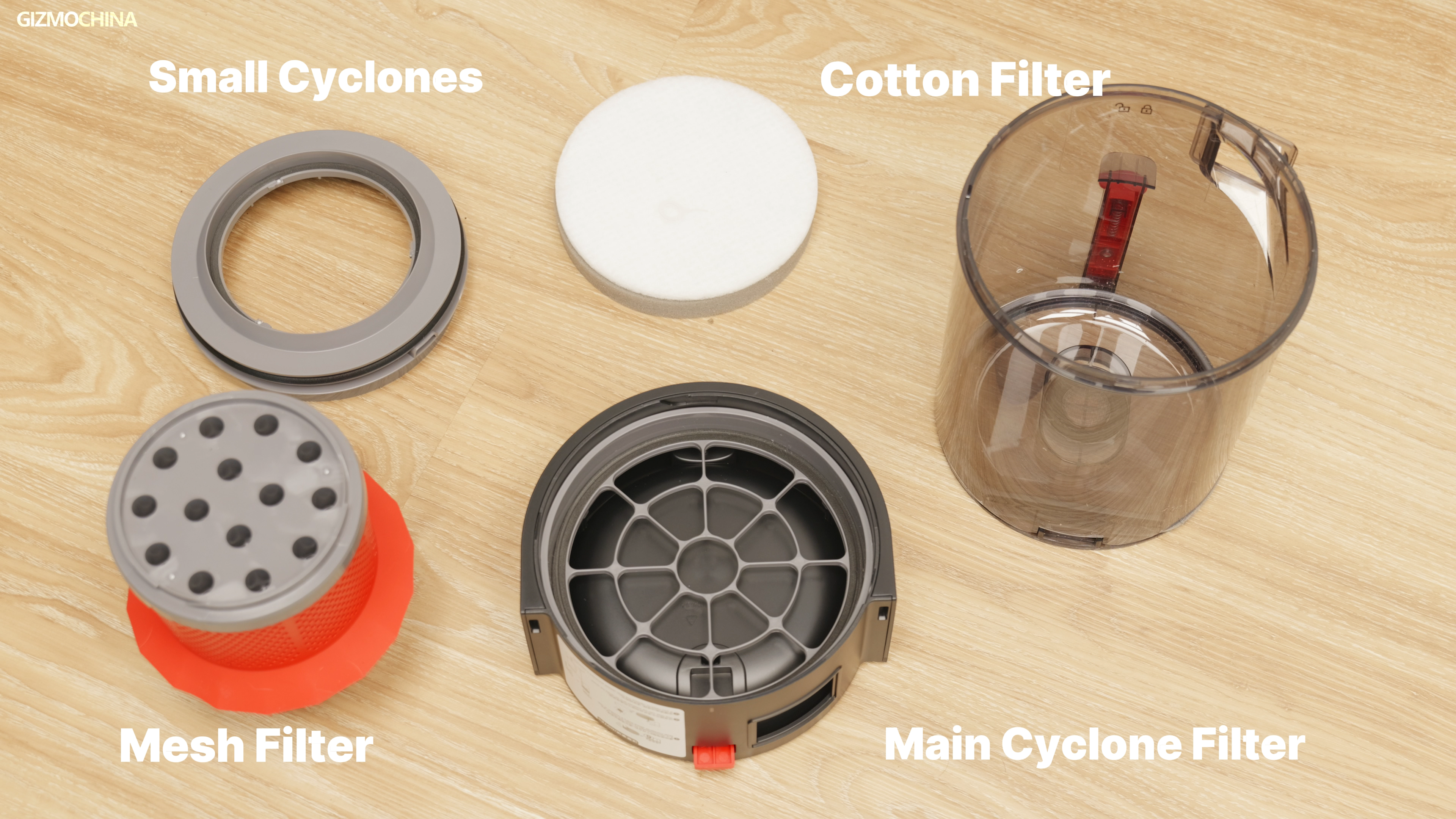
There are 4 filters built into the system, 3 major benefits of this part are that, you can see how much dirt there is, if you are a so-called neat freak, then you can clean it whenever you see fit; two the filters make sure that no dirt or smell is going out of the station, since the air is also filtered; lastly, you can take the dustbin out, empty it, then rinse it with water, for the next use. It makes your station clean, and saves you a lot of money.
Of course, some other unique features are also on the vacuum and mop, such as the 8000Pa suction power, 2-in-1 vacuum and mop, also the Zero-tangle system. So 8000Pa suction power is an industry-leading performance right now, when it’s doing the job, it can pretty much wipe out small debris, coffee, and powder very efficiently. If you want the robot to do some light cleaning, there is also other three levels of suction power to choose from.
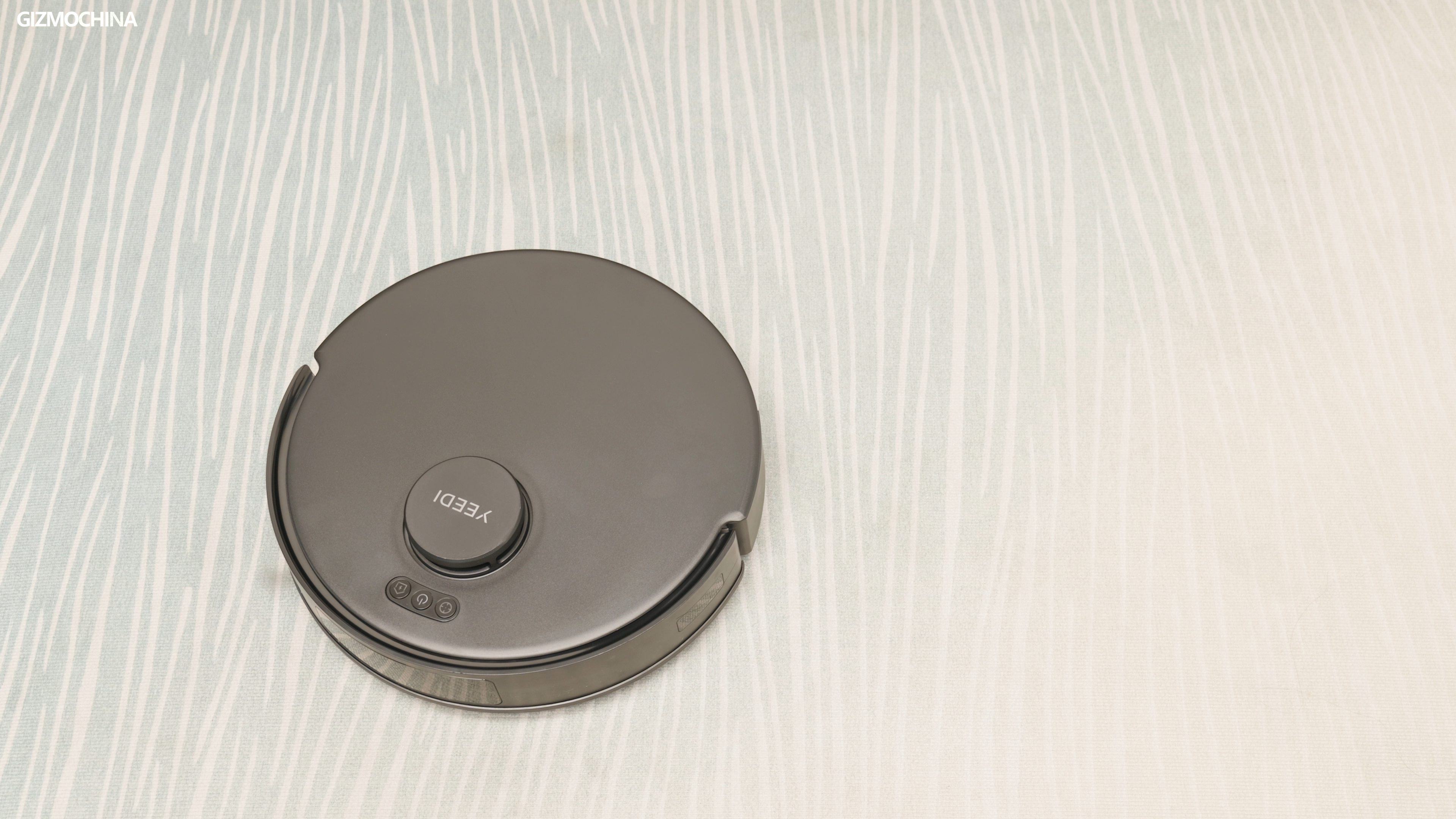
And since the mop vibrates and does it back and forth, it can also tackle some stubborn dirt nicely. The suction power also works really well on a carpet, as you can see, when it’s finished vacuuming the carpet, it still collects some dust, which is something you need from a good vacuum cleaner. Lastly, in our last YEEDI review video, the Zero Tangle performance was really impressive, as good as it is, let’s briefly show how it works here again. Also impressive, isn’t it?
Verdict
Alright, this is the review of the YEEDI C12 Pro Plus robot vacuum review, hope it helps. And we must say that YEEDI is doing a great job offering unique yet affordable models. This one is in the $300 range, there aren’t any core functions left over, and you can also check out the other two models in the series, since they share some of the features together. I would say this series is a really good choice for those of you who want such machine but don’t want to spend big money on it.
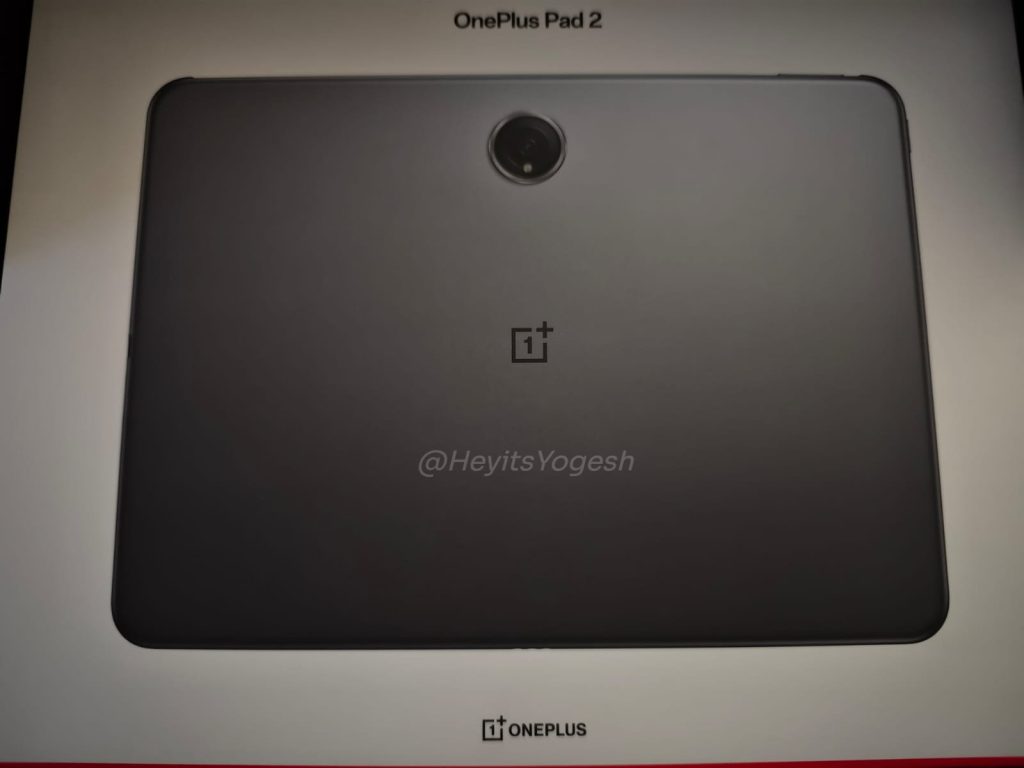
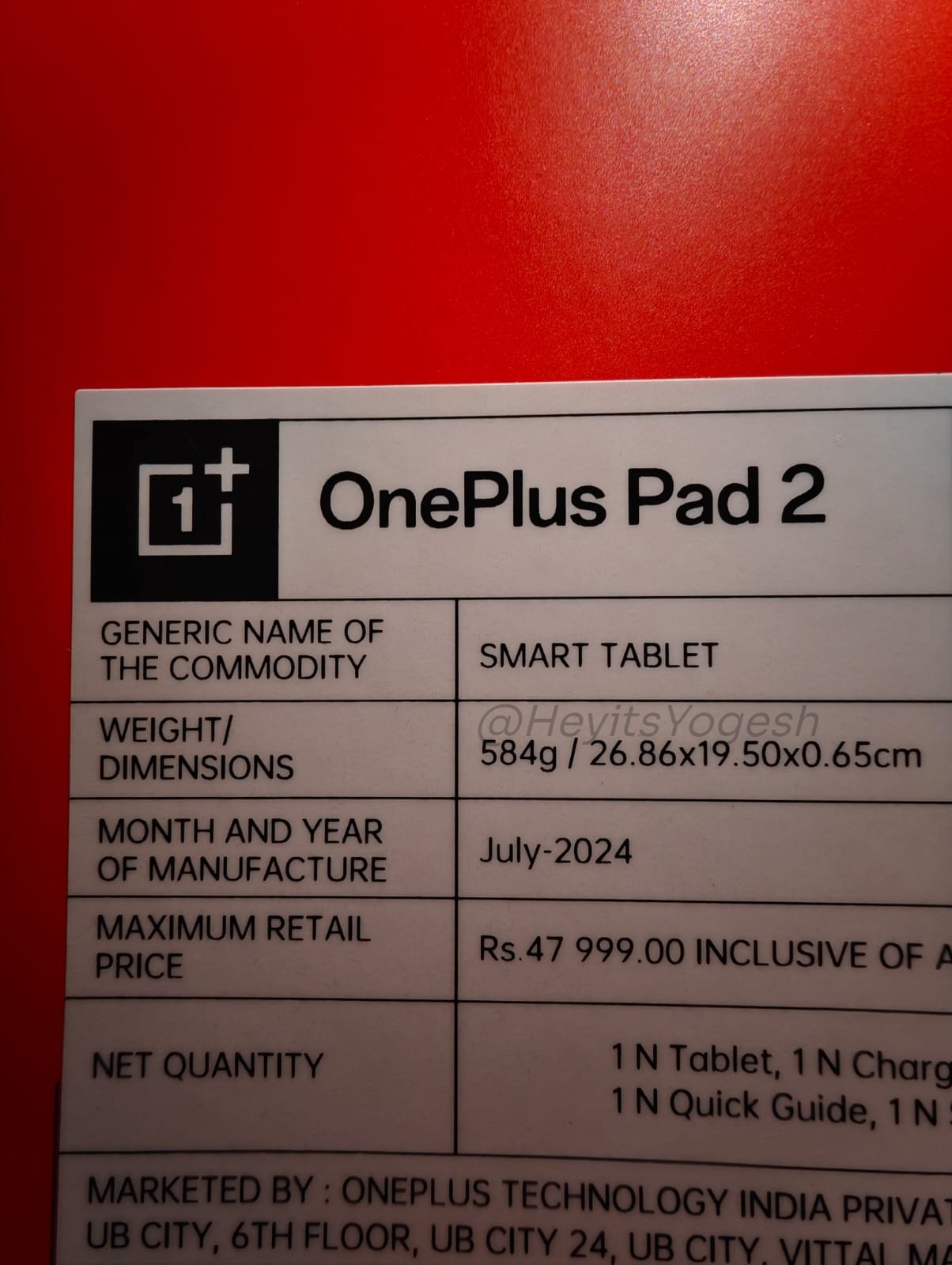
OnePlus is gearing up for a major launch event that will be held on July 16. The brand plans to debut the OnePlus Nord 4 smartphone, as well as the Watch 2R, Nord Buds 3 Pro, and the OnePlus Pad 2 tablet. Ahead of the official launch, tipster Yogesh Brar has revealed the expected pricing for the upcoming OnePlus Pad 2 in India along with box images of the device.
The MRP (Maximum Retail Price) for the tablet is Rs 47,999, but with discounts, it’s expected to be around Rs 45,999 (approx. $550) – likely for the higher-end 12GB+256GB variant.
Prices for accessories were also leaked: Rs 11,999 for the keyboard and Rs 5,000 for the OnePlus Stylo. No information on discounts for these accessories was provided.
As per previous reports and official teaser, the OnePlus Pad 2 will have a 12.1-inch IPS LCD display with a 144Hz refresh rate and a 3000 x 2120 resolution. The display supports Dolby Vision and has a peak brightness of 900 nits. The tablet will be powered by the Snapdragon 8 Gen 3 processor and will be available in two configurations: one with 8GB of RAM and 128GB of storage, and another with 12GB of RAM and 256GB of storage.
The OnePlus Pad 2 is expected to come with a 9,510mAh battery with 67W SUPERVOOC fast charging. It will feature a 13MP main rear camera and an 8MP front camera. Additionally, it will have six speakers for better audio. The tablet will launch in India alongside the OnePlus Stylo 2 (stylus), Smart Keyboard, and Folio Case.
In related news, OnePlus has recently launched a new “Sunset Dune” color option for the OnePlus 12R. This new color option is currently only available in India, however, we expect it to arrive in other global markets soon.
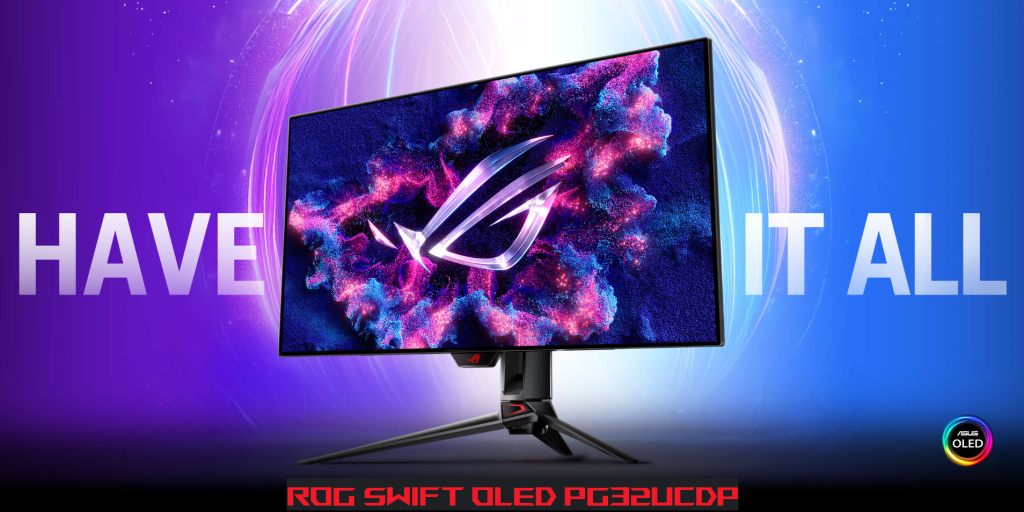
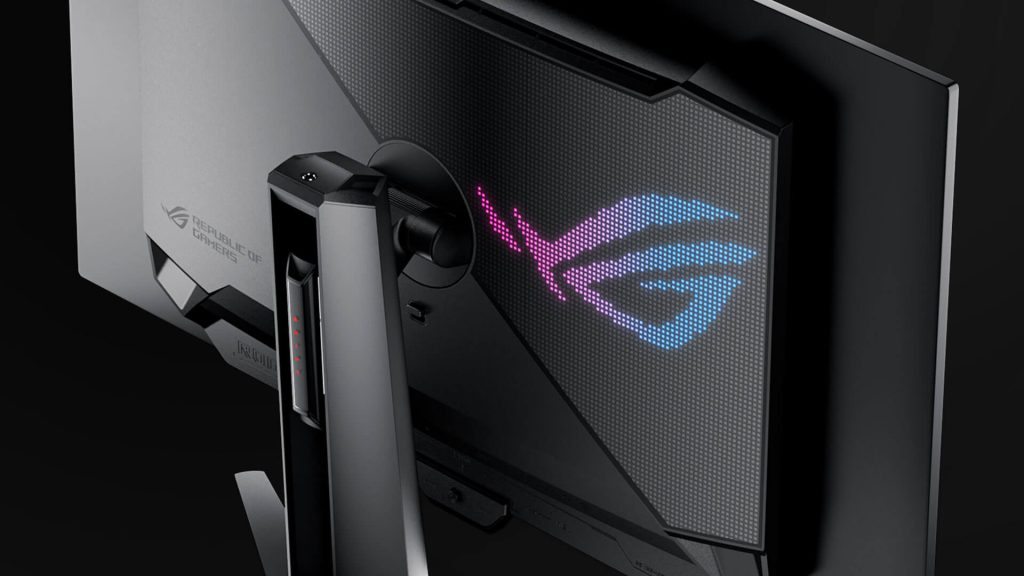
ASUS ROG has unveiled the SWIFT OLED 32 Pro PG32UCDP, its first dual-mode OLED gaming monitor in China. This monitor was first showcased as the ROG Swift OLED PG32UCDP at CES 2024, and goes head-to-head with the UltraGear OLED 32GS95UX-B, which also uses dual-mode technology.
Asus ROG SWIFT OLED 32 Pro PG32UCDP details:
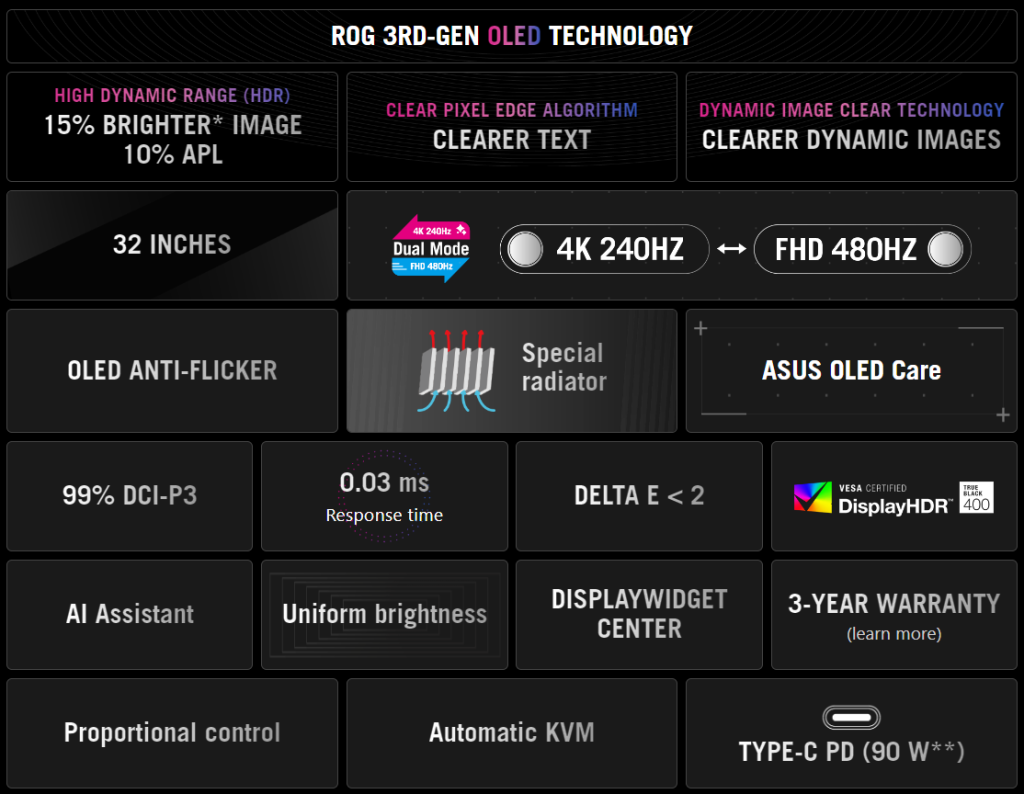
This monitor enables games to switch between 4K resolution at 240Hz for incredible detail or Full HD at a blazing-fast 480Hz for ultra-smooth, high refresh rate gameplay. It has a response time of 0.03ms, which eliminates motion blur and ghosting, producing sharper images during fast-moving scenes.
It includes ROG’s anti-flicker technology with adjustable refresh rate ranges to minimize flicker during variable refresh rates, reducing eye strain during long gaming sessions. It also has a unique AI assistant that automatically adjusts display settings based on the content, ensuring optimal viewing for games, movies, or creative work.
The PG32UCDP boasts a high contrast ratio, 99% DCI-P3 color gamut, and ΔE<2 color accuracy. With HDR400 certification and 1300 cd/m² peak brightness, it delivers exceptional visuals for both gaming and content creation.
Connectivity options include DisplayPort 1.4, HDMI 2.1, USB-C with 90W PD fast charging, and a USB hub, making it compatible with a variety of devices.
Pricing & availability
The ROG Swift OLED 32 Pro PG32UCDP is currently available for pre-order on JD.com for 9,999 yuan ($1,379). Asus has not revealed any details related to global availability.
That being said, the LG UltraGear OLED 32GS95UX-B is a good bet for customers US and UK since it has similar features including a 31.5-inch display that can switch between native 4K resolution at 240Hz and 1080p “game mode” at 480Hz with 0.03 ms GtG response time. Its brightness peaks at 400 nits (during HDR scenes) and it covers around 98.5% of the DCI-P3 color space. The monitor is available in EU regions for €1,399, while it costs $1,400 in the States.
I had the opportunity to use the Oppo Reno 12 5G, a standout contender in the smartphone market in the Rs 30,000 to Rs 35,000 range in the Indian market, a couple of days before its official announcement in India. Readers should note that the Reno 12 available in India and other markets is significantly different from the Chinese market. You can read this post to know the differences. From its sleek design to its powerful camera capabilities and advanced AI features, here’s a closer look at what the Reno 12 5G offers to users.
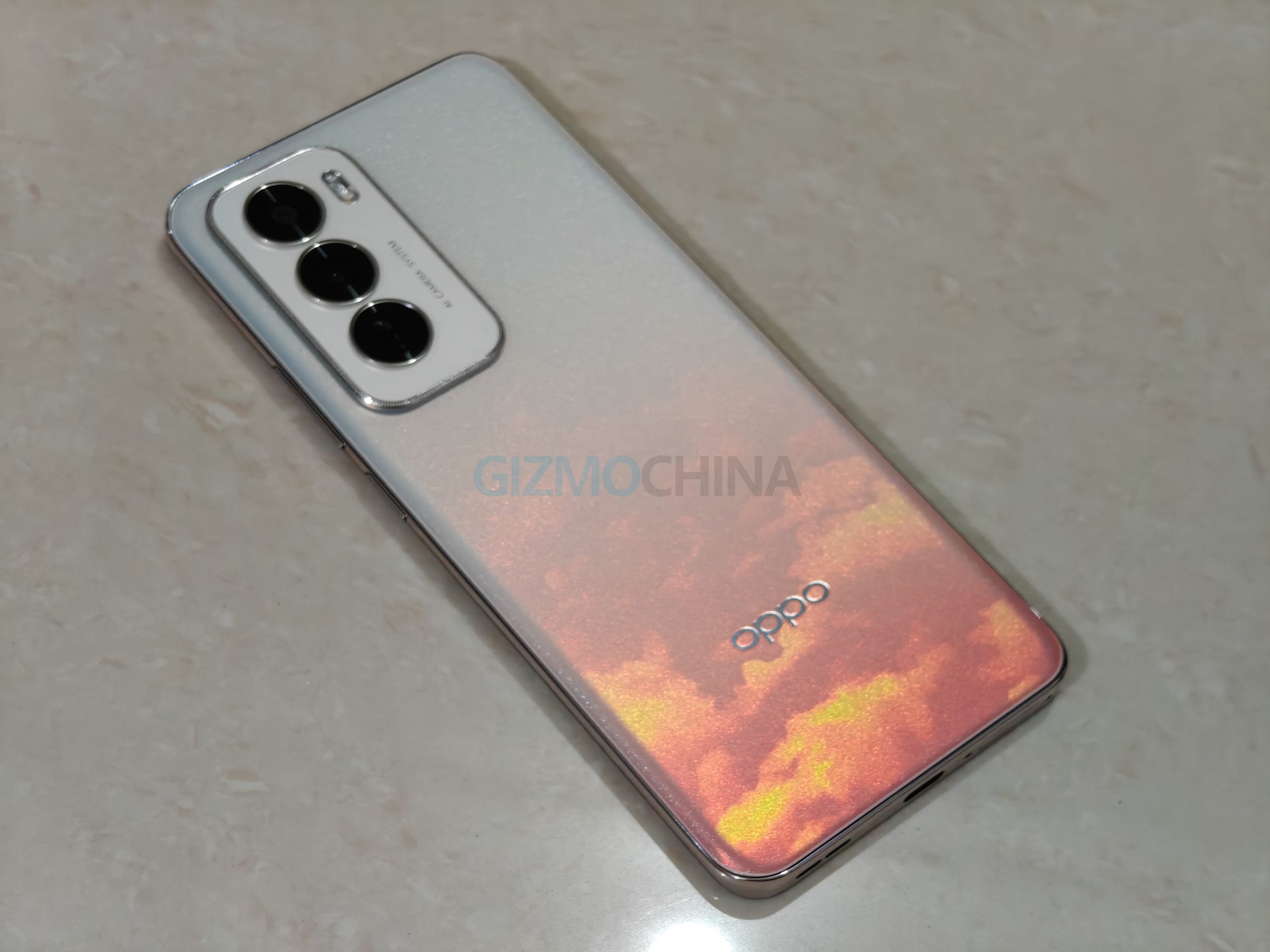
The first thing that struck me about the Reno 12 5G is its sleek and sophisticated design. Available in Astro Silver, Sunset Peach, and Matte Brown, each variant offers a distinct aesthetic appeal. My review unit is the Sunset Peach variant, which features a unique graphic liquid crystal process, combining soft peach tones with cloud patterns for a refreshing, retro look. The phone feels incredibly well-built, with a Fluid Ripple Texture on the glass back adding both style and grip.
Despite its robust construction, the Reno 12 maintains a slim profile at just 7.6mm thickness and weighs a comfortable 177g. When it comes to durability, the Reno 12 offers Corning Gorilla Glass 7i protection on the front protecting the curved-edge screen, an IP65 rating for dust and water resistance, and a high-strength alloy framework that according to Oppo is comparable to metal.
In India, the retail package of the Reno 12 includes a charger and case. These items are unavailable in the retail box of the Reno 12 available in Europe.
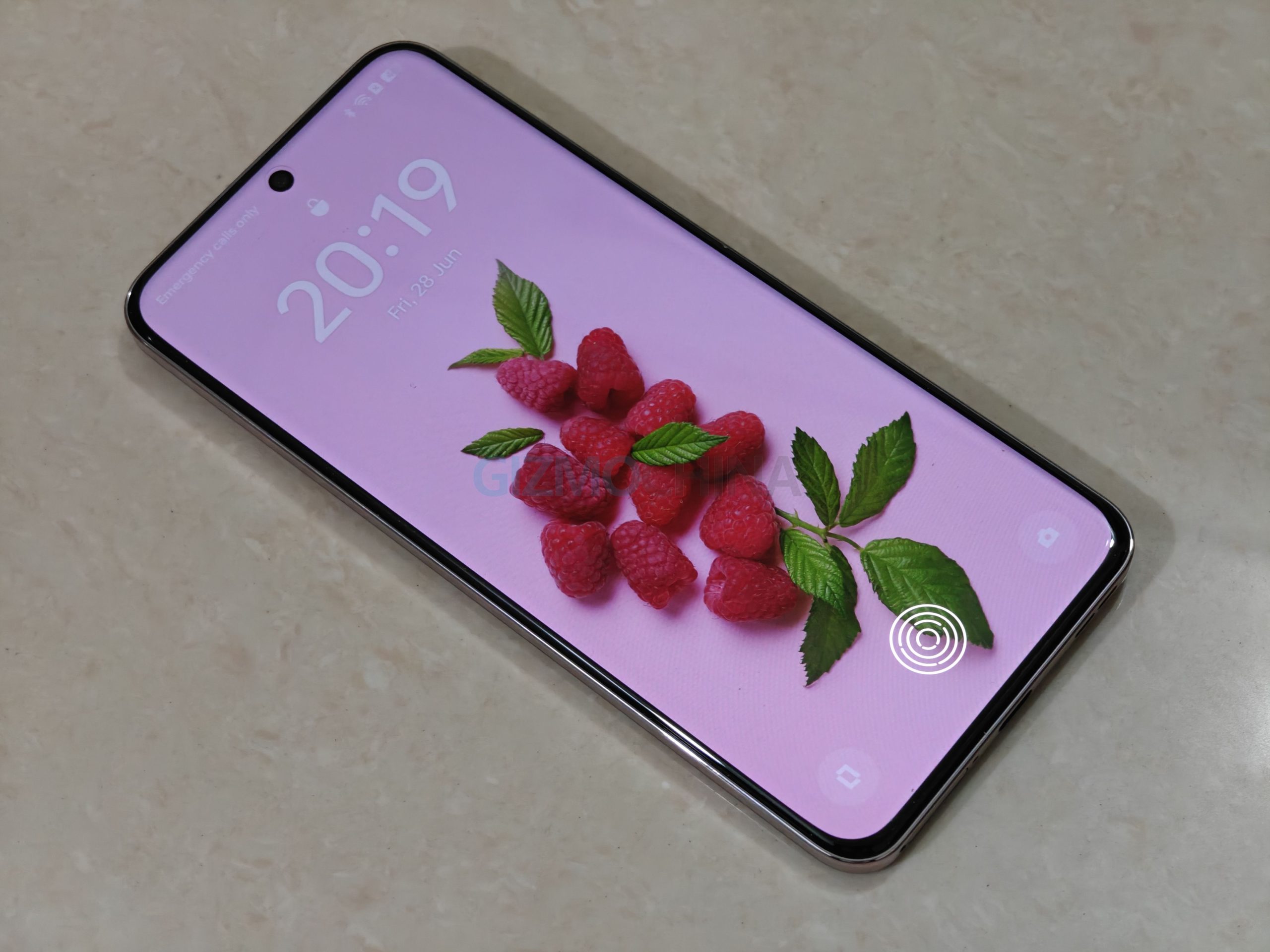
The Reno 12 has a stunning 6.7-inch curved-edge AMOLED panel that offers an FHD+ resolution, a 120Hz refresh rate, and up to 1200 nits of peak brightness. Whether I was streaming videos, gaming, or browsing photos, the AMOLED display with HDR10+ support delivered rich contrasts and deep blacks.
A notable addition to the Reno 12 series is dual speakers, absent in previous non-Pro Reno models. These speakers provide evenly balanced audio, making the device ideal for multimedia activities such as watching movies and playing games. Reno 12 has the Holo Audio support, which is Oppo’s audio spatialization technology designed to provide seamless audio experiences with headphones or earphones. It ensures that different audio sources, such as music, navigation directions, and calls, remain distinct and unobtrusive, allowing users to multitask without interruptions.
3. Performance and Software
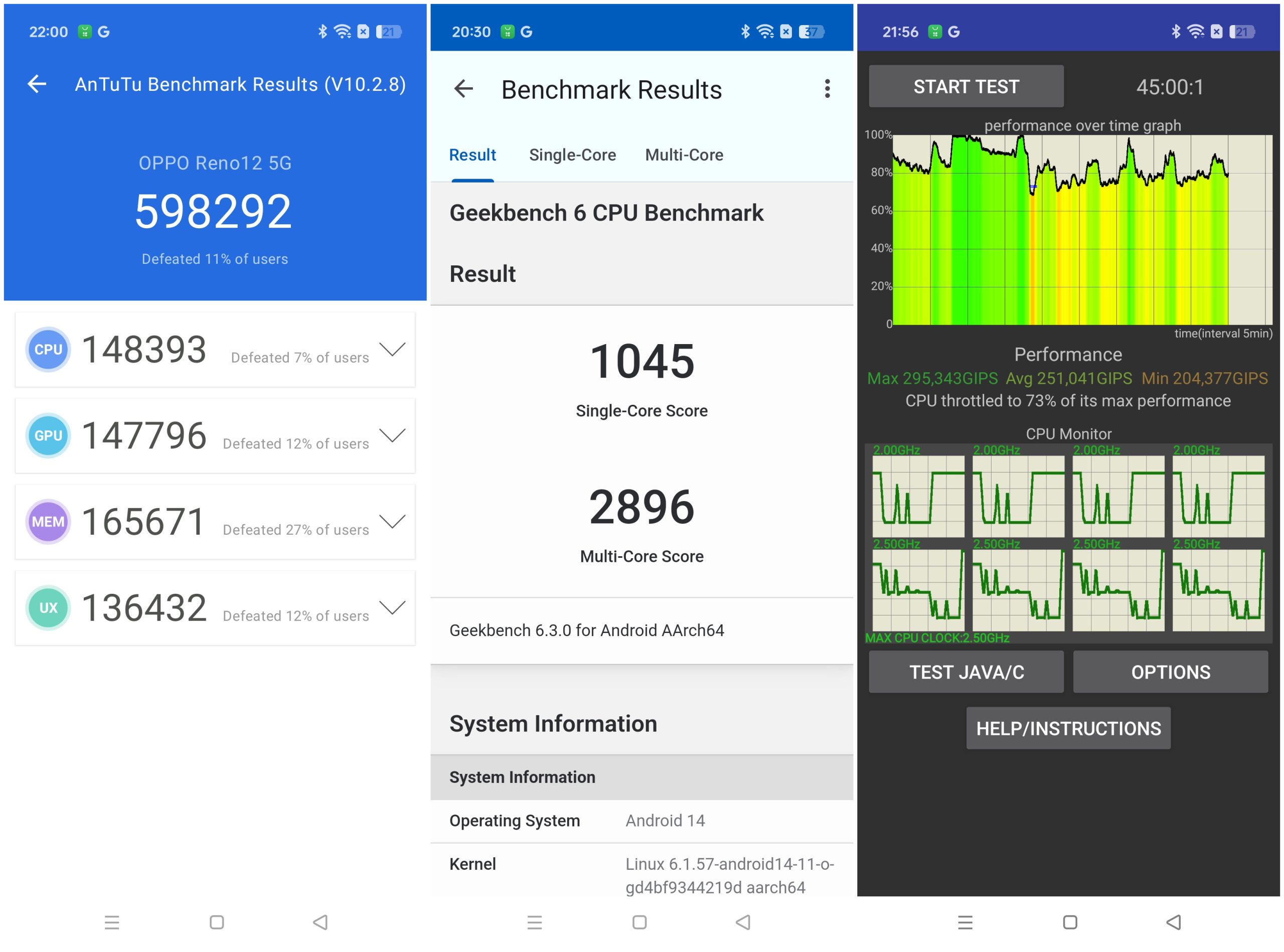
Oppo Reno 12 5G’s performance on AnTuTu, Geekbench, CPU Throttle
Powered by the all-new MediaTek Dimensity 7300-Energy platform, the Reno 12 offers decent performance without any lag. The 4nm chip, coupled with 8 GB of LPDDR4X RAM and 256 GB of UFS 3.1 storage, ensured smooth multitasking and rapid app launches. ColorOS 14.1, based on Android 14, as usual, offers a stutter-free experience. However, like the previous Reno models, the Reno 12 comes with plenty of preloaded apps, which many may not like. The device is promised to receive updates.
The 5,000mAh battery, supported by Oppo’s 80W SuperVOOC charge, impressed me with its rapid charging capabilities. The battery can go from 0 to 100 percent in around 45 minutes. To recall, the Reno 11 has the same-sized battery with 67W charging support. The above images showcase the performance of Reno 12 on benchmarking platforms.
4. Camera capabilities
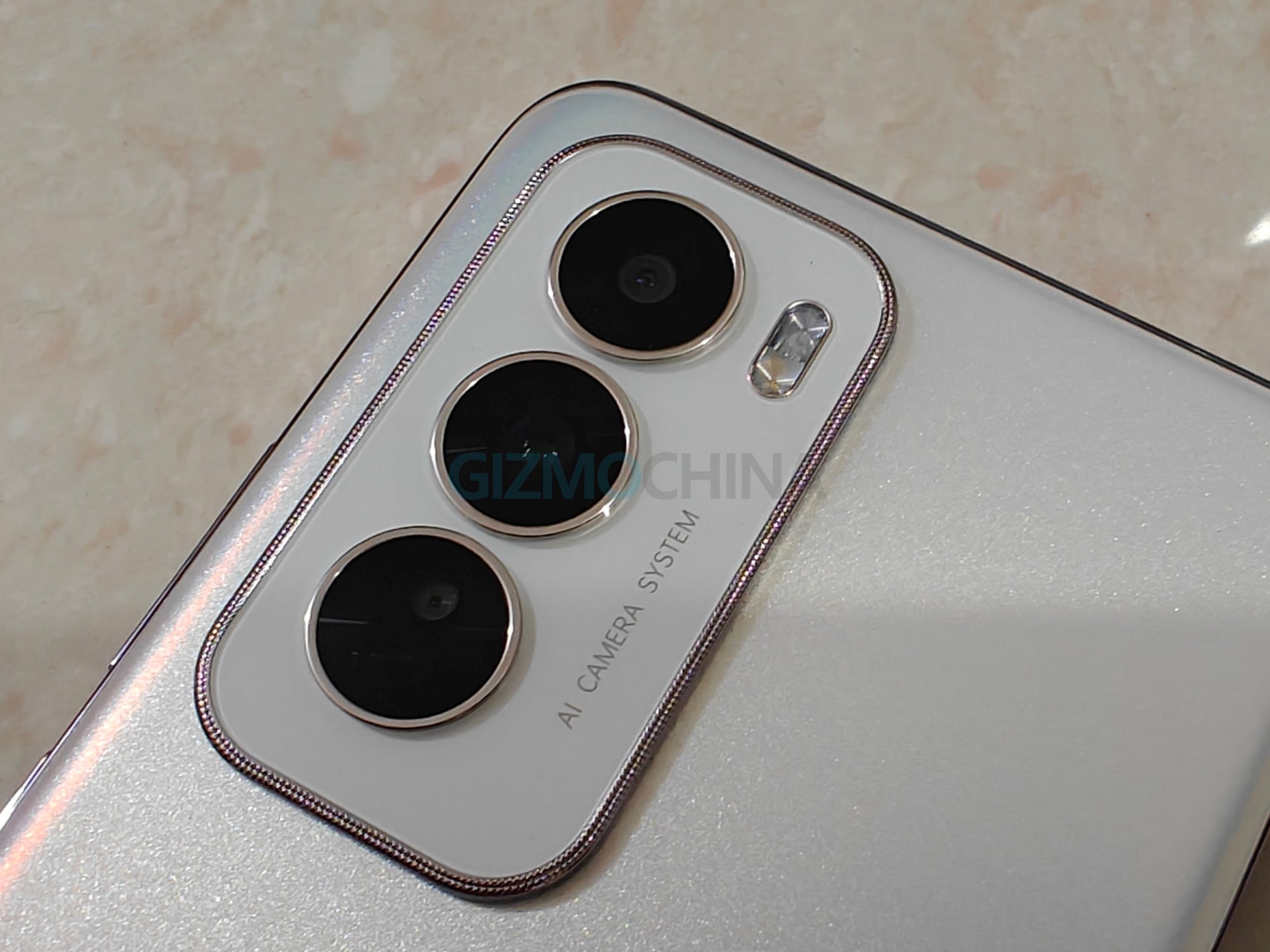
Oppo Reno 12 5G
The Oppo Reno 12 has a 50-megapixel Sony LYT-600 main camera with OIS support. It is joined by an 8-megapixel IMX355 ultrawide camera and a 2-megapixel macro camera. Unfortunately, the macro camera replaces the 32-megapixel IMX709 telephoto with 2x optical zoom, which was seen on the Reno 11.
While the Reno 12 can capture portrait shots with up to 2x zoom using the primary camera, having a dedicated lens would have always been appreciated. For selfies, the device is equipped with an autofocus-enabled 32-megapixel GalaxyCore GC32E2 sensor. In the Photo mode, it offers 0.8x, 1x, and 2x zoom options, and 0.8x and 1x options in the Portrait mode. It can produce natural-looking selfies with enhanced facial details and skin tones, perfect for social media enthusiasts. However, the quality diminishes in low-light and indoor environments.
The 50-megapixel main camera delivered impressive clarity and colour accuracy, especially in well-lit conditions. The AI-enhanced Flash Snapshot feature adjusts shutter speed based on lighting conditions, resulting in sharp and vibrant photos even in challenging environments. The 8-megapixel ultrawide camera shots are consistent with the primary camera.
The front and the rear cameras support up to 4K 30fps video shooting. On the front, it offers EIS support for up HD and FHD videos, whereas there is OIS support for 60fps Full HD videos. The latter does not allow to modify or zoom into the subject. The 30fps 4K videos only allow the application of filters and nothing else. The front camera as well as the rear-facing primary camera allow users can adjust the aperture to add background blur effect in 30fps HD videos.
Oppo’s GenAI features on the Reno 12 elevate the user experience to new heights. The AI Eraser 2.0 was particularly handy for removing unwanted objects from photos with remarkable accuracy. AI Clear Face and AI Best Face enhanced group photos by improving facial details and correcting closed-eye expressions, ensuring every shot was picture-perfect. AI Studio, a dedicated app from Oppo, leverages Generative AI technology to transform your photos into unique digital avatars.
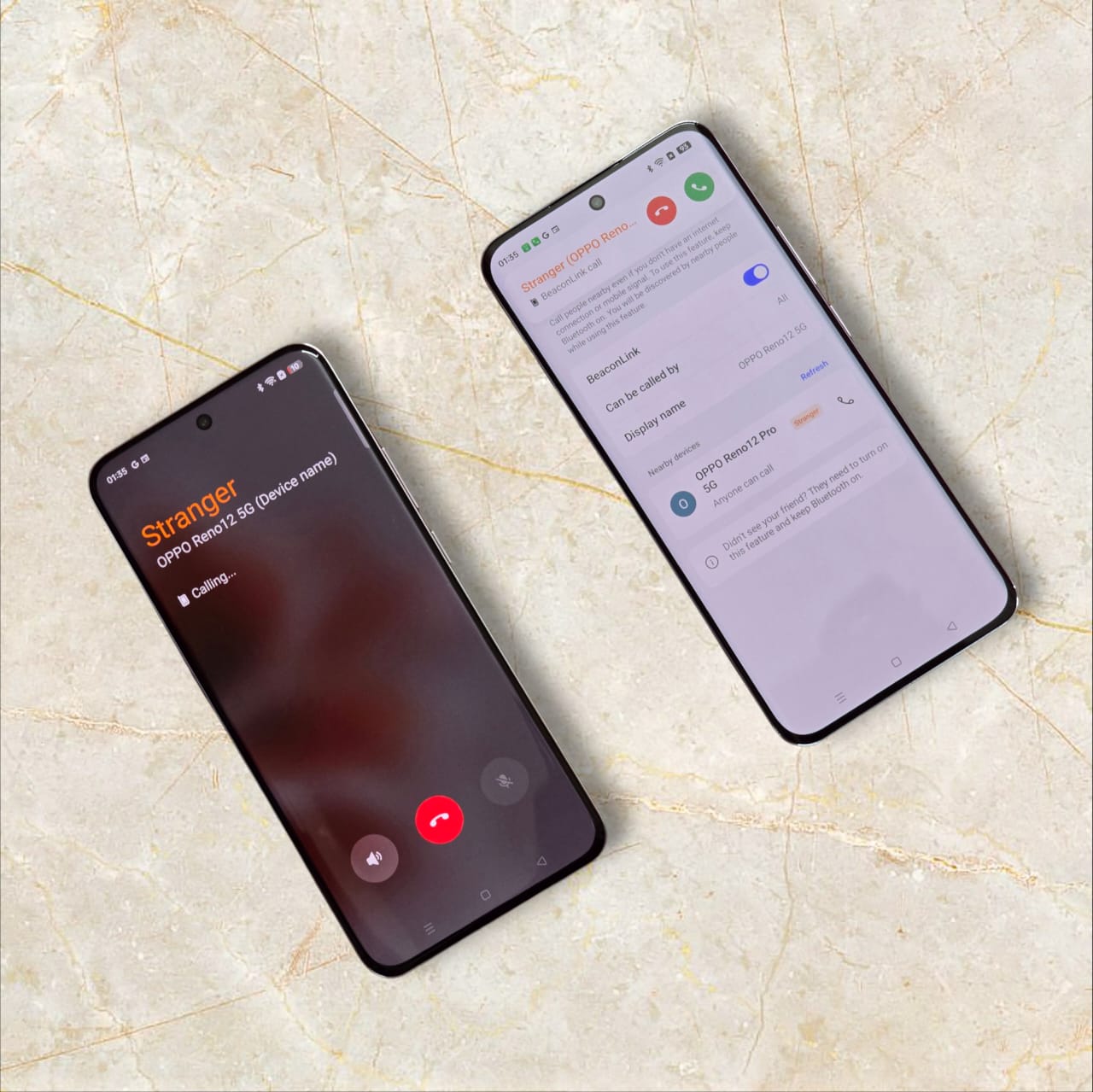
AI LinkBoost ensures seamless connectivity even in challenging network conditions, reducing the possibility of dropped calls. BeaconLink takes it a step further, enabling device-to-device voice calls over Bluetooth when there’s no mobile signal. This works well, but users have to be in the Bluetooth range of up to 30 metres.
The AI Recording Summary is a productivity powerhouse, distilling lengthy meetings into concise notes and to-do lists. The AI Toolbox is equally handy, offering AI Summary for quick article comprehension, AI Writer for crafting engaging social media posts, and AI Speak for hands-free reading. These AI Toolbox features are available via the sidebar. Finally, AI Clear Voice ensures crystal-clear calls by filtering out background noise.
Other additions
Gone is the portrait camera on the Reno 12, but the device brings several features that were available on the Reno 11. These include dual speakers, a microSD card slot, UFS 3.1 storage (Reno 11 has UFS 2.2), and an IR blaster.
6. Verdict
The Oppo Reno 12 faces stiff competition in its price range, with many other options offering impressive specifications. However, what sets the Reno 12 apart is its wide range of AI-driven features that are unavailable on other smartphones. Additionally, the Reno 12 boasts a sleek and improved build, featuring an attractive design with a vibrant screen. Its decent photography capabilities, fast charging capabilities, and new additions like dual speakers, UFS 3.1 storage, a microSD card slot, BeaconLink, and an IR blaster further enhance the device’s versatility. Overall, the Oppo Reno 12 is a well-rounded smartphone that combines strong performance, appealing design, and innovative features.
Oppo Reno 12 5G price in India
The Oppo Reno 12 5G is priced at Rs 32,999 (~$395) for the 8GB + 256GB variant in India. It is available in three stylish colours—Sunset Peach, Matte Brown, and Astro Silver.
The Reno 12 5G will officially go on sale starting July 25, with pre-orders now live through the Oppo India website, Flipkart, and various offline stores.
The Realme GT6 smartphone will go on sale for the first time today, with prices starting at 2,799 yuan. Offering multiple storage and RAM configurations, the device comes in three color options: Light Year White, Storm Purple, and Dark Side of the Moon. The phone boasts a sleek design with a metal middle frame, curved glass, and a distinctive “floating light and moon shadow” pattern on the Dark Side of the Moon variant.
A Snapdragon 8 processor paired with a base 12GB of RAM powers the device
Powered by the Snapdragon 8 processor, LPDDR5X RAM, and UFS 4.0 storage, the GT6 delivers high-performance capabilities. A 5800mAh battery with 120W fast charging ensures sustained power and rapid recharge times. The device features a 6.78-inch straight screen with a 120Hz refresh rate and a peak brightness of 6000 nits.
In terms of photography, the realme GT6 incorporates a 50-megapixel main camera with optical image stabilization, an 8-megapixel ultra-wide lens, and a 16-megapixel front camera. The realme GT6 offers a range of pricing options to cater to different consumer needs. Starting at 2,799 yuan for the 12GB + 256GB model, the device price goes up to 3,899 yuan for the top-tier 16GB + 1TB variant.
Kingston has unveiled a “League of Legends” Yone co-branded edition of its XS1000 mobile solid-state drive at BilibiliWorld 2024. The 1TB version of this co-branded drive is priced at 699 yuan. Yone is a popular champion from League of Legends. In the game, he wields two swords and is generally built like an attack damage carry.
The drive offers 1TB capacity and utilizes a USB 3.2 Gen 2 Type-C interface
Unlike previous co-branded editions, the XS1000 Yone version maintains the original product design but includes a protective cover featuring the Yone character. The drive offers a 1TB capacity and utilizes a USB 3.2 Gen 2 Type-C interface, delivering read and write speeds of up to 1050MB/s and 1000MB/s, respectively.
Weighing only 28.7 grams and measuring 69.54 x 32.58 x 13.5mm, the XS1000 is designed for portability. Constructed with a metal and plastic hybrid shell, the drive comes with a five-year warranty from Kingston.
As per the general manager of BYD, the company is set to release the Haibao 07 EV in early August, an upgraded version of the current Haibao model. The new electric vehicle will feature enhancements in both intelligent driving capabilities and powertrain performance. The current Haibao is priced between 179,800 and 249,800 yuan.
The Haibao 07 will have a laser radar system and build upon BYD’s e-platform
The Haibao 07 EV will retain the overall design of its predecessor, featuring a closed front, slender headlights, and distinctive water ripple lighting elements. While specific dimensions remain undisclosed, the vehicle is expected to be similar in size to the current Haibao, measuring 4800mm in length, 1875mm in width, and 1460mm in height, with a wheelbase of 2920mm.
To improve intelligent driving features, the Haibao 07 EV will incorporate a LiDAR system and build upon BYD’s e platform 3.0 Evo. The vehicle will also adopt an 800-volt high-voltage system to enhance motor performance and charging efficiency. In terms of powertrain options, the new model is likely to offer similar configurations to the current Haibao, including rear-wheel and four-wheel drive variants with multiple motor options. Battery capacity and range are expected to be comparable to the existing Haibao, with two lithium iron phosphate blade battery options available.
Despite the Haibao’s initial success, sales have declined recently, with only 813 units sold in June. The Haibao 07 EV will face stiff competition from both pure electric vehicles like the Tesla Model 3, Xiaopeng P7, and Zeekr 007, as well as traditional gasoline-powered models such as the Accord, Camry, Passat, Sagitar, and Teana.
Acer has launched a new gaming monitor under its Nitro brand, the VG240YU. The monitor is priced at 1099 Yuan (roughly $152) and is currently available for purchase on JD.com in China.
Acer Nitro VG240YU Specifications:
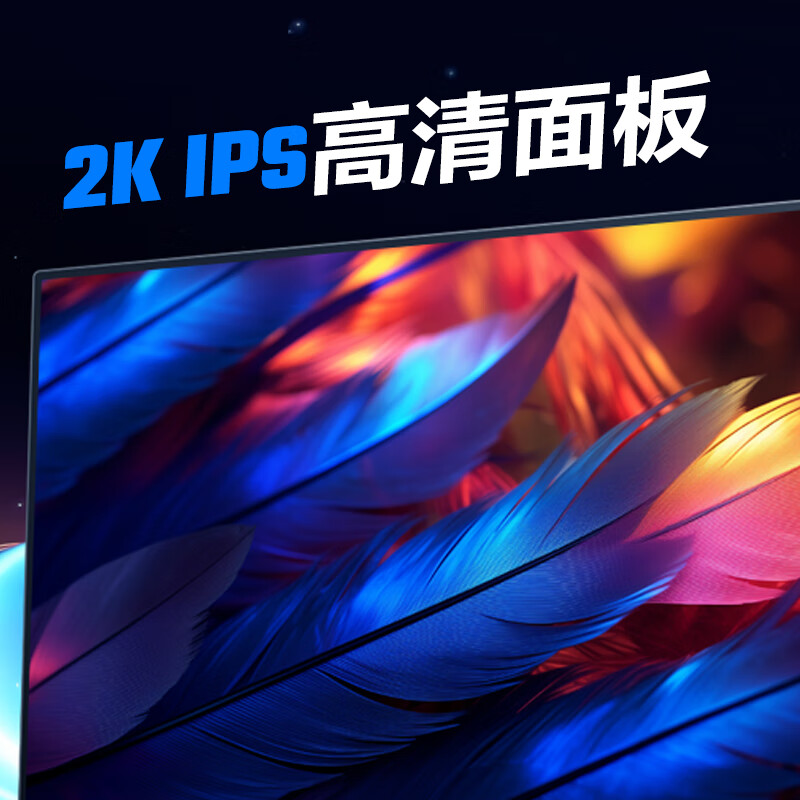
The VG240YU boasts a 23.8-inch 2K (2560 x 1440) resolution Fast-IPS panel with a blazing-fast 180Hz native refresh rate. This translates to smoother gameplay with less motion blur, especially beneficial in fast-paced esports titles. The panel has a brightness level of 300 nits and supports 8-bit color.
The monitor boasts a 1ms (GtG) response time, further minimizing ghosting and ensuring a responsive gaming experience. Additionally, the VG240YU covers 90% of the DCI-P3 color gamut along with HDR10, delivering rich and accurate colors for both gaming and content creation.
The gaming monitor also supports AMD FreeSync technology, which synchronizes the refresh rate of the monitor with compatible AMD graphics cards, eliminating screen tearing and stuttering for a smoother gameplay experience.
The monitor features a three-sided bezel design for a near-edge-to-edge viewing experience, ideal for multi-monitor setups. The ergonomic stand offers tilt adjustment from -5° to 25°, allowing users to find a comfortable viewing position. It also supports VESA wall mounting with a 100×100 mm mount size.
The monitor offers a variety of connectivity options, including two HDMI 2.0 ports, one DP 1.4 port, and a 3.5mm audio output jack. This allows for connection to various gaming PCs and consoles. The DisplayPort can deliver the full 180Hz, but HDMI ports are limited to 144Hz.
For eye care, the monitor features flicker-less technology and Acer’s ComfyView technology to reduce glare, minimizing eye strain during long gaming sessions.
Honor has unveiled the Xiaopai Smart Camera Pro, a new home security device equipped with advanced features. The camera boasts a triple-lens system featuring 4MP sensors, allowing for detailed and clear video capture. A standout feature is its 20x super zoom capability, enabling users to magnify distant objects for closer inspection. Additionally, the camera supports real-time dual-screen monitoring, providing a comprehensive view of the monitored area.
The Smart Camera Pro has full-colour and infrared night vision modes
To enhance nighttime surveillance, the Xiaopai Smart Camera Pro offers intelligent, full-color, and infrared night vision modes. The camera also incorporates intelligent tracking technology, automatically zooming in and following human or pet movement. For added convenience, two-way communication is facilitated through the camera button or mobile app, allowing users to interact with individuals within the camera’s range.
The Xiaopai Smart Camera Pro is currently available for pre-order on JD.com at a price of 249 yuan, with official sales commencing on August 1. While the camera’s features appear promising, its overall performance and image quality will be crucial factors in determining its success in the competitive smart home camera market.
We use cookies on our website to give you the most relevant experience by remembering your preferences and repeat visits. By clicking “Accept”, you consent to the use of ALL the cookies.
This website uses cookies to improve your experience while you navigate through the website. Out of these, the cookies that are categorized as necessary are stored on your browser as they are essential for the working of basic functionalities of the website. We also use third-party cookies that help us analyze and understand how you use this website. These cookies will be stored in your browser only with your consent. You also have the option to opt-out of these cookies. But opting out of some of these cookies may affect your browsing experience.
Necessary cookies are absolutely essential for the website to function properly. This category only includes cookies that ensures basic functionalities and security features of the website. These cookies do not store any personal information.
Any cookies that may not be particularly necessary for the website to function and is used specifically to collect user personal data via analytics, ads, other embedded contents are termed as non-necessary cookies. It is mandatory to procure user consent prior to running these cookies on your website.