Advertisement

You can now play Xbox Game Pass games directly on your smartphone thanks to Boosteroid

Xbox has teamed up with Boosteroid, a cloud gaming service, to make Xbox PC games available to more people. This partnership, announced last year, is now bringing a new set of PC games to Boosteroid, including titles like “Deathloop”, “Dishonored” series, “Gears 5”, “Ghostwire: Tokyo”, and “Pentiment”. This means gamers can play these games even on their smartphones and tablets.

Boosteroid-Logo-Lock-Up-Xbox

To start playing these games on Boosteroid, players need to have the game through the Microsoft Store, which can be through a PC Game Pass, Xbox Game Pass Ultimate, or a direct purchase. With a Boosteroid subscription, players log in, select the Xbox game they want to play from the Boosteroid library and start playing. This allows for playing on different devices, like PCs, smartphones, and tablets, and includes features like cross-play and cross-save with Xbox consoles and Windows PCs.

Boosteroid-Xbox-Filter
Boosteroid-Login-Xbox-Game

Boosteroid lets you play games on various devices without needing a powerful PC or lots of storage. It uses remote servers to run the games and streams them to your device. This makes it possible to play demanding games on simpler devices. To use Boosteroid, you need a good internet connection and a subscription.
The partnership with Boosteroid is part of Xbox’s larger effort to make gaming more accessible and to offer more choices on where and how to play games. Xbox is also working with other cloud gaming services (EE, NVIDIA GeForce NOW, Nware, and Ubitus) around the world to allow the streaming of games from Xbox Game Studios, Bethesda, and Activision Blizzard.

RELATED:

Asus Zenfone 11 Ultra Roundup: Specs, Camera, pricing & more

On March 14, 2024, Asus will officially unveil its Zenfone 11 Ultra smartphone in the global market. This device is a successor to the popular Zenfone 10 smartphone, however, it is quite different from its predecessor.

Asus zenfone 11 Ultra
Asus Zenfone 11 Ultra

Design & display

In the age where smartphone sizes are getting bigger by the day, Zenfones were the only flagships catering to customers looking for an actual compact device. Well, it looks like this might be the end of small Zenfones, as the upcoming Zenfone 11 Ultra is said to feature a large 6.78-inch display.

Design-wise, the device is quite similar to the ROG Phone 8, with slight changes to the rear camera module. Leaked renders suggest that the device will feature an overall similar camera layout, with one large camera cutout on the right side of the module and two smaller ones on the left. The flashy gamer aesthetics on the back have been replaced by some geometric patterns, and the sides of the device are flat with no shoulder triggers.

The display onboard the Zenfone 11 Ultra is said to be a 6.78-inch AMOLED panel with an FHD+ AMOLED LTPO panel that will support up to a 144Hz refresh rate. This is slightly different from the ROG Phone 8, which has a 165Hz AMOLED display of the same size and resolution.

Asus Zenfone 11 Europe Price

As per a previous report, the Zenfone 11 Ultra will be available in five shades, such as Eternal Black, Skyline Blue, Misty Gray, Verdure Green, and Desert Sienna.

Performance

The similarities don’t end there a Geekbench listing has already revealed that the Zenfone 11 Ultra, with model number ASUS_AI2401_H, also comes with a Snapdragon 8 Gen 3 processor that has a peak clock speed of 3.30GHz. It has scored 2226 and 6949 points in single and multi-core tests, respectively, which means that there won’t be any issues running day-to-day or even heavy tasks on this device.
In addition to that, the device is said to offer configurations with up to 16 GB of LPDDR5x RAM, paired with up to 1 TB of UFS 4.0 storage. Currently, it is unclear what kind of cooling system will be onboard the Zenfone 11 Ultra. The ROG Phone 8 uses a conduction cooling system that has a heat pipe made of boron nitride alongside copper going through the phone’s motherboard. It is possible that we might see something similar on the Zenfone 11 Ultra, however, considering the conduction cooling system is a heavy-duty cooling solution developed for the gaming flagship, Asus might opt for something a bit tamer for the 11 Ultra.

Asus Zenfone 11 Europe Price

The device is expected to pack a 5,500mAh battery with 65W wired and 15W wireless charging support. A leaked unboxing image of the device also suggests that the power brick might not be included in the box. Other than that, it is expected to have a 3.5mm audio jack, a stereo speaker system, Bluetooth 5.3, and WiFi 7 support. As for software, it will run on Android 14 out of the box. Like the ROG Phone 8, the 11 Ultra is also expected to come with some AI-driven features, such as enhanced results through the phone launcher, Gallery, and Settings apps.

Camera

The camera system is rumored to feature a 50 megapixel IMX890 main sensor, which is a significant upgrade over its predecessor’s IMX 766 sensor. That being said, the device will feature a gimbal OIS stabilization system for the main camera like its predecessor. It is also said to feature a 13 megapixel ultra-wide lens and an OIS-assisted 32 megapixel telephoto camera with 3x optical zoom. For the front, the 11 Ultra will have a 32 megapixel selfie snapper.

Pricing & availability

A leak from last week suggests that the base model of the device with 12GB of RAM and 256GB of storage will cost CZK 24,990 (approximately $1,078 USD / €986 EUR), while the 16GB RAM and 512GB storage configuration is said to cost around CZK 26,490 ($1,143 USD / €1,045 EUR). These prices are expected to be early bird prices, which could increase by CZK 1,000 ($43 or €39), and CZK 2,500 ($107 or €98) after the end of the promotion.

RELATED:

Is TV Dead? Global TV Shipments Hit a Decade Low in 2023

Technological advancements often reduce the need for multiple products. Remember when you needed a separate camera, music player, calculator, and game console? Now your smartphone does it all. The same thing is kinda happening with TVs. People might buy them less, but when they do, they want bigger screens and super high quality. Here are the details…

Global TV shipments in 2023 hit a ten-year low

In 2023, the global TV market continued its decline. Sales dropped by 1.6% compared to the year before. This is the lowest number of TVs sold in ten years. There are a few reasons why this happened. Certainly, the first reason for these trends is that people are watching less TV. In today’s world, many individuals prefer digital content platforms accessible from their phones, computers, and tablets.

Tv

TVs are now mainly the first choice for users focused on large screens and high image quality. This leads to a higher demand for resolutions such as 4K and 8K, with sizes of 49 inches and above. However, factors like global inflation are also reducing interest in these expensive models.

Shipments increased year-over-year in North America (7.5%), Latin America (2.3%), and Eastern Europe (3.4%), with the U.S. experiencing a notable rebound. However, other regions faced annual declines: Asia-Pacific (-0.2%), China (-8.4%), Western Europe (-11.5%), and the Middle East and Africa (-3.0%). Notably, both new and replacement TV sales remained sluggish across all regions. This suggests a general weakening of consumer confidence in the TV market, despite regional variations.

The decline in the Chinese TV market intensified in the second half of 2023. During the latter half of 2023, the Chinese TV market experienced a significant downturn, surpassing a monthly year-on-year decline of over 10%. In the final month of the year, the decline rate exceeded 20%. The annual market size dropped below 37 million units to 36.56 million, marking the lowest level in the past decade.

RELATED:

Hongqi EH7 Electric Vehicle set to debut in Chinese market on March 20

Hongqi, a renowned brand under FAW, announced its much-anticipated electric sedan, the Hongqi EH7, marking a significant milestone in China’s electrification campaign. The sleek vehicle, part of Hongqi’s “All in New Energy” initiative, embodies cutting-edge technology and futuristic design elements.

Scheduled for launch on March 20, 2024, in China, the Hongqi EH7 boasts a fastback shape and a closed front face adorned with distinctive “L”-shaped headlights. The vehicle’s hidden door handles and five-spoke rims with red Brembo brake calipers add to its sporty appeal. Available in a range of vibrant colors including green, purple, and silver, the EH7 stands out on the road.

Inside, the cockpit features a striking black-and-white color scheme and is equipped with a 6-inch + 15.5-inch curved dual screen for the instrument panel and central control. Powered by a Qualcomm Snapdragon 8155 chip, the EH7 offers advanced features such as an augmented reality (AR) head-up display and autonomous driving capabilities.

Under the hood, the EH7 comes in both rear-wheel-drive (RWD) and all-wheel-drive (AWD) variants. The RWD model boasts an electric motor with a maximum power output of 253 kW, offering a top speed of 190 km/h and an impressive acceleration time of 3.9 seconds from 0 to 100 km/h. Meanwhile, the AWD variant features front and rear dual motors with a combined total power of 455 kW and peak torque of 756 N·m.

The EH7’s powertrain is complemented by ternary lithium battery packs supplied by CATL, with future variants set to include battery-swap and long-range fast-charge options, providing up to 800 km of cruising range. Additionally, the vehicle is equipped with the HAP precise automatic driving assistance system for enhanced safety and convenience.

With its innovative design, advanced technology, and eco-friendly powertrain, the Hongqi EH7 sets a new standard for electric vehicles in the medium to large sedan segment. As Hongqi’s first model under its “new energy sub-brand,” the EH7 is poised to make a significant impact on the electric vehicle market, catering to the growing demand for sustainable transportation solutions.

Related:

(via)

OnePlus 12R OxygenOS 14.0.0.500 now seeding globally with Camera improvements & February 2024 security patch

OnePlus has started releasing a new update for the OnePlus 12R, labeled as version 14.0.0.500, targeting users in the India/Global regions. The update comes with build numbers CPH2585_14.0.0.500(EX01) for India and CPH2609_14.0.0.500(EX01) for the global version.

OnePlus 12R

Key highlights of this update include the integration of the February 2024 Android security patch to improve system security. The update also focuses on improving the overall system stability and performance. Users can expect a more reliable experience with fingerprint unlocking, as the update addresses and improves this feature.

OnePlus has also tackled an issue causing some applications to crash, aiming to provide a more stable app experience. Network connection stability is another area of improvement, alongside broader NFC function compatibility, which should benefit users requiring seamless connectivity and transaction capabilities. The camera is getting improvements too, with upgrades to camera performance and stability.

The rollout of this OTA update is incremental. Initially, a limited percentage of users will receive the update, followed by a wider release in the coming days. For users in India encountering any issues post-update, OnePlus offers a straightforward bug reporting mechanism through the Google Dialer by dialing *#800#. This option is currently available exclusively in India.

RELATED:

Xiaomi Electric Scooter 4 Pro (2nd Gen) with a 1,000W peak power and longer range launched

Xiaomi has unveiled the Electric Scooter 4 Pro (2nd Gen) and it comes with a longer range and a more powerful motor than its predecessor. The Xiaomi Electric Scooter 4 has been listed on the brand’s global website. The release comes over a year after the original model was launched. However, this is the third model the company is releasing in quick succession after the Electric Scooter 4 Lite (2nd Gen) and Electric Scooter 4 Pro Max.

Xiaomi Electric Scooter 4 Pro (2nd Gen

The Xiaomi Electric Scooter 4 Pro (2nd Gen) features several improvements from its predecessor. It has a 400W motor that can output up to 1,000W power, compared to the original model whose peak output was 700W. The scooter has a top speed of 25km/h, obviously pegged to meet extant regulations in some countries. There are various speed modes in the Xiaomi Electric Scooter 4 Pro (2nd Gen). The scooter has an upgraded 468Wh battery pack that offers a range of 60km, higher than its predecessor.

The latest iteration of the Xiaomi Electric Scooter 4 Pro has a carbon steel frame and weighs 19kg. It features an integrated display that tells users the cruising speed, battery status, and when the turn signals are activated. The Xiaomi Home app is the companion app for the scooter and offers a view of the trip information and controls. The scooter also features an auto light mode as well as wide 60mm x 10-inch tires.

Xiaomi Electric Scooter 4 Pro (2nd Gen)

Pricing

Xiaomi is yet to pull the wraps on the price and release date for the Electric Scooter 4 Pro (2nd Gen). It is however expected to be released soon and the pricing will be slightly different from the original Xiaomi Electric Scooter 4 Pro. The Xiaomi Electric Scooter 4 Pro launched in the EU at a retail price of €799 ($873) but it is currently selling for €699 ($765).

RELATED:

(source)

Xiaomi Mi Band 9/9 NFC to launch soon, picks up radio certification

Xiaomi is gearing up to launch the Mi Band 9/9 NFC, the successor to its widely popular Mi Band 8 series. Last year, the Mi Band 8/8 NFC hit the Chinese as well as global markets, offering a variety of sports modes, health tracking features, and more.

Mi Band 9/9 NFC radio certification

Details on the Mi Band 9/9 NFC are still limited, but two models, “M2345B1” and “M2346B1,” were certified for radio use, suggesting that their launch could be soon.

Xiaomi Mi Band 9 Radio certification

The Mi Band 8 has been a favorite for many because of its design and capabilities. It comes with a 1.6-inch AMOLED screen, making it easy to read and use. The screen also has an Always-On Display option, and the device is water-resistant up to 50 meters. One of the cool things about the Mi Band 8 is that you can change its straps, choose from different materials and styles, or even wear it as a pendant or on your shoes.

The Mi Band 8 can monitor your heart rate, blood oxygen levels, sleep patterns, and even your stress levels. It has a special focus on female health as well. For those who love to stay active, it offers over 150 sports modes and even games to play right on the band. The Mi Band 8 is also known for its long battery life, lasting up to 16 days on a single charge if you don’t use the Always-On Display.

Xiaomi announced the launch date of the Mi Band 8 last year in April. With that in mind, we can expect the Mi Band 9 series to debut sometime next month.

RELATED:

(via)

Realme 12 Pro Gets A New 12GB + 256GB Variant In India

Realme recently launched the Realme 12 and 12 Plus smartphones in India. Now, the brand has announced a new RAM and storage configuration of the Realme 12 Pro (review). Initially, the phone was offered in 8GB + 128GB and 8GB + 256GB variants. This gives interested customers more options if they want a higher variant based on their usage needs. 

Realme 12 Pro gets a new variant 

The Realme 12 Pro has been introduced in a higher 12GB RAM and 256GB storage variant. It carries a price tag of Rs 29,999. The brand says that this variant has the largest RAM in a curved smartphone. Realme is offering a Rs 4,000 bank discount and up to 12-month no-cost EMI as a part of the first sale on the Realme 12 Pro. It will be available for purchase starting March 15 at 12 noon. The newest variant comes in Submarine Blue and Navigator Beige colours. 

Apart from the RAM and storage bump, the rest of the specifications of the Realme 12 Pro remain the same as the other two configurations. It has a 6.7-inch curved OLED display bearing an FHD+ resolution, 950 nits peak brightness, and a 120Hz refresh rate. There is an in-screen fingerprint scanner. The device features a faux leather back panel with a circular camera module housing 50MP main, 32MP telephoto, and 8MP ultra-wide-angle sensors. 

The Realme 12 Pro is powered by a Snapdragon 6 Gen 1 SoC. It is backed by a 5,000mAh battery with support for 67W fast charging. The device runs on Android 14 OS out of the box. 

Related:

U.S. to grant TSMC $5 billion for Arizona Chip Plant

In a move set to significantly bolster semiconductor production in the United States, Taiwan Semiconductor Manufacturing Co (TSMC) is on the brink of securing a substantial federal grant exceeding $5 billion from the U.S. government. Bloomberg News reports that this grant is intended to facilitate the establishment of a cutting-edge chipmaking facility in Arizona.

This landmark investment, part of TSMC’s $40 billion commitment to the Arizona plant, signifies one of the largest foreign investments in U.S. history. The support from the U.S. government comes as part of the broader initiative outlined in the U.S. CHIPS Act, which has allocated a substantial $52.7 billion towards enhancing domestic semiconductor production.

Under the same Act, the Biden administration recently granted $1.5 billion to GlobalFoundries, another prominent contract chip manufacturer. The aim is to bolster the nation’s chip-making capabilities to address the ongoing global shortage, which has particularly affected industries reliant on advanced artificial intelligence chips.

TSMC’s advanced manufacturing processes are integral to producing industry-leading chips, including those used by tech giant Nvidia. However, the company has been grappling with the challenge of meeting escalating demand, particularly for advanced packaging, which has hindered the scaling up of supply for complex AI chips.

While the U.S. move to support TSMC’s endeavors in Arizona is significant, it’s part of a broader global strategy for the semiconductor giant. In 2023, TSMC received substantial subsidies from China and Japan, totaling over $1.5 billion, to support its expansion efforts in those countries. In China, TSMC is expanding a wafer fab in Nanjing, while in Japan, through its joint venture, Japan Advanced Semiconductor Manufacturing (JASM), it’s undertaking ambitious projects in Kumamoto.

JASM’s investments in Japan, supported by significant grants from the Japanese government, underscore the global scale of TSMC’s operations and its strategic partnerships across different regions. Moreover, TSMC’s plans for a wafer fab in Germany, scheduled to open in 2027, further highlight its global expansion ambitions.

Overall, TSMC’s endeavors, spanning multiple continents, reflect the semiconductor industry’s pivotal role in powering various sectors, from automotive to high-performance computing. With substantial government support both in the U.S. and abroad, TSMC is poised to play a crucial role in shaping the future of semiconductor production worldwide.

Related:

(via)

AirPods Pro May Gain Hearing Aid Mode In The Upcoming iOS 18

There have been reports about Apple incorporating hearing health features on future AirPods. The Cupertino-based tech giant already offers accessibility features like Live Listen on the AirPods since 2018 and Conversation Boost capability on the AirPods Pro since 2021. Now, per a reliable Bloomberg analyst Mark Gurman in his latest newsletter says that the AirPods Pro could gain a new accessibility feature attributed to hearing health. 

AirPods Pro may get a new hearing health feature

Apple-Airpods-Pro

iOS 18 is touted to be the biggest update in years and it is widely expected to be unveiled at this year’s WWDC keynote in June. Gurman reports that Apple may announce a new accessibility feature on the AirPods Pro at the same event. This is said to be a new hearing aid mode. 

Gurman says that the AirPods Pro won’t get any hardware updates this year. Instead, Apple will focus on the software side of things on the TWS earphone. As to how the hearing aid feature will work remains a mystery at the moment. 

The Live Listen feature turns the iPhone into a directional microphone capturing audio and transmitting everything to AirPods in real time. Meanwhile, the Conversational Boost utilizes the microphone to pick up the audio and enhance it for better hearing. 

Previously, Gurman reported that future AirPods might get a hearing test feature that will enable users to detect any hearing issues. It will play different sounds and tones to determine a user’s hearing capacity. Back in 2022, the FDA created a new category of hearing aids that could be purchased over the counter without any medical examination or prescription.

With the hearing health features on the AirPods, it seems that Apple is planning to revolutionize the TWS segment. The company could also position the future AirPods as a viable substitute for hearing aids.

Related:

Source

Infinix Note 40 Pro 5G Surfaces On Google Play Console And Geekbench Revealing Design And Hardware Details

Infinix is working on the Note 40 series smartphones. Yesterday, the Note 40 Pro 5G surfaced on the Play Supported Devices list. Now, the phone has appeared on the Google Play Console certification website revealing its front design. It has also been spotted on the Geekbench benchmarking platform. Both listings also mention the hardware details of the device.

Infinix Note 40 Pro 5G appears on Google Play Console and Geekbench

The Infinix Note 40 Pro 5G carries a model number X6851 on both the Google Play Console and Geekbench websites. The former includes a render of the device. It will feature a centre-aligned punch-hole cutout and a curved display. The listing mentions a resolution of 1080 x 2436 pixels and a 480 DPI screen density. 

As per Google Play Console, internally, the Infinix Note 40 Pro is listed with MediaTek MT6855V processor comprising of two A78 cores at 2.2GHz and six A55 cores at 2GHz. This likely suggests that the device will be powered by a Dimensity 7020 processor. It will pack 8GB RAM onboard and ship with Android 14 OS out of the box. 

The Geekbench listing also mentions the same processor and RAM details as the Google Play Console certification. In the benchmarking platform’s single-core and multi-core test results, the Note 40 Pro 5G scores 928 and 2,253 points respectively. 

The Infinix Note 40 Pro 5G has also bagged BIS certification with the model number X6851. We can expect the device to launch in the coming weeks. 

Related:

Via

UNIHERTZ 8849 Tank 3 Pro rugged smartphone with projector, 5G support, and giant battery announced

UNIHERTZ has officially unveiled the 8849 Tank 3 Pro rugged smartphone. The smartphone comes with a rugged design and features a projector, a large battery capacity, and 5G network support. The smartphone is being marketed as a mid-range model with an affordable price.

UNIHERTZ 8849 Tank 3 Pro

The UNIHERTZ 8849 Tank 3 Pro is capable of being used as a camping device with its expansive camping light. The Tank 3 Pro is based on the MediaTek Dimensity 8200-Ultra chipset and supports 5G network connectivity as well as Wi-Fi 6. It comes with a 23,800mAh battery that can be charged with up to 120W power. The RAM of the smartphone is rated 16GB or 18GB while the internal storage is 512GB, expandable to 2TB via a memory card.

The UNIHERTZ 8849 Tank 3 Pro features a DLP projector with a maximum brightness of 100 lumens. This means that the user may need to darken the enclosure as appropriate in order to use the projector. The projector is suitable for smaller projection surfaces. The smartphone’s camping light is built-in and will be a great tool for campers. The UNIHERTZ 8849 Tank 3 Pro weighs 969g with dimensions of 176 x 86 x 29.8 mm. Its 6.79-inch display has a resolution of 1080 x 2460 pixels and a display refresh rate of 120Hz.

UNIHERTZ 8849 Tank 3 Pro

The rugged UNIHERTZ Tank 3 Pro smartphone has an IP68 certification and is equipped with a night vision camera. The main camera of the smartphone has a resolution of 200MP.

Pricing & AVailability

The UNIHERTZ 8849 Tank 3 Pro has a launch price of $640 but UNIHERTZ is offering coupons worth $50 for the smartphone. Pre-orders were kick-started on March 8 but shipping costs could increase the price of the model in some markets.

RELATED:

(source)

Samsung Galaxy A35 is official with 120Hz AMOLED display, Exynos 1380 chip, IP67 rating, and more

Samsung has finally unveiled the Galaxy A35 today. The device was announced alongside its bigger sibling Galaxy A55.

The duo shares some of its core specs. But there are still a lot of differences between them, and thus, one of them is cheaper while the other one is costlier.

Let’s go through the features of A35 in this article. To learn about the A55, check our coverage on the same.

Samsung Galaxy A35

Samsung Galaxy A35 Specifications

Just like its predecessor Galaxy A34, the latest Galaxy A35 comes with a plastic frame. However, the back is now glass instead of plastic. It also sports the new key island design wherein the power and volume keys are a bit raised from the frame.

The phone flaunts a 6.6-inch centered punch-hole Super AMOLED display protected by Corning Gorilla Glass Victus Plus. The panel arrives with an FHD+ resolution (2340 x 1080 pixels) and a 120Hz refresh rate.

Under the hood, the smartphone houses an Exynos 1380 SoC, which powered last year’s Galaxy A54. The chipset is paired with up to 8GB RAM and 256GB storage.

The handset has a 13MP front-facing camera. On the rear, it features a triple camera setup consisting of an OIS-assisted 50MP primary sensor, an 8MP ultrawide unit, and a 5MP macro snapper.

The device comes with an under-display fingerprint sensor and dual stereo speakers. It is also IP67-rated for dust and water resistance.

As for software, it ships with Android 14-based One UI 6.1. Samsung promises up to 4 generations of OS upgrades and 5 years of security updates.

Finally, the phone draws energy from a 5,000mAh battery and supports 25W wired charging.

Samsung Galaxy A35 Price

The Samsung Galaxy A35 arrives in four colors, such as Lilac, Lemon, Ice Blue, and Navy.

The base 6GB + 128GB variant is priced at €380 in Europe. It is also offered in 8GB + 128GB and 8GB + 256GB memory configurations.

RELATED:

Sony Xperia 1 VI, Xperia 5 V & Xperia 10 VI RAM options leak ahead of launch

Sony is due to release its 2024 lineup of Xperia smartphones later this year. We expect at least three smartphones to debut this year: Xperia 1 VI, Xperia 5 VI, and Xperia 10 VI.

Sony Xperia 1 V

Ahead of the launch, Sumahodigest has shared a report leaking the RAM configurations of these devices. As per the report, the flagship Xperia 1 VI will be available in 12GB and 16GB RAM configurations. The Xperia 5 VI will launch with 8GB memory, while the Xperia 10 VI will launch with 6GB and 8GB RAM.

Details about the Xperia 5 VI and 10 VI are scarce, however, we know some details about the upcoming flagship, specifically about its cameras. As per a previous report, all three cameras on the back of the Xperia 1 VI will feature 48MP Exmor T sensors.

This is the same sensor found on the primary camera of the Xperia 1 V. To be exact, the Exmor T sensor is a 52MP camera sensor, however, the images are shit in 48MP due to the 4.3:3 aspect ratio. Sony calls it a stacked sensor as the brand has managed to separate the photodiode and transistor and stack them upon one another to improve the amount of light captured and reduce noise levels.

The main lens on the Xperia 1 VI is reported to have a large f/1.4 aperture, 2x optical zoom, and dual-phase detection autofocus. It’s also expected to support 1080p video recording with electronic image stabilization (EIS).

The ultra-wide camera will come with a 14-18mm focal length, and it features on-chip autofocus. Meanwhile, the telephoto lens is said to offer a 6x zoom, however, it’s worth noting that the 6x zoom is likely achieved through sensor cropping, as the native optical zoom is set at 3x. More details are expected to surface as we get closer to launch, so stay tuned.

RELATED:

(Source)

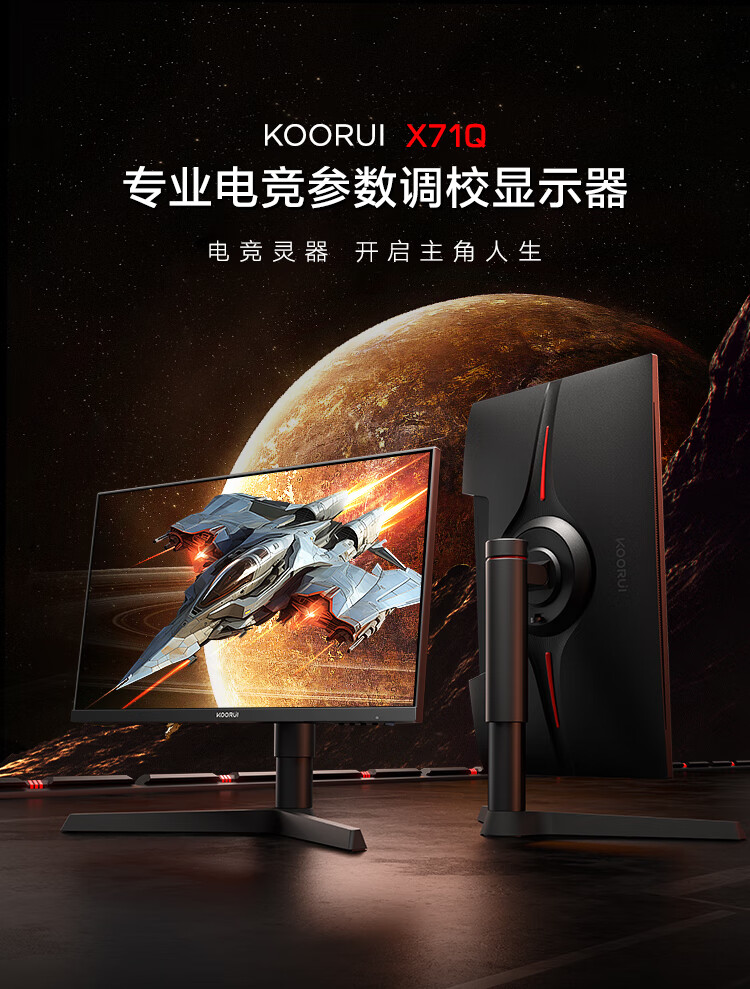
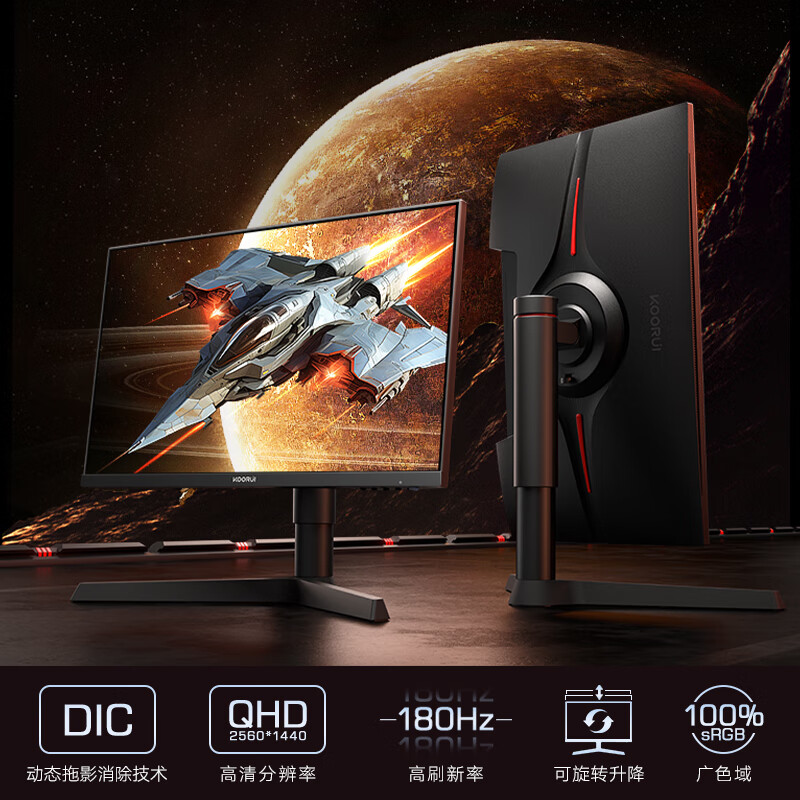
AOC launches 27B35H, an affordable gaming monitor with 27″ 100Hz FHD panel in China

AOC has expanded its gaming monitor lineup in the Chinese market with the launch of the 27B35H, a competitively priced model that doesn’t skimp on performance or features. The monitor is priced at 599 yuan (around $84) and is now available on JD.com. Let’s check out the key specs.

AOC 27B35H

AOC 27B35H Specifications:

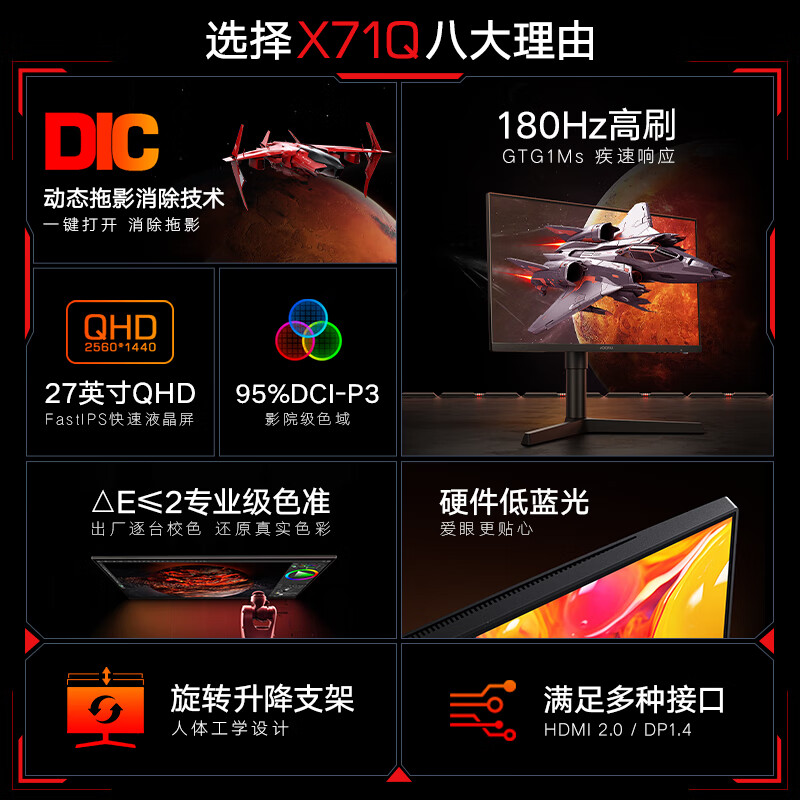
The monitor boasts a 27-inch display with a Full HD resolution of 1920×1080 pixels. The IPS panel offers wide viewing angles of 178°, meaning the color accuracy and image quality remain consistent.

With a 100Hz refresh rate, the monitor offers smooth and seamless control, making it suitable for both gaming and general use. For this budget, this is a significant step up from the standard 60Hz, providing a more fluid experience during high-motion scenes in games or while scrolling through web pages.

The monitor supports 16.7 million colors with an 8-bit color depth, creating finer color transitions and reducing color banding. It features a static contrast ratio of 1000:1 and a dynamic contrast ratio of 20 million:1, enhancing the overall image quality by producing deeper blacks and brighter whites.

AOC has equipped the 27B35H with Adaptive-Sync technology, reducing screen tearing and stuttering by synchronizing the display’s refresh rate with the output of a compatible graphics card. Additionally, ClearVision image enhancement technology is included to sharpen the image further for clearer, more defined levels.

To ensure a comfortable viewing experience, the monitor incorporates blue light filtering and flicker-free technologies. These features aim to reduce eye strain during prolonged use, making the 27B35H an excellent choice for those who spend a lot of time in front of their computer.

The monitor offers standard connectivity options with one HDMI and one VGA port. It also supports rotation adjustment, allowing users to find their optimal viewing angle.

The back of the monitor is equipped with a standard 100x100mm wall mount hole for easy mounting. The monitor also supports DCB color enhancement technology, which allows users to switch between multiple color modes.

The AOC 27B35H comes with a more eco-friendly packaging design that uses folded paper and paper-plastic materials instead of traditional Polylong foam.

RELATED:

Samsung Galaxy A55 is here with Exynos 1480 chip, metal frame, 50MP OIS camera, and more

Samsung has finally launched the Galaxy A55 and Galaxy A35. The latest mid-rangers from the company share a lot of their core specs and yet they are different from one another due to select features. 

Let’s take a look at the A55 in this article, which comes with a premium build, a more powerful chip, and better cameras. You can learn about the A35 here.

Samsung Galaxy A55

Samsung Galaxy A55 Specifications

The Galaxy A55 continues to have a premium build than other A series phones like its predecessor Galaxy A54. It sports a glass back and a metal frame. 

Also, like the other newer models, it arrives with the new key island design. Thus, power and volume keys are a bit raised from the frame.

The smartphone sports a 6.6-inch centered punch-hole Super AMOLED display protected by Corning Gorilla Glass Victus Plus. The panel offers a resolution of 2340 x 1080 pixels (FHD+) and a 120Hz refresh rate.

The device is powered by a new Exynos 1480 SoC featuring an AMD RDNA2-based Xclipse 530 GPU. This chipset is paired with up to 12GB RAM and 256GB storage.

The handset features a triple camera system on the rear comprising an OIS-assisted 50MP primary sensor, a 12MP ultrawide unit, and a 5MP macro snapper. On the front, it has a 32MP shooter.

The phone boots One UI 6.1 based on Android 14. It is guaranteed to receive 4 generations of OS updates and 5 years of security updates.

The smartphone is IP67-rated for dust and water resistance. It comes with an in-screen fingerprint sensor and dual stereo speakers.

Last but not least, the device is backed by a 5,000mAh battery with support for 25W wired charging.

Samsung Galaxy A55 Price

Samsung offers the Galaxy A55 in four colors, namely Ice Blue, Lemon, Lilac, and Navy.

The handset starts at €480 for the base 8GB + 128GB memory configuration in Europe. It also comes in 8GB + 256GB and 12GB + 256GB memory variants.

RELATED:

Sony refutes rumors of exiting the Chinese smartphone market

Recent rumors suggesting Sony would be pulling out of the Chinese smartphone market have been firmly refuted by the company itself. Sony has issued a statement clarifying its continued commitment to the region.

In a statement, Sony China said: “Sony’s many businesses in China, including the mobile phone business, are operating steadily. China is one of Sony’s most important overseas markets, and we are full of expectations for future development in China.”

sony exit chinese market

This statement gives much-needed clarity, as speculation about Sony’s future in China has been ongoing. Although Sony’s smartphone market share in China has decreased in recent years, the company appears determined to maintain a presence in the competitive market.

Sony originally entered the Chinese smartphone market over a decade ago when it acquired Ericsson’s stake in a joint venture. 

In current years, the company has struggled to keep pace with the rapid growth and intense competition within the Chinese market. However, the company is still selling its current line of phones, including the Xperia PRO-I, Xperia 5 III, Xperia 1 V, Xperia 5V, and Xperia1 IV, through its website in China.

Upcoming smartphones

The company is currently said to be working on a bunch of new phones for launch in 2024. Among them could be the Sony Xperia 1 VI and 5 VI.

There’s not much we know about these smartphones as of now. But a few leaks have revealed some details about them. For instance, a report from January revealed that the Xperia I VI will use 48MP lenses on all of its three cameras. 

Likewise, both devices are expected to get a feature that will digitally sign photos right when you click it which should ensure authenticity and most importantly, prevent tampering. 

We’ll make sure to keep you posted on any new updates about these devices.

Related:

(Via)

Redmi K80 rumored to launch in China soon: Tipster

Xiaomi is apparently working on the Redmi K80 smartphone. As the name suggests, the Redmi K80 is the successor to the K70 series, and now, a new leak hints that the device could launch in the brand’s home market of China soon.

Redmi K80 China Launch Near

Redmi K70

The news arrives from known tipster Smart Pikachu who shared the information on Weibo (a Chinese microblogging website). The tipster claimed that the work on the Redmi K80 series is seeing quick progress. Smart Pikachu further added that the Chinese tech giant is also shifting its strategy with the upcoming Redmi K80 lineup. Reportedly, Xiaomi will now only focus on the flagship grade model and not the more affordable mid range options.

In other words, the Redmi K80e could be dropped from the K80 series. This means that only the base K80 and K80 Pro would be announced in China, although, the tipster did not mention the higher end Pro model in the online post. Interestingly enough, Smart Pikachu believes that the “e” model could be transferred to another lineup altogether, which is the Note series. If this is true, then Redmi may announce a Redmi Note 14e variant.

Redmi K80

Unfortunately, this was all the information that was shared by the tipster. But just last week, we also covered a report from another Weibo tipster, who claimed that the Redmi K80 and the Redmi K80 Pro could be equipped with next gen Snapdragon processors. It remains unclear if this is the Snapdragon 8 Gen 3 series chip or the Snapdragon 8 Gen 4 since the smartphones are expected to launch sometime in late 2024.

RELATED:

Google accidentally confirms Pixel 8a, teases a new battery feature

Google may have unintentionally revealed its plans for the upcoming Pixel 8a while addressing a curious change with a recent Pixel software update. The company confirmed that an expanded battery stats page is exclusive to the Pixel 8a and other future devices.

Android 14 QPR1 introduced a useful battery stats feature that displayed charging cycle counts and the battery’s manufacturing date. However, this feature mysteriously vanished in the March 2024 Pixel update. 

Google has since clarified on a bug tracker page that the feature was never intended for currently released devices. The company says “We only enable this page on Pixel 8a and beyond, so this is WAI(Working as Intended).”

Google statements confirm two big things. Firstly, it serves as Google’s official confirmation that the affordable Pixel 8a is in the pipeline. 

Secondly,  future Pixel devices, starting with the 8a, will enjoy a dedicated and maybe more comprehensive battery health monitoring section in system settings. But it’s that this feature won’t be available on older Pixel devices.

Regardless, this slip-up suggests Google is working to provide Pixel users with better tools to understand their phone’s battery longevity.

The Pixel 8a launch is anticipated within the next few months, possibly aligning with Google I/O in May. This timeframe would mirror the release pattern of its predecessors.

Google Pixel 8a specifications (rumored)

Reports suggest that the Google Pixel 8a might come equipped with the Tensor G3 chip. There’s a chance it could be a toned-down version of the Tensor G3 chip found in the flagship Pixel 8 and Pixel 8 Pro phones.

The device is expected to boast 8 GB of RAM and support 27W fast charging. CAD renders of the Pixel 8a were leaked in October last year, revealing its dimensions to be 152.1 x 72.6 x 8.9mm, with a 6.1-inch OLED display. Further details about the smartphone are yet to be disclosed.

Related:

(Via)

OPPO and OnePlus foresees AI-focused smartphone as industry trend

Oppo and OnePlus rolled out their AI-powered ColorOS New Year Edition update just a few days ago. Now OPPO‘s Senior Vice President, Chief Product Officer, and OnePlus founder, Liu Zuohu, addressed the growing significance of AI mobile phones during an internal meeting. He emphasized that AI integration is not merely a gimmick but a significant industry trend. Liu Zuohu projected that other companies would inevitably follow suit within the next three months. The internal meeting, captured in an exclusive video obtained by Sina Technology, showcased Liu Zuohu’s insights and OnePlus’s recent performance.

Oppo commits to invest 10 billion Yuan in OnePlus to fuel its AI advancement

Oppo unveiling its self-trained gen AI model in September last year

Liu Zuohu highlighted OnePlus‘s remarkable growth rates, with the beginning of 2024 witnessing a notable 40% year-on-year growth. This growth trajectory aligns with OPPO’s strategic investment in OnePlus, marked by a dual-brand era announcement in 2022. With OPPO’s commitment to invest 10 billion Yuan solely in OnePlus over the next three years, the company aims to bolster OnePlus’s technological advancement, channel expansion, and service enhancement.

Notably, OPPO has prioritized AI as a key strategy, evidenced by the establishment of an AI center and a dedicated AI strategy conference in 2024. The company has already applied to trademark its “AndesGPT” and “AndesAI” for new AI assistant last year. Liu Zuohu stressed that AI integration will be pivotal in shaping the future of mobile phones. Despite differing industry perspectives, particularly on the practical significance of AI in smartphones, Liu Zuohu remains steadfast in his belief in its transformative potential.

Responding to skepticism surrounding AI-focused smartphones, Liu Zuohu drew parallels with Apple’s ventures beyond its core products, suggesting that embracing AI is an inevitable evolution. He confidently predicted that skeptics would soon follow suit within three months as the industry trend solidifies.

Looking ahead, Liu Zuohu reaffirmed OnePlus’s core strategy centered on product excellence and user satisfaction. He emphasized the company’s commitment to innovation, aiming to disrupt the industry with each product release. Liu Zuohu stressed that while performance growth is a significant outcome, the primary focus remains on delivering exceptional products that resonate with consumers.

Related: