Honor is gearing up to unveil its first ever flip foldable smartphone soon. The upcoming clamshell folding device was previously spotted in a rumor, and now, a fresh leak has revealed the launch timeline and design for the Magic Flip. So here are all the details.
Honor Magic Flip Launch Timeline & Live Image
In an earlier report, we covered a leak that suggested that the Magic Flip will be released in China’s Spring Festival. This has now been backed by the same tipster on Weibo (a Chinese microblogging website) again. For those unaware, the Spring Festival in China will be hosted between the 10th and 17th of February 2024. Apart from this, the tipster also shared an image, which offers us a look at the new flip phone.
The leaked picture showcases the rear design of the Magic Flip with two circular ring modules. The top module likely houses the image sensors, while the lower one would sport the external cover display. So the design appears to be quite similar to clamshell folding phones from its former parent company, Huawei. Based on what we know so far, the Magic Flip is powered by a 4,500mAh battery pack, which consists of a 2,420mAh + 1,980mAh dual-cell battery.
Unfortunately, this is all the information we have at the moment. Keep in mind that this is still just an unconfirmed report, so take this news with a pinch of salt for now and stick around for more as we will be providing updates when additional details are available regarding this device.
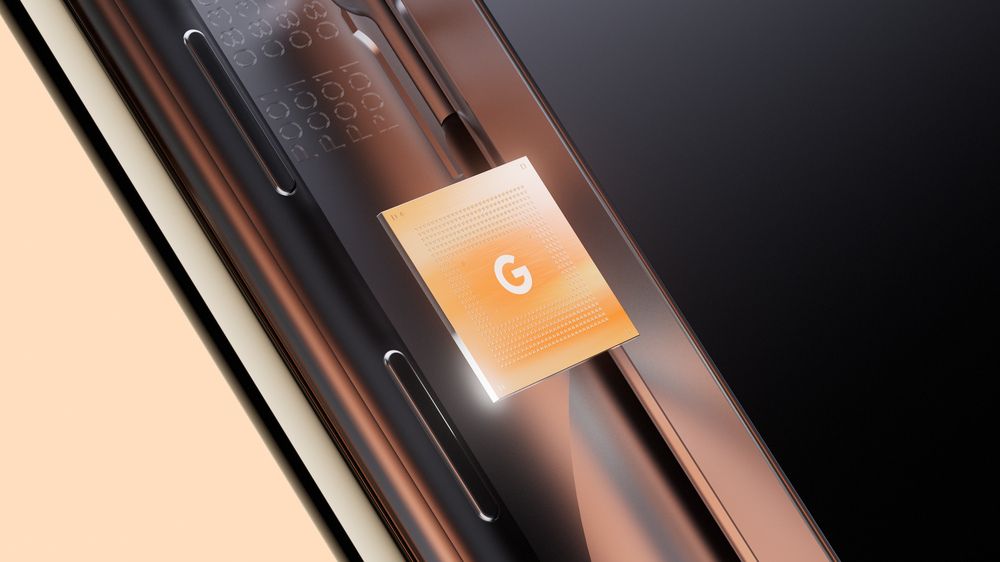
Leaks and rumors circulating about Google‘s upcoming Tensor G4 chip suggest it may not be a substantial upgrade from Tensor G3.
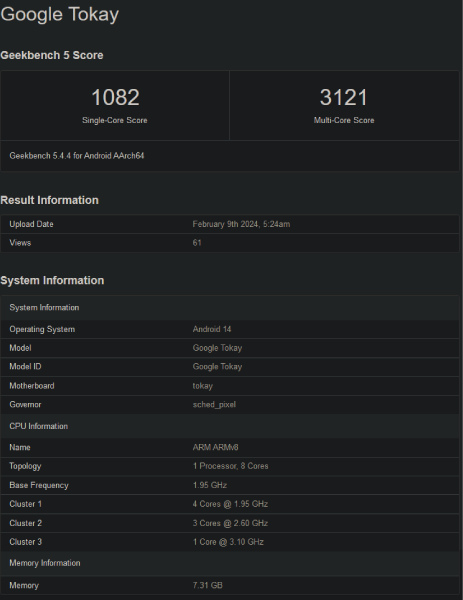
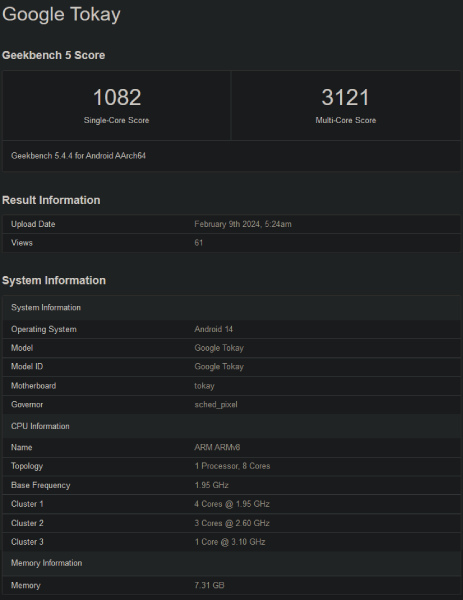
Although there’s no solid evidence to confirm this speculation, a supposed Geekbench listing recently emerged for a new Google chipset, likely the Tensor G4, lending some credibility to these claims.
The listing surfaced on Geekbench under the device codenamed “Google Tokay.” It’s uncertain which smartphone exactly the “Tokay” is; possibilities include the Pixel 9, 9 Pro, or the recently leaked Pixel Fold 2.
But what’s important here is the thing powering it. The listing reveals that the chip powering the device has one Cortex-X4/X5 core clocked at 3.1 GHz, three Cortex-A7xx cores at 2.6 GHz, and four Cortex-A5xx cores at 1.95 GHz.
This brings the total CPU core count to eight, which is one less than the nine cores on the Tensor G3. So we’re not sure whether this chip is indeed the upcoming Tensor G4. For graphics, there’s an Arm Mali G715 GPU, and the device has 8GB of RAM.
Furthermore, its performance also falls short compared to the Tensor G3. The latter can easily manage Geekbench scores of 1268 and 3510 but the new chip can only reach 1082/1024 in single-core tests and 3121/2788 in multi-core tests.
The Tensor G4 is expected to use the same 4LPP+ manufacturing process as Samsung’s Exynos 2400. While the Exynos 2400 can rival flagship chips from Qualcomm and MediaTek, it remains uncertain if the Tensor G4 will achieve the same level of performance.
As aforementioned, if we go by current rumors, the Tensor G4 would not be a huge upgrade. However, there are expectations for performance improvements with the Tensor G5.
The next iteration of Tensor SoC is rumored to be custom-designed by Google and will be manufactured by TSMC which should lead to better performance and efficiency. It’s just early speculations though, so it’s better to take this information with a pinch of salt.
Cyberattacks are increasing with the increasing penetration of the internet across different countries. The attacks not only affect individuals but sometimes pose substantial risks to governments and corporations. Forecasts indicate that the global economic toll from these attacks will increase to 10.5 trillion USD in 2025 from an astounding 8 trillion USD in 2023.
The attacks are significantly increasing and impact several industries. In recent years, we have even seen some countries accuse others of cyber security concerns. In a recent example, China accused the US of having Huawei servers. A new report Cost of Data Breach from IBM reveals average losses reaching $4.45 million per attack in recent years. The cyber attacks were estimated at $8 trillion in 2023, and they could reach 9.5 trillion in 2024. Apart from business disruptions, cyberattacks contribute the most to crippling businesses across the globe, as per a survey by Statista.
Well, the losses are going to escalate in the coming years. According to Statista and Cybersecurity Ventures predictions, the losses due to cybersecurity thefts are going to increase to $10.5 trillion in 2025. Further, it will increase to $11.3 trillion in 2026 and 12.4 trillion in 2027. However, these numbers are projected considering the current scenario; however, these may change as AI inclusion will further increase the losses.
Cyber Attack Details Across Different Industries
Precisely, the healthcare industry suffered a loss of around $10.93 million in 2023. Sensitive information in the healthcare sector, such as personal information, Social Security numbers, and other details, attracts the culprits. It leads to identity theft, insurance fraud, and even extortion in rare cases.
Meanwhile, the manufacturing industry accounted for 30% of attacks in the last year. The industry’s inability to cope with any downtime that halts production often leads to companies paying the ransom. A chipset manufacturer, TSMC, confirmed a cybersecurity incident and data breach where the culprit demanded a ransom of $70 Million.
The IT sector itself is a major target due to being the backbone of digital work across different sectors. It even has a major impact on other services, which is another reason that cybercriminals often target IT companies.
Apart from the industries, high-profile individuals are often the last of the cybercriminals. The list includes prominent politicians, industrialists, and other influential figures.
Understanding the impact of cyber attacks on various industries
The landscape of cyber threats is indeed evolving rapidly, with data breaches, ransomware, social engineering, supply chain attacks, and AI-generated threats posing significant risks to businesses and individuals alike.
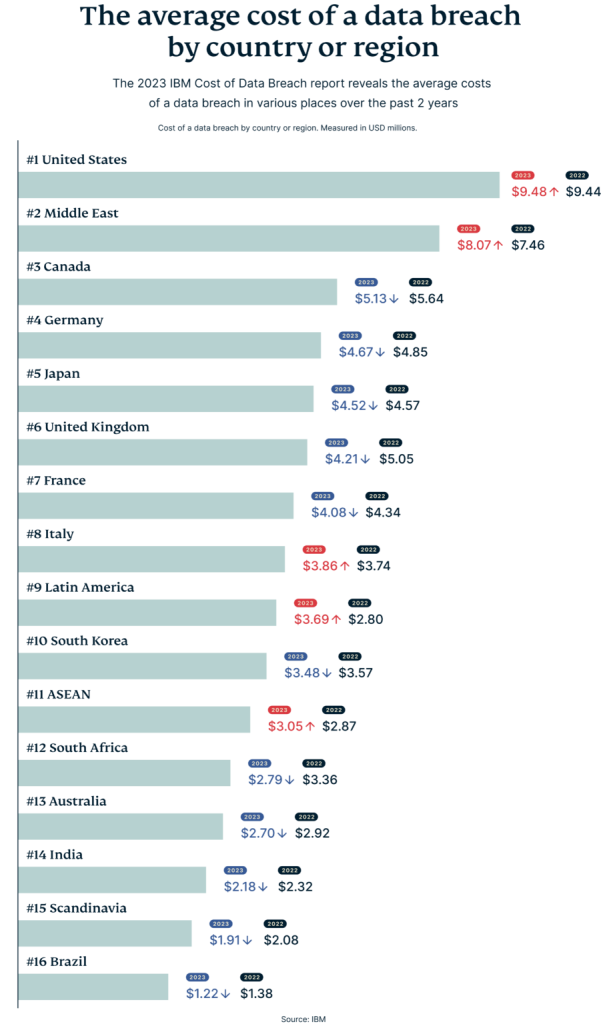
In 2023, IBM research shows that the average cost of data breaches globally has surged, reaching 4.45 million USD, with the United States bearing the highest average cost in 2023. The severity of data breaches is evident from incidents like those affecting Real Estate Wealth Network, Comcast Cable Communications, Delta Dental of California, and Integris Health, which compromised billions of records containing personal information.
However, the Middle East is trailing the US with a loss of $8.07 million and then Canada with a $5.13 million data breach. The rest of the list includes Germany, Japan, the United Kingdom, France, Italy, Latin America, South Korea, and others.
Different Attacks That Cripple Industries
For a deeper dive into the evolving cyber threat landscape, including the types of attacks, their impacts, and strategies for protection, read on:
Phishing: Cybercriminals impersonate legitimate organizations to steal sensitive information via email, text, or other channels, targeting human error rather than system vulnerabilities.
Ransomware: Malicious software encrypts files until a ransom is paid, with global attacks surging by 55% in 2023, affecting 4,368 cases.
DDoS Attacks: Overwhelming online services with traffic from multiple sources, DDoS attacks disrupt operations and lead to revenue loss.
Malware: Harmful software infiltrates systems, allowing unauthorized access and espionage, with Trojans comprising 58% of all malware.
Data Extortion: Cybercriminals steal sensitive data and demand ransom, posing threats of public exposure or sale of stolen data.
Man-in-the-Middle Attacks (MitM): Intercepting and possibly altering communication between two parties, MitM attacks lead to theft of personal and financial information.
The projected increase in the cost of cyber attacks underscores the urgency of addressing cybersecurity vulnerabilities and implementing robust defense mechanisms. Both businesses and individuals must prioritize cybersecurity efforts to mitigate risks and minimize the impact of cyber threats.
There’s a dire need to invest in cybersecurity infrastructure and legislation to combat cyber threats. In a rapidly evolving digital landscape, proactive measures are critical to safeguarding against cyber attacks and mitigating their potentially devastating impacts.
OpenAI CEO Sam Altman has unveiled a funding initiative aimed at significantly advancing chip technology. Altman’s plans, described as “wildly ambitious,” could potentially require up to a staggering $7 trillion in funding, with discussions underway to secure investment from entities including the United Arab Emirates government.
The core strategy of Altman’s initiative revolves around the establishment of numerous chip foundries, to be operated by established chip manufacturers such as Taiwan Semiconductor Manufacturing Company (TSMC). By addressing critical challenges hindering OpenAI’s growth, notably the scarcity of AI-capable chips, Altman aims to propel the field of AI forward and unlock new realms of possibility.
Key stakeholders involved in these groundbreaking discussions include senior officials from the United Arab Emirates, executives from TSMC, US Secretary of Commerce Gina Raimondo, and SoftBank’s CEO Masayoshi Son. These high-level meetings underscore the significant interest and potential backing for Altman’s ambitious vision.
The backdrop for Altman’s initiative is the backdrop of a semiconductor industry marked by domination from a few major players, including TSMC and NVIDIA. Despite efforts by various countries to bolster domestic semiconductor production, the global supply chain remains heavily reliant on these key firms.
In response to inquiries about the initiative, an OpenAI spokesperson acknowledged “productive discussions” surrounding global infrastructure and supply chains but refrained from divulging further details at this time. Additionally, OpenAI, backed by tech giant Microsoft, has yet to provide comment on the matter.
Altman’s background as a prominent figure in the AI field lends credibility to the initiative, although it hasn’t been without its challenges. Notably, Altman faced controversy in November, initially being ousted from the startup he co-founded before being reinstated following protests by employees and investors.
The scale of Altman’s fundraising ambitions is unprecedented, with the proposed $5 trillion to $7 trillion far surpassing typical corporate fundraising standards. Investors have already valued OpenAI at over $80 billion, indicating significant interest and potential for substantial returns.
The proposed partnership and funding structure for Altman’s initiative involve collaboration between OpenAI, investors, chip makers, and power providers. These entities would contribute funds for the construction and operation of chip foundries, with a significant portion of financing potentially sourced from debt. While discussions are reportedly in the early stages, the implications of such a partnership could be transformative for the AI landscape.
Google made a major announcement yesterday, streamlining all of its AI efforts under a single name — Gemini. This means that Google’s AI chatbot, formerly known as Bard, is now referred to as Gemini, and the tech giant has also introduced its standalone Android app.
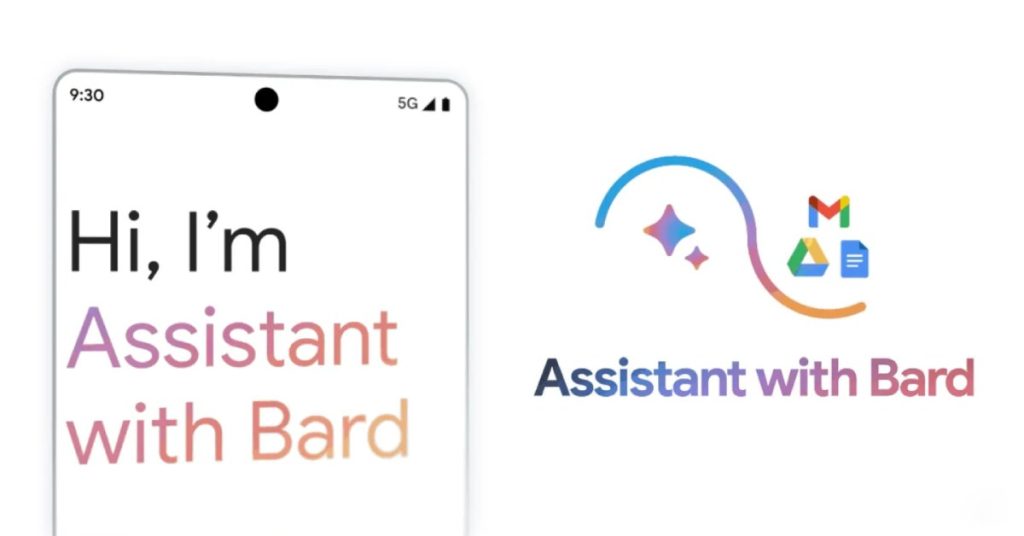
But do you recall Google’s announcement last year regarding its plan to imbue Android’s default Assistant with AI capabilities under the service named “Assistant with Bard”? With Bard now rebranded, there might be uncertainty about the fate of the Assistant’s AI services.
In response to this change, Google clarified to Android Authoritythat Gemini on Android is the experience that Assistant with Bard was meant to provide.
“The vision we shared in October remains the same — to build a true AI assistant that is conversational, multimodal, and helpful,” said a Google spokesperson.
“Now, with the incredible capabilities of Gemini, we can deliver on that vision in an even more profound and meaningful way. The technology allows us to push past the limits of what we could do before (timers, alarms, weather) to help you supercharge your ideas and collaborate directly with Google AI on your phone,” the spokesperson added.
In essence, the functionalities envisioned for “Assistant with Bard” are now fully integrated into Gemini for Android.
Google has already taken the initial steps towards this approach, as Gemini becomes the default Assistant on your Android after downloading the app from the Play Store. You can still switch back to the old Assistant in the settings if you prefer.
But Google is confident in Gemini powering the AI capabilities of Assistant going forward. This means that the “Assistant with Bard” name is now retired for good.
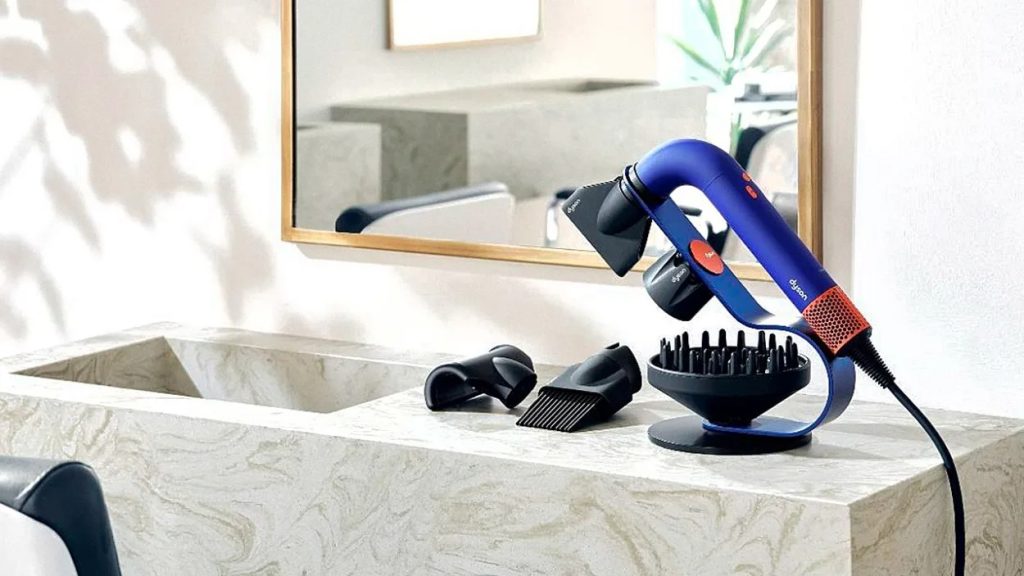
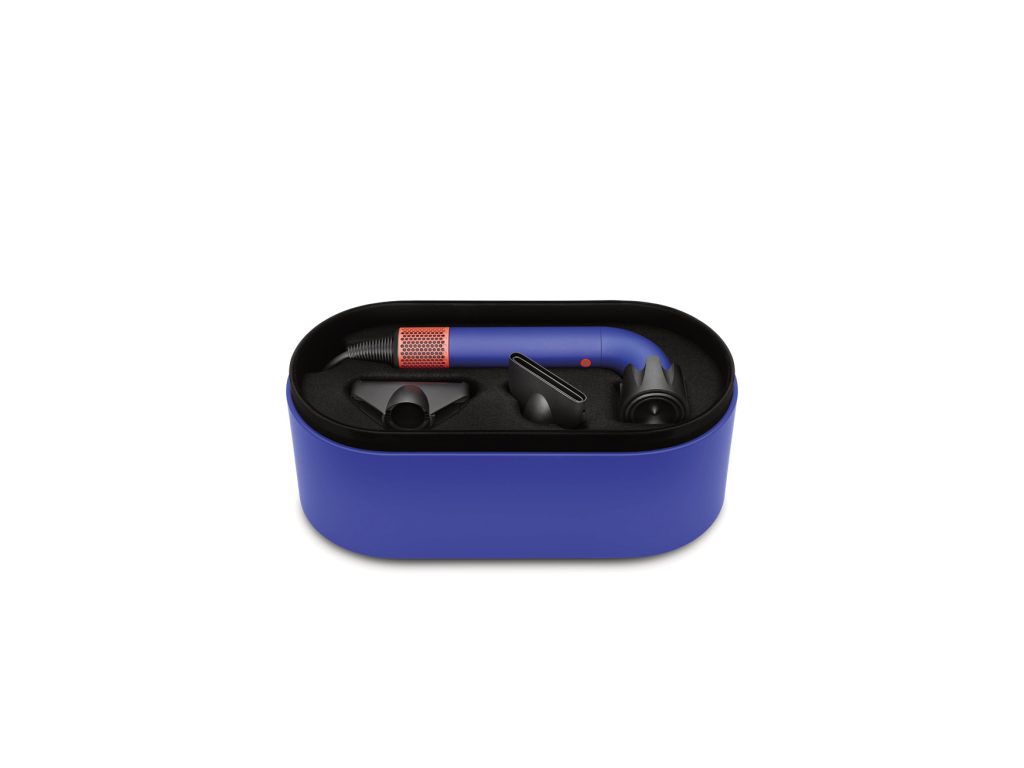
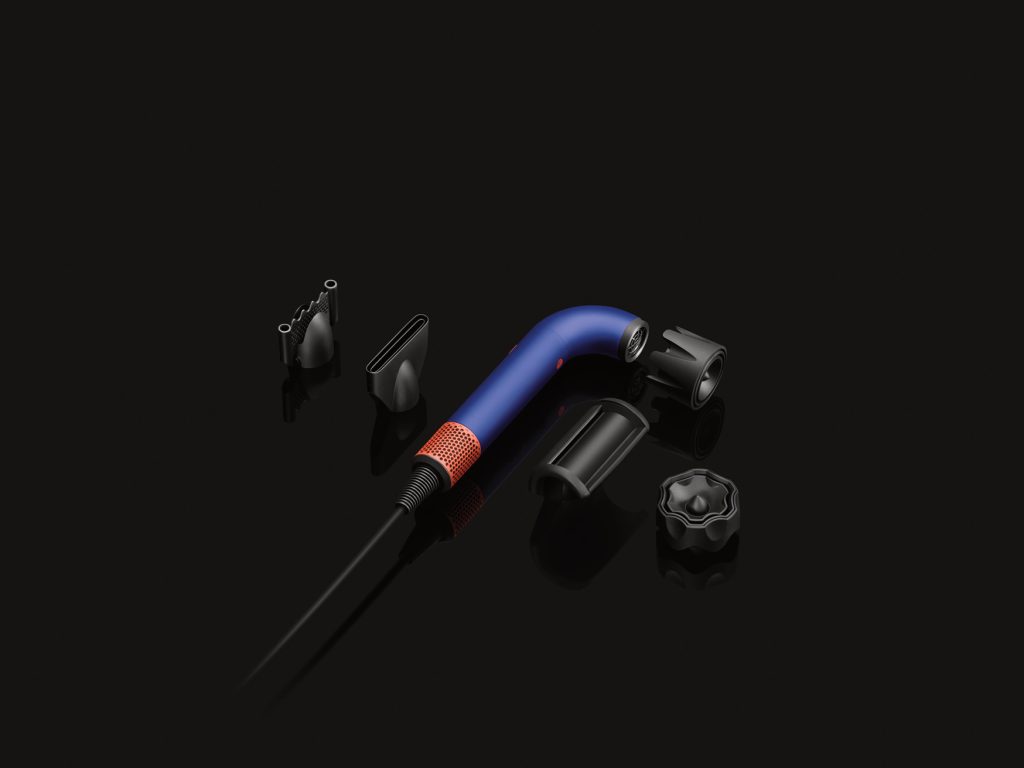
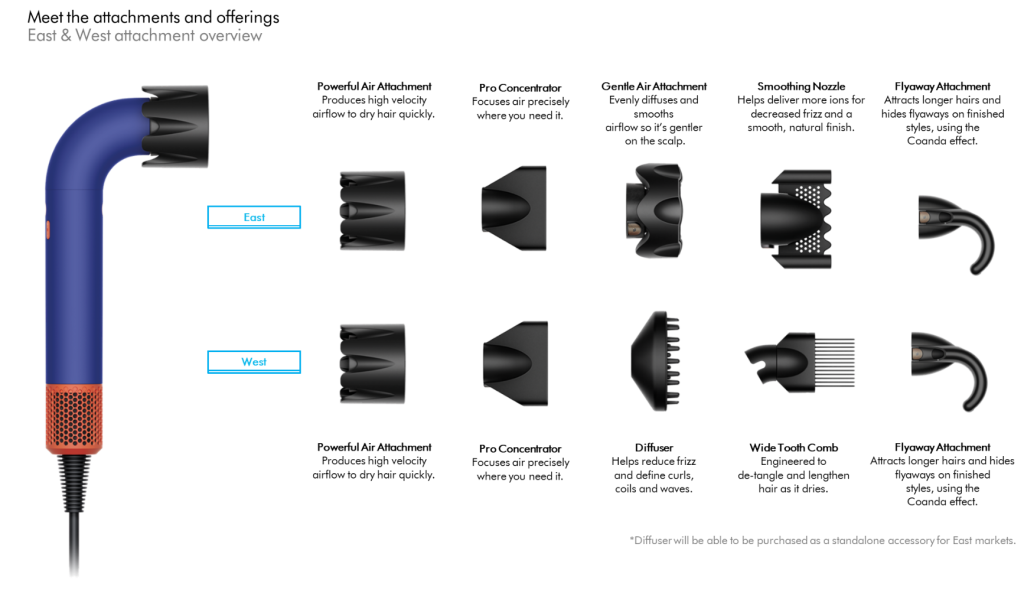
After excelling at vacuum cleaners for a couple of decades, the company stepped into the beauty market with the launch of hair dryers a few years ago. Later, it delved into air purifiers and expanded across the globe, with a current presence in 85 markets. The company is further broadening its wings with new innovative and futuristic products like Dyson Zone Air Purifying ANC headphones. The company introduced the Dyson Supersonic r Hair Dryer, bundling new designs and technologies while assuring it is a perfect tool for professional hair stylists and customers.
Crafted by the company on the recommendations of leading stylists across the globe, the Dyson Supersonic r is set to solve certain challenges that are prominent in traditional hair dryers. Weighing around 325 grams, the dryer’s r curve enables the professionals to easily serve the areas that are difficult to reach with old dryers due to their form factor. The new ergonomically designed r curve reduces the risk of carpal tunnel syndrome and other injuries.
Dyson Supersonic r Hair Dryer
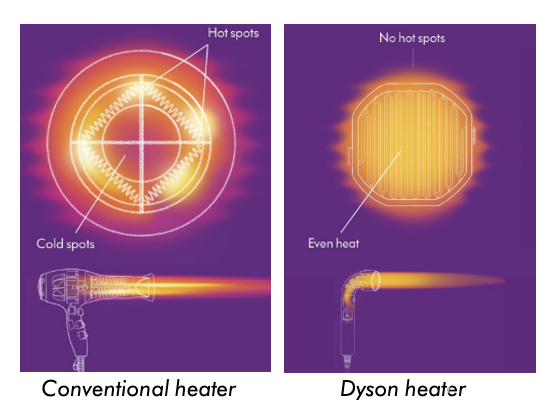
It brings the new streamlined heater technology that enables consistent heating across all corners. Instead of the traditional coil, it uses the new streamlined flow heater technology coupled with symmetrical foils. Along with the heat, the coil enables efficient airflow, reaching evenly in every nook and corner with no hotspots. It enables an evenly distributed spread of hot air, enabling a significant amount of heat, perfect for styling, which, as a result, prevents heat damage and maintains hair health.
Further, the Dyson Hyperdymium motor and Radio Frequency Identification sensors add enhanced features. The RFID technology helps the hair dryer communicate itself, enabling automatic motor airflow and temperature control. The smallest hair dryer is efficient and effective, featuring new heater technology, motor performance, and a new design. Precisely, it is 30% smaller and 20% lighter, offering fast drying, frizz-free, and smooth results.
“The Dyson Supersonic r Professional Hair Dryer builds on our commitment to innovation and excellence in beauty technology. Our new streamlined heater technology and high-speed motors enable precise airflow and temperature control, resulting in fast drying and superior styling benefits for all hair types,” said Gavin Galligan, Senior Design and Development Manager at Dyson Beauty.
With three precise airflow settings, four heat modes, and ergonomic controls within easy reach, the Dyson Supersonic r offers a customizable styling experience without interrupting the session. Additionally, the depth-loaded filter captures professional pollutants, ensuring machine performance and longevity.
Dyson Supersonic r Hair Dryer will start retailing in March in some markets and will be followed by a launch in India. However, the actual launch date is not confirmed but will come “soon” after the global launch.
Xiaomi is gearing up to launch its latest smartphone series, the Xiaomi 14, for the global audience on February 25. Among the anticipated releases is the Xiaomi 14 Ultra.
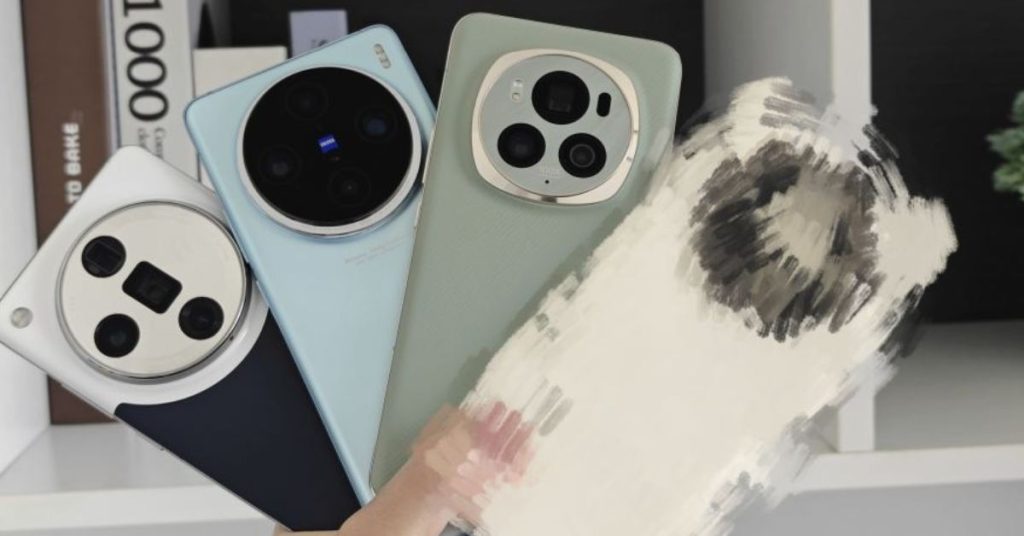
While details about this device remain scarce, a leaked image has surfaced on Weibo, a popular Chinese social media platform, possibly showing the Xiaomi 14 Ultra.
The image is shared by reliable tipster Digital Chat Station which likely shows the Xiaomi 14 Ultra alongside other flagship phones. Though the picture is somewhat blurry, it reveals the phone in an off-white color and a circular camera module, reminiscent of previous Xiaomi Ultra flagship designs.
Despite the image’s quality, it’s possible to discern four camera rings, consistent with earlier leaks. The Xiaomi 14 Ultra is rumored to feature a quad-camera setup, headlined by a 50-megapixel main camera equipped with optical image stabilization (OIS) and variable aperture technology.
Reports suggest that the primary lens will incorporate Sony’s latest LYT-900 1-inch sensor, a feature thus far seen only in a select few phones like the Oppo Find X7 Ultra. Additionally, the phone is expected to include lenses for ultra-wide, telephoto, and periscope-telephoto photography.
While specific details remain scarce, you can expect typical flagship features to arrive with 14 Ultra. It’s reasonable to expect an AMOLED panel with 2K resolution and a 120Hz refresh rate, along with the latest Snapdragon 8 Gen 3 processor. The device will likely run on HyperOS, based on Android 14.
Rumors also suggest a big-enough battery capacity of 5300mAh, accompanied by 90W wired and 50W wireless charging support. However, further details regarding the Xiaomi 14 Ultra are yet to be revealed. We will keep you posted about any new developments of the device.
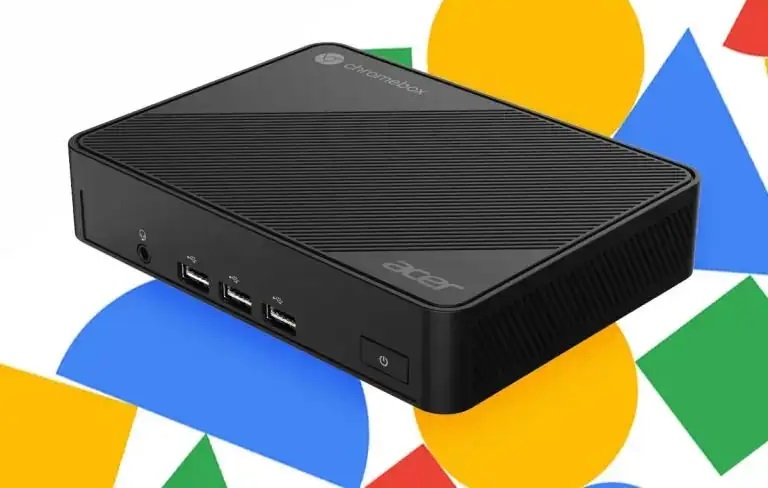
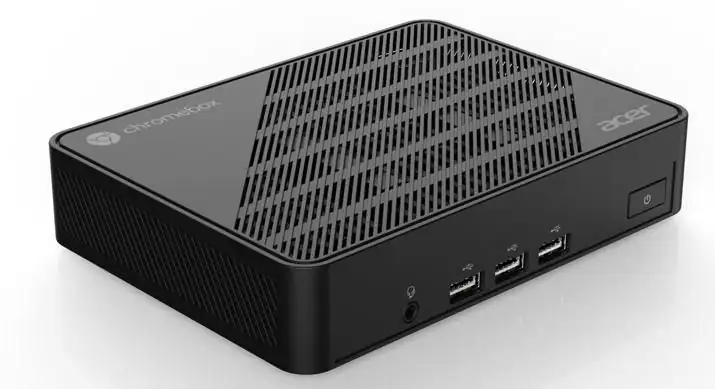
Acer announced its new fanless Chromebox Mini in the Audiovisual Technology and System Integration Exhibition (ISE 2024), specifically designed for the digital signage market. This compact yet powerful device offers scalability and high cost-effectiveness, catering to the needs of small and medium-sized enterprises seeking innovative digital solutions.
The new Chromebox Mini offers dual HDMI and a total of 5 USB Type-A ports
Acer’s Chromebox Mini stands out for its versatility and efficiency, providing businesses with an effective means of communication with customers. Equipped with dual HDMI 1.4b and USB Type-C ports, the device supports up to three video outputs simultaneously, enabling flexibility in display configurations.
The Chromebox Mini’s compact, fanless design ensures quiet operation. It becomes a worthy feature for certain use cases. Additionally, the device boasts support for Wi-Fi 6, Bluetooth 5.2, and Gigabit Ethernet ports, offering seamless connectivity options. Its compatibility with Chrome USB keyboards and mice, as well as VESA mounting kits, ensures maximum adaptability to any display and signage system.
Ports
5 USB Type-A ports ( 3 at the front, 2 at the back)
1 headphone port
1 USB Type-C port
2 HDMI ports
1 Ethernet port
While Acer has yet to announce the pricing and release date for the Chromebox Mini, the highlight of the device lies in its capability to stream content to three screens simultaneously. This feature positions the Chromebox Mini as a versatile and efficient solution for businesses looking to enhance their digital signage capabilities.
With its compact design, robust features, and focus on scalability and cost-effectiveness, Acer’s Chromebox Mini holds promise for small and medium-sized enterprises seeking to elevate their digital signage experiences.
A federal judge in Manhattan has dismissed a lawsuit brought against Apple, alleging improper compensation to CEO Tim Cook and other top executives. The lawsuit, filed by a pension fund affiliated with the International Brotherhood of Teamsters, accused Apple of overpayment due to miscalculations in the value of performance-based stock awards.
The crux of the allegations revolved around claims that Apple had overpaid Tim Cook and four other executives by tens of millions of dollars, with payments exceeding the intended amounts as specified by the compensation committee. Specifically, the plaintiff argued that the fair value of performance-based restricted stock units (RSUs) had been incorrectly calculated, potentially misleading shareholders.
However, U.S. District Judge Jennifer Rochon found in favor of Apple, highlighting that the company had adequately disclosed its compensation methods in its 2023 proxy statement, thereby complying with securities laws and regulations set forth by the US Securities and Exchange Commission (SEC). Judge Rochon also emphasized the absence of evidence indicating improper actions by Apple’s board of directors in determining executive pay.
One of the focal points of the case was the timeframe within which the plaintiff pursued legal action. Allegations surfaced that the pension fund did not afford Apple’s board sufficient opportunity to address its objections before filing the lawsuit, a contention that likely influenced the judge’s decision.
According to details revealed in Apple’s proxy filings, Tim Cook received substantial compensation, totaling approximately $99 million annually for both 2021 and 2022, with a significant portion attributed to stock awards. However, his total pay saw a decline in 2023, amounting to $63.2 million.
The lawsuit’s dismissal represents a legal victory for Apple, underscoring the company’s adherence to regulatory requirements and corporate governance standards in its executive compensation practices. It also serves as a reaffirmation of the transparency and compliance measures implemented by Apple in disclosing its compensation methodologies to shareholders.
While this ruling provides clarity on the matter, it also highlights the importance of thorough due diligence and adherence to procedural requirements in corporate governance disputes. As companies continue to navigate complex regulatory landscapes, cases such as these underscore the significance of transparency and accountability in executive compensation practices.
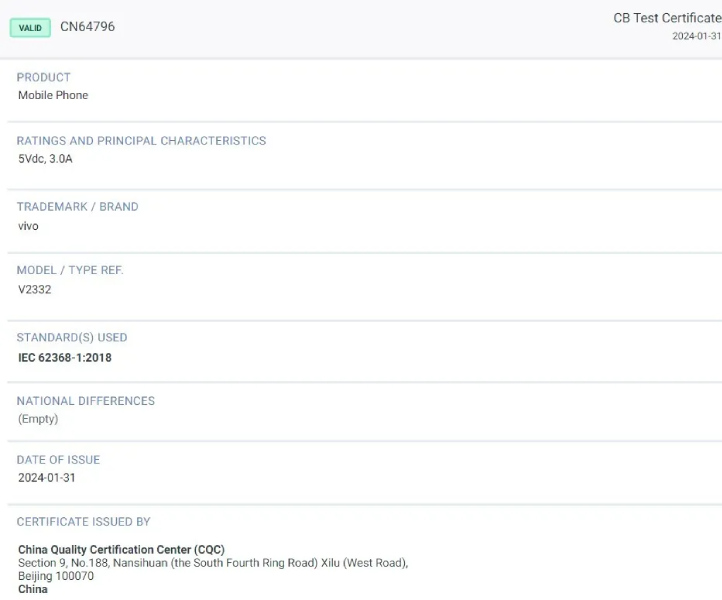
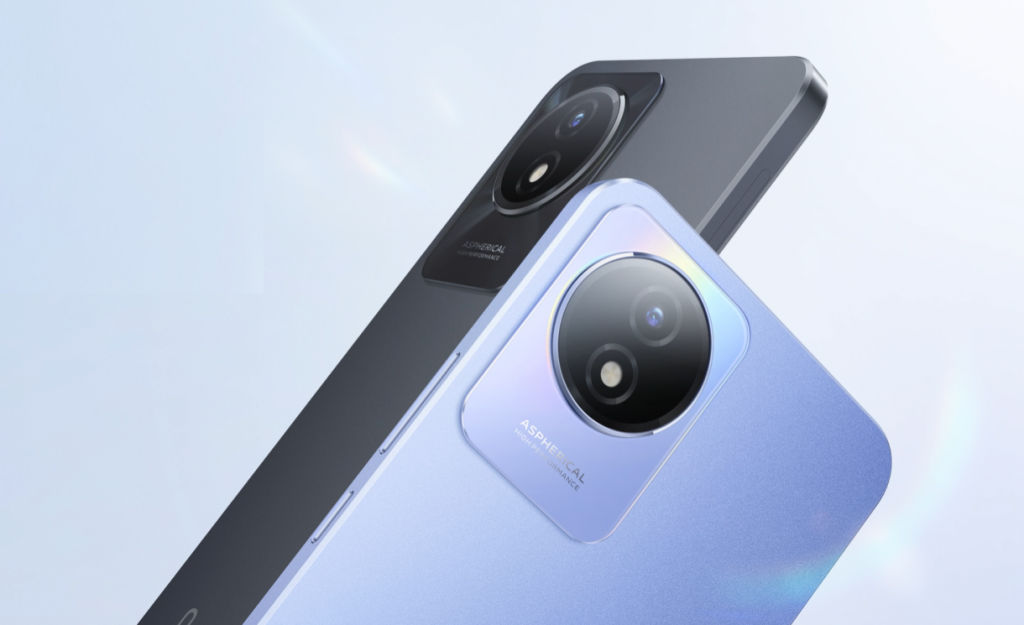
Vivo‘s upcoming entry in the budget-friendly smartphone category, the Vivo Y03, is gearing up for release. The device has recently secured Bluetooth SIG certification. And now, the smartphone has received certification from Singapore’s IMDA (Infocomm Media Development Authority) and CQC (China Quality Certification Center). These developments strongly suggest that the Y03’s launch is approaching in multiple markets.
Vivo Y03 IMDA / CQC certification
The IMDA listing confirms the model number V2332 and reveals the phone will have standard Bluetooth and WiFi capabilities.
IMDA certification.
The CQC certification, on the other hand, reveals support for 15W charging support. These certifications point to the Vivo Y03’s imminent launch in both the Chinese market and globally.
CQC certification.
Although other specifications haven’t been officially announced, the Bluetooth SIG certification suggests that the phone will use Bluetooth 5.0 for connectivity. Apart from this, details about the device remain scarce.
The Vivo Y03 will succeed the Y02 launched back in 2022. It’s an entry-level phone with standard specs for everyday use. It comes with a 6.51-inch IPS LCD panel with HD+ resolution.
Powering the device is a MediaTek Helio P22 processor, and a PowerVR GE8320 GPU and is paired with up to 3GB of RAM and 32GB of storage. Its camera setup includes an 8MP lens on the rear and a 5MP sensor on the front for selfies and video calls.
Vivo Y02
Keeping it powered up is a 5000mAh battery with support for 10W charging. But it has a micro USB port for charging. We hope Vivo will improve in this area with the upcoming Y03 smartphone.
As more information comes to light, we’ll be sure to keep an eye on the details of Vivo’s latest affordable smartphone offering.
There aren’t going to be many smartphone launches next week. Only two brands have confirmed new releases and both of them will take place in India.
The companies that will be introducing new phones are Xiaomi and Honor. The former will debut an entry-level smartphone, while the latter will announce a mid-ranger which is already available in multiple markets.
The Redmi A3 is scheduled to launch in India on Valentine’s Day (February 14). It is expected to go official at 12 PM IST.
As per leaks and official teasers, the device will come with a revamped design compared to its predecessors. It will feature a giant circular camera module and a flat frame.
The handset will arrive with a 6.71-inch 90Hz display (LCD), a MediaTek chip, a 13MP rear camera, an 8MP front-facing camera, Android 13 Go Edition, a 5,000mAh battery, and 10W charging support.
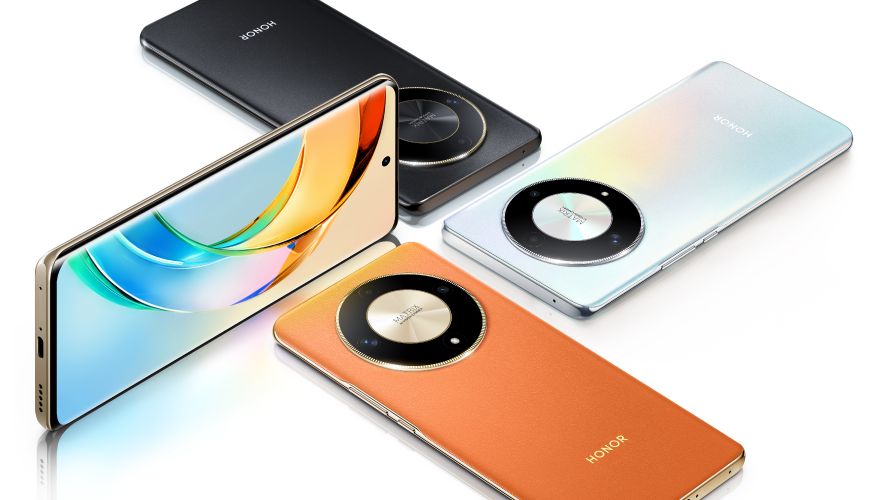
The Honor X9b will be unveiled in India on February 14. It could be announced at 12 PM IST. The phone will be accompanied by Honor Choice Earbuds X5 and Honor Choice Watch.
Since the smartphone is already official in several markets, we know everything about it. The handset is built around a 6.78-inch 1.5K 120Hz curved OLED display and is powered by a Qualcomm Snapdragon 6 Gen 1 chip.
It comes with a 108MP primary camera, a 16MP selfie camera, and an in-screen fingerprint sensor. The device boots Android 13 and draws energy from a 5,800mAh battery with support for 35W charging.
The Honor X9b is expected to cost around ₹25,000 in India.
So far, Motorola has launched the Moto G34 5G and Moto G24 Power smartphones in India. The brand recently released a teaser that hinted at the impending announcement of a new smartphone. Today, the brand confirmed that it will unveil the Moto G04 in March in India.
Moto G04 design
Looks stunning from the outside, and stronger inside! Presenting #MotoG04 that is crafted to make an impression. Get your hands on this slim and stunning phone to #ChhaaJaoge! Stay tuned to know more. pic.twitter.com/diADplsDUB
The Moto G04’s teaser shows that it will arrive in four shades, such as black, green, blue, and orange. It appears that the G04 will be an entry-level offering priced at under Rs 10,000.
The variant heading to India is likely to pack the same specs that are available on the G04, which went official in some other markets in January. In India, the device will come with 4 GB / 6 GB of RAM and 64 GB / 128 GB of storage. It will be sold via Flipkart.
Moto G04 specifications (expected)
The Motorola Moto G04 will feature a 6.6-inch screen with potential support for a 90Hz refresh rate and HD+ display. It G04 is expected to come equipped with a Unisoc T606 SoC. The phone is likely to offer 4 GB of RAM and 64 GB of internal storage.
When it comes to photography, the Moto G04 could house a 16-megapixel rear camera with an LED flash on the back. On the front, it may feature a 5-megapixel selfie camera. It is expected to come pre-installed with the Android 14 OS overlaid with the MyUX skin.
The G04 is likely to be packed with a 5,000mAh battery with 10W charging support. It may come with other features, such as dual SIM, 4G VoLTE, Wi-Fi, Bluetooth 5.1, a side-mounted fingerprint sensor, a USB-C port, a 3.5mm audio jack, and Dolby Atmos support. Motorola’s new phone might include an IP52 rating for water resistance and being dustproof.
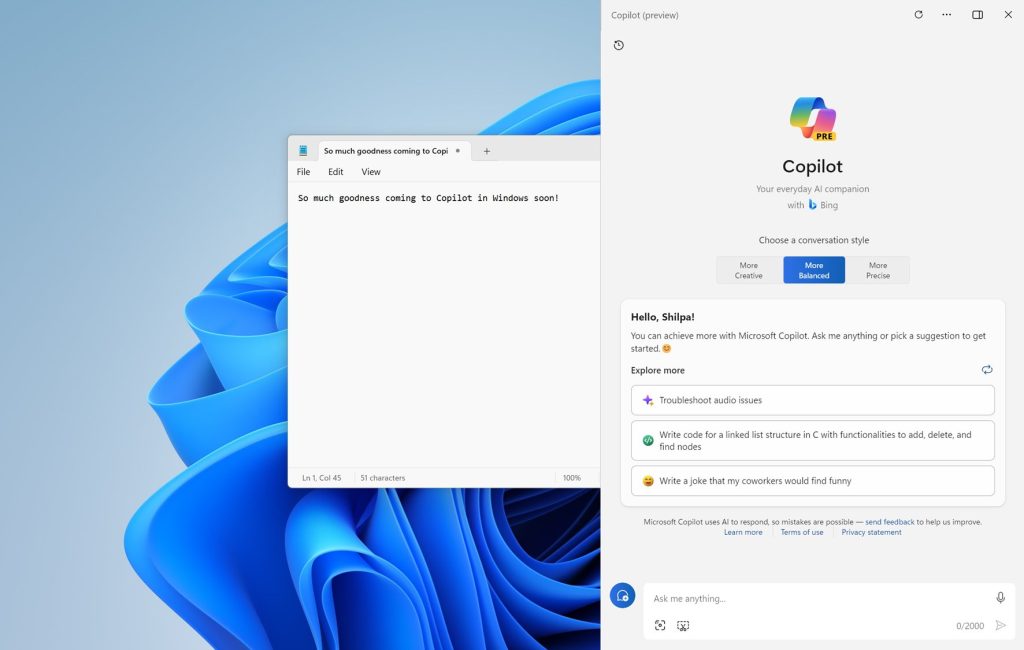
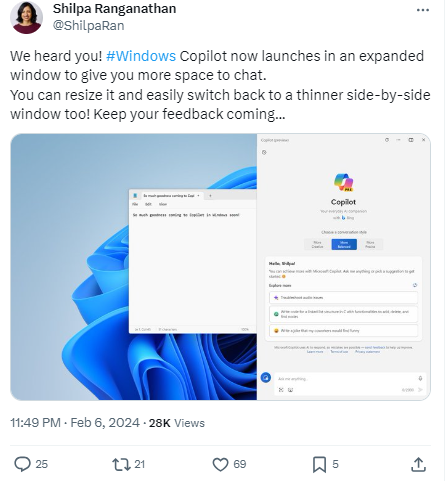
Microsoft recently announced updates to its Copilot for Windows, responding to user feedback with a small yet significant change. Shilpa Ranganathan, Corporate Vice-President for Windows at Microsoft, shared the news on her X (formerly Twitter) account, revealing that the chat windows for Copilot will now launch with a larger chat space by default, addressing a common user request.
Windows CVP Shilpa Ranganathan shared the news on Twitter
Ranganathan emphasized that users can still resize the Copilot chat window according to their preferences, with the option to switch back to a thinner side-by-side window if desired. Moreover, she hinted at the possibility of additional chat window size options in the future, including the potential for the Copilot window to occupy the entire screen or one monitor in a two-monitor desktop PC setup.
In addition to the larger default chat window size, users will now find a dedicated button to make Copilot appear side by side with another open window. This feature allows Copilot to cover half the screen alongside any open app and seamlessly returns to overlay mode with another click of the button.
Responding to a user suggestion for full-screen support, Ranganathan acknowledged that Microsoft is considering this idea. Given that Copilot operates as a web-view implementation and co-exists with the Edge browser, implementing full-screen support should be feasible. Users are advised to ensure they have the latest version of Microsoft Edge installed to access these new features.
The updates to Copilot underscore Microsoft’s commitment to improving user experience and responsiveness to feedback. As Ranganathan indicates, there is much more to come for Copilot in Windows, suggesting ongoing development. Keep an eye here for interesting future additions to Copilot and more.
WhatsApp, owned by Meta, is preparing to offer cross-platform messaging. This means WhatsApp users will soon be able to communicate directly with those on apps like Telegram or Signal.
For the past two years, WhatsApp has been developing a technical solution for this integration while ensuring its strict end-to-end encryption standards remain in place.
While this change offers greater messaging choice, it wasn’t entirely WhatsApp’s idea. It’s more of a restriction for the company, at least at the moment, since recent EU legislation designated Meta a tech “gatekeeper”, mandating WhatsApp to open its communication platform within a six-month deadline.
WhatsApp is now outlining how this messaging interoperability will function as the deadline is nearing. Initially, the focus will be on basic features like exchanging texts, images, videos, voice messages, and files between individuals.
More advanced features like calls and group chats will be rolled out later. But more importantly, users must actively opt-in to this cross-platform messaging to avoid potential “spam and scams” says Dick Brouwer, an engineering director at WhatsApp.
Users who opt-in for the service will see conversations received from other platforms in a separate “third-party chats” section within WhatsApp.
Likewise, the messaging apps wishing to connect with WhatsApp will need to sign agreements and abide by Meta’s terms. So, it will certainly take time to fully implement this feature, but detailed plans are expected in March.
The goal of interoperability is pretty straightforward — you shouldn’t have to jump between apps to stay in touch with people, regardless of their preferred messaging platform.
Ideally, this could even mean chatting between WhatsApp and Telegram or Signal, or even iMessage. However, the technical and security challenges of connecting large, encrypted messaging apps are pretty significant and not easy.
So despite the company’s active preparation, it will take time for cross-platform messaging to reach everyday users. We expect official details about interoperability on WhatsApp to come out soon.
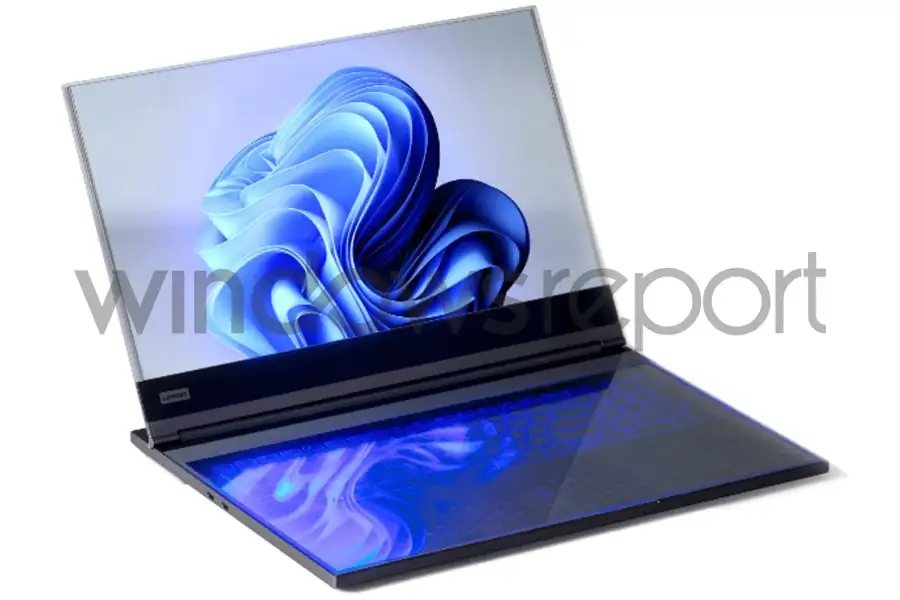
Lenovo is poised to unveil a transparent screen laptop at the Mobile World Congress (MWC) 2024 exhibition, scheduled from 26 to 29 of this month. This device is expected to feature a completely transparent OLED display, marking a unique offering in the product category.
Samsung showcased a similar prototype in CES 2010, although, it never came out
Transparent screen technology, once merely a concept, is rapidly advancing towards commercial viability. Samsung showcased a prototype at CES 2010, but high production costs hindered its availability. However, recent developments indicate a shift, with LG introducing a transparent OLED screen at CES 2024, paving the way for easier mass production.
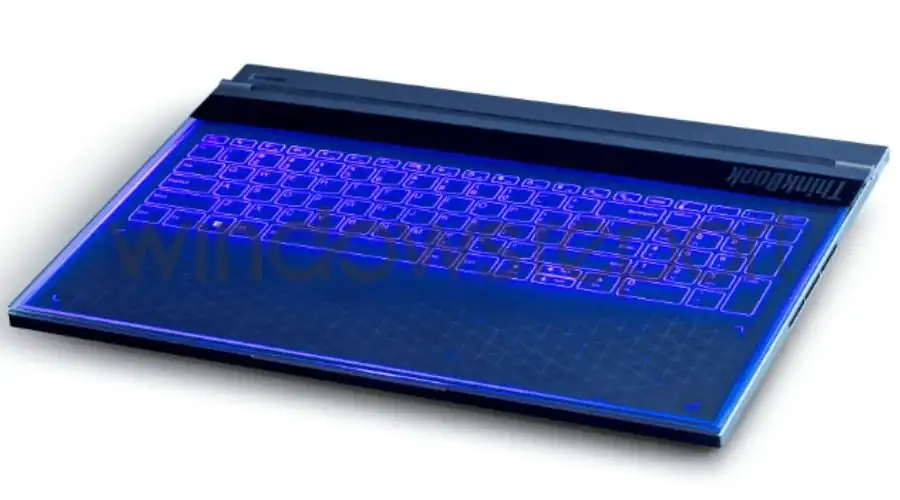
Lenovo’s transparent laptop is set to showcase a bezel-less design, boasting a fully transparent display and chassis. The main components are strategically housed in the “chin” area, with a thin, non-transparent frame surrounding the entire device. This innovative design not only enhances aesthetics but also reflects Lenovo’s commitment to pushing the boundaries of laptop design.
While specific specifications remain undisclosed, the laptop is confirmed to run on Windows 11, aligning with Lenovo’s signature design language. Its appearance resembles that of a dual-screen laptop, a trend gaining traction in the industry. As anticipation builds for the MWC exhibition, tech enthusiasts eagerly await further details and specifications regarding this groundbreaking device.
The introduction of this innovative device underscores Lenovo’s commitment to innovation and highlights the ongoing evolution of display technology. Stay tuned for more updates as we keep an eye on the developments at the MWC exhibition.
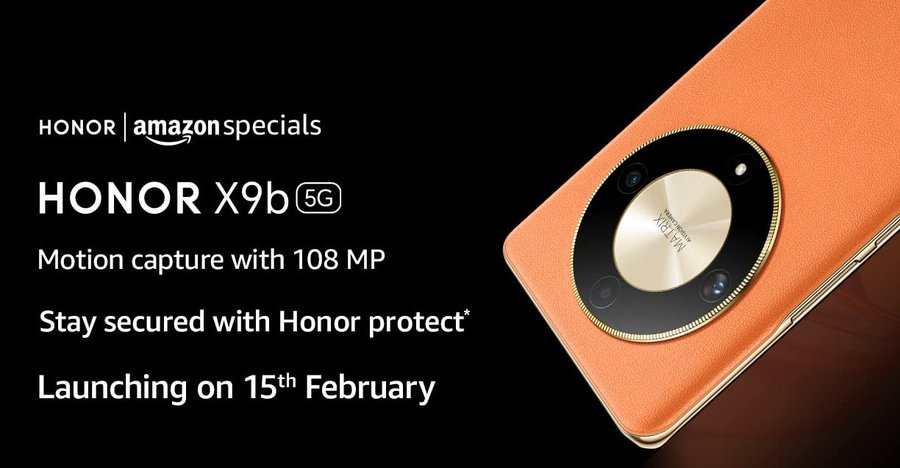
Honor X9b is all set to go official on Feb. 15 in India. So far, the brand has confirmed a lot of information, such as the display, chipset, battery, and configuration of the device. However, it hasn’t revealed anything about its cameras. Today, the brand confirmed that the device’s primary camera.
Honor X9b main camera
The Honor X9b heading to India is confirmed to feature a 108-megapixel primary camera. Like the X9b that is available in other markets, the Indian market might come with a 5-megapixel ultra-wide and a 2-megapixel macro. Htech CEO Madhav Sheth claimed that the X9b features an AI-powered motion-sensing camera that intelligently identifies ideal moments. He added that the design draws inspiration from Rolex watches, featuring a dual-ring aesthetic.
Honor X9b specifications
The Honor X9b is confirmed to feature a 6.78-inch AMOLED display with a curved-edge design and an integrated fingerprint sensor. The screen supports a 1.5K resolution and a 120Hz refresh rate. Under the hood, the device has the Snapdragon 6 Gen 1 chipset.
The X9b will ship with 8 GB of RAM, 8 GB of virtual RAM, and 256 GB of internal storage. The device is confirmed to feature the Magic OS 7.2 UI, but it is unclear whether it will run on Android 13 or 14. The phone will come in two color options, such as Midnight Black and Sunshine Orange.
The Feb. 15 event will also see the arrival of Choice X5 earbuds and Choice Watch. Those who purchase the X9b will get a Rs 2,999 worth mobile protection plan for free, which will offer one-time screen replacement within the first six months of purchase. It will also come with an 18-month warranty and door-to-door assistance. At present, there is no information on the prices of these devices.
Apple hasn’t launched a successor to the iPhone SE, which was announced in 2022. The company has been launching one SE model every two years. While there is a possibility that the next-generation iPhone SE may launch this year, there are no concrete leaks that back this claim. Nevertheless, the rumor mill has been gradually leaking details of the upcoming SE model. A new leak reveals that it will arrive with support for Dynamic Island.
iPhone SE’s design language could be similar to iPhone 16 series
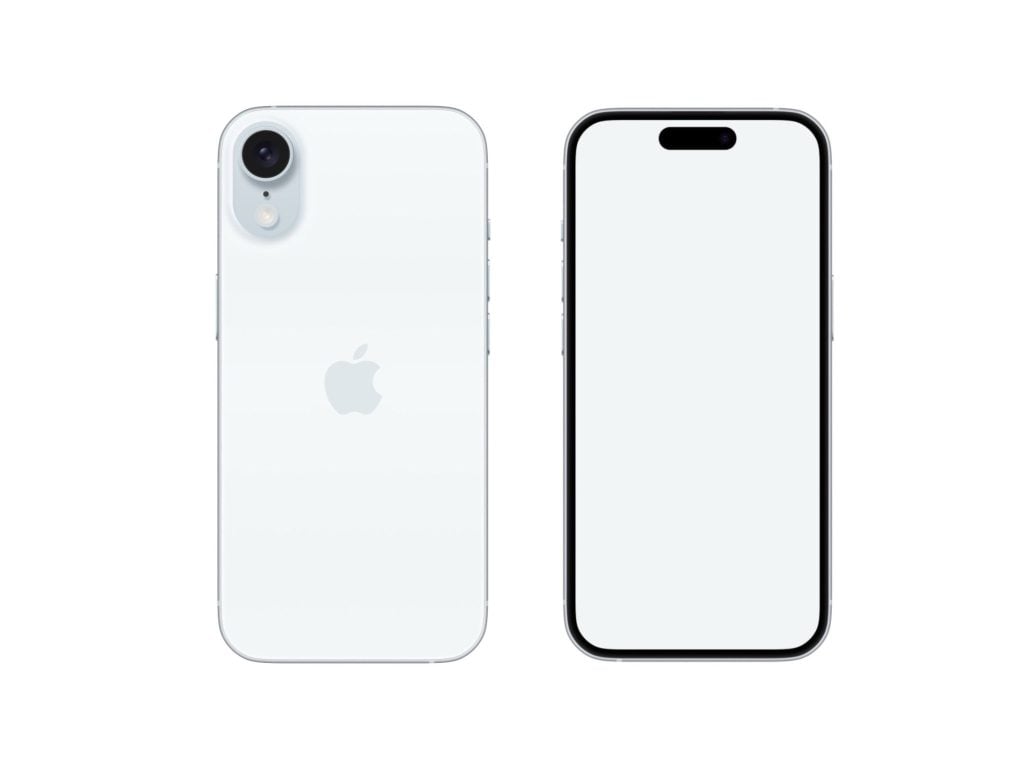
Alleged iPhone SE 4 design
According to leaker Majin Bu, the iPhone SE’s design could be similar to the iPhone 16 series, which is expected to launch in September of this year. Like the predecessor model, the next iPhone SE is expected to feature a single camera on the back.
The leak also states that the upcoming SE model will have support for the Dynamic Island feature. He added that its dimensions are similar to those of the iPhone XR, which measures 150.9 x 75.7 x 8.3mm.
In comparison, the iPhone SE (2022) measures 138.4 x 67.3 x 7.3mm. While the leaker has not specifically mentioned it, it seems that the next SE model will have an increased display size and a larger battery.
It was reported in December that the iPhone SE may pack a 3,279mAh battery. Other leaks have claimed that it will have a 6.1-inch OLED panel equipped with a notch for the TruthDepth camera system for Face ID support. It is expected to arrive with a 48-megapixel camera on the back, a USB-C port, and an Action button.
It is advisable to digest the leak with a pinch of salt and wait for further leaks to confirm or refute these speculations.
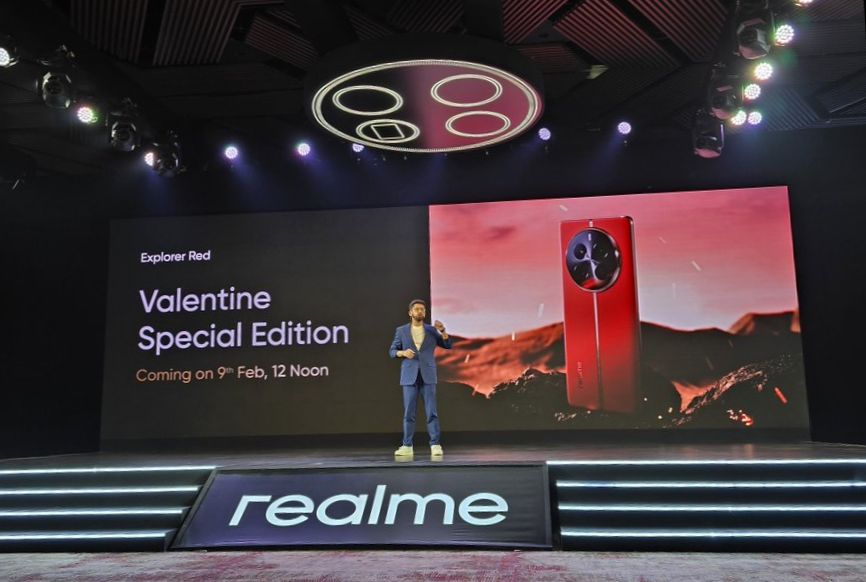
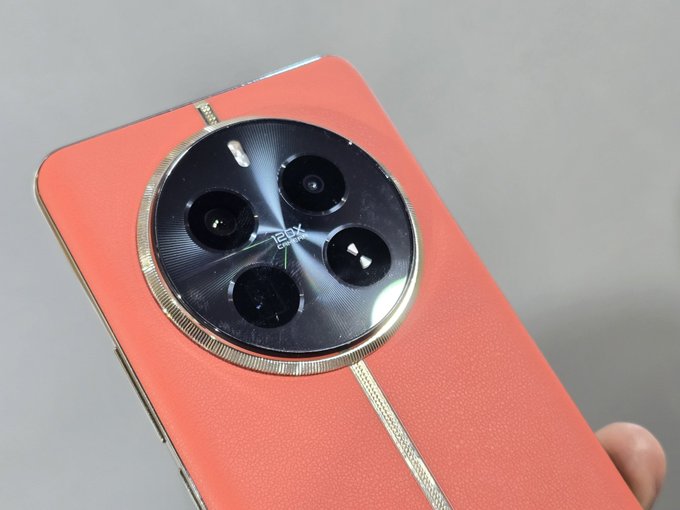
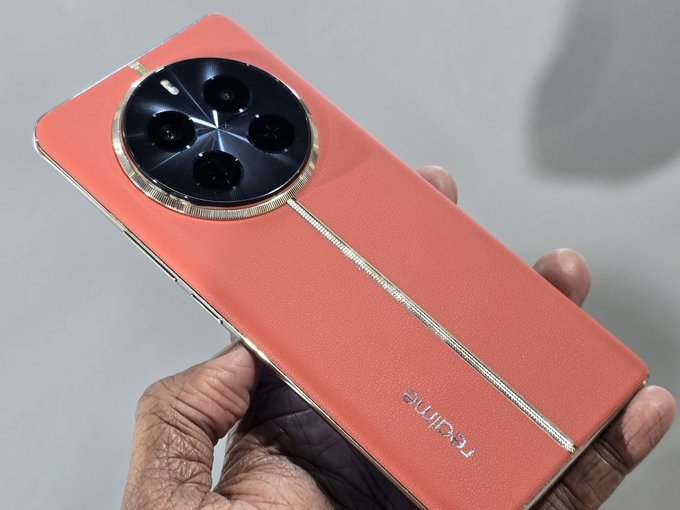
The Realme 12 Pro series has been available for purchase in India since Feb. 6 via Flipkart, Realme India’s website, and offline stores. Both phones have been available in shades, such as Submarine Blue and Navigator Beige. At the launch event, the brand confirmed that the Realme 12 Pro+ will also come in a special Explorer Red shade, which will be available for purchase on Feb. 9. The day has arrived, and the red variant is available for purchase, starting at 12 pm (local time).
Realme 12 Pro+ Explorer Red price, specifications
Realme 12 Pro Plus’ special red variant announcement
The Realme 12 Pro+ Explorer Red carries the same price as its other color variants. Its variants include 8 GB RAM + 128 GB storage, 8 GB RAM + 256 GB storage, and 12 GB RAM + 256 GB storage. These configurations are priced at Rs 29,999 (~$360), Rs 31,999 (~$385), and Rs 33,999 (~$410), respectively.
Realme 12 Pro+ in Explorer Red
The Realme 12 Pro+ has a 6.7-inch AMOLED display that offers an FHD+ resolution and a 120Hz refresh rate. For security, it has an under-display fingerprint sensor, and it runs on Realme UI 5-based Android 14. The handset is confirmed to get two Android OS upgrades and three years of security updates.
Realme 12 Pro+ in Explorer Red
Under the hood, the Realme 12 Pro+ has the Snapdragon 7s Gen 2 chip, LPDDR4x RAM, UFS 3.1 storage, and a 5,000mAh battery with 67W fast charging. For selfies, it has a 32-megapixel front-facing camera, and its back panel has a 50-megapixel Sony IMX890 main camera with OIS support, an 8-megapixel ultra-wide lens, and an OIS-assisted 64-megapixel periscope telephoto camera with 3x optical zoom.
In related news, Realme Europe CEO Francis Wong recently shared a Realme 12 Pro+ variant featuring a see-through back panel. It is speculated to debut soon in limited quantities.
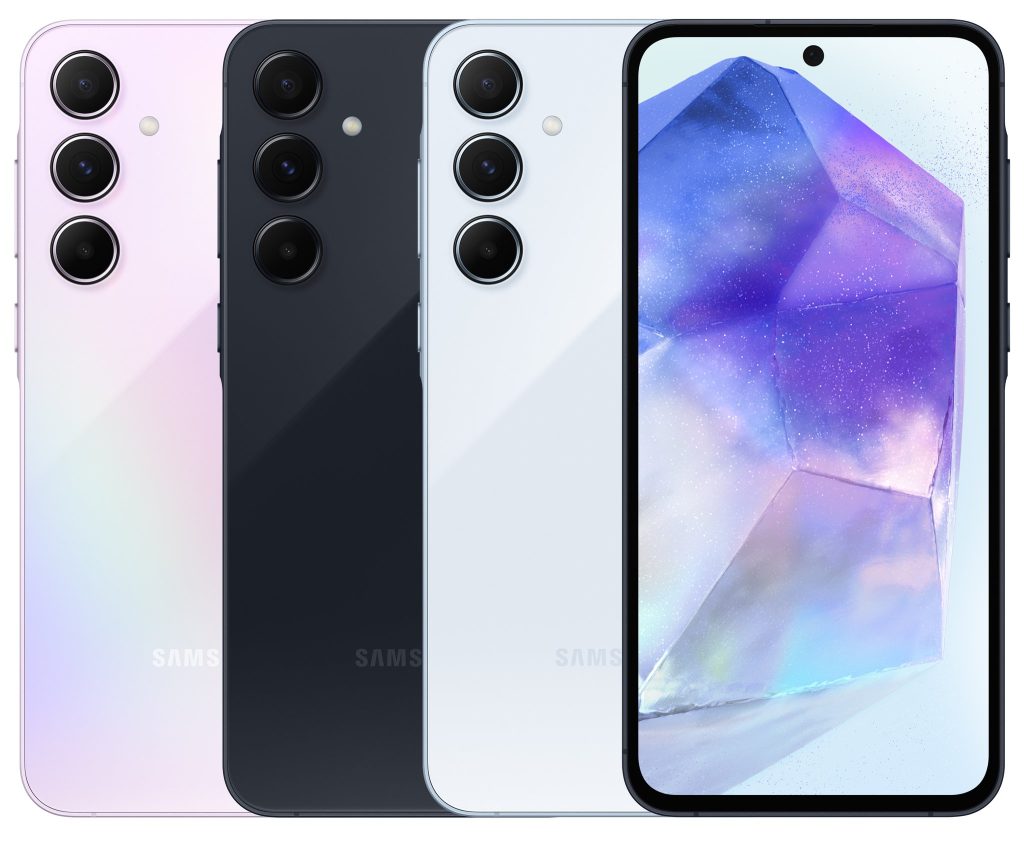
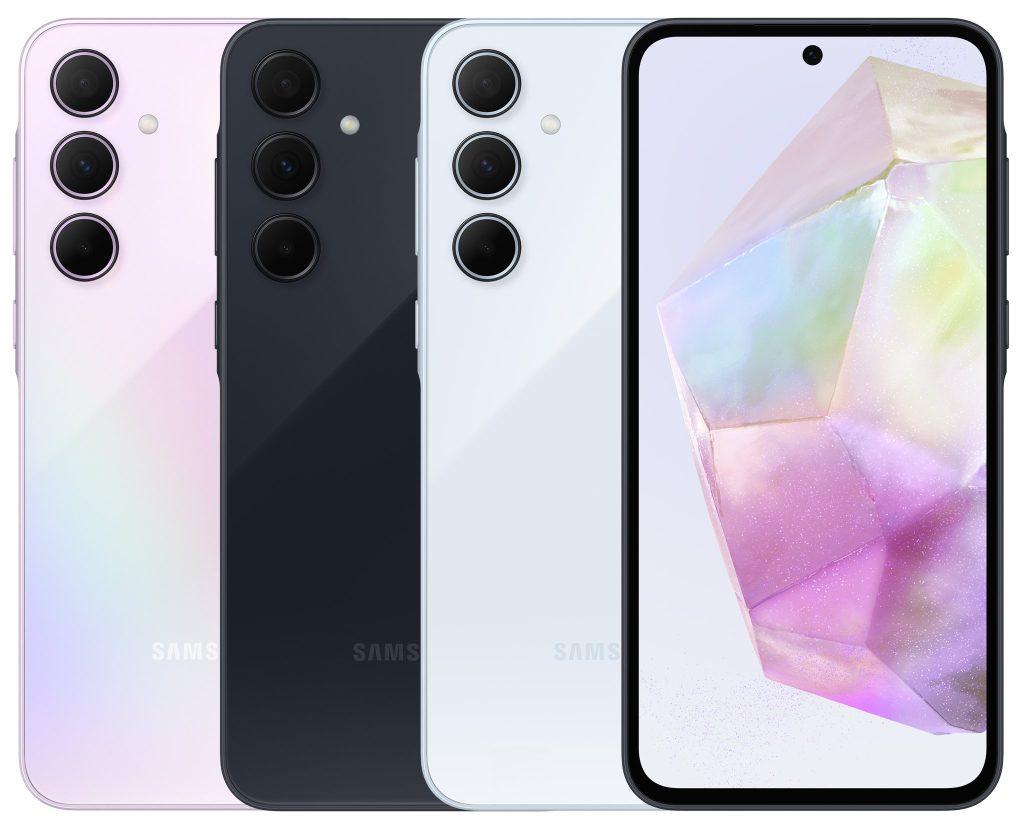
Samsung is expected to announce the Galaxy A55 and Galaxy A35 smartphones in multiple markets in Q1 of this year. The rumor mill has already leaked a lot of information about both smartphones. In a new X post, prominent leaker Evan Blass shared the leaked official renders of both smartphones to reiterate their design and color options.
Samsung Galaxy A55, Galaxy A35 renders (leaked)
Samsung Galaxy A55 leaked render by Evan Blass
The above render belongs to the Galaxy A55, whereas the other one is of the Galaxy A35. In terms of design, both phones have almost identical designs, with a punch-hole display on the front and an LED-flash assisted triple camera unit on the back. It appears that both phones will come in three shades: Awesome Iceblue, Awesome Lilac, and Awesome Navy.
Samsung Galaxy A35 leaked render by Evan Blass
Samsung introduced the Key Island button design on the Galaxy A15 and Galaxy A25 smartphones that debuted in December. In this design, the portion housing the volume rocker and the power key are slightly raised. The A35 is said to have a plastic bulid, while the company may have opted for a metallic construction for the A55.
Reports have claimed that the A55 will have a 6.5-inch AMOLED display, whereas the A35 will feature a 6.6-inch AMOLED screen. Both are expected to support an FHD+ resolution and a 120Hz refresh rate. Both are most likely powered by Exynos 1380 and Exynos 1480 chipsets, respectively. The A-series phones are expected to ship with up to 12 GB of RAM, up to 256 GB of storage, and a 5,000mAh battery with 25W fast charging.
The A35 may feature a 13-megapixel front camera and a 50-megapixel (main, with OIS) + 8-megapixel (ultra-wide) + 5-megapixel (macro) triple camera unit. On the other hand, the A55 will have a 32-megapixel front camera and a 50-megapixel (main, with OIS) + 12-megapixel (ultra-wide) + 5-megapixel (macro) triple camera unit. Both models will run on One UI 6-based Android 14 and arrive with an IP67-rated chassis.
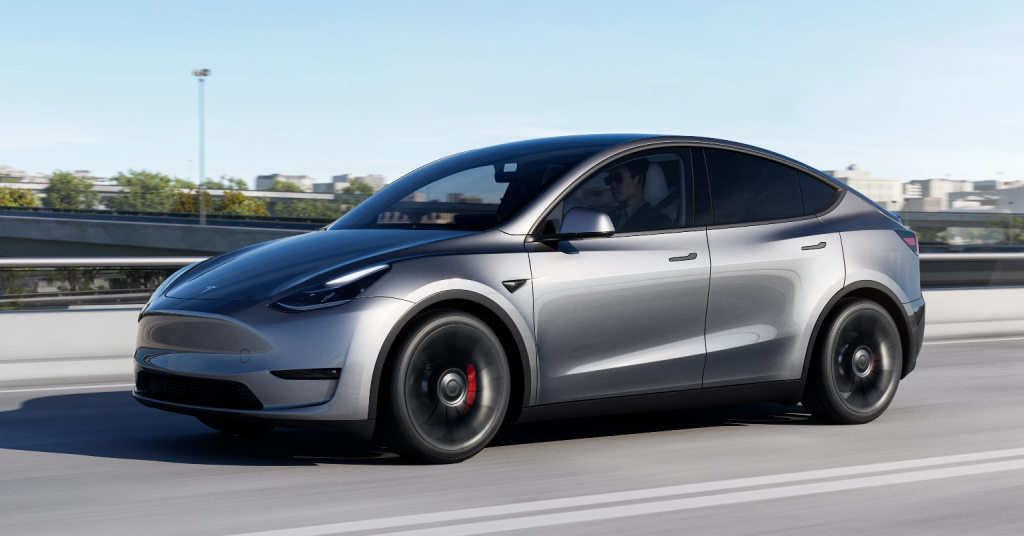
In January 2024, Tesla recorded just a single EV sale in South Korea. The company sold just a single unit of the Model Y SUV, highlighting growing concerns in Korea relating to EVs manufactured in China. There are also pricing challenges and a lack of charging infrastructure negatively affecting demand in Korea.
Since July 2022, the sale of a single Tesla EV last month in Korea is the worst-ever sales performance by the American company. It is noted that the data put together by researcher Carisyou and the Korean Trade Ministry indicate an 80% decline in the number of new EV registrations in January when compared with December 2023. Higher interest rates and inflation are believed to be among the factors dampening consumer demand for EVs in the country. There are also issues relating to EV fires due to battery overheating, as well as a dearth of fast chargers in Korean cities. The China-made Tesla Model Y was one of the top-selling brands in 2023.
While overall demand for EVs is on a decline in Korea generally, the dip in sales by Tesla could also affected by its perceived links to China. A recent survey indicates that most Koreans who wanted to buy Tesla cars have bought one, but some people recently started disliking Tesla after finding that some of the models were manufactured in China. Korean consumers are concerned about the quality of manufacturing in China, the survey indicated. The low January sales could also be connected to the seasonal behavior of the Korean consumer. January is not the best time to buy EVs as consumers await the government’s announcement of subsidies. A Tesla spokesperson in Korea also stated that consumers delayed EV purchases before the confirmation of subsidies.
The cost of the Model Y was fixed at 56.99 million won ($43,000) in July 2023 and this made it qualify for a full government subsidy. However, a recent announcement by the regulator has further lowered the threshold for government subsidies to EVs priced below 55 million won, which will result in up to a 50% decline in allowable subsidy for the Model Y. It is unclear whether there will be a reaction by Tesla to the new subsidy regime but the company remains upbeat that demand in Korea will pick up.
We use cookies on our website to give you the most relevant experience by remembering your preferences and repeat visits. By clicking “Accept”, you consent to the use of ALL the cookies.
This website uses cookies to improve your experience while you navigate through the website. Out of these, the cookies that are categorized as necessary are stored on your browser as they are essential for the working of basic functionalities of the website. We also use third-party cookies that help us analyze and understand how you use this website. These cookies will be stored in your browser only with your consent. You also have the option to opt-out of these cookies. But opting out of some of these cookies may affect your browsing experience.
Necessary cookies are absolutely essential for the website to function properly. This category only includes cookies that ensures basic functionalities and security features of the website. These cookies do not store any personal information.
Any cookies that may not be particularly necessary for the website to function and is used specifically to collect user personal data via analytics, ads, other embedded contents are termed as non-necessary cookies. It is mandatory to procure user consent prior to running these cookies on your website.