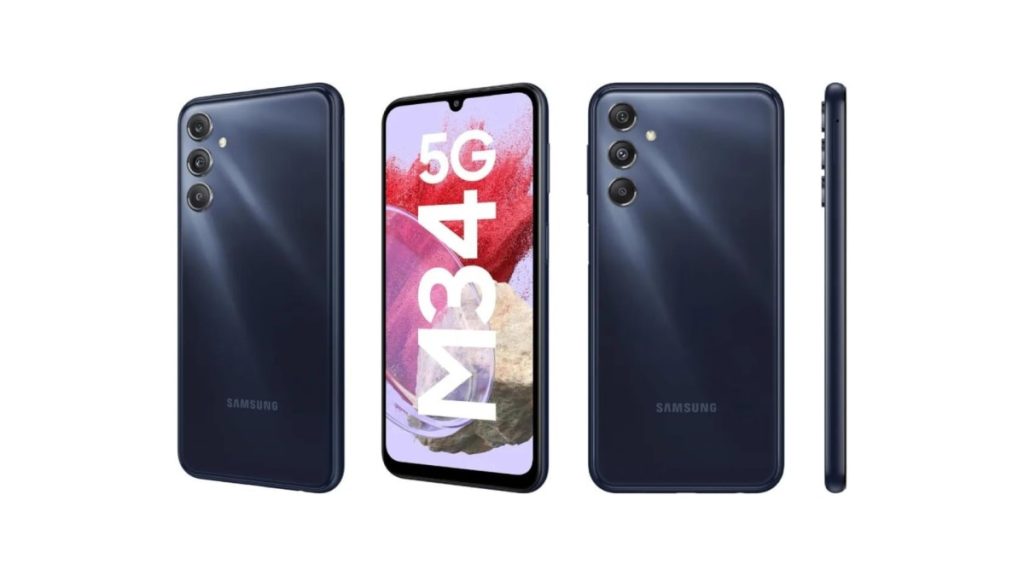
A new Samsung Galaxy M series smartphone could be right around the corner. The support page in India for the Galaxy M35 5G as well as certifications listings have recently gone live, which hints that the launch is imminent in the region. So here are all the details.
Samsung Galaxy M35 India Launch Near
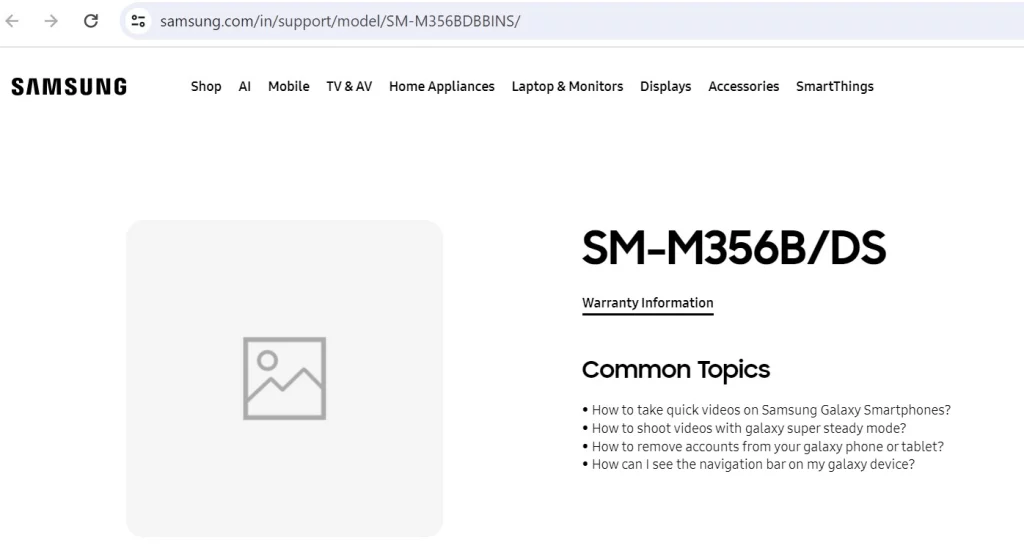
The South Korean tech giant’s Indian support page for the Galaxy M35 just went live. It revealed that the device carries the SM-M356B/DS model number. Unfortunately, finer details like specs and pricing were not revealed on the website, although it does confirm dual SIM support. However, the certification sighting on FCC and DEKRA confirmed a few more key specifications of the upcoming mid range device.
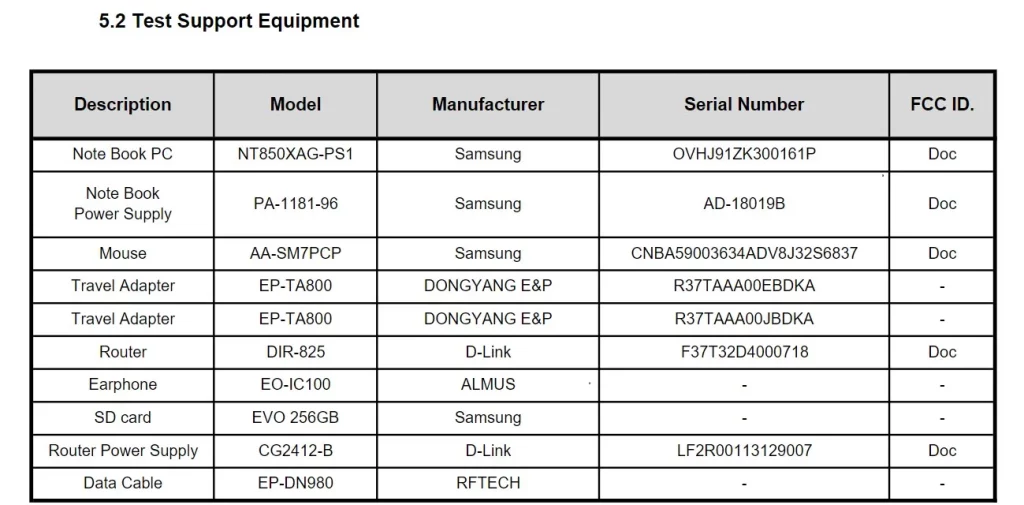
The device was spotted with the Samsung EB-BM156ABY battery model on DEKRA, which is rated at 5,880mAh. In other words, the company will likely market it with a 6,000mAh battery capacity, which is quite large. On the other hand, the FCC certification confirmed that the device will ship with the EP-TA800 charging adapter, which means it supports 25W wired fast charging via USB Type-C.
Just a month ago, the Samsung Galaxy M35 had some of its key specs revealed thanks to a GeekBench listing. The upcoming smartphone was spotted with an Exynos 1380 SoC that is paired with 6GB of RAM. It will also run on the Android 14 OS based One UI custom skin out of the box. This is all the information we have at the moment, so stay tuned for more updates.
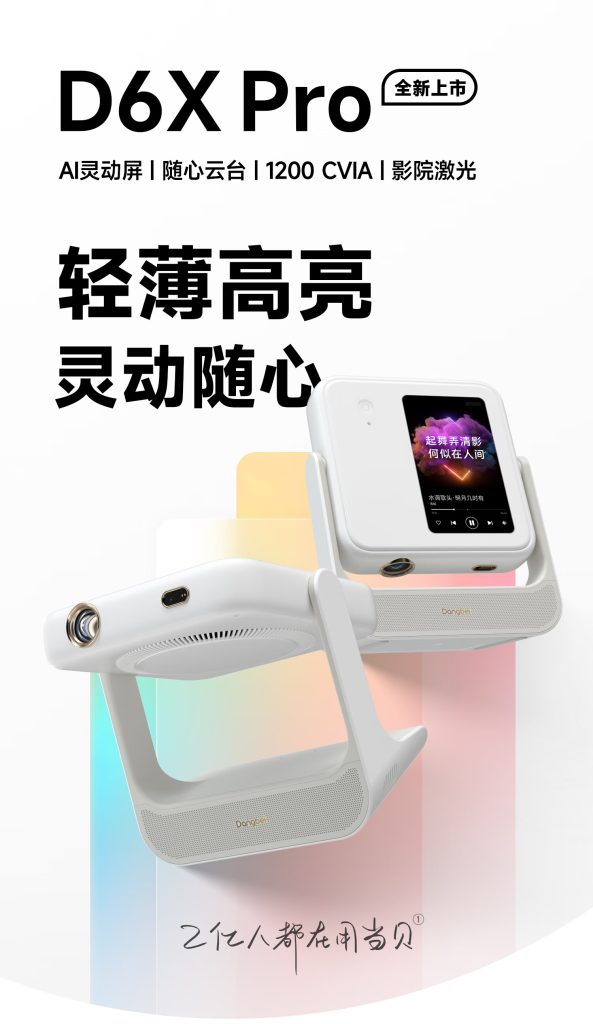
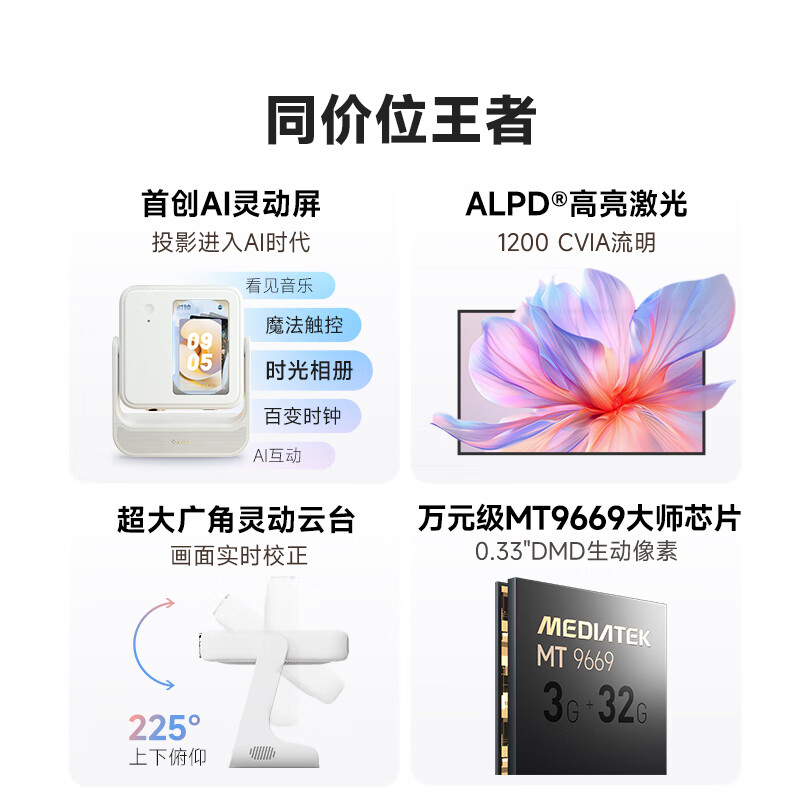
Dangbei has unveiled a new generation of projectors in the Chinese market, the D6X series, boasting an integrated gimbal and a built-in AI dynamic screen.
The D6X series comes in two variants: the D6X Pro and the standard D6X. Both models project in Full HD (1080p) resolution but differ in brightness. The Pro version utilizes a cinema-grade ALPD laser light source with a brightness of up to 1200 CVIA, while the standard version employs a tricolor laser light source reaching 720 CVIA.
The Dangbei D6X Pro is priced at 3999 yuan (approximately $552), while the standard D6X comes in at 3099 yuan (approximately $428). Pre-orders have already started, with shipping commencing on April 27th.
Dangbei D6X Series Specifications:
The D6X series comes with an integrated gimbal platform that enables seamless movement. This platform uses AI visual algorithms and eliminates the need for manual adjustments, offering automatic real-time keystone correction, obstacle avoidance, auto-focus, and automatic screen entry. It boasts a 225° pitch adjustment range, allowing for flexible placement without compromising image quality.
The D6X series debuts a 6.95-inch AI dynamic screen, adding a whole new dimension to projector use. This interactive screen allows users to control the projector with gestures, such as swiping up, down, left, and right. The display also functions as a customizable clock, lyrics board, time album, and artwork gallery. It also facilitates real-time music, album streaming and displays information, including weather and news.
Taking interactivity a step further, the D6X series introduces the Magic Touch function. This feature utilizes the touch capability of the AI dynamic screen, enabling users to control the projector similar to a laptop touchpad or smartphone touchscreen.
The D6X series comes equipped with the latest Dangbei OS 4.1, featuring a card-based design for the main interface. This AI-powered system offers multi-user mode, multi-tasking capabilities, and quick life functions that allow users to create shortcut scenes based on their preferences.
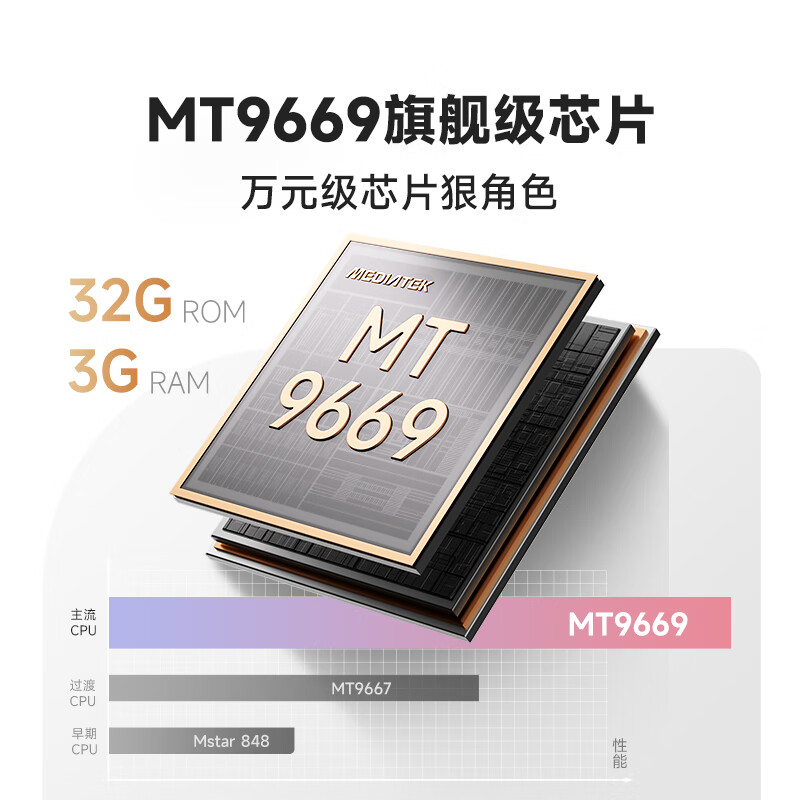
The D6X series projectors are powered by the MediaTek MT9669 chipset and come with 32GB of storage and 3GB of RAM. They also support Bluetooth 5.2 and Wi-Fi 6.
The D6X Pro projector features a 0.33-inch DMD chip and supports ALPD laser technology for a brighter and more vivid picture. It also has a built-in speaker system with Dolby Audio support.
The projectors support HDR/HLG decoding, MEMC motion compensation, and far-field voice control. It also has multiple interfaces, including HDMI, USB, and eARC. The D6X series also boasts an outdoor mode made possible by a power bank adapter cable that supports a 45W PD power supply.
The Vivo X100 series debuted in China last November. Unlike previous generations, the X100 lineup included the standard and pro models. The brand did not announce the top-end Pro+ variant. Since then, there have been speculations regarding its launch timeline. Recent reports suggest that the X100 Pro+ may be called as X100 Ultra. A few days back, the company’s vice president also hinted at the arrival of the upcoming flagship smartphone.
Vivo X100 Ultra moniker confirmed and launch tipped
Reliable tipster Digital Chat Station shared on Weibo that the upcoming flagship often referred to as Thanos is confirmed to be called the Vivo X100 Ultra. It is set to arrive in May in China. We should learn about the exact launch date in the coming weeks.
The Vivo executive’s Weibo post also indicates that the launch is near. He acknowledged the attention and support for the smartphone while also revealing the technical hurdles. The device will have professional camera capabilities.
Leaks and rumours suggest that the Vivo X100 Ultra will feature an E7 AMOLED display with QHD+ resolution and a 120Hz refresh rate. It will be Vivo’s first smartphone to be powered by a Snapdragon 8 Gen 3 processor under the hood. The upcoming offering is expected to have a 50MP LYT-900 main camera and a 200MP periscope lens with support for 200x digital zoom.
Vivo is also reportedly working on the X100s and X100s Pro smartphones that have leaked in the past. It remains to be seen if all the upcoming X100 series devices will launch simultaneously.
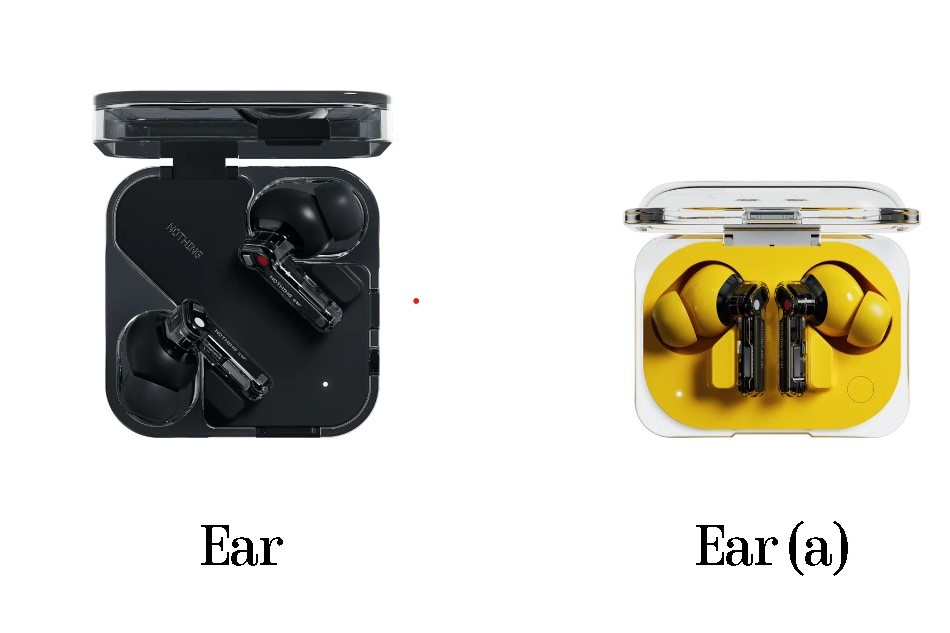
Nothing’s new audio products are here. The London-based company has announced the Ear and Ear (a) TWS earphones in the global markets. The former is a premium offering whereas the latter is a stripped-down affordable version just like the Phone (2a) that is different from the premium Phone (2). With the latest audio devices, Nothing has changed its naming strategy by ditching the numbers. Read on to know everything about the Ear and Ear (a) below.
Nothing Ear and Ear (a) launch with the same designs but different specs
The Nothing Ear and Ear (a) retains the company’s signature transparent design with a stem and earbuds that has a silicone ear tip. The White variant on both models gives a dual-tone look. Both audio devices feature an IP54 rating for dust and water resistance. The Ear (a) has a slightly different storage case in a rectangular shape.
In terms of audio, the Nothing Ear is equipped with a new custom ceramic 11mm driver that is claimed to deliver crispier sound and better bass. It packs a 45dB active noise cancellation which is bumped up from 40dB on the Ear (2). The Ear (a) also has the same ANC but the driver is 11mm PMI + TPU dynamic. Both models feature Hi-Res Wireless audio. There is smart active noise cancellation that adjusts it by checking for sound leakage between the earbud and ear canal. The Adaptive ANC mode lets users switch between three levels of noise cancellation depending on the surrounding. There is bass boost algorithm and Clear Voice technology that ensures crystal clear quality on calls. The premium Ear has additional features including a LDHC 5.0 support, advanced equalizer, profile sharing, and personal sound profile.
The Nothing Ear and Ear (a) comes with Bluetooth 5.4 and dual device connection that lets users connect to two devices simultaneously. The former offers 8.5 hours of usage whereas the latter is capable of lasting 9.5 hours with ANC disabled. The storage case extends the battery on Ear and Ear (a) to 40.5 and 42.5 hours respectively with support for fast charging. The premium Ear also supports wireless charging. Both the Ear and Ear (a) feature in-ear detection, Google Fast Pair, Find My Earbuds, and more. The TWS earphones also has access to ChatGPT via voice commands but only when connected to Nothing Phones.
The Nothing Ear is priced at EUR 129/$149 and is available in Black and White colors. Meanwhile, the Ear (a) costs EUR 99/$99. It is offered in White, Black, and Yellow colors. In India, the Nothing Ear and Ear (a) carry a price tag of Rs 11,999 and Rs 6,999 respectively.
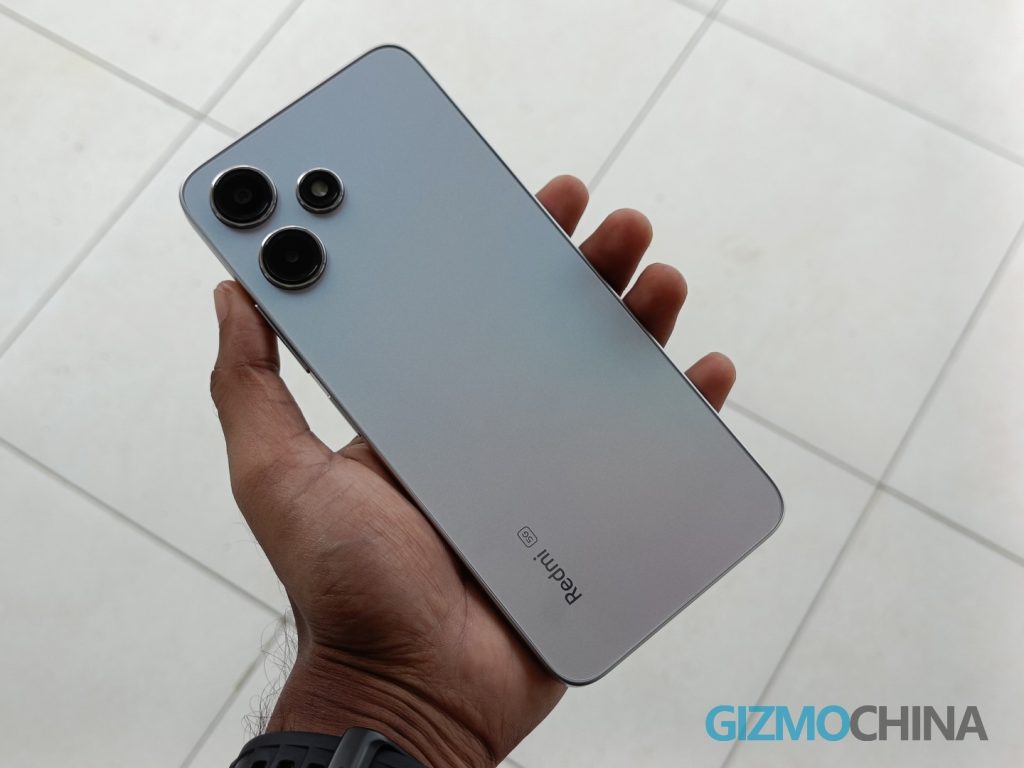
A fresh new leak suggests that the Redmi 13 5G, the successor to the budget-friendly Redmi 12 5G, may not have a global launch. According to a report by Android Headlines, Xiaomi is already working on the Redmi 13 5G, internally coded as “N19” and nicknamed “breeze.”
The smartphone is expected to be powered by the Snapdragon 4 Gen 2 processor. And although the report indicates it won’t have a global release, it is expected to debut in India, except China.
Evidence supporting this claim comes from the model numbers associated with the Redmi 13 5G: 2406ERN9CI, 2406ERN9CC, and 24066PC95I.
These model numbers hint at the markets where the smartphone will be available. The “RN” in the model numbers denotes the Redmi brand, while “PC” signifies the POCO brand.
Additionally, the model number “2406ERN9CI” with the “I” suffix corresponds to the Indian variant, while “2406ERN9CC” with the “C” suffix is associated with the Chinese version.
Given the smartphone’s model number is “PC”, it’s speculated that the Redmi 13 5G could be sold under the POCO brand, possibly as the Poco M7 5G in India.
Although specific details are scarce, leaks suggest a launch in China first, followed by India.
Additionally, Xiaomi’s latest user interface, HyperOS has also been in the build for the Redmi 13 5G, with the build number OS1.0.1.0.UNWCNXM and based on Android 14.
Apart from this, there isn’t much information available about either the Redmi 13 5G or the Poco M7 5G. We’ll keep you posted on any updates as they come.
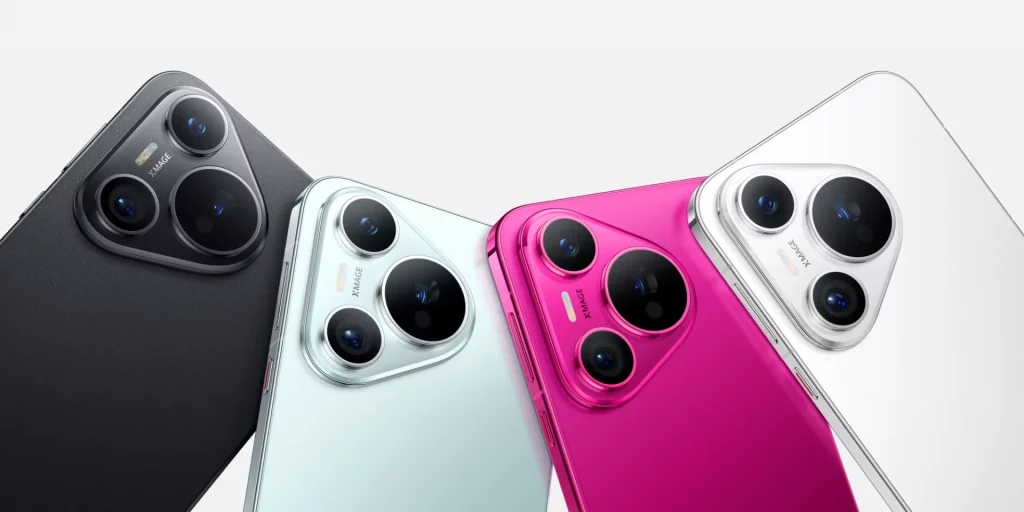
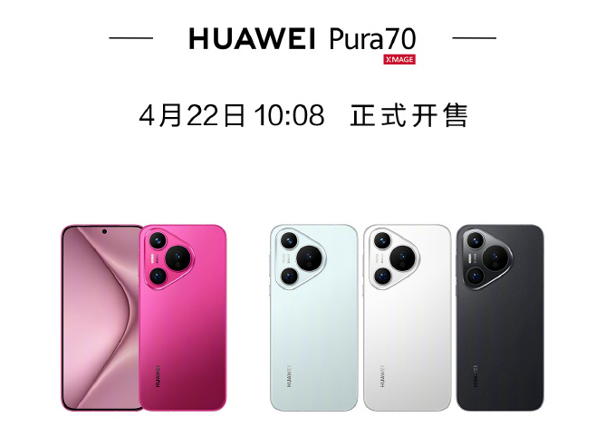
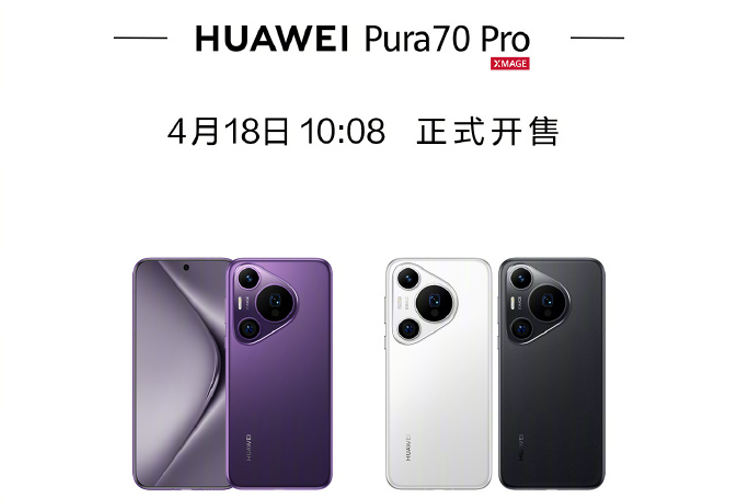
As scheduled, the Huawei Pura 70 series phones arrived on the market on April 18 without any press conference. In the morning, the company announced the Pura 70 series through their official Weibo account.
Huawei Pura 70
Huawei Pura is a rebrand of the previous P series. The Pura 70 lineup consists of four models – the Pura 70, Pura 70 Pro, Pura 70 Pro+, and the Pura 70 Ultra. The Huawei Pura 70 starts from 5,499 Yuan (~$760) and equips a periscope telephoto camera.
Huawei Pura 70 series sold out within 1 minute
The first batch of Pura 70 series phones became available at Huawei Mall in China at 10:08 am and was sold out within less than a minute. It was previously reported that the Pura 70 series, especially the Pro models might suffer from insufficient production capacity and a supply shortage. According to the latest reports, some stores are yet to receive the new phones. The people who pre-ordered the phone in those stores will get them once the stock becomes available.
Although there are stocks available in many stores, the number of people queuing in the stores goes to show that the demand is currently way more than the supply.
According to Sui Qian, senior director of wireless smartphone strategic services at semiconductor and advanced technology analysis firm TechInsights, the Pura 70 series may offer Huawei a success similar to the Mate 60 Series. “If the pricing is reasonable and the production capacity problem is effectively solved, it is estimated that the sales volume of the entire Pura 70 series in 2024 will exceed 10 million units,” he noted.
TF International Securities analyst Ming-Chi Kuo once predicted that compared to the P60 series released in 2023, the shipments of the P70 series (now the Pura 70 series) will increase significantly in 2024.
One UI is one of the most popular custom skins loved by millions across the globe. It gets better with each iteration by improving the performance, adding new features, and bringing in lots of improvements to the existing ones.
The latest version – One UI 6.1 – has plenty to offer in terms of new features, which is why people are really excited to get their hands on the latest One UI version. But the rollout doesn’t happen in one go. It’s gradually pushed to the eligible devices.
For those eagerly waiting for the One UI 6.1 update, I have curated this list of devices that are already getting the update. So, you can stop scouring the internet and regularly monitor this article to stay up-to-date. In this article, I have also included the list of eligible devices and the top features of One UI 6.1.
One UI 6.1 Update Is Rolling Out to These Galaxy Devices
Galaxy S23 Ultra
Galaxy S23+
Galaxy S23
Galaxy S23 FE
Galaxy S22 Ultra
Galaxy S22+
Galaxy S22
Galaxy S21 Ultra
Galaxy S21+
Galaxy S21
Galaxy S21 FE
Galaxy Z Fold 5
Galaxy Z Flip 5
Galaxy Z Fold 4
Galaxy Z Flip 4
Galaxy Z Fold 3
Galaxy Z Flip 3
Galaxy Tab S9 Ultra
Galaxy Tab S9+
Galaxy Tab S9
Galaxy Tab S9 FE+
Galaxy Tab S9 FE
Galaxy Tab S8 Ultra
Galaxy Tab S8+
Galaxy Tab S8
Galaxy Tab S7 FE 5G
Galaxy Tab Active 5
Galaxy Tab Active 4 Pro
Galaxy Tab A9 4G
Galaxy A73 5G
Galaxy A54 5G
Galaxy A53
Galaxy A52 5G
Galaxy A52 4G
Galaxy A52s 5G
Galaxy A34 5G
Galaxy A33 5G
Galaxy A23
Galaxy A15 5G
Galaxy A14 5G
Galaxy M54
Galaxy M53 5G
Galaxy M34
Galaxy M33
Galaxy M23
Galaxy F54
Galaxy F14 5G
Galaxy XCover 7
Galaxy XCover 6 Pro
Galaxy Quantum 2
Samsung is already rolling out the One UI 6.1 update to these Galaxy devices. The update may not be available to all users, as the rollout happens in batches, which can take a few days to weeks to complete.
If your device is on the list, keep checking for updates by going to Settings > Software update > Download and install, as it can hit your device anytime.
If you’re unsure about the One UI 6.1 update eligibility for your device, check the list below.
These Galaxy Devices Are Eligible for One UI 6.1 Update
Samsung hasn’t released an official list of eligible devices. However, going by the One UI rollout history, every Galaxy device eligible for Android 14 or launched with it should get the One UI 6.1 update.
[Galaxy S series]
Galaxy S23 / S23+ / S23 Ultra
Galaxy S23 FE
Galaxy S22 / S22+ / S23 Ultra
Galaxy S21 / S21+ / S21 Ultra
Galaxy S21 FE
[Galaxy Z series]
Galaxy Z Fold 5 / Z Flip 5
Galaxy Z Fold 4 / Z Flip 4
Galaxy Z Fold 3 / Z Flip 3
[Galaxy Tab series]
Galaxy Tab S9 / Tab S9+ / Tab S9 Ultra
Galaxy Tab S9 FE / Tab S9 FE+
Galaxy Tab S8 / S8+ / S8 Ultra
Galaxy Tab A7 Lite
[Galaxy A series]
Galaxy A73
Galaxy A72
Galaxy A54
Galaxy A53
Galaxy A52 / A52 5G / A52s 5G
Galaxy A34
Galaxy A33
Galaxy A25
Galaxy A24
Galaxy A23
Galaxy A15 / A15 5G
Galaxy A14 / A14 5G
Galaxy A13
Galaxy A05s
Galaxy A04 / A04s
[Galaxy M series]
Galaxy M54
Galaxy M53 5G
Galaxy M33 5G
Galaxy M23
[Galaxy F series]
Galaxy F54
Galaxy F23
Galaxy F14 5G
[Galaxy Xcover series]
Galaxy Xcover 5 Pro
Galaxy Xcover 6 Pro
While One UI 6.1 is pretty much guaranteed for these Galaxy devices, only a few will get the Galaxy AI features.
So far, these Galaxy devices are confirmed to receive the One UI 6.1 update with Galaxy AI features:
AI features are the major highlights of One UI 6.1, but there are some cool non-AI features you’ll also want to explore.
1. Circle to Search: Circle anything on your screen to search it using Google without opening a different app. The results appear on the screen.
2. Live Translate: Choose the language you and the person on the other end understand, and let Galaxy AI do the magic. The voice translation happens in real time.
3. AI Wallpaper: Generate stunning wallpapers for your home screen and lock screen using Galaxy AI. The limitation is that you can’t enter a prompt but must choose from the available keywords.
4. Generative Edit: Galaxy AI gives you suggestions to enhance photos and videos. You can move, remove, or resize people and objects in images and then fill in any missing places.
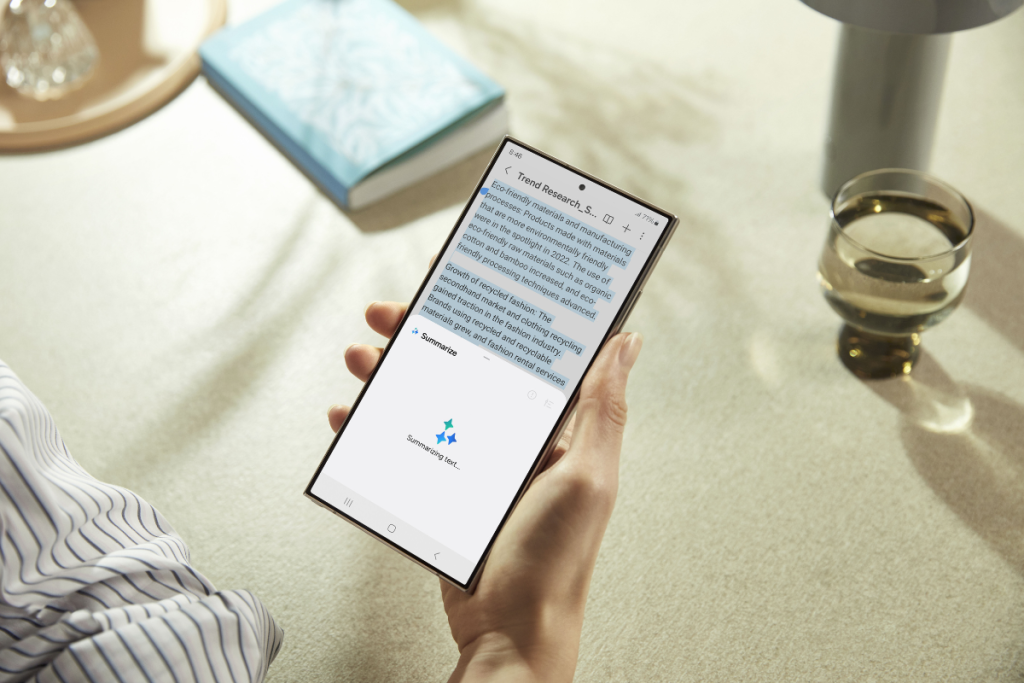
5. Notes Assist: The Notes app in One UI 6.1 can auto-format notes into headings and bullet points and summarise them. It can also help you translate notes and fix spelling mistakes.
6. Browser Assist: It can summarise long web pages into short paragraphs and bullet points to help you understand the content in a few words. You can also translate them into the language of your choice. Browser Assist only works with Samsung Browser.
7. Chat Assist: It can help you change the tone of your texts and check grammar and spelling. It works with any texting apps, such as Gmail, WhatsApp, and Telegram, but you must have the Samsung Keyboard as your default keyboard.
8. Battery Protection: One UI 6.1 offers three different levels of battery protection: Basic, Adaptive, and Maximum. Basic protection keeps your device charged between 95% and 100%, while Adaptive protection pauses charging while you’re asleep and completes it just before you wake up. Maximum protection limits the maximum charge to 80% for better battery health.
9. More Lock Screen Widgets: There are additional lock screen and AOD screen widgets in One UI 6.1. The new widgets include Weather, Samsung Health, Battery, Reminder, Calendar, and Clock.
There are plenty of minor changes to One UI 6.1, which you can read about here.
Which One UI 6.1 feature(s) you are most excited about? Do let me know your thoughts about One UI 6.1 in the comments below.
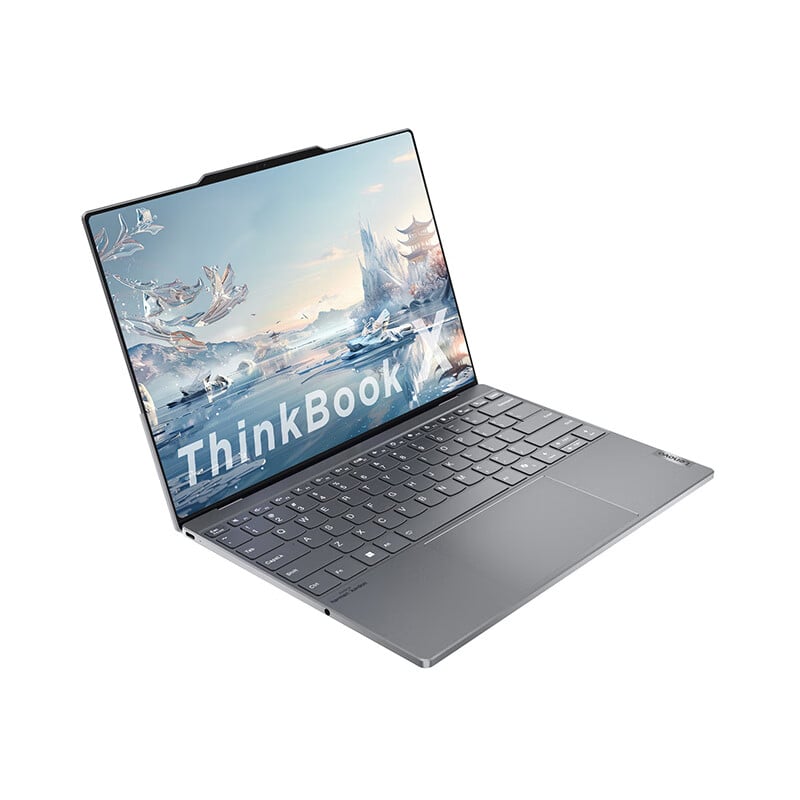
Lenovo’s ThinkBook X AI 2024 goes on sale in China. The laptop was first unveiled at CES this year. It’s a powerful and intelligent laptop designed for professionals and creators on the go. Boasting the latest Intel Core Ultra processors and a starting weight of just 1kg, the ThinkBook X AI 2024 promises exceptional performance without sacrificing portability.
Lenovo ThinkBook X AI 2024 Specifications:
The ThinkBook X AI 2024 comes equipped with a choice of 12th Gen Intel Core Ultra processors, the 5 125H and the 9 185H. These processors are built on the Intel Evo platform, ensuring responsiveness, long battery life, and fast charging. Further enhancing performance, the laptop features LPDDR5x memory and a PCIe 4.0 solid-state drive.
The ThinkBook X AI 2024 features a stunning 2.88K (2880×1920) 3:2 aspect ratio 120Hz display. With a peak brightness of 500 nits and 100% sRGB color gamut, the display offers exceptional clarity and color accuracy, perfect for creative tasks. Factory hardware calibration ensures precise color accuracy, while TÜV Rheinland certification for hardware low blue light offers comfortable viewing. Additionally, the screen supports HDR400 for enhanced contrast and depth. A touchscreen variant is available for those who prefer a more interactive experience.
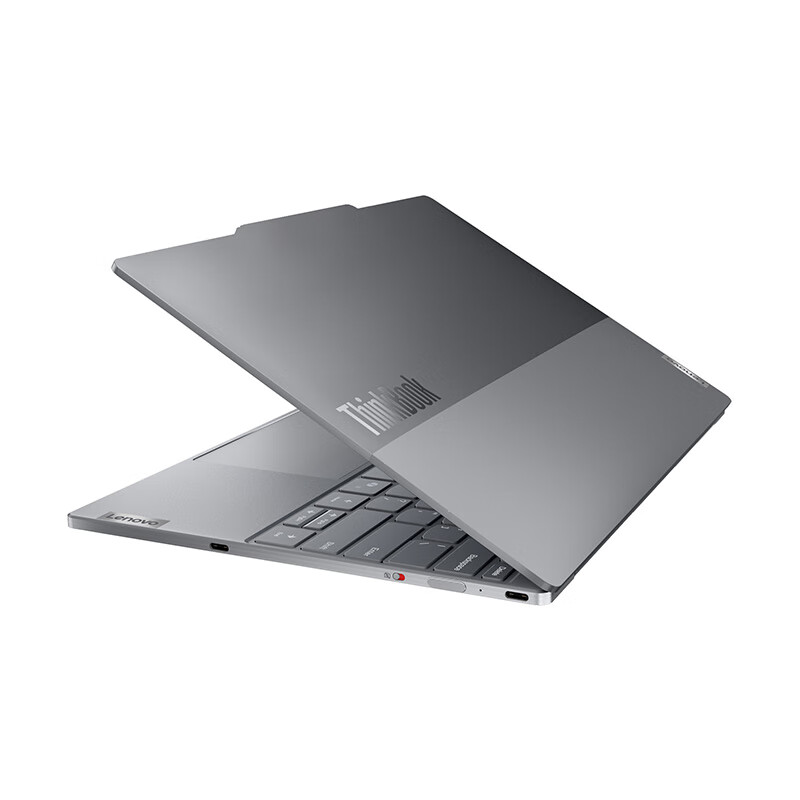
Despite its impressive performance, the ThinkBook X AI 2024 remains remarkably lightweight. The aluminum alloy version weighs in at 1.14kg, while the even more premium stainless magnesium version comes in at a featherlight 1kg. Both versions boast a sleek and stylish design with a thickness of just 12.9mm.
The ThinkBook X AI 2024 comes loaded with features to boost productivity and user experience. This includes a long-lasting 74Wh battery, a Harman Kardon sound system, a two-in-one power and fingerprint button, and a variety of ports including Thunderbolt 4 and a 3.5mm headphone jack. It also features Windows Hello fingerprint and an FHD IR camera with face tracking.
The “AI” in the ThinkBook X AI 2024’s name isn’t just for show. The laptop leverages AI features to improve video conferencing experiences with features like noise reduction, digital avatars, and intelligent beautification.
The ThinkBook X AI 2024 is built with sustainability in mind. It has been rigorously tested according to MIL-STD-810H standards for durability and adheres to carbon neutrality standards with eco-friendly packaging. Global warranty coverage and 24/7 customer service provide peace of mind for users.
The Lenovo ThinkBook X AI 2024 comes in four configurations, with prices starting at 7499 Yuan:
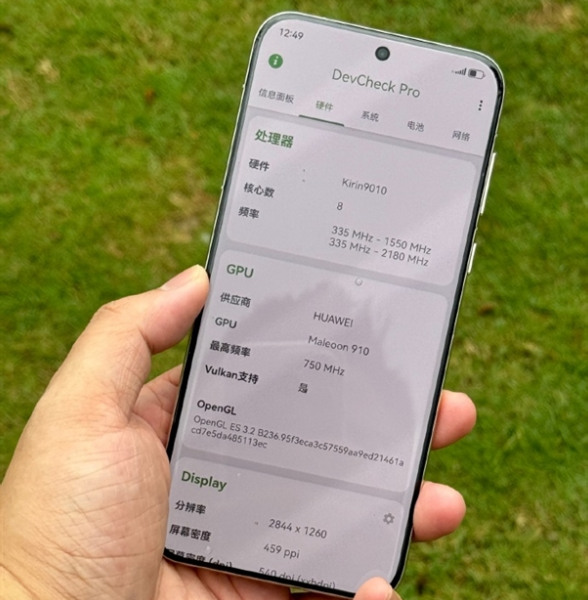
The wait is over! Huawei’s highly anticipated Pura 70 series smartphones has finally been launched in China. The top-tier Huawei Pura 70 Pro+ and Ultra comes equipped with a brand new processor inside — the Kirin 9010.
While Huaewi remained mum about the processor details, users in China who already got their hands on the phone are sharing details about the Kirin 9010.
A quick look at the processor reveals that the Kirin 9010 boasts a 12-core CPU with a 4+6+2 architecture. Here’s the breakdown:
4 efficiency cores running at 1.55 GHz
6 performance cores clocking in at 2.18 GHz
2 high-performance cores maxing out at 2.30 GHz
The core setup closely resembles that of the Kirin 9000 processors found in the Huawei Mate 60 series but with a few minor tweaks.
For instance, the Kirin 9010 has a slight bump in base clock speed for its efficiency cores compared to the Kirin 9000’s 1.53 GHz.
Furthermore, the performance cores’ clock speed sees a modest increase to 2.18 GHz from 2.15 GHz on the Kirin 9000. However, interestingly, the high-performance core takes a slight dip in clock speed compared to the Kirin 9000.
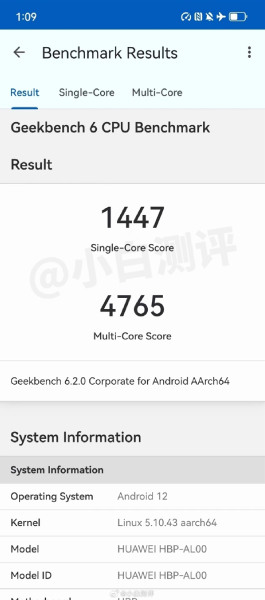
However, benchmark tests on Geekbench 6.2 show impressive results, with the Kirin 9010 outperforming the 9000s by a significant margin.
Despite these changes, on Geekbench 6.2, the processor achieves 1447 points in single-core tests and 4765 points in multi-core tests and surpasses the Kirin 9000s, which typically scores below 1350 points in single-core and maxes out around 4200 points in multi-core.
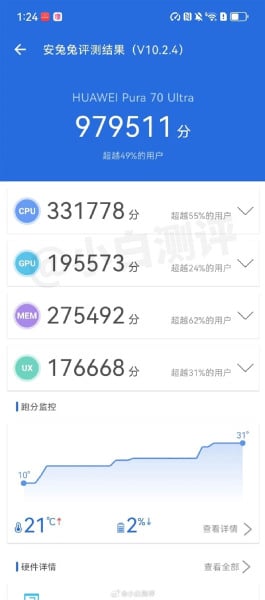
On AnTuTu (V10.2.4) benchmark, the Kirin 9010 achieves an overall score exceeding 970,000, with a CPU score exceeding 330,000 and a GPU score exceeding 190,000. It’s a significant jump from 700,000 points of the Kirin 9000s on Huawei Mate 60.
While the real-world performance of the new SoC is yet to be seen, it appears that Huawei has optimized the Kirin 9010 to perform exceptionally well, at least in benchmark tests.
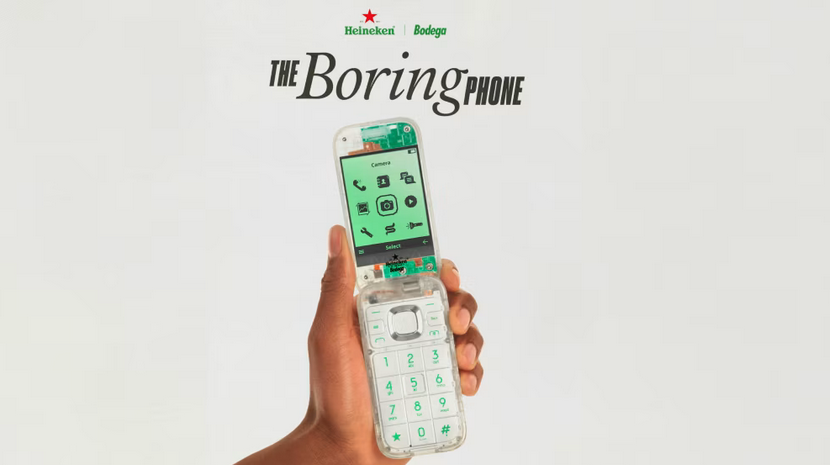
HMD has collaborated with Heineken and Bodega to bring the brand-new Boring Phone. The brand is working with the popular beer company and the street culture fashion curators to release a special feature phone that has a design that is anything but ‘boring’. The announcement arrives mere days after the company released the new Nokia 6310, 230, and 5310 feature phones.
HMD Heineken x Bodega Boring Phone: What makes it so special?
While most companies are launching special edition models of their smartphones, HMD is taking a refreshing step by encouraging people to disconnect from their smartphones. It is pushing this forward with its new dumb phone that is dubbed the Heineken x Bodega Boring Phone. This limited edition phone comes without any of the modern features and instructions. This device can only send texts and make calls all in an attractive package to help keep distractions away in any social gathering.
Talking about its most highlighting aspect, it features a unique transparent housing and color scheme, mixing bright orange and green hues. The device features a flip design with holographic stickers at the back. The design mixes the early 2000s technology with a design inspired by Gen Z aesthetics. The philosophy behind the device is to combat the doom scrolling and disconnection of the Zillennials.
Boring Phone sports a 2.8-inch QVGA primary screen, while the cover display is a 1.77-inch panel. The handset offers a 0.3-megapixel camera with LED flash. Under the hood, it features 128MB of internal storage that can be expanded by up to 32GB via a microSD Card slot. A 1,450mAh battery pack powers this device, which promises to offer up to 20 hours of talk time. Other notable features include a 3.5mm headphone jack, 4G support, Bluetooth 4.2, micro USB charging, snake game, and FM radio.
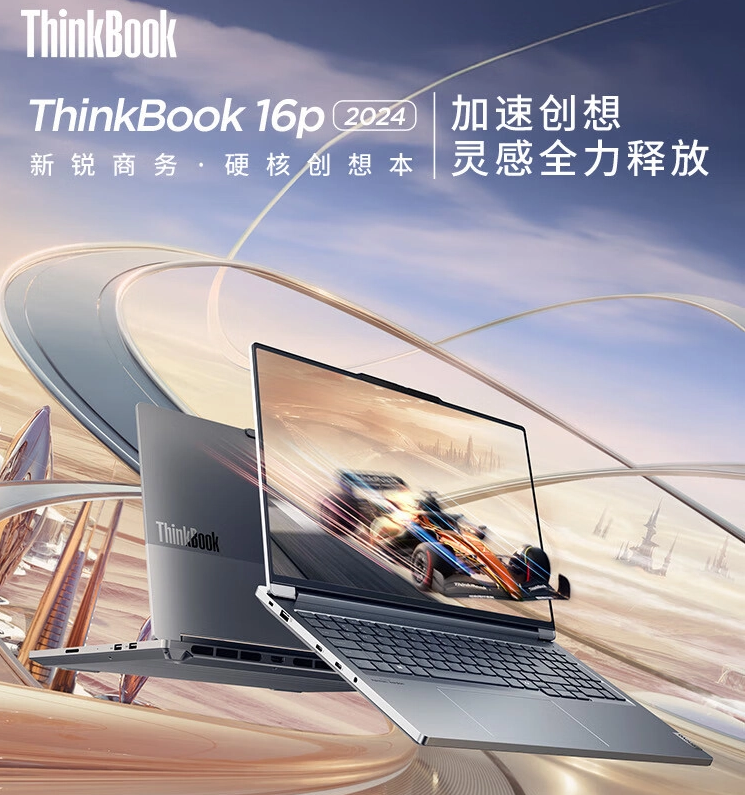
At CES this year, Lenovo introduced a number of laptops including the ThinkBook 13x Gen 4, ThinkBook 14i Gen 6+, and ThinkBook 16p AI 2024. The ThinkBook 16p 2024 is now available for sale in China. So let’s take a look specifications and pricing of this high-end laptop.
ThinkBook 16p 2024 specs & features
The ThinkBook 16p 2024 is 19.9mm thick and weighs 2.2kg. It offers an aluminum body and a 180-degree hinge. The keyboard has 1.5mm key travel and 0.3mm space between the keycaps.
This laptop boasts the 14th generation Intel Core i9 14900 HX and Core i7-14650 HX processors paired with the RTX 4060 dedicated GPU.
This laptop comes with 16GB or 32GB (dual channel, 16GB+16GB) DDR5 5600Mhz high-speed memory options. It’s accompanied by a 1TB M.2 2280 PCIe 4.0 solid state drive.
Speaking of upgradability, it is equipped with dual DDR5 SO-DIMM memory slots that support up to 64GB memory (32GB + 32GB) and dual M.2 2280 PCIe 4.0 solid-state drive slots that offer support for up to 4TB fast storage (2TB+2TB).
The display boasts a 3.2K 165Hz IPS panel which reaches up to 430 nits of peak brightness and supports Dolby Vision. The panel covers 100% DCI-P3 and sRGB color gamut rating and also offers support for color gamut switching. For those interested, the pixel density is 235PPI.
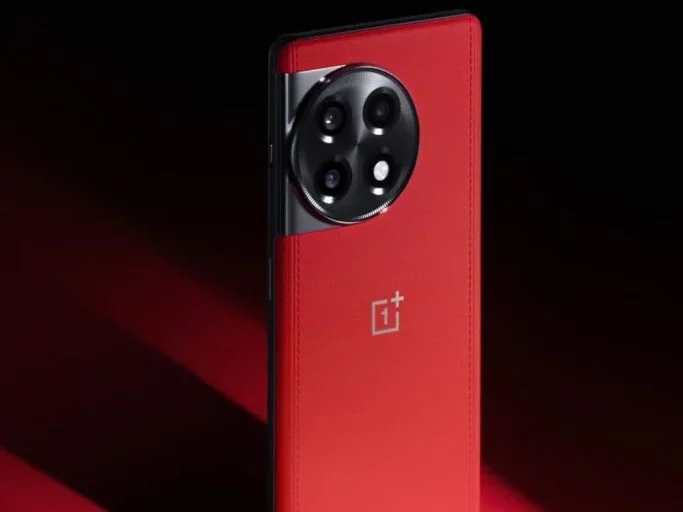
The OnePlus 11R is getting a bright red makeover in India. The company announced the smartphone in the region last year, and now, the OnePlus 11R Solar Red variant is finally going on sale in the region. This model was previously teased earlier this week, so let’s check it out.
OnePlus 11R Solar Red: Pricing & Availability
The Chinese brand’s OnePlus 11R Solar Red variant has officially gone on sale in the region for the base storage configuration. To recall, the Solar Red color option was limited to the highest 512GB storage option. But now, the base 8GB + 128GB variant is also arriving in this fresh color. The OnePlus 11R Solar Red has a 32,999 INR price tag (roughly 395 US Dollars). The company is offering the device with an instant 1,250 Instant Discount to ICICI, OneCard, and HDFC bank account holders. You can buy this device right now from Amazon India.
OnePlus 11R Solar Red Specs
Apart from the new color hue, the Solar Red option of the OnePlus 11R is basically the same as the original models. It sports a tall 6.74-inch AMOLED display that offers Full HD+ resolution, a 120Hz refresh rate, HDR10+, and 1450 nits of peak brightness. Under the hood, it is equipped with the Qualcomm Snapdragon 8+ Gen 1 SoC that is paired with the Adreno 730 GPU.
A large 5,000mAh battery pack powers this device, which supports 100W wired fast charging. The rear packs a 50-megapixel triple camera setup, while the front houses a 16-megapixel selfie shooter. Other notable features include an under-display fingerprint scanner, Bluetooth 5.3, and stereo speakers.
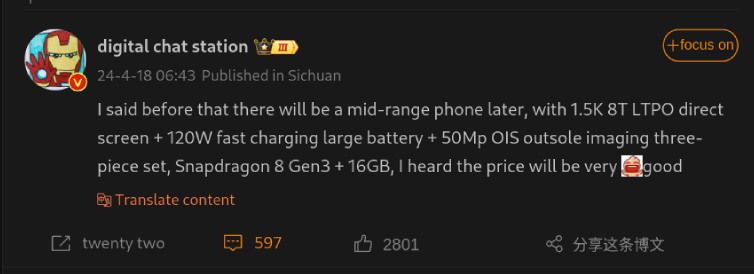
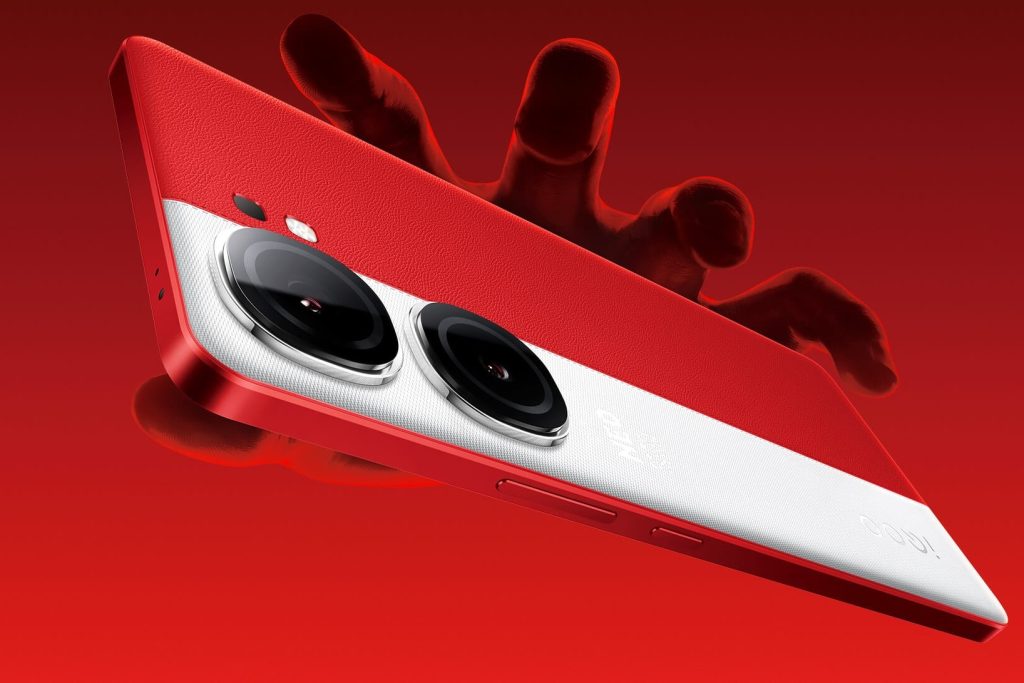
iQOO is rumored to be working on a Neo 9s Pro smartphone. It reportedly made its appearance on China’s 3C certification database recently. Reliable tech insider Digital Chat Station (DCS) has now revealed some key specifications for this upcoming phone.
According to the tipster, the Neo 9s Pro will pack a powerful Snapdragon 8 Gen 3 processor, typically found in top-of-the-line phones.
While Qualcomm offers a mid-range option (Snapdragon 8s Gen 3), the Neo 9s Pro seems to be bringing flagship-level performance to the mid-range market. The SoC is said to be paired with a whopping 16GB of RAM.
Additionally, DCS mentions that the phone will sport a flat 8T LTPO OLED panel with a 1.5K resolution. While specific display details are not yet known, it’s possible that it will have the same 6.78-inch OLED panel with a 144Hz refresh rate as the existing Neo 9 series.
The leak offers no clues on battery capacity, but it does suggest the phone will support 120W fast charging.
In terms of cameras, a 50-megapixel main sensor with optical image stabilization (OIS) is said to be the highlight of the triple-camera system on the back.
Perhaps the most interesting aspect of the leak is DCS’s claim that the phone will have a “very good price.” If this turns out to be true, the iQOO Neo 9s Pro could offer the Snapdragon 8 Gen 3 processor at a more affordable price point than ever before.
However, it’s important to remember that this is still based on leaks and speculation. iQOO has yet to officially confirm the existence of the Neo 9s Pro.
With that said, the rumored specifications position the phone as an interesting option for those seeking powerful performance without a flagship price tag.
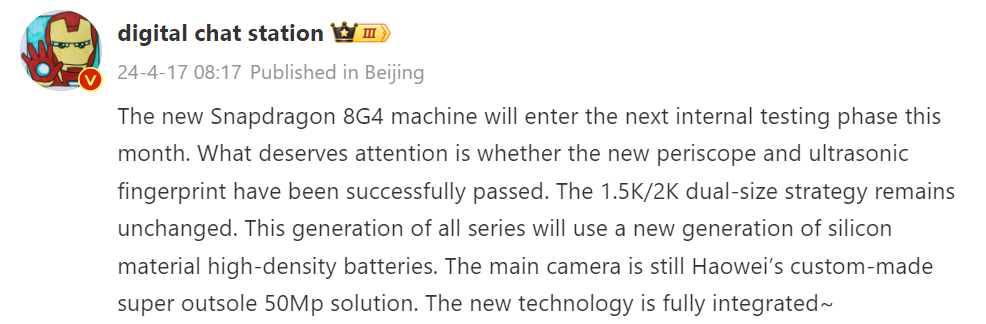
Last year, Xiaomi launched the Xiaomi 14 and 14 Pro as the world’s first phones equipped with the Snapdragon 8 Gen 3 chip. There have been reports that this year OnePlus may launch the OnePlus 13 as the first-ever phone equipped with the Snapdragon 8 Gen 4 chip. A new development revealed that the next internal testing of the Xiaomi 15 series will soon in China.
Xiaomi 15 series internal testing starts this month
In a recent Weibo post, tipster Digital Chat Station appears to have disclosed details about the Xiaomi 15 series. Although DCS hasn’t specified the names of the phones that he is talking about, it seems likely that the information pertains to the Xiaomi 15 lineup.
The leak states that the Xiaomi 15 series’ will enter its next internal testing phase this month (April). To recall, it will enter the mass production phase in September of this year.
Rumors have claimed that the 15 series has a new periscope telephoto camera and an ultrasonic in-screen fingerprint scanner. It remains to be seen whether the final version of the lineup will have these features.
The Xiaomi 15 series will be available in two screen size options. A recent leak claimed that the standard model will have a 6.36-inch flat OLED screen. The Pro variant may house a bigger screen, but its exact size is not known yet. Both phones are said to support 1.5K and 2K resolution, respectively.
The Xiaomi 15 and 15 Pro are said to be equipped with high-density batteries, but their capacities are not known neotraditionally, the leak suggests that both phones will have a custom-made OmniVision 50-megapixel primary camera.
Huawei has rebranded its P series to Pura. Now two models of the first flagship under the new branding, the Pura 70 series, have hit the shelves. For those unfamiliar, the series consists of a total of four models – the Huawei Pura 70, Pura 70 Pro, Pura 70 Pro+, and finally an ultra model, the Huawei Pura 70 Ultra. We are going to discuss the specifications, availability, and pricing of the Pura 70 and Pura 70 Pro. We have separately discussed the Pura 70 Pro+ and Pura 70 Ultra.
Huawei Pura 70 Pro, Pura 70 specifications & features
The Pura 70 Pro series equips a 6.8″ OLED with a resolution of 2844 x 1260. This panel supports a 1-120Hz variable refresh rate 1440 Hz high-frequency PWM dimming, and a peak brightness of 2500 nits. For display protection, the phone uses the second generation Kunlun glass, which reportedly improves the drop resistance by 100%.
In contrast, the Pura 70 equips a slightly smaller 6.6″ display with a resolution of 2760 x 1256. It also equips the second-generation Kunlun glass for protection.
While the Pura 70 Pro is powered by the Kiron 9010 chip (a successor to the Kirin 9000s), the Pura 70 is said to equip an underclocked version of the Kirin 9000S, called the Kirin 9000S1. The series runs on the HarmonyOS 4.2. The new Kirin 9010 chipset reportedly comprises of two large cores working at 2.30GHz, six medium cores operating at 2.18GHz, and four small cores running at 1.55GHz. For graphics, it features the same Maleoon 910 GPU as its predecessor.
The Pura 70 Pro boasts a 5050 mAh battery with support for 100W wired charging, and 80W wireless charging. The phone also supports 20W reverse wireless charging. In comparison, the base Pura 70 equips a 4900mAh battery. It supports 66W wired, 50W wireless, and 7.5W reverse wireless charging. Both phones support satellite connectivity.
The Pura 70 Pro comes with a 1/1.3-inch 50MP main sensor with a variable aperture of F1.4-F4.0 and optical image stabilization. The phone also equips a 48MP macro telephoto with 35x super macro and F2.1 aperture. The XD Motion engine helps the phone capture fast-moving subjects. The macro camera can focus as close as 5cm. There is also a 12.5 MP ultrawide camera with F2.2 aperture.
The Pura 70’s camera system consists of a 50MP main camera with F1.4~F4.0 variable aperture and optical image stabilization, a 12MP periscope telephoto, and a 13 MP ultrawide with F2.2 aperture.
Pricing and availability:
Huawei Pura 70 series is now available for sale in the company’s official stores in China. However, according to rumors, the production capacity is still insufficient and there could be a temporary shortage of supply.
The Huawei Pura 70 comes in three different storage configurations – 12+256GB, 12GB+512GB, and 12GB+1TB which are priced around 5,499 Yuan (~$760), 5,999 Yuan (~$830), and 6,999 Yuan(~$967) respectively.
The Huawei Pura 70 Pro comes in three different storage configurations – 12+256GB, 12GB+512GB, and 12GB+1TB which are priced around 6,499 Yuan (~$898), 6,999 Yuan (~$967), and 7,999 Yuan(~$1105) respectively.
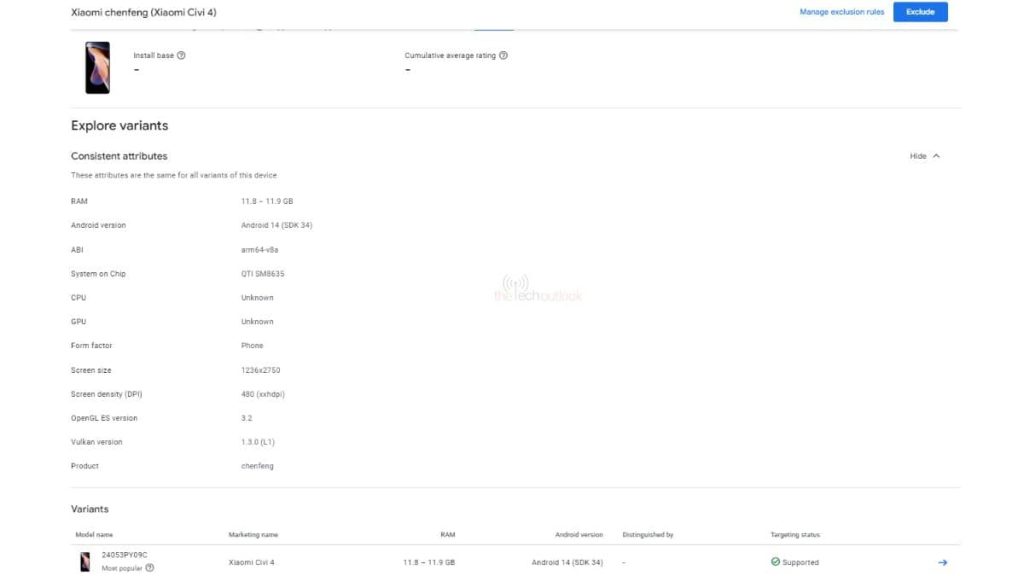
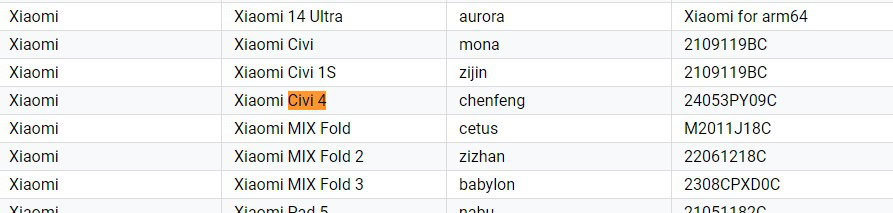
Xiaomi announced the Xiaomi Civi 4 Prov as the first-ever phone powered by the Snapdragon 8s Gen 3 chip in China in March. Since it is a “Pro” variant, there is a possibility that the company could be planning to launch a non-Pro version soon. Interestingly, TheTechOutlook has spotted a Google Play Console listing for the Xiaomi Civi 4 (without the “Pro” label), indicating the potential existence of a non-Pro variant of the Civi 4.
Xiaomi Civi 4 Google Play Console listing
Xiaomi Civi 4 Google Play Console listing
As can be seen in the above image, a Xiaomi device with the “24053PY09C” model number, “chenfeng“ codename, and the Xiaomi Civi 4 marketing name has appeared in the Google Play Console. The said device has also appeared in the Google Play Supported Devices list.
Xiaomi Civi 4 in Google Play Supported Devices list
To recall, the Xiaomi Civi 4 Pro (review) also has the same model number. A recent report claimed that it may not be released on the global market. However, its Indian version, which bears the 24053PY09I model number, will have the Xiaomi 14 Civi marketing name.
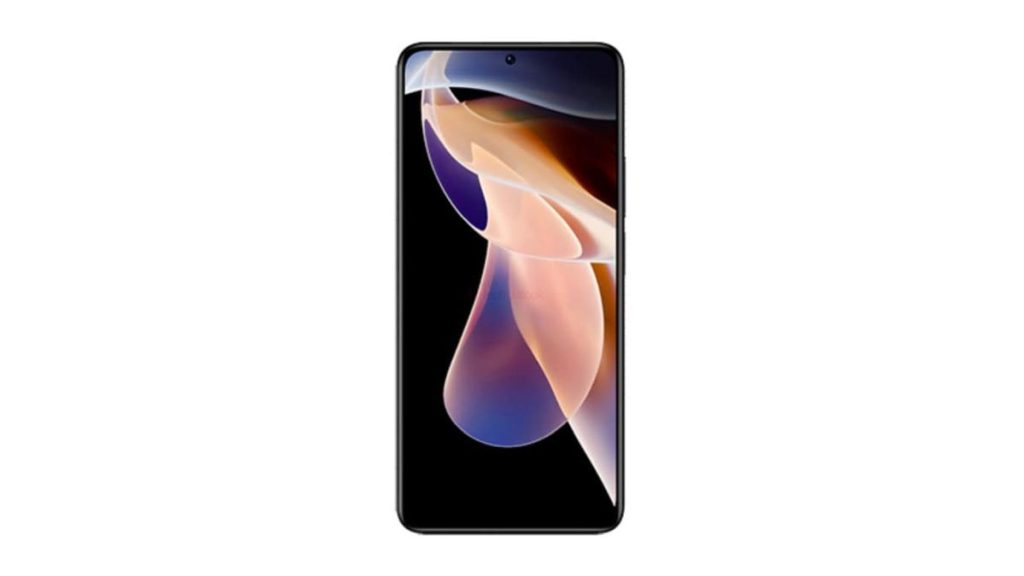
Coming back to the Civi 4 Play Console listing, it indeed appears to be a different device than the Civi 4 Pro because its image shows a single punch-hole on the screen. The Civi 4 Pro, on the other hand, has a pill-shaped cutout on the screen for its dual selfie camera system. The screen seems to have curved edges and its right edge could be seen sporting a volume rocker and a power button.
Xiaomi CIvi 4 front design
In terms of specifications, the listing reveals that the Civi 4’s display offers a resolution of 1236 x 2750 pixels and a 480 (xxhdpi) screen density. It has 12 GB of RAM and runs on Android 14. It is powered by the Qualcomm chip with model number SM8635, which hints that it has the Snapdragon 8s Gen 3 onboard. However, the listing does not mention the CPU and GPU details.
It is advisable to wait for further reports to see whether the Civi 4 will make it to the Chinese market.
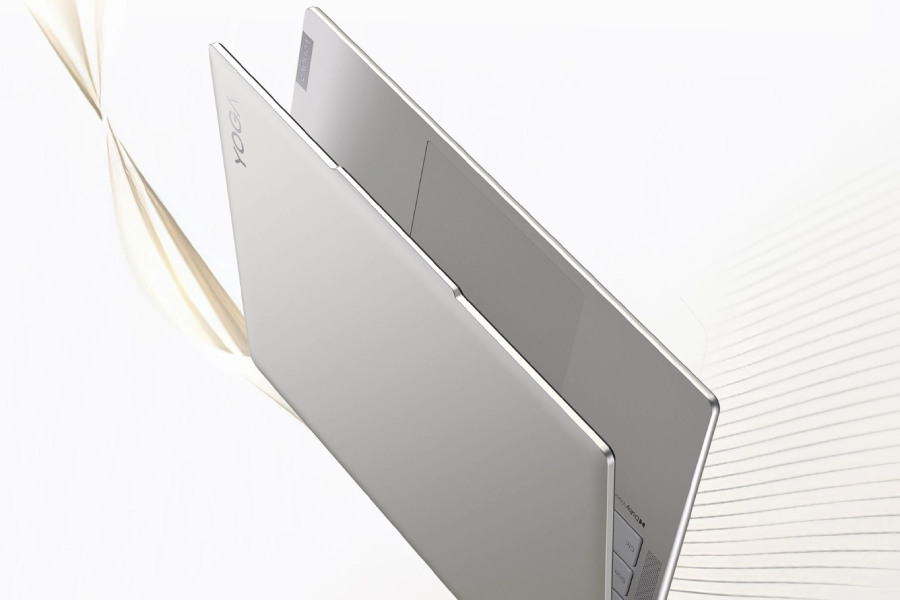
Lenovo today launched the YOGA Air 14 AI Yuanqi notebook at its Innovation Technology Conference. The laptop is equipped with a Core Ultra 7 155H processor with integrated AI NPU, targeting users who prioritize performance and intelligent features. Let’s get into the details here.
Specifications
The core of the YOGA Air 14 is the new Intel Core Ultra 7 155H processor, manufactured on the latest generation Intel 4 process with hybrid core architecture.
Lenovo claims the laptop delivers an 18% improvement in performance and 40% improvement in battery life compared to previous generations. It also has Intel Evo certification for responsiveness and efficiency.
Moreover, the processor has integrated AI NPU that specifically works to enhance AI tasks and applications. Lenovo has also shipped the laptop with Xiaotian, the company’s AI agent, which is powered by the Tianxi large language model.
The base model comes with 32GB of LPDDR5x-7467 memory and a 1TB PCIe 4.0 solid-state drive.
The YOGA Air 14 weighs about 1.4kg (3.1 lbs) and measures 14.9mm (0.59 inches) thick. Lenovo uses what it calls “PureBright treasure craftsmanship” for the exterior, with a light seashell color scheme.
On the front, the laptop features a 2.8K 120Hz OLED display with 400 nits of brightness and 100% DCI-P3 color gamut. It supports Dolby Vision and is VESA DisplayHDR True Black 500 certified, so you can expect deep blacks and high contrast.
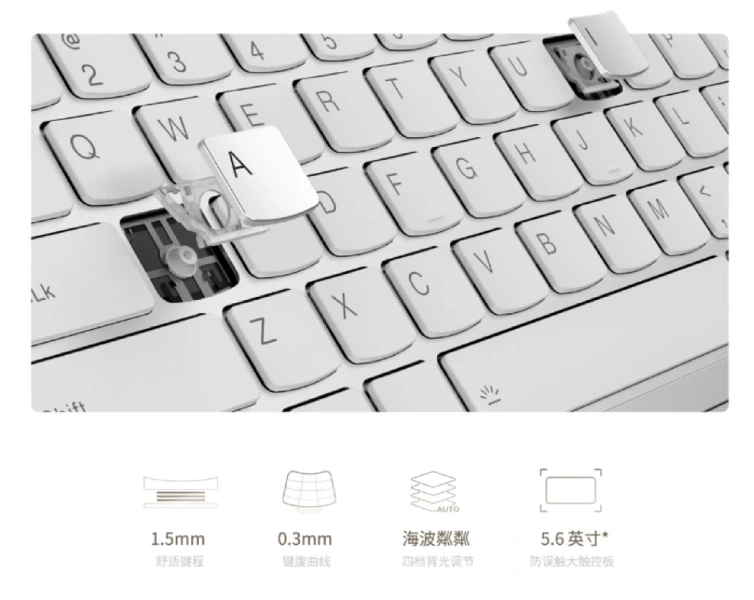
The YOGA Air 14 comes with a 1.5mm keyboard with a 0.3mm key curve to provide a comfortable typing experience. Then there is a 5.6-inch anti-accidental touch touchpad.
In terms of connectivity, the left side of the laptop offers two Thunderbolt 4 ports and an HDMI 2.1 port. The right side includes a camera electronic control switch, a 3.5mm headphone jack, and a USB-A 3.2 Gen 1 port.
Pricing and Availability
The Lenovo YOGA Air 14 AI Yuanqi notebook is priced at 8,499 yuan (approximately $1,174 USD). Specific details on regional availability and pricing are yet to be announced by Lenovo.
Big day for Huawei, as it has just officially announced the new Huawei Pura lineup. The series comes with four models, namely Pura 70, Pura 70 Pro, Pura 70 Pro+, and Pura 70 Ultra.
The Kirin 9010 CPU, which is a better version of the Kirin 9000s that powers the Mate 60 series, will power the Pura 70 Ultra and Pura 70 Pro+. The models are already available for purchase in China.
The TVs feature the NQ8 AI Gen3 Neural Processing Unit (NPU) which makes them very fast. It adds AI-powered features like AI Picture Technology, AI Upscaling Pro, and AI Motion Enhancer Pro, making the watching experience clearer and more realistic than ever before.
Then we saw Haier announce their new 4K Smart QLED Series S800QT, in India. This new series, available in sizes 75″, 65″, 55″, and 43″, comes with the Dual Line Gate (DLG) feature, which ensures smooth motion reproduction and reduces motion blur in fast-paced scenes.
Then we saw Sony announce 4 brand new Bravia TVs with mini-LED, OLED options, starting at $599 in the global market.
Finally, Xiaomi announced its gaming-friendly 4K TVs under its Redmi lineup in China, namely A50/55/65 TVs featuring 4K 120Hz and starting at Only 1,399 Yuan ($193)
OnePlus is reportedly working on a new tablet – the OnePlus Pad 2, and it could feature the latest Snapdragon 8 Gen3. This would make it a flagship tablet, ready to handle everything you throw at it.
Whats interesting is that there are rumors that the Oppo Pad 3 with the Snapdragon 8 Gen 3 chip could launch in China in May. The same device is likely to be rebranded as the OnePlus Pad 2 in the global market.
The next major release from Redmi is expected to be the Redmi K70 Ultra. Up until now, the Redmi K Ultra versions have differed from the vanilla and Pro varieties. These phones have not only differed in specifications, but also in design.
The same is expected from the incoming Redmi K70 Ultra. So how will it differ from the other K70 models? We try to figure that out.
Yesterday, Sony also launched a personal speaker called the Bravia Theater U neckband alongside new soundbars. These U-shaped speakers go around your neck, like a neck pillow, and offer a personalized listening experience. It boasts a 12-hour battery life with fast charging and can connect to two devices simultaneously. The neckband also supports Dolby Atmos with Sony’s latest TVs and offers 360° spatial sound.
The Insta360 X4 arrives as the successor to the X3 and is stacked up against the ones offered by GoPro and DJI Osmo. It comes with several upgrades compared to the previous model. This makes it an ideal device for those who are outdoorsy and adventurous.
If you’ve decided to buy a new smartphone, you’ve probably noticed that making a choice can be overwhelming. There are hundreds of models from dozens of brands, and often with only minor differences between them.
One key difference you might encounter is the SoC. For example, two similarly priced phones from the same brand might use different processors, one from MediaTek and the other from Qualcomm.
Xiaomi unveiled the Redmi Pad Pro in its home market of China just last week. But its availability across the globe might be right around the corner. The company’s next-gen tablet has just been spotted on another major certification platform, which hints at an imminent global launch.
Xiaomi has unveiled its latest Mijia Smart 60L Dual-Tank Electric Water Heater P1 (geyser) in the Chinese market, boasting clean water technology, rapid heating, and smart functionalities. Priced around $276 in the home market, the P1 aims to provide a comfortable and safe bathing experience for families.
Menteebot, a new product by Mentee Robotics, takes AI technology to a whole new level with a human-sized robot designed for in-home or commercial use. This “personalized AI-based robot” boasts advanced AI algorithms, natural language processing, and software that facilitates “advanced training techniques.” Menteebot can walk, run, and even turn sideways, all with a level of balance and control comparable to that of a human.
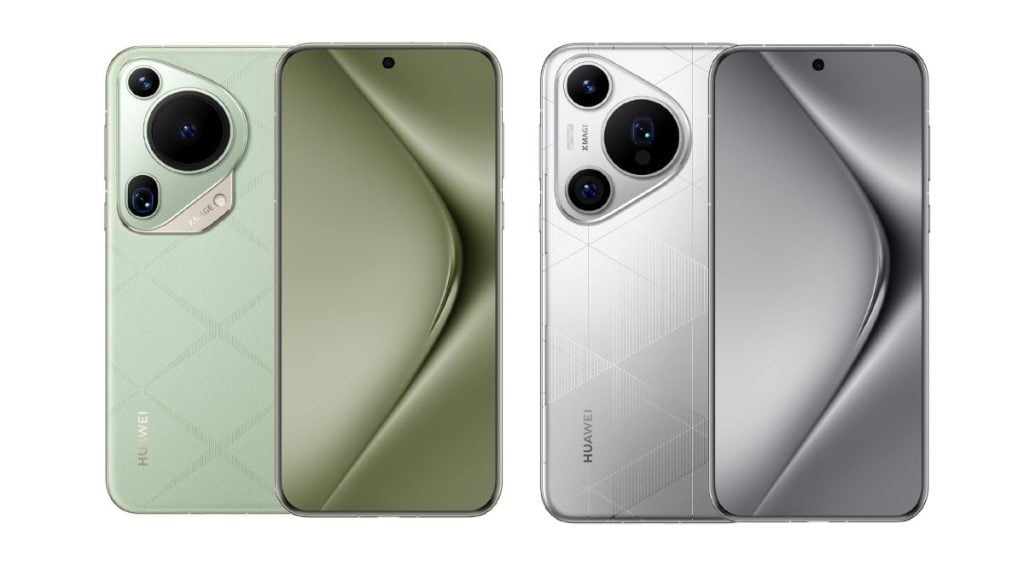
Huawei has announced the Pura 70 series of photography-focused flagship phones in China. The lineup comprises four models, such as the Pura 70, Pura 70 Pro, Pura 70 Pro+, and Pura 70 Ultra. This post mainly focuses on the Ultra and Pro+ editions.
The Kirin 9010 chipset, an upgraded version of the Kirin 9000s powering the Mate 60 series, powers the Pura 70 Ultra and Pura 70 Pro+. The chipset comprises two large cores working at 2.30GHz, six medium cores operating at 2.18GHz, and four small cores running at 1.55GHz. For graphics, it features the Maleoon 910 GPU, which is also available with the Kirin 9000s.
Huawei Pura 70 Ultra, Pura 70 Pro+ specifications and features
Huawei Pura 70 Ultra (left) | Pura P70 Pro Plus (right)
The Huawei Pura 70 series’s XMAGE image system is equipped with a one-inch, 50-megapixel camera sensor. It features a mechanically rotating telescopic lens structure that can expand and contract internally. The company claims it can endure at least 300,000 expansions and contractions. Furthermore, even at speeds of 300 km/h, it can capture clear images. The main camera supports a variable aperture ranging from f/1.6 to f/4.0 and features sensor-shift anti-shake technology for stabilized shots. It is accompanied by a 40-megapixel ultra-wide lens and an OIS-enabled 50-megapixel telephoto macro camera.
The Pura 70 Pro+ has the same primary camera with f/1.4~f/4.0 variable aperture and OIS support. It lacks the retractable lens system, which is exclusive to the Ultra model. It has a 12.5-megapixel ultra-wide lens and a 48-megapixel telephoto macro camera. Both phones have a 13-megapixel camera on the front.
The Pura 70 Pro+ and Ultra models have a 6.8-inch OLED LTPO panel that offers a resolution, a 1Hz–120Hz refresh rate, a 1440Hz PWM dimming, an in-screen fingerprint scanner, and second-generation Kunlun glass. The Pro+ has a 5,050mAh battery, whereas the Ultra edition has a 5,200mAh battery. Both phones support 100W wired and 80W wireless charging. In addition, both phones also offer 20W reverse wireless charging. Both phones run on Harmony OS 4.2 and offer specs, such as dual SIM, 5G, Wi-Fi 802.11ax, Bluetooth 5.2, NFC, an IR blaster, and satellite calling. Lastly, both phones come equipped with an IP68-rated chassis.
Huawei Pura 70 Ultra, Pura 70 Pro+ price and availability
The Huawei Pura 70 Ultra comes in two options, such as 16GB+512GB for 9,999 Yuan (~$1,380) and 16GB+1TB for 10,999 Yuan (~$1,520). It comes in shades like Star Black, Starburst White, Mocha Brown, and Chanson Green.
The Pura 70 Pro+ comes in two options, such as 16GB+512GB for 7,999 Yuan (~$1,105) and 16GB+1TB for 8,999 Yuan (~$1,245). It comes in color options, such as Phantom Black, Light Wooven Silver, and String White. Both phones are available for purchase in China.
Earlier this month, Redmi unveiled the Redmi Pad Pro in China. Soon after its launch, reports surfaced indicating the device’s imminent release in multiple markets, including India. Recently, the global version of the tablet was spotted in the database of the Google Play Console. Now, its Indian and Latin American variants have also surfaced on the Play Console, indicating that it will have a wider release in the global market.
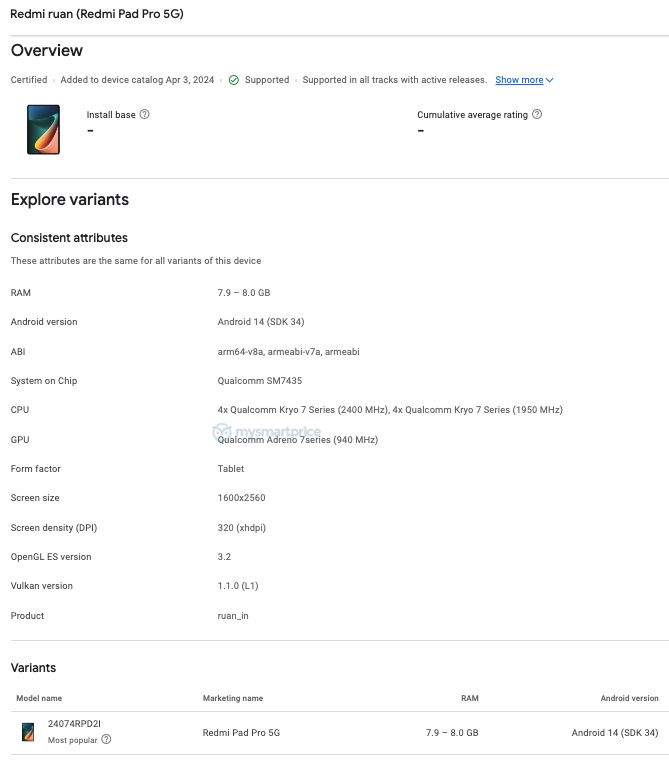
Redmi Pad Pro 5G Google Play Console listing
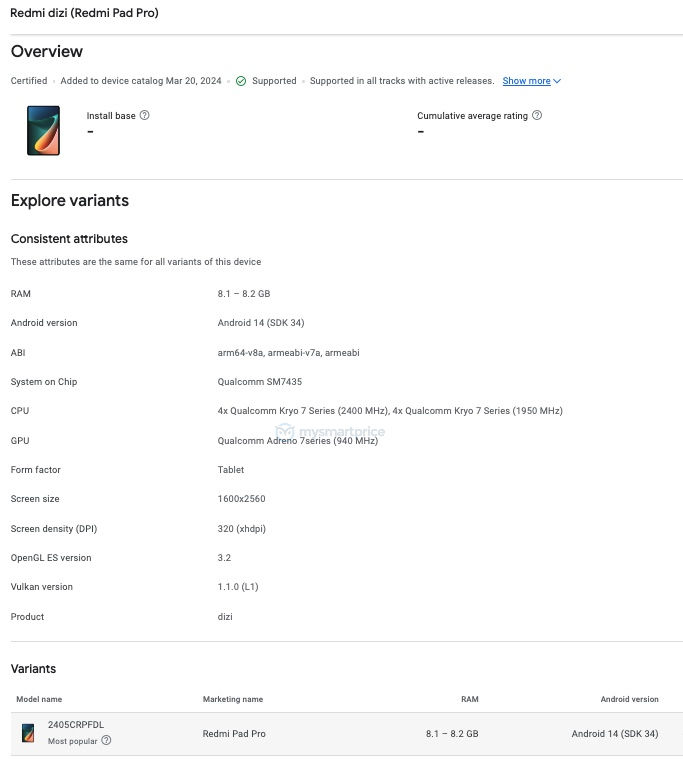
Redmi Pad Pro Play Console listing – Indian variantRedmi Pad Pro Play Console listing -Latin American variant
Shown above are the Play Console listings of the Redmi Pad Pro’s Indian and Latin American variants. The specifications mentioned in the listing are the same as its Chinese counterpart. What’s interesting is that the Indian version, which bears the 24074RD2I model number, has the Redmi Pad Pro 5G as the marketing name. This indicates that the device will support 5G connectivity.
However, the Latin American edition, which has the 2405CRPFDL model number, does not have “5G” mentioned in its moniker. The Snapdragon 7s Gen 2 powers the Redmi Pad Pro. However, its Chinese edition does not have a cellular variant. While it appears that China may receive its 5G version in the future, what seems certain is that the Indian market will get the 5G version of the device.
Redmi Pad Pro specifications
The Redmi Pad Pro has a 12.1-inch IPS LCD panel that offers a 2.5K resolution and a 120Hz refresh rate. The Snapdragon 7s Gen 2 chip-powered tablet is available with 6 GB / 8 GB of LPDDR4x RAM and 128 GB / 256 GB of UFS 2.2 storage in China. It packs a 10,000mAh battery with 33W fast charging. It has an 8-megapixel camera on the front and another 8-megapixel camera with an LED flash on the back. It runs on the HyperOS-based Android 14.
We use cookies on our website to give you the most relevant experience by remembering your preferences and repeat visits. By clicking “Accept”, you consent to the use of ALL the cookies.
This website uses cookies to improve your experience while you navigate through the website. Out of these, the cookies that are categorized as necessary are stored on your browser as they are essential for the working of basic functionalities of the website. We also use third-party cookies that help us analyze and understand how you use this website. These cookies will be stored in your browser only with your consent. You also have the option to opt-out of these cookies. But opting out of some of these cookies may affect your browsing experience.
Necessary cookies are absolutely essential for the website to function properly. This category only includes cookies that ensures basic functionalities and security features of the website. These cookies do not store any personal information.
Any cookies that may not be particularly necessary for the website to function and is used specifically to collect user personal data via analytics, ads, other embedded contents are termed as non-necessary cookies. It is mandatory to procure user consent prior to running these cookies on your website.