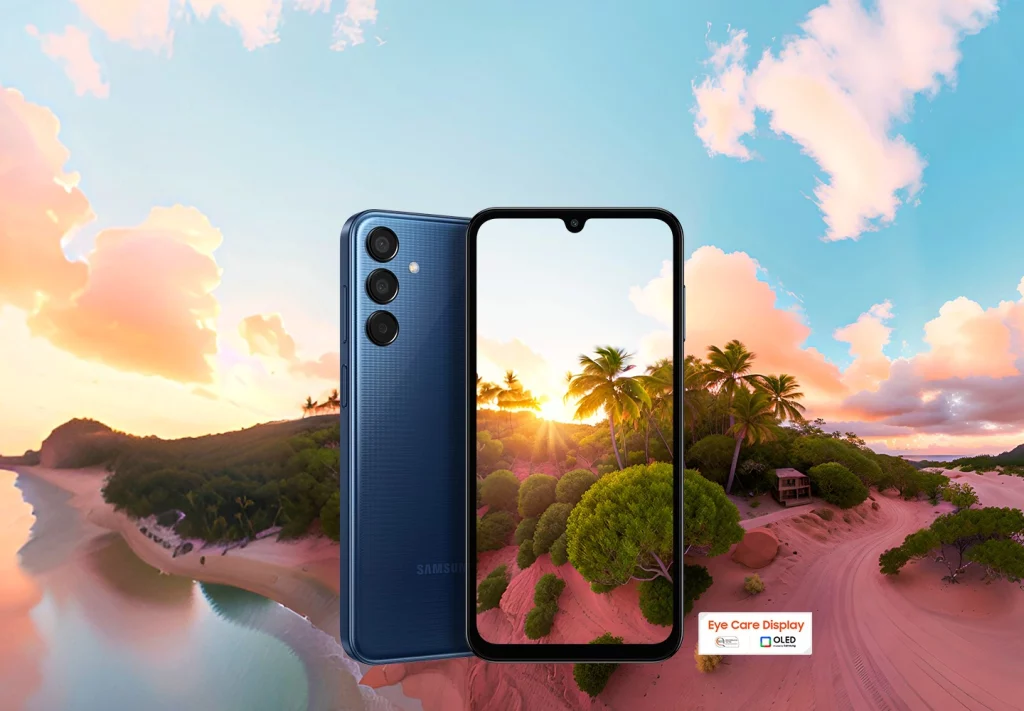
Samsung is preparing to debut a couple of Galaxy M series smartphones soon in India. We recently covered the Galaxy M55 5G’s Amazon India teaser, and now, the brand has also teased the Galaxy M15 5G on the online retailer’s website.
The Amazon microsite of the Galaxy M15 5G reveals that it has a massive 6,000mAh battery and an sAMOLED display. The phone is likely to be an Amazon exclusive since it is being promoted as an “Amazon Specials” launch. Although no further details have been revealed by the teaser, the device was officially unveiled by Samsung earlier this month, so we pretty much know everything about the specs already.
Samsung Galaxy M15 5G specs:
The Galaxy M15 5G has a 6.5-inch sAMOLED display with 90Hz refresh rate and a resolution of 1080 x 2340 pixels. The phone boasts a triple camera setup on the back consisting of a 50MP primary camera, paired with a 5MP ultra-wide camera and a 2MP macro lens. The front water-drop notch hosts a 13MP selfie snapper.
Under the hood, the smartphone boasts a 2.2Ghz octa-core processor that is more than likely to be a Dimensity 6100+ SoC. The processor is paired with 4GB of RAM and 128GB of storage, and there is an option for memory expansion via a microSD card. On the software side, the device runs on an Android 14 operating system. As mentioned above, it features a 6,000mAh battery with 25W fast charging.
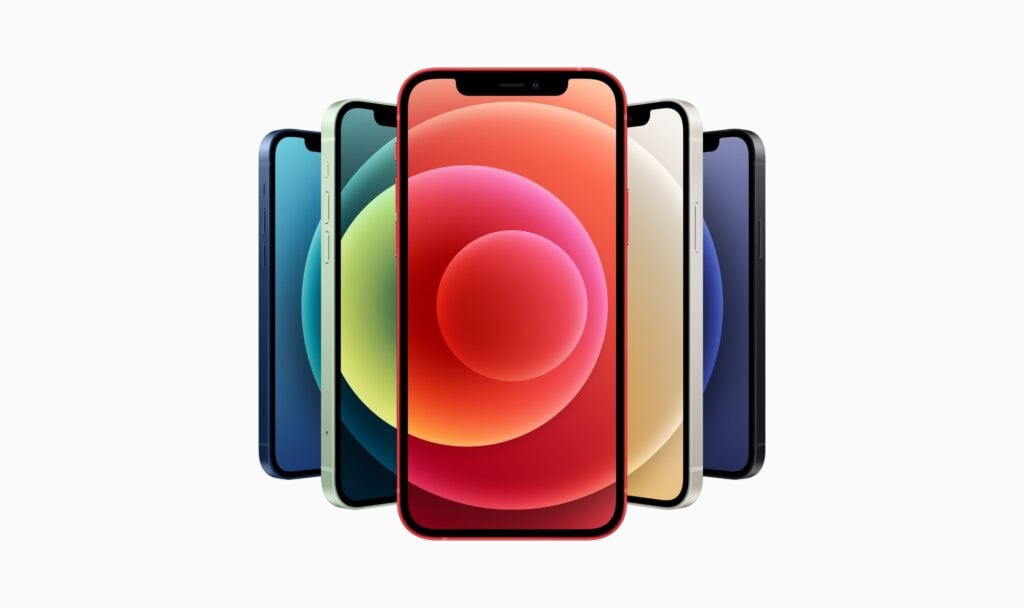
Apple’s latest iOS 17.4 update, primarily associated with compliance with the EU Digital Markets Act, came with a pleasant surprise for iPhone 12 users. The new update enables compatibility with the advanced Qi2 wireless charging standard for the smartphone.
Tests conducted by the publication Macworld reveal that iPhone 12s running iOS 17.4 can now wirelessly charge at 15W even when using a Qi2 charger that isn’t Apple’s certified MagSafe charger.
In their tests, iPhone 12’s charging times between MagSafe and Qi2 chargers were remarkably similar, taking around 20 minutes to reach 30 percent battery and 45-50 minutes to reach 50 percent.
Additionally, the report notes that the phone now shows the 15W-only charging animation when connected to these chargers, although Apple has not mentioned this feature in its official release notes.
Previously, iPhone 12s were limited to a charging speed of 7.5W on non-MagSafe Qi wireless chargers. Apple did a similar upgrade for the iPhone 13 and iPhone 14 back in December with the iOS 17.2 software update. And now 2020’s iPhone 12 has also joined the party.
Qi2 is a new wireless charging standard with better efficiency in wireless power transfer and robust magnetic alignment, bearing similarities to Apple’s MagSafe technology.
This resemblance isn’t surprising, considering Apple’s prominent role in the Wireless Power Consortium (WPC), the entity behind the Qi standard. So their influence on Qi2’s development is evident.
For iPhone 12 users, this update translates to more freedom in wireless charging. Now, even non-MagSafe Qi2 chargers can deliver the same speedy 15W charging, expanding the range of charger options available without compromising performance.
Musk’s AI startup xAI just introduced Grok-1.5 which apparently brings some significant improvement over the previous version.
An improved short-term memory
Grok-1.5 is now capable of processing 128k tokens which is 16 times higher than the previous version. It essentially enables the model to offer 16 times higher short-term memory and as a result, the ability to process substantially longer documents.
For those unfamiliar, in LLMs, tokens are the smallest units of data that can be processed. In the context of text, a token can be a word or a part of a word. Reportedly, the enhanced version of Grok can also deal with more complex prompts.
Grok-1.5 performs in coding and math-related problems
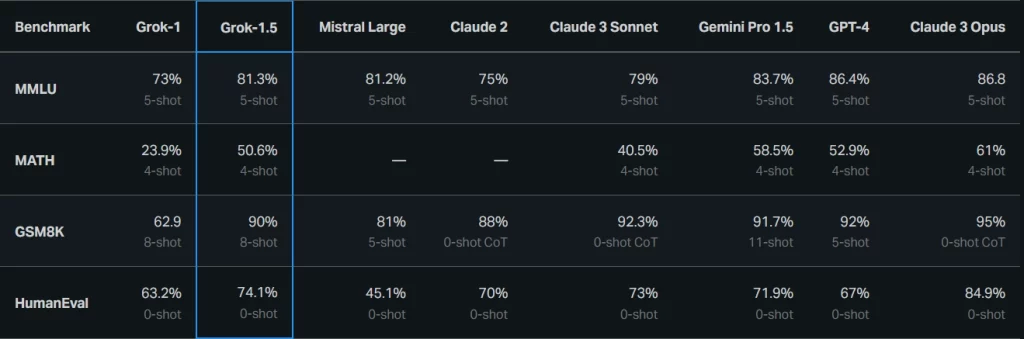
Grok-1.5 now also performs better coding and math-related tasks. To give an idea, Musk’s AI startup has shared some benchmark results they have tested with the new model.
“In our tests, Grok-1.5 achieved a 50.6% score on the MATH benchmark and a 90% score on the GSM8K benchmark, two math benchmarks covering a wide range of grade school to high school competition problems.” xAI added “Additionally, it scored 74.1% on the HumanEval benchmark, which evaluates code generation and problem-solving abilities.”
Grok-1.5 is built on a custom distributed training framework based on JAX, Rust, and Kubernetes. A custom training coordinator ensures that problematic nodes are automatically detected and removed from the training job. In short, they have managed to optimize their training process.
Grok is currently limited to X Premium+ subscribers. Speaking of the availability of Grok-1.5, the platform notes that early testers and existing Grok users or X Premium+ subscribers will get the opportunity ‘soon’. It’s expected to be gradually rolled out to a wider audience.
After multiple teasers, Nubia has finally launched the Red Magic 9 Pro+ Bumblebee Transformers Edition smartphone in China. While the core features of the device are the same as a regular Red Magic 9 Pro+, what makes it stand out is its highly customized look.
For starters, the device comes with a Black and Yellow paint job, paired with a metallic and carbon fiber texture finish. The back has the Autotos logo as well as “BUMBLEBEE” engraved on it. The packaging is also fully customized, with easter eggs like Bumblebee’s known codenames N.B.E.2. and B-127.
Inside the box, there are more customized goods, like a black and yellow magnetic Cooler 4 Pro, a custom 165W GaN charger, a themed card removal pin, and a black and yellow USB-C data cable. The package also includes a Bumblebee badge and a Magnetic eSports protective case. As for software, the new phone comes with a Custome UI themed after Transformers and Bumblebee.
Specifications:
The Red Magic 9 Pro + Bumblebee Transformers Edition comes with a 6.8-inch 1.5K OLED BOE Q9+ display with 120Hz refresh rate and a 1600nits peak brightness. Under the hood, it has a Snapdragon 8 Gen 3 chipset, paired with 16GB of RAM and 512GB of storage. It has a 50MP S5KGN5 OIS primary camera sensor, a 50MP S5KJN1 ultra-wide sensor, a 2MP GC02M1 macro camera, and a 16MP selfie camera.
The device draws power from a 5500mAh battery, supported by 165W fast charging. Like any gaming phone, it comes with dedicated shoulder buttons, as well as Dual stereo speakers. It also has a 3.5mm jack in case you wish to hook up wired earbuds for low-latency audio. The phone includes WiFi 7 support and Bluetooth 5.3 for connectivity.
Pricing & availability
The Red Magic 9 Pro + Transformers Bumblebee Edition comes with a price tag of 6,499 yuan ($899) for its sole 16GB RAM + 512GB storage configuration. It is currently on sale in China through retailers like JD.com. The brand has not released any information on if or when it plans to make this special edition available in the global market.
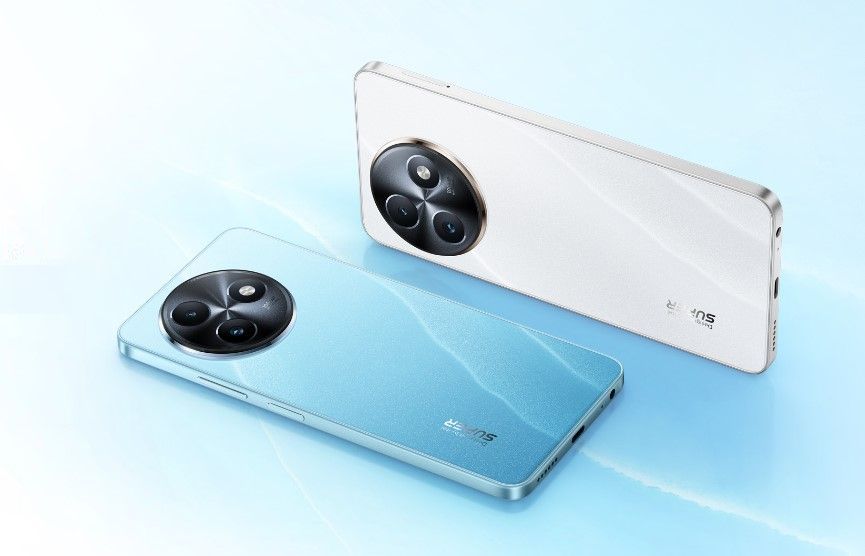
Last year, itel unveiled the S23 and S23 Plus smartphones. To be specific, the S23 was announced in June, whereas the Plus edition debuted in September. Now, without any fanfare, the brand has listed the itel S24 on its website with all its specifications and features. While the listing reveals almost everything about the device, there is no information about its price or availability.
Itel S24 specifications and features
itel S24
The itel S24 has a 6.6-inch IPS LCD panel with a punch-hole design. The screen offers an HD+ resolution, a 90Hz refresh rate, and a peak brightness of 480 nits.
Under the hood, the itel S24 will feature the Helio G91 chipset. It will arrive in three LPDDR4x + eMMC storage variants, such as 4GB + 128GB, 8GB + 128GB, and 8GB + 256GB. The device also offers up to 8 GB of virtual RAM and a microSD card slot.
The device will pack a 5,000mAh battery that will support 18W charging via a USB-C port. It will also have support for bypass charging, which sends power directly to the motherboard by bypassing the battery.
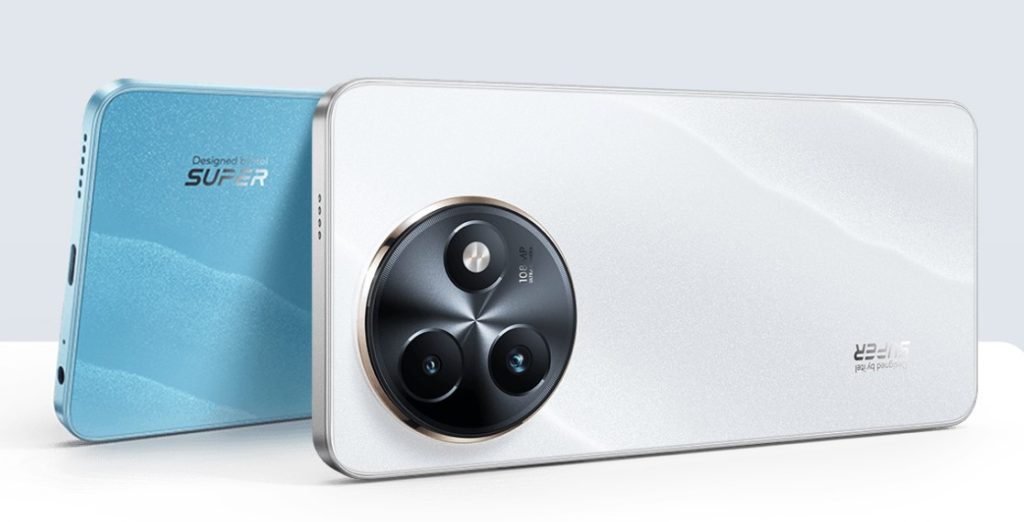
For selfies, the itel S24 has an 8-megapixel camera on the front. The round camera module on the back has a Samsung ISOCELL HM6 108-megapixel main camera with 3x in-sensor zoom and EIS support.
itel S24
The image of the itel S24 suggests that it also features dual speakers and a 3.5mm audio jack. It will come preloaded with itel OS 13, but the exact Android version has not been mentioned. The device has a thickness of 8.3mm and weighs 192 grams. It will be available in three shades, such as Starry Black, Dawn White, and Coastline Blue. It appears that the device will have a sub-$150 price tag.
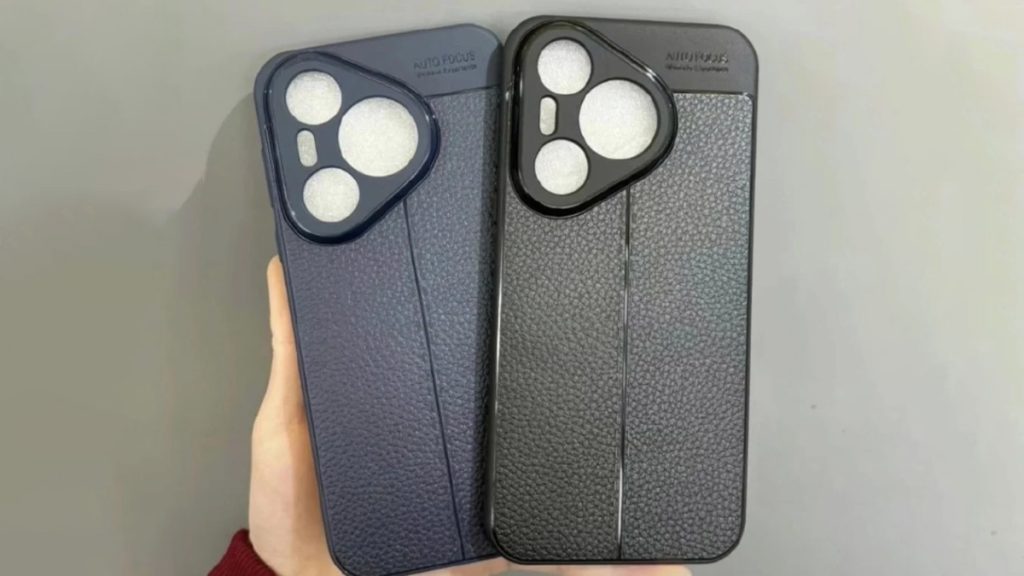
Rumors about Huawei‘s upcoming flagship P70 series have been swirling for a while now. A recent wave of leaks now suggests that an official unveiling is imminent.
A leaked screenshot of what appears to be a Huawei P70 series launch poster surfaced on Weibo suggesting a possible launch date of April 2nd.
Following this leak, other sources started revealing key specifications of the smartphones. These leaks suggest that the P70 series might comprise four models — the Huawei P70, P70 Pro, P70 Pro+, and P70 Art.
However, it’s important to note that the authenticity of these leaks hasn’t been confirmed yet, so it’s best to approach them with caution.
Rumors suggest that Huawei plans to use the Kirin 9000S chipset in all P70 models. However, the chipset, manufactured by SMIC, is currently facing scrutiny due to potential violations of US export restrictions.
In terms of display sizes, the P70 series is expected to feature panels ranging from 6.58 inches to 6.76 inches, all using LTPO OLED technology.
The Pro and Pro+ models may come equipped with a 50MP IMX989 1″ main camera sensor, while the standard P70 might feature a 50MP OV50H sensor. Additionally, all variants are said to share a 13MP selfie camera.
Battery capacities are rumored to range from 5,000 mAh to 5,200 mAh, with support for fast-wired charging up to 88W and wireless charging up to 80W. As for pricing, if the leaks are accurate, it could start at around $700 for the base P70 model and go up to $1,400 for the top-of-the-line P70 Art variant.
Here’s a breakdown of the specs of the Huawei P70 series:
Huawei P70
Huawei P70 Pro
Huawei P70 Pro+
Huawei P70 Art
Chipset
Kirin 9000S
Kirin 9000S
Kirin 9000S
Kirin 9000S
Display
6.58″ LTPO OLED
6.76″ LTPO OLED
6.76″ LTPO OLED
6.76″ LTPO OLED
Main camera
50 MP OV50H 1/1.3
50 MP OV50H 1/1.3
50 MP IMX989 1″
50 MP IMX989 1″
Selfie camera
13 MP 1/2.36″
13 MP 1/2.36″
13 MP 1/2.36″
13 MP 1/2.36″
Battery
5,000 mAh
5,200 mAh
5,100 mAh
5,100 mAh
Charging
88W wired + 50W wireless
88W wired + 80W wireless
88W wired + 80W wireless
88W wired + 80W wireless
Starting price
CNY4,999 ($700) for 12/512 GB
CNY6,999 ($970) for 12/256 GB
CNY8,999 ($1,200) for 16/512 GB
CNY9,999 ($1,400) for 16/512 GB
If the rumored launch date holds true, Huawei will probably make an official announcement very soon.
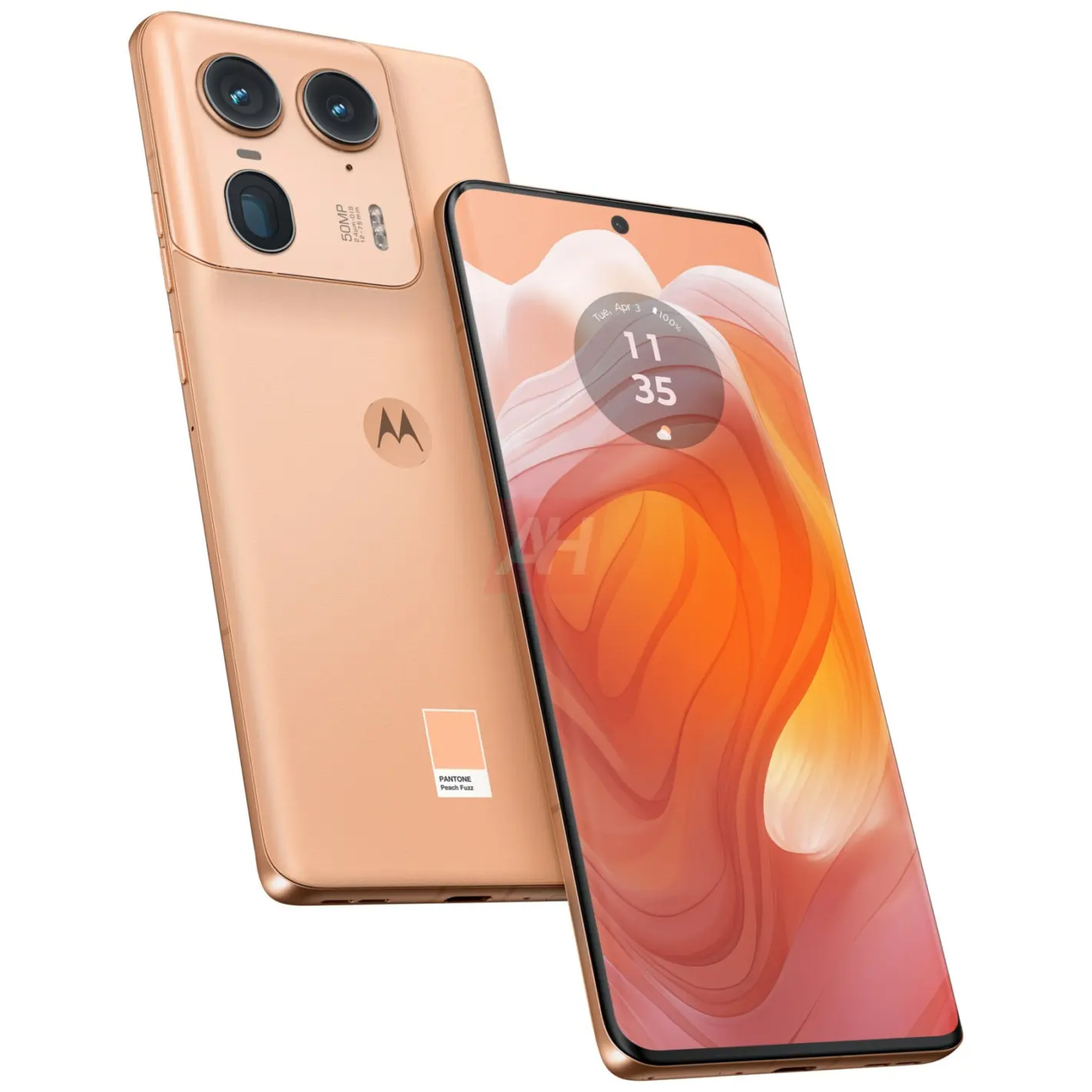
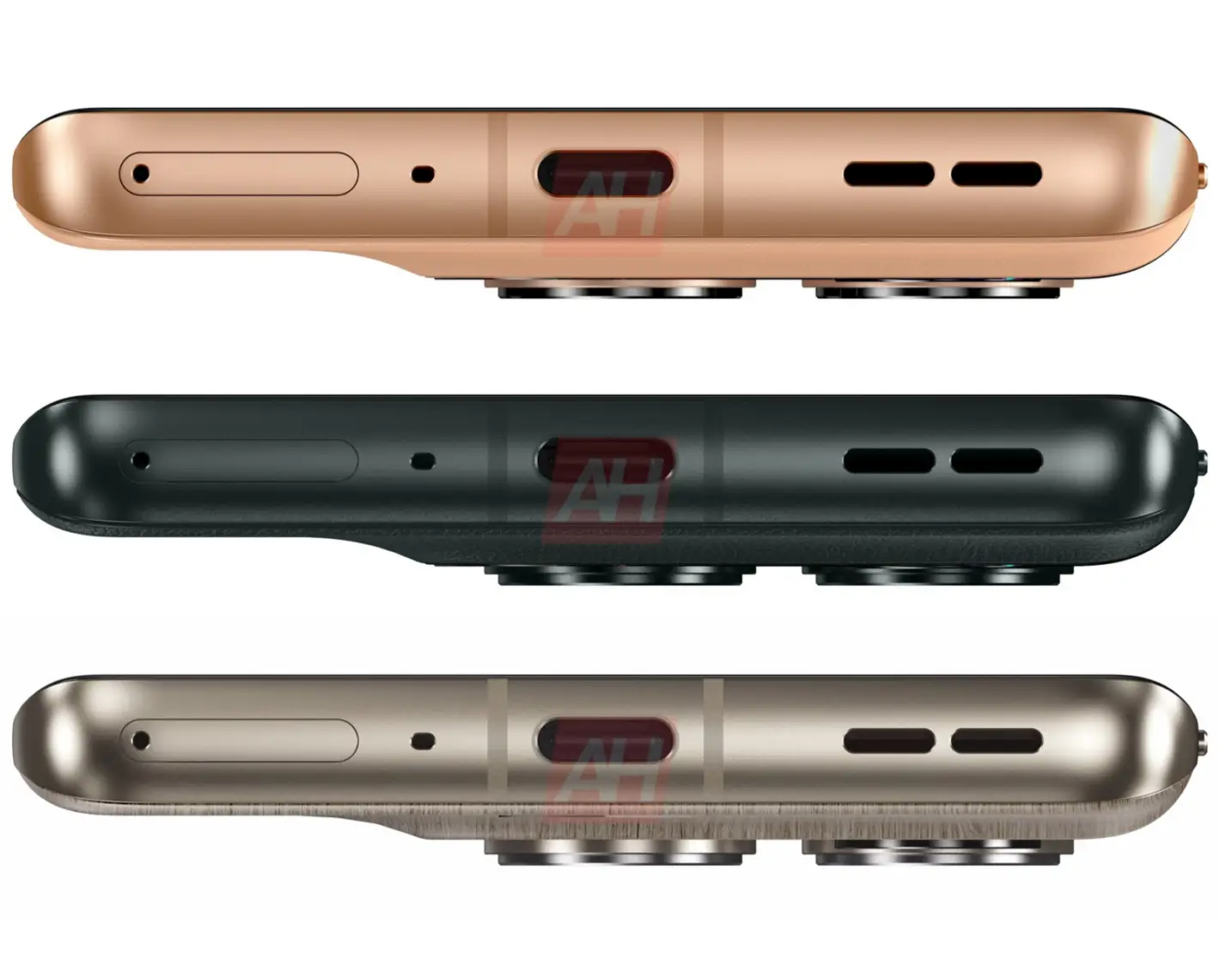
On April 3, Motorola will announce the Motorola Edge 50 Pro equipped with the Snapdragon 7 Gen 3 in India. The Edge 50 series is also said to include other models, such as the Edge 50 Fusion and Edge 50 Ultra. The Ultra variant is likely to be called the Moto X50 Ultra in China and the Motorola Edge+ 2024 in the US. A new report by AndroidHeadlines has revealed the design and color options of the Edge 50 Ultra. In addition, a leaker from China has tipped the key specifications of the device.
Motorola Edge 50 Ultra specifications (rumored)
It can be said based on the above leak that the Motorola Edge 50 Ultra / Moto X50 Ultra’s display will support a 1.5K resolution. The rear camera setup will have a 50-megapixel main camera with an f/1.4 aperture. Related rumors suggest that the main camera is coupled with a 50-megapixel ultra-wide lens and a 50-megapixel periscope telephoto camera with a 72mm focal length and 3x or 5x optical zoom.
Under the hood, the device will feature the Snapdragon 8s Gen 3 chipset and a 4,500mAh battery. The leak also reveals that the device will support 50W wireless charging and 125W wired charging. It is expected to run on Hello UI-based Android 14, like the Edge 50 Pro. For durability, it will feature a metal middle frame.
The Edge 50 Ultra’s render shows it has a curved-edge OLED display on the front. Its back panel has three cameras, accompanied by a laser autofocus unit, a microphone, and a triple LED flash.
The right edge of the Edge 50 Ultra has buttons for volume and power. Its bottom edge features a speaker grille, a USB-C port, a microphone, and a SIM slot. As can be seen in the images, the device will come in three shades, such as Peach Fuzz, Black, and Light Beige.
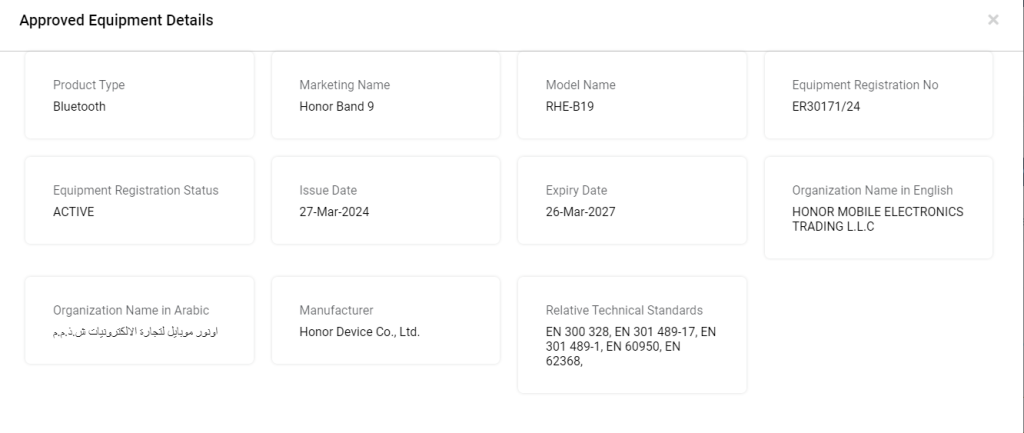
Honor recently launched the Band 9 smartwatch/fitness tracker in the Chinese market along with many other products like the Marvel Portable Bluetooth Speaker Pro, and GS4 smartwatch. While there’s no news yet on when the GS4 smartwatch or the Marvel Portable Bluetooth Speaker Pro will be available globally, a new certification has revealed that the Honor Band 9 is set to arrive in more markets soon.
The Band 9 has arrived on UAE’s TDRA certification website with model number RHE-B19. The certification has confirmed the “Honor Band 9” moniker. This certification indicates that the smartwatch will soon be launched in the UAE. The certification does not reveal any information on the specifications, however, since the device is already official in China, we already have an idea of what to expect.
Honor Band 9 specs:
The Honor Band 9 features a 1.57-inch rectangular AMOLED display with 402 x 256 pixels resolution, 302 PPI, and a 60Hz refresh rate. It features a plastic body that offers up to 5ATM waterproofing.
It has 96 sports modes and features like sleep tracking, heart rate measurement, blood oxygen level monitoring, and stress level tracking. For connectivity, it uses Bluetooth 5.3 and is compatible with Android 9.0+ smartphones and iOS 11+ iPhones. It also includes music playback control, call alerts, app notifications, weather updates, alarms, and more. With a full charge, the device boasts a battery life of up to 14 days.
Realme is reportedly working on the Realme GT Neo 6 series of smartphones for the Chinese market. The GT Neo 6 SE and GT Neo 6 smartphones will feature the Snapdragon 7+ Gen 3 and the Snapdragon 8s Gen 3 chipsets, respectively. The model number of the SE hasn’t surfaced yet, but the GT Neo 6 is said to have the RMX3850 model number. Moreover, rumors suggest that the GT Neo 6’s global version will sport the RMX3851 model number. In a new development, the RMX3851 variant has appeared in the database of Indonesia’s SDPPI certification platform. Surprisingly, it reveals that the device will have a different name in the global market.
Realme GT 6 key details revealed
Realme GT 6 SDPPI listing
As can be seen in the above screengrab, the Realme RMX3851’s SDPPI certification listing reveals that it will be called the Realme GT 6 when it debuts in Indonesia.
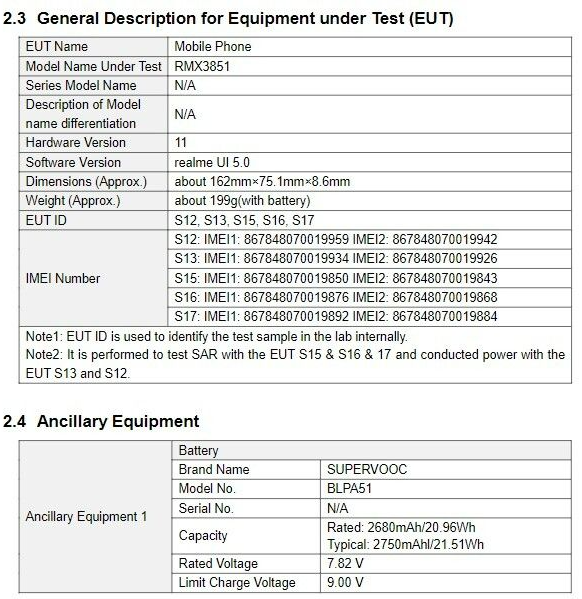
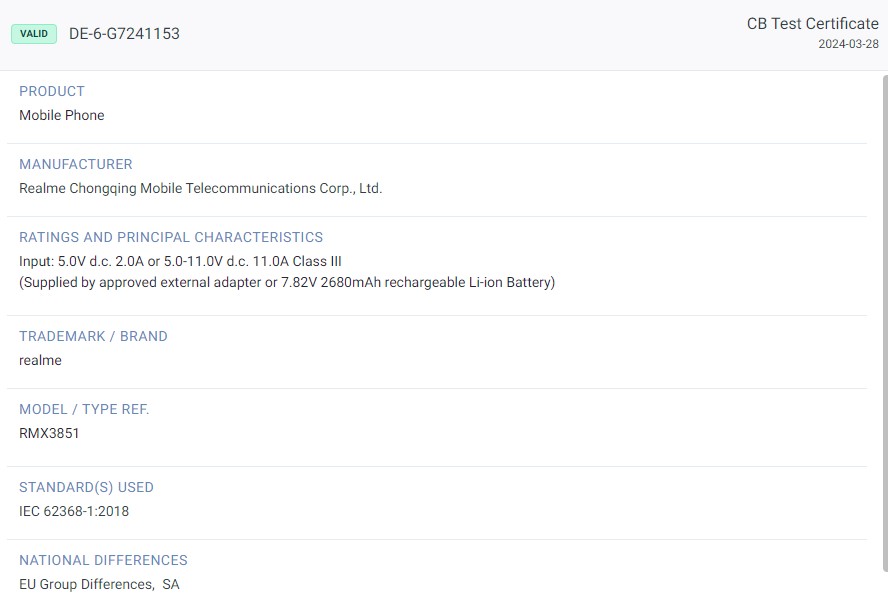
Apart from SDPPI, the device has also received approval from the FCC and CB Test certification platforms. The former reveals that the Realme GT 6 will run on Realme UI 5.0 and support SuperVOOC fast charging but does not specify its exact charging speed.
Realme GT 6 FCCRealme GT 6 CB Test
Both certifications show that the Realme GT 6 will feature a 2,680mAh (rated value) dual-cell battery. However, the FCC listing also mentions the typical value as 2,750mAh. This suggests that a 5,500mAh dual-cell battery powers the device. As per the FCC certification, the Realme GT 6 measures 162 x 75.1 x 8.6mm and weighs 199 grams.
The RMX3851 device was previously seen on Geekbench and AnTuTu. The listing revealed that it will feature the Snapdragon 8s Gen 3 chipset, 16 GB of RAM, and Android 14. On AnTuTu, it was spotted with 1,846,775 points. It has also been certified in India and Europe, indicating that it will be released in multiple markets.
Reports have revealed that the upcoming Poco F6 will feature the Snapdragon 8s Gen 3 chipset. Therefore, it appears that the F6 may face competition from the Realme GT 6 in the global market.
We all know that a major change is coming to iPhones soon, with Apple finally announcing support for RCS messaging. This would mean a better experience for everyone, regardless of whether someone is using an iPhone or an Android device. But Google’s new Android webpage seems to point towards exactly when this will happen – The Fall, which could mean anywhere between August and November, possibly even sooner.
RCS brings a lot more to the table than traditional texting
RCS, or Rich Communication Services, is a modern messaging standard that offers a richer and more feature-filled experience compared to traditional texting. It essentially upgrades your texting capabilities to be more on par with what you might be used to with messaging apps like WhatsApp or Facebook Messenger.
Here’s what RCS brings to the table:
Crystal Clear Sharing: Share photos and videos with your contacts without worrying about quality loss. RCS allows for sending larger file sizes, ensuring media arrives looking crisp and clear.
Real-time Chat Features: No more wondering if your message went through! RCS offers typing indicators, so you’ll know when your recipient is composing a reply. Plus, you’ll get read receipts, letting you know when your message has been delivered and seen.
Enhanced Group Chats: Group chats can often be chaotic with SMS/MMS. RCS basically helps bring order to the madness. It allows for features like group chat names, participant lists, and message threading, making it easier to follow conversations and avoid confusion.
While RCS offers these benefits, it’s important to note that Apple’s messaging app, iMessage, will still exist and be displayed in blue bubbles. RCS messages, on the other hand, will appear in green bubbles. This distinction helps users know if they’re messaging someone within the iMessage ecosystem or using a different platform. Apple clearly doesn’t want to remove the iMessage ecosystem USP from its catalog, and its making sure of this.
The highly-anticipated 2024 Skyworth EV6 520 luxury version has been launched in China, boasting a manufacturer’s suggested retail price of 306,800 yuan. This premium electric vehicle promises an driving range of 520 kilometers under NEDC conditions, making it ideal for longer journeys.
The car is equipped with a large 12.8-inch central control screen
While maintaining the sleek lines of the standard EV6, the 520 takes design a step further. The modern “Bauhaus” influence is evident in the closed front grille, accentuated by a matrix laser grille light setup. Streamlined aesthetics continue in the back with eye-catching through-type taillights.
Stepping inside the 520’s cabin, a sophisticated ambience will greet the driver (or the passenger). The black and brown color scheme creates a luxurious feel, complemented by tasteful chrome accents. For enhanced driving comfort and convenience, the car is equipped with a large 12.8-inch central control screen, a 360-degree reversing camera system, rear parking radar, and automatic climate control. Modern essentials like LED headlights, one-touch window controls, an electric tailgate, a leather steering wheel, and tire pressure monitoring are also included.
The 2024 Skyworth EV6 520 offers a spacious interior with dimensions measuring 4720mm in length, 1908mm in width, and 1696mm in height. A generous 2800mm wheelbase provides ample legroom for passengers. Powering the car is a single front-mounted electric motor producing 150 kilowatts of maximum power and 320 Nm of torque.
The highlight of the 520 lies in its battery. Equipped with a 71.98 kWh ternary lithium battery, it delivers a remarkable pure electric range of 520 kilometers (NEDC), ensuring you can travel farther with fewer stops to recharge.
Snapchat+ just got a whole lot cuter with the introduction of AI-powered pet Bitmojis. This exclusive feature for subscribers lets users transform their pets into a cartoon avatar that joins the owner on the Snap Map.
Snapchat will only be rolling out this feature for its premium users
Users simply have to snap a picture of the feline or canine companion, and the AI will generate a few different cartoon versions for you to choose from. While you may not have the same level of customization available for your human Bitmoji, the AI should capture the essence of your pet, making them a virtual twin on the Snap Map.
Since its launch in 2022, the subscription service has offered exclusive access to AI-powered experiences like the MyAI assistant, creative camera filters with Dreams, and even AI-generated snaps. More and more companies are putting their AI assistants behind subscriptions, including X (formerly Twitter), but behind those subscriptions are products such as these that users keep paying for. Snapchat has had a pretty good run with its own subscription model so far.
If you’re reading this and you’re not a Snapchat+ subscriber, there’s a fair amount of good news! The app is rolling out some updates for everyone. A new template feature promises to simplify clip editing, while new swipe gestures aim to make sending and editing snaps a breeze. Additionally, you can now upload longer videos – in-app captures can be up to three minutes, and uploads can be as long as five minutes, giving users more creative freedom for Snapchat Stories.
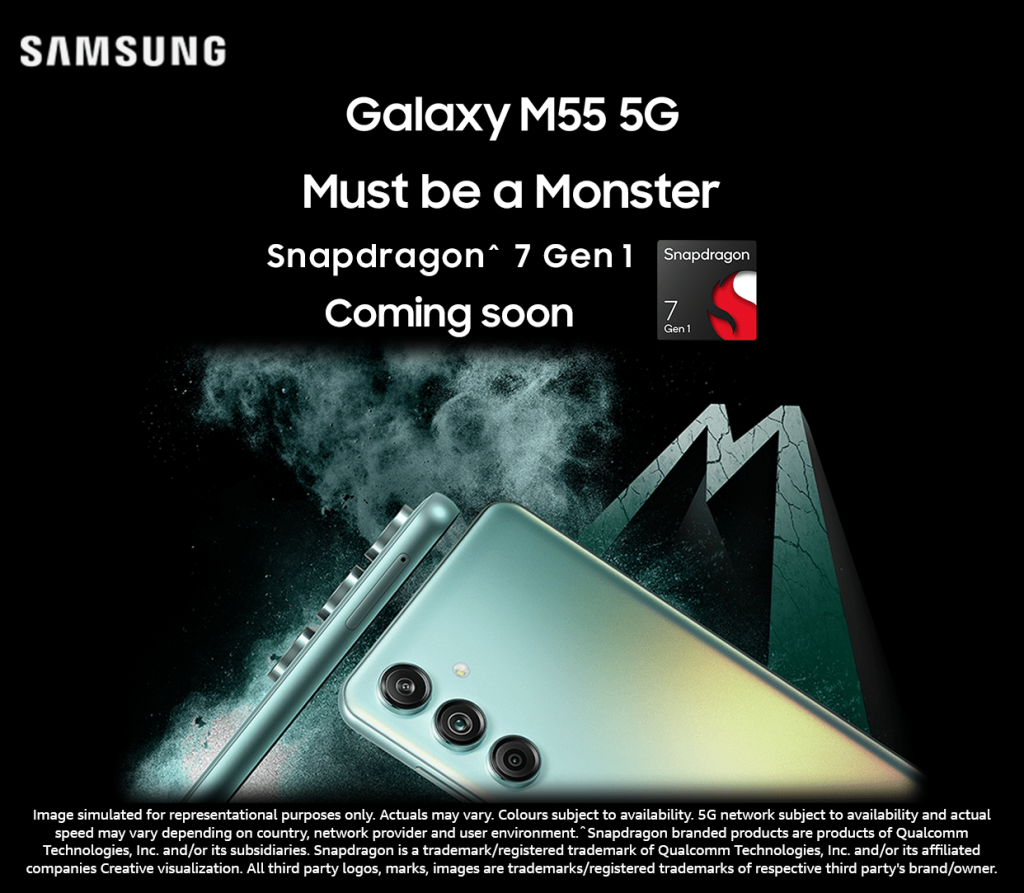
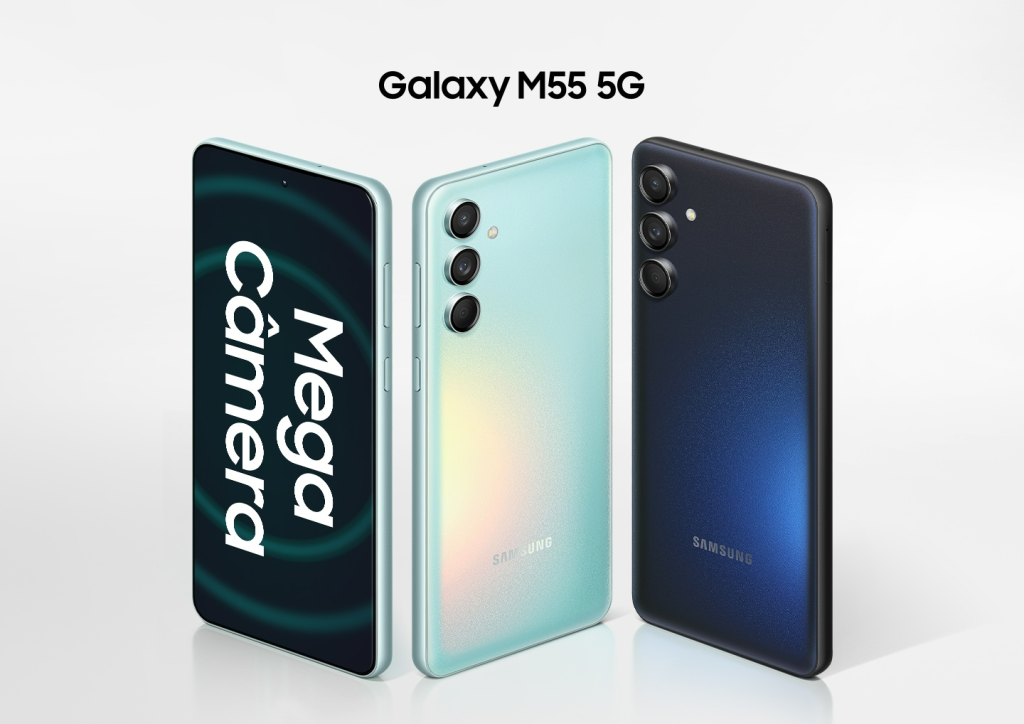
Samsung recently launched the Galaxy M55 5G smartphone in Brazil. Samsung India has now teased the device for the Indian market as well. The teaser over at Amazon India reveals that the device will come with a Snapdragon 7 Gen 1 processor.
This processor was launched back in May 2022 and was used in devices like the Oppo Reno 8 Pro, the Xiaomi CIVI 2/Xiaomi 13 Lite, the Honor 90 & Motorola Razr 40. In addition to the teaser, tipster Sudhanshu Ambhore has spilled the beans on how much this phone will cost in India.
As per Sudhanshu, the Galaxy M55 5G will launch in three configurations in the Indian market. The base 8GB + 128GB configuration will cost ₹26,999, while the 8GB+256GB and 12GB+256GB configurations will cost ₹29,999 and ₹32,999, respectively. Keep reading to find out more about the Galaxy M55 5G.
Samsung Galaxy M55 5G specs:
The Galaxy M55 5G boasts a 6.7-inch AMOLED Plus display with a punch-hole design for the camera. It delivers a Full HD+ resolution, a 120Hz refresh rate, up to 1,000 nits of peak brightness. For security, it incorporates an in-screen fingerprint scanner.
Under the hood, the device features a Snapdragon 7 Gen 1 chipset, powered by a 5,000mAh battery with support for 45W fast charging. As for software, the device comes with Android 14-based One UI 6.1. Connectivity options include Wi-Fi 6, Bluetooth 5.2, NFC, and a USB-C port.
For optics, the device has a 50-megapixel primary camera with OIS, an 8-megapixel ultra-wide camera, and a 2-megapixel macro camera. on the front, you get a 50-megapixel selfie snapper.
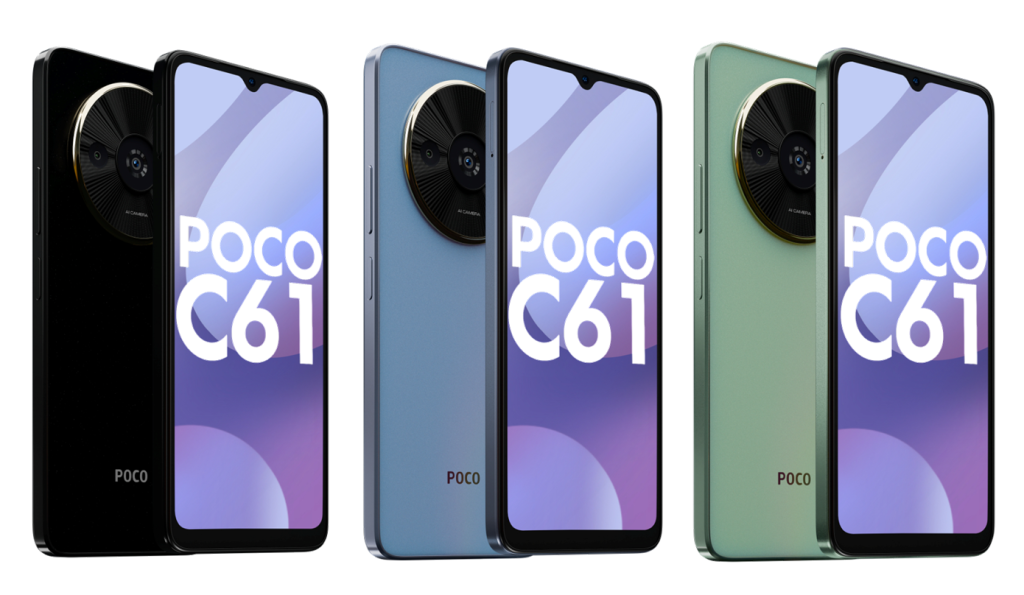
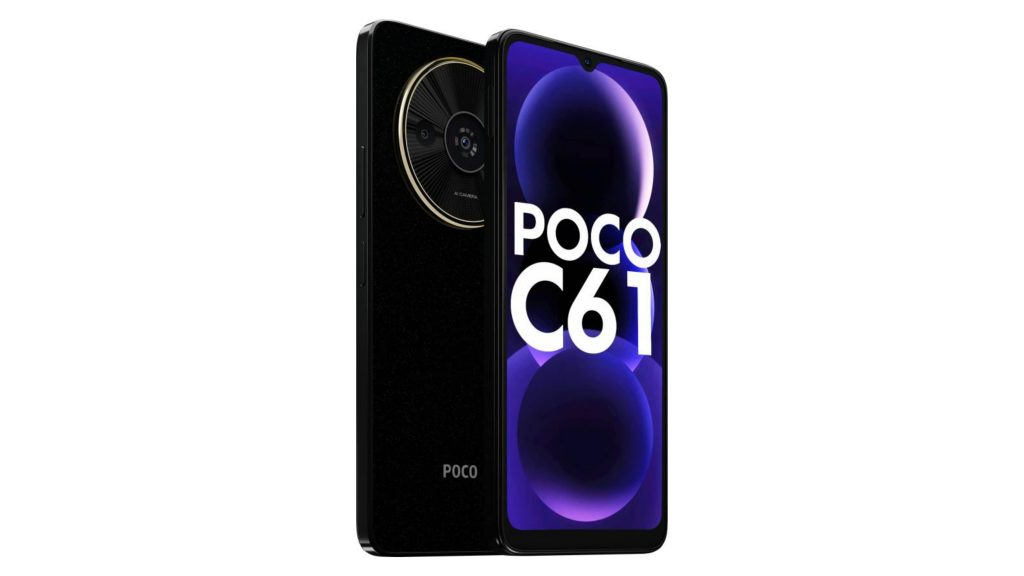
Earlier this week, POCO launched the POCO C61 smartphone in the Indian market. The device is essentially a rebranded version of the Redmi A3 and comes with a cheaper price tag. Now, it is available to purchase from Flipkart at exciting early bird prices.
Poco C61
POCO C61 pricing
The POCO C61 comes in two variants:
4GB + 64GB – ₹7,499 (~$90)
6GB + 128GB – ₹8,499 (~$100)
However, with the early bird offer, it is currently available for ₹6,999 and ₹₹7,999 for the 4GB + 64GB and 6GB + 128GB configurations on Flipkart.
As for color options, it is available in Diamond Dust Black, Ethereal Blue, and Mystical Green.
POCO C61 specs:
The POCO C61 comes with a 6.71-inch screen featuring a dewdrop notch and Corning Gorilla Glass 3 protection. It has an LCD panel with a resolution of 1650 x 720 pixels, along with a 90Hz refresh rate & 500nits peak brightness.
Under the hood, it features a MediaTek Helio G36 SoC, accompanied by LPDDR4x RAM and eMMC 5.1 storage. The phone has a 5,000mAh battery and offers 10W charging via USB Type-C. As for software, it comes with Android 14 out of the box.
In the camera department, the phone sports a dual rear camera setup comprising an 8MP primary sensor and a 0.08MP secondary sensor. Meanwhile, a 5MP shooter handles selfies on the front.
For security, the Poco C61 integrates a side-mounted fingerprint sensor. Additionally, it features a dedicated MicroSD card slot and a 3.5mm headphone jack. Connectivity options include dual SIM, 4G, WiFi 5, Bluetooth 5.3, and GNSS.
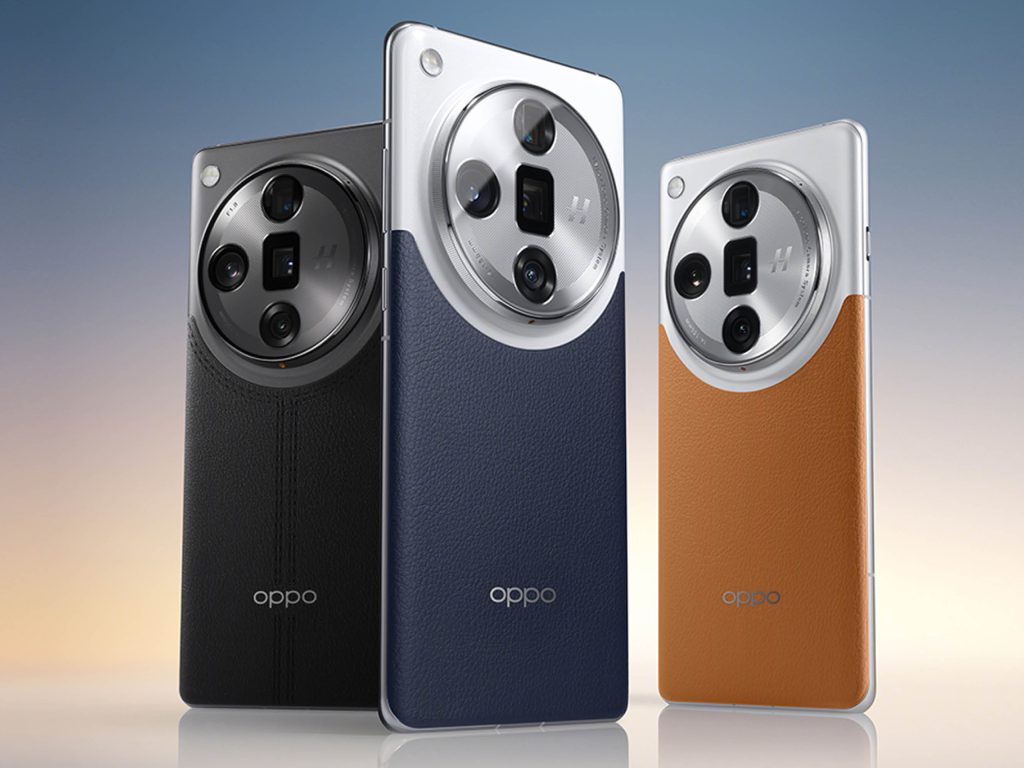
Oppo continues to expand its product lineup. However, while doing so, the company also ensures it doesn’t neglect adding new features to its existing models. In line with this, Oppo’s recent move is to add new camera features to the Find X7 Ultra, which was introduced last January. The update brings RAW MAX format photography and enables four-camera full focal range 4K 60fps Dolby Vision video recording to the Find X7 Ultra with version 14.0.1.50. Here are the details…
Oppo Find X7 Ultra Gets a Major Camera Boost
The Oppo Find X7 Ultra has received update 14.0.1.501, introducing exciting new camera features. The highlight is undoubtedly the 50MP RAW MAX format. Popular among photography enthusiasts, this format stores the original, unprocessed image data from the camera sensor. This allows for unparalleled flexibility in post-processing, enabling adjustments to color balance, exposure, and more.
But that’s not all. The update also enhances the long-focus clarity algorithm from 10x to 13.2x and adds support for four-camera full focal range 4K 60fps Dolby Vision video recording. Oppo’s Product Director @SourDigital stated, “These features are industry-firsts.” The update notes are as follows:
Master mode now supports 50MP RAWMAX (supports focal lengths: 0.6X, 1X, 3X, 6x), providing higher resolution and larger dynamic range, already certified by Adobe Raw
Brand new upgrade to 10x-13.2x long-focus clarity algorithm (QBC algorithm first applied to non-izm points), significantly improving clarity in this focal range
Rear video mode now supports four-camera full focal range 4K 60fps Dolby Vision recording, offering more freedom in focal length changes for easier creation
Optimized smoothness and consistency when switching lenses in video mode, providing smoother zoom transitions
Improved accuracy of subject recognition and facial texture in group photo mode, enhancing the group photo shooting experience
Optimized shutter delay in motion mode, providing more reasonable exposure time and faster continuous shooting response, improving the success rate of capturing moving scenes.
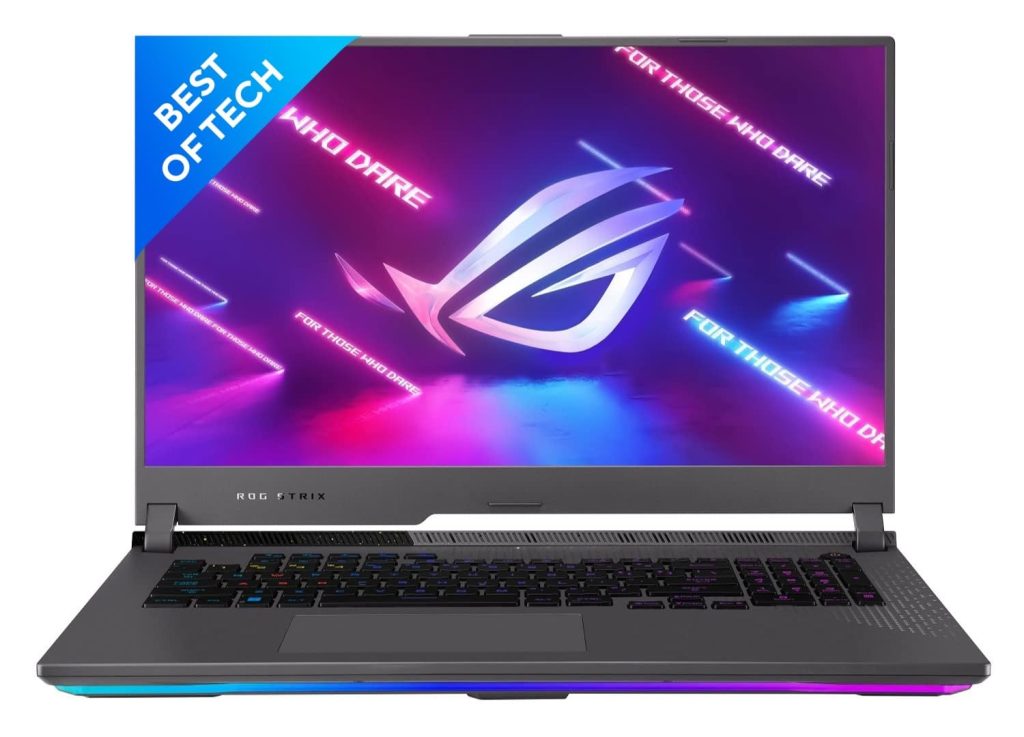
If your old PC struggles to keep up with the free games offered by Epic Games every week, we have good news for you. Amazon has launched the Grand Gaming Days campaign, offering up to 30% discounts on powerful gaming laptops from Dell, Asus, and HP. Here are the details…
Upgrade Your Gaming Setup: Amazon Grand Gaming Days Laptop Deals
Amazon’s got unmissable discounts on three powerhouse gaming laptops during their current campaign: the Dell G15-5530, HP Victus 666tx, and Asus ROG Strix G17 (2022). Sure, the names sound awesome, but what really matters is how they perform! Let’s dive into the features and prices of these gaming beasts
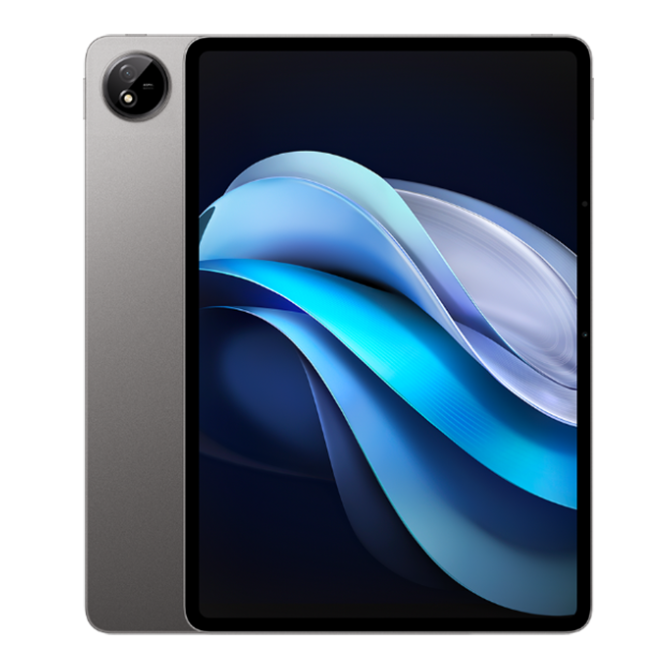
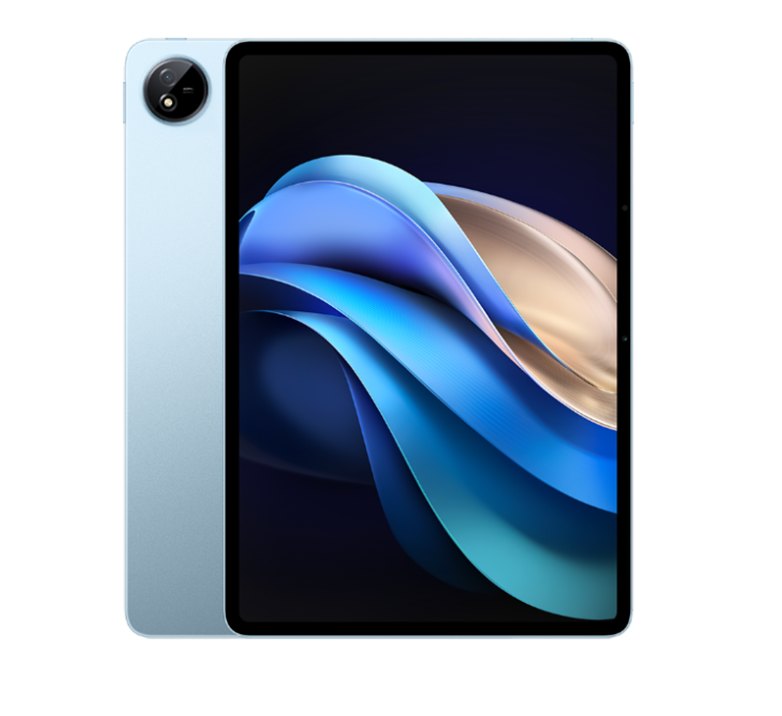
Vivo Pad 3 Pro emerges as a game-changer, boasting an array of cutting-edge features designed to elevate your digital experience to new heights. You can now buy the tablet for $549 only at Giztop.
The Vivo Pad 3 Pro showcases a vibrant 13-inch LCD, boasting an impressive 3096×2064 pixel resolution. Whether you’re streaming your favorite movies or immersing yourself in productivity tasks, the crystal-clear visuals and expansive screen real estate ensure an unmatched viewing experience.
Equipped with the MediaTek Dimensity 9300 octa-core processor, the Vivo Pad 3 Pro delivers blazing-fast performance, enabling seamless multitasking and effortless navigation through various applications. Say goodbye to lags and delays as you breeze through your daily tasks with unparalleled efficiency.
With options for 8GB or 12GB of RAM and storage capacities ranging from 128GB to a whopping 512GB of UFS4.0 storage, the Vivo Pad 3 Pro provides ample space for storing your apps, media, and files. Experience smooth performance and lightning-fast access to your data, ensuring a hassle-free user experience.
Capture selfies and scenic landscapes with the 8MP HD front camera and 13MP rear camera of the Vivo Pad 3 Pro. Whether you’re documenting your adventures or video conferencing with friends and family, enjoy crisp, clear images and immersive video calls wherever you go.
Stay productive and entertained on the go with the Vivo Pad 3 Pro’s massive 11500mAh battery, which offers extended usage without the need for frequent recharging. Additionally, with 66W fast charging technology, you can quickly top up your device and get back to what matters most without interruption.
Experience seamless connectivity with dual-band 2.4GHz/5.0GHz Wi-Fi and Bluetooth capabilities, allowing you to stay connected to the internet and wirelessly transfer files with ease. Whether you’re at home, in the office, or on the move, enjoy reliable and high-speed connections for all your online needs.
Immerse yourself in rich, immersive sound with the Vivo Pad 3 Pro’s Dolby Atmos Quad Speakers. Whether you’re listening to music, watching movies, or gaming, experience audio like never before with Hi-Res audio certification and dynamic Dolby Atmos technology.
Stay cool under pressure with the Vivo Pad 3 Pro’s advanced heat dissipation system, featuring multi-layered graphite and silicone components. Enjoy uninterrupted performance even during extended usage sessions, thanks to the efficient cooling solution that ensures optimal device performance.
Explore a range of innovative features designed to enhance your productivity and user experience, including four-finger pinch, two-finger split-screen, parallel windows, and multi-device cross-screen collaboration. With these intuitive features at your fingertips, multitasking and collaboration have never been easier.
Vivo Pad 3 Pro redefines what a tablet can do, offering unparalleled performance, immersive visuals, and innovative features that cater to the needs of modern users. Whether you’re a professional on the go or a multimedia enthusiast, the Vivo Pad 3 Pro is your ultimate companion for work, play, and everything in between.
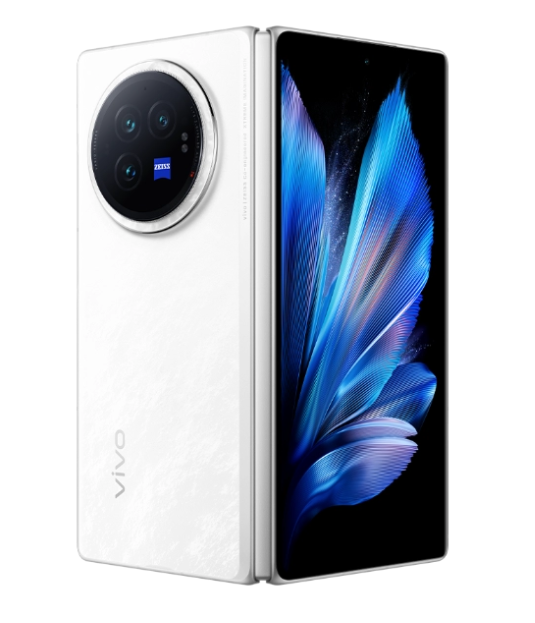
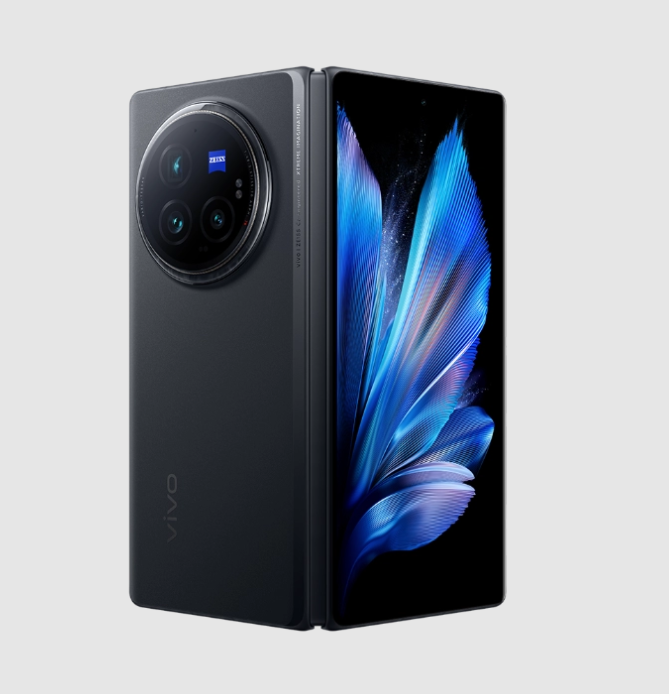
GeekWills is currently offering the highly anticipated Vivo X Fold 3 series for pre-sale. The base variant of the premium foldable phone, the Vivo X Fold 3, is available for $1249. Additionally, the Pro version of the device is also up for grabs at $1799. Please be aware that shipping for both models will commence post-April 27. Secure your order now to experience the cutting-edge features of these innovative devices.
Revolutionary Design: At just 4.7mm unfolded and 219g, the vivo X Fold 3 is the thinnest and lightest book-style foldable. Its sleek design is crafted for those who crave sophistication and style.
Dynamic Display: Enjoy an immersive visual experience on the 8.03-inch Foldable LTPO AMOLED display with HDR10+ and Dolby Vision. The 6.53-inch cover display ensures that essential functions are always at your fingertips.
Powerful Performance: Equipped with the Qualcomm Snapdragon 8 Gen 2 chipset, the vivo X Fold 3 offers seamless multitasking with up to 16GB RAM and 1TB storage. Say goodbye to lag and hello to productivity.
Photography Excellence: Capture every moment in stunning detail with the triple camera setup featuring Zeiss optics. From landscapes to portraits, the vivo X Fold 3 ensures that every shot is a masterpiece.
Long-Lasting Battery: Stay connected longer with the robust 5500mAh battery and 80W wired charging. No need to worry about running out of juice during your busy day.
Immersive Audio: Immerse yourself in crystal-clear sound with stereo speakers and Snapdragon Sound technology. Whether listening to music or watching videos, the vivo X Fold 3 delivers an unparalleled audio experience.
Connectivity And Security: Stay connected and secure with Wi-Fi 6/7, Bluetooth 5.3, NFC, and a side-mounted fingerprint sensor. Your data is protected, and your connections are strong.
The vivo X Fold 3 is more than just a smartphone; it’s a statement of luxury and technological prowess.
Exquisite Design And Display: Crafted with precision and elegance, the vivo X Fold3 Pro features an expansive 8.4-inch foldable AMOLED display, providing a mesmerizing visual experience. When folded, the device presents a compact 6.53-inch cover screen, ensuring essential functions are always within reach.
Powerful Performance: Powered by the Qualcomm Snapdragon 8 Gen 3 chipset, the vivo X Fold3 Pro offers seamless multitasking with up to 16GB RAM and 1TB storage. With a long-lasting battery and support for 65W fast charging, you can stay connected throughout the day.
Advanced Camera System: Capture stunning images and videos in any scenario with the versatile camera system, including a 64MP primary sensor, a 48MP ultra-wide lens, and a 12MP periscope telephoto lens. Advanced features like AI enhancements and night mode ensure every photo tells a vivid story.
Innovative Software Features: With the latest version of Funtouch OS and support for 5G connectivity, the vivo X Fold3 Pro offers a user-friendly interface and fast internet access. Additional highlights include an in-display fingerprint sensor, face unlock technology, and compatibility with various accessories.
Enhanced Productivity And Versatility: The foldable design allows for multiple usage modes, perfect for productivity tasks or entertainment. Multi-tasking capabilities are further enhanced by the floating window feature, while compatibility with a stylus offers precision input for writing, drawing, and more.
With unmatched performance, innovative features, and a design that adapts to your lifestyle, vivo X Fold3 Pro is the ultimate choice for those who refuse to settle for anything less than the best.
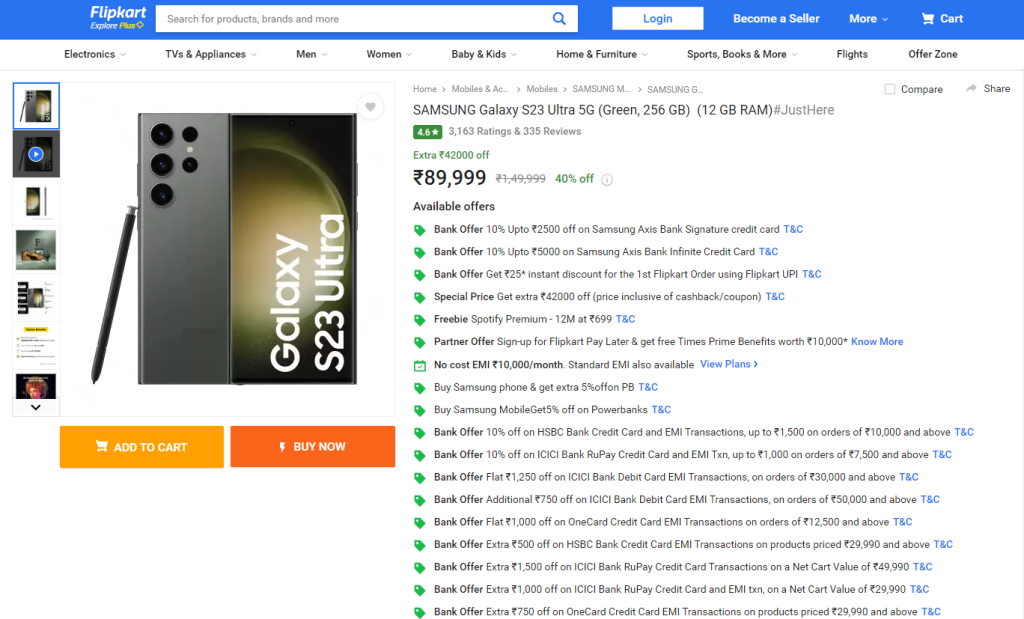
After the recent launch of the Galaxy S24 Ultra, last year’s flagship, aka the Galaxy S23 Ultra saw some significant price cuts in India, taking its starting price (for the 12GB + 256GB model) down from ₹1,24,999 to around ₹1,00,000 mark (~$1200). That being said, Flipkart is currently offering a massive discount on the S23 Ultra, which is worth considering if you are in the market for a flagship device under ₹1 lakh.
As per the Flipkart listing, the Galaxy S23 Ultra smartphone with 12GB RAM and 256GB storage is currently selling for ₹89,999 (~$1080). In addition to that, there are a bunch of other offers that can be clubbed with the purchase to bring the price even lower. Using a Samsung Axis Bank Signature/Infinite credit card will get you a discount of ₹2500 or ₹5000, respectively. Customers using an HSBC or ICICI Bank Credit Card for the purchase will get up to ₹1,500 off on the purchase (depending on the card).
Why Now is the Best Time to Invest in the Galaxy S23 Ultra:
All that said, is the Galaxy S23 Ultra worth buying over the Galaxy S24 Ultra? At this price, the answer is yes. The Galaxy S24 Ultra for the same configuration costs ₹1,29,999 in India. Hardware-wise, it has a newer Snapdragon 8 Gen 3 processor, but compared to the Snapdragon 8 Gen 2 onboard the S23 Ultra, the margin in performance isn’t that apparent. Camera hardware is also the same on both of these devices, but the Galaxy S24 Ultra has a larger 50MP sensor for its 5x Periscope camera, which uses optical zoom to take 5x shots, rather than the digital zoom used by the S23 Ultra.
One of the major advantages the Galaxy S24 Ultra has over the S23 Ultra is its exclusive AI-powered features introduced with Samsung’s One UI 6.1. However, that is about to change as the brand has recently announced that these features will be coming to the Galaxy S23 lineup soon. Given this news, it could be a good time to consider purchasing the Galaxy S23 Ultra, saving money while still accessing Samsung’s latest features.
Xiaomi has unveiled a new brand alongside its impressive SU7 electric car – “Xiaomi Life.” This new venture is dedicated to crafting high-quality car peripherals that complement the car owners’ lifestyle. Customers can look forward to expressing their passion for Xiaomi and the SU7 with everything from stylish mugs and caps to functional bags and more.
The Brand has listed Hats, Mugs and even Bags on the website
The launch of the “Xiaomi Life” brand alongside the SU7 electric car looks like a strategic move to build a lifestyle around its automotive entry. This venture creates a sense of community for SU7 owners, positions the car as part of a trendy tech-forward image, and paves the way for future integrated car accessories, all while expanding the Xiaomi brand touchpoint beyond just the car itself. The success of this strategy hinges on the quality and design of Xiaomi Life products, but it suggests Xiaomi has ambitions beyond simply selling electric vehicles, smartphones and consumer electronics.
The company also unveiled the SU7 EV officially today. The car was anticipated for a hot while now, and now that it’s here, it’s exciting to see what Xiaomi fans will have to say about it. It comes in three variants – Standard, Pro, and Max – catering to a range of budgets and needs. Prices start at 215,900 yuan (US$29,900) and go up to 299,900 yuan (US$41,500). Deliveries are expected to begin in late April. The SU7 boasts a team effort in design, with experience from former BMW and Mercedes-Benz designers. Driver-assistance systems include two options: Xiaomi Pilot Pro (similar to Tesla) and Xiaomi Pilot Max (with lidar technology). City NOA, a city-based pilot assisted driving system, is also planned for a nationwide rollout in May. The SU7 offers impressive connectivity features like Apple CarPlay. Each variant boasts different specs – the Standard offers a 700 km range and rear-wheel drive, while the top-of-the-line Max features a blistering 2.78-second acceleration time and all-wheel drive. For more details, read our Xiaomi SU7 launch article here.
We use cookies on our website to give you the most relevant experience by remembering your preferences and repeat visits. By clicking “Accept”, you consent to the use of ALL the cookies.
This website uses cookies to improve your experience while you navigate through the website. Out of these, the cookies that are categorized as necessary are stored on your browser as they are essential for the working of basic functionalities of the website. We also use third-party cookies that help us analyze and understand how you use this website. These cookies will be stored in your browser only with your consent. You also have the option to opt-out of these cookies. But opting out of some of these cookies may affect your browsing experience.
Necessary cookies are absolutely essential for the website to function properly. This category only includes cookies that ensures basic functionalities and security features of the website. These cookies do not store any personal information.
Any cookies that may not be particularly necessary for the website to function and is used specifically to collect user personal data via analytics, ads, other embedded contents are termed as non-necessary cookies. It is mandatory to procure user consent prior to running these cookies on your website.