Advertisement

Vivo signs a multi-year 5G patent cross-licensing agreement with Nokia

Vivo and Nokia have today announced a multi-year patent cross-licensing agreement, ending a legal battle over 5G technology. This comes just weeks after Nokia settled a similar dispute with another BBK Electronics brand, Oppo.

Under the terms, Vivo will gain access to Nokia’s foundational cellular technology patents but will make ongoing payments to Nokia for their use. 
Vivo Nokia 5G patent agreement
Vivo enters a 5G patent licensing agreement with Nokia.

Notably, these payments will also include “catch-up” fees which will cover the period of the dispute. The good thing is that the agreement now settles all outstanding legal matters between the two companies.

For those unaware, Nokia raised a legal conflict claiming that brands under the BBK Electronics portfolio, such as Vivo and Oppo, were infringing on 5G wireless communication technology patents. This eventually led to a lawsuit and subsequent defeat of these smartphone brands in court.

Following the court ruling, Oppo, Vivo, OnePlus, and Realme had to withdraw from the German market. However, the recent 5G patent deal of Oppo and Vivo with Nokia opens a way for BBK brands to re-enter the German market. In fact, OnePlus has already begun selling its latest OnePlus 12 and 12R in the country.

“We are delighted to have reached an agreement with vivo which reflects mutual respect for each other’s intellectual property rights,” said Jenni Lukander, President of Nokia Technologies. “We look forward to bringing more innovation to their users around the world through our collaboration.”

Vivo’s General Manager Xianwen Xu also expressed its satisfaction with the agreement, highlighting its commitment to R&D and providing users with hi-tech products.

The deal, most importantly, paves the way for Vivo’s return to Germany, a key market for the company. Also, to note, this is Nokia’s 6th major smartphone licensing agreement in the past 13 months. The company has already signed deals with Apple, Samsung, OPPO, Honor, and Huawei.

Related:

(via)
OnePlus 10 Pro and OnePlus 8T receiving OxygenOS 14.0.0.402 and OxygenOS 14.0.0.300 updates, respectively

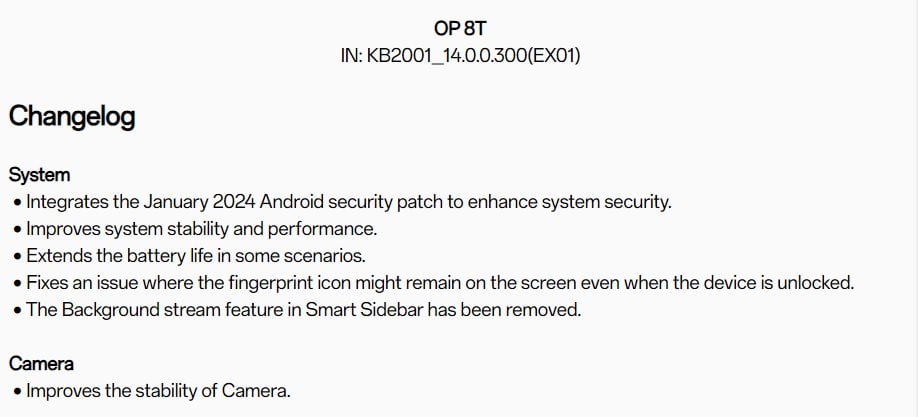
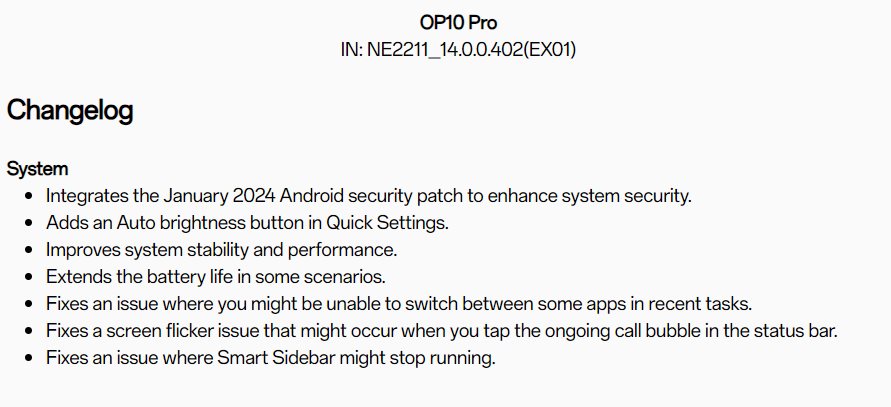
OnePlus 10 Pro and OnePluu 8T are receiving a new firmware update bringing some new improvements and fixes along with the January 2024 Android Security patch. OxygenOS 14.0.0.300 for the OnePlus 8T and OxygenOS 14.0.0.402 for the OnePlus 10 Pro are now available for the Indian variant. The update is currently seeding and may reach each unit over the coming few days. Below are the details for each update on the respective smartphone:

OnePlus 8T Update Details

OnePlus 8T is bringing the latest security patch, along with system stability and performance improvements. It even enhances the battery life and fixes the fingerprint icon that keeps showing even after unlocking the smartphone. Further, the background stream feature in the Smart Sidebar is now removed. It even adds some stability fixes for the smartphone camera.

OnePlus 10 Pro Update Details

On the other hand, the OnePlus 10 Pro is also receiving the latest security patch via Oxygen OS 14.0.0.402. It adds an auto-brightness button in Quick Settings and improves the system’s stability and performance. OnePlus 10 Pro fixes certain issues, like the inability to switch between apps, and the flicker issue is gone, which was quite annoying when you tapped the ongoing call bubble in the status bar. Even the Smart Sidebar issue of getting inadvertently stopped is fixed.

Both the updates to the respective devices are rolling out in a staggered way. It may take a few days for the update to reach each unit. Users can also check for updates by heading to the device Settings > About Device > Software Update > Download Now. In case of bugs or issues, users can always submit them by heading to the OnePlus Community or by dialing *#800# on Google Dialer.

Additionally,  OnePlus is already seeding OxygenOS 14 for its compatible smartphones, including the OnePlus 11 SeriesOnePlus 10 ProOnePlus 10ROnePlus Nord 3, and OnePlus Pad. We expect the remaining smartphones to receive the ColorOS 14 update soon.

OnePlus 10 Pro 5G (Emerald Forest, 8GB RAM, 128GB Storage)
  • Camera: 48MP Main Camera with Sony IMX 789 Lens (OIS enabled), 50MP Ultra-wide angle camera & 8MP Tele photo lens; Front (Selfie) Camera: 32MP; Flash: Dual LED

Please Note: When you buy something using the links in our articles, we may earn a small commission at no cost to you.

Related:

MediaTek is reportedly offering “special pricing” for its chips to Samsung

MediaTek is reportedly looking to challenge Qualcomm by offering Samsung a discounted deal on its chips for use in budget-friendly phones. 

While it’s unlikely that Samsung will opt for the Dimensity 9400 in its premium Galaxy S series due to an existing agreement with Qualcomm, a new rumor now suggests that the Korean tech giant might consider using MediaTek chips in its more affordable smartphones.

If this potential deal materializes, it would be a huge win for MediaTek, considering Samsung is the world’s largest Android smartphone manufacturer. 

Words for it come from reliable tipster Revegnus who wrote on X/Twitter that MediaTek has offered special pricing for its processors exclusively for Samsung. 

These processors are said to be used in Samsung’s budget smartphone lineup, likely in the entry-level models of the A, M, and F-series. However, mid-range smartphones in the A and M-series might still use Exynos processors, as recent sightings on benchmarking sites indicate the use of Exynos chips in upcoming A and M-series smartphones.

Currently, Qualcomm holds a strong position in the high-end smartphone market. But MediaTek has established a dominance in the budget segment.

Now if MediaTek manages to convince Samsung to use its processors for budget phones, Qualcomm will face a formidable challenge in outperforming MediaTek in this particular market. 

Moreover, a partnership with Samsung would not only increase MediaTek’s market share but would also open new doors for future collaborations with Samsung.

But do note that this is just a rumor, and Samsung has not confirmed any plans to use MediaTek chips in its smartphones. We will be sure to keep you informed with new updates on this matter if there are any new developments. 

Related:

Nothing Phone (2a) India launch near, microsite live on Flipkart

Over the last couple of weeks, we have covered various rumors and reports regarding a new budget smartphone from Nothing. The model in question is the Nothing Phone (2a), which is expected to be announced soon. Now, the Indian availability has just been confirmed via an e-commerce listing.

Nothing Phone (2a) Surfaces on Flipkart

So far, Nothing has annually released its top end models with the latest entry being the Phone (2). Now, a budget smartphone is set to launch soon carrying the Phone (2a) moniker. The device is expected to be unveiled at the MWC 2024 event (Mobile World Congress), which is set to kick off later this month. But ahead of any official announcement, the handset has surfaced on Flipkart, with its microsite already being live.

Nothing Phone 2a live shot 1

Heading to the Flipkart page, we can see a short video teaser for the upcoming Nothing Phone (2a). Earlier today (5th February 2024), live images of the smartphone were spotted, which offered us a look at the front and rear design. Another report that suggested the imminent launch of the device was a recent wallpaper leak. Just recently, the Nothing Phone (2a) received the TUV certification. This listing confirmed its 45W wired fast charging rate.

Based on what we know so far, the Phone (2a) could sport a 6.7-inch AMOLED display with a 120Hz refresh rate. It may be equipped with the MediaTek Dimensity 7200 SoC along with up to 12GB of RAM and 256GB of internal storage. This is all the information we have at the moment, so stick around for more updates regarding this device.

RELATED:

Coolpad Grand View Y60s specs, images leak via China Telecom listing

At the end of December, Coolpad launched a budget 5G smartphone in China. The device officially goes by Coolpad Grand View Y60.

A little over a month later, a variant of this handset called Coolpad Grand View Y60s has now been listed in China Telecom’s product library with specifications and images.

As per the listing, this device will arrive with toned-down features.

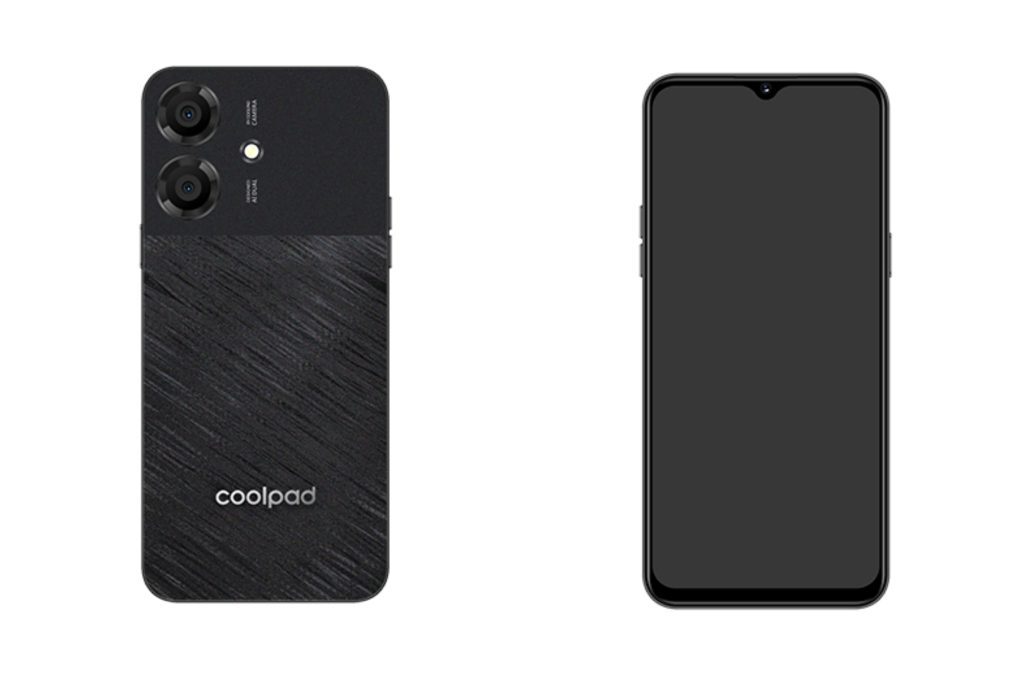
Coolpad Grand View Y60s

The upcoming Coolpad Grand View Y60s has model number CP3CT1. It will be powered by the same Unisoc T760 chip as the regular Y60 and will boot Android 13.

However, the newer model will come with a smaller 6.5-inch display compared to a slightly larger 6.7-inch screen on the older device. Anyways, the resolution will remain the same at HD+ (1600 x 720 pixels).

The Y60s will arrive with identical cameras to the Y60. It will sport a 13MP primary sensor paired with a 0.08MP depth sensor. On the front, it will have a 5MP selfie camera.

The phone will be backed by a smaller 4,500mAh battery (vs 5,000mAh unit), and therefore, it will weigh lighter at 183.2g (vs 193g). It will be available in Iris Black and Wheat Ear Gold color options.

Last but not least, the 6GB + 128GB variant of the phone will carry a suggested retail price tag of ¥1,499.

Coolpad is yet to make any official announcement regarding this product. 

RELATED:

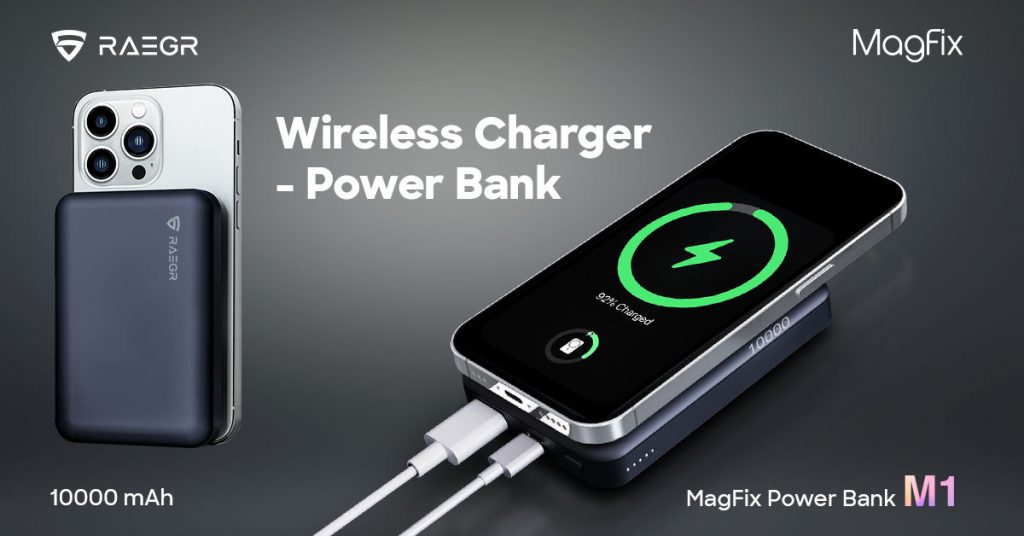
Raegr Magfix M1 Wireless Power Bank with MagSafe and Qi Wireless charging support launched for Rs 1999

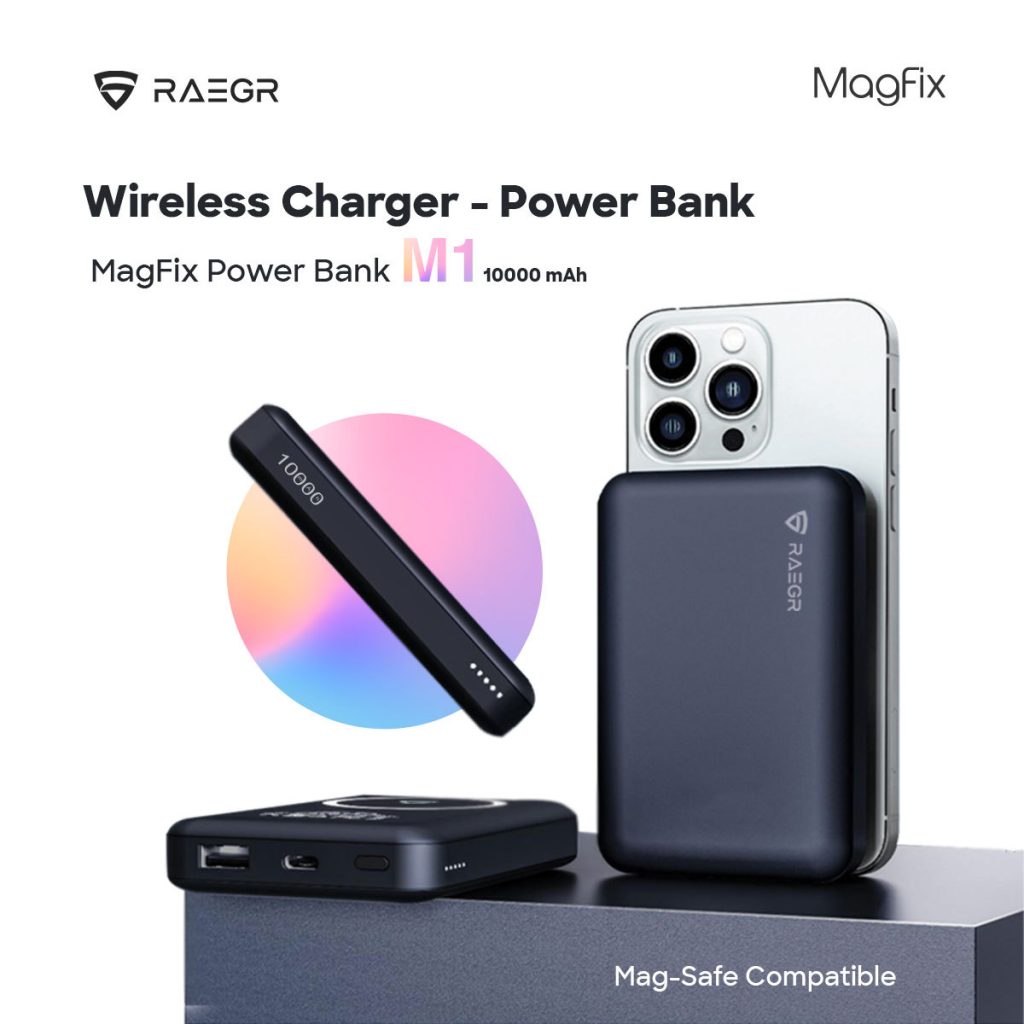
RAEGR introduces the MagFix M1 Wireless Power Bank, designed for dynamic lifestyles and tailored specifically for Apple iPhone users. The power bank is compatible with iPhones and various smartphones, utilizing Apple’s MagSafe technology to deliver up to 10 Watts of Qi wireless charging.

Raegr MagFix Power Bank M1 Specifications and Features

The 10000 mAh battery can charge the iPhone 15 approximately 2.5 times. It packs a PD port that offers up to 20W output and a USB-A port that offers up to 18W charging output. Furthermore, the Raegr MagFix M1 Wireless Power Bank uses strong neodymium magnets to ensure a secure attachment, making it an ideal companion for individuals with dynamic, on-the-go lifestyles. It can charge various devices like iPods, iPads, smart watches, tablets, and other digital devices.

Apart from Apple iPhone compatibility for its magnetic feature, the Power Bank supports Samsung, Google, and other brands as a wireless charging pad. The BIS-certified product offers protection from overvoltage, overcurrent, overcharging, and overheating. The new power bank can help you charge multiple devices on the go or be a companion for extended workdays.

Raegr is actively broadening its product portfolio by introducing wireless chargers, power banks, and other accessories. The company introduced the Raegr MagFlix Arc M500 Magsafe compatible charger a few months ago. It even introduced a Raegr Arc 950 3-in-1 wireless charging stand for Apple.

“Whether it’s handling payments, exchanging messages, engaging in chats or calls, or managing travel and entertainment, it’s undeniable that a smartphone serves as an indispensable companion on life’s journey. Regardless of whether you’re a business professional or a college-going individual, the significance of staying connected is universally recognized in today’s world. Whether connecting with friends and family or staying in touch with colleagues and clients, maintaining a charged smartphone is crucial, especially for those with a mobile and active lifestyle. At RAEGR, we understand the pivotal role this companion plays, and our M1 Powerbank emerges as the ideal companion for your daily endeavors. Tailored specifically for Apple iPhone users, the RAEGR M1 Powerbank boasts a compact and premium design, making it an essential power source for individuals leading busy lives,” stated Ajesh George, Managing Director of RAEGR, during the product launch.

Availability

Raegr MagFix M1 Wireless Power is on sale for the introductory price of Rs 1,999 for the next 7 years via Amazon and the Raegr Online Store. The price is expected to increase in the coming time. So, it would be a good deal to grab if you’re looking for a wireless power bank to power your Apple devices.

Related:

Infinix Hot 40i India launch near, pricing & launch details leaked

Infinix is apparently planning on releasing a new budget smartphone model in India soon. The company’s Hot 40i is making its way to the region and a fresh report has revealed some details regarding its launch and pricing. So here are all the details.

Infinix Hot 40i India Launch & Pricing

According to a 91Mobiles report, the Infinix Hot 40i will be available for sale in the first half of this month. In other words, the release is mere days away and an official announcement should be right around the corner. The company had first released the Hot 40i smartphone in Saudi Arabia back in November 2023. Now, the latest report claims that the Hot 40i will be the first model from the Infinix Hot 40 series, which is arriving in India.

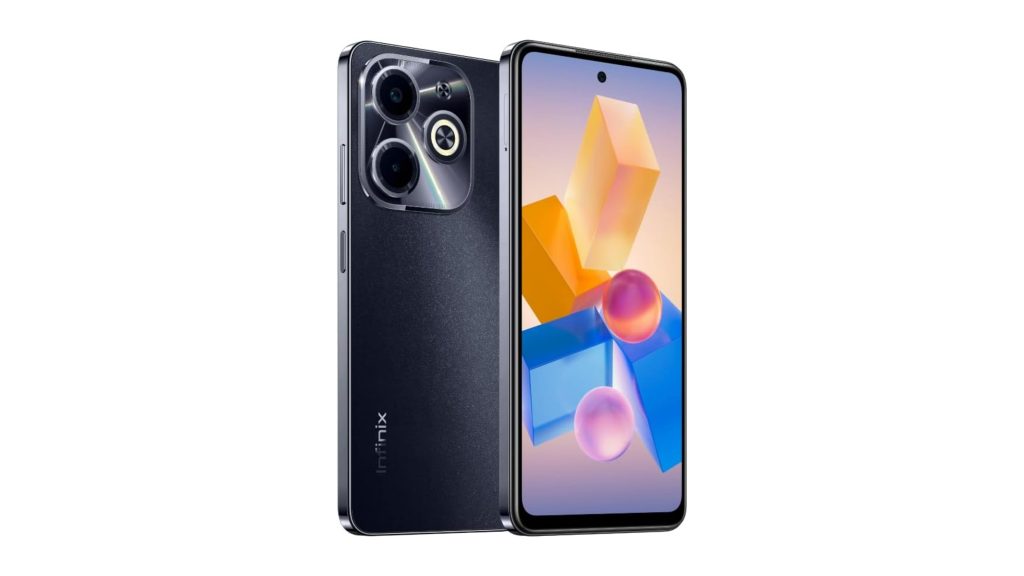
Infinix Hot 40i

Furthermore, the handset will come in a single 8GB + 256GB storage option. Since it is a budget phone, it could be the most affordable smartphone with 256GB storage in India. The Infinix Hot 40i could likely offer support for virtual RAM expansion of up to 8GB and a microSD card slot just like its global variant. To recall, it sports a 6.56-inch LCD panel with HD+ resolution and 90Hz refresh rate. Under the hood, the device is equipped with the UNISOC T606 SoC.

A large 5,000mAh battery pack powers this model, which also supports 18W fast charging. The rear packs a 50-megapixel dual camera setup, while the front houses a 32-megapixel selfie shooter. Other notable features include side mounted fingerprint scanner, dual SIM card slot, and a 3.5mm headphone jack.

RELATED:

Huawei ranks first in smartphone sales in China in early 2024, surpassing Apple

Huawei experienced an exciting growth in the Chinese smartphone market in 2023. Recently IDC report revealed that Huawei’s shipments increased by 36.2% in Q4, 2023 making it the fourth-largest smartphone brand in China. 

A new report by Counterpoint Research now reveals that Huawei has clinched the top spot in smartphone sales during the first two weeks of 2024. 

Huawei smartphone sale 2024 report by Counterpoint

The achievement is particularly noteworthy, not just because it has surpassed Apple, but also because it’s the first time since the 2019 US ban that Huawei has secured the leading position in terms of smartphone sales in China. 

As expected, the Mate 60 series is the key to Huawei’s recent success in the Chinese market. Launched last year, the smartphones feature a Kirin 9000S processor and Harmony OS operating system. Mate 60 series is still said to be in high demand in the mainland, according to local distributors.

Huawei Mate 60 StarLight connection

Looking ahead, the company has ambitious plans to launch Harmony OS NEXT; an operating system with Huawei’s own kernel which will phase out Android app support completely. Expected to launch by the end of 2024, its success will have a significant impact on Huawei’s smartphone business.

Except for the Mate 60, the Nova 12 series launched back in December has also helped Huawei to increase its sales numbers. These are all mid-range smartphones powered by Kirin processors, except for the Nova 12 Lite which has a Snapdragon 778G 4G chip inside. 

According to a Counterpoint report, the high-end smartphone market in China saw a growth of 27% in 2023. While Apple continues to hold the top position, Huawei and other Chinese brands have been gradually chipping away at Apple’s market share since the third quarter of 2023.

Related:

(Via)

Infinix Note 40, Note 40 Pro may support 45W and 70W charging

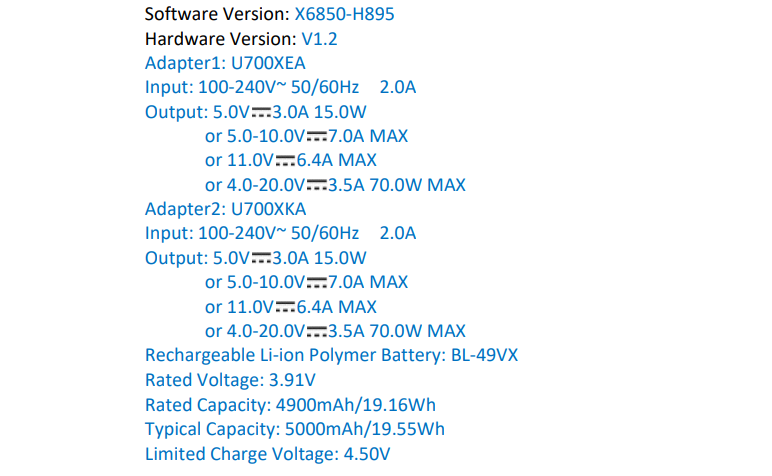
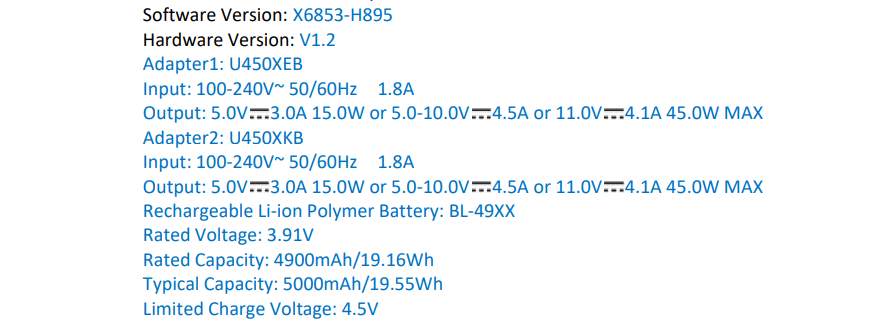
Infinix is reportedly working on the Note 40 and Note 40 Pro smartphones. Reports have revealed that the devices have X6853 and X6850 model numbers, respectively. Both devices have appeared in the database of the Google Play Console and Bluetooth SIG certification. On the other hand, the Pro variant has been spotted on the FCC and NBTC certification platforms. An official website listing has revealed the battery size and fast charging capabilities of both smartphones.

Infinix Note 40, Note 40 Pro battery size, fast charging

The Declaration of Conformity documents for the Infinix Note 40 and Note 40 Pro on their website reveal that both phones have a 5,000mAh battery. While the Note 40 supports 45W charging, the Note 40 Pro offers 70W fast charging. This confirms the battery size and charging details of the Note 40 Pro that were earlier revealed through its FCC certification.

One of the major highlights of the Note 30 series launch last year was it charging capabilities. The new development suggests that charging will be one of the major selling points of the Note 40 lineup.

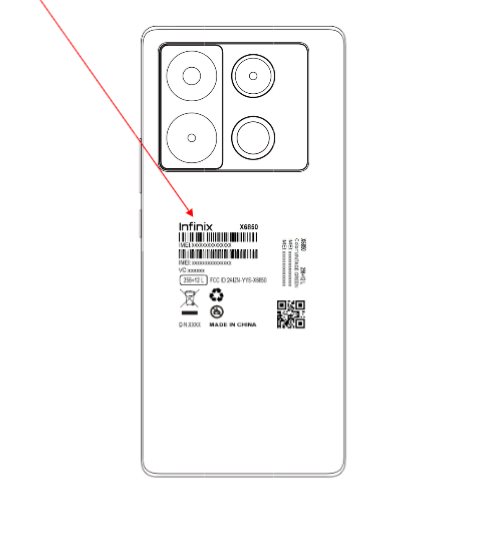
As per reports, the Infinix Note 40 series will pack some common specs, such as an FHD+ display, a Helio G99 chipset, 8 GB of RAM, and Android 14. As per the FCC certification, the Note 40 Pro will offer 12 GB of RAM, 256 GB of storage, and NFC, and measure 165 x 76 x 8mm.

Infinix Note 40 Pro schematic via FCC certification

The other details of the Note 40 lineup are yet to be revealed. The above schematic that surfaced in FCC’s database showcased the design of the Note 40 Pro. It appears that other Note 40-branded models will also have the same design language.

RELATED:

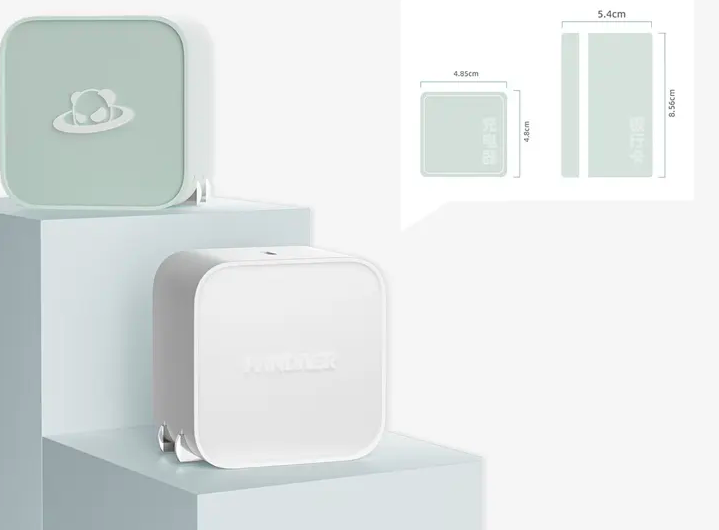
PANDAER 80W GaN charger at around 139-149 yuan (~$20); specially designed for Meizu 20/21 series

Meizu is set to launch a limited edition PANDAER 80W GaN charger, as revealed on the “PANDAER Panda Factory” Weibo. Named “Rui Yi Qing,” which translates to “Bless everyone for their forge ahead,” the edition indicates an improved charging solution and a faster and safer charging experience for your device. The GaN charger, with an expected price range of 139-149 yuan (~$20), introduces a unique aesthetic element to the conventional charging accessory.

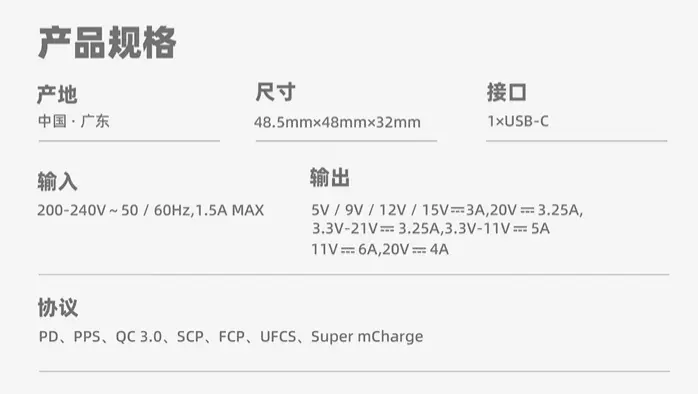
This 80W GaN charger supports PD, PPS, SCP, and UFCS fast charging protocols

The “PANDAER 80W GaN power adapter is designed to be compatible with Meizu 20 and Meizu 21 series with support for Super mCharge and overcharging protection system, ensuring swift, efficient, and safe charging for Meizu users. Leveraging “high-density stacking technology,” the charging head achieves an impressive power density of 1.1 W/cm³, contributing to its compact design and efficient performance.

Beyond its compatibility with Meizu devices, this charging accessory supports various fast charging protocols, including PD, PPS, SCP, and UFCS. When paired with a suitable fast charging cable, it can deliver up to 27W fast charging for Apple devices, showcasing its versatility.

This limited edition product adds a touch of style and personalization to this essential accessory, catering to tech enthusiasts who value both performance and aesthetics. With the anticipated price range, Meizu aims to make this unique charging head accessible to a wide audience.

For those invested in the Meizu ecosystem, the PANDAER 80W GaN power adapter in the “Rui Yi Qing” limited edition becomes not just a functional accessory but also a symbol of progress and a fashionable expression of personal style.

Related:

Tesla Settles for $1.5 Million Over Waste Management Issues

Tesla has agreed to pay $1.5 million to settle claims that it didn’t handle hazardous waste correctly at its California sites, including the main Fremont factory. This case sheds light on the environmental challenges faced by companies aiming to be eco-friendly.

Tesla plans to check its waste more carefully in the future

The legal action brought by 25 counties in California accused Tesla of not following rules for hazardous waste, like sending materials that could harm the environment, such as old batteries and paint, to places that weren’t set up to deal with them properly. This situation has sparked a conversation about how companies that make technology to help the planet must also make sure their own operations don’t harm it.

Tesla

Tesla has decided to make changes without admitting it did anything wrong. It’s planning to check its waste more carefully and has hired an outside company to watch over its waste management practices for the next five years. This move shows Tesla’s willingness to improve how it deals with environmental issues.

This isn’t the first time Tesla has been in hot water over environmental matters in California. In 2021, it had to settle for $1 million because of issues with air pollution at its Fremont paint shop. These incidents highlight the difficulties in making and maintaining green technologies without causing other environmental problems. A statement from San Francisco’s District Attorney pointed out that even though electric cars are better for the planet, making and taking care of them still produces a lot of waste that needs to be handled properly.

RELATED:

(Via)

Foxconn Eyes Improvement in 2024 Despite Chip Challenges

Foxconn, known for making iPhones for Apple and being a giant in electronics manufacturing, is feeling positive about 2024. Last year had its ups and downs, including a big financial hit from its stake in Sharp Corp, but the outlook for this year is looking up. Foxconn’s Chairman, Liu Young-way, shared these thoughts during the company’s yearly employee event, suggesting a slightly better year ahead despite some big challenges.

Foxconn does not have enough chips for AI servers it seems

One of the biggest issues Foxconn faces is not having enough chips for AI servers, which are important for the next generation of technology. The demand for these chips is high, but there aren’t enough factories making them. Liu mentioned the possibility of building new factories to keep up with the demand for AI technology.

Foxconn

However, the world’s economy and political issues might make people less likely to buy gadgets, which could hurt sales. This comes as Apple, one of Foxconn’s biggest partners, expects to sell fewer iPhones and make less money than what experts thought, especially in China. Here, customers are choosing other brands and phones that fold or use chips made in China.

As Foxconn gets ready to share its earnings for the last quarter and what it thinks will happen in the coming year, people are watching closely. The company’s stock has dropped a little this year, but what happens next could show a lot about where the technology world is headed, especially when it comes to making and getting the parts needed for the latest gadgets and AI technology.

RELATED:

(Via)

Nintendo Grabs All Top Spots in Japan’s 2023 Game Sales

Nintendo‘s knack for winning over gamers in Japan shines brighter than ever in 2023. The company’s Switch games didn’t just do well; they owned the list of the year’s top-selling games. Every single game in the top 10 list was for the Nintendo Switch, a clear sign of Nintendo’s tight grip on the gaming scene in Japan.

Nintendo has been a favorite in Japan for some time now and it shows

Leading the pack, “The Legend of Zelda: Tears of the Kingdom” sold nearly 2 million copies, making it the most popular game of the year. Not far behind, “Super Mario Bros. Wonder” also made a splash with over 1.5 million gamers picking it up. These big numbers aren’t just impressive; they show how much people in Japan love Nintendo’s games.

Nintendo

From adventure games like “Pikmin 4” to racing in “Mario Kart 8 Deluxe,” Nintendo’s variety kept gamers hooked. The list also includes favorites like “Pokémon Scarlet & Violet” and “Kirby’s Return to Dreamland Deluxe,” proving that Nintendo knows what its fans want.

This year is special because it’s rare for all top 10 spots to be taken by games from just one company. Nintendo has been a favorite in Japan for years, but having the top 10 all to itself is a big deal. It’s been leading the game sales chart for 19 years, but this total win is something new.

What this shows is that Nintendo’s mix of beloved characters and new adventures is a winning formula. It’s not just about making games; it’s about creating experiences that stick with people, whether they’re longtime fans or new players. Looking at 2023, it’s clear that Nintendo is doing something right in Japan.

RELATED:

(Via)

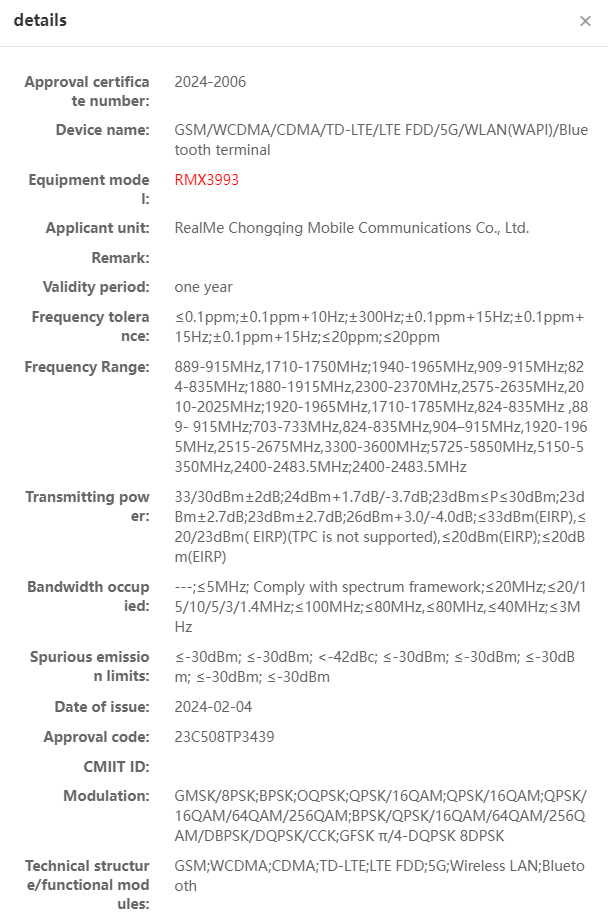
Realme RMX3993 bags radio certification, could be Realme GT Neo 6

Realme is reportedly gearing up to launch several new phones in China soon. It might introduce the Realme 12+ 5G, Realme 12 Pro 5G, and Realme 12 Pro+ 5G this month, with the eagerly awaited Realme GT Neo 6 soon after, probably in the coming month. A new device with the model number RMX3993 has been spotted in the database of China’s radio certification platform, fuelling speculation that it could be the GT Neo 6 undergoing the necessary certification process before its official release. However, the official name remains unconfirmed.

Realme RMX3993 radio certification

The radio certification for the purported Realme GT Neo 6 offers no specifics about its technical details. Nonetheless, its presence in the certification database suggests an impending launch. Here is a look at what the rumor mill has revealed about the device.

Realme GT Neo 6 specifications (rumored)

According to reports, the Realme GT Neo 6 will have an OLED panel that offers a 1.5K resolution and possibly a 144Hz refresh rate like predecessor models. Under the hood, the device will feature the Snapdragon 8 Gen 2. Reports claim that it could be the most affordable phone featuring the SD8G2 chip.

The highest configuration of the GT Neo 6 will offer 24 GB of LPDDR5 RAM and 1 TB of UFS 4.0 storage. It is likely to come preloaded with the Realme UI 5-based Android 14. In terms of pricing, the device is likely to be priced at 2,000 Yuan (~$277).

The Realme GT Neo 6 will rival the likes of the OnePlus Ace 3, Honor 90 GT, Redmi K70, and the iQOO Neo 9, which are also equipped with the Snapdragon 8 Gen 2 chip.

RELATED:

BMW iX3 electric SUV to use new battery technology and offer a range of up to 800 kilometers in 2026

BMW‘s forthcoming iX3 is set to play a pivotal role as the inaugural model in the Neue Klasse series, representing the core of BMW’s lineup for the next decade. The success or failure of the iX3 is deemed crucial to BMW’s ambitious electrification transformation. Scheduled for production in 18 months, the 2026 iX3 will join BMW’s product lineup alongside facelifted versions of its existing fuel-powered X3, marking a significant step in the brand’s journey toward electric vehicles (EVs).

Spy shots of the BMW iX3 prototype has surfaced

The design incorporates traditional BMW elements such as the Hofmeister corner on the rear window, along with features inspired by BMW’s latest concept cars like the Vision Circular and Vision Neue Klasse, evident in the wide, closed front end. Interior spy photos suggest a departure from the traditional instrument display in favor of a head-up display projected on the front windshield, resembling the Vision Neue Klasse.

The iX3 is built on the Neue Klasse platform, featuring an 800-volt electrical architecture and BMW’s sixth-generation battery. This battery utilizes a smaller cylindrical design, replacing the current prismatic battery, resulting in a 20% increase in battery energy density, a 30% boost in driving range (approximately 800 kilometers), and a 60% reduction in production-related carbon emissions. These advancements also contribute to a 30% reduction in charging time, promoting enhanced efficiency.

Expected to offer single-motor and dual-motor powertrains with rear- or all-wheel-drive options, the iX3 lineup may include an entry-level iX3 40 and a high-performance model, possibly the M60 xDrive or iX3 M, boasting up to 600 horsepower.

Currently produced in China alongside the i3 sedan, BMW plans to expand production of Neue Klasse models, including the iX3, to other global plants, including Munich, Germany, and Mexico. Additionally, BMW aims to introduce a long-wheelbase version of the iX3 tailored specifically for the Chinese market, designated as NA6.

Related:

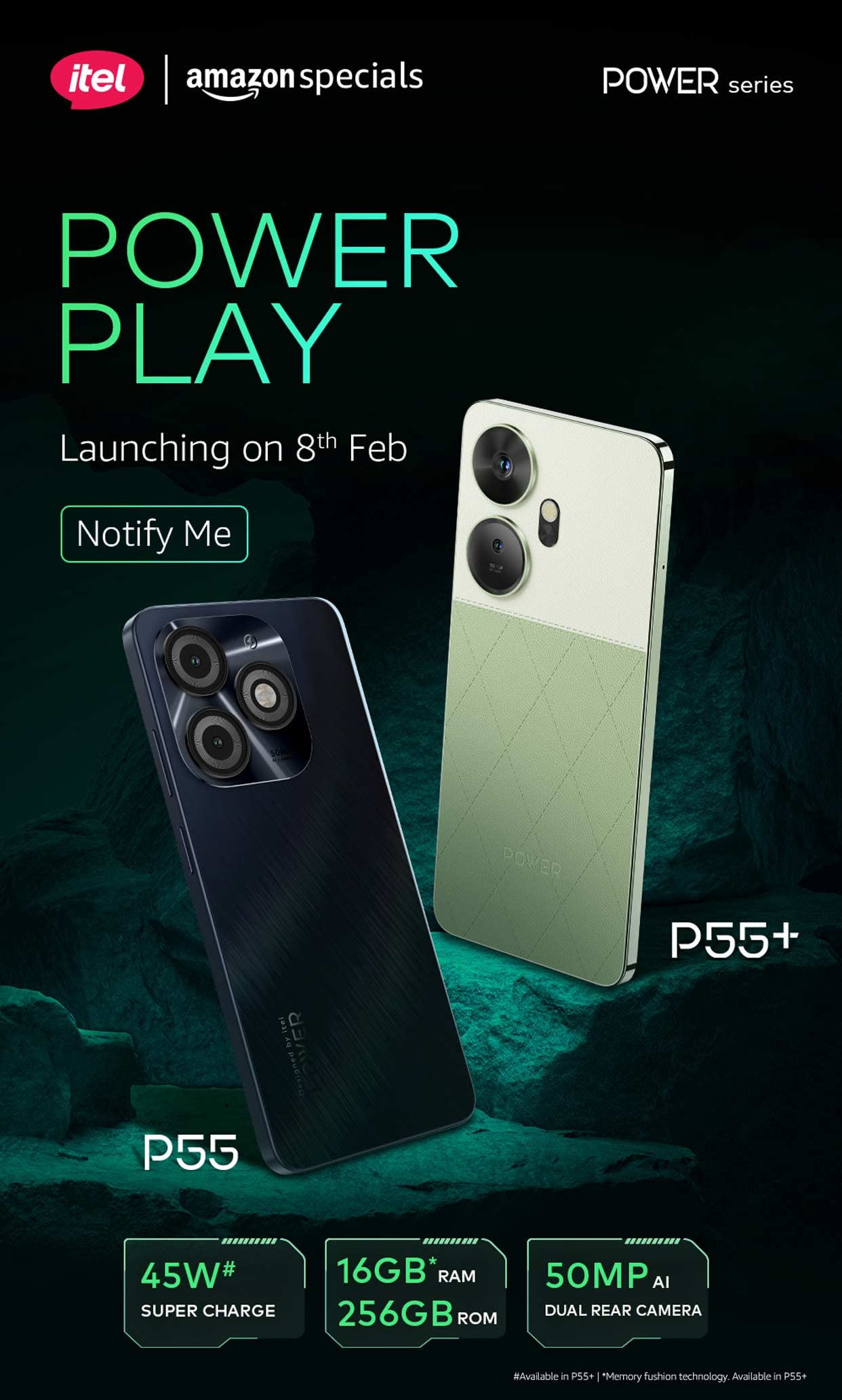
Itel P55+ with 45W charging, iP55 with 256GB storage launching on February 8 in India

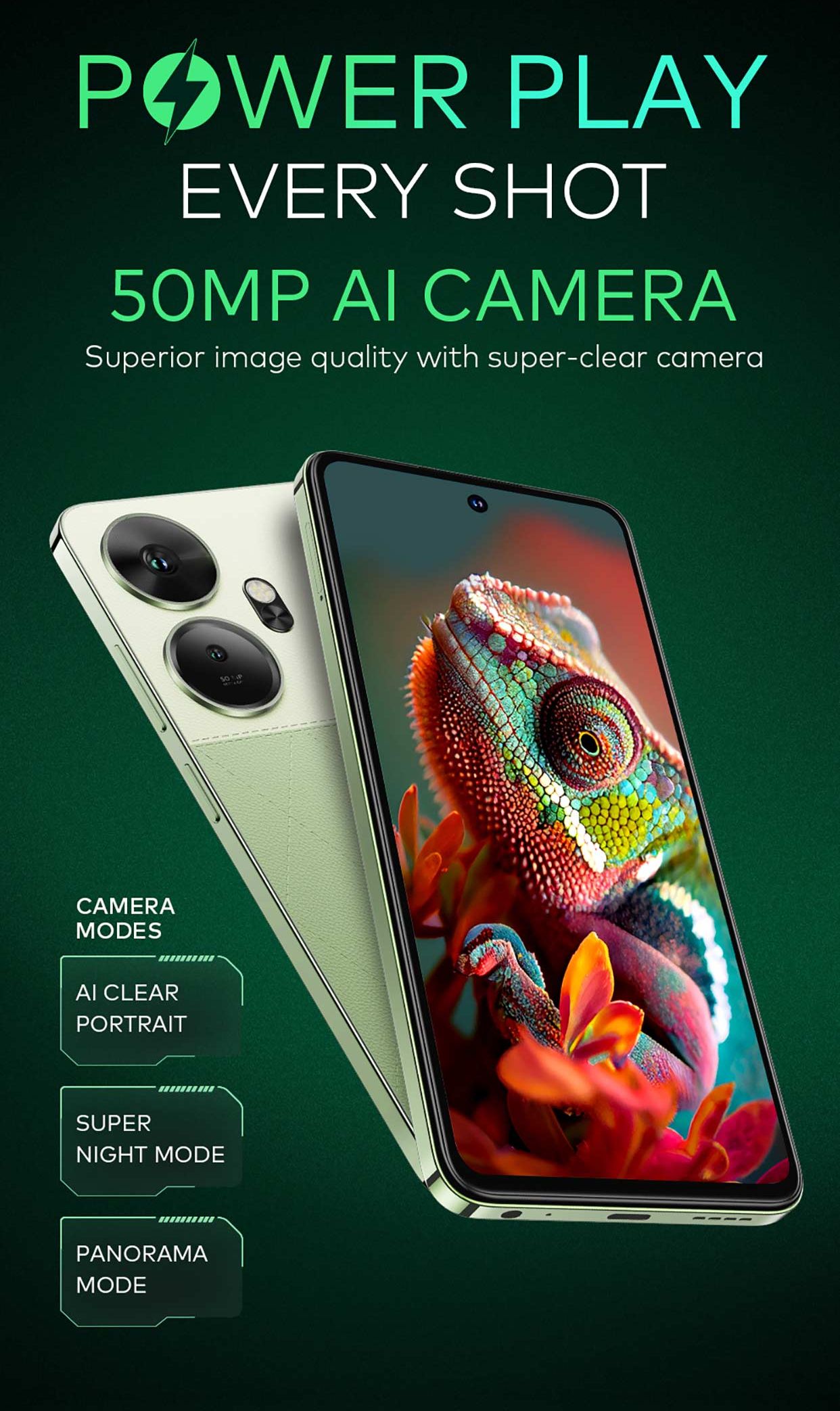
Itel recently confirmed that it will announce as many as three P-series Power Play phones in February in India. Today, a landing page showcasing the arrival of two new phones, the itel P55 and itel P55+, has gone live on Amazon India. The listing reveals that both phones are scheduled to launch on Feb. 8 in the country. The brand has confirmed the key specifications and design of both smartphones.

Itel P55+

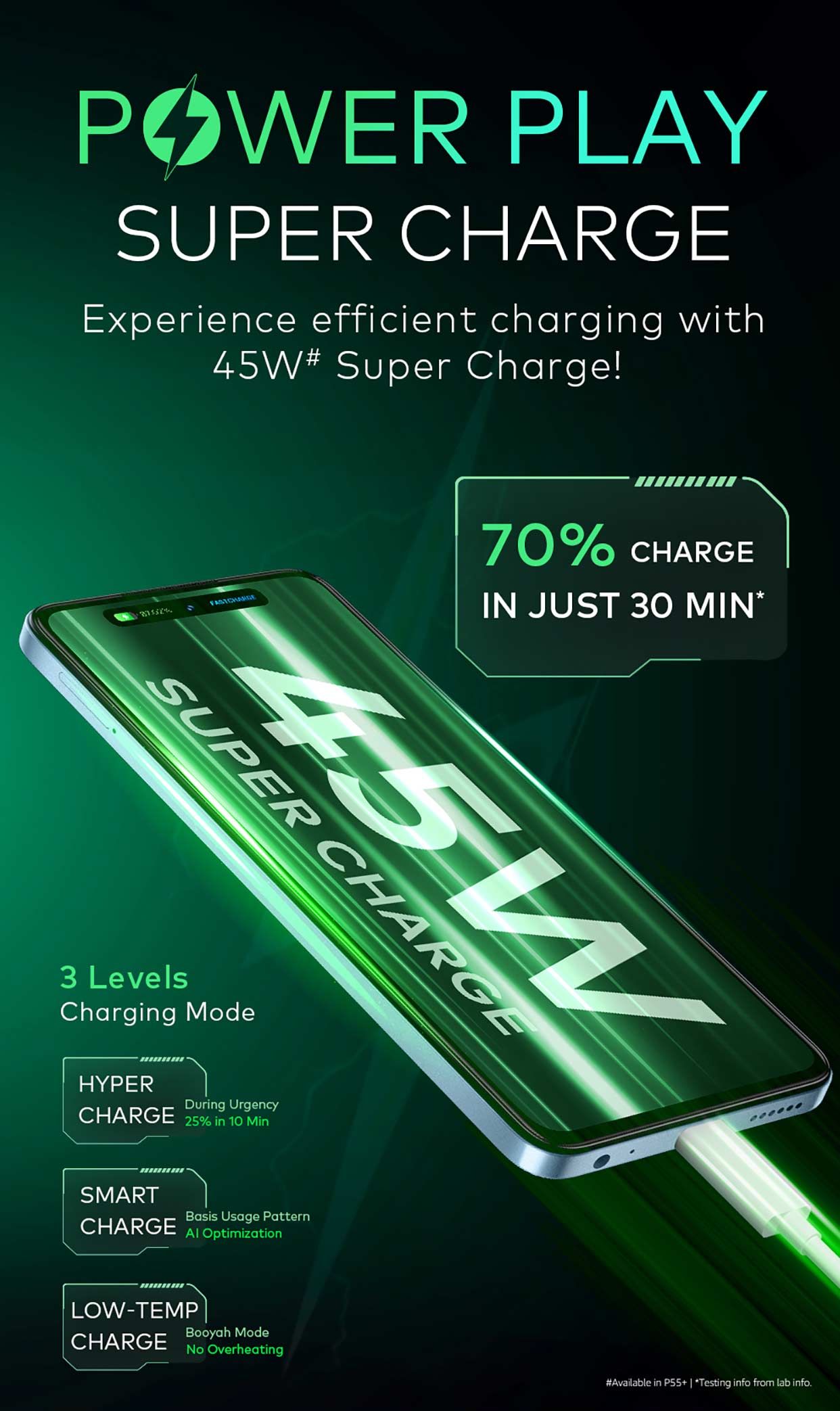
The major highlight of the itel P55+ is that it will offer 45W fast charging. According to the company, the phone can go from 0 to 70 percent in just 30 minutes. It will offer three levels of charging: Hyper Charge for quickly replenishing the battery, allowing users to gain 25 percent battery power in just 10 minutes. The Smart Charge option relies on AI to charge the phone based on the user’s usage pattern. There is also a Low-Temp Charge option that will charge the device without overheating. 

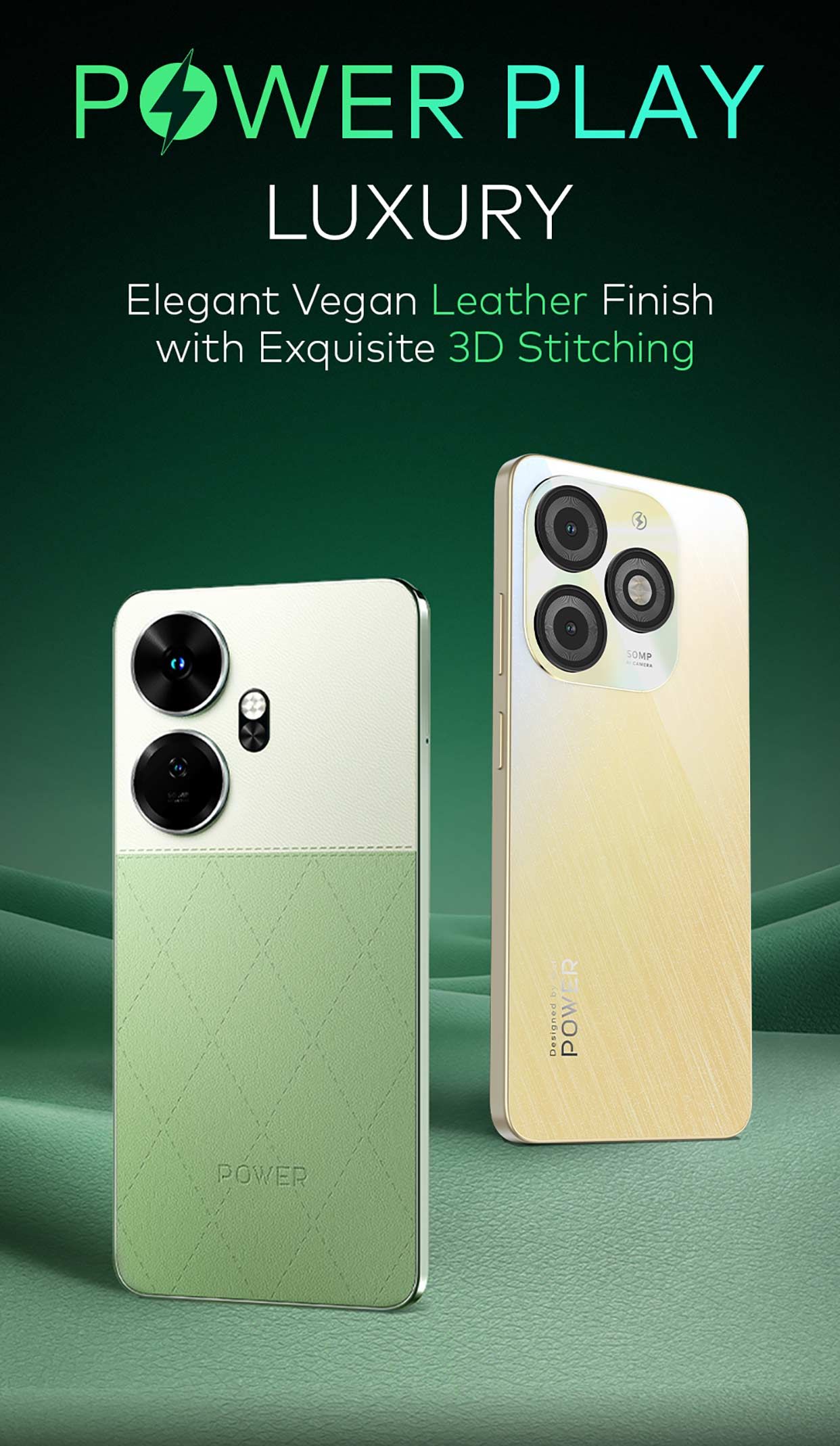
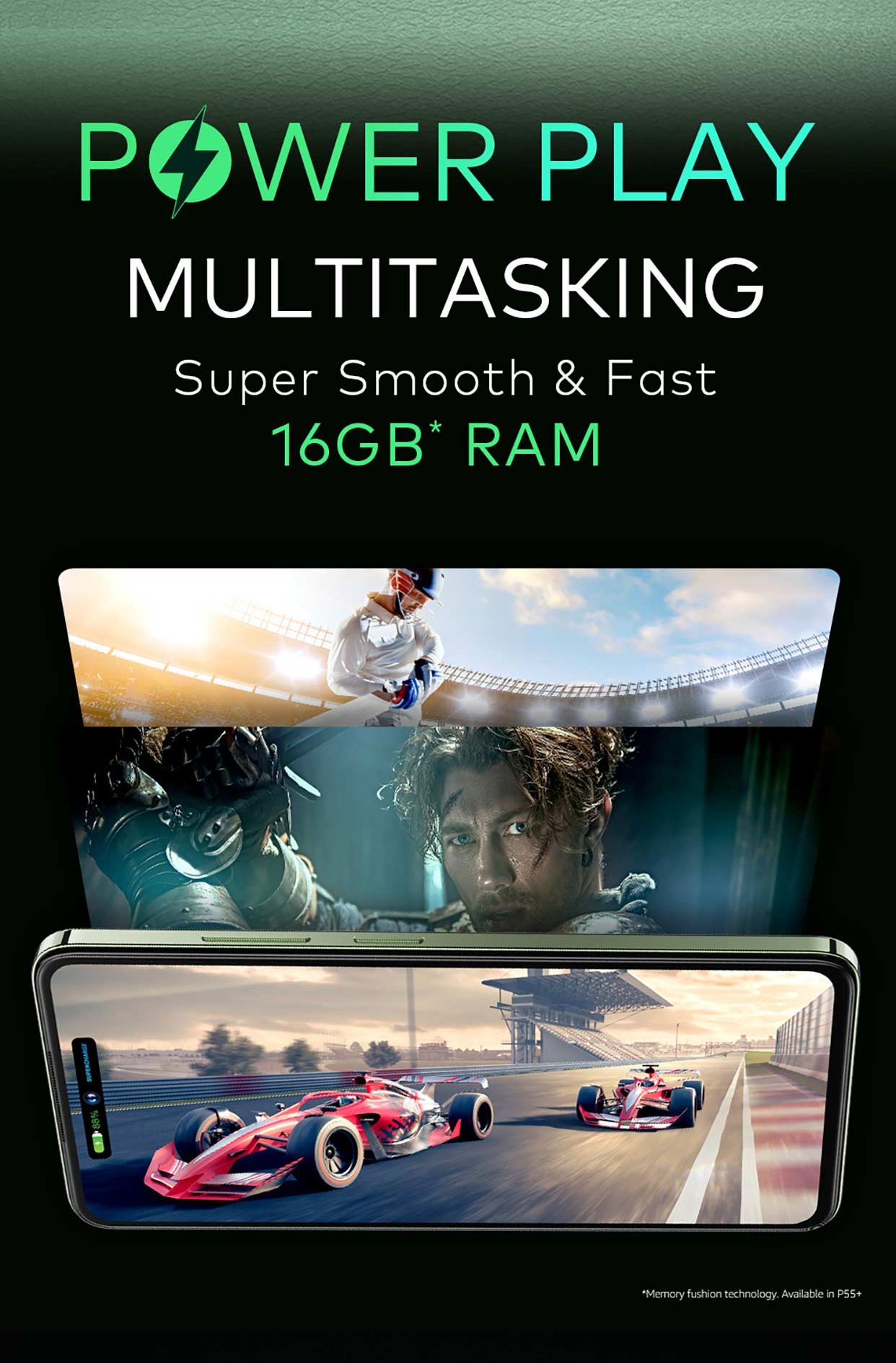
The device is also expected to offer up to 16 GB of RAM, including virtual RAM. It will come equipped with a 50-megapixel dual-camera system. Additionally, one of the color variants of the phone has a dual-tone finish featuring a leather-textured portion.

Itel P55

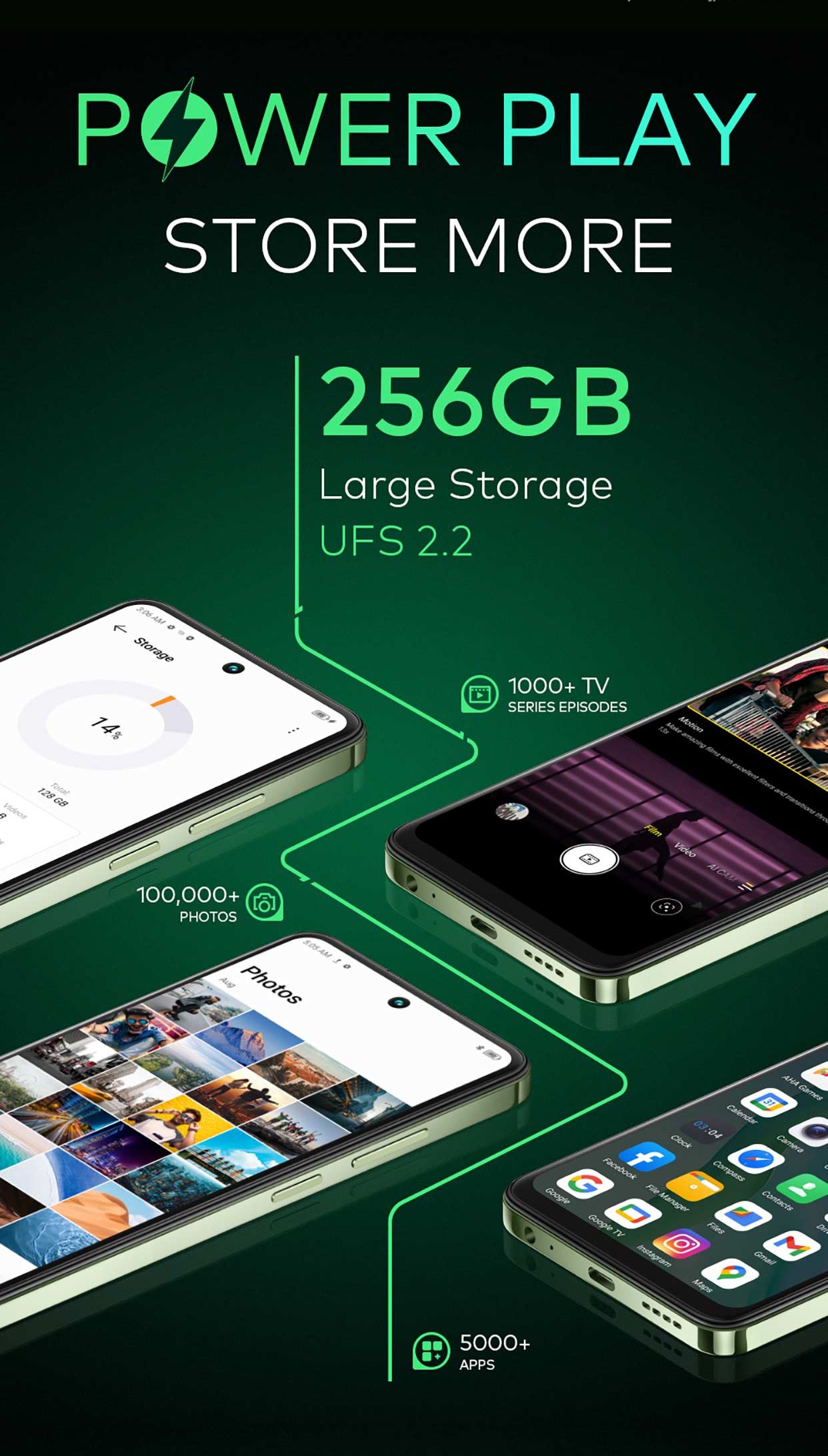
The itel P55’s main feature is that it will offer users 256 GB of built-in storage. It will also feature a dual-camera system. The other details of this phone are yet to be confirmed. 

Since these devices are already available in the African market, their specs are already known. Both phones will have a 6.56-inch HD+ 90Hz LCD panel, a Unisoc T606 chip, Android 13, an 8-megapixel front camera, and a 5,000mAh battery (18W charging on P55). The series is also expected to receive a third model named the itel P55T. This phone is likely to pack similar specs and will also offer a 6,000mAh battery as a differing feature.

RELATED:

BYD introduces Seal 06: A new plug-in hybrid car in the lineup

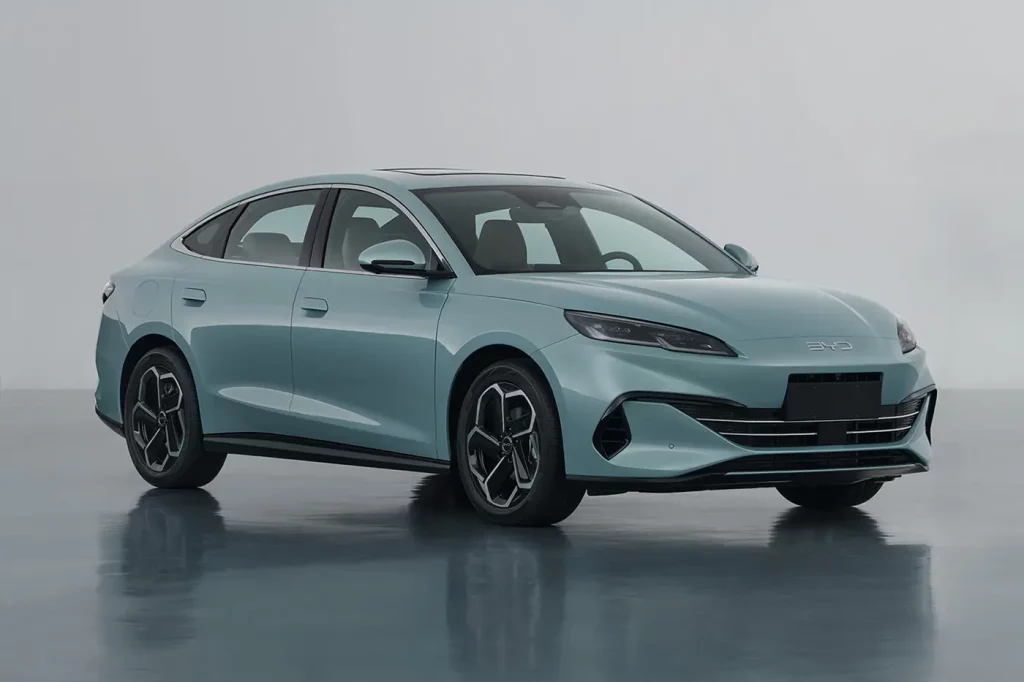
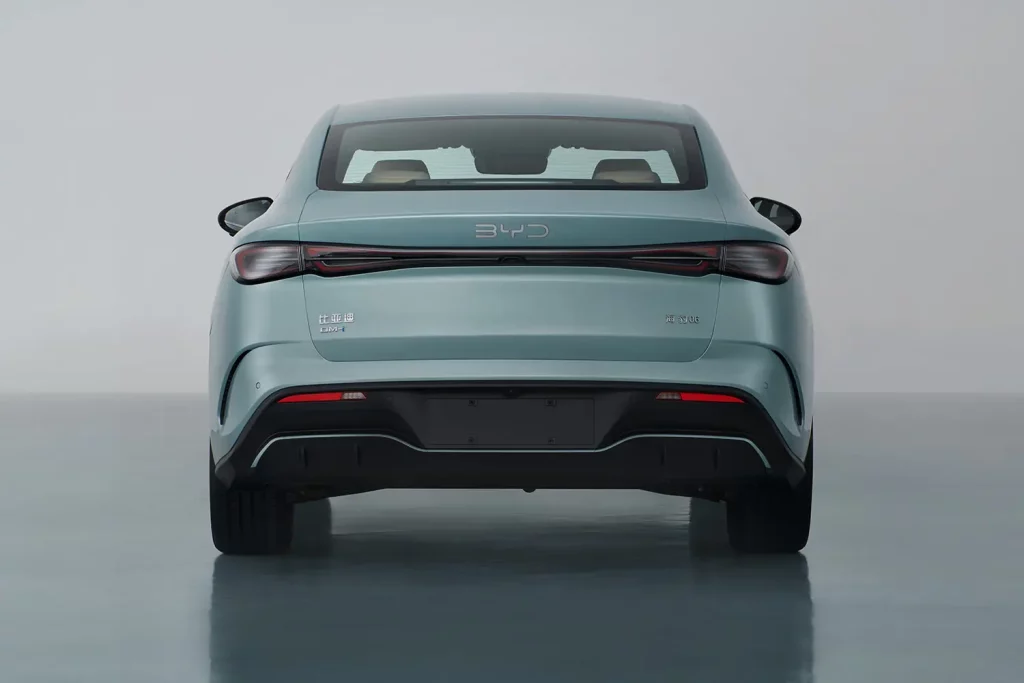
The Ministry of Industry and Information Technology has unveiled BYD‘s latest addition to its lineup through the “Announcement of Road Motor Vehicle Manufacturers and Products” (Batch 380). Alongside the previously reported Qin L, BYD introduces the Seal 06, a new plug-in hybrid model. Positioned as a vehicle under the existing Seal EV and Seal DM-i models, the Seal 06 stands out with a noticeably shorter body, suggesting a lower positioning in BYD’s product range.

The Seal 06 is shorter than the existing Seal EV, Seal DM-i models

The Seal 06, a plug-in hybrid car, exhibits dimensions of 4830mm in length, 1875mm in width, and 1495mm in height, with a wheelbase of 2790mm. Comparing these figures with the previously reported Qin L (4830/1900/1495mm, wheelbase 2790mm) indicates a potential interaction between the two models, suggesting a “sister model” relationship, similar to the dynamic between Qin PLUS and Destroyer 05 in BYD’s lineup.

Continuing BYD’s commitment to “marine aesthetics” in design, the Seal 06 boasts soft and smooth lines. The front grille, resembling a big grinning mouth, adds a unique touch to the vehicle’s appearance. Petal-style wheels contribute to the overall aesthetics, and buyers have the option to include a sunroof, panoramic sunroof, or small sunroof, providing customization choices for a personalized driving experience.

Under the hood, the Seal 06 is equipped with a 1498ml engine delivering 74kW of power, enabling a top speed of 180km/h. This car is anticipated to be part of BYD’s fifth-generation DM-i hybrid system, sharing the core technology with the Qin L but differentiating itself through distinctive exterior and interior design elements.

As automakers increasingly embrace hybrid technology, BYD’s Seal 06 enters the scene as a noteworthy addition, catering to consumers looking for a more environmentally friendly yet versatile driving experience. The strategic placement of the Seal 06 within BYD’s product hierarchy suggests a commitment to providing a diverse range of options for consumers seeking plug-in hybrid vehicles.

Related:

Redmi K50 finally receiving HyperOS Update with January 2024 Security Patch

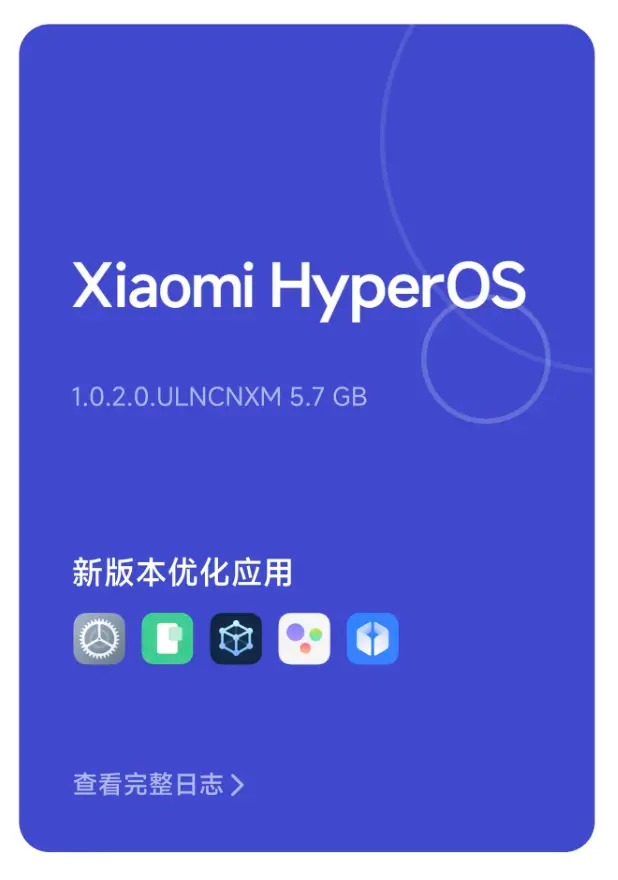
Xiaomi is finally pushing a stable HyperOS update for the Redmi K50 in China. The update with firmware 1.0.2.0.ULNCNXM is now rolling out to all users and weighs around 5.7GB in size. It is an incremental rollout and may take some time to reach each unit after successful verification with a small group of users. However, the update brings several new improvements and feature upgrades. More details are below:

The new update brings all the new features of HyperOS along with the luxuries of Android 14. With the new features and enhancements, the update also brings the January 2024 security patch. It aims to enhance the system’s performance and power efficiency. After the update, the smartphone may get overheated or have some issues for a couple of days. But it will get normal within a short time after its optimization for the new system is completed.

Redmi K50 initially received the HyperOS Developer Version and later beta builds, and now the Sable build is here. As listed in the second batch to receive the Hyper OS, the Redmi K50 is finally receiving it.

Below is the HyperOS official changelog (translated):

Xiaomi HyperOS

Xiaomi's ThePaper OS creates a "full ecology for people, cars and homes" operating system.

system

Update Google security patch (2024#01) to improve system security.

Low-level refactoring

The bottom layer of Xiaomi's ThePaper OS is reconstructed, which is the key to exerting excellent hardware performance;

Key task identification and dyeing technology dynamically controls resource allocation based on task importance, with stronger performance and lower power consumption;

Ultra-low-power rendering framework improves battery life and provides smoother animation effects;

SOC integrated frequency modulation connects the hardware resources of the whole machine in series to respond to changes in computing power requirements faster, with fewer frame drops and smoother performance;

Smart IO engine, focus IO is executed first to avoid preemption and make it smoother;

Refresh storage technology to reduce storage fragmentation, allowing you to use it as new for a long time;

The intelligent network selection capability has been upgraded, making the network in weak network environments smoother;

Intelligent signal selection engine dynamically adjusts antenna strategies to improve signal stability.

Cross-terminal intelligent connection

Xiaomi HyperConnect cross-device interconnection framework allows devices to be efficiently connected and achieve ultimate collaboration;

The new integrated device center enables dynamic real-time networking of all devices, and you can view and control surrounding devices in the control center;

The cross-device experience has been fully upgraded, supporting cross-device calls to multiple hardware capabilities such as cameras, screens, and communications;

Data and services such as applications, audio and video, and clipboard support the free flow between multiple devices.

Global security

Security and privacy architecture for device interconnection;

Devices verify mutual security through TEE, and data transmission is encrypted at the hardware level;

Cross-end privacy system, including Internet permission management, Internet behavior reminders and Internet behavior records.

Aesthetics of life

The life-sense aesthetics facing globalization creates delicate and comfortable visuals and light and coherent dynamic effects. The diverse fusion of expressions brings a new systematic aesthetic experience;

The new motion language brings a light and coherent global motion experience;

Vitality color system, natural colors full of vitality, give the interface a brand new look;

Unified system fonts, designed for the world;

New weather design and real-time weather engine create a surreal visual experience;

Global focus notification system dynamically displays changes in key information;

The new artistic lock screen turns every photo of yours into a poster. It also has dynamic glass material, making the screen look exquisite the moment it lights up;

The design of desktop icons has been upgraded, and the colors and shapes have been completely renewed;

Self-developed multiple rendering technologies present delicate and comfortable natural visual effects;

Reconstruct multi-task window management, unified interaction, efficient and easy to use.

Users can head over to Device Settings > About > Software Update > Check for Update to grab the latest firmware. Before upgrading, make sure you have an ample amount of storage and battery left on your smartphone. Otherwise, it may cause issues that may even corrupt data.

Related:

Samsung Receives Maiden 2nm AI Accelerator Order, Including HBM and Advanced Packaging

Most chip manufacturing companies are continuously making efforts to expand, accent, and enhance chip manufacturing to meet the ever-growing demand. Samsung Electronics, TSMC, and Intel are now working on 2nm chip manufacturing, which will go live for production next year. Amidst all this, Samsung Foundry has received its first 2nm AI Accelerator Order along with HBM and Advanced Packaging Services.

In an announcement along with the Q4 2023 report, Samsung mentions the jump in demand for smartphones and PCs, which is also turning the tide for the foundry business. According to assumptions, the chip foundry market will return to the demand level of 2022 this year. With increasing demand for AI and other complex processes, chip makers are continuously increasing their efforts to start developing 2nm chipsets.

Samsung in particular is currently mass-producing 3nm GAA chips, while the 2nm process is slated for next year. The new process aims to increase performance by 25% in comparison with the 3nm GAP process. Even so, it will improve the power efficiency by 12% and reduce the size by over 5% in comparison with the 3nm 3GAP. Samsung could get a Snapdragon 8 Gen 4 manufacturing consignment, which will use their 3nm GAP process.

Major players like TSMC, Intel, and Samsung are leading the charge to tackle the growing demand for the latest and most advanced semiconductor manufacturing process. Reports suggest that Apple is set to become TSMC’s inaugural customer for the 2nm process. Additionally, Intel has announced receiving orders for its 18A process, specifically for 5G infrastructure chips, from Ericsson.

Amidst this competition, Samsung is gearing up to attract customers to its 2nm process by offering competitive prices. Qualcomm, a major player in the semiconductor industry, is reportedly planning to shift some of its flagship System on Chips (SoCs) to Samsung’s SF2, indicating the company’s interest in Samsung’s 2nm manufacturing capabilities. The move towards more advanced processes reflects the industry’s continuous pursuit of enhanced performance and efficiency in semiconductor manufacturing.

Related:

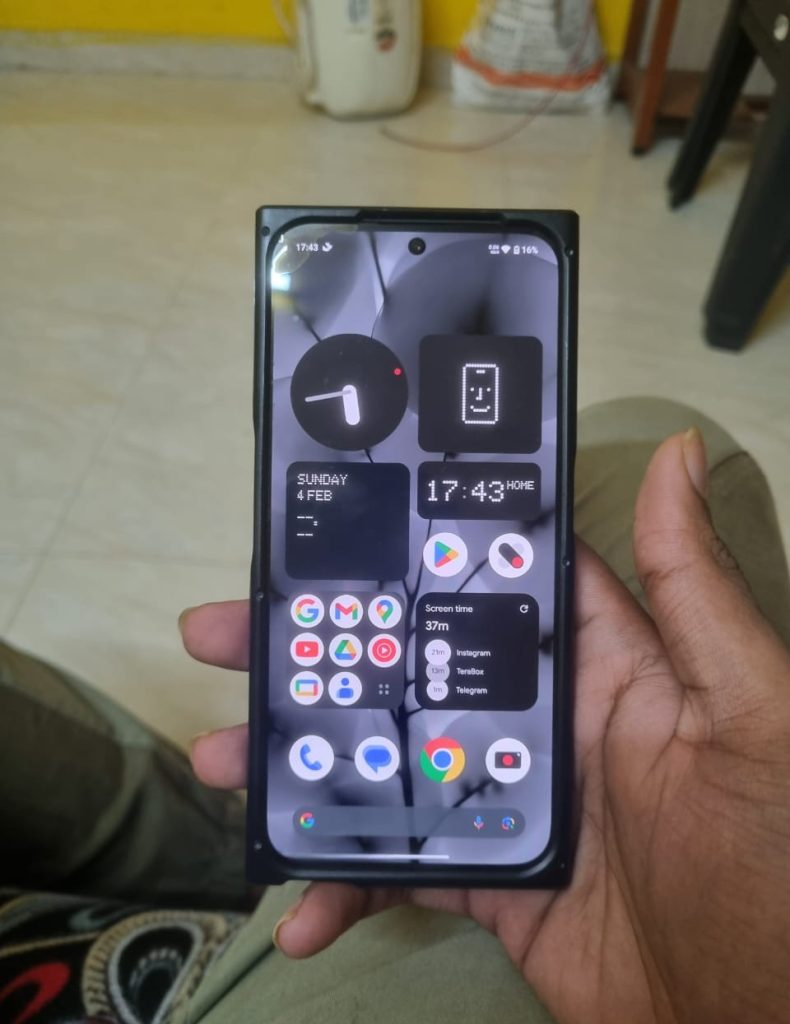
Nothing Phone (2a) live shots emerge to hint front, rear design

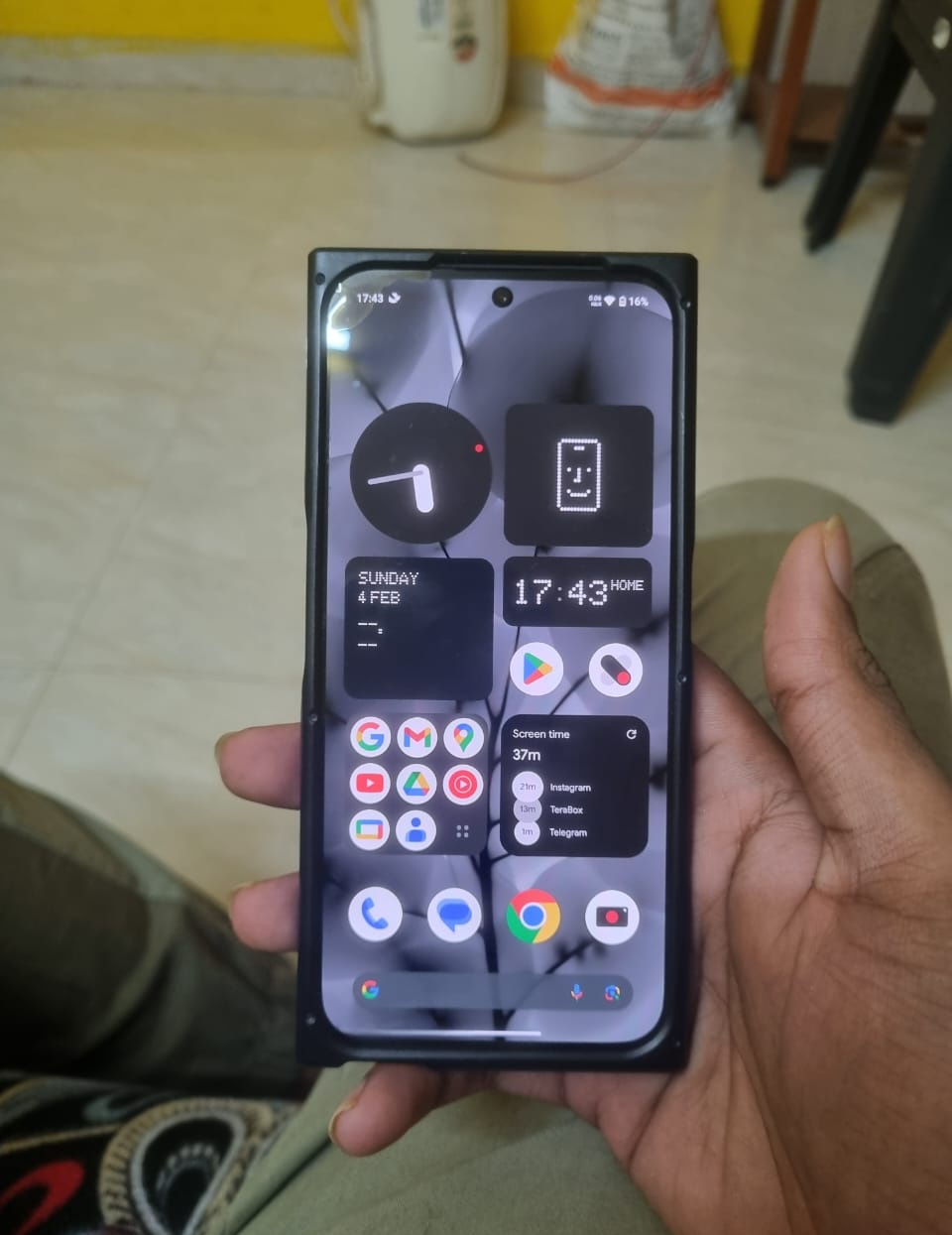
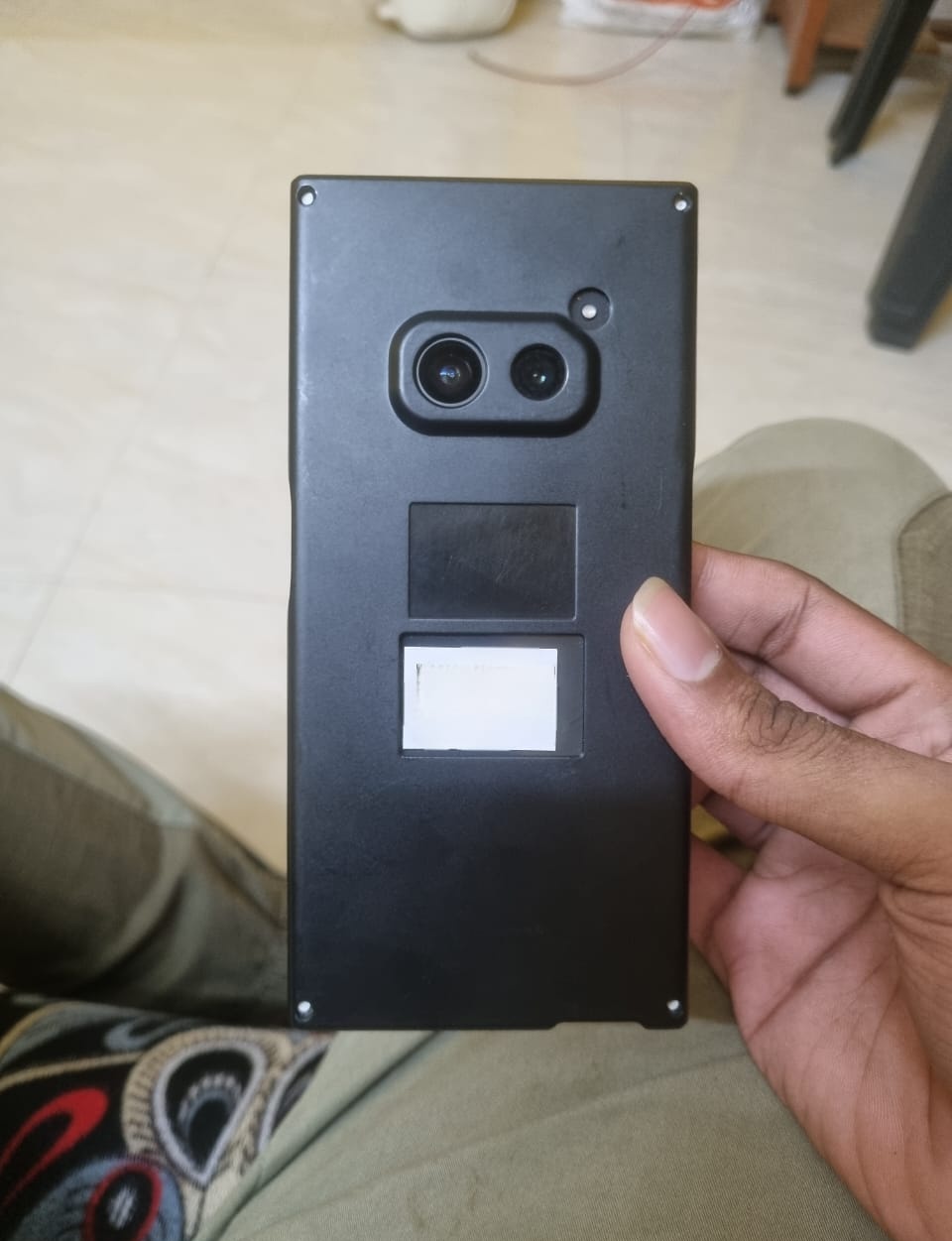
In the past week, Nothing announced that its upcoming smartphone will bear the name Nothing Phone (2a). Nevertheless, the brand has not disclosed details regarding its design and specifications. With the smartphone expected for a release later this month, it is probable that the company will officially confirm some specifics in the coming week. In a new development, it seems that Nothing may have unintentionally leaked images of the Phone (2a) on its Reddit handle. Although the pictures have been taken down, they have already circulated extensively on various social media platforms.

Nothing Phone (2a) live shots

The images of the alleged Nothing Phone (2a) do not provide a clear look at its design as it is enclosed in a protective case. On the front, the device can be seen sporting a display with a centrally positioned punch-hole.

The backside of the phone is rumored to feature a redesigned Glyph interface, but it is not visible because of the case. The rear does suggest that it has a horizontally arranged dual-camera system and an LED flash. Here is a look at the rumored specifications of the device.

Nothing Phone (2a) specifications (rumored)

According to reports, the Nothing Phone (2a) will feature a 6.7-inch AMOLED display that supports a Full HD+ resolution, a 120Hz refresh rate, and an under-display fingerprint sensor. Under the hood, the device is expected to feature the Dimensity 7200 chipset, up to 12 GB of RAM, up to 256 GB of storage, and a 4,920mAh battery with 45W fast charging.

The Phone (2a) may feature a 32-megapixel Sony IMX615 front camera. Its rear camera setup may include an OIS-enabled 50-megapixel Samsung GN9 main camera and a 50-megapixel Samsung JN1 ultra-wide lens. The device is expected to run on Nothing OS 2.5-based Android 14 and is likely to arrive in black and white shades.

RELATED: