Advertisement

Samsung Galaxy M14 4G India support page live, Galaxy M14 & F14’s design revealed

Samsung is gearing up to launch new Galaxy M and F smartphone models soon. The support page for the Galaxy M14 4G has gone live in India, while a user manual has revealed the design of the Galaxy M14 as well as the Galaxy F14 4G model. So let’s have a look.

Samsung Galaxy M14 4G & Galaxy F14 5G

The South Korean tech giant’s upcoming Galaxy M14 is basically the 4G version of the previously released Galaxy M14 5G. Earlier today (31st January 2024), MySmartPrice spotted the support page for the device on the brand’s official website in India. It is worth noting that both the M14 and F14 are practically identical in terms of specifications. The only difference between the two is availability in different marketplaces.

Samsung Galaxy M14 4G

The upcoming Samsung Galaxy M14 4G carries the model number SM-M145F, while the Galaxy F14 4G has the SM-E145F model number. Looking at the user manual, the design of both smartphones was also revealed. The front appears to have a waterdrop notch for the selfie camera and the rear packs a triple camera setup that is vertically stacked. The screen is surrounded by noticeable bezels and a thick chin.

On the right, it houses a power button, a fingerprint sensor, and volume rockers. Meanwhile, the left features a SIM card slot and the bottom has a lone firing speaker, a USB Type C port, and a headphone jack. It offers NFC support well, as per the user manual. This is all the information we have at the moment, so stick around for more updates.

RELATED:

Microsoft is testing next-gen Windows version, possibly dubbed “Win11 2024 Update”

Microsoft is currently in the testing phase for its next-generation Windows version, speculated to be named either “Windows12” or “Win11 2024 Update.” The current Canary 27547 version, compiled internally, signals a considerable leap from the existing generation. It indicates the initiation of internal testing for the ge_release (Germanium_release) version. While initial predictions leaned towards “Windows 12,” recent indications from various sources hint at the possibility of the upcoming release being labeled “Windows 11 2024 Update” and being built on the Germanium platform.

Internal testing for the “Win11 2024 Update” has been initiated

The nomenclature of Microsoft’s Windows updates follows the periodic table of elements, and it’s noteworthy that the upcoming release is associated with Germanium (germanium). Previous updates, such as 21H2 (Cobalt) and 22H2 (Nickel), have adhered to this pattern. Understanding the evolution of Windows versions provides insights into the developmental trajectory.

The journey began with the initial version of Windows 11 (21H2), codenamed “Sun Valley,” initiated from version 22000 and rooted in the “Cobalt” code base, hitting the market in October 2021. The subsequent Windows 11 2022 Update (22H2), known as “Sun Valley 2,” started at version 22621, grounded on the “Nickel” code base, and was released on September 20, 2022.

Following this, the Windows 11 2023 Update (23H2), carrying the code name “Sun Valley 3,” was based on the 2022 update code base, commencing from version 22631. Enabled through an enablement package, it saw release on October 31, 2023.

Looking ahead, the Windows 11 2024 Update (24H2) is anticipated to be named “Hudson Valley,” with its foundation resting on the “Germanium” platform. This approach to naming conventions aligns with Microsoft’s established pattern of using elements from the periodic table. It maintains a systematic framework for users to identify and understand each Windows update.

Related:

Vivo V40 SE 5G bags another certification, may launch soon

Vivo is expected to soon unveil the Vivo V30 series of smartphones on the global market. Surprisingly, the brand is also said to be working on the Vivo V40 series. In the latest development, the Vivo V40 SE 5G has received approval from the GCF certification platform.

Vivo V40 SE 5G GCF certified

Vivo V40 SE 5G GCF listing

Earlier this month, the Vivo V40 SE 5G was spotted with model number V2337 in the database of the Bluetooth SIG certification platform. The same device was spotted with the Vivo V40 Lite 5G moniker in the GSMA IMEI database at the beginning of this month. The GCF authority has now approved the V2337 device bearing the Vivo V40 SE 5G name.

The GCF certification implies that the approved device is capable of functioning on various cellular networks globally. The GCF listing for the Vivo V40 SE 5G outlines the specific network bands supported by the device. When it comes to 5G support, the V40 SE will support network bands such as n1, n2, n3, n5, n8, n20, n38, n40, n41, n66, n77, and n78.

Vivo V40 SE 5G appears in Google Play Supported Devices list

In addition, the V40 SE 5G has also emerged in the Google Play Supported Devices list. Unfortunately, none of the recent sightings of the device have revealed anything concrete about its specifications. It is speculated that the device may launch in the second quarter of the year.

The Vivo V40 SE / V40 Lite will succeed the Snapdragon 695-powered Vivo V30 Lite, which debuted in December 2023. The device came with other specs, such as a 6.67-inch AMOLED FHD+ 120Hz screen, FunTouch OS 13-based Android 13, a 50-megapixel front camera with autofocus support, a 64-megapixel (main, with OIS) + 8-megapixel (ultra-wide) + 2-megapixel (macro) triple camera unit, and a 4,800mAh battery with 44W fast charging.

RELATED:

Apple just released a firmware update for AirPods Max, offering “bug fixes and other improvements”

Apple has rolled out a new firmware update, version 6A324, for its AirPods Max headphones. It comes following the previous firmware version 6A300, which was released in September last year. While the tech giant has not provided detailed information about the new features accompanying the update, it is stated to include “bug fixes and other improvements.”

Firmware 6A324 includes some bug fixes and other improvements

Credit: Apple

Although specifics about the bug fixes and enhancements remain undisclosed, Apple users can expect an optimized audio experience and potentially improved connectivity and functionality. The update process typically occurs seamlessly when the device is powered on and connected to an iOS device or Mac, ensuring users can effortlessly enjoy the benefits of the latest enhancements.

The AirPods Max, touted by Apple as a comprehensively reimagined headset, boasts intricate designs for user comfort and sound isolation. From the ear pads to the headband, the device is crafted with precision to cater to various head shapes. The AirPods Max is available in five colors – space gray, pink, green, silver, and sky blue. Users also have the option to personalize their devices through engraving. The current price on Apple’s official website is 3,999 yuan (~$564)

If you’re curious about the firmware version installed on your AirPods Max, here’s a simple way to check that. By connecting the AirPods Max to an iOS device and navigating to the Settings app, users can follow the steps to check the firmware version under the “About” section.

New Apple AirPods Max – Silver 

Related:

ACEMAGIC S1 Mini PC: Unleashing Power and Style in a Compact Design ($50 Discount Code)

ACEMAGIC S1 stands out as a powerhouse in the Mini PC market, boasting cutting-edge features and a sleek design that seamlessly integrates into any workspace or living area. Powered by the formidable Intel 12th Alder Lake N95 processor, this mini marvel combines performance with portability, offering a range of functions that make it an indispensable addition to your tech arsenal.

Powerful Processor:

At the heart of the ACEMAGIC S1 is the 12th Gen Intel Alder Lake-N95 processor, running at speeds of up to 3.4 GHz and equipped with a 6 MB Level 3 cache. This processing powerhouse ensures swift and efficient handling of daily tasks, making it perfect for office work, online training, and 4K video playback. The inclusion of 16GB DDR4 2666 MHz RAM and storage options ranging from a speedy 512GB M.2 NVMe SSD to a capacious 1TB SSD ensures that the ACEMAGIC S1 is ready for any challenge.

Display and Design:

A standout feature of the ACEMAGIC S1 is its 1.9″ TFT LCD, which not only provides at-a-glance CPU status monitoring but also adds a touch of style to your setup. The mini PC supports dual-screen 4K display, enhancing your visual experience. The magnetic detachable casing design facilitates easy upgrades and enhances portability, making it a breeze to adapt to evolving storage needs.

Networking Capabilities:

The ACEMAGIC S1 is a networking powerhouse with dual Gigabit Ethernet ports, enabling versatile network construction. It offers a fast Wi-Fi browsing experience, with a 270% improvement over Wi-Fi 5, thanks to options supporting both Wi-Fi 5.2 and Wi-Fi 6. The newly upgraded Bluetooth 5.2 ensures seamless wireless peripheral connections.

Cooling System and Orientation:

Efficient heat dissipation is ensured by the ACEMAGIC S1’s cooling system, featuring copper pipes for faster heat conduction and a bottom ventilation design. The mini PC runs quietly even under full load, maintaining a conducive working environment. Its versatile orientation allows for both vertical and horizontal placement, saving valuable desk space.

Multi-Purpose Functionality:

Beyond its compact size of 12.4 x 12.8 cm and weight of just 0.38 kg, the ACEMAGIC S1 serves multiple purposes. It functions as a soft router and firewall, ensuring network security. Additionally, it can seamlessly transform into a file storage server within your home network, making data accessibility a breeze.

Unique Design and Additional Features:

The ACEMAGIC S1’s LCD and RGB lights add a stylish touch to any workspace. The magnetic design not only facilitates easy memory replacement but also adds to the overall aesthetic appeal. Pre-installed with an operating system, the mini PC supports Linux, Wake On LAN, RTC Wake, and Auto Power On.

Price and Discount:

Unlock the ACEMAGIC S1 Mini PC at an unbeatable price! Apply discount code “ACES1N95PC” and slash $50 off the original $199 price tag. Don’t miss the chance to own this powerhouse of performance and versatility for the final price of just $149. This offer is valid till February 4th, 2024, at 23:59 CET, 

ACEMAGIC S1 Mini PC offers a perfect blend of power, style, and versatility. Whether you are looking for a compact office companion, a media center, or a reliable networking solution, the ACEMAGIC S1 is poised to exceed your expectations. 

Honor’s 5G tablet coming soon, key specifications leaked

Honor has just launched the Honor Magic 6 and Magic 6 Pro smartphones, along with the Honor Magic V2 RSR Porsche Design, in the Chinese market. These devices will be announced to the global market at the upcoming MWC (Mobile World Congress) 2024 tech trade show, which will be held by the end of February. A new leak by tipster Digital Chat Station reveals that the brand is also working on a new 5G-enabled tablet for the Chinese market. Here is a look at the key specifications of the device that the tipster has revealed.

Honor’s upcoming 5G tablet: What to expect?

The upcoming Honor tablet with 5G support will be an entry-level model with a Snapdragon chip, according to DCS. It will have a 12.1-inch LCD screen with a Quad HD resolution of 2560 x 1600 pixels and eye protection support. While the battery size of the device has not been mentioned, the leak states that it will support 35W fast charging.

The leaker added that Honor is also working on a flagship tablet that will have support for satellite connectivity. Unfortunately, the leaker did not reveal the marketing names of these tablets.

Honor is known for launching its tablets with Pad and Pad X branding. In December 2023, the company announced the Snapdragon 6 Gen 1-powered Honor Pad 9 in China. The device, also known as the Honor Tablet 9, lacks cellular connectivity.

In July 2023, the company announced the Honor Pad X9 equipped with the Snapdragon 685 chipset in China. The tablet is also available in the global market in Wi-Fi-only and LTE versions.

There is a possibility that the entry-level 5G tablet that the leaker is talking about could be the successor to the Pad X9. Therefore, it is likely that the tablet could be called the Honor Pad X10 when it debuts on the market.

RELATED:

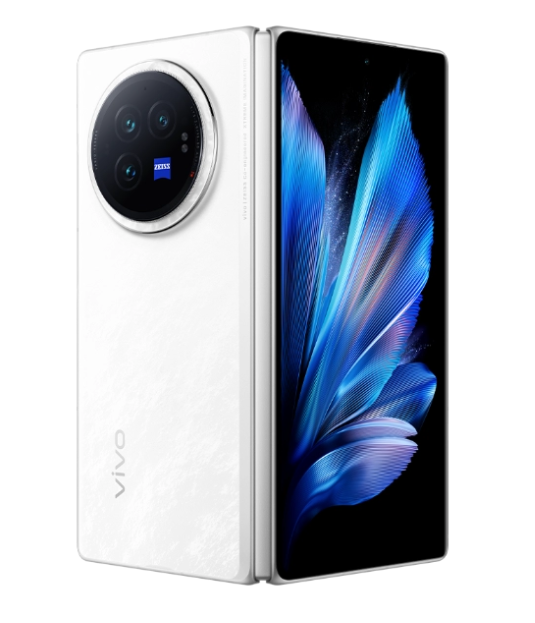
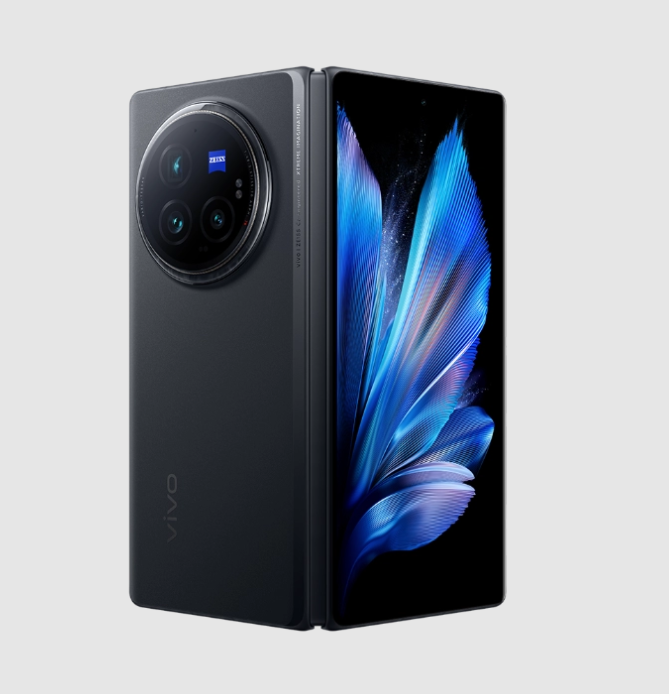
Vivo X Fold 3 series likely to feature OV50H main camera

In March, Vivo is set to unveil the Vivo X Fold 3 series of foldable phones in the Chinese market. The lineup will consist of two models: the Vivo X Fold 3 and the X Fold 3 Pro. While the Pro model will boast top-notch specifications, the standard version could be positioned as a more affordable offering. Today, tipster Digital Chat Station released a Weibo post revealing the primary camera of what seems to be the X Fold 3 series.

Vivo X Fold 3 series primary camera

Vivo X Fold 3 series leak by DCS

In the screenshot above, DCS can be seen discussing a foldable phone expected to feature a thin and light form factor, likely the Vivo X Fold 3 series. He mentions that the device will include an OmniVision OV50H main camera and a periscope telephoto lens.

Previous reports have suggested that the standard Vivo X Fold 3 will not include a periscope telephoto camera. Therefore, it seems that the leaked information pertains to the Vivo X Fold 3, which, according to other leaks, will incorporate a 64-megapixel periscope telephoto camera.

Vivo has previously utilized the OV50H as the primary camera on the iQOO 12 and 12 Pro. There is a possibility that both the X Fold 3 and the X Fold 3 Pro will share the same primary camera.

For those who don’t know, the Vivo X Fold 3 and X Fold 3 Pro are expected to feature the Snapdragon 8 Gen 2 and Snapdragon 8 Gen 3 chipsets, respectively. It is speculated that the X Fold 3 will also lack features like an ultrasonic in-screen fingerprint scanner and wireless charging, which are said to be available on the Pro model. It is likely that the X Fold 3 will have a side-facing fingerprint scanner.

Vivo’s launch event in March for the Chinese market is also expected to see the arrival of the Vivo Pad 3 tablet and the Vivo X100s smartphone.

RELATED:

Samsung Galaxy Z Flip 6 may pack larger battery than Galaxy Z Flip 5

Samsung reportedly working on its next-generation foldable phones, the Galaxy Z Fold 6 and the Galaxy Z Flip 6. These devices are expected to break cover in July of this year. Since November, the rumor mill has been gradually leaking details about the upcoming Z-series foldable phones. A new leak, courtesy of GalaxyClub, reveals that the Z Flip 6 will have a larger battery than the Galaxy Z Flip 5.

Samsung Galaxy Z Flip 6 may feature a 4,000mAh battery

Samsung Galaxy Z Flip 5

The Galaxy Z Flip 3, which debuted in August 2021, came equipped with a 3,300mAh battery. Samsung increased the battery size to 3,700mAh on the Galaxy Z Fold 4 and the Galaxy Z Fold 5. As per the new leak, the South Korean tech giant is testing larger batteries for the Galaxy Z Flip 6.

The publication states that the dual-battery configuration of the Galaxy Z Flip 6 includes one cell with a capacity of 1,097mAh (rated value) and another one with 2,790mAh (rated value), summing up to 3,887mAh (rated value). To provide context, the Galaxy S24 is equipped with a 3,880mAh (rated value) battery, with a typical value of 4,000mAh. Consequently, it seems that the Galaxy Z Flip 6 will provide a combined battery capacity of 4,000mAh (typical value).

A recent report revealed that the Galaxy Z Flip 6 will feature larger internal and external displays compared to its predecessor. To recall, the Z Flip 5 comes with a 6.7-inch foldable FHD+ AMOLED display on the inside and a 3.4-inch external screen. Although the exact size of the internal display for the Z Flip 6 is yet to be disclosed, it is being said that it will sport a 3.9-inch outer screen.

Furthermore, it is rumored that the Z Flip 6 will replace last year’s 12-megapixel primary camera with an upgraded 50-megapixel camera sensor. In addition, it is expected to come equipped with the Snapdragon 8 Gen 3 for Galaxy and the Galaxy AI features.

The details that have emerged so far suggest that the Z Flip 6 will be a major upgrade over the Z Flip 5.

RELATED:

(source)

Huawei Mate 70 lineup to rival the iPhone 16 series, will continue to rely on domestic manufacturers

The Mate 60 series of smartphones, which made their debut in China in August and September, were noteworthy as the first Huawei phones to incorporate the in-house Kirin chipset following the US trade ban imposed on the brand back in May 2019. Huawei experienced a notable resurgence with the Mate 60 series, witnessing an 83 percent surge in sales during October. This remarkable performance positioned Huawei as a significant competitor to the iPhone 15 series, which debuted around the same time. In contrast, the iPhone 15 series saw a more modest increase in sales, with a growth of 11 percent. According to Chinese leaker Smart Pikachu, Huawei is gearing up to reclaim its position as a market leader this year in the Chinese market by positioning the Mate 70 series as a formidable competitor to the upcoming iPhone 16 series.

Huawei Mate 70 series to feature components from domestic suppliers

Huawei Mate 60 Pro
Huawei Mate 60 Pro

According to the leaker, the upcoming Huawei Mate 70 is anticipated to mark Huawei’s resurgence in the mobile phone industry, positioning itself as a significant competitor to the expected iPhone 16, scheduled to debut in September of this year. The company is currently deeply engaged in comprehensive preparations to ensure the success of this device, with planned shipment volumes significantly surpassing those of the previous generation, including the “Extraordinary Master” variant (machine-translated, likely referring to the RS Ultimate model).

Similar to Huawei’s approach with the Mate 60 series, the company will heavily rely on domestic production and self-development for the Mate 70 series. Its hybrid camera system will feature a new one-inch primary camera and a large aperture with improved light processing.

The Mate 70 series’ display will showcase a quad micro-curved design. Like the iPhone 16 series, the Mate 70 lineup will have multiple models with small and large screen sizes. Huawei’s proprietary Harmony OS will be seamlessly integrated with AI features, positioning it as a versatile business-oriented device.

RELATED:

Tech Giants Alphabet and Advanced Micro Devices Face Investor Skepticism Despite AI Hype

Recently, two major tech players, Alphabet and Advanced Micro Devices (AMD), experienced a reality check. Despite riding high on an artificial intelligence (AI) fueled rally, their latest quarterly results have left investors wanting more.

Alphabet is the parent company of Google, and it saw a 5.6% drop in stock

Alphabet, the parent company of Google, saw a 5.6% drop in its stock value following a December-quarter ad revenue that fell short of market expectations. This comes even as the company plans to increase its spending on data centers, a move crucial to bolster its AI capabilities. Such expansion is vital in its ongoing tussle with Microsoft, a key competitor in the AI arena. Despite a slight edge in Google Cloud revenue growth, Microsoft’s Azure cloud service is outpacing Google, thanks to new AI features that are drawing customers.

Artificial Intelligence

Meanwhile, Microsoft, a frontrunner in the AI race, surpassed revenue estimates due to its cloud and Windows services enhanced by AI. However, its stock experienced a modest dip in extended trade. This minor setback doesn’t overshadow the fact that Microsoft’s market value recently soared past $3 trillion, eclipsing Apple, thanks to the AI buzz.

On the other hand, AMD, a significant player in the chipmaking sector, saw its shares fall by 6% post-announcement of its first-quarter revenue forecast, which didn’t meet the expectations. Despite this, AMD remains optimistic about the strong sales potential of its AI processors.

Another notable mention is Nvidia, whose shares surged 27% in January and more than tripled last year, primarily due to AI-driven enthusiasm. Yet, it too saw some of its gains retreat in extended trade.

Super Micro Computer, a server maker benefiting from AI demand, also experienced a drop in its shares after hitting a record high earlier in the day.

This mixed bag of results and market reactions illustrates a broader narrative. It seems that while AI continues to be a significant growth driver and a source of excitement in the tech world, it’s not always a guaranteed win. Investors are scrutinizing the reality behind the AI hype, seeking more than just promises of future AI integration. This cautious approach reflects the complexity and unpredictability of weaving AI into the corporate fabric, a journey full of potential yet fraught with challenges.

RELATED:

(Via)

Scorpio Electric’s Strategic Expansion in Southeast Asia with BYD’s Support

Electric vehicles (EVs) are reshaping the automotive landscape, and China’s pivotal role in this transformation is undeniable. With its rich resources and technical expertise, particularly in EV battery production, China is a global powerhouse in the EV sector. Among the key players, BYD stands out, advancing not only in electric cars but also in the two-wheeler segment.

BYD’s reputable tech promises more reliability and efficiency

Recently, Scorpio Electric, a Singapore-based electric motorcycle startup, announced a significant partnership with BYD. This collaboration is set to introduce Scorpio’s sleek X1 electric scooter to the ASEAN market. BYD’s extensive network in Southeast Asia positions Scorpio advantageously for this venture. The company’s focus is currently on expanding within key Southeast Asian countries like Thailand, Indonesia, the Philippines, and Vietnam. These markets are rapidly embracing electric mobility, creating a ripe environment for new players like Scorpio.

Scorpio BYD

The collaboration goes beyond market expansion. Scorpio is also in discussions to integrate BYD’s battery technology into its electric two-wheelers. This move is strategic, as BYD’s reputable battery tech promises reliability and efficiency, key factors for consumers considering a switch to electric vehicles.

To further solidify its commitment to quality and efficiency, Scorpio has set up its headquarters in Shenzhen, China, sharing a home base with BYD. This proximity allows for tighter quality control over production, a crucial aspect considering Singapore’s limited automotive industry and focus on efficient public transportation.

Scorpio’s current flagship, the X1 electric scooter, caters to the premium market with its high-end technology and performance. Equipped with a 10-kilowatt motor, it can reach a top speed of 65 mph. However, Scorpio, in partnership with BYD, plans to diversify its offerings. The aim is to develop more mass-market models, adapting to the diverse needs of consumers across the ASEAN region. This strategic move could mark a significant step in Scorpio’s journey to becoming a major player in the electric two-wheeler market, backed by BYD’s technology.

RELATED:

(Via)

Jeep Unveils High-Tech Interior of the Electric Wagoneer S

Jeep‘s latest revelation is the interior of the 2025 Wagoneer S, and it brings a fresh breath of luxury and technology to the electric SUV market. This sneak peek follows the unveiling of its Range Rover-like exterior, and it has definitely set high expectations for its entry into the US market.

The interior of the car is loaded with all kinds of technology

The Wagoneer S is designed on the STLA-Large platform from Stellantis, known for its versatility. This foundation allows for front-wheel drive (FWD), all-wheel drive (AWD), and rear-wheel drive (RWD) options. It’s also flexible in terms of battery size, offering either an 85 kWh or a larger 118 kWh pack. While Jeep hasn’t confirmed the range for the Wagoneer S, it’s anticipated to feature the beefier battery.

Jeep

Step inside the Wagoneer S, and you’re greeted by a digital wonderland. Four large screens dominate the dashboard, providing both the driver and passengers with a plethora of information and entertainment options. This includes a massive infotainment display, a unique screen for the co-driver, and another for controlling comfort features like climate and seat settings.

The attention to detail is evident in the Wagoneer S’s interior. A stylish drive-selector knob and a terrain selector offer options like Sand, Snow, Eco, Auto, and Sport modes. The feel of luxury is amplified by the dual-pane panoramic sunroof and the exclusive McIntosh 19-speaker audio system. An ambient light strip adds a touch of elegance, enhancing the vehicle’s sophisticated interior ambiance.

Performance-wise, the Wagoneer S is set to impress. Jeep claims a 600 horsepower output and an acceleration time of 0-60 mph in just 3.5 seconds. If these figures hold true, it’ll stand as one of the fastest electric SUVs on the market. Slated for a fall 2024 launch, it aims to rival established names like the BMW iX and Rivian R1S.

RELATED:

(Via)

Elon Musk admits China’s EV industry would have crushed Western competitors if not for trade restrictions

Tesla’s CEO Elon Musk extols the pace and efficiency of China’s auto industry, with the potential to demolish competitors.
Tesla has seen its stock dip after its quarterly earnings report that indicated a slowdown. This is in addition to the underwhelming performance of the Cybertruck. Elon Musk, Tesla’s CEO has further highlighted the tensions by alleging that China’s auto industry would destroy other automakers if not for global trade barriers.

2024 BYD Seal
BYD is the leading Chinese EV maker

The Chinese EV industry has seen a period of rapid growth that has continued to feed its large population. The industry has positioned itself well ahead of other markets and continues to expand beyond the Mainland. Chinese automakers leverage several key fundamentals to deliver affordable and durable EVs, giving them a higher bargaining edge.

The Tesla Quarterly Earnings call provided the avenue for Musk to acknowledge the pace and efficiency of the Chinese EV industry. He however raised an alarm that the Chinese EV industry could demolish other automakers in the absence of relevant trade barriers. Musk stated that he was of the view that Chinese EV companies will have significant successes outside of China depending on the applicable trade tariffs. The influx of Chinese EVs in markets across the globe has led to claims of possibly extinguishing domestic markets. This has led some governments to put in place protectionist tariffs and regulations to avoid being flooded by cheap Chinese EVs. There is also the possibility of a probe by the European Commission.

Tesla became the first foreign automaker to set up shop in China without being required to have a joint partnership with domestic brands. Stellantis has also highlighted the issue pointed out by Musk on the Chinese auto industry. Tesla has already lost its top position as the leading EV maker, with BYD, a Chinese company mounting the top position. Tesla’s released earnings report indicated that the company failed to meet market expectations for Q4 2023.

Related:

(source)

Doctor saves the life of a plane passenger using a flight attendant’s Apple Watch

The life-saving credentials of the Apple Watch have continued to ramp up with more stories of the revolutionary wearable surfacing. A British doctor has reportedly used an Apple Watch borrowed from a flight attendant to save the life of a distressed passenger during a flight.

apple-watch-series-6-blood-oxygen-wrist

The doctor, Rashid Diaz (43 years) is employed by the Hereford County Hospital, England, and was on a Ryanair flight from Birmingham, England to Verona, Italy on January 9, 2024. During the flight, an elderly woman became short of breath and Diaz volunteered to help after a crew member asked if there was a doctor on the flight. The woman was reported to be initially unresponsive to Riaz’s questions, but the doctor, after learning that the woman had a history of heart problems, requested the flight attendant’s Apple Watch. He used the Apple Watch to monitor the sick woman’s blood oxygen levels using the gadget’s blood oxygen app, which indicated low oxygen saturation.

Apple Watch has turned out to become one vital wearable device

Riaz then asked the flight crew for an oxygen cylinder which assisted him in stabilizing the woman’s oxygen saturation until the plane landed in Verona. The woman thereafter received additional medical assistance and was reported to have recovered quickly. Dr. Diaz stated that he used a lot of his learning during the flight on how to use the Apple Watch. He also stressed that it is a lesson in how we can improve in-flight journeys with such basic gadgets that can help in emergencies. Diaz applauded Ryanair for how they handled the situation but said airlines should consider having diagnostic health tools during flights. Such gadgets could be able to take vital health measurements like blood pressure and oxygen saturation, as well as help to determine if someone is having a diabetic emergency.

It is noted that Apple lost a court case instituted by a company that claimed Apple infringed on its proprietary rights to its blood oxygen measuring tech. This has led to the ban of the blood oxygen feature in certain Apple Watches.

RELATED:

ASUS launches Tianxuan X 2024 desktop with i5-14400F, RTX 4060Ti, starting at 6499 Yuan ($915)

ASUS has introduced the Tianxuan X 2024 desktop computer in the Chinese market, now available for purchase starting at 6,499 yuan ($915). Buyers are required to make a 50 yuan deposit to secure their order.

ASUS Tianxuan X 2024

ASUS Tianxuan X 2024 Specifications:

Coming to the specs, the Tianxuan X 2024 boasts a powerful 10-core, 16-thread Intel Core i5-14400F processor from Intel’s 14th generation Core series. This processor uses advanced 5nm technology, providing impressive performance with a maximum core frequency of 4.7GHz and a generous 20MB smart cache.

In terms of graphics, the desktop is equipped with an ASUS RTX 4060Ti, part of NVIDIA’s GeForce series. This graphics card features 8GB GDDR6 memory and is based on the new NVIDIA Ada Lovelace architecture.

It includes advancements like ray tracing, DLSS 3.5 technology, and a dual axial fan for cooling. The RTX 4060Ti boasts 4352 CUDA cores and supports technologies like NVIDIA Reflex and NVIDIA Studio, enhancing gaming and creative work.

The desktop retains the angular and edgy design of the previous model, equipped with ASUS Aura Sync for customizable RGB lighting. Additionally, the PC is designed with a sophisticated cooling system, which includes a triple-car cooling system and a four heat pipe pressure type CPU cooler, ensuring efficient and stable performance.

Tianxuan X 2024 offers 16GB of DDR5 5600MHz memory, expandable up to 64GB. For storage, it includes a 1TB PCle M.2 SSD with impressive read and write speeds. The computer’s power supply is a 500W 80Plus certified unit, emphasizing energy efficiency.

The desktop offers a wide range of connectivity options with various ports on both the top and back of the case. These include USB-C, USB-A, HDMI, VGA, DisplayPort, Ethernet for internet connection, and audio jacks for speakers or headphones. The computer is equipped with the ASUS B760 motherboard to manage these connections effectively.

It comes with Windows 11 Home Edition preinstalled. Users also have the flexibility to upgrade and add more hard drives and memory to customize their system according to their needs.

RELATED:

One UI 6.1 Cripples one of Android’s Best Features by Default

Samsung continues to expand its product family. In line with this, the company recently introduced the Galaxy S24 series. Moreover, what made the event remarkable was not only the company’s new flagship smartphones but also the debut of One UI 6.1. While the Samsung’s new Android 14 based UI adds many new features to Galaxy phones, it also disables one of Android’s best notification features by default. Here are the details…

One UI 6.1 Update Changes to Android’s Notification Channels by Default

The Samsung One UI 6.1 update disables one of Android’s best notification features by default. This feature, called notification channels, lets users manage different notification types for specific apps. Unfortunately, in One UI 6.1, this feature is not initially activated by default. This situation could negatively impact Samsung users who receive notifications from various apps, as important ones may get buried or dismissed since users receive all notifications by default.

Samsung One UI 6.1 AI features

Additionally, while notification channels can be easily found in the default settings of Android, in One UI 6.1, users need to navigate deeper into the interface to locate the setting. This can be confusing, especially for users who are not very good with technology. For this reason, some users believe that Samsung’s decision to make this change has adversely affected the fundamental functionality of Android. However, rest assured, opening the notification channels feature is not too difficult. To activate notification channels in One UI 6.1, just follow these steps:

  • Open the Settings app.
  • Tap on Notifications.
  • Select Notification channels.
  • Choose the channel you want to enable.
  • Toggle the switch next to the channel to turn it on.

By doing this, you can control which types of notifications you receive from specific apps. For example, if you want to get “DM” notifications from a social media app, just toggle the switch next to the DM option.

Alternatively, you can access notification channels through the app’s settings by selecting Manage Channels. This screen displays all the notification channels for the app, giving you the option to enable or disable them as needed. If you’re curious about when your device will receive the One UI 6.1 update, click here.

RELATED:

(via)

Lenovo launches 31.5-inch ThinkVision P32pz-30 Monitor with USB4 Docking

Lenovo has introduced the ThinkVision P32pz-30, claiming it to be the world’s first USB4 31.5-inch mini LED docking monitor. This product is now available for purchase in Europe and the UK. The monitor features a 31.5-inch IPS screen with minimal bezels on three sides, offering an expansive workspace ideal for multitasking and detailed graphical work.

Lenovo ThinkVision P32pz

The ThinkVision P32pz-30 boasts a 3840 x 2160 resolution, enhanced by quantum dot technology, providing clear and realistic imagery. It excels in color representation, covering 99% of Adobe RGB and DCI-P3 color spaces with an average Delta E of less than 1.5, making it well-suited for color-sensitive tasks such as content creation. The monitor also supports HDR 1000, enhancing the HDR editing experience.

Lenovo ThinkVision P32pz

One of the key features of this monitor is its 1152 Mini LED backlight zones, which effectively display both light and dark areas while reducing halo effects, thereby improving HDR viewing. For connectivity, the monitor includes multiple ports: 2 x HDMI 2.1, 1 x DisplayPort 1.4, USB 4, and additional outputs for Ethernet and audio, among others.

The device includes a USB Type-C hub that supports USB 4 protocol, allowing up to 40 Gbps data transfer and up to 140W device charging. It also offers various ports including Ethernet, USB Type-A, and a secondary USB Type-C port. For video, the monitor is equipped with DisplayPort 1.4 and HDMI 2.1 inputs.

Pricing & availability

The ThinkVision P32pz-30 is priced at €1,999 in the Eurozone and approximately £1,219.99 in the UK, with discounts available in some markets.

RELATED:

Apple Card Users Hit a Milestone, Earning Over $1 Billion in Daily Cash Rewards in 2023

iPhone, MacBook, AirPods, iPad, Vision Pro, and much more. The number of products and services that Apple has integrated into our daily lives is increasing almost every day. One of these is the Apple Card, which the company introduced a few years ago in a limited number of regions. This credit card, usable for all kinds of purchases, including Apple products, gained significant popularity, especially among users in the United States. In fact, the card became so popular that Apple Card users earned more than $1 billion in Daily Cash in 2023. Here are the details…

Apple Card Users Earned More Than $1 Billion in Daily Cash in 2023

The popularity of the Apple Card in the United States is increasing almost every day. According to the company’s statements, there are more than 12 million users in the U.S. However, this number is not sufficient for the American tech giant. Therefore, a while ago they launched a reward program called Daily Cash. With this program, users started receiving 2% of their spending with Apple Pay back in cash instantly. The campaign was so successful that Apple Card users earned more than $1 billion in Daily Cash in 2023.

Apple Card

“We created Apple Card with the aim of promoting users’ financial well-being. It’s gratifying to witness over 12 million customers leveraging its features to make sounder financial choices,” stated Jennifer Bailey, Apple’s VP of Apple Pay and Apple Wallet. “In just five years, we take pride in what we’ve achieved for Apple users. Looking ahead, we’re enthusiastic about ongoing innovation, investment, and enhancing the award-winning experience. Our goal is to offer users more tools and features to support them in leading healthier financial lives.”

Unfortunately, you can’t use the Apple Card if you’re outside the United States. Even within the U.S., Goldman Sachs is the company handling this service. The main challenge lies in securing permissions from different countries and forming partnerships. Despite these obstacles, there’s still potential for positive developments in the future.

RELATED:

AYANEO FLIP handheld Pre-Orders Open: offers AMD Ryzen 8840U CPU, up to 64GB RAM & 2TB storage

AYANEO has opened pre-orders for all variants of AYANEO Flip after first being revealed by the company in June of last year. The devices are available on the company’s Indiegogo page with up to 22% off saving you around $200 across the board.

The early backers also get access to other exclusive benefits which include free shipping and a gift box that contains items such as a crossbody bag, customized badge and fridge sticker, acrylic nameplate hanging decoration, and a mouse pad.

AYANEO FLIP DS Highlights

The Flip line-up offers two devices, Flip DS and Flip KB with both featuring identical hardware: 7-inch and 120Hz display, an LPDDR5X RAM, a 45Wh battery, and a PCIe Gen 4 SSD with different configurations being available ranging from 16GB RAM + 512GB storage to 64GB RAM + 2TB storage, pairing with both AMD Ryzen 7840U and 8840U.

AYANEO FLIP KB Highlights

The devices also feature an improved vapor chamber design to cool off the new AI-CPU, with a USB4 Type-C port supporting DP 1.4 protocol allowing 4K@144Hz video output along with an OCuLink SSF-8612 Interface providing 64Gbps effective bandwidth, enabling its use with a graphics expansion dock turning the device into a professional workstation.

The base version Flip KB starts at $699 going all the way up to $1239 for the top-of-the-line variant; with the Flip DS being available at a $40 premium at all configurations. The company plans to ship the Ryzen 7840U variants in March 2024, with the Ryzen 8840U variants following in April 2024.

RELATED:

Redmi Note 13 Pro New Year Edition is now available on Giztop

Redmi Note 13 Pro New Year Edition, is a powerhouse of innovation and performance. This cutting-edge smartphone boasts a stunning 6.67-inch 120Hz OLED display with a resolution of 2712×1220 pixels, ensuring a visually immersive experience with vibrant colors and crisp details. The display supports Dolby Vision and HDR10+, providing a cinematic visual feast for users. You can now get the Redmi Note 13 Pro New Year Edition On Giztop for a starting price of $299 only. 

WHERE TO BUY
Redmi Note 13 Pro New Year Edition at $299 @Giztop

Under the hood, the Redmi Note 13 Pro is powered by the Qualcomm Snapdragon 7s Gen 2 Octa-core processor, delivering robust graphics processing and advanced AI computing capabilities. This ensures seamless multitasking, swift app launches, and a smooth overall user experience. MIUI 14, based on the latest Android 13 OS, further enhances the device’s performance, offering a fresh and fast platform for users to stay connected and productive on the go.

Capture the world in stunning detail with the impressive 200MP rear triple-camera setup, featuring a 64MP main lens with OIS support, an 8MP ultra-wide-angle lens, and a 2MP macro unit. The 16MP selfie camera ensures you capture perfect moments with clarity. With ample storage options of 256GB or 512GB, you’ll have plenty of space for your contacts, music, photos, and apps.

Powering all these features is a massive 5100mAh battery, supported by 67W Fast Flash Charge technology, ensuring you spend more time enjoying your device and less time waiting for it to recharge. The efficient cooling system, based on a smaller 2,000mm² graphene design, keeps the device cool during intense usage.

Immerse yourself in an audio paradise with JBL Stereo Dual Speakers, delivering precision sound for gaming, videos, and music. The Hi-Res Audio certification ensures a studio-quality audio experience. The side fingerprint sensor provides a secure and quick unlocking mechanism, while the dual nano SIM card slots support 5G/4G/3G/2G, along with dual SIM VoLTE HD calling.

Additional features include Bluetooth 5.2, a 3.5mm headphone jack, infrared sensors, WiFi 6, and NFC 3.0 support. The Redmi Note 13 Pro truly redefines the smartphone experience, combining cutting-edge technology with a sleek design.