Advertisement

ASUS ROG Phone 8 Series Debuts In China With New Design, Snapdragon 8 Gen 3 SoC

ASUS  unveiled the ROG Phone 8 series in the global markets at CES in Las Vegas last week. Now, the Taiwanese brand has introduced the ROG Phone 8 and 8 Pro in the Chinese market. They pack the same specifications as their Chinese counterparts. Both phones are identical to each other apart from minor differences. The ROG Phone 8 duo arrive as the successors to the ROG Phone 7. Read on to know the details for the China market below.

ASUS ROG Phone 8 series pricing and availability in China 

The ASUS ROG Phone 8 is priced at CNY 4,799 (~673) and CNY 5,299 (~$743) for the 12GB and 16GB RAM options with both packing 256GB native storage. The ROG Phone 8 Pro costs CNY 5,999 (~841) for the 16GB + 512GB whereas the 24GB + 1TB configuration carries a price tag of CNY 7,999 (~1,122). Both phones are up for pre-orders in China with sales commencing from January 18.
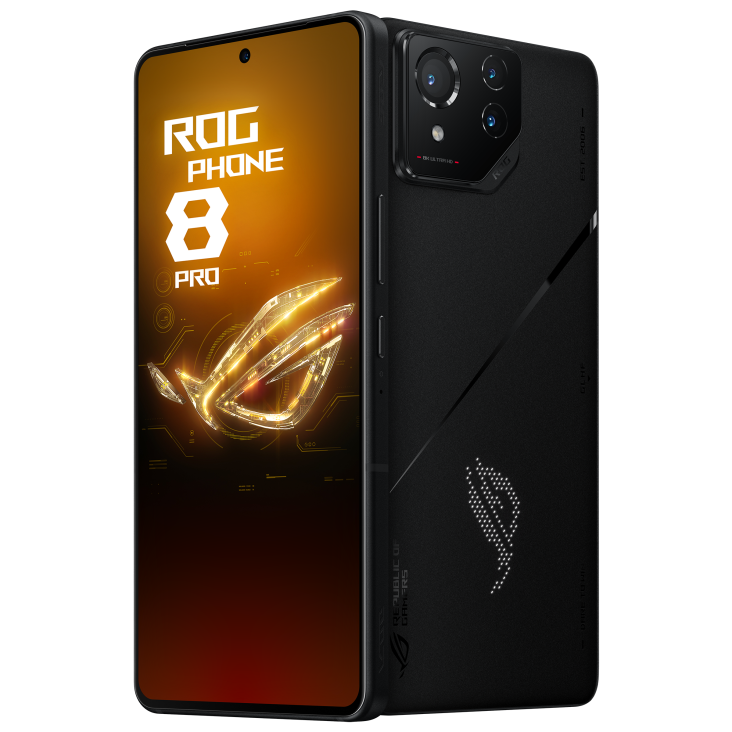
Asus ROG Phone 8 Pro: Phantom Black

ASUS ROG Phone 8 series specifications

ASUS has ditched the heavy gaming-inspired design on the latest generation ROG Phones. The devices now look like mainstream smartphones. They have a slightly boxy design with a squarish rear camera module and a dual-tone back panel. The standard model has a customizable Aura RGB lightning logo whereas the pro variant features a mini-LED lightning with 341 LEDs. The ROG Phone 8 duo are IP68-certified dust and water-resistant. Both devices have AirTrigger buttons for gaming and a 5-magnet speaker system. 

Past ROG Phones featured thick bezels around the display. The latest iteration of the gaming smartphones now has a centre-aligned punch-hole display with thin bezels on all sides. The ROG Phone 8 and 8 Pro sport a 6.78-inch Samsung AMOLED display with an FHD+ resolution 165Hz LTPO refresh rate, 2,500 nits peak brightness, integrated fingerprint scnaner, and glove touch support. 

Internally, the ROG Phone 8 series is equipped with Snapdragon 8 Gen 3 processor. The standard variant packs up to 16GB RAM and 256GB storage whereas the pro model maxes out at 24GB and 1TB respectively. There is a conduction cooling system for heat dissipation. The new AeroActive Cooler accessory is smaller and lighter than before. Both phones are backed by a 5,500mAh battery unit with support for 65W wired and 15W wireless charging. The devices also come with various AI features. 

The ASUS ROG Phone 8 and 8 Pro feature a 50MP OIS-enabled main camera, a 13MP ultra-wide-angle lens, and a 32MP telephoto unit with 3x optical zoom and OIS. There is a 32MP RGBW selfie snapper. 

Related:

ASUS Zenfone 11 Ultra gets certified on Indonesia’s SDPPI

ASUS is gearing up to unveil a new Zenfone series smartphone soon. The company recently announced the ROG Phone 8 series, and now, it appears that the Zenfone 11 Ultra could be launching soon. So here are all the details.

ASUS Zenfone 11 Ultra visits SDPPI

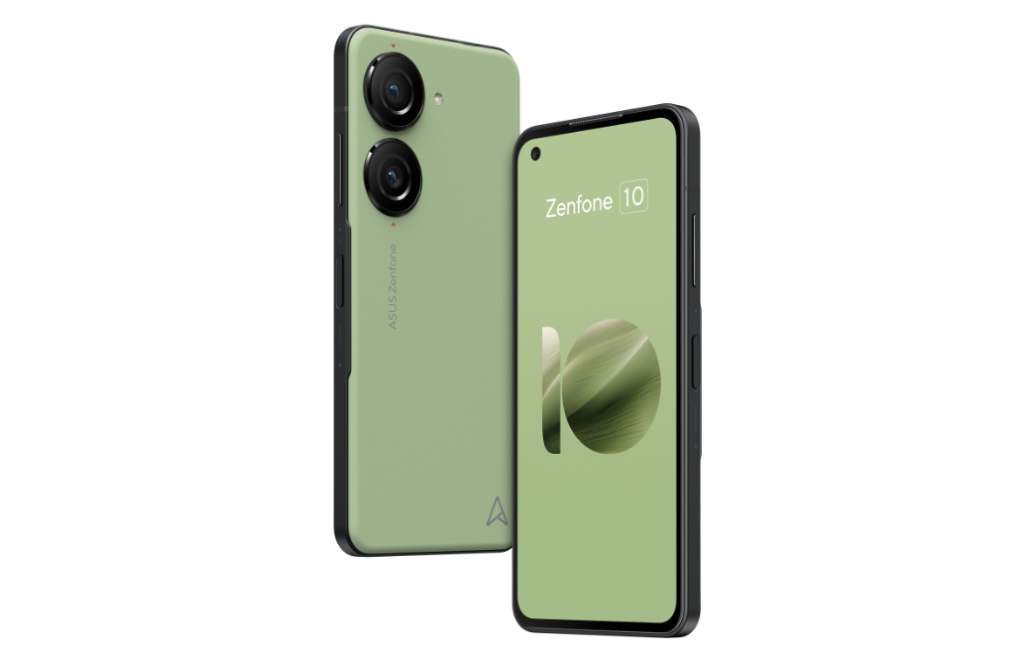
Asus Zenfone 10

The Taiwanese tech giant’s Zenfone 11 Ultra was spotted on the SDPPI database, which is the certification platform of Indonesia. This device carries the model number ASUS_AI2401_H and its official moniker has also been revealed. Previously, the ASUS Zenfone 11 Ultra surfaced on the Bluetooth SIG database which confirmed that the smartphone supports Bluetooth 5.4. For those unaware, the Zenfone lineup is a series of flagship grade smartphones that feature a compact design.

However, the “Ultra” could refer to a larger screen variant. But this is still speculation so take this report with a pinch of salt. Considering the ASUS Zenfone 11 is a direct successor to the Zenfone 10 model, the smartphone will likely feature upgrades over its predecessor. To recall, the Zenfone 10 sports a 5.92-inch AMOLED display that supports FHD+ resolution and 144Hz refresh rate. Under the hood, the handset is equipped with the Qualcomm Snapdragon 8 Gen 2 SoC, so the Zenfone 11 Ultra will likely offer the Snapdragon 8 Gen 3 chipset.

ASUS Zenfone 11 Ultra

A 4,300mAh battery pack powered the Zenfone 10, which also supports 30W wired fast charging. The rear packs a 50-megapixel dual camera setup, while the front houses a 32-megapixel selfie shooter. Other notable features include side mounted fingerprint scanner, Bluetooth 5.3, stereo speakers, 15W wireless charging and reverse charging support, GPS, and IP68 water and dust resistance.

RELATED:

Samsung Galaxy A35 Appears On Geekbench With Processor, RAM Details

Samsung is slated to launch the next-generation Galaxy A-series smartphones in the coming months. While the Galaxy A25 and A15 5G have already debuted, as per a recent report, the Galaxy A55 and A35 are rumoured to arrive in the second quarter of 2024. Both phones have already surfaced in leaked renders revealing their design. Now, the Samsung Galaxy A35 has been spotted on the Geekbench benchmarking platform. 

Samsung Galaxy A35 Geekbench

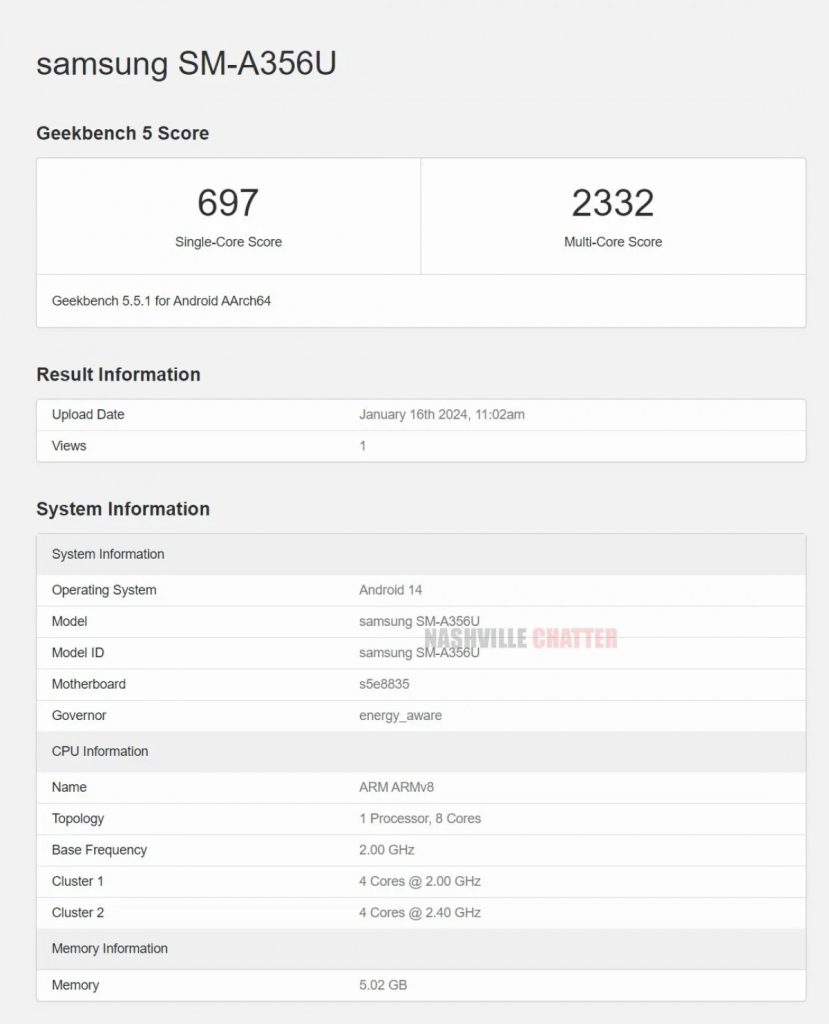
The Samsung Galaxy A35 is listed on Geekbench with model number SM-A356U. The database mentions motherboard codenamed s5e8835 and comprises of four cores clocked at 2GHz and four cores ticking at 2.40GHz. The details correspond to the Exynos 1380 chipset. This is the same processor found on the Galaxy A54 and M54/F54. The Galaxy A35 is listed with 6GB RAM and there could be more options at launch. The smartphone will ship with Android 14 OS out of the box. 

The Samsung Galaxy A35 scores 697 and 2,332 points in Geekbench’s single-core and multi-core test results. The rest of the details of the device remain a mystery. 

As per leaked renders, the Samsung Galaxy A35 is seen with a premium design and curved corners. It has a boxy form factor with a protrusion on the right edge that the brand calls Key Island. The back panel has three vertically stacked camera sensors. The upcoming offering is tipped to feature a 6.6-inch display 

Related:

Via

More Than Half of Google Play Revenue Stems from Samsung Devices

Samsung’s influence on the Android ecosystem is profound. As the world’s top manufacturer of Android smartphones, Samsung consistently expands its impact by selling millions of devices annually. But this is merely the beginning. The South Korean tech giant not only fuels Android’s user base but also plays a pivotal role in supporting the Play Store. According to information unveiled in the Epic Games v. Google lawsuit, Samsung’s Android devices generated ‘half or more’ of Google Play revenue.Here are the details…

Epic Games v. Google Lawsuit Sheds Light on Samsung’s Share of Google Play Store Revenue

n a recent hearing in the ongoing Epic Games v. Google lawsuit, it was revealed that Samsung devices accounted for “half or more” of Google Play revenue as of early 2019. This information was disclosed by Google’s Vice President for Partnerships James Kolotouros.This statistic highlights the significant role that Samsung plays in the Android ecosystem and its contribution to Google’s Play Store.

Google-Play-Store

Samsung is the world’s largest smartphone manufacturer, and its devices are widely popular among Android users. As a result, it is not surprising that Samsung devices generate a substantial portion of Google Play revenue. The reliance on Samsung devices raises concerns about Google’s dominance in the Android market.

Epic Games has argued in its lawsuit that Google’s control over the Play Store is anticompetitive and that the company is using its market power to stifle competition. The disclosure of Samsung’s share of Play Store revenue could further strengthen Epic’s case against Google.

It is important to note that Google has not independently confirmed the statistic that Samsung devices account for “half or more” of Play Store revenue. However, the revelation from Kolotouros provides further evidence of the close relationship between Google and Samsung in the Android ecosystem.

RELATED:

Nothing Phone 3 & Phone 2a launch tipped, New CMF earbuds India release near

Nothing has been rumored to be working on a new smartphone for some time now. Recent reports have hinted at the device being the Phone 2a model. But now, a new report has tipped the launch date for this device as well as the next gen flagship Nothing Phone 3 as well. So here are all the details

Nothing Phone 3 & Phone 2a Launch Timeline

The news arrives from tipster @saaaanjjjuuu who shared the information on X (formerly Twitter). In the tweet, he revealed that the Phone 2a will be launching in the first quarter of this year. In other words, we can expect an announcement between January and March 2024. The tipster also added that the premium Nothing Phone 3 will be released in July 2024.

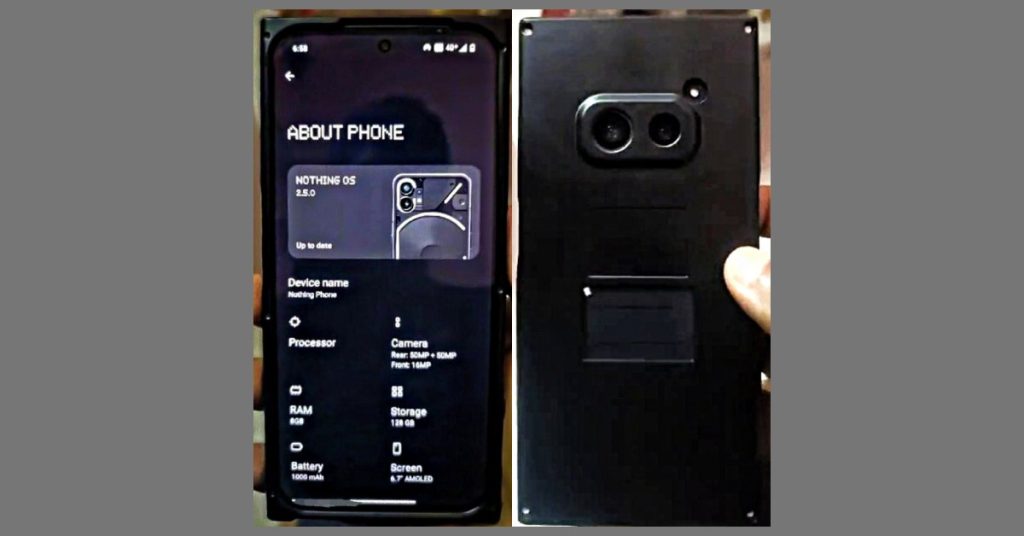
Nothing Phone 2a specifications leak

However, this is not all as the company is also working on a hearable product as well. He claims that the brand is also working on truly wireless earbuds that are dubbed the CMF Nothing Buds 2 Pro. The official name of these earbuds is still unclear, although, the TWS could be the direct successor to the CMF’s Buds Pro. So it could be a part of the CMF By Nothing branding as the Buds 2 Pro.

Based on the recent Phone 2a rumors, the device could sport a tall 6.7-inch AMOLED display that features a 120Hz refresh rate and FHD+ resolution. Meanwhile, the rear packs a 50-megapixel Samsung S5KGN9 shooter with a 1/1.5 inch sensor size and 1.0 micron pixel size. This is paired with a 50-megapixel Samsung S5KJN1 ultra wide angle lens with a 1/2.76 inch sensor size and 0.64 micron pixel size. For selfies and video calls, the front houses a 32-megapixel Sony IMX615 camera.

RELATED:

iQOO enables 2160HZ PWM dimming on iQOO 12 and iQOO Neo 9

In early November, the iQOO 12 series debuted in China as the brand’s latest flagship smartphone duo. These handsets were later followed by the firm’s new flagship killer lineup, the iQOO Neo 9 series, in late December.

Both these product lineups offer a different set of features targeted at dissimilar audiences. However, they have one thing in common and it is their eye-friendly displays.

The panels used by these phones support high-frequency PWM dimming. But interestingly, the company has enabled this feature only now.

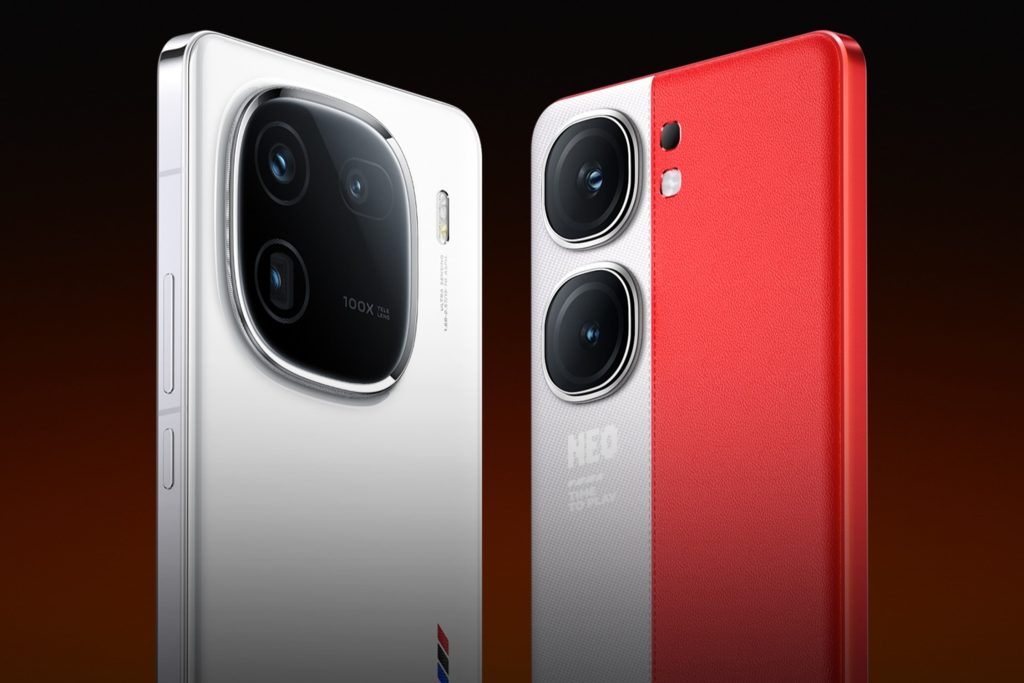
iQOO 12 and iQOO Neo 9

Earlier today, iQOO announced on Weibo that the iQOO 12 series and the iQOO Neo 9 series now support 2160Hz PWM dimming. The feature is live on the latest firmware for the handsets.

Once enabled from ‘Developer options’, users can have a flicker-free experience at 2-600 nits screen brightness levels.

Out of these four phones, only the vanilla iQOO 12 has made its way to global markets. We are not sure if this feature is currently available outside mainland China.

The iQOO 12 series flaunts a 6.78-inch centered punch-hole OLED display. The flat panel on the vanilla model offers a resolution of 2800 x 1260 pixels (1.5K) and 452 PPI. Whereas the pro variant’s screen is curved and comes with a higher 3200 x 1440 pixels as well as a sharper 517 PPI.

Both displays not only support up to a 144Hz refresh rate (LTPO) but also 10-bit color depth. They can also reach a maximum local brightness level of 3000 nits.

On the other hand, the iQOO Neo 9 series is also built around a 6.78-inch centered punch-hole OLED display. This 10-bit panel shares its specs with the one found on the iQOO 12.

Thus, it comes with a 1.5K resolution (2800 x 1260 pixels), 452 PPI, and a 144Hz refresh rate (LTPO).

RELATED:

OnePlus Nord N20 SE gets OxygenOS 14.0.0.300 with a bunch of new features

OnePlus has started pushing out the OxygenOS 14.0.0.300 update for the global users of the Nord N20 SE smartphone with some significant changes. The update comes with firmware version CPH2469_14.0.0.300(EX01)

OnePlus Nord N20 SE

OnePlus Nord N20 SE OxygenOS 14.0.0.300 changelog:

  • Smart efficiency: Adds File Dock, allowing users to drag and drop content between apps and devices, and improves photo and video-related permission management for safer access by apps.
  • Performance Optimization: Enhances system stability, app launch speed, and animation smoothness.
  • Aquamorphic Design: Introduces Aquamorphic-themed ringtones, revamps system notification sounds, and improves system animations.
  • User Care: Removes the Background stream feature in Smart Sidebar and suggests users to provide feedback directly in the thread. The company is also working on a better method to submit feedback in the Community.

As usual, the update will be arriving in batches, so users should get the OTA notification by the end of the week. Users can also check for the updates manually by heading to System Settings > About Device > Software Update > Check for Updates.

In related news, OnePlus is gearing up for the global debut of the OnePlus 12 flagship smartphone. The launch will be held on January 23 across various regions. It will also include the OnePlus 12R, which is the rebrand of the recently launched OnePlus Ace 3. Alongside the smartphones, the brand will also be launching the premium OnePlus Buds 3 TWS earbuds.

RELATED:

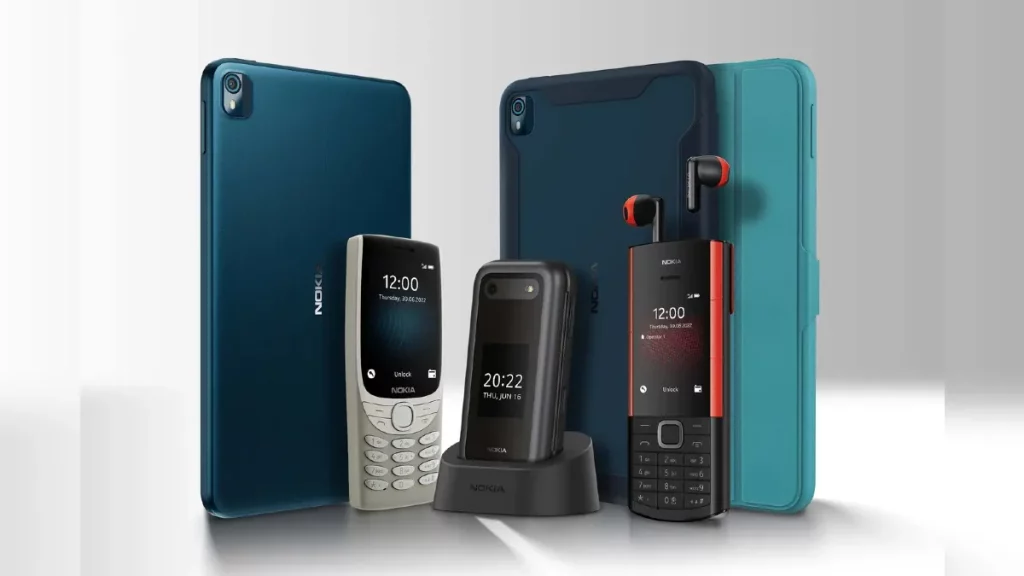
HMD’s website will host all Nokia phones, tablets starting from February 1st

HMD Global, the company behind Nokia phones, is undergoing significant changes. Starting February 1st, all Nokia phones and tablets will be available on the HMD website, signaling a shift in Nokia’s business strategy and branding. This move aligns with HMD’s ownership of the Nokia brand for its phones since 2016, and considering their contract expires in 2025, this consolidation seems logical.

Nokia-feature-phones-tablets

New Home for Nokia: HMD Global’s Website to Host All Nokia Devices

However, this information hasn’t been officially confirmed yet, and it’s based on reports from Nokia device owners who received updates through the MyApp newsletter. Meanwhile, HMD Global is reportedly focusing on its own brand transformation, distancing itself from the Nokia branding. This strategy includes removing the “Phone” section from Nokia’s official website, now only accessible through a specific link.

Nokiamob reports that starting February 1st, Nokia‘s website will no longer feature the “Phone” section, and HMD Global will provide all related content. This change is part of HMD’s strategy to redefine its brand identity, as evidenced by the launch of hmd.com. This site is expected to host a range of products including original HMD devices, classic Nokia phones, and items from new partnerships.

In addition to these website changes, HMD has also rebranded its social media presence. Their Twitter handle has changed from @nokiamobile to @HMDglobal. This shift raises questions about the future focus on Nokia phones and the Nokia community’s engagement.

The new HMD website is anticipated to become the primary platform for both classic Nokia phones and new HMD products. This suggests a potential end to Nokia-branded smartphones, with only feature phones continuing under the Nokia name. The last Nokia smartphone was the Nokia G42, and it appears HMD may limit future Nokia-branded smartphones to a few models per year, covering different market segments.

These changes, including the potential phase-out of Nokia smartphones, are expected to become clearer in the coming weeks. This marks a significant transition for the Nokia brand, once a dominant player in the mobile phone industry.

RELATED:

(Via)

Realme Note 50 hands-on images, and unboxing video surfaces online

Earlier this week, Realme officially confirmed that it’s launching a new Note series, and details about the Realme Note 1 have also surfaced. Leak specifications paint a picture that it will be a mid-range device that will compete with the likes of the Redmi Note 13.

In addition to the Note 1, Realme is also working on the Note 50, which has already received several certifications. Several hands-on images of the Note 50 have now surfaced online, showing its design from both the front and back.

These images were shared by several content creators on Instagram, particularly from the Philippines. It seems Realme may have given these phones to creators there, but it’s unclear if they’re allowed to post photos before the official announcement.

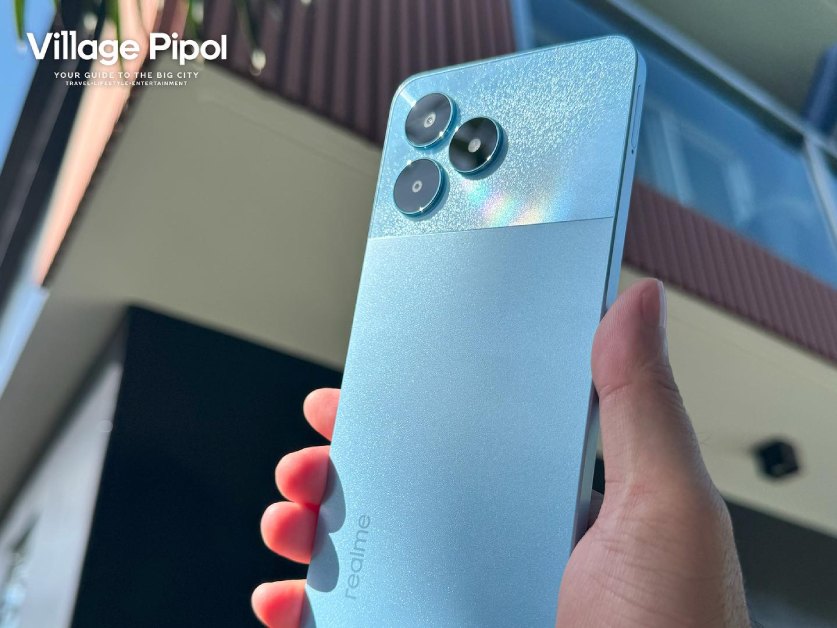
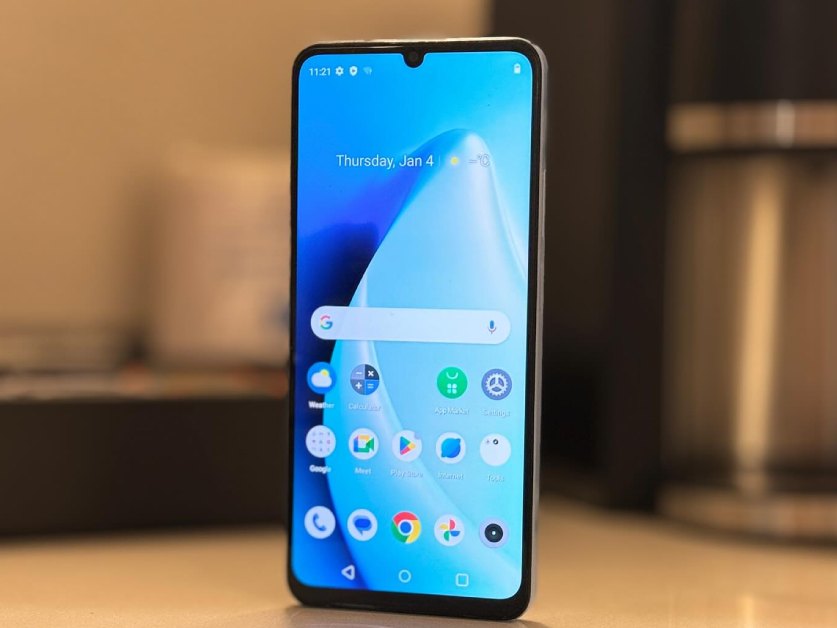
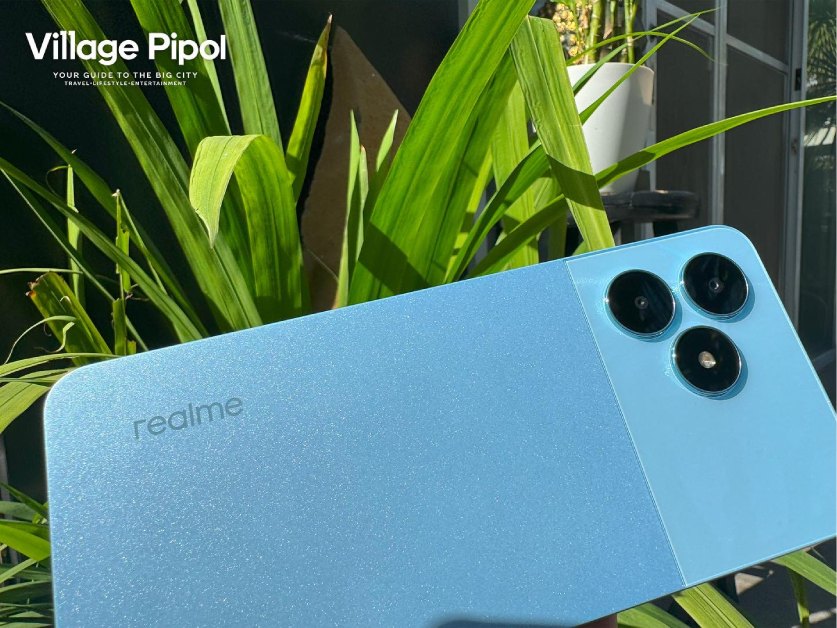
Anyway, the images show the phone is in Sky Blue and a design that looks similar to Realme’s C-series, especially the Realme C53. It features two rear cameras with a separate LED ring and a U-shaped notch on the front with noticeable bezels.

A creator named SuperbDan also posted an unboxing video. It shows the typical yellow Realme box and all the standard accessories. You get a sim ejector tool, a TPU case, the phone itself, and a charger with a Type-A to Type-C data cable.

Meanwhile, tipster Paras Guglani also shared what looks like an official teaser of the Realme Note 50. It hints at features like a 6.7-inch 90Hz HD+ display, 7.99mm thickness, and IP54 dust and water resistance.

The teaser suggests a launch date of January 24th, which is also rumored for the Realme Note 1, suggesting that both phones might be released on the same day.

Related:

(Via)

Creative launched the Zen Hybrid 2 wireless over-ear headset with Bluetooth 5.2 for 399 Yuan ($56)

Creative has launched its latest audio offering, the ZEN Hybrid 2 head-mounted Bluetooth headset, available on Tmall with an initial price tag of 399 yuan ($56). The standout features of this headset include Bluetooth 5.2 technology and an exceptional battery life of up to 67 hours. Equipped with a 40mm dynamic driver unit, the headset boasts a 3.5mm headphone jack and features a “hybrid active noise reduction” function. Priced competitively, this audio accessory aims to capture the attention of consumers seeking high-quality sound and advanced functionalities.

The ZEN Hybrid 2 supports “hybrid active noise reduction” function

The ZEN Hybrid 2 is designed to provide an immersive audio experience. Its 40mm neodymium drivers offer a frequency response of 20-20,000 Hz, a sensitivity of 116dB, and an impedance of 32 ohms. The headset supports Bluetooth 5.2 and various profiles, including A2DP for wireless stereo, AVRCP for Bluetooth remote control, and HFP for hands-free calling. The inclusion of AAC audio codec enhances the quality of the wireless audio transmission while SBC offers a reliable operation.

One of the standout features is the “hybrid active noise reduction” function, backed by four ANC microphones. The headset claims to eliminate up to -30 dB of environmental noise, providing users with an undisturbed listening experience. The use of Creative applications allows users to customize their audio preferences and tailor the noise reduction settings to their liking.

The ZEN Hybrid 2 is equipped with a robust 600mAh battery, ensuring an impressive battery life of 67 hours with ANC turned off and 49 hours with ANC activated. For added convenience, a quick 5-minute charge reportedly provides up to 5 hours of listening time. The headset weighs 271 grams and comes in classic black and milky colors.

In the box, users will find the ZEN Hybrid 2 headset along with a 3.5mm stereo audio cable, a USB-C to USB-A cable for charging, and a quick start guide. With its competitive pricing, robust features, and a 1-year limited hardware warranty, Innovation’s ZEN Hybrid 2 aims to be a compelling choice in the highly competitive audio accessory market.

Related:

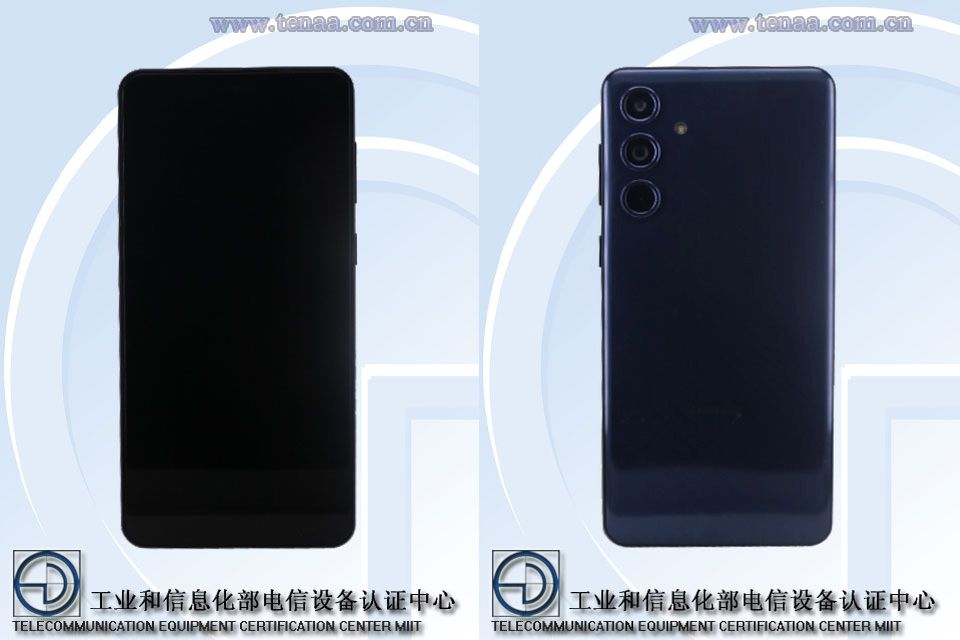
Alleged Samsung Galaxy Y55/C55 receives WiFi certification

Last week, a mysterious Samsung smartphone with model number SM-C5560 arrived on TENAA. The listing disclosed the key specs of the handset.

Yesterday, the phone was certified by 3C disclosing its charging speed. At the same time, its live images were added to the TENAA listing.

Now, the device has been spotted on the website of WiFi Alliance as well. 

Alleged Samsung Galaxy Y55's TENAA images
Alleged Samsung Galaxy Y55’s TENAA images

None of these three listings of the product mention its name. Earlier it was said to be called Galaxy Y55. Now, the handset is being dubbed Galaxy C55 based on the first letter of its model number.

But what we are certain is that it is most likely a China-exclusive smartphone. To know the exact name, we may have to wait for more leaks and official teasers.

As per information so far, the alleged Galaxy Y55 / Galaxy C55 will flaunt a 6.67-inch OLED display with a resolution of 2400 x 1080 pixels (FHD+). It will be powered by an unknown chipset featuring a 2GHz CPU and offer 5G as well as WiFi 6 connectivity options

The SoC will be paired with 8GB / 12GB RAM and 128GB / 256GB storage. Interestingly, the device will arrive with a MicroSD card slot.

Further, the phone will sport a triple camera system on the rear comprising a 50MP primary sensor, an 8MP secondary sensor, and a 2MP tertiary sensor. On the front, it will have a 13MP selfie camera.

The smartphone will boot Android 14 and will be backed by a 5,000mAh battery. Last but not least, it will carry support for 45W wired charging.

RELATED:

(Via)

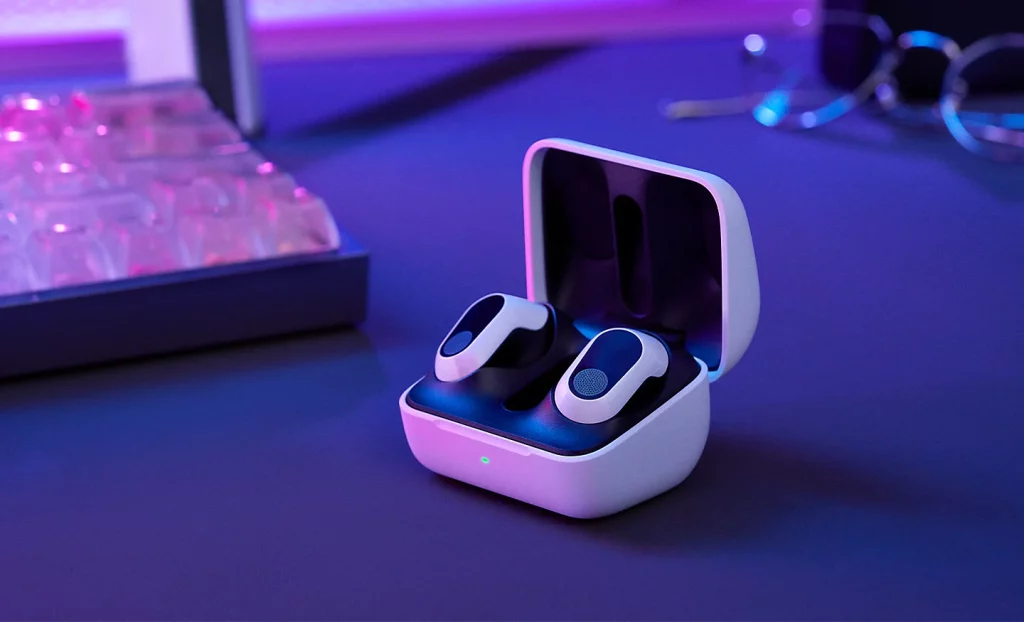
Sony INZONE Buds launched in India featuring 30ms low latency, 360° spacial audio & ANC

After a teaser yesterday, Sony has now launched the INZONE buds gaming TWS earbuds in the Indian market. Geared towards gamers seeking an immersive experience, these earbuds bring an arsenal of features to the table.

Sony INZONE Buds

Sony INZONE Buds specs:

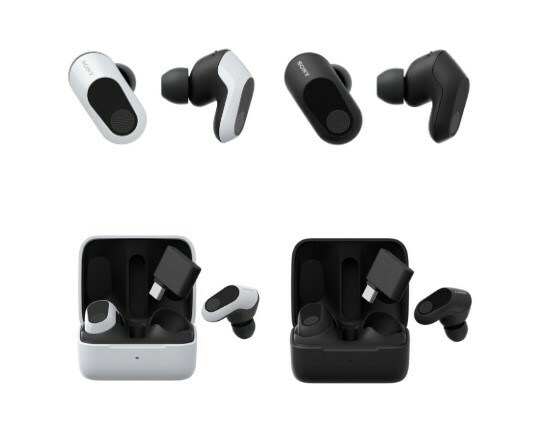
The INZONE Buds feature an in-ear design with rubber tips, 8.4mm drivers, and ANC support for clear audio. They boast low latency of under 30ms, ensuring minimal sound delay during gaming.

Sony Inzone Buds

Equipped with the LC3 codec and Bluetooth Low Energy for audio transmission, the INZONE earbuds offer personalized spatial audio support to enhance the gaming experience. The built-in microphone employs AI for noise filtration, trained on 500 million voice samples, preventing background disturbances during voice communication with other players.

The earphones come with touch controls for adjusting volume controlling music playback and customizable options through the INZONE Hub. Sony claims a 12-hour battery life for the INZONE gaming earbuds, extending to 24 hours with the charging case. The case supports USB-C charging, aligning with modern standards.

Pricing & availability

With a price tag of Rs 17,990, the INZONE Buds hit the market on January 16, 2024, and are up for grabs on diverse platforms, such as Sony Retail Stores, the ShopatSC portal, Amazon, Flipkart, and other e-commerce platforms. Take your pick between the stylish White or timeless Black, aligning with your gaming style.

RELATED:

Baidu Stocks Rebound: Confidence restored amidst Military link rumors

Baidu, the Chinese multinational tech company, experienced a noteworthy rebound in its stocks, climbing by 3.3% after facing a recent downturn. The market response came after rumors suggesting a potential link between Baidu’s chatbot ERNIE and military research, caused a significant drop in the company’s market value.

In response to the speculations, Baidu has swiftly issued an official statement vehemently denying any connections to military endeavors. The company clarified that its ERNIE Bot is publicly accessible and grounded in an academic paper from a Chinese university. Baidu further emphasized that it had no collaboration with the authors or the affiliated institutions mentioned in the academic paper, distancing itself from any military associations.

Pekingnology, renowned for its in-depth analysis, debunked the South China Morning Post (SCMP) claims, underscoring that the research in question involved only three prompts and three answers. Pekingnology characterized the research as a preliminary idea, not indicative of military AI, but rather exploring the theoretical use of language models.

Market analysts chimed in on the situation, with Macquarie’s research report suggesting that the market reaction to Baidu’s temporary stock decline was “overdone.” UBS also supported this viewpoint, asserting that the market likely overreacted to the SCMP news regarding language models (LLMs). UBS recommended a “Buy” rating for Baidu, providing a 12-month price target of US $175.

The positive investor response indicates a rebound in confidence following Baidu’s strong denial and clarifications. As the market reevaluates the situation, these developments underscore the delicate balance between speculative reports, company responses, and the broader financial landscape in the tech industry.

Related:

Apple ditches blood oxygen monitoring feature avoiding import ban on latest watches

Apple has reportedly devised a solution to navigate around the import ban imposed on its latest smartwatch models, the Apple Watch Series 9 and Apple Watch Ultra 2. The company plans to eliminate the blood oxygen monitoring functionality from these watches if its appeal of the import ban proves unsuccessful, according to a report by Bloomberg’s Mark Gurman. The ban was instituted in response to medical device maker Masimo’s claim that certain Apple Watch models violated its patents related to blood oxygen monitoring technology.

Apple is preparing for potential changes indicating the removal of the oximeter functionality

apple-watch-series-6-blood-oxygen-wrist

Masimo filed a statement on Monday, which has not been publicly disclosed, indicating that the US Customs and Border Protection has determined Apple’s redesigned watches fall outside the scope of the import ban. The filing also notes that Apple assured Customs and Border Protection that the redesigned watches “definitively do not contain pulse oximetry functionality.” This represents a significant development in the ongoing legal battle between the two companies.

In response to Masimo’s claims, Apple has maintained that the Apple Watch Series 9 and Ultra 2 are still available with the blood oxygen monitoring tool. However, the company is preparing for potential changes, indicating its willingness to remove this feature should its appeal be unsuccessful. Apple expects a ruling from the US Court of Appeals for the Federal Circuit on its motion for a stay of the import ban, with a full appeal likely taking at least a year.

The import ban initially took effect on December 26, temporarily halting the sale of the affected Apple Watch models. However, the US Court of Appeals for the Federal Circuit intervened on the following day, allowing Apple to resume sales while the legal proceedings continue. The removal of the blood oxygen monitoring feature could represent a strategic move by Apple to maintain the availability of its latest smartwatches in the US market amid the ongoing legal dispute.

Related:

Oppo Reno 11F 5G full specifications revealed before launch

Oppo has just launched the Reno 11 and Reno 11 Pro of smartphones in multiple markets, such as Vietnam, Malaysia, India, and Indonesia. It appears the Indonesian market will receive a third Reno 11 series phone, dubbed the Reno 11 F 5G. The device is said to be available for pre-orders in the country and is expected to start shipping on Feb. 24.

Oppo Reno 11F 5G design, specifications

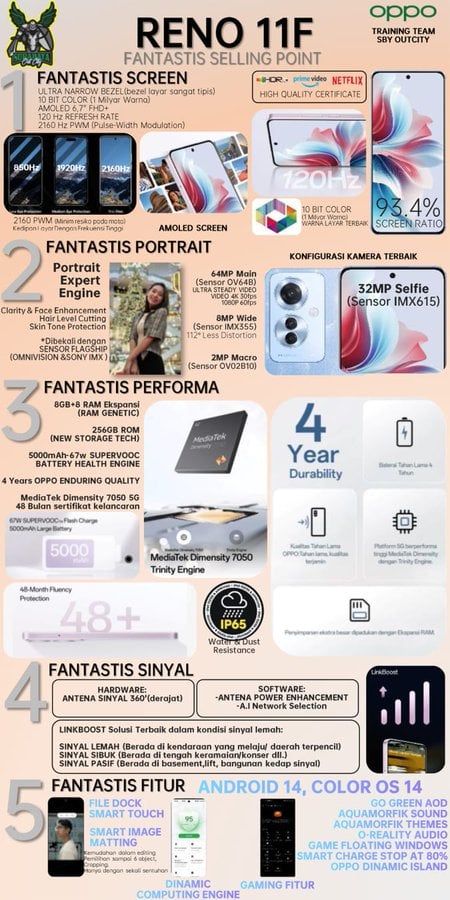
The above images show that the Reno 11 F 5G has a punch-hole display on the front and a triple camera unit on the back. For security, it has an under-display fingerprint sensor. It will come in three colors, such as pink, green, and blue.

The Reno 11 F will feature a 6.7-inch AMOLED display that supports an FHD+ resolution, a 120Hz refresh rate, 2160Hz PWM dimming, and 10-bit colors. On the front, it has a 32-megapixel Sony IMX615 selfie camera, and its rear shell has an OmniVision OV64B main camera, an 8-megapixel Sony IMX355 ultra-wide lens, and a 2-megapixel OmniVision OV02B10 macro camera.

Under the hood, the Reno 11 F 5G will feature the Dimensity 7050 chipset, 8 GB of RAM, 8 GB of virtual RAM, and 256 GB of storage. It will pack a 5,000mAh battery with 67W fast charging. The device will run on the ColorOS 14-based Android 14. Lastly, it will be equipped with an IP65-rated dustproof and water-resistant chassis. At present, there is no information available about the price of the device.

As per reports, the Reno 11 F 5G has the CPH2603 model number. Recent certifications have revealed that the device may also launch in markets such as India, Singapore, and Europe. The device may debut as an F-series phone in some of these markets.

RELATED:

(via)

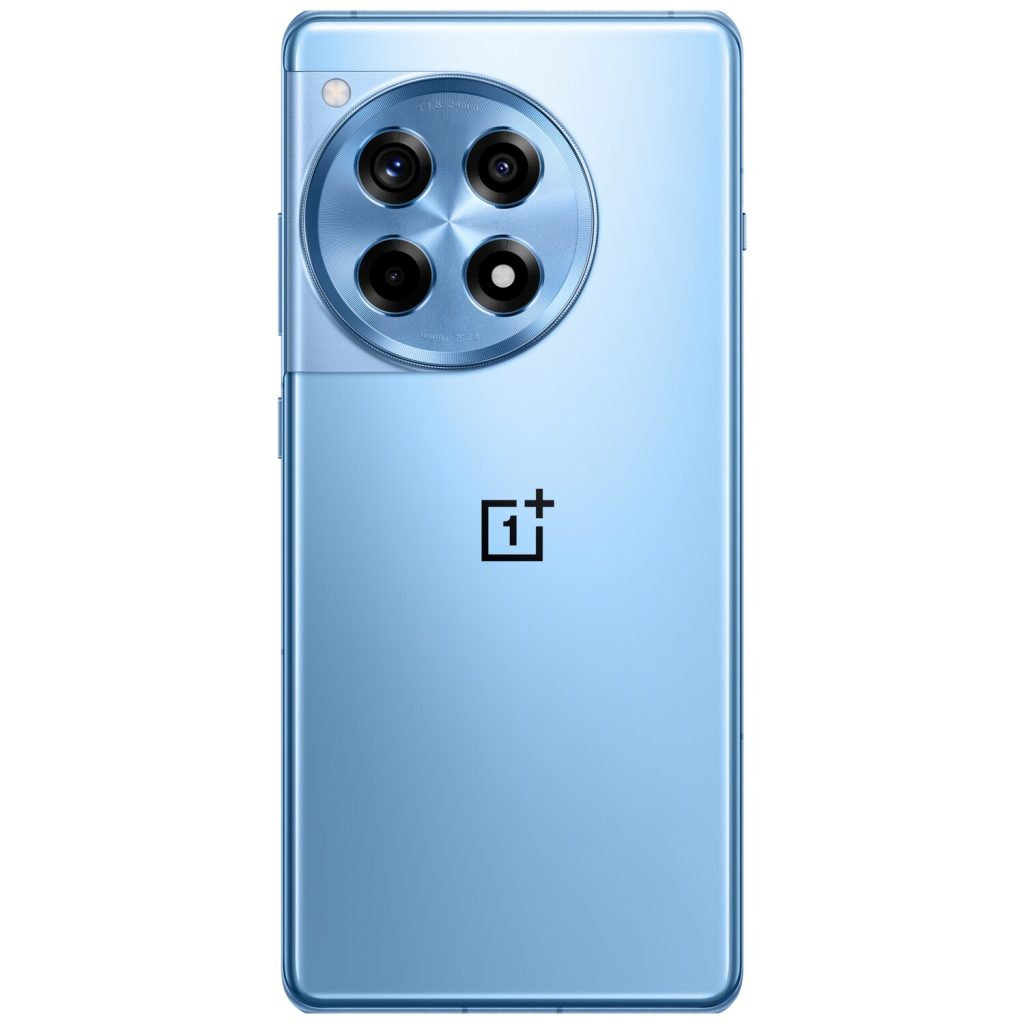
OnePlus 12R grabs NBTC certification ahead of launch

On January 23rd, OnePlus is set to reveal its latest OnePlus 12 series. These new flagship smartphones will be available not just in India but worldwide. The series includes two models: the OnePlus 12 and the OnePlus 12R.

The OnePlus 12 has already been released in China, while the 12R is essentially the OnePlus Ace 3, but for the international market. The 12R has been gathering various certifications globally. It has received approvals from TDRA, Bluetooth SIG, SIRIM, CQC, and IMDA. Recently, it also appeared on the NBTC certification website under the model number CPH2609.

This listing indicates that the phone will support various network types, including GSM, WCDMA, LTE, and NR. Since the 12R is a global version of the OnePlus Ace 3, it will have similar features and specifications. So let’s take a quick look at it. 

The smartphone boasts a 6.78-inch BOE X1 OLED screen. It has impressive features like a 1.5k resolution, a sharp 450PPI, a very bright 4500 nits, and a smooth 120Hz refresh rate. 

Additionally, it comes with 2160Hz PWM dimming, rich 10-bit colors, and supports various HDR formats including HDR Vivid and HDR10+. The screen is also tough, protected by Gorilla Glass Victus 2. 

OnePlus 12R

Unique to this phone is its rain touch technology and a super-thin fingerprint reader under the screen. It’s powered by the powerful Snapdragon 8 Gen 2 SoC and offers up to 16GB of LPDDR5X RAM and a massive 1TB of UFS 4.0 storage.

For photography, it features a triple rear camera setup with a 50MP main camera equipped with OIS, an 8MP ultra-wide camera, and a 2MP depth camera. 

There’s also a 16MP front camera for selfies. The phone is supported by a 5500 mAh battery, and it charges quickly with its 100W fast charging capability.

Related:

(Via)

HZO’s vapor coating tech is a breakthrough for immersible electronics

At CES 2024, HZO, a North Carolina-based company specializing in thin film coatings for electronic devices, showcased a groundbreaking water vapor coating technology that allows computers, specifically a Raspberry Pi 4 single-board computer, to be completely immersed in water while maintaining normal functionality.

HZO emphasizes that the key to this technology is the chemical vapor deposition (CVD) process

The primary innovation in HZO’s coating technology lies in the use of xylene, a substance that forms a molecular-level thin film through a vacuum deposition process. This allows the coating to be exceptionally thin and evenly distributed on the surface of electronic equipment, such as bare circuit boards. During the demonstration, a Raspberry Pi 4 was fully submerged in water, illustrating the effectiveness of the coating in protecting electronic components from water damage.

HZO emphasizes that the key to this technology is the chemical vapor deposition (CVD) process. In this process, the precursor material is heated until it transforms into a gas. Subsequently, the gas is further heated to create active monomers. Within a constant-temperature deposition chamber near room temperature, these monomers are deposited on all surfaces in the chamber. The active monomers connect to form a polymer coating with a thickness ranging between 2 and 25 microns.

HZO’s coating is particularly versatile, as it can operate at room temperature, making it suitable for various electronic components. The company stresses that the parylene coating resulting from the CVD process is highly reliable and does not release harmful chemical by-products during the polymerization process. This feature enhances the safety and environmental friendliness of the coating technology.

The potential applications of HZO’s water vapor coating technology extend across various industries, including automotive electronics and sensors especially in electric vehicles, smart home devices, consumer electronics, and biosensors. This breakthrough holds promise for creating water-resistant and even waterproof electronic devices, offering a new level of protection against liquid-related damage.

With the successful demonstration at CES 2024, HZO’s innovative coating technology represents a significant step forward in the development of electronics capable of functioning seamlessly even when fully immersed in water, opening up possibilities for enhanced durability and reliability in a wide range of electronic applications.

Related:

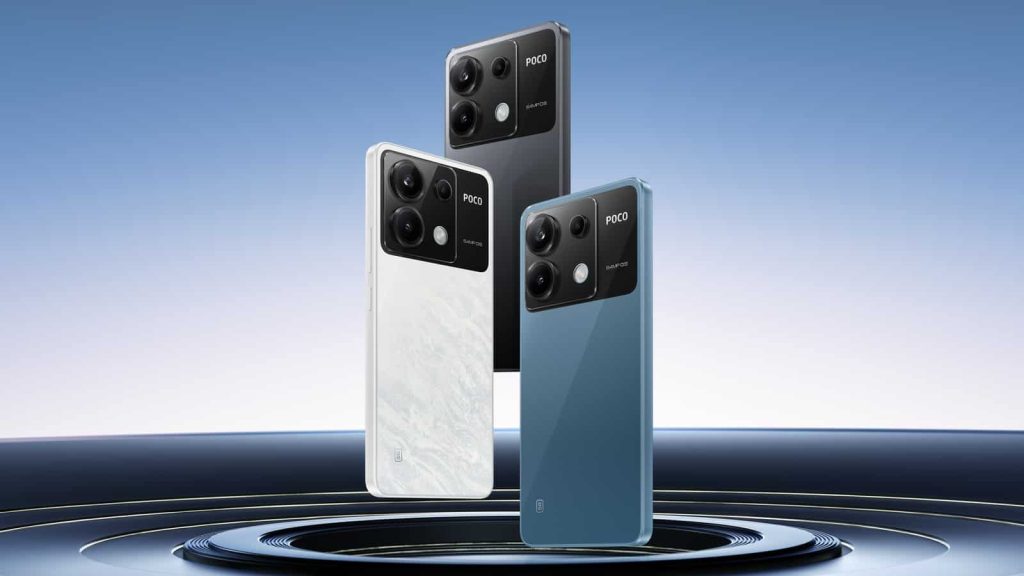
POCO X6 & X6 Pro on sale in India; 6.67″ FHD+ AMOLED display, Dimensity 8300 Ultra/Snapdragon 7s Gen 2 SoC & more

POCO has recently introduced its POCO X6 series of smartphones in the mid-range segment of the Indian market. The highlight of this series is the POCO X6 Pro, which stands out as India’s first smartphone to feature the MediaTek Dimensity 8300 Ultra chipset and Xiaomi’s HyperOS. In contrast, the regular POCO X6 runs on the Qualcomm Snapdragon 7s Gen 2 chipset providing users with a range of options based on their preferences.

Starting today, the POCO X6 series is available to purchase exclusively on Flipkart. Pricing details are straightforward; The POCO X6 starts at Rs 21,999 for the 8GB + 256GB variant and Rs 24,999 for the 12GB + 512GB variant. On the other hand, there are two configurations, for the POCO X6 Pro – an 8GB + 256GB model priced at Rs 26,999 and a 12 GB +512 GB model priced at Rs 28,999. Color options include Snowstorm White and Mirror Black for the POCO X6 while Racing Grey, Spectre Black, and POCO Yellow are offered for the X6 Pro.

Exciting incentives are in store for buyers including a Rs 2,000 discount for ICICI Bank credit and Debit cardholders as well as EMI transactions. Furthermore, customers can enjoy an exchange bonus of up to Rs 2,000 when choosing either the POCO X6 or X6 Pro.

POCO X6 series specs:

In terms of specifications, both models feature a 6.67-inch 1.5K AMOLED display with a 120Hz refresh rate, Gorilla Glass protection, and a triple camera system with a 64MP primary camera. Both phones support 67W fast charging, with the POCO X6 Pro equipped with a 5,000mAh battery and the POCO X6 featuring a slightly larger 5,100mAh battery. Software-wise, the X6 Pro runs on Xiaomi’s new HyperOS based on Android 14, while the X6 runs MIUI 14 based on Android 13. Additional features include an IP54 rating, an in-display fingerprint sensor, dual speakers, and an IR blaster.

RELATED:

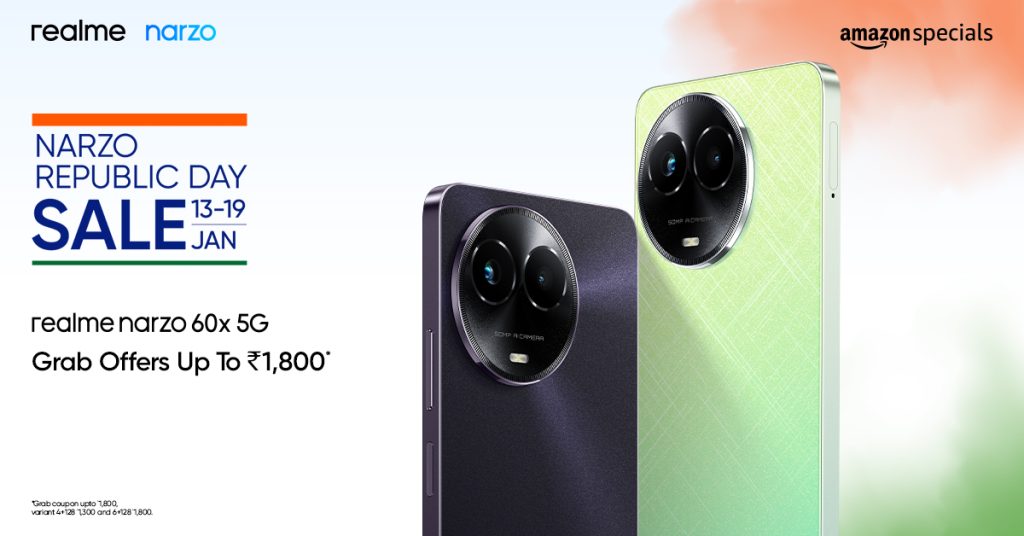
Realme Narzo 60x gets a discount during the Republic Day Sale

Realme has just announced a discount for the Narzo 60x smartphone model in India, which was launched back in September 2023. The company is discounting the pricing of this device in the region during the Republic Day Sale. So here’s everything you need to know.

Realme Narzo 60x Republic Day Sale

The Chinese smartphone maker announced the Republic Day Sale for the Realme Narzo 60x on X (formerly Twitter). This sale is currently live and will last till the 19th of January 2024. During this period, the brand is discounting the pricing of the smartphone by up to 1,800 INR (roughly 22 US Dollars). For those unaware, the device is offered in two storage configurations, namely 4GB + 128GB and 6GB + 128GB options.

Realme Narzo 60x

So now, both models are available for a lowered price tag of 11,499 INR (roughly 139 US Dollars) and 12,499 INR (roughly 150 US Dollars) respectively. It is also available in two color variants, namely Stellar Green and Nebula Purple. To recall, the Narzo 60x sports a tall 6.72-inch IPS LCD panel that offers Full HD+ resolution and 120Hz refresh rate. Under the hood, it is equipped with the MediaTek Dimensity 6100+ SoC.

A large 5,000mAh battery pack powers this device, which supports 33W wired fast charging. The smartphone runs on Android 13 OS based Realme UI 4.0 custom skin out of the box. The rear packs a 50-megapixel dual camera setup, while the front houses an 8-megapixel selfie shooter. Other notable features include Bluetooth 5.2, 190 grams in weight, 7.9mm in thickness, and side mounted fingerprint scanner.

RELATED:

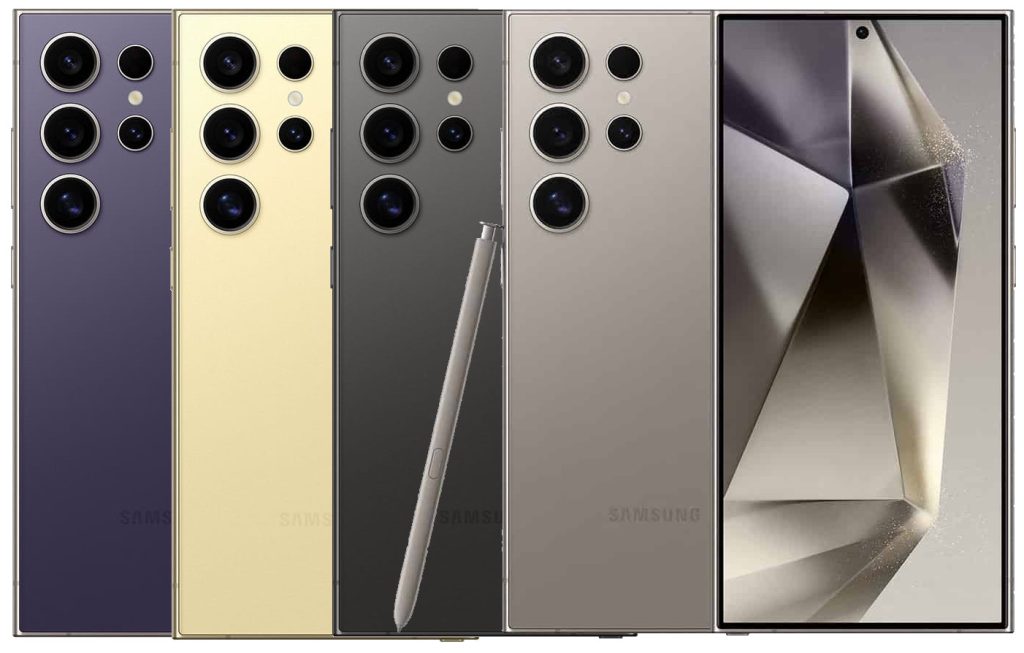
Last-minute leak hints at Galaxy S24 series pre-order perks

Ahead of Samsung’s Galaxy S24 launch event tomorrow, January 17th, some potential pre-order deals have surfaced online. These leaks, reportedly from Samsung Austria, offer glimpses into storage upgrades, trade-in bonuses, and online-exclusive colors for the Galaxy S24 series.

The leak suggests buyers in Austria (and potentially other European regions) will receive a free storage upgrade. This means purchasing the 128GB model could get you the 256GB version instead, and so on. However, the 1TB upgrade for the Galaxy S24 Ultra might be limited to just 2,000 units across participating retailers.

Galaxy S24 pre-order benefits

Moving on, there will be a trade-in bonus as well. That means, trading in an old device during the pre-order period (January 17th to 30th) could net you a guaranteed €100 bonus on top of the standard trade-in value.

Samsung is also introducing some online-only color options for the Galaxy S24 series. Earlier reports indicated that the Galaxy S24 and S24 Plus would come in Onyx Black, Marble Gray, Cobalt Violet, and Amber Yellow, while the S24 Ultra would be available in Titanium Black, Titanium Violet, Titanium Yellow, and Titanium Gray.

According to this new leak, the exclusive online colors for the S24 and S24+ will be Jade Green, Sapphire Blue, and Sandstone Orange. The S24 Ultra will also have exclusive online colors namely, Titanium Green, Titanium Blue, and Titanium Orange.

There’s not much left we need to know about all these three smartphones. All three smartphones will have Dynamic AMOLED 2X screen with 120Hz refresh rate and will feature a glass-sandwich build protected by Corning Gorilla Glass Vicuts.

The Galaxy S24 Plus and Galaxy S24 will mainly use the Exynos 2400 processor, except in the US and Canada where they’ll feature the Snapdragon 8 Gen 3 SoC. The Ultra model, however, will have the Snapdragon 8 Gen 3 in all markets worldwide. 

For more details, about these smartphones, you can check out our comprehensive leak round-up:

Related:

(Source)