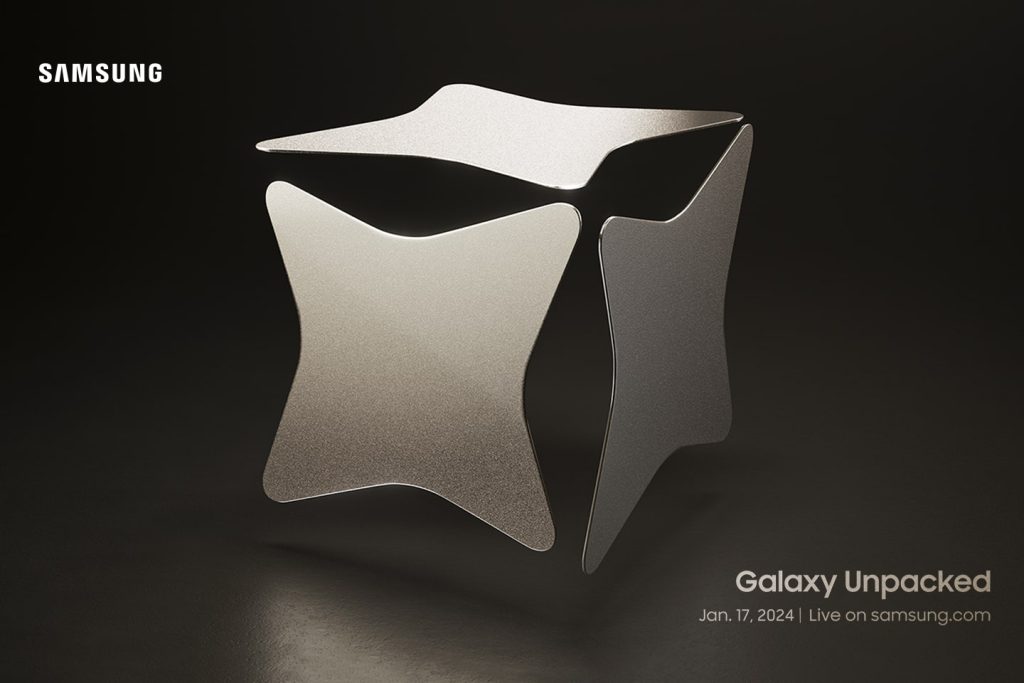
Samsung is all set to host its first Galaxy Unpacked event of 2024. The company will be unveiling its latest flagship smartphone lineup, the Galaxy S24 series, at this conference.
Just like the last few generations, the Galaxy S24 family will consist of three devices. There will be a standard model, a plus version, and a premium ultra variant.
Over the last few months, we have learned almost everything there’s to know about these phones. But if you are still interested in watching their announcement live, we have got you covered.
Here in this article, we will guide you on when and where you can watch the Galaxy Unpacked 2024 event.
The Galaxy S24 series will be presented on January 17. The flagship slab smartphones will be unveiled at a Galaxy Unpacked event in San Jose, California.
The conference will begin at 10 AM PST. In other words, the event will start at 6 PM GMT.
This means the phones will go official in the early hours of January 18 in most Asian and Oceania countries.
2. Samsung Galaxy S24 Series Launch Livestream
Samsung will be live-streaming the Galaxy Unpacked event meant for the Galaxy S24 series across multiple platforms. You can watch it on either of the below-listed destinations.
3. Samsung Galaxy S24 Series Expected Specifications
The Galaxy S24 family may look the same as its predecessor at first sight. However, there will be subtle changes in design and several spec upgrades.
Unlike the last gen, the standard and plus models will be powered by an Exynos chip in most markets. Whereas, the ultra version will house a Qualcomm chipset across all regions.
The Galaxy S24 Ultra will arrive with an updated camera system. Whereas, the Galaxy S24 and the Galaxy S24 Plus will come with better displays and a slightly larger battery.
You can go through their entire specifications in our roundup articles listed below.
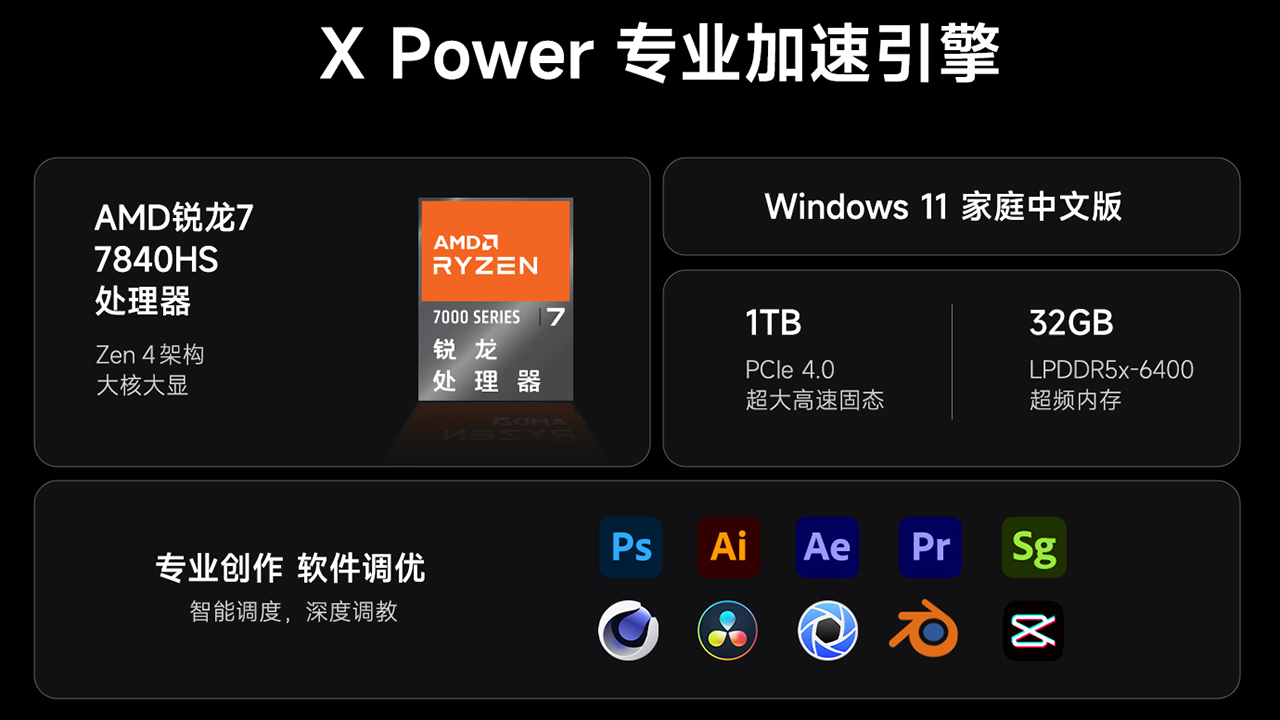
Lenovo recently unveiled a bunch of laptops at CES 2024 including the Yoga Pro series powered by Intel’s Core Ultra CPUs. The brand has launched an AMD Ryzen-equipped YOGA Pro 14s 2024 laptop in the Chinese market that comes with a lightweight and slim body.
Lenovo YOGA Pro 14s 2024 specs:
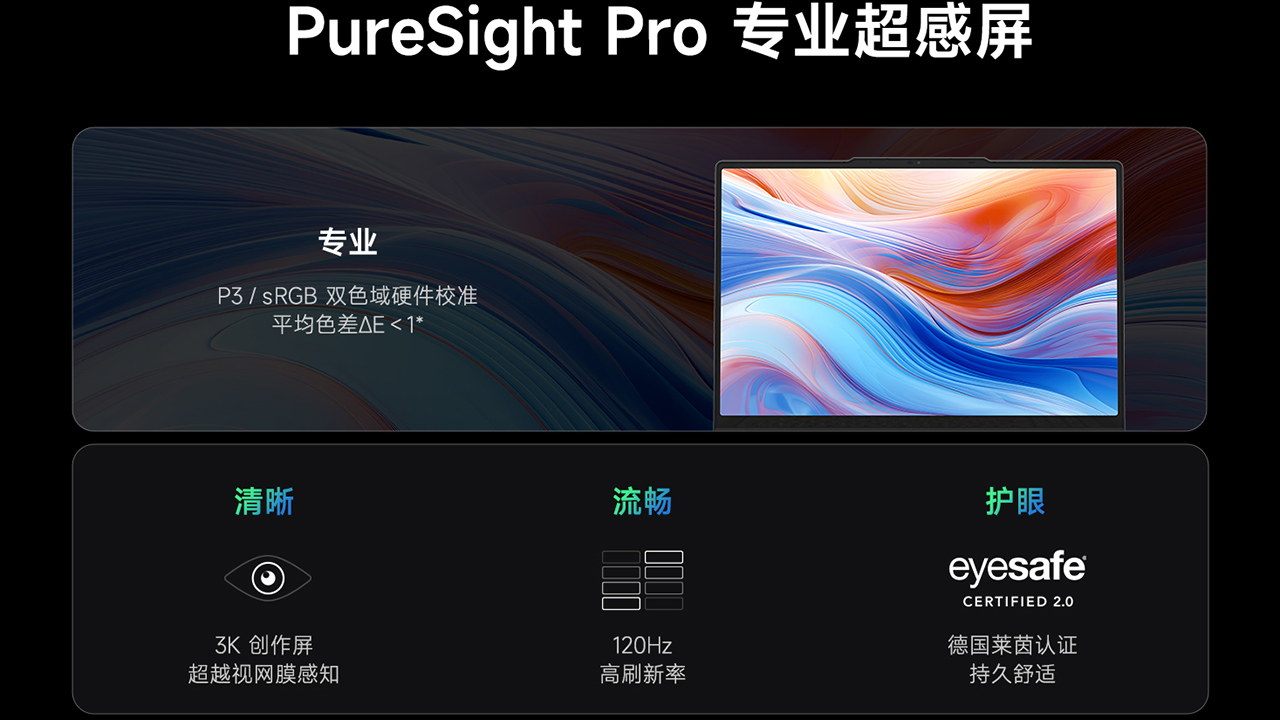
The Lenovo YOGA Pro 14s 2024 comes powered by the AMD Ryzen 7 7840HS processor, featuring 8 cores/16 threads with a peak clock speed of 5.1GHz. The laptop has a 14.5-inch 120 Hz display with a 3K panel named “PureSight Pro.” This display offers hardware-level calibration for P3 and sRGB color gamut, coupled with a 16:10 aspect ratio.
The laptop will be available with 16GB or 32GB LPDDRX5 RAM, paired with a 1 TB PCIe 4.0 SSD. In terms of features, the laptop offers Dolby Vision support, Dolby Atmos speaker setup, a performance-oriented cooling system, and an impressive battery life of up to 12 hours. The device also features a 1080p FHD IR webcam to cater to remote work needs, along with support for 100W PD fast charging.
Connectivity options are diverse, with HDMI 2.1, USB 3.2, and USB4 ports. The laptop weighs between 1.2KG to 1.5KG and measures 15mm to 17mm in thickness.
Pricing & availability
The Lenovo YOGA Pro 14s 2024 with 16GB is priced at CNY 5,699 (~801). The 32GB RAM model on the other hand has a price tag of CNY5,999 (~$843). Currently, there is no word on global pricing and availability.
The Play Store and the App Store are the two most popular app stores in the world. Both are so massive that their economic volumes are worth billions of dollars. But how do Google and Apple profit from this? Well, they make gains through commissions, often reaching up to 15-30%. Every app on these platforms is required to pay a commission to the company based on its earnings. The amount of these commissions sometimes becomes a topic of debate. However, you might have noticed that this issue is particularly prominent on the Apple side. It seems that Google, on the other hand, is providing significant favoritism to its favorites. Here are the details…
Spotify’s juicy Google deal saved it from Play Store fees
A significant deal between Google and Spotify has come to light. According to testimony given by Don Harrison, Google’s executive responsible for international partnerships, during Google’s legal battle with Epic Games, the agreement between Google and Spotify was quite generous. In this deal, Spotify did not pay any commission to Google for users who paid their subscription fees using Spotify’s own payment method. For users making purchases using Google’s payment method, the commission paid was only 4%.
Harrison used a striking expression to explain the reasons behind this agreement. According to a Google official, Spotify had an “unprecedented” level of popularity and needed to work perfectly within the Android ecosystem. Harrison stated that they granted privileges to Spotify because they believed that otherwise, users might consider moving away from Android.
Spotify was known as a company that strongly criticized commission rates, especially in the case involving Apple and Epic Games. In the legal dispute with Epic Games, the company went so far as to accuse Apple of monopolizing the market. In fact, a few months ago, Spotify made a decision to stop accepting payments through the App Store, aiming to avoid paying commissions to Apple.
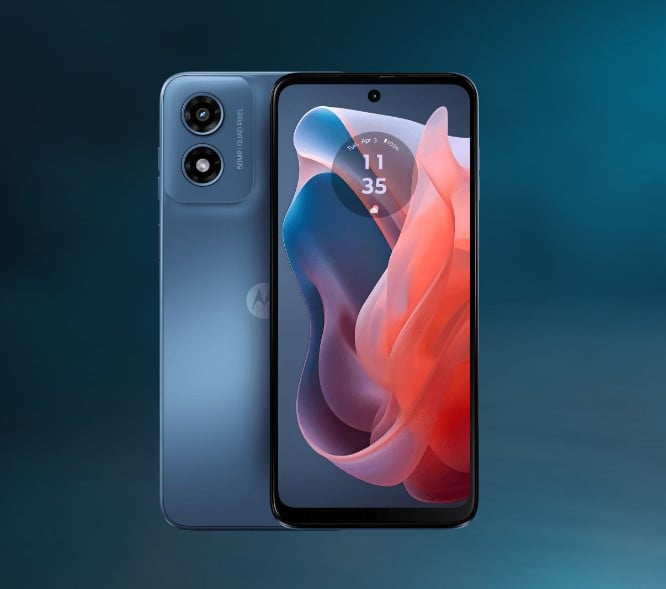
After launching the Motorola G34 5G in India earlier this month, the Lenovo-owned brand is back with a new G-series phone. The latest offering is the Moto G Play (2024) for the US market. It arrives as the successor to the Moto G Play (2023) that debuted in 2022. The newest G Play (2024) packs some upgrades over its predecessor. Let’s find out what the device has in store for us.
Moto G Play (2024) specifications and features
The Moto G Play (2024) has a boxy and rear camera module that elevates slightly from the back panel. The latter looks similar to the OPPO Find X5 and Reno 8 series. The power button doubles up as a fingerprint scanner. On the front, the device has a centre-aligned punch-hole display measuring 6.5 inches and bearing an HD+ resolution and 500 nits peak brightness. The screen is surrounded by thick bezels. It features a 90Hz refresh rate.
On the optics front, the Moto G Play (2024) features a single 50MP main camera sensor paired with an LED flash unit. To recall, its predecessor had a triple rear camera setup. Up front, the smartphone features an 8MP selfie snapper.
Under the hood, the Moto G Play 2024 is equipped with a Snapdragon 680 processor. It packs 4GB RAM that can be expanded up to 6GB with virtual RAM. There is 64GB internal storage expandable via a microSD card slot. The device draws its power from a 5,000mAh battery unit with support for 15W fast charging. Software-wise, the smartphone runs on Android 13 OS out of the box.
The Moto G Play comes in the sole Sapphire Blue color. Motorola has priced the smartphone at $150 and it will be available in the US starting February 8.
Last year, ZMI, a wholly-owned subsidiary of Xiaomi, was renamed Cuktech due to legal issues. For the unaware, this company is the maker of power accessories sold by Xiaomi.
ZMI is also known for its own lineup of power banks and chargers. Ahead of the Chinese New Year, the brand has launched special editions of two of its products.
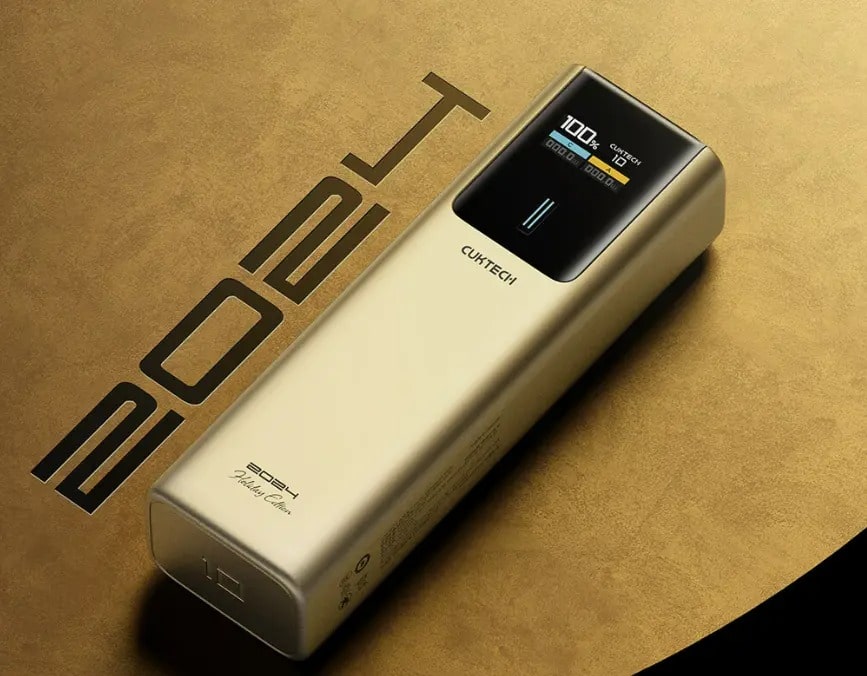
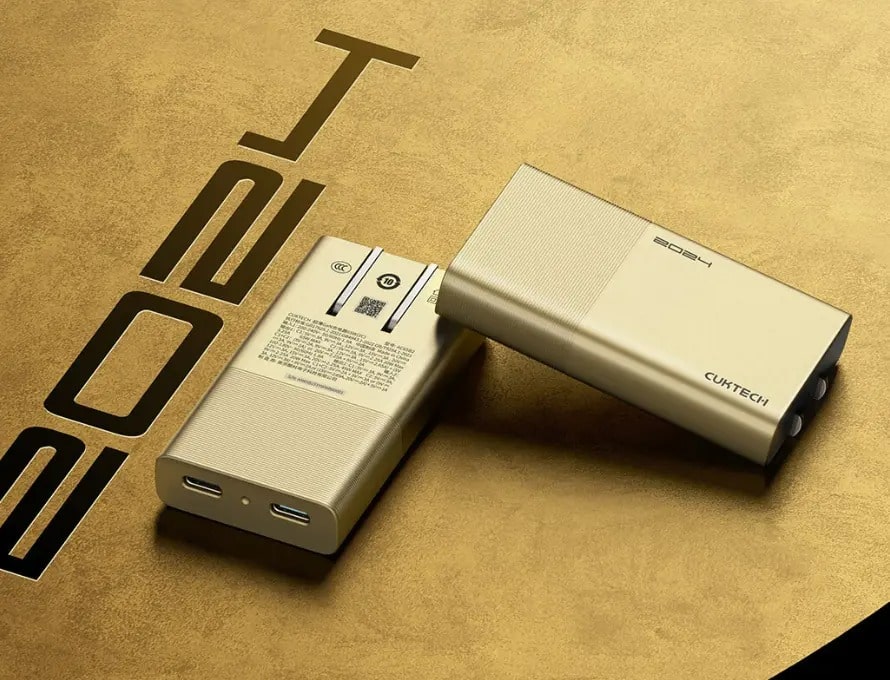
Cuktech 10 Power Bank and Cuktech Ultra-thin GaN Charger now come in gold color options in China. These new variants have the text ‘2024’ embossed on them.
The battery pack is priced at ¥249 (~$35), whereas the charger costs ¥169 (~$25). Both of them are up for sale on JD (Jingdong).
Apart from color, there’s no difference between the special edition and regular variant.
The Cuktech 10 Power Bank has a 10,000mAh battery capacity. It looks like a chocolate bar measuring 143 x 45 x 33.4 mm in dimensions. It weighs about 287g.
The accessory has a built-in TFT LCD color screen. This display shows power, voltage, current, and other parameters in real time.
The battery pack has a USB Type-C port that supports up to 120W output and 90W input. There’s also a USB Type-A port with 33W output support. Both ports have a combined output capacity of 150W.
The power bank supports popular charging standards, such as USB PD (Power Delivery) 3.0, PPS (Programmable Power Supply), QC (Qualcomm Quick Charge), FCP (HiSilicon Fast Charging Protocol), UFCS (Universal Fast Charging Specification), and others.
On the other hand, the Cuktech Ultra-thin GaN Charger has a foldable pin. It supports up to 65W output and features dual USB Type-C ports.
It also supports widely used charging standards, like USB PD 3.0, QC, and AFC (Samsung Adaptive Fast Charging) to name a few.
OneXPlayer has unveiled its latest innovation, the OneXPlayer X1 Three-in-One PC, a game-changer for portable gaming and on-the-go productivity. This device is more than just a tablet; it’s a modular marvel that transforms into a laptop, a handheld console, or a desktop powerhouse, all with the touch of a button.
OneXPlayer X1 Specifications:
The OneXPlayer X1 boasts a 10.95-inch display with impressive specs, including 2.5K resolution, 120Hz refresh rate, 540nit brightness, and a 16:10 aspect ratio. It supports DC dimming for comfortable viewing.
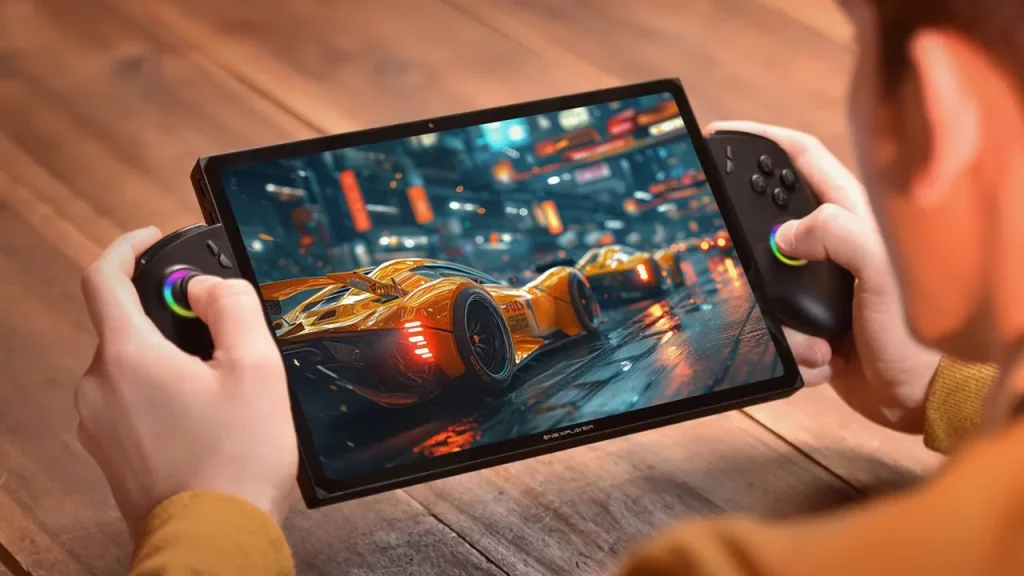
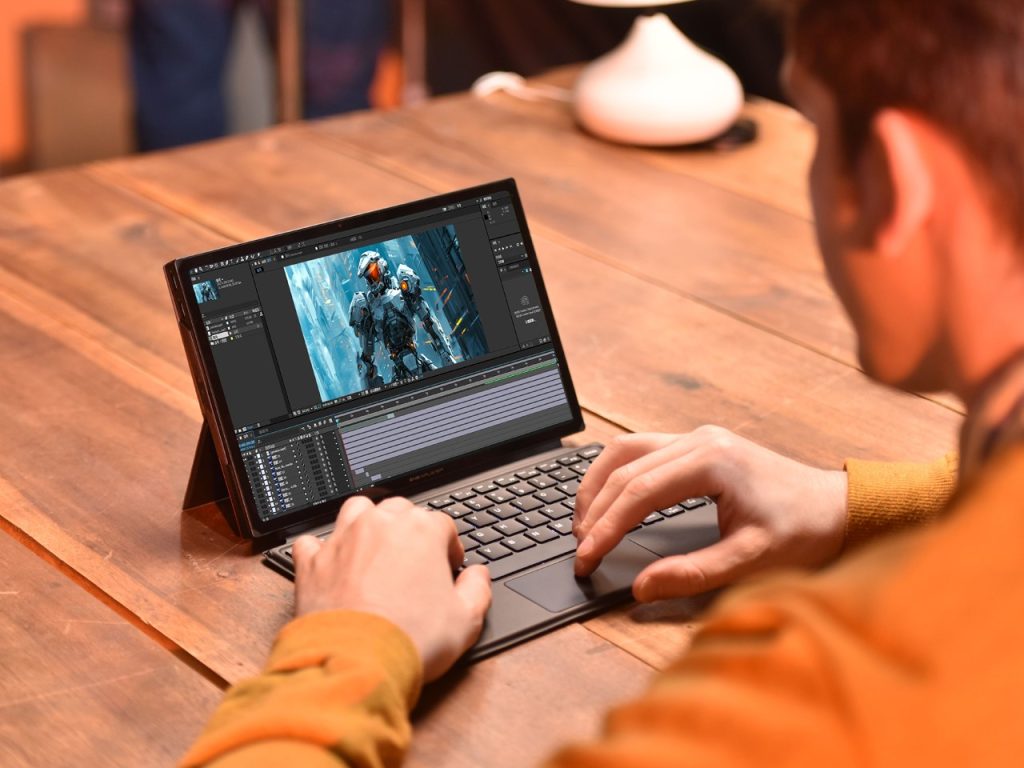
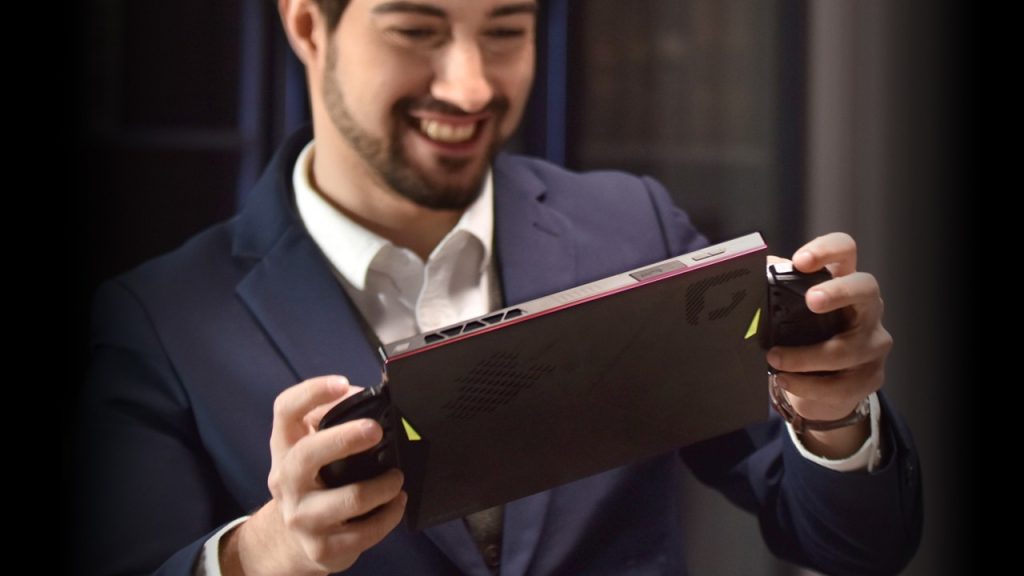
Unlike your average two-in-one, the X1’s standout feature is its detachable controller, complete with “chicken leg” grips and customizable buttons. This transforms the X1 into a Nintendo Switch-like handheld console, ideal for gaming sessions on the go. The device also comes with a magnetic detachable backlit keyboard.
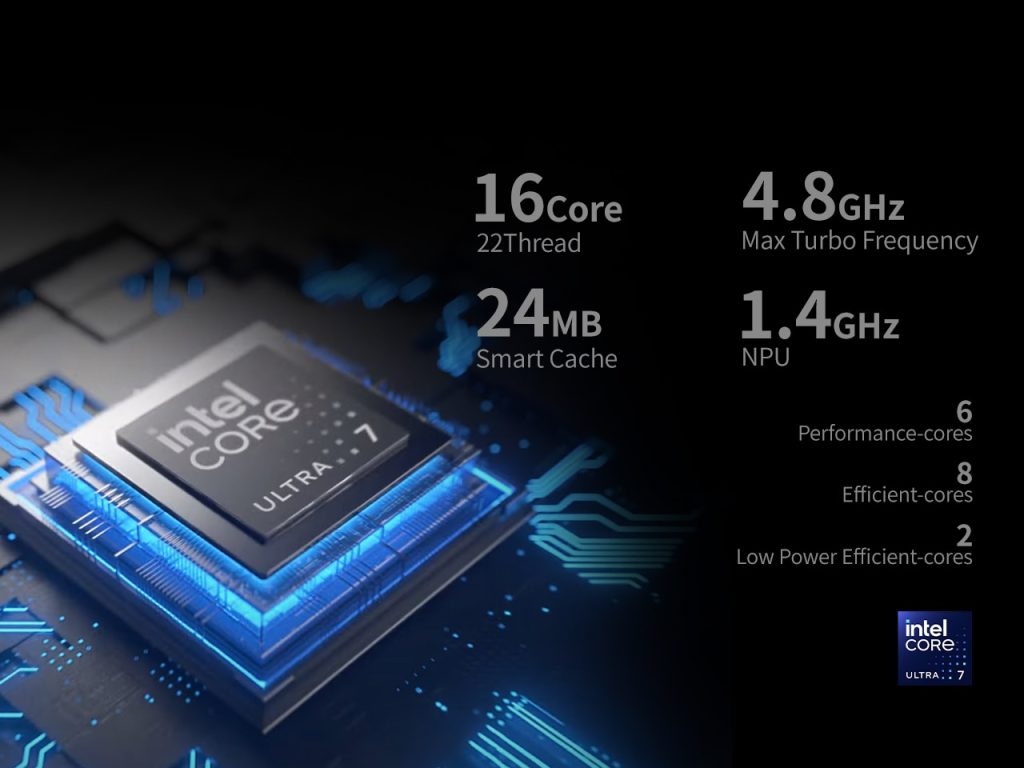
OneXPlayer X1 is equipped with Intel Core Ultra mobile processors, available in two configurations. The Ultra 5 125H features a 4+8+2 core setup and a 4.5GHz boost frequency, while the more powerful Ultra 7 155H offers a 6+8+2 core configuration and a 4.8GHz boost frequency. Both processors include integrated Intel Xe graphics for smooth performance across different applications.
The device boasts dual-channel LPDDR5X-7500 memory, available in 16GB, 32GB, and 64GB options, and offers a PCIe4.0x4 M.2 2280 SSD for storage, with choices of 1TB, 2TB, or 4TB capacities. Enhanced cooling is ensured by Honeywell phase-change thermal paste and graphene heat sinks for both memory and SSD. In demos, games like “Honkai: Star Rail” ran butter-smooth at 60fps, while “Marvel’s Spider-Man” soared to 78fps at 800p.
OneXPlayer hasn’t skimped on audio either. It features Harman-certified dual speakers that include a high-performance full-range speaker unit. For connectivity, the X1 includes dual USB 4.0 ports, a TF card slot, USB-A 3.2, dual USB-C 4.0, a 3.5mm audio jack, and an Oculink interface for connecting to external graphics docks.
Battery life is impressive, too. The 16890mAh battery keeps the X1 going for up to 169 minutes of “Genshin Impact” gameplay, 8 hours of office work, or 11 hours of video playback. And when it’s time to refuel, the 100W gallium nitride charger ensures a quick turnaround.
Pricing
Running on Windows 11 and weighing 789g, the OneXPlayer X1 is available in four configurations, each offering different combinations of processor, memory, and storage options, and comes with a magnetic keyboard and an original controller.
During the initial release, a magnetic keyboard worth 399 Yuan ($56) is included with every X1! This handy accessory turns your gaming powerhouse into a capable laptop for work or on-the-go content creation.
Additionally, early adopters participating in user reviews will snag an original controller absolutely free – a value of 399 Yuan ($56). Essentially, these launch incentives sweeten the pot, making the X1 an even more compelling proposition for tech enthusiasts eager to experience its versatility.
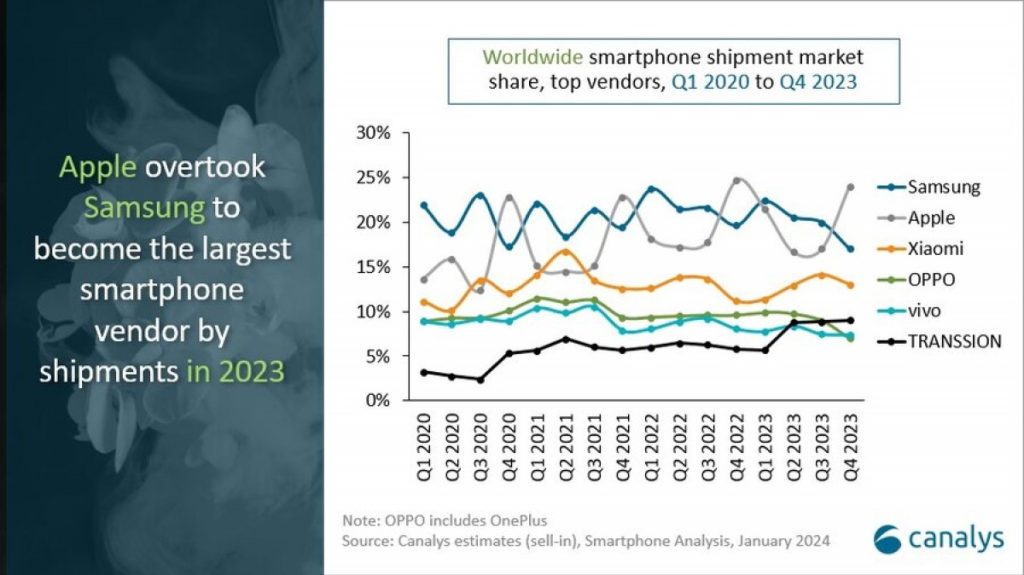
The global smartphone market has started showing signs of recovery. As per data from the IDC’s worldwide quarterly mobile phone tracker as well as research firm Canalys, the smartphone market recorded an 8.5 percent year-on-year growth compared to the same period last year. Notably, Apple bagged the award for being the top smartphone vendor globally breaking Samsung’s 13-year unbeaten streak. The data reveals a lot of key information. Read on to know everything below.
Global smartphone shipments show signs of recovery
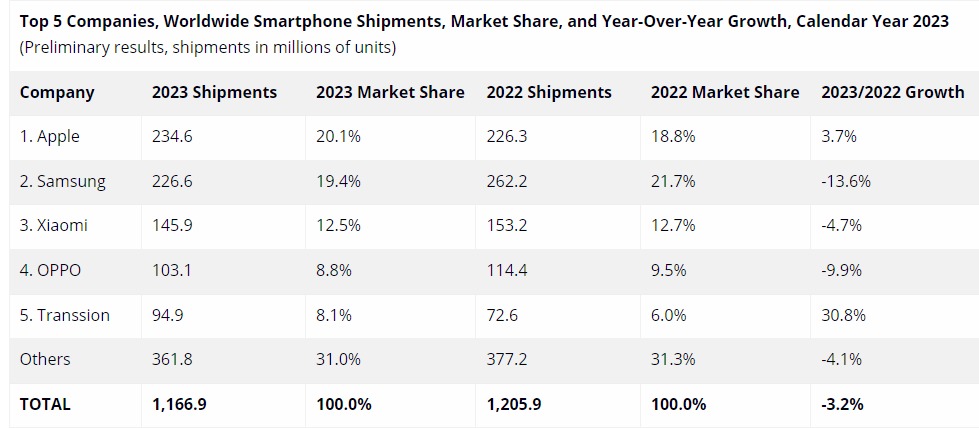
The global smartphone shipments declined by 3.2 percent year-on-year basis. However, on the brighter side, sales reached 326 million units in Q4, 2023 compared to 300 million units in Q4, 2022. This is after seven consecutive quarters of decline.
Apple dominated the entire smartphone market for the first time the entire year as well as in Q4. It shipped 80.5 million units in the fourth quarter while for the full 2023, the company shipped 234 million units. The Cupertino-based tech giant had a 20.1 percent market share in 2023. Samsung came in second with close to 226 million shipments and 19.4 percent market share. The South Korean brand shipped 53 million units in Q4, 2023. In terms of overall shipments last year, Xiaomi bagged the third spot with a 12.5 percent market share while OPPO and Transsion came fourth and fifth with market shares of 8.8 and 8.1 percent respectively.
In Q4 shipments, Transsion bagged the fourth spot with 28.2 million sales and 8.6 percent market share and recorded a whooping 68 percent YoY growth. Vivo made it to the fifth list with 24.1 million units sold and a 7.4 percent share. Samsung’s shipments in Q4 dropped by 10 percent compared to the same period last year.
Based on year-on-year performance, only Apple and Transsion clocked positive growth gaining 3.7 and 30.8 percent respectively.
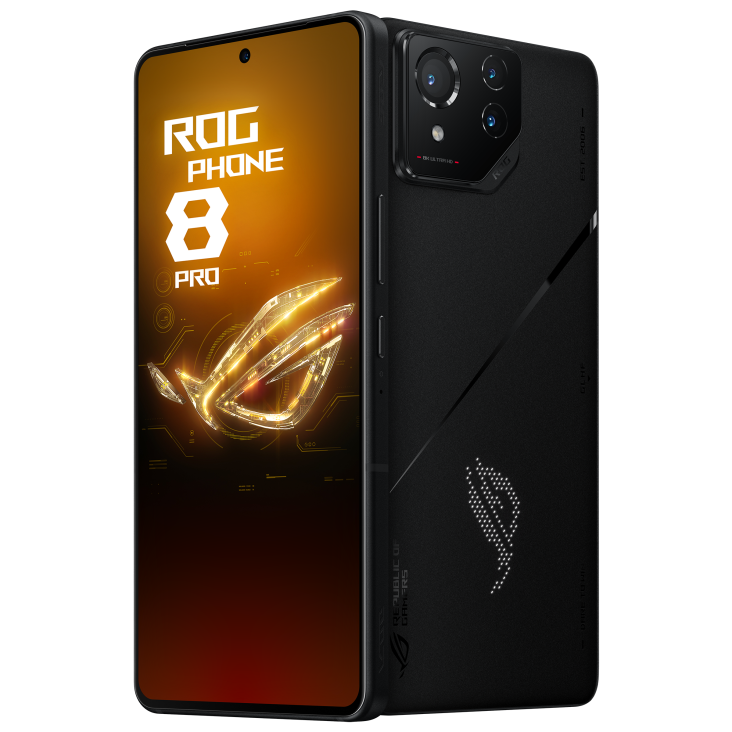
ASUS unveiled the ROG Phone 8 series in the global markets at CES in Las Vegas last week. Now, the Taiwanese brand has introduced the ROG Phone 8 and 8 Pro in the Chinese market. They pack the same specifications as their Chinese counterparts. Both phones are identical to each other apart from minor differences. The ROG Phone 8 duo arrive as the successors to the ROG Phone 7. Read on to know the details for the China market below.
ASUS ROG Phone 8 series pricing and availability in China
The ASUS ROG Phone 8 is priced at CNY 4,799 (~673) and CNY 5,299 (~$743) for the 12GB and 16GB RAM options with both packing 256GB native storage. The ROG Phone 8 Pro costs CNY 5,999 (~841) for the 16GB + 512GB whereas the 24GB + 1TB configuration carries a price tag of CNY 7,999 (~1,122). Both phones are up for pre-orders in China with sales commencing from January 18.
Asus ROG Phone 8 Pro: Phantom Black
ASUS ROG Phone 8 series specifications
ASUS has ditched the heavy gaming-inspired design on the latest generation ROG Phones. The devices now look like mainstream smartphones. They have a slightly boxy design with a squarish rear camera module and a dual-tone back panel. The standard model has a customizable Aura RGB lightning logo whereas the pro variant features a mini-LED lightning with 341 LEDs. The ROG Phone 8 duo are IP68-certified dust and water-resistant. Both devices have AirTrigger buttons for gaming and a 5-magnet speaker system.
Past ROG Phones featured thick bezels around the display. The latest iteration of the gaming smartphones now has a centre-aligned punch-hole display with thin bezels on all sides. The ROG Phone 8 and 8 Pro sport a 6.78-inch Samsung AMOLED display with an FHD+ resolution 165Hz LTPO refresh rate, 2,500 nits peak brightness, integrated fingerprint scnaner, and glove touch support.
Internally, the ROG Phone 8 series is equipped with Snapdragon 8 Gen 3 processor. The standard variant packs up to 16GB RAM and 256GB storage whereas the pro model maxes out at 24GB and 1TB respectively. There is a conduction cooling system for heat dissipation. The new AeroActive Cooler accessory is smaller and lighter than before. Both phones are backed by a 5,500mAh battery unit with support for 65W wired and 15W wireless charging. The devices also come with various AI features.
The ASUS ROG Phone 8 and 8 Pro feature a 50MP OIS-enabled main camera, a 13MP ultra-wide-angle lens, and a 32MP telephoto unit with 3x optical zoom and OIS. There is a 32MP RGBW selfie snapper.
ASUS is gearing up to unveil a new Zenfone series smartphone soon. The company recently announced the ROG Phone 8 series, and now, it appears that the Zenfone 11 Ultra could be launching soon. So here are all the details.
ASUS Zenfone 11 Ultra visits SDPPI
The Taiwanese tech giant’s Zenfone 11 Ultra was spotted on the SDPPI database, which is the certification platform of Indonesia. This device carries the model number ASUS_AI2401_H and its official moniker has also been revealed. Previously, the ASUS Zenfone 11 Ultra surfaced on the Bluetooth SIG database which confirmed that the smartphone supports Bluetooth 5.4. For those unaware, the Zenfone lineup is a series of flagship grade smartphones that feature a compact design.
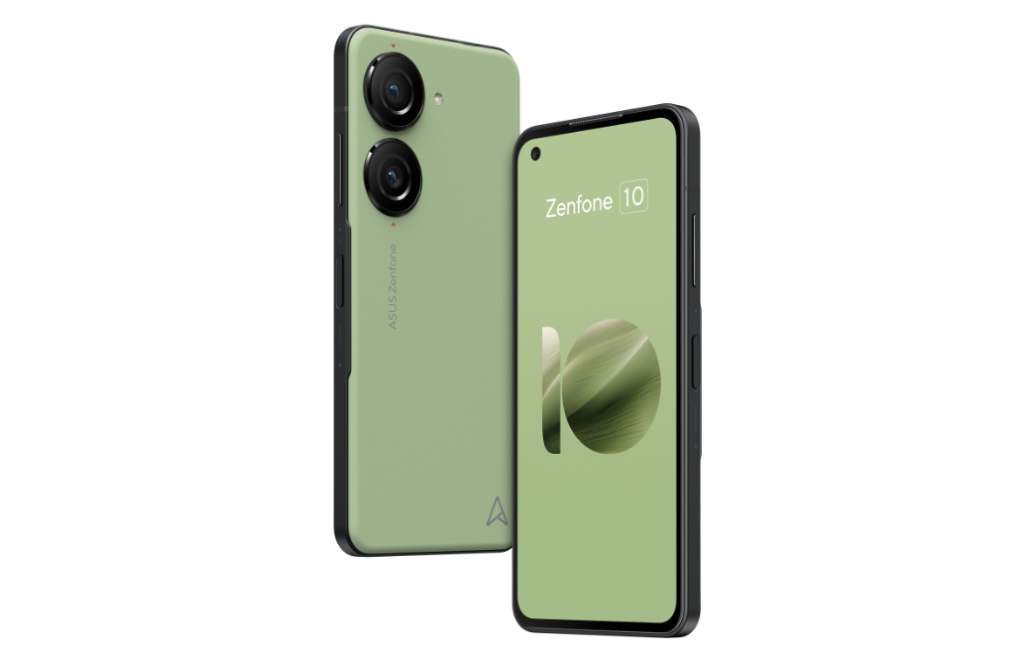
However, the “Ultra” could refer to a larger screen variant. But this is still speculation so take this report with a pinch of salt. Considering the ASUS Zenfone 11 is a direct successor to the Zenfone 10 model, the smartphone will likely feature upgrades over its predecessor. To recall, the Zenfone 10 sports a 5.92-inch AMOLED display that supports FHD+ resolution and 144Hz refresh rate. Under the hood, the handset is equipped with the Qualcomm Snapdragon 8 Gen 2 SoC, so the Zenfone 11 Ultra will likely offer the Snapdragon 8 Gen 3 chipset.
A 4,300mAh battery pack powered the Zenfone 10, which also supports 30W wired fast charging. The rear packs a 50-megapixel dual camera setup, while the front houses a 32-megapixel selfie shooter. Other notable features include side mounted fingerprint scanner, Bluetooth 5.3, stereo speakers, 15W wireless charging and reverse charging support, GPS, and IP68 water and dust resistance.
Samsung is slated to launch the next-generation Galaxy A-series smartphones in the coming months. While the Galaxy A25 and A15 5G have already debuted, as per a recent report, the Galaxy A55 and A35 are rumoured to arrive in the second quarter of 2024. Both phones have already surfaced in leaked renders revealing their design. Now, the Samsung Galaxy A35 has been spotted on the Geekbench benchmarking platform.
Samsung Galaxy A35 Geekbench
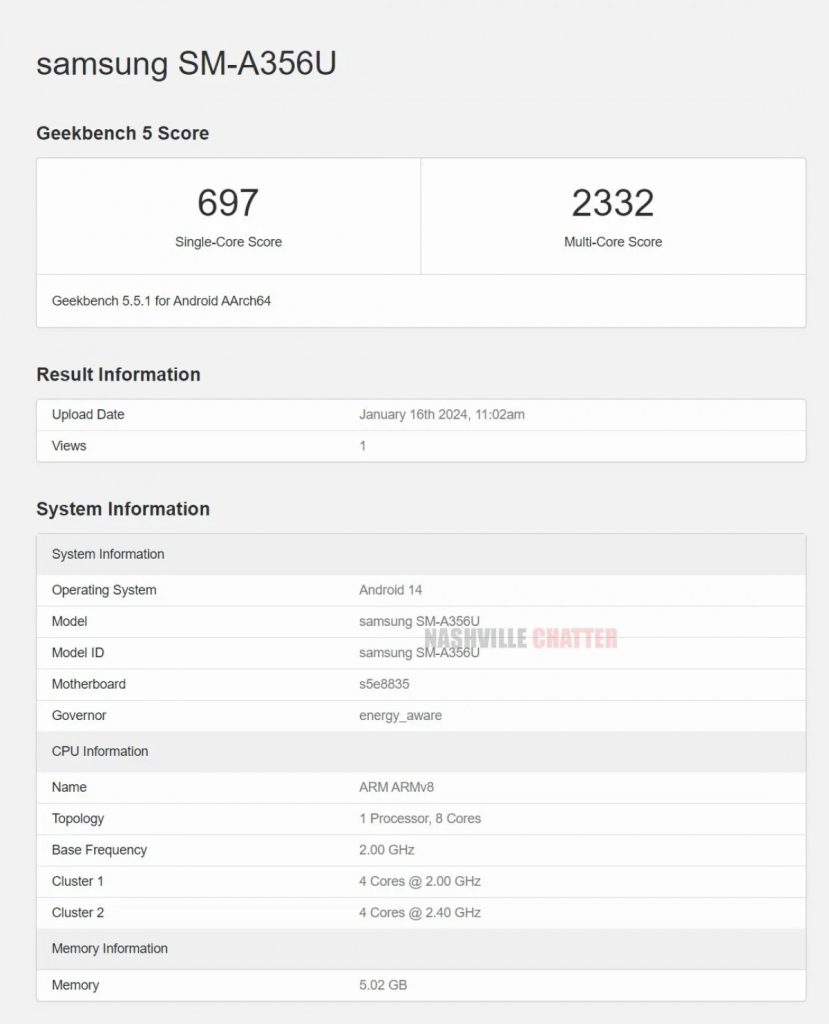
The Samsung Galaxy A35 is listed on Geekbench with model number SM-A356U. The database mentions motherboard codenamed s5e8835 and comprises of four cores clocked at 2GHz and four cores ticking at 2.40GHz. The details correspond to the Exynos 1380 chipset. This is the same processor found on the Galaxy A54 and M54/F54. The Galaxy A35 is listed with 6GB RAM and there could be more options at launch. The smartphone will ship with Android 14 OS out of the box.
The Samsung Galaxy A35 scores 697 and 2,332 points in Geekbench’s single-core and multi-core test results. The rest of the details of the device remain a mystery.
As per leaked renders, the Samsung Galaxy A35 is seen with a premium design and curved corners. It has a boxy form factor with a protrusion on the right edge that the brand calls Key Island. The back panel has three vertically stacked camera sensors. The upcoming offering is tipped to feature a 6.6-inch display
Samsung’s influence on the Android ecosystem is profound. As the world’s top manufacturer of Android smartphones, Samsung consistently expands its impact by selling millions of devices annually. But this is merely the beginning. The South Korean tech giant not only fuels Android’s user base but also plays a pivotal role in supporting the Play Store. According to information unveiled in the Epic Games v. Google lawsuit, Samsung’s Android devices generated ‘half or more’ of Google Play revenue.Here are the details…
Epic Games v. Google Lawsuit Sheds Light on Samsung’s Share of Google Play Store Revenue
n a recent hearing in the ongoing Epic Games v. Google lawsuit, it was revealed that Samsung devices accounted for “half or more” of Google Play revenue as of early 2019. This information was disclosed by Google’s Vice President for Partnerships James Kolotouros.This statistic highlights the significant role that Samsung plays in the Android ecosystem and its contribution to Google’s Play Store.
Samsung is the world’s largest smartphone manufacturer, and its devices are widely popular among Android users. As a result, it is not surprising that Samsung devices generate a substantial portion of Google Play revenue. The reliance on Samsung devices raises concerns about Google’s dominance in the Android market.
Epic Games has argued in its lawsuit that Google’s control over the Play Store is anticompetitive and that the company is using its market power to stifle competition. The disclosure of Samsung’s share of Play Store revenue could further strengthen Epic’s case against Google.
It is important to note that Google has not independently confirmed the statistic that Samsung devices account for “half or more” of Play Store revenue. However, the revelation from Kolotouros provides further evidence of the close relationship between Google and Samsung in the Android ecosystem.
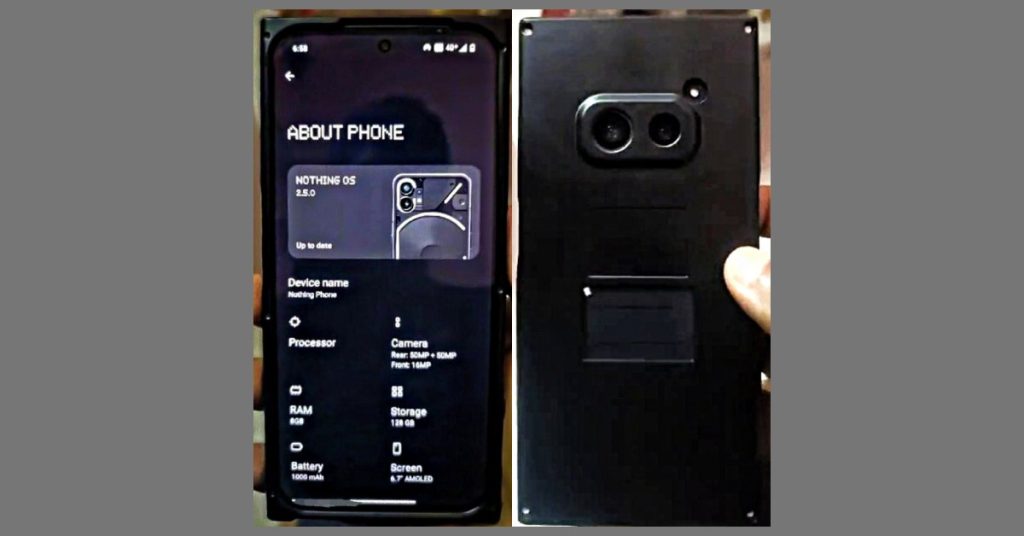
Nothing has been rumored to be working on a new smartphone for some time now. Recent reports have hinted at the device being the Phone 2a model. But now, a new report has tipped the launch date for this device as well as the next gen flagship Nothing Phone 3 as well. So here are all the details
Nothing Phone 3 & Phone 2a Launch Timeline
The news arrives from tipster @saaaanjjjuuu who shared the information on X (formerly Twitter). In the tweet, he revealed that the Phone 2a will be launching in the first quarter of this year. In other words, we can expect an announcement between January and March 2024. The tipster also added that the premium Nothing Phone 3 will be released in July 2024.
However, this is not all as the company is also working on a hearable product as well. He claims that the brand is also working on truly wireless earbuds that are dubbed the CMF Nothing Buds 2 Pro. The official name of these earbuds is still unclear, although, the TWS could be the direct successor to the CMF’s Buds Pro. So it could be a part of the CMF By Nothing branding as the Buds 2 Pro.
Based on the recent Phone 2a rumors, the device could sport a tall 6.7-inch AMOLED display that features a 120Hz refresh rate and FHD+ resolution. Meanwhile, the rear packs a 50-megapixel Samsung S5KGN9 shooter with a 1/1.5 inch sensor size and 1.0 micron pixel size. This is paired with a 50-megapixel Samsung S5KJN1 ultra wide angle lens with a 1/2.76 inch sensor size and 0.64 micron pixel size. For selfies and video calls, the front houses a 32-megapixel Sony IMX615 camera.
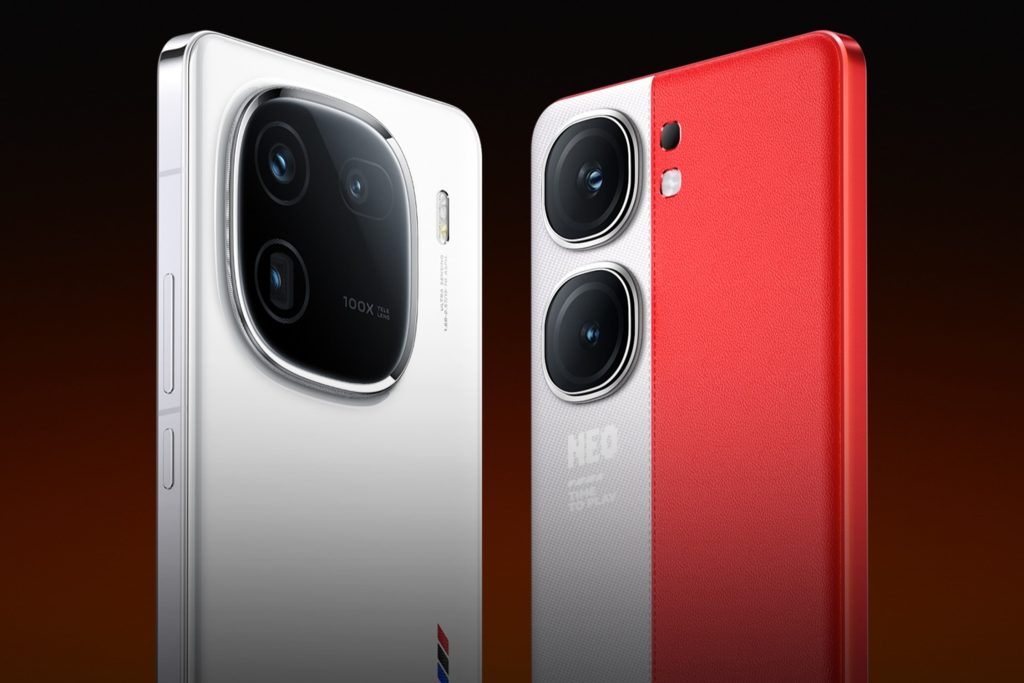
In early November, the iQOO 12 series debuted in China as the brand’s latest flagship smartphone duo. These handsets were later followed by the firm’s new flagship killer lineup, the iQOO Neo 9 series, in late December.
Both these product lineups offer a different set of features targeted at dissimilar audiences. However, they have one thing in common and it is their eye-friendly displays.
The panels used by these phones support high-frequency PWM dimming. But interestingly, the company has enabled this feature only now.
iQOO 12 and iQOO Neo 9
Earlier today, iQOO announced on Weibo that the iQOO 12 series and the iQOO Neo 9 series now support 2160Hz PWM dimming. The feature is live on the latest firmware for the handsets.
Once enabled from ‘Developer options’, users can have a flicker-free experience at 2-600 nits screen brightness levels.
Out of these four phones, only the vanilla iQOO 12 has made its way to global markets. We are not sure if this feature is currently available outside mainland China.
The iQOO 12 series flaunts a 6.78-inch centered punch-hole OLED display. The flat panel on the vanilla model offers a resolution of 2800 x 1260 pixels (1.5K) and 452 PPI. Whereas the pro variant’s screen is curved and comes with a higher 3200 x 1440 pixels as well as a sharper 517 PPI.
Both displays not only support up to a 144Hz refresh rate (LTPO) but also 10-bit color depth. They can also reach a maximum local brightness level of 3000 nits.
On the other hand, the iQOO Neo 9 series is also built around a 6.78-inch centered punch-hole OLED display. This 10-bit panel shares its specs with the one found on the iQOO 12.
Thus, it comes with a 1.5K resolution (2800 x 1260 pixels), 452 PPI, and a 144Hz refresh rate (LTPO).
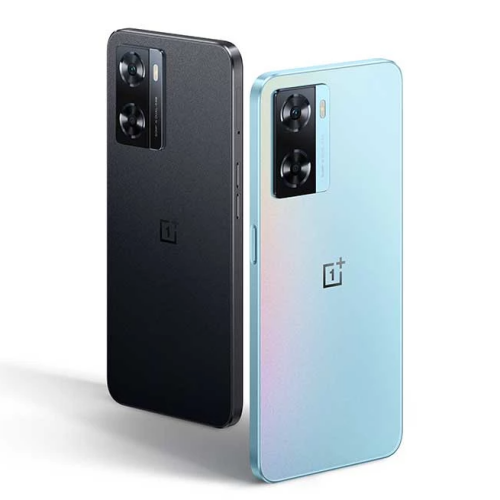
OnePlus has started pushing out the OxygenOS 14.0.0.300 update for the global users of the Nord N20 SE smartphone with some significant changes. The update comes with firmware version CPH2469_14.0.0.300(EX01)
OnePlus Nord N20 SE OxygenOS 14.0.0.300 changelog:
Smart efficiency: Adds File Dock, allowing users to drag and drop content between apps and devices, and improves photo and video-related permission management for safer access by apps.
Performance Optimization: Enhances system stability, app launch speed, and animation smoothness.
Aquamorphic Design: Introduces Aquamorphic-themed ringtones, revamps system notification sounds, and improves system animations.
User Care: Removes the Background stream feature in Smart Sidebar and suggests users to provide feedback directly in the thread. The company is also working on a better method to submit feedback in the Community.
As usual, the update will be arriving in batches, so users should get the OTA notification by the end of the week. Users can also check for the updates manually by heading to System Settings > About Device > Software Update > Check for Updates.
In related news, OnePlus is gearing up for the global debut of the OnePlus 12 flagship smartphone. The launch will be held on January 23 across various regions. It will also include the OnePlus 12R, which is the rebrand of the recently launched OnePlus Ace 3. Alongside the smartphones, the brand will also be launching the premium OnePlus Buds 3 TWS earbuds.
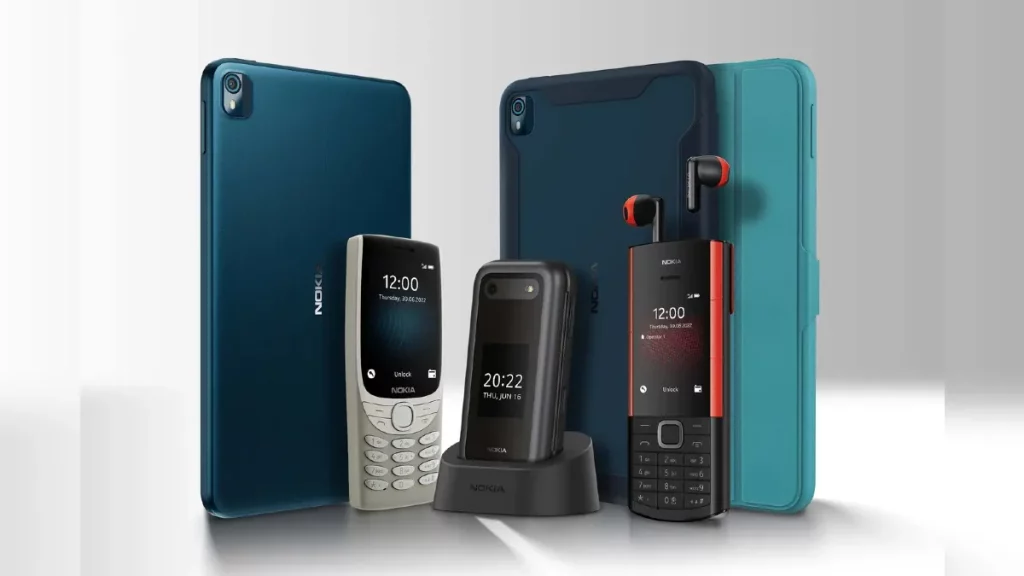
HMD Global, the company behind Nokia phones, is undergoing significant changes. Starting February 1st, all Nokia phones and tablets will be available on the HMD website, signaling a shift in Nokia’s business strategy and branding. This move aligns with HMD’s ownership of the Nokia brand for its phones since 2016, and considering their contract expires in 2025, this consolidation seems logical.
New Home for Nokia: HMD Global’s Website to Host All Nokia Devices
However, this information hasn’t been officially confirmed yet, and it’s based on reports from Nokia device owners who received updates through the MyApp newsletter. Meanwhile, HMD Global is reportedly focusing on its own brand transformation, distancing itself from the Nokia branding. This strategy includes removing the “Phone” section from Nokia’s official website, now only accessible through a specific link.
Nokiamob reports that starting February 1st, Nokia‘s website will no longer feature the “Phone” section, and HMD Global will provide all related content. This change is part of HMD’s strategy to redefine its brand identity, as evidenced by the launch of hmd.com. This site is expected to host a range of products including original HMD devices, classic Nokia phones, and items from new partnerships.
In addition to these website changes, HMD has also rebranded its social media presence. Their Twitter handle has changed from @nokiamobile to @HMDglobal. This shift raises questions about the future focus on Nokia phones and the Nokia community’s engagement.
The new HMD website is anticipated to become the primary platform for both classic Nokia phones and new HMD products. This suggests a potential end to Nokia-branded smartphones, with only feature phones continuing under the Nokia name. The last Nokia smartphone was the Nokia G42, and it appears HMD may limit future Nokia-branded smartphones to a few models per year, covering different market segments.
These changes, including the potential phase-out of Nokia smartphones, are expected to become clearer in the coming weeks. This marks a significant transition for the Nokia brand, once a dominant player in the mobile phone industry.
Earlier this week, Realme officially confirmed that it’s launching a new Note series, and details about the Realme Note 1 have also surfaced. Leak specifications paint a picture that it will be a mid-range device that will compete with the likes of the Redmi Note 13.
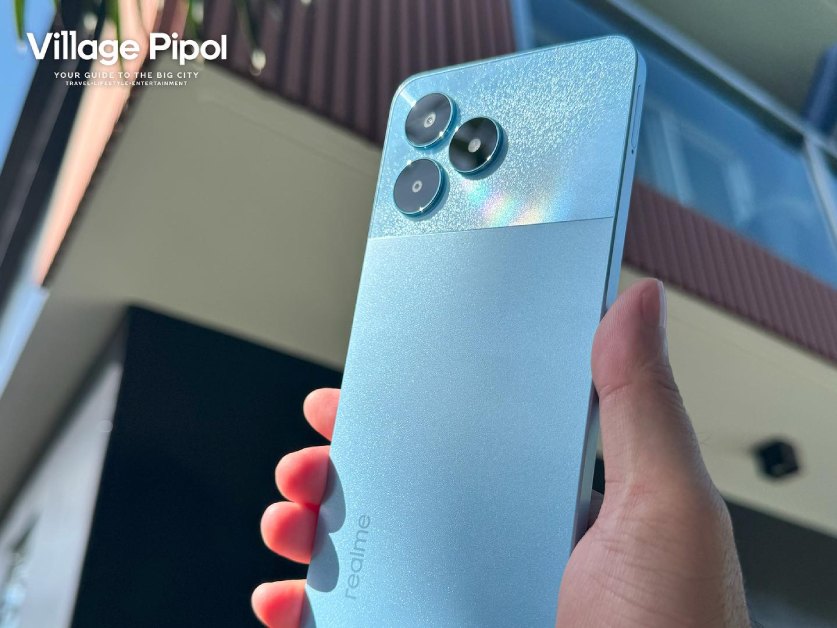
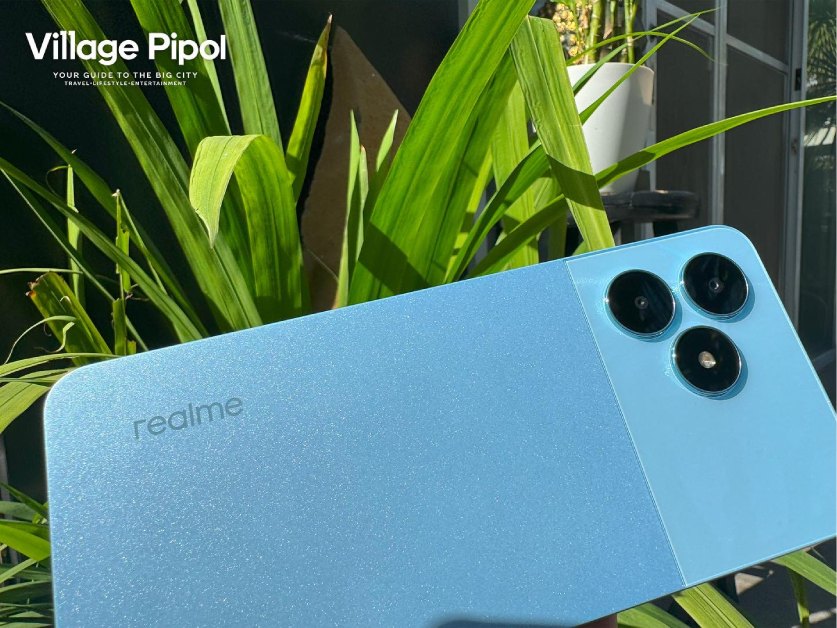
In addition to the Note 1, Realme is also working on the Note 50, which has already received several certifications. Several hands-on images of the Note 50 have now surfaced online, showing its design from both the front and back.
These images were shared by several content creators on Instagram, particularly from the Philippines. It seems Realme may have given these phones to creators there, but it’s unclear if they’re allowed to post photos before the official announcement.
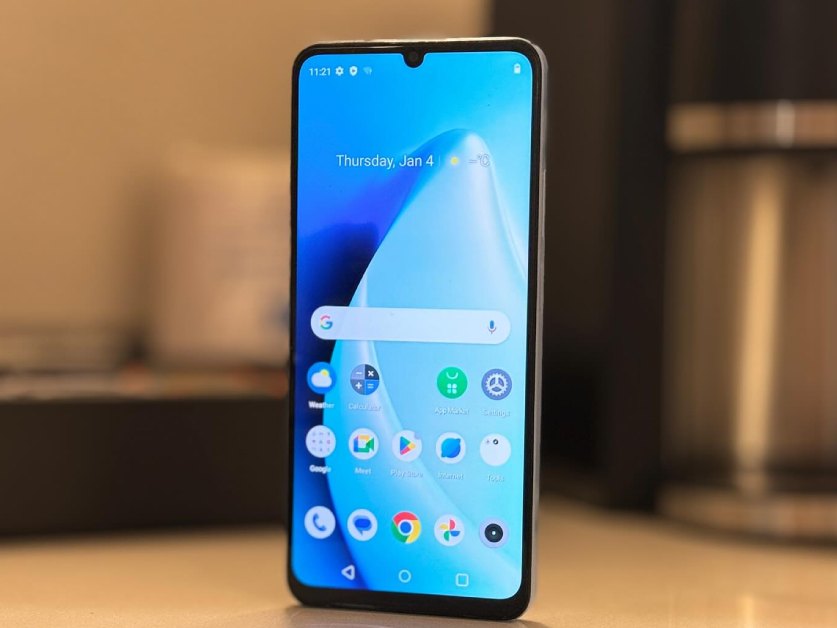
Anyway, the images show the phone is in Sky Blue and a design that looks similar to Realme’s C-series, especially the Realme C53. It features two rear cameras with a separate LED ring and a U-shaped notch on the front with noticeable bezels.
A creator named SuperbDan also posted an unboxing video. It shows the typical yellow Realme box and all the standard accessories. You get a sim ejector tool, a TPU case, the phone itself, and a charger with a Type-A to Type-C data cable.
Meanwhile, tipster Paras Guglani also shared what looks like an official teaser of the Realme Note 50. It hints at features like a 6.7-inch 90Hz HD+ display, 7.99mm thickness, and IP54 dust and water resistance.
So Realme Note 50 is another C series device with low cost value!! available from 24th Jan'24 globally….
The teaser suggests a launch date of January 24th, which is also rumored for the Realme Note 1, suggesting that both phones might be released on the same day.
Creative has launched its latest audio offering, the ZEN Hybrid 2 head-mounted Bluetooth headset, available on Tmall with an initial price tag of 399 yuan ($56). The standout features of this headset include Bluetooth 5.2 technology and an exceptional battery life of up to 67 hours. Equipped with a 40mm dynamic driver unit, the headset boasts a 3.5mm headphone jack and features a “hybrid active noise reduction” function. Priced competitively, this audio accessory aims to capture the attention of consumers seeking high-quality sound and advanced functionalities.
The ZEN Hybrid 2 supports “hybrid active noise reduction” function
The ZEN Hybrid 2 is designed to provide an immersive audio experience. Its 40mm neodymium drivers offer a frequency response of 20-20,000 Hz, a sensitivity of 116dB, and an impedance of 32 ohms. The headset supports Bluetooth 5.2 and various profiles, including A2DP for wireless stereo, AVRCP for Bluetooth remote control, and HFP for hands-free calling. The inclusion of AAC audio codec enhances the quality of the wireless audio transmission while SBC offers a reliable operation.
One of the standout features is the “hybrid active noise reduction” function, backed by four ANC microphones. The headset claims to eliminate up to -30 dB of environmental noise, providing users with an undisturbed listening experience. The use of Creative applications allows users to customize their audio preferences and tailor the noise reduction settings to their liking.
The ZEN Hybrid 2 is equipped with a robust 600mAh battery, ensuring an impressive battery life of 67 hours with ANC turned off and 49 hours with ANC activated. For added convenience, a quick 5-minute charge reportedly provides up to 5 hours of listening time. The headset weighs 271 grams and comes in classic black and milky colors.
In the box, users will find the ZEN Hybrid 2 headset along with a 3.5mm stereo audio cable, a USB-C to USB-A cable for charging, and a quick start guide. With its competitive pricing, robust features, and a 1-year limited hardware warranty, Innovation’s ZEN Hybrid 2 aims to be a compelling choice in the highly competitive audio accessory market.
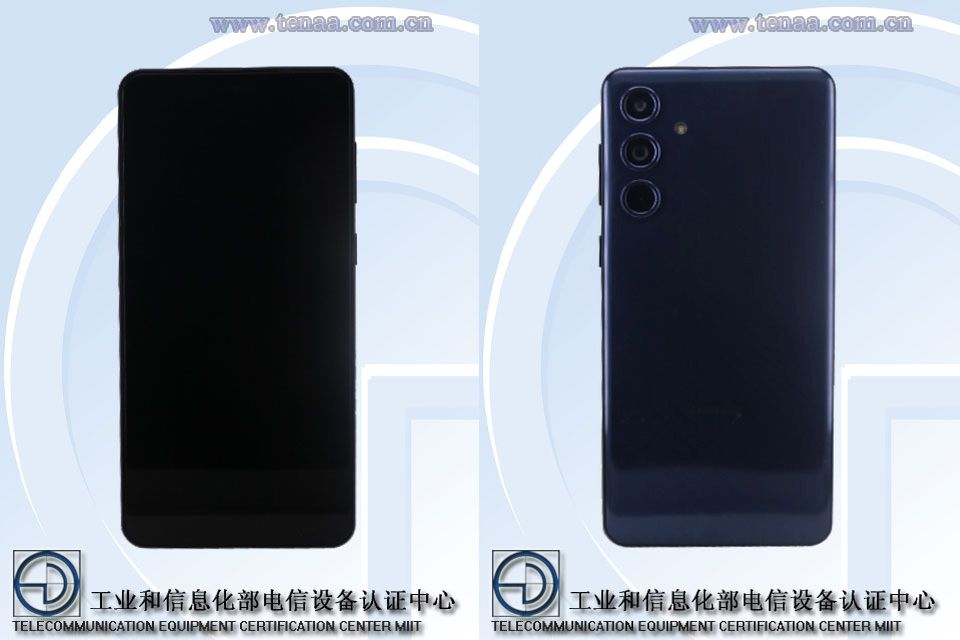
Last week, a mysterious Samsung smartphone with model number SM-C5560 arrived on TENAA. The listing disclosed the key specs of the handset.
Yesterday, the phone was certified by 3C disclosing its charging speed. At the same time, its live images were added to the TENAA listing.
Now, the device has been spotted on the website of WiFi Alliance as well.
Alleged Samsung Galaxy Y55’s TENAA images
None of these three listings of the product mention its name. Earlier it was said to be called Galaxy Y55. Now, the handset is being dubbed Galaxy C55 based on the first letter of its model number.
But what we are certain is that it is most likely a China-exclusive smartphone. To know the exact name, we may have to wait for more leaks and official teasers.
As per information so far, the alleged Galaxy Y55 / Galaxy C55 will flaunt a 6.67-inch OLED display with a resolution of 2400 x 1080 pixels (FHD+). It will be powered by an unknown chipset featuring a 2GHz CPU and offer 5G as well as WiFi 6 connectivity options
The SoC will be paired with 8GB / 12GB RAM and 128GB / 256GB storage. Interestingly, the device will arrive with a MicroSD card slot.
Further, the phone will sport a triple camera system on the rear comprising a 50MP primary sensor, an 8MP secondary sensor, and a 2MP tertiary sensor. On the front, it will have a 13MP selfie camera.
The smartphone will boot Android 14 and will be backed by a 5,000mAh battery. Last but not least, it will carry support for 45W wired charging.
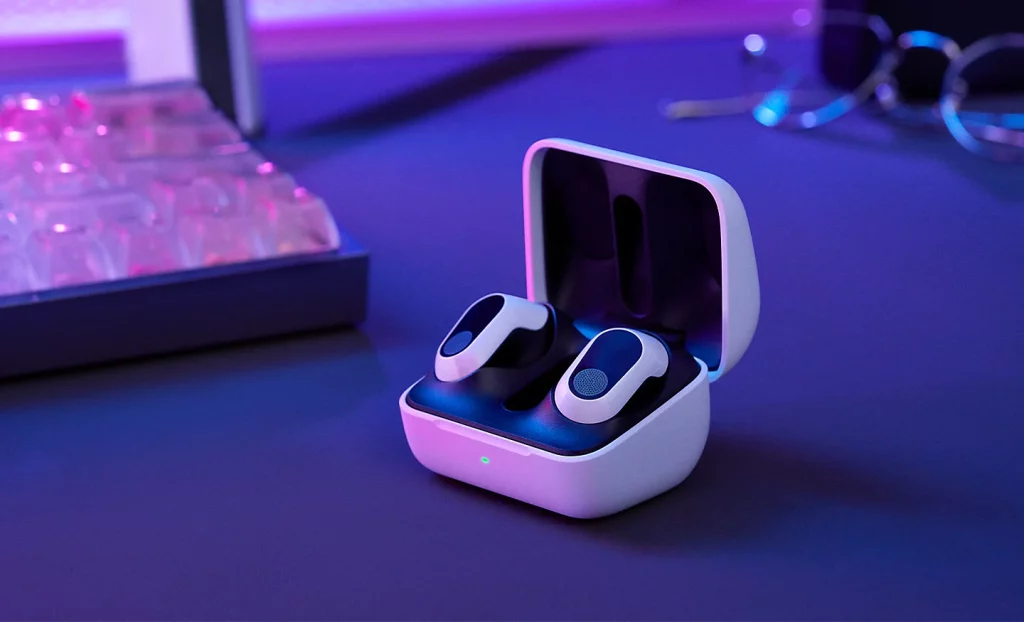
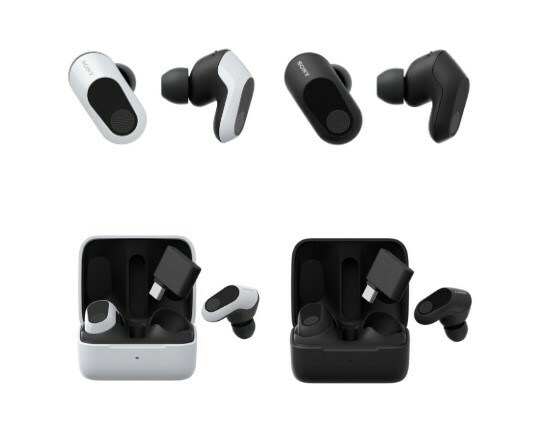
After a teaser yesterday, Sony has now launched the INZONE buds gaming TWS earbuds in the Indian market. Geared towards gamers seeking an immersive experience, these earbuds bring an arsenal of features to the table.
Sony INZONE Buds specs:
The INZONE Buds feature an in-ear design with rubber tips, 8.4mm drivers, and ANC support for clear audio. They boast low latency of under 30ms, ensuring minimal sound delay during gaming.
Equipped with the LC3 codec and Bluetooth Low Energy for audio transmission, the INZONE earbuds offer personalized spatial audio support to enhance the gaming experience. The built-in microphone employs AI for noise filtration, trained on 500 million voice samples, preventing background disturbances during voice communication with other players.
The earphones come with touch controls for adjusting volume controlling music playback and customizable options through the INZONE Hub. Sony claims a 12-hour battery life for the INZONE gaming earbuds, extending to 24 hours with the charging case. The case supports USB-C charging, aligning with modern standards.
Pricing & availability
With a price tag of Rs 17,990, the INZONE Buds hit the market on January 16, 2024, and are up for grabs on diverse platforms, such as Sony Retail Stores, the ShopatSC portal, Amazon, Flipkart, and other e-commerce platforms. Take your pick between the stylish White or timeless Black, aligning with your gaming style.
Baidu, the Chinese multinational tech company, experienced a noteworthy rebound in its stocks, climbing by 3.3% after facing a recent downturn. The market response came after rumors suggesting a potential link between Baidu’s chatbot ERNIE and military research, caused a significant drop in the company’s market value.
In response to the speculations, Baidu has swiftly issued an official statement vehemently denying any connections to military endeavors. The company clarified that its ERNIE Bot is publicly accessible and grounded in an academic paper from a Chinese university. Baidu further emphasized that it had no collaboration with the authors or the affiliated institutions mentioned in the academic paper, distancing itself from any military associations.
Pekingnology, renowned for its in-depth analysis, debunked the South China Morning Post (SCMP) claims, underscoring that the research in question involved only three prompts and three answers. Pekingnology characterized the research as a preliminary idea, not indicative of military AI, but rather exploring the theoretical use of language models.
Market analysts chimed in on the situation, with Macquarie’s research report suggesting that the market reaction to Baidu’s temporary stock decline was “overdone.” UBS also supported this viewpoint, asserting that the market likely overreacted to the SCMP news regarding language models (LLMs). UBS recommended a “Buy” rating for Baidu, providing a 12-month price target of US $175.
The positive investor response indicates a rebound in confidence following Baidu’s strong denial and clarifications. As the market reevaluates the situation, these developments underscore the delicate balance between speculative reports, company responses, and the broader financial landscape in the tech industry.
We use cookies on our website to give you the most relevant experience by remembering your preferences and repeat visits. By clicking “Accept”, you consent to the use of ALL the cookies.
This website uses cookies to improve your experience while you navigate through the website. Out of these, the cookies that are categorized as necessary are stored on your browser as they are essential for the working of basic functionalities of the website. We also use third-party cookies that help us analyze and understand how you use this website. These cookies will be stored in your browser only with your consent. You also have the option to opt-out of these cookies. But opting out of some of these cookies may affect your browsing experience.
Necessary cookies are absolutely essential for the website to function properly. This category only includes cookies that ensures basic functionalities and security features of the website. These cookies do not store any personal information.
Any cookies that may not be particularly necessary for the website to function and is used specifically to collect user personal data via analytics, ads, other embedded contents are termed as non-necessary cookies. It is mandatory to procure user consent prior to running these cookies on your website.