Advertisement

Oppo teases Reno 11 series launch in India

Oppo has confirmed the arrival of the Reno 11 series in India. The company took to its Twitter/X handle to confirm this, but they haven’t yet revealed the exact launch date.

This announcement follows the official confirmation of the series’ launch in Malaysia, where both the Reno 11 5G and Reno 11 Pro 5G are set to debut on January 11th at 10 AM local time. India’s launch will likely follow, making Malaysia the first market outside China to officially welcome the Reno 11 series.

Meanwhile, the Malaysian launch event will also serve as the platform for unveiling ColorOS 14 to the global audience. The event is set to be hosted by renowned Malaysian celebrity Amelia Henderson. 

Oppo Reno 11series specifications

Both phones have large, curved OLED displays with 120Hz refresh rates. The Reno 11 Pro has a slightly larger and higher-resolution display (6.74-inch 1.5K vs. 6.7-inch FHD+), and it boasts a peak brightness of 1600 nits, compared to 950 nits for the Reno 11.

The Reno 11 Pro is powered by the latest Qualcomm Snapdragon 8+ Gen 1 chip, while the Reno 11 uses the MediaTek Dimensity 8200. Both phones come with 8GB or 12GB of RAM and 128GB, 256GB, or 512GB of storage.

Both phones have triple-camera systems on the back, but the sensors are different. The Reno 11 Pro has a 50MP main sensor with OIS, an 8MP ultrawide sensor, and a 32MP telephoto sensor. The Reno 11 has a 50MP main sensor with OIS, an 8MP ultrawide sensor, and a 32MP telephoto sensor. For selfies, they have a 32MP front-facing cameras.

The Reno 11 Pro has a slightly larger battery (4700mAh vs. 4800mAh), but the Reno 11 supports faster charging (80W vs. 67W). Both phones run on the latest ColorOS 14 based on Android 14.

Related:

OnePlus Ace 3 chipset, RAM, storage officially confirmed along with other details

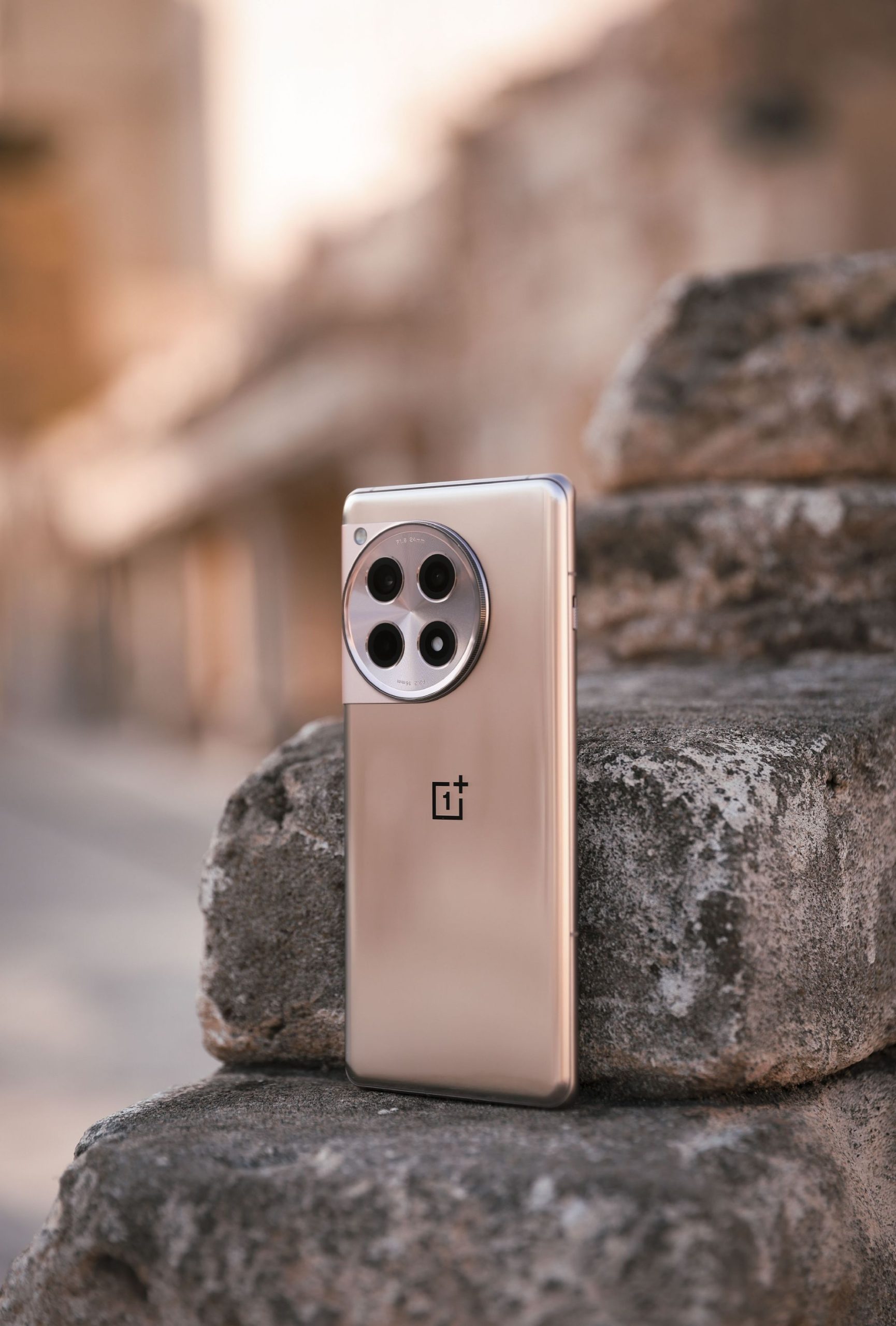
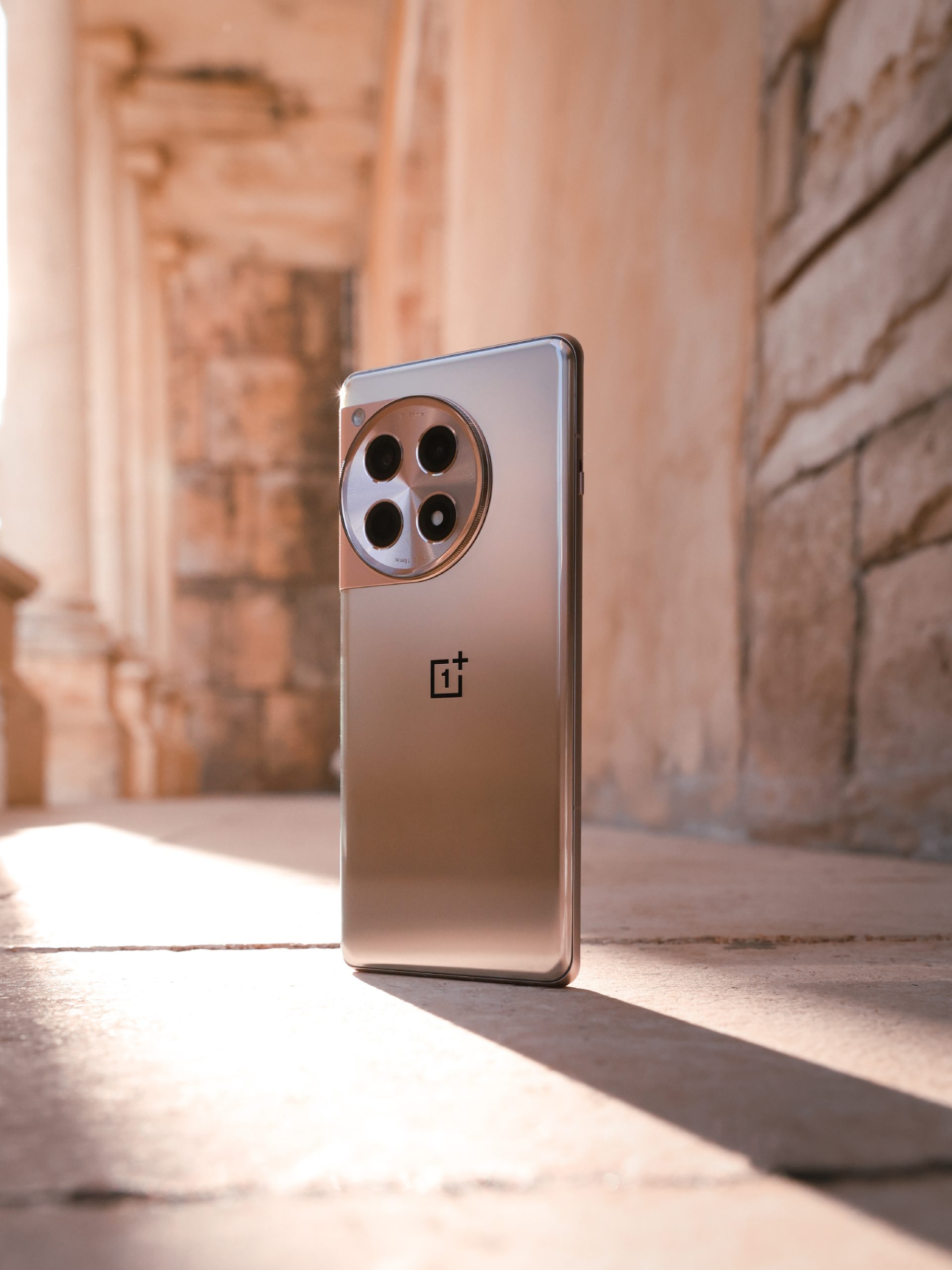
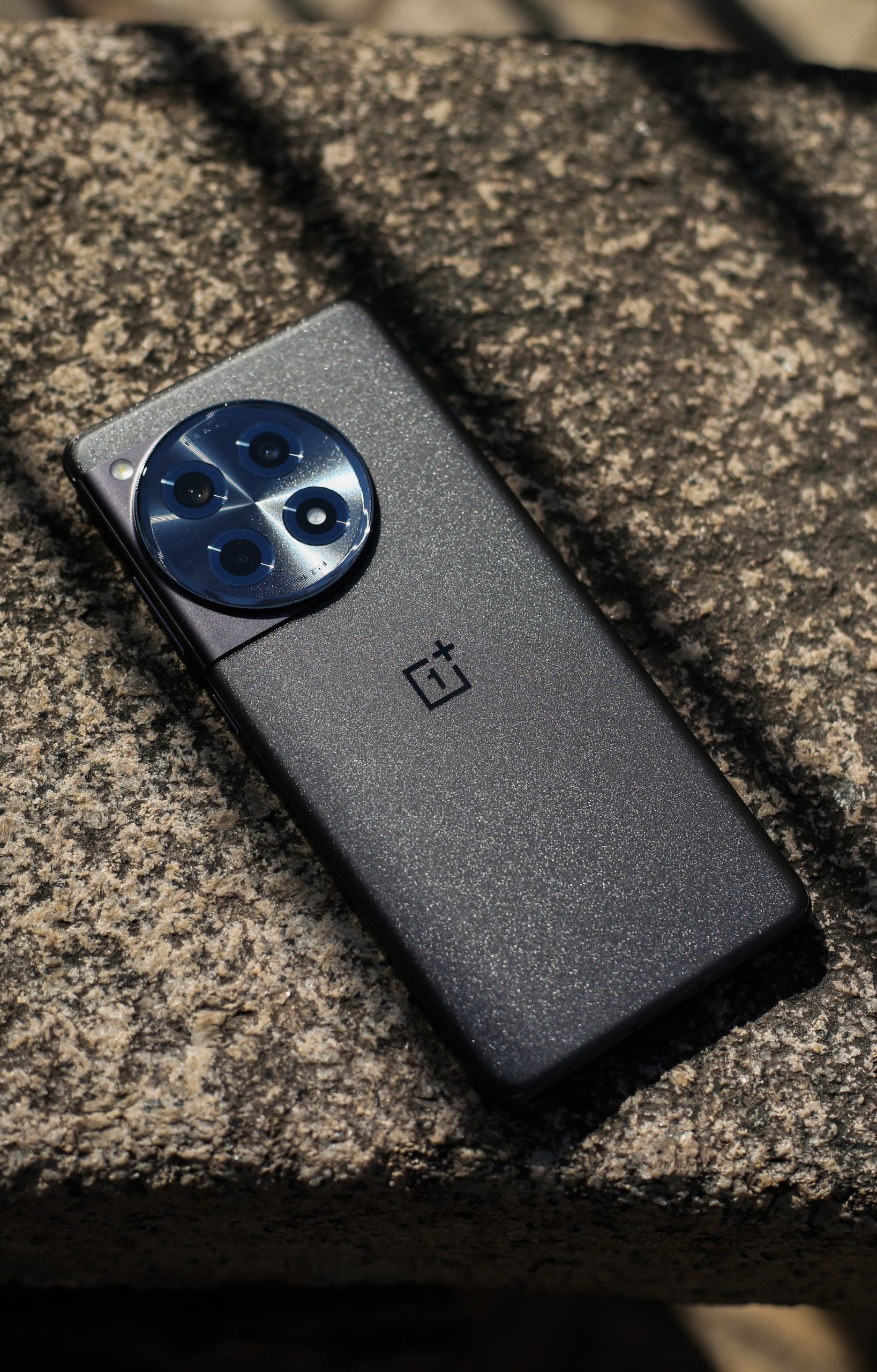
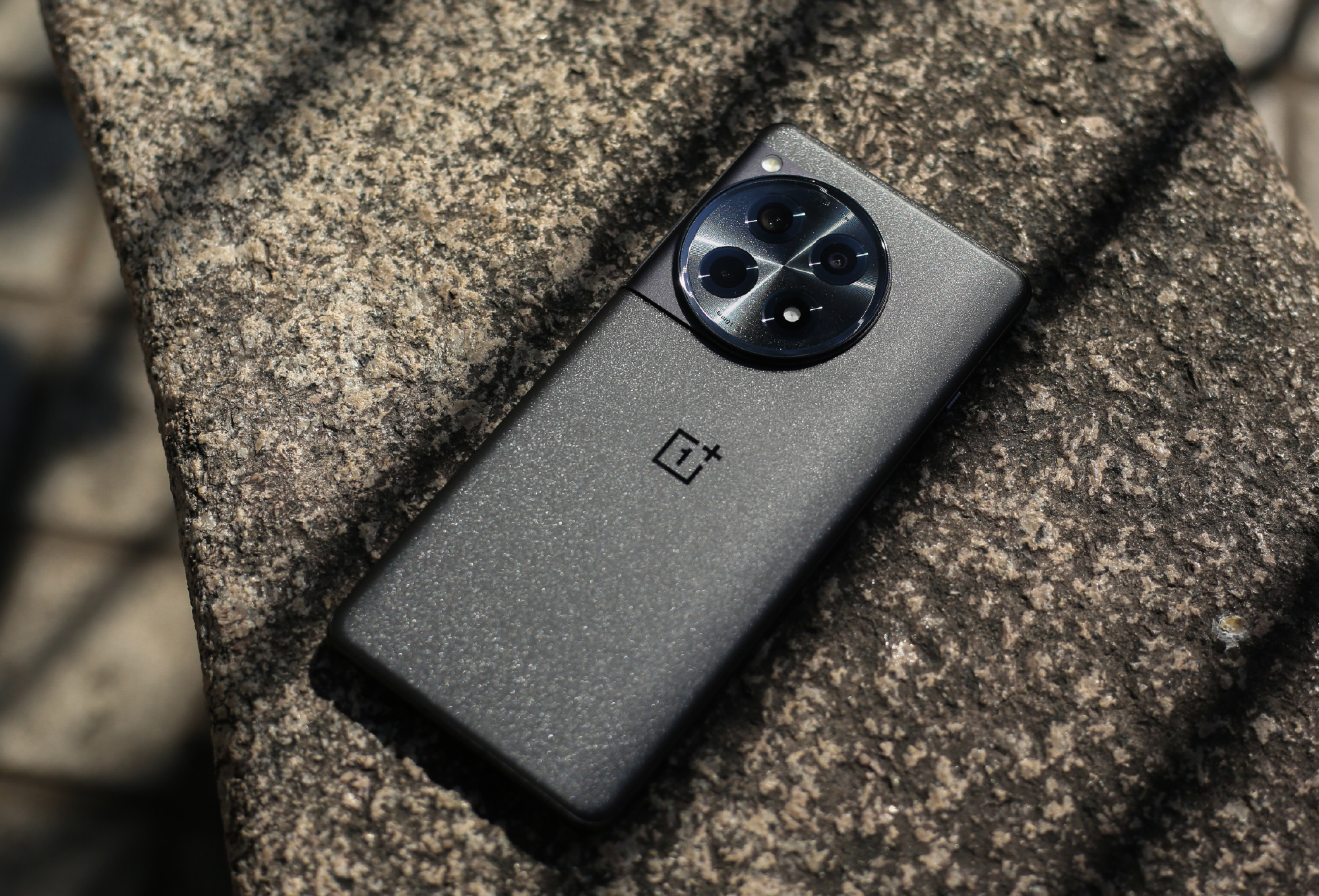
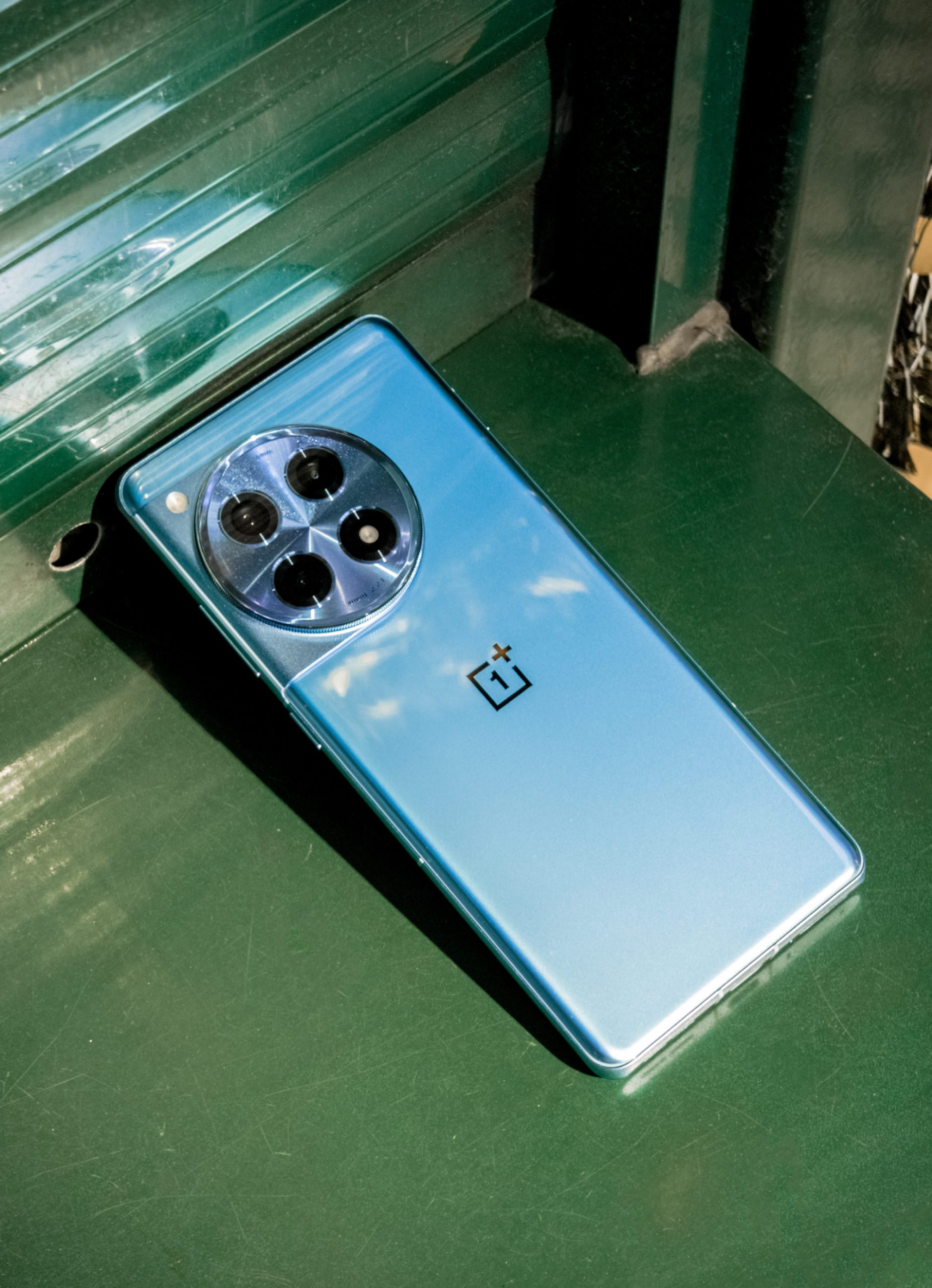
On Thursday, OnePlus will announce the OnePlus Ace 3 in the Chinese market. Ahead of the launch, the company has released some new posters to confirm the key specifications of the device. In addition, the brand also released real-life photos of the device.

OnePlus Ace 3’s performance prowess revealed

The first poster confirms that the highest configuration of the Snapdragon 8 Gen 2-powered OnePlus Ace 3 will feature up to 16 GB of LPDRR5x RAM and up to 1 TB of UFS 4.0 storage. The company confirmed that it will feature a 9140mm2 VC heat dissipation unit.The brand also revealed that the device has achieved an impressive score of 1,743,901 on AnTuTu benchmarks.

According to OnePlus, the Ace 3 has the largest heat dissipation area in its class, is equipped with an aerospace-grade heat dissipation structure, and has improved thermal conductivity in its heat dissipation materials. Hence, the Ace 3 can sustain peak performance over extended periods with remarkable stability.

In the third poster, OnePlus states that the Ace 3’s micro-architecture supercomputing engine will elevate performance by an impressive 9.4 percent under identical platform and scenario conditions. The introduction of the new memory gene recombination 2.0 technology significantly enhances the overall user experience, providing faster and more stable large memory functionality. Additionally, the implementation of new storage technology guarantees seamless usage for up to 4 years.

Shown above are some real-life images of the OnePlus Ace 3. The device will be available in shades such as Star Black, Moon Sea, and Sand Gold. Other reports have claimed that the device may arrive with a starting price of around 3,299 Yuan (~$462) in China.

As it is known, the same device is expected to debut as the OnePlus 12R in the global market on Jan. 23. While the 12R will be available in black and blue options, it is unlikely to be available in a gold variant.

RELATED:

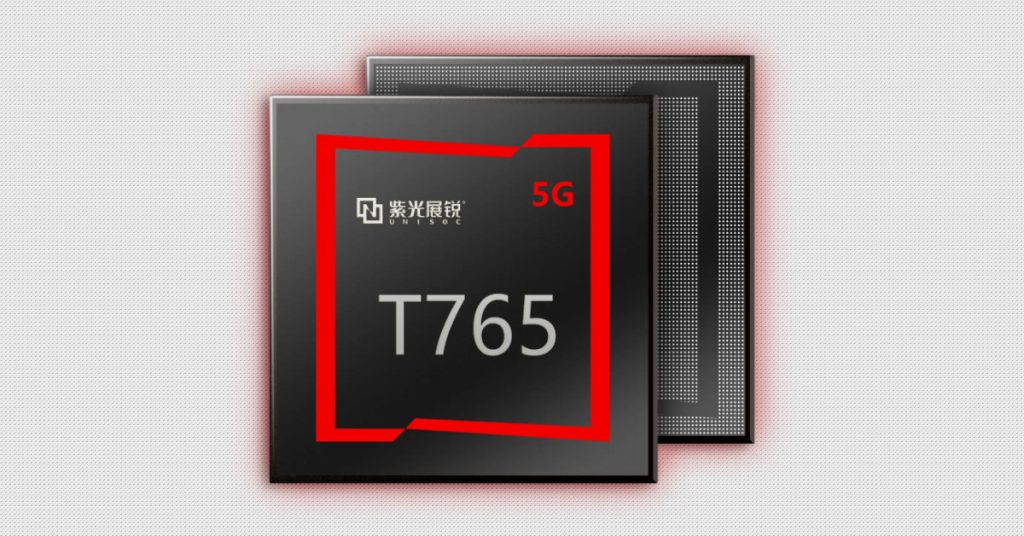
Unisoc quietly launches a new mid-range 5G chip platform, the T765 5G

Unisoc might not be a household name in chipsets like Qualcomm or MediaTek, but they’re no newcomer. They’re known for building affordable platforms for smartphones, especially popular in South Asia. And today, they’ve quietly released their latest offering: the Unisoc T765 5G. This 5G chip is likely to power the mid-range smartphones of 2024. So let’s get into the details here.

Unisoc T765 5G Overview

The T765 is built on a 6nm EUV (TSMC) process and features two A76 cores clocked at 2.3GHz and six A55 cores at 2.1GHz. There’s LPDDR4x memory support up to 2133 MHz and can use eMMC5.1 / UFS 3.1 / UFS 2.2 standards for storage. This combination should ensure smooth performance for everyday tasks and even some light gaming.

The graphics department is handled by an Arm Mali-G57 MC2 GPU running at 850MHz. The chip also supports FHD+ displays with a 120Hz refresh rate and there is even support for HDR 10+ and VRR (Variable Refresh Rate) technology. 

As for the optics, The T765 is equipped with Unisoc’s latest Vivimagic 6.0 image engine and a 4-core ISP  (2 main + 2 auxiliary) architecture. This translates to support for high-resolution cameras, up to 108MP main sensor, or a versatile triple-camera setup with 64MP, 20MP, and 13MP sensors.

Unisoc has also thrown in some impressive camera features like multi-frame noise reduction, HDR camera technology, and AI-powered scene recognition and portrait mode. 

The T765 is also future-proof with support for all 2G to 5G network modes. It also boasts 5G dual-carrier aggregation technology for faster data speeds, up to 130MHz bandwidth. Additionally, it supports both SA and NSA 5G modes, dual-SIM dual-VoNR for seamless voice calls, and VoWiFi for clear calls over Wi-Fi.

Specifications

FeatureSpecification
Process Technology6nm EUV (TSMC)
CPU2x Arm Cortex-A76 @ 2.3GHz + 6x Arm Cortex-A55 @ 2.1GHz
GPUArm Mali-G57 MC2 (850MHz)
MemoryLPDDR4X 2133MHz
StorageeMMC 5.1 / UFS 3.1 / UFS 2.2
DisplayFHD+ @ 120Hz
Image EngineVivimagic 6.0
ISP4-core (2 main + 2 auxiliary)
Main CameraUp to 108MP
Triple Camera64MP + 20MP + 13MP
Video Recording4K HDR
Connectivity2G to 5G multi-mode, 5G dual-carrier aggregation (up to 130MHz), SA/NSA dual-mode, dual-SIM dual-VoNR, VoWiFi, Bluetooth 5.0

Related:

OnePlus Ace 3 Pro key specifications leaked, may launch soon

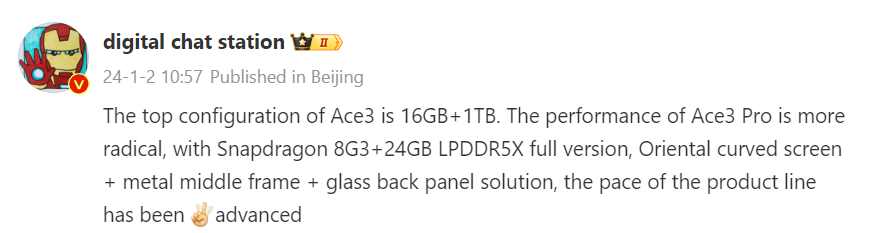
On Jan. 4, OnePlus is scheduled to introduce the OnePlus Ace 3 to the Chinese market. The Ace 3 series is expected to comprise two additional models, namely the Ace 3V and the Ace 3 Pro. While recent reports have provided insights into the specifications of the 3V variant, a fresh leak from tipster Digital Chat Station has now disclosed the key specifications of the Pro variants for the first time. Here’s a glimpse of what to expect from the device.

Looking back, the OnePlus Ace 2 Pro, featuring the Snapdragon 8 Gen 2 chip, was unveiled in August 2023. The new leak suggests that OnePlus is accelerating the launch timeline for the Ace 3 Pro. Instead of a release in the second half of 2024, it now suggests a potential launch in the first half. More precisely, it appears that the Ace 3 Pro might be officially introduced in the first quarter, maintaining a six-month gap compared to its predecessor.

OnePlus Ace 3 Pro key specifications (rumored)

The OnePlus Ace 3 Pro is expected to sport a curved-edge OLED panel provided by BOE. It is anticipated that the device might retain the same 6.78-inch display found on the Ace 3, offering a 1.5K resolution and a 120Hz refresh rate.

Under the hood, the Ace 3 Pro will feature the Snapdragon 8 Gen 3 chipset and 24 GB of LPDDR5x RAM. While it is not mentioned in the leak, it is likely that the device may offer up to 1 TB of UFS 4.0 storage.

The tipster added that the device will have a metal middle frame and a glass back. The leak has no information about its camera specifications, battery size, or charging capabilities. However, it is likely to run on ColorOS 14-based Android 14.

The OnePlus Ace 2 Pro did not have a global version. Hence, it is unclear whether there will be a global edition of the Ace 3 Pro.

RELATED:

Vivo X Fold 3, X Fold 3 Pro chipset details emerge, Pad 3 may feature larger display

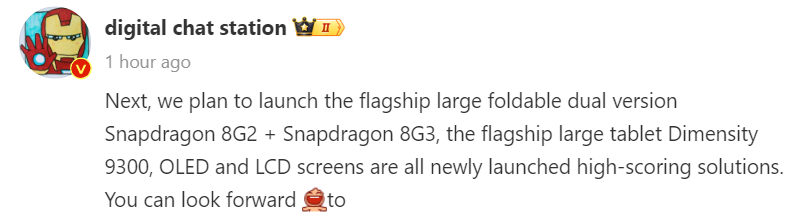
Vivo is reportedly gearing up for its upcoming launch event, which is likely to introduce the latest foldable smartphones in the Chinese market. It is speculated that the Vivo X Fold 3 Pro could be one of the first foldable phones to come equipped with the Snapdragon 8 Gen 3 chipset. However, distinctions between the standard X Fold 3 and its Pro counterpart remain unclear. A new leak from tipster Digital Chat Station has shed light on the chipset that will power the standard model while also unveiling crucial details about the upcoming Vivo Pad 3 tablet.

Vivo X Fold 3, Vivo X Fold 3 Pro

In the latest leak, DCS has refrained from explicitly naming the devices under discussion. However, it appears that the information pertains to the Vivo X Fold 3 series and the Vivo Pad 3. It appears that the Snapdragon 8 Gen 2 and Snapdragon 8 Gen 3 chipsets will power the X Fold 3 and X Fold 3 Pro, respectively. The inclusion of the SD8G2 on the X Fold 2 suggests that it could be an affordable foldable phone.

Vivo Pad 3

Earlier reports indicated that the Vivo Pad 3 tablet would feature the Dimensity 9300 chipset. Due to the Chinese nature of the leak, the exact details conveyed by the tipster are unclear, but there are indications that the Pad 3 might offer both OLED and LCD screen alternatives.

The Vivo Pad 2, which debuted in April, came equipped with a 12.1-inch IPS LCD 144Hz display and the Dimensity 9000 chipset. In the new leak, DCS seems to be claiming that the display size of the Pad 3 will exceed that of the previous generation.

As per other reports, the Vivo X Fold 3, X Fold 3 Pro, and Pad 3 may debut in Q1 2024. Likely, the Vivo X100s may also go official alongside these devices.

RELATED:

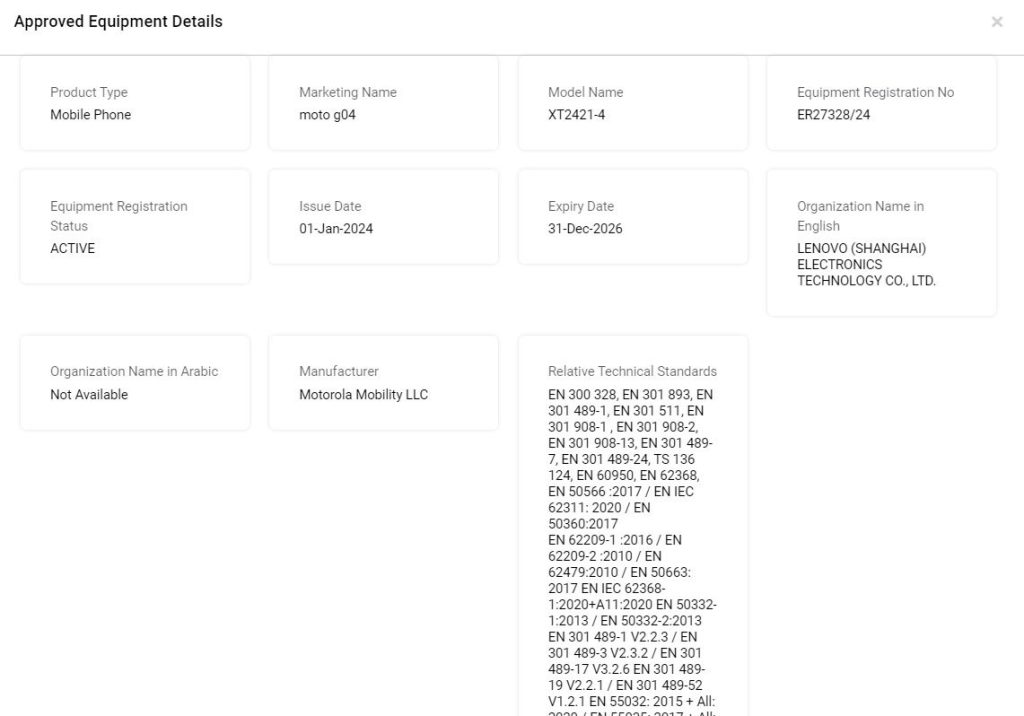
Moto G04 Appears on UAE’s TDRA; Launch Seems Imminent

Motorola is preparing to launch some new smartphones, including the Moto G24 Power, the Moto G34 5G, and the Moto G04 smartphone. The latter has surfaced on the UAE TDRA certification, confirming the upcoming launch. The certification, however, fails to shed any light on its specifications or features.

Moto G04 Specifications (Rumored)

As per previous reports and leaks, the Moto G04 budget-friendly smartphone could come with a 6.56-inch LCD that supports HD+ resolution of 1612 x 720 pixels and a 90 Hz refresh rate.

It appeared on a European retailer website, unveiling some greater details about its specifications and pricing. The listing reveals the presence of a Unisoc T606 SoC, 4GB of RAM, and 64GB of storage. Further, it seems to feature a 5000 mAh battery with 10W fast charging. In the camera section, the smartphone seems to have a dual-rear front camera featuring a 5 MP front sensor for selfies and a 16 MP single rear camera.

Despite being an affordable smartphone, it will feature a side-facing fingerprint sensor and run on the Android 14 OS running My UX. The smartphone measures 163.49 x 74.53 x 7.99mm and weighs 180 grams.

The listing on mobiili.fi reveals the presence of Orange, Green, Blue, and Black colors. It will retail for 129 euros (~$140) for the 4GB of RAM and 64GB of internal storage.

Some previous renders reveal the presence of a 3.5mm audio jack, a USB-C port, a speaker grille, and a microphone at the bottom.

Along with the Moto G04, the Moto G24 Power and Moto G34 are also launching soon. The Moto G24 Power seems to feature a 6.5-inch LCD HD+ display, while the Moto G34 5G will sport a 6.5-inch LCD HD+ display with a resolution of 1600 x 720 pixels. Details about the announcement date have yet to come to the day of the light.

Related:

Vivo V40 Lite 5G (V2337) registered in IMEI database

Vivo recently launched the V30 Lite 5G smartphone in Malaysia, and rumors suggest that at least two more devices are coming in this lineup: the V30 and V30 Pro. While the company hasn’t officially confirmed these plans, it’s speculated that they might be rebranded versions of the Vivo S18 and S18 Pro for the global market.

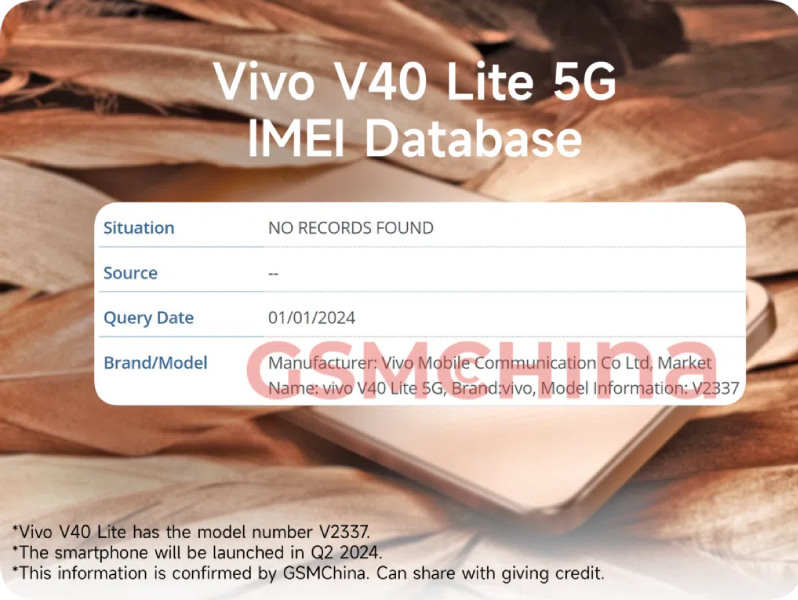
In the meantime, a new device named the Vivo V40 Lite 5G has surfaced in the IMEI database. Spotted by GSMChina, the listing reveals the smartphone bears model number V2337. The report also suggests the phone could launch in the second quarter of 2024. 

Vivo V40 Lite IMEI

Details regarding the Vivo V40 Lite are scarce for now, but let’s take a closer look at the recently launched V30 Lite 5G.

The V30 Lite 5G sports a 6.67-inch curved-edge AMOLED E4 display with Full HD+ resolution, a 120Hz refresh rate, and a peak brightness of 1,150 nits. 

Under the hood, the V30 Lite 5G packs the Snapdragon 695 processor, paired with 12GB of RAM and 256GB of storage. It runs on Android 13 with FunTouch OS 13 on top and draws power from a 4,800mAh battery with 44W fast charging support. 

Vivo V30 Lite 5G
Vivo V30 Lite 5G

As for the camera, the phone features three lenses at the rear led by a 64MP main sensor. It is joined by an 8MP ultrawide and 2MP macro lens. As with its predecessor, the rear camera setup is accompanied by an aura ring-LED flashlight with temperature control. A 50MP camera sits on the front punch-hole cutout for selfies. 

The phone also boasts an IP54 rating for splash resistance and a sleek body measuring 162.35 x 74.85 x 7.69mm and weighing 190 grams.

Related:

(Via)

Xiaomi Pad 7 Pro battery, charging capabilities leaked well before launch

Xiaomi is expected to unveil the Xiaomi 14 Ultra in the second quarter of this year. It is speculated that the brand may also announce the Xiaomi Pad 7 and Pad 7 Pro flagship tablets alongside the 14 Ultra. Recent reports have already leaked key details about the Pad 7 series. In a new report, GSMChina has tipped the battery size and charging capabilities of the Pro variant.

Xiaomi Pad 7 Pro battery size, charging speed (rumored)

Xiaoim Pad 6 series April 18 launch-
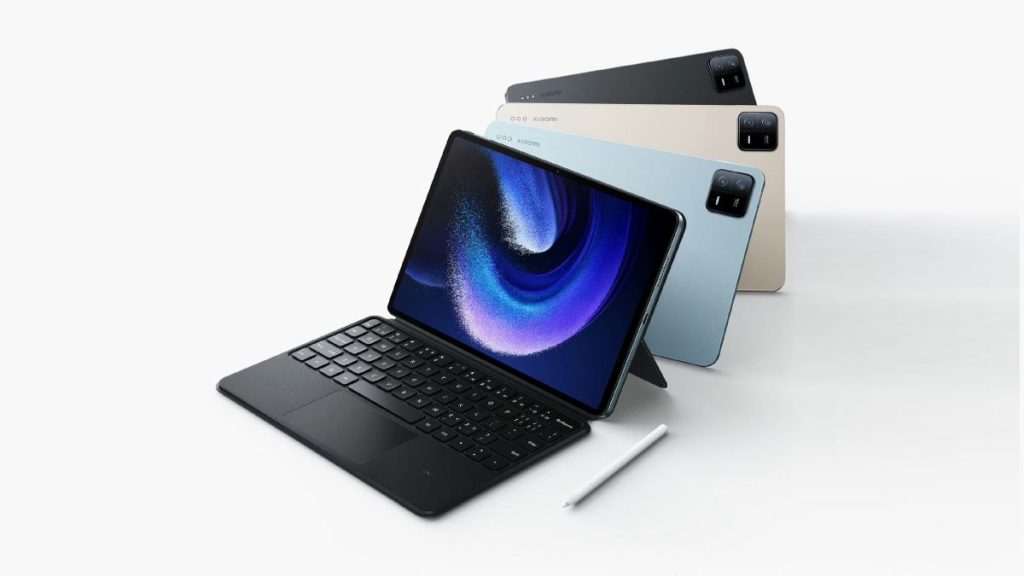
Xiaomi Pad 6 Pro

Scouring through the Mi code, the publication found that the Xiaomi Pad 7 Pro will pack a massive 10,000mAh battery and will come with support for 120W fast charging. This is a major upgrade considering that the Xiaomi Pad 6 Pro packs an 8,600mAh battery with 67W fast charging.

As per previous reports, the Xiaomi Pad 7 Pro may feature a 10-inch LCD panel that offers a resolution of 1480 x 2367 pixels and a 144Hz LCD panel. Under the hood, the tablet will have the Snapdragon 8 Gen 2 chipset. Like the predecessor model, the Pad 7 Pro may arrive with up to 12 GB of RAM and up to 512 GB of storage.

The tablet is expected to run on HyperOS-based Android 14. It is speculated to feature a 50-megapixel dual-camera setup on the back. For audiophiles, the tablet is said to be equipped with quad speakers.

To recall, the Xiaomi Pad 6 Pro was not released in markets outside of China. However, a recent report claimed that the Pad 7 Pro may be released in the global market. At present, there is no information available on the launch timeframe of the Pad 7 series for the international market.

RELATED:

(source)

Caviar Merges Eco-Friendly Tech with Luxury in New Apple iPhone Cases

Apple‘s recent shift to environmentally friendly FineWoven cases for their iPhone 15 lineup is a significant move away from traditional leather accessories. However, these cases have received varied feedback. While some applaud the eco-friendly approach, others miss the classic leather feel and question the durability of these new cases. In comes Dubai-based luxury brand Caviar, famous for its extravagant customizations of tech products. They’ve taken Apple’s initiative a notch higher by introducing an exclusive twist: wrapping these FineWoven cases in high-quality Hermes leather, renowned for its use in Hermes’ Birkin bags. This blend of Apple’s environmental consciousness with Caviar’s luxury touch bridges the gap between sustainability and the premium feel of traditional leather (on a smartphone, no less)

The cases are available in three different colors, and are adorned with 24-karat gold-coated crown

Caviar’s craftsmanship shines through in their adaptation of the FineWoven cases. They’ve skillfully integrated Hermes leather while keeping Apple’s MagSafe functionality intact. The cases come in three colors: Fine Orange featuring Hermes Epsom leather, and Fine Blue and Fine Brown in Hermes Togo leather. Each case is adorned with Caviar’s 24-karat gold-coated relief crown, adding a touch of opulence.

Caviar iPhone

These cases are not just about style but also about making a statement. Priced between $2,060 and $2,200 depending on the iPhone model, they cater to a niche market that values luxury and brand prestige. This move by Caviar offers an intriguing perspective on how luxury and technology can merge, creating products that are both eco-friendly and stylish.

RELATED:

(Via)

Netherlands Halts Advanced Semiconductor Exports to China

Recent developments have seen the Netherlands place restrictions on ASML, a key player in the global semiconductor industry, from exporting its advanced technology to China. This decision marks a significant shift in the global tech landscape, as ASML is known for its cutting-edge lithography systems, crucial for manufacturing the most advanced microchips.

The ASML technology helps make chips smaller, faster, and more efficient

This move by the Netherlands, while seen as a protective measure for technological advancements, raises questions about the balance between global cooperation and national security. ASML’s technology is not just a commercial asset but also a strategic one, given its pivotal role in the semiconductor supply chain. With this technology, chips can be made smaller, faster, and more efficient, playing a critical role in everything from smartphones to advanced military systems.

China

The decision can be viewed as a response to growing concerns over technological sovereignty and security. Nations are increasingly aware of the importance of controlling and protecting their technological advancements. This action is not just about a single company or country but reflects a larger trend where nations are scrutinizing and often limiting the flow of critical technology across borders.

For China, this represents a significant hurdle in its ambitions to become a leader in the high-tech sector. The country has been heavily investing in developing its semiconductor industry, but access to ASML’s technology is crucial for reaching the forefront of chip technology. This development could slow down China’s progress and affect its tech companies, which are major players in the global market.

On the other hand, for the global tech industry, this move could signal a shift towards more regionalized or nationalized tech development strategies. Companies and countries might focus more on developing homegrown technologies and securing their supply chains, which could lead to more innovation but also potential fragmentation in the industry.

RELATED:

(Via)

Honor Magic 6 Pro design officially confirmed, configurations, color options revealed

Over the last few weeks, numerous images surfaced on Weibo showcasing the design of the Honor Magic 6 series, although none provided an accurate look. Today, the company released an official poster confirming the rear design of the phone. Simultaneously, an official pre-order listing on Honor Mall has disclosed the device’s configurations and available color choices.

Honor Magic 6 Pro design

Honor Magic 6 Pro poster
Honor Magic 6 Pro

The official images show that the Honor Magic 6 Pro’s design is more like an updated version of what was seen on the Magic 5 Pro. The device sports a triple camera unit arranged in a triangular manner in a round camera module. It has a dual-LED flash, a microphone, an unknown sensor, and 100x (digital zoom) text inside. On the front, it has a quad-curved OLED panel with a pill-shaped cutout, suggesting that it could be equipped with a dual selfie camera system.

It is already known that the Magic 6 Pro will feature the Snapdragon 8 Gen 3 chipset, allowing it to compete with the likes of the Xiaomi 14 Pro, Vivo X100 Pro, iQOO 12 Pro, OnePlus 12, Realme GT 5 Pro, and Nubia Z60 Ultra in the Chinese market. The device is also expected to come preloaded with the latest Magic OS 8.0-based Android 14.

Honor Magic 6 Pro
Honor Magic 6 Pro

The Magic 6 Pro’s official listing confirms that it will be available in storage options such as 256 GB, 512 GB, and 1 TB. However, it does not state the amount of RAM that will be available with each of these variants. In addition, it is also known now that the device will be available in multiple shades, such as black, white, green, cyan, and purple.

The Magic 6 Pro will go official with the Magic 6 and its Porsche Design special variant on Jan. 10 and Jan. 11 in China.

RELATED:

Kentucky’s New Tax Policy is Challenging Electric Vehicle Progress

In Kentucky, the start of 2024 brought an unnatural, noticeable shift in how electric vehicles (EVs) are taxed compared to their gasoline counterparts. The state has imposed not one, but two distinct taxes on electric vehicles. These new taxes are each higher than the taxes levied on gasoline vehicles for comparable energy units. This move places Kentucky in a group of states that have chosen to tax EVs more heavily, arguably not reflecting the environmental benefits and reduced road damage associated with electric vehicle use.

EV Owners also now face an additional annual registration fee of $120

Firstly, EV owners in Kentucky now face an additional annual registration fee of $120, on top of the standard vehicle registration charges. This fee is more punitive towards electric vehicles, considering their efficiency and lower road wear compared to gasoline vehicles. For perspective, a hypothetical gasoline car with similar efficiency (around 140mpg) would pay approximately $30 in gas taxes for 15,000 miles a year, while an EV with 140mpge pays the flat $120 fee regardless of mileage.

Electric

Additionally, public EV charging stations in Kentucky are now subject to an extra tax of 3 cents per kilowatt hour of electricity distributed. This tax doubles for chargers located on state property. This represents a significant increase when compared to Kentucky’s average electricity rates and even more so against the state’s gasoline tax rate. As such, electricity for EVs is taxed at a much higher rate than gasoline, despite EVs causing less road damage and air pollution.

These new taxes disproportionately impact certain groups, notably apartment dwellers and commuters who rely more on public charging stations. Moreover, businesses offering free charging as an incentive might find this less feasible due to the increased costs.

The rationale behind these taxes is ostensibly to ensure that EVs contribute to road maintenance costs. However, this ignores the fact that gasoline taxes in Kentucky cover less than a third of the state’s road maintenance costs, implying that gasoline vehicles also underpay for road use. Additionally, the significant road damage caused by heavy trucks is not proportionately addressed in this taxation scheme.

While the state of Kentucky positions itself as a prime location for manufacturing electric vehicles, these new taxes seem counterintuitive. They could potentially disincentivize the adoption of EVs, which, aside from environmental benefits, could help in addressing Kentucky’s health issues related to air quality.

RELATED:

(Via)

Poco X6 Series is confirmed to launch on January 11 in India

Poco X6 is all set to unveil the Poco X6 Series in India on January 11, as per the official poster that appears on Flipkart. The smartphone has already been leaked via multiple leaks and rumors over the past some time. Most of the details are already public, and official confirmation is now required on launch day.

Poco X6 Series Specifications and Details

Poco X6 is set to launch in two models, i.e., Poco X6 and Poco X6 Pro. As per reports, both smartphones will be tweaked versions of the Redmi Note 13 Pro 5G and Redmi K70e. However, there will be slight changes in the camera department of the Poco X6 5G, as it will feature a 64MP primary sensor instead of the 200MP primary sensor. Similarly, the Poco X6 Pro will feature 67W fast charging instead of the Redmi K70e 90W rapid charging.

The Poco X6 seems to feature the same Snapdragon 7s Gen 2 SoC as present on the Redmi Note 13 Pro. Further, it will accompany LPDDR5 RAM and UFS 3.1 storage. The smartphone seems to feature a triple-rear sensor with a 64 MP primary sensor, a 13 MP ultrawide sensor, and a 2 MP additional unit.

Further, the Poco X6 Pro is expected to come with the MediaTek Dimensity 8300 Ultra SoC, up to 12GB of RAM, and 512GB of internal storage. The smartphone seems to carry a 6.67-inch AMOLED 1.5K LTPS display, which will offer a 120Hz refresh rate.

A recent Amazon listing unveils a triple rear camera module consisting of a 67MP primary sensor with OIS, an 8MP ultrawide lens, and a 2MP macro sensor. The smartphone will run Android 13 OS and will come with a 5000 mAh battery with 67W fast charging. The listing also reveals the price of AED 1,299, which roughly translates to USD 353.

The smartphone renders confirmed the presence of black, blue, and white color shades for the Poco X6 5G and black, gray, and yellow for the Poco X6 Pro 5G.

Now, all eyes are set for the January 11 launch in India.

Related:

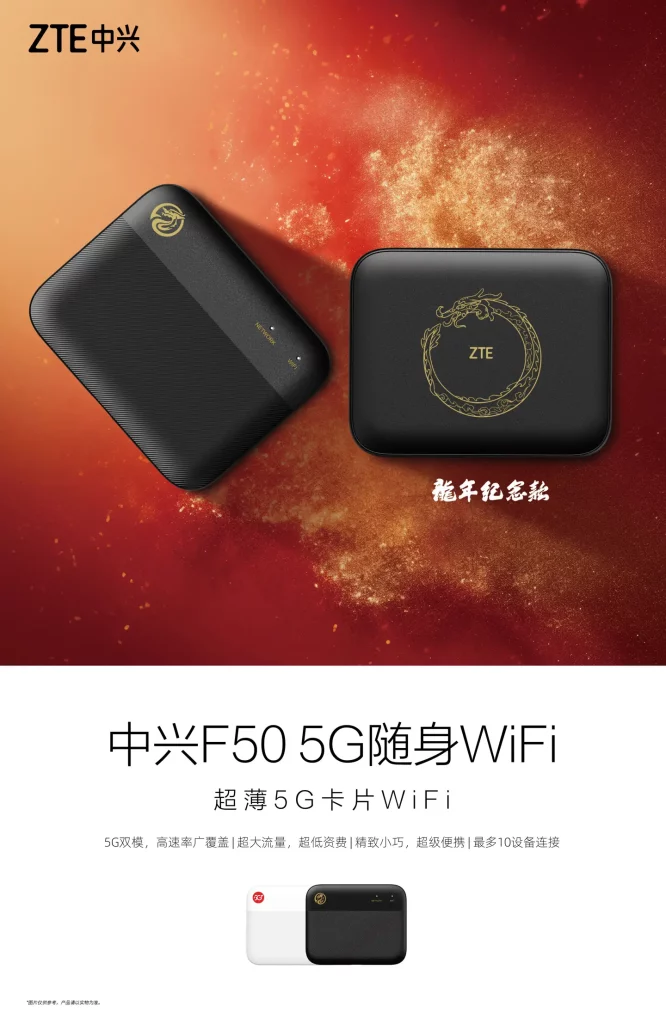
ZTE U50 Pro, F50 5G portable WiFi Year of the Dragon commemorative editions launched in China

This new year 2024 is the year of the Dragon based on the Chinese zodiac. ZTE has launched commemorative smartphones for the Year of the Dragon. The ZTE U50 Pro and F50 5G portable WIFI have been unveiled in China. The Year of the Dragon commemorative model is engraved with a customized pattern on the fuselage of the devices.

ZTE U50 Pro Year of Dragon Commemorative Edition

The ZTE U50 Pro is equipped with a 2.4-inch touchscreen and powered by the Qualcomm Snapdragon X62 chip. It supports 5G dual-mode and global roaming. The smartphone is compatible with networks in more than 100 countries and regions across the world. The phone also supports 5G NR network carrier aggregation and low-frequency ENDC technologies respectively.

In terms of connectivity, the U50 Pro supports WiFi 6 achieves a peak rate of 3,600Mbps, and supports up to 64 device connections. The phone has a 10,000mAh battery and supports up to 27W charging. The battery can sustain the device for up to 16 hours and supports NFC one-touch networking for mobile phones. Due to its large battery, the U50 Pro can be used as a power bank with up to 18W output.

The ZTE F50 has an ultra-thin body with dimensions of 78 x 62.8 x 10.3 mm and weighs about 50g. It supports 5G dual-mode, as well as multi-device connection. The F50 supports SA+NSA networks and the sub-6GHz frequency band with a peak rate DL 1.6Gbps. It also supports multiple power supply methods, plug and play, and is connectible to a Notebook via USB 3.0 Type-C interface. It also connects to charging heads, car mounts, power banks, and other power inputs, as well as operates as a WiFi hotspot.

ZTE U50 Pro Year of Dragon Commemorative Edition

The ZTE F50 has an 8-core processor and supports connections up to 10 devices. It can also be used as a TF card reader, as well as supports WiFi 5, 2.4G/ 5G dual band optionally.

Pricing & Availability

The ZTE U50 Pro is priced at 1,599 yuan ($226) while the F50 5G retails at 499 yuan ($70). The ZTE F50 in China is offered in several data packages. These include single-month, monthly fixed, long-term, and overlay packages, as well as a 1000G package. The prices of the packages fall between 99 yuan ($14) and 699 yuan ($99). There are no global availability details yet for the new ZTE commemorative models.

RELATED:

Apple’s Plans for AirPods Max 2 Revealed

Apple has finalized the development of its next-generation headphones, the AirPods Max 2, as part of its shift to the Type-C standard. Leaked details suggest that Apple is gearing up to reveal the AirPods Max 2 sooner than initially expected. Let’s explore the anticipated announcement date for this new model.

What to Expect from Apple’s Upcoming AirPods Max 2

According to Bloomberg’s Mark Gurman, the upcoming model will incorporate a Type-C charging port, maintaining continuity with its predecessor. While it’s not officially confirmed, there’s speculation that the new model will retain the drivers from its predecessor. Apple aims to launch the AirPods Max 2 in the second quarter of 2024.

Apple AirPods Max 2 USB-C Charging

The AirPods Max, Apple’s initial venture into over-ear headphones, boasts features like an adaptive equalizer and spatial audio technology. The first-generation model, distinguished by its special acoustic design, houses the H1 chipset. Notably, it shares features like transparency mode and ANC (active noise cancellation) with other AirPods models.

Additional information about the AirPods Max 2 leak, particularly concerning new color options. Apple intends to provide users with a broader range of color choices.

Similar to the first-generation AirPods Max, the AirPods Max 2 is expected to feature the Digital Crown, a familiar element from Apple Watch models. This innovative control mechanism allows users to manage volume, skip songs, answer calls, and activate Siri. Equipped with Bluetooth 5.0 connectivity, the headphones come bundled with a charging cable and a Smart Case in the package.

RELATED:

Genshin Impact version 4.4 leaks tease new character skins, Liyue region expansion, and more

HoYoverse’s popular action RPG, Genshin Impact, is gearing up for another exciting update, and leaks are already swirling around about what players can expect. Version 4.4 is rumored to introduce three new character skins, a new area in the Liyue region called Chenyu Vale, and two new Liyue characters.

New Character Skins

One of the most exciting aspects of the new update is the arrival of three new character skins. Reddit leaks (Fy Leaks) suggest that popular five-star characters Ganyu and Shenhe will be getting new outfits, along with the four-star character Xingqiu.

Genshin Impact version 4.4 leak

Ganyu’s new skin is rumored to feature a new hairstyle, while Shenhe’s skin is said to be a regal formal outfit. Xingqiu’s skin is also leaked to be a formal outfit.

The new skins are expected to be released during the game’s annual Lantern Rite festivities, which take place in the Liyue region. The Lantern Rite is a time for celebration and new beginnings, and it’s fitting that new character skins would be released during this event.

New Liyue Characters

Version 4.4 is also expected to introduce two new Liyue characters to the game’s roster. Five-star Liyue Adeptus Xianyun will be joined by four-star Pyro character Yaoyao.

xianyun-genshin-impact

Xianyun is a polearm user who is said to be a powerful DPS character. Yaoyao is a catalyst user who is said to be a healer and support character.

New Area in Liyue

Version 4.4 is also expected to bring a new area to the Liyue region called Chenyu Vale. Leaks suggest that Chenyu Vale will be a village located in the northwestern corner of Liyue.

The new area is expected to be filled with new quests, challenges, and enemies. It will also likely be home to new resources and materials that players can collect.

Version 4.4 of Genshin Impact looks to be a packed update with plenty of new content for players to enjoy. The new character skins, Liyue characters, and area are all sure to excite fans of the game. With the Lantern Rite event also taking place during this update, there’s sure to be something for everyone in Version 4.4.

RELATED:

(Source, Via)

Batmobile Designer Electrifies Classic Datsun 240Z in Stunning Matte Black

For car enthusiasts, the blend of classic designs with modern technology always stirs excitement. The Datsun 240Z, a beloved classic, recently underwent such a transformation, evolving from a mere concept into a stunning reality. This project, a collaboration between Ash Thorp and Carlos Pecino, showcases an impressive fusion of design and innovation.

Ash Thorp designed the batmobile for the 2022 “The Batman”

Ash Thorp, known for designing the Batmobile in the 2022 movie “The Batman,” joined forces with Carlos Pecino of Make Haste Corp to reinvent the Datsun 240Z. Their vision was not just about aesthetics; it was a complete overhaul, blending the old with the futuristic.

Datsun Electric

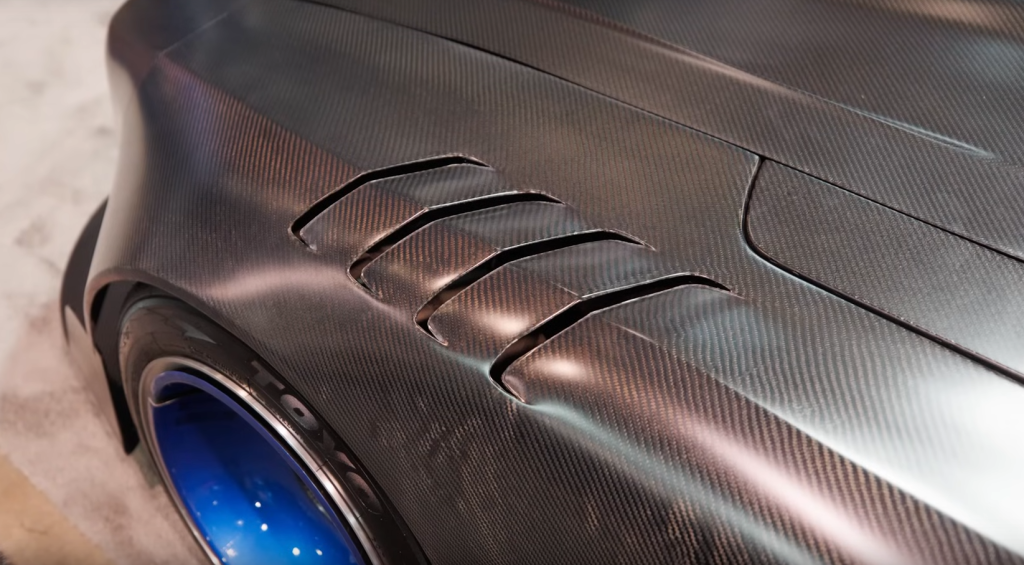
The exterior of this matte black Datsun is a sight to behold. It features ingenious design elements like side cameras in place of traditional mirrors, housed neatly in front of the doors. The car’s rear boasts a massive diffuser, adding to its aggressive look. Complementing this are carbon fiber wheel caps on BBS multi-spoke alloys, enhancing the car’s Batmobile-esque appearance.

Under the hood, the transformation is even more radical. Gone is the original 2.4-liter inline-six engine, replaced by a high-powered, fully electric Tesla powertrain. This setup delivers a whopping 401 horsepower – almost three times the power of the original model. Despite the added weight from the electric components, the car remains agile, tipping the scales at around 2,500 pounds.

The interior of this revamped Datsun 240Z is equally impressive. Few elements from the original car remain. Instead, there’s a custom layout featuring three dials in the center, a digital instrument cluster, and a chunky center console. A steering column sourced from a Chevy Equinox adds a touch of modernity.

This project stands as a testament to the possibilities that arise when classic car charm meets modern technology. It’s not just a car; it’s a bridge between the past and the future, showing us that with creativity and innovation, the possibilities are endless.

RELATED:

(Via)

Baidu Terminates Major Live Streaming Deal with JOYY

Baidu, a well-known tech giant, recently made headlines with a significant shift in its business strategy. In a surprising move, Moon SPV Limited, affiliated with Baidu, has pulled out of a major deal involving JOYY Inc. This decision, announced on January 1, 2024, marks the termination of a share purchase agreement originally set in November 2020.

This move is a strategic expansion for the Chinese e-commerce giant

This agreement was a big deal in the tech world. Baidu’s Hong Kong branch was set to acquire JOYY’s video-based entertainment live streaming business in China. This move was seen as a strategic expansion for Baidu into the thriving world of live streaming, a sector that has seen enormous growth in China.

Baidu

However, the deal faced challenges right from the start. It was contingent on several conditions, including obtaining necessary approvals from government authorities. As the December 31, 2023 deadline approached, it became clear that these conditions hadn’t been fully met. This led to the agreement’s termination.

The fallout from this decision raises several questions. Why couldn’t Baidu and JOYY meet the deal’s conditions? What regulatory hurdles stood in their way? This situation highlights the complexities and uncertainties tech companies face in today’s rapidly changing digital landscape, especially in markets like China where regulatory environments are evolving.

The termination of this agreement might seem like a setback for Baidu, but it could also be an opportunity for the company to reassess and realign its strategies. In the tech world, flexibility and adaptability are key. Baidu’s ability to pivot and explore new avenues could be crucial for its future growth.

As for JOYY, the termination opens up new possibilities. Will it seek another buyer or take a different route altogether? Only time will tell. What’s certain is that in the dynamic world of technology, change is the only constant, and both Baidu and JOYY will continue to evolve and adapt in this ever-changing landscape.

RELATED:

Minisforum MS-01 Mini Workstation with high-performance specs and robust cooling solutions launched

Minisforum is now accepting pre-orders for the MS-01 Mini Workstation. The MS-01 mini PC is a tiny gadget that offers speedy network options, excellent cooling solutions, and high performance. It is Minisforum’s first mini workstation computer and had come under the radar earlier in December 2023.

Minisforum MS-01 Mini Workstation

Features

The MS-01 Mini Workstation is designed for gamers who may require high performance and a fast network connection. It is equipped with an Intel Core i9-13900H processor. The model can also be configured with a Core i5-12450H or Core i9-12900H processor. The core i9 variants are paired with the 96EU Intel Iris Xee graphics card. The mini PC can handle video production, graphics processing, and similar tasks that require premium performance.

Minisforum MS-01 Mini Workstation

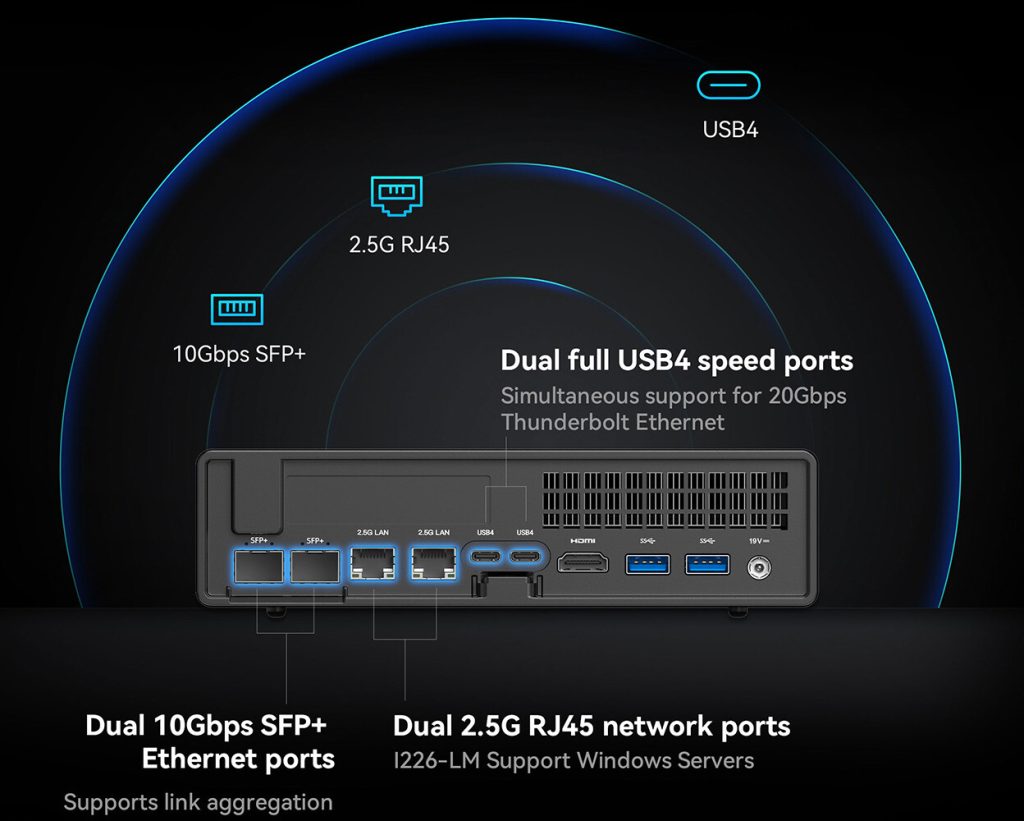
Two USB4 high-speed ports are featured in the Minisforum MS-01 mini PC. This allows the user to play high-octane games seamlessly. The USB4 ports offer transfer speeds up to 40Gbps and allow gamers to connect external GPUs with the mini PC. There are also lots of ports that highlight the high network performance of the MS-01. These include two 10G SFP+ ports and Thunderbolt networking bridge support. The model also has two 2.5G RJ45 ports and a PCIe x16 slot.

Minisforum MS-01 Mini Workstation

Three M.2 slots are part of the storage system of the Minisforum MS-01 mini PC. The mini desktop also supports U.2 enterprise-grade SSDs which will well meet the storage requirements of creative professionals. It has a maximum of 64GB DDR5 RAM and its excellent cooling capabilities are another highlight of the device. The cooling setup includes a high-speed, low-noise fan that ensures stable performances up to 80W of power.

Pricing & Availability

The Minisforum MS-01 is officially available for pre-order at a starting price of $549.

RELATED:

Cybertruck’s Durability Put to the Test in First Crash

Earlier this month, Tesla has finally launched its long-awaited Cybertruck. It looks like a vehicle from a sci-fi movie and has become really popular in worldwide. Even YouTube is overflowing with daily videos about this truck. However, there isn’t much information available regarding its durability, mainly because no one wants to destroy a $100,000 car. Nevertheless, the first reported Tesla Cybertruck traffic accident has provided a strong clue about its durability. Here are the details…

Toyota Corolla Crushed in First Cybertruck Accident

A Reddit user shared footage of the first accident involving a Tesla Cybertruck. According to California police reports, the collision between the Cybertruck and a Toyota Corolla didn’t result in any deaths, and both drivers had minor injuries.The images shared right after the crash appeared to support Elon Musk’s statements about the Cybertruck’s durability, highlighting its “indestructible” structure.

Unfortunately, we don’t have all the details about the accident. However, as you can understand from the photos, there was a quite severe collision. The impact on the vehicles is quite astonishing. While the Corolla is almost in a wrecked state, it’s hard to even tell that the Cybertruck was involved in the accident. Of course, from certain angles, the situation might be interpreted differently. Surely, the Cybertruck has also sustained damage, but perhaps it’s minor enough to be overlooked.

RELATED: