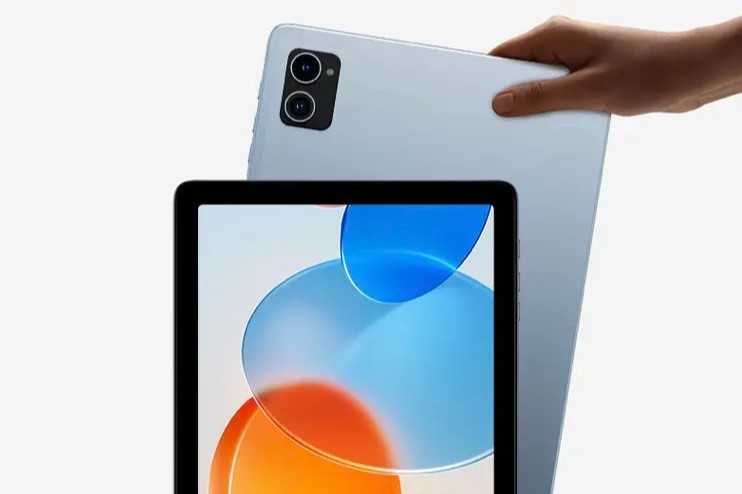
Now, the brand has released a smaller budget tablet. This product officially goes by Erazer A10 Pad.
It is sold via Lenovo’s JD store just like the bigger model.
Erazer A10 Pad Specifications
The Erazer A10 Pad features a plastic unibody design with 8mm thickness. For comparison, the Erazer K30 Pad 12.6 sports a metal body.
The tablet is built around a 10.1-inch display. The IPS LCD panel offers a resolution of 1280 x 800 pixels and a standard 60Hz refresh rate.
The device is powered by an Allwinner A523 SoC. The chipset is paired with 4GB RAM and 64GB/128GB storage. On the software front, it boots Android 13.
The tablet comes with an 8MP rear camera and a 5MP front-facing camera. Wireless connectivity options on it include dual-band WiFi and Bluetooth 5.0.
In addition to dual stereo speakers, the product also arrives with a 3.5mm headphone jack. There’s no SIM card slot but there’s support for MicroSD cards (up to 128GB).
Last but not least, the device is backed by a 6,000mAh battery and charges over USB Type-C.
Erazer A10 Pad Price
The Erazer A10 Pad carries an introductory price tag of ¥799 (~$110). It is up for sale on Lenovo JD store.
The product will most probably remain exclusive to China.
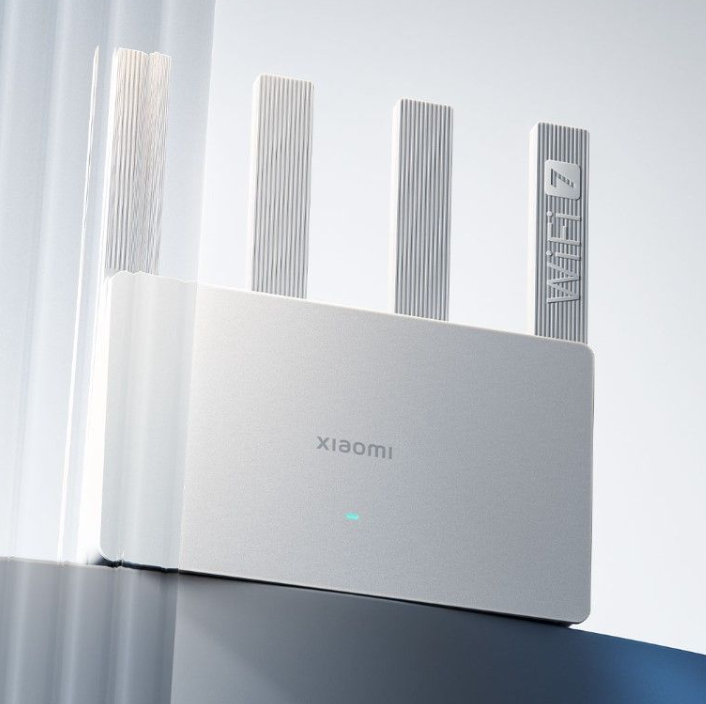
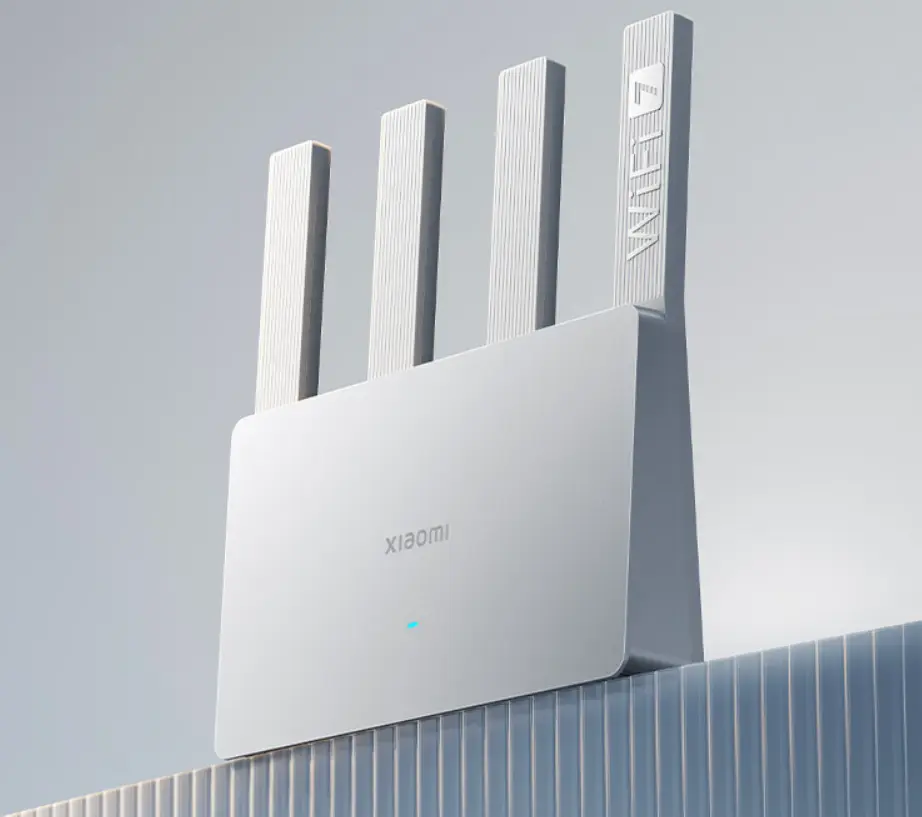
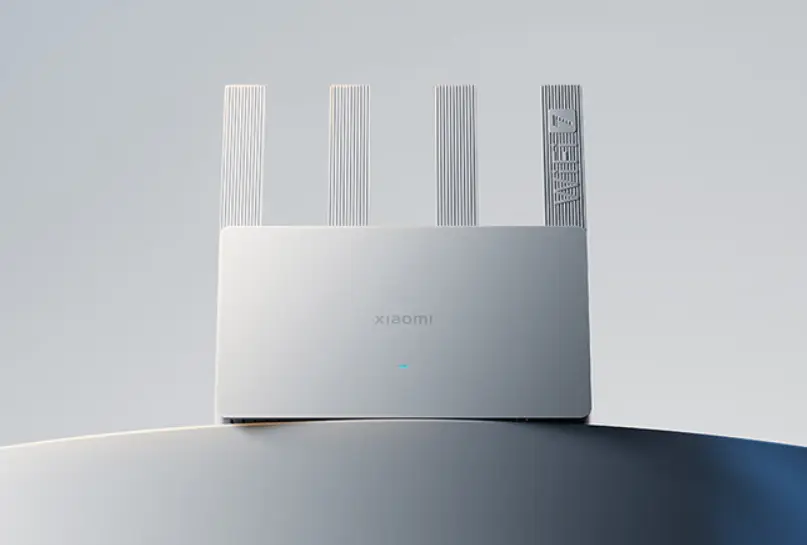
Xiaomi BE3600 2.5G 3600 MHz WiFi 7 Router is an affordable gateway to high-speed connectivity. This device boasts features designed to elevate your internet experience and seamlessly integrate with your smart home ecosystem.
Xiaomi BE3600 2.5G 3600 MHz WiFi7 Router is now available on GeekWills. The router which generally retails for $69 is now available for $49 only.
Experience lightning-fast connectivity with the router’s 3.6 Gbps dual-band WiFi 7 capability. Whether you’re streaming 4K/8K content, engaging in immersive AR/VR gaming, or downloading files, this router ensures your devices can operate at their full potential.
The MLO dual-channel integration allows a single device to connect to both 2.4G and 5G bands simultaneously. This flexibility ensures optimal performance, especially in environments with potential interference.
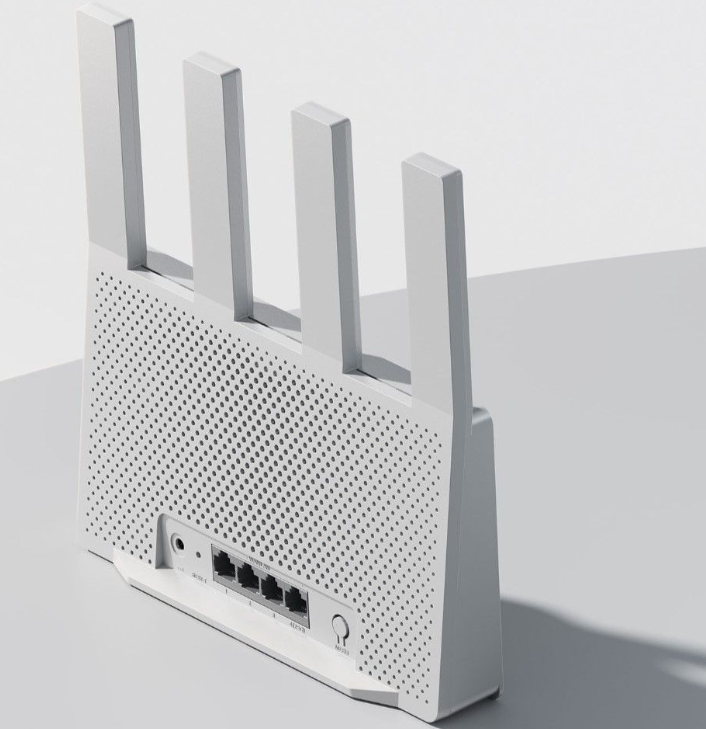
Equipped with a 2.5 Gbps WAN/LAN port and three 1 Gbps WAN/LAN ports, the router facilitates high-speed data transmissions, making it ideal for homes with multiple devices. Maximize coverage with four external antennas and Beamforming technology, ensuring strong and reliable connections throughout your home.
Powered by a Qualcomm 4-core 1.1GHz chip, the router provides fast and stable performance, supporting up to 128 devices online simultaneously. This makes it suitable for both everyday internet use and demanding tasks.
Extend your network coverage with Mesh support, allowing up to 10 Xiaomi/Redmi routers to collaborate in Mesh networking. Ensure every corner of your home is covered, providing a seamless internet experience.
Transform your home into a smart haven with one-click networking for Xiaomi smart home devices. The router also serves as a Home Security Hub, offering privacy protection and parental care features. Manage family members’ devices, filter URLs, and safeguard against cyber threats through the Mijia App.
Xiaomi BE3600 2.5G 3600 MHz WiFi 7 Router combines cutting-edge technology with affordability. It’s the perfect choice for those seeking a high-performance router with advanced features to meet both current and future connectivity needs.
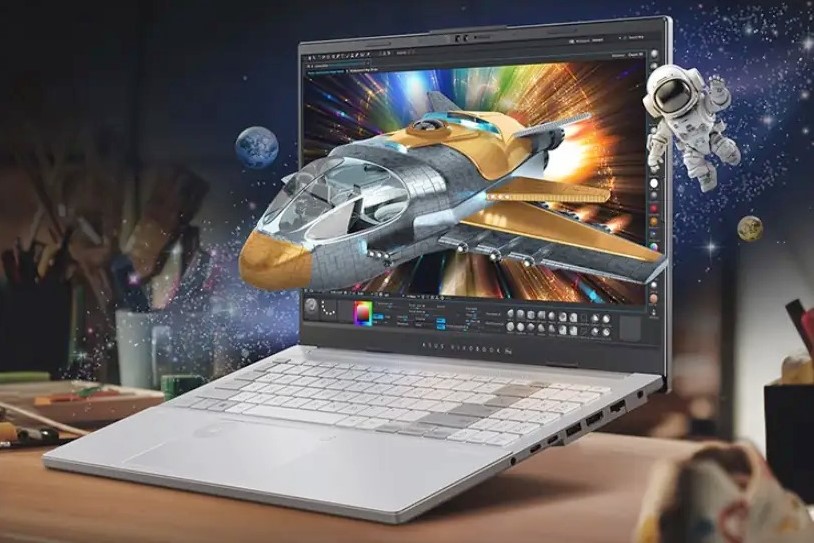
Asus has launched a new laptop under its Fearless series in China. This new notebook officially goes by Asus Fearless Pro 15 2024.
It arrives with a high refresh rate OLED display and Intel Core Ultra processors. It is available with and without a dedicated GPU.
Asus Fearless Pro 15 2024 Specifications
The notebook flaunts a 15.6-inch OLED display with a 2.8K resolution and a 120Hz refresh rate. The panel supports Dolby Vision and up to 600 nits peak brightness level.
It is powered by Intel Core Ultra 5 and Core Ultra 9 processors paired with up to 32GB LPDDR5x RAM and 1TB PCIe 4.0 SSD. The external GPU variant of the laptop houses an NVIDIA GeForce RTX 4060 GPU (8GB GDDR6).
The cooling system of the computer consists of 5 heat pipes, 3 air vents, and 3 fans. Despite nesting these many internals, the product is as thin as 19.5mm and weighs about 1.8kg.
The notebook comes with a 2.5K webcam, Harman Kardon-tuned stereo speakers with Dolby Atmos support, and an RGB backlit keyboard.
The ports on the device include 2 x Thunderbolt 4, 2 x USB Type-A, an HDMI 2.1, a gigabit Ethernet, a 3.5mm headphone jack, and a card reader. Last but not least, the computer boots Microsoft Windows 11.
Asus Fearless Pro 15 2024 Price
The Intel Core Ultra 9 variant of the Asus Fearless Pro 15 2024 with 16GB RAM, 1TB storage, and RTX 4060 GPU is priced at ¥8,499 (~$1,195). There’s no info on the pricing of other variants.
Earlier this month, Xiaomi unveiled the BE 3600 WiFi 7 router in the Chinese market. Despite being a WiFi 7-enabled router, it is quite budget-friendly. Starting today, the router is available for purchase in China at a special price.
The Xiaomi BE 3600 WiFi 7 router is currently selling on JD.com at 249 yuan ($35). The price is expected to go up after the initial sale window, however, the router will remain quite budget-friendly.
Xiaomi BE 3600 WiFi 7 router specs:
This router offers a dual-band wireless rate of 3570Mbps. This is a 44% increase in throughput compared to WiFi 6, achieved partly through the use of a 5G frequency band supporting 2×2 160MHz. The router allows devices to connect to both 2.4G and 5G frequency bands simultaneously, reaching a maximum theoretical speed of 3.57 Gbps.
The router is powered by a Qualcomm 4-core 1.1GHz processor, which provides a computing power of 10120 DMIPS. This enables the router to support up to 128 devices online simultaneously, making it suitable for environments with multiple internet-enabled devices.
Connectivity-wise, the Xiaomi WiFi 7 router includes one 2.5G network port and three Gigabit network ports, supporting full 2000M broadband. It also offers dual broadband access and dual LAN aggregation. Additionally, the router has customizable ports for IPTV and esports networks, catering to varied user needs.’
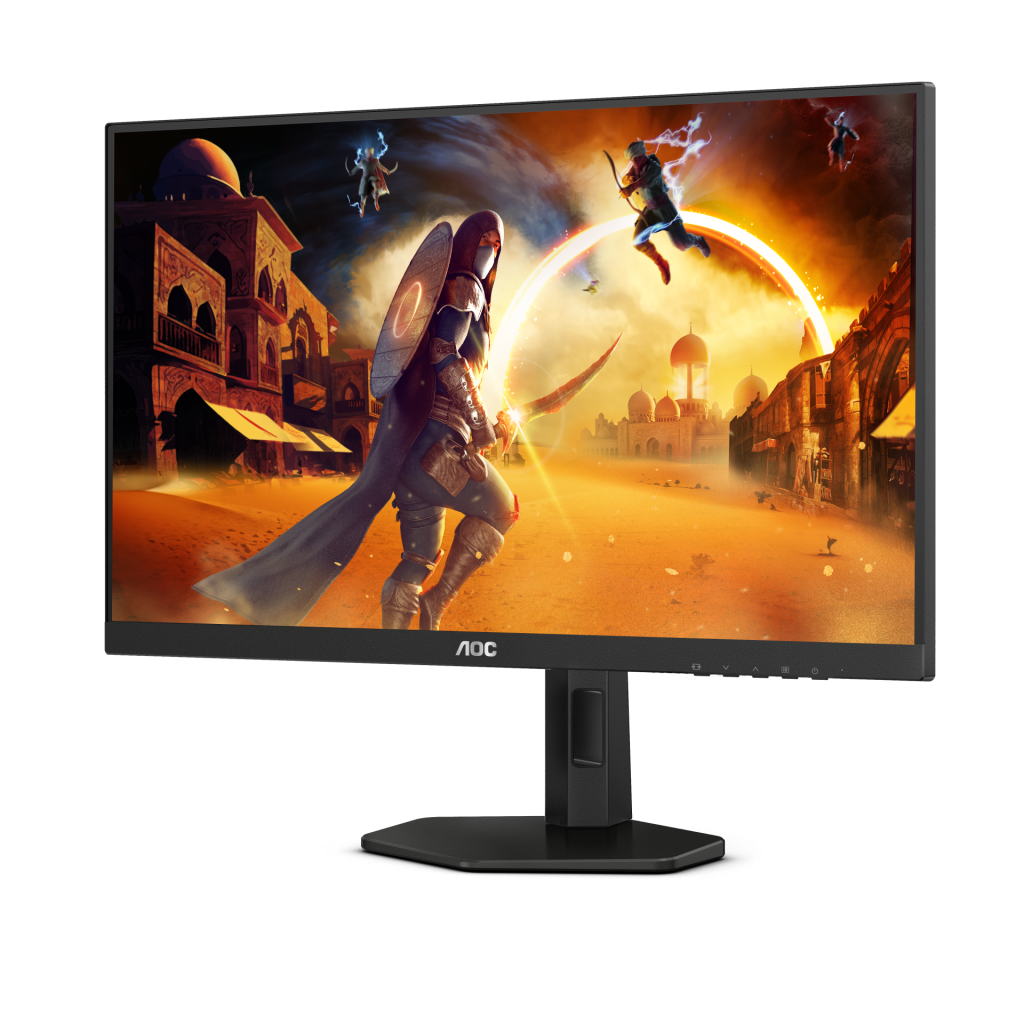
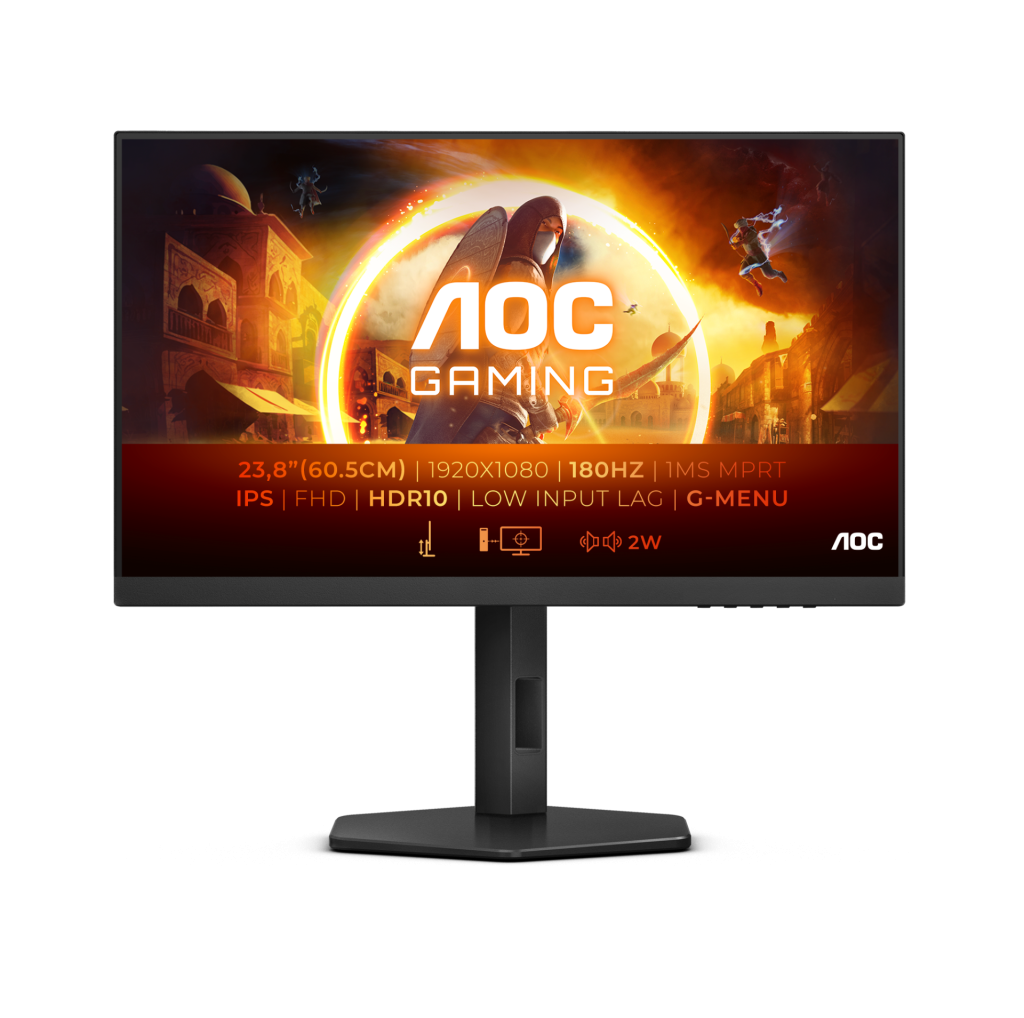
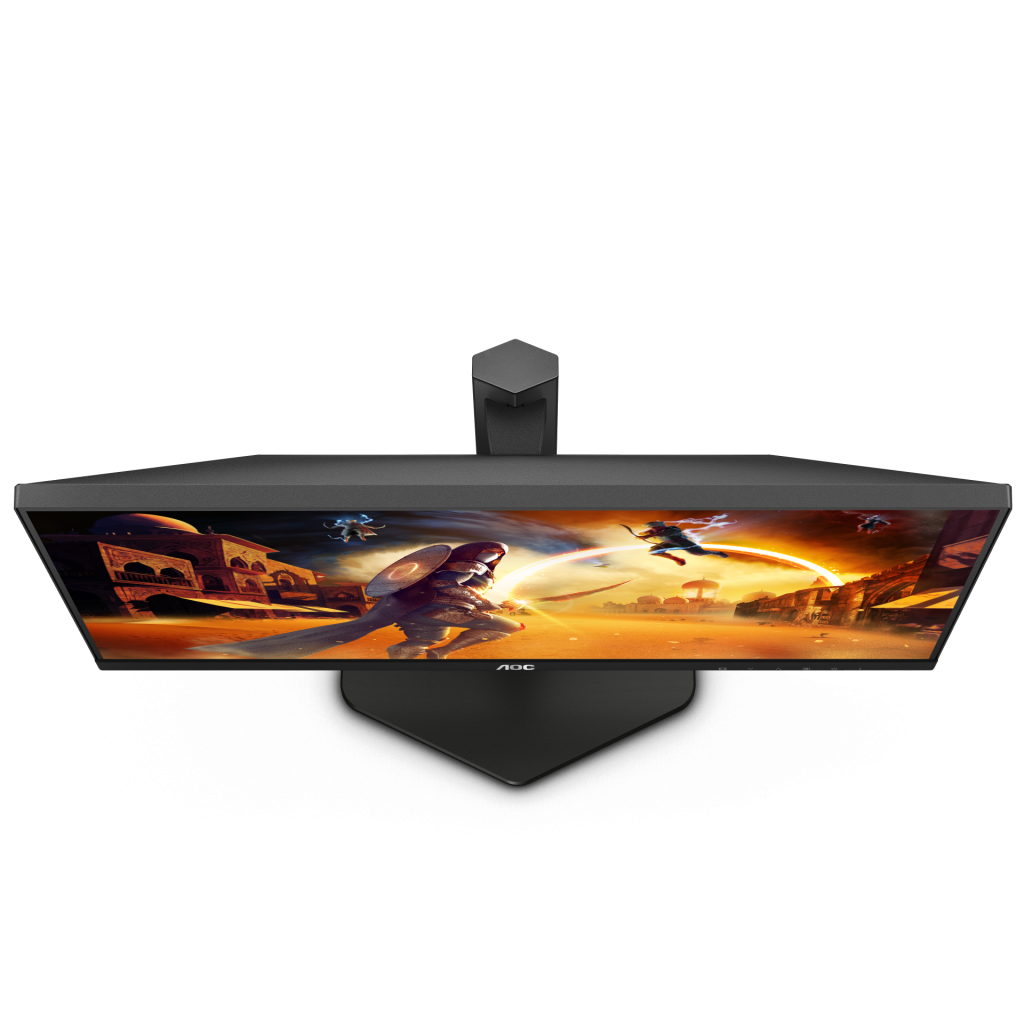
AOC, under its AGON brand, has recently launched two new gaming monitors, the 24G4X and 27G4X, as part of its GAMING G4 series. These monitors are successors to the G2 series and boast several advanced features suitable for gaming enthusiasts and esports competitors.
AOC 27G4X / 24G4X Specifications:
The 24G4X is a 23.8-inch monitor, while the 27G4X is slightly larger at 27 inches. Both models share a resolution of 1920×1080 (Full HD) and are equipped with Fast IPS panels, known for their accurate colors and wide viewing angles. These panels allow for a high refresh rate of 180Hz and a rapid response time of up to 1 ms GTG. This combination ensures smooth and responsive gameplay, making these monitors particularly suitable for fast-paced gaming genres like FPS and battle royales.
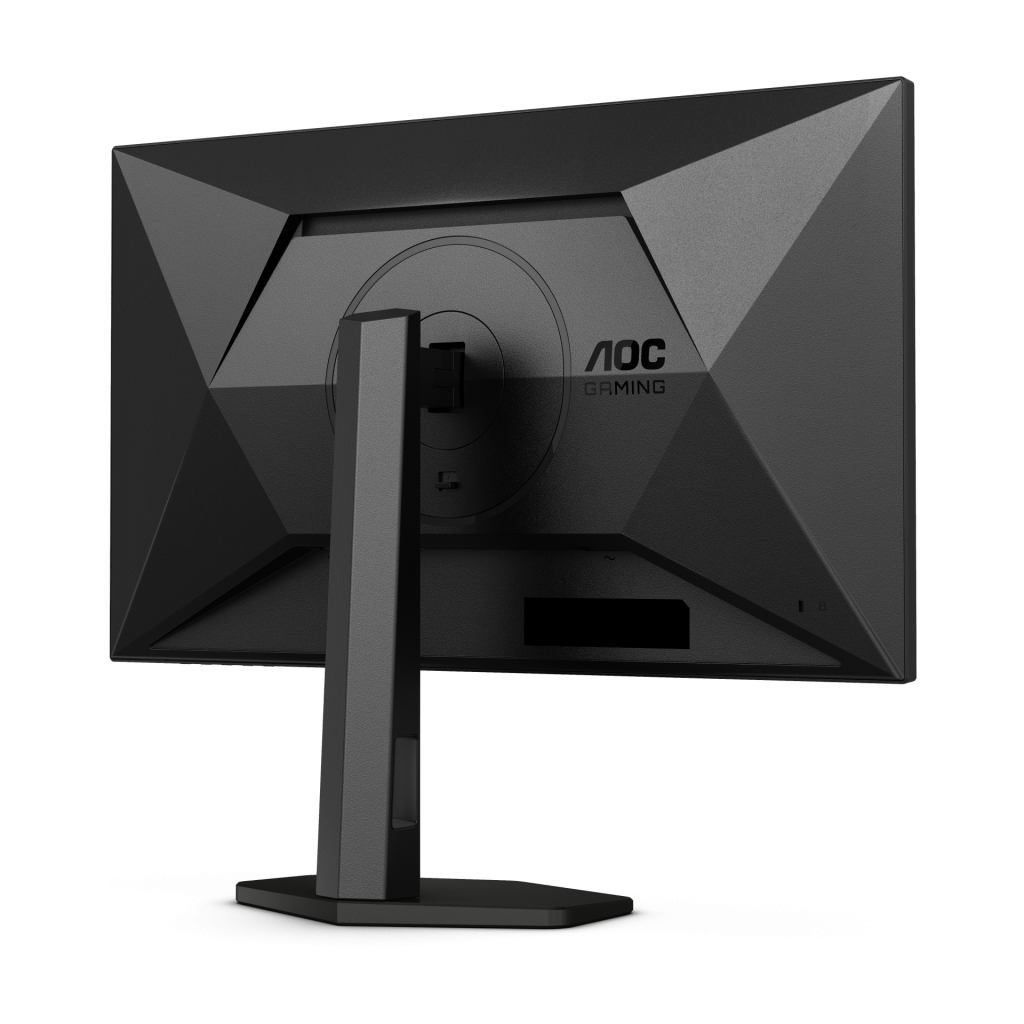
In terms of design, both the 24G4X and 27G4X feature a new, sleek look inspired by the aesthetics of stealth aircraft, with sharp lines and modern grey accents. They have a compact base, providing more space for keyboards and mice, which is especially beneficial during intense gaming sessions. The design is also practical for multi-monitor setups due to their 3-sides borderless design.
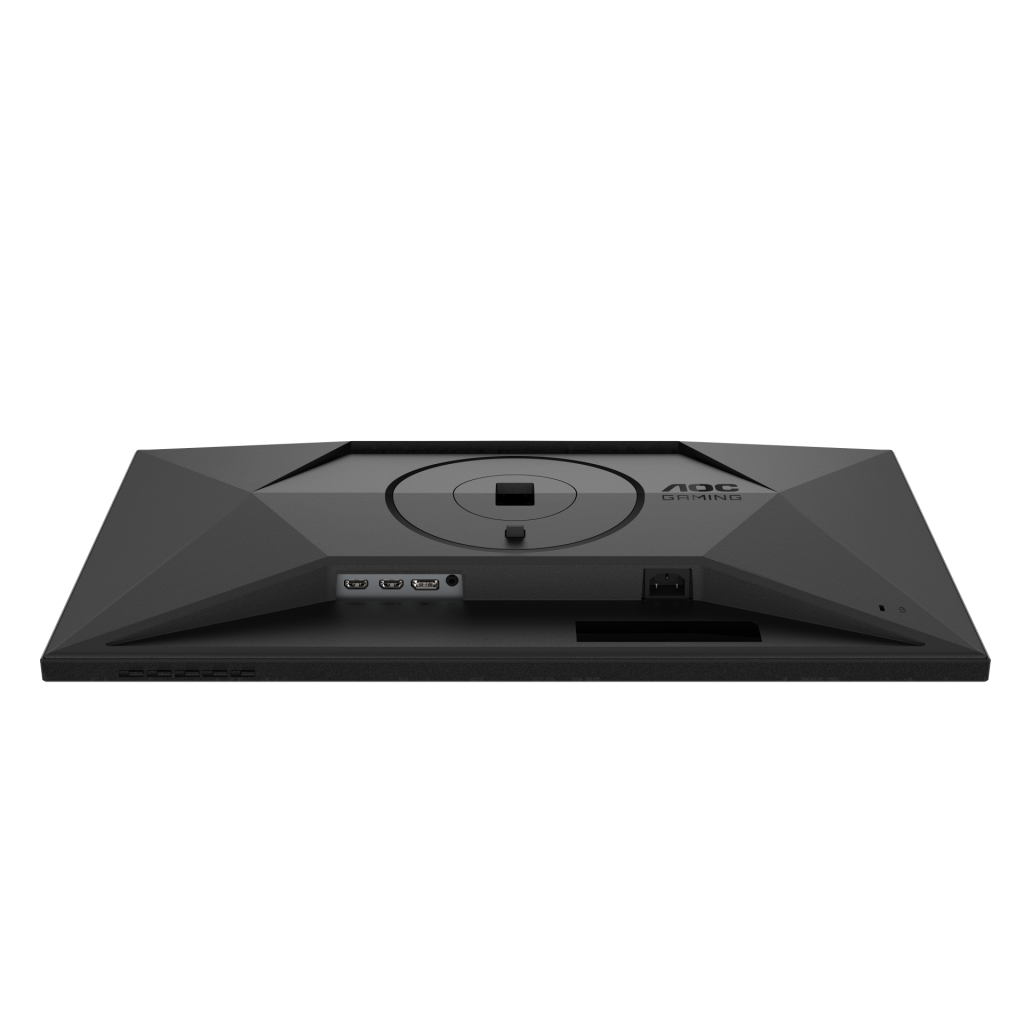
For connectivity, these monitors offer two HDMI 2.0 inputs, a DisplayPort 1.4 input, and a headphone jack. They also include built-in 2W speakers. The ergonomic stand of each monitor allows for various adjustments including height, swivel, tilt, and pivot, contributing to a comfortable viewing experience. Additionally, they are VESA mount compatible for those who prefer monitor arms.
Regarding visual performance, both models support HDR10 for dynamic and vivid visuals and are NVIDIA G-SYNC compatible, which helps eliminate screen tearing and stutter. They also feature several gaming-centric technologies like Motion Blur Reduction, Shadow Control, and a smart crosshair feature for enhanced gaming precision.
Pricing and Availability
Environmentally, AOC has improved the packaging by using paper cushioning, reducing environmental impact. These monitors are expected to be available soon, with the 24G4X priced at £149.99 and the 27G4X at £169.99. Both come with a 3-year warranty.
OnePlus has recently joined hands with the App Defense Alliance (ADA), becoming the first company of its kind to enter this key security group. This move is a part of OnePlus’s commitment to keeping user data private and making their devices more secure.
The App Defense Alliance, formed by Google, ESET, Lookout, and Zimperium in November 2019, focuses on ensuring the safety of the Google Play Store. It scans apps for malware before they go live on the store. This initiative brings together the expertise and technology of these companies to better find and stop harmful apps from reaching users’ devices.
OnePlus has consistently prioritized security in its products. Their latest OnePlus 12 phone, running on OxygenOS 14, includes several top-notch security features like Device Security Engine 3.0, an improved Security Center, Strong Box for chip-level data protection, Auto Pixelate 2.0, and photo permission management. These are designed to give users all-around protection. Additionally, OnePlus’s Intelligent Shield program has been effective in identifying and blocking dangerous apps.
Kinder Liu, the head of OnePlus, emphasized that protecting user information is a crucial part of their mission. By partnering with ADA, OnePlus aims to further strengthen its efforts in making apps secure against online dangers.
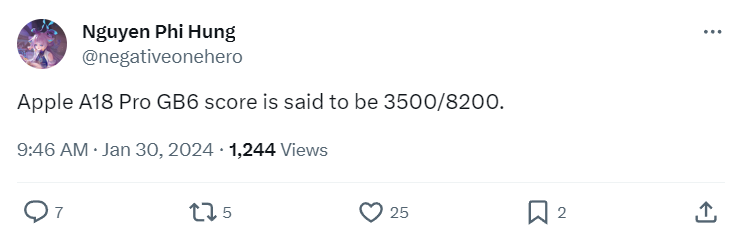
Apple’s latest A17 Pro chip outperformed the Snapdragon 8 Gen 3. Now Apple is working on the A18 Pro chip, and some people have revealed its Geekbench 6 scores. The performance numbers show significant improvements in single-core performance compared to the previous generation A17 Pro.
Apple A18 Pro Geekbench 6 Score
Apple is rumored to use the A18 SOC in all models of the iPhone 16 series. This is very good news for users who are considering buying the iPhone 16. The iPhone 15 introduced last year uses the previous generation Apple A16 Bionic, which is the same SOC as the iPhone 14 Pro Max. Some people did not prefer the iPhone 15 and 14 models because of the lack of an upgrade in the processor department. Now, the Geekbench 6 result of the emerging A18 Pro gives some information about the next generation of iPhones.
Apple A18 Pro Geekbench 6 Score
Apple A18 Pro scored 3500 on single-core and 8200 on multi-core, with better single-core performance compared to the previous generation A17 Pro. For reference, the A17 Pro only scored 2906 on single core and 7231 on multi-core. Recently, a Geekbench result was leaked on the Snapdragon 8 Gen 4, showing much better multi-core performance than the Apple A18 Pro.
Snapdragon 8 Gen 4 scored 2985 on single core and 10762 on multi-core in the leaked Geekbench 6 results, which is quite close to Apple’s M3 chip. We will start seeing devices with Snapdragon 8 Gen 4 in the 4th quarter of this year. Especially the comparison between the highly anticipated Apple A18 Pro and Snapdragon 8 Gen 4 will reveal which chip will win in 2025.
The privacy of our personal data has never been more at risk Nearly every product and service we use stores our information, often for personalized advertising and other things. What’s even worse is that companies collecting our data sometimes fail to protect it, leading to theft and even selling. It’s certainly a concerning situation, and governments should address it, right? Wrong, because, U.S. Senator Wyden Letter confirms even the NSA is buying peoples data from data brokers. Here are the details…
The NSA’s Secret Connection with Data Brokers Revealed
According to Senator Ron Wyden’s letter, the NSA is purportedly purchasing information about individuals in the United States. The agency collects internet records, including visited websites and used apps, along with data from sources like phone calls, emails, internet browsing, social media activities, and location data.
Actually, this is not a surprise for anyone. The first evidence of NSA purchasing data from data brokers was revealed by Edward Snowden in 2013. Snowden claimed that the NSA used these data to create profiles on individuals worldwide, including American citizens. Now, Senator Ron Wyden’s statements confirm this.
Moreover, it is not known from whom the data was obtained or under what conditions it was collected. For instance, the NSA might have purchased your data from hackers using the money paid from your taxes. Senator Ron Wyden brought this issue to light and demanded the government to stop this practice.
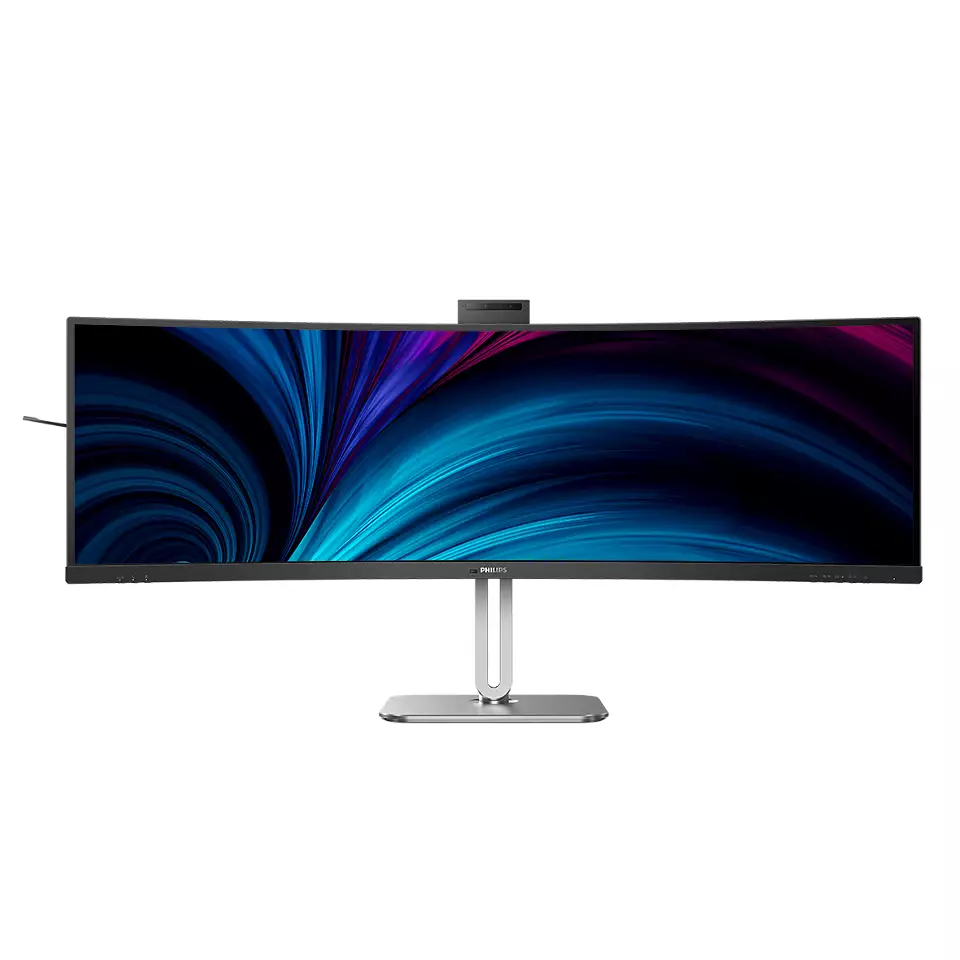
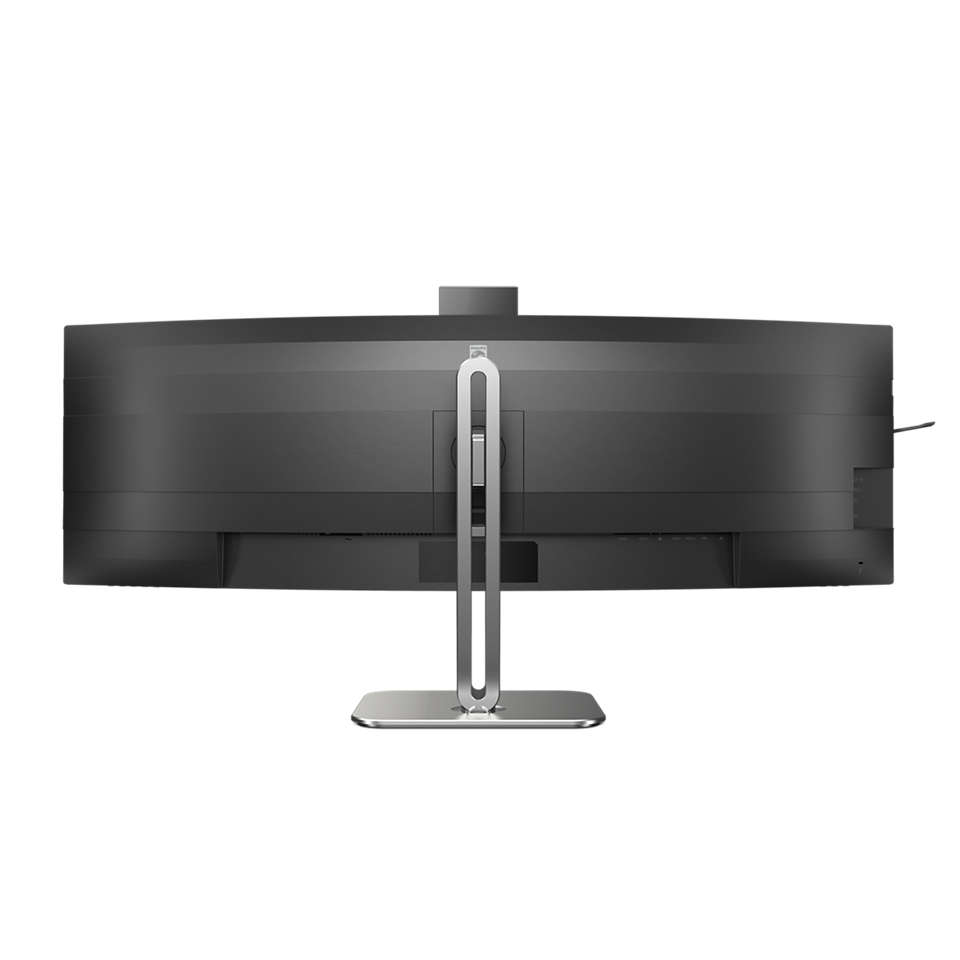
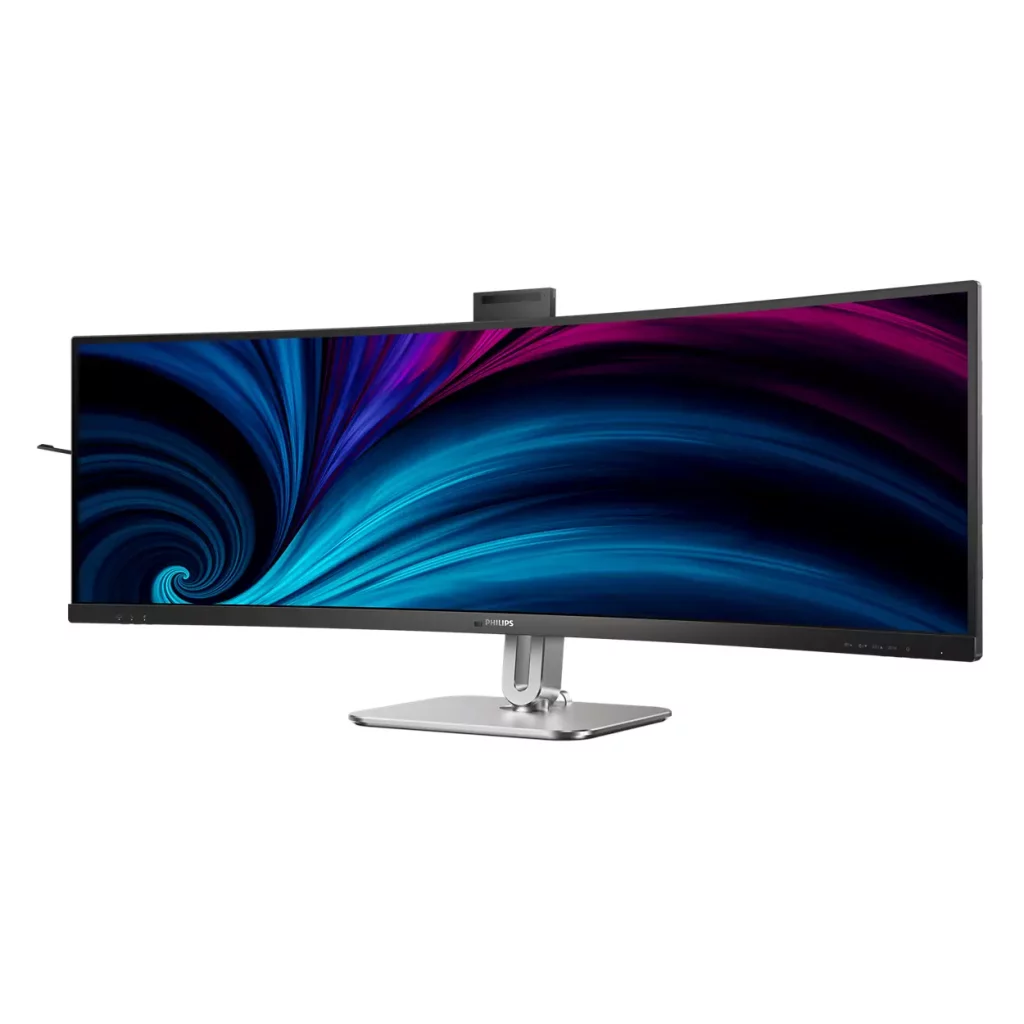
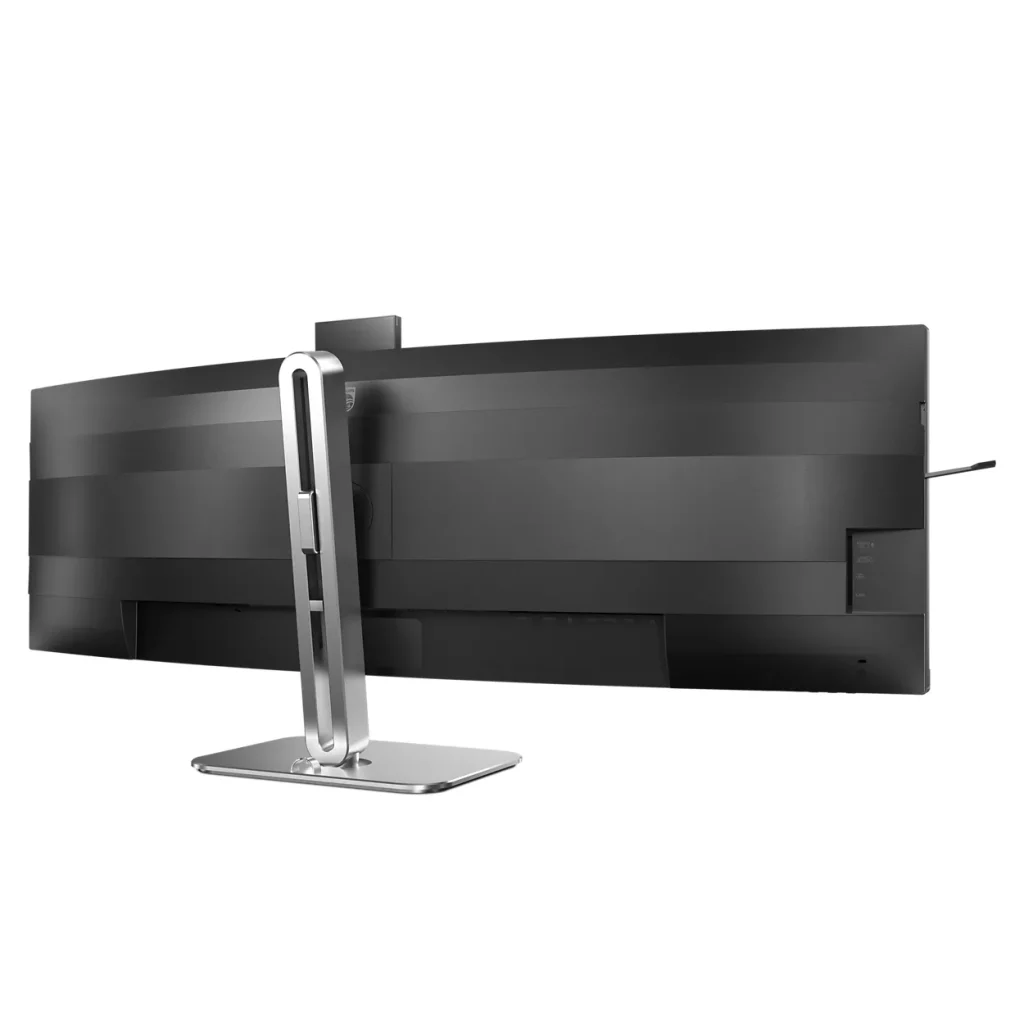
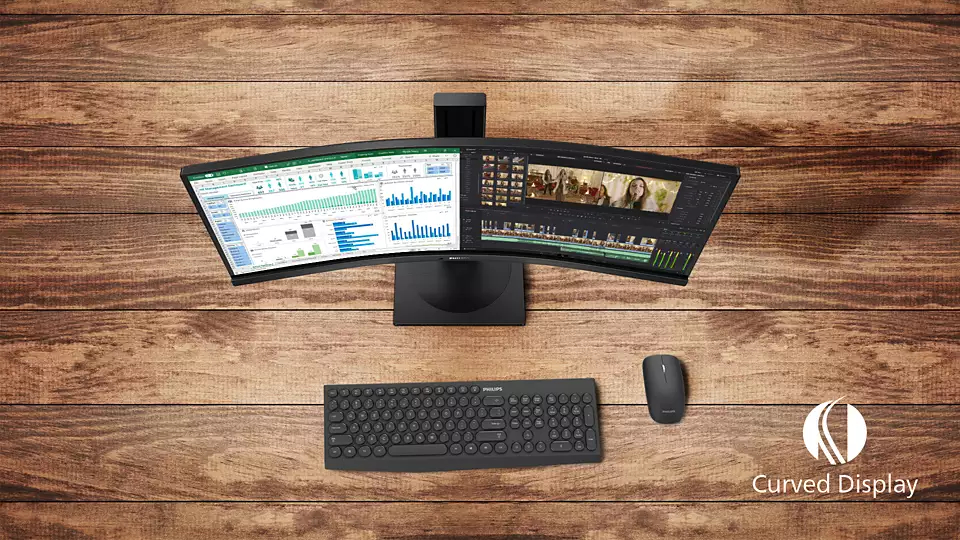
Philips has unveiled the 49B2U6900CH, a new ultra-wide office monitor aimed at boosting productivity and collaboration in professional environments. This monitor succeeds the 49B2U5900CH, released just three months ago, and offers enhanced I/O capabilities, improving upon its predecessor. Let’s delve into its key specs.
Philips 49B2U6900CH Specifications:
This curved monitor stands out with its large 48.8-inch anti-glare LCD screen and a high Dual Quad HD (2K) resolution of 5120 x 1440, offering a broad and detailed display that could replace dual monitor setups. It uses a VA panel with a 1440p resolution in a 32:9 aspect ratio. It features a 75 Hz refresh rate for both panels, a 3,000:1 contrast ratio, 4ms GtG, 109 PPI pixel density, and an 1800R curvature.
In terms of color accuracy, it comes with 1.07 B (8-bit + FRC), 97% NTSC, 119% sRGB coverage, and <2 Delta E deviations. The monitor prioritizes improving remote teamwork by featuring a 5MP pop-up webcam with autoframing for video conferences, accommodating all participants.
It has a 30-degree tilt function for users of varying heights, along with a noise-canceling microphone and an integrated Busylight. The Busylight, on the webcam, turns red during calls and can sync with Microsoft Teams statuses to indicate user availability.
The monitor further enhances work efficiency with its Smart KVM feature. This feature allows users to switch between sources easily by pressing the “Ctrl” key three times, integrating a KVM switch directly into the monitor. The monitor’s USB-C cable facilitates the charging of external devices through power delivery, adding to its convenience.
For added practicality, the Philips 49B2U6900CH includes an Earphone Hook on the bezel for easy headset storage. The monitor also boasts DisplayHDR 400 certification, Low Blue Mode with Flicker-Free technology, and a height-adjustable stand, providing an immersive and comfortable viewing experience.
The monitor offers a variety of ports for connectivity. On the left-hand side, it includes a 3.5 mm combo jack, a USB Type-C port with 15W power delivery, and two USB Type-A ports. At the rear, there is a 2.5 Gigabit Ethernet port, a DisplayPort 1.4, two HDMI 2.0 ports, two more USB Type-A ports, and two USB 3.2 Gen2 Type-C ports that support DisplayPort Alt mode and 100W USB Power Delivery.
The monitor also comes with a pair of 5W speakers with Windows Hello integration and is priced at €1249 for European markets and £959.99 in the UK.
A few days back, Philips also launched a new TV called OLED+959 Ambilight with a staggering peak brightness of 3,000 nits.
TikTok has been redefining the online shopping landscape for a while now, and as of late, the company is venturing beyond its role as a social media platform. The company is piloting a groundbreaking e-commerce feature, aiming to transform every video into a potential shopping experience.
This new feature will help users shop for similar items on TikTok Shop
The essence of this feature lies in its ability to automatically detect objects in videos. Viewers are then prompted to explore “similar items on TikTok Shop,” linking them to a curated selection of products. This development is part of TikTok’s broader strategy to fuse the convenience of platforms like Amazon with the interactive and discovery-oriented nature of social media. TikTok Shop, launched in the U.S., is a testament to this vision. The goal is clear: TikTok aims to revolutionize the shopping experience, blending entertainment with consumerism.
The initial reception of TikTok Shop has been a mixed bag. On one hand, small businesses have seen a surge in sales, particularly during the holiday season, thanks to TikTok’s promotional efforts like free shipping and discounts. November’s shopping frenzy, encompassing Black Friday and Cyber Monday, attracted over 5 million new customers.
However, challenges remain. Users have raised concerns about the influx of counterfeit products and the overwhelming presence of promotional content, which some feel undermines the platform’s entertainment value. TikTok’s new feature seeks to address these issues by subtly integrating product links in regular user posts, aiming for a more organic and less intrusive shopping experience.
Electric motorcycles are revving up the adventure scene, especially in off-roading. Among the latest to join this exciting trend is the Gowow Ori, a Chinese startup’s brainchild ready to challenge the established names in the industry.
The e-bike’s specs are pretty impressive on paper, with a 62-mile range
The Ori stands out with its striking resemblance to Cake’s Kalk, from its enduro stance to the minimalist design, making it a head-turner. However, it’s not just about looks; the Ori packs a punch with some noteworthy specs. Weighing in at around 161 pounds and boasting a 50:50 weight distribution, it combines agility with balance, essential for off-road maneuvering.
Under the hood, or rather under its sleek frame, the Ori’s electric motor is a beast, churning out up to 420 Nm of torque. That’s a number that will make enthusiasts sit up and take notice, although it’s capped at a top speed of 100 km/h for safety. The heart of this electric warrior, its battery, promises a 62-mile range on a full charge – quite impressive for a dirtbike.
Gowow doesn’t stop at mere mechanics; they’ve infused the Ori with smart tech. Riders can monitor their journey and the bike’s stats in real-time through a bespoke app. It’s like having a digital co-pilot for your off-road adventures.
The bike’s structure is a blend of technology and practical design. Its double spar composite frame and four-link rear suspension system are tailor-made for challenging terrains. And, of course, it’s equipped with hydraulic disc brakes for reliable stopping power in the dirt.
Interestingly, the Gowow Ori has been given the green light for road use in Japan, albeit as a Type 2 moped. The price tag, though, is a bit steep compared to other options. Meanwhile, in the US, the Ori is marketed more as an off-road enthusiast’s dream, minus the street-legal status.
Samsung‘s mobile chief, T.M. Roh, recently shed some light on the future of Galaxy AI, the company’s latest suite of AI features that debuted with the Galaxy S24 series. While he confirmed Galaxy AI will remain free until 2025, the big question remains — what happens after that?
Samsung has invested heavily in Galaxy AI, and it’s currently available on the latest Galaxy S24 series. While it’s free until 2025, Roh admitted they haven’t yet decided what the future holds beyond that. However, he hinted at the possibility of introducing more advanced AI features for paying subscribers.
“According to our analysis, there are different needs for mobile AI,” said Roh. “There will be consumers who will be satisfied with using the AI capabilities for free. Then there could also be customers who wish for even more powerful AI capabilities and even pay for them. So, in the future decision-making, we will take all these factors into consideration.”
With over a year to go before the free period ends, there’s no immediate update on the paid model. Samsung previously remained tight-lipped about it when asked by Android Authority.
In the meantime, Samsung remains optimistic about Galaxy AI’s future. They aim to bring the technology to over 100 million devices worldwide in 2024. This includes older flagship phones like the Galaxy S23 series and upcoming foldable phones like the Z Fold 6 and Flip 6.
So, while Galaxy AI’s future beyond 2025 remains uncertain, Samsung is clearly betting big on its potential. Whether it stays free or adopts a paid model for advanced features, only time will tell.
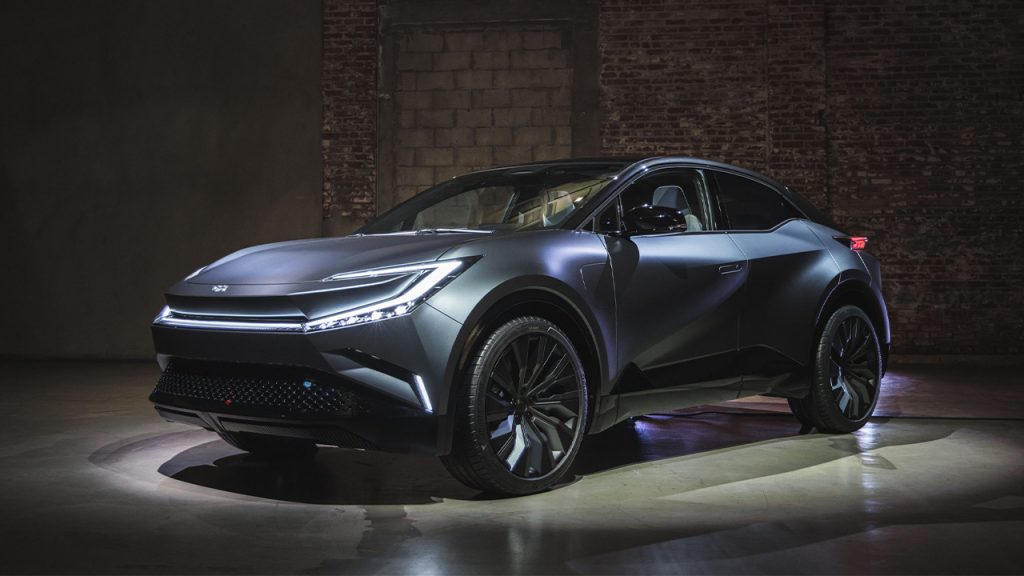
The popularity of electric vehicles is increasing almost every day. We often update you on the latest achievements, new models, and technologies from companies like Tesla and BYD. Despite the promising future of modern EV makers, the automotive industry is still primarily led by established players. As proof of this, Toyota has held its position as the world’s top selling automaker for the fourth consecutive year. Here are the details…
Toyota Leads in 2023 with 11.23 Million Car Sales, Yet Only 1% Electric World’s Top-Selling Automaker
Toyota’s 2023 reports reveal the company’s continued dominance in the global automotive market. Despite already being the leader in 2022, the Japanese automotive giant increased its sales by 7.2% compared to the previous year, reaching a total of 11.23 million vehicle sales worldwide. Notably, Toyota’s bestsellers include the Corolla, RAV4, Camry, and Yaris models.
The intriguing part is that, unlike other competitors emphasizing electric vehicle production and sales, Toyota significantly trails. Out of the 11.23 million cars sold, only 3.42 million are hybrids, and the majority are traditional engine models. Electric vehicle sales constitute just 1% of the total, amounting to 104,000 units.
However, Toyota is expected to increase its focus on electric vehicles in the coming years and succeed in this area. Nevertheless, despite the shortage of EVs, the company’s success is tremendous. Taking a broader perspective, of the approximately 90 million cars sold globally in 2023, 11.23 million belonged to Toyota. This means that 1 out of every 8 cars sold was a Toyota.
Turning to the rankings, the German automotive powerhouse Volkswagen takes the second spot. Despite a commendable 12% increase in sales, the company managed to sell 9.2 million cars. It could have possibly secured the first position if it hadn’t lost market share to BYD in China.
Earlier today, it was reported that the Xiaomi 14 Ultra may debut by the end of February. This is after Xiaomi Group President dropped a teaser on Weibo recently strongly hinting at the phone’s imminent arrival. Rumors about the Xiaomi 14 Ultra have been swirling on the internet for the last few months. Now, the upcoming flagship from the company has surfaced on the Geekbench benchmarking platform.
Xiaomi 14 Ultra appears on Geekbench
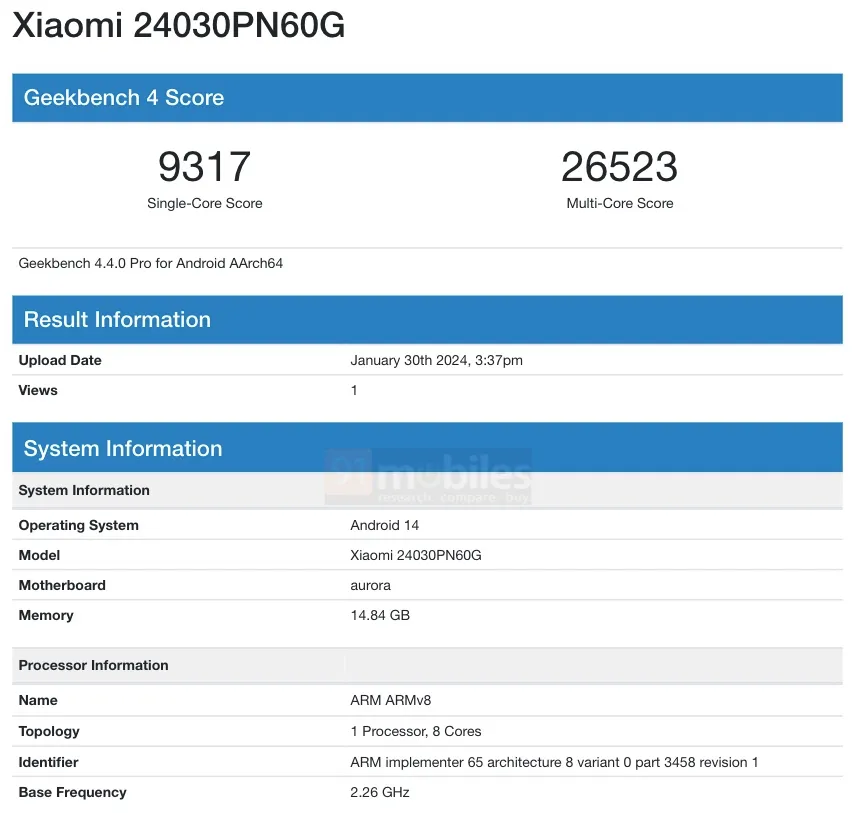
The Xiaomi 14 Ultra is listed on the Geekbench database with model number 24030PN60G where ‘G’ refers to the global variant. The model number also corroborates with other previously bagged certifications. As per the benchmarking platform, the smartphone has a motherboard codenamed ‘aurora’ and it has eight cores with a max clock speed of 3.30GHz. The chipset is paired with Adreno 750 GPU. This likely suggests the presence of the Snapdragon 8 Gen 3 under the hood.
As per Geekbench, the Xiaomi 14 Ultra will pack 16GB RAM onboard. There could also be more configurations. The smartphone will ship with pre-installed Android 14 OS.
It’s worth noting that the Xiaomi 14 Ultra has been spotted on Geekbench 4 and not the latest Geekbench 6. The report adds that it scores unusually high in single-core and multi-core test results. It scores 9,317 and 26,523 points respectively in both tests.
The Xiaomi 14 Ultra has already bagged BIS, EEC, and IMEI certifications. Earlier today, DCS tipped that the upcoming offering could support 80W wireless charging making it the first in the world with that speed. Other leaked details of the smartphone include a 1440p quad-curved display, ultrasonic fingerprint scanner, satellite communications, and four 50MP cameras.
Now that the new Galaxy S24 flagship is official, let’s take a closer look at how the older Galaxy S23 Ultra and the S22 Ultra models fare. These two older flagships have received significant price cuts over the past few months, offering great value for money. Both the devices have solid flagship cameras, good processors, large batteries, and a beautiful design as well.
So let’s take a closer look at the S23 Ultra vs the S22 Ultra in this detailed specs comparison.
Galaxy S23 Ultra vs. Galaxy S22 Ultra: Price
Considering the fact that these devices are flagship entries from Samsung buyers should be aware that they come with flagship level prices. Despite the fact that these devices are old they still hold a good amount of their value in the smartphone market as many still sort for these devices. When these devices hit the launch stage they both came with premium price tags edging above $1000 each.
But as they age these devices have lost some of their value, but they are still quite expensive in the market. Considering the fact that the Samsung Galaxy S22 Ultra is older, you can get it at a lower price now. Despite their aging, these devices still sit around the $800 price tag (with the S22 Ultra going around $600) when purchased from reputable retail online stores.
Please Note: When you buy something using the links in our articles, we may earn a small commission at no cost to you.
Galaxy S23 Ultra vs. Galaxy S22 Ultra: Design and colours
When its comes to design these devices have definitely aged like fine wine. Some might argue that they are necessarily the same thing on the outside in terms of design and they are not far from the truth. Well there are a few very subtle differences when it comes to the designs that these devices launched with.
These differences are in the available colours as well as the dimensions of these devices as the Samsung Galaxy S23 Ultra came with some changes. Well these changes are not what most netizens are looking for and Samsung was trying to adopt a new design language with the launch of the S22 Ultra. If you’re looking out to purchase either of these devices here are the design and colour details that they both come with:
Galaxy S23 Ultra:
Design material: Glass front (Gorilla Glass Victus 2), glass back (Gorilla Glass Victus 2), aluminium frame with an armour aluminium frame for tougher drop and scratch resistance.
Dimensions: 163.4 x 78.1 x 8.9 mm (6.43 x 3.07 x 0.35 in).
Weight: 234g
Colours available: Phantom Black, Green, Cream, Lavender, Graphite, Sky Blue, Lime, Red, BMW M Edition.
S Pen: Yes.
Galaxy S22 Ultra:
Design material: Glass front (Gorilla Glass Victus+), glass back (Gorilla Glass Victus+), aluminum frame with armour aluminium frame for tougher drop and scratch resistance.
Dimensions: 163.3 x 77.9 x 8.9 mm (6.43 x 3.07 x 0.35 in).
S23 Ultra has better protection with the Corning Gorilla Glass Victus 2.
Galaxy S23 Ultra vs. Galaxy S22 Ultra: Display
This is an area of most smartphones that manufacturers and users alike take very seriously. Over the years, Samsung has made a name for itself in the smartphone display department as it builds its own display panels to suit its specific needs. So its safe to expect these devices to feature displays that are not only impressive but also up-to-date with what’s available on most flagship devices today.
These devices come with similar displays but the Samsung Galaxy S23 Ultra edges out the S22 Ultra in terms of protection. Unlike the new S24 Ultra these devices don’t feature any special jaw dropping display feature. So if you’re more into the displays of devices with expectations to get the best of the best, you can rely on either of these devices but for protection, the more recent S23 Ultra is the better option.
Galaxy S23 Ultra:
Display size: 6.8-inch.
Display type: Dynamic AMOLED 2x.
Display resolution: 1440 x 3088 pixels, 19.3:9 ratio (~500 ppi density).
Screen Protection: Corning Gorilla Glass Victus 2.
Brightness: 1750 nits peak brightness.
Special features: Nil.
Galaxy S22 Ultra:
Display size: 6.8-inch.
Display type: Dynamic AMOLED 2x.
Display resolution: 1440 x 3088 pixels, 19.3:9 ratio (~500 ppi density).
Screen Protection: Corning Gorilla Glass Victus+.
Brightness: 1750 nits peak brightness.
Special features: Nil.
Major differences:
S22 Ultra features a larger screen to body ratio.
Galaxy S23 Ultra vs. Galaxy S22 Ultra: Cameras
If you’re like the majority of people you’ll have your eyes fixed on these devices because of their camera abilities. Well, both devices come with a quad camera setup with massive main camera sensors. However the newer Samsung S23 Ultra comes with the better camera setup as it adopts a new 200MP main camera sensor.
Samsung also enhanced the photography of the S23 Ultra at launch thanks to software image processing features. Many reviewers and analysts have praised both devices for their camera abilities but the S23 Ultra takes most of the praise considering that it comes with improvements. Here are the comparison details that you’ll need to know before choosing which to buy:
Galaxy S23 Ultra:
Camera setup: 200MP, 10MP, 10MP, and 12MP
Special Features / AI features / Software Features: Multi directional PDAF sensor, AI picture enhancement feature, enhanced AI object-aware engine.
Video Features: 8K video recording at 30fps.
Galaxy S22 Ultra:
Camera setup: 108MP, 10MP, 10MP, and 12MP.
Special Features / AI features / Software Features: Software enhancements to both video and pictures taken with the device.
Video Features: 8K video recording at 30fps.
Major differences & Upgrades:
S23 features a higher resolution main camera.
Better low light Portrait via front camera on S23 Ultra, thanks to AI.
Galaxy S23 Ultra vs. Galaxy S22 Ultra: Performance
The life of any smartphone is its processor, and this is a major part of the device that affects the device’s performance. These devices are both flagship entries, so you can expect them to come with the best processors available for Android devices. Both devices make use of the best Snapdragon processors that were available at the time of launch.
However, the newer entry packs up to a 40% performance improvement thanks to the Snapdragon 8 Gen 2 processor under its hood. This processor in question is tuned to suit Samsung Galaxy devices using it meaning that the S23 series all pack impressive performance data. If it’s performance you seek, my dear friend, the S23 Ultra is the pick for you in this comparison.
Galaxy S23 Ultra:
Chipset & Graphics: Snapdragon 8 Gen 2 for Galaxy & Adreno 740.
% improvement vs older model: 40% performance improvement.
Benchmark scores if available: Geekbench 6 single-core score: 1142, Geekbench 6 multi core score: 3293. AnTuTu: 912,577.
Major upgrades & differences:
Powerful processor, new AI features, special processor for Samsung Galaxy.
Galaxy S23 Ultra vs. Galaxy S22 Ultra: Software
There’s not much to say in terms of the software on these two devices, as they are both currently running on the same software. Also, there are not many exclusive software features that are exclusive to either device in this comparison. But Samsung did set a new bar with the launch of the S23 series in terms of the number of updates that the device will get after launch.
Galaxy S23 Ultra:
Android version: Android 13.
Promised number of updates: 7 years OS upgrade.
Special software features: Photography enhancing features.
Galaxy S22 Ultra:
Android version: Android 12.
Promised number of updates: 4 years OS upgrade.
Special software features: Nil
Major upgrades & differences:
The S23 Ultra comes with longer software version support.
Galaxy S23 Ultra vs. Galaxy S22 Ultra: Battery life and charging
In this area both devices are in a tie on paper but after some real life testing we have different news for you. After actual real life testing the S23 Ultra is seen to last longer than its predecessor on a single charge. The S22 Ultra for its part, comes with a very solid battery capacity that assures users of long usage hours on a single charge.
Galaxy S23 Ultra:
Battery Capacity: 5000mAh.
Battery life approx: Up to 26 hours of usage on a single charge.
Wired charging speeds: 45W.
Wireless charging speeds: 15W.
Galaxy S22 Ultra:
Battery Capacity: 5000mAh.
Battery life approx: Up to 20 hours on a single charge.
Wired charging speeds: 45W.
Wireless charging speeds: 15W.
Major differences:
Upgrades in battery capacity for the Galaxy S23 Ultra.
Galaxy S23 Ultra vs. Galaxy S22 Ultra: Final Verdict
After this comparison and details you might want to skip the S22 Ultra entirely well its not a bad devices. If money is a constraint for you, you can always go for the S22 Ultra but you need to understand that it’s coming to the end of its Android update window. The S23 Ultra however is a better choice for most buyers especially those that don’t have any money constraint when shopping for a flagship device.
At CES 2024 held earlier this month, MSI announced its first handheld gaming console called Claw A1M. The brand has now revealed the pricing of the device which was previously unknown. Recently, MSI also confirmed that it is playing the long game with the Claw and future iterations are already in the pipeline. Another report also mentions a key display detail of the Claw A1M. The handheld console from the company will see them compete against the likes of the Steam Deck, ROG Ally, Legion Go, and more.
MSI Claw A1M pricing confirmed
The MSI Claw A1M is now listed on the brand’s official website. It starts at $699 for the base model with the Core Ultra 5 coupled with 512GB storage. The Core Ultra 7 with the same storage capacity is priced at $749. Meanwhile, the Core Ultra 7 with a large 1TB storage carries a price tag of $799. All three configurations feature 16GB LPDDR5 RAM and Intel Arc graphics onboard.
MSI has not revealed the release timeline of the Claw A1M yet. However, rumors suggest that it could hit the shelves before the end of March. We can expect the brand to share official details on the availability in the coming weeks.
MSI confirms VRR on the Claw A1M
The MSI Claw A1M has a 7-inch FHD IPS display with a 120Hz refresh rate. The Verge reports that the brand has confirmed that the handheld gaming console supports VRR (variable refresh rate) between 48Hz and 120Hz. This makes it the second console after the ROG Ally to support the display technology. VRR continuously and seamlessly changes the refresh rate without setting it manually.
The MSI Claw A1M is the first handheld gaming console to be powered by Intel’s processor compared to its competitors which are equipped with AMD chipsets. It is also backed by a 53WHr battery unit claimed to deliver two hours of usage under full workload. The device also features Hall Effect joysticks and triggers.
OnePlus forayed in to the television segment with the Q1 series way back in 2019. It was the brand’s first flagship TV with premium specifications and features. At the time of launch, the Q1 and Q1 Pro shipped with pre-installed Android 9 OS out of the box. Now, as per a tech creator on the X (formerly Twitter) platform, the OnePlus TV Q1 is receiving a surprising software update.
OnePlus TV Q1 receiving a surprising software update
Something very interesting happened
Suddenly, out of nowhere, OnePlus gave the update to the old OnePlus TV Q1, launched in 2019
As we know, OnePlus has stopped making TVs
But the surprising thing is that they are giving an update from Android 9 to Android 11 pic.twitter.com/Y29qwqbDUl
Utsav Techie has shared an image of the OnePlus TV Q1 getting a software update notification. It reveals some key details. For starters, the newest version has a firmware number OPTVIN.2.A.01_GLO_082_2312290405. The update package weighs 820MB in size. The update notes that the Android version is upgraded from 9 to 11. It packs enhanced security and privacy levels, updated several apps, and bug fixes and performance improvements.
This is quite surprising and great for the owners of the OnePlus TV Q1 who have been stuck on the dated Android version 9. We assume the Android 11 version on televisions offers many more features. However, it’s worth noting that the brand has not shared any official details of the software update rollout on the TV Q1.
To recall, the OnePlus TV Q1 has a 55-inch QLED display with MEMC, Dolby Vision, and support for HDR10 formats. It is equipped with a 50W quad-speakers. The television features a carbon-fiber pattern on the back case. It comes with built-in Google Assistant and Chromecast as well as pre-installed OTT apps. During the launch, it was announced that the OnePlus TV Q1 will get three Android TV updates.
In the quest for a healthy, hygienic, and tidy living space, UWant introduces the B200, a breakthrough stain cleaner that brings a new perspective to the way we approach cleanliness in our homes. With a focus on modern features, this cleaning solution aims to reshape your daily cleaning practices for a healthier environment. This advanced device incorporates innovative technologies, unmatched mobility, and a commitment to customer satisfaction, making it more than just a cleaning product.
High-Temperature Steam Technology:
At the core of the UWant B200 lies its high-temperature steam technology, capable of generating steam at an impressive 99℃. This ensures potent sterilization and enables deep cleaning, effectively tackling stubborn stains and eliminating bacteria. The B200 is not just a cleaner; it’s a hygiene powerhouse.
Automatic Detergent Mixing System:
Simplify your cleaning routine with the automatic detergent mixing system. This key feature ensures an efficient and thorough cleaning by automatically mixing detergent as needed. This not only saves time and effort but also streamlines the entire cleaning experience, making it more user-friendly.
Unmatched Mobility and Operability:
With 360° universal wheels, the UWant B200 effortlessly glides on all surfaces, providing unmatched mobility. The one-touch power cord retraction eliminates cord management hassles, making storage a breeze. Experience a new level of convenience as you navigate through your cleaning tasks with ease.
Innovative Self-Cleaning Function:
Maintaining cleanliness and efficiency is a breeze with the B200’s comprehensive self-cleaning function. The device undergoes a thorough self-cleaning cycle for brushes and pipes, ensuring effortless hygiene and maintenance. This feature guarantees long-lasting cleanliness and peak performance.
UWant B200 Vacuum Cleaner with Steam Mode:
Dive deeper into the powerful cleaning performance of the UWant B200 Vacuum Cleaner with Steam Mode. Boasting a 12KPa powerful suction system, a 5-in-1 cleaning solution, and a water tank capacity of 1.5 liters, this device is a multifunctional powerhouse.
Efficient Cleaning Technology:
The automatic cleaning function streamlines the cleaning process, providing user convenience, while the extended reach of approximately 5.37m ensures versatility in tackling various surfaces. The 4-in-1 cleaning solution combines high-pressure spray, steaming, washing, scrubbing, and vacuuming for a comprehensive clean.
Hot Steam Technology:
Witness the world’s first spot cleaner with steam mode, effortlessly dissolving stubborn stains and sterilizing upholstery with high-temperature steam. The UWant B200 transforms into a garment steamer, offering wrinkle removal and clothes refreshing capabilities.
Mobility and Ease of Use:
Built-in wheels enhance mobility, reducing the hassle of carrying equipment from room to room. The UWant B200 ensures comfortable cleaning sessions, allowing users to navigate through their cleaning tasks with ease and reach every corner of their home effortlessly.
Versatile Cleaning Tool:
Convert the B200 into a garment steamer by replacing the brush, adding versatility to your cleaning routine. Its sterilizing capabilities make it ideal for specialized cleaning of baby or pet textiles.
Availability and Pricing:
The UWant B200 will soon be available on the official website. Don’t miss out on the limited early bird pricing, offering the year’s lowest price.
The UWant B200 Vacuum Cleaner with Steam Mode is a powerful and versatile cleaning solution, combining suction power, steam technology, and convenient mobility for a hassle-free and comprehensive cleaning experience. Visit the official website for more information and secure your limited early bird pricing.
Vivo is expected to launch the V30 series smartphones in the Philippines soon. The lineup is will comprise of multiple models. The upcoming offerings have been teased officially. Additionally, the devices have also bagged multiple certifications. Now, tipster Paras Guglani has shared key details of the V30 5G along with an image revealing its design.
The tipster has shared the information of the Vivo V30 5G on X (formerly Twitter) platform. The phone looks similar to the Vivo S18 that debuted in China last month. It has a rectangular island on the back panel with the top part housing a squarish module with camera sensors and the bottom half with a twin LED lighting setup. On the front, the device will feature a curved display with a center-aligned punch-hole cutout that is also confirmed by the official teaser.
As for the core specifications, the global variant of the Vivo V30 5G will reportedly be powered by a Snapdragon 7 Gen 3 SoC. It will pack 12GB RAM along with 12GB virtual RAM. The upcoming offering will support 80W fast charging.
According to Guglani, the smartphone will come in Ocean Blue and Elegant Black colors. It will weigh 185 grams. The tipster adds that the Vivo V30 5G is expected to launch soon in the global markets.
The upcoming Vivo V30 series seems to be rebranded Vivo S18 series in China. This is no surprise since Vivo’s V-series phones are rebadged versions of the S-series in the brand’s home country. The Philippines is expected to be the first market to receive the upcoming smartphones since they are officially teased.
OnePlus has launched a new update for its OnePlus Nord CE 5G smartphone for users in the Indian region. This update, known as OxygenOS 13 F.54, brings the latest February 2024 Android security patch, aiming to improve the device’s system security.
The update, identified by firmware version EB2101_11.F.54, is being incrementally rolled out. A small group of users will receive it starting today, with a broader rollout expected to commence in the coming days. OnePlus emphasizes this gradual approach to ensure stability and efficiency in the update process.
Interestingly, this update also sees the removal of the Background stream feature in the Smart sidebar, aligning with OnePlus’s efforts to refine the user experience.
As for the OnePlus Nord CE itself, the smartphone is powered by the Qualcomm Snapdragon 750G processor. It boasts a 6.43-inch FHD+ AMOLED display with a smooth 90 Hz refresh rate. The device comes with up to 12GB RAM and a maximum of 256GB internal storage, catering to various user needs from basic to intensive usage.
The Nord CE is supported by a 4500mAh battery. Camera-wise, it features a triple rear camera setup with a 64MP main sensor and a 16MP front camera for selfies, providing users with a capable photography experience.
We use cookies on our website to give you the most relevant experience by remembering your preferences and repeat visits. By clicking “Accept”, you consent to the use of ALL the cookies.
This website uses cookies to improve your experience while you navigate through the website. Out of these, the cookies that are categorized as necessary are stored on your browser as they are essential for the working of basic functionalities of the website. We also use third-party cookies that help us analyze and understand how you use this website. These cookies will be stored in your browser only with your consent. You also have the option to opt-out of these cookies. But opting out of some of these cookies may affect your browsing experience.
Necessary cookies are absolutely essential for the website to function properly. This category only includes cookies that ensures basic functionalities and security features of the website. These cookies do not store any personal information.
Any cookies that may not be particularly necessary for the website to function and is used specifically to collect user personal data via analytics, ads, other embedded contents are termed as non-necessary cookies. It is mandatory to procure user consent prior to running these cookies on your website.