Advertisement

AOC U27N3RB professional monitor with 4K output and an affordable price tag unveiled in China

Chinese electronics manufacturer AOC has launched the U27N3RB 4K professional monitor in its home market. The U27N3RB has a 4K IPS panel and VESA DisplayHDR 400 certification aside from its competitive price. The monitor is designed to cater to the needs of professionals and content creators. The U27N3RB professional monitor has a native display refresh rate of 60Hz. The size of the new AOC professional monitor is 27 inches.

AOC U27N3RB professional monitor

Features

The AOC U27N3RB has an ultra-clear 4K resolution display, 100% sRGB, and a 1200:1 static contrast ratio. The new monitor has a 91% DCI-P3 color gamut coverage and 10-bit color depth, in addition to high dynamic resolution. The monitor can be used by video and photo editing professionals with its creator-focused display.

AOC U27N3RB professional monitor

The AOC U27N3RB 4K monitor can be used as a gaming monitor. It features Adaptive-Sync technology which ensures that the display and GPU can be simultaneously refreshed. Adaptive-sync technology substantially eliminates screen stuttering or screen tearing. The monitor has a multi-functional USB architecture. This allows the gadget to be connected to multiple peripherals. The ports in the monitor include DP1.4, HDMI 2.0 (x 2), USB 3.2 Gen 1 (x 4), USB Type-A, and USB Type-C. It also supports 90W reverse charging and the design helps to keep the workspace uncluttered.

AOC U27N3RB professional monitor

Pricing & Availability

The U27N3RB supports the PIP/ PBP split-screen function for dual-screen operations. AOC is offering the U27N3RB 4K professional monitor in China for 1,999 yuan (~$282). Its native display refresh rate of 60Hz is however dwarfed by the KOORUI 27-inch QHD monitor with a 170Hz refresh rate. The price of the KOORUI monitor is about $220 which is much lower than the new monitor.

There is no global availability and pricing information yet for the AOC U27N3RB monitor. It is expected however to debut in a sprinkling of overseas markets subsequently.

RELATED:

Samsung reportedly ditching GN3 camera sensor for Galaxy S25/S25+

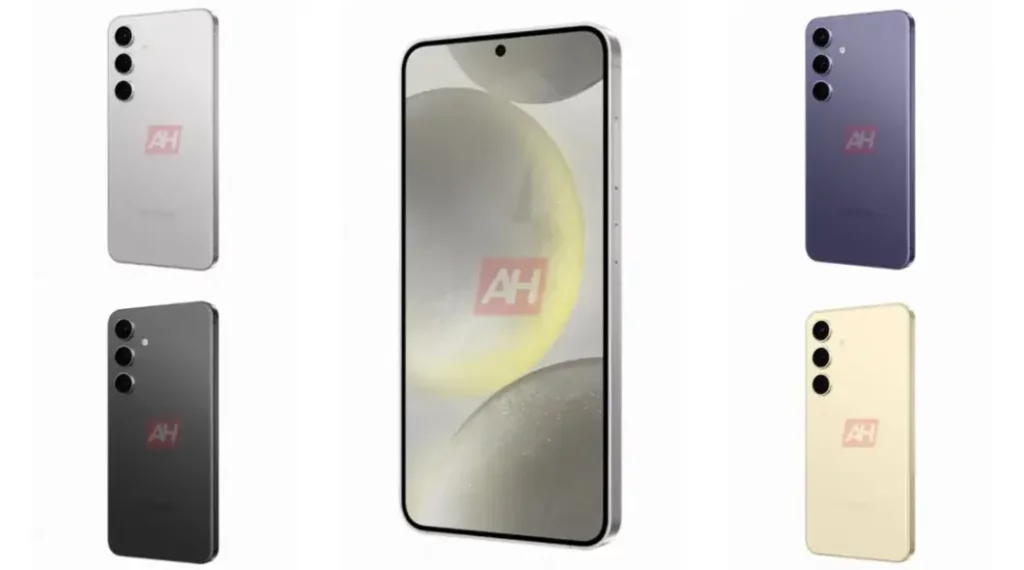
Samsung is gearing up for the release of the Galaxy S24 lineup. While an official launch date is yet to be announced, the smartphone has begun popping up on various certification platforms, including the FCC, hinting at imminent launch.

Samsung Galaxy S24 Series(1)
Galaxy S24 series

Despite the anticipated mid-January 2024 release of the S24 series, leaks surrounding the successor, the Galaxy S25 series, have already started appearing online.

Galaxy S25/S25+ may ditch Samsung GN3 in favor of a Sony camera sensor

Tipster Revengus on X/Twitter has divulged new information regarding the cameras of the Galaxy S25 and S25+. As per the tipster’s claims, Samsung will abandon the Samsung GN3 sensor in favor of Sony’s image sensor for the Galaxy S25 and S25+.

The ISOCELL GN3 sensor has been used in a range of Samsung smartphones over the past three years, including the Galaxy S22, S22+, S23, S23+, Fold 4, and Fold 5. It is a 50MP sensor with an f/1.8 aperture, 1.0-micron pixels, and support for Dual Pixel PDAF and OIS. 

But things could change from the Galaxy S25 series, as hinted by the tipster. This change could be significant for Samsung, as the GN3 sensor has been a reliable workhorse for the company’s flagship devices.

Of course, this is just a rumor at this point, and there is no guarantee that Samsung will make the switch to a Sony sensor. However, it is certainly an interesting development to follow.

Meanwhile, the upcoming Galaxy S24 and S24+ are expected to retain the same 50MP Samsung GN3 sensor as their main camera. This will be complemented by a 12MP ultra-wide and a 10MP telephoto unit. For more details on the Galaxy S24 and S24+, check out the full story here.

Related:

(Via)

Baseus CM10 single-ear wireless headset with solar charging & up to 50hrs of battery life now on sale

The Baseus CM10 single-ear wireless headset has been launched in China. The new Baseus CM10 headset uses a split charging box and base design with support for solar charging. The battery of the headset can deliver up to 50 hours of playback on a typical full charge. The base design of the headset means that it can be attached to the car’s windscreen to access solar charging.

Baseus CM10

Features

The Baseus CM10 can be used to receive calls while driving and is available in white or black colorways. The headset has a semi-in-ear design and supports Bluetooth 5.3 connectivity with dual microphone noise reduction. The headset also supports vibration sensing connection and its built-in sensor can automatically connect back to the user after detecting door-opening vibration. The headset’s 50 hours of total battery life together with the charging case is decent enough. It takes just 90 minutes to fully recharge the headset, which is impressive.

Baseus CM10

The Baseus CM10 single-ear wireless headset weighs 50g and it comes with a 30mAh battery in addition to its 400mAh charging case. The wireless headset is made from ABS-PC material and it is unclear whether it can attach to either the left or right ear.

Baseus CM10

Pricing & Availability

The headset is charged via USB-C and is priced at 199 yuan (~$28) in China. It is available from leading retail platforms in China including JD.com. The Baseus CM10 offers greater clarity and width via its Bluetooth 5.3 connectivity. The support for solar charging is another highlight of the model in addition to its affordable launch price. There are no indications yet whether Baseus will ship the CM10 to overseas markets. These optics could be released subsequently by Baseus.

Related:

AMD opens its largest global design center in India

In a significant move to bolster its presence in India, AMD has inaugurated its largest global design center, the Technostar research and development campus, in Bengaluru. 

This state-of-the-art facility marks a cornerstone of AMD’s $400 million investment in India over the next five years, announced at Semicon 2023.

The Technostar campus, spanning an impressive 500,000 square feet, will house approximately 3,000 engineers dedicated to developing cutting-edge CPUs, GPUs, adaptive SoCs, and FPGAs for both personal computers and data centers. 

This aligns with India’s semiconductor program, which emphasizes fostering a supportive ecosystem for semiconductor design and talent development.

The facility boasts a modern research and development lab, a dedicated visitor demo center, and collaborative huddle spaces, fostering an environment conducive to innovation and collaboration. 

With a quarter of AMD’s global workforce already based in India, the new design center is poised to play a pivotal role in advancing semiconductor technologies.

The R&D center was inaugurated by Ashwini Vaishnaw, Union Cabinet Minister for Railways, Telecommunications, Electronics and Information Technology, Government of India. 

Many high-level officials from AMD were also present at the inauguration event, including Mark Papermaster, Chief Technology Officer (CTO), and David Wang, Senior Vice President (SVP) of Radeon Technologies Group. The site will be led by Deepak Agarwal.

Ashwini Vaishnaw, Minister for Railways, Communications & Electronics and Information Technology, Government of India, emphasized the significance of AMD’s investment in India’s semiconductor ecosystem.

Mark Papermaster, Executive Vice President and Chief Technology Officer, AMD, also expressed AMD’s commitment to India and its confidence in the country’s engineering talent.

Related:

(Source)

OnePlus 12 Connectivity Features Officially Teased Via New Posters

OnePlus 12 launch is near and is expected to bring an extensive set of features and hardware specifications. The company is teasing its prominent features daily via Weibo, and today it unwrapped some connectivity features of the device. Just a couple of days ahead of its launch on December 5 in China, most of the details about the smartphone are already out. Amid rising interest among users, some details about the Pro variant also surfaced.

Must See: OnePlus has worked with Oppo Find series’ imaging team for OnePlus 12’s camera system

OnePlus is set to offer ultra-fast connectivity with USB Type-C 3.2 Gen1, which offers transfer speeds of up to 5Gbps. Further, it will house the latest Bluetooth 5.4 that enables “connectionless, bidirectional, secure communication with thousands of very low-power end nodes in the star topology.”

For wireless payments via different gateways, the OnePlus 12 will render NFC support. There’s also an IR sensor to control non-smart devices, which lack an RF sensor too. It becomes quite useful in times when there’s no other option to control a device.

OnePlus 12 Specifications (Expected)

Recently, some new live photos of the OnePlus 12 were leaked in white and green color options, giving us a glimpse of the device’s actual look and feel. OnePlus 12 will launch with 16GB RAM with 512GB storage, 16GB RAM with 1TB storage, and 24GB RAM with 1TB storage. There will be a 6.82-inch 8T LTPO OLED display that offers a 1,440 x 3,168px resolution and a fantastic 1-120Hz refresh rate. The curved display brings an industry-leading 4,500 nits peak brightness and 2,160 Hz PWM DC dimming. The rear-triple camera has a 50MP main lens, a 48MP ultrawide lens, and a 64MP 3x telephoto lens. The OnePlus 12 has a 32MP selfie camera and a 5,400 mAh battery.

In comparison with its predecessor, i.e., the OnePlus 11, the smartphone will have a 6.8-inch display instead of a 6.7-inch, and it will be slightly broader. Further, a whole new chipset – the Snapdragon 8 Gen 3 will surely uplift the overall performance and enhance the device’s efficiency.

The global launch of the smartphone is tipped for January 23 but has not been officially confirmed yet.

Related:

(source)

Fire-Boltt launches Rise Luxe Bluetooth calling smartwatch

Following the recent release of the Fire-Boltt Lumos smartwatch, the popular Indian smartwatch brand Fire-Boltt has unveiled another new product, the Fire-Boltt Rise Luxe. Let’s delve into the details of the Fire-Boltt Rise Luxe in this article.

Fire-Boltt Rise Luxe Specifications

The smartwatch boasts a square-dial design with a stainless steel body and metallic strap. The Fire-Boltt Rise Luxe sports a large 1.85-inch HD display with a resolution of 240 x 280 pixels, ensuring crystal-clear visuals and effortless navigation. 

Furthermore, the smartwatch is equipped with an in-built microphone and speaker, enabling users to take Bluetooth calls directly from their wrist.

The Fire-Boltt Rise Luxe prioritizes health and wellness, offering a comprehensive suite of health monitoring features. Users can track their heart rate, SpO2 levels, and sleep patterns, gaining valuable insights into their overall health. Additionally, the smartwatch supports 123 sports modes, making it an ideal companion for fitness enthusiasts.

The Fire-Boltt Rise Luxe seamlessly integrates with smartphones, providing users with smart notifications for calls, messages, and other apps. Moreover, the smartwatch comes with in-built games, offering a touch of entertainment when needed.

As for the battery, the company claims a battery life of up to 7 days. Likewise, it comes with 100+ watch-face options and you can get the smartwatch in Black, Gold, Silver, and Rose Gold color options. 

Pricing and Availability

The Fire-Boltt Rise Luxe is available at an introductory price of Rs. 1,499 and can be purchased from the company’s official site and e-commerce platform, Flipkart.

Related:

New images of Huawei Enjoy 70 leak online

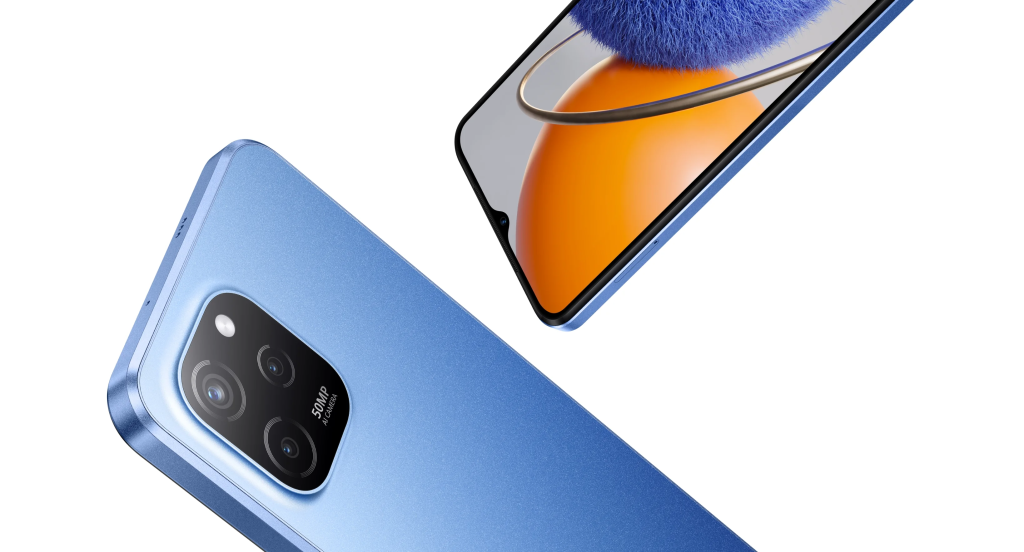
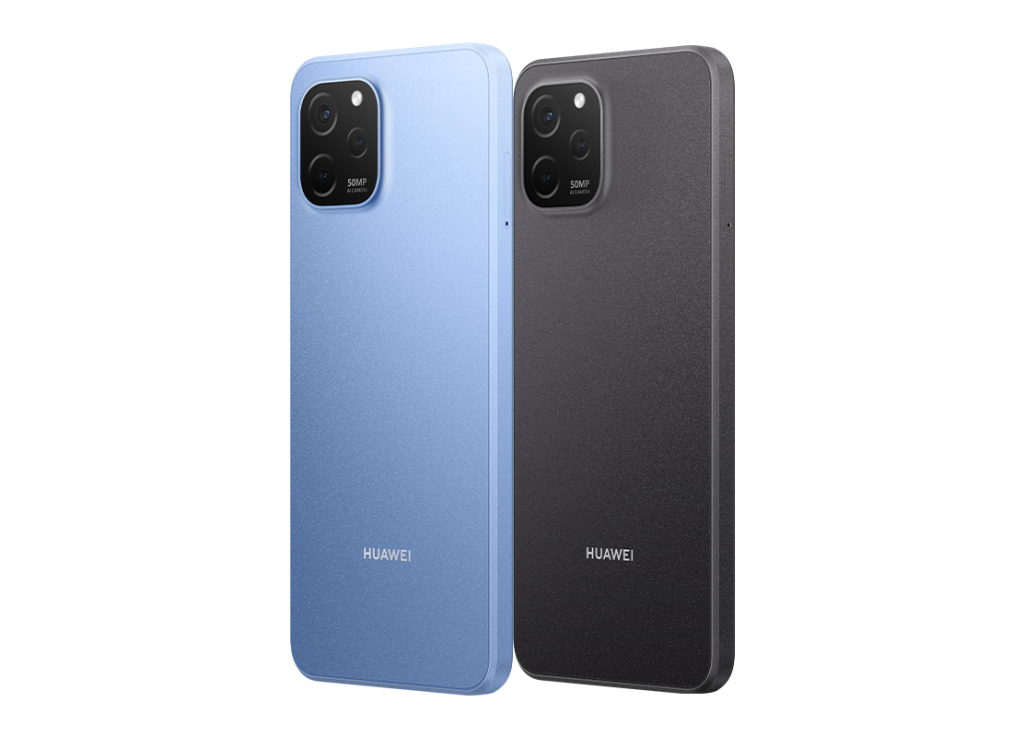
Real-life images and a poster hinting at the launch of the Huawei Enjoy 70 surfaced online a few days ago. The leak suggested that Huawei might unveil the Enjoy 70 on December 5th, but the company has yet to officially confirm the launch date.

Now, a Weibo account named WhyLab has shared a set of new real-life photos of the Huawei Enjoy 70 taken at the Huawei offline stores. The photos show the phone’s Golden Black model with a rectangular camera module with camera rings accented in gold.

The phone appears to have a dual-camera setup led by a 50MP primary sensor. It will also be available in Snowy White and Emerald Green colors. It appears to have three storage configurations: 128GB, 256GB, and 512GB, all paired with 8GB of RAM.

Likewise, the Enjoy 70 will pack a 6.75-inch waterdrop display, a massive 6000mAh battery with 22.5W fast charging support, and Huawei’s HarmonyOS 4 operating system. The phone also features an Enjoy X key.

Powering the Enjoy 70 is the Kirin 710A chip, built on a 14nm process. The CPU has eight cores, with four Cortex-A73 cores running at 2.0GHz and four Cortex-A53 cores running at 1.7GHz. The GPU is a Mali G51-MP4.

There will also be another device in the lineup, the Enjoy 70 Pro. Details about the Enjoy 70 Pro are still scarce, but rumors suggest that it will have a more powerful Snapdragon 680 chipset and a 100-megapixel main camera.

As the rumored launch date approaches, more information about the Huawei Enjoy 70 and Enjoy 70 Pro are expected to come out.

Related:

(Source)

OnePlus 12R spotted on IMDA certification platform

OnePlus is gearing up for the launch of its next flagship smartphone, the OnePlus 12. However, that’s not the only device on the company’s radar. The OnePlus 12R, a more affordable variant of the OnePlus 12, is also in the works and is expected to launch in India in late January.

OnePlus 12R IMDA certification

The OnePlus 12R has been spotted on the IMDA certification platform of Singapore, revealing its model number (CPH2609) and confirming its support for 5G, WiFi, Bluetooth, and NFC connectivity. While the listing doesn’t reveal much else, it does hint at an imminent global launch.

A recent global marketing campaign has inadvertently leaked the launch date of the OnePlus 12R, suggesting a January 23rd release in India. While this date is not officially confirmed, tipster Max Jambor also indicates a launch in the latter half of January.

Details about the OnePlus 12R’s specifications are still scarce, but it’s expected to be a rebranded version of the OnePlus Ace 3. Design-wise, it should resemble the OnePlus 11R with some notable improvements.

Under the hood, the OnePlus 12R is rumored to pack a Snapdragon 8 Gen 2 processor and run Android 14-based OxygenOS 14 out of the box. It is also expected to feature a 6.7-inch AMOLED display with a 1.5K resolution and a 120Hz refresh rate.

The rear camera setup is likely to include a 50MP OIS main sensor, an 8MP ultrawide sensor, and a 32MP telephoto sensor. A 16MP front camera is also expected for selfies.

Rounding off the package is a 5400mAh battery with support for 100W wired fast charging.

Related:

(Via)

Huawei’s new Luxeed S9 SUV spotted testing in China

The Luxeed S9 all-electric fastback SUV from Huawei and Chery was recently spotted undergoing road tests in China. The S9 is the second model in the Luxeed lineup, following the recently launched Luxeed S7 sedan. It is expected to hit the Chinese market in Q2 2024.

Internally codenamed EHY, the Luxeed S9 rides on Chery’s E0X electric platform and features a Huawei-made electric motor on the rear axle. The motor produces 215 kW (292 hp) of power. A 4WD version of the S9 is also available, which features an additional electric motor on the front axle that produces 150 kW (204 hp).

Reportedly, the S9 will be offered with three battery options: LFP for 62 kWh, M3P (NMC+LFP) for 82 kWh, and NMC for 100 kWh. The range of the S9 will vary depending on the battery option chosen.

The SUV’s exterior styling is similar to the S7 sedan. It has thin LED headlights, a sloped bonnet line, and retractable door handles. The spotted prototype sports a LiDAR sensor on the roof, while the rear of the S9 has slanted rear pillars, a ducktail spoiler, and a single LED taillight unit.

The interior of the S9 is also similar to the S7. It has a small, oval-shaped three-spoke steering wheel. The front seats have integrated headrests and a sporty shape.

The center console of the S9 has a large floating touchscreen. It also has an LCD instrument panel, a Face ID sensor on the front pillar, and a center tunnel with two cup holders and wireless charging pads.

In terms of pricing, the S9 is anticipated to align with the Tesla Model Y in China, given its position as a direct competitor to the Luxeed S9 SUV. The Model Y’s starting price in China is 266,400 yuan (37,440 USD).

Related:

(Source)

GTA 6 gameplay footage and map details leak online

Anticipation for the long-awaited Grand Theft Auto 6 is reaching a fever pitch. Now, just days ahead of the official reveal, a new leak has surfaced, revealing the alleged gameplay footage and details of the GTA 6 map.

GTA 6 leak: A glimpse into Vice City

The leaked footage, posted on TikTok by a user named azzarossi, appears to be from a development build of GTA 6. It showcases a metropolis area of Vice City, with the camera moving freely and developer notes visible on the screen.

While the footage doesn’t reveal much in terms of gameplay, it does provide another glimpse into the highly anticipated game. GTA fans have quickly compared the leaked footage to last year’s leaks and found similarities in terms of buildings and landmarks.

Adding to the intrigue surrounding the leak is the identity of the leaker. According to reliable GTA source GTA Base, azzarossi is the son of a Rockstar Games employee. 

In addition to the leaked footage, more details about GTA 6 have also been circulating online. According to these leaks, GTA 6 will feature a map that’s twice the size of GTA V’s Los Santos. The game is also said to include three major cities and four sub-cities, with a large lake in the center of the map.

The leaker claims that 70% of the buildings in GTA 6 will be enterable, and the game is reportedly set for a fall 2024 launch. Pre-orders for the game are expected to go live following the release of the first trailer this week.

GTA Base further clarified that while the evidence linking the leaker to the Rockstar employee is convincing, it’s also possible that the picture used as evidence could be fake or that a third party is impersonating the leaker.

Rockstar Games has yet to comment on the leak, so it’s important to treat the information as a rumor until official confirmation. However, the leak has undoubtedly fueled the excitement for GTA 6, adding another layer of anticipation to the upcoming reveal.

Related:

(Via 1, 2)

Alleged Xiaomi 14 Ultra battery size, wired and wireless charging speeds leaked

Xiaomi is expected to unveil the Xiaomi 14 Ultra in the second quarter of 2024. To be precise, it is expected to launch along with the Xiaomi Pad 7 series of flagship tablets in the coming April. In a recent Weibo post, tipster Digital Chat Station seems to have revealed the battery size and charging capabilities of the 14 Ultra.

Alleged Xiaomi 14 Ultra battery size, charging capabilities

Xiaomi-13-Ultra-Full-Review
Xiaomi 13 Ultra

In a recent Weibo post, tipster DCS said a device dubbed Venti, which appears to be a codename, is equipped with a 5,180mAh battery. He also added that the device will arrive with support for 90W wired charging and 50W wireless charging.

While the leaker has not mentioned the name of the device explicitly, it is speculated that he could be talking about the Xiaomi 14 Ultra. In comparison, the Xiaomi 13 Ultra packs a 5,000mAh battery and comes with 90W wired and 50W wireless charging capabilities.

A recent leak by the same tipster revealed that it will arrive with four 50-megapixel cameras on the back. The main sensor, which is said to be the 1-inch Sony LYT-900 camera, is expected to support an f/1.6 – f/4.0 variable aperture. It is also said to offer native focal lengths of 0.5x, 1x, 3.2x, and 5x.

Like the Xiaomi 14 and 14 Pro, the Xiaomi 14 Ultra will arrive with the Snapdragon 8 Gen 3 onboard. It is also expected to run on HyperOS-based Android 14. It is speculated that the Xiaomi device with the 24030PN60G, which was approved by the EEC authority in October, could be the Xiaomi 14 Ultra.

The Xiaomi 14 Ultra is expected to compete with the likes of the Samsung Galaxy S24 Ultra, the Oppo Find X7 Pro, and the Vivo X100 Pro+ (or Ultra) in the Chinese market.

RELATED:

(source)

Realme GT 5 Pro to get three Android upgrades, arriving with USB 3.2, Realme UI 5, AI model

One of the major announcements this week will be the Realme GT 5 Pro in the Chinese market. The company has been consistently rolling out new teasers to reveal the key features of the device. Here is a look at the new details of the GT 5 Pro that have been officially confirmed.

Realme has confirmed that the Realme GT 5Pro’s topmost variant will come equipped with 1 TB of storage. The first poster also states that the GT 5 Pro will have a USB-C with support for the USB 3.2 standard, meaning it will offer faster data transfer speeds of up to 10 GB/s than USB 2.0, which supports up to 480 Mbps.

In addition, the Realme GT 5 Pro will be the company’s first phone to run on Android 14 and Realme UI 5.0. It is promised to receive three Android OS upgrades and four years of security updates. The company also revealed that the GT 5 Pro will come with a significant AI upgrade. It will have an AI super assistant onboard that has support for intelligent speech generation and leverages an AI model with 7 billion parameters.

Realme GT 5 Pro specifications

As per reports, the Realme GT 5 Pro will arrive with a 6.78-inch curved-edge OLED display that offers a 1.5K resolution, a 144Hz refresh rate, up to 4,500 nits of brightness, and an in-screen fingerprint sensor. The Snapdragon 8 Gen 3-powered device will be equipped with LPDDR5x RAM, UFS 4.0 storage, and a 5,400mAh battery with 100W wired charging and 50W wireless charging.

The GT 5 Pro will have a 32-megapixel front-facing camera. Its rear camera setup has a 50-megapixel LYT-808 primary camera with OIS support, an 8-megapixel ultra-wide lens, and a 50-megapixel periscope telephoto camera with 3x optical zoom. It is likely to arrive with a starting price of 3,499 Yuan (~$499).

RELATED:

OnePlus 12 RAM, storage variants revealed via real-life images

On Tuesday, OnePlus is set to unveil the much-anticipated OnePlus 12. The company has already revealed the smartphone’s design and essential specifications. Additionally, President Li Jie has recently shared new images showcasing the device in real-world scenarios. At the same time, Weibo users have shared live shots of the phone. Notably, one of these images has disclosed details about the RAM and storage variants of the device.

OnePlus 12 variants

The OnePlus 12 images that are being circulated on Weibo show that it will arrive in three options: 16GB RAM + 512 GB storage, 16 GB RAM + 1 TB storage, and 24 GB RAM + 1 TB storage. As the company previously confirmed, it will be available in three colors, black, white, and green.

The About Phone image of the device confirms that it has a 6.82-inch display, a Snapdragon 8 Gen 3 chip, 24 GB of RAM, 1 TB of storage, a 32-megapixel front camera, a 50-megapixel + 48-megapixel + 64-megapixel triple camera unit, and ColorOS 14. It also mentions the model number of the device as PJD110.

OnePlus 12 design

The new images offer a good view of the design for both the white and green versions of the OnePlus 12. The OP12 looks quite similar to the OnePlus 11 from last year, but there are some noticeable differences.

On the back, the camera module and LED flash have shifted down slightly. The camera island features an “H” logo for Hasselblad instead of the entire branding, includes a periscope telephoto camera for the first time, and the LED flash has been moved out of the module. On the front, the device has a display with slimmer bezels and a repositioned punch-hole that is now cantered. Additionally, it has slimmer bezels and a wider aspect ratio. Other changes include an IR blaster on the top, and the alert slider has been moved from the right to the left side.

RELATED:

(source 1, 2, 3 | via)

AOC Gaming CU34G2XP/BK 34″ curved monitor with WQHD 180Hz panel launched

AOC recently unveiled the Q27G3ZN gaming monitor featuring a 27″ panel QHD resolution and 260Hz refresh rate. The brand has now unveiled the AOC Gaming CU34G2XP/BK, a 34-inch curved gaming monitor with a high-resolution, high refresh rate panel.

AOC Gaming CU34G2XP/BK

AOC Gaming CU34G2XP/BK monitor specs:

The AOC Gaming CU34G2XP/BK is a 34-inch curved gaming monitor with a curvature radius of 1500R. The display features an antiglare (AG) panel treatment to reduce reflections. With a resolution of 3440×1440, it boasts an aspect ratio of 21:9 and utilizes a VA panel type with WLED backlighting. The impressive 180 Hz refresh rate and 1 ms response time (GTG and MPRT) contribute to smooth and responsive gaming. The monitor supports Adaptive Sync for variable refresh rates and is Vesa Certified DisplayHDR 400 for high dynamic range.

It offers PiP+PbP multiview functionality, and the SmartImage feature enhances picture quality. The display has a static contrast ratio of 4000:1, a dynamic contrast ratio of 80M:1, and a wide viewing angle of 178/178 degrees. It supports 10-bit color, producing 1.073 billion colors. The monitor has 2W x 2 speakers, a Kensington lock, and a quick-release function. The ergonomic design includes tilt adjustment from -3.5° to 21.5°, a height adjustment of 130mm, and swivel functionality from -30° to 30°. Connectivity options include HDMI 2.0 x 2, DisplayPort 1.4 x 2, four USB downstream ports, and one audio output.

Price & availability

Priced at £339, the AOC Gaming CU34G2XP/BK is set to be available for purchase in mid-December 2023.

RELATED:

(Source, via)

SOONNOOZ SOON Mini PC with Intel and Ryzen CPU options, detachable speaker, and unique design unveiled

SOONNOOZ has announced the SOON Mini PC ahead of its release in the Chinese market. The SOON Mini PC is available in different Intel and Ryzen processor options and also features a detachable speaker setup. It sports a unique rounded design and can be carried using a shoulder strap.

SOONNOOZ SOON Mini PC

The SOON Mini PC is designed with rounded corners with a speaker grill on the front. It has a physical jog dial on the top and supports Bluetooth 5.2/ WiFi 6 connectivity. The new SOONNOOZ mini computer will be available with either Ryzen 7 7840HS, Ryzen 7 7735HS, or Intel N100 CPUs. There are two SODIMM slots for the Ryzen 7-based models for DDR5 memory. The mini computer is also equipped with a 2.5-inch SATA drive and M.2 2280 PCIe SSD for storage.

SOONNOOZ SOON Mini PC

The SOONNOOZ SOON Mini’s detachable Bluetooth speaker is one of the highlights of its unique design. It looks like an audio device with its jog dial and rounded corners. The upcoming SOONNOOZ mini PC has a 3.5mm audio jack, HDMI 2.0, USB 3.0 Type-A, and USB 3.1 Type-C ports. The SOON Mini with Intel N1000 CPU is offered for 1,499 yuan (~ $213). The more powerful Ryzen 7 7840HS model’s price has not been released while the Ryzen 7 7735HS variant will retail for 2,499 yuan (~ $354).

SOONNOOZ SOON Mini PC

The full specs and other information about the upcoming SOONNOOZ SOON Mini PC will be released ahead of its China release. There are however no indications at this time whether the model will be available in overseas markets. It is however noted that SOONNOOZ has already established its global presence, with its models still selling on the global marketplace.

RELATED:

The U.S. is Trying to Balance EV Growth and the International Trade

As electric vehicles try to break through problems associated with technology and international trade, the U.S. government’s recent decision to temporarily allow the use of Chinese-sourced critical minerals in batteries for electric vehicles eligible for federal tax credits has sparked a mix of reactions. It’s a bittersweet one too, since it seems like the best outcome in the situation right now.

The country is now allowing EVs with Chinese minerals to be eligible for tax credits

This move, part of the broader Inflation Reduction Act (IRA) aimed at addressing climate change through a $360 billion investment in renewable energy, highlights the complexity of the global EV supply chain. While the IRA initially sought to limit reliance on Chinese components, the reality is that the EV industry remains deeply intertwined with China for essential minerals and parts.

China US

The updated guidelines enable 200,000 EV buyers per manufacturer to benefit from a $7,500 tax credit. Starting in 2024, these rules will apply to completed batteries and extend to the minerals used in their production by 2025. However, companies associated with North Korea, Iran, Russia, and China – labeled as “foreign entities of concern” – are subject to scrutiny under these regulations.

General Motors has welcomed this decision, seeing it as a way to maintain consumer incentives for their EVs, citing their investment in U.S. operations and efforts to create resilient supply chains. However, the implications for the broader industry remain uncertain, with only a fraction of the current EV models qualifying for the tax credit under the new rules.

This decision has also sparked political debate. Many U.S. lawmakers, particularly Republicans, have criticized the temporary exemption for Chinese minerals, viewing it as prioritizing EV interests over national concerns. This controversy underscores the broader geostrategic competition for control over critical mineral supply chains, a contest increasingly defined by the urgency of transitioning to renewable energy sources.

RELATED:

(Via)

BMW M Division Rules Out ‘iM3’ Badge and Moves Towards an Electric Performance Future

BMW‘s M Division, renowned for its high-performance cars, has made it clear: there will be no ‘iM3’. Despite filing a trademark for the name ‘iM3’, which hinted at a fusion of BMW’s electric ‘i’ series and the performance-focused ‘M’ line, M boss Frank van Meel has firmly dismissed these speculations.

It seems that BMW wants to preserve the legacy of the M Badge

In an interview with Top Gear, van Meel emphasized the division’s philosophy, stating that the iconic ‘M’ badge will never blend with the ‘i’ of their electric series. “It’s a definite no,” he said. “For us, the ‘M’ represents a legacy of motorsports and emotion, not merely the type of drivetrain.” This stance points towards BMW’s commitment to preserving the distinct identity of its M Division, where performance and heritage take center stage.

But this doesn’t mean BMW is stepping back from the electric vehicle (EV) race. The company already boasts four M-branded EVs, including the iX M60 and i4 M50. Furthermore, in 2022, BMW showcased a quad-motor performance prototype, resembling the classic 3 Series, on its Neue Klasse electric platform. This move signals BMW’s readiness to dive deeper into the high-performance EV market.

While the idea of an ‘iM3’ might be off the table, it’s clear BMW is steering towards a future where electric power and M-badge performance coexist, albeit under different names. The company’s commitment to developing performance EVs on the Neue Klasse platform remains unwavering, ensuring that the thrill of M Division cars will evolve with the times.

RELATED:

(Via)

Google Brings Useful Feature Additions to the WearOS

The search giant is here with some exciting new features for WearOS, Google Messages, and Google TV. All Android-based smartphones, Google TV devices, and WearOS-enabled wearables will benefit from these new features. Especially for WearOS devices, Gmail and Google Calendar apps are all getting new features. Further, users can set their Google Home status to Home or Away using WearOS smartwatches with the new update.

Must See: Samsung is Rolling out Wear OS 4 Update to the Galaxy Watch 5 & 5 Pro

In a bid to add Smart Home Control at your fingertips, the users can control and dock compatible smart appliances like vacuums and mops from smartwatches. The ability to start Assistant routines is another useful addition.

Among other changes, Google added 10+ new Free TV Channels for Google TV and added Emoji Kitchen Combinations. Further, all new Messages features are set to amaze the new generation and all new Home Controls on WearOS are like an icing on the cake. It has become ecstatic to control things around you from the wrist or with your voice, automation is becoming an integral part of our daily lives.

Below we have detailed new features on WearOS.

Recent Additions to the WearOS:

Wear OS Smart Home Controls:

  • Directly manage a variety of AI devices from WearOS watches.
  • Quickly build a suitable environment for various activities.

Wear OS Google Home Status:

  • Manage the status of Google Home (Home or Away) from the WearOS device.
  • Ensure smart home devices are in the appropriate state with a quick check.

Wear OS Assistant Routines:

  • Quickly initiate Assistant Routines via voice commands on the smartwatch.
  • Maximize the efficiency of daily tasks while you’re on the go.

These features represent a significant advancement for WearOS, offering users enhanced control and convenience in managing smart devices. As the integration of automation into daily lives continues, Google’s updates aim to make interactions with smart devices more intuitive and seamless.

In addition to 10 or more Free TV Channels for Google TV and Emoji Kitchen Combinations for Google Messages, this extensive update surpasses the capabilities of WearOS. Anticipate an enhanced and intelligent user experience forthcoming from Google TV, WearOS, and Google Messages.

Related:

(https://blog.google/products/android/new-android-features-november-2023/source)

Honor Tablet 9 appears on 3C certification with 35W charging

Honor is reportedly working on a new tablet, possibly the Honor Tablet 9. This information comes from China’s 3C certification database, where two versions of new Honor tablets have been listed with the model numbers HEY-W09 and W19. This is believed to be the Honor Tablet 9. 

Honor Tablet 9 3C certification

The certification confirms that both models will support 35W fast charging. While the listing doesn’t provide any other details, tipster Wangzhai on Weibo claims that the Honor Tablet 9 will be powered by the Snapdragon 6 Gen 1 processor.

This processor was announced in 2022 and is based on Qualcomm’s 4nm manufacturing process. It has a maximum clock speed of 2.2GHz and comes with Adreno 710 GPU.

Wangzhai also claims that the Honor Tablet 9 will have a large battery capacity, but he did not mention the exact size. The Honor Tablet 8, which was launched in July 2022, has a 7,250mAh battery.

Information regarding the Honor Tablet 9 is still limited. However, based on the 3C certification listings, we can expect the tablet to support 35W fast charging. This is a significant upgrade from the 22.5W fast charging that is supported by the Honor Tablet 8.

The Honor Tablet 8 also features a 12-inch 2K LCD screen with a 10:6 aspect ratio, over 1 billion colors, and a resolution of 2000 x 1200 pixels. It is powered by a Snapdragon 680 processor.

The Honor Tablet 8 was launched in July 2022, so a new model is overdue. We should learn more about the Honor Tablet 9 in the coming weeks.

Related:

(Source)

Google Messages Unveils Array of New Features with Latest Update

Google Messages recently rolled out several significant enhancements in a software update that extended the functionality of the messaging platform. To further improve the overall user experience, Google has incorporated eleven additional features into the Android operating system, which will roll out via respective app updates or Play System updates. Plenty of changes were already part of the Android 14 rollout, and the incremental updates via the Quarterly Releases further improve the overall Android experience.

Must See: Google Messages gains Ultra HDR Image support for RCS chats

Google Messages Brings Voice Moods, PhotoMoji and Much More

Google Messages adds several new changes and enhancements to elevate the overall user experience. Let’s discuss each in detail:

Voice Moods—Expression Enhancement:

Google Messages users can now exhibit a variety of emotions via Voice Moods, which adds expression to voice replies.

PhotoMoji Reactions:

PhotoMoji incorporates a creative element into messaging by enabling users to convert their preferred photographs into dynamic reactions through the utilization of on-device Google AI.

Screen effects:

The implementation of Screen Effects imparts messages with vivid animations, thereby enhancing the visual appeal through the conversion of text into dynamic visuals.

Custom Bubbles:

Custom Bubbles allows users to modify the conversation background and colors, thereby facilitating a customized messaging interface that is both personalized and aesthetically pleasing.

Reaction Effects: 

One may improve messaging with Reaction Effects, which introduce vibrancy and individuality into routine discussions.

Animated Emoji:

By incorporating an array of visual effects into each message, the Animated Emoji feature enhances the visual appeal of text-based communication.

Personalization Profiles:

By configuring the profile image and name linked to their phone number, individuals can now impart a unique personal identity to their messaging persona for other users. 

Google Messages users can anticipate major enhancements to the messaging experience with the introduction of these innovative features, which continue Google’s dedication to progress within the Android ecosystem.

Related:

(source)