The Minisforum EM780 mini PC has been launched in China. The new compact mini PC can snugly fit into the pocket due to its size. The EM780 is powered by the AMD Ryzen 7 7840U APU processor, which is higher than that of its predecessor. The pocket-sized Minisforum EM780 mini PC is a perfect companion on the go and also great for gaming.
The Minisforum EM780 was teased previously at Computex earlier this year and also on Minisforum’s official Weibo handle. The new model is equipped with the Radeon 780M iGPU and is capable of handling lots of games. The model also comes with 32GB of LPDDR5 RAM and up to 1TB of storage. Minisforum will also offer a 16GB RAM variant later.
Even with its pocket-sized architecture, the EM780 features the Cold Wave 2.0 heat dissipation solution. Its cooling setup consists of an active cooling fan with liquid metal. This offers a smooth and quiet operation of the tiny computer even at 28W output.
There are three USB 3.2 Gen2 Type-A ports, two USB4 Type-C ports with DisplayPort 1.4 compatibility, and a HDMI port, as well as a TF card slot. Wireless connectivity options for the Minisforum EM780 are WiFi 6E and Bluetooth 5.3. The EM780 is priced in China at a starting price of 3,999 yuan ($565). There is no global availability and pricing information for the EM780 yet.
Pricing & Availability
It should be noted that the EM680 was globally available via Amazon. The Minisforum E680 is currently available on Amazon with the 32GB RAM/ 512GB storage variant retailing for $399.90. The refreshed model is therefore expected to debut in the global market at a later time.
The life-saving capability of the Apple Watch has been well-established with a raft of stories shared over the years. This however has not prevented more users from sharing their stories about this very wonderful Apple product. Apple CEO, Tim Cook has sent email messages to two Apple Watch users who shared their stories about the watch this week.
Both Apple Watch users had sent an email to Tim Cook to thank him for the Apple Watch and both users received a response from the CEO a few hours later.
Michael Gallegos, A Wichita, Kansas resident, credits his still being alive to his Apple Watch. He said that he received a low heart rate notification from his Apple Watch. This indicated and alerted him that his heart rate had fallen below 40 beats per minute for more than 10 minutes. The watch also detected an irregular heart rhythm while Gallegos was sleeping. This vital information was then shared with his son Nick via Apple Health’s notifications. The son then took his dad to a health facility where doctors identified an undiagnosed heart condition. Michael Gallegos was then fitted with a pacemaker. The doctors said he was pretty lucky and Michael has thanked his son for getting him the Apple Watch. Nick subsequently sent an email to Apple CEO, Cook to thank him for the Apple Watch and share the story.
The second Apple Watch story is connected with 68-year-old Christopher Oakley from Asheville, North Carolina. He credited his Apple Watch for providing heart data that helped to explain what he had experienced to his doctors. It was concluded, after an analysis of the Apple Watch data, that Oakley had suffered a minor heart attack.
The Apple Watch showed that Oakley’s heart had been racing at 121-151 almost all night long. That information, according to Oakley, was lifesaving, as he had to undergo emergency double bypass surgery. Christopher Oakley also sent an email to Tim Cook. He stated that he appreciated all the work Cook and his team have put together to create a product that saves lives.
Both emails got a quick response from Tim Cook who thanked both Michael Gallegos and Christopher Oakley for sharing their stories. He also expressed his happiness that both men were kept alive through the treatment that they received.
Meizu, a prominent player in the smartphone industry, is reportedly preparing to enter the foldable screen phone market. According to the popular tipster “Smart Pikachu” on Weibo, Meizu has initiated a project to develop its first foldable screen phone, which is expected to be launched in the first half of 2024.
The idea of Meizu developing a foldable screen phone has been a subject of speculation for some time. These discussions intensified in the first half of the current year, with many reporting Meizu’s commitment to this project. However, due to the complexities involved in foldable screen technology and the company’s restructuring, the launch of the device did not happen in 2023.
While specific details about this new model are limited, it is speculated that the phone may feature a “book-style” design with an 8-inch display, targeting the business market. Despite the lack of concrete information, there is considerable anticipation for this product. Meizu’s ability to make a significant impact in the competitive foldable screen phone market with this launch will become clear over time.
The company is also working on Meizu 21 Pro, the Pro version of the Meizu 21 smartphone (Check out our full review on Meizu 21), which has received certification from China’s Ministry of Industry and Information Technology (MIIT), suggesting an imminent release.
While specific details about the device’s specifications are not confirmed, it is expected to feature the Snapdragon 8 Gen 3 chipset, a larger 2K resolution display, a bigger battery (possibly 5,020mAh) with 80W wired and 50W wireless charging, and it may include a telephoto camera. The exact release date for the Meizu 21 Pro in China is uncertain, but it is expected to be in January 2024.
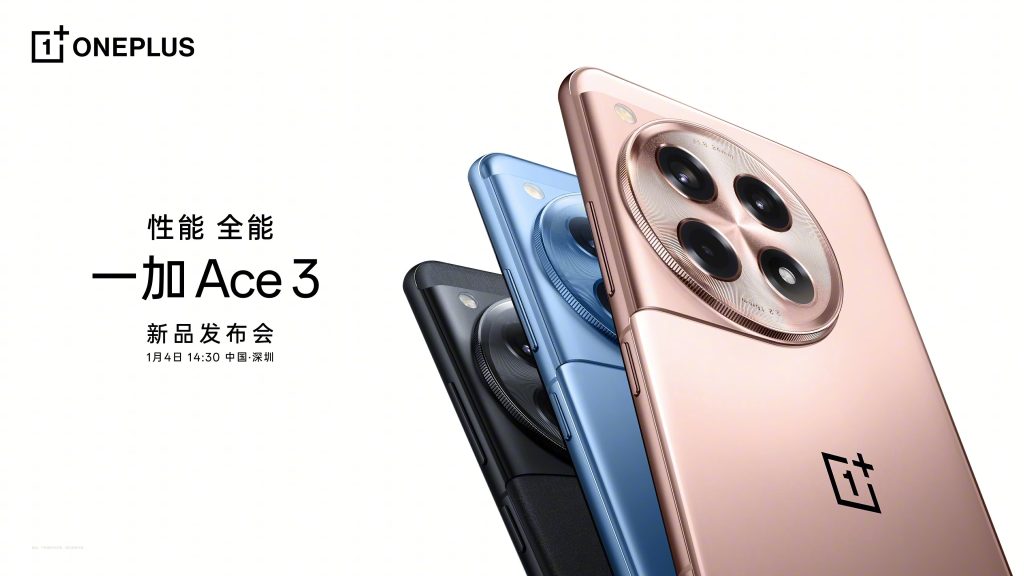
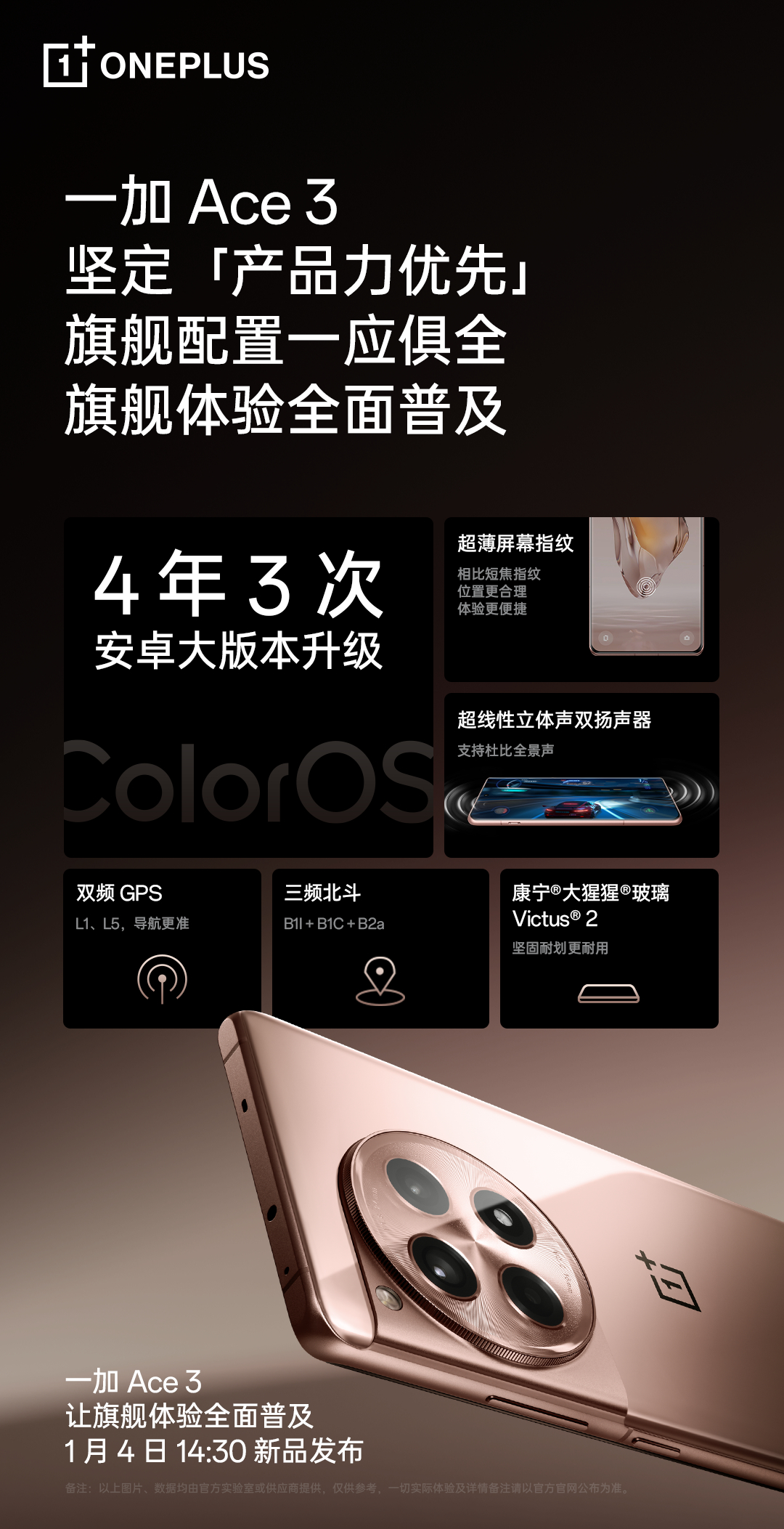
Earlier this month, OnePlus launched its new flagship smartphone in the Chinese market called the OnePlus 12. The smartphone is set to arrive in the global market on January 23, but before that, OnePlus has another launch planned for the first week of January. On January 4, the brand will introduce its OnePlus Ace 3 smartphone in China. Like its predecessor, it will be more affordable than its flagship counterpart, however, it will still pack some impressive features. Here’s everything we know about it so far.
OnePlus-Ace-3-launch-date
Design & display
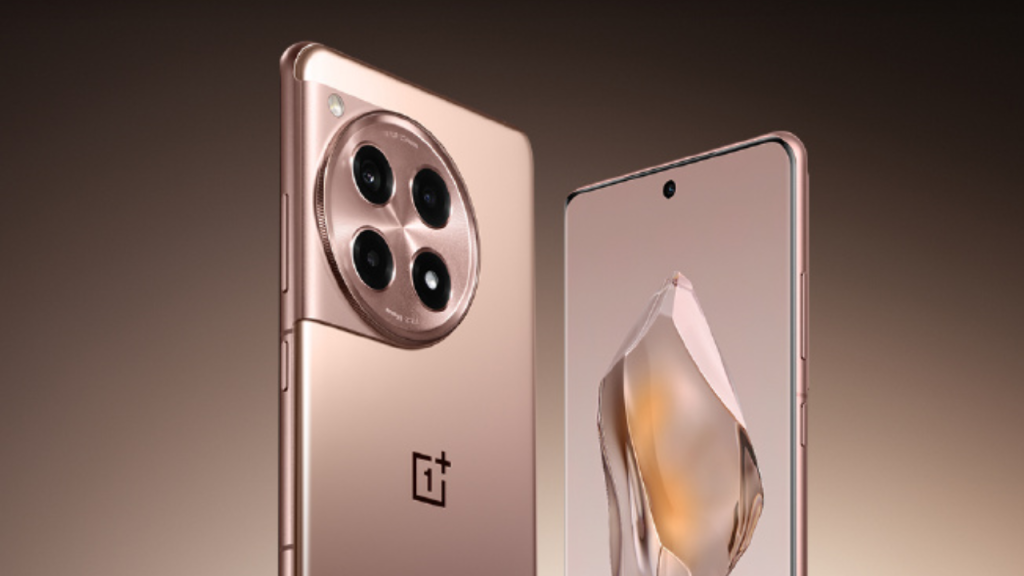
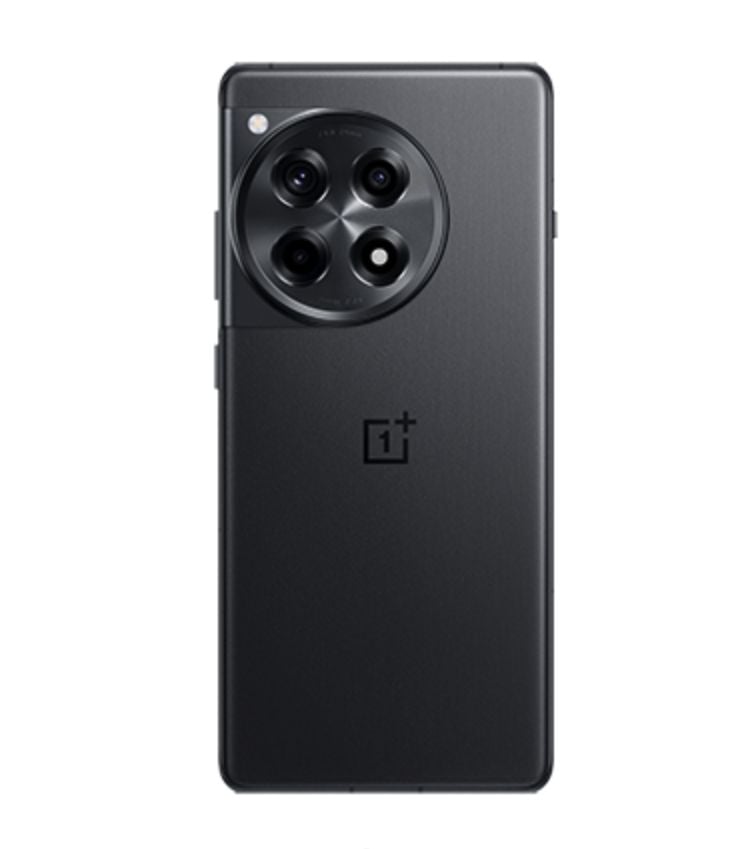
Starting with the design, the Ace 3 will look quite similar to the OnePlus 12 (review), featuring the same watch-style carvings on the circular camera module. It will have the power button and volume rocker on the right side of the curved edges and an alert slider on the left side.
The front of the device will have a slightly curved 6.78-inch screen with a clear 1.5K resolution, 4500 nits peak brightness, and a smooth 120Hz refresh rate. The screen is protected by Gorilla Glass Victus 2 and has a ‘rain touch‘ feature, so you can use it easily with wet hands. The smartphone also has a very thin fingerprint scanner.
The bezels are also minimal, with the side bezel being 1.36mm and the bottom bezel only 1.94mm thick. The screen will support Dolby Vision. Overall, the device will measure 163.30 x 75.27 x 8.8mm and weigh 207 grams.
Specs & performance
Under the hood, the smartphone will be powered by the Snapdragon 8 Gen 2 SoC, which is the flagship chip from last year. It will be accompanied by up to 16GB of LPDDR5x RAM and 1TB of USF 4.0 storage. The device has appeared on both Geekbench and AnTuTu revealing its performance metrics. On Geekbench, it has scored 1723 points on the single-core test and 5164 points on the multi-core test. The AnTuTu results are quite impressive as they put the smartphone north of 2 million points, with a score of 2,110,808.
Powering up won’t be a hassle, thanks to the support of 100W fast charging. On the software front, the phone is set to operate on the ColorOS 14, based on Android 14, promising users three major updates. This implies continuous access to new Android versions up to Android 17, along with ongoing bug fixes and security updates for 4 years.
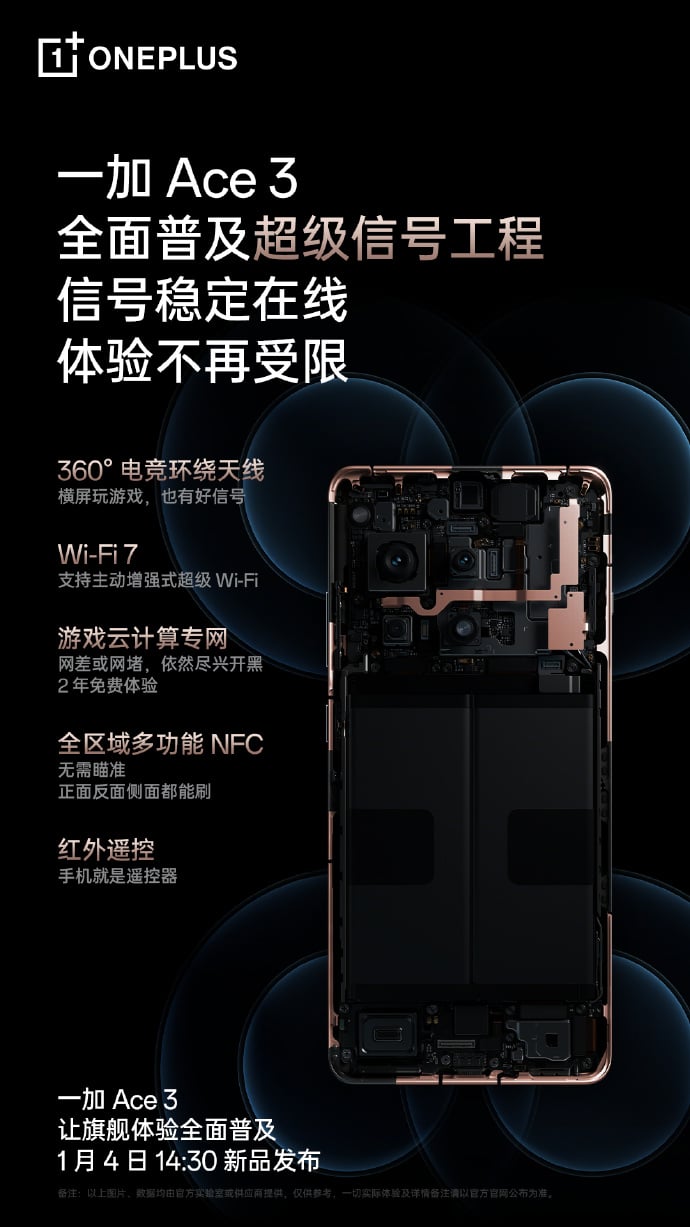
A teaser has also confirmed that the device will come with a super linear stereo dual speaker unit and support Dolby Atmos audio technology, ensuring high-quality sound. On the connectivity front, the device will have a 360-degree antenna for better signal coverage, Wi-Fi7 support, and multi-directional NFC. It will also feature L1 and L5 dual frequency GPS for enhanced accuracy and include the B1I + B1C + B2a three-band Beidou system.
Camera
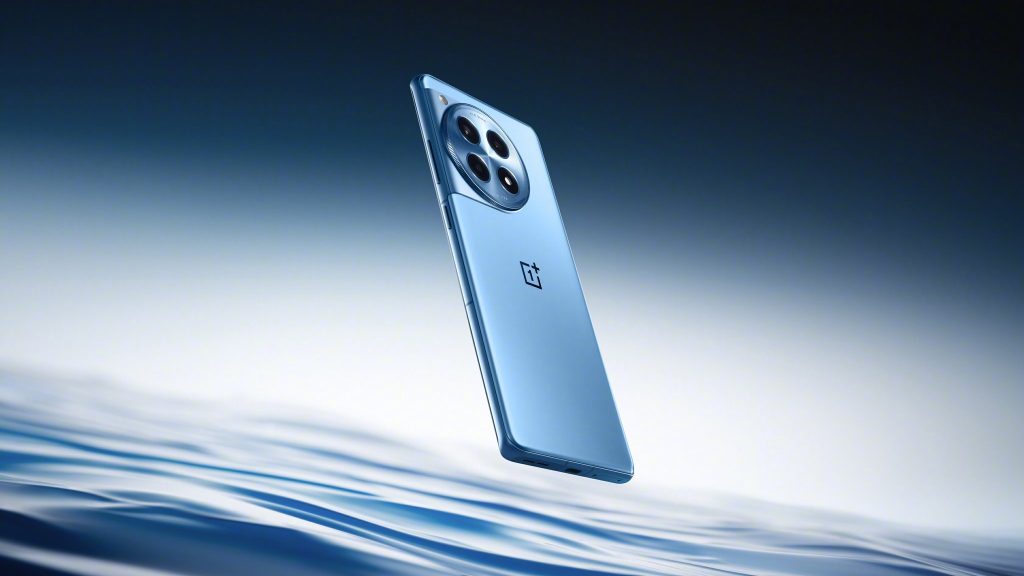
OnePlus Ace 3 Moon Sea Blue
While it is a bummer that OnePlus decided to drop its alleged plans to include a 32-megapixel telephoto camera on the Ace 3, the camera setup is still tightly capable. It is said to include a 50-megapixel main camera with a 1/1.56-inch IMX890 sensor and OIS stabilization. The main sensor will be accompanied by an 8-megapixel ultra-wide sensor and a 2-megapixel macro camera. Recently, OnePlus has also shared some camera samples of the Ace 3 in normal, portrait, and ultra-wide modes.
Pricing & configurations
Although not officially confirmed, a previous China Telecom listing spilled the beans on the pricing and configuration details of the upcoming OnePlus Ace 3. As per the listing, the Ace 3 will come in three variants: 12GB+256GB priced at 3299 CNY (~$460), 16GB+512GB at 3699 CNY (~$520), and the top-tier 16GB+1TB version at 3999 CNY (~$560). The color options include Star Black, Moon Sea, and Sand Gold.
The OnePlus Ace 3 is expected to be rebranded as the OnePlus 12R for the global market. It will launch globally alongside the OnePlus 12 on January 23.
Honor is hosting a two-day event in China on January 10th to unveil its latest offerings — the Magic OS 8.0 operating system and the highly anticipated Magic 6 smartphone series. While the official launch is still a few weeks away, leaks have been giving us a glimpse of what to expect.
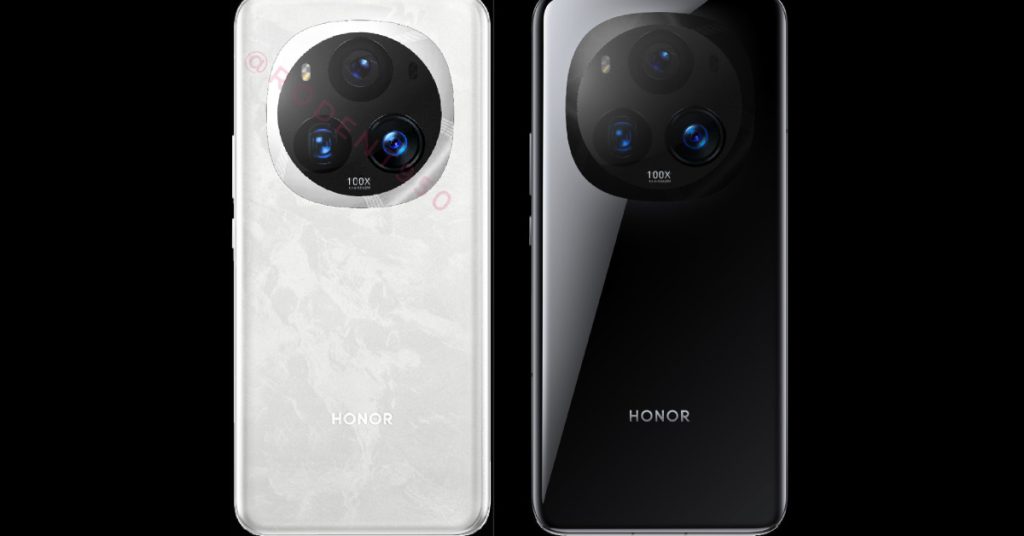
The latest leak comes courtesy of @Rodent950, who shared renders of both the Honor Magic 6 and Magic 6 Pro. Both phones sport a sleek design with a triple-camera setup arranged in a triangle formation. One of the lenses appears to be a periscope telephoto lens as the camera module has a 100x inscription.
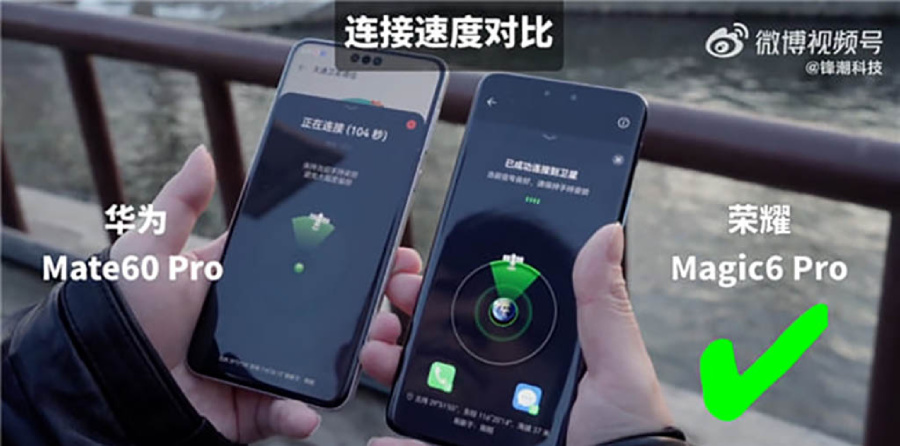
Moreover, a Weibo tech analyst recently conducted a test comparing Honor’s Satellite Communication feature to the Huawei Mate 60 Pro. The results are preliminary but suggest the Magic 6 Pro might edge out its rival in some key aspects.
First, the Magic 6 Pro found satellite connections significantly faster than the Mate 60 Pro, eliminating the need for separate direction measurements before establishing communication. Additionally, the Honor phone allows for longer calls, even exceeding 5 minutes, unlike the Huawei device which forces disconnection. While Huawei was the first to introduce satellite SMS technology, it seems Honor might soon be a strong contender in this emerging field.
Recently, we also covered a leak surrounding the camera setup for the Magic 6 series. It suggests Magic 6 and Magic 6 Pro are reported to feature a rear camera setup with a 50-megapixel OmniVision OV50H main camera and a 50-megapixel OV50M ultra-wide lens. For telephoto shots, the Magic 6 is said to incorporate a 50-megapixel OV50M camera sensor, while the Pro variant is expected to house a Samsung HP3 camera sensor.
The charging performance of Tesla’s much-anticipated Cybertruck, equipped with the new 4680 batteries (that’s 46 mm in diameter and 80 mm high), has come under scrutiny. Concerns initially arose with the Model Y, which experienced a significant drop in charging speed after adopting the 4680 battery. The recently exposed charging curve of the Cybertruck appears to validate these worries, suggesting that this electric pickup truck may face extended charging times.
Charging speed could be restricted on the software level to gather some specific data for the sake of evaluation
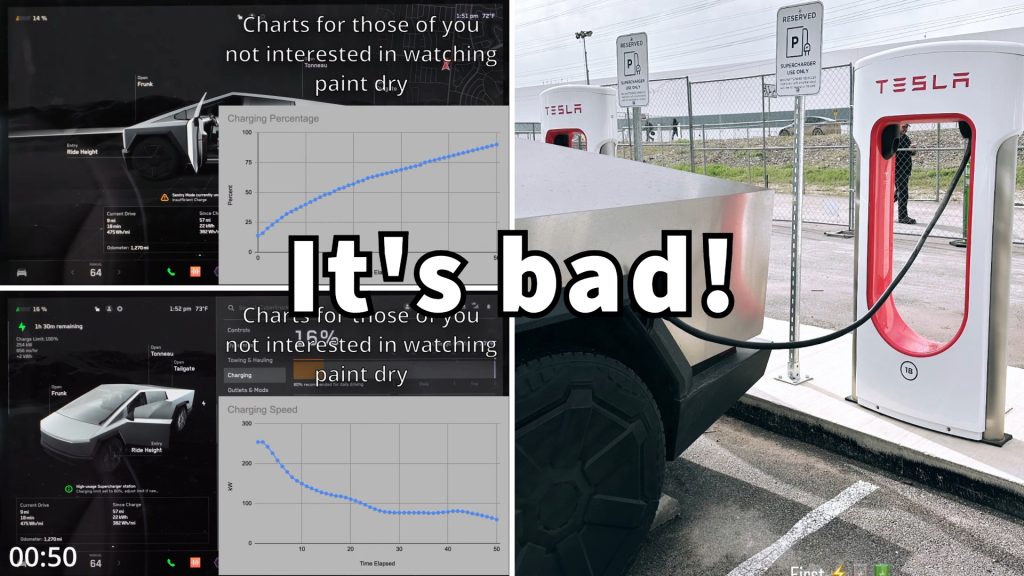
The Cybertruck marks Tesla’s first full utilization of the 4680 batteries, leading to the cessation of 4680 Model Y production at the Texas Gigafactory earlier this year due to reported battery performance issues. Early charging data reveals a prolonged charging time, surpassing Tesla’s official claim of reaching 80% in 25 minutes. The primary challenge stems from a rapid early drop in charging power, extending the actual charging time beyond expectations.
To address skepticism and potential repetition of the Model Y’s issues, Tesla introduced the “Cybercell,” a more advanced version of the 4680 battery. Although claiming a 10% increase in energy density, specific charging performance data has not been provided. Initial charging scenes evoke memories of the Model Y’s suboptimal performance. However, drawing conclusive statements wasn’t previously possible due the the lack of a complete charging curve.
Recently, a Cynertruck was spotted Cybertruck charging at a V3 Supercharger station. It revealed a charging power of 148kW at 35% capacity, which is significantly lower than other Tesla models with similar power levels. The estimated time to charge to 80% stretched to 35 minutes, prompting discussions among Tesla enthusiasts about potential connections to lower-power V2 Superchargers instead of a V3 one. Speculation also arose regarding the Cybertruck’s potential optimization for 800V superchargers, which seemingly justifies the relatively poor performance with a 400V charger. But then again, Tesla uses series-parallel technology to charge batteries at 400V and 800V without an inverter.
Recent insights from a Cybertruck owner shed light on the charging process. The truck takes 40 minutes to reach 80% power, with a sharp decline in charging power from 250kW at 20% to 150kW at 40%, stabilizing around 80kW between 65% and 85%. However, it could be possible that
Tesla intentionally limited the charging performance at the software level to gather some specific data for evaluating and optimizing long-term battery performance. Historically, Tesla has unlocked additional battery capacity and increased charging speeds through software updates after ensuring safety protocols. The hope is that Cybertruck will receive similar optimization upgrades.
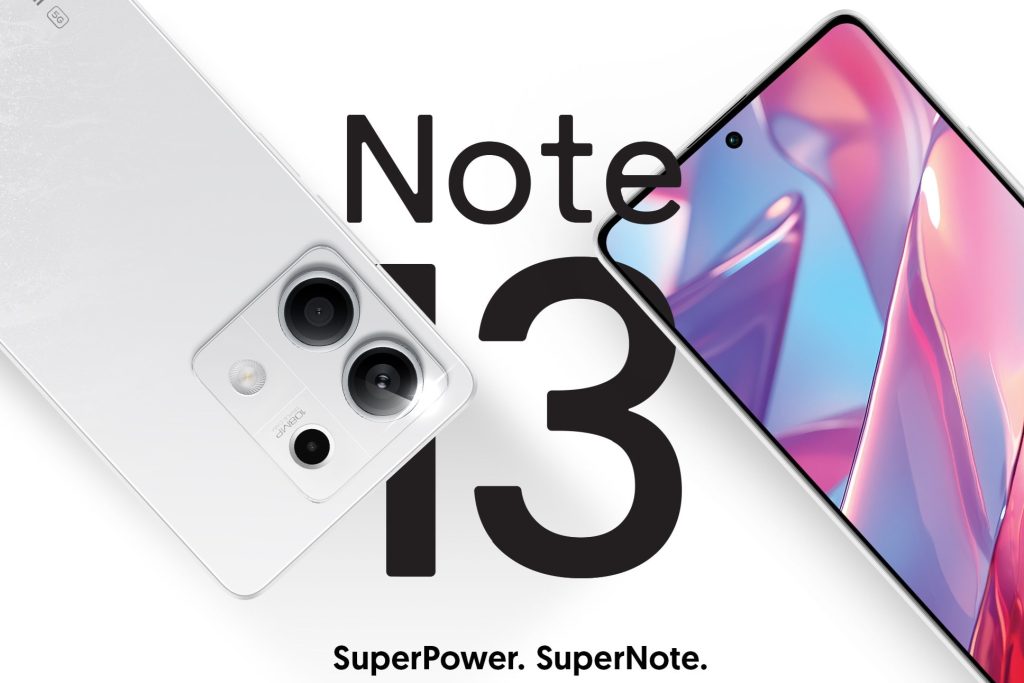
Xiaomi‘s upcoming global launch event, which is scheduled for January 4 will debut the Note 13 series. Alongside the global market, the Note 13 series will also be launching in India. Ahead of the launch, tipster Abhishek Yadav has spilled the beans on the pricing of the entire Note 13 lineup heading to India.
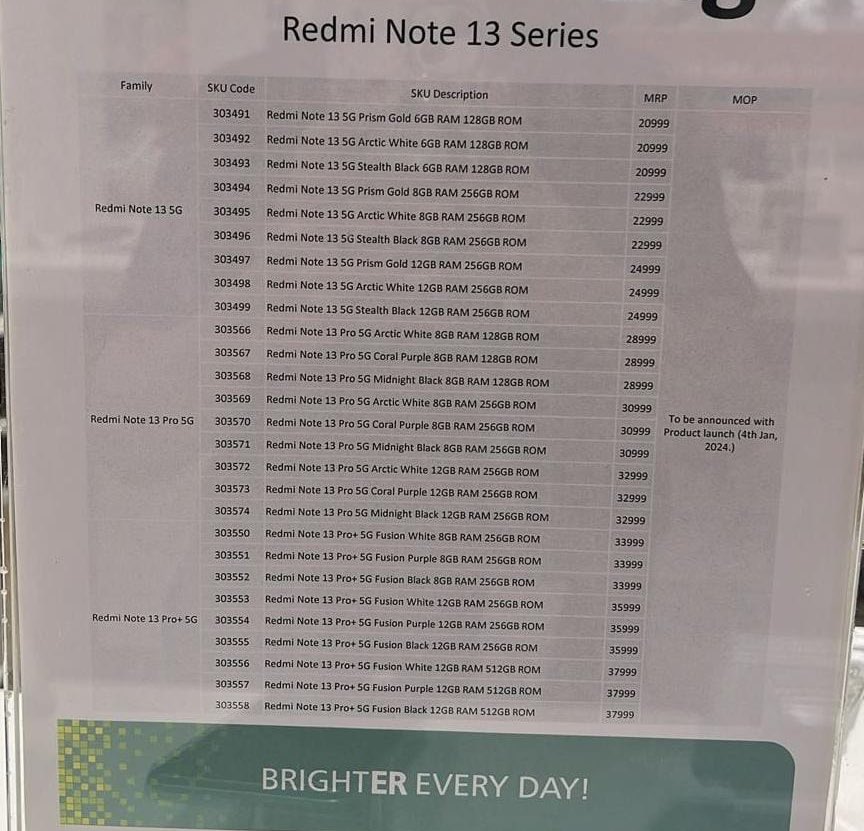
An Image shared by Abhishek on X (Twitter) reveals the pricing details of three models coming to India, namely Redmi Note 13 5G, Note 13 Pro 5G, and Note 13 Pro+ 5G. The Redmi Note 13 5G, available in three variants, is expected to be priced at Rs 20,999 for the 6GB RAM and 128GB ROM model, Rs 22,999 for the 8GB RAM and 256GB ROM version, and Rs 24,999 for the 12GB RAM and 256GB ROM variant. The color options include Prism Gold, Arctic White, and Stealth Black.
Moving on to the Redmi Note 13 Pro 5G, the pricing is expected to range from Rs 28,999 for the 8GB RAM and 128GB ROM variant to Rs 32,999 for the 12GB RAM and 256GB ROM version. Color choices for the Pro model include Arctic White, Coral Purple, and Midnight Black. Finally, the Redmi Note 13 Pro+ 5G is projected to be priced at Rs 33,999 for the 8GB RAM and 256GB ROM variant, Rs 35,999 for the 12GB RAM and 256GB ROM model, and Rs 37,999 for the 12GB RAM and 512GB ROM variant. The Pro+ series offers Fusion White, Fusion Purple, and Fusion Black as color options.
The specs of the Indian models are expected to be the same as the global model that we have covered in a recent report.
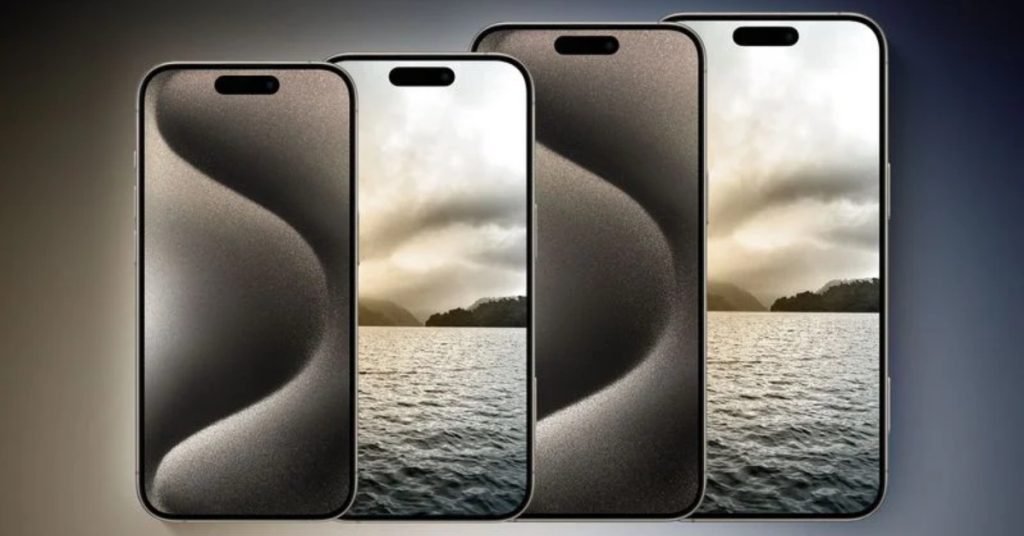
Apple‘s iPhone lineup is rumored for a size shift in 2024, with the iPhone 16 Pro models receiving larger displays compared to their predecessors.
According to reliable sources, the iPhone 16 Pro and Pro Max will boast displays measuring roughly 6.3 inches and 6.9 inches, respectively. This represents a noticeable increase from the current 6.1-inch and 6.7-inch displays on the iPhone 15 Pro and Pro Max.
The increase in display size comes with slightly larger dimensions overall. Both Pro models will be marginally taller and wider than their 2023 counterparts while retaining the same thickness.
This size shift could have several implications. The larger form factor could allow Apple to incorporate bigger batteries for improved battery life, a common user request. Additionally, the increased display area could pave the way for potential display improvements or other internal upgrades.
It’s rumored that these size changes are currently limited to the Pro models. The standard iPhone 16 and 16 Plus are expected to retain their current 6.1-inch and 6.7-inch displays. However, rumors suggest that Apple might introduce the larger 6.27-inch and 6.85-inch displays to its standard iPhone models with the 2025 iPhone 17 lineup. This could also bring a shift to a taller 19.6:9 aspect ratio for all iPhones.
Remember, these details are based on current rumors and leaks, so take these details with a pinch of salt. Apple will likely launch the iPhone 16 series in September, as usual, so there’s enough time for the company to make changes to the plan. Nevertheless, this shift in display sizes for the Pro models suggests an interesting development in Apple’s iPhone strategy.
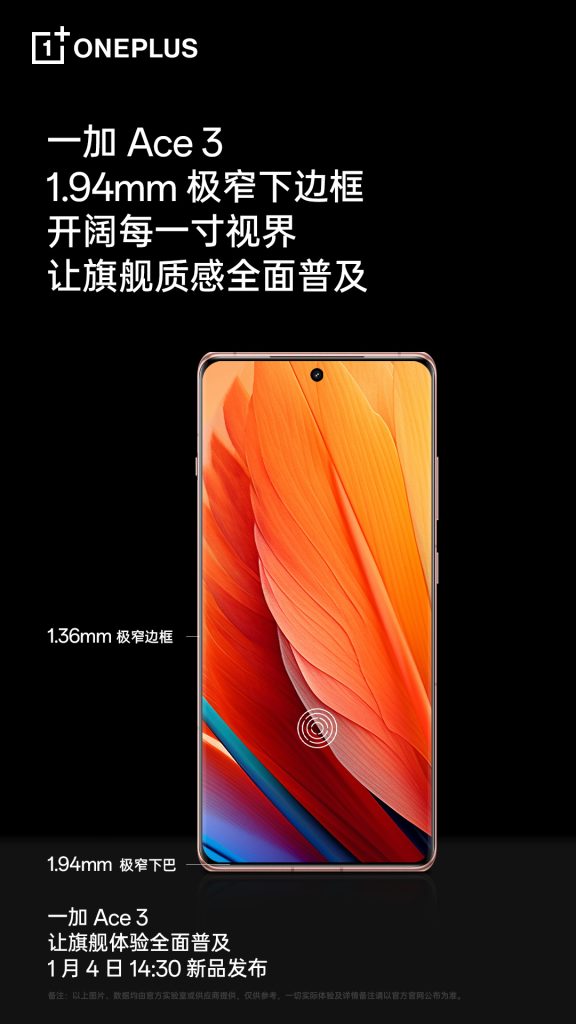
OnePlus is gearing up to unveil the Ace 3 smartphone along with the Buds 3 TWS earphones in China on January 4. The brand has been teasing key details of the upcoming offerings ahead of the launch event. Now, OnePlus has dropped a new teaser on its Weibo account giving us a good look at the front of the Ace 3 as well as revealing more details.
OnePlus Ace 3 display bezels teased
As per the latest teaser, the OnePlus Ace 3 will have a side bezel of 1.36mm and the bottom bezel will measure 1.94mm. There is a centre-aligned punch-hole cutout. The bezel size and image of the smartphone reveal that it will offer an edge-to-edge display and an immersive viewing experience. The device is also seen with slightly curved edges. There is a power and volume rocker buttons at the right side and an alert slider on the left edge.
Past teasers have already confirmed a host of details of the upcoming OnePlus Ace 3. It will have a 6.78-inch BOE-supplied OLED display panel with photo matrix display technology and a ‘rain touch’ feature that will allow usage of the device with wet hands. The smartphone is confirmed to be equipped with an ultra-thin fingerprint scanner and Gorilla Glass Victus 2 protection. The upcoming offering will pack a 360-degree antenna for better signal coverage, Wi-Fi7 support, dual-frequency GPS, and multi-directional NFC. On the software front, the Ace 3 is confirmed to receive 3 years of OS updates and four years of security patches.
The OnePlus Ace 3 is rumoured to be powered by a Snapdragon 8 Gen 2 SoC coupled with 16GB RAM and 1TB storage. It is expected to be backed by a 5,500mAh battery cell with support for 100W fast charging.
Oppo will unveil the Find X7 series of smartphones on Jan. 8 in China. The design of the Find X7 and X7 Ultra is no secret, as the brand has already listed both phones for reservations on its official website. A couple of hands-on videos of the Find X7 have surfaced on Weibo, showcasing its front and rear appearance.
Oppo Find X7 hands-on
In the above video, the Find X7 can be seen in four color options, which include: Sea and Sky, Desert Moon Silver, Smokey Purple, and Starry Sky Black. The video shown below showcases the purple variant. Except for black and purple, the other two models sport a dual-tone design with a leather finish on the portion below the camera module.
On the front, the device has a punch-hole screen with curved edges, and the bezels look so slim that they appear non-existent. The device has a protruding and massive round camera module on the back, with the LED flash placed in the upper-left corner. There is an alert slider on its left, while the right edge has buttons for volume and power.
Oppo Find X7 specifications, price (rumored)
The Find X7 will be available in variants, such as 12 GB RAM + 256 GB storage, 16 GB RAM + 256 GB storage, 16 GB RAM + 512 GB storage, and 16 GB RAM + 1 TB storage. It is likely to have a 3,999 Yuan (~$465) starting price.
As per reports, the Find X7 will have a 6.78-inch BOE OLED panel that offers a 1.5K resolution and a 120Hz refresh rate. The Dimensity 9300-powered device will have LPDDR5x RAM, UFS 4.0 storage, and a 5,000mAh battery with 100W charging.
For selfies, it will have a 32-megapixel front camera. The back panel of the device will feature a 50-megapixel (Sony LYT-808) + 50-megapixel (Samsung JN1 ultra-wide) + 64-megapixel (OmniVision OV64B periscope, 3x zoom) triple camera unit. The device is said to offer other features, such as an in-display fingerprint scanner, a metal middle frame, an IP64-certified chassis, and ColorOS 14-based Android 14.
Oppo has been teasing the launch of the Reno 11 series in Malaysia over the past few days. The official confirmation has now been provided through its X.com profile, stating that the Reno 11 5G and Reno 11 Pro 5G are scheduled to be unveiled in the country at 10am (local time) on Jan. 11. The same event, which will be graced by well-known Malaysian celebrity Amelia Henderson, will be used to announce ColorOS 14 for the global market.
Oppo Reno 11 series: Official details confirmed so far
Gear up for the ultimate '1️⃣1️⃣' magic! The #OPPOReno11Series5G is set to make its grand entrance on 11 Jan 2024, precisely at 10AM. Mark your calendar now! 🕙
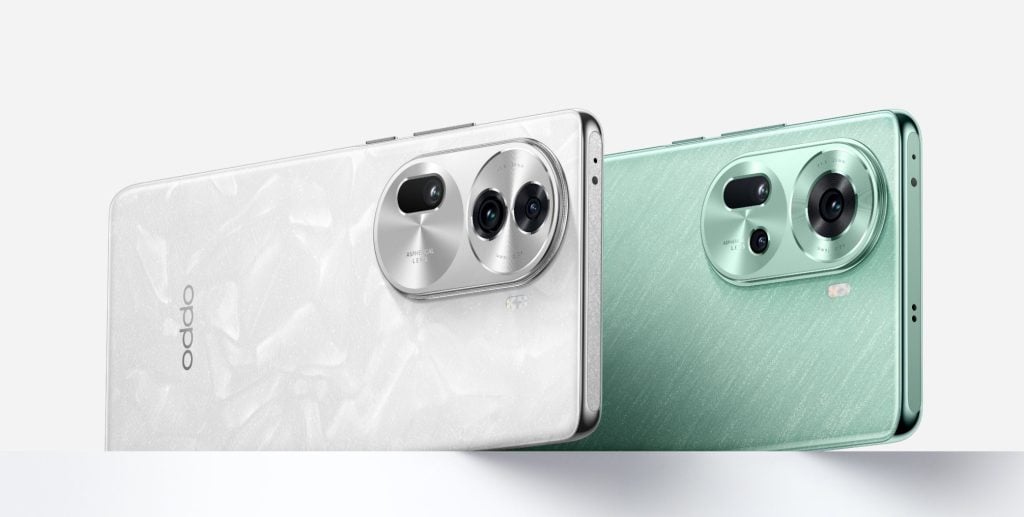
The landing page of the Reno 11 series available on Oppo Malaysia’s website has confirmed a few details. Both phones will be the first Oppo devices to come preloaded with ColorOS 14 on the global market. Both devices are also confirmed to feature a 32-megapixel telephoto camera for portrait shots.
OPPO Reno 11 series
The Reno 11 will support 67W fast charging, whereas the Pro model will offer 80W rapid charging. It appears that the brand will confirm more details about the Reno 11 duo in the coming days before the Malaysian launch. Recent reports have revealed that the Reno 11 series heading to the global market will be different from the Reno 11 and 11 Pro that debuted in China in November of this year.
In related news, Oppo is all set to unveil the Find X7 and X7 Ultra on Jan. 8 in China. The Dimensity 9300 and Snapdragon 8 Gen 3 chipsets power the two phones, respectively. There will be a Find X7 Ultra Satellite Communication Version model that will have support for two-way satellite communication. Apart from adding support for satellite connectivity, the rest of its specs are said to be the same as those of the Find X7 Ultra. There is no word on whether the Find X7 series will be released in the global market.
Honor will hold a two-day launch event in China on Jan. 10 to unveil the Magic OS 8.0 and the Magic 6 series. The rumor mill has been leaking details about the Magic 6 series’ specifications in bits and pieces. A new leak that has emerged on Weibo reveals the camera details and battery sizes of the Magic 6 and Magic 6 Pro.
Honor Magic 6 series’ camera specifications (rumored)
Honor Magic 6 Pro (front)
As per the new leak, the Honor Magic 6 and Magic 6 Pro are reported to feature a rear camera setup with a 50-megapixel OmniVision OV50H main camera and a 50-megapixel OV50M ultra-wide lens. The leak is contrary to previous reports that have said that the Pro variant will have a one-inch, 50-megapixel main camera. For telephoto shots, the Magic 6 is said to incorporate a 50-megapixel OV50M camera sensor, while the Pro variant is expected to house a Samsung HP3 camera sensor.
Coming to the Magic 6 Porsche Design edition, its rear camera setup is said to have a 50-megapixel OV50K main camera sensor. It will be joined by a 50-megapixel OV50M ultra-wide lens and a Samsung HP3 telephoto camera.
While the Samsung HP3 on the Magic 6 Pro and Posche Design appears to have a 200-megapixel count, there are speculations suggesting that the Pro model might have a modified 160-megapixel version.
The leak further mentions that the Magic 6 has a 5,450mAh battery, whereas the Magic 6 Pro and Porsche Design could be equipped with a 5,600mAh battery. As per other reports, the Magic 6 may support 66W fast charging, while the other two devices may offer 100W wired charging and 50W wireless charging. According to reports, the Snapdragon 8 Gen 3 chipset powers the entire series.
In his New Year’s speech, Huawei‘s rotating chairman, Hu Houkun, delivered a message of resilience and optimism. After several years of navigating a challenging global landscape, Huawei operations have “basically returned to normal,” with sales revenue expected to exceed CNY 700 billion (USD 99 billion) in 2023. This achievement speaks volumes about the company’s unwavering commitment to innovation and customer service.
Hu Houkun also highlighted several key areas of success for Huawei in 2023:
Stable ICT infrastructure business: Huawei’s core business remained strong, providing a solid foundation for the company’s overall growth.
Terminal business exceeding expectations: Despite ongoing challenges, Huawei’s smartphone and other consumer electronics businesses performed better than anticipated.
Digital energy and cloud business achieving good growth: Huawei’s investments in renewable energy and cloud computing solutions are paying off, with both sectors experiencing significant growth.
Significantly improved competitiveness of smart car solutions: Huawei is making strides in the burgeoning electric vehicle market, with its smart car solutions becoming increasingly competitive.
Houkun further expressed his deep gratitude to all those who have contributed to Huawei’s success, including customers, partners, employees, and their families. He emphasized that it is the “common belief” that has allowed Huawei to weather the storms and move forward.
While acknowledging the ongoing challenges posed by geopolitical uncertainties and economic fluctuations, Hu Houkun also outlined Huawei’s vision for the future. He emphasized the company’s commitment to digitalization, intelligence, and low-carbonization as key drivers of growth.
Key Focus Areas for Huawei 2024
Hu Houkun outlined several key focus areas for Huawei in 2024. Huawei will continue to invest in cutting-edge technologies, such as large language models and high-performance computing, to fuel innovation and growth.
Huawei is aiming to establish a world-class computing infrastructure to support its various digital initiatives. Ensuring the quality and security of its products and services will also remain a top priority for Huawei.
Moreover,Huawei will continue to foster a collaborative ecosystem by partnering with other companies and organizations. It will further streamline its organizational structure and empower employees to take ownership of their work. Most importantly, the company will prioritize the development of its leaders to ensure they are equipped to face the challenges of the future.
Hu Houkun concluded his speech with a message of hope and optimism. He expressed his confidence in Huawei’s ability to overcome any obstacle and achieve even greater success in the years to come. He believes that “people need precipitation and accumulation in order to become stronger,” and that Huawei’s past experiences have made it “down-to-earth” and prepared to “move forward steadily to win greater victory.”
Three executives of Chinese smartphone maker Vivo India, arrested on suspicion of money laundering, have been granted bail by a Delhi court. The court ruled their detention illegal due to a procedural error but imposed conditions on their release.
The executives, including interim CEO Hong Xuquan, CFO Harinder Dahiya, and consultant Hemant Munjal, were arrested by the Enforcement Directorate (ED) on December 21st. However, the trio had claimed that they were arrested on December 21 and not on December 22, as recorded by the ED.
This technicality led the court to find their custody unlawful as they should be produced before a judge within 24 hours of their arrest. Thus the court ordered bail for the executives on a bond of Rs 2 lakh each.
However, the ED expressed concern that the executives might tamper with evidence or influence witnesses and requested they report to the agency daily until January 3rd. The court agreed to this condition, noting that the ED intends to challenge the bail order after the Delhi High Court resumes session in the new year.
This case stems from a larger investigation into alleged money laundering by Vivo India. The ED claims the company illegally transferred a staggering Rs 62,476 crore to China to evade taxes, harming India’s economic sovereignty. The agency raided Vivo India and its associates in July 2023, leading to the arrest of four individuals, including the three executives who were recently granted bail.
The investigation and subsequent legal proceedings are ongoing, with the ED hoping to appeal the bail decision and Vivo India likely defending itself against the money laundering accusations. This case remains under close watch, as it has significant implications for both the tech sector and financial regulations in India.
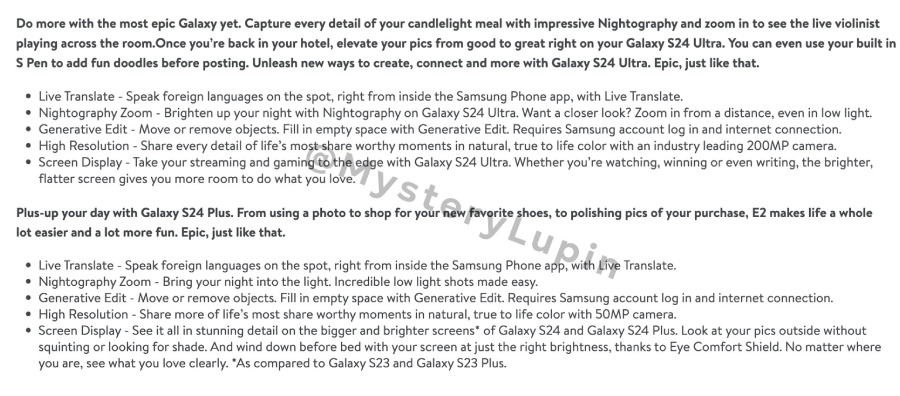
As we inch closer to Samsung’s Galaxy S24 launch event, juicy tidbits about the new phones keep trickling out. The latest leak comes from Twitter user @MysteryLupin, who shared what appears to be marketing material showcasing key AI features of the Samsung Galaxy S24 series.
One of the AI features coming to the Galaxy S24 series is Live Translate. Its description suggests it translates phone calls in real-time, potentially breaking down language barriers during conversations.
Another interesting tidbit is “Generative Edit,” which sounds suspiciously similar to Google’s Magic Editor tool. This feature will let you remove unwanted objects or fill in empty spaces in your photos, just like Google’s offering.
However, just like Magic Editor, it requires an internet connection and a Samsung account. While Samsung is using the powerful Snapdragon 8 Gen 3 processor, which has on-device AI capabilities, it still relies on the cloud for this feature.
There’s also mention of three more features related to the smartphones. One is Nightography Zoom which is said to enhance low-light photos when zoomed in.
High Resolution will allow you to take pictures in the highest resolution supported by the phone’s primary camera. That will be 50MP for Galaxy S24, and 200MP on the S24 and S24 Ultra. Then there’s the Screen Display feature which highlights a “brighter, flatter screen” for better viewing and interaction. However, there’s no mention these features will use AI trickery of some sort for enhanced user experience.
@MysteryLupin also leaked high-resolution images of the S24 series, but they were quickly deleted, possibly due to Samsung’s crackdown on leaks. However, we have already seen high-quality renders of the device, so it’s not a miss-out.
Previous leaks and a recent, briefly visible confirmation on Samsung’s website point to a January 17 launch event for the Galaxy S24 series.
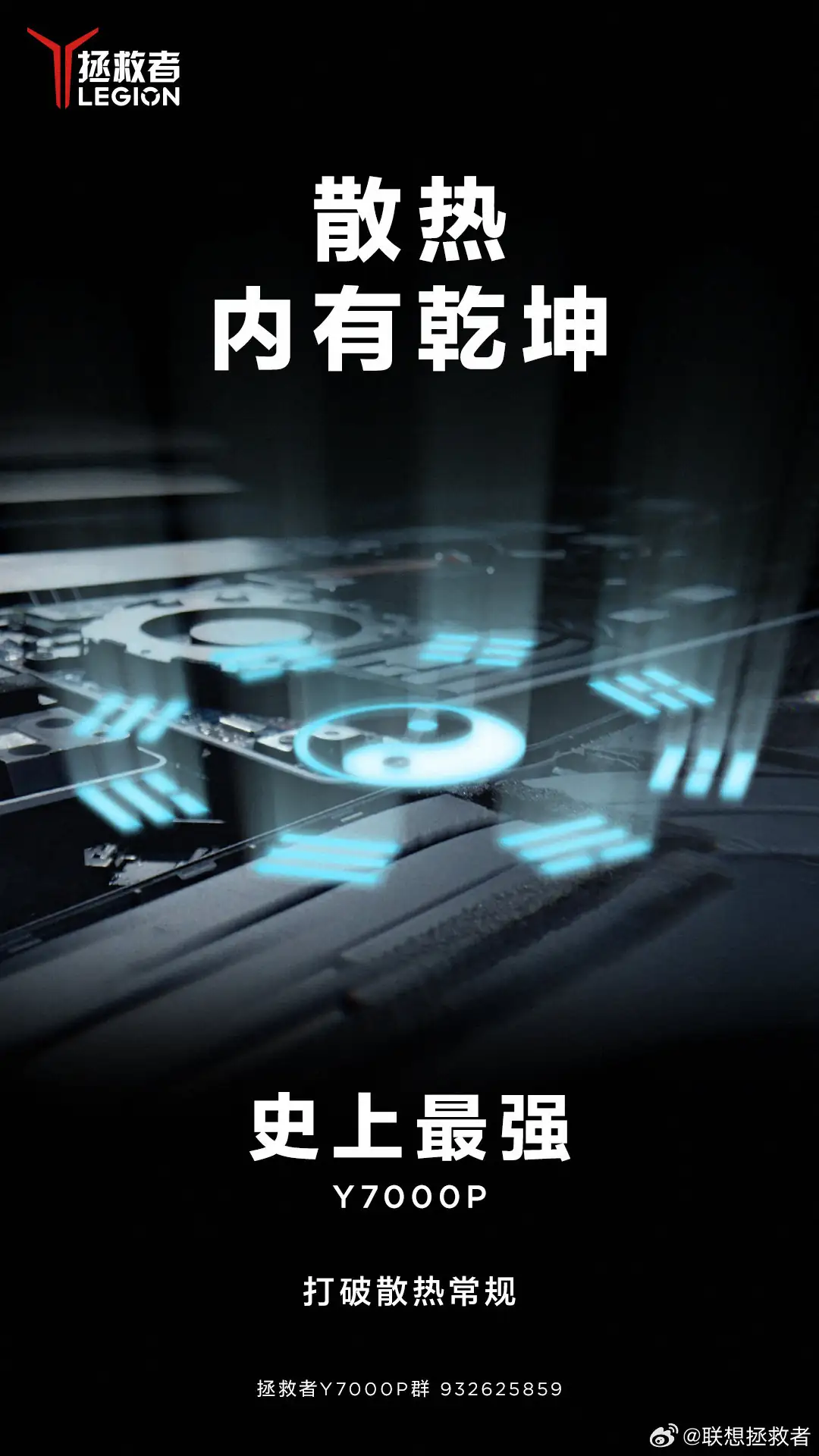
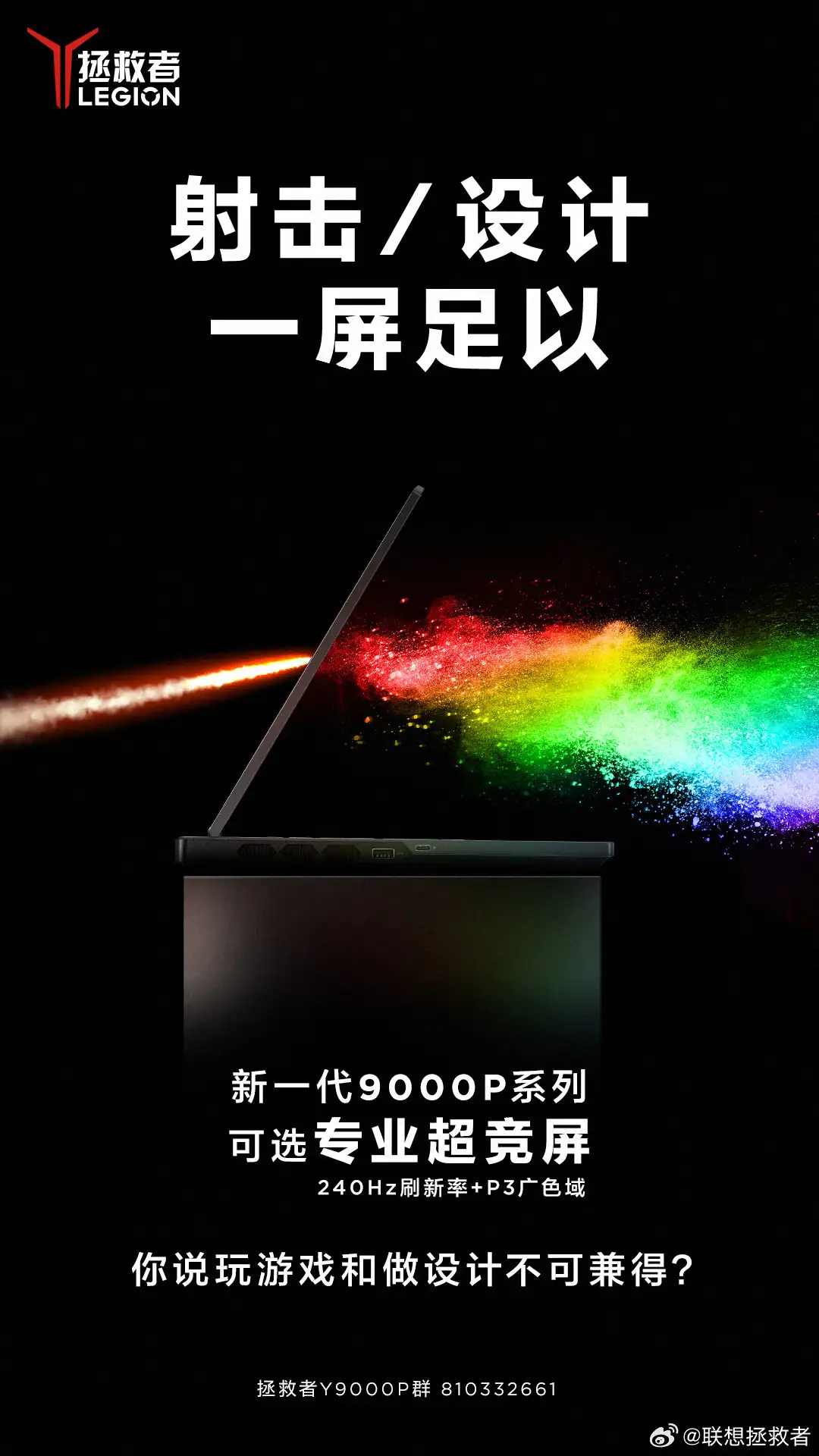
Lenovo has officially revealed the upcoming Legion gaming laptops, featuring the Y7000P, Y9000P, Y9000X, and Y9000K series. A recently released teaser poster provides a glimpse of the key features of these new devices.
The Y7000P, which surfaced a few days ago, boasts a redesigned look and is equipped with the latest Core 14th generation HX series processors and RTX 40 graphics cards. Lenovo claims it to be the most powerful Y7000P model to date, incorporating new cooling technology for enhanced performance.
Similarly, the next-gen Y9000P will feature Core 14th generation HX processors and RTX 40 series graphics cards. Notably, it offers an optional professional-grade screen with a 240Hz refresh rate and P3 wide color gamut, catering to both design and gaming needs.
Additionally, Lenovo mentions an optional 2TB SSD for the new Legion Y9000K model, providing users with expanded storage options.
Reports indicate that Intel is set to unveil the Core 14th generation HX series processors at CES in early January, with Lenovo and other manufacturers expected to launch notebooks powered by these processors shortly afterward.
In terms of specifications, leaked details for the Core 14th generation HX series processors reveal notable improvements. The i9-14900HX boasts a core frequency of up to 5.8GHz, a 0.2GHz increase from the previous generation’s flagship model, while the i7-14700HX features a frequency of up to 5.5GHz and four additional small cores compared to its predecessor.
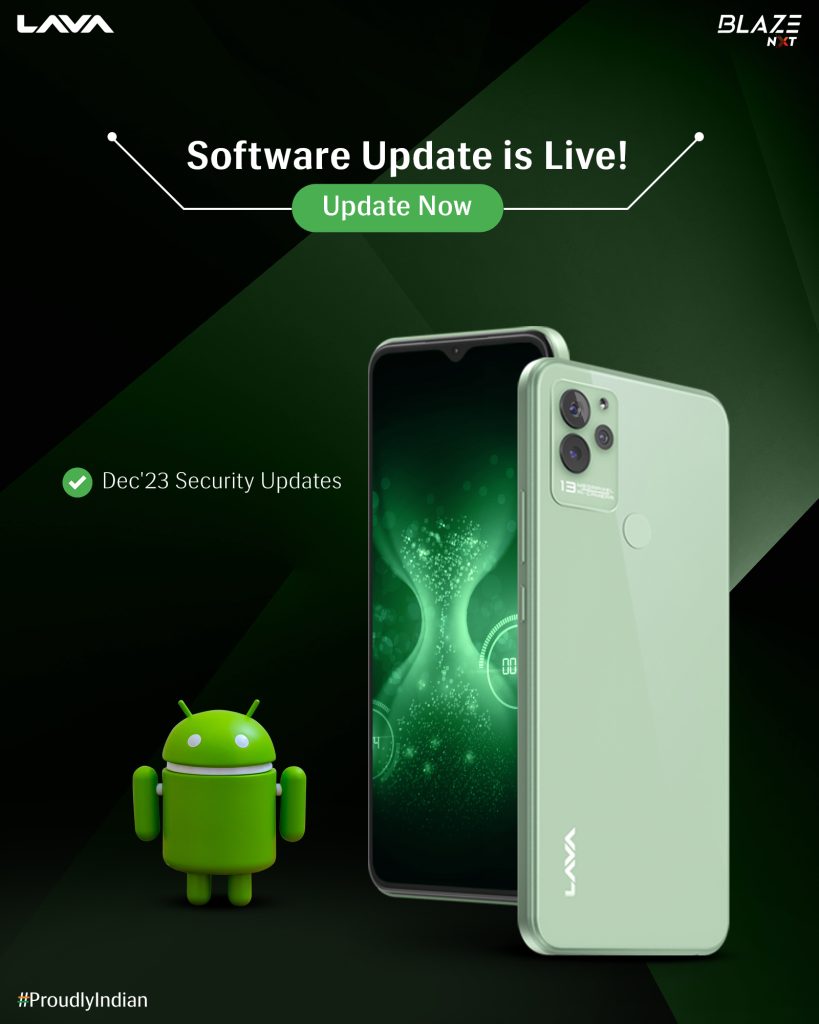
Lava has initiated the rollout of the December 2023 Android security patch update for its recently launched Blaze NXT smartphone. This update aims to bolster the overall system security, ensuring a safer user experience for Blaze NXT owners.
The live update is accessible to users in India, who can easily download and install it by navigating to the “System Update” section in the device settings. To initiate the process, users need to follow a straightforward path: Settings > System > Advance > System Update. Once there, users can detect, download, and install the update seamlessly.
The December 2023 Android security update patches over 60 vulnerabilities in the Android operating system, including some high-severity issues like a zero-click remote code execution risk.
Lava Blaze NXT specs:
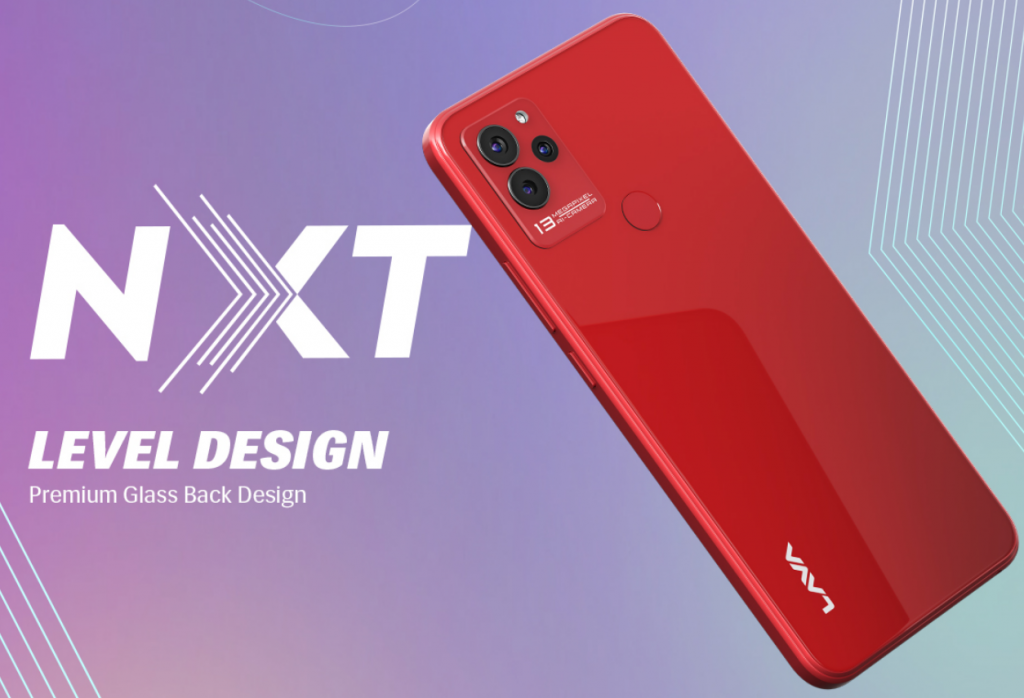
The Blaze NXT, introduced earlier this month, boasts a 6.5-inch IPS panel with HD+ resolution, featuring an 8-megapixel front camera within a waterdrop notch. Its triple rear camera setup includes a 13-megapixel primary camera, accompanied by a 2-megapixel depth sensor and a VGA camera.
Under the hood, the Blaze NXT runs on the Helio G37 chipset, complemented by 4 GB of RAM and 64 GB of storage, expandable via a microSD card slot. Operating on a near-stock version of Android 12, the device is powered by a 5,000mAh battery with USB-C charging, ensuring a full day of usage on a single charge. Additional features include a 3.5mm audio jack and a rear-mounted fingerprint scanner.
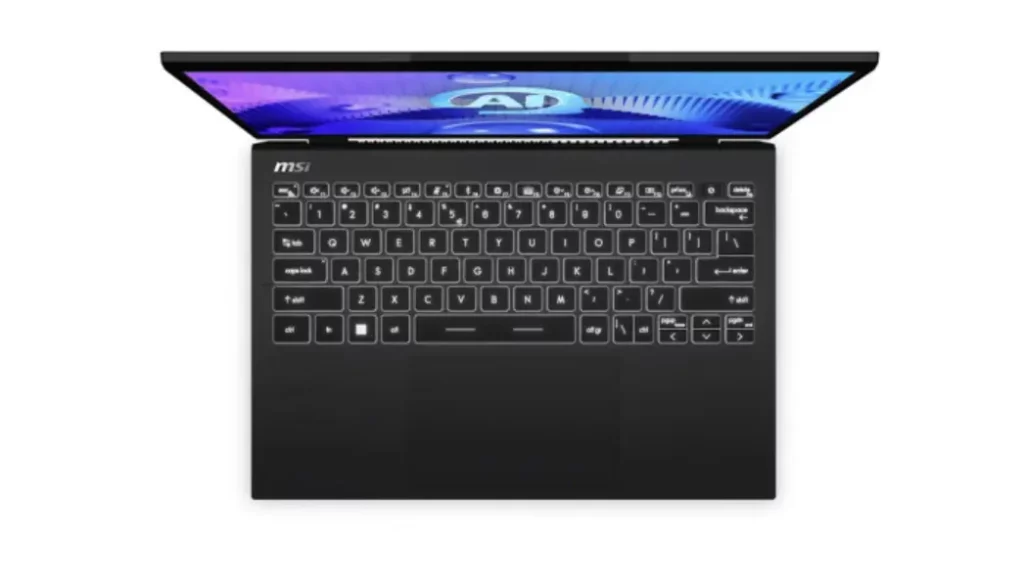
MSI has introduced its latest laptop, the MSI Monarch 13, in China, offering a sleek design and powerful specs. It is currently available in China, priced at 9,999 yuan for the Intel Ultra 7 155H + 32G + 1T configuration.
The Monarch 13 is pretty light, tipping the scales at just 990g, and it’s thin, measuring only 16.9mm in thickness. The device features a 13.3-inch 2.8K OLED screen that displays vibrant colors with a 100% DCI-P3 color gamut.
Underneath, it’s got a Core Ultra 7 155H processor and Arc core graphics card, plus a decent 32GB memory and a roomy 1TB SSD. Connectivity options include dual Thunderbolt 4 ports, HDMI 2.1, and a MicroSD card slot.
One standout feature is its impressive battery capacity of 75Wh, promising a substantial 16 hours of battery life. And if you’re in a hurry, it supports 100W PD fast charging. The Monarch 13 also packs a 3D noise reduction camera, a multi-microphone setup, and a Wi-Fi 7 wireless card.
Adding to the charm, it proudly rocks the Intel Evo certification. Basically, it means the laptop meets some strict rules from Intel, like having a 12th Gen Intel Core i7 or i5 chip or higher, a nice display (at least 1080p), a speedy Thunderbolt™ 4 connection, and a battery that lasts at least 9 hours. It’s also light and portable, with extra perks like a backlit keyboard and a quick wake-up from sleep in less than 1 second.
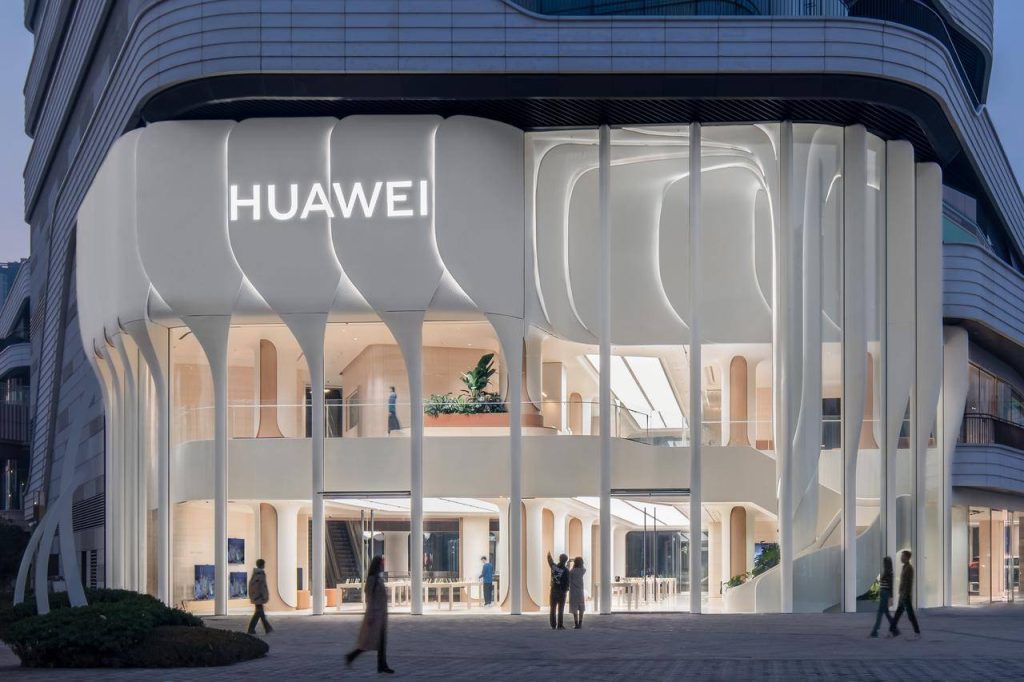
Huawei has recently inaugurated its largest and most artistic flagship store in Shanghai’s Qiantan Taituli, spanning over 1800 square meters. This store is unique for its architectural design inspired by seed growth, featuring a striking 16-meter leaf-like facade made from Ultra High-Performance Concrete (UHPC), a material also used in the Louvre Abu Dhabi. This design incorporates organic elements such as leaves and panels and is highlighted by 13 costly glass curtain walls, which enhance the store’s energy efficiency and natural lighting.
Blending Technology with Art
The store’s interior continues the theme of organic growth, with cylindrical columns representing tree trunks and a design avoiding right angles, for a natural feel. Specialized plaster material (GRG) is used for interior decorations, creating a minimalist aesthetic appealing to younger consumers. This flagship store aims to offer more than just a retail space; it’s a place for consumers to immerse in Huawei’s brand and technology.
To enhance customer experience, the store includes various zones such as sports and health, a full-house smart experience, audiovisual entertainment, and smart mobility. It also features Huawei’s latest products like the Nova 12 series, the Wanjie M9, and the Zhijie S7. Additionally, the store provides an intelligent navigation system with a transparent screen, displaying real-time environmental conditions and assisting customers with navigation and comfort.
For pet owners, the store even offers an exclusive pet resting area. On its opening day, the store hosted a range of activities, including photo opportunities with instant printing, interactive experiences in the courtyard, and special gifts for customers. Actress Wan Qian graced the opening, engaging with fans and sharing her insights.
CEO Richard Yu emphasized that this store is not just for selling products but also serves as a showcase of Huawei’s brand and values. The store is part of Huawei‘s strategy to blend technology and art, enhancing their brand image and connecting deeply with consumers by offering a unique retail experience. Earlier this year, Apple also opened its first official store in India.
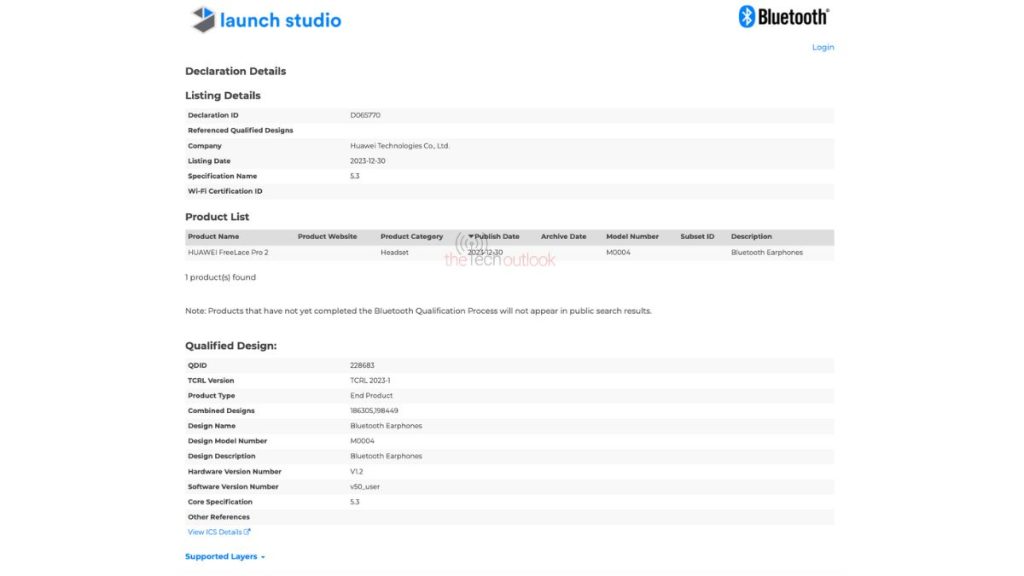
The Huawei FreeLace Pro 2, successor to the 2020 FreeLace Pro earphones, has surfaced on the Bluetooth SIG certification platform with the model number “Mo004” and certification ID “D065770.” The device falls under the “Headset” category and supports Bluetooth version 5.3.
However, the certification listing provides limited details about the upcoming FreeLace Pro 2, leaving consumers with questions about its features and improvements compared to its predecessor. Until Huawei releases further updates, the specifics of the new earphones remain undisclosed.
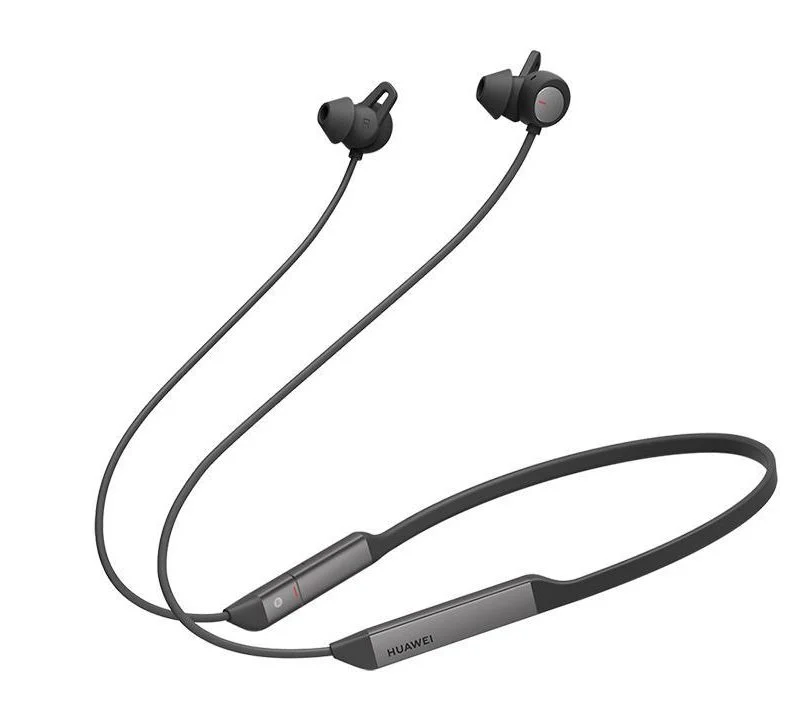
If you’re curious about what might be in store, you could check out the specs of the Huawei FreeLace Pro. Launched in 2020, the FreeLace Pro features included noise cancellation up to 40dB, powered by advanced algorithms for reliable performance in various environments.
The device boasted a pair of 14mm aluminum-magnesium alloy dynamic drivers with bass tubes, delivering high-fidelity audio for an enhanced listening experience. Additionally, the Huawei HiPair3 feature facilitated seamless pairing and charging, allowing users to plug the earphones into a smartphone with a USB-C port. Notably, a brief five-minute charge provided five hours of music playback, while a full charge ensured a full day’s usage.
We use cookies on our website to give you the most relevant experience by remembering your preferences and repeat visits. By clicking “Accept”, you consent to the use of ALL the cookies.
This website uses cookies to improve your experience while you navigate through the website. Out of these, the cookies that are categorized as necessary are stored on your browser as they are essential for the working of basic functionalities of the website. We also use third-party cookies that help us analyze and understand how you use this website. These cookies will be stored in your browser only with your consent. You also have the option to opt-out of these cookies. But opting out of some of these cookies may affect your browsing experience.
Necessary cookies are absolutely essential for the website to function properly. This category only includes cookies that ensures basic functionalities and security features of the website. These cookies do not store any personal information.
Any cookies that may not be particularly necessary for the website to function and is used specifically to collect user personal data via analytics, ads, other embedded contents are termed as non-necessary cookies. It is mandatory to procure user consent prior to running these cookies on your website.