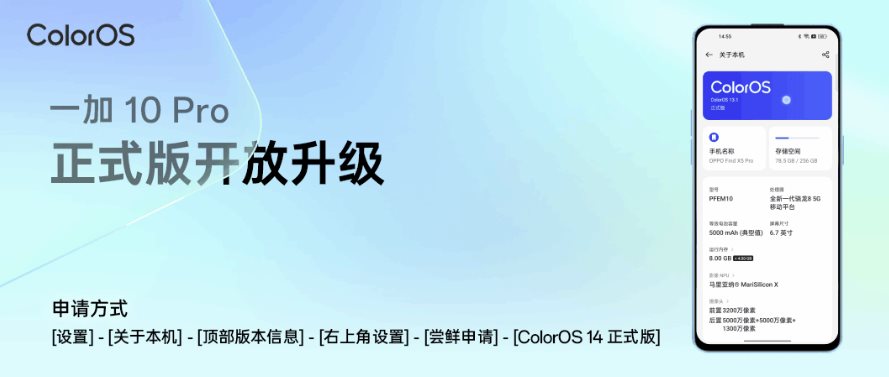
After bringing the stable OxygenOS 14 update to the Global OnePlus 10 Pro, the smartphone in China also started receiving the Android 14-based ColorOS 14.0 update. The latest firmware is now rolling out to the OnePlus 10 Pro units in China. It may take some time to reach each device.
The update is currently rolling out for only beta users and may reach non-beta users soon. There are many new changes and feature enhancements that are part of ColorOS 14.0. To get the update, the OnePlus 10 Pro must be running the latest ColorOS 14 Beta update. Then, the user should head over to Device Settings > About > Check for Updates to manually check for updates.
OnePlus advised giving the smartphone a couple of days to adjust to the new update. It may heat up and consume more power for a few days. Moreover, a few apps are currently not compatible with Android 14, so you may proceed considering that in mind.
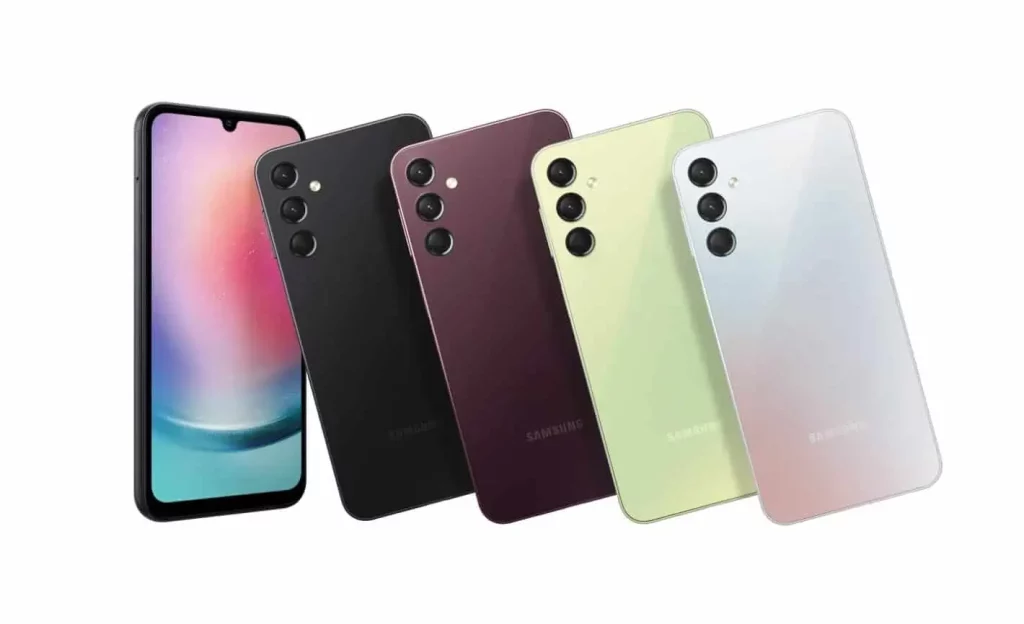
Samsung has begun rolling out the Android 14-based One UI 6.0 update for the Galaxy A24 smartphone. The update is currently available in the Middle East and North Africa regions, with a broader rollout expected in the coming weeks.
The new update is currently sedding with build version A245FXXU3BWK3. The One UI 6.0 update brings a host of new features and improvements to the Galaxy A24, including a revamped interface, enhanced privacy and security features, and improved performance.
For a more comprehensive overview of the updates and features included in One UI 6, please refer to our detailed story.
Additionally, the update includes the November 2023 Android security patch to keep your device protected from the latest threats. To download the One UI 6.0 update on your Galaxy A24, you can follow these steps:
Go to Settings > Software update. Tap Download and install. Wait for the update to download and install.
Another way to update the phone is to use a USB-C connector and a Windows PC to flash the Android 14 firmware.
Once the update is installed, you will be prompted to restart your device. After your device restarts, you will be running the latest version of One UI 6.0.
Samsung is progressively rolling out the One UI 6.0 stable update to a vast array of compatible smartphones, including those from the Galaxy A series. For instance, the Galaxy A73 5G and Galaxy A14 5G have also recently started receiving the One UI 6 update.
Xiaomi recently launched its latest flagship smartphones, the 14 and 14 Pro in China. But the company is not done yet. According to a new report, Xiaomi is preparing to launch the 14 Ultra, an even more powerful smartphone with a quad-camera system and a faster variable aperture.
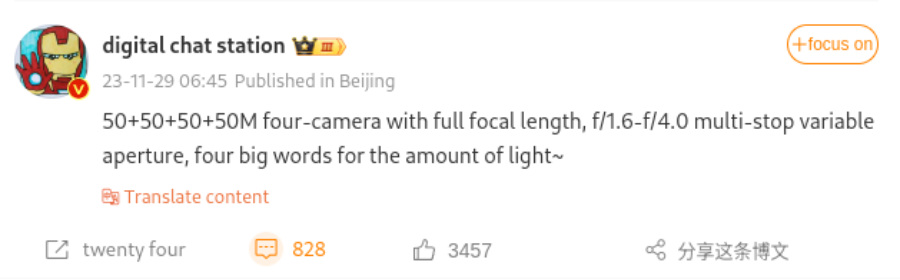
A new leak by tipster Digital Chat Station suggests that the Xiaomi 14 Ultra is expected to feature four 50 MP cameras, including a main sensor with a wider f/1.6-f/4.0 variable aperture.
This would be a significant upgrade over the previous model, which had a dual aperture of f/1.9 to f/4.0. A wider aperture allows more light to enter the camera sensor, which can result in better photos and videos in low-light conditions. The tipster also suggests that the Xiaomi 14 Ultra will have native focal lengths of 0.5x, 1x, 3.2x, and 5x.
Moreover, the Xiaomi 14 Ultra is expected to feature a new Sony LYT-900 sensor. This is Sony’s new Lytia-series flagship sensor which is especially said to improve the camera’s low-light performance.
Additionally, the phone is also expected to feature a new feature that allows the lens to change during the video, depending on how much light is getting onto the sensor. This should help to reduce noise and improve the overall quality of video recordings.
Xiaomi has yet to make any official announcements regarding the 14 Ultra, but rumors suggest a launch around April 2024.
Nvidia’s CEO, Jensen Huang, delivered crucial insights at The New York Times’ DealBook conference in New York, shedding light on the challenging path towards achieving semiconductor supply chain independence for the United States. According to Huang, the nation faces a formidable 10 to 20-year timeline due to the intricate nature of the task and the global interconnectivity of chip production.
Huang underscored the complexity by revealing that Nvidia’s products heavily rely on components sourced globally, dispelling the notion of exclusive dependency on Taiwan, where critical elements are manufactured. This revelation poses a potential hurdle for the Biden administration’s objective of reshoring chip-making industries to the US, despite bipartisan efforts and legislative initiatives.
Addressing concerns on national security, Huang acknowledged the US government’s export restrictions on Nvidia, emphasizing the delicate balance between business operations and security imperatives. Despite these challenges, major players in the semiconductor industry, including Taiwan Semiconductor Manufacturing Co (TSMC), Samsung Electronics, and Intel, are actively planning expansions in the US. Europe, too, is working towards bolstering local semiconductor manufacturing to reduce reliance on global supply chains.
Interestingly, despite export restrictions imposed by the US government, Huang reiterated Nvidia’s commitment to China. The company is actively developing products for the Chinese market that comply with US regulations, aiming to navigate the regulatory landscape without triggering restrictions.
However, Huang warned of unintended consequences arising from export restrictions, noting that approximately 50 Chinese companies are now developing technology to compete with Nvidia’s offerings. To address regulatory challenges, Nvidia is adapting by working on new chips that comply with the latest export restriction rules, with plans to resume business in China once regulatory compliance is achieved.
In navigating this intricate landscape, Huang emphasized the importance of striking a balance between conducting business with various entities and addressing national security concerns.
Huawei introduced its Nova 11 series smartphones in April of this year. According to reports, Huawei is now developing the next-generation models of its Nova lineup. One of the devices in the Nova 12 series has been revealed in a 3C certification, revealing a few key details about the smartphone.
Huawei Nova 12 Ultra 3C Certification
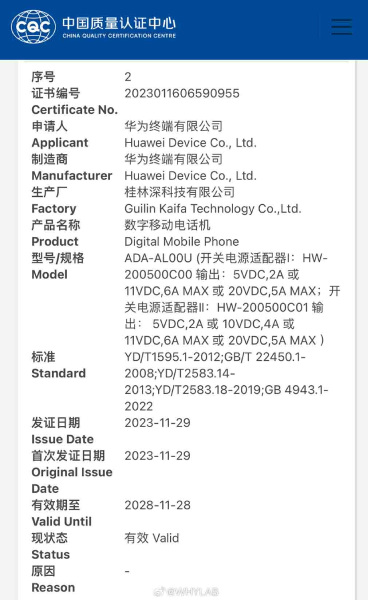
The device from Huawei carries the model number “ADA-AL00U” has surfaced on the 3C Certification. The sources claim this device to be Huawei’s all-new Nova 12 Ultra. The listing reveals that the device will support 100W charging, just like its predecessor.
The 3C Certification also confirms that the Nova 12 Ultra will use Huawei’s 100W Super Charger, which carries the model number “HW-200500C00”. The charger supports charging in the following modes: 10W (5V/2A), 40W (10V/4A), 66W (11V/6A) and 100W (20V/5A).
No other information about the Nova 12 Ultra is available from the 3C Certification listing. However, previous leaks have suggested that the phone will have a similar camera module design to the Nova 11 Ultra, but with a different arrangement of lenses.
With one of the Nova 12 Ultra devices having passed through the certification process, we can anticipate more information about the Nova 12 series soon.
In a groundbreaking philanthropic move, Lei Jun, co-founder, and CEO of Xiaomi has bestowed a record-breaking donation of 1.3 billion yuan (US$183 million) upon his alma mater, Wuhan University. This marks the single largest individual contribution ever made to a Chinese university, a testament to Lei Jun’s commitment to fostering education and innovation.
The generous donation, announced on Wuhan University’s 130th anniversary, is designed to propel advancements in key academic disciplines. The funds will be strategically allocated to support basic research in six major fields: mathematics, physics, chemistry, literature, history, and philosophy. Additionally, a substantial portion will be directed towards scientific and technological innovation in the realm of computer science, reflecting Lei Jun’s roots as a 1991 graduate with a bachelor’s degree in computer science.
Source: Wuhan University
Lei Jun’s motivation for this monumental gift is deeply personal. He described the donation as a “birthday gift” to his alma mater, emphasizing his desire to contribute to the cultivation of exceptional engineers, scientists, and technology entrepreneurs in China. This sentiment harkens back to Lei Jun’s own student days when he received a scholarship, instilling in him a commitment to give back in the future.
The utilization of funds extends beyond academic disciplines, encompassing a crucial focus on student development. The donation will play a pivotal role in nurturing the next generation of talent, aligning with Lei Jun’s vision for the emergence of outstanding individuals in the tech industry.
Lei Jun’s historical connection to Wuhan University is significant. The spark of his entrepreneurial passion was ignited within the university’s library in 1987 when he stumbled upon the book “Fire in the Valley,” which chronicled the origins of personal computing, with a focus on Apple and Microsoft. This history shapes Lei Jun’s commitment to supporting Wuhan University as a cornerstone in his journey.
Amidst a challenging period for the tech industry in China, marked by government crackdowns since 2020, Lei Jun’s donation stands out. Notably, he joins a cadre of tech entrepreneurs, including Jack Ma, Pony Ma Huateng, Richard Liu, and Zhang Yiming, who have made substantial contributions, aligning with President Xi Jinping’s ‘common prosperity’ drive.
Xiaomi, under Lei Jun’s leadership, has weathered challenges in the smartphone market, posting its first year-on-year revenue growth in six quarters. The donation reflects not only a commitment to education but also a broader perspective on the role of technology in shaping the future.
OnePlus is believed to be working on its next generation of premium truly wireless earbuds. The hearables in question are the OnePlus Buds 3 and these could be launching soon as it was just spotted in another certification platform.
OnePlus Buds 3 visits Canadian certification
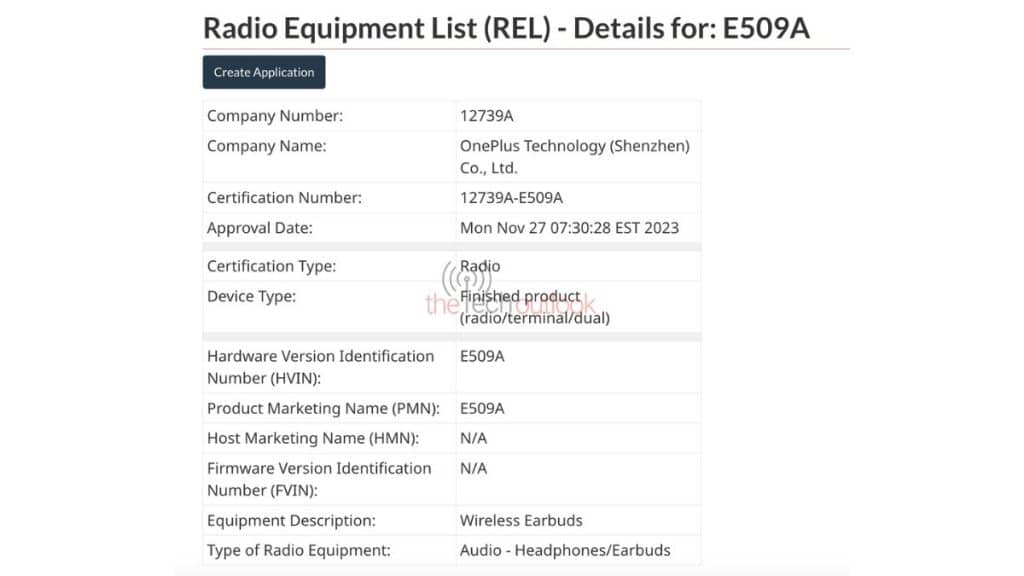
The upcoming OnePlus Buds 3 was recently seen getting certified on Canada’s REL authority. The earbuds were listed carrying the E509A model number. While the database mentions “wireless earbuds”, no other finer details were shared regarding the gadget. Similarly, the device was recently spotted on BIS, confirming the Indian availability. On the other hand, the FCC certification revealed its design schematics and battery capacity.
Back in September 2023, we had even covered a leak which shed light on some of the key specifications as well as design renders of the OnePlus Buds 3. Based on what we know so far, the premium TWS earbuds will feature a 520mAh battery pack, with each earbud housing a 58mAh cell. It also features IP55 water and dust resistance, Google Fast Pair, dual connection, and Bluetooth 5.3 support.
Similar to its predecessor (OnePlus Buds 2), the earbuds will reportedly feature a dual driver setup. This may consist of a 10.4mm woofer and a 6mm tweeter. These could offer up to 48 decibels of ANC (Active Noise Cancellation) as well. We can expects its batter life to be around 6 to 9 hours if ANC is enabled or disabled, and a total battery life upwards of 33 hours.
Amazon Web Services (AWS) has launched Amazon Q, a cutting-edge generative artificial intelligence (AI) assistant designed to revolutionize the corporate landscape. This move signals Amazon’s strategic foray into the competitive AI chatbot space, challenging established players like Microsoft and Google.
Purpose and Innovation:
Amazon Q is a sophisticated assistant meticulously crafted to cater to the unique needs of corporate customers. Boasting capabilities such as conversational Q&A, error troubleshooting, and network issue resolution, Amazon Q sets itself apart by seamlessly integrating into the AWS console. The purpose is to infuse generative AI into various products, enhancing workplace efficiency, and addressing specific business requirements.
AWS Response to Competition:
Facing stiff competition from Microsoft and Google, AWS is leaving no stone unturned in its efforts to dominate the generative AI space. While previous initiatives, such as Bedrock, received mixed reviews, AWS has responded robustly by releasing new products and strengthening partnerships. The collaboration with Nvidia, a leader in AI chips, and the backing of AI startup Anthropic with a substantial investment showcase Amazon’s determination to stay ahead in the rapidly evolving AI landscape.
Amazon Q Features:
Amazon Q comes loaded with a plethora of features aimed at simplifying tasks for developers and business users alike. From personalized recommendations for Amazon EC2 instance selection to troubleshooting errors and network connectivity issues, Amazon Q seamlessly integrates into the workflow. The assistant’s integration with supported Integrated Development Environments (IDEs) allows developers to seek help and invoke actions effortlessly, fostering a dynamic and interactive development environment.
Market Position and Criticisms:
Despite AWS’s massive corporate client base, some industry observers have expressed skepticism. Critics argue that Amazon lacks the name recognition of competitors like Microsoft and Google, emphasizing the need for a clearer generative AI strategy. Customer feedback suggests a desire for more transparency and a refined approach to competing in this rapidly evolving space.
AWS Executive Insights:
In response to competitors, AWS executives have criticized Microsoft’s reliance on OpenAI, underscoring the importance of providing users with a choice of models and providers. Describing the current state of the generative AI field as “early days,” AWS executives acknowledge the rapid pace of experimentation and learning within the industry.
Getting Started with Amazon Q:
Users eager to harness the power of Amazon Q can seamlessly engage with the assistant for myriad tasks, including answering questions, writing code, troubleshooting, workload optimization, and feature development. The integration with AWS Support ensures a comprehensive customer support experience, aligning with the entitlements of the AWS Support plan.
Amazon Q represents a significant leap forward in generative AI, with its tailored features catering to the diverse needs of corporate users. As AWS intensifies its efforts to compete in the AI chatbot space, Amazon Q emerges as a powerful tool poised to reshape how businesses operate. The integration of generative AI into everyday workflows is set to redefine workplace efficiency, solidifying Amazon’s position as a formidable player in the AI landscape.
In a world increasingly reliant on technology, the production and control of semiconductor chips have become vital. Jensen Huang, CEO of Nvidia, a leading player in the semiconductor industry, recently highlighted the considerable time the United States may need to achieve independence in chip manufacturing. According to Huang, the US could be a decade or two away from self-reliance in this crucial sector.
Semiconductors are a globally valued product right now, and it shows
The semiconductor industry is a complex and globally interconnected web, with significant components originating from various parts of the world, notably Taiwan. The current geopolitical climate, marked by tensions in US-China relations, has intensified the focus on semiconductor production. The US government’s efforts to bolster domestic manufacturing capabilities, as evidenced by President Biden’s visit to a new Taiwanese chip-making plant in Arizona, reflect a growing desire to mitigate reliance on foreign production.
However, this shift towards domestic production is not just a U.S. trend. Europe, too, is striving to localize semiconductor manufacturing. This global movement signifies a departure from decades of globalization that distributed production across the world, creating vulnerability through concentrated production hubs in places like Taiwan and South Korea.
The semiconductor industry’s strategic importance goes beyond economic factors; it’s also a matter of national security. This is evident in the US government’s recent export restrictions on high-end artificial intelligence processors to China, impacting companies like Nvidia. These restrictions are part of broader efforts to safeguard national security and maintain technological competitiveness.
Huang’s comments also reflect the delicate balance companies like Nvidia must maintain. While adhering to US regulations, they also need to sustain their market presence in China, the world’s largest chip market. Adapting to regulatory changes and developing new, compliant products is crucial for these companies to continue their global operations.
Chinese tech giant Alibaba.com is taking another substantial leap forward by integrating artificial intelligence (AI) into its operations. This move is not just about embracing modern technology; it’s a strategic play to enhance the efficiency and global reach of the merchants on its platform.
Merchants can automate client interactions, saving a lot of time
Alibaba.com, a prominent player in international business-to-business wholesale, is introducing an AI-upgraded version of OKKI, a customer relationship management tool. This upgrade is more than just a technical enhancement. It’s a game changer for merchants handling overseas clients, especially in the realm of communication. With AI-powered assistance, merchants can now automate client interactions, including the often cumbersome task of drafting business emails. This capability is expected to attract more customers globally, a critical advantage in the competitive e-commerce sector.
The integration of AI into Alibaba’s operations is a reflection of the company’s commitment to staying ahead in the digital race. By automating client-facing operations, merchants can focus on other aspects of their business, leading to increased productivity and potentially higher sales. The AI tool has already shown promising results, with a reported 32% improvement in response rates from overseas clients when business correspondence is refined by OKKI.
This innovation is part of Alibaba Cloud’s broader push to make advanced AI tools more accessible to businesses. Their recent suite of AI tools, built on a large language model, aims to help enterprises unlock the potential of generative AI, the same technology behind notable services like ChatGPT.
Alibaba’s move is timely, considering the increased competition in global markets. By offering such advanced tools, the company is not only supporting its merchants but also positioning itself as a leader in the digital transformation of e-commerce. The AI-enabled SaaS offering could be a critical factor in Alibaba’s growth, especially when domestic sales are facing challenges.
Apple‘s latest iOS 17.2 beta update brings a refreshing change for iPhone users who have longed for more personalization in their devices. The new feature, nestled under ‘Sounds & Haptics’, introduces the ability to customize the default notification sound. This change, seemingly small, marks a significant shift in Apple’s approach to user experience.
Users could only customize mail and calendar alert sounds previously
Previously, customization options for sounds were limited to texts, mail, and calendar alerts. Now, the new ‘Default Alerts’ section expands this flexibility to all other notifications. This means users can now choose from any of the available text tones to be their default notification sound. This feature not only enhances personalization but also aids in better distinguishing between different types of notifications.
Moreover, Apple has addressed feedback regarding the haptic alert introduced in iOS 17. Users now have the option to revert to the old haptic feedback or customize it according to their preference. This level of customization, particularly in haptic feedback, is a thoughtful addition for users who are sensitive to or particular about the tactile feedback they receive from their devices.
Vivo is set to launch the S18 series smartphones in China in December The lineup is expected to comprise the S18, S18e, and S18 Pro. Earlier today, we got the first official look at the rear panel design of the upcoming devices. The specifications of the standard and pro variants had leaked recently. The Vivo S18 phones will arrive as the successors to the last year’s S17 series. Now, ahead of the launch, the Vivo S18 has surfaced on the Geekbench benchmarking platform.
Vivo S18 spotted on Geekbench
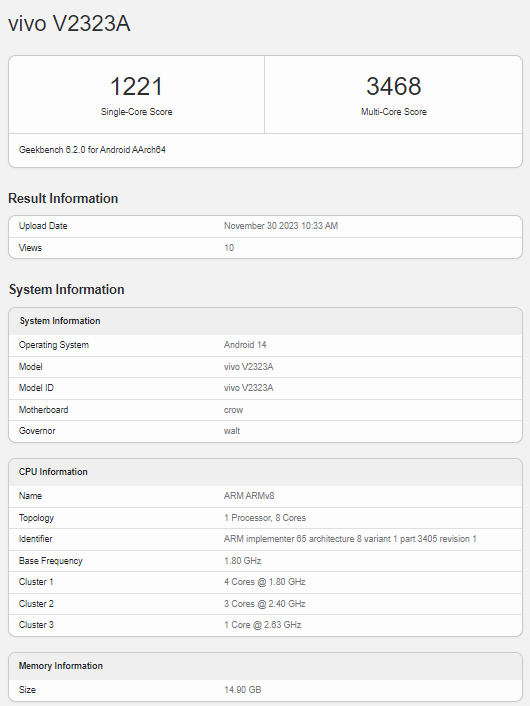
The Vivo S18 has appeared on the Geekbench database with model number V2323A. The motherboard is codenamed ‘crow’ and the configuration comprises of four cores clocked at 1.80GHz, three cores at 2.40GHz, and a prime core ticking at 2.63GHz. This suggests that the smartphone will be potentially powered by Qualcomm’s latest Snapdragon 7 Gen 3 processor. The device is listed on benchmarking platform with 16GB RAM and we can expect more options at launch. Software-wise. it will ship with Android 14 OS.
In the Geekbench’s single-core and multi-core test, the Vivo S18 scores 1,221 and 3,468 points respectively. Meanwhile, a 3C certification of the smartphone revealed support for 80W fast charging.
The Vivo S18 series will come in Porcelain and Jade color options with both having wavy pattern design. The device has a rectangular protruding island where the top half is reserved for camera setup in a square shape and black color. The other half of the module has an LED flash unit along with a squarish-shaped Aura light LED.
Leaked specs of the Vivo S18 revealed an OLED display with 2,800 nits peak brightness and a 5,000mAh battery unit. It will pack up to 16GB RAM and 512GB storage.
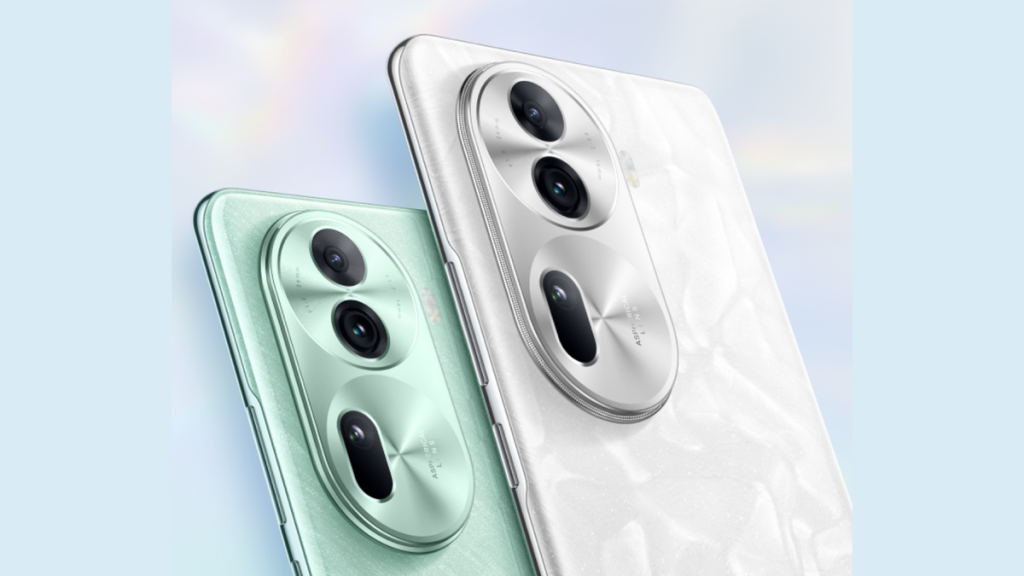
Oppo unveiled the Reno 11 series earlier this month in China. The series contains two devices: the Oppo Reno 11 and Reno 11 Pro. Now these devices are emerging on several certification websites in multiple regions across the globe, indicating their global launch.
OPPO Reno 11 series-
Thailand’s NBTC confirms (CPH2607) to be Reno 11 Pro 5G
The above screenshot from Thailand’s NBTC certification platform confirms the device with the model name CPH2607 is the Oppo Reno 11 Pro 5G. This CPH2607 model number has recently emerged on several other certification websites, including India’s BIS, Indonesia’s TKDN, Malaysia’s SIRIM, and Singapore’s IMDA.
The Reno 11 Pro with the model number CPH2607 achieves a TKDN value of 35.45%, which basically means the device is using around 35% of domestic components (Indonesia). We can also see from the cellular bands that this device supports 5G. Additionally, both the Oppo Reno 11 5G (CPH2599) and Oppo Reno 11 Pro 5G (CPH2607) appeared on Malaysia’s SIRIM certification website, further confirming the respective model numbers and the launch in the country. Previously, the Oppo Reno 11 Pro 5G also appeared on the UAE’s TRDA.
The OPPO Reno 11 5G global variant appeared on BIS, FCC, and GeekBench a few days ago revealing it’s key specifications.
Key specifications of the global versions of the Reno 11 series devices
From the certification platforms, we get to know some key specifications of the global variants of the two devices. The Reno 11 5G is powered by the MediaTek Dimensity 8200 (4nm) chipset while the Reno 11 Pro 5G offers the Snapdragon 8+ Gen 1. The display sizes are 6.7″ and 6.74″ for the non-Pro and Pro models, respectively. Additionally, the duo offers a 4800mAh and 4700mAh battery along with 67W and 80W charging support respectively.
For cameras, both phones offer a triple-lens setup on the back with a 50MP + 32MP +8MP configuration.
Samsung’s latest-generation Galaxy Z Fold 5 comes with incremental changes whereas the Z Flip 5 packs significant upgrades compared to their predecessors respectively. While we are far away from the brand’s sixth-generation foldables, a new development has shed interesting information on the Z Fold 6 and Flip 6. The information comes from Display Supply Chain Consultant’s Ross Young who is quite accurate and reliable.
Sixth-generation Galaxy Z Fold and Flip may have bigger displays
The foldable and cover displays on both the Z Fold 6 and the Z Flip 6 will be larger than on the Z Fold 5 and Z Flip 5. Exact sizes in latest DSCC Foldable Report. Flip 6 cover display approaching 3.9".
Samsung is planning to expand the display sizes of the Galaxy Z Fold 6 and Z Flip 6. DSCC’s Young says that both phones will feature larger internal and external screen sizes. The cover screen on the next-generation clamshell foldable phone will measure 3.9 inches which is 0.5 inches bigger than the Z Flip 5’s 3.4 inches. The South Korean brand has gradually increased the size of the cover screen since the 1.1-inch display on the original Galaxy Z Flip.
The exact sizes of the internal and external displays of the Galaxy Z Fold 6 and Z Flip 6 have not been revealed. We can expect them to get upsized. For those unaware, the Fold 6 has a 6.2-inch and 7.6-inch internal and external screen respectively. Meanwhile, the Z Flip 6 features a 6.7-inch main display.
Leaks suggest that Samsung is also aiming to trim down the thickness of its next-generation foldables. Another rumor points to a 50MP primary camera on the Galaxy Z Flip 6. If the latest info from Young is right, the Galaxy Z Fold 6 and Z Flip 6 may come with major changes next year.
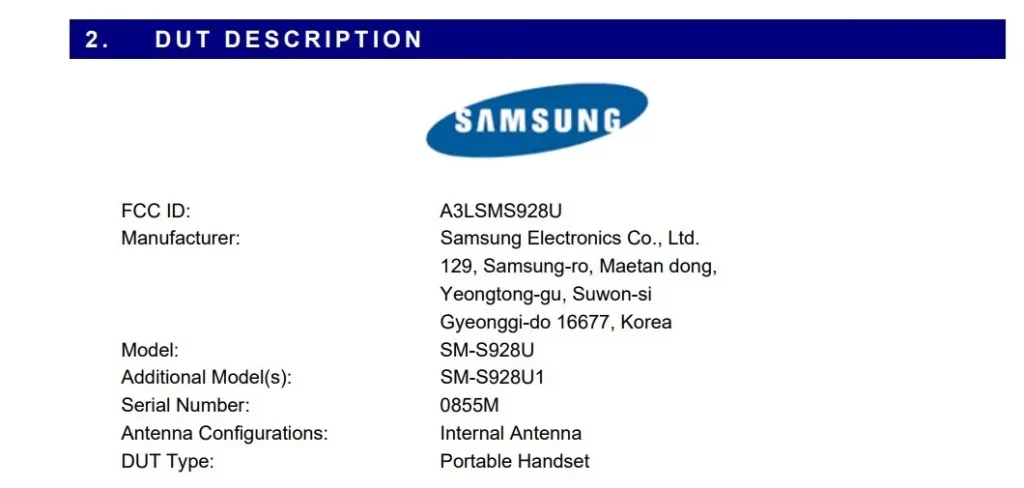
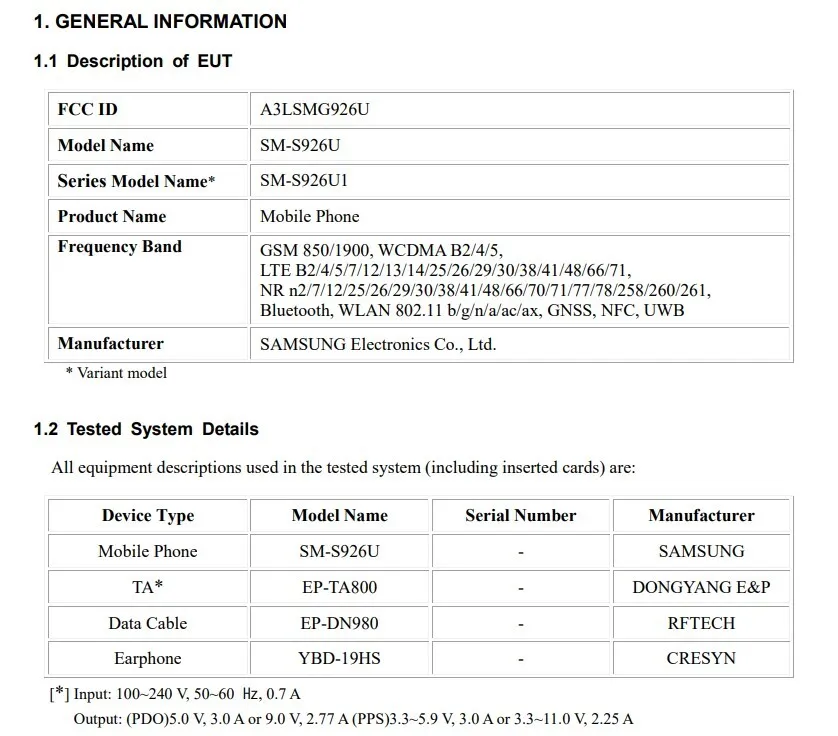
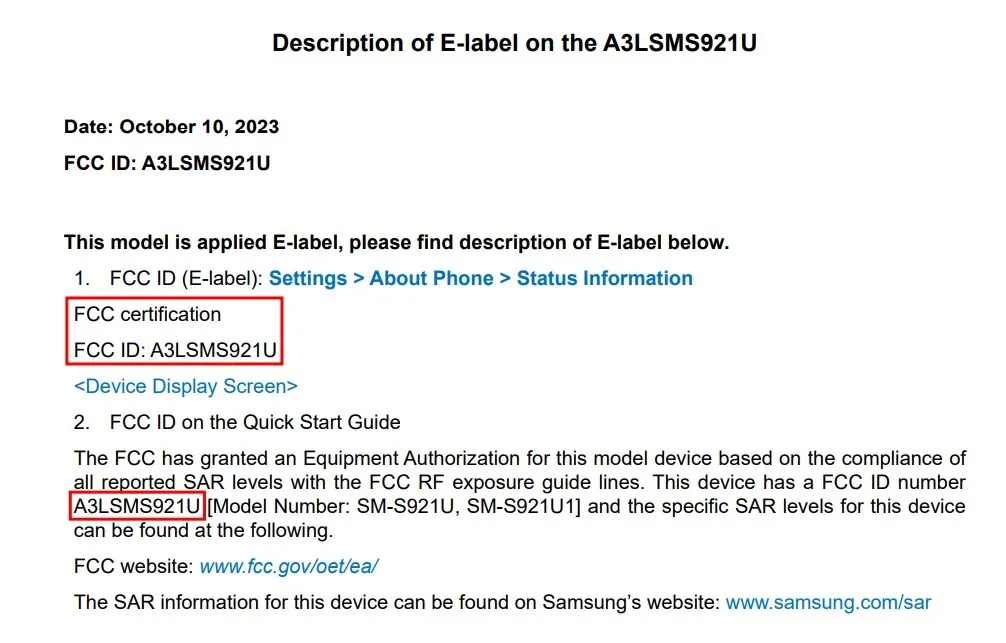
The South Korean tech giant’s Galaxy S24 Ultra was recently spotted on NBTC, while the Galaxy S24+ surfaces on BIS. Now, the entire Galaxy S24 lineup surfaced on the FCC database. Looking at the online listings, the Galaxy S24, Galaxy S24+, and Galaxy S24 Ultra were sighted carrying the model number SM-S921U, SM-S926U, and SM-S928U.
Notably, the Galaxy S24+ model was listed on FCC as being tested with a charger (EP-TA800), which supports 25W fast charging. Furthermore, the certification also revealed support for UWB connectivity, NFC, and 5G networking. The Plus variant’s measurements were also revealed with the 158.5 x 75.9 x 7.75mm in dimensions. Based on what we know so far, the Galaxy S24 lineup will feature the Qualcomm Snapdragon 8 Gen 3 SoC out of the box.
The flagship series from Samsung is expected to feature 8GB of RAM, maxing out at 12GB for the top models. For those unaware, the Galaxy S24 lineup is set to be announced on 17th January 2024. So stick around for more as we will be covering more updates when additional information is available regarding this matter.
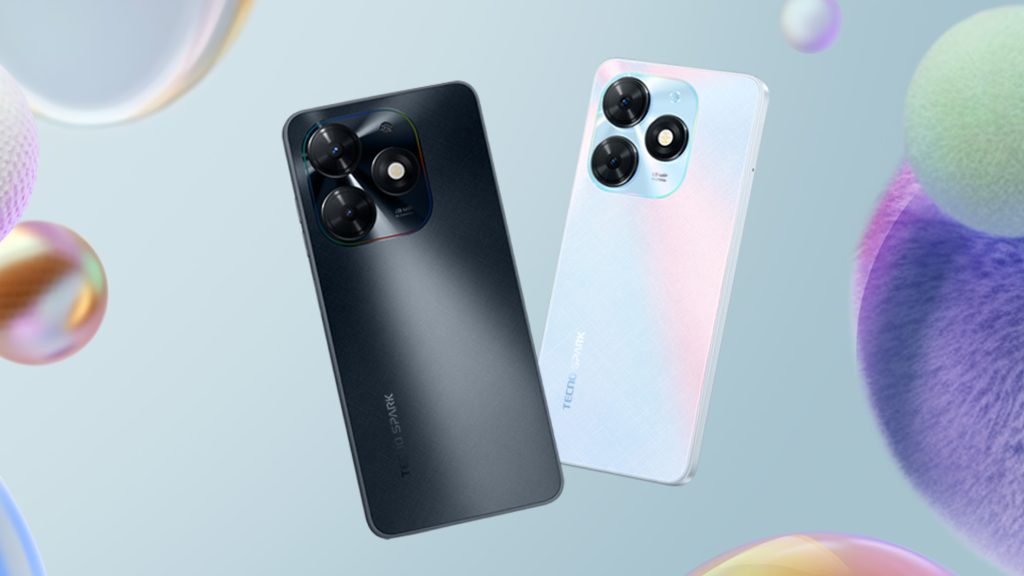
Tecno launched the Spark Go 2024 in Malaysia earlier this month. Now the brand is gearing up to bring the smartphone to the Indian market. Tecno has announced the launch date of the same today. The upcoming offering’s key specifications as well as the pricing has also been teased. The Spark Go 2024 is already confirmed to be available for purchase from Amazon. It will arrive as the successor to the Spark Go 2023 that debuted earlier this year.
Tecno Spark Go 2024 launch date and key specs revealed
The Tecno Spark Go 2024 is set to debut on December 4 in India. The latest development confirms that the device will be equipped with dual stereo speakers tuned by DTS. It will be powered by an unspecified octa-core processor and be backed by a 5,000mAh battery with a USB-C port for charging. The upcoming offering is also confirmed to feature 6GB RAM and 64GB internal storage. The device will have a side-mounted fingerprint scanner embedded in the power button.
A past teaser revealed that the Tecno Spark Go 2024 will come with a centre-aligned punch-hole cutout with Dynamic Port feature. This will work similarly to Apple’s Dynamic Island and show notifications like calls, charging alerts, and more. The display will feature a 90Hz refresh rate.
The teasers also confirm that some features on the Tecno Spark Go 2024 are segment-first where the price point is set to be below Rs 8,000. As per a tipster, it may be priced at Rs 6,999. We should learn more details about the smartphone next week.
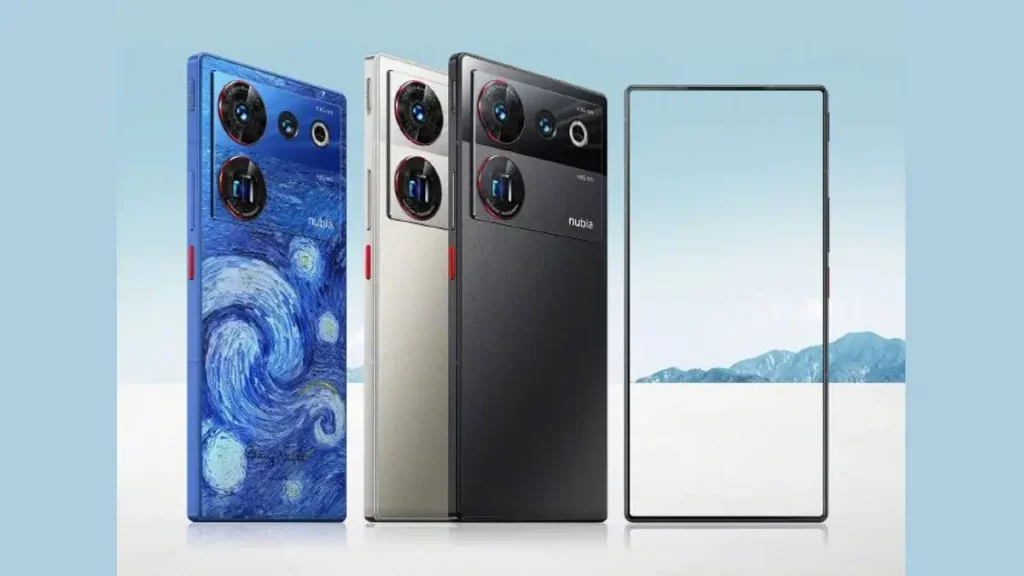
Earlier today, Nubia confirmed that it will launch its next-gen flagship smartphone in December. The brand also revealed that the device will be officially called Nubia Z60 Ultra.
This device has been in the news for the last few weeks. A couple of days back, we even got to learn about its key features.
Now, a reliable tipster has shared the camera specs of this phone. Let’s go through the details.
Nubia Z50 Ultra
According to Digital Chat Station, the upcoming Nubia Z60 Ultra will feature a triple camera setup on the rear and an under-display selfie camera on the front, just like its predecessor Nubia Z50 Ultra. He has also disclosed the sensors used on the back, which will be different.
As per him, the handset will house two 50MP sensors and a 64MP OmniVision OV64B periscope unit. An earlier leak suggested that the main 50MP camera will be a 1/1.56-inch sensor. Whereas, the second 50MP shooter will measure 1/1.55-inch in size and will be paired with an ultrawide lens.
Further, the smartphone is said to flaunt a 1.5K flat OLED display. It is expected to draw energy from a 6,000mAh battery and carry support for 80W wired charging.
Last but not least, it will be powered by a Qualcomm Snapdragon 8 Gen 3 chip and will boot Android 14, just like other high-end phones. This has been confirmed by the handset’s Geekbench listing in October.
Now that December starts tomorrow, we are looking forward to official teasers from Nubia detailing the key specs of the Z60 Ultra in the coming days. Most importantly, we also expect the company to announce the launch date very soon.
Xiaomi recently announced the new Redmi 13C model in the Chinese market. The device is even set to launch in India in the coming week as well. Now, it appears that the company is working on another Redmi 13 series model, dubbed the Redmi 13R 5G.
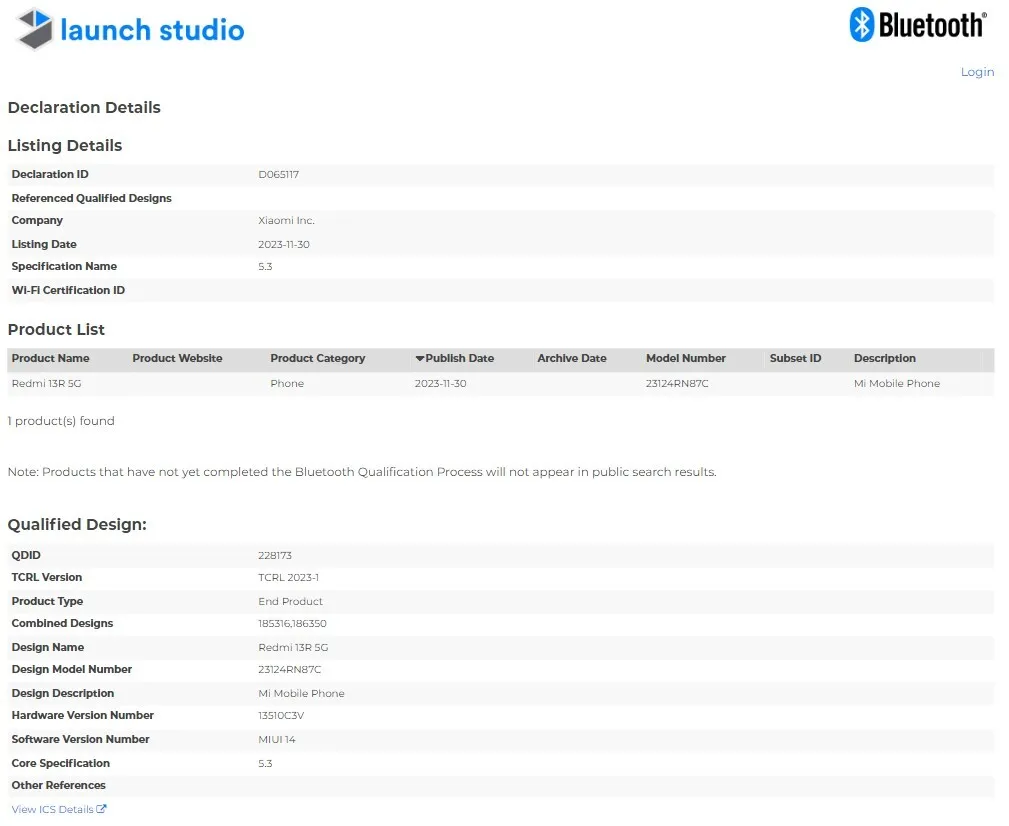
Redmi 13R visits Bluetooth SIG
The Chinese tech giant’s upcoming Redmi 13R 5G was recently spotted on the Bluetooth SIG platform. The database listed the device with the 23124RN87I model number. This certification confirms the “Redmi 13R 5G” moniker along with Bluetooth 5.3 support. This model will also run on Android 13 OS based MIUI 14 custom skin out of the box.
Unfortunately, no finer details regarding this smartphone were shared on the Bluetooth SIG website. There’s a chance that the Redmi 13R 5G could be a rebranded 13C 5G model for the overseas market. The Redmi 13C 5G was spotted on the 3C with the model number 23124RN87IC. This is nearly identical to the Redmi 13R 5G’s 23124RN87I model number. If this is true, then we can make some speculations regarding the 13R’s specifications.
The Redmi 13C 5G is expected to be equipped with the MediaTek Dimensity 6100+ SoC. The front may feature a teardrop notch display that has a 90Hz refresh rate and HD+ resolution, while the rear could pack a 50-megapixel primary sensor. This is still unconfirmed information, so take this news with a pinch of salt and stick around for more updates.
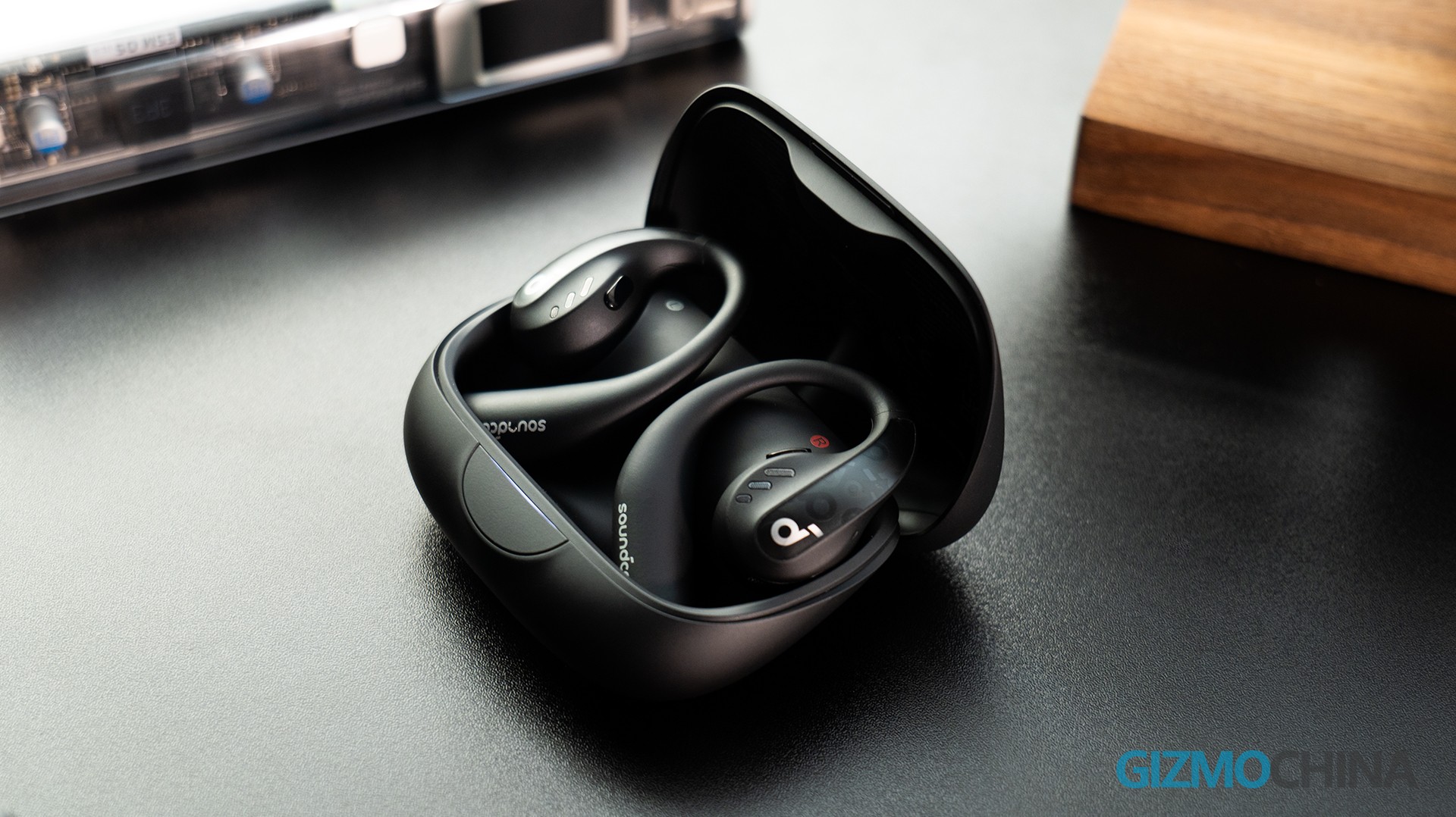
Many brands are pushing open-ear earbuds to a more comfortable, better-sounding level. Soundcore, as a newcomer in this category, has a new product to offer, which is the Aerofit Pro. This is their first earbuds of this type, but with a much more mature and better design, and innovative strap for better fit, alongside their years of experience in acoustics, this can be your next earbuds for all kinds of use.
The Form Factor
Open-ear earbuds have come to a stage where the shape is pretty much the same, I would argue that even if they are bigger than in-earbuds, there shouldn’t be any complaints about them, because they have become a lot thinner and less bulky than before, and the weight distribution is also very good already.
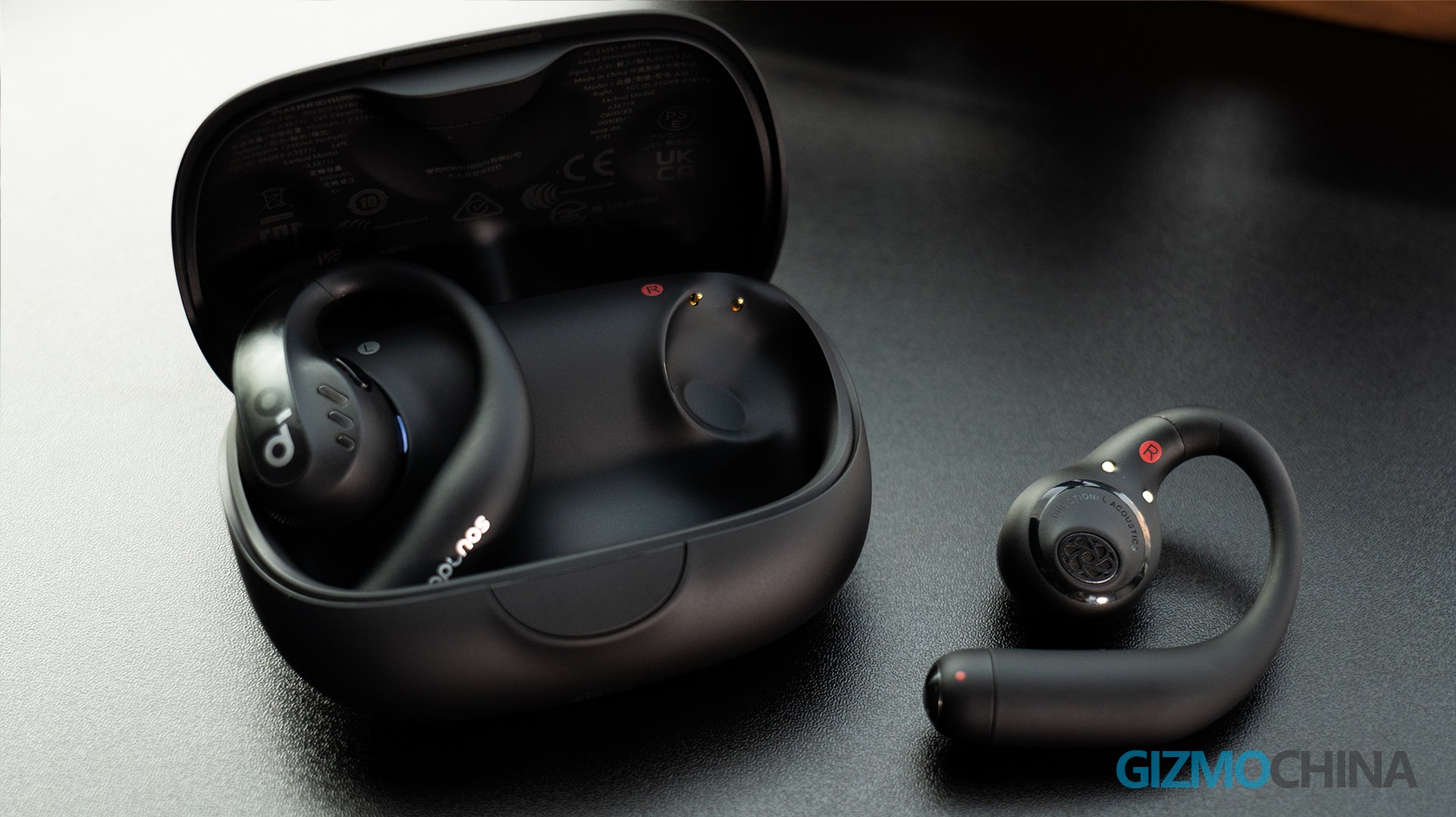
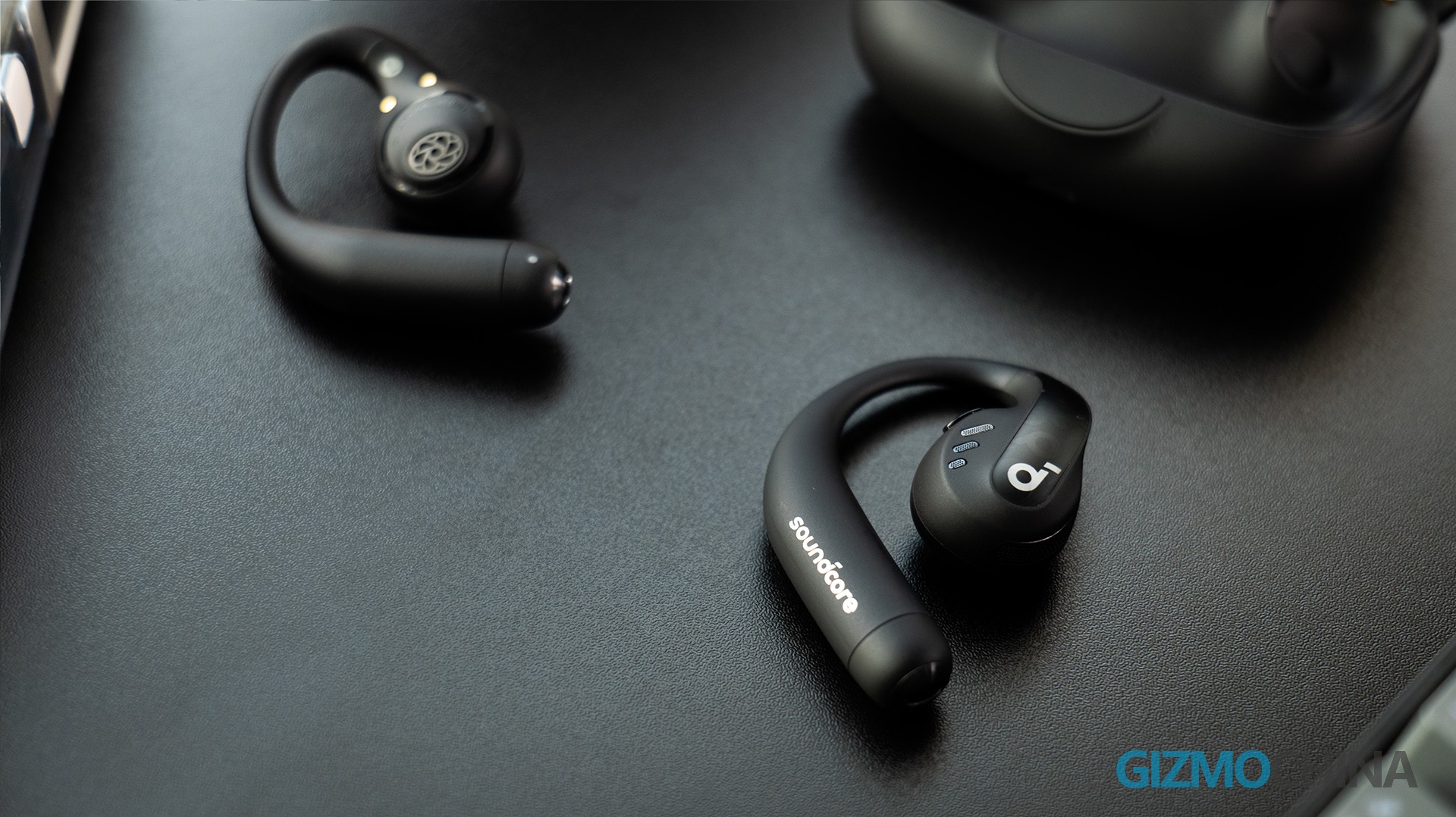
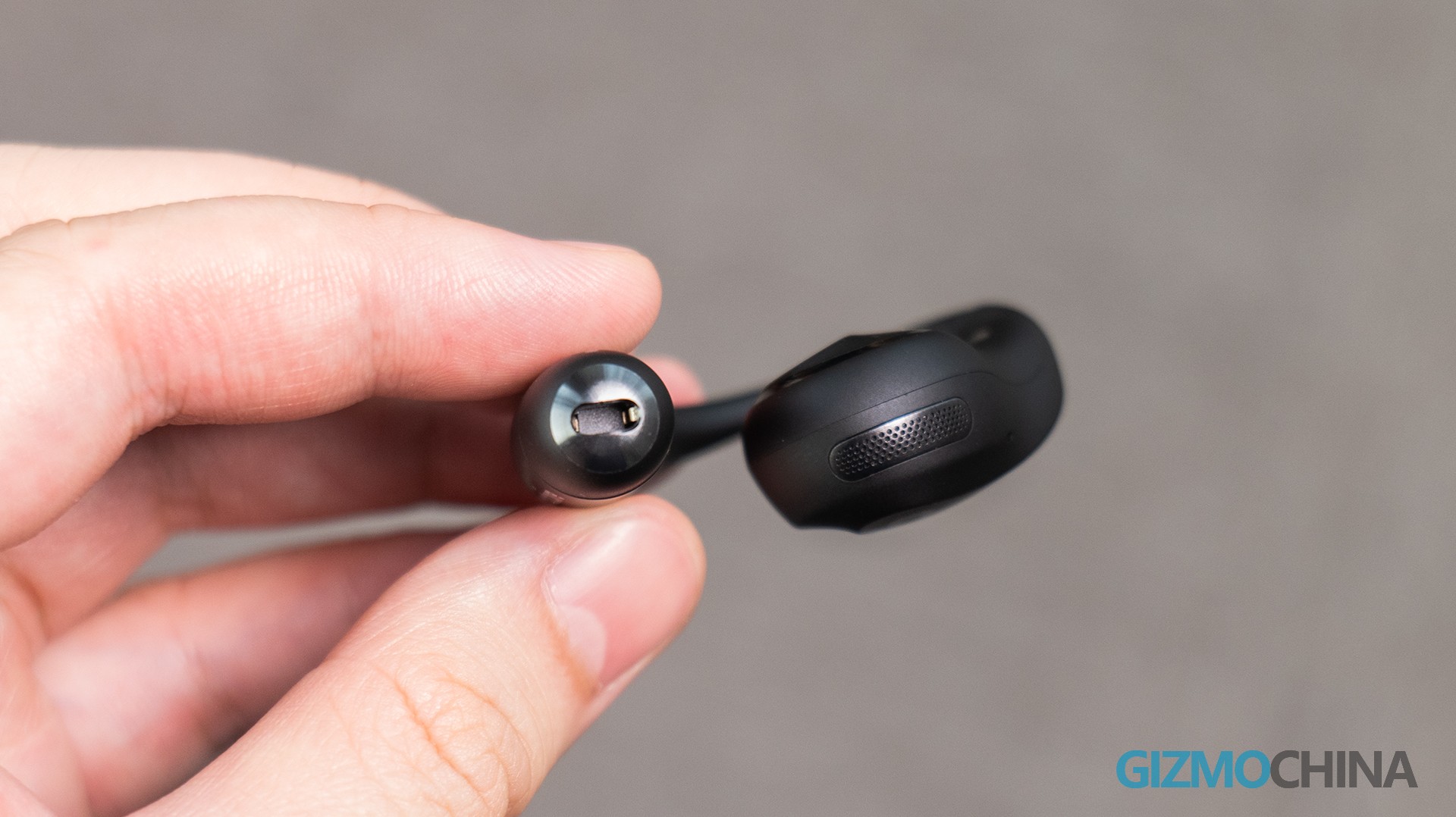
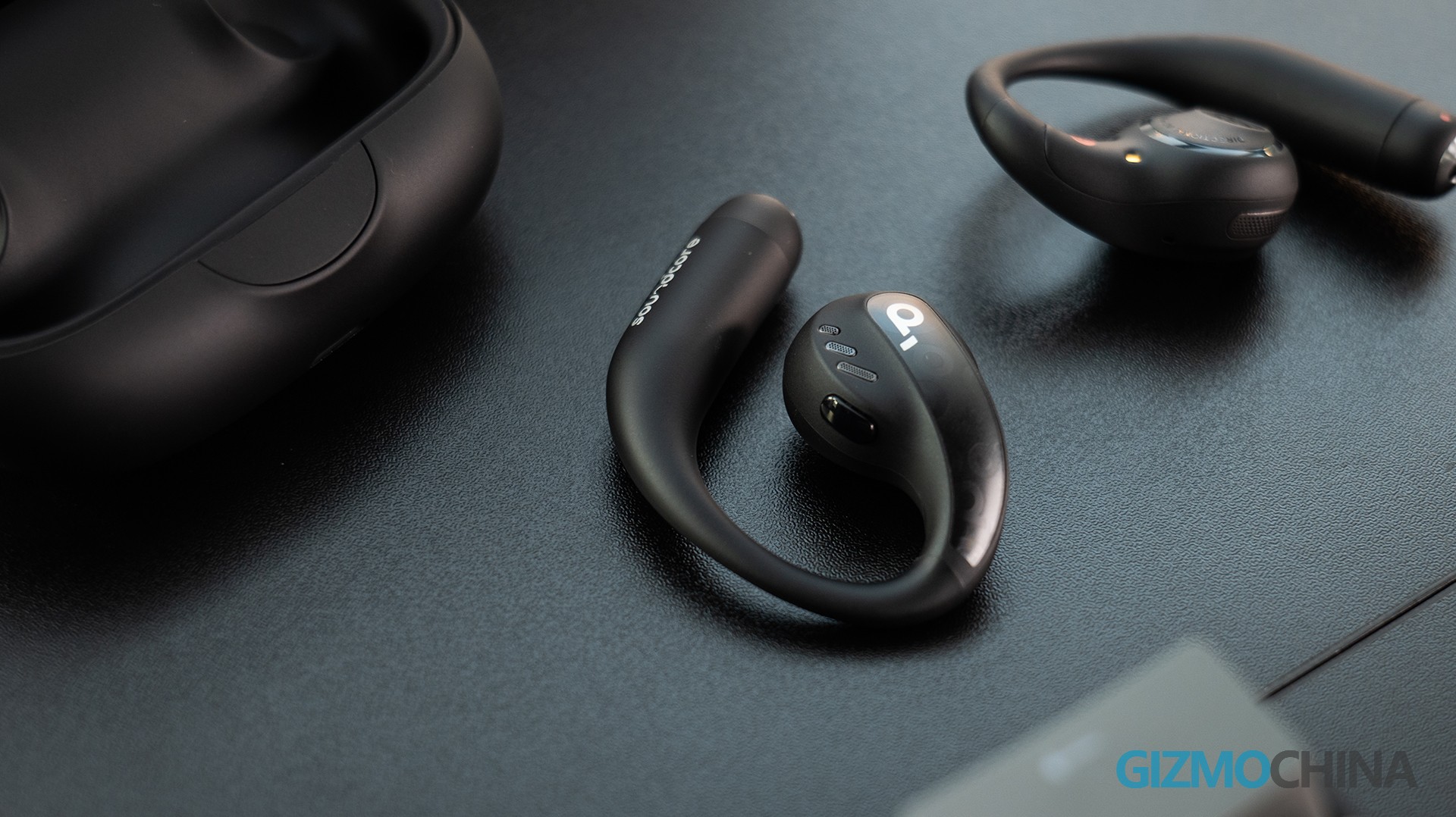
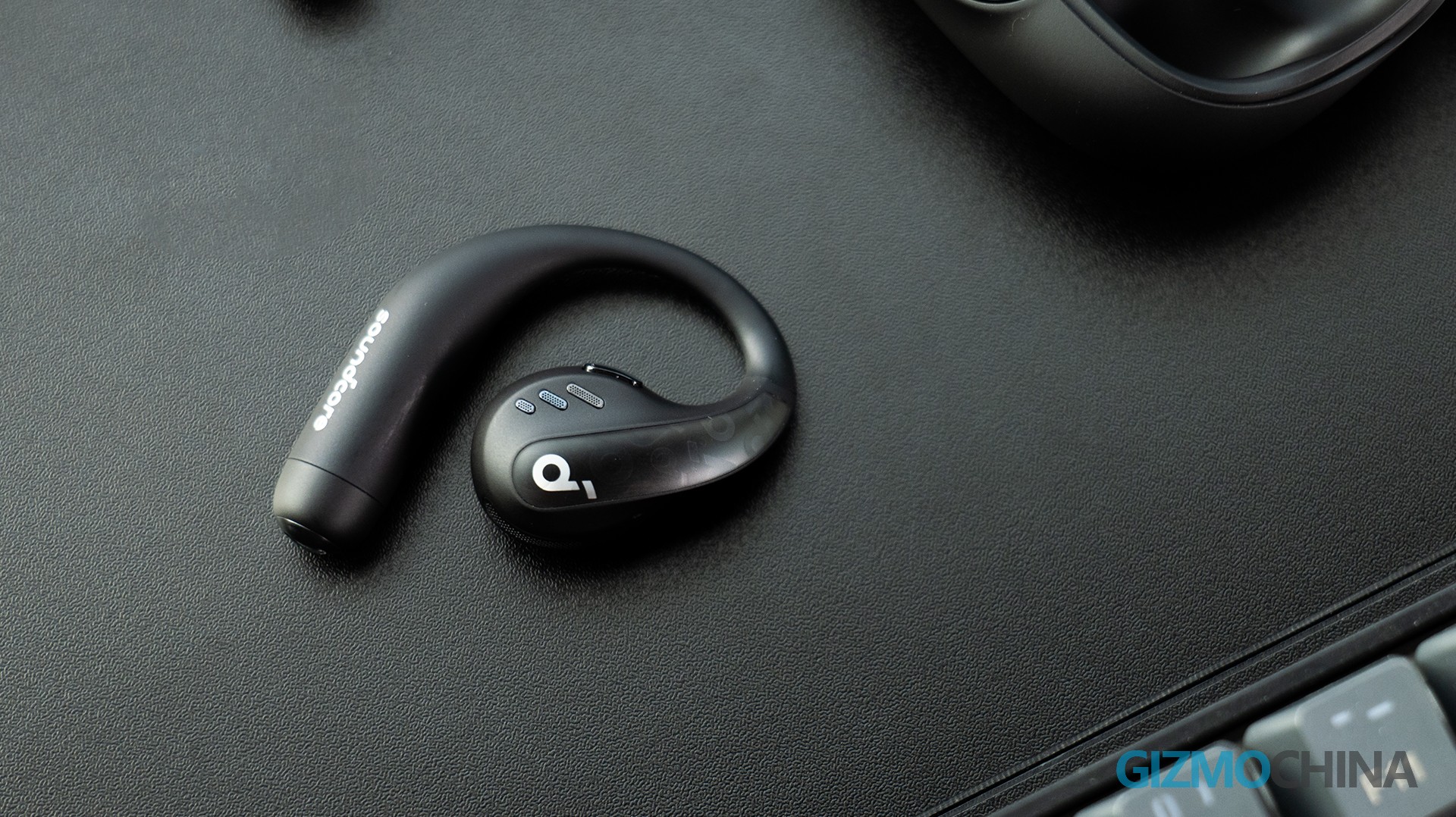
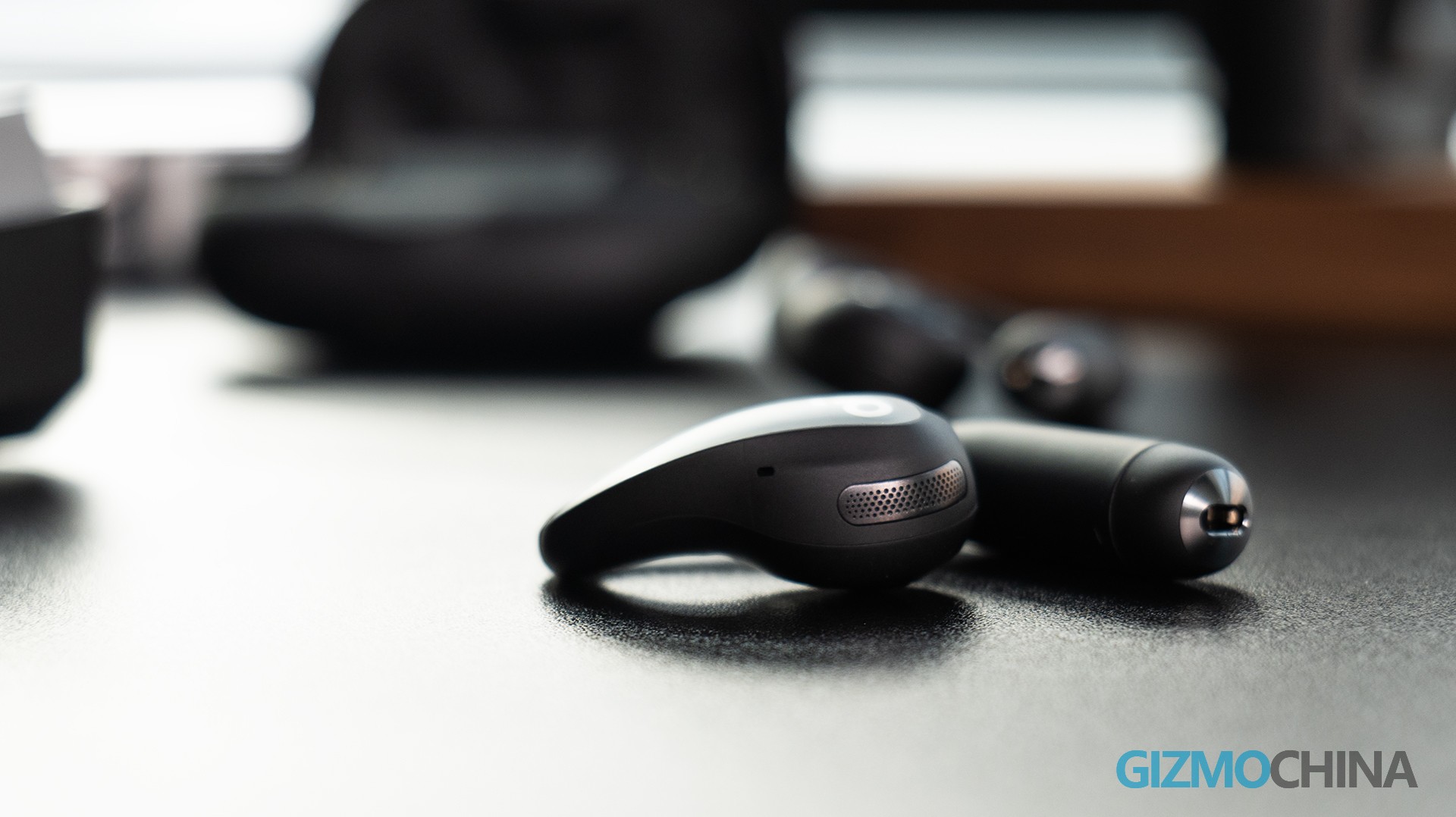
Although I said the form factor of this kind is much alike between one and another, Soundcore still has a big step ahead, I mean this pair of earbuds takes every good thing from open-ear earbuds, and then upgrades them to a new level. In detail, the Aerofit Pro has a very sleek design in most of the parts, every piece is rounded, including the tail that goes back to the back of the ear, and the speaker unit at the front. There is a slightly sporty print on the plate facing the outside, this just adds a little energy to the overall aesthetics. The speaker unit is not entirely flat, rather sticks out a little bit, and facing down if looking closely into that, I think it helps with the directional sound. The material used across the entire body is skin-friendly, so wearing them for a long time will be a lot more comfortable.
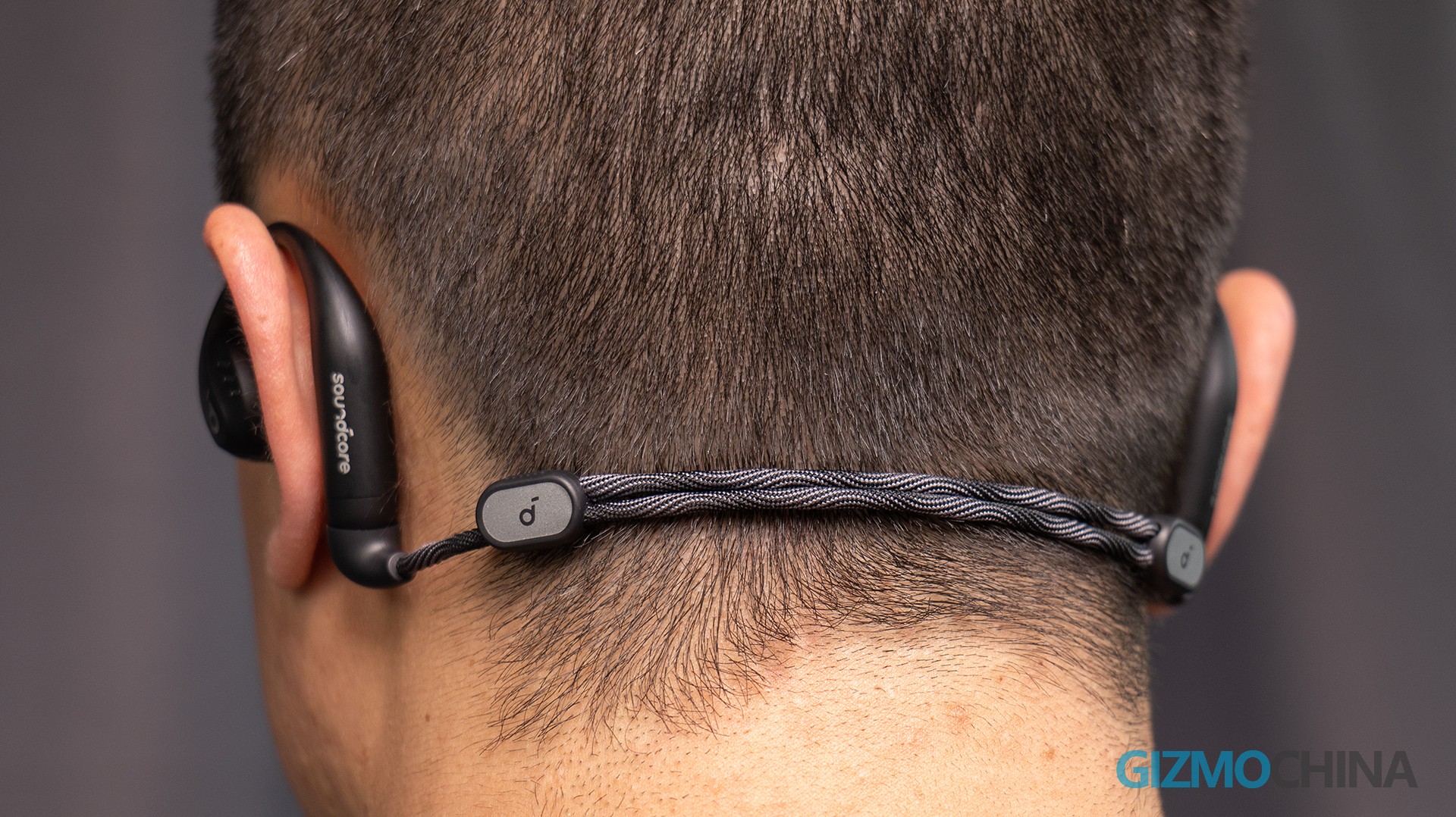
The most interesting and innovative part of the earbuds is this detachable titanium neckband, this has been the first in this category. It is a combination of traditional wireless Bluetooth headphones and sports earphones, some brands have tried to do that, but none of them has done it in a perfect way like this. This neckband is made of titanium inside and braided at the outer layer, and the knots enable the band to be flexible. So the neckband has many benefits, the first being the secure fit, once the band is adjusted to the best fit, it will be very secure, neckband on old bone-conduction headphones or normal sports headphones are longer, so it can fit as many people as possible, but that comes at the cost of creating a burdensome experience since the band will shake up and down quite a lot, but this neckband solves the problem. Next, it is detachable, you can certainly do intense sports with the neckband on, but you can also do light training without that. This can be very convenient, but I think this is part of the reason why the earbuds only have an IPX5 waterproof rating, rather than IPX7 like its small brother the Aerofit. One thing to mention here is that you can kind of feel its existence the first time wearing them, so this is a habit you need to build with this neckband on.
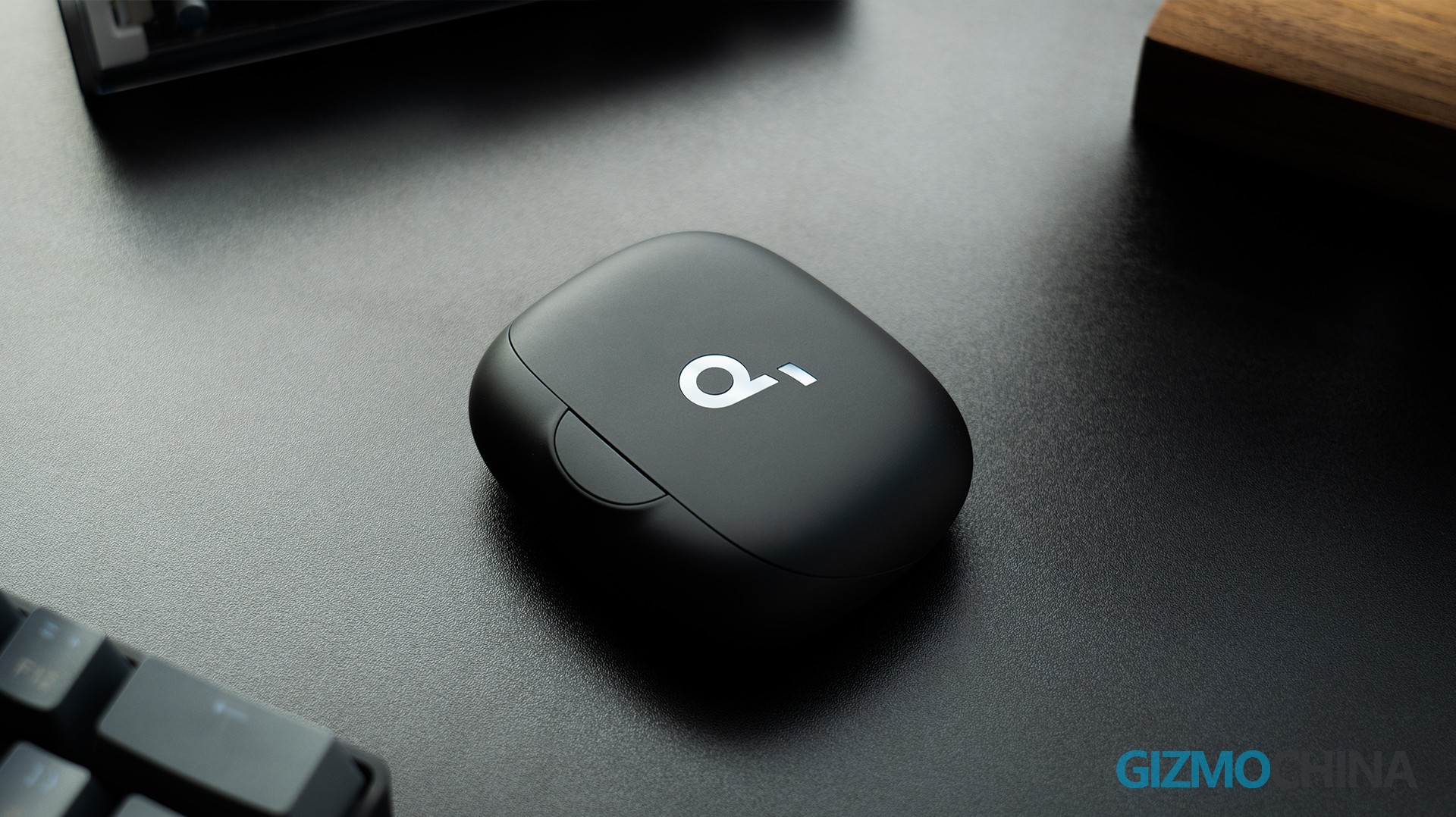
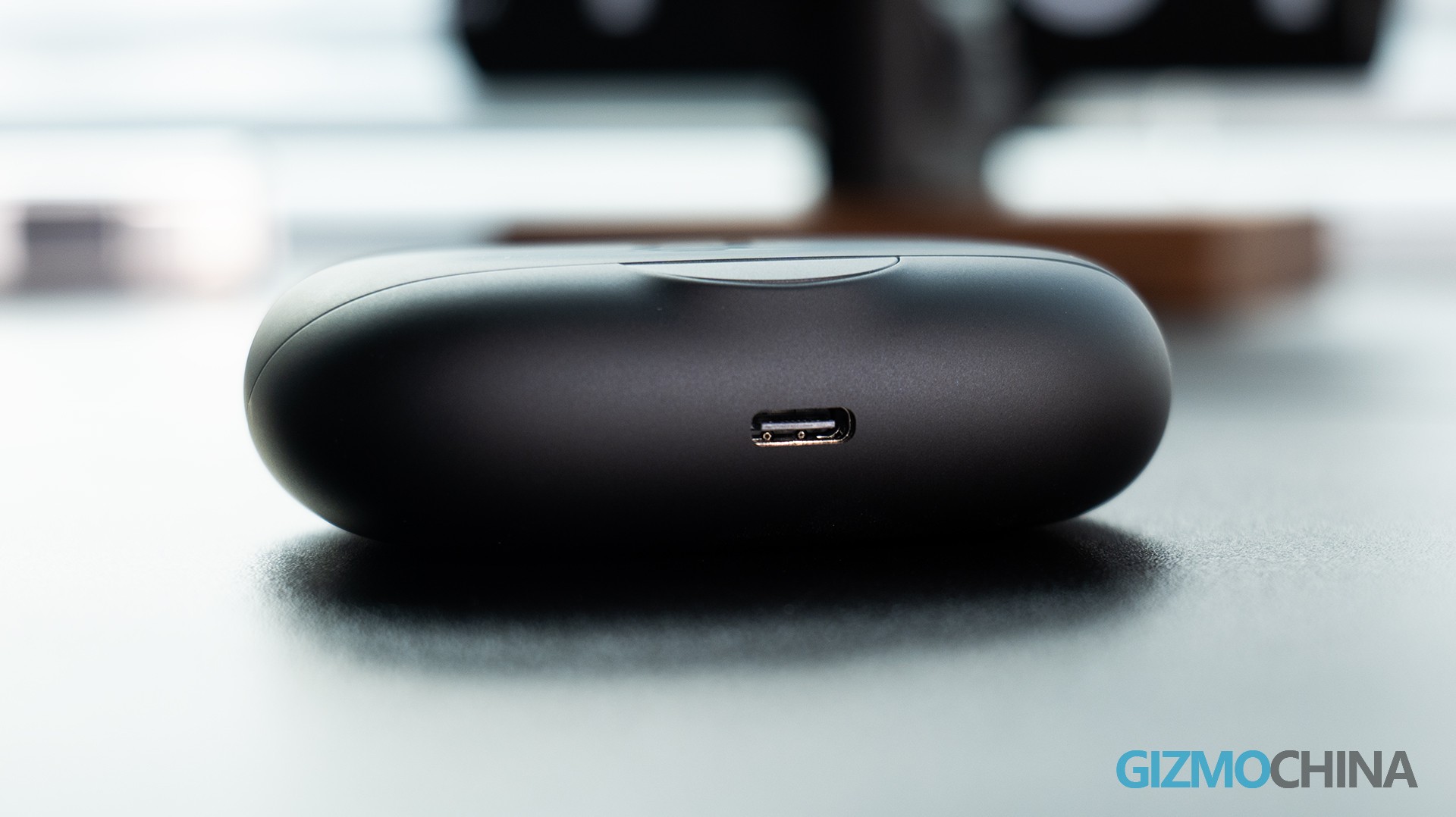
The charging case is bigger than some in-ear earbuds, but still manageable to be held in hand, and it won’t be bulky being in the sports pants. But the essential point of sport earbuds is the running time, these earbuds have 105mAh X 2 inside, and 750mAh in the charging case, it claims to be able to play music for 14 hours per charge, and 46H with the case, which is more than enough for a whole workout session, or even run a marathon! The case has a magnetic clip to it, the security is nice and snug. Still, there is one thing I have to point out over and over again, which is that it would be better if the spring were less strong, so whenever it pops up, the whole unit won’t fall off the hand, the solution for now is to hold the case two-handed when you try to open the case.
Sound Quality
Specs-wise, the Soundcore AeroFit Pro headphones have 16.2mm drivers, this is a bigger size driver than others, and this could compensate for the sound loss of open-ear earbuds a lot. titanium-coated domes. As mentioned earlier, there is a subtle change of shape on the speaker nozzle so more sound are rerouted to the ears, and the LDAC tech built inside can help transmit more info than normal Bluetooth. Surprisingly there are multiple sensors to improve sound quality and effectuate spatial audio. There are four mics in different parts of the earbuds, then combined with an AI algorithm to reduce interference of the wind or the traffic, so the call clarity can be excellent.
When listening to some music, some songs with bass content can deliver a good amount of bass depth, but since the ear canal is not sealed, there is still some difference to be spotted. The oversized drivers can reproduce some of the sub-bass well, and the vocal performances on most tracks sound very crisp, with a lot of high-frequency detail. On some tracks with less deep bass, they sound fairly natural with nice depth.
Spatial audio on such earbuds is really unexpected, it’s fantastic to have this when the drivers are not in the ear canal but still can produce such wide stereo sound. When I tried to listen to some remade spatial audio songs, the depth of sound it created has just been leveled up a lot, the soundstage will be enhanced a lot. Moreover, the head tracking can also bring a better dynamic soundstage effect.
Call quality is also another highlight of the sound quality, the AI algorithm contributes a lot to this, so whenever you go out for a run, you can always make a fine phone call with others.
The App
As usual, there are some settings you can twist in the App, such as choosing the preset EQ and controls. The EQ are Spatial audio, Soundcore signature, and Custom EQ. We have experienced the features when testing the Soundcore Motion X600 and Motion 300, so we won’t get into the details.
Verdict
Overall, the Soundcore AeroFit Pro has made fantastic open-ear earbuds, they not only look good, but also deliver really good sound performance. And with such a form factor, it can still make spatial audio and noise-reduction calls happen on them. As the first product in this category, this is the perfect choice for anyone who was hesitant to get one of these, now you have them.
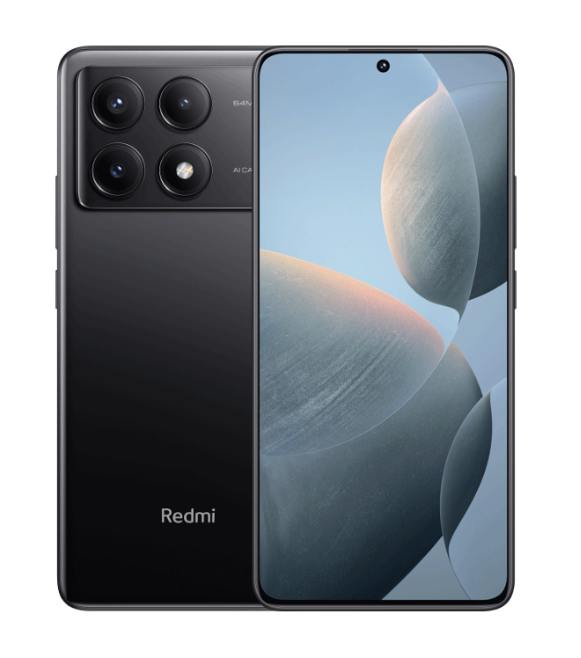
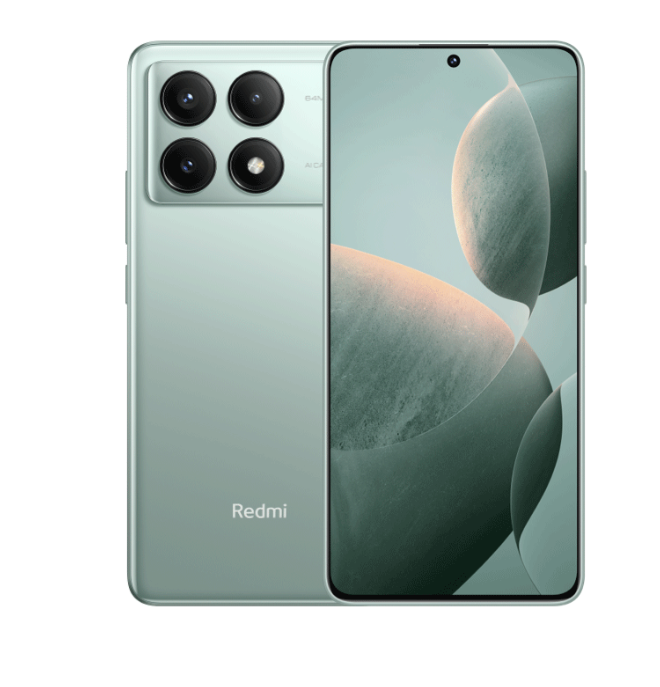
Redmi K70E is a powerhouse of technology, offering a seamless user experience with its array of features. Its 6.67-inch AMOLED 1.5K display, boasting a 144Hz refresh rate, ensures a visually stunning experience with vibrant colors and smooth transitions. The PixelWorks X7 display chip further enhances the overall visual performance.
Powered by the MTK Dimensity 8300-Ultra processor, the Redmi K70E ensures top-notch performance. The 12GB/16GB LPDDR5X RAM coupled with 256GB/512GB/1TB UFS 4.0 storage provides ample space for multitasking and storage needs, offering a responsive and efficient user experience.
Capture the world in stunning detail with the Redmi K70E’s impressive camera setup. The 50MP+8MP+2MP triple rear cameras, featuring a 50-megapixel Sony IMX800 primary sensor with OIS, an 8MP 120° ultrawide angle camera, and a 2-megapixel macro lens, deliver versatile and high-quality photography. The 20MP front camera ensures your selfies are equally impressive.
With a 5500mAh battery capacity and 90W fast charging support, the Redmi K70E keeps you connected throughout the day, providing a reliable power source for your on-the-go lifestyle. The large VC cooling system spanning 5000mm² ensures optimal temperature control during extended usage, preventing overheating.
Running on the latest Xiaomi Hyper OS, the Redmi K70E offers a fast and intuitive platform, keeping you connected and productive. The device supports multiple languages, including English and Chinese, catering to a diverse user base.
Connectivity is a breeze with the Redmi K70E, supporting a wide range of 5G and 4G bands for fast and reliable internet connections. Dual-band WiFi, Bluetooth 5.3, GNSS, NFC, and an under-display fingerprint scanner add to the device’s versatility.
Immerse yourself in audio with the stereo dual speakers, providing a rich and immersive sound experience. Whether you’re streaming content, capturing memories, or staying connected, the Redmi K70E combines cutting-edge technology to deliver a comprehensive mobile experience.
We use cookies on our website to give you the most relevant experience by remembering your preferences and repeat visits. By clicking “Accept”, you consent to the use of ALL the cookies.
This website uses cookies to improve your experience while you navigate through the website. Out of these, the cookies that are categorized as necessary are stored on your browser as they are essential for the working of basic functionalities of the website. We also use third-party cookies that help us analyze and understand how you use this website. These cookies will be stored in your browser only with your consent. You also have the option to opt-out of these cookies. But opting out of some of these cookies may affect your browsing experience.
Necessary cookies are absolutely essential for the website to function properly. This category only includes cookies that ensures basic functionalities and security features of the website. These cookies do not store any personal information.
Any cookies that may not be particularly necessary for the website to function and is used specifically to collect user personal data via analytics, ads, other embedded contents are termed as non-necessary cookies. It is mandatory to procure user consent prior to running these cookies on your website.