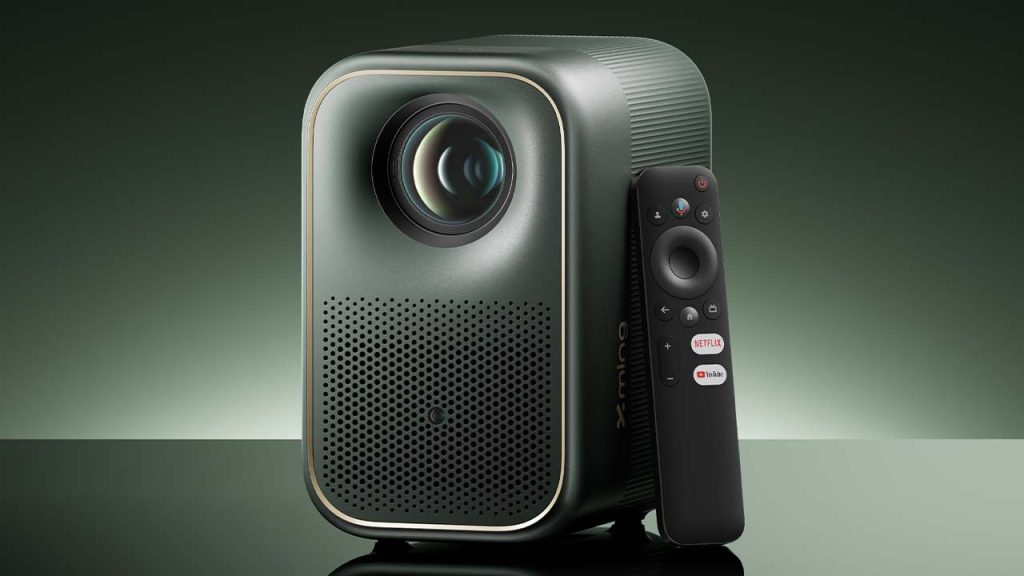
Xiaomi stands out among tech companies for its widest range of products. he Chinese manufacturer offers smart solutions and expands its offerings by teaming up with other companies. For example, a few years ago, Xiaomi partnered with Fengmi (Chongqing) Innovation Technology Co, entering the smart projector market. ince then, we’ve seen impressive products from them. Now, Fengmi, under the Formovie brand, has gone global, unveiling the Xming Page One Smart Projector. It’s the world’s first Google TV Projector with certified native Netflix integration and is now accessible in India. Here are the details…
FormovieXming Page One Smart Projector Specifications
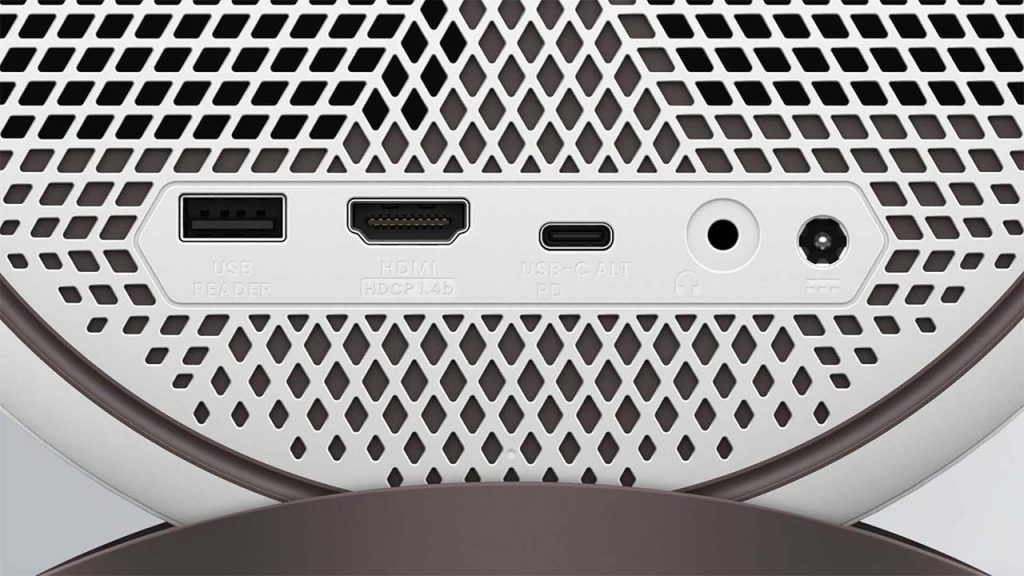
If you want to combine the enjoyment of movie theaters with the comfort of your home without breaking the bank, the affordable Formovie Xming Page One could be the perfect product for you. Boasting native 1080P 60 Hz resolution, it caters to varying preferences and spaces, providing a screen size ranging from 40 to 120 inches. Whether through HDMI or USB ports, you can enjoy visuals. Still, this projector offers much more than just these features.
Usually when you purchase a projector, you’ll have only two options for consuming content. The first is connecting the projector to an external device using HDMI. The more convenient and user-friendly approach is to use the built-in interface of the product to access streaming platforms like Netflix, Disney+, and Prime Video. Unfortunately, many projectors complicate this process by using operating systems that aren’t very user-friendly. Luckily, the Formovie Xming Page One changes that as the world’s first Google TV Projector.
Thanks to its Google TV feature, all you need to do is sign in to your Google account and download the apps you want from the store. With 2 GB of RAM and 16 GB of storage, Formovie Xming Page One offers a sufficient experience, making users’ lives easier. It also supports connectivity options like 2.4GHz/5GHz dual-band Wi-Fi and Bluetooth 5.0.
Price & Availability
he Formovie Xming Page One Smart Projector is available in India for $499. However, right now you can purchase it for $399 with free stand thanks to $100 discount from Formovie’s official website by clicking here.
Samsung launched the Galaxy A14 5G in January last year. It received a price cut of Rs 2,000 last month. The smartphone was announced in three RAM and storage configurations. Now, the South Korean brand has announced a new variant of the device. The Galaxy A14 5G is a budget offering under the Rs 20,000 segment. It’s worth noting that Samsung launched the smartphone’s successor i.e. the Galaxy A15 5G last month.
Samsung Galaxy A14 5G gets new variant
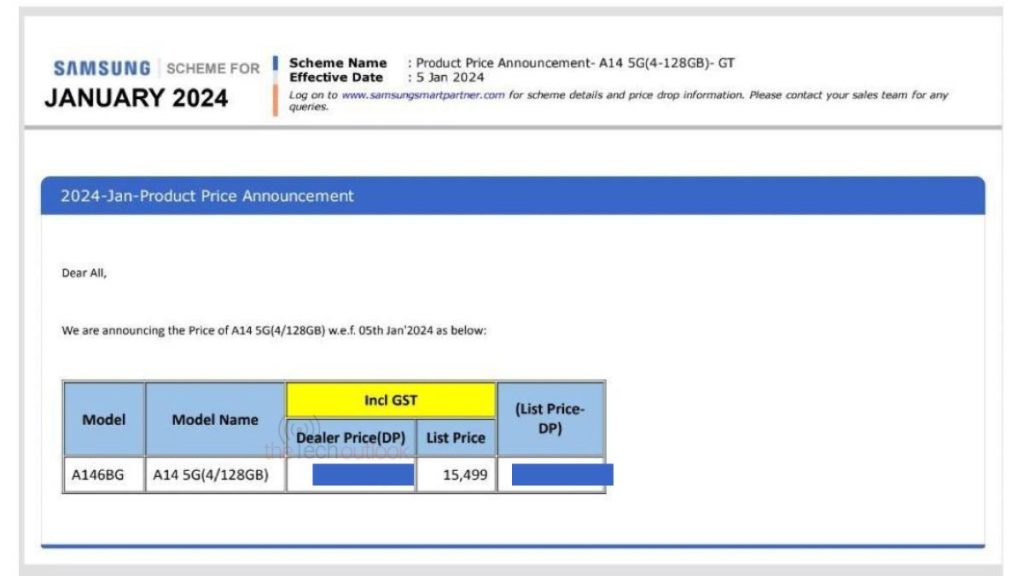
As reported by The Tech Outlook, the Samsung Galaxy A14 5G now comes in 4GB RAM and 128GB storage option. The RAM remains the same but the storage is now bumped up from 64GB on the base variant. The smartphone is available at a price tag of Rs 15,499. This is Rs 1,000 expensive from the base model. At the time of writing this post, the new 4GB + 128GB variant is not listed on Samsung’s official website. The device is expected to be available from offline retail stores in the country soon.
As for the core specs, the Samsung Galaxy A14 5G has a 6.6-inch FHD+ display with a 90Hz refresh rate and a waterdrop notch. It features a triple rear camera setup of 50MP main sensor, a 2MP macro, and a 2MP depth lens. The smartphone is powered by an Exynos 1330 processor. It is offered in 6GB and 8GB RAM options as well coupled with 128GB native storage. The Galaxy A14 5G is backed by a 5,000mAh battery unit with support for 15W charging.
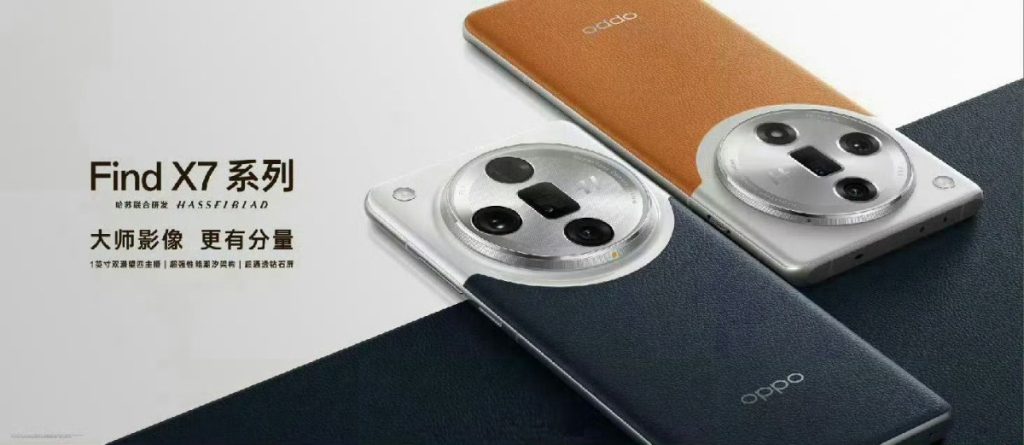
The Oppo Find X7 series of flagship smartphones are set to launch next week. These devices are highly anticipated and arrive as the company’s latest premium devices, which offer top notch specs and features. So here’s a detailed roundup of the Find X7 and Find X7 Ultra.
Oppo Find X7 Series: Design & Display
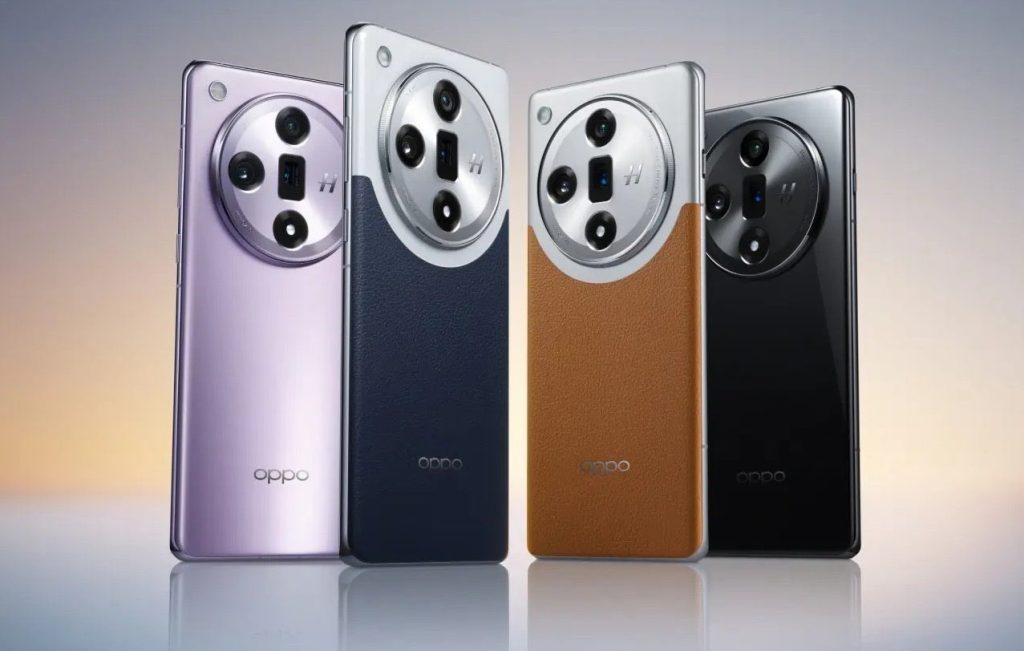
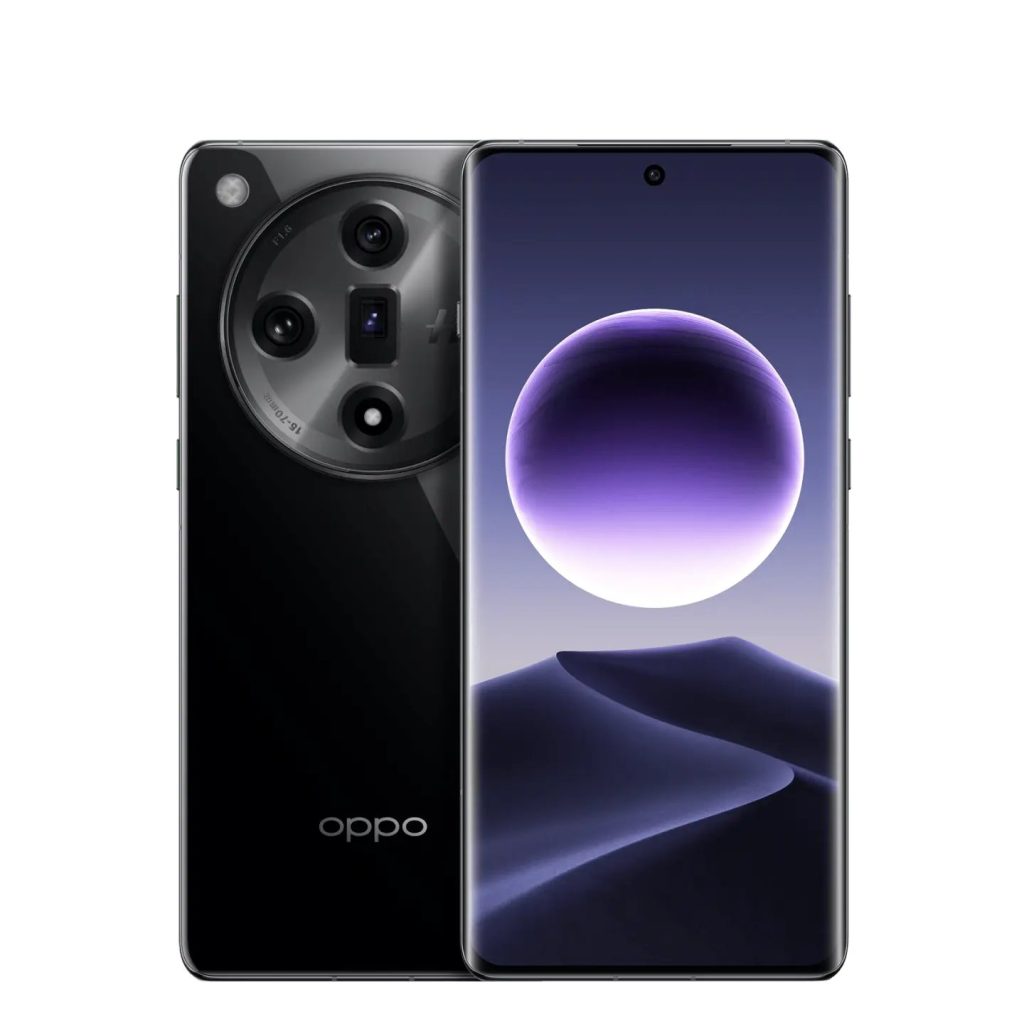
After a series of rumors and leaks, the design of the Find X7 series was finally confirmed. A recent hands-on video also offered us an in-depth look at their design. The Find X7 arrives in four variants, namely Sea and Sky, Desert Moon Silver, Smokey Purple, and Starry Sky Black. Black and Purple feature a glass panel on the rear with the large circular camera module, while the other two feature a dual tone design that is complimented by a leather finish on the lower half.
This design is also reflected in the Desert Moon and Sea and Sky variants of the Find X7 Ultra, although the Pine Shadow Ink option is the only model with a glass panel. The circular camera module also features the Hasselblad branding as well. A rumor has hinted at the Find X7 Ultra offering a three stage alert slider as well.
Oppo Find X7
On the front, the Find X7 Ultra sports a tall 6.82-inch LTPO BOE 8T OLED display that offers 2K resolution, 2160Hz PWM dimming, and a variable refresh rate ranging from 1 to 120Hz. Similarly, the base Find X7 features a 6.78-inch LTPO BOE 8T OLED display that has a 1.5K resolution, 2160Hz PWM dimming, and a variable 120Hz refresh rate as well.
Both models offer a center aligned punch hole cutout for the selfie camera and the panel has curved edges on the sides with rounded corners. Notably, the Find X7 series is expected to have optimization to support high framerate to enable a smoother gaming experience. For higher brightness, these will also offer 3Pulse/1Pulse DC dimming.
Specifications
The Oppo Find X7 lineup arrives with some beefy specifications. Under the hood, the vanilla model is equipped with the MediaTek Dimensity 9300 SoC that is expected to be paired with up to 16GB of LPDRR5X RAM and 1TB of UFS 4.0 internal storage. On the other hand, the Ultra features a Qualcomm Snapdragon 8 Gen 3 chip that is coupled with up to 16GB of RAM and 1TB of internal storage. Both devices are expected to pack a 5,000mAh battery with 100W charging.
The Find X7 Ultra will likely offer 50W wireless fast charging as well. It is worth noting that the Find X7 series will also include a third Find X7 Ultra Satellite Communication version as well. As the name suggests, it is basically the same as the regular Ultra model but features two way satellite communication. The upcoming flagship smartphones will also run on Android 14 OS based ColorOS 14 custom skin. Other notable features include NFC, WiFi 7, and Bluetooth 5.4.
Camera
For photography, the Find X7 offers a triple camera setup and the Find X7 Ultra has a quad camera setup on the rear. The vanilla model features a 50-megapixel LYT-808 primary sensor with OIS (Optical Image Stabilization) support, which is paired with a 50-megapixel Samsung JN1 ultra wide angle lens, and a 64-megapixel OmniVision OV64B periscope telephoto lens that supports OIS support and 3x optical zoom.
The Find X7 Ultra is the first ever smartphone to feature the 1-inch Sony LYT-900 50-megapixel camera as the primary sensor. It also is the world’s first smartphone to feature dual periscope telephoto lenses that includes a 50-megapixel Sony IMX890 sensor with 3x optical zoom and a 50-megapixel Sony IMX858 sensor that offers 6x optical zoom. Lastly, the Ultra has a 50-megapixel Sony LYT-600 ultra wide angle lens. The entire Find X7 series is expected to house a 32-megapixel sensor on the front for selfies and video calls.
Pricing and Launch
Oppo is set to unveil the Find X7 series on 8th January 2024. A recent leak claimed that the Find X7 will have a starting price tag of 3,999 Yuan (roughly 465 US Dollars) for the 12GB RAM + 256GB storage option. The other storage configurations would likely cost slightly more. Unfortunately, pricing details regarding the Find X7 Ultra are still unknown. At the moment, the devices have already garnered quite a bit of hype, with the lineup receiving over 1 million online reservations across all platforms in the brand’s home market of China. So stick around for more as we will be covering the launch event next week.
BenQ, a name familiar to many of us in visualization technologies, continues to expand its product lineup, and here at Gizmochina, we consistently bring these products to our readers. For example, we recently presented the BenQ Mobiuz EX270QM gaming monitor review to you. Now, the company has launched a 100-inch 1080P projector for those who want to enjoy the experience of a large screen in India. Here are the details…
BenQ GV31 100-Inch 1080P Projector Specifications
If you want a massive screen and the $200,000 Samsung The Wall TV isn’t in your budget, you may want to consider getting a projector instead. Especially if you live in India because, BenQ has launched the GV31 portable projector in India. This projector boasts a 100-inch screen size, 1080p (1920 x 1080 pixels) resolution, and a brightness of 300 ANSI lumens, making it one of the most compelling models available in the market.
When it comes to getting projector there are several factors to think about, like connectivity. BenQ understands this and has equipped its GV31 with various ports: 1x USB 2.0, 2x HDMI 1.4, and USB-C inputs. With the HDMI 1.4 input, this projector provides a 1080P resolution at a 60 Hz refresh rate. However, it’s important to mention that this model comes at an affordable price.
As you know, angle adjustment is just as important as resolution and connectivity. That’s why the BenQ GV31 offers up to 135 degrees of flexibility and allowing you to use it on the floor, wall, or on a table. This projector also delivers decent sound quality through its integrated 2.1-channel system, including dual 4W midrange tweeters and an 8W woofer. Additionally, the GV31 can be used as a Bluetooth speaker.
Price & Availability
The BenQ GV31 projector is on sale on Amazon India for Rs.79,990 (approximately $1,000), but it’s currently discounted to Rs.57,990 (around $700). The exact end date of this discount is uncertain. Therefore, if you’re considering buying a projector and the BenQ GV31 meets your needs, it’s better to act quickly.
For Galaxy A23 4G users, the update arrives with the November 2023 security patch and firmware versions A235FXXU4DWL1 (Russia) or A235MUBU4DWL1 (Panama). The South Korean version, SM-A235N, is currently not included in the rollout.
Galaxy A52 owners will receive the update with firmware ending in EWL3 and the December 2023 security patch. The update size is approximately 2.2GB, and its arrival might be staggered across regions, so patience is key.
As for the Galaxy Tab S6 Lite (2022), the tablet is receiving Android 14 with firmware P613XXU4CWL1 but retains the November 2023 security patch instead of the latest January 2024 version. The update is currently available in France and some other European countries, with a wider rollout expected soon.
To check for the update on your A52 or A23 4G or on the tablet, head to the phone’s Settings menu, tap on “Software update,” and select “Download and install.”
One UI 6 introduces several noticeable changes. The Quick Panel has been redesigned for easier access to frequently used settings, while a new font refreshes the overall visual experience. Music lovers can enjoy a new media player widget for a lock screen and notification control.
Customization takes center stage with more font and placement options for the lock screen clock widget. And there are two new widgets — “Custom Camera” for quick access to camera settings and “Weather Insights” for detailed weather information.
The Settings app has also gone a makeover, featuring a dedicated Battery section for easier navigation. The camera is now simplified for easier use and the Photo Editor app now has larger controls for easy accessibility.
The weather app now presents even more detailed information about your favorite locations, all wrapped up in a cohesive new design. Finally, Samsung has decluttered the app drawer and home screen by removing its branding from stock app icons.
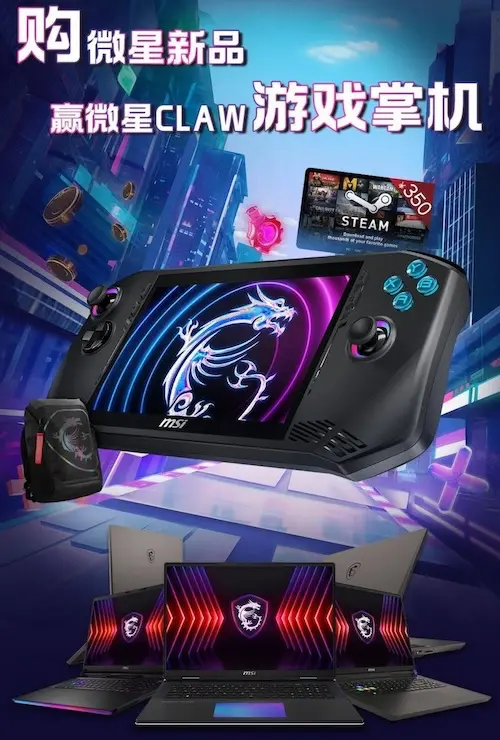
The launch of the Steam Deck has breathed new life into the handheld gaming console market with many major players trying their hand at a new console. After the ASUS ROG Ally and the Lenovo Legion Go, MSI is now preparing to launch a new handheld called the MSI Claw.
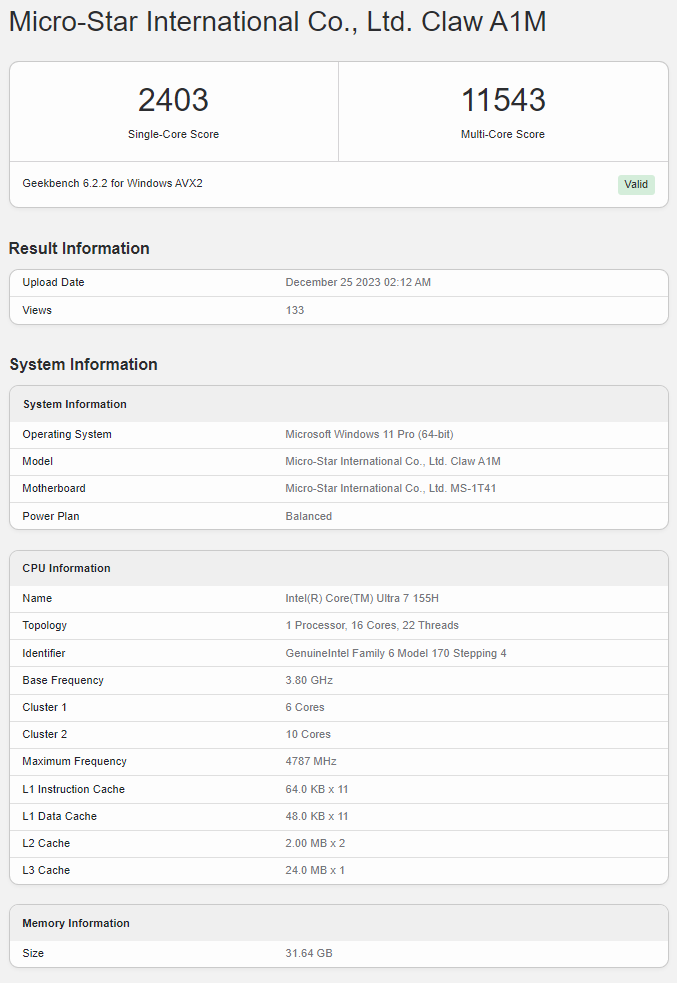
MSI has officially teased the device in China as well as through X (Twitter), revealing what it looks like. Now, some key specs of the console have also been unearthed via Geekbench listings. As per the Geekbench listing, the MSI Claw will be powered by the Intel Meteor Lake processor, specifically the Core Ultra 7 155H SKU. This processor features 16 cores and 22 threads, surpassing the capabilities of the Ryzen Z1 Extreme found on the ROG Ally and the Lenovo Legion Go.
The Core Ultra 7 155H offers 6 P-Cores, 8 E-Cores, and 2 LP-Cores. The built-in GPU, based on Arc Alchemist architecture with 8 Xe-Cores, is set to reach speeds of up to 2.25 GHz. The console will operate on 64-bit Windows 11 and will come with 32GB RAM. That being said, MSI may provide various configurations to accommodate different user needs.
While the official unveiling of the upcoming handheld is set for CES 2024 next week, the teaser has already provided an advanced glimpse of the designs. The console incorporates Xbox-style controls, complete with RGB backlights and front-facing speakers. Notably, the display features sizable bezels at the top and bottom, with slightly narrower ones on the sides. CES 2024 is scheduled to kick off on January 8, so we won’t have to wait long for more details on the console.
Vivo X100 is very nice, and iQOO 12 is also great. But we all just passed Christmas and New Year, you probably don’t have much money in your pockets to buy such an expensive cell phone. So iQOO took some parts off the X100 and turned it into the iQOO Neo9 Pro, which has the same flagship chip, and the same main camera sensor, but is $140 cheaper. It’s not destined to be a “flagship killer”, but it will be one of the best phones to buy in 2024.
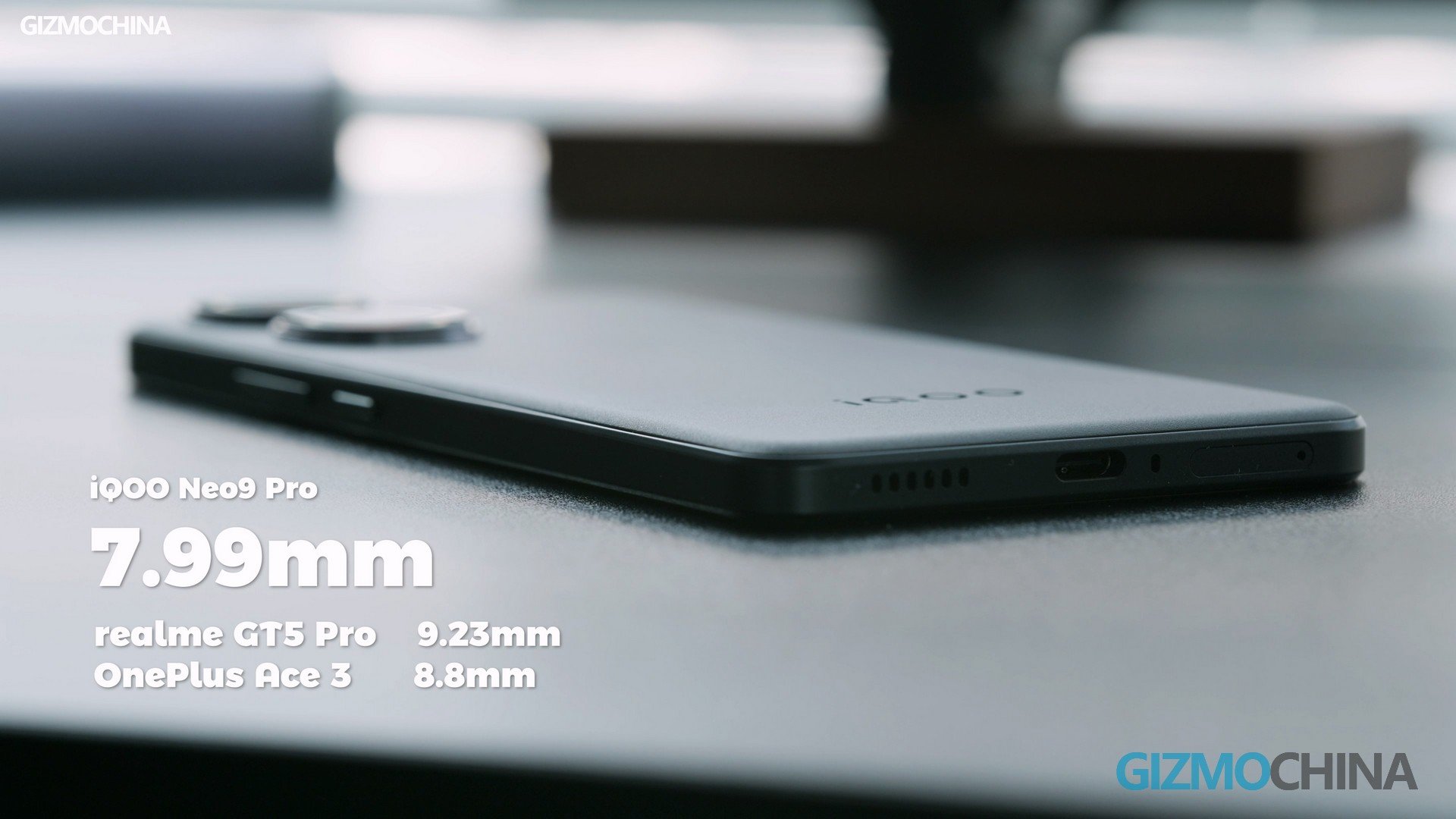
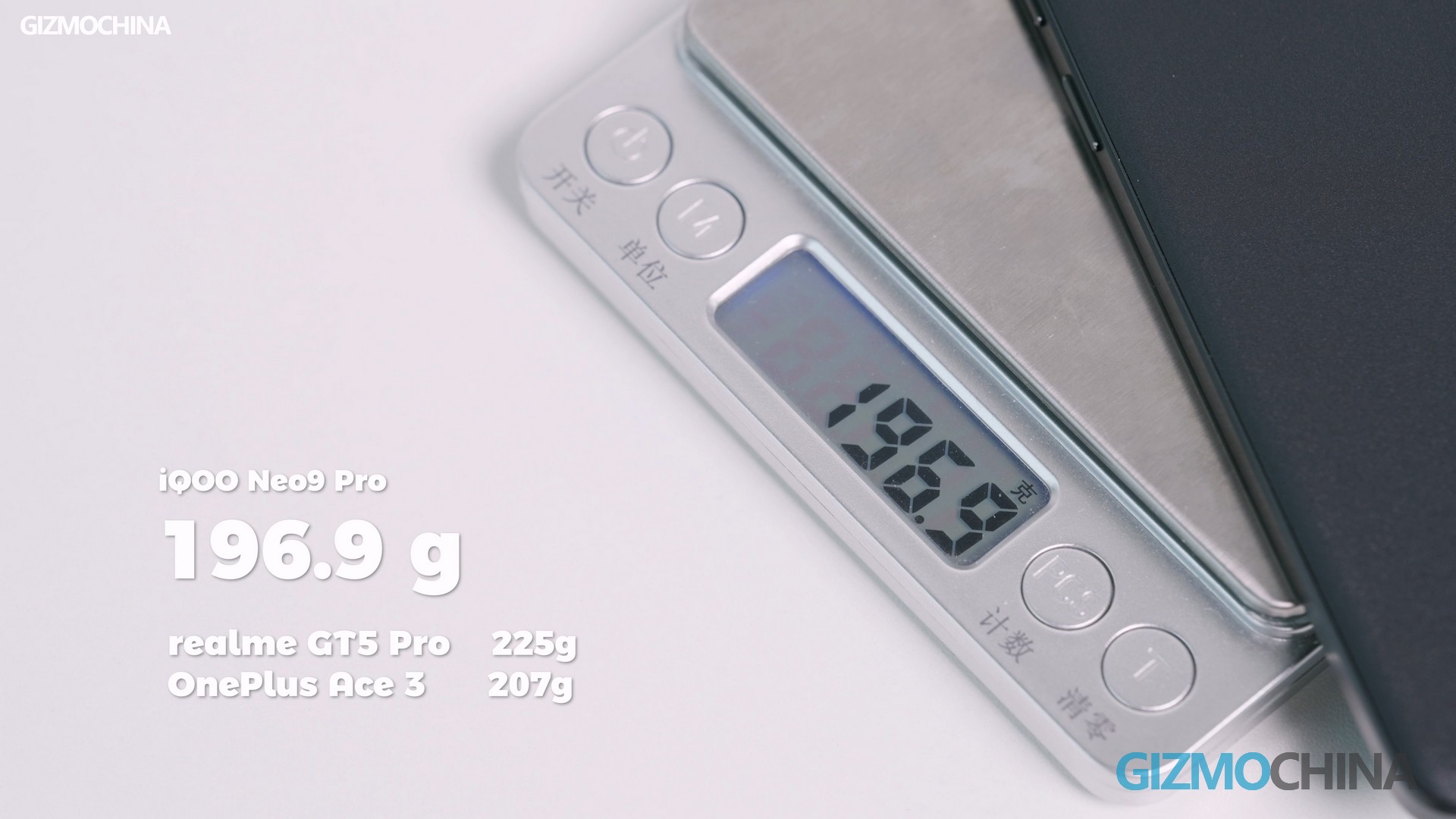
When I got this phone, I marveled at how it can be so light and thin. Technically, the iQOO Neo 9 Pro isn’t particularly thin and light, I feel that way because all phones released recently are over 200g and over 8mm thick, so it’s still quite comfortable having the iQOO Neo 9 Pro in the hand.
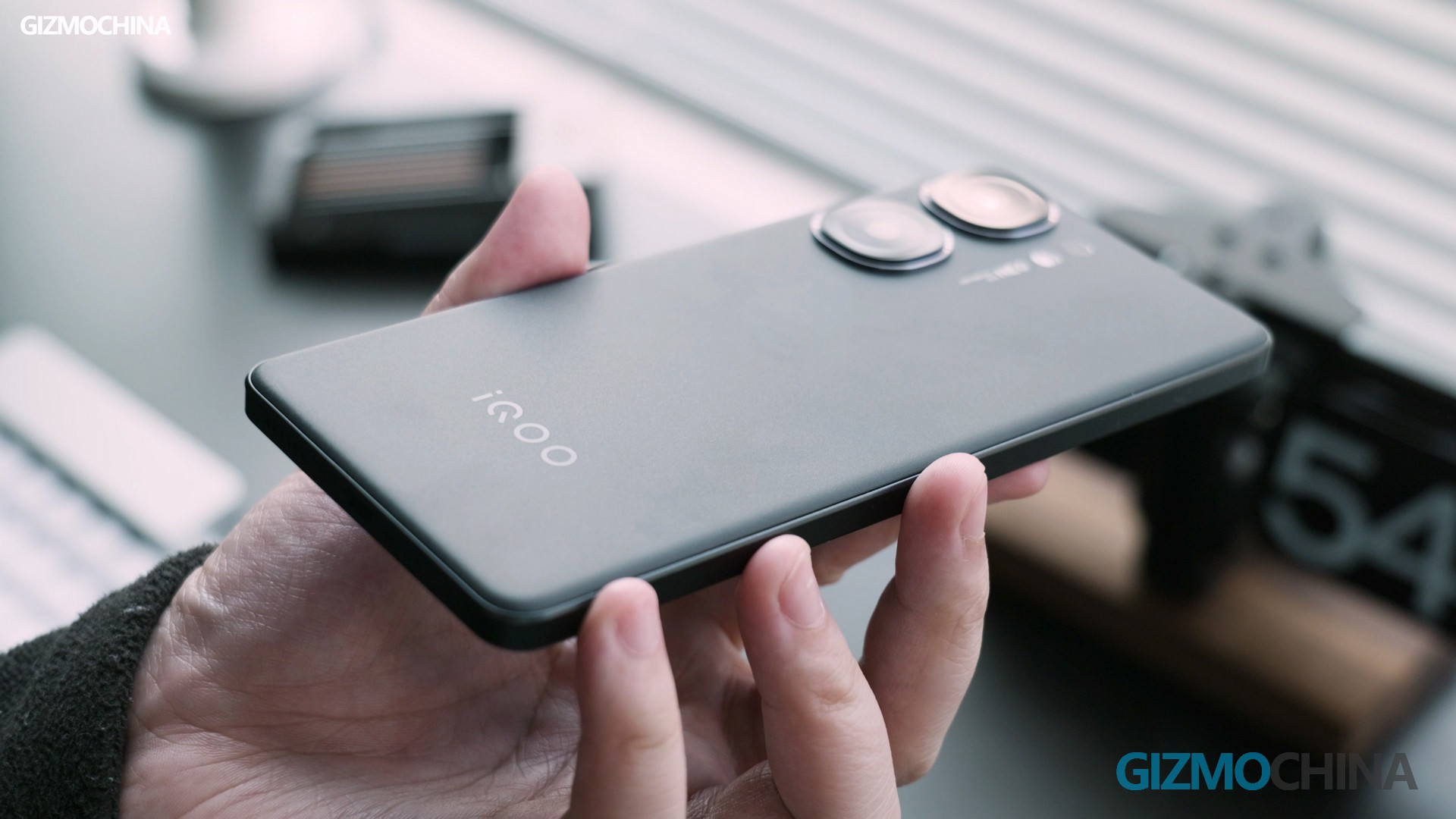
Why are all the other phones so heavy? Because they all use metal frames and glass backs. Then why is the Neo9 Pro so light? Because its frame and back cover are plastic, the USB is still 2.0, and the fingerprints are positioned further down. I mean, yeah, it’s cheap, but I’m totally fine with it.
Benchmark & Gaming
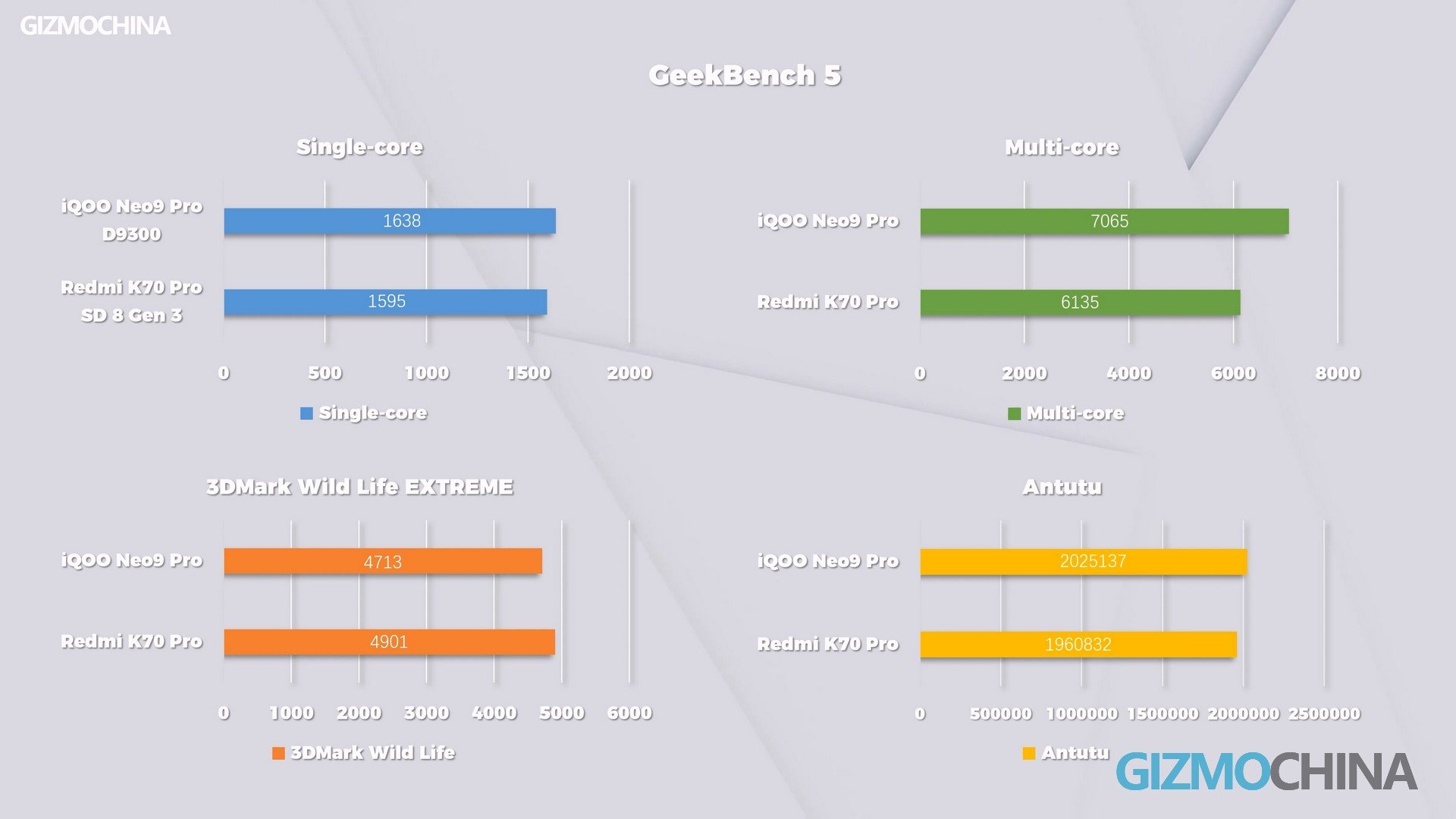
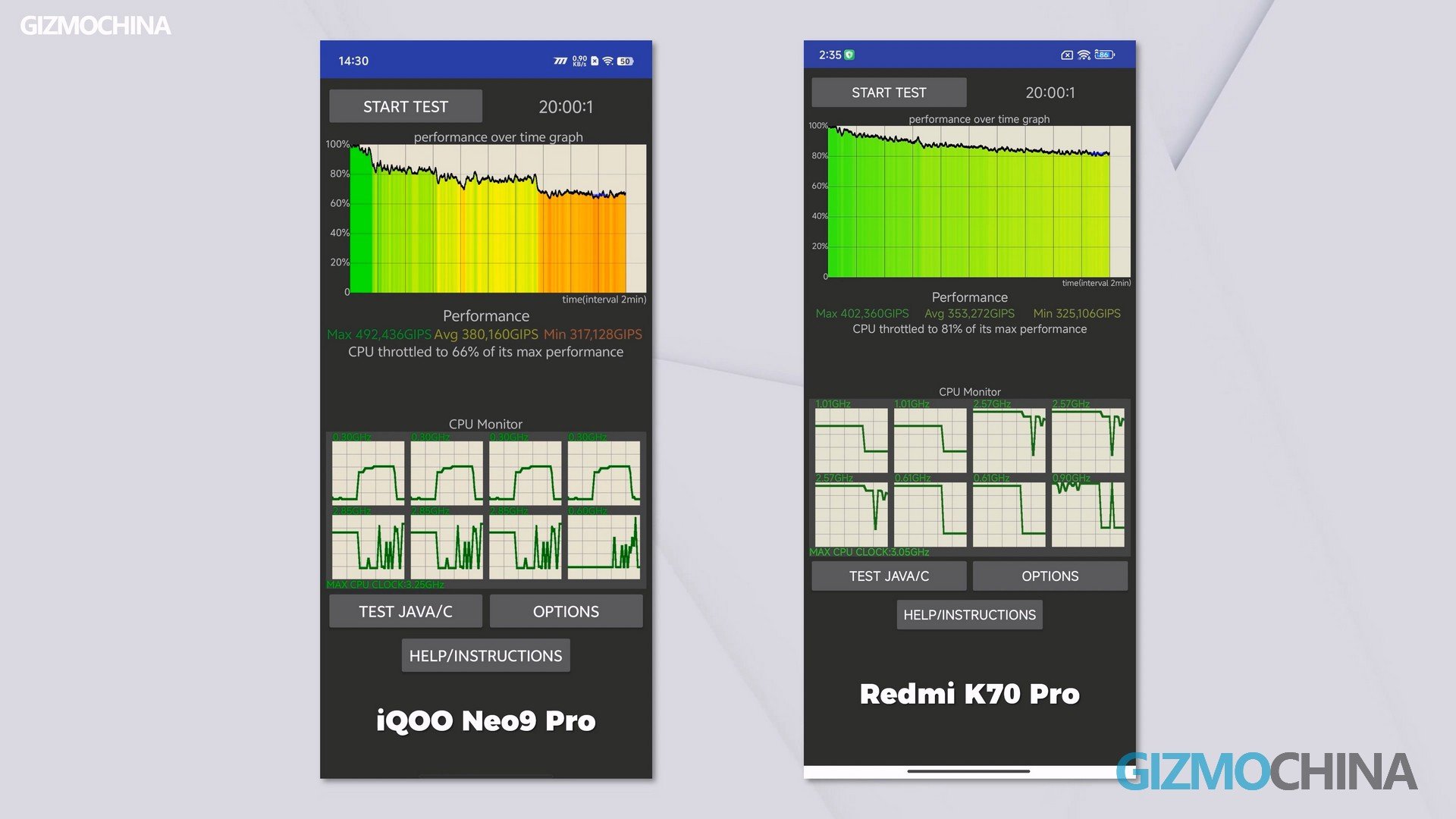
The processor used in the iQOO Neo9 Pro is the MediaTek Dimensity 9300, which is the same chip as the Vivo X100 series. As you can see, the CPU will be a bit stronger than the Snapdragon 8 Gen 3, while the GPU will be slightly weaker. Although MediaTek says they are the best in the world, I would put the Dimensity 9300 in the same league as the 8 Gen 3, after all, the difference doesn’t look that big.
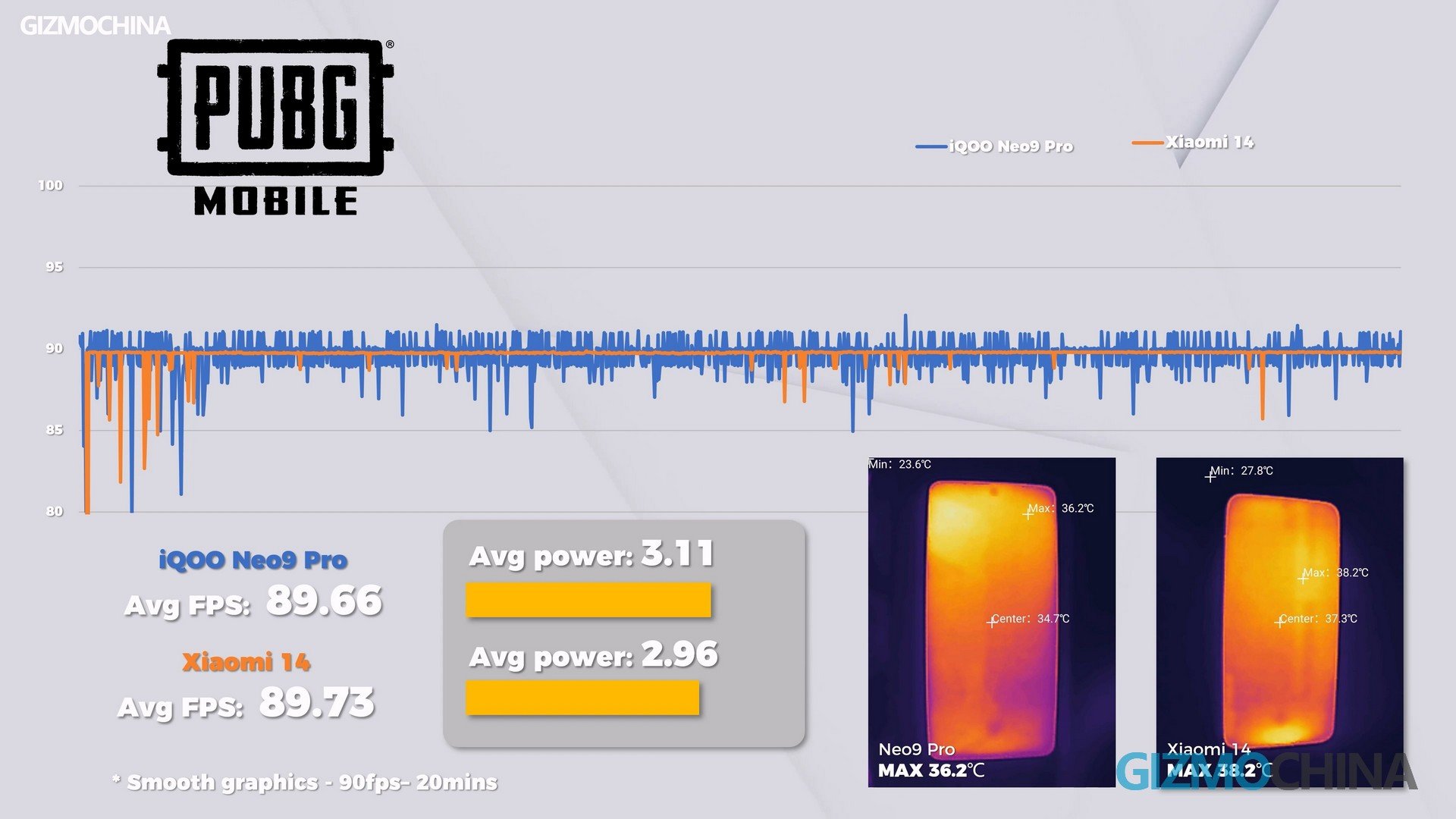
Let’s start with an appetizer, the PUBG Mobile gaming test. you can see that under light loads they are really in the same league as well. Even the 8 Gen 3 consumes slightly less power and has a smoother frame rate curve, when it comes to heavy-load gaming, the Dimensity 9300 reverses the situation. Temperatures and power consumption are both lower with about the same frame rate.
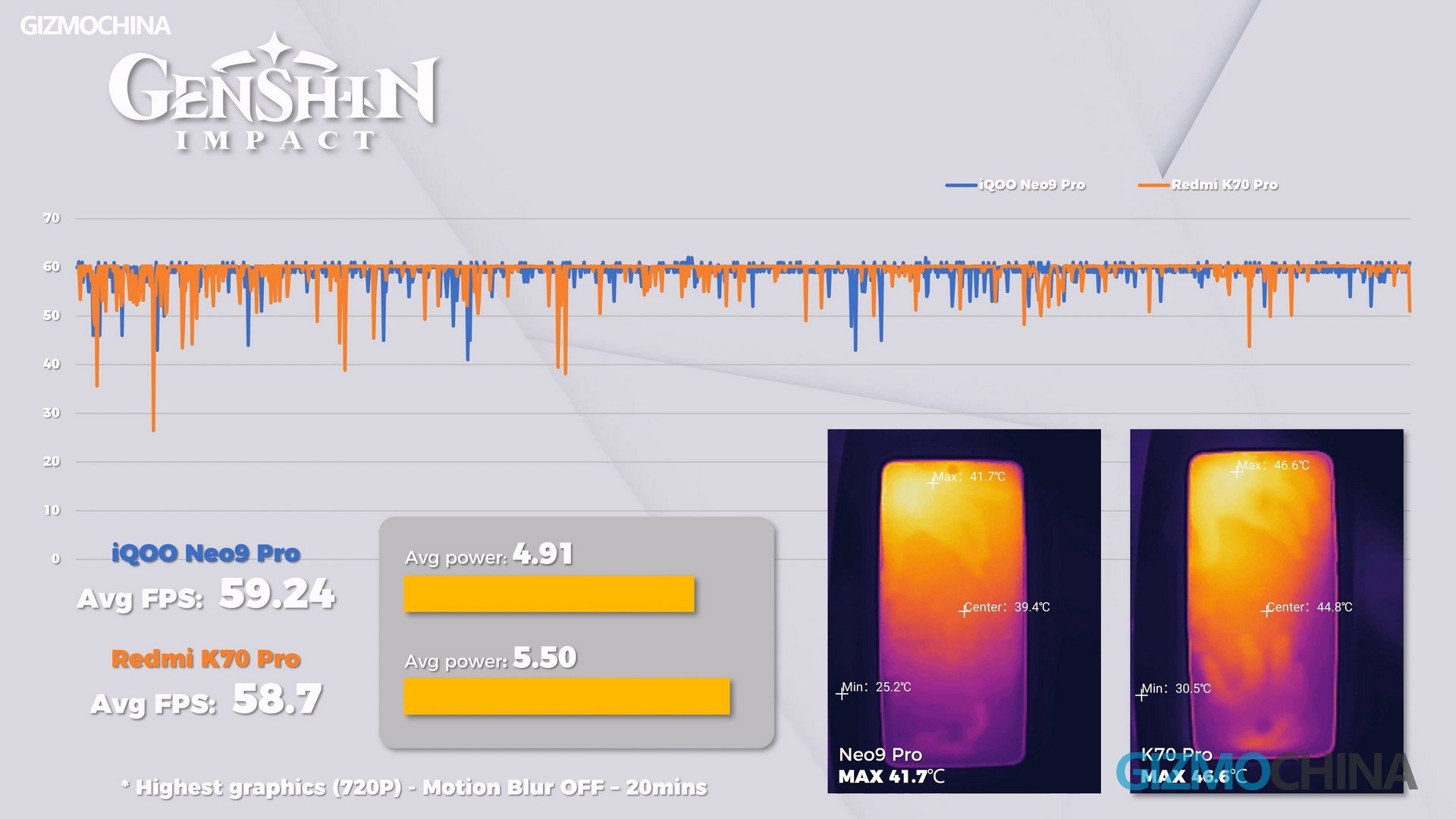
Combined with Game Super Resolution and Frame interpolation, the iQOO Neo9 Pro’s gaming experience is very good, at least in Genshin Impact. Of course, these two features still only support a few Chinese games. This is something the Vivo family phones regret for.
Camera
Looking back at the Redmi K70 Pro’s Reviews, the camera is really bad. So we all know that phones that focus on performance usually have poor cameras. But we are wrong about the iQOO Neo9 Pro, which has a superb camera.
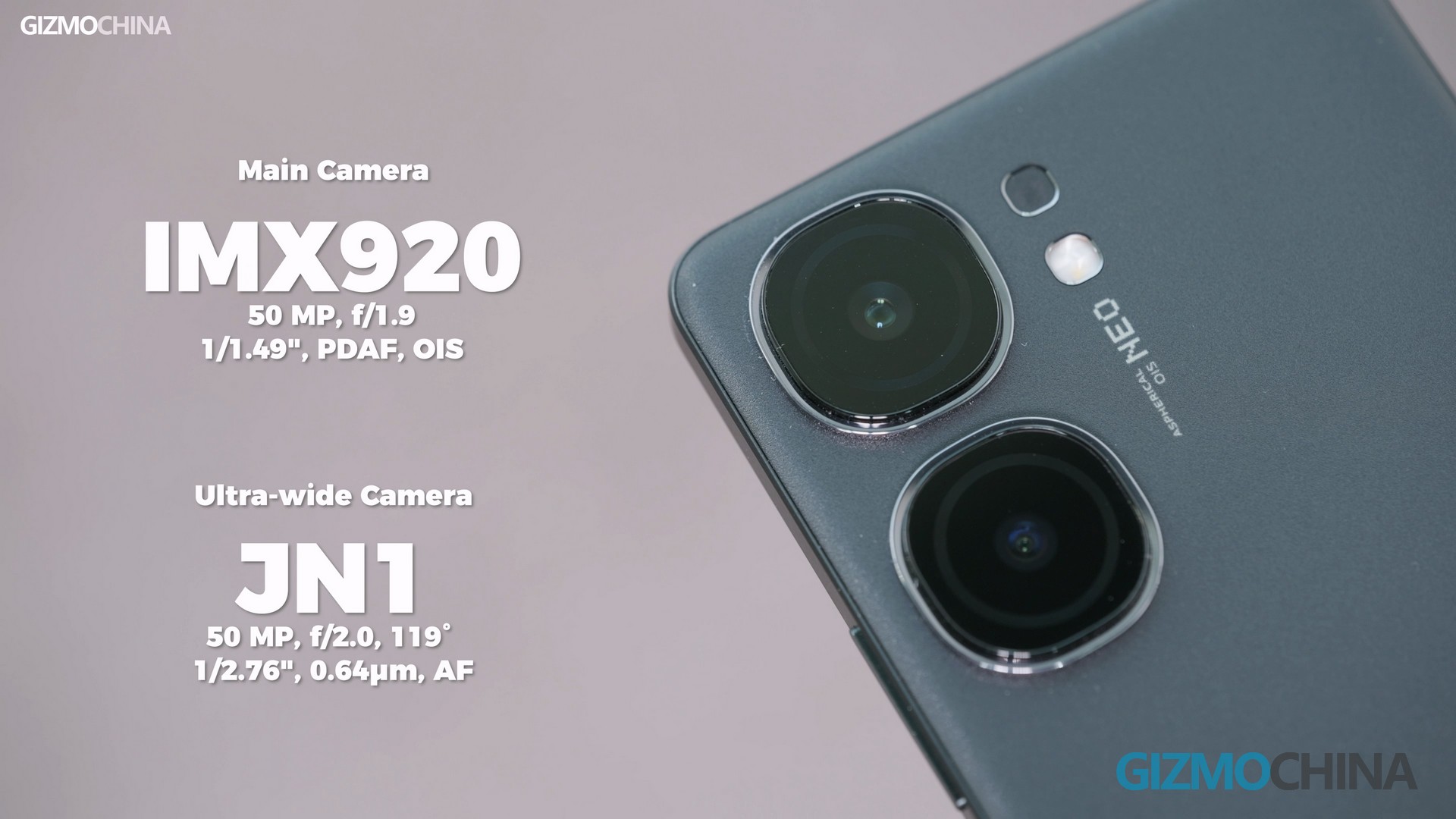
As I said at the beginning, the Neo9 Pro is a revamped version of the Vivo X100. It has the same sensor in both the main and ultra-wide cameras and the same image algorithm. That’s why it’s one of the best phones I’ve seen with the best camera at the $400 price point. It does almost everything a flagship phone does, such as the ultra-wide camera supporting autofocus so it can take macro photos.
Main camMacroMacroMain cam
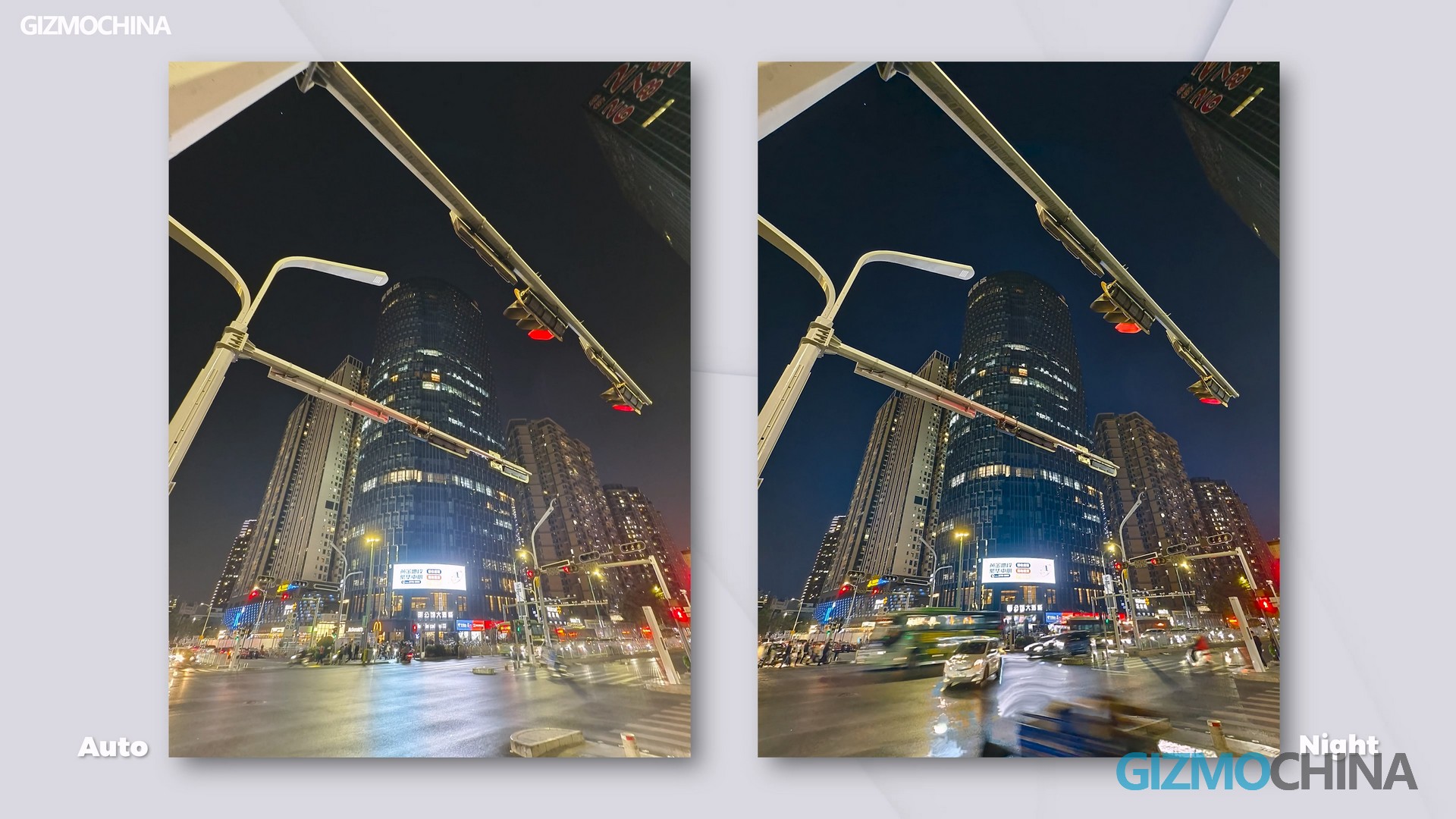
And the main camera is good enough, photos after zooming in twice are still very clear and sharp, and the white balance is very accurate. Even in night scenes, this main camera gives great picture quality. The Ultra-wide camera is just as great, especially in night mode, which in addition to boosting the dynamic range, also makes the sky bluer.
I also have to brag about the Neo9 Pro, instead of choosing to put down a crap macro camera, or a 2x telephoto with no OIS, it pulled all the money into the ultra-wide camera. The better ultra-wide camera allows it to record up to 4K 60fps video, and also the freedom to switch between cameras at 4K 30fps. I think it’s a smart choice, one great camera is much better than two crap ones. Every phone brand should learn from iQOO. For samples, see the video at the beginning.
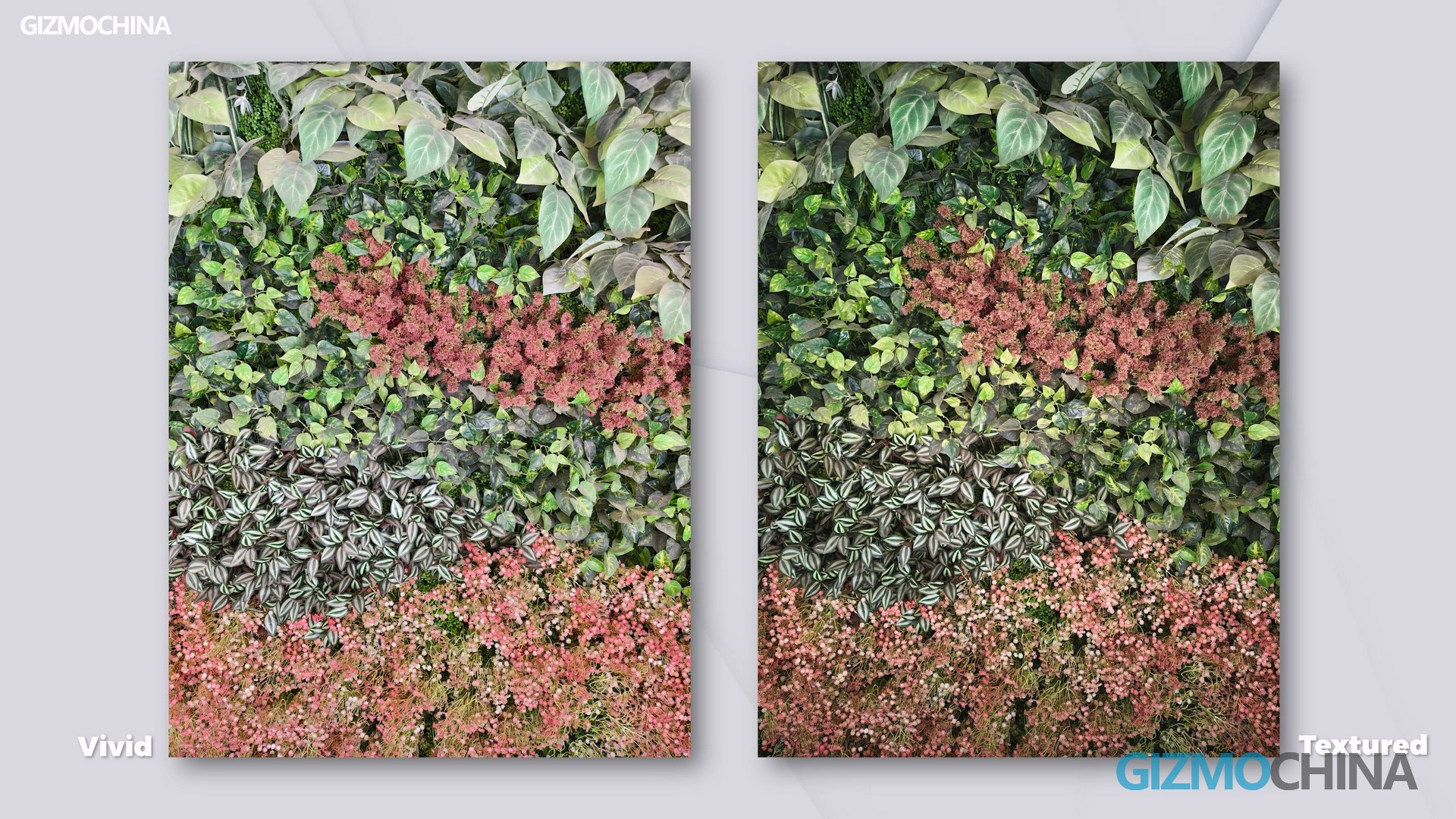
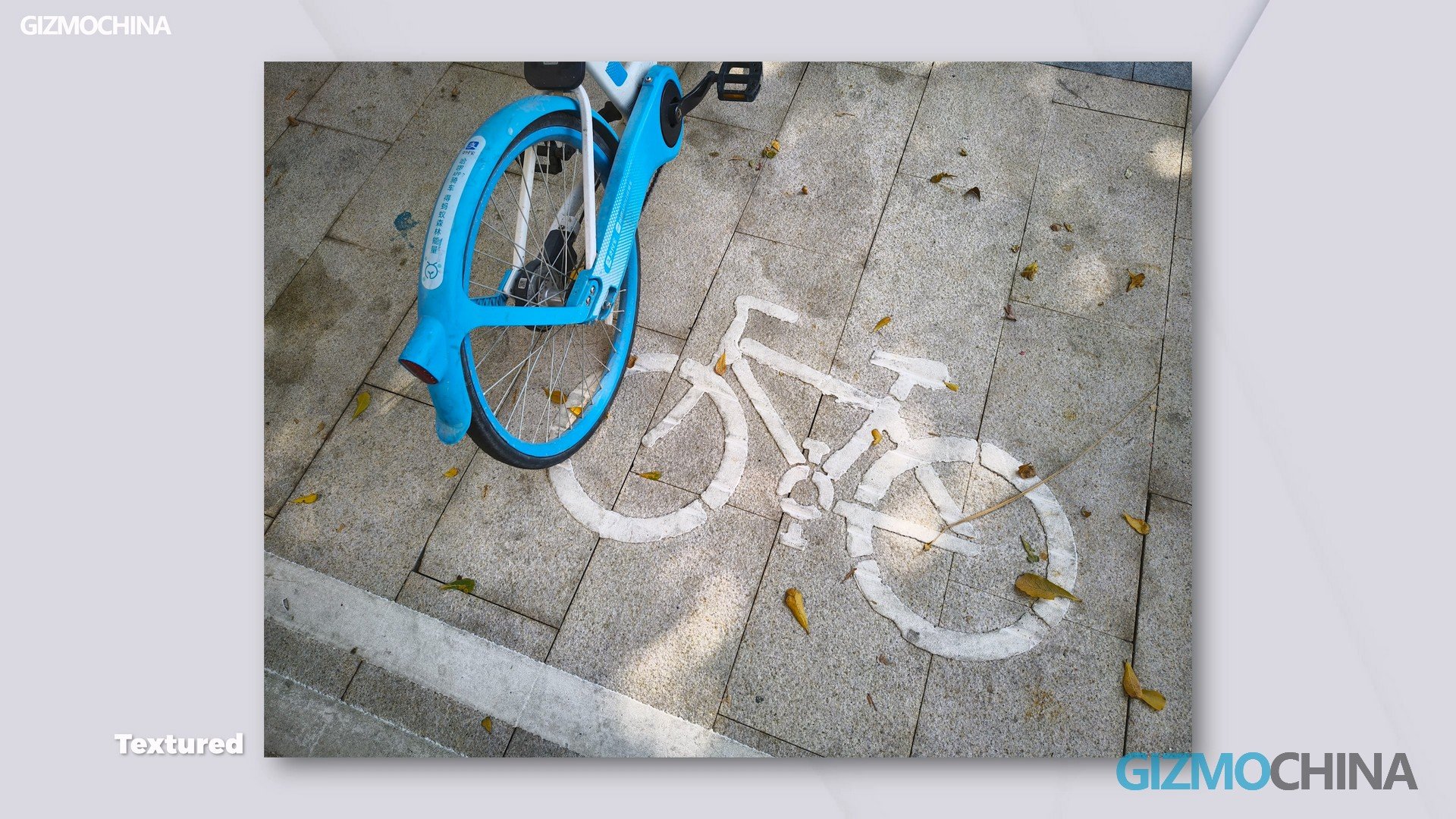
And then there’s the thing about color. While it defaults to that very saturated color style, you can also choose a less saturated, higher contrast color style. Plus the vignetting makes it no less than a photo from a co-branded phone like Leica or Hasselblad. So if you give the Neo9 Pro a telephoto camera, it’s definitely a camera system at the flagship level.
Display
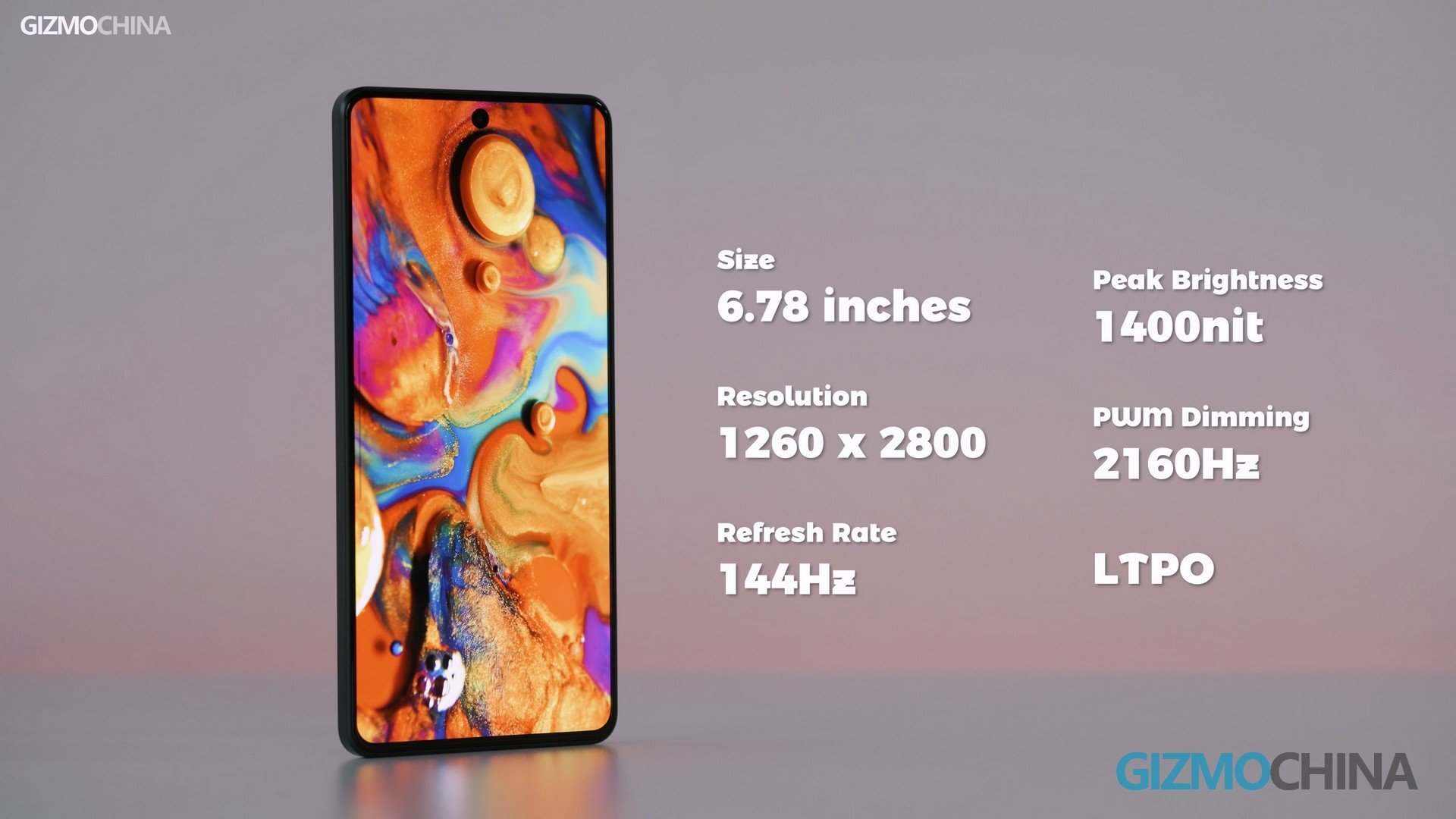
The screen on the iQOO Neo9 Pro should be the biggest shortcoming. While the resolution and refresh rate are unchanged compared to the Neo8 Pro, the pressure sensitivity feature is gone though. And when you look at it from the side, you’ll see more obvious rainbow lines. The only good news is the new LTPO, which saves some power. To be honest, all the other specs are pretty good, it just lacks some surprises. For a better screen, check out the Redmi K70.
Battery & Charging
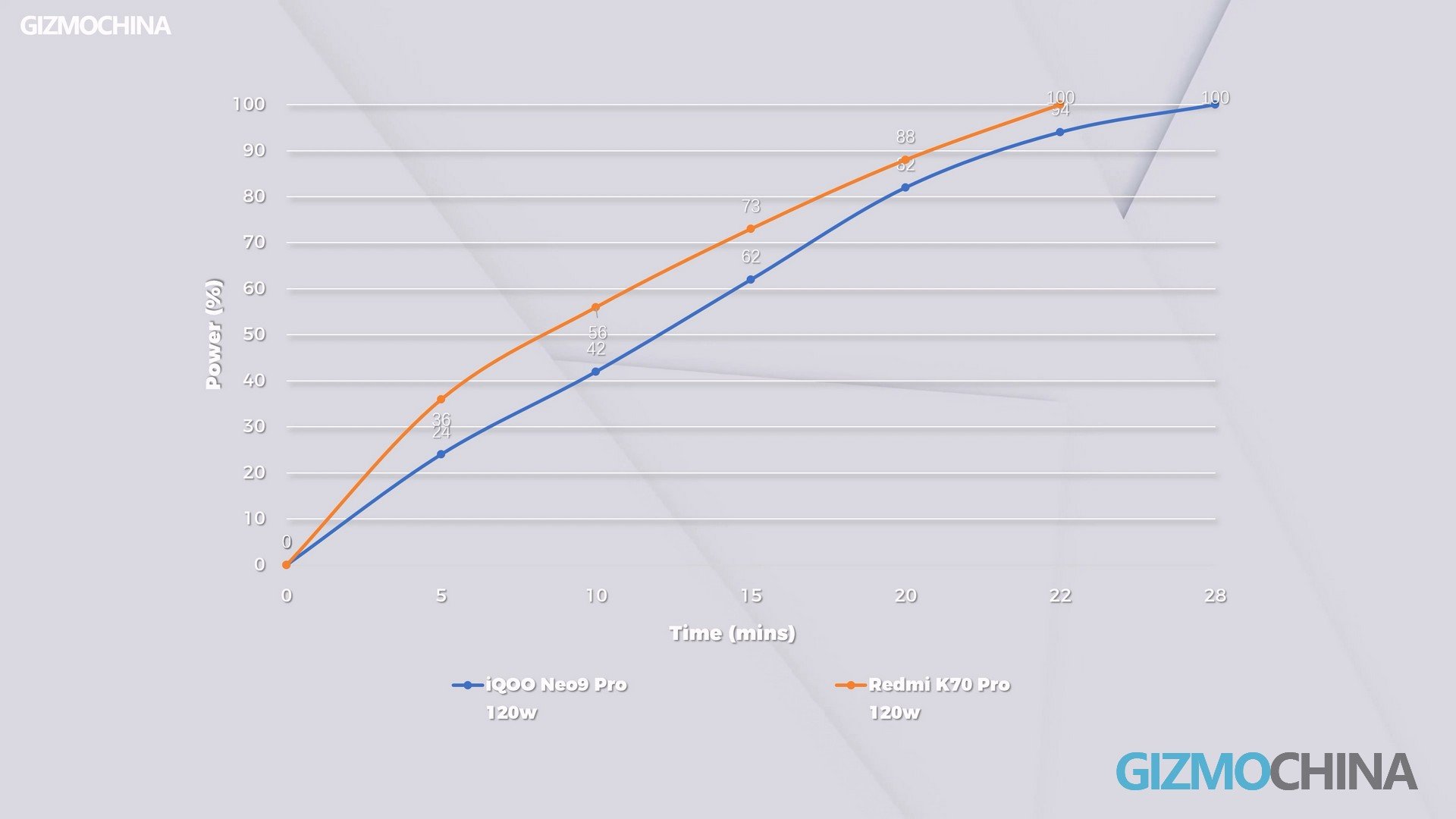
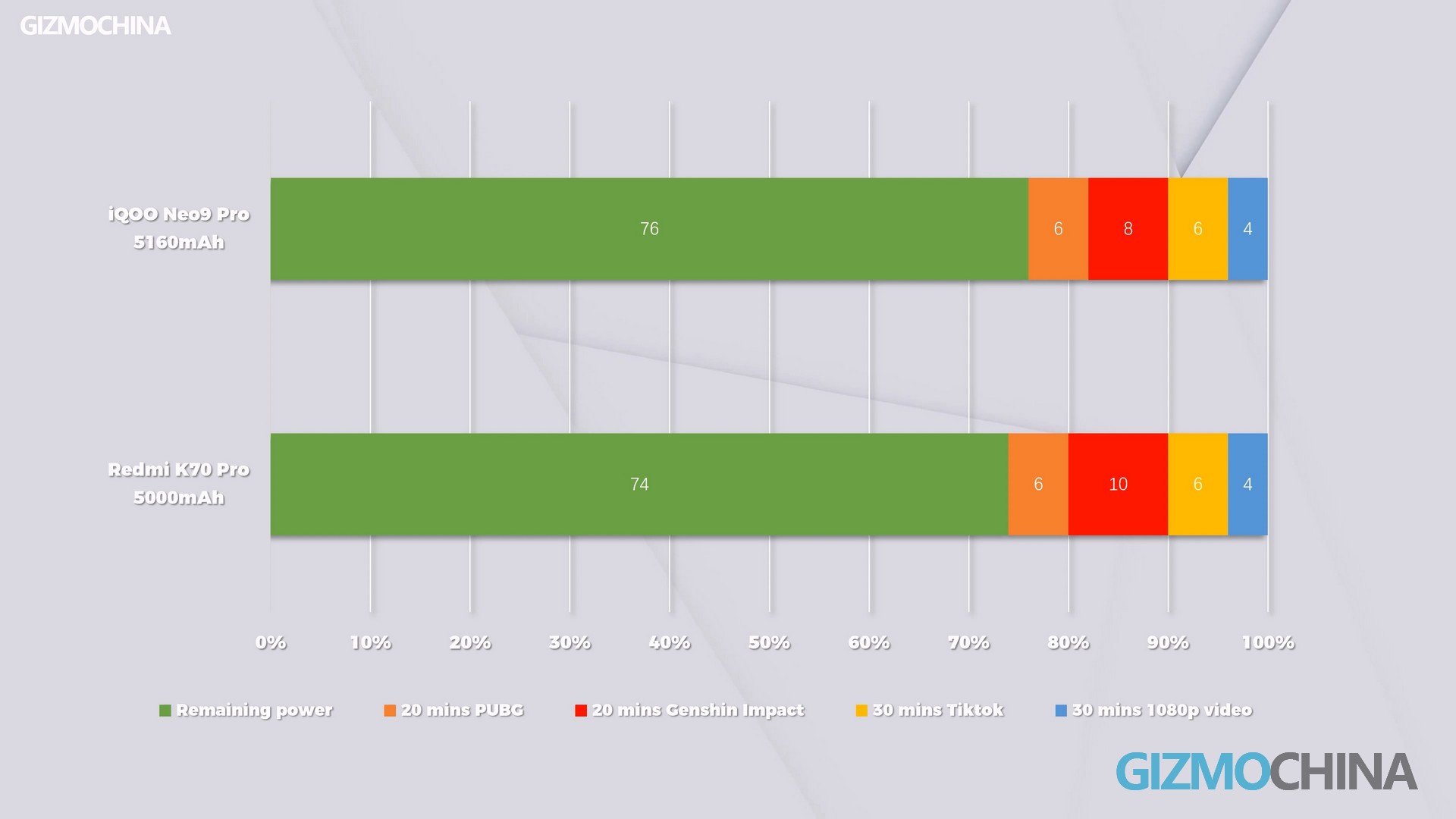
The Neo9 Pro charges at the same 120W as the K70 Pro, but why it takes six minutes more than the K70 for a full charge? Probably because of the slightly larger battery. While the battery capacity isn’t super large, it’s not small either. Combined with excellent power consumption control under heavy loads, it has a slightly better battery life than the K70 Pro in the same price range. By the way, it doesn’t have wireless charging either.
Conclusion
As the cheapest phone with a flagship chip, the Neo 9 Pro has done its mission well: Kill the Redmi K70 Pro. In particular, I’m impressed with its awesome camera system. If the OnePlus Ace 3 doesn’t surprise me when I have my hand on it, then the iQOO Neo9 Pro will be the best phone to buy these days.
Honor has officially announced that its first smartphone, created in collaboration with design house Porsche Design, will be named RSR. The company shared the news today through a teaser, which also revealed the story behind the name RSR.
The RSR moniker originates from “RennSport Rennwagen,” German for “racing sport racing car,” a designation reserved for track-only versions of the famed Porsche 911 car. While the full name and design of the RSR remain undisclosed, it will likely join the upcoming Magic 6 and Magic 6 Pro smartphone in the January 11 launch.
Meanwhile, both the Honor Magic 6 and Magic 6 Pro have now been listed in Huawei Mall in China revealing the design and color options of the smartphones.
Honor Magic 6
Both phones come in black, white, green, purple, and cyan, with a round rear camera module housing three triangularly-arranged lenses. The images also confirm the Magic 6 Pro boasts a 100x zoom (likely 10x optical) compared to the standard’s 50x zoom. Additionally, the Pro boasts a dual selfie camera setup, while the regular Magic 6 sticks to a single lens.
Honor Magic 6 Pro.
As for the core hardware specifications, the Magic 6 series will be powered by a Snapdragon 8 Gen 3 processor complete with Magic OS 8.0 based on Android 14. Storage options will start at 256GB and 512GB, with the Pro variant offering a top-tier 1TB option. The Pro model is also said to include a unique satellite connectivity feature.
Likewise, previous report suggests that Magic 6 and 6 Pro will come with a a 50-megapixel OmniVision OV50H main camera and a 50-megapixel OV50M ultra-wide lens. For telephoto shots, the Magic 6 is said to incorporate a 50-megapixel OV50M camera sensor, while the Pro variant is expected to house a Samsung HP3 camera sensor.
POCO has already confirmed that it will announce the X6 series and M6 Pro 4G smartphones in India on January 11. The Xiaomi sub-brand has started teasing key specifications and features of the upcoming offering leading up to next week’s launch event. Now, POCO has confirmed the software detail of the X6 Pro 5G.
POCO announced on its official X (formerly Twitter) handle that the POCO X6 Pro 5G will ship with HyperOS out of the box. This will make it the first device in India to launch with Xiaomi’s new UI that replaced the MIUI. POCO is already seeding the HyperOS update over the air for the POCO F5 as previously confirmed. The rollout is already ahead of other devices from Xiaomi’s flagship offerings and Redmi phones.
Xiaomi has already confirmed that the Xiaomi 13 Pro (review) and Xiaomi Pad 6 (review) will be the first devices to get HyperOS soon. Unfortunately, the recently announced Redmi Note 13 series in India ships with pre-installed MIUI.
The POCO X6 Pro 5G is already confirmed to be powered by MediaTek Dimensity 8300 Ultra processor. It will retain the same design as its predecessor with an elongated rectangular camera module on the back panel. The upcoming offering is teased to feature a 5000 mm2 stainless steel vapor cooling chamber for heat dissipation.
An accidentally leaked Amazon listing of the device revealed that it will feature a 6.7-inch LTPS AMOLED display with a 120Hz refresh rate and 1.5K resolution. The smartphone will feature a 64MP OIS-enabled primary camera paired with 8MP ultra-wide and 2MP macro lenses. The upcoming offering will reportedly be backed by a 5,000mAh battery unit with support for 67W fast charging. The POCO X6 Pro 5G was listed at AED 1,299 for the top-end 12GB + 512GB RAM and storage configuration.
New information has just surfaced regarding the Apple Phone 17. A known analyst revealed details regarding the 2025 iPhone’s front facing camera, which will reportedly receive a major upgrade over current gen models. So let’s have a look.
iPhone 17 to offer a more expensive & capable 24MP selfie shooter
According to a new Medium report, renowned analyst Ming-Chi Kuo stated that Apple is gearing up for a major upgrade to the selfie camera on the iPhone 17. The Cupertino based giant will reportedly equip the next gen iPhone with a 24-megapixel sensor. This is a notable improvement over the current iterations which offer a 12-megapixel selfie shooter. In other words, the camera on the iPhone 17 is basically doubling in pixel count when compared to the iPhone 14 and iPhone 15.
Ming-Chi Kuo adds that the increased resolution should offer sharper images that capture more details. But it isn’t a simple rise in megapixels, as the analyst claims that Apple will shift to a six element lens. This will basically make the image sensor correct distortions for more accurate images. Furthermore, the low light performance of the selfie camera will also see noticeable improvements, but these upgrades come at a cost.
Kuo states that Yujingguang, which is a Taiwanese firm, will supply the new lens system for the iPhone 17. He adds that the selfie camera will be around 100 to 120 percent more expensive than the 5P lens system on the iPhone 15. Meaning, we can likely expect the pricing for the iPhone 17 to also reflect the additional cost. In our recent reports, we also covered the 48-megapixel telephoto lens that might be featured on the iPhone 17 Pro Max. Apple is also rumored to kick off iPhone 17 series production in India. Lastly, the iPhone 17 Pro models are also rumored to feature an under display Face ID tech.
Huawei is rumored to be developing the P70 series, its next flagship smartphone lineup. While the phones are still under wraps, some unofficial stores in China have surprisingly begun taking blind pre-orders.
A Weibo tipster, @FixedFocus, revealed that a few stores in China have started accepting reservations for the P70 series. Netizens even shared receipts online, showing deposits placed for the “P70 Pro 512GB.” However, the tipster later clarified that these are not official pre-orders sanctioned by Huawei.
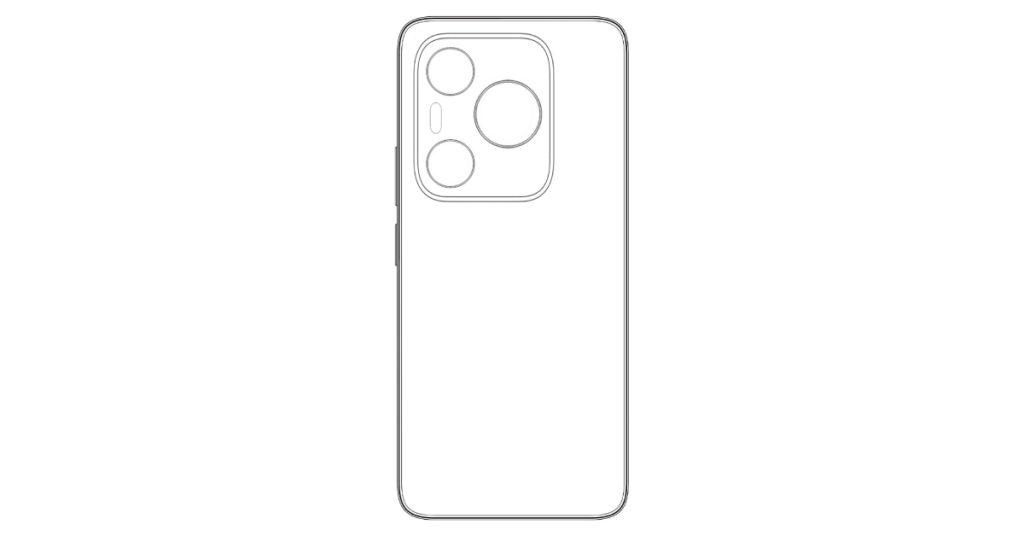
Meanwhile, another tipster @DigitalChatStation posted an alleged sketch of the P70 which shows the phone’s rear camera system. The design ditches the P60’s rectangular lens layout for a squarish module.
The leaked image suggests a large central lens, presumably the main camera, flanked by an ultra-wide-angle lens and a periscope sensor. The flash sits on the left edge of the camera module.
Compared to the P60 series, the P70 render shows a larger camera module. The phone also appears to have curved edges with volume and power buttons on the left side. The front design remains a mystery for now.
Previous reports speculate a P70 family of three models: the P70, the P70 Pro, and a premium “Art” version. The Art model is rumored to feature a 1-inch Sony IMX989 sensor and a high-end hybrid lens for potentially impressive camera performance.
There are also rumors Huawei is testing OmniVision OV50H which may make its way to the P70 lineup. It has a 50-megapixel resolution and an optical format size of 1/1.3 inches. This sensor features a pixel size of 1.2μm as compared to the 1.6μm of the 1″ Sony IMX989.
It’s crucial to remember that these are purely leaks, not official confirmation from Huawei. The release date and exact specs remain unknown, so treat these tidbits with a dose of skepticism until the official unveiling.
Motorola‘s new Moto G34 5G will be announced in India next week. We have already covered some rumors and official teasers regarding the upcoming device, and now, the latest report has revealed the pricing for the region. So here are all the details.
Moto G34 5G India Pricing
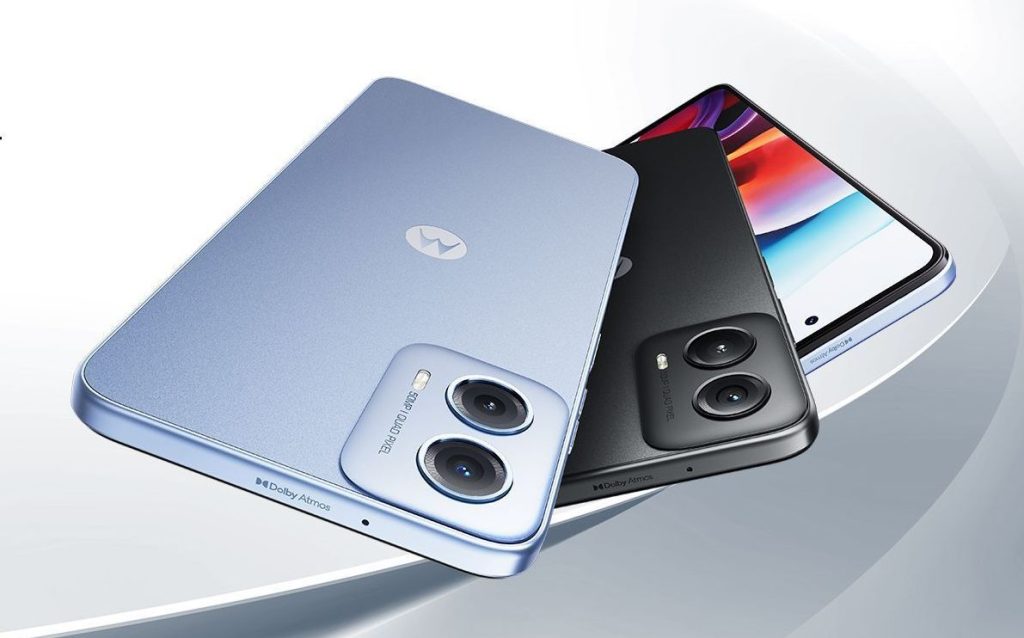
The company recently confirmed that the Moto G34 will be launching in India in three color options, namely Ice Blue, Charcoal Black, and Ocean Green. Ahead of its release, the device was also spotted on Flipkart, which revealed its launch date of 9th January 2024 for the Indian market. Now, a fresh report from 91Mobiles has leaked the Indian pricing as well. The base model comes with 4GB of RAM and 128GB of internal storage and has a price tag of 10,999 INR (roughly 132 US Dollars).
Motorola Moto G34 5G
There is also an 8GB RAM + 128GB storage option as well, although the pricing for this variant wasn’t revealed. But it will feature a slightly higher cost than the base variant. Based on the earlier China release, the Moto G34 5G sports a 6.5-inch IPS LCD panel that offers HD+ resolution, 120Hz refresh rate, and 500 nits of peak brightness. Under the hood, the budget smartphone is equipped with the Qualcomm Snapdragon 695 SoC.
The model supports virtual RAM expansion up to 8GB, while the storage can be enhanced via a microSD card slot. A large 5,000mAh battery pack powers this device, which supports 18W fast charging. Moto G34 5G runs on Android 14 OS out of the box. The rear features a 50-megapixel dual camera setup and the front houses a 16-megapixel selfie shooter. Other notable features include a 3.5mm headphone jack, IP52 water and dust resistance, and Vegan Leather back panel.
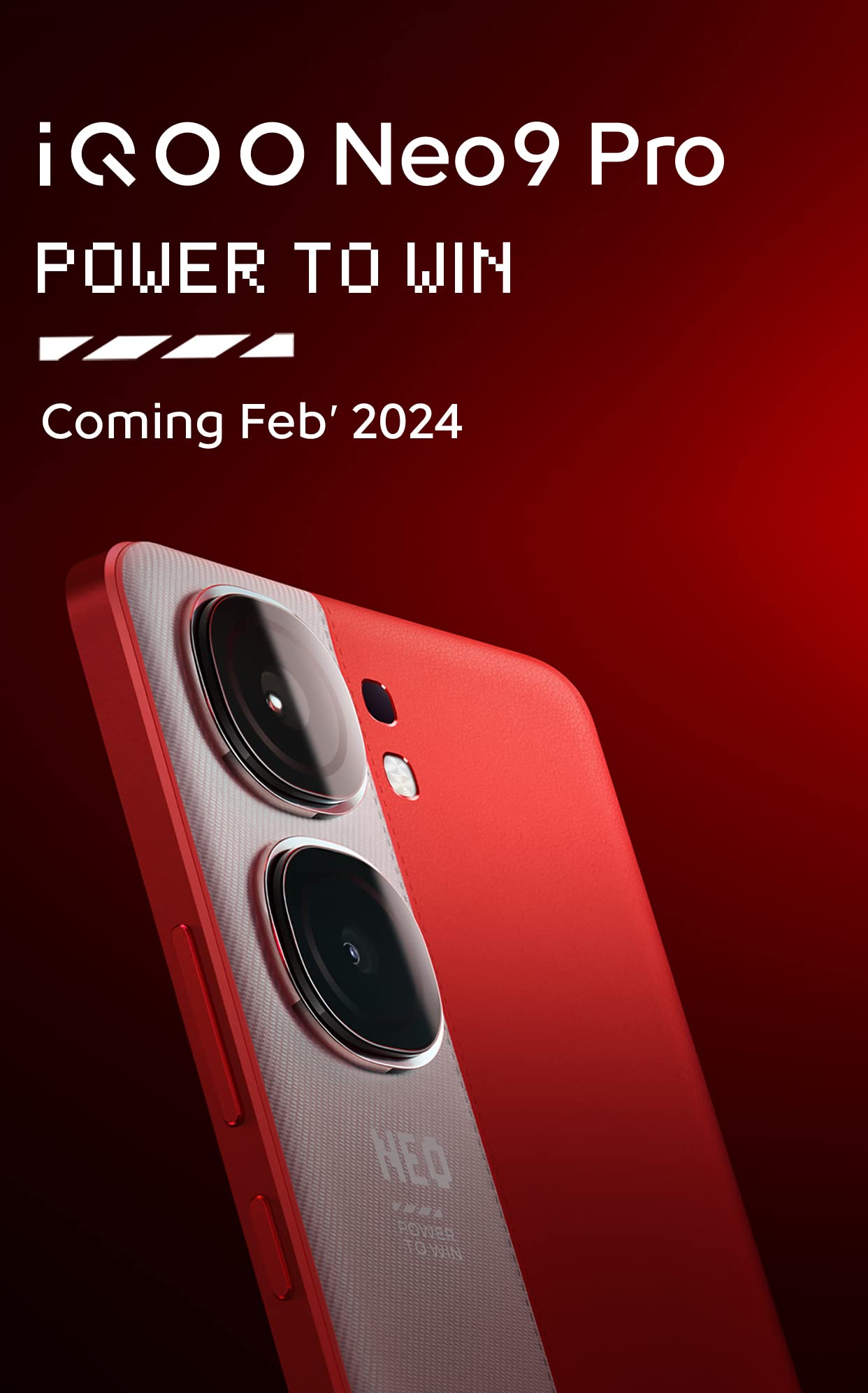
The iQOO Neo 9 Pro is set to make its debut in India, as indicated by a recently unveiled teaser. Following its recent launch in China alongside the standard Neo 9 model, key details about the Indian version have been confirmed through the Amazon India landing page.
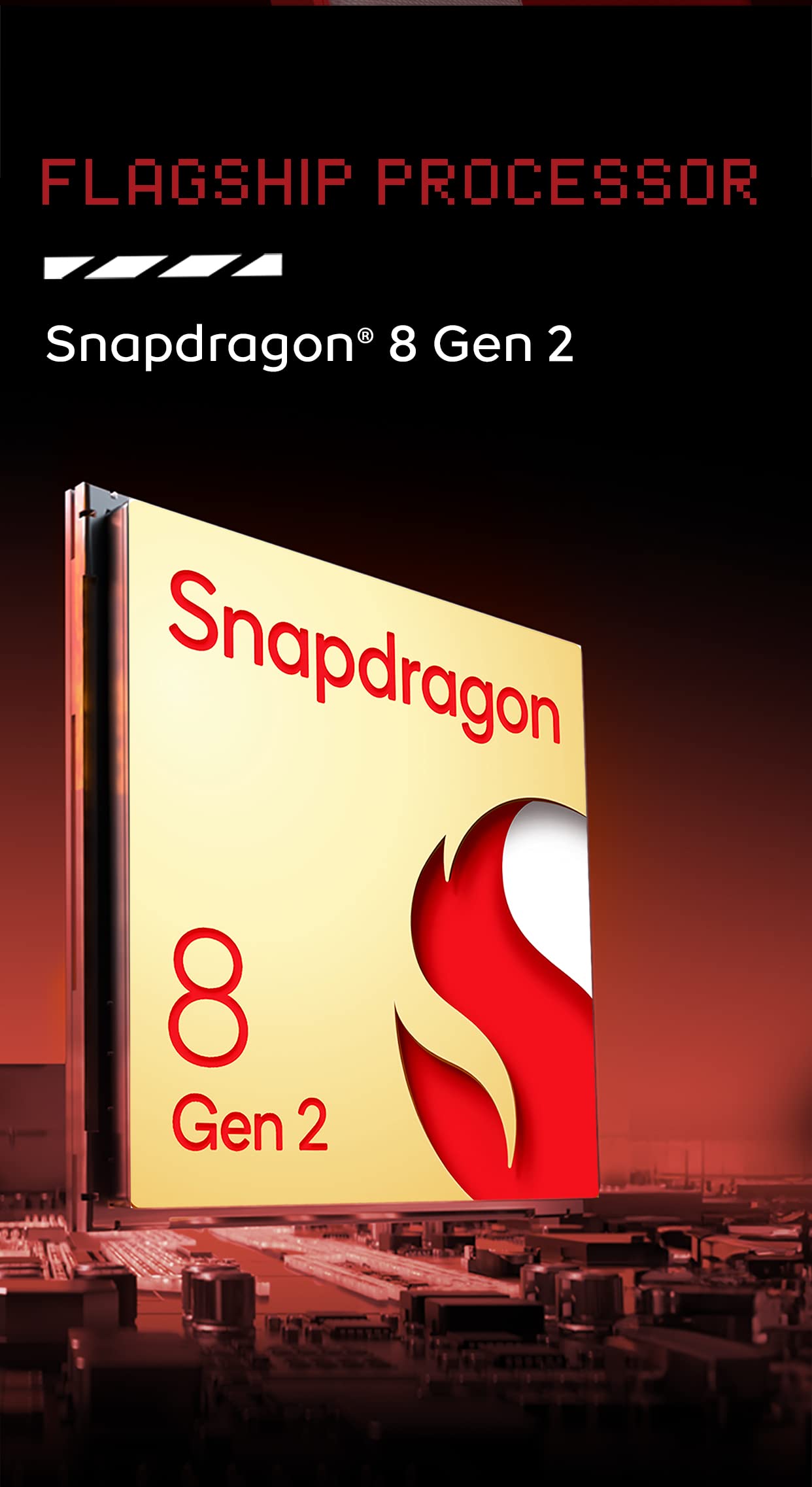
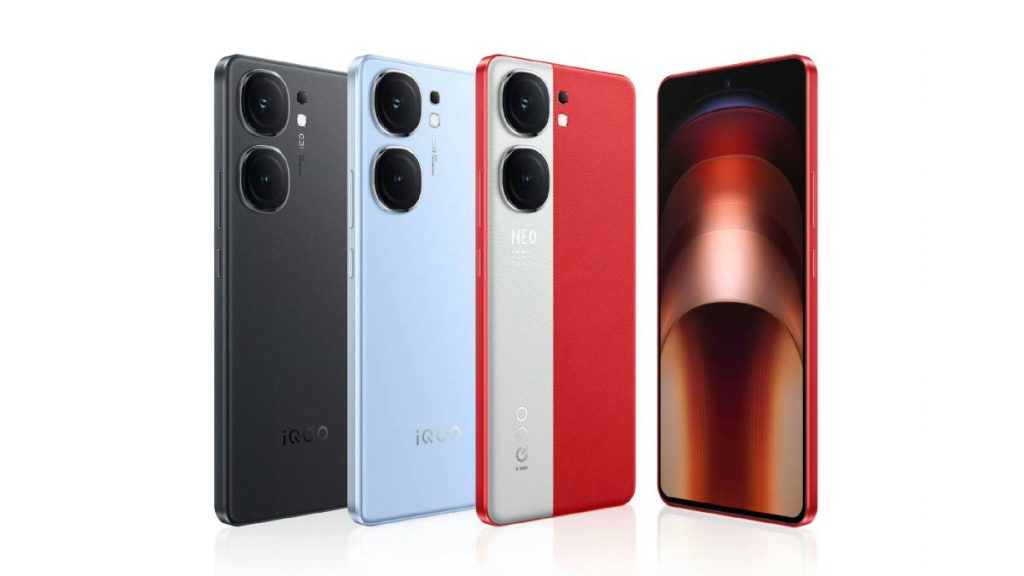
The Amazon India landing page confirms that the iQOO Neo 9 Pro will land in India sometime in February 2024. It has also confirmed the rumors that the device will feature a Snapdragon 8 Gen 2 processor. In contrast, the Chinese variant of the device is equipped with the latest Dimensity 9300 chipset. The phone is also confirmed to feature the White and Red dual-tone vegan leather finish and a dual camera system.
Other than these specs, we can expect the Indian variant of the iQOO Neo 9 Pro to feature up to 12GB LPDDR5 RAM and 512GB UFS 4.0 storage. A 5,160mAh battery with 120W fast charging is also expected to be onboard. The device could also feature a 6K VC liquid cooling 3D heat dissipation system. As for the display, it could debut with a 6.78-inch 1.5K resolution OLED panel with a 144Hz refresh rate and an in-screen fingerprint sensor.
For optics, the device is expected to have a 50-megapixel (Sony IMX920 with OIS) + 8-megapixel (ultra-wide) dual-camera system, along with a 16-megapixel front camera. It will run on FunTouch OS 14-based Android 14, an IR blaster, and dual stereo speakers. As for the pricing, the device will have a price tag below Rs 40,000 (~$480) in India.
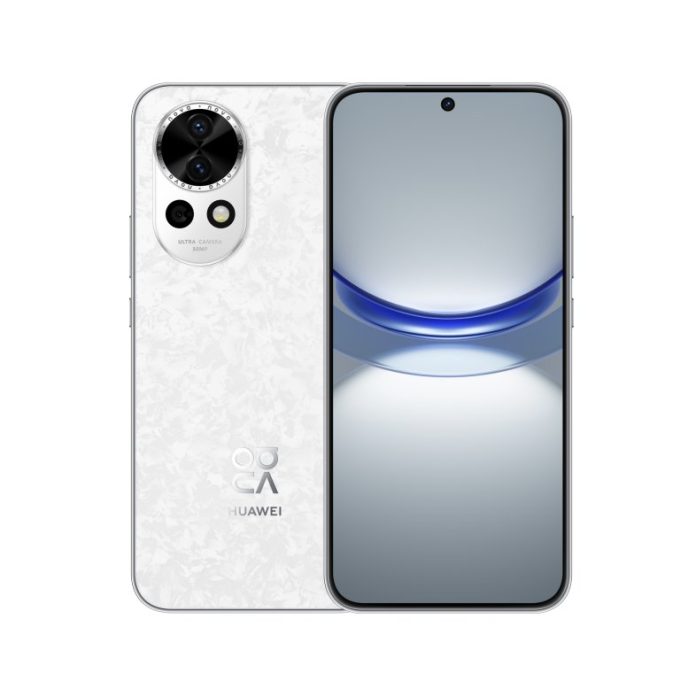
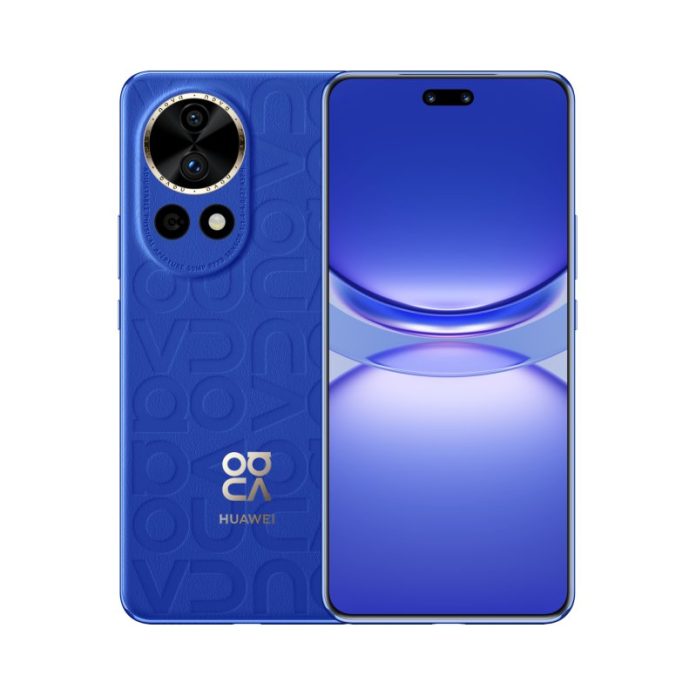
Huawei‘s new Nova 12 and Nova 12 Pro smartphones finally went on sale in China today, after their exciting launch over a week ago. These mid-range smartphones come with the latest Kirin processors, sleek designs, and HarmonyOS 4.0. So let’s get into the details here.
Huawei Nova 12, Nova 12 Pro Price and Availability
The Huawei Nova 12 starts at 2999 yuan (around $421) for the 8GB + 256GB variant and bumps up to 3399 yuan (around $477) for the 8GB + 512GB option. The Pro model starts at 3999 yuan (around $561) for the 12GB + 256GB version and reaches 4399 yuan (around $617) for the 12GB + 512GB storage combination.
As for the color options, the Nova 12 comes in three stylish shades: Blue, Golden Black, and Sakura White, while the Pro offers four eye-catching options: Blue, Golden Black, Sakura White, and Sakura Pink. They are now available for purchase via the official Huawei Mall in China.
Specifications
Both the Nova 12 and 12 Pro are powered by the Kirin 8000 chipset and run on HarmonyOS 4.0, Huawei’s latest operating system.
The Nova 12 features a 6.7-inch flat OLED screen with a 120Hz refresh rate and 1440Hz high-frequency PWM dimming, ensuring a smooth and comfortable viewing experience. The Pro model boasts a slightly larger 6.78-inch quad-curved OLED screen with an even higher resolution and AI HDR support for stunning visuals.
Both phones sport a dual rear camera system with a 50MP main sensor and an 8MP ultra-wide angle macro lens. For selfies the vanilla model has a 60MP sensor while the Nova 12 Pro takes things a step further with a dual front-facing camera setup, consisting of a 60MP main lens and an 8MP portrait sensor.
The Nova 12 and 12 Pro pack 4600mAh batteries and support 100W fast charging. They also come with second-generation Kunlun Glass for enhanced drop resistance, giving you peace of mind.
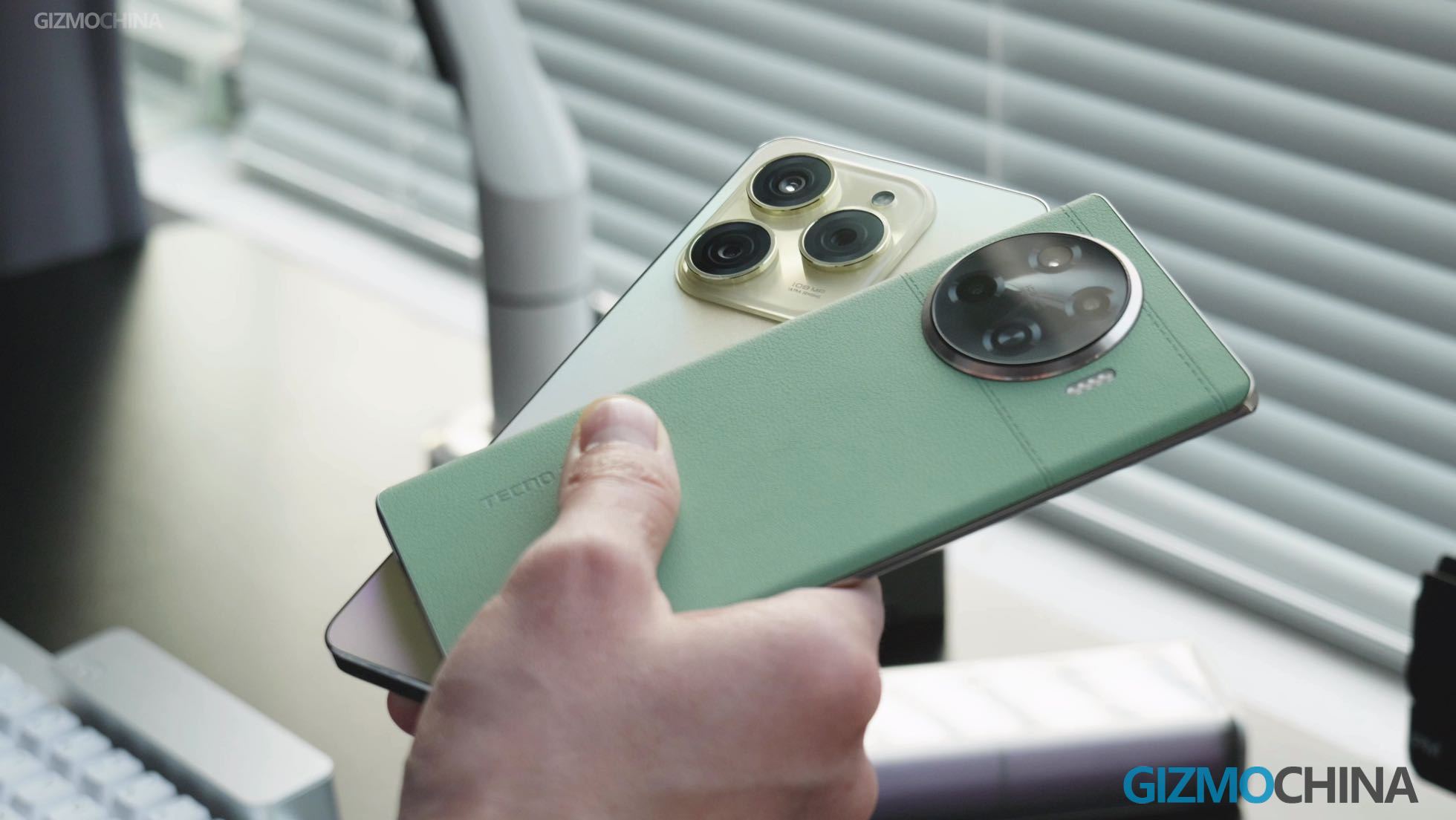
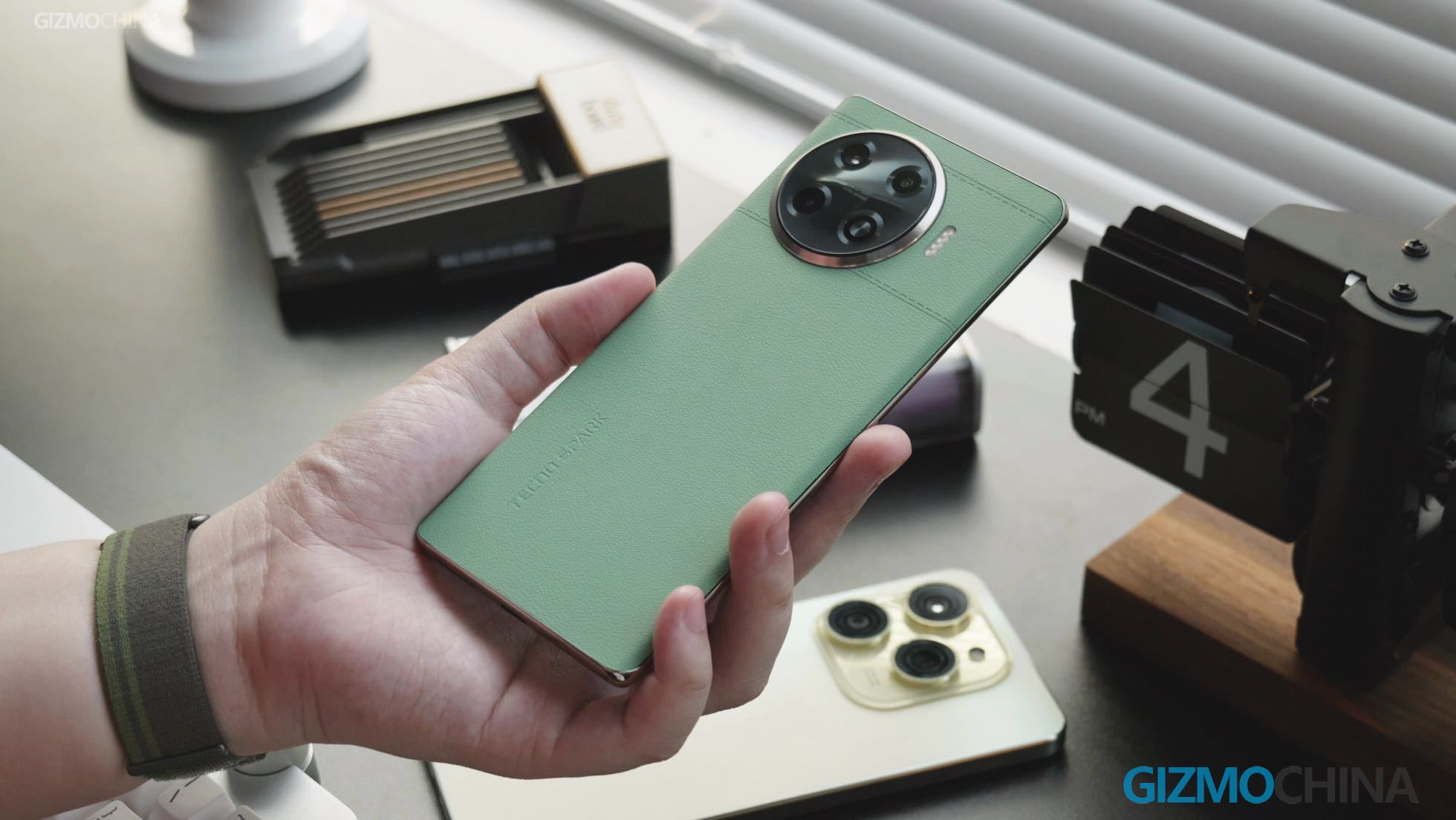
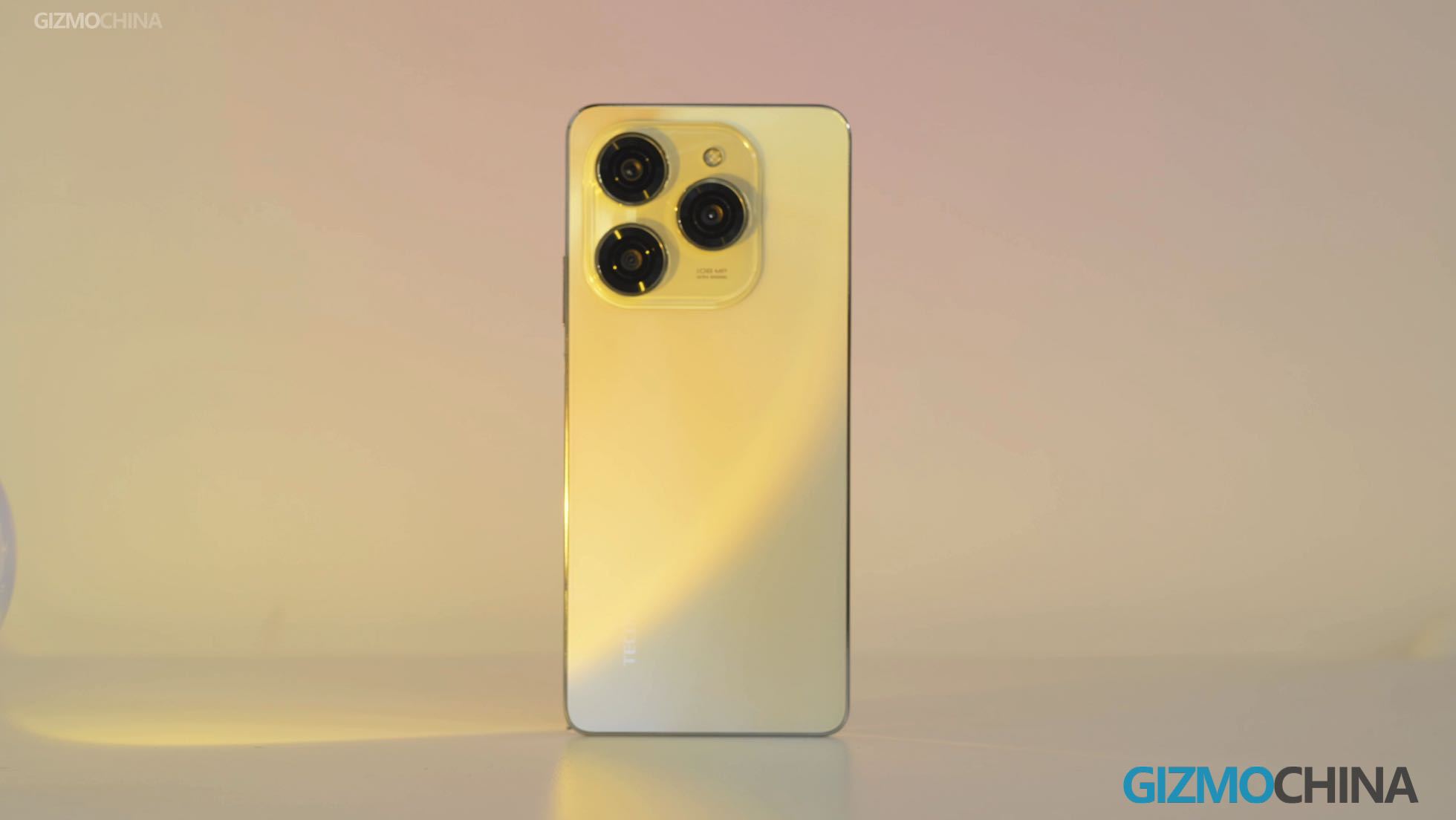
The Tecno Spark series has always been very attractive in my mind, the design is largely in line with any other phone on this market, and some even have unique colors and skins at the back, you can always pick one to express yourself the best. Today we have the Spark 20 Pro and Pro+, the newest and greatest in this lineup so far, and of course, the Pro+ did not exist last time. When I first saw them, I was immediately attracted by the Sunset Blush skin and the Bright Green vegan leather at the back, and there are a lot more they can offer, so let’s check them out.
Design
Since these are the successors of the Spark 10 Pro series, the overall shape and size of the 20 Pro are not that different, but the Pro+ has a whole new design as you can see.
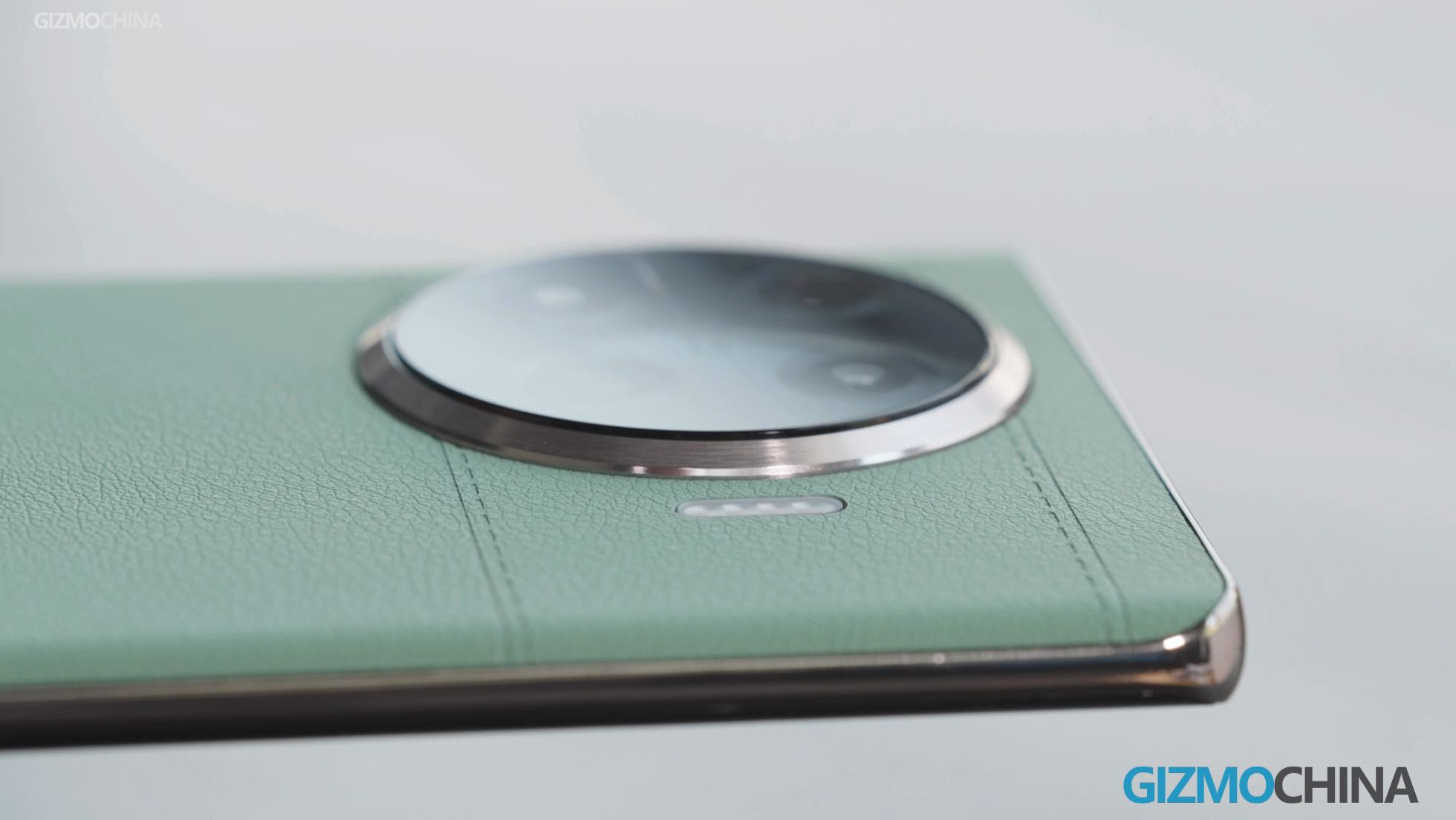
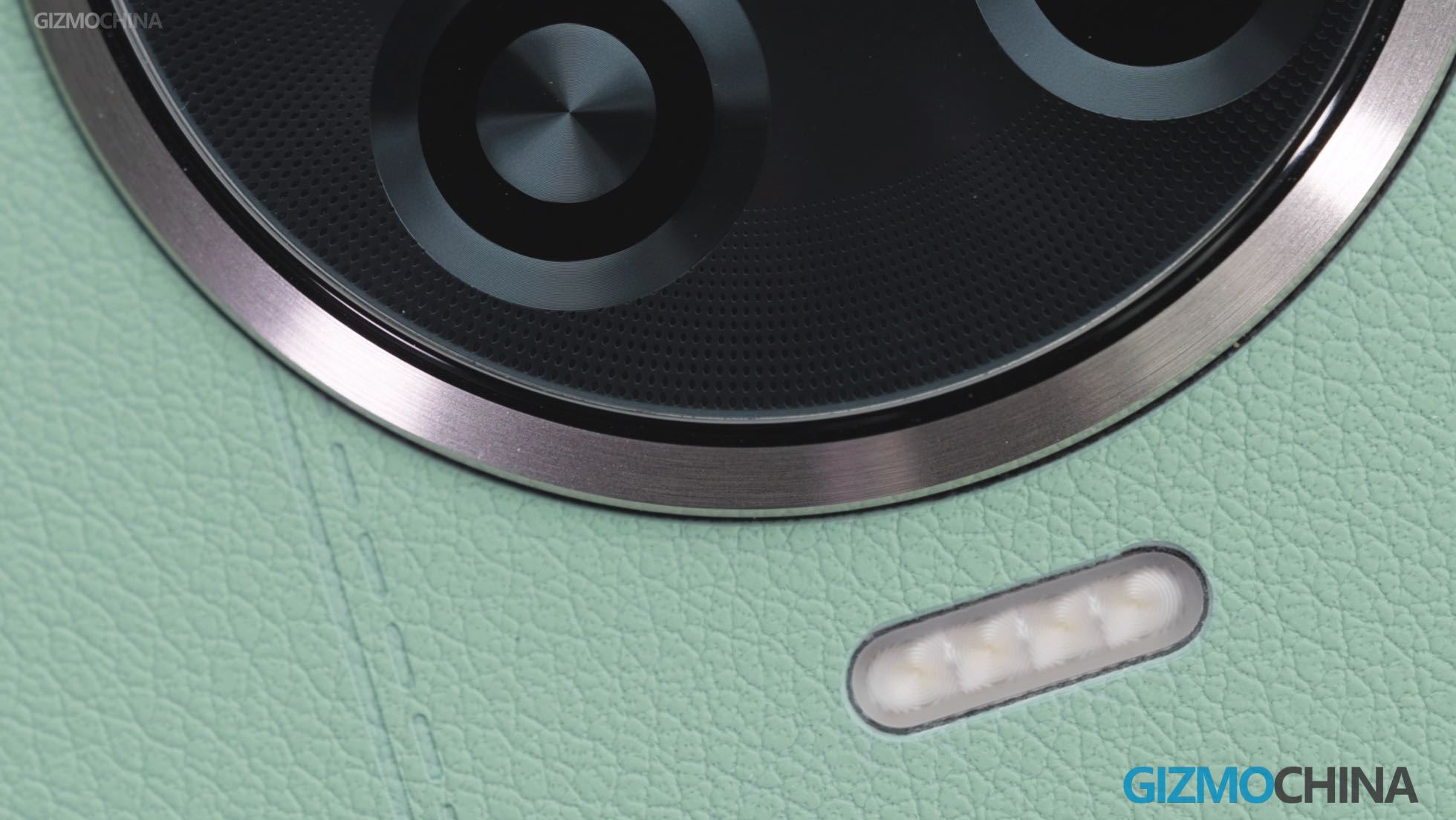
The Pro+ has a nice and premium vegan leather back, it feels smooth to the touch, with only a simple pattern across the circular camera module. The camera module in particular looks very good, the rounded island ring lifts the cameras up, and the metallic and brushed craft makes the starry-like camera cover very elegant. Moreover, there is a slight protective ring around it, so the cameras will be protected well.
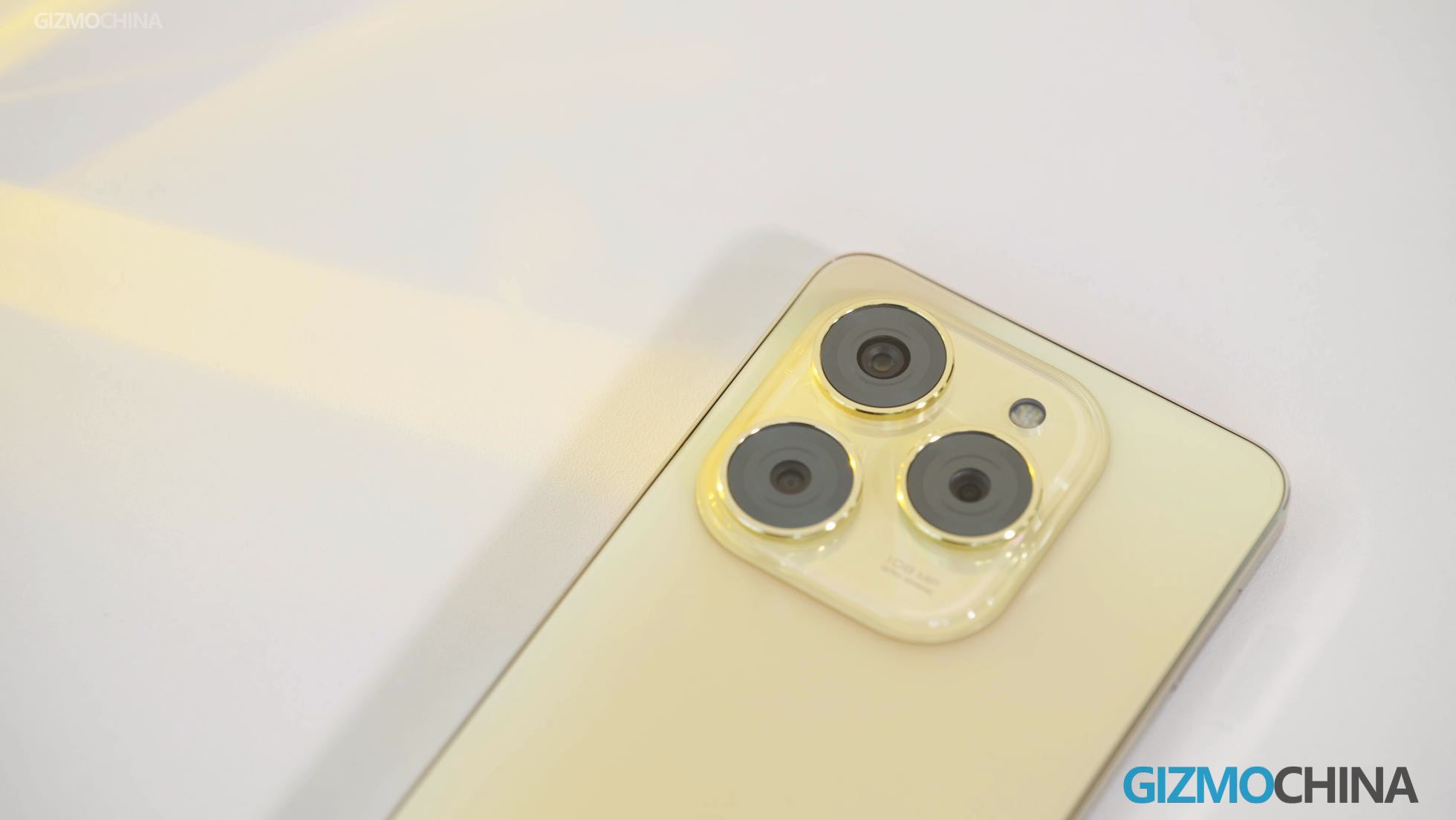
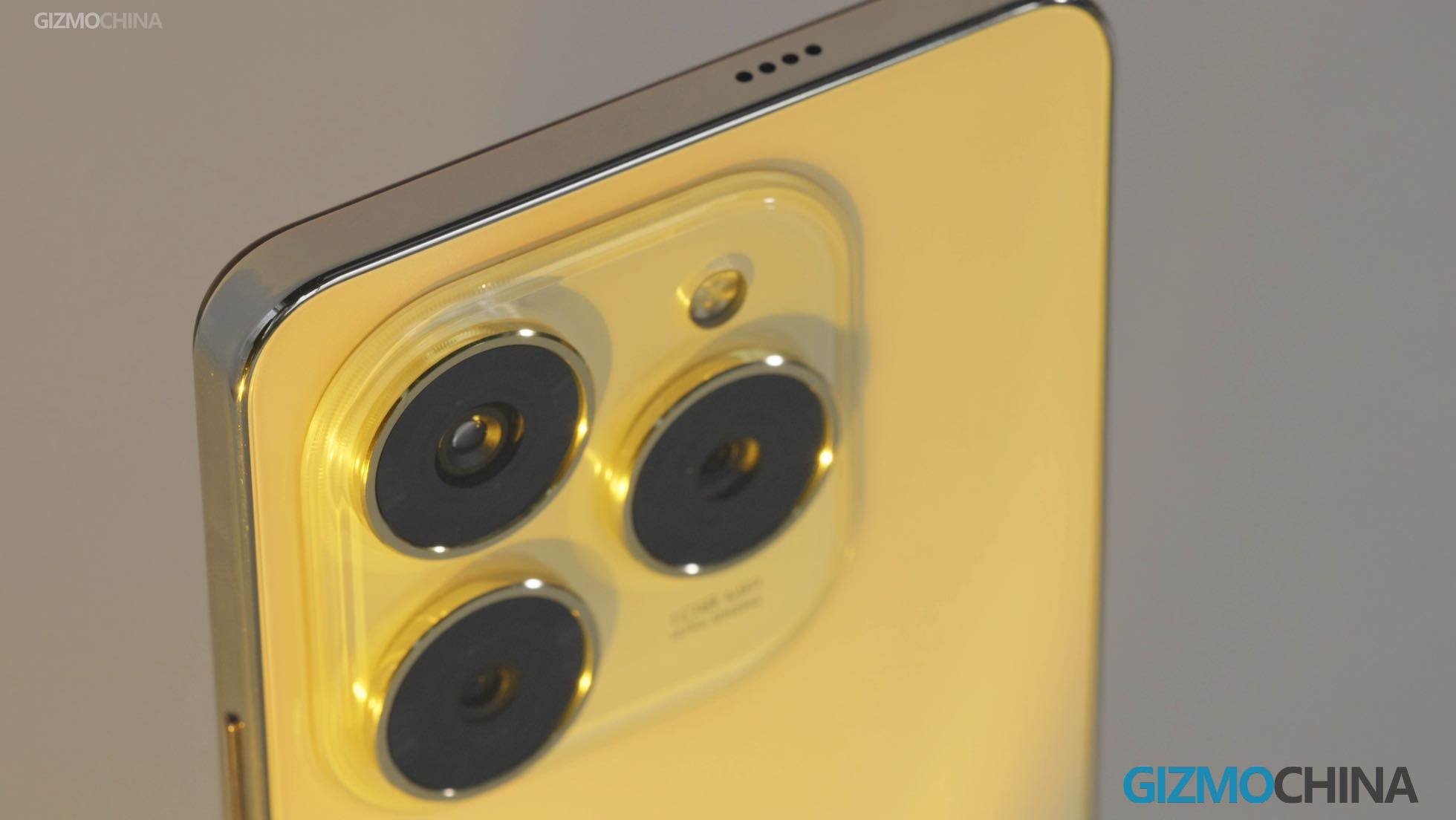
This first impression 20 Pro gives is very true to its name, which is just like what you see when the sun goes down, the color is not that harsh, rather a light orange, but it also reflects some blue from the sides. And the texture is like a fine knitted cloth, this tones down the reflection a little bit, so it’s less intrusive when you look at it from a direct angle. The camera module, however, is a shiny sunset color piece, coupled with the cameras, it still looks good.
There are also some other colors to choose from for these two models, they are also very good-looking, you can head to the link down below to see more.
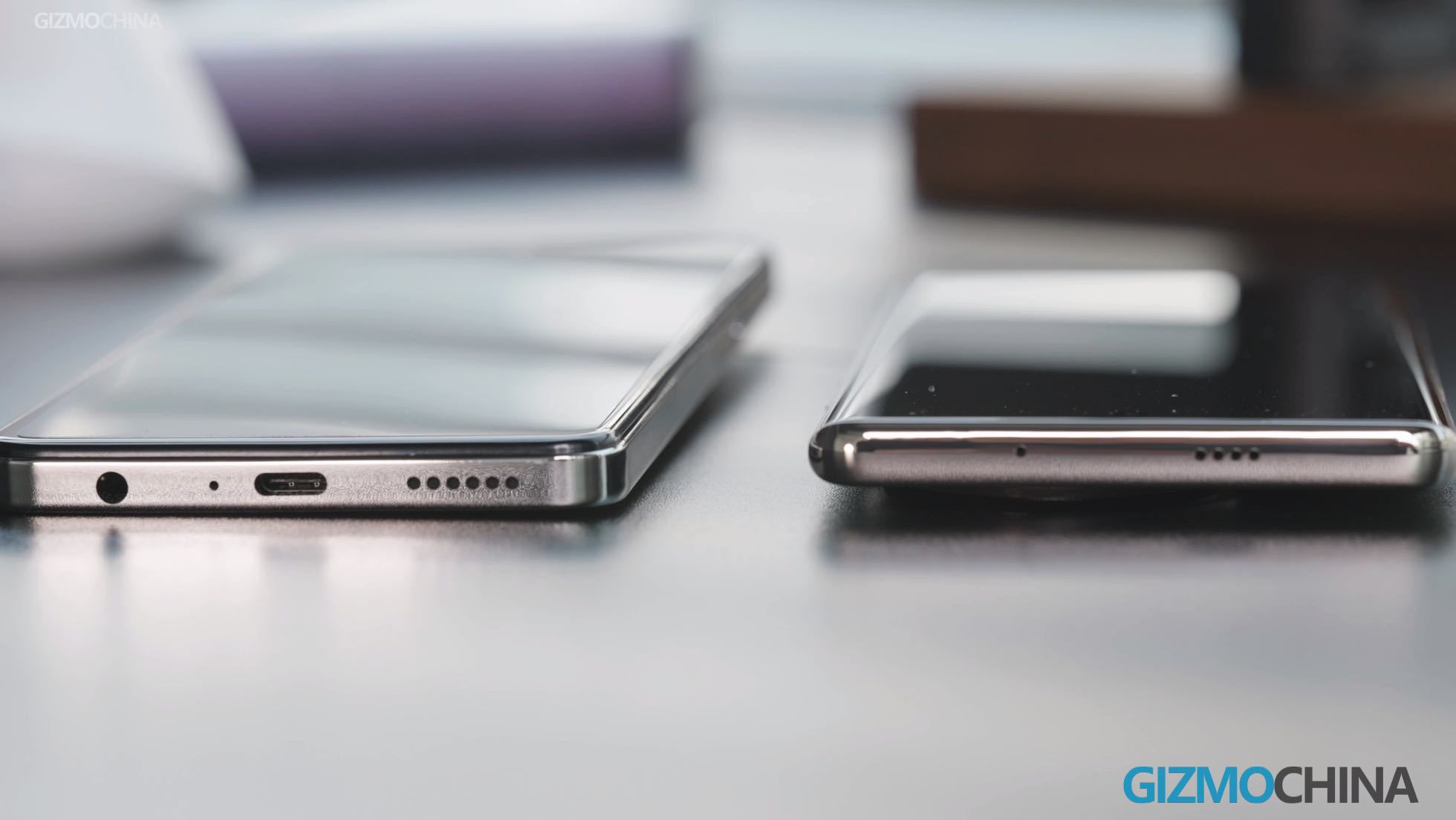
The frame of these two are also very nice, they are all shiny and frosted. All the buttons are lined up neatly at the side, only the fingerprint reader on the Pro+ is under the screen, and it does not have a 3.5mm headphone jack. Surprisingly, these two phones have dual speaker design at the top and bottom, they support 400% big volume, a mini party speaker right here, you will hear the actual result at the end of this review.
So overall, I am happy to see such an upgrade in the appearance, which is one of the main reasons you would love this phone for.
Screen
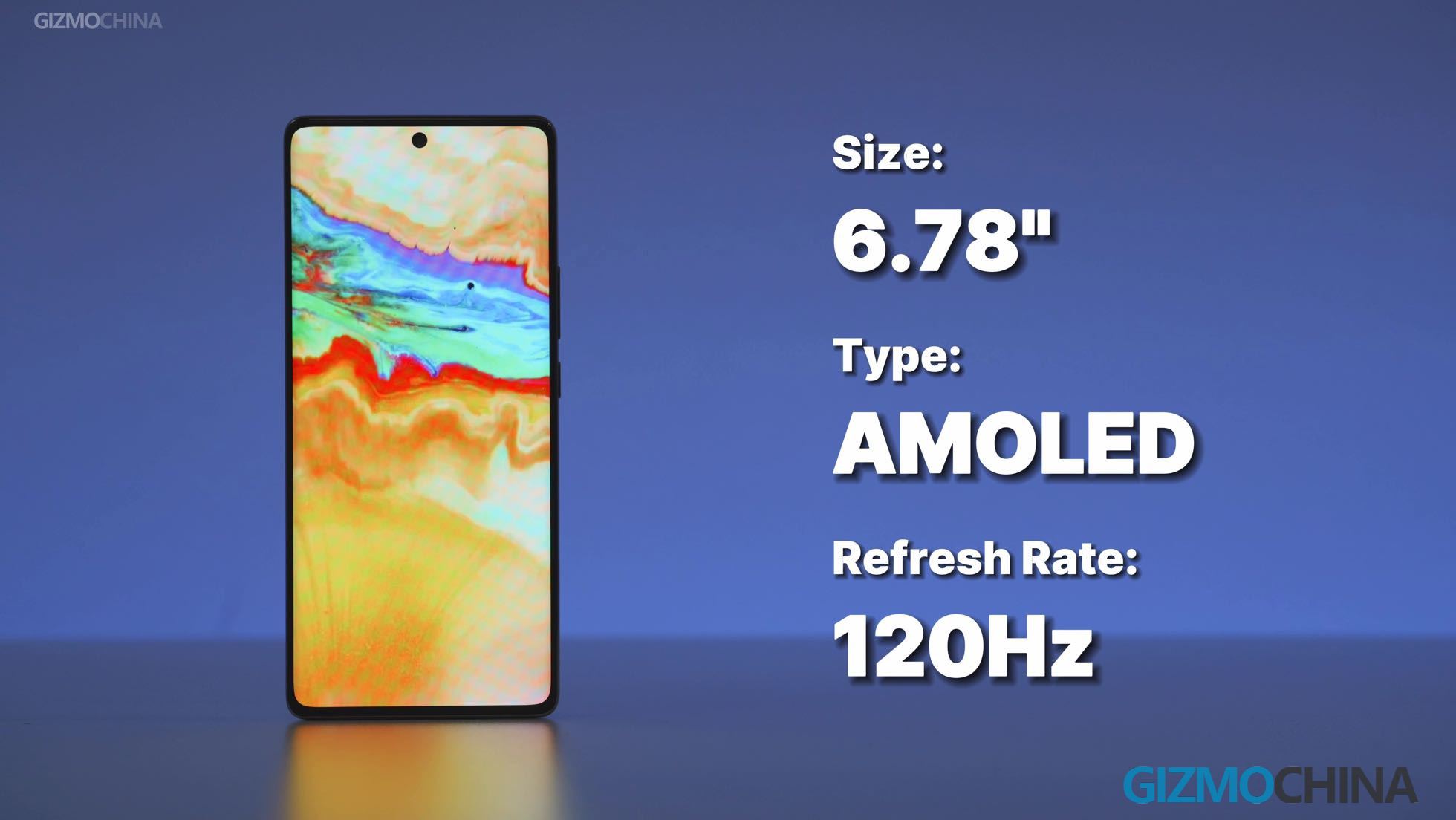
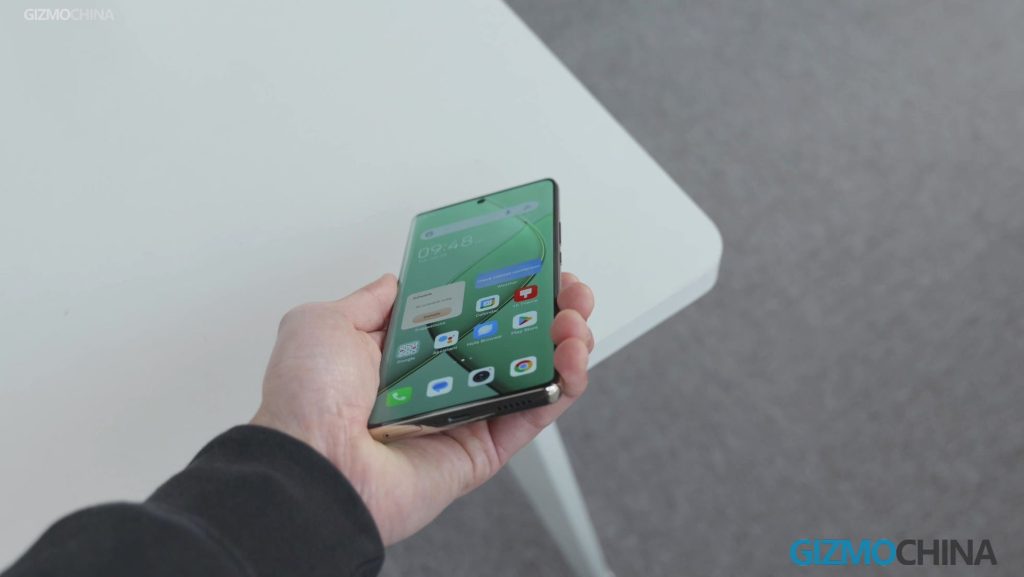
On the 20 Pro+, it is a 6.78” AMOLED hole punch screen, with a 120Hz high refresh rate. Visually, it’s a really good screen, colors are very vivid and bright, The viewing angle is also very good. You can comfortably browse through all kinds of content, and since it has an adaptive refresh strategy, so when displaying different content, it will naturally tweak the setting to create a silky-smooth experience, while saving some battery. It claims 3-5% higher efficiency, well I don’t think it would make a dramatic difference, so let’s just take their word for it. This is a curved screen, the feel of holding this phone in the hand is very good. So if you have higher requirements for the screen, this is your choice.
The 20 Pro, has all the features that the Pro+ has, and the straight screen is more daily-use friendly. However since it is an LCD screen, the viewing angle and color richness will not be that good compared to AMOLED, but it can still manage to fulfill daily needs.
Camera
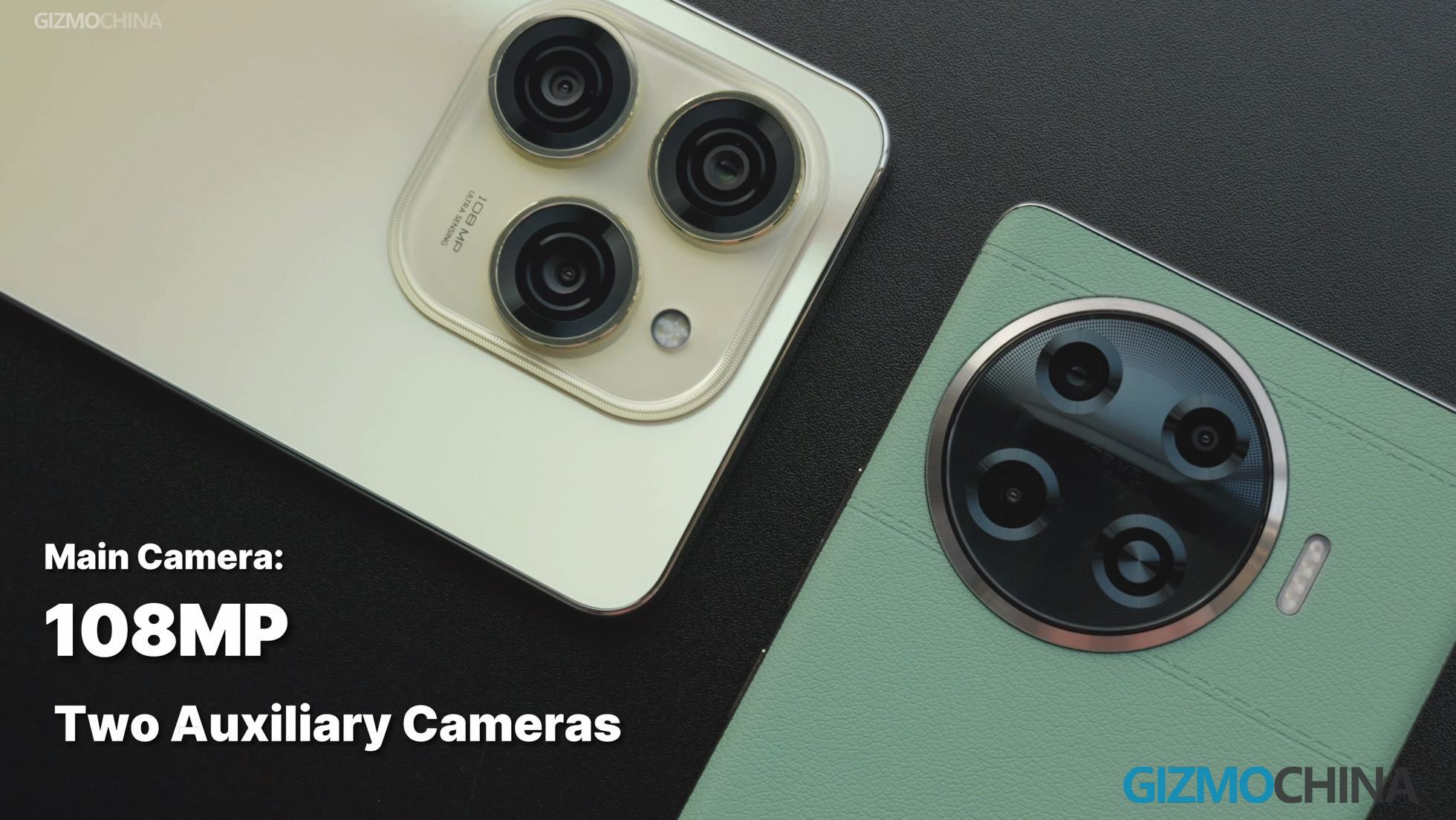
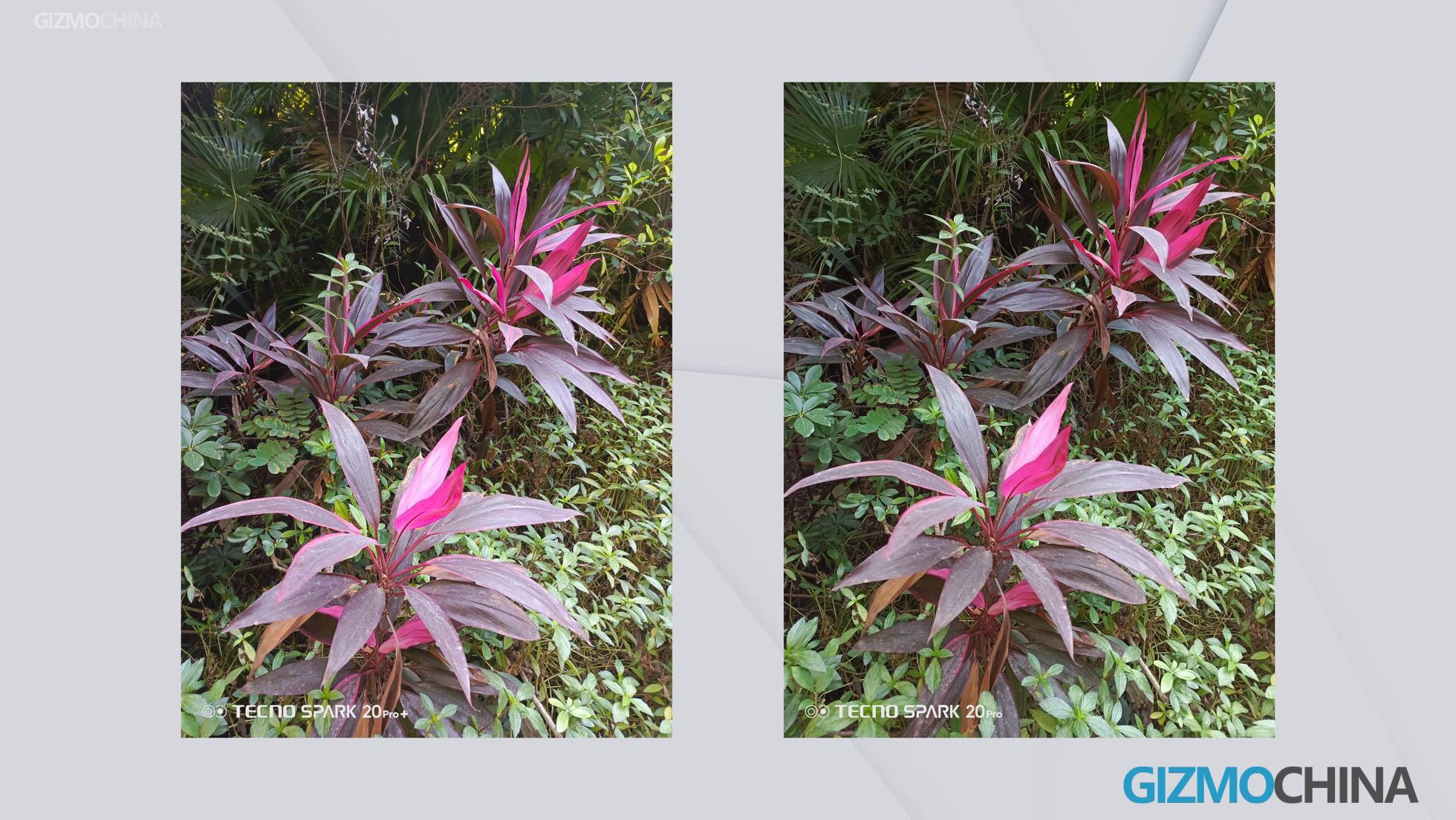
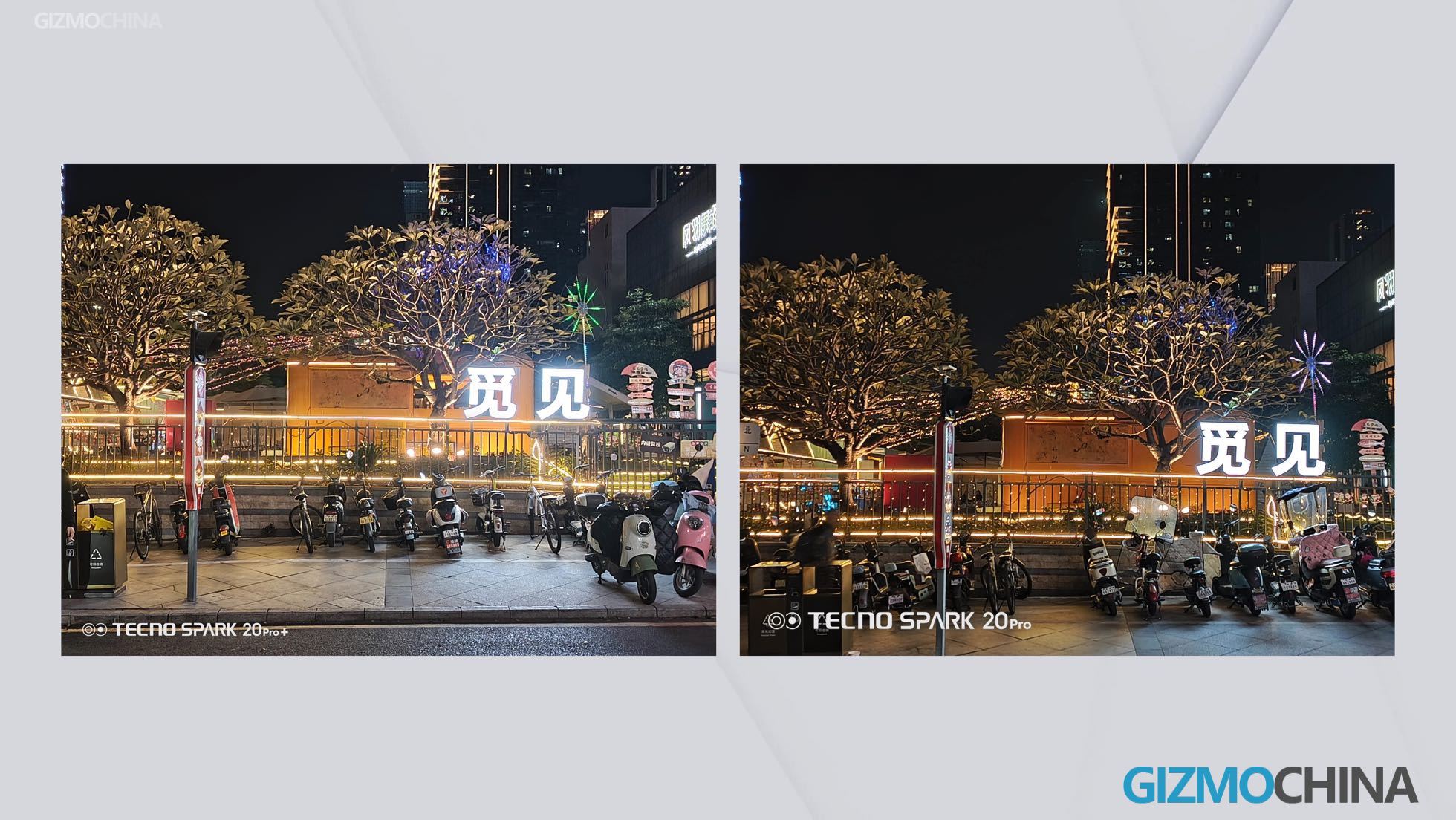
So the cameras, both have the same configuration here. A whopping 108MP main camera, and two other auxiliary cameras. The experience of taking photos with these two phones is good. In the daytime, they can take fine pictures, sharpness is good, and colors are accurate. Pictures of the scenery and live subjects are well presented. One situation I see the way it works is that it tends to brighten things up a bit in low light conditions because in this scene, areas other than the lights are darker than it shows.
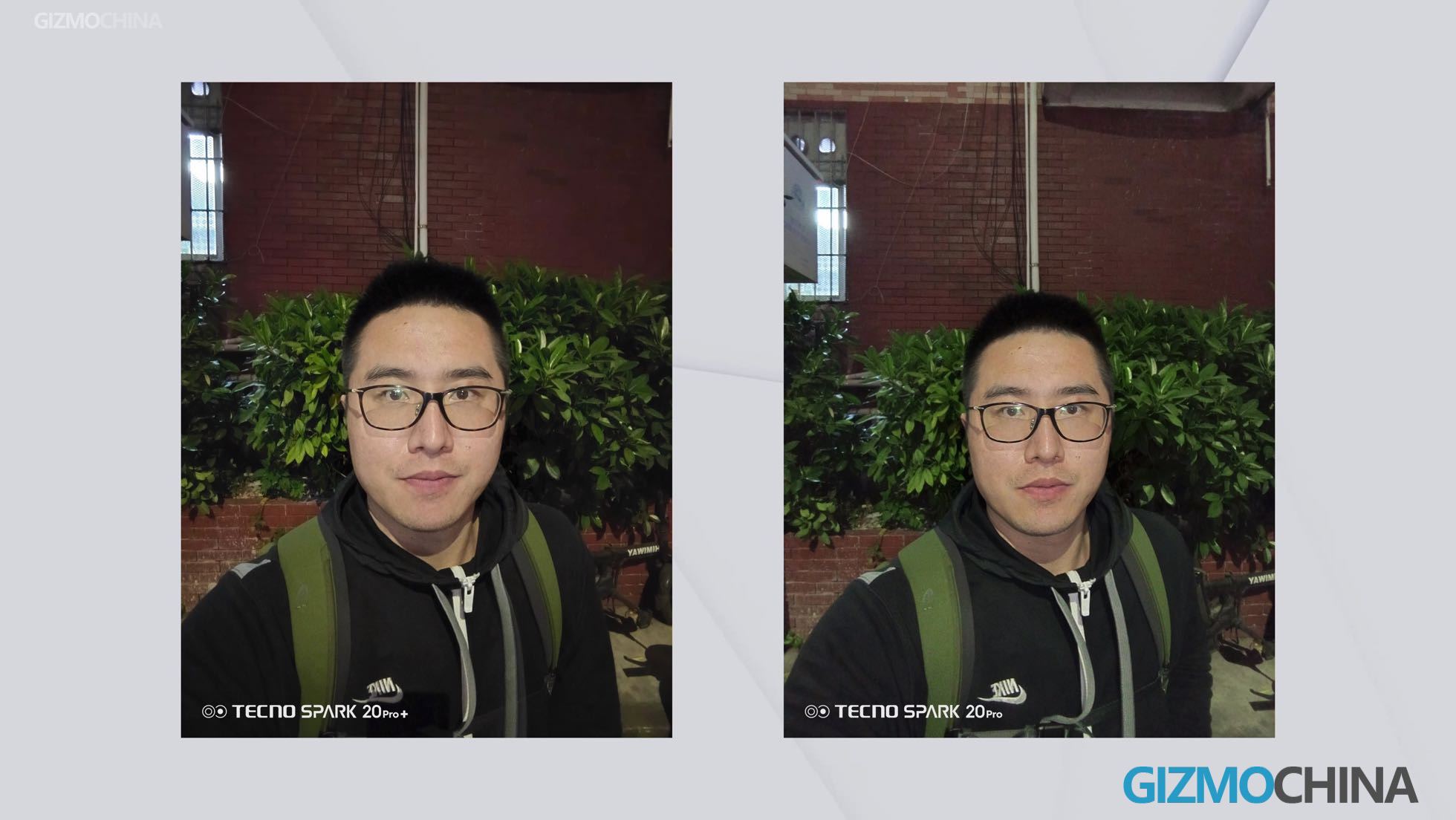
When the night comes, the Super Night Mode will kick in, it can capture all the subjects in the scene, and have good control of the highlight areas. When the front light is turned on, it naturally enhances the selfie performance, it lights up the face and the background, so the picture taken is very good. This is a unique feature that many phones don’t have.
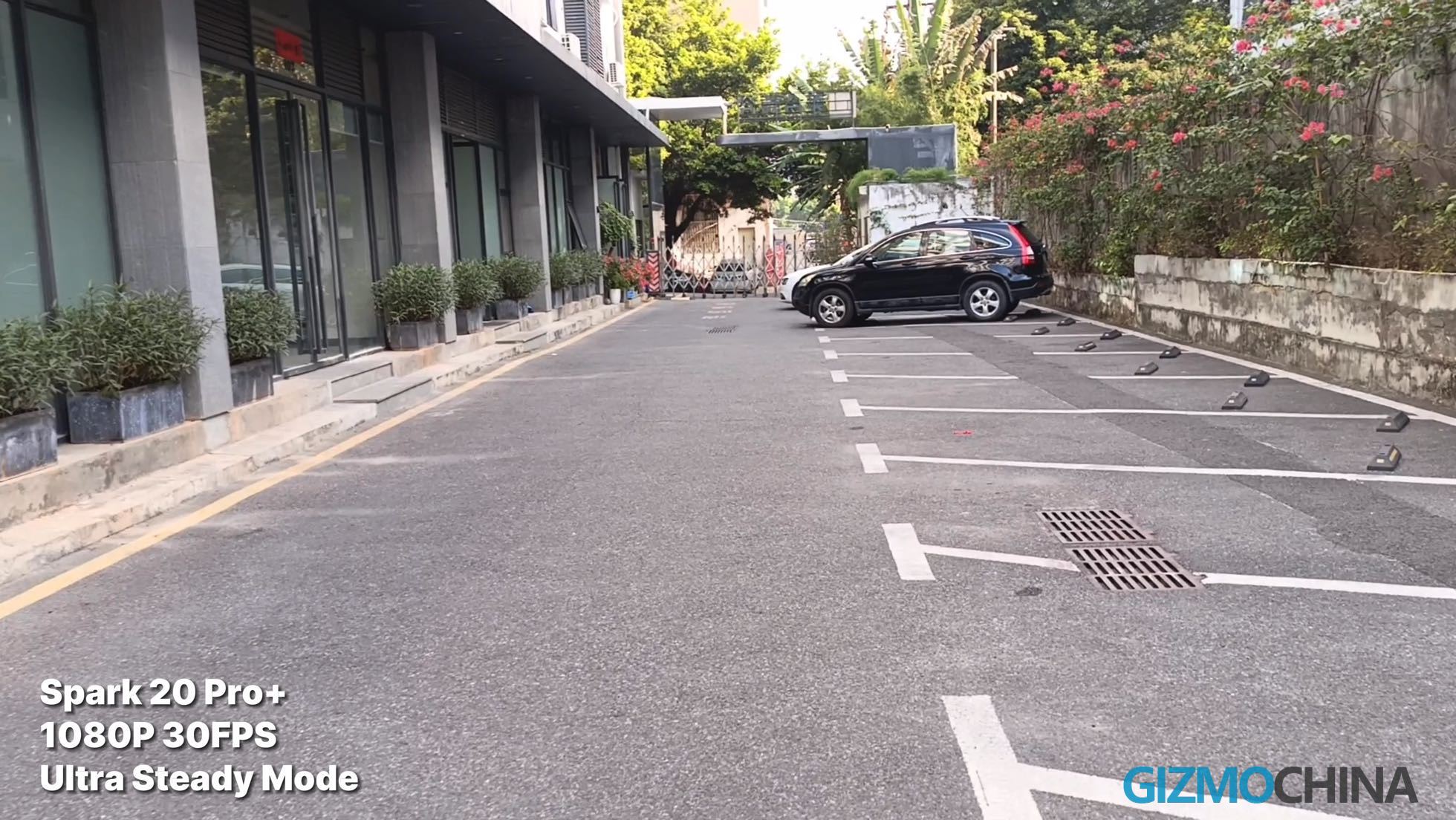
These phones also support 2k video recording, with only the Pro+ having an ultra steady mode, but it will be limited to 1080P 30fps. The fun feature of the cameras is the dual video capability, you can record with both the rear cameras and the front-facing camera, to create a live view experience for people who are going to watch the video.
There is also a macro camera that can help you explore a bit more fun in your life, and you can try to take some photos with it.
Performance
When I tried to know more about these phones, I got some info about Tecno supporting some sports events around the world, including some football and E-sports. Like some Call Of Duty tournaments. So they must be confident about the performance, which also translates as the chip being good.
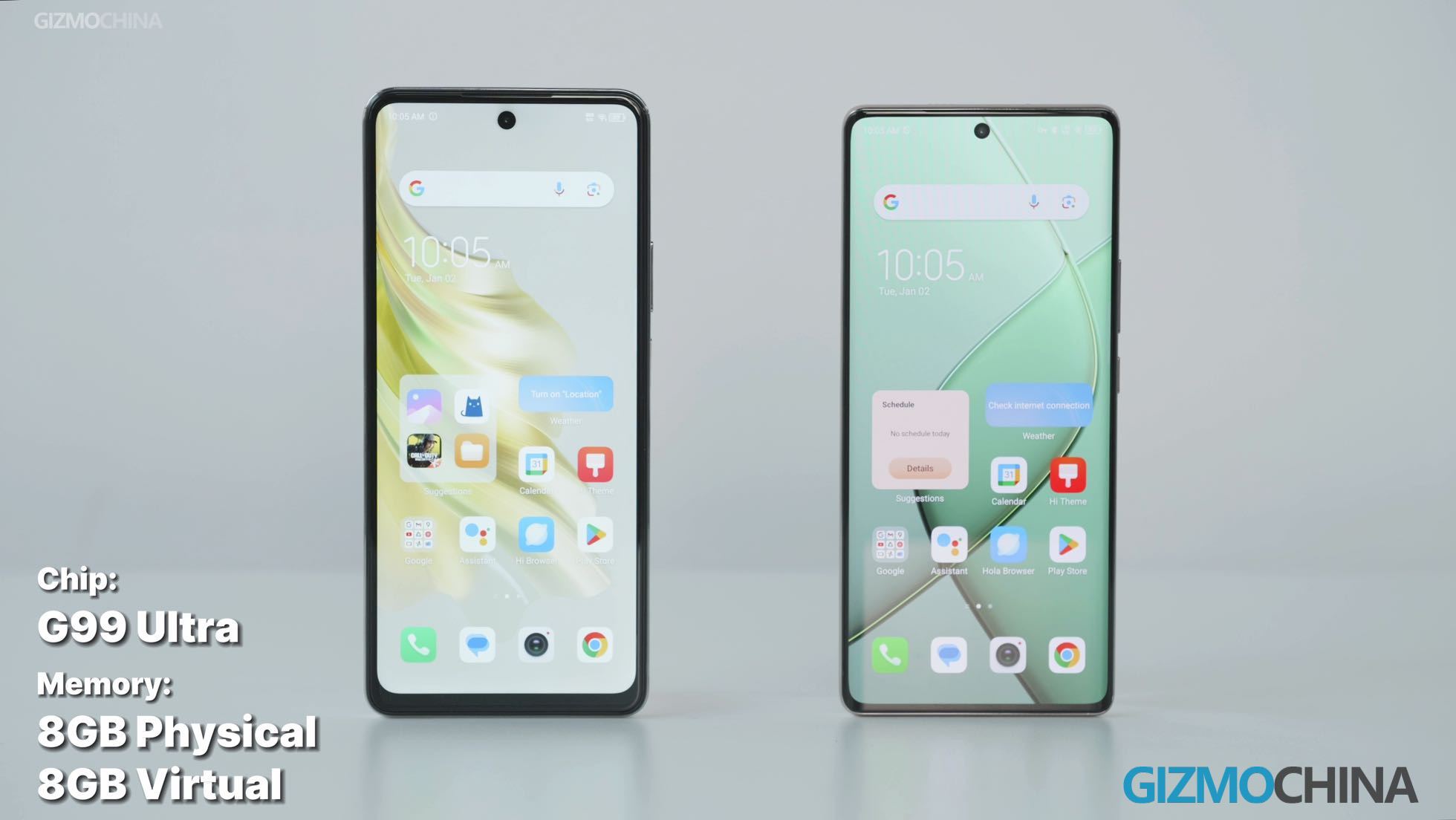
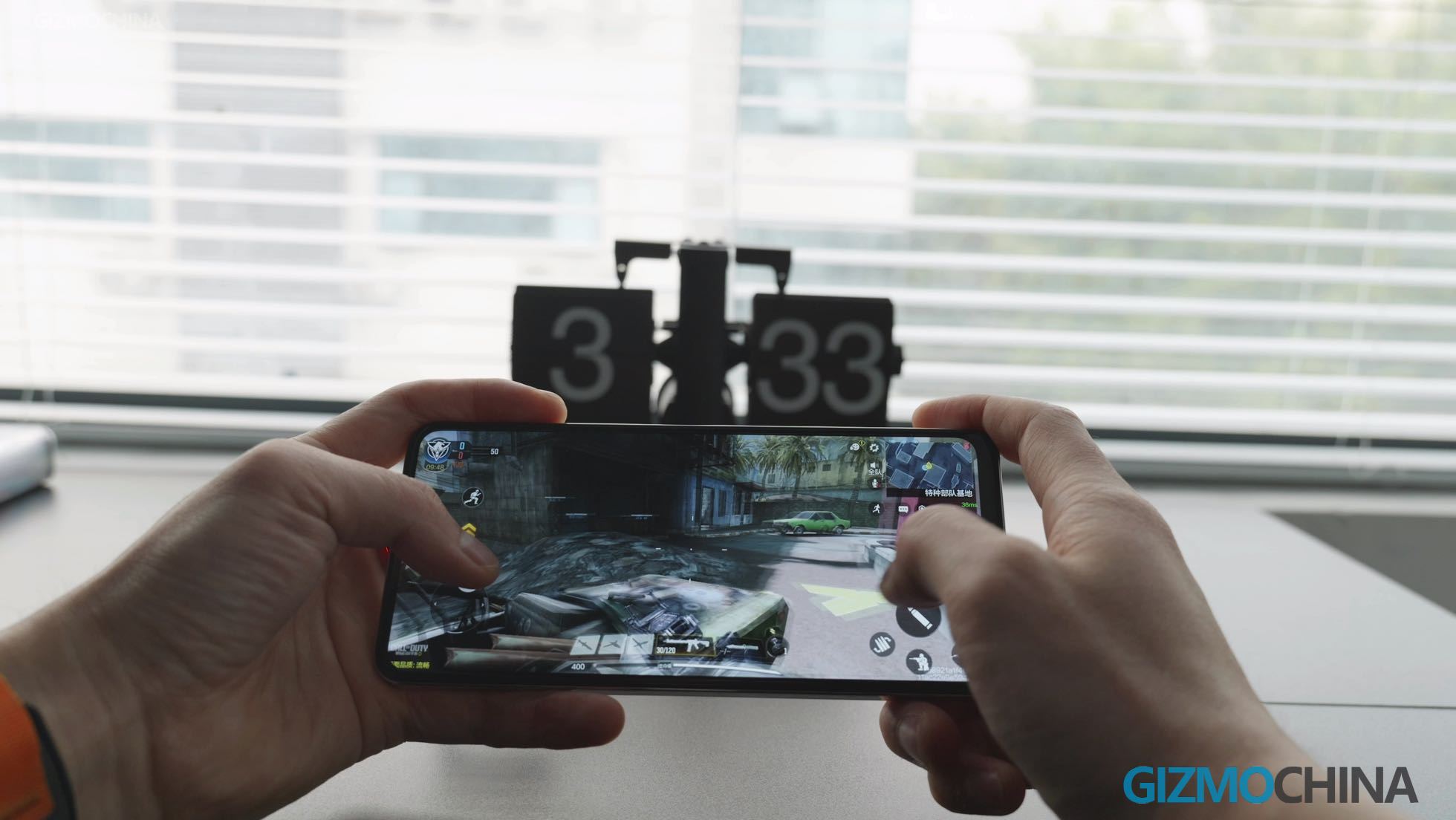
These two both come with MTK G99 Ultra, 16GB RAM, 8GB physical, and 8GB virtual. In Geekbench5, it got 727 points single core, 2014 point multi-core, decent scores for this chip. In daily use, we haven’t encountered any lag, and the gameplay is very smooth also. In Call of Duty, the game can smoothly run at 60Hz without any distortion, and it can switch between apps without any lag.
HiOS
About the operating systems, it is Android 14 on the Pro+, and Android 13 on the Pro, in daily use, there isn’t any difference. Still, there are a lot of highlights in the HiOS. Such as the Dynamic Port, I wouldn’t say it provides a whole new experience in the UX, but at least it shows some useful info while some apps are running. Another one is the AI feature built in, you can input some keywords, and then have an AI wallpaper made just for yourself; Also the AI will learn your habits, and then give some suggestions for things you want to do. Lastly, the docking portal at the side, it’s some light load mission that is implemented in the system, so you have quicker access to things, it is a very convenient feature.
Verdict
I would say these two phones have a lot of value to offer, there are some important features you will appreciate, such as the magic skins, the versatile cameras, the flashlights, and the above-average performance. If you are looking for a budget-friendly phone that is packed with good enough performance, these two can be your choices. So this is the review of Tecno Spark 20 Pro and Pro+, and we will see you next time.
In a win-win move for both companies, Nokia and Honor have signed 5G patents cross-licensing agreement, smoothing the way for further development and deployment of 5G technology.
This deal, announced on January 4th, covers fundamental inventions in 5G and other cellular networks and marks Nokia’s fourth major smartphone patent agreement in the past year.
The specific terms of the agreement are under wraps, but both companies expressed their satisfaction. Susanna Martikainen, Chief Licensing Officer at Nokia, pointed out this deal highlights the strength of their patent portfolio and decades of contributions to mobile technology.
Honor’s representative, Zhou Wenyu, emphasized their commitment to intellectual property rights and belief in fair pricing for essential patents.
This agreement is more than just a paper handshake. It avoids potential legal battles while fostering collaboration on crucial 5G technology. Both companies are major players in the mobile industry. Nokia has poured over €140 billion into R&D since 2000, resulting in roughly 20,000 patent families, including over 6,000 crucial for 5G. Also, for Nokia, this marks their fourth major smartphone patent agreement in the past 12 months.
Honor, on the other hand, sees this agreement as a testament to their commitment to innovation and intellectual property rights. They too are investing heavily in R&D, reportedly dedicating around 10% of their revenue to stay ahead of the curve. Also, their global patent applications are said to have crossed the 20,000 mark.
This news comes on the heels of a recent Chinese court ruling in favor of Nokia in a patent royalty dispute with another phone maker. This decision sets a global precedent for 2G-5G standard essential patent litigation.
For those unaware, Nokia has also reached a deal with Samsung in early 2023 and Apple in July. With Samsung, Apple, and now Honor on board, Nokia’s grip on the 5G patent landscape seems to be tightening.
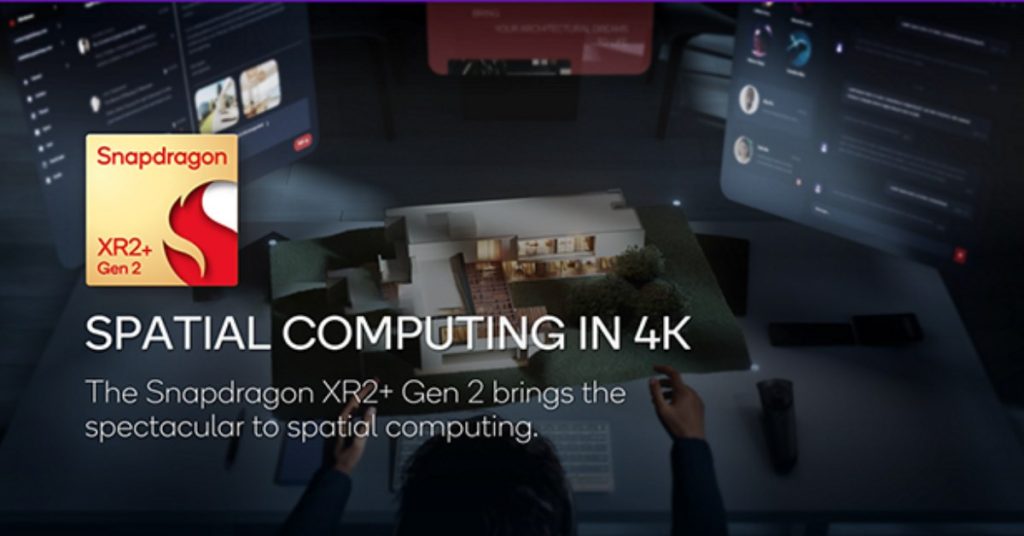
A year after Qualcomm, Samsung, and Google‘s joint XR project announcement, the Snapdragon XR2+ Gen 2 platform has finally arrived. This upgraded chip, succeeding the XR2 Gen 2 used in Meta Quest 3, offers significant improvements in graphics processing, potentially rivaling the performance of Apple’s upcoming Vision Pro headset.
Qualcomm Snapdragon XR2+ Gen 2
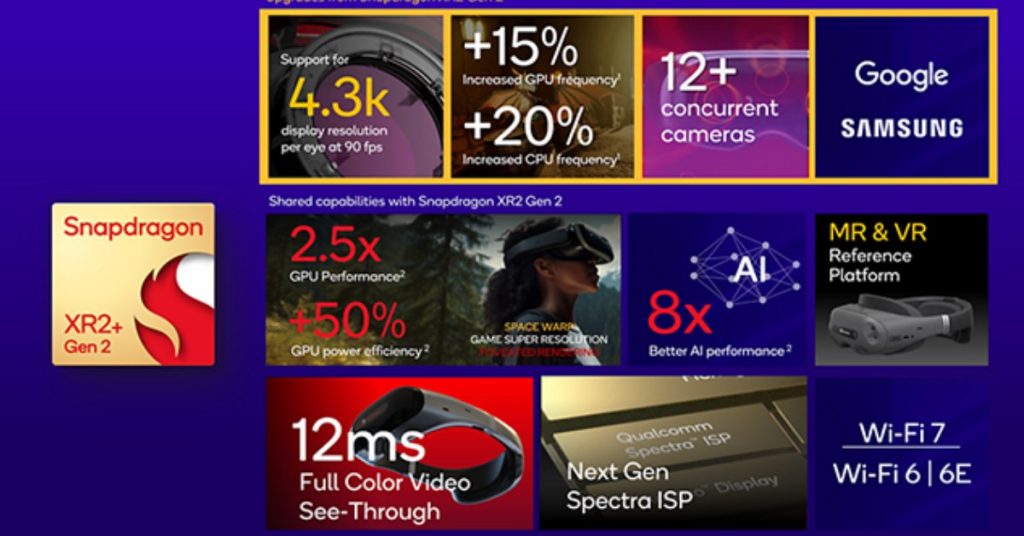
The XR2+ Gen 2’s standout feature is its support for a remarkable 4.3K resolution per eye and a 90fps refresh rate. This represents a significant jump over the XR2 Gen 2’s 3K resolution which will offer users a sharper, more immersive VR experience.
The XR2+ Gen 2 also boasts improved tracking capabilities. It can support up to 12 cameras and powerful on-device AI, enabling VR headsets to accurately track user movements and surroundings. This should allow for more intuitive navigation and interaction within virtual spaces.
Qualcomm has also upped the ante in terms of processing power. The XR2+ Gen 2 boasts a 15% increase in GPU frequency and a 20% bump in CPU frequency compared to its predecessor. This translates to improved performance and the ability to handle even the most demanding VR applications.
To accelerate VR headset development, Qualcomm has partnered with Goertek to create a new reference design. This pre-built platform comes in two configurations — one powered by the XR2 Gen 2 for 3K resolution and another powered by the XR2+ Gen 2 for the full 4K experience.
Qualcomm has confirmed that the new silicon will be used in the upcoming XR products from Samsung and Google. It’s also partnering with at least five other hardware makers, including HTC, to popularize its new platform. From what we know so far, Samsung is aiming to compete with Apple’s highly anticipated Vision Pro headset. With Samsung’s Unpacked event approaching, we might see exciting VR announcements on the horizon.
Hideo Kojima is one of the most acclaimed creators in the world of gaming. Everyone is stirring with excitement as his latest project OD is underway. Collaborating with filmmaker Jordan Peele, OD is touted to be a groundbreaking experience, blending game and film elements. Its details remain shrouded in mystery, but the involvement of Hollywood celebrities and the use of Unreal Engine 5 hint at an ambitious venture.
The project will be designed in Unreal Engine 5, reports state.
Kojima’s reputation for pushing boundaries is well-established. His previous project, Boktai, was a game-changer with its use of a solar sensor in the game cartridge, allowing players to harness real sunlight to battle vampires. This concept faced initial resistance but ultimately proved Kojima’s knack for innovation. Drawing parallels between Boktai and OD, Kojima suggests that OD will be just as unconventional and potentially transformative.
OD’s development brings together a blend of high-profile talents. Peele, known for his expertise in creating immersive, eerie narratives, promises that OD will be both engaging and terrifying. The cast includes notable names like Sophia Lillis, Hunter Schafer, and Udo Kier, adding to the intrigue and anticipation.
The gaming community is abuzz with speculation about OD, recalling the mystery and excitement surrounding Death Stranding, another of Kojima’s enigmatic projects. While details are scarce, the game’s unique concept, high-profile collaboration, and advanced technology set high expectations.
As for Boktai, the game’s legacy endures despite the series not seeing a new release since 2007. Its innovative gameplay and Kojima’s fearless creativity in game design continue to inspire. OD, carrying this legacy forward, stands as a testament to Kojima’s unyielding pursuit of groundbreaking gaming. And that is one thing he is really, really good at.
The Diamant Zing Super Deluxe stands out in the world of trekking bikes, striking a perfect balance between lightweight design and robust performance. Trekking bikes, often seen as a hybrid between mountain and road bikes, cater to those who love recreation and exploration rather than intense, performance-focused riding. However, Diamant, a renowned German bike specialist, has crafted the Zing Super Deluxe to appeal to both casual riders and those seeking a bit more thrill.
A secondary battery can be added, increasing the weight by less than a kilo
Weighing less than 22 kilograms (48.4 pounds), the Super Deluxe model doesn’t compromise on quality. Diamant has outfitted this bike with top-notch components like carbon cranks from E*Thirteen, Bontrager’s lightweight wheels, and the efficient Bosch Purion 200. The real game-changer, however, lies in its motor: the Bosch Performance Line CX. This motor delivers an impressive 85 Nm of torque and a peak output of 600 watts, making the bike both agile and powerful. An optional secondary battery can be added, increasing its weight by a mere 900 grams (1.9 pounds) but significantly boosting its range.
In terms of suspension, the e-bike is equipped with an SR Suntour Axon 32 Boost Magnesium fork, offering 40 mm of travel. This feature ensures a comfortable and confident ride, even off the beaten path. Additionally, it includes a 12-speed Shimano drivetrain, hydraulic disc brakes, and a versatile MIK-compatible rear cargo rack. These features collectively make the Zing Super Deluxe not just a bike, but a reliable companion for adventures.
However, premium features come at a premium price. Starting at 4,409 euros (about $4,832 USD), the cost can increase with added extras. But for those who value a combination of performance, comfort, and quality in their trekking experience, the Diamant Zing Super Deluxe could be a worthy investment.
This might be the most groundbreaking and positive news from 2024 so far. Insilico Medicine, an AI-driven drug discovery firm from Hong Kong, recently made headlines with its significant deal involving a breast cancer drug candidate. This transaction, potentially exceeding $500 million, was struck with Italy’s Menarini Group, highlighting a new era where artificial intelligence (AI) is revolutionizing drug discovery.
The Global Breast Cancer Market is expected to hit $73.68 billion by 2032
Insilico, preparing for a public listing in Hong Kong, received an initial $12 million from Stemline Therapeutics, a Menarini subsidiary. The deal includes development, regulatory, and commercial milestones, along with sales royalties. This partnership marks a significant milestone in the integration of cutting-edge AI technology into pharmaceutical research and development.
AI’s role in drug discovery is increasingly crucial, offering enhanced efficiency and accuracy. This is not just about speeding up processes; it’s about opening new doors in medical research. The AI-driven drug discovery market is booming, expected to reach a staggering $7.1 billion by 2030.
The deal focuses on a novel small molecule KAT6A inhibitor, aimed at treating hormone-sensitive cancers. With breast cancer being the most prevalent and deadly cancer among women globally, the potential impact of this treatment is immense. The global breast cancer market is also on the rise, projected to hit $73.68 billion by 2032.
Menarini, a major player in the pharmaceutical and diagnostics field, views this collaboration as a chance to pioneer new treatment avenues and potentially revolutionize cancer therapy. Insilico, led by Dr. Alex Zhavoronkov since its inception in 2014, boasts a robust pipeline targeting various diseases, emphasizing the role of AI in future healthcare advancements.
With Insilico’s presence expanding globally and its recent influx of funding, including a $95 million series D financing in 2022, the company is poised for significant growth. This deal not only underscores the power of AI in healthcare innovation but also signals a promising future for more AI-driven breakthroughs in medicine.
We use cookies on our website to give you the most relevant experience by remembering your preferences and repeat visits. By clicking “Accept”, you consent to the use of ALL the cookies.
This website uses cookies to improve your experience while you navigate through the website. Out of these, the cookies that are categorized as necessary are stored on your browser as they are essential for the working of basic functionalities of the website. We also use third-party cookies that help us analyze and understand how you use this website. These cookies will be stored in your browser only with your consent. You also have the option to opt-out of these cookies. But opting out of some of these cookies may affect your browsing experience.
Necessary cookies are absolutely essential for the website to function properly. This category only includes cookies that ensures basic functionalities and security features of the website. These cookies do not store any personal information.
Any cookies that may not be particularly necessary for the website to function and is used specifically to collect user personal data via analytics, ads, other embedded contents are termed as non-necessary cookies. It is mandatory to procure user consent prior to running these cookies on your website.