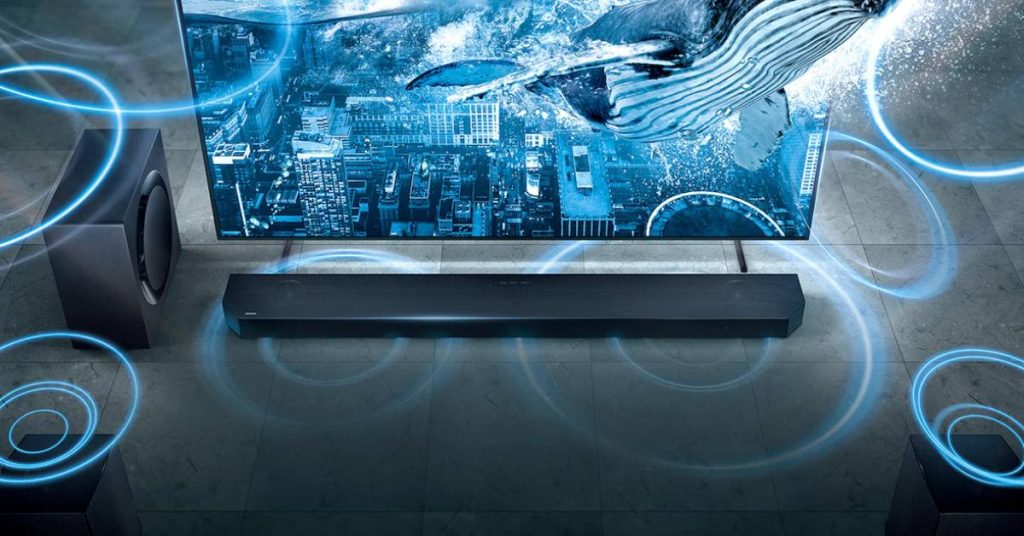
Samsung and Google have joined forces to create a new open-source 3D spatial audio technology called Immersive Audio Model and Formats (IAMF), potentially challenging Dolby Atmos’ dominance in the market.
Google and Samsung’s 3D audio standard IAMF challenges Dolby Atmos
The development of IAMF stemmed from the recognition of limitations in existing 3D audio solutions, such as Dolby Atmos. Samsung’s research team identified that current technologies fail to properly interpret 3D sound information, resulting in a diminished audio experience.
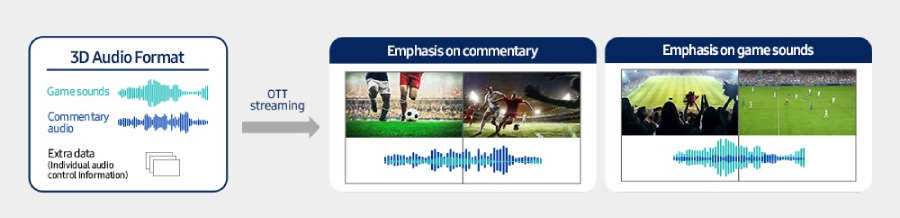
IAMF addresses these shortcomings by incorporating three key features: vertical sound, AI scene analysis, and user-customized audio.
“IAMF enhances sound realism by allowing listeners to experience audio in front, behind, or to either side, as well as above or below them. This means that when IAMF technology is integrated into home TV speakers and soundbars, listeners can experience sounds like birds flying overhead on their TVs,” explained WooHyun Nam from Samsung Research’s Visual Technology Team.
IAMF also employs AI and deep learning algorithms to intelligently analyze scenes and adjust audio levels accordingly. For instance, during scenes with prominent background music or soundtracks, IAMF balances the sound to ensure the main focus remains on the dialogue.
Likewise, personalized audio customization options further enhance the IAMF experience by allowing users to tailor the audio to their preferences. These options include adjusting the intensity of sound effects in action scenes or enhancing dialogue clarity during conversations.
Samsung’s adoption of Dolby Atmos in its TVs in 2022 signaled the company’s commitment to immersive audio experiences. However, its decision to stick with its own HDR10+ format over Dolby Vision raised questions about its future relationship with Dolby Atmos.
With the advent of IAMF, Samsung appears to be charting its own course in the 3D spatial audio space, potentially signaling a shift away from Dolby Atmos in future Samsung TVs.
Artificial intelligence technologies are becoming more widespread and gaining popularity. Nowadays, numerous companies are incorporating AI into their various products and services. However, these currently mainly consist of systems based on either ChatGPT or Google Bard. While entrepreneurs like Elon Musk are exploring alternative options, as of now, no company has taken a definitive step in this direction. In fact, the competition is so weak that Google has postponed the release of its eagerly awaited next-generation AI chatbot, Gemini. Here are the details…
Google Delays Chatbot Launch to Prioritize Quality
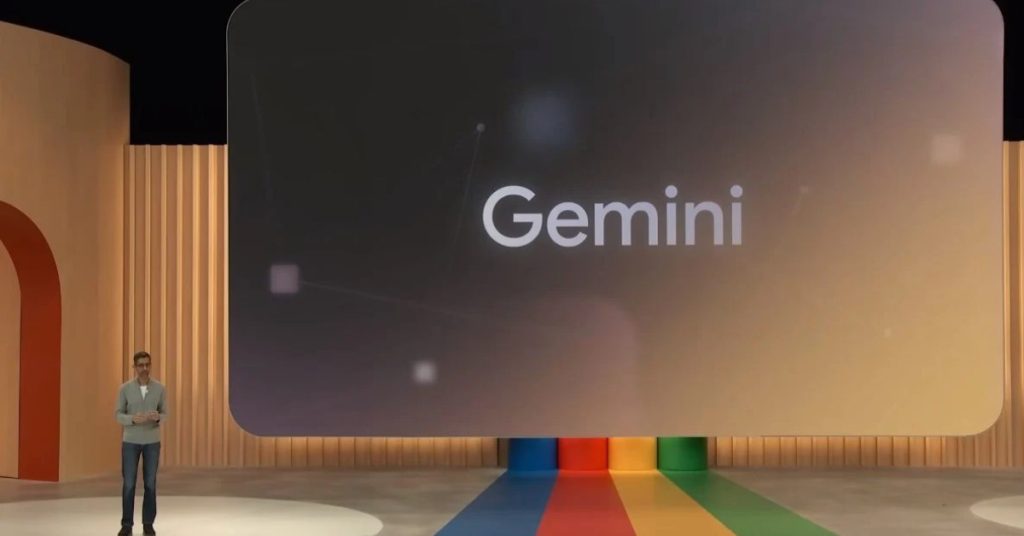
Google has postponed the release of its much-anticipated next-generation AI chatbot, Gemini, to early 2024, pushing back its initially expected December launch date. This strategic decision stems from a combination of factors, primarily concerns regarding the quality of Gemini’s output and the need for further refinement to seamlessly integrate the model with Google’s cloud products.
Gemini, a large language model (LLM), is poised to surpass the capabilities of Google’s current chatbot, Bard, by venturing into the realm of generating diverse creative text formats, encompassing poems, code, scripts, musical pieces, emails, letters, and more.
While this delay may pose a temporary setback for Google in the competitive race against tech giants like OpenAI and Microsoft, who are also developing their own LLMs, Google remains steadfast in its commitment to delivering a product of exceptional quality. The company is confident that Gemini, with its enhanced capabilities and refined performance, will be well worth the wait.
In November 2023, NIO, a prominent name in the electric vehicle (EV) sector, reported a 12% year-over-year increase in global car deliveries, totaling 15,959 vehicles. This figure, while indicative of growth, marks a decrease from the company’s monthly average of around 16,000 units over the past three months. Such a trend raises questions about NIO’s future strategies to enhance its sales and ensure profitability.
The NIO ES6 alone sold 11,000 Units in July
Interestingly, the decline in sales comes despite NIO’s efforts to refresh its entire model lineup. For instance, the ES6 model alone sold 11,000 units in July, indicating a strong initial customer response to the upgraded models. Yet, this surge seems to have lost momentum in subsequent months.
A significant portion of NIO’s sales is concentrated in China, but the company is also actively expanding in Europe. The sales breakdown for November included 10,545 crossovers/SUVs and 5,414 sedans. However, NIO hasn’t specified sales figures for individual models.
Year-to-date, NIO has delivered over 142,000 EVs, a 33% increase compared to the previous year. This performance, although impressive, falls short of the company’s aspiration to double its 2022 sales figures of over 122,000 vehicles. With just a month left in 2023, achieving this target seems unlikely.
NIO’s product range includes eight models based on the NT2.0 platform, comprising five crossovers/SUVs and three sedans. The company’s technological advancements, such as the upcoming 800-volt battery pack architecture, could be a game changer in the EV market. Moreover, NIO’s collaboration with other Chinese manufacturers like Geely and Changan Automobile, especially regarding the use of its battery swap stations, might bolster its business. As of November’s end, NIO’s network of battery swap stations expanded to 2,217, mostly in China, with a growing presence in Europe. This expansion is a strategic move, potentially increasing the attractiveness of NIO’s EVs due to enhanced convenience.
Spotify, a leading music streaming platform, recently announced a significant workforce reduction, affecting 17% of its employees. This decision by CEO Daniel Ek, coming as a surprise just before the holiday season, aims to address the company’s financial challenges and align its operational costs with its financial goals.
Spotify surged in 2020 and 2021 fueled by lower capital costs
Despite a strong performance and a positive earnings report, Ek explained that the company faced a stark choice between making smaller reductions over the next two years or taking decisive action now. Opting for the latter, Ek stressed the need for a substantial adjustment to right-size the company’s costs to meet its objectives, acknowledging the pain this decision would cause to the team.
The backdrop to this decision is Spotify’s rapid expansion in 2020 and 2021, fueled by lower capital costs. These investments paid off, contributing to the company’s growth. However, even after previous layoffs in early 2023 and May, cutting about 8% of its workforce, Ek noted that the company’s cost structure remained too large for its future needs.
Approximately 1,500 employees will be impacted by this latest round of layoffs. To ease the transition, Spotify plans to offer an average of five months of severance pay, healthcare coverage during this period, and immigration and career support.
Ek’s announcement underlines the necessity for Spotify to adopt a leaner operational model in its next phase. This follows the introduction of a revamped royalty model aimed at increasing payouts to working artists while reducing fraudulent streams.
Spotify has consistently grown its user base, now boasting 574 million monthly active users, a 26% increase year-over-year. Despite this growth, profitability has been elusive, with recent quarters showing rare profits. Ek promises more details on the implications of these changes in the coming weeks.
Tencent, a major player in China‘s tech industry, faced a service disruption with its video streaming platform, Tencent Video. This incident reflects the challenges even big tech firms face in maintaining uninterrupted services. Tencent Video, similar to Netflix, encountered “temporary technical issues,” leading to widespread user complaints. This event has sparked a conversation about the reliability and stability of digital services provided by large tech companies.
Tencent Video has a huge user base of over 100 million subscribers
Tencent Video’s outage was evidenced by user-shared screenshots showing error messages and issues with subscription plans. The company acknowledged the problem on Weibo and assured that restoration efforts were underway. However, the full status of the service recovery remained unclear as Tencent did not provide immediate further comments.
This setback comes amidst an intense competitive landscape in China’s video streaming sector, where Tencent Video vies with rivals like Baidu‘s iQiyi and Alibaba‘s Youku. The industry is not just fighting among themselves but also faces threats from the rising popularity of short video platforms. Despite these challenges, Tencent Video boasts a substantial user base with 117 million subscribers, although it has seen a slight decline in recent times.
Interestingly, this incident is not isolated. It follows similar service disruptions experienced by other major Chinese tech firms, including Alibaba’s cloud computing unit and Didi, the country’s leading ride-hailing service. These instances highlight a broader issue of technical reliability in China’s tech sector. Alibaba Cloud faced outages affecting various regions and services, while Didi’s breakdown was attributed to a system software failure.
Moreover, Tencent’s other service, WeChat, also encountered a breakdown earlier this year, drawing attention from China’s Ministry of Industry and Information Technology. As a side note, Tencent is streamlining its operations, planning to shut down its lesser-known music streaming service, Moo.
India is becoming a key manufacturing hub for Apple. The Cupertino-based tech giant has been ramping up its efforts to make iPhones in the country since 2016. This year marked the first time the non-pro iPhone 15 models were made in India ahead of their debut and the same were also sold on the launch date. Now there is a major new progress on the local production of iPhones as Apple will start making Li-ion batteries in the country.
Apple to make iPhone batteries in India
Apple, via its global supplier TDK, will manufacture Li-ion battery cells in a new plant in Haryana. Will create 8,000-10,000 direct jobs.
This state-of-the-art plant will further deepen the component ecosystem in India. pic.twitter.com/n0S9M79Rpm
iPhone batteries will be made in India by TDK Corp. The Japanese electronics manufacturer is one of Apple’s global suppliers. The company will set up a 180-acre facility in Manesar, Haryana and it will create thousands of several thousand jobs. The cells manufactured at the facility will be supplied to Apple’s li-ion battery assembler Sunwoda Electronics which already operates in India.
This is a major development as TDK will become the first component manufacturer for the iPhones in the country. Apple’s local production of iPhones in India does not mean that it manufactures the core components required for the smartphone in the country. Instead, the company sources them from China and assembles in India. TDK is reportedly expected to start the commercial production of battery cells in the next 12-18 months. The Japanese company’s entry into making batteries for iPhone in India is a big step towards a fully made in India iPhone.
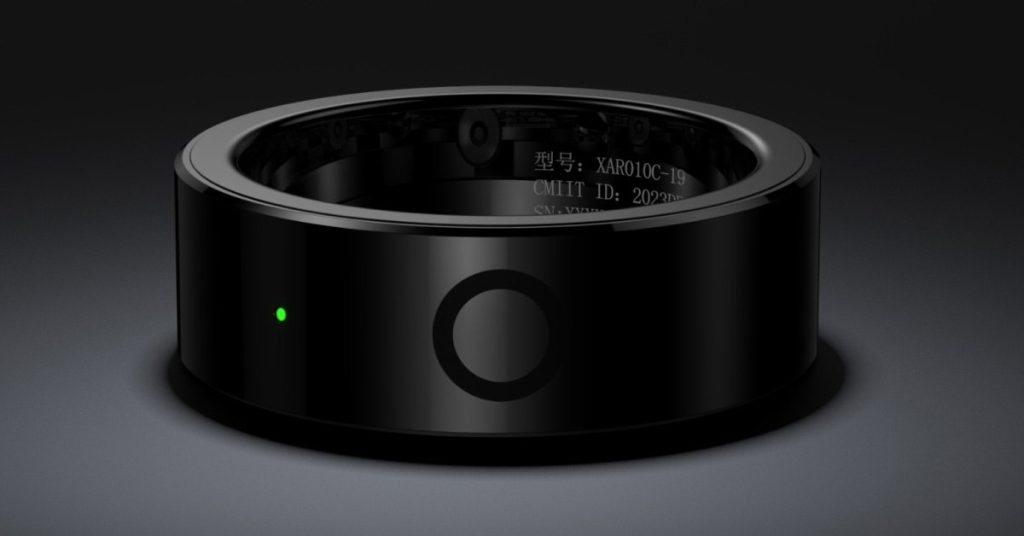
Meizu unveiled the Meizu 21 smartphone during a recent launch event, also introducing its fresh MYVU brand. The MYVU brand marked its debut with the launch of the MYVU Discovery AR smart glasses and the MYVU Smart Ring. As of now, the MYVU Smart Ring is officially available for purchase in China.
The Meizu MYVU smart ring has started selling on Jingdong for 399 yuan. It’s currently available in sizes 20 and 22 out of the four sizes offered. The MYVU Ring is a purpose-built smart ring designed exclusively for use with MYVU’s two smart glasses. Engineered to support gesture and touch operations, this ring simplifies tasks like gesture switching, one-click call answering, and easy control of video playback through one-click touch keys. Crafted from a mix of ceramic and stainless steel, the MYVU Ring boasts a durable IPX7 waterproof rating. Both the MYVU Discovery and MYVU AR smart glasses now feature the FlymeAR system, transforming MYVU into an intelligent personal assistant across various scenarios, from travel and work to daily life and entertainment.
When paired with the MYVU smart glasses, the MYVU smart ring empowers users to seamlessly perform tasks such as listening to music, watching videos, and responding to messages with intuitive finger movements. Through a combination of ring interaction, temple interaction, App interaction, and Aicy voice interaction, users can engage in direct, all-weather, multi-modal interactions. Meizu provides a charging compartment for the MYVU smart ring, ensuring a quick two-hour full charge, offering six hours of battery life or up to six days of standby time. The ring’s battery capacity ranges from 14-18mAh, depending on the selected size.
The wounds caused by the ongoing US sanctions on Huawei since 2019 are starting to heal, as the Chinese brand signals a return to its former status. Recently, they’ve lifted restrictions on accessing 5G technologies with their Mate 60 series and have revealed new details about the upcoming Huawei Enjoy 70 series.
Huawei Enjoy 70 Unveiled with Impressive Specs!
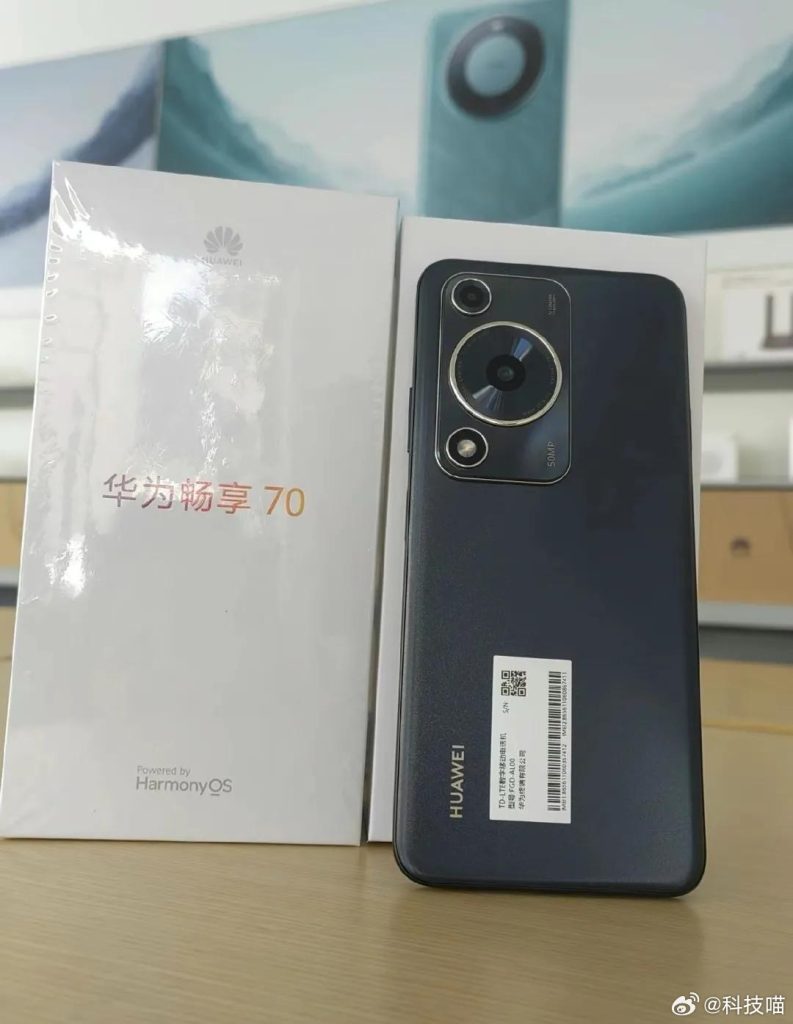
A Weibo user named WhyLab shared some images of the Huawei Enjoy 70, set to launch on December 5, taken at a Huawei store. These images show a phone with a rectangular camera setup on the back, housing two cameras – one large and one small. The main camera seems to have a resolution of 50 megapixels. Additionally, the phone will come with 8 GB of RAM and storage options of 128/256/512 GB, available in white and green colors.
The device is expected to feature a 6.75-inch waterdrop notched LCD panel and will be powered by a 6000 mAh battery, capable of 22.5W fast charging. Upon unboxing, the smartphone will run HarmonyOS 4 and will be equipped with the Kirin 710A chipset, built on a 14 nm architecture. Here are the leaked details about the device so far:
Display: 6.75 inches, 720 x 1600 pixels resolution
Xiaomi is gearing up to launch its first ever smart electric car in the market soon. But ahead of its unveiling, a new report revealed more details regarding the Xiaomi Car‘s production and the challenges the company is facing as it gets closer to mass production.
Xiaomi Car launch faces production woes
According to a new report, the Chinese tech giant reached the fifth stage of production line verification from its Yizhuang factory last week. The company plans to build 300 units of the EV this month, which is double that of its target in November. Meanwhile, the mass production stage is expected to kick off in the first quarter of next year. For its first EV, the company is also emphasizing stability rather than speed. Xiaomi is apparently lowering production on certain products from its Xiaomi Home portfolio to make room for the new car.
Xiaomi SU7 EV ID photo
During this stage, a higher target for production isn’t the objective. Rather, the company is still in the production line debugging and verification stage. The report adds that there are various problems in mass production. These issues include problems with the car. Although, some of these were addressed through a remote OTA update. R&D employees at the headquarters are also facing issues in the manufacturing process, while final assembly is also suffering from line shutdowns and late parts delivery.
Based on what we know so far, the Xiaomi Car could likely be released next year. It could also have a starting price tag of 149,900 Yuan (roughly 20,777 US Dollars). Earlier this year, the upcoming EV was even spotted being tested on the snow. Notably, the company’s founder Lei Jun was also spotted during this test.
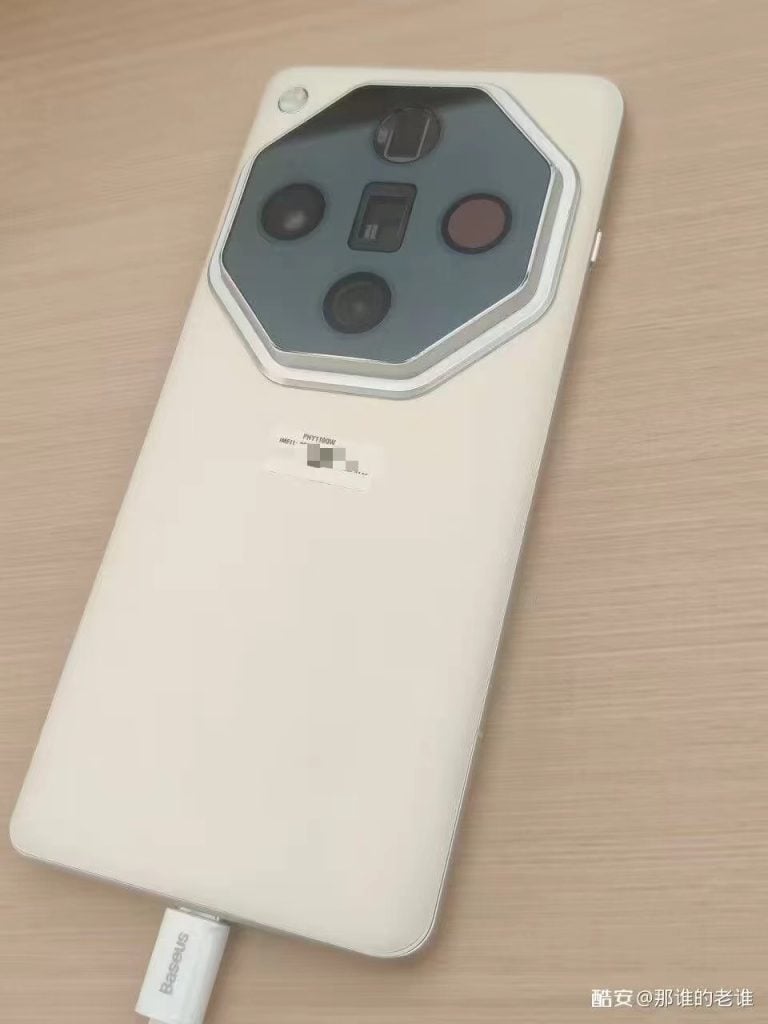
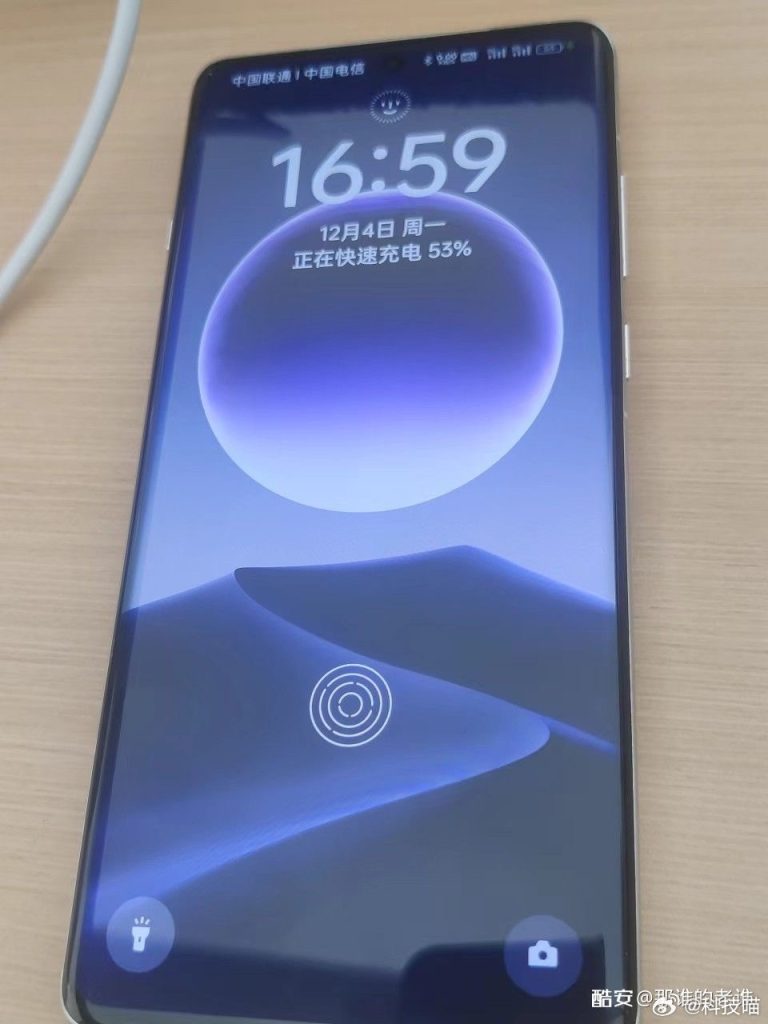
OPPO is soon expected to launch its flagship Find X7 series smartphones in China. The Find X7 and X7 Pro have been doing the rounds of the rumor mill in recent times. They are expected to arrive as the successors to the respective Find X6 models that debuted earlier this year, The Find X7 Pro was spotted in a real-life leaked image giving us a first look at the device. Now, the device has again emerged in live images revealing both the front and back panels.
OPPO Find X7 Pro surfaces in live image once again
The newly surfaced leaked live image of the Find X7 Pro reveals a huge octagonal-shaped protruding camera island that was also spotted earlier. The latest image gives us a better look at the module. It houses dual periscope lenses which has been previously rumoured. If this indeed turns out to be true then the Find X7 Pro will be the first smartphone in the world to come with two periscope telephoto cameras. The camera module also accommodates two more sensors and another unknown unit. The LED flash is located outside at the top left corner.
Meanwhile, on the front, the OPPO Find X7 Pro is seen with a curved display and a centre-aligned punch-hole cutout. It will have an in-screen fingerprint scanner. The power and volume rocker buttons are located on the right side. It’s worth noting that the final design of the smartphone may still change.
The OPPO Find X7 Pro will reportedly be powered by a Snapdragon 8 Gen 3 SoC. All four cameras are rumoured to be 50MP, but the sensor size may be different. The OPPO Find X7 series is already confirmed to come with satellite connectivity feature following in the footsteps of Apple and Huawei. The next-generation OPPO flagships are tipped to debut by January end or early February.
Tecno has launched the successor to the Spark Go 2023 (review) smartphone that was announced earlier this year. The latest Spark Go 2024 arrives with significant upgrades over its predecessor. Some features on the device are said to be the first in the price segment. The smartphone is an affordable offering with the base model starting under Rs 8,000. Read on to know everything about the Spark Go 2024.
Tecno Spark Go 2024 specifications and features
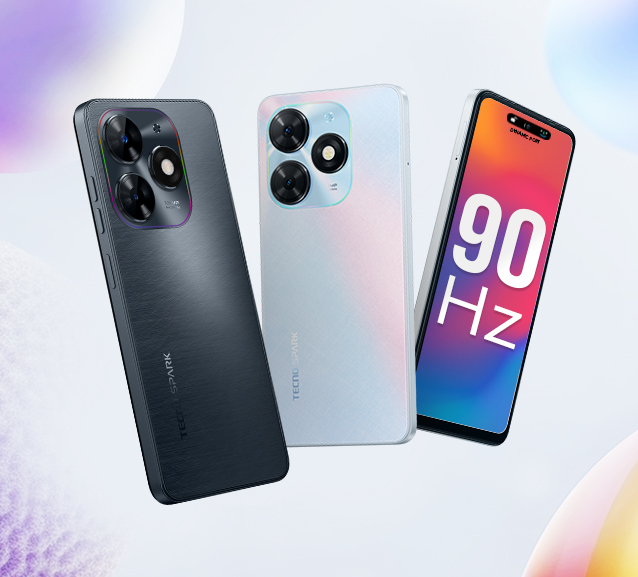
The Tecno Spark Go 2024 retains the same boxy and compact form factor as its predecessor. It has a squarish camera module on the back panel that does not protrude. The power button doubles up as a fingerprint scanner. On the front, the Spark Go 2024 has a center-aligned punch-hole cutout with a Dynamic Port feature that works similar to Apple’s Dynamic Island and shows notifications. The smartphone features a 6.56-inch display bearing an HD+ resolution and a 90Hz refresh rate.
On the imaging front, the Tecno Spark Go 2024 has a 13MP main camera paired with an AI lens. There is an 8MP front-facing selfie snapper. The device is equipped with dual stereo speakers tuned by DTS that promises to offer 400 percent louder sound.
Internally, the Tecno Spark Go 2024 is powered by a Unisoc T606 processor which is an upgrade over the A22 on its predecessor. The device packs up to 8GB RAM and 128GB storage expandable via a microSD card slot. It is backed by a 5,000mAh battery unit with support for 10W charging via USB-C port. The smartphone runs on HiOS 13-based Android 13 out of the box.
The Tecno Spark Go 2024 is offered in Mystic White and Gravity Black colors. The base 3GB + 64GB variant carries an introductory price tag of Rs 6,699. The prices of the 8GB + 64GB and 8GB + 128GB configurations will be announced at a later date. The device will be available for purchase from Amazon starting December 7.
Sony could be working on a unique feature for its next generation of DualSense controllers that can help players have an easier time in games. A patent has revealed that artificial intelligence may be employed to help you beat tough challenges in video games.
Sony DualSense controllers may help you beat tough boss fights
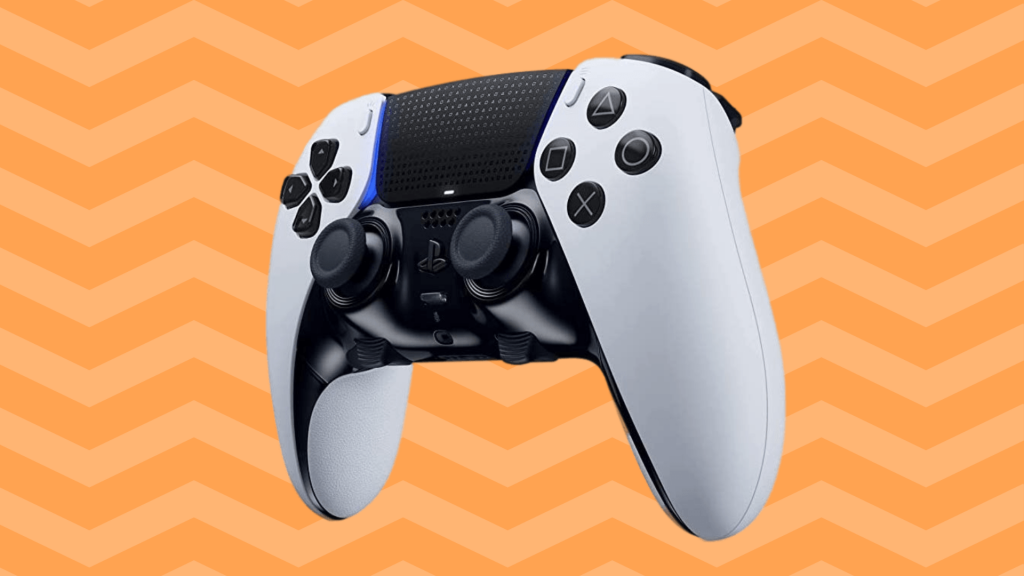
As of right now, Sony offers DualSense in a base and Edge (basically Pro) variant. But a recent patent filing hints that a next gen DualSense controller could be in the works. Looking at the patent listing, the Japanese tech giant’s new DualSense will feature some major changes. One of the more noticeable changes is to the touchpad, which now functions as a display as well.
Sony DualSense Edge Controller
This isn’t a simple addition to the existing design but will also feature a robust machine learning and AI based system. The new DualSense will use the screen to help players by displaying button prompts for the most efficient course of action. To complement this, the buttons, namely sticks and triggers, actually light up as well. The system basically ensures that players know what inputs are recommended during difficult sections of the game.
On paper, this could help players defeat challenging bosses or solve hard puzzles. Even tough areas could be navigated via this feature. This feature could help make games more accessible to inexperienced gamers or people with certain kinds of disabilities. However, it needs to be disabled by default since a prompt lighting up every time you’re in-game can be frustrating to some, especially if the AI model isn’t trained properly and suggests incorrect actions.
In the just-concluded Redmi 10th anniversary, not just releasing the much-anticipated K70 series, Redmi also launched a series of new products. Among all these supporting accessories, the most interesting to me is the Redmi Watch 4, because this is the first time for the budget series, truly wearing “metal armor”.
So we couldn’t wait to call somebody and buy one during the launch. so let’s see if it’s the best affordable smartwatch to buy this year.
Design & Metal Frame
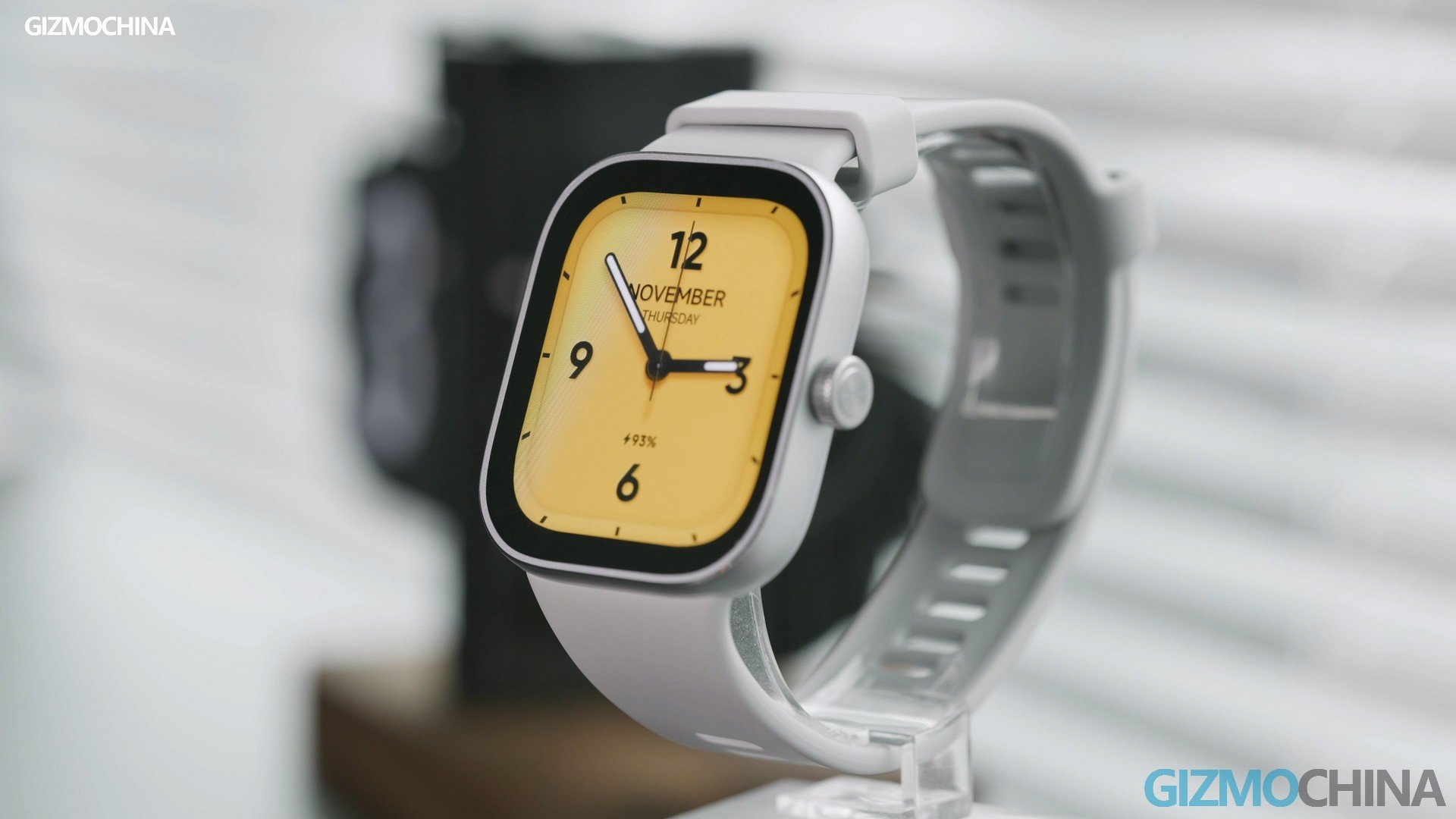
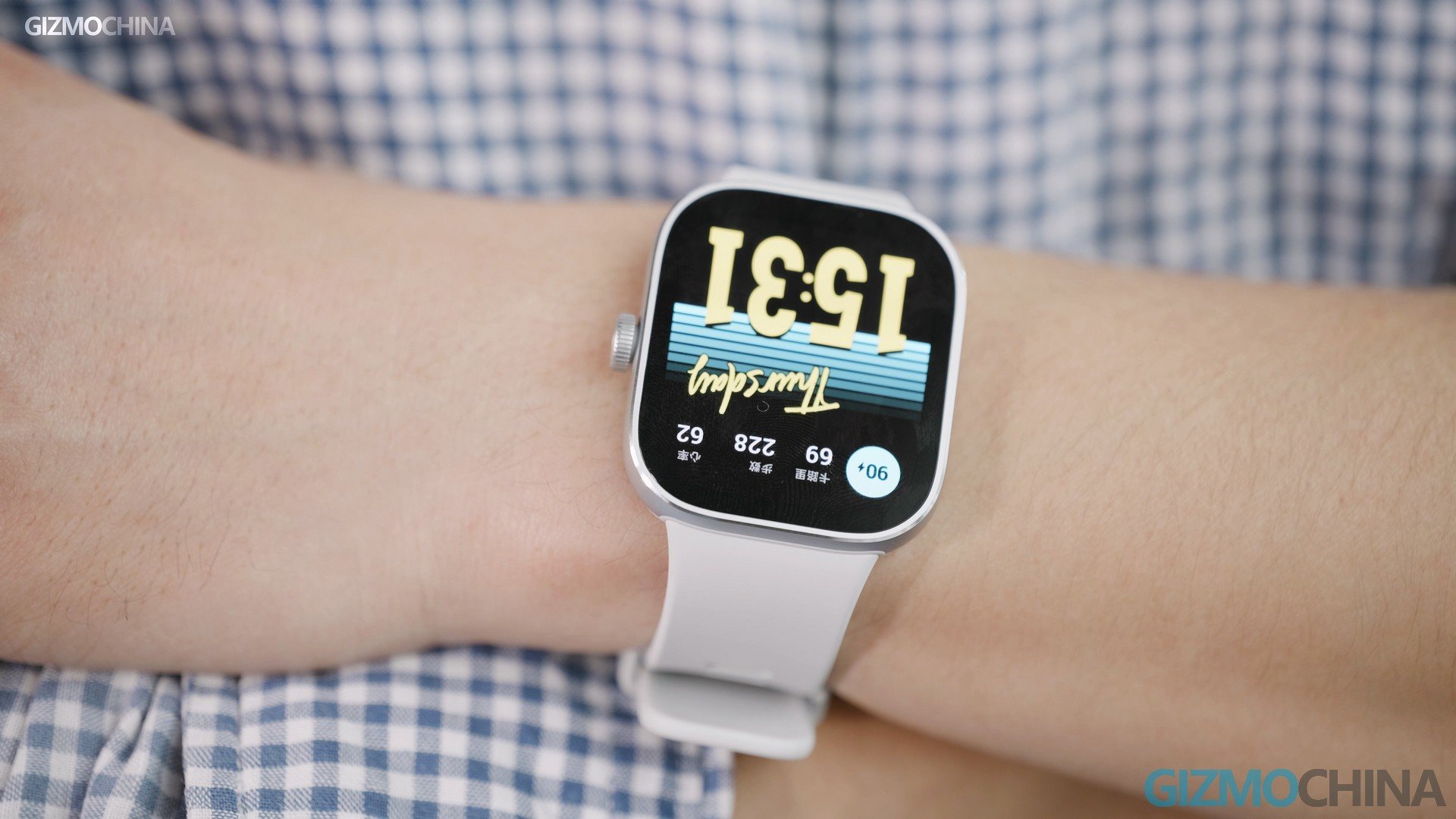
This is the Redmi Watch 4. Although the design with the metal shield used makes it feel much more premium, during the boxing, I still can’t help to have some sort of Apple Watch illusion. So while I quite like the new watch’s design so far, I still have to say that this is the most Apple-Watch-like model of 2023 so far.
If you guys remember its predecessor, the Redmi Watch 3, you may recall that it tried very hard to masquerade as being metallic. But with the plastic frame, the watch 3 still reaped a lot of complaints about its cheap feel and look. The watch 4 seems to have learned from its mistakes and is serious about bringing an aluminum frame to this more popular line, which is great.
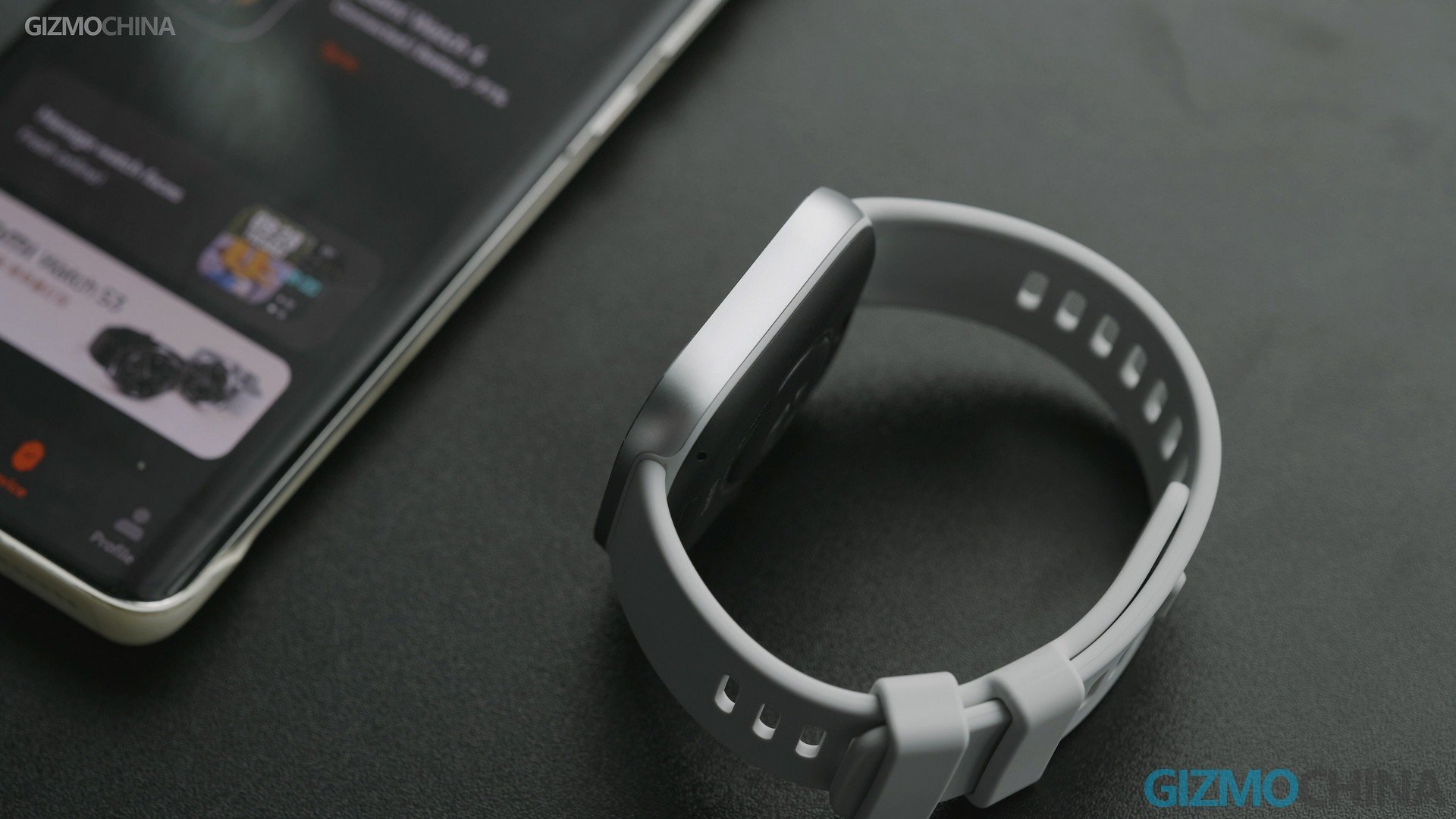
And the new watch is still lightweight, though it comes with a metal built outside, adding 10g compared to the Watch 3. The watch body without straps here is about 32g, well, which just feels like the typical weight of a smart band.
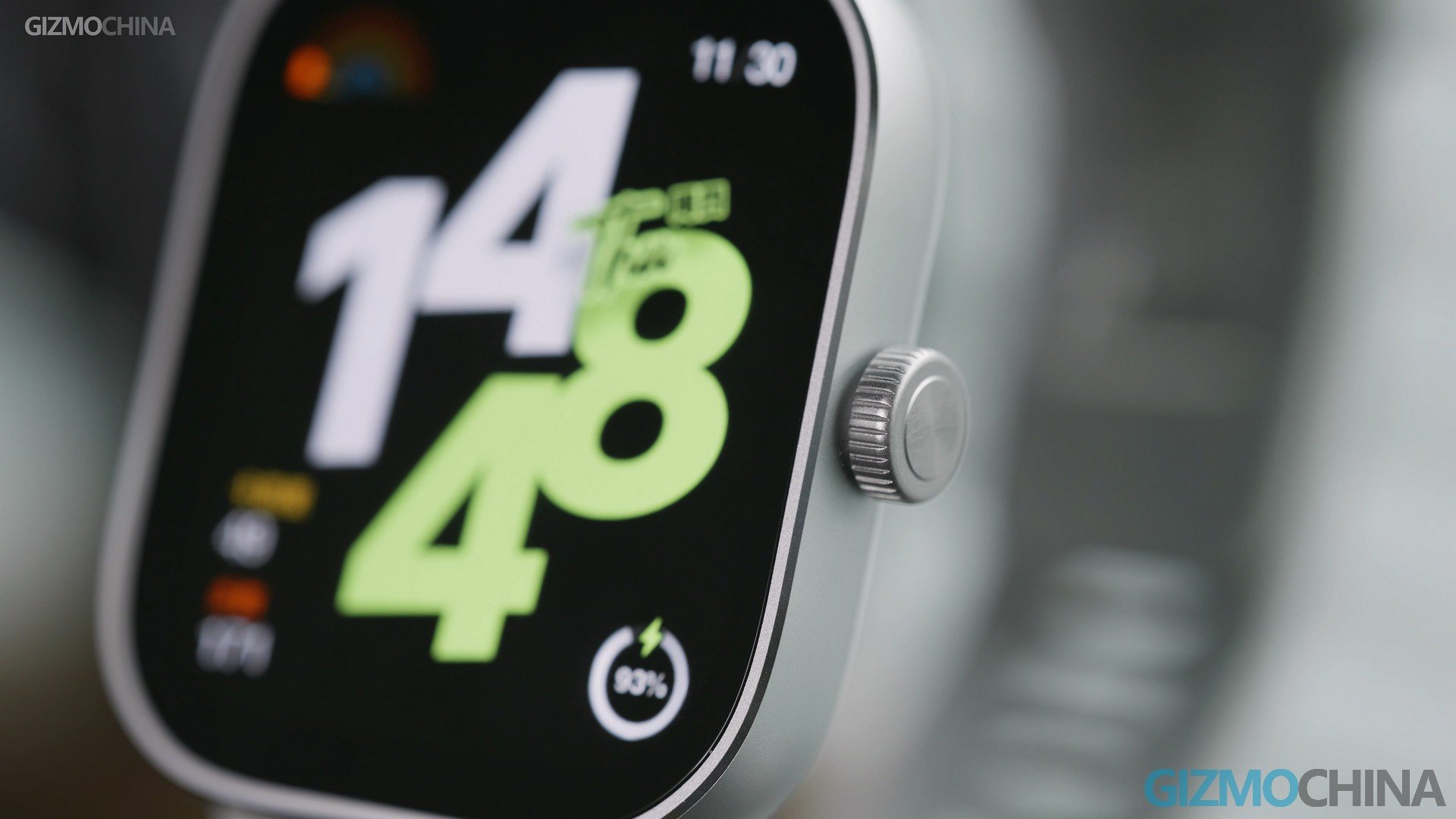
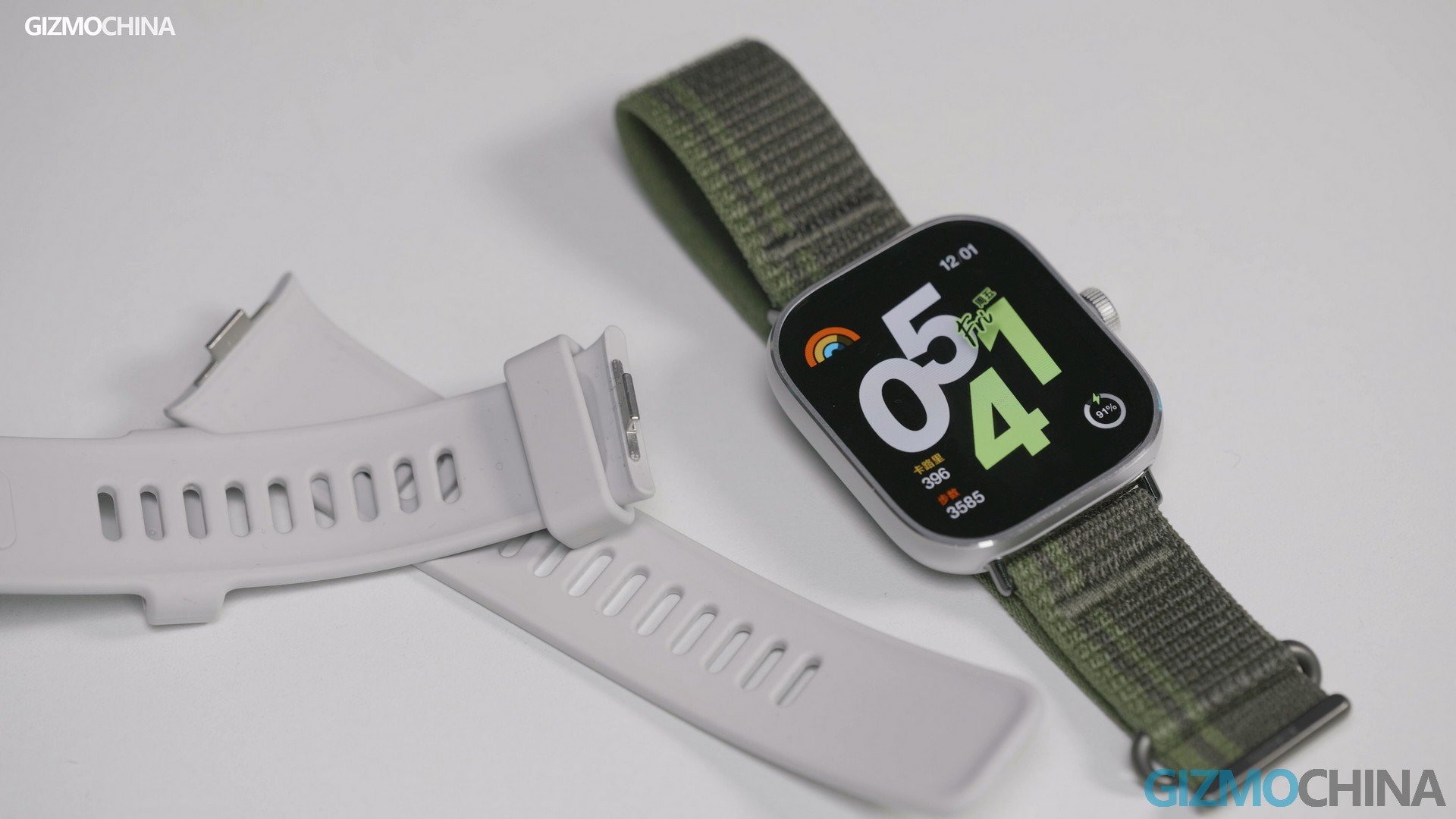
The metal surface with a matt finish can keep fingerprints away, and another good detail is that the new crown here is even made of stainless steel with a subtle texture. So when it meets the fine processing of the frame, everything here just makes it correct.
The front face is completely flat with sharp edges. But I have concerns here: as a watch that can’t be worn without bumps and bruises. It’s unavoidable that such sharp edges are likely to be scarred and scratched a lot. So, a little reminder here, just be careful.
There’s another little problem. I’m used to wearing my watch on my left wrist. Sometimes I tie it too tightly, then when I lift my wrist, the protruding crown would be touched by mistake. So when you have the same confusion, the easiest solution is to relax it on your wrist. Or if you just like to use this wrist-lifting gesture as a wake-up trigger, it may be a hidden egg feature for you. But, not for me right now.
About the straps, the good news here is that the Redmi Watch 4 has also been upgraded to fit with Xiaomi’s quick-release straps, which are much easier to remove and replace. It’s compatible with straps of other Xiaomi wearables, such as the straps of the Xiaomi Band 8 Pro. So it means that you have and will have more straps to choose from.
Flat Front & 1.97″ AMOLED Display
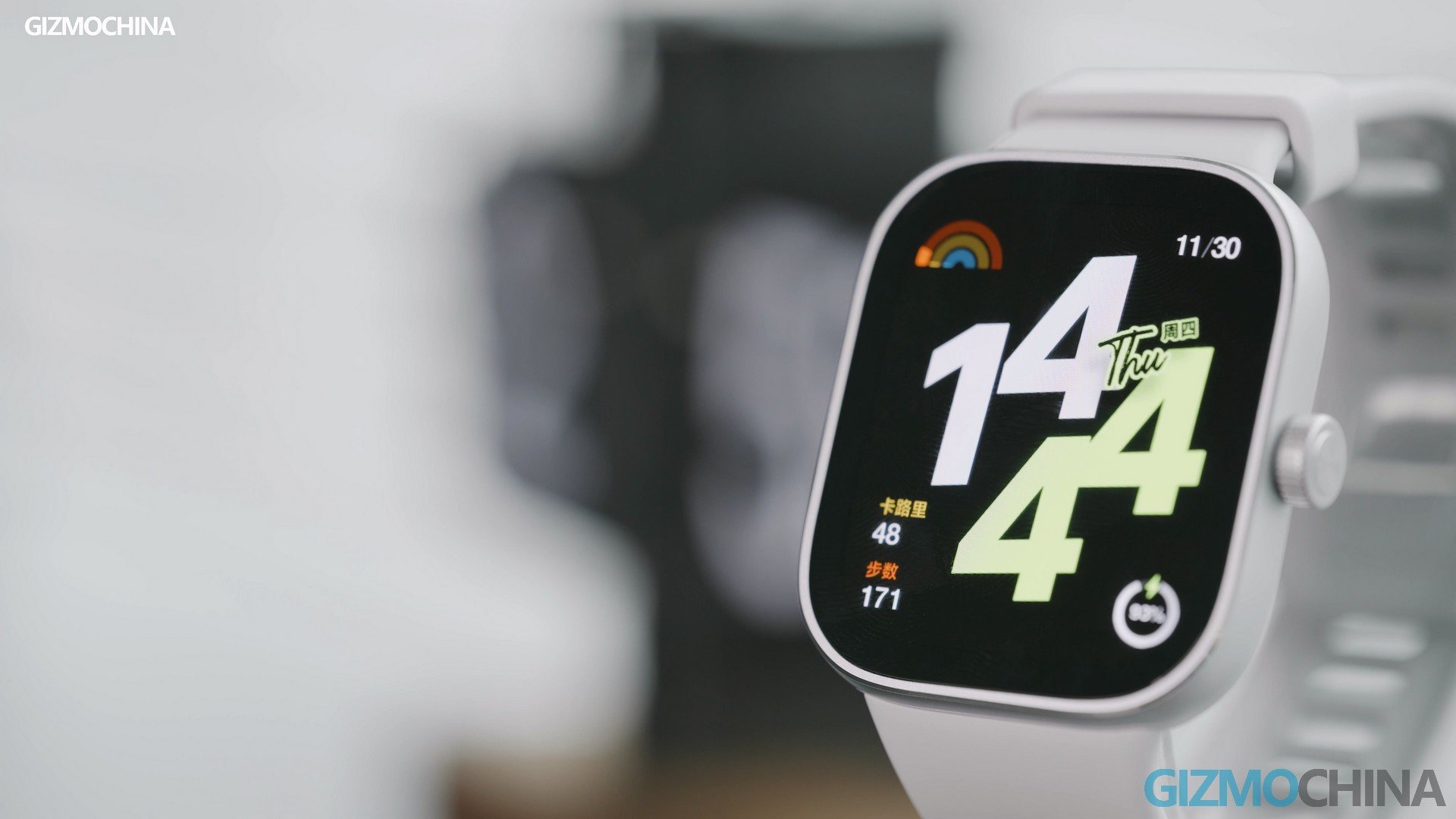
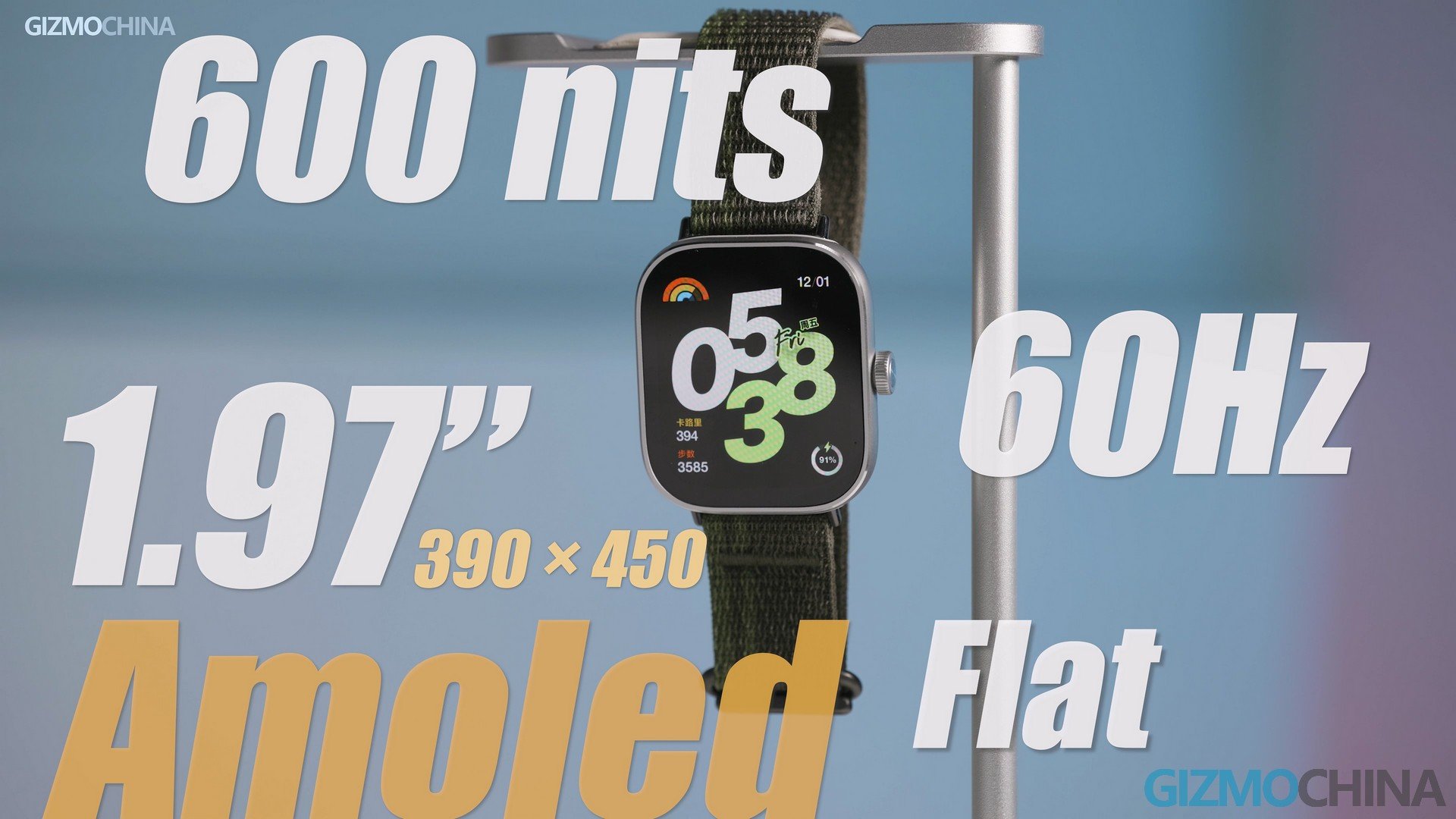
Let’s take a look at the front. The front side still features a square dial design close to Apple’s and one that they’ve been sticking to with Redmi’s lineups. Compared to the predecessor, the 1.97-inch AMOLED display and 74.8% screen-to-body ratio here, carry a more complete info display, and also a bit improve the operating experience.
The display quality is still great with a decent resolution and vivid colors. The auto-adjustable brightness can boost the display up to 600nit for outdoor uses, which is quite clear in the bright daytime. Another good feature here is the variable refresh rate. While operating, the display could run at 60Hz for a smooth experience. And the refresh rate can also be reduced to 5Hz while display-off. So in the AOD mode, the new watch could even be more power-saving.
Software – HyperOS
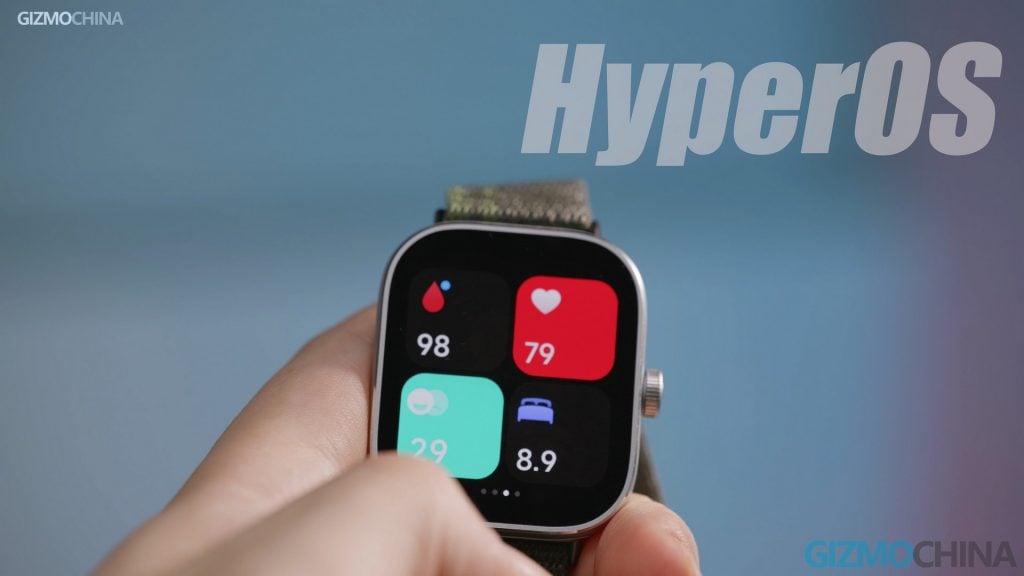
The changes at the software level are also a big reason why I’m looking forward to this watch, the Redmi Watch 4 has the latest Xiaomi HyperOS built-in, making it the second Xiaomi line of wearables to come with HyperOS.
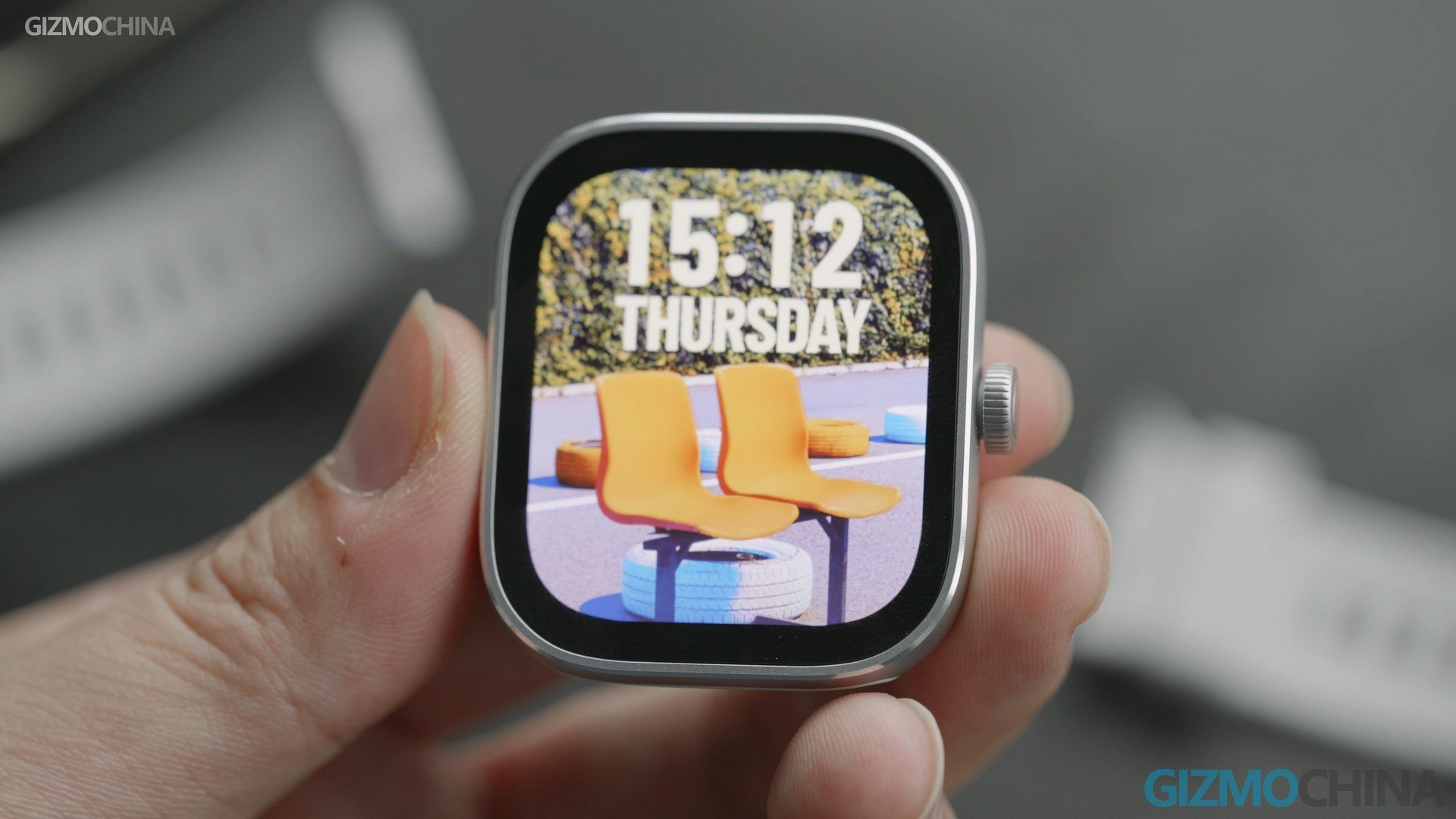
Its dial market offers a very large selection of personalized displays, and I’m sure you’ll always be able to pick the style that suits you best there.
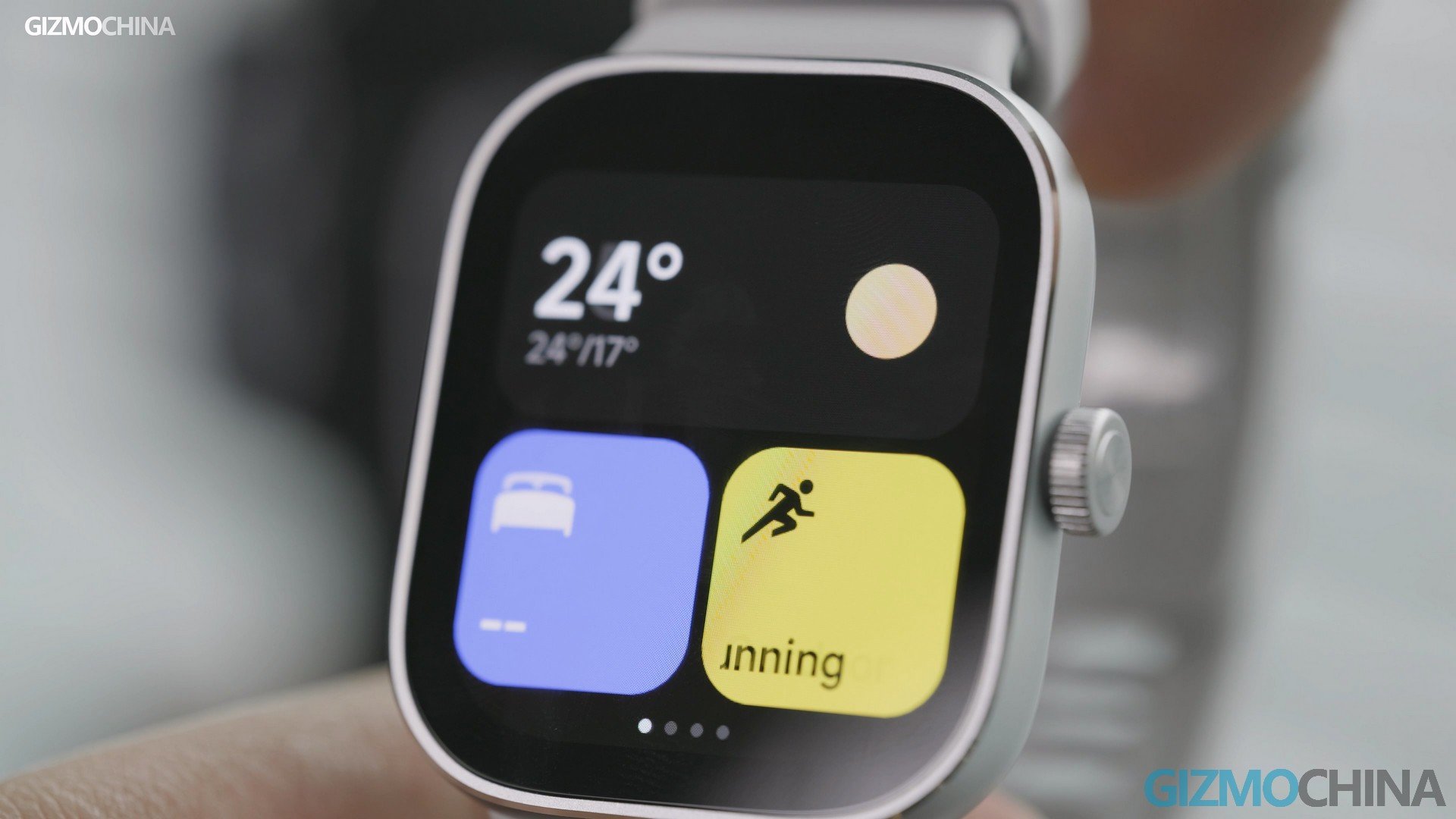
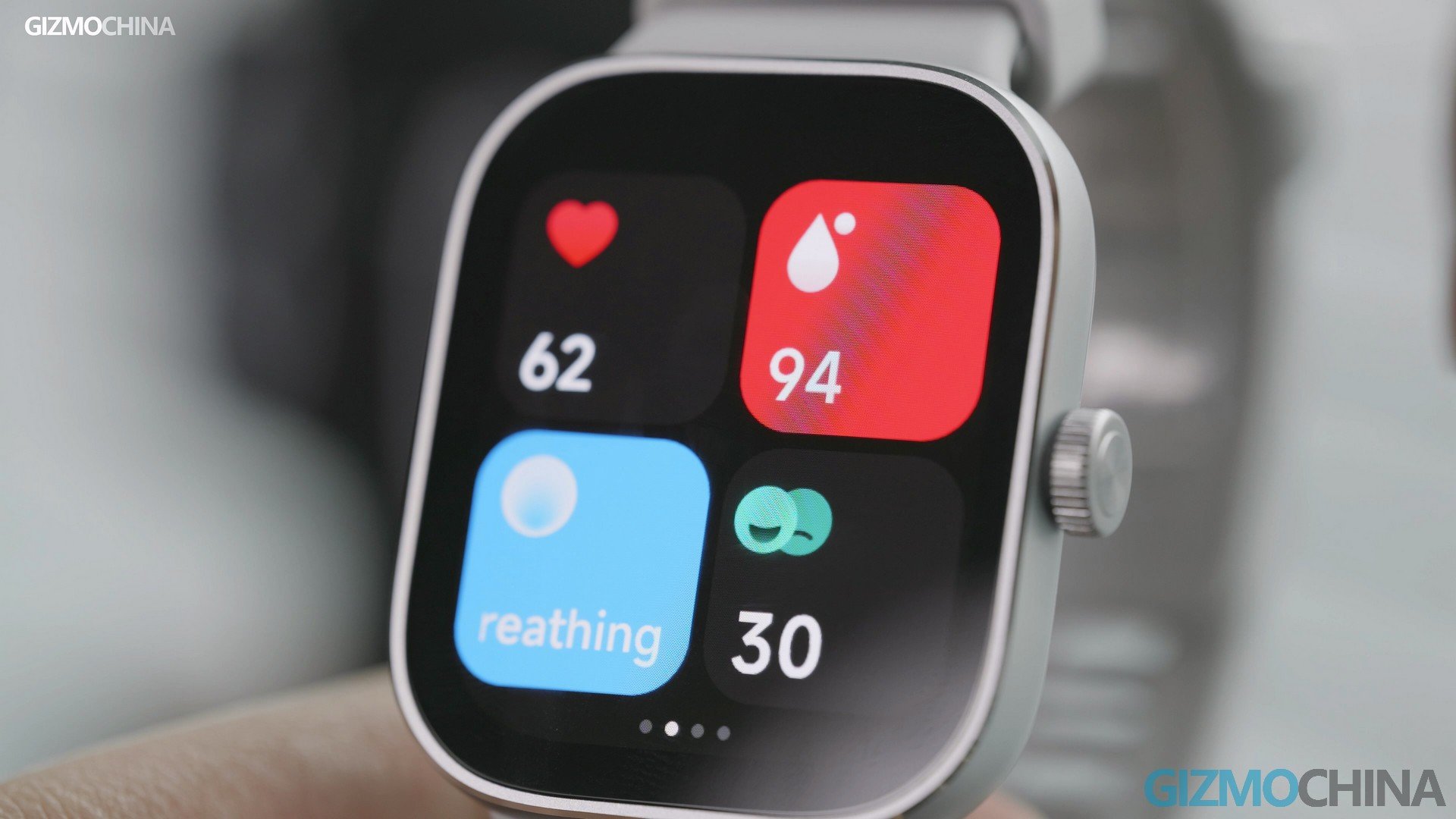
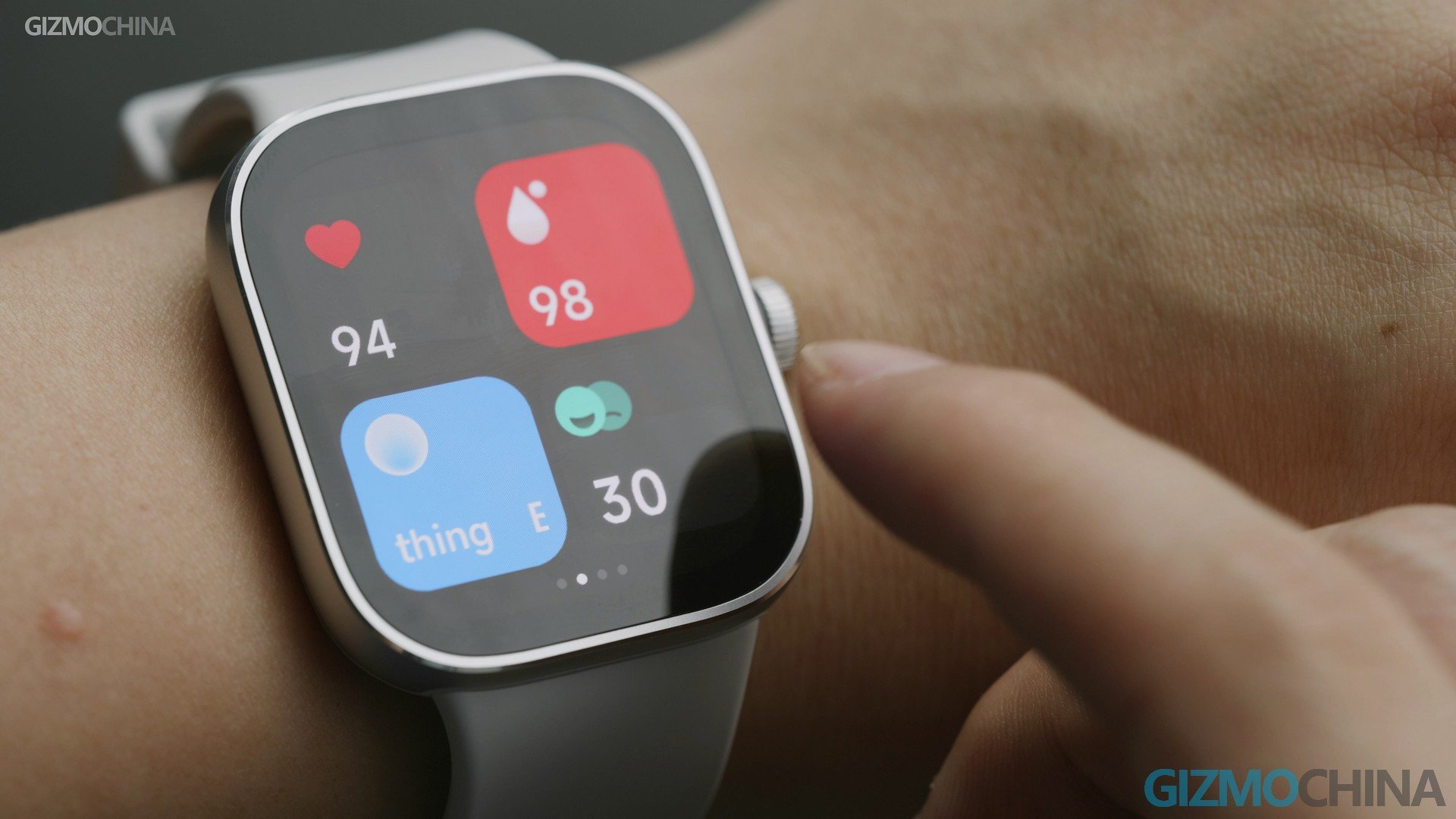
The User interface is still neat and clear. There’s not much difference from predecessors, swiping in different directions on the dial page to check notifications and check widgets you preset in the phone app called Mi Fitness. But there’s only one crown for tapping into the app menu. So you have no shortcut button for actions like starting sports.
Health Tracking & Sport Tracking
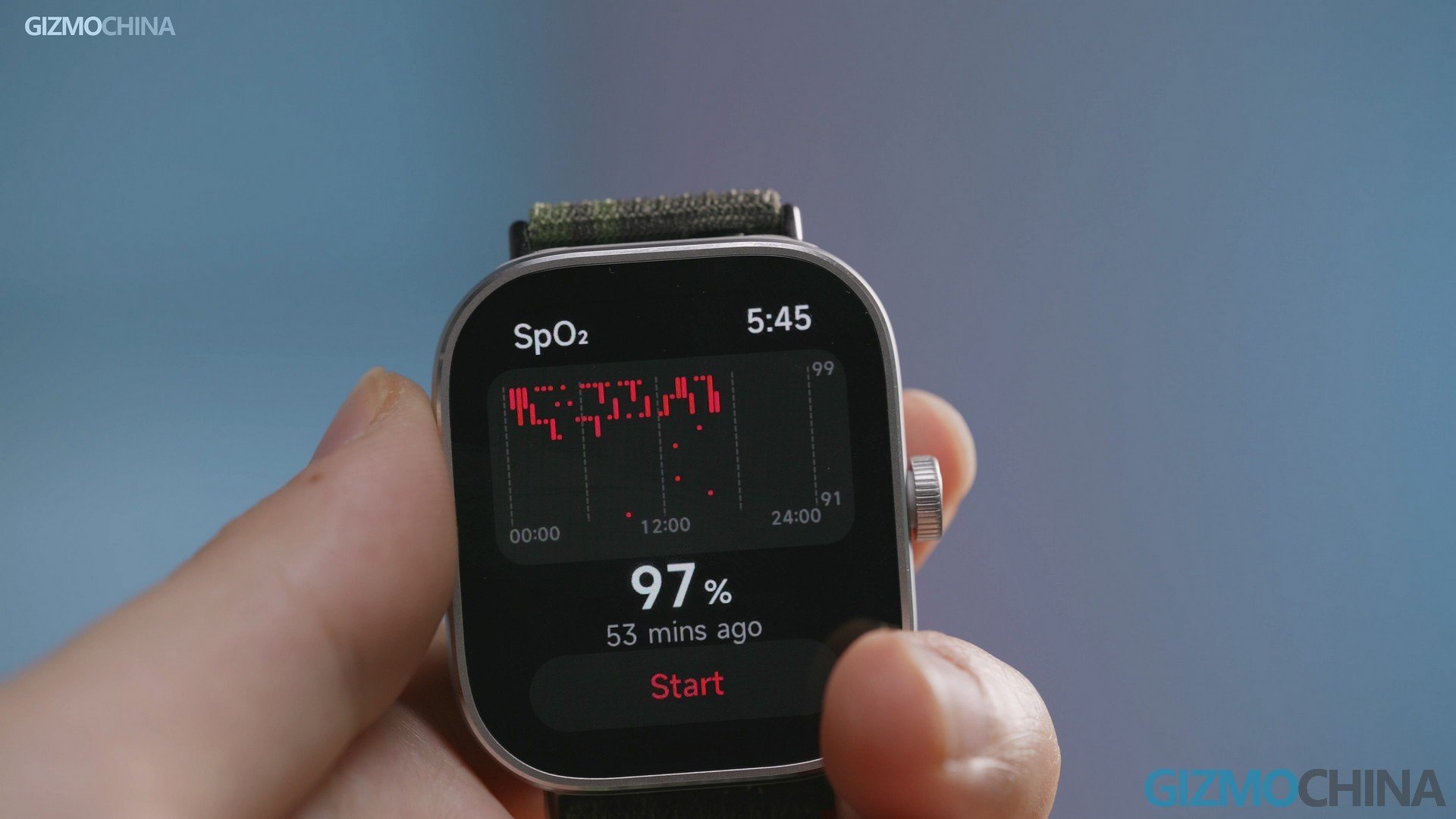
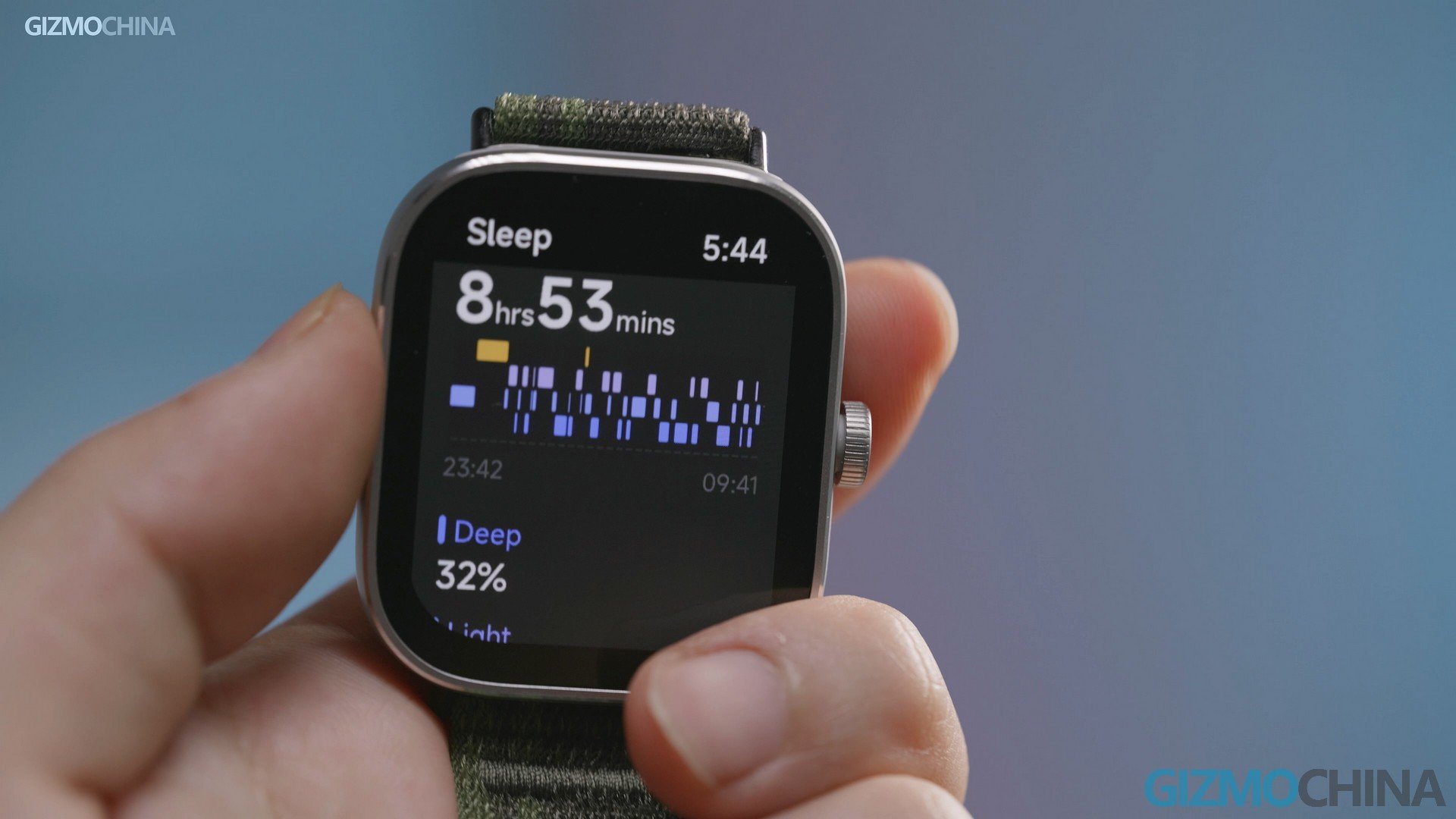
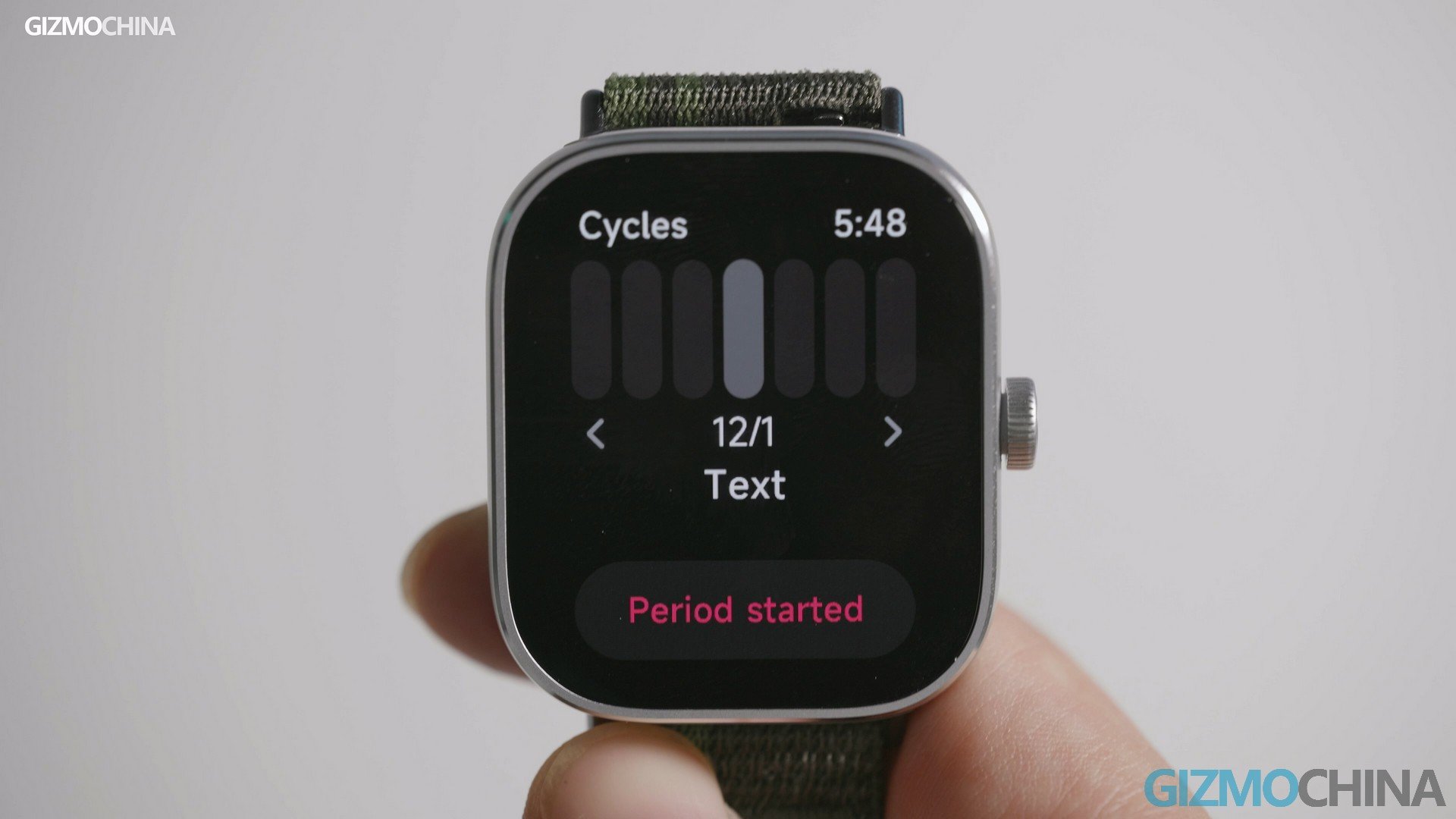
There’s not much to say on health tracking features. It’s still good, with an upgraded heart rate monitoring sensor for more accurate heart rate records. The blood oxygen monitoring also supports 24/7 auto-tracking, now you can check your blood oxygen records throughout the day. In addition, sleep tracking, stress tracking, female cycle reminders, and breathing training are also available.
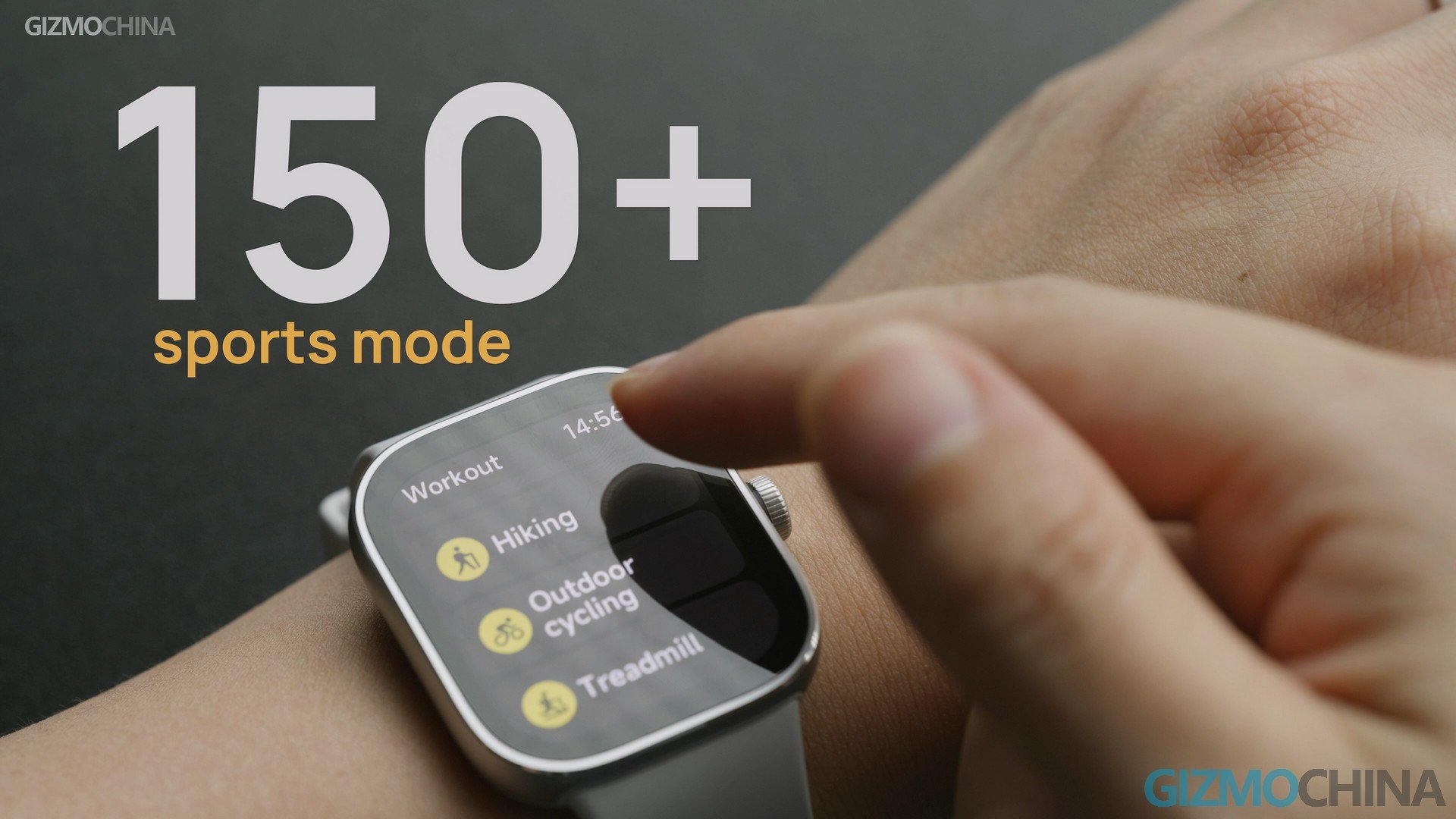
As for sports tracking, the new watch supports more than 150 sports modes, covering almost all the sports I know, such as 17 water sports, 40 outdoors, 26 ball sports, and so on. Even you can find some card or board games there! But there are quite a few exercises that I don’t recommend you wear it for. Like basketball and football, the sharp edges could hurt the others.
Other Features
It comes with a built-in independent GNSS chip, supporting the main 5 satellite positioning systems on the planet. Without a phone, it still can record the track of outdoor running. And thanks to the 5ATM waterproofing, you can also wear it while doing water sports, such as swimming.
And I know some of you also care about the bonus feature like NFC. Yes, it has, but if you live in China, this feature can bring you more convenience, such as secure offline mobile payments and full transportation card simulation.
Battery Life
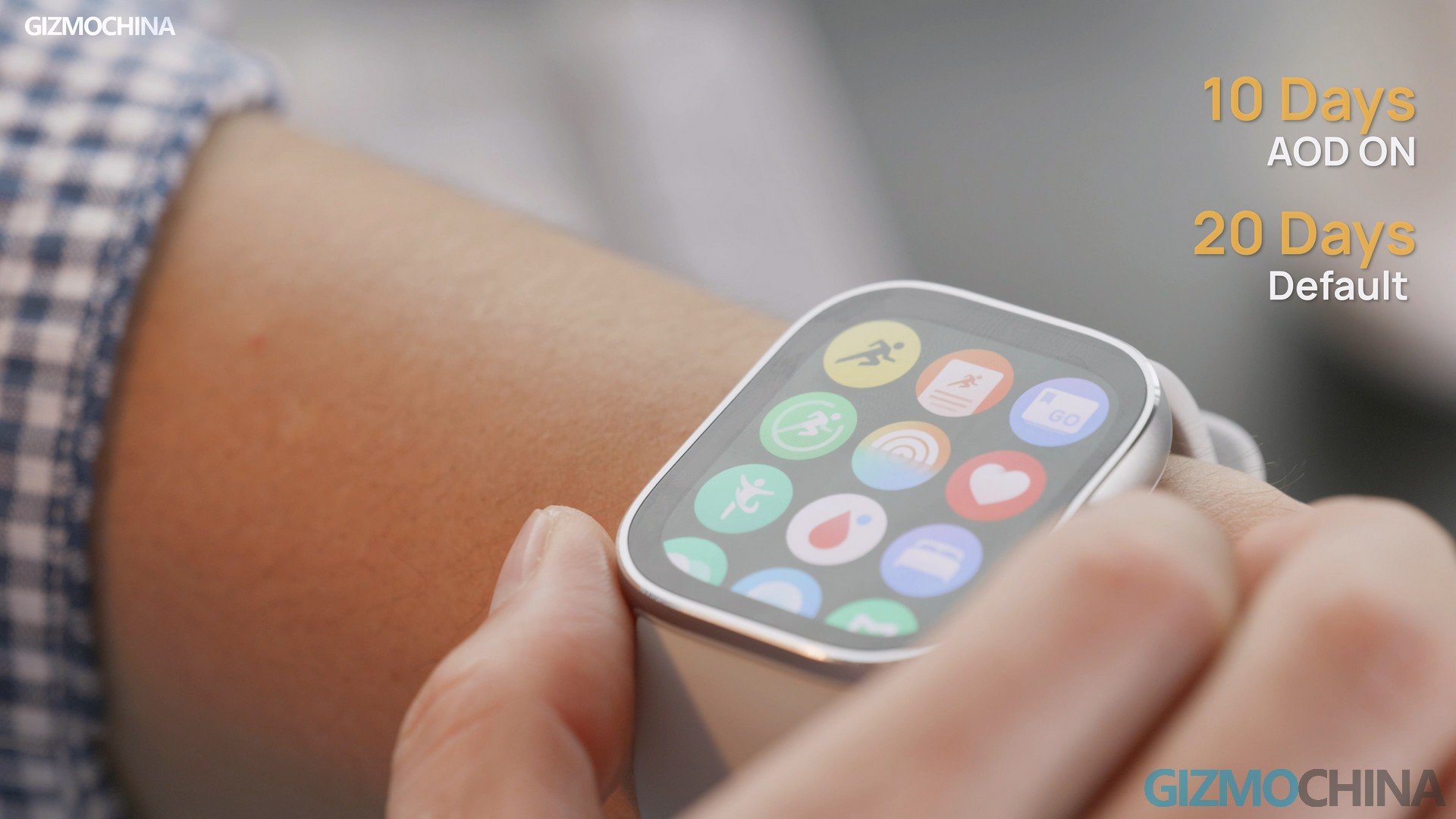
As claimed, the new watch got improved by 50% to 80% on battery life performance. It can last up to 10 days in typical AOD mode, and 20 days in typical mode with default factory settings. We weren’t able to test and verify the battery life, since we tried to talk to you about the watch as soon as possible. I would let you guys know if I was disappointed in the follow-up use. But based on the whole-day use with most auto-tracking and AOD on, the 11% battery drop is quite impressive.
Verdict
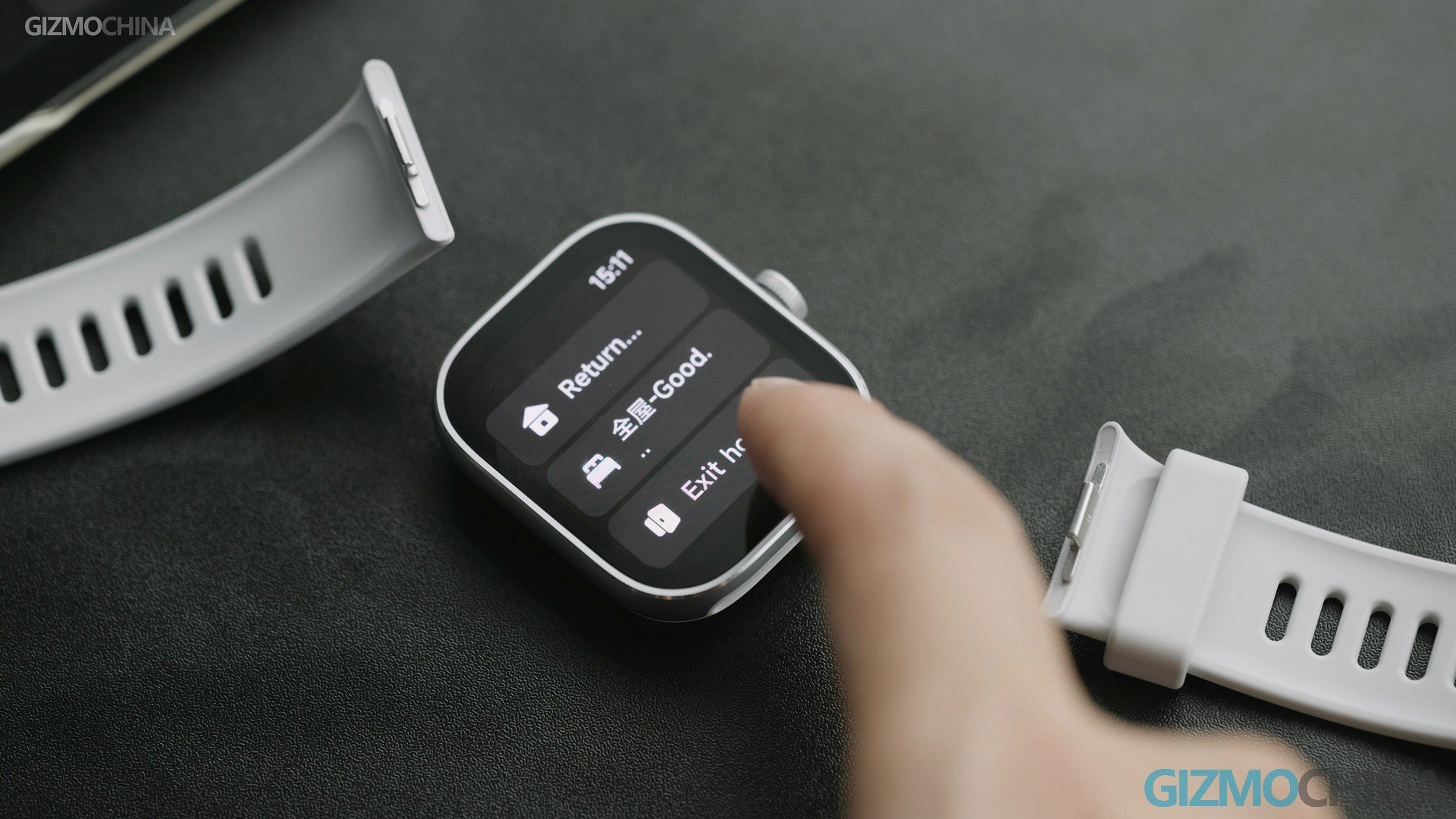
So that’s my most-anticipated smartwatch in the second half of 2023. The Redmi Watch is still the top contender for best affordable smartwatch. But for now, it still fails to fully utilize Xiaomi’s multi-device connectivity. From the Watch 4, we only get a switch for the smart home’s auto-scenarios.
Our Redmi K70 series review is coming soon. Please keep subscribing to our channel and stay tuned.
Google has postponed the release of its next-generation AI chatbot, Gemini, until early next year, according to a new report by Sammobile. The company had initially planned to unveil Gemini in November 2023, but internal testing revealed that the chatbot struggled with certain non-English queries.
Gemini, touted as Google’s most powerful conversational AI to date, was poised to make its debut at a series of events in California, New York, and Washington, D.C.
However, Google CEO Sundar Pichai made the decision to delay the launch after discovering that Gemini’s performance with non-English queries fell short of expectations.
Global language support is crucial for Google’s ambition to position Gemini as a superior alternative to OpenAI’s GPT-4. Until Gemini can demonstrate proficiency in handling non-English queries, Google believes it’s premature to introduce it to the wider market.
Despite the delay, Google remains confident in Gemini’s potential to outpace GPT-4. In private tests, Gemini has reportedly outperformed GPT-4, thanks to its superior computational power.
Google CEO Pichai has emphasized the company’s commitment to delivering a “competitive and state-of-the-art” product with Gemini 1.0.
Google Vice President Sissie Hsiao provided an example of Gemini’s capabilities: “I’ve seen some pretty amazing things. Like, if I’m trying to bake a cake, draw me 3 pictures of the steps to how to ice a three-layer cake, and Gemini will create those images. These are completely novel pictures, not just pictures from the internet.”
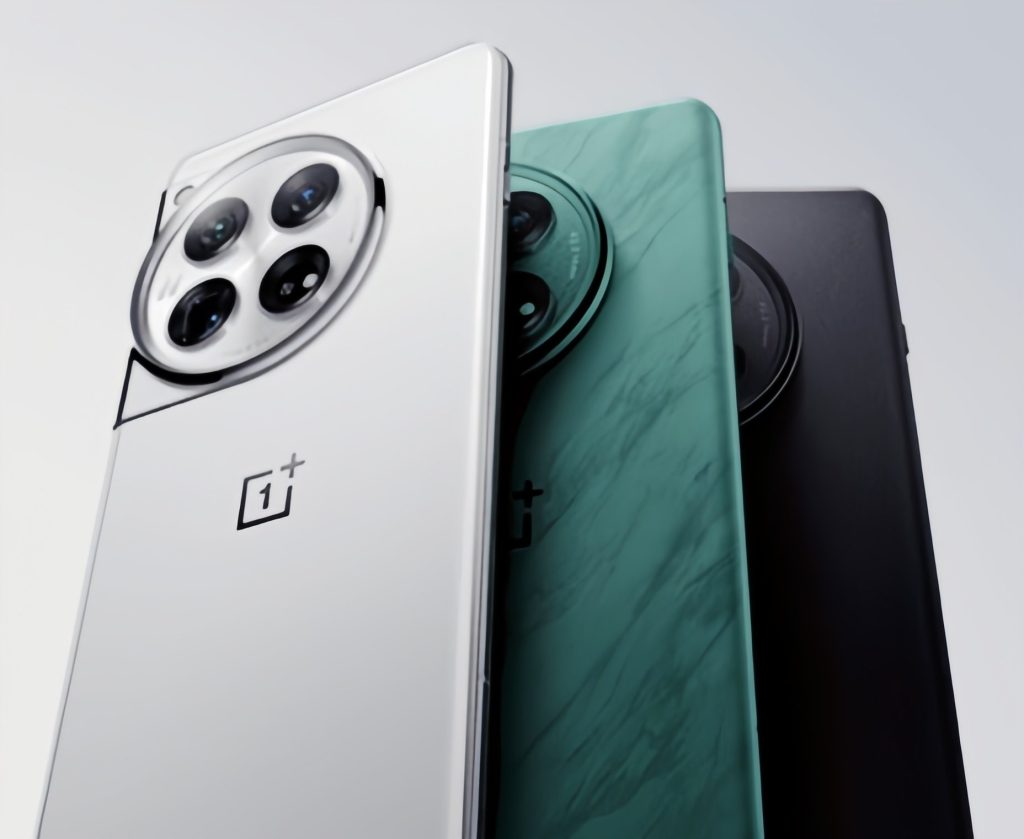
OnePlus is gearing up to launch its next-gen flagship smartphone this week. Over the last few days, the brand has been officially teasing the features of this device.
We know almost everything about it, thanks to these teasers and leaks from different sources. Based on the details we have, it will be the best slab smartphone from the brand to date.
Additionally, the OnePlus 12 will mark the company’s 10th anniversary. Thus, the phone is more special for the brand.
If you are interested in watching the unveiling of this product live, we have got you covered in this article.
The OnePlus 12 is scheduled to launch in China on December 5 (Tuesday). It will be announced at a press conference which is set to begin at 2:30 PM local time (GMT+8).
The said phone will be the only product that will be unveiled at this event.
2. OnePlus 12 Launch Event Livestream
The OnePlus 12 launch event will be streamed live on leading Chinese video platforms. Interested readers can watch the conference on the website of their choice.
The OnePlus 12 will be powered by a Qualcomm Snapdragon 8 Gen 3 SoC. The chipset will be paired with up to 24GB of LPDDR5x RAM and 1TB of UFS 4.0 storage. It will boot ColorOS 14 based on Android 14.
The device will sport a 6.82-inch curved LTPO (1-120Hz) OLED display with a QHD+ resolution and up to 4,500 nits of local peak brightness level. It will be IP65-rated for dust and water resistance.
The handset will house a triple camera system on the rear comprising a 50MP Sony LYT-808 primary sensor, a 48MP Sony IMX581 ultrawide unit, and a 64MP OmniVision OV64B 3x periscope zoom shooter. On the front, there will be a 32MP snapper and all of these cameras will offer Hasselblad-inspired image processing.
Last but not least, the smartphone will draw juice from a 5,400mAh battery and carry support for 100W wired charging as well as 50W wireless charging.
You can learn the features of the upcoming OnePlus 12 in detail in our roundup article.
In another stride towards revolutionizing everyday technology, Xiaomi has announced the launch of the Mijia Label Printer set in an elegant white color variant. Set to hit the market at 10 o’clock on December 6, this new addition to the Mijia ecosystem comes with an affordable price tag of 119 yuan (~$17) in China.
Offers label styles with the ability to cut the label in one tap
Xiaomi Mijia label printer
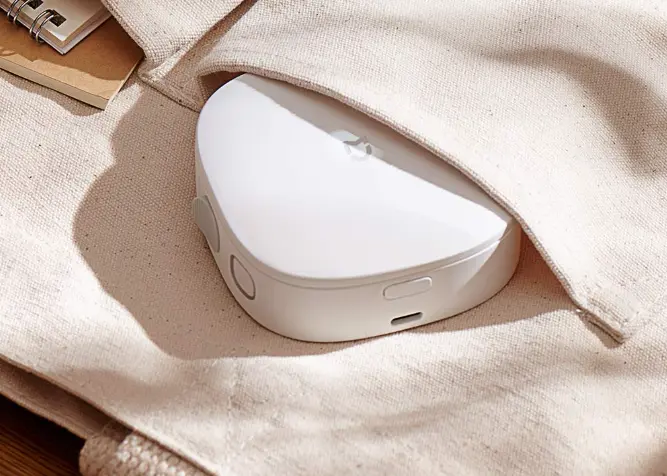
The Mijia Label Printer employs a thermal printing technology, eliminating the need for ink and ensuring a clean and efficient labeling process. Without having to use ink, this product also ensures reliable operation at room temperature. With a compact and lightweight design, it is effortlessly portable and easy to store, making it an ideal companion for a variety of labeling needs.
The package includes three rolls of label paper, featuring two rolls of white labels and one roll of transparent labels. An exciting feature of this Mijia Label Printer is its support for custom label lengths, providing users with the flexibility to tailor labels according to their specific requirements. With a simple push, users can effortlessly cut the labels, enhancing convenience in the labeling process.
For practical and fun usage, the Mijia Label Printer offers a variety of functions. Users can click the button once to print the current date, double-click to create custom shortcut labels, and even triple-click to participate in an entertaining lottery game.
The integration with the Mi Home app further enhances the user experience. With an embedded plug-in, users can access a range of label styles without the need for additional downloads. The app also allows for easy customization and supports message push reminders, ensuring users stay organized and never miss important label-related tasks.
The applications of the Mijia Label Printer extend across various scenarios, from home storage and office labeling to schedule management, offering a seamless solution to keep life organized.
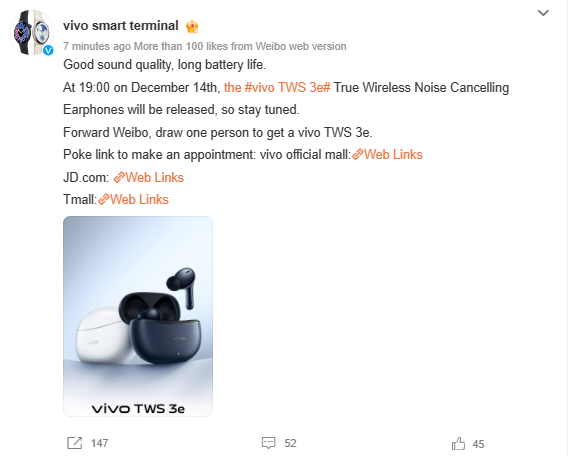
Vivo has officially confirmed the launch date of the Vivo TWS 3e TWS earbuds to be December 14, coinciding with the release of the anticipated Vivo S18 series mobile phones. The official teaser for the TWS 3e hints at an improved auditory experience with a focus on “good sound quality and long battery life.”
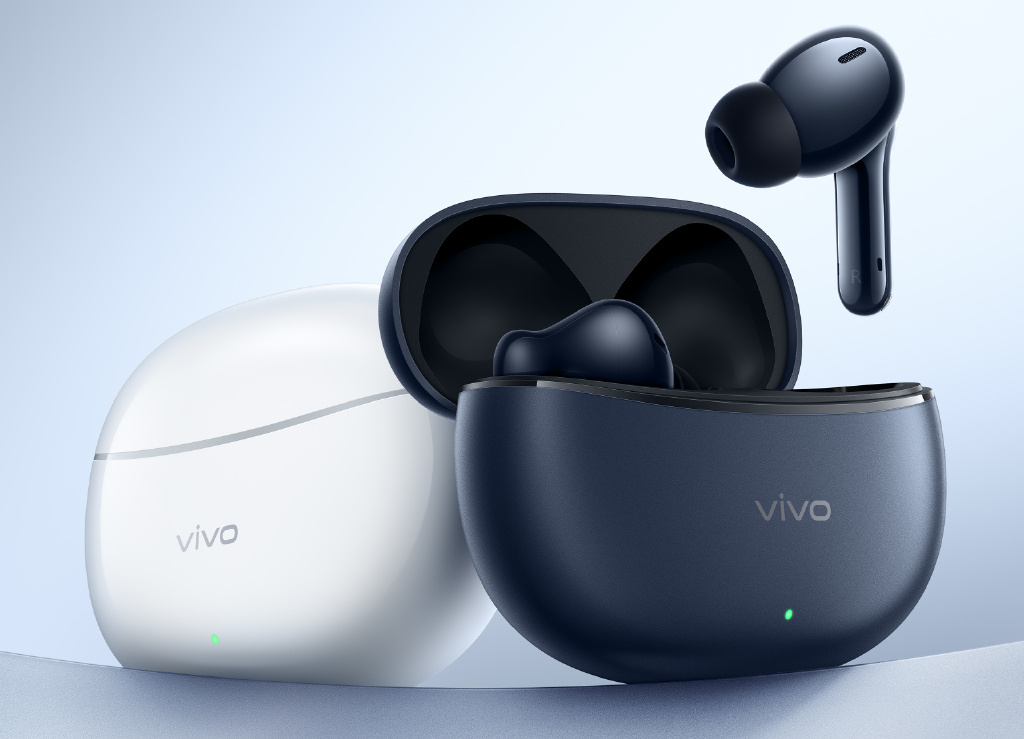
The Vivo TWS 3e promotional image showcases two different color options: black and white
Vivo TWS 3e
The accompanying official poster reveals that the Vivo TWS 3e earbuds will be available in two different colors – black and white. Sporting an in-ear handle design, the earphones are expected to combine style with functionality, as suggested by the sleek and modern aesthetic showcased in the promotional image. However, any detailed specifications about the new earbuds are yet to be unveiled.
Notably, the TWS 3e true wireless noise-canceling earbuds are already available for reservation on various e-commerce platforms ahead of the official launch. Furthermore, the earbuds have made appearances on certification platforms such as TDRA, SIRIM, and SDPPI, signaling the imminent arrival of the product.
Vivo TWS 2e earbuds: for context
For those eager to gauge the potential value of the TWS 3e, a comparison can be drawn to its predecessor, the Vivo TWS 2e, launched in May last year in India. Priced at Rs 3,299 (~$40), the TWS 2e boasted 12.2mm drivers for powerful bass, integrated Vivo Golden Ears Acoustics Lab, and featured DeepX 2.0 Stereo sound effects. The upcoming TWS 3e is expected to elevate this audio experience further with the addition of ANC, especially considering the price point.
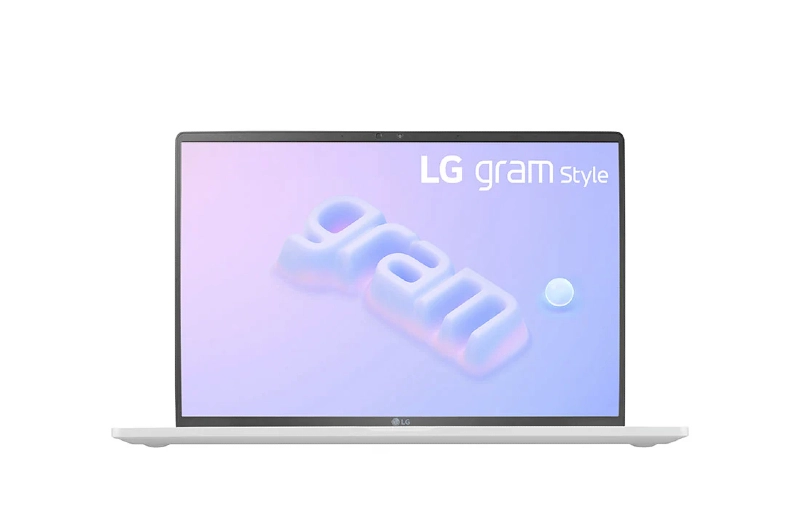
LG has apparently decided to outsource the production of its LG Gram flagship series of thin and light laptops to an ODM (Original Design Manufacturer). This means that a different company will be making its high-end notebooks, moving away from in-house production.
LG Gram will be made by ODM going forward
According to a new report, the upcoming Gram models will be produced by Quanta’s subsidiary Dafeng. This is a Chinese ODM, which has previously made other LG Electronics products as well. Now. it will also be responsible for making mid range Ultra PC models and even the Gram 2-in-1 notebooks. An industry insider stated that the base LG Gram was manufactured in-house at LG’s Nanjing site before its recent outsourcing.
The source close to the matter added that cost reduction and improved efficiency is likely the reason for the South Korean tech giant making the shift. Reportedly, LG’s Nanjing plant faced a loss of 2.4 billion won in the third quarter of this year. So the outsourcing move could help the brand cut down on losses moving forward. In their recent financial report, LG’s unit that sells laptops and IT products also suffered a notable 20.5 billion won loss.
The company believes that slowing demand for falling demand for IT products is the main reason for this decline. For those unaware, the LG Gram 2023 series of premium laptops was released in India back in June. Similarly, the LG Gram SuperSlim OLED was also launched earlier this year as the brand’s thinnest laptop with an OLED panel.
Lenovo recently introduced the Xiaoxin Pro AI Ultrabook 2024, positioning it as a potential competitor to the Core Ultra thin and light platform. This laptop stands out as the first to feature Intel’s new Core Ultra processor, emphasizing improved performance, scalability, and extended battery life.
The Xiaoxin Pro AI Ultrabook 2024 features a sizable 16-inch display, offering users a spacious layout with a full-sized keyboard and a roomy touchpad, as shown in the official poster. However, specific details about release dates and configurations are yet to be disclosed by Lenovo.
On December 1st, Intel China released a teaser poster, announcing the official release date of the Core Ultra processor in China on December 15th. The teaser underscores the core graphics performance and AI capabilities of the new processor.
The Core Ultra processor, known as Meteor Lake, operates on Intel’s 4-process technology, introduced at the Intel ON Technology Innovation Summit in September. Utilizing Foveros 3D packaging technology, the processor adopts a separated module architecture for improved efficiency and architectural shifts.
Regarding architecture, the processor integrates a 3D high-performance hybrid architecture, including performance cores (Redwood Cove), energy efficiency cores (Crestmont), and low-power energy-efficiency cores. Intel claims exceptional energy efficiency, further integrating neural processing units (NPUs) to boost the adoption of artificial intelligence in PCs.
Key features of the Xiaoxin Pro AI Ultrabook 2024 include compatibility with the new Intel Core Ultra CPUs, offering configurations with Intel Core Ultra 5, Ultra 7, and Ultra 9 CPUs. However, specific details regarding processor variants, pricing, and availability remain undisclosed.
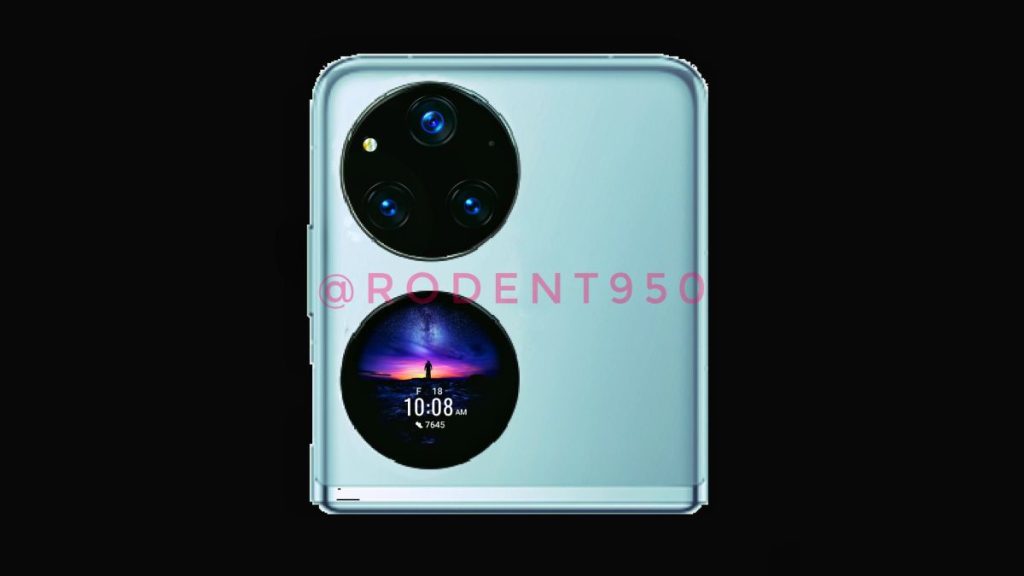
Huawei Pocket S2 launch could have been delayed from its expected release in December 2023 to February 2024, according to tipster FixedFocus.
The phone was originally scheduled to be launched alongside the Huawei Nova 12 this month, but both launches have reportedly been postponed until next year.
Huawei Pocket S2 leaked render
Huawei has made significant strides in the foldable phone market, offering devices in three distinct categories: side-folding, in-ward folding, and clamshell-style. Earlier this year, Huawei launched the Mate X3, followed by the Mate X5, both of which received positive reviews.
The company is now rumored to be working on a new clamshell-style foldable, possibly the Pocket S2. Tipster DigitalChatStation has even shared an image of what appears to be a transparent case for the smartphone.
The image suggests that the phone will have two large circles, larger than those on the Pocket S and P50 Pocket devices. However, the overall design is expected to be similar to Huawei’s current vertical foldable phones.
Due to the reported delay, we will have to wait a while longer for the official launch of the Pocket S2. The phone is expected to be the successor to the Pocket S, which was launched in November 2023.
To recap, the Pocket S comes equipped with a Qualcomm Snapdragon 778G 4G processor, supported by an adaptive graphene heat dissipation unit.
Likewise, it features a 6.9-inch OLED panel with a resolution of 2790 × 1188 pixels, a refresh rate of up to 120Hz, and 1440Hz high-frequency PWM dimming.
The display also has a 300Hz touch sampling rate and supports 1.07 billion colors with a P3 wide color gamut. Additionally, there’s an external screen with a 1.04-inch 340 × 340 circular OLED display. Fueling the device is a 4000mAh battery that supports 40W wired charging.
We use cookies on our website to give you the most relevant experience by remembering your preferences and repeat visits. By clicking “Accept”, you consent to the use of ALL the cookies.
This website uses cookies to improve your experience while you navigate through the website. Out of these, the cookies that are categorized as necessary are stored on your browser as they are essential for the working of basic functionalities of the website. We also use third-party cookies that help us analyze and understand how you use this website. These cookies will be stored in your browser only with your consent. You also have the option to opt-out of these cookies. But opting out of some of these cookies may affect your browsing experience.
Necessary cookies are absolutely essential for the website to function properly. This category only includes cookies that ensures basic functionalities and security features of the website. These cookies do not store any personal information.
Any cookies that may not be particularly necessary for the website to function and is used specifically to collect user personal data via analytics, ads, other embedded contents are termed as non-necessary cookies. It is mandatory to procure user consent prior to running these cookies on your website.