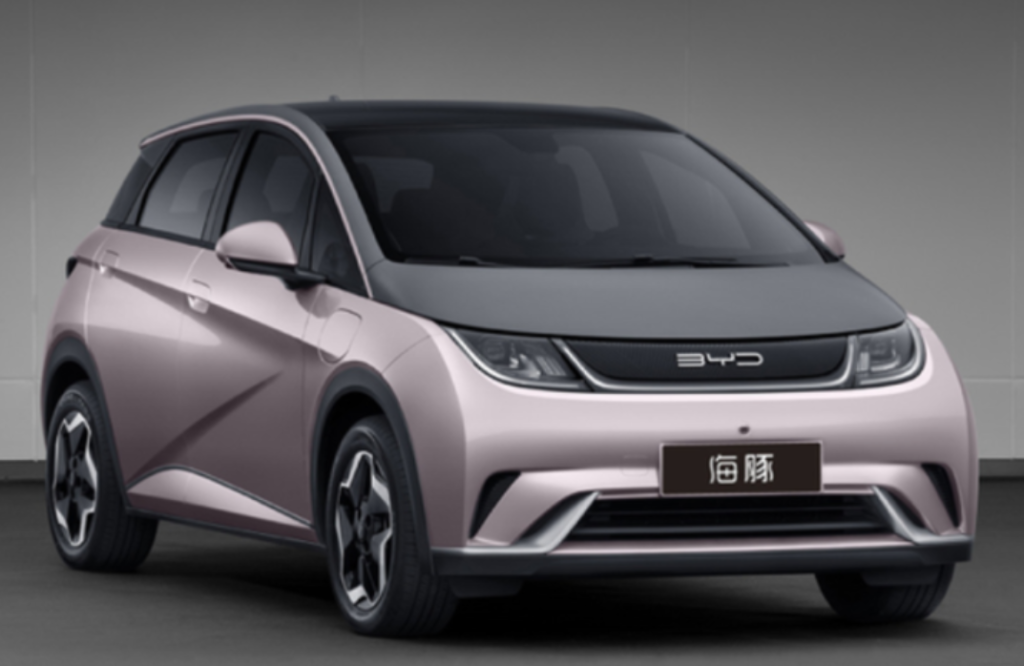
China, the driving force behind the global electric vehicle (EV) surge, continues to defy expectations with record-breaking sales, particularly in October. Despite the conclusion of an 11-year subsidy scheme for EV purchases in 2022, local authorities in China have stepped in, offering aid, tax rebates, and subsidies, fueling a remarkable 29% year-to-date increase in September. Notably, October’s figures reveal that China’s EV demand remains robust, showcasing resilience even after subsidy cuts.
Mainland China’s dominance in the global EV market is unmistakable, representing a staggering 55% of global EV sales in H1 2023, accounting for 3.4 million units. While the growth rate has moderated to 43%, a notable decrease from the extraordinary 118% seen in H1 2022, the sheer volume underscores China’s pivotal role in the ongoing EV revolution.
The end of China’s EV support scheme did not come without challenges. Disruption, uncertainty, and a price war ensued, with Tesla leading the charge. BYD, a prominent Chinese EV brand, emerged as a leader, facing headwinds from a Tesla-led price war that posed challenges for smaller brands in the fiercely competitive market.
However, experts anticipate a continued strong performance for China in 2023, asserting its position as the world’s largest auto market and a key driver of global EV sales. The final two months of the year are projected to be seasonally high for vehicle sales in China.
As the global EV market charts new territory, China’s steadfast commitment to sustaining EV demand, despite subsidy cuts, underscores the resilience and adaptability of the country’s burgeoning electric vehicle sector. The nation’s ability to navigate challenges and maintain momentum positions it as a linchpin in the ongoing global transition toward sustainable transportation.
This is big news! China has launched the world’s first next-generation internet service, surpassing industry predictions by a staggering two years. This new backbone network, a critical data highway connecting major cities, boasts an impressive data transmission speed of 1.2 terabits per second. This speed is over ten times faster than most current major internet routes and marks a significant leap in global internet.
The high speeds were achieved through extensive optical fiber cabling
Spanning over 3,000 kilometers, the network links Beijing, Wuhan, and Guangzhou through an extensive optical fiber cabling system. Officially operational since July, the network’s reliability and efficiency have been thoroughly tested and proven. This groundbreaking achievement results from a collaborative effort involving Tsinghua University, China Mobile, Huawei Technologies, and Cernet Corporation.
Image Credits: Marc Olivier
While most global internet backbone networks currently operate at around 100 gigabits per second, China’s new network smashes this standard, even surpassing the United States‘ recent upgrade to a 400 gigabits per second Internet2. The Beijing-Wuhan-Guangzhou connection is part of the ambitious Future Internet Technology Infrastructure (FITI) project, a decade in the making and an advanced iteration of the China Education and Research Network (Cernet).
The FITI project, under the leadership of Wu Jianping from the Chinese Academy of Engineering, aims to not just create a superfast line but to lay the foundation for an even faster internet in the future. Huawei Technologies’ vice-president Wang Lei highlighted the network’s remarkable capacity, capable of transferring data equivalent to 150 high-definition films in just one second.
This new network is likened to a superfast train track, replacing multiple regular tracks to carry the same amount of data, as described by Tsinghua University’s Xu Mingwei. This analogy underscores the efficiency and cost-effectiveness of the new system, making it easier to manage while handling a significantly higher data load.
Beyond its technical abilities, the network is crucial for national education, research, and emerging needs in data transfer for applications such as connected electric vehicles and industrial 5G technology. The FITI project, supported by the government and managed by the Education Ministry, represents a remarkable milestone, not only in internet technology but also in China’s pursuit of technological independence.
The network’s development involved domestic production of all software and hardware components, marking a shift from China’s previous reliance on foreign technology. The team led by Wu Jianping has made significant advancements in routers, switches, and optical fiber connections, demonstrating China’s growing prowess in internet technology.
Canoo is rapidly rising from the raft of issues that have bedeviled the EV maker recently. Earlier this year, Canoo successfully settled a long-drawn SEC investigation. The brand now seeks to impress the EV market with the release of the American Bulldog electric pickup truck. At its unveiling, Canoo said, the design and capability of the new EV are woven into the American spirit with grit and innovation. Canoo has a growing collection of A-list customers including the US Army, NASA, and Walmart.
Features
The Canoo American Bulldog EV is seen as a direct offshoot of the Canoo Screaming Eagle. Last year, the Screaming Eagle was delivered to the United States Army for testing. The American Bulldog, according to the EV maker, builds upon the company’s rapid product development and real-world testing. The name of the pickup truck was motivated by the loyal and courageous character of the American bulldog canine. It is woven into the American spirit and reflects the intrinsic American innovation, according to Canoo CEO, Tony Aquila.
The American Bulldog is a sleek and functional electric pickup truck. However, it is another thing to say that the car will eventually become a production vehicle. Canoo has had debilitating issues that may have stunted its performance. Although it just began generating revenue from its engagements with the US government, sustainability and survival are present challenges.
Canoo feels it is making the right moves to turn the corner. It recently got $113 million in combined incentives for its assembly and battery module manufacturing facilities. It has also expanded its tentacles into the Class 3 electric cargo van segment and expects a positive upswing in its balance sheet.
The perception of China‘s rise as a global power has significantly impacted American public opinion, particularly concerning economic and security issues. A recent survey conducted by the Chicago Council on Global Affairs revealed a notable shift in the American public’s perspective, highlighting heightened concerns over China’s growing influence.
Americans are, however, not skeptical regarding their country’s military prowess
The survey, which involved participants from various demographics, indicated that a majority of Americans now view China’s ascent as a critical threat to the United States‘ interests. This sentiment marks the highest level of concern since the end of the Cold War. The areas of particular worry include intellectual property theft, economic competition, and China’s role in global supply chains.
These concerns come at a time when the U.S. is preparing for its next election cycle, with China’s policies and actions likely to be a major topic. Interestingly, the survey revealed a balanced view among Americans regarding the economic power balance between the U.S. and China, with opinions divided on which country holds the upper hand.
The issue of trade has been a longstanding concern in U.S.-China relations, with many Americans viewing China as an unfair trading partner. This perception has evolved over time, with more Americans now seeing China’s economic power as a critical threat to U.S. interests. The survey indicates strong support for policies that limit the exchange of goods and technologies between the two nations, especially in light of Chinese firms’ involvement in intellectual property theft.
Despite these economic concerns, Americans seem more confident in their country’s military supremacy over China. This confidence, however, does not mitigate the overall apprehension about China’s role and intentions on the global stage. Trust in China’s ability to handle global problems responsibly has significantly decreased, reflecting a broader trend of declining American confidence in China. The upcoming meeting between Presidents Xi and Biden, while unlikely to drastically change public opinion, could mark a step towards addressing some of these concerns.
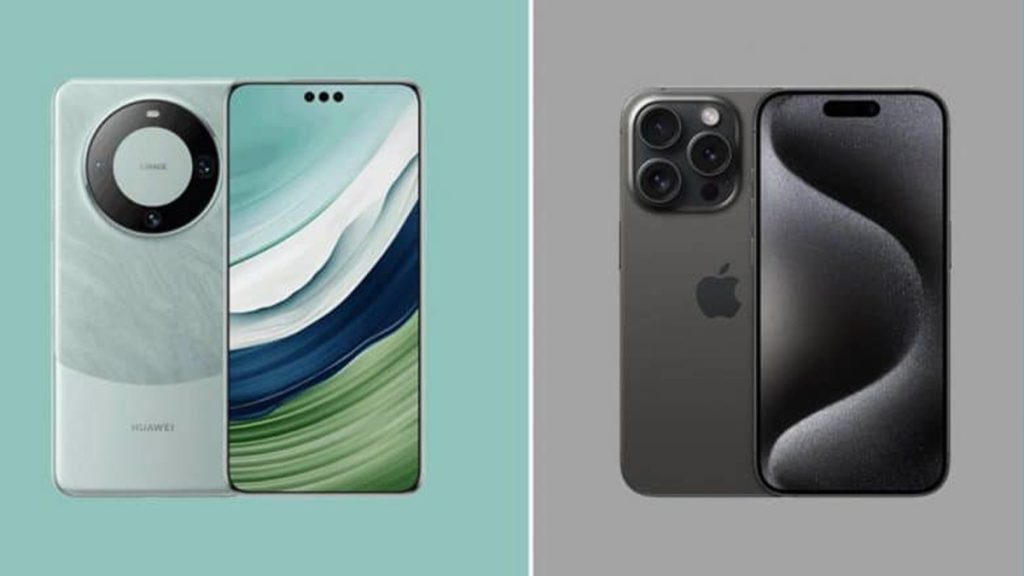
Huawei has made a bold comeback with the launch of its Mate 60 series. Despite facing challenges due to the U.S. embargo on certain technologies, the company has managed to source most of the components for its new flagship phone from Chinese suppliers. This strategic move appears to be paying off, as Huawei is now emerging as a major competitor to Apple, with sales of the iPhone 15 in China falling short of expectations.
Huawei Mate 60 Series Poised to Disrupt the Chinese Smartphone Market and Challenge Apple’s iPhone 15
Apple unveiled the highly anticipated iPhone 15 series in September, removing the notch from all models and introducing new features, raising high hopes for these phones. Especially in the crucial Chinese market where 5G is essential. However, the final word on iPhone 15 sales comes from Huawei.
After a period of relative silence in both the global and Chinese smartphone markets, Huawei made a bold move by releasing the Mate 60, Mate 60 Pro, and Mate 60 RS Porsche Design in the same month as the iPhone 15. This strategic decision paid off, as the new models immediately captured the attention of consumers, who had been eagerly anticipating Huawei’s latest flagship devices.
In October, Huawei’s sales experienced a remarkable surge of 83%, while iPhone 15 sales saw a comparatively modest increase of 11%. This contrasting performance raises questions about Huawei’s potential resurgence and its ability to replicate this success on a global scale. Interestingly, iPhone sales typically decline leading up to September and reach their peak in October.
The likelihood of the Huawei Mate 60 series reaching global markets and its success in those markets remain uncertain. Nevertheless, the potential impact of Huawei on iPhone 15 sales alone warrants consideration of this possibility. For those interested in the specifications of the Huawei Mate 60 and Mate 60 Pro, here they are:
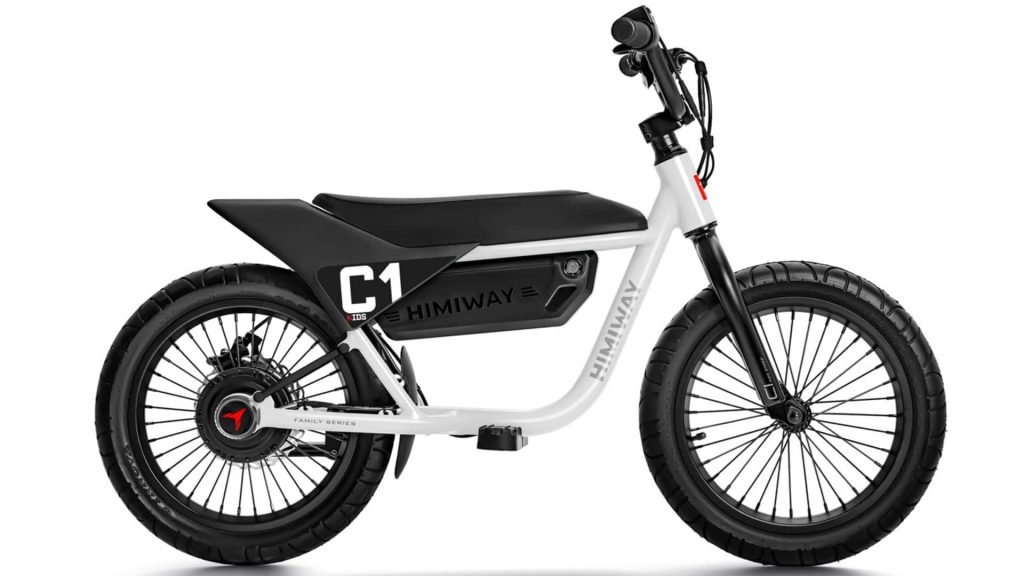
Gone are the days when kids learned to ride on oversized, second-hand bikes. Today, the bicycle industry has evolved significantly, offering specialized two-wheelers for children. The Himiway C1, a product from the California-based e-bike manufacturer Himiway, exemplifies this evolution. Unlike traditional bicycles, the C1 is a mini electric dirtbike, designed to introduce children aged four to 12 to the world of biking.
The bike has a maximum speed of 15 miles per hour
The Himiway C1 stands out for its motorbike-like design, lacking pedals and featuring footpegs. Its propulsion comes from a hand throttle, a feature that might remind one of a motorbike. This design choice by Himiway indicates a shift in how children’s bikes are conceptualized, focusing on ease of use and excitement rather than just pedaling skills.
Underneath its child-friendly exterior, the C1 packs impressive power. It’s equipped with a 350-watt rear hub motor, providing a top speed of 15 miles per hour. This level of power is notable, especially for a children’s bike, making the C1 more akin to a junior electric vehicle than a simple bicycle. Himiway’s commitment to safety is evident in the inclusion of both hydraulic and electronic brakes on the rear wheel. This feature is crucial, ensuring young riders can control the bike’s speed effectively.
The C1’s battery technology is also noteworthy. With a 360-watt-hour battery pack, the bike promises up to 50 miles of riding on a single charge. This endurance ensures prolonged enjoyment for children, (hopefully) outlasting their energy levels. The bike’s design, however, doesn’t include suspension, meaning children will need to learn proper body positioning to navigate rough terrains. That goes in line with the pricing of the bike as well. Priced at $800 USD, the Himiway C1 is now available for order. Its launch marks a significant step in the evolution of children’s bicycles, shifting from mere transportation tools to exciting, power-packed vehicles.
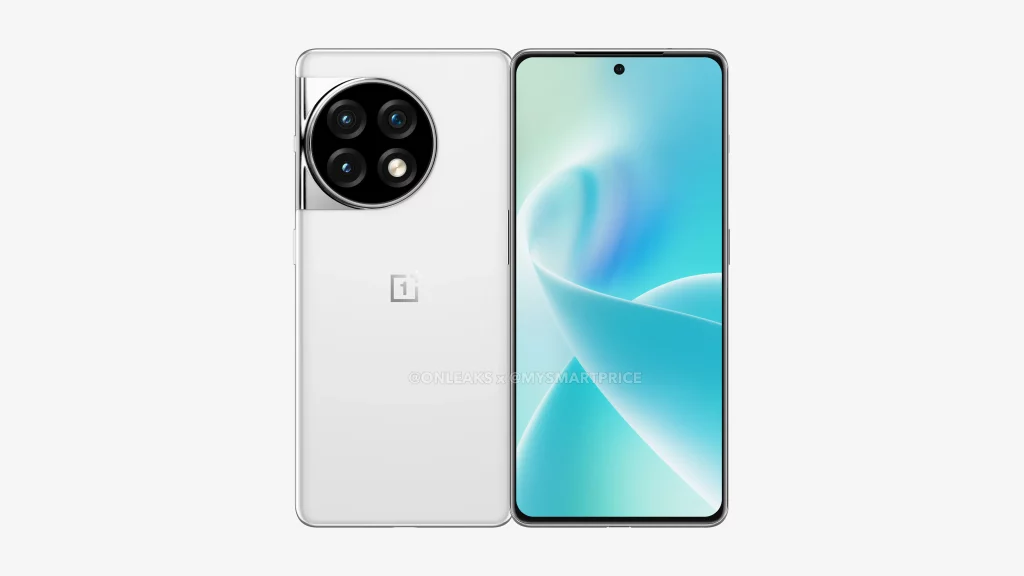
OnePlus has been actively working on a series of premium smartphones, including the upcoming Ace series, with rumors pointing to the launch of the OnePlus Ace 3 in January of next year. The Ace 2 Pro, its predecessor, continues to enjoy strong demand, especially for its 12GB+256GB variant on various e-commerce platforms.
OnePlus Ace 3 Key Specifications
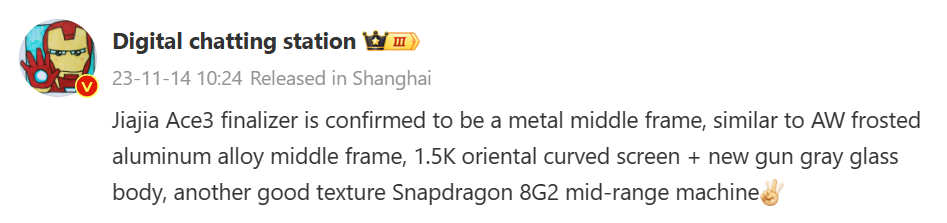
Renowned tipster Digital Chat Station, who previously leaked some key specs of the upcoming Ace 3, has now shared additional information about this series. According to the tipster, the OnePlus Ace 3 will feature a design with a metal frame reminiscent of the matte aluminum alloy frame seen on the Apple Watch, indicating a premium build quality. Additionally, the device will boast a 1.5K curved display and a stylish gunmetal grey glass body, adding to its aesthetic appeal.
DCS also revealed that the Ace 3 will be equipped with the Snapdragon 8 Gen 2 chipset, positioning it as a high-end mid-range smartphone. Previous reports suggest that the device will pack a substantial 5500mAh battery and support 100W fast charging, promising excellent battery life and rapid charging speeds.
For photography enthusiasts, the Ace 3 will offer a versatile camera setup, including a 50-megapixel main camera with a 1/1.56-inch IMX890 sensor, a 32-megapixel IMX709 telephoto lens, and an 8-megapixel ultra-wide-angle lens. The device is also expected to feature a 6.74-inch LTPO 120Hz OLED display, with a peak brightness of 2,600 nits.
The OnePlus Ace 3 has been recently spotted on Geekbench, potentially featuring 16GB of RAM and running on Android 13, indicating high-end specifications. Render images released a few months ago also hint that the device will maintain the traditional OnePlus design philosophy, closely resembling the OnePlus 11R/Ace 2 in appearance.
OnePlus Ace 3 is expected to debut in China early next year. There’s speculation about a global release under the name OnePlus 12R, following OnePlus’s trend of rebranding Ace models for international markets. This strategy allows OnePlus to cater to diverse markets while maintaining consistency in its product lineup.
Huawei and Meituan announced a comprehensive partnership to innovate industries, apply technologies, and develop businesses using HarmonyOS. Huawei will fully back Meituan in launching the development of native applications for HarmonyOS.
The announcement comes on the heels of Huawei’s HarmonyOS Next is expected to ditch Android app support as early as 2024. Several of Huawei’s self-developed OS concept stocks rocketed and hit the daily limit after the news was released, according to ChinaDaily.
Huawei partners with Meituan for HarmonyOS ecosystem
Meituan is a Chinese tech giant that offers a wide range of services, including food delivery, online grocery shopping, and ride-hailing. It is one of the most popular apps in China, with over 600 million active users.
Huawei’s confidence in its alternative ecosystem strategy on the mainland received a boost in late August when the company launched its Mate 60 Pro smartphone, its first 5G handset since the Mate 40 series was released in October 2020.
The Mate 60 Pro was met with strong public support, and Huawei became mainland China’s fastest-growing smartphone vendor in the third quarter of 2023.
Recently, multiple job applications in China have announced the launch of HarmonyOS app development. For example, LY.COM (formerly known as Tongcheng) announced the launch of HarmonyOS native version App development, with plans to complete core version development by the end of 2023.
In addition, a number of internet giants, including Meituan, have listed several job openings related to HarmonyOS. For instance, Meituan publicized a variety of HarmonyOS-centric roles, such as Senior HarmonyOS Engineer and HarmonyOS Infrastructure Engineer.
According to data, as of August 2023, the HarmonyOS ecosystem boasted over 700 million devices and was supported by more than 2.2 million developers actively contributing to its development. By October 30th, the number of devices upgraded to HarmonyOS 4 had surpassed the hundred million mark.
Meta launched its Twitter rival Threads by Instagram earlier in July this year. It was an instant hit garnering 100 million users in less than a week after its launch. However, the success was short-lived as users opted to leave the new social media platform but couldn’t due to a major drawback. The only way one could access the platform was to link their account to the popular photo-sharing platform Instagram which was a caveat. Now, Adam Missouri, head of Instagram has announced two new welcome changes to the Threads platform.
Threads account can now be deleted independently
Till today, Threads users were unable to delete their accounts without also deleting their Instagram accounts. With the newly announced changes, the team has resolved this widely requested change. Instagram is now making it possible to delete their Threads accounts without deleting their account on the former platform. In simple terms, the two accounts now work independently.
With the new update now rolling out users get more control over their Instagram and Threads accounts. In case the feature is not yet available for you, it might arrive in the coming days. The new feature can be accessed from the Settings menu in the Delete or Deactivate Profile section. Users can then choose their preferred option. In both cases, the user’s Instagram account will not be affected.
Apart from the ability to delete Threads account separately, there is one more change. The content shared by Threads users is also visible to users on Facebook and Instagram resulting in a breach of privacy. With the new update, there is a new option under Settings > Privacy that allows users to ‘opt out of being featured outside Threads’.
Both new changes are rolling out to everybody. Users are recommended to update their Threads app to the latest verison.
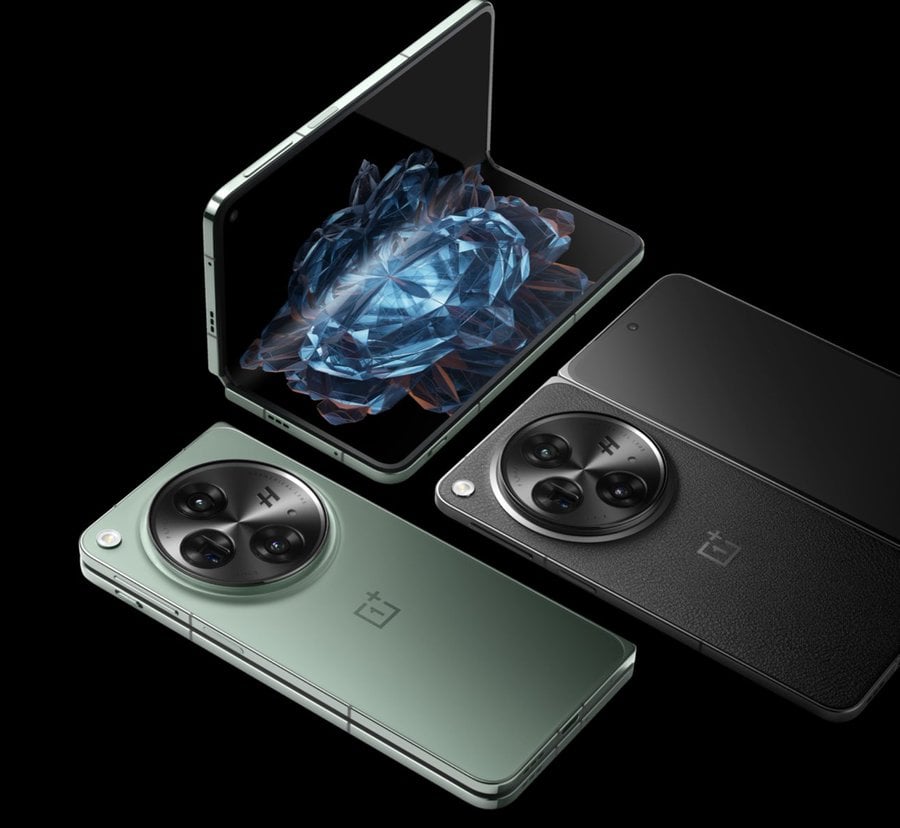
The OnePlus Open launched as the company’s first ever foldable smartphone, which has seen a positive reception overall. But in the Indian and North American markets, the device has achieved a notable milestone. So let’s have a look.
OnePlus Open sees record breaking sales
The news arrived from Kinder Liu, the President and COO of OnePlus, who shared an image poster on X (formerly Twitter). Looking at the image poster, the OnePlus Open has set a new one-day sales record in the North American and Indian markets. The Open set the one-day sales record from its official website in North America, while the Indian sales record was on Amazon India.
The brand’s first foldable phone was well received in the market, with robust sales across various regions. OnePlus began selling the Open back in October with an introductory offer. For those unaware, the device is equipped with the Qualcomm Snapdragon 8 Gen 2 SoC that is paired with up to 16GB of RAM and 512GB of internal storage. The rear packs a 49-megapixel triple camera setup, while the front houses a 20-megapixel and 32-megapixel selfie shooter (main and cover screens).
I'm really excited to say that the #OnePlusOpen broke not only one but TWO sales records this year! Thank you all for your support ❤ pic.twitter.com/mfLZ41BZxP
The primary display is a tall 7.82-inch foldable AMOLED panel, while the external screen is a 6.31-inch cover display. A 4,805mAh battery pack powers this device, which offers 67W SuperVOOC fast charging. Unfortunately, the OnePlus executive didn’t reveal the exact sales figure for the device in India and North America.
Samsung is reportedly working on the Galaxy A25 5G smartphone. The device has surfaced in leaks and certification listings quite a lot in recent times. Now, the smartphone has been spotted on the TUV Rheinland certification platform. The Galaxy A25 5G is expected to arrive as the successor to the Galaxy A24 that debuted earlier this year. The smartphone’s launch seems imminent as it has been doing the rounds of the rumor mill.
The Samsung Galaxy A25 5G is listed with model number SM-A256E/DSN. It is in line with the BIS and FCC certifications. The latest certification appearance reveals that the device will pack support for 25W fast charging. However, apart from this, there is no additional information.
The leaked renders reveal the Samsung Galaxy A25 5G will have a waterdrop notch display and a thick bottom chin. It will be offered in black, blue, lime green, and light blue colors. The back panel has three vertically stacked camera sensors.
As per a recently leaked full spec sheet, the Galaxy A25 5G is expected to feature a 6.5-inch FHD+ 90Hz display. It will have a 13MP front-facing selfie snapper and the back camera setup is tipped to comprise a 50MP main sensor, an 8MP ultra-wide-angle lens, and a 2MP macro unit. The smartphone will reportedly be powered by an Exynos 1280 processor coupled with up to 8GB RAM and 256GB storage. It is tipped to be backed by a 5,000mAh battery cell.
In a strategic move signaling a departure from Google’s Android ecosystem, major Chinese tech companies, including JD.com, NetEase, and Meituan, are actively recruiting HarmonyOS app developers. This shift aligns with Huawei’s broader strategy to establish HarmonyOS as a robust alternative ecosystem within China, reducing dependence on Android due to US sanctions.
Meituan, a leading service platform, is on the lookout for HarmonyOS infrastructure engineers and is offering competitive monthly salaries ranging from 40,000 to 60,000 yuan for developers with HarmonyOS experience. JD.com and NetEase are specifically seeking developers to craft applications tailored for Huawei smartphones using the HarmonyOS platform.
The recruitment drive is backed by Huawei’s success in positioning HarmonyOS on over 700 million devices, with more than 2.2 million third-party developers actively contributing to the platform. Richard Yu Chengdong, CEO of Huawei’s consumer business group, announced that the upcoming iteration, HarmonyOS Next, will sever ties with Android-based apps, further solidifying Huawei’s commitment to the HarmonyOS ecosystem.
HarmonyOS Next
Scheduled for a developer preview release in the first quarter of the next year, HarmonyOS Next aims to bolster Huawei’s position as mainland China’s fastest-growing smartphone vendor. The Mate 60 Pro’s successful launch in August 2023 marked Huawei’s 5G comeback, garnering significant public support and recording an impressive 37% year-on-year growth in the third quarter, according to Counterpoint Research’s October report.
HarmonyOS was introduced in August 2019 as a response to Huawei’s addition to the US Entity List, restricting its access to essential Google apps and services. Huawei faced challenges in its relationship with Android since the 2019 trade ban, impacting global smartphone sales. In 2021, Huawei introduced HarmonyOS as an Android-based platform, aiming to replace Android while retaining sideloadable apps.
The recent push towards “HarmonyOS Next” represents a crucial step in Huawei’s journey to distance itself from Android entirely. Reports suggest that the new version will not support APK files, opting for “HAP,” a component of a full app package, as indicated on HarmonyOS’ developer website. A hands-on demo in August revealed that APK files could not be opened, despite the user interface resembling Huawei’s familiar Android-based designs.
The decision to abandon Android entirely remains speculative, and more details are anticipated with the official release of “HarmonyOS Next” next year. As Huawei continues to make strides in developing its alternative ecosystem, the tech landscape in China may witness a significant shift away from the once-dominant Android platform.
With Huawei making a strong return in its home market of China, Apple saw a decline in demand in the region. But it seems like this has presented a great opportunity for local brands, especially Xiaomi, which saw a sizeable rise in market value during this same period.
Apple’s decline in China boosts Xiaomi’s market value
With the Cupertino based giant’s recent dip, local Android smartphone makers are winning both customers and investors in the region. Following a June low, the Xiaomi Corp managed to gain 20 billion US Dollars in market value. The notable rise was accredited to its recent smartphone launches, expansion into electric vehicles, and various other businesses.
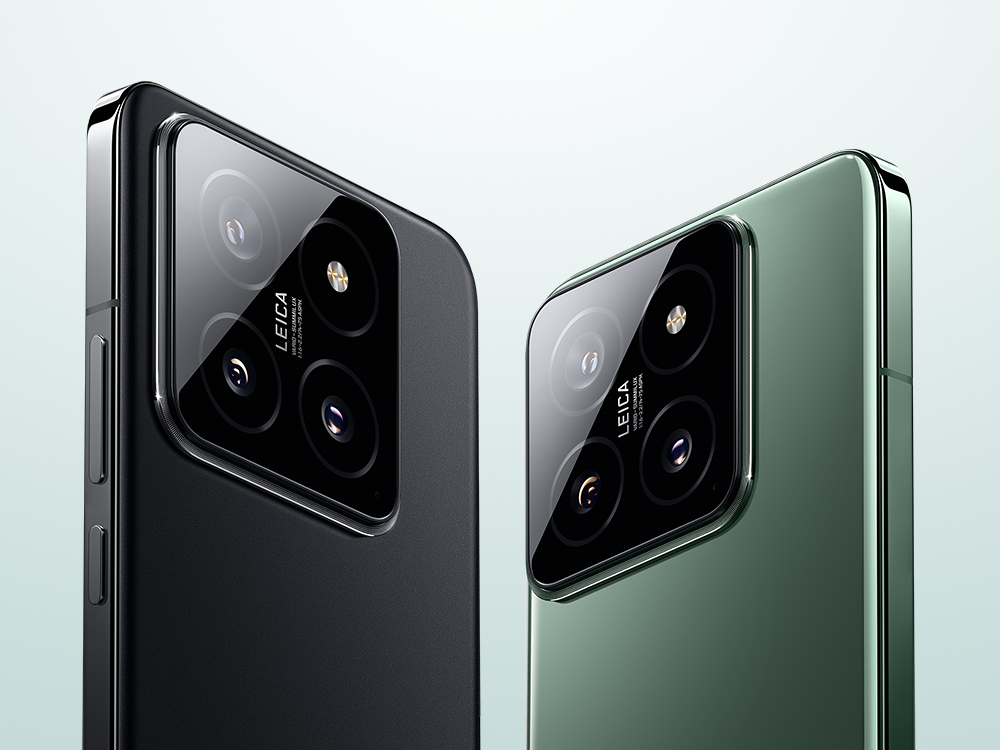
The Chinese tech giant’s stock rose by more than 60 percent, making it the best performer on the Hang Seng Tech Index. Xiaomi isn’t the only company taking advantage of Apple’s fall. Chinese Android phone brands are capitalizing on the gap in demand left by the iPhone maker. The Xiaomi 14 series is a major factor in the company’s recent growth. The lineup has received over one million orders since its announcement back in October. This is similar to Huawei’s performance in the last couple of months.
According to Gokul Hariharan, an analyst at JPMorgan Chase & Co, “We believe there is a trading opportunity in the next six months with smartphone and AIoT growth turnarounds and early expectations building for Xiaomi’s electric vehicle foray.” Similarly, Counterpoint Research noted that “Xiaomi is the only top five smartphone brand to see shipment increases both quarter-on-quarter and year-on-year in 3Q 2023 as it strengthened its positions in key markets such as China and India.”
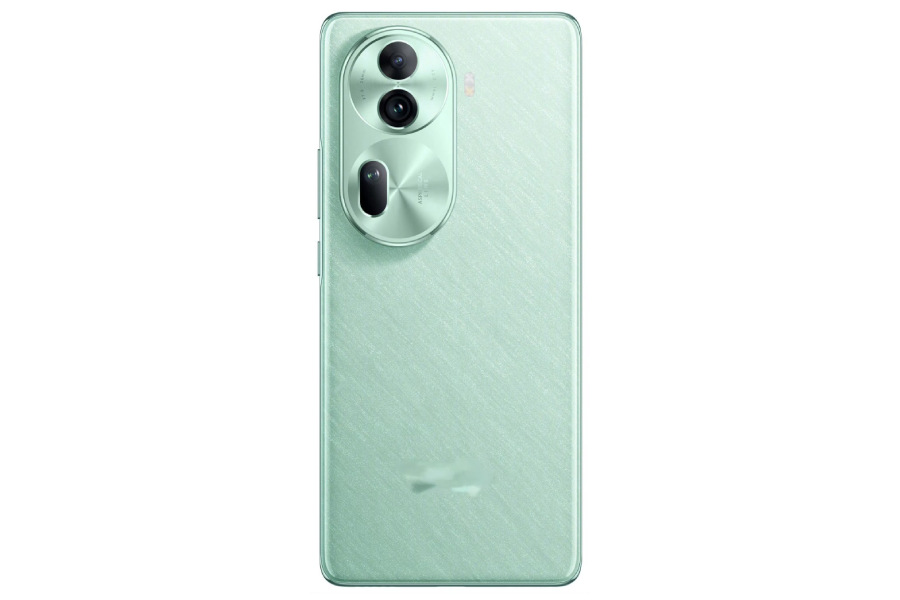
Digital Chat Station claims that the upcoming Oppo Reno 11 series will debut ColorOS 14. In other words, the Reno 11 and the Reno 11 Pro will be the first devices to ship with ColorOS 14 out of the box.
The tipster further says that these phones will come with lossless compression technology. He also reiterates they will be powered by MediaTek Dimesnity 8200 and Qualcomm Snapdragon 8 Plus Gen 1 chipsets.
Unfortunately, he doesn’t mention whether the software will be based on Android 14. It is worth noting that multiple previous Reno phones have shipped with the latest ColorOS but the Android version remained a generation older.
Thus, we will have to wait until benchmarks to reveal the Android version. Perhaps, Oppo might itself disclose the details.
Oppo has been beta-testing ColorOS 14 on a lot of eligible devices for months. The company’s latest mobile software is scheduled to go official on November 16 at the Oppo Developer Conference.
As for the Oppo Reno 11 series, it could either launch on November 23 or at a later date. We are only a few hours away from knowing the official launch date.
Sony launched the Xperia 10 V earlier in May this year. It arrived with Android 13 OS out of the box. Now the Japanese brand is rolling out the latest Android 14 update to the smartphone. Recently, Sony also released the latest version of the Android for the Xperia 1V. The Android 14 update brings new changes, features, and improvements to the Xperia 10 V. Read on to know more below.
Sony Xperia 10 V gets Android 14
Listen up📢 #Xperia10V meets Android 14 – with new features to discover!
Sony announced the release of the Android 14 for the Xperia 10 V smartphone on its official X handle. The latest update has the version number 68.1.A.2.93. It is rolling out to users in Europe and the UK. More regions are expected to get the update in the coming days.
The Android 14 update for Sony Xperia 10 V brings expanded font selection and more shortcut customization options for the smartphone. Users can share files and photos between an Xperia device and a Windows PC with the new and improved Nearby Share feature. Additionally, users will be able to find their lost earphones, tablet, or Wear OS watch using the Find My Device app. The update also brings improved privacy and security options along with new battery settings. Sony has also added updates to the Game Enhancer, Photo Pro, Video Pro, and External Monitor apps within the Android 14 update for the Xperia 10 V.
As Sony has released the Android 14 update to the Xperia 10 V and Xperia 1 V, it is also expected to roll out to the Xperia 5 V in the coming weeks.
We have been hearing about the Oppo Pad Air 2 for months. It was expected to launch weeks ago but that never happened.
Now, it is being tipped to launch alongside the upcoming Reno 11 series. A reliable leaker has also revealed its key specs.
The features revealed by the source clearly suggest that this tablet is already official under a different name. Let’s go through the details.
OnePlus Pad Go
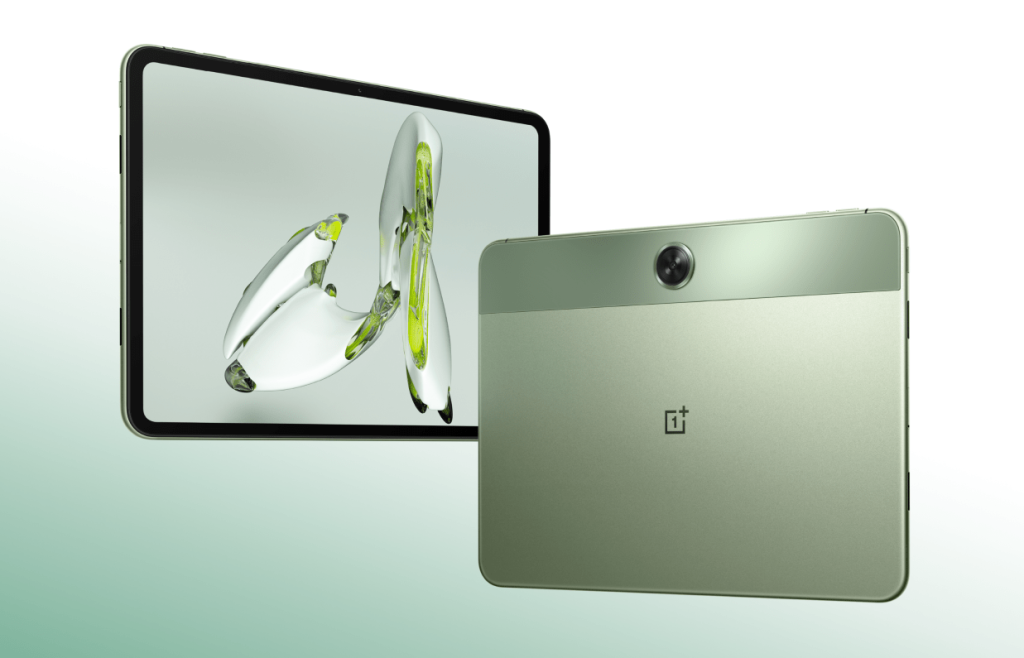
According to Digital Chat Station, the Oppo Pad Air 2 will sport an 11.4-inch high refresh rate display with a 2.4K resolution. The tablet will be powered by a MediaTek Helio G99 chip and will draw energy from an 8,000mAh battery.
Lastly, he says that the product will be marketed as a ¥1,000 ( sub-$150) tablet. The aforementioned specs suggest that the device is nothing but a rebranded OnePlus Pad Go.
As mentioned earlier, the Oppo Pad Air 2 was expected to go official first. However, the OnePlus version of the product made its debut in global markets first.
However, it is worth noting that the OnePlus Pad Go is still in the pre-order phase. A similar thing happened when the OnePlus Pad was announced earlier this year. It was available for purchase only after the original Oppo Pad 2 went official in China.
Oppo is yet to reveal the launch date for the Oppo Pad Air 2, which is expected to be announced at the Reno 11 series event. The company has confirmed to announce the Reno 11 launch date tomorrow (November 15). Thus, we don’t have to wait much longer.
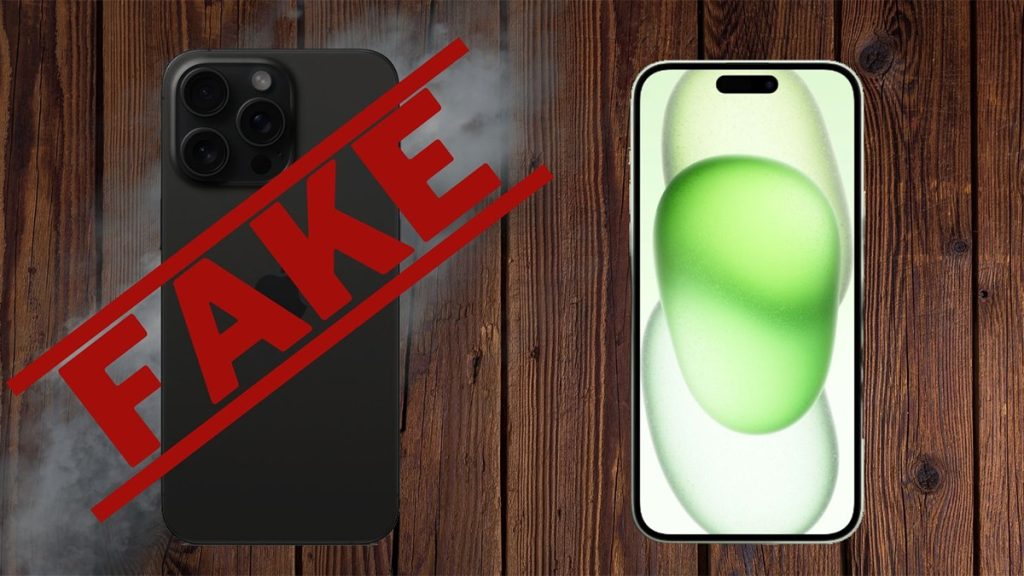
Have you ever felt anxious when ordering something online? Many people do, especially when buying something expensive. There’s always the risk of receiving a low-quality product, having problems with shipping, or the item being delivered to the wrong person. Recently, a UK citizen who ordered the iPhone 15 Pro Max directly from Apple’s official website was shocked to find an Android phone in the box. Here are the details…
Customer Opens iPhone 15 Pro Max Box to Find Android Phone Inside
A person living in the UK wanted to buy Apple’s new flagship phone, the iPhone 15 Pro Max. To do this, they went to Apple’s official website, the safest option, and placed an order. After a while, when the customer received the package and opened the box, they immediately noticed something strange. Yes, the phone looked exactly like the iPhone 15 Pro Max, but it had a screen protector on it.
As you know, Apple does not apply such a practice to its products. The customer thought that they had received a device that had been sold and later returned, so they opened the phone. However, this only increased their suspicions. The iPhone 15 Pro Max came with pre-installed apps like YouTube, Facebook, and TikTok.
Apple users will know that the company has strict principles regarding pre-installed apps. They do not even insist on having someone else’s app pre-installed on their devices, let alone their own. Moreover, upon closer inspection, the customer noticed that the phone’s bezels were thicker than they should be. Of course, it didn’t take long for the customer to realize that they had a fake Android phone that looked similar but was not a genuine iPhone 15 Pro Max.
Fortunately, before noticing these issues, the customer did not log into any accounts, and the defrauded individual did not have their information stolen on top of everything else. The unfortunate customer shared the incident on Reddit, stating that they had reported the situation to Apple and were waiting for the company to resolve the issue. Clearly, the incident is quite unpleasant.
As mentioned earlier, we are aware that there is always a risk when buying something online. However, understanding how a purchase from Apple’s official website could end like this is perplexing. Nevertheless, if you have any doubts, it’s worth noting that the likelihood of Apple being responsible for this mistake is minimal. It’s probably a case of fraud during the shipping operation. Unfortunately, it’s unclear how the tech giant will react to the incident.
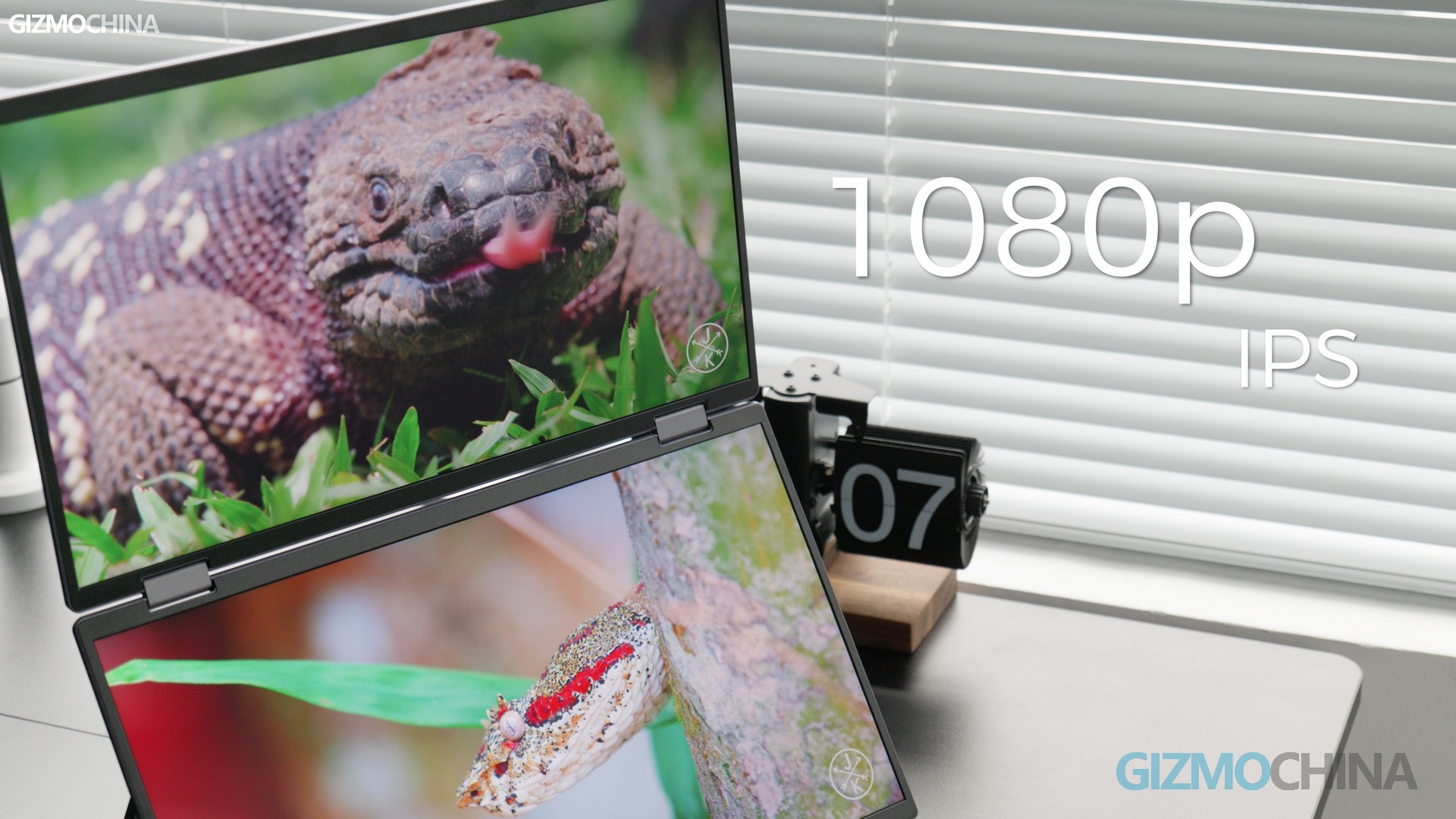
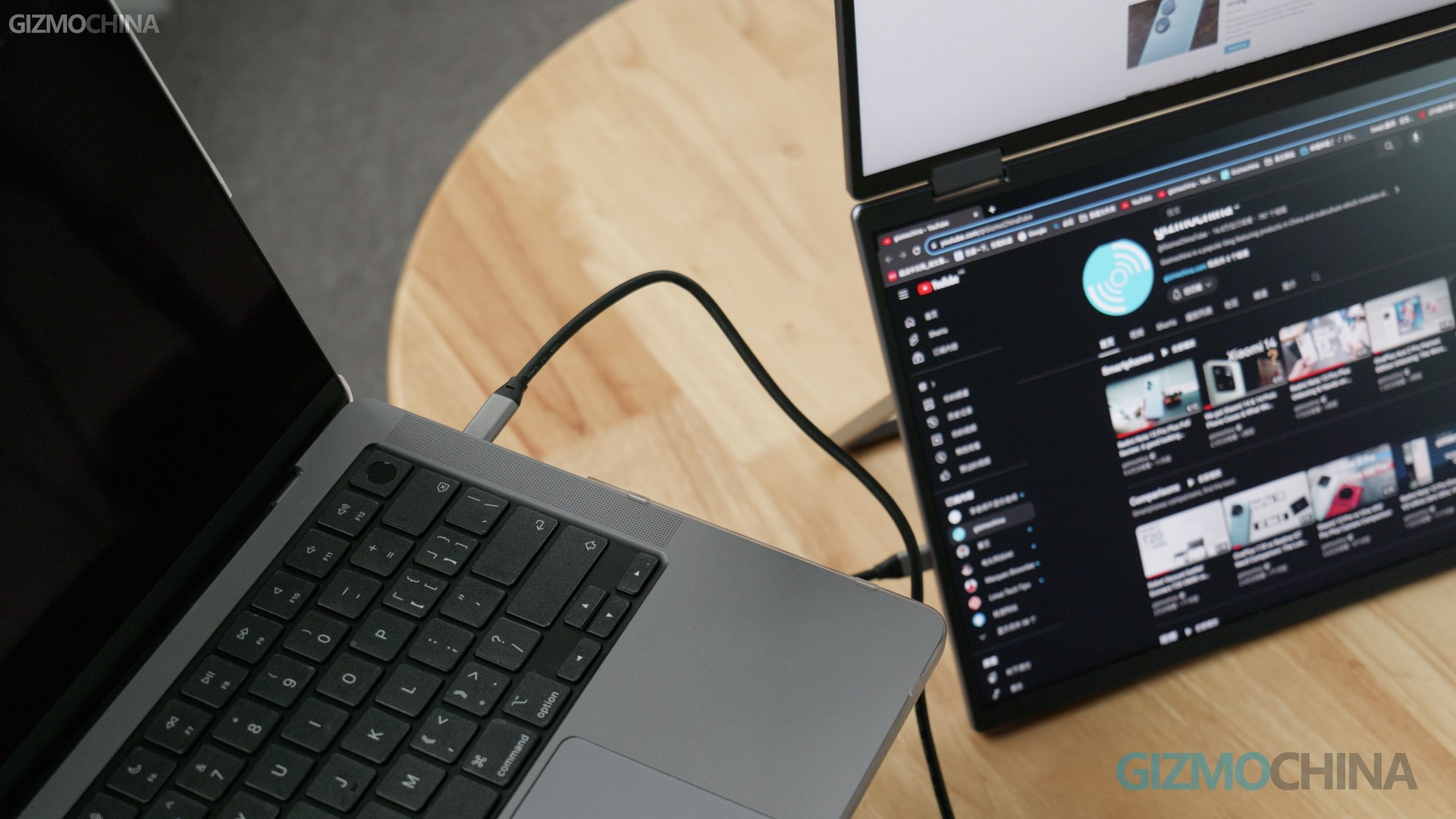
If you watch a lot of our videos, you might find this channel is pretty keen on collecting familiar products with unusual forms. So today we got a special monitor, the innoView 15.6-inch Folding Portable Dual. It has two 1080p IPS screens for display expansion, and it only needs one USB-C cable to drive both of them at the same time.
Importantly, it not only supports Windows system, but is also perfectly compatible with Mac OS. And it’s also surprising that this 15-inch dual-panel monitor only weighs 1600g, It’s even lighter than some single-panel Portable Monitor.
Unbox
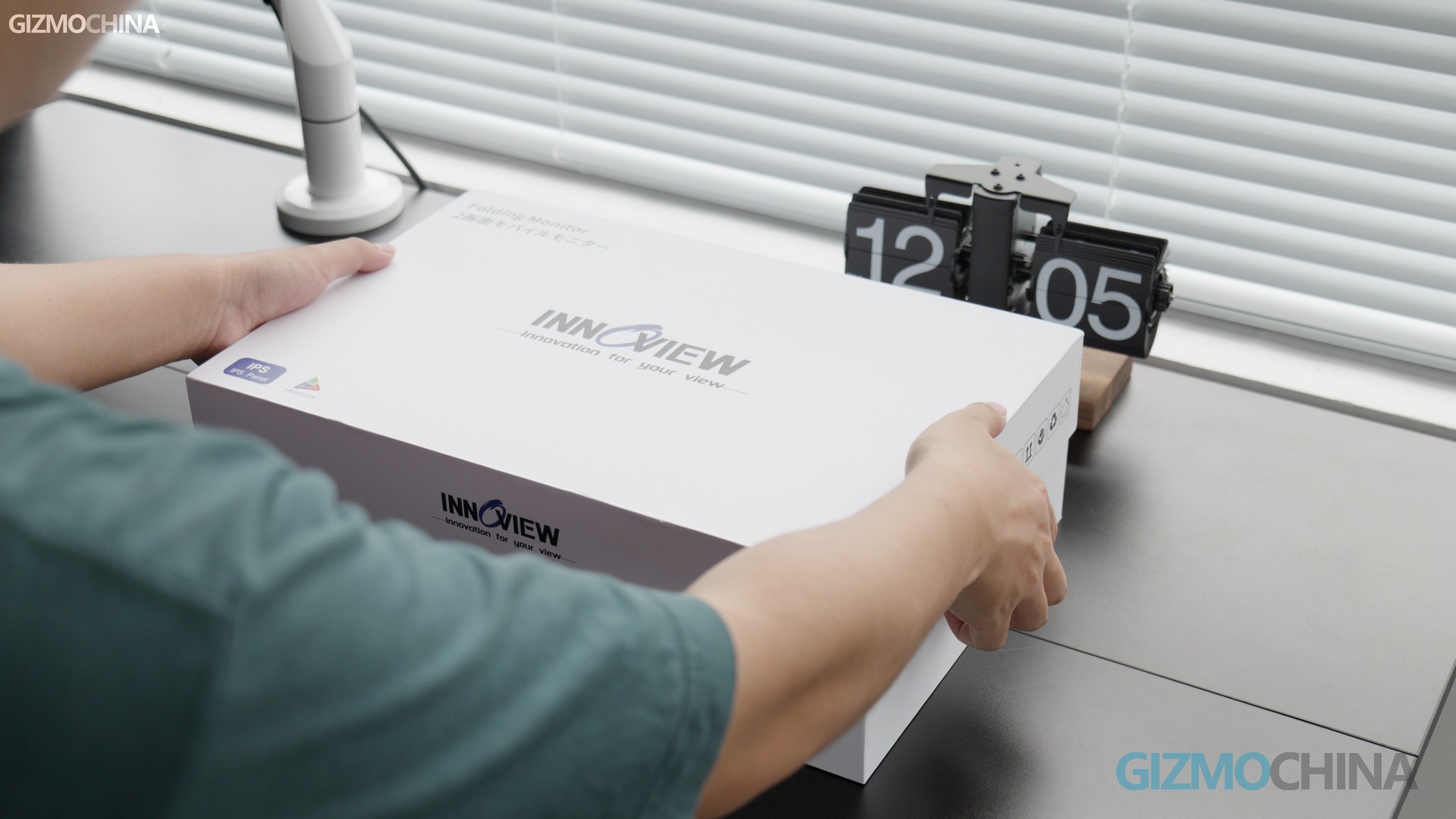
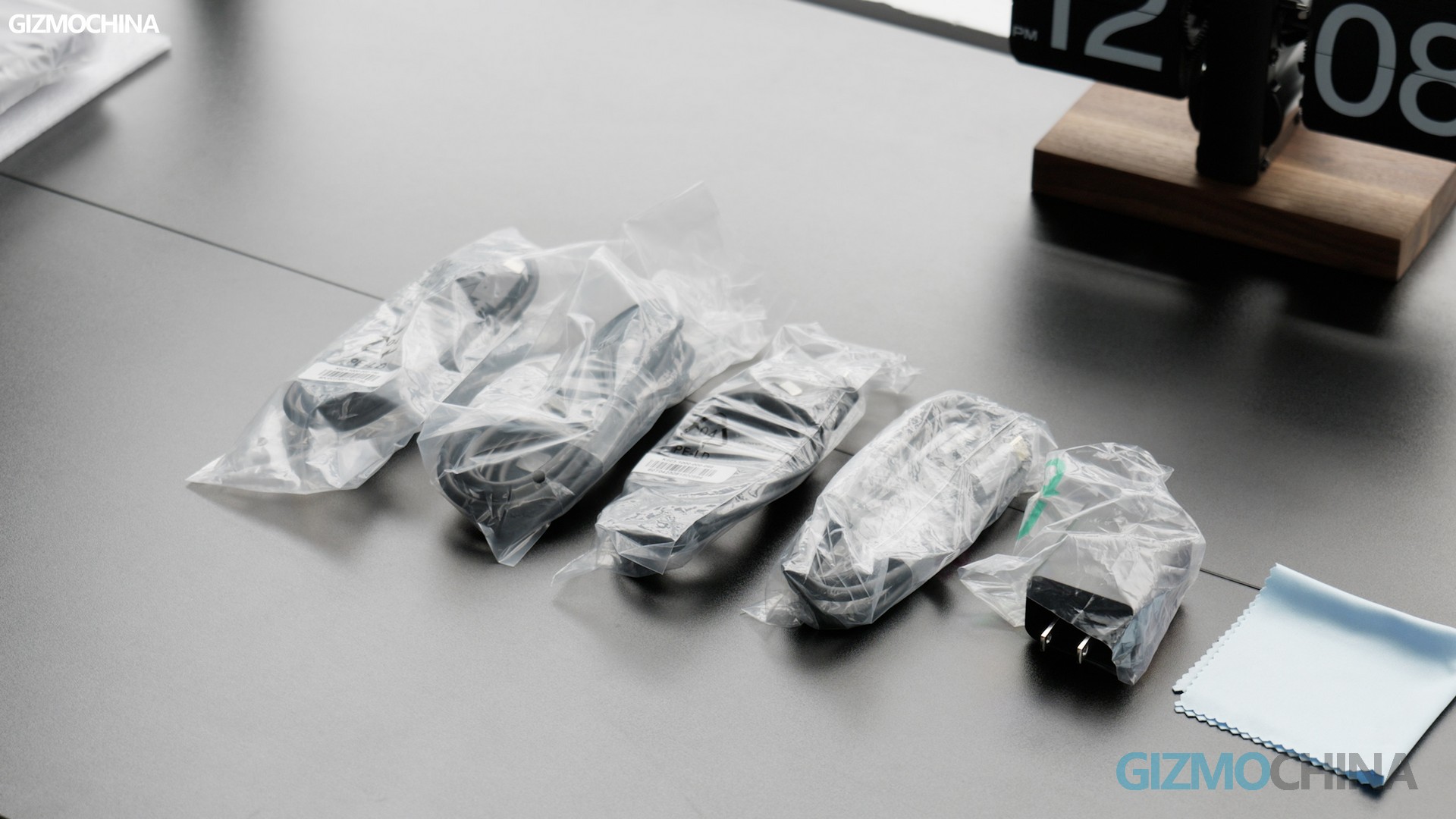
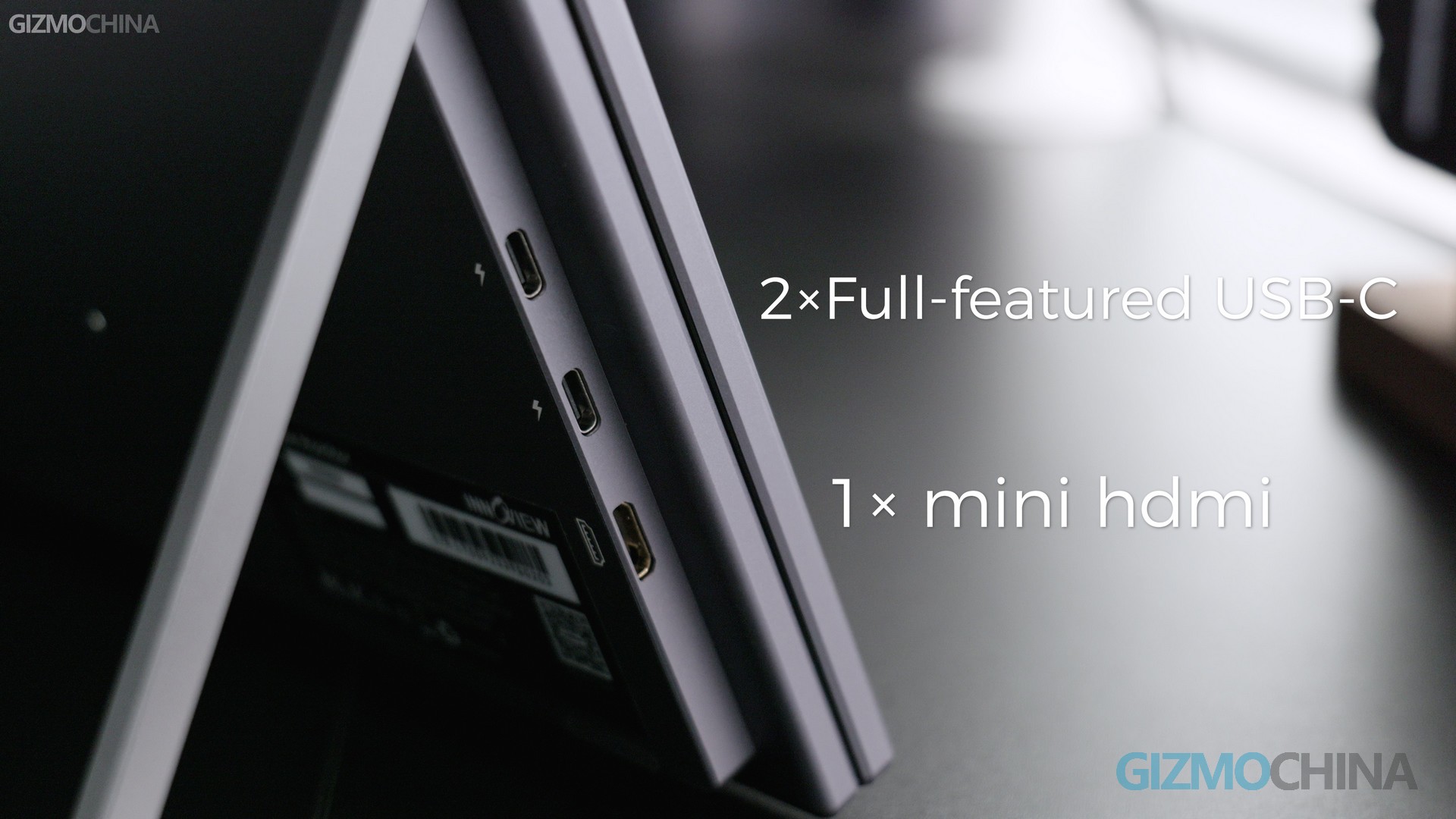
The Innoview dual-screen monitor comes in solid packaging that could be safe for long delivery, but the internal accessories are anything but simple. The package includes a fully-featured USB-C to C cable, another type-C charging cable, a USB-A cable, and an HDMI cable. It seems to consider all the connections and prepare well for users under different use scenarios. Most devices would find the right way to work with the monitor here. Apart from the cables, there is also a power adapter and a cloth for cleaning.
Design
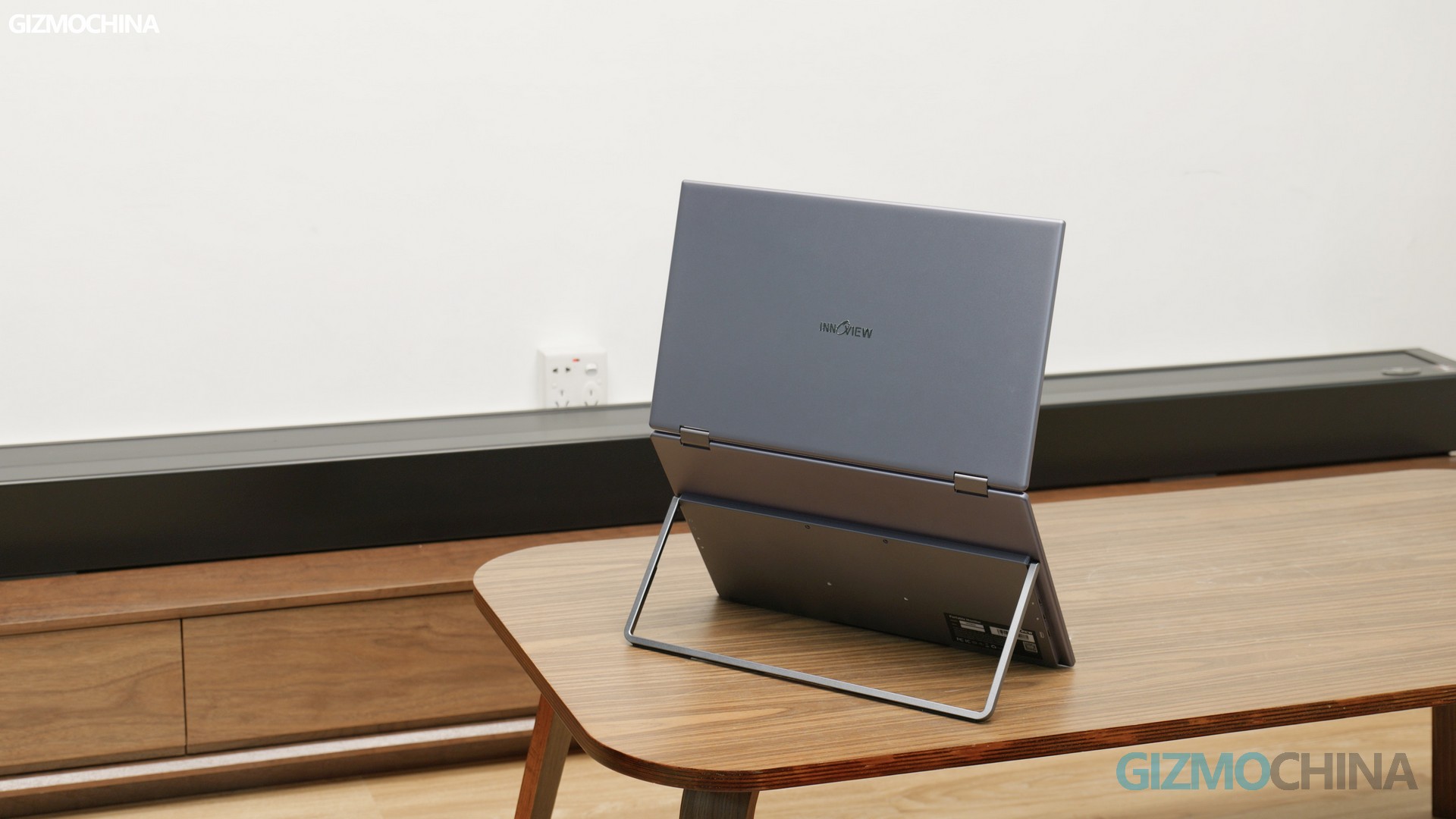
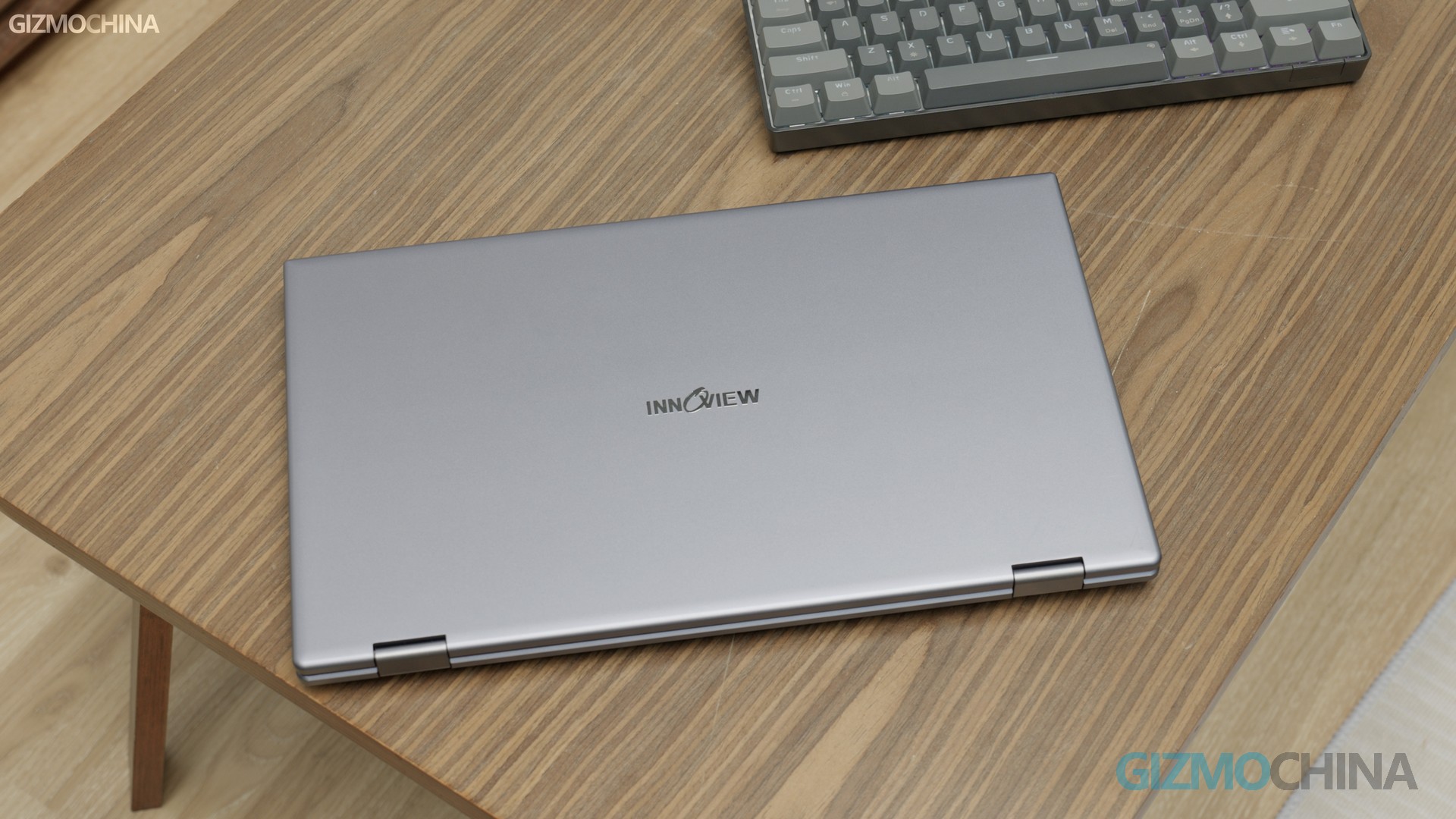
The Innoview is a dual-screen monitor, so if not looking closer, I’d think it was a laptop. The monitor’s shell is in a blue-gray color, and the surface has a fine metallic finish that is virtually fingerprint-proof, which is very nice. The exterior looks very much like a Japanese-branded business laptop due to its glossy metal logo and somewhat soft edges. Anyway, I’m quite satisfied with the familiar design.
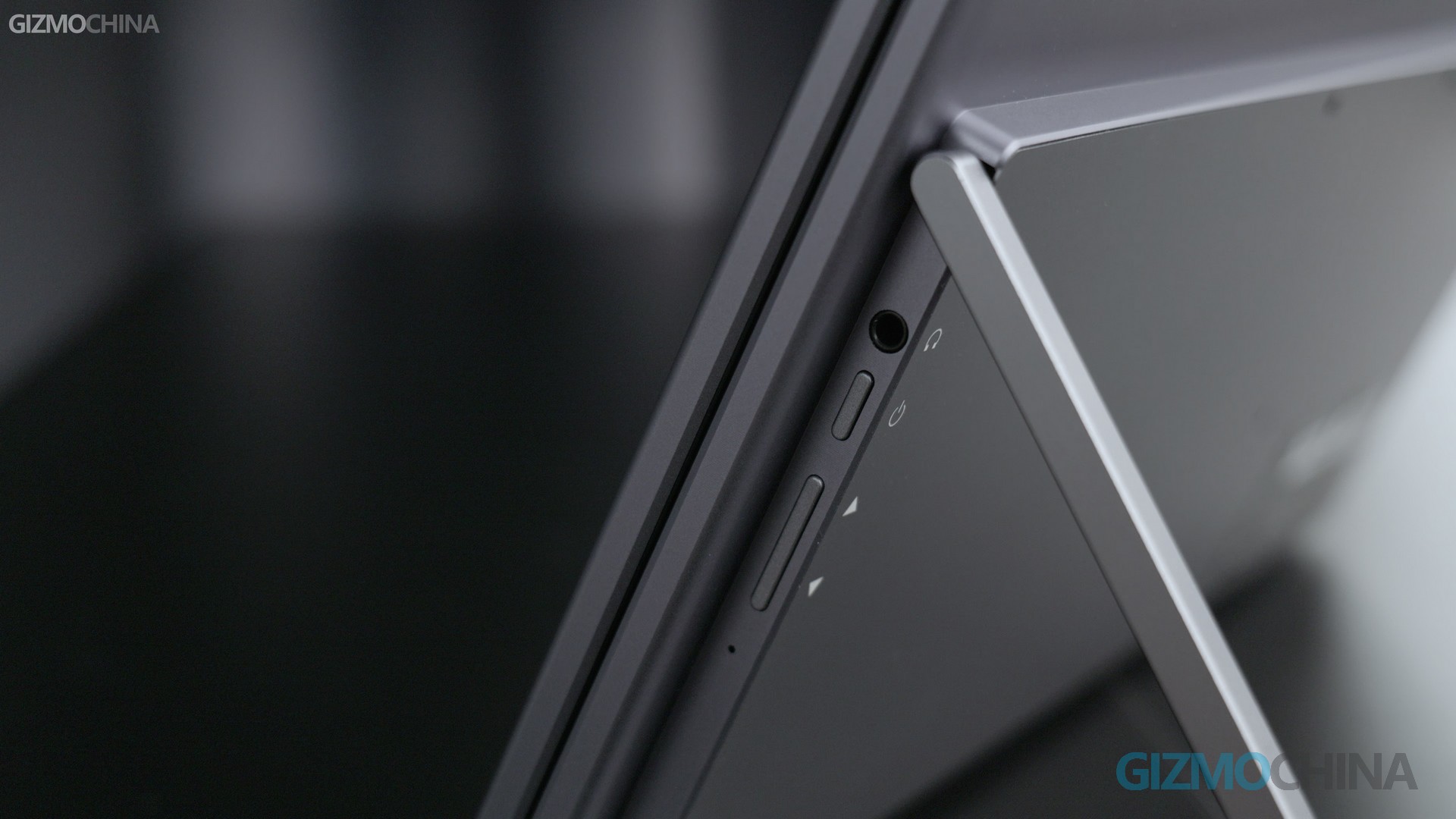
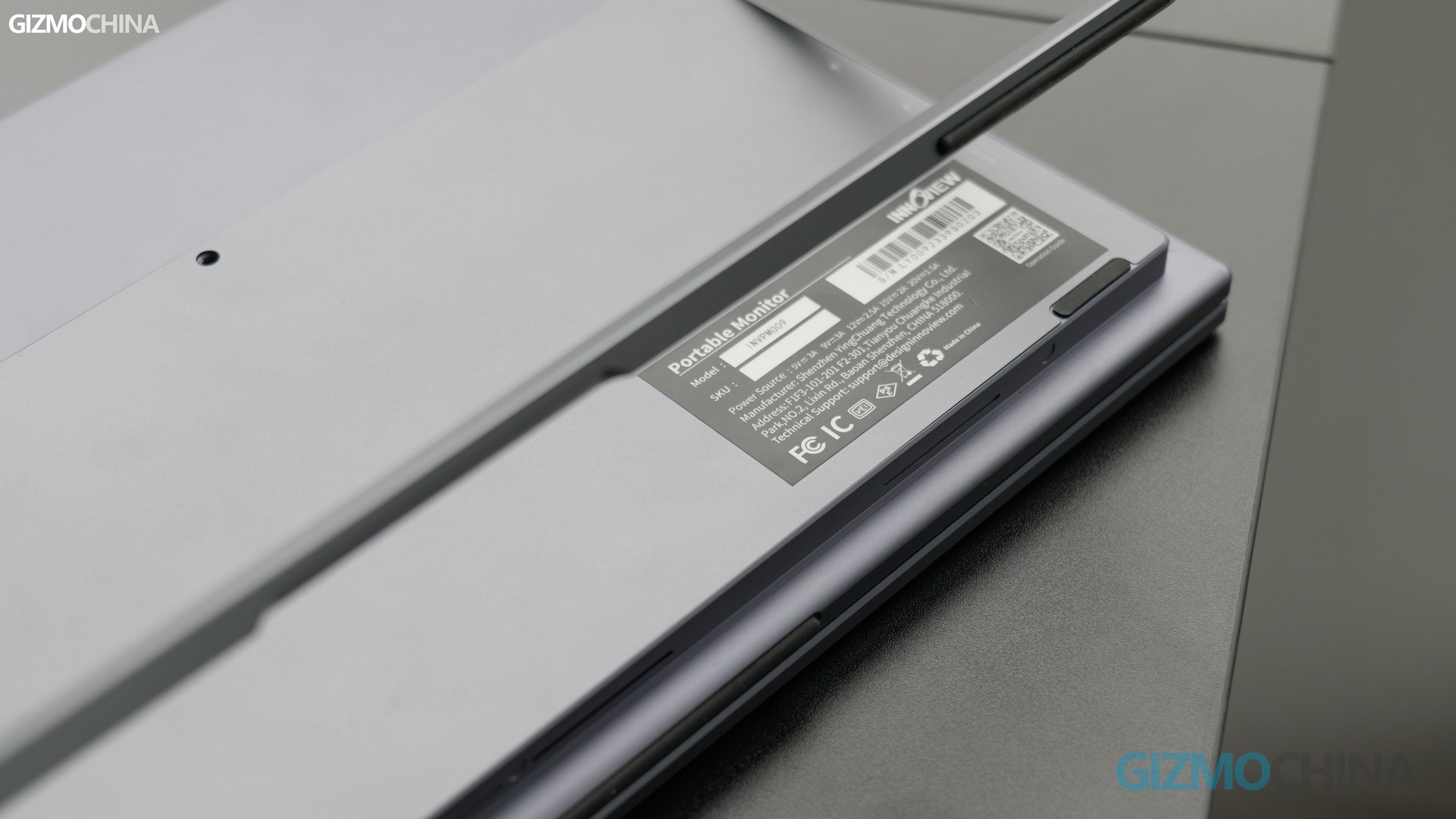
In terms of body materials, the Innoview monitor’s shell is mainly made of plastic. The ports and buttons are designed on both sides of the machine, which can be adjusted in a very convenient way, and there is a folding stand at the bottom of the machine, which I can easily fix it at any angle to use it, and at the same time, no matter how I place the monitor
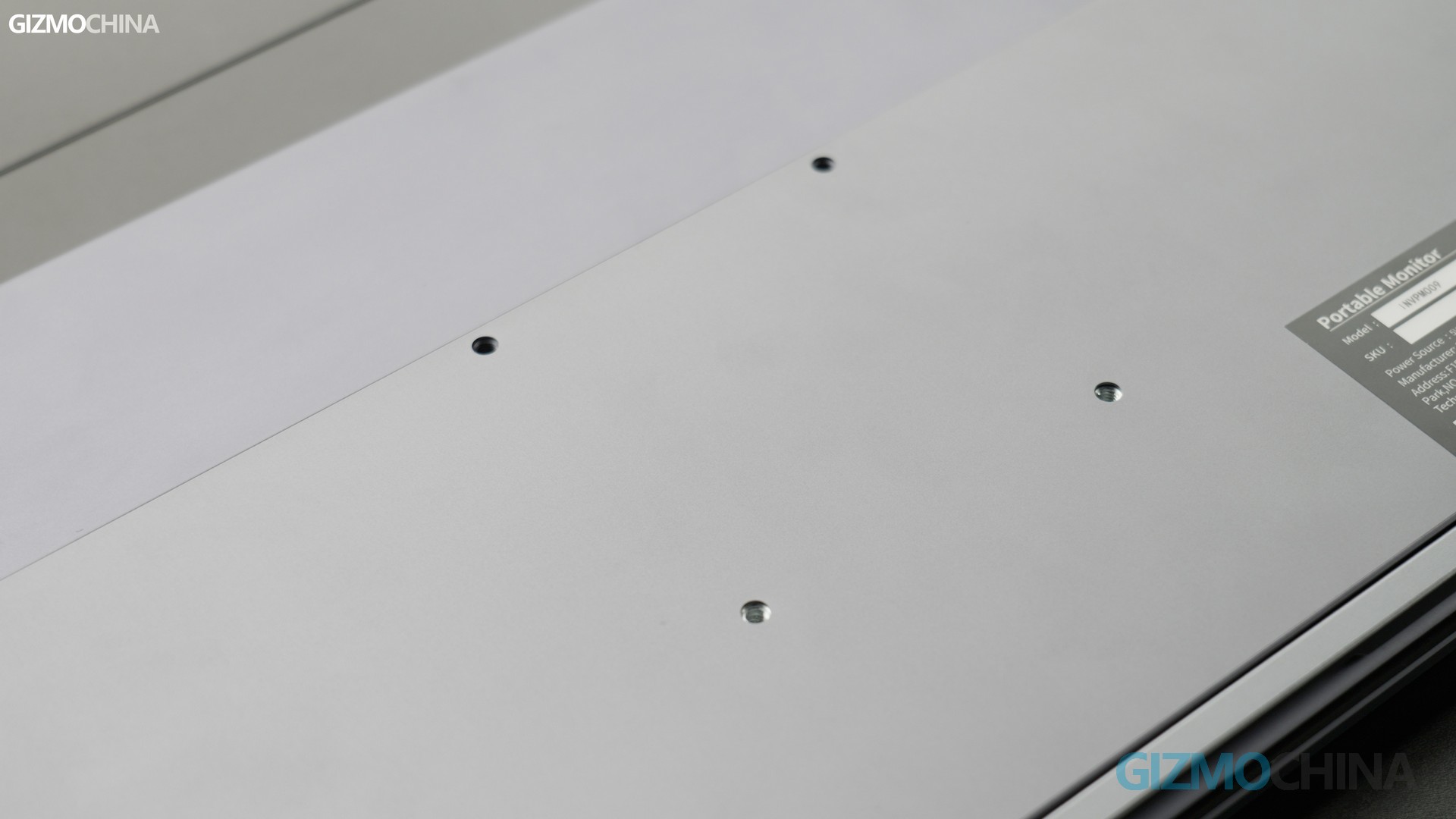
there are rubber feet in the corresponding position to protect the monitor, which is very good. There are also vesa holes on the bottom, so if I want to keep it in one place for a long time, the vesa stand would be a good choice.
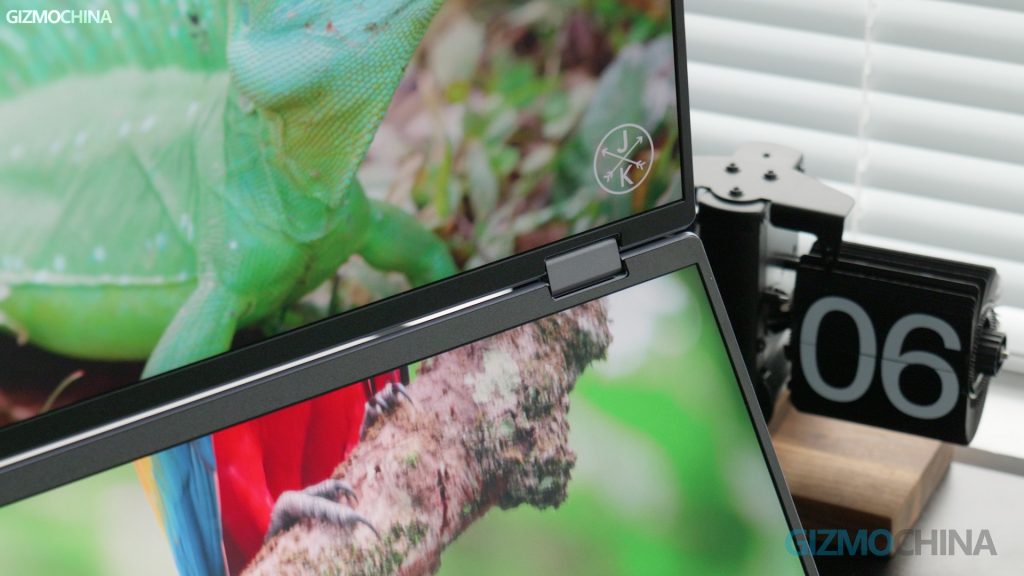
The spindle design of the Innoview Dual Screen Monitor is the same as most laptops, but the difference is that the Innoview supports an angle range of about 315°, which is very nice. I’m very happy with the clever details. Not just easy to use, but it’s really strong enough for a portable monitor. My favorite thing about Innoview monitor is that the angles can be changed at my will, whether I’m sitting or standing I can always find a comfortable angle.
Even though, the Innoview monitor still has 2 built-in 1.5w speakers. It’s not a hard shortage to accept. On the contrary, we still appreciate the effort they put into the limited space inside for optimal portability.
Screen
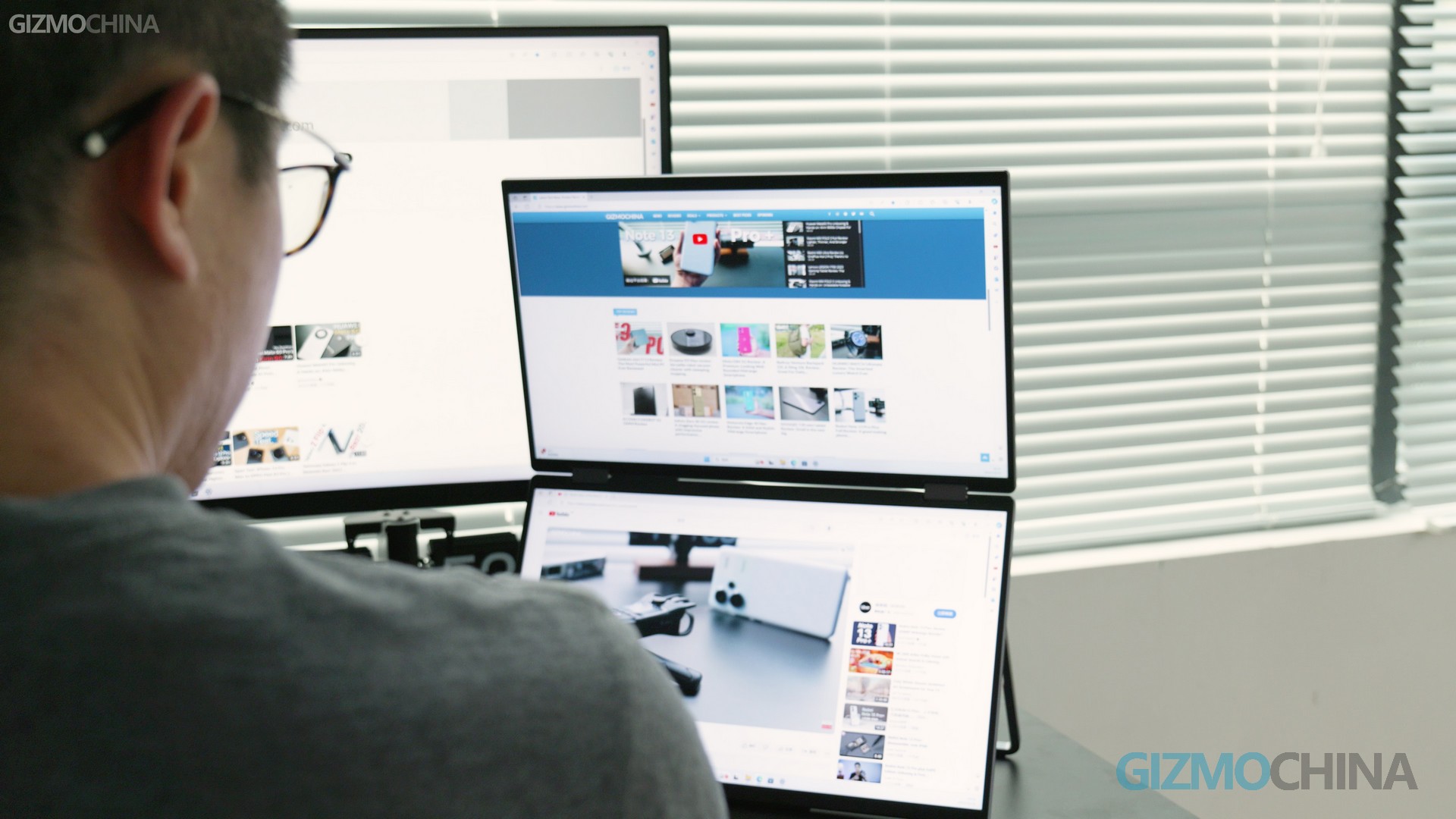
As for display quality, the 15.6-inch 1080p is sharp enough, and the IPS panel gives a very, very good viewing angle when I put this monitor next to my main monitor, even though it’s not right in front of my eyes. This is where the IPS significantly improves the viewing experience. What surprised me was the very narrow bezel here, which may be common for laptops, but in the Portable Monitor market, the Innoview’s screen bezel can be quite stunning.
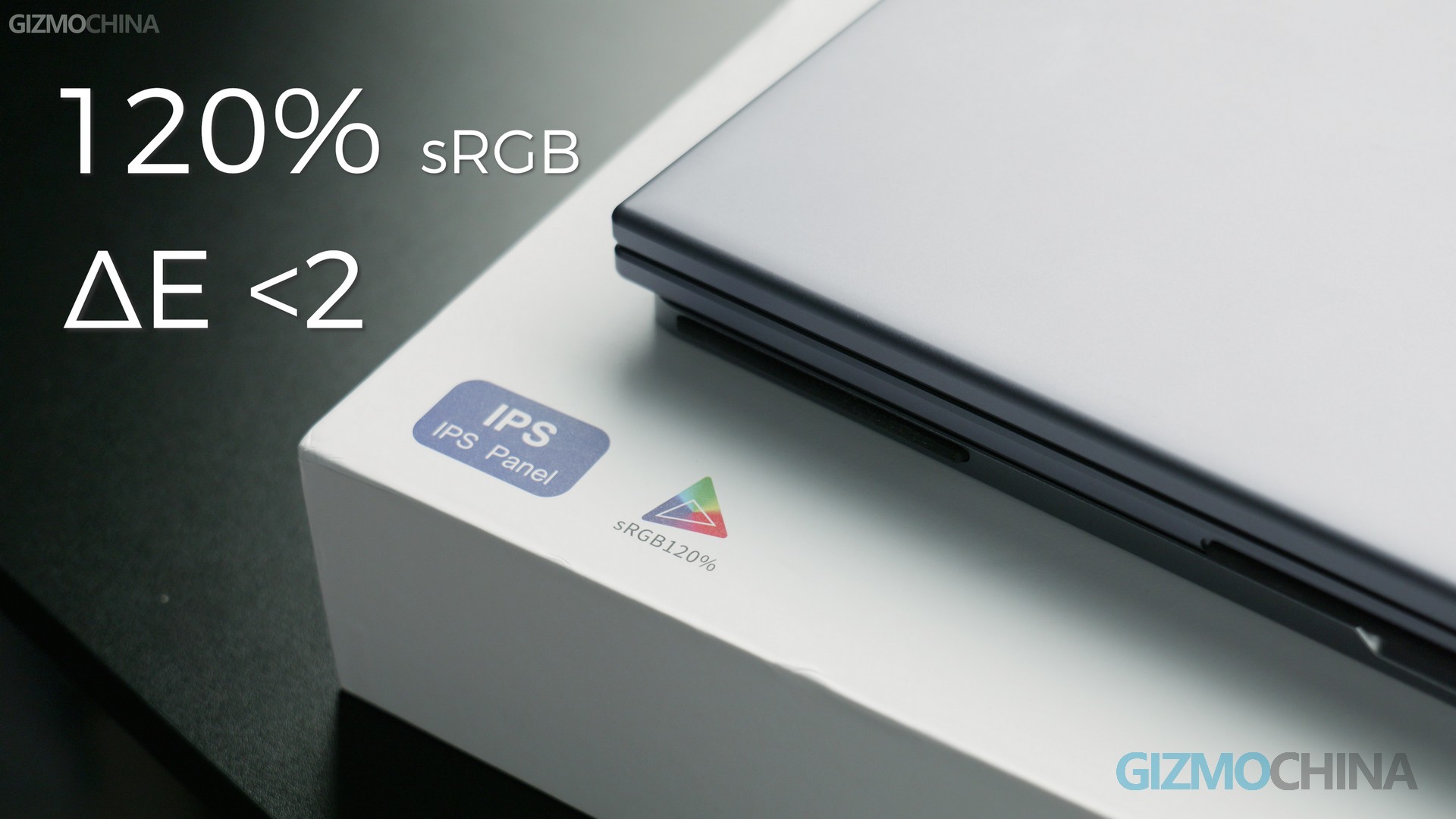
In terms of color as stated on the packaging, the Innoview monitor looks vivid and the visual experience is excellent for viewing images and videos. It’s worth mentioning that the default color temperature of the monitor is a bit warm, so if you don’t like the warm colors, you can manually adjust it in the settings. The screen’s color coverage is great with good accuracy as a portable model. It covers a 120% SRGB color gamut and a color accuracy with good △E performance. So after using it for the whole week, I’m good with it for my daily work, such as some image processing and color tuning.
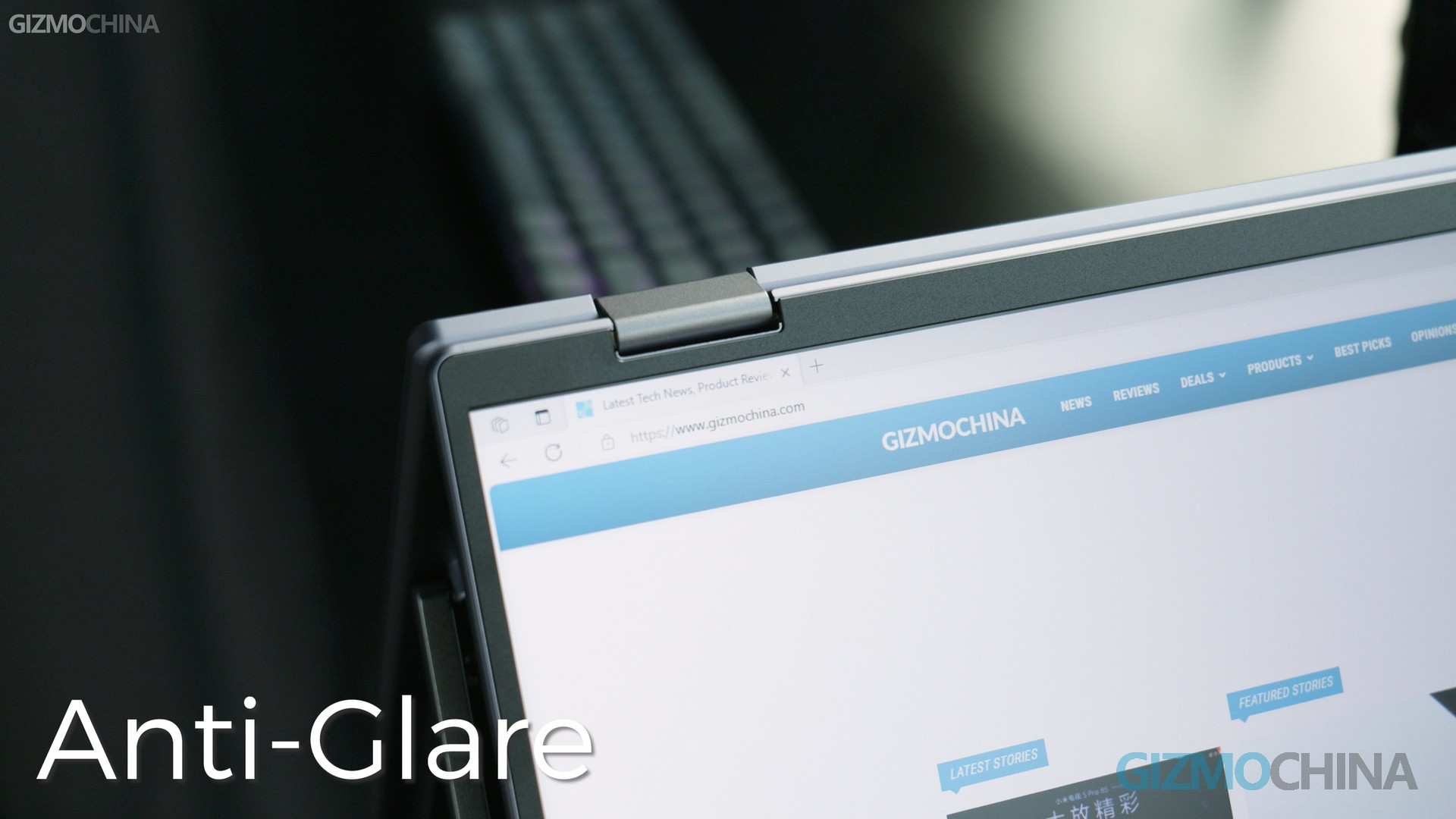
Innoview uses Anti-Glare’s Panel Surface, which in my opinion, is a smart choice, as the Innoview monitor can be carried around in a folded state to protect the screen. No need to use a hard surface to protect the display like a regular Portable Monitor. And meanwhile, the Anti-Glare Surface allows for a consistent viewing experience when the two screens are at different angles.
User experience
In terms of user experience, the Innoview monitors do a great job. If you have a device with a full-function Type-C port, then it’s very easy to connect two monitors with just one cable. If you want to achieve maximum screen brightness you can plug in another cable for power supply. Of course, this requires the installation of drivers. But don’t worry about that: When connecting to a device that doesn’t have the driver installed, it will load a removable disk with drivers for Windows and MacOS respectively, install and then reboot the computer. So it’s that simple.
When carrying it on the go, my backpack makes it very easy to store both the Innoview monitor and my laptop, and I don’t need to carry too many cables, the high-quality type-c cable included in the package is already enough for both charging as well as image and sound connectivity.
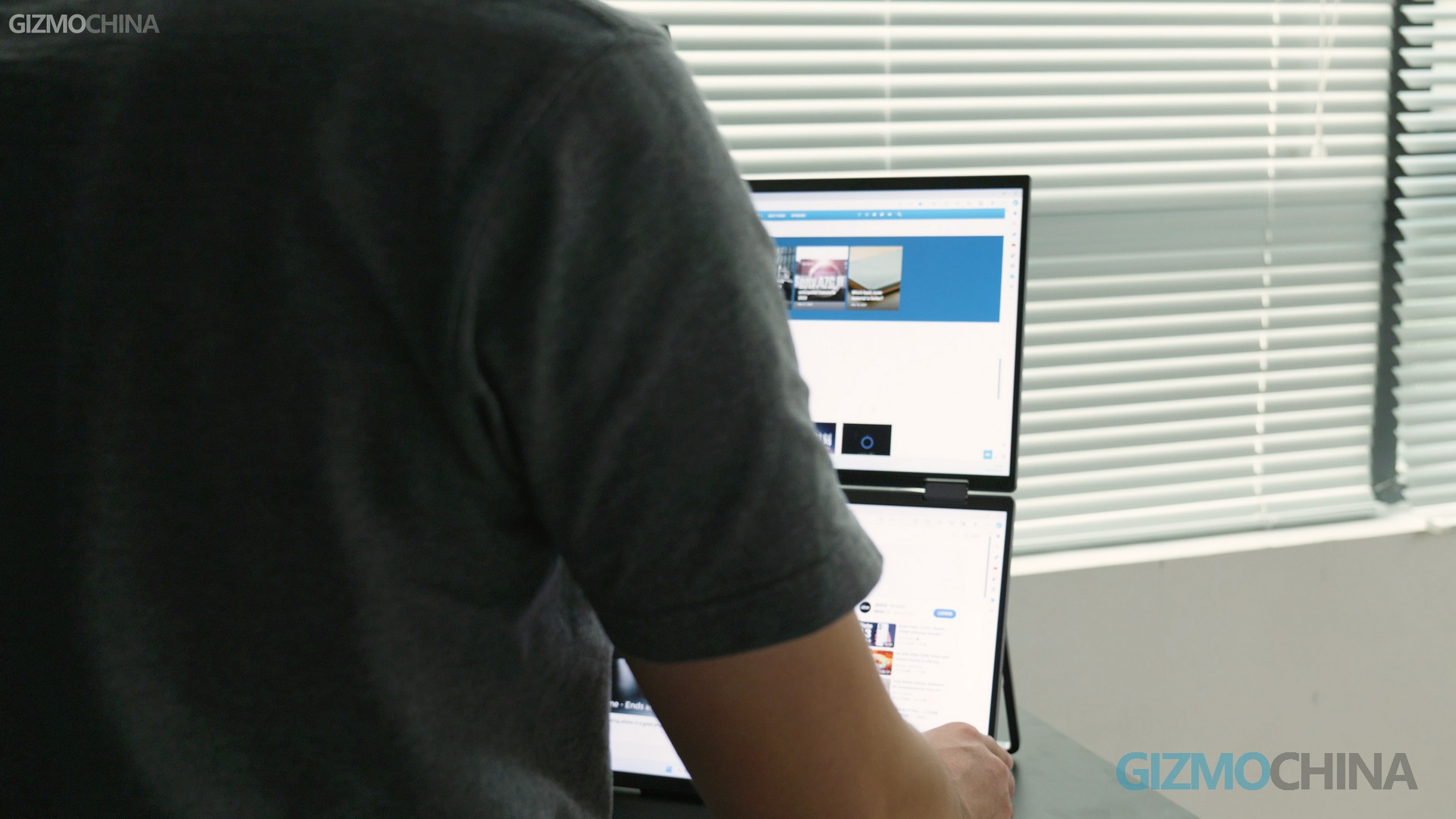
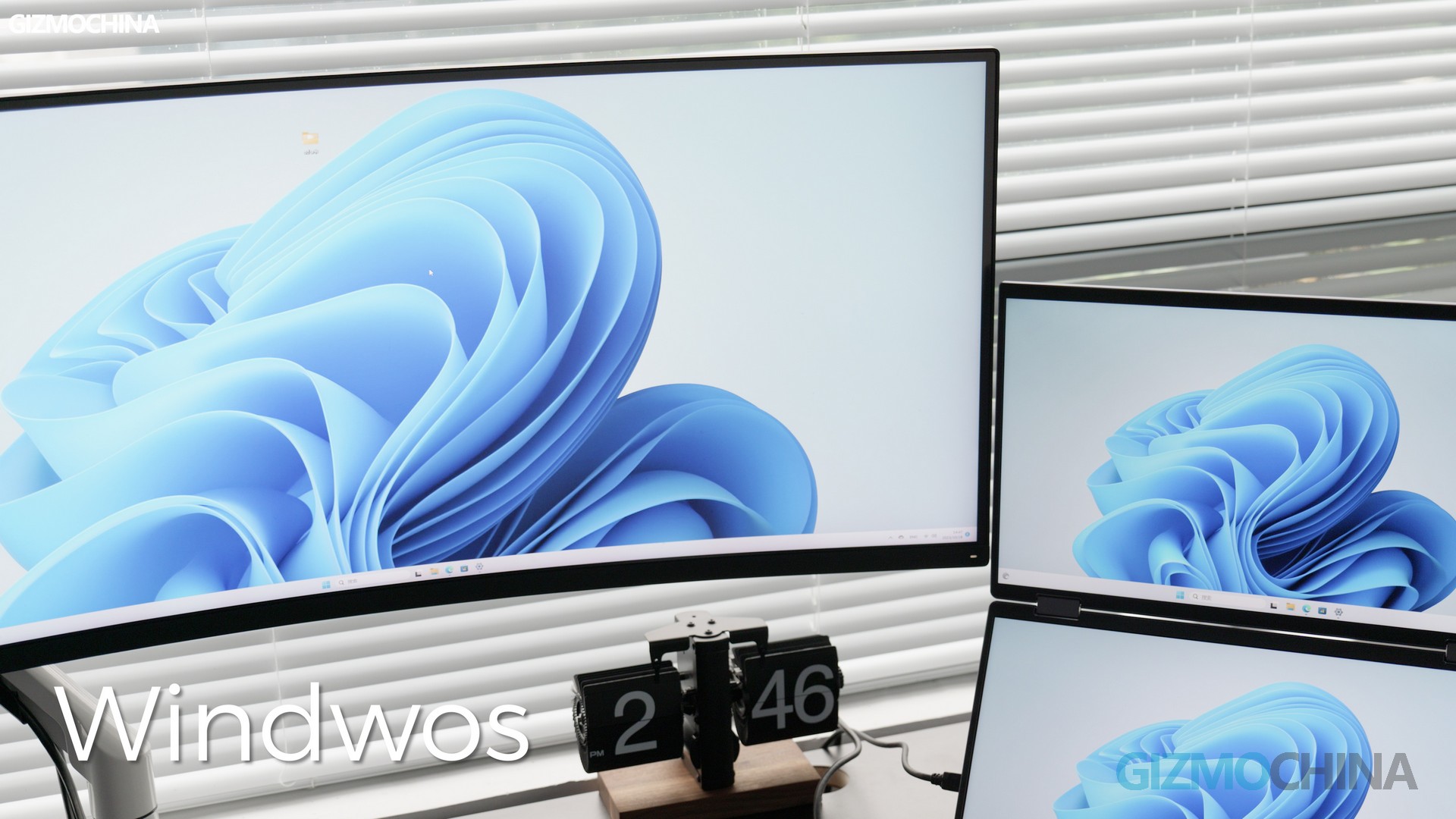
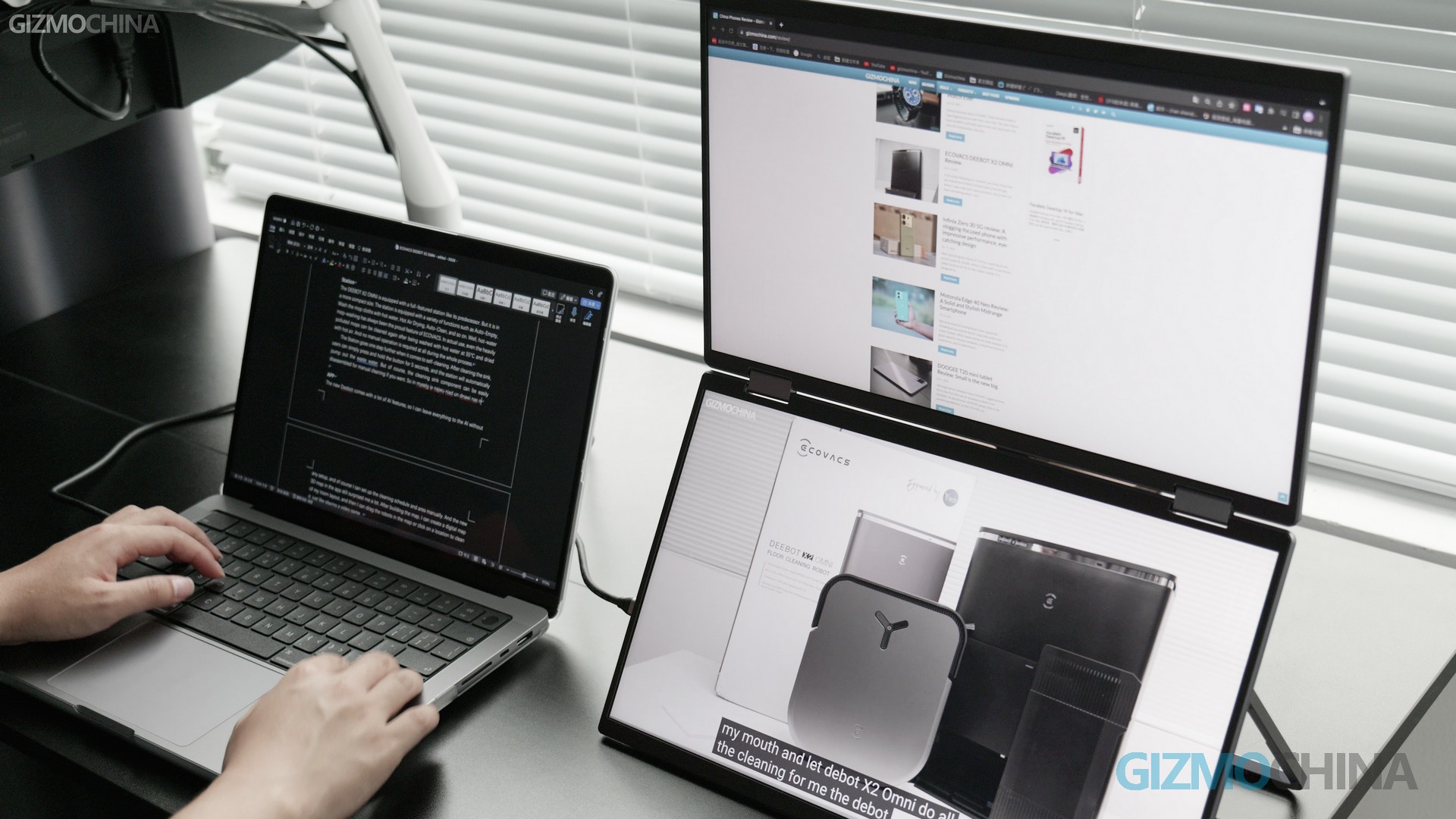
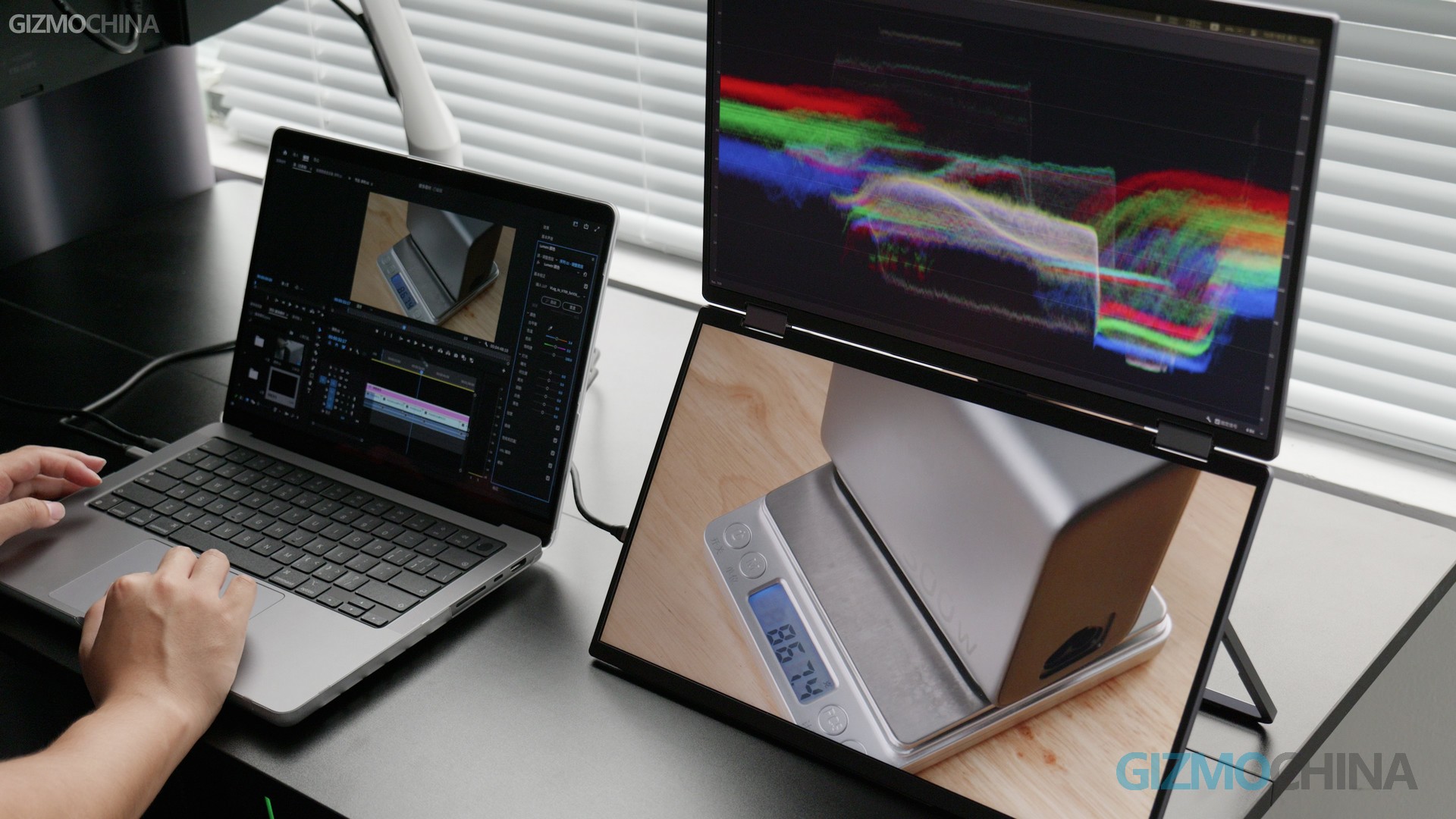
Most importantly, the dual screens are truly making some of my work more effective. When doing video editing, I’ll be editing on the main screen and browsing through footage or doing research on the secondary screen. Thanks to the built-in gyroscope, it’s very easy to view web content when doing web editing by simply turning around the screen, and of course, when it comes to gaming, I can watch tips while doing so.
The Innoview monitor also serves as my primary monitor when using devices without built-in screens, such as the mini-PC.
Verdict
Overall I really like the special Innoview monitor, it’s light enough, well made, has a good display, and supports one cable to connect, in short, it’s a great monitor for multitasking users. Personally, I did feel the Innoview designers’ effort in helping improve productivity.
WHERE TO BUY
Check out the InnoView Folding Portable Dual Monitor @Amazon with our exclusive coupon code RFTXPNHF
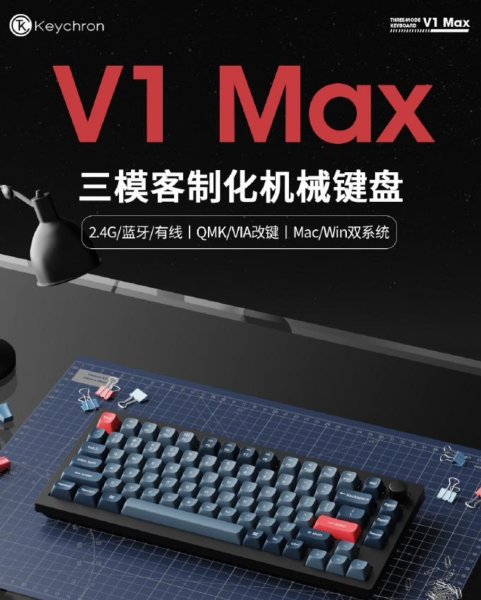
Keychron, a well-known mechanical keyboard company, has released its new V1 Max keyboard in China. It costs 348 yuan (about $50) and will be on sale at 8 pm tonight. Let’s take a look at its specs in this story.
Keychron V1 Max Specifications
The Keychron V1 Max is a three-mode keyboard, supporting 2.4G wireless, Bluetooth, and wired connections. It comes with two 2.4G receivers, one USB-C, and one USB-A, so you can use it with a variety of devices.
It also supports QMK/VIA open-source key modification, giving you complete control over its layout and functionality.
The V1 Max features a Gasket structure, which provides a soft and comfortable typing experience. It also comes with a variety of optional switches, including the Jiadalong customized Jupiter red switches, Jupiter tea switches, and Jupiter banana switches.
Moreover, the keyboard is equipped with OSA PBT double-color injection keycaps. These keycaps are made of high-quality PBT material and are resistant to wear and tear. They also feature a double-color injection process that results in sharp and vibrant legends.
The V1 Max also comes with a multimedia knob, which allows you to easily control music playback, volume, and other multimedia functions. The keyboard also supports full-key hot swapping, so you can easily change the switches without having to disassemble the keyboard.
Last but not least, it has a battery capacity of 4000 mAh, which provides up to 225 hours of Bluetooth connectivity on a single charge. It has a USB-C charging port, so you can quickly charge it when needed.
The Honor 100 series is set to debut in the Chinese market soon. We have already covered various rumors and leaks regarding the smartphone, and now, a company executive has hinted at the photography prowess of the upcoming Honor 100 Pro model.
Honor 100 Pro promises SLR level camera experience
Honor executive Yang Yang shared a statement on his Weibo account (a Chinese microblogging website). For those unaware, the Honor 100 and 100 Pro will be unveiled on 23rd November 2023. During the launch event, it is possible that the Honor X50 GT model could also be announced. The senior official added that the Honor 100 Pro will offer an SLR level of photography experience. For those unaware, the Honor 100 Pro is expected to feature a 50-megapixel primary camera with OIS support and a telephoto camera with 2x optical zoom.
In an earlier 3C certification, it was revealed that both models in the lineup will support 100W fast charging. The Honor 100 Pro is expected to be equipped with the Qualcomm Snapdragon 8 Gen 2 SoC. On the front, the device will sport an AMOLED display that offers 1.5K resolution and 3849Hz PWM dimming support. The front will offer a curved screen that also houses a dual front facing camera cutout. A large 5,000mAh battery pack will power both smartphones.
We use cookies on our website to give you the most relevant experience by remembering your preferences and repeat visits. By clicking “Accept”, you consent to the use of ALL the cookies.
This website uses cookies to improve your experience while you navigate through the website. Out of these, the cookies that are categorized as necessary are stored on your browser as they are essential for the working of basic functionalities of the website. We also use third-party cookies that help us analyze and understand how you use this website. These cookies will be stored in your browser only with your consent. You also have the option to opt-out of these cookies. But opting out of some of these cookies may affect your browsing experience.
Necessary cookies are absolutely essential for the website to function properly. This category only includes cookies that ensures basic functionalities and security features of the website. These cookies do not store any personal information.
Any cookies that may not be particularly necessary for the website to function and is used specifically to collect user personal data via analytics, ads, other embedded contents are termed as non-necessary cookies. It is mandatory to procure user consent prior to running these cookies on your website.