Advertisement

Red Magic 9 with Snapdragon 8 Gen 3 visits Geekbench

Qualcomm‘s next flagship SoC called the Snapdragon 8 Gen 3 will be launching in October. However, leaks about its details have already started surfacing. We recently learned that the Snapdragon 8 Gen 3 will be more costly than the Snapdragon 8 Gen 2 chip. Now, the chipset has made an appearance on Geekbench.

Snapdragon 8 Gen 3

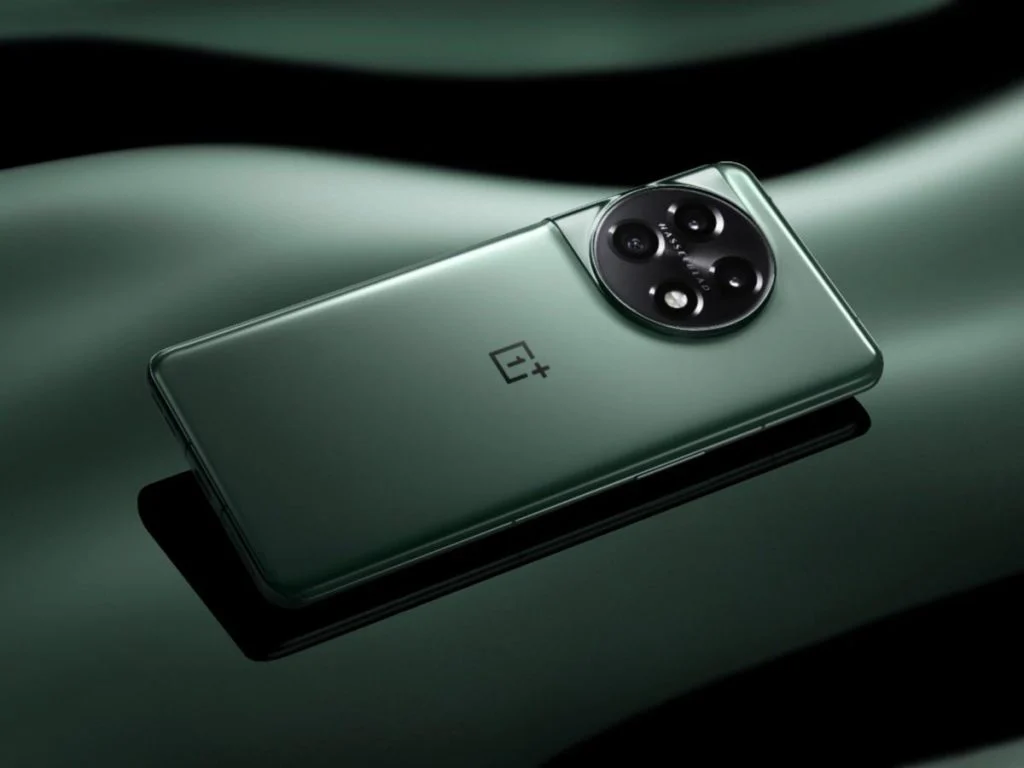
A new smartphone with Snapdragon 8 Gen 3 chipset has been spotted on Geekbench. From the model number Nubia NX769J, it is clear that this is either a Nubia Z60 series or a Red Magic 9 series prototype device. The motherboard is codenamed Pineapple, and it has a 1+5+2 core cluster which was previously tipped by Ice Universe.

Nubia NX769J

The base clock speed of the device is 2.27GHz, whereas the prime core can go up to 3.19GHz. With that out of the way, the device has scored 1596 points on the single-core test and 5977 points on the multi-core test of Geekbench 5.

Previously, the alleged Samsung Galaxy S24+ US variant also visited Geekbench with single-core and multi-core scores of 2223 and 6661 points. That being said, it was running an overclocked version of the Snapdragon 8 Gen 3 SoC with 3.30GHz maximum clock speed.

The new Snapdragon 8 Gen 3 chip has certainly improved in both the single-core and multi-core aspects, however, the GPU on the SoC is also rumored to come with a significant performance bump. We’ll have to wait till some GPU benchmarks leak out to get an idea of the performance. Till then, stay tuned.

RELATED:

(via:DCS)

boAt Smart Ring With Smart Touch Control, Body Recovery Tracking Launched In India

The smart rings market is vastly untapped with Oura as the most popular brand. These are newer types of wearable devices and could be a potential alternative to fitness bands and smartwatches. Samsung has been reportedly in the news that it is working on a smart ring as per various trademark filings. Many smart rings available in the market are limited to a select few regions. In India, only Ultrahuman offers a smart ring. However, this is now going to change as homegrown brand boAt has now officially launched its smart ring. Read on to know everything about it below. 

boAt Smart Ring specifications and features

boAt had initially announced its smart ring last month. But now, we have official details on this new wearable device. It aims to revolutionize wearable tracking with features that are already available on smartwatches and fitness trackers. Smart rings could be a good alternative for people who prefer traditional watches instead of a smart device on their wrist for tracking their health metrics. 

The boAt Smart Ring is equipped with a ceramic and metal unibody for durability and premium looks. It is water-resistant up to 5 meters. The inner surface of the ring houses various sensors. On the other hand, the upper surface of the ring features smart touch controls that allow the user to interact and control compatible devices with swipe navigations. Users can control music playback, press camera shutter to click a photo, and navigate applications. 

In terms of health tracking, the boAt Smart Ring is equipped with 6-axis motion sensors. It has a heart-rate monitor, SpO2 sensor, a sleep tracker, and a menstrual cycle monitor for women that are commonly available on other wearable devices. The smart ring also packs a body temperature monitor for automatically measuring the user’s temperature. There is a body recovery tracker that will track the user’s recovery levels and enable them to push harder in their next workout. The device is capable of tracking various activities. With the boAt Ring app, users will get valuable and detailed insights with interactive data, trend mapping, and progress tracking. 

The boAt Smart Ring also features Emergency SOS. It is said to offer a battery life of up to 7 days on a full charge. 

The boAt  Smart Ring carries a price tag of Rs 8,999. It is offered in three ring sizes of 7, 9, and 11 with diameters of 17.40mm, 19.15mm, and 20.85mm respectively. It will be available for purchase from Amazon, Flipkart, and the brand’s website starting August 28. 

Related:

*Please Note: When you buy something using the links in our articles, we may earn a small commission at no cost to you.

Huawei and Ericsson Settle Patent Dispute, Sign Long-Term Agreement

Many of you may know Huawei and Ericsson for the phones they once produced. However, these two companies have another significant commonality. Both Huawei and Ericsson are telecommunications technology companies, in addition to making consumer electronics. They both have extensive expertise and investment in this field. Unfortunately, there has been ongoing tension between these two tech giants due to patent disputes. Thankfully, Huawei and Ericsson have signed a long-term patent license agreement for 3G, 4G, and 5G technologies. Here are the details…

Why Huawei and Ericsson’s Patent Deal Is a Win-Win for Both Companies and the World

In 2019, Huawei and EricssIn 2019 Huawei and Ericsson got into a legal dispute over the licensing of patents related to 2G, 3G, 4G, and 5G cellular technologies. The dispute has had a significant impact on the global telecommunications industry, making it more difficult for Huawei to obtain the licenses it needs to sell its products in some markets.

Now, the two companies have resolved their issues by signing a long-term agreement to share these important patents. The agreement covers the companies’ respective sales of network infrastructure and consumer devices, granting both parties global access to each other’s patented, standardized technologies.

“We are delighted to reach a long-term global cross-licensing agreement with Ericsson,” said Alan Fan, Head of Huawei’s Intellectual Property Department. “As major contributors of standard essential patents (SEPs) for mobile communication, the companies recognize the value of each other’s intellectual property, and this agreement creates a stronger patent environment. It demonstrates the commitment both parties have forged that intellectual property should be properly respected and protected.”

Over the past 20 years, Huawei has been a major contributor to mainstream ICT standards, including those for cellular, Wi-Fi, and multimedia codecs. In 2022, Huawei topped the European Patent Office’s applicant ranking for number of patent applications filed, with 4,505 applications.

“Our commitment to sharing leading technological innovations will drive healthy, sustainable industry development and provide consumers with more robust products and services,” added Fan.

Huawei is both a holder and implementer of SEPs and seeks to take a balanced approach to licensing. Through the signing of this agreement, it is both giving and receiving access to key technologies. Fan said, “This agreement is the result of intensive discussions that ensured the interests of both patent holders and implementers are served fairly.”

RELATED:

(via/source)

Huawei Tablets and nova 8 series get HarmonyOS 4 update in China

Huawei recently launched the HarmonyOS 4 official beta in China. Over 5 million devices installed the update within two weeks of its launch. However, only a few Huawei phones have the stable version for now. Huawei is working on improving the beta version for other devices so that more people can get a stable update later on. According to recent reports, Huawei nova 8 series and tablets have received the HarmonyOS 4 beta update. The full list can be found below:

HarmonyOS 4 on nova 8 series

HarmonyOS 4 beta update list:

  • Huawei nova 11 series 
  • Huawei nova 8 / nova 8 Pro / nova 8 Pro 4G 
  • Huawei Enjoy 50 Pro 
  • Huawei Enjoy 60 Pro
  • Huawei Enjoy 60
  • Huawei nova 9 SE
  • Huawei nova 10 SE
  • Huawei nova 10 Youth 
  • Huawei MatePad 11
  • Huawei MatePad 11 (2023) 
  • Huawei MatePad Air
  • Huawei MatePad Pro (10.8-inches)
  • MatePad Pro (11-inches)

In the upcoming update, new visuals and interactive experiences will be introduced. For instance, you’ll have the option to set your favorite emoji as wallpapers and customize the app’s icon to fit your device’s layout. The update will also include a Parental Control system, allowing users to monitor their child’s device using a Huawei ID.

Furthermore, notifications from the same app will be intelligently grouped together, providing more comprehensive details without the need to open each notification individually.

In related news, the Mate 50 and P60 have received a stable HarmonyOS 4 update. The size of the update is around 1.90GB. You can find the full article covered by us by clicking here.

RELATED:

Apple Patents Technology to Analyze Respiratory Health via iPhone and Apple Watch

Apple has filed a patent application for a system that uses guided breathing to analyze a user’s respiratory function. This system could be used to assess lung health and identify airway obstruction, which can be a symptom of conditions like COPD and asthma. Notably, current smartwatches like the Apple Watch can only monitor Sp02 and ECG readings.

The patent application notes that people with chronic obstructive pulmonary disease (COPD), asthma, or other airway-related conditions may experience reduced airflow when breathing. This can make them difficult to breathe. 

For such conditions, Spirometry is a common breathing test that is used to assess lung function and potential airway obstruction. However, the accuracy and repeatability of spirometry measurements can be affected by how closely the person follows the test protocol.

In contrast, Apple is developing new ways to track respiratory health using the iPhone and Apple Watch. One method involves using the iPhone’s optical sensor to track chest movements during breathing. Algorithms would then interpret the motion to determine respiratory characteristics.

Another method involves attaching an Apple Watch to the chest area with a dedicated adhesive sticker. The watch would then be able to directly monitor breathing mechanics from this vantage point.

Currently, clinical respiratory assessments rely on specialized devices like spirometers. However, Apple’s patented technology could enable more convenient tracking and surfacing of respiratory trends.

Apple has been steadily expanding the health monitoring capabilities of its wearables and phones. For example, the Apple Watch already measures VO2 max and blood oxygen levels. More advanced respiratory analysis could further position Apple devices as vital health tools.

While there is no guarantee that Apple will ever implement this patented technology in a consumer product, the company has a history of exploring innovative health features through patents years before they debut. So this could be a similar case too.

Related:

(Via)

Sony Xperia 5 V To Launch In Japan On September 1

Sony launches only a handful of phones every year. The brand is not widely active in the smartphone market. Yet the company’s Xperia offerings are top-of-the-line flagships with premium specifications. Earlier in May this year, Sony announced the Xperia 1V and Xperia 10 V. Now, the Japanese brand has revealed the launch of its next Xperia smartphone which is the Xperia 5 V. It is set to arrive as the successor to the last year’s Xperia 5 IV. 

Sony Xperia 5 V to launch next week

Sony has confirmed that it will unveil the Xperia 5 V on September 1 in its home country at 4 pm local time (7 am UTC). The event will be live-streamed on the brand’s YouTube channel. Sony has also shared a short teaser trailer highlighting the upcoming smartphone’s camera capabilities, especially in low light. We could also notice the device with a boxy form factor and the power and volume rocker keys on the right side. 

The teaser does not reveal any additional details of the Xperia 5 V. However, a leaked promotional video of the device from last month revealed a pill-shaped protruding camera module housing two sensors along with an LED flash unit and Zeiss T* coating. It will feature a 3.5mm headphone jack and be offered in Blue, Black, and White colors. On the front, Sony has stuck to the traditional bezel design display on its Xperia phones and the Xperia 5 V is no different. It has a tall aspect ratio screen with top and bottom bezel. 

The Sony Xperia 5 V is expected to be powered by a Snapdragon 8 Gen 2 processor coupled with 16GB RAM onboard. A 3C certification listing of the device revealed support for 33W fast charging. 

Related:

iQOO Z7 Pro 5G Graphite Matte color option, 8GB RAM & Curved display confirmed

iQOO is gearing up to launch the iQOO Z7 Pro smartphone in India. The launch of the smartphone is scheduled to happen on August 31. After teasing the Blue Lagoon color option earlier this week, the brand has now revealed the second color option of the Z7 Pro called Graphite Matte.

iQOO Z7 Pro 5G

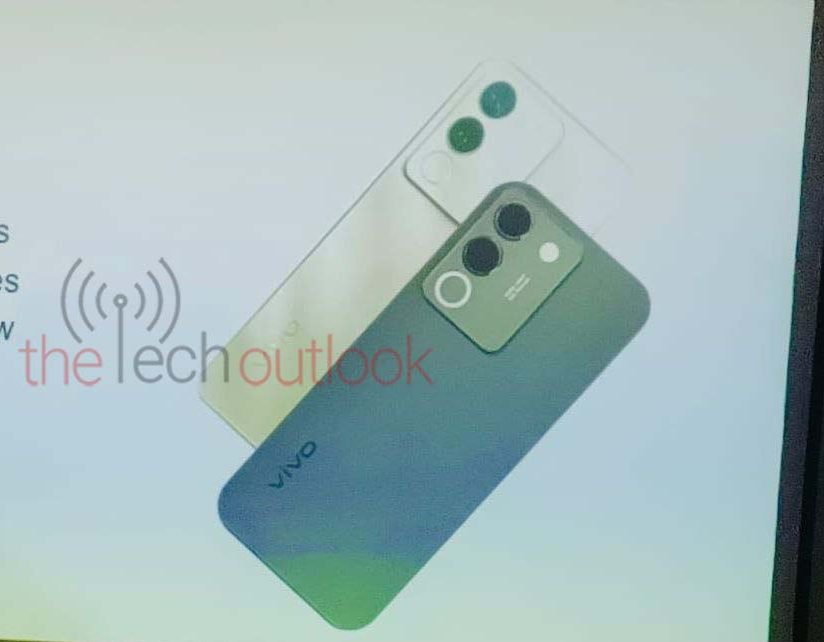
With the revelation of this new color option, it is quite clear that this device is a rebrand of the Vivo S17e, which launched in China earlier this year. This is nothing new as Chinese smartphone brands are known to launch China-exclusive devices through their sub-brands in the global markets. That being said, let’s take a look at what we can expect from the smartphone in terms of specs.

iQOO Z7 Pro specs

The brand has already teased a bunch of features about the upcoming smartphone like the fact that the device has achieved 720K+ points on AnTuTu, and that it will feature up to 8GB RAM. It is also confirmed to have a curved display. With the confirmed specs out of the way, let’s take a look at the speculations.

For starters, since it is likely a rebrand of the Vivo S17e, it will likely feature a 6.78-inch Full HD AMOLED display with a 20:9 aspect ratio, HDR10+ support, and a high brightness level of up to 1300 nits. The maximum refresh rate will likely be 120Hz.

Vivo-S17e
Vivo S17e color options

For photography, it could come with a 64MP primary camera with optical image stabilization (OIS) and a 2MP depth sensor. On the front, we can expect it to have a 16MP selfie snapper. Lastly, we expect this smartphone to come with a 4600mAh battery and 66W fast charging technology.

RELATED:

(Source 1, 2, 3)

Samsung teases Galaxy Z Fold 5 Thom Browne Special Edition

The Korean giant introduced new foldable smartphones – Galaxy Z Fold 5 and Galaxy Flip 5 in July. Both smartphones are garnering good sales and are ushering in the foldable market. Samsung is working on several new devices including a new Galaxy Z Fold 5 special edition aka Thom Browne Edition. After a leak yesterday, Samsung has officially teased the new edition of Samsung Galaxy Z Fold 5.

Must See: Quick Take: Does the Xiaomi Mix Fold 3 Offer Better Value Than Galaxy Z Fold 5?

The collaboration with the fashion house Thom Browne seems to be official now as Samsung teased it via the official handle on the X platform (formerly Twitter). The video teaser with the caption “take a seat at the Thom Browne table for a celebration of a new experience in design and innovation” is now live.

The video teaser shows Thom Brown stripes in a cardboard cutout in the shape of the Galaxy Z Fold. It is not the first time, Thom Browne has partnered with Samsung for a special edition. We have seen the Galaxy Z Fold 2 Thom Browne Special edition, and even the Galaxy Z Fold 3.

Apart from the design teaser, there are no other details about the device specifications and availability yet.

However, it is highly likely that the smartphone would feature the same specifications as the Standard Galaxy Z Fold 5. It features a 7.6-inch Dynamic AMOLED 2X display with 120Hz refresh rate. The smartphone is powered by Qualcomm Snapdragon 8 Gen 2 SoC coupled with 12GB RAM and 256/512/1TB storage. It houses a 50MP + 12MP ultrawide sensor on the rear side a 10MP under-display camera on the front and 4MP on the cover. It features a 4400mAh battery with 25W wired and 15W wireless charging support.

Related: Samsung Rumored to Launch Special Edition of Galaxy Z Fold 5 in Q4 2023

Realme C51 Indian launch teased, here’s the complete spec sheet

Realme recently launched the C51 smartphone in Taiwan and Indonesia, and India is likely the next region to get the device. The brand has begun teasing the smartphone via its Realme India Twitter account, and a landing page for the device is also up on the brand’s website.

Realme C51

The teaser image confirms the design, along with the Dynamic Island-inspired notification feature. Although no official launch date has been revealed so far, we can expect it to have the same features as the Realme C51 global variant, so here’s what you can expect from the smartphone.

Realme C51 specs

The Realme C51 has a 6.7-inch screen has HD+ resolution and a smooth 90Hz refresh rate. It’s bright too, with up to 560 nits of brightness. It’s also really responsive with a 180Hz touch sampling rate.

Realme

Inside, it uses the UNISOC T612 chip, paired with 4GB of regular RAM and 64GB of storage. You also get the option to expand your storage up to 2TB via a microSD card.

For photography, the C51 has a 50MP AI dual camera setup on the rear and a 5MP AI front-facing camera. The battery 5,000mAh supports fast charging speeds up to 33W. It has some nice features like a headphone jack, a fingerprint scanner on the side, and it runs Android 13 right out of the box. Plus, it’s pretty thin at 7.99mm and weighs 186 grams.

RELATED:

(Source)

Stuffcool ChargeCube Mini Power Strip With Three AC Sockets, 30W Type-C Port Launched In India

Stuffcool recently launched the Ally 10,000mAh powerbank in India. The homegrown brand known for its cool-looking accessories has launched a new charging device. It is the ChargeCube Mini Power Strip. As the name suggests, it has a compact design making it travel-friendly as well as saving space on the desk. The ChargeCube is capable of outputting power to five devices at once. Read on to know more about it below. 

Stuffcool ChargeCube Mini Power Strip specifications and features

Dimension-wise, the Stuffcool ChargeCube Mini Power Strip measures 120x100x32.5mm and weighs 36 grams. It can be placed on a desk with four tacks that can hold it firmly or also mounted on the wall or any other surface with wall hanging sockets. The power strip comes with a 1.5m long AC cable. Additionally, the brand claims that each port has a locking mechanism ensuring that the plugs will not fall off from the socket once plugged in. 

The Stuffcool ChargeCube Mini Power Strip is BIS-certified and features a Surge Protector for safeguarding devices and users from power fluctuations. The power strip is equipped with three evenly spaced sockets that can be used to plug in devices such as monitors, printers, music systems, WiFi routers, and lamps. The company warns that the device is not suitable for heavy appliances like refrigerators, microwaves, and washing machines that require 15A sockets. The ChargeCube has a total power output of 1500W. 

There is also a Type-C and Type-A port on the side of the power strip that are capable of delivering a maximum of 30W and 18W power output respectively. The Type-C port is also compatible with fast charging protocols like PD and PPS. This way, users can charge their M1/M2-powered MacBooks and other gadgets without using the AC socket. 

The Stuffcool ChargeCube Mini Power Strip carries a price tag of Rs 2,499. It is offered in White color and can be purchased from the brand’s website starting today. 

Related:

Lenovo Legion Go to Challenge Steam Deck and Switch with 8-Inch Display, AMD Ryzen Z1 Extreme Processor, 16GB RAM

Until recently, when we heard the term “gaming console,” most of us thought of products like PlayStation and Xbox that needed to be connected to a TV or monitor. Handheld devices were seen by many people as a kind of side option, mainly because of their technical limits. However, everything changed in 2017 when Nintendo introduced the Switch. It showed the world that handheld consoles could be mainstream too.

Seeing Nintendo’s financial success, many companies decided to make their own handheld consoles. One of those companies is Lenovo. It was known for a while that the company is working on a console that will run Windows 11. Now, the specs for this device, called the Lenovo Legion Go, have been confirmed in leaked test results (via WindowsLatest). Here are the details….

Lenovo Legion Go Specs Confirmed: AMD Ryzen Z1 Extreme, 16GB RAM, 512GB SSD and More

Lenovo has been working on a handheld game console called Legion Go for a while now. Even though there hasn’t been an official announcement from the company, leaks have given us some information about the handhelds design and some specs. Now, new test results confirmed and reveal more details about the upcoming console. These tests show that the Legion Go will have an AMD Ryzen Z1 Extreme processor, 16GB of RAM, and a 512GB Samsung storage drive. It will also have an 8-inch screen with a high resolution.

The Ryzen Z1 Extreme is a new processor from AMD that is designed for high-performance gaming and creative work. It is based on the Zen 3+ architecture and has eight cores and 16 threads. This should make the Lenovo Legion Go a very capable gaming device, even when compared to the Steam Deck, which is powered by a custom AMD APU.

Lenovo Legion Go Specs Leaked

The 16GB of RAM should also be sufficient for demanding games and applications. And the 512GB SSD will provide plenty of storage space for games, movies, and other files. The Legion Go’s 8-inch display is slightly larger than the Steam Deck’s 7-inch display. This should make it a bit more comfortable to use for gaming and other tasks. The benchmarks also show that the Legion Go is running Windows 11 Home 23H2. This is the latest version of Windows 11, and it includes a number of improvements for gaming devices.

SpecificationLenovo Legion Go
CPUAMD Ryzen Z1 Extreme
Cores8 cores, 16 logical processors
ArchitectureX64
Memory16 GB (4 channels at 7500 MHz)
Disk512 GB NVMe SSD (476.94 GB free)
VideoAMD Radeon Graphics (version 31.0.14003.38003)
Screen Resolution2560 x 1600
Operating SystemMicrosoft Windows 11 Home (version 10.0.22621.1992 (23H2))

Lenovo has not yet announced a release date for the Legion Go, but it is expected to launch in the coming months. The device is likely to be priced competitively, and it could be a strong contender in the growing market for Windows 11 handheld gaming devices.

RELATED:

Huawei Mate X3 gets a new mood theme with new HarmonyOS 4.0 update

Huawei unveiled HarmonyOS 4.0 earlier this month and soon commenced the beta testing of the software on over 36 phones and tablets. The Huawei Mate 50 and P60 phones even received a stable build of the software. In the latest development, Huawei’s book-style foldable— Mate X3— is receiving the HarmonyOS 4.0.0.111 update with a new mood theme. Here are the details.

Huawei announced that it has started pushing the HarmonyOS 4.0.0.111 update to its Mate X3 foldable phone. The update includes a new fun mood theme, which uses a variety of expressive emoji to represent different moods. The update currently seems to be rolling out to developers and beta testers, and it is expected to be available to all Mate X3 users in the coming weeks.

Huawei-Mate-X3-foldable-smartphone

The main updates in HarmonyOS 4.0.0.111 include:

  • A new fashion album theme, which uses magazine-style layout design to create personalized and stylish theme wallpapers.
  • A new poster title theme, which offers 6 new fonts that can be used to customize the font style of the lock screen time to classical, decorative, or bold styles.
  • A new fun mood theme, which uses a variety of expressive emoji to represent different moods. The wallpaper features “Little Beans” emoji that have a soft pressure-sensitive visual effect.

To remind you, Huawei Mate X3 was launched in China back in March 2023 with a 7.85-inch primary screen that features an OLED panel and 120Hz refresh rate along with a 6.4-inch cover display. It comes equipped with the Qualcomm Snapdragon 8+ Gen 1 SoC, paired with 12GB of RAM and 512GB of internal storage. Huawei Mate X3 is fueled by a large 4,800mAh battery pack with 66W wired fast charging, 50W wireless fast charging, and 7.5W reverse charging.

RELATED:

(Via)

Tecno Pova 5 series is on limited-time discount in India

Tecno recently launched the Pova 5 series smartphones in India. The devices were launched in the budget-mid-range segment, with attractive features like large battery capacity, a 68W fast charging option, and an LED strip on the back. Now, the brand is offering a time-limited discount on these devices to make the deal even sweeter.

Tecno Pova 5

Tecno Pova 5 series discount

Special discounts are available for HDFC, Bank of Baroda, and Citi Bank card holders on Amazon India. You can find the details below.

  • HDFC Debit cardholders: Flat INR 1000 Instant Discount on HDFC Bank Card EMI Transactions
  • Bank of Baroda Credit Card – EMI: 10% Instant Discount up to INR 1000 on Bank of Baroda Credit Card EMI Transactions
  • Bank of Baroda Credit Card: 10% Instant Discount up to INR 750 on Bank of Baroda Credit Card Non-EMI Transactions
  • Citibank Credit Cards – EMI: 7.5% Instant Discount up to INR 1000 on Citibank Credit Card EMI Transactions
  • Citibank Credit Cards – EMI (12-Month EMI Tenure): Extra Flat INR 500 Instant Discount on Citibank Credit Card 12-Month EMI Transactions
  • Citibank Credit Cards – Non-EMI: 10% Instant Discount up to INR 750 on Citibank Credit Card Non-EMI Transactions

Tecno Pova 5 series specs

The Pova 5 has a 6.78-inch screen that’s really clear and smooth with a 120Hz refresh rate. It uses 4G LTE and has a powerful Helio G99 chip. The battery is big, 6,000mAh, and charges quickly at 45W. The Pova 5 Pro is similar but runs on 5G. It uses the Dimensity 6080 chip and charges even faster at 68W.

Tecno Pova 5 Pro

Both phones have 8GB of regular RAM and 8GB of “virtual” RAM to make things really fast. They also come with lots of storage options, either 128GB or 256GB, and you can add more with a microSD card.

For photos, the Pova 5 has two cameras on the back: a 50-megapixel main one and an AI camera, both with strong flash. The Pova 5 Pro has three back cameras: the same 50-megapixel main camera, a 2-megapixel one, and an AI camera. Both take great pictures. For selfies, the Pova 5 has an 8-megapixel camera, and the Pro version has a better 13-megapixel front camera.

These phones have a fingerprint scanner on the side, face unlock, two SIM card slots, fast Wi-Fi and Bluetooth, GPS, a USB-C port, a headphone jack, and a motor for vibrations. The Pro version has a special interface, but it’s not available on the regular Pova 5.

RELATED:

(via: FoneArena)

Realme GT 5 Roundup: Design, Specs, Launch Date, & More

Realme is gearing up to launch a new model from its popular GT lineup of smartphones. The Realme GT 5 is the latest entry in the series and is already a highly anticipated launch in the brand’s home market of China. So here’s a roundup of everything we know regarding the upcoming device.

Realme GT 5: Design & Display

The new Realme GT 5 design was officially revealed earlier this week. For the new launch, the company partnered up with BYD Electronics for the ‘Miracle Glass‘ on the GT 5. The rear features a curved edge and the Realme GT 5 features a dual-tone rear panel for the back panel and the dual cameras. Simply put, it resembles a thicker version of the Pixel 7 series visor camera module. The left side of this module houses the two sensors while the right side features rectangular LED light strips that can change to multiple colors.

Realme GT 5

This side has a transparent glass window that offers us a glimpse of the Snapdragon processor underneath. The Realme GT 5 is confirmed to launch in at least one color variant, which is Flowing Silver Mirror. The design of the smartphone was reportedly so hard to make that suppliers faced a tough time meeting standards.

Realme-GT-5

Meanwhile, the front sports a tall 6.74-inch OLED display that offers 1.5K resolution. The display also offers a high 144Hz refresh rate. The screen panel also features a center-aligned punch-hole selfie camera. Realme’s upcoming flagship phone has an independent X7 display chip that was developed by PixelWords for an improved visual experience.

Specifications

Under the hood, the Realme GT 5 is equipped with the Qualcomm Snapdragon 8 Gen 2 SoC that is paired with up to 24GB of LPDDR5X RAM and up to 1TB of UFS 4.0 storage. There will be two variants of the device. One is powered by a large 5,240mAh battery pack, which supports 150W fast charging. A GaN charger will ship with a high-end device that will allow it to fully charge in just 18 minutes.

Realme GT 5 has 5,240mAh battery
Realme GT 5 has a 5,240mAh battery variant

The second variant features a smaller 4,600mAh battery pack but supports an impressive 240W fast charging that can power up the device to full in just 9 minutes. Realme claimed that just 30 seconds of charging can enable up to 2 hours of talk time. The rear features a triple camera setup that consists of a 50-megapixel primary sensor with OIS and PDAF support. This is paired with an 8-megapixel ultra wide angle lens and a 2-megapixel macro shooter. On the other hand, the front houses a 16-megapixel camera for selfies and video calls.

Launch Date

The Realme GT 5 is set to launch in China by the end of this month. The Chinese smartphone maker will unveil the smartphone on the 28th of August 2023 at 2 PM local time. This date also marks the company’s celebration of its 5th anniversary. So stick around for more as we will be covering the device’s launch.

RELATED:

Self-Driving Trouble: You Can Be Responsible for Crimes Committed by Your Car

Autonomous driving technologies are becoming more widespread with each passing day. Today, many companies are testing their self-driving vehicles in cities where they have permission to operate. However, this technology also brings up some problems. For example, who is to blame when these not yet perfect cars make a mistake? In China’s Hangzhou province, there is growing concern about the increasing number of self-driving cars, authorities are considering the idea of penalizing vehicle owners or managers for traffic violations committed by these cars. Here are the details…

Who’s Responsible When Self-Driving Cars Breaks the Law?

As self-driving car technology continues to develop rapidly, fully autonomous driving is becoming increasingly popular. For example cities like Chicago, Los Angeles, Beijing, and Hangzhou have even started self-driving car trials. But there’s a lingering question: If a self-driving car breaks a traffic rule, who’s to blame? The passenger or the car’s owner? Should they be fined?

Self driving cars

A recent report reveals that the city of Hangzhou has submitted a draft proposal focused on the testing and use of smart, connected vehicles. This draft outlines two key points:

  • All smart, connected vehicles must link to a central management platform.
  • A liability framework is established to handle legal and regulatory issues.

If a self-driving vehicle without passengers commits a traffic violation, the owner or manager of the vehicle will be fined as per the law. Additionally, the organization responsible for testing and using the vehicle will have to cover the costs of any accidents they’re liable for. Of course, this idea is not new; in the U.S. car owners are already held responsible for any accidents caused by their self-driving technology. The rules in Hangzhou are still a draft and may change, but they show the city’s plan for regulating these vehicles.

However, the debate is not over. Some say it’s unfair to blame the owner for mistakes made by a car they’re not driving. Others argue that since the owner is in charge of the vehicle, they should be held accountable for any mistakes. It remains to be seen how these new rules in Hangzhou will actually work, but they’re a big step toward making self-driving cars safer for everyone. Especially when you consider how advanced China is in this area.

What are your thoughts on this subject? In the event of an accident, who do you think should be held responsible: the owner of the vehicle or the person who developed the technology?

RELATED:

(soource)

Moto G54 Set To Launch In China On September 5

Motorola is set to launch the G84 5G smartphone in India on September 1, next Friday. The Lenovo-owned brand is also working on another G-series phone called the G54. It has been spotted in leaked renders as well as multiple certifications revealing almost everything except the pricing and availability. Now, Motorola has announced the launch date of the device in China on microblogging platform Weibo. The upcoming offering is expected to arrive as the successor to the last year’s G53. 

Moto G54 confirmed to launch in China 

The post shared by Motorola on its Weibo handle does not reveal details about the G54 smartphone apart from its launch date. The device is set to launch in the country on September 5, Tuesday. This is just a few days after the G84 5G debuts in India on September 1. 

As per the renders, the device features a centre-aligned punch-hole display and a thick bottom chin. The back panel has a squarish camera module confirming a 50MP OIS-enabled main sensor and a secondary lens. The smartphone will be offered in Ballad Blue, Coronet Blue, Ambrosia, and Outer Space colors. 

Ahead of the official launch, the Moto G54 also bagged TENAA certification which revealed the device’s design similar to the leaked renders. As for the core specifications, the smartphone is expected to feature a 6.5-inch FHD+ display with a 120Hz refresh rate. It will have a 16MP front-facing selfie snapper. Internally, the processor powering the G54 remains a mystery. It will reportedly pack 8GB RAM and 256GB storage. It is tipped to be backed by a 5,000mAh battery unit. 

Related:

Boat Rockerz 245 V2 Pro earbuds goes on sale for ₹999

Boat recently debuted its new neckband earbuds in India called the Boat Rockerz 245 V2 Pro. These earbuds come with Boat’s signature sound and offer environmental noise cancellation. They can now be purchased via Amazon India. You can find the details below.

boAt Rockerz 245 V2 Pro

Boat Rockers V2 Pro pricing & availability

The Rockers V2 Pro has a price tag of ₹999. They are available to purchase via Boat India website and Amazon.in. The earbuds come in Active Black, Teal Green and Cool Blue colors.

Boat Rockers V2 Pro specs

The Boat Rockerz 245 V2 Pro earphones have 10mm drivers that make the bass strong and the treble clear. They use Bluetooth version 5.2 to connect to your devices and have Boat’s special sound for good audio quality.

You can control your music and calls with buttons, and these earphones can connect to two devices at once. They also have ENx technology that makes calls clearer by reducing background noise.

The battery lasts for up to 30 hours, which is impressive. And if you’re in a hurry, you can charge them for just 10 minutes and get 10 hours of playback. They’re good for gaming and watching videos too because they have a mode that makes sure there’s very little delay – only 60 milliseconds. Plus, they’re built to handle sweat and splashes, with an IPX5 rating.

A key feature missing from this neckband is active noise cancellation. however, you won’t find ANC on a neckband in this price range. That being said, if you are willing to shell out a bit more cash, the Realme Buds Wireless 3 with 30dB ANC is what we recommend.

RELATED:

*Please Note: When you buy something using the links in our articles, we may earn a small commission at no cost to you.

iQOO Z8 battery & charging specs confirmed ahead of launch

The iQOO Z8 is confirmed to launch in the brand’s home market of China soon. But ahead of its announcement, an official teaser has revealed some of its key specifications related to the battery and its charging speeds.

iQOO Z8 Battery & Fast Charging Specs

The company shared the information on its official Weibo account (Chinese microblogging website). In the social media post, the brand teased some of the key battery and charging specs of the iQOO Z8. The teaser image poster confirms that the Z8 model will be powered by a large 5,000mAh battery pack that will support an impressive 120W fast charging.

iQOO Z8 battery

Furthermore, the brand claimed that the Z8 can charge from 0 to 100 percent in just 10 minutes. iQOO stated that the battery on this smartphone will retain good health, over 80 percent capacity, even after going through more than 1,460 charging cycles. This was all the information shared in the teaser, but previous reports offered us a better look at the upcoming device. The iQOO Z8 will sport a 6.64-inch LCD panel that offers FHD+ resolution and 120Hz refresh rate.

Under the hood, the smartphone is equipped with a MediaTek Dimensity 8200 SoC. The rear is expected to feature a 64-megapixel dual camera setup, while the front houses a 16-megapixel selfie shooter. The device will run on Android 13 OS out of the box and will even house a 3.5mm headphone jack.

RELATED:

Huawei AppGallery adds support for service widgets

Huawei phones have AppGallery as the app marketplace. The Google Play Store alternative for HarmonyOS devices is now getting service widgets support, which apparently simplifies the user experience of the app.

As reported by Huawei Central, users with HarmonyOS devices can now add the new AppGallery service widgets to their home screens. The process is straightforward, simply pinch inwards on the home screen and tap on “Service widgets” at the bottom. Next, you need to select “AppGallery,” and the screen will present you with various sizes and feature options for the AppGallery service widgets.

HarmonyOS service widgets
(Via Huawei Central)

You can also remove or edit any service widgets by pinching inwards on the home screen, tapping on Service widgets, and selecting the widget you want to change. The AppGallery service widgets are rolling out with the latest software builds for HarmonyOS. It may take some time for the widgets to reach all users.

Huawei has started shipping the beta version of HarmonyOS 4.0, the latest iteration of its operating system, to some phones. So far, the company has opened the beta program in China for over 36 phones and tablets and the software has been installed on 5 million devices already.

The new software brings interesting features. For one, there’s a new Live Window, which is similar to Apple’s Dynamic Island. It lets supported apps show real-time alerts and notifications in a pill-shaped icon on the corner of your device. You can tap on the icon to expand the window and interact with the app. HarmonyOS 4.0 also has rich theme templates and a stylized layout design. You’ll be able to select the colors of your app icons and set emoji wallpapers and home screens based on your favorite emoji.

Related:

(Source)

Google Pixel 8 series will allow users to reply to notifications through Google Assistant

Google is getting ready to introduce the Pixel 8 series of smartphones. Although the company hasn’t confirmed the exact launch date yet, recent news suggests that the new phones will probably be released in late October. Before the official launch, some leaks were shared online. One interesting detail from these leaks is that the Pixel 8 series might allow users to respond to notifications using their voice.

Google-Assistant-1

How will this feature work?

According to Mishaal Rahman, when a message notification arrives on your phone. You will be able to direct the phone to send a reply through Google Assistant. For instance, “Hey Google, Reply.” This will trigger a message type command, and using your voice to text, you can draft a message and send it to the person by saying their name. This is a helpful feature because you don’t need to touch the phone to reply. It saves you from the hassle of unlocking the phone and typing to reply.

Rahman also says that it’s not certain if this feature will be there when the phone is first launched. But this reply feature might come later on in an update for Google Pixel phones.

In related news, the Google Pixel 8 is also expected to come with a new feature called Magic Audio Eraser that will allow you to remove unwanted background noise from recorded video clips. You can check out the full report on our website by clicking here.

RELATED:

(Souce, Via)